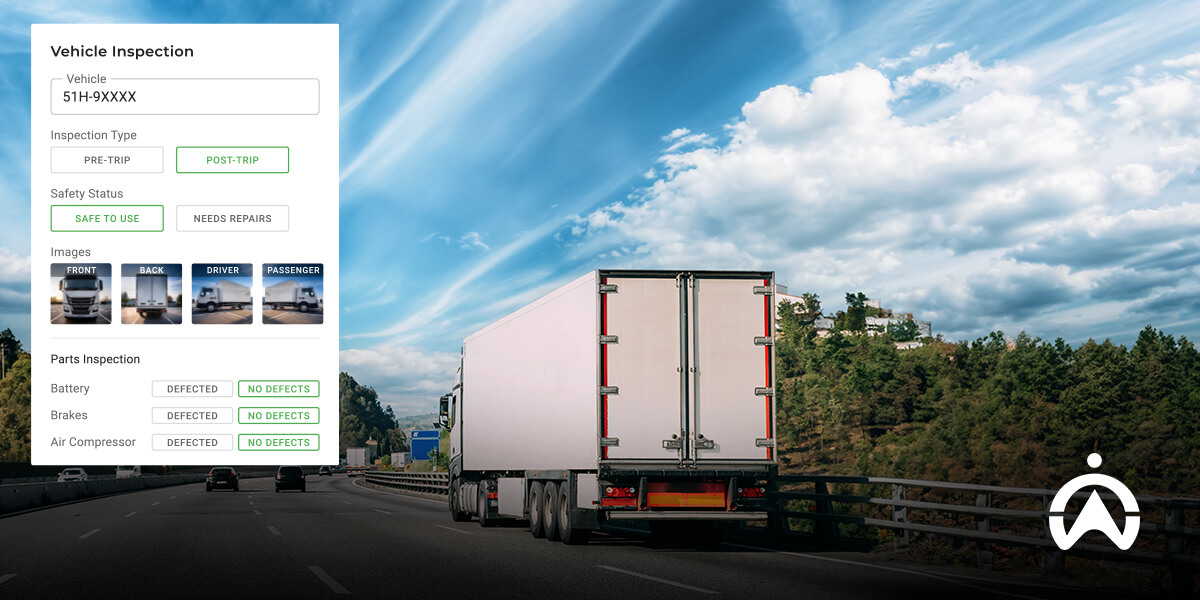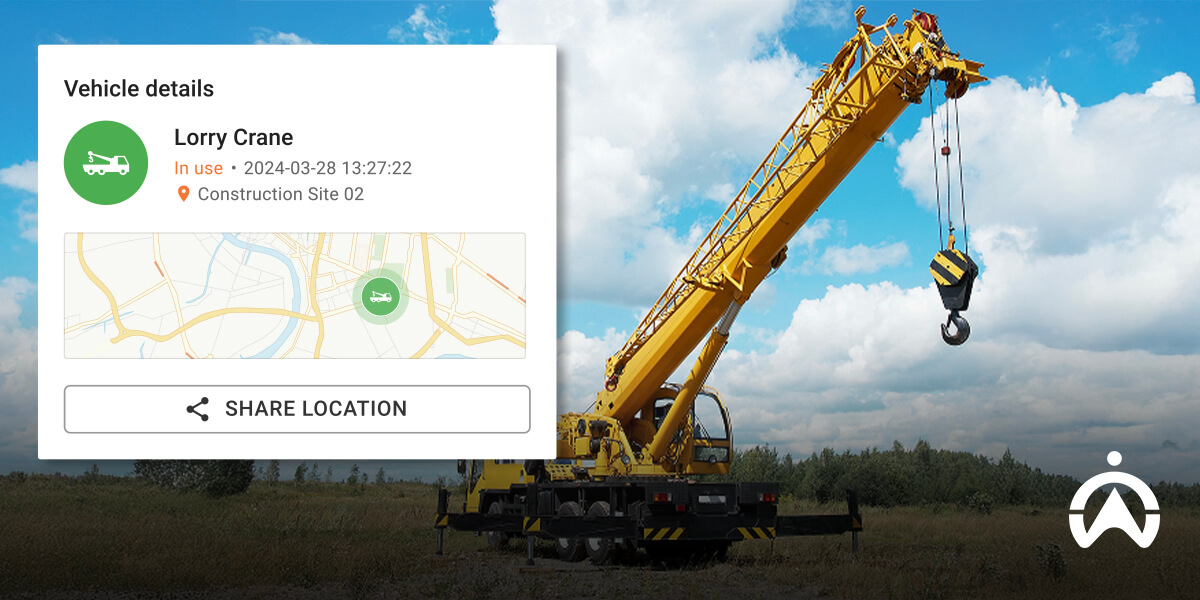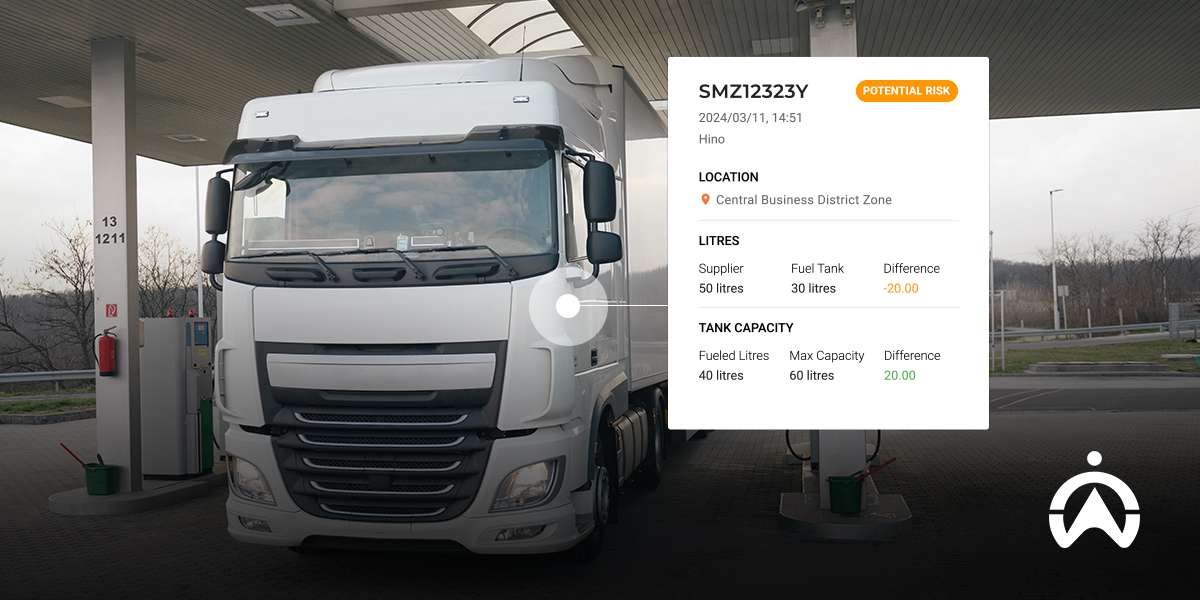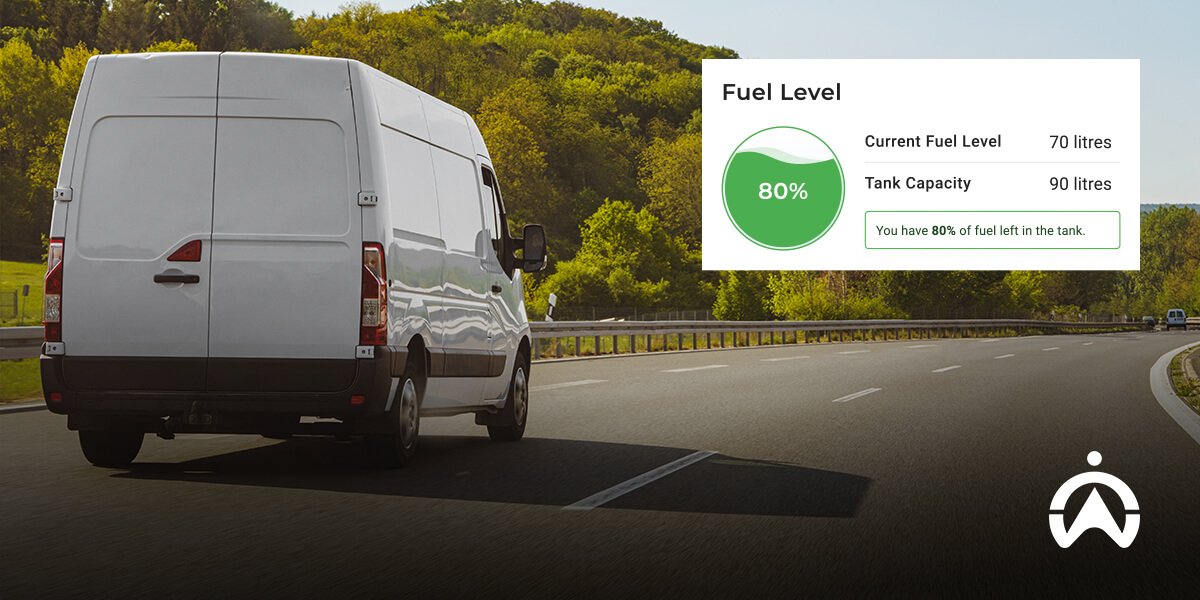

What is Field Service Management Software?

Field service management (FSM) software is a digital system that assists businesses with organising and optimising field operations through better planning, tracking, and delivery. This kind of software is undoubtedly vital for modern fleets, as manual processes and outdated resources risk higher costs, slower service, and poor customer satisfaction.

By giving field service agents smart FSM apps that boost their productivity by up to 14%, you’re effectively multiplying your sales force and increasing their selling opportunities by the same margin. For service-heavy industries, this means faster turnaround times and a happier consumer base.

The pressures of compliance and productivity are significant for businesses like yours. Cartrack can offer you one of the most complete FSM-enabled platforms. It combines advanced fleet management with the right delivery tools to help businesses with insights, making smarter decisions, and the ability to act quickly when operational demands change.

Understanding field service management (FSM) software

Field service management (FSM) software is a digital tool that automates field operations through scheduling, tracking, and reporting. The ultimate goals for FSM software are to improve service delivery, enable easier scheduling for service technicians, and improve overall workflow. This also provides fleet managers with valuable and measurable insights.

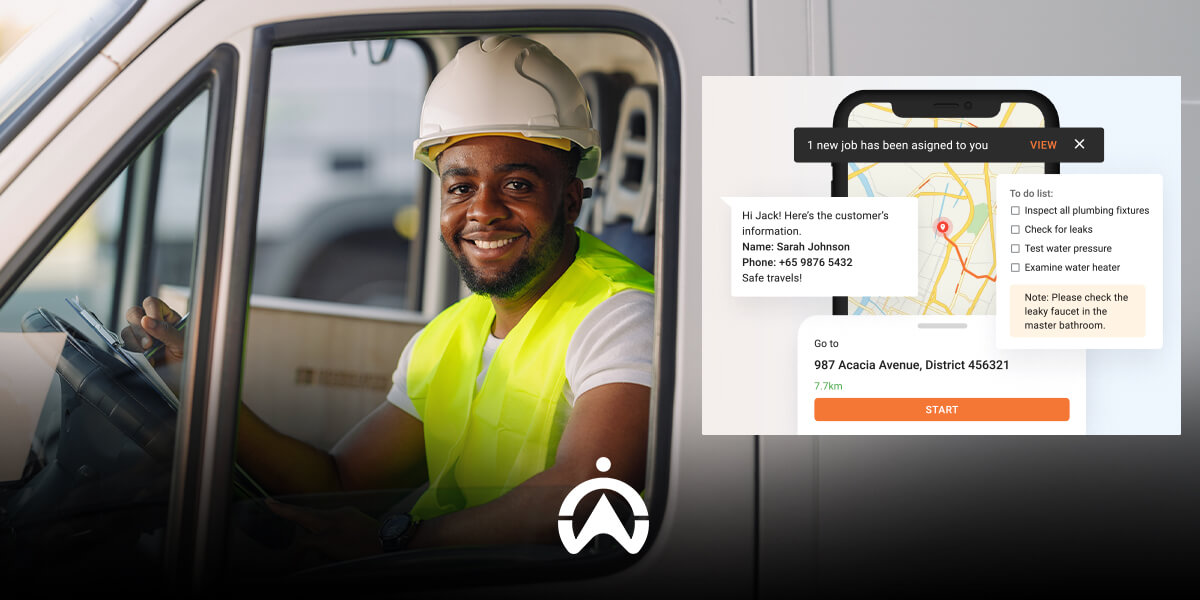
FSM isn’t quite fleet management software. It focuses largely on the service delivery aspect of processes, typically being integrated into a larger fleet management software or platform. Cartrack’s Delivery add-on feature shows this integration in action. It connects fleet tracking with field task management and bridges the gap between vehicle monitoring and on-site service.

What are the core components of FSM software?

The core components of FSM software include scheduling, asset management, and reporting & analytics. All of these features ensure that your field service operations are running as smoothly and simply as possible.

These are all the core components to consider:

  • Work order management: This helps you set up and assign tasks from start to finish, allocating them efficiently. Job prioritisation is important here too, involving ordering (and reordering when necessary) jobs based on their urgency and importance. Finally, skill matching can also be credited here, assigning field workers to the job based on their appropriateness.
    ‍
  • Scheduling and dispatching: This helps with optimising routes and matching tasks to the right drivers in real time. This also keeps deliveries on time and boosts service speed.
    ‍
  • Mobile access: Field staff have immediate access to their schedules and tasks, along with immediate updates and changes that might happen via smartphones or tablets. This is what allows for smooth communication.
    ‍
  • Inventory and asset management: You can keep track of spare parts and tools so that field workers have access to them whenever needed. The software may also allow field workers to quickly submit an inventory request if necessary.
    ‍

Types of FSM software

The types of FSM software include industry-specific, cloud-based, and enterprise. These different formats all depend on business needs, usually based on industry specialisation. By understanding the different types, you can decide which one suits your business.

Take a look at the following software types:

  • Cloud-based vs on-premise: Cloud-based solutions store data remotely and provide remote access, easier (and usually multiple-user) access, and lower upfront costs. It’s also likely to reduce data loss. On-premise solutions are typically more customisable while offering greater control. These are also typically less expensive over time.
    ‍
  • Industry-specific solutions: These are usually industry-targeted solutions, customised to sectors like healthcare, logistics, and telecommunications. Because they’re tailored, they typically have specialised features.
    ‍
  • Enterprise vs SME solutions: Enterprise software is built for large-scale operations and complex analytics. SME solutions, on the other hand, are simpler and designed for smaller teams with straightforward workflows.

A delivery person hands a package to a recipient outside a building, with a van loaded with cardboard boxes in the background.

What are the key considerations of choosing FSM software in Namibia?

The key considerations of choosing FSM software in Namibia include compliance, conditions affecting operations, and system integrations. It’s important to consider local regulatory matters and challenges, as your FSM software choice needs to tackle these effectively.

The good news? Cartrack’s Delivery platform has a tool that meets every one of these considerations.

Keep these in mind when choosing the most suitable software:

  • Local regulatory compliance: FSM software should have features that help you and your business stay compliant according to local laws and regulations. Real-time alerts and predictive maintenance are some of the key features that can help here.
    ‍
  • Road and weather conditions affecting field operations: Namibia has some particularly tough weather and road conditions that could prove especially challenging when out in the field. Ensure that your software accounts for route optimisation and scheduling adjustments, so field workers remain on time.
    ‍
  • Integration with telematics and fleet solutions: When FSM software is integrated with telematics and fleet management programmes, there’s guaranteed better output and insights. This also ensures technical cohesion.

Common challenges in FSM implementation

Even the best FSM software can encounter implementation challenges. However, spotting these early helps managers plan ahead and reduce potential risks.

Avoid being surprised and consider these potential vulnerabilities:

  • Resistance to change by field staff: Any change can be met with resistance. It might happen that some staff are hesitant to learn and adopt a new system.
    ‍
  • Integration with existing systems: Integrating FSM with older systems often takes some careful planning. This is because older systems might be incompatible in terms of formats, or the technology is simply outdated.
    ‍
  • Data accuracy and reliability: You need live, accurate data for powerful data insights. If you don’t have accurate data for whatever reason, it heavily affects job assignments and reaction time when it comes to emergencies.
    ‍
  • Training and onboarding: You must invest time and effort into training for you and your team. This is the only way that you’ll all be able to work smarter as a business. Without the proper guidance, you’d have invested in intelligent tools that aren’t used properly. This means you’re not getting the ROI (return on investment) and performance efficiency that you could be seeing.

Measuring ROI from FSM software

Measuring ROI from FSM software ultimately helps you understand the value of implementation. This is why you need to understand and focus on the measurable insights. It also justifies the investments of FSM as a tool.

Think about these valuable outcomes:

  • Cost savings: Cut down on fuel, overtime, and admin costs.
  • Faster service: Get jobs done quicker with better and smoother scheduling.
  • Happier customers: Reduce delays and deliver a quicker and higher-quality service.

How does field service management software transform your operations?

Field service management software transforms your operations by maximising day-to-day operations and simplifying the processes and costs of your business. As a result, you’re lessening wasted resources, reducing bottlenecks, and encouraging a customer-focused operation that supports long-term growth. This means your business has a much stronger bottom line.

Look at the ways your business could be transformed by FSM:

  • Increased productivity: More jobs can be completed by field workers as scheduling and distribution are made smarter.
  • Reduced fuel, labour, and maintenance costs: Tools that result in route optimisation and predictive maintenance assist in preventing wear and tear, staff overtime, and unnecessary travel.
  • Great customer satisfaction: Because of factors like route optimisation and live communication, field workers are making more deliveries and doing so FASTER.
  • Complete visibility: As a fleet manager, you have complete visibility of the fleet and the workflow. You can keep track of the locations of the vehicles, as well as the movements of your field workers.
  • Simple compliance and reporting: Meeting regulatory standards and having your documents in order is unbelievably easy with automated data systems. Everything can be captured and saved on the software’s system, so that you can remain compliant while also cutting down on admin time.

How does field service management software support fleet management?

Field service management software supports fleet management by bringing tasks, drivers, and fleet vehicles all under one roof—usually through one platform. These two systems produce the best results when they work together. When you combine these tools, your business can cut costs, reduce downtime, and deliver better service overall, all while maintaining full control and oversight.
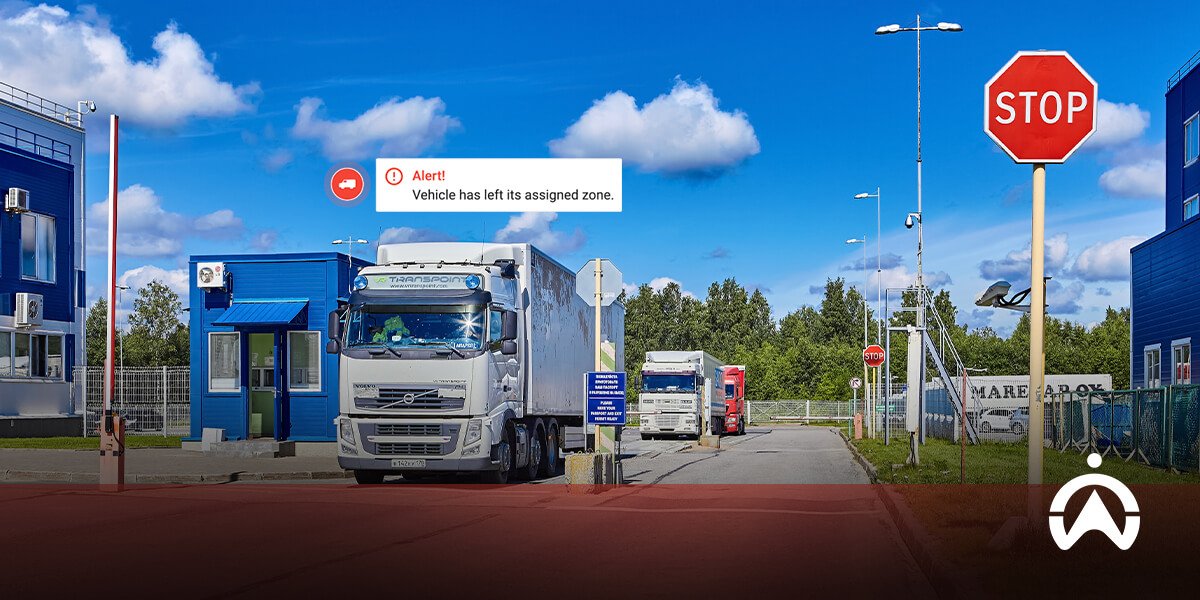
A white truck leaves a facility, with a warning alert on-screen indicating it has exited its designated zone near a stop sign.

How to choose the right field service management software

Choosing the right field service management software is about implementing a system that fits how your business runs, works well with existing systems, and can grow and scale with you. It’s more than just ticking off features on a list. It should also help you stay compliant and give you reliable local support.

A useful way to make the choice easier is to use a simple checklist that highlights the key things to look out for.

Look at this simple framework you can apply when evaluating potential solutions:

  • Identify operational needs
  • Evaluate integration options with existing fleet software
  • Assess scalability, mobile functionality, and analytics capabilities
  • Consider local support and compliance
Checklist Item Key Questions to Ask Why It Matters
Identify operational needs Which tasks or field operations require management? Are there specific pain points (e.g., scheduling, asset tracking, deliveries)? This ensures the software addresses your real operational challenges rather than extra and unnecessary features
Evaluate integration options Can the FSM software integrate with your existing fleet management or third-party systems? Seamless integration improves data accuracy, lowers human error, and provides a complete operational view
Assess scalability and functionality -Is the software flexible?
-Will it grow with your business?
-Does it support mobile access, live updates, and detailed analytics?
Flexibility strengthens your investment and ensures it supports both current and evolving needs
Consider local support and compliance -Is there local customer support?
-Does the software comply with Namibian regulations and industry standards?
This minimises downtime, ensures you and your staff are supported, assures smooth implementation, and keeps your business compliant
Total cost of ownership What are upfront costs, subscription fees, and additional implementation or training costs? Helps evaluate ROI and assists you in selecting a solution that provides the best long-term value

Cartrack’s approach to field service management for fleet operations

Cartrack’s approach to field service management for fleet operations is enabled through the Delivery add-on feature on FleetWeb. The fleet management platform integrates and collaborates with Cartrack’s Delivery, giving managers the ability to monitor, plan, and optimise business operations to the fullest.

As a result of this partnership, you can count on a more powerful company with increased accountability throughout the organisation.

Here’s a quick look at how Cartrack makes things simple for you:

  • Visibility: As mentioned, visibility is the most fundamental component when it comes to field services. Cartrack makes keeping track of your vehicles and drivers easy with our real-time and accurate tracking. You can manage your drivers and jobs on one platform—that means no cross-platform confusion.
    ‍
  • Cost management: With our systems offering strong insights on routes, fuel usage, idle times, and driver and other behaviours, you have the opportunity to make informed decisions for your business. These assist with operational optimisation, which can drastically reduce business expenses.
    ‍
  • Simple compliance: Thanks to Delivery’s automated reports and insights, you’re immediately supported in anything transport, compliance, or permit-related. You no longer have to worry about handling important documents manually, potential human error, or compliance risks.

Final thoughts

Field service management ultimately redefines the way your business functions, helping you better manage staff, vehicles, and operations. With the advantages of increasing output, cutting expenses, maintaining compliance, and improving customer satisfaction, its influence is evidently extensive.

Cartrack gives you all of these benefits and more, wrapped in a single platform. With a service add-on like Delivery, you’re getting a complete solution that gives you and your business total visibility and supervision.

Are you ready to revolutionise your field operations? Discover how Cartrack’s FSM and fleet management solutions give you complete operational control, all from a single, easy-to-use platform.

FAQs

Q: What kind of support and training is typically offered with field service management software?

A: The kind of support and training typically offered with field service management software is onboarding, how-to/user guides, and training programmes. These are the best ways to get your teams up and running as quickly as possible. Cartrack offers all of the above, including ongoing support to maximise your business’ long-term success.

Q: How does field service management software handle unexpected changes or urgent service requests?

A: Field service management software handles unexpected changes or urgent requests by providing the necessary tools that allow for quick reassignment and communication. Drivers can be alerted through their apps and priorities can be raised in the event of an urgent driver issue or last-minute delivery.

Q: Is mobile access secure for field technicians?

A: Yes, mobile access is secure for field technicians, typically with encrypted connections and user authorisations. These are the steps taken by FSM software to protect user and business data. Cartrack has implemented safeguards that meet universal standards, so you can be sure your information’s only accessed by authorised figures.

Q: How does Cartrack’s field service management solution stand out?

A: Cartrack’s field service management stands out by combining fleet tracking and field service management in a single platform, instead of offering separate tools. Its Delivery system lets managers plan, dispatch, monitor jobs in real time, optimise routes, and automatically capture compliance information. This mix of visibility, automation, and local support is unmatched in the Namibian market.
Fuel Management Systems for Sale: Invest in True Accuracy Today

One of the largest expenses of operating a fleet is fuel. You can track and manage every drop with our affordable fuel management systems, increasing accuracy and reducing waste. It also means that regardless of the size of your fleet, you will reduce risks, save money, and maintain seamless operations.

According to ATRI, up to 40% of fleet expenses are related to fuel. Over time, even minor mistakes in fuel consumption can result in significant losses. This is why companies that want to reduce risks, increase efficiency, and remain competitive must have an accurate fuel monitoring system.

What is a fuel management system?

A fuel management system is a tool that tracks, records, and controls how fuel is used in your fleet. It makes it easier to see the exact time, location, and method of fuel consumption. Companies use it to ensure that every litre is used efficiently, reduce waste, and enhance planning.

It’s not just about numbers. This type of system provides you with real-time data that transforms fuel consumption into insights that can be put to use. You’ll get live data that enhances decision-making and holds all drivers accountable, rather than relying on speculation or out-of-date reports.

Cartrack’s fuel management system allows businesses to have stronger control, reduced expenses, and easier compliance with corporate regulations over time.

Why does accuracy matter in fuel management?

Accuracy in fuel management is crucial because even the smallest mistake can result in significant financial losses. It’s simple to lose money without realising it if your logs are inaccurate or your fuel usage isn’t monitored correctly. Due to this, a precise fuel management system is an essential investment for any company operating a fleet.

Inaccurate data can lead to drivers abusing fuel cards, theft going unnoticed, and refuelling log errors adding up to significant hidden expenses. However, precise systems guarantee that each litre is accurately recorded, matched, and reported. This provides managers with complete visibility and facilitates prompt action, whether it be addressing inefficient driving practices or enhancing route planning.

Key features to look for

A fuel management system’s key features are important because they influence how much value you’ll receive. A good system provides you with tools to prevent waste, save time, and make better decisions in addition to tracking fuel. When looking for a fuel management system for sale, keep the following characteristics in mind:

Feature What It Does Why It Matters for Your Business
Real-time tracking Monitors fuel usage instantly across all vehicles Prevents delays in spotting fuel waste or theft
Automated reporting Creates accurate, easy-to-read reports Saves admin time and improves decision-making
Telematics integration Links fuel data with fleet performance metrics Gives a full view of operations for smarter planning
Theft-prevention controls Uses PINs, tags, or authorisation for refuelling Reduces risk of unauthorised fuel use
User-friendly dashboards Simple, centralised interface Makes it easy for managers to spot issues and act fast

These features alter how companies run their operations in addition to improving monitoring. With the correct resources, you can stop issues before they start. That’s the source of true long-term savings!

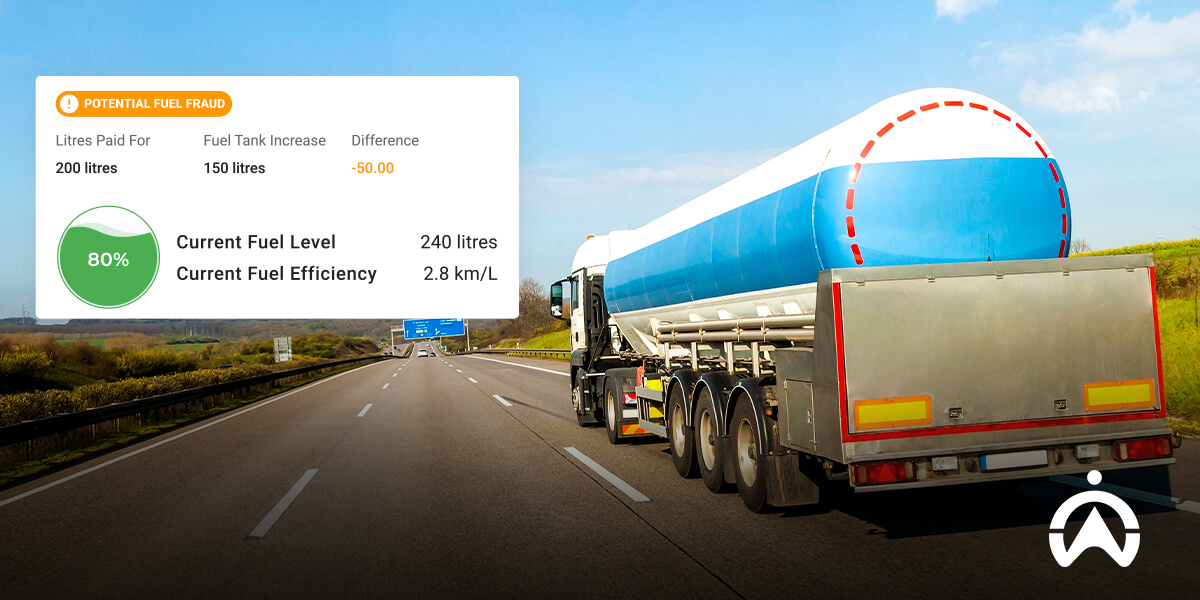
Image of a fuel tanker truck on the highway, displaying potential fuel fraud analytics on the side, including current fuel levels and efficiency metrics.

Benefits of investing in a fuel management system

Investing in a fuel management system benefits your business because it improves control, lowers expenses, and minimises waste. Beyond just financial savings, you’ll also benefit from improved reporting and more efficient operations that support your teams’ productive work.

Key benefits include:

  • Increased driver and vehicle accountability: This feature makes it possible to identify drivers who are idling excessively, speeding excessively, or taking inefficient routes. You can then coach them accordingly based on that data.
    ‍
  • Support for compliance: Simple reporting for rules and audits.
    ‍
  • Reduced downtime: Administrative procedures run more smoothly and there are fewer disputes.
    ‍
  • Scalability: The ability of a system to expand with your fleet and meet new challenges.
    ‍
  • Proactive Maintenance: Vehicles with sudden drops in fuel efficiency may indicate a clogged filter or a failing engine part. Accurate data can assist with proactive, predictive maintenance, preventing breakdowns and extending vehicle lives.

These benefits assist fleets of all sizes in transforming fuel from an ongoing financial burden into a measurable, controlled resource.

What to consider before you buy

What you need to consider before buying a fuel management software is how well it fits your company. It’s important to look for the ideal balance of features, support, and price because not all fuel management systems are created equal.

Vendor reliability and support

Select a supplier who provides excellent after-sale support. You’ll save time and frustration with dependable assistance during setup and rapid resolution of problems.

Compatibility with your current tools

Verify that the system can be integrated with the fleet management or telematics software you currently use. This helps you get the most out of your investment and avoid disputes.

Data accuracy guarantees

Seek out systems that guarantee accurate, unchangeable reporting. The system won’t increase accountability or produce significant savings without reliable data.

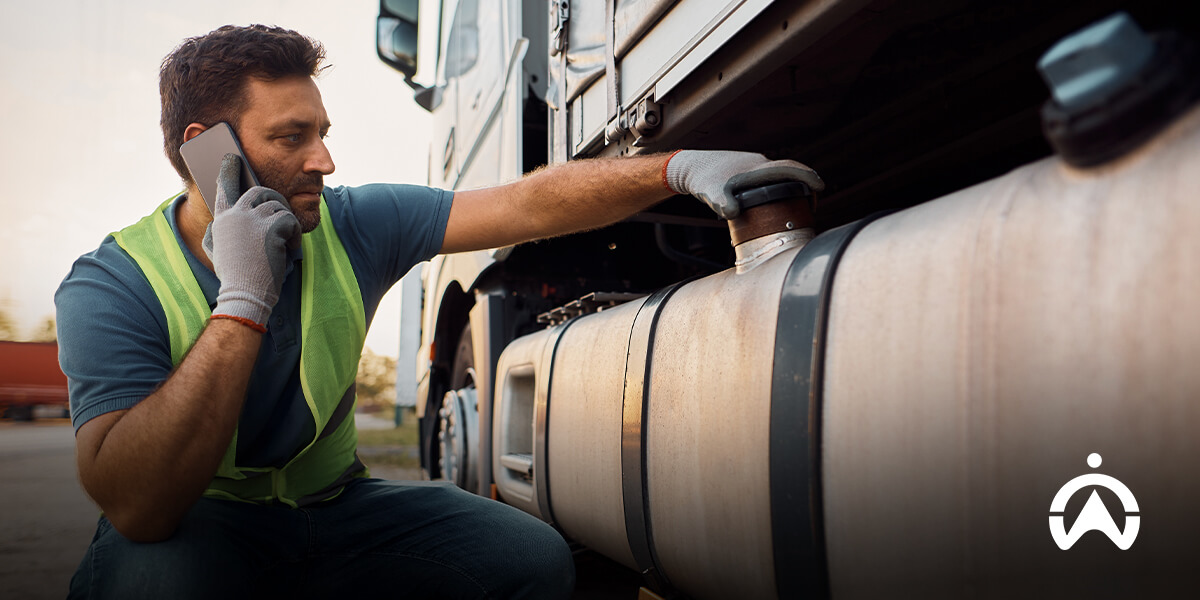
A worker in a green safety vest inspects a fuel tank on a truck, focused on maintenance tasks in a transport yard.

Hidden costs

Certain systems have additional fees for licences, software upgrades, or training. There won’t be any surprises later if you ask about all costs up front.

Scalability

Select a system that can expand to accommodate your fleet. Choosing scalable technology ensures that you won’t have to replace it as your company grows.

Finding the right fuel management system for sale ensures accuracy, cuts waste, and keeps your company profitable. Even though the initial expense might seem high, the long-term benefits make it one of the best decisions you can make for your fleet.

Now is the time to look into solutions or request a demo if you’re prepared to see how much money your company can save with Cartrack’s fuel management systems.

FAQs

How does a fuel management system save money for businesses?

A fuel management system saves money for your business by stopping theft, reducing waste, and cutting admin hours spent on manual reports. It gives you accurate data in real time, which helps you plan routes better and track driver habits. Together, these changes lower fuel costs and boost efficiency.

Are these systems suitable for small fleets?

Yes, fuel management systems work for both small and large fleets. Small fleets often see faster results because even a little waste makes a big difference. The system helps reduce errors, cut unnecessary costs, and scale smoothly as the business grows. It’s a long-term investment with quick wins.

Can a fuel management system integrate with existing fleet software?

Yes, a fuel management system can be integrated with your existing fleet software. Most modern systems are designed to work with telematics and other fleet tools. This means fuel data can be combined with driver behaviour, route planning, and vehicle health records. Integration gives managers a full view of operations in one place, making it easier to find patterns and act quickly.

How quickly can businesses expect ROI?

Many businesses see a return on investment within six to twelve months. Savings come from cutting theft, reducing admin, and improving driving efficiency. The exact timeline depends on the fleet size and current issues, but most companies recover their costs quickly and keep saving money year after year.

The Best GPS Tracker for Commercial Vehicles

Cartrack is considered to have one of the best GPS trackers for commercial vehicles in Namibia. We’ve been around for over 20 years, offering various groundbreaking smart technologies. We’re always looking for ways to improve our services, and that’s what always keeps us a step ahead.

In 2024, we were voted the Star’s Best Vehicle Tracking Company on the 2023 Readers’ Choice Awards. This award acknowledges our success in vehicle tracking and commitment to customer service, making us a trusted choice in Namibia and around the world.

GPS tracking is crucial for every commercial vehicle business because it helps streamline your operations, reduce costs, and boost efficiency. Our solutions do just that, and we’re here to give you a detailed breakdown of why you should partner with us.

Which GPS tracker is the best for your commercial vehicles?

Cartrack is regarded as one of the leading providers of GPS trackers for commercial vehicles in Namibia. In the past two decades, we’ve conducted over 100 000 vehicle recoveries, proving our dedication and trustworthiness. So if you’re looking for the best GPS tracker for your fleet business, then Cartrack is the right place.

The whole point of GPS tracking for commercial vehicles is to ensure that you can monitor driver locations and movements. In doing so, you’ll gain insights into fleet operations, which allows for better coordination of daily tasks.

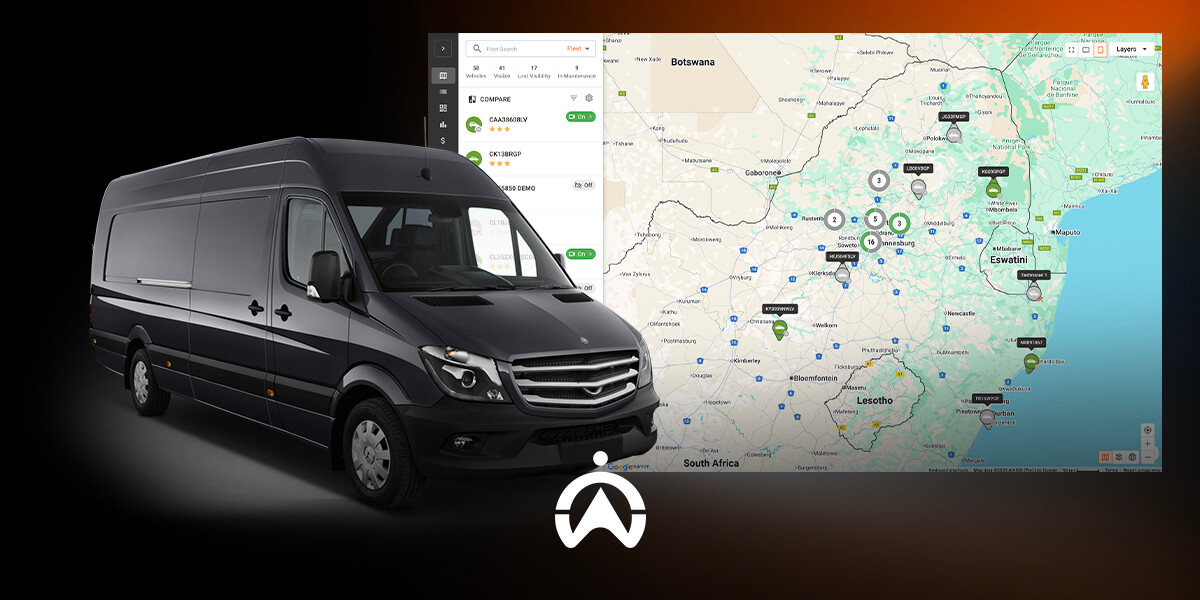
At Cartrack, we’ve got a fleet platform that gives you access to various fleet solutions all in one place. Instead of juggling multiple platforms for tracking, fuel, maintenance, compliance, and reporting, everything is managed from one dashboard. With all your important data combined, you get a full picture of your fleet’s performance to make smarter decisions. One integrated system is usually more affordable than paying for several separate tools.

Why should your business invest in a GPS tracker?

Investing in a GPS tracker will bring many benefits to your fleet business. According to Verified Market Research, the increasing adoption of telematics and GPS tracking is a primary component for operational efficiency. This technology brings cost savings and safety improvements across global commercial fleets.

Here’s a table breakdown of how running a fleet looks with a GPS tracking system vs. without:

Benefit Without GPS Tracking With GPS Tracking
Fleet visibility and efficiency Hard to know where vehicles are or how they’re used Real-time visibility improves planning and efficiency
Fuel and operational costs Extra fuel is wasted on poor routes Route optimisation and monitoring. Cut fuel and running costs
Driver safety and accountability Limited oversight on driver behaviour Tracking encourages safe driving and accountability
Theft prevention and recovery Vehicles are harder to locate if stolen Live-tracking makes quick recovery possible
Compliance and reporting Manual records are prone to errors Automated reports ensure compliance and accurate data

What features should you look for in the best GPS tracker?

The key features you should look out for when searching for the best GPS tracker are real-time tracking, driver behaviour alerts, maintenance alerts, geofencing, software integration, and scalability. These functions each play a vital role in keeping your fleet safe and efficient.

Let’s take a closer look at each of the key specifications:

Real-time tracking and accuracy

When you run a fleet, knowing where your vehicles are at any moment is essential. Real-time tracking lets you see your cars, trucks, or vans moving on a live map. It’s like having eyes on the road without being in the driver’s seat. The accuracy of this information matters too. If your GPS tracker is always a few streets off, it can cause confusion and wasted time. The best GPS trackers should ALWAYS give you the right location within seconds.

Driver behaviour monitoring

Every time your drivers are on the road, they represent your business. A good GPS tracker should also tell you how they drive. You can tell if they’re speeding, braking too hard, or idling for too long. Such behaviours increase fuel consumption, advance vehicle wear & tear, and put the lives of your driver and the public in danger.

Driver behaviour monitoring tools help reduce the chances of accidents and even save fuel.  Also, when drivers know you’re watching their habits, they tend to drive more carefully, which makes the roads safer for everyone.

Maintenance alerts and diagnostics

Fleet vehicles are an investment and need to be well taken care of to increase their lifespan. A good GPS tracking and fleet management system should remind you when it’s time to get your car serviced. It should also be able to read vehicle engine data and let you know if something is wrong before it becomes bigger. This way, you plan for maintenance days, keep your fleet moving and avoid unexpected downtime.

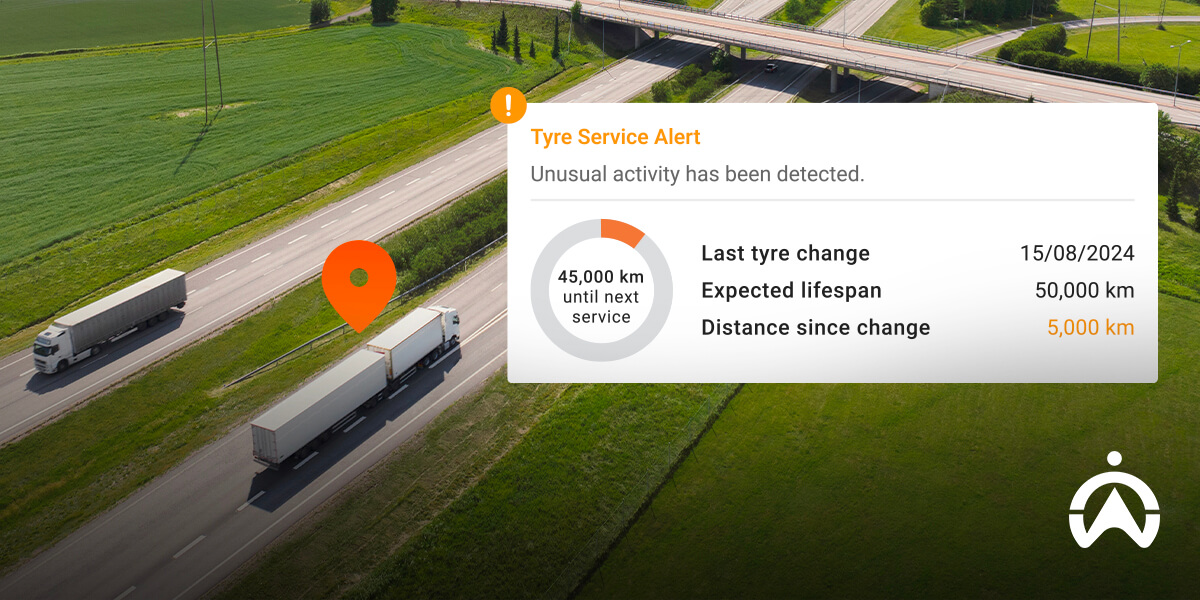
Aerial view of two trucks on a highway with a tyre service alert graphic indicating unusual activity detected.

Integration with fleet management software

Integration with fleet management software means you can connect all the important tools in one place. Be it location tracking, driver scheduling, fuel use or other reports, one dashboard makes each job easier. It saves you time, cuts down on mistakes, and brings less confusion. Should there be any issues, you’ll only need to contact one service provider to resolve everything.

Geofencing and alerts

Geofencing lets you draw a digital fence around a specific area, like a delivery zone, a restricted region, or a specific route. These fences serve as boundaries that make it easier for you to know when vehicles enter or leave those areas, because you’ll get alerts. This feature keeps you informed if a driver takes a wrong route or if a vehicle is stolen and ends up in a high-risk area. It also helps you keep track of delivery times and make sure vehicles are used only where they’re supposed to be.

Scalability and ease of use

Your fleet might start small, but what happens when it grows? Whether you have five vehicles today or fifty tomorrow, the system should expand without making things complicated. Ease of use is just as important. If the software is confusing, your team won’t use it. Look for solutions with simple dashboards and clear instructions so you don’t waste time on training again and again.

How do you choose the best solution for your fleet?

The easiest way to choose the best solution is by considering your fleet’s needs. Choosing a modern GPS system means you’re not just buying a tracker, you’re investing in a full tool to manage your fleet better. Consider the following:

  • Fleet size
  • Type of vehicles
  • Budget options
  • Installation methods
  • After-sales support
  • Data security

The following table further explains each of the factors that you should consider:

Factor What it means Why it matters
Fleet size How many vehicles you manage Different fleet sizes need different tracking solutions
Type of vehicles Cars, trucks or mixed fleets Some systems work better with certain vehicle types
Budget options How much money you can spend Lets you choose a system that fits your costs
Installation methods How the system is set up in the vehicle Some fleets need quick installs while others prefer wired systems
After-sales support Help after buying the system Good support keeps your fleet running smoothly
Data security How safe your data is Protects sensitive fleet and driver information

Real-world examples of GPS trackers in action

Over the years, we’ve partnered with businesses from various industries, offering our GPS tracking services. Each of our clients had their unique challenges, but we’ve always had the perfect solutions for them. We always strive to give you next-level technology that helps smooth out operations and reduce costs.

The following case studies are real-life feedback from two of our clients.

Case study 1: Supermarket Farms

Supermarket Farms is a supplier of fresh, high-quality produce to restaurants, hotels and catering companies around Gauteng. They had issues with keeping up with their driver’s whereabouts during deliveries. They needed a system that could help see where drivers were so they could ensure that there were no unnecessary detours or delays that could affect the freshness of the produce. They also needed to improve general productivity and overall customer experience.

How we helped them:

  1. Using the Cartrack GPS tracking system, Supermarket Farm can pinpoint exactly where their drivers are at any given time. They can see if there are delays, such as idling for too long or the driver going off route. They can quickly discover the cause of the delay and resolve the issue, as well as update their customers on estimated arrival times. This ensures more efficient dispatch of fresh produce without delay.
    ‍
  2. Supermarket Farm uses our fleet management system to get insights on drivers and vehicles. This helps them better run their day-to-day operations, improve on safety, and save costs. For instance, if drivers have received speeding tickets, managers can pull up reports to verify where the event occurred to help settle disputes. This minimises future events from occurring, helps them avoid unnecessary costs, and encourages driver compliance.

“Cartrack’s system has benefited our business’ productivity, helping with logistics, and improving driver turnaround times. It has helped us make sure there are no delays and route detours, saving us petrol because the drivers are staying on the exact routes” | Nelson Duarte, Co-owner, Supermarket Farms

Case study 2: BCI Security

BCI is a business that offers a full range of private security protection services. Their services include armed response, guarding, canine solutions, and technical teams. They cover the whole security spectrum.

Their main challenge was that they had no way of ensuring that their response teams remained within their assigned areas. They also had no system to help them instantly locate their vehicles or monitor driver behaviour. This affected driver response times and prevented their control room team from being as quick and efficient as possible in emergencies.

How we helped them:

  1. Our geofencing feature allows BCI to set virtual fences around assigned areas and receive alerts when drivers enter or leave those zones. This helps them ensure their response teams are always active and present in their assigned areas. They now respond to client emergencies as quickly as possible. The geofence reports are also useful in giving BCI’s clients an accurate indication of patrol activity in their areas and making drivers more accountable.
  2. BCI Security managers can pinpoint exactly where reaction officers are using our live GPS tracking system. This allows them to quickly find the nearest reaction unit to people in need of a response, therefore improving their response times. This also improves service delivery, and encourages accountability, as BCI can verify that their response units were at the scene.
  3. BCI fleet managers can now easily monitor driver behaviour. They receive reckless driving alerts when drivers are speeding or braking harshly in times when there are no emergencies. These insights are used to inform and educate drivers, minimising avoidable incidents that could be harmful to drivers, vehicles, communities, and BCI’s business reputation. It’s also an effective way to decrease unnecessary vehicle wear and tear and prolong fleet longevity.

“Cartrack suited and understood our business from the start. We feel much safer with the Cartrack system, and their service is great, you are not just a number with them. Without them, we just wouldn’t be as efficient.” Johnny Loots | CEO, BCI Security

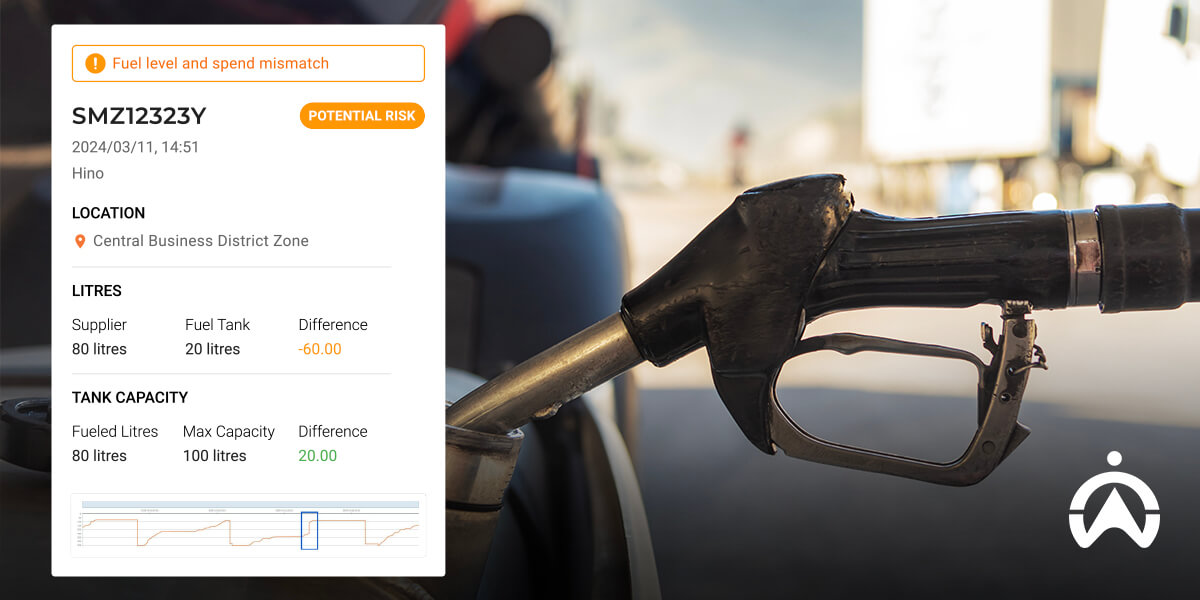
Image showing a fuel nozzle at a pump, with an overlay displaying potential risk related to fuel levels and expenses.

Get started with a GPS tracker built for your business needs

Cartrack’s solutions are designed to support fleets of all types and sizes. With us, you get top features such as remote live tracking, our stolen vehicle recovery service, and a digital logbook. Together, these solutions give you the ultimate GPS tracking system to increase your bottom line.

  • Remote live tracking: You can access our GPS tracking system through the Cartrack mobile app or website, allowing you to keep an eye on vehicle locations anywhere you are.
  • Stolen Vehicle Recovery: You can rest assured that should any of your fleet vehicles be stolen, Cartrack will act swiftly. Our recovery teams are stationed nationwide and always on standby. This ensures that they’re always close to you, so they can be on the hunt as soon as your call comes in.
  • Logbook: It’s important that your business remains compliant so it can keep running. The Cartrack logbook automatically records trips and helps you classify business and personal trips. This ensures that your records are accurate for tax purposes. It also helps you keep up with how long each driver is on the road each day, so you can ensure they don’t exceed the maximum working hours, preventing fatigue and ensuring compliance.
  • Dashcams: Our AI Dual Vision dashcams have GPS tracking capabilities and telematics technology. This means you can get the same reports that you’d get from a normal GPS tracker, and you can see their actions in real-time. Since these cameras are AI-powered, they can spot when drivers are distracted and give out audible alerts. This helps prevent possible collisions, improving driver safety and saving your business from repair costs.
  • Route optimisation: Plan the most efficient routes with our route optimisation software. How does it work? All you need to do is input all driver destinations and the software will suggest the best routes for each driver to get to their destinations. It factors in things such as historical traffic trends, road conditions, travel time, driver schedules, and priorities.
  • Geofencing: As one of our case studies suggests, the Cartrack geofencing feature allows you to create virtual boundaries around areas of your choice. Thanks to this feature, you’ll get alerts whenever vehicles enter or leave those areas. These can be warehouses, office parks, delivery stops, or high-risk zones.

Get started with Cartrack’s GPS tracking system

With Cartrack, you’re guaranteed accuracy. When your drivers are in remote areas, our GPS trackers will continue to record up to 5000 data points of location and speed until they can find network coverage to transmit the data. Contact us today and get started with a GPS tracker built for your business needs.

Frequently Asked Questions about GPS trackers

How accurate are GPS trackers?

The accuracy of GPS trackers depends on the type of tracker it is, its intended use, and the quality of the signal. GPS signals can be affected by things such as the weather, tall buildings, or tunnels. Modern-day GPS trackers normally have 3-10 meters of accuracy.

What are the types of GPS trackers used in commercial fleets?

Commercial fleet companies normally use on-board diagnostics (OBD) trackers which are plug-and-play devices connected to the vehicle’s OBD-II port. Others are hardwired, which means the devices are directly installed into the vehicle’s electrical system. Then there are portable battery-powered GPS trackers which run on an internal rechargeable battery.

How long do commercial GPS trackers last?

Commercial GPS trackers should last you for a couple of years, depending on factors such as device quality, frequency of use, installation methods, maintenance, and system updates. It’s always recommended that you choose a GPS tracker from a reputable service provider such as Cartrack.

How to Stop Truck Driver Negligence

To stop truck driver negligence, always clearly identify dangerous behaviours, implement the right tools and coaching methods, and always enforce strong company safety policies. Negligence isn’t just about making a mistake here and there; it’s about recognising repeated behaviours that can put drivers, compliance, and business reputation at risk.

When you skip proper due diligence as a fleet manager, you open the door to serious threats. These include higher accident rates, rising insurance premiums, low driver retention, and damage to your company’s reputation. All of these can hurt customer relationships and slow down business growth.

In Namibia, the scale of the problem is evident. On major highways — where long-haul freight traffic is common — a large share of truck accidents are linked to driver error. This underscores how important it is to take proactive steps and address potential issues early. Through this article, let us take you through what negligence is, how to identify early signs, and—most importantly—how Cartrack can help you stay protected and compliant.

How do you stop truck driver negligence?

To stop truck driver negligence, you should always combine safety culture with advanced technology to achieve the best results. Ensure that you keep track of dangerous driver patterns, be prepared to coach and train your staff accordingly, and be fair about the scheduling and tasks that you assign.

To address driver negligence, take into account each of these key elements:

  • Driver training and refresher opportunities: Driver training ensures that your staff are aware and up to date with standard safety practices, compliance matters, and protective policies. Refresher training keeps drivers on their toes and keeps the safety culture strong.
    ‍
  • Setting realistic driver schedules and deadlines: As a fleet manager, it’s important that you allow drivers enough time to manage their deliveries and tasks. Be realistic about your scheduling. Without balanced schedules, you risk drivers who skip inspections, speed when driving, or exhibit fatigue behind the wheel. 
    ‍
  • Encouraging safe driving incentives: Incentives are a helpful way to encourage your drivers to keep practising safe driving habits. A reward system is a tangible way to maintain positive behaviour through better practices.
    ‍
  • Fostering transparency and incident reporting: Your employees are more likely to feel comfortable reporting any difficulties they’re having when you support transparency and positive working relationships.
    ‍
  • Recognising and rewarding positive driving/driver behaviour: Much like safe driving incentives, rewarding drivers for positive behaviour is one of the best ways to maintain safe driving. Whether it’s an award or a promotion, it shows that responsible behaviour is valued.

What is truck driver negligence?

Truck driver negligence is the repeated dangerous actions that a driver exhibits. These actions aren’t just one or two mistakes; they’re patterns that are an intentional disregard for safety and regulations. If you recognise these patterns early enough, you could take the right steps to nip them in the bud.

Use the table below to get a quick look at common examples of negligence vs isolated incidents:

Driver Behaviour Negligence (ongoing, preventable) Error (isolated, unintentional)
Speeding Consistently exceeding limits despite training and warnings Momentary misjudgement (e.g., overtaking too quickly)
Vehicle Inspections Regularly skipping pre-trip checks or falsifying records Forgetting one inspection step on a single occasion
Fatigue Management Ignoring rest rules or driving long hours knowingly Miscalculating rest timing once
Distraction Using a phone repeatedly while driving, smoking, covering the camera, etc. Glancing at the GPS too long during one trip, for example
Substance Use Driving under the influence of substances Not applicable. Substance use is never “just an error”

Warning signs that a truck driver may be negligent

To spot the warning signs that a truck driver might be negligent, check if your driver is frequently driving dangerously or skipping inspections and check-ups.

Look at these red flags:

  • Frequent dangerous driving: This includes aggressive driving, harsh braking, speeding, and the like.
    ‍
  • Consistent route deviations: If your driver keeps deviating from standard routes without explanation, this is a sign of negligence.
    ‍
  • Ignoring inspection logs and check-ups: Not completing inspections, submitting incomplete reports, or ignoring everything altogether puts your drivers and assets in serious danger.
    ‍
  • High number of near-miss incidents: If near-miss incidents keep happening, especially when compared to other drivers, it’s a strong indicator that coaching is necessary. 
A truck driver is seated, sipping a beverage, with app screens showing driving and rest timers. The interior is decorated and cozy.

How does truck driver negligence impact your business costs?

Truck driver negligence impacts your business costs quite negatively, threatening to drain your bottom line. Unchecked negligence goes beyond just endangering lives. Unsafe actions on the road can drive up costs across your operations.

This is how carelessness of this nature could cost your business money:

  • Higher accident risk and liability demands: Crashes bring legal claims, medical costs, and vehicle replacements, all of which hit the business hard.
    ‍
  • Rising insurance premiums: A poor claims record raises red flags for insurers, who respond with higher rates across the fleet.
    ‍
  • Vehicle downtime and delivery delays: Damaged trucks mean missed schedules, late deliveries, and unhappy customers.
    ‍
  • Damaged brand reputation: Frequent safety issues can quickly destroy trust with clients, partners, and the public.
    ‍
  • Lost contracts and customer trust: Logistics clients expect reliability, and repeated incidents can drive them straight to competitors.

What are the legal risks of truck driver negligence?

The legal risks of truck driver negligence include fines and penalties, lawsuits, and loss of operating licences. As a truck fleet manager, you’re obligated to carry a duty of care, meaning you’re legally and morally expected to put reasonable safeguards in place against foreseeable risks. Ignoring these responsibilities exposes the business to serious liability.

In Namibia, these are what safety regulators and compliance look like:

  • Road Traffic and Transport Act 22 of 1999 — This is the main law governing road-traffic regulation in Namibia, covering licensing of drivers, registration of vehicles, and general traffic rules.

  • Vehicle inspections and roadworthiness: Under the Act, vehicles must be tested and certified as roadworthy before they may be used on public roads. Vehicles deemed unroadworthy must not be operated.

  • Driver licensing and testing: The same law provides for the testing and licensing of drivers by designated examiners to ensure they are qualified and competent.

  • Oversight and inspection by authorities: The law empowers authorities (including examining-officers, vehicle-examiners and traffic officers appointed under the Act) to enforce standards, inspect vehicles, verify fitness of drivers, and issue or suspend licences based on compliance.

Not being able to meet those standards means:

  • Civil lawsuits: Injured parties may seek compensation for damages.
    ‍
  • Criminal liability: If negligence results in serious injury or fatalities.
    ‍
  • Fines and penalties: For breaking traffic, labour, or safety regulations.
    ‍
  • Loss of operating licences: Or restrictions placed on fleet activities.

Root causes of truck driver negligence

The root causes of truck driver negligence include weak safety culture, absence of coaching tools, and inadequate training. It’s impossible for carelessness to occur in isolation. When the right tools and resources aren’t set up, you won’t have the opportunity to take preventive measures or effectively target driver vulnerabilities.

Take a look at these root causes and their outcomes:

  • Poor training or lack of refresher training: When drivers aren’t given the onboarding and continuous training, they won’t be up to date with best practices. They’ll also likely continue with their risky driving habits.
    ‍
  • Pressure to meet unrealistic driving and delivery schedules: When you put pressure on your drivers by implementing tight or overloaded deadlines, they’ll continually cut corners so that timelines can be met.
    ‍
  • Lack of accountability or monitoring tools/coaching: The key to being able to monitor and coach your drivers is to implement smart camera solutions and telematics. Without these tools, there’s no way for you to effectively shape a business safety culture that’s supported by valuable insights.
    ‍
  • Stress, fatigue, and mental health factors: You endanger (even exacerbate) negligence issues if you disregard drivers’ mental exhaustion and stress by enforcing long hours and difficult routes.
  • Weak company safety culture: If managers and owners aren’t serious about safety, it’s likely that the drivers won’t be either. It’s important for you, as a figure in a supervisory position, to lead by example and not undermine the importance of safety policies.
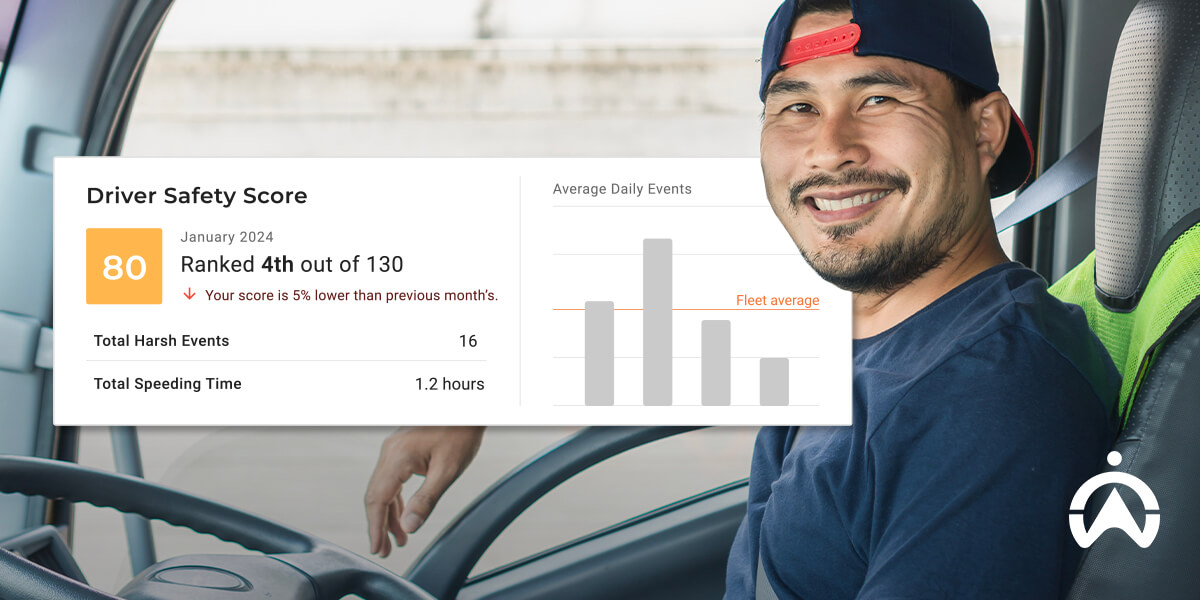
A driver displays a dashboard showing a safety score of 80, ranked 4th out of 130, with stats on harsh events and speeding time.

How can you prevent truck driver negligence with Cartrack?

With Cartrack, you can prevent truck driver negligence with support from our advanced technology and training solutions. Cartrack goes above and beyond by operating from a single, integrated, and unified platform that can detect and deal with potential negligence head-on.

This is what sets us apart:

  • Integrated driver behaviour monitoring with live alerts: You can get immediate notifications about dangerous driving and contact drivers in real time. This is especially true if you have a camera solution for your fleet with in-cabin calling.
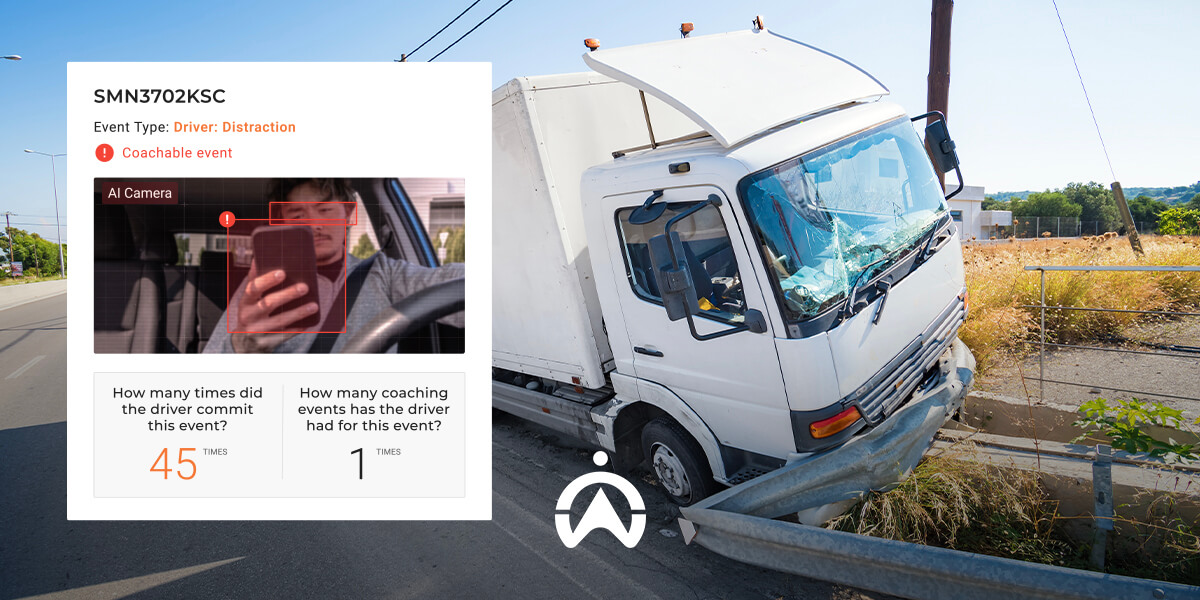
  • AI dashcams detecting distraction, fatigue, and risky driving: Our AI camera solutions can detect distracted driving, including fatigue, phone use, smoking, and many other high-risk behaviours. This is a key solution to predictive fleet management.
    ‍
  • Video telematics (dashcams/MDVRs) for full visibility: Using our comprehensive camera systems means you’re fully protecting your drivers and your business. Should any legal dispute arise, you’d have clear evidence to clarify the situation.
    ‍
  • Driver safety scorecards and coaching tools for managers: Our driver scorecards and performance data are the best and most transparent way for you to share feedback with drivers. These can help you correct negligent behaviour.
    ‍
  • Easy compliance reporting for audits: Cutting admin time has never been easier. Because processes are automated, this massively simplifies operations and minimises human error. This is especially important for exporting reports.
  • Predictive maintenance and automated alerts: Our platform will send you notifications for suggested maintenance, so that your vehicles are tended to before costly breakdowns even happen.
    ‍
  • Full platform integration: As mentioned, Cartrack has a simple, integrated, and unified platform that has all the tools right at your fingertips.

Building a Safer Fleet With Cartrack

With the availability of proactive tools and resources, truck driver negligence doesn’t need to be an inevitable event. Negligence is preventable with the right balance of culture, policy, and technology—and that’s all achievable with Cartrack. When you invest in prevention with us, you ensure the protection of your brand and financial success.

Don’t wait until negligence costs you a contract or your business reputation. Take control now with Cartrack, and see how quickly you can reduce risks across your fleet.

FAQs

Q: What is the most common accident injury for truck drivers? 

A: The most common injuries for truck drivers are musculoskeletal ones, particularly strains that affect the back, neck, and shoulders. These pains and injuries typically stem from long hours on the road and the impact of collisions. More serious injuries include fractures or internal trauma.

Q: What are the four elements needed to prove negligence?

A: The four elements needed to prove negligence include duty of care, breach of duty, causation, and damages. Bringing these elements together helps establish whether someone genuinely caused serious harm. They’re important to correctly and fairly establish that negligence took place.

Q: What happens if an accident is not reported within 24 hours? 

A: If an accident isn’t reported in 24 hours, this could result in penalties and rejected insurance claims. You’re mandated by law to tend to an accident report within the first 24 hours of the incident occurring. Failure to do so means that drivers and companies are likely to face financial risk and downtime.

Q: Is negligence always the truck driver’s fault, or can companies be liable?

A: As much as a truck driver is the one behind the wheel, companies will always be liable, as drivers are part of the company’s staff. Companies can also potentially be subject to lawsuits, fines, and reputational damage if an investigation reveals that there’s a lack of adequate training or policies in place.

Q: How long do most truck driver accident settlements take to resolve? 

A: Most truck driver accident settlements can take months to years to resolve—it ultimately depends on the case. Each case comes with unique complexities, including the severity of the accident/injuries sustained and potential court backlogs. Companies with solid safety measures and compliance tend to avoid lengthy legal disputes.

What Colour Car Gets Stolen the Least Today?

The least stolen cars are ones with bright colours such as orange, green, yellow, and pink. This is because they’re uncommon, easy to notice, and hard to sell. Car thieves tend to go for vehicles in common colours, such as white, grey, and black. This is because they have a higher demand, making them easy to sell.

With the high vehicle theft numbers in Namibia, it’s also noticeable that some cars are just more attractive to the criminals than others.  There are many factors that go into what makes a car more attractive to thieves. Colour is one of them, but this holds a very small percentage.

So if you’re wondering how much of an impact the colour of your car (or the one you’re thinking of getting) will make in terms of being a target, Cartrack is here to break it down for you. We’ll also give you tips on strengthening vehicle security regardless of the colour.

Do thieves really care about car colour?

Yes, car thieves do care about the colour of your car, but it’s not the main thing they look at. Car thieves fear being noticed and constantly think about how much attention a car draws. The brighter your car, the more it stands out, making it harder to hide.

Neutral colours such as grey, silver, black, and white, blend more into traffic. Think about a neon green sports car. How often do you see that? If word goes out that such a car is missing, people will definitely notice it while it’s on the move and report it. But if it’s black, most people will probably drive past it without even flinching. This is what makes bright colours less likely to be stolen.

Remember that car thieves are always looking to make a quick buck. Common colours are easier to resell or strip for parts. This means they have a higher resale value on the black market, thus being a more valuable option.

What the research and insurance data says about car colour

Research from the motoring industry suggests that insurers focus more on a vehicle’s make and model than its colour when assessing risk. However, lighter colours such as white and silver tend to be the most common on the road, which also makes them more frequently targeted for theft.

It’s also worth noting that certain vehicle characteristics can influence safety. The colour of a car can affect insurance considerations and may even play a role in reducing accident risk. How:

  • White cars have a 12% lower chance of being involved in accidents and are considered the safest on the road because they stand out in most backgrounds.
    ‍
  • Black cars are 47% more likely to be involved in road accidents because they don’t stand out on the road, especially in the dark. They have the highest accident rates.
    ‍
  • Owners of darker-coloured vehicles often face higher insurance premiums due to the risks associated with visibility.
A masked individual in black clothing attempts to break into a parked car, using a tool to pry open the window.

Other things that matter more than vehicle colour

Vehicle colour only plays a small role in what thieves are looking for. Criminals usually care more about the type of car it is, how easy it is to steal, and how quickly it can be resold. In other words, vehicle colour matters less than its make, model, security features, and location.

Here’s why:

  • Car make and model: Some cars have a higher demand than others. Thieves usually target popular vehicles, regardless of colour, because they can be sold quickly. Luxury high–end cars may also attract organised crime groups due to their resale value on the black market.
  • Location: Some areas are more prone to car theft than others. There are high-risk zones in all major cities. If you live around such areas, your vehicle is at risk of theft regardless of the colour. Where you park your car also counts. Secure parking, such as garages and carports, provides more protection. If it’s a dark open area, then there’s a greater likelihood of theft.
  • Security: In one of our articles, we mention how older models may be easier targets because they lack security features such as alarms and immobilisers. The mere presence of visible security devices such as dashcams or steering wheel locks can make a thief think twice about targeting your vehicle.

How to choose a car colour wisely

When picking a car colour, think about all the pros and cons, take note of theft trends, but also bear in mind that vehicle colour is only a small contributing factor when it comes to risk. Ensure that you invest in strong security measures such as a GPS tracking unit. That way you get maximum protection regardless of the colour.

A smartphone displaying a Cartrack tracking app, showing a map with a parked green car icon, beside a white car and a woman.

No matter the shade, Cartrack keeps your car safe

With Cartrack by your side, you don’t have to compromise on the colour you’d like for your vehicle. Whether it’s red, blue, black, silver, yellow, or two-toned, we’ve got you covered! Our solutions are specifically tailored to reduce the likelihood of theft and increase the chances of recovery.

Here’s what we offer:

  • Stolen Vehicle Recovery: If you ever find yourself in a vehicle theft situation, you can rest assured that we’ll do everything in our power to get it back to you. We’ve got highly qualified recovery agents that are available nationwide and always on standby. Over the past decade, we’ve conducted more than 100,000 successful recoveries, making us a leading stolen vehicle recovery service.
    ‍
  • CarWatch: Ensure your vehicle is safe no matter where you park with our smart CarWatch feature. All you need to do is activate the tool on your Cartrack mobile app immediately after you park, and you’ll get an alert as soon as it moves without your permission. CarWatch acts as your virtual car-guard, watching over your vehicle during grocery runs or whenever it’s left in an unsafe environment.
  • Geofence: As an extra measure of security, you can make use of our geofencing feature. This is a function that allows you to create virtual boundaries around areas of your choice. You’ll get alerts whenever your vehicles enter or leave those areas.

    For example, you can create a geofence around the high-risk zones in your city. If you happen to lend your car to someone and they go past that zone, you’ll get an alert, then call to confirm their safety or determine if it’s a case of theft. Vehicle recovery chances are higher when the theft is quickly noticed.

  • Road Vision camera: Cartrack’s Road Vision camera solution is yet another way to safeguard your vehicle. It’s a road-facing camera with GPS tracking capabilities, ensuring you always know where your car is. Its visibility also serves as a deterrent to criminals because no one wants to steal a car knowing that their actions are being recorded.
    ‍
  • Trip history: All our GPS tracking devices have telematics technology. This means it can sense driving habits such as speeding, harsh braking, and harsh cornering. You can access this information by going through your trip history, replaying routes, and seeing where you can improve. Better driving habits reduce the chances of accidents, therefore making you less of a risk to your insurer. 

So rare bright-colour vehicles often show lower theft rates in studies, but regional differences, make and model, as well as security measures, matter far more. Vehicle theft goes with popularity, so unpopular vehicles are less likely to be stolen. A thief is more interested in what car you drive and how easy it is to steal. Enjoy the colour you want; just don’t compromise on security. Contact Cartrack today!

Frequently Asked Questions about car theft and colour

What car do they steal the most?

The most stolen cars are sedans, hatchbacks, and coupes. There’s a high-demand for vehicle models of that nature because of their widespread use in both rural and urban areas. Some of them are easier to dismantle, and due to their popularity, the parts are quick to sell.

Does a white car stay cooler?

Yes, a white car usually has cooler temperatures than darker-coloured cars. This is because white surfaces reflect more sunlight and absorb less heat. The reflection keeps the surface temperature lower, which in turn also keeps the interior cooler than that of a darker vehicle that’s left in the sun.

What Five Factors Should a Fleet Manager Examine When Planning to Purchase a Fleet?

The 5 factors a fleet manager should examine when planning to purchase a fleet include investment options, resale value, local regulatory requirements, flexibility, and predictive insights. Ultimately, though, the real challenge lies in striking a balance between controlling costs and enhancing operational capability.

Compliance is stressful enough. Tough road conditions, safety concerns, and rising fuel prices make poor purchase planning an even greater risk. The right vehicle choice can pay off. Trucks built to stricter and smarter performance standards compared to conventional vehicles.

Put simply, smart planning up front leads to real savings over time. With Cartrack’s selection of tools at your disposal, we can help you from the purchase stage right through to fleet optimisation. We’re prepared to support you in making the best investments while remaining compliant and ensuring your fleet is equipped for the future.

The 5 key factors every fleet manager must consider when purchasing a fleet

When planning to purchase a fleet, a fleet manager should examine these 5 key factors:

  1. Financing and investment options
  2. Resale or residual value
  3. Local regulatory and context-specific risks
  4. Flexibility and scalability, and
  5. Data and predictive insights

These factors shape your ROI (return on investment) and ensure that your fleet grows in tandem with your business.

#1. Financing and investment options

As a business owner, you’ve likely examined your financing and investment options, weighing the pros and cons of either leasing or purchasing. Ultimately, it depends on what your business plan looks like. A company that intends to scale rapidly may choose to lease fleet vehicles, whereas a more established business may purchase them.

Leasing often appears more attractive because of lower upfront costs and consistently having access to new vehicles. But, it also means that you have limitations on custom features and regular payments. In contrast, buying means higher upfront costs but better ROI and stronger use over a vehicle’s lifespan.

How does Cartrack help? We provide visibility into lifecycle costs for smarter financial planning. With us, you can align your business goals with your financial decisions.

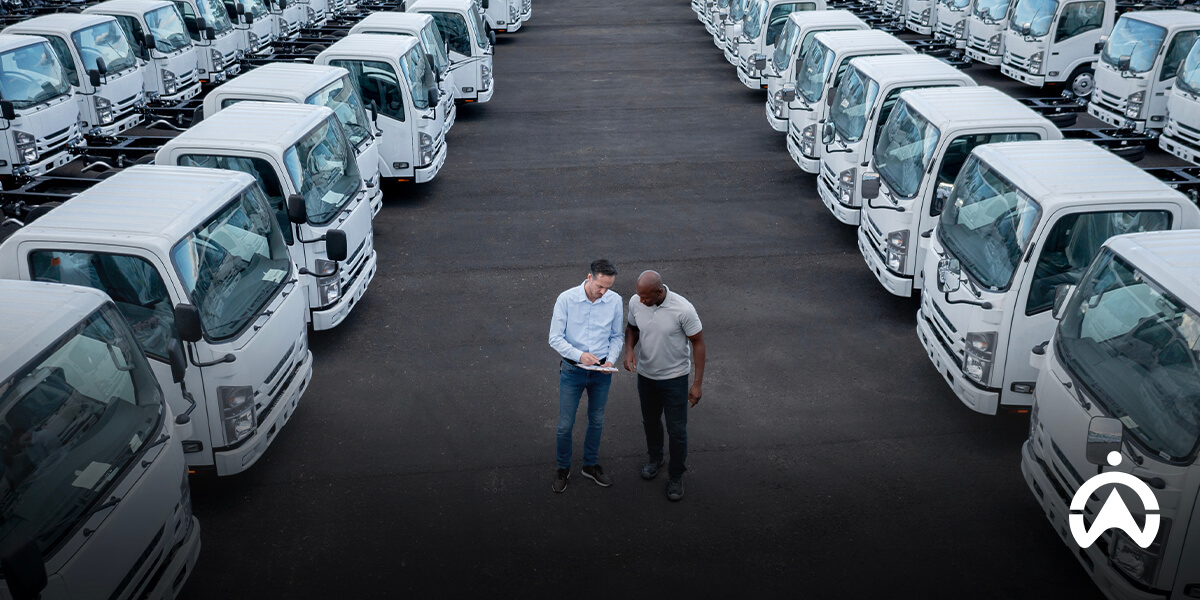
Two men discuss details while standing among rows of white commercial trucks parked in a large lot.

#2. Resale/residual value

Resale or residual value refers to the estimated worth of a vehicle at the end of its lifecycle or rental period. Factors like mileage, brand reputation, market demand, and condition ultimately determine residual value. It’s often overlooked but remains a crucial contributor to total ROI.

The demand for second-hand vehicles is particularly high. This is why being strategic about the maintenance and overall condition of the vehicles is key to maintaining competitive value.

How does Cartrack help? We monitor usage and maintenance to protect residual value. With our predictive maintenance schedules and accurate usage patterns, we ensure you keep your vehicles in their best condition and protected long-term.

#3. Local compliance and context-specific risks

Local compliance is non-negotiable, and ignoring these mandatory regulations means you’re at risk of heavy fines, damage to your business reputation, and prolonged downtime. Fleet managers and business owners must stay on top of COFs (certificates of fitness), roadworthiness checks, permits and licences, and sustainability standards.

Compliance isn’t the only factor to keep in mind though. External risks like harsh road conditions, theft, and fuel prices highlight the importance of risk management when it comes to purchasing planning.

How does Cartrack help? We offer features like real-time alerts, driver scorecards, and theft recovery. You can rest assured that your fleet will remain compliant, safe, and under control at all times.

#4. Flexibility and scalability

Flexibility and scalability are the keys to being able to respond to potential market shifts and changes in business structure. As your business expands, you must adapt to future opportunities. Vehicle needs will likely change, and so will your operational processes.

Flexible fleets will ensure that you’re able to scale with business growth smoothly and efficiently. Keeping this kind of flexibility in mind during vehicle purchases will help you maintain profitability and prepare your fleet for future growth.

How does Cartrack help? We’re ready to guide you through future upgrades and grow with your business. Our comprehensive, future-proof platform and its insights are prepared to scale with your business.

#5. Data and predictive insights

Never rely on guesswork. Look to detailed data and predictive insights to drive the decision-making for your business and its changes. Without these vital details, you risk missing timely maintenance, overspending on fuel, and choosing vehicles that don’t match the technical requirements.

Predictive upkeep unlocks decision-making that’s based on facts, not hunches. In addition to preventing costly breakdowns, they show where and how you can save money, which you can then put back into your business.

How does Cartrack help? We push predictive value. MiFleet and telematics enable confidence in purchase planning. Predictive maintenance, fuel management, and tracking costs give you a complete and comprehensive view, so you can make smarter purchase decisions.

Fleet-buying cheat sheet

This fleet-buying cheat sheet is a way for you to quickly reference what you need to examine before making vehicle purchases. We know that as a fleet manager, you’re busy and always on the go. This acts as an instantly scannable guide to see which factors matter most, depending on your fleet size and whether you might buy or lease.

Remember: this is merely a partial shortcut guide. Every fleet has its own unique requirements. Always customise your fleet specifically according to your business goals, industry needs, and potential insights.

How to Use the Cheat Sheet:

  1. Identify your fleet size and growth projections
  2. Check each factor column for guidance on priority (⚡ = low, ⚡⚡ = medium, ⚡⚡⚡ = high)
  3. Use the Lease vs Buy column to determine financial and operational implications
Factor Small Fleet (5–20 vehicles) Medium Fleet (20–100 vehicles) Large Fleet (100+ vehicles) Lease vs Buy Considerations
Financing / Investment Options ⚡⚡⚡ High ⚡⚡ Medium ⚡⚡ Medium Buy for long-term ROI / Lease for flexibility
Resale / Residual Value ⚡⚡Medium ⚡⚡Medium ⚡⚡⚡ High Buying protects value / Leasing risks are shared with the provider
Local Compliance & Context-Specific Risks ⚡⚡ Medium ⚡⚡⚡ High ⚡⚡⚡ High Leasing may include compliance support / Buying requires in-house monitoring
Flexibility & Scalability ⚡ ⚡⚡High ⚡⚡ Medium ⚡⚡ Medium Lease for scaling / Buy, but plan very carefully
Data & Predictive Insights ⚡ Low ⚡⚡ Medium ⚡⚡⚡ High Buying enables full tech integration / Leasing means limited customisation
Close-up of a fuel nozzle being inserted into a vehicle's tank, with blurred trucks in the background at a gas station.

How Cartrack supports smarter fleet purchasing

By providing the necessary insights and resources needed to make smarter purchasing options, Cartrack facilitates easier planning for investing in a fleet. Your vehicles hold value, compliance is sorted, and future costs become clear today. What does that mean for you? Smarter investments, fewer risks, and confidence that your fleet is built on a strong foundation for the years ahead.

Cartrack allows you to act confidently, with the knowledge that every rand you invest turns into real value for your business.

Here’s a reminder about how Cartrack makes all the difference:

  • In terms of the cost of ownership, we get right to the point. We’ll help you see exactly where your money could go regarding financing and investment options, so that you don’t worry about potentially overspending.
    ‍
  • We only want the best for your fleet. Fleet vehicles are important assets that need to be kept in good shape—especially if there’s a chance for them to be resold at the end of their useful life. We can maximise your ROI.
    ‍
  • We give you the space to expand your business and fleet without worry. Providing the necessary data and guidance you might need, you can comfortably grow or change direction for the better.
    ‍
  • There’d be no need to worry about compliance and safety matters, as our automated reporting, vehicle recovery, and live alerts would keep your operations running smoothly and legally.
    ‍
  • All of the above points are backed by intelligent insights that our resources provide, so that every business move you make is an informed one.

Final thoughts

Fleet purchases may seem straightforward on paper, but the real test is ensuring that every vehicle supports long-term productivity, compliance, and adaptability. Cartrack can make this all possible. With the right tools and resources at our disposal, you’re guaranteed tangible deliverables and a long life for the fleet you’re planning to purchase.

Partner with Cartrack to get the tools and visibility you need to ensure that every vehicle you buy drives business success.

Ready to make smarter fleet investments? Let’s talk—book your Cartrack demo today.

FAQs

Q: How do I calculate the total cost of ownership (TCO) for a fleet?

A: You calculate the total cost of ownership (TCO) of a fleet by starting with the buying or leasing price, then adding regular expenses to that cost, such as fuel, insurance, maintenance, and the like. Remember to include depreciation and resale value too. Cartrack’s FleetWeb makes this easy by tracking every expense in one place.

Q: Is leasing better than buying a fleet?

A: Whether leasing is better than buying a fleet is entirely based on your business goals. Leasing keeps upfront costs low and allows you to upgrade when you choose. However, buying provides long-term ownership and potential resale value. Businesses often choose a mix of both.

Q: How can the right technology help improve ROI when purchasing a fleet?

A: The right technology can help improve ROI when purchasing a fleet by producing valuable insights and helping you target exactly where your money will go. Telematics gives you insight into factors like driver behaviour and maintenance needs, helping cut down on waste and downtime. With Cartrack’s predictive insights, you can make purchase decisions that deliver stronger long-term returns.

Q: What hidden costs should you watch out for when buying vehicles for your fleet?

A: Hidden costs you should watch out for when buying vehicles for your fleet are the ones that typically show up after purchase. These include high insurance premiums, customisation costs, and delivery fees. Low resale value can also be a costly trap. With Cartrack’s figures, you can spot these risks early and choose vehicles that help you avoid expensive surprises.

Fleet Asset Protection: What Strategies and Solutions Can You Implement for Your Business

Effective strategies and solutions you can implement for your business’ fleet asset protection include a combination of technology, driver management, preventative maintenance, and strict policies. Together, these tools and measures help safeguard your fleet, drivers, and assets from the risks of theft, damage, and accidents.

Asset protection is a very essential element of fleet management, as without it, your business faces huge financial losses. Fleet asset protection also involves safeguarding important company information and preventing fraud.

In this article, we’ll discuss all things relating to fleet asset protection and how we at Cartrack simplify this for your business.

What is fleet asset management?

Fleet asset management is the process of tracking, overseeing, maintaining, and safeguarding a group of vehicles, equipment, and other assets within a business’s fleet. The goal with fleet asset management is to increase asset lifespan, reduce operational costs, minimise downtime, and ensure safety.

Strategies for fleet asset protection

The strategies for fleet asset protection involve:

  • vehicle tracking
  • driver training
  • preventative maintenance
  • insurance management
  • Implementing cybersecurity measures

These strategies ensure that you always know what’s happening in every aspect of your fleet. They help keep your vehicles and other assets safe, lower costs, and improve how your team works.

Here’s a table that highlights what each strategy consists of:

Strategy What it entails
Vehicle tracking and telematics GPS tracking for real-time visibility, route monitoring, and stolen vehicle recovery systems
Driver training and accountability Safe driving practices, reducing misuse through monitoring, and building a culture of responsibility
Physical security measures Secure parking, vehicle immobilisers, alarms, and access control to keys and vehicles
Preventive maintenance and inspections Regular checks, proactive care, and the use of diagnostic tools to prevent breakdowns
Insurance and risk management Comprehensive coverage, fleet management data for claims, and balancing cost vs. protection
Leveraging technology for cybersecurity Protecting connected systems, updating software, and securing telematics devices

Now let’s check out a detailed breakdown of each strategy:

Implementing vehicle tracking and telematics

  • GPS tracking for real-time visibility
    One of the best ways to keep track of your fleet is by using GPS tracking systems. These allow you to know exactly where each asset is at any time. Whether you’re managing a small fleet or a large one, real-time location tracking is super important. It ensures that your assets (which are a big part of your investment) are always secure.
    ‍
  • Route monitoring and geofencing
    Monitoring the routes your drivers take allows you to see if they’re following planned routes. This helps you prevent delays and makes sure that the most efficient paths are being used. Geofencing adds another layer of protection by giving you the ability to create virtual boundaries. If a vehicle or any other equipment crosses those boundaries, you’ll receive an alert. This helps prevent theft and further ensures that your fleet is safe.

Driver training and accountability

  • Safe driving practices
    How drivers operate vehicles plays a crucial role in their safety and the safety of your assets. You can use vehicle telematics to spot risky driving behaviours such as speeding, then train your drivers on safer habits. In doing so, you reduce accidents, prevent damage to vehicles and cargo, and improve the overall longevity of your assets.
    ‍
  • Reward drivers through telematics data
    Telematics data gives you reports on how drivers conduct themselves when using vehicles or equipment. From there, you can identify areas where improvement is needed and use the system to rate their driving habits and reward good behaviour. This motivates drivers to take pride in their work and reduce the likelihood of neglect or careless driving.
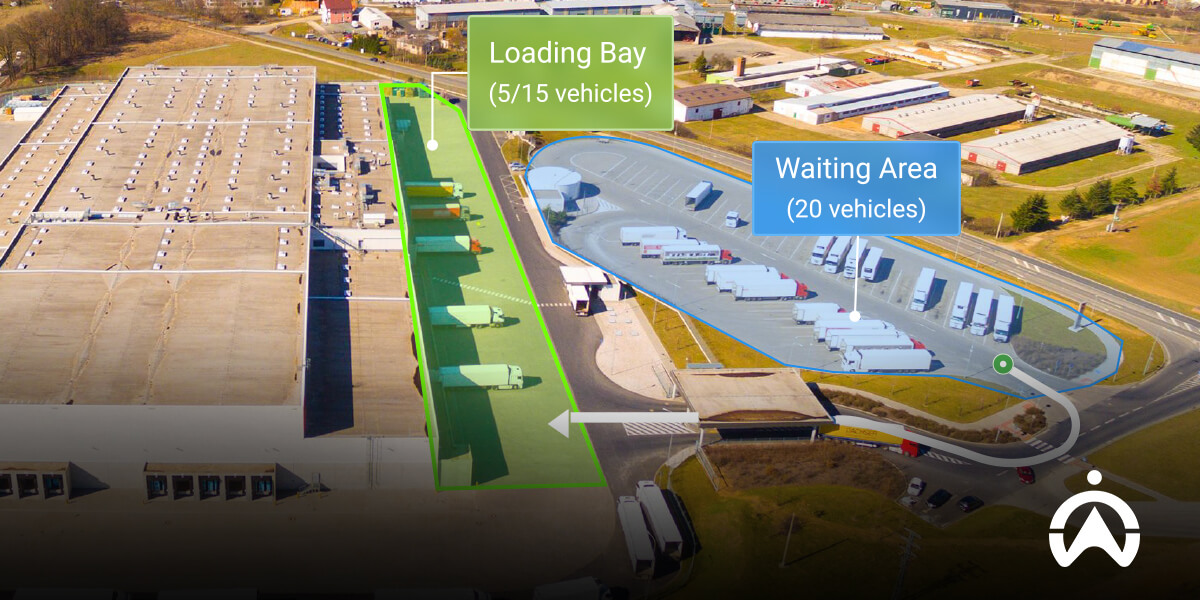
Aerial view of a logistics facility showing a loading bay (5/15 vehicles) and a waiting area (20 vehicles) for trucks.

Physical security measures

  • Secure parking facilitiesThe location where vehicles are parked is just as important as how they’re protected. Investing in secure parking facilities is a key step in safeguarding your fleet. This can mean choosing parking lots with high fences, cameras, and even security guards. It’s especially important for fleets that have valuable assets or operate in high-risk areas. Secure parking reduces the chance of theft or vandalism.
    ‍
  • Vehicle immobilisers and alarmsAnother effective security measure is using vehicle immobilisers and alarms. Immobilisers prevent vehicles from moving unless the correct key is used. This makes it difficult for thieves to steal your vehicles. Alarms serve as an extra deterrent, as they’re loud, and will alert you or nearby people when something goes wrong.
    ‍
  • Access control to keys and vehicles
    Controlling access to the keys and vehicles is essential. Only authorised personnel should be able to get the keys to a vehicle, and there should be a clear process for handling key distribution. You can use systems like key boxes or digital locks that require a code to access keys. This reduces the risk of stolen vehicles due to unauthorised use.

Preventive maintenance and inspections

  • Regular checks to avoid breakdowns
    Preventive maintenance is about making sure your vehicles and assets are in good condition before something goes wrong. Performing regular checks, such as oil changes, helps identify issues before they cause an unexpected breakdown. This saves your business time and money by preventing larger problems that could result in costly repairs or downtime for the vehicle.
    ‍
  • Protecting assets through proactive care
    Taking a proactive approach to vehicle care means addressing issues before they become big problems. This can include replacing worn-out parts or fixing minor issues before they escalate. This reduces the risk of accidents caused by mechanical failure.
    ‍
  • Using diagnostic tools for early detection
    Modern fleet tracking systems are often equipped with tools that can flag mechanical issues early. These tools monitor things like engine performance, tyre pressure, and fluid levels. When there’s a problem, the system sends an alert to you so you can quickly fix it.

Insurance and risk management

  • Importance of comprehensive  insurance coverage
    Insurance is an essential part of protecting your fleet, and the type of cover you choose makes a huge difference. We recommend you choose comprehensive coverage for your fleet to ensure that you’re financially protected in the event of an accident, theft, or damage. It’s important to have coverage that fits the specific needs of your fleet, whether that includes vehicle repairs, liability for accidents, or protection against natural disasters.
    ‍
  • How fleet management data supports insurance claims
    Fleet management data can be very useful when dealing with insurance claims. GPS tracking data and maintenance records can provide evidence that speeds up the claims process. For example, if an accident occurs, this data can help show whether your driver was following safe practices. This improves the chances of a quicker and more favourable outcome.

Leveraging technology for cybersecurity

  • Protecting connected fleet systems
    The data from digital solutions, such as a fleet management system, also introduces potential cybersecurity risks. To protect your fleet’s digital systems, you must use strong security measures that include:

    • Encryption
    • Firewalls
    • Secure communication channels
      Choose a service provider that already has these protective measures in place.
      ‍
  • Updating software and securing telematics devices
    Just like with any device that connects to the internet, telematics devices and fleet management software need to be updated regularly to stay secure. Failing to update your systems can leave them open to cyberattacks. So, it’s vitally important to stay on top of these updates.
    ‍
  • Best practices for data security
    In addition to keeping software updated, it’s important to follow best practices for data security. This includes using strong passwords, limiting access to sensitive data to authorised personnel only, and regularly backing up important information.

The role of fleet management solutions in safeguarding your fleet assets

Fleet management solutions play a vital role in strengthening asset protection. These solutions give you integrated systems with centralised monitoring and reporting. Through this, you’ll always know where your vehicles and assets are, how they’re being treated, how they’re performing, and if there are any threats.

To best understand what we mean, have a look at one of our success stories for fleet asset protection. A case study about one of our clients, Avis.

Case study: Avis car rentals

Avis is one of the world’s largest vehicle rental companies. They have a fleet of rentals in over 5,000 locations in 165 countries worldwide, including Namibia. Their business success is dependent on providing customers with a reliable, efficient and safe vehicle rental service.

Avis needed a reliable service to help keep their vehicles and clients safe from theft and hijacking. They also needed an easy-to-use system so they could oversee the daily activities of their large fleet of rental vehicles. They needed a solution that gave them insight into ways they could track and improve their vehicle usage, health and longevity.

How we helped them:

  1. Our GPS tracking software allows Avis to monitor vehicle activity. It also provides them with accurate mileage data. This helps them ensure their rental vehicles are well-maintained and in good working order for their clients. These preventative maintenance measures protect AVIS’s assets by minimising fleet breakdowns. This reduces downtime, optimises vehicle usage, and maximises rentals.
    ‍
  2. With our professional installation techniques, vehicle tracking capabilities, anti-jamming technology and 24-hour recovery team, Avis can reduce the risk of vehicle theft! This increases their chances of vehicle recovery within their fleet. Avis now saves costs associated with vehicle loss.
    ‍
  3. With Cartrack’s geofencing feature, Avis’s fleet managers can set virtual boundaries to mark no-go or high-risk zones. They also receive alerts before their customers enter these areas with their rentals, providing an added layer of risk management.

“We chose Cartrack largely due to their strong brand, track record of delivery, and commitment to customer service. We are thrilled with the benefits this partnership has delivered for our business.” – Armour Gittings | General Manager Investigations Department, Avis

Image of a truck on the highway with a vehicle inspection dashboard displaying inspection details and defect statuses. Blue skies above.

Building a fleet protection plan for your business with Cartrack

At Cartrack, we pride ourselves on giving you next-level fleet asset protection tools. Over the past two decades, we’ve encountered businesses from various industries. With twenty years of experience serving diverse industries, we understand that every client faces distinct challenges.

Whether you manage a small local fleet or oversee nationwide operations, we’ll customise our system to meet your specific needs.

Here’s a brief breakdown of some of our features:

  • Start inhibit: The Cartrack Start Inhibit feature is an immobiliser. This means once the vehicle is off, you can prevent the ignition from going on again and therefore stop unauthorised movement.
    ‍
  • Start prevention: The Cartrack Driver Identification (DID) tags are a solution that helps you instantly identify who’s using which vehicle or machinery. They have a start prevention option, which prevents unauthorised users from operating vehicles and equipment.
    ‍
    For example, some drivers don’t have a licence to operate certain machines in a mine. Through this feature, you can issue a tag to each operator that matches the vehicle or machine they qualify for. This prevents staff members with little experience from using the machine or vehicles they aren’t licensed for. It also reduces safety hazards and ensures compliance.
    ‍
  • Geofencing: As already mentioned, a geofence gives you the ability to create virtual fences around areas of your choice. This can be around a warehouse, construction site, or delivery route. Through this feature, you’ll get alerts wherever vehicles or equipment enter or leave your marked zones, giving you extra peace of mind.
    ‍
  • Live tracking and Stolen Vehicle Recovery: With us, you’ll always know where your assets are, and you can remotely monitor routes from anywhere. We’ve conducted over 100 000 recoveries over the past decade. So in the unfortunate event that any of your vehicles or assets are stolen, you can trust us to get them back to you.
    ‍
  • CarWatch: Once you have a secure parking area for your vehicles, you’ll need our CarWatch solution as an extra layer of protection. How does it work? All you have to do is activate the feature on the Cartrack mobile app as soon as the vehicle is parked, and you’ll get an alert if it moves without your permission. CarWatch serves as your very own virtual car guard.
    ‍
  • Preventive maintenance: To help you meet your fleet’s maintenance standards and reduce accidents caused by mechanical failure, we have a proactive maintenance plan. Our system helps you keep a record of service dates and alerts you to issues such as engine faults and oil & water fluctuations. In doing so, you’ll also protect your fleet from unplanned downtime and costly repairs.
    ‍
  • AI Multi Vision cameras: The Cartrack AI Multi Vision camera solution gives you the option of having up to 8 cameras installed in each of your vehicles. Through this, you’ll get a full view of what drivers are up to daily and the surroundings of each vehicle. The AI-powered in-vehicle cameras can detect risky habits such as cellphone use. From there, they’ll give an audible alert, ensuring the driver corrects their actions immediately.

Cartrack specialises in all things fleet-related. We’ve got over 2 million subscribers that trust us with their vehicles and assets, so should you! Stick with us, and we’ll give you the ultimate fleet asset protection.

Frequently Asked Questions

Is a fleet a fixed asset?

In accounting, a fleet is generally considered a fixed asset. This is because fixed assets consist of long-term, tangible assets that are used to bring in income over more than one year. Vehicles such as cars and trucks that are used by businesses fall under this category.

What are the elements of asset protection?

The elements of asset protection include driver training and education, regular maintenance and inspection, the use of GPS trackers and telematics, as well as monitoring driver safety. These elements collectively work towards minimising accidents, theft, and damage. They also help reduce operational disruptions and save costs.

What is the best asset protection tool?

The best asset protection tool is advanced GPS tracking software with telematics capabilities. This technology provides you with real-time location monitoring, vehicle diagnostics, and updates on driver behaviour. These tools help you keep your assets safe and well-maintained and increase productivity levels.

Protect your fleet assets with Cartrack today!

GPS Tracking Solutions That You Need to Know

The GPS tracking solutions that you need to know use a combination of hardware and software to show the live location of a vehicle, asset, or person. The hardware, a GPS device, remotely connects to satellites, sending signals that make real-time tracking possible. Tracking solutions address some of the most important pain points for businesses, including theft, rising fuel costs, and asset maintenance.

In Namibia, where road conditions can be brutal and vehicle theft remains a major concern, a GPS tracking solution is not just a nice-to-have. It’s a necessary system for your business’ survival. Without this solution, your business risks losing its assets, experiencing downtime, and incurring higher costs.

Did you know that Cartrack is one of the leading GPS tracking solution providers in Namibia? As of 31 August 2024, the total number of Cartrack global subscribers was about 2,136,610.. This is how we stand out. Cartrack offers turnkey solutions for businesses of all sizes and industries, providing the best way for you to keep your fleet safe and establish full operational transparency.

What are GPS tracking solutions, and how do they work?

GPS tracking solutions are systems that use the Global Positioning System (GPS) as a way to accurately determine the location of an asset, vehicle, or person. In the case of a business, they translate to the visibility of your fleet at all times, with the intention of managing operations more effectively.

Hardware (a GPS tracking device) is fitted into the asset, and data is transmitted via cellular networks to a central online platform. This means you can keep track of vehicle movements and operational efficiency from a single, streamlined dashboard. In the case of Cartrack, you’d see everything from Fleet Web or the mobile app.

GPS tracking solutions have grown in popularity among fleet-based businesses. Most solutions have made it simple to track vehicles through easily accessible web pages or mobile apps. The result? Clear visibility, improved safety, and better business decision-making overall.

Types of GPS tracking solutions that you need to know

The types of GPS tracking solutions can be divided into two categories: how they operate and their purpose. In terms of operation, tracking solution types include passive, active, and hybrid solutions. When looking at purpose, GPS tracking solutions typically include personal, vehicle, and asset tracking.

It’s important to note that Cartrack focuses on vehicle and asset tracking for businesses, with solutions that are built to support smarter fleet management and stronger operations.

By Operation

Here’s a comparison table to help you understand how GPS tracking solutions operate:

Type of GPS Tracking Solution Brief Explanation of GPS Type Real-Time Tracking? Data Storage Best For
Passive Records data for later review, no live updates No Typically stored on the device to be reviewed later Smaller fleets or occasional tracking
Active Sends location instantly, which allows for real-time tracking Yes Usually cloud-based and accessible anytime, though it can be stored on the cloud too Large fleets needing live monitoring
Hybrid Combines live updates with offline logging, giving reliable tracking at all times Yes Available on both the device and the cloud Fleets needing flexibility and occasional offline access

By Purpose

Here’s a table to help you better understand the purpose of GPS trackers:

Purpose Typical Use / Description
Personal Trackers These are largely for individual safety and typically include wearables, pet collars, or family-sharing tracking apps
Vehicle Trackers These monitor vehicles for fleet management and logistical purposes. GPS tracking typically goes beyond simply tracking, assisting fleet managers in making better operational choices
Asset Trackers These are for tracking valuable equipment, tools, or containers
A yellow lorry crane in a construction site, with details overlay including location, date, and sharing options.

What are the business benefits of GPS tracking solutions?

The business benefits of GPS tracking solutions largely revolve around delivering measurable value for your business. Beyond smoother operations and lower operational costs, its automated reporting and standardisation features streamline and simplify back-office tasks. Tracking solutions also support features that improve driver accountability, encouraging a safer driving culture within your business.

Let’s take a closer look at some of the business benefits:

  • Reduced fuel and operational costs: By carefully tracking trips through fuel usage, route viewing, and driver monitoring, you can identify any inefficiencies that impact fuel and operational costs. Better routes and reduced risky driving equate to lower fuel and maintenance expenses.
    ‍
  • Improved driver accountability: GPS tracking solutions used in combination with monitoring driver behaviour can strongly encourage safer driving. Getting real-time, intelligent insights into driver behaviour helps with reinforcing feedback and coaching. It also reduces accidents and wear and tear.
    ‍
  • Theft prevention and asset protection: With the help of tracking solutions, you can receive immediate alerts for hardware tampering or unauthorised vehicle movement/use. GPS tracking assists in quickly recovering stolen vehicles and assets, as well as protecting cargo.
    ‍
  • Simplifying reporting and compliance matters: GPS tracking solutions paired with telematics will always give you the best in valuable insights. Because of this, you can leave the demanding paperwork behind and rely on automated reports and data. This makes it much easier to stay compliant and ready for potential audits.

Choosing the right GPS tracking solution for your business

When choosing the right GPS tracking solution for your business, it’s important to consider the business’ needs and goals before anything else. Always analyse fleet size, type, and priorities before deciding on what kind of solutions and accompanying features work best.

Cartrack offers you flexible solutions that work for every type of business and fleet size. If you’re still unsure about your options, our experts can point you in the right direction by suggesting the best solutions for maximum performance and control.

In the meantime, take a look at our quick self-check below to get a better idea of how to choose.

Mini Self-Check: Find Your GPS Solution

Look at these 3 categories to narrow down which GPS tracking solution fits your business needs:

  • Tracker Purpose 
    • Vehicle Tracking → Optimise fleet operations, boost driver accountability, and bring down costs
    • Asset Tracking → Keep high-value equipment safe, prevent theft, and track locations in real time
      ‍
  • Fleet Size
    • Small (1–10 vehicles) → Passive tracking could suffice
    • Medium (11–50 vehicles) → Active or hybrid tracking is recommended
    • Large (50+ vehicles) → Active tracking with real-time monitoring and extra add-ons is recommended
      ‍
  • Fleet Type
    • Light vehicles/delivery vans → Vehicle or portable trackers might suffice, depending on the number and type of vehicles
    • Heavy-duty trucks/specialised equipment → Consider hybrid or active tracking for reliability and complete visibility
    • Mixed fleet → Hybrid tracking recommended for flexibility, although active tracking can also be helpful
      ‍
  • Business Priority
    • Cost-sensitive/occasional tracking → Passive tracking works
    • Real-time visibility & fleet control → Active tracking is essential
    • ‍Flexibility and offline reliability → Hybrid tracking fits best, but active tracking could still be a priority here
A Hino truck refuels at a station, displaying fuel metrics like supplier litres, tank capacity, and a potential risk alert.

Why Cartrack is the optimal choice for GPS tracking solutions that you need to know

Cartrack is the optimal choice for GPS tracking solutions because businesses across Namibia and so many parts of the world trust it. Cartrack holds a strong reputation and is known for its innovation, exemplary customer service, and dependability, guaranteeing tangible results for you and your business.

Key advantages of choosing Cartrack include:

  • Proven reliability: Cartrack has a powerful global footprint. We’re trusted by businesses across Namibia and 23 other countries worldwide. These are businesses spanning various sectors that’ve achieved secure and accurate tracking with us.
  • Comprehensive solutions: Cartrack provides flexible, scalable, and comprehensive GPS tracking solutions that are tailored to every kind of business. Whether your fleet is small or complex, we’ll make sure to find an approach that works for you.
  • Advanced features built in: Geofencing, driver behaviour monitoring, and remote vehicle immobilisation are only a few of the advanced features we offer. Having all the bells and whistles isn’t necessary, though—we can help you choose exactly the right add-ons to suit your fleet.
  • Easy installation & support: We offer scalable GPS tracking solutions that can grow with your business. We also provide expert guidance where necessary, numerous fitment centres, and ongoing support to ensure you’re always operating smoothly.
  • Real-time insights: With MiFleet and the Cartrack mobile app, you can get access to insights and live data whenever you need it. The ability to have immediate access allows you to make decisions on the move, especially in the case of an emergency.
  • Local expertise: Because we have solutions tailored for Namibian roads, regulations, and business needs, you can rest assured that you’re receiving unmatched support from our professional, round-the-clock available team.

Maximising your fleet with GPS tracking solutions

Location tracking only scratches the surface of what GPS tracking solutions offer. The real power lies in transforming raw data into strategic advantages. Cartrack can empower your business with comprehensive oversight of vehicles and assets, reducing costs, strengthening security measures, and streamlining regulatory requirements.

With both local expertise and international reach, Cartrack provides adaptable, robust systems engineered to maintain your fleet’s productivity, security, and continuous progress.

Don’t wait until inefficiencies cost your business. Talk to our experts today and see how easy smart fleet management can be.

FAQs

Q: Can GPS tracking solutions work in remote or low-network areas?

A: Yes, GPS tracking solutions do work in remote or low-network areas, especially modern units like Cartrack’s. However, if the connection does fail, information will continue to get logged and stored. The information is then uploaded automatically once the connection is restored. This ensures that none of your information is lost.

Q: Is GPS tracking legal for businesses in Namibia?

A: Yes, GPS tracking is legal for Namibian businesses as long as staff are notified that their movements are being tracked. GPS tracking is actually encouraged for fleet-based businesses because it addresses key pain points and priorities, but businesses must abide by compliance and labour laws.

Q: How long does it take to install a GPS tracking system?

A: Installation is typically quick and hassle-free. From Cartrack’s side, professional fittings take about two to four hours per vehicle. It ultimately depends on the features required and the number of vehicles being worked on. Professional technicians will always do their best to ensure proper setup and minimal downtime.

Q: How do GPS tracking alerts and notifications work?

A: GPS tracking alerts and notifications work by appearing in real time through the related dashboards and mobile apps. These systems, more especially with Cartrack, are triggered by certain events that prompt an immediate notification. These events include unauthorised vehicle use, geofence breaches, dangerous driving behaviours, and hardware tampering.

What is Cartrack’s Mifleet?

Cartrack’s MiFleet is a powerful, core value-added service within our larger digital fleet management platform. This feature makes managing costs, risks, and compliance a simple process. As fleet managers and owners, the reality is that you’re at the mercy of the challenges that come with running a fleet. These include keeping important paperwork in order, fuel expenses, and optimising fleet operations.

Studies show that fleet management tools, such as MiFleet, can reduce fuel costs by up to 15% and decrease administrative expenses by as much as 20%—savings that directly impact the bottom line. You get the opportunity to turn efficiencies into tangible business growth and stronger returns.

With MiFleet, we go beyond simple tracking and telematics. MiFleet automates back-end processes, keeps track of all costs and expenses, and gives you access to all the valuable insights you need. Turn to MiFleet for your all-in-one fuel and cost management solution.

Understanding Cartrack’s MiFleet: what is it?

Cartrack’s MiFleet is an add-on feature that’s part of Cartrack’s digital fleet management platform, or FleetWeb. It’s designed to take the hassle out of running a fleet and simplify the processes that come with it. MiFleet automates and streamlines tasks, eliminating the need for paperwork and spreadsheets while ensuring cost control, compliance, and reporting.

MiFleet is powered by advanced algorithms and analytics. On the dashboard, you can track expenses like fuel, tolls, fines, tyres, maintenance, accidents, and insurance. The system gives you clear breakdowns across your entire fleet, allowing you to spot fuel consumption patterns, cut down on waste, and even detect possible fuel theft.

As a fleet manager, you can get a complete picture of your fleet’s performance. Using a tool like MiFleet gives you the opportunity to strengthen your fleet strategy, improve your overall business performance, and implement effective change for business growth.

Core focus areas include:

  • Expense tracking: Keep track of tolls, fuel, licences, fines, and so much more.
    ‍
  • Automated reporting and compliance: Have all your documents saved and in order with minimal effort.
    ‍
  • Consolidated fleet cost visibility: Be able to see all the fleet costs in real time.

Quick Benefits Snapshot

  1. Cut admin time
  2. Lower compliance risk
  3. Smarter cost control
  4. Works for any fleet size

What can MiFleet do for your business?

MiFleet can make everything about fleet management easier and more profitable. This feature goes far beyond simple real-time monitoring. By consolidating fleet processes, MiFleet empowers you to simplify all the administrative processes, make compliance straightforward, and improve the way you run your business.

Let’s take a look at what MiFleet can do for you:

Automated expense management

Through automated expense management, you won’t have to worry about juggling paperwork or confusing spreadsheets. MiFleet allows you to import and translate data, organising expenses and insights into practical feedback. Not only does this save time, but it also reduces the chance for human error. This ensures your data is as reliable as possible.

A truck driver in a bright safety jacket smiles and gives a thumbs-up from the window of his vehicle.

Compliance and licence management

Compliance and licence management are the key components in fleet management, and keeping track of them all can be overwhelming. Vehicle registrations, permits, and driver’s licences are just a few of the documents that always need to be up to date.

MiFleet helps you stay in control by storing soft copies of required records in the documents and contracts storage tabs, generating reports, and sending renewal reminders. As a result, you can avoid potential fines and downtime that come with being non-compliant. Automation equals convenience—something every fleet manager wants and needs.

Real-time financial oversight

MiFleet’s dashboard gives you a full overview of your costs and expenses, meaning real-time financial oversight. Clearly seeing these costs means that as a fleet manager, you can take corrective action before things become exceedingly expensive. Fuel and maintenance costs are usually the highest expenses for a fleet. Adding MiFleet to your Fleet pages can help you save money and reinvest that money back in your business instead.

Integration with Cartrack telematics

Cartrack telematics, the central component to all comprehensive insights, integrates with MiFleet. Operational and financial data come together to create a powerful tool that lets you make cost-saving decisions. The impact doesn’t stop here, though; fleet efficiency, improved driver behaviour, and better fuel management are also on the cards.

The business impact of Cartrack’s MiFleet

Cartrack’s MiFleet is your key to a renewed fleet strategy. Its business impact is clear, proving itself as a solution that helps businesses of all sizes and industries. MiFleet gives you both the knowledge and control you need to implement necessary changes without simply relying on guesswork.

Gain access to actionable insights into your fleet’s condition and operations, resulting in improved performance and decision-making.

Here are some significant outcomes you can expect for your business:

  • Reduced admin burden: Because tasks and reports are automated, tedious administrative duties are a thing of the past. You and your staff can stay focused on the business itself.
    ‍
  • Lower operational costs: Smoother operations mean lower costs. Costly maintenance payments, fuel waste, and other expenses are reduced due to improved efficiency.
    ‍
  • Improved compliance and risk reduction: With driver, trip, and vehicle documentation in order, you won’t have to deal with fines or downtime.
    ‍
  • Data-driven decision-making: Keep track of trends and patterns, and view your fleet plan operations in a proactive manner, rather than reactively.

Who should use Cartrack’s MiFleet?

If you’re:

  • a fleet business owner
  • part of the finance team of a fleet company
  • a fleet manager, or
  • an operations manager overseeing fleets

…you should use Cartrack’s MiFleet. Reliable reporting and comprehensive cost overviews, eliminating inefficiencies, and reduced paperwork are just some of the tools you’d need to manage your fleet more effectively.
‍

Let’s take a look at some industries that benefit the most, along with examples of how:

  • Logistics and distribution: These are businesses that constantly face high pressure and demand because of deliveries. Additionally, fuel is an integral factor. MiFleet could be the answer to keeping track of your business’s fuel usage, expenses, and wasteful practices.Example:


    A courier company has been struggling to keep up with the increasing costs of fuel. With the help of MiFleet, the company was able to consolidate the costs and spot the reasons for fuel waste. This allowed them to take steps to lower fuel expenses.
    ‍

  • Delivery and field services: Companies that offer delivery services often have large fleets with multiple staff members. Administrative tasks can become tedious and time-consuming. MiFleet automates systems and can quickly generate reports when they’re needed, meaning you save time and free up company resources.Example:


    A local delivery business found that they were spending far too much time on back-office processes. Because MiFleet consolidates major costs like fuel and tolls, this business saves hours without having to rely on manual paperwork.
    ‍

  • Construction: There are numerous regulations and compliance rules that fleets have to abide by, but this is particularly true for construction companies. Asset protection, licences, and permits are just some of the factors that could directly impact uptime. MiFleet ensures your construction company receives regular document renewal reminders and keeps all important records in one place.Example:


    A contractor with dozens of trucks was facing major delays, losing valuable time and money because of unexpected breakdowns. MiFleet helped the contractor keep track of costs and previously logged maintenance, so that they could schedule maintenance before breakdowns could occur. This meant that construction continued to run smoothly.
    ‍

  • Rentals: As a car rental owner, you’re faced with regulatory matters that include traffic fines, regular servicing, and compliance that comes with large fleets. Much like construction companies, rental businesses consolidate records, making meeting compliance standards much easier.Example:


    A car rental company wasn’t keeping up with fines and servicing, which meant they were faced with even more fines and downtime due to penalisation. MiFleet helped this company store and track fines and service invoices, meaning the company could respond promptly and proactively.

A large truck drives on a highway, next to a fuel gauge display indicating 80% fuel remaining.

Why should you choose Cartrack’s MiFleet?

You should choose Cartrack’s MiFleet because it stands out above the rest, combining innovation, comprehensive capabilities, and accuracy in one feature. MiFleet also integrates valuable insights and improves cost management through advanced features. With all of this, you can ensure you’re getting a full and realistic picture of your fleet.

Your business can trust MiFleet to manage and simplify everyday tasks, while still embracing strategic control. MiFleet has the advantage of scalability, meaning that it’ll always be flexible by adapting to the size of your fleet. This kind of flexibility means you have access to all the necessary tools—no matter how big or small your fleet is.

Choosing MiFleet means going beyond simple fleet management. Choosing MiFleet means a reformed fleet strategy, optimised business performance, and better, smarter decisions for the future of your company.

Final thoughts

Cartrack’s MiFleet offers more than standard fleet management technology. It gives businesses a smart way to control costs, stay compliant, and boost consumer trust. Our intelligent add-on feature automates daily tasks, makes financial tracking much easier, and provides instant analytics so your company can make decisions based on real data.

It doesn’t matter whether you’re managing a small fleet or a large transport network. MiFleet turns cost management and fleet visibility from a reactive, time-consuming task into a proactive tool that supports your business growth and improves operations.

Book a demo with Cartrack to see how MiFleet can streamline your fleet operations. Contact our team today to enhance your fleet management with our smarter cost and compliance solutions.

FAQs

Q: Do I need to use Cartrack telematics to get MiFleet?

A: No, MiFleet can technically work without Cartrack telematics, although it’d be very limited in its functionalities. The best way to use MiFleet is with Cartrack’s telematics, as it’ll give you the best and most comprehensive results. When you combine these tools, you get the complete visibility and data-driven insights that you need.

Q: How quickly can Cartrack’s MiFleet be implemented?

A: Cartrack’s MiFleet can be implemented very quickly, although the tracking device and fuel sensors themselves can take from 2 to 4 hours to be installed in a single vehicle. The amount of time it takes ultimately depends on a number of factors. These include the number of vehicles, the features you’re interested in, and software configuration.

Q: Can MiFleet integrate with my existing accounting or third-party systems?

A: Yes, MiFleet has been designed to integrate with most of your accounting or third-party systems. You can export reports and data for analysis or reconciliation, keeping your financial and operational information accurate and easy to access. This helps avoid double entry and makes it much simpler to get a clear picture of fleet costs and overall productivity.

Petrol vs Diesel vs Electric Cars: Which Is Better for Your Fleet?

The decision between petrol vs diesel vs electric cars depends on many factors. These include upfront costs, running costs, operational needs, environmental impact, tax implications in your area, and fuelling infrastructure. Choosing the right engine is essential for fleet efficiency and cost management purposes.

The type of engines you pick directly affects your fleet’s fuel economy, operational costs, and how vehicles perform. Fuel prices around the world are always fluctuating. According to Motor Happy, this is driven by external factors such as international crude oil prices. While this is out of your control, you, as the fleet manager, have the capacity to influence fuel consumption, thereby reducing costs.

Let’s look at the key differences among these three options so you can make a more informed decision. We’ll also show you how our solutions cater for all of these fuel categories.

How do petrol, diesel, and electric fleet vehicles compare?

Petrol, diesel, and electric cars all have unique characteristics. They all come with some advantages and disadvantages. Your fuel selection should meet your business’s specific needs. By understanding these key differences, you’ll be in a better position to make smarter investment choices.

Here’s a table comparison of the three fuel types. We delve deeper into these factors further down in the article.

Factor Petrol Vehicle Diesel Vehicle Electric Vehicle
Upfront cost Lower purchase price Higher than petrol Highest upfront investment
Fuel cost Higher fuel consumption More fuel efficient than petrol Lowest running cost (electricity is cheaper than fuel)
Maintenance Moderate (more frequent servicing than diesel) Higher (engine complexity, emissions equipment) Lower (fewer moving parts, less wear & tear)
Efficiency Best for short trips and light-duty use Best for long distances and heavy loads Best for short to medium trips, urban driving
Carbon emissions Higher CO₂ emissions Lower CO₂ per km than petrol, but higher NOₓ Zero exhaust pipe emissions
Fuel station availability Widely available Widely available Limited charging stations countrywide
Best use cases Small fleets, pool cars, sales teams, light-duty urban driving Long-distance reps, high-mileage fleets, rideshare/taxi fleets Urban deliveries, commuter fleets, sustainability-focused businesses

Understanding petrol-powered cars

Vehicles that use petrol are often the least expensive in terms of the upfront cost. This type of fuel also tends to be cheaper compared to others, and it’s widely available. However, the fuel in petrol-powered cars doesn’t last long. They’re therefore the least fuel-efficient compared to other alternatives.

Carbon dioxide emissions from cars are a huge contributor to climate change. Petrol cars tend to emit more greenhouse gases compared to other fuel types, especially over their lifetime. This will have a high impact on your fleet’s total carbon emissions and result in higher fuel taxes.

Understanding diesel-powered cars

Diesel cars have components that are similar to those of petrol cars. They have an internal combustion engine and run on fossil fuels. Diesel cars tend to have a longer lifespan than petrol and electric vehicles. You’ll get more kilometres per litre with them, and that’s what makes them more attractive to fleets that often do long-distance trips.

The downside of diesel cars is that they’re considerably more expensive to purchase outright, and are louder. Although they produce slightly less carbon dioxide, the heating air in diesel vehicles produces more nitrogen oxides (NOₓ), which are said to be more toxic to humans. Nitrogen oxides include nitrogen dioxide (NO2) and nitrous oxide (N2O). They can cause respiratory issues, which can turn fatal at higher levels of exposure.

Understanding electric cars

Also known as EVs (electric vehicles), these are vehicles that don’t have an internal combustion engine. They’re powered by an electric motor and battery pack. Since electricity is cheaper than petrol or diesel, EVs cost far less to keep running. EVs also emit zero greenhouse gases, making them the most environmentally friendly.

In contrast, EVs are typically the most expensive vehicle types compared to petrol and diesel; yet they depreciate faster. According to EuroNews, one of the reasons for rapid EV depreciation is that the newer EV models deliver longer driving ranges and faster charging times. This makes the older ones appear outdated, affecting their resale value.

A black electric vehicle charges at a station, while a phone displays carbon footprint data against a backdrop of autumn foliage.

What are the factors to consider when choosing your fleet?

The factors you should consider when choosing fleet vehicles are total cost of ownership, operational requirements, environmental considerations, infrastructure, and future-readiness. Together, these factors directly impact your fleet’s overall expenses, performance, and success. Knowing what to look for will make it easier to determine the ultimate fuel choice for your fleet.

Let’s have a look at each of these considerations:

  • Total cost of ownership (TCO): Calculating the TCO gives you a holistic view of what owning these vehicles will look like. It incorporates cost factors such as fuel expenses, maintenance, and resale value. This enables you to choose the option that aligns more with your fleet’s needs and financial goals.
    ‍
  • Operational requirements: Your fuel choice also depends on what the vehicles are used for, how frequently they’ll be used on a daily basis, and the distance they’ll cover. For example, due to their high fuel economy, diesel cars are recommended for fleets that make long-distance trips, and they can also carry more load.
    ‍
  • Environmental and regulatory considerations: According to the United States Environmental Protection Agency, the transportation sector is the largest source of greenhouse gas emissions.
    ‍
  • Infrastructure: This refers to the availability of fuel stations. Our country has more fuel stations that serve petrol and diesel vehicles. These fuel stations are easily accessible across the country. EV charging stations, on the other hand, are mostly concentrated in major cities, usually at petrol stations, shopping malls, or hotel parking areas.
    ‍
  • Future-readiness: Will the type of engine you choose align with the upcoming industry shifts, regulations, and your business goals?

Which engine requires more maintenance?

Diesel vehicles often require more maintenance. Vehicles with internal combustion engines (petrol and diesel) have many moving parts (such as the transmission and exhaust system). This creates greater maintenance needs such as spark plug replacements, oil and filter changes, and air filter replacements. Diesel engines, therefore, require more maintenance because of their complex build. 

How can Cartrack help you manage your fuel?

No matter which engines power your fleet, keeping the running costs under control is key. Cartrack’s fleet management and fuel monitoring solutions will give you real-time insights into your fleet’s fuel consumption, efficiency, and overall performance. With us, you can make smarter decisions that’ll boost savings.

Here are some of our top solutions for managing fuel expenses:

  • ‍MiFleet
    MiFleet is a cost management tool that you can find on our platform. It helps keep you up to date with daily fuel expenses. MiFleet automatically verifies fuel transactions. It gives you reports based on factors such as distance travelled, litres in the tank, and the filling station location. It then flags suspicious transactions, helping you easily spot possible theft or fraud.

    We also have a MiFleet Live option, available on the Cartrack mobile app and Driver app. Instead of waiting to get to your desk to check, this feature allows drivers to log fuel transactions at the filling station, so you can instantly approve them on the phone. This reduces manual entries, saves time, and gives you stronger cost control.
    ‍

  • ‍Fuel Probes
    Fuel probes are sensors that are placed inside fuel tanks to measure how much fuel is in the tank. They give you real-time updates of live fuel levels, making it easier to detect fuel theft. You’ll also get alerts of any sudden drops, which could indicate fuel syphoning (the act of draining fuel from a tank using a hose).
    ‍
  • ‍Route optimisation
    Plan better and more efficient routes with our route optimisation software tool. All you have to do is enter the destinations each driver needs to go to daily, and the software will suggest the best way to get there. It takes into account factors such as distance, historical traffic patterns, and the number of stops, giving you the most efficient route and helping reduce your fleet’s carbon footprint.

    If you have a fleet of EVs, this feature helps you plan routes, and that’ll give your drivers more kilometres before you have to charge. It helps them avoid running out of power, as you can include charging stations in the planning tool.
    ‍

  • ‍Preventative maintenance
    Vehicle components, such as the engine need to be well maintained in order to run smoothly and use less fuel. Our preventative maintenance feature helps you stay up to date with vehicle upkeep by giving you alerts of problems like engine faults and oil & water fluctuations. This helps you attend to maintenance needs quickly and avoid further damage.
A white delivery van driving on a highway, with a fuel level display showing 80% fuel remaining. Green trees line the road.

Making the choice between petrol, diesel, and electric vehicles

In conclusion, there’s no one-size-fits-all answer for which engine would best suit your fleet. Diesel suits long-distance fleets where fuel efficiency and range matter most. Petrol is for fleet businesses in urban areas, perfect for light use. EVs are ideal for urban short-range fleets with access to charging stations, offering low running costs and regulatory benefits.

A mixed fleet is what other businesses prefer, as it’s generally better for balancing costs, environmental impact, and operational flexibility. Whichever one you choose, we have solutions that’ll make running your fleet easier. Contact us today, and let’s help you see where your fuel really goes.

Frequently Asked Questions

What is the biggest weakness of an electric car?

Insufficient charging stations are one of the biggest issues drivers experience when using electric cars. The infrastructure in Namibia is expanding, most of them are centred in larger cities. The EV network is still growing, with companies planning to add fast-charging stations to major routes in smaller towns.

Is a hydrogen car the future?

The future of hydrogen vehicles will depend on factors like producing hydrogen in a clean and sustainable way, and building widespread refuelling infrastructure for everyday use. Chemistry World highlights how big companies such as Toyota, Hyundai, and BMW continue to develop and promote hydrogen-powered cars, believing they offer unique advantages.