Dashcams have become a staple for most company fleet vehicles because they offer several great benefits. For a fleet of trucks, dashcams are essential for performance monitoring and safety.
The purpose of a fleet dashcam is to avoid and mitigate accidents, encourage road safety, and emphasise driver accountability. Fleet dashcams are designed to provide fleet managers with a comprehensive view of what vehicle operators do daily. Modern-day truck dashcams come with GPS technology integration, which enables fleet managers to also verify location with the footage provided.
Driving a truck is not for the faint-hearted; no matter the years of experience, mistakes such as missing a blind spot are inevitable. The amount of weight your drivers add to the severity of an accident is high. Here are some of the ways dashcams mitigate potential driving errors:
Incident evidence and liability protection
Truck dashcams are now commonly referred to as silent witnesses. In instances where there’s no one to back up the driver on their version of events, dashcams become that backup.
Nowadays, many fleet dashcam videos showcasing hijackings, reckless driving, accidents, and cargo theft go viral on social media platforms.
The system collects vehicle data on various things, including driving habits such as sudden braking, long idling, harsh cornering, speeding, and rapid acceleration. With this, fleet managers are not only able to see what drivers are up to but also get data to prove the extent further.
Operational accountability
Through the evidence provided by video footage and telematics data, fleet managers can notice trends in the entire fleet and notice each driver’s patterns. They can then address specific issues with drivers and send them for coaching.
Fleet-wide performance benchmarking
Fleet managers can use the information from video footage and telematics reports to identify and reward top performers, as well as to set Key Performance Indicators to drive improvement in the overall business operations.
Return on investment (ROI)
The cost for your truck dashcam system should ultimately pay for itself in the long run. So how exactly does the right fleet management software give you a return on your investment? The best truck dashcam will always ensure:
Fewer accidents: lowers the cost of unexpected repairs.
Accurate camera footage: helps you to resolve accident liability much faster, meaning less downtime.
Improved driver behaviour: reduces wear and tear, increases fuel efficiency, and results in fewer penalties and legal disputes due to violations.
Features that matter in a commercial fleet dashcam
There are many truck fleet dashcam options out there. As a fleet manager, you need to know which type would best suit your fleet’s needs. Here are the top features to look out for when shopping for commercial fleet dashcams:
Dual-facing vs. outward-only cameras
For a vehicle as big as a truck, you need a dashcam that faces both the road and the interior. The interior camera should also show a bit of the rear end to give you a complete video of the vehicle and its surroundings. Single-channel dashcams (road-facing only) are only recommended for smaller, personal vehicles, not trucks.
High-definition video quality
The whole point of a dashcam is to capture as much detail as possible. The higher the resolution, the clearer the imagery. This makes it easier to see finer details such as license plates, road traffic signs, and billboards from a distance. Ensure that you get fleet dashcams with good video resolution so you can get crystal clear views.
AI or Advanced Driver Assistance Systems (ADAS)
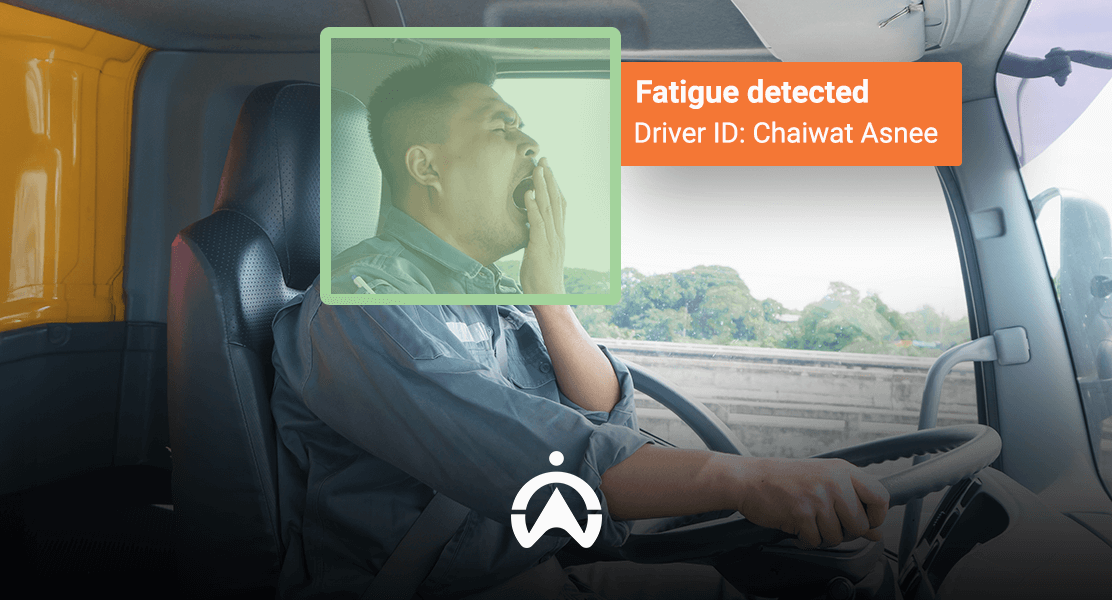
Accident agents reported that 60% – 80% of motor vehicle accidents are caused by distracted driving. One of the greatest innovations of modern-day fleet dashcams is artificial intelligence. This powerful technology enhances fleet safety by providing real-time alerts when it detects distracted or unsafe driving habits such as cellphone use, fatigue, or smoking. This ensures that drivers constantly keep their eyes on the road. A dashcam with AI features is a must-have in the trucking industry because drivers are on the road for long hours and might get tired or distracted along the way.
As already mentioned, dashcams with GPS and telematics are a must-have! These dashcams combine video recording with GPS tracking, wireless connectivity, and sensors to provide your fleet managers with a comprehensive view of the vehicle as well as driver behaviour. Dashcams for trucks should be able to integrate with your fleet management software platform for reporting, analysis, and coaching.
Night vision
How is your camera view at night or in low light conditions, like when your truck goes through a tunnel? Ensure that the dashcams you get for your fleet of trucks can capture clear and detailed footage in low-light conditions. To achieve this, the camera needs to have sensors and lenses that can detect low-light environments.
Cloud storage
The type of storage a dashcam possesses is directly related to the features you receive. For example, a dashcam with cloud storage allows for real-time access to the footage through LTE or Wi-Fi connectivity. This means you can live-stream from anywhere at any time. Many basic entry-level dashcams lack these advanced connectivity options and therefore don’t support remote access.
Common concerns about dashcams and how to address them
With every large purchase or investment for your business, there are inevitably some reservations. Let’s break down your concerns about truck fleet dashcams and see if we can help you address them:
Effective data management and access control are crucial for fleet dashcams. This ensures company privacy, security, and that you meet compliance standards. To achieve this, fleet managers must develop and implement policies that restrict unauthorised access to footage and outline the procedure for securely storing the data.
Cost
The cost of a fleet dashcam service might seem like adding more expenses to your business’s operational costs. However, in the long run, installing dashcams will save your organisation a significant amount of money in the negotiation of accident repair costs, insurance costs, fuel costs, and legal fees. With your costs down, you’ll gain the flexibility to safely add more trucks to your fleet and grow your organisation.
How dashcams fit into a broader fleet management strategy
Dashcams are mainly designed to enhance driver safety, provide evidence, and boost vehicle security. They can also strengthen and support other fleet management strategies, such as the following:
Fuel management: The GPS and telematics capabilities from fleet dashcams highlight driving behaviours such as long idling, rapid accelerations, and detours. These all increase fuel consumption, so by investing in a dashcam, you reduce the frequency of these fuel-draining habits.
Maintenance tracking: Aggressive driver behaviour also increases the chances of vehicle wear and tear. By investing in fleet dashcams that are powered by telematics, you’ll get reports of these tendencies and address them, resulting in proactive maintenance planning.
Coaching: Driver training is a very important aspect of running a successful fleet. As a fleet manager, you can use the video footage to highlight your concerns with each driver and send them for training on how to improve.
Reward programs: You can use the information from the camera reports to highlight, recognise, and reward drivers who are showing improvement. This boosts employee morale and helps reduce driver turnover.
Common dashcam questions and how to address them
From data privacy to ease of use, business owners often worry when a new gadget is introduced. Here’s how to move past those common concerns:
Do dashcams work when the engine is off?
Yes, some fleet dashcams can be set up to record when the engine is off. This feature is called “parking mode”. It requires a certain type of hardwiring to the vehicle battery or an external power source to be activated. All you need to do is ask your service provider if you have the option to do so.
Is my data secure?
Ensure that you choose a dashcam service provider that prioritises business privacy to protect your business. Find out about their data-handling processes, security measures, and transparency. Make sure you go for a reputable company that has years of experience in all things related to fleet management.
Can I manage video footage across all vehicles easily?
Yes, with the right dashcam solution, managing video footage across your entire fleet should be possible. This is because of the software’s integration with fleet management platforms, allowing you to access footage remotely, download clips, search and filter footage by date and time, and receive alerts.
Enhancing fleet oversight with Cartrack dashcam solutions
We have camera solutions for fleet vehicles of all sizes. Our dashcams come with standard GPS and telematics solutions, cloud storage, and high video quality. They also work well with other fleet management-related packages. Here are the top solutions we have to offer for your truck operations, as well as other key features you can expect to enjoy with Cartrack’s truck dashcam solutions:
AI Dual Vision
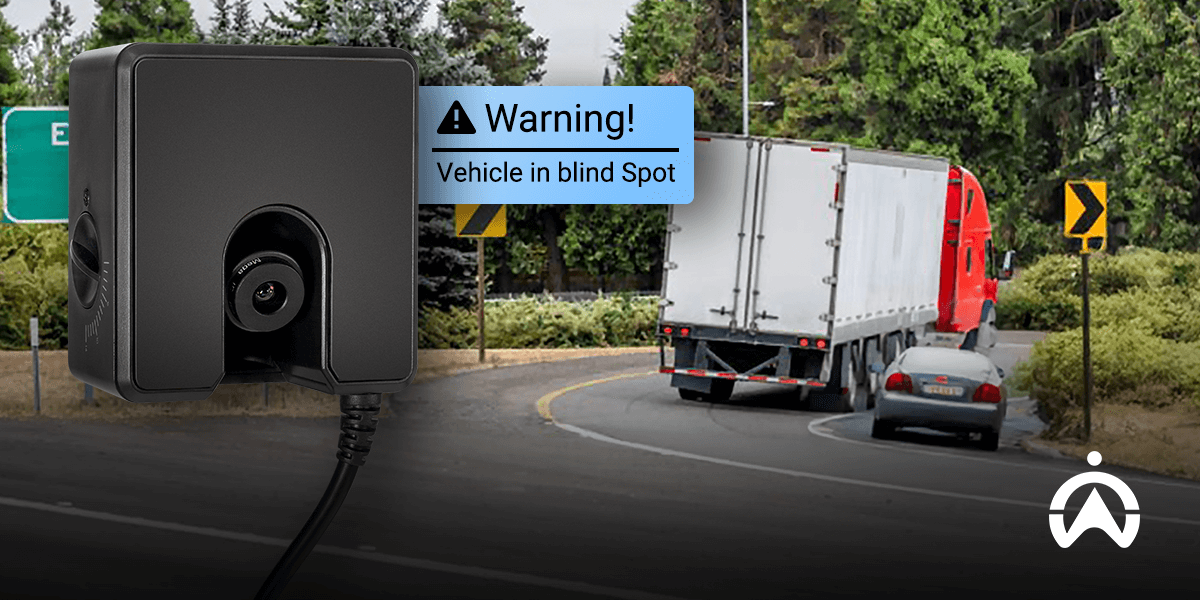
The Cartrack AI Dual Vision camera is both road- and interior-facing. It’s also AI-powered, meaning it can detect distracted driving behaviours such as drowsiness and cellphone use. Once detected, the cameras will give your driver audible real-time alerts so they can immediately correct their actions and focus on the road ahead. Our AI cameras can also detect blind spots and provide your drivers with early forward collision warnings, helping them to avoid accidents.
Coaching
We have a feature on our platform that focuses explicitly on driver coaching. It helps with improving the skills and behaviour of each driver. The Cartrack Coaching solution collects all information from recorded camera and telematics incidents. Then it turns it into understandable data where you can spot the trends among different departments, easily identifying the patterns of each driver.
From there, you can address your concerns with each driver and book them for additional training. The software will show repeated offences as well as the notes left from the previous coaching session to enforce accountability.
Driver Scorecards
As already mentioned, fleet managers need to reward good driving habits. Cartrack has a driver scorecard program that tracks incidents such as speeding and harsh cornering, giving each driver a rating based on the frequency of these incidents. You can use this system to reward drivers with the best ratings, which can help motivate them.
Invest in the Cartrack dashcam solutions for fleet safety and cost reductions!
Dashcams offer more than just extra safety. They also provide valuable insight that can improve overall business operations. With Cartrack, you get a fleet management integrated camera solution all in one platform, making things easier for you. Contact us today and see the difference our camera solutions will bring to your fleet.
Other articles for you
Truck Leasing for Start-Up Businesses – What You Need to Know
Blog
7 minute read •
Leasing trucks to start-up businesses is proving to be a very lucrative opportunity. Many new businesses are desperate for trucks, but are often being barred from getting them because of strict bank specifications. We’re seeing a preference for leasing trucks instead of owning them, because the benefits seem to outweigh the drawbacks. Namibian businesses, especially smaller […]
Get AI Cameras for Seatbelt and Phone Detection for Drivers
Blog
7 minute read •
Getting AI cameras for seatbelt and phone detection for drivers is the perfect way to transform safety protocols in your fleet. AI detection can monitor poor driving habits, alert drivers so they can quickly correct their actions, and keep records of offences so you can coach your drivers if they repeatedly commit them. Namibia recorded 2,793 road crashes, […]
Your trucks work hard to travel long distances, carry heavy loads, and traverse roads that are often treacherous & damaged. Looking after your trucks is a wise investment that’ll pay you back in productivity and lower overheads, but only if you know what condition they’re in at all times. The trucking and logistics sector plays a vital role in […]
 South Africa
 Botswana
 Kenya
 Malawi
 Mozambique
 Nigeria
 Swaziland
 Tanzania
 Zimbabwe
 Hong Kong
 Indonesia
 Singapore
 Malaysia
 Philippines
 Thailand
 New Zealand
 Vietnam
 Poland
 Portugal
 Spain
 United Arab Emirates