
Real IoT Tracking Devices and Solutions for Your Business

An Internet of Things (IoT) tracking device links your vehicles to larger central tracking systems. This is presented in a visual form that makes it easier for you to visualise where your assets are. This helps you collect better data and track your fleet with ease.

As of the end of 2024, there were over 18.8 billion IoT devices worldwide, a number that keeps rising as technology improves. Fully connected tracking devices have always been part of the IoT network, but NOW they can connect to even more tools and systems in your fleet.

When Cartrack units connect to your fleet’s telematics, your vehicles become part of a smart network. This means real-time tracking and better communication between you and your drivers.

So if you’re wondering how your fleet communicates with your fleet managers, read on to receive a full breakdown on what these devices can do for you.

How can IoT tracking devices and solutions improve your business?

Want to know something interesting? All tracking units are IoT devices. They connect to the internet using mobile signals and send accurate GPS data. This data, combined with smart AI tools helps to improve:

  • Route planning
  • Driver behaviour
  • Regulation adherence for your business

Real IoT tracking devices do more than just show fleet location. They integrate fully with your vehicles. That means they can track things like harsh braking, fast acceleration, idling time, and fuel use. All of this gives you a clearer view of how your fleet is performing.

Owing to GPS accuracy, within 2 to 5 metres, you can always keep an eye on your vehicles. As you and your fleet managers get used to the system, your business becomes more efficient and easier to manage.

What is an IoT tracking device, and how does it differ from standard GPS trackers?

An IoT tracking device sends real-time updates to a central system. Showing where the vehicle is, how fast it’s going, and even its condition. This makes it smarter than a simple GPS tracker, which might only send data now and then, or only after the information has been downloaded manually.

There are many differences between these devices. The table below clearly shows why an IoT tracking device gives you more value:

Feature IoT Tracking Device Standard GPS Tracker
Data Type Location and extra information Location only
Alerts Sends instant alerts Usually no alerts
Connectivity Works over the internet Works with GPS signal
Integration Connects with other systems Limited or none
Monitoring Tracks assets and conditions Tracks location only
Decision Making Helps businesses make smart choices Gives basic location info
Updates Real time Sometimes delayed
Usage Vehicles, equipment, and assets Mainly vehicles

What are the main functions of an IoT tracking device?

The main functions of an IoT tracking device are sending real-time data and collecting telematics information through an always-on internet connection. If you’ve been in the fleet management industry before, you may already be familiar with these devices. The latest IoT tracking devices offer several smart features that keep drivers and assets safe.

IoT tracking devices solve several problems that fleet managers face each day, from weak tracking to fuel costs. These are how IoT devices solve the four most common problems.

Never lose track of your vehicles

Problem: A common problem that many may not know about is that fleet managers aren’t always aware of where their vehicles or fleet assets are. A frantic search for specific vehicles, drivers, or assets often causes delays, lost deliveries, and wasted fuel.

Solution: IoT tracking devices show the exact location of your vehicles and assets in real-time. Tracking your fleet through an app or portal anywhere in Namibia is made possible, which makes it easier to plan routes and respond to issues.

Keep drivers safe and fuel costs low

Problem: Monitoring how drivers are using their vehicles is hard, and they may take this opportunity to drive unsafely, increasing fuel usage.

Solution: Any real IoT tracking device that’s been fully integrated with your fleet can measure bad driver behaviour, such as harsh braking, speeding, and excessive idling. With gathered data like this, you can help coach inexperienced drivers, reduce accidents across your fleet, and save fuel.

Protect your assets from theft

Problem: A fleet’s assets and vehicles can face theft if they’re left unmonitored.

Solution: With geofencing and tamper alerts, you get instant notifications from IoT tracking devices if something is detected. Along with tools such as geofencing, you and your fleet managers know when assets or vehicles enter or leave restricted areas.

Make smarter fleet decisions with data

Problem: Without accurate data, it’s hard to make informed business decisions about fleet efficiency and maintenance.

Solution: A real IoT tracking device will collect data on fuel, routes, and driver habits. They help fleet managers to generate reports that are used to optimise operations, making your business more efficient and cost effective.

Person using a smartphone with a map showing multiple locations at night, powered by IoT tracking devices.

Do IoT tracking devices work with cellular networks?

Yes, any real IoT tracking device will connect to the internet through cellular networks, sending accurate GPS location data to a central system. Mobile signals like 4G and 5G are the fastest, but many do have other ways of sharing information. Backup connections solve the problem of weak or intermittent cellular connections.

Advanced IoT tracking devices have features that you may want to know about, making them reliable countrywide. You’ve probably got a few questions about this. Here are some of the ones we hear most often.

Do IoT tracking devices require special SIM cards?

Basic tracking devices that you install yourself can use any SIM card. However, real IoT tracking devices from service providers use special SIM cards that are built for secure tracking. These SIM cards have unique numbers and send encrypted data back to the provider’s system.

The SIM cards come with the device and are managed by the service provider, keeping your data safe and your tracking active at all times.

How do Namibian networks support IoT tracking devices?

Across Namibia, mobile service providers have teamed up with tracking device suppliers. This means your devices use a special SIM card made for secure data sharing. Many of these SIM cards only send data, not calls or texts, unless specified.

To stay reliable, tracking devices also need backup systems. That’s why many providers have agreements to use older network types like GPRS and GSM, so your data still gets through even if newer signals go down.

Can IoT devices work across the country?

Yes, IoT devices can work across Namibia, even in rural areas where the mobile signal may be low. An important feature of a real IoT tracking device is its ability to have backup connections and the ability to store data. Your fleet stays connected as it moves between provinces, even if a driver’s mobile phone loses signal.

No matter where your vehicles or assets go, they’ll stay online and be easy to track.

What are the top solutions an IoT tracking device provides?

A real IoT tracking device will provide solutions like real-time tracking, geofencing, and data-driven reporting. They are geared towards making fleet management simpler and much more manageable. They don’t just fix problems that already exist, they also help prevent any new ones that may appear.

A real IoT device doesn’t just make your fleet more efficient today. It helps you save time and money in the FUTURE by keeping your business efficient.

  • Real-time location tracking: Whether vehicles are moving, loading, unloading, or stuck in traffic, your fleet managers can plan ahead, knowing the location data is live and accurate.
    ‍
  • Geofencing alerts: Get instant alerts when a vehicle enters or leaves a set area. This helps improve operations and lets you know straight away if something’s not right.
    ‍
  • Theft detection: If a vehicle is started without permission, moved unexpectedly, or tampered with, the system will alert you and your service provider immediately.
    ‍
  • Route optimisation: IoT tracking systems use traffic updates from third-party sources. If a driver is heading towards a problem area, the system can automatically reroute them to a better path.
    ‍
  • Condition monitoring: These devices track how a vehicle is being used—whether it’s idling, braking harshly, or showing signs of wear & tear. Fleet managers get alerts if a driver’s behaviour needs attention.
    ‍
  • Data-driven reporting: The system collects data on each driver and creates reports on their driving habits. These reports help with coaching, performance reviews, and improving the business overall

Should a business rely on IoT tracking devices?

Whether your business has just two vehicles or a fleet across Namibia, using real IoT tracking devices should be an easy move. The devices give you live data that makes managing drivers and vehicles easier for your fleet managers.

Integrated IoT systems help your fleet managers make better decisions using accurate data. With a properly implemented system, tracking becomes an easy part of your business’ daily routine. This makes your fleet safer and more efficient without becoming more complex to manage.

Improve asset visibility and control

One of the best features of real IoT tracking devices is how easily you see your fleet. Whether it’s a vehicle or a valuable asset, tracking it no longer means making endless phone calls. You simply open the app or portal and check on its location. If something is wrong, you’ll probably know about it beforehand.

When an expensive asset is in use, or a high-value vehicle is out on the road, you can make sure it’s safe and not being misused. The integrated IoT tracking systems help you keep control and protect your investment.

Boost security and theft prevention

Often forgotten by fleet managers, stolen vehicle recovery is an add-on for fleet solutions that any business should consider for its fleet. This improves your vehicle and asset security, ensuring your fleet is always kept operational.

From simple tamper alerts to full stolen vehicle recovery, any real IoT tracking device will have it available as a service. This gives you full access to support 24/7, which will work with the police to find your vehicle.

Increase operational efficiency and cost savings

Every business, big or small, needs to improve efficiency and reduce costs. Real IoT tracking devices in your fleet help boost efficiency every day with simple additions. Better route planning and real-time data enable your vehicles to use less fuel and require fewer repairs. It’s a simple benefit that many overlook, but it can make a BIG difference.

Enable smarter, data-driven decision-making

Are maintenance bills starting to creep up on you ahead of time? The first step in taking control of this is making informed decisions. Spotting driver patterns and improving their behaviour is easier with IoT tracking devices that collect data over weeks, months, or even years.

If a driver shows risky behaviour, the system picks it up early. With the right coaching, these issues can be fixed quickly. That means safer drivers, fewer incidents, and lower costs for your business.
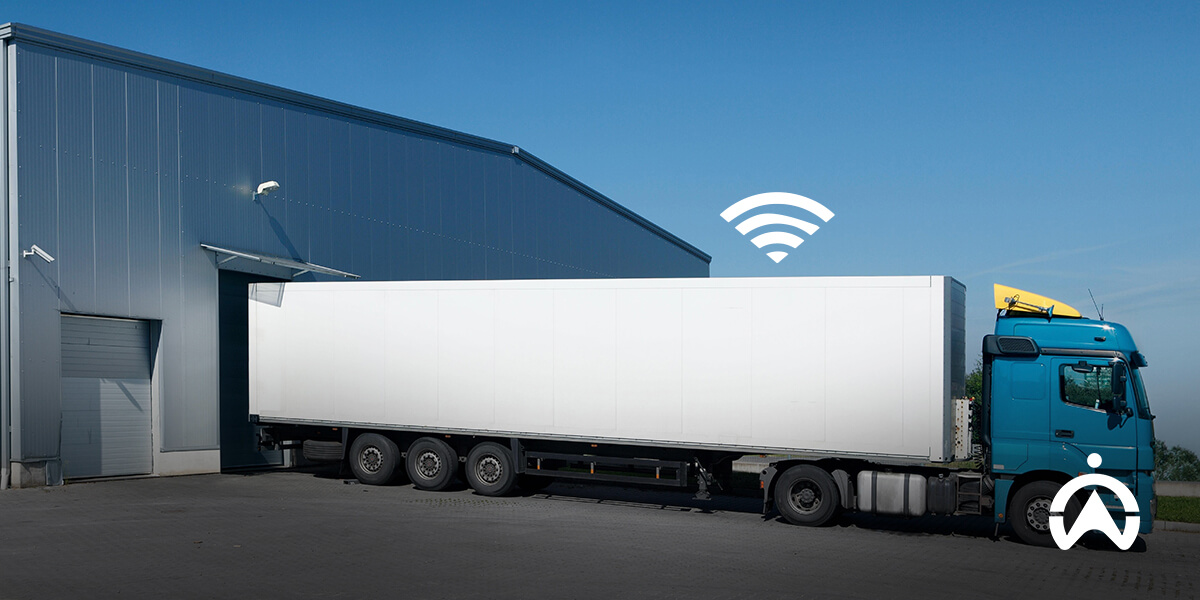
Blue truck at warehouse with Wi-Fi symbol showing IoT tracking devices enabling connected loading operations.

How Cartrack devices use IoT to improve your business

All Cartrack units are IoT devices, connected to the internet to provide accurate location data. When integrated with your vehicle telematics, our units provide real-time data that keeps your fleet connected.

There are five key areas where Cartrack IoT tracking devices will improve your business.

Seamless Real-Time Vehicle and Asset Monitoring

  • Track vehicles instantly: Receive your vehicle location without delay. The real-time location is updated constantly, showing where your fleet is through the app or portal.
  • Monitor assets constantly: Asset tracking updates you on each asset’s location throughout the day, keeping them safe and giving you peace of mind.
  • Reduce manual checks: Automated checks show each vehicle and asset location without manual work, saving time and resources.
  • Improve operational visibility: The system sends up-to-date data to your fleet managers, creating full visibility across your fleet.

Advanced Geofencing and Instant Alerts

  • Set virtual boundaries: You can choose locations you consider too dangerous for your vehicle to be in, or boundaries that none of your vehicles or assets are meant to leave.
  • Receive instant notifications: If a vehicle or asset crosses the bounds set by a geofence, your fleet managers and you immediately receive a notification.
  • Prevent unauthorised movement: If a geofence has been set up, Cartrack units can be set to go into downtime, which means any movement of a vehicle or asset causes an alert to be sent.
  • Enhance location control: Our geofencing system helps control the authorised locations of your fleet, keeping your most valuable assets exactly where you need them.

Data Collection for Operational Insights

  • Analyse usage patterns: Our system is constantly collecting data across your fleet, creating usage reports that show driver behaviour.
  • Optimise fleet efficiency: As you gather more data, your fleet efficiency starts to drastically increase, as you can stop bad behaviour and choose optimal routes.
  • Identify high-cost drivers: Drivers have a big influence on how efficient any fleet is. Cartrack’s data collection system can help you identify drivers who are inefficient or reckless.
  • Improve business decisions: As your fleet continues to grow, our data helps you identify areas that need to grow, whether it’s getting more vehicles, skilled drivers, or just choosing better routes.

Integration with Fleet Management Systems

  • Connect existing software: With Cartrack’s API feature, your existing fleet management systems are not removed, but integrated into the system.
  • Streamline workflow processes: As your fleet becomes fully integrated with Cartrack’s units, workflow drastically increases, improving delivery times and overall business efficiency.
  • Centralise operational data: A key feature of Cartrack’s API is that it centralises your operations onto one platform, giving you full control of your business operations.
  • Simplify reporting tasks: Because data collection through IoT tracking devices is so much simpler, weekly, monthly, and yearly reports become easier and much more accurate.

Enhanced Security through Tamper Detection

  • Detect device tampering: Cartrack units have tamper protection, and when fully integrated with your fleet, can detect when an asset or vehicle is being tampered with.
  • Prevent asset theft: Early warnings of tampering or signal jamming means your teams can prevent asset theft before it’s lost.
  • Alert management immediately: Our systems and units can be set up to alert management and the Cartrack control room immediately if tampering or signal jamming is detected.

Real IoT tracking devices help businesses keep track of vehicles and assets, improve security, and make smarter decisions using data. With features like geofencing, real-time monitoring, and condition alerts, companies can save time, reduce costs, and stay more efficient.

Don’t wait, start using Cartrack IoT tracking devices today to take your business to the next level.

Frequently asked questions about IoT tracking devices and business solutions

Are there tax incentives or grants for IoT deployment in Namibia’s business sector?

Yes, Namibian businesses can access tax incentives and grants when adopting IoT tracking device solutions. The government has programmes through institutions such as the Ministry of Industrialisation and Trade and the Namibia Investment Promotion and Development Board (NIPDB), as well as development finance support from bodies like the Development Bank of Namibia (DBN), which can help offset costs. If you are unsure, you can check the eligibility criteria carefully to see which incentives apply to your specific IoT tracking device deployment.

How do I comply with Namibian data protection when tracking assets?

Yes, Namibian businesses can access tax incentives and grants when adopting IoT tracking device solutions. The Government of Namibia supports technology adoption through initiatives and incentives offered by agencies such as the Ministry of Industrialisation and Trade (MIT), the Namibian Investment Promotion and Development Board (NIPDB), and financial institutions like the Development Bank of Namibia (DBN). These programs may help offset costs associated with implementing IoT tracking technologies. If you are unsure, review the specific eligibility criteria of each incentive carefully to determine which applies to your IoT tracking device deployment

What support and warranty expectations should I require from my IoT solution provider?

You should expect clear service-level agreements with timely support, remote monitoring and software updates. A warranty covering hardware faults and replacement is essential. Your provider should also offer installation guidance, maintenance plans, and prompt response to issues so your IoT system runs smoothly without costly downtime.
Which Factor Most Affects the Cost of Last-Mile Delivery?

The factor that most affects the cost of last-mile delivery is labour, with fuel coming second. These areas are where most of the costs go when businesses get deliveries from the processing point to the customer’s hands. Last-mile delivery is seen as the most costly stage of logistics, sometimes making up as much as 53% of total supply chain expenses.

Labour costs typically include factors like driver salaries, overtime, and route details. On the other hand, fuel costs usually consist of driver density (which refers to the number of stops on a trip) and distance. Combined, they play a key role in shaping how smoothly your operations run and how profitable your business can be.

To help you better understand the high costs of last-mile delivery, we’ll guide you through the expenses associated with this stage, why labour is the heavyweight factor, and how your business can get these costs under control. See how Cartrack and our sophisticated technology can give you full visibility and assist in keeping costs under control.

Why is labour the highest cost of last-mile deliveries?

Labour is the factor that most affects the cost of last-mile deliveries because the last mile is incredibly demanding, with factors like driver wages, idle times, and overtime contributing to the total. So much of the cost is contributed to labour that it usually surpasses other factors like fuel. The longer a delivery takes, the higher the costs.

Let’s look at the effects and amplifications of labour costs:

  • Urban vs rural routes: Urban or dense routes typically see more deliveries being made in less time, typically reducing labour costs. Rural or sparse routes mean more travel time and fewer stops, typically inflating labour costs.
    ‍
  • Driver pay & overtime: If drivers are working overtime or longer hours to ensure deliveries are complete, then more money is going towards wages.
    ‍
  • Failed deliveries: Failed deliveries mean that redeliveries have to happen, which directly contributes to overtime/longer hours and more fuel spent.

What does “last-mile delivery cost” mean?

Last-mile delivery costs refer to the expenses related to the process of getting packages from the last hub to the hands of a customer or business. The last mile is typically considered the most expensive part of the process, even though it’s usually the shortest.

Last-mile delivery describes the last step in an order journey—getting the delivery from the centre to the customer—but it’s complex and costly because of the numerous expectations. Not only are there tight time windows and many stops, but there are also high customer expectations and the need for stellar communication.

Although the last mile is usually seen as a collection of expenses that could weigh the business down, it could actually prove to be a profitable venture. If you implement positive adjustments, like route optimisation or consolidating deliveries, you could potentially gain a competitive edge.

Take a look at the process in its entirety:

  • First mile: This is from the supplier to the warehouse
  • Middle mile: This is from the warehouse to the local hub
  • Last mile: This is from the hub to the customer

Why is last-mile delivery so expensive?

Last-mile delivery is so expensive because of factors like pressures to deliver on time, congested roads, the cost of fuel, and sparse delivery stops. All of these directly add to the overall costs and can affect your business’ level of efficiency.

There are also some Namibian-specific obstacles to overcome:

  • Sparse delivery stops: Namibia has vast rural areas, which means there can be long travelling times between delivery points.
    ‍
  • Infrastructure: Routes and roads can be very unreliable, especially as you move further into rural or farm areas.
    ‍
  • Safety: To ensure safety and security, drivers might take longer routes so as to avoid dangerous areas.

Labour costs don’t always have to give you a headache. You can optimise driver routes and keep track of their performance using Cartrack technologies. Book a demo to see how you can improve the performance and profitability of your fleet.

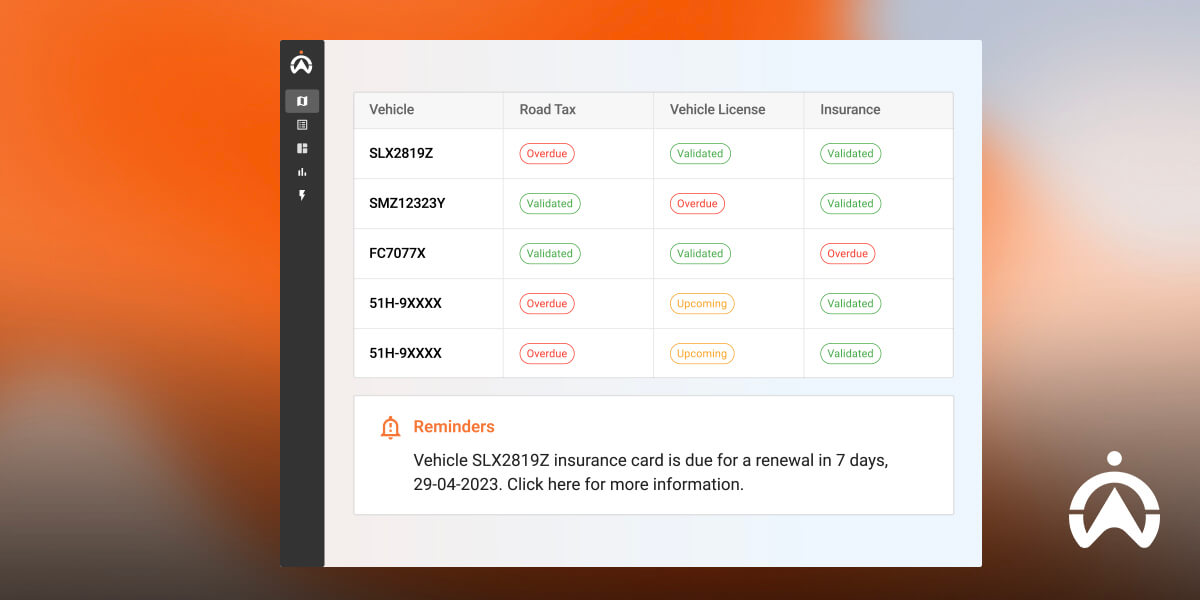
Vehicle management dashboard showing licenses and insurance renewal alerts affecting last-mile delivery cost.

Breaking down the overall cost of last-mile delivery

If we look at a breakdown of the overall cost of last-mile delivery, we have to consider factors like fuel, customer expectations, and driver labour costs. Some of these factors are easier to manage than others, but understanding these variables can help you decide where you can optimise and save.

Take a look at this breakdown of the typical contributors:

  • Fuel and vehicle operating costs: These are probably the most erratic expenses. With the ever-rising cost of fuel, typical wear and tear on a vehicle, and the stop-start nature of delivery driving, it’s no surprise that costs here are high.
    ‍
  • Driver wages and labour: As mentioned, labour is the highest last-mile expense. Driver shortages, wages, overtime, route inefficiencies, and other elements can add up and easily elevate costs.
    ‍
  • Routes and potential inefficiencies: This is one of the best factors to manage cost-wise, as route optimisation can massively improve last-mile costs. Without route optimisation, expect longer routes, overtime, and more idle time.
    ‍
  • Potential failed or repeated delivery attempts: These essentially become hidden costs. Having to make redeliveries means even more per-delivery costs, from wasted fuel to extended driver hours.
    ‍
  • Customer expectations: Customers expect smooth handoffs and deliveries that can be tracked while they’re on the way. This makes deliveries more complex, with restricted delivery windows and rigid schedules.

To better understand which areas are easier to optimise, look at the table below.

How to read the table:

  • High controllability: These are areas where costs can quickly be brought down through proactive governance and fleet management technologies.
    ‍
  • Medium controllability: These costs can be reduced through statistically informed decisions, though they’re still partly shaped by outside factors.
    ‍
  • ‍Low controllability (N/A here): These relate to larger, general variables such as economic shifts or regulatory changes, which are harder to manage directly.
Factor Impact % (Average Estimate) Description Controllability (High/Med/Low)
Labour 40–50% Salaries, overtime, and staff shortages Medium
Fuel and maintenance 20–30% Vehicle costs and rising fuel prices Medium
Failed deliveries 10–15% Redeliveries or customer absence High
Route Inefficiency 10–15% Poor planning and traffic High
Tech/Infrastructure 5–10% IT and fleet tools High

Takeaway:
While labour remains the biggest last-mile delivery cost factor, the most achievable expenses often come from controllable inefficiencies. With various smart technologies available with Cartrack, businesses can improve productivity and make meaningful cuts to operational spending.

How to manage and reduce labour-driven last-mile costs

To manage and reduce labour-driven last-mile costs, it’s best to focus on high-controllability areas and manage those before tackling lower areas. Having a better handle on how drivers spend their time can immediately improve efficiency, but a holistic approach will always be the best way forward.

Consider these strategies:

Route optimisation software and smart planning

Implementing route optimisation software and smarter planning can help you cut back on wasted time, fuel, and effort. Through innovative technologies and AI systems, the most efficient and fuel-saving routes can be planned for each of your drivers.

By choosing to prioritise route optimisation software, especially from Cartrack, you can:

  • Decrease fuel usage
  • Bring down idle time and total time spent on the road
  • Confidently manage more stops in a single shift

Delivery consolidation and managing batch orders

By effectively managing batch orders through delivery consolidation, you enable your drivers to complete more deliveries in less time per trip. Smarter delivery consolidation means you can strategically combine trips in the same geographical areas, cutting down on back-and-forth trips.

Cartrack’s FleetWeb features can help you manage dispatching so that every trip is grouped correctly and more time-effective.

Real-time customer communication

Real-time customer communication—through channels such as in-app updates, SMSes, and ETA notifications—massively improves overall delivery experience. Additionally, clear and constant communication with customers helps prevent potential redelivery attempts.

Cartrack’s customer visibility features (proof of delivery, live tracking, automated customer notifications, etc.) guarantee improvement with first-delivery-attempt success rates.

Safe and efficient driver management

Better productivity and protection directly correlate with safe and efficient driver management. Driver behaviour monitoring tools and telematics allow you to keep track of your drivers while also facilitating proactive and preventative approaches.

Cartrack’s GPS tracking and driver scorecards promote safer driving habits, meaning accident-related interruptions and overtime are reduced.

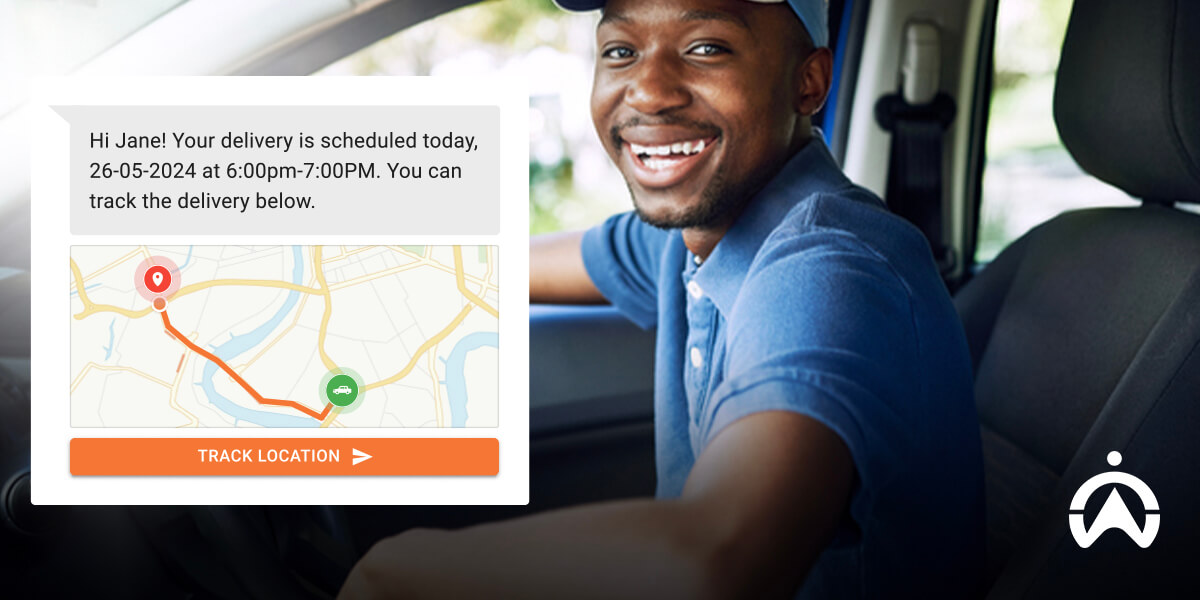
Delivery tracking notification next to driver, illustrating last-mile delivery cost factors

Is last-mile delivery profitable?

Yes, last-mile delivery is profitable, but businesses must balance performance, customer satisfaction, and running expenses. Although this part of the delivery cycle is the most costly, it’s also the most personal, giving you space to truly connect with your customers. If done correctly, you can cement a favourable brand connection and stand out among the rest.

Cost and customer experience

Although reducing costs is the goal, you’ll want to ensure you preserve customer satisfaction and high service standards. Profitability rides on balancing costs and quality service. If you have satisfied customers, you’re almost guaranteed profits through repeat customers and clear brand loyalty. This, however, can only be achieved by quick, flawless, and reliable delivery experiences.

Balancing efficiency and profit

Businesses that implement the right tools and technologies to improve performance are those that are likely to have the best success rates. Lowering costs per delivery while maintaining customer satisfaction could not only improve your bottom line but also give your business an edge over the competition.

Cartrack’s role in reducing last-mile delivery costs

Empowered by advanced technology and real-time visibility, last-mile delivery can transition from a major expense to a strategic advantage. It’s a transformation that Cartrack enables for every business it supports. By directly tackling the highest last-mile costs and helping you take control of them, Cartrack is your top solution as a loyal business partner.

Here’s a look at what we can do for you:

  • Route optimisation: We use smart tools and AI-driven insights to optimise your drivers’ routes, helping them drive smarter and not longer. This cuts back on fuel and overtime spend, ensuring that drivers stay on schedule as regularly as possible.
    ‍
  • Delivery tracking & real-time ETAs: With our customer visibility features, you can ensure smooth deliveries on the first attempt. Redeliveries should become far less frequent, and your completion rates will increase.
    ‍
  • Fleet cost management tools: Thanks to our value-added services like MiFleet, you can have complete oversight over operational finances and performance. This kind of oversight allows you to make insight-backed decisions to improve your bottom line.
    ‍
  • Vehicle security: Hijackings and other threats to safety can lead to potential driver shortages and delivery losses. Cartrack is a leading name in vehicle tracking and recovery, protecting your assets and drivers while preventing pricey disruptions.

Final takeaways

There are plenty of reasons why last-mile delivery costs can add up—fuel, maintenance, routes, and especially labour. The list goes on. These expenses are part of doing business, but it doesn’t mean they have to feel out of control.

With the right technology behind you, your business can move away from just reacting to costs and start improving them before they become a problem. You can keep your fleet efficient, your team productive, and your customers satisfied every step of the way.

Ready to cut your last-mile costs while keeping customers happy? Discover how Cartrack helps dispatch teams deliver smarter, safer, and more profitably.

How to Really Protect Your Courier Vehicle From Being Hijacked

To really protect your courier vehicle from being hijacked, always ensure you’re covered with preventative tactics, protection strategies while out on deliveries, and post-incident assistance. By implementing these steps as part of a comprehensive protection plan, you’re strengthening the safety and protection of your fleet and its drivers.

Courier vehicles are a growing target for criminals, exposing a genuine vulnerability in transportation and logistics. Reuters reported that delivery truck hijackings have spiked, with reports indicating that between 20 and 25 couriers are hijacked daily. Companies are ‘spending an absolute fortune on security’ to tackle these vulnerabilities, reflecting how criminals see courier vehicles as quick wins and fast money.

The best way to tackle this? Real and actionable solutions. In this guide, we go beyond a simple ‘stay alert and stay safe’ approach. We explore the best ways to implement prevention methods, keep your drivers protected, and partner with Cartrack for full coverage and fleet vehicle safety.

Actionable steps to protect courier vehicles from hijacking

The actionable steps you need to take to protect courier vehicles from hijacking are prevention strategies, in-journey protection, and post-incident support. This layered approach means that you’re combating every possible angle that could impact your fleet and will ensure full visibility, support, and protection for your vehicles and their drivers.

Prevention strategies

The secret to managing safety even before your drivers are on the road is to implement prevention strategies. Preventative measures will always be one of the best ways to handle risk management. This is why driver training, route optimisation, and limiting cargo visibility can play a monumental role in fleet and driver protection.

  • Train drivers: Teaching and training your drivers ensures that they know what they need to look out for, can practice remaining calm in high-tension situations, and can manage exposure to potential risks.
    ‍
  • Vary routes and delivery times: A routine can make drivers an easy target, which is why regularly modifying schedules or making variations to routes can throw off hijackers who’ve been surveying a vehicle over time.
    ‍

BONUS TIP: It’s also important to keep the goods in neutral packaging when possible.

In-journey protection

You could put all the preventive measures in the world in place, but in-journey protection will always be just as important. Visibility, live tracking solutions, and immediate alerts are all necessary for onboard protection. This is especially the case for reacting as quickly as possible if your driver’s in danger.

  • Live GPS tracking with alerts: Not only does live GPS tracking allow you to keep an eye on vehicles and their trips, but route deviations are immediately flagged, allowing you to react accordingly if there’s danger.
    ‍
  • Remote vehicle immobilisation: If a vehicle has been stolen or hijacked, you can shut down the vehicle remotely once it’s safe to do so. This limits how far the vehicle goes and aids in quicker recovery.
    ‍
  • Panic buttons: A well-concealed panic button, pressed by a driver in danger, can quietly alert control rooms, which can then notify the correct parties to send help.
    ‍
  • Camera solutions: The presence of advanced camera solutions means that everything is surveilled, which can provide crucial evidence if there’s a criminal case.

Post-incident support

Sometimes, the worst does happen, which is why it’s best to ensure that you have clear strategies in place that’ll support your drivers and put you in a position for quick recovery. You want to ensure that your post-incident support puts your staff first and shows that you genuinely care.

  • Swift recovery assistance for stolen vehicles: The best thing you can do for your asset recovery is to ensure you partner with a company that has strong support and swift vehicle recovery.
    ‍
  • Protecting the driver’s physical and mental well-being: Your driver could be left physically hurt, mentally shaken, or both. Offer counselling, cover hospital visits, or encourage paid leave so they can recover fully and return to work in their own time.
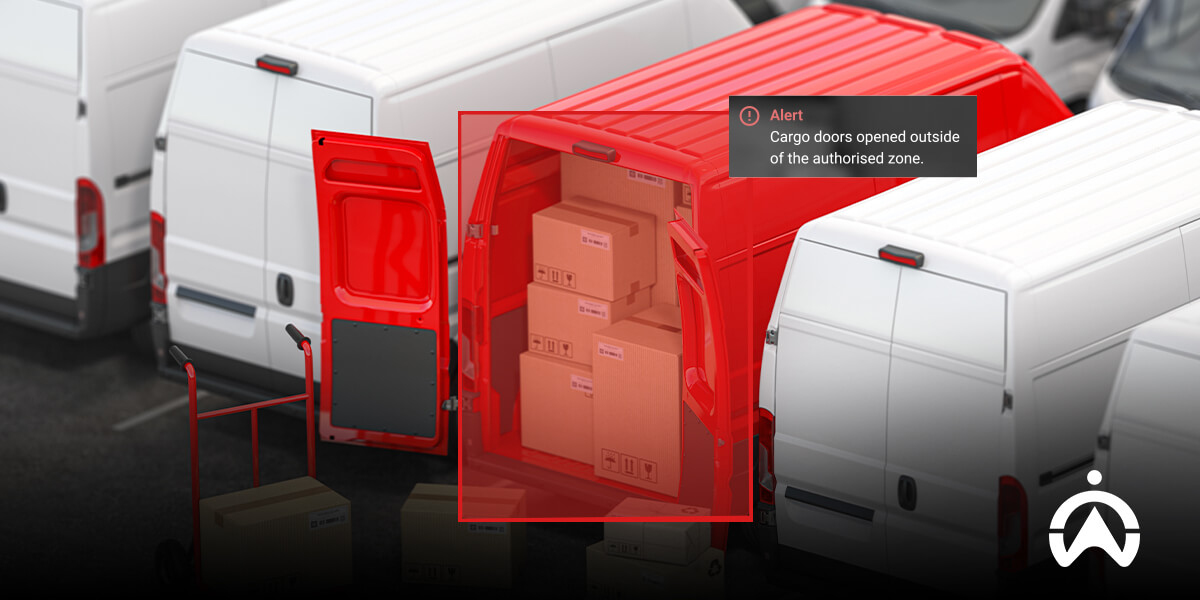
Cartrack alert detects potential hijacking of courier vehicle as cargo doors open outside authorised zone.

Why are courier vehicles prime hijacking targets?

Courier vehicles are prime targets for hijacking because they often carry valuable goods. This includes expensive clothing, electronics, skincare products, and other costly merchandise. Criminals often see these vehicles as ‘quick wins’, recognising courier vehicles as low-risk, easy targets.

The risk extends beyond financial loss. Despite the burgled cargo, drivers can face real physical and mental trauma, there can be damage to the business’ reputation, and deliveries can be lost or delayed.

The vulnerability of courier vehicles to hijacking in Namibia is highest within its major urban areas, such as the Khomas Region and Windhoek. The predictability of delivery routes in these high-traffic regions makes them prime and anticipated targets for criminal activity.

Understanding hijacking tactics and the threats couriers face

Couriers are vulnerable to very real threats and hijacking tactics every time they’re out in the field. Methods include roadblocks, fake delivery orders, or being followed and monitored. Criminals are refining this more and more every day, signalling the importance of implementing strong security measures.

Consider these real-world scenarios:

  • Fake delivery customers or order diversions: Drivers can be drawn to locations that are isolated or directed to a pick-up point where they’re vulnerable to an ambush.
    ‍
  • Following the courier vehicle to figure out schedules and routines: If drivers have regular and predictable routes, malicious parties can predict and learn driver routines.
    ‍
  • Roadblocks or forced stops: Thieves can put up fake roadblocks or initiate forced stops by putting objects that obstruct the road for the courier driver. Following this, they’ll ambush the vehicle.
    ‍
  • Insider threats and tip-offs: Thieves can plan their strategies by getting insider knowledge. This could be leaked information from an employee who tips them off about very expensive items in transit.

Breaking down risks vs protection regarding courier vehicles and hijacking

Take a look at this table that compares risks vs the best protection methods:

Risk / Threat Hijacker Tactic Courier Weakness Best Protection Strategy
Fake deliveries Luring drivers to unsafe areas Lack of route verification GPS tracking and route alerts
Forced stops Blocking the road/staging an accident Driver unprepared Panic button and driver training
Following routes Monitoring vehicle habits Predictable routines Route variation and live monitoring
Insider info leaks Shared delivery details Poor info security Secure dispatch systems

How Cartrack keeps courier vehicles safe

Cartrack keeps your courier drivers safe by offering the best in security and protection technology. Some of these tools include GPS tracking, vehicle immobilisation, and strong customer care and brand trust. You can rest assured knowing that your assets are protected, from first to last-mile delivery.

Here’s why Cartrack is a cut above the rest:

  • Vehicle tracking: We offer strong GPS tracking systems with impressive backup solutions in case of signal interference, meaning you’ll always have full visibility of your fleet at all times.
    ‍
  • Real-time alerts: Immediate alerts for geofencing breaches, idling, or any other strange driving behaviours mean you can act swiftly and immediately if something seems “off” about a trip.
    ‍
  • Remote vehicle shutdown: Our remote vehicle immobilisation tool allows you to safely shut down a vehicle when hijacked. The vehicle won’t move any further, allowing for quicker vehicle recovery.
    ‍
  • 24/7 recovery teams: Our team is on standby around the clock in case of any emergency or recovery needs, and with our high recovery rate, the numbers speak for themselves.
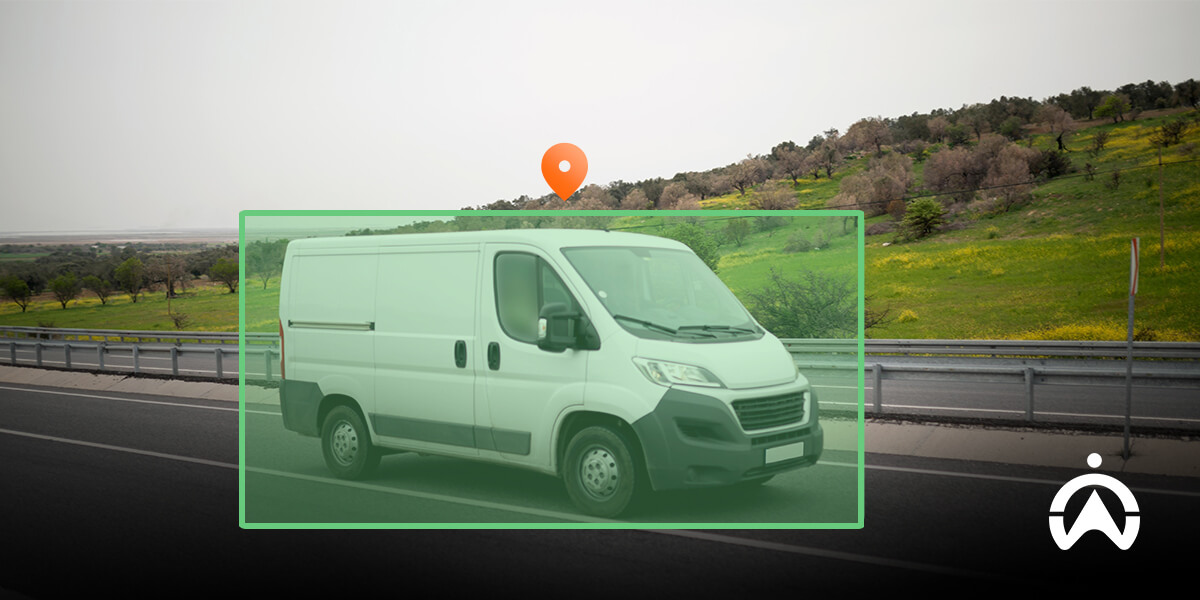
Courier vehicle parked near countryside road, representing hijacking of courier vehicle threats.

Wrapping up on courier vehicle safety

Courier vehicle hijackings remain a serious concern in Namibia, but businesses can greatly reduce their exposure by taking proactive steps. From skilled drivers and varied routes, to live tracking and rapid recovery support; every layer of preparation strengthens fleet security.

Take all the safety precautions you can to protect your fleet. With Cartrack’s advanced technology and full, constant support, you’ll have complete control and visibility across your fleet, helping drivers and managers deliver safely, every day.

Your drivers deserve safety, and your business deserves security you can trust. Know that help is always close at hand; partner with Cartrack to protect your courier fleet.

FAQs

Q: What preventive measures can we take in the event of hijacking?

A: In the event of hijacking, the best preventative measure is teaching drivers beforehand about hijacking safety procedures. Invest in other prevention strategies like rotating routes and drivers, geofencing and other immediate alerts set up, and swift vehicle recovery plans in place.

Q: What should a courier driver do during a hijacking situation?

A: During a hijacking situation, a driver should remain calm and keep their hands visible at all times. Drivers should carefully alert the necessary parties by pressing a panic button if there’s one located in the vehicle. A driver should always try to keep movements and words clear and slow—erraticness can startle hijackers and cause them to make dangerous mistakes.

Q: Does insurance cover courier vehicle hijackings?

A: Yes, insurance companies do typically cover vehicle hijackings, but many contributing factors determine the insurers’ specifications. Companies will usually first look over the business’ safety policies and risk management. Following this, they’ll likely require information like evidence of driver training and tracking technologies.

Best GPS Bike Tracker Anti-Theft Solution

The best GPS bike trackers for anti-theft solutions are those that have a good battery life and deliver accurate GPS tracking. Signal strength is also a feature you should look for, as well as durability and water resistance for harsh conditions. Consider the subscription fee of your bike GPS tracker and don’t forget to check SIM card compatibility.

In Southern Africa, organised motorcycle theft syndicates have caused spikes in bike thefts in some cities. While Namibia also faces ongoing bike theft concerns, around 80 bike thefts were reported in one month in 2025, and most of these were due to a bike theft syndicate. If you want to keep YOUR bike safe, you might be wondering what the best anti-theft GPS tracker is. Cartrack has the answer, so let’s find out.

What features should you look for in a GPS bike tracker for anti-theft?

Features you should look out for when choosing an anti-theft GPS bike tracker are:

  • The battery life
  • Tracking accuracy
  • Signal strength
  • Live tracking with minimal delay
  • Durability
  • Waterproofing
  • Concealment of the installation
  • The monthly price
  • SIM card compatibility

Choose a GPS bike tracker that encompasses all of these features so that you have as many security layers as possible.

Why are these features important? Take a look:

Feature Why It Matters Example Benefit What Cartrack Offers
Battery life Keeps your tracker running longer You don’t need to charge it often A long lasting rechargeable battery
Tracking accuracy Shows your bike’s exact spot Easier to find your bike if it’s stolen GPS with high precision and a stable connection
Signal strength Works even in weak network areas Keeps tracking in remote places A tracker that uses multiple networks
Live tracking Sends real-time updates Let’s you follow your bike quickly A short update delay or live map view
Durability Handles bumps and drops Lasts longer and works in rough use A solid build with quality materials
Waterproofing Works in rain or wet weather No need to worry about water damage At least an IP67 water resistance rating
Concealment Hides the tracker from thieves Harder for thieves to find and remove A small tracker that fits inside the bike frame
Monthly price Affects your ongoing costs Helps plan your budget easily A fair fee with no hidden charges
SIM card compatibility Sends tracking data correctly Ensures the tracker connects anywhere A tracker that supports your local network

Now let’s look at each of these features more closely.

Battery life and power options

Bike trackers need to be recharged periodically. So choosing one that lasts longer is important, because it’ll determine how long you can track your bike without recharging. Some trackers last weeks, others just a few days. You should also check if it uses rechargeable batteries or a replaceable option so you don’t get caught off guard when you need it most.

Does the Cartrack motorcycle tracker have a good batter? Yes, our trackers are designed to self-charge from your bike’s battery, and will last several weeks even if not charged.

GPS accuracy and signal strength

Not all GPS trackers for bikes are created equal. Some aren’t as accurate as others (and you can usually tell by the low price or the obscure brand). GPS accuracy is key to finding your bike quickly. Strong signal strength means your tracker can pinpoint your bike even in busy streets or near tall buildings.

Does Cartrack’s bike tracker have good signal and accuracy? Yes! Our GPS trackers work off cellphone towers and even work when in rural or low-signal areas.

Real-time tracking and mobile app alerts

You definitely want a bike tracker with zero delays in pinpointing its position. You also want to be able to see its signal on your mobile phone or tablet. That way you’ll always know what’s happening, and can act fast if someone tries to steal your bike.

Does Cartrack offer real-time (live) tracking? Yes! Cartrack has one of the quickest GPS response signals on the market!

Durability and waterproof rating

Rain. Mud. Dust. Rattling. All these things can damage a bike tracker if it’s not the best quality. Look for a GPS bike tracker that’s waterproof and tough enough to handle long, rough rides. A strong casing is also a good idea, since this ensures it keeps working even in wet or dusty conditions.

Are Cartrack’s tracking devices durable and weather-resistant? Of course! When you fit a Cartrack GPS tracker to your motorcycle, you’re choosing one of the best quality devices in Namibia.

Discreet installation and size

Bike thieves (especially those working for syndicates) are well aware that some motorcycles have tracking devices. They’ve learnt how to disable or even uninstall them before or during the theft. A small and discreet GPS tracker is harder for thieves to find. You can hide it inside your bike frame, under the seat, or in the handlebars. The smaller it is, the safer your tracker stays.

Is the Cartrack GPS tracker well hidden on bikes? Yes, a Cartrack motorcycle GPS tracker won’t be easily found by would-be thieves.

Subscription fees and SIM card compatibility

Most good GPS trackers are going the way of subscriptions. These fees cover data for live tracking and alerts sent to your device. Other trackers use built-in SIMs or even your own mobile network. Check the costs before buying so you don’t end up with a surprise bill at the end of the month. Also make sure it works with your phone and location.

Does the Cartrack tracking device for bikes work on a subscription? Yes, and it’s affordable considering the safety benefits you’ll enjoy against theft.

A vintage motorcycle parked beside a gray wall with a white door, featuring a location pin icon above it.

How does GPS bike tracking technology work?

GPS bike tracking works through satellite signals that pinpoint your motorcycle’s exact location. This is done live, and the tracker sends this data to a platform that might be on your phone or PC. From here you can see where your bike is at any moment, which also increases your chance of recovering if it gets stolen.

But there’s more to having a GPS tracker for your bike than simply preventing theft…

The benefits of GPS tracking beyond theft prevention

GPS tracking for your bike has a bunch of other great uses. You can track your rides, especially if you’re part of a club that goes on weekend trips or breakfast runs. You can also track your fuel use, and identify which routes offer the most economic rides. Finally, GPS tracking also monitors your speed, giving you interesting data on how fast you went and how long it took you to get to your destinations.

What to consider before installing a GPS tracker on your motorcycle

Before you get a GPS tracker for your motorcycle, choose your provider carefully. You want a GPS that:

  • Won’t drain your battery: Cheap GPS trackers might drain your battery, especially if you’re not riding for long periods of time.
    ‍
  • Is water resistant: For those times you’ll be riding in the rain, always make sure your GPS tracker for motorcycles is water resistant. Not all of them are, so check with your supplier.
    ‍
  • Is small and easy to hide: Thieves have gotten wise to GPS trackers, and might try to locate and disconnect yours. Choose a supplier that’s good at hiding the device due to professional installation and small size.
    ‍
  • ‍Still works when the signal is weak: In some areas in SA, your GPS will lose signal. However, good GPS trackers can still pinpoint your bike thanks to cell tower triangulation and built-in signal buffering that stores and transmits location data once connectivity returns.

How effective are GPS bike trackers at recovering stolen bikes?

GPS bike trackers are highly effective when it comes to ultimately recovering your motorcycle. However, this is only true if you have a top notch recovery team as backup. It’s one thing to see your bike being driven away from where you left it; it’s another to call on a team of experts to get it back!

How GPS trackers assist in theft recovery

Because GPS trackers provide a live, second-by-second indication on where your bike is, it can be easily found and recovered before it gets to a chop-shop or across the border. Cartrack’s vehicle recovery team works with local authorities to get your vehicle back and stop thieves as soon as your bike leaves its parking spot.

Real-life success stories and statistics

Cartrack has successfully recovered vehicles in the past decade. A chunk of that statistic is attributed to recovered motorcycles. Many companies and bike owners currently have their bike safe in possession because they chose us as their tracking partner.

Factors that influence tracker performance

A bike tracker is very effective, but if you want to get the most out of yours, it’s important to note some of the factors that influence its performance.

  • Clear view of the sky for accurate GPS signals
  • Strong battery life to keep the tracker active
  • Stable mobile or data signal for real-time updates
  • Tall buildings, walls, or underground parking can reduce accuracy
  • Proper setup and installation help the tracker work at its best

What to do immediately after your bike is stolen

If something unfortunate happens and your bike gets stolen, don’t panic! This is why you got the tracker in the first place, remember? Here’s what you do:

  • Open your tracker app to see the last known location
  • Alert the police and provide them with the GPS location
  • Notify friends or biker groups who might help spot it
  • Check nearby CCTV or witnesses if possible
  • Keep monitoring the tracker for updates while waiting for help

What are common mistakes people make when choosing a bike GPS tracker?

Learn from the mistakes of others and avoid these mistakes when choosing your next (or first) GPS bike tracker:

  • Picking a tracker with poor battery life that dies quickly
  • Installing the tracker in an obvious or easy-to-remove spot
  • Ignoring hidden costs like subscriptions or SIM fees
  • Overlooking signal issues caused by buildings or weather
  • Failing to test the tracker before relying on it
  • Choosing a cheap device that lacks durability or accuracy
A person in a black ski mask manipulates a scooter's dashboard, suggesting potential theft or tampering.

How do GPS bike trackers compare to other anti-theft measures?

GPS tracker vs. heavy-duty locks

Myth: A heavy-duty lock alone will keep your motorcycle safe.

Fact: Locks are a strong deterrent, but thieves can still break or cut them (and often do). A GPS tracker won’t necessarily STOP theft, but it helps you locate your bike quickly if it’s taken. THIS should rather be a second line of defence.

GPS tracker vs. bike alarms

Myth: Motorcycle alarms chase away thieves.

Fact: Alarms can scare off casual thieves, but not syndicates and serious (or desperate) thieves. Loud noises don’t always work. A GPS tracker tracks your bike in real-time, so even if the alarm fails, you can still recover your motorcycle.

How trackers complement physical security

Myth: One type of protection is enough for your motorcycle.

Fact: Combining a GPS tracker with locks and alarms gives you MULTIPLE layers of defence. While physical measures slow thieves down, the tracker lets you locate your bike immediately if all else fails. This makes it way harder for thieves to get away with your property.

When to combine GPS with insurance or marking systems

Myth: A GPS tracker alone protects your motorcycle’s value.

Fact: Trackers help you find your bike, but insurance covers financial loss if it’s stolen. Marking systems make motorcycles easier to identify and deter theft. Using all three together gives you both security and peace of mind.

What’s the best GPS tracker for bikes in Namibia?

The best anti-theft GPS tracker for bikes in Namibia is the one that’s been specially designed by Cartrack. Why is it perfect for all motorcycles? Because it keeps tabs on your bike in real time, no matter where you are.  Best of all, it sends instant alerts if your bike is moved or tampered with.

Plus, it’s linked to Cartrack’s recovery team, so if your motorcycle ever gets stolen, they can help track it down fast. In short, it’s like having a 24/7 bodyguard for your ride!

Frequently asked questions about GPS bike trackers anti-theft solutions

Can I track my bike if it’s inside a building or an underground parking area?

Yes, in most cases it’s possible to track your bike if it’s inside a building or underground parking area. There are some limits because GPS signals can get weak indoors or underground. The Cartrack one uses extra tech like GSM or Wi-Fi signals to give a close estimate even when GPS is blocked.

Do GPS bike trackers work internationally when travelling with your bike?

Yes, most GPS bike trackers work internationally when you travel on or with your bike! If your tracker’s SIM card supports roaming or works with networks in the country you’re visiting, you’ll still get live updates. Just check your plan or app settings before you go so you don’t get hit with surprise data charges.

What’s the difference between Bluetooth and GPS trackers for bikes?

Bluetooth trackers work only over short distances—usually a few meters—so they’re better for finding things nearby, like your keys or a parked bike. GPS trackers, on the other hand, use satellites to track your bike anywhere in the world. That’s why GPS is best for theft protection.

Can I use my smartphone as a bike tracker instead of buying one?

You can try to use your smartphone as a bike tracker instead of buying one, but it’s not a good solution. Phones run out of battery life quickly, and they can overheat. Phones are also easy to spot, and yours might get stolen along with your bike! A bike tracker provides long battery life, hidden placement, and constant tracking.

Are there GPS bike trackers that don’t need mobile data or a SIM card?

Some basic GPS bike trackers don’t need mobile data or SIM cards. They use satellite data and upload it later when you’re back online. This may defeat the anti-theft purpose, though, since you won’t be able to track your bike live.

Should I combine the GPS tracker with other anti-theft devices?

Yes, you SHOULD combine your GPS tracker with other anti-theft devices, because layered security is always the best way to prevent theft. Consider locks, immobilisers, and even an alarm to add more protection. Also be vigilant about where you park your bike, and in which areas you leave it unattended.

Can I Track a Truck Location Without GPS?

Yes, you can track a truck location without GPS, but there are certain limitations, and the methods vary in cost and effectiveness. Any business owner with a fleet knows how crucial consistent visibility is. It’s a matter of security and efficiency, and any compromise poses a significant risk.

Namibian businesses continue to face difficulties when it comes to truck safety. Fleet vehicles are more likely to be targeted for vehicle crime than personal vehicles, and truck hijackings have shown a sharp year-on-year increase. This strongly highlights the fact that businesses can’t afford to lose sight of their fleets. Loss of visibility means vulnerability!

When GPS fails, what are your options? If your tracking unit has been tampered with, is there anything you can do? In this guide, we’ll take you through your tracking technology alternatives, the pros and cons of these options, and how the Cartrack Tag is the safety net you need to maintain control over your fleet’s visibility.

Is it possible to track a truck’s location without GPS?

Yes, it’s possible to track a truck’s location without GPS, but there’ll be some restrictions. When tracking using alternative means, you won’t get the accuracy and reliability of tracking with GPS. Some of these alternative methods include cellular network tracking, Wi-Fi, and Bluetooth locating services.

What are some reasons you might need to track a truck without GPS?

There are numerous reasons why you might need to track a truck without GPS, and they’re almost always connected to issues of safety and risk management.

Consider these actual-world scenarios:

  • Rural or underground areas with poor coverage: If the fleet vehicle enters an area with poor coverage—like underground, outlying regions, or even mine sites—this can reduce GPS connectivity.
    ‍
  • Backup tracking for precautionary measures: Any business with a fleet needs backup procedures to ensure complete safety and prevent blind spots.

How to protect your fleet of trucks if GPS fails

As a redundancy and precaution, consider using alternative locating technologies to protect your fleet of trucks if GPS fails.

Look at these practical protective measures:

  • Monitor driver behaviour telematics: Unusual patterns, behaviours, and deviations on a driver’s trip could indicate that they might be in trouble or that the vehicle’s been taken. Driver behaviour insights like this could alert a fleet manager to potential danger.
    ‍
  • Use geofencing and alerts (with other locating technologies): Geofencing doesn’t necessarily require GPS to work and can be paired with alternative tracking tech, so you can be alerted to unauthorised movement.
    ‍
  • Integrate with a fleet management platform: If you have a centralised fleet management platform that has a clear and comprehensive overview of your insights (like FleetWeb), you’re more likely to quickly detect oddities.

The limitations of tracking without GPS

Tracking without GPS introduces limitations that include coverage difficulties and fragmented insights.

Consider these limitations:

  • Location accuracy and coverage issues: Pinpointing the exact location for a vehicle can be difficult, especially because alternative tracing methods are inconsistent or ineffective in rural or network-dense areas.
    ‍
  • Dependence on third-party infrastructure: GPS is typically globally available. This is not the case for alternative tracking methods that usually depend on structures like cell towers, readers, or cameras.
    ‍
  • Lack of real-time nationwide visibility: Continuous visibility doesn’t work for all alternative tracking methods. For example, ANPR only works when the vehicle passes the correct camera.
    ‍
  • Risk of incomplete data: Because the visibility is fragmented, the data is as well. You may only receive some information or delayed data, leaving gaps in trip insights.
A white truck drives swiftly on a highway, surrounded by a digital communication signal, symbolizing connectivity and technology in logistics.

Methods of tracking a truck without GPS

There are numerous methods of tracking a truck without GPS, and these include SIM triangulation, Bluetooth-based location services, and Cartrack’s Tag. Every option works differently and has its own pros and cons. It’s important to clearly understand each of them so you can decide which works best for you as a backup strategy.

Cellular Network Tracking (SIM triangulation)

Cellular Network Tracking (SIM triangulation) helps you understand where a vehicle is by detecting the SIM card’s signal strength in relation to surrounding cellphone towers. This helps pinpoint a location where the signals intersect.

Pros:

  • SIM card/device using a SIM is the only thing required
  • Will continue to work in places where GPS signal strength might be weak/unavailable
  • Still able to provide live updates

Cons:

  • If cellular connectivity is low, then this kind of tracking won’t work
  • Location positions are only accurate to about a hundred metres
  • Outlying areas with less cellphone towers are not as reliable

Radio Frequency Identification (RFID)

RFID is wireless technology that uses electromagnetic or radio waves to track and identify tags located in the vehicle. An RFID reader is typically used to process data, and readers are often found at particular checkpoints or depots.

Pros:

  • The best option for keeping track of when a vehicle is entering/leaving logistical points
  • Very accurate within a short range

Cons:

  • RFID readers call for installation in numerous places
  • Only accurate within a short range, so not useful while on the road
  • Doesn’t allow for continuous tracking

Wi-Fi and Bluetooth-based location services

Wi-Fi and Bluetooth-based location services estimate a truck’s location by using Wi-Fi access points and Bluetooth beacons and determining signal strength.

Pros:

  • Can work well in areas that typically disturb GPS signals, like underground or in tunnels
  • Can sometimes work well in areas with extensive networks

Cons:

  • Coverage isn’t very successful in areas that are rural or on highways
  • Network density determines coverage constraints
  • Vehicles need to have scanning devices that can communicate signals

Automatic Number Plate Recognition (ANPR)

ANPR uses cameras and optical character recognition (OCR) to detect and read number plates on vehicles. This information tracks movements and typically processes data for traffic management and law enforcement. Alerts are immediate, and ANPR can pick up on ‘blacklisted’ plates.

Pros:

  • Works very well in monitoring areas that are high-risk, have little coverage, have tolls, or are on specific routes
  • Doesn’t require any devices or hardware to successfully detect number plates

Cons:

  • Requires roads that are monitored or have the right cameras and OCR
  • Location is only caught at the points of detection—nowhere else
  • Camera has to be good quality to successfully detect

Cartrack’s answer: The Cartrack Tag

The Cartrack Tag is a wireless unit that doesn’t depend on any cellular connectivity, working as an anti-jamming and tracking device. It can be discreetly fitted onto various vehicles and assets. It also uses a proprietary radio frequency (RF) network that provides better protection and improved recovery efforts.

Pros:

  • Gives strong, continuous visibility at all times—even when GPS is no longer working
  • Fully linked to FleetWeb, which allows for all the perks (immediate alerts, geofencing, etc.)

Cons:

  • You must be signed up to a Cartrack subscription/package
A hand holds a smartphone displaying a tracking app while trucks drive on a highway with greenery along the roadside.

Comparing truck tracking options without GPS

Use this table as an easy way to understand and compare your various backup tracking options.

Take a look:

Method Accuracy Cost Reliability Best Use Case
Cellular Medium Low Varies Urban coverage
RFID High (short range) Medium Limited Warehouses/logistics hubs
Wi-Fi/Bluetooth Medium Low Limited Short-range/local
ANPR High High Location-dependent Toll roads/cities
Cartrack Tag High Included in the subscription/package Strong backup Fleetwide visibility

The Cartrack Tag and GPS solutions for maximum security

The Cartrack Tag keeps visibility on your fleet even when there isn’t any GPS connection. We’d argue that our Tag is one of the best options for complete and maximum security, offering you additional protection and filling the tracking gaps when you need it.

A clear breakdown of the Cartrack Tag

The Cartrack Tag is triggered the moment a GPS signal is lost. Because it’s an anti-jamming device first, the Tag is usually triggered by tampering/jamming of a primary GPS tracking device. Once the primary device detects jamming and can’t communicate using the GPS signals, it’ll switch to the Cartrack Proprietary Radio Frequency (CPRF) Network, which is unaffected by jamming.

Cartrack Tags send out a ‘pulse’ to nearby primary tracking devices, which respond by effectively saying, “I’m here.” This constant exchange keeps the vehicle visible within the network. The Tag also has a large power source, giving it an estimated 5-year battery life.

What exactly does your fleet of trucks gain from the Cartrack Tag?

Your fleet of trucks gains complete visibility and protection from the Cartrack Tag, especially when you know it’s a fully supportive addition to your GPS tracking device. You won’t have to worry about fragmented solutions. Accurate GPS tracking is reinforced by our Tag’s constant protection against signal interference and tampering.

Here’s more on what you can expect:

  • Uninterrupted monitoring: GPS handles daily tracking, while our Tag stands as a failsafe, keeping every vehicle visible at all times.
    ‍
  • Theft prevention: If thieves jam GPS signals or tamper with devices, our Tag keeps transmitting silently and triggers instant alerts.
    ‍
  • Swift recovery: In the event of theft or hijacking, Cartrack’s 24/7 recovery specialists use both GPS and Tag data to locate and secure your trucks quickly.
    ‍
  • Operational confidence: Together, GPS tracking and the Tag remove blind spots, reduce business risks, and give you complete truck fleet protection.

Final thoughts: Is non-GPS tracking worth it?

It’s possible to track a truck without GPS by using alternative methods like cellular triangulation, RFID, or ANPR. These methods come with limitations, though, and they include lesser accuracy and dependence on external infrastructure. While they can offer additional insights, they can’t replace GPS for comprehensive fleet visibility.

Your best solution is to combine GPS tracking with the Cartrack Tag. This dual-layered approach ensures complete coverage, delivering maximum security and true peace of mind.

Keep your fleet visible 24/7. Don’t let jamming, tampering, or signal loss put your trucks at risk. Contact our experts to see how Cartrack can keep your business moving.

FAQs

Q: Can I track a truck location without GPS online?

A: You can track a truck location without GPS online, but your choices are fairly limited. A few systems use structures like signal towers or checkpoints, though they won’t give you the constant feed that you’d need. In practice, if you want regular updates, the safest bet is still GPS with a backup tracking device.

Q: Is it legal to track a truck without GPS in Namibia?

A: Yes, it’s legal to track a truck without GPS in Namibia if you’re following the rules and staying in line with privacy protection laws. Remember: always be transparent with your drivers and ensure you have their consent. Staying compliant is easy with Cartrack, so you can focus on running your fleet without having to worry about potential legal issues.

Q: Are number plate recognition systems widely available across Namibia?

A: Number plate recognition systems are only really available across major highways, toll gates, and some urban areas, but it’s important to note that coverage isn’t nationwide. These won’t provide continuous tracking and will likely have gaps in data feedback. This makes ANPR helpful for authorities carrying out checks, but not necessarily for you, a fleet manager needing full visibility.

Q: Can someone else track my truck if the GPS is off?

A: No, someone else wouldn’t be able to track your truck if the GPS is off because a truck with no GPS won’t be detectable. This is the case for criminals who rely on GPS tracking for nefarious activities. Ensure you have a reliable backup system in place, like the Cartrack Tag to have eyes on your fleet at all times.

What is the leading cause of truck accidents?

The leading cause of truck accidents is driver error. Fatigue is said to be the biggest contributor to driver error, often caused by long hours on the road. When drivers are tired, their alertness, reaction time, and decision-making are all affected, making them more likely to:

  • Miss road signs
  • Respond too slowly to sudden changes
  • Fall asleep at the wheel

According to Studco, various studies reveal that approximately 80% to 90% of road accidents are caused by human factors. In the same article, they state that fatigue is particularly common among commercial and public transport drivers who work long hours. Other major contributors to truck accidents include speeding, distracted driving, mechanical failure, and extreme weather or road conditions.

Let’s discuss why driver error is so common in truck driving, and what you can do to reduce the frequency of accidents in your fleet.

Understanding the main cause of truck accidents

Driver error is the main cause of most truck driver accidents due to a combination of demanding job pressures. The long hours on the road and strict deadlines take a toll on drivers’ physical and mental health. This results in various risky situations such as driver fatigue, stress and rushing.

According to a study conducted by the Federal Motor Carrier Safety Administration (FMCSA), driver error is 10 times more likely to cause an accident than any other factor. In the same study, they divide driver error into four different categories:

  • Non-performance: When the driver falls asleep, has a heart attack, or is physically impaired by something else.
    ‍
  • Recognition: When the driver is inattentive, distracted by something, or fails to adequately assess the situation for other reasons.
    ‍
  • Decision: When the driver is driving too fast, misjudges the speed of other vehicles, or follows other vehicles too closely.
    ‍
  • Performance: When the driver is panicking and is unable to accurately respond to a traffic situation.

What is the leading contributor to truck driver errors

Driver fatigue is a leading contributor to truck driver errors because most of the time, truck drivers spend long hours on the road, often exceeding working hour limits. They don’t take enough breaks between stops because of unrealistic delivery schedules. These circumstances make it difficult for the drivers to avoid fatigue.

Fatigued driving is responsible for approximately 60% of truck crashes. The greatest risk of an increase in drowsiness occurs in the following circumstances:

  • After 15 hours of driving, a driver starts a shift before 9 am.
    ‍
  • After 6–8 hours of night driving (when a driver starts a shift in the afternoon or evening).
    ‍
  • After 5 consecutive shifts, when driving again for over 13 hours.
    ‍
  • When driving an early shift that starts after midnight and before 6 am.
    ‍
  • During the first 1-2 night shifts a driver undertakes, and during long night shift sequences.
    ‍
  • When a driver undertakes a backward shift rotation (from an evening, back to the afternoon, or an afternoon back to a morning start.
    ‍
  • After long shift sequences of more than seven shifts.
    ‍
  • During nose-to-tail shifts where a seven-hour break only enables five hours of sleep, a duration previously associated with a threefold increased risk for motor vehicle accidents.

Fatigue can go unnoticed. A tired driver may not feel sleepy but will react more slowly and make more mistakes. It’s as dangerous as drinking under the influence, which is why you need to focus on it to reduce the frequency of accidents in your fleet.

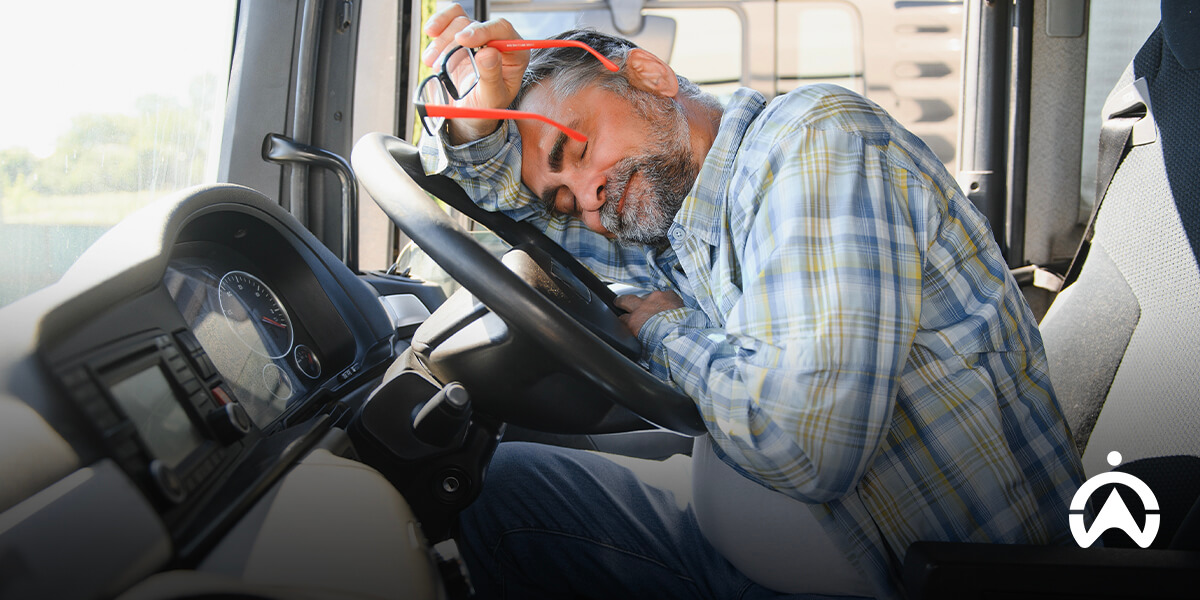
A person in a plaid shirt leans against the steering wheel of a truck, appearing stressed or fatigued in the driver's seat.

Other major contributors to truck accidents

Other major causes of truck accidents include speeding, mechanical failure, driving under the influence, poor weather and road conditions, as well as improper loading of cargo. Knowing the root cause and addressing these factors is crucial for the safety of your vehicles and drivers.

Distracted driving

Distracted driving is a growing concern among commercial truck drivers. Common causes of distracted driving include:

  • Cellphone use
  • Eating
  • Daydreaming
  • Smoking
  • Rubbernecking

Speeding and reckless behaviour

Big trucks require more distance and time to stop. When a truck driver goes above the speed limit or drives recklessly, avoiding a collision in a sudden traffic slowdown becomes almost impossible. The truck’s heavy weight and excessive speed significantly increase the force of impact, which can lead to more severe injuries or fatalities.

Mechanical failure

Due to being on the road for long hours, trucks account for a large daily mileage. This means they require more maintenance than smaller vehicles. If you or your drivers neglect regular inspections and vehicle upkeep, critical systems can fail. Brake malfunctions, tyre blowouts, and steering wheel problems are common culprits of truck accidents caused by poor maintenance.

Adverse weather and poor roads

Extreme weather conditions, such as rain, fog and snow, create hazardous driving conditions for commercial truck drivers. They can reduce visibility and make the road surface slippery, making it harder to control the trucks, which can increase the likelihood of accidents.

Improper loading of cargo

How a trailer is loaded is critical to secure handling. When the cargo is unbalanced or overloaded, your cargo may shift during transit. This can destabilise the truck, resulting in rollovers or jackknife collisions. If cargo isn’t secured, it might even spill onto the roadway, causing more harm to other vehicles on the road. Failure to properly load cargo may result in heavy penalties from regulatory authorities, depending on the severity.

Driving under the influence

It’s no secret that drinking and driving is a major issue in Namibia. Unfortunately, this also happens with commercial drivers, which has a dangerous impact on public safety. It carries severe legal penalties, like a permanent commercial driver disqualification. For your company, it can lead to reputational damage.

The consequences of truck accidents

Truck accidents can have far-reaching consequences that often result in serious injuries or even fatalities. They also leave lasting emotional trauma for those involved. Your business might face major financial setbacks from vehicle repairs, insurance claims, and lost productivity. Your company may also experience reputational damage and regulatory penalties that affect long-term operations and trust.

Here’s a table breakdown of the main effects truck accidents can have, according to three categories:

Category Impact Details
Human cost Injuries and fatalities Can cause emotional trauma for drivers, families, and other road users
Financial impact Repair and insurance costs Leads to vehicle repairs, insurance claims, and fleet downtime
Business consequences Reputational and legal issues May result in reputational damage and regulatory penalties

How to prevent truck accidents

Preventing truck accidents starts with simple but consistent safety habits from everyone involved. This includes drivers, managers, and other staff members within the company. From there, you need to invest in technologies that enhance driver awareness, such as AI dashcams and telematics. Combining technology with consistent safety habits reduces the chances of mistakes.

Here’s how each group can play their part in keeping every journey safe and smooth:

For drivers

When it comes to road safety, drivers are the first line of defence. You must ensure that your drivers take enough rest breaks between trips so they can maintain concentration and alertness. Your drivers must also get enough sleep prior to lengthy travels so they have a good amount of energy and sharp thinking. Lastly, avoiding distractions like eating or using cell phones while operating vehicles can make a significant difference.

For fleet managers

As a fleet manager, you play a key role in preventing accidents by using smart fleet management tools that help you keep track of driver behaviour. It’s also important that you develop strict policies against distractions such as cellphone use, so drivers know the consequences and therefore avoid doing so.

You should also ensure that cars are kept in good condition by performing routine safety inspections of vital components such as brakes, tyres, and lights. Also, keep in mind the importance of driver wellness programs to ensure that drivers are coping.

To further reduce stress and exhaustion, you must ensure that driver schedules and deadlines are realistic to promote rest periods. This ensures that your drivers have enough time to finish deliveries safely. Drivers are more likely to take safety seriously when managers set a good example.

For companies

Your company needs to create a culture that values safety. One way this can be done is through driver incentives. Offering rewards for safe driving practices promotes improved team behaviour. Businesses safeguard their employees, vehicles, and reputation when they prioritise long-term safety over short-term profits.

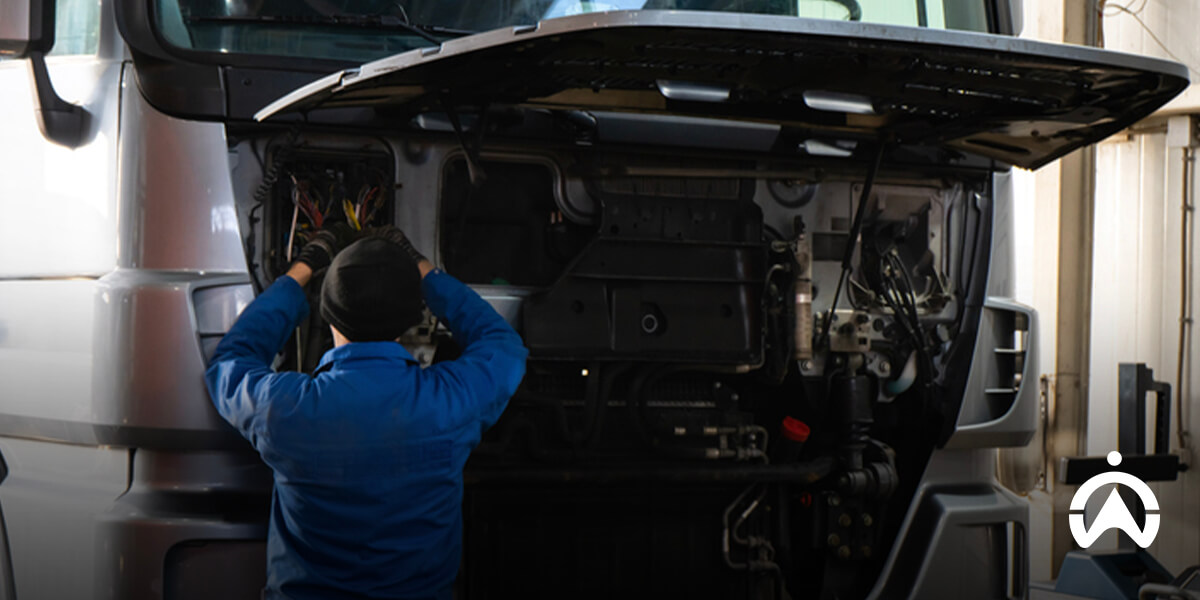
A mechanic in a blue shirt and gloves works on the electrical components of a large truck with the hood open.

Reducing truck driver accidents with Cartrack

At Cartrack, we have various technologies that’ll enhance the safety of your drivers and ensure that your business adheres to safety regulations. Over the years, we’ve had a hand in combating the frequency of accidents in many industries, including transport and logistics. We offer advanced and easy-to-use vehicle safety and monitoring technology, all from one platform.

Have a look at our top solutions for avoiding truck driver accidents:

AI Dual Vision camera

Cartrack’s AI Dual Vision dashcam helps you monitor driver behaviour. Its distracted driving detection capabilities include drowsiness, fatigue, eating, looking away from the road, smoking, and cellphone use. Once detected, it gives out an audible alert so your drivers can quickly correct their actions. This camera further enhances driver alertness by detecting blind spots and when drivers are tailgating.

Our AI-powered dashcam also has telematics capabilities, helping you notice other leading causes of accidents, such as speeding, harsh braking, and harsh cornering. It also has GPS technology, making sure you always know where drivers are.

Predictive maintenance

Prevent accidents caused by mechanical failure by using our preventative maintenance system. With this, you get alerts of engine issues, worn-out brake pads, and oil-and-water fluctuations. You can also use our system to keep up with vehicle service dates so you don’t have unexpected breakdowns.

Logbook

Manually logging driver hours leaves room for human error or fraud. It can create the impression that drivers are within their hours limit when, in fact, they’re not. The Cartrack digital logbook helps you keep up with driver working hours, ensuring that they’re accurate. This helps your business remain compliant, assists in creating schedules and gives drivers enough rest. This is yet another way to prevent driver fatigue and reduce stress levels.

DID tag

In many cases, drivers share vehicles, and it becomes difficult to know who used which truck. With our Driver Identification (DID) tags, to instantly know which driver is using which vehicle. Should anything happen, you’ll know exactly who must be held accountable. It also helps you ensure that the correct driver is assigned to a truck they qualify for, as each tag is linked to one specific vehicle.

Driver Scorecards

The Cartrack Driver Scorecard system is a great way to promote a culture of safety within your team and motivate your drivers. This is a system that monitors how drivers operate vehicles and rates each driver according to the number of harsh events detected. Through this, you can give recognition and reward high-scoring drivers, and use it as an opportunity to address issues of those who need improvement.

Your fleet’s safety starts with Cartrack

Driver error presents many risks for trucking businesses; however, there are various other major causes of accidents that you should also look into. As a fleet manager, it’s important that you invest in advanced driver monitoring technology to help your drivers avoid accidents.  Protect your drivers and assets — see how our fleet management solutions improve safety. Contact Cartrack today!

Frequently Asked Questions about truck accidents

Where do most truck accidents occur?

Truck accidents predominantly occur on major national highways (B-Roads) and busy main roads characterized by high speeds and dense traffic, critical for commercial trucking operations. In Namibia, these crashes are most prevalent in the Khomas Region (31%), followed by Otjozondjupa (21%) and Erongo (16%), demonstrating that high-risk areas include both major urban centers and the high-volume transport corridors.

What are the 4 causes of accidents?

The four common causes of accidents are distracted driving

  1. Driver error
  2. Drunk driving
  3. Speeding
  4. Vehicle faults

Other causes of accidents include reckless driving, poor weather conditions, jaywalking, and driver inexperience. Understanding the cause of road accidents is crucial for developing effective safety precautions to prevent future collisions.

Which country in Africa has the most car accidents?

According to an article by Business Africa Insiders, Nigeria has the highest number of road traffic fatalities, followed by Ethiopia and DR Congo. However, when measured per 100,000 population, Kenya, Ghana, and South Africa recorded much higher fatality rates.

Are older drivers safer?

Yes, older drivers are generally safer than younger ones. This is because they have years of experience and are more cautious when driving. However, the Centres for Disease Control and Prevention reports that drivers aged 70+ have higher road accident fatality rates per 1000 crashes compared to middle-aged drivers (aged 35-54).

Why are there so many car accidents in Namibia?

Namibia has high accident rates because of a mix of human factors and environmental factors. Human factors include things such as reckless driving, speeding, fatigue, and distractions. Environmental reasons include poor road conditions, such as potholes, as well as bad weather.

Reduce the risks! Explore the Cartrack driver monitoring tools.

Fleet Card vs a Fuel Card: Which One is Better for Fuel Management?

Choosing between a fleet and a fuel card for fuel management ultimately depends on your business needs. A fuel card is only valid for fuel purchases, while a fleet card covers fuel and other expenses such as tolls and vehicle repairs. The more complex your fleet, the more likely you are to lean towards a fleet card.

So, why does this matter in a Namibia context? It’s no secret that fuel is one of the largest expenses when it comes to fleet management. It’s uniquely important to be careful of factors like fuel fraud, rising fuel prices, and the strain of overall cost management. These cards are your key to managing and cutting your costs, so don’t overlook them.

This piece will help you unpack the differences between the two cards and assist you with deciding which one is the best for your business. You’ll also see how Cartrack’s fleet management platform adds value to either choice, giving you better visibility, extra fraud protection, and tighter cost control.

Which card is right for your business’ fuel control?

The card that’s right for your business’ fuel control inevitably depends on your business needs and goals. Although fuel cards are a useful start—especially for smaller businesses with less complex fleets—fleet cards generally offer more value. Fleet cards offer a more holistic overview of your cost management and go beyond just fuel tracking.

Consider the following factors when comparing the two:

  • Fleet size: Smaller fleets might find that the fuel card is enough; however, bigger fleets typically need the numerous features offered by fleet cards.
    ‍
  • Operating region: Trucks that are more focused on urban delivery (i.e., immediate and local areas) may simply require a fuel card. Long-haul trucks that travel long distances and to different provinces typically require a wider network of approval. This includes access to more petrol stations, toll gates, and more.
    ‍
  • Type of expenses: If you’re only concerned with the fleet’s fuel spend, a fuel card may be enough for you. But if you have a more complex fleet and are concerned about expenses beyond fuel, like maintenance or tolls, then a fleet card is the smarter choice.
    ‍
  • Integration needs: Fleet cards are typically the option that pairs better with fleet management systems and telematics technologies. For complex fleets, they’re better at communicating fuel and trip insights.
    ‍
  • Budget and admin capacity: Fuel cards are far less expensive and don’t require as much admin or setup costs, but they’re also limited in their functionality. On the other hand, fleet cards typically have higher upfront costs, but reflect better insights and business gains in the long run.

Fictional example: How fleet cards deliver more value

A medium-sized fleet operator with 50 vehicles, used to rely solely on fuel cards. While they did help save on fuel, the company still struggled to track maintenance costs, tolls, and unauthorised fuel use. This led to higher overall operating costs and ongoing administrative headaches.

After moving to a fleet card integrated with a fleet management system, the results were clear:

  • Consolidated spending: Track fuel, maintenance, tolls, and repairs all in one place.
  • Reduced unauthorised spending: Transaction limits and driver-level controls cut misuse by 20%.
  • Simplified reporting: Finance teams save hours each week with easier compliance tracking.
  • Real-time insights: Managers can optimise routes and maintenance schedules, further reducing operational costs.

The outcome? By using the broader features of a fleet card, the organisation achieved stronger financial control, improved compliance, and greater operational efficiency. This shows that fleet cards deliver evident benefits over fuel cards alone.

Cartrack fleet card vs a fuel card concept with person holding contactless bank card at payment terminal.

What’s the difference between a fleet card and a fuel card?

The difference between a fleet card and a fuel card is that a fleet card can cover various expenses beyond fuel, while a fuel card only tracks fuel usage and spending. Despite the common confusion between these two card types, they’re not the same thing. Understanding the differences is the key to getting the best option suited for your business.

What is a fuel card?

A fuel card is a financial tool that tracks fuel purchases. It’s similar to a credit card in that it allows you to buy fuel as necessary, but it does have a limit on how much can be spent over time. These fuel cards are typically used by businesses with smaller fleets, or where fuel is the biggest expense (and other expenses are handled separately).

These are the main functions:

  • Fuel discounts or loyalty rewards and benefits
  • Tracking fuel spend (only at partner stations)
  • Basic reporting for fuel use and spending

What is a fleet card?

A fleet card is a financial tool that’s far more advanced than the fuel card, covering fuel and other fleet-related expenses like servicing, toll gates, tyres, and more. It’s essentially an expense management tool that gives you a holistic overview of your fleet’s costs. Fleet cards are usually implemented by larger, complex fleets that regularly travel across provinces or geographic zones.

These are the main functions:

  • Integrating smoothly with fleet management
  • Controlling and streamlining numerous expenses
  • Offering more stringent controls on spending, including PINs for drivers and spending limits

Key differences between fleet cards and fuel cards

The real key differences between fuel cards and fleet cards aren’t only about what they cover, but also about the effect they have on the way a business operates.

Let’s take a clear-cut look at these differences:

  • Coverage: Fuel cards cover how much a driver spends on petrol or diesel. Fleet cards cover fuel, but also other expenses like tolls and servicing, giving managers a much clearer picture of expenses.
    ‍
  • Operational supervision: Fuel cards will track the litres of fuel and the rands spent on it. Fleet cards allow you to go beyond this, keeping track of servicing and maintenance to ensure optimal uptime.
    ‍
  • Data reporting: Fuel cards provide minimal data, considering it’s only fuel being tracked. Fleet cards provide far more detailed data and insights—the type of data that simplifies compliance and back-office processes.
    ‍
  • Spend controls & fraud prevention: Fuel cards will flag suspicious payments, but aren’t able to recognise fuel card fraud. Because fleet cards have greater capabilities, they’re able to directly link the number of litres purchased with the number of litres used. This means fuel fraud is much easier to track with a fleet card.
    ‍
  • Adaptability: Fuel cards can be a solid solution for smaller fleets, but if there’s any room for growth in the business, they could be difficult to manage as the fleet grows. Fleet cards are much easier to manage when it comes to scalability or established complex fleets.

What to consider before choosing a fleet or fuel card

When considering a fleet or fuel card, it’s important to assess the pros and cons of each card type and examine the features they offer. Implementing these steps before settling on an option allows you to make the right choice from a financial and operational standpoint.

Pros and cons of fuel vs fleet cards

Use these lists as a clear and skimmable way to see the pros and cons of each card type.

Take a closer look:

Fuel Card

Pros:

  • Save on fuel with discounts or reimbursements
  • Expect it to be easy to use and implement
  • Receive basic data
  • Anticipate lower fees
  • Ideal for smaller operators or businesses with high fuel use (and fuel being the largest single expense for the business)

Cons:

  • Only covers fuel
  • Lacks advanced reporting and integration
  • Vulnerable to fraud, as fuel fraud detection is usually not available

Fleet Card

Pros:

  • Oversee all vehicle expenses on one platform
  • Get stronger fraud restrictions with transaction limits and driver PINs
  • Cover a wider range of business expenses, including repairs and tolls
  • Simplify reporting for compliance matters
  • Ideal for established, larger fleets, or for expanding fleets

Cons:

  • Fees and setup costs are much higher compared with fuel cards
  • More administrative effort is required
  • Purchases outside of fuel may not be universally accepted
Cartrack fleet card vs a fuel card alert shown as worker refuels Hino truck in Central Business District.

Feature considerations for fuel and fleet cards

This comparison table lets you weigh key features side by side, making it easier to choose the card that best fits your business needs.

Consideration Fuel Card Fleet Card
Expense Coverage Fuel only Fuel + maintenance, repairs, tolls, and other vehicle expenses
Fleet Size Suitability Smaller fleets or owner-operators Medium to large fleets with multiple vehicles
Cost & Fees Lower fees; may offer fuel rebates Higher fees, but offers consolidated spend control and broader cost visibility
Operational Complexity Easy to roll out and manage Requires more administrative effort but offers detailed reporting and integration
Fraud Prevention Basic controls like PINs or spending limits Stronger controls: driver-level limits, transaction monitoring, integration with GPS/fleet software
Reporting & Compliance Basic fuel spend reports Comprehensive reporting for fuel, maintenance, tolls, and compliance purposes
Scalability Limited; mainly for simple operations Highly scalable; grows with fleet and operational needs
Network Acceptance Limited to selected fuel stations Wider acceptance for fuel, maintenance, tolls, and repairs

How Cartrack helps you maximise card value

Cartrack helps you maximise card value by improving the value of whatever card type you choose for your business. We don’t issue physical cards. Instead, we’re all about smooth integration and streamlining with our fleet management platform, FleetWeb. We make sure your business gets the most from features and insights, no matter what card you use.

Here’s what Cartrack can do for you:

  • Monitor fuel card spending alongside telematics: Card transactions can be linked with vehicle GPS data, so you can match the transaction to a location and time. In fact, it’s possible for both fuel and fleet cards. Insights like these give you a transparent overview of fuel consumption.
    ‍
  • Flag fuel fraud: Although flagging fuel fraud is much harder to do with fuel cards, GPS tracking is still a massive help to identify suspicious transactions. This applies to both card types. For example, if fuel was purchased but the vehicle wasn’t on the road, this is a strong signifier that fuel fraud may’ve taken place.
    ‍
  • Manage operational costs beyond fuel: This point largely applies to fleet cards. Because various expenses are tracked, you don’t have to worry about the headache of monitoring these expenses separately. Cartrack’s MiFleet streamlines and displays these expenses on one dashboard, allowing you to make smarter business decisions.

On the other hand, standard GPS tracking can still identify inefficient routes, meaning that businesses with fuel cards can still benefit from fuel optimisation.

Making the right choice for your fleet

Both the fleet and fuel card can offer some real value, but it ultimately depends on what you want for your business and fleet. No matter your card choice, Cartrack is your top partner in improved cost management. Through linking cards and telematics, you get total visibility, insights, and fraud protection that improve your business operations.

Protect your fleet against fuel fraud and unauthorised spending. Let Cartrack show you how to make the smartest card choice and secure every kilometre of your operation.

FAQs

Q: Are fuel and fleet cards accepted nationwide in Namibia?

A: Yes, fuel and fleet cards are usually accepted nationwide in Namibia, though it’ll always depend on whoever issues the card, because fuel cards are typically limited to a particular network. Fleet cards are usually more widely accepted, especially because they’re designed to be versatile and work at toll gates, maintenance stations, and more.

Q: Can fleet or fuel cards help with budgeting and forecasting?

A: Yes, fleet or fuel cards can help with budgeting and forecasting through the insights and data they provide. This is especially true when combined with Cartrack telematics. Fuel cards can help you keep track of fuel spending. Fleet cards can help you get truly insightful reports based on the additional expenses tracked, supporting budgets and highlighting inefficiencies.

Q: Are there limits on how many cards a business can issue per fleet?

A: The number of cards issued per fleet isn’t limited, but it’s usually placed at one card per driver. As a fleet manager, you’ll assign the cards to the drivers themselves or to the vehicle. It depends on whether you’re more focused on driver accountability or if you’re more focused on keeping an eye on costs and other operational matters.

Q: How does card usage integrate with tax and compliance reporting in Namibia?

A: Card transactions integrate with tax and compliance reporting by creating a clear digital trail of spending, making tax submissions and NamRa compliance far simpler. Fuel cards support VAT recovery on fuel, while fleet cards go further by capturing even more expenses. When integrated with Cartrack, reporting is consolidated, cutting down paperwork and ensuring audit-ready compliance records.

Q: Can fleet cards cover electric or alternative-fuel vehicles?

A: Yes, many fleet card providers are expanding their networks to include electric charging stations and alternative fuels. This makes fleets transitioning to greener energy comfortable while using the same card system. Cartrack takes this further by tracking energy use alongside traditional fuel, giving managers a complete expense overview.

AI Dashcams vs. Standard Dashcams: Which One Should You Choose?

The dashcam you choose between AI dashcams vs standard dashcams should go with your specific needs. Standard dashcams are for simple video recording; they mainly serve as passive recording devices for digital evidence purposes. AI dashcams, on the other hand, are for advanced safety features. They’re for proactive safety enhancements and provide detailed analytics for fleet management.

A survey by Marc Brown Law Firm reveals that 20% of the vehicle owners said their footage helped complete insurance claims, while 12% used their recordings to support legal cases. One respondent even shared a story of how a dashcam uncovered unexpected damage during a service visit. This proves how valuable dashcams are for both businesses and individuals.

Choosing between a standard dashcam and one that’s AI-powered requires you to know exactly how the features work. We’re here to break it down for you and help you make the choice that’s best for you.

AI dashcams vs. standard dashcams at a glance

Weighing AI dashcams vs standard dashcams requires you to know their specifications and understand the purpose of each function. To make the right decision, you must compare things such as:

  • Features
  • Cost
  • Safety benefits
  • How easy they are to use
  • Data insights

The dashcam should also be easy to use, so you or your drivers can have a smoother experience.

Here’s a quick table overview of the differences between standard dashcams and AI dashcams:

Category AI Dashcams Standard Dashcams
Features Uses smart tech to detect risky driving and alert the driver Records video of trips without smart alerts
Cost Higher price due to advanced features Lower price and simple setup
Safety benefits Helps prevent accidents with real-time alerts Provides video proof after an accident
Ease of use Needs app connection and setup Easy to install and use
Ideal user Fleet owners or safety-focused drivers Everyday drivers who want a simple recording
Data insights Tracks driver habits and creates safety reports Only records footage without reports

Understanding standard dashcams

Standard dashcams are vehicle-mounted cameras that are solely created for continuously recording video footage for evidence purposes. Most standard dashcams don’t provide driver feedback or offer any form of driver analytics. They’re usually affordable for the average person, but have limitations when it comes to addressing modern safety challenges.

Understanding AI dashcams

AI dashcams use advanced artificial intelligence algorithms to analyse footage in real time. Unlike standard dashcams, they process the data on the spot to identify risky behaviour and give out immediate alerts. They can detect objects such as other vehicles, road marks, and traffic lights. They can also identify safety hazards, such as distracted driving or when a driver doesn’t have his or her seatbelt on.

AI dashcams provide detailed analytics on driver behaviour patterns. Due to the advanced features and complex build, these dashcams typically come at a higher cost compared to the standard ones.

Which dashcam is right for you?

If you mainly use your car for commuting to work, running errands, or going on trips, then a standard dashcam is most likely all you need. It’ll give you reliable video evidence if you’re ever involved in an accident or some sort of dispute that happened on the road. It’s also budget-friendly and easy to operate, making it an ideal solution for everyday personal drivers.

Families often appreciate some added protection. Some parents want to monitor how their teenagers behave when using their cars, and dashcams are the best way to go about it. If you’re one of them, you can either livestream footage of a standard dashcam or get an AI dashcam to ensure your kids get alerts when practising risky driving habits.

Running a fleet requires constant driver monitoring. For that reason, an AI dashcam is strictly what’s needed. The features of an AI dashcam are particularly useful for fleet management as they enhance driver safety, boost efficiency, and encourage accountability. Since these cameras provide behavioural insights, they can be used to coach drivers, encourage safer habits, and protect cargo from damage.

A semi-truck drives on a highway, with a dashboard display showing driver distraction event statistics.

How dashcams can save you money

Dashcams save you money by providing you with enough evidence to prove your innocence to clear insurance claims. They also help you avoid costly disputes with other drivers. AI dashcams assist in reducing the chances of accidents, which reduces the frequency of fleet repair costs.

Reduce insurance claims with clear accident evidence

Car insurers are facing rising numbers of claims for theft and damage. You could fall victim to this, so a dashcam is your best bet at protecting yourself or your business from such a situation.

Avoid costly disputes with other drivers

Chances of being in an accident are high, no matter how cautious you are. After an accident, it’s your word against the other driver’s, and a dashcam is the fastest way to prove your innocence. It prevents the long-winded and costly legal disagreements about who was at fault, saving you time, reducing the cost of legal fees, and protecting your business from heavy fines.

Lower fleet operating costs

As a fleet manager, you want to save costs in all ways possible so the business can be profitable. The safer driving habits that are enforced through AI dashcams lead to your drivers being involved in fewer accidents. Fewer accidents mean less money spent on unexpected repairs and less unplanned downtime. This improves productivity and reduces overall operational costs.

Explore our range of dashcams and choose the right one for you

Whether you need a standard dashcam or one with AI technology, Cartrack caters for it all. Our dashcams come with GPS tracking capabilities. This means you not only see what people get up to, but you also always know the location. They also provide telematics insights, meaning you’ll receive reports of driving behaviours such as speeding, harsh braking, and harsh cornering.

Here are our top three dashcam cloud-based solutions for individuals, families, and fleets:

Road Vision

Cartrack’s Road Vision camera solution is a single-channel dashcam, which means it only faces the road, as the name suggests. The Road Vision camera is perfect for those who want dashcams solely for recording road incidents during daily commutes. It had high camera quality that captured important details such as number plates or billboards from afar.

Dual Vision

This dual-channel in-vehicle camera solution which means there are two cameras in one gadget that record simultaneously. One camera gives you a view of the front, and the other covers what happens inside the vehicle and a bit of the rear end. It’s also perfect for those who want an all-round view of footage, such as parents who want to monitor what their teenagers get up to while driving.

AI Dual Vision

Cartrack’s AI Dual Vision camera solution is yet another dual-channel dashcam, but more advanced as it’s AI-powered. It can detect distracted or risky driving behaviours such as an unbuckled seatbelt, drowsiness, yawning, cellphone use, and smoking. It also releases immediate audible alerts once such behaviours are detected, so the driver can quickly correct their actions.

The AI Dual Vision camera further enhances driver awareness by being able to detect and give warnings of blind spots or when drivers aren’t keeping a safe following distance. This is a must-have for fleet vehicles of any kind.

A damaged car with a shield overlay, alongside a smartphone displaying live video from a dashcam. Highlights vehicle protection solutions.

Myth vs fact – what drivers get wrong about dashcams

Common misconceptions about dashcams are that they’re:

  • Easy to install
  • Too expensive
  • All capable of recording in the same way

Whether you’re considering a standard dashcam or an AI-powered one, it’s important to separate the facts from the myths so you can make an informed decision.

We’re here to clarify these myths and give you actual information about dashcams. Have a look:

Myth 1: Installing a dashcam is easy

Fact: Most dashcams are easy to install and come with DIY installation options. However, a professional installation ensures correct positioning and wiring, so your dashcam works seamlessly. With a professional dashcam installation, you’re less likely to encounter issues such as your dashcam falling off when you need it the most.

Myth 2: Dashcams are too expensive

Fact: Dashcams are very affordable. There are companies that offer month-to-month payment plans to cater for everyone’s budget. Furthermore, dashcams can save you more money long-term through lower insurance premiums, fewer accidents, and reduced repair costs. This makes the cost a small trade-off for the long-term rewards.

Myth 3: All dashcams record the same way

Fact: Not all dashcams capture footage equally. Standard single-channel dashcams record only the front view, while dual-channel models record both the front and rear of the vehicle. AI dashcams go a step further by analysing footage in real time to identify risky driving behaviour and potential collisions. Some dashcams also have higher quality video resolution, providing clearer, more detailed footage.

Start improving driver safety today with Cartrack dashcams

The choice between a standard dashcam and one that’s AI-powered depends on your budget, purpose, and desired level of safety. We have camera solutions that cater for various situations, making us your go-to dashcam provider.

With Cartrack, you get good-quality dashcams without denting your pocket, as we offer affordable month-to-month payment plans no matter which one you choose. Contact us today to stay safe on the road and save on unexpected costs.

Frequently Asked Questions about standard or AI dashcams

Do dashcams drain car batteries?

Yes, a dashcam can drain your car’s battery, especially if left in parking mode while connected to a constant power source. Some dashcams have accessories such as dedicated battery packs or hardwire kits with voltage cutoff features, which prevent vehicle battery drainage. Dashcams that automatically switch off once your car is off are the best way to avoid battery drainage.

Do I need GPS on a dashcam?

No, GPS is not strictly required on a dashcam, but it’s highly recommended. It adds valuable information to your evidence, such as location and speed. This can be crucial for disputing speeding fines, making insurance claims, and resolving accidents. A GPS-enabled dashcam offers a more comprehensive, verifiable record of events.

How to choose the right dashcam?

To choose the right dashcam, you must first determine your budget and the features that are most essential to you. Consider features such as HD resolution, a wide field of view, low light performance, GPS tracking, and cloud storage. The model you choose should have a robust build so it can withstand extreme weather conditions and impact from accidents.

Will my insurance go down if I have a dashcam?

A dashcam does not directly reduce your insurance premiums. It helps you prove your innocence during accidents, which reduces the frequency of insurance payouts. This saves you from post-claim insurance increases, as insurers will see you as less of a risk, therefore saving you a lot of money in the long run.

Top 9 Electric Vehicle Myths That You Need to Know

There are a lot of myths surrounding electric vehicles (EVs), but it’s important to note that EVs aren’t just a buzzword. They’re rapidly becoming a significant part of fleet and business mobility strategies. However, there are still plenty of myths and misconceptions that hold companies back from adopting them.

According to the International Energy Agency (IEA), in 2024 global EV sales topped 17 million, pushing EVs to account for over 20% of new car sales worldwide. These figures demonstrate that EVs are becoming more mainstream and are no longer considered a niche product.

For any business considering green mobility, understanding and dispelling these myths is key. In this blog, we’ll tackle the top 9 electric vehicle myths you need to know—and why you shouldn’t let them stop your fleet from evolving.

Before looking at each myth, let’s take a moment to understand why they continue to exist. Many are based on outdated data, limitations of early-generation electric cars, or misconceptions from passenger car use cases.

Why it’s crucial to debunk electric vehicle myths

It’s crucial to debunk electric vehicle myths because misconceptions discourage decision-makers from investing in EVs in advance or correctly. In reality, accurate data assists businesses in avoiding oversights, lowering risk, and maximising productivity. Better planning for charging infrastructure, total cost of ownership, and integration with risk and compliance systems is made possible by busting EV myths.

Myth 1 — EVs don’t have enough range

A major concern when it comes to EVs is that they don’t have enough range. It’s true that the early EVs did struggle with range, but thanks to battery and energy density improvements, it has dramatically improved.

In fact, the average modern EV has a range of 300-400 kilometres per charge, more than enough for many business fleet routes. For many commercial routes, such as deliveries, sales rounds, and local services, range isn’t the constraint it once was.

Fleets benefit from knowing route patterns. For example, if 90% of routes fall under 250 km, then an EV’s range should be sufficient. Although there’s still a need for long-haul route planning for some operations, “range anxiety” is exaggerated for many other routes.

Myth 2 — Charging takes too long

While it’s true that refilling a vehicle with an internal combustion engine (ICE) is much faster than charging an EV, charging doesn’t actually take as long as you think. In fact, fast charging can give an 80% charge in roughly 30 minutes in many EVs.

Charger technology has advanced in public places and depots. Downtime is reduced through high-power DC fast chargers, smart charging scheduling, and overnight depot charging. In practice, many fleets charge during off-peak hours or during driver breaks.

When you compare this to refuelling ICE vehicles—driver wait time, queuing, fuel price fluctuations—charging can be far more predictable when managed correctly.

Myth 3 — EVs are more expensive to own

In actuality, EVs frequently have lower costs per kilometre over the course of a vehicle’s life. The upfront price may be higher, but lower energy (electricity vs. fuel) costs, lower maintenance (fewer moving parts, no oil changes, simpler drivetrains), and incentives frequently tip the scales in its favour.

Additionally, during specific periods, some governments or utilities provide tax breaks, grants, or reduced electricity prices.

When fleet managers run total cost of ownership (TCO) models, EVs frequently come out favourably, especially for higher-usage vehicles.

Myth 4 — EVs can’t handle heavy loads or long trips

Another major misconception is that EVs can’t handle heavy loads or long trips, when they actually can. Many EVs are built with strong torque and a capable load capacity. Electric motors are able to deliver instant torque, which is helpful for heavy loads or hilly terrain. Many manufacturers now offer electric vans, trucks or utility vehicles.

Long trips will require charging infrastructure planning, but for medium-duty logistics and urban freights, EVs are practical. Some EV versions of existing trucks show performance that’s on par with diesel in certain scenarios. This is sure to only improve with time.

An electric vehicle charging connector plugged into a station, with a white delivery truck parked nearby.

Myth 5 — The power grid can’t support EV growth

The myth that the power grid can’t support EV growth may not be the case. Smart charging tools aid in load management, and grids are also evolving. Electricity systems are making investments in demand response, energy storage, and upgrades. Smart chargers have the ability to dynamically adjust charging rates or move loads to off-peak times. Demand curves are also made smoother by integration with renewable energy sources (like wind and solar).

With proper planning, adding EVs to a fleet won’t overwhelm a grid—it’s a manageable engineering challenge.

Myth 6 – EV batteries wear out too quickly

Many believe that EV batteries wear out too quickly, but in reality, they often last 8–15 years or more, depending on usage and care. Yes, battery degradation is real, but it’s slower than many expect. Many manufacturers also offer warranties (e.g., 8 years / 160,000 km or similar).

Many batteries maintain 70–80% capacity well into later years. You can also extend the battery life by not fully charging it, not letting the battery get very low before charging, and not exposing it to extreme temperatures. In real-world fleets, battery replacement is a minority expense within the lifetime of the vehicle.

Myth 7 – EVs aren’t really sustainable

When comparing internal combustion engines to full lifecycle emissions, they’re more sustainable. Although EVs do have upstream emissions from manufacturing and battery production, they typically emit fewer carbon emissions over the course of their lifetimes than ICE vehicles, particularly when the energy is low-carbon.

The “sustainability” argument is strengthened when recycling and advancements in battery technology are included. EV fleets can significantly lower emissions associated with transportation when aiming to meet ESG targets or carbon reporting.

Myth 8 – There aren’t enough charging stations

Actually, the infrastructure for charging is growing quickly, and private stations are possible. Cities, highways, and business centres are seeing an increase in the number of public charging stations.

Installing on-site or depot chargers provides control and coverage in various fleet situations. Combining public and private charging usually works well, even in places with limited coverage.

Businesses can frequently overcome the “lack of stations” issue by implementing a hybrid scheme that combines public network use with private depot charging.

Myth 9 – EVs are just a passing trend

The last myth is that EVs are just a trend. They’re not. Global momentum and regulatory shifts indicate long-term popularity.

Electrification is being strongly supported by both markets and policies. Internal combustion is being phased out by several automakers. Over the next ten years, EVs are expected to account for the majority of new car sales. EVs are a long-term solution because of customer desires, carbon regulations, and ESG concerns.

For a fleet, dismissing EVs as a passing trend is risky. You may miss the wave rather than ride it.

Side-by-Side: Myth vs Reality

Having a clear comparison is helpful before jumping into a more in-depth conversation or operational planning session. By resolving misunderstandings, it immediately lowers risk in executive planning, budgeting, and decision-making. Companies are able to steer clear of overly complex solutions or overestimating challenges.

Businesses can develop realistic, affordable rollout plans and meet sustainability targets by having confidence in the true potential and limitations of EVs. This also helps them maintain their competitiveness in a changing mobility market.

Myth Reality Implication for Business / Fleet
EVs have insufficient range Many EVs now deliver 300–500 km+ on a single charge Fits many daily routes without range issues
Charging takes too long DC fast charging (80 % in 20–40 mins), plus overnight depot charging Downtime is manageable and predictable
Too expensive Lower energy and maintenance costs, incentives Total cost of ownership often favours EVs
Poor for heavy loads Electric motors deliver strong torque, usable in vans/trucks Viable option for many logistics tasks
Grid can’t cope Smart charging, grid upgrades and energy storage help EV growth manageable with planning
Batteries degrade fast Warranties and real-world data support 8–15+ year life Battery replacement is rarely prohibitive
Not truly sustainable Lifecycle emissions lower than ICE, especially with clean grid Aligns with ESG and carbon goals
Not enough chargers Charging networks are growing & depot charging Charging accessibility is improving rapidly
Just a trend Sales, regulation and investments indicate staying power It’s a strategic, long-term shift

The Business case for acting now

Putting off the introduction of electric vehicles could lead to higher costs and missed opportunities. Businesses that wait run the risk of losing market share as laws become more stringent and consumer demands shift. By acting early, you can get incentives and establish your fleet as environmentally conscious and progressive.

Act now to:

  • Secure access to government or utility incentives before they phase out.
  • Lock in lower long-term operating costs compared to ICE vehicles.
  • Build a stronger ESG profile to meet stakeholder expectations.
  • Improve brand reputation with customers who value sustainability.
  • Get ahead of competitors who are slower to adapt.
A hand holds a smartphone displaying carbon footprint data, including CO2 emissions and trees needed for offsetting, against a blurred car background.

The benefits of using EVs for your fleet in Namibia

The benefits of using EVs for your Namibian fleet are lower operating costs, improved fleet reliability, a better driver experience, sustainability and future-proofing. Making the switch to EVs has immediate benefits for your fleet and your bottom line, so it’s not just about complying with regulations.

Businesses stand to benefit financially, operationally, and in terms of their reputation by reducing emissions. Because of these advantages, EVs are a better long-term investment than traditional cars.

  • Improved fleet reliability: Fewer moving parts mean fewer breakdowns and less downtime.
  • Better driver experience: Quieter, smoother vehicles improve driver satisfaction and reduce fatigue.
  • Sustainability gains: Demonstrate real progress towards ESG goals and carbon reporting.
  • Future-proofing: Position your business ahead of regulations and industry changes.

How Cartrack supports your EV transition

Cartrack supports your EV transition in the following ways. From monitoring battery health, charge levels, and energy usage to integrating risk compliance and sustainability reporting. Cartrack ensures that your fleet’s EV rollout is measurable, optimised, and aligned with corporate goals. Our risk management and compliance tools make it easier to track, audit and report on your EV operations.

With Cartrack, you can confidently and intelligently manage EVs rather than just adopting them. Electric cars have long since outlived their infancy. There are more and more antiquated misconceptions regarding range, cost, infrastructure, battery life, and sustainability. Busting these myths is more than just academic for companies and fleets—it’s crucial for long-term planning, risk reduction, and wise investment.

If you’re considering electrifying your fleet, let Cartrack help you to make the transition smooth, measurable and safe. Visit our Sustainability & Compliance page to see how our tools support your EV journey.

Frequently asked questions about electric vehicles

Do EVs hold their resale value?

Yes, EVs are starting to hold value better as demand grows. In Namibia, the second-hand EV market is still small, but it’s expanding fast. Businesses that invest now can expect stronger resale opportunities in the future, especially as more drivers and fleets shift to electric.

Are electric vehicles reliable for business fleets?

Yes, EVs are increasingly dependable when properly managed. Many fleets report strong uptime, and EVs have fewer mechanical parts (no oil, fewer fluids, fewer moving components). Regular maintenance checks, battery monitoring and software updates typically keep reliability high.

How do EV running costs compare to petrol or diesel vehicles?

EV running costs are usually lower per km. Electricity is often cheaper and more stable in price than fuel. Maintenance costs drop (no oil, fewer moving parts). When you factor in incentives or tax breaks, the gap widens further in EVs’ favour.

Can EVs really reduce my company’s carbon footprint?

Yes, EVs really do reduce your company’s carbon footprint over their full lifecycle. EVs tend to emit less CO₂ than ICE vehicles. Even considering manufacturing emissions, the operational emissions are far lower—especially when charged from a clean grid. For businesses with ESG targets, switching to EVs is one of the more tangible carbon reduction levers.

Are EVs practical for fleets in Namibia?

Yes, EVs are becoming more practical for your fleet in Namibia. More public fast-charging stations are rolling out, and you can also install depot chargers for your vehicles. With electricity still cheaper than petrol or diesel, you’ll cut operating costs while building a greener, future-ready fleet.

Will EV adoption affect fleet productivity?

No, EV adoption won’t affect fleet production if it’s planned well. In fact, it often improves reliability and predictability. By aligning charging times (overnight, off-peak), pairing with route planning and using real-time monitoring, EVs can match or surpass ICE fleet productivity. Predictable energy costs and fewer mechanical failures help too.

Solutions for Distracted Driving for Your Fleet Company

The most effective solution for combating distracted driving in your fleet company is to adopt a multifaceted approach that combines technology, policies, and ongoing driver coaching. This strategy mainly involves using telematics and AI-powered dashcams to monitor driver behaviour. The insight from this will show you if drivers are following policies, and what they need more training on.

Distracted driving is a critical issue that affects the safety of workers and the public. According to the National Library of Medicine, road traffic accidents are one of the greatest challenges that Namibia (and the world) faces. Distracted driving is one of the major contributors to road accidents. It not only puts lives at risk, but also increases expenses; and could ruin your company’s reputation.

Protecting your drivers from distractions begins with choosing the right technology, and we’re here to help you make that choice. 

The impact of distracted driving on fleets

The impact of distracted driving on fleets includes high accident rates, which lead to:

  • Expensive repairs
  • Increased insurance premiums
  • Loss in productivity
  • Bad company reviews

All these factors could drive your fleet business to financial loss, affecting profitability, and potentially damaging long-term growth and sustainability.

Here’s a table overview of the implications of driver distractions:

The impact of distracted driving on fleets What it means Why it matters
Accident and repair costs Vehicles may get damaged in crashes Increases running costs for the business
Increased insurance premiums More accident claims lead to higher premiums Raises overall fleet expenses
Vehicle downtime and lost productivity Vehicles are off the road for repairs Delays deliveries and lowers efficiency
Risk to driver wellbeing and company reputation Drivers may get hurt, and the company’s name can suffer Impacts safety and public trust

Strategies and solutions to combat distracted driving

The strategies and solutions to combat distracted driving include the following:

  • Developing strict policies
  • Training drivers
  • Supporting drivers

Together, they create a strong safety-focused work culture, ensuring that drivers perform their duties with less risk. These strategies also encourage driver accountability, ensuring that they are more responsible on the road.

Technology solutions that reduce distracted driving

  • In-cab cameras and video telematics: In-cab cameras are commonly known as dashcams. These vehicle gadgets give you a clear line of sight. You get to see what drivers get up to while in transit, ensuring they’re well-behaved on the road and not distracted..
  • Driver alert systems: AI-powered dashcams are the most effective at preventing distracted driving. They detect when a driver is engaging in distractions such as cellphone use, smoking, or looking away from the road while driving. They then give you alerts so that drivers can immediately have their actions corrected. Each incident is recorded by a fleet management system, so you can access reports and identify patterns. Some AI-powered dashcams also help drivers to be more aware of their surroundings. They can give lane-departure and forward-collision warnings to help drivers with blind spots.
  • Hands-free communication tools: Some of the dashcams that are connected to fleet management software allow two-way communication. This means you can speak to the driver through the dashcams, which is a safer way to stay in touch because it prevents manual distractions.
  • Fleet management software: Some distractions cause drivers to speed, idle for too long, or stop harshly. By investing in a fleet management system, you get telematics technology that detects such driving habits. Through this, you’ll get reports on how each driver handles your vehicles and can more readily address your concerns.

Policy and training approaches for prevention

  • Set clear fleet safety policies: A strong corporate policy is the foundation of preventing distracted driving. Create written guidelines that clearly outline what’s acceptable and what isn’t while on the road. For example, banning the use of cellphones, requiring that drivers use hands-free devices, and restricting eating and drinking to only be done during stops. Drivers must know the consequences of not adhering to policy rules, and managers must apply the rules fairly and regularly to build consistency and accountability.
  • Perform regular driver training and refresher programmes: Training should not only be done when a driver is new to a business. Even with experienced drivers, bad habits tend to creep up over time, and drivers forget the importance of safety. You must regularly conduct driver training sessions, with each session covering different types of driver safety-related topics, such as “defensive driving techniques to handle unexpected situations”.
  • Incentives and recognition: Every employee needs to be motivated, and one way to do that is by rewarding good driver behaviour through incentives. This encourages your team and improves driver retention. You can do this using driver scorecards that help you rate each driver. The ones with top scores will get recognition, so they remain motivated.

Supporting drivers to stay focused on the road

  • Managing schedules to reduce fatigue: Fatigue is one of the biggest contributors to distracted driving, and it often stems from poor scheduling. When drivers are under pressure to meet unrealistic deadlines or when they work long shifts without enough rest, they lose focus. This makes them more likely to be distracted and cause accidents. It’s important that you properly plan trips, with enough rest in between, and that deadlines are realistic. Breaks also give drivers the chance to check their vehicles, reducing the risk of mechanical issues going unnoticed.
  • Providing wellness programmes: The mental health of your drivers matters. You must have wellness programmes that promote better sleeping habits, stress management techniques, and overall health. By supporting the well-being of your drivers, you actively cut down on mental distractions and help drivers stay alert and engaged while driving.

How a fleet partner can help your company

A fleet management service provider plays a key role in helping companies combat distracted driving. By providing the tools to track, and handle risky behaviour, a fleet management service provider can help businesses fight distracted driving. Fleet partners provide integrated solutions such as GPS tracking, dashcams, and driver behaviour analytics.

The long-term benefits of these integrated solutions go beyond preventing accidents. By reducing the CHANCES of accidents and risky driving, your business saves on vehicle repair costs, insurance premiums, and downtime. At the same time, drivers become more aware of their behaviour and take responsibility for their safety.

A driver in an orange safety vest looks at their phone while seated in a vehicle, surrounded by a cluttered interior.

Keep your drivers focused and your fleet safe with Cartrack

At Cartrack, we understand the importance of safety and compliance for fleet businesses. A tiny mistake made by one driver can cost your business thousands due to lawsuits, repairs, and downtime. For this reason, we have solutions that specifically focus on distracted driving, helping you reduce incidents and improve on overall fleet safety.

  • AI Dual Vision dashcam:
    The AI Dual Vision dashcam solution is exactly what you need for distracted drivers. It can detect various distracted driving behaviours such as yawning, drowsiness, cellphone use, and smoking. Once detected, these cameras will send out audible alerts to drivers, so they can instantly make corrections.This dashcam also has a two-way communication feature, meaning you can speak to it while it’s on the move if you spot something. This is a feature that ensures drivers speak with you without having to touch their cellphones. You can even live-stream the footage at any time of the day. The Cartrack AI Dual Vision solution further heightens driver awareness by also giving blind spot and forward collision warnings.
    ‍
  • Driver scorecards:
    Cartrack has a Driver Scorecard feature which gives you a reflection of how drivers behave on the road by giving each one a rating. Each driver’s score starts at 100 and goes down every time there’s a harsh event such as speeding or excessive acceleration. You can use the feature to motivate drivers, give recognition to those who are performing well, and reward them.
  • Coaching platform
    To assist with driver training, Cartrack also has a coaching platform. It keeps a record of each risky driving incident so you can see the type of coaching each driver needs. It gives you a full overview of how your teams are performing, highlighting trends from each department. It also records how many times each driver repeated the same incident. Coaches can leave notes for each one-on-one session on the platform, so they can keep track of what was discussed in previous sessions and see if there’ve been improvements.

Investing in our solutions will reduce the number of distracted drivers in your fleet business and help you maintain a safe working environment. You’ll also save on insurance costs and accident claims. Reach out to us and cast away your distracted driving woes!

Frequently Asked Questions

What are the five ways a person can be distracted while driving?

The five ways someone can be distracted while driving are cellphone use, talking to passengers, eating and drinking, adjusting the radio, and fatigue. There are many other ways drivers can be distracted, such as when they put too much focus on navigation systems. Anything that takes their attention away from the road is regarded as distracted driving.

What are the three techniques to manage distractions as they occur while driving?

The three techniques to manage distractions while driving are pulling over for anything that requires your attention, delegating all non-driving tasks to passengers, and preparing everything before the trip. These give you a higher chance of concentrating on the road, improving safe driving practices.

Who is most at risk of distracted driving?

Younger new drivers (mostly teenagers) are more at risk of being distracted while driving. According to the CDC, nearly 40% of high school students who drive admit to texting or emailing while behind the wheel. This behavior is particularly dangerous for this age group, who are already three times more likely than older drivers to be involved in a fatal crash.