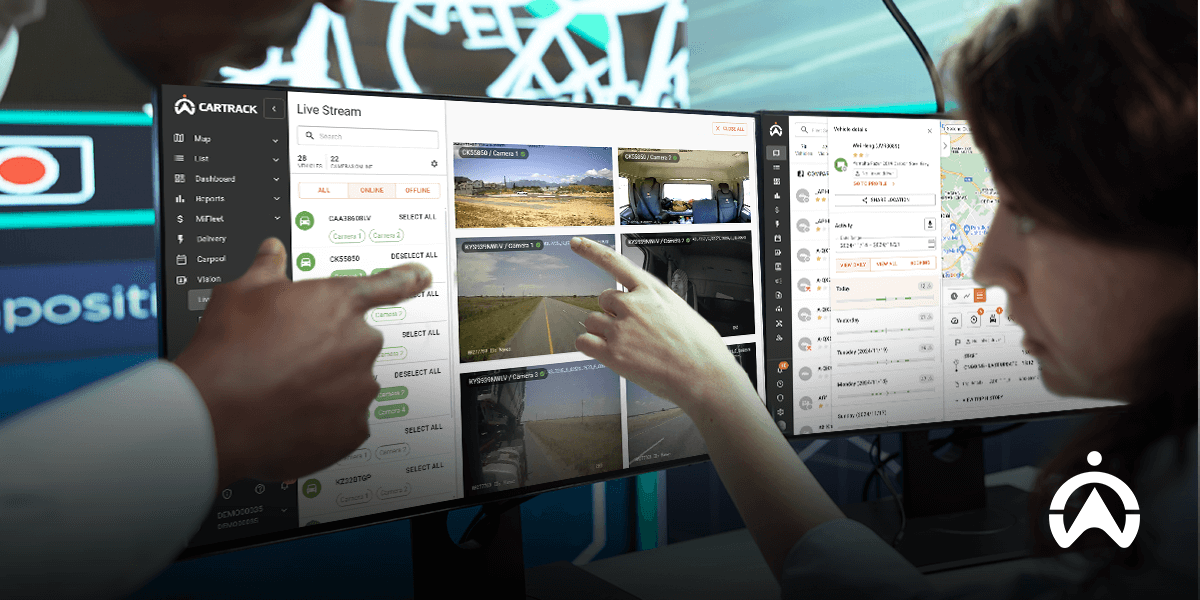
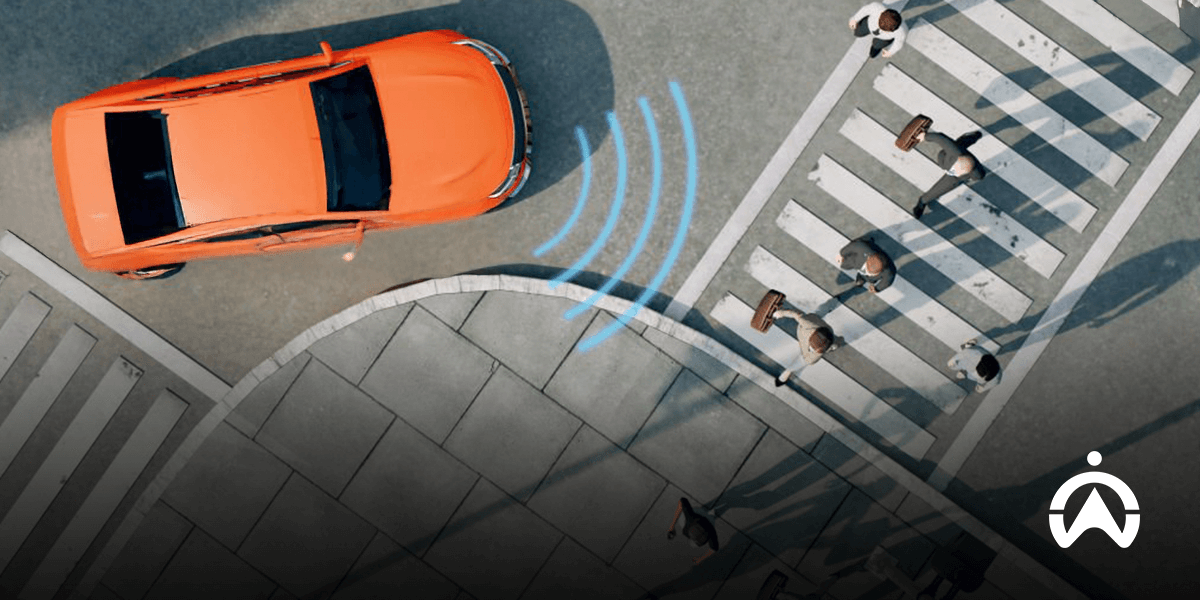
Types of Vehicle Tracking System

Whether you drive a private vehicle or manage an entire fleet, investing in a reliable tracking system is crucial for safety, efficiency, and overall peace of mind.

There are many ways to track vehicles, and not all tracking systems are equal. Some are better suited for urban fleets, while others excel in remote logistics.

It is important to pick the system that best suits your needs. Today, we look at the different types of vehicle tracking systems and why our solutions should be your top pick.

In this article, you will:

  • Understand the true meaning of a vehicle tracking system
  • Learn about the various types of vehicle tracking systems available
  • Find out how to choose the best one for you
  • Discover the various vehicle tracking solutions that Cartrack has to offer

What is a vehicle tracking system?

A vehicle tracking system (VTS) is an electronic solution designed to enhance vehicle safety and help fleet businesses improve productivity levels by monitoring vehicle locations and other data. The system connects fleet management software with vehicle tracking devices, which allows it to gather information about the vehicle and its driver.

Vehicle tracking systems have become popular over the years as the technology continues to reach new levels. This must-have solution comes in various forms, configurations, and sizes. Let’s explore and understand each of them.

Common types of vehicle tracking systems

Choosing a tracking device that best suits your needs can be difficult if you don’t know the options available and how they work. Let’s explore the different types of vehicle tracking systems:

1. Active tracking systems

These vehicle tracking systems are usually installed inside the vehicle, connecting to a power source that enables the collection and transmission of data in real time. The data is then stored and can be easily accessed in real-time via software.

Here are a few examples of active vehicle tracking systems and how they work:

  • Cellular network tracking systems
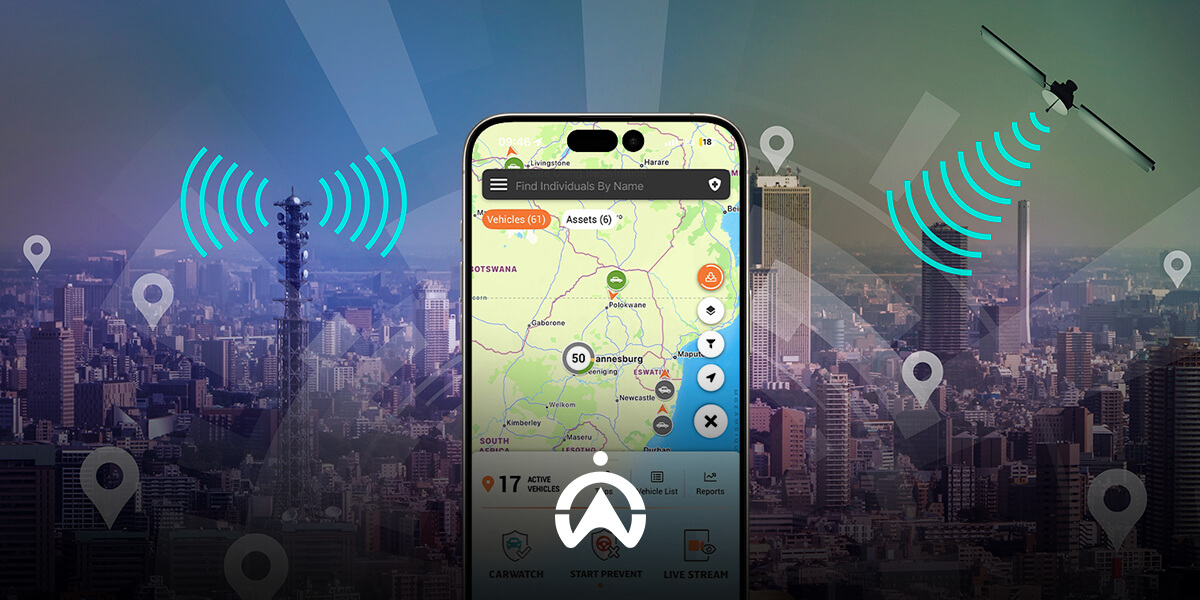
    This is a method where mobile networks are used to transmit the tracked data in real time; the data from the device is sent to a cellular tower, which then conveys it to a service provider over an internet connection. Cellular network tracking systems work best in areas with good mobile network coverage. The range for this form of vehicle tracking system can extend across cities and countries, depending on the coverage by the network provider. Cellular network tracking systems are ideal for people living and travelling in urban areas with good signal coverage.
    ‍
  • ‍Satellite tracking systems
    In order to understand satellite-based tracking, you first need a brief understanding of the Global Navigation Satellite System.

    The Global Navigation Satellite System (GNSS) is a satellite-based tracking system that uses satellite networks such as the Global Positioning System (GPS) to collect and transmit data from a tracking device. This fascinating technology uses time signals broadcast along a line of sight to let electronic receivers calculate their location with great precision. This method of vehicle tracking is therefore more reliable, making it an ideal solution for fleets and individuals operating in remote areas with limited mobile network access, as the coverage is more reliable and offers exceptional accuracy.
    ‍

  • ‍GPS-based tracking systems
    GPS-based vehicle tracking systems and satellite-based systems are interrelated but are not exactly the same thing.

    The key difference is that a GPS tracking system is satellite-based, but not all satellite-based tracking relies solely on GPS. An article by Online Science explains how there are other satellite navigation technologies, each managed by a different country, such as GLONASS (operated by the Russian Federation), BeiDou (operated in China), and Galileo (operated by the European Union). GPS was developed and is operated by the United States of America, and is the most commonly used.
    GPS trackers are ideal for individuals for personal safety and for fleet businesses for vehicle monitoring.
    ‍

  • ‍OBD-based tracking systems
    Another form of active tracking is OBD-based technology. This approach involves plugging a device into the vehicle’s On-Board Diagnostics (OBD-II) port. The device is easy to install and allows fleet managers to have access to crucial information such as vehicle health, mileage, and fuel levels, helping enhance fleet efficiency. OBD trackers allow both fleet managers and private car owners to monitor risky driving behaviours such as speeding and harsh braking, making them the perfect solution for both personal and business purposes.
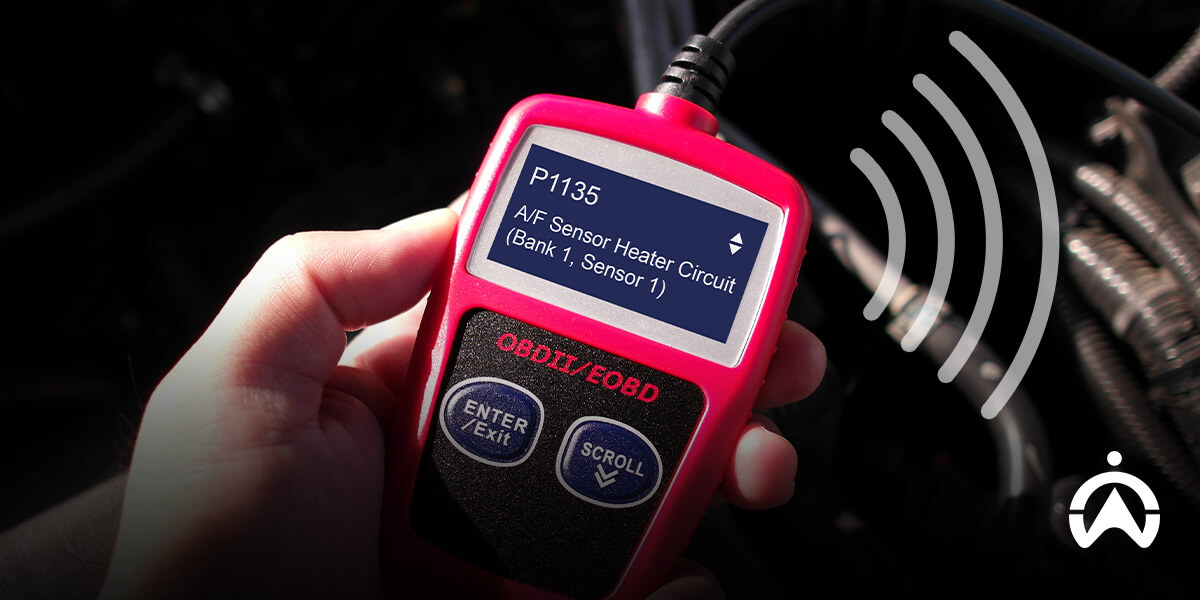
‍OBD-based tracking systems

2. Passive tracking systems

Passive vehicle tracking systems also make use of GPS to track vehicle location. The only difference is that you can’t get real-time updates in a passive system. They record the data and store it in a memory card or hard drive for later access. Once connected to a computer, the data will be available for users to view. This type of tracking is ideal for users who need access to historical trip data rather than real-time updates.

3. RFID-Based Tracking Systems

An RFID tracking system is one that is based on radio frequency identification technology. It can track and identify vehicle locations in real-time as well as record entry and exit information. The system is composed of three components: a tag, a reader, and vehicle tracking software. The tag is attached to the vehicle, and the reader emits a radio signal that activates the RFID tag; the software is then responsible for data storage and analysis. This type of technology has a short range and is an ideal solution for driver identification or tracking in indoor environments such as warehouses.

4. Internet-based (IoT-enabled) tracking systems

IoT, or the Internet of Things, integrates sensors and connectivity technologies such as Wi-Fi, cellular networks, and satellite communications to enable advanced vehicle tracking and remote diagnostics. The sensors and GPS devices collect information from the vehicles, and the data is then transmitted via the internet to a central platform. From there, the data is processed and turned into easily understandable information for fleet managers. This technology helps with predictive maintenance, finding optimal routes for deliveries, real-time monitoring and alerts, driver behaviour analysis, and much more.

A table comparison of the different tracking systems

An easy way to understand the key differences between the various types of vehicle tracking systems is through a table. Here’s a quick breakdown:

Type Technology Used Range Real-time? Use in Case
Cellular Mobile networks Wide Yes Real-time tracking in urban areas
Satellite GNSS (mostly GPS) Global Yes/No (can do both) Theft recovery, fleet management
RFID Radio Frequency Short (meters) Yes Warehouses, driver tags
OBD-II OBD port, GPS, Cellular Wide Yes Vehicle diagnostics, driver behaviour, fleet management
IoT-based Sensors, GPS, Cellular, IoT Global Yes Advanced fleet analytics, automation

How to choose the right vehicle tracking system

The best vehicle tracking system for you depends on your specific needs. Here are some factors to consider:

  • Budget and ROI: Most individuals require basic tracking services, such as Stolen Vehicle Recovery and the ability to view vehicle locations at any time. Additional features, such as driver behaviour monitoring or advanced analytics, are considered an extra layer of protection and will depend on how much you are willing to spend. On the other hand, businesses look for vehicle tracking services from an investment point of view. The price is not a huge concern, but the savings and profit as a result of improved productivity are what matter the most. Fleet managers should look into the type of data they require the most to boost profits.
    ‍
  • Intended use: The solutions you choose will also depend on the intention. For example, delivery fleets require advanced solutions such as route optimisation capabilities, driver alerts, driver identification, and preventative maintenance. Personal vehicles are typically tracked for theft prevention and to ensure the safety of family members.
    ‍
  • Area of operation: If your vehicle is constantly in remote areas, then you need a solution that can give you accurate location updates and data regardless of the low network coverage.

Cartrack case study: Mr Build

Mr Build is a well-known hardware store that specialises in woodworking, timber, plumbing, cement, and a wide range of home decor. They have a workforce of 200 across seven branches and a fleet of about 40 vehicles that deliver their products to customers.

Their main challenge was keeping track of where drivers and vehicles were during deliveries. They could not pick up any signs of drivers experiencing delays, which meant customers could not be updated on deliveries.

How Cartrack vehicle tracking solutions transformed operations:

  1. Our vehicle tracking system allows Mr Build to see exactly where their vehicles are at any given time. They also get detailed history reports of all completed trips. This also means they no longer waste time and resources trying to call and locate drivers.
  2. The live-location tracking feature allows Mr Build to manage delivery updates and inform customers. There are now a limited number of unnecessary route deviations, boosting productivity and promoting driver accountability.
  3. As an extra layer of security, Mr Build has added our CarWatch feature to their package. When activated, this feature acts as a virtual car guard and alerts Mr Build and our 24-hour control room service the moment any unauthorised vehicle movements occur on parked vehicles.

“Cartrack helps us monitor the fleet much better, I always know where all the vehicles are. There’s no part of the day when I have to look for a vehicle or driver. If I can’t get a hold of the driver, I know where the truck is.” | Mohammed Haider Yacoob, Manager – Mr Build, Tzaneen

Satellite based vehicle tracking system

Explore our vehicle tracking solutions to find the right fit

Cartrack makes use of most of the above-mentioned tracking technologies to give you solutions that you can access all on one platform. Here’s what we offer:

  • ‍GPS live-tracking
    Always know where your vehicles are at all times. Cartrack devices use both satellite and cellular technology to ensure that you get accurate location updates, monitor driver routes, view location history, and ensure safety and efficiency.
    ‍
  • ‍Stolen Vehicle Recovery
    In the unfortunate case of vehicle theft, Cartrack offers a stolen vehicle recovery service available 24/7 to ensure a swift response. We have skilled air and ground recovery teams available nationwide that are always on standby, plus we boast an average recovery rate of 90%.
    ‍
  • ‍Driver monitoring
    Our IoT-powered tracking devices give fleet managers the ability to keep an eye on driving behaviours such as speeding, harsh braking, excessive idling, rapid acceleration, and harsh cornering. Fleet managers will get alerts on these behaviours as well as detailed reports. Through this, managers can identify drivers who need training, which in turn promotes safer driving, reduces the chances of accidents, and helps the business avoid lawsuits and bad driving reviews.

    In addition, we have Driver Identification tags (DID), which help fleet managers instantly identify who is driving which vehicle. Preventing unauthorised drivers from using the wrong vehicles and also promoting driver accountability.
    ‍

  • ‍Crash detection
    Having instant access to your vehicle location also helps in situations where you need emergency services, such as an ambulance. As an extra layer of protection and through the power of our IoT-powered device, we have a crash detection service that allows us to detect collisions as they happen. From there, we will contact you or your loved ones and then send help.
    ‍
  • ‍Preventative maintenance
    Our advanced solutions help fleet managers keep a careful eye on vehicle maintenance; through this, they can get alerts on things such as worn-out brake pads, oil and water fluctuations, and engine health. This allows for a swift response before the issues get worse, reducing the chances of unexpected breakdowns, unplanned downtime, and costly repairs. It also helps the fleet remain compliant.

Invest in Cartrack vehicle tracking solutions today!

Cartrack is one of the leading companies in the vehicle tracking industry. We offer advanced features that cater to vehicle owners of all kinds. Whether business or personal, you will most certainly find what you need in our solutions. Reach out to us, and we’ll help you choose the best vehicle tracking system for you.
What Industries Benefit from GPS Tracking

GPS tracking is a non-negotiable for many business owners with a fleet of vehicles. Keeping track of these assets is a critical task that often has a team dedicated to it. This shows how complicated the process can sometimes be and how integral it is to efficiency and productivity.

So today, we will share which industries benefit most from GPS tracking and why Cartrack is the ideal provider of this service.

This blog will discuss:

  • Which industries benefit from GPS tracking
  • How to choose the right GPS tracking system
  • The business value it brings
  • Why you should choose Cartrack Namibia

Industries That Benefit Most from GPS Tracking

GPS tracking is a versatile service that can work for many business types across industries, seamlessly integrating into daily operations.

Some may believe that GPS tracking is solely for long-distance fleet vehicles; however, this is not the case at all. Several other business vehicles and assets can also use this technology, from off-road factory vehicles and heavy equipment to other immovable company assets.

Let’s explore some of the industries’ GPS tracking benefits and how it is used in each sector:

Logistics

With GPS tracking, fleet managers can optimise delivery routes in real-time, avoid traffic congestion, and ensure timely arrivals. This not only reduces fuel costs and vehicle wear but also boosts delivery efficiency.

Another key advantage is accurate ETA updates. Customers can receive real-time delivery updates, which greatly improves satisfaction and trust. Additionally, companies can reduce costly downtime by monitoring idle time and vehicle performance.

Construction and Mining

When looking at the construction and mining sectors, GPS tracking can help with tracking yellow metal equipment. The vehicles that are normally used in this industry tend to be off-road and are specialised for a unique function, such as excavators and cranes.

Sales

GPS tracking plays a vital role in a sales environment, particularly for outside, field, and travelling sales teams. It helps employers confirm that salespeople are where they’re scheduled to be, provides accurate mileage tracking for travel reimbursements or tax purposes, and adds an extra layer of safety for employees on the road.

Field Services

This industry includes professionals such as plumbers, electricians, and HVAC (Heating, Ventilation, and Air Conditioning) technicians. Business owners in this industry can assign jobs faster, track staff movements, and improve on-site arrival times.

Another benefit is that the system will make it easier to reduce travel claims with route verification.

Agriculture and Farming

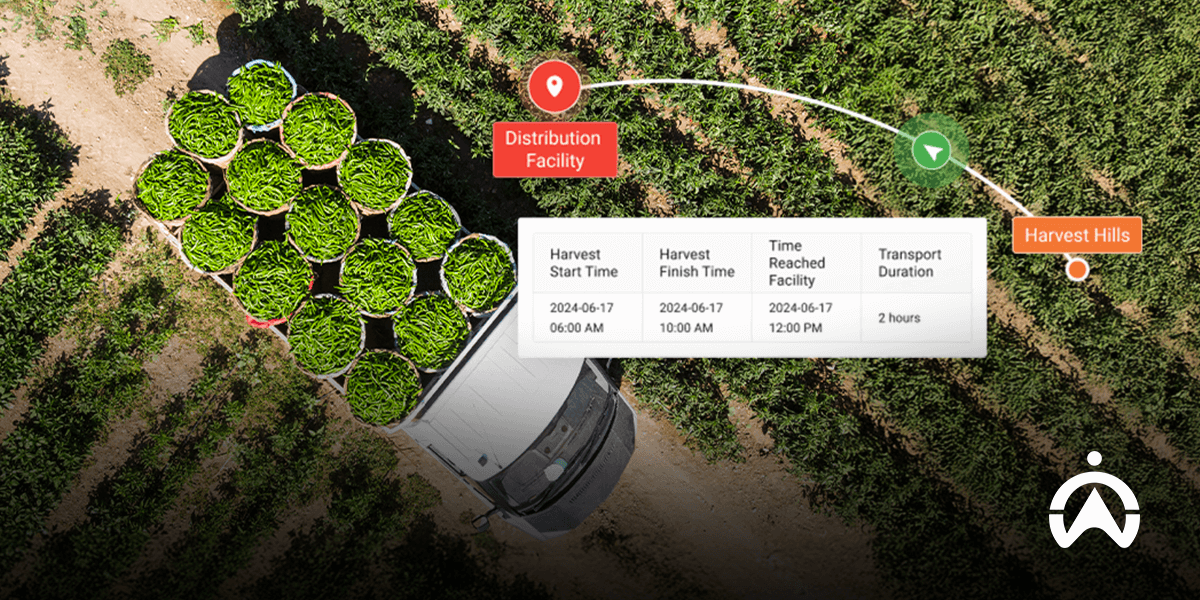
For this sector, GPS tracking helps monitor tractors and harvesters in real-time. It also makes it possible to manage fuel usage during long working hours across vast land areas while preventing the theft of expensive farm vehicles and equipment.

GPS Tracking benefit for Agriculture Industry

Waste management

GPS tracking plays a pivotal role in the waste management industry, where it’s used to monitor the location of company-owned dump trucks and streamline day-to-day operations. From trash collection and recycling to the safe disposal of hazardous chemicals, these services rely on efficient route planning and real-time visibility to meet environmental standards and customer expectations.

Security and Armed Response

For companies in the security sector, every second counts. GPS tracking ensures that armed response teams are always visible and can be dispatched to emergencies without delay.

Real-time vehicle tracking enables control centres to identify the closest patrol car and direct it to the scene, reducing response times and potentially saving lives.

Post-incident GPS history is invaluable for incident analysis, staff accountability, and reporting.

Car Rental and Vehicle Leasing

The car rental and leasing industry can be a tricky one, with the entirety of the business’s vehicles being open to use by the paying public. This means that there is a risk taken with each vehicle that is leased by an individual. GPS tracking ensures the proper use of rental vehicles, where it monitors vehicle usage, protects the fleet from theft, and provides a safer customer experience.

In the case of a hijacking, the tracking provider can recover stolen or abandoned vehicles faster.

Public Sector and Municipal Fleets

From refuse trucks to public transport fleets and other government vehicles, GPS tracking is useful. Municipalities can use the data from their vehicles’ prior journeys to plan efficient routes, monitor progress, and improve overall service delivery.

Additionally, the system can be used to reduce the misuse of government-owned vehicles, as the driver and location data will expose inappropriate use.

What to look for in a GPS Tracking System for your Industry

A reliable GPS tracking system provider should provide more than just location tracking. Modern GPS tracking devices come with a host of other benefits that can be used to enhance the operations of a fleet and improve overall safety.

Having the right tools and services in your GPS tracker is important, and it is vital to know which features to look out for so you can make the best decision.

Here are some key elements that a GPS tracking system should have:

Fuel and Maintenance Savings

Fuel is a major expense for many businesses that have a fleet of vehicles. With GPS tracking, a business owner can detect the causes of fuel waste, such as bad driver behaviour and inefficient routes. Additionally, other factors such as vehicle health should be monitored to enable predictive maintenance.

All these factors, when attended to on time, can lead to significant cost savings.

Driver Behaviour Monitoring

How drivers operate business vehicles is a major contribution to how the fleet performs overall. Driver behaviour monitoring is an essential feature of a GPS tracking solution and is an essential component of a successful system. With this tool in place, the fleet manager can improve road safety, reduce accident risk, and enforce company driving policies.

Vehicle and Asset Protection

Protection of your business assets is very important, which is why the fast recovery of stolen vehicles or machinery is critical, especially in Namibia’s high-theft zones. Having a GPS tracking system that provides security measures for your assets can significantly enhance operational continuity and business growth. These measures can include security features such as geofences, panic buttons, and many others.

The Business Value of GPS Tracking

As a business owner, efficiency and productivity are crucial for success. This means that finding the best tools to assist in this goal is a top priority. This is especially relevant in managing a business’s fleet operations.

This is where the true value of a GPS tracking system comes through. The benefits it brings to a business make it easier to spot inefficiencies and reduce the causes of high and unnecessary costs.

Here is how you can expect to benefit from a GPS tracking system:

Cost savings

This is the biggest benefit that comes from implementing a GPS tracking system into a business fleet. A business owner can have oversight over all fleet operations and identify inefficiencies that drive up costs. These could be due to fuel consumption, long routes, idling time, and improper vehicle maintenance.

Better visibility

With the right GPS tracking system, a business can have full visibility of all its assets. This provides a greater sense of certainty in what is going on with the fleet while it is on its trips. This removes any and all assumptions from being made and provides hard facts from which future plans can be made.

Improved safety and accountability

When you know where your vehicles are and how your drivers are performing, it becomes easier to manage safety protocols and keep drivers accountable. This can be related to reckless driver behaviour, bad routes, and vehicle conditions. Having end-to-end trip visibility provides invaluable insights that can enhance the fleet’s approach to operations.

Theft prevention and recovery

The safety of your fleet and drivers does not need to stop with internal processes. A great benefit of having GPS tracking is that it often comes with theft prevention measures and stolen vehicle recovery services. Knowing that your vehicles are being monitored and that there is a dedicated team of experts ready to come to the rescue proves that GPS tracking is vital, especially in Namibia, where vehicle crime is a reality. These features can help lower insurance premiums and give your drivers peace of mind, two value propositions that do not normally go hand-in-hand.

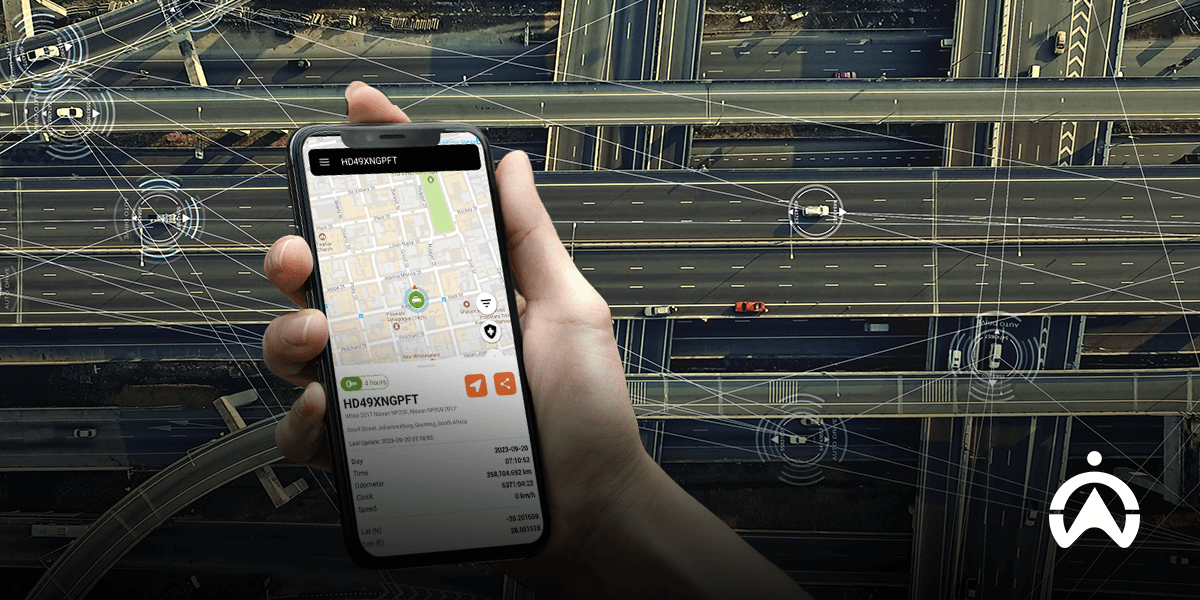
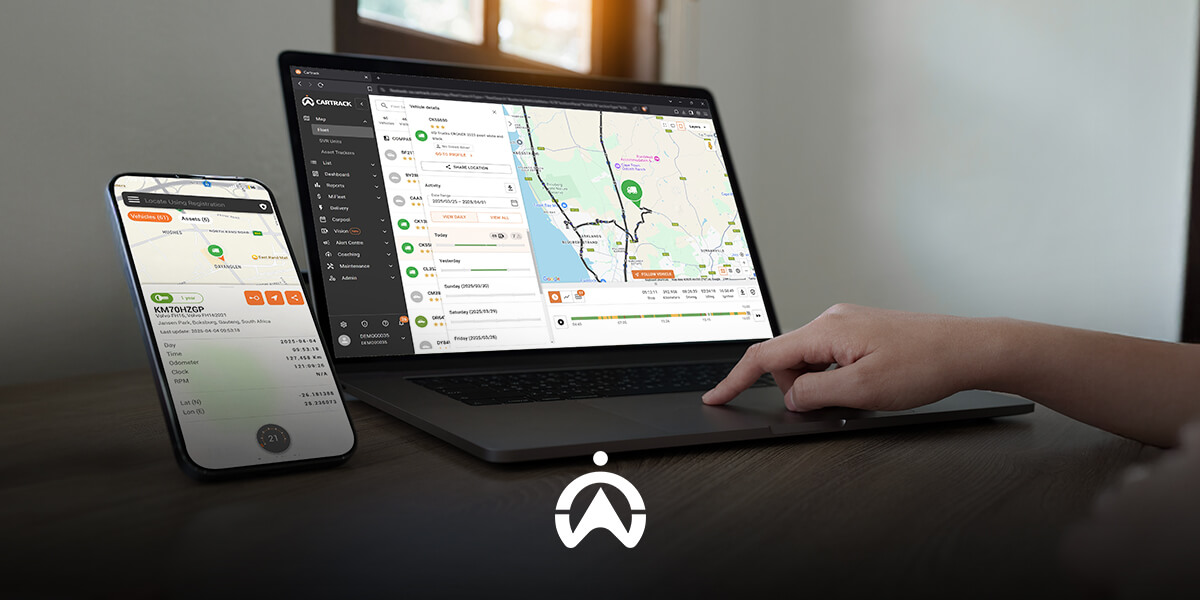
A person holding a smartphone displaying a Cartrack GPS Tracking App

Why Cartrack Is the Go-To GPS Tracking Partner

When choosing a GPS tracking system for your business, make sure to choose one of the best, in this case, Cartrack. With us as your provider, you can expect world-class service and cutting-edge technology. Our footprint spans all across the globe with offices in 24 countries and counting, where we continue to work with businesses of all sizes.

Cartrack has a great reputation as a vehicle security provider and is consistently rated as Namibia’s leading company with four-star customer reviews on Hello Peter.  Here are some other reasons to choose us as your GPS tracking provider:

Industry-specific solutions

Our solutions are extremely adaptable and can work for any business type in any industry, from cold chain logistics to construction. We can tailor our solutions and services to the needs of your business, taking into consideration the type of assets and operational goals.

We offer everything from driver ID tags, fuel management, trip reports, vehicle diagnostics and predictive maintenance alerts. All these features can help a business accomplish specific goals related to its industry.

Local support

Cartrack has a long history and a deep understanding of Namibia’s road and business challenges. We understand the challenges that Namibian businesses and motorists vehicles face on the road and have put together plans of action to assist in times of peril.

We have support teams and response teams available from anywhere in the country who are ready and equipped for any emergency. A call to our control room gets you an immediate response, whether it is a hijacking or the need for roadside assistance.

Real-time data

The primary benefit of having us as your business’s GPS tracking provider is having 24/7 access to your fleet’s location. This is made easier with our mobile app and online platform, which are both easy to use and very accurate in their reporting.  This data can be viewed by the fleet manager from anywhere, whether they are on-site or working with a remote or hybrid workforce.

Scalable

We care about how your business grows and are invested in seeing your fleet perform at its best. We can easily scale with your fleet and its growing demands with our diverse products and services. Whether you are an SME or a large enterprise our solutions can work for your fleets.

Cartrack is an industry leader and is trusted by over 115,000 businesses in a variety of industries and niches. Our high stolen vehicle recovery rate speaks for itself and is proof of how experienced and active we are in fleet management and security. Regardless of your industry or business size, we are up and ready to take you on.

Contact us today and take your GPS tracking solutions to another level.

Frequently Asked Questions

What blocks a GPS tracker?

There are technologies that are capable of jamming GPS signals. This is not a widespread issue but is significant enough to be a concern for customers. Cartrack’s devices come with anti-jamming technology that allows the vehicle to still be trackable even when the GPS signal has been compromised.

What is the difference between a phone tracker and a GPS tracker?

GPS trackers are standalone devices that provide accurate, real-time tracking data with long battery life and superior tracking accuracy. On the other hand, phone trackers rely on a smartphone’s GPS capabilities and may offer a more limited tracking range, battery life, and tracking features.

How big is the GPS tracker market?

The global GPS tracking device market size in terms of revenue was estimated to be worth USD 3.1 billion in 2023 and is poised to reach USD 5.7 billion by 2028, according to Markets and Markets, a competitive intelligence and market research platform.

How to Avoid Driving Mistakes

Speeding through traffic, skipping red lights, and not following road rules, are just a few bad driving behaviours that can be seen on Namibian roads. These happen everywhere, from city centres to rural areas, affecting both motorists and pedestrians.

Witnessing driving mistakes has now become a regular part of our daily commutes, with minor to major infringements occurring daily.

If we want safer roads for all, then we need to learn how to avoid making these driving errors. Luckily, we have put together common mistakes drivers make and how you can avoid them with the help of Cartrack’s solutions.

In this article, you will:

  • Common driving mistakes and how to avoid them
  • How much these mistakes will cost you
  • How Cartrack can help you avoid making these mistakes

Common Driving Mistakes and How to Avoid Them

Driving in Namibia can sometimes feel like an Olympic sport or Grand Theft Auto video game experience, with all the unexpected road violations from drivers and pedestrians.

Driving mistakes remain the common thread connecting all crashes. Some of these mistakes are more frequent than others, with varying degrees of consequences for each. Let us have a look at the driving mistakes our fellow drivers make on the roads.

Driving Under the Influence

Namibia has a high incidence of drunk driving, especially during weekends and public holidays. We all know somebody who has been pulled over for driving under the influence and have seen many reports of drunk drivers on the road in the news and on social media. In some cases, we have had to spend a night in jail for this offence, due to our own alcohol consumption.

We all know that alcohol consumption impairs judgment and reaction times and sometimes leads to accidents and fatalities. This is mostly because some of us misjudge our tolerance and believe one or two more drinks won’t affect us. 

The best thing to do to avoid this mistake is to always have a designated sober driver or to make use of e-hailing services when going out for drinks.

Running Red Lights and Stop Signs

If you have ever found yourself in a big city rush hour, then you have come across someone running a red light or stop sign. From drivers of sports cars to SUVs, you can expect to see a range of people committing this traffic violation. This is such a prevalent issue that you are bound to encounter this in the city, the suburbs, rural areas, at night, midday and at any busy intersection.

Rushing through intersections is a major cause of accidents and pedestrian injury. The best way to deal with this problem is by always approaching intersections with caution, anticipating light changes and staying focused on the road.

Speeding

Having a car that’s capable of reaching 200km/h may be enticing to some drivers, but it is illegal, with the highest legal speed limit being 120km. We all know this, but many still choose to speed.

Speeding leads to accidents and fatalities. This is especially true on highways or in rural areas, where drivers feel there will be no recourse for their actions. Another reason is that the road infrastructure can be unpredictable in some areas, making speeding even more dangerous.

414 drivers were arrested for driving at high speed this past festive season, with 5 going well above 200km/h according to the Department of Transport’s report. The best way to avoid this is by staying aware of speed limits on main roads, residential areas and other roads with specific speed regulations.

Misjudging Safe Overtaking

Overtaking other cars on the road is a common occurrence; it is one of the few legal things we are allowed to do. The unfortunate part is that, like all good things, we take it too far and ruin it for everyone else.

How many times have we been on the road and seen someone get impatient with the driver ahead of them, overtaking in a huff without regard for other motorists on the road? Misjudging safe overtaking is very risky and can lead to head-on collisions.

To avoid this mistake, you will need to check all your mirrors and blindspots before overtaking, while cognisant of speed limits and other vehicles.

Failing to Yield

With load-shedding always a possibility and random outages happening across the nation, we have come to expect traffic lights that don’t work. This has made every intersection a de facto four-way stop, where we have to follow a first come, first go honour system.

This system requires drivers to yield and give the right of way to the appropriate car. Sadly, this does not happen often, with some people driving across roads before their turn.

Misjudging right of way at intersections or roundabouts causes confusion and accidents; to avoid this, drivers need to be patient and follow road rules. They will need to be attentive to what is going on around them and when they are next in line.

Not Checking Blind Spots

This is a common mistake, especially for new drivers. Not having the full line of sight in all areas that mirrors provide is very dangerous as it puts the driver at risk of hitting other cars. Another disadvantage of making this mistake is that it puts the driver at risk of hijackings or smash and grabs since they will not be able to see and react in time.

The solution here is practice, practice, practice. That is the best way to get comfortable with using and checking car mirrors and blind spots regularly.

Not Using Indicators

Changing lanes can sometimes be a treacherous experience, having to coordinate the lane change with the best opportunity, coupled with the generosity of the driver in that respective lane. This situation is made more fraught when the vehicle changing lanes does not indicate its intention to do so.

This is a common mistake, and it often leads to confusion on the road and some mild road rage and colourful language use. To avoid making this mistake, drivers need to be analytical of the situation on the road and make lane switches when it is clearest, instead of at the most opportune moment. This will give you time to consider your actions and use the indicator.

Tailgating

Due to the often-heavy traffic and impatience on Namibian roads, drivers frequently tailgate. This is when a car drives too closely to another without leaving a sufficient following distance. This increases the likelihood of a collision if the car in front were to stop suddenly. We see this often during rush hour, especially in the afternoons when commuters are making their way home.

Some cars have sensors that detect when another vehicle is too close to them. This helps avoid this mistake, but for people whose cars do not have this feature, the only way is to observe the mandated following distance. The best way to know if you are within a safe distance is if you can see the bottom of the tyres of the car ahead of you.

Driving While Fatigued

Long-distance travel is common in Namibia, with many people taking cross-country trips for holidays and family visits. With long trips, many drivers often underestimate the dangers of driving while tired, particularly on long highways like the B1 or B2. They become too focused on completing the journey and don’t notice how fatigued they’re getting.

The best way to avoid this is by taking breaks every 3 hours to recuperate or by exchanging driving duties when on the road with someone else.

A weary man in a car yawns, illuminated by colorful city lights, conveying tiredness and late-night driving.

Overcorrecting or Jerky Steering

There are many reasons to stay vigilant on the roads in Namibia, from wayward pedestrians to unexpected potholes. Some drivers often overreact to these scenarios, making sudden decisions on the road. Sudden steering or overcorrecting affects other drivers on the road who are then forced to make immediate decisions due to the unexpected nature of this driving error.

Let’s be real, potholes are not going anywhere any time soon and we all know that. The best we can do is drive carefully and make sure we are observant of the roads we are on, especially at night. By doing this, we can reduce the number of times that we are forced into sudden situations where we have to make rash decisions.

How Driving Mistakes Will Cost You

Driving badly on the roads has many consequences that will affect you, both in the short term and the long run. Some of the mistakes made above may seem minor and inconsequential but there are real-world effects and ramifications, let’s see what some of them are.

Legal Consequences

All drivers know that violating road rules leads to fines when caught in the act. What some may not know is how high some of these fines can be. Here is a list of some fines for typical traffic violations:

Fines and Penalties

VIOLATION PENALTY
Driving under the influence
Reckless driving N$4,000
Obstructing other road users N$1,000
Driving under the influence N$2,500
Road traffic signs
Failure to obey traffic signs and signals N$2,000
Failure to stop at red traffic light N$2,500
Speeding over limit and other traffic violations
71–75 km/h in 60 km/h zone N$375
96–100 km/h in 60 km/h zone N$500
126–130 km/h in 120 km/h zone N$1,000
141–145 km/h in 120 km/h zone N$2,000
Talking on cell phone while driving N$2,000
Driving without a license N$1,000
Not wearing seatbelt N$1,000
Other violations
Driving a vehicle that is not roadworthy N$2,000
Parking in a disabled parking space N$1,000
Vehicle defects (e.g., hooter, tyre, worn-out brakes) N$1,500

Financial Implications

Another way in which driving mistakes can cost you as a driver is financially. Repairs, buying a new vehicle, and increased insurance premiums are unexpected expenses that you will have to deal with. These financial costs are magnified especially when the car has been written off. Some insurance providers will not pay off the full amount without an excess being paid, which can sometimes be very high. In other cases, the amount received does not match the value of the vehicle and is not enough to purchase a new one.

Risk to Personal Safety

The loss of human life is the one outcome all drivers fear when getting into an accident, whether it be their own life, those they care about or strangers. If convicted, a driver can face up to life in prison for the wrongful death of another motorist or pedestrian. This is compounded by the grief and emotional trauma it will cause to the families of the deceased.

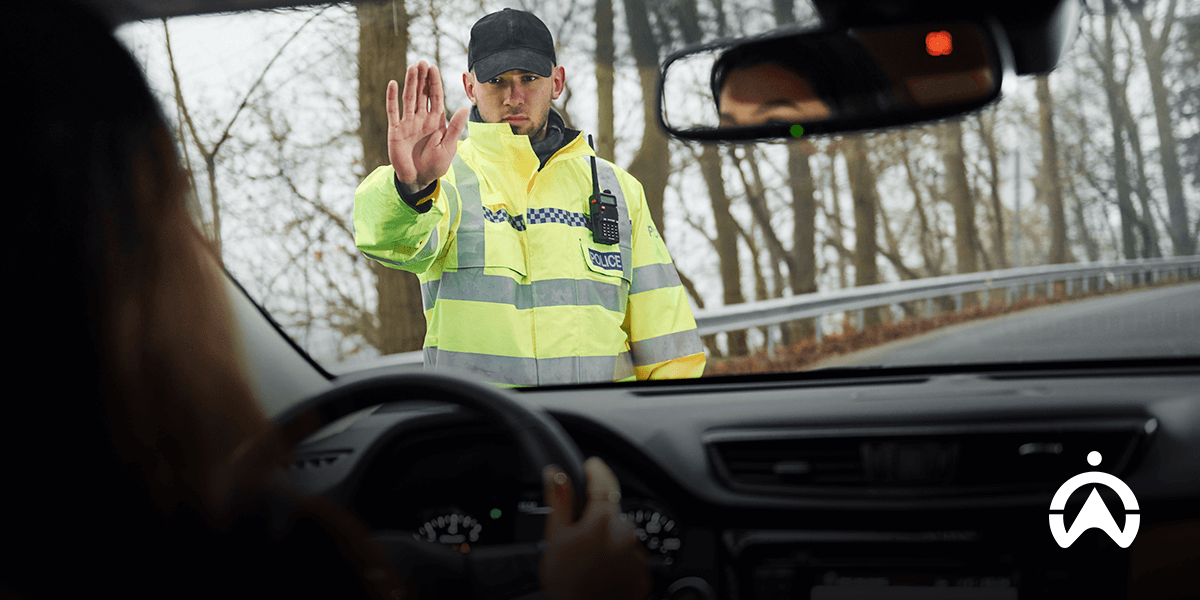
A police officer in a bright yellow jacket signals a stop to a vehicle from the roadside, surrounded by wooded scenery.

How Cartrack Can Help You Avoid Making Driving Mistakes

Driving mistakes are a big problem, but fortunately, they can be addressed. Cartrack provides some solutions to the problems that drivers face on the road. These solutions can help drivers make better decisions and have the tools necessary in the case of an accident.

Here are some solutions that can assist drivers:

Crash Detection

Cartrack has crash detection technology that comes as a value-added service. With this technology, a car is fitted with sensors that detect impact or collisions. This allows them to send alerts to the control room, which will contact the driver to ascertain the severity of the situation.

Emergency Assistance

Cartrack Protector is a feature that clients can take on, it allows them to receive emergency assistance in the case of an accident or other misfortune on the road. This can range from ambulances, roadside assistance, tyre replacements and towing. Terms and conditions apply.

Driving Analytics

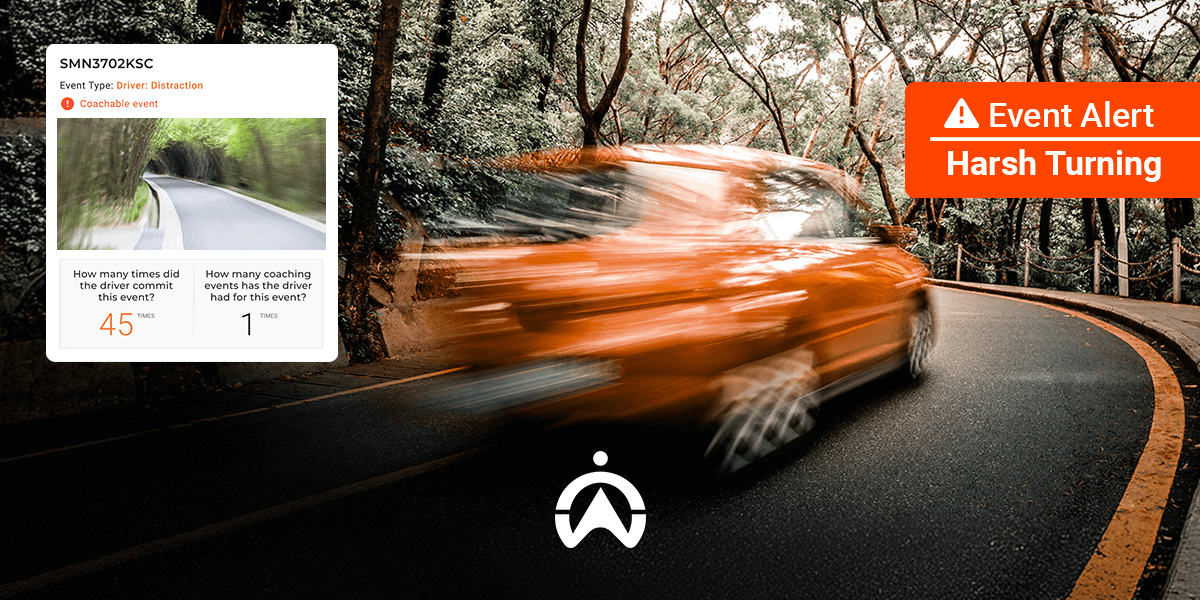
With the Cartrack mobile app, drivers can see analytics of how well they drive. The app tracks and reports on driving events such as harsh braking, harsh turning, and speeding to name a few. This allows drivers to see where they are making mistakes and understand where they need to improve.

Dashcams

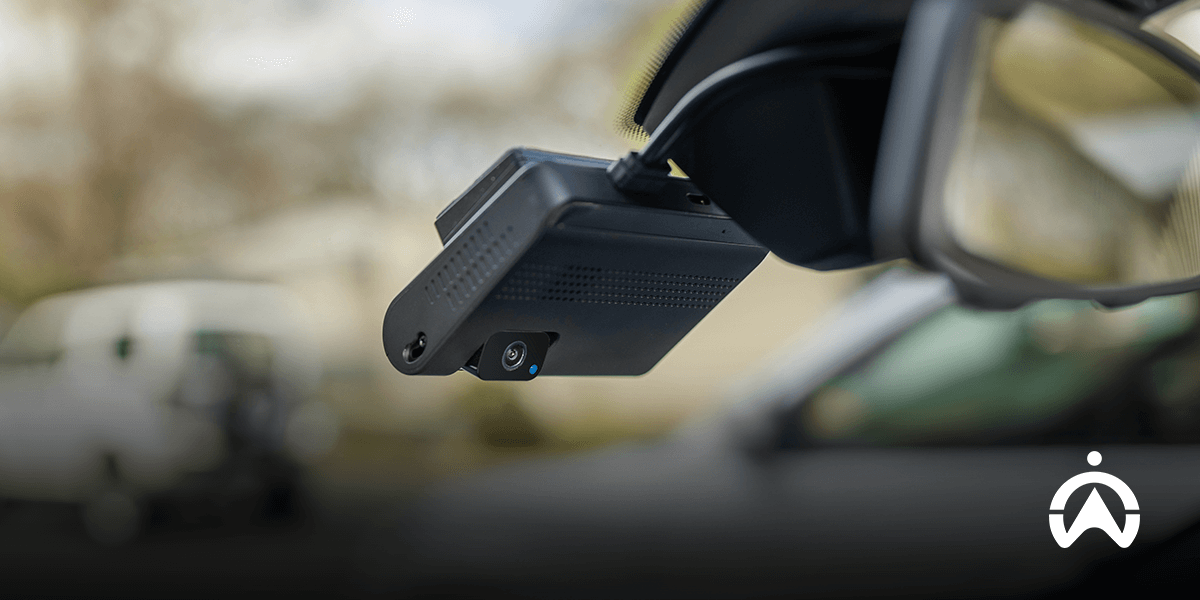
When accidents occur, it can be hard to prove who was in the wrong. Luckily, we have dashcams that you can install as part of your vehicle tracking package. These will record all the journeys you take and provide proof should any roadside altercation occur. This is useful for insurance and legal purposes.

We all make mistakes every once in a while when on the road, it is human nature, after all, but what’s important is what we do about it. Putting precautions in place to mitigate these odds is the best way forward, and with Cartrack at your side, this is easier to accomplish.

Get the best in vehicle tracking and stolen vehicle recovery from a provider with an average of over 90% recovery rate, contact us to learn more about how we can make driving safer for you.

Fleet Management for Wholesale and Distribution services

In the fast-paced world of wholesale and distribution, efficient fleet management is no longer a luxury, but a necessity. Maximising delivery schedules, minimising operational costs, and ensuring timely product delivery are critical to maintaining a competitive edge. This blog will explore the strategic implementation of fleet management solutions tailored to the unique challenges and opportunities within this sector, providing actionable insights for optimising your logistics operations.

To succeed, it’s important to have an effective system in place that helps keep everything running smoothly. This includes handling inventory, managing machinery, planning routes, and coordinating deliveries effectively and efficiently.

Managing all the tasks can sometimes be complicated and demanding. An innovative fleet management solution addresses these issues and optimises the logistical process.

Today, we reveal why fleet management is important for wholesale and distribution services and why Cartrack is a reliable fleet management provider.

In this article, you will:

  • Find out why fleet management matters for wholesale and distribution services
  • Learn what challenges wholesale and distribution services face
  • Understand how fleet management system can transform your business
  • Discover how Cartrack is the preferred fleet management provider for wholesale and distribution services

Why fleet management matters for wholesale and distribution services

If you are a business with large-scale operations and inventory, you know that some problems may arise. These can range from delays caused by issues such as the overbooking of vehicles or driver allocations, among many others. This is why fleet management systems are important, as they handle unforeseen challenges such as vehicle breakdowns, ensuring goods are delivered on time. Let’s discuss why fleet management matters for this industry.‍

Streamlining operations within wholesale facilities

A streamlined operation for many companies begins with effective inventory management within the warehouse. If your business can’t track inventory across different locations, it may become challenging to keep accurate stock levels. Fleet management systems can integrate with your existing systems to provide a centralised view of your business, making it simple to store and locate products.

Meeting delivery deadlines for time-sensitive goods

Distribution plays a pivotal role in the supply chain. Once an order is placed, it is picked, packed, and ready for delivery. However, this has to be coordinated based on the type of product being purchased, such as perishable items. Instead of simply creating contingency plans, businesses need nearly fail-proof solutions to ensure deliveries arrive on time and in perfect condition, preventing supply chain disruptions. Fleet management solutions are designed to tackle these issues by providing live tracking features that monitor deliveries from start to finish.

These systems ensure optimised routes for multi-stop deliveries, allowing drivers to meet strict deadlines while maintaining product quality. Additionally, they offer proactive alerts and analytical insights to help foresee potential disruptions, ensuring that your operations remain efficient even under challenging circumstances.

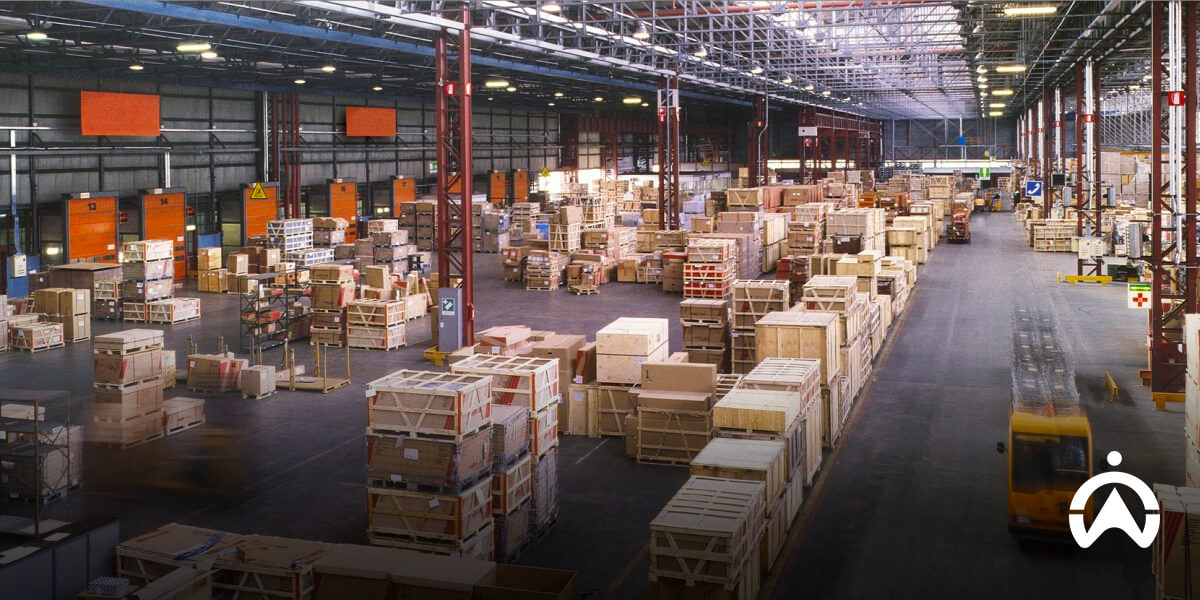
A spacious warehouse filled with stacked wooden crates, organized rows, and loading docks visible in the background.

What are the challenges in fleet management for wholesale and distribution?

There are various challenges wholesale and distribution services deal with, from delays to high costs in their day-to-day operations. It is these issues that they have to navigate to ensure the business operation runs smoothly. Here are a few that we have identified:

  • Late deliveries
    Late deliveries can significantly impact wholesale and distribution services. It not only results in unhappy customers but may disrupt the entire supply chain. For example, late deliveries of products to a business could mean that they cannot honour the special offer they are running, resulting in retailers missing out on sales and potentially losing credibility.
    ‍
  • Excessive wear and tear on fleet vehicles
    Cargo trucks transport large quantities of goods, often for very long distances, which may cause excessive wear and tear on the trucks. Businesses need to ensure that load weights comply with regulations and that there is no extra weight that could cause strain on the vehicle, reducing wear and tear.
    ‍
  • High fuel costs and fuel waste
    High fuel prices cause businesses to spend a lot on fuel. This may result in funds set aside for maintenance being reallocated to cover the increased fuel expenses. Additionally, the increase in fuel prices may affect the profit margins of businesses that rely on large daily deliveries.

Although these challenges exist for wholesale and distribution services, fleet management systems can help eliminate them.

How fleet management transformed wholesale and distribution services

The wholesale and distribution sector is always changing, and companies that adjust to these changes can enhance their processes and remain competitive. Cartrack’s fleet management system is the ideal partner to help them become more responsive to changes and to improve workflows. What sets us apart is our focus on innovation and reliability, easy-to-use systems, and 24/7 support.

Here is how Cartrack’s fleet management solutions can transform your wholesale and distribution services. Our offering:

Integrates with ERP Systems

Fleet management systems have many benefits, which include ERP system integration. Wholesale and distribution services can easily integrate their existing business activities, such as accounting, supply chain operations, and procurement, with our fleet management solution to enable a comprehensive view of inventory, customer orders, and deliveries. All the data flows through one API for end-to-end workflow, allowing a variety of departments to access the different information.

Tracks every delivery with real-time tracking

Cartrack’s fleet management system enhances a business’s ability to manage the distribution process from the time the products are sourced to their delivery. It provides a centralised view of all the deliveries in real time. You can switch from one delivery to another in just a few clicks to keep up with changes in each delivery. The system provides a business with enhanced communication, meaning you can stay updated with ETAs, which allows you to update your customers should there be any changes immediately. Knowing the status of a delivery in real time empowers you to manage customer expectations effectively.

Promotes safe and efficient driving with behaviour monitoring

Driving on Namibian roads can be unpredictable because of poorly maintained roads and the bad driving of other motorists. This means a system needs to be in place to ensure your drivers are not only safe and compliant with road rules but also protected from external road circumstances. Cartrack’s advanced telematics technology enables you to monitor a driver’s behaviour every step of their journey. Alerts are sent on speeding, harsh braking, excessive idling, and harsh cornering.

Additionally, managers also receive accident alerts called crash detection. The system sends alerts via SMS and email as soon as an impact is detected. This alert is also sent to the Cartrack control room, where an agent will swiftly respond and assess whether emergency service is needed.‍

Saves on fuel costs with smarter fuel management

Smart fuel management includes capabilities that track fuel levels and consumption for every vehicle. Firstly, the system allows you to keep a record of the entire fleet’s fuel transactions. It enables businesses to identify inefficiencies and theft. These capabilities allow you to identify spikes in fuel consumption, which may be an indication of poor driver behaviour.

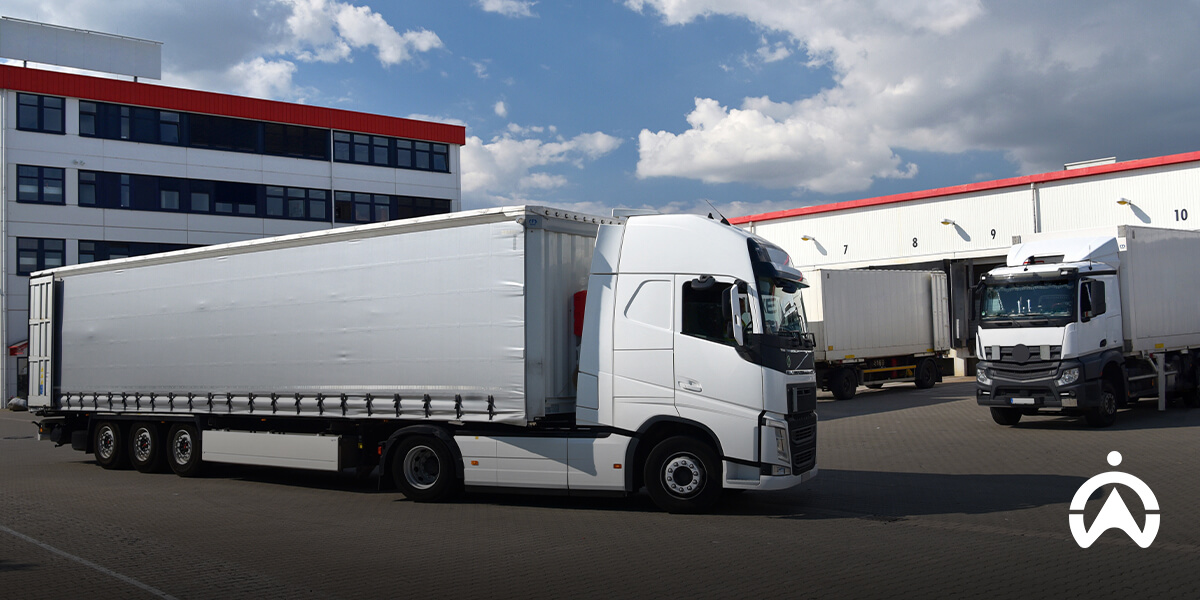
A white truck parked outside a warehouse, with another truck in the background under a partly cloudy sky.

Reduces vehicle maintenance costs

Our fleet management systems significantly reduce vehicle maintenance costs. This is achieved through automated alerts that provide diagnostics on the vehicle, which include engine performance and mileage. All this data is used to predict when a vehicle requires maintenance before any significant damage is done, preventing breakdowns and unnecessary downtime.

Cartrack’s fleet management system empowers wholesale and distribution services with more control over the entire process, from managing machinery through collected data such as fuel consumption and engine performance to last-mile deliveries. By using live updates, advanced driver monitoring, and predictive maintenance. Our system ensures your business operates economically and efficiently.

Contact us today to find out more.

FAQs

Q: Can Cartrack’s fleet management system be customised to a specific business’s needs?

A: Yes, it can be customised to a business’s specific needs through different features such as fuel monitoring, route planning and vehicle monitoring.‍

Q: What is the role of telematics in fleet management?

A: Telematic is an advanced technology that collects and analyses data from a vehicle in real-time, which includes driver behaviour and vehicle diagnostics.‍

Q: Can small businesses use fleet management solutions?

A: Yes, Cartrack’s fleet management solutions can be used by small and medium-sized enterprises to streamline their operations and cut costs.

How to Avoid Fatigue-Related Accidents

Fatigue is one of the most overlooked causes of road accidents. Motorists believe they are only at risk of crashing if they are distracted or are under the influence of alcohol, but exhaustion can be just as dangerous.

When drivers are drowsy, they have slower reaction times and impaired decision-making, which increases the likelihood of accidents. However, many underestimate their tiredness, leading to risky behaviours behind the wheel.

Today, we discuss ways to avoid fatigue-related accidents and explore how Cartrack solutions can help keep drivers safe.

In this blog, you will:

  • Learn ways to prevent fatigue-related accidents
  • Recognise signs and symptoms related to fatigue
  • Explore how Cartrack’s technology helps mitigate these accidents

Ways to Prevent Fatigue-Related Accidents

Driver fatigue can result in dire consequences. One accident that proves this occurred in March 2020 and claimed nine lives due to a driver who allegedly fell asleep behind the wheel. The incident occurred between Touws River and De Doorns after the driver veered into the wrong lane and collided with another truck transporting farmworkers, 18 others were left seriously injured.

To avoid this situation, motorists must implement small changes to their daily routines, significantly reducing fatigue. In this section, we’ll explore simple strategies to prevent these accidents from occurring.

Get Sufficient Rest Before Driving

Adults need approximately 7 to 8 hours of sleep to function optimally throughout the day. When well-rested, you are more alert, have high concentration levels, and can make better decisions. However, it’s more than just about the quantity of sleep; it’s also about the quality.
Here are seven tips to help enhance your quality of sleep: 

  1. Only take naps that last for 20-30 minutes during the day to avoid disturbing your nighttime sleep cycle.
  2. Make sure your bedroom is at the right temperature and dark enough.
  3. Avoid using your phone and watching TV at least two hours before bedtime.
  4. Exercise regularly.
  5. Invest in a comfortable mattress and pillow.
  6. Avoid eating heavy meals, drinking caffeine, and smoking before bed.
  7. Have a set bedtime schedule.

It’s important to ensure that your drivers are not showing any signs of exhaustion before they hit the road. Always plan trips ahead to allow them to get adequate rest and prepare themselves for the trip.

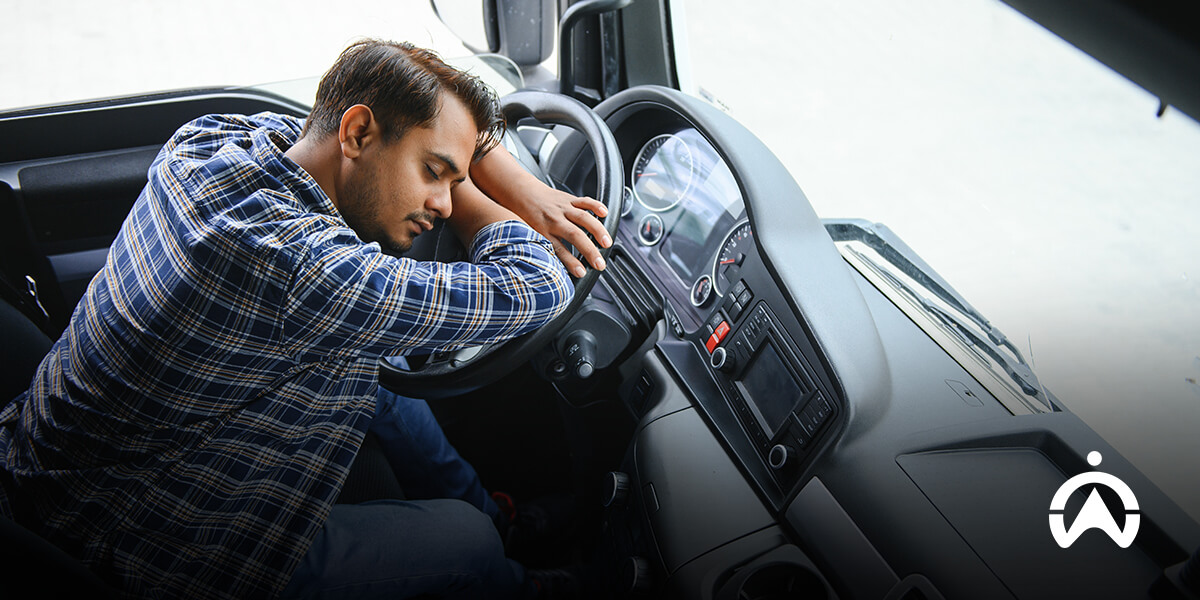
A driver rests his head on the steering wheel of a truck, showing signs of fatigue inside the vehicle's cabin.

Take Regular Breaks During Long Drives

Sitting for extended periods can reduce blood circulation and cause backaches, leg cramps, and drowsiness. To prevent this, drivers must take short breaks every two hours, allowing them to stretch their muscles and refresh their minds.

These short breaks must be at designated rest areas, so fleet managers need to include these rest areas when planning routes. This helps drivers stay refreshed and alert throughout the journey.

Share Driving Responsibilities When Possible

Consider driving with companions to help keep you alert through conversation. If they can drive, share driving responsibilities to help reduce fatigue.

This also applies to fleet drivers; having two drivers share a long trip can significantly reduce driver fatigue. Taking turns ensures that each driver is well-rested and alert, which makes the journey safer and more comfortable for everyone.

Stay Hydrated and Eat Light

Your eating habits contribute to road safety, especially if you spend hours behind the wheel. Choosing healthy snacks while on the road can help maintain focus and alertness. All you have to do is replace highly processed and greasy foods with nutrient-rich options for long-lasting energy.

Pack a cooler filled with fresh fruits and light snacks such as grapes, bananas, nuts, and cheese. Remember, eating behind the steering wheel can be dangerous. To minimise distractions, consume meals and snacks only during breaks and not while driving.

Carry a water bottle to stay hydrated throughout the trip. Dehydration can cause your muscles to feel tired and not function to the best of their ability due to the imbalance of salts in the body. This will ultimately affect driving ability and may result in accidents.

Avoid Driving During Peak Fatigue Times

Avoid driving during times when your body is naturally tired and ready to sleep, such as at midnight or in the wee hours of the morning.

Fleet managers, as much as possible, plan trips during the day, since the body is naturally more alert at those times. This simple adjustment can significantly reduce the risk of accidents caused by fatigue.

Key Signs of Fatigue That Could Lead to Road Accidents

Fatigue can affect one’s physical, mental, and cognitive abilities, making it difficult to respond quickly to changing conditions. Recognising the signs and symptoms can help both individual and fleet drivers significantly reduce the risk of road accidents.

Spot Physical Signs

A fatigued person may experience symptoms such as muscle weakness, slowed reflexes, sore muscles, headaches, blurry vision, and dizziness. If these symptoms show before your trip, it’s best to delay and get the rest you need. If these signs appear while driving, take breaks and stay hydrated to maintain alertness.

Identify Mental and Cognitive Changes

Fatigue can affect your mind, meaning you might have difficulty concentrating, may be forgetful, making it harder to process what’s happening on the road. If you find yourself missing exits, struggling to stay focused, or reacting more slowly than usual, your ability to make quick and safe decisions is compromised. When these signs appear, it’s crucial to pull over or switch drivers to prevent accidents.

Detect Risky Driving Behaviours

If a motorist is drifting between lanes, tailgating, or responding slowly to traffic signals, it means they are experiencing dangerous fatigue levels. Such behaviours indicate that they are not alert, which increases the risk of accidents. If you find yourself engaging in any of these actions, you need to find a safe space to pull over and rest before continuing your drive.

The Role of Fleet Managers in Combating Fatigue-Related Accidents

While drivers are responsible for getting enough rest and following the above-mentioned tips to combat fatigue, fleet managers also play a crucial role in preventing these accidents from happening. Here’s how:

  • Monitor driver hours: Fleet operators can use telematics to track and monitor driving hours. Investing in fleet management solutions will help them know which driver is on duty and for how many hours. This not only benefits businesses to comply with labour regulations, but will also ensure that drivers are not overworked.
    ‍
  • Enforce mandatory rest breaks: Sometimes drivers can insist on taking overtime, possibly due to financial reasons, however, managers must have rules surrounding this. They must ensure that drivers get some mandatory time off to rest.
    ‍
  • Plan efficient routes: Choosing quicker and less traffic-congested roads helps reduce driving hours, minimising fatigue.
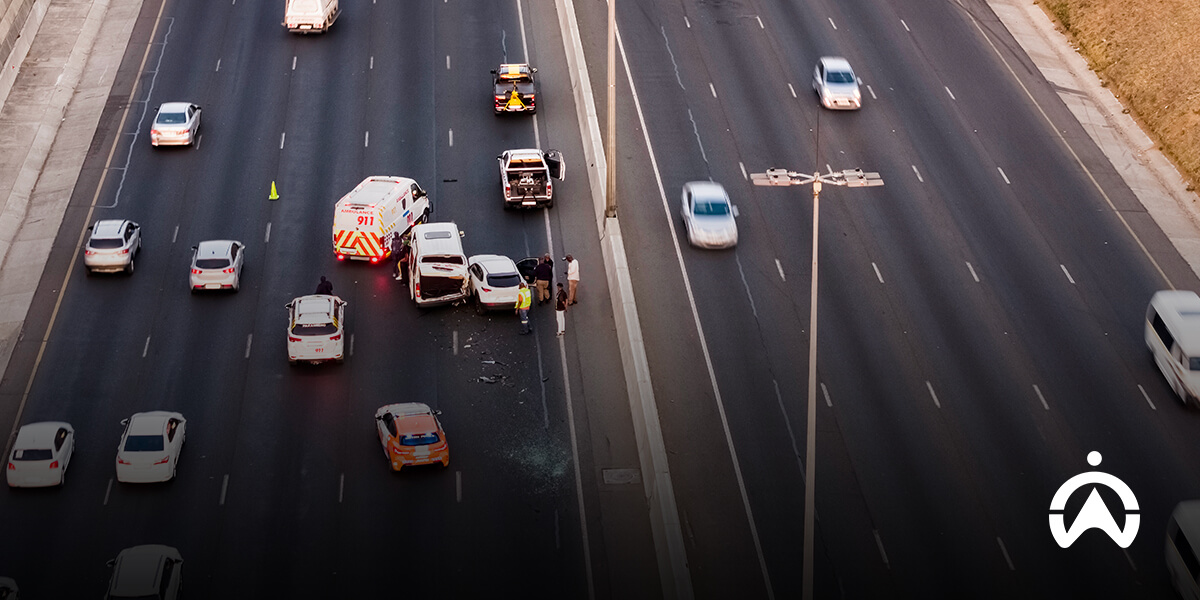
Emergency responders assist at a multi-car accident on a busy highway, with damaged vehicles and a police presence visible.

How Cartrack Helps Reduce Fatigue-Related Fleet Accidents

Cartrack has a wide range of products and solutions that help ensure driver safety and minimise fatigue-related accidents. Through the use of telematics and advanced technology, our systems significantly contribute to safer roads.

AI-Powered Cameras

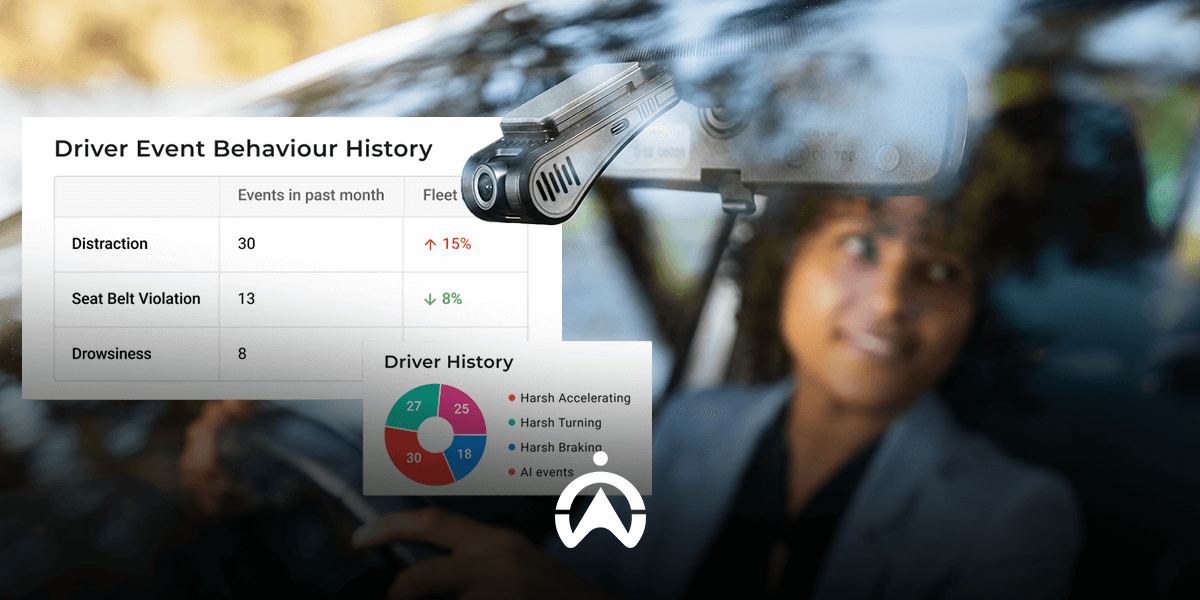
Our dual-vision AI camera solutions can detect signs of fatigue, such as yawning, and track the position and orientation of the driver’s head. If these events are detected, the driver will immediately receive audible in-cabin alerts, prompting them to self-correct and prevent accidents.

Fleet managers can review recorded footage to provide coaching and support. This allows them to address any violations and offer the necessary training to ensure drivers remain alert and safe on the road.

Advanced Driver Assistance System (ADAS)

ADAS uses camera-based sensors and AI technology to enhance driver awareness and prevent accidents. This system alerts drivers to potential hazards, which improves driver safety.

Cartrack’s ADAS solutions include a variety of advanced features, such as:

  • ‍Forward Collision Warning: Alerts drivers when their vehicle gets too close to another vehicle or obstacle. This helps prevent potential collisions.
    ‍
  • ‍Blind Spot Detection: Warns motorists of vehicles in their blind spots, reducing the risk of lane-changing accidents.
    ‍
  • ‍Automatic Emergency Braking: Detects possible collisions and applies the brakes automatically to reduce the impact or avoid a collision altogether.

Driver ID Tags

A driver ID tag is a small electronic device that allows fleet managers to identify exactly which driver is operating a vehicle at any given time. This gives them complete control over their drivers and fleet by tracking vehicle usage, monitoring driver behaviour, and ensuring only authorised drivers are behind the wheel.

These tags provide automated logs of working hours, helping fleet managers comply with labour regulations and prevent driver fatigue by enforcing rest periods. According to Namibia’s Labour Act Basic Conditions of Employment of 1992, normal working hours are limited to 45 hours per week, excluding lunch breaks. Any additional hours require an overtime agreement. By monitoring working hours, driver ID tags help prevent fatigue and enhance road safety.

Route Optimisation

Cartrack’s fleet management software allows fleet operators to optimise routes. This not only ensures timely deliveries since the routes will be quicker and shorter, but it also ensures that drivers do not spend longer periods on the road.

In conclusion, fatigue is a serious yet underestimated factor in road accidents. By prioritising sufficient rest, taking regular breaks while driving, and leading a healthy lifestyle, motorists can reduce the risks of fatigue related accidents. Cartrack’s advanced solutions, such as AI-powered cameras, real-time monitoring, and route optimisation play a crucial role in helping them stay safe. Using these tools can benefit both individual and fleet drivers to effectively manage fatigue and improve overall road safety.

Contact us today to explore ways Cartrack’s solutions can help you stay safe on the road.

Frequently Asked Questions about Driver Fatigue

Q: Does fatigue only affect long-distance drivers? 

A: No, fatigue affects all motorists, including those who drive short distances.

Q: How do sleep disorders like sleep apnoea contribute to fatigue while driving?

A: Disorders such as sleep apnoea can disrupt sleep cycles, leading to chronic sleep deprivation. Motorists with untreated sleep disorders may feel extremely tired during the day, which affects their driving performance. This means they are more susceptible to drowsy driving accidents.

Q: Can I rely on caffeine to stay awake while driving?

A: Caffeine can temporarily increase alertness; however, it should not be relied upon as a long-term solution for managing fatigue. Once its effects wear off, your body may experience a crash, which could cause even greater fatigue. The best solution is to rest and take breaks rather than relying on stimulants.

Q: Can taking over-the-counter medications cause fatigue and affect driving?

A: Yes, many over-the-counter medications, especially those for allergies or colds, can cause drowsiness as a side effect. Motorists should read medication labels and avoid driving if the medication may impair their alertness or reaction time. It is also best to notify your fleet manager if you are on any medication that may interfere with driving.

Q: Can the weather contribute to driver fatigue?

A: Driving in harsh weather conditions such as snow, heavy rainfall, or high heat requires more concentration and can cause stress or discomfort, leading to increased fatigue.

Q: Can stress contribute to driver fatigue? 

A: Yes, high levels of stress can negatively affect a person’s sleeping patterns, resulting in fatigue.

Q: Can I play loud music to increase my alertness? 

A: Playing loud music can temporarily make you alert, but it is not a reliable solution to deal with fatigue.

What Are the True Costs of Fleet Vehicle Breakdowns?

Vehicle breakdowns are inevitable in fleet operations. These breakdowns often come with heavy expenses, and on many occasions, fleet managers find it challenging to control and minimise costs effectively.  Some of these breakdowns result from issues that can easily be avoided through careful monitoring and maintenance scheduling.

Let’s take a closer look at the true costs of vehicle breakdowns and how Cartrack solutions can help mitigate these expenses.

In this article, you will:

  • Find out the true costs of vehicle breakdowns
  • Learn how to prevent breakdowns
  • Discover the role of IoT technology in preventative maintenance
  • See how Cartrack solutions can reduce vehicle maintenance issues

Breakdowns: Impacting more than you think

Maintenance costs form a significant portion of overall fleet expenses. Every breakdown leads to costly repairs, operational disruptions, and revenue loss.

The Namibian Motor Vehicle Accident Fund reported that 3% of road accidents in Namibia are caused by factors associated with the mechanics of the vehicles involved. This clearly shows how regular vehicle maintenance not only helps you avoid breakdowns but also enhances driver safety.

The direct vs. hidden costs of fleet breakdowns

Vehicle breakdown expenses go beyond repairs; there are other financial and operational repercussions. Take a look at this breakdown of the direct and hidden costs:

1. Direct costs of fleet vehicle breakdowns

Repair and maintenance costs

  • Unexpected repair expenses vs. scheduled maintenance
    Unplanned repairs due to the failure of vehicle parts typically cost more than planned maintenance. Suppliers often order vehicle parts in bulk, which can lead to longer waiting times in the case of emergency repairs. Depending on where the components are outsourced, some orders may be quick, while others could take longer to arrive.

    When there are emergency repairs, the vehicle parts that need replacing might not be available. This leads to a rush in individual orders, which come at an extra expense. The mechanics will also need to work overtime to ensure the repairs are done as soon as possible, further straining the budget. However, with a planned repair service, you are certain to find the replacements there, and the mechanic ready for you.

Towing and roadside assistance

  • Expenses for emergency roadside services
    A vehicle that breaks down en route requires roadside assistance, such as emergency towing. Depending on the provider, this service may be covered by a monthly subscription to ensure fleet businesses do not have to worry about paying when it is time for assistance, or charged per incident. However, both options typically include a call-out fee which is separate from the labour costs. If the breakdown occurs after hours, charges may escalate. These charges also vary depending on location.

2. Indirect costs of fleet vehicle breakdowns

Lost productivity and downtime

  • Delays in deliveries and missed service appointments
    Sudden breakdowns reduce productivity levels and delay fleet operations. This results in late deliveries or missed service appointments. These unforeseen mechanical failures also pose security risks to fleet vehicles and cargo, as it might not be safe for trucks to be stranded for hours. Furthermore, if the driver is transporting temperature-sensitive goods, a breakdown could compromise product quality, leading to financial losses and customer dissatisfaction.
  • Idle driver wages and operational inefficiencies
    Certain vehicles not working means some drivers might be inactive for some time. Depending on company policy, the drivers still need to be compensated a fraction of their wages while on standby, creating unproductive labour costs.

Customer impact and reputation damage

  • Late deliveries lead to a dissatisfied client
    If we use the above-mentioned example of transporting temperature-sensitive goods, late deliveries can shorten the product’s shelf life, causing financial losses for retailers and damaging supplier relationships. This creates a dent in your company’s reputation and may lead to the loss of contracts or penalties for service days.

Administrative burden

  • Extra time spent coordinating repairs
    An often overlooked aspect of vehicle breakdowns is the administration of it all. Fleet managers need to coordinate repairs and reschedule operations, which takes away from other daily tasks. It also increases the fleet manager’s workload and responsibilities.
  • Legal implications
    It is required by law that all vehicles must be roadworthy to ensure safety for all road users. For this reason, vehicles that fail to meet these standards may face legal consequences, such as fines or a potential lawsuit. This sometimes means regular court appearances, which take time away from other work but also add to the time spent on administration. The outcome could also result in heavy fines or the business being forced to close down.
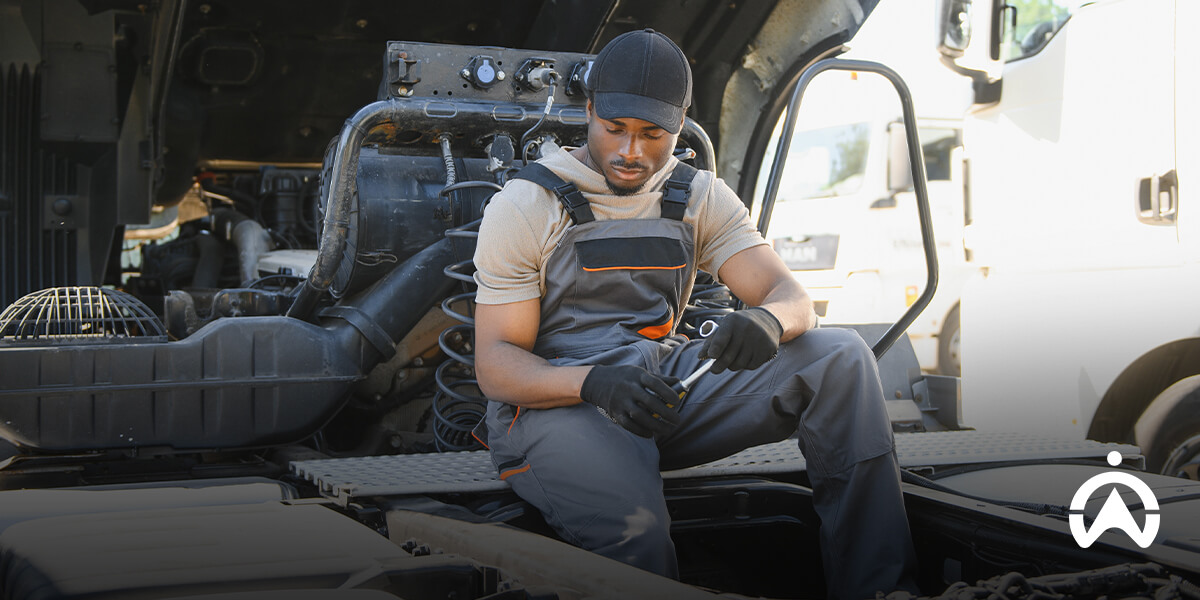
A mechanic sits on the edge of an open truck hood, holding a wrench, with various vehicle parts visible in the background.

3. Hidden costs that add up over time

  • Higher insurance premiums
    Increased claims can lead to higher premiums. Poorly maintained vehicles are more likely to experience mechanical failures. This results in more claims for services such as towing and start assistance. An increase in such claims leads to high premiums as vehicles are now flagged as more of a risk. Furthermore, if worn-out vehicles cause accidents, the victims of those accidents can claim from your company’s insurance.
  • Fuel inefficiency
    Poorly serviced vehicles consume more fuel due to components such as air filters, fuel injectors, and spark plugs being worn out. Our article on how to reduce fuel consumption highlights vehicle maintenance as one of the contributing factors to fuel inefficiency. Regular maintenance of these vital components ensures optimal combustion and engine performance.

    The article also points out the importance of tyre pressure and wheel alignment, stating that a 1% decrease in tyre pressure results in a 0.3 % reduction in fuel economy.

    As fuel expenses take up most of a fleet business’s budget, this further proves how skipping maintenance schedules will lead to greater costs.

  • Unplanned detours and idling during breakdowns
    When vehicles experience mechanical failure, drivers might need to take detours to find a safe spot for repairs or towing. This increases the amount of fuel being used. While waiting for roadside assistance, vehicles sometimes idle for prolonged periods, which further adds to fuel usage.
  • Impact on driver satisfaction and retention
    The frequent breakdowns often leave drivers in a state of frustration as they also want to accomplish tasks with minimal disruptions, as this has a good reflection on overall performance. This affects employee morale and could result in lower driver retention and increased hiring costs.

How to prevent costly fleet vehicle breakdowns

The true costs of vehicle breakdowns have proven to be more expensive than scheduled repairs. However, due to the workload and nature of the fleet management environment, it is easy to overlook things such as maintenance schedules to prioritise meeting client expectations. This common challenge can be resolved using technologically driven solutions.

Preventative maintenance involves practices that fleet managers can do to address maintenance concerns before they become bigger issues. It can be done in two ways:

The role of IoT technology in predictive maintenance

IoT-based predictive maintenance is an approach that involves using the Internet of Things (IoT) to gather and analyse data about vehicles, assets, and machinery. This technology consists of sensors or devices that are installed in the vehicles to collect and convert the data into valuable information. Through this, fleet managers are able to receive the information in its simplest form and make informed decisions.

Cartrack’s preventative maintenance solutions in action

Cartrack caters for fleets of any kind. Let’s have a look at how our preventative maintenance solutions helped a construction fleet reduce downtime.

Case Study: Concord Cranes

Concord Cranes specialises in crane hire solutions. They have over 180 cranes and provide mobile cranes for hire, professional rigging, transport, and specialised lifting projects. Their main challenge was that they found it difficult to accurately record the hours each crane worked, making it difficult to maintain and deliver them to their clients on time.

How we helped them:

  • Our IoT device and specialised power take-off sensors make it possible for Concord Cranes to accurately monitor their cranes’ on-site working hours and the mileage travelled. The information they receive from this allows them to monitor the conditions and usage of their cranes so they can form preventative maintenance measures for their clients and increase their fleet lifespan.
  • Using insights from our fleet management platform, Concord Cranes now reduces maintenance costs by minimising the number of cranes sent for avoidable and expensive fault-related repairs. This also helps them minimise unplanned downtime.
  • Our fleet management and maintenance system has improved their overall brand reliability with their customers, ensuring their cranes are always safe and in working order. Additionally, detailed maintenance schedules have reduced the number of unexpected breakdowns and allowed them to plan ahead to ensure vehicle availability and minimal disruption during the delivery of cranes to customers.

“Using Cartrack’s advanced fleet management, we have been able to increase our operational efficiency to deliver a better service to our customers, as well as effortlessly establish a maintenance cycle that reduces our costs and increases our fleet longevity.” | Gareth Langley, Concord Cranes operations manager

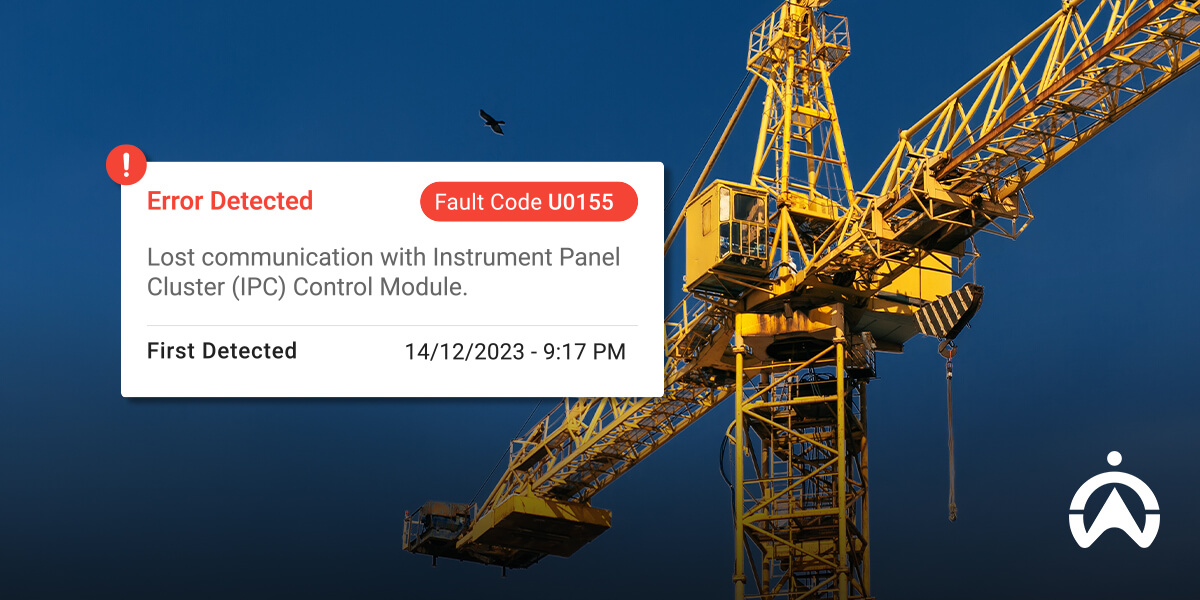
A yellow construction crane against a blue sky, displaying an alert about a maintenance error with the Instrument Panel Cluster.

Reduce the costs of fleet vehicle breakdowns with Cartrack Namibia

The Cartrack telematics technology provides vehicle diagnostics so you receive real-time alerts of vehicle maintenance issues such as engine faults, water fluctuations, and oil level levels. This information helps you make necessary arrangements on time so you can avoid unplanned fleet inactivity. Our platform also gives you reminders of maintenance schedules so you can warn drivers in advance and keep workflows undisrupted.

Here are other Cartrack solutions that you can add to your preventative maintenance strategy:

  • Route optimisation
    Know where your vehicles are at all times using our GPS tracking technology and ensure drivers follow efficient routes using our route optimisation tool. The more kilometres a vehicle travels, the more it is likely to have worn-out parts that need to be replaced. Through an analysis of traffic conditions and historical travel trends, our route optimisation tool suggests the most cost-effective routes that drivers can use to get to their destinations. By using this feature, you reduce the long routes and detours that increase fuel consumption and vehicle mileage.
  • Driver monitoring
    Harsh events: Aggressive driver behaviours such as excessive idling and harsh braking have proven to be some of the factors contributing towards greater vehicle wear and tear. Our IoT device alerts you of these driving habits and gives you a detailed insight into each event.

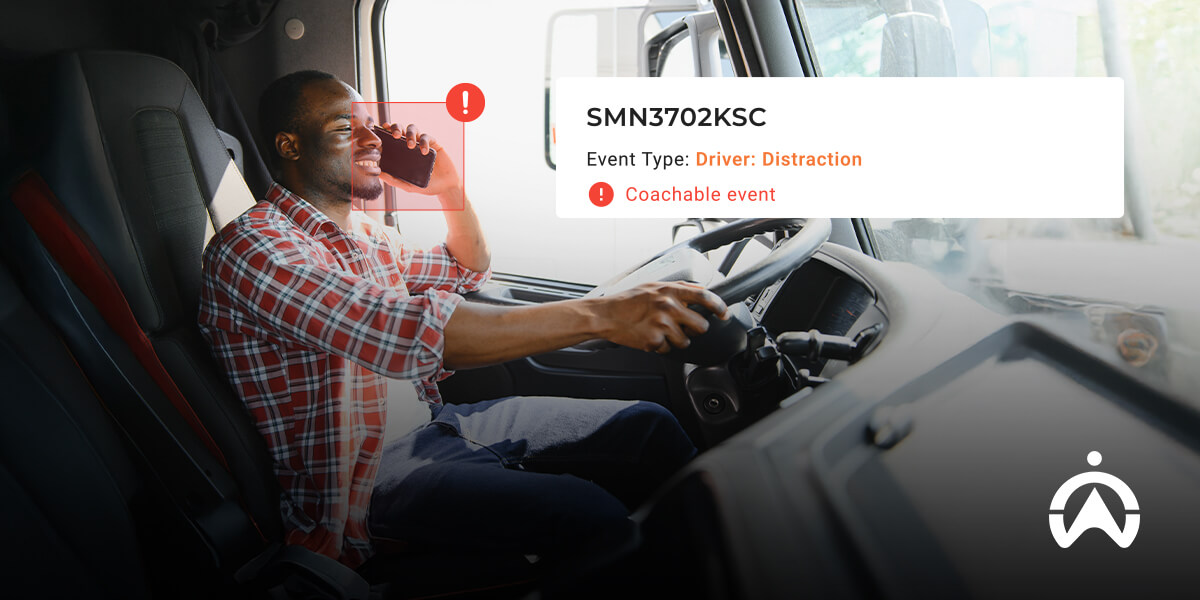
    AI Cameras: The Cartrack AI Multivison camera solutions make use of artificial intelligence technology to protect your drivers from accidents that could lead to major repair costs. The cameras monitor distracted driver behaviours such as drowsiness, cellphone use, and smoking. Once detected, drivers will receive real-time audible alerts so they can instantly correct their actions. As an extra layer of protection, these cameras also help drivers detect blind spots and keep a safe following distance.

    Driver Scorecards: Encourage better driving habits using our Driver Scorecards. This feature rates each driver based on their harsh events and adherence to planned routes. You can use this information to reward those with high ratings, boost employee morale, and identify those who need more training on good driving habits. 

Stop breakdowns before they start—explore Cartrack’s preventative maintenance services!

Monitoring vehicle performance using telematics helps detect issues early. By investing in our fleet management solutions, you ensure that your vehicles are always fit for the road. Reach out to our fleet consultants to get the most out of your fleet, increase vehicle lifespan, reduce downtime, and, most importantly, save costs!

Frequently asked questions about fleet maintenance

Q. What is the biggest challenge in fleet management? ‍

The biggest challenge in fleet management is managing high operational costs. The day-to-day expenses of running a fleet include fuel, maintenance, repairs, and compliance fees. In the absence of proper management, these daily expenses can significantly impact the business’s total profit.

Q. What are the benefits of total preventive maintenance?‍

Preventative maintenance enhances drive safety, reduces downtime, increases efficiency, improves vehicle performance, boosts customer satisfaction, and helps you save costs.

Q. What are the different types of maintenance strategy‍

There are four main types of maintenance strategies:

  1. Reactive maintenance: Also known as breakdown maintenance, this is when you fix things only when they break. This method only works well on low-cost equipment that is not essential for operations.
    ‍
  2. Preventative maintenance: This approach relies on following predefined schedules in order to detect problems and fix them before they become bigger issues.
    ‍
  3. Predictive maintenance: Uses real-time data from advanced technologies such as IoT sensors, artificial intelligence, and machine learning to analyse potential problems such as engine temperature, oil conditions, battery conditions, and brake performance.
    ‍
  4. ‍Reliability-centred maintenance (RCM): This is a process of determining the most effective maintenance strategy for each of your assets by combining all the other methods.

Fleet Management System for Sale: What to Look for Before Buying

You are reviewing your business’s expenses and notice, once again, that your fleet-related costs have gone up and are not consistent with others. This frustrates you and has you wondering what more you can do to have this one cost finally sorted and under control.

If this is your experience, and you are looking to save on fleet-related costs, then you need the right fleet management system on your side.

It is important to know what to look for when choosing and buying a fleet management system for your business, luckily, we are here to help. Let us discuss what there is to know about this service and how investing in it sets your business up for long-term wins.

This blog will:

  • Explore how the best fleet management system brings long-term business success
  • Share the ways in which it can help your business save money
  • Discuss why Cartrack is the right choice

Investing in the Right Fleet Management System for Long-Term Success

To effectively manage expenses and reduce fleet costs, you need a reliable fleet management solution. Making this decision may be difficult for some, as they may not be sure what to look for since most providers appear to offer the same or similar services.

The first step to take is to look internally at the business itself. You will need to evaluate where the fleet is lacking and where it can improve. This will assist in finding the best system for the business.

Here are some steps to follow before looking for a provider.

Check Compatibility with Business Structure

When choosing a fleet system, it is important to ensure that it is scalable and adjustable to the growth of the business and the plans that it has.

The system you choose for your business must also be compatible with the existing software currently being used. This could be payroll, enterprise resource planning (ERP), and other product and customer management systems. It should be able to integrate with all these different types of software and easily pull through insights and instructions from each.

It is also essential to determine whether the solution will be cloud-based or on-premise, as businesses may require a hybrid approach or transition over time.

Evaluate User-Friendliness and Support

When it comes to any form of tech or software, user-friendliness is paramount. Technological innovations are meant to make our lives easier and simplify processes. The system that you choose should have this element built into it.

It is important to have an intuitive interface if the goal is to have the system adopted easily, this applies to both PC and mobile options. The system should be able to be used by any of the business’s employees who work with the fleet. Navigating the options and features should be a clear and straightforward process.

Customer support should be readily available should there be any confusion about how the system works or if there are any technical issues. This is a crucial factor to consider, as there may be instances where technical issues arise, and no one within the business can fix them.

Compare Reviews and Reputation

Like every product out on the market, fleet systems are also subject to customer reviews. When looking to see which is best for you, checking customer reviews and testimonials is a good way to go.

This could be looking up the provider on public forums and company rating sites like Hello Peter or seeing what the public sentiment is on social media. Doing this will help in assessing the provider’s industry experience and reliability.

Do Cost vs. Value Analysis

Understanding pricing models is important as this is usually one of the leading determinants for which system a business may choose. Knowing the difference between a contract and a rental will inform which one aligns closer to the budget and goals of the fleet.

You will need to weigh upfront costs against long-term ROI to see which option will have the most value in relation to the amount being paid.

Another factor to consider is its potential hidden costs. These could include additional fees for installation, training, and upgrades. If unchecked, a business can find itself paying for services that another provider would have bundled into one cost.

Truck on mountain highway with Cartrack Fleet Maintenance System alert showing 548 km left before service, enhancing predictive maintenance for commercial vehicles.

How A Fleet System Helps You Save Money

Having effective fleet management is important and can significantly improve fleet operations. It could lead to significant savings and cost reductions in areas the business previously thought not possible.

Here are some of the tools you must ensure your system has when evaluating if it is the one for your business.

Driver Behaviour Monitoring

Driver behaviour monitoring is one of the most effective ways of saving fleet-related costs. With this feature, a business can promote safer and more efficient driving habits throughout the fleet.

When drivers follow rules and treat vehicles with respect, they reduce the chances of fuel waste and wear and tear. These factors can become significant expenses in the long run, especially if the business has a large fleet of vehicles travelling long distances.

Fuel Management Tools

Managing fuel costs is a standard expectation for any fleet manager. This is an expense that might feel definite and only subject to change when fuel prices fluctuate. However, that is not the case, there are many strategies that can be taken to reduce fuel consumption and save money.

A fuel management tool can identify inefficiencies in fuel consumption and detect instances of unnecessary fuel waste. This could be due to fuel theft, driver behaviour, engine health and bad route planning, all issues that can be managed and resolved.

Automated Maintenance Alerts

Breakdowns can be quite costly, especially for larger, more specialised vehicles. These usually happen due to the vehicle’s age and the gradual accumulation of wear and tear. Servicing done in time can significantly reduce the risk of breakdowns. This is why getting notified when a vehicle is due for maintenance is essential. It prevents breakdowns with proactive servicing and keeps the fleet in good condition.

Route Optimisation and Efficiency

The routes a fleet takes can have a huge impact on the business. Long routes on bad roads at busy times of the day can all contribute to late deliveries and bad driving behaviour such as idling. A system needs to be in place to mitigate these problems, which is where fleet management comes in. Having it in your business can lead to optimised routes, enhanced delivery efficiency and reduced fuel wastage.

Truck driver identified using mobile phone while driving, flagged as a distraction event by Cartrack's AI-powered driver monitoring system for real-time coaching and safety improvement.

Why Cartrack is the Smart Decision for Your Fleet

Cartrack offers a comprehensive solution designed to reduce costs and maximise profitability. Here are some reasons we shine above the rest:

Flexible Costs and Packages

Here are some of our products and services that are guaranteed to reduce inefficiencies and streamline operations.

  • Bureau services: A service where we can remotely run your fleet on your behalf. Everything from route planning, driver management, fuel costs to everyday operations.
    ‍
  • Delivery: This package allows you to manage drivers while they make deliveries, you can get proof of receipt, manage job schedules and have a full overview of all the trips taken.
    ‍
  • Carpool: With this feature, you can control the allocation of vehicles to drivers, which helps in ensuring that all vehicles are used equally.

We offer a diverse product line that can be tailored to your business’s specific needs at a reasonable cost. These contracts come in 12, 24, and 36-month packages, with payments being made in cash or monthly instalments.

Advanced Telematics

Our telematics offering comes with precise GPS tracking and real-time location to help optimise a business fleet’s operation. The comprehensive solutions package includes asset management, vehicle diagnostics, and proactive maintenance alerts, helping your business reduce downtime and extend vehicle lifespan.

Precise GPS Tracking

Our tracking solutions are GPS and GSM enabled and come with unparalleled real-time location accuracy, which allows businesses to monitor their fleets with ease and precision. With tools such as live tracking, route history, and geofencing capabilities, a fleet manager can enhance productivity and performance. This is because routes will be optimised and deliveries done on time as the ETA will be more accurate. Additionally, our system provides alerts for unauthorised vehicle movements, which will make it easier to prevent theft and vehicle misuse.

Successful Stolen Vehicle Recovery

Protect your fleet with Cartrack’s industry-leading stolen vehicle recovery service, which boasts an average stolen vehicle recovery rate of over 90%. Dedicated recovery teams work around the clock all year round to swiftly locate and retrieve stolen vehicles.

Additionally, we offer remote vehicle immobilisation, emergency support, and a panic button as value-added services. We even offer a warranty in the unlikely situation that we are unable to recover stolen vehicles.

Reduced Fuel Consumption

Fuel costs are usually one of the biggest expenses for a fleet, fortunately, Cartrack’s fuel management system can help your business keep them under control. Our system has real-time fuel usage monitoring, detects inefficiencies, identifies fuel theft, and optimises overall fuel consumption. A business owner can also get detailed reports on refuelling patterns and consumption trends, empowering them to make informed decisions that can lead to significant cost savings.

Safer Driving Habits

Safe and responsible driving is non-negotiable and vital for both cost efficiency and fleet longevity. Our driver monitoring system tracks bad driving behaviours such as harsh braking, rapid acceleration, excessive idling, and speeding. A business owner can use these insights to implement training programmes which will promote safer driving habits, reduce wear and tear, and lower the risk of accidents. By improving driver behaviour, you not only enhance fleet safety but also boost fuel efficiency and reduce operational costs.

Get Cartrack For Your Fleet Today

Cartrack’s offering is customisable for every business model and is scalable to meet the needs of the business as it grows. We also work in a variety of industries in 24 countries across the globe, with a customer base of more than 115,000 businesses.

When considering which management system provider to get for your business, know that Cartrack rises above the rest and will get your fleet functioning at optimal performance.

Contact us to start saving on your fleet’s costs.

FAQs

Q: What are the challenges in fleet management?

A: Many businesses face the same challenges when dealing with a fleet of vehicles. These can be:

  • Supply Chain Disruptions
  • Fuel Wastage
  • Vehicle Acquisition
  • Vehicle Maintenance
  • Health & Safety
  • Regulatory Compliance
  • Administration & Data Handling

For some businesses, these may be more prevalent than others.

Q: What is the difference between fleet management and telematics?

A: Fleet management software works as a cloud-based digital platforms which analyse data and help manage various aspects of fleet operations. Telematics systems gather integral data points, such as fuel consumption, vehicle diagnostics, and real-time GPS location.

Q: What is included in fleet management?

A: Most systems offer vehicle tracking, telematics, route optimisation and fuel consumption management. The goal is to maintain and enhance operational cost-effectiveness, vehicle maintenance, driver and asset management, vehicle safety and compliance, and operational efficiency.

Q: What are the benefits of a fleet management system?

A: Having this system will greatly benefit your business in several ways. Some of these include:

  • Reduced costs
  • Improved driver performance
  • Comprehensive and organised reporting and analytics
  • Optimised workflows and processes
  • Fraud and theft prevention
  • Increased vehicle lifespan
  • Better work experience
  • Improved customer satisfaction

All these will have a long-term impact on the business’s growth and development.

Car Leasing vs Subscription: What’s the Best Choice for You

Owning a car is not for everyone, some people like the convenience of driving one without dealing with the ownership responsibilities.

This is why options like car leasing and subscriptions have become popular. Finding the best choice for yourself can be difficult, fortunately, we are here to help.

Let’s compare the two and explore how Cartrack works when leasing a car or in a subscription service.

Get insights on:

  • What Car Leasing and Subscription is
  • What the difference is between the two options
  • Which option is best for you
  • Cartrack’s Solutions For Both Car Leasing and Subscription

What To Know About Car Leasing vs Subscription

Getting a car can make a big difference in your life, you are no longer dependent on family members and friends for lifts, and can give up public transport altogether. A whole new world opens up and access to new people and experiences becomes available.

We have often associated this freedom with the direct ownership of a car but that could be further from the truth. Options exist that give you the same benefits as owning a car but with fewer risks, these are car leasing and car subscriptions.

Let’s have a look at what they are and how they work.

Car Leasing Explained

Car leasing is very similar to living in a rental property, meaning a person can enjoy all the benefits of ownership without actually owning the asset. This is usually a long-term agreement where the driver gets to use the chosen car for the contracted period.

  • ‍Terms of use
    This agreement will specify the terms of use, stating who is allowed to drive the car, how the car should be treated, where it is allowed to go, where it is to receive repairs, and many other clauses.
    ‍
  • ‍Mileage
    Depending on the type of lease other terms can be included, for long-term contracts mileage limits can be imposed. This will give the driver a cap on distance travelled with penalties for going over the maximum distance.
    ‍
  • ‍Consideration
    This option can offer the opportunity to purchase the car after a specified time. These are known as lease-to-own agreements, where the contract acts as a rental agreement for the period and then switches to an ownership deal once a specified number of payments have been made.

    The one drawback of car leasing is that the driver is responsible for insurance and additional costs like maintenance.

Car Subscriptions Explained

A car subscription works similarly to a streaming service, in that you pay a monthly fee and get access to a catalogue of available cars. This service often does not require long-term financial commitment and can be paid on a month-by-month basis.

  • ‍Terms of use
    With this service, a driver can book a specific car based on their needs at that point in time. Someone could get a sedan for daily use and exchange it for an SUV when on a road trip, or a bakkie when moving house.

    A highlight of this type of car rental is not just the short-term commitment, but the bundled costs. Expenses such as insurance, warranty, and roadside assistance are all included in the monthly fee. You can expect that no surprise charges will be billed to you.
    ‍

  • ‍Mileage:
    ‍
    Some subscription providers have no mileage cap during the leasing term with the distance travelled not factoring into the cost. This can be an additional benefit for those considering this rental plan.
    ‍
  • ‍Consideration
    The one downside of car subscriptions is that the monthly payment is usually high and can get expensive. This is due to the freedoms given, bundled costs and assumed risk that the provider will be taking on.

Key Differences Between Car Leasing and Subscription

Car leasing and subscriptions may sound similar, and in some cases function the same but they are fundamentally different. Here is a look at how they compare when put against each other.
‍

Car Leasing vs Subscription

Feature Car Leasing Car Subscription
Contract Length Typically 2-5 years Short-term, monthly or otherwise specified.
Costs Covered Monthly payments and insurance premiums are paid separately. Fees usually include insurance, maintenance, and roadside assistance.
Flexibility Limited, usually the same vehicle throughout the leasing term. Vehicle swaps allowed.
Ownership Option Lease to ownership contracts available. None
Mileage Limits Yes Flexible, dependent on contract.
Maintenance Responsibilities Yes, including repairs. None, usually included in the monthly fee.
A family of three sits inside a car, with the driver focused ahead and the two passengers seated comfortably in the back.

Which Option Is The Best For You?

Now that you know how the two are different, it’s time to decide which one to take on. If you are still undecided there are a few other factors to consider that will assist in making a decision, here are some to consider.

For the Committed & Cost-Conscious Driver

If you are a driver who prefers stability and wants a newer car without the high costs of ownership, then leasing is a great option for you. These are the different types of people who this sort of plan would suit.

  • ‍Budget-conscious individuals
    Not every driver has the same budget when it comes to vehicle financing. If you have enough money to afford the monthly payments for a car leasing agreement but not enough for a vehicle loan, then this is for you.
    ‍
  • ‍Drivers with predictable mileage
    If you stick to a routine and have a predictable commute, these options might also work for you. This means that you will stick to the prescribed mileage restrictions and not incur any additional charges. This is useful as it caters specifically to your needs and allows you to have the convenience of easy travel without any of the additional expenses associated with owning a car.
    ‍
  • ‍Families
    If you have a family then a long-term car rental option is ideal. This is for people looking for a reliable vehicle for school runs, weekend trips, and any other needs the family may have. Having a car for a longer period offers stability and allows the family an opportunity to build routines and establish expectations.
    ‍
  • ‍Business professionals
    If you are a business professional who needs a car but is not interested in committing to a vehicle loan, then this option will work for you. This works best for those who need a long-term car for work-related travel, whether it be from home to the office or client to client. This option offers all the freedom of owning a car without the hassle of dealing with vehicle registrations, license disk renewals and other car-related admin.

For the Flexible & Spontaneous Driver

If you are a driver who values adaptability and convenience in your life, then a car subscription is the ideal car rental option for you. It offers the ultimate flexibility for someone who wants to enjoy a variety of vehicles as and when they need them, without the long-term financial commitment expected from other car rental options.

  • ‍Frequent travellers or digital nomads
    We live in an age where most jobs can be done remotely, which has allowed many people the opportunity to live in whichever area they desire. Digital nomads are often relocating to new cities and sometimes new countries. This is why car subscriptions suit them more, as these types of drivers often want short-term mobility without long-term contracts.

    This allows them the privilege of having a car at their disposal whenever they arrive in a new territory. An additional benefit is that the cars they choose can be specific to the region they choose, with some choosing bigger cars for rural living, and others choosing smaller cars for city living.
    ‍

  • ‍Expats and temporary residents
    Expats are people living in a foreign country, they tend to be older people who have retired. Because of their age, they often choose not to take on any new long-term financial commitments like car loans, they usually are looking for a car to use daily without committing to a lease.

    Similarly, temporary residents might find themselves needing a car for daily use. These people might only be in the country for a short period, deeming it unnecessary to take out a loan for a car or to commit to a long-term car lease.
    ‍

  • ‍People who enjoy variety
    If you are a car-obsessed person, who is always looking to experience the newest and latest models then a car subscription will also work for you. If you want the freedom to switch vehicles based on your needs and personal interest then getting a car lease will not work for you.

    The variety available from a car subscription offers freedom of choice and satisfies that inner hunger you have for the thrill of driving different cars regularly. For you, the higher fee is more than worth it as the benefits far outweigh it.
    ‍

  • ‍City dwellers
    Living in the city usually offers a person a range of transport options, from public transport and e-hailing to vehicle ownership and rental. Some people are not willing to commit to one or the other, choosing to keep all options open. This allows them to use the mode of transport best suited to their needs at that specific time.

    Car subscriptions come as an additional option for city dwellers who only need a car occasionally and want an all-inclusive cost structure. It allows them to have an additional option to choose from when in need.

For the Full-Time Car Owner

While leasing and subscriptions offer flexibility, many drivers ultimately choose car ownership for the long-term benefits and independence it provides. For all these types of people convenience and security are major factors contributing to the choice they make, this is the case for people who choose to purchase cars.

  • ‍Brand new car buyers
    These people often buy new cars because of the service warranty, modern features and in some cases brand loyalty. They want to drive a car that has no prior history and comes fresh out of the box. This could be a habit that they maintain every few years or a vehicle they intend to keep for the foreseeable future.
    ‍
  • ‍Secondhand or inherited car owners
    There are many reasons why some people purchase secondhand cars, it could be budget constraints, disinterest in modern car trends, the need for a simple means of transportation and many others.

    The choice is predetermined for people who inherit cars as they are not likely to have played a role in how or why the car was chosen by the original owner. This means that the condition and age of the car are factors they have to contend with and work around.

    These people can take pride in the fact that the car they drive belongs to them or will remain theirs once they are done paying off the loan. With ownership, however, comes the responsibility of keeping your car safe, well-maintained, and always accounted for.

Car security is a priority for all drivers, regardless of whether they are driving a leased car or one they own. Knowing that you are protected while on the road is a non-negotiable, especially for people whose cars belong to them. This is why getting a reliable vehicle tracking provider is crucial.

Why Cartrack’s Solutions Will Work for Your Car

Having a car in Namibia requires you to be aware of the potential crimes you might experience on the daily. For a criminal it doesn’t matter if the car is rented, leased or owned, they will act regardless.

If you are a car owner who wants to have their car covered in the case of theft or an emergency then Cartrack is the provider for you. Our solutions and offerings give you flexibility, affordability, and convenience, allowing you to focus on enjoying the car that you’re in.

There are many reasons to consider us as your provider, let’s explore some of them.

Flexible Pricing Plans

Cartrack offers a range of pricing options, these options come in three packages: Quick, Quick Silver, and Quick Gold. The Gold option is the most comprehensive and offers all the benefits, these are:

  • Stolen Vehicle Recovery
  • Vehicle Location via Call centre
  • Mobile App
  • Logbook
  • CarWatch
  • Crash Detection
  • Protector

These contracts come in 12, 24, and 36-month packages, with payments being made in cash or monthly instalments.

Mobile App Integration

For ultimate convenience, Cartrack comes with a mobile app that gives you a real-time overview of where your car is and what it is doing. Here is a list of the features you will get as a driver:

  • Trip History
    This feature allows you to review past journeys and mileage. You get to see where you have been along with all the driving mistakes you made along the way. These include: harsh braking, harsh turning and speeding.
    ‍
  • Remote Vehicle Surveillance
    From the app, you receive instant notifications for suspicious activity, such as when your is being used. These will let you know if your car is being moved without your knowledge. This is done through Carwatch, a special feature that acts as a virtual car guard.
    ‍
  • Logbook
    This handy feature allows you to manage all of your tax paperwork by distinguishing between professional and personal trips to remain compliant.
A person checks a smartphone displaying a Cartrack mobile app and location details his vehicle.

Vehicle Tracking and Stolen Vehicle Recovery

We use advanced GPS tracking technology in all our devices in order to get an accurate reading of your car’s location. Whether your car is in the city or in a remote area our systems work regardless of location.

It is this tracking technology that aids us in quick and efficient vehicle recovery. We are one of the industry leaders in this aspect, coming with an audited average of over 90% stolen vehicle recovery rate. Our recovery teams are skilled and, in some cases, recover a car less than 30 minutes after it was stolen, and sometimes before the car owner is even aware it has been taken.

Geofencing

If you are looking to enhance your safety, then you can create geofences for your car. These are zones that you would have created boundaries around, often for areas that you deem as high risk. When your car enters this location you will get a notification, this is often useful when lending your car to a friend or loved one.

Roadside Assistance

One solution we offer is called Protector, an emergency assistance feature that is deployed whenever it is called upon by the customer. From this feature you get medical, roadside and legal solutions, all at the push of an emergency button.

All the solutions mentioned above will make it easier for you to get around with peace of mind, should anything unexpected happen to you.

Stay Protected No Matter How You Drive

With Cartrack on your side, it won’t matter whether you are leasing a car or on a subscription, we will have you covered and protected regardless.

Contact us today to get a quote or request a demo.

Camera Video Telematics: Reducing Driver Negligence for Safer Fleets

Many various factors, including human behaviours, cause road accidents. Risky behaviours such as speeding, using mobile phones while driving, and overtaking other vehicles can have serious consequences.

When fleet drivers engage in these behaviours, it can significantly impact the business, resulting in costly accidents and operational downtime. To mitigate these risks, fleet managers can integrate video telematics into fleet management strategies to gain valuable insights into driver behaviour and vehicle performance.

This article explores how camera video telematics work and how they enhance fleet safety and efficiency. We also discuss how Cartrack’s solutions can help reduce driver negligence, leading to safer fleets.

In this article, you will:

  • Understand how driver negligence affects fleet safety
  • Learn how camera video telematics reduces driver negligence
  • Explore how Cartrack can help improve driver and fleet safety with camera video telematics

How Driver Negligence Affects Fleet Safety

Drivers can be negligent in many ways, from engaging in risky driving to neglecting basic vehicle maintenance checks. Driver negligence could result in dire consequences such as vehicle breakdowns, costly repairs, legal issues, and potential company reputation harm. Let’s have a look at the types of driver negligence that a fleet manager needs to be on the lookout for.

Types of Driver Negligence

To ensure fleet safety, it’s important to understand the different types of driver negligence.

These can be categorised as follows:
‍

On-road negligence

  • Speeding: When a driver exceeds the recommended speed limit for a particular road or area.
    ‍
  • Distracted driving: Driving while texting, talking on the phone, eating, smoking, or engaging in any other distracting behaviours.
    ‍
  • Tailgating: Following another vehicle too closely.
    ‍
  • Failure to obey traffic laws: This includes ignoring traffic signals, disobeying road signs, and violating other essential traffic rules.
    ‍
  • Driving in hazardous conditions: Driving too fast or recklessly in rain, snow, fog, and other hazardous conditions.

Vehicle safety negligence

  • Neglecting regular inspections: Failing to conduct pre- and post-inspections, such as checking tyre pressure, and ignoring any mechanical issues the vehicle may have.
    ‍
  • Ignoring warning signals: Disregarding dashboard alerts, like low oil and brake system warnings, which require immediate attention to maintain vehicle safety.
    ‍
  • Delaying repairs: Postponing necessary repairs or ignoring signs of wear and tear, such as slippery brakes, which could compromise the vehicle’s ability to function safely.

Driver health and wellness negligence 

  • Fatigued driving: Driving while tired, sleepy, or exhausted.
    ‍
  • Drunk driving: Driving under the influence of alcohol or other substances.
    ‍
  • Driving under the influence of medication: Driving while taking medication that impairs driving ability.
    ‍
  • Driving with a medical condition: When a driver fails to disclose or manage a medical condition that affects driving ability.

Behavioural negligence

  • Driver complacency: When a driver is too relaxed behind the wheel, they tend to become less focused and fail to make the right decisions on the road. This complacency makes drivers more vulnerable to road hazards and increases the risk of accidents.
    ‍
  • Aggressive driving: Driving aggressively, such as overtaking and weaving in and out of lanes.
    ‍
  • Road rage: Engaging in angry or violent behaviour while driving.

Consequences of Driver Negligence

Driver negligence can result in severe repercussions for businesses; let’s explore some of them in more detail.

  • ‍Financial consequences
    Driver negligence can lead to significant financial consequences for businesses. Repeated claims due to unsafe driving often result in higher premiums. If your company car is in an accident, you will face costly repairs, medical expenses, lawsuits, and property damage.

    Beyond these direct costs, accidents can cause lost productivity, as injured drivers may require time off, and vehicles may be out of service. This downtime disrupts operations, which ultimately affects the company’s profitability.
    ‍

  • ‍Reputational consequences
    Accidents or incidents caused by driver negligence can harm the company’s reputation and brand image. This will also lead to a loss of customer trust and loyalty towards the company’s brand; they will question the company’s ability to deliver goods or services safely.
    ‍
  • ‍Legal consequences
    Companies may face lawsuits and will have to pay exorbitant legal fees, penalties, and fines when a driver is found to be negligent. Negligent driving is a criminal offence that will affect the driver personally as a legal individual.
A mounted Cartrack dashcam, capturing the view through the windshield, with a blurred background of a vehicle and trees outside.

How Camera Video Telematics Reduces Driver Negligence

Not all camera video telematics systems are the same. Some have very basic capabilities, and simply record footage, while others are more advanced and equipped with AI technology. The latter can greatly reduce driver negligence by detecting risky driver behaviour such as cellphone use, speeding, harsh braking, and tailgating. It can also identify signs of fatigue and safety belt violations.

Here’s how businesses can benefit from implementing this technology:

Real-Time Monitoring and Feedback

Advanced telematics systems send immediate alerts to drivers when these risky events are detected, enabling them to correct their actions immediately. This prompt feedback helps reduce accidents and encourages safer driving practices.

Event Recording for Accountability

The recorded footage plays a crucial role in identifying and addressing driver negligence. In the event of an accident or safety violation, managers can analyse the footage to determine the cause and take appropriate action.

Businesses that invest in advanced camera telematics systems can use this data for driver training or to enforce necessary disciplinary actions.

Choosing the Right Camera Video Telematics Solution for Your Fleet

When choosing a camera video telematics solution for your fleet, consider features such as storage capacity, video quality, the installation process, real-time alerts, night vision capabilities, and integration with the existing fleet management systems.

Here are some key features to look for when choosing camera video telematics that suit your fleet’s needs:

  • Video quality: The video footage has to be clear to allow fleet managers to see what’s happening on the road and also to see the driver. High-resolution footage provides clarity and ensures that important details are not missed, especially in accidents.
    ‍
  • Storage capacity: Ensure that the system offers cloud storage for easy retrieval of video footage and data. Cartrack’s AI multi-vision cameras have up to 1 terabyte of storage.
    ‍
  • Real-time alerts: Systems that offer real-time alerts can significantly improve driver behaviour. In-cabin alerts will notify drivers of risky behaviours so that they can immediately correct themselves.
    ‍
  • Easy installation: The installation of these cameras must be conducted by a trusted service provider to ensure they function optimally and do not interfere with the vehicle’s wiring. At Cartrack, all our installations are done by a qualified technician to ensure that the dashcams are mounted correctly.
    ‍
  • Compatibility with fleet management systems: Look for solutions that allow easy access to video footage and telematics data from a single platform, such as a fleet management system web interface or app. This will enable easy access to analytics and reports.
    ‍
  • Cost considerations: Cost is an important factor to consider when looking at investing in fleet cameras. There are different prices for different packages, depending on your fleet’s scalability and needs.

How Cartrack Can Help Improve Driver and Fleet Safety with Camera Video Telematics

Cartrack’s camera video telematics offer powerful tools to enhance both driver and fleet safety. With a combination of AI-powered cameras, real-time alerts, and driver performance monitoring, our solutions provide a comprehensive approach to reducing driver negligence and preventing fleet accidents.

We achieve this through the following solutions:

AI-powered cameras

Our AI-powered cameras detect risky events and provide real-time alerts to drivers, including the following:

  • Distracted driving: When a driver does not look forward for more than 3 seconds.
    ‍
  • Mobile phone usage: Holding or using a phone while driving.
    ‍
  • Fatigue: Yawning or other signs of drowsiness.
    ‍
  • Smoking: Triggered when a driver has long objects on the lips, which could indicate smoking in the vehicle.
    ‍
  • Tailgating: Following other vehicles too closely.
    ‍
  • Not wearing a seatbelt: When there is no visibility of the seatbelt across the driver’s body.
    ‍
  • Not facing the camera: Detected when a driver isn’t looking forward.

Drivers receive in-cabin alerts to correct actions immediately, helping to prevent accidents and improve road safety.

With up to 8 internal and external cameras, fleet managers will be able to access live footage, giving them full visibility into fleet operations.

In the event of an accident, this footage can help prove the driver’s innocence, ensuring that they do not get blamed for causing the accident. The video evidence can help expedite the insurance claims process, resulting in quicker payouts and eliminating the need for legal battles. This will not only save the company money but will also help retain drivers and foster a positive working environment since drivers will be confident that they are protected at all times.

A user navigates Cartrack's live streaming interface on a monitor, showcasing multiple camera feeds and navigation options.

ADAS (Advanced Driver Assistance Systems)

Cartrack’s Advanced Driver Assistance System (ADAS) enhances fleet safety by using AI to detect potential hazards. Features like lane departure alerts, forward collision warnings, and automatic braking help drivers avoid accidents.

By integrating real-time GPS data, ADAS ensures optimal driving speeds and provides collision prevention warnings, offering fleet managers the tools to reduce driver negligence and improve overall safety.

ADAS key features include:

  • Forward Collision Warning: Alerts drivers when they are approaching another vehicle or obstacle too quickly, helping prevent rear-end collisions.
    ‍
  • Blind Spot Detection: Informs drivers of vehicles in blind spots, reducing the chances of accidents when changing lanes.
    ‍
  • Automatic Emergency Braking: Detects imminent collisions and automatically engages the brakes, reducing the impact or preventing the crash altogether.

By incorporating ADAS into fleet management, Cartrack helps prevent risky driving behaviours that could lead to accidents, downtime, and increased costs.

Driver Coaching

After reviewing the footage, managers can refer drivers to our coaching platform, which automatically logs all high-risk behaviours. The platform tracks how often drivers repeat offences and receive coaching.

All sessions are logged with timestamps and comments to ensure drivers are coached in accordance with company policy and provide the necessary evidence required in case of any disciplinary hearings.

In conclusion, reducing driver negligence is key to strengthening fleet safety, lowering operational costs, and maintaining a strong reputation. Cartrack’s AI-powered camera video telematics solutions provide a holistic approach to improving driver behaviour and minimising risks. Implementing these tools helps fleet managers promote safer driving habits, prevent accidents, and protect business operations.

Contact us today to find out how you can empower your drivers and improve your fleet’s safety.

Frequently Asked Questions about Camera Video Telematics

Q: Is it possible to get a custom report from Cartrack’s camera system?

A: Yes, Cartrack offers customisable reporting features. Fleet managers can generate specific reports on driver behaviour, harsh events, and overall fleet safety performance, tailored to the business’ needs and operations.

Q: How do managers ensure that these cameras do not invade driver privacy? 

A: To protect driver privacy, managers should establish clear guidelines for camera use. They should only allow authorised personnel to access footage and must ensure that these cameras are used solely for their intended purposes, such as monitoring driver behaviour and safety.

Q: Can camera video telematics be used for all types of vehicles?

A: Yes, fleet managers can install camera video telematics in cars, trucks, buses, and vans to reduce driver negligence and improve safety on the road.

What to Consider When Buying Your First Car

A first car is a huge milestone for many. Although exciting, you can get blindsided if you do not know what to expect. From the upfront cost to the underlying expenses, you should not find yourself in a position that makes you feel like you have made the wrong decision.

Today we look at the key factors to consider when buying your first car, and how safety significantly impacts your vehicle ownership experience.

In this article, you will:

  • Find out which factors to consider when buying your first car
  • See what to expect after buying your first car
  • Find out the Cartrack must-have services that will keep your car safe

Key factors to consider when buying your first car

Buying a car without extensive research may result in you paying much more in the long run than anticipated. To avoid that, here are all the things you should consider to ensure you are making the right choice:

Setting your budget

The first thing to look at when buying a new car is your budget. The budget must be realistic and the only way to do so is by factoring in all the costs that come with owning a car. Here is a list of what to consider when forming your budget:
Upfront costs:

  • Purchase price
    The purchase price will be your biggest expense. Vehicle prices vary depending on the make and model. First, find out which vehicle models are within the price you are willing to pay.
  • Financing
    Most cars are bought through financing, which can be done through a bank or a dealership. If you are buying your car through financing, you first need a deposit. The deposit amount is usually 10–25% of the total cost. It also helps reduce your monthly instalments.

    Some dealerships offer a reverse deposit option, but it comes with higher interest rates and a large amount of money that needs to be paid in cash at the end of your term. A typical car finance contract runs between 12 months and 72 months, so you must be able to pay for your car for that long.

    Another thing you should know is that a good credit score will give you better financing terms when buying a car. So while you are on the hunt, ensure that all your other bills are paid on time.

  • Vehicle registration
    Your car must be registered in your name. If you are buying from a dealership then the vehicle registration cost will already be covered in your purchase price, as they do most of the paperwork to ensure the vehicle is ready for you as quickly as possible. However, when you buy a car privately, the seller needs to supply you with the vehicle’s registration document and inform the authorities of the change of ownership.

Ongoing costs:

  • Fuel costs
    It is no secret that fuel is expensive for most people. Prices always fluctuate due to international oil prices and the exchange rate. You need to check the fuel costs and determine the amount of fuel you can afford each month. The good news is that a lot of the new entry-level cars are fuel-efficient, which has proven to be very helpful.
  • Insurance costs
    In Namibia, car insurance is not compulsory but is a requirement for cars bought through the aid of financial institutions. With the high risk of road accidents and vehicle theft, it is certainly essential regardless of whether your vehicle purchase is being financed or not. Find out everything you need to know about insurance and get an estimate of monthly premiums for the car you want so you can include that in your overall budget.
  • Maintenance and repairs
    Regular maintenance is essential for ensuring optimal car performance. General maintenance checks typically include inspecting your brakes, wheel rotation, oil changes, and air filter replacements. The amount you pay for these routine checks will depend on the type of vehicle you choose.

    Furthermore, you should have some money put aside for unexpected breakdowns. The cost of these sudden repairs can bring you greater issues if you do not already have the budget for it.

New vs. used cars

Are you getting a brand-new car or a preowned one? Both options have their pros and cons, so you should choose wisely.

  • New car: With a new car, you get benefits such as a manufacturer’s warranty, and the latest technological features, and you get customisation options such as choosing the colour. However, new cars are generally way more expensive, making them less accessible to buyers on a budget. Their value also depreciates rapidly with the first few months of ownership. This means if you want to sell the car within the first year or two, you will be losing a lot more than what you paid for initially. Due to the nature of the depreciation, a new car is not considered a wise investment.
  • Used cars: Generally more budget-friendly, and hold better value over time. The downside is that the car may not have a warranty, which means you will be responsible for all the repairs and maintenance fees after purchase. With a used car, you also won’t be able to specify the details you want in your car, such as the colour of the seats. Lastly, there might be some undisclosed problems that you cannot see at face value, that you will only discover after purchase. This leads us to our next point.
  • CPOs: Not all used cars are thoroughly inspected, which is why you should rather look for a certified preowned car (CPO). A CPO car is one that comes with manufacturer backing. CPO vehicles are usually inspected by a trusted mechanic and undergo any necessary repairs before they are sold. The requirements for CPOs differ for each company, but they usually include mileage and vehicle condition. The price of a CPO is usually higher than a regular used car, but not as much as a brand new car, making this option the middle ground.
A row of cars parked horizontally at sunset, showcasing a variety of models in white, red, gray, and silver against a colorful sky.

Choosing the right type of car

Your lifestyle needs have a great impact on the type of car you should go for. For example, people who want cars for daily work commutes are more concerned about fuel economy compared to those who will only use their cars occasionally. A person living alone may require a smaller car compared to those living with family. To find out which vehicle model to go for, you first need to understand the different body types.

Common vehicle body types include hatchbacks, sedans, and SUVs. Here is the difference: 

  • Hatchbacks are vehicles that are compact and typically folded at the back. They offer a good balance of passenger space and storage capacity. Ideal for those who often travel alone, driving in urban areas. They are also fuel-efficient.
  • Sedans are the classic four-door cars that have a more spacious interior compared to hatchbacks. They are known to be more practical, and comfortable, which makes them ideal for families and daily commuters.
  • SUVs come in various sizes some are compact, others are large. They are designed to handle both smooth and tough road conditions. Suitable for those who often travel out of town and come across rocky roads and gravel paths.

Fuel type is another important factor that you should pay attention to. Are you going for a petrol, diesel, hybrid, or electric car? Here’s what you should know about the different fuel options:

  • Cars with petrol engines are usually more affordable due to them being cheaper to manufacture compared to diesel, hybrid, and electric.
  • Diesel engines use less fuel per kilometre. They can stretch the fuel further, making them more suitable for long-distance travellers. In most cases, diesel costs less than petrol.
  • An electric vehicle is powered by an electric motor. The car does not use petrol or diesel but rather draws energy from a battery that can be charged from an external source.
  • A hybrid car combines a petrol or diesel engine and an electric motor. The two systems work together to keep the vehicle in motion. They are the most fuel-efficient compared to petrol and diesel.

Essential features and safety considerations

Modern vehicles come with many new and exciting features. Some enhance safety, while others are just there for convenience, so you do not really need them. Essential vehicle features include airbags, anti-lock braking systems, blind spot monitoring, and automatic emergency braking. While the nice-to-have features include reverse cameras, heated seats, and adaptive cruise control.

Researching and test driving

Do as much research as you can. Read reviews about how different vehicles hold up in the long run, as well as reviews about the dealership you are looking to get your car from. Once your research yields positive results, then it is time to go for a test drive.

Take an experienced driver or a mechanic with you to get a second opinion. Inspect the vehicle bodywork, check the interior, test out all the buttons, and find out about the service history. The test drive helps you evaluate the vehicle’s performance, so you can pick up any non-disclosed issues.

The buying process and paperwork

The paperwork becomes very easy once you know exactly what documents are required for the transaction. Here’s what you need:

  • ID document
  • Proof of residence
  • Proof of income

Read your contract thoroughly before you sign. Go through the return policies and warranty so have a clear understanding of what to expect. This is also where the registration and title transfers come in, which we touched on earlier.

Car safety: Investing in a tracking device

Vehicle tracking devices are a strong deterrent against potential theft. They increase vehicle security by ensuring the car’s location is always visible. As a first-time car buyer, you should choose a reliable vehicle tracking service such as Cartrack. We boast an average external audited recovery rate of over 90%, are most trusted on Hello Peter, and have nationwide coverage.

A GPS tracking device also helps improve your driving habits by giving you detailed information on events such as speeding, and harsh braking. This further ensures that you are always cautious on the road which will help you avoid accidents and costly repairs. Moreover, tracking devices are a strict requirement for vehicles through financing, just like insurance.‍

An orange car approaches a crosswalk where several pedestrians are walking, with safety signals depicted above.

What to expect after buying your first car

Once you are done making the big purchase, you need to ensure that you take care of your vehicle. This reduces the amount of times you will have to pay for repairs and it maintains the resale value.
‍

Remember these few things to ensure your vehicle is always in good working order: 

  • Always do regular services to keep your engine running smoothly. Set reminders for service dates and don’t forget the oil changes.
    ‍
  • Check tyre pressure and tread depth for safety, fuel efficiency, and tyre longevity.
  • Clean your battery, ensure it is in good working order, and avoid leaving your car in extreme heat. This ensures minimal breakdowns and battery changes.
  • Skipping regular brake inspections may lead to reduced stopping power and potential brake system failures. Check for issues like worn out braking pads before they lead to costly repairs.

Keeping you and your car secure with Cartrack Namibia

Cartrack is one of the leading providers of vehicle security services, with over 2 million subscribers. Our solutions ensure that your vehicle is always safe and that you also feel protected. We make sure your daily trips and overall vehicle experience as a first-time car owner, are enjoyable. Here are some of our other services that will enhance your vehicle’s safety and make your life easier:

  • ‍Stolen Vehicle Recovery
    We are always ready to get your car back to you in the unfortunate event of theft. Cartrack has a vast network of highly trained recovery response teams throughout the country, along with police aid. This ensures that your vehicle is recovered as quickly as possible.
    ‍
  • ‍CarWatch
    Our Carwatch feature is a value-added service that ensures your car remains where you left it. All you need to do is activate it on the Cartrack mobile app after parking your car, and we will give you an alert if the car moves without permission.
    ‍
  • ‍Protector
    Cartrack Protector is a value-added service that ensures that you are never left stranded on the road. It provides roadside and medical assistance at the push of a button on our mobile app. Considering that we already have access to your location, it will be easier for us to quickly get to you.
    ‍
  • ‍Road Vision
    Give yourself a silent eye-witness with our Road Vision solution. This is a forward-facing dashcam that will help prove your innocence in accidents and cases of false insurance claims. The Road Vision Camera comes with cloud-based storage, giving you ample space, and clear videos and allowing you to download and live stream at any time.

Choose the most trusted vehicle tracking company for your first car

Our advanced innovations ensure that you get the best experience out of your first car. Join us today and drive with confidence.