Let’s face it, fuel costs are a constant headache. And those who love the open road, know that long-distance driving can easily break the bank. But the good news is that with a few simple adjustments, you can stretch your petrol further, save money, and enjoy every moment of your road trip.
This blog will share useful tips for using less fuel during long drives while keeping your driving experience stress-free.
Going on long trips, whether for family fun, work, or a short break, can be exciting but usually uses a lot of fuel. The good thing is that by making some simple changes to how you drive, you can save a lot on fuel. Here’s how:
Drive at an Optimal Speed
Have you ever noticed how your fuel gauge seems to hold steady when you’re cruising along the highway at a smooth pace? That’s because every car has an “optimal speed” for fuel efficiency. Typically, the ideal driving speed lies between 90 km/h and 110 km/h.
Driving too fast makes your engine guzzle fuel like it’s in a race, while going too slow forces it to work overtime just to keep moving. Finding the right balance not only saves fuel but also makes your drive smoother and more enjoyable.
Before any long trip, take a few minutes to check and adjust your tyre pressure to the manufacturer’s recommended levels. It’s a quick win that makes your car safer, your ride smoother, and your fuel last longer.
Lighten Your Load
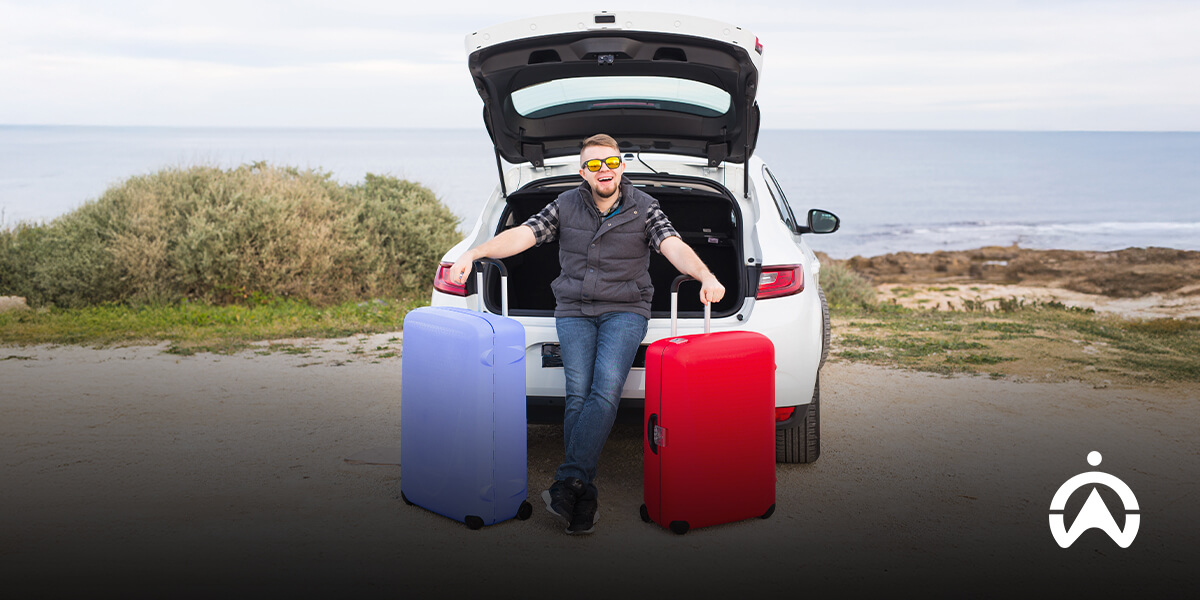
We’ve all done it, packing for a trip and adding extra things “just in case.” But every extra kilogram in your car makes the engine work harder and use more fuel. The heavier your car, the harder your engine has to work to keep it moving. Clearing out unnecessary items, like extra luggage or unused gear, can make a big difference. A lighter car not only uses less fuel but also reduces wear and tear, helping it last longer.
Practice Smooth Driving
Your driving habits have a bigger impact on fuel consumption than you might think. Sudden acceleration, hard braking, and excessive idling all burn through fuel unnecessarily. Instead, aim for a smooth and steady rhythm—gradual acceleration, gentle braking, and maintaining a consistent speed. Not only does this save fuel, but it also makes your drive more relaxed and enjoyable.
Keep Your Car in Good Shape
A car that’s taken care of works better. If you don’t do important things like changing a dirty air filter, using clean engine oil, or fixing old parts, it can hurt your car’s fuel use. Small problems can grow over time, making your car less efficient and using more fuel. Do regular checks and fix small issues to keep your car running well. This can save money on fuel and avoid big repairs.
Why Smarter Fuel Use Matters
In addition to reducing expenses, using less fuel offers several other significant benefits that positively impact both individuals and the environment.
Better for the Environment
Using less fuel is an easy way to help protect the Earth. When we use less fuel, we release fewer gases that can pollute the air and that helps slow down climate change. No matter if you’re going to work or on a long trip, saving even a little fuel helps make the air cleaner and the environment better.
Better Habits for Longer Car Life Driving in a way that uses less fuel also helps your car stay in good condition. Starting smoothly, braking gently, and driving at steady speeds make the engine and other parts of your vehicle work less hard. This lowers the chance of mechanical damage, so your car may last longer and need fewer expensive repairs. Over time, this can mean fewer visits to the car repair specialist and a vehicle that works well for many more years.
Better Money Management
Fuel costs are a big part of most family or business budgets. By using less fuel, you can save money for important things such as having an emergency fund, growing your business, or just treating yourself. Cutting back on fuel costs makes managing your money easier and helps you stay in control of your budget.
How Cartrack Makes Saving Petrol Easy
Now that you know some ways to save fuel, let’s see how Cartrack can help you do even better. With special features tailor made to improve your driving, Cartrack can help you save money, time, and fuel.
Live GPS Vehicle Tracking
Imagine being able to see exactly where your car is. Cartrack’s GPS system does exactly just that. It helps you avoid traffic, roadwork areas, and extra turns, so you save fuel and reach your destination faster.
Automated Maintenance Alerts
Never miss an oil change or tyre rotation again. Cartrack sends you timely reminders about maintenance tasks, ensuring your vehicle runs at peak efficiency. A well-maintained car is a fuel-efficient car, after all.
Route Optimisation
Are you taking the most fuel-efficient routes? The Cartrack App helps you find the quickest and most cost-effective routes to your destination. By avoiding traffic and unnecessary detours, you’ll save fuel, reduce travel time, and cut down on wear and tear on your vehicle.
Now that you’ve got some simple tips for saving fuel, you can hit the road knowing you’re driving smarter. With Cartrack’s tools keeping you on track, you’ll save money and make the most of every trip.
So, Why not let Cartrack help you save on fuel? Contact us today to find out more.
Safe travels and remember: a few easy changes can go a long way!
Frequently Asked Questions on How to Save Petrol
Q: Can using cruise control save fuel?
A: Yes, especially on highways, as it helps maintain a steady speed and reduces unnecessary acceleration and braking.
Q: How can Cartrack’s tools improve fuel management?
A: Cartrack offers real-time information about fuel consumption, the best routes, and how drivers behave, helping you make smart choices to use less fuel.
Q: Should you drive with the windows open or use the air conditioner?
A: At lower speeds, open windows are more efficient. At higher speeds, use air conditioning to reduce drag.
Q: How do you fix high fuel consumption?
A: There are several ways that you can “fix” your fleet’s high fuel consumption, here are a few:
Don’t speed
Take your vehicle for regular maintenance checks
Make use of fuel additives
Keep an eye on your RPMs
If you’re driving a modern vehicle – utilise the cruise control function
Q: Why is my car using so much fuel?
A: There isn’t just one answer, some causes may be:
Aggressive driving behaviour – harsh acceleration and braking
Excessive idling
Regularly being stuck in traffic or stop-and-go
Not having the correct oil and filters
Your clutch might be worn
Q: What are the possible causes of high fuel consumption?
A: High fuel consumption can have different origins, such as:
Aggressive driving
Driving in the wrong gear
Idling too often and for too long
Not changing your oil regularly
Using your air conditioning too often
Q: Can injectors cause high fuel consumption?
A: Yes, injectors can cause high fuel consumption. If your injectors are dirty or worn out, they can burn fuel at a faster pace, which increases fuel consumption.
Other articles for you
Truck Leasing for Start-Up Businesses – What You Need to Know
Blog
7 minute read •
Leasing trucks to start-up businesses is proving to be a very lucrative opportunity. Many new businesses are desperate for trucks, but are often being barred from getting them because of strict bank specifications. We’re seeing a preference for leasing trucks instead of owning them, because the benefits seem to outweigh the drawbacks. Namibian businesses, especially smaller […]
Get AI Cameras for Seatbelt and Phone Detection for Drivers
Blog
7 minute read •
Getting AI cameras for seatbelt and phone detection for drivers is the perfect way to transform safety protocols in your fleet. AI detection can monitor poor driving habits, alert drivers so they can quickly correct their actions, and keep records of offences so you can coach your drivers if they repeatedly commit them. Namibia recorded 2,793 road crashes, […]
Your trucks work hard to travel long distances, carry heavy loads, and traverse roads that are often treacherous & damaged. Looking after your trucks is a wise investment that’ll pay you back in productivity and lower overheads, but only if you know what condition they’re in at all times. The trucking and logistics sector plays a vital role in […]
 South Africa
 Botswana
 Kenya
 Malawi
 Mozambique
 Nigeria
 Swaziland
 Tanzania
 Zimbabwe
 Hong Kong
 Indonesia
 Singapore
 Malaysia
 Philippines
 Thailand
 New Zealand
 Vietnam
 Poland
 Portugal
 Spain
 United Arab Emirates