
Fleet Risk Management: Secrets Revealed To Make Your Fleet Thrive

Are you ready to discover the hidden ingredient that separates successful fleets from the rest? Successfully identify, assess, and mitigate potential issues in your commercial fleet that can impact your organisation’s goals and objectives with fleet risk management.

How can risk management achieve all this? Let’s get started.

 What makes a fleet safe? — Risk management

You’ve probably heard of the saying “better safe than sorry”. It’s the principle behind risk management. Fleet risk management is the secret weapon companies use to ensure their drivers, other employees, and vehicles are always safe and secure.

We know life happens, so having a backup plan is important to mitigate those risks. This is where your plan B or risk management comes in. This hidden gem helps you foresee and prevent bad things from happening, like accidents, breakdowns, or theft. But effective risk management isn’t just about avoiding problems, it’s also about creating value. 

How? Well, if you own or manage a fleet of vehicles, you want to make sure they’re operating at their best and ultimately working hard for the business, right? Managers must minimise the risk of breakdowns or accidents, to avoid expensive repairs and downtime. By implementing safety policies, conducting driver training, and maintaining vehicles regularly, you’re not just reducing risk, you’re also improving performance and cutting fleet costs in the long run.

What is the role of a fleet risk manager?

The fleet risk manager plays a crucial role in overseeing and managing risks associated with operating a fleet of vehicles. They are responsible for identifying potential risks and implementing strategies to mitigate them.

Their duties may include:

  • Developing and implementing safety policies and procedures to promote driver safety and minimise the risk of accidents.
    ‍
  • Conducting driver training to improve skills and ensure compliance with safety policies and regulations.
    ‍
  • Monitoring vehicle performance and maintenance to reduce the risk of breakdowns and improve fleet efficiency.
    ‍
  • Implementing telematics technology to track driver behaviour and vehicle performance, using gathered data to identify areas for improvement.
    ‍
  • Managing insurance and claims processes to minimise financial risk.
    ‍
  • Staying updated with industry regulations and best practices to ensure compliance with the latest laws.

Fleet managers work tirelessly to protect their fleet at all times. They not only safeguard their vehicles and the business’s bottom line but also prioritise the safety of their employees. After all, the drivers are the ones behind the wheel, interacting with customers, delivering services, and moving assets from one location to another.
What_is_the_role_of_a_fleet_risk_manager

Unlock the hidden benefits of proper fleet risk management

See immediate results within your fleet with risk management. Unlike hidden secrets that take ages to reveal their benefits, risk management delivers instant advantages from the moment it’s implemented.

Reap the benefits:

1. Increased returns on investment: By keeping your fleet in top shape, you can avoid unexpected downtime and other costly issues, ultimately leading to higher returns on your investment. This can help you save money and invest in other important areas of your business.

2. Lower insurance premiums: When you manage fleet risks, you show your insurance company that you’re committed to safety. This can lead to lower insurance premiums, which can ultimately save you money.

3. Reduced business liability: If one of your drivers causes an accident, it could spell disaster for your business. By taking steps to reduce risk and improve safety, you can protect your business from legal battles and maintain a positive reputation in the market.

4. Heightened work focus: When you prioritise fleet safety, you create a culture that encourages your employees to take extra precautions with their tasks. This can help keep everyone in your organisation safer and more focused on the task at hand.

5. Less guesswork: With a risk strategy in place, you can predict and prevent potential issues before they happen. This helps you make more informed decisions leading to better outcomes for your business.

Why is fleet risk management important?

It’s reported that the risk management software market was valued at USD 27.80 billion just two years ago, in 2021, and is now projected to reach USD 86.53 billion by 2030. Many businesses are falling in line with investing in their fleet’s safety.

If you’re not yet convinced that your business needs a fleet risk manager, here are a few key aspects that could have you rethink your approach. Risk managers help:

Reduce costs – By preventing accidents, vehicle downtime, and legal issues, fleet risk management can save your business money in the long run. It also helps you optimise your resources and allocate them to other priorities.

Remain compliant – Compliance with local, provincial, and federal regulations is essential for any business operating a fleet. Failing to comply with regulations can result in hefty fines and legal issues that can damage your business’s reputation and harm your budget.

Improve driver safety – Fleet risk management helps you promote a safety-first culture in your organisation, reducing the risk of accidents and injuries. This can also lead to reduced insurance premiums and a more favourable risk profile.

Improve productivity – By minimising operational interruptions, fleet risk management can improve your fleet’s performance and productivity, leading to increased savings and better resource allocation.
Why_is_fleet_risk_management_important

 Areas focused on by risk management

Fleet risk management covers a wide range of areas related to operating a fleet of vehicles. Here are five areas fleet risk management covers:

  1. Driver safety
    This involves implementing safety policies and procedures to promote driver safety and reduce the risk of accidents. This can include driver training, monitoring driver behaviour and implementing telematics technology to track driver performance with AI cameras and audible alerts.

    Monitoring drivers via telematics data can provide behavioural insights such as tailgating, late braking, or speeding. This can then be addressed through coaching safe driving and result in dramatically improving fleet and driver safety.

  2. Insurance and claims management:

    Fleet risk management includes managing insurance policies and claims processes to minimise the business’s financial risk. This can include working with insurance providers to ensure adequate coverage and managing claims processes to minimise downtime and costs.

    Fleet managers regularly review their policy terms with insurance providers to ensure the fleet’s insurance coverage is up to date, and aligned with business needs. This helps to explore opportunities for optimising coverage while minimising costs.

  3. Compliance and regulations

    One of the biggest headaches fleet managers experience is keeping up with the rules that govern commercial fleet operations and the related paperwork.

    Fleet vehicles should be fit for purpose, inspected regularly, and follow a planned maintenance schedule. All drivers should be fully trained to operate their assigned vehicles, be fully aware of the company’s safety policies and know the broader compliance regulations that it operates under. Plus, drivers should be in good health and hold a valid driving licence to drive.

  4. Fleet maintenance

    Maintenance is a vital part of fleet risk management as it directly affects driver safety and fleet efficiency. Fleet risk management involves developing and implementing maintenance schedules, monitoring vehicle performance, and conducting regular inspections.

    With fleet technology, managers can efficiently maintain their vehicles by monitoring engine data, tyre pressure and braking systems, this ensures optimal fleet performance and increases vehicle longevity.

  5. Asset management

    Fleet risk management involves managing fleet assets, including vehicles, equipment, and facilities. This can include developing asset management plans, monitoring asset performance, and implementing strategies to reduce asset loss or damage.

    Take a construction company for example, managers oversee a fleet of excavators, bulldozers, loaders etc and can accurately track the usage of each piece of equipment, and identify unusual idle times or underutilised assets.

  6. Telematics and GPS technology

    The use of telematics and technology can help fleet managers identify potential risks, monitor driver behaviour, and improve overall fleet performance. This includes GPS tracking, driver scorecards, and real-time monitoring of vehicle data.

    Fleet managers can use this type of technology to improve equipment visibility, seeing the real-time location of their assets without depending on their drivers to inform them of their whereabouts. 

Daily fleet risks

In the world of mitigating risks, every day brings its own set of challenges. From unexpected accidents to rising fuel costs, being aware of these day-to-day risks is the first step towards developing strategies that can overcome these challenges.

Here are some potential fleet risks you can encounter:

  • Vehicle collisions and other accidents
  • Costly vehicle repairs
  • Driver and motorist injuries and fatalities
  • Legal, medical, and other liabilities
  • Property and asset damage
  • Fines and other penalties for violating regulations
  • Vehicle theft and highway robberies
  • Vehicles getting caught on fire (e.g., when carrying highly flammable items)
  • Cargo loss and damage
  • Theft and vandalism
  • Insurance and liability

This long list still doesn’t cover the full extent that fleet risk managers have to oversee and control. Depending on specific industries such as food and pharmaceuticals, risk managers are faced with unique elements they have to take care of to ensure everything runs smoothly daily. 

Luckily, fleet management systems are equipped to help.

Daily_fleet_risks

How fleet management systems keep risks under control

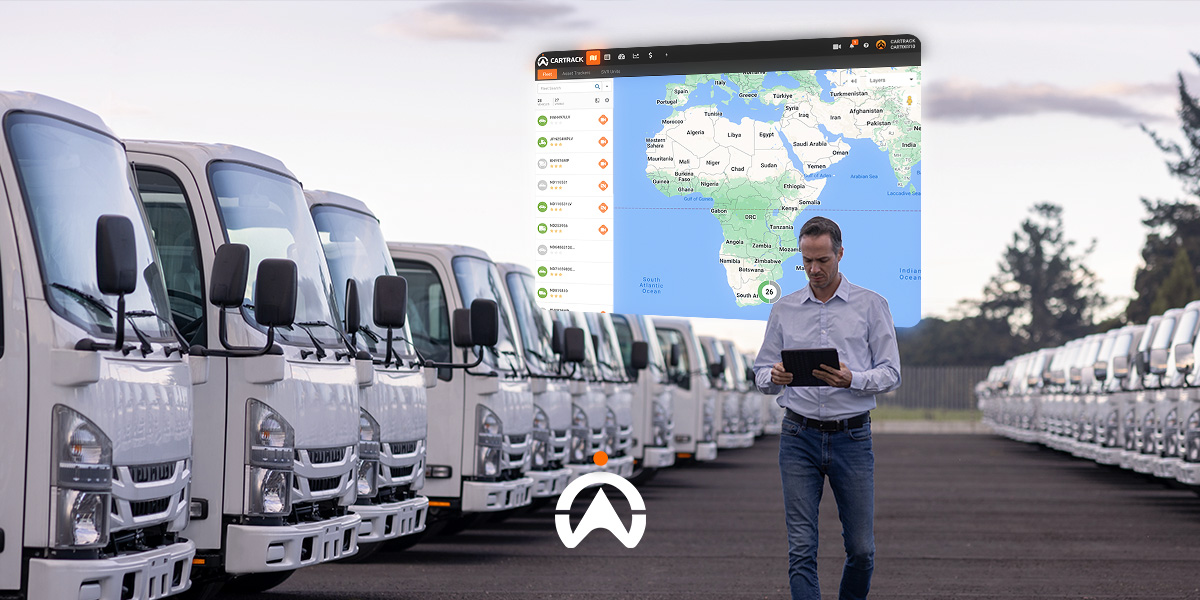
Advanced technology such as Cartrack’s smart telematics has given fleets the ability to leverage millions of data points to make better decisions in risk management. Managers can employ a variety of telematics to lower risk and make operations safer and more efficient.

Fleet management can be an effective solution to keeping fleet risks under control for several reasons:

Telematics: Telematics technology uses GPS tracking and other sensors to collect data on vehicle performance, driver behaviour, and other key metrics. Fleet managers can use this data to identify areas of risk, such as speeding or aggressive driving, and implement strategies to improve driver behaviour and reduce accidents.

Data-driven decision-making: Fleet management relies on data to make informed decisions about risk management. By collecting and analysing data on driver behaviour, vehicle performance, and other key metrics, fleet managers can identify areas of risk and develop targeted solutions to address them, as well as track improvements over time.

Proactive approach: Fleet management takes a proactive approach to risk management, which means that potential issues are identified and addressed before they become major problems. By implementing preventive maintenance programs, driver safety training, and other proactive measures, fleet managers can reduce the likelihood of accidents and breakdowns.

‍Compliance: Fleet management solutions can help fleet managers ensure compliance with regulatory requirements related to vehicle safety and maintenance. By staying up-to-date with the latest regulations and implementing strategies to meet these requirements, fleet managers can reduce the risk of fines, penalties, and other legal issues.Additional devices include:https://www.youtube.com/embed/QyJhhPzy-UA

Additional devices include:

  • GPS tracking devices offer real-time location tracking and other vehicle data on both powered and non-powered assets. They also support better route decisions based on the latest road, weather and traffic condition information
    ‍
  • ELDs (Electronic Logging Devices) give fleets the ability to collect and transmit reports that are needed to meet compliance mandates
    ‍
  • Dash cams offer real-time images/footage of what is happening both inside and outside a vehicle
    ‍
  • Fuel cards give managers control over when and where fuel is purchased and by which driver
How_fleet_management_systems_keep_risks_under_control

The ultimate secret revealed: Cartrack fleet technology

With the ever-increasing number of vehicles on the roads, fleet risk management has become more difficult to manage. 

Cartrack provides technology and services designed to help fleet managers ease through this process with their fleet solutions.

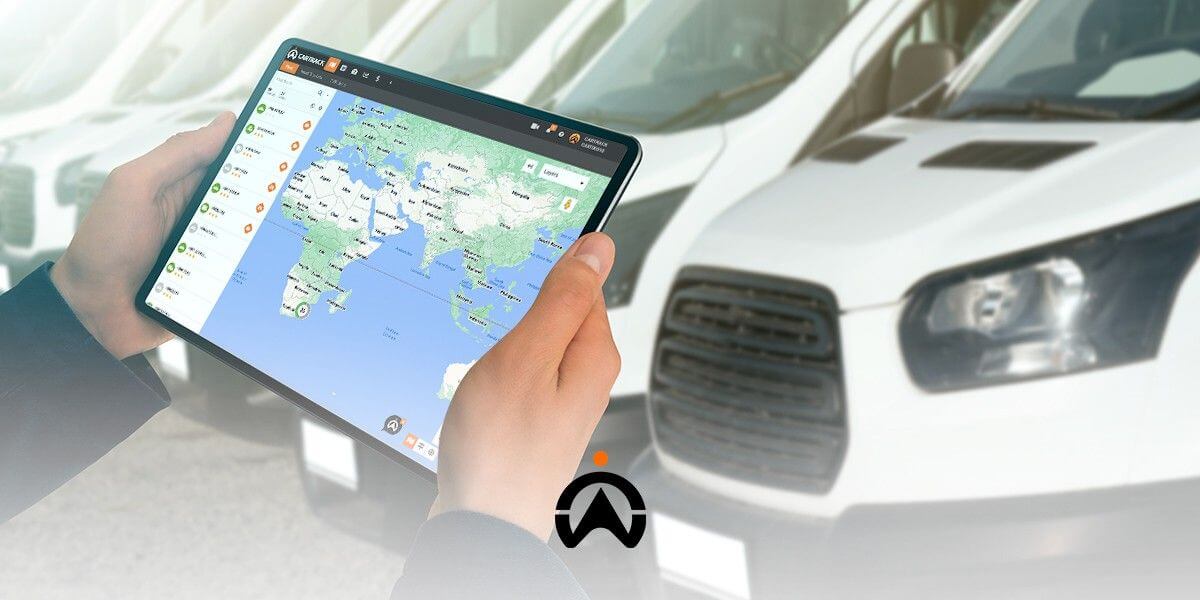
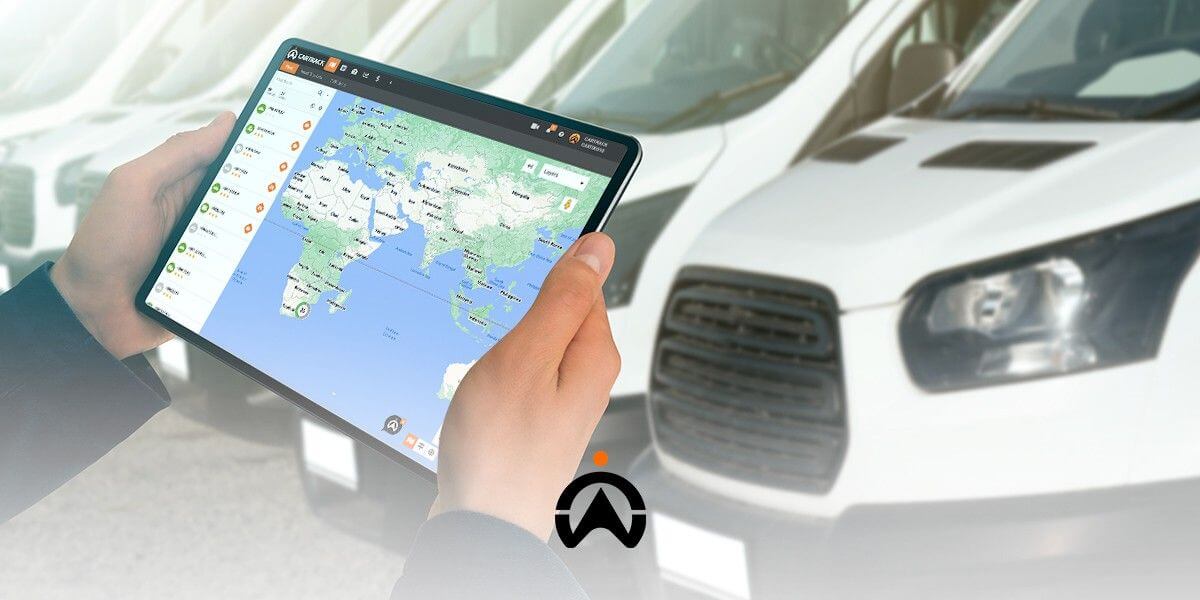
Real-time monitoring: With installed tracking units and Cartrack’s fleet management platform, vehicle tracking technology allows fleet managers to stay connected to their fleet at all times with accurate vehicle location and instant notifications. Cartrack also offers a Geofence feature that allows you to set virtual boundaries around areas and receive real-time alerts whenever your vehicle enters or exits these areas.

Driver behaviour analysis: Cartrack’s technology also includes driver behaviour analysis through driver scorecard reports that indicate unsafe driving behaviours like harsh speeding, braking and turning, and AI cameras with in-cabin audio alerts that go off when drivers show signs of fatigue or distraction. This can help fleet managers provide targeted training and coaching to those unfocused drivers, ultimately improving driver safety and reducing the risk of accidents.

Maintenance tracking: Cartrack’s fleet management system keeps track of each vehicle’s mileage, engine hours, and time intervals between services to help ensure that vehicles are properly maintained and serviced on schedule. Managers are informed of the on-coming vehicle service through auto-generated reminders when a vehicle reaches its maintenance threshold. This can reduce the risk of breakdowns and other issues leading to downtime.

Accident management: In the event of an accident, Cartrack’s telematics technology can detect sudden impacts or collisions and instantly send a notification of the event to fleet managers while their tracking units further help by quickly locating the vehicle and prompting a quick response to send emergency personnel to the incident. This can help save the driver’s life and reduce the risk of damage to other motorists and your vehicle.

Remain compliant: Easily manage and automate your regulatory compliance throughout your operations with these Cartrack tools:

  • Time tracking: This enables tracking of driver work and break times, preventing vehicle operation if the driver doesn’t take their full break time, ensuring drivers get the necessary rest periods.
  • Automated compliance management: Automate regulatory compliance and track fleet requirements such as insurance, permits, and contracts through Cartrack reminders.
  • Real-time risk alerts: Prevent violations with Cartrack’s fleet compliance software that provides real-time alerts about compliance or operational risks and prevents unauthorised vehicle or machinery usage until the risk is handled.

Specialised sensors: Cartrack offers a range of specialised sensors that cater to diverse industries. With sensors such as CANBus vehicle diagnostics, cargo door monitoring, temperature monitoring, and seat pressure sensors, Cartrack empowers various industries like transportation, logistics, construction, security and perishable goods to enhance efficiency, security, and safety.

All these smart features and services from Catrack, help fleet managers become more vigilant to potential risky events and alleviate or at least lessen their daily stresses with top-notch fleet management solutions that can help identify and mitigate risks and keep their fleets running safely and efficiently.

A fleet management company that can reduce fleet risks

Looking for a reliable solution to help manage and mitigate fleet risk? Cartrack offers a comprehensive suite of telematics and fleet management services that can help keep your vehicles, drivers, and assets safe and secure.

Contact us today to learn more about how we can help your business! 
Fleet Management for Electric Cars – How to Stop Range Anxiety

Are you tired of rising fuel costs and taxes on CO2 emissions? It might just be time to pull the plug on traditional vehicles and bring your fleet to the future by going electric.

Not only do electric vehicles cut down on operational costs and boost productivity, they’re also environmentally friendly. But there’s one thing holding fleet managers back from completely integrating into a fully electric fleet — it’s a little thing called range anxiety.

The future of electric vehicles

Managing an electric fleet that doesn’t require fuel to run is every fleet manager’s dream, right? However, despite growing interest, a 2019 Kia Motors study found that 80% of fleet managers were held back from making the switch due to range anxiety — the fear of an EV not having enough charge to reach its destination during travel. 

Although EVs have come a long way in terms of range, it’s understandable that range anxiety remains a concern for many. But fear not, there are several measures you can take to ease any anxious feelings.

Let’s explore the facts and figures that come along with EV range anxiety and be range-assured.

The two types of electric vehicles

Electric fleets have been a trending topic recently, and we see why. These vehicles can be used in light-duty, medium/heavy-duty and even off-road applications. EVs can match or surpass their gas-fueled counterparts, plus they’re quieter.

Electric vehicles (EVs) run on batteries and electric motors rather than petrol or diesel fuel like conventional vehicles. Electric vehicles come in two main types – battery electric vehicles (BEVs) and plug-in hybrid electric vehicles (PHEVs).

BEVs are powered entirely by electricity stored in batteries, while PHEVs feature both an electric motor and a regular petrol or diesel engine. Although PHEVs have a longer range than BEVs, they still produce emissions using their internal combustion engines.

When it comes to fleet management, it’s important to consider which type of electric vehicle is the best fit for your needs. For example, if you’re looking to go green and save on fuel costs, a BEV might be the way to go, as they produce zero gas emissions.

However, if you need increased fuel efficiency and a longer range for certain tasks, a PHEV might be a better option. It’s all about finding the right balance for your fleet’s needs.

How do electric vehicles work?

An electric vehicle’s battery powers an electric motor, which turns the wheels to propel the car forward. When the battery is depleted, it needs to be recharged by plugging the car into an electrical outlet or charging station. The battery can be recharged using a standard household outlet, but it will take much longer than using a dedicated charging station.

One cool thing about EVs is that they can also recharge their batteries while driving. This happens when the driver applies the brakes, and the car converts the energy from slowing down into electricity to recharge the battery. This is called regenerative braking.

Overcoming range anxiety

Let’s walk through one of the major challenges of electric vehicles — range anxiety.

With all the benefits that come along with this type of vehicle, fleet managers have grown worried about whether EVs can get the job done and not die on them in the process.

Simply put, range anxiety is the fear of whether EVs have enough energy stored to cover the distance of their journey. This growing EV anxiety seems to be the number one reason most fleets have not migrated to a fully electric fleet, plus the concern that the initial transition will be too costly for some businesses.

How did range anxiety start?

The fear of EVs was sparked when its primary models, despite being fully charged, showed a low mileage range. This created a poor reputation within the transportation industry.

Charging vehicles had to be considered before the EVs could hit the road to complete daily tasks, and drivers were often finding that they couldn’t get much more than 112 km from a fully charged battery, so the question is, “How often does the fleet have to pause production just to charge?”. The irregular mileage per full battery did worse for their already poor reputation.

Naturally, no fleet manager wants to stress about rescuing stranded drivers and retrieving broken-down corporate vehicles. But when it comes down to it, if you’re thinking about going electric, should a lack of battery range be a significant concern? And what can you do to avoid it?

Improvements in EV battery technology

Since the first mode, EV batteries have been improved to last longer and charge faster. Here are the current stats on the estimated vehicle range of over 321 km on a few EVs:

Light commercial vehicles:

  1. Nissan e-NV200 – up to 275 km
  2. Renault Kangoo ZE – up to 200 km
  3. Peugeot Partner Electric – up to 275 km
  4. Citroen Berlingo Electric – up to 275 km
  5. Mercedes-Benz eVito – up to 150 km

Heavy trucks:

  1. Tesla Semi – up to 800 km
  2. Freightliner eCascadia – up to 400 km
  3. Volvo VNR Electric – up to 240 km
  4. Peterbilt 579EV – up to 320 km
  5. Kenworth K270E and K370E – up to 240 km

Factors that impact EV range

A major factor in range anxiety was the lack of charging infrastructure, but in countries that struggle with power outages and power availability, such as South Africa, unfortunately, this strengthens EV anxiety.

Apart from South Africa’s load-shedding problem, countries like America have taken initiatives to build more charging stations to meet demand and motor companies like Ford have installed over 25,000 stations as well.

Besides resource availability, other factors that impact the EV range come down to three other major categories:

Driving behaviour: With traditional fuel vehicles, negative driving habits can reduce fuel economy, the same can be said about electric vehicles. Speeding, harsh braking, and quick acceleration all consume extra energy, resulting in less range and increased vehicle wear and tear.

Weather and vehicle temperatures: Temperature is one of the most reported causes of restricted range, however, it is frequently misunderstood. Lithium-ion batteries operate poorly in low conditions, but EVs have advanced battery thermal management systems that keep them at ideal temperatures. Some energy is consumed by these systems, but most of any range loss is caused by energy used by an air conditioner to heat up or cool down the vehicle’s interior.

Longevity: Much like the batteries in our cellular devices, all rechargeable batteries eventually lose their ability to store their full energy potential, this reduction in durability is referred to as battery degradation. For an EV, this coincides with reduced range over time.

Fortunately, data shows that this decline in battery health is only 2.3% a year, simply meaning an EV with a 434 km range would have an effective range of around 363 km after about seven years.

Doesn’t data like this ease your fears about EV range? Below are additional ways to reduce range anxiety within your fleet.

What can be done to reduce range anxiety?

Buying electric vehicles can be a challenge, especially for businesses with range anxiety. But there are several ways you can ease this concern.

1. Providing driver training

Your drivers are the key to getting the most range out of your EVs. Improving driver behaviour by training your drivers in economic driving practices like avoiding idling, maintaining normal speeds and avoiding abrupt acceleration or stopping can lead to reduced wastage of vehicle resources and negatively impact energy economy and range.

2. Planning ahead

Optimise charging schedules to ensure EVs are job-ready at the start of every shift. Even fast-charging stations can take up to 30 minutes to fully power a standard electric vehicle, so understanding where charging stations are along scheduled routes and dedicating recharging times to assist with range anxiety is crucial. Driver training mentioned above also helps with sustaining energy by encouraging drivers to make appropriate use of regenerative braking, which sends excess vehicle energy back to your EV’s batteries while you slow down, ensuring increased EV range as they drive.

3. Keeping vehicles well maintained

A thorough preventative maintenance routine keeps fleet operating expenses low. Maintaining proper tyre pressure in the case of EVs, for example, can help you get the most mileage out of each charge. Keeping your EV’s tyres under-inflated can cause a significant decrease in mileage. Every one pound per square inch (PSI) decrease in tyre pressure leads to a 0.4% decrease in mileage. To maximise your EV’s range, it’s important to know the recommended PSI for your tyres and check them regularly, as tyre pressure can fluctuate by one PSI for every ten degrees Fahrenheit change in air temperature, therefore schedule tyre pressure inspections as the seasons change.

4. Support EV drivers with real-time data

Once drivers take their electric cars on the road, you’ll want to reassure them that they’re not alone. Monitoring vehicles’ state of charge allows managers to prevent vehicles with low charges from running out of energy. Also, fleet managers can monitor EV charge levels and update routes to point drivers to nearby charging stations in case they need to reroute or recharge unexpectedly.

Maintenance costs of an electric fleet

As a fleet manager, it’s important to consider the maintenance and cost of electric vehicles compared to traditional gasoline or diesel vehicles.

One major advantage of EVs is that they have fewer moving parts than traditional vehicles, which means less maintenance. For example, EVs don’t need oil changes, spark plug replacements, or cam belts. Instead, regular maintenance for EVs includes:

  • Brake inspections
  • Tyre rotations
  • Checking the battery’s health

Which brings down their maintenance expenses to a minimum. So, what about fuel costs? EVs are generally cheaper to fuel than traditional vehicles since electricity is typically cheaper than petrol or diesel.

Sounds good so far, right?

But, there is one setback. When it comes to the upfront cost of purchasing EVs, they can be more expensive than traditional fuel vehicles, but some factors can decrease that cost. Many European countries, like the UK and France, offer incentives such as tax credits, rebates, low-emission zones (LMZ) and free parking spots for electric vehicles. Additionally, EVs have lower operating costs than traditional vehicles because of the cheaper price of electricity compared to gasoline, and their minimal maintenance due to fewer moving parts. All these factors can offset the running price over time and make EVs more cost-effective.

Additionally, EVs obviously have lower emissions than traditional vehicles which helps fleet managers meet sustainability goals and comply with local emissions regulations.

Fleet managers may need to invest in workplace charging stations, or use public charging spots. While private charging stations can involve some upfront costs, many public charging stations offer free charging, if not, fleet managers won’t spend that much as the current cost of electricity is around R1.60 to R3.00 per kWh for commercial customers, much cheaper than current South African fuel prices per litre.

Charging options in EVs that ease range anxiety

Apart from the improvements made in batteries, there have also been developments in electric battery types.

Here are five recent developments in EV battery technology that fleet managers should put on their radar.

  1. Solid-State Batteries: Solid-state batteries are a promising new technology that replaces the liquid electrolyte used in traditional lithium-ion batteries with a solid electrolyte. This makes the battery safer and more stable, with a longer lifespan and higher energy density. Companies like Toyota and Solid Power are currently working on developing solid-state batteries, with some expected to be ready for use in EVs in the next few years.
  2. Silicon Anodes: Anodes are a key component of lithium-ion batteries, and recent research has shown that replacing the traditional graphite anode with one made of silicon could significantly increase energy density. Companies like Tesla, are currently working on developing silicon anodes, which could lead to EVs with longer ranges and shorter charging times.
  3. Recycling: As EV production increases, so does the need for battery recycling to reduce waste and recover valuable materials like lithium and cobalt. Many companies, including Tesla and Volkswagen, have announced plans to build recycling facilities, and new technologies like hydrometallurgy and pyrometallurgy are being developed to make the process more efficient.
  4. Battery Swapping: Battery swapping is a technology that allows drivers to exchange their depleted EV battery for a fully charged one at a charging station. This could potentially reduce charging times and increase the convenience of EV ownership.
  5. Rapid Charging: Charging times for EVs are improving rapidly, with many new models able to charge to 80% in less than 30 minutes using fast-charging technology. Companies like Ionity, which is a joint venture between BMW, Ford, Volkswagen, and Daimler, are building a network of fast-charging stations across Europe to support long-distance EV travel.

There is no doubt that the future of EVs is bright, and as technology continues to improve, we can expect to see even more impressive advancements in the years to come.

How can a fleet management system help you get the most out of your electric vehicles?

Fleet management can help fleet managers by providing real-time data on vehicle performance, battery life, costs and more. Companies that provide complete fleet management solutions, like Cartrack, can help fleet managers understand vehicle insights and fully optimise their fleets.

Our battery management solution provides real-time monitoring of the battery’s state of charge and temperature, allowing you to optimise battery life and prevent unexpected downtime.

Our fleet management platform and mobile app offer predictive analytics, which uses historical data and machine learning algorithms to predict when maintenance or replacement of the battery will be needed, reducing maintenance costs and ensuring the longevity of your vehicles.

Cartrack helps you stay compliant with local regulations and ensure your fleet meets sustainability goals. We offer support by informing you of how to take advantage of incentives and subsidies for the adoption of EVs. Many countries, like the USA, provide these incentives and promote the switch from fuel to electric vehicles.

Cartrack eases your range anxiety with smart reports. These reports display your speed while charging and our detailed trip reports show the energy consumed per trip. This information keeps you constantly updated on your range status and offers comprehensive reports through our fleet system so you no longer have to feel anxious about your EV’s range capabilities.

With Cartrack, you’ll have access to all the tools and insights you need to manage your EV fleet efficiently and cost-effectively. Our personalised solutions are tailored to your specific needs, ensuring that you get the most out of your EV fleet. Experience the future of fleet management with Cartrack.

Get fleet management solutions that work

Stay ahead of the competition and get the most out of your electric vehicles with Cartrack’s easy-to-use platform.

Learn how Cartrack can help you optimise your electric fleet for cost savings and sustainability. 

Contact us today for a free quote.

What You Need To Know About AI & Machine Learning In Fleet Management

Artificial intelligence (AI) and machine learning (ML) have revolutionised fleet operations in various fleet industries. Trying to manually manage an entire fleet (whether established or startup) can be catastrophic. Fortunately, this technology can ease the process. Here’s a look at some of the innovative ways to use AI and ML in fleet management.

AI and ML: the two peas in a pod

“Can machines think?” – Alan Turing

This is the crucial question that stirred the artificial intelligence conversation in the 1950s. Over the years, artificial intelligence (or AI for short) has been defined in a number of ways. However, Turing summed it perfectly as “systems that act like humans”. Although this simplification is still applicable today, AI is not that simple.

Artificial intelligence is an entire field that integrates computer science with robust datasets to solve problems and bring about innovation. AI subfields include machine learning (ML), deep learning, robotics and more. Together with its subfields, AI can be defined as technology that enables machines (especially computer systems) to think or act in a more ‘human’ way by gathering information from their surroundings and determining responses based on what is learned.

Commonly, artificial intelligence (AI) and machine learning (ML) are used interchangeably. However, the two are slightly different. ML emerged in the 1960s when scientists researched teaching computers how to imitate human decision-making. ML is used to teach machines to mimic how humans behave using data and algorithms so they can gradually improve their performance and accuracy.

Therefore, while AI is the tech enabling machines to display human-like behaviour, ML teaches AI how to behave. By leveraging the power of AI and ML, machines can now be trained to accurately perform complex tasks that were once deemed impossible for non-humans to accomplish.

Now that we understand AI, ML and their differences, why should we care?

Why do AI and ML matter?

From using facial recognition to unlock our smartphones to asking Siri, Alexa, and Google Assistant to play our favourite jam – AI and ML have become a part of our everyday lives. AI matters in today’s world for many reasons:

  • Repetitive and manual tasks can be automated

    AI and ML automate repetitive manual tasks like business administration (filing, data entry, and scheduling meetings). This increases efficiency and productivity while saving time and money spent on human resources. So get ready to be replaced by a robot… just kidding! Humans are still essential to set up and operate the system, ask the right questions, confirm the accuracy of data captured, and a few other skills.
    ‍

  • Products are more ‘intelligent’

    By adding intelligence such as speech and voice recognition, and virtual assistance to existing products, AI and ML have opened up a world of advanced products and innovations. These products have upgraded the business world – from biometric systems for tighter security, to data and behaviour analysis to detect and prevent fraud.
    ‍

  • Customer service is instant and better

    Thanks to AI and ML, chatbots can quickly process requests and accurately answer questions 24/7, enabling customers to get the help they need quickly. This automation of customer service saves time on tasks, reduces costs, and frees up staff to focus on more complex tasks.
    ‍

  • Data is made useful

    Data in business is important now more than ever as it can offer a competitive advantage. Luckily, AI and ML have the ability to process large amounts of data. This data can be used to make accurate and informed business decisions.
    ‍

  • Customer journeys are tailor-made

    AI and ML provide the ability to analyse customers’ purchase history, buying habits, search history, and other data. With this, businesses can personalise products and services to best suit their existing customers and attract potential customers. A personalised customer journey not only increases customer satisfaction and brand loyalty but also increases sales.

You may already be getting ideas of how these two peas in a pod can innovate your fleet. Let’s start with fleet management basics.

What you need to know about fleet management

Fleet management refers to all the ins and outs involved in ensuring a fleet operates its tasks smoothly, from start to finish. These ins and outs include (but are not limited to) the following tasks:

In essence, the role of a fleet manager is to ensure that these tasks are completed efficiently at top productivity levels and lowest costs while producing the highest profits. It’s a lot to handle and to top it off, fleet managers still face many other challenges:

  • Keeping track of vehicle maintenance: To operate, fleet businesses need their fleets to be in good condition. Regularly maintaining vehicles ensures that they remain in their most efficient state and increases their longevity. However, it is difficult for fleet managers to keep track of every single vehicle’s maintenance schedule. Not staying on top of vehicle maintenance needs can lead to productivity loss due to unexpected downtime from breakdowns, and unnecessary vehicle wear and tear.
    ‍
  • Managing fleet data: Operating a fleet business (whether established or startup) comes with piles of data to collect, track, and organise. Manually sorting, assessing and managing this data is nearly impossible. Fleet businesses cannot make informed business decisions without well-organised data to gain accurate insights into fleet operations.
    ‍
  • Simultaneously managing teams: From dispatchers to drivers, fleet managers need to oversee various departments simultaneously, and it is impossible to be everywhere at once. This makes it difficult to track productivity, monitor driver behaviour, communicate effectively, and solve problems swiftly.
    ‍
  • Organising fleet administration: Fleet managers are responsible for performing administrative tasks such as task management, team management, fleet reporting and analysing, as well as scheduling and optimisation. With only 24 hours in a day, fleet managers struggle to perform these tasks and as a result, the fleet may operate efficiently.

Manually performing fleet management tasks and trying to overcome challenges can be catastrophic but thanks to AI and ML, fleet management problems are solved. Let’s find out how.

How AI and ML are used in fleet management

AI and ML have opened up new possibilities in fleet management software development.This is computer software that helps fleet managers successfully oversee an entire fleet all-in-one platform. Let’s get a glimpse of how different fleet industries use AI and ML-powered fleet management software in their fleet:

Rental and leasing

The use of AI and ML in the car rental and leasing industry is growing rapidly to enhance customer experience and improve business performance. Some ways AI and ML are used in this industry include:

  • Customer service: Instead of physically visiting car rental and leasing companies, AI-powered chatbots and virtual assistants can help customers book rentals in advance, answer frequently asked questions, and provide personalised packages based on customers’ preferences, and rental and leasing history.
    ‍
  • Predictive maintenance: Car rental and leasing companies can perform preventative maintenance to ensure vehicles are in the best condition for rental and lease. This preventative maintenance is possible with AI and ML algorithms that analyse data such as vehicle mileage and date of last service to predict when a vehicle may need maintenance. This way, rental and leasing companies can ensure they reduce breakdowns when vehicles are rented or leased — increasing vehicle reliability, customer loyalty, and company trust.
    ‍
  • Competitive pricing: By using AI and ML algorithms, rental and leasing companies can offer competitive prices by relying on data (such as vehicle preferences, demand, as well as rental and lease habits) to make strategic prices, and to detect and flag fraudulent behaviour, such as stolen credit cards or fake identifications, so that losses are kept low, and prices remain competitive.

E-hailing and ride-sharing

E-hailing services such as Uber, Lyft, Bolt, and other platforms require AI and ML as crucial components to provide ride-sharing services. Here are some ways AI and ML are used in e-hailing:

  • Connecting riders and drivers: Suppose you are rushing to an important meeting or simply want the most comfortable way to move from point A to B, e-hailing services use AI and ML to provide the most efficient services. AI and ML in e-hailing match riders with the most convenient drivers based on factors such as location, availability, and other rider preferences (such as vehicle type, preferred gender of drivers, etc).
    ‍
  • Optimising routes: Once a driver is matched with a rider on an e-hailing platform, the goal is to reach the desired destination in the safest and fastest way possible. AI and ML algorithms optimise routes for drivers to reach a destination in the shortest possible time (while taking into account traffic congestion, accidents, and other factors). This is a win-win as the riders pay affordable prices (calculated by the algorithm at the end of the trip) while drivers can use their time more productively, save on fuel costs and maximise profits.
    ‍
  • Safety enhancement: Safety plays a crucial role in e-hailing services as it is important to protect passengers and drivers, and hold a trustworthy reputation. ML algorithms can help e-hailing businesses put safety first by collecting data such as driver behaviour, driver personal information, and driver ratings to identify potential safety hazards and take the necessary precautions.

Construction

Construction companies are becoming increasingly dependent on AI and ML to improve safety, increase efficiency, and reduce costs. Here are some ways AI and ML are used in construction:

  • Safety enhancements: Given the nature of the construction industry and its high potential for safety hazards that lead to staff accidents, injuries, and fatalities, construction companies need to follow strict safety protocols. AI and ML (such as AI-powered cameras) can detect and alert workers of potential safety hazards such as falling objects, unsafe working conditions, and people not wearing protective gear. This helps to reduce the number of worker accidents, injuries, and fatalities that can occur on construction sites.
    ‍
  • Resource optimisation: AI and ML systems can maximise resource utilisation by scheduling machinery, vehicles, and manpower. Large construction companies that work on large projects, multiple projects or rent their assets to other companies use AI and ML systems to avoid project schedule overlaps and ensure assets are used efficiently and productively.
    ‍
  • Quality control: Construction companies must ensure that all projects are completed to the highest standards. ML and AI can be used to monitor construction processes from start to finish. Data from sensors (e.g. temperature sensors to monitor building site temperature, humidity, and vibration) is analysed by AI and ML algorithms to detect even the slightest deviations quickly and accurately and predict potential issues before they arise, enabling better quality control.

Transportation and logistics

Due to the rise of e-commerce and quick turnaround expectations, goods are now not moving from point A to B in the supply chain, but now to your home, office, and everywhere in between.

Here are some ways AI and ML are used in transportation and logistics:

  • Optimising routes: Due to high demands, fast turnaround expectations, and transportation of sensitive products, the quickest and safest routes are necessary. AI and ML systems are used to analyse traffic patterns, weather conditions, and other data to optimise routes to avoid potential delays, reducing delivery times and minimising fuel consumption.
    ‍
  • Tracking assets: Asset tracking is a crucial aspect of transportation and logistics as it ensures goods are safe from dispatch to delivery. In this case, AI and ML can be used to increase visibility to prevent cargo loss and damage. For example, AI and ML technologies such as GPS can be used to track the location and condition of vehicles and cargo, and AI and ML systems can track drivers’ performance in real-time, analysing data such as driving speed, braking patterns, and other behaviours— ensuring safety at every point of the supply chain.
    ‍
  • Enhancing security: Cargo theft in the supply chain can cause major losses. AI and ML-powered security such as cameras installed in warehouses and vehicles to detect suspicious activity, and driver identification tags to prevent the unauthorised use of vehicles or access to warehouses can help prevent theft and loss by providing real-time alerts and notifications.

AI and ML innovations for your fleet

Cartrack is a prominent global Software-as-a-Service (SaaS) platform supplier for small, medium, and large organisations (as well as consumers). With Cartrack, you can transform your fleet operations and achieve operational excellence with the power of AI and ML fleet management solutions such as:

  • AI-powered cameras and live-stream technology Empower your fleet with LiveVision that has up to eight internal or external cameras to help you keep your drivers, fleet, and cargo safe. With AI-powered cameras, you can live-stream your entire fleet while cameras detect possible front collisions, smoking, distracted or fatigued driving, and mobile phone use. This, together with ML-powered alerts allows drivers to quickly correct behaviour right in the moment and ensure safety on the roads.
    ‍
  • Fuel monitoring software Improve fuel consumption and save fuel costs with our fuel monitoring software, MiFleet that captures fuel cost data. This shows you how much fuel your vehicle uses for idle time and aggressive driving. Furthermore, it detects fuel card fraud, fuel theft, and fuel wastage, so that you can save money on fuel expenses, and only pay for what you use.
    ‍
  • GPS vehicle and asset tracking Accurately track and get full visibility of your entire fleet in real time with GPS technology. This gathers data on where your vehicles and assets are so you can track completion rates, productivity, and efficiency, and receive informative insights (such as idling status, fuel levels, and engine diagnostics) to make informed business decisions.
    ‍
  • Specialised sensors Our specialised sensors provide fleet managers with detailed insights into fleet operations.Cargo door monitoring systems and temperature sensors can be used in cold chain logistics to provide real-time temperature and cargo door monitoring and send fleet managers alerts the moment any temperature fluctuations occur or the cargo door is opened, allowing them to immediately check in with drivers to resolve issues or send a replacement trailer if necessary to preserve goods and prevent profit losses.
    ‍
  • Automated preventative maintenance Our platform automates the maintenance schedules for each of your vehicles by using the vehicles’ utilisation hours and the time of the last service to establish effective maintenance plans hassle-free. This way you can cut your maintenance costs, increase your fleet vehicle lifespan and reduce unnecessary downtime.

Empower your fleet with AI and ML solutions today

Give your fleet the innovative boost and competitive advantage it needs with Cartrack’s AI and ML-powered fleet management platform. Get a free demo today.

5 Fuel Saving Tips That Don’t Actually Work: Unlock The Truth Now

Ever tried unproven fuel-saving tips that produced zero results? Don’t blame yourself for being intrigued. As a fleet manager, it’s your job to look for any and every opportunity to cut costs.

Well, this is not one of those time-wasting articles. After reading this, you will know exactly which fuel tips work and which ones are just a waste of fuel.

Let’s dig in!

Why does saving petrol matter?

A question many vehicle owners and fleet managers ask themselves. The answer lies in the ever-increasing fuel prices and the need to effectively manage fuel costs to save money. 

While fuel prices are beyond our control, finding ways to efficiently use fuel and minimise costs has become a crucial priority.

As a fleet manager, fuel is one of the issues at the top of your list. Managing fuel expenses is essential for businesses as it often takes a large piece of budget space, so keeping that amount as small as possible and making fuel last longer, benefits the entire business. 

Whether your vehicles use petrol or diesel, finding ways to efficiently use fuel and manage costs has become more important than ever.

But how do you separate fact from fiction when it comes to petrol-saving?

Five petrol and diesel saving tips that don’t work

Let me help you separate fact from fiction and debunk the tips that make promises to stretch your petrol or diesel further, but actually don’t work.

  1. Tailgating trucks to cut through the wind

    Zooming right behind a big truck, thinking you’re cleverly reducing wind resistance and saving fuel is not only unsafe, but it won’t do much for your petrol-saving goals either. Maintain a safe distance, drive responsibly, and focus on other proven and much safer fuel-saving techniques.
    ‍

  2. Coasting in neutral gear or engine shut-off

    Do you often coast downhill or turn off your engine while coasting to save petrol? Well, you don’t have to. Modern commercial vehicles are designed to use minimal fuel during deceleration anyway, and shutting off the engine can actually mess with essential control and safety systems. So rather keep your car in gear and enjoy the ride without worrying about switching it on and off.
    ‍

  3. Filling up petrol in the morning to save fuel
    ‍
    Ah, the classic myth that still lives on in drivers’ minds. As the temperature rises throughout the day, petrol expands, so you’ll get less fuel for the same amount of money later in the day right? Well, in reality, petrol stations store their fuel underground, where the temperature remains relatively stable and as soon as the petrol hits your tank, the liquid quickly reaches the ambient temperature, no matter the time of day so the amount of litres you pay for in the morning would be the same amount of litres at night.
    ‍
  4. Warm up your car for several minutes

    We’re all familiar with the common belief of warming up your car for several minutes before driving, especially during cold weather. However, there’s no need for an extensive warm-up time. A few seconds of idling is preferred before setting off. Excessive idling not only wastes fuel but also adds unnecessary wear and tear to your engine. So, save fuel and reduce emissions by avoiding unnecessary idling.
    ‍

  5. Keep your windows up to reduce drag

    You might have heard that keeping your windows rolled up while driving reduces drag and thus improves fuel efficiency but, at typical driving speeds, open windows have little effect on fuel economy.

Top five fuel tips that actually work

Now that we know what doesn’t work, let’s talk about a few proven fuel-saving tips that make a difference in your monthly fuel spending.

  1. Smooth and steady driving

    Risky driving habits like rapid acceleration and sudden braking can significantly impact your fuel. Encourage smooth and steady driving instead, like, gradually accelerating, and maintaining a consistent speed. Not only will this save you petrol, but it will also lead to a more relaxed and enjoyable driving experience.
    ‍

  2. Proper vehicle maintenance

    Make sure you maintain your vehicle by keeping your engine properly tuned, ensuring your tyres are inflated to the recommended pressure, and changing air filters and spark plugs at the recommended intervals. Keeping your vehicle in tip-top shape will help you drastically save on fuel consumption.
    ‍

  3. Lighten the load

    With fleet vehicles, this might be a bit hard to follow, but carrying unnecessary weight by having cargo that exceeds the vehicle’s recommended weight intake can increase fuel consumption. Take some time to properly plan weight distribution and remove any items that aren’t needed for your journey. Every kilogram counts when it comes to fuel efficiency, so lighten the load and watch your petrol savings increase.
    ‍

  4. Plan efficient routes

    Planning your routes in advance can help you avoid congested areas and heavy traffic, ultimately saving you time and fuel. Take advantage of navigation apps or devices that provide real-time traffic updates and suggest the most efficient routes. Additionally, grouping multiple errands or trips in a logical order can minimise the distance travelled and optimise your fuel usage.
    ‍

  5. Utilise fuel-saving technologies

    Invest in fleet management software that uses GPS and telematics systems to capture real-time data like vehicle usage, refuelling patterns and overall vehicle diagnostics that inform you of the water, oil and engine health.

Factors affecting fuel consumption

Running a fleet of vehicles comes with its challenges, and a big one is fuel. Many businesses rely on their fleets to transport goods and cover long distances daily. All those miles on the road add up when it comes to fuel costs.

To optimise efficiency and reduce fuel consumption, fleet managers strive to understand the factors that impact fuel usage. By considering these factors, managers can make more informed decisions regarding their fleet and implement strategies to maximise fuel economy.

Take a look at these key factors that heavily impact fleet fuel consumption and see what you can do to drastically improve your fuel costs:

  • Road conditions and terrain – The condition of roads, including potholes and rough surfaces, can significantly affect fuel consumption. Usually, trucks drive on different surfaces, from tar to gravel — these present varying challenges to fuel efficiency. For example, rough and uneven road surfaces, such as cobblestone or unpaved roads, can increase resistance and cause the engine to work harder, resulting in higher fuel consumption.
    ‍
  • Traffic congestion – Traffic congestion and stop-and-go situations can lead to increased idling, which consumes more fuel. Scheduling deliveries around peak traffic hours and planning routes to avoid congestion can help optimise fuel efficiency. Keeping your fleet away from local roads and choosing routes that have highways might save you a few drops of petrol.
    ‍
  • Vehicle maintenance – Regular maintenance and servicing play a vital role in maintaining optimal fuel efficiency. The longer you preserve your vehicles, the longer they will last. Neglecting maintenance by not fixing/replacing dirty air filters or worn-out spark plugs, can lead to increased fuel consumption with every use.
    ‍
  • Fuel quality – Use the right fuel, the quality of fuel used can impact both engine performance and fuel economy. Clean, quality fuel from reputable sources like Engen and Sasol can help optimise fuel efficiency and keep your engine healthy.
    ‍
  • Driver training and education – After assessing your driver’s driving behaviours with telematics and tracking systems, fleet managers can monitor various aspects of driver performance, such as speed, acceleration, braking, and idling patterns, and provide drivers with proper training and education on fuel-saving driving habits. Raising awareness about the importance of fuel efficiency and offering incentives for achieving fuel-saving targets can motivate drivers to adopt fuel-efficient practices.

Petrol saving habits a fleet management system can provide

Fleet management software has several smart fleet technologies that are created to assist fleet managers in optimising fuel efficiency, reducing costs, and contributing to environmental sustainability. Most fleet managers use businesses that can track their vehicles and provide fleet management software features to efficiently monitor their fleet like Cartrack.

How? 

Cartrack’s fleet management solutions can help you track driver behaviour, identify maintenance issues, give you real-time updates on vehicle performance through inclusive reports and analytics, and monitor your fleet’s fuel consumption rate.

This is how Cartrack can assist in making fuel last:

  • Route optimisation and planning:

    Fleet managers employ sophisticated route planning tools to optimise driving routes. With Cartrack’s Delivery feature, factors like traffic conditions, route history, road conditions, and fuel consumption data are considered. It can provide drivers with the quickest and shortest route options that avoid deviations and unnecessary travel, resulting in decreased fuel consumption per trip, a decrease in harmful CO2 emissions released by your fleet and overall significant savings in fuel costs.
    ‍

  • Monitor and analyse fuel consumption:

    Cartrack’s fleet management systems provide real-time monitoring of fuel consumption by using data analytics. With this, fleet managers gain insights into individual vehicle performance, driver behaviour, and fuel efficiency trends for each of their vehicles. Cartrack’s MiFleet fuel validation feature can also assist with fuel monitoring by connecting to fuel sensors or CANBus integration to monitor and analyse fuel consumption data, accurately track fuel usage and identify inefficiencies. This data empowers managers to address fuel-consuming patterns, implement targeted training programs for drivers and maximise fuel efficiency across the fleet.
    ‍

  • Driver training and incentive programs:

    Drivers play a pivotal role in increasing fuel efficiency. Some Managers conduct comprehensive training programs to educate drivers on effective fuel-saving techniques. These programs can cover the driving benefits of smooth acceleration, maintaining consistent speeds, reducing idle time, and more. Fleet managers can access detailed reports and analytics on the fleet platform to assess each driver’s performance, and identify critical areas that need improvement. Providing more targeted training and instilling a fuel-efficient culture, helps encourage drivers to adopt eco-conscious driving habits. Incentive programs and Cartrack’s performance monitoring (driver scorecards) can be used to track driver behaviour and reward safe driving, further motivating drivers to drive safer and use fuel more responsibly.
    ‍

  • Vehicle maintenance and performance:

    Cartrack assists fleet managers in keeping track of vehicles’ health with preventative maintenance alerts and notifying them of scheduled maintenance and inspections to ensure that vehicles operate optimally and avoid costly breakdowns. By addressing issues promptly, fleet managers prevent fuel-consuming problems, like engine misfires that can waste fuel, and ensure that vehicles maintain peak efficiency and avoid unnecessary downtime.
    ‍

  • Environmental sustainability initiatives:‍

    Cartrack provides tools and features that enable fleet managers to optimise vehicle utilisation and fuel consumption such as asset management, fuel monitoring and route optimisation.

    If a business has electric vehicles in their fleet that need vehicle tracking and telematics technology installed, Cartrack’s leading SaaS platform provides seamless integration to EVs, provides fleet managers with battery management for real-time monitoring of the state of charge and temperature, and has preventative maintenance to track battery health and notify managers when the battery needs to be replaced.

Fuel tracking with Cartrack

Look no further than Cartrack for your ultimate solution for efficient fleet management.

Use Cartrack’s advanced telematics and tracking solutions to give you real-time insights into your commercial fleet’s fuel consumption and unlock substantial fuel savings.

Supercharge your fuel savings with Cartrack Today!

What is Fleet Management?

The global fleet management industry is growing rapidly, in a fast-paced and emerging technology landscape. 

The more fleet managers know, the better. That’s why 75% of fleet managers rely on fleet management tools, to manage their vehicles, cargo, operations, and drivers. 

Successful fleet management will help you optimise and improve your operation’s efficiency, and gain a competitive edge in the market. 

After reading this blog, you will know more about fleet management, and walk away with more knowledge to keep your fleet productive, efficient, and profitable. 

With this in hand, you’ll be equipped with all the tools to manage your fleet confidently and successfully.

Ready to jump straight in?

What is fleet management? Here is Everything You Need to Know

A “fleet” is a group or collection of vehicles, ships, and aircraft which are used for purposes such as transportation, logistics, or commercial operations. 

Fleet management refers to all the actions needed to run a fleet operation efficiently, at the lowest costs and highest profits possible. 

It involves an array of tasks such as driver monitoring and management, administration, cost control, fleet compliance, and much more. 

If you rely on your vehicles, drivers and machinery to provide a product or service successfully, then you need fleet management. 

Why is fleet management important for fleets?

Let’s say you’re in the construction industry. Your operation needs to be as efficient and cost-effective as possible for it to remain successful, profitable and competitive. 

One way of doing this is having a fleet management system in place to track, manage and improve how your construction vehicles and equipment are being used, to maximise the utilisation of your assets. If certain equipment, such as cement mixers are underutilised, it may be more cost-effective to rent or sell them rather than letting them waste away in your fleet.

In addition, cement plays a vital role in the completion of construction projects, and should be delivered on time with proper route planning. The timely delivery of cement ensures that the concrete mixture maintains its quality, which is necessary to complete projects.  

A fleet system in place also helps you ensure that your equipment is well-maintained and serviced at regular intervals, which will prevent breakdowns and unexpected downtime. This is vital to help complete projects on time and meet customer expectations. 

It also allows you to optimise your operations, manage your employees, plan routes effectively, prevent fuel and vehicle theft and enhance safety and compliance, so you keep your business booming.

There are just a few examples of why fleet management is needed in the construction industry or any industry for that matter:

  • Excessive fuel consumption and fuel theft
    ‍
  • Low driver retention, or risky driving behaviour
    ‍
  • An increase in asset theft or lack of effective asset utilisation
    ‍
  • Poor vehicle maintenance, increased unexpected breakdowns and downtime
    ‍
  • Poor customer service and delayed delivery times due to inefficiencies such as failed route planning

Every one of these seems pretty important, right? But, there is one aspect of fleet management that should be at the top of your list.

What is the most important aspect of fleet management for companies?

The first thing on your priority list should be keeping your fleet as safe as possible. This includes maintaining your vehicles, promoting safe driving practices, and enforcing compliance with safety regulations. 

This helps keep your drivers, cargo, and other road users safe by preventing accidents, injuries and fatalities and also reduces unnecessary expenses and disruptions. 

Without insights and data, managing a fleet is almost impossible. With data, you know exactly where improvements need to be made in your fleet, and how to take action and can accurately analyse your progress.  

Now that you have a better idea of what the most important aspect of fleet management is, what does a fleet manager actually do? 

Let’s quickly unpack a few of the day-to-day tasks they face.

What does a fleet manager do?

  • Managing, overseeing, and supervising fleet operations
    ‍
  • Hiring quality drivers and monitoring driver behaviour and performance
    ‍
  • Educating drivers, monitoring and boosting team morale
    ‍
  • Creating and managing driver job tasks and schedules to maximise productivity
    ‍
  • Ensuring the fleet remains compliant and avoids unnecessary setbacks
    ‍
  • Implementing fleet management strategies to reduce fleet costs and increase productivity
    ‍
  • Creating and using detailed reports
    ‍
  • Organising paperwork and administration
    ‍
  • Ensuring regular vehicle maintenance for operational efficiency and minimising downtime
    ‍
  • Meeting client expectations and ensuring a high level of client satisfaction
    ‍
  • Excellent leadership and decision-making skills

Fleet management is a complex process that involves multiple players working together, allowing you to manage your fleet effectively. 

So, who are these key role players?

Which key role players make fleet management possible for businesses?

  1. Fleet management software providers: Telematic solution companies like Cartrack provide solutions for businesses to track and manage their vehicles and drivers in real time.
    ‍
  2. Drivers: The people in a business who are responsible for operating a vehicle to transport products, passengers or services from one point to another.
    ‍
  3. Vehicle manufacturers: Companies who are in the fleet management space by offering their own telematics and fleet management solutions.
    ‍
  4. Fleet leasing and rental companies: Give businesses access to fleets of vehicles on a lease or rental basis, and often offer additional services such as maintenance and insurance.
    ‍
  5. Fleet consulting firms: Specialise in fleet management, and provide companies with advice and guidance on how to optimise their fleet operations, reduce costs, and improve efficiency.
    ‍
  6. Insurance companies: Offer asset protection coverage for fleet vehicles, and some offer risk management solutions to reduce collisions and  accident claims.
    ‍
  7. Compliance and safety providers: Specialise in providing solutions to help businesses comply with regulations and improve safety because running a fleet can be risky.

Fleet managers are the main players in a fleet. To manage and build your fleet, you need to understand and excel in each fleet component. 

What are those components that will help you boost your business? Here are 10 of them:

9 important building blocks of fleet management

  1. Vehicle acquisition or procurement

    Before you maintain and manage the lifecycle of your vehicles, you need to make an informed purchase. You’ll need to go through a process of selecting, purchasing, and financing vehicles for your fleet, and consider some data factors. The first thing is the initial cost of the vehicles. Many dealerships have a special division for fleet sales, and then it’s up to you to negotiate the best deal possible. Then you need to decide if you want to lease or buy them. Leasing has lower up-front costs but offers less flexibility for customisation. Buying, on the other hand, requires a larger up-front capital investment but offers greater flexibility. You can explore the options and pitch this to upper management.
    ‍

  2. Maintenance and repairs

    Once you have purchased your vehicles, it is important to make sure they remain in good condition with a preventative maintenance plan in place. This includes having easy access to all your vehicle’s onboard diagnostics, such as oil leaks, water fluctuations, engine faults, worn brake pads, and more. So if parts fail, you will know and then can quickly replace them. You should also know when to service your vehicles at regular intervals, to prevent unexpected breakdowns.
    ‍
    Another part is keeping a history report of your vehicles’ maintenance, to know which vehicles perform better than others, so you have the right vehicles in your fleet. This historical data also helps you predict when a particular part may fail in advance, so you can be more prepared for downtime. Ultimately, having a healthy fleet will increase the longevity of your vehicles, increase uptime and will improve maintenance and fuel costs too.
    ‍

  3. Asset management

    Apart from maintenance plans, a question you need to ask is how effective are your assets being used? Whether it be your equipment or vehicles, are you getting the most out of them? A vehicle sitting for days with no load is a waste of money. Equipment not being used properly can cost you more money on maintenance and fuel. This is why effective asset utilisation is needed. It includes monitoring asset usage patterns and utilisation rates, so you can assess productivity levels. For example, if a piece of equipment is underutilised, you will need to find out the reasons behind it. It could be that it requires repairs or maintenance, or it may not be the most suitable equipment for the specific task at hand. The operator could not be using it efficiently, causing excessive idling. You will need to find out why it’s not as productive.

    Another important part is overseeing the entire lifecycle of all your assets, and typically which assets are the most valuable. You will need to decide when to sell old vehicles and buy new ones, and at the best time. You can do this by analysing data related to routine maintenance, repairs, and delays due to breakdowns. Next, you can calculate the cost of buying new vehicles, and find the best point in a vehicle’s life cycle to trade it in for a new one. This will also be good for your brand image, no business wants their brand name on a tattered-looking vehicle.
    ‍

  4. Driver management

    This includes taking all the possible measures to ensure that your drivers operate your vehicles safely and reduce accidents and harsh driving. To achieve this, you will need to set safety standards for your organisation in line with compliance and regulations and then take steps to monitor your driver’s behaviour. One way to do this is to offer driver training on safe driving and uncover areas where they are not following the safety standards, and then empower them to rectify their mistakes and take accountability. Drivers should also have licenses and certifications to use certain vehicles, as ill compliance with these rules can lead to fines, legal issues, and reputational damage.
    ‍

  5. Fuel cost control

    According to experts, up to 30% of a fleet’s expenses or costs can go toward fuel spend. With petrol prices at a record high, it’s no wonder why fuel control is an important part of fleet management. All steps should be taken to minimise fuel consumption, costs and address factors that waste fuel. Some possible reasons for fuel spikes could be speeding and driving methods, idling in traffic, low tyre pressure, poor vehicle maintenance and route optimisation as well as fuel theft. You should control fuel consumption in your fleet with data insights into driver efficiency, vehicle optimisation, route planning and fuel trends.
    ‍

  6. Fleet admin

    What about all the paperwork tied to your vehicles and drivers? If this goes unnoticed, your business could face hefty fines and compliance breaches. No fleet manager has the time for avoidable and costly headaches, which is why you would need a plan that helps you manage the admin part of this. Everything from license renewals to insurance, maintaining commercial licenses for drivers, and hazmat placards (display of what kind of goods are being transported) — should be on your admin to-do list.
    ‍

  7. Policy development

    Your business should have ethical policies in place, so you have a guideline and benchmark for making important decisions, which prevents you from making costly mistakes.

    Here are examples of some of the points these policies cover:

    – Are drivers allowed to idle the vehicle when they stop to rest?
    – Where can drivers refuel?
    – How many speeding tickets can drivers get before facing disciplinary action?
    ‍

  8. Risk analysis

    Another part of the job is predicting and mitigating risks. You should create a risk audit, to assess what areas of the business pose risks and if your business’ policies address these risks — then see if your employees are complying. For example, if one of your drivers is not following the correct driving methods, there could be risks of collisions or accidents, causing damage to your assets and cargo. In this case, you could retrieve driver behaviour reports and conduct a risk assessment on the overall driving methods of all your drivers, and then calculate the probability of such risks.
    ‍

  9. Environmental and sustainability management

    The transportation sector ranks as one of the most polluting industries for emissions. This is why you need to try to make your fleet greener and more eco-friendly. It involves being socially conscious of the impact your fleet has on the environment and where possible, trying to reduce your fleet’s carbon footprint. This could include improving fuel consumption through eco-driving methods, fleet maintenance, and route planning, to cut the emissions released from your fleet.

    Another part of fleet sustainability is ensuring that your business is paperless, where you can use digitised and automated processes. It also helps make fleet management successful and reduces the admin load in your business.

    Do any of these appeal to your business? Don’t worry about where to start, Cartrack’s powerful fleet management system does it all for you.

    Here’s a glimpse of everything it can do and how it can help you.

What does a fleet management system do?

A fleet management system is a software and telematics solution that gives you increased visibility of all aspects of your fleet 24/7, so you can streamline and manage your operations efficiently. 

It uses powerful GPS technology to collect and analyse data from your vehicles, drivers, and assets in real time, so you can monitor their movements, prevent delays, make quick decisions, and eliminate unnecessary guesswork in your business.

Benefits of Cartrack’s fleet solution for fleet managers

Instead of juggling various fleet tasks at once,Cartrack can help you with everything fleet-related, giving you tools to handle the building blocks of fleet management.

Get the following features and more:

  • Know the performance of your vehicles and assets. Get asset utilisation rates and insights so you can maximise the usage of your assets, and sell underutilised assets.
    ‍
  • Receive real-time vehicle diagnostics and maintenance alerts. This will allow you to service your vehicles regularly and keep your fleet healthy, to prevent downtime so you can keep your business productive.
    ‍
  • Get driver behaviour insights and reports. Use these reports to monitor driver performance, educate drivers on good driving methods and cultivate a safe driving culture in your fleet.
    ‍
  • Keep control of your fuel costs under control. Get data insights into the fuel consumption levels in your fleet, to prevent excessive fuel wastage and save on fuel costs. Easily detect fuel siphoning, fuel card fraud, and fuel theft which could be causing high fuel usage.
    ‍
  • Digitise your operations and reduce admin in your business. Receive relevant reports, automated alerts, insights, and analytics tailored to your business needs, to avoid spending excessive time on paperwork and spreadsheets.
    ‍
  • Keep your fleet sustainable. Get insights into reducing your fleet’s fuel consumption, which will result in fewer emissions and pollution.
    ‍
  • Create ethical business standards and policies. With a fleet system, you can effectively monitor and improve the various activities within your fleet, allowing your business to operate with higher ethical standards and compliance. Get valuable insights and tools to optimise vehicle fleet performance, enhance driver accountability, and make informed decisions that align with ethical business practices.
    ‍
  • Prevent risks in your fleet with live alerts.  Use data alerts and vehicle tracking insights from the system to stop potential problems and risks in real-time, before they cause damage to your business.

And, this is just the tip of the iceberg, you’ve got to see for yourself…

Get powerful data you need to manage your fleet and business costs with Cartrack 

No matter your industry and what you want to achieve in your fleet management company, Cartrack gives you cutting-edge tools and an all-in-one fleet solution. Gain more control over your vehicles, drivers, admin, and cargo today.

What Is Hypermiling and Can It Save Your Fleet Money?

Up to 60% of a company’s fleet operating budget is spent on fuel. In light of the continuous increase in fuel prices, fleet fuel costs are only expected to increase. Fortunately, fleets can reduce fuel costs through the use of safe hypermiling and Cartarck’s solutions and software.

What exactly is hypermiling?

As petrol prices increased in the early 2000s, drivers in the United States needed relief from the financial burden of fuel expenses. To find a solution, drivers invested in fuel-efficient cars (the likes of the Toyota Prius) to save on fuel use and fuel costs. To achieve additional fuel efficiency, drivers began adopting techniques aimed at further decreasing fuel usage — known as hypermiling.

Hypermiling (or eco-driving) can be explained as an intentional driving technique that maximises fuel efficiency to minimise fuel costs. For hypermilers, hypermiling is a lifestyle – from MPG (miles per gallon) events, to incorporating regular driving habits that help maximise fuel economy and in turn reduce gas emissions, whether you are driving a personal Toyota Prius or business TATA Ace.

With high petrol and diesel prices showing no sign of dropping anytime soon, fuel costs will continue to strain fleets. Learning about hypermiling, its techniques, tips and benefits is essential to save your fleet bank… so here we go.

Top 10 common hypermiling techniques for your fleet

The main activity of a fleet is driving from one point to another. Some fleet businesses may have vehicles used for short, local trips, while others may have long-haul trucks that cover thousands of kilometres (or miles) per month. Hypermiling techniques are a set of driving practices implemented by drivers to increase vehicle fuel efficiency to reduce fuel consumption and fuel costs.

Here are 10 common hypermiling techniques that you can easily implement in your fleet:

  1. Drive at a constant speed:

    Slow and steady driving speed maintains vehicle engine efficiency and significantly reduces fuel consumption. This technique can be especially useful on highways and long trips where driving conditions are usually stable.
    ‍

  2. Avoid idling:

    When a vehicle is idle, the engine is running while the vehicle is not moving. This consumes unnecessary fuel. Each time idling occurs, you lose 3.5 litres of fuel per hour for a bus, 3 litres per hour for a medium-heavy truck, and 1.5 litres per hour for a large sedan. Turning off the engine when the vehicle is idle at traffic lights, while in traffic, or when parked will save you loads of fuel.
    ‍

  3. Coast through:
    ‍
    Coasting refers to driving with the vehicle in neutral or the clutch disengaged. This allows the vehicle to ‘coast’ without the use of fuel. This technique is useful when driving downhill or approaching a stop sign or red traffic light.
    ‍
  4. Use engine-off-coasting:
    ‍
    A step further from coasting is engine-off-coasting. This technique involves turning off the vehicle’s engine while coasting in neutral or with the clutch disengaged when driving downhill or approaching a stop sign or red traffic light. While engine-off coasting can save even more fuel than normal coasting, it is important to note that it requires advanced driving skills and should be used with caution, as it can be dangerous if not done correctly (and some vehicles may not allow the engine to be turned off during motion).
    ‍
  5. Avoid hard acceleration and sudden stops:

    Fuel consumption can be increased by up to 40% due to harsh acceleration or braking.This technique involves avoiding rapid acceleration and harsh braking by anticipating stops, as well as frequent speed changes and sudden lane changes. By accelerating and braking smoothly, and maintaining a steady speed, the fleet can save fuel, reduce emissions, and prolong the life of vehicles.
    ‍
  6. Maintain proper tyre pressure:

    If vehicle tyre pressure is not maintained within the recommended range, the vehicle must work harder to move forward. This results in increased rolling resistance and fuel costs. Therefore, this technique is crucial to improve fuel efficiency, which in turn saves money on fuel costs.
    ‍

  7. Reduce vehicle weight:

    This technique is simple — get the junk out of the trunk. The heavier the car, the more fuel it uses to move around. If you are not in the supply chain industry you could avoid travelling with heavy loads. Removing unnecessary items or equipment from your fleet vehicles can reduce vehicle weight, improving fuel efficiency.
    ‍

  8. Avoid air conditioning and other electrical loads:
    ‍
    Using air conditioning, headlights, and other electrical loads can increase fuel consumption. However, they may be necessary in certain situations, such as hot weather conditions or when driving at night. Even in these necessary times, fuel can still be used efficiently by driving at lower speeds to reduce fuel consumption, as air conditioning and other electrical loads tend to consume more fuel at high speeds.
    ‍
  9. Plan routes ahead:
    ‍
    This is one of the basic hypermiling techniques that involves planning the most efficient route from point A to point B to minimise unnecessary stops, traffic, and fuel consumption.
    ‍
  10. Avoid traffic congestions

    Avoid congested areas or busy intersections during rush hour, as this can lead to fuel wastage from frequent stops and starts. Instead, optimise routes by taking alternative routes or driving during off-peak hours when possible.

Hypermiling can’t be bad, can it?

So you may already be wondering: It’s good for my wallet but is it good for my car?

If hypermiling is about being mindful of your driving habits, using your vehicle well, and reducing the strain placed on components like the brakes, suspension, and engine, then it should be good for your car and safe, right?

Well, hypermiling has both positive and negative effects depending on how cautiously it is implemented. On the positive side, hypermiling can significantly improve your fuel economy — meaning you can travel long kilometres (or miles) on a small amount of fuel. This not only means you save money on fuel costs but also increases vehicle longevity and reduces accident risks by promoting safer driving habits like avoiding aggressive driving.

On the negative side, some hypermiling techniques can be dangerous, violate traffic laws or put other drivers at risk. For example, in South Africa it is illegal to coast with the engine switched off, as this is considered dangerous and can cause the driver to lose control of the vehicle. On the other hand, coasting in neutral with the engine still running is not illegal as long as it is done safely and does not pose a risk to yourself and other road users. Additionally, some hypermiling techniques such as drafting and overinflated tyres may cause excessive wear and tear on the vehicle, leading to costly repairs or reduced safety.With this said, hypermiling can be a beneficial practice to save fuel and promote safer driving habits within your fleet. But it is important to implement these techniques safely and within the boundaries of the law to avoid putting the fleet and other road users at risk.

Hypermiling safety tips for your fleet

While hypermiling techniques can help you save money on fuel and reduce your carbon footprint, it’s still necessary to remember that safety should always be your top priority on the road. Here are some hypermiling safety tips:

  • Keep a safe distance between other cars: While practising hypermiling (such as coasting and slow speed) it is crucial to keep a safe following distance from other vehicles (in front and behind if possible). This will give you the time and space you need to avoid sudden changes in traffic and reduce your risk of a collision.
    ‍
  • Avoid sudden braking or acceleration: When hypermiling, it is important to anticipate stops or slow-moving traffic ahead of time to gradually avoid sudden braking or accelerating or putting extra strain on your engine.
    ‍
  • Stay alert and focused: Stay alert and focused by eliminating distractions such as cell phone use, eating, or adjusting the radio while driving, and always be aware of your surroundings on the road.
    ‍
  • Obey traffic laws: Whether avoiding fuel waste to save money or driving normally, it is important to comply with traffic laws, such as not exceeding speed limits and running red traffic lights, or making unsafe lane changes.

By following these tips, you can practise hypermiling safely and enjoy the benefits of increased fuel efficiency without putting yourself or other drivers at risk.

What’s in it for the fleet? Benefits of hypermiling

By implementing safe hypermiling techniques and tips, fleets can save significant fuel costs, increasing profitability. But that’s not all, here are some of the other benefits your fleet can reap from implementing hypermiling techniques and tips:

  • Reduced fuel consumption and costs: Hypermiling safely and implementing fuel-efficiency tips will reduce fuel consumption and fuel wastage which results in lower fuel costs.
    ‍
  • Extended vehicle lifespan: With vehicle maintenance tips and safe driving habits, fleet vehicles will experience less wear and tear, reducing the need for frequent repairs and maintenance, resulting in a longer vehicle life cycle.
    ‍
  • Enhanced safety: Safe hypermiling practices such as maintaining a safe distance from other vehicles, adhering to speed limits and anticipating traffic can enhance your fleet’s safety and reduce accident risks.
    ‍
  • Improved driver behaviour: Hypermiling requires disciplined and focused driving behaviour, which can translate to improved driver behaviour overall and lead to a safer and more efficient fleet.
    ‍
  • Positive environmental impact: By implementing hypermiling techniques and tips you will reduce your fleet’s fuel consumption which produces less carbon emissions, contributing to a more positive environmental impact for the business’s community.

Can hypermiling save your fleet money?

In a nutshell, yes — especially with Cartrack’s fleet management software. With the help of our fleet management software and solutions, you will not only save your fleet money but also time and other fleet-related expenses by:

  • Managing fuel costs and fuel consumption

    To reduce fuel usage and costs in your fleet, it is essential to optimise fuel consumption. But how so? Our AI fuel monitoring software helps you manage fuel costs by matching fuel receipts with your vehicle’s location and fuel status to immediately alert you of any potential fraudulent activities, such as fuel card fraud. Additionally, monitor fuel usage with the help of our trip reports that incorporate fuel sensor data to identify abnormal increases in fuel consumption and easily validate any fuel misuse suspicions so you can use less fuel and therefore spend less money on fuel.
    ‍

  • Maintaining vehicles on time

    A well-maintained fleet will save you money on downtime and prolong vehicle life. Using Cartrack’s real-time vehicle diagnostics and automated preventative maintenance schedules, you can make sure your vehicles are properly maintained so that they operate more efficiently, costing you less in fuel and maintenance by avoiding unexpected repairs and breakdowns, and reducing downtime.
    ‍

  • Ensuring correct tyre pressure

    Driving with underinflated tyres can be costly, as it can waste fuel and increase fuel consumption by up to 8%. Regularly checking your tyre pressure and ensuring it is at the correct level can help you save money on fuel costs. You can easily check your tyre pressure by getting air from the fuel station or using your own inflator. If your tyres are already damaged, you can still save money with Cartrack’s unbeatable deals on premium tyres from top brands and fitment centres, available on the Cartrack app.
    ‍

  • Optimising your routes

    Optimising routes saves time and fuel, increases productivity and provides a competitive edge through quick turnaround times to customers. By using Cartrack’s routing software application, you can automatically allocate jobs to your employees and optimise them based on the quickest route or by job priority for faster turn-around times. Our route optimisation also provides real-time alerts for route deviations, ensuring vehicles stay on the planned route. By doing so, fuel costs can be reduced, while fuel efficiency and productivity increase.
    ‍

  • Improving driver behaviour
    ‍
    The way people drive significantly impacts fuel efficiency. Poor driver behaviour such as harsh acceleration and braking, speeding, and idling can waste a considerable amount of fuel. While on the other hand, sticking to speed limits, accelerating and braking gradually, and turning off the engine when not in use, can improve your fleet’s fuel economy by up to 15%–30% on highways and 10%–40% in stop-and-go traffic. Cartrack provides an easy way to establish a safety-first culture within your team through driver scorecards that track high-risk behaviour (such as speeding, harsh acceleration, cornering or braking) which impacts fuel consumption. Addressing these behaviours will reduce your fleet’s fuel usage and costs while also quickly pinpointing and addressing any fuel drainages in your fleet.

Eliminate high fleet fuel costs with Cartrack

If you are looking for a simple and effective way to take your fleet’s fuel efficiency to the next level, look no further. Cartrack has the software and solutions to help you significantly cut down on your fleet’s fuel costs. Contact us today!

How To Effectively Lower Your Fleet’s Carbon Emissions

Transport has the highest reliance on fossil fuels, with increasing pollution rates, of any other sector. 

The figure sits at 37% of the total CO2 emissions released into the atmosphere. 

This is why fleet sustainability matters so much. Fleet owners need to play their part to bring global emissions and CO2 levels down in their fleets.  

Sounds like loads of responsibility but don’t worry, you’re not alone – a lot can be done to make your fleet more environmentally friendly. 

The grass is greener on the other side with a fleet management platform.

What is a carbon footprint?

A carbon footprint is the total amount of greenhouse gases (including carbon dioxide and methane) that are caused by our daily activities, and we’re all guilty. 

It could be a result of the food we eat, the clothes we wear, our mode of transportation, or our energy consumption levels. 

Globally, the average annual carbon footprint per person is close to four tons. However, if we want to avoid a two-degree rise in global temperatures, this number needs to drop to under two tons by 2050. 

The transportation sector is an entirely other beast, ranking as one of the most polluting industries for emissions. The average vehicle emits approximately six to nine tons of CO2 per year. 

To put it into perspective, imagine a cube almost as tall, wide, and long as a telephone pole. That is how much space one ton of CO2 holds. 

If you have a fleet, it is in your best interest to try and reduce your carbon emissions and be more sustainable. Let’s find out how you can do this.

Fleet sustainability defined 

Fleet sustainability is a continual process of evaluating the environmental and social impact a  fleet has — through a process of identifying improvements, creating change, and measuring success. 

In a nutshell, you should be ticking some of these boxes to minimise your fleet’s carbon footprint, and improve your emission compliance and regulations:

  • Fuel-efficient driving
  • Reduction of idling
  • Carbon emissions
  • Adoption of low-or zero-emission vehicles
  • Right-sizing to meet fleet needs
  • Reducing total trips
  • Keeping your fleet healthy
  • Considering alternative modes of transportation

Spreading carbon neutrality in your fleet

Carbon neutrality refers to the state of net zero carbon dioxide emissions, or balancing emissions of CO2 from the environment.

This includes all of the carbon you produce throughout your operation — your vehicle fleet, the maintenance areas, distribution centres, your offices, etc.

You can go from carbon-heavy to carbon-neutral with these quick steps.

  1. Find out where you are today

    Calculate how many vehicles you currently have and the amount of waste you generate.
    ‍

  2. Create a plan

    Establish emission reduction goals and milestones, and how you are going to get there. Communicate this to all your stakeholders.
    ‍

  3. Start with the fleet operation
    ‍
    Analyse fuel efficiency measures, maintenance, and effective route planning for your vehicles.
    ‍
  4. Reduce waste footprint

    Have a look at the waste you produce in your business overall. This includes implementing recycling initiatives and what you do with used tyres, pallets, construction and renovation waste, hazardous waste, electronic waste, and all waste fluids.
    ‍

  5. Carbon credits

    You could purchase credits that aid financial support for carbon reduction projects.
    ‍

  6. Track and report

    Constantly measure, track, and report on your carbon reduction levels each year and compare them to your go-green goals. Also, track your employee’s commitment to reducing carbon emissions, and report on your annual achievements to stakeholders.

Are you familiar with the formula to quickly calculate your carbon footprint?

Well, let’s quickly unpack that…

How do you calculate your fleet carbon footprint?

The size of your carbon footprint solely depends on how much fuel gets burnt in your fleet, resulting in CO2 emissions.

There are two ways to efficiently calculate this number and your impact.

  1. The mathematical estimation

    Find out how many litres of fuel your business buys every month. Alternatively, you can divide the number of kilometres your fleet completes in a month by your average KPL (Kilometre per litre), to calculate the number of litres of fuel your fleet burned in that month.You can convert the number of litres of fuel into kilograms of CO2 emissions, created that month. One litre of diesel is 2.68kg, while petrol is 2.32kg. You can multiply the litres your fleet burned by 2.68 or 2.32 to get your kilograms of CO2.
    ‍

  2. The accurate measurement

    Using telematics along with fleet management systems can give you a more precise and accurate method of measuring your fleet’s Carbon footprint. It allows you to monitor and track all your vehicles in real time, gathering information from their location and speed to their idling and fuel usage. Other than estimating, you can see the real KPL of each vehicle at any point in time with live fuel consumption rates and reports that highlight options to improve your fleet’s health and fuel efficiency, and easily get your fleet’s monthly emissions.

That’s why it’s important to take the necessary steps to manage your fleet effectively and with the help of a fleet platform.

Let’s get straight to it.https://www.youtube.com/embed/dh1XSiywMuY

5 ways to reduce your carbon footprint with fleet management

A Return on Investment (ROI) is part of any business rule book. If you invest in a fleet management platform, you need to know if you are getting something out of it. Whether it’s getting more customers, saving on fuel and maintenance, doing less admin, or just fewer fleet headaches overall.

Cartrack can give you more bang for your buck and ease down your carbon footprint while it’s at it with these smart tools and insights:

  • Improved fuel usage and consumption

    A fuel-efficient fleet will save you tons and give you big returns on managing your fleet. But also, less fuel used, means less emissions released into the environment. Cartrack helps you easily keep tabs on this. Say you experience fuel theft, fuel card fraud, and high fuel consumption — you can intervene before costly fuel is wasted, as you’ll get an alert the minute this is detected. As a result, less excess pollution will come from your fleet, making it more sustainable in the long run. For example, you can identify if your drivers are taking longer routes than usual, or uncover other possible reasons such as inefficient vehicle performance, faulty tyres, or poor driving. This gives you the tools to do what’s necessary to ensure you get accurate litres used per kilometre and keep your fuel, and emission levels as low as possible.
    ‍

  • Driver insights and eco-driving

    The way your vehicles are driven contributes to your carbon footprint. For every 10km/h your drivers go over 100, fuel efficiency drops by 10%. Driving 120 km/h on the highway instead of 100 is like paying 20% extra for fuel, and results in much higher emissions. And the same goes for aggressive driving — more fuel will be released. Another important factor is excessive idling which creates the same kind of pollution as when the car is moving. An idling diesel truck burns approximately four litres of fuel an hour, and idling for ten seconds wastes more fuel than restarting the engine.

    Nip this all right in the bud with a good fleet management platform. For example, Cartrack’s in-cabin AI cameras can alert drivers in real time when they are driving harshly, braking suddenly, or taking corners quickly. This allows them to rectify their behaviour, minimising excess emissions and fuel wasted from your fleet. You can also pull up driver scorecards with reports on insights such as idling durations, and use these to educate your drivers on where they need to improve.
    ‍

  • Preventative fleet maintenance

    Routine maintenance increases the lifespan of your vehicles which in turn, increases the resale value. An inefficient vehicle or one with faulty parts will use more fuel and create more emissions. There are multiple areas in a vehicle that could be malfunctioning, whether it’s a faulty spark plug, an oxygen sensor in a petrol engine, a dirty fuel injector in a diesel engine, causing more fuel consumption, or clogged air elements resulting in more fuel usage.

    With Cartrack, you can pull out all these stops to get more value out of your vehicles, instantly respond to maintenance needs and improve your carbon footprint:

  • Careful route planning

    Businesses using Cartrack Delivery’s route optimisation feature, report driving less mileage and saving more on fuel. The platform calculates the best routes for your drivers to take, so they can avoid traffic or excess miles. Fleet managers can also dispatch vehicles along the most efficient routes at the most efficient times of the day. By using Delivery, one customer reported that one of their drivers drove 27km less in one day. An eight-ton truck consumes 4km/l of diesel, and in this case, they consumed 7l less diesel in one day. If you apply this to the rest of the fleet, it works out to a 13% annual fuel saving. If the fuel spend is R2.5 million a year, that’s close to a R300 000 saving on fuel. Of course, this will drop the number of emissions released too.

    Did you know that for every litre of diesel, 2.68 kgs of CO2 is released? So one vehicle can emit 18.76 kgs less CO2 in just one day, as a result of Cartrack’s route optimisation.
    ‍

  • Paperless processes

    Using less paper is always good for the environment, and with Cartrack, you can go entirely paperless. Cartrack’s platform is completely digitised and offers automation and alerts for a variety of tasks in real-time, and all types of reports when you want them — all sent straight to your inbox. Easily download the reports, where all your fleet insights will be stored online and in the cloud – no need to print them out. Not to forget, it’ll cut your admin time in half too.

Great, right? But fleet management aside, there is even more that you can do to make a sustainable difference:

Other steps to lower your fleet’s CO2 emissions

  1. Switch to fuel-efficient vehicles

    When purchasing trucks for your fleet, you should look out for fuel-savvy vehicles with low greenhouse gas emissions. These could include electric, plug-in hybrid electric, hydrogen fuel cell, and cleaner-burning gasoline vehicle types. You can conduct an assessment of the vehicle types in your fleet with the help of a fleet platform to identify which ones are using fuel efficiently. Maybe you’ll go through the process of selling and buying until you find the perfect “green” vehicle for you.
    ‍

  2. Go electric

    In the long run, it’s cheaper to charge your electric car than spend money on petrol. Paying R1.84 per KW is the equivalent of driving on gasoline that costs less than R18.40 per gallon. On average, drivers save about R12 880 in fuel costs per year while driving electric cars. And of course, they are environmentally friendly as they do not emit pollutants. Studies find that emissions from EVs have emissions up to 43% lower than diesel vehicles. There are a variety of plug-in vehicles that you can choose from.
    ‍

  3. Check your tyre pressure

    The air pressure in your tyres supports the whole weight of your car. This impacts vehicle performance, impacting fuel costs, and tyre wear and tear. Under-inflated tyres increase your vehicle’s drag, which increases fuel consumption. But by how much exactly? Every 1% decrease in tyre pressure correlates to a 0.3% reduction in fuel economy. When your tyres are underinflated by 10%, this will increase your fuel consumption by 2%. This means that you will be paying an extra 45 cents per litre on fuel.
    ‍

  4. Rightsize LCVs and accurate loading

    Choose the size of vehicles in line with your load requirements, and avoid unnecessarily large vehicles, especially if a smaller van can carry the load sufficiently, and as long as they are operationally fit for purpose. Rightsizing light commercial vehicles will help you avoid excess volume and payload can add to CO2 savings. Overloading your vehicle can badly affect your car’s suspension, tyres, transmission, and at last, the engine, and fuel output.
    ‍

  5. Choose the right fuel for the job

    Do you know what’s the best fuel for your vehicles? Different fuel types offer a range of options for reducing CO2 emissions. You can compare these options in line with how they meet your business needs and help with fleet sustainability.

    Here’s a quick rundown:

Last but not least, a lot is happening out there with the latest vehicle trends, and it’s looking positive.

Check this out:

Know the latest clean-fleet future trends

The 2022 State of Sustainable Fleets Annual Report, gives key insights into today’s clean vehicle technologies. 

The good news is that the past year has set a benchmark for fleets trying to improve their carbon footprint, and for the rest of the world.

6 key findings include:

  1. Zero-emission regulations are transforming the U.S commercial transportation industry
  2. There is enormous demand for battery electric vehicles (BEV) from fleets
  3. Orders for hydrogen fuel cell vehicles have quadrupled, led by the transit sector where 20% of transit companies are moving to fuel cell vehicles in California. There has been an increase in hydrogen stations, also planned for other states
  4. 24% increase in renewable natural gas production from 2020 to 2021 in California, with a — 33% of carbon intensity
  5. Massive growth in renewable diesel too, where several refineries no longer process crude oil, but rather renewable fuel production.
  6. 700% increase in the amount of funding and incentives, with 20 billion dollars a year allocation, to accelerate the market

Go green with telematics

Fleets are under increasing pressure to be more environmentally friendly, but there is much that can be done, and it all starts with an efficiently managed fleet. Are you ready to reduce your carbon footprint? With Cartrack’s advanced fleet management platform, you can make your fleet cleaner and greener. Find out more. 

Powerful Benefits of Using the Right Vehicle Tracking Systems for Your Business

There’s more to managing a fleet than just tracking vehicles from A to B – look at the bigger picture. Reliable vehicle tracking software can help you easily oversee a large group of vehicles, optimise management operations and drastically reduce fleet costs.

It’s time to make the overwhelming weight every fleet manager carries a whole lot lighter.

Vehicle tracking systems explained

Vehicle tracking is the technology that keeps you informed of your vehicle’s whereabouts at all times, increasing its safety. Thanks to satellites, signals, and a tracking unit, you get a global GPS tracking system that can pinpoint the exact geolocation of your mobile assets at any time. Simply being able to view the live status and location of your vehicles in real time is a huge win.

Manually managing a large fleet of vehicles is often a daunting task. Luckily, with location-based technology, fleet managers can receive interactive and analytical reports in real-time and gain an advantage from using smart tracking solutions.

So, what is location-based technology? It’s GPS – aka a global positioning system. It’s used to track trucks, cars, and other mobile assets you own, like generators, trailers, and cement mixers, all via a tiny GPS tracking unit installed in a discrete location on the company asset.

A tracking unit offers a variety of advantages for fleet managers and their businesses, such as:

  • Seeing the exact location of vehicles in their fleet
  • Reducing the threat of vehicles being stolen
  • Increasing the chances of stolen vehicle recovery
  • Knowing exactly who is driving your vehicles and how they are driving them
  • Assuring your fleet remains within authorised locations
  • Increasing productivity through task management

More than locating your assets, GPS units ensure vehicles are used properly and are left in safe locations when not in use. In the event of vehicle theft, this GPS equipment often ensures its safe return.

So, how are vehicles tracked?

The GPS technology we just discussed above is a satellite-based radio navigation system that relies on ground stations, satellites and receivers to provide real-time data such as a vehicle’s:

  • Live location
  • Distance travelled
  • Travelling speed
  • Time and direction

The data is instantly transmitted using a cellular or wireless network.

This sort of technology is mainly used to increase the security of vehicles and is effective for the smooth functioning of fleet operations. It helps businesses save money and reduce dangerous driver behaviour like speeding or harsh braking.

Knowing the types of drivers in your business also helps, as employing safe drivers can lead to lower vehicle repair costs, which can in turn increase commercial profits and make your business run more efficiently, while reckless ones need further training or management and contribute to increased fleet running costs for your business.

Types of tracking methods

Looking to invest in tracking resources? It is important to first identify what type of GPS fleet tracking system is right for your business.

Here are the two ways you can track your assets:

  1. Active tracking, or two-way GPS: This is an on-the-go tracking system that automatically sends information into a central tracking system as it happens to allow for continuous monitoring and immediate action. This technology can be used to track employee behaviour by providing real-time updates and information on their whereabouts. Another example of active tracking is the GPS tracking used in ride-hailing apps like Uber and Lyft, where the location of the driver and passenger is continuously transmitted to the app’s central system to show pick-up and drop-off.
    ‍
  2. Passive tracking: This stores information within the device itself by gathering the data either internally or on a memory card, showing the exact location history of the device. This type of GPS fleet tracking is used in passive RFID tags on shipping containers or cargo and can provide businesses with the same valuable insights into their operations as above, such as identifying routes, but with the added safety measure of manually downloading the data or collecting the memory card rather than having a 3rd party platform analysing the data.

When deciding on what kind of tracking device will best aid your business needs, there are a few questions you can ask yourself. Do you prefer internally stored data that you can download whenever you want, or do you want to receive reports and live vehicle tracking directly on your device?

Regardless of the tracking systems you choose for your business or personal needs, GPS information is always accurate, no matter the situation.

‍Sought-after GPS fleet tracking benefits

Fleet operators can greatly benefit from sophisticated GPS vehicle tracking systems. Installing a GPS tracking device encourages the fleet to increase its productivity and delivery efficiency while staying ahead of its competition.

When evaluating tracking systems, keep the following must-have features in mind:

  • Real-time tracking – First and foremost, GPS tracking systems should provide real-time tracking to monitor the vehicle’s position and activities. This feature is useful for helping customers locate their valuable cargo quickly, for reassurance. The data can also be used to recover stolen assets or vehicles.
  • ‍Driver behaviour monitoring – This feature tracks negative driving habits such as harsh braking, overspeeding and distracted driving behaviour. This data is then translated into driver scorecards, which fleet managers can use to educate employees on the correct way to drive and reward them for driving well.
    ‍‍
  • Alerts – Customers can monitor vehicle-related insights such as long idle times, fuel wastage, and vehicle maintenance. The alerts are used to notify managers of errors so they can resolve issues faster. This can effectively improve the fleet’s management and visibility, leading to better driver safety.

Why do businesses need a vehicle tracking system?

If you want to successfully manage your fleet operations, you need a vehicle tracking system. Tracking systems can improve factors such as route optimisation, operating cost management, fleet visibility, employee management and lower fuel expenses, among others.

Optimise resources – Monitor the daily utilisation of each resource and use them more efficiently in real-time with powerful reporting and analytics that track technology and telematics offerings.

Optimise routing – Access daily routes to see how much time employees spend on the road and use insights on live traffic and road conditions to offer alternative route options that ensure faster delivery and safer transit.

Improve customer service – Provide better customer service by offering real-time information on your business vehicles and cargo, soothing customers’ fears, and ultimately providing timely managed services.

Increase road safety – Use GPS tracking systems to replay routes, show speeding locations, empower employees to practise safe driving, and create a positive safety culture within the fleet.

Reduce operating costs – You can reduce operating costs, which may cut down on expenses such as unnecessary overtime, fuel overconsumption, road distractions, unauthorised business vehicle usage, and invoicing problems.

Improve performance evaluations for employees -Use data on driving behaviour to evaluate time spent on deviated routes and unauthorised stops and breaks to improve staff work ethic through further training or productivity bonuses.

What about the safety of fleet vehicles?

Yes, GPS vehicle tracking can assist in pinpointing the location of your drivers and fleet at any time, but what about attempted hijackings and criminal technologies like signal jammers that prohibit the GPS device from broadcasting its whereabouts?

That’s when stolen vehicle recovery services are used – quality tracking systems exponentially increase the chance of stolen vehicles being recovered and even lower the risk of theft in the first place. Vehicle tracking has certain triggers that send alerts if a vehicle is being tampered with or may have been stolen.

Here are some examples of a few ways alerts can be triggered to increase vehicle safety:

  • If the vehicle is on the move but there is no record of the engine being started (this is done by monitoring all engine activity)
  • Pressure sensors on seats can trigger alerts if there are more people in the vehicle than there should be. This would need to be linked through CAN Bus with the tracking device
  • Depending on predetermined routes, entering specific risk areas can trigger an alert, for example, if a vehicle is crossing into an area that is not part of the planned route or is a known hijacking hotspot

Additionally, geofences can be created to keep the fleet in or out of specified areas. This is a feature used to create virtual fences around any area and notifications can be sent to you when vehicles enter or exit these areas.

Fleet management platform

Where do you find and manage all the information that GPS vehicle tracking technology gives you?

On a fleet platform of your choice.

A fleet management system is an all-in-one management solution to all your fleet problems. It’s a combination of connected software and hardware that fleet managers or transporters use to manage their vehicles and oversee tasks faster, allowing them to achieve their business’s objectives quickly.

The complete collection of data, from your vehicles to drivers, will all be available to you at the click of a button on a fleet management platform — the ultimate fleet management tool that gives you instant access to all the vital information you need regarding your fleet.

Think of it as a large cloud where you can store important business-related information, such as:

  • Documentation on bought or leased vehicles
  • Vehicle specs and their current conditions
  • Maintenance schedules
  • History of parts and services
  • Insurance, licences, and tax documents
  • Fuel transactions
  • Vehicle and operation expenses
  • In-cabin AI camera footage

How does a fleet management platform work for your business?

Apart from GPS tracking technology, two other vital elements make this platform tick:

  1. Fleet management system

    This is a large database that stores all your fleet’s records, such as your vehicle tracking history, fuel consumption monitoring per trip, and vehicle diagnostics tracking, to ensure your vehicles are operating in tip-top shape.

    Fleet managers use this interface to access all the vehicle data gathered and gain insights into how to best optimise their fleet’s performance. This allows them to recognise potential fleet problems earlier on and implement solutions quickly.
    ‍

  2. Cameras

    Fleet vehicles may be fitted with several camera systems: one, front-facing cameras that monitor how the vehicle is being driven as well as the movements of surrounding vehicles; and two, driver-facing cameras that monitor drivers’ behaviour and record their actions while driving.
    ‍
    Some fleets may also require the added safety measure of cameras that have a full view of the cargo being transported and the doors surrounding it. These can be standard cameras or an AI camera system that gives insight into any road-related incidents while ensuring your cargo arrives safe and sound.

Powerful tracking companies

Depending on what corner of the globe you live in, there are a slew of vehicle-tracking businesses to choose from. Since each country has its own safety and logistical challenges, compare vehicle tracking companies and choose the best one that suits your needs and offers the kind of services and benefits you are looking for.

If you’re in the southern hemisphere, specifically South Africa, searching websites and looking for a highly trusted company, then Cartrack is the answer.

Cartrack is a global leader in connected vehicle technology and world-class fleet management solutions that put you in control. Situated in 23 countries across the world and loved by over 1.7 million subscribers who trust in its impressive recovery rate of over 90% – Cartrack is a company that dedicates its time to putting you in control so you can keep your vehicles:

Tracked✔
Monitored✔
Productive✔
Safe✔

Cartrack is constantly searching for innovative ways to help people and businesses excel. Their advanced software can equip big and small businesses with the tools to adapt to ever-changing market trends, like insurance advice, so they can remain competitive, earn money, and continue growing.

Partner your company with the experts

Keeping a close eye on your fleet is easier than ever thanks to our expert fleet management and individual customer solutions.

Match companies with their perfect fleet management system and take their fleet management skills to the next level.

Partner with us and learn more today.

9 Steps To Be a Successful Fleet Manager

It takes more than a certificate, a smart suit, and a clipboard to manage a fleet. After reading this article, you will be equipped with all the tools and knowledge you need to become a great fleet manager. 

There is a lot that goes on behind the scenes when it comes to moving a product from your warehouse to the vehicle transporting it, and finally to its end destination. To ensure that this entire process runs smoothly, a successful fleet manager needs to keep a close eye on every detail all day, every week, with fleet management technology.

What is a fleet manager’s job description?

A fleet or transportation manager is a person in charge of a company’s fleets. They are responsible for overseeing fleet asset management operations inside the organisation and oversee every step, from hiring to maintaining fleet productivity and everything in between with fleet technology. 

Fleet managers are the right-hand men of the business, they assist with navigating various tasks and difficulties that their fleet might face while on the road or on-site. They also develop regulations based on organisational requirements to handle car utilisation, driver behaviour, and driver schedules.

All this and more, to ensure that a business operates effectively, safely, and legally. 

Ways to become a good fleet manager

Time is one thing a fleet manager doesn’t have much of, so let’s jump right in. Here is all the information you need to become a good fleet manager:

  • Gain knowledge

    Becoming a transpiration manager usually requires a degree in a relevant field like business administration or logistics, but even with a degree in place, you can still get more information with further education courses. In South Africa, Transport management is offered at UNISA and UCT has Supply Chain Management available. In the U.S., NAFA offers Certified Automotive Fleet Manager (CAFM) and Certified Automotive Fleet Specialist (CAFS) programs. These can be found in most higher education facilities around the world. 
    ‍

  • Get experience

    If you’re not the academic type but still want to become a fleet manager, then an apprenticeship is the way to go. This practical way of doing things gives you the chance to learn fast on the job while also earning a salary for your hard work. Seeking a mentor will also guide and help you gain free experience and the essential expertise needed to use a fleet management system. Joining an organisation for a few months gives you valuable insight into the industry you want to work in. 
    ‍

  • Be connected

    Another excellent way to improve your knowledge and abilities is by attending conferences or workshops and networking. Learning and building your skills to suit this job is a good start, but networking with people will bring you a few more opportunities you might not have had access to before. Attend national fleet management meetings, participate in fleet industry associations, and network with peers and suppliers to maximise networking opportunities.

 
9 easy tips you need to become a successful fleet manager

1. Good leadership

Just because you have the title to manage drivers doesn’t mean they will follow your orders or even listen. A good leader inspires confidence in their drivers to follow their managers lead and trust that the decisions made will improve their work ethic.
‍

2. Communicate like a pro

There are many different communication types, and you must choose the right one for your fleet. Ensure that your message is clear and that your team understands you. Finding this sweet spot in communication with your whole fleet is a skill that not many managers get a hang of, and many others are still trying to perfect.
‍‍

3. Digital know-how ‍

A little digital assistance is always needed, especially if you’re managing a large fleet and have to keep up with assets daily and gathered information. Tracking systems and telematics can help account for all your vehicles and provide complete vehicle diagnostics for each one. While fleet management platforms assist with financing, vehicle utilisation, vehicle reports, employee management and more. This improves processing time and frees up time for other tasks.
‍

4. Multitasking

Being able to think on your feet means having the ability to multitask and keep track of all your responsibilities, like scheduling vehicle downtime, checking driver availability, sorting speeding tickets, managing fleet logistics, etc. Being in this fast-paced, demanding role means being able to quickly adapt, control and keep up with the business and its growth.
‍

5. Budget management

Fleet managers are required to create budgets every now and then, this means you have to be able to run an efficient fleet and provide top-rate service with minimum financing. You have to have a deep understanding of the business, the industry and current economic conditions to make financial decisions that will benefit the business. Factor in the working rates of your workers and the hours they’ve worked on a weekly/monthly basis, as no matter how thin finances are stretched, paying drivers wages on time should be a priority.
‍

6. Adaptability

As a fleet manager, you’re in the know about fleet management decision-making, from your drivers to your vehicles. This change of pace requires a sharp mind and fast thinking. You need to adapt to managing multiple drivers and vehicles while keeping up with legislation and vehicle management software. If something goes wrong with a delivery, like an accident, managers have to act fast, communicate with the client, ensure their driver is safe and send another vehicle to complete the delivery if possible.
‍

7. Business management

Good communication and building trusting relationships don’t just extend to your fleet. Knowing company and driver policies, keeping up-to-date with regulatory requirements, and maintaining collaborative relationships with both internal and external stakeholders will help your business avoid fines and ensure maximum safety. Depending on the industry you operate in, knowing specific laws and legislation regarding transporting certain products, such as meat, or pharmaceuticals, is important to avoid damage or spoiling of goods.
‍

8. Make safety a priority

Growing a safety culture within the fleet can reduce company liability and enhance safety measures on worksites. Managers can increase security with features such as driver scorecards that show how safely employees drive by monitoring high-risk behaviours like harsh acceleration, cornering and braking. Additionally, live AI-powered cams equipped with in-cabin real-time alerts can ensure drivers are focused, not fatigued or distracted to help prevent accidents and increase accountability.
‍

9. Up performance standards and become metric-driven

Reaching business goals means keeping track of fleet metrics and the progress of your fleet. Managers are always looking at the numbers through GPS fleet tracking technology to keep an eye on vehicle performance, review fleet diagnostic reports, or monitor asset usage to make cost-effective decisions and see if key elements in the fleet can be improved.
‍


Fleet manager’s tasks and responsibilities

The overall job of fleet operations is to keep costs low, minimise fuel consumption and maximise productivity, all while successfully overseeing a fleet.

In addition, fleet managers ensure all legal aspects are taken care of, they must be informed about every legal issue regarding their fleet the moment they occur. This includes speeding tickets, expired licence discs, or accidents. If these legal problems fall through the cracks or are not communicated, operations and deliveries could come to a screeching halt, or at the very least, slow down because of costly vehicle downtime.

Here are five simple ways fleet managers can reduce costs and keep everything within budget:

  1. Track driver behaviour

    The way drivers operate vehicles and trucks has a huge influence on fuel economy and vehicle longevity. Fleet management software makes tracking driver behaviour easy by recording various risky events such as harsh braking, cornering, and speeding, as well as monitoring driver behaviour behind the wheel through installed cameras. This helps with driver awareness, decreasing idling and other fuel-burning behaviours.
    ‍

  2. Fleet renewal

    In a fleet, as vehicles get older, the cost of maintenance increases. To combat frequent garage visits and constant replacing of parts, fleet managers have to keep up with each vehicle’s service and maintenance plans or choose to replace their vehicles every few years as new vehicles are more affordable in the long run and will help ensure production runs without problems occuring. 
    ‍

  3. Right-sizing
    ‍
    This is letting go of unused or unfit vehicles in your fleet. With the reduced number of vehicles, managers can focus on optimising vehicle usage, conserving fuel, reducing emissions, and ultimately saving money on fuel and vehicle maintenance. 
    ‍
  4. Route optimisation software

    This software is a feature that takes information like travel time and distance into account and provides multiple route options that are shorter to take and burn less fuel. This feature is mostly used when delivering to multiple locations in the same area. It makes the delivery process more efficient by avoiding deviations and helping drivers cut time on the road and deliver packages according to the scheduled time or even sooner.
    ‍

  5. Utilise electronic vehicles in your fleet
    ‍
    Operating a fleet in countries that often have power outages, such as South Africa, might make using electric vehicles a disadvantage, but in truth, the cost of electric vehicles is much cheaper to afford than vehicles that rely on fuel, especially regarding maintenance costs and services. Recharging these vehicles is more affordable in the long run than paying for fuel, especially with ever-increasing fuel prices.

Behind every well-run fleet is an effective fleet manager and a decent fleet management system. Cartrack helps successful managers effectively oversee a fleet of any size with fleet management solutions through trusted Cartrack features and in their tracking system.

For Fleet Managers – One Fleet Management Solution To Do It All

You’re a few clicks away from being equipped with cost-effective, industry-leading fleet management services. Get a free quote and visit Cartrack for more information and tips.

Cartrack – The Best Solution for Fleet Management in Namibia

For any Namibian fleet company. Small or large, fleet management is imperative. It helps the fleet operate successfully from vehicle maintenance and driver behaviour, fleet efficiency and productivity, and organised admin, right down to fleet compliance and identity management. However, with all the fleet management options to choose from which is best for your company? 

Let’s dig in.

Fleet management and fleet management software explained:

Fleet management refers to the governance of fleet businesses through a series of tasks involved in overseeing an entire fleet operation from dispatch to delivery. For any business that relies on a fleet of vehicles (whether 1 or 100+) to operate efficiently, fleet management includes, but is not limited to:

Manually, the possibility of successfully conducting these tasks are very close to nil. However, there is computer software that provides fleet managers with a way to carry out fleet management tasks all-in-one platform, equipping them to successfully oversee an entire fleet – this technology is known as fleet management software.

The fleet management climate in South Africa

Before fleet management software was introduced in South Africa in the mid-90s, fleet management was manual and largely paper-based. 

Today, South Africa is offering relatively mature fleet telematics, comparable to international standards.According to the 5th Edition of ‘Fleet Management in South Africa’, the active use of fleet management systems is set to grow by 12.6% from 2.0 million units at the end of 2021 to 3.6 million by 2026. While company penetration of the total population of fleet vehicles is estimated to increase from 41.5% to 68%.

Nonetheless, South Africa still has a large number of low-end vehicle tracking systems(lightweight solutions which include stolen vehicle recovery (SVR) systems extended with basic fleet management features such as vehicle tracking and real-time visibility and remote monitoring) represented in fleet telematics systems.

With this said, the South African fleet management market is dominated by five players that together represent 70% of the total number of fleet management systems in use in the country. However, Cartrack is the best full-scale fleet management solutions provider both in South Africa and globally, with over 1 700 000 active users (to date) around 23 global branches.

How Cartrack’s Fleet Management Technology Can Change The Way You Do Business

What are the five main fleet management challenges in South African countries? 

Despite the new normal (banning, unbanning and re-banning of commercial goods and services, restraints of car movements and driver retrenchments) that resulted from COVID-19, the country continues to face socio-economic issues that have a negative impact on fleet management:

  1. High hijacking rates: Not only are hijackings frightening and endangering, but are also a huge loss for fleet businesses, with the average hijacking costing a company over R240,000. As hijackings are on the rise, vehicle tracking should be a top priority for a fleet operating in South Africa by keeping up with the latest hijacking trends and investing in reliable vehicle tracking devices and security services. This will help minimise the risk of car theft and maximise the potential of stolen vehicle recovery. 
  1. Increasing fuel prices: In South Africa, fuel prices have been unsteady with the consistent increase (and some decreases), causing inconsistencies in fuel costs for fleet businesses. According to the Standard Bank fleet card transactions data, the average South African paid approximately R14 per litre of diesel in January 2022‒ amounting to R3 360 to fill a 60-litre tank four times a month. However, it would cost almost 50% more to fill the same amount of fuel today since the diesel fuel price is sitting at over R21/litre. It is therefore clear that improving fleet management in South Africa means improving fleet fuel consumption. That can be achieved with fleet management software that helps with better fuel management.
    ‍
    ‍
  2. Load-shedding: South Africa is currently facing its worst period of load-shedding to date. By the first week of February 2023, the country has already experienced more load-shedding than the whole of 2019. Load-shedding hinders businesses’ ability to produce products and render services, thereby hindering their ability to deliver outcomes or provide delivery services. Additionally, load-shedding contributes to weak card machine signals, which causes fuel tellers to swipe fuel cards more than once in the mistaken belief that the initial transaction failed. This results in multiple transactions and extra fuel charges. 
  1. Complex fleet compliance: The South African fleet transportation landscape differs from that of the rest of the world as in the majority of other nations, fleet owners are also “owner-drivers” of one or more of their fleets which in most cases do not exceed 10 vehicles, making it easier for the owner to stay in the know about the condition, utilisation and legal status of the fleet. South Africa, on the other hand, has a lot of smaller fleet bussinesses but also larger ones, making fleet management and compliance more challenging. In order to improve fleet management, fleet managers need to find the best fleet telematics system to help them easily control the condition, utilisation, and legal status of the fleet  all in one place.
    ‍
  2. High car accident and road fatality rates: According to the Automobile Association of South Africa (AA), South Africa has an average of 14,000 road deaths per year – making road safety a national crisis. The top three causes of road accidents in the country are distracted driving (such as cell phone use or fatigued driving), drunk driving and unsafe driving (such as speeding, overtaking and passing red traffic lights). Other causes of car accidents include j-walking, car faults as well as weather and poor road conditions. Not only does this cost businesses thousands on vehicle loss, repairs or insurance but it may also cost an employee’s life. 

Namibia’s best vehicle tracking solution to improve your fleet management company 

As a fleet operating in South Africa (or any of our other 23 countries) with Cartrack Solutions, you will not have to worry about these challenges. You can still improve your fleet management and elevate it with our fleet management software and features: 

  1. Stolen Vehicle Recovery: With Cartrack’s dedicated and highly-trained air and ground recovery team along with our advanced IoT tracking devices combining GPS, GSM, RF, and remote jamming detection technology, we guarantee your vehicle’s tracking unit will continue to provide accurate location information. Additionally, our sophisticated installation process makes it more difficult for thieves to locate and disable your device. All these combined give us over 90% surety that your car will be recovered, saving you hundreds of thousands of Rands that could be incurred as a result of hijackings.
  2. MiFleet: Cartrack’sMiFleet featureintegrates, digitalises, and automates fleet admin, maintenance, and cost analysis. This way, fuel risks by employees (such as syphoning, fuel card fraud, fuel card cloning, and multiple transactions) costing your company thousands are easily detected and automatically alerted when there are inconsistencies in the vehicle’s location, fuel data, and fuel card data. Additionally, fleet maintenance plans are automated based on car usage and diagnostics to avoid unnecessary breakdowns, downtime or fuel wastage, and ERP (Enterprise Resource Planning) or bulk import costs are integrated so you can receive detailed insights that help you understand your entire fleet’s costs and bottom line.
  3. Cartrack Delivery: With our Cartrack Delivery technology efficiently dispatches drivers and assigns driver schedules in advance so you can combat the load-shedding delays caused in the production process and thus the delays in delivery. With Cartrack delivery, you can quickly catch up with delivery delays using route optimisation (saving you on time and fuel) or dispatch the nearest optimal drivers on demand based on their availability to meet even the highest delivery demands. This way, you can keep drivers and customers updated on any ad-hoc changes (caused by load-shedding) – building an efficient communication culture.
  4. Fleet reports and logbook: Prevent vehicle misuse, ensure every vehicle is roadworthy and keep regulatory contracts up-to-date with headache-free compliance. With Cartrack Solutions youcan choose from a range of over 40 standard reports including mileage, driver scorecard, speeding and productivity reports, and track vehicle utilisation with our GPS tracking devices that monitor driver behaviour and track vehicles. All this data is obtained by the fleet management system and can be accessed by the fleet controller via the internet, at any time. Use Cartrack’s logbook to automatically log all car trips and categorise them as personal or corporate trips ensuring that you have a tax-compliant logbook by distinguishing between corporate and private journeys for SARS submissions.
  5. AI camera solutions: Ensure driver security and prevent accidents with up to eight AI-powered and live-streaming internal and external cameras that detect distracted driving such as smoking, cell phone use and yawning. Additionally, our event-based footage instantly gives you the cctv surveillance you need and has the correct footage to defend your drivers from false claims. These solutions save you potential accident costs, increases driver detection and reduces unnecessary legal costs, and most importantly, improves driver safety and risk management.

Ready to elevate your vehicle management with Cartrack tracking devices?  

Shoot your fleet’s productivity off the roof today with Cartrack’s fleet management software and tracking devices that empower you to control your fleet no matter the fleet climate.