 South Africa
 Botswana
 Kenya
 Malawi
 Mozambique
 Nigeria
 Swaziland
 Tanzania
 Zimbabwe
 Hong Kong
 Indonesia
 Singapore
 Malaysia
 Philippines
 Thailand
 New Zealand
 Vietnam
 Poland
 Portugal
 Spain
 United Arab Emirates

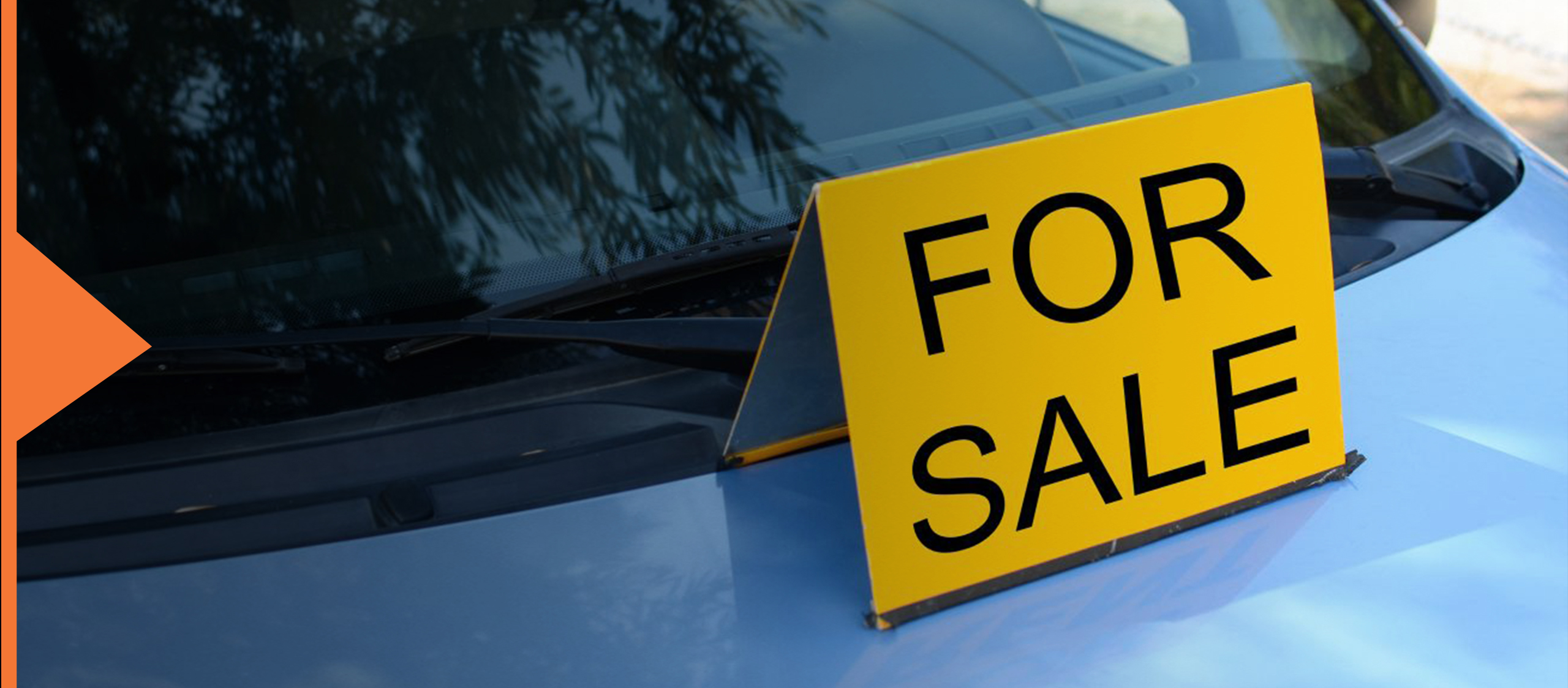
Buying a car can be an experience that’s full of excitement, but also much trepidation. This is especially so when it comes to buying a second-hand car, as many of us aren’t aware of what to look out for, what the best deals are, or even how to go about buying a used vehicle. While the car you are buying may be used, that doesn’t mean you have to get second-hand service or an inferior vehicle.
These handy tips will help you when buying a second-hand vehicle:
Buy according to your budget and needs
Before we go buy a car, we’ve all got grand ideas about what we want- the colour, the model, the year. Those thoughts shouldn’t be our main consideration though; our first focus should be on buying something affordable and within our budget. Even if you may have to conduct some small repairs to the car you buy, it may be worth it in the end. The car should fit in with your lifestyle and what you need in terms of areas such as interior space, finishes and engine power. If you are completing a trade-in, find out the trade-in value of your car beforehand and never accept the initial price as different dealers offer different incentives. Remember to never buy the first thing that you like and to always try to negotiate a better deal.
Shop around and do your research
If you’re shopping for clothes, you will usually try a few options before deciding on what shirt or pair of jeans you want to buy, and the exact same principle applies to buying a second-hand car. In fact, considering that it is such a large purchase, you should especially take care to look at various options. It is advisable to make a list of your desired cars and to thoroughly research each one – you should consider and actually test drive at least three options. Besides doing your research through online forums, you could also ask friends and family about similar cars in order to get an idea about car prices of specific ages and with different kilometres clocked up.
What will it take to maintain your new car?
It’s equally important to know what you’re in for when it comes to maintaining your new car. Find out what a typical service for the vehicle will cost if the car is no longer under a motor plan and if the replacement parts for the car will be easily accessible where you live.
Decide whether to buy privately or through a dealer
Decide beforehand whether you would like to buy a car through a private seller or through a car dealership. While you will probably get a better price through a private seller, a dealership will offer you more assurance in terms of a verifiable record of the car’s history as well as a service plan. A dealership could also organise financing for the purchase, which would make the purchasing process that much easier.
Ask all the right questions
The more you know about your new purchase, the more assurance you will have that you have made the right decision. If you’re buying from a private seller, you should ask questions such as these:
- Why are you selling the car?
- How often was the car serviced?
- Has the car been on many long road trips?
- Has the vehicle been in any serious accidents?
If you’re buying from a dealer, don’t worry about asking a question that seems silly. They are the experts in this field and should give you sound advice.
Cartrack will protect your new purchase
No matter what car you purchase. Cartrack will ensure that your new “baby” is protected from would-be car thieves. With a 100% recovery rate in Namibia, you can have #PeaceOfMind that your car is protected by our superior and world-class recovery team.