
Why It Is Important to Do Pre and Post-Trip Inspections

The bags are packed and we are all ready to go, but just one thing is missing. Have you checked your brake lights? Or car fluids? Have you checked any of it at all? It is easy to get caught up in the excitement of a long trip, and forget this vital step in travel preparations. Without these checks, a breakdown or an accident on the road becomes more likely.

This is why pre-and post-trip inspections are important practices for any vehicle owner, whether you’re a daily commuter, a weekend road tripper, or a professional driver.

Spotting an issue like slipping brakes before a trip can save your life. Regular inspections help identify critical problems, such as brake wear and tear, tyre pressure issues, or fluid leaks, that could lead to serious accidents. Failing to notice these issues may result in dangerous situations, endangering both the driver and other road users.

Let’s explore the importance of pre-and post-trip inspections and how Cartrack solutions can improve your inspection checks.

In this article, you will:

  • Learn the importance of pre and post-trip inspections
  • Understand the benefits of regular inspections
  • Explore how Cartrack can assist with vehicle inspections

What are Pre- and Post-Trip Inspections

Pre-trip inspections are checks conducted before taking a journey to ensure that the vehicle is safe and roadworthy. Post-trip inspections are done after a trip to identify any mechanical issues that may have taken place during the trip.

Did you know that thousands of people tragically lose their lives on Namibian roads each year? According to local authorities, a significant number of fatalities are reported annually. Unroadworthy vehicles remain one of the leading causes of these accidents, highlighting the critical importance of regular vehicle inspections.

Why are Pre- and Post-Trip Inspections Important

These inspections are important for safety, as they help identify potential technical problems that may lead to accidents. They ensure you do not get in trouble with the law and can help save money by detecting minor issues early before they become serious and costly to repair.

Let’s take a closer look at the benefits of conducting these inspections:

Safety Assurance

Imagine you’re about to embark on a highly anticipated family road trip. Before the trip, a quick pre-trip inspection is conducted, and a burnt-out brake light is discovered. By replacing it in time, it ensures that other drivers can see your signals, ensuring safety on the road. Upon returning from the trip, the vehicle is inspected again, and you notice uneven tyre wear. Addressing this issue prevents potential tyre blowouts in the future.

Cost Saving

Identifying and fixing minor issues during inspections can save money in the long run by preventing major repairs or breakdowns.

During an inspection, noticing worn-out brake pads and replacing them immediately can lead to significant cost savings. Addressing this issue quickly prevents potential brake failure during a journey, which could result in damage to the vehicle and additional maintenance expenses—not only for the brake pads but also for other components affected by the brake failure.

Improved Vehicle Performance

Regular inspections ensure that everything is functioning optimally. This not only enhances overall vehicle performance but also improves fuel efficiency and reduces emissions. A well-maintained vehicle operates more smoothly and is less likely to experience unexpected failures.
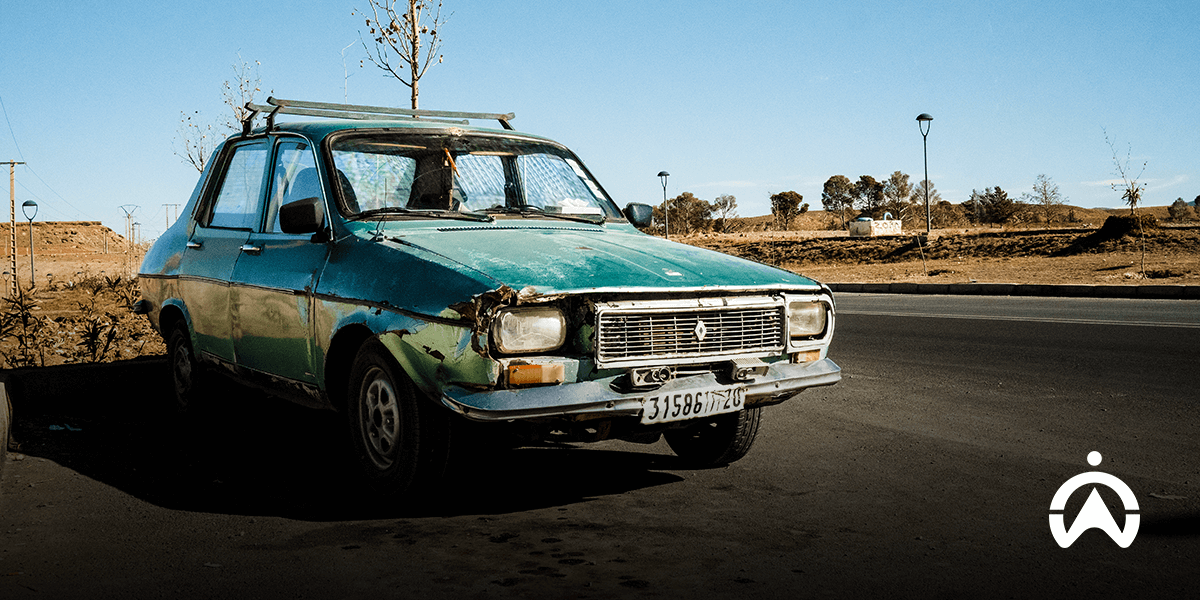
An old, worn-out green car parked by the roadside under a clear sky.

No Fines or Penalties

When stopped by traffic law enforcement at a roadblock and they find that the vehicle is not roadworthy, they will issue a ticket for fines or penalties. According to Arrive Alive, traffic officers can issue a notice to discontinue the use of a motor vehicle or even impound it if it is clearly unroadworthy. Having a well-maintained vehicle can lead to a smooth and hassle-free experience at a roadblock.

Insurance Benefits

Insurance companies often require proof of regular vehicle services and compliance with traffic laws. Conducting regular inspections can greatly benefit your insurance experience. Keeping the vehicle in good condition can enhance your chances of smooth claims processing in the event of an incident or damage. This not only saves money in the long run but also minimises inconvenience.

Positive Impact on Resale Value

If you’re planning to sell your vehicle in the future, having a documented history—such as a service book or proof of regular maintenance, like mechanic receipts—can significantly enhance your selling experience. A well-maintained vehicle shows potential buyers that it has been cared for, which can boost their confidence in the purchase. This proactive approach not only encourages potential buyers to proceed with the sale but can also positively impact its resale value.

Longevity

According to DEKRA, maintaining a car doesn’t only improve its overall performance but it also increases its lifespan. When you perform these inspections, you will notice an issue early, before it becomes a bigger problem. This ensures that the vehicle’s components work at their optimal.

Here are Some Things to Check in Your Car Before and After Hitting the Road:

As we learnt above, doing inspections before and after a trip is beneficial to you and your vehicle. You may be asking yourself, “What do I need to check during these inspections?”, here are a few important components to check:

  • Tyres: Check for any visible damage, such as cuts or punctures. Check the tyre pressure, and uneven wear patterns, which could suggest alignment issues.
    ‍
  • Brakes: Test the braking system to ensure it works as it should, and that there are no strange sounds. Also, check that the brake pads are still firm and steady and not smooth and slippery.
    ‍
  • Lights: Verify that all headlights, brake lights, indicators, and hazard lights are functioning correctly.
    ‍
  • Steering: Check that the steering feels normal, isn’t stiff, and doesn’t shake.
    ‍
  • Fluid Levels: Check oil, brake fluid, coolant, and windshield washer fluid levels.
    ‍
  • Battery: Look at the battery for any corrosion on the terminals and ensure that it is securely attached.
    ‍
  • Seatbelts: Make sure all seatbelts work by checking that they pull out smoothly and lock in place. This is important for keeping everyone safe in case of an accident.
    ‍
  • Windshield and Wipers: Ensure wiper blades are in good condition; replace them if they leave streaks. Ensure the windshield is clean and free of cracks or chips that could affect your view.
    ‍
  • Exterior Condition: Look out for any scratches, dents and any other signs of damage.

In addition to performing pre- and post-inspections, it is still important to take your car in for servicing, as per the manufacturer’s recommendation.
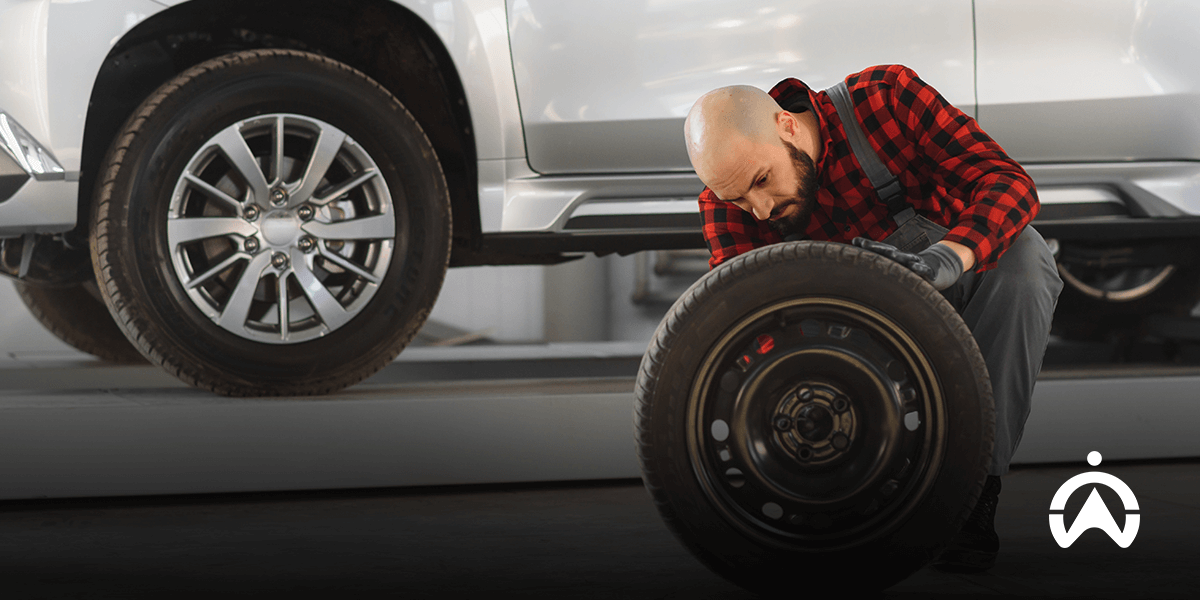
A person squatting next to a car and a spare tire.

Ways Cartrack Can Improve Your Inspection Checks

Cartrack customers can utilise the value-added service feature on the Cartrack App called ‘Schedule Maintenance’. This allows you to schedule important maintenance dates and is a great way to prove that the vehicle is maintained. It’ll also help keep track of future maintenance.

Simply log on to the app to check previous maintenance logs and use that as a guideline for your inspections. Explore other benefits of the Cartrack App.

Additionally, Cartrack’s Lifetime Maintenance Warranty provides you with hassle-free maintenance and repair services on our products, ensuring they remain functional and reliable over time. This service not only saves you money but enhances the overall experience of using our products. There’s no need to worry about inspecting the tracking device or dashcams, we have got that covered.

In conclusion, doing vehicle checkup is not merely a routine task; they are essential for ensuring your vehicle’s safety, performance, and longevity. By regularly checking key components, you can prevent costly repairs, avoid accidents, and stay compliant with the law. Regularly inspecting your vehicle will ensure the safety of other road users too.

Ready to take charge of your vehicle inspections? Contact us today to learn more about how we can assist in maintaining your vehicle’s safety and performance.

Frequently Asked Questions Regarding Pre and Post-Inspections

Q: What should I do if I find a problem during an inspection? 

A: If an issue is discovered during inspection, address it immediately. Depending on the severity of the problem, a quick fix, such as an oil change, may be manageable on your own, while a more serious issue like slow-changing gears, should be handled by a trusted mechanic before using the vehicle again.

Q:  How long should inspections take? 

A: Depending on the vehicle’s size and the complexity of the inspection, pre-trip inspections typically take about 20-30 minutes. Post-trip inspections may take less time but should still be thorough.

Q:  What are common mistakes made during inspections? 

A: Common mistakes include rushing through the inspections, skipping necessary steps or failing to document findings correctly. It is important to invest enough time when doing inspections, so they are effective.

Q: Should I inspect my vehicle if I’ve only driven it for short distances?

‍A: Yes, it’s still important to perform regular inspections even for short trips, especially if the vehicle is older or has had previous issues. Small problems can escalate even with minimal driving.


How To Prevent Festive Season Car Accidents

Visiting friends and family during the holiday season is something we all look forward to. Whether it’s a short visit or a long road trip, it’s important to ensure that you and your loved ones are safe and enjoying the festivities responsibly.

While road accidents are more frequent during the festive season, there are ways to protect yourself and your loved ones.

In this blog, we will learn ways to prevent accidents during this risky time of the year, and how Cartrack solutions can help keep you safe.

In this article, you will:

  • Learn why driving during the festive season is more risky
  • Discover ways to avoid car accidents during the festive season
  • Find out how to protect yourself during the festive season with Cartrack’s solutions

Why driving during the festive season is more risky

According to recent stats the number of people who died in road accidents in Namibia in 2024 was over 230 .By understanding the reasons behind these accidents, we can better equip ourselves to prevent them. Here are some of the causes of festive season car accidents on the road:

Road rage due to impatience

Road rage is when a driver expresses aggression toward another driver in various ways. It can escalate from verbal abuse all the way to physical assault. Often times, heightened emotions cause drivers to lose focus, leading to car accidents. This is very common during the holiday season as most people get frustrated on the road as they rush to reach their destinations.

Holiday traffic congestion

Traffic is bound to be heavy when everyone is travelling to the same place at the same time. This can lead to collisions or cars blocking intersections. You may witness illegal U-turns, poorly navigated lane changes, and driving on the shoulder of the road.

Long-distance driving fatigue

Many people take to the road during the festive season, often on long-distance road trips. These trips can easily lead to fatigue, especially if no breaks are taken. Fatigue from long-distance trips can lead to poor driving. Tired drivers do not concentrate when behind the wheel making more errors.

A large illuminated Christmas bauble decoration in a lively city square at night.

Poor weather conditions

The heavy rainfall in summer makes the roads unpredictable. Those who don’t have much experience in driving in wet conditions, might not know how to navigate this situation, which can lead to more accidents.

Overloaded vehicles

 A car that is overloaded with luggage and all other holiday goods is also prone to accidents because the weight puts a strain on its tyres. This causes the tyres to overheat and wear rapidly, which increases the chances of premature tyre failure or blow-outs.

Night driving with poor visibility

The risk of car accidents increases at night due to poor visibility. Certain areas have less lighting than others, making it difficult for drivers to see objects that are far away, such as roadsigns or pedestrians. The inability to see these objects is dangerous for everyone on the road and causes accidents.

Driving in unfamiliar areas

A city that the driver knows is easier to navigate because he/she is familiar with the road conditions. During the holiday season, most people drive in unfamiliar areas that might have unexpected curves, and more potholes, which leads to accidents.

Lack of vehicle maintenance

Vehicles need to be prepped for long-distance journeys and some people do not keep that in mind. This leads to accidents in high volumes caused by things that could have been fixed before the trip, such as faulty brakes or headlights.

Ways to avoid car accidents during the festive season

The festive season does not have to be as dangerous on the roads. There are safety precautions you can implement, such as the ones listed below:

  1. Avoid distractions: The most obvious way to get distracted is by talking to or texting someone on your phone while on the road. In South Africa, holding a cell phone while driving is illegal, if you really need to speak to someone, rather use hands-free devices. Loud music and ongoing discussions can also be distracting and can impair your response time.
  2. Keep to the speed limit: Driving within the speed limit helps you protect yourself and others. Speeding can cause you to lose control and reduce your reaction time. Car accidents caused by speeding can result in severe injuries. You should do your best to keep a consistent speed and maintain a safe driving distance.
  3. Follow road rules: Following the rules of the road is essential for all road safety. A predictable driving style means other drivers can understand what you are doing and can respond in kind.
    ‍
  1. Protect yourself from road rage: If you come across someone aggressive while on the road, you should avoid responding with rude words or gestures. Let the driver pass if possible, and keep a safe distance.
  2. Be courteous when driving: Always practice courteous driving. Being patient and calm, especially during the holiday, can soothe tensions on the road.
  3. Assign a designated driver: Choose one person to abstain from drinking when going out. This person will be responsible for driving and ensuring everyone gets home safely.
  4. Use an e-hailing service: When out having fun, use an e-hailing service to minimise the chances of an accident. Many people will order these services beforehand, so pre-booking is a good idea. This is possible via some ridesharing applications such as Uber and Bolt.
  5. Drive carefully on wet roads during rainfall: Be extra cautious when driving on wet roads and during heavy rain. Some tips include driving more slowly and avoiding harsh turning or braking. You should ensure you always have your seatbelt on.

Some extra factors you can consider include driving in low gear if taking a bend and paying extra attention to your blind spots as it may be more difficult to see vehicles in these areas at first glance. Lastly, make use of your low-beam headlights as they not only help you to see but also help others see you.

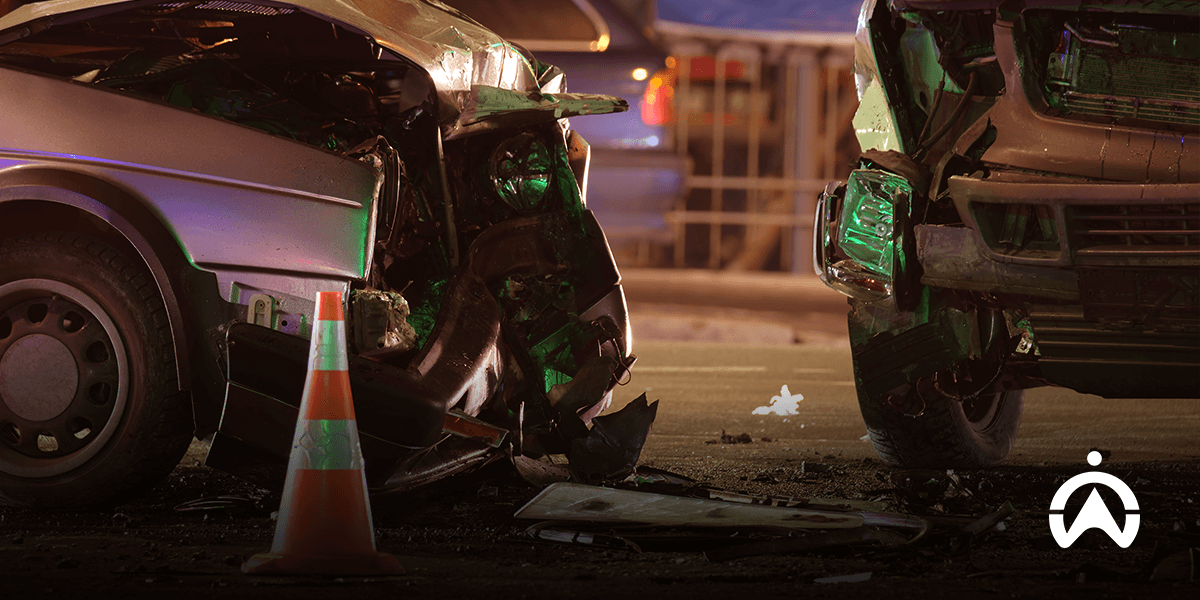
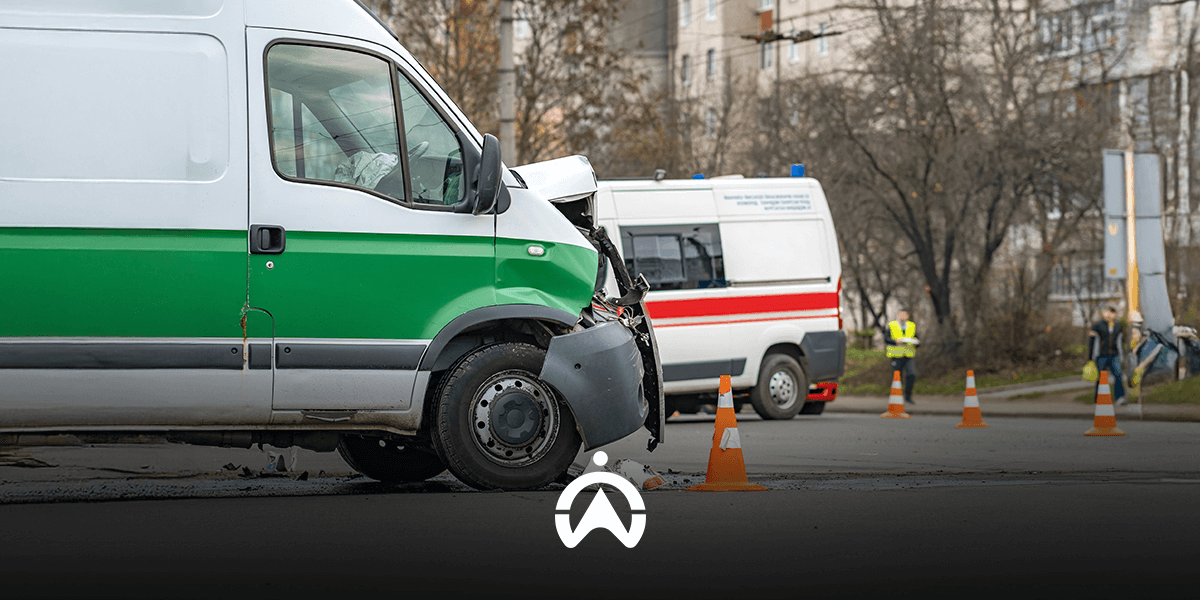
Two heavily damaged vehicles in a nighttime collision with debris around.

Protect yourself during the festive season with Cartrack’s empowering solutions

Cartrack is devoted to keeping you safe on the road and empowering you to prevent and handle accidents effectively all year round. We offer the following solutions:

  • ‍Road Vision Camera: This solution motivates people to drive safely—they know they are being recorded while driving which holds them more accountable. Also, if you end up in an accident, there will be footage to help you understand what you or another driver did wrong.
    ‍
  • ‍Crash Detection: Using the IoT (Internet of Things), our Crash Detection solution detects any impact with objects in real time. If you get into an accident, our control room agents will be notified. They will then call you or one of your emergency contacts to understand the situation and send immediate help.
    ‍
  • ‍Protector: Get medical, roadside and legal solutions, all at the push of an emergency button. Our Protector solution is available 24/7 through our Mobile App. This is a value-added service that can prove useful in a car accident, especially during the festive season.

Take all the necessary precautions to protect yourself and your loved ones so you can enjoy the holiday season. If you do find yourself in an unfortunate situation, remember that Cartrack has your back. Contact us now for this dedicated protection.

How to Manage Mixed Fleets

Managing a mixed fleet has transformed the way businesses operate. Whether you’re overseeing compact delivery vans, heavy-duty trucks, or an eco-conscious mix of electric vehicles, handling such diversity offers both unique opportunities and significant challenges.

The reality is that managing a mixed fleet isn’t just about tracking mileage or scheduling maintenance. It’s a balancing act, requiring strategic planning, and precise coordination and takes considerable time and effort to master completely.

In this blog, we explore the ins and outs of mixed fleet management, offering practical strategies and actionable insights to help you streamline your operations.

We’ll also show you how Cartrack’s innovative solutions can be the game-changer your fleet needs to operate like a well-oiled machine.

Let’s dive in.

By the end, you’ll understand:

  • Why managing a mixed fleet is uniquely challenging
  • Simple, practical steps you can take to make fleet management easier
  • How Cartrack’s innovative solutions can help you take control and make your operations run like clockwork

What Exactly Is a Mixed Fleet?

A mixed fleet is exactly what it sounds like; a group of vehicles with different features, fuel systems, or purposes. You might have a mix of petrol and diesel vehicles, a few hybrids or electronic vehicles (EVs), and maybe some specialised trucks for heavy-duty tasks.

While this variety of fleet can be a strength, it requires you to handle diverse tasks and may also come with a unique set of challenges. Different vehicles mean different maintenance schedules, performance tracking needs, and varying operational costs.

Why Managing a Mixed Fleet Can Be Complex

Let’s get real. If you’ve ever tried to juggle the needs of a mixed fleet, you know it’s not for the faint of heart. Here are a few reasons why:

  1. Diverse Maintenance Requirements: A diesel truck doesn’t need the same care as an electric sedan. Keeping up with all the schedules and specific needs can feel like solving a Rubik’s Cube blindfolded.
    ‍
  2. Fuel Management: With various vehicles guzzling fuel at different rates, tracking and optimising fuel consumption is tricky. Add rising fuel costs to the mix, and you’ve got a recipe for budget stress.
    ‍
  3. Driver Challenges: Not every driver is comfortable switching between vehicle types. Some may excel at driving a compact car but struggle with a bulky truck or the nuances of an electric vehicle.
    ‍
  4. Regulatory Compliance: Different vehicle types often come with their own rules for safety and emissions. Staying on top of these is critical but time-consuming.

Sound familiar? If you’re nodding along, don’t worry, you’re not alone. Many fleet managers face these hurdles daily, fortunately, Cartrack has practical solutions for you and your business to streamline these operations.

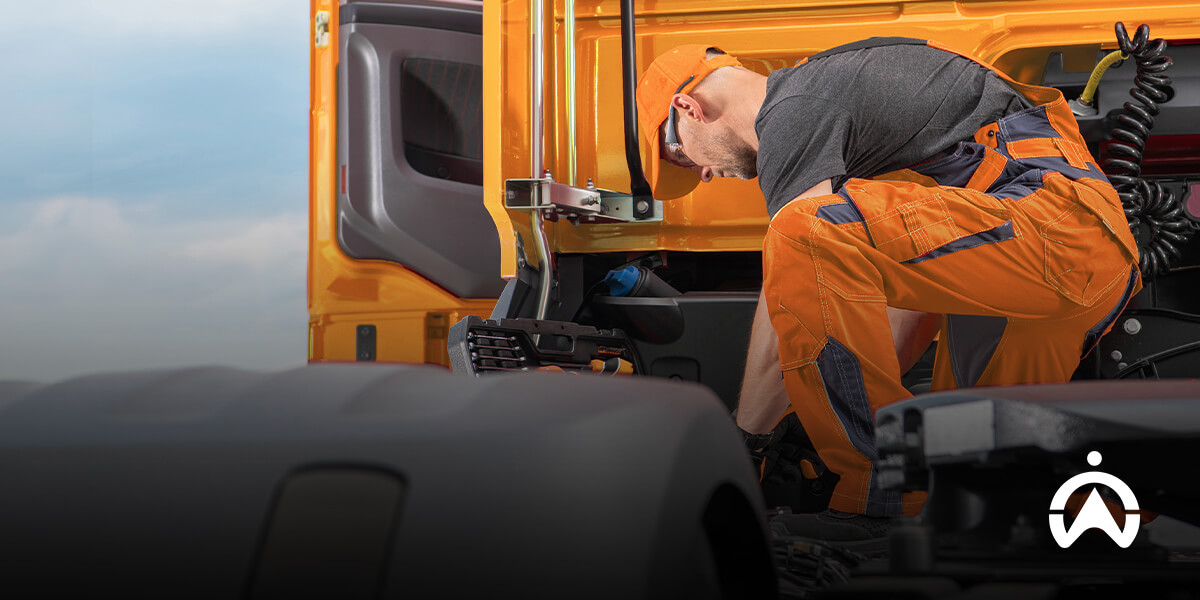
Worker in orange overalls repairing the interior of a yellow truck cabin.

Mastering the Art of Mixed Fleet Management

Mastering mixed fleet management does not have to be a complicated issue. All that is required is a dedicated fleet manager and a reliable fleet management system. Here are some ways to get started:

  • Centralise Your Fleet Management
    Imagine having one dashboard where you can see everything, from maintenance schedules, and performance data to compliance documents for all your vehicles. A centralised system is a game-changer. It eliminates the need to hop between spreadsheets and makes it easy to get a bird’s-eye view of your fleet.
    ‍
  • Lean on GPS Tracking
    Real-time GPS tracking
     is like having a crystal ball for your fleet. You can see where every vehicle is, how it’s being driven, and whether it’s sticking to the most efficient route. Beyond improving efficiency, GPS tracking also adds an extra layer of safety by deterring reckless driving.
    ‍
  • Standardise Maintenance Procedures
    Yes, your vehicles are different, but certain processes can be standardised. For instance, you can create a master maintenance schedule that includes buffer zones for added flexibility. This way, you reduce the risk of missed appointments, unforeseen delays and adjustments while accommodating unique vehicle needs.
    ‍
  • Empower Your Drivers
    A mixed fleet is only as good as the people behind the wheel. Make driver training a priority, ensuring each team member is comfortable handling different vehicles that they are licensed to operate. Knowledge drives progress, whether it’s teaching them the nuances of electric vehicle charging, the art of handling a heavy truck during heavy rains or knowing how to drive on steep terrain.
    ‍
  • Embrace Fuel Efficiency
    Fuel is often one of the biggest expenses for a fleet, and with a mix of vehicles, inefficiencies can add up quickly. Start by monitoring fuel usage closely. Look for trends to spot whether certain vehicles are guzzling more fuel than they should, or to pick up on a driver who seems to have a lead foot. Addressing these issues can lead to substantial savings in fuel costs and other operational costs.
    ‍
  • Make Compliance a Habit
    Instead of scrambling to meet regulatory requirements at the last minute, build compliance checks into your regular processes. This is especially important for mixed fleets, where vehicles may be subject to different rules.

Why Cartrack Is Your Go-To Partner in Fleet Management

Managing a mixed fleet isn’t just about hard work, it also is about working smart. And this is where Cartrack steps in.

What Cartrack Offers

  1. Real-Time GPS Tracking
    With Cartrack, you’ll always know where your vehicles are and how they’re being used. Whether it’s a fuel-efficient hybrid or a heavy-duty diesel truck, our GPS tracking gives you real-time insights to optimise routes, monitor performance, and improve safety.
    ‍
  2. Automated Maintenance Reminders
    Forget sticky notes and calendar alerts. Cartrack’s system sends you automated maintenance reminders based on mileage, time, or other key factors. This ensures that no vehicle slips through the cracks.
    ‍
  3. Fuel Management Tools
    Fuel costs don’t have to be a guessing game. Our fuel management solutions help you track usage across all vehicle types, pinpoint inefficiencies, and take corrective action.
    ‍
  4. Driver Behaviour Monitoring
    Reckless driving can lead to accidents and increased wear and tear. Cartrack gives you the tools to monitor driving habits, helping you encourage safer behaviour and cut down on unnecessary costs.
    ‍
  5. Compliance Tracking
    Whether it’s emissions standards, licensing, or safety inspections, Cartrack makes compliance straightforward. All your documents and deadlines are stored in one place, so you’re always audit-ready.
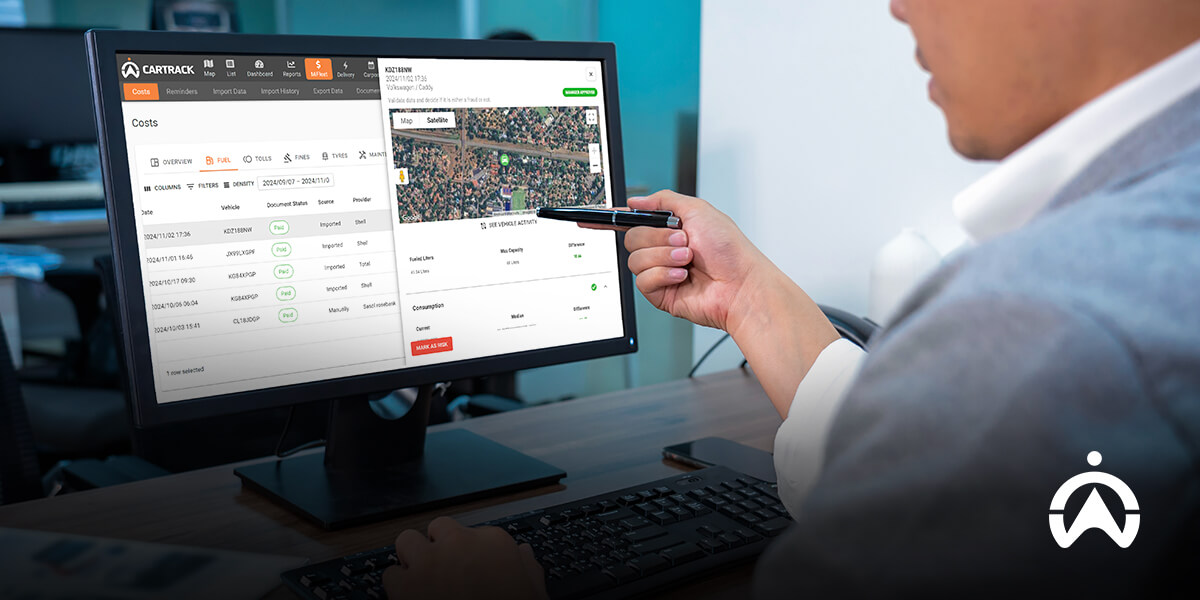
Person at a desk pointing at a computer monitor displaying a vehicle tracking application.

So, Why Wait?

Managing a mixed fleet doesn’t have to feel like a full-time juggling act. With Cartrack Namibia, you’ll have the tools you need to simplify operations, reduce costs, and keep your drivers happy.

Ready to see how Cartrack Namibia can transform your fleet? Let’s chat.

FAQs About Managing a Mixed Fleet

  • What are the benefits of integrating electric vehicles into a mixed fleet, and how can Cartrack support this transition?
    Integrating electric vehicles can reduce fuel costs and emissions. Cartrack makes it easy to monitor charging, maintenance, and performance to ensure smooth operation.
    ‍
  • Can Cartrack assist in optimising routes for both heavy-duty trucks and compact vehicles in a mixed fleet?
    Yes! Cartrack’s GPS system optimises routes for all vehicle types, ensuring each one takes the most efficient path, reducing fuel costs.
    ‍
  • What is the role of driver training in managing a mixed fleet, and how can Cartrack’s tools support it?
    Driver training is essential. Cartrack’s monitoring tools highlight areas for improvement, so you can provide targeted training to enhance safety and efficiency.
    ‍
  • How can Cartrack help businesses track the ROI on investments in electric vehicles for a mixed fleet?
    Cartrack’s reports track fuel savings and maintenance costs, helping you easily calculate the ROI of electric vehicles and understand their financial impact.

The Secrets Car Tracking Companies Aren’t Sharing

Car tracking has completely changed how we think about securing and managing vehicles. Whether you’re a car owner looking for extra peace of mind or a business managing a fleet, tracking systems offer significant advantages.

But let’s be honest, there’s a lot about this industry that doesn’t make it into the glossy brochures. Beyond the sleek marketing campaigns lie lesser-known facts, hidden costs, and untapped features that tracking companies may not readily disclose.

This blog takes a deep dive into the industry’s lesser-known truths, shedding light on what you should know before choosing a car tracking service provider. At the same time, it explains why Cartrack is a trusted leader in vehicle tracking.

Let’s dive in and separate the facts from the fluff.

In this article, you will:

  • The lesser-known truths behind car tracking
  • The hidden costs many buyers overlook
  • Why Cartrack’s solutions stand head and shoulders above the competition

The Hidden Truths of Car Tracking

At first glance, car tracking seems straightforward: a device shows you your vehicle’s location on a map. But there’s much more to tracking than meets the eye. Modern tracking devices are complex tools capable of gathering vast amounts of data, which can be both a benefit and a concern, depending on how it’s handled.

Hidden Role of Data in Car Tracking

Think of today’s tracking units as digital diaries for your vehicle. They don’t just pinpoint where your car is but also log details about how it’s driven, how much fuel it’s consuming, and even how often it idles. This wealth of data can be incredibly useful, but can also raise questions about ownership and privacy.

  • Who Owns the Data?
    One of the first things many people overlook is the question of data ownership. Who controls all that information your car tracker collects? You might be surprised to learn that with some vehicle tracking providers, the answer isn’t “you.”

    Certain companies store your data on their servers and, in some cases, share it with third parties and this can sometimes happen without your knowledge. The third parties can include insurers, advertisers, or even regulatory agencies.

    At Cartrack, we take a different approach. Your data belongs to you. It’s stored securely, encrypted for protection, and never shared without your explicit consent. We’re upfront about how we handle your information because transparency is non-negotiable for us.
    ‍

  • What Happens to Shared Data?
    Even when data is kept anonymous, it can still reveal trends and patterns about your behaviour. Some providers sell this anonymised data to insurers or marketers, who might use it to influence things like your insurance premiums.

    With Cartrack, you don’t have to worry. We don’t sell or share your data. Instead, we focus on using it to deliver features that make managing your car or fleet easier.

Hidden Costs Not Mentioned Upfront

Buying a car tracker often seems like a straightforward transaction, but hidden costs can quickly add up. From subscriptions to hardware quality, the true cost of ownership isn’t always clear from the start.

  • Subscription Fees: The Ongoing Expense
    Most tracking systems require separate subscriptions for features like live updates or detailed reports. These fees might seem minor at first, but can become a significant expense over time.

    With Cartrack, there are no nasty surprises. Our subscription plans are designed to provide comprehensive features, such as Live Tracking and Crash Detection, without piling on additional fees.
    ‍

  • The Risk of Cheap Devices
    It’s tempting to go for a bargain tracker, especially if you’re on a budget. However, these low-cost devices often lack essential features like geofencing or crash detection. Worse still, they can be unreliable when it matters most.

    Take the story of a small business owner who bought a cheap tracker online to cut costs, only to find it malfunctioning within months. When one of his fleet vehicles was stolen, the device failed to provide accurate location data, leading to a total loss. Had he chosen a reliable system like Cartrack, he could have benefitted from our industry-leading 90% recovery rate for stolen vehicles.
    ‍

Two professionals working with a large screen displaying a map and analytics.

Hidden Differences Between Car Tracking Companies

Not all car tracking systems are created equal. The market is filled with options, but not all deliver the same level of performance, reliability, or features. Knowing what to look for can save you a lot of headaches.

  • GPS Accuracy
    Imagine trying to locate a stolen vehicle, only to find that the tracker’s GPS signal is off by several kilometres. For businesses or individuals, poor accuracy can make a world of difference, especially in the case of an emergency.

    With Cartrack, this isn’t a problem. Our Real-Time GPS Tracking delivers precise locations, even in challenging conditions like dense urban areas or underground car parks.
    ‍

  • Durability Matters
    Car tracking devices are exposed to extreme conditions—heat, cold, rain, and physical impact. Unfortunately, many cheap trackers aren’t built to handle this, leading to performance issues or outright failure.

    At Cartrack, we design our hardware to last. Whether you’re dealing with a sweltering summer or a freezing winter, our devices perform reliably all year round.
    ‍

  • Features Beyond Tracking
    Basic location tracking is useful, but advanced features can transform how you use your vehicle. Think crash detection, fuel monitoring, or even driver behaviour analysis. These tools can save money, improve safety, and enhance efficiency.

    Cartrack offers a comprehensive suite of features, including Dashcams, Geofencing Alerts, and Driver Analytics, giving you far more than just a dot on a map.

Why Choose Cartrack for Your Tracking Needs?

So, what makes Cartrack the preferred choice for vehicle tracking? It comes down to reliability, transparency, and an unwavering commitment to customer satisfaction.

Our solutions provide everything you need to protect and optimise your vehicle. Here are some of our cutting-edge product features designed to make your life easier, whether you’re managing a fleet or securing your car:

  • Advanced vehicle tracking device fitment
    We schedule a free vehicle tracking fitment. Cartrack’s advanced fitment techniques provide high confidence that hijackers will find it difficult to discover or deactivate your vehicle’s tracking device. This sophisticated installation allows us to achieve our industry-leading stolen vehicle recovery rate.
    ‍
  • Cross-border SVR
    The Cartrack tracking unit features international roaming, allowing tracking both locally and abroad. In areas with no GPRS/GSM coverage, the device can store up to 5000 positions and events, such as ignition changes, every 3 km of travel, or deviations of 10 degrees or more. These data points are transmitted once GPRS/GSM communication is re-established.
    ‍
  • CarWatch
    CarWatch is an early warning system you activate at the touch of a button from Cartrack’s app. It will alert you and Cartrack in advance the moment your parked vehicle is moved without your authorisation. This allows Cartrack to proactively send a response team to your vehicle and increase the chances of recovery. Additionally, our Cartrack control room agents will promptly contact you to check in and provide assistance in case of a hijacking.
    ‍
  • Back-up battery
    A reliable vehicle tracking device with a long-lasting battery increases the likelihood of recovering your vehicle. Cartrack’s internal backup battery comes into play when the vehicle’s battery is disconnected or fully discharged, providing up to 5 hours of power. This gives Cartrack ample time to track and recover your vehicle.
    ‍
  • Geofencing
    Cartrack empowers you to establish geofences, including border entry and exit points. These virtual boundaries can be customised to designate no-go or high-risk zones, and you’ll receive instant alerts as soon as your vehicle enters or exits these geofenced areas.
    ‍
  • 24/7/365 control room support
    Our emergency control response team is ready to support you 24/7/365, especially in the unfortunate event of vehicle theft or hijacking. We also allow direct communication with the private response teams and local police to ensure a rapid response.
    ‍
  • Air and ground recovery teams
    Cartrack maintains a skilled air and ground recovery response network in Namibia and neighbouring regions, collaborating closely with local law enforcement to ensure swift and successful vehicle recoveries in case of theft.
Two Cartrack recovery agents in tactical gear with a walkie-talkie near a vehicle.

At the end of the day, a car tracking unit is more than just a device, it’s peace of mind. Whether you’re worried about theft, looking to save on fuel costs, or managing a growing fleet, the right tracking solution can make all the difference.

Cartrack goes beyond basic tracking to provide tools that truly transform vehicle management. From real-time GPS to driver analytics and stolen vehicle recovery, we’re here to help you protect what matters most.

Don’t settle for less when it comes to your vehicle’s security and efficiency. Contact us today to learn more about our innovative solutions and find out how we can help you take control of your car or fleet.

Frequently Asked Questions

1. Can I track my car if I’m travelling abroad?

Absolutely! Cartrack provides global tracking coverage, so you can stay connected to your vehicle, no matter where you are.

2. How safe is my personal data with Cartrack?

Your privacy is a top priority. Cartrack uses state-of-the-art encryption to keep your data secure and private at all times.

3. What should I do if my Cartrack device stops working?

If something goes wrong with your device, Cartrack’s support team is ready to help. They’ll troubleshoot the issue or arrange for a replacement if needed.

4. Can I customise alerts with Cartrack?

Yes, you can easily set up custom alerts to notify you about things like speed violations or if your vehicle leaves a designated area.

What is Video Telematics

The fleet management industry has seen massive development in the technologies it employs and the methodologies it follows. Not too long ago, managing a fleet was a precarious job. Many components were still analogue, and many processes were manual. This meant that managing a fleet of vehicles was a tedious task, often filled with human error.

The solution was telematics, a field combining telecommunications, electrical engineering, computer science, and vehicular technologies to send, receive, and store data remotely. This proved to modernise the industry, formalising many protocols and providing a standardised system that can be trusted.

Telematics has helped reduce operational and maintenance costs while increasing the overall safety of the fleet with both real-time and offline driver coaching. This has reduced, and in some cases completely removed, many inconsistencies in the industry, becoming the core of fleet management.

An interesting innovation has been in the video space, where technological leaps and bounds have been made. With the accelerating adoption of Artificial Intelligence (AI), new fleet management systems are set to expand their video diagnostics and driver behaviour monitors. Video telematics is now the industry standard that all fleet management systems are measured against.

In this article, you will:

  • What video telematics is
  • Why fleet managers need it
  • How Cartrack is the best solution for video telematics

What Is Video Telematics and How Does It Work

Video telematics is the audio-visual component of telematics. It combines telematics data with high-definition video footage recorded on dashcams, enabling fleet and risk managers to better understand driver behaviour and provide personalised driver coaching.

Video telematics uses sensors and Dashcams to provide visibility into driver behaviour, and it is often used as part of driver safety and risk management programs. Sensors that are built into telematics devices detect key events such as speeding, aggressive braking, harsh acceleration, and idle time. The Dashcams record the event, making the footage available to fleet managers and drivers.

Video telematics is built on two main components, namely data collection and real-time monitoring. It is these capabilities that allow for a comprehensive look into driver behaviour and fleet performance.
‍

Today’s video telematics generally share these basic components:

  1. Several video cameras
  2. Front-facing camera mounted to the dashboard or windshield
  3. Rear-facing camera
  4. Interior camera to document the driver and cabin, additional cameras for side views
  5. Telematics technology either embedded in the primary camera or the standalone
  6. Wireless module in the telematics device or camera to transmit data and video footage
  7. Software platform to process and analyse data
  8. End-user application

In order to understand video telematics, two aspects need to be addressed, namely; data collection and real-time monitoring. These two features make up the foundation of how this software works.

Let’s get a detailed look into what these aspects are and how they work in video telematics.

Data Collection and Processing

Data collection is the first step in the process. AI-powered dashcams installed in fleet vehicles capture high-definition video footage of both the road and the driver. Equipped with sensors, these cameras detect and record key metrics such as speed, fast acceleration, harsh braking and location. Telematics devices add another layer by collecting data from GPS receivers, engine interfaces and accelerometers, providing detailed information on vehicle movements and performance. Detailed information on vehicle movements and performance is collected, laying the groundwork for further analysis.

All video telematics data is stored in a cloud, where it can be retrieved by the fleet manager whenever they need to review it. This data can be used to generate reports which offer insights into overall fleet performance. Storing data long-term allows the business to have a more comprehensive view of how the business operates and also provides material that can be used for coaching and employee development.

Real-Time Monitoring and Alerts

A key element of video telematics is the real-time monitoring capabilities that it offers fleet managers. With video telematics, a manager can live-stream a driver’s journey from beginning to end uninterrupted. This easy access and transparency gives managers peace of mind and holds drivers accountable for their actions, should they transgress while driving.

The video detection technology sends alerts to the fleet manager, notifying them of the driver’s particular bad behaviour. The manager can then directly contact the driver to correct their behaviour. These alerts and corrections foster better driving habits, and they provide the correct footage to defend your drivers from any false claims. The recordings can prove their innocence, increasing driver retention and reducing unnecessary legal costs.

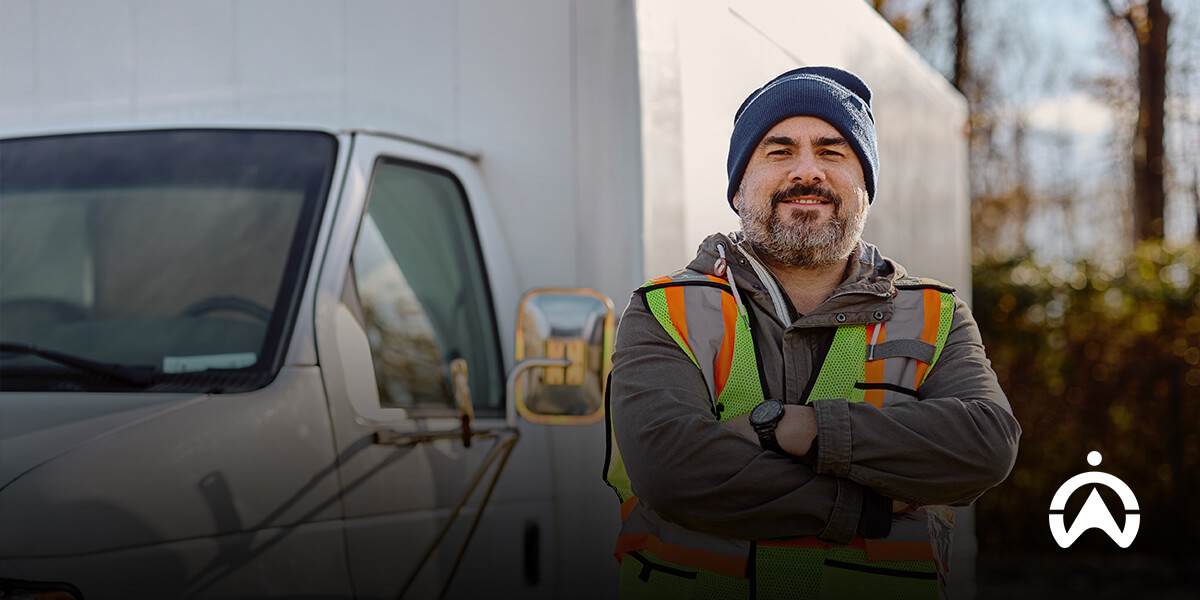
A person in a high visibility vest standing in front of a white van.

Why you need Video Telematics

In order for a fleet to function optimally, drivers need to be performing at their best. Driver behaviour is a significant factor in how successfully a fleet operates. This is why it is important to make sure that they are monitored and assisted on their journeys.

A study of more than 10,000 crashes estimated video telematics could reduce fatal and injury crashes by up to 35%. This highlights how crucial this technology is in modern-day fleet management.

Why is Video Telematics Good for Businesses:

Numerous benefits come with having video telematics technology in your fleet. Most of the technology in telematics systems incorporates the same features, which offer a range of benefits, these include:

  • Enhanced Fleet Safety: AI-powered cameras detect and alert drivers of risky behaviours like distracted driving or harsh braking, reducing accident risks.
    ‍
  • Improved Operational Efficiency: Real-time video and data insights allow businesses to monitor vehicle performance and identify areas for cost-saving.
    ‍
  • Driver Accountability: Video telematics creates a transparent environment by monitoring drivers’ actions, and promoting responsible behaviour.
    ‍
  • Prevention of Cargo Theft: Live video monitoring helps deter and address theft, ensuring cargo safety.
    ‍
  • Proof in Disputes: Recorded footage provides indisputable evidence in the event of accidents or fraudulent claims, saving time and money.
    ‍
  • Cost Reduction in Claims and Repairs: Proactive risk management lowers insurance premiums and repair costs by preventing avoidable accidents.

Let’s see what sets Cartrack’s video telematics apart

Cartrack is an industry leader in video telematics, offering AI-powered smart dashcams. Our AI technology allows us to monitor and detect erratic driver behaviour such as distracted driving and fatigue. These solutions have been a boon to the fleet management sector, a space where we serve a diverse client base in 23 countries across various industries.

In addition to video telematics, Cartrack offers other features that integrate with your fleet’s needs. Our offering is comprehensive and includes many cutting-edge technologies, these include:

Front Collision Warning

Our ADAS cameras track the distance to the vehicle in front of a driver’s vehicle, alerting if it is too close to help avoid a bumper crash. By constantly monitoring the space in front of the car, the system can detect if the vehicle is getting too close to the one in front. If it detects a potentially dangerous situation where a collision is imminent, it will trigger an alert to the driver. This early warning system is designed to prevent rear-end accidents, which are among the most common types of crashes.

Smoking Detection

Our DMS camera detects the moment a driver is smoking and triggers an event. Smoking can be distracting and reduce control over the vehicle.  This technology works by detecting the telltale signs of smoking, such as the motion of a cigarette or the presence of smoke in the cabin. If smoking is detected, an event is triggered, alerting fleet managers or the system to this behaviour.

Distracted or fatigued driving

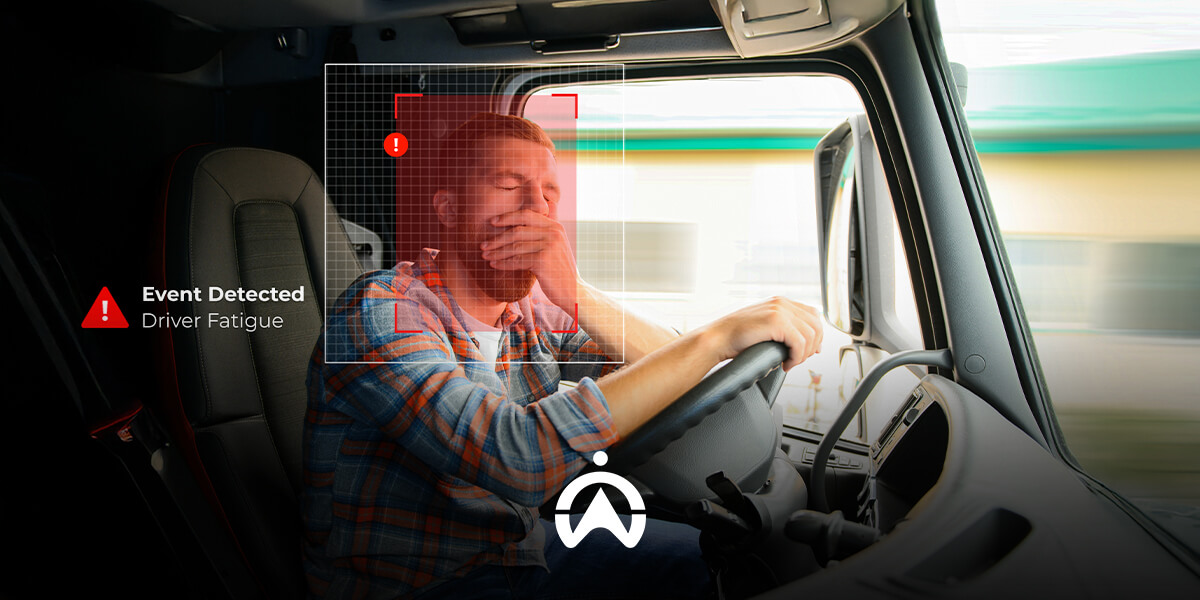
The camera tracks the position or orientation of the driver’s head and eyes. If the driver is looking away from the road, it will alert the driver and generate an event. The camera continually monitors whether the driver is looking at the road or diverting their attention elsewhere, such as looking at a GPS screen, reading, or engaging with passengers. If the driver’s eyes stray from the road for too long, the system will send an alert. In cases of fatigue, if the driver shows signs of dozing off or their head starts to tilt in a way that signals drowsiness, the system will recognise this as well.

Mobile phone use detection

The AI camera detects whether a driver is talking on their mobile phone by ear instead of via a Bluetooth handset. This is to minimise distraction and give the driver more control over the vehicle. The AI-powered camera is able to distinguish between hands-free Bluetooth usage and holding a phone to the ear, which is an indication of distracted driving. If the system detects that the driver is holding their phone, it sends an alert, notifying the driver of the danger and encouraging them to use hands-free devices instead.

Yawning

Our camera detects yawning, which if too frequent can indicate extreme fatigue for your driver and delay their reaction time. This feature is particularly beneficial for drivers on long trips, overnight shifts, or those who may be experiencing disrupted sleep patterns. By proactively addressing signs of drowsiness, this technology helps keep drivers safe and reduces the risk of fatigue-related accidents, which are often the most serious type.

Camera-covering detection

If the driver covers the camera to prevent visibility the fleet manager will be alerted. This ensures that the integrity of the monitoring system is maintained and that the safety of the driver and others on the road is not compromised. The ability to quickly identify when a camera is being tampered with or obstructed is crucial for ensuring that the safety features of the vehicle are always operational.

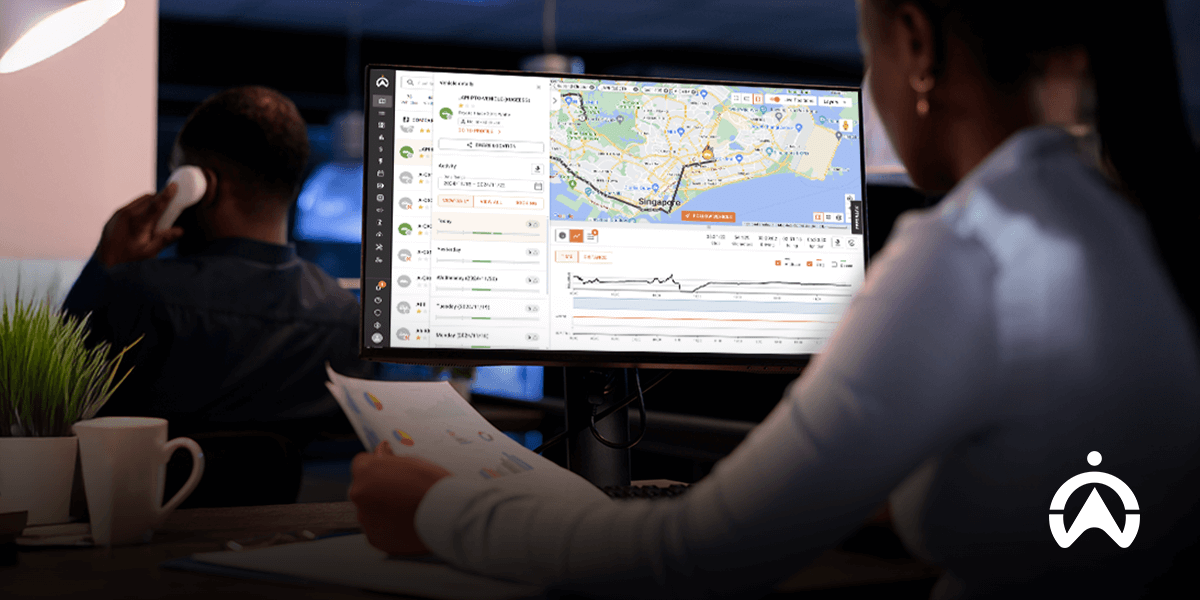
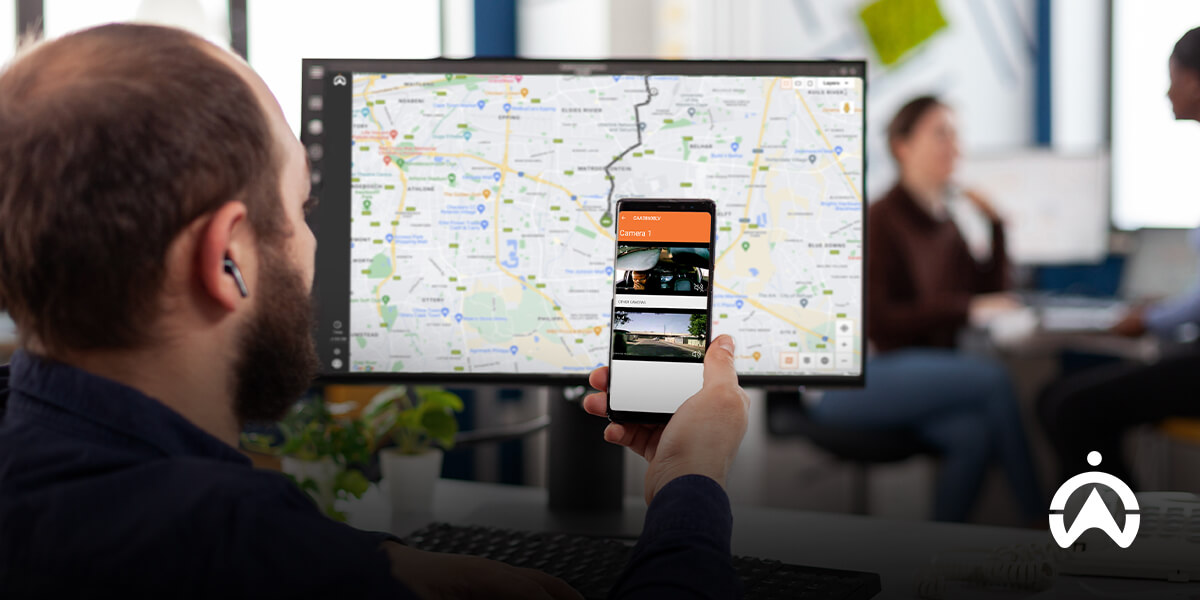
Person holding phone with security camera feed in front of a computer screen showing a map.

As the leading fleet management and video telematics region in Africa, South Africa is poised to be the market leader in this new telematics offering. The penetration rate in the total population of fleet vehicles used by businesses is estimated to increase from 47.3 percent in 2023 to 70.0 percent in 2028. In this ever-changing world, it is important to stay up to date with industry developments and innovations. Video telematics is the current reality for fleet management and looks to be its future as well. A wise decision would be to adopt this technology as soon as possible in order for your business and fleet to be fully optimised.

Video telematics offers an extra layer of certainty for your business, contact us today to learn more about how we can take your fleet management from better to best.

How Dashcams Reduce Accidents

Namibia has one of the highest vehicle fatality rates in the world, at 23.9 per 100,000 people; proving that road safety is a great concern. According to a recent report by The Namibian, human factors such as speeding, reckless driving and distracted driving are among the primary causes of road accidents. This includes behaviours like using cell phones and driving under the influence of alcohol or drugs.

This is why you need an extra set of eyes on the road for an added layer of protection, and dashcams do exactly that. In this blog, we will discuss how dashcams can help reduce accidents and be useful in case of one.

In this article, you will:

  • Know what dashcams are and how they work
  • Find out how dashcams can help reduce accidents
  • Learn how to choose the right dashcam
  • Explore suitable Cartrack solutions for your needs
  • Find out extra information about dashcams on the Frequently Asked Questions(FAQ)

What are dashcams and how do they work?

Dashcams are small cameras usually installed on the vehicle’s dashboard or windshield. While the most common dashcams are road-facing, some can face multiple directions; on the road, in-cabin and in the rearview mirror.

Dashcams record everything that happens on the road as soon as the ignition is on and stop when the ignition is off. Some dashcams can record a few extra minutes after the ignition is off.

Overall, dashcams serve as invaluable tools for enhancing road safety by providing continuous monitoring, promoting responsible driving behaviours, and offering you peace of mind in various situations.

How Dashcams Can Help Reduce Accidents

Dashcams come in handy when it comes to accidents. Not only do they provide proof during an accident, but they can also hold you accountable when driving. When you know you are being recorded, you are most likely to drive cautiously by following the rules of the road. This ultimately helps reduce accidents.
‍

Here are other ways in which dashcams can help reduce accidents:

  • Enhancing your awareness of the road: Dashcams with wide-angle lenses can boost your awareness while driving. They give you a better view of blind spots and potential hazards, which comes in handy in unexpected situations—like when another driver suddenly changes lanes or a pedestrian step onto the road.

    By capturing these moments, dashcams make it more likely that you’ll have important footage if something goes wrong. This can help prove evidence in case of accidents or disputes. So, having a dashcam means you’re better prepared for whatever comes your way on the road.
    ‍

  • Provides insights post-accident: If you find yourself in an accident, having a dashcam can be a game-changer. You can easily review recorded footage to understand what led to the incident and spot any unsafe behaviours that may have contributed to the accident. This not only helps you piece together what happened but also gives you the chance to see where you or other drivers might have made mistakes. Ultimately, this promotes safer driving habits.
    ‍
  • Encourages Responsible Driving: Having a dashcam encourages responsible driving as knowing that you’re being recorded as you drive motivates you to adopt safer habits, such as maintaining a safe distance from other vehicles and obeying traffic laws.

What are the other benefits of dashcams

Dashcams have many other benefits beyond reducing accidents, investing in a dashcam is a good decision for any driver looking to protect themselves and their vehicle. Let’s look at what these extra benefits are:

  • Expedite insurance claims: Since dashcams record pre and post-accident events, your evidence will help speed up your insurance claims process and ensure your vehicle is quickly repaired.
    ‍
  • Theft-deterrent: When thieves see a dashcam in your vehicle they may be hesitant to break in since they know they will be recorded.
    ‍
  • Document road rage: If you ever get involved in a road rage incident, the recorded footage can be submitted to law enforcement and may help reduce instances of aggressive driving.
    ‍
  • Prevent fraud: Some motorists are now scamming unsuspecting drivers by staging accidents and falsely claiming damages from previous incidents. This tactic pressures victims into paying for damages they didn’t cause. Dashcams provide crucial evidence that can protect you from such scams.

Learn more about how dashcams can prevent insurance fraud and scams.

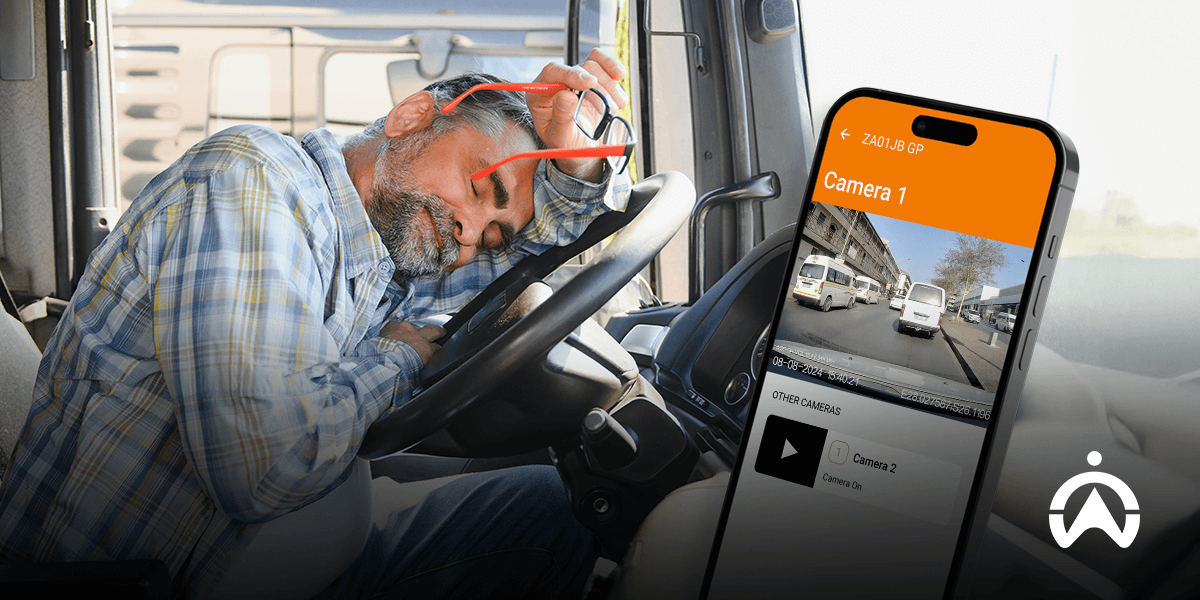
Person asleep in vehicle with smartphone displaying security camera footage next to them.

How to choose the right dashcam

When comparing dashcam models, consider features such as video resolution, storage capacity, and additional functionalities such as GPS tracking and night vision capabilities. However, it is important to choose the right service provider first.

You should choose a reputable service provider not only to ensure that you get the best dashcam for your vehicle but also to have access to customer service if you have any questions or need assistance. Imagine you get a dashcam from an unreliable company, and you later notice that it wasn’t recording the whole trip; you phone to enquire about this but no one answers. Ultimately, you are stuck with a dashcam that doesn’t function properly, which defeats the purpose of owning one.

Fortunately, you do not have to look further because Cartrack has exactly what you need. Our vision solution provides you with two dashcam options: Road Vision (with one road-facing camera) and Dual Vision (with two cameras, road and in-cabin facing).
‍

Let’s look at a few key factors to keep in mind when choosing a dashcam that best fits your needs:

Video Quality

The video quality plays an important role in dashcams because the footage has to be high resolution. High-resolution footage provides clarity and detail necessary for identifying key elements during incidents, enhances performance in various lighting conditions, and ensures that recorded evidence is reliable and usable.  Investing in a dashcam with good video quality will give you peace of mind on the road, knowing that your footage will come out clear.

Our road-facing cameras have 1080p, ensuring you can see road signs, billboards, license plates, etc.

Low light Conditions

Cartrack Dual Vision dashcams have infrared technology that can capture clear footage in low-light areas, even at night. Cameras automatically switch between night vision and day vision, meaning you always have an extra set of eyes no matter the time of day.

Easy Installation

Our dashcams are designed for easy installation. We will send a qualified technician to install them safely for you. Having a qualified technician handle the installation means that the dashcam is mounted correctly, ensuring that all wiring is neatly tucked away to maintain the vehicle’s interior aesthetics and prevent any interference with airbag systems or other critical components.

Upon successful installation, Cartrack provides a certificate that can be presented to your insurance provider. This certification may help in fulfilling specific policy requirements. Insurers often recognise the value of dashcams in reducing fraudulent claims and enhancing overall safety, making this document beneficial for drivers.

GPS Capabilities

At Cartrack, we understand the importance of safety and accountability on the road, this is why our dashcams come equipped with telematics capabilities. By integrating GPS technology, our dashcams not only capture good-quality videos but also provide driving behaviour analysis. This means you can monitor speed, acceleration, and braking patterns, helping you identify areas for improvement and promoting overall safe driving habits.

Cost Considerations

When purchasing a dashcam, it’s important to consider the price in relation to your specific needs. Cartrack offers options that accommodate various budgets—ranging from basic road-facing dashcams with limited features to more advanced models equipped with motion sensors and additional functionalities. By choosing a dashcam that aligns with your needs, you can make a more informed decision without overspending. Whatever your needs and budget, Cartrack has got you covered.

Mobile App integration

Check if the dashcam comes with a mobile app that allows you to easily access footage, adjust settings, and receive important updates. The Cartrack App allows you to request footage and even livestream your dashcam’s view. Imagine your son, a fairly new driver, takes your car for a ride. You can live stream his trip; this allows you to coach him later to enhance his driving skills and help him stay safe on the road.

This integration not only enhances user experience but also allows for real-time monitoring, ensuring that drivers are informed about their vehicle’s status at all times.

Storage Capacity

The dashcam’s storage capacity is important, as it determines how much footage can be recorded before old files are overwritten. Our cameras have a storage capacity of 128GB, allowing for approximately 6 hours per day at high resolution.

In conclusion, dashcams aren’t only there to provide you with evidence during an accident, they are there to give you peace of mind while driving, knowing that you are prepared to face any challenges on the road. It’s even better when you have Cartrack’s advanced technology dashcams; you can confidently navigate the roads, with a fresh set of eyes.

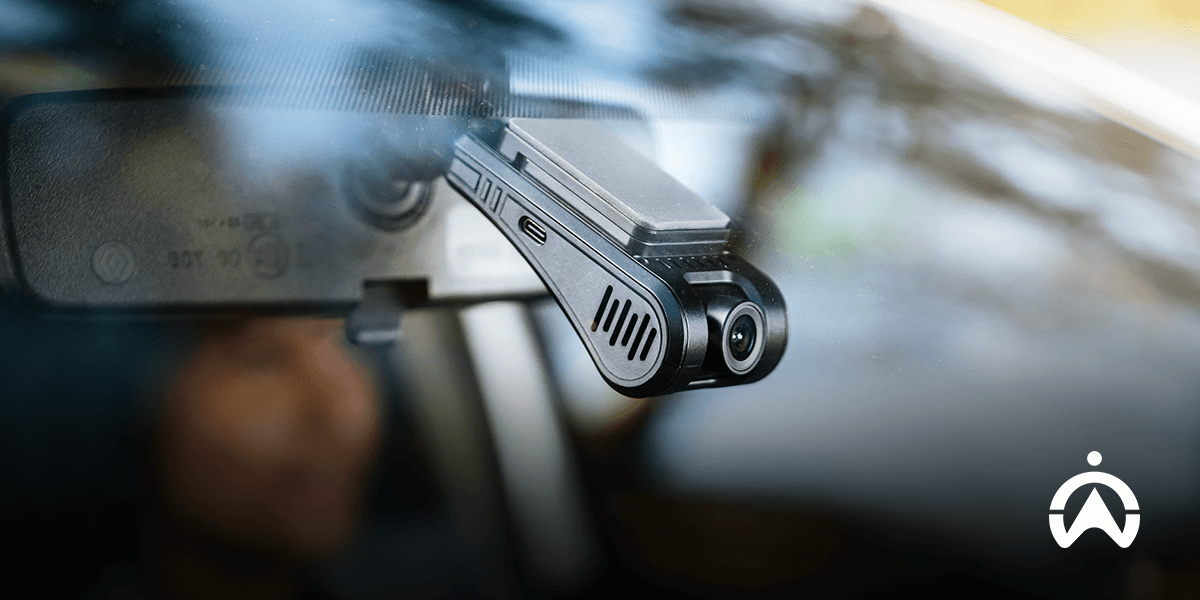
A dashboard camera mounted inside a vehicle, overlooking the windshield.

Elevate Your Road Safety with Dashcams

Gain peace of mind on the road knowing that you have a second set of eyes, that not only encourages safe driving but also provides crucial evidence in the event of an accident.

Contact us today to learn more about how our dashcams can enhance your driving experience and safety!

Frequently Asked Questions about Dashcams

Q: How do I service my dashcam?

A: Our Dashcams have a year warranty. Additionally, you can purchase Cartrack’s lifetime warranty, ensuring that you never have to worry about any damage to the hardware. If you would like to purchase a lifetime warranty, please contact our Client Services Department on +26 (4) 83 720 7500.

Q: How do you clean dashcams?

A: Always keep the lens clean by wiping the lens with a microfiber cloth. Do not use harmful chemicals that may damage plastic components.

Q:  Do dashcams use car batteries?

A: Yes they do use car batteries, however, they are designed to turn off automatically when the car’s ignition is off. Some dashcams may stay on for an extra 5 minutes after the ignition is off, but this is typically not enough to drain the battery significantly.

The Hidden Costs of Fuel Wastage

Running a business is already a daunting task. Large fuel invoices can cripple your business, draining resources and hindering operations.

Finding reasons why the fuel bill is high is essential—you may discover that your vehicle needs maintenance, the fuel is getting stolen, or the driver is careless. Ultimately, resolving this issue promptly is imperative to mitigate potential negative consequences for other business operations.

We will explore the hidden costs of fuel wastage and how Cartrack can help you save on fuel.

In this article, you will:

  • Know what fuel wastage is and why it matters
  • Learn the causes of fuel wastage
  • Understand the financial impact of fuel wastage
  • Learn how fuel wastage affects the overall fleet performance
  • Know how to manage fuel wastage and save costs

What is Fuel Wastage and Why It Matters

According to Suzuki, fuel accounts for 40% of a car’s running cost, which means we should care about fuel efficiency. Fuel wastage refers to the unnecessary use of fuel that occurs when vehicles operate inefficiently. Identifying the cause of fuel wastage is important because if left unresolved, it can cost you a lot of money, disrupt your business’s overall operations, and harm the environment.

What are the causes of Fuel Wastage?

Like any problem, before coming up with a solution, you have to identify the cause. Several things cause your fuel bill to be unnecessarily high, from spending too much time on the road to driver behaviour. Let’s have a look at the causes:

  • ‍Driver Behaviour
    Drivers are essential to fleet operations, so it is important to make sure they practise safe driving to protect the vehicles and cargo they carry. Here are a few driver behaviours that contribute to fuel wastage:

    • ‍Harsh braking: Sudden braking forces the vehicle’s transmission to downshift, increasing fuel consumption.
      ‍
    • ‍Idling: Leaving the engine running while stationary for over 10 seconds wastes fuel and increases emissions. It further contributes to wear and tear.
      ‍
    • ‍Rapid acceleration: Quickly accelerating from a stop consumes more energy than steady acceleration, leading to inefficient fuel use.
      ‍
    • ‍Revving the engine: In cold weather, revving the engine to keep your vehicle warm while stationary wastes fuel and increases costs.
      ‍
    • ‍Overload: Exceeding weight limits not only poses safety risks but also leads to increased fuel consumption and lower tyre pressure.
      ‍
    • ‍Speeding: Speeding raises aerodynamic drag, resulting in higher fuel wastage.
      ‍
    • ‍Driving in the wrong gear: Staying in the wrong gear for too long forces the vehicle to work harder, wasting. Drivers should change gears appropriately.
      ‍
    • ‍Ignoring maintenance warning signs: Ignoring maintenance warning signs can lead to vehicle inefficiencies, causing increased fuel consumption and higher costs.
      ‍
  • ‍Inefficient Fleet Routing
    When drivers’ routes are not properly planned, it can lead to several issues such as increased traffic congestion and unnecessary duplicate trips to the same location—this results in fuel wastage. For example, when drivers are stuck in traffic, their vehicles idle, unnecessarily consuming fuel.

    Additionally, if drivers are required to travel back and forth to the same destination throughout the day, the number of trips will not only be maximised but the time spent on the road will increase.
    ‍

  • ‍Poor Vehicle Maintenance
    As mentioned above, ignoring vehicle maintenance warnings is not only unsafe for your drivers and other motorists, but it will affect the longevity of your vehicle and will result in fuel wastage. Here are five things you can do and check frequently to help keep your vehicle running smoothly:

    1. Tyre pressure and rotate the tyres
    2. Other important fluids like transmission and brake fluids
    3. The engine air filter
    4. Cabin air filter
    5. Belts and hoses
      ‍
  • ‍Fuel theft
    Another reason your fuel bill may be suspiciously high is due to fuel theft.

    Fuel theft not only costs the company money but can cause major delays in operations. There are many types of fuel thefts, some from actual criminals, others from your employees. Let’s look at the types of common fuel theft:

    • ‍Syphoning: Thieves use a hose to manually suck the gasoline or diesel fuel out of the tank and into a container. They then place the fuel in another vehicle.
      ‍
    • ‍Fuel Fraud Card: This occurs when an employee uses the company’s fuel card to purchase fuel for their personal vehicle.
      ‍
    • ‍Fuel Card Cloning: Cards are duplicated and used on other vehicles, at the cost of the original cardholder, in this case, the company.
      ‍
    • ‍Fake Transactions: This is when fuel stations charge one fuel card multiple times during a single refuelling session. The cardholder is then liable for all costs.

Addressing these causes of wastage through vehicle maintenance, route planning, fuel management systems and adopting improved driving habits will help your fleet be fuel efficient and reduce costs associated with fuel wastage.

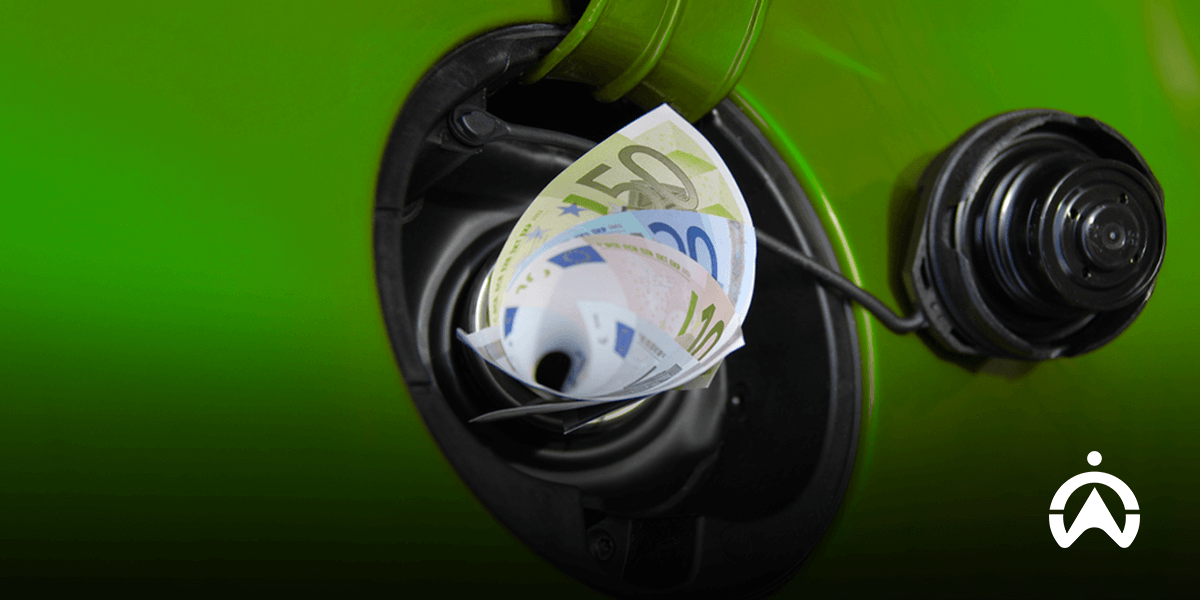
Euro bills inserted into a car's fuel tank opening against a green background.

The Financial Impact of Fuel Wastage

Overspending on fuel puts a financial strain on your business. If you exceed your fuel budget, you may need to reallocate funds originally set aside for maintenance to cover the increased fuel expenses. This can compromise the quality of the equipment you use or may force you to choose a less qualified mechanic.

Poor fuel management can damage your vehicles, strain your budget, and erode your company’s profit margins. By neglecting fuel management, you’ll divert funds from essential daily operations.

Decreased profit margins can force businesses to reduce staff, leading to lower-quality service and dissatisfied customers.

Looking at all these factors, it is evident that fuel wastage not only affects the fuel economy but has other adjacent consequences.

How Fuel Wastage Affects Overall Fleet Performance

Fuel wastage affects overall fleet performance by increasing operational costs, reducing efficiency and may even damage the fleet’s engines.

When fuel is wasted due to poor routing, excessive idling, or aggressive driving behaviours, it not only inflates costs but also leads to longer travel times and decreased productivity.

Additionally, when the engine is not working optimally due to these driver behaviours such as speeding, it can lead to wear and tear.

As a result of the engine not working as it should, drivers may need to spend more time refuelling, ultimately affecting the productivity of the business, which may cause delays in delivery time, resulting in unsatisfied customers.

How to Manage Fuel Wastage and Save Costs with Cartrack Namibia

Fortunately for your business, Cartrack Namibia will help you tackle fuel wastage and save costs. Our fuel management system uses fleet telematics to read fuel levels in real-time, keep track of and improve fuel efficiency, reduce fuel consumption and instantly notify managers of fuel changes.

The fuel management system allows fleet managers to obtain detailed information about their fleet’s fuel economy. You can determine whether fuel usage has increased due to incorrect tyre pressure, misaligned tyres, or vehicle weight. Furthermore, it provides accurate data on the cost per mile, fuel theft, and driver behaviour.

Depending on the size and the needs of your fleet, here’s how you can reduce fuel wastage with Cartrack’s fuel monitoring features:

  • MiFleet: This is an easy-to-use administrative and vehicle cost management software that can efficiently manage your fleet, drivers and related operating costs. The full benefits of managing your fleet are optimised when you have installed tracking devices in your fleet. However, you can still use this software whether or not your fleet is equipped with telematics.

    Let’s say you have a fleet of over 500 utility vehicles in several provinces. You realise that your business’s fuel costs are extremely high, but you can’t exactly pinpoint the cause. You try to use spreadsheets but that only creates more admin work and doesn’t give you the insights you need.

    Mifleet can help you with the following in this situation:

    • ‍It will detect fuel card fraud: The system instantly detects potential fraud by providing accurate alerts.
      ‍
    • ‍It will detect inefficient routes: It identifies drivers who have high costs per job due to deviating from routes and taking excessive breaks.
      ‍
    • ‍It will detect fuel drainage: Suspected fuel siphoning is detected in vehicles with high costs per kilometre using MultiVision cameras and inspections.

      The best part is that you have all this information on one platform. With these findings, you can solve your fuel wastage problem, and save costs and time on administration.
      ‍

  • Route Optimisation: Route optimisation is advanced route planning. This feature enables businesses to determine the most efficient and safest paths for their drivers. By integrating GPS tracking, fleet managers will receive real-time alerts regarding delays or route deviations through the app.

    This feature benefits your business in the following:

    • Save on Costs: You can save a lot of money by making routes more efficient and using less fuel. This means spending less on fuel, repairs, and general running costs.
      ‍
    • Eco-Friendly: Route optimisation helps protect the environment by reducing unnecessary driving and fuel use. This is a greener approach that shows commitment to reducing emissions and taking better care of the environment.
      ‍
    • Timely Deliveries: With the ability to make informed rerouting decisions, businesses can ensure faster deliveries, resulting in enhanced customer satisfaction.
      ‍
  • ‍CANbus: Cartrack connects to the vehicle’s CANbus (Short for Controller Area Network Bus, it is a communication platform for different parts of a vehicle), which allows clients to see their vehicle information such as mileage, fuel-related information and RPMs on the fleet website. Some of the benefits of CANbus are:
    • Vehicle diagnostics: CANbus allows remote diagnostics resulting in lowered maintenance time and costs.
      ‍
    • Fuel efficiency: The data can help optimise fuel efficiency, reducing emissions and fuel-related costs.
      ‍
    • Driver behaviour analysis: CANbus data be used to analyse and coach driver behaviour.
      ‍
  • AI Multivision: Cartrack’s AI-powered cameras notify the driver of risky driver behaviours such as distracted driving and speeding. This allows drivers to correct their actions in real time and helps create a safe driving culture, reducing the risk of accidents and fuel wastage.
    ‍‍
  • Driver ID tag: Identify and record your drivers’ performance with monthly driver scorecards. You will be able to know which driver is in charge of which vehicle, and essentially see which vehicle uses the most fuel.

In conclusion, having a fuel management system is beneficial for your business. It will help you uncover hidden costs caused by fuel wastage. You will be able to adhere to your budget without redirecting funds for other important things, which will allow you to operate an enhanced fleet business.

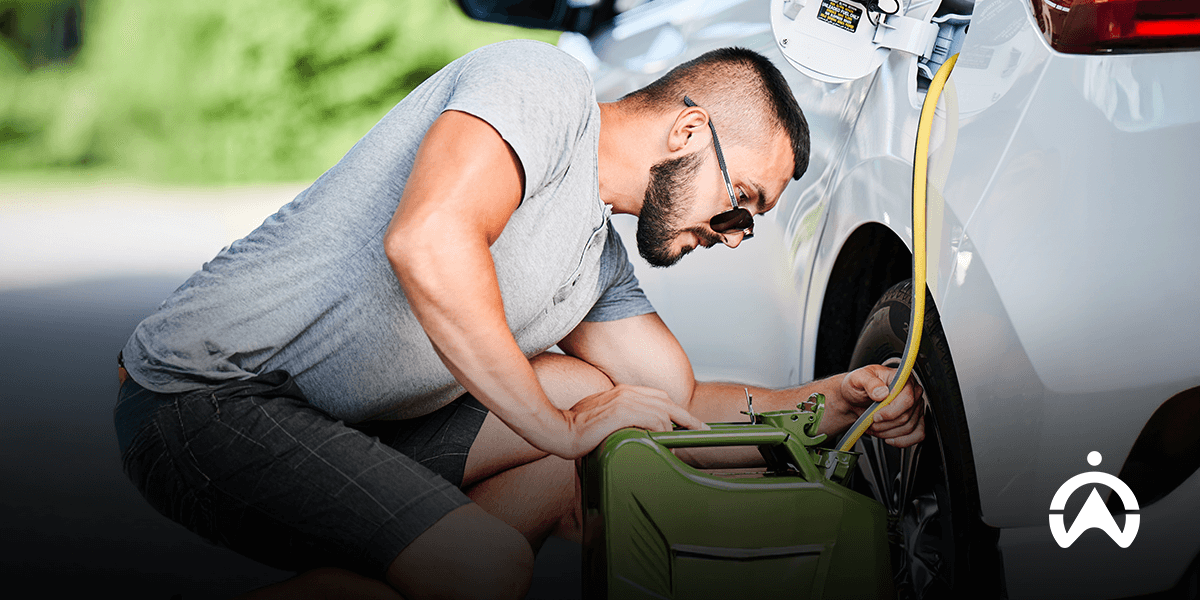
Person in gray shirt syphoning fuel out of a car using a green portable fuel container.

Improve your fuel consumption and save on fuel costs with Cartrack Namibia

Cartrack Namibia is an industry leader in fuel management with easily accessible features on one platform. By choosing us, you are choosing to save on fuel and improve the overall efficiency of your fleet. Contact us today.

Frequently Asked Questions regarding hidden costs of fuel wastage

Q: What are the environmental and reputational impacts of fuel wastage for companies?

A: Excess fuel wastage increases emissions. Companies that waste fuel seem like they do not care about the environment. This will negatively impact the company’s reputation as customers would not want to be associated with such a company.

Q:  Which engine consumes more fuel?

A: A larger engine is most likely to consume more fuel since it has more space to fill. However, fleet managers need to note that it isn’t only about the size; it’s also about how efficiently that engine uses fuel.

Q: Are Fuel Management Systems Only Useful for Large Fleets?

A: No, businesses of any fleet size can benefit from fuel management systems.

The Role of Route Optimisation in Reducing Fuel Misuse

Fuel costs have been a continuous problem for Namibian businesses. Although fuel prices remained unchanged in November 2024, businesses are still feeling the strain. That is why businesses are encouraged to implement measures to reduce fuel misusage in their fleet operations.
Every litre that is wasted eats at a company’s operational budget. This is where route optimisation comes into play. By taking advantage of Cartrack’s route optimisation systems, businesses can significantly reduce fuel misuse and its negative consequences.

Let’s take a closer look at how route optimisation can help businesses save on costs and contribute toward a more sustainable future.

In this article, you will:

What is route optimisation?

Route optimisation is the process used by fleet managers to plan delivery routes. In their efforts to build an efficient fleet and reduce unnecessary operational costs, these managers may want to implement strategies to minimise fuel misuse. This is done by leveraging technologies like GPS, real-time data on traffic congestion and algorithmic programs to calculate, analyse and predict effective routes. These features incorporate factors like traffic conditions, road closures and vehicle capacity to provide the most efficient route while improving a business’s operational efficiency.

How Route Optimisation Minimises Fuel Misuse

There’s no denying it, traffic in Namibia can be a real headache. Navigating roads often consists of driving through a maze of backroads, getting stuck in traffic and being forced to take unnecessary detours. For businesses operating a fleet of vehicles, this high level of congestion is costly, and time lost in traffic directly translates to actions that cause fuel misuse, resulting in more money being used.

Wondering how this affects your business? Not planning your delivery routes can increase actions that result in fuel misuse. Additionally, a driver’s behaviour also contributes to fuel misuse.
‍
Let’s discuss how these factors cause fuel misuse and how to minimise the effects.

  • ‍Traffic Congestion:
    ‍
    With the rapid rate of urbanisation, limited infrastructure and the increase of people buying vehicles, roads are becoming more congested with vehicles of all sizes, this has increased travel times and has also led to more fuel misuse. This is due to insufficient planning or no planning at all. When stuck in traffic, drivers keep the engine running which wastes fuel without the vehicle moving.

    Having real-time data at your fingertips allows fleet managers to know where the busiest roads are, allowing managers to reroute the driver to prevent delays. This stops the driver from getting stuck in traffic which reduces fuel misuse.
    ‍

  • ‍Road Infrastructure:
    ‍
    Bridges, tunnels and one-way roads are sometimes not accounted for when planning a route. This can force large fleet vehicles to take detours, leading to longer trips and more fuel misuse. Not accounting for areas with badly maintained roads can cause a vehicle to use more power when travelling on these roads, which leads to fuel misuse and also results in wear and tear on a vehicle and its tyres.

    Route optimisation systems identify road infrastructures and consider these obstacles to provide optimal routes where large fleet vehicles can travel freely without delays. Preventing the misuse of fuel.
    ‍

  • ‍Aggressive driving habits:
    ‍
    Driver’s behaviour can be a big contributor to the increase in fuel misuse. Rapid acceleration, speeding and harsh breaking cause the fuel to burn faster.
    ‍
    Route optimisation provides you with insights into your driver’s behaviour on the road. This real-time data allows you to take immediate corrective measures to stop the behaviour, allowing you to reduce fuel misuse in real-time.
    ‍
  • ‍Overloading vehicles:
    Fleet vehicle capacity is often not considered when loading cargo which results in fuel misuse. For example, when a truck is loaded over it carrying capacity it can become heavy, making it difficult to handle. A heavy truck uses a lot more power to idle and moves slowly in traffic. It also requires more power to accelerate or slow down which results in the vehicle using more fuel when on deliveries.

    Route optimisation systems can assist fleet managers in assigning loads per vehicle based on the capacity of each vehicle. The algorithms analyse the data to make sure that vehicles aren’t loaded over their capacity. By incorporating these strategies into your operation, you drastically reduce fuel misuse.
    ‍

  • ‍Unauthorised use of vehicles:
    ‍
    There have been many instances where drivers attempt to use company vehicles for their personal use. This can result in fuel being misused contributing to unnecessary fuel costs to your business.

    Incorporating an optimisation system paired with geofencing into your operation helps you monitor fleet vehicles in real-time. You can make sure that a driver is following a planned route. The geofencing capabilities allow you to create virtual boundaries around optimised routes to keep drivers in line and also notify you when drivers deviate from the planned route.

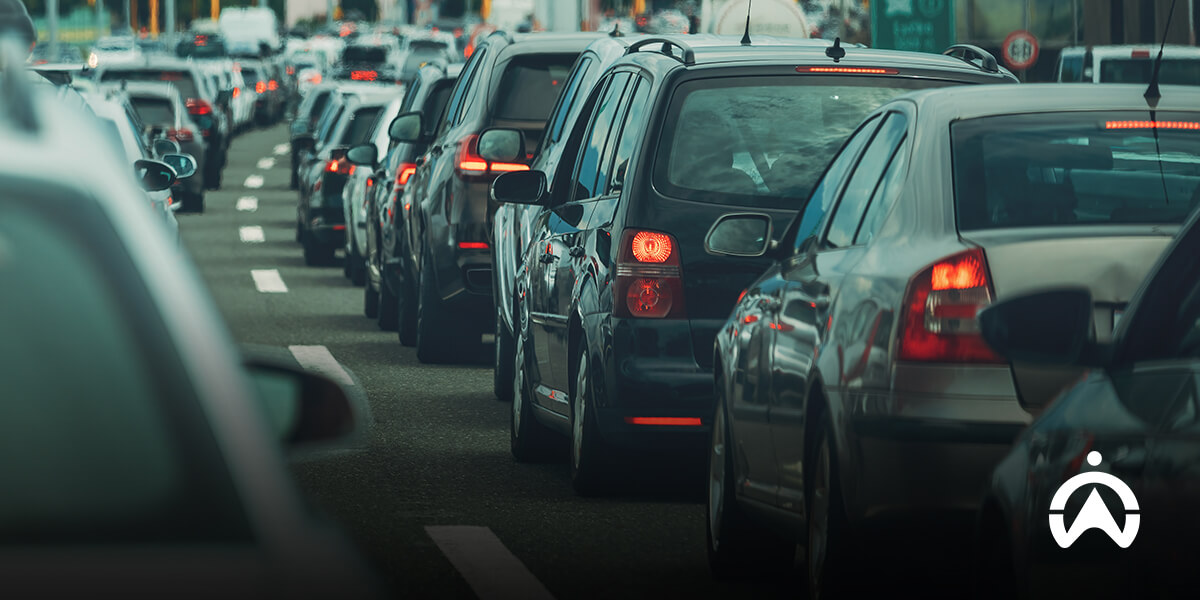
Traffic jam with rows of cars and illuminated brake lights.

Benefits of Cartrack’s route optimisation software

Route optimisation is not only about using advanced maps and AI-powered software, it’s about making smart decisions that save your business money and ensure it succeeds far into the future. Cartrack goes above and beyond to deliver route optimisation solutions that get you fast and consistent tangible results. From cutting fuel costs to boosting your fleet’s performance and efficiency, all while improving your bottom line.

Here’s how partnering with Cartrack for route optimisation can benefit your business.

Reduce fuel misuse and operational costs

Fuel costs can consume your operational budget fast, and with the recent petrol price hikes it’s become an even greater challenge. Cartrack systems help alleviate fuel misuse by streamlining routes, it also helps monitor driver behaviour allowing you to correct bad driving habits like speeding and harsh breaking. This reduces fuel misuse per trip which saves money.

Improve vehicle utilisation and efficiency

Route optimisation is all about making sure every trip counts. Cartrack’s route optimisation algorithms help you work smarter by analysing your vehicle capacity and load volumes to ensure that each vehicle is carrying the correct loads, maximising your vehicle’s efficiency which prevent fuel misuse.

A person in a high-visibility vest sitting inside a vehicle cabin.

Increases driver productivity

Imagine a scenario where your route plan is so well planned that traffic jams and excessive idling are a thing of the past. With route optimisation, your drivers will spend less time in traffic and get deliveries done on time. This also means that drivers will be less stressed and have more time to recharge from trips which leads to economical driving habits that result in less fuel used. Cartrack’s geofencing can also enable fleet managers to create virtual boundaries around delivery routes so that they can keep drivers on planned routes. Implementing this results in more deliveries done and also less fuel misuse because drivers are following the routes.

Fleet managers can use route optimisation to avoid traffic congestion and minimise fuel misuse while on the road. With Cartrack’s solutions, you can do that and more. Reduce the time spent on deliveries, track vehicle movement in real-time, get traffic insights, predict maintenance, and monitor driver behaviour. Cartrack empowers you to make faster, more informed decisions which increases efficiency.

Elevate your business with Cartrack Namibia. Take control of your fleet, reduce costs, and contribute to a more sustainable future. Why wait? Start optimising your routes today and see the benefits for yourself.

FAQs about Route Optimisation and Fuel Savings with Cartrack Namibia‍

Q: Is route optimisation software customisable for specific industries?

A: Yes, it doesn’t matter which industry you operate in, logistics, construction, or any other industry. Businesses can take advantage of Cartrack’s customisable route optimisation software to meet their business’s specific needs. It enables fleet managers to monitor requirements like load size, delivery times and driving behaviour to make faster effective decisions.

Q: How do businesses measure the ROI of route optimisation?

A: Businesses have the ability to track the historical performance and data of their fleet, this can include fuel savings, vehicle wear and tear and delivery times. These factors can be used to calculate how profitable the business was over a certain period.

Q: What are some common mistakes businesses make when implementing route optimisation?

A: Often factors like vehicle capacity, weather conditions and road works are not considered when planning deliveries. Route plans are also not updated based on new available data. Additionally, businesses are not trained sufficiently on how to use route optimisation software. These can add up and increase a business’s operational costs.

Q: Does route optimisation software track vehicle performance in real-time

A: Cartrack’s route optimisation systems have GPS (Global Positioning System) and GSM (Global Systems for Mobile Communications) technologies which allow fleet managers to monitor vehicles in real-time.

Q: Can route optimisation reduce administrative time?
A: Yes it can. Route optimisation software uses real-time data on your vehicle’s location, driving behaviour as well as traffic conditions. Having the ability to pull reports on all this data minimises the time spent on admin tasks.