Is Fleet Management Hard?

Fleet management can be seen as a difficult occupation, mainly because the tasks can get quite complex. The job in itself is more than just “overseeing vehicles”. However, with the right solutions in place, this demanding role becomes easier to handle.

Over the years, advancements in technology have made it increasingly easier to navigate the ins and outs of operating larger fleets. According to Data Insights Market, the global fleet management technology market is expected to reach a Compound Annual Growth Rate (CAGR) of 12% from 2025 to 2033. This means it should be worth $80 billion by 2033.

The growth in this market goes to show how much of a difference fleet management software makes in simplifying operations, and that all fleet managers need to invest in it.

Is fleet management a stressful job?

Yes, fleet management is generally considered a stressful job by many, mainly because of the numerous responsibilities. Fleet managers have to monitor people, vehicles, and processes, all while ensuring that the company stays within its budget. This is a very detail-oriented role that’s ever-evolving. Fleet managers rarely do the same thing every day.

What makes fleet management feel hard?

  • Many things to oversee: Fleet managers oversee all things involving vehicles, drivers, clients, and costs. They often find themselves performing tasks that are commonly associated with finance, training, procurement, and sales personnel. That’s because they manage costs, face clients, plan routes, monitor drivers, and train staff.
  • Rising operational costs: Several factors contribute to a fleet’s operational expenses. Fleet managers face constant pressure from growing expe.nses like fuel, maintenance, and insurance. Even small increases can add up quickly when managing multiple vehicles. Without proper planning and the right technology, these costs can reduce profits and make it difficult for the business to continue running.
  • Manual processes and data overload: Fleet managers rely heavily on spreadsheets and lots of paperwork. From driver logs to fuel receipts, this information can pile up and get overwhelming. These manual processes slow down decision-making, increase human error and waste time.
  • Lack of real-time visibility: Without real-time information, managers don’t always know where vehicles are, how they’re being used, or if drivers and goods are safe. This allows drivers to take detours, which creates risks such as delayed deliveries and theft.

What are the key challenges in fleet management?

Understanding the main difficulties helps businesses plan better and make smarter decisions. Here are the three main challenges of fleet management:

Vehicle maintenance and uptime

Ensuring that vehicles are well-maintained can be quite a challenge. Fleet managers often overlook maintenance in an effort to keep things going. This results in unexpected breakdowns, which lead to downtime and reduce productivity and efficiency.

Driver management and safety

Fleet managers are responsible for lives, and driver behaviour affects the entire business. Driver misconduct may lead to accidents, delivery delays, and even lawsuits. It can also ruin your company’s reputation. When fleet managers don’t know what drivers are up to, many things can go wrong, and there’s little accountability.

Fuel costs and efficiency

Fuel costs can amount to the majority of a fleet’s budget. Fleet managers usually find it hard to track fuel spending. Fuel theft and fraud are also hard to prove without the correct measures in place. This further contributes to higher overall costs and ultimately results in less profit.
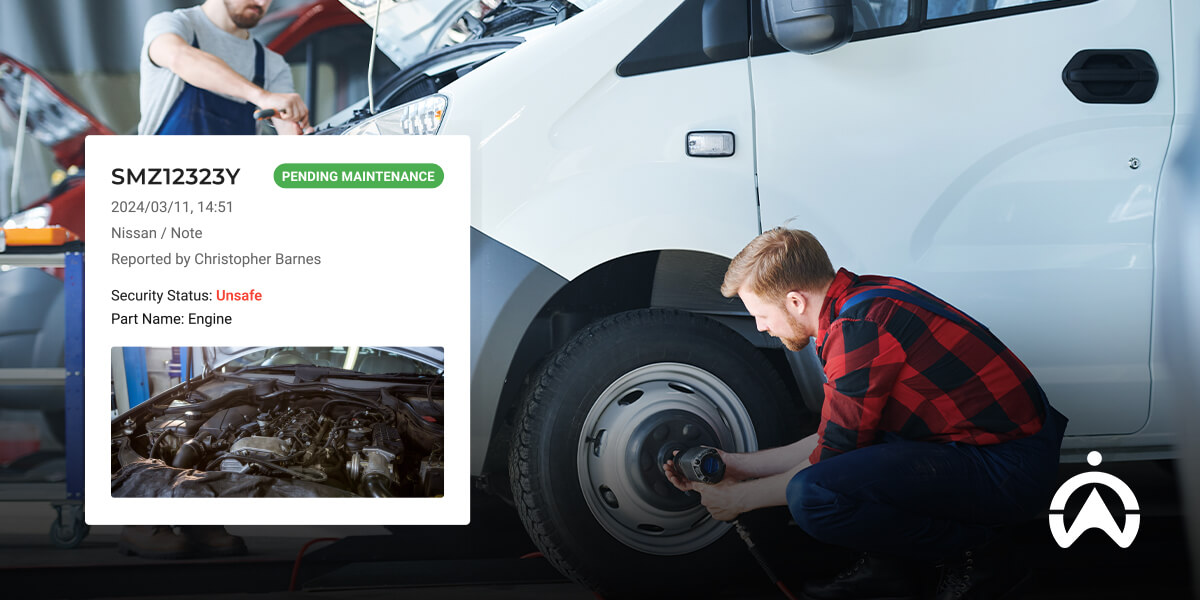
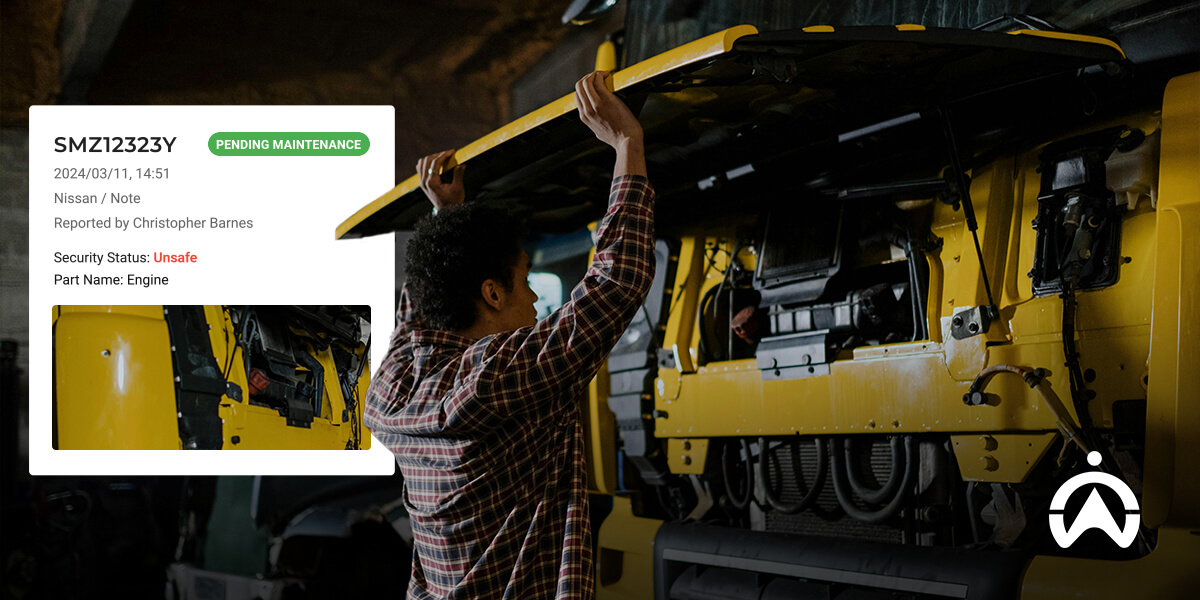
Cartrack showing mechanic servicing vehicle with digital display, addressing is fleet management hard through smart maintenance.

How does technology make fleet management easier?

Technological solutions such as GPS tracking devices, fleet management software, and fleet cameras will give managers full visibility of all vehicle-related operations. They also digitise your paperwork, which reduces mistakes and speeds up your processes.

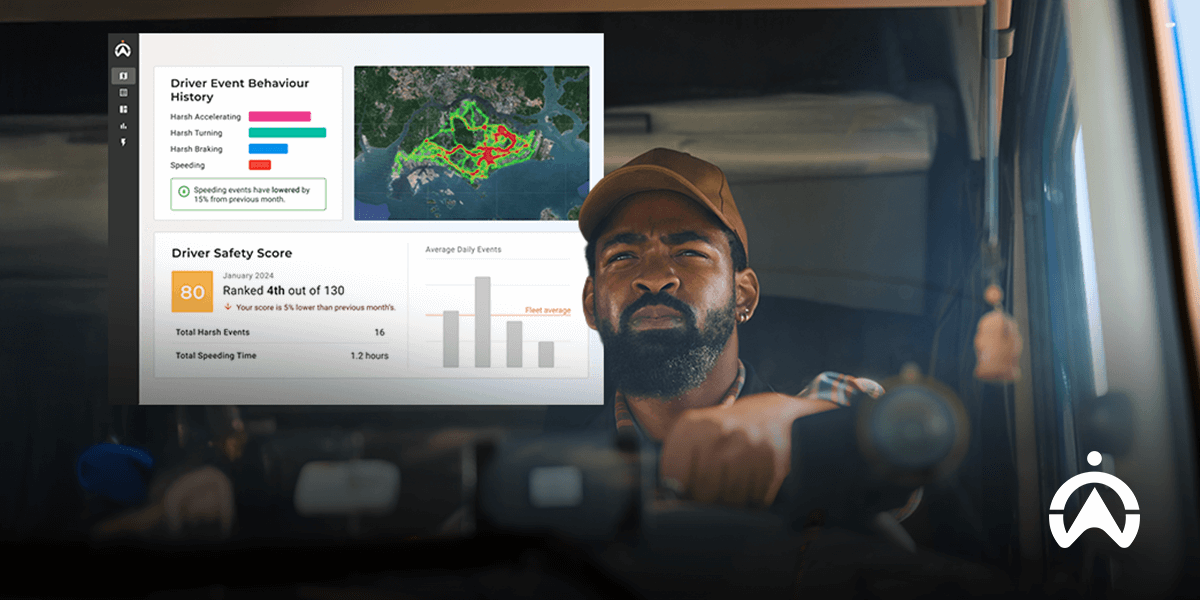
Vehicle tracking devices with IoT capabilities can detect poor driving habits, such as when drivers are speeding or idling for too long. From there, fleet managers will get alerts of each poor driving incident. These incidents can then be addressed with drivers so they can improve.

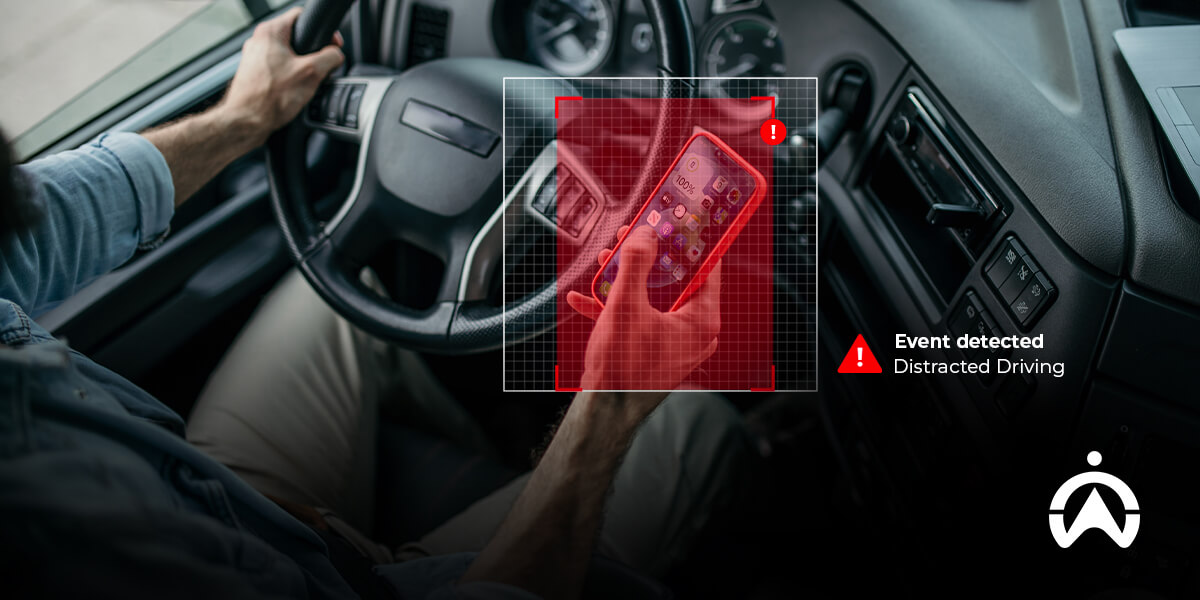
Furthermore, advanced fleet cameras help ensure that drivers are always safe on the road by monitoring how distracted they are and giving immediate alerts. This reduces the chances of accidents, which could lead to expensive repairs and downtime you didn’t budget for.

Tips to simplify fleet management

If you’re an aspiring fleet manager new to the role, or someone who’s looking to better manage this role, we have a few tips on how to go about it:

1. Up your tech game

Fleet management software is changing the industry landscape. The first thing you need to do is adopt a system with software and hardware that’ll give you more insight. This will help you stay ahead of the competition. It will also automate most of your processes, reducing paperwork and human error.

2. Train and support drivers

Provide drivers with regular training sessions for guidance. Ensure that they know safety protocols, company rules, and efficient driving habits. In doing so, you reduce the chances of accidents and build a better-performing, more productive workforce.

3. Develop your people skills

From drivers to stakeholders and vendors, this is a job that involves a lot of interactions with people. Fleet managers need to regularly communicate with their peers in the industry to know what’s current and keep track of best practices. They also need to build relationships with suppliers and business partners, as well as negotiate deals.

Furthermore, they need to have good relationships with your company drivers. They must understand them and do their best to facilitate effective driver training. For this reason, you need to improve your social skills as much as you can if you’re a fleet manager.

4. Standardise policies and processes

Create and set clear rules and consistent procedures for maintenance, safety, and daily operations. When everyone knows what’s expected, you reduce mistakes, save time, and make your fleet run more smoothly.

5. Track and measure key metrics

Keep an eye on important fleet data metrics such as fuel usage, vehicle downtime, driver performance, and route efficiency.  In doing so, you can easily identify areas for improvement. Tracking key metrics helps cut costs, improve safety, and ensure that the business remains compliant.

6. Work with trusted fleet partners

Make sure that you choose reliable companies to work with. Whether for vehicle tracking services, repairs, or supplies. Working with partners you can trust reduces risks and ensures you have all the support you need to keep fleet operations running efficiently.
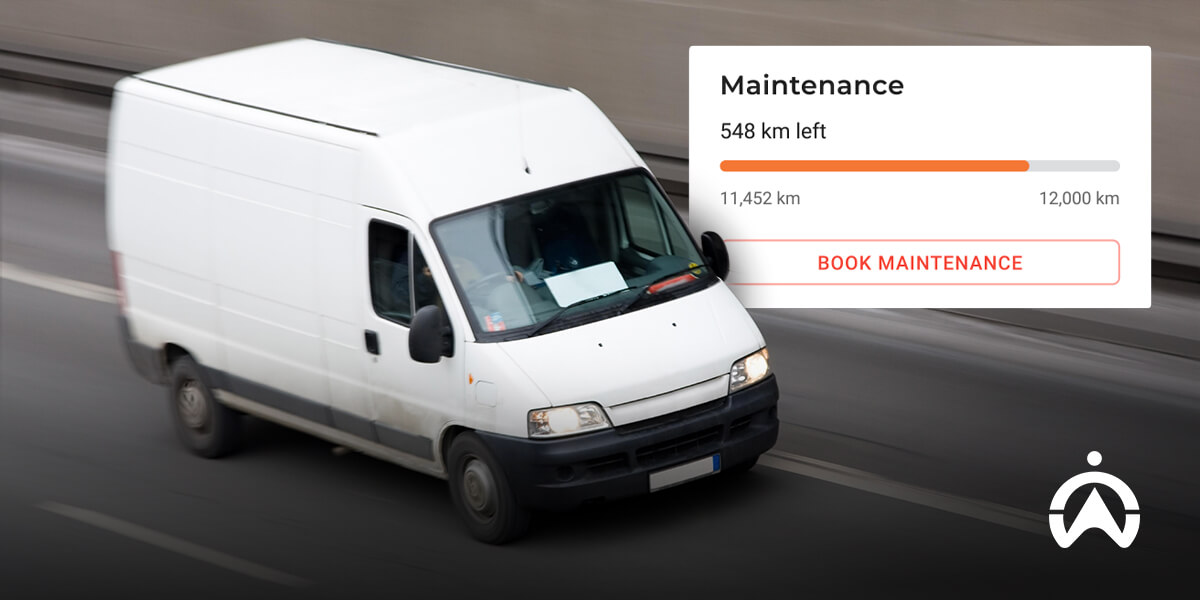
Cartrack showing service alert on delivery van, answering is fleet management hard with smart tracking.

Case Study: BCI Security

BCI is a company that offers a full range of private security protection services. Their services include armed response, guarding, canine solutions, and technical teams. They cover the whole security spectrum.

BCI Security’s main challenge was the fact that they had no way of ensuring their response units remained within their assigned areas, and had no system to help them instantly locate their vehicles. They also couldn’t monitor how drivers behaved on the road. This prevented their drivers’ response times and control room from being as quick and efficient as possible in emergencies.

How we helped them:

  1. Cartrack’s geofencing feature allows BCI to set virtual fences around assigned areas and to alert them when drivers enter or leave those zones. This helps them ensure that their response units are always stationed in their assigned areas. In doing so, they can respond to client emergencies as quickly as possible. The geofence reports are also useful in giving BCI’s clients an accurate indication of patrol activity in their areas, while making their drivers more accountable.
    ‍
  1. Using Cartrack’s live GPS tracking feature, BCI Security can pinpoint exactly where reaction officers are. This helps them quickly locate their nearest response unit to the clients in need of their services, allowing them to improve response times. This also boosts service delivery, as BCI can verify that response units were at the scene.
  1. BCI Fleet managers can now monitor driver behaviour and receive alerts when drivers are speeding, braking harshly, or cornering quickly. They can also regulate when drivers should speed in emergencies. These insights are used to inform and educate drivers. They minimise incidents that could be harmful to their drivers, their vehicles, the communities they serve, and BCI’s reputation. It’s also an effective way to decrease unnecessary vehicle wear and tear and prolong fleet longevity.

“Cartrack suited and understood our business from the start. We feel much safer with the Cartrack system, and their service is great, you are not just a number with them. Without them, we just wouldn’t be as efficient.” Johnny Loots | CEO, BCI Security

Ensure stress-free fleet operations with Cartrack!

  • Live tracking
    Our live track feature gives you full visibility of vehicle locations, making it easier to see when drivers are in one place for too long, or when they take detours. Through this, you’ll know how effective certain routes are and implement necessary changes.
  • Stolen Vehicle Recovery
    We’ve conducted over 100,000 vehicle recoveries in the last decade. In the unfortunate event that any of your fleet vehicles get stolen, you can rest assured that your vehicles are safe and secure. Our skilled recovery teams are always on standby, with nationwide coverage, and we have a 24-hour control room service that’s always ready for your call.
  • AI dashcam
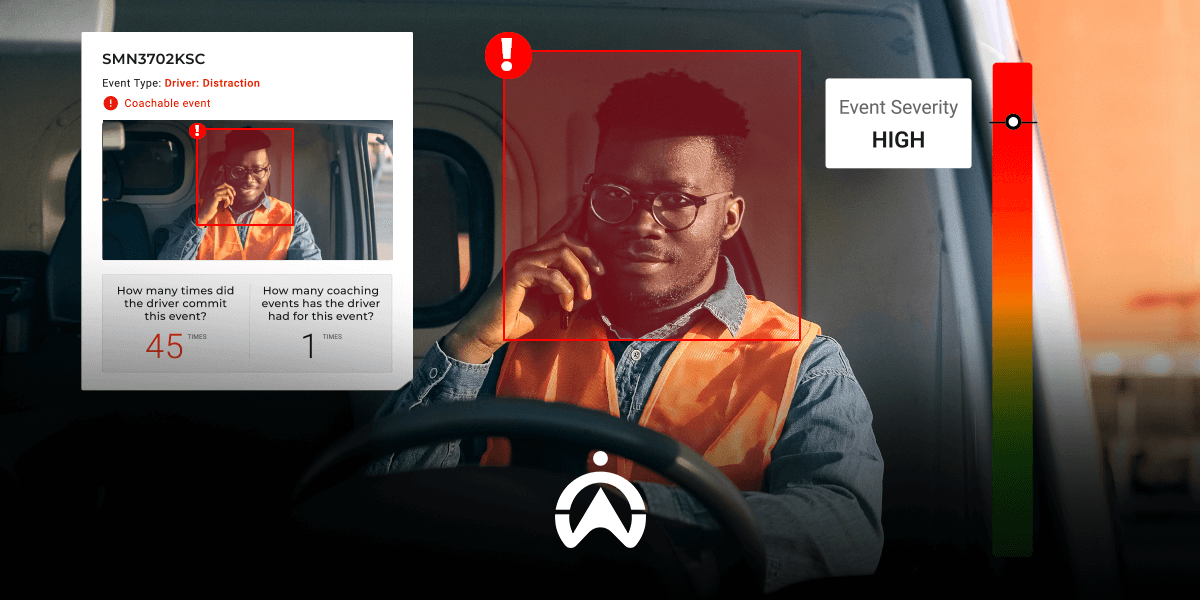
    The Cartrack AI Dual Vision ensure that your drivers avoid distractions. They can detect behaviours such as yawning, smoking, and cellphone use. They then release audible alerts, so drivers can quickly correct their actions. Through these solutions, you reduce the chances of accidents that could lead to prolonged downtime and costly repairs.
  • DID tags
    Cartrack Driver Identification tags (DID) make it easier to see who was driving which vehicle. They validate the start and end of every shift. They also help prevent unauthorised drivers from using vehicles. This solution increases driver accountability and boosts shift productivity.
  • MiFleet
    MiFleet is a cost management tool that you can find on our platform. It helps you monitor your fleet’s fuel consumption, verify fuel card transactions, and identify sudden drops in fuel levels. This helps you save on worrisome fuel costs. They also feature alerts to notify you of possible fuel theft or fraud, allowing you to take action quickly.
  • Logbook
    With our logbook feature, you can effortlessly track driver working hours as well as log separate personal trips and business trips. This digital logbook makes it easy to manage tax compliance so your business stays in the good books.

Simplify your fleet today with Cartrack

Fleet management is complex, but modern solutions simplify it. It’s only as hard as the tools and strategies you use. By partnering with us, you ensure smooth sailing for your fleet, giving you a better ROI. Contact us today, and speak to a fleet consultant!

Frequently Asked questions about fleet management

What is fleet risk?

Fleet risk is the chance of something going wrong when a business runs many vehicles. It can mean accidents, theft, breakdowns, or unsafe driving. Managing fleet risk helps keep drivers safe, vehicles in good shape, and the business from losing money.

What are the 4 pillars of fleet success?

The 4 pillars of fleet success are the main things a business needs to run its fleet well. They consist of:

  1. Safety
  2. Efficiency
  3. Sustainability
  4. Compliance

Together, these functions ensure driver safety, fuel efficiency, cost reduction, less pollution, and that laws and regulations are followed.

Can small businesses benefit from fleet management systems?

Yes, small businesses can greatly benefit from fleet management systems. These systems help monitor vehicles, reduce fuel costs, prevent theft, and keep drivers safe. Even with just a few vehicles, small businesses can save costs and work more efficiently. This also helps you to give better service to your customers, which in turn helps grow your business.

What’s the biggest challenge in fleet management?

The biggest challenge in fleet management is managing costs. Things like fuel, repairs, accidents, and driver behaviour can all add extra expenses. Fleet managers need to carefully monitor these contributing factors to keep the business running smoothly and reduce costs.

Is fleet management worth the investment?

Yes, fleet management is worth the investment. It helps businesses save money on fuel, repairs, insurance, and much more. It also helps keep drivers and vehicles safe. By tracking and planning better, fleet companies can work more efficiently and grow faster in the long run.

Reduce the worries and take control of your vehicles, drivers, and costs with ease. Contact us today!
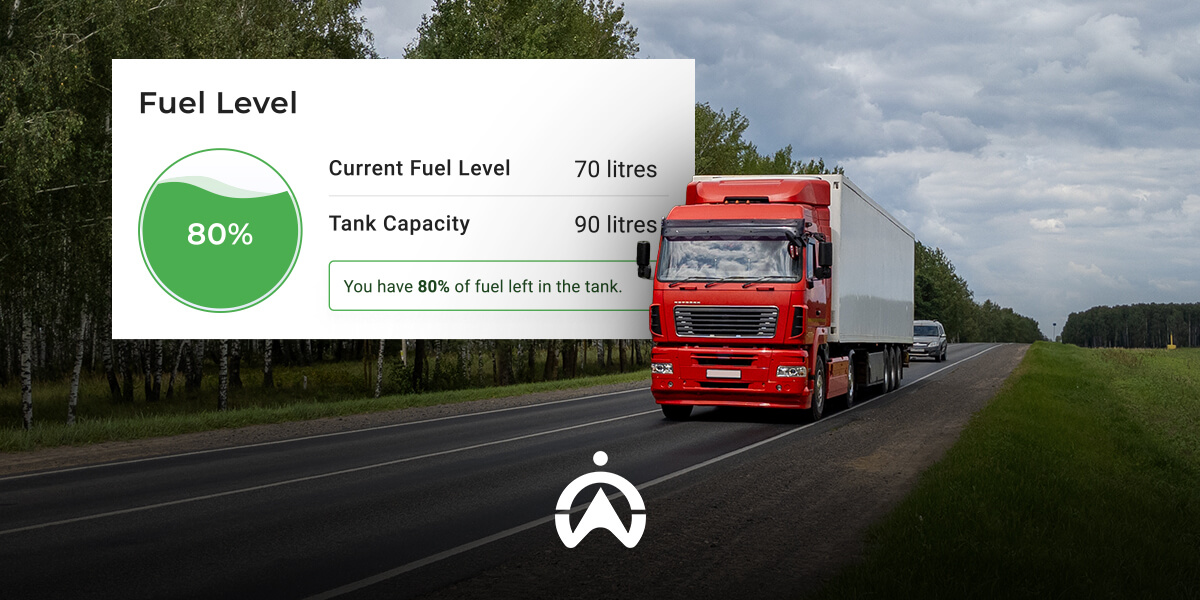
Get Fleet and Fuel Management Services With Cartrack

As your fleet grows larger, it becomes more and more difficult to manage your drivers, their vehicles, and the fuel they use. Cartrack is at the forefront of developing ways to make this process a lot easier, and our solutions combine various functions that make fleet management flow well.

Fuel theft is a real thing. Drivers and syndicates syphon fuel from trucks and make thousands selling it. Cartrack has been developing better ways to identify fuel theft, while at the same time helping you navigate other fleet management needs. Here’s how fleet and fuel management have improved thanks to the solutions we offer fleet companies like yours.

How do large companies manage their fleets and monitor their fuel usage?

Large companies manage fleets and fuel usage with solutions such as:

  • GPS Tracking
  • Fuel Monitoring
  • Driver Behaviour
  • AI Dashcams
  • Maintenance Planning
  • Delivery tools

These give you real time data on the location of your vehicles, your fuel spend, driver habits and route efficiency. You’ll cut costs, prevent theft, boost safety and make smarter decisions with clear reports.

Fuel monitoring is a big part of fleet management, but there’s a lot more to it. If curbing fuel theft is the only solution you’re after, you should consider ways to improve your fuel monitoring through Cartrack. However, there are other benefits you can enjoy if you take more comprehensive packages that already include fuel monitoring. Let’s look at which Cartrack packages include this money-saving feature.

Cartrack’s Bureau Service for large fleets

Having Cartrack’s software is a massive benefit to your fleet company. However, you may not have the resources to run a fleet management department from the get-go. You’d have to hire staff, set up an operations center, and constantly train your managers on fleet-related software. Or do you?

As an additional service, Cartrack also offers you Bureau services. Think of it as an instant, fully trained team of fleet managers that handle your fleet for you! Our teams monitor the fuel of your vehicles, keep an eye on your drivers, and even assign optimal routes for deliveries.

Our Bureau Service also includes tracking of your vehicles, and will initiate vehicle recovery if any of those vehicles is stolen or hijacked. This team has already been trained at Cartrack, by Cartrack, and for Cartrack’s software. They can simply do the work for you, and keep you updated on the important stuff by submitting big-picture reports on a regular basis.

Cartrack’s Bureau Service is full of perks if you don’t want to hire and manage your own team of fleet managers. Here are just some of them:

  • 24/7 fleet monitoring and support
  • Regular vehicle health checks
  • Alerts for risky driving or fuel misuse
  • Easy-to-read reports and insights
  • Flexible services that grow with your fleet
  • Less admin, and more focus on your business

Which Cartrack packages include fuel monitoring features?

Cartrack offers fuel monitoring in different ways. Our various packages are tailored to meet the needs of your fleet based on its size and industry type. A Cartrack consultant will analyse your fleet and give you the best option, but for now let’s look at the different ways our solutions save you fuel.

Fuel Monitoring

Basic Fuel Monitoring gives you real-time tracking of your vehicles’ fuel levels. You’ll also be able to track fuel consumption rates and look for concerning patterns or discrepancies. Fuel card transactions also help you detect anomalies and prevent fraud.

Driver Behaviour Analysis

Another way to save on fuel is to promote better driving habits from your drivers. Driving habits like long idling, harsh braking from fast driving, and overdoing it on the acceleration costs your company money everyday! You can identify areas for improvement and reduce fuel wastage by getting data that alerts you to these bad habits.

Maintenance Alerts

Did you know that there’s a hidden cost in not maintaining your vehicles? That hidden cost is fuel! Trucks and cars that don’t get regular maintenance WILL use more fuel because the mechanical components become more stressed.

What if you could easily manage the maintenance schedules of your vehicles without having to remember each one yourself? Cartrack provides you with notifications for scheduled maintenance to ensure your vehicles operate efficiently and consume fuel optimally.

Reporting Tools

Generate historical reports that give you detailed information on fuel usage with Cartrack’s reporting tools. By simply looking at these customisable reports, you can get an overview of fuel usage, expenses, and the performance of each driver. This helps you to make decisions based on data, and spot fuel loss if and when it happens.

Next step? For detailed information on specific packages and pricing, it’s recommended to contact Cartrack directly or request a demo through our official website. The Cartrack contact number for speaking to a consultant is: +26 (4) 83 720 7500

Still not sure? Let’s take a detailed look at MiFleet, and answer some of your questions about the best ways to manage your fleet.


Fleet management: What can you expect from Cartrack?

As mentioned, fuel optimisation is an important part of managing any fleet. However, there’s more than one way to save fuel. MiFleet is Cartrack’s smart cost-management and fleet accounting system. It gives you full control over fuel, administration, maintenance, and operating costs.

Your fuel card data will be matched up with vehicle telemetry. This helps you to spot fraud, and also tracks fuel usage per km. From all this, you’ll get clear cost-breakdown reports that give you big-picture and finer-detailed information about your fleet.

With the software of MiFleet comes some hardware too. Tracking devices, fuel sensors, cameras, etc. Sounds great, but you probably have a few questions about how this all works together. Here are some of the most frequent, costing, software and hardware questions we get.

Are there flexible payment options for Cartrack subscriptions?

Yes, Cartrack offers flexible payment options for subscriptions, just talk to us and we’ll create one for you! You can choose a monthly or an annual plan depending on your fleet size, the Cartrack packages you choose, and the needs you have.

This makes it easier to manage fleet costs, and it helps you scale up as your fleet grows. Don’t feel like you’re being locked into a long contract; talk with us about a payment option that fits in with your budget.

Do I need to pay extra for additional tracking units per vehicle?

Yes, you usually need to pay extra for additional tracking units per vehicle. Each unit comes with its own installation and activation costs, so adding more vehicles will increase your subscription fee. However, Cartrack also makes it easy to expand your fleet tracking by adding new devices to each vehicle. This means you’ll need to budget for each extra tracker.

Is Cartrack’s fleet data secure and encrypted?

Yes, Cartrack’s fleet data is secure and encrypted on secure servers. Whether it’s vehicle data, driver trends, or fuel information, it’s all protected using modern encryption. You can access your data safely, knowing that it’s shielded from unauthorised access. This is to keep your fleet operations private at all times.

How does Cartrack match fuel receipts to actual tank activity?

Cartrack cleverly checks your fuel receipts against what’s actually in the tank using the MiFleet software and telematics data from fuel sensors and other hardware. It matches your fuel card transactions with real-time fuel levels, GPS-based location and engine use. This way you can easily spot fraud and make sure purchases are correct.

Do Cartrack Fleet Plus benefits include fuel monitoring?

Yes, one of the main features Cartrack offers with Fleet Plus is fuel monitoring. This would include:

  • Fuel Monitoring: It measures the fuel that goes in and out of your vehicles.
    ‍
  • Fuel Probe: This is a sensor that provides real-time readings of fuel levels.

Cartrack Fleet Plus solves a series of problems faced by many fleet managers. Let’s take a look at an overview of each one, and then explore them in more detail.

Problem Faced by Fleet Managers How Cartrack Fleet Plus Helps Feature Name
Hard to track fuel usage Shows fuel going in and out of vehicles Fuel Monitoring
Drivers stealing fuel Detects unusual drops in fuel levels Fuel Probe
High fuel costs Helps spot waste and fraud Fuel Monitoring
No real time info Gives instant fuel readings Fuel Probe
Hard to match fuel receipts Compares receipts to actual fuel used Fuel Monitoring
Fleet is not efficient Gives clear fuel usage data Fuel Monitoring
Fuel theft is hard to prove Shows exact fuel levels over time Fuel Probe
Hard to plan trips Helps see fuel levels and plan stops Fuel Probe

Hard to track fuel usage

It’s tough to know how much fuel your vehicles are using every day. However, with Cartrack Fleet Plus you can see exactly how much goes in and how much goes out. This helps you control your fuel costs a lot better, which adds up month after month.

Is Cartrack really the best option to choose? We think so… and here’s why: 

What to Look for When Choosing a Fleet Management System

Drivers stealing fuel

Sometimes drivers or fuel thieves might syphon fuel, and there’s no way for you to know when this happened. A lack of evidence will make it difficult to pinpoint who the culprit is too! Cartrack Fleet Plus helps you spot this quickly so you can stop it and not pay for fuel your drivers aren’t using for business purposes.

High fuel costs

Fuel can get expensive fast if you’re not careful. Because of rising fuel costs, you should try to save wherever you can. Using Fleet Plus lets you see where fuel is being wasted so you can save money. This could be anything from bad driving habits, speeding, irregular idling, etc.

No real time info

Waiting for reports of the info you need shouldn’t be a long process that only gets to you at the end of the day, week, or month. Fleet Plus gives you fuel readings as they happen so you can act fast and make changes.


Hard to match fuel receipts

It’s tricky to check if receipts match what your vehicles are actually using. Cartrack’s Fleet Plus solution compares receipts with fuel usage automatically, and this takes the guess work out of your job as a fleet manager.

Fleet is not efficient

If your fleet isn’t running well, it’s inevitable that your organisation will begin to lose money. Fleet Plus shows clear fuel data so you can make better choices and keep your vehicles moving when it counts the most. More vehicles on the road for longer, means more profitability for you.

Fuel theft is hard to prove

Even if you suspect theft it’s hard to take action without getting into labour law hot water. With Fleet Plus, you get a detailed fuel level history that proves exactly what happened, when it happened, and who the most likely person was that did it.

Hard to plan trips

Planning trips isn’t easy if you’re always having to guess the best route and you’re not aware of your fuel levels. Fleet Plus helps you see fuel in real time so you can plan stops and routes a lot more efficiently.

How much can your business save on fuel costs using Cartrack?

The amount of fuel costs your business can save using Cartrack packages depends on the size of your fleet and the types of vehicles you use. However, it’s safe to say that you can save as much as 24% of your fuel costs, which is what we’ve seen other companies achieve on small and large scales.

How is this possible? Well, every little saving helps, and those savings build up over time. If you solve the problems listed above, you’ll quickly see a huge difference in the amount of fuel you actually need to run your fleet!

Start saving today. Not just on fuel, but on other expenses too. As we’ve seen, it’s a game changer having a solution that saves you on insurance costs, wear & tear from bad driving, and the reputational damage your drivers can cause your brand. Get in touch with an expert fleet management consultant and let’s work out a solution that ultimately brings in more profits for your business.

Get fleet and fuel management services with Cartrack Namibia and start saving!

Frequently asked questions about fleet and fuel management from Cartrack

What technology is used in fleet management?

Fleet management uses:

  • GPS tracking
  • Telematics
  • Fuel monitoring
  • Route optimisation
  • Maintenance software

These tools help you keep track of your vehicles, improve efficiency, reduce costs, and ensure the safety of your drivers on the road. Many fleets also use mobile apps to access real time data wherever they are.

What’s the difference between logistics and fleet management?

The difference between them is that fleet management focuses on managing vehicles, drivers, and fuel, while logistics covers the whole supply chain. Logistics management includes storage, delivery, and inventory. You can think of fleet management as part of logistics for keeping your vehicles moving efficiently across the country.

What are fleet tools?

Fleet tools are software and hardware devices that help you to manage your vehicles, their drivers, their respective fuel usage, and the maintenance of each vehicle. GPS trackers, telematics systems, fuel sensors, and reporting platforms give you clear insights that help to save costs and improve your fleet’s efficiency.

How do I create a fleet management plan?

To create a fleet management plan, start by assessing your vehicles, drivers, routes, and fuel costs. Set clear goals for using less fuel (overall percentage), scheduling less vehicle maintenance, and improving safety. Then choose tools like the ones offered by Cartrack and move towards more savings, more profitability, and the eventual growth of your fleet.

How do fleet managers use spreadsheets?

Fleet managers use spreadsheets to track fuel consumption, maintenance schedules, mileage, and overall expenses. You can create simple tables and charts that help you to see trends with a bird’s eye view, or in close detail. Spreadsheets are a flexible, low cost way to keep your fleet organised and running smoothly.

Advanced Fleet Management Features That You Should Have For Your Business

Fleet management software helps your business monitor, coordinate, and streamline vehicle operations. It’s not just about using GPS tracking to pinpoint the whereabouts of your assets; it’s about getting comprehensive and tangible insights through advanced fleet management features. These data tools are there to help you make better decisions for your business.

There’s a mistaken idea that GPS tracking is enough. While tracking your vehicles is important, being a business that leverages advanced fleet management tools will put you above the rest and help you save. According to industry reports, companies using advanced fleet technology can see up to a 20% reduction in fuel costs and a 10-20% improvement in fleet utilisation.

Modern fleets need modern solutions. Intelligent systems with features that combine hardware, software, and insights are your key to real results. In this guide, we’ll explore the importance of advanced fleet management features for your business and why Cartrack’s solutions are your secret to easy implementation.

Why do advanced fleet management features matter?

Advanced fleet management features matter because they give managers a full and comprehensive view of their operations. Fleet management is more than just tracking—it’s about being able to take on the challenges and vulnerabilities that come with it.

Every day, businesses are faced with rising costs and emergencies that trigger downtime. With advanced fleet management features, you can operate a safer, cost-effective, and top-performing business. A smoothly run business means happy customers and staff.

How advanced features deliver real-world ROI

Advanced features deliver real-world ROI by directly promoting better productivity and cost management. Some of these benefits include:

  • Lower fuel costs: through route optimisation and fuel monitoring.
    ‍
  • Fewer accidents: through driver behaviour monitoring and coaching/feedback.
    ‍
  • Compliance: through holding important documents, reporting, and record-keeping.
    ‍
  • Faster deliveries: through scheduling and real-time vehicle monitoring.

Future trends in advanced fleet management

The fleet industry is rapidly evolving, and unfortunately, you need to ensure your business stays prepared. Always keep an eye on your business and emerging trends. Consider these:

  • Artificial Intelligence (AI): AI is a perfect tool for automating processes and predicting unsafe or risky behaviours. A good example of this is an AI-powered video that captures and makes a note of unsafe driver behaviours, like fatigue or distraction.
    ‍
  • Internet of Things (IoT): IoT refers to a network system of smart objects that connects devices in vehicles. These devices are typically sensors that collect data and using the internet to transmit information. IoT makes it possible for fleet managers to tackle potential issues before they become costly disruptions.
  • Connected Vehicles: These are vehicles that can communicate with each other and with infrastructure in real time (traffic lights or road sensors). This means that vehicles are ‘talking’ to each other, other fleet systems, and even the surrounding environment.While IoT connects individual sensors and devices within a vehicle, connected vehicles take it a step further. They enable entire vehicles to communicate with each other and external infrastructure.

    An example of this is when Cartrack’s Tag uses the ‘crowd searching’ method. Crowd searching is implemented when a vehicle is jammed and then stolen. The jammed device (in the stolen vehicle) moves through a ‘crowd’ of vehicles with their own anti-jamming devices, and is then reported back by those other vehicles. This allows Cartrack to triangulate and quickly locate the stolen vehicle.

What are the core categories of advanced fleet management features?

Five essential groups comprise the core categories of advanced fleet management features. These include:

  • Driver safety and behaviour
  • Vehicle health and cost management
  • Data and compliance
  • Productivity and customer service
  • Security and theft prevention

Let’s take a look at each of these in more detail.

Advanced features for driver safety and behaviour

Keeping your drivers safe encourages a safer driving culture and reassures drivers that their wellbeing is a priority. Driver safety and behaviour is more than just meeting legal obligations—it creates a positive business reputation as well. These are some advanced features:

Driver behaviour monitoring

You can monitor the behaviours of a driver while they’re on the road, and even get notified of signs of fatigue, distraction, smoking, and more. This allows you to keep track of potentially unsafe driving patterns. Combating these unsafe behaviours at an early stage can greatly reduce the risk of accidents and incidents.

Immediate alerts for risky driving

Immediate alerts are sent your way if the AI-powered driver monitoring picks up on unsafe behaviours. This includes speeding, phone use, or signs of distraction shown by the driver. Immediate alerts mean that as a fleet manager, you can take note of these behaviours or adjust tasks and duties if necessary.

In-cabin cameras

You’re able to keep an eye on what’s happening inside the vehicle too. You can identify risky driving traits yourself, or even see whether a driver is making an unauthorised stop or pickup. In some cases, you have the ability to speak to the driver through the in-cabin camera as well.

Training feedback tools

The best way for drivers to improve is to learn from their stumbles and understand the importance of road safety. Having saved footage of their trips allows you to deliver personalised coaching and feedback. This will hopefully help the driver feel looked after rather than policed.

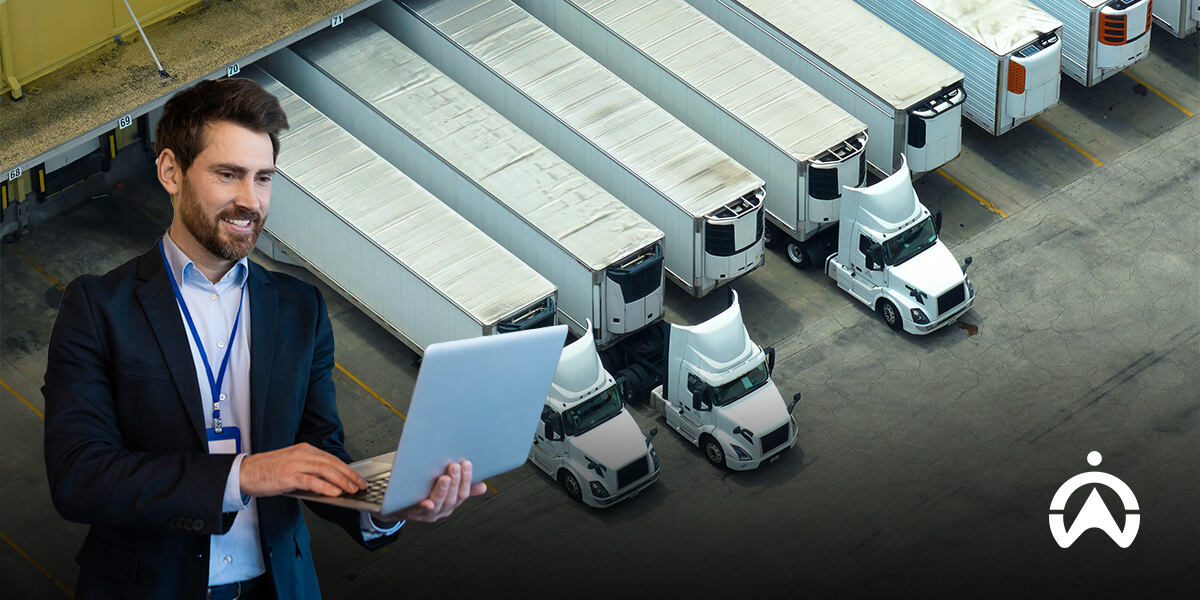
Cartrack advanced fleet management features with person using laptop to oversee parked trucks.

Advanced features for vehicle health and cost management

The last thing you’d want for your fleet is to see some unexpected downtime. Being able to keep track of vehicle health and maintenance means that you can better manage costs and prevent costly breakdowns. Here’s how:

Predictive maintenance and diagnostics

Smart features allow you to closely monitor factors like mileage, engine health, and wear & tear in certain car parts. Because of this, predictive maintenance is the key to staying proactive and keeping your vehicle healthy.

You’ll be alerted to issues like overheating, and can ensure vehicle maintenance is scheduled before the issue becomes a costly expenditure.

Fuel monitoring and route optimisation

Monitoring fuel and optimising driver routes is the solution to solving one of the biggest operational costs when managing a fleet. Keeping track of fuel usage means you can better understand driving patterns or even note potential fuel theft.

Combined with route optimisation, you can almost guarantee an increase in productivity while cutting back on wasted fuel use. You can also meet your ethical goals by cutting back on carbon emissions.

Tyre pressure and load monitoring sensors

Ensuring that your fleet’s tyres are in good condition is another way to encourage a safer driving culture. Doing so means that there’s less chance of accidents caused by tyre blowouts or sudden loss of control.

The monitoring sensors also track tyre pressure and note any possible overloading or over- or under-inflation.

Automated service scheduling

Automated service scheduling is your answer to extended vehicle lifespan, compliance, and uptime. With this service, you can always guarantee that important checks aren’t missed, including oil, brakes, or general servicing. This means you don’t have to worry about unexpected downtime.

Advanced features for data and compliance

With fleet management, there’s a lot of data being processed, as well as regulations that are always being updated. When you combine data and compliance, you can see how these insights can help you make better business decisions while also reducing risk and legal issues. Consider these factors:

Customisable dashboards and KPIs

When using a fleet management tool, you can choose which metrics you want to keep track of via your dashboard. This means you have a total overview of what matters most, whether it’s driver performance or fuel usage. You can also see and interpret that data in real time (while it’s happening).

Compliance monitoring

If you’re looking to stay on top of legislation and not worry about fines and legal issues, compliance monitoring is the solution. It automates the process of tracking key issues like emissions and load limits.

By removing the potential for human error, you have time to focus on other important tasks, all while avoiding potential fines.

Integration with various tools

Third-party integration is a massively important consideration if you want to avoid cross-platform confusion. When your fleet management platform works with systems like payroll, you get a much smoother, streamlined order of operations.

This means, for example, that a driver’s hours are automatically linked to payroll, and human error is eliminated.

Cloud-based storage

Cloud-based storage means that you have access to your insights and data whenever and wherever you are. No matter the device, you can look over your data without worrying about information being lost or viewed by unauthorised users.

Advanced Features for Productivity and Customer Service

Meeting customer needs is a top priority. With advanced features for productivity and customer service, you can expect smooth operations and happy customers with every service. Achieve these through:

Route optimisation and live ETAs

As mentioned, route optimisation means your drivers are travelling using the best and most efficient routes. This means quicker deliveries, shorter travel times, and reduced fuel use. Pair this with live ETAs (estimated time of arrival), and customers know exactly when to expect their deliveries.

This combination builds customer loyalty and satisfaction!

Geofencing and automated notifications

Setting up virtual zones with geofencing allows you to monitor when your drivers enter and exit specific areas. These typically include warehouses and regular delivery areas. When drivers enter or leave geofenced areas, you can be notified regarding their movements.

This not only gives insights into time spent in an area, but it also ensures drivers are held accountable regarding their movements.

Digital job dispatch and proof of delivery

You don’t have to concern yourself with manually sorting out schedules and duties for your many drivers (and wasting paper in the process). You can digitally assign jobs to your drivers through your fleet management platform, along with any necessary additional information.

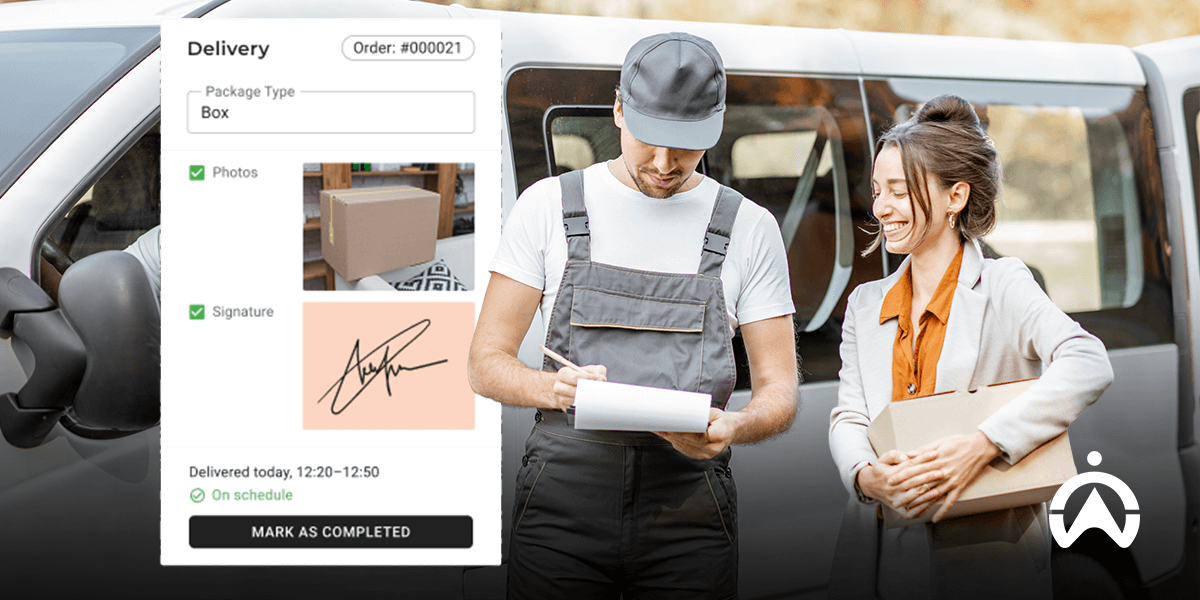
Regarding proof of delivery, you can now digitally capture confirmation every time a package reaches its destination. Customers can sign electronically, or you can take a photo as verification.

Links for tracking customers

Customers can have access to live information through tracking links. Once the delivery is in process, they can click on a secure link to keep track of their package and follow their order. This is the kind of feature that builds transparency and brand loyalty.

Advanced features for security and theft prevention

Your fleet is not only made up of precious assets, but is likely carrying very precious cargo too. Theft prevention and security measures are absolutely necessary to keep your assets, supplies, and drivers safe. Here are some protective measures:

Stolen vehicle recovery (SVR)

The technology used for Stolen Vehicle Recovery (SVR) assists partner companies (like Cartrack) with swift vehicle recovery. The vehicle’s location can be pinpointed, and the fleet management company’s control room will be immediately notified. These kinds of innovative tools can instil trust and confidence.

You can rest assured knowing that vehicle loss is minimised and your insurance worries are potentially quelled.

Remote vehicle immobilisation

If a vehicle has been stolen or is being used without the correct authorisation, you have the power to disable the vehicle remotely with the remote vehicle immobilisation tool. This is one of the most powerful safety features that deters theft and keeps your vehicle out of the wrong hands.

Remote vehicle mobilisation can minimise damage to the vehicle while also giving you enough time to arrange reinforcement for vehicle recovery.

24/7 tracking & panic buttons

Being able to have eyes on your fleet at all times is the key to peace of mind. In many cases, panic buttons are attached to dashcams or are in easy-to-reach places in case your driver has an emergency. This sends out an immediate call for help, improving the safety of your driver and asset.

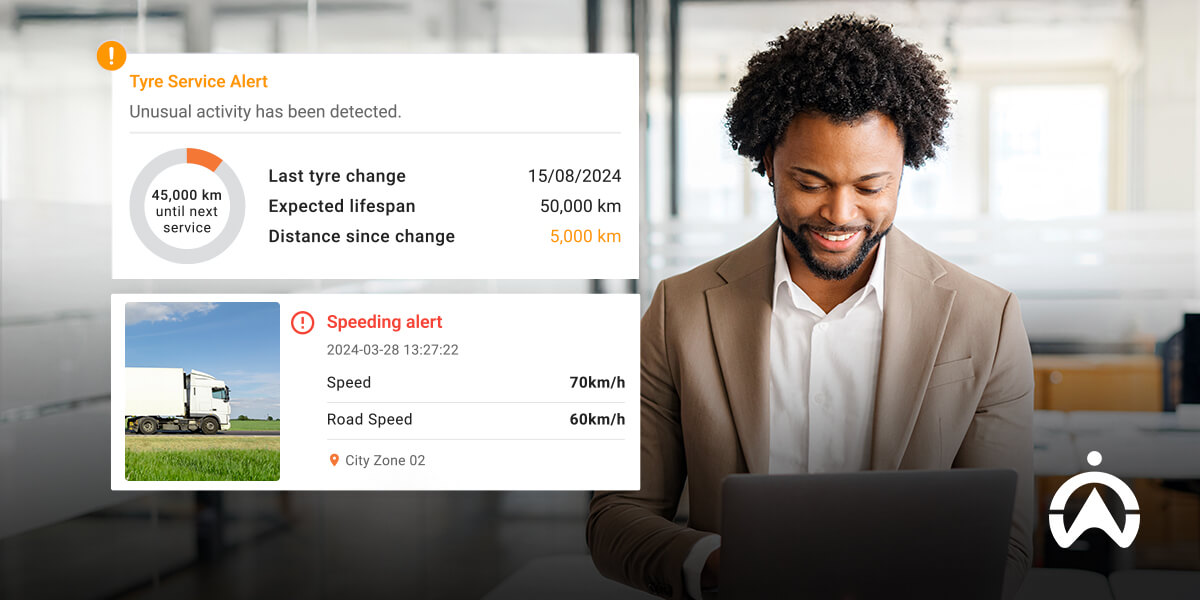
Cartrack advanced fleet management features showing tyre service and speeding alerts on laptop.

How to identify the features your business really needs

The best thing you can do for your fleet is to understand what solutions are best. These are typically identified by assessing fleet size, your industry, and operational objectives.

Here’s an easy checklist to help you:

  • Identify your pain points: Narrow down the challenges you face within your business. Are you struggling with fuel costs? Are drivers constantly getting into accidents? Are customers not satisfied with your services? Once you’ve assessed these vulnerabilities, you can begin to understand exactly what you need.
    ‍
  • Link your needs with the right features: Consider the tools that directly match with your pain points. For example, if your drivers are getting into many accidents, look at implementing AI-powered camera solutions with a multiple-camera option.
    ‍
  • Assess your fleet and its size: Different fleets have different needs. Smaller fleets typically aren’t as complex and may only need a few advanced fleet management tools. Larger fleets tend to be more complex, needing a lot more features and integration benefits.
    ‍
  • Think about your industry needs: What’s necessary for construction vehicles won’t be the same for delivery vehicles. Look at your priorities; as a delivery company, you’ll likely consider features like live tracking and digital proof of delivery. A construction company would focus more on load monitoring and remote vehicle immobilisation.
    ‍
  • Set your goals: This links back closely to the first point. Decide what you want to address and what you’re looking to achieve with your business. Do you want to decrease and better manage operational costs? Do you want to improve driver safety? Let these be the factors that guide you in choosing advanced fleet management features.
    ‍
  • ‍A word of caution: It’s natural to want the best for your business and its fleet, but that doesn’t mean you need every feature on offer. Doing this will lead to unnecessary and extra spending. Rather, target your business’s challenges directly so that you get genuine value in return.

How do you make sure you’re choosing the right advanced features for your business?

To make sure you’re choosing the right advanced features, look over your business goals and the vision you see for its future. Investing in fleet technology, particularly advanced features, is a significant step forward. You want to make sure you’re maximising your returns. Focus on these areas:

  • Carefully examine your business goals: As mentioned, be clear about what you want to achieve for your business. You’ll want to avoid spending money on unnecessary extras, especially when that money could be going into the business instead.
    ‍
  • Consider future growth: This is a significant point to consider, especially if you plan to expand your business. Invest in a platform that boasts flexibility and adaptability. If your business needs and goals change, you’ll want advanced fleet management features that grow and change WITH you.
    ‍
  • Look at integration: Advanced fleet management features will only work optimally if platform and workflow integrations are smooth. Always go for features and systems that work in tandem with your fleet management platform.
    ‍
  • Support your staff during change: Many of us find comfort in familiarity, which is normal. This is why it’s important to support your staff when implementing change  regarding these new, advanced features and tools. Invest in training and ongoing support for all the staff, so that they can feel more confident about the tools they’re using.

By considering these points, you can take this opportunity to critically assess the features you’ve identified and ensure that you’re making the right choices.

Why Cartrack is your top choice for advanced fleet management

Having the latest fleet management technology is well and good, but you’ll need a reliable provider to match. Cartrack is able to provide the necessary advanced fleet management technology you need while offering training and constant support for you and your team. We’re an all-in-one provider.

Here’s a reminder of what sets us apart from the rest:

  • AI-powered driver monitoring: Get all the feedback on your drivers and their driving patterns. Detect any distractive driving habits and use the insights/video footage as a coaching method for driver safety. Additionally, improve safety and accident-related issues with this feedback.
    ‍
  • Secure storage: Cartrack’s Vision footage is stored on the sturdy and durable devices, remaining secure no matter the environment. Otherwise, you can safely access live footage and general insights via Fleetweb or the mobile app. Your data is encrypted according to global standards, so you can be confident that your information remains safe.
    ‍
  • SVR and remote immobilisation: Remain at ease knowing that your assets are extra secured with these features. SVR and remote immobilisation reduce theft and recovery time. Our built-in SVR means that the Cartrack control room will react swiftly to your stolen vehicle. Remote immobilisation will give you the power to keep the wrong person from getting away with your vehicle.
    ‍
  • Fleetweb: Our streamlined platform gives you total visibility and control. It also allows you to connect to third-party systems without interruption.
    ‍
  • Flexible packages for businesses of any size: The size of your business doesn’t matter to us – we’re here to help. Whether you’re a business with a small fleet or a complex, larger one, Cartrack can cater to your needs. We have flexible solutions that’ll work with your needs and bring maximised value. So, don’t hesitate to give us a call. 

The road ahead for your business

Investing in advanced fleet management features is about creating the best and most profitable version of your business. With the help of these tools, you’re pushing a safer driving culture, higher ROI, and better long-term success.

With Cartrack, you’re getting much more than just a service provider. We offer you a strong partnership and reliable relationship to ensure you stay ahead of the curve.

Drive your business forward today with Cartrack. Book a demo to see how advanced fleet management features can unlock safety, savings, and smarter operations. 

FAQs

Q: What’s the most important advanced fleet management feature?

A: There isn’t necessarily a most important’ advanced fleet management feature, because different businesses have different priorities. However, driver and asset safety are typically considered the most important factors. As a result, it could be said that safety-improvement tools are considered most essential.

Q: Are advanced fleet management features only for large fleets?

A: No, advanced fleet management features are for fleets of all sizes. Reliable fleet management providers should be able to cater to all businesses or at least be scalable. With smaller fleets, these tools can improve productivity and cost management. With larger fleets, complex and detailed insights can be provided to bring positive change to the business.

Q: Which advanced fleet management features help reduce operational costs most effectively?

A: Route optimisation and fuel monitoring help reduce operational costs the most. This is because fuel tends to be the most expensive expense when it comes to fleet management. Advanced features that measure and manage these costs are able to reduce waste and provide the best routes for drivers.

Q: Can Cartrack’s advanced fleet management features integrate with existing business software and workflows?

A: Yes, Cartrack’s fleet management features are made to seamlessly integrate with various existing software, like payroll. This means you can avoid human error and rely on smart systems to keep your systems running. You also don’t have to worry about adopting new systems and cross-platform confusion.

Q: Which advanced fleet management features deliver the fastest ROI?

A: There isn’t just one feature, although driver behaviour monitoring, GPS tracking, and route optimisation are typically the features that deliver the fastest ROI. These advanced fleet management features almost immediately result in faster delivery times, lower fuel costs, and improved risk management.

9 Ways to Stop Your Fleet Drivers from Speeding

To prevent your fleet drivers from speeding, you need to adopt a dynamic approach that incorporates strict company policies, advanced technology, and comprehensive training. This method will promote safer driving habits, thus improving overall fleet running costs and enhancing safety.

Speeding is one of the most common causes of road accidents. It also consumes more fuel, causes vehicle damage, and could lead to reputational damage for your company. This sort of driving behaviour will, in the long run, result in higher fleet operational costs. In today’s article, we give you 9 simple ways to reduce the speeding habits of your vehicle operators.

9 Effective strategies to reduce speeding in your fleet

Speeding is a huge concern on Namibian roads, and for a business it can result in higher operational expenses. With the right strategy, your business can overcome this issue with ease. Here are 9 ways to stop your fleet drivers from speeding:

1. Implement real-time speed monitoring

Technological solutions are the key to curbing the issue of speeding. As a fleet manager, you must invest in a vehicle telematics system, as it gives you a full view of how drivers behave on the road. You’ll get instant alerts of speeding incidents and extensive reports.

2. Find the root cause

It’s always better to know why speeding incidents happen in the first place. Are the schedules too tight? Is it poor route planning? Or is it more of a company culture issue? These are the questions you should be asking to find the root cause and make amends.

3. Set clear rules on speed limits

Don’t assume all drivers know the law. Create company policies that clearly state the maximum speed allowed in different areas or road conditions. For example, drivers need to slow down at least 10 km/h below the speed limit when it rains. Put this in your policies and communicate it to them so they know what’s expected of them in those situations. Make sure every driver understands the rules.

4. Give drivers regular feedback on their driving

Use the telematics system and fleet management platform to generate reports for each driver. The report should include things like how often they speed, when, and where. You might discover that some drivers only tend to speed on a certain route and therefore need training on a better way to go about it. Sharing reports is an opportunity to communicate with drivers, encourage safer driving, and reward improvements.


5. Offer ongoing training

Ensure that drivers are regularly upgrading their driving skills. You can offer defensive driving courses or use each incident as an opportunity to send the driver for coaching. A good fleet management system should already have a coaching system in place to make it easier for you.

Accidents are the worst, as they could turn fatal. Drivers must understand the impact speeding has on a business beyond collisions. Educate them on the effects of speeding. Point out how it increases fuel costs and repair expenses, and makes the business a higher risk to insurers. 

6. Reward safe driving

Every employee needs to be motivated, and rewarding good behaviour is one way to keep up morale. Give public recognition to drivers, like naming them “driver of the month” and putting them in newsletters. You can also give incentives such as gift cards, bonuses, or an extra break time.

7. Reduce distractions using in-cab cameras with AI features

In some cases, drivers end up speeding because they’re distracted by something else and are therefore not paying attention to the speed limits. It’s important that you install dashcams with AI capabilities, as these can detect when drivers are not paying attention to the road.

The cameras will give drivers alerts to change their behaviour, ensuring that they avoid accidents. You will also get reports on each distracted driving incident and can then review the footage with drivers to help them improve.

8. Avoid schedules that force drivers to rush

Unreasonable deadlines make drivers more likely to speed. As mentioned in one of our previous points, tight schedules and poor route planning might be one of the reasons drivers feel the need to speed. Use route optimisation software tools to perfectly plan routes and delivery times that allow safe driving.

9. Lead by example

Safety is a priority for everyone in the company. Therefore, managers and supervisors who use company vehicles should also follow the same safety rules. Setting this example helps create a culture where safe driving is taken seriously across the whole team.

Facts about speeding

Speeding inevitably increases the likelihood of road accidents. It may also result in injuries and fatalities! According to the World Health Organisation (WHO), road traffic injuries are the leading cause of death for children and young adults aged 5–29 years. They also state that approximately 1.19 million people die each year as a result of road traffic crashes.

It’s also important to note that insurance premium rates are based on risk, and since speeding increases the chances of accidents, it also means an increase in insurance claims (and higher premiums). According to Fine SA, traffic fines WILL affect your insurance rates.


The Cartrack solutions that help keep your drivers within speed limits

At Cartrack, we have various solutions for you to reduce speeding and improve driving behaviour. Here’s what we offer:

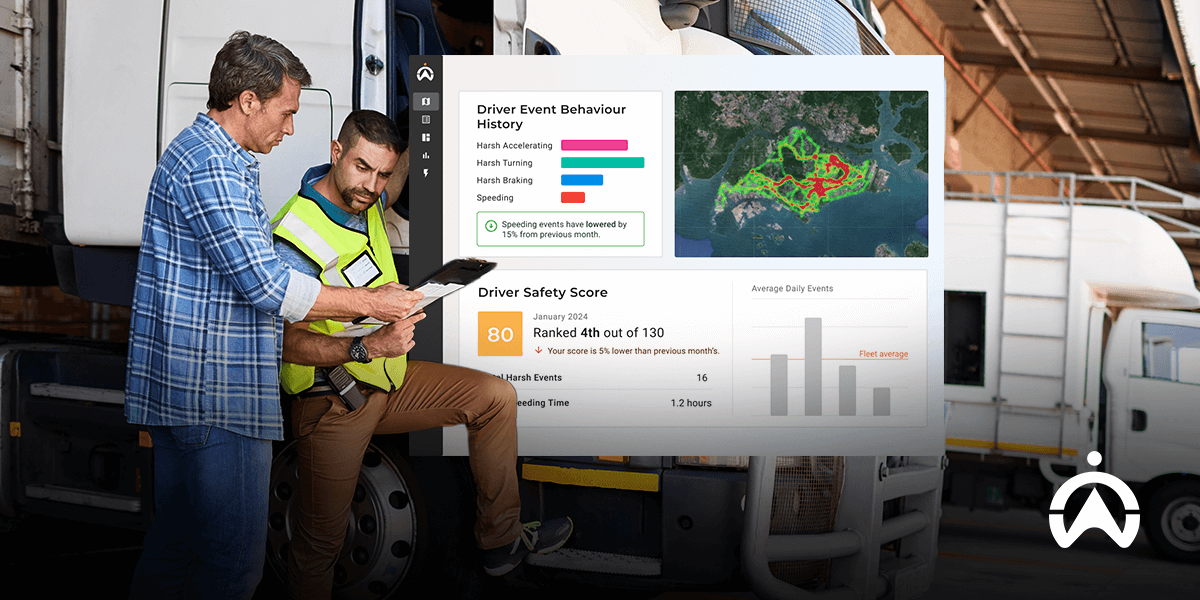
  • The Cartrack telematics device: Our GPS tracking units have telematics capabilities. This means they monitor vehicle activities and detect when drivers are engaging in unsafe driving habits such as speeding, harsh cornering, and harsh acceleration. You’ll then get reports on each incident, indicating the number of “violations”. You can also view this information in the form of a chart, so it’s easier to understand.
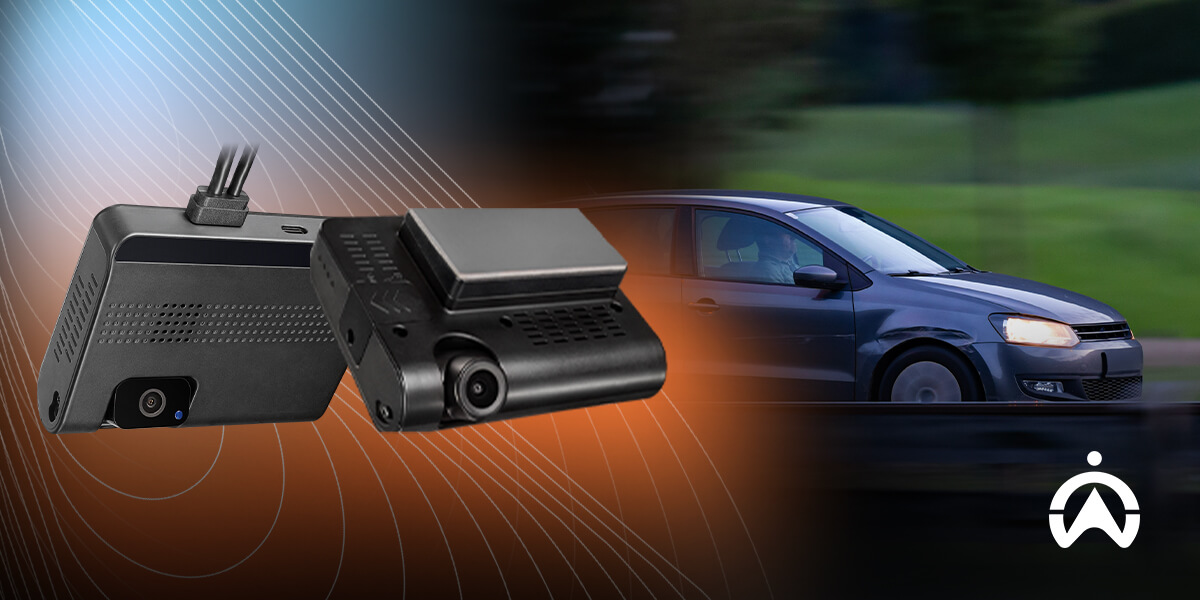
  • AI cameras: We have AI-powered cameras that were solely designed to enhance driver safety and give you a full view into the activities of each driver. Our AI Dual Vision dashcams can spot and give audible alerts when drivers are using their cellphones, yawning, or smoking. As mentioned, such behaviours could distract the drivers from focusing on speed limits, so minimising them helps a lot!.
  • Coaching platform: You also have the option of adding our coaching platform to your package. The Cartrack coaching platform keeps a record of each incident from every driver. From there, you can use this to see trends in your team and the events of each individual, and send them for training based on their specific needs. This feature also allows trainers to leave notes for each session so they know what was discussed with each driver in previous sessions.

Using a mix of technology, fair rules, and a positive safety culture is the best way to improve overall driver conduct. Investing in our fleet management technologies is the first step to reducing risky driver behaviour. It also gives your business a stronger reputation and saves costs. Contact us today to see how we can help you curb speeding in your fleet.

Frequently Asked Questions about speeding

Are incentives more effective than penalties when trying to stop truck drivers from speeding?

Yes. Positive motivation, such as incentives, works better in the long term compared to penalties. When drivers feel punished, they tend to experience stress or fear, which can lead to them hiding violations or engaging in unsafe shortcuts to avoid consequences.

How can fleet managers train their drivers ‘on-the-job?

Fleet managers can train their drivers on-the-job by using GPS telematics systems and cameras. This ensures that they always have a close eye on behaviours such as speeding, harsh braking, or distracted driving. From there, they can provide feedback after trips or during scheduled coaching sessions.

What are driver scorecards, and how do they work?

Driver scorecards evaluate a driver’s performance based on telematics data. The system rates each driver on how they behave on the road. It monitors each trip and scores it according to the number of incidents. In doing so, drivers and fleet managers will know if they’re good or if they need more training to practice safer driving.

Cut costs, improve safety, and protect your company’s reputation with our solutions. Reach out to us.

Get a Car Camera for Complete Safety and Visibility

Imagine being equipped with backup vision and achieving complete safety and visibility while navigating the chaos of the streets – this is precisely what car cameras can offer you. You get a second set of eyes on the road and total protection when you need it most.

As a driver, smash-and-grabs, hijackings, insurance fraud, and collisions are just some of the looming threats you may face. This is why having a car camera is the smart choice. It protects you, your vehicle, and your passengers by helping prevent escalations and capturing clear evidence of dangerous incidents.

In fact, the global dashboard camera market is projected to reach USD 5.40 billion by the end of 2025, growing at a compound annual growth rate (CAGR) of 10.50% and reaching USD 8.89 billion by 2030, indicating a growing global need for these devices.

As that demand continues to grow, choosing the right cam becomes a necessary investment. Cartrack’s revolutionary car camera technology is there to support you, ensuring that every journey is covered and giving you more confidence every time you get behind the wheel.

How do car cameras improve your safety and visibility?

Car cameras improve your safety and visibility by acting like another set of eyes while you’re on the road. You can record what’s happening in and around your vehicle in clear quality, even eliminating blind spots with the help of multiple angles. These are particularly helpful for daily driving, especially when dealing with traffic or manoeuvring tight spaces.

Although road-facing and dual (road and cabin-facing) cameras are the most common options for personal or passenger vehicles, those are not your only choices:

  • Rear-facing cameras: These face the back of the vehicle and capture footage from that angle.
    ‍
  • Interior cameras: These are located inside the vehicle and give you passenger visibility. Though more of a niche, interior cameras are typically used for ridesharing vehicles (Uber/Bolt) or for parents who just want to keep an eye on their driving teens.

Car cameras also tend to work in different modes, depending on what works best for you:

  • Parking mode: This mode leaves the car camera recording even when the car is stationary and the ignition is off, protecting it from theft and other incidents. The recording is usually triggered by someone bumping or touching the car when stationary.
    ‍
  • Continuous recording: This mode records your entire journey, but only while the car is on. It might extend to parking mode if it’s a hardwired car camera, though that’s a less common setup.
    ‍
  • Event-triggered: This mode automatically saves snippets of footage when there’s detection of risky or abrupt driving behaviours, like collisions or sharp swerving.

Car cameras also help you fight against real-world threats. Scam insurance claims or staged collisions can be proven false with clear camera footage. Even more, the presence of a car camera can make criminals think twice about violent acts like hijackings or smash-and-grabs.

Cartrack car camera capturing attempted car theft on urban street.

Why does every driver need a car camera?

Every driver needs a car camera to reduce the overall stress of navigating the roads. There’s so much uncertainty every time you get behind the wheel. Because of the roads’ unpredictability, a car camera can be a game-changer in so many ways. Consider these factors:

  • Lower stress: A car camera can be an invaluable device, especially when you’re faced with the stresses of intense traffic or crime hotspots. The extra layer of security can keep you calm, especially when something could potentially go wrong.
    ‍
  • Extra security: As mentioned, the extra layer of security can be massively reassuring. Whether you’re a rideshare driver picking up passengers daily or just a person wanting to keep one of their most valued assets safe, this added layer can give you total peace of mind.
  • Faster insurance processing: With evidence in the form of clear footage at hand, insurance processes can happen far quicker. The immediate evidence means you can potentially eliminate back-and-forths and long disputes.
    ‍
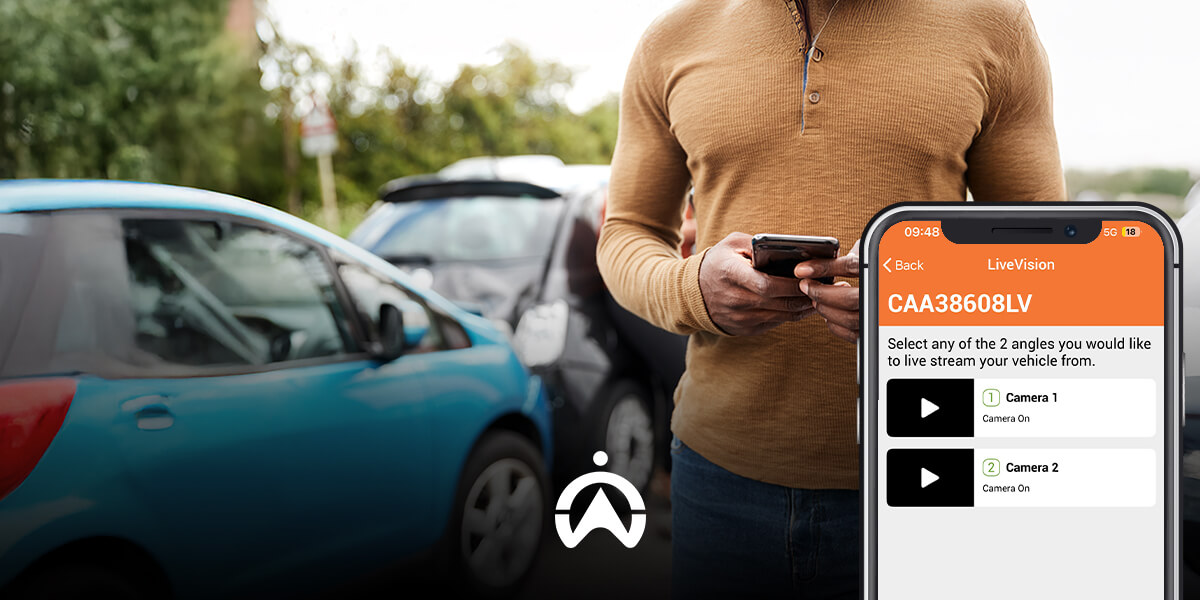
  • Protection in disputes: It’s unfortunate, but as a driver, you could face the risk of being falsely accused of causing a dangerous road incident. But with a car camera, you have all the proof necessary to back up your case in a potentially costly dispute.

How to choose the right car camera for your needs

Choosing the right car camera is about recognising the key features that would make having an in-vehicle cam worth your while. Features like clear recordings, safe and sufficient storage, and easy installation all contribute as deciding factors. Stay focused on safety, clarity, and ease of use. Here’s what to consider:

Crisp footage, wide-angles, and night vision

Clear footage is probably one of the most important features in a car camera. You want to actually be able to see what’s happening and who’s being captured, or else it defeats the purpose of capturing footage—especially in the case of a dispute.

Wide-angle recording just means that the lens captures more in the frame of the footage, reducing those blind spots and getting more details of your surroundings. Night vision is important for those low-light or evening recordings.

Secure and sufficient footage storage

If you’re capturing high-quality video, you’re most certainly going to need enough secure space to store that footage. Depending on your provider, you can choose from storage via the cloud, via an SD or SSD card on the unit, and loop recording, which overrides old footage.

Easy mounting and use

Car camera equipment that’s annoying to install or use can be a terrible experience overall. You’ll want to go for a car camera that’s easily installed, typically on the dashboard, windscreen, or rearview mirror. You’ll also want a unit that’s easily integrated with a mobile app or platform, allowing you to access the footage you need with ease.

Cartrack car camera dashcam showcasing vehicle surveillance technology.

Why Cartrack is the ideal choice for complete safety and visibility

Cartrack can meet your safety and visibility needs by ticking every core requirement you’d need in a top-tier car camera. From live footage to SVR support, here’s what we can offer:

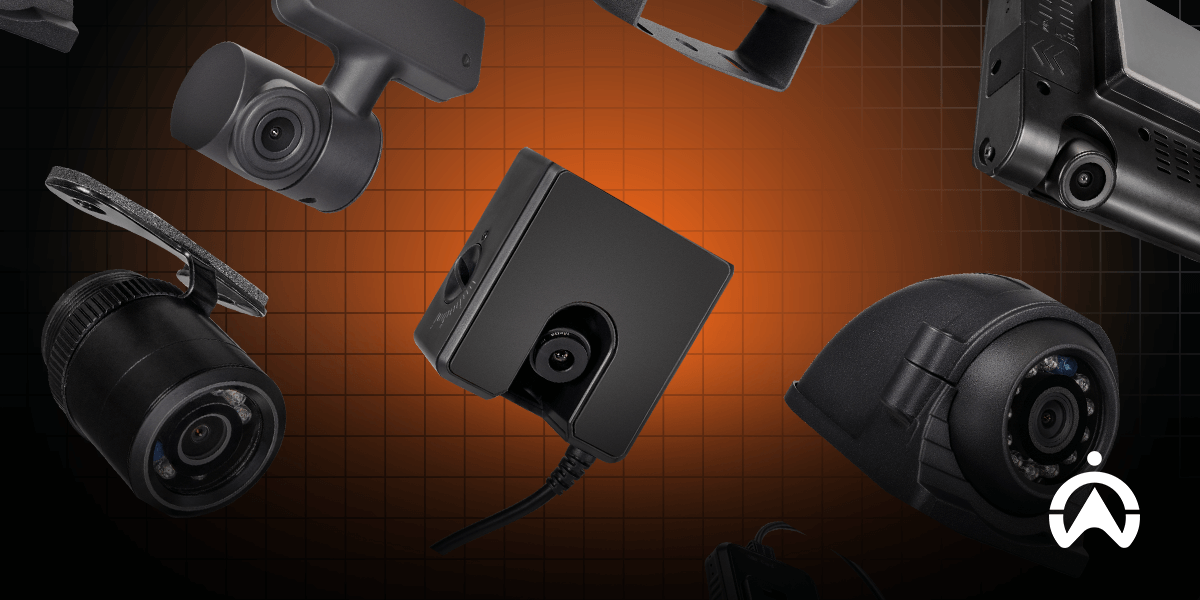
  • Options for every vehicle type: Whether you’ve just bought a new car or you’re a business owner with a large fleet, Cartrack has a car camera solution for everyone. This goes from single and dual cameras to Multi-Vision solutions with up to 8 cameras.
    ‍
  • View footage anytime via the Cartrack app: It doesn’t matter where you are or when it’s needed; you can have access to your stored footage via your phone with just one tap.
    ‍
  • Stolen Vehicle Recovery (SVR) support: Cartrack’s car camera solutions can operate as standalone units because they have their own video telematics and LTE connection. This means that in the event of hijacking or theft, Cartrack can react promptly and work to recover your vehicle as swiftly as possible. Certain Cartrack camera solutions also allow you to add a discreet action button. Once pressed, 10 seconds of footage is recorded and sent straight to the Cartrack control room.
    ‍
  • Reliable hardware: Cartrack’s car camera hardware is built to endure whatever terrain and environments come its way. This handy device continues to deliver clear footage and steady performance so that you’re never left without that extra set of eyes.

By choosing Cartrack, you’re investing in your safety and the protection of your assets, knowing you have a company by your side that’s totally dependable and invested in your well-being.

Drive safer and smarter

Consider a car camera as a smart and long-term investment. It’s not just about recording and having a little gadget in your car; it’s about full security and visibility when you need it most. Look at this investment as a way to achieve clarity, peace, and protection in high-risk situations.

With Cartrack, you get a trusted partner who’s there with you on every car journey you take. Beyond our innovative and constantly developing technology, you can be sure that you’ll always be protected against the craziness of the roads.

See everything from every angle. Contact us to get complete peace of mind with Cartrack’s car camera solutions today.

FAQs

Q: How do you know if a car camera is recording?

A: You’ll typically know a car camera is recording if a small (usually red) light is on via the unit itself or on the app. With Cartrack, you can check that the car camera is recording by checking the status of the camera via the app.

Q: Do car cameras record conversations?

A: No, typically, car cameras only record video and won’t record conversations. Some models might have audio recording, but you’d have to go over that with your provider. Certain Cartrack camera solutions do allow audio. Audio-enabled models usually let you disable audio for more privacy.

Q: Can a car camera lower my insurance premium?

A: Yes, many insurance companies offer lower insurance premiums for customers with car cameras, as these typically lower road risks and speed up the insurance claims process. This reassurance helps insurers process claims more quickly and can ultimately turn into cost savings for you.

Q: Where is the best place to mount a car camera?

A: The best place to mount a car camera is typically on the rearview mirror. It ultimately depends on the person, but the rearview often has the best and most unobstructed view of both the road and the cabin. It also avoids blocking your vision while driving.

Q: Does Cartrack’s car camera need the internet to work?

A: It depends. Yes, Cartrack’s car camera needs the internet to work if you want access to live-viewing and remote access to the footage. Otherwise, Cartrack’s car solutions typically have their footage stored right onto the device via an SD or SSD card.

Q: How long does a Cartrack car camera installation take?

A: A Cartrack car camera installation typically takes about an hour to two hours, depending on the complexity of the installation and the type of camera solution being installed. Our skilled technicians handle the process smoothly, making sure that everything is properly installed and working before you get back on the road.

How Do Delivery Companies Use GPS Technology to Plan the Fastest Routes for Drivers?

Delivery companies use GPS technology to optimise their routes by identifying traffic conditions, pin-pointing a vehicle’s location, and calculating the quickest route. AI technology has further enhanced GPS technology, helping drivers and companies save on fuel and optimise their delivery times.

AI route optimisation is becoming popular to make deliveries faster and cheaper. It looks at traffic, vehicle performance, and even the weather to help companies save fuel and reduce emissions. At Cartrack, we lead the way in intelligent route optimisation through GPS technology in the form of our Delivery solution. Here’s how we did it.

How does GPS technology improve delivery efficiency?

GPS technology improves delivery efficiency in Namibia by finding the quickest routes based on traffic and road conditions. It does this in real time, so it’s always up to date on the analysis. This helps your drivers avoid delays on their deliveries, as well as cut down on wasted fuel. 

Drivers can make more deliveries in less time, keeping your business more competitive. As Namibians, we all deal with potholes, traffic jams, and roadblocks. The obstacles have an impact on companies that rely on delivery for profit. However, they can be avoided with the right GPS-integrated software.

There are 4 main ways Cartrack’s GPS software can help YOUR delivery company become more productive and efficient in the delivery sector. With our Delivery solution, these include:

  1. Avoiding traffic congestion and recent accident scenes
  2. Navigating rural areas where traditional maps may not be updated
  3. Reducing fuel costs by always calculating the most optimal route
  4. Enhancing customer satisfaction by completing more deliveries faster

How can GPS technology help avoid traffic congestion?

GPS technology helps you avoid traffic congestion by showing live traffic updates. From here, it reroutes drivers between & around busy roads. In Namibia’s cities, this means faster deliveries during high-traffic periods. By guiding your vehicles through smoother routes, it saves time, reduces stress for your drivers, and minimises fuel costs.

Wondering how many obstacles GPS technology can help your drivers avoid? Here’s a quick overview:

Obstacle How GPS helps Benefit
Traffic jams Shows live updates and gives new routes Saves time
Road works Warns about blocked or slow roads Keeps trips smooth
Accidents ahead Alerts drivers to crashes Avoids long delays
Busy city roads Finds quieter side streets Faster deliveries
Weather issues Suggests safer routes in storms or floods Protects drivers
Wrong turns Gives clear step by step directions Reduces stress
Fuel waste Picks shorter and smoother routes Cuts fuel costs
Cartrack courier GPS technology with woman tracking delivery on laptop using GPS technology.

Is GPS route optimisation beneficial for rural deliveries in Namibia?

Yes, GPS route optimisation is absolutely beneficial for rural deliveries in Namibia, because it maps out the best paths through areas with fewer-to-no road signs, or areas with poor connectivity. It also helps your drivers avoid unnecessary detours, saving them time and fuel. This makes it easier for you to serve rural customers and grow your reach.

How does GPS reduce fuel costs for delivery companies?

With Delivery from Cartrack, delivery companies can reduce fuel costs by guiding drivers on the quickest, shortest routes, while limiting time spent idling in traffic—which uses up fuel. In Namibia, where fuel is expensive, even small savings per trip add up. Your drivers can complete more deliveries using less fuel, cutting expenses and reducing harmful emissions from their vehicles.

Quick note: Combining GPS technology with some of Cartrack’s other fuel-saving solutions further enhances your fuel savings and can even help you prevent fuel fraud. Read here (10 reasons why you’re failing at fuel management).

How can GPS technology enhance customer satisfaction?

GPS technology enhances customer satisfaction by giving accurate delivery times. Your drivers also get to make MORE deliveries, which means better profits for you. It also allows customers to track their parcels in real time. For consumers, this builds trust, because your customers know exactly when to expect their orders. So what happens? They order again!

When you’re competing in a market that relies on deliveries, this puts you way ahead of the competition. As your reputation for reliability grows, you’ll begin to grow your customer base—slowly but surely. Using Delivery from Cartrack will give you the edge over your competition, and help you grow from strength to strength!

How does GPS technology protect your company assets?

GPS technology further benefits fleet and delivery companies by protecting their vehicles as well as their drivers. GPS is the backbone of vehicle recovery. Tracking devices are installed onto your vehicles, helping our team to recover stolen or hijacked vehicles in good time. GPS also helps you track drivers that might be lost or in trouble.

Together with other technologies from Cartrack, GPS also provides other benefits. If any of these appeal to you, be sure to get in touch with us today:

Risk How GPS and other solutions can help Benefit
Vehicle theft Tracks location at all times Makes it easier to recover vehicles
Driver misuse Monitors routes and stops Protects company resources
Fuel theft Shows fuel use and refills Reduces money loss
Lost goods Records trip history Helps find missing cargo
Unsafe driving Sends alerts for harsh driving Keeps vehicles in better shape
Fake claims Provides trip and event proof Protects the company from false costs
Delays Gives live traffic updates Keeps deliveries on time
Poor planning Finds the best routes Saves fuel and reduces wear
Cartrack courier GPS technology enabling delivery person to confirm package handover with GPS technology.

What software works well with GPS to enhance delivery services?

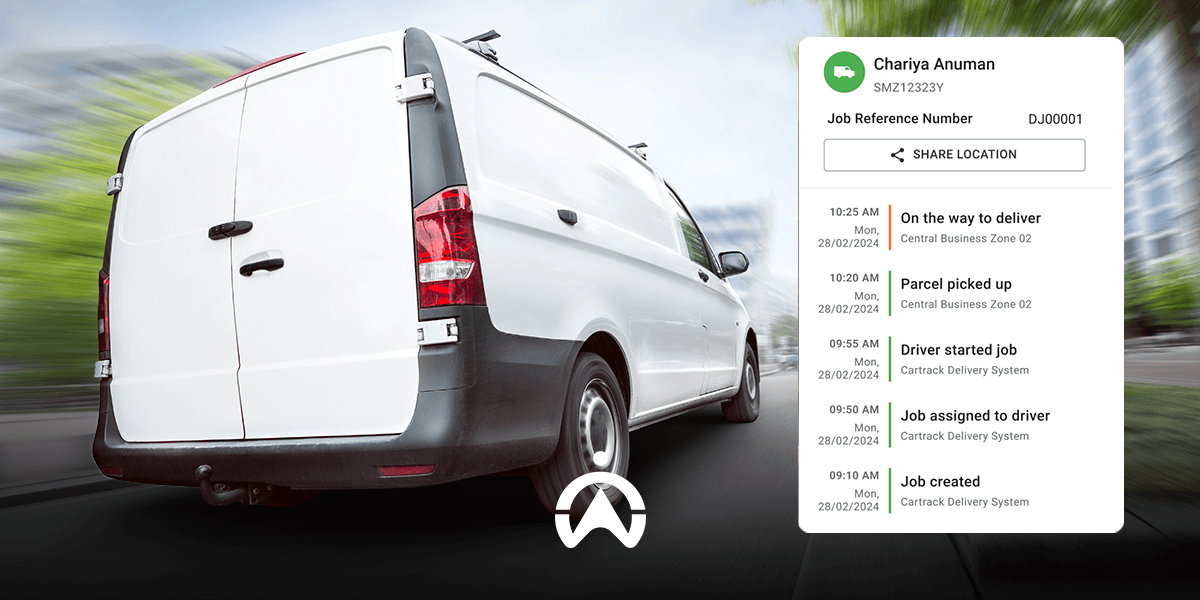
For delivery companies, the Delivery solution from Cartrack is the most advanced software that works to enhance your delivery business. It works with GPS technology to optimise drivers’ routes, update their assignments, and automate your customers’ notifications. You’ll also be able to check in real-time how your deliveries are progressing to each of your customers.

Looking at the Delivery solution in full view, we notice that it includes a lot more. Here’s everything you can expect:

  • Paperless process: Delivery also helps you to skip paperwork and capture everything digitally. Everything is archived within the app itself, giving you an automated system where you can check invoices, delivery orders, times, products, etc.
    ‍
  • Last-mile delivery: Last-mile delivery means getting your goods from a hub branch straight to the customer’s door. Cartrack helps your business manage this final step with tools like route planning, GPS tracking, and proof-of-delivery. You’ll see where your drivers are in real time, cut costs, speed up deliveries, and give customers AMAZING service!
    ‍
  • Low-data or offline mode: Got a low internet connection? Cartrack’s Delivery lets you keep working even when your network is weak or temporarily non-existent. It comfortably handles low-data or offline mode by storing key information locally on your device. Routes, delivery details, and customer data are saved so drivers can continue working without a live connection.
    ‍
  • Instant job updates: The Delivery solution provides you with new tasks, cancellations, or changes right away. You don’t have to memorise or keep track of individual delivery jobs, because the app does it for you!
    ‍
  • Digital proof of delivery: You can collect e-signatures from customers, and even photo proof of your deliveries all in one place. This makes for easy confirmation and proof that your deliveries were completed.
    ‍
  • Automated customer notifications: What if your customers could receive clear updates and delivery times every time they ordered from you? Well, that’s what they’d get if you used the Delivery app from Cartrack. Your customers are always kept up to date, which keeps them happy and encourages them to order again.
    ‍

Does GPS integration require additional infrastructure in Namibia?

The obvious question is, “Can Namibia’s infrastructure accommodate the connectivity to keep high-tech GPS working optimally?” The answer is yes. Why? Because GPS works through satellites and mobile networks. Most fleet management systems only need your vehicles’ GPS tracking devices and a basic data connection. This makes it simple to adopt, whether you manage a small or large fleet.

What company has the most advanced GPS technology for fleets in Namibia?

At this point in time, Cartrack is the leading fleet management provider in Namibia, delivering advanced real-time telematics, 24/7 recovery services, and fleet optimization tools that consistently outpace local competitors. Our software is the most advanced when it comes to delivering real-time updates that make a difference to drivers and fleet managers. By combining many of the other solutions we offer, you can grow your fleet and reduce risks across your organisation.

Speak to one of our experts about how our Delivery solution can enhance your company, its assets, and your profits.

Frequently Asked Questions about how delivery companies use GPS technology

What GPS do delivery drivers use?

Delivery drivers often use GPS apps like Google Maps and Waze, as well as fleet systems such as TomTom or Garmin. But larger, more serious delivery and courier companies reach scalability by using advanced systems like the solutions offered by Cartrack. That’s because this software is designed to enhance the efficiency of their delivery services.

How does GPS work so fast?

GPS works fast because it uses satellites that send signals to your phone or device within seconds. These signals are processed quickly, showing your exact location on the map. With mobile data, your GPS updates in real time, so you get instant routes, traffic updates, and accurate directions.

Do traditional GPS devices always give you the fastest route?

No, traditional GPS devices don’t always give you the fastest route. They usually rely on preloaded maps and don’t always update traffic conditions in real time. This means you might still get stuck in traffic. More advanced GPS software from Cartrack, is way more accurate in helping you (or your drivers) avoid time-consuming obstacles.

How do I plan a route on GPS?

To plan a route on GPS, you simply open the app or device, type your start point and destination, and press go. For delivery companies, routes are also planned out by the fleet managers using advanced software. This helps delivery vehicles synchronise their routes so that all of them are at peak efficiency.

How has technology improved delivery speed in delivery courier services?

Technology has improved delivery speed by using GPS route optimisation, live traffic tracking, and real-time driver communication. Courier companies now avoid busy roads, save fuel, and deliver way faster. Using Delivery software, your customers also get updates on when their parcels will arrive, which makes the whole delivery process smoother and more reliable.

Learn more about Delivery from Cartrack. Get in touch with us TODAY and let us show you how you can grow your delivery business.

AI Camera System: 5 Best Features To Look For In Your Fleet Business

AI camera systems are used in fleets to monitor drivers, record vehicle data, and manage logistics remotely. Any company that takes its fleet seriously needs a comprehensive way to manage that fleet as affordably and efficiently as possible. Now that AI is being integrated into these camera systems, they’re better than ever!

Cartrack has covered the 5 best features of AI camera systems in fleet management. This technology not only saves your organisation a large percentage of your profits, but also protects your assets, your drivers, and your long-term growth. Let’s explore how.

Top 5 AI camera features for fleet managers

If you’ve been wondering if your current vehicle dashcams are worth replacing with AI camera systems, check out this brief overview:

Feature What it Does Why it Matters
Driver fatigue detection Detects when the driver is tired Helps prevent accidents
Dual-Camera with ADAS & DMS for Collision warning Alerts when a crash risk is high Gives drivers time to react
GPS linked route optimisation Finds the best route Saves time and fuel
On demand footage retrieval Lets you access video when needed Useful for checks and proof
Automatic driver scoring Rates driver behaviour Supports training and safety

Now let’s look at each one more in-depth.

1. AI in-cab alerts

One of the best features of an AI camera system is the software’s ability to detect potentially dangerous driver behaviour. This includes:

  • Distraction (looking away instead of ahead)
  • Fatigue (yawing, eyes closing, etc)
  • No seatbelt
  • Smoking or vaping
  • Tampering with the camera

These behaviours can have a devastating impact on your driver and your vehicle. Getting notified of these behaviours helps you to better manage your fleet, because you’re never in the dark. Alerts will be sent to you and/or your fleet manager in real time, so you’ll always have a sense of control even when your drivers are far away.

Cartrack AI Camera System with black car cameras and accessories on orange background.

2. Dual-camera with ADAS & DMS

Regular dashcams are usually forward-facing. The AI camera systems at Cartrack provide forward and driver-facing (known as in-cab) cameras that monitor the driver and the driving compartment.

But what’s so special about that, and what role does AI play in these camera systems? Well, these cameras have ADAS (Advanced Driver Assistance System) and DMS (Driver Monitoring System) features. DMS is what we covered in the previous section.

However, ADAS is much more advanced, because this is where the AI really proves its worth to you and your driver:

  • Advanced Driver Assistant System: This is software that steps in when your driver needs it most. The AI-powered ADAS has some of the most advanced capabilities, including:
    • Forward Collision Warning (FCW) – alerts if a crash risk is detected
    • Automatic Emergency Braking (AEB) – applies brakes if the driver doesn’t react in time
    • Lane Departure Warning (LDW) – warns if the vehicle drifts out of its lane
    • Blind Spot Detection – monitors and alerts for vehicles in hard-to-see areas
    • Adaptive Cruise Control (ACC) – automatically adjusts speed to keep a safe following distance

3. Cloud and event-based footage

Further to receiving the event-based alerts mentioned above, AI camera systems also allow you to view live footage of your driver and the surroundings of your vehicle. What you may not know is that when one of those alerts is sent, it triggers the recording software and intelligently decides what important events to archive for later viewing.

This means that every time something out of the norm happens during the driving process, your AI camera system will record and keep that footage for:

  • Insurance purposes
  • Driver accountability and feedback
  • Fuel fraud investigations
  • Driver complaints
  • Disciplinary processes and labour law compliance

4. GPS integration & telematics

“GPS & Telemetry Integration for Contextual Oversight…” might sound technical, but it’s easy to grasp. It simply means that your AI camera system uses GPS to track the vehicle’s exact location, and then pairs this with telemetry data, like speed, braking, and fuel use.

Together, this data gives fleet managers a clear picture of what was happening and where. As you can imagine, this makes it easier to understand incidents, coach drivers, and improve operations.

5. Scalability and coaching tools

It’s nice to know that you and your fleet managers can access pertinent footage whenever you need it. But what about storing all of this information? Together with intelligent technology, AI camera systems also come with a cloud storage infrastructure that allows you to archive a large amount of footage for later use.

As footage ages, you can delete it, or simply purchase more storage space. This allows you to retrieve footage when necessary, but these systems also track and record driver scorecard data. This never gets deleted, because you’ll need it to rate, train, and commend your drivers. 

How are AI camera systems different to standard dashcams?

AI camera systems can be distinguished from standard dashcams primarily through their ability to detect pertinent activities. 6 more features worth mentioning include:

  • Real-time analysis vs. passive recording
  • Automated event uploads
  • Alerts and driver coaching
  • Multi-sensor integration
  • Risk scoring and reporting
  • Theft prevention and compliance support

Because all of this data is recorded and stored via cloud-based storage systems, you get an archive of relevant information that regular dashcams wouldn’t provide.

Let’s compare your regular dashcam to the AI camera systems Cartrack offers in terms of these six features.

Real-time analysis vs. passive recording

Automated event uploads

  • ‍Regular dashcam: Video files will stay stored on a memory card until you or your managers remove them. If an incident occurs, managers must manually download and review the footage.
    ‍
  • ‍Cartrack AI cameras: Important events are automatically uploaded to the cloud. This ensures incidents are captured, stored safely, and left ready for you to review them whenever you’re ready.

Alerts and driver coaching

  • ‍Regular dashcam: Standard dashcams can’t warn your drivers or help them to improve their driving habits. They’re no more than a record of what happened AFTER it’s already happened.
    ‍
  • ‍Cartrack AI cameras: The system gives you real-time alerts for risky behaviour like harsh braking or fatigue. Drivers receive instant feedback to improve their performance. This also helps you to identify patterns and deal with them preemptively.
Cartrack AI Camera System showing driver behaviour analytics and safety scores on digital dashboard.

Multi-sensor integration

  • ‍Regular dashcam: Traditional dashcams rely only on video footage and can’t connect with the systems of your vehicles. This limits the data they can ultimately provide to you and your fleet managers.
    ‍
  • ‍Cartrack AI cameras: These connect with GPS and CANbus to combine speed, braking, fuel use, and video data. You’ll get a complete view of each vehicle as well as your drivers’ activities.

Risk scoring and reporting

  • ‍Regular dashcam: A standard dashcam doesn’t calculate the respective riskiness of your drivers. It also can’t generate reports. You and your managers must rely on manual reviews of video clips, which can be tedious and time-consuming.
    ‍
  • ‍Cartrack AI cameras: The system scores drivers based on behaviour and provides clear reports. This helps you to identify trends and take action quickly.

Theft prevention and compliance support

Where can you get the best AI cameras for your fleet?

At the forefront of AI camera technology for fleets is Cartrack. We’ve pioneered the industry and developed devices and systems that make your job easier when it comes to managing your vehicles and drivers.

You might be considering dashcams for your fleet. Perhaps you’ve already got them. Replacing them with AI camera systems is the best way to evolve your fleet and give you the data you need to grow as an organisation.

Contact us today to get a tailored quote on your own fleet’s AI camera solution.

AI camera systems frequently asked questions

What are “harsh event” detections?

Harsh event detections are alerts triggered when your driver brakes too hard, takes sharp turns, speeds suddenly or drives in a risky way. Your AI camera picks these up in real time. This helps you spot unsafe habits early and improve both safety and fuel efficiency across your fleet.

How do AI cameras enhance legal defense and claims processing?

AI cameras give you clear video proof of what happened before, during and after an incident. This reduces false claims and helps speed up insurance processing. Your business saves time, avoids unnecessary costs, and has stronger evidence to protect drivers and your company’s reputation if disputes do arise.

Are AI camera systems tamper-proof?

Yes, most AI camera systems are built to resist tampering. However, no system is fully foolproof. They use locked mounts, secure storage and cloud uploads to keep your footage safe. If someone tries to interfere, alerts can be sent to you so that action is taken quickly.

Can AI camera systems withstand rugged terrains?

Yes, AI camera systems are designed to handle tough roads and weather conditions. They’re built with durable parts that resist dust, vibration and heat. This makes sure your footage stays reliable whether your trucks are driving on highways, dirt roads or mining routes.

How long do cameras continue recording when the ignition is off?

Most AI cameras keep recording for a set time after the ignition is switched off. This is usually powered by backup batteries or low voltage connections. It means your vehicles remain protected while parked, helping you to capture footage of theft attempts or damage even when no one’s driving.

Curb expenses, monitor your fleet, and avoid mishaps with Cartrack’s groundbreaking AI camera system.

Why Business Owners Should Invest in a Truck Camera System

Business owners should invest in truck cameras because they assist in improving the overall safety of their vehicles and cargo. They also provide fleet managers with a full view of what drivers get up to daily. This technology has become the standard in the trucking fleet business, as it also reduces the risks of accidents and improves operational efficiency.

Let’s dive into why a truck camera system is worth the investment and how we, as Cartrack, stand out from the rest in terms of what we offer.

Is a truck camera system good for your fleet business?

Yes, a truck camera is absolutely good for your fleet business! It presents many benefits that help your business improve efficiency, safety, and fleet running costs. By reviewing footage and data, you can make more informed decisions to enhance the overall performance of your fleet.

Let’s have a closer look at some of the key advantages of having a truck camera system:

Enhancing driver accountability and behaviour

It’s no secret that most drivers don’t like the thought of cameras “following them around” while they go about their daily tasks. However, the presence of fleet cameras encourages safer driving habits. They know they’re being watched, and should there be any issues, they’ll be held accountable.

Most fleet cameras have telematics capabilities, meaning they can detect driving habits such as speeding, harsh braking, and excessive acceleration. As a fleet manager, you’ll receive alerts and reports of these behaviours so you can address and educate drivers on better habits.

Some cameras also have AI (artificial intelligence) technology. This means that they can spot when drivers are engaging in unsafe driving habits, such as when they’re looking away from the road. This improves the safety of drivers, as the cameras give off alerts that help them quickly change their actions to avoid accidents.

You can also station fleet cameras outside the trucks to cover surrounding areas and inside the load area. This ensures that the cargo is protected and that you can always see if employees are handling it with care.

The evidence presented by video footage and telematics data can be used for coaching drivers and performance reviews to further promote accountability and improve road safety.

Cartrack truck camera system mounted on windshield, recording driver in suit with sunny view outside.

Protecting your business from false claims

The quickest and most cost-effective way to resolve accident disputes is to have solid proof. With false car insurance claims on the rise in Namibia, a camera system has become increasingly necessary for trucking businesses.

In instances where a fleet driver is not at fault, camera footage is all you need to prove their innocence. The camera footage will reveal the whole scene, from before the incident to during and after. A truck camera system also helps protect your business from the long-winded back and forth. It speeds up the process, saves costs, and protects the company from insurance fraud chancers.

Reducing costs in the long run

From our previous point, we’ve already established how cameras improve driver safety and therefore reduce the chances of accidents through AI and telematics. Fewer accidents lead to fewer unexpected repairs and claims. This then results in lower insurance premiums in the long run, as the company’s risk profile will improve. Good driving habits also reduce vehicle wear and tear, reducing the frequency of vehicle part replacements.

Boosting customer service and delivery accuracy

Cameras present visual evidence of how employees handle products during deliveries and help verify if they arrived on time. Your company’s reputation is what will bring in more clients. It’s therefore essential that you protect it at all costs.

For example, suppose a client complains about product damage. In that case, you review the footage to confirm that the staff loaded the products securely. This keeps the cargo safe from movement that could cause damage to the products. It also helps identify who was at fault and strengthens trust with clients through transparency and accountability.

What to look for in a good truck camera system

A good truck camera system should have a multi-camera setup that provides 360-degree coverage, including the front, sides, interior, and rear end. The camera quality should be clear enough to see finer details, such as faces and license plates. Their standard features should include GPS integration, cloud access and storage, and AI assistance.

Cartrack truck camera system detecting distracted driver holding smartphone inside vehicle.

How can Cartrack truck camera solutions help protect your fleet?

The Cartrack truck camera solutions help shield your fleet from accidents using smart features that enhance fleet oversight. All our fleet camera offerings come with sharp image quality, GPS tracking features, cloud storage, and the ability to live stream footage from anywhere.

Here’s a closer look at the top Cartrack camera solutions for your fleet of trucks:

  • AI Dual Vision: This is a road- and in-cabin-facing camera solution that gives you a clear view of how drivers behave on the road and what they see ahead. As the name suggests, it’s equipped with AI technology that can spot distracted driving. From there, it’ll give out audible alerts so drivers can quickly correct their actions. It also provides blind-spot and forward collision warnings. As a result, drivers will always be aware of their surroundings.
    ‍
  • AI Multivision: Our AI Multi Vision solution gives you the options of installing up to eight cameras in each of your trucks. This gives you a comprehensive view of what happens in and around the vehicles.
    ‍
  • Coaching: The Cartrack driver coaching platform provides fleet managers with detailed insights into the driving patterns of each vehicle operator. It shows repeated offences, based on incidents from camera footage and telematics reports. From there, fleet managers can send drivers for training and use this platform to tackle each concern. The outcomes of the training sessions can be recorded on that same platform, so the previous trainer can see what was discussed with the same driver in the last session.

By offering detailed insight into driver behaviour, helping reduce accidents and unexpected downtime, and meeting compliance regulations, truck camera systems go beyond surveillance. They instead boost overall fleet efficiency. Reach out to us, and explore camera solutions suited to your truck operations.

Frequently Asked Questions about vehicle camera systems

Do truck cameras record everything?

Not exactly. Many truck cameras record everything that happens only when the ignition is on. Some only record when there is a trigger, such as a sudden impact to the vehicle. While others recovered continuously, it all depends on the type of camera it is and the settings. Also keep in mind that they might only cover specific angles and not everything around the truck.

Which vehicle camera is best for small businesses?‍

The Cartrack AI Dual Vision dashcam works best for small businesses. It offers a good balance of advanced features such as AI assistance for forward collision warnings and speeding alerts. These alerts enhance driver awareness, reduce the chances of accidents, and improve overall road conduct.

How do truck cameras work? ‍

Most truck cameras use a combination of camera lenses, sensors, GPS-based telematics, and artificial intelligence to capture daily trucking activities. The cameras cover different angles of the trucks and all work simultaneously to give fleet managers an all-round view of each vehicle.

Get a customised truck camera quote for your fleet.

What’s the Best MDVR Camera System?

The best MDVR (Mobile Digital Video Recorder) camera system is one that helps you capture events in high quality while integrating advanced video telematics technology. It combines features like AI capabilities, secure data storage, and integration with fleet management platforms. This ensures you can act proactively to prevent incidents, instead of only reacting once they happen.

Cargo theft, driver safety, accident disputes, insurance fraud, and compliance are just some of the core pain points that fleet managers have to address regularly. That’s why MDVR camera systems have quickly become a non-negotiable of modern fleet safety strategies. In fact, video telematics solutions are growing fast, with the Middle East and Africa market projected to expand at a compound annual growth rate (CAGR) of around 20% from 2021 to 2028. 

Through this article, we’ll show you what makes an MDVR camera system ‘the best’ for you and your business, and why Cartrack is one of the leading choices in delivering one of the best MDVR Camera Systems that give you full visibility, control, and safety that your fleet depends on.

In this article, you will:

  • Learn what makes an MDVR camera system the best for fleet operations
  • Understand why MDVRs are becoming essential for modern fleet safety and efficiency
  • Identify the must-have features to look for in an MDVR system
  • Discover how Cartrack delivers a market-leading MDVR solution to protect drivers, cargo, and your bottom line

How do MDVR camera systems work?

MDVR (Mobile Digital Video Recorder) camera systems work by capturing high-quality video footage through various angles around a vehicle. This type of camera solution makes it more advanced and innovative than a standard dashcam. An MDVR camera system offers features that serve as the perfect solution for risk management and downtime prevention.

Cameras are typically positioned to record:

  • The road – observing traffic movement and potential unsafe incidents
  • The driver – monitoring the driver’s actions and encouraging safe driving practices
  • The side and/or rear views – observing cargo areas and movements around the vehicles

Usually, the assets that incorporate MDVR camera systems are fleet vehicles, including public service, logistics, and commercial vehicles. Typical examples include:

  • Logistics and delivery vehicles: courier vans, semi/semi-trailer trucks, and refrigerated trucks
  • Public and passenger transport services: minibus taxis, shuttle services, trains, buses, and school buses
  • Emergency service transport: fire trucks, ambulances, and some police cars
  • Construction, hazardous, and heavy-duty vehicles: cranes, mining assets, excavators, and fuel tankers

In addition to 360-degree views, MDVR camera systems typically feature intelligent functions that assess driver behaviour and identify potential risk patterns in real-time. As a result, the system presents an immediate reflection of potential and measurable ROI. Not only do MDVR systems record, but they also maximise safety and boost productivity.

MDVR camera system

How to choose the right MDVR camera system for your fleet

Choosing the right MDVR camera system for your fleet means looking beyond the standard dashcam features. It’s also about recognising what functions and perks will have the most positive outcomes for your fleet and the real-world conditions it will face.

These are the features you should consider:

HD video quality and a wide-angle lens

High-definition video quality is the key to managing disputes. Wide-angle lenses contribute to this clear quality by capturing more of the area and reducing the issue of blind spots. Night vision gives clearer footage during the evening or when there’s low light.

Multiple camera angles

Catching the view of a vehicle from every angle is necessary for complete asset and driver safety. This is especially helpful for vehicles that carry cargo or make up part of a logistics fleet. Multiple camera angles give you complete visibility and an overview of your assets, adding an additional layer of safety.

Real-time remote viewing

This feature is the most important for quick responses. Should there be any issues that need an immediate and informed response, such as cargo tampering or a collision, then fleet managers (and fleet management companies) can react immediately and appropriately.

AI-powered capabilities and alerts

Lately, modern MDVR camera solutions will include AI capabilities as part of their solutions. These capabilities identify risky driver behaviours like fatigue and distraction, as well as road-facing risks like forward-collision (which determines safe following distances). This results in preventative and corrective measures being taken before they turn into costly mistakes.

Integration and data syncing

We’ve covered real-time remote viewing, but to begin to even enjoy this feature, you’ll need a single platform that comfortably integrates with your MDVR camera system. Smooth integration and data synchronisation are the foundations for driver behaviour analysis, trip reports, and route optimisation tools.

Secure data storage

Having constant, high-quality recordings means footage will need to be stored safely and be easy to access. MDVR camera systems that can be stored on these devices themselves lend to quicker retrieval (especially for important cases like audits or insurance claims). Additionally, if there are options to download or back up that footage, that’s an added bonus.

This also prevents your footage from being easily tampered with and gives you the power to decide who has access to the footage.

Durable hardware

Fleets can venture into some intense environments and encounter rough terrain. A strong, tamper-proof, and shockproof MDVR unit is non-negotiable to ensure the system performs to the best of its ability – no matter the conditions.

Common Mistakes to Avoid When Choosing an MDVR Camera System

Always assess every aspect of your MDVR system checklist. You don’t want to overlook warranties and support, or forgo a system that has enough storage space. Aim to avoid these mistakes:

  • Solely looking at price instead of overall value: Always prioritise a system that puts safety, productivity, and return on investment first. Consider these foundational features over upfront costs.
    ‍
  • Choosing systems with limited storage or connectivity: These will make saving and retrieving footage very difficult. Choose a system that gives you the room to save as much footage as you need.
  • Not checking fleet management platform integration: Ensure that your fleet management platform integrates well enough with your camera system so you can avoid cross-platform confusion.
    ‍
  • Overlooking support and warranty: Keep your camera system performing to the best of its ability. Be mindful of the warranty and after-sales support so you can prevent downtime.

Why does your fleet need the right MDVR camera system?

You achieve an extra layer of security and control with the right MDVR camera system. You’re investing in your fleet by cutting operating expenses and ensuring a long-term return on investment, in addition to preserving your drivers and assets.

Rewards for real-world scenarios include:

  • Better compliance and training for drivers
  • Accident and conflict settlement
  • Deterrents against theft and tampering
Cartrack MDVR camera system

How Cartrack delivers the best MDVR camera system for your fleet

Cartrack’s MDVR camera solutions are designed to cater to every fleet. With our Vision options, you’re given a selection of camera solutions that give you clear camera quality (from various angles) and plenty of secure storage space. You’ll also get other AI-powered solutions to ensure you’re truly getting value for your money.

Here’s exactly what Cartrack can offer you:

  • Multi, AI Dual, and AI Multi Vision cameras: These camera solutions offer numerous capabilities and safety features that could work perfectly for your fleet. They aren’t the only camera solutions available, but they’re the options that include additional features.
    • Multi Vision: Doesn’t have AI capabilities or in-cab calling, but offers up to 4 cameras, 194 hours of storage, various hardware features, and recording quality at 1080P.
      ‍
    • AI Dual Vision: Has AI capabilities and in-cab calling while also offering a dual (road and cabin-facing) camera, 72 hours of storage, a Smart Cabin feature, and recording quality at 1080P.
      ‍
    • AI Multi Vision: Has AI capabilities but no in-cab calling; it also offers up to 8 cameras, 291 hours of storage, various hardware features, and recording quality at 1080P.
      ‍
  • Easy installation: Cartrack technicians can fit the cameras and hardware into your assets at a scheduled time, meaning you get a quick and professional installation with minimal downtime.
    ‍
  • Standalone option: All Cartrack vision solutions can be taken as a standalone solution, because they have full telematics capabilities.
    ‍
  • Vision seamlessly connects with Fleetweb: Every Vision solution integrates seamlessly with Fleetweb, Cartrack’s fleet management platform. This connects your video footage with key features like telematics data, trip reports, and driver behaviour feedback.
    ‍
  • Live streaming: Any of the cameras can be live-streamed from Fleetweb or the mobile app, ensuring you have full visibility and control at all times. Each camera has a flat refresh rate of 10 seconds (although AI Multi Vision provides event-based tracking).
    ‍
  • LTE connectivity: This kind of connection ensures that the MDVR solution is always connected and transmitting, even in low-signal areas. Cartrack also offers data packages when limitations are reached. Each camera solution includes 2GB per month, but any additional data must be bought at your own expense.
    ‍
  • Secure storage: all footage is saved and stored on an SD card or SSD, ensuring secure storage and easy access via Fleet pages or the mobile app.
    ‍
  • Stolen Vehicle Recovery (SVR) support: SVR capabilities are built into Fleetweb, which means quicker asset recovery times and an added layer of safety. When paired with Cartrack’s MDVR camera system, SVR can track and visually verify a vehicle’s location and situation in real time. This is especially true for action/on-camera panic buttons.
    ‍
  • Durable hardware designs: Cartrack has solid, tamper-proof designs for the hardware available. You don’t have to worry about your footage easily being accessed by unauthorised people or rugged and demanding operational environments compromising the integrity of your equipment and its performance.

The road ahead with the right MDVR camera system

The right MDVR camera system is a critical layer of security that your operations and fleet management strategy needs. Combined with the power of smart monitoring, you can guarantee greater safety, better cost management, and the prioritisation of the well-being of your drivers. The result? Smoother day-to-day operations and measurable growth for your business.

Keep in mind that when you choose Cartrack, you’re choosing complete visibility, real control, and peace of mind. Our Vision solutions offer the best tools for you to effectively and safely manage your fleet.

Are you ready to see how the right MDVR camera system can revolutionise your fleet? Contact an expert at Cartrack today, and let’s secure your road ahead.

FAQs

Q: Is a single or dual camera system better?

A: The dual camera system is often the better option, as it records footage of both the road and the driver, giving greater context in any potential incident. A single camera usually only records road-facing. That being said, it ultimately depends on the type of vehicle, business, or reason for the camera system.

Q: What is the difference between a dashcam and an MDVR?

A: A dashcam is usually a standalone, single/road-facing camera with limited storage space that’s used in a private vehicle. On the other hand, an MDVR is a camera system that includes multiple cameras, supports remote viewing, and integrates with telematics. It’s often used for fleets that typically include logistics, public, and construction vehicles.

Q: Can MDVR cameras record without internet?

A: Yes, MDVR camera systems can record footage and keep it stored internally on the device’s storage cards. Internet connection is only required for remote viewing and live vision. Basic functions like recording and playback are still operational without internet use, and the internet is only necessary for remote viewing.

Q: Is MDVR footage admissible in legal disputes?

A: Yes, this is one of the greatest features about implementing MDVR camera systems for businesses. Footage can be used as evidence in insurance claims or accident matters, so long as the footage provided is unedited and relevant to the legal dispute. The footage must also be clear enough for the court or legal panel to interpret.

Q: How quickly can Cartrack install and activate the MDVR camera system?

A: Cartrack can install and activate an MDVR camera system quickly and efficiently. The exact time depends on the size of your fleet and the type of solutions you’re looking for. All you have to do is schedule a booking, and a Cartrack technician will be available to complete the installation within a few days.

How a GPS Tracker with a Temperature Sensor Is the Best Way to Monitor Your Perishables

The quality of perishable goods, such as fruits and dairy products, can spoil quickly without proper storage and transport. This makes them unsafe for use and will cost your transportation business a fortune due to a loss in customer trust and compliance fines.

Managing these goods effectively involves understanding their unique characteristics and implementing suitable storage and transportation practices. Businesses must guarantee safe storage and traceability during the transportation stage to prevent deterioration. To achieve this, there must be a fleet management solution that can monitor the temperature of these perishable goods in transit.

The combination of GPS technology, telematics, and temperature sensors makes this possible, and today, we discuss how it all works and why it’s the best way to monitor your perishables.

In this article, you’ll discover:

  • What a temperature tracker is and how it works
  • The most effective way to monitor temperature-sensitive cargo
  • The risks involving poor management of temperature-sensitive goods
  • The industries that benefit from GPS trackers with temperature sensors
  • The Cartrack solutions for better temperature control

What is a GPS tracker with a temperature sensor?

A temperature sensor with a gps tracker is a device that’s used to monitor temperature readings over a period of time. In cold chain logistics, it’s used to record the temperature conditions of your cargo during transit. This is done through the integration of IoT (Internet of Things) technology, GPS tracking technology, and sensors.

How does the system work?

  1. Temperature sensors are usually installed in areas inside refrigerated trucks or trailers. The sensors then measure the temperature of that environment, often at frequent intervals (e.g., every 5 minutes).
  2. Temperature readings are then transmitted to the telematics device for processing, and the device conveys the information to a cloud-based platform in a way that’s easy to understand. This is where fleet managers get notifications of temperature fluctuations.
  3. The fleet management platform securely stores all temperature-related data for an extended period, giving fleet managers detailed reports that show sensor readings, times, and locations.

What’s the best way to track temperature during transit?

The best way to track the temperature of goods during transit is by using a remote temperature monitor that works in conjunction with a GPS tracking system. This setup offers significant advantages compared to traditional methods, which rely heavily on manual procedures. Such methods are prone to human errors, such as using thermometers and temperature strips.

A GPS tracking system that’s paired with temperature monitors offers real-time temperature alerts with high precision, which minimises variations. Some sensors are placed in different compartments of the storage unit, which allows multi-point monitoring.

They also give location insights and historical data analysis, which encourages accountability. Furthermore, fleet managers can easily access the data through user-friendly dashboards on desktops or mobile phones.

Farmer harvesting plums with Cartrack GPS Tracker with Temperature Sensor for optimal freshness

Why is it important to check the temperature of perishable goods during delivery?

Perishable goods such as meat and vegetables have a limited shelf life and must reach retailers in the best quality possible. Storing such goods at incorrect temperatures is one of the most common food safety risks in the cold chain logistics industry, as it can result in bacteria forming, leading to spoilage and food poisoning.

The spoilage of these goods can bring your transportation business significant financial losses and can damage the company’s reputation, potentially leading to product recalls and regulatory fines.

Other industries that benefit most from GPS trackers with temperature sensors?

For most of this article, we’ve spoken about food, but there are other industries that also require temperature monitoring systems, such as the following:

  • Pharmaceutical supply and vaccine distribution: Medicines such as tablets, capsules, and vaccines require strict temperature control to maintain their effectiveness. Any temperature fluctuations that occur during transit can alter the chemical structure of these products, making them ineffective or potentially dangerous.
  • Floral and nursery: Flowers respond almost immediately to a change in the environment. Some plants and flowers require near-freezing temperatures to survive, while others require warmer temperatures. The floral and nursery industry also uses temperature monitoring systems to maintain temperature ranges during the transportation stage to preserve the quality of flowers and plants.
  • Museum and art preservation: Artwork is often sensitive to changes in temperature because of the materials that make up the pieces. For example, a canvas (used for paintings) is made up of natural materials such as cotton or linen. The materials can shrink or expand depending on temperature and humidity, causing permanent damage to the painting. As a result, temperature monitoring during the transportation of valuable artwork is an aspect that shouldn’t be overlooked.
  • Funeral services: From hearses to ambulances, it’s important that these vehicles follow safety regulations to ensure slow decomposition, maintain dignity, and avoid health risks while transporting the deceased. Temperature sensors are usually placed inside the coffin compartment of the hearse, and the vehicles usually have GPS trackers for location and timestamps.

How to ensure proper temperature control during transportation

Proper monitoring of perishable cargo involves a collaboration of various technologies, such as the following:

Pre-cooling trucks

It all starts with the type of vehicle you get for the job. Vehicles that transport refrigerated goods have their own specifications. It’s vital to pre-cool the storage compartments to the right conditions before loading the produce. That’s why pre-cooling trucks is a must for most businesses in this industry.

Temperature sensor calibration

Sensor calibration refers to the process of adjusting and setting sensors to measure temperatures accurately. This is done through testing the accuracy of the sensors and adjusting them before placing them into vehicles. Over time, they can give inaccurate readings due to ageing, so they need to be regularly checked and adjusted. Also, make sure the sensors are placed in different zones of the cargo area to get the true conditions of the storage compartment.

Route planning

Another key component in the transportation of perishable goods is planning and choosing routes that minimise travel time to avoid delays that may expose the cargo to risks. The best way to do this is to invest in route optimisation software.

Real-time monitoring setup

Set up alerts for fleet managers, coordinators, dispatchers, and all relevant stakeholders so they receive notifications of any temperature changes or route deviations along the way.

Cartrack GPS Tracker with Temperature Sensor monitoring refrigerated truck flowers at 3.9°C–4.1°C

Keep a close eye on your temperature-sensitive goods with Cartrack

Have a look at the features we have in store for your business:

  • ‍Temperature sensors
    Get up to four temperature sensors to remotely monitor the temperature of your cargo. Receive alerts on any temperature fluctuations and detailed reports. If there are any client complaints, you can use this data to show them that temperatures remained within the compliant range while in transit.
    ‍
  • Cargo door sensors
    The frequent opening and closing of cargo doors also contributes to temperature fluctuations and can lead to spoilage. Our cargo door sensors instantly detect when doors open and close. From there, you’ll receive alerts so you can see when drivers do it more often than required, or when doors are open for too long during the offloading stage.
    ‍
  • Live GPS tracking 
    All businesses in the logistics industry need to invest in a GPS tracking system. Our vehicle tracking system gives you smart map views of your vehicle location, so you always know where they are. You can also spot detours that could cause delays. If drivers are in one spot for too long, you can call to check what’s happening and quickly attend to the matter.
    ‍
  • ‍Route optimisation software
    It’s crucial that you plan efficient routes for transporting your perishable cargo. Our advanced route optimisation software factors in historical traffic patterns, road closures, distance, driver availability, and time. This gives you the best route for each of your deliveries. It ensures that your temperature-sensitive goods arrive on time and in good condition, while helping your business cut back on fuel costs.

Protect your perishable goods with Cartrack’s smart solutions

The integration of GPS technology, telematics, and temperature sensors proves to be an effective way for many businesses in the cold chain industry to monitor their refrigerated cargo.  By investing in our preventative solutions, you ensure that all your goods remain in optimal condition from the pickup stage to the drop-off. Keep your cold chain unbroken; contact us today!
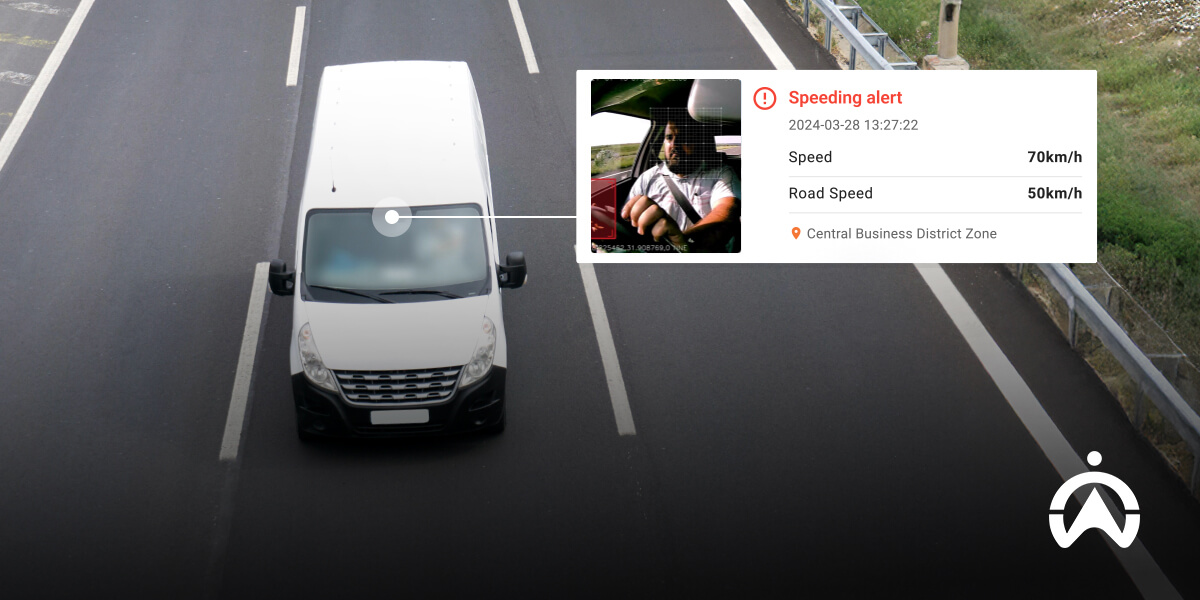
Frequently Asked Questions about monitoring perishable goods

How can I monitor temperature remotely?

To monitor temperature remotely, you can use wireless temperature sensor technology that’s integrated with a fleet management platform like MiFleet from Cartrack. This allows you to connect to your fleet’s data from anywhere, whether using a mobile phone or a desktop.

How accurate are temperature sensors?

The accuracy of a temperature sensor depends on the type of sensor it is. Most fleet management services offer BLE (Bluetooth Low Energy) sensors, which are known to be highly accurate. However, like any other gadget, temperature sensors may wear out and lose accuracy over time if not properly maintained.

What device can detect temperature in a cargo truck?

Several devices can detect temperature in a cargo truck. The most common ones include:

  • RTDs (Resistance Temperature Detectors): Commonly used in cold chain logistics and conditioning systems.
  • Infrared sensors: These work for things like automatic doors and camera motion detection.
    ‍
  • Thermistors: They are used for monitoring the temperatures of oil and coolant in vehicles to ensure reliable engine performance.