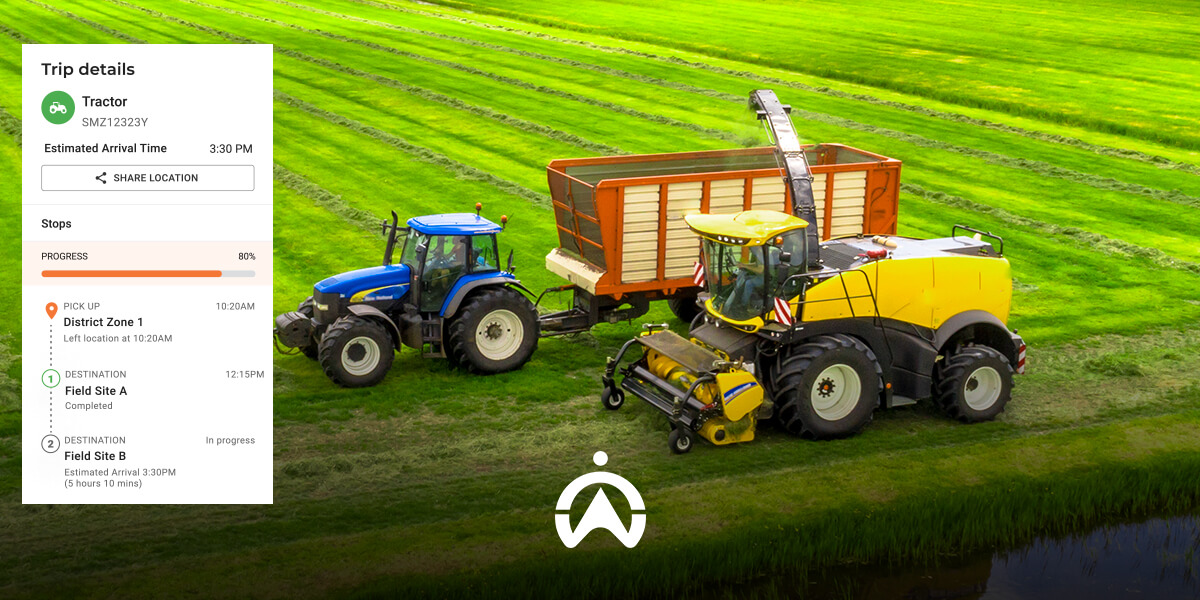

How to Prevent Farm Equipment Theft

Farms form an integral part of the economy, both locally and globally. It is therefore very important that they remain a safe and productive space, where there is continuous and uninterrupted productivity.

The theft of farm equipment is a problem that hinders the daily operations of a farm. This is an issue as most of these tools are expensive and hard to source.

If you want to find out how to prevent farm equipment theft and how Cartrack can help resolve this issue with its GPS tracking solution, then carry on reading.

In this article, you will:

  • Learn about the threat of farm equipment theft
  • Find out how GPS tracking helps prevent farm equipment theft
  • Discover why Cartrack is the best choice for GPS tracking of farm equipment

How to Deal with The Threat of Farm Equipment Theft

A farm’s remote locations and the high value of agricultural machinery make them prone to theft, the likelihood of agricultural machinery theft is an industry issue with huge annual losses. Farms are easy targets for many criminals, mostly due to high-value equipment and how large and remote the properties normally are. Quad bikes, tractors, and 4x4s are among the most commonly stolen items, often targeted in planned thefts.

Addressing the challenges that come with stolen equipment leads to businesses incurring unexpected expenses and dealing with insurance providers.
‍

Here are some tips to help protect farm equipment from theft:

  1. Get a GPS asset-tracking management
    Manually keeping tabs on all farm equipment can get daunting, especially when the amount of farm equipment is high. Getting a GPS tracking system is an easy and straight-forward solution to this problem. These units will track where equipment is and how often it is being used, alerting you when it is taken out of established boundaries.
  1. Lock equipment up in secure storage spaces
    Whether inside or in outbuildings, lock up equipment with locking bars or high-security padlocks. All the large machinery and fuel tanks should be locked up inside. Install power tools in lockable containers that are also attached to the ground or wall. Have a serial number record or log all equipment so that you can know details of equipment in case of farm thefts.
    ‍
  1. Install an alarm system and security cameras
    A CCTV or video surveillance system is one of the best options to keep your property safe from equipment theft. This footage will be useful in identifying intruders and other types of criminals when law enforcement is called. Cameras that are installed at strategic places aid you in watching those areas where the most vulnerabilities are located. With home security applications, you will be able to view your property even from a remote location.
    ‍
  1. Collaborate with the community
    Form a rural watch group with nearby friends and neighbours to guard each other’s properties. Note down descriptions of strangers and vehicles with license numbers, location, date, and time. This may help police track crimes in the locality.
  1. Mark equipment with unique identifiers for easy identification
    Leave a security marking on the equipment, and register them, if possible. Put your farm address on the top of your trailers so that they can be easily seen from above. Apply bright colour paint or a warning decal or symbol to the equipment to help them be easily spottable.

How GPS Tracking Helps Prevent Farm Equipment Theft

Criminals show little concern for the disruption and financial burden imposed on farmers by their crimes. This is unfortunate, especially when more traditional security measures no longer have the efficacy they used to. Criminals keep coming up with new tactics to bypass these systems, exploiting the limitations they have.

The one solution that remains, is one most are unaware of- GPS tracking. Let’s explore how it can help prevent farm equipment theft:

Real-time location tracking

With GPS tracking you get to know exactly where your machinery is at all times. This is done in real-time with great accuracy, meaning that all your machinery will always be accounted for whenever you need to check on their whereabouts. Farm equipment theft is often opportunistic, and once machinery is taken, recovering it can be nearly impossible without a proper GPS tracker.

Whether a tractor is left in a distant field or a harvester is stored overnight, a GPS tracker can provide precise location updates. This means less time spent worrying and more time focused on productivity.

Geofencing alerts

Keeping track of farm machinery spread over large areas can be challenging, but geofencing makes it easier. A good GPS tracking system will come with Geofence technology which notifies you when equipment moves outside designated areas.

This feature allows the farmer to create virtual boundaries around specific locations, such as fields, storage areas, or designated work zones. If a piece of equipment moves beyond these set boundaries, you receive an instant alert.

This proactive approach helps prevent theft before it happens. Whether an unauthorised person tries to remove a vehicle, or a machine is mistakenly taken beyond its assigned location, geofencing provides an additional layer of control, helping you intervene before a potential loss occurs.
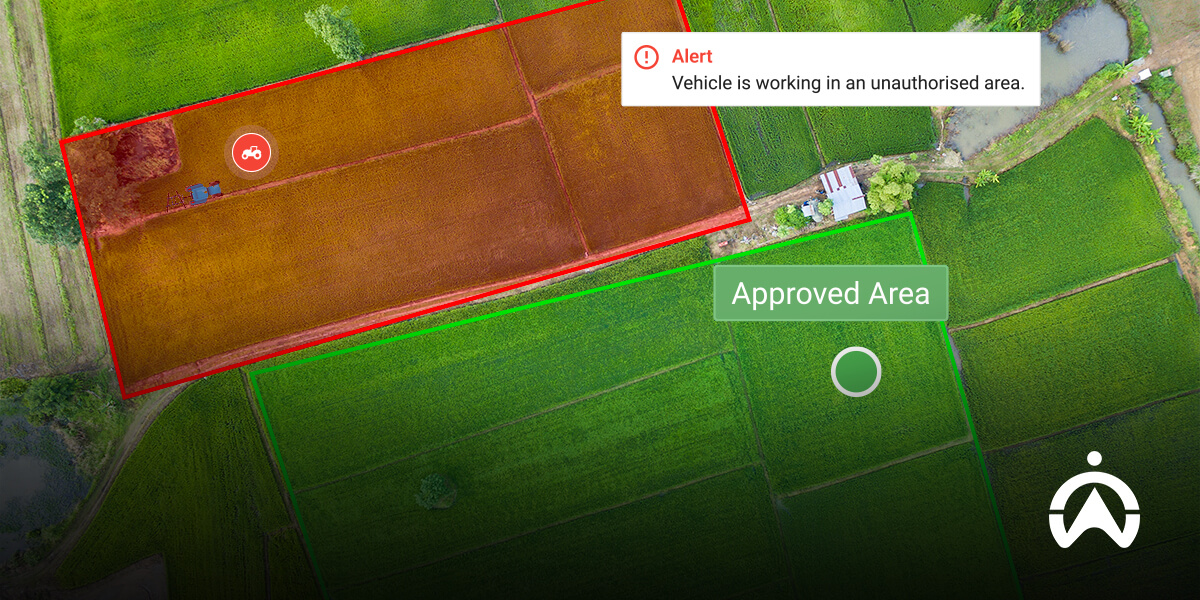
Aerial view of fields marked in red for unauthorized vehicle activity and green for the approved area, with an alert notification.

Tamper alerts

GPS tracking technology will not only tell you where your equipment is; it also tells you when someone is messing with it. If a GPS tracker is removed, blocked, or tampered with, you will receive an alert immediately, giving you time to respond before anything goes missing.

This feature helps ensure theft does not occur and prevents a farmer’s equipment from being used unauthorised. Whether they’re opportunistic criminals or employees using the machinery off the books, tamper alerts will help keep your farm assets safe. This means less worry for maintenance costs should an attempt be made on your assets.

Theft recovery assistance

Regardless of the precautionary measures, thefts do happen. But with GPS tracking, the chances of recovery become significantly higher. Live location data means tracking your heavy equipment has never been easier, making it easier for the authorities to recover stolen assets.

Many have found this technology effective in assisting farmers in recovering tractors, trailers, and other valuable equipment mitigating great loss. Apart from reducing financial losses, farmers get a sense of assurance on the safety of their assets. Investing in GPS trackers is not just a preventive tactic but also an option for quick response in case theft does occur.

Why You Should Choose Cartrack’s GPS Tracking to Stop Farm Equipment Theft

Cartrack has a state-of-the-art GPS tracking system, that is adaptable to vehicles and equipment of all types. Our offering can work for a variety of equipment types, from tractors to generators and even mills. This means that you can have the entire farm equipment inventory covered and tracked by our GPS solutions.

The GPS tracking solutions tailored for farm security include:

24/7 real-time monitoring

Farming runs round-the-clock, and so does your heavy equipment. With Cartrack’s GPS tracking, you will receive location updates every hour of the day, giving you the pinpoint location of your assets. You will know where your machinery is, whether on active use or parked for the night.

By eliminating the guesswork from farm management, this solution lets farmers work knowing that every piece of equipment-a tractor, trailer, or irrigation pump-is being tracked live. If anything goes moves, you’ll be notified so you can take action immediately.

Movement alerts and geofencing

Your farm equipment should stay where you left it. With Cartrack’s geofencing technology, you can create zones for your machinery, ensuring that if anything moves outside those boundaries, you are instantly alerted.

Whether that is a combine harvester leaving the field after hours or a generator being illegally removed, you’ll always be in the know. These alerts allow you to intervene in good time, preventing theft and protecting your assets from unauthorised use. With live tracking, geofencing gives you the extra security you need to ensure that your valuable equipment compliantly stands where it should be. Combined with live tracking, geofencing ensures that your valuable equipment stays exactly where it’s supposed to be.

Remote immobilisation

Imagine being able to stop criminals in their tracks! Cartrack’s remote immobilisation does just that: you can shut down a piece of equipment if it is ever stolen. With this revolutionary technology, you have the upper hand in keeping stolen machinery within recovery range. In the case of theft, you can disable the vehicle’s engine, making it impossible for a criminal to restart it once it has stopped running. Doing so considerably boosts the chances of recovery while also acting as a strong deterrent against future thefts.
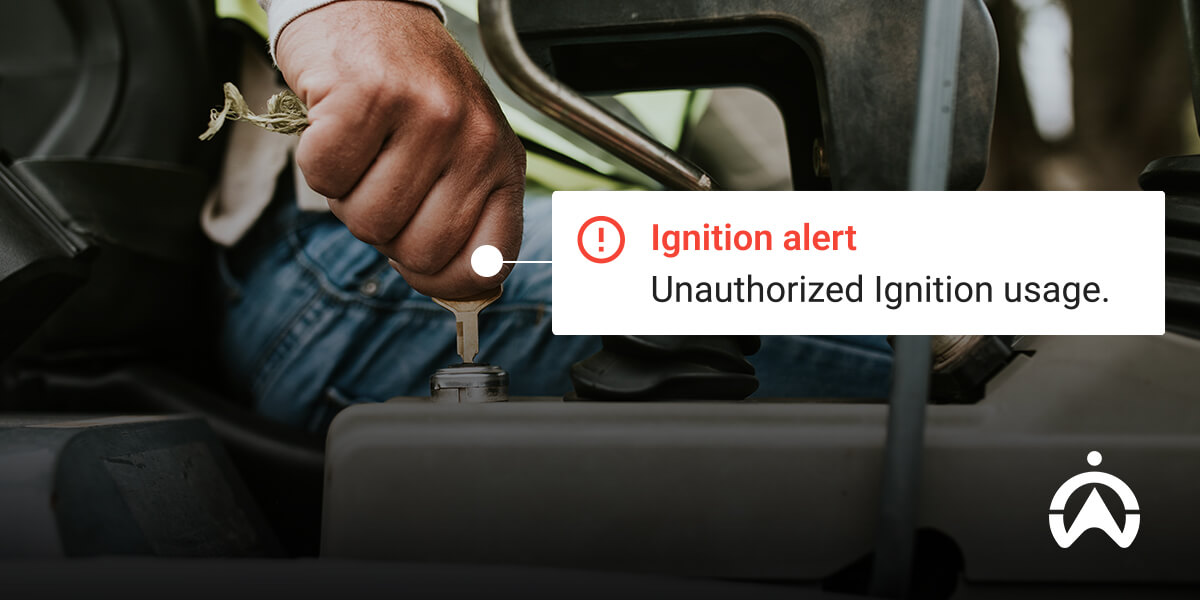
A close-up of a hand turning a key in ignition, with a warning alert about unauthorized usage displayed on the screen.

Detailed reports

Beyond security, Cartrack’s trackers also provide valuable insights into your farm’s operations. With detailed reports on usage, location history, and movement patterns, you can optimise equipment efficiency while ensuring that everything is being used as it should be.

These reports help you track productivity, identify unusual activity, and even assist with maintenance scheduling. If a machine is being used outside of designated hours or taken off-site without permission, the data will be right at your fingertips. Whether for theft prevention or operational management, Cartrack’s reporting tools give you full control over your farm assets.

As farms move to modernising their processes, security should also be considered in the same light. This is why GPS tracking for farm equipment is the future and is the best solution for the theft of powered and non-powered assets.

Cartrack’s innovative solutions are best suited to farmers looking to get easy, simple and effective security measures for their equipment. If you would like to learn more about our offering, then make sure to CONTACT US TO GET A QUOTE.

FAQs

What makes theft of farm equipment a big problem?

Farm equipment is low-priced in most cases, usually left in a secure area unattended, and very easy to resell, so it becomes a good target for criminals.

Who will I need to notify first between the police and Cartrack when farm equipment gets stolen?

You should contact Cartrack first so we send out our recovery team, you can then immediately contact the police. The two parties will work together to locate and recover your stolen asset.

Can GPS tracking work across borders? 

Yes, Cartrack’s GPS tracking technology can locate assets beyond the borders of Namibia if choose the cross-border tracking option.

How to Check if a Vehicle Is Stolen

There are many stolen vehicles circulating in the market. If you are looking to buy a new vehicle, it is important to know how to avoid falling victim to this trap. Buying and selling a stolen vehicle can lead to legal troubles and, in some cases, financial loss.

The good news is that there are various ways to check if your vehicle has been stolen.

In this blog, we will explore some of them as well as how Cartrack Namibia can help against vehicle theft.

In this article, you will:

  • Discover the different ways to check if a vehicle is stolen
  • Learn how Cartrack Namibia helps protect your vehicle from being stolen

How to check if a vehicle is stolen in Namibia

There are several reasons why someone might want to check if a vehicle is stolen. You may be interested in purchasing a car from a dealership or a private seller who wants to be protected from fraud and avoid any legal issues. Luckily, there are various ways to verify if a vehicle is stolen in Namibia. Here are a few:

Use online stolen vehicle databases

The internet offers many websites where you can check if a vehicle identification number (VIN) matches the vehicle’s registration papers. These databases are a quick and convenient way to verify whether the details engraved on the car match the registration papers.

Here are the two most popular websites you can.

  1. ‍Digitpol: This is an international database of stolen vehicles such as cars, trucks, motorcycles, and boats.
  2. ‍VIN Lookup SA: Although not specific to Namibia, but it might be worth checking if the vehicle was stolen from South Africa and brought to Namibia. This website can be used to check the vehicle classification status (a label that explains a vehicle’s history) and who it belongs to.

Verify with the National Traffic Information System (NaTIS)

NaTIS (National Traffic Information System) is a platform implemented by the Roads Authority. The system manages the country’s vehicle registrations and handles licensing and accident data. Using NaTIS to verify a vehicle is a simple way to determine whether a vehicle’s documents are fraudulent.

To get access to vehicle information on the website, you need to register an account. Once registered, you will have access to the following data:

  • Registering authority
  • Vehicle registration number
  • Vehicle identification number (VIN)
  • Engine number
  • Make and model of the car
  • Vehicle classification status
  • Title holder
  • Control number (NaTIS model number)
  • Date of Liability for first licensing

Contact the Namibia Police

Once you have all the vehicle details, such as the registration number, VIN, and engine number, go to the police station to check if a vehicle has been stolen. The Namibia Police will be able to tell you if the vehicle has been reported stolen or hijacked and that the VIN and engine number match the vehicle’s registration documents.‍

Confirm with the seller

When you are interested in buying a vehicle, it is a good idea to start the process by viewing the vehicle, speaking to the seller about the car’s history, and asking if it has ever been in an accident. Especially if you’re considering buying a second-hand vehicle from a private seller. But be careful; the seller may not be truthful.

A car dealer in a blue suit hands over car keys to a customer, signifying a successful purchase in a dealership setting.

Inspect vehicle documentation

Criminals are very sly and may use different ways to create fake vehicle documents. They may purchase a similar scrapped vehicle from a scrap yard or auction and then use that vehicle records to falsify the registration papers for the stolen vehicle. That is why it is important to request documents such as a roadworthiness certificate, the service book, as well as proof of ownership.

It is also vital to check that the VIN and engine number on the vehicle match the vehicle documents.

Look for signs of tampering

Vehicle cloning is a method used to commit vehicle fraud. Criminals use cloning to make stolen vehicles appear legitimate. This is done through etching, a process in which criminals remove the original VIN and engine number and replace them with other legitimate vehicle details. To avoid being a victim of this, you should check the following:

  • The vehicle license plates match the registration documents, and that there are no signs of damage or tampering around the plate area, such as tool marks.
    ‍
  • The VIN and engine number have not been tampered with and that they match the information on the vehicle’s documents.

Investigate vehicle history reports

Some established car dealerships or garages in Namibia might have access to vehicle history databases or have partnerships with providers who can offer this service. It’s worth contacting them to inquire.‍

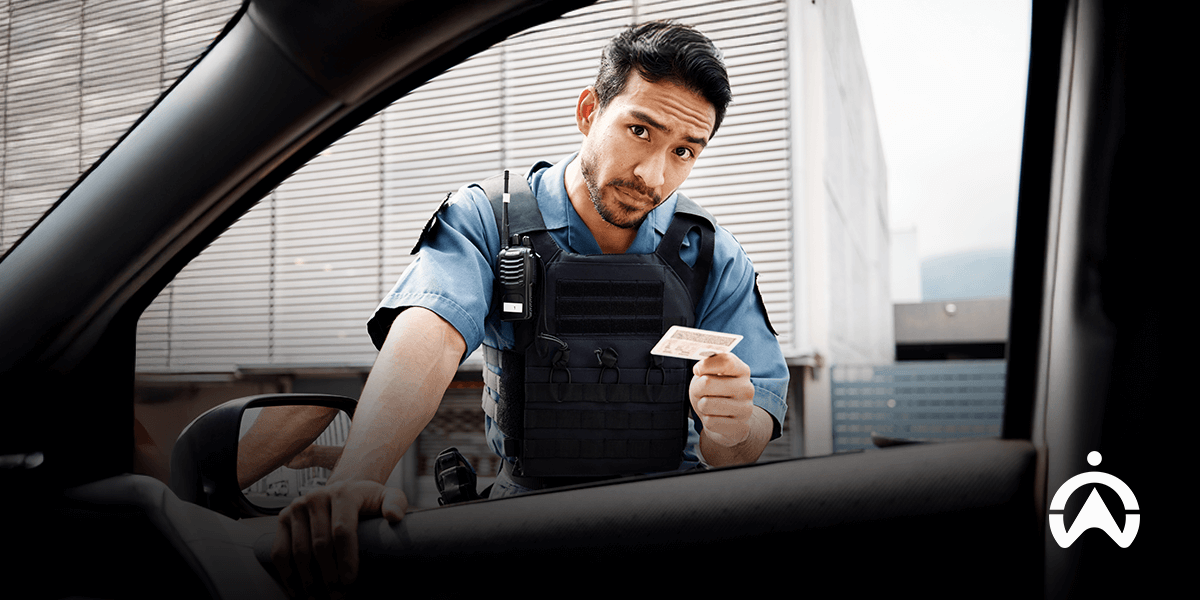
A uniformed officer holding an identification card leans through a car window, engaged in an official procedure.

How Cartrack helps protect against vehicle theft

Ensuring you have all the correct documents and checks done is crucial before purchasing a vehicle. However, protecting it against theft is just as important. Cartrack has a range of offerings to stay ahead of criminals and to keep your vehicle safe. Here is how:

  • Cartrack Recovery Services – Recovery response to theft
    Are you worried about not having recovery support for your car? Cartrack understands how important this is. This is why we provide recovery services that are available 24/7 to assist you in the unfortunate event your vehicle is stolen or hijacked. Once reported stolen, one of our agents will start locating and tracking your car and dispatching a response team to recover your vehicle.
    ‍
  • Cartrack mobile app – instant vehicle monitoring
    With Cartrack’s mobile app, you can ensure your vehicle is parked where you left it. For example, if you’re at a party, you no longer need to excuse yourself to check on your vehicle. The app gives you the peace of mind that you can always keep an eye on your car.Additionally, the mobile app empowers individuals to:

    • View your vehicle’s location in real-time and its past trips.
    • Share your location with your loved ones.
    • View your driving behaviour reports to learn how to improve your driving.
    • Activate Protector for medical or roadside assistance.
    • Crash detection-Immediate accident alerts.

You can rest assured knowing that Cartrack is always available to help you. Our systems immediately send a crash alert when there is an impact experienced on your vehicle, which is promptly followed by an automated call to check if you’re okay and if assistance is needed. To top that, Cartrack has a value-added service that protects your vehicle, called CarWatch. This feature acts as your car guard and notifies you of any unauthorised movement of your vehicle, allowing you to take swift action when needed.

Protect yourself by staying one step ahead. By using reliable methods such as NaTIS and carefully inspecting vehicle documents, you can ensure that you do not buy a stolen vehicle. This could protect you from future stress and potential financial loss.

Want to safeguard your vehicle? Contact Cartrack Namibia and ensure your vehicle is protected and has vehicle recovery support you can count on.

FAQs

Q: What does VIN mean, and why is it important to verify it?

A: The vehicle identification number (VIN) is a 17-digit code assigned to every car manufactured and is used to identify the vehicle’s make and model. It is an important resource for verifying that a vehicle is safe to purchase. You do this by matching the registration documents to the VIN on the vehicle.‍

Q: Can I purchase a vehicle without inspecting its documents?

A: You can purchase a vehicle without checking its documents and history, but it is not a good idea. It is a must to check the vehicle’s history. By checking this, you can ensure that the vehicle does not have accident damage and that it’s owned by the seller.

Q: Can stolen cars be sold with legitimate documents?

A: No, it can’t; criminals are able to forge registration documents for a stolen vehicle to make it seem legitimate. That is why you should verify the VIN and engine number with an official regulatory body.

Q: I bought a stolen car. What should I do?

A: If you bought a stolen vehicle, you should go to the Namibia police and report it to them immediately to get assistance on what to do.‍

Q: How long will it take to verify if a vehicle is stolen?

A: Checks done at the Namibia police may be done in a few minutes. Detailed reports requested online may take a day or two.

Fleet Management for the Pharmaceutical Industry

Behind every pharmaceutical delivery lies a patient waiting for life-saving medication. With lives literally on the line, the pharmaceutical industry operates under intense pressure to maintain the integrity of its supply chain.

Unfortunately, due to sensitive pharmaceutical products, the industry faces a lot of challenges; the products need to be transported in temperature-controlled containers so that the quality is not compromised. Security is also a huge factor to consider since these products are popular in the black market.

This is where fleet management solutions come in; these systems can ensure that every delivery reaches its destination safely and on time.

We will now unpack ways fleet management can be used to transport pharmaceutical products and discover how Cartrack solutions support the cold chain industry.

In this article, you will:

  • Know the importance of fleet management in the pharmaceutical industry
  • Learn key components of pharmaceutical fleet management
  • Explore how Cartrack solutions support the pharmaceutical industry

The Importance of Fleet Management in the Pharmaceutical Industry

The pharmaceutical market in Namibia has significantly grown over the years and continues to do so. It is expected to generate revenue of US$94.81m this year, proving that it contributes not only to the health sector but also to the whole economy.

This is why efficient and reliable fleet management is important. It’s more than just getting from point A to point B; it’s about making sure that life-saving medications and vaccines arrive safely, securely, and on time.

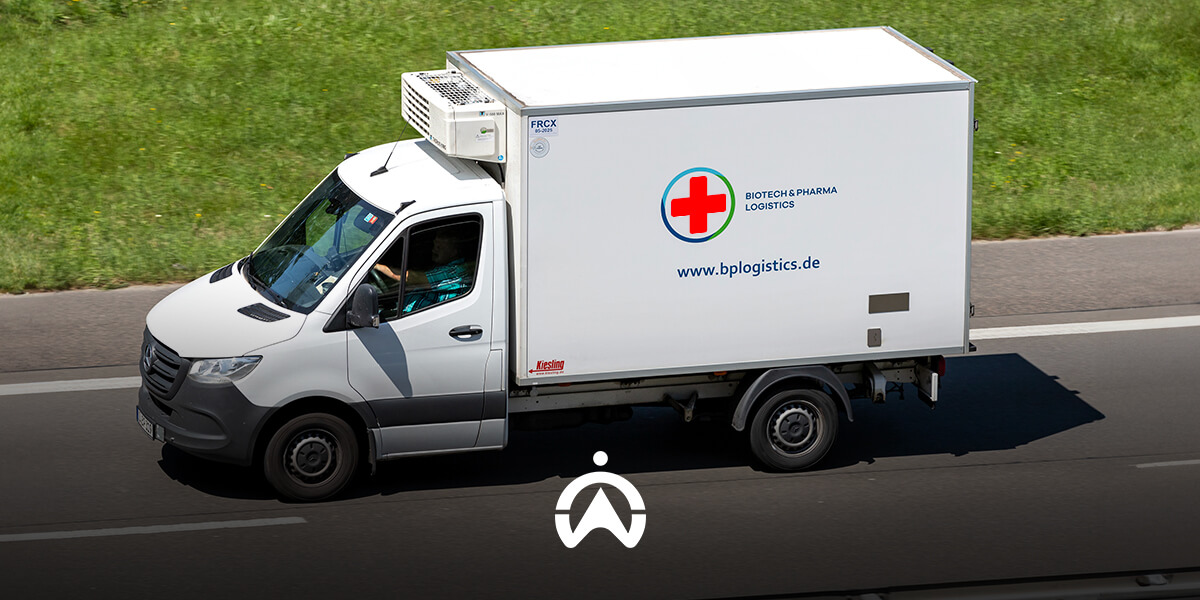
Fleet management systems help pharmaceutical companies oversee every aspect of their vehicle operations. This includes making sure that vehicles are properly maintained to avoid breakdowns, that drivers are well trained and monitored, and that routes are optimised for speed and safety. By paying attention to these details, companies will not only reduce risks like theft and temperature control issues but will also ensure that they’re meeting strict industry regulations.

Ultimately, effective fleet management allows pharmaceutical companies to focus on their core mission, which is to provide quality healthcare products while knowing their deliveries are in good hands.

A pharmacist in a white lab coat handles a cardboard box in a dimly lit storage area filled with stacks of boxes.

Key Components of Pharmaceutical Fleet Management

The industry is quite niche; it requires proper handling and transportation; otherwise, if not handled with care, the efficacy of the products will be compromised. To avoid this, the industry will need to adopt fleet management solutions. Let’s explore the key components of pharmaceutical fleet systems:

Maintaining Compliance with Regulatory Standards

Shipping regulations are among the most important things to consider when distributing pharmaceuticals. These regulations are set in place to protect the integrity and quality assurance of the medicine and vaccinations.

In Namibia, all pharmaceutical distribution companies must hold a certificate from the Namibia Medicines Regulatory Council (NMRC), which ensures that all medicine entering or leaving the country retains the required quality, safety, and efficacy.

The Namibia Medicines Regulatory Council has set out rules relating to good pharmacy practice. These include:

  • Temperature must be controlled at all times to ensure the integrity of the products.
    ‍
  • The vehicles must be clean to avoid cross-contamination.
    ‍
  • Drivers transporting these products must be appropriately trained in terms of an approved unit standard for cold chain management and must provide suitable documentation as proof. They must ensure that the correct procedures are followed to maintain the cold chain within the manufacturer’s specification.
    ‍
  • The trailers or containers must be properly maintained to avoid unnecessary breakdowns on the road.
    ‍
  • The vehicles must be approved for transporting thermolabile pharmaceutical products. Examples include refrigerator trucks, cars, ships, and containers. The products must be transported in any mode of transportation that is permanently enclosed or sealed. Open vehicles are not permitted to transport these products.
    ‍
  • Routes must be planned and assessed to ensure that delays and/or exposure to extreme temperatures are correctly assessed.

A fleet management system can help track all transportation activities, generating detailed delivery times, routes, temperatures, and driver performance. This data provides documentation that can be used for audits and demonstrates compliance with industry regulations.

Ensuring Safe and Temperature-Controlled Transport

To preserve their effectiveness, many medications must be transported within specific temperature ranges, often requiring cool or cold conditions.

Fleet management software has temperature sensors to ensure that vehicles maintain the desired temperature throughout the journey, ensuring product integrity and compliance with regulatory requirements.

Securing High-Value Pharmaceutical Shipments

Medication is expensive, so it is no surprise that pharmaceutical shipments are susceptible to crime.

Since there is high-level security at warehouses where the pharmaceuticals are stored, criminals are most likely to attack during transit.

A fleet management solution will ensure that fleet managers are aware of the container’s location through continuous real-time GPS tracking. Drivers will only use planned and optimised routes to ensure the safest and quickest routes, with no unnecessary delays on the way. Tools and features such as cameras and geofencing add an extra layer of security.

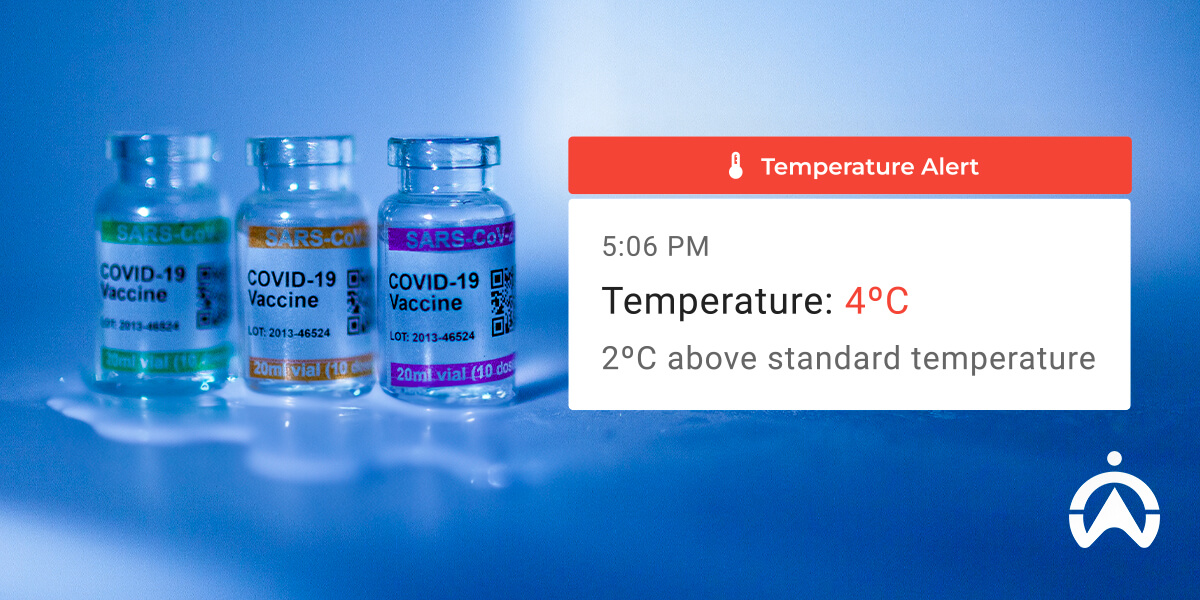
Three COVID-19 vaccine vials with a temperature alert, indicating 4°C, 2°C above the standard temperature.

How Cartrack Solutions Support Pharmaceutical Fleet Management

Cartrack’s fleet management solutions help businesses in various industries to meet their bottom line. The pharmaceutical industry is no different. Let’s explore ways our solutions can ensure safe transportation of medication and vaccines, helping patients get the treatment they need:

  • ‍Temperature sensors: We can install up to four temperature sensors on your containers or trucks. This lets you monitor and maintain the temperature of your cargo throughout the whole journey. You can set up alerts for any temperature changes, helping ensure that the medication arrives in the right condition to patients.
    ‍
  • ‍GPS tracking: Through real-time GPS tracking, fleet managers will have full visibility of the shipment. They will be able to see the location of the vehicle at all times.
    ‍
  • ‍Geofencing: Fleet managers can set geofences around areas that are unsafe, such as areas that are hotspots for hijacking, and will receive instant alerts either through SMS or email if the vehicles enter these areas.
    ‍
  • ‍Driver ID tags: Identification tags help managers know which driver is driving which vehicle and at what time. This is very important in the pharmaceutical industry since only highly trained drivers who know how to deal with high-value cargo can transport medications. These tags allow managers to monitor driver behaviour such as speeding, harsh braking, and idling to hold drivers accountable for their behaviour and provide coaching if necessary.
    ‍
  • ‍Preventative maintenance: Cartrack’s preventative maintenance feature gives you real-time alerts of engine faults and automated vehicle maintenance schedules for each vehicle. This lets you know which vehicle is due for servicing, helping avoid unnecessary breakdowns and ensuring regulatory compliance.
    ‍
  • ‍Route optimisation: Our fleet software allows fleet operators to optimise routes, ensuring timely deliveries. This feature allows drivers to use the fastest routes with less traffic congestion. You will receive alerts for any deviations from these routes.
    ‍
  • ‍AI-powered cameras: Cartrack’s AI-powered cameras act as an extra pair of eyes on the road, helping operators monitor driver behaviour. These cameras can detect risky behaviours such as smoking, speeding, or mobile phone usage. Our AI dual vision cameras have a built-in speaker that will audibly alert drivers in real-time so that they can correct their behaviour and prevent an accident.
    ‍
  • ‍Cargo door sensors: You will get instant alerts if cargo door sensors detect any unauthorised movement, which suggests potential tampering. You can then contact your driver to verify if all is in order.
    ‍
  • ‍Panic button: If drivers encounter an emergency or find themselves in a compromising situation such as a hijacking, they can simply press a panic button, which will instantly send a silent alert to our control room. An operator will be in touch with the manager to investigate and provide necessary assistance.

In closing, the pharmaceutical industry experiences many challenges when transporting life-saving medication and vaccines, especially regarding temperature control, security, safety, and compliance with regulations. Pharmaceutical companies are not just regular businesses where a mistake can easily be overlooked; one mistake in the distribution of these pharma products can unfortunately claim a life. Telematics systems ensure that operations run smoothly, and that medication and vaccines are delivered safely with their quality and integrity still intact.

Contact us today to enquire about how we can help your business reach its full potential.

Frequently Asked Questions about Fleet Management

Q: Is it possible to have different temperature zones within the same cargo area, and can Cartrack monitor those zones independently? 

A: Yes, it’s possible. Depending on your needs, we can set up different temperature zones inside your vehicles. We can install up to four sensors in a vehicle that report separately so that you can keep each type of medication at the right temperature, even in the same shipment.

Q: Is it possible to track multiple pharmaceutical shipments simultaneously?

A: Yes, on our web interface or mobile app, you are able to manage and track multiple deliveries all at once.

Q: Are fleet management systems scalable for pharmaceutical companies of all sizes? 

A: Companies of all sizes can benefit from fleet solutions. Whether a company has a few vehicles or a large fleet, the system can be customised to match the operational scale and complexity, offering flexibility and cost-effectiveness.

Top 10 Fleet Management Mistakes and How to Avoid Them

Mistakes in the workplace are bound to happen, but when it comes to fleet management, one small error can cost the entire business a fortune. Many of these mistakes are caused by fleet managers prioritising certain tasks over others to meet client expectations and boost revenue. With the right technology, these mistakes can easily be avoided. In an effort to simplify things for you, we have identified ten common mistakes most fleet managers make and how to avoid them using our fleet management solutions.

In this article, you will:

  • Get a breakdown of common fleet management mistakes
  • Find out how Cartrack solutions reduce the chances of possibly making errors

Breaking down common fleet management mistakes

With all the responsibilities fleet managers have to take on, some aspects of the job may not be immediately apparent and fall into the cracks. Here are ten fleet management mistakes you could make and how to refrain from them:
‍

Mistake 1: Overlooking driver behaviour

Many fleet managers overlook the importance of carefully monitoring drivers and their habits. Unsafe driving practices are a huge concern in fleet management and for all motorists in general. They increase the risk of accidents that could turn fatal. Bad driving habits such as harsh braking and speeding also increase fuel consumption and increase the chances of vehicle wear and tear.
How to avoid it: Use our telematics devices and AI cameras to monitor driving behaviour. Through this technology, you will get alerts and detailed reports on the behaviour of each driver. We also have a coaching platform that helps you notice recurring incidents of each driver and address them accordingly through training sessions.

Mistake 2: Neglecting preventive maintenance

The pressure to meet customer expectations and make a profit has many fleet managers postponing routine maintenance or even forgetting about it. This causes vehicle wear and tear, which leads to an increase in unexpected breakdowns, downtime, and costly repairs.
‍

How to avoid it: Incorporate telematics tools that provide diagnostics on vehicle and asset performance. Our preventative maintenance solution provides you with data analytics that gives insight into potential issues, such as engine faults. You can also set up automated maintenance reminders so you don’t miss routine maintenance appointments. This ensures critical maintenance activities are not overlooked and that the fleet performs optimally.

Mistake 3: Overlooking compliance and regulations

Regulatory requirements cover a range of areas, from roadworthiness and hours of service to environmental standards and safety measures. Overlooking compliance requirements poses the risk of heavy fines, legal issues, and vehicle impoundment. This happens quite often in a fleet business due to managers and operators pushing to meet delivery deadlines.
‍

How to avoid it: Make use of fleet management software features such as GPS logbooks and Driver Identification (DID) tags. These help you monitor how much time each driver has spent on the road to ensure driving limits are not exceeded and that there are enough resting periods in between. The logbook also helps you remain tax-compliant by classifying business and private trips accurately. Additionally, we also help you determine how much carbon dioxide your fleet emits by giving CO₂ reports so you can be aware of your carbon footprint.

Mistake 4: Poor fuel management strategies

Fleet managers do not always have time to focus only on fuel expenses. This leaves room for possible fuel theft, vehicle misuse, and administrative errors.
‍

How to avoid it: Use a cost management tool such as our MiFleet software, to manage your fuel cards and overall fuel costs. This smart tool ensures that all fuel card transactions match telemetry data such as time, location, and distance travelled. Train drivers on fuel-efficient driving habits, and ensure they use DID tags once again so the fuel used on personal trips can be accounted for. Lastly, install fuel sensors such as fuel probes to get real-time accurate readings of the in-tank fuel levels.

A person in a gray glove fuels a silver car at a gas station, holding the nozzle near the fuel cap.

Mistake 5: Lack of real-time vehicle tracking

Knowing where drivers are with an estimate of how long they should take is not enough. As a fleet manager, you need to see the live locations of all vehicles to spot any issues drivers encounter along the way and act promptly. Reduced fleet visibility results in higher operational costs due to low efficiency and also imposes a security risk.
‍

How to avoid it: To improve your fleet’s visibility, invest in GPS tracking and telematics for real-time monitoring. With this, you can see if a driver spends too much time in one place or if they are following the route as planned.

Mistake 6: Not utilising fleet data for decision-making

GPS trackers, IoT devices, and sensors collect large volumes of data that give valuable insight. When the data comes from various sources, it becomes overwhelming and difficult to process. This leads to fleet managers missing the finer details of this information, which may result in misinterpretation of data and poor decision-making.
‍

How to avoid it: It is easier to understand data that comes from one platform. Choose a fully integrated fleet management solution, make use of data visualisation tools such as the given graphs, and train staff on how to correctly interpret them. Ensure they thoroughly check reports to spot trends and patterns. Use this insight to develop strategies that will increase productivity and reduce overall operational costs.

Mistake 7: Inadequate communication between fleet managers and drivers

It is no secret that clear communication is a necessity for smooth business operations. Yet fleet managers and dispatchers overlook this factor due to how busy they can be with other tasks. This causes misunderstandings and leads to delays, lowering productivity levels.
‍

How to avoid it: Speak to your staff more often and hold regular meetings so you can hear their pain points. Give feedback and ask if there are any new developments. Lastly, use fleet management software tools such as the two-way audio from our AI Dual Vision camera to get updates from drivers in real time and vice versa.

Mistake 8: Underestimating the importance of safety protocols

It is your responsibility as the fleet manager to ensure that drivers, vehicles, and cargo are safe on the road. For this reason, there need to be safety programs such as pre-and post-trip checklists to assess vehicle conditions. Failure to follow safety protocols will lead to accidents, legal penalties, unplanned maintenance costs, and the need for new vehicles.
‍

How to avoid it: Foster a culture of safety in your team by creating a strict policy that applies to all workers who get behind the wheel. This policy should combine general knowledge of traffic regulations and best practices. Highlight the importance of following policies and procedures and train staff on any updated regulations. Furthermore, use our driver scorecards to rate each driver and reward those who are showing improvement.

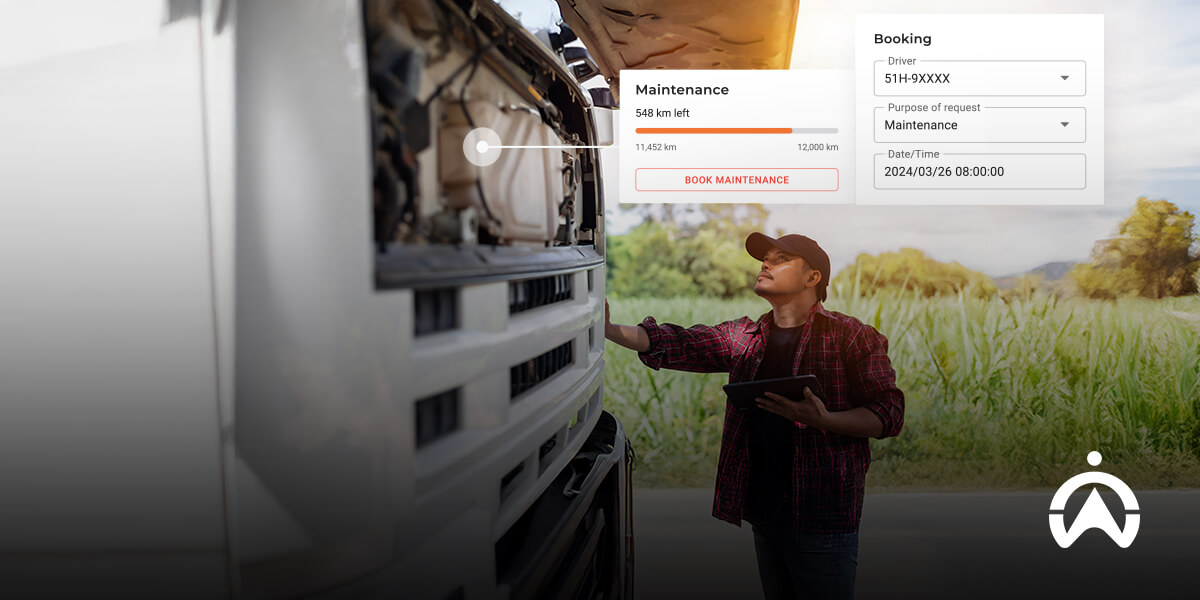
A technician inspects a truck's engine while a booking interface shows maintenance details and scheduling options.

Mistake 9: Ineffective route planning

Poor route planning increases travel time, which leads to unnecessary overtime, an increase in fuel costs, and late deliveries. The disappointment that stems from these delays creates a bigger issue which is customer dissatisfaction, leaving a dent in the brand’s reputation.
‍‍

How to avoid it: Use our route optimisation software to plan your deliveries. Place pick-up and drop-off points onto the software to find the most effective routes. This technology factors in things like distance, traffic patterns, and delivery priorities to help you find the way for drivers to get to their destinations.

Mistake 10: Failing to adapt to industry changes

The adoption of fleet management software is ever-growing with the industry undergoing rapid changes. These changes are driven by technological advancements and expanded consumer preferences. Using outdated technology will cause your business to fall behind.
‍

How to avoid it: Stay informed about industry trends and choose a fleet management software provider that is innovative and always introduces new technologies to enhance your fleet operations and boost profit. At Cartrack, we strive to give you the latest technology by developing and constantly updating our services to align with emerging fleet management solutions. With us, your business will always be in sync with new industry standards.

Avoid fleet management mistakes with Cartrack solutions

Our advanced fleet management solutions make it easier for you to navigate the business landscape. We have measures put in place to tackle each aspect of running a fleet, so you don’t miss anything essential. If you need more information, reach out to us and speak to one of our fleet consultants.

How Long Do Car Trackers Last

When you’re thinking about investing in a vehicle tracking device, it’s only natural to ask, “How long will the tracking device last?” After all, a high-quality tracking unit is an investment, and you want to be sure you’re getting your money’s worth.

No one wants to invest in technology only to have it fail a few years down the line. That is why it is important to know the factors that influence a tracker’s lifespan so you are able to make an informed decision when choosing one.

The good news is that modern GPS trackers designed for fleet management and personal vehicle tracking are built to last. These devices, just like any tech product, depend on their durability and several factors.

In this blog, we’ll take a closer look at these factors and explain why Cartrack’s solutions are designed to stand the test of time.

Let’s dive in!

By the end of this read, you’ll have a clear understanding of:

  • What impacts the lifespan of a vehicle tracker
  • How to get the most out of your tracking device
  • Why Cartrack’s tracking units offer reliability and durability

What Impacts How Long a Tracking Unit Lasts

Ever wondered how long a tracking unit really lasts? The answer to this depends on several factors, including the device’s quality, frequency of vehicle use, and how the device is installed.

Here are some of the factors that could affect a tracking device’s lifespan:

  • Tracking Device Quality
    Vehicle tracking companies offer different tracking units that vary in quality, and the quality of the device plays a huge role in how long it lasts. Of course, you could find a cheaper, off-brand device that promises to do the job, but the truth is that cheaper car tracking units often don’t have the durability needed for long-term use. Over time, they can begin to show signs of wear and tear, and you might find yourself needing to replace them sooner than expected. On the other hand, a high-quality tracking unit from a reputable provider like Cartrack Namibia is built using top-of-the-line materials designed to last.
    ‍
  • Frequency of Vehicle Use
    Just like any gadget, the frequency with which the vehicle is used can affect the lifespan of the tracking unit. If you’re tracking a fleet of vehicles that are on the road day in and day out, the device will naturally face more wear and tear. But rest assured, Cartrack’s tracking units are designed to handle this constant use with ease. Regardless of how often it’s used, Cartrack’s devices are built to provide reliable service for years, whether it’s one vehicle or a whole fleet.
    ‍
  • Tracking Device Installation and Maintenance
    Like any piece of technology, proper installation and maintenance can go a long way in extending its lifespan. If the tracking device is installed correctly by a professional installation technician, it is much more likely to serve you well for a long time. Cartrack assigns well-trained technicians for all tracking device installations and in case of repairs or maintenance.
    ‍
  • Keeping Up with New Technology
    Technology is always changing, and while the physical tracking unit may last for several years, it is staying current with new technological advancements that will keep it relevant. This is particularly crucial as the tracking industry evolves, introducing new features and innovations. At Cartrack, we make sure that our tracking devices are up to date with the latest innovations to keep them performing at their best. This ensures that our tracking devices stay compatible with new systems and features, meaning you don’t have to worry about your tracking device becoming obsolete anytime soon.
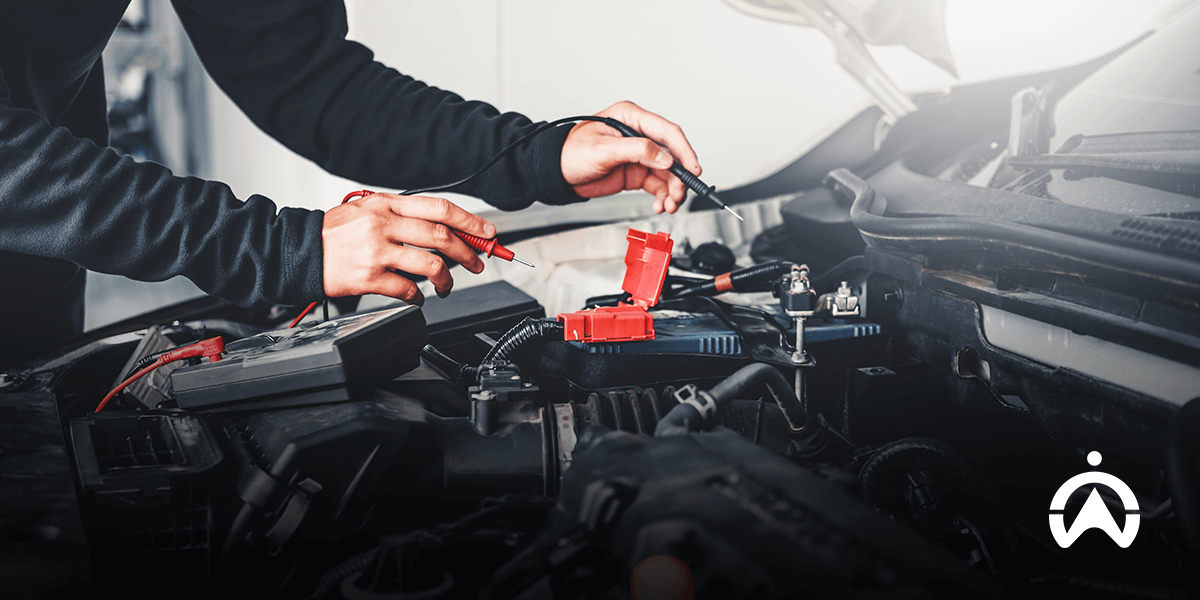
Person using multimeter on car battery under open hood.

What Is the Lifespan of a Tracking Device?

The Expected Tracking Device Lifespan

When it comes to high-quality tracking devices like Cartrack’s, you can generally expect them to last for a couple of years, depending on the factors we’ve discussed. And, with the device’s durability and expert maintenance, many tracking devices from a reputable tracking service provider are guaranteed to last long.

The Right Time to Upgrade a Tracking Device

Eventually, even the best tracking units will need to be replaced. If your tracking device starts showing signs of wear and tear or feels outdated compared to newer models, it may be time for an upgrade. The good news is, with Cartrack, this process is smooth and simple. Our customer support team is always available to help guide you through the process.

Why Cartrack is the Best Option for Long-Lasting Performance

By now, you might be wondering: “What makes Cartrack different from other tracking providers?” The answer is simple, Cartrack is all about quality, reliability, and customer satisfaction.

Here’s what makes Cartrack stand out:

  1. Real-Time GPS Tracking
    Cartrack’s real-time tracking system provides precise and up-to-date information about your vehicle’s location, speed, and other driver behaviours. Whether you’re managing one vehicle or an entire fleet, our tracking system ensures you’re always in control.
    ‍
  2. Fleet Management Features
    Cartrack doesn’t just provide basic tracking; we offer a complete fleet management system that helps monitor fuel consumption and vehicle maintenance schedules. This gives you valuable insights that help improve efficiency and reduce costs.
    ‍
  3. Enhanced Security with Vehicle Cameras
    Cartrack’s vehicle cameras add an extra layer of security and are the perfect add-on feature to your tracking system. By integrating video footage with GPS data, you get a complete view of your vehicle’s journey. This is invaluable for resolving disputes, improving driver safety, and securing your assets.
    ‍
  4. Fuel Management
    Fuel wastage is a huge concern for many businesses. Cartrack’s fuel management system helps you track fuel consumption in real-time, identifying issues that lead to unnecessary wastage and helping you save money.
    ‍
  5. Stolen Vehicle Recovery
    In the unfortunate event that your vehicle is stolen, Cartrack offers a stolen vehicle recovery service that works closely with law enforcement to recover your vehicle as quickly as possible, reducing downtime and financial loss.
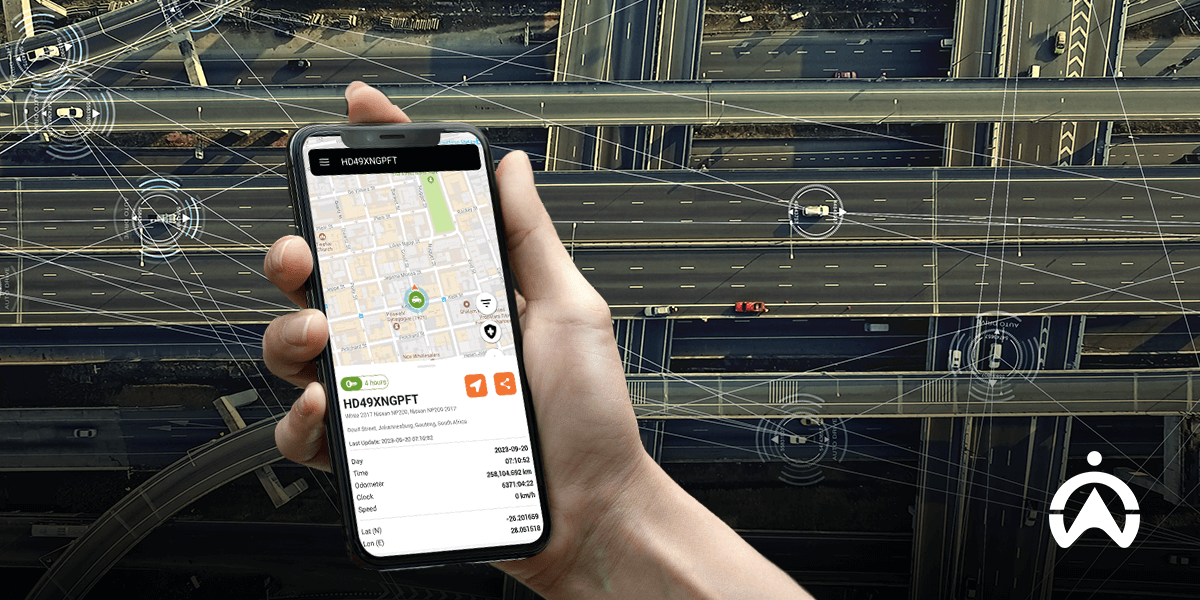
Hand holding a smartphone with a Cartrack app over a stylized city traffic background.

Why Settle for Less?

When you choose Cartrack Namibia, you’re not just investing in a tracking device, you’re investing in peace of mind. Our tracking units are designed to be reliable, durable, and packed with features that go far beyond simple location tracking.

Choose Cartrack Namibia and experience a feature-rich tracking solution built to last!

Frequently Asked Questions

  • How can I check if my Cartrack device is working properly?
    With Cartrack, there’s no need to wonder. You can easily check your device’s status at any time via the Cartrack app or website. It will show you if it’s connected and tracking your car correctly. If anything’s wrong, you’ll know straight away.
    ‍
  • Can I track multiple cars with my Cartrack account?
    Absolutely! Whether you’re keeping track of a fleet or just your family’s vehicles, Cartrack makes it simple to monitor multiple cars with one account. Switching between vehicles is quick and easy, so you can see where each car is and what it’s up to in real-time.
    ‍
  • What happens if my car’s battery is disconnected? Will the tracking device still work?
    Yes, it will! Cartrack devices come with a built-in backup battery. If your car’s main battery is disconnected, the extra battery will keep the device running for hours, ensuring we can still track the car in case of theft or tampering.
    ‍
  • Can I set up notifications for things like speeding or my car leaving a certain area?
    Of course! Cartrack lets you set up custom alerts for various situations, like speeding or when your car enters or exits a specific area. These notifications are sent straight to you, so you’re always in the loop when it matters most.

Are Old Cars Less Likely to Be Stolen?

Are older cars less likely to be stolen? It depends. Some people may think that older cars are more likely to be targeted because of their age. The truth is, it doesn’t matter whether a vehicle is old or new, there are various reasons why vehicles may be at risk of being stolen.

In this blog, we discuss whether old cars are more or less likely to be stolen, share useful safety tips, and explain how Cartrack’s vehicle tracking systems can help you keep your vehicle safe and sound.

In this article, you will:

  • Find out if old cars are less likely to be stolen
  • Learn effective ways to secure your car from theft
  • Explore the different ways Cartrack Namibia can help you protect your car

Are Old Cars Less Likely to Be Stolen?

Car theft is a major concern for car owners, regardless of their make and model, and you might be wondering whether older cars are less likely to be stolen compared to newer models. There are many factors that put a car at risk of theft, and the age of a vehicle is just one of them. Here are a few reasons an older car may be the likely pick in some cases:

Demand for second-hand parts in the black market

Older cars have a timeless appeal that many still enjoy, especially popular ones. Criminals steal these vehicles, strip them, and sell their parts, which include the engine and the interior. These are then sold on the black market for a profit.

High Resale Value

Many car enthusiasts love the nostalgia that comes with vintage or limited-edition cars. These cars are very popular and in high demand because they are unique collector’s items. As a result, they may be targeted by criminals because they are easy to sell.

Lack of security features

Old vehicles lack the advanced security features that are present in newer cars. These are features such as immobiliser remotes and motion sensors, and the lack of these features can make them an easy target for theft compared to newer models.

Cloning

Criminal enterprises target vehicles to sell their parts and are used for other illicit activities. Criminals alter the identity of stolen vehicles by creating fake documents, putting up fake number plates, and changing the VIN. In some cases, they may spray the car a different colour, making it harder to trace and allowing them to commit other crimes without detection.

Vulnerability due to lack of security systems

Many old classics from the 80s and 90s still roam the streets today, but let’s face it, they don’t have the advanced security features that modern cars have. This makes them more vulnerable to theft, which is why security systems such as alarms and vehicle tracking devices are a good investment to protect them against criminal elements.

Cross-border smuggling

Cross-border smuggling is a frequent occurrence in Namibia; reports in recent years indicate that criminal syndicates target older cars and ship them into neighbouring countries such as Zimbabwe and Mozambique. These syndicates use false documents to get the cars into neighbouring countries where they are reregistered and sold, stripped for parts, and in some instances, used to commit other crimes.

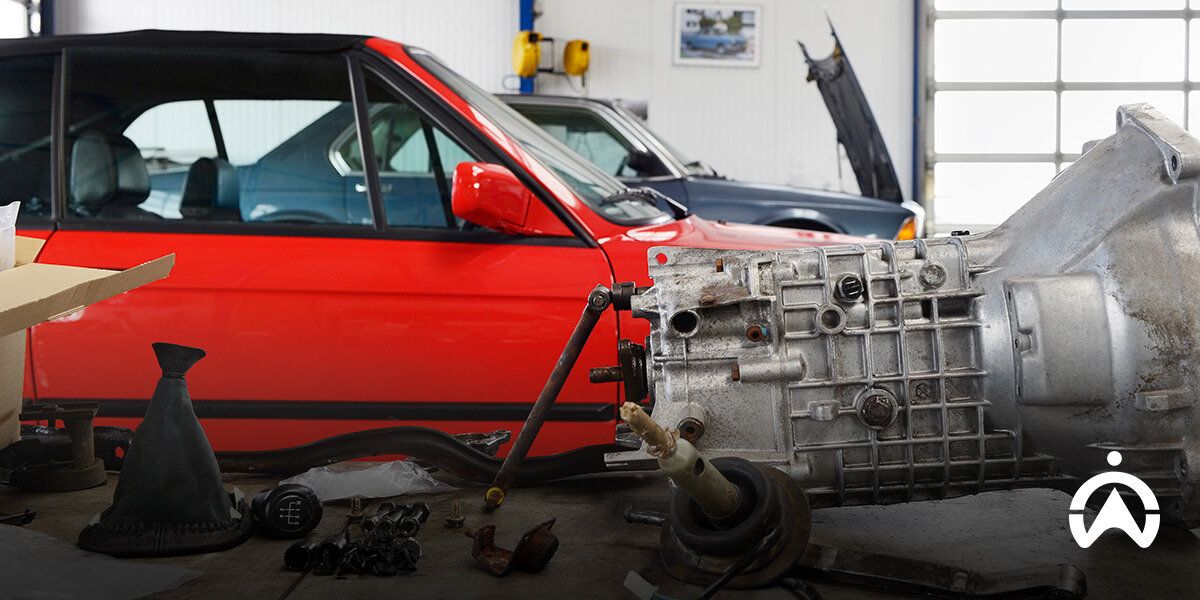
A red car is in a garage surrounded by car parts and tools, including a transmission, with a classic blue car in the background.

Why older cars may be less likely to be stolen

There is a popular saying that says, “There are two sides to a coin.” and in terms of old vehicle theft, it is also true. As much as there are reasons why old cars are more likely to be stolen, there are also factors why they are less likely to be stolen.

Here are the common factors:

Low resale value

Old vehicles have a lower value than newer ones, which means the resale value is much lower. This makes these cars less appealing to criminals wanting to make a big profit.

Less Demand

It may be true that there are old cars that are still popular. However, many old models are less popular, meaning criminals get less for them, which could deter them from targeting the car.

Outdated Technology

Old cars don’t have the modern technology that new ones have. These technologies, such as keyless systems, can be hacked easily, which makes them more attractive to criminals. However, the absence of these technologies in old cars may make them hard to steal.

How to protect your car from theft

Are you wondering how you can go about protecting your vehicle? There are various methods you can use to protect your vehicle. Here are a few you can use to minimise the risk of your vehicle being stolen, whether old or new:

Are you concerned about the safety of your older vehicle? While classic cars and older models can hold sentimental or financial value, they also face increased risks of theft. Fortunately, there are proactive steps you can take to safeguard your vehicle. Whether your car is vintage or simply old, implementing these security measures will help minimise the risk of it being stolen.

Use a steering wheel lock

A steering wheel lock, although an old-school security measure, is a cheap and simple tool you can use to deter criminals. These locks fit directly on the steering wheel, making it impossible to turn it. This is an effective way to discourage car thieves from breaking into the car.‍

Install a car immobiliser

If you own an old car that wasn’t fitted with standard immobilisers, no need to worry. You can purchase one from several companies that sell after-market immobilisers. These anti-theft devices work by disabling the fuel and ignition systems that are used to start the vehicle. This may not prevent a criminal from breaking into your car, but it will stop them from driving off with it.‍

Check that your doors are locked

You may think that this is an obvious one, but many motorists forget to lock their doors, especially when they’re making a quick stop at a local supermarket or petrol station. Before leaving your car, it is recommended that you lock your car and then check every door handle to make sure that it is locked. By doing this, you can protect yourself against possible signal-jamming attempts, which work by disrupting the signal between your remote and your car when you’re trying to lock your car.

Park in a secure area

One of the safest ways to protect your vehicle is to park it in a safe and secure area. When out shopping, park close to where there is security patrolling. In a case where you have to park your car on the street, make sure you park it in a well-lit area where there is a lot of traffic.

Install a car alarm

A car alarm is another effective theft deterrent system; it serves as a way to alert you or people close to your car that there is unauthorised tampering of your car. These systems are considered a good security measure as they are active at all times and go off immediately as soon as someone gains unauthorised access to your car. ‍

Get VIN etching on your car

VIN etching is a cost-effective way to secure your vehicle. It is done by engraving the vehicle’s unique vehicle identification number (VIN) on several parts of your car such as windows and mirrors, to make them recognisable for the authorities.

VIN etching does not guarantee that thieves won’t try to steal a car, however, this method can help police or tracking companies recover the vehicle as it makes identifying and matching the stolen vehicle with the registration documents easier.

Install a GPS tracking system

Installing a GPS tracking system in your old vehicle is crucial and one of the best things you can do for your peace of mind. This technology protects against theft and provides recovery services in the event your vehicle is stolen.

A masked individual in black clothing crouches by a car, peering intently through the window, suggesting an attempted theft.

Why choose Cartrack to protect your vehicle?

Using the tips above is a great way to protect your old car and keep criminals at bay. However, there is an even more effective way to protect your vehicle, and that is by installing a tracking device.

Investing in a vehicle tracking system like Cartrack is more than just a safety measure. It’s a choice to ensure your peace of mind. They are one of the country’s preferred tracking companies boasting an over 90% stolen vehicle recovery rate, ensuring that you are covered and supported at all times. Here’s how:

  • Real-time tracking: Whether you drive your vehicle regularly or use it occasionally. Cartrack GPS tracking devices enable you to track your vehicle remotely, wherever you are. This is a great tool to have when you have loved ones driving the vehicle. Advanced GPS technology uses satellites to pinpoint the accurate positioning of your vehicle. So it doesn’t matter where the car goes; you can always keep an eye on it.
    ‍
  • 24/7 support and recovery services: The theft of your vehicle is a traumatic event, especially if you don’t have any support. With Cartrack, you have support through our emergency support team 24/7. We are ready to assist you in the unfortunate event of vehicle theft or hijacking; they react promptly by dispatching a ground team to ensure a fast response.
    ‍
  • CarWatch: CarWatch is a feature you activate via the Cartrack App. Once activated, it keeps a virtual eye on your car while you’re out living your life. When there is unauthorised movement of your car an alert will be sent to you and Cartrack’s control room to find out if everything is okay.

You may think that old cars are less likely to be stolen, but the reality is that they remain a target of theft. By familiarising yourself with the risks and using the security tips provided, you can minimise the chances of your vehicle being stolen.

Cartrack’s vehicle tracking systems are a reliable solution to protect your vehicle; it doesn’t matter how old it is, it will be covered.

Make the move and safeguard your car today. Contact Cartrack Namibia now!

FAQs‍

Q: Are there specific car types that thieves prefer?

A: Yes, there are vehicle types that are targeted frequently, such as sedans, hatchbacks, and coupes. These are the most stolen cars because of the high demand for them or their parts.

‍Q. Are certain car colours targeted more than others?

A: The colour of your car may not be a major reason why your vehicle is targeted. However, common colours like white, black, and silver may be more attractive to thieves as they can blend into surrounding traffic or congested roads.‍

Q: Can I install modern, advanced security features into my old car?

‍A: Yes, most security features, such as immobilisers, GPS tracking systems, and alarms, are compatible with older vehicles and are a great addition to your vehicle’s security.‍

Q: Will installing a tracking device in my old car reduce my insurance premium?‍

‍A: Yes, it will. When you install a tracking device in your vehicle it increases the chances of it being recovered in the event it is stolen or hijacked. This is a factor that insurance companies consider that reduces your insurance premium.