
Truck Leasing for Start-Up Businesses – What You Need to Know

Leasing trucks to start-up businesses is proving to be a very lucrative opportunity. Many new businesses are desperate for trucks, but are often being barred from getting them because of strict bank specifications. We’re seeing a preference for leasing trucks instead of owning them, because the benefits seem to outweigh the drawbacks.

Namibian businesses, especially smaller enterprises and start-ups, regularly face funding challenges from the get-go. According to SME finance data, the country’s small business landscape is genuinely struggling to cope with an estimated US$1.79 billion financing gap. This is largely due to a gap between traditional banking requirements and the harsh business realities of start-ups.

To combat the complexities of the rigorous, demanding, and expensive financial pressures start-ups face, offering flexible truck leasing could be the most effective solution for you to take a shot at underserved and eager clients. Keep reading to find out more about truck leasing and the role Cartrack’s fleet tools can play in ensuring your contracts & assets are protected.

Why is truck leasing for start-up businesses booming?

Truck leasing for start-up businesses is booming because the logistics industry and its demand are changing. Clients are looking for the convenience of getting their businesses up and running NOW, and leasing providers/lessors can substantially cash in on a significant gap in the market.

Everybody wins!

Let’s take a closer look at this:

What are the driving factors behind leasing instead of buying?

For start-ups, the factors that are driving leasing instead of buying include:

💰 Stronger money management in the current economy

A new business buying a fleet of trucks must be prepared to spend a massive upfront cost. This puts a business at risk of debt it may not be able to pay off on its own.

Down payments for trucks can be substantial, depending on the lender and financing arrangement, meaning businesses may need to raise a significant amount of capital before taking ownership of a vehicle. This can be tremendously tough and financially heavy on new businesses.

❓ What does this mean for you, the leasing company? You’re not only allowing your clients to hit the ground running; you’re also positioning yourself as a dependable long-term partner. This is especially true if your leasing structure is flexible and open to small and medium-sized enterprises (SMEs).

📦 The explosion of last-mile delivery and e-commerce

The local market for couriers and deliveries is growing at an unprecedented rate, creating an ever-growing need for efficient last-mile logistics. Namibians want fast and secure delivery, from couriered packages to food orders.

There’s room for that, and many start-ups are filling the explosive space.

❓ What does this mean for you, the leasing company? Start-ups don’t always have the necessary credit history or banking requirements to purchase trucks brand new. But by leasing to them, you kill two birds with one stone: you directly support their market entry while receiving a steady monthly income.


🤕 Flexibility and no more ownership headaches

Strict, limiting lease agreements are largely a thing of the past. Owning a truck means owning it for better or for worse—and being left to deal with everything from depreciation value to out-of-warranty maintenance.

Start-ups can escape that through leasing, and if they need to downsize or upgrade at any time, they can do so easily and practically.

❓ What does this mean for you, the leasing company? While you’ll be taking on most of the risk, you’ll ultimately have complete control. As a result, start-ups get a more predictable cost expectation from you.

Flexibility is something that isn’t always experienced with ownership, making you the most appealing option to newbie business owners.

Offering extra perks to start-ups, like maintenance packages, also minimises financial stresses and allows businesses to focus on their business growth and operations. In turn, this positions you as a reliable and long-lasting supplier—not just a vehicle provider.

🧑‍💻 Sophisticated software

Nowadays it’s far easier to monitor your fleet and keep track of everything from movement to maintenance. Fleet management platforms have evened out the playing field, letting the smaller companies, start-ups, and underdogs have the same access to technologies & information as bigger companies—all while being able to scale with them.

❓ What does this mean for you, the leasing company? Your fleet management is totally revolutionised. You can keep a keen eye on your leased trucks without having to lift a finger. All of it can be viewed remotely. This means that even while your trucks are out there and on the roads, you can keep your business protected from negligence and liability.

It also helps start-ups operate immediately without hindering their ability to grow over time.

Can Cartrack’s fleet management system secure your leasing success and manage the risks?

Yes, Cartrack’s fleet management system can secure your leasing success by providing all the necessary tools and resources to ensure everything remains in order. We understand the fears that come with handing over expensive assets. How those trucks are being treated and whether they’ll still be in good condition upon return are just some of those core concerns.

A powerful, unified, and smooth fleet management system is your ticket to success.

Here’s how Cartrack Namibia fulfils this role:

  • 24/7 tracking and recovery: You want to ensure your assets are protected. Constant visibility and stolen vehicle recovery (SVR) are your best bet, especially when your trucks are used for commercial business and are therefore targets of criminal activity. This ensures stolen or compromised leased trucks are addressed immediately.
    ‍
  • Predictive maintenance: One of the most common things lessees fall behind on is timely maintenance, which causes costly problems down the road. With our predictive maintenance features you can ensure your trucks are tended to before downtime negatively affects both you and your client.
    ‍
  • Cost and liability management: Our MiFleet tool closely tracks all costs, from toll fees to traffic fines. Although these costs & penalties will be directed to you, MiFleet can provide timestamps, detailed driver logs, and other accurate telematics data that help you redirect them to the lessees.
    ‍
  • Driver monitoring: Through our AI-powered cameras and driver scorecards, you can monitor and record the lessees’ drivers and their behaviours on the roads. If they’re practising reckless behaviours, you can hold lessees accountable with real, tangible data.
    ‍
  • Industry-specialised sensors: You can fit your truck with fuel sensors, temperature sensors for specialised cargo bays, and more. If a lessee fails to maintain the right temperature for the cargo they’re transporting, you can be immediately notified, rectify that issue, and avoid spoilage claims with the right insights backing your statements.

Final takeaway: The roadmap to smarter leasing

The truck leasing business is seeing a serious commercial boom with start-ups, and it’s the kind of boom you’ll want to get involved in. This opens up a world of opportunity for you, but there’s also an understandable hesitancy with investing in new businesses.

Become the leasing partner that new businesses are fighting tooth and nail for, without lying awake every night concerned over the protection of your fleet. Actively choosing to bring together Cartrack’s smart systems with your transport leasing business means you make way for profitable, consistent growth. All of this while simultaneously championing the economy and supporting the little guy.

Don’t let the perceived risks of leasing to start-ups put the brakes on your profitability. Get a personalised quote with Cartrack Namibia today, and let’s keep your fleet (and the businesses you support) moving smoothly. 

Frequently asked questions on truck leasing and start-ups

How can I make money with just a truck?

You can make money with just a truck by offering moving and removal services, as well as renting out your truck. The most common moving and removing services include:

  • Helping people move homes
  • Removing junk & assisting people in clearing out unwanted clutter
  • Helping businesses move materials
  • Assisting with transportation for large appliance repairs
  • Towing cars

What are the top tips for a leasing business?

The top tips for leasing businesses include:

  • Having concrete, binding contracts in place with business partners that have been extensively vetted
  • Maintaining the correct and up-to-date licenses and permits
  • Ensuring that you have a fleet management system so you can proactively manage maintenance and have access to tools like GPS tracking & telematics for fleet safety
  • Ensure your renters or lessees are insured
Get AI Cameras for Seatbelt and Phone Detection for Drivers

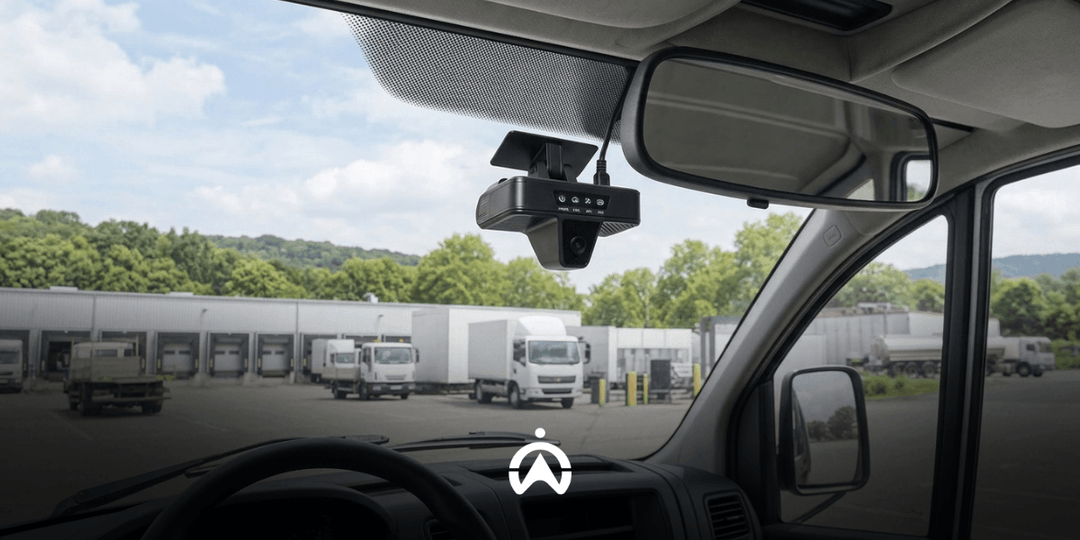
Getting AI cameras for seatbelt and phone detection for drivers is the perfect way to transform safety protocols in your fleet. AI detection can monitor poor driving habits, alert drivers so they can quickly correct their actions, and keep records of offences so you can coach your drivers if they repeatedly commit them.

Namibia recorded 2,793 road crashes, 4,565 injuries, and 431 fatalities between January and 10 November 2025, according to national road safety and MVA Fund statistics. Authorities have repeatedly identified risky human behaviours such as speeding, distraction, fatigue, and driving under the influence as major contributors to these crashes. For any company operating a fleet, implementing smart fleet technologies and in-vehicle cameras is one of the most effective ways to identify unsafe driving habits, improve driver accountability, and prevent avoidable accidents from becoming costly financial losses for the business.

Don’t get caught without the right safety measures in place. Learn more about seatbelt cameras, the importance of AI in detecting distractions, and how Cartrack Namibia can give you the ultimate safety boost.

How do AI cameras work to detect seatbelt and phone use?

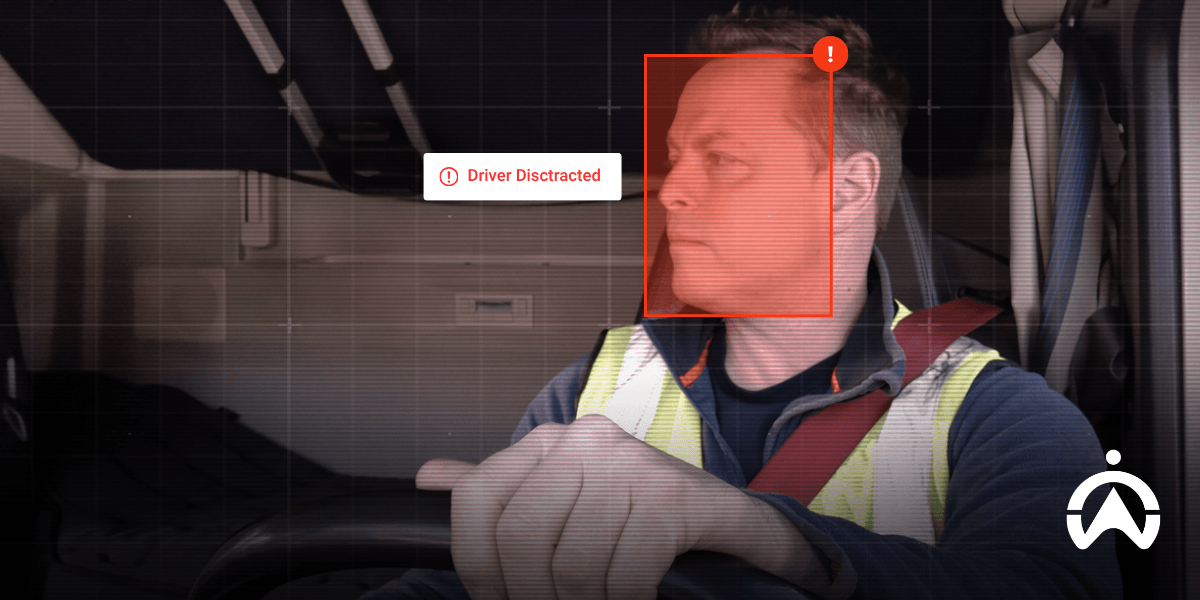
AI cameras work to detect seatbelt and phone use by tracking and tracing the actions of the driver and, in some cases, the passenger. The AI component of camera technology is responsible for flagging violative actions, analysing the flagged images and videos, recording them as an offence, and notifying the driver & fleet manager.

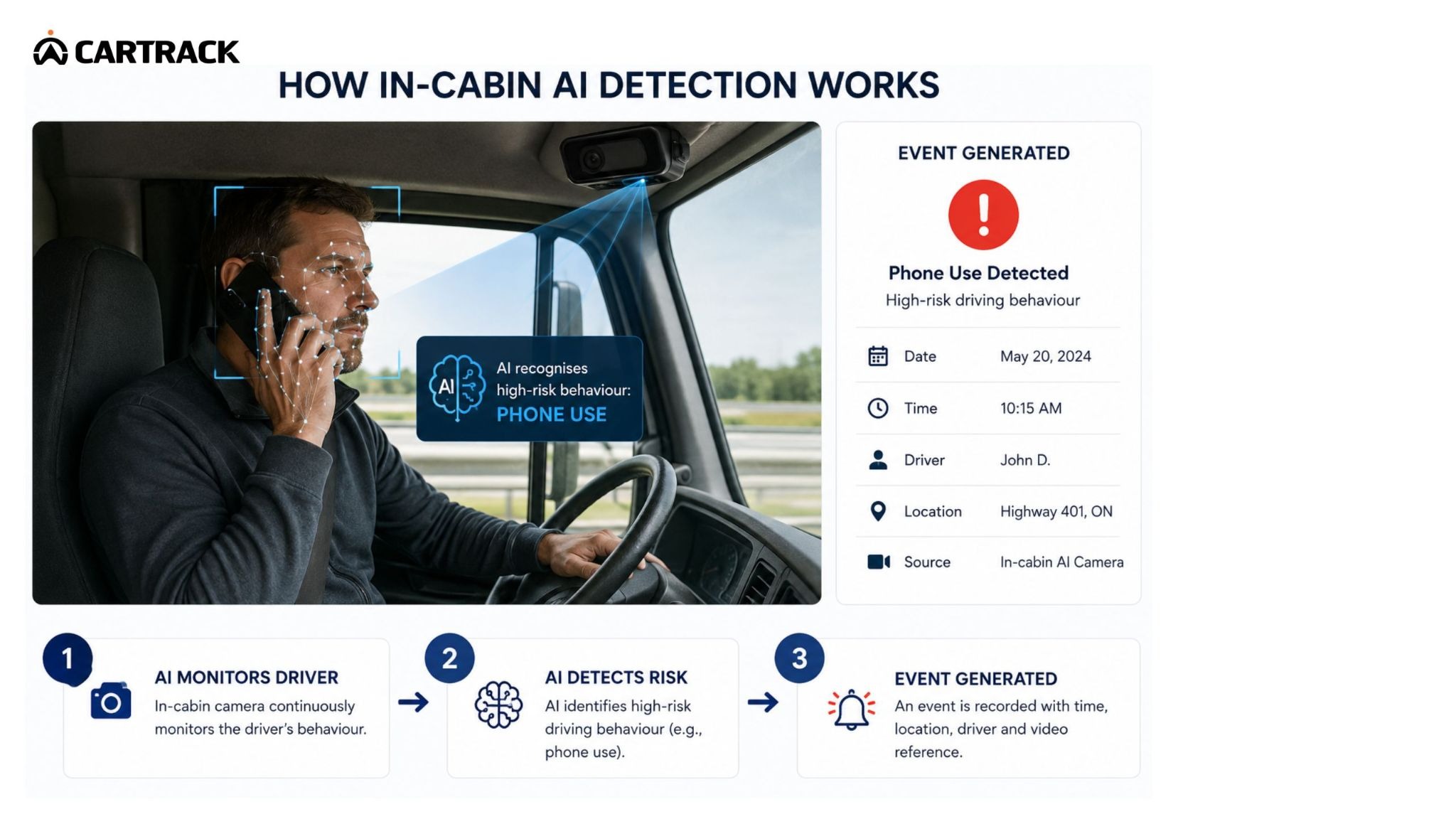
A typical in-cabin AI detection system works by identifying high-risk driving behaviours and generating an event. For example, if your driver is on the road and they bring their phone up to their ear for a call, AI will recognise that as phone use and record it as an event.

Here’s an illustration to give you an idea: 


It’s understood that AI doesn’t always get it right. AI is still a computer, and computers recognise patterns rather than specific situations in context. The wrong lighting or an everyday object could mess with the AI’s ability to process an image or just confuse it for something else.

While this may be the case, this technology continues to develop and progress every day.

Rather err on the side of caution and make sure your safety measures are up-to-date than risk a vulnerable fleet.

Why are fleets using AI technologies for distraction detection?

Fleets are using AI technologies for distraction detection because they want to move from reactive to proactive safety management. This move also allows you to empower yourself and your team, confident that innovative tech is keeping you ahead and compliant.

Here are some significant reasons fleets adopt AI technologies:

Proactive safety management

While standard dashcams are perfect for capturing what happens on the road and inside the cabin, they don’t take the extra necessary safety step that AI cameras do. AI cameras take away the need for you to carefully watch hours of footage just to see how your drivers behave on the road.

Insights-first approach

Because AI cameras produce automated reports of events for each driver, you can train your drivers based on their specific high-risk habits. Individualised critiques and training will likely yield better results, rather than a broad, blanket training approach.

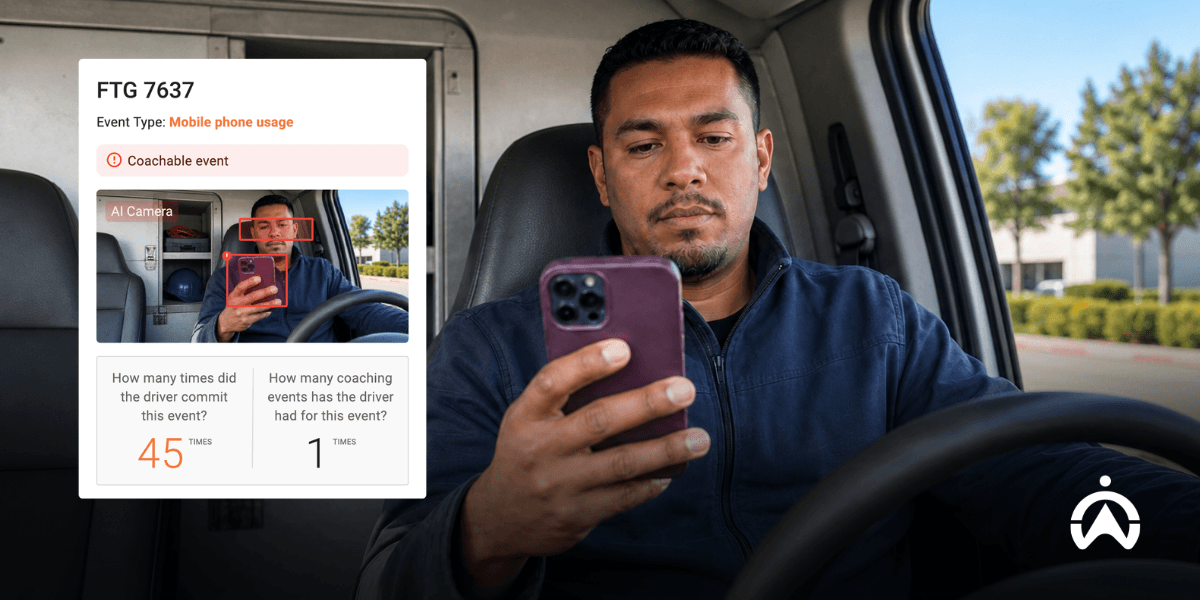
Cartrack AI camera detecting a driver using a mobile phone, highlighting seatbelt and phone detection technology for safer fleet operations

Fewer concerns regarding legal matters

With AI cameras triggering event alerts as they happen, this means drivers can correct their actions in real time. This minimises the chances of incidents and accidents, positively snowballing into better insurance rates and fewer legal issues.

Driver retention

When you’re taking every measure possible to ensure your drivers are safe and looked after, they understand that they’re valued as employees. You’re showing them that you’re interested in their safety, well-being, and growth. This kind of careful investment can increase driver retention, keeping drivers loyal to your business.

Are seatbelt cameras on the cards for Namibia?

Yes, seatbelt cameras are on the cards for Namibia. Seatbelt cameras are different from in-cabin, fleet AI cameras in that they’re government-owned roadside cameras with AI capabilities. The cameras are high-resolution and elevation-angled, taking pictures through the windscreen, and the AI technology is meant to analyse the images for an offence.

The cameras consistently scan every car driving by. If there’s no offence, the systems will dismiss the scanned image. If there’s a potential offence, independent human reviewers will look over the image and confirm it.

This system has been piloted, although the government is still seeking legal approval for a full rollout. During the trial period, the system was able to issue fines to motorists, but those were subsequently thrown out once challenged by motorists.

While the country waits for the seatbelt camera to be greenlit, your fleet can’t afford to wait. You can take matters into your own hands and make things safer for your drivers, your business, and other motorists.

Protect your fleet: Does Cartrack offer AI cameras for seatbelt and phone detection?

Yes, Cartrack does offer AI cameras for seatbelt and phone detection. In fact, our AI technology extends beyond that, monitoring and keeping a record of:

  • 🥱 Fatigue (yawning, eyes looking away or closed for too long)
  • ✋ Covering the cabin camera
  • 🚛 Speeding
  • 🚚 Front collision (measuring the distance between your driver’s vehicle and the vehicle ahead of your driver, because if the vehicles are too close, an alert will be sent to help avoid a potential crash)
  • 🚭 Smoking

Drivers are audibly alerted in real time so that they can quickly correct their transgression. They can also get a gentle jolt from our Seat Vibrator, which acts as an additional warning for drivers who may’ve missed the audible alert.

The physically disruptive technique of the Seat Vibrator is an especially powerful feature for your long-haul drivers who are likely to face extreme exhaustion. It gives them time to react accordingly, either coming back to their senses and regaining focus or pulling over to the nearest and safest stop.

What’s more…

As part of our AI camera offerings, you can get up to 8 external cameras to monitor spots around your fleet vehicle and cargo doors. You’ll also be able to livestream footage so you can check in on your drivers and also view or request footage.

Cartrack’s in-cabin system ALREADY consistently reminds your drivers to buckle up and stay off their phones. So, when it’s time for the government-implemented seatbelt cameras to roll out, your fleet will be fully compliant and steering clear of any fines.

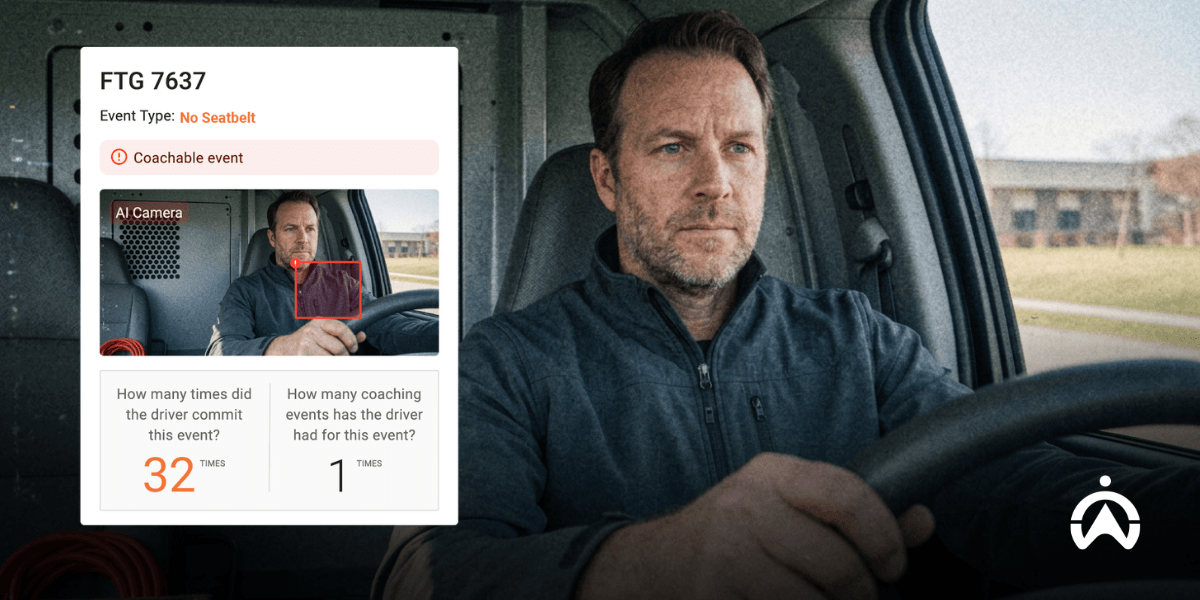
Cartrack AI camera detecting a driver without a seatbelt, showcasing AI cameras for seatbelt and phone detection to improve driver safety and compliance

Final takeaway: The ultimate safety net

Namibia is taking a huge leap forward in road safety. With the number of fatalities that occur on our roads each year, it’s no wonder the country is looking towards intelligent technologies to promote preventative actions and accountability for drivers. But while the country waits for the legal go-ahead, you can take safety matters into your own hands.

Cartrack gives you the power to implement seatbelt, phone, and other distracting-habit detections through our AI-powered camera solutions. You can stay ahead in protecting your team, your assets, and your company’s reputation—all from one platform.

Don’t allow blind spots in your fleet. Speak to a Cartrack consultant today to see how we can protect your fleet and its most precious assets, one kilometre at a time!

Frequently asked questions about seatbelt and phone detection

Do seatbelt cameras use AI?

Yes, seatbelt cameras do use AI. The AI component of these cameras is used to scan motorists and check whether they (and their passengers) are using their seatbelts correctly. The cameras are high quality, and AI is used to analyse the imagery and verify that the seatbelt is draped across the chest of the driver and passenger.

Can mobile phone and seatbelt detection cameras detect if I am adjusting the volume of my music?

No, mobile phone and seatbelt detection cameras can’t detect if you’re adjusting the volume of your music. They’re meant to detect cell phones in your hand or in obvious areas, like resting in your lap. It’s important to mention that AI detection technologies can make mistakes, and if it flags, a reviewer can dispute that detection.

How can I prove drowsy driving?

To prove drowsy driving, you must:

  • Collect all circumstantial evidence (photos, dashcam footage, and witness statements), because proving exhaustion can be tough
  • Use the police report, which will hopefully include the investigating officer’s examination
  • Rely on expert witness feedback based on incident reconstruction
  • Get medical records if necessary

How to Extend Your Truck Life Span

Your trucks work hard to travel long distances, carry heavy loads, and traverse roads that are often treacherous & damaged. Looking after your trucks is a wise investment that’ll pay you back in productivity and lower overheads, but only if you know what condition they’re in at all times.

The trucking and logistics sector plays a vital role in Namibia’s economy, supporting trade, mining, agriculture, and the movement of goods across the country. As many industry experts point out, trucks are the lifeblood of industry and commerce, keeping businesses supplied and the economy moving.

But the expenses to maintain these trucks are high. Not only is fuel going up, but so is everything else—including truck servicing, parts, and repair costs. If you want a proactive way to keep your trucks healthy as a solid fleet investment, keep reading as Cartrack Namibia explores this important topic.

What strategies ensure a longer life span for trucks?

The strategies truck owners should be implementing to ensure a longer life span for their trucks begin with: remote maintenance monitoring, driving behaviour, and routes. These three combined can add months or even years to your trucks’ lifespans, but only if you have the data to make the right decisions when it counts.

How do maintenance alerts work?

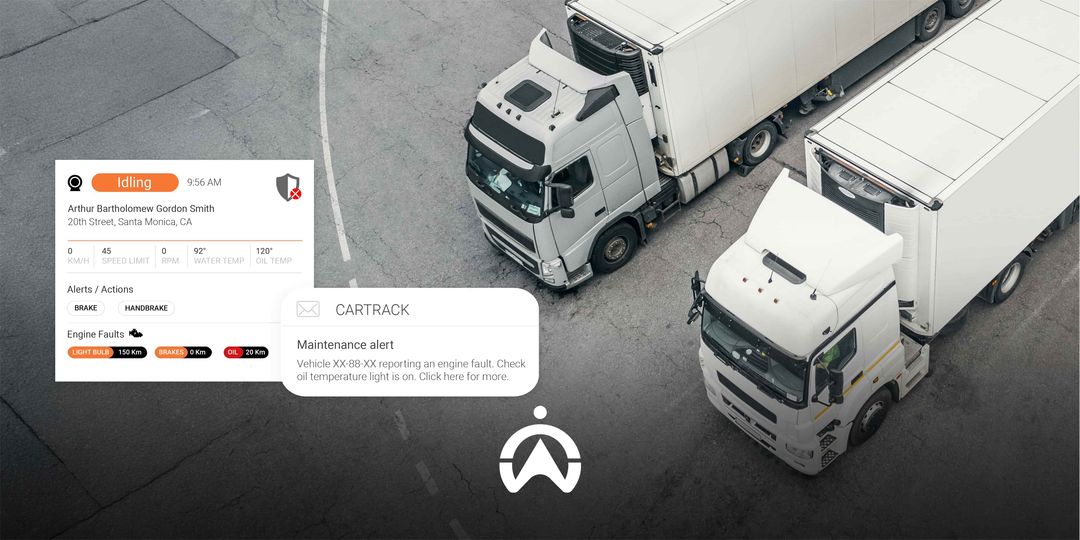
AI has become very proficient at predicting the maintenance needs of your trucks. IoT devices send pertinent information to your software platform that warns you of low fluid levels, worn tyres, or engine problems as soon as they become an issue.

Because you get an early warning, you can either schedule a service or set up the system to auto-schedule it for you. This is an excellent money-saver in three ways:

  • First, your services are scheduled when you need them, protecting the integrity of your trucks.
  • Second, you don’t pay for unnecessary maintenance appointments.
  • Third, you save time through automatic service scheduling and reduce the downtime of the truck in question.

How should drivers be coached on loading & operating your trucks?

  • ‍When it comes to loading: Road safety authorities in Namibia provide regulations and guidelines for the safe loading and operation of trucks, including the transport of oversized or abnormal loads. Drivers should be trained on these requirements to prevent vehicle imbalance, improve road safety, and reduce unnecessary wear and tear on fleet vehicles.
    ‍
  • ‍When it comes to operating trucks: This is a bit more nuanced, because different trucks have different operating guidelines. Your drivers should be coached on COMPANY expectations, which should match up with the Namibian road laws.

However, it’s up to you to make sure your drivers continuously stick to these guidelines, which is why you should invest in driver monitoring software. This gives you a more focused coaching strategy, because then you’ll only be training them on individual problem areas.

This coaching will prove invaluable to your organisation, because it’ll incrementally reduce wear & tear on your trucks and keep your drivers safer too. 

Can truck drivers avoid bad roads?

Let’s further reduce wear & tear on your trucks by making sure they avoid those pesky potholes. Route optimisation is a real-time & dynamic way of directing your drivers that keeps them on roads that are in the best condition.

It’s about more than just giving them the “shortest” route—it’s also about keeping your vehicles in top condition on smoother road surfaces.


What accelerates truck wear & tear?

The wear & tear of a truck accelerates when you don’t maintain it during those times when it needs it most. Ensuring that essential fluids are always at acceptable levels and driving the truck appropriately are also important for keeping it in good health.

Truck maintenance negligence and its consequences

The challenge with maintaining your truck is that you’re never aware of what needs to be fixed unless you take it to a mechanic. While large fleets employ onsite mechanics, many rely on the expertise of outsourced professionals.

If the truck doesn’t need maintenance, you lose money by taking it to a truck mechanic who does a few routine checks and sends you on your way. If there IS something wrong with your truck, it may be weeks or even months before its scheduled service, which leads to further breakdown and safety issues before it’s checked.

This is a major cause of accelerated truck wear & tear. Because maintenance isn’t managed properly, the truck’s most essential components suffer damage. This means they need to be replaced when they could’ve been fixed to avoid extensive wear & tear.

Common truck loading mistakes

Each truck has a set capacity, placement, and type of load it can carry. These loading guidelines are prescribed for a reason, but many truck owners & drivers ignore them.

  • Overloading the truck is the most obvious, and this causes massive strain to the engine, the wheels, and other essential components.
  • Cargo fastening can cause goods to fall off and damage various parts of the truck.
  • Imbalanced loads inflict uneven weight distribution, which negatively affects the tyres, the wheel alignment, and the shock absorbers.
  • Packing goods incorrectly can actually make the truck unstable on turns, especially when heavier items are placed on top of lighter ones.

Driving habits that cause wear & tear on trucks

You’re not there to see how your drivers treat your trucks, and too many truck drivers are ignorant to the fact that their driving can raise your maintenance expenses and total cost of ownership (TCO). Constant speeding, unnecessary idling, or dangerous cornering are all habits that should be weeded out of your driving staff’s habits.

The effects of bad roads on trucks

Many countries deal with bad infrastructure, and Namibians are keenly familiar with this problem. Large potholes or crumbling roads increase the wear & tear of your trucks quicker than you’d like to think. Avoiding these roads isn’t always possible, but if you can cut down on routes with damaged roads, it can make a huge difference.

Which diagnostics can predict future truck problems?

Now that you know you can automatically and proactively diagnose truck issues before they become a crippling issue, the next question is, “Which diagnostics?” Let’s highlight some of the many truck diagnostics Cartrack’s AI-powered predictive maintenance offers you.

Most important: Engine

Temperatures, strain, RPM, and other factors tell you exactly when your truck engine is in danger of overheating or ceasing. By catching these problems early, you can save your fleet thousands by intervening before the problem escalates.

Safety is non-negotiable: Brake pads

Brake pads endure various levels of friction and gradual wear. How would you like to ascertain their condition without having to check under the proverbial “hood”? With predictive maintenance software, this information is fed to your laptop or phone, and the information is in real time.

Engine supports: Oil and water levels

Don’t worry about relying on your drivers to fill up the radiator or do an oil top-up. Our software tells you when fluid levels reach critical levels so you’re always in the know.


Truck integrity: Suspension

To traverse the roads of Namibia, you need your trucks’ suspension to be in good condition. But you’re not the one driving those trucks, so having suspension data on-hand is invaluable in case your drivers don’t notice anomalies.

Operational safety: Clutch

The clutch of a truck is one of the more subtle components that doesn’t always indicate damage or wear. But our software detects things you can’t see without doing a thorough inspection, giving you enough warning to do maintenance.

Mobility: Tyres, steering and wheel alignment

Should you be continuously checking each tyre on your multi-tyre trucks? No, that would take way too much time! Simply rely on accurate data that detects tyre issues so that replacements can be made when & if they’re necessary.

How can you prevent truck downtime in your fleet?

Keeping your trucks healthy is important, but not ONLY because of how much they cost as individual investments. These trucks are the lifeblood of your company, and when one isn’t operating, this causes downtime—which costs you money! 

Now, you could rely on old methods: keeping your trucks on a set schedule and paying for check-ups.

You could even rely on cheap methods: getting your trucks serviced by mechanics who do the bare minimum to keep them roadworthy.

Or… you could invest in AI-driven predictive maintenance, focused driver coaching, and preventative route optimisation to keep your trucks going for longer. 

Truck longevity is one of the surest ways to preserve profits, so prioritise your assets and look after them with diligence to reap the rewards. Call Cartrack Namibia for a full quote on running your truck fleet the way experts do. 

Frequently asked questions about extending the lifespan of your truck

What’s the maximum load for an 18-wheeler truck?

The maximum load for an 18-wheeler truck depends on the weight of the vehicle when it’s empty, as well as the axle mass limitation. The weight these trucks can generally carry ranges between 28 and 34 tonnes, but with multi-axle combinations it can go up to as much as 56 tonnes.

Are tolls more expensive for trucks than for cars?

Due to the weight of trucks, tolls are more expensive for trucks. Tolls are usually calculated according to the weight of the vehicle, and these costs work on a tiered metric that charges a set amount based on where your truck falls weight-wise.

How do I prolong the life of my truck?

You prolong the life of your truck by knowing exactly when it needs a service, driving it with care, and avoiding damaged surface areas while driving it. All three of these tips can be done through fleet software technology, saving you more on your truck asset investments.

How Much Diesel Does a Truck Lose to Overnight Idling?

A diesel truck loses anywhere between 24 and 32 litres to overnight idling, assuming you’re looking at an 8-hour overnight period. Because trucks are larger, they’re expected to lose at least 3-4 litres per hour, though the total number depends on the make & model of the truck, as well as the reason for idling.

Fuel costs have surged to account for a significant portion of total operating expenses for transport firms, hitting already strained businesses even harder. At a sensitive time where every drop of fuel matters, you have to recover those costs, face having to borrow fuel, or potentially shut down.

While you want your drivers to be as comfortable as they can be on their long-distance trips, idling can quietly (but very easily) drain your business. It’s a national crisis, and enterprises just like yours deserve to thrive in these tough conditions.

Keep reading to discover the math behind overnight idling and how Cartrack Namibia can help you manage this critical situation.

What’s the true cost of allowing a diesel truck to idle overnight?

The true cost of allowing a diesel truck to idle overnight can be significant and varies depending on fuel prices, location, and the specific vehicle’s consumption rate. It ultimately leads to unnecessary fuel usage and increased operating costs, which can impact fleet efficiency and profitability.

➡️ Average number of litres consumed overnight X current diesel amount per litre = the overnight fuel cost 

Across an entire fleet in Namibia, the impact becomes far more significant, potentially costing companies hundreds of thousands in fuel and operating expenses each week.

According to separate studies through the University of Witwatersrand and the University of Pretoria, the average estimated idle consumption by vehicle type is as follows:

Vehicle Type / Segment Engine Example Estimated Idle Consumption (Litres per Hour)
Compact / Hatchback 1.0L – 1.4L Petrol 0.6 – 0.8 Litres
Sedan / Mid-Size SUV 1.6L – 2.0L Petrol/Diesel 1.0 – 1.5 Litres
Large SUV / 4×4 Bakkie 2.4L – 3.0L Diesel 1.5 – 2.0 Litres
Heavy-Duty Truck Multi-litre Commercial Diesel 3.0 – 4.0 Litres

Remember, the true cost doesn’t just stop at fuel loss. Engine and component damage is also a serious maintenance expense.

Let’s break things down even further:

Why do businesses allow for overnight idling?

Businesses allow for overnight idling because they want to ensure that their long-haul drivers are comfortable and safe during their trips. It’s a lot more common than most people might think and is often seen as a necessary evil.

Despite this, fleet managers and owners are starting to feel the pinch of excessive idling and trying to move away from these practices.

Let’s look at some of these real-world reasons:

🔐 Safety

Crime in the country is a major concern to many, especially hard-working truck drivers on long stretches of roads carrying precious cargo. Most truck stops are isolated and dark, making drivers and their trucks perfect targets for criminals eyeing what’s in the cargo bay or in the fuel tank.

A driver might want to keep the truck idling so that everything stays running and operating, like security cameras, door sensors, fuel systems, and other monitoring equipment. A driver might also keep the truck idling in case a criminal gets brave. If danger arises, the driver can react quickly and simply drive off.

👷 Comfort and well-being of the driver

Long drives, especially during late nights, will see drivers feeling extreme Namibian weather. Summers can have the truck cabin feeling like an oven and winters like a freezer, especially when you consider how easily these cabins absorb ambient temperatures.

Exhaustion can also be a silent killer, so drivers need to rest comfortably. The truck might be kept idling so that the driver can remain cool/warm (depending on the season), relaxed, and safe while they sleep.

📦 Taking care of delicate cargo

Some cargo is extremely temperature-sensitive, particularly in cold chain logistics. Pharmaceuticals, certain foods, and fine art are just some of the items that require carefully controlled cargo bays. Because of this, drivers might opt to idle to ensure the temperature doesn’t fluctuate and the power doesn’t cut.

🚚 Cross-border transportation

When drivers have to transport cargo across borders, they might have to sit in those crossing queues for days. Although it’s quite common, drivers risk losing power for charging their personal gadgets, and their personal food supplies could spoil if they don’t idle the trucks and keep the power going.


What happens to a truck when it idles?

When a truck idles, the most obvious and immediate impact is wasted fuel. Even if the truck isn’t moving, fuel is being consumed and wasted at your expense. But more than that, the truck is being damaged from the inside out.

You risk having to put more money towards servicing and maintaining your trucks. 

Idling puts an enormous amount of stress on the engine. You potentially dry out the engine’s oil lubrication and cut down its lifespan. Idling also doesn’t burn the engine oil completely, which means incomplete engine combustion and deterioration are caused.

When your vehicle is idling, some components are not sealed correctly, and a build-up of hot gases sifts into these internal components.

Idling also adds to the poor health of the drivers, and ultimately, the cost of environmental pollution. The combustion emits a great deal of pollution, and this pollution isn’t flowing anywhere, but instead, accumulating in the air & around the driver who’s breathing it in.

Controlling overnight idling: Can Cartrack’s smart telematics protect your bottom line?

Yes, Cartrack’s smart telematics can protect your bottom line. We recognise that it’s getting harder to justify excessive idling in your fleet, especially at a time when diesel prices are so volatile. Wanting to phase out this habit is completely understandable, and could prove to be a sensible financial step for your business.

Let’s look at alternative solutions and Cartrack’s answers to your concerns:

Auxiliary Power Units (APUs)

Before diving into Cartrack’s smart solutions, we’d strongly suggest investing in APUs for your trucks. These small generators or battery-powered systems are like ‘baby engines’ for your trucks and are usually mounted to the side of the vehicle.

They provide power for your drivers that keeps the AC running, the phone charged, or a tiny fridge running with the driver’s food.

While it also requires fuel from the truck, it uses significantly less to keep the essentials powered. It also has a very quiet hum, helping drivers (and the other drivers that might potentially be around them) to get enough rest at a truck stop.

Fuel monitoring and management

Through a combination of our fuel sensors and fuel management features, you’ll be able to see exactly where your diesel’s going. We carefully track stationary idling across your fleet, providing you with a detailed analysis of overnight wastage and areas of improvement.

This makes it easier for you to identify disparities and make informed, transformative, and data-led business decisions. 

Immediate alerts

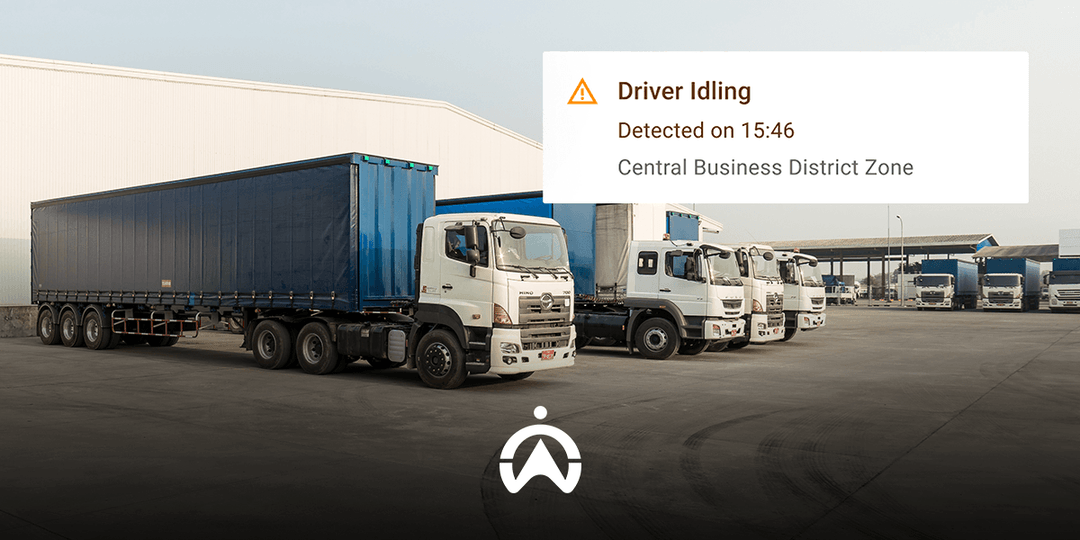
Cartrack allows you to set customised idling parameters. You’ll get automated alerts if any of your trucks exceed the set limits, i.e., if your truck idles for over 10 minutes at a rest stop and 10 minutes is the idling limit, you’ll get an instant alert.

This allows you to immediately intercept and stop the potential overnight wastage that could occur.


Driver behaviour monitoring

When you’re keeping a keen eye on driver behaviour, you see who’s carrying out those fuel-wasting habits. From aggressive driving to excessive stationary idling, investing in Cartrack’s driver-monitoring technologies will give you a competitive edge and a complete overview.

With this information, you can confidently coach your drivers and ensure they’re letting go of those overnight idling habits. You can also show them, with clear evidence, the impact that excessive stationary idling has on the fleet.

Route optimisation

Our smart algorithms and dynamic routing ensure that your drivers are taking the best, most efficient routes to reach their destinations safely. Because our software accounts for factors like traffic, weather, roadblocks, and more, it consistently updates when necessary.

When trips are carefully planned & predicted, your drivers are taking the best routes and dealing with less traffic & fewer obstacles. This ensures they’re spending less time idling at a standstill, while allowing them to safely reach overnight truck stops or company depots.

This also means your drivers aren’t getting stuck in dangerous or high-risk areas, which cuts back on their need to idle throughout the night for their safety.

Final takeaway: Put idling to sleep

We know that you care about your drivers’ comfort while they take these demanding, lengthy journeys. But we also know that you can no longer afford the massive drains of fuel that come with the overnight idling that provides these comforts, especially when they directly translate to profit drains. As of late, no Namibian business can.

By bringing together sophisticated tools and insightful data from Cartrack Namibia, you can protect your bottom line while still protecting your staff. Cartrack’s intuitive platform is all about helping your team arrive at secure, verified overnight stops right on schedule. This ensures your fleet only uses fuel when it’s genuinely necessary, so you can keep your business moving forward.

Don’t pay for your fleet to sit still. Speak to one of our Cartrack consultants today and turn the costly midnight engine buzz into cash that comes right back into your business.

Frequently asked questions about overnight idling with diesel trucks

What uses more fuel: starting or 5 minutes idle?

5 minutes idling uses more fuel than starting the vehicle. According to A+ Japanese Auto Repair, most modern vehicles are made to use as little fuel as possible when starting the car. This is propelled by new vehicle technology with many push-to-start cars, where the engine automatically turns off when the car is stationary, and restarts when the driver accelerates.

Why does my diesel car shake at idle but smooths out while driving?

Your diesel car shakes at idle but smooths out while driving because of engine misfire, deteriorating spark plugs, wheel imbalance, loose vacuum leaks, or clogged/dirty throttles. Speak to your mechanic who’ll be able to locate the issue and fix it accordingly.

Is it bad to run AC in car while idling?

It’s not necessarily bad to run your AC in the car while idling, but that’s only if you stick to short periods and aim to keep a comfortable temperature. Anything running longer than about 10 minutes and at high heat/cold is considered dangerous to your car’s inner workings, damaging the engine.

Reactive vs. Planned Fleet Management: How Are You Choosing to Run Your Business

The way you manage your fleet will directly impact how much profit you yield. When you work your fleet until it’s completely broken, this is known as reactive management, which ends up costing your business more. But when you implement a proactive fleet management system, your profits will keep your business running and your pockets full.

When it comes to fleet costs, maintenance takes up quite a large portion of your costs. And with fuel costs already costing you an arm and leg, businesses need to see where they can save as much as possible. A major part of planned fleet management includes predictive maintenance.

According to industry research, predictive maintenance can:

  • “Reduce maintenance costs by 25 – 30%
  • Eliminate breakdowns by 70 – 75%
  • Reduce downtime by 35 – 45%
  • Increase production by 20 – 25%”

This is why investing in software and hardware from a provider like Cartrack Namibia can help your business plan better. This keeps your fleets on the road and your profits in your pocket.

What is the difference between reactive and planned fleet management?

Reactive fleet management is when you’re only aware of problems in your fleet after they’ve already occurred and are disrupting the workflow. Planned fleet management is when you’ve implemented hardware and software to monitor your fleet in real time. So you’re aware of how every part of your fleet is operating and can spot a problem before it impacts your operations.

What does a reactive fleet look like?

To get an easy understanding of what a fleet that’s run with reactive management looks like, let’s build a scenario. Barry has a delivery warehouse in Windhoek, Namibia. He has 15 delivery trucks, 8 delivery motorbikes, 6 forklifts and 2 pallet jacks.

The problem

In the past 6 months, 8 of his trucks have broken down while en route to deliver goods to customers. 5 of the motorbikes are constantly in for repairs and mechanical issues. 4 of the forklifts are always breaking down, and the 1 pallet jack is faulty, but Barry doesn’t have enough funds to fix it. And on top of this, Barry is spending way more than he budgeted on fuel for his fleet.

So what does this mean for Barry’s business? Currently he’s behind on deliveries, and customers are leaving negative reviews online because of this. On top of that, some of his clients have stopped using his business to deliver their goods to customers.

Warehouse workers are frustrated that their workflow is constantly disrupted because of faulty or broken down machinery. And drivers are frustrated because they’re not meeting their targets due to vehicles being constantly out of service.

The reason

The main reason Barry can’t get any of this under control is because he doesn’t have full visibility of his fleet. He doesn’t know:

  • where he’s wasting money
  • how operators are handling their vehicles/machines
  • which machines are always in use
  • which vehicles/machines are never being used
  • what routes his drivers are taking, and
  • if fuel is being stolen. 

What does a proactive fleet look like?

Katlego has a delivery business in Windhoek, Namibia. He has 19 delivery trucks, 6 delivery motorbikes, 4 forklifts and 3 pallet jacks. Before Katlego signed up to Cartrack’s fleet management system, he was experiencing similar problems as Barry, but now thanks to valuable data and insights his operations are running smoothly.

How did Cartrack’s fleet management system help?

Thanks to predictive maintenance insights from the system, Katlego was able to spot any failing parts in his trucks, motorbikes, and machinery before they actually broke down and disrupted his operations.

Data and insights informed Katlego which machines were always in use and which ones were never in use. This way, he was able to right-size his fleet to match the needs of his operations and rotate machines & vehicles among his staff so none were overused.

AI cameras and telematics gave Katlego valuable insights into how his drivers were operating his trucks. He was able to spot reckless driving habits like speeding and unnecessary idling that not only waste fuel but also damage vehicle parts. Cartrack also provided him with driver scorecards so he could individually coach and monitor each driver. 

MiFleet and fuel sensors allowed Katlego to accurately monitor fuel usage in his fleet. He was quickly able to spot drivers who were stealing fuel by not filling their trucks completely and tapping the rest of the fuel into their own jerry cans.

Advanced GPS telematics helped Katlego optimise his routes for his drivers so they always have the most efficient route to their destinations, saving time and fuel. Cartrack’s delivery management software optimised his delivery operations so he, his drivers and his customers were always aware of what was happening with their deliveries.

Why does reactive fleet management cost your business more?

When you have a reactive fleet management approach, it costs you more money because you don’t have actual insights to keep your fleet profitable. When you move to a planned or proactive fleet management system, it will initially cost you more because you need hardware and software. However, this will soon pay for itself.

Reactive management works great in the beginning because everything is new and works. But the longer you operate in a reactive state, the bigger your problems will get.

Planned fleet management allows you to actually see every aspect of your fleet, and if you use a provider that has it all, you’ll be able to monitor everything from one platform. Planned fleet management means you’ll know:

  • How your drivers are performing
  • How your staff are handling vehicles and machinery
  • When vehicles and machines need repairs or replacements (before they actually break down)
  • Where every drop of fuel is really going
  • Which routes your drivers are using
  • When to get a replacement vehicle 
  • If you’re overutilising or underutilising vehicles & machinery

How to transition to planned fleet management

If your business and fleet are stuck in the nonstop crisis-after-crisis way of functioning, it’s because of one thing: poor fleet visibility. The best way to transition into a more organised and functional fleet management style is to invest in a fleet management system.

How do I make sure I choose the right system for my business?

There are two main things any business should do when choosing a fleet management system.

  1. Look for a reputable business that can grow with your organisation and provide you with complete operational insights.
  2. Start with a trial. Try the system out on a vehicle or two and see how you find the system. Is it easy to use? Do you get the insights you need?

Once you do these two things, full implementation will be the next step for your business. You want full visibility of your entire fleet operations. This includes:

  • Driver behaviour & performance
  • Maintenance
  • Fuel usage
  • Fleet admin
  • Asset locations
  • Fleet performance
  • Vehicle utilisation rates
  • Delivery times
  • Fleet costs

How does Cartrack’s fleet management system give you full visibility of your entire fleet operations?

Cartrack is often only associated with vehicle tracking, especially in Namibia. But did you know that a major part of our business is to help businesses with fleets gain full operational control? So, if you’re looking for a fleet partner to help you transition from reactive fleet management to planned fleet management, this is how Cartrack can help you!

Driver behaviour & performance

Our driver management system can help prevent accidents by improving how your drivers are behaving on the roads. We have a smart camera system that’s powered by AI that will provide real-time in-cabin alerts when your drivers are showing signs of questionable driving. This includes:

  • Not wearing their seatbelt
  • Sleepiness
  • Looking at their phones
  • Smoking 
  • Tailgating

On top of this, you’ll have access to driver scorecards which allow you to coach each driver on their specific driving habits!

Maintenance

At Cartrack Namibia we understand the importance of having your fleet on the road and not in the workshop. When your machines and vehicles break down unexpectedly, it causes unplanned operational downtime, which costs profits.

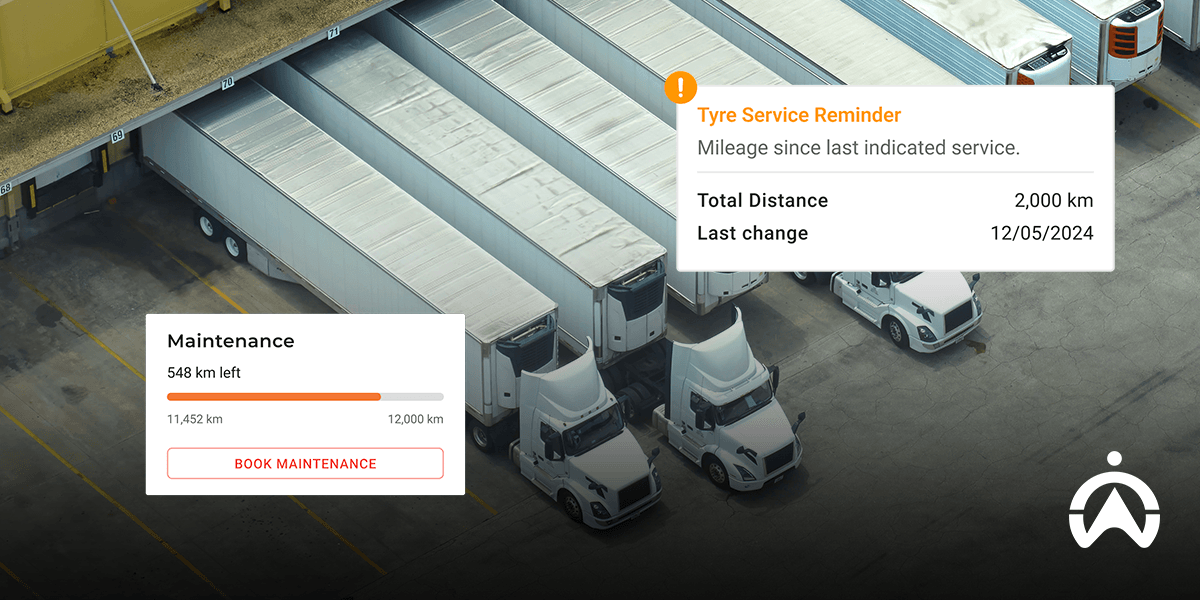
Our advanced telematics system is able to accurately monitor the health of your vehicles, spotting a fault before it completely breaks down. It also allows you to set inspection checks so your vehicles are always monitored, as well as maintenance alerts so you’ll know when each vehicle is due for its service.

Fuel usage

Our fuel management system takes the guesswork out of your fleet’s fuel usage. You’ll instantly spot leakage, theft, fuel card fraud and inaccuracy. Our system makes sure you have eyes on every drop of fuel in your fleet.

Fleet admin

When your admin is done on multiple different systems or even worse, on actual paper… things get lost and unorganised. Having a Cartrack fleet management system can digitise and simplify all administration tasks for your fleet, so you’ll never be scratching your head trying to remember when a driver worked over time or if fines were paid.

Asset locations

To successfully implement a planned fleet management system, you need to know where every vehicle and machine is in your business. Cartrack’s advanced GPS tracking devices allow you to keep an eye on every asset in your fleet, yes, even your non-powered assets!

You can also set up geofences that alert you when any asset enters or leaves set zones.

Fleet performance

Are deliveries being made on time? Are your drivers working their set hours? Are you using the right size vehicles for each load? Is your fleet meeting its KPIs? Cartrack’s fleet management system can ensure you have all the data you need to measure and keep track of your fleet’s performance.

Vehicle utilisation rates

Do you know how effectively you’re using your fleet? Cartrack allows you to monitor every aspect of your fleet from one platform. You’ll get:

  • Real-time usage data
  • Downtime insights
  • Insights on underutilised vehicles. 

Delivery times

Having accurate delivery times keeps you organised and your clients happy. Cartrack can make sure your drivers take the best route, and the drivers closest to a delivery destination are designated to deliver those parcels.

A planned fleet management system includes having proper insights into deliveries so you can ensure that all deliveries are all happening when they should.

Fleet costs

The most important thing every fleet owner needs to know is how much their fleet is costing them to operate. This way they can see if they’re operating at a loss or not. Cartrack’s fleet management system provides you with insights and reports on your entire fleet operation.

With Cartrack you’ll have complete visibility into your fleet, from drivers to wasted costs. This allows you to successfully run your business with planned fleet management instead of running around putting out fires.

For more insights on fleet management, check out this blog on Data-Driven Decision-Making in Fleet Management. 

FAQs

How does proactive fleet management improve driver satisfaction and retention?

Proactive fleet management improves driver satisfaction and retention by increasing the lifespan and safety of your vehicles. It also strengthens communication between management and staff. These factors greatly affect how valued your drivers feel, and when they feel seen and cared for, they’re more likely to continue working for you.

How often should I review and update my fleet management strategy?

It’s recommended that you review your fleet management strategy at least every quarter to once a year. This way you’ll have enough data to know where your fleet needs improvements and what’s working for your fleet. This information allows you to accurately update where necessary.

What is the 80/20 rule in maintenance?

The 80/20 rule comes from the Pareto Principle. This is a statistical concept stating that 80% of consequences stem from 20% of causes. For maintenance it translates to 80% of your downtime; maintenance costs and production losses are caused by roughly 20% of your assets.

Does a Dashcam Reduce Insurance?

Dashcams are becoming more popular by the day. Some have them to capture their journeys, and others use them for peace of mind on the road. Regardless of the reason for having them, the burning question is whether having a dashcam can reduce your insurance. In short, yes and no.

Namibian roads are notorious. From reckless driving and road safety risks to vehicle theft and unexpected incidents on the road, having the right tools to protect yourself and your vehicle is a must.

Many small bumper bashes aren’t reported, and this is because it’s just not worth the hassle and the whole he-said-she-said argument that ends up happening. How many times have you driven behind a car where their brake lights weren’t working, praying that they wouldn’t stop abruptly?

These reasons are exactly why many people and businesses are choosing to get dashcams and other AI-powered cameras in their vehicles. At Cartrack, globally to date, we’ve installed a total of 208,444 cameras!

Does having a dashcam reduce insurance?

Unfortunately in Namibia, having a dashcam DOES NOT automatically reduce your insurance premiums. Some insurance providers may lower your premiums, but this isn’t the standard across most of them. Now this may be disappointing to many, but just because it doesn’t currently reduce premiums, this doesn’t mean it never will.

Dashcams are still incredibly useful, especially in Namibia, where our road conditions can quite literally give you whiplash. 

How does a dashcam actually help with insurance?

So, if a dashcam doesn’t automatically reduce my insurance premium, how does it help? Well, evidence, that’s how. Dashcams provide indisputable evidence that you can give to your insurance to help with many in-vehicle claims you might have.

Let’s take a deeper look at what it can help with. 

Accidents

When you have a dashcam, you can actually prove that the person you rear-ended didn’t have working brakes before you hit them. Depending on the type of dashcam you have, you can also have proof of a hit-and-run or proof that you hit a pothole and it damaged your suspension.

Theft

In Namibia, theft and vehicle-related crime can occur, particularly in urban areas and parking facilities, making it important for drivers to stay alert and keep valuables out of sight.

Fraud

Many people try to commit fraud and cause accidents on purpose. Having a dashcam installed in your vehicle can protect you from any false claims and remove the he-said-she-said scenarios to give you peace of mind in these situations.

Driver using a dashboard camera and GPS device, illustrating how a dashcam can reduce insurance through safer driving and vehicle monitoring

What are the laws surrounding dashcams?

With Article 13 of the Namibian Constitution, some people are uncertain around the laws of having a dashcam in Namibia. Article 13 protects the right to privacy and safeguards individuals against unlawful interference with their private communications and personal information in Namibia.

Now, does a dashcam infringe on this act? Yes, but only if you’re not using it responsibly. If you have passengers in your vehicle and you have a dashcam that records in the cabin, it’s best to let them know. If you’re in an altercation on the road, you should let the other person know that you have a dashcam recording.

If you’re a fleet owner and you install cameras in your vehicles, you need to let your drivers know and acknowledge that they’ll be recorded for security reasons.

Let’s say you see someone driving recklessly on the road, and your dashcam records this. DO NOT post it on social media. This is in direct violation of the Namibian Constitution. Any footage that helps with an accident or other incident on the road should ONLY be given to the police and your insurance.

Are there specific dashcams that are preferred by insurance companies?

No, there aren’t any specific dashcams preferred by insurance companies because they’re not a requirement. However, just because there isn’t a specific one they like, this doesn’t mean that you should just get any dashcam off the first site you click on in your Google search.

We know that dashcams can help speed up claims and prove your innocence. But if your dashcam isn’t capturing the footage clearly enough or doesn’t have certain features, it can end up being pointless to even have.

Important features to look for in a dashcam are:

  • A dual camera that records the road and inside the cabin
  • High-quality video footage
  • Night vision
  • Cloud-based storage
  • Wide-lens angles
  • Time & date stamps
  • Event detection (accident, distracted driving, etc.)

What proof is needed from a dashcam for an insurance claim?

If you’re in a situation on the road and you need to claim from your insurance provider, your dashcam can help. But this isn’t without conditions. You need to provide the original, unedited footage to your insurance provider. The footage should ideally have the time and date on it as well as the audio.

Why is dashcam audio important? Audio helps to provide context. Was anyone hooting, could you hear tyres screeching on the road?

Another thing that can help your claim is telematics connected to your camera. Advanced telematics show your speed and exact location. When you have a dual camera, you can prove that you weren’t distracted on the road as well.

All of this information tells the complete story to your insurance provider (at least from your side) and can help speed up a complex claim and prove your innocence.

Why do you need dashcams in your fleet?

For the everyday driver, dashcams are a nice to have. But, for businesses with vehicles on the road, dashcams are a must. Your fleets are on South African roads at all hours of the day and in various areas; a dashcam can protect your business in multiple ways.

However, it’s important for us to state that businesses CANNOT have a basic dashcam that just plugs into the car lighter port and think they’re covered. As a business, you need an advanced AI-powered camera system that’s connected to a GPS telematics device. 

AI-powered cameras that record both in and out of the vehicle are necessary because they monitor the road and also how your drivers are behaving in the vehicle. If your driver is dozing off or on their phone while driving, an AI-powered camera will immediately alert the driver to correct their behaviour. And as a fleet manager you’ll be alerted as well.

A camera that’s designed for fleets will:

  • Improve your driver’s safety
  • Increase driver accountability
  • Assist with fleet management
  • Assist with driver training
  • Deter theft
  • Save costs

Dashcams for fleets and insurance

Now a dashcam may not automatically reduce insurance premiums for the everyday commuter, but for operations that have a lot of high-risk vehicles on the roads, you do have a greater chance of having your premiums reduced. This is because you have more than one vehicle insured by your provider; your vehicles are more expensive and your cameras are more advanced.

Let’s take a look at a possible scenario. Your driver David has been in an accident with your 16-wheeler. He drove off the road, and the truck rolled, writing it off and damaging the stock it was carrying. On top of that, David is now injured. As a fleet manager you now have a million things to handle, including claiming from your insurance provider.

This situation can go a few ways.

Scenario 1

Let’s say you don’t have a dashcam and telematics in your truck. Now it’s a back and forth with your insurance provider, and you can’t prove that David swerved off the road to avoid hitting a cow on the rural road he was travelling. Because let’s be honest, that sounds a little far-fetched.

Scenario 2

You have a plug-and-play dashcam that you found at a random online shop installed in your truck. When you try to get the footage to send to your insurance company, the footage is damaged, and you can’t use it to prove your driver’s claim.

Scenario 3

You have a Cartrack AI-powered dual vision camera and telematics device installed in your truck. You can pull the high-quality footage clearly showing the cow running into the road and that your driver wasn’t distracted while driving as well.

The telematics device allows you to show your driver’s route and his driving behaviour before the accident happened. All of the data you get can be provided to your insurance provider, showing that David is a good driver and that this was an unavoidable accident. Your claim is now quickly approved, and you and David can rest easy.

Truck driver detected by in-cab alert system, showing how a dashcam can reduce insurance through improved driver monitoring and safety

Camera options from Cartrack Namibia

At Cartrack Namibia we have 5 camera options to choose from for both fleet owners and everyday commuters. These cameras are:

  1. Road Vision
  2. Dual Vision
  3. MultiVision
  4. AI Dash Pro, and
  5. AI Multivision.

All five of these can help you with your insurance claims. Let’s take a quick look at their features so you can pick the right one for your unique needs!

Road Vision

Single road-facing camera, perfect to provide simple evidence in an accident.

Dual Vision

This records both inside the cabin and on the road. Perfect for capturing incidents on the road and to see driver & passenger behaviour.

MultiVision

You can get up to 4 cameras to capture in-cabin, on-the-road, external and internal-facing views. This is best for fleets who want visibility of their vehicles and their cargo as well as minimising the chances of blindspot accidents.

AI Dash Pro

With this camera system, you get a dual camera system that you can add extra views to, and it’s equipped with AI capabilities. This camera system allows you to monitor driver behaviour and alerts your drivers in real time as well!

AI Multivision

This is up to 8 cameras, and it’s designed for fleets. You’ll have complete visibility and will give your insurance everything they need in the event of a serious accident.

If you found this blog insightful and want tips on how to save on car insurance, check out this blog.

FAQs

What are common mistakes to avoid when using a dashcam?

There are a few common mistakes that you should avoid when using a dashcam. The most common one is mounting your camera incorrectly; you don’t want your dashcam blocking your view or not capturing the road properly. Other mistakes are not checking if your camera is on & recording, posting footage on social media, and not keeping its software up-to-date.

Can a dashcam drain my car battery?

If you have a professionally installed, top-of-the-range dashcam installed, it should NOT drain your car’s battery. Many dashcams will record for a few minutes after a car has been switched off, but it shouldn’t drain your battery to the point where you can’t start your car.

How long does 128GB take to eat up for a dashcam?

This depends on the resolution your dashcam records in. They usually record in a loop, so they’ll record over footage once they’re full. On a 128GB memory card, if you’re recording in 1080p, you can get up to 24 hours; in 2K, you’ll get up to 16 hours, and in 4K, you can get up to 8 hours of footage.

The Best Way to Budget for Your Fleet Management

The best way to budget for fleet management is to know exactly how much it costs to run your fleet. This requires you to take your fixed costs, like financing and insurance, and your variable costs, like fuel and maintenance, to accurately evaluate every expense per vehicle.

Did you know that human factors contribute to over 90% of road accidents and fatalities? Now you might be thinking, what does that have to do with managing your fleet? But when you have a tool that actively monitors your drivers, you can significantly improve how they’re driving, which directly impacts how much money your fleet is using.

When you invest in a robust fleet management system like the one from Cartrack Namibia, you can easily make sure your fleet is staying on budget! Let’s see how.

Why do you need a tool to budget for your fleet?

You need a tool to budget for your fleet so that you’re able to accurately manage and control the high operational costs that come with running a fleet. Even if you only have a fleet of five cars, you need a tool to assist you with truly working out the TOC of your fleet. It’s almost impossible without one.

What’s blowing your budget in your fleet?

There are some major factors, both expected and unexpected, that can affect your fleet’s budget. When you don’t accurately monitor and track these things, your business will basically be throwing money away. You won’t truly know how much money your fleet is wasting; therefore, you won’t know how to stop it from happening.

There these are:

  • Fuel
  • Vehicle loss
  • Insurance
  • Maintenance
  • Negative driver behaviour
  • Hidden costs

Let’s break these down👇

Fuel

It’s common knowledge that fuel is one of the biggest expenses of any business. Refuelling your vehicles isn’t the only time your business is spending money on fuel. Fuel is also costing you money when it’s being wasted from excessive idling or stolen through syphoning. Ultimately businesses end up spending more money on fuel than what’s actually necessary.

Vehicle loss

When a vehicle is stolen/hijacked, a business is hit in multiple ways.

  • Vehicle replacement costs
  • Operational downtime
  • Loss of stock (stolen with the vehicle)
  • Increased insurance premiums
  • Additional admin costs

Depending on the type of insurance you have, excess fees alone can result in significant out-of-pocket expenses, and that probably doesn’t even cover the goods lost in the process.

On top of that, if you don’t have a spare vehicle, you’re going to lose money from the unexpected operational downtime.

That’s why when you don’t have the proper tools to protect the vehicles in your fleet, it’s like you’re just leaving money lying around for anyone to take.


Insurance

When you have a fleet, no matter the size, you need to have insurance. Trucks carrying cargo are more likely to have insanely high insurance rates. This is because trucks are not only very expensive, but they also spend a lot of time on the roads, travel on dangerous roads at odd hours, and often carry expensive loads.

Maintenance

Maintenance costs can rack up quite the bill for businesses. From smaller services like oil changes, brake pads and new tyres to major breakdowns and repairs that put your truck out of service for a while, these all end up costing your business money.

When you’re not monitoring the health of your vehicles, they’ll break down when you least expect it and reduce their lifespan, costing you thousands and thousands of rands. And it’s not just the repairs that cost you money; it’s the unexpected operational downtime that costs you as well.

Driver behaviour

While often forgotten, driver behaviour plays a major role in fleet waste costs. Driver behaviour affects costs through:

  • Excessive fuel usage: Aggressive speeding and harsh braking can cause your vehicle to use up to 30% more fuel.
    ‍
  • Engine wear & tear: Excessive idling, revving a cold engine, and shifting gears aggressively all place strain on the transmission and engine, meaning your vehicles will need repairs more frequently.
  • Damaged brakes & tyres: Speeding and harsh braking will burn through your brake pads and tyres, requiring replacements more often than usual.

Hidden costs

There are quite a few hidden things that are wasting money in your fleet, and you might not even realise it! These are:

  • Unauthorised vehicle use: Drivers using the company vehicles after hours or for personal trips waste fuel paid for by the company.
    ‍
  • Accidents without evidence: If an accident occurs and you have no evidence as to who was at fault, your company can end up footing the bill for fraudulent claims.
    ‍
  • Compliance penalties: When you don’t have the right tools to monitor your drivers, you may lack the evidence needed to support disciplinary actions. Additionally, inaccurate logbooks can lead to compliance, tax, and auditing issues with the relevant Namibian authorities.

How does a fleet management system help you manage your fleet’s budget?

A fleet management system helps you manage your fleet’s budget by helping you see your fleet’s TOC. It uses a combination of hardware and software to accurately track and monitor your vehicles, assets, drivers and admin so that you have a complete overview of your operations all on one platform.

Let’s take the 6 main costs of a fleet and see how an FMS helps with these.

Fuel

A fleet management system helps you manage your fleet’s fuel budget in the following ways:

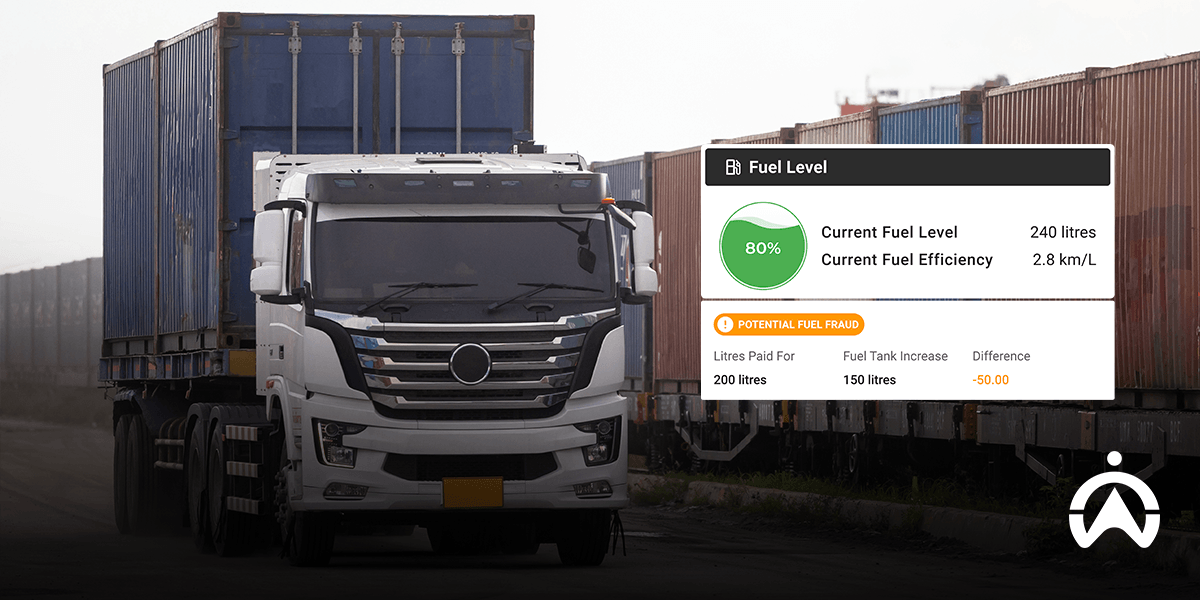
  • ‍Automatic transaction matching: Fuel card transactions work together with the telematics data, comparing the fuel purchased to the vehicle’s actual tank capacity at that exact moment. This way you’ll easily be able to catch any abnormalities.
    ‍
  • ‍Fuel monitoring: This is done with fuel level sensors that track every drop of fuel in the most accurate way. You’ll get an immediate alert if there’s a sudden drop in fuel. This way, you can spot fuel theft instantly!
    ‍
  • ‍Route optimisation: When your vehicles are travelling on inefficiently planned routes, they’ll end up wasting more fuel. This is because they’re not using an optimised route to get them to their destination more efficiently. FMS has a route optimisation feature that automatically provides your drivers with the best route possible, saving you time and money.
    ‍
  • ‍The Cartrack Namibia bonus: Our MiFleet cost management tool will automate all the logging of your fuel expenses so you can stop manual receipt capturing and prevent card fraud!

Vehicle loss

Vehicle theft and unauthorised vehicle use can result in significant financial losses for businesses. A vehicle tracking solution from a provider like Cartrack Namibia can help improve fleet visibility, enhance security, and assist with vehicle recovery when needed.

For example, if you have a fleet of 60 trucks, you’re more likely to be a statistic. Tracking devices that are part of a comprehensive fleet management system can save your business hundreds of thousands of rands in the event of theft.

The Cartrack Namibia bonus: We have an anti-jamming Cartrack Tag that uses our unique radio frequency so we can track your vehicle even if the signal is blocked on your main tracking unit!

Insurance

How do you bring down the exuberant insurance costs? Having an insurance-approved tracking device installed in every vehicle in your fleet can play a major role in this. Installing cameras coupled with telematics data will greatly assist with accident claims as well! These tools can bring down the amount of money your business is spending on accidents and insurance.

The Cartrack Namibia bonus: Our track record makes us a top choice among insurance companies in Namibia!

Maintenance

An FMS can help you schedule and manage all vehicle maintenance tasks, from daily inspections to a gearbox showing signs of a malfunction. These insights mean your fleet is always in tip-top shape, and when a major repair needs to happen, you will have already known and prepared for it, avoiding a potential accident or unexpected breakdown.

These insights allow you to not only save money but also accurately budget for repairs as well.

The Cartrack Namibia bonus: We have custom sensor integrations for specialised machinery that can monitor the equipment. Providing you with data to assess their condition so you can implement preventative maintenance to keep these optimised for use and minimise unexpected breakdowns.


Driver behaviour

With a fleet management system, you can accurately monitor how your drivers are performing on the roads. The telematics device paired with AI-powered cameras allows you to not only have the data to see how your drivers were performing but also the visual data to see what they were doing while driving as well.

The major benefit is that the AI cameras not only immediately alert you as the fleet manager to a driving event, but they also come with instant in-cabin alerts so the driver is able to immediately correct their mistake.

The Cartrack Namibia bonus: Our system includes driver scorecards so your drivers are automatically rated on their driving performance, allowing you to individually coach each driver based on problem areas!

Hidden costs

When it comes to all those pesky hidden costs, let’s look at how having Cartrack’s fleet management system can help your budget:

  • Unauthorised vehicle use: Geofences allow you to monitor when a vehicle leaves an area it’s not supposed to. Driver ID tags will only allow authorised drivers to use certain vehicles, and you can see exactly who started a vehicle at any given time.
    ‍
  • Accidents without evidence: Our AI-powered cameras not only keep an eye on the road so you’ll have evidence for any dispute, but they also keep an eye on the driver for any reckless driving so that you’re able to coach them! This way you’ll save on fake claims as well as fuel and possible accidents from better driving.
    ‍
  • Compliance penalties: Our driver reports and cameras provide reliable evidence to support disciplinary processes when required. And our automated, tax-ready logbooks help you maintain accurate records and simplify compliance with the requirements of the Namibian tax authorities.

The Cartrack Namibia bonus: Worried about how much you’re spending on lost or damaged stock? Our camera solutions can be placed inside the cargo area to monitor & record every time the door is opened, so you have eyes on your stock anytime anyone is near it!

‍If you’re ready to have a complete understanding of your fleet’s TCO, then give us a call to see how we can help you save money and budget more effectively!

FAQs

How do you create an efficient budget plan for managing your fleet?

To create an efficient fleet budget, take a data-driven approach. This approach will help to place your expenses into fixed and variable costs, lay out clear operational goals and guide you on how your vehicles are performing and which ones should be replaced or removed.

What is the fastest way to reduce my fleet’s variable budget costs?

The fastest way to reduce your fleet’s variable budget costs is through driver behaviour. When you manage and coach your drivers to drive better, you bring down variable costs drastically. Harsh braking and aggressive speeding both burn more fuel and place more strain on wear & tear parts.

What features should you look for in a fleet management tool?

Look for features that can grow with your business, offer seamless integration with software you already have, and make sure you always have mobile access to important information. Your platform should also give you easy-to-understand route info, GPS pinpoints, and driver behaviour alerts. Beyond these important features, also look for software with fuel management, predictive maintenance scheduling, and automated workflows.

How Driver Fatigue Detection Systems Work

Driver fatigue detection systems work by combining AI power with sensors and/or cameras to monitor driver behaviours while they’re on the road. With those AI capabilities, facial patterns that are associated with exhaustion (like yawning or excessive blinking) are detected, which then trigger immediate alerts that act as an intervention.

Analysis shows that infrared camera arrays and built-in sensors are among the key components driving the growth and capabilities of AI-powered cameras. Commercial fleets are quickly adapting to technologies that explore more than just lane drifting and steering-wheel patterns. Facial movement recognition and blinking rates are catching fatigue in milliseconds, proving to be vital implementations in fleet safety.

Don’t put your fleet in jeopardy. Understand driver fatigue detection technologies, why they’re crucial for fleet safety, and how Cartrack Namibia provides the best in those technologies so you meet safety compliance & combat driver exhaustion.

What are driver fatigue detection systems?

Driver fatigue detection systems are a combination of tools and technologies that identify when a driver is exhibiting exhaustion while on the road. When fatigue has been detected, immediate alerts are triggered in the form of audible, visible, and in-app/platform notifications.

The point of fatigue detection systems is to completely avoid, or at least drastically reduce, road accidents and incidents. Their real-time monitoring keeps a constant watch on everything happening inside and around the vehicle.

Let’s look at this more closely:

How do these detection systems work?

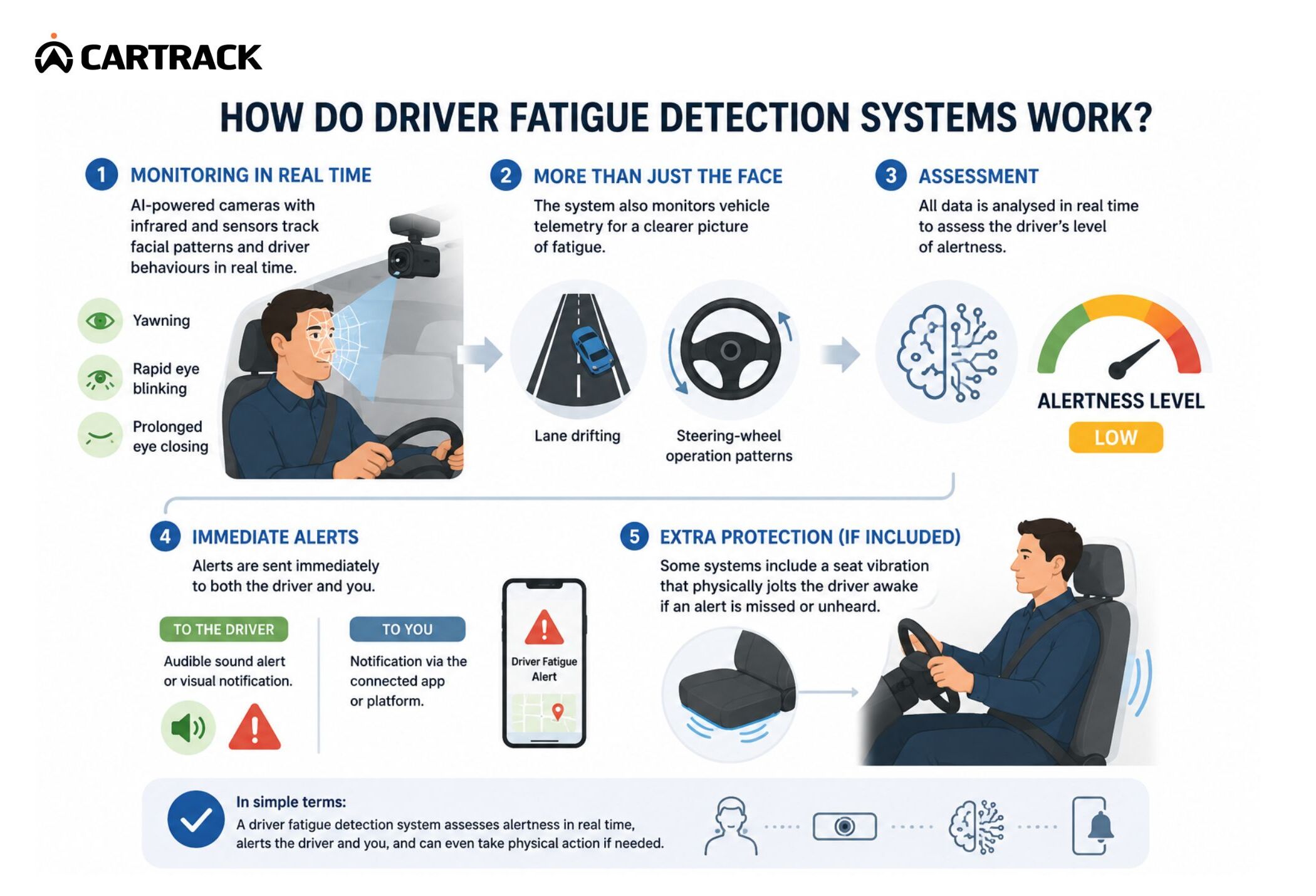
These detection systems work by merging AI power with sensors and/or cameras to keep an eye on drivers and their behaviours while on the road. Highly trained AI cameras embedded with infrared and sensors carefully track facial patterns—like yawning, rapid eye blinking, and prolonged eye closing—to quickly identify signs of exhaustion.

In addition to tracking facial patterns, certain aspects of vehicle telemetry are also monitored, like lane drifting and steering-wheel operation patterns. This provides more necessary information and creates a clearer assessment of fatigue.

In simple terms, a driver fatigue detection system assesses a driver’s level of alertness in real time. 

Alerts are then immediately sent to both the driver and you. For the drivers, they’re notified through an audible sound alert or a visual notification. You’ll likely get a notification via the connected app or platform.

Depending on the system, there may also be an actual seat vibration solution included that physically jolts the driver awake. This feature is particularly important when the driver misses or can’t hear the audio alert.

Take a look at our graphic below to get a quick, visually engaging overview:


Are there any considerations when it comes to fatigue detection systems?

Yes, there are certainly considerations and potential downsides to think about when including fatigue detection systems in your fleet.

One of the biggest, most common concerns is privacy. The last thing you’d want is for your drivers to feel as though they’re being surveilled in an intrusive and untrusting way. As a manager, you MUST be completely transparent in your policies and with your drivers, especially about the footage, why it’s being collected, and who has access to it.

If you’re clear in your explanations, your drivers will hopefully understand that this is for their protection and safety, not their exploitation. It’s also your responsibility to uphold your end of those policies.

Another common concern is false alarms. Technology isn’t perfect, and there will be mistakes in the recognition system. What’s important is that you use your discretion when overlooking the triggered events and footage.

Still, this doesn’t take away from the absolute importance of high-quality detection technology and tools in your fleet.

Why are fleets investing in this technology?

Fleets are investing in this technology because it’s what protects the operators, the business, and the brand reputation. It’s a careful, strategic business decision that has all aspects covered, from general safety (for everyone on the roads) to legal compliance.

Early warning and coaching interventions are solutions that take safety to new heights while proactively protecting your drivers. 

Here’s why fleet managers like you see the importance of these tools:

Protecting drivers, their health, and overall wellbeing

At the core of fatigue detection systems is protection and safety. It’s common knowledge that driving while exhausted is comparable to driving while under the influence, and it can lead to devastating consequences.

Thanks to its real-time and dynamic nature, fatigue detection is a proactive approach that ensures exhaustion and drowsiness are nipped right in the bud. When you catch exhaustion before it escalates into something more dangerous, you’ll see fewer collisions, fewer close calls, and (most importantly), the preservation of life.

In addition to this, fatigue detection systems show your drivers that you care about them and their wellbeing. Your drivers can begin to grasp the value of this kind of technology, developing the understanding that their quality of life is actively being looked after.

With improved wellbeing comes boosted productivity, increased morale, and happier & engaged workers who are likely to remain loyal to you.

Keeping cargo safe

This one’s for the logistics and transportation fleet managers. Your drivers are your most valuable asset, and the cargo they haul comes in at a close second.

When an accident results from driver exhaustion, the cargo is typically the first to go (especially with heavy-duty trucks). Whether it’s destroyed because of the collision or even grabbed by passersby in the aftermath, the fallout of such an event can be devastating.

Not only does this tragically impact your bottom line, but you also face immense damage to your business reputation and legal issues up to your neck. But if you implement fatigue detection, you actively ensure the safety of your valuable goods.

With all the clear warnings and alerts, not only is the driver alerted and jolted awake before something bad happens, but you could potentially navigate them to the nearest truck stop, instead of them making an unsafe and unscheduled stop on the side of a highway.

Additionally, driving while exhausted can cause your drivers to operate with jerky movements and unpredictable behaviours. This puts sensitive cargo at risk. But if the driver is kept sharp, the cargo remains safe on a smooth and calm journey.

Fulfilling compliance and safety standards

We know that regulations are becoming increasingly strict, and the pressure is being felt by businesses worldwide.

With the implementation of a fatigue detection system, you’re keeping a strong record of safety protocols and policies. This kind of record is especially important if your business is ever audited or there’s an investigation.

From a compliance perspective, your proactive approach can also reduce the risk of potential fines and other financial issues, especially if you’re asked to pause operations.


Minimising accidents

While this may seem like the most obvious of the points, we can’t ignore the role fatigue detection systems play in the broader on-road safety conversation. Fatigue is a silent killer, and nodding off for even a split second could mean dire results.

It could be argued that systems like these are the core of safety in the fleet industry, especially for long-haul drivers. 

Incorporating fatigue detection not only shows that you care about your drivers but also about the everyday civilians on the roads as well.

Bringing down insurance, legal costs, and downtime

One of the most common questions around fleet insurance is, ‘If I have proof of any risk management system in place, will this bring down my insurance premiums?‘

The answer to that is yes, there’s a very good chance it would, although it depends on your insurer. Insurance companies are increasingly rewarding businesses that are implementing risk management systems, like fatigue detection. This shows insurers that you’re being intentional about safety, leading to those lower rates.

More than that, accidents are extremely expensive. Not only is there loss or damage of cargo & vehicle repair costs, but also legal, litigation, medical, compensation, and other costs to consider. Not to mention the financial hit that downtime from an accident causes.

Ultimately, a fatigue detection system is the most advantageous and economical investment for your business. 

Does Cartrack Namibia offer driver fatigue detection systems?

Yes, Cartrack Namibia does offer driver fatigue detection systems, which fall under the umbrella of our driver monitoring system (DMS). Our DMS system combines our intelligent, AI-powered cameras, driver scorecards, and live GPS tracking to effectively track driver behaviours. This technology has a baseline, and deviations from that baseline are what trigger instant alerts.

Here’s what we can offer YOU:

📹 Live Vision AI cameras

Cartrack’s live-streaming intelligent dashcams can detect fatigue and distracted driving. This means you can keep an eye on your drivers and access the livestream if necessary, while also receiving immediate alerts for violations. Drivers are also notified of their violations, alerting and allowing them to make immediate corrections to their actions.

Our technology detects events such as:

  • Fatigue/yawning
  • Distracted/fatigued driving (through head and eye movement)
  • Camera covering (the camera shouldn’t be obstructed)
  • Smoking
  • Cellphone use

📇 Driver scorecards

This feature is a way of keeping score of how well and responsibly your drivers are behaving on the road. Our technology rates parameters such as harsh braking, rough acceleration, speeding, and more, highlighting the areas that need more work through coaching.

Based on these scorecards, you can also invest in gamification or incentive-based programmes for your drivers. These are proven to be a more fun & engaging way for your drivers to remain safe and responsible, all while encouraging friendly competition amongst them.

🚛 Advanced Driver Assistance Systems (ADAS)

In addition to our inside cameras catching driver behaviour, we also have outside cameras that assist with driver safety by heightening your driver’s awareness and keeping their observance up. ADAS is a combination of AI, algorithms, and camera sensors that identify potential hazards and obstacles on the roads so that your drivers are EXTRA safe.

These features include:

  • Automatic Emergency Braking: This is when the car dramatically slows down or comes to a complete stop. An object or hurdle has been detected in the road and, in relation to the speed and slow reaction time of the driver, will take action on the part of the driver.
    ‍
  • Forward Collision Warning: This is an immediate alert that lets drivers know when they’re closing in on another driver or obstruction too quickly, which prevents a potential crash.
    ‍
  • Blind Spot Detection: This warns your drivers about vehicles or obstacles in the blind spot, so that there aren’t any surprises when they need to change lanes.

Final takeaway: Don’t sleep on fleet safety

If you’re looking for the ultimate answer to better safety, happier drivers, and a strong proactive business approach, then a driver fatigue detection system is what you need. We’ve established that fatigue is a silent threat, and it’s one that can expose your business to serious risks. It’s why basic tracking and monitoring attempts are simply not enough.

That’s why well-known local enterprises are turning to Cartrack Namibia. We’ll give you the most careful and closest eyes on the cabin and the road, catching even the smallest sign of exhaustion or distraction before they escalate into costly incidents.

Tired drivers are bad for business, so keep your safety in focus. Invest in Cartrack’s advanced, AI-powered fatigue detection solutions and boost your fleet’s safety TODAY.

FAQs

What are 90% of accidents caused by?

According to WHO, 90% of accidents are caused by human error. This accounts for things like speeding, distracted driving (especially phone use), driving under the influence, and exhaustion. Because physical & infrastructural issues like poor road conditions make up a far smaller share of road accidents and injuries, WHO believes that addressing human negligence first is key to improving road safety.

Is driving for 2 hours tiring?

Yes, driving for 2 hours can generally be tiring. Driving for that long means 2 hours of consistent concentration and bodily tension, considering the driver is holding the same position for most of the time. This monotonous and tedious action can also bring your brain into a bit of a lull, forcing you into a relaxed frame of mind.

Why does my car tell me to take a break?

Your car tells you to take a break because some models have Driver Alert Systems, which give you a warning ahead of time if you’ve been driving for too long. This system monitors factors like the length of time you’ve been driving, tyre positions relative to the road, and steering wheel patterns to encourage you to take a break.

How to prove drowsy driving?

To prove drowsy driving, you should collect witness statements, along with photos and/or dashcam footage. Also, check the accident area for skid marks or anything that points to an active, aware driver taking action before a crash. A sleeping driver usually won’t take those actions, and the car’s event data recorder (similar to a black box) will reflect that.

Why Diesel is More Expensive than Petrol and What to Do as a Truck Owner

Motorists across Namibia experienced shocking petrol price increases in April 2026, but those with diesel trucks and vehicles REALLY felt the pinch. This makes us all wonder why diesel is so much pricier than petrol—and fleet operators are asking this question more than ever!

There are several economic, socio-economic and global reasons. Statista describes diesel demand as “pre-epidemic”, referring to the massive 28.3 million bbl/d (barrels per day) demand in 2024 ALONE. With escalating global tensions, this number just keeps going up.

Diesel demand. Taxation. Global unrest. All of these play a part in why diesel prices have soared. But fortunately Cartrack Namibia has some long-term fuel saving solutions that’ll appeal to truck owners across various industries. Here’s everything you need to know.

What are the main reasons for diesel being more expensive than petrol?

The main reasons for diesel being more expensive than petrol are high demand contrasted with low supply, diesel production time & costs, taxation, and global tensions. Another reason is the green practices that are now employed to produce diesel, which are more costly and time-consuming.

Global tensions

Not only are global tensions causing diesel prices to skyrocket, but this military activity also causes market panic. Together, these two factors ALONE do enough to raise diesel prices, making it harder for your trucking business to operate.

High demand for diesel

Namibia isn’t the only country that relies on diesel to power logistics. Other countries are ordering massive amounts just like we are (high demand), and this is causing the supply to gradually run dry.

In short, countries are ordering diesel at a faster rate than the rate at which it can be produced. 

“Clean” diesel production

Governments are clamping down on big industries to lower their carbon footprint, and diesel production plants are NOT exempt from these regulations. It’s more expensive to strip sulphur out of the end product of what’s considered “cleaner diesel”, and these costs are being passed on to the consumer.

Economic factors

There are dozens of economical reasons for diesel being more expensive than petrol, and these reasons combine to create prices that fluctuate at a whim. Most of these factors are international and often transport-related, but they still affect us here because we import diesel in mass quantities.

A quick note on diesel taxation: While it’s true that tax is higher on diesel in some countries, this actually isn’t the case in Namibia. Fuel prices in Namibia are regulated by the Ministry of Industries, Mines and Energy, and both diesel and petrol prices include a range of taxes, levies, and charges. The difference in pump prices between the two fuels is generally driven by international fuel costs and supply factors rather than significantly different tax treatment.

However, there are a number of levies added to diesel and petrol costs, which include:

  • A fuel tax that contributes to government revenue.
  • A Road Fund Administration (RFA) levy (road user charge) that helps fund the maintenance and development of Namibia’s road network.
  • A Motor Vehicle Accident Fund (MVAF) levy that supports compensation and assistance for road accident victims.
  • Customs and excise duties, including charges agreed within the Southern African Customs Union (SACU).
  • A National Energy Fund (NEF) levy and related petroleum-sector levies that support energy infrastructure and fuel security initiatives.

These extras are all passed on to the consumer, and truck owners who use a lot of diesel for their daily operations are having to spend more on refuelling their vehicles like never before.


What are long-term effects of high diesel prices?

The long-term effects of high diesel prices hit truck owners harder than the average motorist, and these ultimately lead to higher overheads. Whatever business you’re in, higher truck transport costs could also cause you to struggle against your competitors. To stay relevant in your industry, you might even be tempted to cut costs in other areas of your business.

Lower profit margins

The most obvious long-term effect is less profit. Over time, this can cripple a business, because let’s face it: fuel isn’t the ONLY thing getting more expensive. Less profit = lower chance of survival. If your business is making less profit, everybody suffers; you, your staff, and your customers.

Competitive irrelevancy

You might be looking at your competitors and wondering how THEY’RE dealing with the increase in diesel prices.

  • Are they transitioning to EV trucks?
  • Are they taking advantage of fuel hedging?
  • Are they receiving subsidies?
  • Or are they just better at marketing?

These are some possibilities, but it’s more likely they’re struggling as much as you are. Or are they?

The fact is, if your competing truck companies are thriving amidst the current fuel crisis, it’s likely that they’ve found a way to reduce fuel use through technology.

The question is, will your truck business do the same to stay relevant?

Cutbacks on essentials

The temptation might arise to cut back OTHER essential operations within your company to subsidise higher diesel costs for your truck company. This could be in the form of staff layoffs, less money towards safety, or opting for a lower marketing budget.

This isn’t always necessary just because fuel prices have gone up. The solution is BETTER fuel management—not cutbacks.

What diesel-saving methods are ineffective?

There’s no magic pill that’ll fix the amount of diesel your truck uses. Saving diesel takes effort combined with technology. Unfortunately, there are a number of fuel-saving gimmicks that dupe truck owners into thinking they’re making a difference. This simply isn’t true.

Here are some you may have heard of already.

Additives to your fuel tank

There are companies out there duping people into buying additives for their fuel tanks, promising that these increase efficiency. Most of these fuel additive promises are scams!

Avoid them at all costs, and also avoid home remedy solutions that promise better fuel consumption if you add home kitchen items to your fuel tank.

Magnetic fuel savers

The claim is that magnetic fuel savers realign the molecules within fuel, causing it to burn at a more efficient rate. There’s no research to back up this claim, so it’s considered an old wives’ tale in the fleet industry.

Filling up at certain times of the day

Is diesel more dense when the weather is cooler? Yes, it is. This makes some people think that filling up early in the morning increases efficiency. But the difference in density is so marginal that it doesn’t make enough of a difference to really affect your fuel usage.

Here’s why.

By the time the diesel comes out of the nozzle to be burnt by your engine, it’s virtually the same temperature as it would be when the weather is warm. Also, any savings you might get from this method will be too small to make any meaningful difference.

Filling strategies

You’ve probably heard rumours that filling your tank to the brim causes your fuel to burn quicker. The truth is, the amount of fuel in your tank has no direct impact on how efficiently your truck engine burns it. Yes, filling your tank to the brim does add some weight to your vehicle, but the difference is negligible.

So what does work?


What should truck owners do to save on diesel costs?

When we strip away the false information about saving fuel, we’re left with what actually DOES work. This isn’t just a claim; it’s fact-based knowledge & industry experience from a fuel management software provider that works closely with truck owners to make a difference in their fuel costs.

Here’s what we’ve learnt over the past two decades.

Calibrate your trucks’ fuel tanks

Saving fuel begins by starting from an accurate baseline. This can only be done through fuel calibration, which involves emptying your truck’s fuel tank and filling any fuel tank (which come in various shapes) with precise increments of fuel.

Your daily operations then generate raw data, and the calibration you get translates that data by giving you accurate litres.

Choose a fuel-monitoring technology that’s truck-specific

Cartrack Namibia has a few fuel-monitoring options to choose from, but none are MORE ACCURATE than our fuel probe. A fuel probe works by combining a float IoT device with our gold-standard software.

Once you have this data, our software further refines the information to give you actionable fuel-saving strategies that are specifically tailored to the unique factors of your truck fleet.

This is also the best strategy for stopping fuel syphoning, fuel card fraud, and other bulk fuel anomalies. 

Eliminate guesswork and rely on accurate data

The point of our software is to provide you with indisputable metrics that deliver true, relevant, and real-time data. This removes the guesswork out of your fleet operations and puts you in control of saving fuel.

All these small changes add up to lower overheads, helping you to preserve your profits and STAY COMPETITIVE. 

Keep your vehicles in top condition

You already know that high-quality data gives you ACTIONABLE STRATEGIES. But what are these strategies?

One is keeping your vehicles well maintained. It’s no secret that well-maintained vehicles burn less fuel, but HOW can you manage this better than what you’ve already been doing?

The answer is predictive maintenance with the help of AI.

This is a strategy that removes the humdrum service schedules you used to do, and alerts you to maintenance needs based on real-time vehicle diagnostics. In addition to this ground-breaking technology, our system even books your vehicles in for maintenance automatically!

Plan and optimise truck driver routes

The less time your trucks are on the road for each delivery, the more fuel you’ll save. The objective of route optimisation is to accelerate your service and make your trucks more productive.

Bypass those pesky roadblocks, heavy traffic congestion, and pothole-ridden roads by using real-time route optimisation that’s flexible, dynamic, and accurate. 

Monitor idling and coach drivers

Idling accounts for a bulk of the fuel your trucks waste each day. So does reckless driving! Getting rid of this alone will lower your fuel costs without disrupting your productivity.

Cartrack Namibia offers various ways of doing this:

  • An alert system that lets you know when excessive idling is taking place
  • A driver coaching platform that educates them on idling less frequently
  • Sensors that alert you to fuel-guzzling driving habits like speeding or aggressive cornering
  • Power-Take-Off (PTO) monitors that give you stop/start data on your trucks

Call us to learn more! Cartrack Namibia is dedicated to saving Namibian truck owners on their diesel costs, but it all starts with your willingness to start the process.

These methods really DO make a difference, so ditch those outdated gimmicks and go digital with a system that works hard to generate savings on your fuel budget. 

Frequently asked questions about diesel vs petrol prices

How is diesel different to petrol?

Diesel is basically denser than petrol. Its core make-up has more viscosity, which plays an important part in its slower burning process and high torque offering. Diesel has a distinctly different smell too, making it easy to distinguish from petrol.

 I have a large fleet of trucks. How can I save on fuel costs even though the diesel price keeps going up?

There are so many reactive ways you can use less fuel, but most of them only give you short-term savings. The best approach is PROACTIVE and LONG-TERM. This approach calls for a combination of fuel management technology and human planning, which involves real-time fuel monitoring, AI calculations, and actionable strategies presented by Cartrack’s fuel management software.

Which uses more oil to produce: petrol or diesel?

Petrol takes more oil to produce, but not much. Because of the production process, manufacturers are likely to get more diesel than petrol out of a comparative amount of oil. This refining process happens simultaneously, so both products are derived from the same barrel of oil.

ECU Tuning in Your Trucks: What Is Another Way to Achieve Fuel Savings?

Fuel is one of the biggest expenses fleets have. And thanks to the current political climate the world is in, the price of diesel has hit a record high. So, it’s only natural that everyone is looking at new ways to save. One of the methods fleet owners are now looking at is ECU (Electronic Control Unit) tuning.

According to a study done by Javad Heydari, “Diesel engines, in particular, benefit from economy maps, often achieving a 5–10% reduction in fuel consumption.” This is quite a huge saving for any fleet. But before you start searching for your nearest vehicle tuning specialist, you need to know what the other pros and cons are, as well as other methods to save fuel.

Did you know: One of the best and simplest methods of saving even more on fuel is through driver behaviour?

Keep reading because the team at Cartrack are exploring ECU tuning, driver behaviour and telematics!

What is ECU tuning?

Did you know that your car has more potential than it currently delivers? Manufacturers program all of their vehicles to operate at a certain spec, but are you aware that it’s possible for you to unlock all of this hidden potential? That’s where ECU tuning comes in.

The ECU is basically the brain of your vehicle; it controls everything from your ignition timing to your fuel mixing. This ultimately governs the performance of your vehicle.

Most petrol heads want more out of their vehicles, so they’ll get their ECU tuned so their vehicles can reach top speeds and have a faster takeoff & better fuel efficiency.

But what’s an alternative option to save on fuel?

How driver behaviour helps you save on fuel

Did you know that the best way to achieve fuel savings is through improved driver behaviour? It doesn’t matter what you attach to your vehicle or what alterations you make to the engine or software. If you have a heavy-footed driver who loves to speed and take corners like a NASCAR driver, your vehicles are going to burn through fuel no matter what.

As a fleet manager, the best thing you can do to ensure you’re saving fuel is through driver behaviour monitoring and training. So, how do you achieve this?

  • AI-powered cameras: When you install high-quality, AI-powered cameras in your trucks, your drivers are monitored in real-time. If they’re displaying any dangerous driver behaviour, they’ll get an immediate alert (as will you), and they can correct their behaviour instantly.
    ‍
  • Driver scorecards: These will give you an accurate visual representation of how your drivers are performing on the road. With these, your drivers can see where their faults are, and you can coach each driver individually to improve their driving habits.

The best thing about training your drivers to drive better on the roads is that it lowers your chance of an accident, it reduces the wear & tear of your vehicles, and it’s long-lasting. It’s more realistic for you to save fuel through driver coaching than it is through remapping your vehicle.

Still curious about ECU tuning?

Close-up of a truck engine compartment, illustrating ECU tuning in your trucks for improved engine performance and fuel efficiency

How does ECU tuning improve my fleet?

ECU tuning improves your fleet by optimising the following engine specifications: air-fuel ratio, boost pressure, and ignition timing. Now, unlike the petrol heads who are tuning for speed, businesses are doing this to save money.

Let’s take a look at the benefits of ECU tuning for your fleet.

Reduce fuel consumption

As we’ve already discussed, fuel is one of the biggest expenses in a fleet. Which is why the major benefit of tuning your truck’s engines is to make them more fuel efficient. 

Tuning can improve your vehicle’s fuel efficiency by between 5% and 10%. Now, that might not be a major saving, but when you look at this saving across the entirety of your fleet (and over a number of months), it’s quite a significant amount.

Power optimisation

The manufacturer restrictions on your ECU mean your trucks are only allowed to pull a certain amount of power. When you modify your vehicle’s software, you can get better low-end torque and quicker power delivery.

Now your trucks can tow and carry a heavy load much easier. On top of that, each vehicle experiences less strain on the engine when accelerating.

Possible lower maintenance costs

When ECU tuning is done professionally and correctly, it can make your engine run more efficiently. And in doing this, you can create less strain on certain components in your vehicle.

All of this sounds great… but is it legal?

What are the legal aspects around ECU tuning?

While ECU tuning isn’t illegal, there is a bit of a grey zone you need to be aware of. Emission regulations. When you alter your vehicles to perform better, you can inadvertently alter the amount of emissions your vehicles are producing.

Across the globe there are strict regulations around emissions, and when you tune your vehicles and they’re producing higher emissions than permitted, you could be hit with hefty fines.

So make sure you’re using a qualified tuner who understands the laws and regulations around emissions.

What are the risks of ECU tuning?

It’s very important to note that there are some major risks that come with tuning the ECUs in your trucks. You need to fully understand these potential risks to your fleet before you go ahead with the remapping of your trucks. Let’s check them out.

Possible damage to engine

A major risk that comes with ECU tuning is the potential damage it can cause to your engine. When modifications are made to the fuel/air ratio, ignition timing, etc., it can push your engine far beyond its limitations.

This can cause:

  • Overheating
  • Knocking
  • Complete engine failure

To prevent this from happening, make sure that:

  1. you’re using a reputable tuner, and
  2. you’re constantly monitoring and maintaining your engine’s health and performance.

You can void your truck’s warranty

When you tune the ECU you’re essentially messing with the manufacturer’s settings. This can ultimately void your truck’s warranty. So anything that would’ve normally been covered by your warranty will now completely be your responsibility to pay for.

So make sure you completely read through your warranty contract to see what will void it and what won’t, and consider if ECU tuning is worth the risk.

Insurance issues

Insurance providers aren’t fans of modifications to vehicles because these can compromise the integrity of the vehicle. You shouldn’t lie to your insurance provider, so once you inform them about the ECU remapping, they might increase your premiums or possibly refuse to cover you in certain areas.

So you should consider if saving 10% in fuel costs is worth coughing up R500 000 for in an accident. 

Increase in wear & tear

When you remap your vehicle to have more power, you inevitably place more strain on other components of the vehicle. Remember the manufacturer settings and limitations are put in place to impose the least amount of strain on wear & tear parts. So when you decide to alter these, you’re affecting the lifespan of these parts.

Parts that can be affected are:

  • Clutch
  • Pistons
  • Fuel injectors
  • Transmission
  • Crankshafts
  • Barings
  • The entire engine

Higher maintenance costs

Because you’re now pushing your engine to work at a higher performance level, you’re more likely to have to do maintenance on your trucks more frequently.

Ultimately, there’s a possibility that the money you’re saving from ECU mapping is likely to be spent on maintenance.

Lowers your chances of resale

Trying to sell your truck after tuning it may be a bigger hassle than you realised. Because you’ve messed with the manufacturer’s settings, you’ve essentially compromised the entire integrity of the truck.

Consequently, you’ve made reselling your truck way more challenging, and you’ll probably have to settle for a lower resale price.

Unreliable performance

One of the greatest risks that comes with ECU tuning is that you don’t have a guarantee that the vehicle is going to perform the way you want it to. You could actually experience an overall reduction in the reliability of your vehicle from the remapping.

So what other route can you take?

Technician working between parked trucks with fuel-saving message, illustrating ECU tuning in your trucks for improved fuel efficiency and performance

ECU tuning vs. telematics

There’s a more traditional method to saving fuel without voiding your warranty or incurring a list of risks. Telematics. Telematics can’t make your truck run faster, but it can help you save fuel, monitor the health of your trucks, and give you a complete overview of how your fleet is performing overall.

Let’s compare each of them.

How it affects your truck ECU Tuning Telematics
Speed Increases speed No affect on speed
Fuel Improves fuel economy Complete fuel management
Warranty Voids warranty No affect on the warranty
Wear & tear Increased strain on wear & tear parts Improved lifespan on wear & tear parts
Insurance Can cause insurance issues Can lower your insurance premiums
Resale Can affect resale value Can improve resale value
Maintenance Frequent maintenance required Proactive maintenance approach
Performance Improves the performance of the vehicle Improves the performance of the vehicle

It’s clear that the benefits gained from telematics do outshine ECU tuning, but if you want the benefits of all of them, you can implement them both. This way you can save even more fuel, easily monitor vehicle health, and completely improve your vehicle’s performance.

If you’re looking for a reputable telematics provider who can give you more bang for your buck, then speak to one of our specialists today! 

FAQs

Can I tune my EV?

It’s possible to tune your EV, but there are a lot of limitations to what can be done. The main reason for this is that EVs are basically controlled through their manufacturer software, which is heavily protected. So without the right code, it’s extremely challenging.

Can I tune my vehicle’s ECU myself?

Technically, yes, you can tune your vehicle yourself. To do it, you’re going to need specialised hardware and software to connect to your vehicle’s OBD-II port and also an understanding of engine mechanics. Remember, if you do it incorrectly, you can completely damage your engine and the performance of your vehicle.

Is ECU tuning permanent?

No, ECU tuning isn’t permanent. If you’re not happy with how the vehicle is performing after being tuned, you can get it back to how it was. But keep in mind that manufacturers can see if the software was ever altered, so your warranty can still be voided even if you return it to its original factory software.