Myth or Fact: Electric Vehicles Don’t Need Any Maintenance?

The idea that electric vehicles need absolutely no maintenance is a myth. They may need less maintenance than your average ICE (internal combustion engine) vehicle, but it’s still required. It’s easy to understand where that myth comes from, considering the upkeep is simpler and operations are typically less environmentally harmful.

With no engine, exhaust, or oil systems, a 2025 report focused on the African market found that maintaining an electric vehicle costs around US $0.061 per mile, compared to US $0.101 per mile for petrol vehicles. This is roughly 40% less overall. However, even something as simple as worn tyres or a cooling system fault can cause expensive downtime and shorten a vehicle’s life if you’re not careful.

Knowing exactly what maintenance EVs still need is key to keeping your fleet running smoothly and profitably. In this article, we’ll separate myth from fact while helping you better understand EV maintenance. Moreover, we’ll show you how Cartrack’s smart fleet management tools can keep your electric vehicles in top shape.

Myth or fact? The truth behind EV maintenance

The verdict? Myth. The truth behind EV maintenance is that EVs require less maintenance than your petrol or diesel vehicles, but upkeep is still required. Regular servicing and treatment are the keys to keeping your electric vehicle running smoothly. If maintenance is neglected, you run the risk of damaged battery health and compromised vehicle safety.

To get a better idea, take a quick look at our Myth Meter:

80% Myth  ▮▮▮▮▮▮▮▮▮▮▮▮▮▮▮▮▮▯▯  20% Fact

Skipping these checks might not seem like a big deal, but it can significantly shorten battery life, limit driving range, and put safety at risk. In a fleet, these potential issues can add up fast. One neglected EV can cause ripple effects, leading to downtime, higher repair bills, and unnecessary strain on operations.

Why the ‘no maintenance’ myth exists

The ‘no maintenance’ myth exists because the simplicity and convenience of electric vehicles lead to the creation of this narrative. ICE vehicles have so many moving parts and components that are interconnected, making them far more susceptible to wear and tear. However, fewer parts don’t mean fewer responsibilities, and EVs need their software and electrical systems kept in shape.

Get a quick breakdown, separating myth from fact, and look at this table:

Myth Fact
EVs don’t have engines, so nothing needs servicing EVs still require regular checks on brakes, tyres, suspension, and cooling systems to stay road-ready.
EV batteries last forever Battery performance naturally degrades over time and needs ongoing monitoring and thermal management.
Regenerative braking eliminates brake wear completely It reduces brake wear but doesn’t eliminate it—systems still need periodic inspection and maintenance.
EV software updates are optional Software updates are essential for battery efficiency, safety systems, and diagnostic accuracy.
Tyre wear is the same as in petrol vehicles EVs are heavier and have higher torque, leading to faster tyre wear and more frequent replacements.

Core areas of EV maintenance you can’t ignore

Ensure the longevity of your electric vehicle by paying attention to the core areas of EV maintenance that shouldn’t be ignored. These include software and electronics, cooling systems, brakes, and tyres.

Let’s break down key maintenance categories:

  • Cooling systems: If cooling systems aren’t kept in check, it could lead to overheating or slow down the performance of the vehicle. Proper thermal management means complete circulation and no coolant leaks.
    ‍
  • Brakes and tyres: Any vehicle is susceptible to wear and tear, but EVs are typically heavier than ICE vehicles. As a result, there’s usually more strain on brake pads and tyres, leading to the importance of regular checks and servicing.
    ‍
  • Software and electronics: EVs rely far more on internal software than ICE vehicles, ensuring energy and performance are optimal and diagnostics are always logged. Routine software updates can maintain and even improve these features.
    ‍
  • Suspension and steering: Again, the weight of EVs (particularly their batteries) puts strain on the car, more so on its suspension. Regular inspections and alignment checks prevent the vehicle from potential damage and instability.
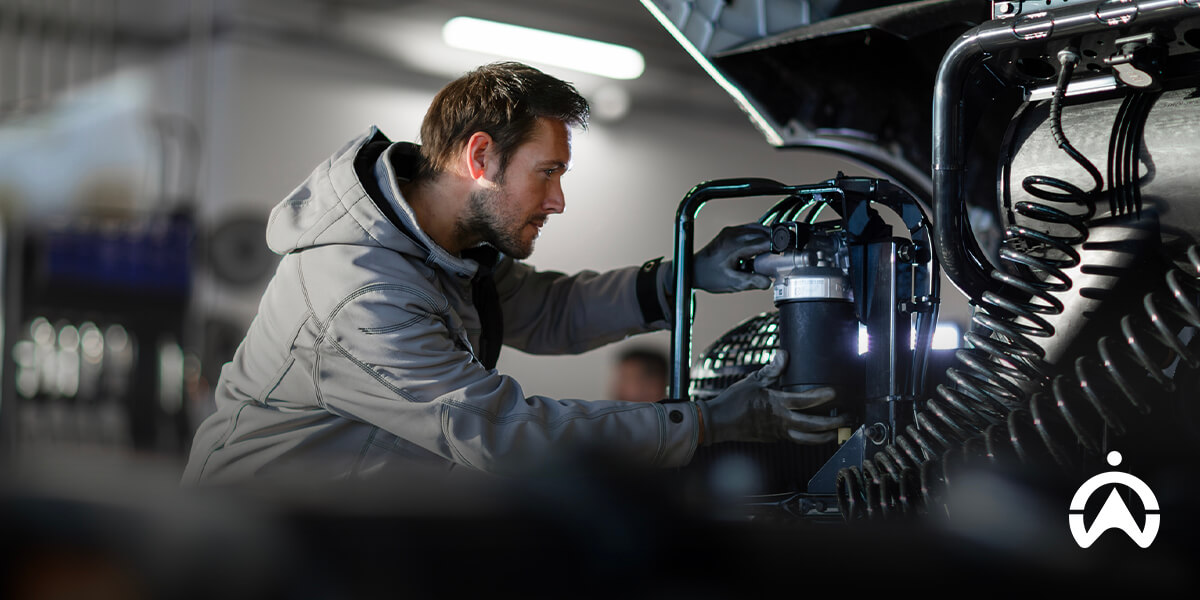
Technician performing electric vehicle fleet maintenance in workshop.

What are the hidden costs and risks of neglecting EV maintenance?

The hidden costs and risks of neglecting EV maintenance include safety hazards and reduced battery lifespan. As you can imagine, these issues are greatly increased in the context of a fleet. Staying on top of maintenance of your EV vehicles will save you from headaches down the road, preventing you from expensive repair costs and major downtime.

Look at the potential risks:

Reduced battery lifespan

As mentioned, the battery is the most crucial component of the EV. Because almost all the components are connected to it, it serves as the heart of the vehicle. Not maintaining its health can lead right to battery degradation. Battery degradation means ineffective charging, poor circulation, and old, outdated software.

According to a report by Simon-Kucher & Partners, EV battery packs account for 30–40% of a vehicle’s total cost. Lack of maintenance can cost you more than the savings you’re supposed to get from EVs.

Safety hazards

Although you might not need to concern yourself about safety issues like engine fires, EVs still do bring about new kinds of safety hazards to consider. Moreover, safety hazards aren’t just about keeping the vehicle in check; they’re also about meeting compliance standards.

Consider routine inspections to stay compliant, but also ensure your vehicles are in the best condition. Inspections can keep you abreast of wear and tear, damaged cooling systems, and defective electrical components.

Higher long-term operational costs

Predictive maintenance is the best solution for preventing high long-term costs. Avoiding maintenance can only end up costing you more over time, proving counterproductive when you’re trying to save or be profitable. The more time your EV spends off the road, the more likely you are to lose business income.

Fleet impact

An EV’s downtime in a personal capacity is annoying and frustrating at most, but in a fleet? This is an exponential matter. An EV that isn’t serviced can mean the following:

  • Massive downtime
  • Disorganised schedules
  • Loss of important insights
  • Strain on existing EVs within the fleet

Keeping up with smart EV fleet maintenance

Keeping up with smart EV fleet maintenance is about staying up to date and always doing the right thing. It’s essential to dedicate time and remain mindful of regular maintenance. Invest in your EV fleet; get the right fleet management platform to ensure optimal performance, prevent downtime, and keep track of maintenance.

The best practices for EV care include:

  • Scheduled software updates: Software is at the centre, critical for diagnostics and battery control. Keep your software updated to ensure your fleet is not only running optimally, but also on the latest software version at all times.
    ‍
  • Battery health monitoring: Keep your battery health in the best condition by ensuring thermal management is carefully monitored and charge cycles are tracked. This circumvents expensive replacements.
    ‍
  • Tyre and brake inspections: The EV’s internal batteries put extra weight on tyres and brakes. It’s worth carrying out regular inspections to ensure you don’t fall prey to decommissioned EV fleet vehicles.
    ‍
  • Cooling and electrical system checks: Any part of the vehicle that overheats is in danger of becoming damaged. Keep the most critical systems safe and cool by performing regular EV maintenance check-ups.

Fleet management software for EVs helps automate and monitor the following:

  • Predictive maintenance alerts: This is your key to spotting problem areas before they become real issues. Get notifications set up that alert you to potential anomalies and preventative maintenance—enough so that you can intervene accordingly.
    ‍
  • Performance trends and data insights: To get a comprehensive overview of your vehicles’ and fleet’s performance, invest in a platform that has a digestible dashboard and allows you to automate the process of scheduling maintenance.
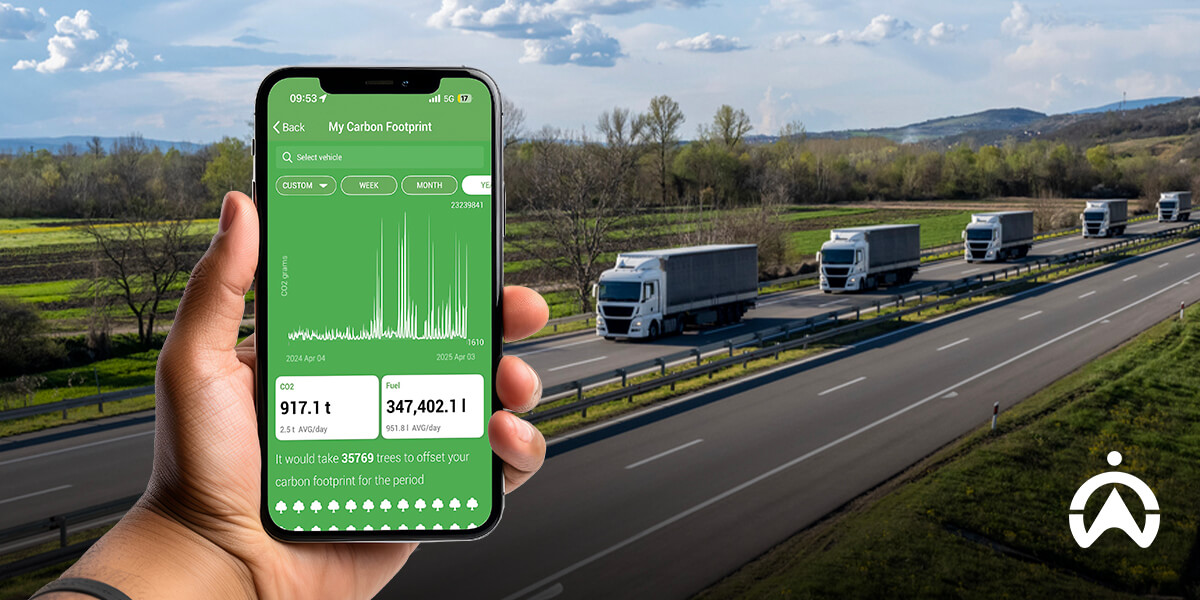
Smartphone showing carbon data for electric vehicle fleet maintenance on highway.

Cartrack’s role in simplifying EV maintenance

Cartrack’s role in simplifying EV maintenance is ultimately about being the best fleet management provider for your electric vehicles. When you’ve got the right tools, it’s much easier to successfully keep control over your vehicles and their maintenance needs.

Cartrack is an enabler of proactive maintenance through the following:

  • Real-time vehicle diagnostics: Thanks to Cartrack’s telematics, all information and insights collected from fleet vehicles are monitored. As a fleet manager, you’re immediately notified of diagnostic issues or vehicle health matters via alerts.
    ‍
  • Battery health and temperature monitoring: Cartrack’s fleet software can keep track of your EV’s battery health and status, notifying you of any early signs of wear and tear.
    ‍
  • Driver behaviour insights: Driver habits are directly linked to an EV’s overall health. Bad driving means greater chances of deterioration and energy consumption. Through telematics and driver scorecards, you can monitor and coach drivers as necessary through FleetWeb.
    ‍
  • Predictive maintenance scheduling: Our advanced insights help forecast when maintenance is required before costly breakdowns happen. This helps prevent prolonged downtime.

Putting all this together means Cartrack gives businesses the tools to keep their electric fleets in top shape. The result? Greater uptime, longer EV lifespans, and lower overall maintenance costs. There’s also the satisfaction of running a sustainable operation that’s driven by the numbers.

Final takeaway

Electric vehicles have actually made fleet maintenance a whole lot simpler, and the fact remains they’re still needed. You wouldn’t have to do the same routine engine checks that you would with a petrol or diesel model, but EVs still need regular care to keep them running smoothly and safely without breaking the bank.

As a fleet manager, it’s important that you stay on top of maintenance. It isn’t really something you can put off. Regular inspections, keeping an eye on battery health, and proactive servicing that’s guided by all the right data are what you need to keep your vehicles on the road and running at their best.

Manage your electric or hybrid fleet with total control. Chat with a Cartrack expert to discover how our fleet management tools keep your vehicles running efficiently, every kilometre of the way.

FAQs

What is the biggest problem with electric vehicles?

The biggest problem with electric vehicles is infrastructure and battery degradation. Over time, just about every EV’s battery will naturally lose some of its capacity, which in turn can cut down on its range and efficiency. For fleets, not having enough charging points can make things even worse.

What’s the most expensive part of maintaining an electric vehicle?

The most expensive part of maintaining an electric vehicle is the battery, as it’s costly when it comes to either maintaining it or replacing it. It can be as high as 40% of an EV’s total value, so keeping an eye out for thermal control and regular diagnostic checks is key to making sure that investment lasts.

What is the 80% rule for electric vehicles?

The 80% rule for electric vehicles suggests it’s far better for the health of the battery to charge to 80% than to charge to 100%. This method is the best way to keep your EV’s battery at a more stable temperature and extend its lifespan in general. It’s especially important for EV fleets that’ll charge numerous times in a day.

Why does no one want to drive EVs anymore?

It’s not necessarily that no one wants to drive EVs anymore, but there are concerns around ease of access and infrastructure needs. The popularity of EVs continues to increase, but the availability of charging stations, the necessary battery technology, and maintenance tools aren’t widely available. Advances in technology are slowly addressing these issues, but there’s still a way to go.
The Top Challenges of Last-Mile Delivery and How to Overcome Them

To overcome the challenges of last-mile delivery, you have to implement a delivery management system that has solutions for each one. These are:

  • Labour cost reduction through AI route planning
  • Faster delivery times from drivers
  • Decreased fuel and maintenance costs
  • Package security increased through real-time driver location data

On-time and cost-efficient delivery is ESSENTIAL. If you are experiencing bad or failed deliveries it can be a significant setback. Companies and customers expect packages to move without interruption.

Costs involved with last-mile delivery must be managed, and your solution to fleet dispatching is where this starts.

How to overcome the biggest obstacles facing last‑mile delivery in Namibia?

The biggest obstacle last-mile delivery faces is the high costs of labour. These can be overcome through:

  • Using advanced route planning to reduce labour costs
  • Implementation of a delivery management system
  • Scheduling to reduce driver delivery times
  • Decrease fuel costs with real-time tracking

Apart from the manageable obstacles that any fleet faces, there are several that are out of the control of any management team. Road quality, congestion, and stolen parcels are unavoidable, but can be planned for with the RIGHT fleet management system.

Managing your last-mile delivery costs involves having a team that’s capable of seeing where parcels, drivers, and clients are. Without a proper management system, or worse, one that’s disconnected, you may not be aware of how much you are losing on your last-mile deliveries.

What are real-world last-mile solutions that have worked?

The challenges created by last-mile delivery aren’t unique to any one company. There are thousands of deliveries made each day. Each successful delivery is a success story of overcoming challenges, obstacles, and possible disasters. Two of the success stories that we can look at are delivering to inaccessible areas, and the success of cold chain delivery.

Expanding Delivery into Inaccessible Areas Using Smart Pick-Up Points

A large Namibian retailer faced the challenges of delivering daily parcels to areas with high crime rates and poor infrastructure. They already had a system that used traditional delivery methods, which only resulted in delays, stolen packages, and dissatisfaction.

  • Challenge: Delivering to hard-to-reach and high-risk areas where home deliveries repeatedly fail.
  • SOLUTION: The company implemented a network of local pick-up points and a confirmation system for drop-off and collection.
  • Benefit: Customers are much more satisfied and repeat orders increased. The total operation costs decreased.

Solving Cold Chain and Fulfilment Issues in Grocery Deliveries

Cold-chain integrity is one of the most challenging issues faced by grocery companies. Summer heat, infrastructure, and delays caused last-mile delivery delays. Customer satisfaction was decreasing, and the costs involved in keeping cold was too much.

  • Challenge: Maintain the cold chain integrity of perishable goods and have the right orders delivered on time.
  • SOLUTION: A reliable logistics partner that helps to adjust routes, integrated systems, and efficient reverse logistics when needed to keep food fresh.
  • Outcome: The order accuracy and customer satisfaction improved, while food spoilage decreased and product quality was unaffected.
  • Benefit: Drivers spend less time on the road with improved routes, fuel costs decreased, and food spoilage means less overall loss.
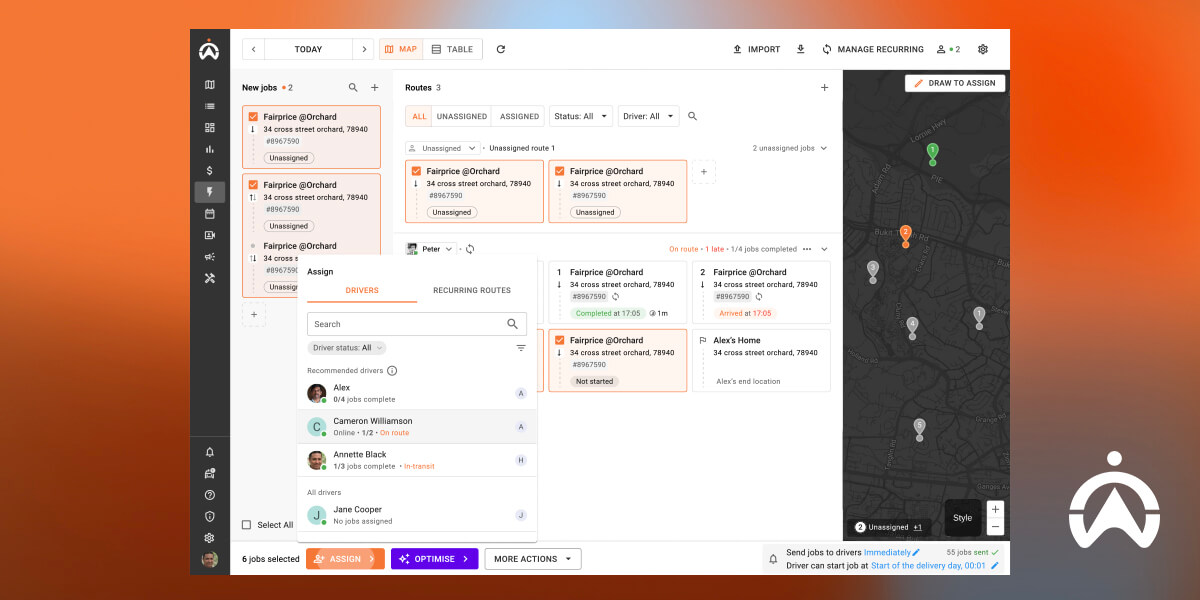
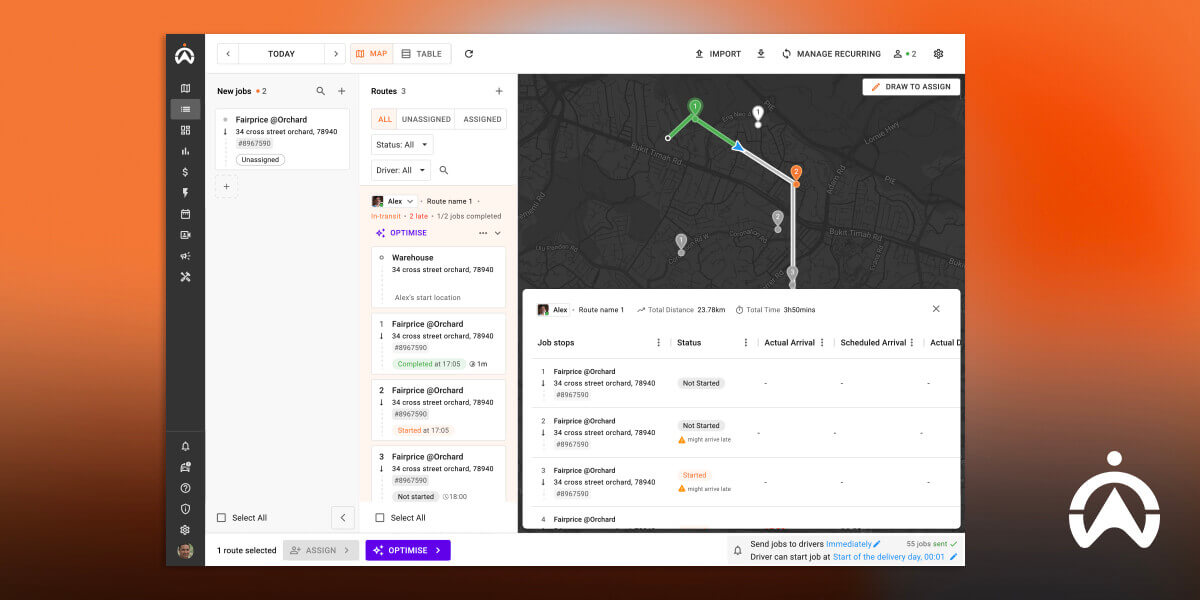
Cartrack dashboard illustrating challenges of last-mile delivery with routes, job statuses, and a map for organising deliveries.

Why are last‑mile delivery costs so high in Namibia?

Namibia has a challenging delivery environment, with large urban sprawls and outdated infrastructure that increases last-mile delivery costs. Tougher-to-reach locations increase the labour involved, which means the cost of getting a package delivered is always increasing.

This challenge means fleets become more expensive, impacting the last-mile delivery cost.

Fleet sizes and area coverage affect delivery prices further. A larger coverage area means drivers can be managed improperly and take longer to complete their deliveries. This inefficiency decreases delivery efficiency, inflating your fleet costs. You’ll also have to adjust to customer expectations as you grow.

Customers now expect same-day deliveries. A product ordered in the morning has to be delivered in the afternoon. This pressure means more mistakes can be made and last-mile delivery costs increase.

However, when a complete fleet management solution has been properly integrated, these are costs and challenges you’ll have the solution to.

Myth 😒 Fact 😁
Last-mile delivery costs are only high because of fuel Labour is the biggest cost, especially in urban sprawl and outdated infrastructure
Larger fleets automatically make deliveries faster and cheaper Bigger coverage areas can make drivers take longer routes, lowering efficiency and increasing costs
Customers don’t expect same-day delivery In 2025, many customers expect orders in the same day, adding pressure and risk of mistakes
Technology can’t help with high delivery costs A proper fleet management system can reduce costs, improve efficiency, and solve delivery challenges

The problems a Namibian fleet has to face and how they are solved

Local last-mile delivery challenges are some of the easiest to solve when a proper management system is installed. This is how a dispatch system keep your costs down:

Problem: Parcels are stolen or reported as undelivered, with no real way to confirm whether the driver or client is lying.

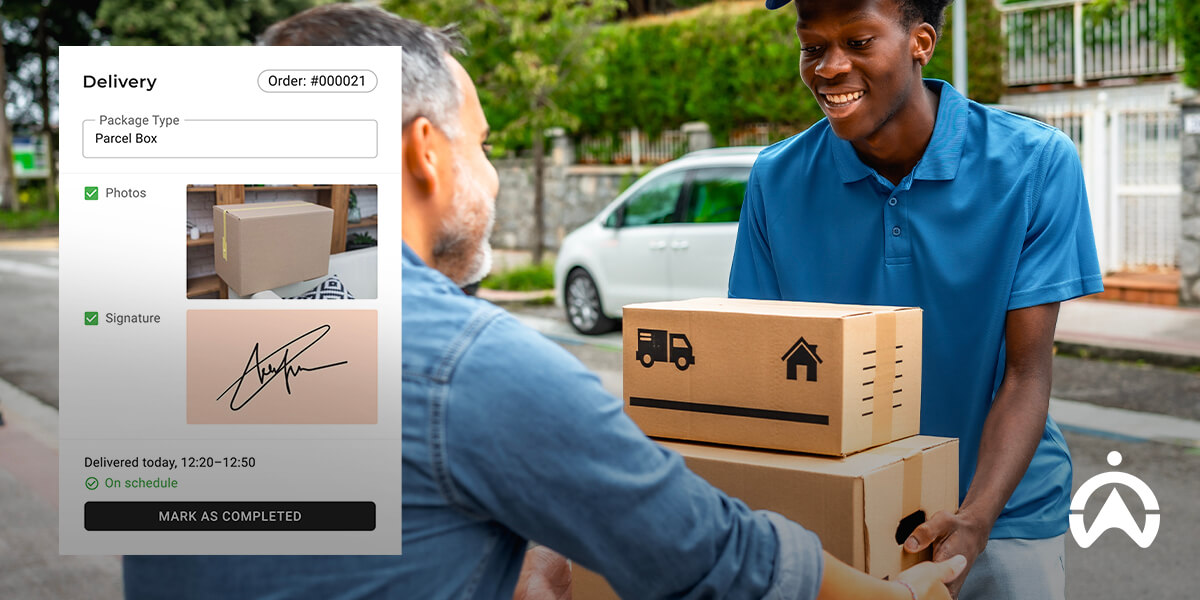
SOLUTION: The solution is simple, a confirmation delivery system that requires the driver to take a picture of the parcel delivery, and the client to sign.
‍

Problem: Your drivers are repeatedly going to the same address, unable to find the client; and clients are complaining that drivers are never on time.

SOLUTION: This requires a system that sends live-alerts to your drivers and clients, letting them know the day before (or earlier) that a delivery is on its way and when it will arrive.
‍

Problem: Unfortunately, there are many informal addresses in Namibia, and as we continue to grow new areas may require deliveries before maps are updated.

SOLUTION: There are two solutions to this problem: exact pinned locations from your clients, as well as live location tracking. Accurate locations mean your drivers don’t have to look for addresses on the side of the road.
‍

Problem: Packages are delivered to the wrong address or packages are sent back because of damage to the product.

SOLUTION: To solve this you need to have an integrated tracking system, knowing where packages are at each step of the delivery process. Tracking knowledge ensures damage is mitigated and packages are delivered to the right people.
‍

Problem: Even with notifications, clients are confused about where a package is, often expecting a delivery on the wrong day.

SOLUTION: The best way to solve this is through live updates to your clients, sending SMS notifications and having a portal they can use to track their packages from hand-off to final delivery.

What role does vehicle security play in Namibia’s last‑mile risks?

Vehicle security creates safer work environments for drivers, by tracking packages, and routing drivers through safer areas. Drivers may be taken on routes that are slower, which have roads that are maintained and are safer to use. This slower speed may initially seem detrimental, but as is commonly said, slow is smooth, and smooth is fast.

Here’s how security choices will affect your last-mile deliveries:

Risk or Factor What It Means Why It Matters
Hijacking and theft Vehicles can be stopped, and goods stolen Big losses and drivers are at risk
High insurance costs More crime means higher insurance prices Makes delivery more expensive
Security costs Guards or tracking tools cost money Adds to delivery costs
Slower delivery times Drivers avoid unsafe areas or take longer routes Delays packages reaching customers
Driver safety Drivers are not always safe on the road Harder to keep good drivers
Tracking technology GPS and cameras help watch the vehicle Can stop theft and help find stolen vans
Careful route planning Some areas are avoided or visited only at certain times Keeps drivers safer and deliveries on track
Unmarked vehicles Using plain vans with no logos Helps avoid drawing attention to valuable goods

The step-by-step strategy that reduced failed delivery attempts

Failed deliveries can quickly cause your costs to skyrocket, with many fleets only allowing one redelivery for free. To ensure your fleet doesn’t have to reattempt delivery, there are several steps you can implement:

  • Delivery time windows: When delivery is confirmed, offering clients a selection of delivery windows gives them more control. Clients will choose the best time for THEM.
    ‍
  • Advance SMS & App notification: Outdated systems don’t notify customers ahead of time. Implement a system that notifies clients ahead of time (preferably a full 24-hours) about a scheduled delivery.
  • Drop point delivery: Clients may not be able to take delivery of a package at all times. Using a drop point system allows clients to choose a locker or decide on in-person pickup, decreasing failed deliveries.
    ‍
  • Flexible re-delivery options: Offer clients the option to reschedule deliveries to different times entirely. Freeing up your drivers for other deliveries and ensuring clients are there when needed.
    ‍
  • Incentivise driver availability: During peak delivery times you need to ensure as many drivers are available. Through incentives such as flexible shifts, and performance rewards means you have more drivers when you need them.
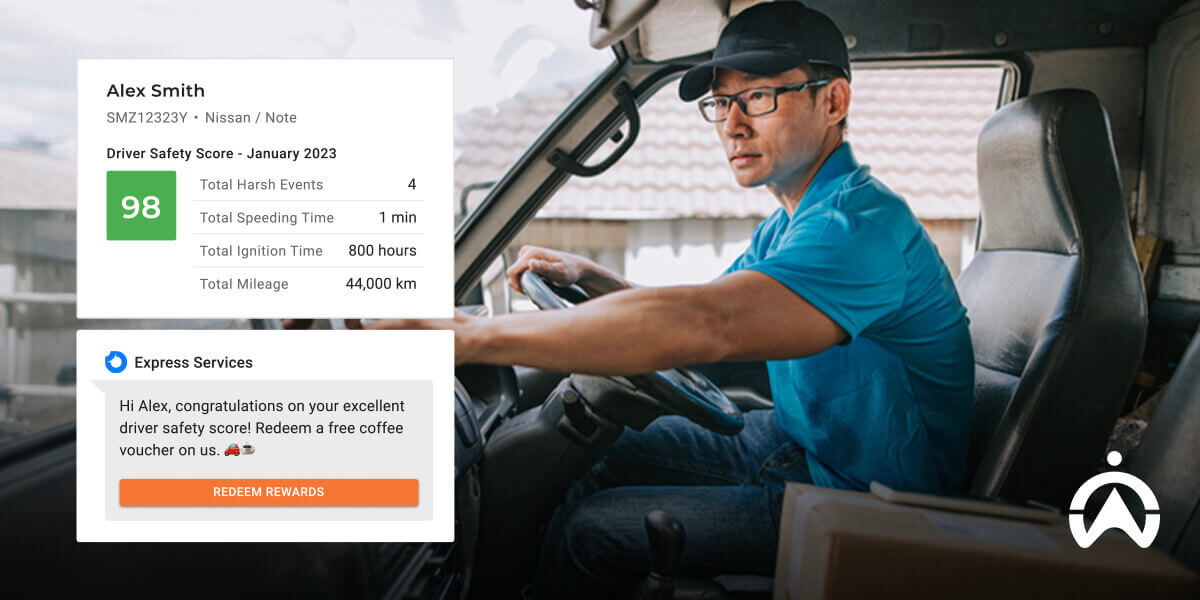
Cartrack driver app showing safety score and rewards, highlighting challenges of last-mile delivery performance.

How does route optimisation help Namibia last-mile deliveries?

Route optimisation helps last-mile deliveries by reducing:

  • Labour costs
  • Travel times
  • Fuel costs

The less time it takes drivers, routing staff, and others to work with a package, the more efficient your system becomes. An efficient delivery system is faster, making clients happier, and reducing costs.

Route optimisation will ensure that your fleets aren’t wasting time on unnecessary delays, longer routes, or problematic breakdowns.

How exactly does route optimisation software save money on deliveries?

Route optimisation reduces the fuel used on unnecessary travel distances. The software can calculate traffic, which means your drivers will not be stationary for long. Further, the knock-on effect of driving less and being efficient means reduced maintenance and service intervals.

Optimised route = reduced fuel usage

Can route optimisation make a difference in places with poor infrastructure or informal addresses?

Yes, route optimisation uses accurate GPS location data. Once a delivery address has been confirmed the system easily shows a driver where to go. Further, the system can be set to avoid dangerous areas, using alternative paths that have safer and more maintained roads.

Route optimisation = accurate location data

Is route optimisation only important for larger delivery fleets?

No, even the smallest fleet can experience big benefits from a delivery and dispatch system. Smaller fleets have to plan even more than large ones. Ensuring that your limited number of drivers are where they should be. Drivers that aren’t where they’re meant to be can easily be tracked, rerouted, and made more efficient.

Route optimisation = even small fleets become efficient

How can Cartrack technologies improve visibility and tracking in the last mile?

Cartrack’s delivery system SEAMLESSLY integrates driver routing, package tracking, and fleet management. Your fleet becomes fully visible, lowering the high costs associated with final-mile labour costs. When fully implemented and integrated, your drivers can easily and accurately deliver packages across the country.

The last mile is the most expensive and unpredictable part of delivery in Namibia, but it doesn’t have to be. With the right tools you get:

  • Smarter routes
  • Better visibility
  • Confirmed deliveries

You can reduce costs, improve reliability, and keep customers happy. If you’re still managing last-mile challenges manually, it’s simply time to change and embrace the autonomy of fully integrated delivery management systems.

Don’t take the risk of letting packages get lost, take full control of your dispatching, give Cartrack a call.

What are some of the frequently asked questions regarding last-mile deliveries?

What partnerships or shared delivery networks offer cost‑sharing benefits?

Shared delivery networks and partnerships with other businesses let you split transport and labour costs while increasing delivery reach. Working with courier hubs, local retailers, or gig-driver platforms helps you fill more vehicles, reduce empty trips, and make last-mile delivery more affordable for everyone involved.

How can customer expectations (fast delivery, real‑time tracking) be balanced with cost control?

You can balance fast delivery and real-time tracking with cost control by using route optimisation and smart scheduling. These tools cut fuel waste, reduce travel time, and keep customers updated without extra labour. In Namibia’s busy cities, efficient planning keeps service quick while avoiding unnecessary delivery expenses.

What metrics should logistics managers in Namibia monitor to improve last‑mile performance?

Logistics managers should track delivery time, failed deliveries, fuel use, driver efficiency, and customer satisfaction. Monitoring these metrics shows where time and money are lost. Keeping a close eye on these numbers helps you plan better routes, save fuel, and keep deliveries reliable and on time.

Agriculture Fleet Management Software – The Best Solution for Farming

Agriculture fleet management software helps you to cut out the guesswork. New-age farming thrives on precision, data, and smart strategies. With fleet management software, farmers can boost productivity and cut costs per hectare by efficiently tracking, monitoring, and optimising their vehicles and equipment.

According to Agritech MEA, the agricultural machinery telematics market is set to hit US $7.6 billion by 2033. This indicates the crucial role that connected technology plays in modern farming.

By making use of feature-rich fleet management software, farmers can enjoy all the luxuries that come with advanced technology.

Why modern farms need fleet management software

Modern farms need fleet management software to handle the everyday challenges that farmers face. Challenges such as unpredictable fuel prices, labour shortages, and equipment breakdowns all negatively impact productivity. Fleet management software gives you real-time insights into your vehicles’ and equipment’s locations, performance, and areas for improvement.

The new era of effective farming

Manual coordination and reactive maintenance are key elements of traditional farming practices. However, thanks to technology, farms can now:

  • Monitor resources in real time.
  • Prevent equipment breakdowns.
  • Slash fuel waste.
  • Boost output without expanding the fleet.

Quick definitions:

Manual coordination involves hands-on management of tasks, vehicles, and workers, often relying on phone calls, paper logs, or spreadsheets instead of automated systems.  

Reactive maintenance occurs when you only fix equipment after it breaks down, instead of servicing it regularly to avoid issues.

The cost of staying manual

By not embracing automation and technology, farms risk falling behind. By staying manual, farms can experience:

  • An increase in expenses from unexpected maintenance and repair costs.
  • Harvest delivery windows get missed.
  • Scaling operations becomes a challenge.
  • Resources are being wasted by unused cars and equipment.

Common challenges in managing agricultural fleets

There are some common challenges that farmers face when it comes to managing agricultural fleets. Farmers must manage fuel costs, coordinate detailed maintenance schedules, and monitor machinery across vast fields. Managing the agricultural fleet goes beyond just keeping their vehicles running.

Without real-time data, fleets can lose productivity, waste fuel unnecessarily, and overlook key maintenance moments.

Rising fuel and operation costs

Fuel stands out as one of the top three costs in farming, yet its wastage often slips under the radar.

Here are some fleet management challenges:

  • Excessive idling and poor route planning.
  • Fuel theft or leaks.
  • Struggles with budgeting and predicting seasonal fuel needs.
  • Equipment downtime and unexpected repairs.

Equipment downtime and unplanned repairs

When a tractor or harvester breaks down during harvest, it really hits productivity hard.

Key issues include:

  • Reactive maintenance instead of getting ahead with preventive care.
  • Downtime during peak seasons leading to lost yield.

Limited visibility over assets and workers

Having your machinery constantly shifting around the fields makes it really tricky to keep track of where everything is located.

Here are the common pain points:

  • Losing track of where the equipment and drivers are.
  • Struggling with coordination between teams.
  • Finding it hard to manage seasonal or temporary staff.

Compliance and safety risks

Agricultural fleets must meet road safety and operational standards for public road use.

Some challenges include:

  • Driver behaviour goes unmonitored.
  • Digital logs for inspections are often missing.
  • There’s a risk of fines or operational shutdowns from not meeting regulations.

This also highlights why farmers seek to reduce costs and streamline operations with smarter technology.

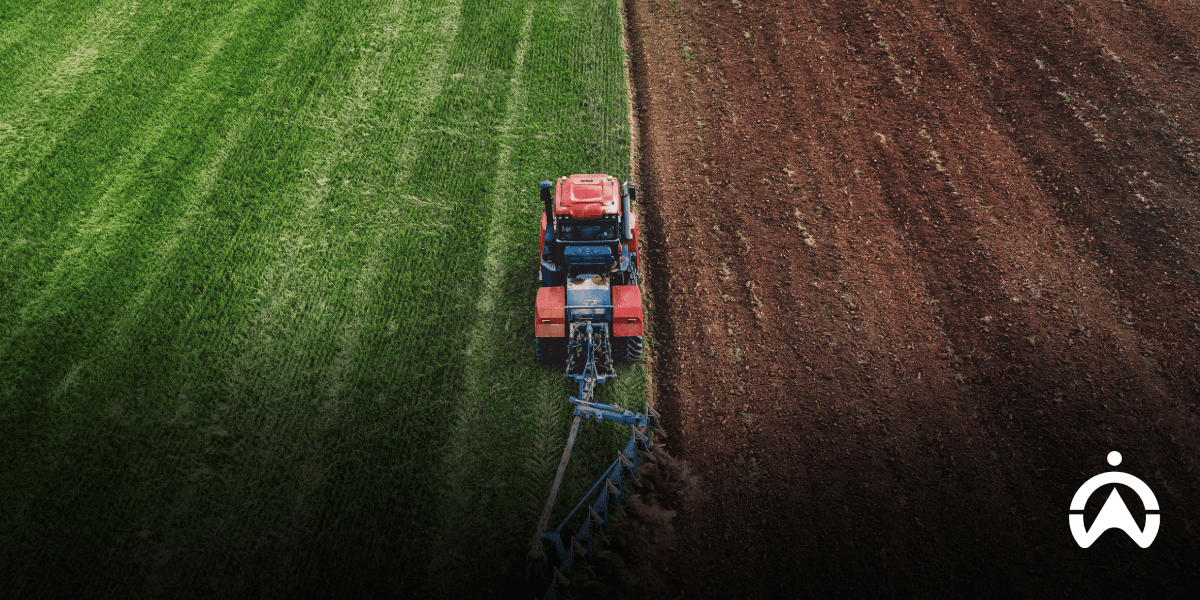
Cartrack agriculture fleet management software view of a tractor ploughing between green grass and brown soil.

Key advantages of agriculture fleet management software

The key advantages of agriculture fleet management software are boosting productivity, cutting costs, and enhancing operational control. It helps farmers track vehicles in real time, monitor fuel usage, schedule maintenance, and analyse performance. By connecting all your assets, you gain complete visibility, allowing you to make quicker, smarter farming decisions.

Optimised vehicle and equipment use

Route planning and real-time communication let your team spend less time on the road and more time getting things done.

You can:

  • Plan routes that cut down travel time between fields.
  • Monitor driver activity and progress.
  • Assign tasks efficiently to prevent overlaps.
  • Tackle on-field issues swiftly.

With automated tracking, you’ll always know where your tractors, sprayers, and trucks are—even on expansive farms.

Lower fuel and maintenance costs

A large chunk of farming expenses comes from fuel and maintenance. You can save money with fleet software by:

  • Keeping an eye on fuel usage across different vehicles.
  • Spotting inefficient idling or driving habits.
  • Alerting your team about maintenance needs before they become problems.
  • Reducing the costs of emergency repairs.

For example, if your harvester sits idle for 20 minutes each hour, you’re burning through diesel unnecessarily. Having fleet management software for farmers encourages you to act quickly.

Improved field productivity

Route planning and real-time communication keep your team working efficiently while reducing travel time.

  • Planning routes is a smart way to minimise travel between fields.
  • Keep an eye on your driver’s progress and activities.
  • Assign tasks wisely to avoid duplication.
  • Address on-field issues without delay.

Even on expansive farms, automated tracking ensures you always know the exact location of your trucks, tractors, and sprayers.

Enhanced safety and compliance

On public roads, agricultural operations must meet safety and compliance standards.

Fleet software makes it easy to:

  • To keep tabs on your driving hours and routes.
  • Spot any unauthorised travel or usage.
  • Boost accountability with digital reporting.

Data turns every tractor and truck into a valuable resource, enhancing your logistics and harvest planning.

Better decision-making with real-time data

Data-driven farming isn’t just a trend; it’s the future. With the right insights, you can:

  • Identify patterns in machine health and fuel consumption.
  • Predict future maintenance needs.
  • Set performance benchmarks for all seasons.
  • Make informed, strategic business choices.

Comparing traditional vs smart fleet management in agriculture

Comparing traditional farming fleets to those using management software, you’ll spot clear differences in control, cost savings, and efficiency. Fleet software streamlines manual processes, offering real-time insights by automating your tracking, maintenance, and reporting. Check out the table below to see how smart technology transforms everyday farming tasks into data-driven, more efficient systems.

Aspect Traditional Farming Fleet With Fleet Management Software
Asset Tracking Manual logs or radio calls GPS tracking with real-time updates
Fuel Management No visibility on usage Automated monitoring and reports
Maintenance Reactive repairs Predictive maintenance alerts
Worker Coordination Time-consuming and scattered Centralised and automated
Productivity Hard to measure Data-driven insights and dashboards

How agriculture fleet software solves real farm problems

Agriculture fleet management software has the ability to solve many everyday real farm problems. Fleet management systems help farmers by reducing downtime during harvest season and assisting in managing seasonal workers and shared equipment. This, however, can only be achieved through a comprehensive fleet management system.

Reducing downtime during harvest season

Downtime during harvest leads to massive losses. Fleet software tackles this by:

  • Sending automated maintenance alerts.
  • Keeping track of service history.
  • Prioritising repairs ahead of peak periods.
  • Reducing last-minute equipment failures.

Managing seasonal workers and shared equipment

When seasonal workers are involved, it’s easy to lose track of who’s using what. Software tools simplify this by:

  • Assigning drivers to specific vehicles.
  • Digitally tracking work progress.
  • Monitoring equipment transfers and usage.
  • Closing gaps in accountability and preventing misuse.

Keeping up with tight delivery deadlines

Timely deliveries to distributors and markets are crucial for farms. Fleet software ensures:

  • Route optimisation for faster deliveries.
  • Accurate ETAs with real-time tracking.
  • Alerts for unexpected delays or detours.
  • Seamless collaboration between field and logistics teams.

How to implement fleet management in your farm

You can implement fleet management on your farm by assessing their current fleet needs and finding a scalable and farm-friendly solution. They should also start small and train their team thoroughly, only expanding once everyone is confident with the system.

Assess your current fleet and needs

Identify your biggest challenges first:

  • Are your cars not getting enough use?
  • Are you overspending on maintenance or fuel?
  • Are your drivers or assets hard to spot?

It’s much easier to track improvements when you understand what’s not working.

Choose a scalable and farm-friendly solution

Choose software that fits your environment and team perfectly.

Look for:

  • User-friendly dashboards that are intuitive.
  • A mobile-friendly design.
  • Offline functionality for rural areas.
  • Seamless connectivity with your existing systems.

User-friendly tools are more likely to be embraced, especially by teams that aren’t used to tech-heavy solutions.

Train your team and start small

You should avoid launching everything all at once.

Instead:

  • Start with a small fleet of vehicles.
  • Train your managers and drivers.
  • Review the data from the first few weeks.
  • Once everyone feels comfortable, scale up.

This approach will ensure long-term success and build confidence within your teams.

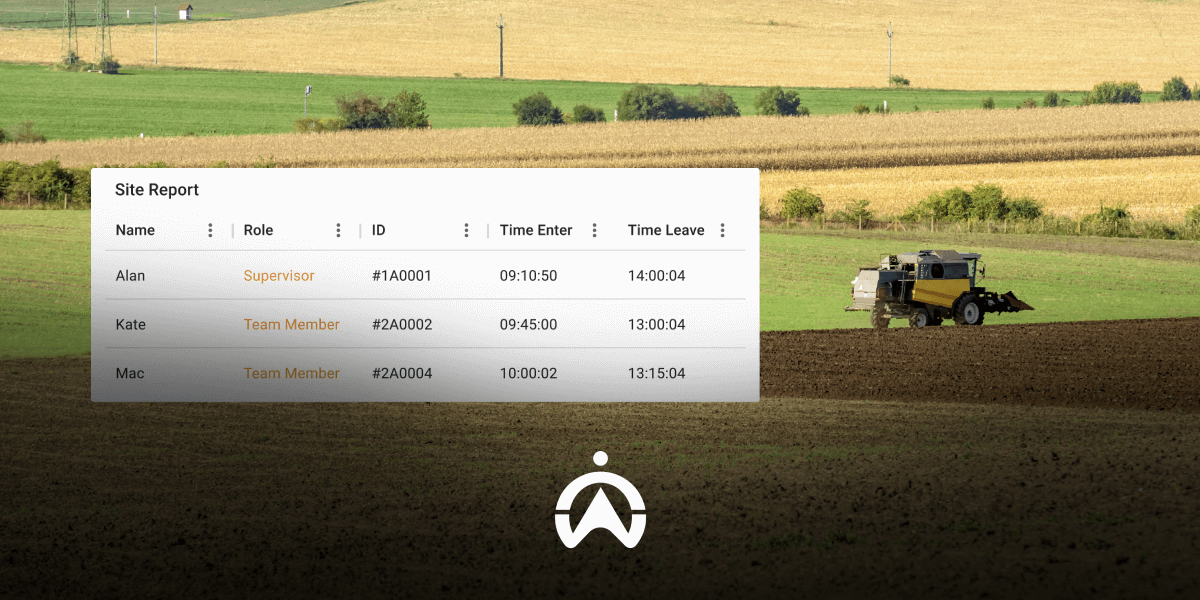
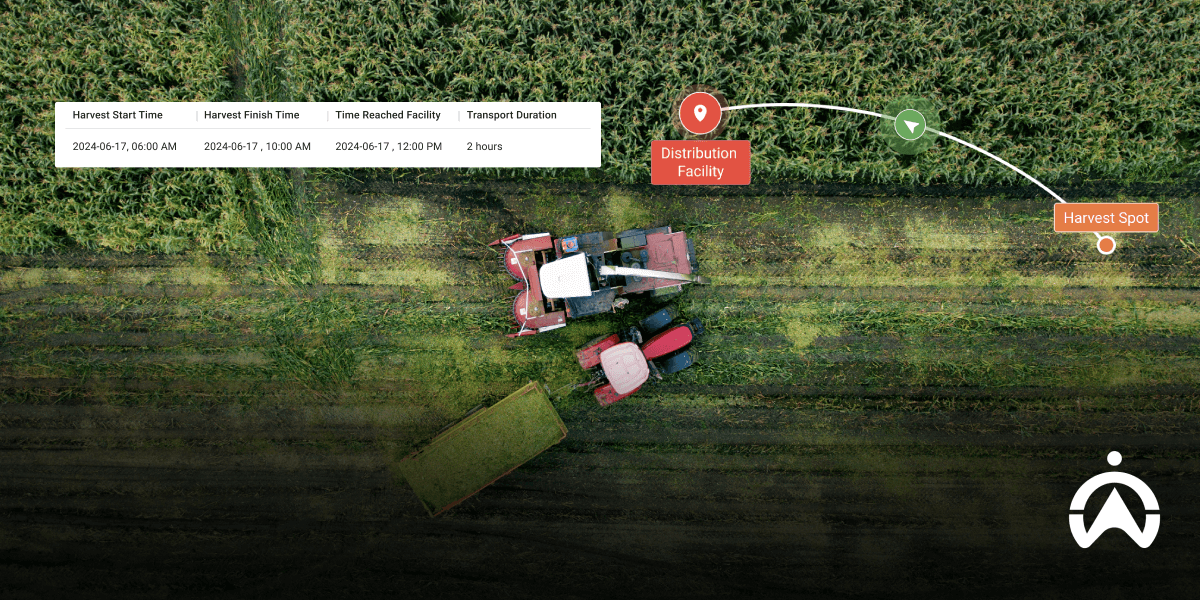
Cartrack agriculture fleet management software showing an aerial tractor harvest with data on harvest times and transport duration.

Why Cartrack is the smart choice for farm fleet management

Cartrack’s agriculture fleet management software is the smart choice for farm fleet managers because it helps farmers track vehicles, equipment, and drivers in real time—all from one intuitive platform. This tool empowers farmers with complete control over every aspect of their operations.

Cartrack’s fleet management software helps boost productivity, cut down on fuel costs and minimise downtime. This is all perfectly designed for the unique farming conditions in Namibia.

Tailored solutions for agricultural operations

Cartrack empowers farmers to manage everything from delivery trucks to tractors & harvesters all from one dashboard.

  • Track your vehicles and equipment in real time.
  • Keep your vehicles and equipment safe with geofencing.
  • Plan maintenance and manage costs effectively.
  • Keep an eye on driver safety and productivity.

Real-time insights anywhere, anytime

With Cartrack’s powerful GPS and telematics tools, your farm stays connected, even in remote areas.

  • Access real-time fleet data right on your phone.
  • Get instant alerts on route changes, fuel losses, and outages.
  • Stay in control, no matter where you are.

Proven reliability and local support

Cartrack is your partner in farming success, not just another software solution.

  • You can count on local support 24/7 across Namibia.
  • Over two million tracking units are currently in action.
  • We’ve built a reputation for accuracy and reliability.

Tangible results that drive profitability

Farmers can experience notable savings in fuel, time, and maintenance with Cartrack’s fleet management software.

  • Minimise idle time during busy seasons.
  • Slash unnecessary fuel consumption.
  • Enhance operational efficiency all year round.

Leverage data to make smarter harvest plans, reduce costs, and boost profits sustainably.

Fleet management software is completely transforming farming. With a single central system, it helps farmers cut costs, boost productivity, and make smarter decisions based on data.

If you want to achieve more with less for your farm’s success, discover how Cartrack’s agriculture fleet management software can deliver immediate, trackable results.

FAQs

Can fleet management software work for smaller farms too?

Yes, fleet management software benefits small and large farms alike. Even the tiniest operations can tap into real-time tracking, fuel monitoring, and maintenance alerts with Cartrack’s scalable system. You’ll keep an eye on every vehicle and piece of equipment on your farm, saving both time and money right away.

Do I need special hardware to use the system?

No, you don’t need any specific hardware to use the system. Cartrack’s technology includes simple plug-and-play devices that integrate seamlessly into your existing fleet. Installation is simple, so you can begin tracking your trucks and equipment immediately. Farmers can monitor their assets, maintenance, and driver activities from a single, user-friendly dashboard.

Can I track tractors and other non-road equipment?

Yes, you can track tractors and other non-road equipment. Cartrack’s fleet management software keeps tabs on tractors, sprayers, harvesters, and all your agricultural gear. With real-time location, usage, and performance data at your fingertips, you can schedule maintenance, minimise downtime, and optimise each piece of equipment to boost productivity throughout the farming season.

How secure is my farm’s operational data?

Your farm’s operational data is completely secure. Cartrack safeguards sensitive farm and fleet data with encrypted cloud storage. Only authorised users can access reports and insights. This ensures your company’s operations, routes, and vehicle data remain shielded from external threats and unauthorised access.

Will it work in remote areas with poor signal?

Yes, your system will work in remote areas with poor signal. Cartrack’s system excels in remote settings. Even if there is a signal outage, the devices continue to capture data and will automatically sync once the connection is restored. This means you’ll never lose important tracking data—ideal for big farms or places with inconsistent mobile connections.

Get the Best and Easy-to-Use App for Last-Mile Logistics

The best and easy-to-use app for last-mile logistics is a feature-rich one. Last-mile logistics is all about that final leg of a product’s journey to the customer, moving from a distribution centre straight to their door. Even though it’s a short distance, it’s the trickiest and most expensive part of the supply chain.

This is all thanks to complicated routes, high delivery volumes, and the constant need to keep customers happy. According to Capgemini Research Institute, last-mile delivery accounts for over 50% of total logistics costs. Businesses that optimise the last leg save time, money and customer relationships.

In B2B logistics, the last mile is mostly about being reliable. Any delays or loss of goods while shipping can have a direct impact on a business’s relationship with its partners. Companies that utilise smart solutions, such as Cartrack’s Driver App, have an advantage over their competitors, as they can see and hold people accountable in real-time.

Understanding last-mile logistics: the backbone of customer experience

The last mile is more than just simply delivering a product to its final destination. This stage has the ability to shape how your customers feel about your business and how likely they are to come back. To master the last-mile logistics, you need to ensure that every part of the delivery process runs smoothly, reliably, and efficiently.

Why the last mile matters

  • Reputation enhancement: Consistently meeting deadlines builds your company’s credibility.

The modern challenge

As e-commerce demands surge and customer expectations rise, last-mile logistics becomes more intricate. Companies must keep customers updated in real-time, requiring a system that balances speed, accuracy, and cost-effectiveness.

The Cartrack advantage

Cartrack provides businesses with the right solutions to master their last-mile operations. Features such as live tracking, easy driver communication, and proof-of-delivery guarantee that every order arrives on time, keeping customers in the loop.

What makes an app great for last-mile logistics?

An app that’s great for last-mile logistics is one that does more than just keep tabs on vehicle locations. It should completely transform how your teams plan, communicate, and execute deliveries. The most effective solutions seamlessly integrate user-friendliness with capabilities that reduce costs, optimise routes, and keep customers informed at every stage.

Must-have features:

  • Real-time tracking: Instantly check the current location of your fleet at any given moment.
  • Proof of delivery: Easily collect signatures, photos, or barcodes.
  • Two-way communication: Have the ability to keep drivers and dispatchers connected.
  • Analytics dashboards: Turn your delivery data into valuable insights.

Business benefits:

  • Quicker delivery time and fewer disputes.
  • Lower operational costs.
  • Happier and more efficient drivers.
  • Improved customer satisfaction and trust.
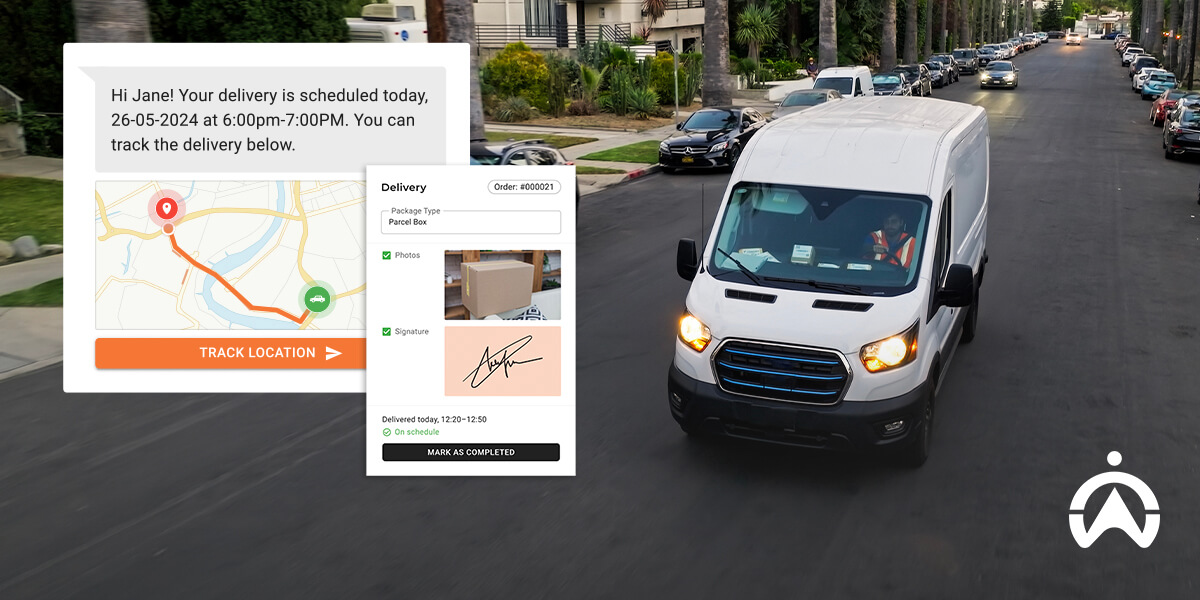
Cartrack app for last-mile logistics showing delivery van tracking with package details and ETA.

What are the challenges of last-mile delivery?

There are three main challenges that affect last-mile delivery. The first is that your customers expect deliveries to be made quickly. The cost of the last-mile delivery is very expensive. Lastly, the increase in the demand for special shipping services.

1 – Customers want speedy delivery

Today, big e-commerce platforms offer same-day or next-day delivery. Customers are now expecting their orders to arrive quickly and conveniently. While fast deliveries are heavily advertised, business owners, especially small business owners, must find a way to meet these expectations without breaking the bank.

2 – High cost of the last-mile delivery

When online shoppers spend over a certain amount, they expect free delivery. However, last-mile delivery can get pricey since drivers are juggling multiple packages that are headed to multiple locations. Complicated routes, frequent stops, and idle times all drive up your fuel costs and labour hours.

3 – Rising need for specialised shipping services

Last-mile logistics can get tricky. Whether it’s no one being home to receive deliveries, needing to reschedule, or customers wanting to return products they’re not happy with, there are plenty of challenges to navigate.

Choosing the right app for your fleet

When choosing the right app for your fleet, it’s important to look for the best last-mile delivery app. The best ones can completely transform your fleet operations, moving them from a reactive approach to a proactive one. The right platform provides your team with the tools to enhance automation, visibility, and your insights.

So before you jump in, invest some time in finding a solution that aligns with your operational goals and evolves with your business.

When evaluating logistics software, consider these four key factors:

Identify your operational needs

Every fleet faces unique challenges, whether it’s tackling city traffic or navigating rural roads.

Start by identifying your pain points:

  • Are any delays caused by poor routing or communication hiccups?
  • Do you need better proof of delivery or more accountability from your drivers?
  • Are you aiming to enhance customer visibility or reduce your costs?

Pro tip: create a checklist of essential features before diving into provider options.

Look for seamless integration

Your delivery app should fit seamlessly into your existing setup, not disrupt it.

  • Ensure it connects smoothly with your telematics, CRM, and ERP systems.
  • This integration allows dispatchers, managers, and drivers to work from a single source of data.
  • Having everything in one place boosts accuracy and reduces manual entry errors.

Prioritise ease of use

Complicated software can interfere with implementation. The best apps are user-friendly for both dispatchers and the drivers.

  • Make sure mobile functionality operates well, even in areas with poor signals.
  • Opt for a platform that requires minimal training to get started.

Evaluate scalability and support

As your business grows, your app should keep pace.

  • Confirm that it can handle expanding fleets, multiple locations, and increased delivery volumes.
  • Seek a provider that offers 24/7 local support and regular updates.
  • Ask about implementation timelines and the onboarding assistance available.

Why Cartrack checks every box

Cartrack’s Driver App combines telematics, routing, proof of delivery and driver communication all in one platform. It integrates effortlessly with your existing systems, performs reliably in Namibian conditions, and is backed by local teams who truly understand your business.

Why Cartrack’s Driver app leads the way in last-mile logistics

Cartrack’s Driver App leads the way in last-mile logistics because it was designed to tackle the unique challenges of Namibian logistics. Think unpredictable roads, heavy traffic, and those tricky remote routes. It offers a simple, user-friendly platform that connects drivers, dispatchers, and customers through live tracking, automation, and real-time communication.

Full visibility from start to finish

  • Monitor every delivery vehicle and route in real time.
  • Check driver progress, estimated arrival times, and any route changes. Instantly!
  • Get alerts about any potential delays before they impact your customer.

Smarter routing, less fuel waste

  • Dispatchers can quickly reroute drivers to avoid congestion.
  • This means fewer kilometres driven, less fuel used, and faster delivery times.

Real-time communication that keeps everyone in sync

  • Send immediate updates or instructions directly to drivers.
  • Drivers can update their delivery status right in the app.
  • Drivers and dispatchers don’t need to juggle phone calls or multiple chat apps.
  • Drivers can change the status of the delivery (completed, damaged, refused signature, returned product).

Proof of delivery that builds trust

  • Capture digital signatures, photos, or barcodes on-site.
  • Every record gets a timestamp and location verification.
  • Resolving disputes happens quicker and smoother.

Designed for local businesses

  • It runs smoothly, even in low-connectivity areas.
  • Designed specifically for the Namibian network.
  • Enjoy 24/7 support from local customer service.

Cartrack vs. generic delivery apps

There are a plethora of delivery apps available to use for last-mile logistics. However, most of them only offer surface-level fracking or basic dispatching tools. Whereas Cartrack’s Driver App goes above and beyond by combining telematics, advanced fleet management, and real-time analytics all into one connected platform.

Check out this table that compares Cartrack’s Driver App to generic delivery apps to help you make a more informed decision:

Feature Cartrack Driver App Generic Delivery Apps
Real-Time Tracking Integrated with live telematics for precise, vehicle-level visibility Basic GPS tracking, often delayed or app-based only
Route Optimisation AI-driven and adjusts to live traffic and delivery priorities Static routing; manual updates required
Proof of Delivery (POD) Built-in digital signatures, photos, and time-stamped data Often requires third-party plugins or manual uploads
Driver Communication Instant two-way messaging between drivers and dispatchers Limited or relies on external messaging apps
Analytics & Reporting Advanced dashboards with performance insights and fuel data Limited to basic delivery logs and summaries
System Integration Seamlessly connects with Cartrack’s fleet, fuel, and maintenance systems Usually standalone, difficult to integrate with fleet tools
Local Support 24/7 Namibian-based support and maintenance Offshore or automated ticketing systems
Reliability Backed by over 2.4 million active units across the globe Varies; often designed for smaller or non-fleet users
Cartrack app for last-mile logistics showing driver job scheduling, route planning, and delivery assignments.

What does Cartrack’s Driver App offer you

So you might be curious as to what Cartrack’s Driver App offers you that another app can’t. Cartrack’s Driver App isn’t just about tracking—it’s about transformation. Businesses that are using the platform can see measurable improvements across cost, efficiency, and most importantly, customer experience.

Operational Efficiency

  • Improved routing will boost the amount of deliveries each driver can make daily.
  • Automatic proof of delivery slashes admin time and paperwork.

Cost Control

  • You can save on fuel by choosing the best possible route, as well as cutting down on idle time.

Customer Experience

  • Having accurate ETAs and instant delivery confirmations builds trust with your customers.
  • Enjoy smoother deliveries and faster resolutions.
  • Create transparency that turns one-time customers into long-term loyal clients.

How to successfully implement a last-mile delivery app

There are a few things you can do to successfully implement a last-mile delivery app for your business. However, you need to keep in mind that adopting new technology can be quite complicated, especially when your teams are used to doing things manually. By ensuring a smooth rollout, you’ll maximise your investment and see results quicker.

Start with clear goals

  • Before getting the app, pinpoint your biggest delivery challenges.
  • Are delays your main concern?
  • Do you need better visibility or more efficient routing?
  • Or are you focused on enhancing your customers’ satisfaction?
  • By establishing clear goals early on, you can monitor your success and measure your ROI

Get team buy-in early

  • Your drivers and dispatchers are the key to your last-mile success.
  • Make sure you are involving them in the setup process.
  • Provide your team with brief, hands-on training sessions.
  • Highlight how the app will make their day easier, not more complicated.
  • When your teams can see the personal benefits, adoption rates will skyrocket.

Integrate with existing systems

  • Sync your delivery data effortlessly with your ERP or CRM systems.
  • Keep all information—routes, maintenance, and proof of delivery—in one ecosystem.
  • Integration removes the hassle of manual data entry and provides you with smoother operations.

Use data to drive decisions

  • Once the app goes live, tap into its built-in analytics to keep an eye on your progress.
  • Track delivery completion rates and route efficiency.
  • Compare the fuel usage across different vehicles or regions.
  • Spot trends that can shape your driver training or maintenance schedules.
  • Transform your delivery data into actionable insights for improved business results.

Continuously optimise

  • Last-mile logistics never stands still, and neither should your processes.
  • Review delivery data monthly to find new improvement areas.
  • Update routing rules or schedules as your business grows.
  • Keep engaging with your Cartrack account manager for feature updates and best practices.

The businesses that thrive on logistics tech don’t just use it; they adapt alongside it.

Final thoughts: Simplify, streamline, and deliver

That last stretch, aka the last mile, is where your brand truly makes its impression. So make sure it’s a memorable one. With the right tools at your disposal, you can save time, cut costs, and avoid an unhappy client.

Cartrack’s Driver App puts you in the driver’s seat for each and every delivery. Allowing you to oversee everything from dispatch to doorstep.

To see how Cartrack can simplify your delivery operations, book a demo today.

FAQs

What’s the difference between first-mile, middle-mile, and last-mile delivery?

So the first mile is getting the goods from the manufacturer to the warehouse. Then the middle mile takes over and moves the goods between hubs. And finally, the last mile is where the magic happens and delivers the goods to the customer’s doorstep.

How secure is delivery data collected by logistics apps?

Delivery apps keep your data safe with encryption, secure cloud storage and multi-level access controls. Trustworthy providers also comply with Namibia’s Data Protection Act and international data protection standards, so route data, proof-of-delivery records and customer information stay private and secure from unauthorised access or misuse.

Can last-mile delivery apps work for small or medium-sized businesses?

Yes! Small and medium-sized businesses can really make it work with last-mile delivery apps. The software does the automated scheduling, routing and tracking, which means less manual tasks, lower costs and faster deliveries—all without having to hire more staff. Scalable platforms like Cartrack make it easy for any size of fleet to manage deliveries.

How do delivery apps handle connectivity issues in remote areas?

Cartrack’s last-mile driver app is offline capable. It tracks and stores delivery data even when there’s no signal and syncs everything once connectivity is restored. So no data gets lost, and operations can keep running smoothly in rural or low-coverage areas. A must-have for Namibian fleets.

What kind of hardware do I need to run a delivery app?

All you need is a smartphone or tablet with GPS. Some logistics teams opt for rugged or in-vehicle devices for added durability and accuracy. Since Cartrack’s app is on standard mobile operating systems, setup is quick, affordable and doesn’t require any fancy or special hardware.

Can delivery apps help with sustainability goals?

Yes, having a delivery app can definitely help with your sustainability goals. This is done through route optimisation, which is the key to reducing fuel consumption and minimising your carbon footprint. Making delivery apps a great tool to achieve sustainability.

Can a Dashcam Get Hacked Into?

Theoretically, yes, a dashcam can get hacked into, but there are safety measures that you can take to ensure your dashcam is secure from any security breaches. In recent years dashcams have quickly become essential in fleet management, providing video evidence, monitoring driver behaviour, and protecting against false claims.

While they bring operational advantages, they can also introduce potential cybersecurity vulnerabilities. Like any device that collects, sends, or stores data, they’re not immune to hacking.

According to Auto Connected Car, incidents of cybersecurity breaches in the automotive and mobility sector jumped from 295 in 2023 to 409 in 2024, with the number of vehicles affected skyrocketing from 5% to 19%.

It’s only natural to question whether dashcams, as connected devices, are at risk when connected cars face such intense targeting. That’s why many businesses trust fleet partners like Cartrack, whose connected dashcams offer advanced security, real-time visibility, and dependable local support.

Can dashcams actually be hacked?

Although rare, yes, your dashcam can be hacked, just like any other connected device. This is especially true when they’re connected to an unsecured internet or cloud service. Hackers can tap into stored files, GPS data, and video feeds by exploiting weak passwords, outdated firmware, or vulnerable networks. To stay safe, you need solid cybersecurity measures in place.

Here’s how it can happen:

  • Weak or unchanged passwords: Leaving default passwords in place makes your device an easy target.
  • Unsecured Wi-Fi networks: Open or public connections can expose the data stream from your dashcam.
  • Compromised mobile apps: Attackers exploit security flaws in poorly designed dashcam apps.
  • Outdated firmware: Failing to update your device regularly can allow known vulnerabilities to be exploited.

Think of it like leaving your office door unlocked. Although most people wouldn’t just walk in, there’s still a risk.

What’s at risk if a dashcam is hacked?

Your entire fleet’s operational security is at risk if a dashcam is hacked. When dashcams get compromised, it’s not just the video footage at stake. Cybercriminals can access GPS data and vehicle routes as well, which puts your drivers’ privacy and safety at risk. It can place your entire company at a security risk.

Here’s what could go wrong:

  • Data exposure: GPS data, timestamps, and video could reveal your routes, delivery schedules, and client locations.
  • Network breach: Hackers might access other systems through a dashcam connected to your main company network.
  • Compliance issues: Exposed video could lead to privacy and data protection violations under POPIA or GDPR.
  • Loss of money and reputation: Data breaches or outages can drain your time, finances, and trust.
  • Vulnerability: Thieves now know where you are and what is in the vehicle increasing the risk of hijacking, theft of goods, and vehicle theft.

Common dashcam security risks and what they mean for your fleet

There are four common dashcam security risks that can cause your fleet to be compromised. Outdated software, weak passwords, and unsecured networks pose the biggest risks to fleet cybersecurity. Below, you’ll find a brief overview of the key dashcam security threats and what they could mean for your drivers, vehicles, and business.

Risk Category What It Means for the Business Example Scenario
Data exposure Footage, GPS, timestamps accessible by unauthorised parties A competitor sees route patterns or client drop-offs
Network intrusion Dashcam acts as an entry point into your fleet systems A driver’s dashcam interface is used to access other telematics or back-office systems
Regulatory/Compliance Breach Data protection laws triggered by leaked footage or driver info A driver’s personal image is exposed and triggers Namibia’s Data Protection Act investigations.
Operational disruption Device malfunction or attacks result in downtime or loss of monitoring Dashcams go offline because of a firmware attack, reducing fleet oversight

Signs your dashcam might have been compromised

There are a few signs that your dashcam might have been compromised. You can keep your fleet safe from major operational and data risks by spotting the warning signs of a hacked dashcam. Cyberattacks often hide in plain sight, but a few red flags can signal something’s not quite right.

  1. ‍Unusual activity or footage: Look out for strange recordings, missing clips, or videos that seem out of sync—these could all point to tampering.
    ‍
  2. ‍Unexpected settings changes: If you notice changes in permissions or configurations without your say-so, that could mean unauthorised access.
    ‍
  3. ‍Connectivity issues: Frequent disconnections or failed uploads might suggest network interference.
    ‍
  4. ‍Storage anomalies: Files appearing out of nowhere or rapidly diminishing storage space could signal malware or remote access issues.
    ‍
  5. ‍Increased data usage: A sudden spike in data transfer could indicate someone’s remotely streaming or downloading footage.
    ‍
  6. ‍System performance problems: Slow response times, constant reboots, or odd glitches might be signs of malicious interference.

If you notice any of these red flags, unplug the dashcam from its network, update all access credentials, and get in touch with your provider straight away. With secure tech and quick support from reliable partners like Cartrack, we can swiftly identify and contain potential breaches—keeping your operations safe and sound.

Cartrack system alert showing a dashcam hack warning on dual monitors with data streams and a world map.

How to prevent dashcam hacking in your fleet

You can prevent dashcam hacking by having strong cybersecurity habits. Fleet managers need to ensure all passwords are complex and unique, that they utilise secure networks, and also that they regularly update firmware. To safeguard connected devices across your fleet, team up with a trustworthy telematics provider like Cartrack.

Choose reputable providers

Team up with well-known telematics firms like Cartrack, who have solid cybersecurity measures in place. Make sure they adhere to rigorous data protection and encryption guidelines. Seek out providers with clear security policies and accessible local customer support.

Keep firmware and software updated

Check in with your dashcam provider for any updates. These updates tackle security flaws and fix bugs. To keep things secure, schedule monthly maintenance.

Use secure passwords and multi-factor authentication.

Change those default passwords immediately. Use long, complex combinations of letters, numbers, and symbols. If two-factor authentication is an option, activate it.

Protect your network

Avoid connecting dashcams to public Wi-Fi. For data transfers, stick to secure networks or VPNs. Stay vigilant for any unusual login activity.

Choose reliable cloud storage

Ensure your provider encrypts all video files. Limit access to saved videos. For added security, implement role-based permissions.

Train your drivers and staff

Teach drivers the basics of cybersecurity. Motivate everyone to report alerts or suspicious activity. Make data protection a daily part of fleet operations.

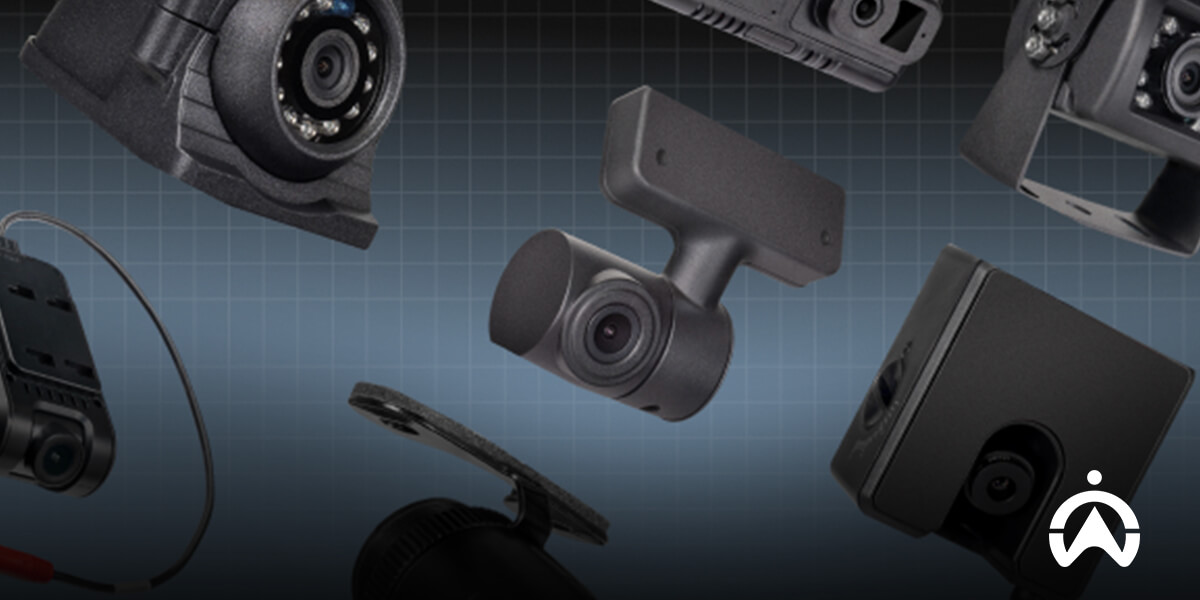
Cartrack dashcam hack visual showing different dashcam models on a grid background.

Building a culture of cyber awareness in your fleet

Build a culture of cyber awareness to safeguard your fleet. Your team (not just your tech) is your first line of defence in cybersecurity. If your staff doesn’t grasp basic digital safety, even the most advanced dashcam systems can’t keep your fleet safe.

Regular training sessions and workshops can help embed these habits naturally. When employees understand the “why” behind data protection, they’re more likely to take ownership. You can also draft simple internal policies or quick reference guides to help teams stay consistent.

With a cyber-aware company culture, every employee becomes a line of defence. This empowers your team and strengthens your fleet against potential hacking attempts and data breaches, boosting your company’s security and resilience.

Why choosing the right dashcam supplier matters

Choosing the right dashcam supplier goes beyond just getting high-quality footage; it’s crucial for ensuring your data stays safe throughout the journey. A trustworthy partner like Cartrack safeguards your fleet’s information at every step with local data hosting, automated software updates, and secure, encrypted networks.

Cartrack’s dashcam solutions offer you full visibility, control, and peace of mind by effortlessly integrating with its fleet management system. Enjoy a secure operation without any added stress, thanks to round-the-clock local support.

FAQs

How long do dashcams store footage before it’s overwritten?

Dashcams can store footage for a few days to several weeks before it’s overwritten, depending on the storage capacity and resolution settings. When the RAM is full, it automatically overwrites older files. To make sure you don’t lose important footage, turn on manual file saving or set up cloud backup.

Can dashcam footage be used as legal evidence in Namibia?

Yes, dashcam footage can be used as legal evidence in court cases, binsurance claims, and investigations in Namibia. It provides unaltered, time-stamped proof of events, helping to clarify responsibility or blame. The video footage must be legally recorded and safely stored to avoid tampering in order to be admissible.

What’s the difference between a front-facing and dual-channel dashcam?

The main difference between a front-facing and a dual-channel dashcam is the area monitored. A dual-channel dashcam captures both front and rear views, whereas a front-facing dashcam just shows the road ahead. Dual-channel models are ideal for commercial and fleet use, providing enhanced protection by monitoring driver behaviour and surrounding traffic.

Do dashcams drain a vehicle’s battery?

No, dashcams typically won’t drain your vehicle’s battery and will use minimal power while you’re on the move. Most models feature standby or low-power modes to conserve energy when parked. You can easily prevent long-term battery drain with the right setup and installation.

How often should I service or check my dashcams?

You should service or check your fleet dashcams at least once a month to ensure they are recording, uploading, and updating properly. Regular checks ensure that the footage is high-quality, help you find problems early, and keep the firmware up to date for the best security and performance.

Which Delivery Management Software Is Best for Small Businesses?

The best delivery management software for small businesses depends on your specific needs. Cartrack can cater to delivery businesses of all sizes, making it a strong choice. Our delivery management software is an automated system that simplifies job assignment, enhances efficiency, and gives you real-time tracking updates.

A good delivery company should help you grow, and once that growth comes, it should help you with handling the pressure. This is only possible if you choose a delivery service that can handle both small and large enterprises. At Cartrack, we have the capacity to handle the changes that come as your business expands, making us the ideal solution.

Online shopping is extremely popular these days, resulting in a high demand for delivery services.  This means all delivery companies need to gear up and have the right technology in place to keep up with the demand and competition.

Choosing the right delivery management software for your small business

Delivery management software helps small businesses handle common challenges like:

  • Operational inefficiencies
  • Client experience
  • Operational expenses
  • Scalability

Delivery businesses usually encounter such problems when they don’t invest in the right technology. By using the right software, businesses can improve operations and running costs.

Choosing the right delivery management solution for your small business is crucial. It can make a big difference in terms of running costs, customer satisfaction and operational efficiency. The Cartrack delivery management software offers simple, scalable, cost-effective solutions for small businesses. With us, you get a top-rated platform with real-time tracking and automated processes that improve productivity within the team.

Here’s a brief breakdown of each of the common difficulties:

Operational inefficiencies

Without proper delivery management software, small businesses often struggle with streamlining the tasks of each driver. Manually scheduling drivers and planning routes takes time, mistakes like confusing orders often occur, and resources are wasted.

To add on to that, drivers might take longer routes, which affects fuel costs and leads to delivery delays. There’s also no way to see if all vehicles are used equally, which results in maintenance issues and unexpected downtime. These inefficiencies increase costs, reduce productivity, and make it harder to run your business.

Customer satisfaction issues

Pleasing an online shopper these days can be quite tough, considering how quickly they want their orders to arrive. They expect speed and convenience, but the key to winning them over is transparency. Even if there’s a delay, it’s always better to inform them as soon as the issue arises. When you fail to update customers and delivery times are unclear, they’ll be frustrated.

Without delivery software, customers can’t see where their orders are or when to expect them. This form of poor communication can harm the reputation of your business and turn customers away from using your services again. Customer retention is what you need for long-term growth.

Rising costs

Fuel is often the most expensive operational cost for many delivery businesses, but for small companies, high fuel prices can severely impact profitability. If you as a fleet manager can’t see the routes that your drivers take, there’s no guarantee they’re using the most efficient ones.

Drivers sometimes detour to attend to personal matters while on the job, because they know they can’t be traced. An increase in fuel costs can force your business to raise its prices, which affects your competitiveness.

Another factor that drives up costs is the time spent on manual administrative tasks. Completing admin by hand can take hours, often resulting in overtime and increasing the overall expenses of running your delivery business. A good delivery management solution automates processes, giving you more time to focus on other things without needing extra time.

Scalability

Scalability simply means the ability of your business to handle an increased workload without compromising on performance. Will your business be able to do that? Without the right technology, managing more orders, routes, and drivers can quickly become a mess as the number of customers increases.

A delivery management system enables businesses to scale effectively, making it easier to manage growth while maintaining customer satisfaction and service quality.

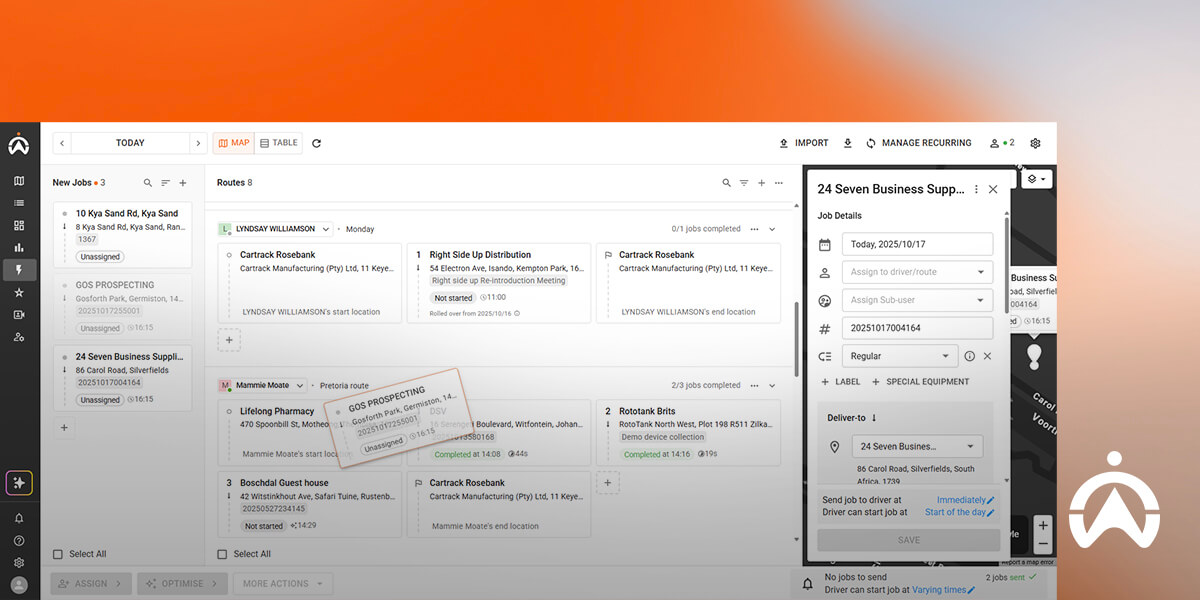
Logistics dashboard with Cartrack delivery management software for small businesses displaying routes and job statuses.

The e-commerce boom and its impact on delivery

The rise of the e-commerce industry since the Covid-19 pandemic has transformed the global economy, changing how businesses operate and how customers shop. It’s created the need for more frequent, faster deliveries of smaller packages. Companies in logistics, small or large, are now under higher pressure to meet these customer expectations.

Here are some interesting facts and stats about the growing e-commerce industry and how it affects delivery companies:

E-commerce growth and demand

According to Statista, e-commerce has become an essential part of global retail. As global internet access and adoption rapidly increase, the number of people making purchases online is also ever-increasing. Retail e-commerce sales are estimated to exceed 4.3 trillion U.S. dollars worldwide this year, and this figure is expected to go even higher in the coming years.

Small businesses are facing increasingly complex delivery processes due to last-mile deliveries. Delivery costs per package can range widely, often from 90 NAD up to 900 NAD, which is a large expense for a small delivery company with a limited capacity.

Evolving customer expectations

Nowadays, delivery time windows are narrower than ever. Most local orders either take one to two days to get to clients—or just a few hours. This puts immense pressure on companies that don’t have enough vehicles to deliver to customers that quickly.

Remember that your small delivery business not only competes with other small courier companies, but also with logistics giants who have the capacity and resources to offer faster, cheaper, or even FREE deliveries!

The difference delivery management software makes

The difference that delivery management software makes can be seen clearly in small businesses. It’s easily noticeable when looking at how your company operates and starts to increase profits. Tasks like scheduling drivers, tracking orders, and issuing customer updates are made quicker and simpler with the correct software.

Here’s a table comparison of the difference in company performance with compared to without delivery management software:

Feature With Delivery Management Software Without Delivery Management Software
Scheduling Easy and automatic Manual and slow
Order tracking Real-time updates Hard to know the status
Customer updates Instant notifications Customers call for info
Mistake reduction Fewer errors More lost or wrong orders
Route planning Optimised for speed Drivers choose routes
Billing accuracy Automatic and precise Prone to mistakes
Staff efficiency Workers know what to do Confused and slower
Growth support Easy to scale up Hard to manage more orders

How the Cartrack delivery management software supports small businesses

Cartrack’s delivery management software supports small businesses by increasing:

  • Operational visibility
  • Job turnaround time
  • Customer satisfaction

We bring every part of the delivery process together on one easy-to-use platform. This helps you easily manage your vehicles, drivers, and orders. Our system also assists in cutting down delays, making your business more reliable.

Here’s how:

Automates job assignment

Our delivery management solution helps you optimise routing and dispatching. This is achieved through our advanced Route Optimisation feature, which suggests the most efficient route for your drivers. It factors in things like historical traffic patterns, road conditions, delivery time windows, and distance.

Based on driver availability and job priority, our delivery software also helps you easily allocate tasks for faster turnaround times. It basically suggests the best order for your deliveries to be done, saving time and reducing fuel costs.

Give you real-time delivery status updates

You can monitor the progress of each job, driver status, and customer request in real time. You’ll receive instant notifications as each driver completes each job. To reduce mistakes caused by miscommunication, you can leave clear instructions for drivers according to each task using our Delivery app.

Enhances customer experience

For complete transparency, your customers will get notifications on how far your drivers are. They’ll get accurate ETAs, making them feel more at ease by eliminating any uncertainties. After the products are delivered, our system provides electronic proof of delivery, saving time and cutting down on paperwork.

Backed by trusted support

We’re there to help you with setting up the system, so you’ll start smoothly with no confusion. Our platform is very user-friendly, so starting to understand how each function works is easy. With Cartrack, you’ll also have continued support whenever you need it, whether you have questions or need some troubleshooting, we’re always one call, chat, or email away.

Cartrack delivery management software for small businesses showing order details as a courier hands a parcel to a customer.

Real-world results: How businesses benefit from Cartrack’s Delivery software

Case study 1: The Courier Guy

The Courier Guy is one of Namibia’s leading and most well-known courier service providers. It started with one motorbike in the early 2000s and has since grown to over 2 200 vehicles. Given the expansion, the company had to continue meeting client demands without compromising on performance.

Their main challenges before using our delivery management system:

The Courier Guy needed a system that could simplify business operations and task management. They also needed to ensure their customers remained satisfied. They made a smart choice and decided to invest in our fleet management system. They also added the delivery management system to their package.

How Cartrack delivery and fleet management solutions made a difference:

Our software automatically populates the customer details of recurring orders. This helps them eliminate administrative errors and reduce paperwork. The automatic status updates have improved communication between managers and drivers, resulting in faster delivery turnaround times.

The Courier Guy keeps customers updated through the entire delivery process by sending them automated emails and SMSes. Managers can check where vehicles are in real-time and set requirements for drivers to send a photo or e-signature as electronic proof of delivery. This improves driver accountability and customer satisfaction.

The Courier Guy has improved the safety and security of their fleet using Cartrack’s AI-powered cameras. Their fleet managers get alerts when drivers practice unsafe driving habits such as speeding. This ensures drivers are held accountable, and has reduced the number of damaged goods as well as speeding fines. Our system has helped The Courier Guy build a stronger brand reputation.

“Cartrack’s technology allows us to focus on our drivers, customers, cargo, and fleet all from one platform. It puts us in control from dispatch to delivery.” — Jeffrey Wheeler, Assistant Fleet Manager, Courier Guy ”

Case Study 2: Mr Build

Mr Build is a hardware store that specialises in plumbing, woodworking, timber, cement, and a wide range of home decor. They have a fleet of approximately 40 vehicles that deliver building and DIY materials to their customers.

Their main challenge before using the Cartrack system:

They struggled with keeping track of driver locations, which affected their ability to inform customers of any delays.

How Cartrack transformed operations for Mr Build:

Our vehicle tracking system allows Mr Build to see exactly where drivers are throughout the day. They can access trip histories and see all the routes drivers take. This encourages driver accountability and has since reduced needless route deviations and improved productivity. Using the data they get from our system, Mr Build can now easily update their customers about deliveries throughout the day, helping them better manage expectations.

“Cartrack helps us monitor the fleet much better; I always know where all the vehicles are. There’s no part of the day where I have to look for a vehicle or driver. If I can’t get a hold of the driver, I know where the truck is.” | Mohammed Haider Yacoob, Manager – Mr Build

The future of delivery: emerging technologies

The future of delivery is currently driven by technologies that are focused on speed, efficiency, sustainability, and customer experience. The rapid growth will result in higher volumes of orders. This means some businesses will eventually resort to other methods of delivery to meet the pressure, keep customers satisfied, and reduce their carbon footprint.

Key emerging trends include:

  • Drones for small parcel delivery and a more sustainable delivery ecosystem.
  • Smart lockers for a more flexible pick-up.
  • Artificial Intelligence (AI) and Machine Learning (ML) for forecasting and route optimisation.
  • Mini warehouses in the cities to store materials as close to the customer as possible.
  • Electric vehicles for more sustainable delivery fleets.
  • Subscription-based deliveries for customers to automatically receive their recurring orders on a set schedule.

Take control of your deliveries with Cartrack’s delivery management solution!

Our delivery management solution offers everything small businesses need to streamline operations, save time, and grow. With us, you can see everything on one platform. Our years of experience in the fleet management industry make us the perfect choice for managing your delivery business. See how our delivery software can transform your business operations; contact us today!

Frequently Asked Questions about Delivery Management Software

Can I integrate the delivery management software with my existing systems?

Yes, you can integrate the Cartrack delivery management software with your existing systems. This is known as API integration, which is one of the features of our delivery solution. It allows you to import other applications into the Cartrack Delivery platform so that you can have one centralised system to manage operations.

What is the most effective delivery management tool?

There’s no single “most effective” delivery management tool. The best tool depends on the specific needs of your business. However, some highly rated delivery management tools include features such as:

  • Route optimisation
  • Real-time tracking
  • Automated scheduling and dispatching
  • Electronic proof of delivery (e-POD)

Is delivery management software expensive?

Delivery management software costs vary depending on the providers. The price depends on the features you require. You also need to keep in mind that the price you’ll pay will be worth the investment, as the software reduces costs in the long run through increased efficiency. Cartrack has affordable packages that suit small or growing businesses.

How do I create my own delivery company?

To create your own delivery company, you first need to perform thorough delivery business market research. This will help you better understand the demand in your area, your competition, and how you’ll stand out. From there, you must create a business plan, strategise, invest in fleet vehicles, and get qualified drivers.

Collision Avoidance vs Crash Detection: How to Have Both in Your Fleet Business

Your fleet business can avoid collisions and get crash detection by investing in sensors. These sensors can detect impact, working well with dashcams that have artificial intelligence technology and can warn drivers BEFORE the impact takes place. This way, you’ll get all-round protection for your drivers.

One helps prevent your drivers from causing accidents, and if the accidents do happen, the other will ensure they get immediate assistance.

According to the World Health Organisation, approximately 1.19 million people die each year because of road traffic crashes. We see stories on the news about horrible accidents on common Namibian roads.  To mitigate this, every road user needs to take full responsibility for their actions, and if you’re running a business, your company is liable for how YOUR drivers behave.

If you’re wondering which of the two (between crash detection technology and collision avoidance technology) you need for your business, then the straight answer is, BOTH. Today, we’re breaking down the importance of both technologies so you can make a more informed decision.

What is a collision avoidance system?

A collision avoidance system is a safety process that helps drivers avoid accidents. The system consists of various technologies such as

  • Cameras
  • GPS
  • G-force sensors
  • Artificial intelligence
  • Radar

These technologies work together to monitor what’s happening in and around the vehicle. If they pick up a dangerous situation, they alert drivers through a light or sound.

The key features of a collision avoidance system

Forward Collision Warning (FCW)

This is an accident prevention system that scans the road ahead and warns drivers of potential hazards. It uses cameras, radar, and other sensors. The sensors are usually located in front of the vehicle to be able to detect how far it is from a vehicle or object that’s ahead. It also measures the speed at which the vehicle is moving. Some FCW systems can only detect other moving vehicles, while others can detect both moving and stationary vehicles.

Lane Departure Warning (LDW)

A Lane Departure Warning system monitors road markings and the vehicle’s position within the lane. This is done through camera technology and artificial intelligence (AI). If the system detects that the driver has or will unintentionally stray out of the lane, it’ll give a warning. It’s a system that’s very useful to drivers who spend long hours on the highway.

Blind-Spot Monitoring (BSM)

Blind-Spot Monitoring refers to using radar sensors and cameras to scan the areas alongside and behind the vehicle. This is done in order to catch the vehicles your drivers can’t see when changing lanes. If drivers activate the indicator to change lanes, they’ll get alerts if it’s unsafe to do so.

Pedestrian detection

As the name suggests, this is a system that uses sensors and cameras to monitor things happening on the road. If the system picks up pedestrians near the vehicle, it’ll send out an alert. Some systems can also spot the presence of cyclists.

The noticeable positive outcomes of a collision avoidance system

The first thing you’ll notice is a reduction in the frequency of accidents. This will have a ripple effect on the amount of money your business will save. Fewer accidents mean less money being spent on unexpected repairs. It also means fewer insurance claims, which improves your fleet’s insurance risk profile and, therefore, results in lower premiums in the long run.

Furthermore, the system provides detailed data on driver performance. This allows you, as the fleet manager, to see common driver mistakes and address these issues. It also encourages driver accountability.

What is a crash detection system?

A crash detection system is a technology that automatically detects severe vehicle impact and alerts emergency services. The system consists of three core components, mainly:

  • Sensors: such as an accelerometer to detect impact.
  • A processing unit: to interpret sensor data.
  • Communication modules, such as GPS and GSM, are used to send alerts and location information.

The key features of a crash detection system

Impact sensing

Gravitational force (G-force) sensors measure acceleration. During normal vehicle movement, the sensors are relatively constant, but once there’s a sudden shift, like a forceful impact or a hard stop, it may imply a potential collision. Data from the accelerometer is crucial for identifying an accident.

Another sensor that plays a key role in impact detection is a gyroscope. It tracks the vehicle’s position and direction and constantly monitors tilt and rotation. This means it can detect if a vehicle has rolled over, flipped, or is at an unusual angle after impact. The gyroscope sensor helps the system differentiate between a normal turn and one where the vehicle is losing stability. Some systems also have pressure sensors, which help detect impact from the sides.

Independent logging

Once the accident is detected by the sensors, it sends an immediate alert to your system service provider using communication modules such as cellular networks. Once they receive the alert, they’ll call to check and then send immediate help to the accident scene.

Real-time GPS tracking

GPS tracking technology is crucial to the crash detection system being effective. It helps pinpoint exactly where the accident has occurred, even in remote areas. This helps emergency services get to the scene faster, which can potentially save lives in cases of severe incidents. In addition, it helps ensure that insurers have access to accurate information about the incident.

The difference a crash detection system makes

Imagine if one of your drivers who travels across the country gets into an accident in the middle of nowhere. If they’re able to call for help, they might not be able to quickly describe their location, as they’re likely in shock and in a place with few identifiable landmarks. This makes it difficult for emergency services to pinpoint their location, delaying the assistance the driver so desperately needs.

A crash detection system ensures that your drivers get help as soon as possible, saving time and possibly minimising damage and injuries.

Bird’s-eye view of two trucks parked closely, illustrating collision avoidance vs crash detection scenarios.

Collision avoidance vs crash detection | key differences

The key differences between collision avoidance and crash detection lie in their purpose, timing, and the technologies used. One is for increasing driver awareness to prevent accidents, and the other is for a faster response time if there’s ever an accident.

Here’s a side-by-side table comparison of the two:

Feature Collision Avoidance Crash Detection
Timing Works before an accident happens to prevent it Works after an accident happens to respond to it
Purpose Helps avoid accidents by warning or correcting the driver Helps reduce the impact and sends help quickly after a crash
Technology Focus Uses sensors and AI to spot danger and take action Uses built-in sensors to detect sudden impact and send alerts
Example Scenario A driver gets a warning to brake or steer away when drifting into another lane The system detects a crash and alerts emergency services automatically

What are the pitfalls of having only one system?

The pitfalls of having only one system instead of both at the same time are that you’ll lose the opportunity to prevent accidents or miss the chance to get your drivers quick assistance. Both systems provide the data that you need for fleet safety; one system alone isn’t efficient. As a fleet manager, you need to apply proactive and reactive measures to give your vehicles and drivers all-around protection.

Here’s why you need a dual-layer defence strategy for accidents:

The “missed data” problem

A collision avoidance system mainly focuses on preventing accidents. However, the driver might not always react in time, which will result in an accident, and your drivers will need quick assistance to possibly reduce the damage. Some collision avoidance systems may record telematics data, which gives you the sequence of events leading to the incident. However, they may not capture the full context, such as the severity of the impact.

The “too late” problem

Crash detection, on the other hand, only activates after an incident. By then, the costs and downtime have already set in. While fast emergency response is important, it doesn’t prevent the damage and financial loss that come with frequent accidents.

How to implement both crash detection and collision avoidance systems in your fleet

You can implement both crash detection and collision avoidance systems into your fleet by firstly investing in a fleet management service that offers both technologies on one platform. From there, you must ensure all staff members understand how they work. Lastly, you also need to perform regular reviews to monitor the progress.

Let’s break it down into three simple steps:

Step 1: Choose a single system that handles both collision avoidance and crash detection

With a fleet management service that has both systems, you’ll save time because you won’t have to look for accident-related information on different software platforms. It also saves you the cost of paying for the systems separately. Should you encounter any issues, you’ll have only one service provider to contact, and they can troubleshoot both systems to ensure they work well together.

Step 2: Train drivers and fleet managers

It’s important that you educate your drivers and other relevant staff members on how each system works. Your drivers must know about the type of alerts they’ll receive, and they must understand what the alerts mean. By educating your drivers, you ensure that they understand the impact of accidents from a business perspective. This will encourage better driving habits, improving your overall safety in the long run.

In addition, your managers must know how to access data and accurately interpret it. This will ensure accurate use of both systems, therefore improving the overall safety of your fleet and drivers.

Step 3: Monitor, review, and optimise

It’s also important that you regularly review incident reports. This way, you’ll know what risky driver behaviours are common, so you can address them. Based on the reports, you can set up group training programmes for common behaviours or individual sessions for each driver. Regularly checking this data ensures the effectiveness of these systems and that your business gets the full value of the integrated system.

Collision avoidance vs crash detection alert displayed by Cartrack AI cameras for unsafe following distance.

Protect your fleet and maximise ROI with Cartrack’s ultimate system for protection against accidents

Cartrack is one of the leading providers of vehicle safety systems. We offer a variety of safety features such as telematics, AI cameras, crash detection, and driver coaching. Through this, you’ll get an all-round comprehensive solution to reduce accident rates and costs, all on one platform.

Have a look at our three top features for crash detection and collision avoidance:

Crash Detection

Our crash detection system automatically detects when one of your fleet vehicles is involved in an accident. It instantly sends an alert to our control room service, and from there, we’ll notify you. Our crash detection service works hand in hand with our GPS trackers, as they’ll provide location data that’ll make it easier for the emergency services to know where to go.

AI dashcam

The AI dashcam camera solution can help drivers avoid accidents by monitoring blind spots, lane changes, pedestrians, and possible forward collisions. Once detected, the system then warns drivers in the form of real-time audible alerts so they can quickly respond to the situation. You’ll receive reports of these incidents, so you’re made aware and can address your concerns.

Our AI cameras take driver safety a step further by detecting driver distractions such as cellphone use, smoking, and drowsiness. They also give out real-time audible alerts for such behaviours so drivers can focus on the road ahead.

Coaching

The Cartrack Coaching platform helps you input data to provide targeted feedback. It collects driver incidents from the AI camera, then puts them on one platform. With this, you can identify trends within your teams and the number of repeated offences of a specific behaviour from each individual. From there, drivers will be sent for coaching based on their specific problem areas, and all discussions from the coaching session can be recorded on the platform.

Cartrack’s integrated collision avoidance and crash detection system can keep drivers safe and operations efficient

Using both our collision avoidance and crash detection systems gives fleets the best chance to prevent accidents and respond quickly if they occur. Reach out to us and safeguard your fleet with our multi-layered safety solution.

Frequently Asked Questions about collision avoidance and crash detection

Is collision avoidance worth it?

Yes, collision avoidance is worth it because it reduces the frequency of accidents in your fleet. It enhances driver awareness by giving them instant alerts of safety hazards. This technology helps save lives and the costs your vehicle could incur from insurance and repair fees.

What is the 3-step crash prevention formula?

The 3-step crash prevention formula is Recognise, Understand, and Act. ‘Recognise’ simply means you need to be aware of your surroundings to identify potential risks. ‘Understand’ means you must be prepared and know what to do to defend yourself, e.g., maintaining a safe following distance. ‘Act’ means you must make the decision on time to avoid the collision.

Non-Powered Asset tracking solutions with Cartrack

Did you know that vehicles aren’t the only thing you can track with Cartrack? You can keep an eye on your non-powered assets—like trailers, containers, or farm equipment—as well. It’s no surprise that non-powered assets are vital to many operations but are often the hardest to keep track of.

This is mostly because many of your movable assets often sit idle, which leads to wasted potential. Sometimes they even seem to grow legs and walk away. According to Deloitte, businesses can expect to lose up to 20% of asset productivity each year due to misplaced or idle equipment.

These losses not only impact your productivity, they also impact your project timelines and profitability as well. Cartrack’s non-powered asset tracking solutions can provide your business with complete visibility over your valuable equipment, even when it’s not in use or doesn’t have an engine.

With features like real-time location data, durable long-life trackers, and a centralised dashboard, you’ll always know where your assets are and how they’re being used.

The result? Your business will experience fewer losses, smarter planning, and stronger operational control across every site.

What are non-powered assets?

A non-powered asset is any equipment or machine that doesn’t have its own engine or built-in power source. You can easily find these in various industries such as logistics, mining, farming and construction—just silently doing their job in the background.

Examples of Non-Powered Assets

  • Construction trailers and site containers
  • Generators and compressors
  • Cranes
  • Farm implements (ploughs, planters, sprayers)
  • Water tanks and fuel bowsers
  • Dumpsters
  • Shipping containers
  • Mobile toilets and lighting towers
  • Industrial storage units

Although these assets may not necessarily move daily, when they do, you need to know where they are, how they’re being used, and whether they’re secure.

White freight trailer at loading dock demonstrating non-powered asset tracking for stationary cargo.

Why is tracking non-powered assets important?

Tracking your non-powered assets is important because it’s super easy for unpowered equipment to get misplaced, stolen, or left behind between sites. When a business makes use of asset tracking, it can prevent this from happening by providing you with location insights and usage visibility. By tracking non-powered assets, it helps with accountability.

And sometimes, these losses don’t just happen on paper—they happen in real time.

It’s 7:00 AM on a busy construction site. Ten workers are standing by, waiting for a compressor that’s nowhere to be found. The most expensive sound? Silence. A R50,000 piece of equipment isn’t where it was left, and every minute the team waits costs you money.

Cartrack’s real-time tracking and geofence alerts stop this problem before it starts. You’ll get an instant alert the moment an asset is moved off-site or during restricted hours.

The tracker pays for itself in the first hour of avoided downtime. Instead of scrambling to find missing gear, you’ll get a message saying, “Your asset is moving,” before it even leaves the area.

The risks of untracked assets

  • Equipment theft or loss
  • Delays in operations due to missing tools or parts
  • Poor asset utilisation
  • Increased maintenance costs from misuse or neglect
  • Wasted time searching for items

The benefits of tracking

  • Enhanced visibility across sites
  • Reduced equipment loss and theft
  • Accurate asset inventory
  • Improved maintenance planning
  • Smarter, data-driven decision-making

How does Cartrack’s non-powered asset tracking work?

Cartrack’s non-powered asset tracking technology works by making use of superior GPS and IoT technology to track the exact location and movement of non-powered assets in real time. The devices are small and weatherproof and are built to last for years, even in harsh outdoor environments.

Key features

  • Long-lasting battery-powered GPS devices that can run for years on a single charge.
  • Real-time location updates and movement alerts to help you stay informed.
  • Geofencing provides you with immediate notifications when an asset enters or exits a designated area.
  • A robust and weatherproof design perfect for outdoor and heavy-use settings.
  • An easy-to-use centralised dashboard to manage all your assets in one place.

Integration with Fleet and Equipment Data

Cartrack brings everything together in one place. With your vehicles, machinery, and equipment all in view, you gain a complete picture of your operations.

What makes Cartrack different from generic asset trackers?

Cartrack is different from generic asset trackers because it has a comprehensive solution for demanding business environments. It’s important to note that not all tracking systems are created equal. There are many generic trackers that only provide you with location data. With Cartrack you’ll get performance, real-time updates and local support whenever and wherever you need it.

This table gives you a comparison of what Cartrack’s asset tracker can provide versus what you’ll receive from a generic tracker.

Feature Cartrack Generic Trackers
Battery life Up to 5 years 1–2 years
Data updates Real-time Delayed or periodic
Device durability IP68 weatherproof Limited outdoor use
Integration Full fleet + asset view Standalone only
Support 24/7 local team Offshore or limited
Alerts Customisable geofencing Basic movement only

Who can benefit from non-powered asset tracking?

Almost any business that uses portable or mobile equipment can benefit from non-powered asset tracking. Whether you’re managing farm tools, construction gear, or transport trailers, knowing where your assets are at all times helps reduce losses, improve efficiency, and boost productivity. It’s a simple, reliable way to keep your operations running smoothly for less expenditure.

However, it’s worth noting that some sectors benefit more than others.

Agriculture

  • Safeguard remote equipment against theft.
  • Handle seasonal equipment distribution.

Construction

  • Improve the utilisation of equipment.
  • Avoid losses during site locations.

Logistics and transport

  • Prevent locking in assets that are needed.
  • Reduce downtime and idle storage.

Mining and industrial operations

  • Be able to view portable light towers and fuel tanks.
  • Enhance site safety and compliance.
White industrial containers outdoors illustrating non-powered asset tracking for static assets.

How does tracking improve ROI?

Tracking your non-powered assets can substantially improve your return on investment (ROI). You minimise losses and increase utilisation simply by knowing where your equipment is and who’s using it. You can also avoid unnecessary expenditures—both of which will enable you to maximise your ROI and decrease operational costs.

One hidden cost that’s often overlooked is the time your team spends looking for missing assets.

Misplaced equipment doesn’t just cause delays—it wastes expensive labour. When an asset goes missing, supervisors and skilled workers often spend hours driving between sites, searching for it. That’s productive time and payroll wasted on something that should take seconds to solve.

With Cartrack’s simple dashboard and mobile app, anyone can instantly locate an asset or share its live location. No more phone calls or wasted trips between depots.

Eliminate costly “search parties”. In just a few taps, a supervisor can pinpoint the exact location of any asset and redirect the team immediately. Time saved, money saved, productivity restored.

Financial benefits

  • Lower replacement costs: Limit the cost impact of lost or stolen goods.
  • Higher utilisation: Use existing assets more efficiently.
  • Improved planning: Avoid duplicate purchases.

Operational gains

  • Faster project turnaround.
  • Accurate inventory management.
  • Reduced downtime during asset transfers.

Is it difficult to implement Cartrack’s solution?

No, it is not difficult to implement Cartrack’s asset tracking solution. Cartrack’s non-powered asset tracking devices are a breeze to set up and don’t need any power source. They’re fully wireless and ready to use right away. Once you activate them, they connect effortlessly with your existing Cartrack platform, allowing you to monitor everything from one convenient spot.

Plus, we provide training and 24/7 support to back you up!

How reliable and secure is Cartrack’s system?

Cartrack weaves security into every aspect of its solution. Your data moves through encrypted channels, keeping it safe from prying eyes. If anyone tampers with or removes a device, you’ll get an alert immediately. Cartrack has proven itself as a reliable and trusted partner, trusted by over 2.4 million active users internationally.

Whether it’s a plough parked out in the field or a trailer shifting between locations, your non-powered assets deserve just as much attention as your vehicles.

With Cartrack’s non-powered asset tracking, you get durable, long-lasting devices, dependable connectivity, and real-time surveillance. Spend less time searching for equipment and more time driving your business forward. It’s a practical way to protect your investments and keep everything running smoothly.

FAQs

Can I track assets across different sites or provinces?

Yes, Cartrack’s tracking works nationwide and beyond. You can monitor all your assets across multiple sites, cities, or even countries in real time. Everything appears on one easy-to-use dashboard whether your equipment is on farms, at depots, or on remote construction sites.

Can I see asset history or movement over time?

Yes, Cartrack stores full location and movement history for each asset. You can check where your equipment has been, how long it stayed there, and its last recorded movement. This helps with planning, usage verification, and maintaining accurate asset records.

Do I need internet access on-site to use the system?

No, you don’t need internet access on-site to use the system. That’s because Cartrack devices use built-in SIM connectivity, so they send updates directly to the platform. This means that even in off-grid or low-signal areas, your non-powered assets remain visible and trackable without needing local internet access.

Can I export asset data for reporting or audits?

Yes, you can export data for reporting or audits in just a few clicks. Cartrack’s platform lets you generate detailed reports on your assets’ locations, movements, and usage. Which in turn can be used for audits, internal reviews, or management reporting—no extra software required.

Is there a minimum number of assets needed to use Cartrack’s solution?

No, there’s no minimum asset requirement when you use Cartrack’s asset tracking solution. Cartrack’s system scales with your needs, whether you’re tracking a handful of items or managing a large fleet. It’s designed to suit small businesses, medium operations, and enterprise-level organisations alike.

Real IoT Tracking Devices and Solutions for Your Business

An Internet of Things (IoT) tracking device links your vehicles to larger central tracking systems. This is presented in a visual form that makes it easier for you to visualise where your assets are. This helps you collect better data and track your fleet with ease.

As of the end of 2024, there were over 18.8 billion IoT devices worldwide, a number that keeps rising as technology improves. Fully connected tracking devices have always been part of the IoT network, but NOW they can connect to even more tools and systems in your fleet.

When Cartrack units connect to your fleet’s telematics, your vehicles become part of a smart network. This means real-time tracking and better communication between you and your drivers.

So if you’re wondering how your fleet communicates with your fleet managers, read on to receive a full breakdown on what these devices can do for you.

How can IoT tracking devices and solutions improve your business?

Want to know something interesting? All tracking units are IoT devices. They connect to the internet using mobile signals and send accurate GPS data. This data, combined with smart AI tools helps to improve:

  • Route planning
  • Driver behaviour
  • Regulation adherence for your business

Real IoT tracking devices do more than just show fleet location. They integrate fully with your vehicles. That means they can track things like harsh braking, fast acceleration, idling time, and fuel use. All of this gives you a clearer view of how your fleet is performing.

Owing to GPS accuracy, within 2 to 5 metres, you can always keep an eye on your vehicles. As you and your fleet managers get used to the system, your business becomes more efficient and easier to manage.

What is an IoT tracking device, and how does it differ from standard GPS trackers?

An IoT tracking device sends real-time updates to a central system. Showing where the vehicle is, how fast it’s going, and even its condition. This makes it smarter than a simple GPS tracker, which might only send data now and then, or only after the information has been downloaded manually.

There are many differences between these devices. The table below clearly shows why an IoT tracking device gives you more value:

Feature IoT Tracking Device Standard GPS Tracker
Data Type Location and extra information Location only
Alerts Sends instant alerts Usually no alerts
Connectivity Works over the internet Works with GPS signal
Integration Connects with other systems Limited or none
Monitoring Tracks assets and conditions Tracks location only
Decision Making Helps businesses make smart choices Gives basic location info
Updates Real time Sometimes delayed
Usage Vehicles, equipment, and assets Mainly vehicles

What are the main functions of an IoT tracking device?

The main functions of an IoT tracking device are sending real-time data and collecting telematics information through an always-on internet connection. If you’ve been in the fleet management industry before, you may already be familiar with these devices. The latest IoT tracking devices offer several smart features that keep drivers and assets safe.

IoT tracking devices solve several problems that fleet managers face each day, from weak tracking to fuel costs. These are how IoT devices solve the four most common problems.

Never lose track of your vehicles

Problem: A common problem that many may not know about is that fleet managers aren’t always aware of where their vehicles or fleet assets are. A frantic search for specific vehicles, drivers, or assets often causes delays, lost deliveries, and wasted fuel.

Solution: IoT tracking devices show the exact location of your vehicles and assets in real-time. Tracking your fleet through an app or portal anywhere in Namibia is made possible, which makes it easier to plan routes and respond to issues.

Keep drivers safe and fuel costs low

Problem: Monitoring how drivers are using their vehicles is hard, and they may take this opportunity to drive unsafely, increasing fuel usage.

Solution: Any real IoT tracking device that’s been fully integrated with your fleet can measure bad driver behaviour, such as harsh braking, speeding, and excessive idling. With gathered data like this, you can help coach inexperienced drivers, reduce accidents across your fleet, and save fuel.

Protect your assets from theft

Problem: A fleet’s assets and vehicles can face theft if they’re left unmonitored.

Solution: With geofencing and tamper alerts, you get instant notifications from IoT tracking devices if something is detected. Along with tools such as geofencing, you and your fleet managers know when assets or vehicles enter or leave restricted areas.

Make smarter fleet decisions with data

Problem: Without accurate data, it’s hard to make informed business decisions about fleet efficiency and maintenance.

Solution: A real IoT tracking device will collect data on fuel, routes, and driver habits. They help fleet managers to generate reports that are used to optimise operations, making your business more efficient and cost effective.

Person using a smartphone with a map showing multiple locations at night, powered by IoT tracking devices.

Do IoT tracking devices work with cellular networks?

Yes, any real IoT tracking device will connect to the internet through cellular networks, sending accurate GPS location data to a central system. Mobile signals like 4G and 5G are the fastest, but many do have other ways of sharing information. Backup connections solve the problem of weak or intermittent cellular connections.

Advanced IoT tracking devices have features that you may want to know about, making them reliable countrywide. You’ve probably got a few questions about this. Here are some of the ones we hear most often.

Do IoT tracking devices require special SIM cards?

Basic tracking devices that you install yourself can use any SIM card. However, real IoT tracking devices from service providers use special SIM cards that are built for secure tracking. These SIM cards have unique numbers and send encrypted data back to the provider’s system.

The SIM cards come with the device and are managed by the service provider, keeping your data safe and your tracking active at all times.

How do Namibian networks support IoT tracking devices?

Across Namibia, mobile service providers have teamed up with tracking device suppliers. This means your devices use a special SIM card made for secure data sharing. Many of these SIM cards only send data, not calls or texts, unless specified.

To stay reliable, tracking devices also need backup systems. That’s why many providers have agreements to use older network types like GPRS and GSM, so your data still gets through even if newer signals go down.

Can IoT devices work across the country?

Yes, IoT devices can work across Namibia, even in rural areas where the mobile signal may be low. An important feature of a real IoT tracking device is its ability to have backup connections and the ability to store data. Your fleet stays connected as it moves between provinces, even if a driver’s mobile phone loses signal.

No matter where your vehicles or assets go, they’ll stay online and be easy to track.

What are the top solutions an IoT tracking device provides?

A real IoT tracking device will provide solutions like real-time tracking, geofencing, and data-driven reporting. They are geared towards making fleet management simpler and much more manageable. They don’t just fix problems that already exist, they also help prevent any new ones that may appear.

A real IoT device doesn’t just make your fleet more efficient today. It helps you save time and money in the FUTURE by keeping your business efficient.

  • Real-time location tracking: Whether vehicles are moving, loading, unloading, or stuck in traffic, your fleet managers can plan ahead, knowing the location data is live and accurate.
    ‍
  • Geofencing alerts: Get instant alerts when a vehicle enters or leaves a set area. This helps improve operations and lets you know straight away if something’s not right.
    ‍
  • Theft detection: If a vehicle is started without permission, moved unexpectedly, or tampered with, the system will alert you and your service provider immediately.
    ‍
  • Route optimisation: IoT tracking systems use traffic updates from third-party sources. If a driver is heading towards a problem area, the system can automatically reroute them to a better path.
    ‍
  • Condition monitoring: These devices track how a vehicle is being used—whether it’s idling, braking harshly, or showing signs of wear & tear. Fleet managers get alerts if a driver’s behaviour needs attention.
    ‍
  • Data-driven reporting: The system collects data on each driver and creates reports on their driving habits. These reports help with coaching, performance reviews, and improving the business overall

Should a business rely on IoT tracking devices?

Whether your business has just two vehicles or a fleet across Namibia, using real IoT tracking devices should be an easy move. The devices give you live data that makes managing drivers and vehicles easier for your fleet managers.

Integrated IoT systems help your fleet managers make better decisions using accurate data. With a properly implemented system, tracking becomes an easy part of your business’ daily routine. This makes your fleet safer and more efficient without becoming more complex to manage.

Improve asset visibility and control

One of the best features of real IoT tracking devices is how easily you see your fleet. Whether it’s a vehicle or a valuable asset, tracking it no longer means making endless phone calls. You simply open the app or portal and check on its location. If something is wrong, you’ll probably know about it beforehand.

When an expensive asset is in use, or a high-value vehicle is out on the road, you can make sure it’s safe and not being misused. The integrated IoT tracking systems help you keep control and protect your investment.

Boost security and theft prevention

Often forgotten by fleet managers, stolen vehicle recovery is an add-on for fleet solutions that any business should consider for its fleet. This improves your vehicle and asset security, ensuring your fleet is always kept operational.

From simple tamper alerts to full stolen vehicle recovery, any real IoT tracking device will have it available as a service. This gives you full access to support 24/7, which will work with the police to find your vehicle.

Increase operational efficiency and cost savings

Every business, big or small, needs to improve efficiency and reduce costs. Real IoT tracking devices in your fleet help boost efficiency every day with simple additions. Better route planning and real-time data enable your vehicles to use less fuel and require fewer repairs. It’s a simple benefit that many overlook, but it can make a BIG difference.

Enable smarter, data-driven decision-making

Are maintenance bills starting to creep up on you ahead of time? The first step in taking control of this is making informed decisions. Spotting driver patterns and improving their behaviour is easier with IoT tracking devices that collect data over weeks, months, or even years.

If a driver shows risky behaviour, the system picks it up early. With the right coaching, these issues can be fixed quickly. That means safer drivers, fewer incidents, and lower costs for your business.

Blue truck at warehouse with Wi-Fi symbol showing IoT tracking devices enabling connected loading operations.

How Cartrack devices use IoT to improve your business

All Cartrack units are IoT devices, connected to the internet to provide accurate location data. When integrated with your vehicle telematics, our units provide real-time data that keeps your fleet connected.

There are five key areas where Cartrack IoT tracking devices will improve your business.

Seamless Real-Time Vehicle and Asset Monitoring

  • Track vehicles instantly: Receive your vehicle location without delay. The real-time location is updated constantly, showing where your fleet is through the app or portal.
  • Monitor assets constantly: Asset tracking updates you on each asset’s location throughout the day, keeping them safe and giving you peace of mind.
  • Reduce manual checks: Automated checks show each vehicle and asset location without manual work, saving time and resources.
  • Improve operational visibility: The system sends up-to-date data to your fleet managers, creating full visibility across your fleet.

Advanced Geofencing and Instant Alerts

  • Set virtual boundaries: You can choose locations you consider too dangerous for your vehicle to be in, or boundaries that none of your vehicles or assets are meant to leave.
  • Receive instant notifications: If a vehicle or asset crosses the bounds set by a geofence, your fleet managers and you immediately receive a notification.
  • Prevent unauthorised movement: If a geofence has been set up, Cartrack units can be set to go into downtime, which means any movement of a vehicle or asset causes an alert to be sent.
  • Enhance location control: Our geofencing system helps control the authorised locations of your fleet, keeping your most valuable assets exactly where you need them.

Data Collection for Operational Insights

  • Analyse usage patterns: Our system is constantly collecting data across your fleet, creating usage reports that show driver behaviour.
  • Optimise fleet efficiency: As you gather more data, your fleet efficiency starts to drastically increase, as you can stop bad behaviour and choose optimal routes.
  • Identify high-cost drivers: Drivers have a big influence on how efficient any fleet is. Cartrack’s data collection system can help you identify drivers who are inefficient or reckless.
  • Improve business decisions: As your fleet continues to grow, our data helps you identify areas that need to grow, whether it’s getting more vehicles, skilled drivers, or just choosing better routes.

Integration with Fleet Management Systems

  • Connect existing software: With Cartrack’s API feature, your existing fleet management systems are not removed, but integrated into the system.
  • Streamline workflow processes: As your fleet becomes fully integrated with Cartrack’s units, workflow drastically increases, improving delivery times and overall business efficiency.
  • Centralise operational data: A key feature of Cartrack’s API is that it centralises your operations onto one platform, giving you full control of your business operations.
  • Simplify reporting tasks: Because data collection through IoT tracking devices is so much simpler, weekly, monthly, and yearly reports become easier and much more accurate.

Enhanced Security through Tamper Detection

  • Detect device tampering: Cartrack units have tamper protection, and when fully integrated with your fleet, can detect when an asset or vehicle is being tampered with.
  • Prevent asset theft: Early warnings of tampering or signal jamming means your teams can prevent asset theft before it’s lost.
  • Alert management immediately: Our systems and units can be set up to alert management and the Cartrack control room immediately if tampering or signal jamming is detected.

Real IoT tracking devices help businesses keep track of vehicles and assets, improve security, and make smarter decisions using data. With features like geofencing, real-time monitoring, and condition alerts, companies can save time, reduce costs, and stay more efficient.

Don’t wait, start using Cartrack IoT tracking devices today to take your business to the next level.

Frequently asked questions about IoT tracking devices and business solutions

Are there tax incentives or grants for IoT deployment in Namibia’s business sector?

Yes, Namibian businesses can access tax incentives and grants when adopting IoT tracking device solutions. The government has programmes through institutions such as the Ministry of Industrialisation and Trade and the Namibia Investment Promotion and Development Board (NIPDB), as well as development finance support from bodies like the Development Bank of Namibia (DBN), which can help offset costs. If you are unsure, you can check the eligibility criteria carefully to see which incentives apply to your specific IoT tracking device deployment.

How do I comply with Namibian data protection when tracking assets?

Yes, Namibian businesses can access tax incentives and grants when adopting IoT tracking device solutions. The Government of Namibia supports technology adoption through initiatives and incentives offered by agencies such as the Ministry of Industrialisation and Trade (MIT), the Namibian Investment Promotion and Development Board (NIPDB), and financial institutions like the Development Bank of Namibia (DBN). These programs may help offset costs associated with implementing IoT tracking technologies. If you are unsure, review the specific eligibility criteria of each incentive carefully to determine which applies to your IoT tracking device deployment

What support and warranty expectations should I require from my IoT solution provider?

You should expect clear service-level agreements with timely support, remote monitoring and software updates. A warranty covering hardware faults and replacement is essential. Your provider should also offer installation guidance, maintenance plans, and prompt response to issues so your IoT system runs smoothly without costly downtime.

Which Factor Most Affects the Cost of Last-Mile Delivery?

The factor that most affects the cost of last-mile delivery is labour, with fuel coming second. These areas are where most of the costs go when businesses get deliveries from the processing point to the customer’s hands. Last-mile delivery is seen as the most costly stage of logistics, sometimes making up as much as 53% of total supply chain expenses.

Labour costs typically include factors like driver salaries, overtime, and route details. On the other hand, fuel costs usually consist of driver density (which refers to the number of stops on a trip) and distance. Combined, they play a key role in shaping how smoothly your operations run and how profitable your business can be.

To help you better understand the high costs of last-mile delivery, we’ll guide you through the expenses associated with this stage, why labour is the heavyweight factor, and how your business can get these costs under control. See how Cartrack and our sophisticated technology can give you full visibility and assist in keeping costs under control.

Why is labour the highest cost of last-mile deliveries?

Labour is the factor that most affects the cost of last-mile deliveries because the last mile is incredibly demanding, with factors like driver wages, idle times, and overtime contributing to the total. So much of the cost is contributed to labour that it usually surpasses other factors like fuel. The longer a delivery takes, the higher the costs.

Let’s look at the effects and amplifications of labour costs:

  • Urban vs rural routes: Urban or dense routes typically see more deliveries being made in less time, typically reducing labour costs. Rural or sparse routes mean more travel time and fewer stops, typically inflating labour costs.
    ‍
  • Driver pay & overtime: If drivers are working overtime or longer hours to ensure deliveries are complete, then more money is going towards wages.
    ‍
  • Failed deliveries: Failed deliveries mean that redeliveries have to happen, which directly contributes to overtime/longer hours and more fuel spent.

What does “last-mile delivery cost” mean?

Last-mile delivery costs refer to the expenses related to the process of getting packages from the last hub to the hands of a customer or business. The last mile is typically considered the most expensive part of the process, even though it’s usually the shortest.

Last-mile delivery describes the last step in an order journey—getting the delivery from the centre to the customer—but it’s complex and costly because of the numerous expectations. Not only are there tight time windows and many stops, but there are also high customer expectations and the need for stellar communication.

Although the last mile is usually seen as a collection of expenses that could weigh the business down, it could actually prove to be a profitable venture. If you implement positive adjustments, like route optimisation or consolidating deliveries, you could potentially gain a competitive edge.

Take a look at the process in its entirety:

  • First mile: This is from the supplier to the warehouse
  • Middle mile: This is from the warehouse to the local hub
  • Last mile: This is from the hub to the customer

Why is last-mile delivery so expensive?

Last-mile delivery is so expensive because of factors like pressures to deliver on time, congested roads, the cost of fuel, and sparse delivery stops. All of these directly add to the overall costs and can affect your business’ level of efficiency.

There are also some Namibian-specific obstacles to overcome:

  • Sparse delivery stops: Namibia has vast rural areas, which means there can be long travelling times between delivery points.
    ‍
  • Infrastructure: Routes and roads can be very unreliable, especially as you move further into rural or farm areas.
    ‍
  • Safety: To ensure safety and security, drivers might take longer routes so as to avoid dangerous areas.

Labour costs don’t always have to give you a headache. You can optimise driver routes and keep track of their performance using Cartrack technologies. Book a demo to see how you can improve the performance and profitability of your fleet.

Vehicle management dashboard showing licenses and insurance renewal alerts affecting last-mile delivery cost.

Breaking down the overall cost of last-mile delivery

If we look at a breakdown of the overall cost of last-mile delivery, we have to consider factors like fuel, customer expectations, and driver labour costs. Some of these factors are easier to manage than others, but understanding these variables can help you decide where you can optimise and save.

Take a look at this breakdown of the typical contributors:

  • Fuel and vehicle operating costs: These are probably the most erratic expenses. With the ever-rising cost of fuel, typical wear and tear on a vehicle, and the stop-start nature of delivery driving, it’s no surprise that costs here are high.
    ‍
  • Driver wages and labour: As mentioned, labour is the highest last-mile expense. Driver shortages, wages, overtime, route inefficiencies, and other elements can add up and easily elevate costs.
    ‍
  • Routes and potential inefficiencies: This is one of the best factors to manage cost-wise, as route optimisation can massively improve last-mile costs. Without route optimisation, expect longer routes, overtime, and more idle time.
    ‍
  • Potential failed or repeated delivery attempts: These essentially become hidden costs. Having to make redeliveries means even more per-delivery costs, from wasted fuel to extended driver hours.
    ‍
  • Customer expectations: Customers expect smooth handoffs and deliveries that can be tracked while they’re on the way. This makes deliveries more complex, with restricted delivery windows and rigid schedules.

To better understand which areas are easier to optimise, look at the table below.

How to read the table:

  • High controllability: These are areas where costs can quickly be brought down through proactive governance and fleet management technologies.
    ‍
  • Medium controllability: These costs can be reduced through statistically informed decisions, though they’re still partly shaped by outside factors.
    ‍
  • ‍Low controllability (N/A here): These relate to larger, general variables such as economic shifts or regulatory changes, which are harder to manage directly.
Factor Impact % (Average Estimate) Description Controllability (High/Med/Low)
Labour 40–50% Salaries, overtime, and staff shortages Medium
Fuel and maintenance 20–30% Vehicle costs and rising fuel prices Medium
Failed deliveries 10–15% Redeliveries or customer absence High
Route Inefficiency 10–15% Poor planning and traffic High
Tech/Infrastructure 5–10% IT and fleet tools High

Takeaway:
While labour remains the biggest last-mile delivery cost factor, the most achievable expenses often come from controllable inefficiencies. With various smart technologies available with Cartrack, businesses can improve productivity and make meaningful cuts to operational spending.

How to manage and reduce labour-driven last-mile costs

To manage and reduce labour-driven last-mile costs, it’s best to focus on high-controllability areas and manage those before tackling lower areas. Having a better handle on how drivers spend their time can immediately improve efficiency, but a holistic approach will always be the best way forward.

Consider these strategies:

Route optimisation software and smart planning

Implementing route optimisation software and smarter planning can help you cut back on wasted time, fuel, and effort. Through innovative technologies and AI systems, the most efficient and fuel-saving routes can be planned for each of your drivers.

By choosing to prioritise route optimisation software, especially from Cartrack, you can:

  • Decrease fuel usage
  • Bring down idle time and total time spent on the road
  • Confidently manage more stops in a single shift

Delivery consolidation and managing batch orders

By effectively managing batch orders through delivery consolidation, you enable your drivers to complete more deliveries in less time per trip. Smarter delivery consolidation means you can strategically combine trips in the same geographical areas, cutting down on back-and-forth trips.

Cartrack’s FleetWeb features can help you manage dispatching so that every trip is grouped correctly and more time-effective.

Real-time customer communication

Real-time customer communication—through channels such as in-app updates, SMSes, and ETA notifications—massively improves overall delivery experience. Additionally, clear and constant communication with customers helps prevent potential redelivery attempts.

Cartrack’s customer visibility features (proof of delivery, live tracking, automated customer notifications, etc.) guarantee improvement with first-delivery-attempt success rates.

Safe and efficient driver management

Better productivity and protection directly correlate with safe and efficient driver management. Driver behaviour monitoring tools and telematics allow you to keep track of your drivers while also facilitating proactive and preventative approaches.

Cartrack’s GPS tracking and driver scorecards promote safer driving habits, meaning accident-related interruptions and overtime are reduced.

Delivery tracking notification next to driver, illustrating last-mile delivery cost factors

Is last-mile delivery profitable?

Yes, last-mile delivery is profitable, but businesses must balance performance, customer satisfaction, and running expenses. Although this part of the delivery cycle is the most costly, it’s also the most personal, giving you space to truly connect with your customers. If done correctly, you can cement a favourable brand connection and stand out among the rest.

Cost and customer experience

Although reducing costs is the goal, you’ll want to ensure you preserve customer satisfaction and high service standards. Profitability rides on balancing costs and quality service. If you have satisfied customers, you’re almost guaranteed profits through repeat customers and clear brand loyalty. This, however, can only be achieved by quick, flawless, and reliable delivery experiences.

Balancing efficiency and profit

Businesses that implement the right tools and technologies to improve performance are those that are likely to have the best success rates. Lowering costs per delivery while maintaining customer satisfaction could not only improve your bottom line but also give your business an edge over the competition.

Cartrack’s role in reducing last-mile delivery costs

Empowered by advanced technology and real-time visibility, last-mile delivery can transition from a major expense to a strategic advantage. It’s a transformation that Cartrack enables for every business it supports. By directly tackling the highest last-mile costs and helping you take control of them, Cartrack is your top solution as a loyal business partner.

Here’s a look at what we can do for you:

  • Route optimisation: We use smart tools and AI-driven insights to optimise your drivers’ routes, helping them drive smarter and not longer. This cuts back on fuel and overtime spend, ensuring that drivers stay on schedule as regularly as possible.
    ‍
  • Delivery tracking & real-time ETAs: With our customer visibility features, you can ensure smooth deliveries on the first attempt. Redeliveries should become far less frequent, and your completion rates will increase.
    ‍
  • Fleet cost management tools: Thanks to our value-added services like MiFleet, you can have complete oversight over operational finances and performance. This kind of oversight allows you to make insight-backed decisions to improve your bottom line.
    ‍
  • Vehicle security: Hijackings and other threats to safety can lead to potential driver shortages and delivery losses. Cartrack is a leading name in vehicle tracking and recovery, protecting your assets and drivers while preventing pricey disruptions.

Final takeaways

There are plenty of reasons why last-mile delivery costs can add up—fuel, maintenance, routes, and especially labour. The list goes on. These expenses are part of doing business, but it doesn’t mean they have to feel out of control.

With the right technology behind you, your business can move away from just reacting to costs and start improving them before they become a problem. You can keep your fleet efficient, your team productive, and your customers satisfied every step of the way.

Ready to cut your last-mile costs while keeping customers happy? Discover how Cartrack helps dispatch teams deliver smarter, safer, and more profitably.