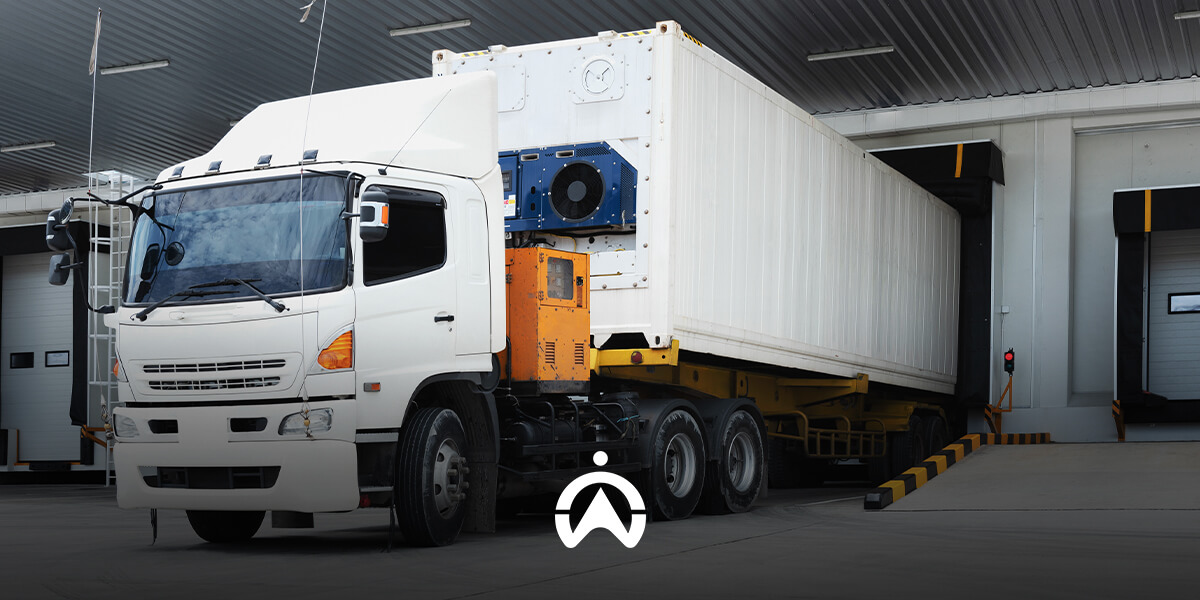
Optimised Fleet Solutions for Refrigerated Transport Services

The global demand for refrigerated transport services has increased over the years due to the rise in e-commerce. Nowadays, people buy food and medication online, which has increased the need to transport products in agriculture, food and beverages, and pharmaceuticals.
Refrigerated transport services play a vital role in modern global supply chains. They make sure temperature-sensitive goods such as vegetables, seafood, and fresh flowers reach their destinations in perfect condition. Without the right technology, this essential service can get quite complex.

Today we explore everything you need to know about fleet solutions for refrigerated transport services.

In this article, you will:

  • Get a brief understanding of the cold chain logistics industry
  • Discover three main challenges faced by refrigerated transport services
  • Find out how Cartrack solutions make it easier to run a refrigerated transport business

All you need to know about refrigerated transport services

Temperature-controlled trucks enable businesses to reduce their transportation costs by transporting products by road, which is cheaper than shipping by air. This form of transport service is also known as cold chain logistics. The main objective of this industry is to maintain product quality and safety throughout the entire supply chain.

These goods can be on the road for days before reaching their destinations, so there have to be strategies in place to ensure that they are transported efficiently—that’s where fleet management technology comes in.

Understanding the needs of refrigerated transport

There are many obstacles that refrigerated transport businesses come across daily, most of which can be avoided through advanced technology. Here are three major challenges faced by most businesses that offer refrigerated transport services:

  • Temperature Sensitivity: It is important to maintain a specific temperature range when storing and transporting refrigerated goods. The temperature depends on the type of product it is. For example, fruits and vegetables require a temperature range of 2℃ to 4℃, while seafood needs to be frozen at -28℃ to -30℃. Products such as vaccines are so sensitive that they require constant controlled temperature from the moment they are manufactured. If the temperature changes, even for a short period, they could lose potency and become unfit for use. For this reason, there has to be an unbroken transport chain. This means, from the production stage, through distribution, to delivery, the products must be kept at a constant controlled temperature. Achieving this result can be difficult due to factors such as extreme weather conditions and the opening and closing of cargo doors during the loading and offloading stage. With the right technology, the issues surrounding temperature sensitivity can be quickly resolved.
  • Timeliness: Being on time is important for many businesses, but for temperature-sensitive goods, it is crucial. Drivers are constantly under immense pressure to reach their destinations without delay. A delay during the delivery stage may cause temperature fluctuations, which then affect product quality. This also shortens the shelf life of products such as fruits and vegetables, meaning the products cannot be in the store for long once they reach their destinations. For this reason, some retailers have strict guidelines that can result in steep penalties for deliveries that arrive late. There are many things that prolong transit times, such as vehicle breakdown, taking longer routes, or border clearance. This heightens the need for real-time visibility, properly planned routes, and good communication.
  • Compliance: A major challenge is that fleet businesses for refrigerated goods need to adhere to strict industry regulations and standards. Transporting temperature-sensitive products, particularly food, requires good hygiene and total reliability. The food transportation businesses are regulated by law. These regulations first address the hygienic aspect, stating that the vehicle compartment must be clean to the extent that physical or microbiological contamination of the food is prevented. Secondly, it is important that the vehicle itself is reliable; the vehicles must be in good condition at all times because that is also a reflection of the refrigerated compartments. Failure to adhere to such regulations will result in heavy fines or the business being deemed unfit for the role.
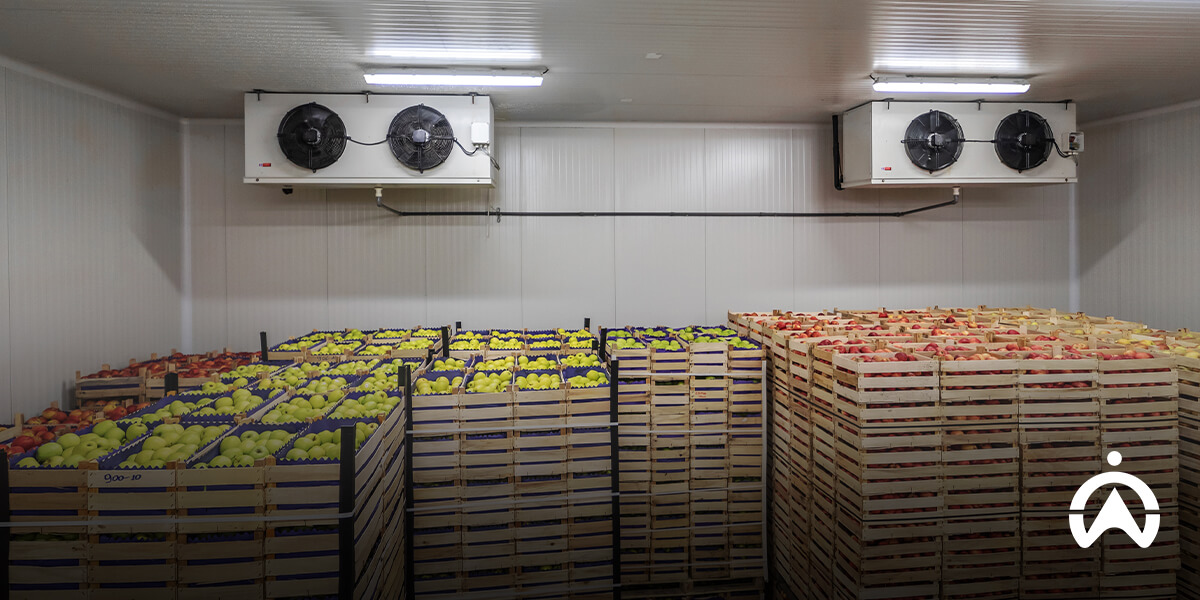
Industrial cold storage room filled with wooden crates of apples, with cooling units on the wall.

How to Monitor Refrigerated Cargo with Cartrack Namibia

Cartrack gives you optimised fleet management solutions for your refrigerated transport service so you can focus on happy clients and making a profit. Here’s how we help:

Real-time temperature monitoring

Cartrack offers up to four temperature sensors to remotely monitor the temperature of your cargo. With this, you can receive alerts on any temperature fluctuations and reports that show temperatures stayed within the compliant range. For example, you can get alerted if temperatures go outside your approved range and correct them before produce or goods go off. If products spoil, cargo temperature reports can help prove that transportation was not the cause.

Secondly, through our cargo door sensors, you get to know when cargo doors open and close and get real-time alerts as well as reports that give you the location and duration of the sensor activity. This means you will immediately know when cargo doors are opened and whether they were opened outside of your pre-approved pickup or dropoff zones. The reports show you how long your reefer trailers’ cargo doors were open, so you can identify temperature fluctuations caused by drivers leaving them open.

Route optimisation

Reduce transit time to preserve product quality with our route optimisation service. This feature helps you avoid longer travel times that could cause delays and also affect product quality. Our system automatically creates job routes for drivers that minimise mileage and fuel costs. With this tool, you will know when drivers did not go according to the planned routes so you can quickly address the issue.

Fleet location tracking

Live location
Cartrack gives you full visibility of your vehicles in real-time, so you know where they are at all times. Our GPS tracking technology shows you accurate vehicle locations so you can ensure safe and efficient travelling.

Geofencing
Create virtual fences around areas of your choice, such as drop-off zones and filling stations, to ensure route compliance and that drivers adhere to their schedules. Our geofence feature alerts you whenever drivers enter or exit these zones so that they start and end their shifts at the correct times to enhance productivity and streamline operations.

Driver management

In addition to having technology that will keep your refrigerated cargo in good condition, drivers also need to be trained on how to handle temperature-sensitive cargo. To make it easier, Cartrack has a driver coaching platform that helps monitor driver behaviour so you can have a record of incidents, such as when cargo doors are left open for long. Drivers can then be called in for a coaching session in order to improve their habits.

Predictive maintenance

Our IoT-powered fleet management tools help you reduce downtime and maintenance costs while boosting productivity. With this, you get accurate odometer readings for internal reporting and vehicle management. You also receive information on engine diagnostics so you can send vehicles for repairs before the problems become bigger. This helps prevent unexpected delays caused by vehicles breaking down, which could compromise goods. Additionally, you can record, update, and store maintenance activities digitally for easy reference and convenient reporting.
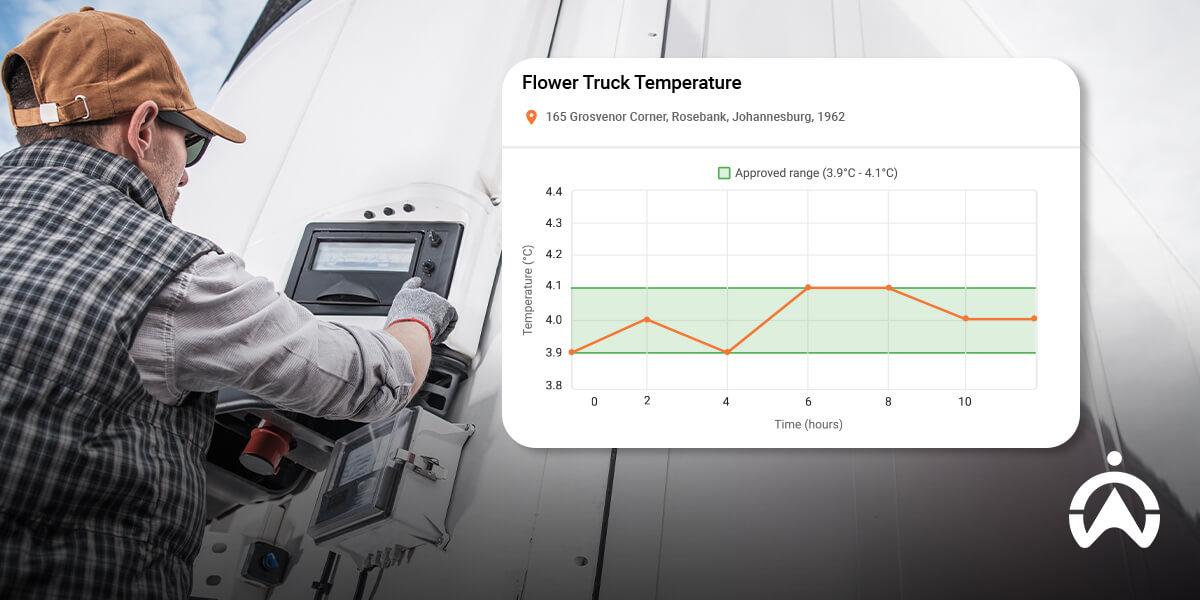
Man adjusting truck refrigeration unit with a "Flower Truck Temperature" chart displayed.

Ensure your refrigerated cargo stays fresh at all times

Cartrack specialises in all things fleet management. Our solutions are here to boost your fleet’s productivity, streamline operations, and reduce costs. With us, your refrigerated cargo will always be closely monitored to ensure your clients receive the goods in the best possible condition. Contact us today and get a free quote.

Here are some frequently asked questions about refrigerated cargo

How to transport refrigerated goods?

Firstly, the goods need to be properly packed using materials that are meant for packing refrigerated goods, such as styrofoam, dry ice, and gel packs. The packaging must keep the heat out so the products can remain frozen.

Secondly, there are vehicles that are specially designed for this task, such as reefer trucks and reefer trailers. You need to choose vehicles with refrigeration and freezing systems that meet your specifications and carefully plan the transportation process.
Lastly, you need to invest in a fleet management system that will help you monitor cargo temperatures in real time, so you always know what’s going on and ensure that the goods remain in desired conditions.

What is the demand for refrigerated transport?
According to Research and Market, the refrigerated transport market is expected to reach US$ 27.07 billion by the year 2032 from US$ 17.77 billion in 2023, with a growth rate of 4.79% from 2024 to 2032.

What is refrigerated transportation? 

Refrigerated transportation is a way of transporting goods that have specific needs for controlled temperatures. The goods are placed in vehicles that have built-in refrigeration systems in order to maintain the required temperature during the transportation process.

If you have more questions, you can contact us today and speak to a fleet consultant.

Driver Incentive Programs: How Dashcams Can Help You Coach Your Drivers

When running a fleet business no other resource matters more than your drivers. Managing them requires efficiency and good planning, this is what allows for safer travel and optimised delivery of goods and services. For this efficiency and optimisation to happen, drivers must perform at their best at all times.

A good way to encourage better driving practices and behaviour is by implementing a driver incentive program. One way of doing this is by using dashcams to record trips and overall driver performance.

This blog will discuss how driver incentive programs and dashcams can help improve driver safety through coaching.

Let’s get into it.

In this article, you will:

  • Learn about driver incentive programs
  • Find out what role dashcams play in driver coaching
  • Discover how to implement an incentive program
  • Understand the legal considerations of using dashcams
  • Learn how Cartrack’s dashcams can work for you and your coaching program

What Are Driver Incentive Programs

An incentive program is a reward-based method to motivate someone to complete an action. These programs leverage the power of rewards to align behaviour with business goals. When incentives are used in a work setting as part of a formalised system with business goals, it’s called an incentive program.

The goal of an employee engagement program is to improve workplace performance and culture while retaining employees with rewards and recognition. One of the biggest benefits of incentive programs is their flexibility as they can be tailored to suit the goals of the company, with enough room for occasional adjustments.

There are many types of incentive programs, each with its own process and reward structure. Here are some types of incentives offered:

  • Monetary bonuses: The most common incentive program is bonuses for good or outstanding performance. This comes in the form of a cash reward usually based on a percentage of the driver’s salary.
    ‍
  • Recognition: Getting official recognition is another popular incentive that employers use. This could be an award given at the end of the year or any other public declaration of the driver’s great performance. The most common version of this is an Employee of the Month program that rewards a driver monthly for meeting or exceeding company goals.
    ‍
  • Career development: Creating a reward structure that promises high performers a chance at career development is a very effective incentive program. This offers a clear path for drivers to see how to progress in their careers, this progression can be in the form of a promotion or skills development.

These incentive programs benefit both companies and drivers as they offer reduced costs, increased morale, and better customer service overall.

The Role of Dashcams in Driver Coaching

When it comes to monitoring driver behaviour only a few other technologies work as well as dashcams. They offer comprehensive recordings of trips, offering alerts for distracted driving and other offences. Let’s learn more about modern dashcams in a business setting.

How dashcams provide insights into driver behaviour

As a fleet manager, monitoring drivers as they perform their deliveries is important, this is why the use of dashcams is highly advised. They offer real-time video recordings of the journey and give the fleet manager insight into how the route usually goes, providing areas of improvement.

Modern dashcams offer a range of AI-powered solutions that assist in reducing accidents. One of these is event-triggered alerts that inform the driver and fleet manager on specific behaviours such as smoking and distracted driving.

The use of AI for analysing driving patterns is now an industry standard for most fleet management software. Key features of AI-powered dashcams include:

  • Real-time behaviour analysis: This feature identifies incidents of distracted driving, driver fatigue, and forward collisions.
    ‍
  • In-cabin alerts: Gives instant feedback to drivers to avoid an incident or an accident.
    ‍
  • Data integration: They have integrated connectivity with fleet management platforms to enhance organisational procedures.

Why use dashcams for coaching and training drivers

Dashcams are reliable mechanisms that have been in use for a number of years now. Using them for coaching and driver training is ideal as they provide objective feedback that can not be easily disputed. The biggest benefit of using dashcams for driver training and coaching is that they help in identifying areas of improvement. These can often be hard to figure out and spot without actual footage of the incident. Some common types of incidents you may want to respond to in coaching include:

  • Smoking
  • Fatigue
  • Forward collisions
  • Camera cover or tampering
  • Cellphone use
  • Seat belt compliance
  • Distracted driving

Monitoring these incidents and using them as a source for coaching is highly beneficial as it gives drivers real-world context. Failing to adhere to the rules leads to drivers getting demerits that can accrue over time. This is useful not only for the drivers but the business as well as it will have a comprehensive catalogue of offences that most drivers commit. When done correctly this can lead to safer trips overall. There are three main occasions when it is best to coach drivers, these include:

  • Onboarding new employees
  • In response to incidents
  • Ongoing scheduled basis

Following this process is useful as it will assist in reducing liability and incident frequency. Additionally, this footage can help lower insurance claims costs and help protect your brand. Dashcam footage can also significantly expedite and simplify the resolution of disputes arising from traffic incidents. By offering an objective, first-hand account of the events leading up to an accident, these devices can help establish fault and facilitate fair compensation for the parties involved.

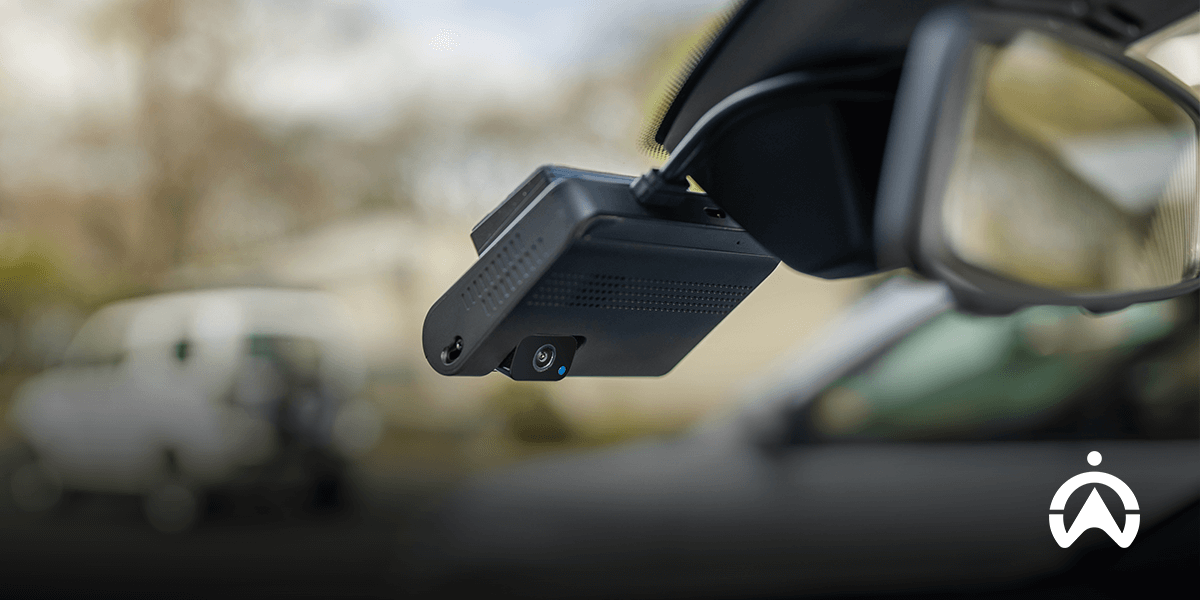
Dashcam attached to a car's windshield with blurred background.

How to implement Dashcam-Based Coaching Programs

In order to maximise on your dashcam footage and create incentives, a coaching program needs to be put in place. This will serve as a system to encourage better driving and make the overall management of drivers easier. This coaching program can be administered during the journey, after a trip and even during performance review sessions. The goal is to encourage better driving habits from drivers and improve fleet performance holistically.

Here is a step-by-step guide on how to create the right program for you and your drivers.

Step-by-step guide on how to implement a dashcam-based coaching program:

  1. Selecting the right dashcam solution for your fleet.
    The first step is choosing the best dashcam solutions for your business. This must be a solution that aligns with the goals of your company and the program you are setting up.

    You must consider whether you will need just one camera or more; whether it will have AI-powered features; and how much storage and recording capacity it will have.
    ‍

  1. Integrating dashcams with fleet management systems.
    In order for this process to run smoothly the dashcams should be able to be integrated with whichever fleet management system your business has in place. This is essential as it will simplify the monitoring and reporting process. The tools in the system should support the features in the dashcam solution so that there is a seamless integration of the two.
    ‍
  1. Developing clear coaching and feedback protocols.
    Once the system is integrated the next step is to establish clear coaching and feedback protocols. This means drivers will need to know how and when the coaching happens, from whom it will come, and how to give feedback on the coaching. This will assist in measuring incentives and determining who to award them to.
    ‍
  1. Aligning coaching sessions with incentive programs.
    The goal of the coaching sessions should be clearly stated, aligning with how the incentive program will run. This could mean explicitly stating which goal leads to which incentive or creating a points system that accumulates over a certain period of time. A driver should find it easy to understand where the coaching intersects with specific rewards from the incentives program.

Tips for a Successful Coaching Program

In order for the coaching and rewards program to work successfully there are some vital things to consider. Consistent feedback is essential for coaching, especially when people’s careers are on the line. The feedback should not just be in one direction, drivers should be able to give feedback on their coach’s performance as much as coaches do.

This leads to the next component to consider fairness. A program like this requires transparency so that drivers do not feel that there is bias or favouritism in how the coaching works and how incentives are given. It is this fairness that will keep drivers engaged in the program, unfairness will lead to disgruntled drivers and a drop off in performance.

Celebrating improvements is equally as important, not just celebrating the top achievers. This kind of recognition will make all the participants in the program feel seen even when they are not receiving rewards from the incentives program.

Future Trends in Driver Incentives and Dashcam Technology

There are many emerging advancements in dashcam technology sweeping the fleet management industry. The most prevalent of them all is AI integration in camera systems. This involves development in other areas such as machine learning and cloud storage capabilities. All these elements work together to form Advanced Driver Assistance Systems (ADAS) which aim to enhance driver safety.

Integration with telematics and predictive analytics is where the industry is going, with most fleet management systems already using these technologies. This is especially true for dashcams and driver behaviour monitoring.

The development of these technologies has made it easier to implement and run driver incentive programs. The evolving role of incentive programs in companies is a sign of how many drivers prefer it. Most driving job offers now include this as part of the employment package, making it a deciding factor for many in a competitive market.

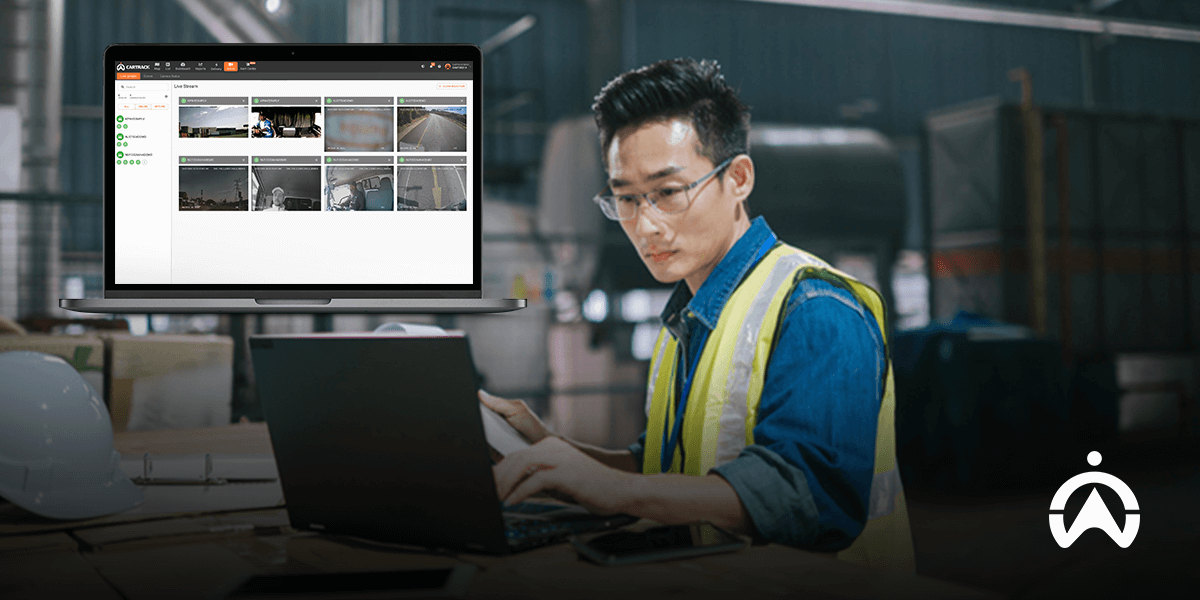
Person in a hi-vis vest working on a laptop with security camera feeds displayed on the monitor.

Cartrack’s Dashcams and Coaching Solutions

At Cartrack we offer a variety of camera solutions where you get to monitor your fleet with road and cabin-facing AI dashcams. You can get up to 8 internal or external cameras to help keep your drivers, fleet, and cargo safe.

This solution comes with preventative in-cabin voice alerts that let drivers know about potential safety violations so they can correct them immediately. Our event-based footage instantly gives you the exact footage you need, when you need it. Our AI-powered cameras analyse internal and external surroundings, allowing you to detect and alert drivers in real-time about any high-risk behaviour so they can avoid accidents. All footage of any incidents is stored on our cloud platform and can be used to coach drivers on how they can improve their driving behaviour.

You will have no more wasted hours spent going through hours of footage hoping to find what you’re looking for. You can live-stream the recordings for any active vehicle using Android, Apple or Huawei. View categorised event-based footage for any safety events captured, request footage based on a time and date or live-stream footage for any active vehicle.

As we move into a new technological era in fleet management it is advisable to make use of the tools currently available, such as dashcams. Combining driver incentive programs with dashcam-based coaching is one of the ways in which you can optimise your business and increase overall driver safety.

If you are looking for a reliable and trustworthy dashcam and AI-powered camera system, then make sure to contact us to learn more about our offering.

FAQs

How much does it cost to implement dashcams in a fleet?

Contact us at Cartrack to get a quote on our range of dashcams and cameras.

Are there privacy concerns with using dashcams in Namibia?

There is no specific law clarifying their legality or how the footage can be used. This means that recording people in public without their knowledge could potentially raise privacy issues, especially if the footage is shared without proper justification; however, dashcams are generally considered legal to use when recording public spaces such as roads.

What types of incentives work best for drivers?

The most effective incentive programs are cash bonuses and career development opportunities. These two options provide actual benefits to drivers that can positively impact their lives.

How quickly can results be seen after implementing these programs?

This will depend on the type of reward structure in place, but it is typical to see results in the first month after implementation.

What Are 10 Ways to Save Fuel?

The cost of fuel is a regular concern for many vehicle owners, especially with fuel prices fluctuating numerous times. Planning for this cost has come with some challenges which have made it hard to keep fuel costs low. Many vehicle owners are feeling the pinch and eagerly looking for different ways to save on fuel.

In this article, let’s explore ten simple ways you can start saving on fuel and how Cartrack can help you keep track of your fuel consumption.

Let’s dive in.

In this article, you will:

  • Discover 10 ways to help you save fuel
  • Learn how driving habits and vehicle maintenance impact fuel usage
  • Find out how Cartrack’s mobile app can help you save on fuel cost

10 Ways to Help You Save Fuel

Changing your approach to how you care for your vehicle is an effective way to save on fuel, these can range from adopting new driving behaviours to regular vehicle checkups. Learn these ways to make fuel wastage a thing of the past.

Here are ten effective ways to save fuel:

1. Adopt Efficient Driving Habits

Saving fuel starts with how you drive your vehicle. When a vehicle’s speed increases, the car experiences more drag (air resistance). This occurs when the force from the resistance causes the engine to work harder to accelerate which burns more fuel. By incorporating a more moderate driving speed, which is normally between 65-90 km/h, your vehicle will experience less drag as it moves.

Other practices include avoiding congested roads that lead to idling and keeping your rev per minute constantly around 3000rpm while driving. Another efficient driving habit to adopt is avoiding frequent lane changes and abrupt stops in stop-and-go traffic.

2. Use engine braking and drive in higher gears

Engine braking and driving in high gear is an underutilised method for driving that many drivers don’t consider when trying to save fuel. Engine braking is when you take your foot off the accelerator pedal and allow the engine to slow the vehicle down. This can be incorporated instead of using the brake pedal when you’re getting close to a traffic light or stop sign. Less fuel is consumed because the engine is allowed to slow the vehicle down, using less brake power to stop it.

3. Opt for fuel-efficient vehicles

If you are thinking of buying a new car, it is best to choose the type that is fuel efficient, such as vehicles with small engines or hybrid cars. These vehicles were designed to provide an excellent driving experience while using less fuel.

There are a few things to consider when looking for a fuel-efficient vehicle, such as fuel consumption rate, engine size and weight. Lighter cars and smaller engines burn less fuel and can maximise your fuel savings over time.

4. Maintain Optimal Tyre Pressure

Optimal tyre pressure plays an important role in a vehicle’s performance and fuel efficiency. Keeping your tyres at the appropriate pressure recommended by your manufacturer will greatly benefit you down the line.

Let’s discuss how:

  • Underinflated tyres increase the rolling resistance of a car and force the engine to work harder and burn more fuel. It also causes uneven tread wear on the edges of the tyres which leads to the tyres degrading faster.
    ‍
  • Overinflated tyres negatively affect the handling of the vehicle, they make the drive bumpy, create uneven tread wear and burn more fuel. Furthermore, the uneven tread wear reduces the tyre’s ability to maintain contact with the road which can be dangerous at high speeds.

To make sure that you save on fuel and reduce wear and tear on your vehicle, it’s suggested that you check your tyre pressure at least once a month.

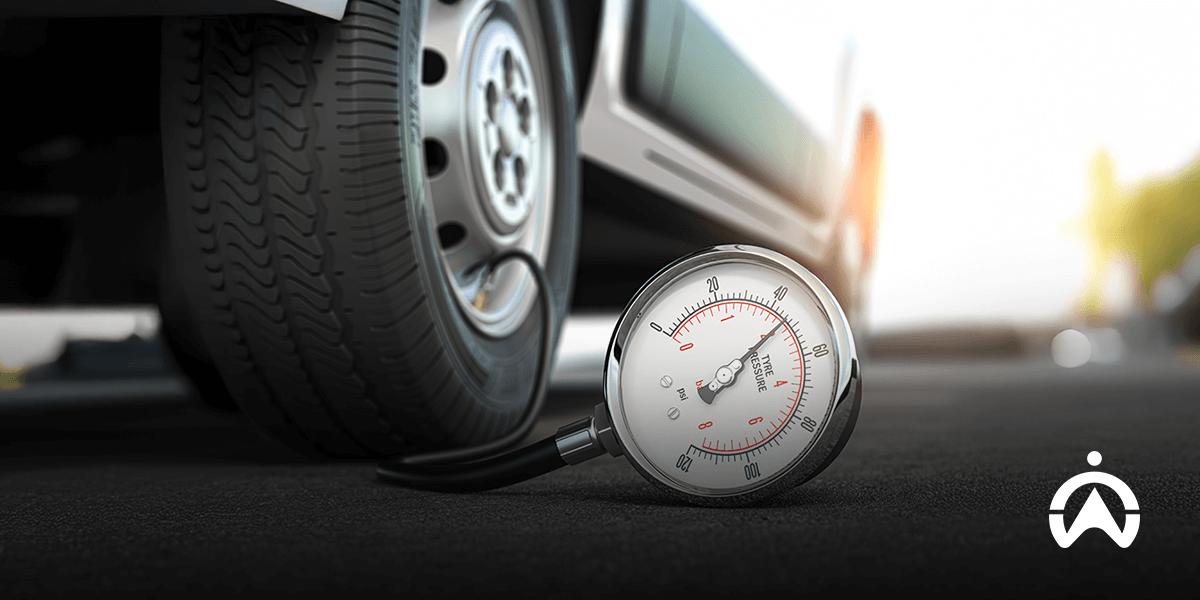
A tire pressure gauge on the ground next to a car tire.

5. Keep windows closed at high speeds

I know what you’re thinking, driving with your window open while cruising at a high-speed feels refreshing, however, this significantly affects fuel efficiency. This normally occurs when a vehicle travels above 80 km/h, where the air resistance is at its greatest. To save on fuel consider keeping your windows closed and use the vehicle’s ventilation system instead.

6. Avoid heavy loads

Unnecessary weight in your vehicle makes the engine work harder which increases fuel consumption. This is especially true when driving long distances. Another load that adds extra weight and consumes more fuel are roof racks. Roof racks increase air resistance and reduce your vehicle’s aerodynamics when driving at high speeds.

To enjoy better fuel efficiency and a smoother drive consider packing light or keeping heavy items inside the vehicle.

7. Use quality fuel

There are three different fuels used in Namibia, Octane 93 and 95, and diesel fuels. Each fuel impacts a vehicle’s performance and fuel efficiency differently. Octane 95 can withstand more compression before it ignites than Octane 93 which impacts vehicle performance at high speeds. Octane 93 is an older fuel and is ideal for older vehicle model as their engines were designed to perform optimally on 93.
New model vehicles with newer technology require high octane fuel like 95 as it helps maintain the vehicle’s performance and fuel efficiency. Using a lower octane fuel can decrease these vehicles’ fuel efficiency and can damage their engine or emission control systems.

8: Use cruise control on highways

Cruise control is an added feature that comes with most modern vehicles today. Not only do cruise control systems offer comfort and convenient driving, but they also help you save fuel. Cruise control helps the driver maintain a steady speed enabling them to only concentrate on steering. This allows for a smooth trip with fewer manoeuvres. Cruise control minimises how much fuel is used by removing the need to constantly accelerate and decelerate which burns more fuel.

9: Take advantage of loyalty programs

A great option to save on fuel costs these days is to join loyalty programs, these are offered at petrol stations, banks as well as through retailers. Whenever you refuel petrol you receive a certain amount of points. You can accumulate points over time and use them to purchase fuel or receive discounted prices. Consider choosing a program that is best for your needs and that allows you to fill up at a petrol station near you.

10. Combine trips

To save on fuel day to day, consider combining errands and driving fewer trips. Plan all the tasks you need to do ahead of time and do them all in one trip. By doing this you reduce the distance you drive that not only saves you valuable time but reduces fuel consumption.
Another effective way you can cut down on trips is by starting a lift club. Each person in the lift club can take turns driving one week a month, saving up to three weeks of fuel that you would have used if you were driving alone.

By implementing these ten ways, you can significantly reduce fuel wastage and save on fuel costs.

Mechanic with dreadlocks working on a car engine near a tool chest.

How Cartrack’s mobile app can help save fuel

Now that you know the 10 ways to save fuel, let’s discuss how Cartrack’s Mobile app can help keep track of your fuel usage.

Here are some reports from the app that will help save fuel:

  • Monitoring vehicle speeds
    Constant increases in speed require the engine to work harder to maintain the higher speed. The Cartrack mobile app map indicates every point where you were speeding and how fast you were going. This insight helps you identify this behaviour so that you adjust your driving behaviour to use less fuel.
    ‍
  • Reducing harsh braking
    Harsh braking from high speeds causes your vehicle to use more fuel than necessary. This happens because after you have slowed down the vehicle transmission needs to shift to a lower gear to regain lost momentum. The Cartrack app records every harsh braking event, this informs the driver on how frequently this mistake is made.
    ‍
  • Avoiding idle time
    Long periods of idle time in congested traffic consume fuel unnecessarily. The Cartrack app tracks your idle time during a trip, this data provides you with a wealth of information that shows you where the most traffic congestion is and when it occurs. This allows you can identify less congested routes that enable you to plan less congested routes.
  • Planning efficient routes
    Every time you drive your vehicle, the trip information is saved on your app history. This trip history provides insights into the route you took which shows the distance and how much fuel was used. This is an effective way to plan every route you take.You may use different routes to work and would like to know which route uses the least fuel. You can use the report history of the different routes to see your past trips. This will tell you how long the trip took as well as the speeds you were able to travel, so you can compare them against each other to see which one is the most fuel-efficient.

Start saving fuel with Cartrack Today!

Fuel costs do not have to be a burden. By taking advantage of Cartrack’s advanced mobile app technology you can reduce fuel consumption and save costs in no time.
Cartrack is committed to helping motorists drive smarter and efficiently. Our mobile app is not only for tracking your vehicle, it provides actionable insights that empower you to make fuel-saving decisions every day.

Why wait? Start applying these tips and let Cartrack help you save on fuel costs. Contact us today to find out more.

Compare Car Tracking Devices: Finding the Best Fit for You

In today’s fast-paced world, keeping your vehicle safe and secure is a priority.  Given the variety of car tracking devices available, selecting one that best meets your needs can be overwhelming.

Each device comes with its own set of features tailored to different needs. Whether you want to track your car’s location in real-time or ensure its recovery in case of theft, it is important to know what to look for when comparing these options.

In this blog, we will explore different tracking device options and discover how Cartrack’s solutions can benefit you.

In this article, you will:

  • Learn what to look for when comparing car tracking devices’ key features
  • Compare Cartrack’s packages
  • Find out why Cartrack is the best fit for you
  • Explore other important information you need to know about vehicle tracking

What to look for when comparing car tracking devices – key features

Choosing a tracking device tailored to your needs ensures that you are covered in a way that suits your current lifestyle, from advanced GPS technology to user-friendly mobile apps. Understanding these elements will guide you in finding your best fit.

Let’s explore the key features you should keep in mind during your comparison process:

  • Mobile App
    When your tracking device is integrated with a mobile App, staying updated on your vehicle’s location becomes easier, and you gain access to a range of additional features from your service provider.At Cartrack, we offer the Cartrack App which provides helpful alerts, such as notifications when the vehicle’s battery is tempered with. You can also share your location with loved ones, and view risk reports such as speeding to enhance safety and improve driver behaviour.
    ‍
  • Vehicle Management Logbook
    A vehicle management logbookis a great tool for tracking your vehicle trips effortlessly. It automatically records important details like the date, time, distance travelled, and whether the trip was for business or personal use. This means you don’t have to worry about manually writing everything down, which can often lead to mistakes.With Cartrack’s logbook feature, you benefit from advanced GPS technology that provides precise and reliable data about your movements. You can easily categorise your trips, making it convenient for tax purposes and expense reporting.
    ‍
  • Vehicle Movement Alert
    We often park our cars in areas without security, leaving us vulnerable to vehicle crime. The last thing you need is to find your car moved from where it was parked without your knowledge. This is why you need a vehicle movement alert feature. This feature acts as a virtual eye on your car, alerting you to any unapproved movement.At Cartrack we have CarWatch; a feature that automatically detects unauthorised movement of your vehicle when activated. Once movement is detected, you receive a notification on your phone through the Cartrack App, allowing you to take appropriate action.
    ‍
  • Crash detection
    Vehicle tracking isn’t only about GPS location and vehicle recovery. Some tracking service providers offer crash detection sensors as a standard feature. Crash detection technology is a safety feature designed to automatically identify when a vehicle has been involved in a collision. This technology uses various sensors that can detect a car’s motion such as speed, and other factors like pressure change and sound level to determine if a serious crash has occurred.Cartrack’s smart IoT (Internet of Things) device uses special g-force technology to detect an accident in real-time, allowing us to quickly send emergency services to your exact location so you can get the necessary help. With this feature, you are assured that help is just a call away in case of an emergency.
    ‍
  • Emergency Support Service 
    This feature ensures that you and your loved ones get the necessary support when in an unfortunate situation. This could be medical assistance such as referrals to crisis and medical practitioners, medical response, and transportation.At Cartrack we offer Protector which is available on the mobile app and website. This value-added service gets you roadside assistance, such as jumpstart, tyre change, locksmith and much more. This will help you get back on the road and continue your trip safely.
    ‍‍

Why Cartrack Is the Best Fit For You

As a consumer looking to get a tracking device, it is important to consider all the options available. This means looking for a service provider with a comprehensive range of products and diverse pricing models. If you are looking for such a company, then Cartrack is the one for you.

At Cartrack, we offer more than just standard features, which is why we have added tools and services. These include geofencing, a panic button, and a Lifetime Maintenance Warranty, all of which ensure your protection at all times. Additionally, Cartrack holds the highest trust rating on Hello Peter compared to other South African tracking companies.

Here’s how Cartrack tracking solutions can elevate your safety and security:

Cartrack’s Lifetime Maintenance Warranty

The Lifetime Maintenance Warranty is also a Value-Added Service that we offer to both new and existing clients.

Our units have a one-year warranty; once the warranty has lapsed, a call-out fee will be charged if any servicing or unit replacement is required. However, you can forgo all that by signing up for the lifetime maintenance warranty—the repair process will be smoother by avoiding call-out fees and repair costs.

This will save money in the long run, eliminating the need to worry about out-of-pocket expenses for fixing any issues that may arise.

Stay one step ahead with immediate power alerts

Power event notifications are an essential feature of modern vehicle tracking systems, they are designed to alert you to potential tempering or issues with your vehicle’s battery. For example, if the vehicle’s battery is disconnected, an alert will be sent immediately to the owner. This notification is crucial because a disconnected battery could indicate unauthorised access or tampering with the car, which is a common tactic used by thieves.


Keep your vehicle safe with Virtual Boundaries

The geofencing feature allows you to create virtual boundaries around unsafe areas. You will receive notifications if your loved ones are using your car and enter one of these locations.

Help Available 24/7 from our dedicated agents

It’s important to use a tracking company with great customer service. This is why our agents are always there to answer any enquiries or concerns you may have regarding your account. Having a responsive support team makes all the difference in your overall experience.

Stay protected with the power of a single click!

The in-vehicle panic button is a vital feature for vehicle tracking systems, as it offers users a discreet and efficient way to get help in emergencies. Its integration with 24/7 monitoring services and rapid response capabilities makes it an essential asset for anyone prioritising personal safety while on the road.

In conclusion, investing in a car tracking device is important for enhancing your vehicle’s safety and providing peace of mind in today’s environment of rising vehicle theft. Understanding the various options available, you can choose the best solution that fits your needs and budget.

Ready to protect yourself and your loved ones? Contact us today to further explore Cartrack’s solutions and enhance your overall experience on the road!

Frequently Asked Questions Regarding Vehicle Tracking

Q: Can I transfer my tracking device to a new vehicle if I sell my car? 

A: Yes, you can. If you wish to transfer your tracking unit from one vehicle to another, Cartrack will de-install/re-install the unit for a nominal fee. Simply contact us to make the arrangement and our trained technicians will come do the de-installation and re-installation process where it is convenient for you.

Q: Will the tracking device interfere with my vehicle’s electronics?

A: No, a properly installed tracking device will not interfere with your vehicle’s electronic systems.

Q: How often should I test my tracking device? 

A: Cartrack tracking units must be tested every three months.

Q: Can I upgrade my subscription plan?

‍A: Yes you can. If you want to change your product package, simply contact us and our customer service agent will advise you on the process and applicable costs.

Roadworthy Test Checklist: What You Need to Know

Keeping your car running smoothly on the road requires regular maintenance. The more you let things slide, the more the damage to your vehicle, and eventually, it might not be good enough to use or sell to anyone.

One way to check the condition of your car is through a roadworthiness test, and we have compiled a checklist that will help you pass the test.

This blog will discuss everything you need to know about roadworthiness and how Cartrack solutions help you stay compliant on the road.

In this article, you will:

  • Learn what a roadworthy test is
  • Find out what should be in your roadworthy checklist
  • Discover how Cartrack can help keep your vehicle roadworthy

What is a roadworthy test?

A roadworthy test, also known as a roadworthy inspection, determines whether the vehicle is safe to drive or not. Every new or used vehicle in Namibia need to pass a roadworthy test before it can be licensed in the new owner’s name. The inspection is administered by a trained and registered technician, whose job is to ensure the vehicle is safe to use on the road. A roadworthy test can be done at a public or private testing station. Once completed, the vehicle owner will get a certificate that is generally valid for 60 days.

A vehicle that is roadworthy is less likely to have breakdowns, which reduces the risk of accidents. For this reason, the roadworthiness test is a legal requirement to ensure that a vehicle meets the safety standards set by the Roads Authority (RA Namibia). Every vehicle owner must take responsibility for maintaining his or her vehicle regularly. Failing to keep a car roadworthy can also result in fines or penalties if caught by traffic enforcement.

A roadworthy test must be done every time a vehicle changes ownership. If your vehicle is used for public transport or is a heavy-load vehicle (excluding buses), you must take it to be tested for roadworthiness every year before you renew your licence.

The roadworthy checklist every driver needs to know

So how do you know if your car is roadworthy? Well, here are the basic criteria for roadworthiness in South Africa:

  • Identification: The engine number and the vehicle identification number (VIN) must match those on the registration document. There should be no signs of tampering on any of the vehicle identifiers. If the engine has been changed, all associated requirements must be in place and logged on to the National Traffic Information System.
    ‍
  • Braking system: This is one of the most critical safety components in any vehicle because reduced braking efficiency can cause fatal accidents. The owner’s manual for your car should give you an idea of how often you need to replace your vehicle’s brake pads. When preparing for a roadworthy test, you not only need to check the brake pads but the disc and brake fluid levels as well.
  • Suspension and steering: The suspension system is there to maximise the friction between the tyres and the road surface. This helps stabilise the vehicle and makes it possible for the car to handle bumps and dips on the road. It consists of various parts, such as shock absorbers and coil springs, that all play a part in maintaining stability on the road. A car’s steering wheel is also closely tied to the health of its suspension system. Inspectors check the steering wheel and the linkage between the wheel and the rest of your car. Your wheels must be aligned to specifications, and the undercarriage must be free of rust and leaks.
  • Tyres and wheels: Tyres must be the correct size and in good condition; this includes the spare wheel. They should be inflated to the proper pressure and must have a tread at least 1.6mm deep. There should not be any cuts, bumps, or any other form of damage. If your tyres fail the inspection, you will need to have them repaired or replaced before your vehicle can be deemed roadworthy.
  • Lights and basic electrics: All lights must work independently and correctly; this includes headlights, fog lights, brake lights, and indicators. They must be securely fitted, with no signs of water leaking into any of them. Also, check for loose or exposed wiring and that all battery clamps are there.
  • Exhaust and emissions: Check if emission levels meet regulations. There should be no leaks, excessive smoke, or noise coming from the exhaust.
  • Engine and transmission: Your car’s engine should not have any leaks or damage. The engine and transmission mountings must be intact. Additionally, there should be no loose or damaged wirings, and the transmission must be in good working order.
  • Bodywork: Inspectors will also conduct an interior and exterior check on your vehicle. The chassis should not show any sign of weakness and the undercarriage must be free of rust. There should be no structural damage that can cause injury to pedestrians or cyclists. Ensure that all doors, mirrors, and bumpers are secure and correctly positioned and that all of your reflectors are intact.
  • Windscreen and windows: There should be no cracks on the windscreen or any sort of damage obstructing the view. At least one correctly functioning windscreen wiper must be fitted; all windows must open and close properly.
  • Seatbelts and interior safety features: All seatbelts must be fastened and released with ease, with no cuts or damage. Seats must be securely in place. The odometer, hooter, and speedometer must also be in working order.
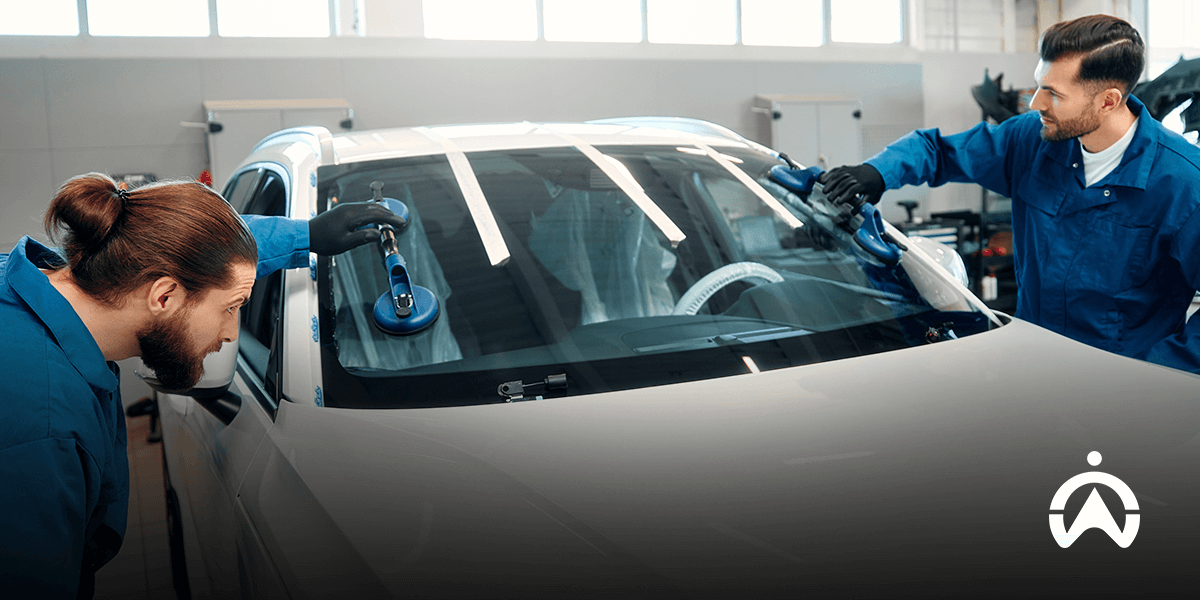
Two technicians repairing a car windshield in an auto shop.

What happens if your vehicle fails the roadworthy test?

If you fail the roadworthy test, you will be given 14 days to fix any defects identified. Once done with the repairs, you must return for a retest to ensure the issues have been addressed. If you fail to complete the repairs within 14 days, you will have to undergo a full inspection from scratch.

How Cartrack solutions help you stay on the road

To ensure that your car remains roadworthy, you need to take care of it on a daily basis. This means improving your driving habits in order to reduce the chances of accidents and vehicle damage. Cartrack not only specialises in location-based tracking; our advanced device also keeps a record of your driving habits. You can log on to the Cartrack mobile app or website to get a full view of driving that could increase vehicle wear and tear, such as speeding, harsh braking, and harsh cornering.

Cartrack also has value-added services that are there to assist you in maintaining or replacing certain car parts, such as:

  • Tyre replacement
    If you need to replace your tyres, you can log on to the Cartrack app and click on the tyres icon to make a request. Our service agents will contact you shortly to find out the size you need and make the necessary arrangements. The replacement can be done in the comfort of your home or at one of our fitment centres. You can also get your wheels aligned while at it.
  • Battery replacement
    If you need a new battery for your vehicle, you can contact your service agents to get a quote and make arrangements. Just like the tyre service, battery replacements are done either at your home or at one of our fitment centres.
Person holding car keys near a vehicle while giving a thumbs-up gesture.

Keep your vehicle in top shape with Cartrack Namibia

Secure your car and keep it roadworthy with Cartrack’s value-added services. Choose a plan that works best for you and enjoy the benefits. Cartrack specialises in stolen vehicle recovery but also caters to almost all your vehicle needs. Join us today and have one less thing to worry about.

Predictive Maintenance: How to Reduce Unplanned Downtime

In this day and age, with rapid business development and steep competition, your fleet or machinery’s working condition is a vital factor to consider. For most companies, unplanned downtimes are costly, with challenges such as lost productivity and repairs.

Predictive maintenance is the most important way to cut unplanned downtime, optimise fleet management, and generally improve operational performance. This innovative approach focuses on advanced technology along with data-based insights to foresee incidents from the beginning and keep the assets performing at their top condition while causing minimal disturbances.

In this blog we learn about how predictive maintenance can help you get real-time vehicle diagnostics and establish effective maintenance plans for your fleet.

In this article, you will:

  • Learn about predictive maintenance
  • Discover the impact predictive maintenance has on fleet operations
  • Find out why Cartrack is the ideal partner for predictive maintenance solutions

What is Predictive Maintenance and How Does It Work?

Predictive maintenance uses data analysis to identify operational issues and potential equipment defects, enabling timely repairs before failures occur. It aims to minimise maintenance frequency, avoiding unplanned breakdowns and unnecessary preventive maintenance costs.

Core Principles of Predictive Maintenance

Predictive maintenance relies on various technologies in order for it to work effectively, these include:

  • The Internet of Things (IoT)
  • Predictive analytics
  • Artificial intelligence (AI)
  • Connected sensors

These components gather data from assets such as machinery and equipment. Here is how the components of predictive maintenance work:

Data Collection:

  • Components gather data from assets (machinery, equipment).
  • Data is collected in the cloud within an AI-enabled EAM or CMMS.

AI Analysis:

  • AI and machine learning analyse data in real-time.
  • This analysis provides an understanding of the equipment’s current condition.

Defect Detection & Alerting:

  • Alerts are triggered for potential defects.
  • Alerts are delivered to the maintenance team.

Predictive Capabilities:

  • Machine learning algorithms predict future equipment conditions.
  • Enables efficient maintenance workflows (scheduling, labour, parts).

Continuous Improvement:

  • Increased data collection leads to more insights and better predictions.
  • Provides confidence in optimal equipment performance.
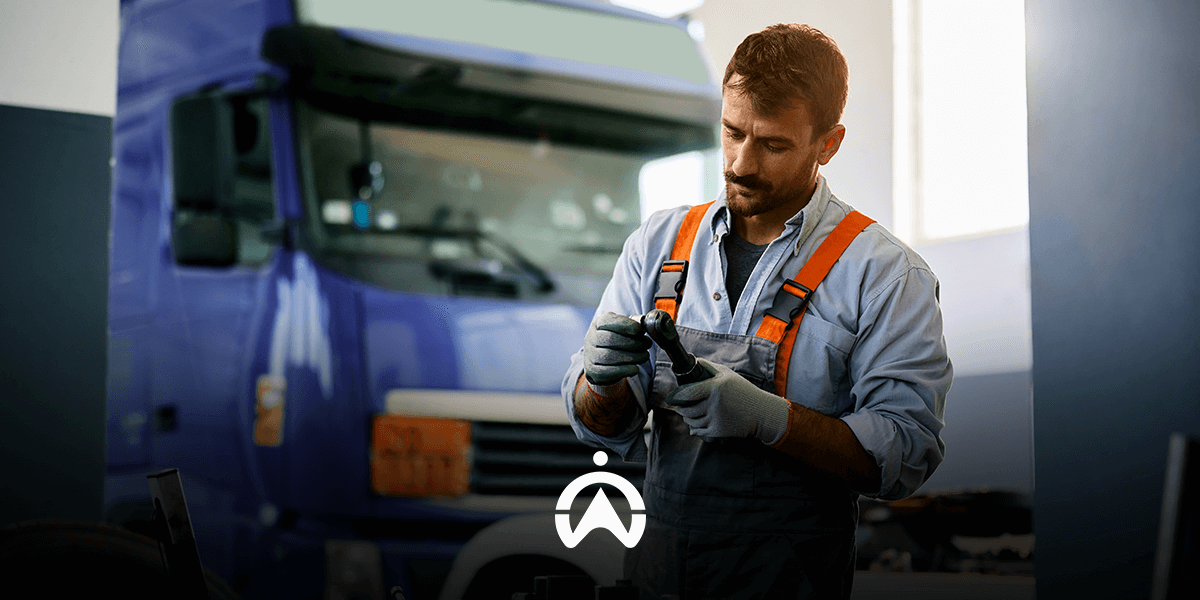
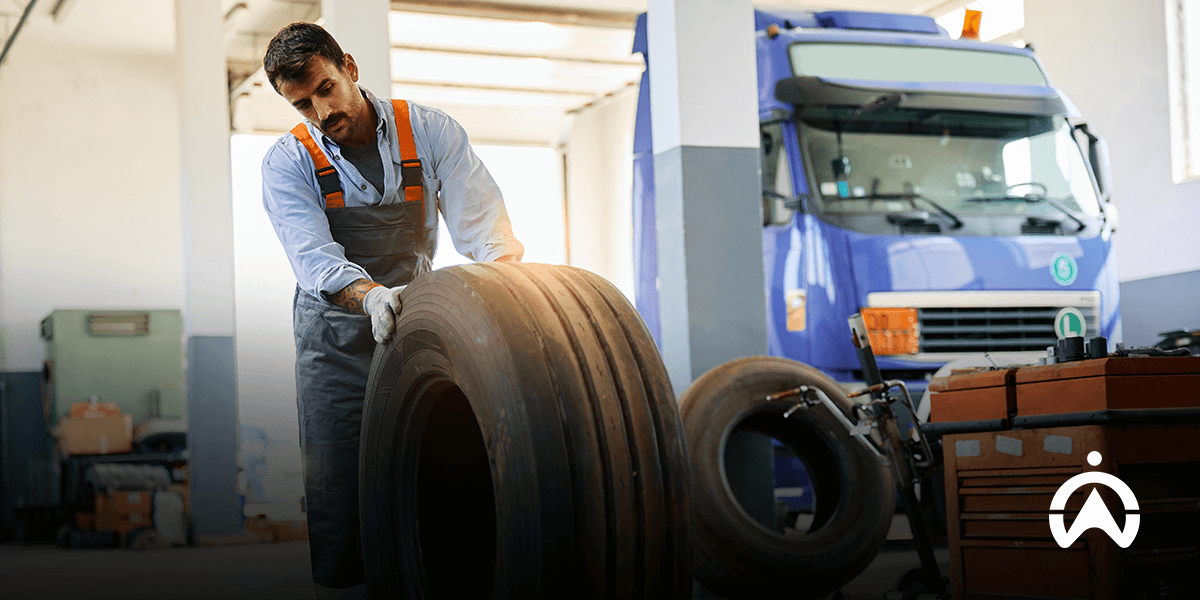
Mechanic in overalls rolling a large tire with a blue truck in the background.

Data Sources in Fleet Predictive Maintenance

In predictive maintenance, it is only through rich and accurate data that problems can be predicted before they bring about unexpected downtime. With Cartrack’s advanced and effective fleet management solutions, we exploit different sources to give a complete picture of how a vehicle performs. This data is acquired in real-time through telematics devices, sensors, and onboard diagnostics, enabling fleet managers to monitor critical metrics and get alerts for potential problems. Below are some of the critical data sources for effective predictive maintenance:

  1. ‍Engine Health
    The heart of any vehicle is its engine, and one needs to ensure that such components are monitored in order to avoid any chances of failure. Control actions regarding engine temperature, oil pressure, fuel consumption, and engine loading make it possible to flag early evidence of crisis. Take for example increased temperature in the engine or abnormality in oil pressure which can indicate possible failures in the cooling system or oil leak respectively. All these are parameters that are monitored continuously by the telematics systems from Cartrack, thus supplying fleet managers with real-time information regarding the times when engine health begins to decline, making timely action possible before more severe damage occurs.
    ‍
  2. ‍Braking Patterns
    Brakes are the most important safety feature in a vehicle. Worn-out or non-efficient brakes often lead to fatal accidents and very expensive repairs. Monitoring braking behaviour, including braking force, frequency, and response time, will help in identifying potential problems at an early stage. For example, excessive braking, especially sudden or hard braking, can lead to defective brake pads or adversely affect systems linked to brake fluid. With the help of Cartrack’s telematics system, fleet managers can track and analyse braking behaviour, thus providing an analysis that could lead to action being taken.
    ‍
  3. ‍Fuel Efficiency
    A drastic drop in fuel economy could be indicative of problems related to the engine, under-inflated tyres or a dysfunctional fuel system. Constant monitoring of average fuel consumption over time can help identify and address inefficiencies, which can accumulate into significant costs. Cartrack tracks a vehicle’s fuel usage in real-time so that fleet managers can study patterns on fuel consumption. This is then used when planning routing, optimising driving behaviour, and in case of any mechanical problem affecting fuel efficiency.
    ‍
  4. ‍Tyre Wear
    Tyres have a great deal to do with the safety and performance of a vehicle, factors to consider include varying forms of wear such as excessive and uneven tyre wear. These could indicate misalignment, improper inflation, or some other mechanical failure. Monitoring of tyre pressures as well as tread volumes informs when tyres will have reached the replacement service level. Cartrack has sensors that continuously monitor tyre health and notify fleet monitoring personnel when the pressure reaches below optimal levels or physical wear patterns indicate a need for replacement. By having early prevention measures in place, it will minimise blowouts and improve safety.

Why Predictive Maintenance Matters for Fleet Businesses

Predictive maintenance matters most to fleet businesses because of the cost reduction it brings. Another main reason is that efficiency increases since vehicles will rarely have downtime due to repairs. Most importantly it makes driver safety that much more possible as the vehicles will almost always be in top condition.

The Impact of Predictive Maintenance on Fleet Operations

Predictive maintenance has had a massive impact on the fleet management industry. Fleet managers can now foresee many issues that would otherwise affect fleet performance. Many benefits have come from this way of planning maintenance, let’s have a look at some of them.

Key Benefits of Predictive Maintenance

Minimising downtime and repair costs is the biggest benefit of predictive maintenance. The early services of vehicles mean that repairs are reduced and in some cases completely removed.

Another benefit is prolonging vehicle lifespans and improved asset utilisation. When vehicles are repaired early it means that they will have significantly reduced downtime and are not likely to break down randomly, maximising operational time.

Reducing fuel waste is a byproduct of optimally functioning vehicles. An engine that is working well and in good condition is more fuel efficient than one that isn’t. This means that fuel costs can be expected to go down overall. An added benefit is the reduced environmental impact from the reduced fuel use.

Operational Efficiency

Operational efficiency is the biggest advantage of predictive maintenance as it allows better planning for vehicle availability. It becomes very easy to manage vehicles when very few of them are in maintenance or getting a service. Smarter resource allocation with accurate maintenance scheduling will be the norm moving forward.

Cartrack: A Game-Changer in Predictive Maintenance

Cartrack is a provider of advanced telematics solutions for fleet management, the services include GPS tracking, vehicle diagnostics, and vehicle data analytics. This is all provided both in real-time and in scheduled reports. These features all assist in predictive maintenance, here’s how.

How Cartrack Enhances Predictive Maintenance

Cartrack’s telematics technology detects performance anomalies and warns well in advance about potential critical issues. The management software then gives actionable insights to operators on how to resolve each vehicle’s issues, thus reducing unplanned downtime and ensuring that vehicles remain operational.

Fleet managers that use a Cartrack platform, are able to:

  • Monitor the entire fleet’s KPIs.
    ‍
  • Get predictive alerts on components that are nearing failure.
    ‍
  • Evaluate historical data to anticipate future maintenance activities.
    ‍
  • Schedule maintenance activities based on data-driven insights.
    ‍
  • Prevent unnecessary fuel consumption.
    ‍
  • Improve driver behaviour and route optimisation.

Features of Cartrack Solutions

At Cartrack, we pride ourselves on offering a comprehensive suite of features designed to enhance the effectiveness of predictive maintenance, improve fleet management, and ultimately reduce unplanned downtime. Our solutions are built with flexibility, reliability, and real-time data at their core, ensuring that fleet managers have all the tools they need to keep their vehicles operating at their best. Here are some of the standout features that set Cartrack apart:

  1. ‍Customisable Maintenance Schedules and Automated Reminders
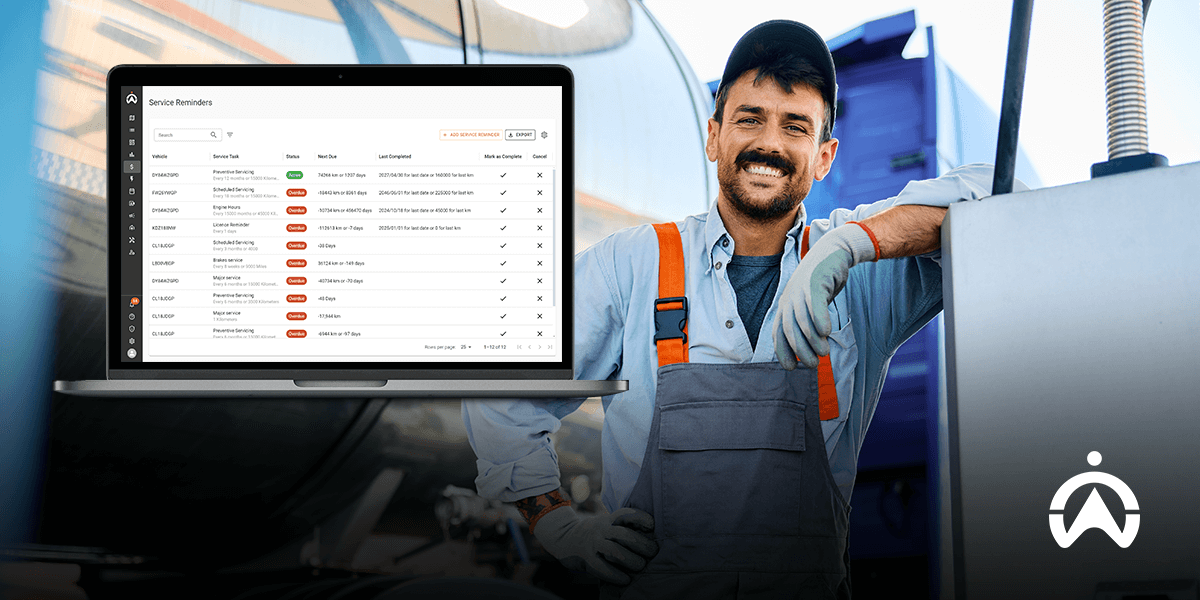
    Cartrack understands that each fleet has unique needs, which is why we offer customisable maintenance schedules tailored to your specific fleet profile. Our system takes into account the type of vehicles you operate, their usage patterns, and manufacturer recommendations, ensuring that maintenance is scheduled at the optimal time for each asset. Furthermore, we provide automated reminders for scheduled maintenance tasks, such as oil changes, tyre rotations, or filter replacements. These reminders are delivered via email or the Cartrack mobile app, ensuring that no important maintenance task is overlooked.
    ‍
  2. ‍Proven Results in Reducing Downtime and Saving Costs
    Cartrack’s predictive maintenance technology has consistently delivered tangible results in reducing unplanned downtime and lowering maintenance costs for fleets of all sizes. By providing accurate, real-time data on vehicle health, we enable businesses to shift from reactive maintenance strategies to a more proactive, data-driven approach. Our predictive insights allow fleet managers to address small issues before they escalate, preventing costly breakdowns and repairs.

    Our customers have reported significant improvements in both vehicle uptime and cost savings through Cartrack’s predictive maintenance solutions. By preventing unexpected repairs and optimising maintenance schedules, businesses can reduce repair costs, extend the lifespan of their assets, and improve fleet performance.
    ‍

  3. ‍Real-Time Alerts and Predictive Insights
    Cartrack’s advanced alert system offers immediate notifications when a vehicle requires attention. This helps ensure that issues are addressed before they result in a breakdown. Whether it’s an engine anomaly, a critical component failure, or unusual driving behaviour, fleet managers receive predictive alerts through the Cartrack app or other communication channels. These insights enable a proactive approach, allowing for quick fixes or the adjustment of maintenance schedules to avoid disruptions.

    With Cartrack’s real-time alerts and insights, you can stay ahead of potential problems and significantly reduce the risk of unplanned downtime.
    ‍

  4. ‍Data-Driven Performance Optimisation
    Cartrack’s system also provides performance analytics that go beyond predictive maintenance. By monitoring trends in fuel efficiency, driving patterns, and vehicle health, fleet managers can identify inefficiencies and make data-driven decisions to improve overall fleet performance. Optimising routes, adjusting driving behaviour, and managing fuel consumption not only contribute to vehicle longevity but also enhance operational efficiency and reduce costs across the fleet.
    ‍
  5. ‍Comprehensive Reporting and Fleet Insights
    Cartrack’s platform offers comprehensive reporting tools that allow fleet managers to track and analyse data on all aspects of fleet performance, from maintenance schedules to fuel consumption. These reports can be customised to your specific needs, offering detailed insights into the health and status of each vehicle. With Cartrack, you can track the progress of maintenance tasks, compare fleet performance over time, and gain a deeper understanding of which vehicles or components are most likely to require attention.
    ‍
  6. ‍24/7 Vehicle Monitoring
    One of the key advantages of using Cartrack’s telematics system is our round-the-clock vehicle monitoring. Our platform continuously collects and analyses data from all vehicles in the fleet, providing real-time insights into their performance, condition, and location. This 24/7 surveillance ensures that fleet managers are always informed, whether they are on the go or managing their fleet from the office. With Cartrack, fleet operators can detect issues as they emerge, allowing for immediate action to prevent failures and keep operations running smoothly.
Worker in overalls presenting a laptop screen displaying service reminders.

The Future of Predictive Maintenance

The evolution in technology is going to continue to open the door wider for predictive maintenance. Future breakthroughs promise ever more intelligent machine learning algorithms, tighter integration of Internet of Things (IoT) devices, and more in-the-moment monitoring capabilities. Thus enabling companies to achieve more precise predictions on failures and the improvement of operational efficiencies.

Predictive maintenance, in short, is a drastic shift in strategy for an organisation with a fleet of vehicles or heavy equipment. For organisations trying to remain competitive, predictive maintenance is no longer optional but rather a strategic need. To optimise fleets, reduce unplanned downtime, and boost productivity Cartrack’s advanced telematics solutions are the best way to go.

Cartrack is at the forefront of this technological evolution to make businesses shine with smarter, safer, and cost-effective fleet management practices.

Contact us today to learn more about how Cartrack can help you and your fleet stay ahead of the curve.

FAQs

What is the ROI of predictive maintenance?

The ROI depends on factors like the industry, equipment complexity, and implementation scale. However, businesses typically see significant savings through reduced downtime, lower repair costs, and enhanced operational efficiency.

Can small businesses implement predictive maintenance?

Yes, with the increasing affordability of IoT devices and scalable cloud-based platforms, even small businesses can leverage predictive maintenance to improve efficiency and reduce costs.

How does predictive maintenance differ from preventive maintenance?

Predictive maintenance relies on real-time data to predict failures and act just in time, whereas preventive maintenance follows a fixed schedule based on time or usage, regardless of equipment condition.

What industries benefit most from predictive maintenance?

Predictive maintenance is widely used in industries like manufacturing, transportation, energy, healthcare, and utilities—where equipment reliability and uptime are critical.

Vehicle Tracking Companies: 5 Questions to Ask Before Signing Up

No matter what car you use, old or new, a GPS-tracking device is a must! There are so many companies available to choose from in Namibia but how will you know if you’re making the right choice?

Vehicle tracking companies offer similar services with varying degrees of success, but ultimately, the decision is yours to make.

We know that finding one that best suits your needs is not easy, so to help you narrow down the search, we have compiled 5 top questions to ask a vehicle tracking company before signing up.

In this article, you will:

  • Discover the 5 top questions to ask a vehicle tracking company before signing up
  • Explore other factors to consider when seeking a tracking unit service provider
  • See the solutions Cartrack has to offer

5 questions to ask vehicle tracking companies before signing up

Imagine signing up for a vehicle tracking service only to realise that you made the wrong decision. This is a mistake you don’t want to make, so it is important to research before it is too late. The process might be a bit tedious; however, if you approach it with the right questions, you will head in the right direction.

Here are the top 5 questions to ask any vehicle tracking company before sealing the deal:

1. How much does the GPS tracking unit cost? 

GPS tracking unit prices generally range around N$99 a month. They vary depending on the sophistication of the device and features. The cheapest offer is obviously budget-friendly, but what you get out of it might not be what you truly need. For example, some companies only offer location-based tracking as their cheapest service. This means that you can see where your car is at all times but should it be stolen, they will not help you retrieve it. Living in Namibia requires you to go for a package that includes stolen vehicle recovery services.

2. What do the GPS-tracking payment options look like?

A good vehicle tracking company will give you two or more payment options. For example, at Cartrack, you can choose between a cash contract and a rental contract. Both options have key benefits; cash is better for people who prefer to pay a lump sum upfront to avoid long-term commitments, while a rental contract is more flexible and budget-friendly. Find out the fine details of how both work so you can pick the best option for your situation. In addition, ask about any other extra costs you might need to cover in the future.

3. Where will the tracking unit fitment be done? (Will I pay for the installation?)

In order to install a tracking unit, the vehicle must be parked in a discreet location so that no one sees where it is placed. For this reason, most vehicle tracking companies offer installation services through fitment centres and branch locations. A good vehicle tracking company should have fitment centres available nationwide, and not only in the major cities. They should also give you the option of having the installation done in the comfort of your home.

In addition, keep in mind that most vehicle tracking companies require you to pay an installation fee, in some cases ranging from about N$1500-N$2500, but at Cartrack, we give you free installation.

4. Are there any added services included?

Vehicle tracking companies not only keep an eye on the location of one’s car, but also offer several other services such as roadside assistance, legal assistance, medical assistance, and accident detection. These features are there to enhance safety and convenience. Find out what other services the company offers, as it is better to have all your car-related services coming from the same provider.

5. What happens to the tracking unit if my vehicle is in a remote area?

Some places have less network coverage than others and this is another element you need to look into. Cartrack’s vehicle tracking system gives you nationwide network coverage, and when you are in an area with little or no coverage, the unit will continue to record up to 5000 data points (location, speed, etc.). This ensures that your car’s location is never out of sight when you are driving in the middle of nowhere.

Person at a computer with a map on the screen, in a dark room with city lights outside.

Additional questions to consider when choosing a GPS tracking service provider

Still curious about the full scope of a tracking company’s offerings? Delve deeper with these questions:
‍

What is their recovery rate and do they have a warranty?

The success rate of a vehicle tracking company is a very important factor. You need to ensure you are connected with providers boasting high success rates in vehicle retrieval. In the event that the stolen or hijacked vehicle cannot be recovered, how can the company help you? It’s better to choose a company that offers a recovery warranty because the outcome is not always favourable.

What are the standard features?

The standard features of a stolen vehicle recovery service are:

  • Real-time location data: Where you get map views of your car to monitor the location at any time and always know where it is.
    ‍
  • Alerts: These should notify you of things such as your vehicle entering a risky area or your car battery being tampered with.
    ‍
  • Trip history: This displays all your journeys and driving habits, such as harsh cornering and speeding. You can replay your trips and see what you can improve on.

Are they a reliable vehicle tracking company?

A favourable GPS tracking company is one that acts quickly when you need assistance. Not only through emergency phone calls but also when you have a query. So how do you know if they are reliable? The best way is through word of mouth or online reviews. Check their trust index rating on websites such as Hello Peter and compare.

Is their software user-friendly?

The system should be straightforward with an app and website that are designed to be easy to use and understandable to the average person. The user experience should cater for differences in tech savvness and be more focused on convenience.

Why sign up with Cartrack?

Are you ready to join the industry leaders of vehicle tracking? If you are, then you have made the right decision. Over the past 20 years, Cartrack has played a significant role in saving many lives, and recovering stolen vehicles. We have an externally audited recovery rate of approximately 90%, the highest vehicle tracking trust index on Hello Peter, and were voted The Star’s Best Vehicle Tracking Company for 2023 in the Readers’ Choice Awards.
‍
If you still need more convincing, here are more reasons to sign up with us. We offer:
‍

Competitive pricing

Unlike others, our cheapest payment plan still gives you access to Stolen Vehicle Recovery services, plus we offer free installations. In the unfortunate event that your car is stolen, you will feel more at ease knowing that our 24-hour control room agents and skilled air and ground recovery teams are always on standby, and ready to get it back to you.

Live location tracking‍

See your vehicle’s location at all times through the Cartrack mobile app and get real-time updates. The Cartrack mobile app and website can give you smart map views of your vehicle at any time. For example, if you lend someone your car, you will see through the mobile app where that person is and how he/she is driving.

Cross-border Stolen Vehicle Recovery

Our advanced vehicle tracking unit supports international roaming. In the case that your car is stolen and smuggled out of the country, we will still be able to locate your vehicle and recover it. This option depends on the package you choose.

Geofences

Create virtual boundaries around areas of your choice so you can get alerts whenever your car enters or exits those areas. This feature can be used for high-risk zones or any other place that you would want to get alerts on.

Anti-Jamming Technology

Nowadays, criminals use signal jammers to block the network, making it difficult for most vehicle tracking companies to find your car. But with Cartrack, this is not an issue as we have advanced anti-jamming technology that will keep us in touch with your car’s location even when the thieves try to block the signal.

Carwatch

Get a virtual car guard to alert you whenever your parked car moves without your permission. Switch on the feature on the mobile app every time you park your car, and we will quickly notify you of any unauthorised movement.

Protector

Cartrack’s Protector solution is a value-added service that ensures that you are never left stranded on the road. Get 24-hour access to roadside assistance, medical assistance, and legal assistance. All you need to do is push a button on the mobile app.

Crash Detection

The moment your car is in an accident our smart IoT (Internet of Things) device notifies us so we can immediately dispatch emergency response services and inform your emergency contacts.

A person in a uniform stands before a fleet of Cartrack-branded vehicles.

Cartrack is the answer to all your questions

Signing up with us is a quick and easy process. You get peace of mind and some certainty about the safety of your vehicle.

Cartrack is the leading force in stolen vehicle recovery and is trusted by over 2 million subscribers. We provide all the tools you need to keep you and your family safe on the road. If you want to sign up, contact us today and we’ll have an expert to answer all your questions.

Want to know more about finding the right vehicle tracking? Here are some frequently asked questions.‍

Q: How do companies track their vehicles?

A: Companies use tracking devices to keep an eye on vehicle locations and monitor driver behaviour. Vehicle tracking systems use GPS technology to gather location data from the tracking device installed in the vehicle. This data is transferred to a server, processed, and then made easy for companies to access and understand by way of a website or app. ‍

Q: What information do car tracking devices give? 
A: Vehicle tracking devices give the following information:

  • Location Data: Real-time location, vehicle start and stop locations, trip history, and points of interest.
  • Driver behaviour:
  • Engine Diagnostics:

‍
Q: What is the purpose of a vehicle tracking system?
A: The purpose of a vehicle tracking system is to provide vehicle owners with location information and other data such as driving behaviour, vehicle diagnostics, and engine health. ‍

Q: What is a vehicle tracking plan?
A: A “vehicle tracking plan” is a strategy outlining how a company will use a vehicle tracking system to monitor the location and activity of its fleet vehicles, typically utilising GPS technology, to optimise routes, improve efficiency, enhance security, and gain insights into driver behaviour, all to manage the fleet more effectively and reduce costs. ‍

Contact us today and cast your worries away!

How to Save Petrol When Driving Long Distances

Let’s face it, fuel costs are a constant headache. And those who love the open road, know that long-distance driving can easily break the bank. But the good news is that with a few simple adjustments, you can stretch your petrol further, save money, and enjoy every moment of your road trip.

This blog will share useful tips for using less fuel during long drives while keeping your driving experience stress-free.

We’ll also highlight how Cartrack’s smart features can make saving petrol even easier.

Ready? Let’s hit the road, efficiently!

In this article, you will:

  • Be able to identify the factors that affect fuel usage on long trips
  • Learn simple ways to use less fuel
  • Know how Cartrack’s products can help you drive smarter and save money

How to Save Fuel on Long Trips

Going on long trips, whether for family fun, work, or a short break, can be exciting but usually uses a lot of fuel. The good thing is that by making some simple changes to how you drive, you can save a lot on fuel. Here’s how:
‍

Drive at an Optimal Speed

Have you ever noticed how your fuel gauge seems to hold steady when you’re cruising along the highway at a smooth pace? That’s because every car has an “optimal speed” for fuel efficiency. Typically, the ideal driving speed lies between 90 km/h and 110 km/h.

Driving too fast makes your engine guzzle fuel like it’s in a race, while going too slow forces it to work overtime just to keep moving. Finding the right balance not only saves fuel but also makes your drive smoother and more enjoyable.

Check Your Tyre Pressure

When was the last time you checked your tyre pressure? Under-inflated tyres are sneaky culprits behind increased fuel consumption. They create more resistance, forcing your engine to work overtime just to keep your car rolling.

Before any long trip, take a few minutes to check and adjust your tyre pressure to the manufacturer’s recommended levels. It’s a quick win that makes your car safer, your ride smoother, and your fuel last longer.

Lighten Your Load

We’ve all done it, packing for a trip and adding extra things “just in case.” But every extra kilogram in your car makes the engine work harder and use more fuel. The heavier your car, the harder your engine has to work to keep it moving. Clearing out unnecessary items, like extra luggage or unused gear, can make a big difference. A lighter car not only uses less fuel but also reduces wear and tear, helping it last longer.

Practice Smooth Driving

Your driving habits have a bigger impact on fuel consumption than you might think. Sudden acceleration, hard braking, and excessive idling all burn through fuel unnecessarily. Instead, aim for a smooth and steady rhythm—gradual acceleration, gentle braking, and maintaining a consistent speed. Not only does this save fuel, but it also makes your drive more relaxed and enjoyable.

Keep Your Car in Good Shape

A car that’s taken care of works better. If you don’t do important things like changing a dirty air filter, using clean engine oil, or fixing old parts, it can hurt your car’s fuel use. Small problems can grow over time, making your car less efficient and using more fuel. Do regular checks and fix small issues to keep your car running well. This can save money on fuel and avoid big repairs.

Person sitting in car trunk with two suitcases near the ocean.

Why Smarter Fuel Use Matters

In addition to reducing expenses, using less fuel offers several other significant benefits that positively impact both individuals and the environment.

  • Better for the Environment
    Using less fuel is an easy way to help protect the Earth. When we use less fuel, we release fewer gases that can pollute the air and that helps slow down climate change. No matter if you’re going to work or on a long trip, saving even a little fuel helps make the air cleaner and the environment better.
    ‍
  • Better Habits for Longer Car Life
    Driving in a way that uses less fuel
     also helps your car stay in good condition. Starting smoothly, braking gently, and driving at steady speeds make the engine and other parts of your vehicle work less hard. This lowers the chance of mechanical damage, so your car may last longer and need fewer expensive repairs. Over time, this can mean fewer visits to the car repair specialist and a vehicle that works well for many more years.
    ‍
  • Better Money Management
    Fuel costs are a big part of most family or business budgets. By using less fuel, you can save money for important things such as having an emergency fund, growing your business, or just treating yourself. Cutting back on fuel costs makes managing your money easier and helps you stay in control of your budget.

How Cartrack Makes Saving Petrol Easy

Now that you know some ways to save fuel, let’s see how Cartrack can help you do even better. With special features tailor made to improve your driving, Cartrack can help you save money, time, and fuel.

  1. Live GPS Vehicle Tracking
    Imagine being able to see exactly where your car is. Cartrack’s GPS system does exactly just that. It helps you avoid traffic, roadwork areas, and extra turns, so you save fuel and reach your destination faster.
    ‍
  1. Automated Maintenance Alerts
    Never miss an oil change or tyre rotation again. Cartrack sends you timely reminders about maintenance tasks, ensuring your vehicle runs at peak efficiency. A well-maintained car is a fuel-efficient car, after all.
    ‍
  1. Driver Behaviour Insights
    Do you drive too fast or brake suddenly? Cartrack’s solutions allows you to see how you can drive better. By changing your habits, you’ll use less fuel, cause less damage to your car, and become a safer driver.
    ‍
  1. Route Optimisation
    Are you taking the most fuel-efficient routes? The Cartrack App helps you find the quickest and most cost-effective routes to your destination. By avoiding traffic and unnecessary detours, you’ll save fuel, reduce travel time, and cut down on wear and tear on your vehicle.
View of a road through rolling countryside from a car's interior.

Now that you’ve got some simple tips for saving fuel, you can hit the road knowing you’re driving smarter. With Cartrack’s tools keeping you on track, you’ll save money and make the most of every trip.

So, Why not let Cartrack help you save on fuel? Contact us today to find out more.

Safe travels and remember: a few easy changes can go a long way!

Frequently Asked Questions on How to Save Petrol

Q: Can using cruise control save fuel?

A: Yes, especially on highways, as it helps maintain a steady speed and reduces unnecessary acceleration and braking.

Q: How can Cartrack’s tools improve fuel management?

A: Cartrack offers real-time information about fuel consumption, the best routes, and how drivers behave, helping you make smart choices to use less fuel.

Q: Should you drive with the windows open or use the air conditioner?

A: At lower speeds, open windows are more efficient. At higher speeds, use air conditioning to reduce drag.

Q: How do you fix high fuel consumption?

A: There are several ways that you can “fix” your fleet’s high fuel consumption, here are a few:

  • Don’t speed
  • Take your vehicle for regular maintenance checks
  • Make use of fuel additives
  • Keep an eye on your RPMs
  • If you’re driving a modern vehicle – utilise the cruise control function

Q: Why is my car using so much fuel?

A: There isn’t just one answer, some causes may be:

  • Aggressive driving behaviour – harsh acceleration and braking
  • Excessive idling
  • Regularly being stuck in traffic or stop-and-go
  • ‍‍Not having the correct oil and filters
  • Your clutch might be worn

Q: What are the possible causes of high fuel consumption?

A: High fuel consumption can have different origins, such as:

  • Aggressive driving
  • Driving in the wrong gear
  • Idling too often and for too long
  • Not changing your oil regularly
  • Using your air conditioning too often

Q: Can injectors cause high fuel consumption?

A: Yes, injectors can cause high fuel consumption. If your injectors are dirty or worn out, they can burn fuel at a faster pace, which increases fuel consumption.

GPS Tracking: How It Saves The Day During Emergencies

Vehicle theft is a significant problem, with thousands of cars stolen every year. GPS tracking technology plays a crucial role in preventing, recovering, and managing stolen vehicles, as well as ensuring fast responses during emergencies.

Emergencies can strike at any moment, and being prepared to respond quickly can mean the difference between life and death. In today’s fast-paced world, technology has evolved to play a pivotal role in managing these critical situations.

In this blog, we will discuss how GPS tracking systems have become essential in crisis management, and how Cartrack’s innovative products are providing the solution.

In this article, you will:

  • Discover the role GPS tracking plays in emergency services
  • Learn how GPS tracking enhances response time
  • Find out why Cartrack’s GPS tracking solutions are right for you

The Role of GPS Tracking in Emergency Situations

An emergency can happen at any time, from medical issues to a hijacking. It is important that when help is needed that it comes as promptly as possible. This is particularly true in places, where crime rates are higher and roads not safe to drive at certain times. In emergencies such as accidents or health crises on the road, GPS tracking becomes the most reliable solution.

GPS tracking technology has allowed for the accurate positioning of assets and vehicles, this in turn has made the search of these items easier. This development in technology has been of great benefit to law enforcement and other security companies, as they can locate vehicles and assets with extreme accuracy, pinpointing the exact location within a 5-metre radius.  Rescuing people, recovering lost and stolen vehicles and attending to other emergencies is now done with a higher success rate. This has meant that more lives have been saved, and assets recovered.

Another benefit of a GPS tracking unit is that it helps with insurance premiums and payouts. Vehicles with tracking units have lower premiums and are considered as a lower risk to insurance companies. In the unfortunate event that a vehicle is stolen, GPS tracking helps provide crucial evidence to insurance companies, making the claims process easier.

How GPS Tracking Enhances Emergency Response Time

When in an emergency all response teams and protocols must be managed swiftly. This includes medical assistance and any other ground teams necessary for emergency situations.
‍

Here are some emergency response areas that have been enhanced by GPS tracking:
‍

Stolen Vehicle Recovery

GPS tracking systems installed in vehicles allow for precise tracking of the vehicle’s location in real-time. If a car is stolen, the owner or law enforcement can immediately access this information. This significantly reduces the time it takes to locate and recover the stolen vehicle.

With GPS tracking, law enforcement agencies can track the movement of a stolen vehicle and coordinate a fast response. By providing real-time coordinates, the police can track the vehicle, and recovery teams can intercept it before it’s taken too far.

Many GPS tracking systems come with panic buttons or automatic alerts that are triggered when the vehicle is stolen. These alerts send notifications to the vehicle owner or a monitoring centre, allowing immediate action to be taken to track and recover the vehicle.

Natural Disasters and Emergencies

During natural disasters like floods and wildfires, GPS tracking helps emergency teams coordinate rescue efforts and navigate through blocked or dangerous routes. GPS technology enables responders to identify safe evacuation routes and track the location of victims needing help.

GPS tracking systems are also used to monitor critical infrastructure during a disaster, such as the movement of food, medical supplies, and equipment. By tracking assets in real-time, authorities can ensure that aid reaches the right places, and that logistics are handled smoothly.

Aerial view of a flooded area with stranded vehicles and rescuers.

Why Cartrack’s GPS Tracking Solutions are Ideal for You

Cartrack is best positioned to provide you with comprehensive GPS tracking solutions. The company has a long history in the industry and leads with a 90% stolen vehicle recovery rate. The GPS technology used at Cartrack allows you to live track your vehicles and gain access to actionable insights into your vehicle or fleet’s status, helping you improve your decision-making process.

At Cartrack, we leverage cutting-edge GPS tracking technology to offer timely, accurate, and reliable solutions that ensure you are always one step ahead in emergencies.
‍

Here are some of the benefits that come with having Cartrack’s GPS solutions:
‍

Improved Chances of Recovery

Hijackings are unfortunately common, and the use of GPS tracking can dramatically improve response times in such emergencies. If a vehicle is hijacked, the owner or the police can quickly pinpoint the location of the vehicle. Authorities can then track the vehicle discreetly, ensuring a safer recovery and potentially arresting the hijackers before they can escape.

A stolen vehicle is often hidden in remote or secluded locations, sometimes being sold or disassembled for parts hours after the theft. With GPS tracking, the chances of recovering a stolen vehicle increase significantly because the authorities can track the vehicle’s movements and quickly prevent it from being hidden or sold.

Criminals may try to disable or jam GPS systems, but Cartrack’s GPS trackers are resistant to these attempts. In case the GPS signal is lost or interrupted, the system can store location data and update it once the signal is restored, allowing for continuous tracking.

Safety in Emergency Situations

Crash Detection

Our smart IoT device uses special g-force technology to detect an accident in real- time, allowing us to immediately send emergency services to your exact location so you can get the help you need when it matters most.

Emergency Roadside Support

Get medical, roadside and legal solutions, all at the push of an emergency button. This feature ensures that law enforcement and medical help can intervene. This is the Protector value-added service Cartrack offers as part of its vehicle tracking offering.

Two Cartrack recovery agents in tactical gear standing beside a patrol car.

Peace of Mind for Vehicle Owners

Constant Monitoring

GPS tracking provides vehicle owners with peace of mind, knowing they can monitor their car’s location at any time. In a country where vehicle theft is a major concern, this added security feature ensures that owners can take immediate action if their vehicle is stolen or involved in any other emergency.

Geofencing Alerts

GPS tracking allows owners to set virtual boundaries or “geofences.” If a vehicle moves outside these designated areas, the system sends an alert to the owner. This is useful in preventing theft or unauthorised use and can also help in emergencies where the vehicle may have been hijacked or taken without permission.

With Cartrack’s advanced GPS tracking technology, you can rest assured that help is always on the way when you need it most. Regardless of location or time, Cartrack ensures that emergencies are managed with precision, speed, and efficiency.

Experience the best of emergency response with Cartrack’s GPS tracking solutions today. Contact us to hear about our comprehensive offering.

Frequently Asked Questions

How does GPS help in emergency response?

Knowing the precise location of landmarks, streets, buildings, emergency service resources, and emergency sites reduces the time needed to send through help. This is especially true for stolen vehicle recovery, where every minute matters.

How often does a GPS tracker need to be charged?

Cartrack’s GPS tracking units remain fully charged even when the vehicle is off. 24/7 tracking is guaranteed and can be checked on the mobile app at the client’s convenience.

How many lives has GPS tracking impacted?

Many lives have been impacted by the use of GPS tracking, in November of 2024 alone Cartrack was able to recover 1907 vehicles. This is only possible due to the company’s advanced GPS tracking tools and technology.

How does GPS tracking help with safety?

With GPS tracking you and your assets are always accounted for and can be located with great accuracy in the case of an emergency. This is especially useful when the recovery of a stolen vehicle is underway as it will reduce the time taken to complete the job.

How reliable is a GPS tracker?

Modern GPS tracking systems are highly accurate, with most devices capable of providing location data within a range of 3 to 15 metres.