
Best Practices for Implementing AI Camera Systems

The past few years have seen the introduction of Artificial Intelligence (AI) to the masses, becoming one of the most talked about innovative technological products. Many industries have adopted this new technology as a step toward digitising all their processes.

Camera systems are no different; they too have been integrated with AI features and capabilities. This means cameras can now do more than just record and store footage.

Let us learn what the best practices are when implementing AI camera systems and how Cartrack is one of the leaders in this transformation, with their advanced AI-driven video telematics solutions.

In this article, you will:

  • Learn about AI cameras in fleet management
  • Find out the needs to consider before implementing them
  • Discover how to choose the right AI camera
  • Find out the best practices for implementing AI cameras
  • Discover the future trends in AI cameras
  • Learn why Cartrack offers one of the best AI camera systems

Best Practices for Successful Implementation of AI Camera Systems

Successfully integrating AI cameras into your fleet requires a strategic and structured approach. Start by defining your safety and operational goals first and use that framework to find a compatible system. Installation, training for all of your drivers, and ongoing technical support are crucial for maximising the technology’s impact. By following best practices, businesses can enhance safety, efficiency, and compliance while minimising resistance and disruption.

Assessing Fleet Needs Before Implementing AI Camera Systems

Before incorporating AI cameras into a fleet, a business must first figure out what challenges it wishes to address and what the ultimate objective will be. In the Namibian transport sector, obstacles include a high incidence of accidents, instances of fuel theft, and inconsistency in road infrastructure.

Four questions to consider before implementing an AI camera system:

  1. What risks facing your fleet will AI cameras help with?
    ‍
  2. How will AI cameras help reduce accidents and liabilities?
    ‍
  3. How can real-time driver coaching and monitoring help with safety?
    ‍
  4. Will the camera systems help the business with compliance and reporting?

By addressing these questions, fleet managers can tailor their AI camera strategy to align with their operational goals.

AI Camera System Installation Best Practices

Adding AI camera systems to your fleet requires some considerations to be made. These considerations should align with the best practices in the industry and should also serve to achieve the business’ strategic goals. This is why implementing a camera system that can integrate with a fleet management program is vital. Integration with fleet management software ensures data flows seamlessly into operational dashboards, making it easier to navigate the system and see what is happening.

Let’s look at some of the other best practices when implementing an AI camera system.

Data Privacy and Compliance Considerations

Data privacy is one of the most critical considerations in the implementation of AI camera systems in fleet management. In Namibia, fleet managers should ensure that their operations comply with the Draft Data Protection Bill, to protect driver privacy and avoid penalties. Proper handling of the video data creates trust between the employee and the business as well as the coverage of the organisation from data breaches and regulatory considerations.

Compliance measures that you can consider include:
‍

Access control

Managing who has access to the footage is important if you want to maintain privacy. Fleet managers and compliance personnel should be the only people authorised to retrieve and review the videos. Basing access on role, as well as using secure login credentials will keep sensitive information from leaking or being seen by unauthorised people.

Clear policies

Data Protection Bill compliance requires clear policies to be in place, this should cover video footage, personnel access, and the conditions under which the video should be retrieved and reviewed. Trust will be built with drivers when these policies are shared and explained to them.

Data encryption

Video footage should be encrypted to prevent breaches or unauthorised viewing. Having this technology ensures that sensitive information remains secure and is not used maliciously. Unfortunately, not all AI camera systems provide this capability and will depend on the specific company’s product offering.
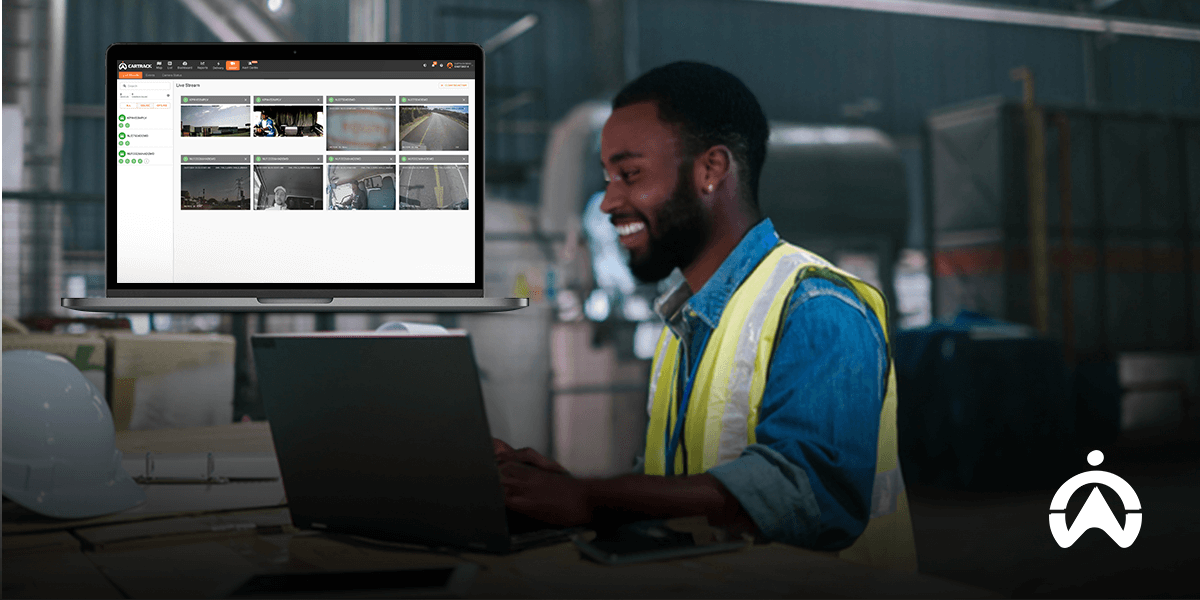
A worker in a safety vest reviews live camera feeds on a laptop in a warehouse setting, with equipment and supplies in the background.

Training Drivers and Fleet Managers

Understanding how these cameras work may require some members of the staff to get training, which is why proper training is essential for the successful adoption of AI camera systems. Providing adequate training for system operators and users will become necessary, especially for those who will be using it regularly. Raising awareness about ethical AI usage should also be considered as there will be some legal guidelines to follow.

Conduct Pilot Testing

Before the AI camera system is installed across the board, a test will need to be done to see how the system functions. This will mean testing systems in controlled environments to identify potential issues and functionality problems. This testing can be done by both managers and, in the case of fleet management, drivers as well. You will need to gather feedback from the pilot testing phase and then refine deployment strategies accordingly.

Leveraging AI for Driver Safety

AI cameras are revolutionising road safety by proactively identifying and alerting drivers about risky behaviours. By using advanced algorithms and real-time monitoring, these systems detect potential hazards before they escalate into accidents. This not only protects drivers but also reduces operational costs associated with collisions and liability claims. Here’s how AI cameras significantly enhance driver safety:

  • Fatigue
    Driver fatigue is a leading cause of road accidents, often resulting from long hours behind the wheel or inadequate rest. AI cameras can detect tiredness through indicators such as excessive blinking, yawning, or head nodding. Once these behaviours have been identified, the system generates an instantaneous alert for the driver, informing him that he needs to stop. This ensures that accidents due to fatigue are prevented, while also allowing fleet managers to enforce safe driving schedules.
    ‍
  • Distraction
    Distraction is another metric that AI cameras measure, this is usually smoking or cell phone use while driving. It is these distractions that often lead to bad judgement on the road, resulting in accidents or bad decision-making. AI Cameras assist by flagging these behaviours as they happen and notifying the driver so that can self-correct.
    ‍

Using AI Cameras for Incident Investigation

AI-powered cameras greatly assist with incident investigations by providing evidence in the event of any accidents, thefts, or insurance disputes. AI camera systems tag notable incidents automatically, allowing for safe storage and easy retrieval of vital footage. In doing so, the risk of important details going missing is reduced and the investigation process speeds up.

Here are some more applications for AI cameras beneficial for fleet operators:

  • Accident analysis: High-resolution footage accurately reconstructs events for determining the fault.
    ‍
  • Insurance claims: Claims can be backed with video evidence, speeding up processing while preventing disputes.
    ‍
  • Fraud prevention: Good-quality incident footage can deter false claims and fraudulent conduct.

Integrating AI Cameras with Fleet Management Software

Fleet managers can now integrate telematics from an AI camera into their fleet management software, which will reflect an integrated real-time perspective into fleet operations. This will allow companies to access a single platform for the analysis of driver behaviour and vehicle performance. This integration includes:

  • Live-streaming capabilities: Fleet managers can view live footage, enhancing situational awareness and enabling rapid response to emergencies.
    ‍
  • Comprehensive reporting: Detailed dashboards provide insights into driving patterns, vehicle utilisation, and safety trends, supporting data-driven decision-making.
    ‍
  • Automated alerts: Real-time notifications for risky behaviours, such as speeding or harsh braking, allow proactive intervention to prevent accidents.

This integration not only improves safety and general operations but also enhances compliance and reporting.

Continuous Monitoring and Improvement

Regularly evaluating system performance and making necessary adjustments is necessary and will need to become a standard practice. This will aid in keeping the system in check and functioning in top condition. Staying updated with technological advancements and regulatory changes also assists in making sure that your camera system is still aligned with all the legal requirements as and when they are changed or updated.
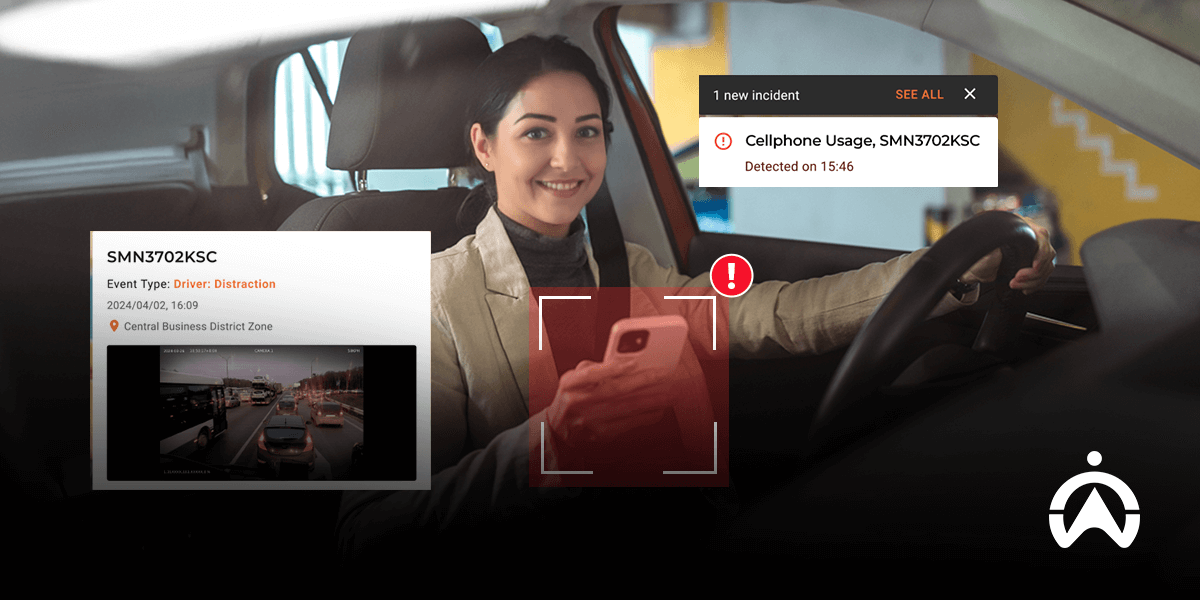
A driver holds a cellphone, displaying a notification about distracted driving events, while seated in a car.

Choosing the Right AI Camera System

Not all AI cameras are equal. Fleet management teams looking to adopt them need a solution to ensure safety and compliance while maximising operational efficiency. The most ideal AI camera will deliver quality video data, intelligent analytics, and seamless integration into cloud applications while also being flexible enough to scale as the size of your fleet increases. Here are the factors that need to be considered when choosing the best AI camera system:
‍

Video Quality

Clarity is everything in incident review and driver oversight. High-resolution AI cameras deliver crystal clear images that allow fleet managers to assess road conditions, and external hazards with an unerring eye for detail. Clear video also strengthens liability protection, helping businesses dispute false claims and reduce insurance costs.

AI Analytics

AI camera systems do more than just record footage. They analyse driver conduct in real-time. These smart-systems detect dangerous behaviours, including smoking, harsh braking, fatigue, and the use of mobile phones. These events trigger alerts that notify the fleet manager in real-time. Fleet managers use these insights to identify risks early and take proactive measures to prevent accidents and improve driver performance.

Cloud Integration

Traditional in-vehicle cameras rely on manual data retrieval, which is inefficient and time-consuming. AI cameras integrated with cloud storage capabilities allow fleet operators to retrieve video files remotely. This allows for incident resolution, insurance claims, and compliance audits to all be handled quickly.

Scalability

As your business grows, so should your AI camera system. It should easily connect to new vehicles, additional drivers, and changing fleet demands in the future. It could be a few vehicles or an entire fleet across the country, your AI camera system should be able to grow with you.

Key Features of AI Camera Systems

AI-powered fleet cameras offer a range of advanced features, including:

Feature Benefit
Real-time monitoring Provides instant visibility into driver behaviour
AI-driven alerts Notifies fleet managers of risky driving practices
Cloud storage Ensures secure storage and quick retrieval of footage
GPS integration Syncs with location tracking for better oversight

By adopting these AI-driven capabilities, fleet operators gain access to actionable insights that improve decision-making and reduce operational risks.

Benefits of AI Camera Systems

Implementing artificial intelligence cameras comes with many benefits, both for the business and the drivers. These benefits are applicable to businesses and fleets of all sizes. Let’s have a look at what some of them are:

  • ‍Enhanced Safety
    Security is an important part of running a business where you have employees on the road. This security can relate to the vehicle, the driver, and the cargo that is on delivery. AI camera systems promote safer driving by detecting risky behaviour and instantly alerting fleet managers to potential safety violations. This leads to a safer journey overall.
    ‍
  • ‍Improved Incident Investigation
    In the event of a collision between vehicles, there is often a back-and-forth on who is to blame for the accident. Most of this uncertainty is based on the opposing testimonies of the drivers in question. AI cameras provide indisputable video evidence, reducing disputes and expediting insurance claims.
    ‍
  • ‍Operational Efficiency
    AI camera systems that come with driver behaviour monitoring can track and measure how often the driver engages in bad driving habits. These habits, such as idling and harsh acceleration, can lead to high fuel costs which could increase the business’s operational expenses. Identifying these issues helps reduce the financial toll they incur on the business in the long run.
    ‍
  • ‍Data-Driven Decision Making
    The information and analytics gathered from these AI camera systems can be compiled and put together as a report to reflect the fleet and driver’s performance. These reports can then be used to inform future business decisions regarding deliveries, driver safety, and cargo control measures.
    ‍
  • ‍Cost Reduction
    Artificial intelligence cameras have an indirect impact on business costs, reducing them when used correctly and wisely. The management of fuel costs, the reduction of insurance premiums, and the mitigated legal disputes all add up to significant savings on the business front. These expenses would have otherwise been slowly racking up over time, compounding as the business grows and fleet size increases. Having this additional cash redirected to more meaningful expenses can be a reality when these camera solutions are used well.

Addressing Challenges and Resistance to AI Cameras

While AI cameras may provide safety and efficiency in fleets, some companies and even drivers may be reluctant to adopt them. Privacy concerns, cost factors, and inherent resistance to change stand as common queries. These concerns are valid but do come with solutions, let us see them below:

Concern Solution
Privacy Issues Transparent policies and driver education
High Costs Long-term cost savings outweigh the initial investment
Driver Resistance Highlighting safety benefits and offering incentives

Addressing these concerns proactively ensures smooth adoption and long-term success.

Measuring ROI and Performance Improvements

If ever a new piece of technology is being implemented the cost should be greatly considered, especially seeing how it will bring its return on investment. The initial investment in this technology should match the long-term benefits, in this case, AI cameras are very much worth it. The initial cost is marginal compared to how much potential income it will recoup from mitigating expenses associated with bad driving.

An added benefit is that these camera systems last for very long times and only occasionally need maintenance and repairs. Meaning that the rewards can be reaped for many years to come for only an initial installation fee and affordable monthly subscription.

Future Trends in AI Camera Technology

AI-driven fleet monitoring is developing fast with new technologies emerging yearly. One of these is edge AI, an artificial intelligence and edge computing that enables an autonomous device to process data locally, rather than on a cloud server. If businesses want to thrive in the future, then they need to find ways of bringing this advancement into their fleet management, especially when using AI camera systems.

Another development in this space has been the integration of 5G with AI. AI algorithms can use 5G information to suggest the best networks to connect to; this means that bandwidth can be allocated accordingly to address bottlenecks in internet usage. Having this innovation will greatly assist a business that has implemented this technology.

Why Cartrack is the Ideal Partner for AI-Powered Fleet Monitoring

Cartrack offers AI-powered cameras and live stream camera technology. You get to monitor your fleet with road and cabin-facing AI dashcams, getting up to 8 internal and external cameras to help keep your drivers, fleet, and cargo safe. Additionally, you can detect high-risk driving behaviour in real-time using artificial intelligence, as well as G-force and GPS data.

Cartracks Vision dashcams come in a variety of solutions, from single-cam, dual-cam to multi-cam options. These camera’s are AI-powered and use telematics to track events such as distraction, smoking and yawning to name a few. When the ignition is off, the camera will continue recording for 5 minutes before going into Standby Mode. Once in deep sleep, the camera will no longer record and any footage and retrieval be unavailable.

With Cartrack’s camera solutions, you can also keep your drivers safe with preventative in-cabin voice alerts that let them know about potential safety violations so they can correct them immediately. You can also use recorded footage of your drivers to coach and train them on how they can improve their driving behaviour and increase their safety on the road.

All these features will make it easier to keep the drivers compliant with the company driver policies and national road rules and regulations. Implementing these cameras will need to be in accordance with the POPI Act and other privacy regulations.

Take Control of Your Fleet Today

The world is changing and so is the technology in it. It is no longer enough to just work with the bare minimum and expect stellar results. If you want to take your business to the next level and have peace of mind about your fleet and drivers then getting AI powered cameras is the way to go.

If you are looking to improve the safety and operations of your fleet, then you should consider Cartrack. Contact us today to get a quote or to hear more about our full AI camera offering.

FAQs

Do AI cameras work in all weather and lighting conditions?

Yes, most advanced AI camera systems, including Cartrack’s, are designed to function in various weather conditions and low-light environments. You can expect clear resolution in all circumstances.

What industries can benefit from AI camera systems?

AI cameras can work for industries such as logistics, construction, public transport, and last-mile delivery. Any business that has a fleet of vehicles can benefit from using this technology.

How much storage is typically needed for an AI camera system?

The AI cameras at Cartrack have up to 1 terabyte of storage which amounts to 164hrs capacity.

What should I do if my AI camera system shows faults?

If ever you detect any faults in the footage or recording system itself, you will need to contact the service provider. They will either get it repaired or replaced subject to the terms and conditions of the device warranty terms and conditions. Doing this will ensure that the AI camera system is accurate.

Fleet Management for E-Commerce

We live in an age when almost everything can be bought online from almost anywhere. This is mostly due to the growth of the internet.

This situation has necessitated solid fleet and delivery management software to manage the ensuing logistics of delivery.

Let us discuss e-commerce fleet management and how Cartrack is the best partner for this job.

In this article, you will:

  • Learn why there is a growing need for e-commerce logistics management
  • Discover what the challenges are for e-commerce businesses and fleet management
  • Find out why fleet management is ideal for the e-commerce sector
  • Understand why Cartrack is best suited to the e-commerce business model

The Growing Demand for Efficient Fleet Management in E-Commerce

The impact of online shopping on delivery operations has been profound. This convenience is made possible by efficient and timely deliveries, a vital component for any e-commerce business.

Fleet management helps this sector by providing solutions for companies looking to simplify the process between ordering and last-mile delivery of products. This means aligning, drivers, route planning, time management and proof of receipt, by doing this e-commerce business can have hassle-free movement of goods.
‍

Here are some key points to know about the growing demand for e-commerce logistics:  

What are The Challenges in E-Commerce Fleet Management

According to Statista’s Digital Market Outlook, the number of e-commerce users in Namibia is forecasted to amount to 381.9k users by 2029, Many logistical challenges beset e-commerce businesses, most of them concerning last-mile delivery.

Effective order and delivery management will require a solid fleet management system, which will therefore help mitigate some of the hurdles that may arise in handling delivery. With more consumers shopping online, e-commerce businesses face growing challenges, including delivery instructions, duty fees, and shipment disputes.

Let us take a closer look at some challenges an e-commerce business can face.
‍

Delivery Delays

Deliveries are the backbone of an e-commerce business. They make up an important part of the business model that allows this type of venture to thrive. Therefore, delays threaten this kind of business the most. These delays are often caused by poor route planning and traffic congestion. Such inefficiencies break down the flow of work and result in a snowball of delays.

The impact of poor fleet visibility on delivery times is huge. Here’s how:

  1. There are vendors who are unaware of what happens to their products once they have been sent off to the client.
    ‍
  2. There is no means for them to track where it is on the journey or if it has been delivered at all.
    ‍
  3. This inevitably creates issues with customers when there are delays and the vendor is unable to provide any information on the status of the delivery.
A woman sits on a couch, checking her phone for delivery updates with a map showing the delivery route and estimated arrival time.

Rising Fuel Costs and Driver Salaries

Some e-commerce businesses have vehicles that do deliveries exclusively for the business. These can range from motorbikes, cars, vans and even large cargo trucks. Managing fuel costs for a delivery fleet, regardless of size, needs tight financial management and precise reporting.

  • ‍Fuel Costs
    Fuel costs are usually affected by the typical reasons, namely, fuel price change, inefficient routing, and idling. These factors contribute significantly to rising fuel costs in e-commerce logistics. What often makes this a challenge is that many businesses do not have efficient systems in place to manage this system. Most still use paper systems and rely on petrol cards to monitor fuel usage and the costs that come with it.
    ‍
  • ‍Driver Salaries
    Another cost that often affects operational expenses is driver salaries. This becomes an issue when drivers are not allocated jobs efficiently. This can lead to drivers being paid when there are not enough deliveries to justify their wages. The inverse is also true, where there are too few drivers for the jobs needed, necessitating the need to get additional drivers last minute to cover the workload. This ultimately affects operational costs in the long run.

Security Risks and Theft

Security of both the vehicle and the items in delivery can be a major headache for many businesses involved in deliveries. Here are some insights to be aware of:

  • Theft usually occurs depending on the type of products being delivered, with higher-value items such as jewellery and high-tech gadgets becoming the prime objects of attack.
    ‍
  • Theft risks affect both long-distance and local deliveries, making security a concern for the entire e-commerce sector.
    ‍
  • These thefts have a significant impact on businesses, they affect customer satisfaction and lead to high insurance premiums for vehicles and packages.
    ‍
  • This means that businesses incur losses on products that are stolen and need to be re-delivered to customers.
    ‍
  • The need for proactive security solutions is the best solution in the long run.
    ‍
  • Most businesses rely on the driver’s ability to discern and avoid this crime, often with little to no support.
    ‍
  • For businesses that outsource the delivery process, they trust that the service provider will handle all security risks and put in the appropriate measures. This unfortunately isn’t always the case as some delivery companies are not large enough or established enough to have robust security systems and protocols.

Why You Should Implement Fleet Management in E-Commerce Businesses

Most of the challenges that e-commerce businesses face can be resolved by implementing a comprehensive e-commerce fleet management system. This will assist in managing and even addressing some of the pain points that come from having to deal with deliveries from an online customer base along with general fleet maintenance.

The benefits that come from having such a system are many, let’s explore what you should get when installing one.

Enhanced Delivery Efficiency with GPS Tracking

Getting deliveries done on time and in the most efficient manner is crucial for a business that functions entirely online. One of the best ways to enhance this is by getting delivery fleet management software that comes with route optimisation and GPS tracking.

These functions will ensure that both the vendor and the customer are always updated on the progress of the delivery and that it is being done in the most efficient way possible. Real-time tracking ultimately optimises fleet performance and leads to faster and more organised workflow.

Improved Fleet Security and Driver Safety

Knowing where deliveries are as they are happening allows for more security measures to be put in place. These security measures protect both the cargo and the drivers, as both can be located and retrieved early when a theft occurs.

Some e-commerce fleet management systems include camera systems that monitor driver behaviour with telematics technology and dashcams to record footage of the journey. The telematics component of the fleet management system allows for the additional monitoring of driver behaviour.

Vehicle recovery solutions reduce financial losses and give both drivers and business owners peace of mind.

Reduced Maintenance Costs

Automation and telematics technology cut the costs of many e-commerce businesses in varying ways. With telematics, a business owner can receive alerts on when a vehicle in the fleet needs to be serviced through the use of predictive maintenance technology in the fleet management system. This will save costs in the long run as it reduces wear and tear and costs associated with repairs.

Why Choose Cartrack for E-Commerce Fleet Management

Cartrack is an industry leader in fleet solutions and has some of the most comprehensive product offerings out on the market that can manage commercial vehicles effortlessly. These solutions cater to a variety of industries, of which e-commerce is one.

For an e-commerce business owner looking to take their business to the next level, few other service providers compare to Cartrack. The fleet management system offered, called MiFleet, has technology that enhances delivery operations and keeps the fleet safe and functioning optimally.

Here is what you get when you choose Cartrack as a partner:
‍

Real-Time GPS Tracking

Cartrack’s delivery fleet management software offers live tracking of vehicles allowing for full visibility and route efficiency. This GPS fleet management solution is available for all vehicle types and can function in all terrains, locales and environments without significant disruption.

The movement of your drivers and packages can be seen on the Cartrack Mobile App along with a view of the journey courtesy of our Vision camera solutions. Not only do you follow where they are geographically, but you also get a detailed look at what is happening on the journey.

These cameras can be installed in up to eight different locations on the vehicle to monitor all the happenings while delivery is underway. This offering from Cartrack caters well to e-commerce businesses that do long-distance deliveries, even across borders.

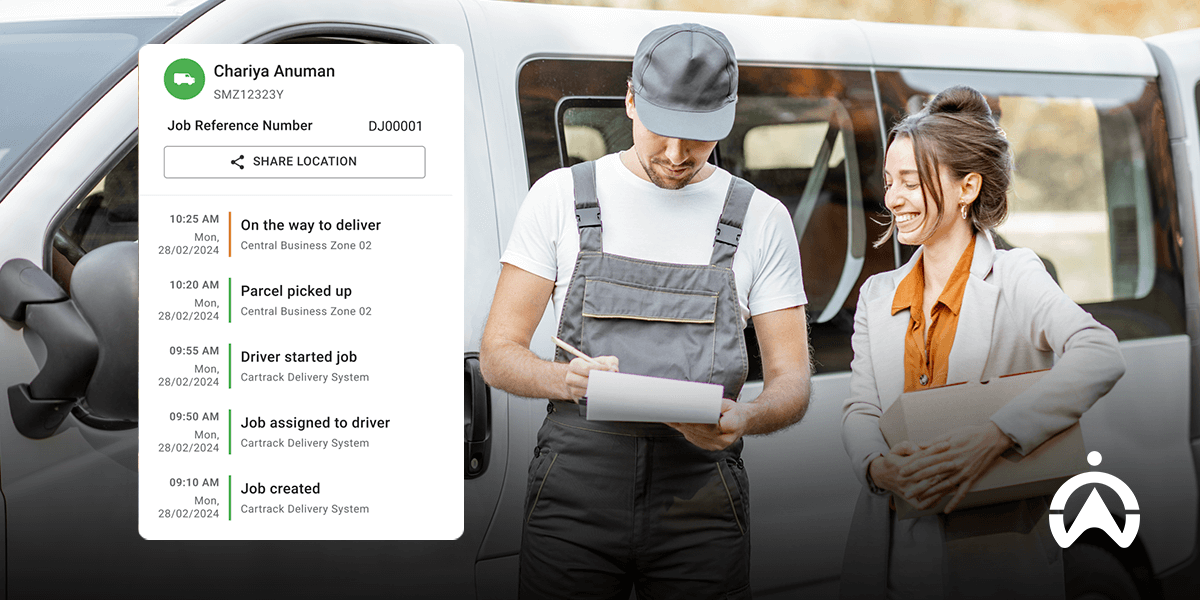
A delivery driver checks a job status on a mobile app while interacting with a customer, surrounded by a delivery van.

Route Optimisation

MiFleet offers AI-driven smart routing to reduce transportation times and fuel costs, this technology optimises all deliveries and keeps delays at a minimum. The ability to optimise delivery routes based on distance, time sensitivity, volume and driver availability is all possible with Cartrack’s system. All these features make the management of deliveries an easy process, one that can be done from the comfort of your own home thanks to the Cartrack Mobile App.

Driver Behaviour Monitoring

For an e-commerce business with an in-house set of vehicles for deliveries, driver behaviour is important. It is this factor that often plays a role in how deliveries are and the condition the packages arrive in. Monitoring speeding, harsh braking, and idling are just a few of the many metrics that can be monitored and reported with a telematics unit from Cartrack.

Monitoring these driving habits not only keeps the deliveries arriving safely but the drivers as well. Fatigue, smoking, an obstructed view and yawning are all recorded and flagged as bad habits. These are sent as alerts to the fleet manager, allowing them the chance to directly contact the driver to intervene. This intervention can be a direct call as the journey is underway or coaching provided later on once the footage has been downloaded.

Fuel Management Solutions

Cartrack’s fleet management system has tools to track and control fuel consumption, these tools can measure mileage, fuel consumption and fuel flow. Fuel is one of the largest expenses for a business that delivers directly to consumers. Curbing the fuel wastage on all fronts saves on this expense and will give the business some financial leeway.

Stolen Vehicle Recovery

With an average of over 90% stolen vehicle recovery rate, Cartrack stands in a lane of its own with no other competitor providing such certainty. This high recovery rate comes courtesy of our audited financials and is proof of the success of our recovery teams.

When delivering goods rapid response solutions to recover stolen vehicles and cargo are paramount. This is why getting a fleet management system that comes with this service is essential.

E-commerce is an industry that is growing globally as more and more territories adopt internet use and fintech solutions. This only means that the delivery systems and logistics in place need to be robust and carefully considered.

Camera Solutions

Camera solutions are a necessary component of fleet management in e-commerce, especially if the business is in charge of its own deliveries. Fortunately, Cartrack has AI-powered camera solutions that can be placed in up to eight different locations on a vehicle. These cameras keep your drivers safe with preventative in-cabin voice alerts that let them know about potential safety violations so they can correct them immediately.

Cartrack Delivery

Cartrack’s fleet management system has a unique value-added service that caters specifically to deliveries. It allows for the allocation of drivers, vehicles, jobs and work shifts all on one platform.

These features make it manageable to delegate work, keep track of multiple deliveries and verify when deliveries have been made. There is even a feature that allows for photographic evidence of delivery along with the signature of receipt. This is ideal for any online business that needs to manage stock and customer expectations.

As it currently stands Cartrack’s solutions are some of the best suited for this transition. If you are interested in hearing more about our offering call us to BOOK A DEMO AND GET A QUOTE TODAY.

Car Tracking Devices vs. Traditional Car Alarms: Which Is Better?

Did you know that approximately 16 cars were reported stolen over 90-day period between September and November 2021? This alarming statistic proves that vehicle safety is now more critical than ever. At this rate, investing in a vehicle security system such as a tracking device or a car alarm is non-negotiable. While most vehicles already come equipped with alarms, the big question is, are they enough to protect your vehicle?

We will discuss these two key automotive security solutions, compare their effectiveness, and help you determine which system is better suited for your needs. You will also discover how Cartrack solutions can help safeguard you and your loved ones on the road.

In this article, you will:

  • Know the key differences between car tracking devices and traditional alarms
  • Understand the benefits of car tracking devices
  • Learn why Cartrack stands out as the best vehicle tracking partner

Car Tracking Devices vs Traditional Alarms: A Comparison

Car tracking devices and alarms aim to protect your vehicle, but they achieve this goal differently. The table below outlines each system’s key features, benefits, and drawbacks, providing a clear overview to help you make an informed decision when choosing the right security solution for your needs.

Aspect Car Tracking Device Traditional Car Alarm
Primary Function Vehicle Location & Recovery Deterrent, Alerts of Intrusion
Effectiveness Highly effective for locating and recovering a stolen vehicle Primarily effective at deterring theft or alerting to attempted theft
Technology GPS, Cellular, Wi-Fi Sensors, Sirens, Motion Detectors
Features Real-time tracking, Geofencing, Speed alerts, Driver behaviour monitoring, Remote engine immobilisation Loud siren, Motion detection, Tilt sensors, Glass break sensors
Installation Often hidden and professionally installed Typically visible, usually professionally installed
False Alarm Less prone to false alarms More prone to false alarms (e.g., loud noises, animals)
Additional Benefits Valuable for fleet management, parental controls, emergency services and potential insurance discounts Limited beyond basic theft deterrence

Key Differences Between Car Trackers and Alarm Systems

When it comes to car security, owners often consider both tracking devices and alarms. Even though they both offer car protection, they have different approaches to this. Let’s explore how different they really are by looking at their primary function, installation, technology, and limitations.

Key differences between traditional car alarms and tracking devices:

Primary function

Traditional car alarms

The main function of a traditional car alarm is to deter theft. If someone tries to steal your vehicle or break in to get your belongings, car alarm sensors will detect this, and sound will be emitted. In some cases, the vehicle’s headlights will also flash. These alerts are meant to notify people who are nearby and distract the criminal from continuing with this act.

This makes car alarms effective in theft situations.

Car tracking devices

The primary function of a car tracking device is to assist in recovering a stolen vehicle, by tracking its location through GPS technology.

Tracking devices do not prevent theft, making them ineffective in theft situations but highly effective post-theft.

Technology

Traditional car alarms

Traditional car alarms rely on sensors to detect unauthorised access or disturbances, triggering the alarm when activated. Below is a list of common sensors that an alarm system typically has:

  • ‍Tilt sensors: These are used to detect any change in the vehicle’s inclination to the ground. The alarm will be triggered if there is a sudden inclination of the car. This feature protects against unauthorised towing or jacking up of the car.
    ‍
  • ‍Motion detection: If there is any movement happening near the car, this will trigger the alarm to go off. This can include even a slight touch of the vehicle.
    ‍
  • ‍Glass break sensors: If someone is trying to break your window, for instance, and glass shatters, this will be detected, and the alarm will go off.

Car tracking devices

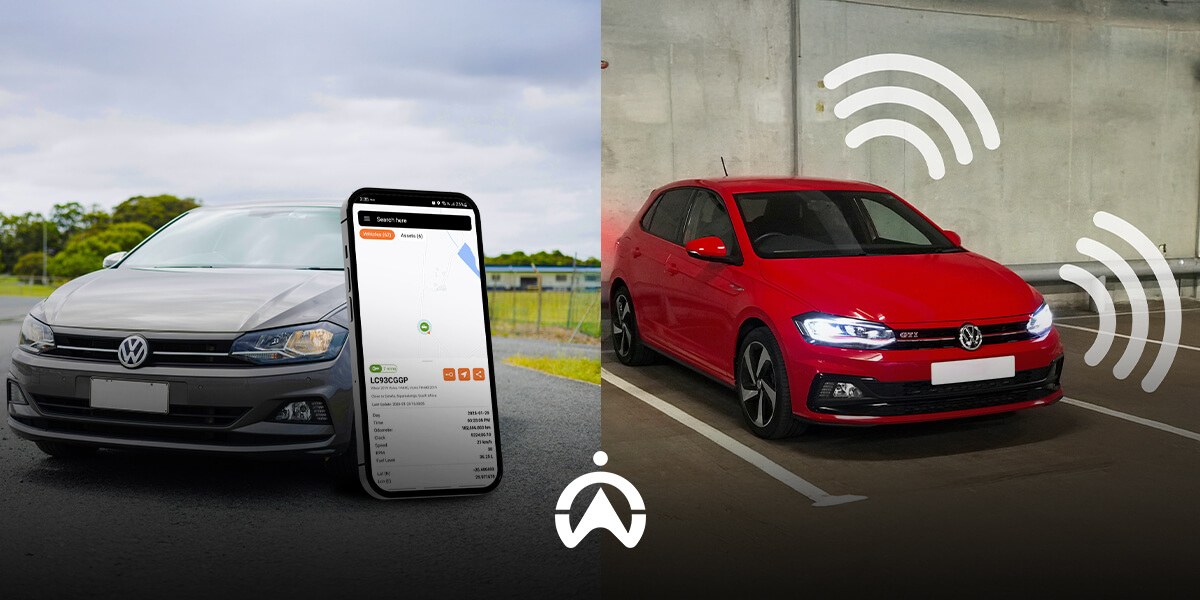
Trackers are equipped with advanced GPS technology. These devices use GPS receivers to communicate with satellites, pinpointing your car’s location in real-time. The location data is then transmitted through cellular networks (like 4G/LTE) to secure servers, allowing users to track their vehicles remotely. This could be done via apps or online platforms.

Installation

Traditional car alarms 

The Original Equipment Manufacturer (OEM) alarm systems are installed by the vehicle manufacturer during the manufacturing process. Aftermarket alarm systems are purchased separately and are usually installed by a qualified technician.

Car tracking devices

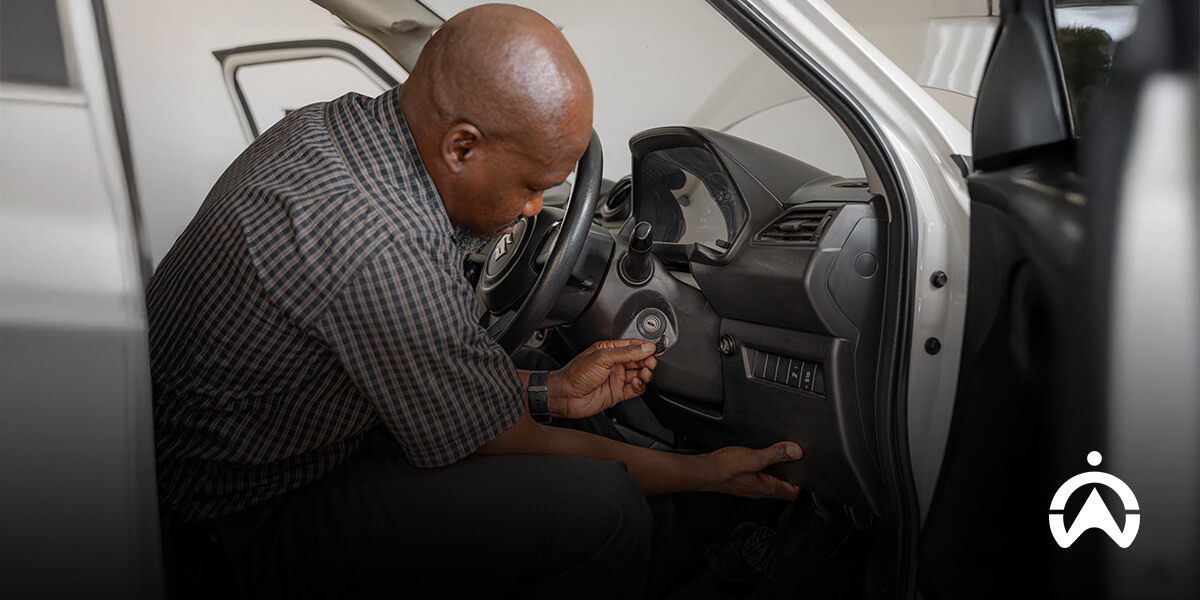
GPS trackers must be installed by a qualified technician to ensure they are installed correctly and discreetly.

It is not advisable to buy tracking devices at online marketplaces or off the shelf and attempt to DIY the installation. You are not only damaging your vehicle’s wiring and other important components, but you are also putting yourself in danger by purchasing from these non-reputable companies. These systems could easily be hacked, posing a risk to users.

A Cartrack technician inspects the dashboard and ignition of a car while seated in the driver's seat, focused on installing Cartrack tracking device.

Limitations

Traditional Car Alarms

These days criminals use sophisticated devices that can, unfortunately, easily disable car alarms. These systems are also more prone to giving false alerts, which negatively influences their reliability.

False alarms can be caused by the following:

  • ‍Overly sensitive sensors: If a vehicle’s sensors are overly sensitive, they can be triggered easily. This means that your vehicle’s alarm can go off even when a small animal like a bird rest on top of your car’s roof.
    ‍
  • ‍Faulty key fob: A malfunctioning key fob or remote can send erratic signals to your car’s alarm system. Most key fobs have panic buttons, so if faulty, the panic button will most likely be activated randomly, causing the alarm to go off.
    ‍
  • ‍Wiring problems: If you have an aftermarket alarm system and decided to install it yourself, there is a possibility that you messed up the wiring system. This is why it is not advisable to DIY. You need to get a qualified technician to do the installation, always.
    ‍
  • ‍Low battery levels: A weak or dying battery could cause the car alarm to go off. If your vehicle’s battery is too old, ensure that you get it replaced to avoid this.

Car tracking devices: 

Tracking devices are much harder for criminals to disable since they’re installed in discreet locations, making them difficult to find. This forces them to waste time looking for the device, giving authorities a crucial window to track the vehicle and recover it before it’s gone for good.  These devices will not send false alerts due to their advanced GPS technology.

The True Benefits of GPS Car Trackers

Since traditional car systems were made for the primary function of theft deterrence, there aren’t many added benefits compared to GPS trackers. Car tracking systems have more added benefits, such as emergency assistance, fleet management capabilities, and parental control.

Let’s explore these added benefits below:

Emergency Assistance

This feature ensures that you and your loved ones get the necessary support when in an unfortunate situation on the road. Most tracking companies provide you with emergency assistance such as roadside or medical assistance. You will have peace of mind knowing that you are always protected.

Fleet management

Car tracking devices can assist fleet managers in running their day-to-day operations smoothly. This is how:

  • Efficiency: Real-time tracking allows fleet managers to optimise routes, minimise idle time, and improve overall efficiency.
    ‍
  • Safety: They can help monitor driver behaviour and identify potential safety risks, such as speeding or harsh braking.
    ‍
  • Maintenance: Tracking data can be used to schedule vehicle maintenance and ensure timely servicing.
    ‍
  • Asset tracking: GPS trackers can be used to monitor the location and movement of valuable assets in your business.

Parental control

If you are a parent to a teenager who is new behind the wheel, you can ensure they are always protected on the road using GPS tracking systems. Geofencing allows parents to set up virtual boundaries and receive alerts if their child enters or exits specific areas. They will also be able to monitor their children’s behaviour on the road by analysing their harsh events and can offer necessary coaching.

Potential Insurance Discounts

Insurance companies tend to offer low insurance premiums to customers who have security systems in place, such as GPS trackers. This is because they know that, in case of theft, the high likelihood of vehicle recovery reduces the need for claim payouts.

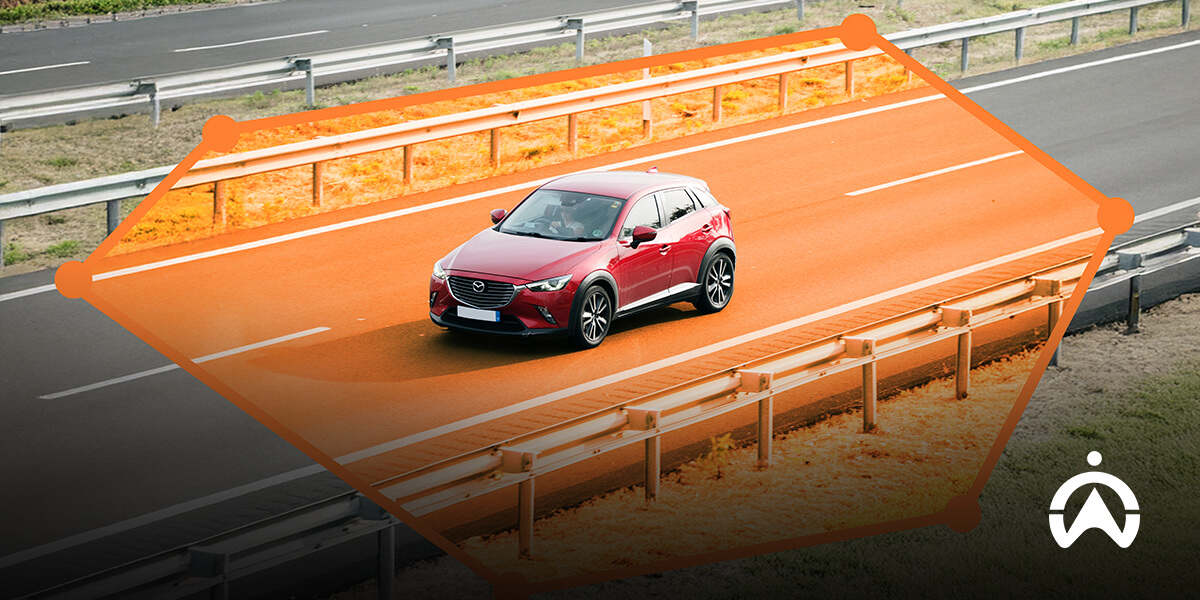
A red SUV drives on Cartrack geofence area mark, surrounded by green grass and a metal guardrail, showcasing a vibrant outdoor scene.

Why Cartrack Stands Out as Your Vehicle Tracking Partner

From the above, it is clear that having a car tracking device is essential for your safety. However, it isn’t just about finding and installing the GPS tracker and calling it a day; you need to ensure that you get this device from a reputable company. Cartrack is such a company.

Cartrack is the leading tracking company in Africa, with stolen recovery rate exceeding 90%. 

Cartrack offers the following features and solutions to help ensure that your vehicle is safe and more likely to be recovered if stolen:

  • ‍Advanced Fitment Technique
    Our highly trained technicians are responsible for the installation of our tracking devices, ensuring that they are installed correctly and do not interfere with other important components in your vehicle.
    ‍
  • ‍Air and on-the-ground recovery teams 
    If a vehicle theft occurrence is underway, our highly trained recovery team is immediately dispatched. This is usually carried out by both air and ground teams to ensure the fastest, safest, and most proficient tactical response.
    ‍
  • ‍Cartrack Mobile App
    Our tracking devices are integrated with the mobile app, allowing you full control of your vehicle and fleet. You will also be able to access our wide range of features at just a touch of a button.

    Our app allows you to:

    • View your vehicle’s live location and past trips
    • Activate Carwatch which alerts you if your vehicle moves once parked
    • Activate Protector which provides Medical, Roadside, Legal, accommodation, and Car Hire Services
    • Share your live location with your loved ones
    • View the last position report, which indicates the last known position of the vehicle
    • View driving reports to monitor driving behaviour and reduce fuel and maintenance costs
      ‍
  • ‍Carwatch
    ‍Carwatch is a value-added service that we offer to our customers. Think of it as a virtual car guard; it watches over your car once you activate it. You will receive instant alerts if your vehicle moves without your knowledge, allowing you to take necessary action.
    ‍
  • ‍Jamming detection
    Cartrack offers signal-jamming detection as a value-added product feature. This is to ensure that if criminals use signal jammers to jam the tracking system’s cellular connection, we can still track your vehicle. We will switch to RF frequency, which allows us to continue communicating with the vehicle.
    ‍
  • ‍Protector
    The Cartrack Protector is a value-added service, available for an additional fee. At just a push of a button from the app or Cartrack website, you will have access to a range of services to make your travelling experience as comfortable as possible. A call centre agent will contact you immediately to assist with the following:

    • Medical assistance
    • Roadside assistance
    • Legal assistance
    • Accommodation and car hire services
      ‍
  • ‍Geofence
    You will be able to set up virtual boundaries in high-risk areas. This means that you will be notified instantly should your drivers or loved ones who are using your vehicle enter these zones. You can then call them to make a U-turn immediately.
    ‍
  • ‍Panic Button
    In case of an emergency, you can simply press a panic button, which will instantly send a silent alert to our 24/7 Cartrack control room. An operator will provide the necessary assistance.
    ‍
  • ‍Strip Warning
    In the event that your tracking unit is tampered with, which generally indicates that theft is in progress, our control room will receive an alert and contact you immediately to investigate.
    ‍
  • ‍Power Event Notification
    You will receive an alert should your vehicle battery be disconnected. This could indicate some form of tampering with your vehicle.

In conclusion, it is important to protect your vehicle, especially with the increasing theft and hijacking numbers in Namibia. Ensure that your car is equipped with car alarms and GPS tracking devices for optimal security. Contact us today to find out about all our offerings and have peace of mind.

Frequently Asked Questions about alarms and tracking devices

Q: Is it possible to combine both a traditional alarm and a car tracking device?

A: Yes, many vehicle owners use both systems together for enhanced car security—alarms for theft deterrence and trackers for recovery.

Q: Can I transfer a car tracking device to a new vehicle?

A: Yes, you can transfer a tracking device from one vehicle to another. We will send a Cartrack technician to deinstall and reinstall the unit for a nominal fee. This is done at a time and place that is convenient for you. Simply contact us to make arrangements.

Q: Do car alarms or tracking devices drain the vehicle battery?

A: Both systems use minimal power and are unlikely to drain your battery under normal conditions.

Q: Can GPS tracking devices locate my car if it is stolen and taken to another country? 

A: Our tracking units have international roaming, allowing tracking both locally and abroad. In areas with no GPRS/GSM coverage, the unit can store up to 5000 positions and events, such as ignition changes, every 3 km of travel, or deviations of 10 degrees or more. These data points are transmitted once GPRS/GSM communication is re-established.