Get Accident Reconstruction with Powerful Vehicle Telematics
Published
Reading time
10 minutes
Blog
Key takeaways:
Telematics captures vehicle data like speed, braking, and location to help figure out what happened in an accident
GPS, cameras, and sensors create a clear timeline so investigators can see who was at fault
Using telematics helps fleets save money by reducing claims, disputes, and repair costs
Real-time alerts and AI cameras improve driver safety and make accident reconstruction faster
You can get accident reconstruction technology from Cartrack! When an accident occurs, it’s important that you know what happened and why. Our vehicle telematics solutions provide you with precise data on driving habits and location, helping you understand exactly what happened before, during, and after an incident.
Globally, the use of telematics data in legal cases is increasing, as digital vehicle data can provide objective evidence to help investigators and courts understand how incidents occurred. Gathering as much information as possible is essential for insurers, driver training, and legal disputes. Telematics plays a crucial role in accident reconstruction, as it gives you all the data you need, saving you time and costs.
How telematics gives you powerful accident reconstruction
Telematics gives a powerful accident reconstruction by capturing precise vehicle data before, during, and after an accident. Telematics systems consist of hardware like GPS trackers, sensors, and cameras. Together, these tools have become a game-changer for investigators, insurers, and legal teams; helping them recreate the sequence of events and figure out who’s at fault and what the liability is.
According to Arrive Alive, the following issues and elements are what investigators look at for a more effective investigation at the scene:
Human element: The role of human behaviour.
Environmental: The weather, temperature, visibility, and overall surroundings.
Mechanical: The vehicle’s design, engineering, operation, and maintenance.
Engineering: The layout of roads and structures.
Law enforcement: Whether enforcement measures are in place or lacking.
Corporate: Relevant policies and procedures that apply.
Impact: How the incident affects the other factors.
Forward engineering: Actions that can be taken to prevent the accident from happening again.
Vehicle telematics technology will help the investigator and your business by giving you real-time data that helps rebuild the incident timeline in the following ways:
Speed and acceleration data
Telematics data can show you how fast the vehicle was travelling and how quickly the speed changed before the impact. This helps you, the investigator, and other parties involved determine whether excessive speeding or sudden acceleration played a big role in causing the accident.
Harsh braking and cornering events
The technology can also point out things like sudden braking or sharp turns before the incident. This information reveals whether the driver braked quickly to dodge a hazard, took a corner too fast, or lost control of the vehicle. This data helps figure out whether the accident was caused by defensive actions, driver mistakes, or a loss of control, instead of being influenced by external factors.
GPS location and route history
The GPS technologyconfirms the exact location of the accident. It shows you the road and the direction the vehicle was facing. You’ll also know the surrounding environment at the time of the incident. This information helps you see if there’s a link between the accident and things like the road conditions, traffic trends, speed limits, intersections, and areas that are known to be risky.
The GPS and cameras give you a clear timeline of driving actions before, during, and after the accident. This makes it easier to piece together the events in the correct sequence, as those involved in the accident might not be able to recall everything in the right order.
Vehicle health or fault codes around the event
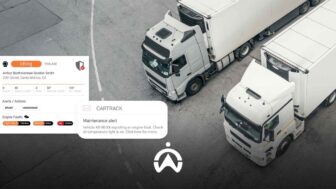
Many accidents are caused by mechanical failure and the lack of maintenance. Through preventive maintenance technology, you can access data about the health of the vehicle that was involved in the accident to see if there are components with faults that were overlooked. You can also check if the vehicle has skipped any recommended servicing.
The benefits of technology-powered accident reconstruction for fleet operators
The benefits of technology-powered accident reconstruction for fleet operators include:
Faster insurance claims
Reduced liability disputes
Improved driver coaching
Better safety compliance
Lower operational and legal costs
Together, these benefits help you handle accidents with less stress, save costs, and give you stronger protection against accidents.
Here’s a detailed breakdown of each benefit:
Faster insurance claims
The longer a claim goes on, the more costly it’ll be. Through the telematics system and camera technology, your insurers will quickly have all the information needed to assess liability. This reduces the insurance claims period from weeks of waiting to just a few days.
Reduced liability disputes
The information from telematics devices and cameras provides a clear picture of what happened. This helps quickly determine who’s at fault, often resulting in out-of-court settlements or claims being dropped, thereby helping you reduce the number of lengthy legal disputes. There are also a lot of false accident claims these days, so a telematics system protects you from that too.
Improved driver coaching
Since you’ll get reports on driving habits like speeding, harsh braking and harsh cornering. You’ll know which habits are more common so you can provide targeted training and feedback. This also encourages driver accountability, as they’ll have no other choice but to take full responsibility for their actions.
Better safety compliance
Using technology to protect your business from accidents also ensures that your team sticks to road safety rules and that the business meets fleet standards. This ensures that drivers and managers always follow policies and procedures, ensuring compliance.
Lower operational and legal costs
The fewer claims, fewer disputes, and improved driver behaviour reduce legal fees. This results in repairs being done more quickly and less vehicle downtime. It also results in lower insurance premiums, because insurers will see your drivers’ good behaviour and see your business as a low risk option.
The importance of real-time crash alerts
Real-time crash alerts are also essential for your fleet, because they ensure your drivers get faster help. Once again, through telematics and sensors, this is made possible. Crash detection technology instantly identifies sudden impact, and an immediate notification will be sent to you and control centres, so emergency services can get to the scene immediately.
This technology also gives you more information on the severity of the impact, adding to the evidence needed for accident reconstruction.
How Cartrack helps you reconstruct accidents
Cartrack helps you reconstruct accidents by providing you with harsh event alerts, AI-powered cameras, driver training and reports, GPS trackers, and crash detection technology. With us, you can access all these tools on one platform, using your desktop or mobile phone. Our cloud-based system ensures that all evidence is stored, even when the tools were damaged during the accident.
Here’s a detailed breakdown of what we offer:
Harsh events alerts
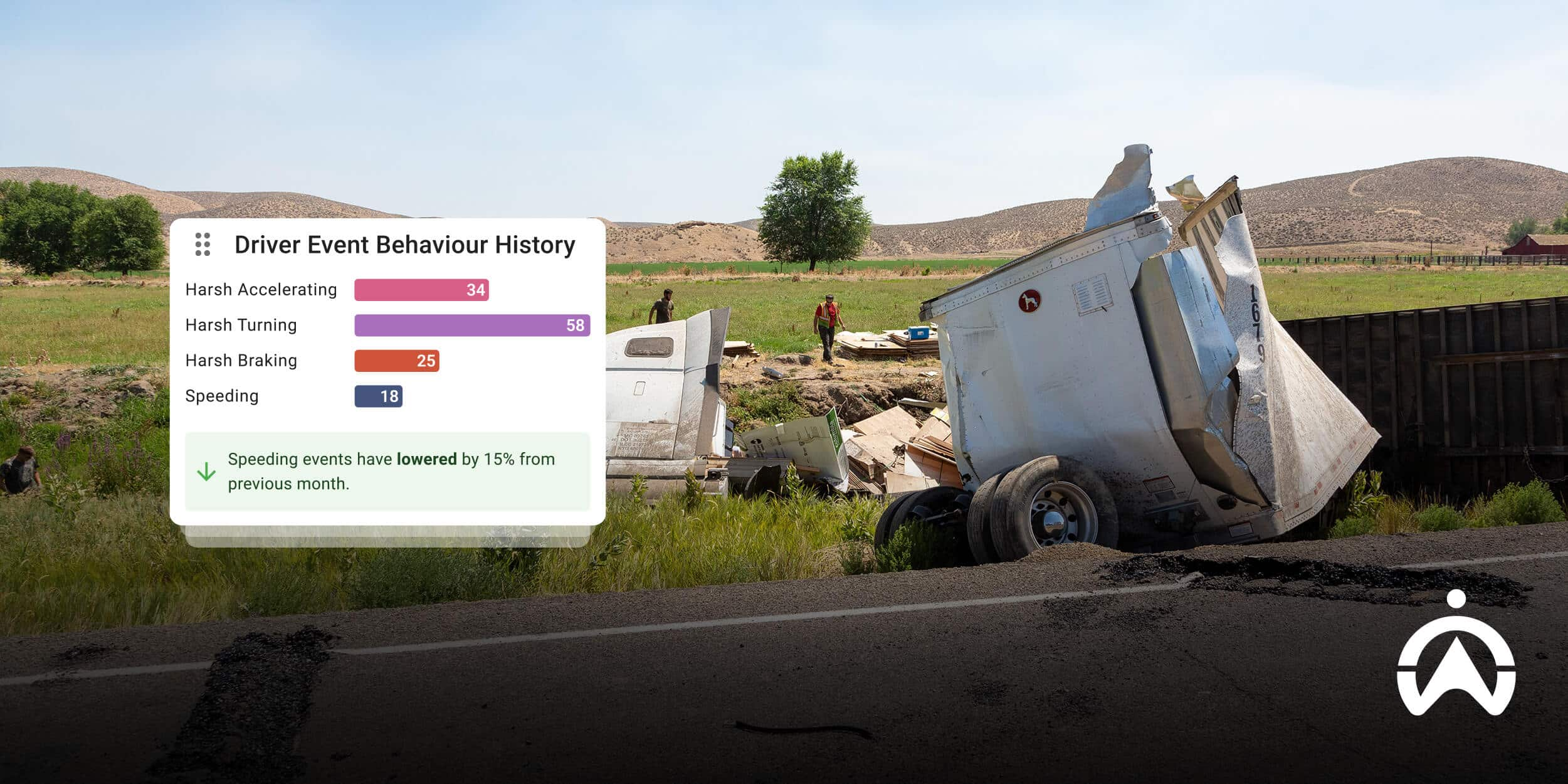
With our telematics system, you can set up alerts for risky driving habits such as sudden braking, excessive acceleration, speeding, and harsh cornering. This helps yousee how your drivers behave on a day-to-day basis, so you can address your concerns accordingly. And if there are any accidents, you’ll have enough evidence to see the behaviour leading to the accident, making it easier to see who was at fault.
AI cameras
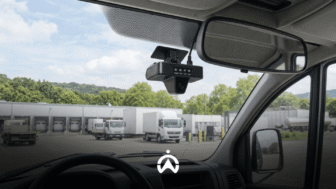
At Cartrack we have AI-powered fleet dashcams that help with heightening driver awareness. These cameras can detect distracted driver behaviour, like when on the phone, eating, or looking away from the road. They then send immediate audible alerts to drivers so they can go back to focusing on the road. The cameras can also identify blind spots and give forward collision warnings. This reduces the chances of accidents, giving you a safer fleet.
If your drivers are ever involved in accidents, these AI-powered dashcams will show you exactly what’s happening inside and outside the vehicles, and you’ll all have reports of all the camera alerts for that day. This once again helps you speed up the claims and legal processes.
GPS live tracking
Through our GPS trackers, you’ll know where your vehicles are at all times, and you can access route histories, which can prove beneficial during the accident reconstruction process.
Crash detection
We have an advanced crash detection solution that you can add to your package to ensure your drivers get the help they need sooner than it normally takes without one. When a driver is involved in an accident, control room agents will get an instant alert, then notify you and send help. Since we’ll have access to the vehicle’s location, the emergency services will get there quicker.
Coaching
Through our telematics and camera incident reports, you can get our driver coaching solution to help you train drivers in better driving habits. This platform shows you all the incidents of each driver and how many times each action was repeated. From there, you can book your drivers for individual coaching sessions that specifically focus on what they need to improve on.
Our coaching platform allows trainers to note the discussion and outcomes of these sessions, so the next trainer can see what was discussed with the driver and if there’s any improvement.
Driver scorecards
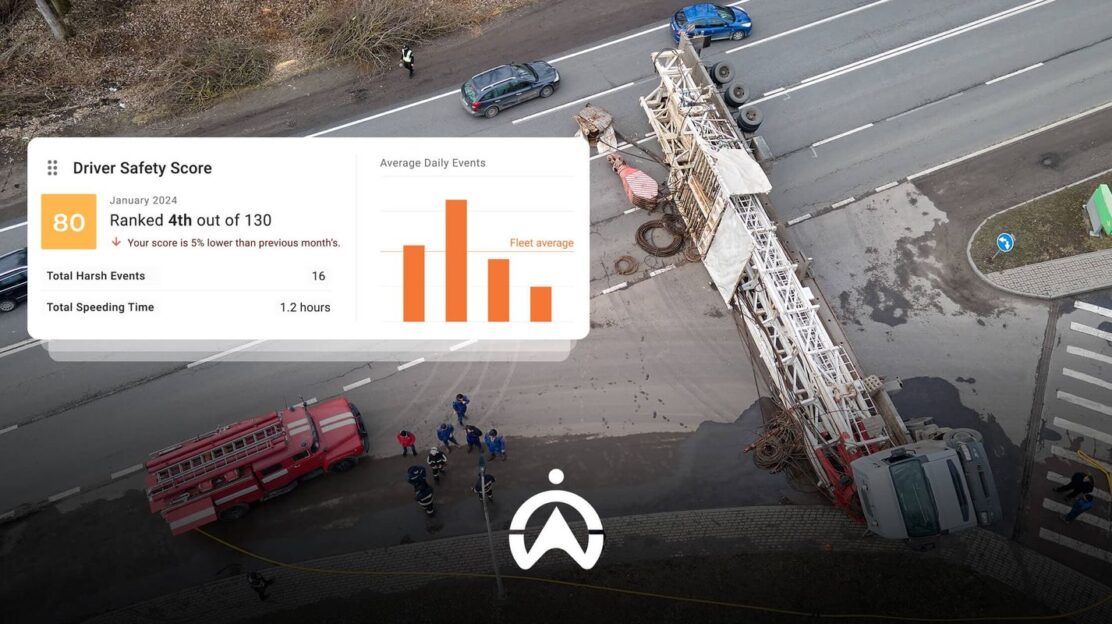
Ensuring accidents don’t happen in the first place also requires you to encourage your drivers in other ways. Our Driver Scorecard system is another way to motivate your drivers, as it rates each driver based on their habits, allowing you to reward those who are doing well through recognition and incentives.
Get the full story behind every accident with Cartrack’s smart solutions
Cartrack’s smart solutions ensure you get the full story behind every accident and that you have a safer fleet. Our telematics system gives you faster, cleverer, and more reliable accident reconstruction. Make sure you invest in our accident reconstruction tools for long-term safety and protection. Contact us today!
Frequently Asked Questions
How does telematics actually work?
Telematics works by collecting a range of data about a vehicle so you have all the information you need to track things like vehicle maintenance, fuel consumption, and driver behaviour. Telematics systems consist of:
Telematics Control Unit (TCU): Hardware that collects data.
Cloud server: Processes and stores data from the TCU.
End-user application: Software platform that shows you the data.
Which sensor is used to detect accidents?
The main sensor used to detect accidents is an accelerometer. It identifies sudden impact and changes in motion. Other sensors that are used to detect accidents are gyros (which differentiate between a normal turn and a drastic one) and pressure sensors (which detect impact from the sides).
Is telematics different from vehicle tracking?
Yes, telematics is different from vehicle tracking; vehicle tracking mainly focuses on location data, which is just one part of a larger telematics system. Telematics combines location data with details about the health of your vehicles, driver habits, and fuel use. With a telematics system, you get valuable information that helps you improve your fleet’s safety and efficiency.
Other articles for you
Truck Leasing for Start-Up Businesses – What You Need to Know
Blog
7 minute read •
Leasing trucks to start-up businesses is proving to be a very lucrative opportunity. Many new businesses are desperate for trucks, but are often being barred from getting them because of strict bank specifications. We’re seeing a preference for leasing trucks instead of owning them, because the benefits seem to outweigh the drawbacks. Namibian businesses, especially smaller […]
Get AI Cameras for Seatbelt and Phone Detection for Drivers
Blog
7 minute read •
Getting AI cameras for seatbelt and phone detection for drivers is the perfect way to transform safety protocols in your fleet. AI detection can monitor poor driving habits, alert drivers so they can quickly correct their actions, and keep records of offences so you can coach your drivers if they repeatedly commit them. Namibia recorded 2,793 road crashes, […]
Your trucks work hard to travel long distances, carry heavy loads, and traverse roads that are often treacherous & damaged. Looking after your trucks is a wise investment that’ll pay you back in productivity and lower overheads, but only if you know what condition they’re in at all times. The trucking and logistics sector plays a vital role in […]
 South Africa
 Botswana
 Kenya
 Malawi
 Mozambique
 Nigeria
 Swaziland
 Tanzania
 Zimbabwe
 Hong Kong
 Indonesia
 Singapore
 Malaysia
 Philippines
 Thailand
 New Zealand
 Vietnam
 Poland
 Portugal
 Spain
 United Arab Emirates