
Car Hijacking vs Car Theft: Comparing Risks and Safety Solutions

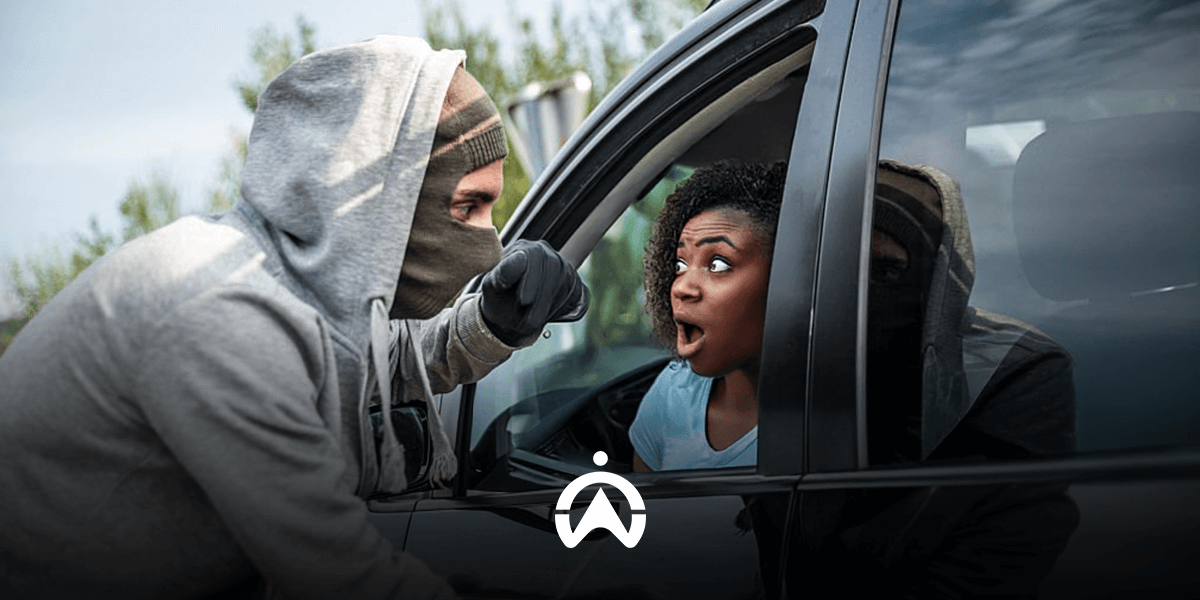
Vehicle owners face various threats on the road, including the risk of car theft and hijacking. While both crimes result in the loss of a vehicle, they differ drastically in how they happen and the dangers they pose to victims.

Hijackings often involve violent confrontations, whereas car theft typically occurs when the vehicle is unattended.

Today we compare the two crimes and discuss potential safety solutions. We will also explore ways Cartrack solutions can help mitigate risks associated with car hijacking and car theft.

In this article, you will:

  • Understand the key differences between car hijacking and car theft
  • Explore the risks associated with both crimes
  • Learn about the latest trends and tactics used by criminals to hijack or steal vehicles
  • Find practical solutions and tips on how to protect yourself and your vehicle from car theft and hijacking
  • Discover how Cartrack’s solutions can help mitigate these risks

Risks Comparison: Car Hijacking vs. Car Theft

At first glance, car hijacking and car theft may seem similar since both result in vehicle loss. However, there is one key difference that separates the two: human contact.

In car hijacking, the hijacker and the victim will interact; criminals usually use threats and violence to gain access to the vehicle. In a vehicle theft situation, however, there isn’t direct human contact since access is achieved in the vehicle owner’s absence. As a result, hijackings often leave victims with physical injuries and severe emotional trauma, even if they survive the ordeal.

The table below compares the risks of car hijacking and car theft:

Risk Car Hijacking Car Theft
Personal Harm Victims are at direct risk of physical injury or death due to violent confrontations. Less likely to involve physical harm.
Emotional Trauma Victims are more likely to experience emotional trauma, such as post-traumatic stress disorder (PTSD) and anxiety, from the violent nature of hijacking. Emotional distress from losing a vehicle, but less traumatic than hijacking.
Financial Loss Significant financial losses due to vehicle damage, medical costs, and theft of personal items. Financial loss from the stolen vehicle and personal items, but with less likelihood of physical confrontation.
Increased Car Insurance Premiums Due to higher risk, especially in high-crime areas, insurance premiums may increase. Insurers assess your location, vehicle, and any security measures you’ve taken. Car insurance premiums may increase based on vehicle value and how common car theft is in your area.
Identity Theft Increased risk of identity theft from access to personal documents and cards during hijacking. Risk of identity theft from stolen personal items, such as wallets or IDs.

The Latest Trends in Car Hijacking and Theft: What You Need to Know

Criminals are becoming more advanced each day by using sophisticated equipment and techniques to get your car. It is important to know how they think and which methods and equipment they use so you can protect yourself and your vehicle.

To increase their chances of success, criminals often monitor their targets for days or weeks, observing their movements and routines, before executing a hijacking or theft.
‍

Criminals use advanced equipment and techniques such as:

  • Relay attack devices: Criminals use these tools to capture and amplify signals from a key fob, allowing them to exploit keyless entry systems to unlock and start a vehicle without the actual key.
    ‍
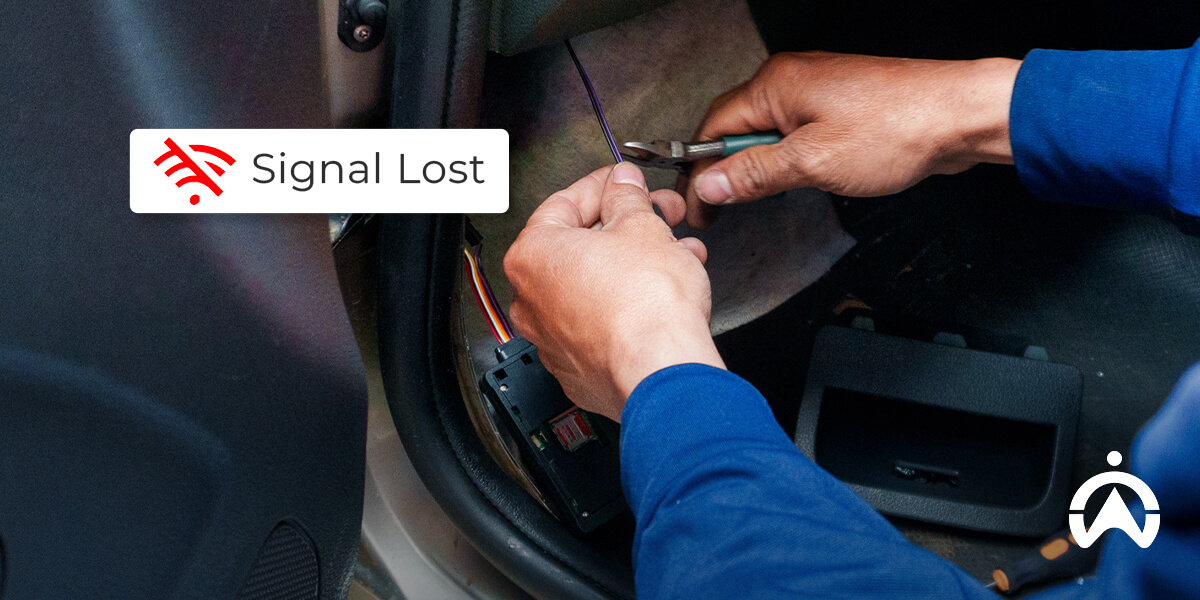
  • Signal jamming: Criminals use signal jammers to block communication between the key fob and the vehicle, preventing it from locking or unlocking.
    ‍
  • Lockpicking: This is a technique where criminals manipulate a vehicle’s locks to gain access without needing the original key.
    ‍
  • Cloning key fobs: Criminals copy the unique signal from a key fob to create a duplicate so they can access the vehicle.

Here are some tactics they use to steal and hijack vehicles:

  • Carwash tactic: Criminals target drivers at car washes, taking advantage of the moment when vehicles are left unattended during cleaning.
    ‍
  • Tap-tap tactic: Hijackers gently bump into a vehicle at a stop sign or traffic, prompting the driver to exit and inspect the damage, making them vulnerable to hijacking.
    ‍
  • Blue light impersonation: Hijackers may use flashing blue lights to impersonate police vehicles, coercing drivers to pull over in isolated areas.
    ‍
  • Open-the-gate-hijacking: Criminals often follow drivers to their homes or other locations, hijacking them while they wait for the gates to open.

Read more about hijacking trends and methods.
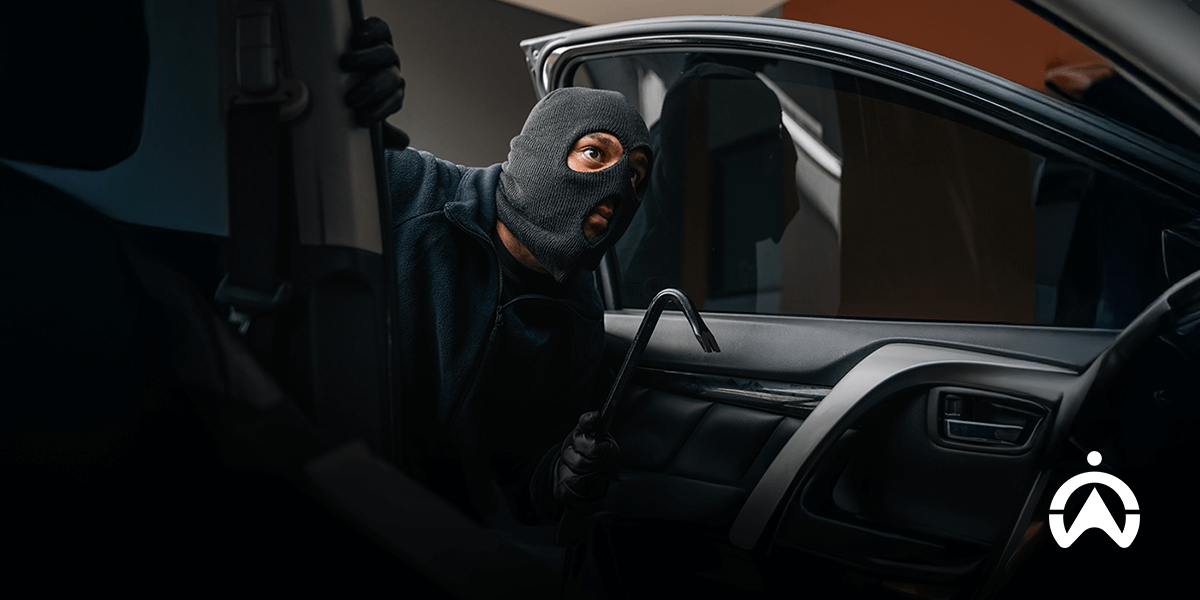
A masked burglar is attempting to break into a car with a crowbar, peering cautiously inside.

Effective Solutions to Prevent Car Theft and Car Hijacking

While hijacking and vehicle theft can never be fully eliminated, investing in preventative solutions significantly enhances vehicle and personal security.

Key Features to Prevent Car Theft and Hijacking

Car Theft:

  • Immobilisers: Prevents the vehicle from starting without the correct key.
    ‍
  • Steering wheel locks: These act as a physical barrier that prevents criminals from turning the steering wheel, which means they won’t be able to drive off.
    ‍
  • Alarm systems: When someone tries to gain unauthorised access to the vehicle, the alarm sensors will trigger loud alerts, which can help distract and deter a criminal from stealing the vehicle.

Car Hijacking:

  • Panic button: A discreet panic button can send alerts to emergency services or your car tracking service provider, enabling them to help you immediately in a car hijacking situation.

How to Respond to a Car Hijacking or Theft Situation

Knowing how to respond when your vehicle is stolen is essential for your safety and can enhance the chances of recovery. Always remember that your life is more precious, so do not try to confront criminals. Instead, follow these steps:

What to Do During and After a Car Hijacking

  • Comply with the hijackers’ demands, hand over your keys, and avoid reaching out for belongings.
    ‍
  • Avoid making sudden movements and direct eye contact with the hijackers, as this may aggravate them.
    ‍
  • Try to gather information discreetly, such as how many hijackers there are, their outfits, how many firearms and weapons they have, and what language they speak. Also note the direction they drove off to and all your belongings that were left in the car. This information will be provided to the police to help with the investigation.
    ‍
  • After they have sped off, immediately call the police and your tracker service provider so they can assist in recovering the vehicle. Most tracking companies, like Cartrack, offer stolen vehicle recovery services to help recover a vehicle if it gets stolen or hijacked.
    ‍
  • Contact your car insurance provider once you have the case number from the police to start the claims process.

What to Do During and After a Car Theft

Imagine you’re at the mall running errands when you suddenly realise that your car is missing. Whether you have a tracking device or not, it is important to act quickly. If you do have a tracking system, you might receive alerts from your mobile, indicating potential tampering with your vehicle. However, even without such alerts, every moment counts in recovering your vehicle.
‍

Here are the steps to take: 

  • Remain calm and avoid confronting the criminals.
    ‍
  • Immediately contact your tracking service provider, if you have one.
    ‍
  • Report the theft to the police as soon as possible. You will need to visit the police station in the jurisdiction where the theft occurred and provide the necessary documentation.
    ‍
  • Check for witnesses or the CCTV footage, which could serve as crucial evidence.
    ‍
  • Contact your insurance provider to start the claiming process.
    ‍
  • Follow up with your tracking service provider, the police, and your insurer for any updates.
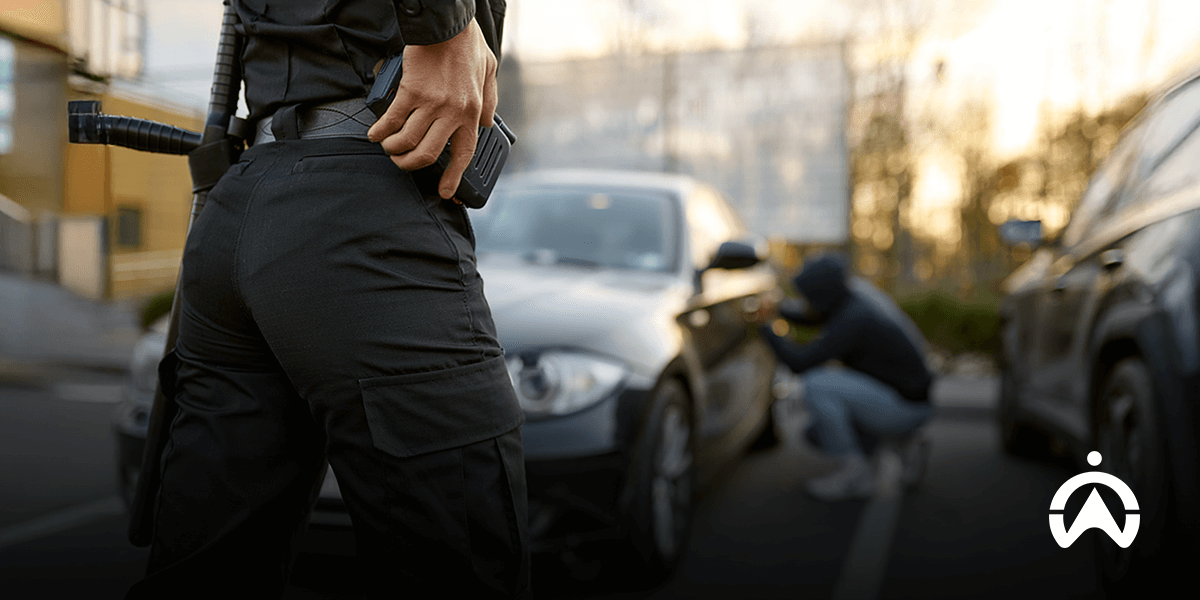
A police officer stands with a baton, watching as a hooded figure attempts to break into a parked car in a parking lot.

Why Cartrack is Your Best Defense Against Car Hijacking and Theft

At Cartrack, we are committed to protecting you and your vehicle at all times. We are working closely with law enforcement to reduce vehicle crime in the country.
‍

We offer a range of products and services to help protect your vehicle from theft and assist you in hijacking situations.

  • Stolen vehicle recovery: Cartrack is an industry leader in car tracking and stolen vehicle recovery, boasting an average audited recovery rate exceeding 90%. We have highly trained recovery response teams all over Namibia and neighbouring countries, which work alongside local police, ensuring that stolen vehicles are recovered quickly.
    ‍
  • Power event notification: If your vehicle battery is disconnected, which suggests tampering, you will receive a notification on the Cartrack mobile app. This will encourage a swift response to investigate the alert, which could prevent potential theft or damage.
    ‍
  • Panic button: If your Cartrack subscription includes a panic button, press it if possible in the event of a hijacking. This instantly sends a silent alert to Cartrack’s 24/7 control room. An operator will immediately contact your fleet manager or emergency contact to investigate and provide assistance if necessary.
    ‍
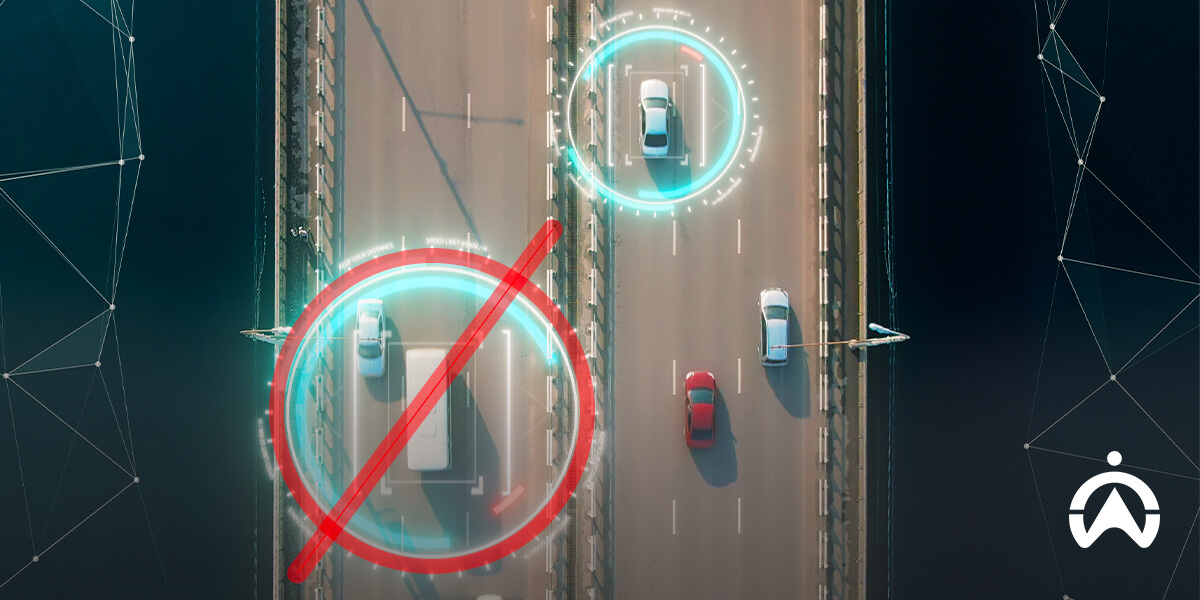
  • Jamming detection: Cartrack offers signal-jamming detection as a value-added service. In a hijacking situation where a criminal uses a jamming device to block communication between the tracking system and the cellular network, Cartrack can switch to RF frequency, which enables us to continue communicating with the vehicle.

The main benefits are:

  • GPS allows accuracy down to 3m.
    ‍
  • The backup battery unit can power the unit for up to 2 days; therefore, tracking your vehicle for maximum time.
    ‍
  • Up to 3 years of battery life expectancy.
    ‍
  • CarWatch: This is a value-added feature that acts as a virtual car guard, providing an extra layer of security for your vehicle. Activated via the Cartrack App, it uses the installed telematics device to detect any unauthorised movement. This feature offers peace of mind, especially for vehicles parked in public areas or left unattended for extended periods.

    Imagine your vehicle moving unexpectedly while you’re at the mall, which could indicate theft. With CarWatch, you’ll receive instant alerts on the app, notifying you of this action. Our 24-hour control room agents will immediately contact you to investigate, ensuring a swift response and recovery if you confirm that the movement is unauthorised.
    ‍

  • Geofencing alerts: On the Cartrack App, you can set up virtual boundaries around specific areas you or your loved ones frequent, such as the local mall. You will receive instant alerts should the vehicle be outside these areas. For example, if your partner borrows your car to run a quick errand at the mall but gets hijacked on the way, you will be notified when the vehicle exits the designated area. This alert lets you quickly assess the situation and contact authorities to investigate and assist.

In closing, while it is impossible to eliminate the risk of hijacking and theft completely, investing in Cartrack’s solutions can help you respond quickly when it happens. Our advanced solutions provide real-time monitoring, recovery services, and other enhanced security features that help safeguard you and your vehicle.

Contact Cartrack today to learn more about our services.

Frequently Asked Questions About Cartrack Solutions

Q: Can Cartrack track a motorbike or scooter?

A: Yes, Cartrack offers tracking solutions for motorbikes, scooters, and other vehicle types, ensuring that they are just as protected as cars and trucks.

Q: Can Cartrack track multiple vehicles at once if I own a fleet?

A: Yes, you can track and monitor your entire fleet on Cartrack’s fleet management platform. This way, you have full visibility of your fleet at all times and will be able to receive important alerts to enhance security and overall vehicle efficiency.

Q: What happens if I don’t have a tracking device when my vehicle is stolen or hijacked?

A: Without a tracking device such as the one from Cartrack, the chances of quickly recovering your stolen or hijacked vehicle are significantly reduced. A tracking system provides real-time location data, which allows authorities to act swiftly and increase recovery chances. It’s highly recommended to invest in a tracking service for your safety.
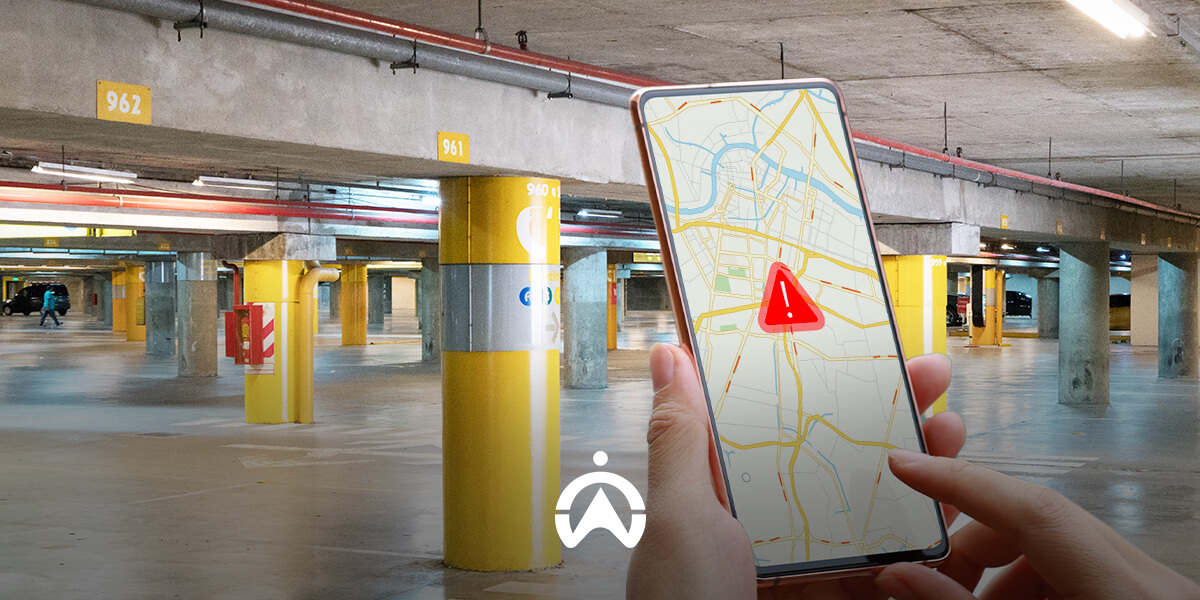
7 Most Common GPS Tracking Problems

GPS tracking systems are essential for every motorist or fleet business. They offer numerous benefits, such as personal safety and continuous updates that help businesses keep track of productivity. However, as reliable as they are and like any other form of technology, GPS tracking systems also come with a few challenges that can have significant implications. Understanding these issues and how they may affect you is essential.

Today, we explore the most common GPS tracking problems and how Cartrack effectively resolves each one to provide you with the best possible service.

In this article, you will:

  • Learn about 7 common GPS tracking problems
  • See how Cartrack resolves each issue
  • Find out why our solutions stand out from the rest

Uncovering the 7 common GPS tracking problems and how to solve them

GPS tracking issues can lead to a wide range of consequences, such as delayed emergency responses, resource wastage, loss in revenue, and legal implications. Before choosing a service provider, you must know the possible challenges and what solutions they have to overcome these obstacles.
Here are 7 common GPS tracking problems and the measures we take to overcome them: 

1. Connectivity and signal issues

Cause:
GPS tracking devices usually consist of two modules. A GPS model that connects to satellites to determine the vehicle’s location and a GSM module that relies on a SIM card and cellular network to send location information to the GPS tracking platform. This means if you are in a remote area, where the mobile signal is weak, some updates might be missed or very delayed.

Additionally, GPS signals can penetrate through materials like glass and plastic but are obstructed by dense structures such as concrete and metal. For a GPS module to function properly, there must be a clear view of the sky. For this reason, signal loss may occur when vehicles go through tunnels or tall buildings. Severe weather conditions, such as heavy rain, may also affect the signal.

Solution:
Cartrack’s GPS system utilises cloud-based technology to provide precise, real-time location updates, ensuring seamless monitoring even in challenging environments. Our vehicle tracking system gives you nationwide network coverage.

When you are in an area with little or no coverage, there will be no missed updates as the unit will continue to record up to 5000 data points (location, speed, etc.). This ensures continuous tracking even in challenging environments. Once the signal is back, you will receive all the data you need about what was happening in that area.

2. Cross-border tracking issues

Cause:
As mentioned in the previous point, a GPS tracking system heavily relies on cellular and satellite communication to function effectively. Due to international roaming restrictions, many GPS tracking systems stop working or experience limited functionality when vehicles are outside the country. This can be troublesome for businesses such as logistics companies that have drivers who frequently travel in and out of the country.

Solution:
The Cartrack GPS tracking system is globally compatible and supports international roaming. This feature ensures continuous and accurate tracking across borders for both individuals and businesses if you choose this package. It also enables us to recover vehicles that are stolen and then smuggled out of the country. 

3. GPS device malfunctions or hardware failures

Cause:
Some tracking devices are built using low-quality materials. This results in them being fragile and prone to external factors such as extreme temperatures, blown fuses, and general wear and tear that can affect functionality. It also means that they constantly need to be replaced, which can be costly. Additionally, faulty wiring during installation may cause device malfunction.

Solution:
A tracking unit with durable hardware. Cartrack’s GPS tracking devices are built with robust hardware that is weatherproof and can withstand wear and tear. We produce devices that are manufactured in-house with high-quality materials to ensure you get the best out of your device and prevent hardware failures. Our skilled technicians ensure smooth and professional installations to avoid inaccuracies caused by faulty wiring.

We also have a Lifetime Maintenance Warranty as a value-added service. This option comes with unlimited repairs and no call-out fees on our tracking unit. Clients can also call in at any time to test-check their devices and ensure everything is still in good working order. We monitor device performance in real-time, alerting users to any potential issues.

4. Signal jamming and interference

Cause:
In an effort to prevent the ability to locate a vehicle, criminals use signal-jamming devices to block or interfere with radio communications, such as GPS tracking systems. As a result, if your vehicle is stolen, the recovery service will not see where it is and therefore cannot recover it. It also gives the criminals more time to search for the device and cast it away.

Solution:

One of our newest innovations to tackle this issue is the Cartrack-Tag. When paired with a Cartrack tracking device, the Cartrack-Tag can detect and alert our control room services of any signal interference that may occur when a vehicle has been stolen. Through this powerful technology, we are still able to find your vehicle despite the attempts made by criminals to block us from receiving information.


5. GPS device tampering

Causes:
GPS tracking devices that are not strategically hidden can be easily located and tampered with. Common reasons for tampering are for employees to evade monitoring, for criminals to be able to steal vehicles, or for hackers to manipulate GPS tracking data for illegal activities.

Solution:
Cartrack’s devices are designed for discreet installation in hard-to-reach areas, reducing the risk of tampering. Our technicians are trained to perform fitments that are as close to tamper-proof as possible. As an extra layer of protection, we also have power event notifications that send an alert if your vehicle battery is disconnected, which could indicate some sort of tampering.

Our control room agents will get instant notifications, call you immediately, and then take the necessary steps to safeguard your vehicle.

6. Software glitches and compatibility issues

Causes:
Technical glitches are common with every software. In the vehicle tracking industry, they can lead to data inconsistencies and huge delays. These glitches are caused by outdated software, fleet management tools that do not work directly together, or technical bugs that can cause system failures. For example, if the data on a fleet management platform is outdated, fleet dispatchers may not receive live updates. This results in drivers getting dispatched for delivery jobs that are further than the ones that they are closest to.

Solution:
Cartrack ensures that all devices and software are regularly updated for optimal performance. Cartrack’s software undergoes regular updates to maintain optimal performance, prevent glitches, and ensure seamless fleet operations.

Our fleet management solutions are integrated, which means all our solutions can be found on one platform. We also have technical support and a customer service line that is available throughout the day to troubleshoot and resolve any possible software or compatibility issues you might encounter.

7. Overwhelming amount of data or alerts

Cause:
Constant GPS tracking updates can result in an overload of data. This makes it difficult for users to manage and prioritise information. Some alerts are irrelevant to a specific user, which leads to the person ignoring all notifications and missing the critical ones.

Solution:
Our platform allows users to customise alerts so they get notifications and updates that are only specific to their concerns. For example, a big concern in fleet management is driver behaviour. Fleet managers can set up alerts on speeding to ensure drivers are practising safe driving habits on the road. We also have a user-friendly dashboard that helps our customers easily filter and prioritise data, making tracking more manageable. 


An additional GPS tracking problem that service providers need to look into is privacy concerns

As GPS tracking data has become more advanced over the years, so has the information it can provide about one’s personal life. Many users worry about how their sensitive information is collected, stored, and used. Improper handling of tracking data can lead to privacy violations and security risks.

Cartrack prioritises your privacy. We are fully POPIA compliant, guaranteeing your personal data remains secure. We employ end-to-end encryption and uphold a strict policy against sharing your information with external parties.

Avoid the common GPS tracking problems with Cartrack solutions

In conclusion, a GPS tracking device is an invaluable tool for improving vehicle security and operational efficiency, but common issues can cause disruptions that may jeopardise the safety of people and vehicles in critical situations.

These inconveniences may also lead to costly errors for businesses. It is important to choose a vehicle tracking service that can manage and overcome these challenges so you can get the best possible experience and value for money.

Cartrack’s advanced GPS tracking solutions address these issues, providing reliable, real-time tracking, secure installations, and cost-effective preventative measures to keep vehicles safe and business operations running smoothly. Join our over 2 million subscribers and experience unparalleled vehicle security and tracking reliability.

Want to know more about common GPS tracking problems? Take a look at these frequently asked questions

What is the most common cause of a GPS location error?

The most common GPS location error is satellite blockage due to obstructions such as trees, tall buildings, and mountains. They prevent satellite signals from directly reaching the receiver (e.g., a vehicle tracking unit). This causes delays in location updates and inaccuracies.

Why is my GPS tracker not sending the location?
A GPS tracking device may not send a location update due to poor signal, such as when in a remote area. Other reasons for this could be device malfunctions, battery failure, or software updates. Ensure that you contact your service provider as soon as you notice to find the root cause.

How to improve GPS tracking?
Choose a GPS tracking service that provides high-quality devices and has backup plans in place for issues that may arise. Regularly update your software to ensure that the information is always accurate, and filter your alerts so you only keep track of the thing you are interested in.

Cartrack gives you GPS-tracking solutions you can rely on

Ensure that you secure your vehicle(s) with a trusted GPS tracking service provider that can tackle any issue. Contact us today! 

Quick and Easy Steps to Checking Your Car’s Fluid Levels

Owning a car comes with some responsibilities that cannot be negotiated. One of these is vehicle maintenance, especially when a car is getting older.

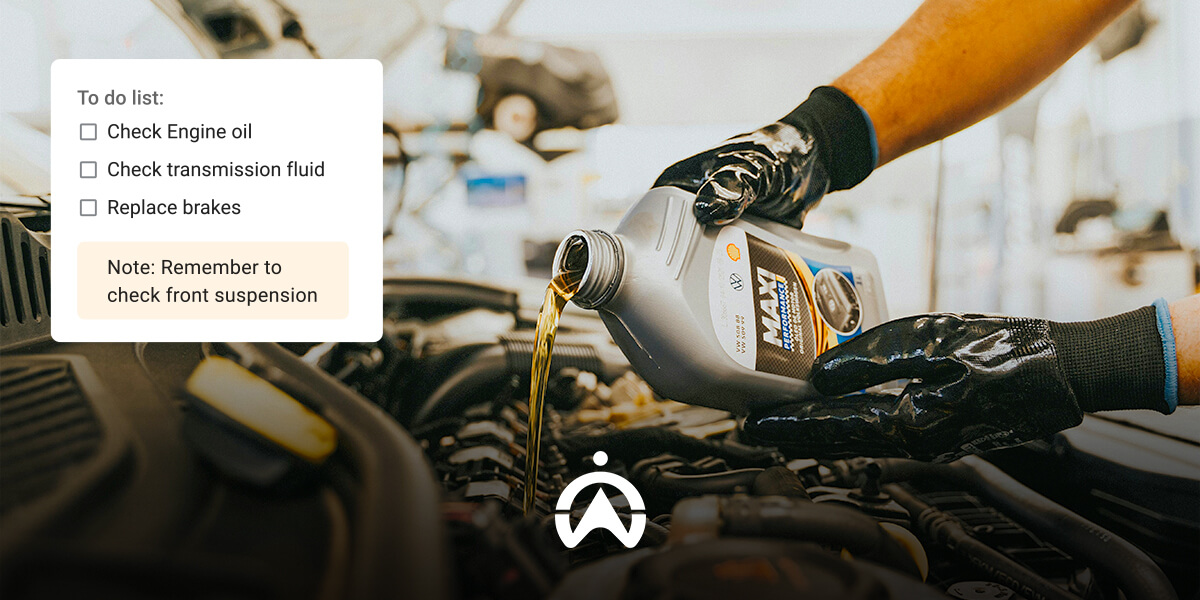
The simplest car maintenance task you can do yourself is checking fluid levels to ensure they are within the recommended range. Doing this regularly reduces wear and tear on your car, keeping it in good health for longer.

We have put together a simple guide on how to check your car’s fluid levels and how Cartrack’s maintenance solutions can help you.

In this article, you will:

Why Checking Your Car’s Fluid Levels Is Important

We all want a car that always runs smoothly and never suffers any issues, but unfortunately, that is not always the case. Every car will eventually experience one mechanical problem or another. These can compromise vehicle health and roadworthiness, affecting driver and passenger safety.

Your fluid levels can be checked monthly or as recommended based on your vehicle’s age and condition. This process is quick, easy, and requires no special tools; most drivers can take the task on with relative ease.
‍

Here are some reasons why checking car fluids is important:

  • Ensures smooth engine operation
  • Maintains proper transmission performance
  • Overheating is prevented with coolant
  • Enhances braking safety
  • Protects the power steering system
  • Improves fuel efficiency
  • Prevents expensive repairs
  • Enhances resale value

Low or contaminated fluids can cause overheating, braking issues, or engine damage, which may lead to costly repairs. These are all consequences that can easily be avoided with a few maintenance checks on a car every once in a while. It is important to do these smaller checks, you can rest assured when done correctly, these measures can yield great results for your car in the long-term.

Easy Steps to Checking Your Car’s Fluid Levels

Checking fluids can be done as part of a pre-or post-car inspection, both for daily use and long-distance travel. Let’s go through the steps you need to take when checking your car’s fluids.

Step 1: Park on a Level Surface and Let the Engine Cool

When starting a fluid check, the car must be parked on a stable and level surface with a cooled engine. This ensures accurate readings from the fuel rods and other measuring tools.

We advise switching off the engine and waiting a few minutes before opening the bonnet to start the checks. This will protect you from the steam build-up that will come jetting out of the engine or water tank, which happens when those liquids have not cooled sufficiently.

Step 2: Locate the Fluid Reservoirs

The next step is to identify the specific fluid you need to check or replace. Here is a list of the key fluids that need regular inspection and what the fluid does:

  • Engine oil – Lubricates engine components.
  • Coolant/Antifreeze – Regulates engine temperature.
  • Brake fluid – Ensures proper braking performance.
  • Transmission fluid – Keeps gear shifts smooth.
  • Power steering fluid – Aids in easy and smooth steering.
  • Windscreen washer fluid – Keeps visibility clear.

Most of these can be accessed directly from the engine, with symbols on each to indicate what they are and do. If there is any uncertainty, check your car’s manual for further explanation on where to find these fluids.

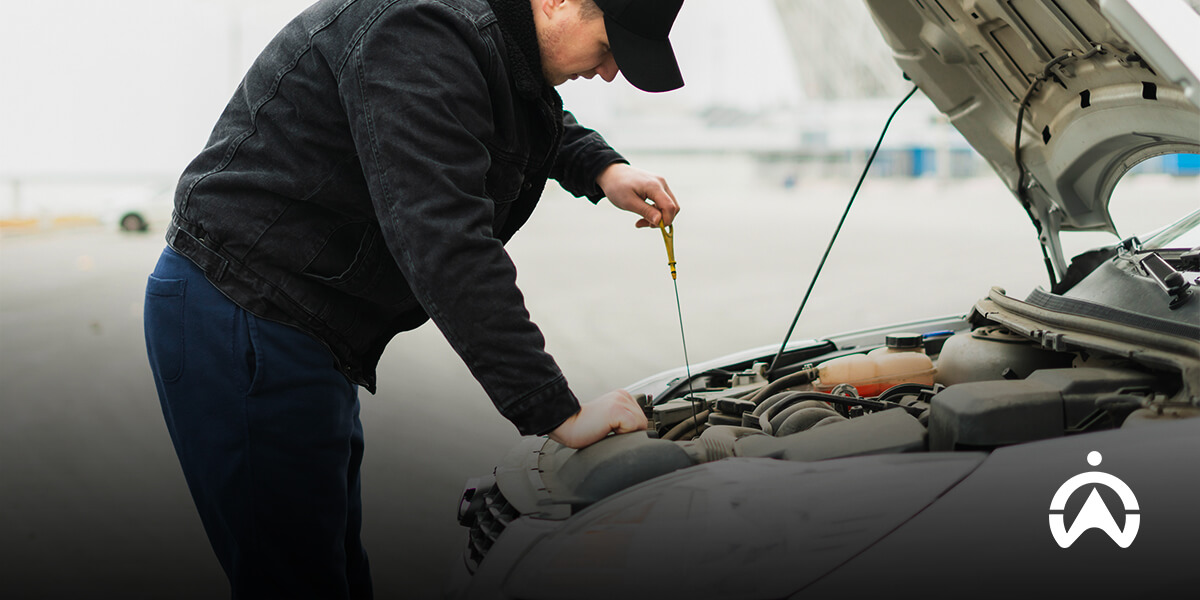
A person in a black jacket and cap inspects the engine of a car with the hood raised, checking the oil level with a dipstick.

Step 3: Check the Engine Oil

One of the easier fluids to check is engine oil. Once the bonnet is open, pull out the dipstick from the engine, wipe it clean, reinsert it, and check the level. The oil level should be between the two marks on the dipstick. If it falls below the lower mark, it needs to be topped up.

It is also important to consider the oil colour and consistency. The darker and grittier the oil is, the likelier it is to need changing.

Step 4: Inspect Coolant Levels

In order to check the coolant level, you must look at the reservoir markings. They will indicate where the coolant needs to be for it to be full. Make sure not to overfill the coolant by going over the “Full” marking.

We must warn you against opening the radiator cap when the engine is hot. This will release heated coolant and gas which may cause severe burns.

Step 5: Examine Brake Fluid and Power Steering Fluid

If you are looking to check brake fluid, look for the brake master cylinder, usually on the driver’s side, where the brake fluid reservoir will be attached. You can check these fluid levels against the “Min” and “Max” marks, this will let you know if you need to top it up or not.

It is important to know that low brake fluid could indicate worn brake pads or a potential leak. This will need to be investigated by a technician in order to get the most accurate prognosis.

Step 6: Assess Transmission Fluid

The best way to check automatic transmission fluid is by using a dipstick. This process will be similar to the brake fluid one, where you check the stick’s markings. The level should be between the “Max” and “Min” markings.

Transmission fluid should be red or pink. A darker colour may indicate contamination or burning, which requires attention.

Step 7: Top Up If Necessary

When topping up fluids, make sure to clean the area and, where applicable, remove components for cleaning. If the fluid appears to be contaminated, then you should drain it and replace it with new fluids.

Engine oil, coolant, and other car fluids can be found at major supermarkets or petrol stations, ranging from N$25 to N$70 for 500ml of engine oil and coolant from N$100 to N$400 for 1 litre. This price will depend on the brand and quality of the fluid being purchased, with more premium brands costing more.

Always make sure to use the correct fluid type as specified in the owner’s manual. This should also be the case when replacing fluids or topping them up.

Check your dashboard after doing these changes and make sure none of the lights are on, as this could indicate that one of the fluids is still low.

Cartrack’s Smart Vehicle Maintenance Solutions at Your Fingertips

Keeping track of fluid checks can be challenging amid a busy schedule, however, it is important to do so if a driver wants to avoid getting into a car accident. Fortunately, Cartrack has features that can assist with this problem.

Here’s what we have on offer to help:

Comprehensive Vehicle Tracking Solutions

Cartrack’s advanced car tracking system does more than just monitor your car’s location, it comes with a host of solutions to help with car maintenance. Our technology has built-in telematics and vehicle diagnostics, all of which are meant to give accurate reports on driver behaviours that might influence vehicle health.

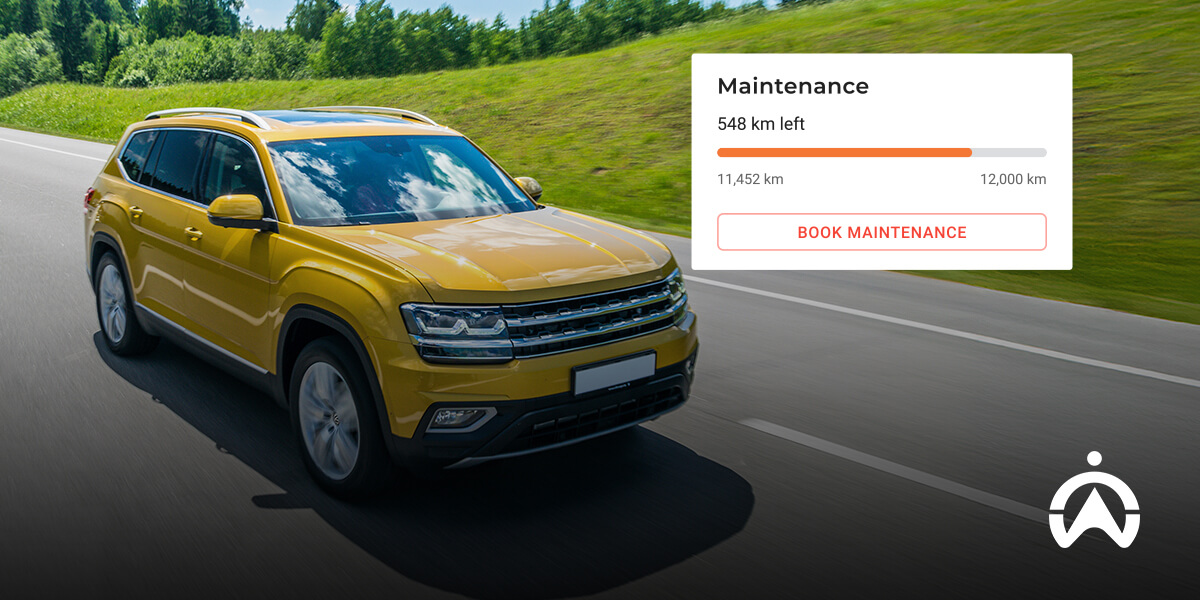
A yellow SUV drives on a road with a maintenance reminder showing 548 km left until service is due.

Real-Time Vehicle Diagnostics for Proactive Maintenance

Unexpected breakdowns can be both inconvenient and expensive. This is why receiving early warnings is important, as it allows you to address minor issues before they escalate into costly repairs.

Cartrack’s vehicle diagnostics provide real-time alerts on key vehicle health indicators, fluid level detection depends on your vehicle’s CAN bus compatibility with telematics. The alerts can be for:

  • Low fluid levels (oil, coolant, brake fluid)
  • Battery health warnings
  • Engine performance issues
  • Potential mechanical faults

Checking your car’s fluids with this system in place is much easier as you will now have a more comprehensive view of all the factors affecting your car’s overall health.

The Cartrack App: Your Personal Vehicle Assistant

Whether you drive a brand-new car or an older model from your grandparents, our app ensures you will never miss a critical maintenance check. With the mobile app, keeping up with car maintenance has never been easier. The app provides:

  • Maintenance reminders based on mileage and service history
  • Instant alerts for low fluids or urgent mechanical issues
  • Detailed vehicle health reports to track long-term performance

Having this technology at the tip of your fingers makes it easier to stay on top of all car maintenance. These can be sent to you as reminders and come as reports as well so you have an overview of what is happening in your car.

Keep Your Car Running Smoothly With Regular Fluid Checks

Your car will not always run smoothly, but there are things you can do to help. Doing regular fluid checks and changes is one of the things that you can do, it is fairly simple and does not require technical skill. What is important is that they are done early or as soon as there is an indication that something is wrong.

With Cartrack, these issues are a thing of the past. Our offering provides full diagnostics and gives you alerts when something is wrong. If this sounds good to you, then contact us to learn more about what we can do for you.

Car Ownership vs E-Hailing: A Shift in the Way We Move

For many Namibians, owning a car has long been associated with independence and convenience. However, the rise of e-hailing services is reshaping personal transport preferences. This is mostly due to the rising cost of vehicles, technological growth, and evolving lifestyle choices.

E-hailing platforms have slowly narrowed the gap between traditional public transport services and car ownership. This mobility shift now has people questioning whether buying a car is actually worth it in today’s world.

Let us take a well-rounded look at both car ownership and e-hailing so you can see which option would best suit you.

In this article, you will:

  • Get a brief overview of how transportation has changed over the years
  • See what to consider when choosing between owning a car and e-hailing
  • Find out how Cartrack Namibia caters for both e-hailing and personal cars

The changing dynamics of how we move around

Not everyone can afford to own a vehicle, which is why there will always be a need for public transportation services such as traditional taxis, meter taxis, buses, and trains. However, these modes of transportation have limitations, such as restricted operating hours, inconsistent availability in some areas, and safety concerns. As a result, daily commuters often felt the need to at least get an entry-level vehicle for greater practicality—until e-hailing came into play.

E-hailing platforms have transformed the way some people feel about the need for a car by offering a reliable alternative to traditional taxis, at an affordable price. This mode of transport was first introduced in Namibia in 2018 and has since gained popularity over the years. The ride-hailing market in Namibia is now valued at approximately US$3.17m and is expected to reach a total market size of approximately US$3.98m by 2029.

One of the primary factors driving the rise of e-hailing services is urbanisation. The demand for efficient transportation has increased as more people move to cities like Lagos, Abuja, and Port Harcourt. With that said, car ownership still remains a long-term goal for many.

What to consider when choosing between owning a car versus e-hailing

So the question is, is there a need to get a car when you can just hail a ride? Ultimately, your budget and lifestyle needs should determine which option fits best. Here are some factors to take into consideration before making your decision:
‍

The cost of getting around when owning a car vs e-hailing

Owning a car

1. The initial cost of purchase

  • Vehicle price: It is no secret that a car is a big purchase that requires a lot of financial planning. If you are making a cash purchase, you need to save for some time unless you already have a large amount of cash ready.
  • Down payment: If you are buying a car through financing, you first need a deposit to secure it. The deposit is calculated based on a percentage of the vehicle’s total, and the amount varies depending on the dealer. It usually starts at 10% and could go all the way up to 25%. Some dealers offer a “balloon payment” or a “reverse deposit” option. This means you do not need to pay the deposit upfront but will make a large payment at the end of your term.
  • Interests: A car that is financed comes with monthly instalments and an added interest rate. By the end of your term, you would have paid more than the cash price.

2. Ongoing operational costs

  • Fuel: The cost depends on whether it is petrol or diesel, how much fuel your car needs, and how often you drive.
  • Repairs and maintenance: This includes serving your vehicle every now and according to the set schedule, the regular oil changes, tyre and battery replacement, as well as unexpected breakdowns.
  • Insurance: Car insurance is essential and can come at a hefty price. The cost depends on your risk profile, which considers factors such as the type of car you drive, your age, and your driving history.
  • Road usage costs: This includes the costs of toll fees when driving out of town and parking fees, such as when going to the mall.

3. Depreciation

  • Loss in value: Remember that the value of a car depreciates, more especially in its first few years. This means you will receive less money when you sell or trade in.

E-hailing

1. Distance and time

  • Trip distance: With e-hailing, you only pay when you use the service. The price of this service mainly depends on the distance. The longer the trip, the more you pay. This becomes a lot of money when you are frequently on the road, such as when travelling to work every day.
  • Demand: E-hailing prices go up during peak hours when there is high demand and less driver availability, such as in the morning when people are rushing to work. This also happens on rainy days.

2. Type of service

  • Budget options: E-hailing platforms offer different service tiers depending on your budget. The cheaper rides come in smaller cars that may not always be comfortable, and the premium services come with larger or luxury vehicles and therefore cost more.
  • E-hailing platform: The rates of the different e-hailing companies vary. Some are known to generally be cheaper than others.

3. Location

  • City vs. small town: Urban areas usually have more people, constant traffic, and therefore, a higher demand. This means the prices will be higher compared to the same distance in a small town.

4. Connectivity

  • ‍Internet: E-hailing services require an internet connection; you always need to have data wherever you are. This minor cost can feel tedious in the long run once you consider how much you have spent, especially if you use the service every day.
A person in a denim jacket waves their arm while holding a phone, with a sunset and cityscape in the background.

The convenience and accessibility of car ownership vs. e-hailing: which is more practical?

  • Car ownership
    There is more independence and flexibility when you own a car. You can be spontaneous and drive to anywhere you want at any time. Long-distance trips are not much of an issue either when properly planned. You also can carry more items with you. For example, you can keep extra clothes in your car for the days when you need to be at an event after work or that random day when you end up sleeping over at a friend’s house.
  • E-hailing
    There is usually a 5-15 minute waiting time when you request a ride; finding an available driver might even take longer during peak hours. Depending on how urgent your appointment is, this waiting time might be a big inconvenience. The location you live in also determines how convenient an e-hailing service will be to you. E-hailing services are mostly popular in cities across the country. Those living in small towns may have limited or no access to these services. Due to its dependence on internet connectivity, e-hailing services are not available in remote areas.

How car ownership and e-hailing affect your lifestyle needs

  • Car ownership
    If you are a frequent traveller or have a family, then owning a car is a better option. Family-orientated people need the convenience of car ownership in order to travel with the kids, drop them off at school, and get to them quicker when there are emergencies.
    ‍
  • E-hailing
    If you stay alone, close to your workplace, work from home, and live in an urban area, then e-hailing is a more feasible option for you. Road trips can always be planned for ahead of time. You can even rent out a car for that, depending on your budget.

Whether e-hailing or personal driving, Cartrack has you covered!

Another option that you can consider is buying a car and then using it for e-hailing services during your free time. E-hailing is a flexible way to earn extra income. The money can be used to cover some of the expenses of owning a car. At Cartrack, we have solutions that enhance safety for vehicle owners and e-hailing services.

Cartrack vehicle security solutions

Our main goal is to keep your car safe at all times using advanced tools such as the following:
‍

Stolen Vehicle Recovery (SVR)

Secure your car with a trusted vehicle security service. The reality is that vehicle theft is a huge problem in Namibia, so a tracking device is a must-have for vehicle owners. Our stolen recovery services are available 24/7, with real-time tracking, and nationwide access to skilled air and ground teams that are always ready to get your car back to you. Cartrack has an impressive average recovery rate of over 90%.

Location tracking

Use the Cartrack mobile app or website to get full visibility of your vehicle. You can easily share the live location with your loved ones, view your trip history, and get detailed information on driving habits such as speeding and harsh braking. This helps you see how well you drive and where you need to improve.

Dashcams

Get yourself a silent eyewitness on the road with our Road Vision and Dual Vision dashcam solutions. You can go with the forward-facing Road Vision camera or the Dual Vision solution that includes both front and in-cabin views—ideal for e-hailing safety. Both dashcams are cloud-based which means you can access footage at any time, even if the hardware has incurred some damage.

Recording your trips helps prove your innocence against accident disputes and fraudulent insurance claims. Dashcams are also highly recommended for e-hailing services as they make passengers feel safer and protect the driver from issues such as aggressive passenger behaviour.

A man in a plaid shirt stands thoughtfully next to a white car in a car dealership filled with various vehicles.

Cartrack value-added services

As an extra layer of protection and convenience, you can include these value-added services in your package:
‍

Protector

The Cartrack Protector feature is a value-added service that ensures that you are never left stranded on the road. Whether you need roadside assistance, medical support, or emergency response, we will be there. All you have to do is push the button on the mobile app, and we will send the help you need to your location.

Carwatch

Our Carwatch feature can be seen as a virtual car guard. This is another value-added service that you can use to secure your parked car. All you need to do is activate it on the Cartrack mobile app after you park. If your parked car moves without your permission, you will get an alert, and help will be on the way.

Fleet management for e-hailing drivers

Our fleet management solutions allow e-hailing drivers to monitor vehicle performance, fuel efficiency, and maintenance needs. This is particularly beneficial for individuals who operate multiple vehicles for e-hailing or lease out their cars to drivers.

Choose a reliable service provider for your car ownership and e-hailing needs

Cartrack is a leading vehicle tracking service provider with over 2 million subscribers worldwide. With us, you get advanced vehicle security services at an affordable price. Whether you use your car for personal trips or e-hailing, we will ensure that you and your car are protected. Join us today and get the peace of mind you deserve.

What are the True Costs of Fleet Accidents

Many assume that accident-related costs are limited to vehicle repairs and insurance claims. However, these incidents involve hidden expenses that can negatively affect a business’s bottom line.

When a company vehicle is involved in an accident and the driver or the vehicle’s mechanics are found to be at fault, the business may be held liable for covering medical expenses and other related costs. In some cases, the company may also be responsible for property damage and legal fees. Over time, these costs can accumulate, leading to a substantial financial burden for the business.

Beyond these direct costs, the company is most likely to experience reputational damage, leading to a significant decline in customer trust and loyalty. A company with a reputation for unsafe driving practices may struggle to maintain long-term customer relationships.

Let’s explore the true costs of fleet accidents and how Cartrack’s fleet management solutions can help businesses mitigate them.

In this article, you will:

  • Know the implications of fleet accidents
  • Learn how to protect operations from fleet accident losses
  • Understand how technology can help prevent fleet accidents
  • Discover how Cartrack fleet management solutions can help mitigate the costs of fleet accidents

What Are the Financial Implications of Fleet Accidents

Fleet accidents have implications that go far beyond immediate repair costs. Understanding these consequences is crucial, especially when looking to mitigate financial losses and protect the business’s reputation.

What are the real expenses associated with fleet accidents

  • Vehicle repair and replacement costs: When a vehicle is involved in an accident, the starting point will be to get the vehicle fixed. This means buying new parts to replace the damaged ones and paying the mechanic handling the repairs.
    ‍
  • Medical and liability expenses: Companies may cover medical expenses for those injured and, depending on the situation, offer compensation for additional damages or losses.
    ‍
  • Increased insurance premiums: If fleet vehicles are frequently involved in accidents, insurance companies may classify the business as high-risk, leading to higher premiums, which can affect profitability over time.

Beyond the immediate costs, fleet accidents also generate substantial legal and reputational issues, adding further pressure to the business.

Legal implications of fleet accidents

  • Legal consequences and liability: Fleet accidents can expose the company to lawsuits, whether for personal injury, death, or property damage, leading to substantial legal costs.
    ‍
  • Regulatory penalties: An accident involving a company vehicle is often investigated. If authorities find fault in the driver’s behaviour or the vehicle’s condition, the company may be liable to pay fines and penalties for violating traffic laws.
    ‍
  • Insurance disputes and legal fees: Insurance claims investigations can take months to resolve, especially for complex cases. This often requires legal assistance, adding further expenses that impact the company’s cash flow.

Reputational implications of fleet accidents

  • Public perception and brand damage: Frequent accidents, particularly those with severe consequences, could negatively affect a business’s reputation. In the digital age, a viral social media post of a company vehicle involved in an accident can damage the brand’s reputation and deter customers from supporting the business.
    ‍
  • Customer loyalty and retention: Accidents can negatively affect a business’s operations, resulting in lower customer satisfaction rates. Customers may question associating with a company that frequently experiences accidents and may look for services elsewhere.
    ‍
  • Employee morale and turnover: Witnessing or experiencing a crash can affect the well-being of drivers, leaving them traumatised and less motivated. Drivers may need some time off at work or even counselling, which will further affect operations. If accidents happen more frequently, employees may start to question the company’s commitment to safety and leave for better opportunities elsewhere. 
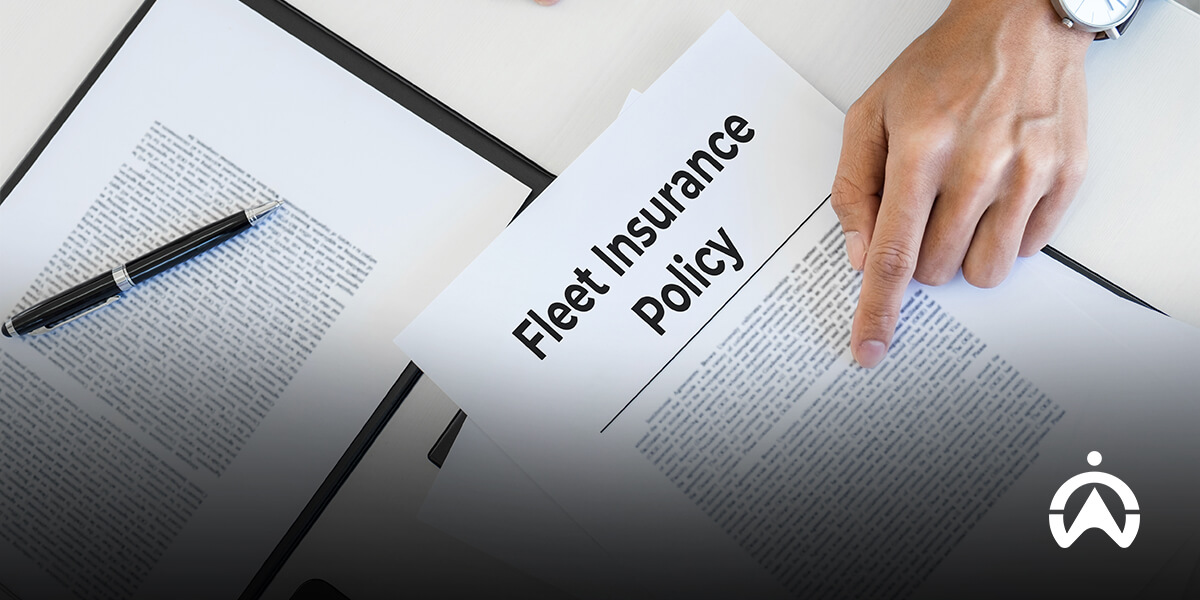
A hand points to a "Fleet Insurance Policy" document on a table, accompanied by a pen and additional papers.

How to protect operations from fleet accident losses

To protect a business from the financial, legal, and reputational losses caused by fleet accidents, managers must have a proactive approach. This means implementing strategies that can reduce the likelihood of accidents and ensure that operations run smoothly should accidents occur. Here are key ways to safeguard the fleet and business from the aftermath of accidents:

Implement Fleet Accident Management for Incident Response and Prevention

Fleet Accident Management (FAM) plays a critical role in minimising the impact of accidents on a business. It enables fleet managers to respond swiftly, manage claims efficiently, and mitigate common accident causes such as risky driver behaviour, distractions, and poor road conditions. By implementing FAM, these issues can be addressed head-on, ensuring better safety practices and reducing downtime, as well as the financial and operational consequences of accidents.

Conduct regular maintenance and servicing

Conducting regular maintenance on the fleet will significantly enhance safety, reduce breakdowns, and minimise downtime, helping save costs in the long run.

A structured maintenance schedule will cover critical things such as wear and tear, tyres, engine health, lights, and other important vehicle components. This will not only ensure vehicle longevity but will also minimise the accidents that are caused by mechanical failures, faulty parts, or poor vehicle handling. Regular inspections and timely repairs help identify potential hazards before they become serious issues, ultimately improving driver safety and maintaining operational efficiency.

In addition to regular maintenance, it is important to get the vehicles serviced on time so that issues can be detected and dealt with in time before repairs become too expensive. Regular servicing ensures that a vehicle’s components are working at optimum levels, which means better performance from all aspects of the vehicle.

Implement driver safety programs

To help reduce accidents, fleet managers can implement driver training programs that will enhance their safety on the road. Driver training programs will empower drivers to follow the rules of the road and avoid participating in unsafe behaviours such as distracted driving, speeding, harsh braking, and tailgating. Practising safe driving helps save on fuel costs and reduces wear and tear on vehicles, making them last longer.

Fleet managers can also host driver incentive programs—reward-based methods to motivate their drivers to continue practising safe driving.

Drivers can be rewarded in the following ways:

  • Monetary bonuses: Fleet managers could reward drivers with cash for outstanding performance.
    ‍
  • Recognition: Drivers could be rewarded with a certificate or trophy monthly, making them “employee of the month”.
    ‍
  • Career development: Managers could also consider promoting drivers who are consistent in their performance.

Rewarding drivers through any chosen method is a great way to keep them motivated and create a healthy working environment.

Review insurance policies and coverage regularly

Regularly reviewing fleet insurance policies ensures that coverage aligns with current operational needs and provides protection against potential risks.

As the fleet or business grows, reassessing insurance needs is important to maintain adequate coverage. This entails examining accident coverage, liability coverage, vehicle damage coverage, and theft coverage so that all areas are fully protected.

Furthermore, staying informed about industry regulations and adjusting coverage accordingly can prevent gaps that might leave the fleet unprotected in the event of an unforeseen incident. This practice helps avoid unexpected financial surprises and supports the continued safety of fleet operations.

Use fleet management solutions and telematics

Incorporating technology such as telematics and fleet management systems can significantly reduce accidents. These technologies allow operators to monitor driving habits and vehicle performance in real-time.

By tracking driving behaviours such as speeding, braking, and sharp acceleration, operators will be able to identify which drivers need training to avoid getting involved in constant accidents.

The systems will alert operators when maintenance is due, which will help prevent breakdowns and accidents caused by malfunctioning equipment. Telematics also help optimise routes through live traffic updates, weather updates, and road conditions, ensuring that drivers stay away from potentially dangerous areas.

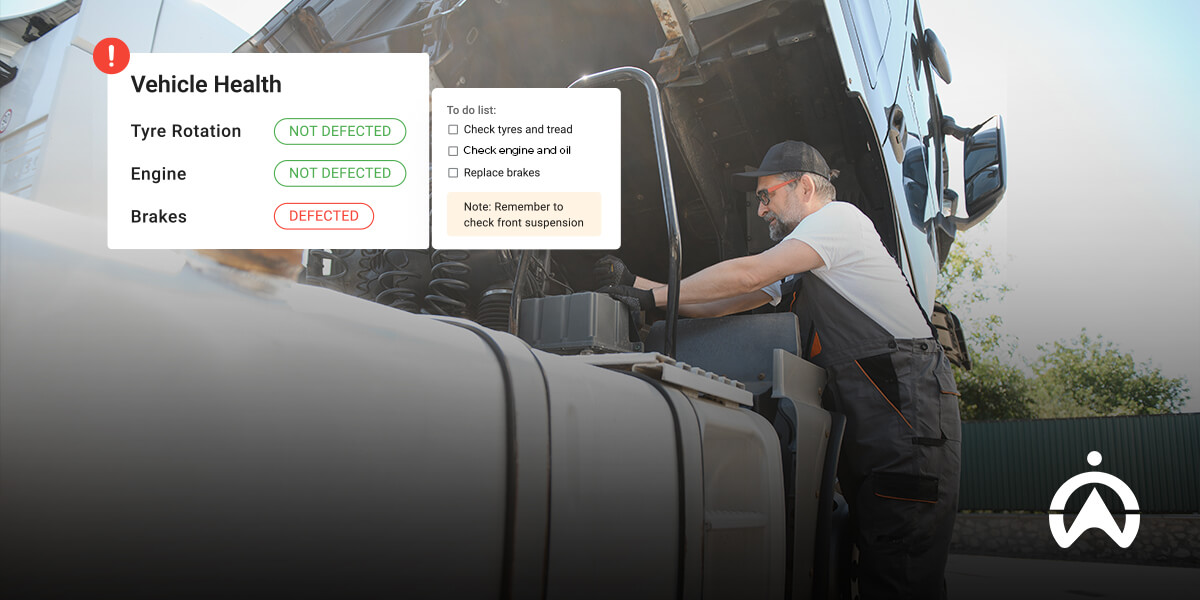
A mechanic inspects a truck's engine while reviewing the vehicle health report highlighting defective brakes and maintenance tasks.

How Cartrack helps mitigate the costs of fleet accidents

Cartrack offers comprehensive fleet management solutions that help businesses prevent and manage accidents, ultimately reducing costs.

We achieve this in the following ways:

  • Real-time tracking and alerts: Our GPS tracking devices allow managers to track their fleet in real-time, providing full visibility. In the event of an accident, instant alerts are sent to managers, enabling a prompt response during emergencies.
    ‍
  • Driver behaviour monitoring: Our system helps operators monitor driver behaviour by sending alerts every time there are harsh events like speeding, harsh braking, and cornering. With this data, fleet managers can identify drivers that need coaching to improve their performance. This will significantly reduce accident risks and promote safer driving habits.
    ‍
  •  Cartrack’s AI-powered cameras: Our AI-powered cameras provide real-time monitoring with in-cabin audible alerts that notify drivers of distractions such as cell phone use, fatigue, smoking, speeding, and other risky behaviours. These alerts help drivers correct their actions immediately, which can help reduce accidents. If an accident does occur, footage can be retrieved and used to prove the driver’s innocence and can be submitted to insurance companies to help expedite the claims process. Managers can use the footage to analyse what happened and provide targeted training to drivers where necessary.
    ‍
  • Preventative maintenance: Cartrack’s system sends alerts to inform managers about any engine faults and when vehicles are due for servicing. By monitoring engine hours and usage, managers can easily stay on top of maintenance needs. This proactive approach helps ensure that the fleet remains in good condition and operates efficiently.
    ‍
  • Crash detection: Our smart IoT device uses g-force technology to detect an accident in real-time, allowing us to immediately send emergency services to the driver’s exact location so help can arrive as soon as possible. Crash detection boosts drivers’ confidence on the road, knowing that protection is available at all times should accidents occur. Companies stand a chance to be assisted sooner during the insurance claims process since all necessary information is readily available through this technology.
    ‍
  •  Advanced Driver Assistance System (ADAS): ADAS uses camera-based sensors, intelligent algorithms, and AI technology to enhance driver awareness, increasing driver and vehicle safety. This system alerts drivers of blind spots and gives forward collision warnings.

In closing, investing in a robust fleet management system can reduce fleet accidents, helping save on hidden costs such as financial, legal, and reputational costs. Implementing driver training programs and conducting regular maintenance ensures that drivers and fleets are safe on the road.

Ready to safeguard your fleet and save on costs? Contact us today to achieve your business’s bottom line, leaving you with satisfied clients and enhanced profitability.

Frequently Asked Questions about accidents and fleet management systems

Q: What are the main causes of fleet accidents?

A: Factors such as human driver behaviour, poor road conditions, adverse weather conditions, and vehicle faults all contribute to fleet accidents.

Q: How does the frequency of accidents affect a company’s ability to grow?

A: Frequent accidents can deter a company from growing to its full potential due to all the costs the company will have to pay as a result of these accidents. This means the company will be working at a loss, and its bottom line will be negatively affected.   

Q: How do fleet accidents affect customer satisfaction?

‍A: Fleet accidents can cause delivery delays and service interruptions, and, in some cases, products may be lost and damaged during these crashes. This will negatively affect customers, leaving them dissatisfied and unimpressed with the service.

How to Protect High-Value Goods in Transit

High-value goods range from luxury items and electronics to sensitive medications, premium cigars, alcohol, livestock, and fine art. These goods have high value, making them prime targets for criminals and more susceptible to theft and hijacking than regular goods.

Given their importance, high-value goods require exceptional care and attention during transit. A single security lapse can lead to substantial financial losses, harm a company’s reputation, and disrupt multiple industries.

Let’s discuss the risks involved in transporting these valuable items and explore how advanced technologies like Cartrack’s fleet management solutions can help protect them while on the road.

In this article, you will:

  • Learn more about the risks associated with the transportation of high-value goods
  • Understand how technology can help mitigate these risks
  • Explore the key best practices for protecting your goods while in transit
  • Know how Cartrack solutions can help you protect your cargo

What Are the Risks of Transporting High-Value Goods?

High-value items are at an increased risk of theft due to their desirability. These goods can also be easily damaged and often come with strict regulations that must be considered during transit. Let’s take a closer look at these risks:
‍

Theft or hijacking

The Transported Asset Protection Association (TAPA) reported that four suspects allegedly carried out a cash-in-transit robbery in Windhoek, Namibia, resulting in losses estimated at over €70,000. This highlights that high-value goods are prime targets for criminals, who may either steal the items or hijack the entire vehicle.

High-value goods are highly vulnerable to theft and hijacking during transit because they go through multiple handovers, such as drivers, logistics companies, and warehouse teams. These goods are often left unprotected at unsecured rest stops or while being transferred between locations. With each handover, the risk of theft increases, as security can be inconsistent. Unlike at warehouses, which have strict security, the lack of continuous protection during transit makes it easier for criminals to target the shipment.

Accidental Damage

Due to the delicate nature of most high-value goods, they are most likely to be damaged during transit. This may result from improper handling, incorrect storage, inadequate packaging, accidents, adverse weather, and poor road conditions. For temperature-sensitive products, it could be that the temperature was incorrect throughout the trip, resulting in spoilage of items, and compromising their quality.

Accidental damage causes significant harm to the cargo, resulting in financial loss and customer dissatisfaction.

Regulatory and Compliance Risks

Noncompliance with regulations is a significant risk when transporting high-value cargo, particularly for items like pharmaceuticals or international shipments. Noncompliance with legal and safety standards can lead to hefty fines, legal action, and reputational damage. It’s important to ensure all regulations are met to avoid these risks during transit.

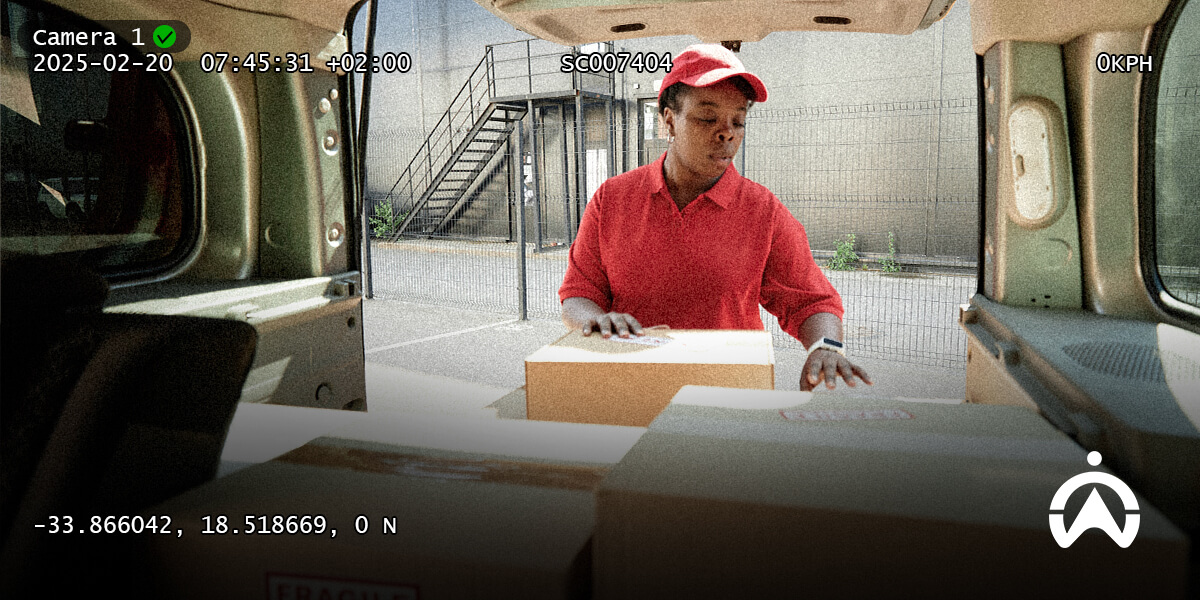
A delivery person wearing a red uniform and cap stands outside a van, preparing to handle cardboard boxes in a parking area.

How Can Technology Mitigate the Risks of Transporting High-Value Goods?

Technology plays an important role in mitigating risks associated with transporting high-value goods. Through GPS tracking and telematics, you can be in charge of your fleet at all times and will be able to act swiftly before anything happens to your cargo.

Here are some ways technology can enhance safety and security:

  • Real-time GPS tracking: You will know the location of your cargo through continuous tracking.
    ‍
  • Vehicle surveillance: Cameras and an alarm system add an extra layer of security to your fleet by deterring theft. Cameras equipped with AI technology allow you to monitor driver behaviour and provide training where necessary.
    ‍
  • Temperature monitoring for sensitive goods: Having temperature sensors will ensure that your sensitive cargo remains in good condition throughout transit, avoiding spoilage and waste.
    ‍
  • Automated alerts: Instant notifications and alerts allow fleet operators to take action if there are any changes to the fleet. This includes vehicle deviations or changes in temperatures.
    ‍
  • Remote immobilisation: Many tracking systems feature immobilisation options, enabling fleet managers to disable the vehicle remotely if stolen. This improves the chances of recovery and ensures better protection for the vehicle.

What Are the Best Practices for Protecting High-Value Goods in Transit?

When protecting high-value freight during shipment, you need to have a strategy that covers all bases. This means enhancing your security, conducting regular inspections and maintenance, and minimising stops on the way.

Here are some key best practices to help you get it right:
‍

Strengthening Security Protocols for Drivers

Fleet operators should train drivers in secure cargo handling and emergency response protocols. These training programs will equip drivers to know how to identify when something is wrong, and they will be able to act swiftly in an emergency.

Drivers must ensure they know which protocols to follow while on the move; this includes checking for tampering, knowing how to use panic buttons, and reporting incidents immediately.

Drivers are basically in charge of your cargo and vehicles, so they must be protected at all times to ensure that the goods get delivered safely and securely.

Conducting Regular Vehicle Inspections and Maintenance

It goes without saying that the vehicles used to transport these high-value goods need to be properly maintained to avoid unnecessary breakdowns on the road.

Managers must schedule regular inspections and ensure that vehicles go for servicing as and when required to prevent breakdowns. These inspections include checking security systems such as alarms and GPS tracking devices to see if they are still functioning as they should.

Regular checks can help identify and solve issues before they become major problems, posing potential threats to the cargo.

Minimising Stops and Delays During Transit

In order to make timely deliveries, fleet operators must make sure that the routes have minimum stops. Fewer stops reduce the risk of unauthorised access or tampering while improving fuel efficiency and delivery timelines.

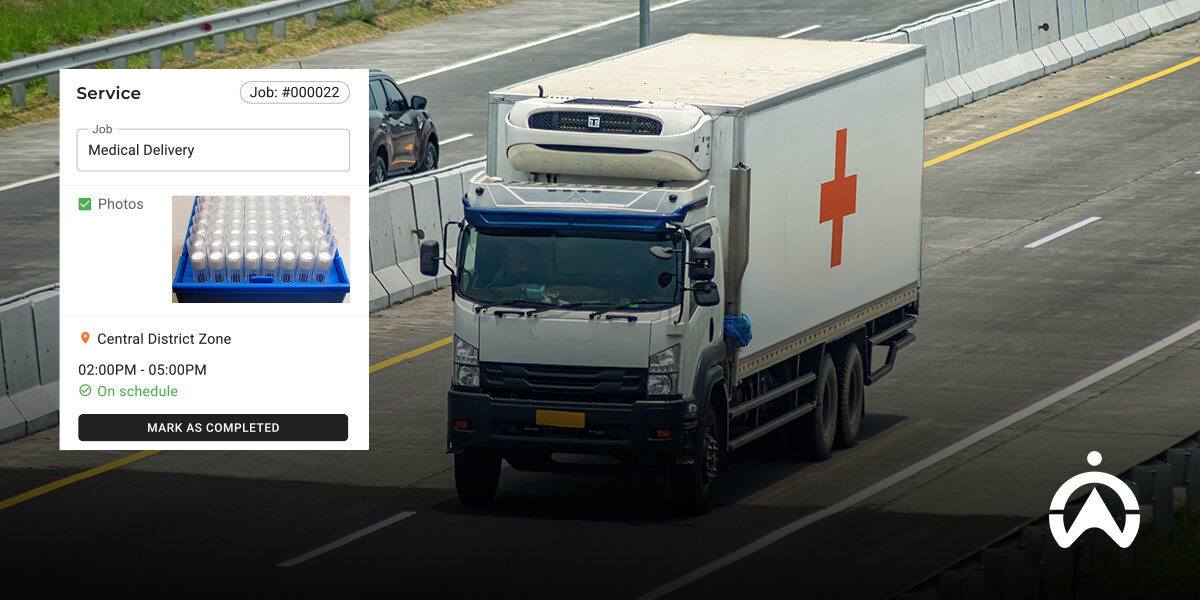
A medical delivery truck drives along a highway, accompanied by a job summary for scheduled deliveries.

How Can Cartrack Solutions Help Protect High-Value Goods?

Cartrack’s fleet management solutions ensure that your high-value freight is protected throughout its journey, ensuring that products are delivered in the right condition. Here’s how:

  • GPS tracking: Fleet managers have full fleet visibility through real-time GPS tracking, which allows them to monitor vehicle locations, track routes, and respond quickly to any issues or delays.
    ‍
  • Route optimisation: Cartrack’s fleet management software allows operators to optimise routes, ensuring timely deliveries. This feature enables drivers to use the fastest routes with less traffic congestion to avoid delays. You will get alerts if the vehicle deviates from these planned routes.
    ‍
  • Geofencing: Operators can identify unsafe areas such as hijacking hotspots and set geofences around these zones. They will be notified via SMS or email should the vehicle enter these zones.
    ‍
  • Temperature sensor: Cartrack’s temperature monitoring solution supports up to four sensors per vehicle, ensuring real-time oversight of perishable goods.
    ‍
  • AI-powered cameras: Cartrack’s AI-powered cameras act as an extra set of eyes on the road, helping operators monitor driver behaviour. The cameras detect unsafe behaviours such as harsh braking, speeding, smoking, or mobile phone usage. Our AI dual-vision cameras will audibly send alerts to the driver in real-time so they can correct their behaviour.
    ‍
  • Panic button: If drivers are in a compromising situation like an emergency or a hijacking, they can simply press the panic button, which will instantly send a silent alert to our control room. An operator will instantly alert the fleet manager and coordinate emergency response if required.
    ‍
  • Cargo door sensor: Cartrack’s cargo door sensors instantly detect unauthorised access and trigger alerts for swift action.
    ‍
  • Start prevent: Fleet managers can immobilise a vehicle on the fleet management web interface. The vehicle will be immobilised once the ignition is turned off, ensuring the safety of both the vehicle and the driver.
    ‍
  • Driver scorecards: Our driver scorecards track high-risk behaviours like speeding or harsh cornering. Each driver receives a rating, allowing fleet operators to pinpoint areas for improvement and offering the opportunity to coach drivers and improve their driving habits.

Cartrack Namibia offers you solutions to protect your cargo better, leaving you with satisfied clients. Contact us today for a tailored security solution.

Frequently Asked Questions about high-value goods

Q: What type of insurance is necessary for transporting high-value goods?

A: To cover your high-value goods, get an all-risk insurance, which offers the most comprehensive coverage. It protects your goods against a wide range of risks, including damage, theft, loss, and accidents.

Q: Does Cartrack offer any solutions for improving the safety of high-value goods during nighttime transport? 

A: Yes, we do. It is important to note that our GPS tracking units continuously track your vehicles 24/7, and our operators are also available to assist you with anything you need. Our cameras are designed to perform effectively in low-light conditions, which means they will be able to capture clear and reliable footage even at night.

Q: Can a fleet management system help recover stolen high-value goods? 

A: Yes, Cartrack’s fleet management system can help recover stolen high-value goods. With real-time GPS tracking, geofencing, and instant alerts, fleet managers can quickly locate stolen vehicles and coordinate with law enforcement and Cartrack’s recovery team to recover the vehicle transporting the goods.