Fuel Management Systems for Sale: Invest in True Accuracy Today
Published
Reading time
6 minutes
Blog
Key takeaways:
A fuel management system helps you track every litre, cut waste, and protect your bottom line
Accurate data lets you spot theft, reduce admin time, and plan smarter for your fleet
Choosing the right system in 2025 means fewer hidden costs and tools that grow with your business
With better fuel control, you’ll save money, boost accountability, and keep your operations running smoothly
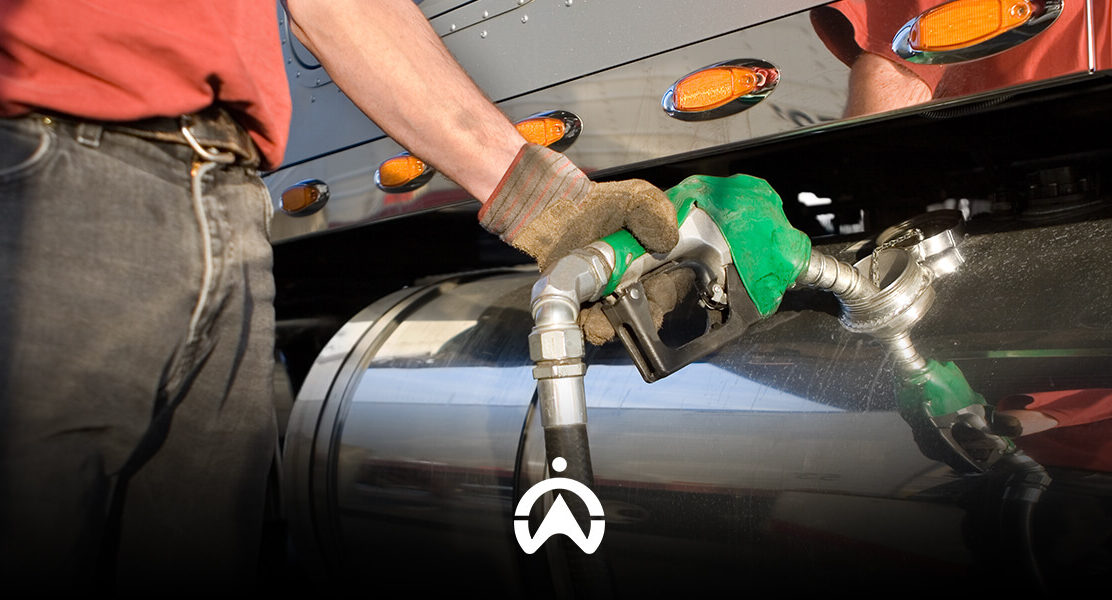
One of the largestexpenses of operating a fleet is fuel. You can track and manage every drop with our affordable fuel management systems, increasing accuracy and reducing waste. It also means that regardless of the size of your fleet, you will reduce risks, save money, and maintain seamless operations.
A fuel management system is a tool that tracks, records, and controls how fuel is used in your fleet. It makes it easier to see the exact time, location, and method of fuel consumption. Companies use it to ensure that every litre is used efficiently, reduce waste, and enhance planning.
It’s not just about numbers. This type of system provides you with real-time data that transforms fuel consumption into insights that can be put to use. You’ll get live data that enhances decision-making and holds all drivers accountable, rather than relying on speculation or out-of-date reports.
Cartrack’s fuel management system allows businesses to have stronger control, reduced expenses, and easier compliance with corporate regulations over time.
Why does accuracy matter in fuel management?
Accuracy in fuel management is crucial because even the smallest mistake can result in significant financial losses. It’s simple to lose money without realising it if your logs are inaccurate or your fuel usage isn’t monitored correctly. Due to this, a precise fuel management system is an essential investment for any company operating a fleet.
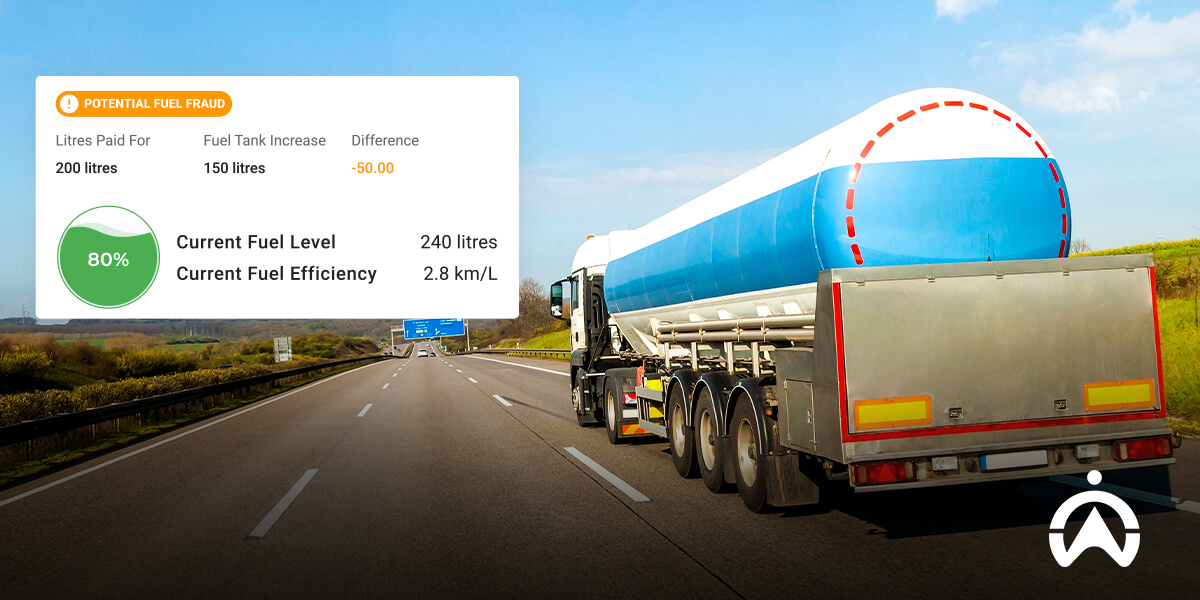
Inaccurate data can lead to drivers abusing fuel cards, theft going unnoticed, and refuelling log errors adding up to significant hidden expenses. However, precise systems guarantee that each litre is accurately recorded, matched, and reported. This provides managers with complete visibility and facilitates prompt action, whether it be addressing inefficient driving practices or enhancing route planning.
Key features to look for
A fuel management system’s key features are important because they influence how much value you’ll receive. A good system provides you with tools to prevent waste, save time, and make better decisions in addition to tracking fuel. When looking for a fuel management system for sale, keep the following characteristics in mind:
Feature
What It Does
Why It Matters for Your Business
Real-time tracking
Monitors fuel usage instantly across all vehicles
Prevents delays in spotting fuel waste or theft
Automated reporting
Creates accurate, easy-to-read reports
Saves admin time and improves decision-making
Telematics integration
Links fuel data with fleet performance metrics
Gives a full view of operations for smarter planning
Theft-prevention controls
Uses PINs, tags, or authorisation for refuelling
Reduces risk of unauthorised fuel use
User-friendly dashboards
Simple, centralised interface
Makes it easy for managers to spot issues and act fast
These features alter how companies run their operations in addition to improving monitoring. With the correct resources, you can stop issues before they start. That’s the source of true long-term savings!
Benefits of investing in a fuel management system
Investing in a fuel management system benefits your business because it improves control, lowers expenses, and minimises waste. Beyond just financial savings, you’ll also benefit from improved reporting and more efficient operations that support your teams’ productive work.
Key benefits include:
Increased driver and vehicle accountability: This feature makes it possible to identify drivers who are idling excessively, speeding excessively, or taking inefficient routes. You can then coach them accordingly based on that data.
Support for compliance: Simple reporting for rules and audits.
Reduced downtime: Administrative procedures run more smoothly and there are fewer disputes.
Scalability: The ability of a system to expand with your fleet and meet new challenges.
Proactive Maintenance: Vehicles with sudden drops in fuel efficiency may indicate a clogged filter or a failing engine part. Accurate data can assist with proactive, predictive maintenance, preventing breakdowns and extending vehicle lives.
These benefits assist fleets of all sizes in transforming fuel from an ongoing financial burden into a measurable, controlled resource.
What to consider before you buy
What you need to consider before buying a fuel management software is how well it fits your company. It’s important to look for the ideal balance of features, support, and price because not all fuel management systems are created equal.
Vendor reliability and support
Select a supplier who provides excellent after-sale support. You’ll save time and frustration with dependable assistance during setup and rapid resolution of problems.
Compatibility with your current tools
Verify that the system can be integrated with thefleet management or telematics software you currently use. This helps you get the most out of your investment and avoid disputes.
Data accuracy guarantees
Seek out systems that guarantee accurate, unchangeable reporting. The system won’t increase accountability or produce significant savings without reliable data.
Hidden costs
Certain systems have additional fees for licences, software upgrades, or training. There won’t be any surprises later if you ask about all costs up front.
Scalability
Select a system that can expand to accommodate your fleet. Choosing scalable technology ensures that you won’t have to replace it as your company grows.
Finding the right fuel management system for sale ensures accuracy, cuts waste, and keeps your company profitable. Even though the initial expense might seem high, the long-term benefits make it one of the best decisions you can make for your fleet.
How does a fuel management system save money for businesses?
A fuel management system saves money for your business by stopping theft, reducing waste, and cutting admin hours spent on manual reports. It gives you accurate data in real time, which helps you plan routes better and track driver habits. Together, these changes lower fuel costs and boost efficiency.
Are these systems suitable for small fleets?
Yes, fuel management systems work for both small and large fleets. Small fleets often see faster results because even a little waste makes a big difference. The system helps reduce errors, cut unnecessary costs, and scale smoothly as the business grows. It’s a long-term investment with quick wins.
Can a fuel management system integrate with existing fleet software?
Yes, a fuel management system can be integrated with your existing fleet software. Most modern systems are designed to work with telematics and other fleet tools. This means fuel data can be combined with driver behaviour, route planning, and vehicle health records. Integration gives managers a full view of operations in one place, making it easier to find patterns and act quickly.
How quickly can businesses expect ROI?
Many businesses see a return on investment within six to twelve months. Savings come from cutting theft, reducing admin, and improving driving efficiency. The exact timeline depends on the fleet size and current issues, but most companies recover their costs quickly and keep saving money year after year.
Other articles for you
Truck Leasing for Start-Up Businesses – What You Need to Know
Blog
7 minute read •
Leasing trucks to start-up businesses is proving to be a very lucrative opportunity. Many new businesses are desperate for trucks, but are often being barred from getting them because of strict bank specifications. We’re seeing a preference for leasing trucks instead of owning them, because the benefits seem to outweigh the drawbacks. Namibian businesses, especially smaller […]
Get AI Cameras for Seatbelt and Phone Detection for Drivers
Blog
7 minute read •
Getting AI cameras for seatbelt and phone detection for drivers is the perfect way to transform safety protocols in your fleet. AI detection can monitor poor driving habits, alert drivers so they can quickly correct their actions, and keep records of offences so you can coach your drivers if they repeatedly commit them. Namibia recorded 2,793 road crashes, […]
Your trucks work hard to travel long distances, carry heavy loads, and traverse roads that are often treacherous & damaged. Looking after your trucks is a wise investment that’ll pay you back in productivity and lower overheads, but only if you know what condition they’re in at all times. The trucking and logistics sector plays a vital role in […]
 South Africa
 Botswana
 Kenya
 Malawi
 Mozambique
 Nigeria
 Swaziland
 Tanzania
 Zimbabwe
 Hong Kong
 Indonesia
 Singapore
 Malaysia
 Philippines
 Thailand
 New Zealand
 Vietnam
 Poland
 Portugal
 Spain
 United Arab Emirates