They are often responsible for empowering their fleet and figuring out how to implement the best practices for overall fleet efficiency.
From customer and client services to ensuring timeous fleet activity, cutting costs, and improving efficiency, to seeing that drivers and fleet vehicles are in tip-top shape.
Let’s unpack the key to fleet management best practices.
In this article, you will:
Understand the different fleet management practices
Learn how to increase your revenue with better fleet management practices
Discover how to build a fleet management plan to combat your business challenges
Fleet management priorities can vary depending on the specific industry, company size, and individual fleet goals. However, some key priorities are generally applicable across most contexts:
Safety and compliance
Efficiency and cost management
Driver management and engagement
Sustainability and environmental awareness
Technology integration
These are the general properties that fleet managers concern themselves with daily. By developing a comprehensive and effective fleet management strategy, fleet managers can improve vehicle and driver safety, maximise efficiency and increase cost savings.
Let’s take a look at the common fleet management practices involved in a fleet system.
Common fleet management practices
Vehicle acquisition Vehicle acquisition is the crucial process of adding new vehicles to the fleet. It’s more than just buying cars; it’s about strategically selecting the right vehicles, at the right time, in a cost-effective way, that will reap the most rewards for your business.
Vehicle tracking This is the backbone of modern fleet management, providing real-time information on the location, movement, and performance of company vehicles. It’s like having a continuous digital eye on your entire fleet as you get data-driven insights.
Route management and dispatch Fleet managers are responsible for the planning and coordination of their fleet, which involves assigning tasks, and planning the best routes for drivers based on real-time data, customer needs and driver availability.
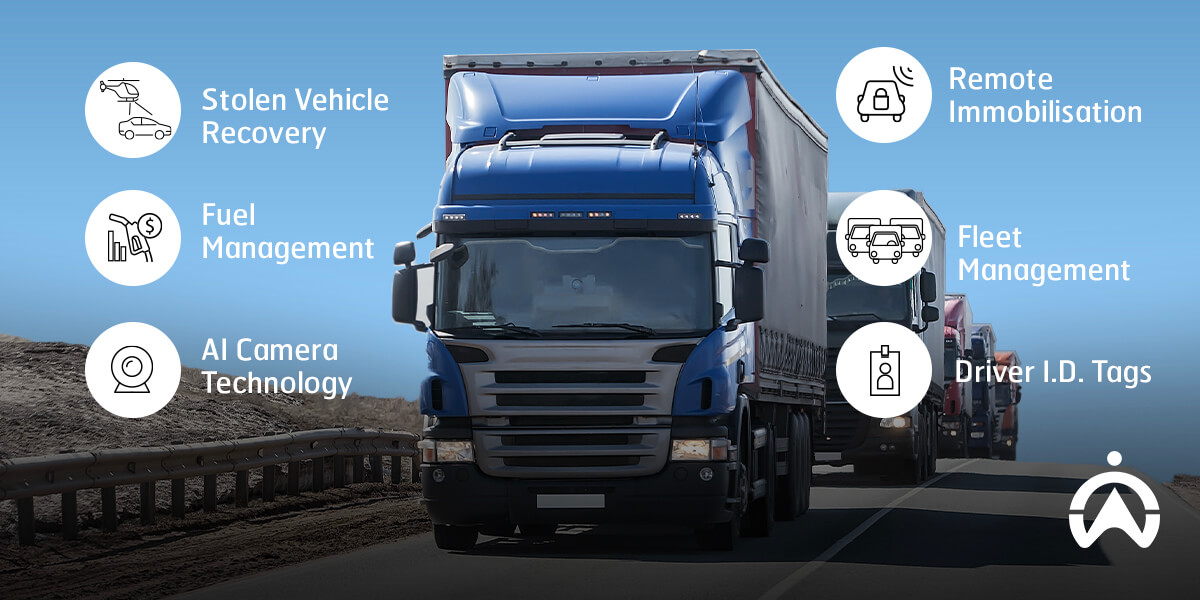
Fuel management Fuel management in fleet management is all about squeezing the most miles from every drop, optimising fuel consumption, and saving costs. It’s not just about filling tanks; it’s a strategic approach to monitoring, analysing, and controlling fuel use across the fleet.
Monitoring driver behaviour and safety Keeping drivers safe and their behaviour responsible is paramount in fleet management. This involves actively monitoring and improving their actions on the road. Fleet managers prioritise driver safety to reduce accident rates and lower maintenance costs.
Fleet economics Fleet economics delves into the financial aspects of managing a fleet of vehicles. It’s about understanding the costs involved, optimising resource allocation, and making informed decisions to maximise profitability and minimise expenses.
Safety and compliance management Safety and compliance are pillars of successful fleet management. It’s about more than just avoiding accidents and fines; it’s about creating a safety culture and ensuring every element of operations adheres to regulations.
The purpose of fleet management
Fleet management is the smartest way that businesses with moving assets can improve their operations, from productivity, security, compliance, safety and reduced costs. Strategic fleet management has plenty of benefits that guarantee a well-oiled fleet operation.
Guide: how to increase revenue with these five fleet management best practices
With fleet management, it’s not only about acquiring more vehicles or getting more drivers. Every link in the chain is supposed to result in increased revenue for the company. This can only be achieved by implementing best practices for fleet management.
These five best practices for fleet management can help you increase your revenue:
1. Use fleet data management software
Fleet data management refers to the processes of using the powers of GPS, AI and other tech, to gather, organise, consolidate, analyse and report on the fleet operations in a business.
There are a few strategies businesses can use to ensure they are on the right track:
Using data on vehicles to make better decisions
Leveraging driver logs
Upgrading your dispatching system
Prioritising maintenance
2. Use fuel management solutions
Introducing fuel monitoring strategies and fuel cost management solutions is one of the smartest decisions fleet managers can make. Businesses are challenged by the rising fuel costs, as well as other pain points like fuel theft and fuel waste caused by poor route planning.
These best practices for fuel management will help businesses increase their revenue:
Monitoring fleet fuel trends
Improving driver behaviour
Stop fuel-card fraud and fuel theft using automated systems
Detect the impact of fuel increases on fleet fuel management
3. Improve driver administration
Driver administration in fleet management involves managing your workforce who drive your wheels. It’s about ensuring your drivers are qualified, understand safe driving practices, can be productive and ultimately that they successfully drive your fleet.
These best practices for hiring and managing drivers will help businesses increase their revenue. Here are some best practices:
Select qualified and licensed drivers
Introduce training on safety and good driving practices
Implement performance management
Train drivers on fuel-saving driving practices
4. Develop a fleet maintenance strategy
The best way to stay on top of your fleet’s performance is to get ahead of your fleet maintenance strategy. Fleet managers can ensure their vehicle stays on the road longer and reduce the cost of upkeep, by using fleet maintenance. Whether the maintenance strategy is preventative or predictive, you get to decide the smartest strategy for your fleet
Here are the best approaches for fleet maintenance for businesses:
Avoid reactive fleet maintenance.
Opt for either a preventative maintenance strategy or a predictive maintenance plan
Use digital systems to streamline your process and keep accurate records of vehicle health
5. Become customer-centric
Client satisfaction is the number one priority for your business to ensure and improve the revenue of your business. Focusing on customers leads to increased sales, and higher customer loyalty and will help you gain new customers. By running efficient operations, fleet managers and business owners, gain in every way possible.
Here are some best practices to boost customer satisfaction:
Route planning for deliveries to ensure that goods, equipment and services are timeously delivered to customers.
Improve communication with customers, if there are delays or changes in delivery dates, it is better to communicate this with customers.
Reduce the frequency of breakdowns, through maintenance plans and proper fuel management.
Every business is unique and has its fleet challenges. A small business, for example, may have 5-10 vehicles, while a more established fleet company can have over 50, and even 100 fleet vehicles to manage. Businesses in different industries also have unique challenges, relating to their fleet operation.
Let’s have a look at this guide for different businesses.
Guide: how to build a fleet management plan to combat your business challenges
Here’s a quick guide on how to build a fleet management plan in three types of industries to combat various business challenges.
Construction
Construction businesses face unique challenges when it comes to managing their fleets. Beyond the usual concerns of cost, efficiency, and safety, specific factors in the construction environment add an extra layer of complexity. Here are some key challenges that a fleet management plan can help businesses in construction.
Common Fleet Challenges
Heavy wear and tear on specialised equipment
Project-based operations
Locating construction equipment
Driver management and safety
Transportation
From trucking companies to ride-sharing platforms, all transportation businesses, face a unique set of challenges in managing their fleet. Challenges that are more prevalent in this industry. Here are some of the challenges that a fleet management plan can help a transportation business with.
With each of these challenges affecting different industries, introducing a general fleet management plan will not automatically improve some business operations. Your fleet management plan should be strategic and incorporate best practices for efficiency and to ensure revenue.
4 ways Cartrack paves the way to fleet management best practices
When you are ready to transform your fleet management practices, from common to best practices, then Cartrack’s advanced software offers the smartest solutions.
Here are four ways Cartrack’s Fleet Management Software can help your business establish best practices for increased revenue.
1. Data accuracy and reliability
As a fleet manager, you may often encounter challenges in maintaining accurate and up-to-date information about the location of fleet vehicles, assets, or cargo.
With telematics installation in your fleet vehicles, trailers and assets, fleet managers can ensure the reliability of the data and monitor their vehicle and equipment activities. Fleet managers gain a comprehensive view of their fleet performance and operation with Cartrack’s Fleet Pages. Fleet managers can optimise fleet routes, monitor their fleet vehicle usage, and access vehicle and driver reports. With the addition of sensors, fleet managers can also ensure the safe transportation of their cargo.
Our advanced Internet of Things (IoT) tech goes beyond vehicle tracking and provides accurate data about your fleet that can be used to improve the overall efficiency and performance of your business operations.
2. Fuel monitoring and management
Fuel is one of the largest expenses in a fleet business, and with fuel costs being so volatile, managers need to conserve and monitor every drop in their fleet. The lack of fuel efficiency can impact the productivity and profits of a business.
With Cartrack’s fuel sensors, you can accurately measure the amount of fuel in your vehicle tank. These sensors are installed in a vehicle, such as a truck, bus or private car, as well as ships and also stationary equipment like generators. With these sensors, fleet managers can know about any increases or decreases in fuel levels, and accurately monitor any refills or fuel waste and loss events. With additional software integration like MiFleet, fleet managers can also have the system automatically review all their fuel transactions, match fuel receipts with vehicle telemetry data and receive alerts on any abnormal fuel costs. This helps them detect any fuel theft or fraud. Our fuel monitoring and management software is one of the most advanced ways to monitor your fleet’s overall fuel consumption and compile reports on fuel expenditure, levies and taxes.
3. Fleet maintenance solutions
Often vehicle and equipment breakdowns directly affect business revenues. If your fleet is not operating or your equipment is non-operational, your business loses money on downtime.
One of the most effective ways to avoid vehicle downtime is through fleet maintenance. Businesses can avoid reactive maintenance on their fleet by introducing a predictive or preventative fleet maintenance solution. This helps businesses stay ahead of any vehicle breakdown.
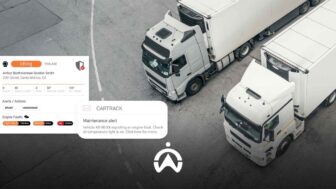
Cartrack’s fleet management system is a quick and accessible way to schedule maintenance for your fleet. On this all-in-one platform fleet managers can receive notifications about their vehicles’ condition. For example, they can receive information about engine faults and various reminders about when to get an oil change or change tyres based on the vehicle mileage. This makes it easy for fleet managers to schedule vehicle maintenance and set up any other reminders/alerts for vehicle services and repairs.
4. Driver performance monitoring
Whether it’s recklessness, negligence or apathy, your drivers’ behaviour on the road could cost your business more than just a few speeding fines.
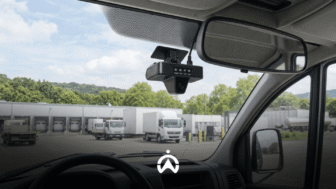
Cartrack’s driver safety and SmartCabin camera technology help managers monitor driver performance using various in-built software. SmartCabin uses live streaming, AI cameras and real-time audible alerts to record and discourage dangerous activity while drivers are en route. These cameras can detect events such as distracted/fatigued driving and phone use while driving. It also gives front collision warnings to help drivers quickly change their actions and prevent accidents.
By monitoring driver performance behind the wheel, fleet managers can cut inefficient practices that hurt your business’s revenue. With Cartrack’s IoT, managers can also access driver reports to discourage bad driving habits. Installing telematics solutions and smart AI-powered cameras can help fleet managers identify poor driving practices, high-risk driving behaviour and various safety violations. Fleet managers can use this information to get proactive about driver, cargo and fleet safety, creating a safer driving culture.
Unlock the roadmap to revenue today
Secure your business’s bottom line, quarter after quarter by implementing these essential guides for fleet management best practices.
With Cartrack’s fleet management solutions, you can turn this roadmap into a sure way to unlock sustained financial growth as a fleet manager.
Contact us today and let us help you go from common practices to the best.
Other articles for you
Truck Leasing for Start-Up Businesses – What You Need to Know
Blog
7 minute read •
Leasing trucks to start-up businesses is proving to be a very lucrative opportunity. Many new businesses are desperate for trucks, but are often being barred from getting them because of strict bank specifications. We’re seeing a preference for leasing trucks instead of owning them, because the benefits seem to outweigh the drawbacks. Namibian businesses, especially smaller […]
Get AI Cameras for Seatbelt and Phone Detection for Drivers
Blog
7 minute read •
Getting AI cameras for seatbelt and phone detection for drivers is the perfect way to transform safety protocols in your fleet. AI detection can monitor poor driving habits, alert drivers so they can quickly correct their actions, and keep records of offences so you can coach your drivers if they repeatedly commit them. Namibia recorded 2,793 road crashes, […]
Your trucks work hard to travel long distances, carry heavy loads, and traverse roads that are often treacherous & damaged. Looking after your trucks is a wise investment that’ll pay you back in productivity and lower overheads, but only if you know what condition they’re in at all times. The trucking and logistics sector plays a vital role in […]
 South Africa
 Botswana
 Kenya
 Malawi
 Mozambique
 Nigeria
 Swaziland
 Tanzania
 Zimbabwe
 Hong Kong
 Indonesia
 Singapore
 Malaysia
 Philippines
 Thailand
 New Zealand
 Vietnam
 Poland
 Portugal
 Spain
 United Arab Emirates