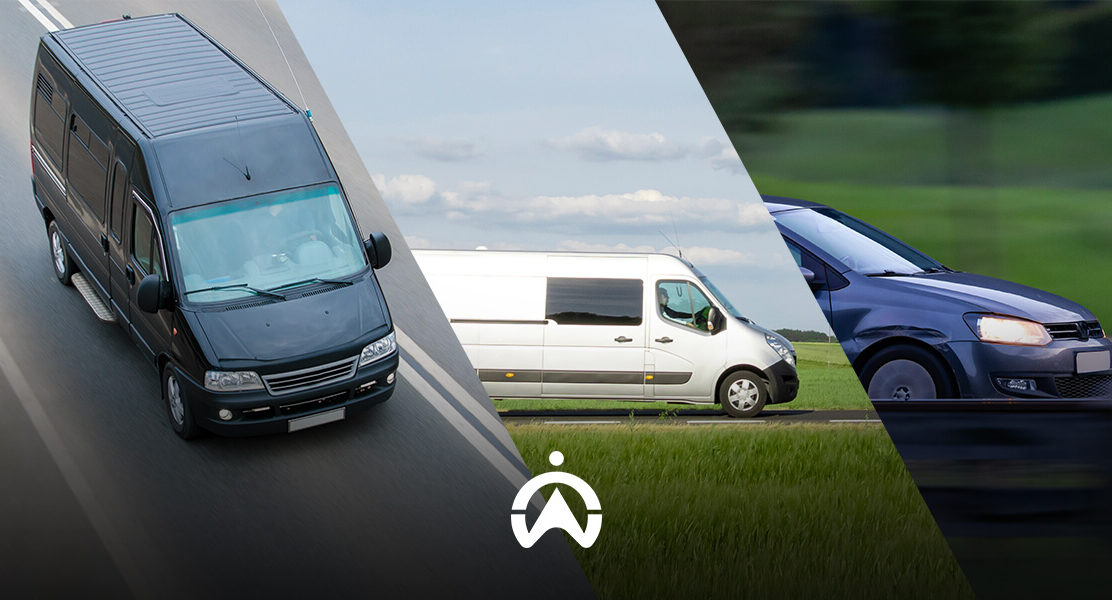
A good fleet car in Namibia should be reliable, fuel efficient, safe, and hold its resale value
Businesses need to look at the total cost of ownership (TOC), not just the purchase price, when choosing fleet vehicles
Fuel savings, safety features, and low maintenance costs make the biggest difference to long term fleet expenses
Protecting fleet cars with tracking, driver monitoring, and fuel management keeps costs down and assets safe
A good fleet car in Namibia is any car that provides your company with relatively low fuel costs, driver safety, low maintenance, and a high resale value. Other factors that could influence your vehicle decision might include tyres, vehicle lifespan, cabin space, and other tailored needs of your company.
With so many fleet vehicles in the country, many business leaders are opting to start fleet-based companies. At Cartrack, we’re all about finding ways to cut your organisation’s overheads and provide you with more efficiency and asset protection. That’s why we constructed this article to help you decide on the best fleet vehicle options for your business.
What is considered a good fleet car in Namibia?
A good fleet car in Namibia is one that has a reputation for reliability, is affordable to run, and keeps its resale value. Popular options include:
Fuel efficient bakkies
Cars that are light on fuel
Sedan brands with a long and reliable reputation
Vehicles with large load capacities
Vehicles with decent drive power when fully loaded
These models are trusted for fuel efficiency, low maintenance, and their decent resale value.
When choosing multiple vehicles for a fleet, some factors that exceed a regular vehicle purchase should be considered. The most important is the ‘Total Cost of Ownership’ of each vehicle. This goes beyond the initial purchase cost of a car and asks the question, “What is a good fleet car in terms of the total amount of money it will cost to buy, run, and eventually sell?”
What is ‘Total Cost of Ownership’ when choosing a fleet vehicle?
Total Cost of Ownership (aka TCO) when choosing a fleet vehicle means the full cost of running it and later selling it. (You can also include the purchase price in this calculation). It mostly includes:
Fuel use
Regular maintenance
Repairs
Insurance
Licence fees
Resale value
Knowing your TCO helps you pick vehicles that save you money in the long run. That’s why it’s an important calculation to make before you settle on just any car brand.
Why is fuel efficiency important for fleet cars?
Fuel efficiency is important for fleet cars because of how much time they spend on the road. Because your company will be spending a large portion of funds on fuel, any obtainable fuel savings over your entire fleet should be identified and implemented.
But one of the biggest differences in fuel savings will come from choosing a good fleet car to begin with. Cars that generally use less fuel per kilometer should be considered over ‘gas-guzzlers’. Choosing between manual and automatic can also make a difference in your fuel costs, so pick wisely.
What role does vehicle safety play in fleet selection?
Vehicle safety also plays an important role in your fleet vehicle selection. Safer cars generally save you in the long run, and are well worth the extra initial purchase costs for these vehicles.
How does choosing a safe car for your fleet save you in the long run? Just look:
Benefit
How it Helps
Long Term Savings
Fewer accidents
Safer cars lower crash risk
Less money on repairs
Lower insurance
Safer cars often get discounts
Lower monthly costs
Better resale value
Safe cars stay in demand
More money when selling
Healthier drivers
Less chance of injury
Fewer medical bills
Less downtime
Cars stay on the road
More work done each day
Good company image
Seen as caring and reliable
More customers trust you
Longer lasting cars
Built stronger and safer
Lower replacement costs
Happier staff
Built stronger and safer
Better staff loyalty
How do maintenance costs affect fleet car selection?
Maintenance costs affect your fleet car selection by influencing your running expenses. If you choose cars with higher service or repair costs (like a cheaper brand over a better-known one), your fleet budget will quickly go up. Cars with affordable parts, reliable servicing, and strong dealer networks in Namibia help you cut downtime and reduce repair costs.
How important is vehicle resale value in choosing fleet vehicles?
Resale value is a super important factor to consider when choosing fleet vehicles. Every car you buy is an investment, and you should try to get as much back as you can when you sell that investment later on. Many car brands have good resale values, and choosing these over some of the emerging cheaper brands is wise—especially when the time comes to sell your vehicles.
What other factors are worth considering?
Other factors worth considering before deciding on a good fleet car for your business include:
What tyres it carries
How comfortable your drivers will be
The load each car can carry
Car warranty
Road conditions
Bulk purchase discounts and ongoing dealer support
Here’s a more expansive overview to keep in mind:
Factor
Why it matters
How it helps your fleet
Tyres
Wear and replacement cost
Keeps vehicles safe and moving
Insurance premiums
Cost of cover
Reduces overall fleet expenses
Spare parts
Easy to get locally
Prevents long downtime
Driver comfort
Happy drivers
Improves safety and performance
Load capacity
How much the vehicle can carry
Matches business needs
Dealer support
Service availability
Fixes problems quickly
Road conditions
Tough roads affect vehicles
Chooses the right vehicle type
Warranty coverage
Protects against faults
Saves money on repairs
Which brands are most popular for fleet cars in Namibia?
The most popular fleet car brands are ones that offer a mixture of fuel efficiency, robustness, low maintenance, and safety. These factors make them among the best fleet cars for companies. Some also come at relatively low purchase prices, whether you’re buying them new or second-hand.
Which bakkies are considered good fleet vehicles?
The bakkies in Namibia that are considered good fleet vehicles are those that have stood the test of time in terms of durability, brand awareness, and reputation. They also have decent load capacities, allowing you to carry more per trip.
Do Namibian fleets prefer petrol or diesel cars?
Most Namibian fleet vehicles tend to use diesel fuel, but that’s mainly because of how many trucks are included in thousands of Namibian fleets. Fleets that use sedans (or cars) for their fleets, also have some options to use diesel, but most are petrol fueled.
Which diesel cars and bakkies are good fleet cars?
If you want your fleet to run on diesel fuel, you can choose from several cars and bakkies popular in Namibian. Options include those that are reliable, fuel-efficient for heavy use, and have strong dealer support across the country.
How do you manage and protect your fleet vehicles?
Once you’ve found the ideal vehicles for your fleet, it’s important to protect each and every one of them for as long as possible. Even though your Total Cost of Ownership is lower due to the wise choices you’ve made, you still need to protect against:
Theft
Road accidents
Wear & tear
Fuel theft
Bad driving
Cartrack isn’t only about saving fuel costs with world-class fuel management software. We also offer other investments that protect your vehicles and save you on fleet operation costs. Here are some other ways you can manage and protect your fleet vehicles.
Protect against theft
Protecting your fleet against theft keeps your assets safe and lowers your insurance premiums. GPS tracking and real-time alerts tell you where every vehicle is, making managing them easier.
If a vehicle goes missing, we can act fast and recover it. This lowers your replacement costs and allows your insurance company to offer lower premiums.
Safety in any fleet is equivalent to money in your pocket. Preventing road accidents through speed monitoring, identifying harsh braking and other risky driving habits keeps your drivers safe. Addressing these also helps you coach your drivers through training.
AI-driven digital driver scorecards give you all the information you need to reward good driving and identify potentially risky driver habits. Getting alerted to these habits before accidents happen will lead to fewer repair costs.
In the same way, preventing bad driving will minimise vehicle wear and tear. Even though you made some good decisions in choosing good fleet cars or fleet trucks, you still need to mitigate any unnecessary damage brought on by risky driving habits:
Keep your tyres lasting longer
Extend the gap between brake replacements
Preserve your engine components
Keep your vehicles in the best condition despite long hours on the road. Learn about Cartrack’s CANbus vehicle readings!
Stop fuel theft
A good fleet car saves you on fuel by default. However, how do you prevent fuel thieves from syphoning out that fuel when your vehicles are parked? Worse still, how do you prevent your drivers from committing fuel fraud when they fill up?
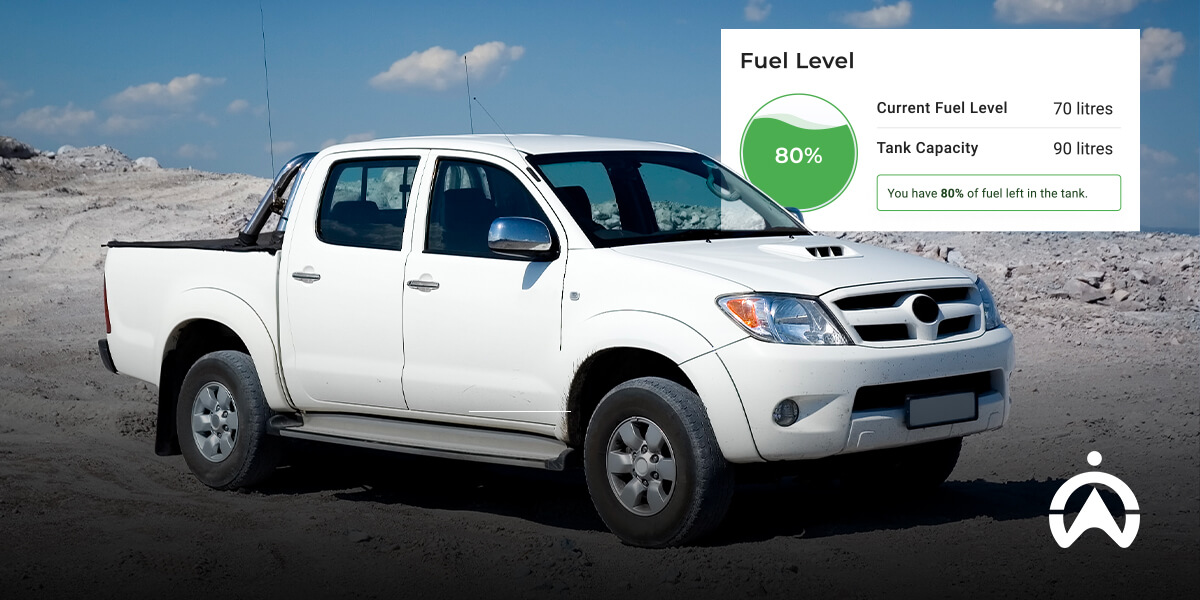
Cartrack understands the value of fuel in SA. It’s not something that should EVER be wasted. With fuel sensors and AI-driven digital logbooks, you can prove fuel theft, prevent it in future, and recover your profits through smarter fuel management.
Frequently asked questions on good fleet cars in Namibia
Are there tax benefits for businesses running fleets?
Yes, running a fleet can give your business tax benefits. You can claim on vehicle depreciation, fuel costs, vehicle maintenance, and your insurance premiums as business expenses. This lowers your taxable income and helps you save money. Make sure your vehicles are properly registered and that all records are kept for SARS compliance.
Are hybrid and electric fleet cars practical in Namibia?
Hybrid and electric fleet cars can be practical, but there are some challenges. Charging stations are limited in many areas, and the initial costs for these vehicles are higher. They suit urban fleets with predictable routes. If you manage routes and charging carefully, hybrids and EVs can cut fuel costs and reduce emissions.
What is the average lifespan of a fleet car in Namibia?
The average lifespan of a fleet car in Namibia is around 5 to 7 years. The car will still run after this period (provided it’s well maintained), but the wear and tear may warrant a replacement to keep your fleet running well.
Can companies lease fleet cars instead of buying?
Yes, companies can lease fleet cars instead of buying them. Leasing helps businesses manage cash flow while keeping their fleet modern and reliable, and gives you the flexibility to upgrade your vehicles regularly. It often includes maintenance packages (which come with the leasing contract) and fleet management support (which can be outsourced).
Do fleet cars need tracker devices in Namibia?
Yes, fleet cars do need tracker devices although this isn’t a legal requirement. GPS trackers help you to monitor vehicle location, prevent theft, and manage your drivers’ driving habits on the road. They improve safety, reduce fuel waste, and give you real-time data to make better fleet management decisions.
Other articles for you
Truck Leasing for Start-Up Businesses – What You Need to Know
Blog
7 minute read •
Leasing trucks to start-up businesses is proving to be a very lucrative opportunity. Many new businesses are desperate for trucks, but are often being barred from getting them because of strict bank specifications. We’re seeing a preference for leasing trucks instead of owning them, because the benefits seem to outweigh the drawbacks. Namibian businesses, especially smaller […]
Get AI Cameras for Seatbelt and Phone Detection for Drivers
Blog
7 minute read •
Getting AI cameras for seatbelt and phone detection for drivers is the perfect way to transform safety protocols in your fleet. AI detection can monitor poor driving habits, alert drivers so they can quickly correct their actions, and keep records of offences so you can coach your drivers if they repeatedly commit them. Namibia recorded 2,793 road crashes, […]
Your trucks work hard to travel long distances, carry heavy loads, and traverse roads that are often treacherous & damaged. Looking after your trucks is a wise investment that’ll pay you back in productivity and lower overheads, but only if you know what condition they’re in at all times. The trucking and logistics sector plays a vital role in […]
 South Africa
 Botswana
 Kenya
 Malawi
 Mozambique
 Nigeria
 Swaziland
 Tanzania
 Zimbabwe
 Hong Kong
 Indonesia
 Singapore
 Malaysia
 Philippines
 Thailand
 New Zealand
 Vietnam
 Poland
 Portugal
 Spain
 United Arab Emirates