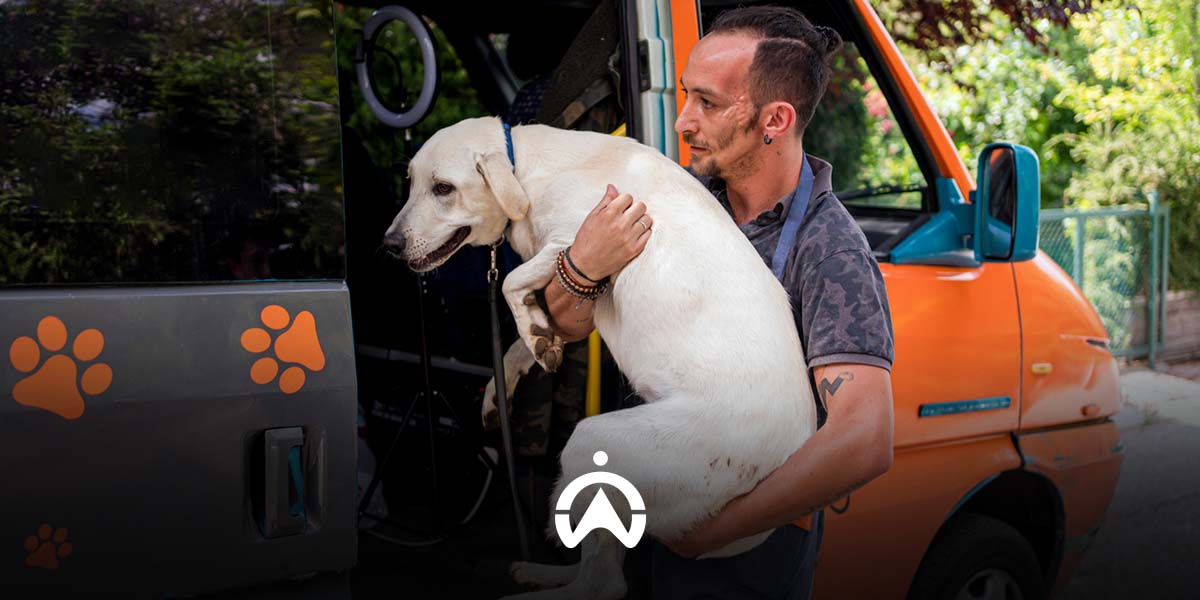
Field Service Management Software for Mobile Dog Parlour Companies

Field service management (FSM) software for mobile dog parlour companies is an absolute must if you want to stay competitive and efficient. The best FSM is one that supports your operations and keeps you delivering top-notch service every time. Cartrack’s solution is your go-to partner for long-term success.

According to industry insights, small service businesses in Namibia lose a considerable amount of productive time each year to administrative tasks, which can negatively affect productivity and business performance. Time spent on manual administration often limits business owners’ ability to focus on operations, customer service, and expansion. With the right FSM software at hand, you won’t be at the helm of unfocused operations. Avoid that chaos and unproductiveness with the right FSM tool on your side.

Stay ahead with what could transform your business operations for the better. In this blog, you’ll understand the benefits of adopting FSMs, what they could do to grow your grooming business, and how Cartrack can help maximise your mobile pet business’ success.

‘Ruff’ patches: Overcoming mobile dog parlour challenges

Overcoming mobile dog parlour challenges means tackling route issues, dealing with burnout, and handling tough and demanding customers. Though convenient, offering this kind of service comes with a unique set of problems to consider. All of these challenges can only be solved with the help of an FSM.

Physical and emotional burnout

What’s the problem? Employees are in the field carrying out a very demanding job, putting in some serious legwork and often working on their own in their designated vehicle. You’re ensuring each employee is safe, that tasks are dispatched fairly, that invoices are correct, and that fleet vehicles are where they’re supposed to be.

Everyone in your mobile doggy care business has the potential to feel overworked and overwhelmed.

What an FSM can do: An FSM does the thinking and managing for you. It tackles the issues of overextending tasks, helping you and your employees manage your physical and emotional burnout. You don’t have to spend hours and hours managing operations or worrying about where your vehicles are. Your employees’ schedules can be spread out so that no one is overworked.

An FMS isn’t just a tool; it’s peace of mind.

On-road and traffic nightmares

What’s the problem? On-road and traffic nightmares can potentially cause disruption if you’re not prepared. An appointment scheduled for 8 AM but only starting at 9 could set your employee’s whole day back, affecting your earnings for the day and creating a level of unreliability for your customers. Extreme weather conditions could also make your doggy clients feel scared, irritated, or nervous.

Additionally, security and protection are a serious concern, especially if employees are travelling to unfamiliar areas and working by themselves.

What an FSM can do: An FSM can help you navigate all of that drama. It’ll assist you with planning the best routes and help you understand how much breathing time you need between appointments. With that, you can account for surprises and urgent changes.

The FSM also innately includes GPS tracking, a key to monitoring and adopting safety strategies for your employees who are out in the field.

Fussy customers

What’s the problem? Fussy customers have the potential to be make-or-break customers, especially if you aren’t clear with communication or following instructions to a ‘T’. Customers can be extremely particular about their dogs. This is worse if their furry friend has allergies, they want their appearance a certain way, or there are other sensitivities to be aware of.

What an FSM can do: When you assign a job to one of your employees, you’re able to make notes for specificities. Does this dog have allergies? No problem; make a note of it in the job card. This owner doesn’t want the tail trimmed? Easy; make a note of it in the job card. This ensures everyone is on the same page and there are no surprises.
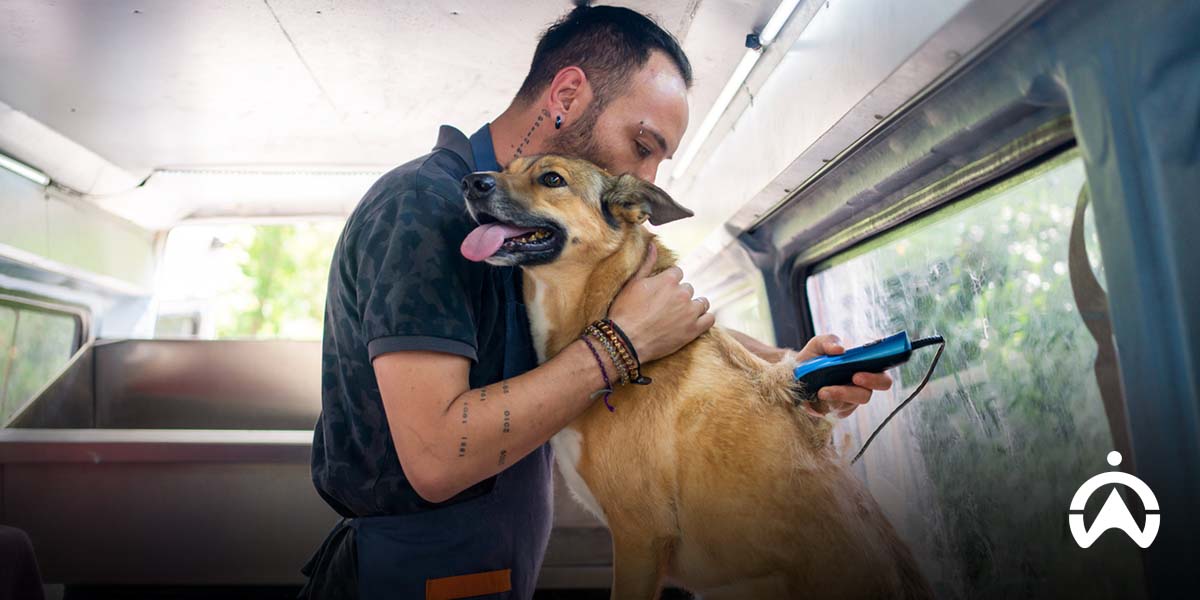
Person grooming a large dog with electric clippers inside a well-lit vehicle or grooming van.

How does field service software help mobile dog parlours function optimally?

Field service software helps mobile dog parlours function optimally by providing you with a clear overview of business operations, handling task assignments & scheduling better, and building stronger customer connections. We understand that running a mobile dog parlour means dealing with a million things at once. That’s why the right FSM is crucial for achieving flawless business execution.

Scheduling and task assignments are made easy

If you have a fleet of mobile parlours, an FSM is the key to smarter scheduling. You can easily ensure that everyone’s tasks are assigned accordingly, while also being able to quickly reassign them if an emergency occurs. This means you don’t have to worry about potential delays or missed appointments, keeping your customers happy.

Customer connections and communications are improved

With an FSM, your customers are always informed. You can keep them updated about the service and share updates about the work as it’s in progress and when it’s done. This kind of communication promotes a level of trust, which means a happier and more satisfied customer base.

There are cut-downs in delays and downtime

Thanks to features like route optimisation and smart scheduling, you can cut out all that wasted time. Any mobile business providing a service means tight schedules that need to account for real-world hiccups. Route optimisation means faster arrival times for your staff. This links strongly to the above point about maintaining strong customer relations.

You have full visibility and control over operations

An FSM ensures that you have eyes on your fleet and pet groomers who are out in the field at all times. Nothing has to be handled manually, as systems are automated, and getting reports & insights is as simple as filtering & exporting the information you need. You can also manage your whole team from one app, giving you complete control.

You can grow your business with confidence

It doesn’t matter how big or small your business is. Every business needs help keeping operations in order and wisely reinvesting profits rather than wasting time and resources. A strong FSM ensures everything is professionally managed and taken care of.

As your business grows, the FSM should comfortably grow with you. Our solutions are flexible and can accommodate your needs as they change. You shouldn’t have to dip into or rely on other systems that might add even more complexity to your operations.
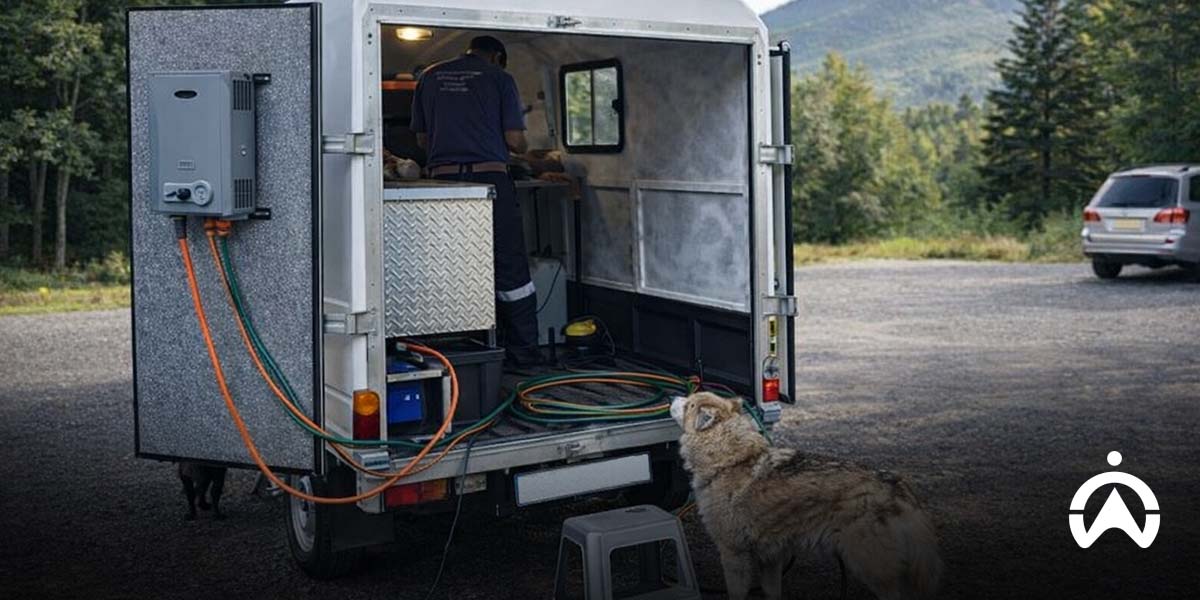
Man working inside a van with cables connected, a dog standing outside, and a car parked on a gravel road near forested hills.

Which field service management software is best for mobile dog parlours?

As mentioned, the field service management software that’s best for mobile dog parlours is one that minimises hassle and improves all workflows. Cartrack has all the necessary tools and resources, offering an all-in-one solution that meets your unique mobile field services needs.

Our FSM has a proof of service/photo attachment option: a fun, secret weapon feature. This allows employees to make visual or digitally signed recognition of a job well done. If your employee notices any kind of issue before services are carried out, they can take a picture before the appointment to protect themselves and the business.

Our software is comprehensive, flexible, and fully functional. We have an API-first approach, ready to accommodate any of your third-party systems. We’ll help you save money and cut expenses. We’ll make communication better for you, your team, and your customer base. And, most importantly, you’ll boost productivity and overall output.

Final takeaway: Elevate your mobile doggy service!

When you choose to implement an FSM, you choose to take control of the future of your pet parlour service. You can watch your productivity increase, savings multiply, and your position in the industry rise. Overall, you’re improving your work processes while keeping your staff and clients at the forefront.

You’ve already tapped into an exciting, fulfilling, and lucrative gap in the market. Allow our FSM solution to take your business to the next level.

Don’t chase your tail trying to get your business in order. Talk to our Cartrack professionals about scheduling a demo and see first hand what our FSM can do!

Frequently asked questions about field service software for mobile dog parlours

What does FFF mean in dog grooming?

‘FFF’ in dog grooming means ‘feet, face, and fanny’. This is a popular technique amongst pet groomers that highlights key areas that need to be kept clean and groomed, without doing a full trim or package. Clients typically choose an ‘FFF’ trim for their dogs if they need a quick clean-up or are a while away from their full groom.

What’s the difference between CRM and FSM?

The difference between CRM and FSM is that CRM (Customer Relationship Management) is about people, marketing, and how that translates to leads. FSM is centred more around logistics and the optimised management of field workers while they’re out completing deliveries.

Why do dog grooming businesses fail?

Dog grooming businesses fail because of:

  • struggling to keep up with finances and setting up bad pricing frameworks
  • burnout due to taking on too many appointments
  • not having a sophisticated software system to help with the workload, and
  • failing to research properly before starting your business.
What is Cold Chain Temperature Monitoring, and What is Best for Your Business?

Cold chain temperature monitoring uses a blend of tools and technologies to track and manage the temperature of perishable or temperature-sensitive goods, ensuring they remain cool during transportation. What’s best for your business is strong and reliable temperature sensors combined with a powerful fleet management system and GPS tracking.

In Namibia’s export sector, logistics delays can result in financial losses, particularly in the fruit industry. Large volumes of perishable goods are often at risk during storage and transport, especially where cold chain infrastructure is limited or disrupted. Breaks in the cold chain can lead to spoilage, reduced quality, and financial losses for producers and exporters. This highlights key challenges in risk management and emphasises the need to maintain proper temperatures.

Don’t let your business suffer immeasurable loss, financial strain, and damage to your brand. In this blog, we’ll help you understand more about temperature monitoring, ways to maximise control of the climate for your perishables, and why Cartrack can help you successfully transport your food.

Which cold chain monitoring solution fits your business?

The cold chain monitoring solution that fits your business includes a strong temperature management system like FleetWeb, paired with the right sensors to help you maintain total control. Cold chain monitoring is a core part of your business’ supply chain. From production and preparation to distribution, your goods should remain safe and temperature-controlled.

You also might benefit greatly from numerous sensors in your cargo bay, obtaining more accurate readings and better reporting.

What’s cold chain temperature monitoring?

Cold chain temperature monitoring is about combining sensors and powerful software technology to effectively manage your perishable goods. This is typically while in transit, but can also include storage. Temperatures are set and managed in real time. The link to a fleet management system (FMS) keeps you alerted to temperature changes, cargo door activity, and potential hardware/sensor malfunctions.

These temperature-sensitive goods typically include (but aren’t limited to) frozen foods like fresh fruits and vegetables, deep-frozen foods like meat and seafood, and pharmaceuticals like vaccines.

What devices are used to keep cold chain cargo bays at certain temperatures?

Devices used to keep cold chain cargo bays at certain temperatures are tools like cargo door sensors, temperature sensors, live GPS tracking, and an FMS.

Take a look at each and why they matter:

  • Cargo door sensors: Keep track of when and how often your cargo doors are opened and closed. Also, get an immediate notification when your doors are opened by unauthorised people.
    ‍
  • Temperature sensors: Temperature monitoring and probes monitor your vehicle’s cargo bay climate at all times. Get immediate notifications of changes and temperature shifts. Use numerous probes in your refrigeration trailer for better readings.
    ‍
  • Live GPS tracking: The integration of IoT (Internet of Things) devices and GPS tracking helps produce accurate alerts, as well as detailed histories and insights.
    ‍
  • Fleet management system: Although not a device, an FMS brings all the hardware outputs together. It stores all the necessary data collected for you to retrieve whenever you need it.

Why does temperature monitoring matter?

Temperature monitoring matters because sensitive goods need to be handled correctly and with care. Temperature variations can result in spoilt, damaged, or ineffective goods if not tended to as quickly as possible, which is why immediate and regular notifications are important.

Compliance and regulations must be met. Because strict regulations are put in place, especially in the pharmaceutical sector, temperature monitoring is vital. The connected monitoring system allows you and your drivers to react quickly, but also keeps records of changes that prove adherence.

What methods are used for temperature monitoring in cold chain logistics?

Methods that are used for temperature monitoring in cold chain logistics include keeping food at the right temperature, driving carefully to avoid collisions, and keeping cargo bays free from external air.

Keeping food at the right temperature is the most important and evident point. Driving carefully to avoid collisions is an important part of minimising damage. When your drivers move recklessly on the roads, there’s a greater chance of ruining not only your cargo but also the connected sensors as well.

Finally, keeping air out of the refrigerator or trailer is a passive but effective way for you to proactively ensure your goods are kept fresh. This is maintained by keeping the cargo doors closed & sealed, and ensuring your drivers are completing pre-trip inspections to make sure doors are secured.

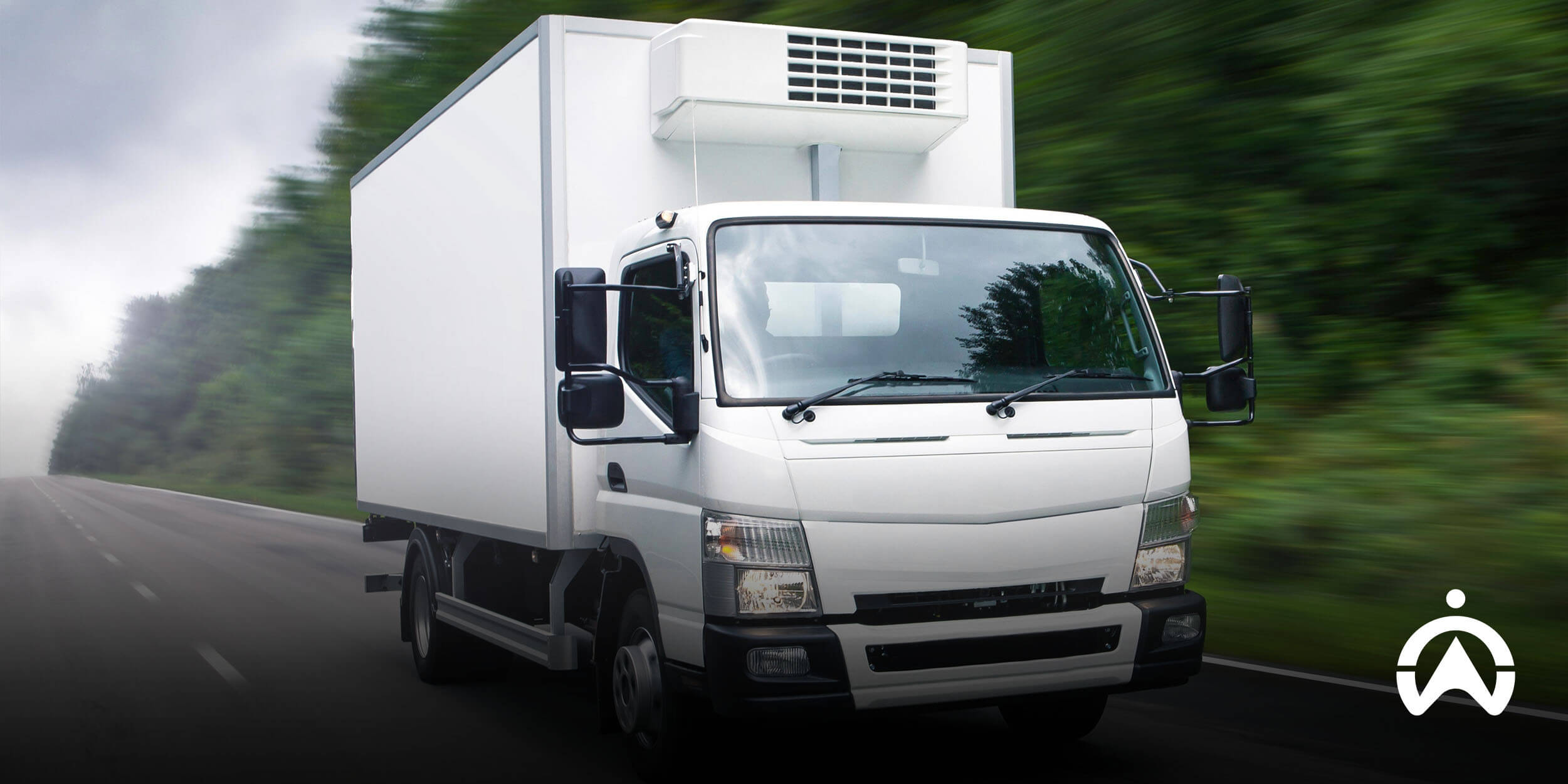
Refrigerated delivery truck on highway supporting cold chain temperature monitoring during food transport.

How do fleet operations affect your temperature monitoring needs?

Fleet operations affect your temperature monitoring needs when certain elements aren’t planned for, especially when considering how long certain transit trips can be. Factors like immediate alerts and reaction/recovery time are the key to keeping products of high quality. Cold chain management looks a bit different for each business, so it’s important to carefully configure things as necessary.

Food and beverages

Food and beverages need a high level of management when it comes to cargo bay climate control. It helps that food and drinks are pre-packaged airtight, but as their package instructions will typically show, thawing and refreezing isn’t good for the food. Consistently doing so will reduce the quality of the products.

Fluids

Fluids, whether we’re talking about dairy, medical liquids, or raw chemicals, need extremely high levels of control. In fact, fluids might have some of the highest levels of compliance and strict regulations attached to them.

Most of the time, hardware and sensors extend to measuring the liquid itself, together with measuring the climate in the cargo bay.

Organic foods

Organic foods also need an extremely high and strict level of management. Organic foods are quite special and different from other products because they need a specific climate to remain fresh and undamaged. Climate control goes beyond just ensuring it’s cold enough; it needs a precise and delicate balance between cold and humidity.

This needs to closely resemble the ideal climate in the real world.

Which industry sectors rely on temperature monitoring?

The industry sectors that rely on temperature monitoring go beyond food, healthcare, and pharmaceuticals. It also includes the floral business, biological technologies, and chemical manufacturing. Some industries are more obvious than others, but each has its own key reason for cargo climate control.

Let’s take a quick look:

  • Food: From foods and beverages to agricultural products; perishables, fresh produce, and dairy products are kept safe, nutritional, and edible.
    ‍
  • Healthcare: Supplies like blood, organs, and test samples from patients are kept uncompromised and unspoiled, especially during transportation in urgent, life-threatening moments. This temperature management extends to vehicles like hearses and ambulances.
    ‍
  • Pharmaceuticals: Through cooling control, vaccines and medicines maintain quality and effectiveness. A single spoilt batch can have dire medical consequences.
    ‍
  • Floral business: Flowers and plants remain unwilted and fresh from the nursery to the florist’s store.
    ‍
  • Biotechnology: Biological technologies demand rigorous temperature standards to stay viable.
    ‍
  • Chemical manufacturing: Sensitive chemicals and raw materials remain stable and unspoiled when kept at low temperatures.

Myth vs Fact: Clearing up some misconceptions about cold chain logistics

When looking at some myths versus facts regarding cold chain logistics, it’s easy to make some assumptions that could potentially lead you astray. Temperature management is fragile and elaborate. You’d rather be certain than play a guessing game when it comes to the quality of your goods.

Myth: Small businesses don’t need temperature monitoring

False; small businesses do need temperature monitoring. The size of the business doesn’t change the importance of keeping goods protected and ensuring compliance. In fact, a smaller business might feel an even greater impact on its finances because it has more to lose if goods are spoilt, losses are faced, or there’s damage to the business reputation.

Myth: Cold chain temperature monitoring is too expensive

False; cold chain temperature monitoring isn’t too expensive, although the initial costs might make it seem that way. Like most valuable systems, the upfront costs are usually far higher and might deter you at first. But it’s the long-term value that’ll prove otherwise. Poor temperature management means major losses and customer disappointment.

Myth: Temperature control doesn’t have to be a delicate process

False; temperature control is quite a delicate process and has to be followed to a ‘T’; that’s the nature of sensitive goods risk management. Small mistakes are unfortunately harmful if not corrected quickly and carefully, leading to spoilt foods, ineffective vaccines, unviable organs and the like.

Myth: Slight variations in temperature are okay

False; slight variations aren’t okay and should always be addressed as quickly as possible. If you have a temperature range to work within, that’s perfectly fine, but don’t veer outside of it.

Perishables are extremely finicky, and operating outside the established temperature range could immediately spoil the goods. It would also mean you’re not complying with the relevant health and safety regulations.

Myth: Temperature-controlled cargoes are bad for the environment

False; temperature-controlled cargoes aren’t bad for the environment, despite requiring reasonable amounts of energy to keep the cooling power going. The notion that energy use equates to harm to the environment ignores the work that cooling and refrigeration do to keep food fresh, unspoiled, and unwasted.

Reduced food waste plays a massive role in sustainability. Proper management of trucks and cooling equipment can also keep carbon emissions low. By avoiding old, underperforming trucks and monitoring sensor performance, you can keep your carbon emissions low.

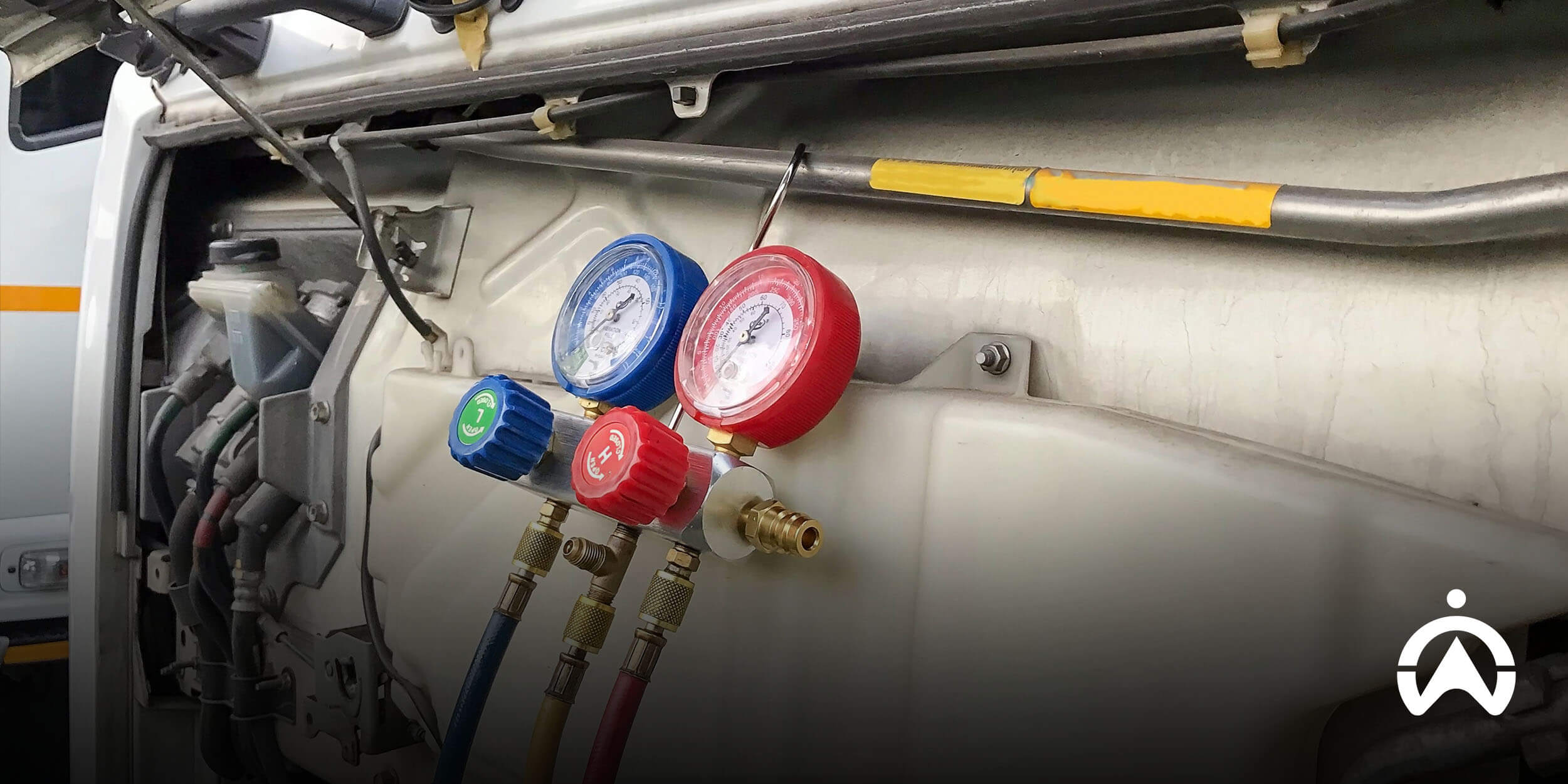
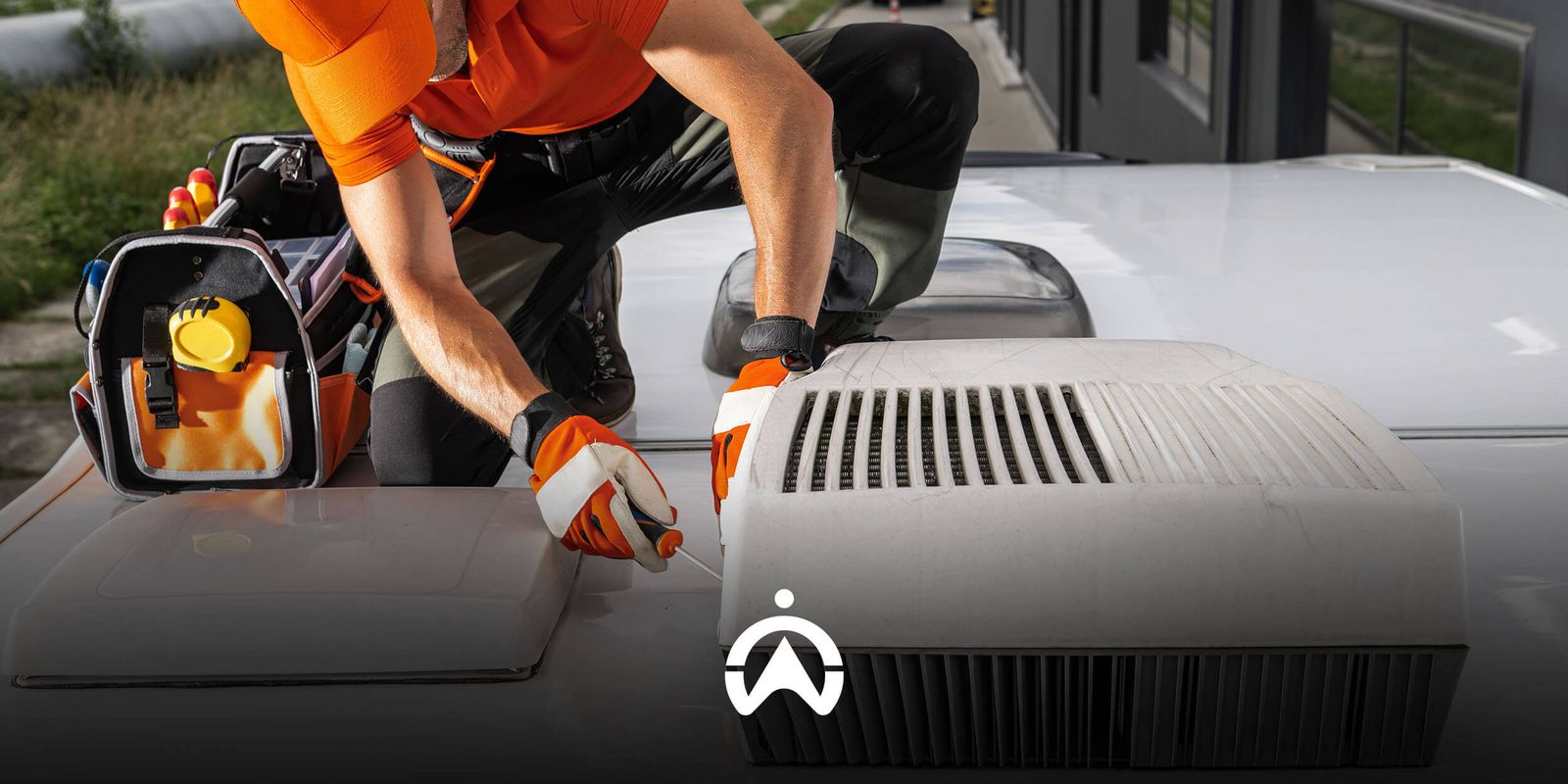
Technician using HVAC pressure gauges on refrigerated vehicle, supporting Cartrack cold chain temperature monitoring.

Which cold chain temperature monitoring system is best for Namibian fleets?

The best cold chain temperature monitoring system is one that allows you to keep track of your sensitive cargo at all times. This means choosing to implement a total ecosystem that’s efficient and keeps you notified at all times. As mentioned, achieving this is about getting the right hardware and connecting it to a sophisticated FMS and GPS tracking.

Cartrack could be your partner in long-term food and pharmaceutical risk management. With us, you’ll have all the tools needed to keep your sensitive foods or goods safe and temperature-controlled. We have industry-specialised sensors, like temperature and cargo door monitoring, which can be added to your overall fleet package. You’ll also have total control over temperature management with FleetWeb.

FleetWeb, thanks to GPS tracking and IoT technologies, will send you consistent alerts about temperature changes and shifts. These immediate notifications ensure you can quickly and urgently contact the driver or replace refrigeration trailers if necessary. FleetWeb also helps you achieve operational visibility, allowing you to keep an eye on your fleet while using trip data to optimise driver routes.

Finally, know that you can automate and digitally organise your temperature monitoring, keeping you compliant and in line with food and pharmaceutical regulations. Your temperature monitoring stores detailed records, ensuring that all the insights are available whenever needed.

Final takeaway: Stay on top of your inventory

You no longer have to worry about the state of your goods when they’re being transported. With the right solution, featuring a strong temperature monitoring system like FleetWeb and paired with the right sensors, you’ll maintain total control. Product quality can be maintained, waste can be reduced, and compliance matters can be met.

Cartrack’s got your back. Not only do we fully equip you with the necessary tools, but we also ensure you’re able to achieve operational efficiency through proactive efforts and complete visibility. You can lead the way and stay ahead of your competitors while our fleet systems and sensors do the heavy lifting.

Are you ready to see the most optimised execution of your cold chain temperature management? Speak to a Cartrack specialist today to keep your goods in check!

Frequently asked questions about cold chain temperature monitoring

What are the 4 types of temperature sensors?

The 4 types of temperature sensors are:

  • thermocouples, the most common type, are used in everything from your home to businesses
  • negative temperature coefficient thermistors (NTC), which are also quite accurate but not as good as RTDs
  • semiconductor-based sensors, which aren’t the most accurate and have slow responses, and
  • resistance temperature detector (RTD), which is usually considered the most reliable.

What temperature is recommended for the cold chain?

The temperature recommended for the cold chain depends on what you’re transporting and whether they’re being transported during the warmer months. Temperatures are also set according to the manufacturer’s recommendations. For example, deep-frozen foods are kept at around -30 degrees, whereas vaccines must be kept cool but never frozen between 2 and 8 degrees.

What are the 3 Ps in the supply chain?

The 3 Ps in supply chain are:

  • processes, which focus on the way things move and how products are managed from start to finish
  • people, which centres around taking care of and uplifting the people who are involved in handling the logistics, and
  • physical resources, which are the tools used to make the processes possible and manageable.

Is cold chain expensive to maintain?

Yes, cold chain can be expensive to maintain because of its intricate nature. Temperature management involves very specific hardware, constant & strict monitoring according to regulation, and routine maintenance. These all add up to high electricity & fuel use, as well as higher overall costs.

How to Protect Yourself as an e-Hailing Driver

To protect yourself as an e-hailing driver, you must get a good dashcam that captures clear footage of everything that happens in and outside the vehicle. A dashcam won’t stop criminals from gaining access to your vehicle, but the recorded footage will help you find the culprits. A dashcam also helps you quickly resolve false client accusations, protecting your reputation.

Dashcam usage is on the rise, as many people are now seeing how useful these gadgets can be for holding people accountable for their actions. Shocking video footage of a Bolt driver who lost his life due to criminal activity gained widespread social media traction, resulting in the whole country going on a manhunt.

If it weren’t for the dashcam, finding the culprits would’ve been nearly impossible. The dashcam in question is one of Cartrack’s, and for that reason, we’re here to share more tips on how you can protect yourself or your drivers.

Here’s how you can protect yourself as an e-hailing driver

To protect yourself as an e-hailing driver, you must ensure the requested rides are from valid accounts, check the client’s ratings, and be vigilant. You must also invest in security measures like panic buttons and dashcams. These security measures won’t stop the thief from entering your vehicle, but they’ll be helpful in getting you quick assistance.

Here’s a detailed breakdown of what you need to do to protect yourself:

Practice hypervigilance in high-risk areas

We know that most ride-hailing systems don’t allow you to see a customer’s destination until you reach the pick-up spot and start the trip. This makes it nearly impossible to avoid high-risk areas because your client might be headed there. Whenever that happens, make sure you’re hyper aware of your surroundings and check if you’re being followed.

No place is 100% safe, so staying vigilant is a must everywhere you go. Always make sure the doors are locked, check if you’re being followed, and watch out for unusual activities at traffic light stops.

Verify your rider’s details

Check the rider’s name on your app, and once they get into your vehicle, verify by asking for the name. You can tell them you want to make sure you’ve picked up the right person. A lot of drivers make the mistake of letting people in without confirming their identity.

If you get the opportunity, check the client’s ratings so you know how they’ve been with other drivers. Some e-hailing platforms even have verified badges on client profiles to show you that all client details are accurate. Others even tell you how long the person has been using that platform. A new profile with details that have not yet been verified by your e-hailing platform might be someone you need to avoid.

Stick to the route on your navigation system

In some instances, clients suggest routes they feel are better and supposedly faster. Criminals might recommend “better” routes to lure you to a less busy area where it’ll be easy for them to attack. For your safety, just stick to the navigator and explain to your client that this is what you feel is a better route. This might put a dent in your ratings, but at least you’ll be safe.


Get a professionally installed dashcam

A dashcam won’t necessarily stop the criminals from getting into your vehicle, but it’ll record everything that happens, which will make it easier to find them (as we’ve seen in recent events). It’s a must-have for every vehicle owner, and most certainly for you as an e-hailing driver because you’ll come across different situations every day.

Don’t fight for the vehicle; get a GPS tracker instead

GPS tracking devices are essential for vehicle recovery. When a hijacking happens, what matters most is your life. Don’t put your life at risk by going against what the hijackers tell you to do and fighting for the vehicle. Instead, get a GPS tracker so you can easily back off without a fight, knowing you’ll soon have it back.

Get an insurance cover

7 out of 10 vehicles in Namibia aren’t insured. Vehicle insurance is another important thing you must have for your vehicle so you can get a payout if ever the vehicle isn’t recovered.

Install a panic button

A panic button ensures a silent call for help, so you get assistance as soon as possible. Only you will know where the button is, and it won’t make a sound; so the thieves won’t know that help is already on the way.

In some instances, thieves might take your cell phone along with your vehicle to prevent you from calling for help immediately after the incident, giving them more time to get away. By investing in a panic button, you ensure a quick response to stop them in their tracks.

Why do e-hailing drivers need dashcams for extra protection on the road?

As an e-hailing driver, you need a dashcam for extra protection on the road because of the high crime rates. Besides hijackings and robberies, there are other situations that a dashcam can save you from, which are:

  • False accusations
  • Insurance scams
  • Accident liability

False accusations

There are many instances where drivers get accused of stealing clients’ belongings, like cellphones and purses. In other instances, a client can say they paid cash when, in fact, they didn’t. Whenever something like this happens, it’ll be your word against theirs, but with a dashcam you’ll have footage of what exactly transpired so you can prove your innocence.

Insurance scams

Nowadays, thieves come up with different ways for you to bump their vehicles so they can claim insurance. These scams are doing the rounds everywhere, and a dashcam is your best bet at overcoming such situations. You’ll be able to capture the situation leading to the accident to prove to the investigators that it was a trap.

Accident liability

Imagine getting into an accident at the traffic light intersection and the other driver claims you beat the red light when in fact you had already passed the stop line when the amber lights appeared. Such situations are hard to prove if there weren’t any witnesses at the time of the incident. But with a dashcam you’ll be able to back up your side of the story. It’ll showcase the moments leading to the accident, proving you weren’t in the wrong.

Dashcams save you from accident disputes and speed up the claims process. Some insurers might even offer you a discounted premium for having a dashcam.


How does Cartrack protect lift providers?

At Cartrack we protect lift providers by providing stolen vehicle recovery services, dashcams, panic buttons, and medical assistance. These solutions don’t necessarily stop the criminals from gaining entry to your vehicle, but they’ll ensure you get quick help and have a full record of the incident.

The Stolen Vehicle Recovery service

We are known for providing one of the best stolen vehicle recovery services! In the past decade alone, we’ve conducted over 100 000 vehicle recoveries. That alone shows you how dedicated we are to getting back what rightfully belongs to you. We’ve got a team of recovery agents that are available nationwide and just a call away.

Panic button

You can get one of our panic buttons for added safety. We’ll place it somewhere close to you for easy access. Once pushed, it alerts our 24-hour control room service agents that there’s an emergency, and help will get to you quicker because they can already see your vehicle’s location.

Dual Vision with action button

Our Dual Vision camera solution is a dashcam that records both the inside of the vehicle and what’s on the outside. It’s perfect for an e-hailing driver like you, who needs to capture everything that happens during trips. The camera records audio which can reveal conversations between you and the customer, for cases where you have to prove what you said or didn’t say if there’s a false report.

You also have the option of adding an action button to your dashcam package. The action button is very similar to the panic button. The difference is that it’s attached to the camera and records footage for 10 seconds after you push the button. It then sends it together with the alert so we can see exactly what’s happening.

Medical assistance

At Cartrack, we have a Protector solution which consists of emergency medical assistance. This is a value-added service you can add to your package so you get emergency medical support (e.g ambulance) when you need it. This service will come in handy in instances where you’re robbed in the vehicle and are injured. Our control room agents will send help to your location, ensuring that you get quick assistance.

Get all your e-hailing safety needs from Cartrack

At Cartrack we specialise in all things related to vehicle safety. By investing in our solutions you increase your safety and that of your vehicle. If you’re ever in trouble, we’re just one call or a push of a button away. So make sure you reach out to us and get the protection you deserve.

Frequently asked questions about keeping e-hailing drivers safe

What is the disadvantage of e-hailing?

The disadvantage of e-hailing is that it poses the risk of falling victim to crimes like robberies and hijackings. But with the right security measures, you’ll feel more at ease. Make sure you invest in our devices to get the protection you need.

What is the largest risk for an e-hailing driver?

The largest risk for e-hailing drivers is targeted crime. It consists of premeditated violent acts like hijackings and robberies. E-hailing drivers transport different people every day, and in some cases, those people have ill intentions. To protect yourself from these crimes, you must invest in safety devices like panic buttons and dashcams.

What makes a dashcam a good buy?

A dashcam is considered a good buy because of the many benefits it brings, like:

  • Protection from false insurance claims
  • Proof of accident liability
  • Visual identification of the suspect for immediate arrest

Dashcam Accident Footage: What to Do if You Are in an Accident When You Have a Dashcam

If you’re ever involved in an accident and have a dashcam, you must make sure you get hold of the footage so you can present it as evidence. A good dashcam should clearly demonstrate the events leading to the accident, so you and all other parties involved can establish who was at fault.

Accidents inflict a lot of trauma; everything happens so quickly, and remembering all the details can be quite difficult. With a dashcam by your side (well, your windscreen), you won’t have to stress about remembering everything; it’ll do the reconstructing for you. Your dashcam should be cloud-based so you can retrieve the footage even if the camera itself was compromised in the accident.

These days, it seems the only way to catch the culprit is by showing the police exactly who it was. Dashcams present great benefits for insurers; like a faster claims process. In today’s article, we’ll give you tips on what to do if you’re involved in an accident and have one of our dashcams.

What are the 5 steps to take after a vehicle accident?

The five steps to take after a vehicle accident are:

  1. Check yourself and others for injuries
  2. Call emergency services if possible
  3. Contact your insurance company
  4. Report the accident to the police
  5. Try to recall as much as you can

Following these five steps will ensure that you don’t make any mistakes that might worsen the situation for you.

1. Check yourself and passengers for injuries

Safety first, as we all know. When involved in an accident, the first thing you must do is check if you’re hurt. If you aren’t, you can step out to check on your passengers. Check if they’re responsive by asking questions like, “Are you okay?” This will help you determine how bad the situation is. See if there are any cuts or bruises, and if everyone is fine, then start checking the vehicle damage.

2. Call emergency services if necessary

If there are injuries, call emergency services immediately. Don’t touch the cuts or bruises. If someone can’t move, don’t try to move them, as this might make things worse. Wait for paramedics to arrive so that they can assess the injuries.

3. Report the accident to the police

Most of the time, the police show up in major accidents where people are severely injured or if there are fatalities. If it’s a minor accident where the police aren’t necessarily needed, make sure you go to them as soon as you can and report the accident. Your insurers will require an official police report of the incident or the case number.

4. Reconstruct the accident as best you can

Now this is very important because that’s what’s going to save you from paying for something you didn’t cause. The investigators will need solid evidence of what transpired, and that’s where your dashcam comes in! With a dashcam, the reconstruction process becomes easier because it’ll back up your version of events, proving your innocence. Present the dashcam footage to the investigators as soon as possible.

You should also gather as much evidence as possible by taking as many pictures as you can of both the inside and the outside.

5. Call your insurance company

Most insurers require that you report the incident within at least 24 hours. Once you inform them, present all the evidence you’ve gathered so they’re aware of everything and it won’t take long to resolve your case.


How can you retrieve dashcam footage after the accident?

If you’re with Cartrack, you can easily retrieve the relevant dashcam footage after an accident by either downloading the footage from the Cartrack mobile app or calling in to request that we send it to you. All our dashcams are cloud-based, which means you won’t have to worry about the possibility of lost footage.

Here are more details on how you can retrieve your dashcam footage and what to do afterwards:

Contact Cartrack

Our system allows you to view your dashcam footage directly through our mobile app. But if you’re unable to, then you can call our customer support team at +26 (4) 83 720 7500 or email and sales@cartrack.com.na request the footage. You must specify the time and date so you can get footage that’s only based on the events leading to the accident.

Keep the video footage on your phone

Once you get the footage, make sure you keep it safe on your phone under a file you can easily access. Store it on your laptop if you have to, or send it to your loved ones so they can always send it back to you if your phone is acting up.

Send the footage to your insurance

From there you can send the recordings to your insurer to strengthen your version of events and avoid the back-and-forth. The other parties involved will have no leg to stand on once you present solid proof that you’re not liable.

Save the footage in case of a dispute

Don’t delete the video recording after sending it to your insurers. Keep it with you for as long as possible in case the other party wants to dispute your claim. Your footage will serve as evidence in court, giving you the upper hand in your case so you can get the compensation you deserve.

Our dashcams also have GPS and telematics features that you can use to support your claim. They can pick up driving behaviours like speeding and harsh acceleration, and they’ll also give you the exact location of the incident. Using these features, you can prove that you weren’t speeding at the time of the accident.

Why is a Cartrack dashcam subscription service better than a standalone device?

Our dashcam subscription is better than a standalone service because you’ll get:

  • Affordable pricing plans
  • After-sale service
  • Footage that can’t be damaged
  • Cloud-storage

We make everything easy for you so you can enjoy your drives, feel protected, and save some costs.

Here’s how:

Affordable prices

Most entry-level dashcams are affordable. But the good-quality ones? Not so much. At Cartrack, we give you the best of both through our month-to-month subscription. You’ll pay less for a more reliable dashcam. A high-quality dashcam should have HD video resolution so you can see everything clearly. By partnering with us, you get that without denting your pocket.

After-sales support

Unlike a standalone or store-bought dashcam, you’ll have a support team that’s always one call away. If you experience any issues, they’ll be there to help. You’ll also have someone to properly install the camera for you, so you’ll be sure that it’s secure, as opposed to doing it yourself.

Footage can’t get damaged

Our dashcams are built with strong materials so they can withstand extreme conditions. This means the chances of them being compromised by the impact of the collision are very low. There’s less chance of the camera malfunctioning due to impact. Our cameras also won’t be affected by extremely hot or cold weather, ensuring you get the best footage.

You’ll never run out of space

Most dashcams only use SD cards for storage, which isn’t reliable because you’ll constantly need to replace the cards or delete some footage to make space. With our cloud-based dashcams, you won’t have to worry about space because you can always contact us and ask us to add more for you.

Dashcams that only rely on SD cards for storage don’t upload automatically. This means you can’t live-stream or download the footage immediately. They do passive storage, which means you can only see the footage after downloading what’s on the SD card. With us, you can live stream and see everything as it happens.


Which Cartrack dashcams can you choose from?

If you don’t already have a dashcam, we have a few that you can choose from depending on your budget and needs. We have dashcams for personal daily commutes and for fleet vehicles. All our dashcams have live stream options, and you can choose the video quality you prefer.

Our top picks for you!

Road Vision

The Road Vision camera solution is a front-facing camera, meaning it only shows you footage of what’s happening in front of you. It’s our most affordable camera, but still as rigid as the others. This camera is an ideal solution for you if you’re just looking to document your journeys and have evidence that someone caused an accident in front of you.

In a country where a lot of people flee after an accident, with this camera you’ll at least capture footage that’ll reveal the other vehicle’s number plate so you can find the perpetrator.

Dual Vision

With our Dual Vision camera solution, you get one gadget with two cameras inside, recording simultaneously. One camera faces the road, and the other shows the inside of the vehicle and a bit of the rear end. This camera solution will give you more evidence for disputed accidents, as you’ll be able to record incidents from different angels. For example, if someone bumps you from the back, it’ll show.

Let Cartrack help you reconstruct your accidents

Make sure you partner with us so you can get all the evidence you need to perfectly present your side of the story. Our dashcams act as silent eyewitnesses for the days when your word isn’t enough. They’ll be there for you when the unexpected happens. So reach out to us, and get the accident protection you need.

Frequently asked questions about dashcam accident footage

Will insurance ask for dashcam footage?

Yes, your insurers will ask for dashcam footage if they know you have a dashcam installed. This will help them speed up the claims process and can save you costs. If you have a dashcam installed and haven’t informed your insurer, make sure you do because some dashcams are considered car modifications.

Are dashcams self-incriminating?

Dashcams are only self-incriminating if you’re the one in the wrong. Make sure you always adhere to the rules of the road and drive responsibly. Dashcams reveal the truth, so if you’re a good driver, you’ll have nothing to worry about.

What Factors Should You Consider When Downsizing Your Car?

When downsizing your car, you should consider factors such as lifestyle needs & changes, better cost control, environmental concerns, and easier management. People evolve, and priorities change, especially now when the cost of living weighs heavily on many of us. Downsizing could be the key to necessary changes and savings.

The average monthly car payment takes up a notable portion of a consumer’s income, and this proportion has been rising over time, making vehicle affordability an important factor for many buyers. This change reflects the financial strain many Namibians are under, putting a spotlight on affordability as a key reason for downsizing.

We know that the downsizing route is a big change that can stir up a lot of emotions, especially when you’ve become comfortable with your bigger car. In this blog, we’ll discuss the reasons surrounding downsizing, why it could be the right step for you, and how Cartrack can keep your compact car protected. 

What are some reasons to downsize your car?

Some reasons to downsize your car include looking to save on costs, going greener, lifestyle changes, and better car management. We also understand that, given the current state of the economy, saving money is usually the main reason why these sorts of lifestyle changes happen. Downsizing could be an impactful and positive first step for you and your family.

Smaller cars provide long-term savings

Fuel and maintenance are the highest car expenses. Your choice to downgrade your car means better long-term savings because smaller cars typically use less fuel and have simpler car parts. When going the smaller car route, consider getting a car that’s lightweight and city-ready to accommodate your daily trips.

You could also consider getting a hybrid or EV (electric vehicle), which can save you so much money in the long run. Fuel wouldn’t be as much of a concern (if at all!), and EVs generally have fewer moving parts, meaning you cut back on having to service your car too often.

Key considerations for downsizing your vehicle efficiently.

Your daily routine and lifestyle are changing

After costs and expenses, one of the biggest factors that drives downsizing is lifestyle changes. Maybe the kids have finally flown the nest, and there’s no need for a big family car anymore. Or perhaps your hobbies have changed and you don’t need a car that can hold all that camping gear. Whatever your reason, it’s valid.

If you don’t really need that bigger car anymore, downsizing could make an exciting difference in how you enjoy life from here on out. You get to save while also comfortably adapting to the new changes in your life.

It’s better for the environment

Using a car with a smaller engine means better fuel efficiency, which means fewer carbon emissions, which means a car that’s better for the environment. Bigger cars usually emit far more carbon and air pollution than smaller models, creating more harm to the environment.

Bigger cars, especially if they’re luxury brands, also tend to have more expensive and even special/customised car parts. These parts might need unique and expensive materials for them to be made.

Smaller cars are easier to manage

When you drive smaller cars, being on the city roads is a breeze. You fit comfortably into awkward parking spots (no need for 15-point turns). You can move through traffic smoothly, bobbing in and out with confidence, and the notoriously narrow streets will no longer be a problem.

Overall, smaller cars are easy to manoeuvre. Bigger cars need more space to carry out basic moves, like lane changes and U-turns, while smaller cars manage these with ease.

Guide to choosing the right smaller car when downsizing

How can Cartrack add safety features to your smaller car?

Cartrack can add safety features to your smaller car by giving you the best in tracking and on-road protection. You can choose what your tracking package looks like and what services speak to your needs. Even at our most basic (Quick) solution, you’re guaranteed mobile app access, world-class live tracking technology, quick emergency response, and stolen vehicle recovery (SVR).

Our personal packages offer highly competitive monthly rates, emphasizing affordability and keeping your costs low. Our contracts are also flexible, so you can choose the structure of your payment plan. If at any point you’re considering a package change, you can easily do so at a small migration fee.

Your decision to downsize may’ve been a bit stressful, but choosing the right vehicle protection partner doesn’t have to be!

Final takeaway: downsizing to make life manageable

There are many reasons why you might decide to downsize your car, and this blog is a great insight into all those potential motives. We recognise that you’ve decided to adapt to your new way of life and sit comfortably with this change.

On the journey of trying to find a car that works for your new lifestyle, you can relax knowing that downsizing has so many perks. You, your wallet, and the environment benefit from the change; so everyone wins! What’s more? Cartrack can add to your happiness, keeping your smaller car closely watched and protected.

Have you taken the plunge and downsized your car? Speak to our Cartrack professionals to ensure your new car is completely protected.

Frequently asked questions

What is the 20/3/8 rule?

The 20/3/8 rule suggests that when you’re looking to buy a car but still want to stay in control of your finances. The rule says:

  • you should put down a 20% payment
  • you should pay off the car in 3 years/36 months (or less)
  • keep your car’s monthly costs under 8% of your monthly income

Are SUVs expensive to maintain in Namibia?

Yes, SUVs can be expensive to maintain in Namibia, especially because of their overall costs. From fuel and maintenance to more expensive car parts and insurance, SUVs are likely to put more of a dent in your pocket. This is especially the case for luxury brands with specialised internal parts.

Is GPS tracking worth having if my car is insured?

Yes, GPS tracking is worth having if your car is insured.

Your GPS tracker tells insurers that you’re taking extra care of your car, and safety is a priority. Insurers see this as a positive, and you could potentially get a lower premium out of this. It could also speed up claims processes in the future.

Protect Your High-Risk Staff With a Security Guard Vehicle Tracking System

Security guards are high-risk workers that rely on road safety measures and clear communication to do their jobs optimally and stay safe. We need these people, and we need to find better ways to keep them safe (since that’s what they do for us). This is especially true during times when they’re responding to security alerts.

Road traffic collisions remain a significant concern in Namibia, and emergency responders face challenging conditions when attending to serious accidents, suggesting that the risk of stress and trauma is present even if local research has not quantified it. This is higher than the number of fatalities suffered by the general population. The reason? Fast-moving traffic and secondary incidents that happen DURING the response.

At Cartrack, we’ve thought about these realities while developing our fleet management software. We’ve also talked to fleet managers who deal with real-life problems in this high-risk industry every day. If you manage a fleet of security guards or operate in this line of work yourself, this article will guide you on how to keep security guards safer and more efficient on the road.

How can high-risk staff be kept safe on the roads?

The best way to keep high-risk staff safe on the roads is through a system that:

  • Prevents accidents
  • Shows evidence of what happened during an incident
  • Provides full visibility into cabins & roads
  • Provides full real-time remote guidance and training while responders are on the road

Defining high-risk industries in Namibia

High risk industries in Namibia are typically those that employ security staff to be first responders to incidents like trespassing, criminal activity, or break-ins. They include the hard-working security guards that patrol our neighbourhoods—that we pass by every day, often without a second glance.

It’s helpful to take a closer look at how the security guard industry faces challenges and how those challenges can be met through technology like fleet management software. When we’re talking about “protecting” high-risk staff on the roads of Namibia, we must find ways to keep them safe by understanding the dangers they face on a day-to-day basis.

What are some of the dangers high-risk staff face on the roads?

Some of the dangers faced by high-risk staff on our roads include having to rush to a scene on less-than-optimal roads, and having to deal with other road users while doing so. Other challenges can be loadshedding, bad weather, and heavy traffic on busy roads. These situations can make it dangerous for high-risk staff to do their jobs.

Cartrack has tried to look at the security patrol industry from an angle of safety. Subsequently, we’ve come up with various solutions that keep high-risk staff safe. But first, we must understand the INDIVIDUAL challenges this industry faces.

Security guard response times

Security guards that drive around your neighbourhood are under a lot of pressure to respond quickly when signalled to do so. But this isn’t always easy. Damaged roads, heavy traffic, and bad weather can take minutes off a response time, resulting in a late arrival.

What security patrols need is better route planning to get to their destinations faster (whether they’re familiar with the roads or not). They also need ways to bypass other road users without putting THEM in danger.

Example: A security guard patrols the roads of a small town in Windhoek, Namibia. He knows the roads well, and knows exactly which road to take when he receives a call that a possible robbery is taking place. He rushes to the scene, but hits a massive pothole on his way there. His tyre is flat and he’s stranded, not able to assist in the incident he was closest to.

Visual evidence of incidents

What about when the security patrol reaches its destination? Knowing what transpired during that incident is of utmost value if certain claims are made after the fact. Security guards are dealing with dubious characters that might lie to get out of trouble, and place false blame on the guard to take attention off themselves.

Hard-working security personnel will have more evidence of what transpired at an incident scene with vehicle cameras that provide a POV (point of view) of their arrival, and possibly their subsequent actions.

Example: A security guard is called to investigate vagrants on private property. When he gets there, he finds them selling an illegal substance to passer-by. When confronted, the vagrants claim that the illegal substance was planted on them by the security guard in order to frame them. But vehicle camera evidence proves their claim to be a false one.

Optimal vehicle health

When patrols are called to investigate a security breach, speed is of the essence. To achieve a good response time, they need to have their vehicles in optimal condition. This is another form of protection for your high-risk staff, because they drive around a lot, and often need to dash from one place to the next in a hurry.

What your security fleet needs is a rotation of healthy vehicles that can always be counted on to get your guards to their destination safely. A good FMS will always schedule vehicle maintenance according to individual vehicle conditions—as opposed to a flat schedule.

How? Vehicle diagnostic hardware, coupled with predictive AI maintenance scheduling, gives you a big picture view of your fleet’s health. Now your vehicles are not only on the road more regularly, but they can also be relied upon by your guards for timely responses.
‍

‍Sounds like a lot of challenges. Can one solution solve them all? Contact Cartrack today and find out how far technology has come to keep your high-risk staff safer and more efficient on the roads.

High-risk staff drivers monitored using fleet safety and tracking technology

How does FMS solve high-risk road challenges for security guards?

Fleet management software solves the challenges of high-risk staff by providing them and their dispatchers with more comprehensive visibility, route optimisation, and communication. Using camera technology, AI-powered software and GPS, high-risk industries can optimise their operations and become safer and more efficient at work.

The goal at Cartrack is simple:

  • We want to prevent accidents
  • We want to give you a full view of what your security guards face each day and night
  • We want your drivers and first-responders to be more efficient in their services

With that in mind, let’s look at how FMS allows you to do these things.

Full visibility

FMS uses camera technology to record pertinent footage of road events, as well as in-cabin events (if that option is chosen). This gives you as the high-risk staff fleet manager a majority of the information you need to:

  • Accurately deal with insurance claims
  • Hold your drivers accountable for their driving habits
  • Record on-site incidents for a fuller picture

Security fleet managers know how often insurance claims are made in this industry. They also know how important it is to maintain a reasonable “duty of care” so that premiums don’t shoot through the roof.

GPS tracking and route optimisation

Combined with vehicle cameras is GPS tracking. These two work well together to help guide & direct your high-risk staff while they’re on the roads. GPS tracking, coupled with AI, also helps you plan out the best possible route at any given time, taking into account the current traffic, road conditions, road blocks, etc.

As we’ve already seen, timing is of utmost importance when it comes to first-responders. If your team is spread out across a city or suburb, GPS helps you assign the closest available person to the scene, allowing them to get there faster.

Driver coaching

Further to the first point (driver visibility), driver coaching is also possible with new AI camera technology. This isn’t just about recording a bad driving event and dealing with it later. Today you can allow your cameras to do this in real-time, alerting you and your drivers to risky or potentially dangerous actions that need to be corrected IMMEDIATELY.

Driver coaching also allows you as a fleet manager to REWARD those drivers who consistently show good driving. Let’s be frank: when it comes to security patrols, some emergencies might call for riskier driving to get to the scene quicker. But an FMS system can help distinguish between when driving should be calm versus when it calls for speed and risky manoeuvring.

Incident alerts

First responder emergency staff are at a higher risk of being involved in an incident themselves while responding to another. When this happens, it needs to be attended to fast.

Collision alerts form part of modern-day fleet management software. This helps you keep your high-risk staff safer by knowing exactly when a collision has taken place, where they are, and who’s the closest person to offer assistance.

This is what makes a security guard vehicle tracking system worth getting if you want to:

  • Build your reputation as a security guard company
  • Promote a better safety culture within your organisation
  • Keep your security personnel effective in their duties
Smart fleet management tools protecting high-risk staff drivers on the road

Where does Cartrack fill the gaps for high-risk industries?

Cartrack fills the gaps for high-risk industries by offering real solutions to everyday challenges faced by security guards. By expanding visibility for fleet managers, monitoring driving & location, and having a record of what happened at every incident, high-risk staff are kept safer on SA’s roads.

What FMS solution should I choose?

Good question! The great thing about Cartrack is that we don’t believe in a one-size-fits-all approach to FMS. Instead, we listen to what you face each day and tailor our product offering according to what solutions would benefit you the most.

Why is this good for you?

  • You never pay for tools or features you don’t need
  • Your tools are perfect for the job at hand
  • You can integrate existing tools with ours

What if our FMS needs change in the future?

If your fleet management needs change in the future, Cartrack’s solutions are designed to adapt. Whether your operations become larger or smaller, we’ll be there to scale your FMS according to your needs.

What if I already have FMS tools and just want them upgraded?

Perfect! Cartrack’s FMS is designed to integrate into your existing platform. Why get a whole package when you only need a few extra features? We can help you with that—just give us a call!

Protect your high-risk staff today. They deserve your protection. And us as Namibians need these modern-day heroes to protect us. So give them the best fleet management Namibia has to offer. Give them Cartrack.

Frequently asked questions about how to protect your high-risk staff

How can I train my drivers to be safer on the road?

The best way to train your drivers to be safer on the road is through Cartrack’s driver scorecard system. It monitors and corrects driving, but also gives you a big picture perspective of who’s driving well, and who isn’t. From there you can easily address individual issues and fill the gaps for drivers who need guidance in certain areas.

Can dashcam footage be used in court to exonerate my drivers?

Yes, in Namibia dashcam footage is admissible in court and can be used to exonerate your drivers if they weren’t at fault. For fleet companies, dashcams have become an absolute must-have, as they can save you thousands in insurance disputes and legal cases.

Is AI technology being used to keep people safer on the roads?

Yes, in many ways AI is being integrated into FMS to improve it and keep people safer on the roads. A main way this is done is through AI cameras that detect smoking, eating or drinking, distraction, fatigue, and even seatbelt use.

Get an Insurance-Approved Vehicle Tracker Today

If you have a vehicle, big or small, you should get an insurance-approved vehicle tracker today—because in Namibia, it’s a necessity, not an option. Drivers and fleet owners not only have to worry about hijackings but also the financial strain that comes with having your vehicle stolen.

Vehicle hijacking remains a concern in Namibia. While exact numbers vary, incidents occur regularly across the country, highlighting the importance of vigilance and road safety for all drivers.

So what does this mean for Namibians? It means that on top of worrying about dropping your kids off at school, avoiding traffic, dodging potholes and getting your stock to your clients; you now also need to worry that every time you’re on the road, if you’re going to be a statistic.

At Cartrack, we unfortunately can’t remove the thieves from the road, but we can make their “jobs” harder, your lives safer, and possibly your insurance premiums lower—all thanks to our top-of-the-range vehicle tracking device.

Why do insurance companies insist on certain brands of trackers?

Insurance companies insist on certain brands of trackers because only certain trackers have been certified by recognised independent organisations in Namibia. This certification backs the quality and reliability of the device, meaning that the chance of your vehicle being retrieved after being stolen is much higher.

The aspects that recognised independent organisations check on a tracking device include:

  • Battery life
  • Durability
  • The device’s communication capability during an emergency

It’s the same reason you’re more likely to choose an established phone brand when buying a new phone. You trust that the brand made a quality phone that won’t break after a small fall. Your vehicle is a much more valuable asset compared to your phone, which is why you should want to protect it with the right, reliable tech.

A bonus to you for getting an insurance-approved tracker means that you’ll possibly be able to lower your insurance premiums!

How an insurance-approved tracker saves your pocket

An insurance-approved tracker saves your pocket by removing the financial burden that comes with having your car stolen. A high-quality tracking drive (like the one from Cartrack) will increase the chance of you getting your vehicle back and just having one fitted will likely lower your insurance premiums.

Protecting your asset

An insurance company is there to help you out when something happens to one of your assets. A tracking device helps keep one of your biggest assets safe, assuring you and your insurance that if your vehicle does get stolen, the chance of you getting it back is high.

Think about the costs that come with having your car stolen. You now need to figure out how to get around, and using an e-hailing company or renting a vehicle is expensive. And even with insurance, the payout usually doesn’t cover the full cost of a new vehicle, which is why it’s always better to have your vehicle recovered than to rely on the settlement.

One of the reasons insurance companies love Cartrack is because we have numbers to back our claims.

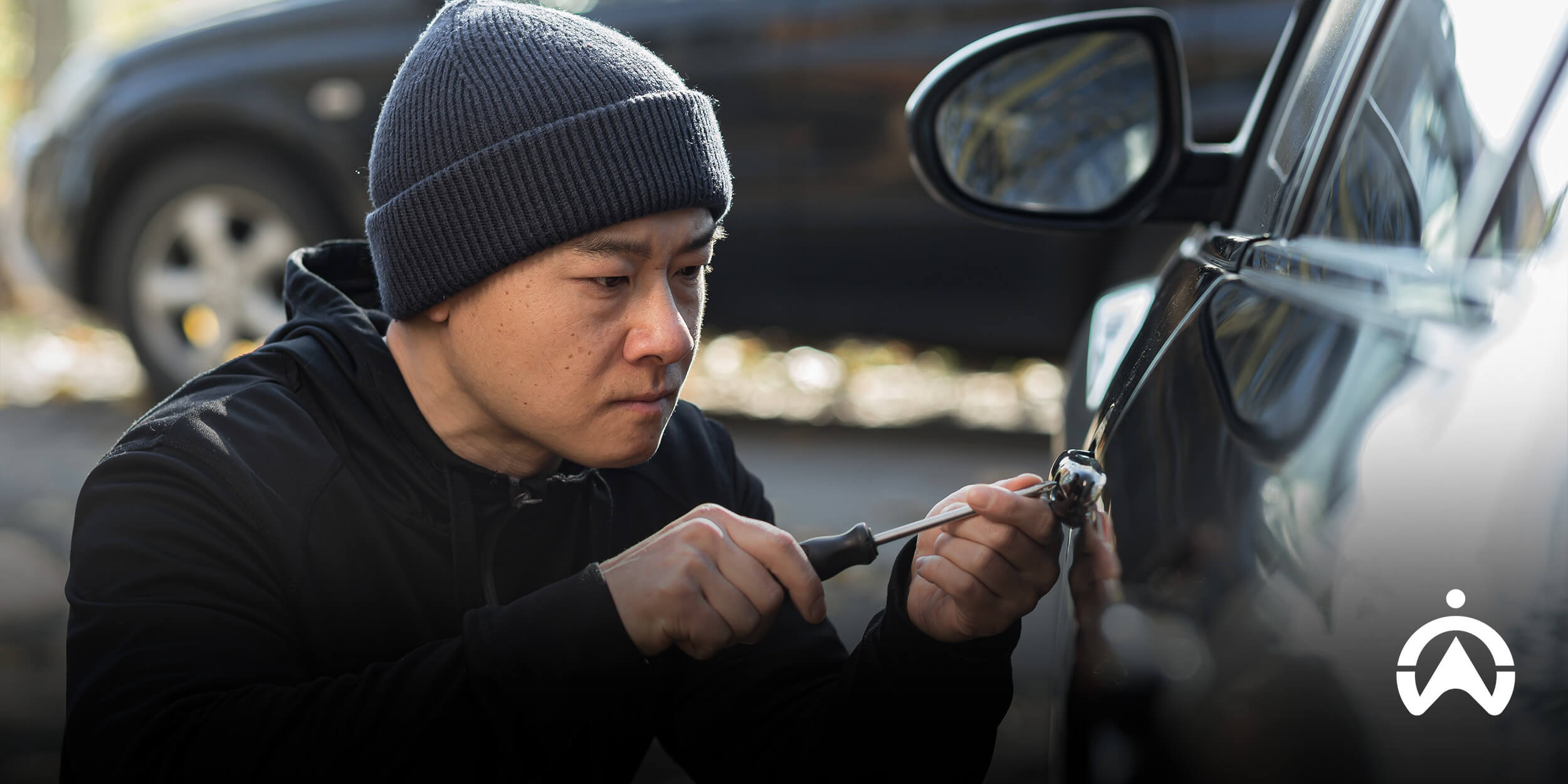
Person tampering with vehicle, highlighting need for an insurance-approved vehicle tracker for theft protection.

Protect the person, not just the car

Tracking devices help protect the person, not just the car. This is because modern tracking devices do more than just track a GPS location. Tracking devices, like the one from Cartrack, have features like panic buttons, roadside assistance and automatic crash detection.

All of these features put you at ease when you’re on the road and reduce your risk valuation from your insurance company. So if you look at it like that, it’s really a win-win situation.

Trackers can turn compliance into a competitive advantage

An insurance-approved tracking device will help you turn compliance into a competitive advantage because you’ll have secure and reliable eyes watching your fleet when you can’t. Advanced tracking devices also give you operational insights that you’ll be able to turn into valuable insights.

Reduce your fleet’s total risk cost

Businesses with fleets often have the highest insurance rates on their vehicles. This comes down to the fact that you’re a higher-risk client compared to the everyday person. Your fleet travels on busy roads constantly, they carry expensive cargo, and trucks and delivery vehicles are more expensive in general.

It also makes business sense to try and reduce the total risk cost associated with your fleet. When you install insurance-approved trackers in your fleet, you have the ability to negotiate with your insurance provider to get lower rates.

Rapid recovery keeps your business moving

Let’s say one of your heavy-duty trucks carrying half a million rand in materials has been stolen. Dealing with the insurance to get the payout isn’t even half of the battle you’ll have to fight. What about the client waiting for their stock and your driver that has been traumatised?

Invest in a tracking device from Cartrack that has rapid recovery teams, and who’ll work around the clock to get your truck back before the cargo has been stolen or damaged. Invest directly into the success of your business! 

Improve your driver’s behaviour

An insurance-approved tracker has the ability to provide you with accurate data on your drivers’ driving behaviour. This tech allows you, as the fleet manager, to monitor how your drivers are performing on the road.

You’ll know if they’re:

  • Speeding
  • Breaking/cornering harshly
  • Idling excessively
  • Stopping at unplanned destinations
  • Taking unauthorised detours

Having the data available gives you a leg to stand on with your insurance company because you can prove to your insurance provider that you have reliable and responsible drivers.

The tech behind a certified tracker

The tech behind certified trackers is multi-constellation GNSS and GSM tech. This technology is what ensures accurate location tracking and prevents signal jamming. One of the main reasons insurance companies prefer certain vehicle trackers is because only certain devices have advanced tech that can truly support vehicle recovery.

What are multi-constellation GNSS and GSM?

GNSS and GSM are advanced tracking units that are designed for finding your vehicle even in the most remote/low-signal areas. Basic tracking devices solely rely on GPS tech, but advanced units, (like the ones from Cartrack) use multi-constellation GNSS, which connect to multiple satellite systems.

This is why we have such a high recovery rate, and why insurance companies love us! 

Jamming detection and alerts

Criminals have gotten smarter, and instead of them just taking your car and hoping for the best, they’re using signal jammers to block the signal of your tracking device. At Cartrack we like to be one step ahead. Our tracking units are designed to detect when our signal is being blocked, and when this happens the unit will trigger an internal alarm and send an alert to our control room.

This type of tech gives us the insurance stamp of approval! 

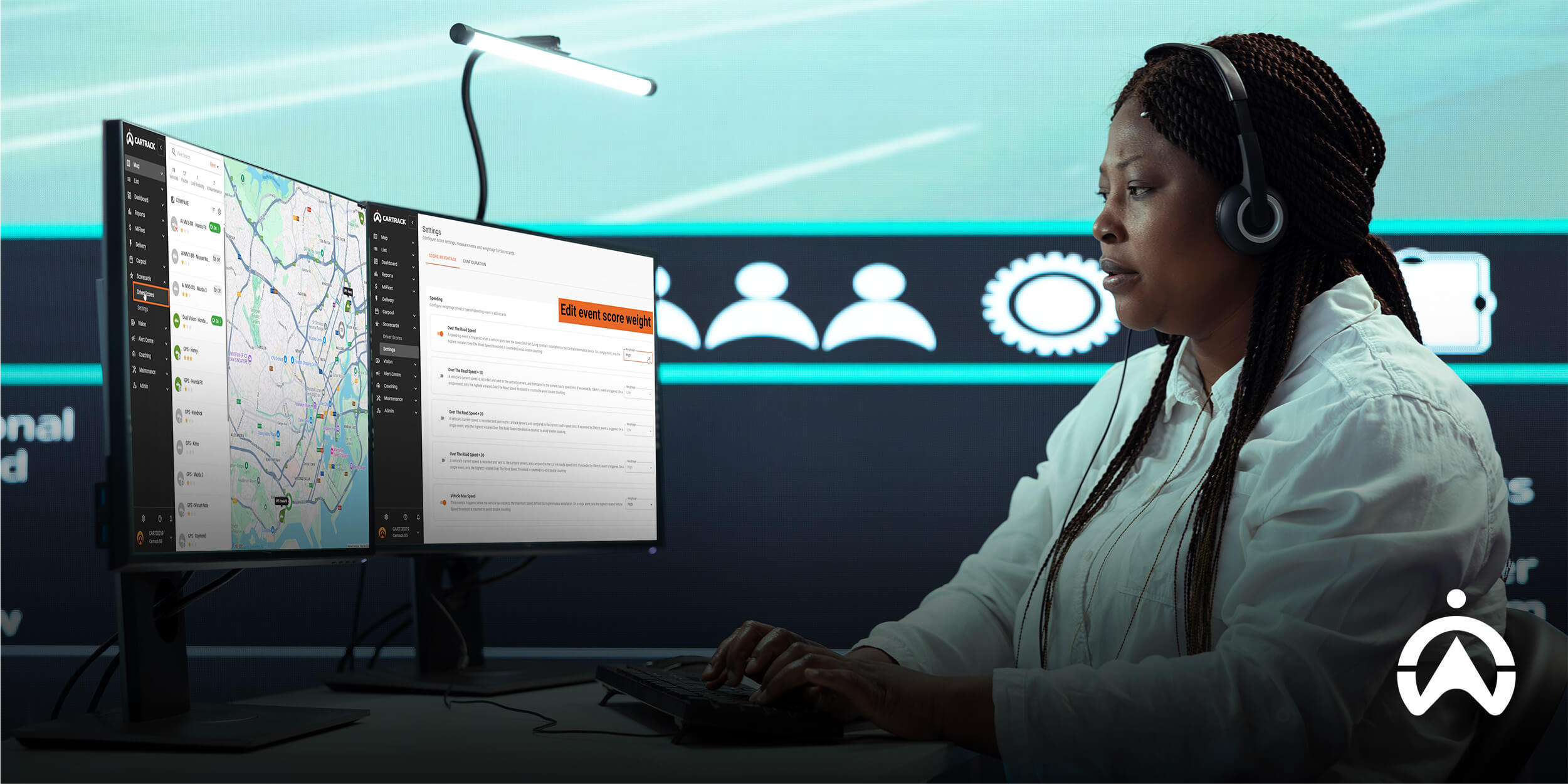
Operator in control room monitoring live tracking dashboard for an insurance approved vehicle tracker.

Durability and backup battery

A tracker can’t be useful if it can be disabled when the car battery wires are cut. An insurance-approved tracker, like ours, has a backup power source. This way the signal will still be transmitted even without the vehicle’s main source of power. Cartrack’s tracking devices are also designed to handle extreme temps and vibrations.

Giving you the reassurance that you’ll always be protected no matter the circumstances. 

Cartrack: The gold standard for insurance-approved trackers

Cartrack is the gold standard for insurance-approved trackers because we can back up our claims with numbers. Over the past 10 years we’ve recovered around 100 000 vehicles, and every day we’re recovering more! We also have a lifetime maintenance warranty on our hardware, making sure you’ll always be protected.

And if you’re still unsure as to why you should choose us to be your insurance-approved tracker, remember that there are a lot of companies that can show you where your car is on a map…but there are only a few that can go out and get it for you. And Cartrack is at the top of that list.

Contact us today to get an obligation-free quote and get those insurance premiums down! 

FAQs

Does Cartrack share my private driving data with my insurance company?

No, Cartrack won’t share any of your private data with your insurance company, unless you ask us to! We’ll provide you with a certification to prove that we installed our device for you, but unless you’ve requested it for a claim, your data will stay with us and you!

Can the tracking device interfere with my car’s electronics or battery?

No, if you have a proper tracking device, it won’t interfere with your car’s electronics or battery. At Cartrack our units are non-invasive and are only installed by our certified technicians, so you won’t have to worry about it messing with your battery or ECU.

Will the tracker still work if I drive across the border into a neighbouring country?

Yes, a Cartrack tracking device will still work if you drive across the border into a neighbouring country. Our network has a strong connection across Africa, and they work even in the most remote areas with weak coverage, so you’ll be protected on every journey!

How to Boost Driver Safety With Fleet Gamification

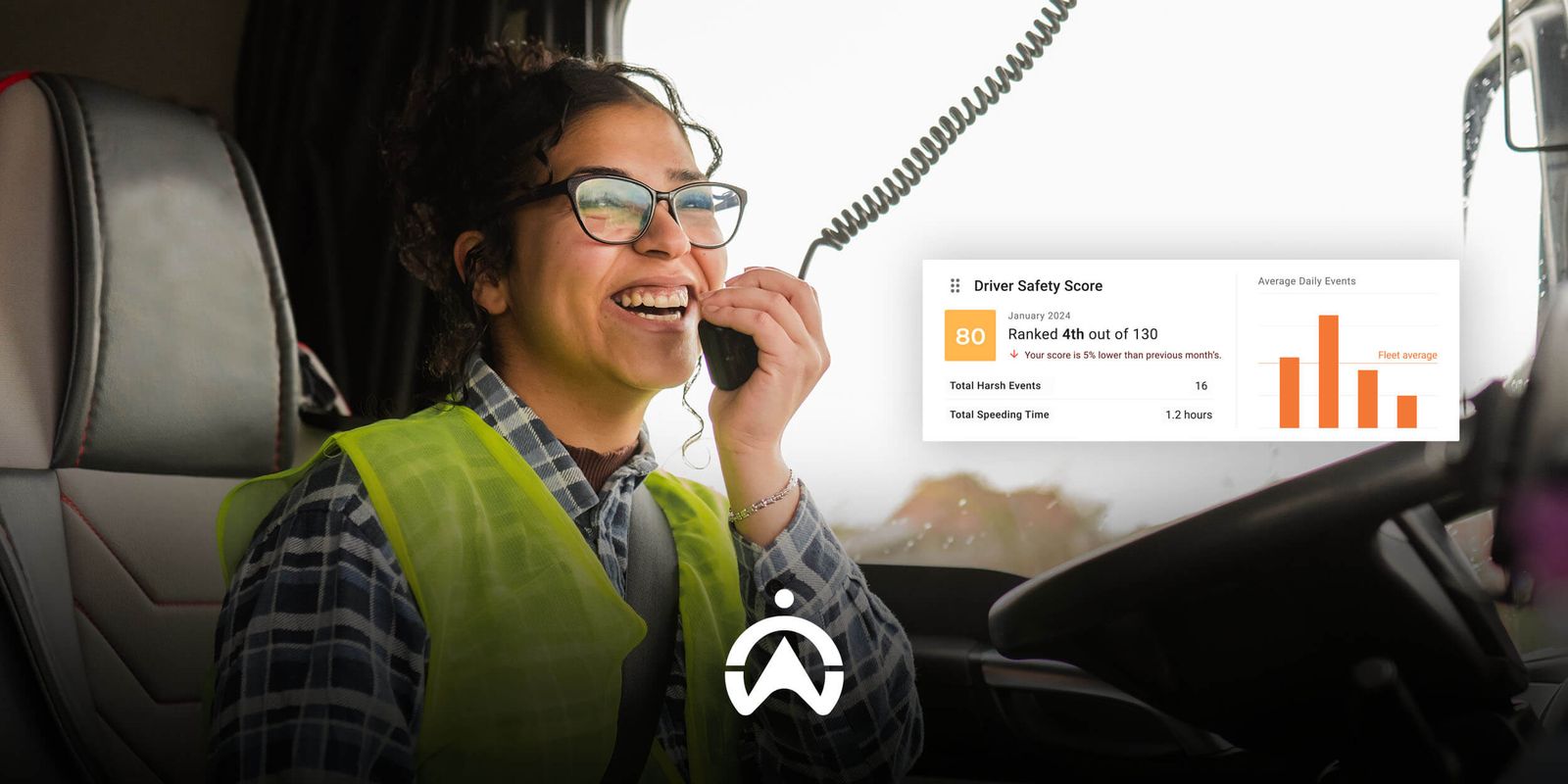
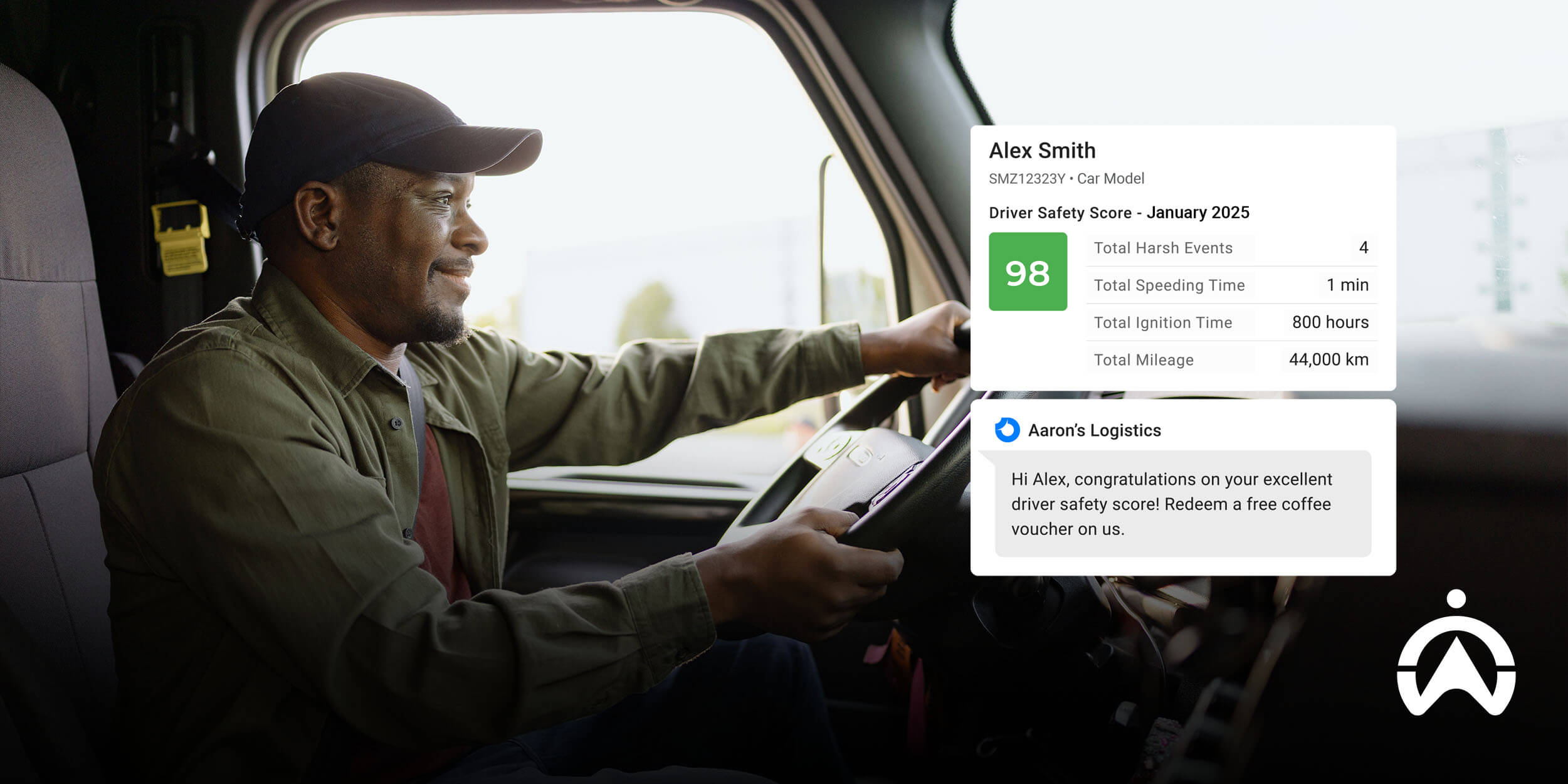
To boost driver safety with fleet gamification, you take mundane, everyday tasks and make them fun by implementing game-like mechanics. You incentivise your drivers’ tasks by introducing concepts like leaderboards, rewards, and point systems to motivate them. This helps and encourages your drivers to meet the necessary standards of improved safety, compliance, and other protection matters.

Gamification is a great way to keep your drivers engaged and motivated about doing the right thing. Statistics show that up to 80% of gamified platforms have more involvement from drivers, with 70% of employees saying they feel motivated by and enjoy the benefits gamification brings to their work. This keeps drivers encouraged and not closely monitored.

You can change the way your drivers see safety and compliance while building better relationships with them. In this blog, you’ll understand what gamification is, how to include it in your fleet strategies, and how Cartrack can make this a success for your business.
What does fleet gamification have to do with driver safety?

Fleet gamification has everything to do with driver safety and how you approach the safety culture within your business. Safety is always one of the most important aspects of a business, especially in logistics or delivery. So the question then becomes: how do you ensure your drivers are meeting safety standards without feeling mistrusted or under too much pressure?
This is why gamification is a powerful solution for your team. This strategy turns the mundane and boring into something to look forward to, becoming an encouragement for drivers rather than a source of stress. When drivers feel motivated to do better, they will do better, especially when they know that management isn’t breathing down their necks.

Gamification is also the key to keeping the driver safety strategies alive. To keep the motivation and encouragement flowing, you can adjust rewards based on the collective performance of the drivers. This means you not only maintain the enthusiasm, but you also carry out your initiatives successfully and without boring your drivers.

What are some of the driver safety risks that need attention?

Some of the driver safety risks that need attention include the various kinds of distracted driving, aggressive driving, and exhaustion management. For the sake of your drivers’ lives and your business reputation, paying careful attention to and correcting these behaviours should be your number one priority. This is where gamification comes in.

Distracted driving

From using the phone and smoking, to eating while driving, these are some of the behaviours that need to be addressed from a typical driver management safety perspective. Distracted driving means your eyes are off the road, but even the quickest diversion could swiftly lead to an accident.

A gamified approach could do something like reward a top driver who has the least number of recorded events.

Fatigue treatment

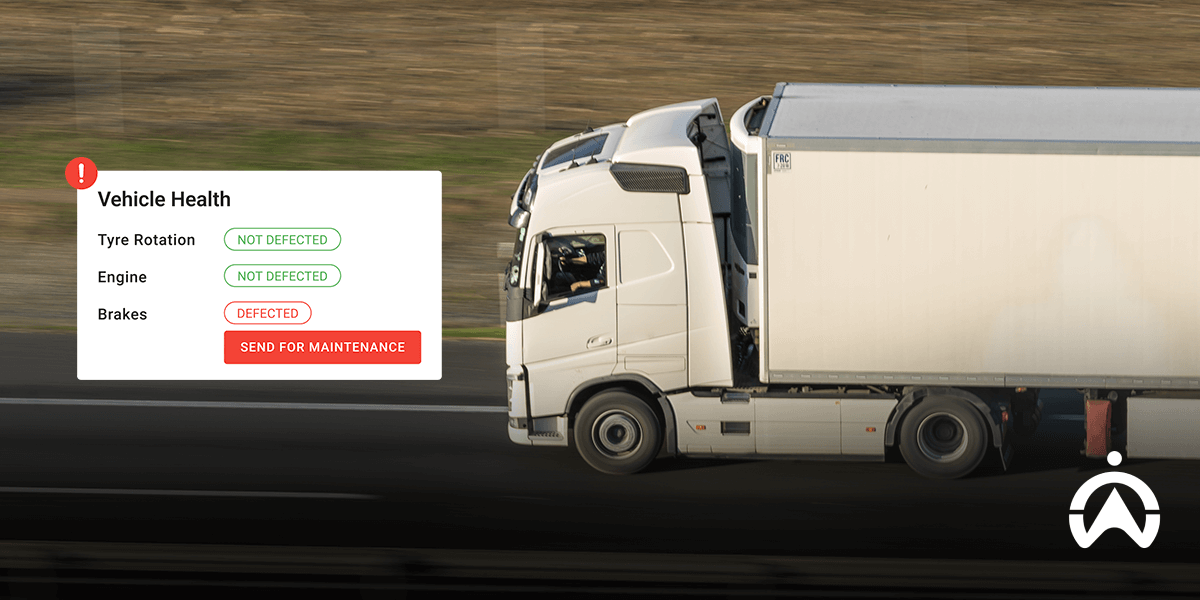
Exhaustion must be correctly managed so that your drivers aren’t putting themselves, their lives, and the lives of others in danger. In addition to this, fleet vehicles and cargo could also be lost or damaged as a result of dozing off behind the wheel.

A gamified approach could reward drivers for logging enough rest stops or resting according to the guidelines set by your business.
Speeding and aggressive driving

Drivers who drive too fast, cut the corners they take, don’t follow the rules of the road, or just act unpredictably while driving are displaying total recklessness. This kind of behaviour not only puts drivers and other road users in danger, but also threatens your business brand.

A gamified approach could reward drivers for maintaining smooth and safe driving over time.

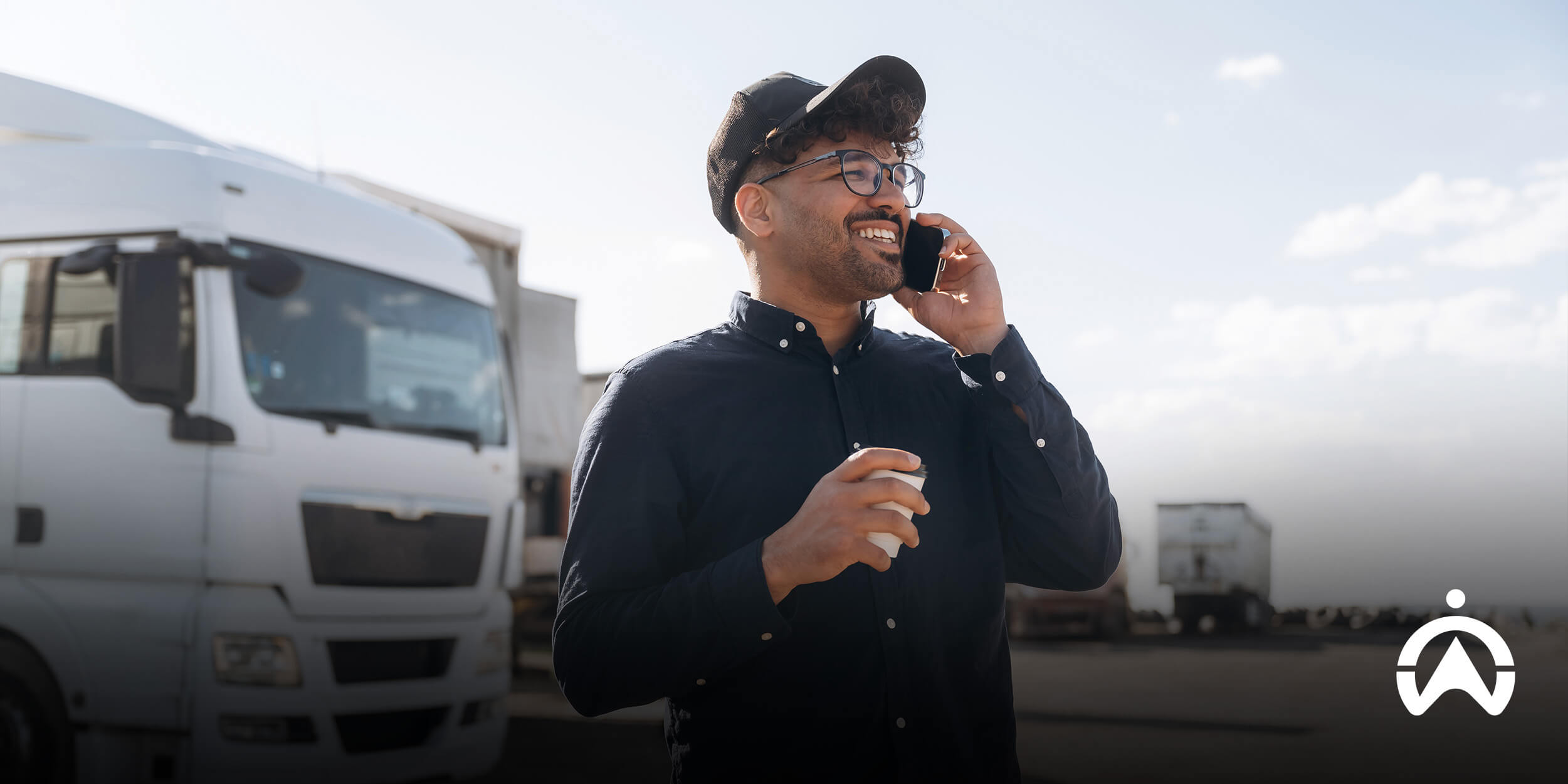
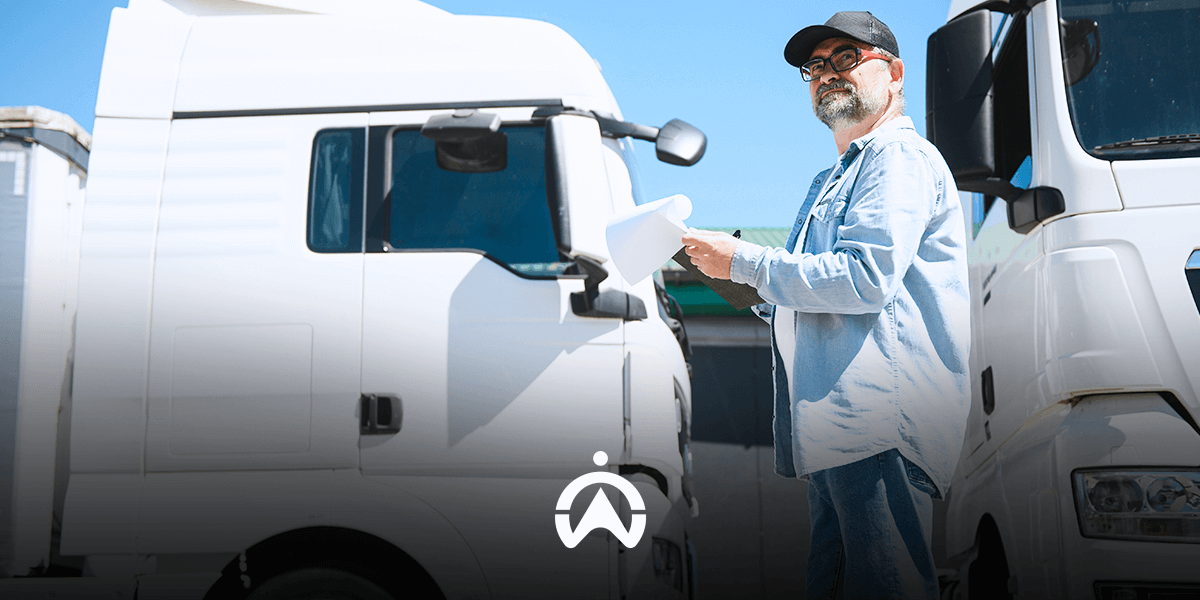
Driver speaking on phone in transport yard, supporting fleet gamification and driver safety initiatives.

Vehicle condition

Driver safety isn’t just about driving behaviours; it’s also about the condition of the vehicle and the care taken. Although proper and scheduled maintenance is mostly on your part as management (and your fleet system), a driver is still expected to do vehicle checks and inspections regularly to keep them safe.

A gamified approach could reward a driver for accurately completing full inspections for a prolonged time.

How can you implement gamification to meet these safety goals?

You can implement gamification to meet these safety goals by clearly and carefully introducing the strategy to your drivers. Everyone should be on the same page and understand how the point & ranking systems work, what the rewards & incentives are, and the importance of healthy competition.

At the end of the day, gamification works on the psychology of people and the favourable outcomes they create from positive feedback. Direct incentives and rewards are great, but soft rewards are just as important. Always remember to encourage your drivers, give them words of affirmation, and publicly acknowledge their achievements.

What are some examples of gamification in a fleet?

Examples of gamification in a fleet include displaying leaderboards, offering rewards and incentives, and openly praising drivers for their achievements. What’s even better? Our platform has API capabilities, meaning you can seamlessly connect any third-party tools or programmes you may decide to use for gamification purposes.

Check out these key examples:

  • Leaderboards: Leaderboards show the names and rankings of each driver, giving them the chance to see where they stand in comparison to one another. This facilitates healthy competition amongst the drivers and provides an opportunity for drivers to encourage each other.
    ‍
  • Rewards and incentives: From cash and vouchers to time off, they’re an extremely effective way to motivate your drivers. With an exciting reward at the end, they may put in some extra work towards meeting safety and compliance goals. 
    ‍
  • Badges: Usually, these aren’t physical badges but rather an icon shown next to the driver’s name. This could signal meeting milestones, being employee of the month, or other notable achievements.
    ‍
  • Collective performance: Although healthy competition is encouraged, it can also be great fun for your drivers to come together as a team and achieve goals together. Group efforts on top of individual ones can truly foster that overall safety culture. Drivers encourage each other instead, and everyone benefits in the end.
    ‍
  • Praise and words of affirmation: As previously mentioned, acknowledging drivers’ achievements can go a long way to elevate their confidence. Public recognition can boost self-esteem, improve professional relationships, and help ease the pressures of the job.

How is gamification in fleets BETTER than traditional safety enforcement?

Gamification in fleets is better than traditional safety enforcement because it adds a level of excitement and incentive. When your drivers are engaged and rewarded, it’s likely they’ll want to meet compliance regulations and be safer on the roads. This combats traditional safety enforcement, which can be rather repetitive, frustrating, and discouraging.

Picture this:

You’re dealing with a driver or two who’ve been consistently triggering events via their AI-supported dashcam, from using their phones while driving to speeding. You give them another one of those long lectures and coaching sessions, and the repetitive, irritated nature of your feedback leaves your drivers upset and demotivated. They’re unhappy, you’re unhappy, and now tension sits heavy in the air.

This kind of tension can prove to be a disaster for you, your business, and the wellbeing of everyone involved. Professional relationships are fractured, safety is threatened, and employee retention is lower. All of this could ultimately be prevented if you considered introducing gamification into your fleet safety strategies.

Truck driver viewing safety score and reward message, highlighting fleet gamification and driver safety performance.

What can Cartrack do to support your gamification goals?

Cartrack can support your gamification goals by being the trusted partner you choose for long-term success. At the core of gamification, you need a powerful and user-friendly fleet management system and sophisticated software that helps you identify the safety protocols and events that need addressing. We have all of that, and more.

Not only do we have a variety of dashcam options with AI capabilities, but we also have live GPS tracking with a strong connection, telematics, driver scorecards, API features, and much more. These are the tools and features you’d need to successfully manage gamification within your fleet, and we make it a simple process for you.

We want to help you make safety easy and completely achievable. We understand the impact of prevention before post-incident attention, and that’s why we’re here to accompany you on your gamifying journey and prove ourselves as long-term partners for your success.

Final takeaway: gamification as a catalyst for safety

At the end of the day, the well-being of your drivers and the way their safety is managed overall is undoubtedly one of the most important aspects of fleet management. You can still have a focus on safety policies, regulations, and compliance without enforcing traditional and redundant methods to achieve that safety.

Gamification could be the tool that sets your company apart from the rest, combining your concern for safety and compliance with deep care for your drivers and their overall health. When that’s achieved, your business becomes a flourishing, well-oiled, compliant machine that puts its people and safety first.

Are you ready to see how gamification can elevate your drivers and fleet? Speak to a Cartrack professional today and get started on a safer, smarter, and more entertaining strategy to achieve driver safety.

Frequently asked questions related to safety gamification in fleet management

What software should I get for managing my fleet?

The software you should get for your fleet incorporates GPS tracking, telematics, and AI capabilities, so that you get a complete and accurate overview of your fleet and its whereabouts. Cartrack’s FleetWeb is a perfect solution; we offer all of this and more for your traditional, electric, or mixed fleet.

What are 7 ways to improve fleet safety?

7 ways to improve fleet safety include:

  1. introducing AI capabilities in your fleet management
  2. adapting preventative maintenance
  3. opting for gamification for your drivers
  4. monitoring and coaching your drivers
  5. having advanced dashcams and sensors
  6. location-specific alerts & geofencing, and
  7. managing driver permissions and driver tags

How do you effectively manage a fleet?

You effectively manage a fleet by bringing together the necessary hardware, software, and fleet strategy to optimise your fleet’s productivity. Hardware ensures you have the right devices; software collects and translates the data from the hardware; and a strong fleet strategy carefully maps out the planning and smooth execution of your operations.

The Best Tourism Fleet Management Solution and Why

The best tourism fleet management solution should offer you ways to save on your fleet costs, ways to simplify your operations, and keep your passengers safe. Passengers also have high expectations these days, and considering the competitiveness of the tourism industry, you want to implement technology that satisfies those expectations.

Namibia is one of Southern Africa’s most captivating holiday destinations, thanks to its dramatic deserts, abundant wildlife, and vibrant adventure tourism. According to the Namibia Tourism Board, the country welcomed approximately 1.5 million tourists in 2025, marking a steady rise in international arrivals. To cash in on this and ensure your business is the top choice for tourists, you must invest in proper fleet management software.

Today, we’re here to show you what it takes to be one of the best tourism fleet management solution and why we, at Cartrack, stand out from the rest.

What makes tourism FMS stand out as “The Best”?

What makes tourism FMS the best is the software it has to offer. A lot of tourism fleet companies out there use outdated software that doesn’t really solve issues and is actually a waste of money. You need a system that makes use of things like AI to bring you a futuristic approach to managing your fleet.

What are some obstacles tourism fleet managers encounter?

Some of the obstacles that tourism fleet managers encounter include:

  • Fuel costs being way over the budget
  • Planning efficient routes takes time
  • Breakdowns while in transit
  • Driver misconduct
  • Customer dissatisfaction

This results in companies losing a lot of money and clients.

Here’s a closer look:

Fuel costs are going way over budget

High fuel costs can be caused by idling for too long, reckless driving, or fuel fraud & theft. But with no technology in place, there’s no way to pinpoint what exactly is causing these high fuel expenses. As fuel takes up a big chunk of daily operational costs, this can result in a big loss in revenue.

Planning efficient routes takes time

Figuring out the most efficient way to drive tourists around the city without leaving out monumental sites can be quite the challenge. There are things like traffic, road closures, and varying vehicle sizes that must be considered to determine the best way to go about each tour. This can be time-consuming and may result in a lot of human error.

Vehicles break down while in transit

Fleet managers often overlook things like booking vehicles in for service and ensuring that drivers check vehicle conditions before and after trips. This is especially true during peak seasons, when there’s “no time” to waste. By neglecting vehicle maintenance, you create a bigger issue of constant breakdowns. This leads to more downtime and expensive repair costs.

Driver misconduct

Knowing how drivers behave when carrying passengers is difficult. Some drivers speed through the trips and never obey road rules, leaving your customers terrified and not enjoying the ride. The worst thing that could happen due to bad driver behaviour is an accident where passengers get severe injuries, or even die as a result. Aggressive driving habits also lead to more vehicle wear & tear and an increase in fuel consumption.

Customer dissatisfaction

The tourism industry relies heavily on customer reviews, and in most cases customers only make public reviews if they’ve received impeccable or extremely horrible service. Customer reviews always make a huge difference, and we live in a time where social media makes the most impact. How many times have you seen a good review of a place on TikTok and thought to yourself, “Hmmm, I definitely need to try that”?

There are some small businesses that’ve literally skyrocketed in profits because someone went on the internet and shared their wonderful experience. There are also those whose businesses have hit complete rock bottom because of the power of social media.

Bus driver navigating route, supported by tourism fleet management system.

What do tourism fleet managers actually need?

As a tourism fleet manager, you need technology that’ll help you make better decisions, save costs, and bring you more customers. This means investing in a reliable fleet management system that provides things like:

  • Live GPS tracking
  • Route optimisation software
  • Aggressive driving alerts
  • Fuel consumption reports
  • Digital maintenance reports
  • A vehicle booking system

Live GPS tracking

You’ll always know where your vehicles are if you have GPS tracking on them. If the driver is supposed to be picking up people at the airport and they’re not there yet, you’ll see what’s causing the delay. Our system shows you which vehicles are on the move, idle, or completely off. This gives you complete control over your fleet.

Software to help you plan better routes

Planning better routes means finding and exploring different ways for drivers to get to their destinations and choosing the best option. Route planning software speeds up that process, saving you time and giving you more fuel-efficient routes. Your drivers will experience less traffic and hiccups on the road, because this software usually factors in road conditions before giving its suggestion.

Aggressive driving alerts

GPS tracking units have telematics, which is a technology that can detect when drivers are driving recklessly. You’ll be notified of this and be able to address your concerns with your drivers. This also helps you see which drivers need training for improvement. When drivers know you’re watching, they’ll behave better, giving your customers a better experience.

Fuel consumption reports

With a fleet management system, you also get to see accurate mileage readings, cross-check fuel receipts with the distance travelled, and track live in-tank fuel levels. These features will show you exactly how most of your fuel is being wasted and if there’s any theft or fraud. A fleet management system is the best way to reduce fuel expenses, which are a large portion of operational costs.

Digital maintenance reports

Don’t wait for vehicles to break down before fixing them; be proactive! This means using fleet management software for up-to-date vehicle servicing and repairs. Through a fleet management system, you’ll also get warnings of potential mechanical failures, so you can fix them before they cause breakdowns. This saves you money that could be spent on unexpected repairs. It also helps to ensure your vehicles are roadworthy.

A vehicle booking system

Too many disconnected apps result in time being wasted going through the different platforms and aligning your plans. With a fleet management system, you’ll have the option of integrating your vehicle booking system with the platform, so you know which vehicles are booked and for how long. This helps you avoid booking clashes or missed cancellations. Alternatively, you can use the platform’s own booking system.

Understanding the connection between a bad tourism experience and your profits

Bad tourism experiences lead to more people being reluctant to use your services, which results in your business making less profit. Most of the time, this doesn’t happen overnight but rather slowly as more people experience unpleasant service and leave reviews. But in today’s world, where social media influences the choices of many, a massive overnight loss is possible.

Picture this: You have a group of eight friends who’ve booked your shuttle services to transport them to a popular festival in your city. The festival happens only once a year and features some big international artists. The people who booked your services flew from another city just to attend that event. The event is two hours away from their accommodation in a remote area (making e-hailing a not-so-fitting option).

1. Booking time confusion

Now comes the time to pick them up. Your driver gets there at 13:00 and calls to say he’s arrived. Your clients are puzzled because they scheduled a 16:00 pick-up, and they’re not even there yet.

You realise there’s a mix-up with the booking times, and the driver won’t get the chance to pick them up later because there are other clients to pick up and all your other vehicles are busy. Your clients are left angry and stranded because they have no other way of getting to the event.

2. The breakdown

A few hours later, after a long search, you finally see a gap and find a vehicle that’s available. Your clients are picked up at 18:00, meaning they’re already late. Just when you thought things couldn’t possibly get worse, the vehicle breaks down mid-transit, and the matter takes another hour to get resolved. By this time, you already know that some bad reviews are coming.

3. The review

But wait, it gets worse! Two days later, one of the people from that group recorded a video detailing all that happened on the day of the festival and how your shuttle services ruined their day. The video goes viral, and just like that, the whole world knows never to use your services. More people cancel the bookings they made, and your business takes a huge downturn.

How this could have been avoided

A fleet management system could have saved you from all that trouble with a proper preventative maintenance plan and a more accurate vehicle booking system that helps you avoid clashes.

Remember that your customers are humans who most certainly are understanding. If there’s one small hiccup, they might be a bit lenient because, hey man, life happens! But if they encounter too many issues with your service, you’ve lost them. You want to make sure you give every customer the best possible service, and that means trying your best to eliminate all potential issues relating to your fleet. That’s where fleet management technology comes in!

Smartphone showing bus tracking and arrival times powered by tourism fleet management.

Why is Cartrack considered by many to be the best tourism FMS?

At Cartrack, we’re considered by many to be the best tourism FMS because of the solutions we offer. You can’t manage what you can’t see, and we help you see! Through our GPS tracker, cameras, and sensors, you’ll get a full view of everything relating to your fleet at the palm of your hand.

Here’s what we offer:

Route optimisation software

Our route optimisation software factors in things like traffic trends, road conditions, and the time your drivers have to get to their destinations. All you need to do is input the driver destinations, and the software will suggest the best options for your drivers to get there. These suggestions will most certainly be more fuel-efficient—and often quicker.

Carpool

The Cartrack Carpool feature is a vehicle booking system for shared company vehicles. It helps eliminate things like booking time confusion. It shows which vehicle is in use, what time it’ll be back, and which one hasn’t been returned on time. Drivers can either reserve the vehicles themselves, and then you’ll get a notification, or you can do it yourself. Carpooling is a great way to improve vehicle utilisation and keep up with vehicle availability.

If you prefer the booking system that you already have, you can integrate it into our system so you won’t have to go through too many apps to run your fleet.

MiFleet

Being on top of things involves staying in control of operational costs. MiFleet is our cost management tool that you can add to your package to track the real cost of things like fuel, repairs, and toll fees. For example, you can use this platform to check for fraud. How? The software factors in refuel receipts, tank capacity, fuel station location, and distance to determine if the transaction is accurate. If the numbers don’t add up, it’ll flag the transaction as high risk.

Fuel sensor

Another way to stay on top of fuel costs is by installing our fuel sensors in each of your vehicles. These sensors will give you live fuel levels. If there’s a sudden drop in fuel levels, then you’ll know it could be due to theft or a leak. Fuel sensors help you stop theft, sometimes as it happens.

Preventative maintenance

Our preventative maintenance system ensures that your vehicles are always in good shape. You can start by importing all vehicle maintenance schedules onto our platform so we can give you reminders. From there, you can create a vehicle inspection checklist on our platform that drivers can use to inspect certain vehicle components before starting a trip. This ensures that all vehicles are safe to use, and you’ll get feedback so you know what needs to be fixed.

Our preventive maintenance system also alerts you to things like worn-out brake pads and engine faults. This is so you can quickly repair or replace vehicle components before they become a bigger issue and cause breakdowns.

Vehicle cameras

We have a selection of camera solutions you can choose from to ensure your drivers are safe on the road and that your customers are comfortable and receiving good service. For example, our AI Tri-Vision cameras enforce safe driving practices by detecting distractions like when drivers are on their phone or smoking. The cameras release audible alerts for such behaviours, so drivers can quickly make corrections and focus on the road.

Through our camera solutions, you can also ensure that your drivers aren’t picking up passengers who aren’t booked with your company during trips for personal gain.

Driver behaviour reports

Through our telematics system, you’ll get to see if drivers operate your vehicles safely. You’ll get reports of speeding, harsh braking, harsh cornering, and rapid acceleration. You’ll also be able to see when drivers idle for too long, which is another way that fuel goes down the drain. Through these reports, you’ll be able to address your concerns and promote safer and more fuel-efficient driving habits.

Geofence

With our geofence feature, you can ensure your drivers remain within their designated areas. This tool allows you to create virtual borders around areas of your choice, so you get alerts wherever your drivers enter or leave those areas.

Let Cartrack help you take control of your tourism fleet

Namibia is attracting more and more tourists, and your business needs to be at the forefront and ready to handle the large volume. With Cartrack by your side, you’re assured a safer, healthier, and more profitable tourism fleet. So reach out to us, and take us with you on your journeys.

Frequently asked questions about tourism fleet management

What are fleet management best practices in tourism?

Fleet management best practices for tourism include:

  • Investing in a fleet management system
  • Making sure that vehicles are well-maintained.
  • Monitoring driver behaviour.
  • Teaching your drivers basic customer service skills.
  • Monitoring fuel usage through sensors.
  • Investing in route planning software.

How do I measure fleet management objectives in tourism?

To measure fleet management objectives, you must look at important metrics like:

  • Total Cost of Ownership (TCO)
  • Vehicle utilisation rate
  • Fuel cost per kilometre
  • Repair turnaround time
  • Vehicle accident rate

Measuring these metrics correctly requires a fleet management system, which will also help you find better ways to run your fleet.

Is fleet management software really worth it?

Yes, fleet management software is most certainly worth it. It helps you save operational costs, prevent accidents, and remain compliant. Through a fleet management system, you’ll have full control over your fleet and therefore make smarter decisions based on the data you’ll receive.

How to Go From Reactive Safety to Proactive in Your Fleet

To go from reactive to proactive safety in your fleet, you need to invest in an advanced telematics system with AI cameras. An advanced telematics system uses predictive maintenance to let you know what’s happening with your truck’s mechanical side, while AI cameras show you how your drivers are behaving behind the wheel.

It’s Monday morning, and just before you’re about to take a sip of your coffee, your phone rings—one of your trucks carrying really expensive cargo was just in an accident because the brakes failed.

Now the absolute nightmare begins between your client waiting on their shipment, making sure your driver is okay, calling your insurance company and dealing with the police. If this sounds familiar or like something you’re constantly anxious about, it’s time you move from reactive safety in your fleet to proactive safety.

According to estimates from Namibian transport authorities, road accidents impose a significant economic burden on the country, potentially costing around 1–2% of Namibia’s GDP each year—which further proves that switching from a reactive to a proactive system is not only beneficial for your operations but for the economy too.

So what do these economic issues have to do with fleet owners in the B2B industry? Well, this can increase your insurance premiums—costing you more in the long run. So, if you’re interested in shifting your entire fleet from a reactive mind-set to a proactive one, you need to focus on three things:

  1. Real-time visibility
  2. Predictive technology
  3. Coaching-first culture

This blog breaks down exactly how to change your ‘wait for the shoe to drop’ method to making sure those shoelaces are tied in a neat little bow, never unexpectedly making you trip.

The reactive cycle

Businesses that don’t have proactive safety measures in place are often stuck in this reactive cycle. The cycle starts with an incident happening and your team working to find out what exactly happened. Then managers start reprimanding drivers, and at the end of the day the root of the problem hasn’t been sorted out, so the cycle starts again.


What fleet managers and business owners need to understand is that the main risk to your business is not higher insurance premiums, unexpected maintenance costs or downtime. The biggest risk to your business with only having reactive fleet safety in place is the damage it’ll do to your brand image and your drivers’ wellbeing.

What is the proactive safety approach?

The proactive safety approach is when you have tech like dashcams and advanced telematics installed in your fleet that helps in preventing accidents or unexpected breakdowns. This approach is the best way to keep your business profitable, your drivers safe and your clients happy.

Imagine you’re at work on Friday afternoon after a long week, and you have exactly 5 mins before you clock out for the day when the phone rings… You’re hoping it’s just your wife calling you, asking to get some bread before you come home. Unfortunately, it’s the police calling to let you know that your 18-wheeler truck was just in a major accident and your driver (who has been with you for the past 6 years) has passed away.

The brakes of your truck failed. It crashed on a downhill into another car, and there are multiple fatalities. The worst thing that can happen has officially happened, and it could have been avoided, but your fleet isn’t equipped with proactive safety tech. Now, you’re dealing with insurance, the police, a lawsuit, and a grieving family and team.

Having a telematics device installed could have alerted you two weeks ago that the brakes on that truck needed to be replaced and that your driver was constantly speeding. So you could have had time to change the brakes and coach your driver on his bad speeding habit, preventing all the events that followed.

The 3 characteristics of a proactive fleet

There are three main characteristics to having a proactive fleet; these are predictive intelligence, condition-based maintenance and having a coaching-first culture. When you implement these three things in your fleet, you improve the safety of your vehicles and your drivers, and overall, you improve your ROI.

1. Predictive intelligence (foresight)

Instead of you looking at GPS breadcrumbs to see where a driver was when they were speeding, a proactive fleet uses AI to monitor micro-behaviours.

  • The goal: To catch the yawn (fatigue) or the downward glance (distraction) seconds before it leads to a lane swerve.
  • The tech: AI-powered sensors and live vision cameras that process data directly on the device to provide instant feedback.

2. Condition-based maintenance

A proactive fleet doesn’t wait for the check engine light to go on or for a driver to report a “funny noise”.

  • The goal: To eliminate unplanned breakdowns that cause delivery delays and safety hazards.
  • The tech: CAN-bus integration that monitors engine health, tyre pressure, and brake wear in real time, triggering a service alert the moment a part begins to change from its normal performance.

3. A culture of coaching-first

So instead of just dishing out warnings left, right and centre to your drivers who make mistakes. Rather take the data you get and proactively coach your drivers to create better driving habits.

  • The goal: To lower insurance premiums and raise employee morale.
  • The tech: Make use of driver scorecards and gamification that motivates your drivers to have safer driving habits.
White truck with brake defect alert, enabling reactive safety to proactive in your fleet with Cartrack predictive maintenance insights.

Overcoming the “big brother” culture shift

The biggest hurdle you’ll probably face with introducing proactive safety measures in your fleet is pushback from your drivers. They might feel like you don’t trust them or even feel uncomfortable being constantly “watched”. The solution to this is transparency.

  • Proof of innocence: Show drivers footage where AI cameras proved a driver wasn’t at fault in a dispute.
  • Privacy: Clarify that AI fatigue monitoring isn’t spying—it’s a life-saving tool that only records high-risk events.

Here’s real video footage from a Cartrack dashcam of a recent accident that helped prove a trucker’s innocence in a fatal accident:


How can Cartrack help you with proactive fleet safety?

Cartrack can 100% help you with proactive fleet safety thanks to our years of experience and world-class technology. Features such as AI-powered visibility, real-time coaching, predictive maintenance and driver scorecards all help to move your fleet from a reactive one to a proactive one.

Visibility and real-time coaching

At Cartrack we have some really high-tech AI-powered cameras that will be the backbone of your shift to being proactive with safety in your fleet. This is because our cameras process information super fast and will be able to not only alert fleet managers of these events but also immediately alert the driver so they can self-correct.

How is this proactive?

If you don’t get real-time alerts to risky driving behaviours and your system only tells you once you pull a report, you can only coach your driver after they’ve done something that has put their life and the lives of others at risk.

This is basically pointless. Having a system that alerts you and your driver immediately allows both of you the opportunity to fix the problem while it’s actually happening. Not only can you correct behaviours, but it can also give you valuable insights into your drivers.

Let’s say you review footage and reports, and you see that every Wednesday, over the past three weeks, your driver David is constantly yawning and showing exhaustion (which is a safety risk). You’re now able to discuss with him that this is a pattern you’ve noticed and find out what’s going on in order to find a solution that works for both of you.

The result? An employee who feels seen and taken care of, and the peace of mind knowing that no accidents are going to happen because of David dozing off behind the wheel.

Driver scorecards and gamification

One of the biggest struggles you’ll have with a reactive strategy is getting your drivers to make safer habits while on the road. A proactive approach will help with this. At Cartrack we’ll provide you with a fun tool called ‘driver scorecards’. This will help you, as the fleet manager, see where your drivers are going wrong and can let your drivers actually see how many times they’re making the same mistakes.

This approach will create a culture shift when it comes to safety and how unsafe driving is handled.

So how do driver scorecards work?

First, all your drivers start off with a score of 100, and then points are deducted based on the infraction that occurred. What this means is that a driver with a low score is your higher-risk driver and is a hazard to your operations.

Another bonus is that as the fleet manager, you have the power to create your own rating system, so if you feel that distracted driving (like using the phone or eating while driving) is a very high-risk event, you could make the rating for this 35, while harsh acceleration to you is considered a low event and has a score of 1.

What is the benefit of driver scorecards?

Having these scorecards shouldn’t be there to stress you or your drivers out. It should work as a tool that helps to bring awareness to bad driving habits and helps your team to want to be safer on the road.

Ultimately using driver scorecards will benefit the company as a whole, because if your drivers are driving well, it’ll build a positive brand image around your trucks (who notoriously have a bad reputation on the roads).

How does gamification work?

People love rewards. When you incentivise good driving, you’ll have more good drivers. So think of an incentive that works with your drivers, and let the healthy competition start.

Types of incentives could be:

  • Cash bonuses
  • Half day off
  • Free meal from the company

By adding gamification into your fleet, your drivers will be motivated to have better driving habits, without the constant need of management keeping them in check. Gamification and scorecards will help keep your cargo, trucks and drivers safer.
‍

Fun fact: the scorecard is free with all of our fleet management systems! 

Driver holding phone while driving, highlighting shift from reactive safety to proactive fleet safety with Cartrack driver monitoring system.

How does proactivity improve your business’s ROI?

Proactivity can improve your business’s ROI by lowering the chances of accidents and breakdowns that all drain profits. According to industry data, reactive fleets are 65% more likely to experience a crash compared to those who have proactive safety systems in place.

To help you visualise all this, think of the Heinrich Pyramid. This pyramid is based on the law of probability: “In a workplace, for every accident that causes a major injury, there are 29 accidents that cause minor injuries and 300 accidents that cause no injuries.”

And we can look at this with your fleet as well; for every one major accident that happened, there were 300 near misses. Having proactive safety measures in place focuses on the 300, making sure that 1 never happens.

A story of chaos to control

To make all of this wonderful but weighty information just a little more digestible, here’s a fictional but very probable story of how switching from a reactive fleet to a proactive fleet with Cartrack can improve your business. This is a story of a logistics company called Mobile Movers (a made-up example of a Cartrack client).
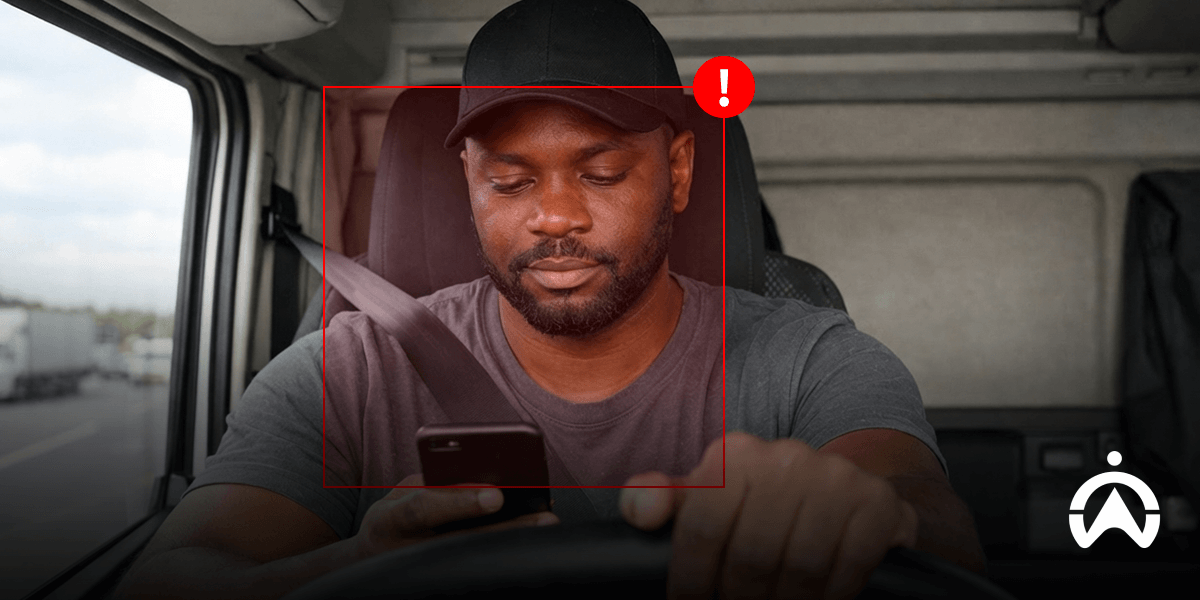
Mobile Movers has been experiencing constant issues with their fleet, from speeding tickets and drivers who are constantly quitting to unexpected downtime from random breakdowns. All of these lead to the company losing time and money.

They then decided to sign up to get Cartrack’s telematics tech, which is linked to the vehicle’s CAN-bus system and AI Live Vision cameras. Now they have predictive maintenance that alerts the fleet managers of everything that’s happening with the vehicle and when they should book the trucks in for a service.

With the AI cameras, the fleet managers can now see what’s happening in and out of the vehicle. Their drivers can now prove their innocence in an accident and have the ability to self-correct when they make a mistake on the road, like being distracted or falling asleep.

Thanks to driver reports, fleet managers can now support their drivers and positively coach them to make safer driving habits and implement gamification to incentivise better driving. This proactive approach has made the drivers at Mobile Movers feel seen and protected, meaning that fewer drivers quit and chose to stay where they were seen as a person and not a number on a sheet.

The competitive advantage of certainty

Having a proactive safety system in your fleet is a sure way to have a competitive advantage—of certainty at least. If your fleet is waiting to react to problems as they arrive, there’ll be an endless list of problems every single day.

But when you handle the safety of your fleet proactively, your list basically becomes nonexistent because you can see a problem from a mile away and stop it in its tracks.

So don’t wait for the call of the next incident; call Cartrack and let us help your fleet see around the corners.

FAQs

Will proactive safety tech lead to higher driver turnover?

No, proactive safety tech shouldn’t lead to a higher driver turnover. It should help with keeping your drivers exactly where they are. But this is really up to you as the fleet manager or owner. If you’re using the information to positively coach your team and not to punish them, they should feel safer and cared for.

Is proactive safety only for large, enterprise-level fleets?

No, proactive safety is not only for large, enterprise-level fleets. In fact, smaller businesses would actually benefit the most, as they don’t have the financial cushioning to help when a vehicle is in a major accident or has unexpected downtime because of a mechanical breakdown.

How do we ensure our fleet data doesn’t become a cybersecurity risk?

To ensure that your fleet data doesn’t become a cybersecurity risk, get a provider (like Cartrack) that uses end-to-end encryption and stores data on top-tier secure servers. Proactive systems enable you to only allow authorised staff to access sensitive driver footage or vehicle locations, keeping your operational intelligence safe.