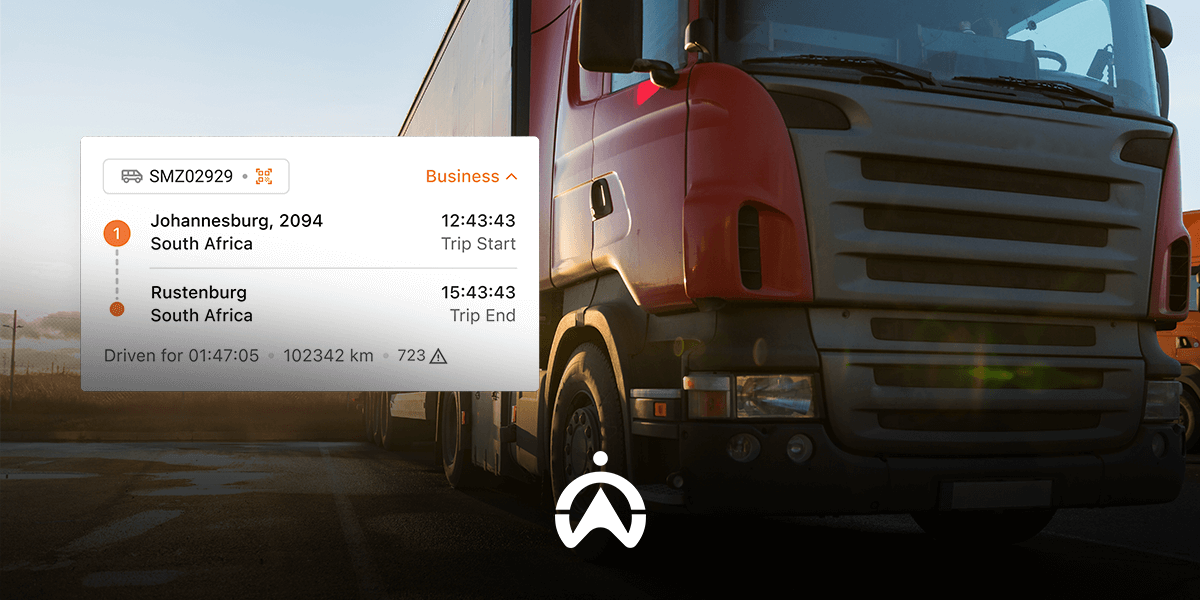
What is Short-Haul Trucking?

Short-haul trucking is the transportation of goods via truck, over distances that are comparatively shorter than long-haul trucking. Usually, it refers to truck transport over distances of 100 km to 300 km, typically connecting towns or regions within Namibia.

According to Namibian road safety reports, in 2023, hundreds of truck-related fatalities were recorded, with a notable portion involving pedestrians. This highlights the significant role of short-haul trucks in urban, suburban, and rural areas. Can accidents like these be reduced without compromising speed and efficiency?

In this blog, Cartrack will do more than answer the question, “What is short-haul trucking?” We’ll create a comprehensive industry guide and help you develop your own short-haul trucking operations to make it more profitable, more reliable, and more efficient.

What does short-haul trucking refer to?

Short-haul trucking in Namibia refers to any truck-driven transportation that covers less than 300 kilometers. It’s a huge and important industry that includes last-mile deliveries, retail distribution, and manufacturing supply. Construction and infrastructure logistics are also included as industries that rely on short-haul trucking, as well as the all-important cold-chain logistics that regularly supply our retail stores.

How does short-haul trucking differ from long-haul trucking?

Short-haul trucking differs from long-haul trucking in distance, duration, and usually the type of truck used. Those large trucks you see on cross province highways are usually driven by long-haul truck drivers, while short-haul trucks often (but not always) use smaller vehicles.

Distance

Long-haul trucking usually covers long distances that cross from one province to another. Sometimes they even cross the border into neighbouring African countries. More often than not, short-haul truck drivers remain within their province and distribute goods to destinations that are relatively close.

Duration

A big difference between long-haul trucking and short-haul trucking is how long it takes for the delivery to happen. Long-haul truckers often work long, taxing hours navigating the road, which is why you might see them parked on the side of a highway sleeping or eating before moving again.

Vehicles

Because logistics companies want to get as much of their goods from one place to another (in order to save on fuel), long-haul truck drivers often work with large, heavily-loaded trucks. Short-haul truckers do too, but it’s more common for them to drive smaller trucks that carry fewer goods.

Regulations

Both long-haul & short-haul truck drivers must adhere to appropriate regulations respectively that might differ slightly. For example, long-haul truckers might have to pack and secure their loads in a certain manner, whereas short-haul truckers are travelling short enough distances to be less strict in this regard.
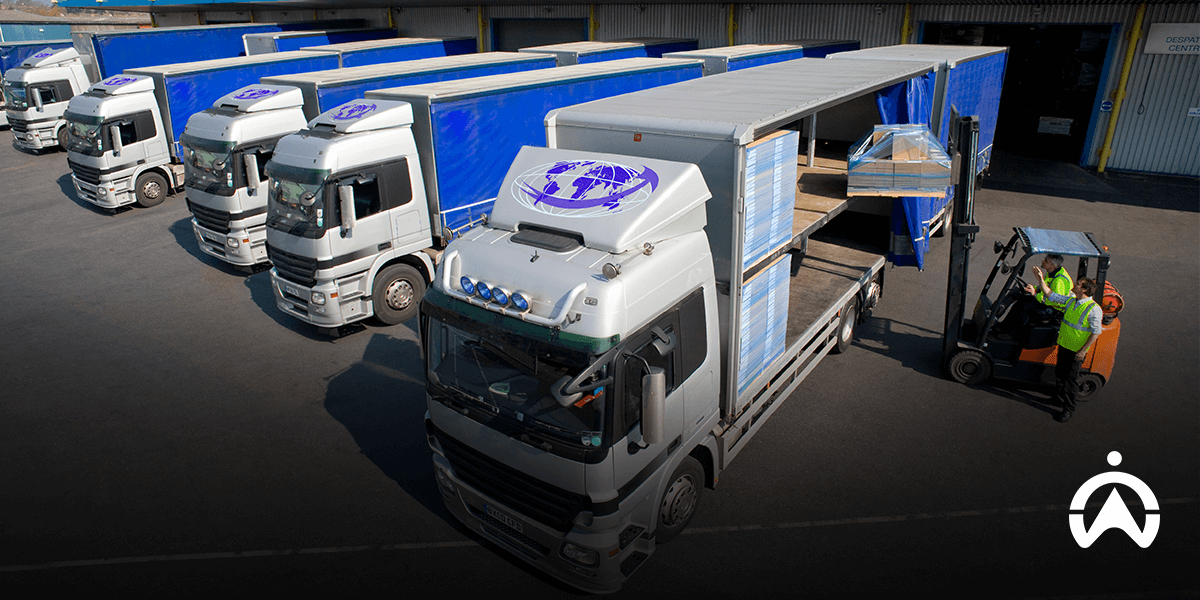
Short haul trucking fleet loading cargo at warehouse dock with forklift unloading crates.

A day in the life of a short-haul trucker

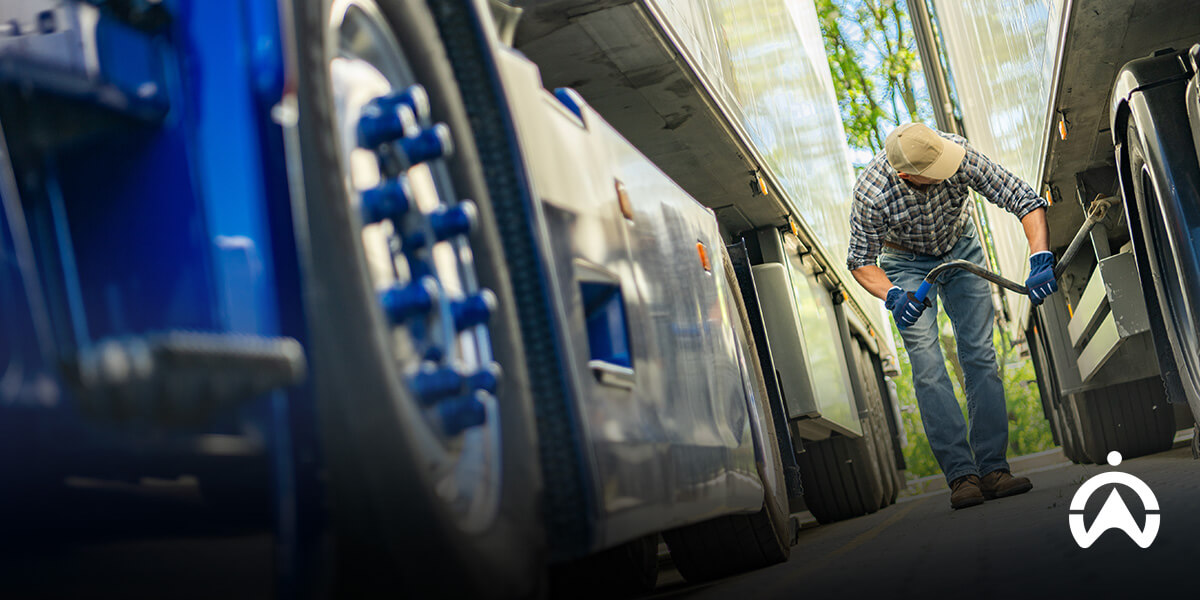
A day in the life of a short-haul truck driver comes with its own unique set of perks, challenges, and nuances. It’s different for everyone, but most must work long hours that start early and end late. They also have various responsibilities that relate to their vehicles, their driving behaviour, and their deadlines.

What are the challenges faced by short-haul truck drivers?

The next time you see a short-haul truck driver on the road, consider the challenges they deal with on a daily basis:

  • Truck maintenance and road compliance
  • Tight deadlines for reaching their destinations (without breaking road laws)
  • Keeping the condition of their cargo in good shape
  • Ensuring vehicle security when parked
  • Navigating multiple stops in a single day
  • Dealing with traffic and the worsening road infrastructure

How is technology shaping the short-haul truck industry?

Fleet management companies have attempted to address many of these problems, and Cartrack has managed to come to the forefront of solving them ALL. Technology (in the form of telematics, AI-powered fleet software, and IoT (internet of things)) is evolving fast, and we’re the company in Namibia that’s driving it!

Just look at the ways we’ve made short-haul truck driving more efficient, safer, and more profitable:

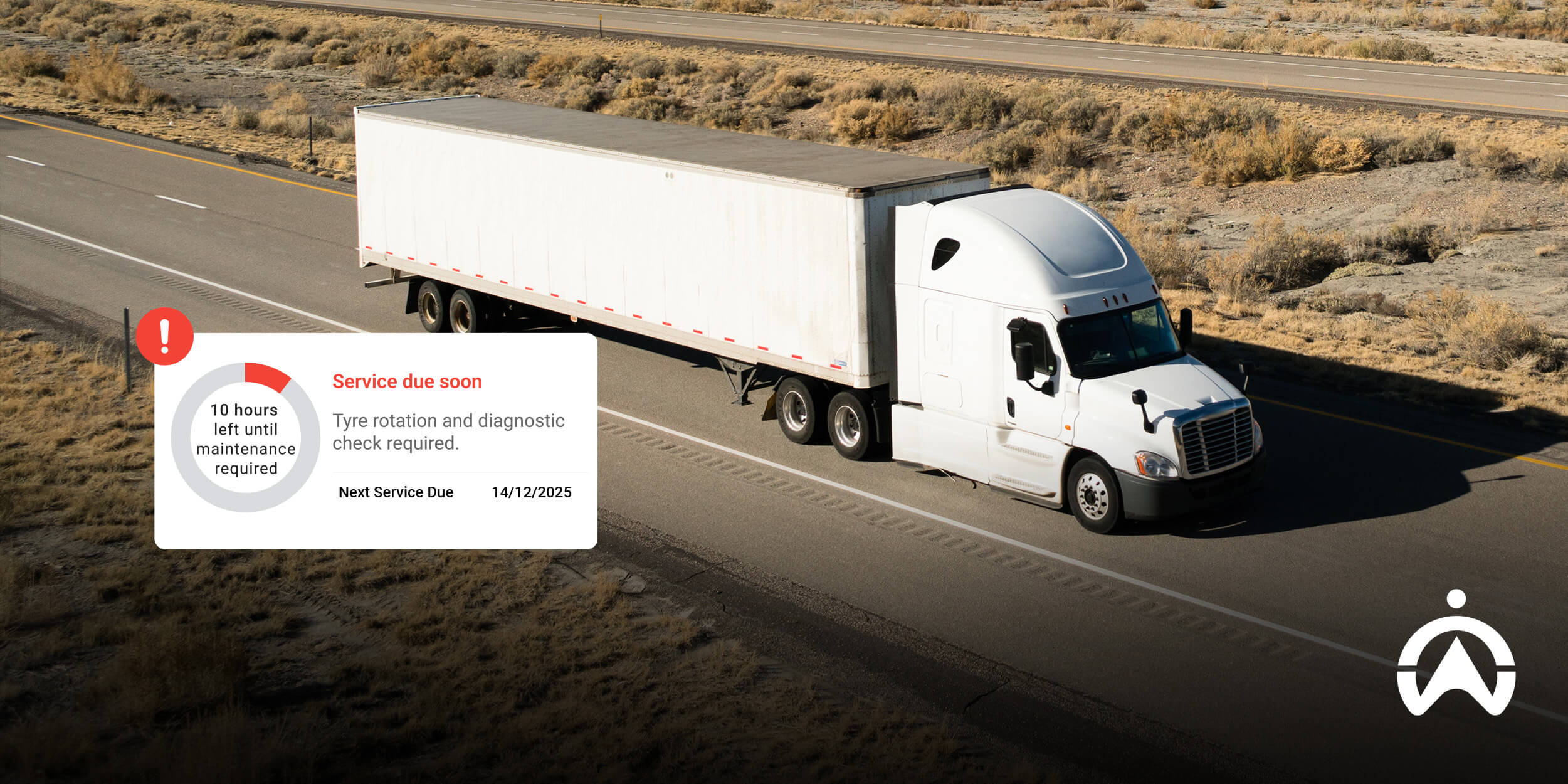
  • Cartrack has developed predictive maintenance scheduling to keep short-haul trucks in peak condition, reducing downtime, reducing fuel use, and increasing overall vehicle efficiency.
    ‍
  • We’ve developed the most refined route optimisation software that takes traffic, road conditions, and temporary roadblocks into account.
    ‍
  • Our vehicle security cameras keep an eye on your cargo, automatically switching on and off based on your settings (whether the door is open, whether the vehicle is running, etc.)
    ‍
  • Cartrack’s temperature monitoring sensors are made for short-haul trips where perishable goods are transported.
    ‍
  • Our vehicle cameras come with a “parking mode” setting, switching on automatically if the cameras or your vehicle is tampered with.
    ‍
  • Short-haul truck owners will love our fuel management software that tracks fuel use and enables you to make changes that can save up to 24% of your fuel expenses.

Now imagine having these features for your own short-haul truck company. Imagine the increase in profits, the satisfaction of your drivers, and the improvement in your reputation in the eyes of your customers!

Give us a call to discuss the implementation of these features for your short-haul fleet.

Why is short-haul trucking vital to the economy?

Short-haul trucking is vital to the economy because it forms the backbone of construction, infrastructure, and last-mile delivery. It’s short-haul trucks that stock our retail stores, deliver essential materials for building, and deliver our online store packages. Without this vital chain in supply, our economy would come to a virtual standstill.

It’d be difficult to think of an industry in Namibia that isn’t supported by short-haul trucking. But for the purposes of this read, let’s just look at a few.

That last-mile connection

That online shopping you do is a drop in the ocean compared to the myriad industries that rely on last-mile deliveries. This is the final part of any delivery before it reaches the end consumer, and includes retail, manufacturing, printing, cold-chain, appliances, and many more.

The short-haul EV experiment

The interesting thing about short-haul trucks is that they’re the perfect sector for electric vehicle experimentation. Why? Because the distances are relatively short, and troubleshooting can be dealt with much easier.

EV trucks are being seriously considered for future short-haul trucking. At this point, small delivery scooters and electric bikes are being used to completely bypass fuel costs. Can you imagine the savings if this could be extended to small & large trucks as well?

Small trade companies

Plumbers, electricians, roof repairmen, and other trades rely on short-haul trucking for their supplies, materials, and even their tools. Can you imagine how your area would come to a standstill if there was no one to fix the essentials at your home?
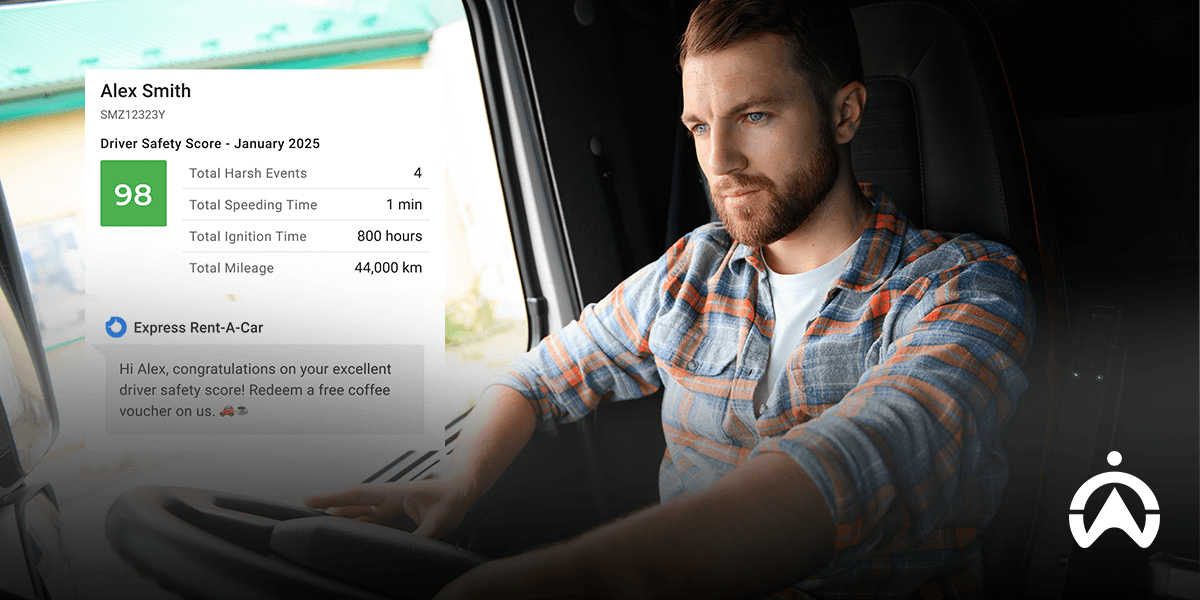
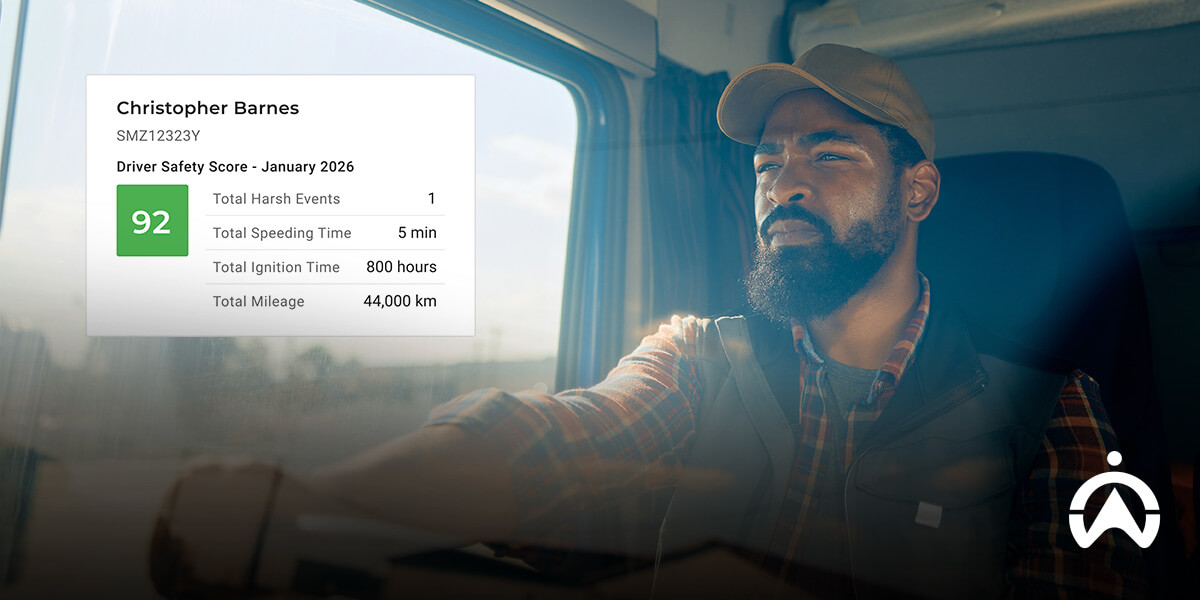
Truck driver reviewing safety score and mileage report on dashboard, representing short haul trucking performance metrics.

Tips for short-haul truckers in Namibia’s demanding work environment

At Cartrack, we talk to truck drivers of all kinds. We listen. We learn. We put ourselves in their shoes. As fleet software developers. We’re always trying to make their lives easier & safer, while optimising the operations side of things for their managers too.

Here are some tips for short-haul truck drivers (and the hard-working individuals who manage them):

Tip #1: Focus on strategic route planning rather than speed

Tip #2: Stay safe and drive responsibly

Tip #3: Know your vehicle and how to keep it in good condition

Tip #4: Prepare by being well rested and nourished

Strategy vs speed

A map application on your phone can give you the quickest route to a destination. But only route optimisation software gives you time-based, road-based, and event-based route optimisation that’s applicable to each driver while they’re working.

Responsible driving

Cartrack has simplified driver coaching with AI cameras and GPS tracking that detects little things like:

  • Harsh cornering
  • Sudden braking
  • Distracted driving
  • Seatbelt use
  • Fatigue

If you see a gap in the way you drive your short-haul truck, your managers can focus their training based on the things you struggle with most.

Vehicle health

AI has come a long way to make vehicle maintenance a much easier task. A calendar app can schedule short-haul truck maintenance, but only fleet software coupled with AI can PREDICT when a vehicle needs its next service.

Driver health

You’ll be the best version of yourself if you’re well-rested and energised for the day. Eat a nutritious meal before starting your day, and always ensure you go to bed at a reasonable time. Remember that eating, drinking, smoking, and nodding off have no place in the worklife of a truck driver. Stay safe out there, and if possible, rely on technology that detects these warning signs and warns you while you’re driving.

Partner with the company that keeps driver safety and vehicle health a priority. Consultants are standing by to help you develop the perfect FMS package for your fleet.

Frequently asked questions about short-haul trucking

How many hours is a short haul?

A short haul can take anywhere between 1 and 5 hours, depending on the area being travelled, the conditions of the road, and traffic congestion. Short-haul trucks are designed to travel relatively shorter distances compared to long-haul trucks, so a reasonable speed, cargo space, and manoeuvrability are key to choosing the right short-haul truck.

What is the average salary of a truck driver in Namibia?

The average salary of a truck driver in Namibia ranges from approximately N$8,000 to N$33,000 per month. The variation is based on experience, working hours, and the type of cargo being transported. Some truck drivers work long hours and are compensated for the stress and pressure of meeting their deadlines.

What is the difference between trucking and freight?

Trucking refers to the mode of transportation while freight refers to the cargo itself. If you’re talking about trucking, you’re pointing to road travelling with a truck while carrying a load on board. If you’re talking about freight, you could be referring to any product load in the context of ships, trains, planes, or road vehicles.

What are the challenges of long-haul trucking?

The challenges of long-haul trucking include long hours, limited vehicle manoeuvrability, and delivery pressure. Long-haul truckers also need to manage their time well, since they get very little time to eat, rest &; recharge, or use the restroom. Many are permitted to stop mid-travel and rest along the side of the road if their route is extra long.


Does a Dashcam Record Inside the Car?

If you’re looking at buying a dashcam and wondering, “Can a dashcam record inside the vehicle?”  The short answer is yes, but only certain models can do this. Most dashcams record the road ahead, but advanced models with dual-lens and 360-degree capabilities capture both street scenes and the inside of your vehicle, giving you extra protection and peace of mind.

This matters because Namibian roads can be extremely unpredictable. In fact, according to road safety data from Namibia’s transport authorities, over 400 fatalities were recorded in road traffic accidents between January and November 2025, with 431 deaths reported during this period.

So whether you’re driving to work, doing the school run, or even working as an Uber or Bolt driver, having clear video evidence can make a world of difference if something goes wrong. If you want a dashcam that does it all, then Cartrack’s AI-powered dashcams with live stream camera technology will be useful for everyday drivers like you.

Do dashcams record inside the car?

Yes, dashcams can record inside your car. However, only certain models can. 360-degree and dual-vision dashcams are designed to record the inside of your car as well as the road. In order to record clearly (even in the dark), they typically have two cameras: one facing forward and the other inward. Advanced models usually have night vision.

This is particularly helpful for:

  • Drivers for e-hailing services (such as Uber, Bolt, etc.)
  • Parents keeping an eye on their children while they drive.
  • Owners of businesses that oversee fleet vehicles.
  • Regular drivers seeking additional peace of mind.

Benefits of recording inside the car

The benefits of recording inside your car are that an additional sense of security and responsibility is added by having a dashcam that records inside the vehicle. It provides you with a clear picture of what goes on inside your car, which can be just as important as what happens on the road.

  • Evidence in disputes: You’ll have evidence if something occurs in the car, such as an argument or dangerous passenger behaviour.
    ‍
  • Driver safety: Helpful for drivers in the event of conflicts, mishaps, or security issues.
    ‍
  • Parental control: Parents get peace of mind by keeping tabs on their teens’ driving habits and observing how they behave when operating their car.
    ‍
  • Security: You can prevent theft and vandalism and record any events by recording what happens to your car while it’s parked.
    ‍
  • Capturing memorable moments: Dashcams can help capture any unexpected memorable moments from your travels!

Are there drawbacks to recording inside the car?

Yes, there can be some drawbacks to recording inside your car such as privacy, storage, high costs and installation challenges. While not all drivers will be impacted by these, it’s crucial to consider them before investing in a more advanced device.

  • Privacy concerns: Some passengers may find it uncomfortable to be filmed.
    ‍
  • Storage issues: Additional storage may be required because two cameras produce more footage, which calls for a larger memory card.
    ‍
  • Higher costs: Compared to standard models, dual and 360-degree dashcams are more expensive.
    ‍
  • Installation challenges: Installing cabin cameras requires proper positioning and possible professional installation.
Three people in formal attire enjoying food in a car, with trees and a house visible outside the window.

Different types of dashcams and what they record

It’s important to note that dashcams come in different shapes and setups, and not all of them can record the inside of your car. So before you swipe your card, be sure you’re getting the right one for you. The table below breaks down the main types of dashcams, what they capture, and how much you can expect to pay in Namibia:

Dashcam Type What It Records Inside the Car? Typical Use Case
Front-facing Road ahead No Everyday drivers needing accident evidence
Dual-vision Road ahead & inside cabin Yes E-hailing drivers, parents, business fleets
Rear dashcam Road behind No Extra coverage for parking or rear collisions
360-degree All angles inside & outside Yes Premium option for full coverage and peace of mind

Choosing the right dashcam for you

When choosing the right dashcam for you, you need to consider your driving habits and lifestyle. This will determine which dashcam is best suited for your needs. While some drivers require full coverage with additional features, others only want a basic road-facing camera. You can compare features using the following guide to determine which one best suits your needs.

Feature Why It Matters Who Benefits Most
Interior recording Captures what happens inside the car Parents, Uber/Bolt drivers, fleet owners
Night vision Clear footage in low light or at night Long-distance drivers, city drivers with night shifts
Wide-angle lens Covers more of the road or cabin Anyone wanting fewer blind spots
Audio recording Records conversations and sounds Taxi/e-hailing drivers, security-conscious users
GPS tracking Logs speed and location of trips Businesses, parents, and insurance purposes
Cloud storage Protects footage even if the dashcam is stolen High-crime areas, business fleets
Parking mode Records when the car is parked or unattended Everyday drivers
Ease of installation Saves time and setup hassle Everyday drivers, first-time users
A close-up of a black dashcam mounted on a car's windshield, with a blurred background of trees and vehicles.

How dashcams protect drivers

Dashcams protect drivers from the unique risks associated with roads, which include smash-and-grabs, hijackings, fraud, and accidents. Although a dashcam won’t prevent these incidents, it can provide you with important proof to defend yourself later on, whether for peace of mind, insurance, or police reports.

For example:

  • Disputes can be swiftly resolved with accident footage.
  • Video footage makes it easier to report smash-and-grab incidents.
  • Drivers can defend themselves against false allegations.

Tips for using a dashcam effectively

Choosing the right dashcam is just the first step. You must install and use it properly if you want to get the most out of it. Your dashcam will always function when you need it most if you follow a few simple routines.

  • Make use of a memory card with 64 GB or more of quality.
  • Make sure the camera is positioned correctly to prevent sun glare.
  • Don’t rely solely on the memory card; make a backup of any important clips.
  • Think about hardwiring your dashcam or using an external battery if it has parking mode.
  • Let passengers know that recording is underway.

At Cartrack, we offer premium-quality dashcams at affordable monthly rates, complete with free installation. Contact us today to get the best dashcam solution for personal or business.

FAQs

Do dashcams record sound as well as video?

Yes, many modern dashcams record sound as well as video through built-in microphones. This can be useful if you need proof of what was said during an incident. If you’re not comfortable recording sound, most devices allow you to turn the audio feature off.

Can dashcam footage be used in court or for insurance claims?

Yes, dashcam footage can be used to support insurance claims or even as evidence in court. Clear video clips help settle disputes about who was at fault in an accident. Insurance companies are more likely to process claims quickly when you provide reliable footage showing exactly what happened.

Will a dashcam drain my car battery?

No, a dashcam won’t necessarily drain your car battery, this is because when you’re driving, dashcams usually run on the car’s power supply and use very little energy. However, dashcams with parking mode can continue recording while the engine is off. 

How long is footage stored on a dashcam?

Dashcam footage can be stored anywhere from a few hours to a few months. Dashcams use loop recording, which means old footage is automatically overwritten when the memory card is full. The length of time footage is kept depends on the card size. With a 64GB card, you can usually store several hours before files are replaced, unless you manually save clips.

Do I need a special dashcam for Uber or Bolt driving?

Yes, for Uber or Bolt drivers, an AI dual-lens dashcam is the best choice. It records both the road ahead and the inside of the vehicle, which helps protect you against false claims or disputes with passengers. Some models even include night vision, which is useful for evening and late-night trips.

7 Proven Strategies for Fuel Reduction to Cut Fleet Costs

Some strategies for fuel reduction include route optimisation, fuel probes, preventative maintenance, telematics systems for driver monitoring and stopping unnecessary idling. If you’ve got a fleet, the chance that you’re looking for strategies to reduce fuel is probably pretty high.

And if you’re not, Namibia’s fuel trend should get your attention. Data shows that between 2020 and 2026, fuel prices in Namibia have increased significantly — with petrol rising by 72.5% and diesel by 65.9%, largely due to global oil cost pressures and import dynamics.

These stats prove just how important it is for fleet owners to find ways to reduce fuel usage as much as possible so that your profits can still remain high. At Cartrack we know how important this is to you. In this blog we’ll break down the top strategies for fuel reduction and how we can help you keep your costs low and your profits high!

What are the top 7 strategies to reduce fuel in your fleet?

There are plenty of strategies you can use to reduce fuel usage in your fleet, but the top 7 ways you can reduce it are:

  1. Installing fuel probes
  2. Optimising your routes
  3. Preventative maintenance
  4. Stop idling
  5. Installing a telematics system
  6. Driver gamification
  7. Using the right-size vehicle

Let’s break down each of these strategies!

1 – Installing fuel probes

One of the main strategies to reduce fuel wastage is by installing fuel probes in your vehicles. This is how they work:

  • The probe floats in your fuel tank and measures your fuel levels
  • It send a message to your fleet pages letting you know when your tank is almost empty and when it’s being topped up
  • If fuel suddenly drops when the vehicle isn’t in use, you’ll get an alert

Fuel probes make sure that as the fleet manager, you’ll always know what’s happening to the fuel in your vehicles.

2 – Optimising your routes

Something you may not be aware of that’s wasting your fuel is the routes your drivers are using. By installing an advanced GPS system, you’ll be able to optimise the routes your drivers take.

You can save fuel with GPS-assisted routes by:

  • Avoiding high-traffic routes that keep your drivers sitting idle
  • Showing your drivers the most efficient route

Optimised routes are an easy way to reduce wasted fuel in your fleet.

3 – Predictive maintenance

Maintenance is often overlooked as a reason for fuel loss. Factors such as:

  • Underinflated tyres
  • Clogged air-filters
  • Old oil
  • Worn-out spark plugs
  • Dirty fuel injectors

All of these cause your vehicles to not run optimally and end up wasting fuel. When you implement a telematics system that assists you with predictive maintenance, your fleet will be on top of their game!

Preventative maintenance warns you of all the issues mentioned above before they actually start to affect your fleet. Not only saving you fuel but time as well!

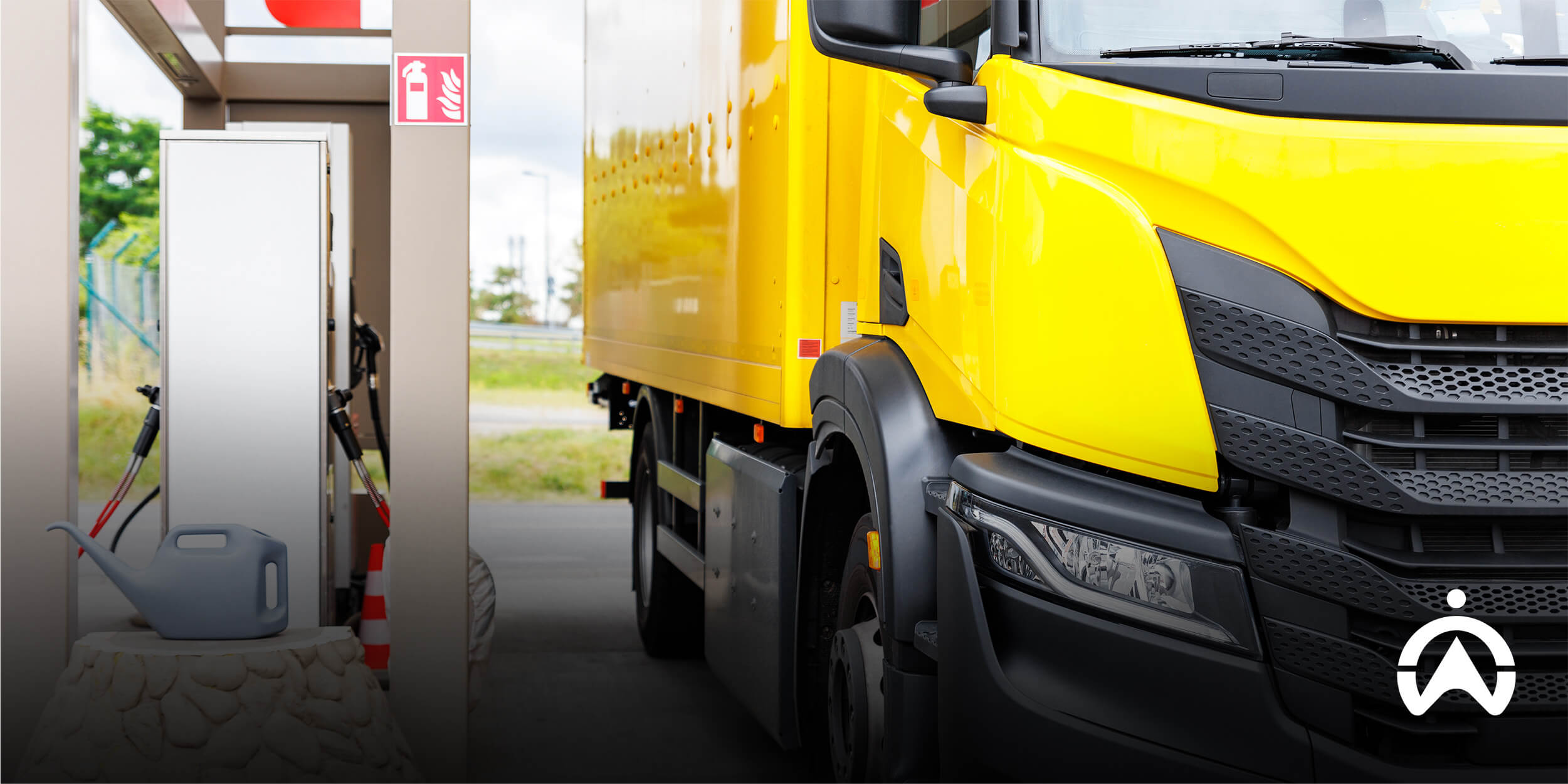
Yellow delivery truck refuelling at station, illustrating practical strategies for fuel reduction in fleet operations.

4 – Stop idling

Idling burns your profits and fuel. Don’t believe us? Check this out:

According to WearCheck, an 8000 cc diesel truck idling at 650 rpm burns about 0.8 litres per hour. If you have a fleet of 50 of these trucks and each idles for around 1 hour per day, they could waste up to 40 litres of diesel daily. Over a full year of operations, this adds up to approximately 10 000 litres of fuel, which at typical Namibian diesel pump prices of around N$19.58 –20.23 per litre in early 2026 could cost your fleet roughly N$201 300–202 300 annually in wasted fuel — a significant avoidable expense that proper idle management and driver training can reduce.

5 – Driver gamification

Your drivers play a major role in ensuring fuel isn’t being wasted. By motivating them through gamification, you can achieve this.

Your drivers need to improve driving habits that waste fuel, such as:

  • Speeding
  • Harsh braking
  • Unnecessary idling
  • Rapid acceleration
  • Excessive use of the air-con

You can motivate and create healthy competition in your team through:

  • Cash incentives
  • Days off
  • Free meals
  • Recognition (Driver of the month)

6 – Using the right-size vehicle

A common oversight that wastes fuel is not using the right-sized vehicle for deliveries. This means not using your heavy-duty truck to deliver one fridge and not overloading your bakkie with all the stock in your warehouse.

Both overloading a small vehicle and underloading a heavy vehicle cause you to waste fuel and damage the lifespan of the vehicle.

7 – Installing a fuel management system

A fuel management system is the best way to monitor fuel usage in your entire fleet. By having the data all in one place, it makes your job as a fleet manager so much easier as well! And the best thing? This system can assist with almost all of the above strategies!

By installing a Cartrack fuel management system (MiFleet), you can:

  • Monitor your fleets’ daily fuel usage
  • Easily spot fuel theft
  • Identify fuel card fraud
  • Get data reports on the fuel usage in your fleet
  • Insights into your driver’s behaviour
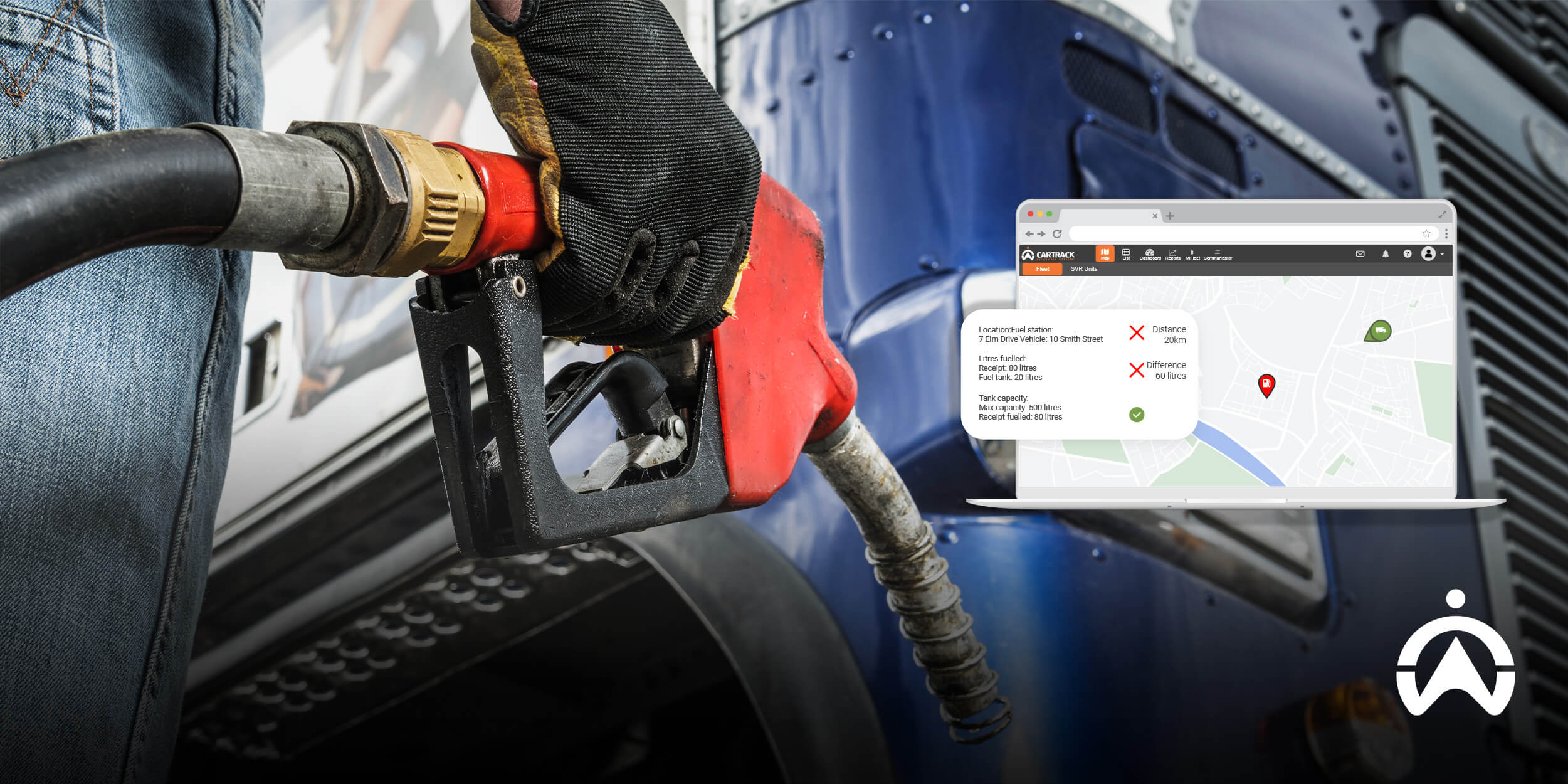
Hand holding fuel nozzle with Cartrack Fuel monitoring dashboard showing station map and fuel data, supporting strategies for fuel reduction.

How to turn data into diesel with Cartrack’s MiFleet

With Cartrack’s value-added MiFleet software, you’ll be able to turn your data into diesel. How? Well, according to studies, fleet management tools like MiFleet can reduce your fuel costs by up to 15%!  MiFleet matches fuel spend with telematics data to pick up fuel usage patterns, so you’ll be able to easily detect excessive idling and fuel fraud.

MiFleet reduces admin mistakes

Unfortunately small errors can cost your business thousands. Lost slips or manual typing errors when calculating the entire fleet’s fuel spend are common mistakes that businesses face.

MiFleet stores all of your fleet costs and important documents in one place. Your drivers can snap a pic of their fuel slip, fuel gauge and the fuel pump readings on the driver app. You can then instantly approve or flag the transaction.

This makes your life less complicated, because all fuel slips will be automatically uploaded onto your dashboard, meaning no more lost slips and no more manual data entry errors!

MiFleet helps with fuel efficiency

Remember that a poorly maintained engine is a thirsty one. MiFleet keeps track of all of your service intervals and maintenance records. How does this help? You’ll never have to guess or try to remember when last your trucks had a service and which truck needs what done.

MiFleet will keep track of the data and let you know in advance which truck is due for what. This means your trucks will always be running at peak efficiency, ultimately lowering fuel usage across your entire fleet!

‍If you’re ready to stop guessing where your gas is going, contact us today so we can take every byte of data in your fleet and turn it into extra kilometres on the road!

FAQs

Does the type or quality of fuel really impact my fleet’s consumption?

Yes, the type/quality of fuel does really impact your fleet’s consumption. Lower-quality fuel usually has water and dirt in it, which will damage your fuel injectors. This means you’ll end up forcing your engine to burn more fuel to keep up its power.

How much does “hidden” vehicle weight really cost me?

Hidden vehicle weight can reduce your fuel economy by 1% for every additional 45 kg added to the vehicle. So try not to keep any unnecessary equipment in your vehicles, and encourage your drivers to keep their trucks clean, because even the weight from dirt and debris can play a role.

Beyond driving habits, what “silent” operational factors affect my fuel bill?

Beyond driving habits, the most common “silent” operational factor that affects your fuel bill is poor weight distribution. If you unevenly load a trailer, you’ll affect the vehicle’s aerodynamics and increase the resistance on some of your tyres, meaning more fuel will be used.

The Only Fleet Electrification Roadmap You Will Need

Fleet electrification is the process of gradually transitioning your fleet from traditional ICE (internal combustion engine) vehicles to EVs (electric vehicles). You’ll need a roadmap for this process because of the scale of the transition. You’ll also want to successfully manage the uncertainty of this change without taking an unnecessary hit to the pocket.

According to the International Energy Agency (IEA), the end of 2024 showed that we can expect the number of EVs to triple by 2030. It’s a clear indication that there’s a demand for EVs in businesses to be met, and delivery & logistics companies are moving toward greener operations.

In this blog, we’ll help you tackle the unknown and put you at ease about taking the first step to electrification. Let us guide you through what electrification means, give you a practical breakdown of the step-by-step roadmap, and explain how Cartrack can help you take the electrification leap.

What is fleet electrification, and why does it need a roadmap?

Fleet electrification refers to the process of transforming your fleet of ICE vehicles to EVs. This is typically a gradual process, taking up to years at a time, and usually resulting in a mixed fleet. Fleet electrification needs a roadmap because roadmaps are a meaningful, step-by-step process of what you need to do.

Have you ever written an essay for a school English exam and been asked to produce a mind map with it? An electrification roadmap is the same line of thinking. Your English essay’s mind map needed to show proof of structure, the direction your essay was going to take, and demonstrate to the exam marker that there was thought & effort put in before executing.

When you have a roadmap in place, there’s little room for surprise. Not all plans will be 100% foolproof, but it’s much better to operate from a place of confidence and preemptiveness than insecurity.

What steps are needed for a successful transition to electrification?

The steps needed for a successful transition to electrification include:

  • assessing your fleet
  • creating a detailed plan
  • examining resources and infrastructure
  • showing transparency, and
  • monitoring your fleet post-implementation.

A successful approach includes these five key steps, as they tackle the preparation and execution of a smart transitional period.

1. Look at your current fleet’s standing and needs

Your first step is to assess your fleet. Get comfortable with where your business is and what your existing fleet looks like. Take stock of factors like vehicle utilisation, the kind of vehicles you’re using and what they’re being used for, as well as high-emission vehicles that could possibly be the first to replace. Most importantly, examine your expenses.

The next part of this step is asking yourself why. Why do you want to transform your fleet? Are you trying to keep up with trends and what’s popular? Are you noticing a change in the seriousness of regulatory and compliance matters? Is there pressure from your clients to go green? This is a pivotal step to take, so be honest about the ‘why’.

Finally, weigh up the pros and cons. See what will and won’t work for your fleet, if you’re financially capable of making the transition, and whether this change will be a benefit to both you and your clients/customers.

2. Create a detailed plan and rollout

Perfect; you’ve tackled the pre-planning and highlighted the intentions of your transition. Now it’s time to think about what the electrification process would actually look like. First, research, research, research! Support your plan by looking at data and insights from other companies that have already put electrification into action. Check out factors like costs, distance travelled, and carbon emissions.

Next, understand that this is going to be a gradual and phased approach. Be patient and understand that the delivery of EV vehicles can easily take months, maybe even years. Choosing the phased approach gives you time to stick with your financial timeline while also carefully going along with your operational and compliance objectives.

This also ensures a strong and strategic electrified move that has room for steady growth. 

We previously mentioned vehicle utilisation. You could examine which vehicles are reaching the end of their lifespan or have the potential to be sold. Those vehicles will be the first to get replaced. Most importantly, look into purchasing options. Aim to buy EVs locally, especially if there’s a chance the dealership has in-house knowledge and assistance for your fleet.

Close-up of a fuel nozzle in the foreground with multiple commercial trucks lined up under a clear blue sky, illustrating the transition phase within a fleet electrification roadmap from traditional fuel vehicles to electric fleets.

3. Ensure you have the right resources and infrastructure

EVs come with their own unique sets of challenges, which is why matters must be clear for you and your drivers. Your concern is no longer petrol and fuel cards, but charging stations and potentially charging cards (which help you top up and pay for your vehicle’s electricity). You’ll have to install chargers on the work premises, especially because stations are relatively limited.

Consider installing solar panels as a sustainable way to keep chargers on the work premises powered. Compare the types of chargers available; remember that what’s cheapest isn’t always the best option. Above price, evaluate charging time (and so downtime) and the impact it has on vehicle batteries and their degradation rate.

Don’t forget about software! Yes, the hardware is important, but it’s the software that helps you effectively manage your fleet and all the information that’s put out by the devices. Your lifeline is powerful fleet management software (FMS), like our FleetWeb. Our FMS helps you navigate the unique challenges that EVs face, like range anxiety, charging schedules, and predictive maintenance.

4. Create necessary regulations and remain transparent

If you’re a manager, talk to your company’s supervisor or boss. The higher-ups need to know what you’ve been planning. Keep detailed records of all the research you’ve done, and consider presenting it to them in an easy and comprehensible way so that they feel just as confident as you do.

Continuing from step 3’s point about new infrastructure and on-site charging stations, develop and adjust policies that accommodate these new challenges. Explain to your drivers why this step has been taken and what it means for the business. Finally, ensure that drivers are caught up on new regulations and necessary training, and make ongoing training available.

5. Keep an eye on your fleet and its changes

Any business change demands close monitoring. Keep an eye on what electrification has done for your fleet, from mileage and charging patterns to carbon emissions. Stay in touch with your dealership to get professional tips on any concerns or questions you may have. With all this information, you can potentially continue to plan a wider electrification adoption strategy.

Don’t leave your drivers out of the bigger picture. Chat to your drivers and get feedback on how they’re experiencing operating EVs. This will help your drivers feel included and their voices heard amidst the big-scale changes taking place.

What can Cartrack do to make your electrification process easier?

Cartrack can make your electrification process easier by introducing telematics under a smooth, seamless FMS. With telematics, you ensure your battery remains carefully monitored and that running costs are lowered. You have access to your fleet’s trip histories, which is key to optimising routes and keeping batteries in good shape. This reduces energy and saves on expenses.

We also help ease your stress regarding range anxiety. Our system not only helps manage and plan better routes, but also monitors vehicle batteries in real time and quickly detects charging stations along the way. Our predictive maintenance via vehicle analytics helps avoid downtime, giving you information on battery health, brake health, and tyre conditions.

Overall, we offer a platform that works just as smoothly for EVs as it does for ICE vehicles. This makes the transition and change even easier, because you won’t have to worry about using multiple platforms. We also have all the tools necessary to keep your new mixed fleet in tip-top shape, with a dedicated team ready to answer any questions along the way.

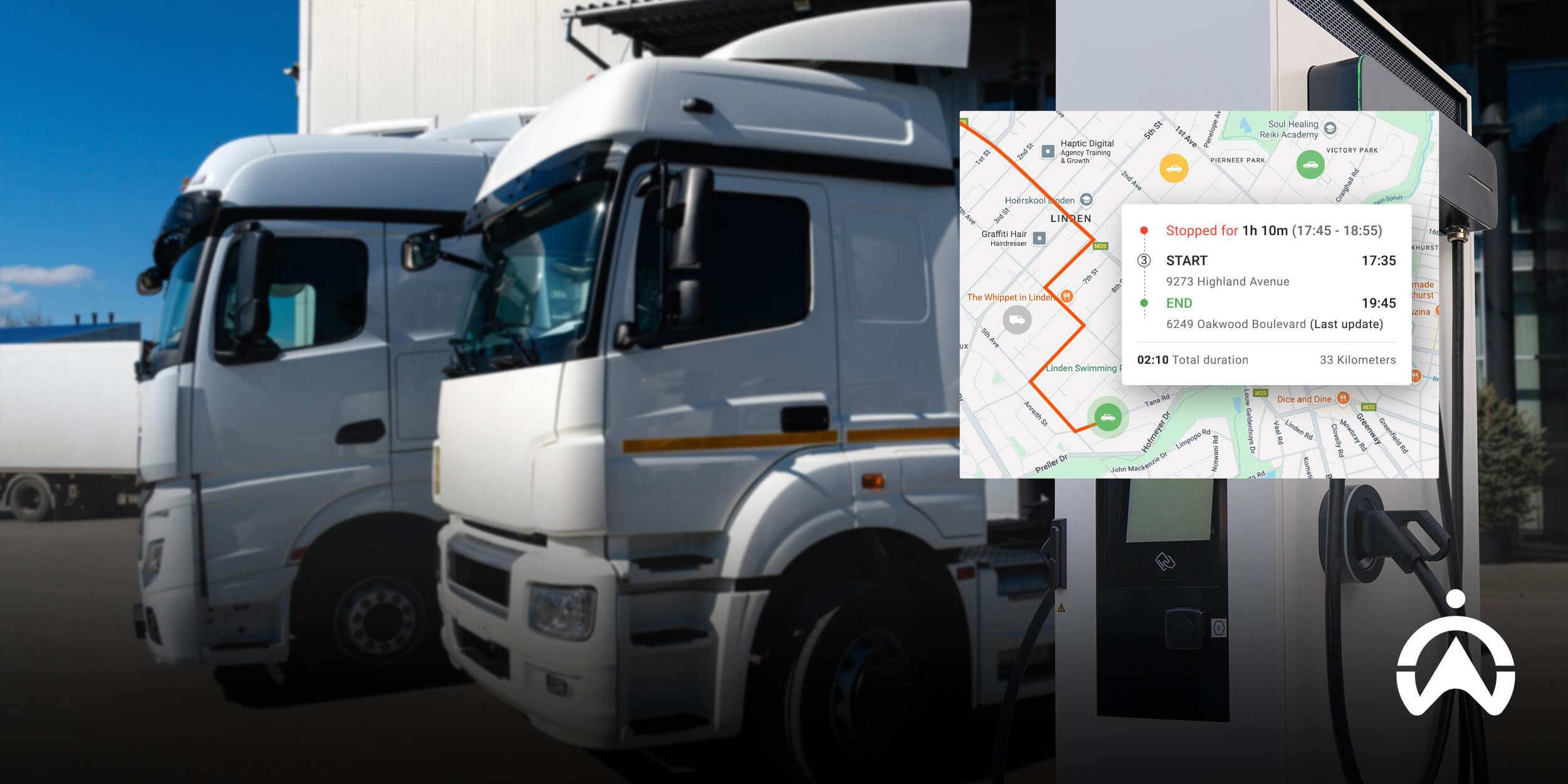
Two trucks at facility with route and charging map overlay, supporting a fleet electrification roadmap.

Final takeaway: Electrification roadmaps are the key to smooth sailing

Fleet electrification is about taking a slow and steady approach, which is why roadmaps are essential for your complete confidence. If you have a solid plan and transparent communication, you’ll have a better chance of succeeding in your electrifying efforts.

Cartrack gets you the most out of your electrification process. We support your management of changes, progress, and challenges, while also helping you meet your sustainability goals. We’re here to guide you to a greener, cost-saving fleet that’s secure for the future.

Willing to take the leap and make a greener change to your fleet? Reach out to any of our Cartrack professionals and get complete guidance on your electrification process.

FAQs

What is fleet processing?

Fleet processing is essentially in line with the definition of fleet management. It’s processing the steps of managing your fleet vehicles, ensuring that they’re being used correctly & fairly, and that tasks are being distributed effectively. It’s also about being able to have full fleet visibility, which allows you, as a manager, to react quickly in cases of delays and emergencies.

Where will EVs be in 5 years?

In 5 years, it’s likely that EVs will have grown quite rapidly in popularity, and we’ll see many more mixed fleets. It’s well known within the fleet industry that carbon emission regulations are getting stricter by the year. Businesses are looking to EVs to leave a greener print, as well as ease the stresses of meeting stringent compliance.

What are the 4 major components of a fleet management system?

The 4 major components of a fleet management system are:

  • live GPS tracking
  • maintenance & vehicle servicing
  • driver monitoring, and
  • telematics

All of these components come together to form the core of a successful and fully operational FMS. Without them, you’d be struggling to act early in cases of emergencies and maintain full control.

How do I create a fleet management plan?

You create a fleet management plan by:

  • understanding what your business goals are
  • looking at your fleet and seeing if any assets need to be changed or updated
  • examining the future of your business, where it’s going, and what new tools or technologies you might need, and
  • carrying out the plan accordingly and keeping a close eye on the output

How To Become Fleet Safety Certified Today

To become fleet safety certified, you must look for a reputable skills development provider and see what courses they offer and their requirements. The course you choose needs to align with what you want to improve on. Ensure that you have enough resources available to complete the programme and make time for studying and assignments.

It’s no secret that Namibia faces high road fatality rates and as a fleet manager, you must have the skills to mitigate the risk. A fleet safety certificate can help with that, but you’ll also need to have the right technology in place.

Today we discuss how to get fleet safety certified and how our fleet management system makes the process easier for you.

How to get a fleet safety certification

To get a fleet safety certification you must find a credible learning institution, check what the requirements are, and choose the training course that best suits your preferences. The courses normally differ depending on your job position and the things you need to focus on.

Some fleet safety courses can be carried out by fleet trainers because they know more about the topic and have the necessary material. They’ll also know which course will best suit you.

What exactly is fleet safety certification?

Fleet safety certification refers to completing an accredited programme with a series of courses that will help you effectively manage fleet safety. The courses teach you the skills you need to ensure driver safety and roadworthiness.

The courses typically include things like how to:

  • Drive defensively
  • Reduce traffic violations
  • Prevent vehicle wear & tear
  • Develop and implement policies
  • Handle cargo load limits
  • Manage driver conduct

Fleet safety certifications are issued by several accredited institutions, such as the Namibia Standards Institution and the Road Authority. Each programme differs depending on what you need.

What change will the certification bring to your fleet?

A fleet safety certificate will bring many changes to your fleet because you’ll know more about:

  • Meeting compliance requirements
  • Encouraging a safety culture
  • Ensuring roadworthiness
  • Maintaining your fleet better
  • Reducing fleet running costs
  • Maintaining a good company reputation

This changes our entire outlook on running your fleet, helping you make more informed decisions.

Here’s what we mean.

Meet compliance requirements

Failing to meet the standard rules set by governing bodies in your industry means your fleet is not fit to operate. Compliance is not just about dodging fines and penalties; it’s about ensuring your vehicles are safe for use and that drivers are protected. It’s also about ensuring that your cargo or people are transported under favourable conditions.

Fleet safety certification courses give you a detailed breakdown of the building blocks of compliance. They show you what you should focus on and how to maintain your fleet better.

Mechanic inspecting truck undercarriage as part of fleet safety certification requirements and compliance checks.

Reduce accident rates

With a fleet safety certification course, you’ll better understand the amount of damage each accident can bring to your business. It breaks down things like liability, calculating the cost of repairs, and the cost of injuries. You’ll also know how to respond to accidents and develop a plan for such.

The courses also equip you with the skills to develop an accident reaction plan and teach you how to conduct accident investigations. You’ll also know what precautionary measures to take to reduce the chances of vehicle accidents.

Enforce driver accountability

The programme teaches you how to develop or implement safety and compliance policies. Through your training, you’ll be able to better explain the policies to your drivers so they know exactly what’s expected of them. This ensures your drivers are held responsible for their actions and know the consequences.

Better fleet maintenance

A fleet safety certification programme gives you all the tips and tricks for ensuring good vehicle health. You’ll learn the importance of preventive maintenance and better understand what you need to do. They’ll teach you things like tyre management, handling vehicle load limits, creating inspection checklists, and preventing road damage.

The information you’ll get from these courses will give you better fleet maintenance skills, resulting in a longer fleet lifespan and less downtime.

Reduce fleet running costs

By reducing the frequency of accidents and improving vehicle health, you’ll save on the overall fleet running costs. How? Reduced vehicle wear & tear means less fuel consumption, and fewer accidents result in lower insurance premiums.

Maintaining a good company reputation

Your drivers are your company’s frontline representatives, and how they behave directly affects the company’s image. The more your vehicles are involved in accidents, the less trust your clients will have in your services. Obtaining a fleet safety certificate means you’ll enforce a safety culture within the company, which will then translate into a good company reputation.

How can a fleet management system assist you with getting your fleet safety certification?

A fleet management system assists you with getting your fleet safety certification by equipping you with the technology that helps you monitor and assess the risks that come with running a fleet business. This makes meeting fleet safety requirements easier because you’ll have solutions that specifically focus on safety, like:

  • AI cameras
  • Driver behaviour reports
  • Predictive maintenance alerts

The practical assessments that are done when doing the course will be quicker to finish when you have a fleet management system. For example, they might ask you to create a detailed report about all the accidents that’ve occurred during a set period. With a fleet management system, this becomes an easy task, as all the information you need will be in one place.

You’ll understand your practicals better when you have the right technology at your fingertips. This also helps you complete the course in record time.

What Cartrack solutions help you with getting fleet safety certified?

The Cartrack solutions that help you get fleet safety certified are:

  • ADAS
  • Telematics reports
  • DID tags
  • Driver Scorecards
  • Driver coaching
  • Preventative Maintenance

Together, these solutions enhance your fleet’s overall safety and make completing your assignments easier, bringing you closer to earning your certificate.

Advanced Driver Assistance System (ADAS)

ADAS is a system that we provide to help you reduce the chances of accidents by enhancing driver awareness. The system consists of cameras, sensors, and artificial intelligence (AI) technology. Together they help your drivers avoid distractions that could lead to accidents, and also assist with things like lane departure and identifying blind spots.

For instance, if one of your drivers is texting while driving, the AI cameras will identify it as a distraction and then release a distinct alert so the driver can put the phone away and focus. At the same time, you’ll also receive a report of the incident, ensuring that you also address the matter. When you install our system in all your vehicles, you ensure that all drivers are safe and avoid accidents, saving you from the cost of downtime, repairs, and legal disputes.

Telemetrics reports

Through our telematics-powered GPS tracking units, you’ll get detailed reports of incidents where drivers are speeding, harshly cornering, harshly braking, or excessively accelerating. The reports will help you see the common risky driving habits that need to be addressed.

Driver viewing Cartrack safety score report on dashboard, supporting steps to become fleet safety certified.

DID tags

We’ve also got Driver Identification (DID) tags, which help you see exactly who’s driving which vehicle. You’ll assign a tag to each driver that’ll be linked to their identification number, and they’ll have to tag the vehicle every time they use it. If anything goes wrong, you’ll know exactly who did it and investigate the matter.

You can also prevent unauthorised vehicle use by choosing the “start prevent” option, which simply means the ignition won’t go on unless there’s a tag. You can also ensure that the tags are linked to specific vehicles so that only drivers who are licensed for that specific vehicle can use it. This further enhances safety and compliance, bringing you closer to being safety certified.

Coaching

Our Coaching platform is your solution to better training for fleet safety. This feature monitors all the risky events from each driver, like distractions and speeding violations. It shows you exactly how many times a driver repeated the same incident, and you can use this data for targeted coaching sessions. Coaches can save the outcomes of these sessions on the platform, so the next coach can see what was discussed with the driver in the last session and if there’s been any change.

Driver Scorecards

Another way to encourage safer driving is by motivating your drivers and giving them incentives for good behaviour. Our Driver Scorecards feature helps you better execute your incentive programme and shows you who needs to improve their driving. It rates each driver based on the number of violations they’ve committed. The driver with the highest rating will get recognition and incentives, and those who are not performing can be sent for more training.

Preventative maintenance

Since proactive maintenance is one of the things you’ll learn about in your fleet safety course, we’ll get you ready for it with our preventative maintenance solutions. Using our platform, you can create an inspection checklist that drivers can use to inspect vehicle components before and after their trips. You’ll immediately see the feedback and identify which parts need to be replaced.

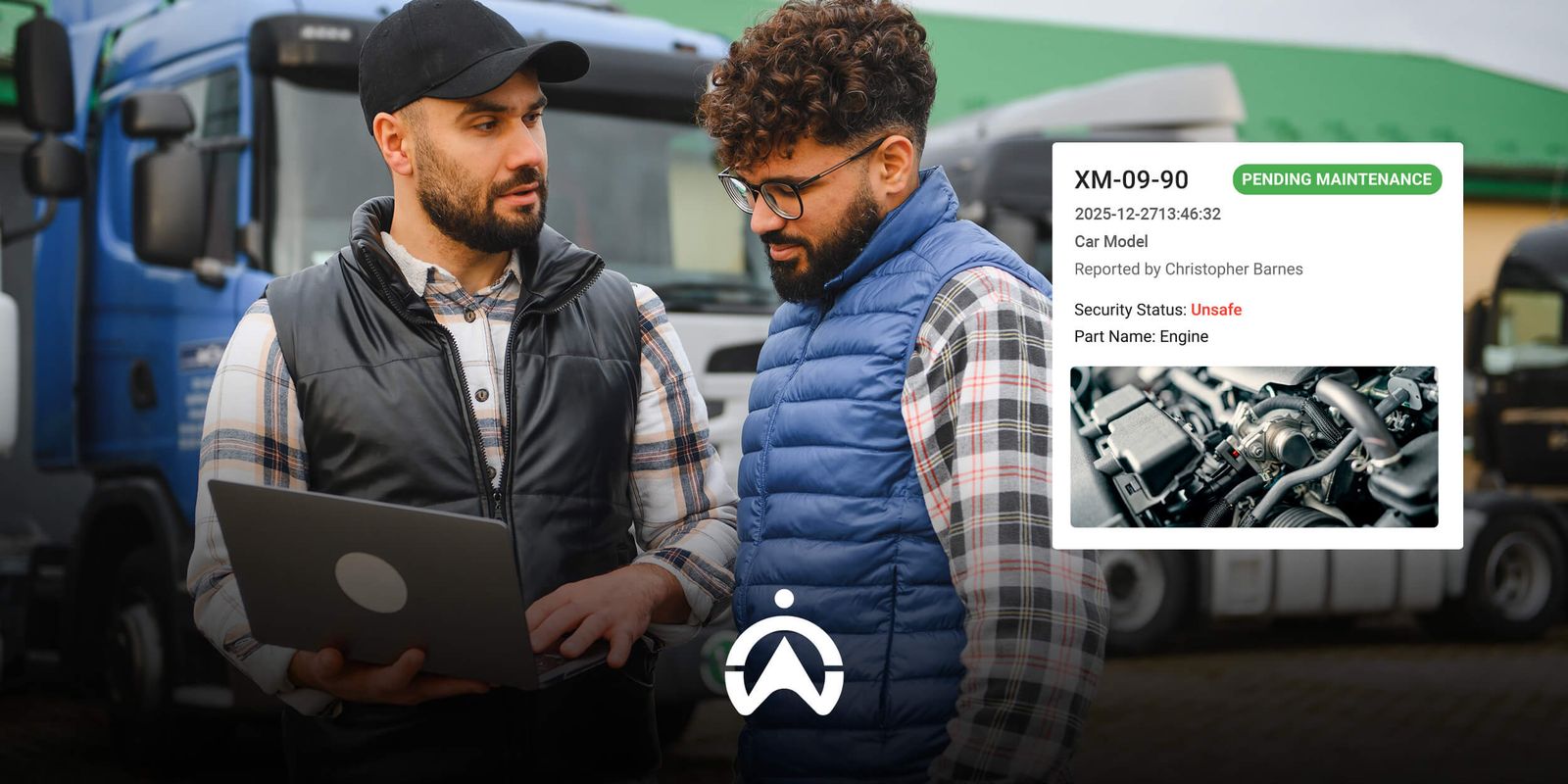
Another solution that’ll help you see the difference proactive maintenance makes is our vehicle diagnostics. Our advanced technology can detect certain mechanical failures, like when there’s an issue with the engine. We’ll give you an early warning of such issues so you can quickly fix them before they cause a breakdown or an accident. This ensures your vehicles remain roadworthy and that you don’t get penalised.

You can also import each vehicle’s service records onto our platform, so we can give you timely reminders of upcoming service dates.

Bringing you closer to being fleet safety certified

With our solutions, you’ll be at an advantage once you start your fleet safety courses. You’ll have a better understanding of the importance of each topic, and you’ll easily implement what you learn through our fleet management system. So join us, and let’s help you enhance your fleet’s safety.

Frequently Asked Questions about fleet safety certification

How much does it cost to get fleet safety certification?

The price of fleet safety certification depends on the programme you take. Some institutions provide courses that cover everything fleet management-related and not just the safety aspect of things. You must research the various courses available and choose which one best suits your needs and budget.

How long does it take to get fleet safety certification?

Acquiring a fleet safety certificate can take you anywhere from a few days to several weeks. It depends on what they cover and how soon you’ll be able to complete the tests and assignments. With a fleet management system (like Cartrack’s) in place, you’ll be able to complete the course more quickly.

What technologies enhance fleet safety?

The technologies that enhance fleet safety, are AI cameras, sensors, and other IoT devices. Together, these technologies help drivers avoid accidents and help you monitor their driving habits. They ensure you have a safer fleet and less to worry about.

Get Predictive Maintenance Software that Uses AI for Your Business

While it might sound a tad futuristic, making the decision to alter your fleet operations with the influence of AI predictive maintenance is a wise one. Companies that do this are sure to remain relevant in an industry that’s currently going through an evolutionary phase.

There are many ways Cartrack has helped companies make better business decisions regarding their fleets, but this one has been a big money saver:

AI-powered software that predicts your vehicle’s maintenance needs. 

Yes, it’s been here for some time now. Does it sound too good to be true? Well, it’s not. Here’s everything you should know about predictive maintenance software and how to integrate it into your fleet TODAY!

The 5 Stages of implementing AI predictive maintenance software

The five stages of implementing AI predictive maintenance into your own business are making an informed purchase, installing the IoT devices & software, training your staff how to use it, testing & tweaking operations, and scaling. If you’re about to make this very beneficial decision for your own fleet company, here’s how to go about it.

The consultation

Do some research first. You’ll want to choose a software company that has a good track record for implementing AI predictive maintenance software. But you’ll also want to choose a company that’s known for good after-sales service.

It’s important to get the right advice from the start. A consultant should be able to gauge your fleet situation and offer you a package that works best for the size, type, and operations of your fleet.

From there they should always offer you a solid customer support structure that gets you through the teething stages, testing phases, and initial implementation. And when we say “Do your research,” we mean REALLY do a deep dive on what other users have said about the company you’re considering.

  • Check their HelloPeter trust index
  • Read through their Google reviews
  • Note how they educate their customers through blogs and articles
  • Call them to see how friendly & helpful their service is

All these steps will help you make an informed decision about which predictive maintenance software is the best one for your company, your drivers, and your fleet of vehicles.

The implementation

Now comes the hardest part. Implementation is a collaboration process between you and the software company you’ve selected. At Cartrack, we’ll walk you through the installation of IoT devices and the software itself, but there are a few things you need to do on your side.

First, get the logs of all your vehicles and their maintenance history. You can feed this into the new system for a more accurate reading from the AI-powered software.

Second, rank your vehicles from high to low priority. Priority shouldn’t be based on just how much they cost, but also how much you’d lose if they stopped working (even for a short time).


The testing

Check if it works. Do a quick test run to see how the AI interprets your manually fed data with its own diagnostics of your vehicles. You should get an easy-to-read schedule that more or less corresponds with which vehicles should be tended to first, and which can run service-free for a while longer.

At this point you should start seeing some early warning alerts that’ll turn your attention to the most important issues. These will be based on the priority list you created, the historical data you fed into the system, and the AI’s diagnostics of each vehicle.

The training

Which staff need to know what? Your fleet managers are the most important people to educate on this new software. They should discard any ‘calendar-run’ maintenance schedules and trust the predictive AI to give them a more accurate reading of which cars, trucks or buses need attention.

Your drivers should also know that the vehicles they drive are now being monitored for things like harsh braking, speeding, excessive idling, and aggressive cornering. Brake pads, engine health, and tyres will now be diagnosed according to how your team drives!

Important tip: If you really want to get the most out of this stage of your AI-driven predictive maintenance software, combine it with fleet coaching software and vehicle cameras. These will further save you money on vehicle repairs and unwanted road incidents.

It would also be helpful to share this information with your regular maintenance staff. If they’re in-house, they should know when to expect vehicles being booked in for repairs. If you outsource your vehicle maintenance, share your schedule with them so they too can make time & space for your incoming vehicle repair needs.

The updating

Keep tweaking as needed. Some fleets change and reshape regularly. Your software should be able to scale with your fleet. It should be flexible.

This is where Cartrack’s predictive maintenance software really shines. It’s designed to be tweaked quickly. It also does well with small fleets that get larger, and large fleets that get smaller.

IMPORTANT! Always use this software to measure your ROI. You want to be able to print reports that show the usefulness of the software so that you can justify it to your company stakeholders.

How does predictive maintenance software that uses AI actually work?

AI-powered predictive maintenance software works with IoT devices (the hardware) to read pertinent vehicle information (the data) and feed it onto your computer screen (the software). Good predictive maintenance software will also auto-generate a servicing schedule so you don’t have to.

What hardware is used

The hardware used to read the data of each vehicle is called IoT (Internet of Things) devices. These come in the form of sensors, clamps, and tracking devices.

  • Sensors can be installed into your fuel tank to give you accurate fuel readings and alert you to sudden fluctuations.
  • Clamps are attached to your vehicle CANbus system to keep a detailed record of speed, idling, mileage, and more.
  • Tracking devices provide real-time locations and record trips to more accurately determine the workload of your vehicle.

Not all of these devices are always necessary, but together they form a powerful pool of data.

How it diagnoses your vehicle

From here that data is interpreted into information you can easily digest. Some algorithms and equations run in the background and alert you to vehicles that are on the brink of needing a service.

It looks at things like:

  • Time since the last service
  • Engine health
  • Trip durations and vehicle strain during those trips
  • Tyre health
  • Brake pads and disks
  • Vehicle handling

Now the AI takes these and other important factors to do some serious maths. The result? A neat maintenance schedule that’s been automatically generated for the convenience of your managers and the health of your fleet.

How it translates information

The software itself is what translates this information. It organises it into reports, alerts, and overviews. This helps you to manage your fleet better. More importantly, it gives you the leverage to make better decisions based on accurate data.


Why should you consider AI predictive maintenance software for your fleet?

Taking this from a problem/solution angle, let’s look at 5 reasons you should consider this revolutionary software for your own business.

Current & future compliance

Vehicles that are in good, consistent health are more likely to comply with road laws. This means fewer fines for your company and better overall compliance with regulating authorities. It also saves time at road stops or border crossings.

Use example: The software accurately predicted that two of your truck tyres needed replacing. The truck was stopped at a roadblock on its way to perform a delivery. Police officers examined the tyres and found them to be in good condition in terms of safety standards.

Streamlined operations (managed downtime)

With a schedule in place, you can plan around vehicle downtime. If one vehicle needs a service, you can book another one to take its place if the job or delivery is an important one. You’ll also have a good idea of when the vehicle is set to be back in action.

Use example: It’s Monday. Your technicians have six tasks scheduled for Wednesday. But their regular vehicle needs its brake pads replaced on that same day. You have two days to arrange an alternative vehicle so that your technicians can carry out their tasks without any delays. This keeps your customers happy and keeps workflow on schedule.

Savings

How many times do you think you’ve scheduled unnecessary vehicle maintenance? Probably more often than you think! When you follow a set calendar schedule, you’re relying on guesswork to maintain vehicles. Basically, you’re fixing what isn’t broken. You’re preventing breakdown, but you’re not sure if it was actually necessary.

Predictive AI maintenance software can save large and small fleets thousands of rands by ONLY booking in vehicles that actually need it.

Use example: Steven is one of your drivers. In fact, he’s the best driver you have. He drives your delivery van carefully, obeys the rules of the road, and always gets packages to customers on time. He drives that van so well that it’s still running long after its last service over a year ago. Cartrack’s software predicts it can go another long while without needing a service. The result? You save on maintenance costs.

Safety improvements

It’s obvious—vehicles that are maintained PROPERLY keep your drivers safe. A calendar-based vehicle maintenance schedule can’t predict what maintenance actually needs to be done. All you can do is hope & pray the mechanic will pick up everything they should.

But with an accurate system that’s constantly reading and diagnosing your vehicles, it’s like having a built-in mechanic that alerts you to problems as soon as one comes up!

Use example: One of your trucks is up for an oil change. But three days before it’s booked in, our system alerts you to something way more important. The gearbox of the truck is damaged and needs replacing too! Had this not been checked by the mechanic, it could have caused endless delays and even an accident after the service.

Vehicle lifespan

Ultimately you want to get the most out of your vehicles. They’re workhorses after all, and squeezing as much work out of them is how you get the highest ROI out of each vehicle. That’s why smart maintenance is so important, because you don’t want to spend money on unnecessary services… But at the same time, you want your vehicles to run for as many years as possible.

Predictive maintenance does exactly that! It maximises the lifespan of each vehicle and ensures optimal health no matter the age or mileage of your vehicle.

‍Use example: One of your vehicles is 15 years old. Because it always gets maintained IF & WHEN it needs it, it still runs like a dream. Your staff have even nicknamed it “Old Faithful”, because it’s got an engine that just won’t quit.

Why choose Cartrack as your AI partner in predictive maintenance?

You should choose Cartrack as your AI maintenance software partner because our software is designed to save you as much money on your vehicle maintenance as possible. It does this without compromising on the importance of driver safety, vehicle health, and vehicle longevity.

We’ve explained what’s important in your predictive AI maintenance software.

We’ve done that because we know the industry.

We talk to fleet managers like you every day.

Cartrack is leading the industry when it comes to predictive AI maintenance software for fleet companies. Partner with us and we won’t let you down.

Still need to know more? Talk to a consultant at Cartrack today and learn how AI predictive maintenance software can change your fleet from reactive to proactive overnight.

Frequently asked questions about AI predictive maintenance software

Is predictive maintenance software only for large fleets?

No, predictive maintenance is for smaller fleets too. The point of this software is to save you money, and those savings are relative to how much money you spend on vehicle maintenance right now. So even a fleet of two vehicles can benefit from predictive maintenance using AI.

How else is AI influencing the fleet industry?

AI is influencing the fleet industry through AI cameras that can detect driver behaviour, and fuel management that highlights fuel waste. As the technology develops it’s being more integrated into fleet management systems through IoT devices and algorithmic software that can streamline operations and perform predictive analysis in different areas.

Can predictive AI maintenance software predict something as small as an oil change?

Yes, predictive AI maintenance software predicts small things like the need for an oil change. It can also predict the need for more serious vehicle issues like engine services, brake systems, and tyre health. By adding additional IoT devices (cameras, fuel sensors, etc), even more accurate readings can be derived for the software to process.

Top Telematics Use Cases That You Need to Know

The top telematics use cases speak to the efficiency and savings that technology has brought to the industry. This includes fuel savings, asset safety, and company growth (the ultimate goal). Technology isn’t a decision-maker—that’s your job. But it does give you everything you need to make more informed decisions that help your company EXCEL!

Cartrack has gathered some case stories about how our telematics devices & software have impacted the operations of people around the world. Since our products are available in 23 countries, there are a lot of use cases we can refer to so you can make up your mind about integrating telematics into your own business fleet.

But first, let’s look at why we use real life examples in the fleet industry and how this should influence your decision-making process.

Why should you as a fleet manager study telematics use cases?

As a fleet manager, you should always study real life examples of how telematics influences the industry because your decision making should be based on facts & data. As others try new technological methods to improve their operations, it’s helpful to analyse what might work for your company, as well as what should be avoided.

Knowledge is power, and the more you learn about the fleet industry, the more you can grow your company, save on insurance, and so much more.

Trial & error

When a new method gets adopted, there’s often a risk of it failing. But many companies (both large & small) have already taken these risks on your behalf. So instead of repeating the same mistakes these companies have already made, look to them for wisdom and discernment, and adopt what actually WORKS.

Testimonials

Look at what your peers in the industry are saying regarding a particular technology. Their feedback is invaluable to companies like yours because they’ve experienced the same challenges you have. Whether it’s Google Reviews or HelloPeter, get some insight into how other fleet managers have overcome common obstacles.

Troubleshooting

Your problems won’t go away by themselves. Problem solving is a vital part of being a fleet manager, and you can learn from others how to troubleshoot issues that plague you on a daily basis.

At Cartrack, we try to think from YOUR perspective, providing you with solutions that will save you money and streamline your operations. Other fleet managers have trusted our solutions for decades, and so can you.

Growth

When you take all these and put them together, you ultimately want to be a good decision maker as a fleet manager. It’s your career and the success of your company that benefit here.

Imagine putting some improved stats on your CV for the next time you apply for a fleet management position! We can help you do exactly that. Improvement from one week to the next is what you and we are aiming for here, so let’s make it happen.

Telematics system displaying driver behaviour and performance insights

Top 4 telematics use cases and why they matter

Real life use case #1: GetGo in Singapore

Imagine turning a fleet of over 1000 cars into a car-sharing business. That’s exactly what GetGo did. But they also had a few challenges during this transformation, which is where Cartrack’s technology came to the rescue.

Using keyless technology, customers, staff and cleaning crews could access specific cars using their mobile phones. In short, their business went completely keyless, making it much easier to manage those 1000+ vehicles.

This made growing the business a lot quicker, and the risk during the scaling process was lower because they had data to back up their decisions. Their customer base soon grew, and more vehicles were added to the fleet without more admin or strain being added to the staff. That’s because everything could be managed from one central point.

AI also played a huge part in giving GetGo predictive analytics. Things like heatmaps, graphs, and reports were used to grow in the right direction and at the most opportune times. They could also manage their vehicle maintenance rather seamlessly thanks to Cartrack’s predictive AI maintenance software. 

Best of all? During the Covid-19 period, GetGo achieved record-breaking profits. They did this by using our scheduling software for their cleaning crew, which added reassurance to their customers that the vehicles were safe to drive after being used by others.

Why it matters

In a country like Namibia, thought leaders are always trying to come up with unique business ideas to improve the economy. Public transport is one of the most prosperous industries to get into, as can be seen by so many springing up over the past decade. It’s also true that many of the public transport companies we currently have are poorly run, or hardly profitable.

Quick fact: The port and rail facilities in Namibia are reaching a point of disrepair that’s likely irreversible. Road transport is the future. This is true for truck fleets, but also for any vehicle-based company.

Here’s a question: Could a car-sharing company be a viable business idea in Namibia?

Using Cartrack’s fleet management technology to consolidate and streamline your transport business is a MUST if you want to succeed. Also remember that if our technology can help launch & run an entire lift-providing service in Singapore, we can help you run your company fleet with the same efficiency!

Real life use case #2: EV Transformation for EVme in Thailand

Thailand is making some reasonable headway in EV transformation. Many fleets are converting, but one company has always seen the gap in the market and taken advantage of it. That company is EVme. They rent out electric vehicles to private motorists AND large businesses that need vehicles temporarily.

Keeping track of these vehicles was hard enough, not to mention keeping track of their respective conditions and mileage. Delivering vehicles became a challenge, because EVme wasn’t always confident that the vehicle they were delivering was in good condition, or that it was sufficiently “ready” for its upcoming tasks.

Cartrack solved this dilemma by helping EVme keep track of each vehicle, automatically scheduling deliveries, servicings, and bookings. Deliveries of fully charged vehicles happened quickly, and EVme had a bird’s eye view of what vehicles were being used, and which were available (and ready). They also always know the condition of their vehicles so that they can book them in when necessary.

Today EVme manages 1 327 electric vehicles, and their admin is automated. Customers are flocking to EVme, because so many companies want to test the efficiency of electric vehicles within their businesses (and do so relatively risk free).

Why it matters

Namibia (along with hundreds of other countries) are beginning to clamp down on Environmental, Social, and Governance (ESG) compliance. The mandate is simple: “Lower your company footprint as much as possible.” While these accompanying regulations haven’t been made mandatory yet, it’s likely they will be in the not-too-distant future.

Quick fact: Even now, insurance companies, banks, and retailers are favouring fleet & delivery companies that are seen as environmentally responsible.

EV fleets have a bright future in Namibia. But that transition from petrol/diesel to EV is a complicated one. Without the help of a telematics service provider that’s familiar with EV transformation, it’ll take you years to reach full ESG compliance.

Food for thought: If you partner with a company that has a track record of pioneering fleet industry trends, you’ll already have access to the best advice when you DO decide to go electric.

Real life use case #3: Concord Cranes in South Africa

Let’s look at a use case from South Africa now. Concord Cranes is a crane hiring company that has many high-profile construction clients. Keeping these clients happy is their highest priority, but they were sometimes forced to meet this priority at the expense of their own machinery.

The cranes they delivered to customers often came back after a long day of operation, but Concord Cranes had no way of knowing just how long their cranes had been operating for (or at what capacity they’d be able to operate in future).

Cartrack installed special IoT “power take-off” sensors onto each crane, giving Concord Cranes the ability to monitor each one’s operating time by the minute. They also had eyes on their cranes when they were hired out, thanks to our tracking devices.

But above all of that, Concord Cranes always knows the health of each crane, because our AI keeps tabs on their performance and real-time condition. Their cranes only get serviced when necessary, extending the longevity of each unit for maximum utilisation & profitability.

Why it matters

You might be thinking that this use case is only applicable to construction companies. But did you know that Cartrack can implement this same technology for vehicles as well as equipment? Think trailer hire, farming equipment, high value cargo, etc.

While the construction industry is a booming one, delivery trucks & vans fill our roads every day. By monitoring the condition of each of your vehicles, you can proactively service them when it’s needed. This is so much better than keeping to a calendar-based schedule, often servicing vehicles unnecessarily or incorrectly.

The beauty of AI predictive maintenance software: Our technology pinpoints exactly what needs servicing and when that service should take place. Using AI, it then auto generates a maintenance schedule for your convenience, and tracks everything accurately so you can keep your vehicles on the road.

Real life use case #4: Homegrown Juice in New Zealand

The story of Homegrown Juice in New Zealand is a simple one. This innovative company delivers healthy organic fruit & veg juices to various retailers. They have very strict guidelines about the temperature these juices must be transported at.

Temperature monitoring is where Cartrack really shines! We help Homegrown Juice to deliver their stock at a much lower risk, because their refrigeration units use our door sensors and cargo cameras. These alert their fleet managers every time a door is opened, and our temperature monitors want them when temperatures deviate from the ideal level.

Cameras also serve to help them understand who is responsible for temperature deviations, which makes training their staff a whole lot easier! The software we provided them with also generates graphics that record and archive their temperature fluctuations, helping them manage their stock more closely.

Why it matters

Namibia experiences notable food losses each year, with a significant portion occurring during transportation and distribution due to long distances, supply chain inefficiencies, and infrastructure challenges. Truck accidents are sometimes to blame, but more often than not, it’s because food spoils on its way to warehouses or retailers.

Cold chain logistics is an essential part of any food delivery fleet. Cartrack offers several solutions for your cold chain logistics operations, like vehicle & cargo cameras, cargo door sensors, and temperature control strategies.

Business vehicles monitored using GPS tracking and telematics technology.

Use case categories to consider

The real life use cases above cover construction, food transport, public transport, and car hire. But what about YOUR industry? Let’s look at some ways Cartrack’s technology helps industries like yours to optimise their operations.

Personal motorists

One of the most interesting use cases to take note of involves the more-than 100 000 vehicles Cartrack recovered over the past 10 years. People’s lives have been significantly improved because of our gold-standard tracking capabilities, and thousands of criminals are sitting behind bars because of our tracking technology.

Mining

Cartrack’s technology has been instrumental in keeping mining workers safe from vehicle accidents. Our vehicle safety cameras work tirelessly to prevent fatigue and distraction from causing devastating incidents that could likely cost someone their life.

Emergency services

Getting a security guard or an ambulance to a scene on time is an often vital necessity. Cartrack helps your emergency responders avoid heavy traffic, bad roads, and road blocks to assist your drivers to make good time on their arrivals.

Agriculture

Whether it’s farm vehicles or farm equipment, Cartrack has a device to help those in the agricultural industry optimise their operations. Read about our non-powered asset trackers and how they help farmers keep track of their equipment on a large piece of land.

Couriers

Courier companies handle hundreds of deliveries every day. Keeping track of each one (not to mention the stock they carry) is an essential part of keeping customers happy.

Utilities

Government workers need the fleet management software we offer to perform more tasks per day to meet their tight quotas. If efficiency is top of your priority list in the utilities sector, then give Cartrack a call today!

Trades

Electricians, plumbers, painters, tilers… if you’re in the construction or home repair industry, why not strategise business growth by expanding your fleet and managing your service technicians the easiest way there is.

Frequently asked questions about telematics use cases

How many countries does Cartrack operate in?

Cartrack currently operates in 23 countries worldwide. These countries include New Zealand, Singapore, Indonesia, and Namibia. Different road laws and various cultural aspects call for a variety of products that fit the needs of motorists and fleets in different countries. You might find that some of the products available from Cartrack elsewhere won’t necessarily be available here.

What makes a tracking company better than the rest?

Factors that distinguish one tracking company from its competitors include:

  • Vehicle recovery rate
  • Superior service
  • Technological relevance
  • Training

Cartrack has its bases covered when it comes to all four of these factors, which is why we’re among the top fleet solution companies in the world.

How can I use telematics to make better business decisions?

Telematics should be used to make better business decisions because it’s raw data that’s been processed into valuable, actionable business insights.

These same insights should give you the statistical information you need to make purchasing, hiring, and operational decisions more focused and informed.

How You Can Achieve “API-First” in Your Logistics With the Right Fleet Management System

You can achieve API-first in your logistics with the right fleet management system, and Cartrack can meet your company’s needs. When you adopt API (Application Programming Interfaces)-first strategies, you’re choosing software designed to easily connect with other systems you’re already using, like accounting software. So, instead of data sitting in different tools, it’s all collected in one user-friendly dashboard.

According to GlobeNewswire, only 24% of companies have a clear view of 75-100% of their total shipments. This highlights that even with digital tools, many organisations still miss out on complete, end-to-end operational insight. Deciding to adopt an API-first approach means having a total & reliable view of your business operations, remaining competitive, and standing out above the rest.

An API-first approach for your business is the best approach. In this blog, we look at the importance of an API-first system, why you need the right fleet management software, and how Cartrack should be the partner you trust to help you achieve this.

How does the right fleet management system enable API-first logistics strategies?

The right fleet management system enables API-first logistics strategies by taking on the role of a complete, central system that connects all the disconnected information. By linking numerous systems, smooth integration and seamless operations become the priority, easily connecting tools like telematics, ERPs, and TMSs. This crafts a seamless network for smooth data sharing.

If we look at it simply, an API-first approach is like using a universal plug. It’s designed to fit into almost any socket, so you wouldn’t have to think about redesigning or getting a new plug any time you introduce a new tool. Everything connects flawlessly, without the hassle of having to rewire everything.

What does “API first” actually mean in logistics?

“API-first” in logistics actually means you start by building the door before you try to build the rest of the house. It’s about designing a tool with smooth integration in mind from the start, so that it can easily connect and communicate with most other integrations. This is especially important when you consider how fast fleet industry technology continues to change.

The API-first approach is becoming more popular thanks to its extreme speed and flexibility, and with the need to avoid problems that slow productivity, it’s proving to be a logistical necessity.

There are different API systems available. Let’s establish these and take a look at the differences between them:

  • API-first vs API-available: Unlike API-first systems, API-available systems are available, but their abilities are limited, and they’re not equipped to accommodate many outside systems.
    ‍
  • API-first vs legacy, siloed systems: Unlike API-first systems, legacy, siloed systems are outdated and usually work independently of more sophisticated systems. Their data is also locked within separate tools, contributing to the issue of fragmented data that needs to be manually pulled.

Why logistics operations are moving towards an API-first approach

Logistics operations are moving towards an API-first approach because it’s fast and effective. Besides fleet technology quickly evolving, growing customer expectations are one of the biggest factors. With deliveries, customers want to be kept in the loop about the movement of their parcels. Live movement updates, estimated ETAs, and open communication are necessary, but almost impossible without an integrated system.

Your logistics company also depends on various systems, like ERPs (Enterprise Resource Planning), TMSs (Transportation Management Systems), and billing & accounting software. Over time, the number of these tools might grow. You can maximise your time and efforts by ensuring you have the right API-first FMS (fleet management system) on your side. This reduces manual work and potential data errors.

How APIs support real-time visibility across logistics operations

APIs support real-time visibility across logistics operations by being a bridge between different systems. Thanks to fleet APIs (telematics, GPS, maintenance, etc.), fleet data is quickly and efficiently being communicated across all systems. APIs enable this, meaning vehicle location and alerts are live and immediate.

As mentioned, live and continuously updated information is perfect for keeping customers informed. Beyond that, it’s incredibly helpful when it comes to situational management. There will always be real-world challenges that arise, like potential route deviations or unexpected delays. But live information helps you quickly act and respond to these situations.

API-supported visibility puts control back into your hands, allowing you to react quickly and with an informed mind in urgent situations.

Where traditional fleet systems fall short

Traditional fleet systems fall short by being unprepared for the interconnectedness that’s required in modern logistics fleet management. API-first FMSs can tackle all of the rising issues here by putting data accessibility at the forefront, automating processes, and supporting all connected components at once.

Here’s how:

  • Limited or closed integrations: Traditional systems that have limited or closed integrations make it harder for information to be shared outside of the system itself. If there’s the ability to share data, it’ll likely have to be done manually, instead of an automatic exchange of data.
    ‍
  • Heavy reliance on manual exports: Any manual work in logistics comes with a laundry list of downsides, including human error, duplications, data gaps, and more. This is especially the case when the information is spread across multiple streams.
    ‍
  • Insight delays and inconsistencies: To continue our previous point, heavy reliance on manual processes can not only slow down productivity but also cause discrepancies as well. If your company continues to grow, those discrepancies can become more obvious.
Fleet manager standing by truck representing an API-first fleet management system.

What systems should your fleet management platform integrate with?

Your fleet management platform should integrate with almost every system that’s part of your logistics management, especially ones like ERP, TMS, telematics, and finance platforms. Fixed connections should be a thing of the past. Your golden ticket is to look towards smooth data flow that happens in real time, not delayed data analysis.

Look at some of these common logistics integrations:

Transport management systems (TMS)

Integration with transport management systems (TMS) allows you to clearly see all the fleet data available. It brings together features like trip status and dispatching with real-time and real-world fleet data, improving routes, providing proof of delivery (POD), and bettering operational processes.

Enterprise resource planning (ERP) and finance platforms

Integration with enterprise resource planning (ERP) and finance platforms means you not only have a complete overview of finances and operations, but also automation of data sharing between these systems. So expenses, invoices, and other costs can be quickly and easily totalled to calculate the total cost of ownership (TCO).

Customer portals and dashboards

Integration of customer portals and dashboards links back to growing customer expectations. The sharing of live data means alignment with these demands, supporting features like efficient communication, consistently updated ETAs, and delivery timeframe transparency. All this can be done without a heavier workload for you or your staff.

Compliance and safety systems

Integration of compliance and safety systems lets you have access to and look over data like driver behaviour, MDVR (mobile digital video recorder) footage, and other event histories. If safety-related or compliance issues came up, it’d be easy to pull the necessary data that would support your arguments or legal adherence.

Fleet data as a shared digital backbone

Looking at fleet data as a shared digital backbone clearly shows just how centralised the network is. When we look at fleet data as a network, we see that it’s a connection of information from vehicle sensors, operational systems, and diagnostics. This information reflects your entire operation, bringing together data and planning, execution, and performance management.

Everything that happens when your vehicles are out in the field—from stops and delays to pings and alerts—is recorded as data. If that data is limited or closed, the data isn’t very valuable. If it’s supported by an API-first approach, then all the streams of data can be understood by one overarching system and used to improve your workflow.

All of this changes how we look at GPS data, understanding that it goes beyond tracking and actually turns that data into insights that inform;

  • operational intelligence
  • route planning
  • customer communication
  • compliance, and
  • financial reporting.

Decisions now rely on live data reflecting real-world conditions, not on assumptions or outdated reports.

Can API-first systems help reduce operational costs?

Yes, AP-first systems can help reduce operational costs by eliminating waste across multiple operations simultaneously. You might’ve fallen into the trap of trying to identify inefficiencies and correct them one by one, but an API-first approach makes it easier to deal with the bigger picture.

Here’s how operational costs are minimised:

  • Reduced administrative effort: Thanks to automation, this benefit is evident almost immediately. You and your team are not spending as much time on manual processes and reports, which means you’re all focusing on more important operational tasks.
    ‍
  • Fewer data errors and disputes: In linking back to the above point, manually carrying out tasks can lead to discrepancies and outdated information. But by getting automated data from a single source, you can easily export reports and other essential data for disputes, compliance matters, and more.
    ‍
  • Better route optimisation through shared data: Because of live location information being shared, you can make changes to routes as real-world delays and interruptions happen. Gathering this data over time lets you optimise routes, ensures your fleet keeps running at its best, and reduces fuel costs and delivery waste.
    ‍
  • Smarter resource allocation: Live visibility into all aspects of your fleet gives you enough insights to make data-based decisions. Because of this, you can manage your assets, drivers, and resources far better. Taking this step will, over time, decrease your operational costs and help you continue to make better choices for your business.

What to look for in an API-first fleet management system

When looking for an API-first fleet management system, it’s important to consider key criteria such as well-documented APIs and a flexible platform that easily grows with your business. It’s worthwhile to deeply evaluate and spend time choosing the right API-first FMS for you, especially when you consider that not all platforms are as accommodating as others.

Consider these major factors:

  • Well-documented APIs: A strong API FMS has well-documented APIs, making data very easy to understand and access. Clearly documented APIs help cut down on time wasted on implementation and potential integration errors.
    ‍
  • Secure authentication and access control: Your fleet data is important and sensitive, so it should be treated as such. An API-focused FMS should not only keep your shared data secure, but it should also allow you to control who is and isn’t allowed access to it.
    ‍
  • Scalable architecture: Your business is likely to grow or develop in ways that you might not expect, and an API-focused FMS should be able to grow with you. You’ll want the system you choose to be able to handle these changes and further integrations without crashing.
    ‍
  • Support and onboarding: This is one of the most important factors. Your FMS provider shouldn’t only fully support you during the setup process, but should also continue to guide and support you over time. This guarantees a stronger partnership and better long-term success.

Getting started with an API-first approach to fleet management

When getting started with an API-first approach to fleet management, it’s important to assess your current systems, identify your integration priorities, and pick the right FMS partner.

Look at these practical steps:

  • Assess current systems: Look for the parts of your operation that need to be automated, and identify the integration gaps.
    ‍
  • Identify integration priorities: It might be best not to try to integrate everything at once. See which systems are the most important, and take it one step at a time.
    ‍
  • Choose the right fleet management partner: This is your golden ticket. The right provider will provide support, knowledge, and a powerful platform. Cartrack simplifies this by offering an integration-ready platform and the know-how to link your fleet data.

Common concerns about API-first logistics (and how to overcome them)

Common concerns about API-first logistics usually centre around potential integration disruptions, in-house developers, and the size of the business.

If these are some of your concerns, let’s address them:

“Is this only for large enterprises?”
Absolutely not. This approach is just as valuable for a smaller business as it is for a larger one. It provides the same benefits and can grow with your business.
‍

“Will integrations disrupt daily operations?”
No, especially when the integrations have been implemented properly, and the platform you’ve chosen is a strong and capable one. As mentioned before, the integrations can be connected gradually to ensure smooth operations.
‍

“Do I need in-house developers?”
No; that isn’t necessarily a requirement. The right provider will make it possible and easy from the start, guiding the integration process and continuing to provide support as time passes.

A Cartrack delivery app interface displays job details alongside a motion-blurred truck transporting a tank on a highway.

How Cartrack supports an API-first logistics strategy

Cartrack supports API-first logistics strategies by providing an FMS that’s designed just for you. We have a platform that’s prepared to connect with almost every existing logistics system and provide you with comprehensive data. Our network is also secure, so you never have to worry about the safeguarding of your fleet data.

Here’s how we stand out:

  • Integration readiness: Our platform is the meaning of ‘API-first’. We’ve built a system that’s put integration first, ultimately keeping your business and its success at the forefront.
    ‍
  • Data reliability: We ensure that your fleet data is safe and secure, but also accurate and updated in real time.
    ‍
  • Flexibility for logistics environments: Looking to expand your business or bring in new integrations? Perfect; that’s not an issue for us! With Cartrack, you can keep working from one platform while introducing fresh integrations and growth to your business.

Final takeaway: why API-first logistics starts with the right fleet system

API-first logistics is all about creating operations that adapt, scale, and stay connected amidst growing complexities. APIs are the key to enabling seamless live data sharing between systems.

Fleet data is the heart of logistics, and the fleet system works as the main support for an API-first approach. When this data is reliable and accessible, it fosters flexibility, resilience, and smarter decision-making for your logistics network.

See how API-ready data can support your logistics operations. Speak to Cartrack about building a more connected, API-first logistics environment.

Frequently Asked Questions

Do API integrations affect system performance or reliability?

No, API integrations don’t affect system performance or reliability, but this is only if integrations have been done correctly. When implementation is successful, the integrations will continue to share data. This’ll then improve the performance and keep the integrity of your circulated information.

Can API-first logistics support future technologies like AI and automation?

Yes, API-first logistics can support future technologies like AI and automation. An API approach is already a flexible data foundation, simplifying the adoption of technologies like AI-driven analytics, automation tools, and sophisticated optimisation systems. This is achieved without needing to overhaul your existing infrastructure.

What internal changes are needed to support an API-first approach?

The internal changes that are needed to support an API-first approach basically centre around standardising processes. You need to be able to have a thorough overview of who is and isn’t allowed access to data, bring the technical teams closer together, and adopt the general understanding that manual processes are a thing of the past.

Electrification of the Last-Mile and How a Fleet System Can Help

Electrification of the last-mile means switching from traditional internal combustion engine (ICE) vehicles to electric vehicles (EVs) for the final leg of the delivery journey. A fleet system helps by addressing the unique challenges that come with owning EVs, like battery monitoring, range anxiety, and charging schedules. Smoother operations and going greener are usually at the core of this decision.

With sustainability and emissions regulations becoming stricter, electrification is slowly becoming a no-brainer for most businesses, with a massive transformation already being seen in logistics companies. According to research, blending EVs with optimisation tools raises energy efficiency by 10–25%, shortens delivery times by 15–20%, and cuts emissions by up to 40% compared to traditional logistics methods.

You have the chance to turn your business’ challenges into a complete competitive edge. In this blog, we’ll take you through electrification, the importance of fleet management in that process, and why Cartrack emerges as your ideal electrification partner.

How does a fleet management system support last-mile electrification?

A fleet management system supports last-mile electrification by providing all the insights needed to address the EV hurdles during deliveries. Vehicle data, automation, and visibility are all keys to helping you manage these hurdles, especially range anxiety and energy consumption.

A platform like Cartrack’s FleetWeb has all the vital tools and features, meaning you wouldn’t have to get separate FMSs for your ICE vehicles and EVs. Managing a mixed fleet or going through the gradual electrification process can all be handled with one platform.

Here’s what an advanced platform like FleetWeb can help with:

Why are businesses electrifying their last-mile fleets?

Businesses are electrifying their last-mile fleets to meet environmental goals, manage a better brand perception, and see long-term cost savings.

Making this switch brings down a logistics company’s carbon emissions, which account for at least 30% of greenhouse gases. Electrification of the last-mile is a much easier approach than that of the first or middle miles, because distances are shorter and more predictable. This makes going green in the last mile the most approachable step in the process of electrification.

Consider these reasons why businesses are making the change:

  • Long-term cost efficiency: Thanks to EVs having fewer moving vehicle parts and no reliance on fuel, you can see those savings add up over time.
    ‍
  • Environmental drivers: Businesses are feeling the strain of meeting sustainability and carbon emission regulations, meaning there’s a stronger push towards greener practices.
    ‍
  • Brand perception and customer expectations: Customers are another big part of why fleets go green. Customers are prioritising social responsibility, and how they feel has a direct impact on brand reputation and competitiveness.
Hand holding EV charging connector supporting electrification of the last-mile.

Fleet electrification vs traditional fleets: What changes operationally?

When looking at fleet electrification versus traditional fleets, it’s fuelling-up-and-going that then switches to a careful-planning-and-charging operation. A fleet management system plays a crucial role in this transition, though it still effectively supports both conventional and electric vehicles.

Take a look at the table for a quick and easy overview:

Operational area Traditional last-mile fleet Electrified last-mile fleet How a fleet system helps
Fuel/energy use Fuel-based, price volatile Electricity-based, predictable Tracks usage and efficiency
Maintenance More moving parts Fewer mechanical components Preventive maintenance alerts
Route planning Distance-focused Range- and charge-aware Optimised routing
Driver behaviour Fuel economy-focused Energy efficiency focused Driver performance insights

What challenges come with electrifying the last mile?

The challenges that come with electrifying last-mile delivery include a lack of charging infrastructure, route instability, and potential gaps in data when making the move.

Despite the numerous upsides, these are all the challenges to consider:

  • Range anxiety and route suitability: The worry that an EV’s battery might drain before you reach your destination or a charging station is often the biggest, especially if routes haven’t been optimised or those real-world interferences happen.
    ‍
  • Charging infrastructure planning: In connection with range anxiety, planning for charging becomes crucial as there’s a serious need to balance the availability of EVs with their charging times.
    ‍
  • Vehicle availability and upfront costs: If vehicle availability and initial expenses aren’t properly planned, it could potentially halt your electrification process.
    ‍
  • Driver behaviour and adoption: The unique challenges that come with EVs also affect your drivers and staff. Your drivers will need to adapt to and become comfortable with the different approaches needed to operate an EV.
    ‍
  • Data gaps when transitioning from ICE to EVs: When making the move from ICE vehicles to EVs, gaps in data could occur. This limits your ability to effectively assess whether a smooth transition is possible, unless you adopt an FMS.

What data do you need before electrifying your last-mile fleet?

The data that you need before electrifying your last-mile fleet includes an understanding of vehicle utilisation, trip histories that reflect distances & frequency, and driver behaviour & patterns. In addition, it’s important to take a phased strategy rather than an immediate switch. Having this knowledge readily available drastically reduces the costly business mistakes and potential risks that come with this transition.

These insights are the foundation for every favourable electrification choice. Without them, businesses could miss out on impactful results. Cartrack empowers data-driven electrification planning, helping your business evaluate readiness and confidently make the switch to electric last-mile delivery.

This is all the data to consider before making the change:

Trip distance and frequency

Analysing this helps you understand which routes would work best for EVs, especially because the last-mile is usually the phase that’s electrified first.

Stop duration and dwell times

Idle or stopping times that happen between deliveries or warehouse pickups are key to planning charging schedules. This must be done right so that you don’t end up potentially disrupting uptime.

Vehicle utilisation rates

This lets you know how often a vehicle is being used; vehicles being used less often might be the best choice for electrification, especially at the start of the transition process.

Driver patterns

Knowing your drivers’ habits and driving styles on the road will tell you which drivers might be likely to use a lot of energy on the roads and which would practise safer and more conservative driving habits. This is important when you consider energy usage in EVs.

Man charging a yellow electric car with dashboard from Cartrack fleet management system displayed supporting electrification of the last-mile.

How Cartrack supports smarter last-mile electrification

Cartrack supports smarter last-mile electrification by providing you with a full-fledged & sophisticated FMS, detailed reporting, and enough flexibility to support mixed fleets. Thanks to FleetWeb, you can confidently manage everything from one platform that minimises the operational risks associated with electrifying delivery fleets.

Here’s what makes Cartrack your top choice:

  • Readiness and flexibility for mixed fleets (EV and ICE): You can smoothly manage each vehicle type using one integrated platform. Not only do you avoid cross-platform confusion, but you continue to manage and track your fleet without any operational or data disruptions.
    ‍
  • Reporting and insights for operational decision-making: In-depth reports ensure that every business decision you make is a well-informed, data-driven one.
    ‍
  • Alignment with sustainability and efficiency goals: Our analytical insights help you align your electrification efforts with performance and sustainability goals, ensuring that the last mile remains reliable, cost-effective, and measurable for the duration of the transition.

Final takeaway: Is your fleet ready for last-mile electrification?

Your fleet is absolutely ready for last-mile electrification if you’ve got the support of a powerful FMS behind you. Electrification is a gradual journey that needs careful planning and continuous development. Without the right insights, this process becomes more of a hurdle than a successful effort to be a greener operation.

FMSs are essential for minimising that risk. By understanding fleet behaviour, managing mixed fleets, and scaling electrification gradually, you can proactively plan your long-term success.

Plan your last-mile electrification journey with confidence. Speak to Cartrack about meeting sustainability goals without compromising delivery performance.

Frequently Asked Questions

How long does it typically take to see ROI from electrifying a last-mile fleet?

While it ultimately depends on factors like mileage and energy expenses, it can typically take a few years—up to 5—to see ROI from electrifying a last-mile fleet. It might not appear as promising at first because the initial costs of the process are usually high. Eventually, though, savings on fuel and maintenance expenses will be noticeable.

What operational risks should businesses plan for when electrifying last-mile delivery?

The operational risks a business should plan for when electrifying last-mile delivery include limited range, lack of charging facilities, and poorly planned routes that could leave your driver and the vehicle stranded. The best way to avoid these risks is by adopting an FMS that supports better operations.

Does last-mile electrification require changes to existing delivery schedules?

Most of the time, yes; last-mile electrification does require changes to existing delivery schedules. Route planning no longer centres around fuelling stations, but rather range anxiety and charging facilities. This might need you to strategise a bit more carefully to accommodate these specific challenges without facing disruptions.

Top Electric Scooter Fleet Management Solution

The process of managing an electric scooter fleet involves tracking, maintaining, charging, and protecting your scooters. This ensures that your fleet stays available, safe, and most importantly, profitable. Electric scooters work best in busy urban areas, as this is where they’ll be utilised the most and are most likely to have charging stations to keep your scooters running.

Without having effective operational control, you’ll end up having scooters in your fleet that’ll remain unused, go missing, or deteriorate much faster than expected. For businesses, local authorities, and transport providers, the question isn’t if e-scooters will become popular. The question is rather IF electric scooter fleets can be managed in a way that’s efficient enough to allow for sustainable growth.

With the global shared electric scooter market set to expand from roughly USD 2.15 billion in 2024 to over USD 16 billion by 2029, businesses have to prioritise smart fleet management to sustain growth.

It’s important to remember that electric scooter fleets don’t fail at the point of adoption—they fail during the process of daily management.

That’s why it’s important to partner up with a top fleet management solution provider like Cartrack to make managing and maintaining your electric scooter fleets so much easier!

Why is managing electric scooter fleets more complex than traditional vehicles?

Managing electric scooter fleets is more complex than traditional vehicles because scooters are used more often. On top of that, they operate in smaller local areas, and they depend entirely on battery life and are unfortunately more susceptible to theft and getting damaged.

Electric scooters also act in ways that are much different from cars, vans, or trucks. A single scooter can complete many short trips in one day, they can be used by different people and, depending on the scooter type, across various types of road surfaces. This then causes constant operational pressure on fleet managers.

High-frequency usage creates constant operational pressure

The high frequency of usage in e-scooters changes many things. So unlike traditional fleets that accumulate kilometres slowly over time, scooters experience significant wear & tear on a daily basis. This means that parts like brakes, tyres, gears, and batteries wear out quickly, and all of these small damages can add up quickly if they’re not identified early on.

Having a dedicated EV fleet management solution will help your operators stay on top of daily wear & tear by providing you with real-time insights into your e- scooters usage and condition. Fleet managers will be able to easily identify scooters that are overused and arrange maintenance before small issues turn into costly repairs by tracking ride frequency, distances travelled, and unexpected movements.

This proactive approach will minimise unplanned downtime, extend the lifespan of equipment, and keep all of your e-scooters safe and roadworthy, even with heavy daily use.

Battery dependency turns downtime into lost revenue

The dependence on batteries unfortunately introduces daily risks to your profits. A scooter that has a dead battery is not just “parked” but is technically offline. Having only a limited visibility into the battery’s state-of-charge will result in missed opportunities and income.

Fleet management software helps you avoid revenue loss from battery problems by giving you real-time insights into each scooter’s battery level and usage trends. Instead of discovering flat batteries once scooters are offline, operators can prioritise charging or swapping batteries based on live data.

This approach enables teams to get scooters back on the road quicker, minimise idle time, and ensure assets are ready when demand peaks, safeguarding daily earnings.

Hyper-local operations leave no room for guesswork

The demand for e-scooters can change from one area to another based on the time of day, weather conditions, or current events. That’s why, without real-time data, your scooters will end up gathering in areas with a low demand, while places with high traffic don’t have enough scooters available.

A fleet management solution takes the guesswork out by analysing real-time location and usage data across your fleet. The data you’ll receive will  be able to show you where your scooters are most used during the day—helping you to make smarter distribution choices. This means your scooters will end up in high-demand areas, boosting utilisation and reducing idle assets in low-traffic spots.

Where do electric scooter fleets lose money without realising it?

Electric scooter fleets often lose money through low utilisation, reactive maintenance, and unnoticed asset loss without even realising it. Scooters with flat batteries, hidden damage, or poor placement quietly reduce your earnings, shorten their lifespan, and distort performance data if they’re not actively monitored.

Here’s exactly how your e-scooters are losing money:

Poor utilisation due to lack of visibility

Low usage due to poor visibility happens when scooters are listed as “available” but are actually parked incorrectly or offline because of a low battery. Without having accurate usage data, decisions about distribution simply become guesses.

Reactive maintenance that shortens asset lifespan

Reactive maintenance is one of the main factors that shortens the lifespan of your electric scooter fleet. When you only address faults after your drivers complain, it leads to delays, causing components to fail faster and increasing the replacement costs over time.

Silent asset loss

Silent loss of assets occurs when scooters are moved, damaged, or taken without any notification. This then gradually reduces the overall value of your fleet and distorts your performance metrics.

Electric scooter fleet operations system used to monitor vehicles and performance.

What must an effective electric scooter fleet management solution solve?

An effective electric scooter fleet management solution must solve problems surrounding the real-time visibility of assets, the monitoring of battery health, analytics on usage, and alerts for proactive maintenance. These functions assist fleet managers in reducing downtime, improving utilisation, safeguarding assets, and making informed decisions about operations in urban areas that are heavily populated.

Real-time asset visibility

Operators must know the exact location of every scooter, how long it’s been in its idle state, and whether it’s making any unexpected moves.

Battery health and charging intelligence

Information about the state of charge, charging history, and battery performance trends helps you to prioritise field operations and reduce downtime.

Usage and demand pattern analysis

Understanding when and where scooters are used helps fleets match supply with real demand instead of relying on guesswork.

Proactive maintenance triggers

Spotting impacts, unusual movements, or any odd usage patterns can help identify potential faults before they turn into breakdowns or safety issues.

Why generic fleet tools fall short for electric scooters

Generic fleet management tools struggle with electric scooters since they’re designed for infrequently used vehicles rather than assets that need constant, high-density usage and rely on batteries. Operators often lack the detailed insights into usage and battery status necessary for effective daily management of scooters.

Lack of insights

  • Your scooter fleets need daily, not monthly, insights

Inability to monitor battery logistics

  • This is an electric vehicle, which means it operates with a battery life, not petrol or diesel
  • Cartrack has a comprehensive fleet management system—that works perfectly with electric vehicle fleets—that enables you to monitor your e-scooter’s battery health, charge levels, and energy usage. Plus, we offer predictive maintenance for battery wear, preventing unplanned downtime and optimising charging.

How data-driven control improves electric scooter fleet performance

Data-driven fleet management improves scooter fleet performance by increasing their availability, reducing downtime, and helping operators make smarter utilisation decisions. Real-time insights into usage, battery levels, and movement patterns empower operators to enhance their operations, improve safety, and extend the lifespan of their assets.

Smarter utilisation decisions

If your e-scooter fleet is in an area that’s not utilising them to their full potential, you’re wasting money and your drivers time.

For example, let’s say you have an e-scooter fleet that does Uber Eats deliveries, and all 12 of your drivers are in a small rural town that has only two fast food restaurants—you’re going to be operating at a loss. However, if you place one driver there and spread the rest out in busy suburbs that have plenty of restaurants—you’ll be utilising your fleet in the most profitable way.

This is why having a fleet management solution is important. You’ll get data that will help you improve your electric scooter fleet’s utilisation rate. 

Reducing downtime through predictive insights

You have three e-scooters out of use because they need to be serviced, two have been parked in the basement parking for three months, four of your scooters can be used because they need to be charged and one just pulled up with a faulty battery. Does this sound familiar?

A data-driven fleet management system is the tool that ensures this chaos doesn’t happen. You’ll receive predictive insights that let you proactively keep your fleet maintained instead of you being reactive only once an issue arises. Predictive maintenance also enhances the lifespan of your fleet.

Improving safety

When it comes to electric scooters, accidents happen more often compared to regular fleets. Now, it’s also difficult to know if it’s the fault of your drivers or the fault of other vehicles. This is where a data-driven fleet management system works its magic.

You’ll get:

  • Real-time monitoring of vehicle and driver behaviour
  • Monitoring of driver performance
  • Customised driver safety policies
  • Proactive tracking on maintenance and servicing that keeps your e-scooters road-ready
Electric scooter fleet management dashboard showing real-time tracking and analytics.

What to look for in an electric scooter fleet partner

Electric scooter fleet operators should team up with a fleet partner who can deliver reliable connectivity in any local area. You should look for a partner with experience in high-risk environments and who offers scalable, data-driven tools. These are the features that guarantee consistent visibility, enhanced asset protection, and better control over operations as your fleets grow.

Proven experience in high-risk fleet environments

Having an e-scooter fleet partner with experience in high-risk environments is crucial. Your fleet partner should understand asset protection, theft prevention, and how to operate effectively in busy urban settings.

*Cartrack has been in operation since 2004 and has recovered over 100 000 vehicles in the past 10 years! 

Local network reliability and support

It’s crucial to have reliable local connectivity and constant support. Fleet data is only valuable when it’s consistently accessible, even in challenging network conditions.

*Cartrack has 24/7 support to assist you with any emergencies, and our systems are designed to work even in remote local areas! 

Scalability without operational complexity

You need scalability that doesn’t complicate things as you grow. As your fleets grow, management systems should be able to simplify operations rather than add to the administrative workload.

*Cartrack’s fleet management system is designed to grow with your fleet!

How Cartrack supports electric scooter fleets

Cartrack supports electric scooter fleets with real-time tracking, operational insights, and asset protection that’s tailored for busy urban environments. These tools are essential for operators and fleet managers, allowing them to keep an eye on usage, manage battery downtime, reduce losses, and ensure that their fleets are always accessible.

Real-time tracking built for high-density fleets

At Cartrack we offer real-time tracking for urban electric scooter fleets, making sure your operators have continuous visibility of scooter locations, movements, and status at all times.

Actionable data, not just dashboards

With Cartrack you can access actionable operational insights. Our fleet management system turns data into clear information, supporting your daily decision-making beyond just reporting.

Protecting assets and extending fleet life

By monitoring usage patterns and spotting unusual behaviour, Cartrack can help to protect your assets and optimise their lifecycle, reducing losses and extending the lifespan of your electric scooters.

Conclusion: Control determines whether electric scooter fleets scale or stall

The success or failure of electric scooter fleets relies heavily on effective operational control, not just demand. By using fleet management solutions (like the one from Cartrack) that offer real-time visibility, insights into battery health, and proactive maintenance, operators can reduce risks, protect their assets, and manage fleet growth sustainably in urban environments.

Nowadays, having real-time visibility, battery intelligence, and proactive maintenance is essential, not just a nice-to-have.

For businesses that are looking to establish sustainable electric scooter operations, they must remember that the right fleet management solution focuses on a few things. This includes maximising value, uptime, and insights from each scooter already on the streets, rather than merely increasing their numbers.

Remember that managing electric scooters isn’t about adding more vehicles—it’s about extracting more value from each scooter already on the street.

If you’re ready to get the top electric scooter fleet management solution for your fleet, contact Cartrack today!

FAQs

How do electric scooter fleets perform during periods of load shedding?

Electric scooter fleet performance during load shedding relies on two main factors: battery planning and operational visibility. Fleets that utilise real-time battery monitoring gain a major edge. They can prioritise charging, manage battery rotation effectively, and redeploy scooters to the areas where they’re needed most.

Can electric scooter fleet data be integrated with existing business systems?

Yes, you can seamlessly integrate electric scooter fleet data with your existing business systems. This can be done through APIs or data exports. This type of integration lets organisations connect fleet insights with billing platforms, operational dashboards, maintenance systems, and reporting tools. However, this depends on the fleet management system you get.

What insurance and liability considerations apply to electric scooter fleets in Namibia?

In Namibia, when it comes to insuring electric scooter fleets, you must cover theft, damage, third-party injury, and public liability. To back up claims, assess risks, and comply with regulations, having accurate tracking data, detailed usage records, and a history of incidents is crucial. This information also lets fleet operators demonstrate that they’re managing their operations responsibly.