
Transport Management System vs Fleet Management System – What’s the Difference?

The difference between a transport management system and a fleet management system is that:

  • A transport management system mostly focuses on the goods and how they’ll be carried from point A to point B.
  • A fleet management system primarily focuses on the vehicles that carry the goods.

According to Fynd, the transportation and logistics segment takes up 35% of the global fleet market. Technology is playing a huge role in this growth, and as someone in the industry, you must know which technologies to invest in to stay ahead of your competitors.

Today we compare a fleet management system to a transport management system so you know which one you need for your business.

Is there a difference between transport management and fleet management?

Yes, there is a difference between transport management and fleet management. Transport management involves arranging the transfer of goods, selecting efficient routes, selecting the best carriers, and managing inventory. Fleet management is about ensuring the vehicles are ready for the road and monitoring things like compliance, fuel expenses, and driver performance.

Here’s a table comparing the two:

Transport Management System (TMS) Fleet Management System (FMS)
Plans how goods move from one place to another Manages vehicles, drivers and delivery routes
Focus on delivery routes and shipment planning Focus on vehicle health and driver activity
Helps choose the best delivery routes Tracks vehicle location with GPS
Manages orders and deliveries Monitors driver behaviour
Helps reduce delivery time Helps prevent vehicle misuse
Tracks shipments and delivery status Tracks fuel use and mileage
Helps with warehouse and delivery links Helps with vehicle maintenance
Used by logistics and shipping teams Used by fleet owners and managers

What a transport management system focuses on

A transport management system mainly focuses on the following:

  • Tracking shipments
  • Carrier selection
  • Route planning
  • Load planning
  • Freight audit and payment

It’s all about moving goods, choosing a mode of transport, and making sure they get to their destinations on time and in good condition.

Here’s a detailed breakdown.

Tracking shipments

Transport management software gives you full visibility of your cargo, whether by road, air, or sea. The system gives you real-time updates on where your cargo is and helps you align with your suppliers and customers.

Carrier selection

Carrier selection refers to choosing the most suitable transport service provider (a carrier) for moving your goods from one point to another. Several factors go into deciding which carrier to go with, like:

  • How quick it’ll be
  • How much it’ll cost
  • The size of the goods
  • Shipping needs (e.g temperature sensitivity)

Choosing the wrong partner to carry your goods may result in missed deadlines, product damage, and unsatisfied customers.
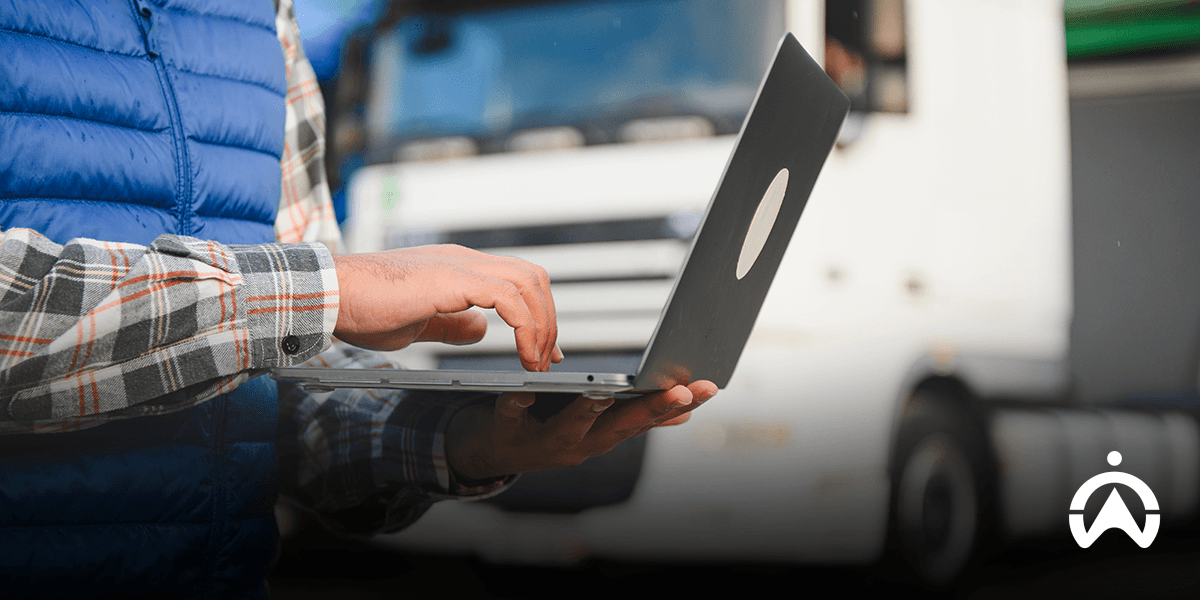
Operator using laptop near truck, comparing transport management system vs fleet management system workflows.

Load planning

Load planning refers to making the most out of the available space in a container while adhering to the weight and height restrictions. This is so you can get more things shipped out with fewer vehicles, making your business more efficient.

But it’s not as easy as just stuffing everything into the back of a truck and calling it a day. You need to ensure the goods are packed in a way that won’t interfere with the vehicle’s stability while it’s moving & making turns, and that they don’t move too much. You must also ensure that you group similar items.

A transport management system helps with the load planning process, and determines the route each vehicle should take, which brings us to our next point.

Route planning

After planning the load, you need to choose the most efficient route so you save time and fuel. A transport management system comes with route optimisation software, technology that factors in things like traffic patterns, driver availability, road conditions, and which stops are more urgent.

Route planning also helps with the order in which the goods should be placed. For example, you can place the items for the first few stops closer to the door so they’re easy to reach, making the offloading process quicker.

Freight audit and payment

Freight audit and payment refers to reviewing freight invoices to ensure there are no billing errors so you don’t get overcharged. Transport management software helps you with this by calculating the costs and identifying potential errors. This results in fewer manual entries and discrepancies, saving you a bunch of time.

What a fleet management system focuses on

A fleet management system mainly focuses on the vehicles that transport these goods. It’s about:

  • Vehicle upkeep
  • Fuel management
  • Driver management
  • GPS tracking
  • Compliance
  • Route optimisation

A fleet management system ensures the vehicles are safe for use, well-maintained, and cost less to be on the road. It also helps with scheduling the right vehicles and drivers for the job.

Here’s what we mean.

Vehicle upkeep

Vehicle upkeep is a very important factor when it comes to running a fleet, and it’s often overlooked. How will your goods reach their destinations on time if the vehicles constantly break down? A fleet management system helps with this by offering vehicle maintenance software. The software helps you detect vehicle faults more quickly, so you can avoid unexpected breakdowns or accidents caused by mechanical failures.

A fleet management system also helps ensure all vehicles adhere to their recommended service dates by giving you reminders and allowing you to import all service-related documents into the software. This way, you’ll schedule trips according to the vehicles that’ll be available on that day.

Fuel management

Fuel costs are forever fluctuating, which makes sticking to the budget difficult. Fuel is also a major expense when it comes to running a fleet, so you need a strategy to reduce costs. A fleet management system helps you with this by giving you fuel management software. Having this helps you get accurate fuel consumption reports so you can manage the cost better and see where fuel is being wasted.

Driver management

Driver behaviour also plays a big role in fleet operations. You must keep an eye on how your drivers act on the road. Aggressive driving can lead to accidents, which may result in injuries, fatalities, cargo damage, and delays. To avoid all that, you can use a fleet management system, which comes with telematics technology that’ll show you how drivers behave. (For example, you’ll be able to see if drivers are speeding while making deliveries.)

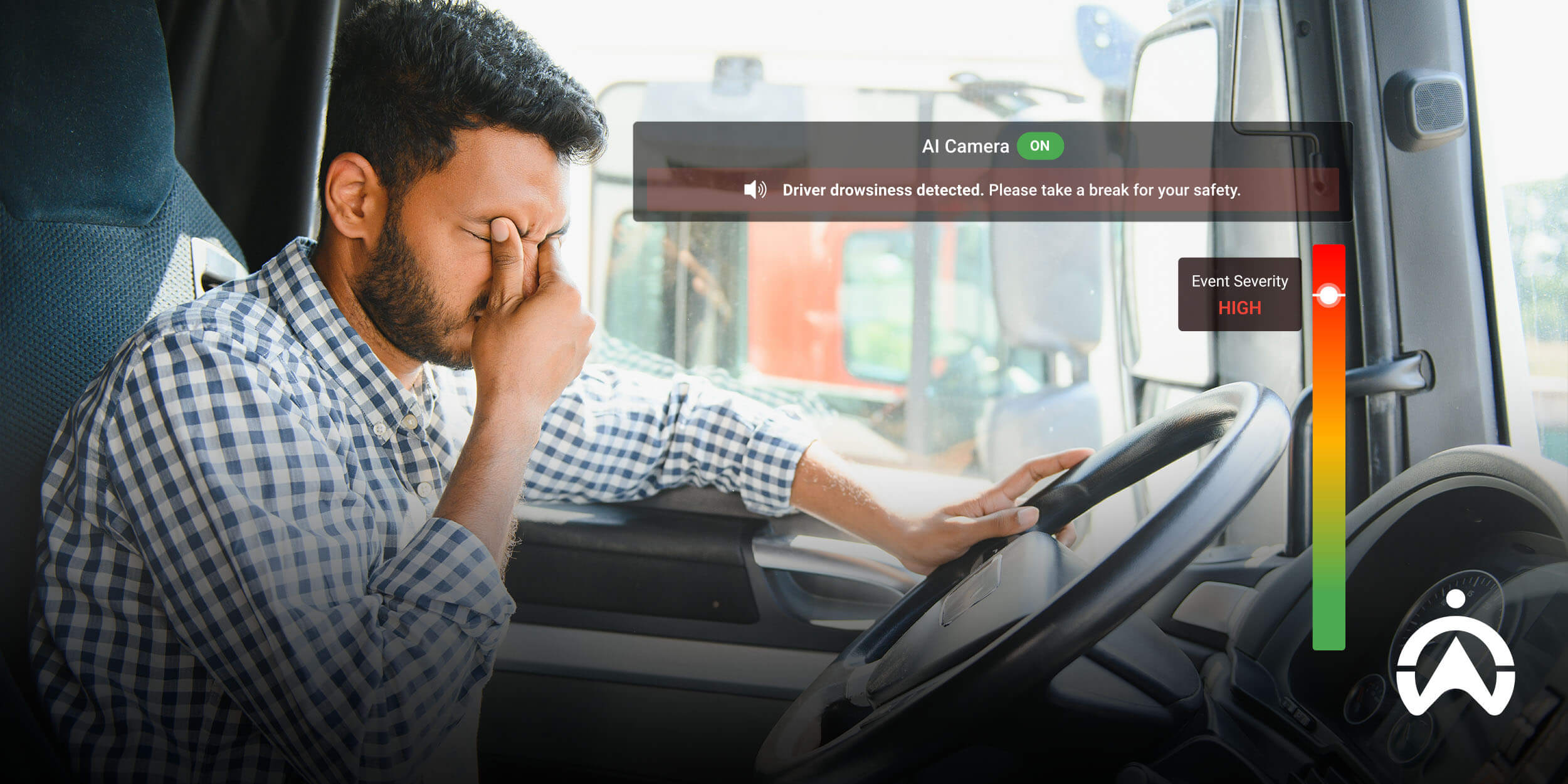
Through a fleet management system, you can also get cameras installed in the vehicles so you can see everything that happens. Some fleet cameras also have AI technology that can identify driver distractions and detect things like blind spots. This enhances driver awareness, helping them avoid accidents. The cameras also help you ensure the cargo is safe.
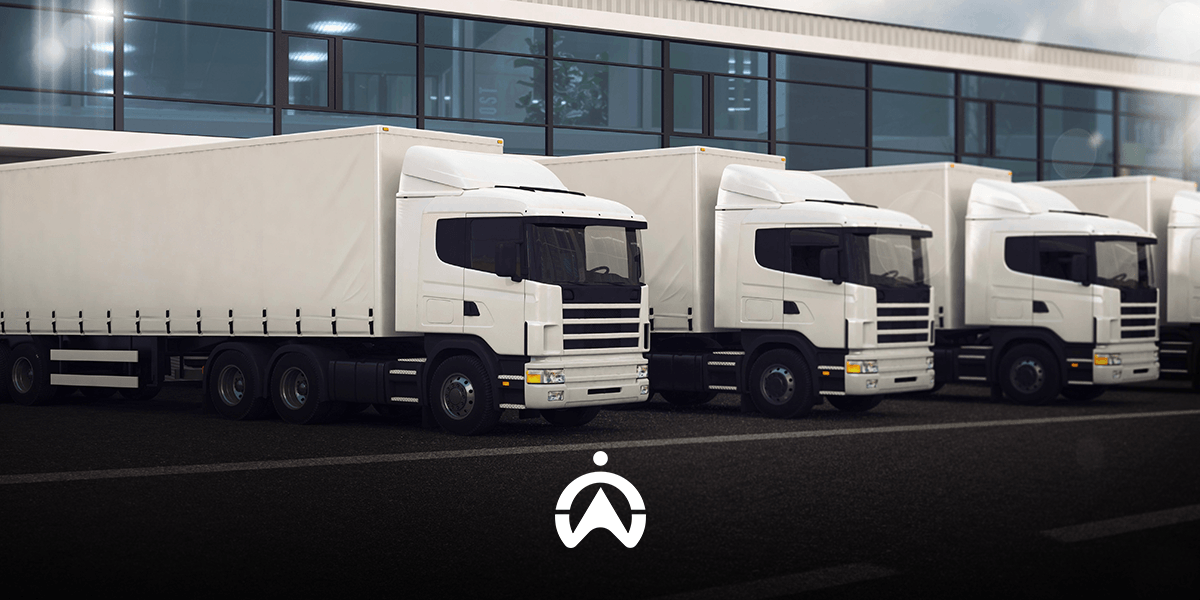
Three semi-trucks parked side by side, illustrating transport management system vs fleet management system operations.

GPS tracking

A fleet management system also helps you locate your vehicles at any time. If a driver is at one spot for too long, you can call to check why. You’ll also see if drivers are sticking to planned routes and ensure they’re safe. GPS also helps you give your customers accurate delivery time estimates.

Compliance

As a fleet manager, you need to ensure your drivers are following the rules and your vehicles are up to industry standards, or else you face heavy penalties. A fleet management system helps you to enforce compliance by helping you monitor drivers and vehicles.

It also digitises driver logs so you can ensure they’re not driving more hours in a day than they should. It helps you ensure vehicles are roadworthy. And it also helps you keep a close eye on carbon emissions, so you adhere to environmental standards.

Route optimisation

Like a transport management system, a fleet management system also comes with route optimisation software. This is where the two systems overlap because fleet managers must also plan their routes according to vehicle and driver availability to save fuel costs and live up to customer expectations.

So how do you choose which management system is for you?

Both fleet management and transport systems are important for the logistics industry, and the one you choose depends on your role in the supply chain. If your role mainly focuses on the goods and dispatch, then a transport management system is for you. If you manage vehicles and drivers, then a fleet management system is what you need.

As a business owner, the best option is to invest in both systems and integrate them so you can have a holistic view of operations.

Where can I get combined software for fleet and transport management?

You can get combined software for fleet and transport management at Cartrack. We’ve got an advanced fleet management system that has features you’d also find in a transport management system, like route optimisation software. Our platform allows you to integrate your other systems, so everything aligns.

If you want to find out more about how we bridge the gap between fleet management and transport management, you can contact us and speak to a fleet consultant.

Frequently Asked Questions about transport management and fleet management

What are the 4 types of transportation management systems?

The four types of transportation management systems are:

  1. Cloud-based
  2. Multimodal
  3. Less Than Truckload (LTL)
  4. Full truckload

The type of transportation management system you choose will depend on various factors like your business needs, the size of your business, and your budget.

What is fleet management in logistics?

In logistics, fleet management refers to overseeing all activities associated with a fleet of company vehicles. It involves ensuring the vehicles are well-maintained, the drivers are safe on the road, and that deliveries are made on time. It also involves managing fleet running costs to ensure profit.

What are the major components of a fleet management system?

The major components of a fleet management system are:

  • Compliance
  • Maintenance
  • Fuel management
  • Location tracking
  • Driver safety
  • Risk management

The Cartrack fleet management system comes with all these components to give you more insight, so you can run a more efficient fleet.
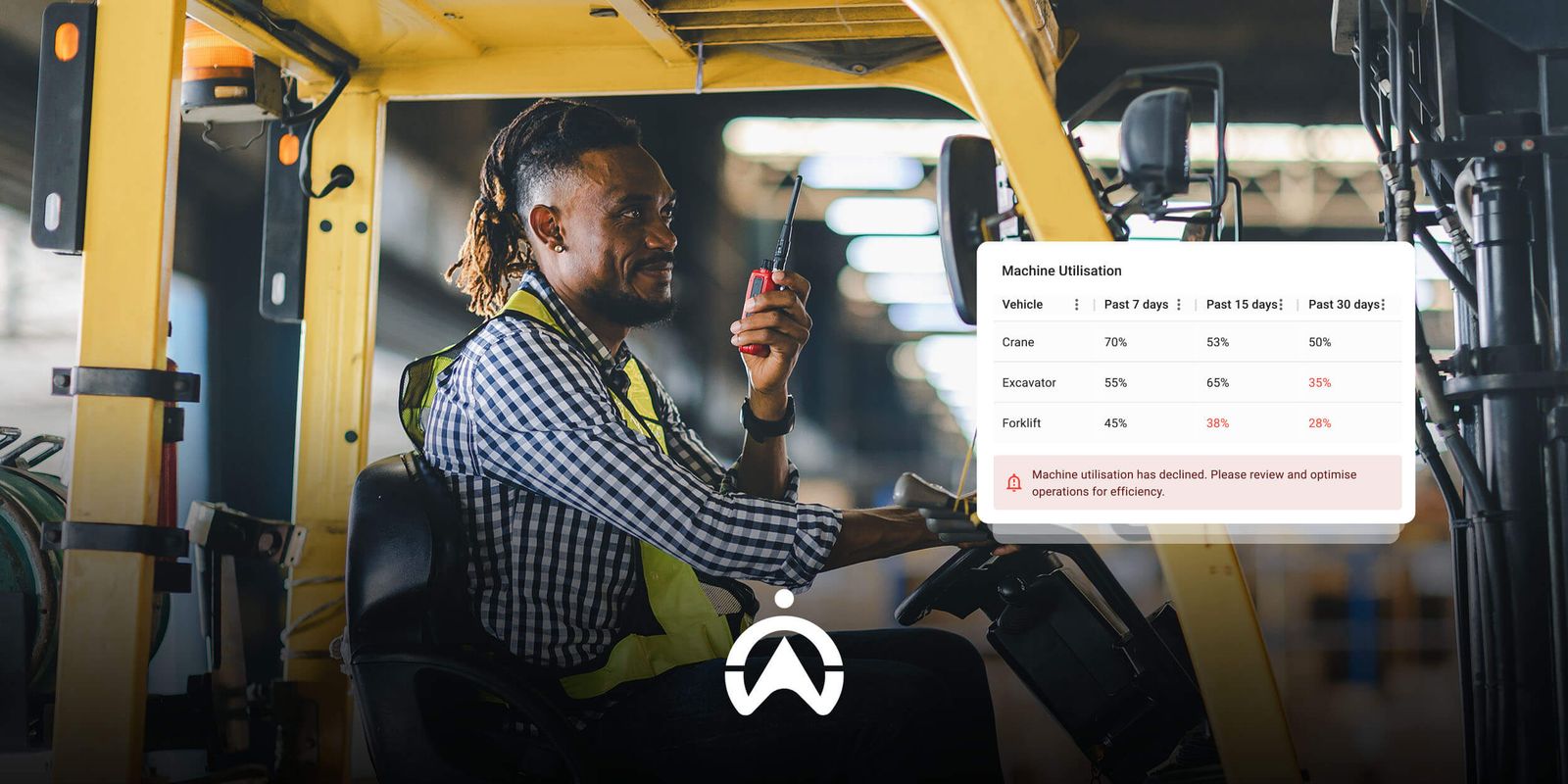
Forklift Fleet Management Software – Get Full Control

Do you have full control of your forklifts? If you don’t have fleet management software for them, then unfortunately you don’t. A forklift FMS will provide you with complete operational intelligence and control over the entirety of your fleet. This includes your trucks, trailers, drivers, deliveries, bakkies, sales vehicles, heavy machinery, and the often-forgotten about… forklifts.

Now you may be asking yourself, ‘Why do your forklifts need FMS?’ 

They rarely, if ever, leave your warehouses, but they still:

  • Require maintenance
  • Need operators to have specialised licences 
  • Have to meet safety compliance regulations

Did you know that the global forklift fleet management software market is expected to reach 81.4 billion dollars by 2033, with a CAGR of 13.2% from 2025 to 2033? This is thanks to operations requiring real-time insights, IoT integrations, and predictive maintenance to assist with cutting down operational costs and boosting efficiency.

How does fleet management software work for forklifts?

Fleet management software provides real-time monitoring, predictive maintenance, compliance, operator management, analytical data and reports for your forklifts. This is useful because every vehicle and machine you own plays a vital role in how your operations run and the profits you’ll yield.

Let’s put a scenario together to answer this question.
‍

Banele has a warehouse that holds expensive furniture for a luxury brand. He has 26 forklifts and 30 staff members working in the warehouse. He has an elderly lady that handles all the paperwork and staff documentation. Unfortunately, the warehouse hasn’t been making much profit over the past year, and there are constant unexpected breakdowns of forklifts as well as furniture getting damaged when they’re being moved around.

Banele has decided to implement a full fleet management software solution and added ID tags and AI cameras for all of his forklifts. This is what he discovered…

  • Only 15 of the 26 forklifts are being used
  • 6 of these forklifts are always in rotation
  • Those 6 are the ones that are constantly breaking down
  • Only 18 members of his staff have specialised licences to operate forklifts
  • Staff members that don’t have the specialised licences are operating forklifts
  • Some of the drivers are using their phones while operating the machines
  • Staff members are taking the forklifts out of the warehouse
  • 8 of the forklifts require maintenance
  • Operators are leaving forklifts idle for long periods of time, wasting gas and battery life

Thanks to all of the insights from the FMS, Banele has been able to see exactly what’s eating into his operational profits. He’s now able to give his team proper training when it comes to using the forklifts and ensuring that only operators with the specialised licence can operate the forklifts.

He now makes sure the forklifts are being rotated amongst drivers so that all of them are getting used equally and there aren’t only a handful that are getting overworked. He has also gotten rid of the 6 overused forklifts, keeping a spare 5 for when the others are having maintenance work done.

The FMS provided Banele with all the operational data on his forklift fleet to ensure they’re meeting safety compliance regulations, being properly maintained, staying in the right zones, and that they’re all being used safely and efficiently.

How to choose a forklift fleet management software solution?

When choosing a forklift fleet management software solution, you must first take a good look at your operations and find out what information you need. Do you need:

  • Operational data?
  • To keep an eye on forklift operators?
  • To manage maintenance?
  • To control who uses the forklifts?
  • Real-time tracking?

For all of these, you can trust Cartrack to give you complete operational intelligence of your entire forklift fleet. 

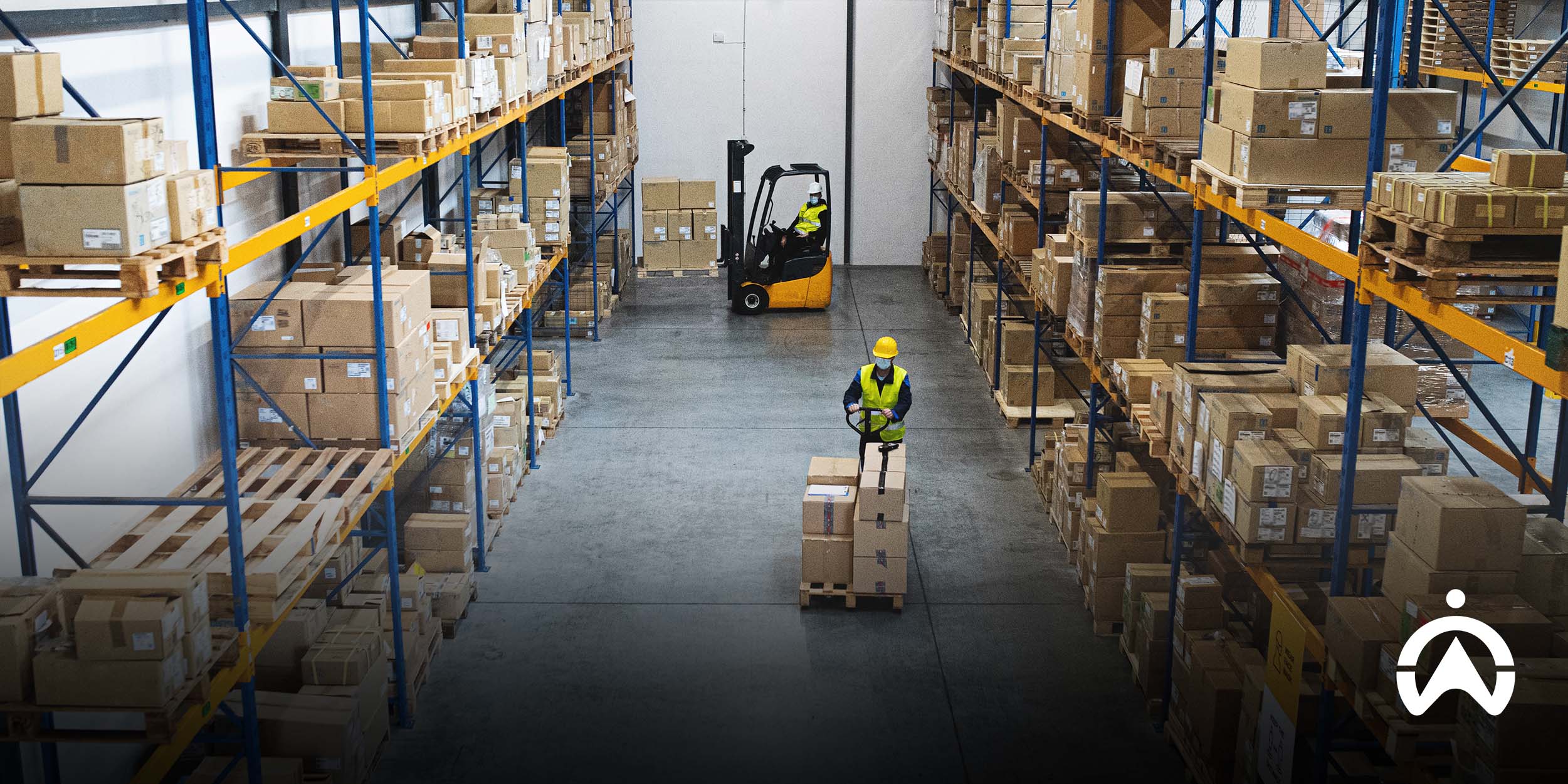
Warehouse workers wearing safety gear organize pallets and stocked racks, showcasing efficient operations managed by forklift fleet management software.

How can you improve forklift fleet efficiency in your warehouses?

You can improve forklift fleet efficiency in your warehouses through regular maintenance, keeping operators trained, and tracking operational data. However, these are just some of the ways you can improve efficiency with your warehouse forklift fleet. Let’s take a deeper dive into some more forklift fleet efficiency tips.

Utilisation and layout tweaks

One of the fastest ways to improve forklift fleet efficiency in your warehouse is through utilisation and layout adjustments, such as the following:

  • Optimising the layout and design of aisles (making them wider and only one-way routes for forklifts)
  • Packing the fast-moving and high-volume products closer to the dispatch area
  • Ensuring that aisles are well lit and there are clear safety signs up.

Maintenance & tech

The smartest way to improve forklift fleet efficiency in your warehouse is by incorporating your predictive maintenance tech and AI cameras.

Predictive maintenance will:

  • Prevent unexpected breakdowns
  • Reduce unexpected downtimes
  • Extend your forklift’s lifespan
  • Improve fuel/energy efficiency
  • Prevent safety-related incidents

AI cameras provide you with:

  • Driver monitoring (distracted driving)
  • 360-degree visibility
  • Collision prevention
  • In-cab alerts
  • On-demand footage

Fleet management software

The most efficient way to improve forklift fleet efficiency in your warehouse is by integrating your fleet with fleet management software.

FMS will provide you with:

  • Utilisation rates
  • Energy/fuel consumption
  • Operating hours
  • Forklift diagnostics
  • Geofencing
  • Operator driving behaviour (speeding, collisions, harsh braking)

Combining all of these in your forklift fleet will completely transform your forklift fleet’s operational efficiency!

The benefits of using telematics in forklift fleet management

The benefits of using telematics in forklift fleet management include improving safety and productivity, managing scalability, identifying inefficiencies, and tracking forklifts. These benefits will improve how your forklift fleet operates in your business, so let’s take a look at them.

Improved safety

A telematics system can improve the safety of your forklift fleet. Forklifts are quite powerful and can be a hazard in your warehouse, especially if they’re being used incorrectly.

Having a telematics system can aid in preventing the safety hazards that come with having a forklift. You’ll receive insights on how your operators are handling your forklifts, if they’re speeding, braking harshly, or taking corners aggressively.

Increase productivity

If your fleets are productive, profits will be high. When you invest in a telematics system, you can monitor and track each and every forklift in your fleet. You’ll have insights on idle time, load weight and operating hours, (to name only a few), and with all the data you’ll receive, you’ll easily see how each of your forklifts is performing. 

This means you’ll keep all forklifts maintained before they unexpectedly break down or redistribute work to other forklift operators.

Identify inefficiencies

Telematics are brilliant for identifying inefficiencies in your fleet. You’ll have the data to understand how each forklift and its operator are performing, which means you can investigate the why. Is the problem poorly optimised routes or lack of communication between warehouse workers, or possibly forklifts and equipment being overworked?

Either way, you’ll have the data to help you see what’s wrong and can tackle the problem head-on, preventing it from reoccurring.

Manage scalability

As your operation expands, the more forklifts you’re likely to get. Having telematics simplifies this process. Think about it… the more forklifts you have, the more you need to keep track of, on top of everything else you’re handling.

Telematics will easily give you eyes on your entire fleet from one single platform. And it doesn’t matter if you have multiple warehouses across Namibia; you’ll see them all.

Keep track of forklifts

Telematics allows you to remotely keep track of all of your forklifts. If you have multiple warehouses or work sites, it’s easy for one to get misplaced; and when you’re spending time looking for a missing forklift, you’re wasting valuable time and money.

Control who uses your forklifts

Just like code B/08 licensed drivers can’t drive a truck, those without specialised licences can’t operate a forklift. By getting a driver ID tag with your telematics system, you’ll ensure that only licensed drivers can operate your forklifts.

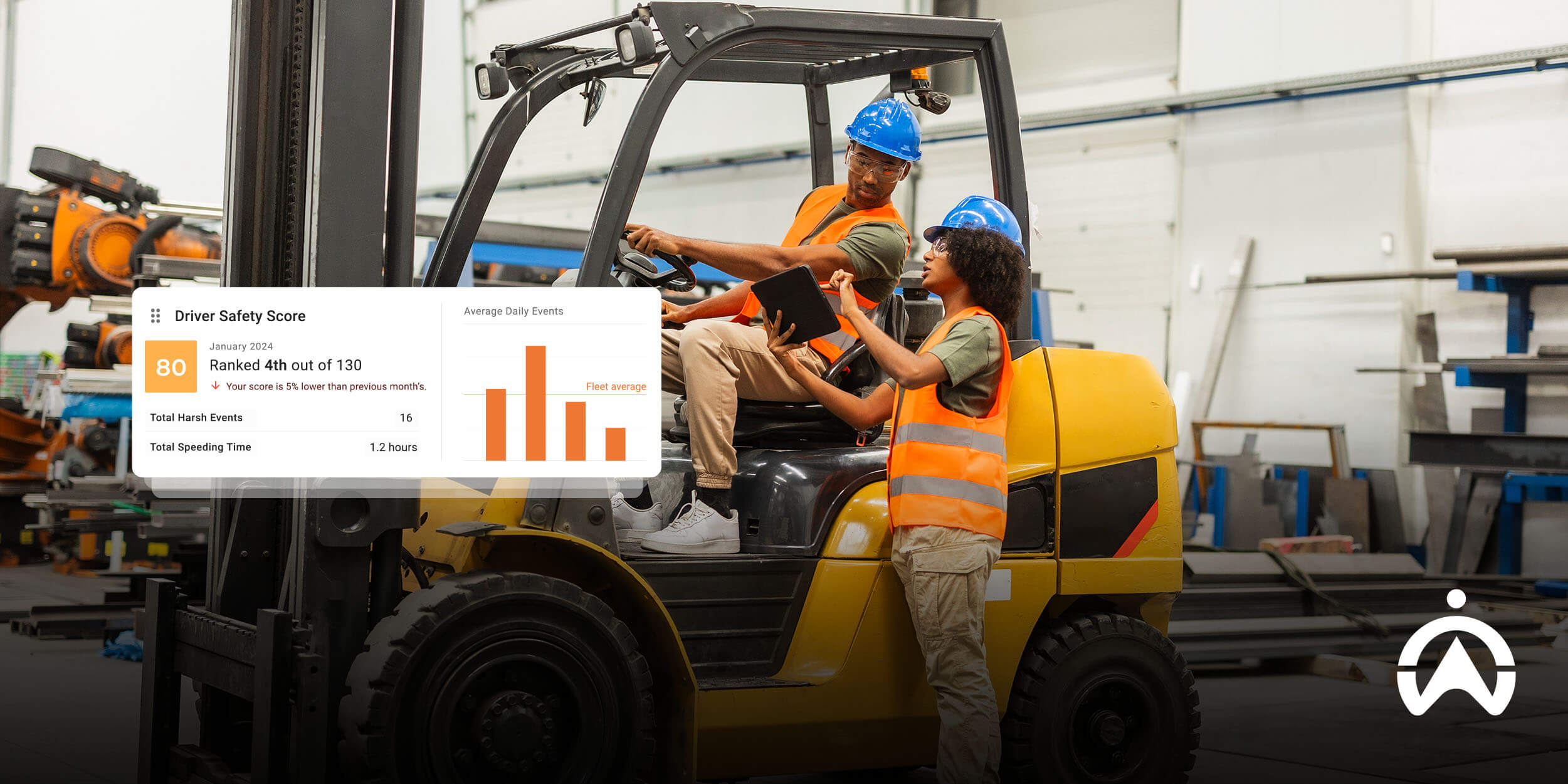
Two warehouse workers in safety gear reviewing forklift operation data and driver safety scores on a digital dashboard using forklift fleet management software in an industrial warehouse setting.

Reasons to get a forklift fleet management software solution from Cartrack

The reason you should get a forklift fleet management software solution from Cartrack is because we provide you with everything you need to get complete operational intelligence. We don’t just provide telematics, or dashcams, or GPS tracking units… We provide all of that and more. But with Cartrack, you completely optimise the way your entire operations run.

Driver ID Tags

At Cartrack we have a cool little tool called DID tags. These help you automatically pick up who’s using a forklift using their identification number. We have a couple of tags you can choose from:

  • Driver ID: This is a simple tag that identifies who is using a forklift.
  • Driver ID start prevent: This tag is assigned to a driver, and it’ll not start the forklift unless the tag is presented.
  • DID with configuration: This tag is configured to a specific vehicle, which’ll prevent others from using it.

One platform

As a fleet manager, your workload is high, and you already have many tasks to juggle. At Cartrack we want to make your life as easy as possible, which is why our fleet management software allows you to add your entire fleet to one single, user-friendly platform.

You’ll not only be able to keep an eye on your forklifts, but you can also add delivery vehicles, dump trucks and any other vehicle/machine in your fleet. Our software makes managing your entire fleet operations a breeze.

World-class AI cameras

Not only can you get fleet management software from Cartrack, but we also have top-of-the-range AI cameras. Installing these on your forklifts will not only give you direct eyes on your operators, but your operators will also get instant alerts on fatigue, distraction, not wearing a seatbelt, and even smoking.

This allows your operators to self-correct before causing an accident, but it’ll also give you insights into what to coach them on.

Driver scorecards

Speaking of coaching, with Cartrack we provide you with a tool called ‘Driver Scorecards’. These work by monitoring driver behaviour and removing points from them with each infraction. Driver scorecards allow you to:

  • Prevent wasted profits on avoidable accidents
  • Create healthy competition with your operators (rewards for good driving)
  • Increase safety in your fleet

Geofencing

Cartack’s fleet management software allows you to put up geofences. These are incredibly helpful with keeping your forklifts where they need to be. Once you set up the boundaries, you’ll get an alert if your forklifts leave those areas.

Predictive maintenance & automated maintenance scheduling

Something that really affects your profits and productivity is unexpected breakdowns and downtime. Cartrack’s fleet management system constantly monitors your forklifts’ engines, batteries and tyres. It’ll send you an alert when you should schedule maintenance and what maintenance is needed for each forklift.

Our platform also automates the maintenance schedules for each of your forklifts by using utilisation hours and the time of the last service.

Real-time tracking

As a fleet manager you have to keep track of all of your forklifts. Cartrack’s fleet management software gives you real-time tracking on your entire fleet. You’ll have eyes on your fleet in the palm of your hands!

Remote immobilisation

As discussed, you need a specialised licence to operate a forklift. Cartrack can provide you with remote immobilisation so you can remotely stop a forklift from working if it’s not being used by authorised personnel.

This is also helpful in the event of theft, as you can stop a forklift with the push of a button, no matter where you are! 

So, if you’re ready to optimise how your forklifts operate, give us a call today! 

Frequently asked questions about a forklift fleet management software solution

Where to buy forklift fleet tracking devices locally?

You can buy a local forklift fleet tracking device straight from the provider that Namibians love the most—Cartrack. We don’t just track your forklifts; if they get stolen, we have a highly trained team that’ll go out and get them back for you!

How to choose a forklift fleet management system for a logistics company?

When choosing a forklift fleet management system for your logistics company, ask yourself these questions:

  • What technology and features are included in the fleet software?
  • How reliable is the fleet management system?
  • What level of customer support is provided?
  • How transparent are the costs?
  • What security measures are in place?
  • Do they have a proven track record?

Can I reduce my forklift fleet size without losing productivity?

Yes, you can reduce your forklift fleet size without losing productivity if you have a fleet management system. The software will help you see which forklifts are just collecting dust and not being used, and you’ll be able to successfully downsize without it ever affecting productivity.

Remote Jamming: How to Immediately Stop and Prevent It

To immediately stop and prevent remote jamming, you must always remember to double-check that your car is locked before you walk away. Tug on your car door handles to check, listen and look for the locking sound & lights, make sure your valuables are hidden, and if all else fails, rather get back in the car and drive away.

According to police reports, property-related crimes remain a major concern in Namibia. Theft from motor vehicles is a common offence and forms a notable part of overall property-related crimes. This highlights not only the growing issue of stealth theft but also the difficulties it creates for vulnerable Namibians, because insurers need proof of forced entry.

Stay informed, keep your vehicle and belongings secure, and have the right gadgets to back you up. Let the Cartrack team guide you on what to do while also providing the best technological methods to keep you and your car safe.

How can you stop and fight against remote jamming?

You can fight against remote jamming by taking a multi-layered safety approach. Always manually carry out safety precautions, but remember to use technology to your advantage as well. Maintain a level of situational awareness, keep your valuables out of sight, and report suspicious activity, but also use anti-jamming devices and other defensive measures.

What is remote jamming?

Remote jamming is when a jamming device is used to essentially create an extreme, congested signal, which confuses and drowns out the signal between your key fob and your car as you try to lock. Communication signals include radio, GPS, and Wi-Fi or cellular signals. While it’s typically done to cars, it can extend to your home’s gate or garage doors too.

Criminals often choose this tactic because it’s a covert, non-invasive way to get access to what they want. Remote jamming is especially common in parking lots, petrol stations, and shopping malls. Usually, you’re in a rush and trying to get somewhere quickly, and the criminals know that. Because of this, criminals also know you’re likely to just lock and walk away instead of physically checking that your car is secure.

How do you detect if your car’s remote locking signal is being blocked?

You detect if your car’s remote locking signal is being blocked mainly by being vigilant. You must check for your car’s response, primarily for the locking sound and flickering lights. If you don’t see or hear these responses when locking your car, physically pull on a door handle or try to lock the car manually.

How to prevent car remote jamming

You can prevent car remote jamming by:

  • ensuring valuables are out of sight,
  • always trying to park in a safe, well-lit area
  • standing right by your car while you lock it and double-checking by tugging at your door handles to ensure locking was successful, then manually locking if the remote lock still wasn’t successful,
  • implementing anti-jamming technologies, like our Cartrack Tag, and
  • always trusting your gut and being aware of your immediate area, especially in parking lots and petrol stations.
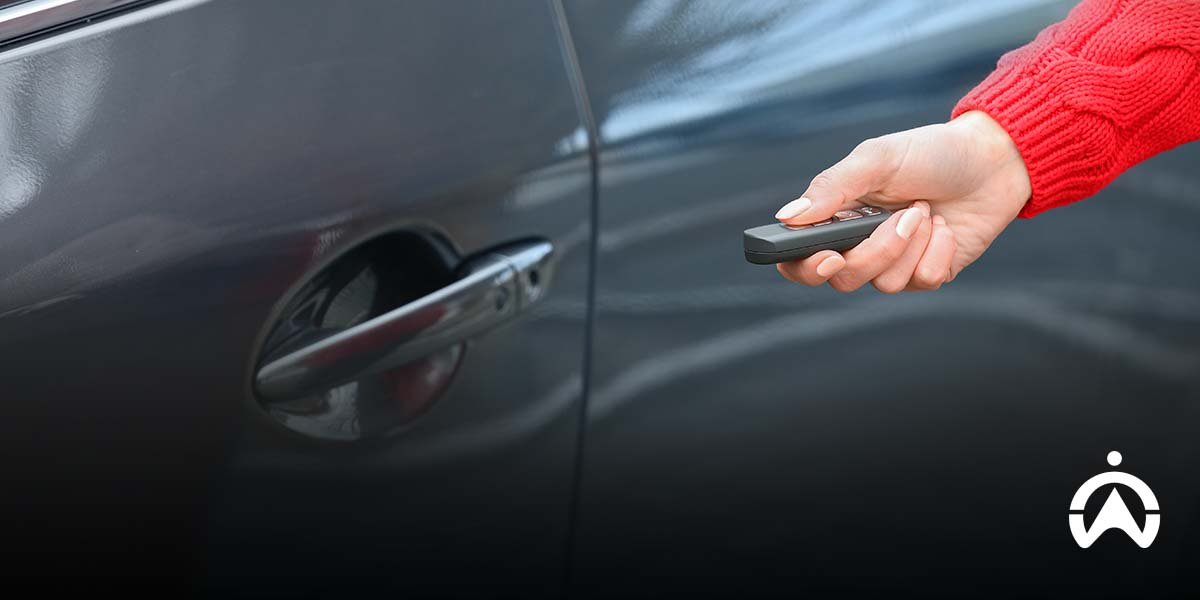
Person unlocking car with remote key, illustrating remote jamming risks and vehicle access security.

Does Cartrack have an anti-jamming device?

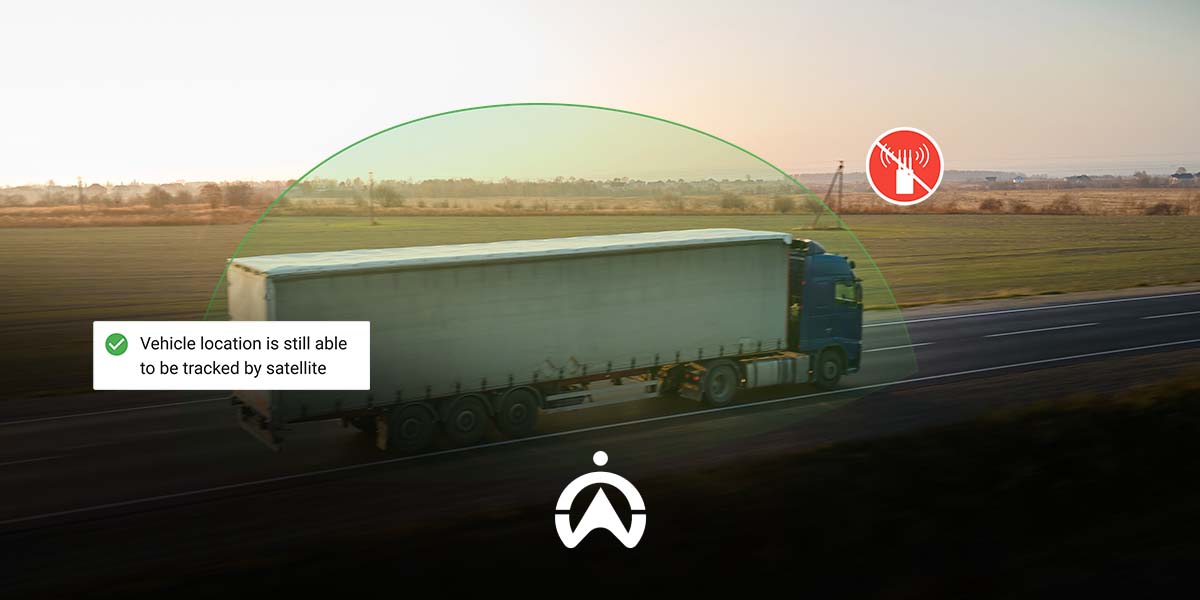
Yes, Cartrack does have an anti-jamming device. Our hardwired tracking devices have jamming detection abilities, and we also offer the Cartrack Tag as an extra layer of anti-jamming security. The Tag is a portable, wireless tracking device used as a backup anti-jamming device for your car. Once jamming is detected by the hardwired device, it’ll automatically switch to the Tag.

The Tag is sleek and very discreet, connecting easily and allowing for a far better hidden fitment. It also doesn’t use a cellular connection, so it’s unaffected by remote jamming. Instead, it uses what we call the Cartrack Proprietary Radio Frequency (CPRF) Network. It also has a powerful battery life, lasting up to about 5 years.

How do these devices work?

All our hardwired tracking devices come with jamming detection. Once the device detects jamming and can no longer transmit its usual GPS signals, it’ll switch to a special frequency that communicates with the CPRF Network. This network acts like a beacon of sorts, sending out consistent pings. The Tag then uses a method that we call ‘crowd searching’, which is an action the CPRF Network performs.

Crowd searching uses a web of connected devices that share information and signals to make it easy to triangulate and recover stolen vehicles. So, if your car has been jammed & stolen and moves through the network, every other car with a hardwired device that it passes reports your stolen car. This information helps the control room pinpoint the location of the jammed device and, ultimately, your car.

In simple terms, think of this process as a neighbourhood watch squad. The other cars are seen as “vigilant neighbours” who “spot” a stolen car and quickly alert headquarters. The Tag does just that, communicating with the closest tracking devices. Because hardwired devices are present in so many vehicles across the country, the coverage is so extensive and powerful.

So what does this mean for my stolen car?

The Tag sends a ping every 40 seconds to the closest hardwired devices, sending location data back to our control room. This means our team is aware of the situation and closely monitoring the movement of your car. As your stolen car is moving, a live trail is being created for our recovery team to follow.

This helps us react with serious speed, massively increasing our chances of recovering your stolen car. Our recovery rate remains strong, the number of recovery teams is growing nationally, and our month-to-month recovery statistics remain impressive.

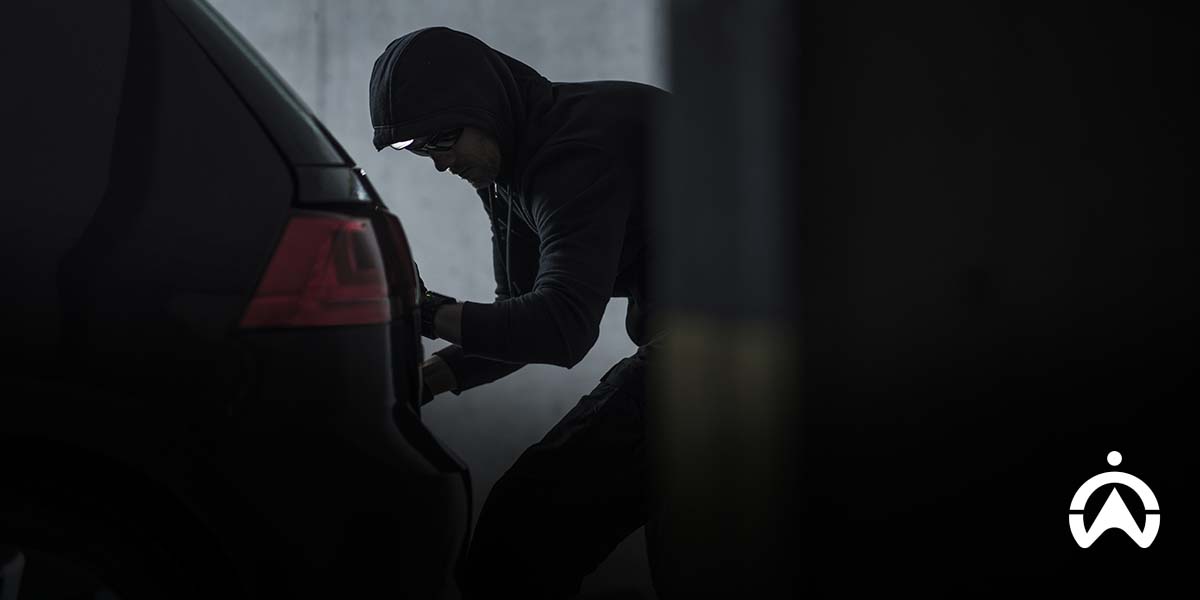
Person attempting car break-in in parking area, highlighting risks of remote jamming and vehicle security threats.

Final takeaway: Remain a step ahead of car thieves

Crime is a notable concern in Namibia, with property-related offences such as theft and break-ins being among the more commonly reported issues, with carjackings ranking just behind home robberies as the most common robbery-related crime. For car owners like yourself, there’s probably an understanding that basic protection methods aren’t enough. You need an extra layer of smart protection to keep your vehicle safe and connected.

Remote jamming can be an absolute nightmare, but it doesn’t have to be. At Cartrack we can help you strengthen your car’s security against car jamming, and you can rest assured knowing that we have a team that’s ready to fight for you.

Don’t wait until the worst happens. With over 100,000 vehicles recovered in the last decade and advanced technology on our side, you know you can put your trust in us. Call Cartrack today!

Frequently asked questions about stopping and preventing remote jamming

What are the 4 types of jamming?

The 4 types of jamming are sweep, spot, barrage, and deception jamming.

  • Sweep jamming is ‘sweeps’ across many frequencies in sequence.
  • Spot jamming focuses on a single frequency, which only blocks a single channel.
  • Barrage jamming disrupts numerous frequencies at once.

Deception (also known as Repeater) jamming changes a frequency and then retransmits it.

Why put aluminium foil around your key fob?

Put aluminium foil around your key fob as a practical and inexpensive way to protect your car and enforce an anti-theft mechanism. When you wrap your key in foil, it appears to act like a sort of barrier that blocks the anti-jamming signal and makes sure it’s less effective.

Does *3370 really work?

No, *3370 doesn’t really work. The theory is that, by dialling *3370, you would boost your phone’s battery life or signal, depending on the version you received. This belief all started because of a chain email that was sent around 2018, claiming that dialling certain secret codes would unlock hidden functions. It was also aimed at older Nokia models.

What Is the Total Cost of Ownership (TCO) for Electric Vehicles for Fleet Companies – Is Petrol Still Better?

The total cost of ownership (TCO) for electric vehicles is better than that of petrol-based vehicles. While it’s difficult to see at first (especially because EVs have high initial costs), they’ll ultimately reflect far better long-term benefits and savings for your fleet.

Despite the fact that initial costs are still higher than those for ICE vehicles, insights show that EVs reduce lifetime operating costs to less than half of petrol or diesel vehicles. Compact EV (small-sized, city-ready vehicles) fleets have monthly operating expenses around N$10,000.

The world of EVs might feel like uncharted waters, but you don’t have to dive into the deep end. Keep reading as we break down and help you understand the TCO for EVs, compare costs across EVs and ICE (internal combustion engine) cars, and see how Cartrack can keep your TCO low and cost-effective.

Is the total cost of ownership for EVs better than for ICE vehicles?

Yes, the total cost of ownership for EVs is better than for ICE vehicles. EVs have lower fuel costs and fewer moving parts. This means that fuel, which is typically the largest expense, is far less of a concern. Maintenance is still required for EVs too, though far less often because they don’t need oil changes and similar services.

While the initial costs of an EV might seem incredibly daunting, it’s the long-term savings and successes that reflect a lower overall TCO. Not only is this option an environmentally conscious and future-forward one, but it’ll also prove to be a smart financial choice for your business.

What factors affect the total cost of ownership for electric vehicles in Namibia?

The factors that affect the total cost of ownership for electric vehicles in Namibia include the high purchase prices and import taxes, charging infrastructure, depreciation or resale value, and more.

Let’s look at each of these factors:

  • ‍Purchasing and initial costs: This is the highest cost and is usually the biggest concern for fleet owners and managers like yourself. Purchasing costs are so high because EVs are usually significantly more expensive than ICE vehicles, and there are other costs to consider, like import and tax charges. These costs can be managed and reduced through government-initiated incentives, so always research your options.

    You’re also likely going to use a financing plan for your fleet. This is another factor to keep in mind, as big loans with intense interest rates will also determine your overall purchasing cost. All vehicles have import charges and taxes attached, but EVs have higher import duty costs.
    ‍

  • ‍Energy: This is the next biggest cost, which is the case for any fleet in the world. For EVs, energy costs are far better and more cost-effective compared to ICE vehicles. Not only is electricity a cheaper energy solution, but it’s also more stable than the ever-fluctuating prices of petrol or diesel. Long-term outcomes will show the positive impact EV energy has on TCO.

    If you decide to pair your charging infrastructure with solar energy, you’ll reduce charging costs even further.
    ‍

  • ‍Maintenance: Though more specialised in their parts and battery design, EVs are the key to lower maintenance costs. EVs have fewer moving parts; there aren’t oil changes, complex transmissions, valves, belts, or other parts. At most, an EV has a handful of moving parts at a time. This means maintenance is far more manageable and done less often, resulting in savings and a reduced TCO.
    ‍
  • ‍Insurance: Insurance will likely be more expensive for your EVs than for ICE vehicles. This is because EVs are made with specialised materials and contain a very high-end battery, increasing their overall costs. EVs also require specialised technicians, who might charge even more than usual for their time.
    ‍
  • ‍Licensing: Licensing and vehicle registration fees are necessary for your vehicles to continue operating lawfully on local roads. Permits are also a consideration depending on what types of vehicles you have in your fleet, but this could almost certainly be the case for EVs. These fees need to be paid annually and are applicable to all vehicles—not just ICE types.
    ‍
  • ‍Accidents: This is another critical element of TCO for EVs. If your EVs are involved in an accident, chances are the downtime would be quite significant because of the specialised nature of EVs, their parts, and the uniquely skilled labourers required. In addition to this, the repairs or replacement would be costly if you consider the complex internal system and specialised materials.
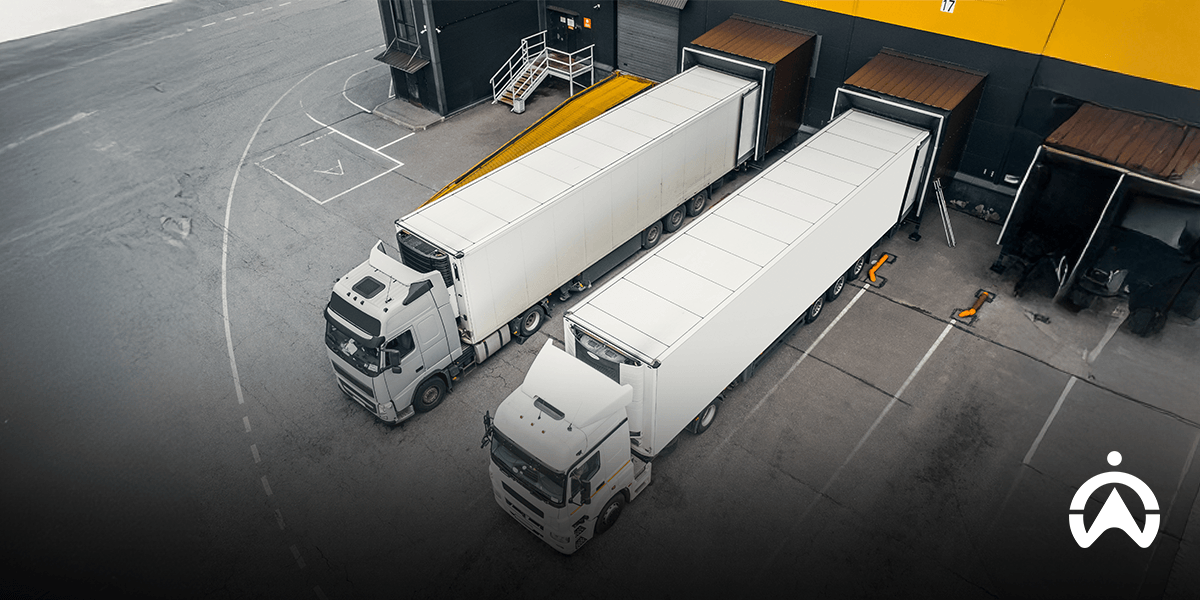
Two semi-trucks at warehouse loading docks, illustrating total cost of ownership for electric vehicles in fleet operations.

How to compare running costs of an electric vehicle versus a petrol car in Namibia

You can compare the running costs of an electric vehicle versus a petrol car in Namibia by researching existing data and looking over your own fleet reports. Just as you would for an electrification roadmap, the key to obtaining supporting data is to comb through other real-world examples and information on other electrified fleets.

To make an informed comparison, think about the following:

  • Fuel vs electricity: Look at fuel use versus electricity usage. Don’t forget to consider electricity tariffs.
    ‍
  • Insurance for each vehicle type: Remember that EV insurance plans will likely be more expensive. Either way, think about what you’d want your insurance plan to look like and what you’d need to get a more accurate overview.
    ‍
  • Maintenance schedules for each vehicle type: Your schedule for an ICE vehicle would probably include more regular scheduled servicing than that of an EV.
    ‍
  • Depreciation and resale values for each vehicle type: Consider the fact that EVs usually depreciate in value faster than ICE vehicles.
    ‍
  • Route planning and what it means for each vehicle type: ICE vehicles mainly save on money and fuel when routes are optimised, while EVs undoubtedly need route planning to avoid range anxiety. 

What are typical insurance premiums for electric vehicles locally?

Typical insurance premiums for electric vehicles locally are much higher than premiums for ICE vehicles. This is because EVs have specialised, and therefore more expensive, batteries and parts, which also means the labour and specialised technicians are pricier too. It’s understood that insurance for an EV could be anywhere from 10% to 15% more expensive than for ICE vehicles.

Factors that contribute to insurance premiums for EVs

  • ‍The car’s higher value: EVs are typically more expensive than ICE vehicles, and this is one of the first starting points for an insurance premium. So, comprehensive premiums will have to account for that, especially if an incident occurs and the EV needs to be replaced.
    ‍
  • ‍Specialised and trained technicians: Because EVs are still relatively new to the market, they require uniquely skilled technicians, who are usually few and far between. This means mechanics with EV training might charge more for their services.
    ‍
  • ‍Batteries and car parts: Much like the trained technicians, EV batteries and parts are unique and specialised, coming at a premium. This also means EV parts might not be readily available and have to be shipped from other countries when needed.
    ‍
  • ‍Safety features: EVs tend to have many security & safety measures in place, like crash detection, cameras, and sensors. It’s complicated though. While these features should reduce premiums, they could potentially backfire. EVs are still at a high risk of battery fires and pedestrian collisions.
    ‍
  • ‍Car performance: As part of a car’s insurance coverage, an insurer will look at the car’s performance: how fast it goes and how quickly it gets to high speeds. This is a kind of safety review. Because EVs are powerful and reach high speeds quickly, insurers might see this as a hazard, leading to a higher premium.

Is the insurance landscape changing for EVs?

Yes, the insurance landscape is changing for EVs. The EV market is currently expanding in across the globe. There are changes in transportation policies in numerous countries. For example, Hong Kong has introduced major tax relief opportunities for businesses that have or are looking to invest in EVs, helping individuals and businesses save exponentially (even up to millions).

Namibia is relatively closely following in these steps, providing incentives and looking towards the future of transportation and logistics. With this increase in popularity, we’re seeing that insurance premiums for EVs aren’t what they used to be, though they’re still higher than ICE vehicles.

Our EV adoption is slower than in most countries, but the demand is still there and continuously moving in an upward trajectory.

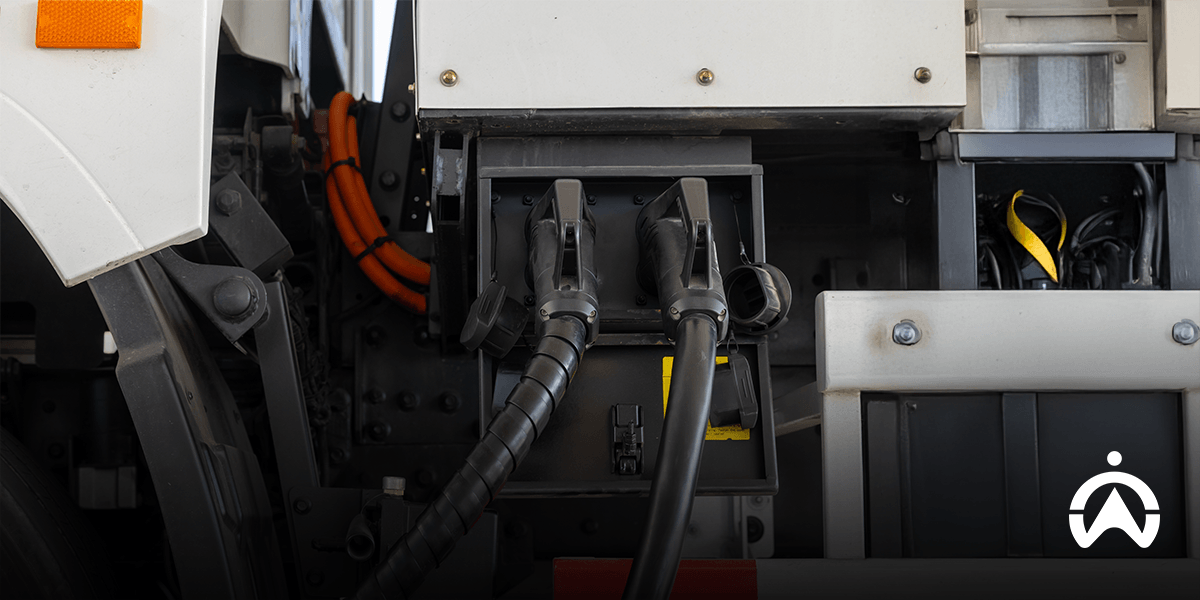
Close-up of truck electrical connectors, supporting total cost of ownership for electric vehicles in fleet maintenance.

Can Cartrack help you reduce costs and overall TCO?

Yes, Cartrack can help you reduce costs and overall TCO for your EV. Thanks to our fleet management software, FleetWeb, you don’t have to be concerned about handling all the admin and wasting business time. Your processes are automated, and you’re equipped with all the essential tools for seamless management. Smarter insights mean smoother operations, reduced damage, and minimal downtime.

FleetWeb is a comprehensive system that works just as well for EV fleets as it does for ICE fleets. Our features help you manage your operations more responsibly and save towards a better TCO.

Here’s how we can help reduce your total cost of ownership:

  • ‍Fuel management: Our software will monitor your fleet’s fuel use. With our fuel probes, you can keep track of how much fuel is in the tank at any given point. If sudden level drops happen (from acts like syphoning or fuel theft), then you’ll immediately be notified. All of this can help you manage fuel expenses, catch theft or fraud, and understand where waste occurs so you can quickly fix that.
    ‍
  • ‍Safety and security: Full visibility and anti-jamming properties are what we offer. We understand that as a manager/owner, you want to know where your fleet vehicles are at all times & be able to monitor the safety of drivers and cargo. Our tools can help you keep a close eye and stay in control at all times.

    Additionally, our high-end anti-jamming and recovery technologies will ensure that if a disaster strikes and a vehicle is stolen, our team will immediately take action and be ready to help with the recovery.
    ‍

  • ‍Driver behaviour monitoring: Poor driver road habits can mean spending extra. If your drivers are reckless and driving dangerously, this could equate to more fuel being used (because of speeding, taking corners sharply, etc.), increased wear & tear on the vehicle, and general threats to safety.

    Our AI camera solutions and driver scorecards ensure you keep a close eye on drivers while being able to coach them with actual records of their scores and footage of triggered events.
    ‍

  • ‍Optimisation: From routes to operational processes, optimisation is a major key to saving money. Our software will help your drivers take the most efficient routes when they’re on the road, automate workflows, and make obtaining reports so simple. Optimisation is extra important in the case of EVs; range anxiety can be easily managed this way.
    ‍
  • ‍Proactive maintenance: Regular vehicle diagnostics ensure that your EVs stay in top condition. Get notifications on vehicle upkeep and the best scheduled times to service your vehicles. You’ll also get notifications regarding faults or failures. This feature is perfect for ensuring your fleet’s health and avoiding costly downtime.

Final takeaway: EVs are your fleet’s future

In the end, the TCO of electric fleet vehicles is still lower than that of petrol-powered vehicles. Many factors and considerations might throw off your personal verdict, but it’s the long-term successes that are a true reflection of this finding. And the numbers don’t lie!

Understanding the TCO for EV fleets is the key to discovering whether dipping your toes into electrification is something your business is ready for. EVs have the ability to outperform traditional vehicles, and transforming or mixing your fleet could be the key to remaining competitive. If you’re ready to keep your EV’s TCO down, Cartrack can handle that for you.

Call us today to optimise your EV fleet and save on operational costs! 

Frequently asked questions for the TCO of EV fleets

Why do EVs lose their value so quickly?

EVs lose their value so quickly because they’re expensive when initially purchased, but there’s also a bit of a mismatch when it comes to the retail demand. Although fleets are keeping the demand for EVs present, interest from private or individual motorists is starting to wane. People are also hesitant to buy second-hand.

How much does EV charging cost compared to petrol?

In this particular case, an electric vehicle (EV) can cost less per kilometre to run compared to petrol vehicles, depending on electricity tariffs and fuel prices. While EV charging costs are generally lower on a per-kilometre basis, petrol vehicles tend to have higher running costs due to fuel prices and consumption rates.

What is the 80/20 rule for electric cars?

The 80/20 rule for electric cars states that EVs should always be charged and operating between 20% and 80% battery, without moving outside of those percentage boundaries. Doing this is said to help manage range anxiety and keep the battery in peak condition.

Is insurance higher on electric cars?

Yes, insurance is usually higher on electric cars due to their specialised, newer technological parts and labour. EVs have expensive & specially designed batteries that need the help of uniquely skilled technicians and parts once the time for maintenance comes. Some insurers also haven’t caught up with the emergence of EV technology, immediately making EV premiums more expensive.

Pedestrian Collision Prevention: Alert Solution for Your Drivers and Fleet

Keeping your drivers and those around your vehicles safe should be your number one priority when it comes to running a fleet. This is why an alert solution to prevent pedestrian collisions is incredibly important. Not only is an accident involving a pedestrian almost always fatal, but it’s extremely traumatic for your drivers as well.

According to road safety reports, pedestrians account for a notable share of road fatalities in Namibia. Improving pedestrian safety continues to be an important focus, especially along high-traffic routes and in urban centres. The statistic is high, and even though the pedestrian could be at fault, it’s important that fleet managers take the necessary steps to prevent pedestrian accidents as much as possible.

This blog will explore all the different types of pedestrian collision prevention alert solutions for your fleet. Determine which solution is the right one for you and how Cartrack provides you with operational intelligence.

What devices are used to prevent pedestrian collisions?

The devices used to prevent pedestrian collisions are:

  • AI cameras
  • Radar sensors
  • Light Detection and Ranging (LiDAR)
  • Automatic Emergency Braking (AEB)

These are some of the top devices you as a fleet manager should get, depending on your budget and fleet needs.

AI cameras

Your basic dashcams will just record the road, while an AI camera system—like the one from Cartrack—has eyes in the cabin and on the road. These top-of-the-range AI cameras are fitted with an Advanced Driver Assistance System (ADAS) and Driver Monitoring Systems (DMS). 

DMS is used to detect driver behaviours that could be dangerous, such as:

  • Fatigue
  • Distracted driving
  • No seatbelt
  • Tampering with the camera
  • Smoking

ADAS software is used to pick up:

  • Blind spot detection
  • Forward collision warning
  • Automatic emergency braking
  • Adaptive cruise control
  • Lane departure warning
  • Pedestrian collision warning

Radar sensors

Radar sensors use radio waves to identify objects in a specific range to the vehicle.

Light Detection and Ranging (LiDAR)

LiDAR works by sending out invisible laser pulses that bounce off objects to take a detailed 3D map of the car’s surroundings.

Automatic Emergency Braking (AEB)

AEB is a safety tech that works with onboard sensors, GPS, radars, cameras and lasers. It is triggered when a driver isn’t braking or doing it fast enough to prevent a collision.


Why do fleets need a pedestrian collision prevention alert?

Fleets need a pedestrian collision prevention alert because there’s too much risk to your operations if your drivers do hit a pedestrian. Depending on where your fleet operates most, they’re either on the road or on site, and for both, there are pedestrians around.

Trucks are big and have plenty of blind spots. It’s very easy for your driver to not see a person crossing the road or walking behind the vehicle, leading to a devastating accident.

If you want to ensure that your drivers and those around the vehicle are safe, you should equip your fleet with high-tech AI cameras. Ones that give you full visibility around your vehicles and that also have a pedestrian collision prevention alert.

What are the consequences of hitting a pedestrian?

There are severe consequences for hitting a pedestrian, such as:

  • A criminal charge of reckless driving
  • A criminal charge of negligent driving
  • A criminal charge of homicide
  • A civil claim for personal injury
  • Expensive fines
  • Suspension of your licence
  • Imprisonment
  • A permanent criminal record

How do vehicle cameras protect fleet drivers and companies from accident liability?

Vehicle cameras protect your company and your drivers from accident liability by providing indisputable evidence. Other ways that vehicle cameras can assist are by improving your drivers’ bad driving habits, protecting your business and drivers against false claims and reducing legal costs.

Let’s say your driver, David, is on his way to drop off a shipment to your client; the robot is green as he’s approaching it, and he’s driving the speed limit. A guy runs across the road as he’s approaching the robot; he sees him, and he gets a pedestrian alert from his AI camera system. He brakes, but unfortunately he still knocks the pedestrian down.

The man was injured, makes a claim against your business and your driver for negligent driving and wants compensation. However, your vehicle is equipped with Cartrack’s AI Multivision camera system, and you have proof that the pedestrian was actually at fault.

You have now prevented a PR nightmare for your company, expensive legal fees, and on top of that, you’ve protected your driver.

The true cost of a pedestrian accident

The true cost that comes with bumping a pedestrian with your vehicle is not the damage but the trauma your driver will have. A normal accident is bad enough, but to hit a person directly can completely affect your drivers.

This factor will cost you far more than any damage to your vehicle. If your driver has bumped someone, the possibility of it taking a toll on them mentally and emotionally is incredibly high. They’ll possibly have PTSD and could be a hazard on the road afterwards because they’re now afraid of knocking down someone else.

This can affect your fleet operations, which is why having a pedestrian collision prevention alert solution will help your drivers feel safer on the road and more supported.

Which pedestrian accident prevention system is the best?

No single pedestrian accident prevention system is the best; however, the combination of ADAS, LiDAR and AEB would be viewed as the most accurate option. At the end of the day you need to find what works for your fleet and your budget.

If your fleet operates in mostly remote places where foot traffic is low, a simple yet efficient tool like an AI camera system is more than enough. However, if your vehicles are operating in major cities and busy urban areas, we suggest getting a full house system that provides your driver with all the tools necessary to stop in time.

An often overlooked tool to prevent pedestrian accidents is driver coaching. When your drivers stay focused, obey speed limits, and navigate corners carefully, they can often spot hazardous pedestrians before issues arise.


What additional tools besides a pedestrian collision prevention alert should I get to keep my fleet and drivers safe?

These are some of the additional tools besides a pedestrian collision prevention alert that you should get to keep my fleet and drivers safe:

  • A GPS tracking device and telematics system
  • AI multivision cameras
  • Driver scorecards
  • Panic buttons
  • Predictive maintenance
  • Remote vehicle immobilisation

PS: You can get all of these and more from a place that loves your fleet as much as you do! Cartrack!

A GPS tracking device and telematics system

Having a GPS tracking device and a telematics system will give you and your drivers peace of mind if anything has to happen to your vehicles. You’ll be able to see where your drivers are at all times and optimise their routes, and if your truck gets stolen, Cartrack will go out and get it back to you!

AI multivision cameras

AI multivision cameras are incredibly important. Not only will you have eyes on your drivers, but your drivers will have eyes right around their vehicle, including blind spots. These cameras assist with decreasing the chance of accidents happening, and they can help with any insurance claims if an accident does occur!

Driver scorecards

Driver scorecards work wonderfully to get your drivers motivated to drive better and safer. Drivers automatically have 100 points, and points are removed for each bad driving event, like harsh braking, speeding, skipping red lights, distracted driving, etc. You can also reward good driver behaviour with incentives to keep your team motivated!

Panic buttons

Installing panic buttons in your fleet is a must! These aren’t only for cases of hijackings but also for any emergency your drivers face. If your driver bumps a pedestrian in the middle of the night in a remote area and has no cellphone coverage, they can press the panic button, and our dispatches will send help!

Predictive maintenance

Predictive maintenance is so important to keeping your fleet and drivers safe. The last thing you want is the brakes or gearbox to fail while your drivers are on the road. Predictive maintenance can prevent all of this from happening by picking up faults before they cause a catastrophe!

Remote vehicle immobilisation

If your drivers are travelling in Namibia where vehicle theft is common, you should invest in remote vehicle immobilisation. This way you’ll know if your vehicle has been taken by an unauthorised individual, and you’ll be able to stop the vehicle in its tracks before it gets stripped for parts.

So if you’re ready to keep those in and out of your vehicles safe, contact us today to get our road safety ecosystem in your fleet! 

Frequently asked questions about pedestrian collision prevention alerts

How does a pedestrian collision prevention system differ from a standard dashcam?

Your standard dashcam will just record what’s happening on the road, whereas a pedestrian collision prevention system will have eyes and sensors on the road. These sensors will alert the driver of nearby pedestrians and help them avoid an accident.

Can these systems operate effectively in low-light or bad weather conditions?

These systems can operate effectively in low-light or bad weather conditions if they have thermal capabilities. However, if your system doesn’t have a thermal sensor, you could face visibility problems if the conditions on the road are less than ideal.

Are these AI camera systems compatible with older fleets?

Yes, AI camera systems are compatible with older fleets because they don’t need to be connected to your vehicle’s engine computer to work. The camera and sensor systems are mounted to your windscreen or dashboard and just need to be connected to a power source.

Mining Equipment Tracking for Yellow Metal and More

If you’re looking for technology to help you track your yellow metal mining equipment and other assets, you’ve come to the right place. At Cartrack, we have various types of tracking units and sensors to help you monitor the movements, fuel usage, and health of your mining equipment.

As the years go by, technology is shifting the way mines operate. According to Empire CAT, new technological innovations for mining operations have brought in increased productivity, better safety, improved equipment health, and less environmental harm.

Today we’re going to give you more insight into how you can track your yellow metal equipment and why you should partner with us for improved mining operations.

What mining equipment can be tracked?

You can track various types of mining equipment, like excavators, bulldozers, and blast drill rigs. Each machine has its own nuances and will therefore require a specific tracking unit. With the right fleet management system, you’ll be able to manage all these machines more effectively through technologies like GPS trackers, telematics, sensors, and cameras.

What challenges are there with tracking yellow metal?

The challenges that fleet managers often encounter with tracking yellow metal are:

  • Ensuring safety and compliance
  • Monitoring equipment usage
  • Locating equipment
  • Tracking fuel consumption

With the right technology and a better understanding of your operational needs, you can overcome all these challenges.

Safety and compliance

Your fleet operators must follow safety protocol as per the industry regulations, but when you don’t have technology in place, ensuring safety and compliance becomes difficult. Some laws often get overlooked, which results in recurring accidents. The lack of information pertaining to those accidents leads to never-ending investigations because finding the root cause is also difficult.

Fuel consumption tracking

You need an accurate analysis of fuel consumption to save costs. But again, without any technology helping you, fuel consumption levels become difficult to trace. This increases the chances of unnoticed fuel theft or leakage, both of which will cost you a fortune.

Equipment use

How do you know if your operators are being productive or just leaving the machines on idle? How do you know which equipment is being overused and on the brink of a breakdown? The inability to measure productivity levels and your fleet’s utilisation rate brings about efficiency problems and maintenance issues.

Another issue with monitoring equipment usage (or the lack thereof) is ensuring that each machine is in the hands of the right people. As we all know, those who can operate specialised machines are often paid more. So in an effort to make more money, operators sometimes take advantage of the fact that you can’t track equipment licences and they then use machines they aren’t qualified for. This leads to more possible accidents and extra pay that wasn’t budgeted for.

Locating equipment

There’s no way to know where all the machines are if you don’t have GPS tracking units. Without them, it makes it nearly impossible to notice when machines have left the site. It also exposes your vehicles, high-value cargo, and equipment to theft, which you might not notice until much later.

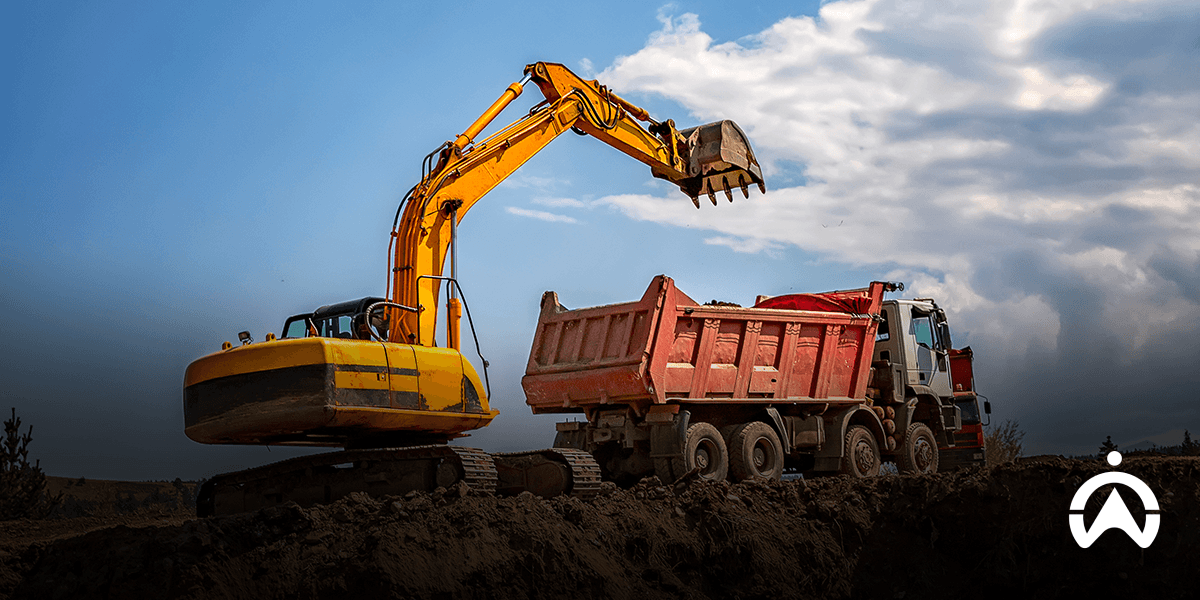
Yellow excavator loading soil into a red dump truck at a construction site under a partly cloudy sky.

What tracking devices are used for mining equipment?

At Cartrack, we’ve got various devices that you can use to track your yellow metal equipment and drivers, like:

  • GPS tracking units
  • Speed Buzzers
  • AI Cameras
  • Power Take-Off sensors
  • Breathalyser
  • Fuel sensors

Together, these solutions ensure compliance, enhance safety, boost productivity, and help you be better at maintaining the machines.

Here’s a breakdown of how these solutions work:

GPS tracking unit

You can use our GPS tracking units to keep track of the whereabouts of yellow metal and other vehicles. This ensures they remain on-site. Our GPS tracking units also have telematics capabilities, which means you can see how your operator behaves when using your yellow metal.

Speed buzzers

Ensure all your vehicles and yellow metal machines remain within the set mining speed limit using our speed buzzers. The buzzer is placed underneath the chair, and when a driver goes above the speed limit, the whole seat vibrates. This alerts the driver, prompting them to lower their speed. The speed buzzer you notice is also helpful for quickly noticing possible theft, like when a person tries to speed out of the site carrying your minerals.

AI cameras

You can install AI-powered cameras in your excavators, bulldozers, mobile cranes, and other equipment to enhance the safety of your operators. Our AI cameras can detect when drivers are distracted by things like cellphones, fatigue, and smoking. They can also detect when drivers don’t have their seatbelts on. Once detected, the camera system releases audible alerts so drivers can make changes and focus on what they’re doing.

Panic button

Accidents can happen at any time, and calling for help in such a busy and loud environment is difficult. You can install a panic button in each of your vehicles to ensure your drivers get emergency assistance as soon as possible.

Power take-off sensors

Our Power Take-Off sensors help you keep a close eye on productivity levels. You’ll be able to tell the difference between a machine that was just idling all day and one that was actually productive. Let’s use a dump truck as an example; our power take-off sensors will let you know when the tippers go down and up, helping you keep track of how often it happens.

Breathalyser

Driving under the influence is a dangerous act, as we all know, and in the mines, it can lead to catastrophic accidents. For this reason, we have breathalysers that you can use daily to ensure your drivers are in the right state to use your equipment and avoid accidents.

Fuel sensors

For your on-site fuel tanks, we’ve got fuel probes. Fuel probes are the best way to monitor fuel usage in real time. A fuel probe is a sensor placed inside a tank, and each time the fuel levels go up or down, you’ll get an alert. This makes it easy to notice an unusual or rapid drop in fuel levels, which could mean someone is trying to steal large amounts of fuel or there’s a leak.

You can also install fuel probes in the tanks of each vehicle to get accurate live fuel consumption levels.

DID tags

To resolve the issue of operators using equipment they aren’t licensed for, we’ve got Driver Identification (DID) tags. Each tag is linked to a specific vehicle or machine, so you only assign them according to what each operator is licensed to use.

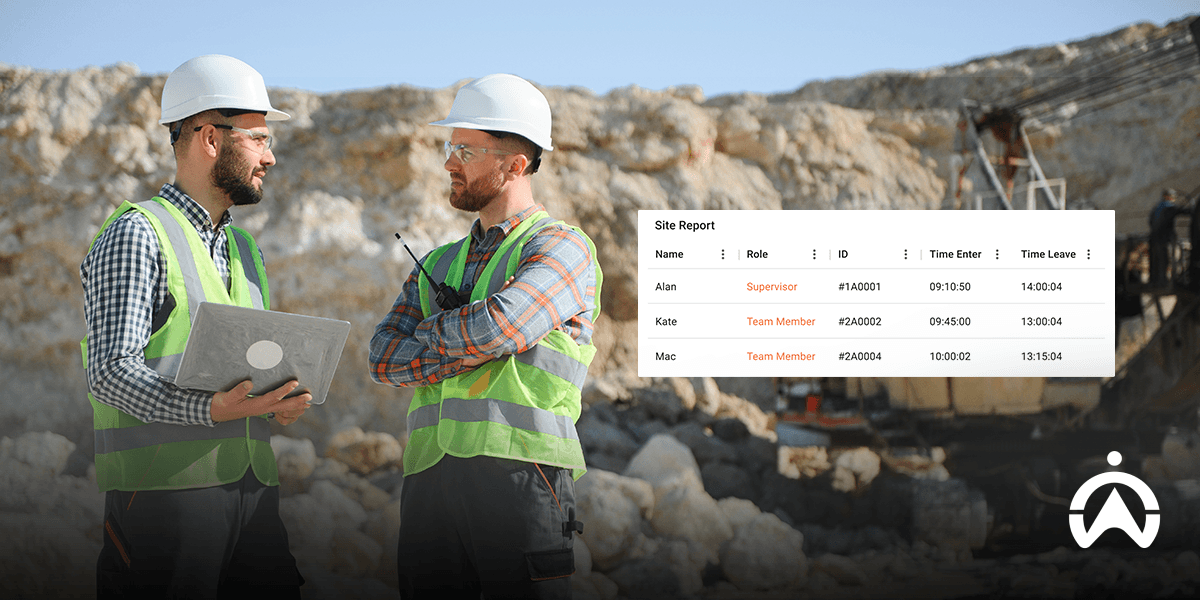
Two construction workers in helmets and vests discuss a tablet at a rocky site, with a site report overlay showing staff entry and exit times.

What about tracking other mining assets?

To track mining assets like trailers and conveyors, you can choose any of our three tracking units, which don’t require a power source to function. These are:

  • Cartrack Tag
  • Track & Go
  • Asset Tracker

The one you choose will depend on your specific tracking needs.

Here’s how they work:

Cartrack Tag

The Cartrack Tag is a device that’s permanently installed in your assets for location purposes. It doesn’t need charging and has a long-lasting battery. This is the ideal solution for tracking assets on a large mining site because you can create a radius around the mine and ensure that the asset remains within that radius.

Asset tracker

Our Asset Tracker unit is also another way to ensure you always know where your assets are. It gives you daily location updates, so you never have issues with misplaced assets. Like the Tag, it also has a long-lasting battery life. The asset tracker is an ideal solution for assets that you only need to check on every once in a while.

Track & Go

The Track & Go solution is an asset tracker that can be moved from one asset to another. It’s for assets that don’t always need tracking, like the ones you rent every now and then. This ensures that none of them go missing while they’re with you. They give you real-time updates and are rechargeable.

We’re here to help you make your operations safer and more profitable

Our solutions give you more control over your large-scale mining operations and make managing your fleet easier. With us, you save time and complete tasks more quickly, therefore being more productive. You also reduce operational costs and the chances of accidents. Partnering with us ensures that you uphold your commitments and remain ahead of your competitors. So make sure you reach out to us to get the technology you need.

Frequently asked questions about mining equipment tracking

Which GPS is best for mining?

The best GPS for mining depends on your specific needs and requirements. At Cartrack, we’ve got various GPS trackers for all your mining vehicles, machines, and equipment. We help you quickly locate your assets and ensure proper utilisation. With our mining GPS tracking solutions, you’ll have a safer, more efficient mining fleet.

What are the main uses for GPS trackers in mining?

The main uses for GPS in mining are:

  • Locating vehicles and equipment
  • Monitoring driver behaviour
  • Preventing theft
  • Enhancing efficiency

GPS trackers are there to help you manage your mining resources better and ensure safety and compliance. They give you more insight into what every operator gets up to, so you can easily address your concerns and improve operations.

Field Service Management Software for Mobile Dog Parlour Companies

Field service management (FSM) software for mobile dog parlour companies is an absolute must if you want to stay competitive and efficient. The best FSM is one that supports your operations and keeps you delivering top-notch service every time. Cartrack’s solution is your go-to partner for long-term success.

According to industry insights, small service businesses in Namibia lose a considerable amount of productive time each year to administrative tasks, which can negatively affect productivity and business performance. Time spent on manual administration often limits business owners’ ability to focus on operations, customer service, and expansion. With the right FSM software at hand, you won’t be at the helm of unfocused operations. Avoid that chaos and unproductiveness with the right FSM tool on your side.

Stay ahead with what could transform your business operations for the better. In this blog, you’ll understand the benefits of adopting FSMs, what they could do to grow your grooming business, and how Cartrack can help maximise your mobile pet business’ success.

‘Ruff’ patches: Overcoming mobile dog parlour challenges

Overcoming mobile dog parlour challenges means tackling route issues, dealing with burnout, and handling tough and demanding customers. Though convenient, offering this kind of service comes with a unique set of problems to consider. All of these challenges can only be solved with the help of an FSM.

Physical and emotional burnout

What’s the problem? Employees are in the field carrying out a very demanding job, putting in some serious legwork and often working on their own in their designated vehicle. You’re ensuring each employee is safe, that tasks are dispatched fairly, that invoices are correct, and that fleet vehicles are where they’re supposed to be.

Everyone in your mobile doggy care business has the potential to feel overworked and overwhelmed.

What an FSM can do: An FSM does the thinking and managing for you. It tackles the issues of overextending tasks, helping you and your employees manage your physical and emotional burnout. You don’t have to spend hours and hours managing operations or worrying about where your vehicles are. Your employees’ schedules can be spread out so that no one is overworked.

An FMS isn’t just a tool; it’s peace of mind.

On-road and traffic nightmares

What’s the problem? On-road and traffic nightmares can potentially cause disruption if you’re not prepared. An appointment scheduled for 8 AM but only starting at 9 could set your employee’s whole day back, affecting your earnings for the day and creating a level of unreliability for your customers. Extreme weather conditions could also make your doggy clients feel scared, irritated, or nervous.

Additionally, security and protection are a serious concern, especially if employees are travelling to unfamiliar areas and working by themselves.

What an FSM can do: An FSM can help you navigate all of that drama. It’ll assist you with planning the best routes and help you understand how much breathing time you need between appointments. With that, you can account for surprises and urgent changes.

The FSM also innately includes GPS tracking, a key to monitoring and adopting safety strategies for your employees who are out in the field.

Fussy customers

What’s the problem? Fussy customers have the potential to be make-or-break customers, especially if you aren’t clear with communication or following instructions to a ‘T’. Customers can be extremely particular about their dogs. This is worse if their furry friend has allergies, they want their appearance a certain way, or there are other sensitivities to be aware of.

What an FSM can do: When you assign a job to one of your employees, you’re able to make notes for specificities. Does this dog have allergies? No problem; make a note of it in the job card. This owner doesn’t want the tail trimmed? Easy; make a note of it in the job card. This ensures everyone is on the same page and there are no surprises.

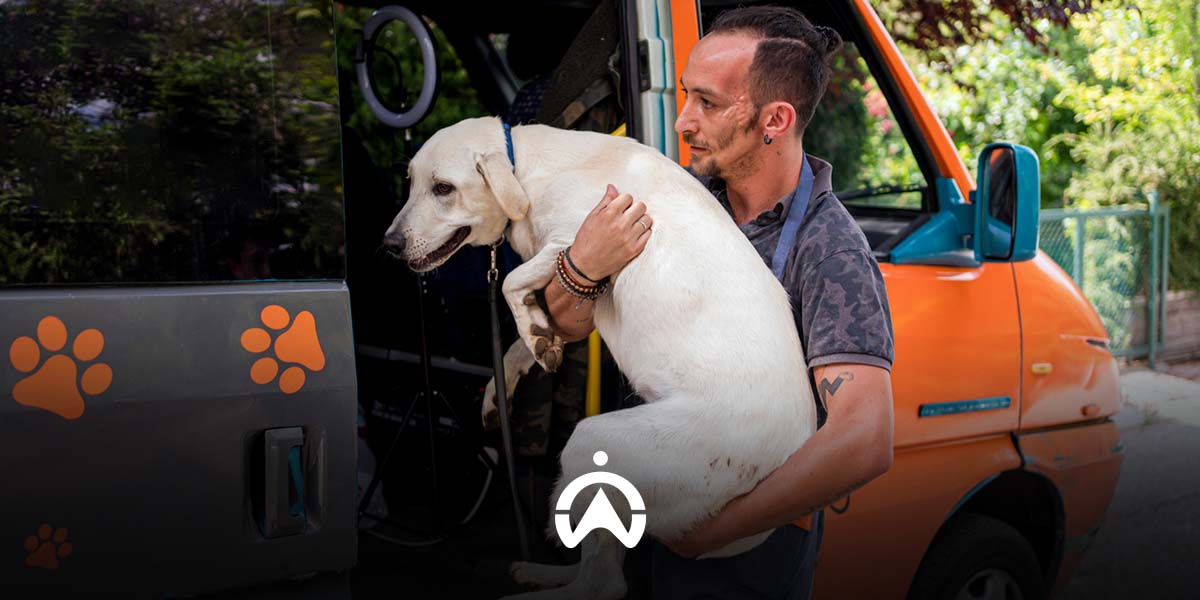
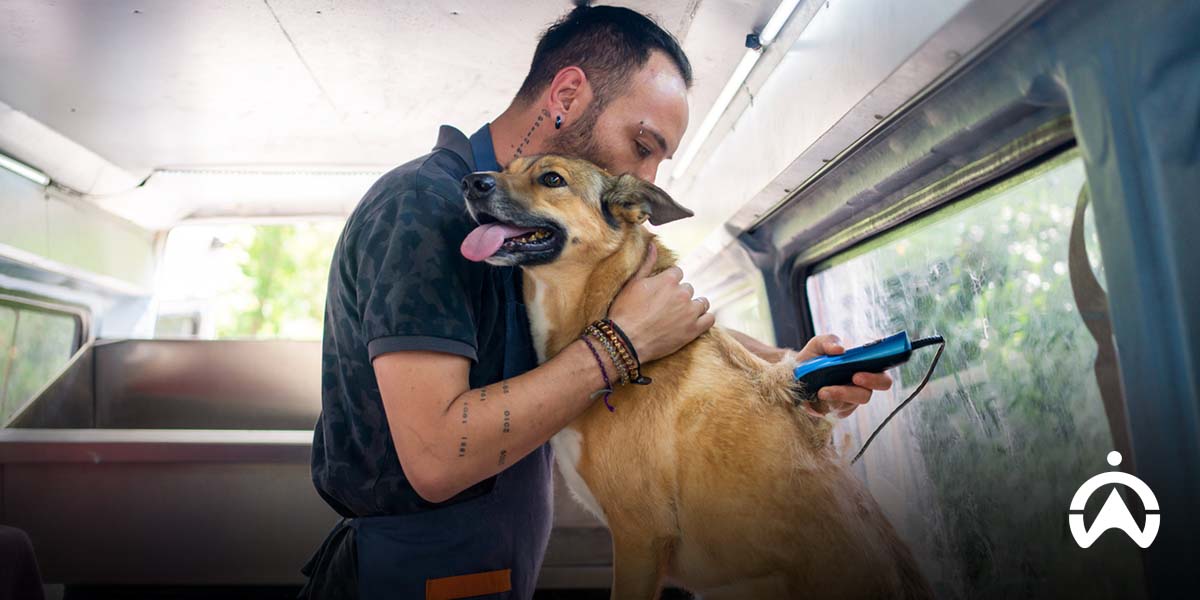
Person grooming a large dog with electric clippers inside a well-lit vehicle or grooming van.

How does field service software help mobile dog parlours function optimally?

Field service software helps mobile dog parlours function optimally by providing you with a clear overview of business operations, handling task assignments & scheduling better, and building stronger customer connections. We understand that running a mobile dog parlour means dealing with a million things at once. That’s why the right FSM is crucial for achieving flawless business execution.

Scheduling and task assignments are made easy

If you have a fleet of mobile parlours, an FSM is the key to smarter scheduling. You can easily ensure that everyone’s tasks are assigned accordingly, while also being able to quickly reassign them if an emergency occurs. This means you don’t have to worry about potential delays or missed appointments, keeping your customers happy.

Customer connections and communications are improved

With an FSM, your customers are always informed. You can keep them updated about the service and share updates about the work as it’s in progress and when it’s done. This kind of communication promotes a level of trust, which means a happier and more satisfied customer base.

There are cut-downs in delays and downtime

Thanks to features like route optimisation and smart scheduling, you can cut out all that wasted time. Any mobile business providing a service means tight schedules that need to account for real-world hiccups. Route optimisation means faster arrival times for your staff. This links strongly to the above point about maintaining strong customer relations.

You have full visibility and control over operations

An FSM ensures that you have eyes on your fleet and pet groomers who are out in the field at all times. Nothing has to be handled manually, as systems are automated, and getting reports & insights is as simple as filtering & exporting the information you need. You can also manage your whole team from one app, giving you complete control.

You can grow your business with confidence

It doesn’t matter how big or small your business is. Every business needs help keeping operations in order and wisely reinvesting profits rather than wasting time and resources. A strong FSM ensures everything is professionally managed and taken care of.

As your business grows, the FSM should comfortably grow with you. Our solutions are flexible and can accommodate your needs as they change. You shouldn’t have to dip into or rely on other systems that might add even more complexity to your operations.

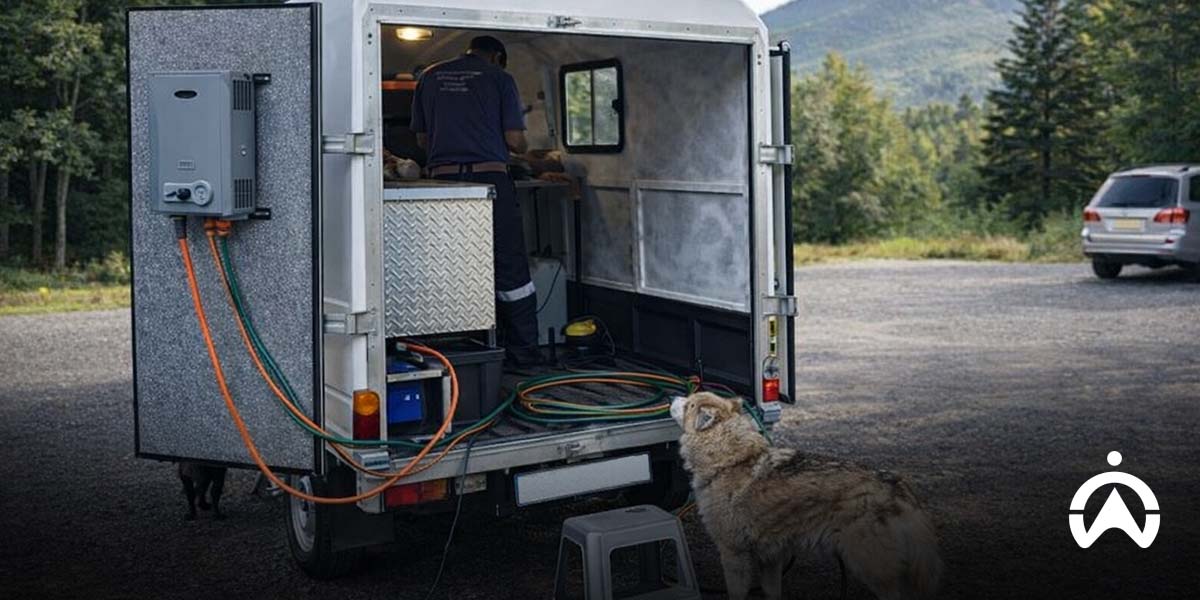
Man working inside a van with cables connected, a dog standing outside, and a car parked on a gravel road near forested hills.

Which field service management software is best for mobile dog parlours?

As mentioned, the field service management software that’s best for mobile dog parlours is one that minimises hassle and improves all workflows. Cartrack has all the necessary tools and resources, offering an all-in-one solution that meets your unique mobile field services needs.

Our FSM has a proof of service/photo attachment option: a fun, secret weapon feature. This allows employees to make visual or digitally signed recognition of a job well done. If your employee notices any kind of issue before services are carried out, they can take a picture before the appointment to protect themselves and the business.

Our software is comprehensive, flexible, and fully functional. We have an API-first approach, ready to accommodate any of your third-party systems. We’ll help you save money and cut expenses. We’ll make communication better for you, your team, and your customer base. And, most importantly, you’ll boost productivity and overall output.

Final takeaway: Elevate your mobile doggy service!

When you choose to implement an FSM, you choose to take control of the future of your pet parlour service. You can watch your productivity increase, savings multiply, and your position in the industry rise. Overall, you’re improving your work processes while keeping your staff and clients at the forefront.

You’ve already tapped into an exciting, fulfilling, and lucrative gap in the market. Allow our FSM solution to take your business to the next level.

Don’t chase your tail trying to get your business in order. Talk to our Cartrack professionals about scheduling a demo and see first hand what our FSM can do!

Frequently asked questions about field service software for mobile dog parlours

What does FFF mean in dog grooming?

‘FFF’ in dog grooming means ‘feet, face, and fanny’. This is a popular technique amongst pet groomers that highlights key areas that need to be kept clean and groomed, without doing a full trim or package. Clients typically choose an ‘FFF’ trim for their dogs if they need a quick clean-up or are a while away from their full groom.

What’s the difference between CRM and FSM?

The difference between CRM and FSM is that CRM (Customer Relationship Management) is about people, marketing, and how that translates to leads. FSM is centred more around logistics and the optimised management of field workers while they’re out completing deliveries.

Why do dog grooming businesses fail?

Dog grooming businesses fail because of:

  • struggling to keep up with finances and setting up bad pricing frameworks
  • burnout due to taking on too many appointments
  • not having a sophisticated software system to help with the workload, and
  • failing to research properly before starting your business.

What is Cold Chain Temperature Monitoring, and What is Best for Your Business?

Cold chain temperature monitoring uses a blend of tools and technologies to track and manage the temperature of perishable or temperature-sensitive goods, ensuring they remain cool during transportation. What’s best for your business is strong and reliable temperature sensors combined with a powerful fleet management system and GPS tracking.

In Namibia’s export sector, logistics delays can result in financial losses, particularly in the fruit industry. Large volumes of perishable goods are often at risk during storage and transport, especially where cold chain infrastructure is limited or disrupted. Breaks in the cold chain can lead to spoilage, reduced quality, and financial losses for producers and exporters. This highlights key challenges in risk management and emphasises the need to maintain proper temperatures.

Don’t let your business suffer immeasurable loss, financial strain, and damage to your brand. In this blog, we’ll help you understand more about temperature monitoring, ways to maximise control of the climate for your perishables, and why Cartrack can help you successfully transport your food.

Which cold chain monitoring solution fits your business?

The cold chain monitoring solution that fits your business includes a strong temperature management system like FleetWeb, paired with the right sensors to help you maintain total control. Cold chain monitoring is a core part of your business’ supply chain. From production and preparation to distribution, your goods should remain safe and temperature-controlled.

You also might benefit greatly from numerous sensors in your cargo bay, obtaining more accurate readings and better reporting.

What’s cold chain temperature monitoring?

Cold chain temperature monitoring is about combining sensors and powerful software technology to effectively manage your perishable goods. This is typically while in transit, but can also include storage. Temperatures are set and managed in real time. The link to a fleet management system (FMS) keeps you alerted to temperature changes, cargo door activity, and potential hardware/sensor malfunctions.

These temperature-sensitive goods typically include (but aren’t limited to) frozen foods like fresh fruits and vegetables, deep-frozen foods like meat and seafood, and pharmaceuticals like vaccines.

What devices are used to keep cold chain cargo bays at certain temperatures?

Devices used to keep cold chain cargo bays at certain temperatures are tools like cargo door sensors, temperature sensors, live GPS tracking, and an FMS.

Take a look at each and why they matter:

  • Cargo door sensors: Keep track of when and how often your cargo doors are opened and closed. Also, get an immediate notification when your doors are opened by unauthorised people.
    ‍
  • Temperature sensors: Temperature monitoring and probes monitor your vehicle’s cargo bay climate at all times. Get immediate notifications of changes and temperature shifts. Use numerous probes in your refrigeration trailer for better readings.
    ‍
  • Live GPS tracking: The integration of IoT (Internet of Things) devices and GPS tracking helps produce accurate alerts, as well as detailed histories and insights.
    ‍
  • Fleet management system: Although not a device, an FMS brings all the hardware outputs together. It stores all the necessary data collected for you to retrieve whenever you need it.

Why does temperature monitoring matter?

Temperature monitoring matters because sensitive goods need to be handled correctly and with care. Temperature variations can result in spoilt, damaged, or ineffective goods if not tended to as quickly as possible, which is why immediate and regular notifications are important.

Compliance and regulations must be met. Because strict regulations are put in place, especially in the pharmaceutical sector, temperature monitoring is vital. The connected monitoring system allows you and your drivers to react quickly, but also keeps records of changes that prove adherence.

What methods are used for temperature monitoring in cold chain logistics?

Methods that are used for temperature monitoring in cold chain logistics include keeping food at the right temperature, driving carefully to avoid collisions, and keeping cargo bays free from external air.

Keeping food at the right temperature is the most important and evident point. Driving carefully to avoid collisions is an important part of minimising damage. When your drivers move recklessly on the roads, there’s a greater chance of ruining not only your cargo but also the connected sensors as well.

Finally, keeping air out of the refrigerator or trailer is a passive but effective way for you to proactively ensure your goods are kept fresh. This is maintained by keeping the cargo doors closed & sealed, and ensuring your drivers are completing pre-trip inspections to make sure doors are secured.

Refrigerated delivery truck on highway supporting cold chain temperature monitoring during food transport.

How do fleet operations affect your temperature monitoring needs?

Fleet operations affect your temperature monitoring needs when certain elements aren’t planned for, especially when considering how long certain transit trips can be. Factors like immediate alerts and reaction/recovery time are the key to keeping products of high quality. Cold chain management looks a bit different for each business, so it’s important to carefully configure things as necessary.

Food and beverages

Food and beverages need a high level of management when it comes to cargo bay climate control. It helps that food and drinks are pre-packaged airtight, but as their package instructions will typically show, thawing and refreezing isn’t good for the food. Consistently doing so will reduce the quality of the products.

Fluids

Fluids, whether we’re talking about dairy, medical liquids, or raw chemicals, need extremely high levels of control. In fact, fluids might have some of the highest levels of compliance and strict regulations attached to them.

Most of the time, hardware and sensors extend to measuring the liquid itself, together with measuring the climate in the cargo bay.

Organic foods

Organic foods also need an extremely high and strict level of management. Organic foods are quite special and different from other products because they need a specific climate to remain fresh and undamaged. Climate control goes beyond just ensuring it’s cold enough; it needs a precise and delicate balance between cold and humidity.

This needs to closely resemble the ideal climate in the real world.

Which industry sectors rely on temperature monitoring?

The industry sectors that rely on temperature monitoring go beyond food, healthcare, and pharmaceuticals. It also includes the floral business, biological technologies, and chemical manufacturing. Some industries are more obvious than others, but each has its own key reason for cargo climate control.

Let’s take a quick look:

  • Food: From foods and beverages to agricultural products; perishables, fresh produce, and dairy products are kept safe, nutritional, and edible.
    ‍
  • Healthcare: Supplies like blood, organs, and test samples from patients are kept uncompromised and unspoiled, especially during transportation in urgent, life-threatening moments. This temperature management extends to vehicles like hearses and ambulances.
    ‍
  • Pharmaceuticals: Through cooling control, vaccines and medicines maintain quality and effectiveness. A single spoilt batch can have dire medical consequences.
    ‍
  • Floral business: Flowers and plants remain unwilted and fresh from the nursery to the florist’s store.
    ‍
  • Biotechnology: Biological technologies demand rigorous temperature standards to stay viable.
    ‍
  • Chemical manufacturing: Sensitive chemicals and raw materials remain stable and unspoiled when kept at low temperatures.

Myth vs Fact: Clearing up some misconceptions about cold chain logistics

When looking at some myths versus facts regarding cold chain logistics, it’s easy to make some assumptions that could potentially lead you astray. Temperature management is fragile and elaborate. You’d rather be certain than play a guessing game when it comes to the quality of your goods.

Myth: Small businesses don’t need temperature monitoring

False; small businesses do need temperature monitoring. The size of the business doesn’t change the importance of keeping goods protected and ensuring compliance. In fact, a smaller business might feel an even greater impact on its finances because it has more to lose if goods are spoilt, losses are faced, or there’s damage to the business reputation.

Myth: Cold chain temperature monitoring is too expensive

False; cold chain temperature monitoring isn’t too expensive, although the initial costs might make it seem that way. Like most valuable systems, the upfront costs are usually far higher and might deter you at first. But it’s the long-term value that’ll prove otherwise. Poor temperature management means major losses and customer disappointment.

Myth: Temperature control doesn’t have to be a delicate process

False; temperature control is quite a delicate process and has to be followed to a ‘T’; that’s the nature of sensitive goods risk management. Small mistakes are unfortunately harmful if not corrected quickly and carefully, leading to spoilt foods, ineffective vaccines, unviable organs and the like.

Myth: Slight variations in temperature are okay

False; slight variations aren’t okay and should always be addressed as quickly as possible. If you have a temperature range to work within, that’s perfectly fine, but don’t veer outside of it.

Perishables are extremely finicky, and operating outside the established temperature range could immediately spoil the goods. It would also mean you’re not complying with the relevant health and safety regulations.

Myth: Temperature-controlled cargoes are bad for the environment

False; temperature-controlled cargoes aren’t bad for the environment, despite requiring reasonable amounts of energy to keep the cooling power going. The notion that energy use equates to harm to the environment ignores the work that cooling and refrigeration do to keep food fresh, unspoiled, and unwasted.

Reduced food waste plays a massive role in sustainability. Proper management of trucks and cooling equipment can also keep carbon emissions low. By avoiding old, underperforming trucks and monitoring sensor performance, you can keep your carbon emissions low.

Technician using HVAC pressure gauges on refrigerated vehicle, supporting Cartrack cold chain temperature monitoring.

Which cold chain temperature monitoring system is best for Namibian fleets?

The best cold chain temperature monitoring system is one that allows you to keep track of your sensitive cargo at all times. This means choosing to implement a total ecosystem that’s efficient and keeps you notified at all times. As mentioned, achieving this is about getting the right hardware and connecting it to a sophisticated FMS and GPS tracking.

Cartrack could be your partner in long-term food and pharmaceutical risk management. With us, you’ll have all the tools needed to keep your sensitive foods or goods safe and temperature-controlled. We have industry-specialised sensors, like temperature and cargo door monitoring, which can be added to your overall fleet package. You’ll also have total control over temperature management with FleetWeb.

FleetWeb, thanks to GPS tracking and IoT technologies, will send you consistent alerts about temperature changes and shifts. These immediate notifications ensure you can quickly and urgently contact the driver or replace refrigeration trailers if necessary. FleetWeb also helps you achieve operational visibility, allowing you to keep an eye on your fleet while using trip data to optimise driver routes.

Finally, know that you can automate and digitally organise your temperature monitoring, keeping you compliant and in line with food and pharmaceutical regulations. Your temperature monitoring stores detailed records, ensuring that all the insights are available whenever needed.

Final takeaway: Stay on top of your inventory

You no longer have to worry about the state of your goods when they’re being transported. With the right solution, featuring a strong temperature monitoring system like FleetWeb and paired with the right sensors, you’ll maintain total control. Product quality can be maintained, waste can be reduced, and compliance matters can be met.

Cartrack’s got your back. Not only do we fully equip you with the necessary tools, but we also ensure you’re able to achieve operational efficiency through proactive efforts and complete visibility. You can lead the way and stay ahead of your competitors while our fleet systems and sensors do the heavy lifting.

Are you ready to see the most optimised execution of your cold chain temperature management? Speak to a Cartrack specialist today to keep your goods in check!

Frequently asked questions about cold chain temperature monitoring

What are the 4 types of temperature sensors?

The 4 types of temperature sensors are:

  • thermocouples, the most common type, are used in everything from your home to businesses
  • negative temperature coefficient thermistors (NTC), which are also quite accurate but not as good as RTDs
  • semiconductor-based sensors, which aren’t the most accurate and have slow responses, and
  • resistance temperature detector (RTD), which is usually considered the most reliable.

What temperature is recommended for the cold chain?

The temperature recommended for the cold chain depends on what you’re transporting and whether they’re being transported during the warmer months. Temperatures are also set according to the manufacturer’s recommendations. For example, deep-frozen foods are kept at around -30 degrees, whereas vaccines must be kept cool but never frozen between 2 and 8 degrees.

What are the 3 Ps in the supply chain?

The 3 Ps in supply chain are:

  • processes, which focus on the way things move and how products are managed from start to finish
  • people, which centres around taking care of and uplifting the people who are involved in handling the logistics, and
  • physical resources, which are the tools used to make the processes possible and manageable.

Is cold chain expensive to maintain?

Yes, cold chain can be expensive to maintain because of its intricate nature. Temperature management involves very specific hardware, constant & strict monitoring according to regulation, and routine maintenance. These all add up to high electricity & fuel use, as well as higher overall costs.

How to Protect Yourself as an e-Hailing Driver

To protect yourself as an e-hailing driver, you must get a good dashcam that captures clear footage of everything that happens in and outside the vehicle. A dashcam won’t stop criminals from gaining access to your vehicle, but the recorded footage will help you find the culprits. A dashcam also helps you quickly resolve false client accusations, protecting your reputation.

Dashcam usage is on the rise, as many people are now seeing how useful these gadgets can be for holding people accountable for their actions. Shocking video footage of a Bolt driver who lost his life due to criminal activity gained widespread social media traction, resulting in the whole country going on a manhunt.

If it weren’t for the dashcam, finding the culprits would’ve been nearly impossible. The dashcam in question is one of Cartrack’s, and for that reason, we’re here to share more tips on how you can protect yourself or your drivers.

Here’s how you can protect yourself as an e-hailing driver

To protect yourself as an e-hailing driver, you must ensure the requested rides are from valid accounts, check the client’s ratings, and be vigilant. You must also invest in security measures like panic buttons and dashcams. These security measures won’t stop the thief from entering your vehicle, but they’ll be helpful in getting you quick assistance.

Here’s a detailed breakdown of what you need to do to protect yourself:

Practice hypervigilance in high-risk areas

We know that most ride-hailing systems don’t allow you to see a customer’s destination until you reach the pick-up spot and start the trip. This makes it nearly impossible to avoid high-risk areas because your client might be headed there. Whenever that happens, make sure you’re hyper aware of your surroundings and check if you’re being followed.

No place is 100% safe, so staying vigilant is a must everywhere you go. Always make sure the doors are locked, check if you’re being followed, and watch out for unusual activities at traffic light stops.

Verify your rider’s details

Check the rider’s name on your app, and once they get into your vehicle, verify by asking for the name. You can tell them you want to make sure you’ve picked up the right person. A lot of drivers make the mistake of letting people in without confirming their identity.

If you get the opportunity, check the client’s ratings so you know how they’ve been with other drivers. Some e-hailing platforms even have verified badges on client profiles to show you that all client details are accurate. Others even tell you how long the person has been using that platform. A new profile with details that have not yet been verified by your e-hailing platform might be someone you need to avoid.

Stick to the route on your navigation system

In some instances, clients suggest routes they feel are better and supposedly faster. Criminals might recommend “better” routes to lure you to a less busy area where it’ll be easy for them to attack. For your safety, just stick to the navigator and explain to your client that this is what you feel is a better route. This might put a dent in your ratings, but at least you’ll be safe.


Get a professionally installed dashcam

A dashcam won’t necessarily stop the criminals from getting into your vehicle, but it’ll record everything that happens, which will make it easier to find them (as we’ve seen in recent events). It’s a must-have for every vehicle owner, and most certainly for you as an e-hailing driver because you’ll come across different situations every day.

Don’t fight for the vehicle; get a GPS tracker instead

GPS tracking devices are essential for vehicle recovery. When a hijacking happens, what matters most is your life. Don’t put your life at risk by going against what the hijackers tell you to do and fighting for the vehicle. Instead, get a GPS tracker so you can easily back off without a fight, knowing you’ll soon have it back.

Get an insurance cover

7 out of 10 vehicles in Namibia aren’t insured. Vehicle insurance is another important thing you must have for your vehicle so you can get a payout if ever the vehicle isn’t recovered.

Install a panic button

A panic button ensures a silent call for help, so you get assistance as soon as possible. Only you will know where the button is, and it won’t make a sound; so the thieves won’t know that help is already on the way.

In some instances, thieves might take your cell phone along with your vehicle to prevent you from calling for help immediately after the incident, giving them more time to get away. By investing in a panic button, you ensure a quick response to stop them in their tracks.

Why do e-hailing drivers need dashcams for extra protection on the road?

As an e-hailing driver, you need a dashcam for extra protection on the road because of the high crime rates. Besides hijackings and robberies, there are other situations that a dashcam can save you from, which are:

  • False accusations
  • Insurance scams
  • Accident liability

False accusations

There are many instances where drivers get accused of stealing clients’ belongings, like cellphones and purses. In other instances, a client can say they paid cash when, in fact, they didn’t. Whenever something like this happens, it’ll be your word against theirs, but with a dashcam you’ll have footage of what exactly transpired so you can prove your innocence.

Insurance scams

Nowadays, thieves come up with different ways for you to bump their vehicles so they can claim insurance. These scams are doing the rounds everywhere, and a dashcam is your best bet at overcoming such situations. You’ll be able to capture the situation leading to the accident to prove to the investigators that it was a trap.

Accident liability

Imagine getting into an accident at the traffic light intersection and the other driver claims you beat the red light when in fact you had already passed the stop line when the amber lights appeared. Such situations are hard to prove if there weren’t any witnesses at the time of the incident. But with a dashcam you’ll be able to back up your side of the story. It’ll showcase the moments leading to the accident, proving you weren’t in the wrong.

Dashcams save you from accident disputes and speed up the claims process. Some insurers might even offer you a discounted premium for having a dashcam.


How does Cartrack protect lift providers?

At Cartrack we protect lift providers by providing stolen vehicle recovery services, dashcams, panic buttons, and medical assistance. These solutions don’t necessarily stop the criminals from gaining entry to your vehicle, but they’ll ensure you get quick help and have a full record of the incident.

The Stolen Vehicle Recovery service

We are known for providing one of the best stolen vehicle recovery services! In the past decade alone, we’ve conducted over 100 000 vehicle recoveries. That alone shows you how dedicated we are to getting back what rightfully belongs to you. We’ve got a team of recovery agents that are available nationwide and just a call away.

Panic button

You can get one of our panic buttons for added safety. We’ll place it somewhere close to you for easy access. Once pushed, it alerts our 24-hour control room service agents that there’s an emergency, and help will get to you quicker because they can already see your vehicle’s location.

Dual Vision with action button

Our Dual Vision camera solution is a dashcam that records both the inside of the vehicle and what’s on the outside. It’s perfect for an e-hailing driver like you, who needs to capture everything that happens during trips. The camera records audio which can reveal conversations between you and the customer, for cases where you have to prove what you said or didn’t say if there’s a false report.

You also have the option of adding an action button to your dashcam package. The action button is very similar to the panic button. The difference is that it’s attached to the camera and records footage for 10 seconds after you push the button. It then sends it together with the alert so we can see exactly what’s happening.

Medical assistance

At Cartrack, we have a Protector solution which consists of emergency medical assistance. This is a value-added service you can add to your package so you get emergency medical support (e.g ambulance) when you need it. This service will come in handy in instances where you’re robbed in the vehicle and are injured. Our control room agents will send help to your location, ensuring that you get quick assistance.

Get all your e-hailing safety needs from Cartrack

At Cartrack we specialise in all things related to vehicle safety. By investing in our solutions you increase your safety and that of your vehicle. If you’re ever in trouble, we’re just one call or a push of a button away. So make sure you reach out to us and get the protection you deserve.

Frequently asked questions about keeping e-hailing drivers safe

What is the disadvantage of e-hailing?

The disadvantage of e-hailing is that it poses the risk of falling victim to crimes like robberies and hijackings. But with the right security measures, you’ll feel more at ease. Make sure you invest in our devices to get the protection you need.

What is the largest risk for an e-hailing driver?

The largest risk for e-hailing drivers is targeted crime. It consists of premeditated violent acts like hijackings and robberies. E-hailing drivers transport different people every day, and in some cases, those people have ill intentions. To protect yourself from these crimes, you must invest in safety devices like panic buttons and dashcams.

What makes a dashcam a good buy?

A dashcam is considered a good buy because of the many benefits it brings, like:

  • Protection from false insurance claims
  • Proof of accident liability
  • Visual identification of the suspect for immediate arrest

Dashcam Accident Footage: What to Do if You Are in an Accident When You Have a Dashcam

If you’re ever involved in an accident and have a dashcam, you must make sure you get hold of the footage so you can present it as evidence. A good dashcam should clearly demonstrate the events leading to the accident, so you and all other parties involved can establish who was at fault.

Accidents inflict a lot of trauma; everything happens so quickly, and remembering all the details can be quite difficult. With a dashcam by your side (well, your windscreen), you won’t have to stress about remembering everything; it’ll do the reconstructing for you. Your dashcam should be cloud-based so you can retrieve the footage even if the camera itself was compromised in the accident.

These days, it seems the only way to catch the culprit is by showing the police exactly who it was. Dashcams present great benefits for insurers; like a faster claims process. In today’s article, we’ll give you tips on what to do if you’re involved in an accident and have one of our dashcams.

What are the 5 steps to take after a vehicle accident?

The five steps to take after a vehicle accident are:

  1. Check yourself and others for injuries
  2. Call emergency services if possible
  3. Contact your insurance company
  4. Report the accident to the police
  5. Try to recall as much as you can

Following these five steps will ensure that you don’t make any mistakes that might worsen the situation for you.

1. Check yourself and passengers for injuries

Safety first, as we all know. When involved in an accident, the first thing you must do is check if you’re hurt. If you aren’t, you can step out to check on your passengers. Check if they’re responsive by asking questions like, “Are you okay?” This will help you determine how bad the situation is. See if there are any cuts or bruises, and if everyone is fine, then start checking the vehicle damage.

2. Call emergency services if necessary

If there are injuries, call emergency services immediately. Don’t touch the cuts or bruises. If someone can’t move, don’t try to move them, as this might make things worse. Wait for paramedics to arrive so that they can assess the injuries.

3. Report the accident to the police

Most of the time, the police show up in major accidents where people are severely injured or if there are fatalities. If it’s a minor accident where the police aren’t necessarily needed, make sure you go to them as soon as you can and report the accident. Your insurers will require an official police report of the incident or the case number.

4. Reconstruct the accident as best you can

Now this is very important because that’s what’s going to save you from paying for something you didn’t cause. The investigators will need solid evidence of what transpired, and that’s where your dashcam comes in! With a dashcam, the reconstruction process becomes easier because it’ll back up your version of events, proving your innocence. Present the dashcam footage to the investigators as soon as possible.

You should also gather as much evidence as possible by taking as many pictures as you can of both the inside and the outside.

5. Call your insurance company

Most insurers require that you report the incident within at least 24 hours. Once you inform them, present all the evidence you’ve gathered so they’re aware of everything and it won’t take long to resolve your case.


How can you retrieve dashcam footage after the accident?

If you’re with Cartrack, you can easily retrieve the relevant dashcam footage after an accident by either downloading the footage from the Cartrack mobile app or calling in to request that we send it to you. All our dashcams are cloud-based, which means you won’t have to worry about the possibility of lost footage.

Here are more details on how you can retrieve your dashcam footage and what to do afterwards:

Contact Cartrack

Our system allows you to view your dashcam footage directly through our mobile app. But if you’re unable to, then you can call our customer support team at +26 (4) 83 720 7500 or email and sales@cartrack.com.na request the footage. You must specify the time and date so you can get footage that’s only based on the events leading to the accident.

Keep the video footage on your phone

Once you get the footage, make sure you keep it safe on your phone under a file you can easily access. Store it on your laptop if you have to, or send it to your loved ones so they can always send it back to you if your phone is acting up.

Send the footage to your insurance

From there you can send the recordings to your insurer to strengthen your version of events and avoid the back-and-forth. The other parties involved will have no leg to stand on once you present solid proof that you’re not liable.

Save the footage in case of a dispute

Don’t delete the video recording after sending it to your insurers. Keep it with you for as long as possible in case the other party wants to dispute your claim. Your footage will serve as evidence in court, giving you the upper hand in your case so you can get the compensation you deserve.

Our dashcams also have GPS and telematics features that you can use to support your claim. They can pick up driving behaviours like speeding and harsh acceleration, and they’ll also give you the exact location of the incident. Using these features, you can prove that you weren’t speeding at the time of the accident.

Why is a Cartrack dashcam subscription service better than a standalone device?

Our dashcam subscription is better than a standalone service because you’ll get:

  • Affordable pricing plans
  • After-sale service
  • Footage that can’t be damaged
  • Cloud-storage

We make everything easy for you so you can enjoy your drives, feel protected, and save some costs.

Here’s how:

Affordable prices

Most entry-level dashcams are affordable. But the good-quality ones? Not so much. At Cartrack, we give you the best of both through our month-to-month subscription. You’ll pay less for a more reliable dashcam. A high-quality dashcam should have HD video resolution so you can see everything clearly. By partnering with us, you get that without denting your pocket.

After-sales support

Unlike a standalone or store-bought dashcam, you’ll have a support team that’s always one call away. If you experience any issues, they’ll be there to help. You’ll also have someone to properly install the camera for you, so you’ll be sure that it’s secure, as opposed to doing it yourself.

Footage can’t get damaged

Our dashcams are built with strong materials so they can withstand extreme conditions. This means the chances of them being compromised by the impact of the collision are very low. There’s less chance of the camera malfunctioning due to impact. Our cameras also won’t be affected by extremely hot or cold weather, ensuring you get the best footage.

You’ll never run out of space

Most dashcams only use SD cards for storage, which isn’t reliable because you’ll constantly need to replace the cards or delete some footage to make space. With our cloud-based dashcams, you won’t have to worry about space because you can always contact us and ask us to add more for you.

Dashcams that only rely on SD cards for storage don’t upload automatically. This means you can’t live-stream or download the footage immediately. They do passive storage, which means you can only see the footage after downloading what’s on the SD card. With us, you can live stream and see everything as it happens.


Which Cartrack dashcams can you choose from?

If you don’t already have a dashcam, we have a few that you can choose from depending on your budget and needs. We have dashcams for personal daily commutes and for fleet vehicles. All our dashcams have live stream options, and you can choose the video quality you prefer.

Our top picks for you!

Road Vision

The Road Vision camera solution is a front-facing camera, meaning it only shows you footage of what’s happening in front of you. It’s our most affordable camera, but still as rigid as the others. This camera is an ideal solution for you if you’re just looking to document your journeys and have evidence that someone caused an accident in front of you.

In a country where a lot of people flee after an accident, with this camera you’ll at least capture footage that’ll reveal the other vehicle’s number plate so you can find the perpetrator.

Dual Vision

With our Dual Vision camera solution, you get one gadget with two cameras inside, recording simultaneously. One camera faces the road, and the other shows the inside of the vehicle and a bit of the rear end. This camera solution will give you more evidence for disputed accidents, as you’ll be able to record incidents from different angels. For example, if someone bumps you from the back, it’ll show.

Let Cartrack help you reconstruct your accidents

Make sure you partner with us so you can get all the evidence you need to perfectly present your side of the story. Our dashcams act as silent eyewitnesses for the days when your word isn’t enough. They’ll be there for you when the unexpected happens. So reach out to us, and get the accident protection you need.

Frequently asked questions about dashcam accident footage

Will insurance ask for dashcam footage?

Yes, your insurers will ask for dashcam footage if they know you have a dashcam installed. This will help them speed up the claims process and can save you costs. If you have a dashcam installed and haven’t informed your insurer, make sure you do because some dashcams are considered car modifications.

Are dashcams self-incriminating?

Dashcams are only self-incriminating if you’re the one in the wrong. Make sure you always adhere to the rules of the road and drive responsibly. Dashcams reveal the truth, so if you’re a good driver, you’ll have nothing to worry about.