5 Fleet Maintenance Tips You Will Use Every Day

The five ways in which you can keep up with fleet maintenance are:

  1. Performing routine inspections
  2. Following scheduled service dates
  3. Training your drivers
  4. Maintaining accurate records
  5. Investing in predictive maintenance technology.

Following these five steps reduces frequent breakdowns, accidents, and the costs associated with repairs and downtime.

According to recent studies, the implementation of preventative maintenance strategies results in a 50% decrease in downtime, a 40% decrease in maintenance costs, and a 60% decline in equipment failure rates. The strategies include measures such as the ones we’ve outlined in this article. So read along and see which step you’re missing in your maintenance routine. 

The 5 daily maintenance tips to keep your fleet running smoothly

The five daily maintenance tips you can use to keep your fleet running smoothly are:

  1. Conducting daily inspection
  2. Sticking to service schedules
  3. Keeping an eye on vehicle health through maintenance technology
  4. Training your drivers
  5. Keeping accurate maintenance records

Together, these tips help you reduce the frequency of vehicle breakdowns and save costs.

Here’s a detailed breakdown of the importance of each method:

1. Conduct daily vehicle inspections

Performing vehicle inspections daily is crucial to ensuring driver safety. It also ensures that worn-out parts are noticed before they cause accidents or breakdowns. Your drivers must conduct these inspections before starting a trip and at the end of each day after completing all jobs.

Before starting a trip, your drivers must check essential components like tyres, brakes, mirrors, fluid levels, lights and dashboard warnings. They should also look under the vehicles for any leaks or other vehicle components that might be hanging out.

For post-trip inspections, your drivers must look for damage that may have developed during trips, like steering mechanisms, parking brake systems, mirrors, windscreen wipers, and tyres.

2. Stick to preventive maintenance schedules

Taking your vehicles in for servicing within the recommended time periods prevents future costly repairs due to mechanical failure and helps sustain vehicle performance. It also extends the lifespan of your fleet because vehicle components will remain in good condition for longer periods. Sticking to preventative maintenance schedules enhances safety, as it ensures that your vehicles are roadworthy.

3. Monitor engine & vehicle health in real time

You must invest in predictive maintenance technology to get early warnings of vehicle component faults. Some issues may not be visible to drivers during their daily inspections and may appear before the scheduled time for service. This means they’ll go unnoticed for a while until there’s a sudden breakdown, resulting in costly emergency repairs and unplanned downtime.

Predictive maintenance is the bridge between vehicle damage that can’t be noticed easily by drivers and the waiting time for recommended service dates. Through artificial intelligence (AI), telematics, and sensors, this technology can detect things like engine faults, worn-out brakes, and tyre pressure. This ensures that you always know of issues before they worsen.
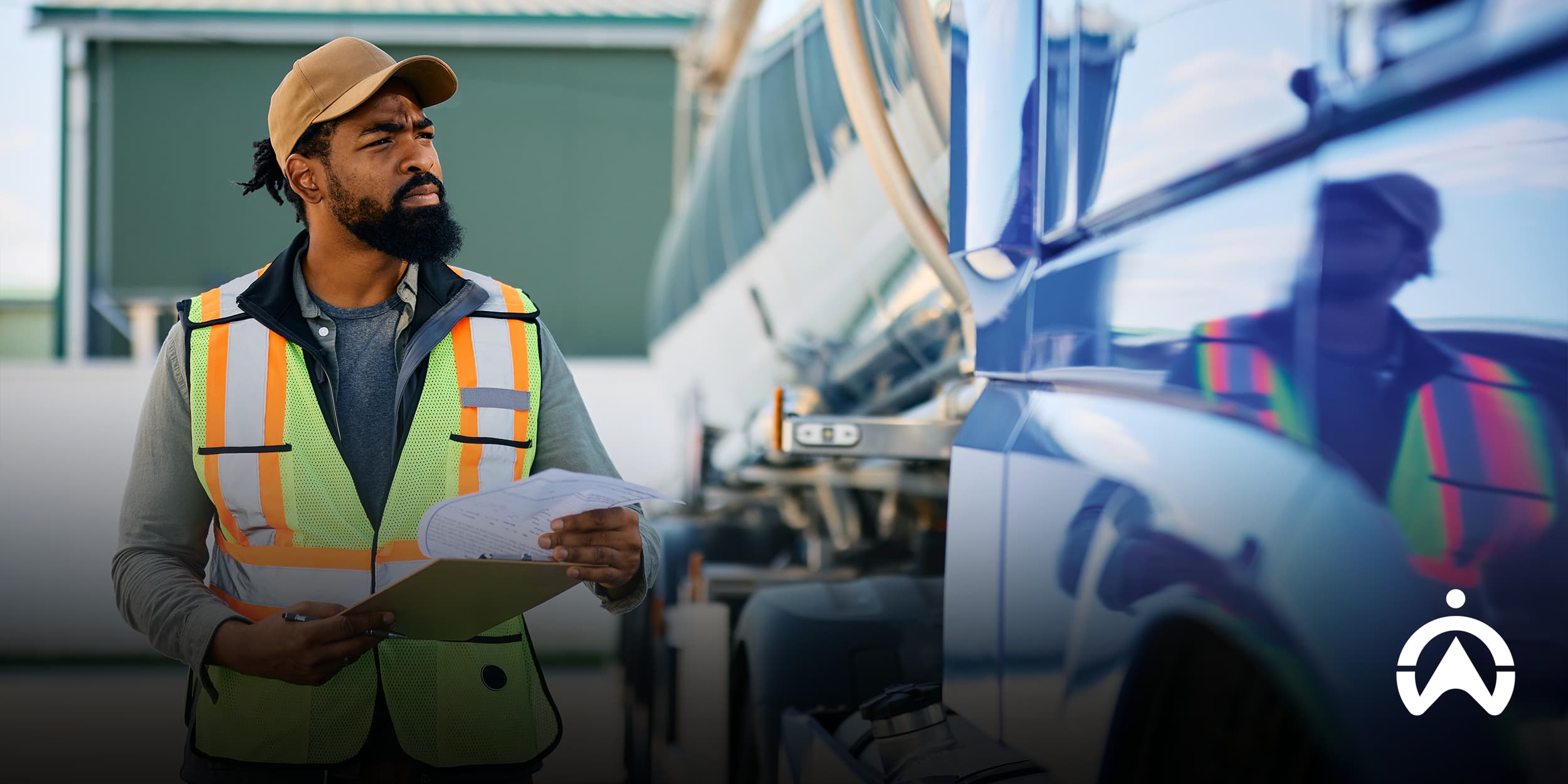
Worker inspecting fleet vehicle with checklist, showing practical fleet maintenance tips.

4. Train drivers in good driving habits

It’s important to train and educate your drivers on how certain driving habits impact vehicle health and maintenance costs. Driving habits such as speeding, idling for too long, sudden braking, and harsh cornering increase wear & tear, leading to more breakdowns. So by training your drivers to improve their habits, you reduce the frequency of breakdowns.

You can use telematics devices to carefully monitor driver behaviour, so you know exactly which habits are common among your drivers and the kind of training they need. You can also use the reports to motivate your drivers and reward those who are showing improvement.

5. Keep accurate maintenance records

Keeping a good record of vehicle maintenance history gives you proof of proper care, which is essential for warranty claims and improving the resale value of your vehicles. The information gathered from good maintenance history records proves very helpful when it comes to diagnosing issues, planning for future maintenance tasks, and preparing for audits.

Your fleet’s maintenance history works the same way a doctor relies on your medical records; it helps identify issues early and guides the mechanic to the right “treatment”.

Your maintenance records should include the following:

  • Basic vehicle information: VIN, number plate, make, model, etc.
  • Service history: Tyre rotations and replacements, battery replacements, oil changes, etc.
  • Repair history: Details of minor and major damages with dates and parts that have been replaced.
  • Fuel economy: Records of mileage and fuel purchases to see if fuel economy has declined.

Bonus tip: Use quality parts and consumables

Cheaper vehicle parts might seem like a win for the budget, but in actual fact, they’re not. They’ll cost you more in the long run, as they’ll always need to be repaired or simply replaced again. Cheaper consumables also increase your budget because they run out faster. Poor quality oil, for example, can harm your engine, bringing about MORE problems than it solves.

So ensure that you use quality components for your vehicles to lower your maintenance costs, minimise downtime, and ensure that your fleet vehicles function optimally.

How to build a maintenance culture in your fleet

To build a maintenance culture in your fleet, you need to:

  • Set expectations
  • Make checks part of the routine workflow (and not “extra work”)
  • Encourage driver responsibility

In doing so, you turn maintenance into a natural part of your team’s routine.

Here’s a detailed breakdown of how you can build a maintenance culture:

Setting expectations

Setting clear expectations means developing policies that lay out in detail all the procedures, from daily inspections to what to do in the event of a breakdown. There should also be a maintenance plan for each type of vehicle, taking into account the specifications of each vehicle. Your team will then know what’s required of them and act accordingly.

Making checks part of the routine workflow

You must include the routine inspections in the normal daily schedule, rather than treating them as optional or extra tasks. This way, your drivers won’t rush through the inspections and take off with the fear of falling behind schedule. The maintenance shouldn’t feel like an additional burden.

Encouraging driver responsibility

Your drivers should be accountable for the vehicles they operate. You need to make them understand their role in vehicle care. They should understand how reporting vehicle issues early protects both the vehicle and the business. They should also understand the consequences of not following procedures.
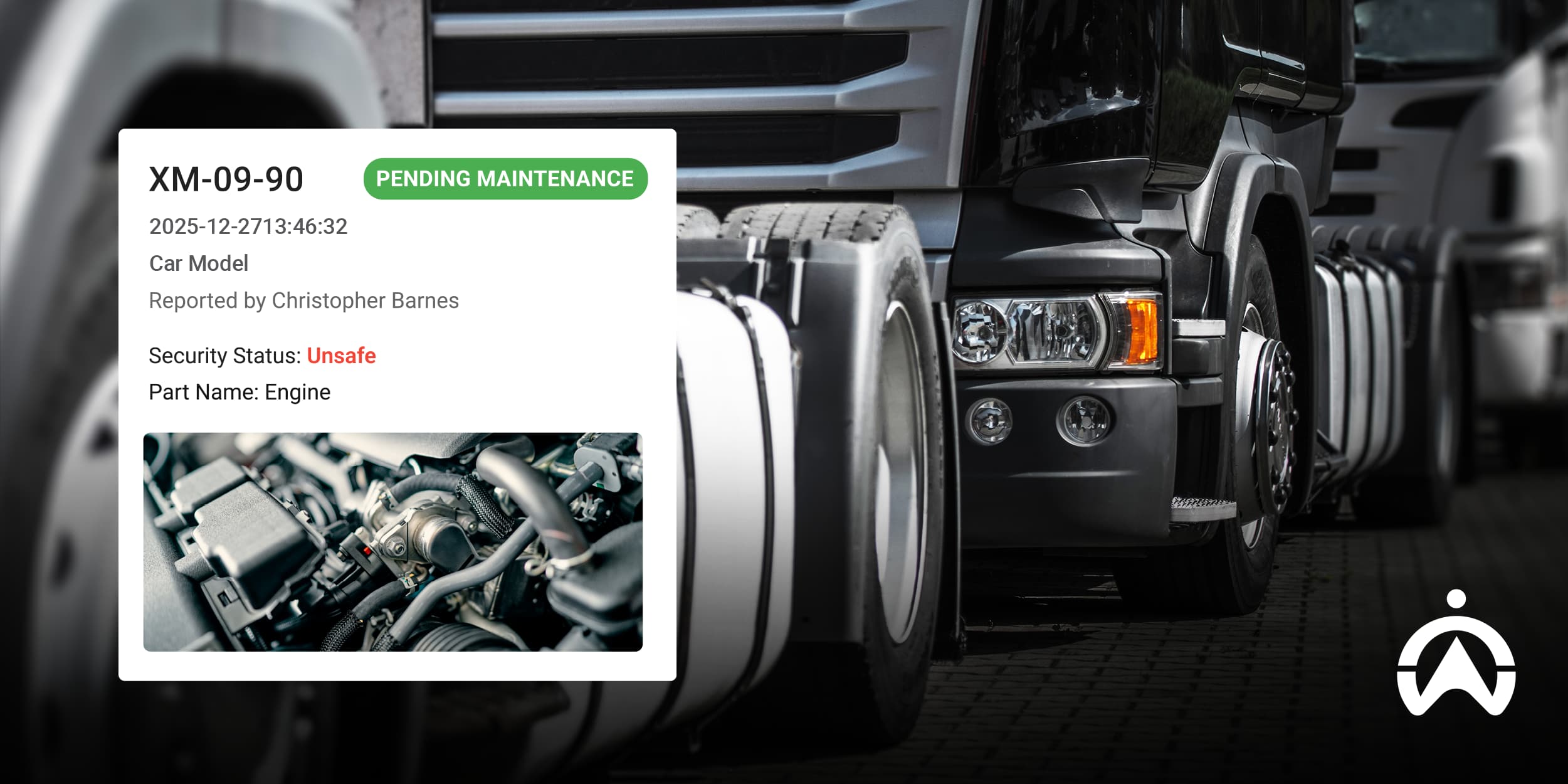
Truck engine marked unsafe, highlighting essential fleet maintenance tips.

How Cartrack helps you maintain a healthier fleet

At Cartrack we help you maintain a healthier fleet by giving you digital tools that help track the health of your fleet in real time. This makes fleet maintenance less of a daunting task as it’ll be easier and less time-consuming.

Here are our top maintenance solutions for fleet maintenance:

Real-time vehicle diagnostics

With Cartrack’s predictive maintenance technology, you’ll get early warning alerts of things like worn-out brake pads or issues with the engine, so you can address them as soon as possible. This way, you avoid breakdowns and unplanned downtime. You also save your drivers from accidents caused by mechanical failures.

Service and maintenance scheduling

Our preventative maintenance solution helps you automate your service maintenance scheduling. You can import the original manufacturer’s recommended service schedule for each vehicle into our system and set reminders on our platform so you don’t miss the dates. This eliminates the amount of time wasted by searching for each vehicle’s service schedule manually.

Centralised maintenance records

Our system helps you maintain a digital record of your maintenance history, making it easier to track repairs and services over the years. You can easily access all the details when it’s time to sell your fleet vehicles or when a mechanic needs to review what’s been done.

Paperless inspections

To simplify the process of conducting pre- and post-trip inspections, our system gives you the option of creating digital inspection forms. This is where you can create a checklist of which vehicle components need to be looked out for when forming their checks. You’ll receive feedback on one platform, reducing paperwork, and ensuring you know of issues quicker.

Driver behaviour monitoring

Through our telematics system, you can keep track of driving behaviours like speeding and harsh braking, which increase wear & tear. You’ll get detailed reports of each harsh event, ensuring that you address your concerns with your team based on factual evidence. This also helps you to identify which habits to focus on when training your drivers about healthier driving habits.

Driver scorecards

Another way to encourage better driving behaviour is by recognising and rewarding good driving. Our fleet management system helps you with this through our Driver Scorecards solution. How this solution works is that it tracks on-road behaviour using our telematics system. Each driver gets a rating based on their number of harsh driving incidents, and you use these ratings to reward those with the best score while identifying which drivers need more training.

Get an all-round fleet maintenance solution with Cartrack

Cartrack gives you an all-round fleet maintenance solution. Throughout our years in the fleet management industry, we’ve seen the differences maintenance software and everyday maintenance habits can bring to your business. Our solutions create safer, more reliable, and more cost-effective fleets. So join us today and watch the health of your fleet transform for the better!

Frequently Asked Questions

What is a fleet maintenance plan?

A fleet maintenance plan is a strategic approach to keeping up with the health of your vehicles. It involves putting measures in place to prevent unexpected breakdowns and downtime. These measures include things like following service plans and using fleet maintenance software to get early alerts of faults. This ensures fleet safety and compliance and reduces the cost of maintenance.

What is the role of a fleet maintenance manager?

The role of a fleet maintenance manager is to oversee all things related to the maintenance and repair of fleet vehicles and equipment. Fleet maintenance managers must ensure the safety and compliance of all vehicles. With a fleet maintenance manager present, all vehicles should perform optimally, which then results in fleet efficiency.

What is a maintenance SOP?

A maintenance Standard Operating Procedure (SOP) is a detailed document with step-by-step instructions on how to conduct routine maintenance tasks. The whole point of this guideline is to ensure consistency, safety, and quality standards. Maintenance SOPs vary depending on the kind of service you offer, the specific requirements in your industry, and the size of your fleet.
The Best Delivery Routing and Dispatch Software

One of the best delivery routing and dispatch software is Cartrack’s Delivery on FleetWeb, designed to give Namibian businesses the clarity and technology needed for faster, more profitable delivery operations. With unpredictable traffic and customer expectations soaring, plus those tight and expedited delivery deadlines, there’s a real demand for more sophisticated systems.

A study from the Journal of Transport and Supply Chain Management in the Southern African region showed that optimising transport routes in Namibia can reduce total kilometres travelled by around 19%, along with lowering variable vehicle costs. This highlights just how powerful smart routing can be, and how necessary it is for modern businesses in Namibia.

In this blog, you’ll get the full lowdown on what makes a routing and dispatch software ‘the best’, including understanding key features and knowing how to choose the right system. We’ll also show you why Cartrack should be your top pick for expert guidance and insights that give you total delivery confidence.

What’s the top delivery routing and dispatch software?

The top delivery routing and dispatch software is Cartrack’s Delivery feature, a fully-fledged tool that’s designed to make every step of delivery easier for your business. Cartrack has taken a unique approach by combining automated scheduling, live GPS tracking, and smart routing into one seamless platform, setting it apart from basic tracking tools.

Our Delivery function is much more than a tool that maps out multiple-stop trips. It gives you the total ability to act fast when something urgent happens while also making sure that everything runs smoothly and maintains a high standard. Drivers are always kept in the loop, receiving clear instructions via the app and instant notifications when changes occur.

Why your business needs advanced routing and dispatch tools today

Your business needs advanced routing and dispatch tools today because manual planning and basic tools are no longer an option. Basic software doesn’t allow you to keep up with the modern demands, like growing customer needs, a general pressure to deliver faster, or the need to operate with much more accuracy.

Advanced routing and dispatch tools can tackle challenges like:

  • Last-mile pressures: Real-time data simplifies the most intense part of the delivery process, helping to avoid delays and keep everything on track.
  • Fuel inefficiencies: Because routes are optimised, fuel waste becomes a thing of the past.
  • Manual planning errors: Smart and automated planning means that you minimise human error, which also means fewer delays.
  • Customer demand for real-time updates: Being able to share live ETAs can keep the customer in the know about the movements of their package, improving their levels of satisfaction.

What industries benefit from delivery routing and dispatch software?

The industries that benefit from routing and dispatch software include food delivery, retail, field services, and numerous other markets. These are industries that are quite reliant on time-sensitive deliveries.

Some of the key industries include:

  • Retail: Quickly ship goods from the store to the consumer
  • E-commerce: Comfortably manage the pressures of last-mile deliveries
  • FMCG (fast-moving consumer goods): Ensure deliveries between warehouses and distribution points are smooth
  • Food delivery: Speedy delivery, especially regarding a time-sensitive job that affects quality, can be guaranteed
  • Logistics: Strengthen your business operations, get more efficient routes, and complete deliveries with accuracy
  • Field services: Schedule tasks effectively and keep your drivers on the best routes
  • Pharmaceuticals: Make sure that deliveries to medical facilities (small clinics to large hospitals) are timely
  • Same-day delivery businesses: Manage the very tight deadlines required from same-day deliveries with the help of live tracking

How does routing software actually improve delivery efficiency?

Routing software actually improves delivery efficiency by enabling faster deliveries, cutting down on fuel waste, and ultimately achieving better customer satisfaction. It makes every step of the delivery process that much smoother.

Routing software benefits your business by:

  • Reducing planning time: You don’t have to worry about wasting time manually sorting out routes; the software can automatically do that for you.
  • Driving fewer kilometres: Because of reduced planning time through route optimisation, drivers can take the best routes and avoid potential detours.
  • Enabling lower fuel spend: Through travelling the best routes, drivers cut down on fuel waste.
  • Ensuring faster deliveries: Ideal routes are clear-cut, and any changes are automatically updated, leaving drivers to keep to a steady schedule.
  • Guaranteeing fewer customer complaints: Accurate ETAs, live updates, and consistently on-time deliveries really maximise customer satisfaction.

Does delivery routing differ from dispatch management?

Yes, delivery routing does differ slightly from dispatch management, as they solve different parts of the delivery workflow. But ultimately the best systems combine both into one integrated platform.

  • ‘Delivery routing’ refers to planning the journey, ensuring the trips are as efficiently organised as possible, the numerous stops are considered, and time & fuel use are kept as low as they can be.
  • ‘Dispatch management’ refers to the coordination and management of the work, ensuring that drivers and staff are allocated the right tasks, progress is closely monitored, and quick, informed changes can be made if necessary.
  • ‘Delivery management’ refers to the overall and total framework, combining routing and dispatch to deliver smooth communication and peak operational performance.

The best routing and dispatch software brings all of these aspects together, allowing you to plan, manage, and track deliveries from one platform. With Cartrack’s Delivery feature, these tasks come together seamlessly, ensuring everything works in harmony for smoother and more dependable delivery operations.

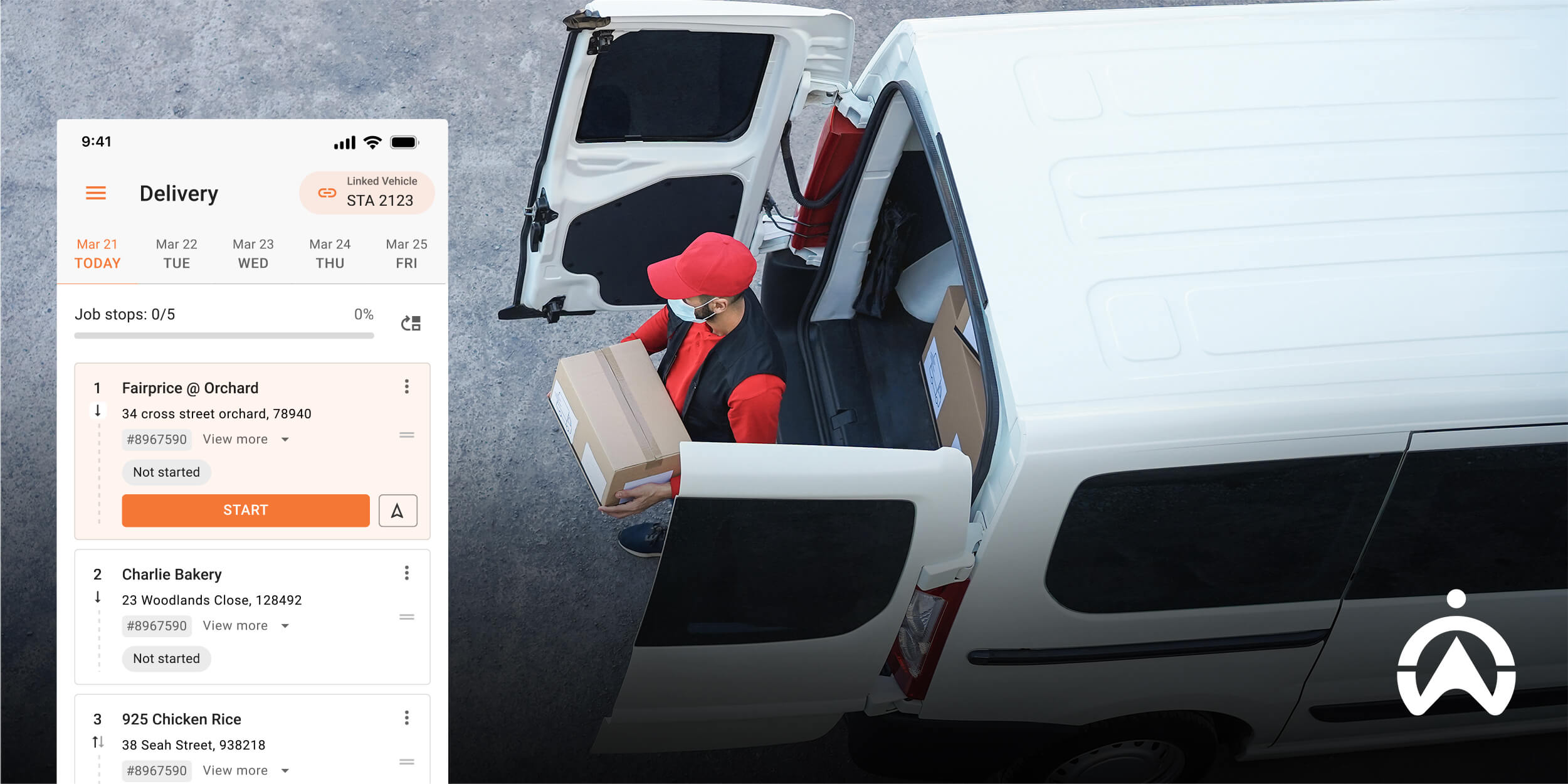
Delivery routing and dispatch software showing a courier loading a van with tasks and delivery details on a smartphone.

Key features the best delivery routing and dispatch software must include

Key features the best delivery routing and dispatch software must include are tools like live GPS tracking, system integrations, and proof of delivery. The software you choose must bring all these core tools together so you can maintain visibility and total control from the first to the last mile.

These are the non-negotiables:

  • Advanced route optimisation: Organise multi-stop routes to save you time and cut down on wasted fuel, even during peak traffic.
  • Automated dispatching: Assign jobs instantly to the nearest driver or one who’s available, eliminating the hassle of paperwork.
  • Real-time GPS tracking: You receive live updates on your vehicles’ locations, allowing you to monitor progress, catch any delays early, and step in when necessary.
  • Proof of delivery and driver communication: Integrated communication and proof of delivery systems let you track each delivery from start to finish, helping you resolve any disputes that may arise.
  • Vehicle and driver performance data: Monitor speed, idling, and braking habits so you can spot areas for improvement and boost operations.
  • Delivery ETAs: Get accurate, live delivery times so that both customers and your team know exactly what delivery expectations are, leading to better planning.
  • Geofencing: Set up virtual zones around key delivery areas and receive alerts when drivers enter or leave those zones, helping you keep tabs on progress.
  • System integration: Seamlessly connect with your existing tools, so you can say goodbye to clunky data transfers and manual updates.

What makes routing and dispatch software accuracy so important for delivery success?

Factors like better fuel use and customer satisfaction are what make routing and dispatch software accuracy so important for delivery success. These are the aspects that make or break the name of your business, and they carry a lot of importance. When you achieve accuracy, everything in your operations flows much more smoothly.

Consider the importance of these factors:

  • Customer satisfaction: Accuracy sets apart a smooth delivery from one that’s consistently met with delays. It means that deliveries are made when projected, bettering the delivery experience and keeping customers happy.
    ‍
  • Reduced time on the road: Accuracy means deliveries are being made when they’re promised. This minimises detours and improper stops.
    ‍
  • Improved driver safety: Accuracy means that you have the best routes possible mapped out for your drivers. This keeps drivers away from high-risk and congested areas, but also minimises bad map info or unintended turns.
    ‍
  • Controlling fuel spend: Accuracy when it comes to operational costs means fewer wasted Rands, especially when you consider how even the smallest mistakes can very quickly add up.

How does real-time visibility support smarter dispatching?

Real-time visibility supports smarter dispatching by letting you see what’s happening and helping you make smart decisions as deliveries happen. Instant communication with drivers makes it easy to reassign or change routes when things don’t go as planned. With live tracking, managers know exactly where each vehicle is, the route it’s taking, and if it’s on schedule.

Quick responses like these keep deliveries on track and ensure customers get accurate updates.

How does delivery routing software help reduce fuel waste?

Delivery routing software helps reduce fuel waste by optimising routes and addressing the major challenges like driver habits and traffic congestion. Keeping these tools handy makes sure we regularly analyse routes for the best fuel-saving routes.

The role of data in better routing and dispatch decisions

The role of data in better routing and dispatch decisions shows it’s the backbone of detailed delivery planning. By looking at delivery histories, spotting traffic trends, assessing driver performance, and understanding peak demand cycles, you can prepare for challenges before they arise.

This knowledge helps you map out routes more strategically, assign drivers more efficiently, and accurately predict delivery times, building a stronger delivery operation.

How the best delivery routing software improves the customer experience

The best delivery routing software can improve the customer experience by providing accurate ETAs, direct communication, and fewer failed deliveries. With customer demands growing every day, it’s important to focus on the following:

  • Accurate ETAs: Customers can get practical delivery timelines
  • Live delivery tracking: Customers can track their parcels to know where they are in the process
  • Fewer failed deliveries: Transparency and clear instructions can help customers make sure they’re prepared and ready to receive the parcel at the designated delivery address
  • Proof of delivery: Digital verification (by signature or picture) ensures the parcel is received by the right person and reduces disputes
  • Proactive communication: This kind of transparency fosters trust between customers and your business
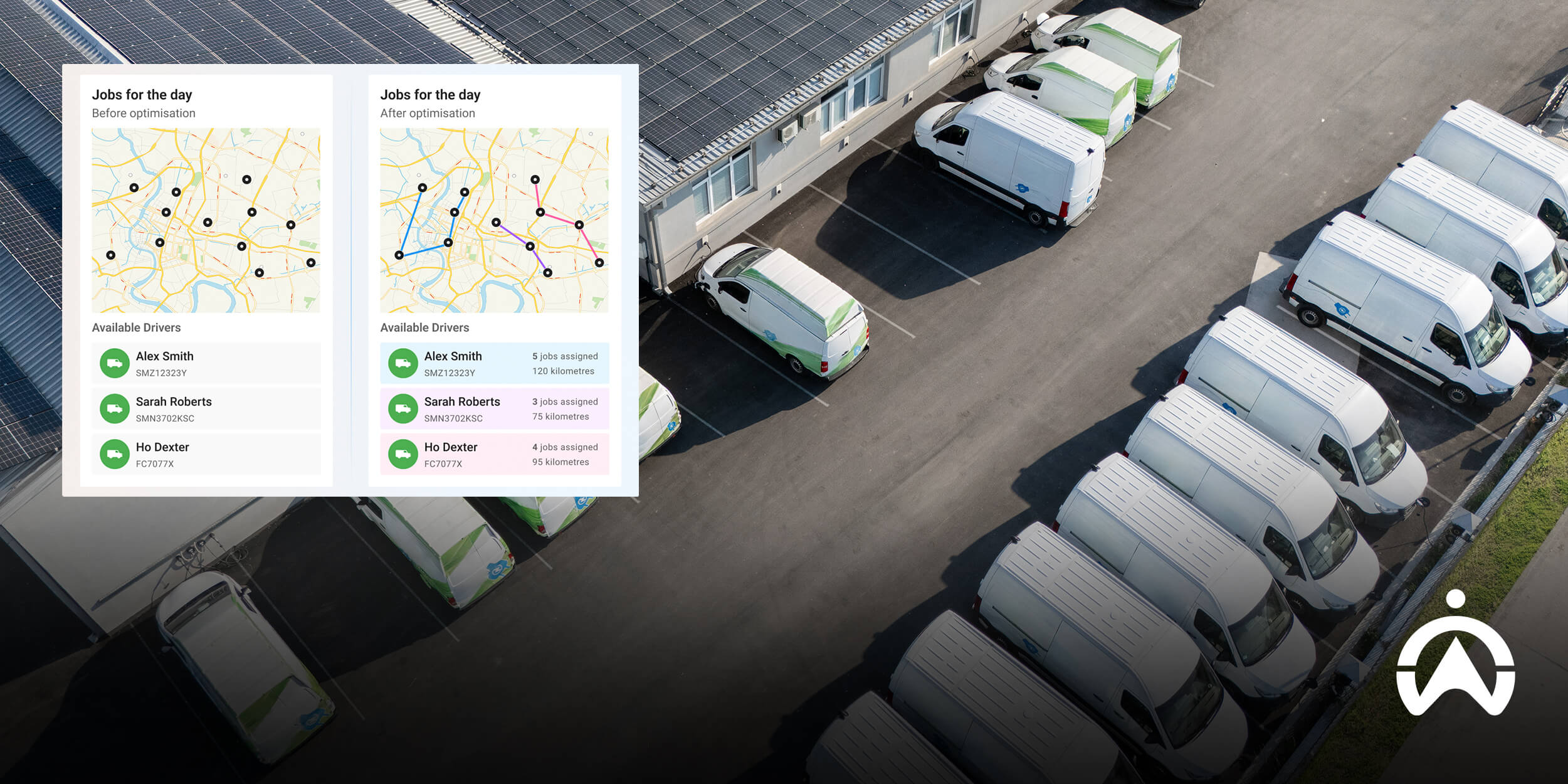
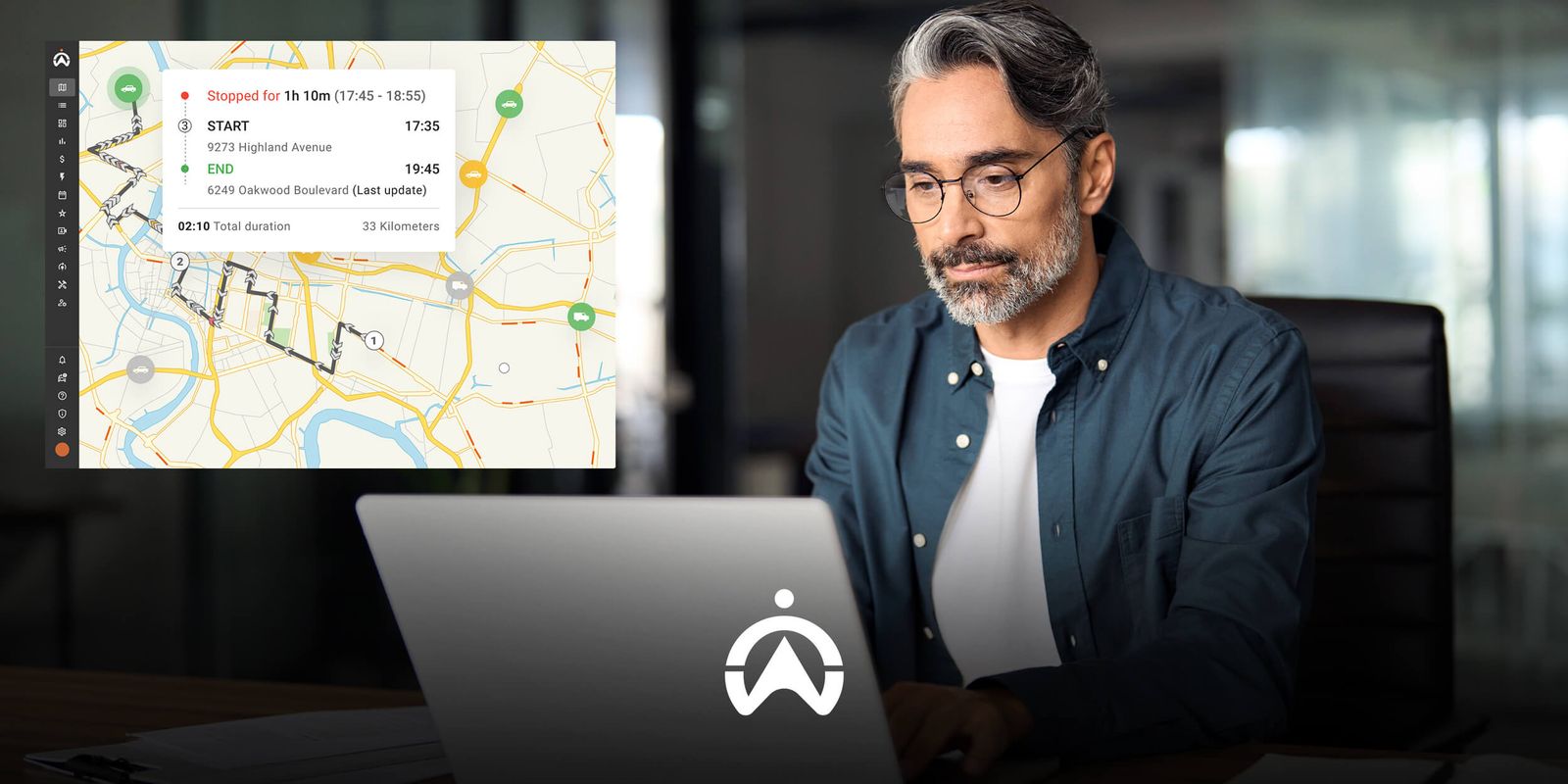
Cartrack delivery routing and dispatch software showing optimized routes, driver details, and parked delivery vans.

Case study: How The Courier Guy improves delivery performance with Cartrack

The Courier Guy is known as one of Namibia’s trusted courier service providers. What started as a small operation has since grown into a fully-fledged nationwide fleet serving major cities and towns. Of course, this level of growth calls for a reliable partner in fleet management and scaling operations.

The challenge

Everything at The Courier Guy began to grow quickly: the number of drivers, the delivery vehicles, but most importantly, the customers and their demands. Because of this, there was an immediate need for total visibility, support, and simplification of tasks for fleet managers. The key was to improve operations and take good service to great service.

How Cartrack supported The Courier Guy’s operations

Cartrack’s Delivery and telematics technologies were able to completely transform and simplify The Courier Guy’s operations.

Here’s how:

  • Accurate driver visibility
    By leaving behind the unreliable method of manual tracking, fleet managers can now stay updated on driver locations in real-time.
    ‍
  • Faster, flawless task and delivery management
    Customer details for recurring orders fill in automatically, which massively reduces submission errors and improves communication between managers and drivers.
    ‍
  • Stronger customer communication and accountability
    Automated SMS and email updates keep customers in the loop during the delivery process. Drivers can snap photos or collect e-signatures as electronic proof of delivery, which boosts safety and service quality.
    ‍
  • Enhanced safety and fewer operational losses
    AI-powered camera tech constantly streams and can monitor how drivers behave. Drivers can quickly fix risky habits, cut down on damaged goods, lower speeding incidents, and strengthen the brand reputation.

The impact

With Cartrack by their side, The Courier Guy took full control of their business operations. They handled routes, assigned tasks, ensured customer satisfaction, and prioritised staff safety with precision. This allowed the business to deliver consistently while maintaining a professional touch.
‍

“Cartrack’s technology allows us to focus on our drivers, customers, cargo, and fleet all from one platform. It puts us in control from dispatch to delivery.” — Jeffrey Wheeler, Assistant Fleet Manager, Courier Guy.

Myths about delivery routing and dispatch systems

Some myths about delivery routing and dispatch systems are centred around believing that drivers won’t adapt to the tools or that the systems are only suitable for large fleets. Despite the good that delivery software brings, there’s still often a lot of hesitation from owners or fleet managers.

Let’s dispel those myths for you:

  • “Google Maps is enough”: While Google Maps is a great option for general directions, it’s not as effective for a driver as a delivery platform. This type of system can account for navigation while also managing multiple stops, task allocations, and communication with managers.
    ‍
  • “It’s only for large fleets”: Routing and dispatch systems work just as well for smaller fleets as they do for larger fleets. No matter the size of your fleet, the objectives typically remain the same: smoother operations, better safety, and greater profitability.
    ‍
  • “Routing tools are too complex”: These features may look intimidating at first, but they’re usually designed to be as user-friendly as possible. And with the likes of Cartrack, you can ensure you and your staff are well-trained on how to operate these tools.
    ‍
  • “Drivers won’t adapt”: It’s quite the opposite! Drivers usually adapt quite well to these systems because they ultimately make their jobs much easier. There’s less job-related stress because routes are faster, tasks are straightforward, and the instructions are clear.

Cartrack’s delivery routing and dispatch tools: What makes us different?

What sets us apart from the rest is that we offer a fully integrated delivery management system built for accuracy, reliability, and scalable performance across various industries. Other systems out there typically offer these tools as separate features, making your processes more complicated when they should be made simpler.

Cartrack gives businesses a distinct edge, from planning all the way to doorstep delivery.

Here’s a better look at why you should partner with us:

  • Live vehicle tracking: We provide live GPS tracking so that you have eyes on your fleet at all times. This allows you to monitor your fleet’s progress while drivers are out in the field.
    ‍
  • Automated dispatching: Drivers can be allocated tasks based on their availability and location, meaning the hassle and congestion that comes with assigning tasks manually is eliminated.
    ‍
  • Multi-stop route optimisation: Cartrack’s platform carefully and intelligently maps out the many stops that drivers need to make, helping them take the best and fastest routes.
    ‍
  • Delivery and driver workflows: Established workflows make the entire process for drivers that much easier. From job acceptance to delivery, instructions are clear.
    ‍
  • Seamless communication: Live updates and in-app messaging make keeping you and your drivers connected much simpler. This is important for emergencies or urgent changes.
    ‍
  • Driver behaviour insights: Bad driving habits can cost the business. Monitoring these behaviours means addressing them immediately and avoiding costly mistakes.
    ‍
  • Multi-channel communication tools: Auto-messages, whether by email or SMS, keep customers updated about every stage of their delivery. This is a major building block when it comes to building customer trust.
    ‍
  • Central dashboard: Having all the tools needed on one single platform means you, as a manager, have a complete and instant overview of every part of your fleet. There’s no cross-platform confusion.

Final takeaway

Choosing the right delivery routing and dispatch software is the foundation of any company looking to run smoothly, grow confidently, and meet the increasing demands of today’s customers. With the right platform, you can cut unnecessary costs, improve delivery reliability, improve driver performance, and offer your clients the precise and professional service they expect.

Cartrack’s Delivery feature delivers the accuracy, automation, and real-time visibility needed to keep your modern delivery operations running efficiently. It’s a reliable choice for businesses across various sectors, connecting every element of the delivery process seamlessly.

Deliver faster, smarter, and more reliably. Let Cartrack automate your delivery planning and dispatching. Speak to our team to get started!

FAQs

Is it difficult to onboard drivers and dispatchers to a new routing system?

No, it’s not difficult to onboard drivers and dispatchers to a new routing system, and they’ll ultimately make everyone’s jobs so much easier. Most new-age systems, like Cartrack’s Delivery, are created to be as straightforward as possible. With the right onboarding training and continued guidance, staff usually get the hang of things quickly and enjoy smoother workflows.

How accurate is delivery routing software today?

Most delivery routing software today is designed to be as accurate as possible, tapping into live traffic data and telematics insights to create super-accurate routes and workflows. This helps businesses enjoy consistent arrival times, fewer delays, and improved delivery predictability throughout their fleet.

Does routing software work for both scheduled and on-demand deliveries?

Yes, routing software does work for both scheduled and on-demand deliveries. Advanced software, like Cartrack’s, can manage scheduled daily routes as well as unexpected delivery requests. Automated dispatching and live data help assign the closest driver instantly, keeping all delivery types running on time.

What to Look for When Buying a Second-hand Car

When you’re looking to buy a second-hand car, the most important thing is knowing what usage you’re looking to get out of the car. Are you looking for an everyday car for short trips or a kombi for the school holidays?

Either way, buying a second-hand car in Namibia’s current economic climate makes sense, but it can be a major risk if you’re not sure what red flags to look out for. Accident damage, tampered mileage, hidden mechanical issues, and unpaid finance are just some of the factors that can turn what looks like a bargain into a financial nightmare.

The pre-owned car market in Namibia is growing. In the first half of 2024, many Namibians applied for vehicle finance through banks and financial institutions as demand for affordable second-hand vehicles continued to increase. This is proof that pre-owned vehicles enjoy far higher demand than their new counterparts, making the second-hand car market one of the most active in the country.

This guide takes you through everything you need to check before sealing the deal—from paperwork and inspections to negotiation tactics and protection strategies. And once you find that perfect ride, teaming it up with reliable vehicle tracking and recovery from Cartrack ensures your investment stays safe right from the start.

What exactly to look for before buying a second-hand car

  • Set a clear budget: know what you can afford, including ongoing costs.
  • Decide where to buy: compare dealer safety versus private seller risks.
  • Do a full history and service check: verify accidents, finance, theft, and mileage.
  • Check the exterior: rust spots, tyres, dings, and poor alignment of panels.
  • Inspect the interior: look for damage, smells, and electrical faults.
  • Test all electronics: make sure the AC, windows, and dashboard lights work.
  • Check under the bonnet: look for leaks, worn belts, the battery and fluid quality.
  • Take a full test drive: listen for noises and check handling.
  • Check paperwork: make sure of ownership, roadworthiness, and legality.
  • Get a written agreement:  protect yourself during private sales.
  • Plan for security: install a tracking device to safeguard your car.

Set your budget and know your needs

The most important step before you start looking at a second-hand car is to set your budget and know your needs. It’s important to keep in mind that ongoing costs like fuel, maintenance, licensing, and insurance in Namibia could all add up rather fast.

Other factors, such as the fluctuating price of petrol and vehicle tax hikes, all take their toll on the total cost of ownership. So consider your lifestyle needs carefully. Where a student may only need a small hatchback, a family might want a large SUV that provides space and extra safety.

It’s important to distinguish your must-haves—such as safety and reliability—from your nice-to-haves, such as leather seats or high-end sound systems.

Don’t stretch your finances too far. Leave room in your budget for emergency repairs, tyre replacement, annual services and insurance premiums. It’s smarter to choose a basic vehicle that you can afford to maintain, rather than a feature-packed car that’ll prove to be a financial headache later on.

Should you buy your second-hand car from a dealership or a private seller?

You should buy your second-hand car from a dealership because they provide better protection. On the other hand, private sales often mean lower prices and better negotiation options. Either way, you still need to thoroughly inspect the vehicle to make sure you’re not getting a lemon.

Dealerships, especially if they’re part of a well-known franchise or reputable dealership, typically offer vehicle checks, warranties, and roadworthy certificates, making it a lot safer for first-time buyers who might not be knowledgeable about car evaluations.

If you’re shopping privately, sites like Facebook Marketplace and local online classifieds are full of used car listings in Namibia, but they come with higher risks. You often lack guarantees about the car’s condition, and scams can still occur.

No matter which route you choose, clarity is key. Always ask for documentation, proof of service history, and repair records. If you go private, consider bringing a mechanic or getting an independent inspection before you commit. Remember, peace of mind beats rushing into a deal just for a bargain.

Person handing over car keys during a second-hand car purchase inspection.

New car vs second-hand car — pros & cons

If you’re still unsure if you should buy a new car or a second-hand one, this simple table breaks down the pros and cons of each. This will help you make a more informed decision before you hit the showroom floors!

Comparison New Car Second-hand Car
Upfront Cost Higher purchase price More affordable
Depreciation Loses value quickly in the first 12 to 24 months Slower depreciation rate
Maintenance Low at first; warranties included Can be higher depending on age and mileage
Vehicle History Clean – you’re the first owner Risk of unknown history (accidents, poor maintenance)
Finance Approval Easier to finance through major banks Slightly harder, depending on the car’s age and condition
Insurance Costs Higher premiums Lower premiums (depending on model and security features)
Tech and Features Latest safety and infotainment features Older tech, which may need aftermarket upgrades
Value for Money Long-term value, but costly upfront Budget-friendly with smart choices
Customisation Can choose specs and extras What you see is what you get
Resale Value Good if well-maintained Depends on mileage and brand popularity
Warranty and Service Plan Included from the dealership Maybe expired or limited
Peace of Mind Fully guaranteed condition It can be risky if not inspected or verified properly

Do a full vehicle history check

Before you buy a second-hand car, it’s incredibly important to do a full vehicle history check. Understanding where this vehicle has been and how it was treated is essential. A history check helps you uncover various concerns, like accident damage, outstanding finance, mileage tampering, or even if the car was stolen.

This information can protect you from costly unexpected expenses and also gives you confidence in negotiating the purchase price.

Here’s what to check:

  • Request the VIN number and check the ownership and its legal status with it.
  • Utilise vehicle verification services, such as TransUnion or other Namibia-based vehicle verification platforms, to check a car’s history before purchasing.
  • Check for outstanding finance because the vehicle cannot be sold legally if there is still money owed on it.
  • Confirm that the car hasn’t been stolen, written off or imported illegally.
  • Review the service history for any records that will show consistent mileage and regular servicing.
  • Look for missing or skipped service intervals; these could be indicative of tampering.
  • Look into large repairs or accident history, including things like chassis or flood damage.
  • Request repair invoices or maintenance records that detail previously completed work. If unsure, invest in a pre-purchase inspection by a qualified mechanic.

Inspect the exterior

Start your inspection outside the car, focusing on the paintwork and how the panels align. If you spot uneven panels, mismatched paint, or overspray, it could be a sign of previous accident damage. Look for rust around the wheel arches or windscreen; this often points to long-term moisture exposure, especially in coastal areas like Walvis Bay.

Next, check the tyres for wear and condition. Odd wear patterns might signal worn suspension or misaligned wheels. Make sure all the lights are working and that the mirrors aren’t cracked or loose. A chipped or cracked windscreen could end up costing you quite a bit to replace.

Check the car in daylight. Good lighting helps you spot dents, scratches, and signs of repainting that might go unnoticed in dim conditions. Kneel down for a closer look at the bodywork and run your hand along the panels. A thorough visual check can reveal significant clues about any past damage.

Inspect the interior

Inspecting the interior of a second-hand car is a must before you purchase! The interior often tells the real story of how well the car was looked after. Start with the upholstery and dashboard: tears, stains, and worn fabrics could signal neglect.

Listen for rattles and check for signs of water damage such as damp smells or mould, especially in coastal or flood-prone areas. Test all the electronic features. Turn the air conditioning, radio, windows, touchscreen, and central locking on and off.

Check if the dashboard warning lights turn on when starting the ignition and then turn it off after that. If they don’t turn off, this might indicate serious problems such as engine issues, electrical problems, or malfunctioning airbags—all requiring professional attention.

Look for signs of tampering. Scratched screws, loose panels, or trims that don’t fit properly are signs of previous repairs or modifications. Check seatbelts also for fraying, since safety equipment should always be intact. Generally, an immaculate interior characterises a responsible owner, while a neglected one hints at hidden mechanical issues.

Check under the bonnet

Next, pop the bonnet and take a look at the engine bay. Look for leaks, corrosion, or worn components. Fluid levels should be clear and at the right level. Oil that’s sludgy or thick may indicate maintenance that’s overdue; milky oil can point to serious engine problems such as head gasket failure

Give the belts and hoses a good look for any cracks or fraying. A worn belt can snap and cause engine damage, leading to costly repairs. Don’t forget to check the battery as well! Given the occasional power outages and high temperatures in Namibia, knowing how old the battery is can really help when planning for a future replacement.

Remember, just because the engine bay looks clean doesn’t mean the car’s in top shape. Excessive oil stains, loose wiring, or old clamps can hint at neglected maintenance. If everything else looks good, consider getting a pre-purchase inspection. Having a mechanic do a compression test or diagnostic scan can save you from unexpected costs down the line.

Take a proper test drive

Always push for a proper test drive. Start the engine and listen for any weird noises like knocking or ticking. During the drive, check how the steering responds and how the suspension handles. If it pulls left or right, it might need alignment or could’ve had a bump in the past.

Try it out in different scenarios: stop-and-go traffic, open roads, and ideally, the highway. Pay attention to the brakes and where the clutch engages. If you notice jerky gear shifts or vibrations, that could signal transmission issues. Keep an eye on the temperature gauge too; older cars often struggle with overheating in our hot summers.

Turn the radio off while driving to catch any squeaks or rattles. Test the turning radius, acceleration, and emergency brakes. If something feels off, don’t brush it aside. You can always ask for another test drive or walk away. The right car should feel solid, reliable, and trustworthy.

Buyer reviewing documents with dealer to assess what to look for when buying a second-hand car.

Understand the paperwork

Paperwork serves as your legal proof of ownership and protection as a buyer. In Namibia, missing or outdated documents can cause delays, legal issues, or even fines. Before you buy, make sure you have every required document ready and valid.

Here’s what you need to get:

  • Natis registration document: This confirms legal ownership and vehicle details.
  • Valid roadworthy certificate: It should be less than 60 days old at the time of sale.
  • Proof of sale or sales agreement: This protects you legally in case of disputes.
  • Stamped service book or digital service records: These verify the maintenance history.
  • Copy of the seller’s ID and proof of address: This helps confirm authenticity.

Things to check carefully:

  • The VIN number on the chassis should match the documents.
  • Make sure there’s no outstanding vehicle finance.
  • If you’re buying privately, get a written agreement and signed receipt.
  • Remember, you have 21 days after deregistration to transfer the vehicle into your name.

With solid paperwork, you ensure smooth ownership, and the deal isn’t done without it.

Protect your new purchase

After you’ve sealed the deal, it’s time to protect your purchase. With car theft rates alarmingly high in Namibia, it’s wise to take steps to safeguard your investment. Installing top-of-the-range tracking and recovery tech can really help secure your car against hijacking, theft, or unauthorised use, particularly if you’re in a high-risk area.

This is where Cartrack makes a real difference. From day one, Cartrack protects your second-hand car with live GPS tracking, AI dashcams, and industry-leading stolen vehicle recovery. You can even set up geofencing alerts and real-time notifications to stay in control of your vehicle whenever it’s on the road.

Final takeaway

Buying a used car can be a smart choice if done correctly. Take your time, inspect it fully, check its history, and make sure all the paperwork is right. The right preparation prevents costly surprises and leads to better ownership in the long term.

Once you have the perfect car, protect it with Cartrack so that on each journey, you enjoy peace of mind. Safeguard your investment and drive with confidence.

FAQs

Is it worth buying a second-hand car in Namibia?

Yes, it’s worth it to buy a second-hand car in Namibia. The second-hand car market is huge, affordable, and full of options for any type of buyer. By making use of the right tools, research, and inspections, you’re sure to find a diamond in the rough.

Can I negotiate the price of a second-hand car?

Yes, in most cases, you can negotiate the price of a second-hand car. Use findings from your inspection—such as wear, missing paperwork, tyre condition, or service history gaps—as negotiation points. Research market prices in advance to justify your offer with confidence.

Is financing available for used cars?

Yes, most banks in Namibia provide vehicle finance for second-hand cars, provided the cars meet certain age and mileage requirements. More often than not, older cars (more than 10 years old) may not qualify, so confirm this with your bank or financial provider before committing.