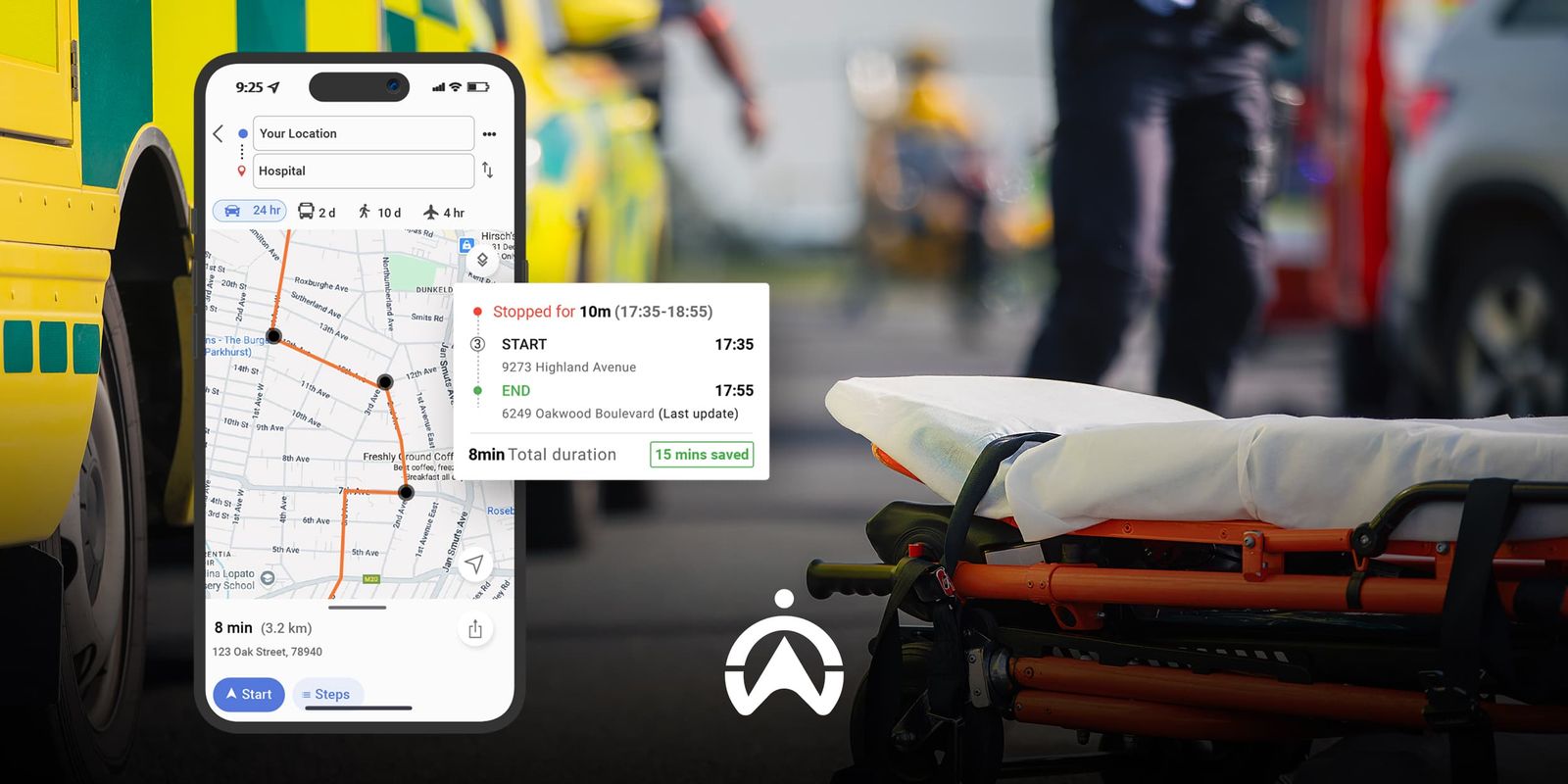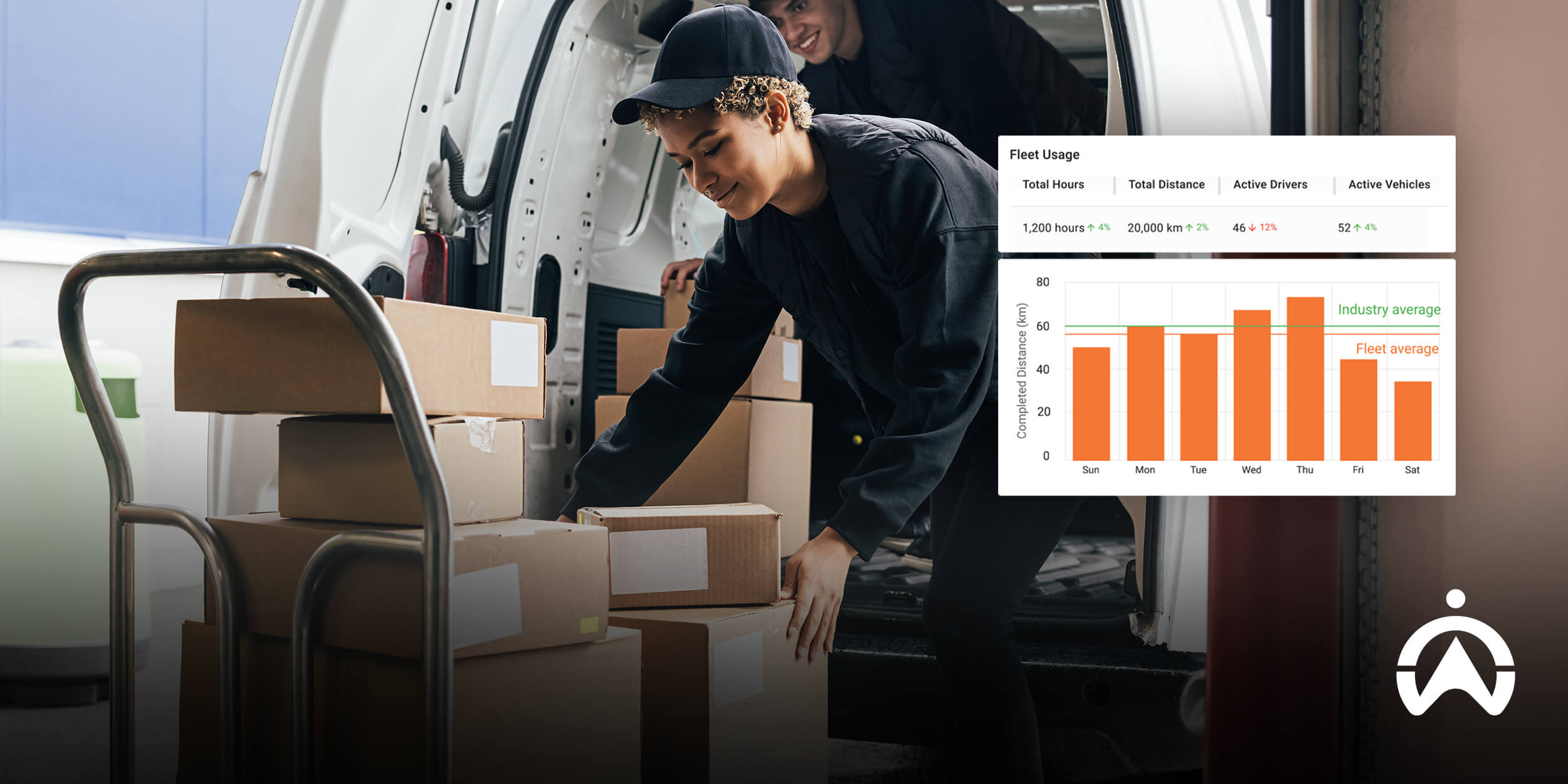

The Only Solution to Managing Your Mobile Healthcare with Field Service Software

Field service management software (FSM) is the only way you can manage your mobile healthcare effectively. It combines scheduling, dispatch, routing, and real-time tracking all in one platform, giving healthcare teams full visibility and control. This ensures on-schedule visits, optimal use of staff and vehicles, accurate service records, and a consistently reliable patient experience at all levels.

Mobile healthcare has completely changed how healthcare services are delivered. Now, nursing care happens at your home, diagnostics are accessible via mobile, and medical devices and health programmes are serviced within your community. Healthcare has truly stepped out of hospitals and clinics, thanks to the mobility of health professionals.

And while this shift benefits patients, it unfortunately presents tough operational challenges for healthcare organisations. Managing healthcare professionals, transport, schedules, and patient visits is no walk in the park—especially with cancellations, delays, and emergencies thrown into the mix. Ensuring operational efficiency is crucial; otherwise, inefficiencies pile up.

Technology plays a key role in operating these mobile healthcare services effectively. According to Persistence Market Research, 70 to 80% of companies adopting mobile-driven solutions report improved productivity. Proving that field service software will allow mobile healthcare providers to complete more jobs each day, directly enhancing patient satisfaction

This is where field service management software comes in—by integrating employee collaboration, scheduling, routing, tracking, and reporting. Cartrack’s FSM software delivers the visibility and control your mobile health services need to operate smoothly without compromising the quality of care.

Why field service software is the only viable way to manage mobile healthcare

Field service software is the only viable way to manage mobile healthcare because without it, your mobile healthcare will end up with missed appointments, poor routing, limited visibility, and a heavy admin load. Manual systems struggle to keep up with cancellations, emergencies, or traffic issues, which negatively impacts patient experience, staff productivity, and compliance.

Mobile healthcare isn’t just healthcare on the move; it’s a sophisticated, distributed operation that requires seamless coordination of people, vehicles, time, and patient needs. Traditional methods like spreadsheets, manual planning, or basic GPS tracking simply can’t cope with this level of complexity.

FSM software transforms how mobile healthcare operations run by serving as a central operational platform. Instead of juggling schedules in one system and routes in another, along with piles of paperwork, everything integrates into a centralised real-time operation.

FSM software offers significant advantages for mobile medical service providers in several essential ways:

  • It brings together clinical staff, transport resources, and patient visits into one cohesive system.
  • It adjusts seamlessly to urgent situations, cancellations, or last-minute schedule tweaks.
  • It provides real-time visibility for distributed healthcare teams.
  • It captures accurate service data right at the point of care.
  • It helps manage expanding operations while ensuring consistency and accountability.

You simply can’t achieve that level of responsiveness with standalone tools. For a rapidly growing mobile healthcare business, adopting a field service management tool becomes the backbone of an operational system that ensures reliable and efficient care.

The challenges of managing mobile healthcare without FSM software

The challenges of managing mobile healthcare without field service management software are factors such as missed appointments, inefficient routing and inaccurate records. FSM  software helps you streamline and centralise mobile operations by handling job scheduling, dispatching, real-time tracking, mobile reporting, and performance analytics.

For mobile healthcare teams, it’s essential that clinicians know precisely where to go, when to arrive, and how to capture service data accurately on the spot. Without the right field service solution, mobile healthcare teams encounter various challenges, such as:

  • Missed or rescheduled appointments due to manual scheduling.
  • Difficulty tracking team activities and locations.
  • Inefficient routing that increases travel time and fatigue.
  • Slow paper-based reporting systems.
  • Compliance risks from inaccurate or incomplete records.

These issues disrupt the facility’s efficiency and compromise confidence among patients and staff, leading to poor service delivery. If these inefficiencies persist, they’ll continue to escalate the costs of running the facility.

What field service management software actually does

Field service management software simplifies how you manage mobile operations. Essentially, this tool links the entire service cycle, from planning and dispatching to completing and closing jobs. FSM software plays a vital role in mobile healthcare, where timely care delivery is essential, patients are the main focus, and regulations are strict.

In contrast to generic scheduling tools, FSM software—such as the one offered by Cartrack—adapts in real time to accommodate urgent visits. It aligns practitioners’ skills with patient needs while maintaining precise service records for accountability and compliance.

Here’s what it offers:

  • Job scheduling and prioritisation.
  • Smart dispatch based on availability and location.
  • Real-time tracking of vehicles and staff.
  • Mobile access for field personnel.
  • Centralised reporting and performance analysis.

For mobile healthcare service providers, this means less manual effort and improved coordination and oversight.

Why mobile healthcare needs FSM — not just any software

Mobile healthcare needs FSM software because healthcare services are time-sensitive, and rescheduling visits can lead to delays in treatment, discomfort, or even risks to your patient’s health. While traditional businesses might prioritise this, mobile healthcare must strike a balance between efficiency and care, speed and sensitivity.

Field service management software makes this balance possible by offering:

  • Shorter wait times for urgent care.
  • Smart scheduling that matches practitioner skills with patient needs.
  • Real-time adjustments for changing conditions.
  • Better communication between office staff, field teams, and patients.

Generic scheduling or fleet management tools fall short when it comes to providing this level of integration. In mobile healthcare, it’s crucial to manage people, vehicles, and services effectively.

Managing patient experience at scale with field service software

You can manage your patients’ experience with field service management software by ensuring guaranteed arrival times, proactive communication, and consistent service delivery. It effectively eliminates delays and no-show appointments, fostering trust and ensuring quality care in mobile healthcare services, even as your patient numbers increase.

The patient experience kicks off well before your clinician arrives. It relies on reliability, communication, and trust—key ingredients for smooth operations in mobile healthcare.

This field service management tool improves your patients’ experience in multiple ways:

  • It offers precise arrival time estimates.
  • It minimises missed or late appointments.
  • It encourages proactive communication during scheduling.
  • It guarantees proper service documentation.

As mobile healthcare delivery grows, keeping a consistent patient experience becomes more challenging without automated systems. FSM software is designed to ensure that your patients’ care remains exceptional, even as operations expand.

Key features that make or break a field service solution for healthcare

The key features that make or break a field service solution tailored for the healthcare sector include mobile workforce apps, smart scheduling, route optimisation, real-time tracking, digital proof of service, and comprehensive reporting. This setup allows healthcare professionals to focus more on patient care while giving managers full visibility, control, and accountability over mobile services.

Not all field service solutions are the same. When it comes to mobile healthcare solutions, you’ve got to keep a few key factors in mind:

  • Mobile apps that allow access to physicians’ schedules and enable work status updates.
  • Efficient scheduling based on skills, location, and priority.
  • Route optimisation to minimise travel time and delays.
  • Real-time job status updates for enhanced visibility.
  • E-proofs, digital proof of service, including signatures and timestamps.
  • Reporting solutions that are ready for compliance, ensuring audits and accountability.

These features build a strong system that genuinely backs operations.

How Cartrack field service management software simplifies mobile healthcare

Cartrack’s field service management software makes mobile healthcare easier by uniting workforce coordination, vehicle tracking, scheduling, and reporting all in one place. You gain real-time insights, smarter routing, faster response times, and accurate service records, enabling healthcare providers to offer seamless patient care without sacrificing quality.

With Cartrack, you’ve got everything you need on a single user-friendly platform. It empowers healthcare organisations to oversee jobs, teams, vehicles, and data from a central dashboard.

With Cartrack, mobile healthcare providers can:

  • Assign and adjust jobs in real time.
  • Track vehicles and field teams live.
  • Optimise routes to cut down travel time.
  • Digitally capture service data.
  • Access performance insights with reporting.

Cartrack combines fleet intelligence with workforce management, allowing healthcare teams to stay responsive and efficient while maintaining accountability, even as operations become more complex.

Using field service data to make smarter healthcare decisions

Using field service data helps you make smarter healthcare decisions by providing insights into visit durations, travel times, workforce utilisation, and service demand. Mobile healthcare administrators tap into this data to allocate resources wisely, minimise inefficiencies, anticipate demand, and make strategic choices that foster sustainable growth and outstanding results.

Every mobile healthcare interaction provides valuable business intelligence. Without FSM software, a lot of this intelligence might just slip through the cracks.

The field service software offers information on:

  • Visit durations and service efficiency.
  • Travel time versus care time.
  • Workforce utilisation and capacity.
  • Missed or rescheduled appointments.
  • Regional demand trends.

These insights help managers make smart choices about staffing and service delivery. Over time, leveraging data to inform decisions cultivates more sustainable practices and enhances patient care outcomes.
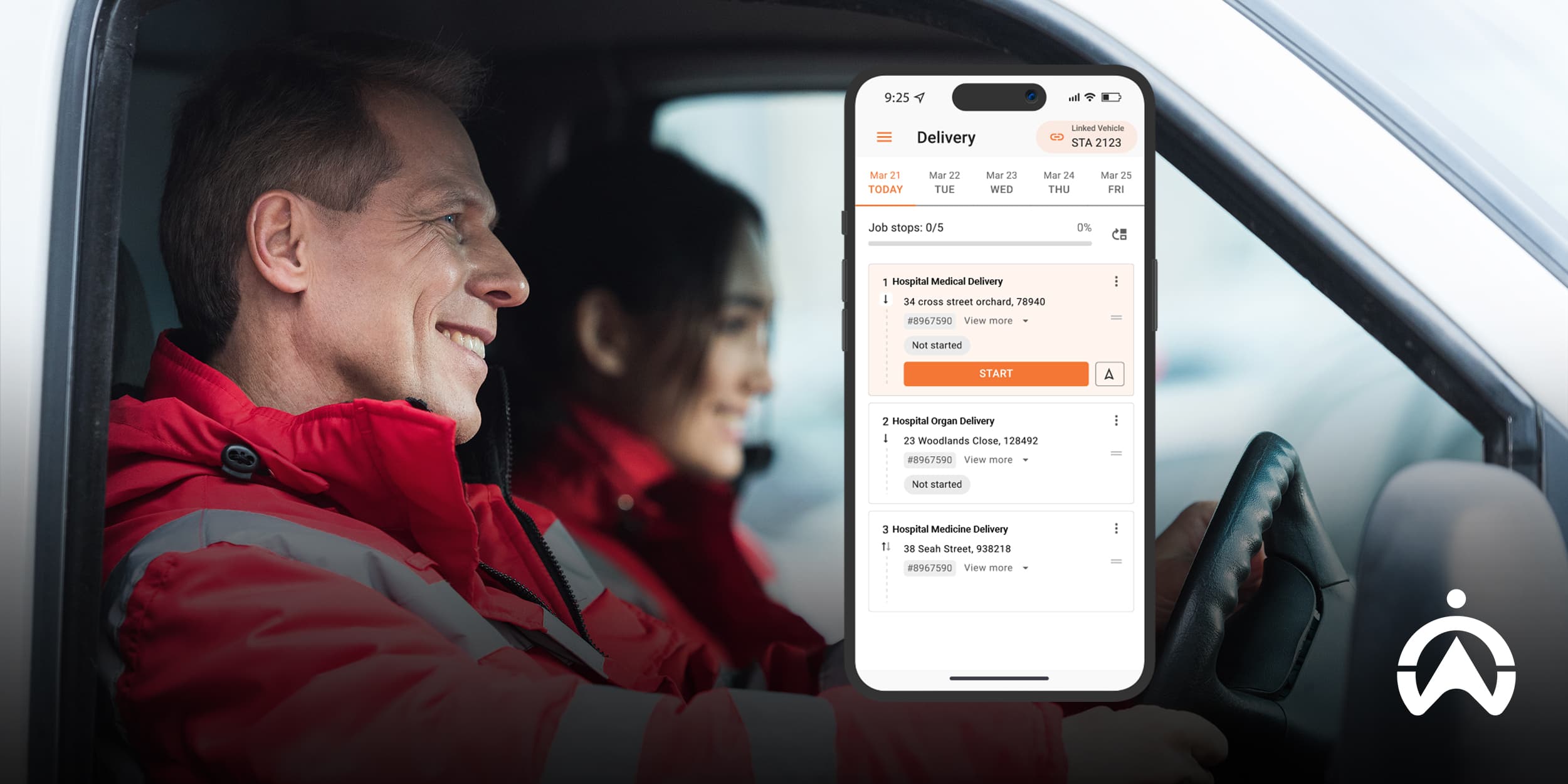

How does field service management software improve your mobile healthcare?

FSM software brings a variety of benefits to your mobile healthcare business, including a direct return on investment, boosted productivity, reduced travel and fuel costs, and fewer service errors. For mobile health providers, this means better service delivery, smarter cost management, and standardised services.

Investing in field service management software pays off in several ways:

  • Boosted productivity with improved scheduling.
  • Lower fuel usage and transport costs.
  • Reduced admin workload.
  • Fewer errors in documentation.
  • Greater consistency in services.

For mobile healthcare providers, these perks mean they can handle more, keep costs in check, and deliver outstanding service.

Remember that lower costs, happier teams, and more satisfied patients.

Real-world workflow — before and after using FSM

Without field service management software, mobile healthcare processes can feel manual, reactive, and scattered. Once you implement the software, everything in your business becomes automated and integrated, offering real-time updates and improved routes that allow your team to respond swiftly.
‍

Before FSM software, operations often reacted to issues:

  • Manual dispatching
  • Limited visibility
  • Paper-based documentation
  • Delayed reporting

After implementation, workflows shift to being proactive and connected:

  • Automated job assignments
  • Real-time updates
  • Mobile reporting
  • Actionable insights

Remember, the change isn’t just about efficiency—it’s about taking control.

Implementation tips for healthcare providers

To successfully implement field management service solutions for mobile healthcare, start with clear goals, give your teams solid training, roll it out in phases, and keep an eye on those early key performance indicators. By embedding the solution into the daily routine of your mobile healthcare fleet, you’ll guarantee a smooth adoption and lasting improvements.

Here are the best practices:

  • Set clear operational goals
  • Train your teams well
  • Integrate with what you already have
  • Roll out in phases
  • Keep an eye on KPIs from the start

A structured approach guarantees adoption and long-term success.

Common myths about field service software

There are many people who mistakenly believe the common myth that field service management software is only for logistics or large organisations. However, in reality, smaller healthcare professionals with mobile units can find tailored field service management solutions that suit their needs perfectly.

Let’s clear up some common myths about FSM software:

  • It’s just for logistics.
  • It’s too complicated to set up.
  • Only big providers need it.

The truth is, FSM software can enhance visibility, efficiency, and accountability for organisations of all sizes.

Wrap-up—a strategic investment in mobile healthcare

Investing in field service management software is a strategic investment for mobile healthcare because this software boosts scalability and efficiency and puts patients at the centre of service delivery. It combines real-time visibility, resource management, and intelligence to ensure you’re delivering top-notch care, all while keeping control of your costs.

As mobile healthcare takes off, the need for better coordination, visibility, and control is at an all-time high. You really can’t manage mobile healthcare operations effectively without FSM software. It’s essential!

Cartrack’s field service management software empowers healthcare facilities to deliver reliable and efficient care to patients, no matter where they are. By integrating workforce management solutions, real-time tracking, and valuable insights, it transforms how care is provided.

Contact us to get your mobile healthcare fleet optimised today!

FAQs

Can field service management software integrate with existing healthcare systems?

Yes, field service management software integrates effortlessly with existing healthcare systems. This includes electronic health records, billing systems, and patient management systems. This integration eliminates duplicate data entry and ensures smooth information exchange between office-based and mobile health service systems.

How long does it take to implement field service management software in a mobile healthcare environment?

Implementing field service management software in a mobile healthcare environment typically takes several weeks to several months, depending on the scale. You can opt for a staged rollout, enabling workers to benefit quickly while more complex features are refined.

Is field service management software suitable for both clinical and non-clinical mobile healthcare teams?

Yes, a field service management solution is suitable for both clinical and non-clinical mobile healthcare teams. It efficiently manages various staff roles, including nurses, technicians, drivers, and support staff, by streamlining job allocation, activity monitoring, and organisation on a single platform.
How to Start a Logistics Company Without Money and Manage It Successfully?

Starting a logistics company in Namibia might seem daunting and just a game for the big players with deep pockets. Trucks are expensive, fuel prices fluctuate, and regulations can feel overwhelming. Yet logistics remains one of the country’s most active sectors.

In Namibia, the transport and logistics sector plays an important role in the economy, with cargo volumes through the country’s major corridors — such as the Walvis Bay corridors — surpassing 2.5 million tonnes of freight handled in 2025, underscoring the significance of freight movement and logistics activities in supporting trade and regional transit in the country.

What you may not realise is that many successful logistics businesses didn’t start with trucks, warehouses, or huge budgets. They started with something much simpler: the right niche, strong operational control, and the right technology.

If you want to launch a business without breaking the bank, you’re going to have to swap capital for smart strategy, careful planning, and operational savvy.

Think of this blog as a manual that provides a step-by-step procedure on exactly how to achieve that in the Namibian market.

Is it possible to start a logistics company with no money?

Yes, it’s possible to start a logistics company with no money, but let’s clarify what “no money” really means. Starting your logistics business without funds doesn’t mean you’re running without expenses. It just means you’re avoiding large upfront costs like buying vehicles, hiring full-time employees, or renting warehouse space.

In Namibia, many logistics start-ups focus on managing transport rather than owning it. They handle everything from delivery planning and routing to client communication and delivery reliability, with subcontractors handling the actual transportation. Using this method allows you to enter the market faster while reducing risk.

Remember that when you run your operations well, clients respect dependability more than whether or not you own the car.

Understanding the Namibian logistics market

Before you start your logistics company, it’s important for you to understand the Namibian logistics market. The logistics sectors in Namibia, like retail, eCommerce, healthcare, and construction, encounter challenges like rising fuel prices, vehicle-related crime, and lower profits. Companies that can effectively manage their routes, control fuel consumption, and monitor driver behaviour are more likely to stay successful.

At the same time, regional operators face their own unique challenges. Fuel costs rank as one of the biggest operational risks. Carjacking and vehicle theft are real threats, while irresponsible driving can lead to an increase in maintenance expenses thanks to aggressive driving and poor vehicle handling.

Choose the right logistics niche to minimise costs

Choosing a logistics niche can significantly help in ensuring fewer risks and expenses when starting your logistics operation. The logistic niches—which new companies can use to earn money without necessarily investing in vehicles—include courier services, freight broking, contract logistics, and transport services.

Courier and last-mile delivery

Last-mile delivery often serves as a great starting point into the logistics world. You can team up with independent drivers who use their own vehicles, allowing you to concentrate on managing routes and delivery schedules.

Freight brokerage (no trucks required)

Freight brokers make their money by linking shippers with transport providers. You’ll handle the loads, schedules, and paperwork without actually owning any trucks. This approach is perfect if you have strong organisational skills.

Contract logistics for SMEs

Small businesses often rely on regular transportation, but may not have the budget for their own fleet. Contract logistics offers a solution, providing predictable income while keeping asset exposure low.

Specialised logistics (medical, retail, construction)

Logistics in the medical, retail, and construction sectors focus more on reliability and compliance rather than quantities. By specialising, you’ll be able to charge more per delivery while handling fewer jobs.

Legal and compliance requirements in Namibia

To operate legally in Namibia, a logistics business must register with the Business and Intellectual Property Authority (BIPA) and handle its tax obligations with the Namibia Revenue Agency (NAMRA). Operations must comply with transport regulations, including obtaining operating licences and ensuring vehicle roadworthiness. Starting with compliance not only protects your business from potential fines but also enhances credibility with clients.

Business registration and structure

Start off by registering your company with the (BIPA) and choose a structure that offers the least amount of liability.

Tax, VAT, and SARS compliance

Make sure to register with the Namibia Revenue Agency (NAMRA) and monitor your business income closely. Once your turnover exceeds the specified threshold, you must register for Value Added Tax (VAT). Planning ahead is essential in these situations.

Transport-specific requirements

Depending on the services you offer, you’ll need to get an operating licence and ensure your fleet of vehicles meets compliance standards. You need to remember that a lack of regulation can lead to fines and missed contract opportunities.

Logistics company operations and transport workflow

How to start a logistics company without owning vehicles

You can start a logistics business without having to own any vehicles by teaming up with owner-driver transport providers. Many start-ups in Namibia thrive using an owner-driver or subcontractor method, where drivers supply the vehicles and you take care of all related expenses. While this approach carries a higher financial risk, it keeps operational risks relatively low.

So, while you won’t need your own cars to run a logistics business, having control is essential. A way to ensure you have some sort of control is through a portable tracking device. With it, you’ll be able to track all activities in real time, ensuring your transport runs smoothly and your customers remain happy.

Building a logistics business plan on a zero budget

Building a logistics business plan on a zero-to-little budget will need to emphasise key services with reasonable pricing and mindful spending. It’ll have to prioritise financial growth and operational efficiency, focusing on cash flow, fuel expenses, and overall effectiveness. This strategy will help new logistics companies stay profitable and grow.

Remember that a budget-friendly logistics plan centres around realistic expectations.

Be specific about the services you offer. When quoting jobs, make sure to consider the costs of fuel, administration, and any unexpected expenses. Be cautious of subcontracting jobs at really low prices, because this is a common scam that will end up costing you more money to fix.

Your plan should focus on maintaining steady cash flow rather than rushing into immediate expansion.

Finding your first logistics clients with no marketing budget

You can find your first logistics customers without spending a cent on advertising. Logistics start-ups can land clients without a marketing budget by tapping into personal networks, teaming up with established transporters, and joining online freight platforms. In Namibia, what truly counts in securing those initial logistics contracts is not branding but reliability, communication, and consistency.

Leveraging existing networks

Retailers, suppliers, and contractors often urgently need transport and place a high value on referrals.

Partnering with established transporters

You can offer overflow support or cater to specialised routes.

Online platforms and marketplaces

Namibian freight marketplaces connect loads with available vehicles, enabling start-ups to generate revenue quickly.

At this stage of the journey, reliability and communication are far more important than branding.

Managing operations efficiently from day one

To manage your operations effectively from day one, there are a few things you should focus on, such as solid scheduling, clear visibility, and quick delivery updates. Inefficient processes often lead to communication issues and delivery delays. Smaller logistics companies should implement tracking systems to improve coordination, reduce mistakes, and build trust with their customers.

Operational efficiency plays a key role in the success of start-up companies in logistics. Relying on manual processes, spreadsheets, and WhatsApp for communication can lead to misunderstandings, leaving your clients feeling frustrated by missed calls and delays in updates.

Even small businesses can really benefit from knowing where their vehicles are at all times.

Using technology to run a lean logistics operation

Technology allows small logistics companies to operate just like their larger competitors. It helps smaller logistics firms run smoothly without needing lots of staff or vehicles. With real-time data on vehicle locations, routes, and driver behaviour, businesses can reduce fuel consumption, enhance accountability, and make informed choices. This gives start-ups an advantage over established businesses in the logistics sector.

Real-time tracking indicates where vehicles are and how deliveries are progressing. The trip history feature highlights any inefficient routes, and the driver behaviour report shows where drivers might be wasting fuel.

Managing a small logistics company efficiently

Managing fuel, maintenance, and driver behaviour without big budgets

Logistics companies can manage fuel and maintenance costs by keeping an eye on their drivers’ driving habits. Regular maintenance of vehicles lowers the chances of sudden breakdowns, which helps Namibian entrepreneurs maintain their cash flow in a transportation market that is expensive.

Fuel expenses remain the biggest drain on the Namibian logistics industry. Behaviours such as speeding, quick braking, and long periods of idling lead to higher fuel costs and increased repair expenses. So, tracking these driving habits really pays off!

Preventive maintenance shouldn’t be overlooked once you have your own vehicles. It helps keep your business operational by preventing unexpected breakdowns, not only saving you money but time as well.

Scaling your logistics business sustainably

For sustainable growth in logistics, you should rely on data rather than assumptions. It’s essential to analyse performance data to identify the most profitable routes and drivers before expanding. Keeping a close eye on your growth helps you avoid cash flow issues.

Utilise performance reports to find lucrative routes, reliable drivers, and loyal customers. We should be aiming for growth wherever possible.

Common mistakes new logistics businesses make in Namibia

There are common mistakes new logistics businesses make in Namibia, like underpricing their services, overlooking compliance, and running their businesses without clear visibility of vehicles and drivers. This typically leads to increasing costs and failures in service. Logistics companies that are successful understand that it’s important from the start to focus on efficiency in operations, accountability, and having control.

It’s common for new businesses to set their service prices too low, overlook compliance requirements, or delay putting money into systems that are needed. These mistakes can result in smaller profit margins and a chaotic environment for operations.

How Cartrack helps you manage and grow a logistics business from day one

Cartrack helps you manage and grow a logistics business by providing you with real-time insights into vehicle locations, delivery processes, and driver behaviour from day one. With better routes, lower fuel costs, and increased accountability, Cartrack supports smaller logistics start-ups in managing increased demands while growing sustainably.

In Namibia, Cartrack gives logistics businesses immediate visibility from the first vehicle. With GPS tracking, you can easily monitor locations, trip histories, and delivery progress without having to make calls or chase updates from your team or subcontractors.

Using GPS fleet tracking also helps logistics companies improve visibility and gain better operational control from the very beginning.

Often, fuel and maintenance costs are crucial for survival. Cartrack helps you spot inefficient routes, excessive idling, and risky driving habits that drain your finances. Addressing these issues early on protects your cash flow.

Monitoring driver behaviour, generating trip reports, and setting up geofence alerts boost accountability and service reliability. This level of transparency builds trust with clients, giving you a strong edge in competitive markets.

At Cartrack, we grow alongside your business. Data analysis will guide you on when to scale, optimise routes, or adjust pricing based on actual operating costs.

Conclusion: Turning a zero-capital logistics start-up into a profitable business

To sum it up, it’s definitely possible to start a logistics business that can make a profit without having any cash by simplifying processes, choosing the right niche, ensuring compliance with regulations, managing subcontractors in an effective way, and utilising technology to reduce expenses.

In a competitive environment, success depends less on having assets and more on factors that are key, such as visibility, efficiency, and accountability. With proper systems set up, even the smallest logistics start-up can compete and grow and thrive.

Frequently Asked Questions

Do I need insurance to start a logistics company in Namibia?

Yes, you definitely do need insurance to start a logistics company in Namibia. It’s crucial to cover your vehicles and goods, as well as any third-party risks. Even if you’re subcontracting, having insurance helps you manage risks and keeps your clients happy.

How do logistics companies protect vehicles and cargo from theft and hijacking?

Logistics companies can use GPS tracking, geofence alerts, driver monitoring, and recovery services from companies like Cartrack to protect their vehicles and cargo from theft and hijacking. This tech allows for quick detection of unauthorised movements and fast responses, especially in high-risk areas.

When is the right time to invest in fleet management technology for a new logistics business?

The best time to invest in fleet management technology is right from the first active vehicle. Getting real-time tracking, fuel data, and insights into driver behaviour from the beginning helps you manage costs, boost accountability, and set up efficient fleet operations, which can save you from expensive mistakes down the line.

Active Tracking for Emergency Services Fleets Keeps Your Responders Safe

Active tracking for emergency fleets makes sure that your responders stay safe with real-time visibility and location data, enhancing routing and response times. Emergency vehicles operate under a lot of pressure daily. Whether it’s ambulances racing to medical emergencies, fire trucks weaving through traffic, or police cars responding to crises, these vehicles need to move quickly and safely.

That’s why, in these complex environments, knowing the location of all vehicles at all times is essential. According to the World Health Organization, road traffic accidents have become the major cause of death among people in the 5-29 years age group, proving the risk involved in travelling by road, especially in fleets moving at a fast pace that are under pressure.

In Namibia, emergency responders encounter multiple dangers on the road every day, and with thousands of road accidents reported each year, it’s clear that real-time vehicle tracking is crucial. Cartrack supports emergency responders with top-of-the-line active tracking, camera connectivity, and smart vehicle analytics, ensuring a safe response from start to finish.

What is active tracking in emergency fleet management?

Active tracking keeps an eye on vehicles in real-time using live telematics data, like GPS location, vehicle movement, and driver behaviour (all of which are necessary in emergency fleet management). So unlike passive systems that simply store data, active tracking consistently streams information onto a central platform. Letting fleet managers and control rooms react instantly to situations as they happen.

So what role does active tracking play in emergency fleet management? Active tracking uses GPS trackers to send vehicle data to a cloud-based platform that’s easily accessed by fleet managers and control teams. This way, dispatchers can track every vehicle’s position, speed, and direction all in real time, while also getting instant alerts for critical events like speeding, sudden braking, and route changes.

Active tracking is crucial for emergency fleets because it:

  • Provides live updates that enable dispatchers to coordinate quicker responses.
  • Ensures safety monitoring during high-speed driving.
  • It improves your awareness and helps you make better decisions.

At Cartrack we use AI-powered GPS tracking solutions that provide your emergency service fleets with accurate and real-time visibility.

Why emergency services need active tracking now more than ever

Emergency services need active tracking now more than ever because of  factors like the constant presence of congestion in cities like Cape Town and Joburg. Unpredictable traffic jams and critical calls mean emergency response teams don’t have time to spare. A second or even a millisecond can be costly when lives are at stake.

Faster, smarter dispatching

Active tracking lets dispatchers see the nearest unit in real time, so they can assign it to an incident right away. This tech speeds up response times and improves coverage in busy areas.

Improved responder safety during high-risk driving

Emergency response vehicles operate under intense pressure, navigating congested roads at high speeds to handle life-threatening situations. Cartrack’s active tracking system boosts safety by monitoring speeding, braking, and turning during these emergencies. This allows control rooms to respond effectively to any detected unsafe driving.

With the aid of data-driven insights, emergency services can promote safe driving practices and prevent crashes, ultimately keeping emergency service providers and citizens safe without delaying emergency response times.

Protecting crew inside the vehicle

Active tracking goes beyond just pinpointing your location. By using AI cameras as well, you’re able to improve safety both inside and outside the vehicle. These systems can provide live footage to your platform, which allows managers to make quick assessments in real time. This is particularly useful during emergencies when circumstances can change quickly.

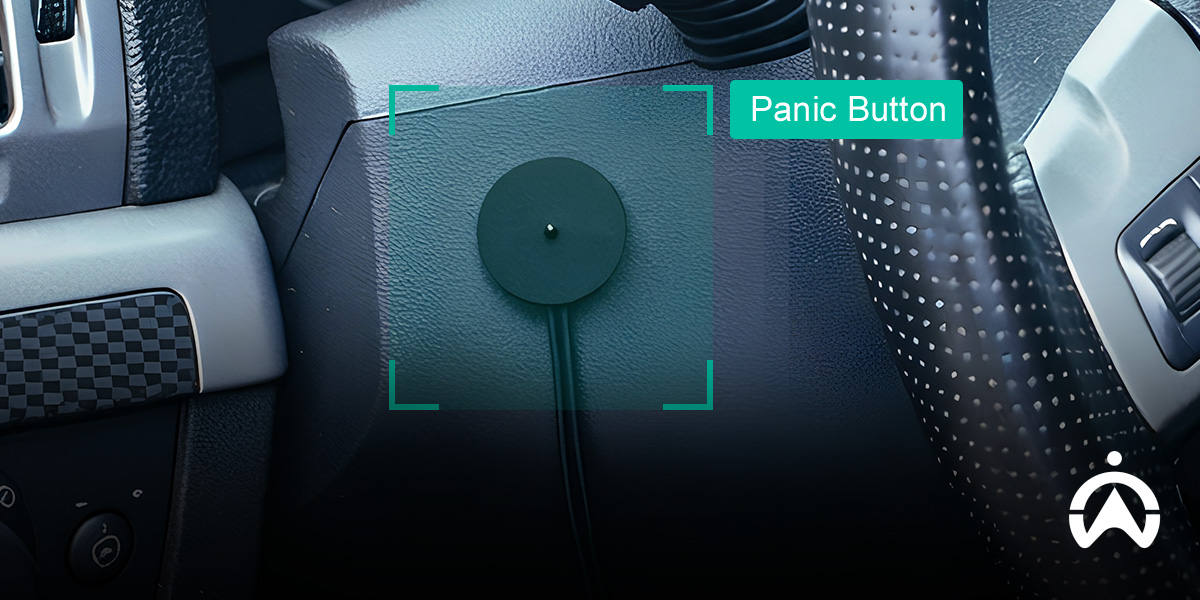
Cartrack panic button inside emergency services vehicle

The role of connected cameras in emergency fleet safety

Connected cameras improve emergency fleet safety because they allow access to exactly what’s happening in and around a vehicle in real time. Although GPS tracking systems can share information regarding a vehicle’s location, cameras allow control centres to see exactly what’s happening.

Real-time visibility

The cameras transmit live footage straight to your control room. This allows operations managers to spot any distracted driving and track the distance to the vehicle in front of the emergency vehicle, preventing possible accidents.

Protecting responders from public threats

Ambulance paramedics, emergency medical service providers, and police officers can often be at risk in situations that go beyond road safety. Situations such as aggression, obstruction, or civil unrest can arise during emergencies. Video evidence then not only serves as a preventive measure, but is also vital in post-emergency investigations.

Automatic incident detection

The latest systems (like the ones used at Cartrack) use sensors and AI technology to capture event-driven data, like collision events and sudden movements. These systems boost response times for support and offer solid evidence in case anything goes wrong.

With these features, active tracking turns into a comprehensive safety monitoring service, ensuring the protection of responders both on and off the road.

Smarter routing

Intelligent routing cuts down emergency response times by using real-time data on vehicle locations and traffic conditions to prioritise the fastest route. Control room staff can quickly redirect vehicles during emergencies like congestion, accidents, or road closures, ensuring they reach incidents as swiftly as possible.

In short, real-time tracking not only shows where vehicles are but also helps fleets arrive faster.

Real-time traffic data

Active tracking systems combine real-time traffic data with GPS, enabling your emergency service vehicles to be rerouted instantly around congestion, road closures, or other delays. This optimisation is critical in cities like Joburg and Cape Town, where every second counts in life-or-death situations.

Geo-fencing for faster operations

Geo-fencing creates virtual boundaries around specific areas, sending alerts when vehicles enter or exit these zones. This tech helps to boost resource allocation in the required areas, making your operations more efficient.

How active tracking improves accountability and reporting

Active tracking improves accountability by recording trip details, driver behaviour, and incident timings. This information is vital because it helps emergency services create accurate reports, which can assist in investigations. By maintaining a thorough database, it’ll help drive regular improvements in safety policies and training programmes.

These logs can:

  • Automate trip records with dates.
  • Provide an efficient way to report incidents.
  • Assist with insurance claims and legal documentation.

Active tracking helps control rooms respond to emergencies in real time

Active tracking helps control room operators respond to emergencies with real-time alerts, vehicle data, and driver behaviour insights. This means that they can swiftly respond to crises, reroute vehicles as needed, collaborate with emergency responders, and maintain a comprehensive record of all vehicle activities.

Live alerts to control centre staff

The control room can send out alerts for speeding, sudden manoeuvres, or sensor triggering. These alerts enable quick action or task reassignment, keeping the fleet safe and organised.

Two-way communication

Enhanced systems enable real-time communication between control rooms and responders. Dispatchers and fleet managers can not only issue commands but also adjust routes or provide directions based on the latest road updates.

GPS tracking technology used to monitor first responder vehicles during emergency response

How Cartrack supports emergency services fleets

Cartrack provides emergency services vehicles with intelligent active tracking, camera connectivity, and fleet intelligence capabilities. All these tools can assist in enhancing safety for emergency response teams and ensure that control rooms have enough information to manage safety-critical tasks effectively.

24/7/365 monitoring and support

At Cartrack we provide continuous monitoring and support for you and your team. Our control room agents are available to assist you 24/7, 365 days of the year.

Industry-leading tracking accuracy

Cartrack’s GPS tracking systems will give you instant updates and provide reliable & accurate real-time visibility, even at high speeds.

Seamless integration with existing emergency systems

Cartrack’s technology seamlessly integrates with dispatch tools, communication apps, and command centre solutions, enhancing emergency response services without disrupting your current operations.

Active tracking plays a vital role in emergency service fleets because it boosts safety for rescue teams, improves coordination, and ensures a swift response to emergencies.
‍

So contact Cartrack today to set up active tracking for your emergency service fleets, and keep your responders safe!

Frequently Asked Questions

How does active tracking improve emergency response times?

Active tracking improves emergency response times by providing real-time locations of vehicles, traffic conditions, and their availability. This helps the control rooms to always know where the nearest unit is, diverts the vehicle instantly around congestion, and eliminates wasted time during life-critical emergencies.

What types of emergency fleets benefit most from active tracking?

The types of emergency fleets that benefit most from active tracking are ambulances, fire services, police units, rescue teams, disaster response vehicles, and private medical fleets. These fleets have to operate under time pressure and high risk, which makes real-time visibility a crucial part of their safety and efficiency.

What is the difference between active tracking and GPS navigation?

The difference between active tracking and GPS navigation is that active tracking provides you with real-time location updates, insights into driving behaviour, and event alerts, while GPS navigation simply offers turn-by-turn directions. Control rooms can view, manage, and respond to fleet events in real time, something GPS navigation doesn’t allow.

The Accelerometer in Your Fleet Management: What It Is and Why You Need It

Most fleet owners understand that GPS tracking is crucial, but very few realise the power of the accelerometer, the small sensor inside modern tracking units. That sensor tracks movement in three directions: up/down, left/right, and forward/backward. This is important because how your vehicles move reveals how your drivers behave—something GPS alone can’t provide.

According to the Motor Vehicle Accident Fund, crash statistics show that most fatal road accidents in Namibia are caused by human behaviour, including factors such as speeding, fatigue, reckless driving, and alcohol use, which remain the leading contributors to road fatalities in the country. This is why obtaining accurate, real-time driving insights is essential.

Now this is where a quality accelerometer—like the one in Cartrack’s tracking unit—truly shines. It offers fleet managers and owners clarity, safety data, and practical insights that help protect your drivers, lower operating costs, and shield your fleet from unnecessary risks.

What exactly is an accelerometer?

An accelerometer is a compact electronic sensor that tracks a vehicle’s movement in three directions. It detects every bump, brake, turn, and jolt. For fleet owners, this movement data serves as a powerful safety tool, because it reveals exactly how a driver managed the vehicle before and during any incident.

How an accelerometer works—in plain English

  • It tracks movement in three directions: up/down, left/right, and forward/backward.
  • It notices sudden shifts like hard braking, rapid acceleration, or sharp turns.
  • It then converts physical movement into straightforward data for your analysis.
  • These logs can then help you piece together what occurred just seconds before and during the event.

Why the accelerometer matters in fleet management

The accelerometer matters in fleet management because simply knowing where your vehicles are isn’t enough; you need to understand how they’re being driven. The accelerometer bridges this gap by providing accurate, real-time insights into driver behaviour, enabling early intervention and enhancing overall safety for the fleet.

Helps you understand driver behaviour

  • Spot high-risk actions like abrupt braking or sudden acceleration.
  • Identify drivers who could benefit from coaching.
  • Foster a strong safety culture throughout your fleet.

Plays a critical role in accident reconstruction

  • Detect sudden force increases during a collision.
  • Record the vehicle’s exact movements before impact.
  • Help fleet managers and insurers get to the bottom of what really happened.

Reduces costs from wear and tear

  • Reveal which driving habits put unnecessary strain on vehicles.
  • Coach drivers to sidestep costly repairs.
  • Maintain vehicle health over the long haul and lower operational costs.

Supports your safety and compliance strategy

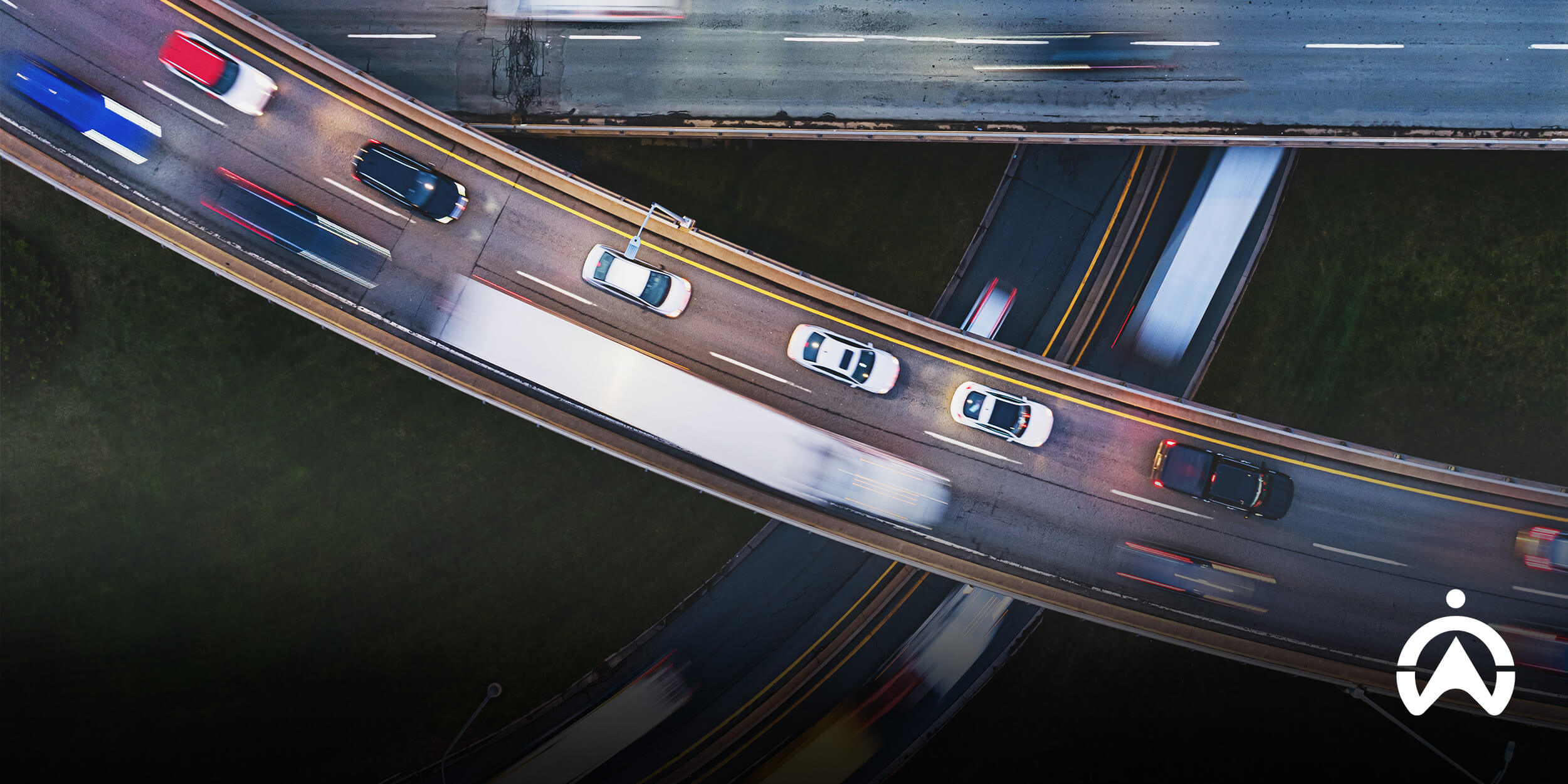
Aerial view of busy highway overpasses with moving vehicles, showcasing vibrant traffic patterns and road structures.

How the accelerometer keeps your drivers safe on the road

The accelerometer keeps your drivers safe on the road by detecting sudden changes in a vehicle’s motion and position. It empowers you as a fleet manager to take proactive measures against sudden movements and potential dangers, ensuring your drivers stay safe while showing you care about their well-being.

Driver protection benefits

  • Spots early signs of fatigue and distraction through movement patterns.
  • Alerts fleet managers instantly when hazardous driving occurs.
  • Helps address habits that could lead to accidents.
  • Provides solid evidence to support drivers in case of false claims.
  • Promotes a safer and more confident driving environment for your entire fleet.

The accelerometer’s role inside Cartrack’s fleet ecosystem

Cartrack doesn’t just gather data; it transforms accelerometer insights into clear, actionable information. Forget the days of guessing what happened on the road—this tool reveals exactly how drivers behave, empowering you to respond in real time and manage your fleet confidently.

Real-time driver safety alerts

Get instant notifications for harsh braking, rapid acceleration, sharp cornering, and impact events. Be the first to know when something serious occurs. Take proactive steps to prevent future accidents.

Rich, accurate insights for analytics and reports

Enjoy rich, accurate insights that fuel your analytics and reports. Easily view driver behaviour trends on user-friendly dashboards. Access historical data for thorough investigations. Track performance improvements and training outcomes over time.

Works seamlessly with ai camera solutions (if installed)

It integrates flawlessly with AI camera solutions if you have them installed. Add context to events with an accelerometer and dashcam. Discover what triggered sudden braking or swerving, and gather undeniable proof for insurers and incident analysis.

Why your Namibian fleet needs an accelerometer today

Your Namibian fleet needs an accelerometer today because Namibian roads can be a bit of a nightmare. With potholes, sudden stops, and reckless drivers, fleet managers need a clearer view of what their teams face every day. That’s where accelerometer data comes in, giving you the insights to reduce accidents, keep drivers safe, and trim operational costs.

Namibian Road conditions demand better monitoring

  • Bumpy roads, potholes, and unpredictable taxis make driving a challenge.
  • Movement data reveals the real risks on the road.
  • Get real-time insights to keep your drivers safe.

Helps lower accident rates

  • Early warnings highlight dangerous behaviours.
  • Coaching drivers becomes simpler and more effective.
  • Safer driving means less downtime and more savings.

Helps you handle insurance claims easily

Protects your business from liability

  • Solid evidence helps resolve disputes.
  • Prove your duty of care compliance.
  • Minimise your legal and financial risks.
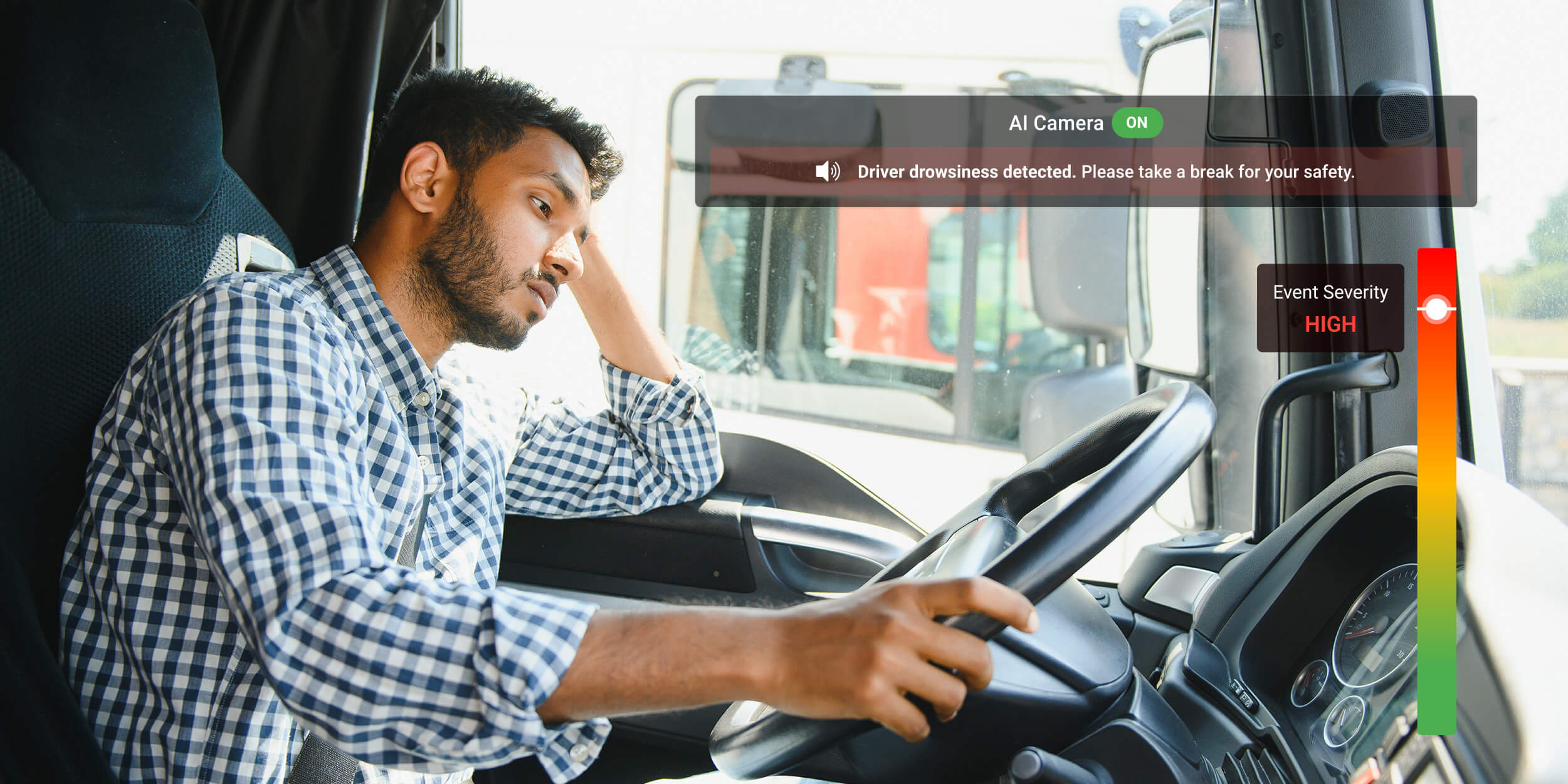
Cartrack AI camera displaying a notification for driver fatigue

What accelerometer data looks like in action

In action, accelerometer data tells the story of what happened on the road. It is often the only reliable means to understand why the vehicle reacted the way it did. Here’s what these events look like in real-world Namibian driving situations.

Examples:

  • Harsh braking: A driver brakes hard to avoid a taxi stopping abruptly.
  • Harsh acceleration: Pulling off too quickly from a busy junction.
  • Sharp cornering: Taking a rural bend at speed.
  • Impact detection: Accident forces are instantly and precisely recorded.
  • Vehicle tilt: Informs about the risk of rollover or tipping on uneven surfaces.

What to expect when using Cartrack’s accelerometer features

Using accelerometer data from Cartrack is a breeze; it operates seamlessly in the background. There’s no extra setup or technical hassle. Once it’s installed, data flows directly into your platform, providing immediate insights into driver behaviour and event history.

What to expect:

  • No extra hardware needed—it’s built right into your tracking unit.
  • Instant syncing with the Cartrack platform.
  • Real-time event notifications.
  • Easy-to-download reports for insurers or management.
  • Enhanced insights when paired with dashcams.

Final thoughts — it’s a small device with a big impact

Though compact, the accelerometer significantly boosts fleet safety. It equips Namibian fleet owners with the tools to minimise risk, enhance driving behaviour, and protect their business. Combined with Cartrack’s powerful platform, it becomes an indispensable tool for safer, smarter fleet management.

FAQs

Can an accelerometer detect if a driver is using their phone while driving?

No, an accelerometer cannot directly detect the use of phones because it only measures movement. However, it might show some pattern—it might be drifting or delayed braking—that could suggest distraction. Confirmed phone-use detection would be required with an AI dashcam paired with the data from your accelerometer.

Will the accelerometer drain my vehicle battery?

No, an accelerometer will not drain your car battery. It’s a low-power sensor built into a tracking device and is designed to operate efficiently without having a great impact on the electrical system of a vehicle, even when its engine is turned off.

Can accelerometer data help with driver training programmes?

Yes, indeed, the accelerometer data proves to be very effective in driver training. It pinpoints all the risky habits a driver has, such as harsh braking, aggressive acceleration, and sharp cornering, which show you exactly where drivers need coaching. That makes training more targeted and easier to measure over time.

How to Stop Your Motorbike Drivers From Having Accidents

To stop bike drivers from having accidents, establish negligent driving habits and roll out effective strategies to improve business and driver safety. Motorbike riders rank among the most vulnerable on the roads because riders are a whole lot more exposed and at risk out on the roads than the average car driver.

In Namibia, road users continue to face a high risk of accidents and fatalities on the country’s roads. In 2024 alone, about 2,925 road crashes were recorded, resulting in 5,297 injuries and 385 deaths. These figures highlight the ongoing road-safety challenges in the country and the importance of improving driver behaviour and awareness. Road traffic accidents remain a top cause of deaths globally, with motorbike riders and vulnerable road users making up a significant share of these fatalities.

For fleet managers like yourselves, there’s a clear need for safety strategy and smart technology that anticipates risk rather than only reactive action. In this blog, we’ll look at useful steps and management techniques, as well as the role of fleet visibility tools provided by Cartrack that can help your business meet everyday safety objectives.

Practical ways to reduce motorbike accidents in your business

Practical ways to reduce motorbike accidents in your business include improving rider awareness & accountability, managing risk, and identifying risky driving patterns. Tackling the issues of negligence and accidents is all about a careful, consistent, step-by-step approach that solves the small issues before they turn into big ones.

Identify unsafe riding patterns early

Recognise those dangerous driving habits that are being repeated, including behaviours like consistent speeding and taking corners sharply. Nipping these habits in the bud, especially once they’ve turned into a pattern, lets you take proactive steps to avoid a costly reaction.

Rather act immediately and potentially save on time and expenses, than deal with the chaotic aftermath of an accident later.

Improve rider awareness and accountability

The most important thing to do is to approach corrective conversations and dialogue with coaching, not through punishment. This fosters better, more constructive growth among drivers and encourages them to quickly adopt safer driving habits. With recorded events and insights, you can also easily support your coaching efforts.

The key to maintaining safer habits is to do regular check-ins and coaching sessions when necessary.

Manage risk through smarter route planning

Smarter route planning involves preparing routes that avoid traffic congestion, high accident zones, and dangerous areas when possible to keep the drivers safe. This also eases the pressure of rushing deliveries, with drivers remaining realistic and prioritising safety without sacrificing efficiency.

motorbike driver doing deliveries

Why are motorbike drivers at higher risk of accidents?

Motorbike drivers are at a higher risk of accidents because of their job demands and generally limited visibility while on the roads. Vehicle drivers might not notice bikers that are on the road or in traffic, potentially leading to collisions or violations of right-of-way. Plus, the pressure to make timely deliveries tends to increase dangerous driving habits.

These are some of the unique risk factors:

  • Not being visible to other road users: Bikers are usually harder to see, especially because they’re operating a smaller vehicle, and can get caught in blind spots.
    ‍
  • Lack of physical protection: Bikers really don’t have much in the way of physical protection, especially for their bodies. This means that even the smallest accidents can cause significant damage.
    ‍
  • Urban delivery pressure and time constraints: Pressures to deliver on time, combined with congested routes, lead to bike drivers who perhaps feel like they need to take chances while on the road.

What are the most common causes of motorbike accidents in fleets?

The most common causes of motorbike accidents include factors like limited visibility and distracted driving.

Here are some of the most frequent explanations:

  • Speeding and aggressive manoeuvres: This is a result of the pressures of timely deliveries, meeting customer expectations, and ducking and diving through heavy traffic.
    ‍
  • Poor danger anticipation: This is because of blind spots and tricky, high-accident areas like four-way stops.
    ‍
  • Distraction and fatigue: This is because motorbike drivers typically work long hours; that, paired with intense pressure to deliver and meet growing customer demands, can lead to dangerous events.
    ‍
  • Poor route planning and unsafe delivery zones: These are the biggest contributing factors for motorbike riders finding themselves in very high-risk areas and situations.

What does defensive driving look like for motorbike riders?

Defensive driving for motorbike riders looks like always staying alert. Riders must ensure others can see them, and they must anticipate potential risks by scanning the road ahead, positioning themselves wisely in their lane, and maintaining a safe driving distance. Defensive driving for motorbike drivers is a unique strategy, because a two-wheel drive needs to tackle its own unique concepts.

These concepts include:

  • Space and escape routes: It’s always important that the motorbike driver keep 3-6 seconds between themself and the vehicle in front of them. A good trick is for them to pick a fixed object and start counting when the car ahead goes by. If they reach that object in less than 3 seconds, they’re too close or speeding.
    ‍
  • Anticipating driver blind spots: Motorbike drivers should always assume that they’re not clearly seen by other drivers, especially because they’re usually caught in vehicle driver blind spots.
    ‍
  • Reading traffic patterns early: Much like the first point, this is about your motorbike drivers staying aware and alert while on the roads. It’s important they slow down at turns or when trying to switch lanes, and avoid sudden movements to keep themselves and other drivers safe.

The motorbike safety triangle: Rider, route, and real-time visibility

The motorbike safety triangle relies on the 3 connected factors: rider, route, and real-time visibility. The chances of an accident increase when one of these factors breaks down. Motorbike fleets that combine these 3 factors ultimately move from reactive incident management and shift to a preventative safety strategy, lowering the chances of road dangers.

Safety should be an ever-evolving and dynamic system that values your business and riders, not a one-time session that fails to grow with you.

Let’s take a look:

  1. Rider: behaviour, skills, and decisions
    Motorbike riders are the biggest wild card when it comes to safety. It’s all about their awareness, reaction times, and ability to respond with a clear head in an emergency. The key with motorbike drivers is to nip bad driving habits in the bud. As a fleet manager, always focus on gentle guidance instead of harsh discipline.
    ‍
  1. Route: exposure to risk on the road
    In the end, it won’t matter how safe and skilled your motorbike drivers are if the routes they’re taking are not optimised for safety and efficiency. The risks that present themselves, including blind spots, traffic jams, and pressures to deliver on time, are all factors that increase the chances of an accident happening.
    ‍
    Carefully planning and maximising routes
     improves overall safety, keeping your motorbike riders much safer and helping them make better, wiser decisions throughout the day.
    ‍
  1. Real-time visibility: the insight that ties everything together
    Live and consistent visibility brings together rider behaviour with route risk, creating a simple, controllable system. Thanks to driver behavioural insights and standard data, you can identify patterns and problems early and intervene before they worsen. This is about ensuring fair accountability and offering informed support, not about helicopter managing.

How technology helps prevent accidents before they happen

Technology helps prevent accidents before they happen by giving you, the fleet manager, the ability to carefully monitor and collect insights into rider driving behaviours. These extensive insights allow you to enact preventative measures way before the accidents happen, protecting your riders rather than dealing with the fallout of an unfortunate and dangerous event.

Technology strongly supports a better safety environment rather than creating an imposing policing tool. Live GPS tracking features not only allow you to see where each motorbike and rider is at any time, but can also assist in route optimisation and task redirection if necessary. Decisions are made on the fly without pressure or uncertainty.

As previously mentioned, driver monitoring features give much-needed context to rider behaviours. Repeated dangerous habits can be quickly addressed through training and coaching—before they morph into something potentially fatal.

Compliance features can also have their hand in prevention through providing reliable information for investigations or insurance disputes. Plus, they foster a culture where safety expectations are clear and continually upheld.

motorbike driver ensuring timely deliveries with Cartrack route optimisation software

Motorbike safety without data vs motorbike safety WITH data

When looking at motorbike safety without data versus motorbike safety with data, you’ll clearly see that data is the key to achieving optimal safety—especially from a preventative angle. Without data, you’re left in the dark, relying on only what you see and learn after a dangerous incident has occurred.

Look at the comparison below to better understand how each approach differs:

Safety approach Without data With data
Risk visibility Blind spots, guesswork, and complaints after incidents Live insights into rider behaviour and road conditions
Driver habits Unknown until something goes wrong Early alerts for speeding, harsh braking, and other risky patterns
Intervention Reactive discipline after an accident Preventative coaching and improvements before incidents
Route planning Manual planning and higher exposure to congestion and danger zones Smart routing avoids hazardous areas and delivery pressure
Insurance and liability Limited evidence in disputes or claims Digital proof, incident reconstruction, and stronger defence

How Cartrack supports safer motorbike fleets

Cartrack supports safer motorbike fleets by offering the appropriate technology and tools to ensure you improve and maintain that safety. We gather the necessary insights, interpreting and transforming them into measurable feedback so you can gain better control across your fleet.

Our driver behaviour tools show you how your motorbike riders are behaving on the roads, keeping track of their habits and locations. This means you can keep an eye on their movements (and see if they’re travelling in and out of high-risk areas) while also checking if they’re driving aggressively. This fosters honest, fact-driven conversations and promotes safer habits without making assumptions.

Our insights regarding routes and their potential risks help your fleets reduce unnecessary exposure. By detecting gridlocked areas, areas that are high risk, and poor routes, Cartrack can lessen the pressure on your riders and help them to avoid accident-prone areas.

Finally, our comprehensive reporting brings data together in a simple and digestible format for you. Information that’s clear means that you can make better and more informed decisions while also strongly backing any changes and coaching methods you make going forward. And should an incident occur, you have the right, precise documentation in place to support insurance claims and investigations.

Through Cartrack, you can cultivate a working environment that embraces a supportive safety culture for your riders, steering clear of harsh control and micromanagement.

Final takeaway: Safety is a system, not a single rule

Preventing motorbike accidents isn’t about putting all your eggs in one basket and relying only on one policy. It involves the right behaviours from riders, careful planning from managers, and total visibility—all working together every day. With these multiple factors combined, risks will be identified sooner, and the number of accidents will decrease significantly.

Cartrack promotes safer and more responsible operations of motorbikes by supplying businesses with insights that help maintain control without the need for micromanagement. The result of this approach is a fleet that operates more safely and efficiently, and with increased accountability for both riders and managers.

Build a safer motorbike fleet for your business. Talk to our team and start reducing rider risk with proactive monitoring and alerts.

FAQs

Who is at fault in most motorcycle accidents?

It depends and typically varies, but it’s often other drivers who are at fault in most motorcycle accidents, only because they usually can’t see bike riders in their blind spots. This is why it’s important that motorbike riders make themselves visible to other drivers and observe the 3-6 second rule.

Can telematics reduce insurance costs for motorbike fleets?

Yes, telematics can reduce insurance costs for motorbike fleets by providing data that supports strong risk management and precise insights for reporting. Insurance providers typically favour fleets that display accountability and safety compliance. Reduced insurance isn’t guaranteed, though, and it’s always important to check with your provider.

What’s the biggest mistake businesses make when trying to improve motorbike safety?

The biggest mistake businesses make when trying to improve motorbike safety is approaching safety as a one-size-fits-all, one-time task. Safety’s an ongoing commitment that lasts over time. Skills can diminish, and that’s why riders ought to frequently update their knowledge and take opportunities to practise every safety measure.

EV Route Optimisation: How to Get the Best Routes

Optimising your EV (electric vehicle) routes keeps your business and logistics operation running smoothly. With route optimisation, you can easily manage and predict your EV’s charging requirements and energy consumption. The key to getting the best routes is to invest in a powerful fleet management platform that can combine the necessary tools to maximise efficiency.

Range limits, charging times, and fluctuating energy use are just some of the factors that make EVs unique in their challenges. Research highlights that customised EV route planning can massively slash energy use and operating costs. In fact, smart routing can reduce energy consumption by around 31% in real-world simulations, proving that strategic route and charging planning maximise fleet efficiency.

As the move to electrify fleets grows, it’s essential to know what planning is required to keep rising costs and downtime at bay. In this blog, we’ll tackle the importance of EV route optimisation, implementing the right tools, and why Cartrack’s platform is your best choice.

How do you get the best routes for your EV fleet?

You get the best routes for your EV fleet by adopting EV fleet software and using its specialised features. EVs have their own set of unique needs and vulnerabilities, and unlike internal combustion engine (ICE) vehicles, factors like charging habits and battery limits need to be considered for total productivity.

EV routing doesn’t just stop at finding the fastest route; it ensures vehicles can complete their journeys within battery limits. This keeps vehicles on the road longer, lowers operating costs, and improves reliability. Comprehensive data is also crucial to effective route optimisation. It allows you to make informed decisions, avoid range issues, and quickly adapt routes when conditions change.

By combining extensive data with smart charging planning and dynamic rerouting, you truly enhance operational reliability. These features ensure your routes are not just quick but also efficient, safe, and customised for EV operations.

What is EV route optimisation?

EV route optimisation combines technology and smart planning to get the best, fastest routes for EVs. This type of planning accounts for operational requirements, such as maintaining low energy consumption and ensuring that charging points are always nearby. In contrast to ICE vehicles, EVs need battery performance feedback, information on charging stations, range limits, and the like; which is why route planning is so crucial.

Why does optimising EV routes matter for fleets?

Optimising EV routes matters for fleets because there are so many factors to keep in consideration—it’s not just about planning the fastest journey. Route optimisation has a direct impact on factors such as overall fleet costs, service punctuality, battery health, and range anxiety. The smallest inconsideration could ultimately mean serious downtime.

Key insight points include:

  • Energy consumption varies by terrain, speed, and load: If the terrain is rough or uneven, energy consumption will likely be higher. This should always be anticipated when planning a route.
    ‍
  • Long idle time and traffic drains EV range: Depending on the nature of your business, your EVs might stop and start or idle quite often during trips. This will drain the battery quicker than normal, so it’s important to take note of this.
    ‍
  • Poor planning leads to unnecessary charging stops and higher charging costs: Opting not to prepare routes means you risk your EVs making unplanned stops or using chargers that weren’t planned for, which creates major downtime and could negatively impact the vehicle battery.
    ‍
  • Optimisation protects battery lifespan: Route planning is an obvious must with EVs. Apart from other benefits, optimisation actually extends the lifespan of your battery and vehicle, minimising battery deterioration.

Which factors drain EV range the fastest?

The factors that drain EV range the fastest include extreme temperatures and terrain.

Have a look at the different factors:

  • Extreme temperatures: Extreme temperatures going either way will cause your EV to consume more energy from battery thermal controls.
  • Weight: If the vehicle is bearing a heavy weight from the load it’s carrying, it means the vehicle requires more energy to function (move, accelerate, or even maintain speed).
  • Terrain: Rough or uneven terrain uses up a lot more energy, especially if there are uphill or many short stops.
  • Speed: Going faster in an EV uses more energy than when maintaining a steady or cruising speed.

Can free apps optimise EV routes for fleets?

Technically, yes, free apps can optimise EV routes for fleets, but they definitely fall short. Google Maps, Waze, and other navigation apps are more suited for individuals and personal trips.

These are some of the limitations:

  • Trip-based, not fleet-wide: Free apps like these are usually more accommodating towards single trips taken by individuals, not many trips taken by numerous drivers at a time.
  • No driver allocation or job scheduling: Unlike fleet management platforms, free apps won’t assist with task delegation and potential changes that need to be dealt with urgently.
  • Limited charging network visibility: Free apps might be able to show where charging stations are, but they don’t offer the necessary extra features like charger type or provider.
  • No TCO insights, no cost, or energy reporting: Fleet management platforms offer detailed reports and insights, which are not offered by free navigation apps.
  • No integration with EV telematics or maintenance data: One of the most important features of a fleet management solution is integration, especially considering how important range, battery health, and vehicle status data are. Free apps don’t allow for precise planning and proactive maintenance.

What makes EV route planning different from ICE route planning?

EV route planning is different from ICE route planning in that it needs to account for key factors like charging, range, and traffic times. On the other hand, ICE vehicles are more focused on refuelling and the network that exists around that.

Take a look at this table to compare considerations quickly:

Factor EV Route Considerations ICE Route Considerations
Refuelling/charging Slow charging, limited stations, and peak pricing Quick, abundant, low route impact
Range Highly variable depending on battery, load, and weather More stable and predictable
Terrain Uphill drains battery; downhill regenerates Minor impact on fuel consumption
Traffic/idle time Significant battery loss Minimal fuel impact
Speed impact Going faster means a much higher drain Marginal impact
Smart navigation for electric vehicle route optimisation

How does EV route optimisation software help?

Route optimisation software helps by bringing technology and careful planning together to ensure optimal operation. Because there are specific factors to think about that don’t apply to ICE vehicles, route optimisation systems that support EVs must implement practical alerts, consistent & live data, and advanced algorithms.

Sophisticated systems, like Cartrack’s, provide key features like:

Real-time battery and energy forecasting

Before routes can be optimised, battery and energy should always be visible, and the data should be continuously collected for projection and predictive purposes. These consistent updates, along with forecasts based on elements like traffic and weather, can help you confidently plan trips without worrying about range challenges.

Charging stop scheduling

The software should be able to help you pre-emptively plan charging stops, even before the battery runs dangerously low. It comfortably balances charging speed, station availability, and estimated SoC (state of charge) to prevent long detours and unplanned stops.

Live traffic and terrain predictions

An electric vehicle’s range isn’t constant. The amount of energy used is affected by regular stops, inclines, and traffic congestion. To choose routes that minimise energy loss and help preserve the vehicle’s range, optimisation software must take into account real-time traffic and terrain data.

Charging cost avoidance by planning cheaper stations ahead of time

Not all charging points are quite the same. Some cost more, charge slower, or get crowded during peak times. But with route optimisation tools, you can spot cost-effective stations and plan your charging stops wisely, leaving you to save money while preserving exceptional service quality.

The EV route optimisation cycle (step-by-step checklist)

The EV route optimisation cycle isn’t something that can be done just once; it requires continuous effort to maintain that strong level of efficiency. For your fleet, this means working consistently on maintaining the accuracy of routes, ensuring they remain cost-effective, and making them flexible enough to adjust to changes that occur in the real world.

Look at this quick 6-step checklist when optimising:

  1. Check real-time SoC (state of charge) and battery health
  2. Analyse energy forecast (load, terrain, weather)
  3. Plan a route with charge stops
  4. Assign jobs to drivers and vehicles
  5. Monitor routes live and update automatically
  6. Review energy usage and trip analytics

Final takeaway

EV route optimisation has become an essential and competitive advantage for fleets. Without accurate and energy-efficient route planning, the reality is your fleet will battle high costs, unreliable schedules, delays in charging, and faster battery wear. On the contrary, optimised electric vehicle routes provide predictable performance, improved cost management, and consistent quality of service.

As electric vehicle fleets and electrification expand, depending on manual planning and basic navigation tools won’t properly address the complexities associated with EV driving conditions. If your business is focusing on efficiency and sustainability over the long term, investing in route optimisation and the correct tools that Cartrack can provide isn’t merely an option, but rather a requirement.

Never worry about EV range again. Get reliable routes, protected battery health, and lower operating costs with Cartrack’s EV-ready fleet software.

Frequently Asked Questions

Can fleets optimise routes without EV telematics?

No, fleets can’t optimise routes without EV telematics, because it’s the information provided by telematics that assists with challenges like range issues and unplanned charging. Technically, it’s somewhat possible, but the forecasting would be extremely limited, and the planning would be made purely based on estimates—not on facts.

Can drivers override optimised EV routes?

Yes, drivers can override optimised EV routes in cases where deviations are necessary. Not all trips will go as expected, but the software will always record these deviations. As a result, you’ll be alerted as a manager and can take the necessary steps to adjust and change plans accordingly.

How does route planning handle sudden energy drops or weather changes?

Route planning handles sudden energy drops or weather changes by making the required changes in real time. Because these changes can profoundly affect how your EV operates and its running time, rerouting or seeking alternative charging places can be considered.

Does EV route optimisation work with mixed ICE and EV fleets?

Yes, EV route optimisation does work with mixed ICE and EV fleets. If you have a sophisticated fleet management system, like Fleetweb, there’s no need to adopt different platforms for each vehicle type. An advanced system should work just as well for optimisation for all vehicles and support businesses if they’re looking to transition to electrification.

Get Accident Reconstruction with Powerful Vehicle Telematics

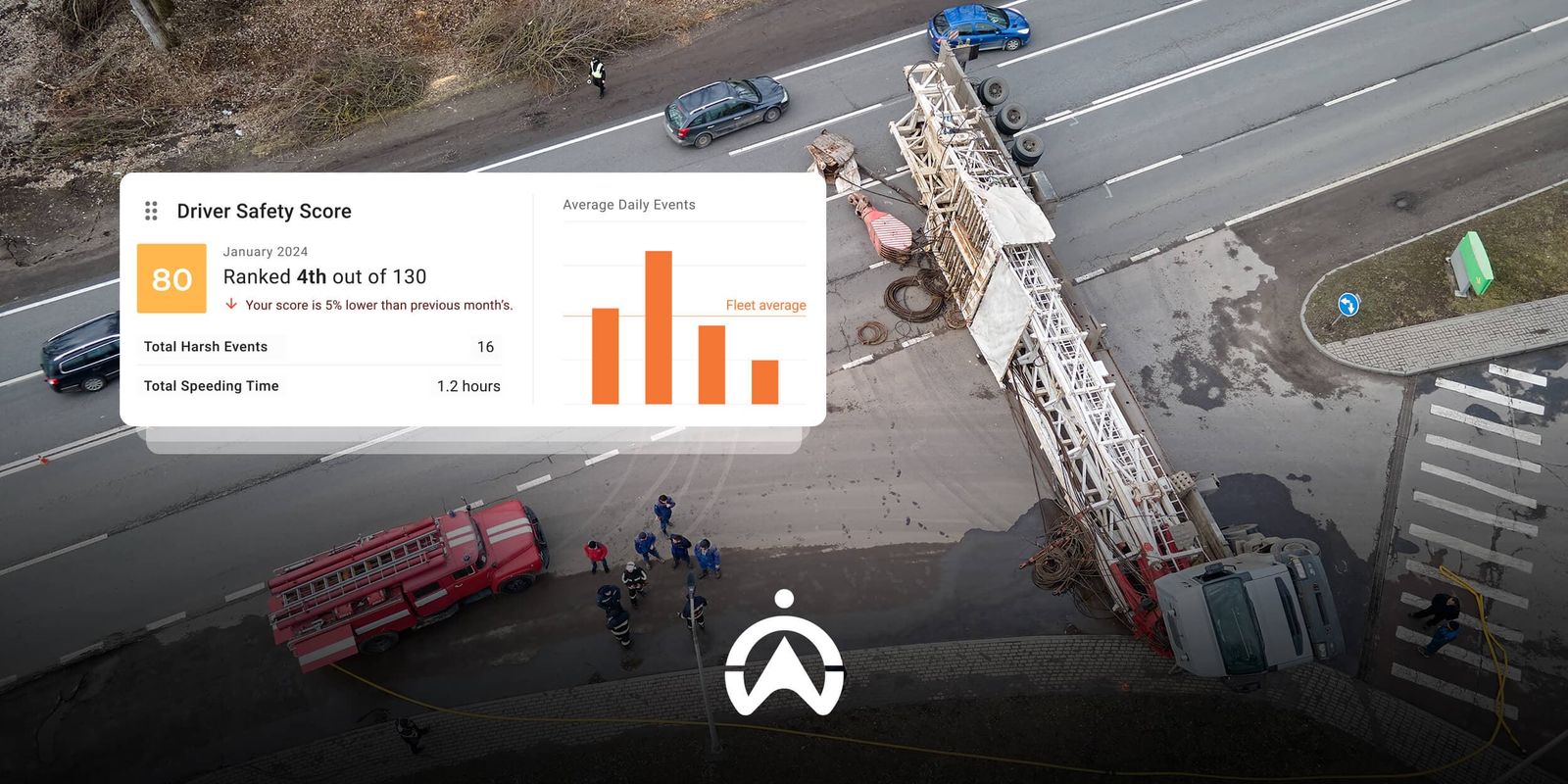
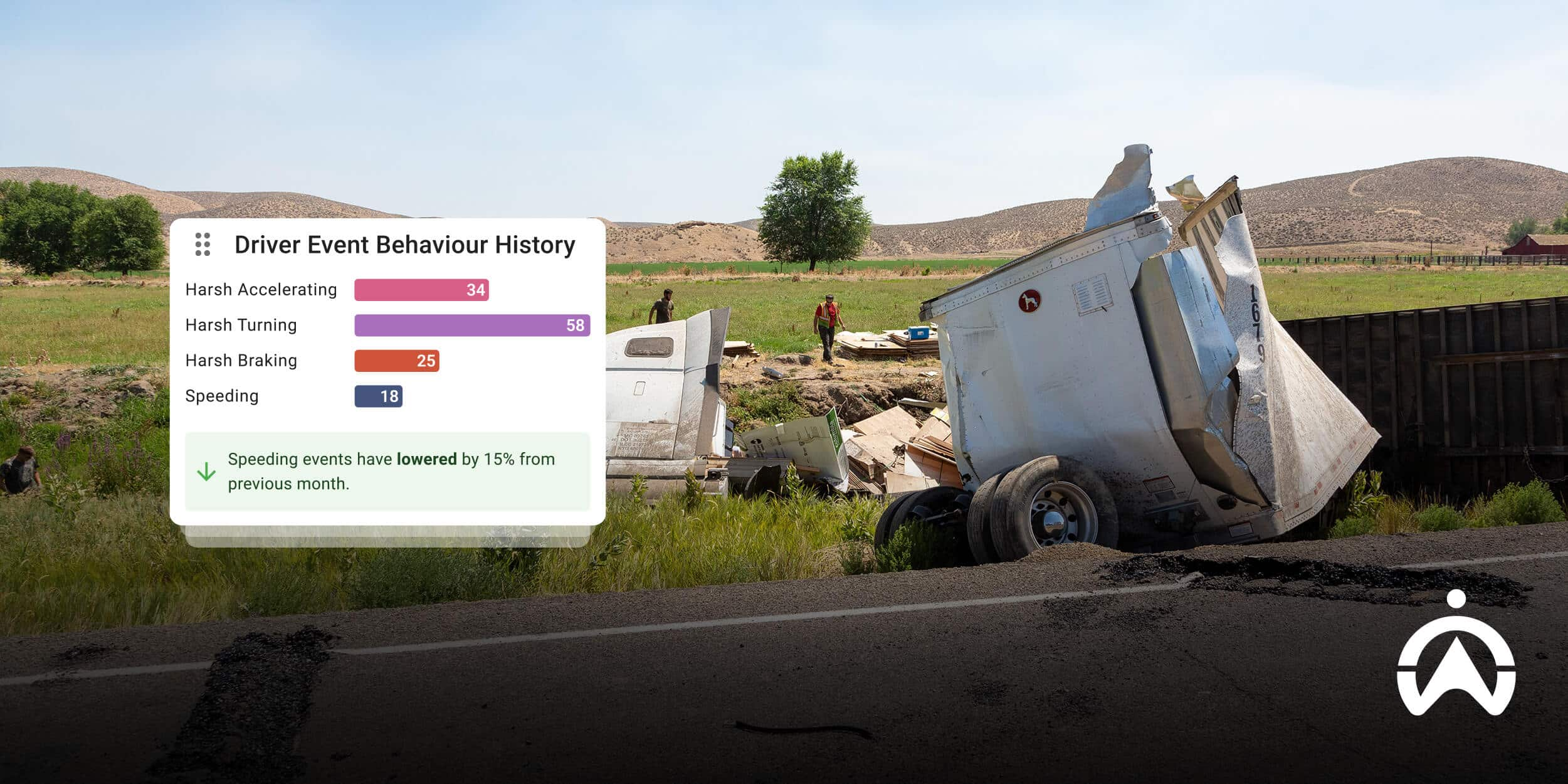
You can get accident reconstruction technology from Cartrack! When an accident occurs, it’s important that you know what happened and why. Our vehicle telematics solutions provide you with precise data on driving habits and location, helping you understand exactly what happened before, during, and after an incident.

Globally, the use of telematics data in legal cases is increasing, as digital vehicle data can provide objective evidence to help investigators and courts understand how incidents occurred. Gathering as much information as possible is essential for insurers, driver training, and legal disputes. Telematics plays a crucial role in accident reconstruction, as it gives you all the data you need, saving you time and costs.

Today, we discuss the benefits of using telematics for accident reconstruction and why Cartrack is your best option.

How telematics gives you powerful accident reconstruction

Telematics gives a powerful accident reconstruction by capturing precise vehicle data before, during, and after an accident. Telematics systems consist of hardware like GPS trackers, sensors, and cameras. Together, these tools have become a game-changer for investigators, insurers, and legal teams; helping them recreate the sequence of events and figure out who’s at fault and what the liability is.

According to Arrive Alive, the following issues and elements are what investigators look at for a more effective investigation at the scene:

  • Human element: The role of human behaviour.
  • Environmental: The weather, temperature, visibility, and overall surroundings.
  • Mechanical: The vehicle’s design, engineering, operation, and maintenance.
  • Engineering: The layout of roads and structures.
  • Law enforcement: Whether enforcement measures are in place or lacking.
  • Corporate: Relevant policies and procedures that apply.
  • Impact: How the incident affects the other factors.
  • Forward engineering: Actions that can be taken to prevent the accident from happening again.

Vehicle telematics technology will help the investigator and your business by giving you real-time data that helps rebuild the incident timeline in the following ways:

Speed and acceleration data

Telematics data can show you how fast the vehicle was travelling and how quickly the speed changed before the impact. This helps you, the investigator, and other parties involved determine whether excessive speeding or sudden acceleration played a big role in causing the accident.  

Harsh braking and cornering events

The technology can also point out things like sudden braking or sharp turns before the incident. This information reveals whether the driver braked quickly to dodge a hazard, took a corner too fast, or lost control of the vehicle. This data helps figure out whether the accident was caused by defensive actions, driver mistakes, or a loss of control, instead of being influenced by external factors.

GPS location and route history

The GPS technology confirms the exact location of the accident. It shows you the road and the direction the vehicle was facing. You’ll also know the surrounding environment at the time of the incident. This information helps you see if there’s a link between the accident and things like the road conditions, traffic trends, speed limits, intersections, and areas that are known to be risky.

Furthermore, the route history from the GPS data helps you and the investigators check if the driver was following the expected routes or deliberately drove on roads that weren’t permissible.

Time-stamped driver behaviour

The GPS and cameras give you a clear timeline of driving actions before, during, and after the accident. This makes it easier to piece together the events in the correct sequence, as those involved in the accident might not be able to recall everything in the right order.

Vehicle health or fault codes around the event

Many accidents are caused by mechanical failure and the lack of maintenance. Through preventive maintenance technology, you can access data about the health of the vehicle that was involved in the accident to see if there are components with faults that were overlooked. You can also check if the vehicle has skipped any recommended servicing.

Telematics system showing speed, braking, and location data for crash analysis

The benefits of technology-powered accident reconstruction for fleet operators

The benefits of technology-powered accident reconstruction for fleet operators include:

  • Faster insurance claims
  • Reduced liability disputes
  • Improved driver coaching
  • Better safety compliance
  • Lower operational and legal costs

Together, these benefits help you handle accidents with less stress, save costs, and give you stronger protection against accidents.

Here’s a detailed breakdown of each benefit:

Faster insurance claims

The longer a claim goes on, the more costly it’ll be. Through the telematics system and camera technology, your insurers will quickly have all the information needed to assess liability. This reduces the insurance claims period from weeks of waiting to just a few days.

Reduced liability disputes

The information from telematics devices and cameras provides a clear picture of what happened. This helps quickly determine who’s at fault, often resulting in out-of-court settlements or claims being dropped, thereby helping you reduce the number of lengthy legal disputes. There are also a lot of false accident claims these days, so a telematics system protects you from that too.

Improved driver coaching

Since you’ll get reports on driving habits like speeding, harsh braking and harsh cornering. You’ll know which habits are more common so you can provide targeted training and feedback. This also encourages driver accountability, as they’ll have no other choice but to take full responsibility for their actions.

Better safety compliance

Using technology to protect your business from accidents also ensures that your team sticks to road safety rules and that the business meets fleet standards. This ensures that drivers and managers always follow policies and procedures, ensuring compliance. 

Lower operational and legal costs

The fewer claims, fewer disputes, and improved driver behaviour reduce legal fees. This results in repairs being done more quickly and less vehicle downtime. It also results in lower insurance premiums, because insurers will see your drivers’ good behaviour and see your business as a low risk option.

The importance of real-time crash alerts

Real-time crash alerts are also essential for your fleet, because they ensure your drivers get faster help. Once again, through telematics and sensors, this is made possible. Crash detection technology instantly identifies sudden impact, and an immediate notification will be sent to you and control centres, so emergency services can get to the scene immediately.

This technology also gives you more information on the severity of the impact, adding to the evidence needed for accident reconstruction.

Fleet vehicle accident reconstruction using GPS and telematics technology

How Cartrack helps you reconstruct accidents

Cartrack helps you reconstruct accidents by providing you with harsh event alerts, AI-powered cameras, driver training and reports, GPS trackers, and crash detection technology. With us, you can access all these tools on one platform, using your desktop or mobile phone. Our cloud-based system ensures that all evidence is stored, even when the tools were damaged during the accident.

Here’s a detailed breakdown of what we offer:

Harsh events alerts

With our telematics system, you can set up alerts for risky driving habits such as sudden braking, excessive acceleration, speeding, and harsh cornering. This helps you see how your drivers behave on a day-to-day basis, so you can address your concerns accordingly. And if there are any accidents, you’ll have enough evidence to see the behaviour leading to the accident, making it easier to see who was at fault.

AI cameras

At Cartrack we have AI-powered fleet dashcams that help with heightening driver awareness. These cameras can detect distracted driver behaviour, like when on the phone, eating, or looking away from the road. They then send immediate audible alerts to drivers so they can go back to focusing on the road. The cameras can also identify blind spots and give forward collision warnings. This reduces the chances of accidents, giving you a safer fleet.

If your drivers are ever involved in accidents, these AI-powered dashcams will show you exactly what’s happening inside and outside the vehicles, and you’ll all have reports of all the camera alerts for that day. This once again helps you speed up the claims and legal processes.

GPS live tracking

Through our GPS trackers, you’ll know where your vehicles are at all times, and you can access route histories, which can prove beneficial during the accident reconstruction process.

Crash detection

We have an advanced crash detection solution that you can add to your package to ensure your drivers get the help they need sooner than it normally takes without one. When a driver is involved in an accident, control room agents will get an instant alert, then notify you and send help. Since we’ll have access to the vehicle’s location, the emergency services will get there quicker.

Coaching

Through our telematics and camera incident reports, you can get our driver coaching solution to help you train drivers in better driving habits. This platform shows you all the incidents of each driver and how many times each action was repeated. From there, you can book your drivers for individual coaching sessions that specifically focus on what they need to improve on.

Our coaching platform allows trainers to note the discussion and outcomes of these sessions, so the next trainer can see what was discussed with the driver and if there’s any improvement.

Driver scorecards

Ensuring accidents don’t happen in the first place also requires you to encourage your drivers in other ways. Our Driver Scorecard system is another way to motivate your drivers, as it rates each driver based on their habits, allowing you to reward those who are doing well through recognition and incentives.

Get the full story behind every accident with Cartrack’s smart solutions

Cartrack’s smart solutions ensure you get the full story behind every accident and that you have a safer fleet. Our telematics system gives you faster, cleverer, and more reliable accident reconstruction. Make sure you invest in our accident reconstruction tools for long-term safety and protection. Contact us today!

Frequently Asked Questions

How does telematics actually work?

Telematics works by collecting a range of data about a vehicle so you have all the information you need to track things like vehicle maintenance, fuel consumption, and driver behaviour. Telematics systems consist of:

  • Telematics Control Unit (TCU): Hardware that collects data.
  • Cloud server: Processes and stores data from the TCU.
  • End-user application: Software platform that shows you the data.

Which sensor is used to detect accidents?

The main sensor used to detect accidents is an accelerometer. It identifies sudden impact and changes in motion. Other sensors that are used to detect accidents are gyros (which differentiate between a normal turn and a drastic one) and pressure sensors (which detect impact from the sides).

Is telematics different from vehicle tracking?

Yes, telematics is different from vehicle tracking; vehicle tracking mainly focuses on location data, which is just one part of a larger telematics system. Telematics combines location data with details about the health of your vehicles, driver habits, and fuel use. With a telematics system, you get valuable information that helps you improve your fleet’s safety and efficiency.

Get a GPS Tracker With a Camera for Your Car Today

As a commuter on Namibia’s roads, having a GPS tracker and a camera in your vehicle is a must. We have unpredictable roads, high crime rates, and taxi drivers that are practising to join Formula 1; that’s why having both a GPS tracking device and a camera is your best bet.

In Namibia, vehicle theft and security-related incidents can occur, especially in urban centres and along long-distance routes, making it important for drivers to invest in vehicle safety and security solutions.

This is why more and more Namibians are looking into GPS trackers and cameras for their cars. It’s a double safety measure that not only shows you where your car is but also what’s happening in and around it, and with Cartrack Namibia we can give you both options at the same time!

Why do you need a GPS tracker and a camera?

You need a GPS tracker and a camera so that you have a comprehensive security setup for your car. A GPS tracker will help in the case of theft and recovery, whereas a camera provides visual proof of the events that happen in and around your car.

What to look for when buying a GPS tracker and a camera for your car

When buying a GPS tracker and a camera, you need to look for one that matches your needs. For GPS trackers some just provide basic tracking, whereas more advanced ones have live monitoring and a recovery support team. The best one will obviously be one that not only lets you know where your vehicle is but also protects it as well.

When buying a camera for your car, the most important feature is clarity no matter the lighting conditions. Having a camera with poor quality recording is pointless when you need evidence of a smash and grab or a hit and run. You need a camera that’ll give you quality footage at all times.

Here’s a table with the key features you should look out for when buying a GPS tracker and a camera:

GPS Tracker Camera
Real-time tracking High-res footage
Long-lasting battery Low-light/night mode recording capabilities
Strong network coverage Cloud storage
Automatic alerts Wide-angle lens
Highly durable User-friendly app/platform
Tamper-proof Durable
User-friendly app/platform Weather-proof
Dedicated support team Integration with your vehicle tracking system
A driver in a suit holds the steering wheel, with camera with GPS tracker mounted on the windshield capturing the view ahead.

The benefits of pairing a GPS tracker with a camera

The benefit of pairing a GPS tracker with a camera is the peace of mind it’ll provide you with. Namibians are constantly on edge when they’re on the roads, between the road rage and aggressive driving, to the smash-and-grab hotspots and the risk of hijackings. Knowing that you and your vehicle have a double layer of security is unmatched.

Another benefit of having a camera in your car is that it can assist in deterring thieves from stealing your car. But, when you have a GPS tracker as well, you know that even if they still take the risk, you’ll have a good chance of getting your car back!

If you have a family, a GPS tracker and a camera will enable you to keep a close eye on your family from anywhere! On top of that, you can capture memorable road trip moments that can preserve all these special moments for you to always have!

Finally, an added benefit is that you can possibly reduce your insurance premiums when you install an insurance-approved camera and GPS tracking device. The reason being that your car is fully protected 24/7. No matter where you’ve parked or where you drive to, there’s an added layer of protection, saving your insurance company on costs and ultimately lowering yours.

Why choose Cartrack Namibia for your GPS tracking and camera solution?

You should choose Cartrack Namibia for your GPS tracking and camera solution because we can provide you with the most important thing… reliability. You want a GPS tracking device and a camera that doesn’t fail when you need it the most.

In an emergency situation you want assistance to either recover your vehicle or get high-quality footage for the police in minutes. When you buy just any old tracking device or camera from one of those overseas shopping sites with deals that are way too good to be true, you’re getting what you pay for.

You want a camera that’ll give you footage you can actually use and a GPS tracker that comes from a provider that can actually go out and get your vehicle for you.

When you choose an unknown provider because you want to save costs, you end up spending more in the long run. An unreliable GPS tracker and camera will not only waste your money, but it’ll compromise your safety as well. 

At Cartrack Namibia our products and services have been carefully designed for the Namibian market. We worked incredibly hard to earn a positive reputation around our reliable GPS tracking, camera and recovery solutions.

We have an incredibly skilled team to install your camera and GPS trackers, making sure it’s all done in a professional manner. We also have a dedicated 24/7 customer support team and a highly trained stolen vehicle recovery team.

Cartrack Namibia always comes up on top because we don’t just give you basic tracking. Here’s what our solutions will do for you:

Person holding a smartphone with Cartrack app showing map connected to a GPS tracker with a camera for a car.

The fastest recovery rate in the country

Our GPS trackers come with real-time tracking and are backed by dedicated recovery teams. This is why Cartrack Namibia continues to hold one of the highest stolen-vehicle recovery rates.

Our cameras give you eyes on your car

Basic tracking companies will only provide location data, but with Cartrack Namibia, you get real video visibility. So you can easily monitor your car and stay connected no matter where you are.

When you choose Cartrack Namibia, you get…

  • 24/7 Stolen-Vehicle Recovery
  • Live Vision video streaming
  • Instant movement and tamper alerts
  • Reliable location accuracy
  • A user-friendly app

To keep your car safe, contact us today to give you the peace of mind you deserve. Remember, when you invest in a partner like Cartrack Namibia, you’re investing in yourself.

FAQs

Can you hear conversations on a dashcam?

Yes, you can hear conversations on a dashcam, but only with modern ones with built-in microphones. This is a helpful feature for any unsavoury situations, but if you don’t want this feature, most dashcams can allow you to switch this feature off.

What powers a GPS tracker?

GPS tracker can be powered by three different methods depending on the type of device you have. The three different methods are:

  1. Internal rechargeable or disposal batteries
  2. Vehicle electrical systems
  3. Plug-and-play into on-board diagnostics (OBD-II) ports

Cartrack Namibia has all three options!

Can I view my car’s camera footage while I am overseas?

Yes, you can view your car’s camera footage while you’re overseas, as long as you have an internet connection. If you’re with Cartrack Namibia, you can simply open your app and instantly livestream footage or even check your car’s location, no matter where you are in the world!

Fleet Optimisation: 9 Steps to Success

When it comes to fleet optimisation, there are 9 steps to success. These are assessing your current fleet’s performance, setting clear optimisation goals, using real-time tracking & telematics, optimising your routes and schedules, managing your drivers’ behaviours, adopting predictive maintenance, right-sizing and future-proofing your fleet, and finally, tracking your total cost of ownership.

With fuel prices constantly rising and operational costs squeezing margins, making use of fleet optimisation is essential for your fleet’s survival. In Namibia, many businesses are adopting fleet management and GPS tracking systems to improve efficiency, reduce fuel usage, and stay competitive. If your fleet isn’t optimised, it risks falling behind.

So, how do you take charge? How do you streamline every kilometre, every drop of fuel, and every hour your vehicles hit the road? The answer lies in nine practical steps designed for real fleets, backed by data, supported by Cartrack and proven to deliver results.

Let’s break it down.

What is fleet optimisation?

Fleet optimisation is the use of data, technology, and expert planning to get the most mileage from your fleet while keeping costs in check. It’s about more than just managing vehicles; it focuses on boosting efficiency, ensuring safety, and saving money. The goals include reducing fuel waste, minimising vehicle downtime, and optimising your fleet.

Step 1: Assess your current fleet performance

The first step before you can make improvements is to assess your fleet’s current performance. A fleet assessment gives you a baseline to compare against, so you understand exactly where inefficiencies hide—fuel, idle time, routing, or driver behaviour. Without data, you’re guessing. With data, you’re in control!

What should you measure?

Start by reviewing the metrics impacting your bottom line:

  • Fuel consumption per vehicle
  • Idle time vs. productive time
  • Driver behaviour: speeding, harsh braking, harsh acceleration
  • Route efficiency and mileage
  • History of maintenance and downtime
  • Fleet utilisation rates

Local insight

According to fleet management insights, fuel and maintenance often make up the largest portion of total fleet spending for many fleets in Namibia. These costs can outweigh labour and administration. If you don’t track fuel usage and maintenance properly, your business could overspend without even realising it.

Step 2: Set clear optimisation goals

The second step to fleet optimisation success is to set clear optimisation goals. Data is great, but having a clear direction is even better. Well-defined goals help you track success and share your vision with your team. Whether you’re aiming to reduce fuel usage, cut downtime, or boost job completions, measurable objectives keep everyone accountable and motivated.

Questions to ask when setting goals

  • What does success look like for your fleet?
  • How can you reduce breakdowns?
  • How can you save between 10% and 15% on fuel costs?
  • Is productivity at the front of your mind?
  • Are sustainability and ESG reporting important?

Step 3: Leverage telematics & real-time tracking

Step three is to leverage telematics and real-time tracking. You can’t optimise a fleet you can’t see. With real-time vehicle tracking, you keep an eye on drivers, safety, fuel waste, and every kilometre travelled. This isn’t just monitoring; it’s insight that empowers you to make decisions instantly, rather than waiting for those month-end reports.

Benefits of telematics

  • Live vehicle location
  • Route deviation alerts
  • Driver behaviour monitoring
  • Idle time tracking
  • Instant alerts – theft, speeding, fuel waste
  • Precise recording of trip history & mileage.

Local insight

Namibian fleet owners face challenges like crime, poor road conditions, and rising fuel costs, making visibility of these factors essential. In fact, 75% of fleet managers agree that real-time tracking boosts operational efficiency directly.

Cartrack’s role in step 3

Cartrack gives fleet owners full visibility in real time: GPS tracking, driver behaviour monitoring, trip history, and instant alerts for fuel waste, theft, or unauthorised use. With live data at your fingertips, you’re not reacting to problems—you’re preventing them before they impact your bottom line.

Team reviewing fleet data beside vehicles to support fleet optimisation.

Step 4: Optimise routes & scheduling

Smart routing is one of the fastest ways to save money. Every unnecessary kilometre adds to fuel costs, time on the road, and vehicle wear and tear. With effective route planning, you can get the same number of vehicles to complete more jobs—and that means more profit!

Smart routing tactics

  • Group jobs by location
  • Leverage historical traffic data
  • Plan routes around delivery windows
  • Steer clear of hotspots and high-risk areas

Cartrack automates all of these processes for you with an all-in-one, easy-to-use platform! 

Local insight

Fleets can significantly reduce total kilometres travelled through route optimisation—without adding extra vehicles or drivers, simply by using smarter planning. This approach can help fleets in Namibia improve efficiency and reduce operational costs.

Cartrack’s role in step 4

Cartrack’s route optimisation tools enable dispatchers to plan the most efficient routes according to traffic patterns, client locations, and delivery windows. Jobs are assigned quickly, kilometres are reduced, and each vehicle is able to complete more work in less time without the need for adding more vehicles to your fleet.

Step 5: Implement driver behaviour management

You need to implement driver behaviour management because your drivers are your largest expense, but they’re also your best chance for improvement. Just a few small changes in behaviour can result in significant fuel savings, fewer accidents, and extended vehicle lifespans. Telematics goes beyond monitoring; it actively coaches your drivers.

Key behaviours to track and improve

When implementing driver behaviour management, these are the behaviours you need to start tracking and improving upon:

  • Harsh braking and acceleration
  • Speeding
  • Idling time
  • Gear misuse and excessive revving
  • Route deviations

The bottom-line impact

Studies have shown that a change in driving style alone can contribute to fuel consumption reductions of up to 15%. And fewer accidents mean far less unplanned downtime and fewer insurance claims.

Cartrack’s role in step 5

Cartrack’s driver behaviour analytics give you clarity into how your team performs behind the wheel—from harsh braking to speeding and excessive idling. With real data, you can coach drivers, reward good performance, and amplify road safety while cutting fuel waste.

Step 6: Use preventative maintenance

Step six is to start using preventative maintenance, so instead of waiting for things to break, you’ll anticipate them. Predictive maintenance uses data to track component wear, vehicle health, and service needs. This prevents breakdowns, extends vehicle lifespans, and keeps fleets on the road.

Don’t just repair—PREVENT!

Things you should be monitoring closely are:

  • Engine fault codes
  • Usage hours & odometer data
  • Brake wear
  • Tyre health
  • Battery performance
  • Service intervals

Cartrack’s role in step 6

Cartrack’s software automatically monitors odometer readings, fault codes, battery health, and service intervals—so you know exactly when a vehicle needs attention before it breaks down. This is achieved through predictive AI, which gathers and analyses the data in real-time, and then it provides an understanding of the equipment’s current condition.

So rather than you having to react to repairs, you can schedule maintenance earlier and reduce unplanned downtime across your fleet.

Step 7: Rationalise fleet size & structure

When it comes to rationalising your fleet size and structure, it’s important to remember that not every vehicle belongs in your fleet. Some are overused, some are underutilised and some are simply not the right fit. Right-sizing ensures your fleet matches demand at the lowest possible cost with the best possible performance.

Right-sizing your fleet

When it comes to right-sizing your fleet, these are the factors you’ll need to consider:

  • Utilisation rate per vehicle
  • Total cost per kilometre/TCO (total cost of ownership)
  • Depreciation versus replacement
  • Vehicle lifecycle (age, resale value)
  • Leasing versus owning
  • EV readiness and sustainability goals

Local insight

Operating the incorrect vehicle type under challenging SA conditions results in more repairs, fuel wastage, and downtime. The right vehicle is not always the cheapest; rather, it’s the one with the best total cost of ownership.

Cartrack’s role in step 7

Cartrack reports identify underperforming vehicles, overworked assets, and true cost per kilometre for every unit in your fleet. These help inform decisions relating to replacements, leasing options, and asset rotation—ensuring every vehicle delivers real ROI.

Delivery driver viewing optimized jobs interface for fleet optimisation.

Step 8: Track total cost of ownership (TCO)

Step eight requires you to track the total cost of ownership. Remember, fuel alone doesn’t paint a complete picture. TCO follows every single cost associated with every asset over its lifetime—from fuel to insurance to admin to downtime. This helps managers decide which assets to retire, which to keep, and which to invest in next.

What should be included and considered?

To track the TCO, include:

  • Fuel and maintenance
  • Depreciation
  • Insurance
  • Tyres
  • Licensing and admin
  • Accident costs
  • Downtime

Direct costs make up about 80% of total TCO:

  • Depreciation/Leasing: 35–45%
  • Fuel/Energy: 25–35%
  • Maintenance/Repairs: 10–15%
  • Insurance: 8–12%
  • Tires: 3–5%

Indirect costs account for 20%:

  • Corporate Vehicle Tax (TVS): 2–8%
  • Administrative management: 2–4%
  • Downtime due to accidents: 1–3%

Cartrack’s role in step 8

Cartrack brings all the necessary cost data—fuel, maintenance, driver behaviour, downtime, and utilisation—onto one platform. With precise TCO reporting per vehicle, you instantly see which assets are profitable and which are draining your budget. That’s how smart investments get made!

Step 9: Plan for sustainability & future growth

Lastly, you need to plan for sustainability and future growth of your fleet. Sustainability isn’t just an ESG box to tick; all over the world, it’s increasingly tied to profitability and customer expectations. Namibia is only gradually moving toward greener fleet operations, and businesses that prepare now will benefit later.

Green fleet strategies

  • Assess EV readiness (duty cycles, range, charging infrastructure)
  • Use telematics to measure CO₂ emissions or fuel efficiency improvements
  • Replace inefficient assets
  • Use data for ESG reporting
  • Track fuel-efficient patterns.

Why it pays off

There’s an increased trend by customers to favour those suppliers that have a sustainability strategy. Companies that get ready now will be better placed to win contracts and achieve higher scores in tender evaluations over the coming years.

Your fleet’s future starts now

Fleet optimisation doesn’t need to be a complete overhaul right from the get-go. Sometimes it’s as simple as improving just one metric, one route, one driver, or one vehicle. But as the data starts telling its story, you’ll see even more opportunities month after month on how to save money, improve, and grow.

The simple truth is this: the answers are already there in your fleet. The data is available. Your next step is to collect, analyse, and act on it.

Ready to optimise your fleet?

Start with a fleet audit, or speak to our team at Cartrack that works with Namibian fleets every day!

FAQs

What is the difference between fleet management and fleet optimisation?

The difference between fleet management and fleet optimisation is that fleet management focuses on daily operations like keeping vehicles running, drivers compliant, and routes assigned. Whereas fleet optimisation uses data, automation, and insights to enhance performance, cut costs, and boost efficiency across the whole fleet.

Can small or growing businesses benefit from fleet optimisation, or is it only for larger fleets?

Yes, small or growing businesses benefit from fleet optimisation. Smaller fleets can generate valuable data that reveals fuel waste, poor routes, and idle time. With scalable tools like Cartrack, small businesses can start optimising operations early on, growing smarter without overspending.

How do you calculate ROI on fleet optimisation technology like telematics and AI tools?

You can calculate ROI on fleet optimisation technology like telematics and AI tools by comparing your operational costs before and after implementation. Look at the savings from reduced fuel use, fewer breakdowns, lower insurance claims, and boosted productivity. Subtract your tech investment from those gains, and you’ll see your return on investment.

AI-Powered SaaS Solutions for Your Fleet

AI-powered SaaS (software as a service) solutions for your fleet are the best way for you to transform how you run it. SaaS lets you access software online through a subscription, meaning you no longer have to worry about managing complex software and hardware. Avoid hefty upfront costs. Instead, get scalable tools and immediate access to AI-powered automation and insight.

The numbers don’t lie: a recent report shows that 52% of fleets are convinced that predictive maintenance with AI can cut down vehicle downtime. This shows not only the trust fleet managers have in AI-powered SaaS solutions, but also exactly how they save you time on admin tasks, make your drivers safer, and help you make more informed decisions.

In this blog, you’ll get a clear picture of what AI-powered SaaS tools can do, whether they provide value for your fleet, and why Cartrack is the number one SaaS provider.

What makes a SaaS platform “AI-powered” today?

What makes a SaaS platform ‘AI-powered’ today is the implementation of machine learning and automation processes. Trying to manage fleets using manual techniques and spreadsheets makes operations almost impossible to control, highlighting the need for AI influence in SaaS. This is what takes the complexity out of daily tasks and insights.

AI-optimised SaaS tools don’t just show data; they interpret and take action using those insights. This feature is crucial for busy fleet managers who are already balancing heavy workloads, cost issues, and regulatory demands.

Look at how AI-powered SaaS improves fleet management:

  • Continuous, automated optimisation: The system takes note of all driving patterns and the way each vehicle operates so that it can recommend proactive maintenance alerts or general trigger notifications.
    ‍
  • Real-time data processing: Features like GPS tracking and driver events are analysed in real time, not being delayed or processed at a later stage.
    ‍
  • Intelligent automation: Tasks and reports are managed automatically, which means there’s less chance of human error, and processes like scheduling or maintenance reminders are easy and efficient.
    ‍
  • Predictive and preventative functions: The AI part of SaaS uses its smart capabilities to predict when a vehicle might need maintenance—before expensive downtime or dangerous incidents happen.

Why are fleets turning to AI-driven SaaS solutions now?

Fleets are turning to AI-driven SaaS solutions now because managers are facing immense pressures every day, from the rising fuel prices and servicing costs to compliance and safety. It’s a necessary tool, especially if you’re looking to tackle these challenges in the most efficient way.

AI-powered solutions are your key to shifting from reactive to proactive decision-making, with the backing of collected insights and data. Additionally, SaaS, being a cloud-based tool, makes it a powerful and accessible solution for businesses of all sizes. The technology is business-grade, doesn’t need intense setup, and has a subscription model that’s perfect for your fleet.

Are AI-powered SaaS tools difficult to adopt?

No, AI-powered SaaS tools aren’t difficult to adopt; in fact, that’s a popular myth. These tools are quite simple and should be user-friendly if implemented correctly and strategically, with the help of a little onboarding. Unlike traditional software, you’ll notice quicker adoption, automatic updates, less admin hassle, and no need to get used to the tech before reaping the benefits.

Today’s AI SaaS tools offer some of these:

  • Cloud-based access: You don’t really need a major installation, so access from your laptop or smartphone is quick and easy.
    ‍
  • Plug-and-play hardware: Again, no major installation, so fitments are quick and immediately connect to the software.
    ‍
  • Simple dashboards: Notifications come in on time and are clearly reflected on the dashboard.
    ‍
  • Integrated onboarding and support: No need for IT specialists just to get the ball rolling. Your provider should offer you training and onboarding, with regular ongoing training.
Driver viewing jobs and routes on screen powered by AI-powered SaaS solutions.

Core functions of an AI-powered fleet SaaS platform

Core functions of an AI-powered SaaS platform include smart routing and dispatching, downtime prevention, and automation. It’s so much more than just tracking vehicles or storing data. Combining these tools helps fleet teams operate more swiftly and more accurately.

Here are the main functions that make AI SaaS stand out in everyday fleet operations:

Automated operational insights

Traditional systems might only tell managers what’s already happened, but AI-powered SaaS systems show you what’s happening right now and what really deserves your attention. The system learns what risks matter most to your fleet so you’re not bombarded with alerts.

  • It highlights operational obstacles as they happen
  • It prioritises issues from most urgent to least, so you can prioritise

This means less time putting out fires and more time for planning for the next potential crisis.

Predictive maintenance and downtime prevention

Rather than taking a one-size-fits-all approach to maintenance, use real data on your vehicles to signal when they need attention. This way, you can fix what truly needs fixing at the right time, which saves you money.

  • It helps you avoid unnecessary repairs by spotting potential issues early
  • It makes your servicing schedules more efficient and effective

All of this leads to fewer accidental breakdowns and a more productive, longer lifespan for your vehicles.

Smart route planning and dispatching

AI draws on live insights to create smart routes that consider everything: fuel efficiency, customer priorities, driver habits, and the type of vehicle you’re using. This means realistic routes that align with your operational goals.

  • Routes get updated automatically if there’s a delay
  • It simplifies job dispatching with automated workflows

Deliveries are smoother, faster, and more cost-effective.

Driver performance intelligence

AI systems enable you to coach drivers more objectively and proactively, looking at trends and suggesting improvements based on actual insights and event-based feedback.

  • It helps you identify potential problems early, reducing the chance of accidents
  • It supports coaching with actual data, ensuring no one gets treated unfairly

This results in fairer performance oversight and fewer insurance claims.

Intelligent cost control

Prices are constantly on the rise, meaning you need more than just a record of your costs. It’s important to understand what’s driving expenses up and how to tackle them. AI systems track your spending and give you a forecast of when your budget might tighten.

  • It flags avoidable costs, like idling or vehicle misuse
  • It provides a forecast of your fuel and maintenance spending based on current patterns

In the end, this moves your fleet budgeting from reactive to a proper, prepared strategy.

Dashboard showing driver phone usage data powered by AI-powered SaaS solutions.

Choosing the right AI-powered SaaS platform for your fleet

Choosing the right AI-powered SaaS means looking at key features that include user-friendliness, clear pricing, and smooth integrations. The focus should be to look beyond just the dashboards and data exports, and focus on whether the system actively helps you run a safer, more efficient, more profitable fleet.

The right system should focus on these features:

  • Data accuracy: Accurate data collected from the vehicles is the only way to ensure reliability in insights and automation.
    ‍
  • Ease of use: The best platform should be simple to navigate with minimal training and no need for internal IT personnel.
    ‍
  • Depth of insights: Insights should be interpreted, not just data presentation, or just showing numbers.
    ‍
  • Integrations: Your AI SaaS should be compatible with other third-party systems, like payroll systems.
  • Local support : Support that’s specific to your region is key, especially in the case of an emergency. Hands-on expertise is the way to go.
    ‍
  • Transparent pricing: The costs should be very clear from the start, with no surprises or hidden fees.
    ‍
  • Security and uptime reliability: As the platform runs in real time, keeping data safe and ensuring stability are crucial for smooth operations.

FLOWCHART: “Is this AI-SaaS platform right for my fleet?”

Use these questions and the accompanying flowchart as a quick checklist when evaluating vendors. If your answer doesn’t move you forward, the platform may not be the right fit.

Step 1: Does it offer live insights, not just delayed reports?
→ If no, it’s outdated. If yes → Step 2
‍

Step 2: Does it automate tasks you currently do manually?
→ If no, limited value. If yes → Step 3
‍
Step 3: Can it adapt to your fleet growth and industry needs?
→ If no, consider alternatives. If yes → Step 4
‍

Step 4: Does it include strong risk, cost, and compliance features?
→ If yes → Suitable platform.

Why Cartrack offers a stronger AI-powered SaaS experience

Cartrack offers a stronger AI-powered SaaS experience because it’s a game-changer, offering a fully connected system that delivers results without the need to juggle multiple suppliers. At Cartrack, we combine precise telematics, smart predictions, and automated workflows into one tidy platform, giving you the tools you need to reduce risks and simplify daily tasks.

It’s all about reaping real benefits. Cartrack offers local expertise and a 24/7 service team with continuous support and quick responses to tech issues, meaning you won’t be left waiting for help from a distant call centre.

By choosing a single platform that covers everything, businesses skip the trouble and costs of cross-platform confusion and duplicated work. With Cartrack, your fleet can get a reliable and holistic system that evolves with you, ensuring smarter business decisions without the extra stress.

Final takeaway

AI-powered fleet SaaS isn’t just a distant dream; it’s transforming businesses today. Companies using these tools gain a competitive edge with lower costs, reliable vehicles, safer drivers, less paperwork, and smarter decision-making.

As a potential partner, Cartrack can provide you with an all-inclusive AI SaaS platform with reliable data accuracy and measurable outcomes. We provide the essential tools that genuinely elevate a business from good to great.

See how AI insights can save you time, fuel, and admin. Make smarter fleet decisions and try Cartrack’s platform now.

FAQs

What is the 3-2-2-2 rule of SaaS?

The “3-2-2-2” rule of SaaS refers to a handy guideline or growth model for businesses, suggesting how to maintain healthy growth. The model suggests the following: triple your revenue for two years, then double it for three. This model was created in the hopes that a business with a solid grounding could grow immensely within 5–7 years.

Does using AI-driven fleet software require technical skills?

No, using AI-driven fleet software doesn’t require technical skills. Modern AI-powered fleet SaaS platforms are built for everyday users, with intuitive interfaces and plug-and-play abilities. Most staff should be able to figure these systems out without needing to call IT; onboarding support and training are usually part of the package.

Can AI-powered SaaS integrate with my existing business systems?

Yes, AI-powered SaaS can integrate with your existing business systems, including maintenance schedules, ERP or payroll systems, and other tools. This integration makes workflows smoother, as you won’t need to juggle separate apps or process data manually.