
What Is the Best Software to View Dashcam Footage?

The best software to view dashcam footage are the ones that allow fleet managers to efficiently access, search, and extract video content to resolve claims faster and more effectively compared to those with complex systems. Dashcams are no longer optional for Namibian fleets—they’re a frontline defence against rising insurance costs and liability risks.

It’s been reported in Munich that fleets using in-cab video report 15-25% fewer fraudulent insurance claims, and nearly half report reduced insurance costs. This is why the dashcam viewing software you choose represents a key operational choice that influences everything. From incident handling to driver training efficiency, insurance negotiations, and regulatory compliance.

No matter which software you use, the goal stays the same. Your team needs quick, reliable access to dashcam footage. With clear evidence, you can resolve claims faster and turn video into actionable insights.

Which software works best for viewing dashcam footage?

The software that works best for viewing dashcam footage will depend on fleet size, operational requirements, and compliance needs. This means that there’s no single “best” dashcam software. What works for a local courier company running three vans would probably be completely different from what a nationwide logistics operator would require.

Desktop players from the manufacturer might be sufficient for smaller fleets. They’re easy to use, free, and compatible with their hardware. However, these basic tools lose their effectiveness as fleets expand and the number of incidents and reviews rises. Cloud-based video telematics systems that enable numerous users to safely view, search, and distribute video at scale are essential for large operations.

The real test of the “best” software is:

  • How fast your team can access important video footage
  • How safely evidence can be shared
  • How well insights can be used for compliance, claims, and driver management

Why does the right dashcam viewer matter for your business?

The right dashcam viewer matters because it helps your business resolve incidents quickly, cut costs, improve driver safety, and stay compliant with Namibian Laws. The dashcam hardware itself is literally only half of the story. Without effective and efficient viewing software, even the best video quality may be ineffective.

The right dashcam viewer will impact four critical business areas:

Speed of resolution

Quickly finding video evidence helps you solve problems faster and keep your operations running smoothly. If you’re moving goods or passengers, delays can disrupt schedules and damage public trust. Advanced viewing software with user-friendly search tools saves time by letting you skip through long recordings easily.

Evidence quality

It’s important to note that video evidence is only useful if it’s defensible. Whether or not the police or insurers will accept footage depends on metadata like GPS overlays, timecodes, and speed readings. Solutions like Cartrack’s AI dashcams are able to capture multiple angles with embedded metadata, ensuring reliable evidence for claims and disputes.

Operational use

Dashcam footage serves multiple functions beyond insurance claims because it helps in driver training, route analysis and preventing accidents. According to Cartrack’s Reducing Driver Negligence for Safer Fleets report, managers gain access to continuous footage. This enables them to detect dangerous driver patterns before accidents occur.

Scale and costs

The viewing software you choose affects how much storage and data you’ll need, as well as the costs for more users as your fleet grows. A simple desktop tool might work fine for a few vehicles, but a large fleet will need advanced systems to upload, share and store video securely.
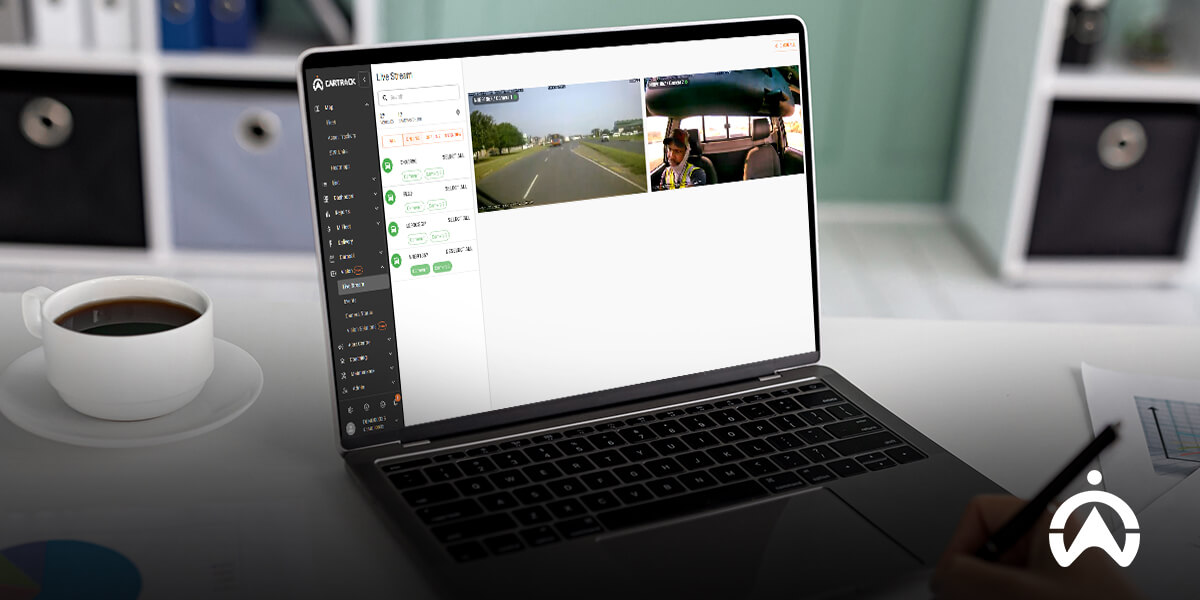
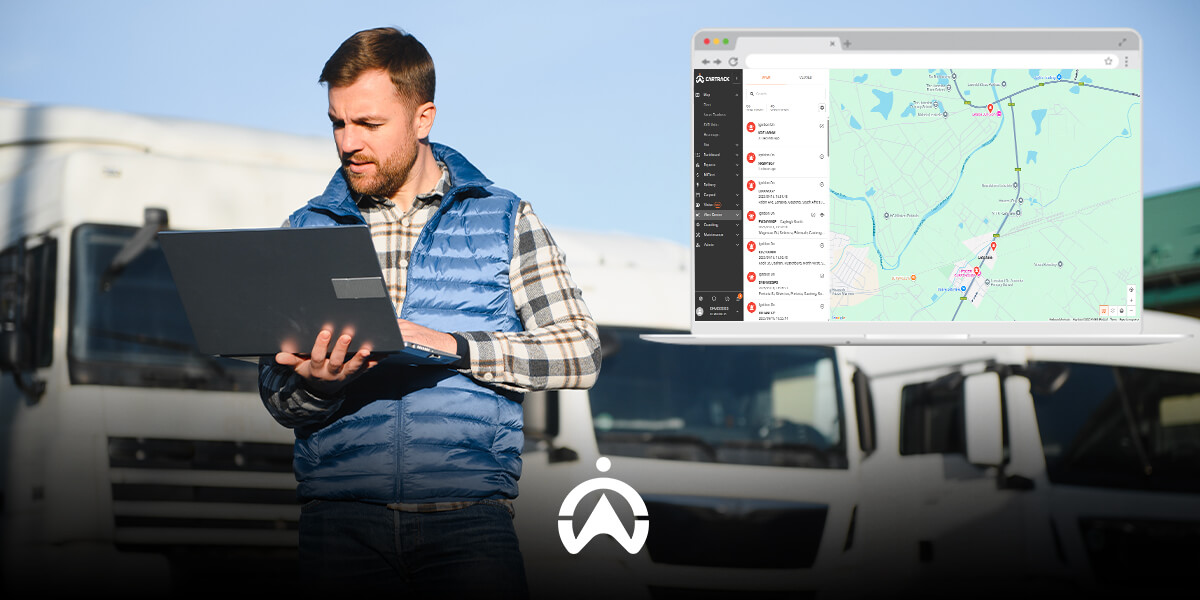
Cartrack dashcam footage on laptop showing live traffic and vehicle interior with coffee cup nearby.

Types of dashcam viewing software

The various types of dashcam viewing software are:

  • Manufacturer desktop players
  • Universal desktop players
  • Mobile apps
  • Cloud video telematics platforms.

There’s no shortage of tools available to view dashcam footage. Businesses, however, do face a difficult choice when selecting the right software because they need to match their fleet requirements with the appropriate solution.

Understanding the main categories allows fleet managers to make better decisions. Here’s a deeper dive into the types of dashcam viewing software to help you make an informed decision.

Manufacturer desktop players

  • ‍What they are: Free programs provided by the dashcam manufacturers, designed specifically for their cameras only.
  • ‍Pros: Includes easy setup, high compatibility with their own devices, and metadata retention (GPS, timestamps). This is perfect for fleets that are smaller and have simple needs.
  • ‍Cons: It has limited features for enterprise environments. Typically, they don’t have scalable storage options, cloud sync, or role-based access.

These tools are usually suitable for startups with a small fleet of cars. However, reliance on free software becomes constrictive as operational demands rise.

Universal desktop viewers

  • ‍What they are: Multi-format players that can handle footage from various cameras, like Dashcam Viewer or VLC.
  • ‍Pros: Usually inexpensive and brand-neutral. These are beneficial for companies with sporadic incident reviews or mixed hardware.
  • ‍Cons: Fleet-focused features like user management, automated uploads, and telematics system integration are rarely included in these viewers.

Although they are useful technical tools, universal players don’t facilitate effective evidence workflows on a large scale.

Mobile apps

  • ‍What they are: Applications for smartphones or tablets that are made by third-party developers or camera manufacturers.
  • ‍Pros: They’re convenient for supervisors on the go, provide instant access in the field, and allow speedy clip sharing with the police or insurers.
  • ‍Cons: Mobile devices are not suitable for in-depth, multi-channel playback, and small screen sizes make detailed reviews challenging.

It’s better to think of mobile apps as an additional tool rather than a stand-alone fix.

Cloud video telematics platforms

  • ‍What they are: Cloud-based, centralised systems that integrate telematics information with dashcam footage.
  • ‍Pros: Searchability, full scalability, and sophisticated features like:
    • AI detection
    • Automated uploads
    • Event tagging
    • Fleet management system integrationThese platforms make it possible for numerous users in different places to view safe, substantiated video.
  • ‍Cons: Subscription-based, with recurring fees and management requirements for bandwidth and storage.

Cartrack’s AI-powered cameras fall into this category, offering up to eight camera channels, automatic uploads, and event-based alerts. Best for growing fleets, this approach supports not just evidence capture but also long-term operational efficiency.

Key features to evaluate in dashcam viewing software

It’s important to note that the features in the dashcam viewing software will vary in functional importance. Your ideal choice should align with fleet scale, regulatory requirements, and the intended operational use of captured video footage. Consider these essential evaluation specifications:

Essential for business use

  • File format and codec compatibility: The program must support the most common dashcam formats while preserving the integrity of the original video.
    ‍
  • Multi-channel and synchronised playback: To fully comprehend the context of incidents, it’s essential to be able to view the front, rear, and in-cabin channels simultaneously.
    ‍
  • Timecode and GPS overlay: Precise timestamps, speed measurements, and synchronised maps bolster the evidence for authorities and insurers.
    ‍
  • Event markers and timeline: Managers can locate the appropriate clip in a matter of minutes thanks to features like collision flags or harsh braking.
    ‍
  • Export and chain of custody: Features that prevent tampering, checksum/MD5 validation, and lossless export guarantee can be used in investigations.
    ‍
  • User management and audit logs: Keep track of all activity and manage who can view, download, and access files.

Cartrack’s platform addresses these essentials, offering synchronised playback across multiple cameras and automated event tagging.

Vital for scaling and enterprise operations

  • Automated upload: Data obstacles are avoided by bandwidth-controlled Wi-Fi or cellular transfers.
    ‍
  • Integration and API support: Dashcam footage needs to easily integrate with fleet telematics platforms, ticketing systems, and insurance workflows.
    ‍
  • Retention management: Policy-driven archiving and deletion lowers storage expenses while guaranteeing compliance with regulations.
    ‍
  • Advanced search and analytics: Operational teams can save a significant amount of review time by filtering according to time, GPS zone, or event type.

Security and privacy

Privacy is a non-negotiable consideration in Namibia due to the Data Protection Act and the country’s commitment to safeguarding personal information.

  • Encryption: It’s critical to use both at-rest and in-transit encryption.
    ‍
  • Masking tools: By blurring faces or license plates, users can preserve their privacy before sharing.
    ‍
  • Controls for consent and retention: Makes sure that video footage is processed legally and kept for the purposes for which it was created.

Operational features and user experience

  • Variable playback speed and frame-by-frame analysis: essential for deciphering intricate details in complicated incidents.
    ‍
  • Case folders and bookmarks: Useful when creating a file around a claim or disciplinary investigation.
    ‍
  • Batch processing and bulk export: When several clips are needed, this will expedite insurer requests.
    ‍
  • Offline access: Local caching allows review in areas with poor connectivity.
    ‍
  • Support and SLAs: Enterprise users require assured technical support, escalation routes, and response times.

Businesses should weigh the overall user experience against technical features when assessing platforms. Steep learning curves in complex systems can cause more delays than they end up fixing.
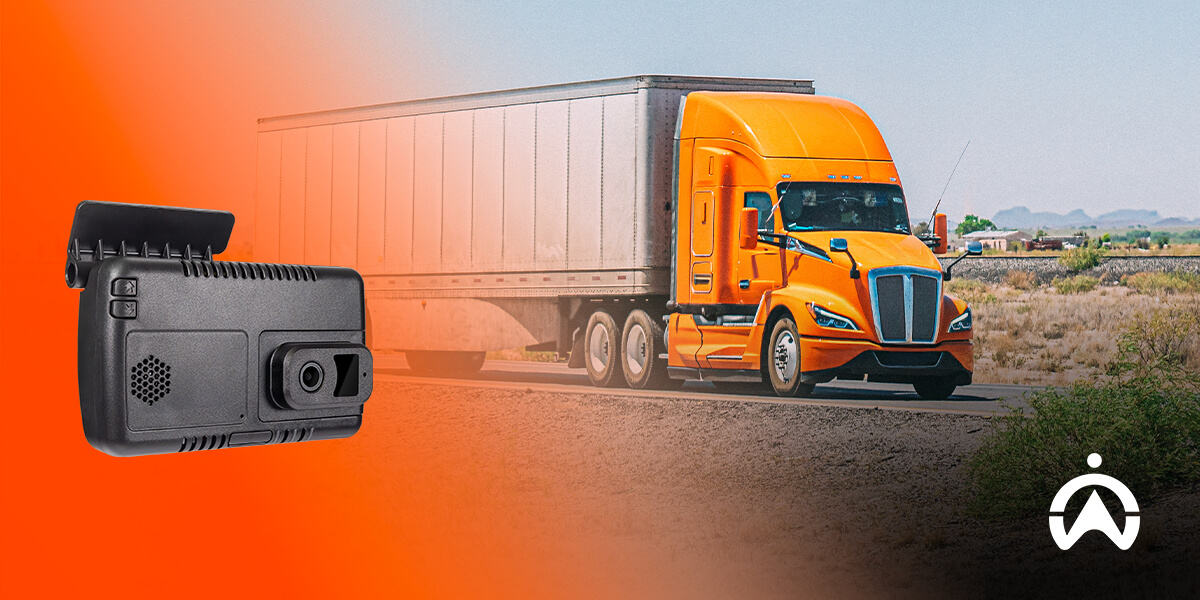
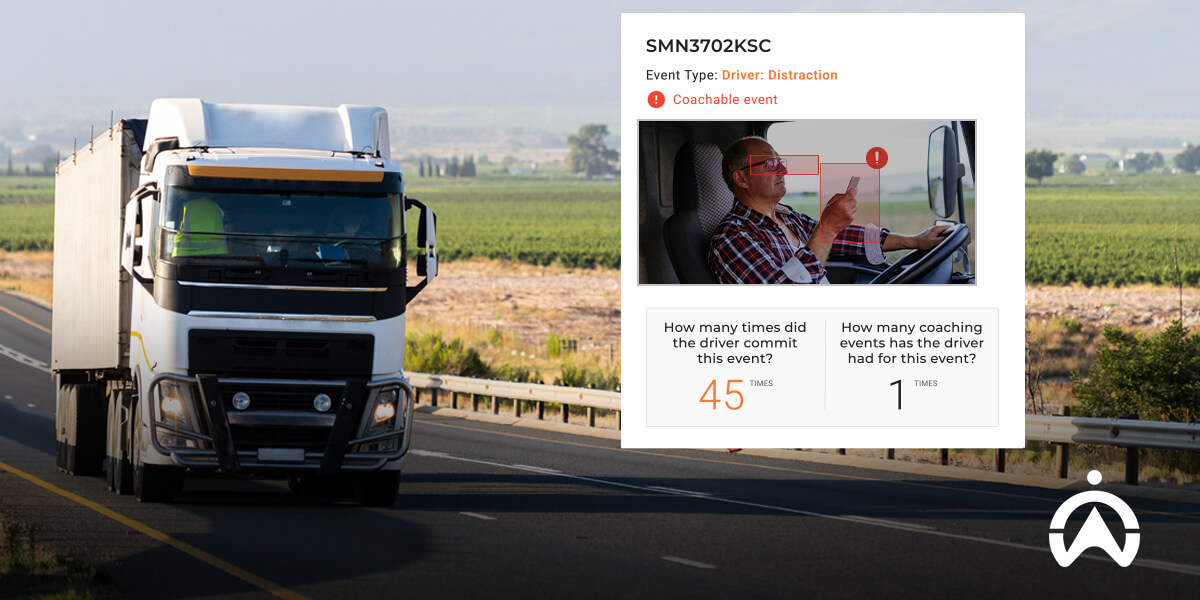
Cartrack dashcam footage shown with dashboard camera and orange semi-truck on highway.

How to choose the right dashcam software for your fleet

To choose the right dashcam software for your fleet, your decision should focus on solutions that fulfil your business requirements rather than selecting the tool with the most features. The operational value decreases when video footage exists without an efficient method to find relevant clips for review and sharing.

Fleets achieve their maximum ROI by focusing solely on recordings that provide unambiguous evidence. Why? This approach reduces claim expenses and accelerates insurance processes. 

The table below compares the main software categories available to businesses today.

Category Best for Strengths Limitations Business use case
Manufacturer player Small fleets / single make Reliable metadata, free Not enterprise-ready Basic playback for small operators, simple claims evidence
Universal desktop (VLC, Dashcam Viewer) Tech teams, one-off reviews Flexible, inexpensive Limited fleet features Occasional reviews, IT support teams handling mixed devices
Cloud video telematics (SaaS) Large fleets / 24/7 ops Scalable, integrations, automated uploads Bandwith possilby Ongoing driver monitoring, incident response, and insurer integration
Forensic editors Legal / investigations Chain of custody, enhancement Specialist, costly Detailed evidence preparation for litigation or complex claims
Mobile apps Roadside or supervisors Quick access and sharing Limited analysis Immediate incident checks, on-the-go footage sharing

For more insights into cloud-based video telematics, check out What Is Video Telematics.

Security, privacy and compliance (Data Protection Act)

Dashcams capture more than just road conditions—they often record personal information such as driver faces, licence plates, and passenger details. In Namibia, this data falls under the Data Protection Act. The Act requires that personal data be collected lawfully, processed only for its intended purpose, and stored securely.

For businesses, this means adopting strict procedures for handling video evidence. Organisations must follow rules on consent, purpose limitation, and retention. Non-compliance can expose fleets to legal and financial risk, as well as reputational damage.

Practical controls for fleets include:

  • Restrict access: Only authorised personnel should be able to view or share footage.
    ‍
  • Redact before sharing: Blur faces and number plates where possible, especially when clips are provided externally.
    ‍
  • Encrypted storage: Protect files both locally and in the cloud with encryption.
    ‍
  • Maintain audit records: Keep a clear log of who accessed, downloaded, or distributed footage.
    ‍
  • Apply retention rules: Delete footage once it’s no longer required for its original purpose, such as defending a claim.

By applying these measures, businesses can remain compliant while still gaining value from their dashcam data. Cartrack’s AI-powered platform supports this process with secure storage, controlled access, and redaction tools. Helping fleets protect both their operations and their data obligations under Data Proction Act.

Cost considerations and ROI

While the price often drives dashcam software decisions, smart fleet managers should look beyond initial expense to calculate future value and savings. The investment frequently pays for itself. Well-implemented video telematics delivers measurable returns such as:

  • reduced insurance premiums
  • improved vehicle uptime
  • decreased legal disputes
  • accident claims that hit the budget with less impact and frequency

Consider implementing a 6–12 month pilot programme to gather concrete evidence. By tracking metrics such as:

  • claim costs
  • premium adjustments
  • incident response efficiency

Both pre- and post-implementation, organisations can establish meaningful benchmarks for evaluating the true long-term ROI.

Typical cost elements:

  • Upfront: purchase, installation, and any one-time license fees for hardware
  • Ongoing: cellular data, cloud storage, software subscriptions, and technical assistance.
  • People: employee time for managing compliance, reviewing video, and addressing claims.

Boost Fleet Safety and Cut Costs with Cartrack’s AI Dashcams

Turn your dashcam footage into real savings. Get Cartrack’s AI-powered video telematics platform today and resolve incidents faster, cut insurance costs, and stay POPIA compliant. Book a demo today!

FAQs

How long should we retain footage?

Retention policies depend on operational and legal needs. Under Data Protection Act, footage can’t be stored longer than required for its intended purpose. Many businesses keep routine footage for 30 to 90 days, retaining only incident-related video for extended periods to support claims, investigations or regulatory compliance requirements.

Is cloud better than local storage?

Cloud storage is generally better for medium to large fleets because it allows remote access, centralised management and automatic uploads from vehicles. Local storage may suit smaller operators but becomes difficult at scale due to limited access, a higher manual workload and greater risks if hard drives are damaged or stolen.

How do we share footage securely with insurers or police?

Footage should be shared through secure platforms that provide audit logs, role-based access and tamper-proof export features. Redaction tools are also important for protecting personal data, such as faces or licence plates. Cartrack’s system allows businesses to deliver reliable, compliant evidence to insurers or authorities while safeguarding privacy.
Does a Dashcam Record When the Car Is Off?

No, most dashcams turn off with the ignition, so they stop recording once the car is off. But some advanced units have systems that can detect movement or impact and will record even when the car is off. This means it’s possible to get more security for your car when it’s most vulnerable.

Cartrack’s dashcam solutions give you the peace of mind you need. While our cameras don’t record continuously when the vehicle is off — typically for only up to five minutes — they remain in standby mode for up to two hours after the ignition is switched off. During this time, you can access your mobile app and switch the camera on to livestream, so you know your car is still protected while parked. You can also request footage if necessary.

Can dashcams keep recording when your car is off?

Although most dashcams don’t record unless the car is in motion, yes, some dashcams with advanced features can keep recording when your car is off. These features essentially draw on motion or G-sensors (gravity sensors) to capture triggering events, like motion or collision. Captured events make sure your car is extra protected, even when you’re away from it.

Keep in mind that there are some limitations. Dashcam recording while the car is off relies on the power of your car battery, putting a drain on it. This means that recording is limited by power and storage capacity.

How do dashcams work when the car is on?

When the car is on, dashcams work by either recording continuously while driving or recording only when triggered by an event, such as motion or collision.

Here’s a bit more about how dashcams work:

  • Power source: Dashcam systems are usually connected to the car through hardwiring, though there are portable wireless options too. Hardwired systems are directly connected to the car and its battery, or connected via the 12V socket. The 12V socket is also known as the cigarette lighter or auxiliary power socket.
    ‍
  • Storage: Footage is stored on SD or SSD cards. SD stands for Secure Digital, which is the standard memory card type. SSD stands for Solid-State Drive, which is a larger and faster memory card. Some dashcams support cloud storage as well.

How long does a dashcam record when the car is off?

The amount of time your dashcam can record when the car is off depends on a few factors that include battery capacity, storage limits, and the dashcam type.

Let’s break this down:

  • Battery capacity: Portable dashcams with internal batteries won’t last as long as hardwired systems, which can record for far longer.
    ‍
  • Storage limits: SD or SSD card capacity typically won’t have as much space as cloud storage. The amount of space dictates how much footage can be stored before it’s overwritten. Cartrack’s camera footage is stored on the SSD/SD card; only manually requested footage is stored on the cloud.
    ‍
  • Type of dashcam: Standard dashcams have shorter recording times or are typically event-triggered devices. While some professional cameras or MDVR (mobile digital video recorder) solutions are designed for long-term recording, Cartrack solutions prioritise efficiency and safety, with cameras remaining online for up to two hours after the ignition is off.

Cartrack dashcam solutions strike a perfect balance between strong protection and powerful efficiency. Storage space—and therefore recording time—differs depending on the camera system, but you can rest assured that key incidents will be captured.


Dashcam features that enable recording while parked

Dashcam features that enable recording while parked include motion detection, impact sensing, battery power, and recording and storage management. These features are designed to work hand in hand to keep your car as protected as possible, especially when you don’t have eyes on it.

Take a closer look at each of the features:

  • Motion detection: This is when your dashcam automatically starts recording when movement is detected near the car. Motion detection can catch any criminal and theft attempts on your car, or even small bumps in the parking lot.
    ‍
  • Impact detection/G-sensor: This is when the G-sensor is triggered by a collision or rough impact. The camera records automatically once that event has been detected.
    ‍
  • Battery pack or hardwiring: Keeping a camera running can drain your car battery.  External power options can help prevent car battery drain, although this option is far more niche. Hardwired options are a little more common. Standard or entry-level dashcams typically switch off with the ignition.
    ‍
  • Loop recording and storage management: Dashcams will usually overwrite the oldest footage when the storage gets full. This is how your dashcam continuously records without losing footage or having you delete footage manually.

At Cartrack, we don’t use external battery packs. Instead, we provide transparent safety measures, like the Power Extension Form, so you know exactly how extended recording could impact your vehicle’s battery.

Dashcam battery drain explained: What happens when your car is off?

When your car is off and the dashcam is recording, it drains your car battery. Your dashcam relies on your car’s battery for power, so if it runs too long, it can eventually weaken it. However, most modern dashcams do have some safety features in place to ensure your battery isn’t compromised.

These are some general safety features you might expect from advanced camera solutions:

  • Hardwired options: This dashcam connection links directly to your fuse box. It typically switches the dashcam off as a safety precaution if the voltage becomes too low.
    ‍
  • External battery packs: This connection type is still quite niche, but it is slowly making its way into the market. This is a completely separate power source that doesn’t rely on your car battery.
    ‍
  • Low-voltage warnings: This is one of the more common safety precautions. This measure ensures that your dashcam is switched off before the integrity of your car battery is compromised or so drained that your car won’t start.

Our Cartrack tip? Always make sure your dashcam is installed by a professional to avoid any damage to your car’s battery. Partner with a provider that’s clear and transparent about battery drainage and any other potential effects a dashcam may have. At Cartrack, we have the Power Extension Form, which ensures you’re fully aware of how extended recording may affect your vehicle’s battery.

How to choose the right dashcam for consistent recording

To choose the right dashcam for consistent recording, consider a few key factors to look out for:

  • Resolution
  • Smart features
  • Battery solution and
  • Storage type

Always remember that it’s more than just the brand or price. Getting the right mix of features is the key to achieving absolute protection for your car.

Here’s a little more on each of these key factors:

Resolution

A higher resolution means that events are captured in crisp video quality. This is important for key details in potential accidents or insurance matters, like clearly capturing number plates. Keep in mind, though, the best quality is usually from saved, recorded footage; livestreamed footage will typically be lower quality.

Smart features

See if the camera solution has any motion detection or AI features. If available for personal vehicles, they can be great add-ons that provide extra security.

Battery

Understand what the camera solution uses as a power source. Ask your potential provider what safety precautions are in place for your car battery and how they’re willing to help you in this regard.

Storage type

Find out what type of storage your provider offers with their dashcam solution. You’ll typically have to choose between an SD card, an SSD card, and/or cloud storage.

Why consider Cartrack as your provider choice? Cartrack has a dashcam solution for every kind of driver. Some of our dashcam solutions allow for recording when the car is off, with up to 2 hours of standby and livestreaming protection.


Why Cartrack is the top choice for overall dashcam protection

With Cartrack, you and your car remain protected at all times—whether you’re on the road or in the parking lot. Our dashcams are built to tend to your unique needs and record all the crucial events, meaning that you can have peace of mind even when you’re not around.

After the ignition is switched off, the cameras will continue to record footage for five minutes. All cameras are online (in standby mode) for two hours after the ignition is off to enable you to request footage and livestream. Remember, this isn’t two hours of continuous automatic recording — it’s availability for requests or streaming.

Manually requested trip footage is uploaded to the cloud once the car is back on. This is the only footage stored on the cloud, and it’s accessible to you via the mobile app. 

If you’d like the camera to continue recording for longer than five minutes, you can request this. To remain transparent and effectively manage battery strain, we have a Power Extension Form. This acknowledges that you’re aware that extending the duration will drain the vehicle’s battery.

Trusted by individuals and businesses alike, you can turn to Cartrack for your complete safety and security.

Keep your vehicle protected with Cartrack

A good dashcam can keep recording even when your car’s off, giving you extra peace of mind while it’s parked. Cartrack’s smart dashcams bring together advanced detection, reliable and extended protection, and professional installation, so it’s easy to keep your car safe.

Don’t leave your car unprotected. Explore Cartrack’s range of smart dashcams today and experience premium security at your fingertips. Contact us to check out our dashcam solutions.

FAQs

Q: Do dashcams record conversations when parked?

A: Most dashcams don’t record conversations when parked, although a few models do capture audio. Typically, dashcams will only record audio when the car is in motion. If this feature is important to you, check with your provider to see if those specifications are offered. Cartrack dashcams are designed to focus on video for your security rather than audio recording.

Q: Can a dashcam damage the car battery if used for 24-hour recording?

A: Yes, a dashcam can damage the car battery if used for 24-hour recording, though it’s usually only the case if there are no precautionary measures in place. Some providers might offer external power sources or use a hardwiring kit, but typically, low-voltage measures are there to prevent battery compromise.

Q: How do I know if my dashcam is recording when parked?

A: You know that your dashcam is recording when parked if there’s a blinking/on light or notification via the connected mobile app. On the other hand, you can look for motion alert notifications that’ll let you know your camera is working.

Q: Are there dashcams that work for long-term parking security?

A: Yes, some dashcams work for long-term parking security, and these are dashcams that offer what’s usually referred to as ‘parking mode’. Cars that require long-term surveillance use a hardwiring kit to connect to your car’s fuse box. This lets them draw power safely and prevents the battery from draining too much, thanks to built-in voltage cut-off protection.

What is A Good Fleet Car? Get the Complete Guide

A good fleet car in Namibia is any car that provides your company with relatively low fuel costs, driver safety, low maintenance, and a high resale value. Other factors that could influence your vehicle decision might include tyres, vehicle lifespan, cabin space, and other tailored needs of your company.

With so many fleet vehicles in the country, many business leaders are opting to start fleet-based companies. At Cartrack, we’re all about finding ways to cut your organisation’s overheads and provide you with more efficiency and asset protection. That’s why we constructed this article to help you decide on the best fleet vehicle options for your business.

What is considered a good fleet car in Namibia?

A good fleet car in Namibia is one that has a reputation for reliability, is affordable to run, and keeps its resale value. Popular options include:

  • Fuel efficient bakkies
  • Cars that are light on fuel
  • Sedan brands with a long and reliable reputation
  • Vehicles with large load capacities
  • Vehicles with decent drive power when fully loaded

These models are trusted for fuel efficiency, low maintenance, and their decent resale value.

When choosing multiple vehicles for a fleet, some factors that exceed a regular vehicle purchase should be considered. The most important is the ‘Total Cost of Ownership’ of each vehicle. This goes beyond the initial purchase cost of a car and asks the question, “What is a good fleet car in terms of the total amount of money it will cost to buy, run, and eventually sell?”

What is ‘Total Cost of Ownership’ when choosing a fleet vehicle?

Total Cost of Ownership (aka TCO) when choosing a fleet vehicle means the full cost of running it and later selling it. (You can also include the purchase price in this calculation). It mostly includes:

  • Fuel use
  • Regular maintenance
  • Repairs
  • Insurance
  • Licence fees
  • Resale value

Knowing your TCO helps you pick vehicles that save you money in the long run. That’s why it’s an important calculation to make before you settle on just any car brand.

Why is fuel efficiency important for fleet cars?

Fuel efficiency is important for fleet cars because of how much time they spend on the road. Because your company will be spending a large portion of funds on fuel, any obtainable fuel savings over your entire fleet should be identified and implemented.

Although most fleets prefer to use diesel over petrol for their cars, this on its own doesn’t always provide the maximum savings you can obtain. Curbing fuel theft, discouraging idling, and finding the optimum routes for your drivers are just some ways you can make a significant difference in your fuel costs.

But one of the biggest differences in fuel savings will come from choosing a good fleet car to begin with. Cars that generally use less fuel per kilometer should be considered over ‘gas-guzzlers’. Choosing between manual and automatic can also make a difference in your fuel costs, so pick wisely.

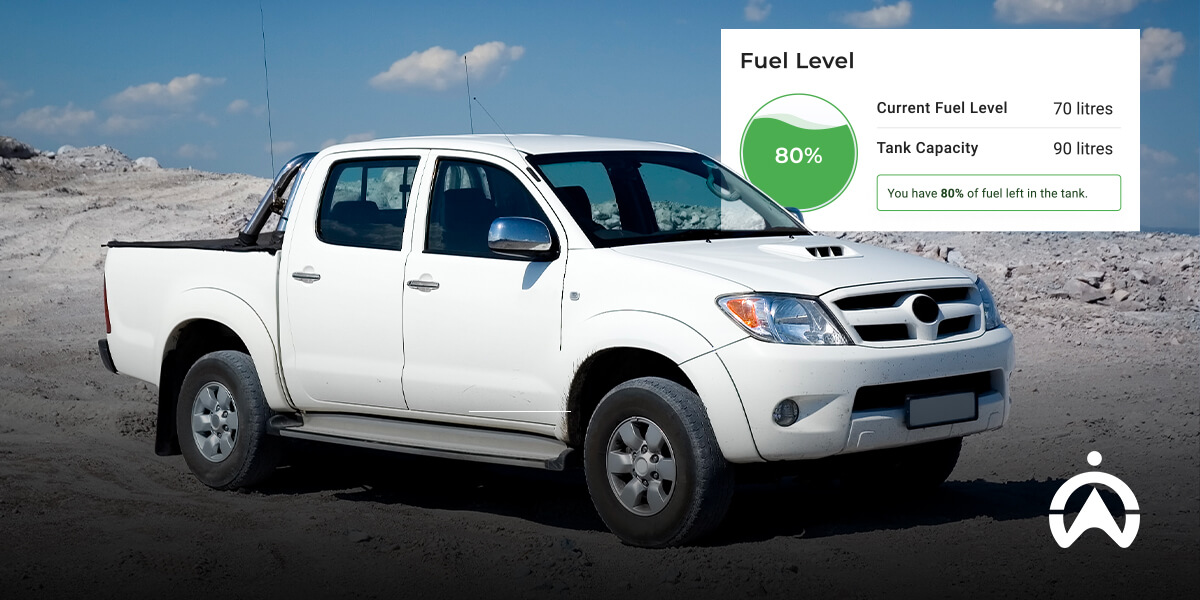
Cartrack highlighting what is a good fleet car with white pickup on sand showing 80% fuel and 70L left to roll further.

What role does vehicle safety play in fleet selection?

Vehicle safety also plays an important role in your fleet vehicle selection. Safer cars generally save you in the long run, and are well worth the extra initial purchase costs for these vehicles.

How does choosing a safe car for your fleet save you in the long run? Just look:

Benefit How it Helps Long Term Savings
Fewer accidents Safer cars lower crash risk Less money on repairs
Lower insurance Safer cars often get discounts Lower monthly costs
Better resale value Safe cars stay in demand More money when selling
Healthier drivers Less chance of injury Fewer medical bills
Less downtime Cars stay on the road More work done each day
Good company image Seen as caring and reliable More customers trust you
Longer lasting cars Built stronger and safer Lower replacement costs
Happier staff Built stronger and safer Better staff loyalty

How do maintenance costs affect fleet car selection?

Maintenance costs affect your fleet car selection by influencing your running expenses. If you choose cars with higher service or repair costs (like a cheaper brand over a better-known one), your fleet budget will quickly go up. Cars with affordable parts, reliable servicing, and strong dealer networks in Namibia help you cut downtime and reduce repair costs.

How important is vehicle resale value in choosing fleet vehicles?

Resale value is a super important factor to consider when choosing fleet vehicles. Every car you buy is an investment, and you should try to get as much back as you can when you sell that investment later on. Many car brands have good resale values, and choosing these over some of the emerging cheaper brands is wise—especially when the time comes to sell your vehicles.

What other factors are worth considering?

Other factors worth considering before deciding on a good fleet car for your business include:

  • What tyres it carries
  • How comfortable your drivers will be
  • The load each car can carry
  • Car warranty
  • Road conditions
  • Bulk purchase discounts and ongoing dealer support

Here’s a more expansive overview to keep in mind:

Factor Why it matters How it helps your fleet
Tyres Wear and replacement cost Keeps vehicles safe and moving
Insurance premiums Cost of cover Reduces overall fleet expenses
Spare parts Easy to get locally Prevents long downtime
Driver comfort Happy drivers Improves safety and performance
Load capacity How much the vehicle can carry Matches business needs
Dealer support Service availability Fixes problems quickly
Road conditions Tough roads affect vehicles Chooses the right vehicle type
Warranty coverage Protects against faults Saves money on repairs

Which brands are most popular for fleet cars in Namibia?

The most popular fleet car brands  are ones that offer a mixture of fuel efficiency, robustness, low maintenance, and safety. These factors make them among the best fleet cars for companies. Some also come at relatively low purchase prices, whether you’re buying them new or second-hand.

Which bakkies are considered good fleet vehicles?

The bakkies in Namibia that are considered good fleet vehicles are those that have stood the test of time in terms of durability, brand awareness, and reputation. They also have decent load capacities, allowing you to carry more per trip.

Do Namibian fleets prefer petrol or diesel cars?

Most Namibian fleet vehicles tend to use diesel fuel, but that’s mainly because of how many trucks are included in thousands of Namibian fleets. Fleets that use sedans (or cars) for their fleets, also have some options to use diesel, but most are petrol fueled.

Which diesel cars and bakkies are good fleet cars?

If you want your fleet to run on diesel fuel, you can choose from several cars and bakkies popular in Namibian. Options include those that are reliable, fuel-efficient for heavy use, and have strong dealer support across the country.

How do you manage and protect your fleet vehicles?

Once you’ve found the ideal vehicles for your fleet, it’s important to protect each and every one of them for as long as possible. Even though your Total Cost of Ownership is lower due to the wise choices you’ve made, you still need to protect against:

  • Theft
  • Road accidents
  • Wear & tear
  • Fuel theft
  • Bad driving

Cartrack isn’t only about saving fuel costs with world-class fuel management software. We also offer other investments that protect your vehicles and save you on fleet operation costs. Here are some other ways you can manage and protect your fleet vehicles.

Protect against theft

Protecting your fleet against theft keeps your assets safe and lowers your insurance premiums. GPS tracking and real-time alerts tell you where every vehicle is, making managing them easier.

If a vehicle goes missing, we can act fast and recover it. This lowers your replacement costs and allows your insurance company to offer lower premiums.

Learn about Cartrack’s GPS Tracking!

Prevent road accidents (and bad driving)

Safety in any fleet is equivalent to money in your pocket. Preventing road accidents through speed monitoring, identifying harsh braking and other risky driving habits keeps your drivers safe. Addressing these also helps you coach your drivers through training.

AI-driven digital driver scorecards give you all the information you need to reward good driving and identify potentially risky driver habits. Getting alerted to these habits before accidents happen will lead to fewer repair costs.

Learn about Cartrack’s Driver Scorecard and Driver ID Tags!

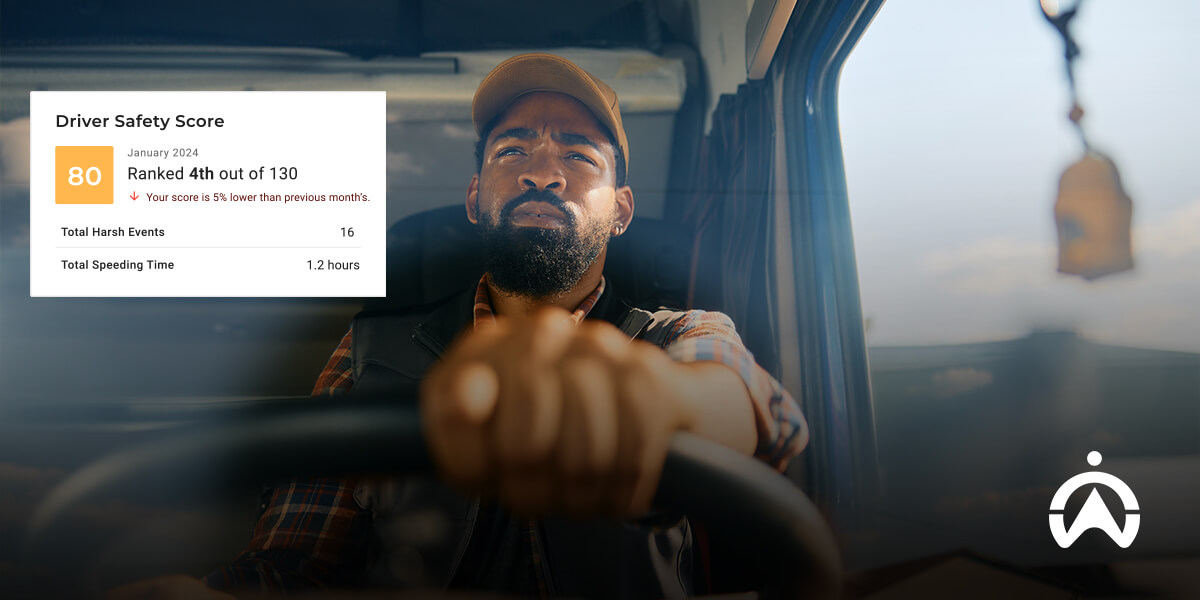
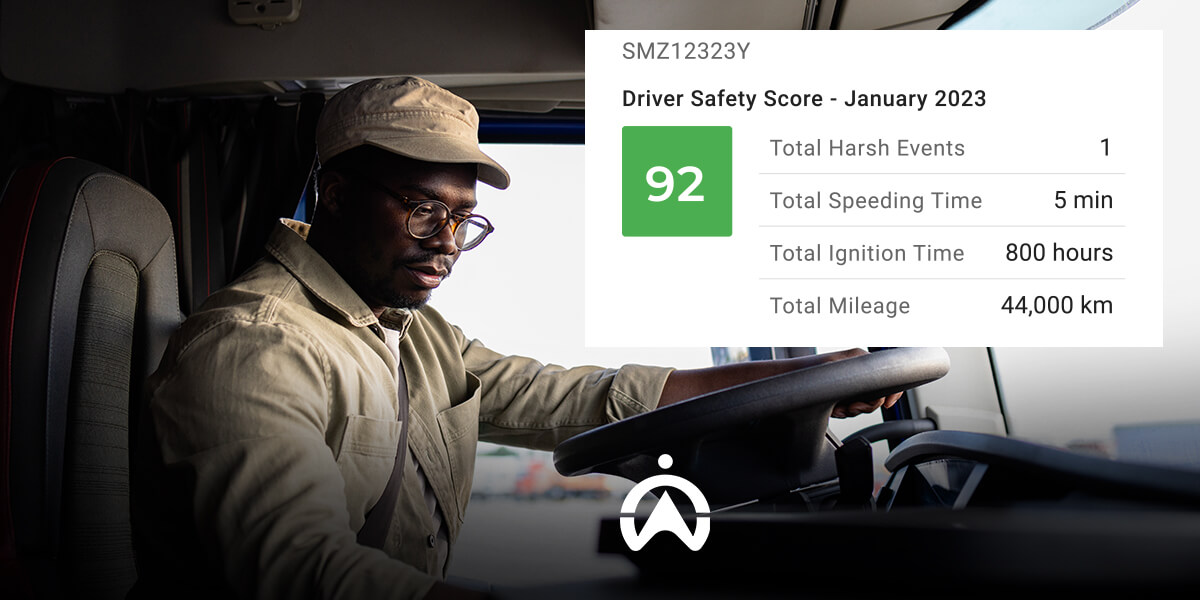
Cartrack showing what is a good fleet car with driver at wheel and January 2024 safety score glowing on dash.

Reduce wear & tear

In the same way, preventing bad driving will minimise vehicle wear and tear. Even though you made some good decisions in choosing good fleet cars or fleet trucks, you still need to mitigate any unnecessary damage brought on by risky driving habits:

  • Keep your tyres lasting longer
  • Extend the gap between brake replacements
  • Preserve your engine components

Keep your vehicles in the best condition despite long hours on the road. Learn about Cartrack’s CANbus vehicle readings!

Stop fuel theft

A good fleet car saves you on fuel by default. However, how do you prevent fuel thieves from syphoning out that fuel when your vehicles are parked? Worse still, how do you prevent your drivers from committing fuel fraud when they fill up?

Cartrack understands the value of fuel in SA. It’s not something that should EVER be wasted. With fuel sensors and AI-driven digital logbooks, you can prove fuel theft, prevent it in future, and recover your profits through smarter fuel management.

Learn about Cartrack’s fuel management solutions!

Frequently asked questions on good fleet cars in Namibia

Are there tax benefits for businesses running fleets?

Yes, running a fleet can give your business tax benefits. You can claim on vehicle depreciation, fuel costs, vehicle maintenance, and your insurance premiums as business expenses. This lowers your taxable income and helps you save money. Make sure your vehicles are properly registered and that all records are kept for SARS compliance.

Are hybrid and electric fleet cars practical in Namibia?

Hybrid and electric fleet cars can be practical, but there are some challenges. Charging stations are limited in many areas, and the initial costs for these vehicles are higher. They suit urban fleets with predictable routes. If you manage routes and charging carefully, hybrids and EVs can cut fuel costs and reduce emissions.

What is the average lifespan of a fleet car in Namibia?

The average lifespan of a fleet car in Namibia is around 5 to 7 years. The car will still run after this period (provided it’s well maintained), but the wear and tear may warrant a replacement to keep your fleet running well.

Can companies lease fleet cars instead of buying?

Yes, companies can lease fleet cars instead of buying them. Leasing helps businesses manage cash flow while keeping their fleet modern and reliable, and gives you the flexibility to upgrade your vehicles regularly. It often includes maintenance packages (which come with the leasing contract) and fleet management support (which can be outsourced).

Do fleet cars need tracker devices in Namibia?

Yes, fleet cars do need tracker devices  although this isn’t a legal requirement. GPS trackers help you to monitor vehicle location, prevent theft, and manage your drivers’ driving habits on the road. They improve safety, reduce fuel waste, and give you real-time data to make better fleet management decisions.

GPS vs GSM Vehicle Tracking: What is the best?

The Global Positioning System (GPS) is more accurate than the Global System for Mobile Communication (GSM). GPS shows where a vehicle is, but it cannot send that location on its own. GSM is what sends the tracking details to you or a control centre. Think of GPS as finding the place, and GSM as passing the message.

In 2025, GPS vehicle tracking systems led the market by 48.9%. The rest was split between GSM, satellite-only, OBD, and other systems. In Namibia, the most common trackers use both GPS and GSM together. And with new tech like 5G, you can expect the market to keep growing.

In today’s blog, we’re taking a look at how GPS and GSM are different, and why a hybrid system offers the best of both.

GPS vs GSM tracking systems: What works better?

GPS gives the most accurate location, but in Namibia, it works best when paired with GSM. GSM lets the tracker send live updates to your phone or a control centre. With high vehicle theft, relying on only one system can leave gaps and slow down recovery efforts.

Hybrid trackers use both GPS and GSM to stay connected. They resist jamming and reduce the risk of signal loss. GPS can struggle in cities, while GSM can fail in rural areas. Using both means the system works more reliably, giving stronger coverage almost everywhere.

What is the difference between GPS and GSM systems?

GPS and GSM tracking each have unique strengths; one may work better in certain places than the other. When combined, they make a stronger system that improves safety and reliability. Knowing how they work together, and what their differences are can give drivers more peace of mind while on the road.

Feature GPS system GSM system
How it works Uses satellites in space to find the location Uses mobile phone towers to send data
Accuracy Very exact within a few metres Less exact often shows an area not a point
Coverage Works anywhere with a clear sky Works where there is a mobile signal
Indoors and tunnels May not work well Can still work indoors or in tunnels
Data sending Finds the location but needs help to send Sends the location through mobile networks
Rural areas Works well if the sky is open It may not work if the mobile signal is weak
Power use Uses more power when always on Uses less power for basic location sharing
Best use Finding the exact vehicle position Sending updates to apps and control centres

How a GPS works

GPS uses satellites to find an exact location, which means that it connects to at least three satellites simultaneously to maintain accuracy. The latest report from NASA confirms that 24 GPS satellites are orbiting Earth, all working together to provide GPS systems with reliable and precise location information worldwide.

Note: Some online sources, like the US Federal Aviation Administration, list 31 active GPS satellites.

How GSM systems work

GSM relies on mobile networks, so it’s less accurate but sometimes more reliable than GPS. It connects to one or two cellphone towers at a time, which means it can’t find accurate distances as easily as GPS. Some tracking systems use only GSM, but these often give poor tracking data.

Hybrid trackers use GSM to send accurate GPS locations to a control centre or smartphone.

A telecommunications tower rises against a clear blue sky, with birds flying nearby.

Which is the better system for preventing car theft?

Neither system alone is the best, because while GPS is very accurate, it can be jammed. GSM is harder to block, but it’s much less accurate. To get accurate, real-time updates and better theft protection, a hybrid system that uses both is the best.

This is because hybrid trackers offer features like:

  • Anti-jamming technology: Hybrid tracking units resist jamming with detection, backup communication, and added security systems from tracking services.
    ‍
  • Real-time alerts: These systems use both GPS and GSM to give real-time tracking and alerts, updating location and telematics data with meter-level accuracy as the vehicle moves.
    ‍
  • Telematics data: Some hybrid units send telematics data like speed, condition, harsh braking, and accidents, giving real-time updates that improve driver safety and fleet accuracy.

Tip: Always check if a tracking provider offers 24/7 recovery support; some only provide location updates without vehicle recovery services.

Do Namibian vehicle tracking units use GPS, GSM, or both?

Namibian tracking companies, including Cartrack, use hybrid units because these systems improve recovery rates, have increased accuracy, and keep vehicles safer. Combining GPS and GSM gives real-time updates, making them more reliable than older, single-system trackers.

The first tracking units relied only on GPS, which had high costs to operate and would only send real-time location information in emergencies. This became less useful as users and fleets wanted active, constant tracking. Fleet managers now need real-time updates to monitor vehicles, plot routes and create geofences.

As we move into the future, this technology will keep improving. New available features include AI, better tracking, integrated telematics, and backup systems. These make hybrid trackers smarter, safer, and more effective at protecting vehicles and managing fleets.

Note: Integrated telematics is when a tracking unit is connected to a car’s systems, measuring speed, braking, fuel use, idling, and more.

How do Cartrack hybrid systems work?

Cartrack units have long ago adopted fully hybrid systems, using both GPS and GSM to provide accurate real-time data to our users. Over the years, as bandwidth became more available (and users and fleets required more data), technology had to adapt, and so did we.

Modern Cartrack units do much more than simply provide location and telematics. They provide a complete solution, providing route optimisation, telematics, vehicle monitoring, and more. Three key areas make our units more accurate, more reliable, and jamming-resistant.

GPS technology for accurate tracking

  • Accuracy: Accurate within 3 to 10 meters under normal conditions, enabling precise pinpoint locations in real-time. Cartrack units have their own GPS modules that accurately track your vehicle.
    ‍
  • Consistency: The global GPS constellation provides coverage anywhere in Namibia, with continuous satellite availability.
    ‍
  • Recovery: Accurate location data through GPS means that recovery teams know where your vehicle is when recovery is needed. Further, location accuracy means Cartrack’s teams know when your vehicle enters high-risk zones.
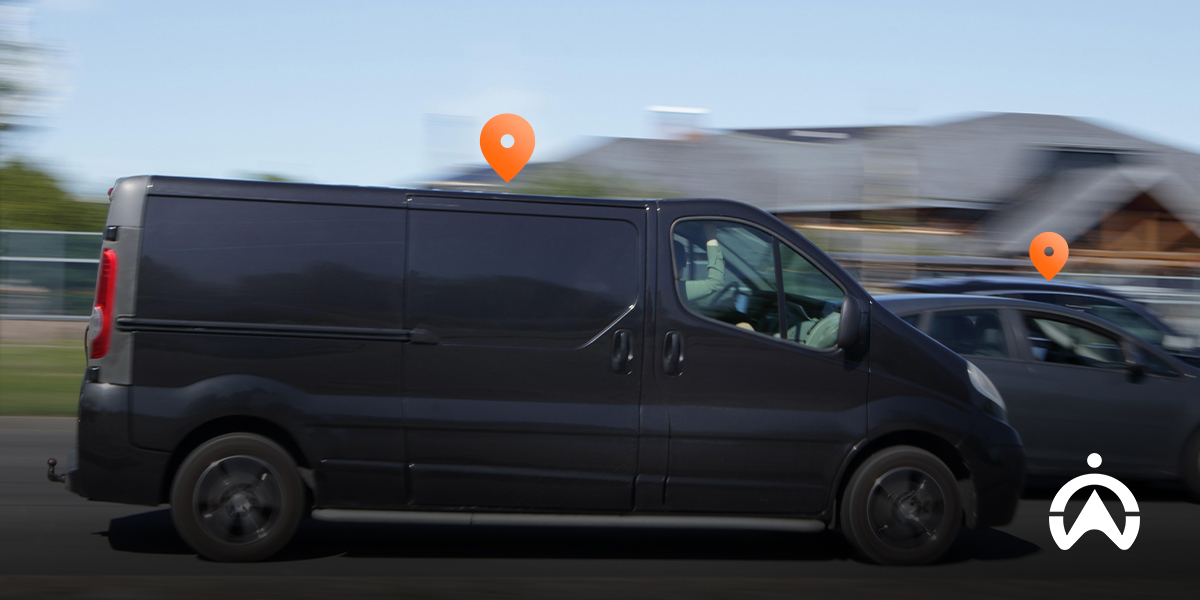
A black van speeds past, with orange location markers indicating its route against a blurred background of greenery and buildings.

GSM technology for accurate telematics

  • Control room communication: GSM technology, like 2G, 3G, 4G, and 5G, lets units send data continuously. Cartrack’s control room receives updates from the unit, including telematics data when it’s turned on.
    ‍
  • Vehicle condition: Units can connect to the vehicle’s systems to monitor its condition. If there’s harsh braking, sudden acceleration, or an accident, the data is sent immediately to Cartrack’s control room.
    ‍
  • Driver behaviour: When integrated with telematics, the units monitor driver behaviour, including speed, braking, and idling. Regular drivers can see ways to improve, while fleet managers can use this data to run their fleets more efficiently.

Cartrack Tag for advanced protection

  • Works through jamming: The Cartrack Tag works without cellular networks, so it still works if GPS is blocked. It detects jamming attempts and sends alerts to the vehicle owner as well as Cartrack’s control room.
    ‍
  • Backup tracking unit: The Cartrack Tag acts as a wireless backup, giving location updates if the main unit is compromised. It has its own long-lasting battery to keep sending location data.
    ‍
  • Proprietary RF communication network: The Cartrack Tag doesn’t use GPS or GSM. It uses proprietary signals and technology to send data to Cartrack’s control room, making it much harder to jam.

Choosing a hybrid tracker that combines GPS and GSM is best for Namibia roads. While GPS does offer pinpoint accuracy, GSM provides much more reliable communication, even when other signals are weak.

Invest in a dual-system tracker to ensure you have the best protection and peace of mind.

Frequently asked questions about GPS vs GSM tracking systems

Is there a difference in stolen-vehicle recovery rates between providers that use GPS, GSM or both?

Yes, units that use both GPS and GSM usually have higher recovery rates. GPS gives a precise location, while GSM ensures the data reaches the control room quickly. Using both makes it harder for thieves to block the signal and improves the chances of finding the vehicle.

Should small businesses and fleets choose GPS/GSM hybrid devices for compliance and reporting?

Yes, hybrid devices provide real-time tracking, telematics data, and accurate reports. This helps fleet managers monitor driver behaviour, vehicle use, and safety, making compliance with company policies and legal regulations easier. They also improve efficiency and reduce costs over time.

How do I pick the best tracker for a specific use case: Personal car, fleet truck, or high-value asset in Namibia?

You pick the best tracker based on what it can provide for the specific use case. The accuracy, reliability, and features that you need to consider. Private vehicles benefit from hybrid systems for theft protection and recovery. Fleet vehicles may only need real-time tracking, telematics, and reporting, but not SVR. High-value assets may need extra security, like backup units or anti-jamming technology. Always check coverage, battery life, and provider support in Namibia.

How to Calculate a Truck Driver Scorecard to Boost Safety

To calculate a driver’s scorecard to boost safety, you allocate points for safe driving and deduct points for reckless conduct. A driver scorecard is a digital tool that tracks on-road behaviour — like speeding, idling, and more — to measure safety and performance. This helps drivers stay accountable while providing fleet managers with a clear overview of their staff and data-driven insights.

Aside from fuel consumption, fleet safety is one of the most pressing challenges for fleet managers.

With Cartrack, you can implement our advanced Driver Scorecard to fairly track and improve driver behaviour. Both managers and drivers can have access to actionable insights that boost protection and performance. Monitor safety, compliance, and efficiency to get the insights you need to run your business as smoothly as possible.

How to calculate a truck driver scorecard

You can calculate a truck driver scorecard by starting at 100, then deducting points/implementing demerits for risky driving behaviours. The points are viewed on a rolling average to get a transparent and fair overview, giving more of an accurate score.

Below is a table to help you better understand how these calculations work. Note that these are just examples using the default Cartrack parameters; you’ll be able to set your own.

Step Action Details/Example Purpose
1 Identify tracked behaviours/events • Decide which events count as tracked behaviours
• Apply a standard across all parameters
• Apply a minimum daily distance you’ve set
Sets clear and fair parameters to ensure transparent comparisons
2 Apply severity levels • Each behaviour or event is tied to a level of severity
• Some examples: +20 km/h speeding = Medium; collision = Critical.
Displays how risky each event is and which events count for which level of severity
3 Apply the demerit system • Scores are displayed based on the aggregate rolling average from the last full day Weighs behaviours by importance, indicating small incidents to severe issues
4 Deduct from 100 • Daily score = 100 − Total demerits for the day
• For example: 38 demerits means the total score = 62
Creates a clear performance number at the end of the day
5 Aggregate into a rolling average • Daily scores displayed or combined into daily, weekly, or monthly averages
• Example: driver’s weekly score = average of last 7 days
Gives a clearer picture of long-term trends over time

So how do you calculate a driver’s score? Well, actually, you don’t have to! Cartrack’s scoring system does it for you. You can update score weightages according to what you believe is important. Talk to us about getting a scoring system in place for your drivers.

What is a truck driver scorecard?

A truck driver scorecard is a strategy for fleet managers to monitor and measure driver behaviour by using a merit and demerit system. This system gives fleet managers a comprehensive overview of drivers and their behaviours while on the road. Both safe and risky behaviours are highlighted so that necessary feedback or correction can be given.

With Cartrack’s Driver Identification (DiD) tags, you can ensure that each trip and its insights are correctly linked to the right driver. This is especially important when numerous drivers share one vehicle. This ensures that the scorecard reflects individual performance, not pooled data.

Here’s a quick overview of basic vs. advanced scorecards:

  • Basic scorecards give a concise summary of performance and monitor a limited number of events. Some simply offer a score based on parameters set by the client.
    ‍
  • Advanced scorecards, like Cartrack’s, apply smart techniques that include AI-powered capabilities, rolling averages, and even more variables to measure. These include AI driver monitoring and collision warning events. Advanced scorecards guarantee better, more accurate information on your drivers.

The purpose and benefits of the driver scorecard include:

  • Making sure that compliance and legal matters are met
    ‍
  • Observing better cost management and cutting fuel waste through smoother driving, reducing wear and tear from harsh events, and lowering accident-related expenses
    ‍
  • Isolating dangerous driving patterns and preparing coaching sessions as training
    ‍
  • Building transparency and motivation from both the drivers and management, encouraging a better overall driver culture

Simply put, driver scorecards are the backbone of fleet risk management and safety. As your business implements this strategy, you’ll begin to see massive improvements in driver accountability, safety, and workflow performance.

An individual in a work uniform checks a clipboard, with two delivery vans parked in the background and location markers nearby.

How do truck driver scorecards boost safety?

Truck driver scorecards matter for safety because dangerous driving habits are one of the leading causes of accidents on the roads. Through monitoring these behaviours, fleet managers can measure the link between general fleet safety and what happens behind the wheel.

Scorecards are meant to bring about accountability and motivation to practise safer habits. The hope is that drivers will recognise that their performance is evaluated fairly and transparently for the betterment of the business and their personal safety. DiD tags also support this, ensuring the right driver is accountable for their own actions.

Above safety, truck driver scorecards are also the key to training, coaching, and incentive programmes. There’s a balance of accountability and reward. Fleet managers can coach drivers with high-risk driving patterns but also reward consistent and safe drivers.

Some of the important advantages include:

  • Saving on fuel from reduced aggressive driving and idling
  • Compliance and legal regulations are met because of consistent monitoring and regulation
  • Fewer collisions occur as safer driving practices reduce the risk of accidents
  • Smoother driving with less wear and tear, which also means an extended vehicle lifespan

How does Cartrack’s truck driver scorecard boost safety?

Cartrack’s truck driver scorecard boosts safety by giving you a complete big picture of how your drivers are performing. Your drivers will start off with a complete score of 100 and then have points deducted based on risky driving. The driver score is based on the rolling average to give a fairer, long-term score.

Here’s more on how it works:

  • A daily score is at the core: every driver starts at 100, and demerit points are deducted. The daily score is calculated per day, not per trip.
    ‍
  • Minimum daily distance: this is set by you, the client, so that trip scores are not distorted.
    ‍
  • Score aggregation: the score that’s displayed is always based on the aggregate, rolling average from the last full day. You can view your drivers’ scores daily, weekly, or monthly.
    ‍
  • Parameter weight updates: you can choose how much certain events/risky behaviours affect the overall score or decide which events matter most points-wise.
    ‍
  • Admin and driver visibility: both you and your drivers can see the driver scorecard and feedback. DiD tags also ensure that drivers are authenticated at the start of a trip, so managers and drivers are sure the scores are accurate.
    ‍
  • No additional cost: Cartrack’s driver scorecards are completely free with any of our fleet management solutions. There are no hidden fees, and you don’t have to pay extra to access driver data.

What behaviours and events does a truck driver scorecard track?

Behaviours and events tracked on a truck driver scorecard include harsh events, AI driver monitoring, efficiency, and collision warnings. By tracking these events, fleet managers have full visibility over all driver behaviours and patterns. These are the typical categories monitored:

Speeding

Speeding is one of the biggest threats to road safety. Scorecards take note of over-the-road speed limits or when drivers exceed the maximum legal vehicle speeds set by the company. This is noted when speeds typically go above 100, 140, or 160 km/h. With Cartrack, separate events are also triggered by going +10, +20, and +30 km/h above the maximum speed.

Keeping track of speeds improves fuel usage and reduces the risks of collision.

Harsh events

Harsh events include aggressive driving manoeuvres—like harsh braking or acceleration—which tend to compromise safety and increase fuel consumption. Aggressive driving is also monitored, indicating excessive RPMs (revolutions per minute). This means that there’s pressure on the engine.

Efficiency

Better fuel management, improved sustainability, and smoother operations are the results of efficient driver behaviour management. When behaviours like excessive idling are nipped in the bud, you can encourage stronger, more ethical business practices.

With Cartrack, idling is counted when a vehicle is on but not moving for 15 minutes. Total idling time is summed up, with each 5 minutes counting as 1 event count deduction.

AI driver monitoring

AI driver monitoring is a key component of advanced driver scorecards. This monitoring system integrates AI with the in-cabin camera, detecting distractive or disruptive behaviours like fatigue, phone use, or smoking behind the wheel. Because these events are detected in real-time, fleet managers can react proactively.

AI collision warnings

AI collision warnings are another smart feature that detects headway monitoring (which measures the gap between a vehicle and the one in front of it) and actual collisions. This kind of monitoring goes beyond critical insights but also provides a platform for accountability.

What results can you expect from truck driver scorecards?

You can expect results that include safer driving habits, support for reward programmes, and the identification of high-risk drivers for coaching. Implementing driver scorecards is your path to better productivity and business management. You can create a culture of accountability while prioritising compliance and driver well-being.

Here’s more on what to expect:

Encourages safer driving habits

If your drivers know that they’re being monitored, they’ll likely practise safer habits when on the road. Safer driving practices will become the norm, reducing accident rates and changing the driving culture for the better. They’ll also know that their safety and well-being are put first.

Lowers operational costs

Better driving practices not only prevent accidents and insurance claims; they also lower operational costs. Fewer dangerous incidents mean lower insurance premiums, reduced fuel consumption, and less downtime. This equates to better cost management for your fleet. 

Provides transparent and adjustable scoring

Scorecards should be transparent and fair. Being forthcoming is the key to genuine accountability and trust-building between managers and drivers. Both you and your drivers are able to see scorecards, their calculations, and which events weigh more than others in severity.

Identifies high-risk drivers for training and coaching

Through continuous monitoring, you can spot which drivers are consistently exhibiting dangerous driving patterns. This makes it easy for you to target coaching and implement proactive measures before accidents occur. This can also become an opportunity to encourage and support your drivers.

Supports reward programmes for top performers

Scorecards provide proof of drivers who are practising safe behaviours, too. Through rewards programmes or incentives, you can recognise drivers who are displaying safe and reliable driving. This creates a greater sense of positivity and stronger safety in your driving culture.

Displays admin dashboards

Fleet managers have full access to streamlined dashboards with driver scorecard insights. Rankings, aggregated scores, and trends are easily accessible. These insights make it straightforward and convenient to track fleet productivity, make business decisions, and find areas for improvement.

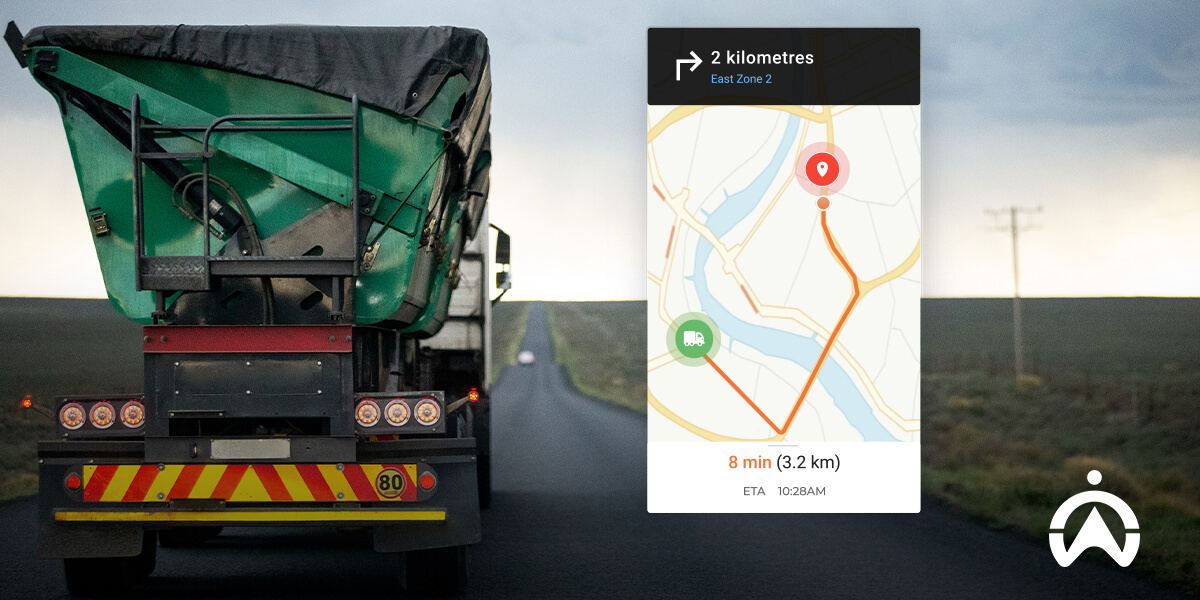
A green dump truck drives on a road; navigation map shows a route of 2 km, estimated arrival in 8 minutes at 10:28 AM.

What sets Cartrack apart in driver safety management?

Cartrack sets itself apart in driver safety management by offering advanced scorecard solutions. Smart insights, customisable weightings, and transparent calculations are just some of our specially designed features. We’re dedicated to giving you tools that guarantee safer, motivated, and accountable teams while reducing risks.

Here’s what makes us different: 

  • Flexible weighting: With Cartrack, you define the parameters for your scorecards, the severity for each, and the weight they carry. You can monitor events so your fleet’s performance directly supports safety and cost savings.
    ‍
  • Transparent calculations: Cartrack allows both drivers and managers to see how scores are calculated, creating a level of transparency and impartiality. This can also motivate drivers to employ safer driving habits and take ownership of their actions.
    ‍
  • AI-powered insights: Cartrack’s advanced driver scorecard monitors distractive behaviours and collision warnings in real time. These are the sorts of insights that allow you to prevent costly accidents before they happen.
    ‍
  • Scoreboards and rankings for healthy competition: Cartrack has made it easy to view scorecards, so drivers can compare their performances in relation to their colleagues. This allows for positive, healthy competition and encouragement to practise safer driving.
    ‍
  • Simple analytics dashboard for managers: Cartrack’s platform gives you easy and immediate access to driver scores, rankings, and trends. This gives you the opportunity to manage risks better and keep track of driver improvements.
    ‍
  • Differentiation through features not all competitors have: Cartrack goes beyond just scoring. Our driver scorecards are a practical tool for managing driver safety. Our specialised coaching solutions—a tool many competitors don’t have—transform insights into actions. Turn these insights into a development programme that benefits your drivers.
    ‍
  • Available at no additional cost: Unlike many providers that typically charge for advanced analytics, Cartrack includes driver scorecards free of charge with any of our fleet management solutions. This means that your business, regardless of industry or size, can benefit from driver scorecards without worrying about additional expenses.

Safer drivers, stronger business

For your business, the impact of truck driver scorecards is unparalleled. At its very foundation, this tool is the best way forward for risk and safety management, building team accountability and providing the tools your team needs to improve.

Cartrack gives you everything you’re looking for in a driver scorecard to boost safety:

  • Advanced smart monitoring
  • Transparency
  • Score weighting according to your parameters

We have the tools you need to reshape the reputation and safety of your business.

Safety isn’t just about compliance—it’s about the well-being of your staff and the protection of your assets. Turn driver data into safer practices with Cartrack. Contact us to discover how our driver scorecard transforms safety in your fleet today.

FAQs

Q: How can you introduce driver scorecards without damaging morale?

A: You can introduce driver scorecards without damaging morale by highlighting them as improvement and training tools, not as a punishment. Remain transparent about the scores and consider introducing incentives or reward programmes as a way to boost morale. This could help drivers see the scorecard system as a means of support, rather than critique.

Q: Can driver scorecards be customised for different types of fleets?

A: Yes, Cartrack is especially invaluable in customising driver scorecards for different types of fleets, especially if some events weigh more than others. You can decide on your own minimum thresholds or choose the weighting of different behaviours/events according to your business goals.

Q: What should I do if a driver’s score suddenly drops?

A: If your driver’s score suddenly drops, you should locate the root cause as quickly as possible via the Cratrack dashboard. A significant score drop usually indicates regular repeated offences. Once you’ve narrowed down the issue, use this as an opportunity to coach and retrain the driver before risks escalate.

Q: Are driver scorecards effective for small fleets?

A: Yes, driver scorecards are just as effective for small fleets, as they benefit from the same positive outcomes as larger ones. Scorecards are an adaptive tool, so you’re not limited to large fleets if you’re looking for results. In fact, smaller fleets typically find rolling out changes to be much easier.

Q: What are the three elements of risk in truck driving?

A: The three elements of risk in truck driving are environment/external factors, vehicle condition, and driver behaviour. Although the external factors are typically out of your control, driver behaviours and the state of your fleet asset can be actively managed to reduce risks. Scorecards are powerful tools that help you manage these controllable events.

What is the Most Effective GPS Tracker?

One of the most effective GPS trackers is the one from Cartrack, making it a smart choice for both business and personal use. Our devices give you flexible technology and real-time tracking, so you’re always protected and can keep an eye on your assets at any time.

Choosing the best GPS tracker might feel overwhelming, but it’s all about knowing what you need for your business—whether that’s safety, visibility, or optimal operations..

Let us guide you to the GPS tracker that truly fits your needs. We’ll help you understand the criteria for effectiveness, discover which GPS trackers are best suited for each vehicle, and see why Cartrack is trusted across Namibia and the world.

What is the most effective GPS tracker?

The most effective GPS tracker is the one that directly meets your business or personal needs. It’s a tracker that delivers security, live monitoring, accuracy, and adaptability—all functions that go beyond just tracking. Ideally, a GPS tracker should be the key ingredient to keeping track of and protecting your vehicle.

So, what does “effective” actually mean when it comes to GPS tracking? 

Typically, effectiveness is measured using the following criteria:

  • Ease of use: apps and platforms that are easy to access and use
  • Long-term value: providing a return on investment that goes beyond the initial upfront costs
  • Accuracy: live tracking, which provides a precise location
  • Smooth integration: works with third-party systems, telematics, and fleet management platforms
  • Reliability: working optimally without unexpected downtime

Ultimately, while consumer trackers can work well for personal cars or smaller assets, business-grade solutions almost always deliver more. Their scale, richer data, and professional support reflect this.

Cartrack particularly stands out as one of the most effective GPS tracker suppliers worldwide. We provide solo drivers and large organisations with reliable, instant visibility through our advanced telematics, fleet management integration, and safety-conscious features.

Accuracy vs range: What matters more for GPS tracking effectiveness?

Accuracy and range are equally important when it comes to GPS tracking effectiveness. Accuracy ensures that you’re getting the exact location at all times, while range determines whether information can be effectively transmitted through different areas.

Ultimately, the best and most effective GPS solution strikes a balance between the two.

  • Accuracy refers to how precisely a tracker can pinpoint the location of an asset, often within just a few metres. This is extremely necessary for route emergencies or recovering a stolen vehicle.
    ‍
  • Range is dependent on connectivity (either satellite or cellular data) to transmit information effectively, no matter the area.

What is the most effective GPS tracker for vehicles?

The most effective GPS tracker for vehicles is usually a portable, wireless option, although it ultimately depends from vehicle to vehicle. A standard personal car might need different features compared to a bakkie or a truck, but functions like theft protection and durability are usually universal.

  • Cars: individual car owners often need theft recovery, geofencing, and easy smartphone app alerts for complete protection.
  • Trucks: trucks are often used in fleets and typically require fleet-focused needs. Features include route optimisation, compliance tools, and driver monitoring for risk and cost management purposes.
  • Bakkies/light commercial vehicles: these are vehicles that are typically used for long-distance, potentially rough-terrain travel. Hardware durability is a must, with enough connectivity and coverage—considering Namibia’s road conditions and climate.

Cartrack proves itself as a provider that’s suitable for all vehicles and needs, offering support and features for all three categories.

Cartrack showing what is most effective GPS tracker as white semi-truck rolls down highway with location pin glowing above.

What is the most effective GPS tracker for fleets?

The most effective tracker for fleets is one that’s able to meet business-specific needs, which include data-driven insights, increased performance outcomes, and reduced costs. This is typically achieved with a hardwired GPS tracking unit—but again, this depends on your industry and fleet type.

  • Why fleet requirements differ: fleets typically require advanced features that consumer-targeted units can’t offer. These features include adaptability for fleet growth and change, cost control tools for fuel efficiency and optimisation, and compliance support for regulation and safety purposes.
  • Advantages: key benefits include an overall safer driving culture, consistent visibility, and better cost management.

Cartrack delivers all the advanced features you’d expect for GPS fleet tracking. Trusted by local and global businesses alike, we’re ready to partner with you to keep your fleet future-ready.

What is the most effective GPS tracker for assets and equipment?

The most effective GPS tracker for assets and equipment are usually lightweight, portable, and wireless units with long-lasting battery life. Assets and equipment can often be brushed aside, and yet they’re just as vulnerable to theft as vehicles are. Examples of these high-value assets include construction machinery and harvesting tools.

  • Industry use cases: this solution is perfect for agricultural tools, construction yellow machinery, car rental fleets, and other movable assets. Additionally, the monitoring and safety of trailers and containers can also benefit from an asset tracker like this.
    ‍
  • Portability: this kind of flexibility means the tracker is easy to move if necessary. It’s also adaptable to different environments.

Cartrack Tags function as tracking devices as well as security and fleet control systems, ensuring your assets are always protected.

What are the core features of an effective GPS tracker?

The core features of an effective GPS tracker include tamper-proof elements, impressive battery life, and real-time visibility. It’s important that an effective GPS tracker works under tough conditions, like low-coverage areas and rough terrain. Above all, a GPS tracker should be sturdy, reliable, and secure.

Take a look at these core features:

  • Accuracy and real-time visibility: these features ensure live location reporting that’s as accurate as possible (within 2-5 metres). Notifications of movement or entry/exit around unauthorised areas are also a benefit.
    ‍
  • Battery life: a tracker with strong, lengthy battery life means there’s less downtime and need for maintenance. This ensures continuous tracking.
    ‍
  • Ease of installation: you can choose between portable, wireless trackers or hardwired trackers depending on your needs. Regardless of tracker type, installation should be seamless or professionally done without damage to your vehicle.
    ‍
  • Connectivity (cellular, satellite, or IoT compatibility): avoid downtime by choosing a GPS tracker that uses cellular, satellite, or hybrid connectivity. These are strong means of connection that’ll likely keep information transmitting with little to no downtime.
    ‍
  • Security and tamper-proof features: a tracking device that has tamper-proof features ensures the device is protected and that its integrity remains intact. Unauthorised people won’t have access to your information this way.

Consumer vs professional GPS trackers: Which is more effective?

The effectiveness of the GPS tracker type ultimately depends on who’s using it. Consumer GPS trackers are easy to install and affordable for personal cars and smaller assets. On the other hand, professional GPS trackers are typically hardwired and offer advanced tools for complex fleets.

Take a quick look at this comparison table to get a better understanding:

Feature Consumer GPS Trackers Professional GPS Trackers
Purpose Personal use (car owners, parents monitoring driving teens, or general asset monitoring) Business and fleet use (cars, trucks, and assets at scale)
Features Basic location tracking, alerts, and theft recovery Advanced telematics, driver behaviour monitoring, route optimisation, and compliance
Support Limited or self-managed smartphone apps 24/7 monitoring, full customer support, SLAs (service-level agreements)
Scalability Works for individuals or small-scale use Built for fleets/multiple assets and enterprise needs
Value Affordable upfront but limited in scope Typically higher initial costs, but reflects ROI due to efficiency, legal compliance, and theft recovery

Although consumer GPS trackers are suitable for individual everyday use, professional trackers are generally considered more effective overall due to their advanced capabilities. Cartrack delivers the best of both worlds. We offer tools that are both simple for individual use and powerful enough for elaborate fleets.

Which GPS tracker works best in Namibia and why?

The GPS tracker that works best in Namibia is the one that offers a balance between accuracy, reliability, and assistance. In a country where vehicle theft is a frequent concern, strong network coverage and customer support are a priority with a GPS tracking device. Fortunately, Cartrack meets all of these requirements.

For everyday consumers, effective car tracking means extra protection and faster vehicle recovery. For businesses, it means better risk management and cost control.

Cartrack is among the most trusted GPS tracking providers in Namibia. Tending to both everyday individuals and large fleets, we’re a popular choice when it comes to meeting market requirements.

How to choose a GPS tracker for your needs

To choose the most effective GPS tracker for your needs, you need to define your purpose, set your criteria, compare providers, and consider after-sales support. These four steps are the keys to linking goals to measurable criteria, helping you make the right choice.

Take a look:

Step 1: Define purpose

Ask yourself what you’ll be using the tracker for and what kind of assets you’ll attach it to. Think about the main purpose, the type of asset, the scale—whether it’s just a few vehicles or a large fleet—and the results you want to achieve, like lower fuel costs or improved driver behaviour.

Step 2: Set criteria

Think carefully about which GPS tracking features are non-negotiables. Use these as the basis of your criteria, and consider these following points:

  • Power source: is the device portable and wireless or hardwired?
  • Connectivity: is the device dependent on cellular and multi-SIM data, and can it use satellite connection when necessary to avoid downtime?
  • Extra protection features: is the unit sturdy and able to remain in place no matter the terrain? Is the unit tamper-proof?
  • Integration: does this unit connect seamlessly to its accompanying fleet management platform? Does it provide the necessary data and analytics required?
  • Updating accuracy: does this device show real-time feedback and update frequently?
A man holding a phone displaying Cartrack app as most effective GPS tracker.

Step 3: Compare providers

Always compare providers and their offerings according to the criteria you’ve set. This is a practical checklist that helps you objectively select the best provider for your GPS tracking needs. Think about these parameters when comparing providers:

  • Demo options: does the provider offer trials and demos for you to test their services and offerings?
  • Case studies: are there enough real-life references and success stories that reflect their work?
  • Feature fit: does the provider meet your criteria in terms of the features you’re looking for?
  • Onboarding and ongoing support: does the provider offer onboarding to help your team work smarter with these new tools? Is there ongoing support and refresher training when necessary?
  • Security and privacy: can the provider offer encrypted services to keep your data safe? Are their security measures at a global standard?
  • Uptime and recovery: does your provider offer strong recovery services in the case of vehicle theft? Is round-the-clock support and monitoring offered from their control room?

Step 4: Consider after-sales support

After-sales support is the key to a holistic, effective GPS tracker—the technology is only half the job. Make sure that your provider offers the following:

  • Professional installation and fitment that won’t impact the vehicle’s warranty
  • Maintenance when it’s necessary, including battery replacements, spare units, and software or hardware updates
  • Onboarding and training for staff, including you as an owner or fleet manager
  • Scalability and flexibility if your fleet grows or changes in its structure

Making the right choice in GPS tracking

Ultimately, the most effective GPS tracker is the one that best suits you and your personal or business needs. Whether you’re managing a sophisticated fleet, protecting high-value assets, or looking after a personal car, effectiveness should be all about stronger security and smarter control.

Luckily, Cartrack is prepared for whatever you need. We bring both simplicity and comprehensiveness based on your needs, so that you remain assured that your assets are always protected and connected.

Don’t leave your assets’ safety to chance. Equip your business with Cartrack’s GPS tracking solutions, trusted by thousands across Namibia. Speak to our team today and find the most effective GPS tracker for your needs.

FAQs

Q: What is the difference between a tracker and a GPS tracker?

A: The difference between a tracker and a GPS tracker is that a tracker can be any device that tracks movement or location with, for example, Bluetooth, whereas a GPS tracker specifically uses cellular data or satellite networks to provide live locations. GPS trackers are typically the smarter, better-connected option, proving valuable for fleet and asset tracking.

Q: Which GPS tracker has the longest range?

A: The GPS tracker with the longest range is usually a satellite-enabled tracker. This is because they usually have the best coverage, even in low-coverage or remote areas. The range of a tracker depends on the connectivity method, which is usually cellular, satellite, or hybrid connectivity.

Q: Which GPS tracker is the most accurate?

A: The most accurate GPS trackers are professional-grade ones. Professional-grade trackers usually combine GPS triangulation and other telematics technology to provide live tracking that’s as accurate as possible—within 2-5 meters accuracy. This is especially necessary in areas with low-to-no signal coverage or interference.

Q: Are hidden GPS trackers legal?

A: Yes, hidden GPS trackers are legal when placed in the vehicles or assets you own. Illegality comes in if you place a hidden or inconspicuous GPS tracker in another person’s vehicle without their knowledge or consent. It’s important that businesses also comply with employee monitoring regulations when using GPS tracking for fleet vehicles.

Airtag vs a GPS Tracker: What’s the Best Car Protection?

A GPS tracker is much better for car protection in terms of vehicle recovery. An AirTag can sometimes help you find your car if it passes near other Apple devices, but this won’t really give you real-time updates. It also won’t work well in less-populated areas. A dedicated GPS tracker, however, uses satellites and cellular service for a much more reliable, powerful, and accurate connection.

At Cartrack we completely understand what some car owners face when deciding between a GPS tracker and an Airtag. So, we’re here to help you make an educated decision.

AirTag or GPS tracker: Which is the better choice for protecting your car?

With thousands of cars stolen annually, vehicle theft is a serious issue—especially in Namibia. Losing a car can also be extremely stressful in addition to being a financial loss. Although steering locks and alarms offer some prevention, the reality is that savvy thieves can easily get around these.

For this reason, a lot of Namibian drivers are using tracking devices as an additional precaution. Usually, there are only two options to consider: a GPS tracker and AirTag’s. But which is better suited for serious vehicle protection? Let’s fully explore each of these devices and understand why a GPS tracker offers far greater security than an AirTag ever could for your car.

What is an AirTag?

So what exactly is an AirTag? An AirTag is a bluetooth tracking device owned by Apple designed to locate personal belongings. It’s a small and discreet tag that works via the ‘Find My’ network using nearby iPhones to update the location.

How does an AirTag work for car protection?

The AirTag was designed to help you find personal items like keys, wallets, and bags—not cars. While AirTags are small and easy to place, they completely rely on Apple’s “Find My” network. What this does is make their performance dependent upon how many iPhones exist, limiting how well they can protect your vehicle in real-life theft cases.

Pros of AirTag for car use

The pros of an AirTag for tracking your car are:

  • It’s an affordable one-time purchase.
  • It’s easy to set up with an iPhone.
  • It’s small and discreet—easy to hide.
  • It’s also reasonably useful in dense urban areas with many iPhone users.

Cons of AirTag for car use

The cons of an AirTag for tracking your car are:

  • It’s not a dedicated vehicle tracker GPS—no theft alerts.
  • It relies entirely on nearby iPhones to update location.
  • It’s useless in rural areas or places with only a few Apple devices.
  • Thieves can easily detect and disable them.
  • They don’t provide real-time updates or recovery assistance.

For everyday items, an AirTag is convenient. But for serious car protection? It falls short!

Cartrack GPS tracker vs AirTag comparison with black van on highway marked by location pin.

What is a vehicle tracker GPS?

A GPS tracker is a specialised vehicle tracking device that provides precise, real-time location updates via satellites and mobile networks. GPS trackers, as opposed to AirTags, are made specifically for the purpose of preventing car theft, assisting in vehicle recovery, and offering other useful safety features.

Why is a GPS tracker the better option for vehicles?

GPS trackers are mainly designed for vehicles, in contrast to AirTags, which are designed for items. So no matter where your car is, a GPS tracker provides precise, real-time location updates via satellite technology and mobile networks. In Namibia, where auto theft is a major problem, a GPS tracker can also send theft alerts.

They can also put you in touch with expert recovery teams and provide you with full visibility via a mobile app. Let’s take another look at some pros & cons:

Pros of a GPS tracker for car use

The pros of a GPS tracker for tracking your car are:

  • It provides real-time location tracking.
  • It works independently of nearby devices.
  • They have geo-fencing (alerts when your car leaves a designated area).
  • They provide theft alerts for unauthorised movement.
  • You can receive emergency responses and recovery assistance.
  • It’s linked to professional monitoring centres for rapid theft recovery.

Cons of GPS tracker for car use

The cons of using a GPS tracker for tracking your car are:

  • They’re are more expensive than an AirTag.
  • They require installation (by a professional).
  • Ongoing subscription fees may apply.

AirTag vs GPS tracker: Side-by-side comparison

A sure way to make sure you’re making the right choice for your vehicle’s protection is by comparing the key features, reliability, and overall value of each device. While an AirTag can be a handy tool for tracking your small personal belongings, a vehicle tracker GPS is purpose-built to safeguard your car. That’s because it offers you real-time monitoring, theft alerts, and recovery support.

By comparing the technology, cost, and protection provided by each of them, you can easily see why the best GPS tracker for car safety in Namibia is the superior choice.

Feature GPS Tracker AirTag
Purpose Vehicle tracking and protection Finding misplaced items
Technology Satellite-based GPS and mobile networks Bluetooth and Apple’s Find My network
Real-time Tracking Yes, accurate and continuous Limited, depends on nearby devices
Coverage Global coverage Only where iPhones are present
Theft Prevention Theft alerts, immobilisation options No dedicated features
Durability Rugged, built for vehicles Consumer-level
Cost Higher cost and possible subscription Low one-time cost
Ease of Use Professional installation recommended Simple set-up
Best for Serious vehicle protection Everyday personal items

Why GPS trackers are better for Namibian drivers

Every second is crucial when your vehicle is stolen. Even a few minutes can make an impact whether you get your whole vehicle back or just parts of it. This is why, compared to an AirTag, a GPS tracker offers you far more protection:

  • Theft alerts: Get alerted right away if your car is moved without your consent.
    ‍
  • Expert recovery teams: Cartrack has 24/7 vehicle recovery teams to curb vehicle theft.
    ‍‍
  • Family protection: A GPS tracker can help parents keep an eye on their children’s driving habits and make sure they get to their destination safely. For family homes, this makes ours the best GPS tracker for vehicle safety.
    ‍
  • Fleet management: Companies can keep an eye on several cars at once, reducing fuel waste and unauthorised travel.

Simply put, the best hidden GPS tracker for car protection is the better option if you’re serious about keeping your vehicle safe in Namibia.

Cartrack GPS tracker vs AirTag comparison shown with headset user pointing at detailed digital map on monitor.

Why drivers prefer our vehicle tracking services

Now, you may be wondering, ‘Why do people prefer using Cartrack’s GPS tracking systems?’ Well, as a company  we completely understand the importance of not only being quick, but also being efficient when it comes to retrieving stolen assets—as every second counts.

At Cartrack, we offer:

Nationwide reach, around the clock
No matter where you are in Namibia, our tracking network will cover you. Our teams remain on standby 24 hours a day, 7 days a week, 365 days a year—so your car is always protected.

A mobile app for seamless control
We put complete visibility at your fingertips. Using our user-friendly mobile app, you can:

  • Track your car’s live location in real time.
  • Instantly share your current location with loved ones or coworkers.
  • Get notifications and proactive alerts as soon as something changes.
  • Access your full trip history whenever you need it.

A trusted service by millions of Namibians
Over two million drivers already rely on our service to protect their cars. We’re honoured to be acknowledged as the top vehicle tracker GPS provider for peace of mind and proven outcomes. Our excellent customer service and reputation as one of the most trustworthy tracking companies on HelloPeter speaks for itself. We hold a 9.5 Trust Index rating on HelloPeter, the highest in our industry, and have an overall score of 4.15 out of 5 stars.

Other car protection devices

GPS trackers and AirTags aren’t the only devices available to protect your vehicle. Your budget and needs play a major role in what device you’ll choose. To make sure you have a complete overview on what products exist, we’ve put together a comprehensive overview for you to make an informed decision.

Device How It Works Approx. Cost (NAD) Pros Cons
Steering Wheel Lock A visible lock clamps onto your steering wheel to prevent it from turning. N$300 to N$1,000 Affordable; visible deterrent; easy to install. Bulky to use daily; determined thieves can cut through it.
Gear Lock (Manual/Automatic) Locks the gear lever in place, preventing the car from being shifted into gear. N$800 to N$2,000 Reliable; hidden option; slows down theft attempts. Professional installation is often required; not foolproof.
Immobiliser Prevents the engine from starting without the correct key or code. N$1,500 to N$3,000 Effective against hot-wiring; often lowers insurance premiums. Installation required; sophisticated thieves may bypass.
Car Alarm Sounds like a loud siren when forced entry or movement is detected. N$1,000 to N$4,000 Audible deterrent; alerts nearby people. Many false alarms; people often ignore alarms.

Frequently Asked Questions

Can I use an Apple AirTag as a car tracker in Namibia?

Yes, but only to a point. AirTags get their location updates from nearby iPhones, so they work better in busy cities. However, they don’t let you track things in real time or get alerts when something is stolen, and thieves can easily find and disable them.

Is a hidden GPS tracker for car security more effective than a visible one?

Yes, a hidden GPS tracker used for car protection is much harder for thieves to find and take off, which makes it much more likely that you’ll get your car back if it’s stolen. Additionally, there’s often more than one GPS tracker installed in your vehicle, so you will always be protected.

Can a GPS tracker lower my insurance premiums?

Yes, a lot of Namibian insurance companies see GPS trackers as a good way to protect your property and may offer you lower premiums. GPS trackers greatly increase the chances of recovering a stolen vehicle, which is why AirTags are not recognised for this purpose.

Do all GPS trackers require a monthly subscription?

Not all GPS trackers require a monthly subscription. Some products are sold as the best GPS tracker with no monthly fee or the best vehicle tracking device with no monthly fee. Most of the time, these only let you track your location. But subscription-based services offer theft alerts, help with recovery, and monitoring around the clock.

Will an AirTag alert me if my car is stolen?

No, unfortunately, AirTags don’t offer any recovery support, immobilisation, or theft alerts. AirTags are Bluetooth devices, so only when and if your vehicle happens to pass another Apple device will it then be able to provide you with location updates.

Key Skills Your Truck Drivers Should Have in Your Fleet Company

The must-have skills for every driver include good communication, defensive driving, using navigation tools, basic knowledge of road rules, and being able to spot vehicle issues early. With these, you ensure enhanced safety, reduced costs, and more efficient fleet operations.

Truck drivers are the backbone of a fleet company. They’re the link between the company and its customers. They’re directly responsible for delivering goods safely and on time. Without skilled, dependable drivers, your fleet operations face the risk of delays and higher safety risks. This, in the long run, increases the likelihood of financial loss for your business.

According to MiningDoc, skilled drivers maintain higher alertness to avoid fatigue-related accidents and manage fuel use efficiently. This improves safety and reduces costs. Driver skills go beyond just holding a valid driver’s licence. As a fleet manager, it’s important that you know what skills to look out for and which technology can help you achieve a skilled workforce.

Must-have skills for professional truck drivers

To better help you understand the kind of skills your drivers need, we’ve broken them down into two categories: soft skills and hard skills. Hard skills refer to the technical, job-specific abilities, and soft skills refer to how drivers interact with people or situations. Both skill types can be taught through training.

Let’s have a look:

Hard skills

  • Technical driving expertise
    Drivers need to know how the trucks they operate behave in different conditions. A small delivery van reacts differently to a big semi-trailer. Drivers must know how vehicles respond when they’re empty versus fully loaded. They also need to understand how the vehicles react in the rain or on steep hills. The better your drivers understand your vehicles, the safer they can drive them.
    ‍
  • Defensive driving
    Defensive driving is all about thinking ahead and reacting fast. Your drivers can’t control what other drivers do, but they can control how they react. When they spot a sudden road hazard, they need to know what to do to prevent accidents. Your drivers must take defensive driving courses. This makes them more alert and saves your business from the costs of accidents.
    ‍
  • Knowledge of road rules and compliance
    Professional drivers need to know things like speed limits, weight restrictions, traffic signs, and any other special rules that only apply to trucks. Through this, they’ll avoid fines and keep themselves and others safe. Once they fully understand these road laws, they become more responsible and trustworthy.
    ‍
  • Vehicle safety checks
    It’s important that drivers check their trucks before the start of every journey, and they need to know what faulty signs to look for. Vehicle components such as brakes, tyres, lights, and mirrors must all be in top condition. By checking these things regularly, they can spot small problems before they turn into big ones. These pre-trip inspections ensure safety and help them avoid costly, unexpected breakdowns.
    ‍
  • Navigation and technology use
    Your drivers must know how to use technologies such as GPS navigation systems and fleet management software. GPS ensures they can follow routes accurately and avoid taking wrong turns or getting lost. This saves time and reduces fuel waste.
    ‍
  • Time management & reliability
    Being on time is important, but it shouldn’t be at the cost of speeding. Drivers need to know how to balance safety and punctuality. This keeps operations running smoothly and efficiently. When drivers are always on time, they strengthen their trust with customers who count on accurate deliveries, making the company look good.

Soft Skills

  • Communication
    Fleet operations depend on communication. Drivers must be able to keep dispatchers updated about their status. They also need to properly understand instructions and report delays as early as possible. Clear communication helps to avoid confusion and improve teamwork. It also ensures smoother fleet coordination and improved client relationships.
    ‍
  • Customer service and professionalism
    Drivers are often the face of your company, even if they only interact with clients for a few minutes. How they greet a customer, handle a delivery, or deal with a problem reflects on your company. They must always be polite, friendly, and professional. This shows respect and builds trust. Customers are more likely to come back or leave positive feedback when your drivers treat them well.
    ‍
  • Problem-solving
    Things don’t always go as planned. Traffic congestion, bad weather, or mechanical issues can slow things down. Your drivers must be able to quickly think of solutions. By solving problems quickly, they keep your deliveries on track and reduce stress for the rest of your team. A driver’s ability to handle unexpected situations makes them invaluable to your company.
    ‍
  • Stress management and endurance
    Driving for long hours and having tight deadlines can be stressful for your drivers. Drivers must know how to manage the pressure to avoid frustration. This ensures they’re always focused and maintain a high standard throughout their long shifts. It also results in fewer accidents that are linked to stress and fatigue.
    ‍
  • Adaptability and continuous learning
    The world of fleet driving is always changing. New rules, new technology, and new company policies come up regularly. Drivers need to be adaptable to change instead of resisting it. Whether it’s a new GPS system, a safer driving method, or updated safety regulations, they must always be willing to improve their performance. Willingness to learn shows professionalism and ensures that your fleet remains competitive and compliant.
A collection of road signs including a yield sign, right turn arrow, truck direction signs, and a green traffic light.

The role of technology in developing driver skills

Technology plays a huge role in enhancing the skills of drivers. Traditional driver training methods often limit themselves to reactive measures. This means correcting behaviours long after they happen, which doesn’t always work. However, with the right technology in place, you’ll have a reactive framework in place, which has proven to be more effective.

Key players in improving professional driving standards—Telematics and AI

  • Telematics: The use of telematics in fleet management has been a game-changer. This technology provides you with real-time reporting of driving habits such as speeding and harsh cornering. For instance, telematics can detect when a driver accelerates too quickly. As a fleet manager, you’ll also receive reports of driver actions as they happen. From there, you can tailor the training to focus specifically on that issue.
    ‍
  • AI technology: Another powerful tool that’s redefining fleet driver training is artificial intelligence (AI). This technology often comes with fleet dashcams. It analyses various unsafe driving habits, like not wearing seatbelts and using cellphones. The cameras then release real-time audible alerts so drivers can quickly adjust their actions on the go.

Telematics and AI tools can then be integrated into one tool that specifically focuses on driver training. This is what we at Cartrack call a driver coaching platform, where all recorded incidents are turned into insightful data that displays the patterns of each driver and the team.

You can then use this data to send drivers for training based on each incident and have a full record on the platform of training discussions.

How Cartrack helps you build safer, smarter, and more skilled drivers

Our fleet management solutions help you keep an eye on driver performance so you can identify each driver’s specific coaching needs. It also ensures your drivers are always safe on the road and that your fleet meets compliance requirements.

Here are some of our top features for enhancing the skillset of your workforce: 

  • Route optimisation for better navigation
    Our route optimisation software is there to help you plan faster, more fuel-efficient routes for your drivers. Through monitoring historical route patterns, this software ensures that drivers avoid delays.
    ‍
    With this easy-to-use system, drivers avoid things like road closures and traffic congestion. Your drivers will better understand these alternative routes the more they use them. This helps them gain better navigation skills in situations where there’s no signal to help.
    ‍
  • AI Dual Vision camera for driver alertness
    The Cartrack AI Dual Vision dashcam solution ensures that drivers remain aware of their distracted driving habits. This powerful gadget can spot behaviours such as fatigue, cellphone use, and smoking. It then sends out an audible alert so drivers can quickly rectify their actions. You’ll get reports of these actions, which will make it easier for you to spot patterns, address issues, and send your drivers for training.
    ‍
  • Driver coaching platform
    Training your drivers makes them feel more confident and supported. This develops your team and reduces turnover. For this reason, Cartrack has a driver coaching platform.
    This feature monitors the behaviours of all drivers through reports from our telematics devices and cameras. They can spot repeated offences such as speeding, reckless driving, and even smoking.From there, you can schedule drivers for coaching sessions so they can improve their skills. All discussions of the coaching sessions will be noted on this platform so that other coaches can see what was discussed in previous sessions.
  • Driver scorecards
    Rewarding drivers for good behaviour and skill improvement helps boost employee morale. For this reason, we have a driver scorecard program on our platform. This feature rates how well each driver behaves on the road. Now you can reward the ones with the best ratings through incentives or by giving them public recognition.
A truck driver seated in a vehicle, navigating a map displaying a route and destination information on a digital screen.

Support your team with smarter fleet solutions

Truck driver skills are important for anyone working in the industry. If you’re a fleet manager who’s looking to hire new drivers, it’s important that you know what to look for. It’s also essential that you know the skills your current drivers need to improve on.

Investing in driver training and support brings many benefits to both the company and your truck drivers. Over time, through our technology, you’ll have a culture where people and technology complement each other. This leads to lower costs, higher compliance, and a better reputation for the business. Reach out to us and enhance the skills of your workforce.

Frequently Asked Questions

What is a fleet strategy?

A fleet strategy refers to a detailed plan that guides a business on how to manage a fleet of vehicles and assets to achieve a set of business goals. The intended outcomes of implementing a fleet strategy usually involve lower fuel costs, better maintenance scheduling, and improved safety. A good fleet strategy helps the business run smoothly and more efficiently.

What are the metrics of fleet management?

The metrics of fleet management are the key points that fleet managers can use to measure fleet performance. They include vehicle utilisation rate, driver behaviour, route efficiency, repair turnover, preventative maintenance, fuel consumption, and the Total Cost of Ownership. These are some ways to keep up with all aspects of the fleet and boost profits.

What is a typical day for a fleet manager?

A typical day for a fleet manager involves anything that aims for the smooth operations of a company’s vehicles. Fleet managers assign vehicles to drivers, track performance, manage paperwork, plan routes, and ensure that drivers adhere to compliance regulations. They’re also somewhat responsible for client satisfaction.

How does fleet tracking improve safety and compliance?

Fleet tracking improves safety and compliance by providing real-time reports on driving habits such as speeding, sudden braking, harsh cornering, and aggressive acceleration. Each incident is accounted for, allowing fleet managers to intervene and provide each driver with training. Fleet tracking also automates driver working hours, ensuring drivers get enough breaks in between. All this improves fleet safety and compliance.

What industries benefit the most from fleet management?

The industries that benefit the most from fleet management are transportation and logistics, construction, mining, utilities, e-commerce, and agriculture. These sectors mostly depend on vehicles to move goods from one point to the other or to provide services. Fleet management is there to properly organise all vehicle-related operations, and therefore reduce costs, improve safety, and enhance productivity.

Ready to take your drivers skills to the next level? Join Cartrack today!

Key Skills Your Truck Drivers Should Have in Your Fleet Company

Are you a fleet manager who’s looking to improve the skills of your truck drivers? Look no further, we’ve got you covered.

Speak to an Expert:  +26 (4) 83 720 7500

What are Driver Scorecards? How Can They Improve Fleet Management?

Driver scorecards are digital reflections that tell you how good (or bad) your respective drivers are. It uses performance indicators together with a demerit system to help you determine which drivers are performing well, and which need training or disciplinary action. They turn performance into easy-to-absorb scores that you can use to incentivise your drivers.

We develop software technology that drastically reduces this horrible statistic. Want to know how? Read on to learn about our Cartrack Driver Scorecard system, how it works, and how it helps you avoid the legal and ethical implications resulting from fleet road accidents.

What are Driver Scorecards?

Driver scorecards give you a visual representation of how each driver in your fleet is performing on the road. With this in place, you can mostly prevent road incidents caused by bad driving. Get the most out of this system by addressing these issues with your drivers before they become serious problems that cost you money.

As we explore further, we’ll see what driver scorecards have evolved into. It used to be a manual rating system. However, now that they are AI-driven, the rating is very much automated, and leaves little room for error.

Using indisputable event logging, fleet managers quickly learn the best ways to incentivise their drivers. At the same time, drivers will know they’re being monitored on driving habits—both large and small—which leads to better driving overall.

Why are driver scorecards essential in managingNamibian fleets?

Driver scorecards are essential in managing fleets because they help you to identify risky driving behaviours. Namibia’s roads are considered among the most dangerous in the world. For fleet managers, this can mean serious losses through accidents, insurance hikes, and cargo loss. By analysing various behaviours, fleet managers can manage and reduce this risk significantly.

Look at the table below and see for yourself how driver scorecards can curb bad driving and prevent accidents. Overall, this can have a massive impact on any fleet, whether truck drivers, lift providers, or delivery vans.

Driver Monitoring Feature How It Works How It Prevents Accidents
Speed tracking Records driving speed Stops speeding before crashes happen
Harsh braking alerts Warns when brakes are used too hard Helps drivers keep safe distance
Fatigue detection Finds signs of tiredness Reduces risk of drivers falling asleep
Distraction alerts Spots phone use or lack of focus Keeps eyes on the road
Seat belt reminders Checks if seat belts are on Protects drivers and passengers
Route tracking Shows the safest and fastest paths Avoids risky roads
Collision warnings Alerts when too close to another car Prevents rear end crashes
Driver scorecards Rates driving behaviour Encourages safer habits

As a fleet manager, how much easier would driver coaching be if scoring each of your drivers was possible? In many ways, coaching with driver scorecards is actually twofold. First, you get alerted whenever your driver reaches a critically low driving score. Second, your drivers are less likely to drive badly, because they know they’re being evaluated constantly.

The result? 

  • More responsible drivers
  • Fewer accidents
  • Lower insurance premiums
  • Less downtime
  • A better reputation

It’s no wonder so many fleet managers are turning to Cartrack’s AI-powered driver scorecard feature to increase their profits! Call Cartrack now and see how we can develop a scorecard system for your fleet.

Two men stand on an asphalt lot surrounded by a fleet of white trucks, discussing details while holding a clipboard.

How is the driver score calculated?

Each driver’s score starts at 100 and goes down every time an unsafe event happens. Each event has a weight that shows its danger level. The system totals the event weights for every trip, or over a period of time that you as the fleet manager determine.

It then converts that risk into a normalised score where 100 is best (indicating no incident). In other words, a lower score means a more high-risk driver. Here’s an example of the danger categories and weights you might decide to implement:

  • Low 1
  • Medium 3
  • High 10
  • Very High 32
  • Critical 100

What behaviours are tracked for driver scoring?

Driver scorecards track risky driving habits that ultimately lead to accidents, increase costs, and harm your company’s reputation. Each behaviour is given a weight based on how dangerous it is. Safe trips and good driving habits keep scores unchanged (and high), while risky actions lower the score (of which the fleet manager will be made aware).

Similar to the previous table, this table outlines the scoring system together with an example of the risky driving habit. Remember, this is only an example. You can choose your own rating system based on the specific needs of your fleet.

Driver Monitoring Feature How It Works How It Prevents Accidents
Speeding Driving more than 10 km/h over the limit High (10)
Harsh braking Sudden, unnecessary hard stops Medium (3)
Harsh cornering Taking turns too fast Medium (3)
Tailgating Following too closely High (10)
Distracted driving Using a phone, eating, or adjusting radio Very High (32)
Ignoring traffic signs Rolling through stop streets or red lights Critical (100)
Fatigue events Long driving hours without rest High (10)
Harsh acceleration Sudden, aggressive take-offs Low (1)

How do they benefit a fleet company?

Driver scorecards benefit a fleet company by ultimately decreasing the likelihood of accidents. This has a chain effect of improving the company’s delivery times, protecting their cargo, and saving them money. But a more important benefit is the effect this has on your company’s reputation, which becomes one of reliability, dependability, safety, and trust.

Reputation

A good brand reputation means your customers trust you. It also means you’re more likely to get more customers that use your services. A company’s reputation is priceless, because it ultimately determines its survival.

Profits

At the end of the day, you’re paying a relatively small amount of money to potentially increase your company profits by a HUGE amount. By avoiding accidents and paying lower insurance premiums, don’t you think it’s time you got a bird’s eye view of how much risk your drivers are exposing your business to?

Start tracking your drivers and witness the difference in safety. Get in touch with Cartrack and get the best driver scorecard system in Namibia.

NOTE: This scorecard is completely FREE with any of our fleet management solutions!

Healthy Competition

Healthy competition comes from using driver scorecards because they let you compare your drivers fairly. When drivers see their scores, they’re encouraged to do better than their peers. This creates a positive push to improve, without needing constant management pressure. Over time, it builds pride, accountability, and stronger team spirit across your fleet.

Safety

An increase in safety has both monetary AND ethical benefits. By protecting your drivers, you’re also protecting every other driver that comes into close proximity to them and the vehicles they operate. Driver scorecards can have a positive effect on the general safety of our roads.

A large truck drives on a highway with fields in the background, displaying data on driver distraction and coaching events.

Compliance adherence

Although we haven’t mentioned it yet, road compliance saves you a lot in other ways too. Regular traffic fines could become a thing of the past, giving your fleet a much better record in the eyes of traffic authorities.

Growth potential

When you’re saving money and growing your reputation because of better driving, your company’s growth potential will quickly start to rise. As you manage your driving team and assemble a group of responsible, accountable, and dependable drivers, you’ll soon be considering the expansion of your business!

How does Cartrack’s scorecard work?

As we’ve seen, a good driver scorecard system works by tracking unsafe driving events and giving each driver a score that shows their level of risk. Fleet managers can quickly see who needs coaching and who’s performing well. This also makes it easier for you to improve safety and reduce costs across all of your vehicles.

How does this system differ from other, outdated scorecard systems? The scorecard from Cartrack adapts to your needs by showing real time insights and clear reports. These are easy to use, and unlike older systems that give limited data, Cartrack’s system is dynamic and flexible. This system comprehensively lets you set targets and track progress in ways that suit your business fleet down to small details.

There’s no one-size-fits-all when it comes to scoring your drivers. Tailor-design your own package and then tweak your system to suit your fleet needs. Contact a driver scoring expert at Cartrack today to book your demo.

Frequently Asked Questions about driver scorecards

How can drivers improve their driving score?

Drivers can improve their score by practising safer driving habits. These include keeping to speed limits, braking smoothly, and avoiding sharp cornering. Regularly checking their score helps drivers to track progress, so this should be encouraged. It serves as a powerful motivation for them to become better, safer, and more dependable drivers.

How long does it take for a driver to improve their score?

The time it takes for drivers to improve their driving scores depends on how quickly they correct risky habits. Consistency is key here. With noticeable improvements, drivers could improve their scores within a few weeks. Because the score updates every time new trips are logged, their actions immediately influence the scorecard results, showing steady progress over time.

Can fleet managers adjust the score at their own discretion?

No, fleet managers can’t manually change a driver’s score, as it’s based on the objective telematics data generated by the AI-driven system. This ensures fairness and consistency among all of your drivers. However, managers can use these insights to coach your drivers. So, you can set improvement targets and support better performance without interfering directly with the scoring process.

Can a driver’s score be used for disciplinary procedures in labour court?

Yes, a driver’s score may be used in disciplinary processes in labour court. However, this is only if the evidence is supported by accurate data, clear policies (set out by your company), a reasonable attempt at training, and consistent enforcement. In Namibia, this means your company must ensure the scorecard is applied fairly and in line with labour law.

What is the Best GPS Fleet Tracking Solution for Your Business?

The best GPS fleet tracking solution for your business is one that perfectly complements your business, its industry, and objectives. For most modern fleets, basic GPS tracking is no longer enough, and improved or fully-fledged systems with advanced fleet management features are a requirement for better business value.

A reliable GPS tracking solution supports your business goals and helps you save money and time. Driven by intense global demand, fleet tracking implementation is accelerating at a massive rate. According to Research and Markets, the global fleet management solutions market is expected to expand from US $22.7 billion in 2024 to US $57 billion by 2030. This underscores why choosing the right GPS fleet tracking solution could protect and future-proof your business.

Cartrack is recognised as one of the best in GPS fleet tracking, offering a streamlined platform that’s designed to fit every business regardless of industry or size. This detailed guide will take you through your solution options, the top features to consider, and how Cartrack can align with every one of your business needs—regardless of your industry or the size of your organisation.

Why do GPS fleet tracking solutions matter?

GPS fleet tracking solutions matter because they directly address the vulnerabilities of a business. As a fleet manager, you grapple with an overwhelming number of daily responsibilities and challenges. The rising costs of fuel, tightening compliance matters, and risky driving patterns are just a few to name. If you don’t adopt the right GPS fleet tracking solution, you risk inefficiency, unhappy customers, and unprotected staff.

By implementing a top-notch tracking solution, you can turn your business into a truly well-oiled machine. Through insights like optimised routes, fuel monitoring, and driver behaviour assessments, you’ll have the information you need to elevate your business operations. Fleet tracking solutions give you full visibility and improve overall service quality.

Unlocking the full power of these tools means investing in something that’ll guarantee returns. You’ll quickly see better cost management, smoother operations, and much happier clients.

What is the best GPS fleet tracking solution for your business?

The best GPS fleet tracking solution for your business ultimately depends on your business size, industry, goals, and budget—there’s no single solution. To make the best decision for your business, it’s best to assess these aspects and match them with the best features offered.

Types of GPS fleet tracking solutions

The types of GPS fleet tracking solutions typically include wireless, telematics, and full-service systems. Each of these solutions serves different purposes. Take a look at the table below to get a better overview of each solution type:

Solution type Typically Best for Pros Cons
Wireless/portable trackers Smaller fleets •Quick to set up without special tools
•Short-term use
•Low cost
•Flexible and easy to move between assets
•Limited features
•Deep data not provided
•May need manual checks to get insights
Telematics platforms Medium fleets •Live tracking
•Driver behaviour, trip, and safety reports
•Clear dashboards and data for business planning
•Requires hardware fitted directly into vehicles
•Needs a software plan (monthly/yearly subscription)
Full-service vehicle monitoring systems (VMS) Medium to large fleets •Full insights on vehicles (routes, fuel use, etc.)
•Predictive maintenance and vehicle health support
•Works well for business growth with deep insights
•Higher upfront/setup cost
•More complex to install and set up
•May include tools not always needed by smaller/medium fleets

Choosing the right solution for your fleet

Choosing the right solution for your fleet is all about matching your business requirements with the right features. Take a look at these points to narrow down your options:

  • Look at your fleet size and asset types: Consider what your fleet might need based on its scale and vehicle types. You may settle for a portable GPS solution if you have a small fleet with passenger cars, or decide on a full VMS for a larger, more complex fleet.
    ‍
  • Consider which features will help: Think about what your fleet would need feature-wise. From there, select the features that match your fleet needs or business goals.
    ‍
  • Assess integration: No matter your solution choice, your business can’t work optimally without an integrated fleet management platform. Make sure the platform works with other systems that you use, and doesn’t rely on numerous platforms to work effectively.
    ‍
  • Weigh your budget and potential ROI: A solution like the full-service VMS might look too expensive upfront, but may produce the best ROI for your business. The cheapest option may not support your goals. Always consider the savings you’d get from factors like fuel optimisation, safety improvements, and minimal downtime.
Cartrack GPS fleet tracking solutions showing truck health report with maintenance alert at sunset.

How Cartrack meets your needs

Cartrack offers every type of these solutions, meeting your needs wherever you are in your business. We’re prepared to grow with you. Here’s how we cater to your specifications:

  • Smaller fleets/short-term needs: Cartrack provides an easy-to-use, portable tracking tag to give you full visibility. It’s an affordable option that doesn’t require an intense setup.
  • Growing and medium fleets: Cartrack’s fleet tracking options with fewer add-ons can give you full visibility while still offering basic fleet management features. These include route tracking, asset insights, and driver behaviour management.
  • Large/complex fleets: Cartrack’s full Fleet solutions come with all the bells and whistles, combining hardware, software, and vehicle data. Not only do you get full visibility, but you’re also able to unlock all the advanced features you’re looking for to meet your insight, cost, and safety needs.

In addition, you can expect Cartrack to support your solutions with:

  • Flexible packages that let you choose and pay for the features that you need.
    ‍
  • Strong security features that ensure the best protection in case of hijacking or vehicle theft.
    ‍
  • AI-supported components that contribute to the predictive and proactive nature of risk management.
    ‍
  • Advanced technology that’s scalable and adapts with your business as it grows or changes.
    ‍
  • Easy integration with other systems, without having to rely on more than one platform.

Essential fleet tracking solutions features to maximise efficiency

The essential GPS fleet tracking solutions that maximise your business’s efficiency are those that improve fleet performance, contribute to cost management, and enhance safety. Look at how these features play their roles:

Live GPS tracking

Live GPS tracking is how you’re able to keep eyes on your fleet at all times. With live monitoring, you can assist the drivers when rerouting is necessary, and alert customers if there’s a delay in delivery.

Example: One of your drivers is stuck with a broken-down vehicle and is unable to make a delivery. Because you’ve got live tabs on your drivers, you’re able to react quickly, reassign the job to the nearest driver, and prevent a late delivery.

Driver safety tools

Driver safety tools allow you to keep track of a driver’s behaviours while they’re on the roads. With this kind of monitoring, you can get immediate alerts on distracted or unsafe driving. Safety alerts can ultimately reduce accidents and lower insurance claims.

Example: You have a logistics fleet that was experiencing relatively high accident rates. With driver coaching, you’re able to decrease the accident rate by 25% because of alert data and insights. (Yes, we’ve seen this happen!)

Vehicle performance insights and maintenance

Vehicle performance insights and maintenance are all about producing predictive alerts. To prevent downtime for your business, these alerts will signal overall vehicle health and fuel usage.

Example: You have a fleet of vehicles that are extremely busy during the peak season. Because of this, these vehicles are susceptible to engine failure. With predictive maintenance, early detection notifications have helped you avoid breakdowns that could’ve been costly and caused devastating downtimes.

Compliance support

You no longer have to worry about the stress of compliance and regulatory requirements. Automated reports and digitised records make tedious admin and legal tasks a breeze. You can stay up-to-date and ensure you’re prepared should you be audited.

Example: You own a trucking company, and you’re nearing a scheduled inspection. You manage to avoid fines because you’ve been regularly logging internal inspection and worker hours. You’ve ensured full compliance with the inspector’s requirements.

Operational productivity

Operational output is maximised when you adopt the right GPS fleet tracking tools and features. Features like route optimisation, smart job scheduling, and ePOD (electronic proof of delivery) are just a few strong examples.

Example: You’re an owner of a courier company and have been looking for a way to improve on the daily deliveries. You’ve managed to increase your daily deliveries by 10% because you decided to implement the right routing tools, which helped find the best routes for your drivers.

Security measures

The right security measures ensure that your drivers and assets are fiercely protected. With tools like remote immobilisation and services like Stolen Vehicle Recovery (SVR), you’ll be confident that safety is a top priority.

Example: One of your trucks is stolen while out on a delivery. Thanks to live GPS tracking and SVR, you’re able to immediately alert the control room so that the recovery team can act swiftly. The delivery truck is recovered within just a few hours.

Cartrack GPS fleet tracking solutions with white truck showing speed, location, and odometer data.

Why Cartrack is your best choice for a GPS fleet tracking partner

Cartrack is your best choice for a GPS fleet tracking partner because we’re dedicated to helping you achieve every one of your business dreams. We’re not just a partner in fleet management; we’re a lifelong collaborator in support and business growth. Here’s why:

  • Flexible packages: Cartrack is ready to transform your fleet management strategy, no matter the fleet size. We’re also able to accommodate traditional or mixed fleets, meaning you don’t have to invest in multiple platforms for different vehicle types.
  • Live tracking: Cartrack’s live GPS tracking and immediate updates give you full visibility and control over your fleet. This means far better customer service and quicker responses in emergencies.
  • AI insights and predictive analysis: Cartrack’s smart solutions mean guaranteed ROI. Through monitoring driver behaviour, regulating fuel use, implementing proactive measures, and so much more, you can make smarter and cost-efficient business decisions.
  • SVR (Stolen Vehicle Recovery): Cartrack’s recovered over 100,000 vehicles within the last decade—a level of success and trust that speaks for itself. We have a professional and dedicated team that’s ready to jump into action if the time comes.
  • Fleetweb integration: Cartrack’s Fleetweb platform is streamlined. You don’t have to juggle too many platforms, even when you need to connect to third-party systems. You have access to all the information and insights you need at your fingertips.
    ‍
  • Full support and training: Cartrack understands that implementing change without the necessary support can be counterproductive. We’ll provide all the business guidance that you and your staff need, from onboarding to consistent customer support.

The road ahead for your business

If you’re looking to transform your fleet management strategy, invest in the best GPS fleet tracking solution for your business. From the start, you’ll notice lower fuel costs, safer drivers, and more efficient route planning.

At Cartrack, we’ve got innovative and adaptable solutions to keep your business moving forward. We’re ready to take on the challenge—you can remain confident that your trust in us will result in tangible outcomes.

See the difference the right GPS fleet tracking solution can make. Choose Cartrack to get the most out of your smart solutions and drive stronger business results.

FAQs

Q: What is the best GPS fleet tracking solution for small businesses?

A: The best GPS fleet tracking system solution for a small business is typically a flexible, wireless/portable solution. However, it ultimately depends on your asset types and the kind of insights you’re looking for. Cartrack allows you to shape your packages the way you’d like, including the add-ons and hardware that best match your fleet’s unique requirements.

Q: How much do GPS fleet tracking systems typically cost?

A: The cost of GPS fleet tracking systems usually depends on the size of your fleet and the kind of features and hardware you’re looking to adopt. It’s important to remember that while the cheapest option can initially seem attractive, it might not match your business objectives. Look beyond the upfront investment.

Q: Are Cartrack GPS fleet tracking solutions compatible with all types of vehicles?

A: Yes, Cartrack GPS fleet tracking solutions work with all types of vehicles and assets, from passenger vehicles to yellow metal construction vehicles. We also offer various fleet tracking features that match the specific demands of your business. Even if your fleet’s mixed, you’ll still comfortably manage your visibility from a single platform.

Q: Can GPS fleet tracking help reduce environmental impact?

A: Yes, GPS fleet tracking reduces environmental impact through route optimisation, fuel management, and better driver behaviour. Managing these aspects means not only cutting costs, but also meeting social and environmental goals. Companies globally are using smarter fleet management strategies as a way to remain environmentally responsible.

Q: Can drivers access their own fleet tracking data, or is it strictly for fleet managers?

A: Yes, drivers can access their own fleet tracking data—though this information is typically limited. Fleet managers often have much broader visibility; with Cartrack, fleet managers are usually the only people with access to Fleetweb. Drivers have access to the mobile app, which isn’t as comprehensive.

Q: Who are the top 3 vehicle tracking companies in Namibia?

A: The top 3 vehicle tracking companies in Namibia are Cartrack Namibia, Cellstop Vehicle Tracking Namibia, and NamTrack (Namibia Tracking). Coming in very close is also Netstar. All of these tracking companies have been recognised for their technologies and nationwide coverage. Cartrack stands out through its advanced smart systems, fully unified platform, and award-winning SVR.