CAN Bus System – A Powerful Partnership for Fleet Data and Efficiency

Imagine your vehicle could tell you exactly what it needs, when it needs it and where it needs it. Even better, imagine it could also tell itself all this without your help.

Well, with CAN bus, it does exactly that, and a whole lot more.

Get ready to peek under the hood of your vehicles as we unpack everything you need to know about CAN bus.

In this article, you will:

  • Learn what CAN bus is and how it facilitates communication among components
  • Explore the working mechanism of CAN bus, from protocols to message framing
  • Understand the three main types of CAN and their influence on transmission speed
  • Discover the advantages of a CAN bus network
  • Uncover the flawless integration of Cartrack’s solutions with CANBus

Firstly, what is CAN bus?

In simple terms, it’s the digital language that lets your car’s parts communicate effectively with each other.

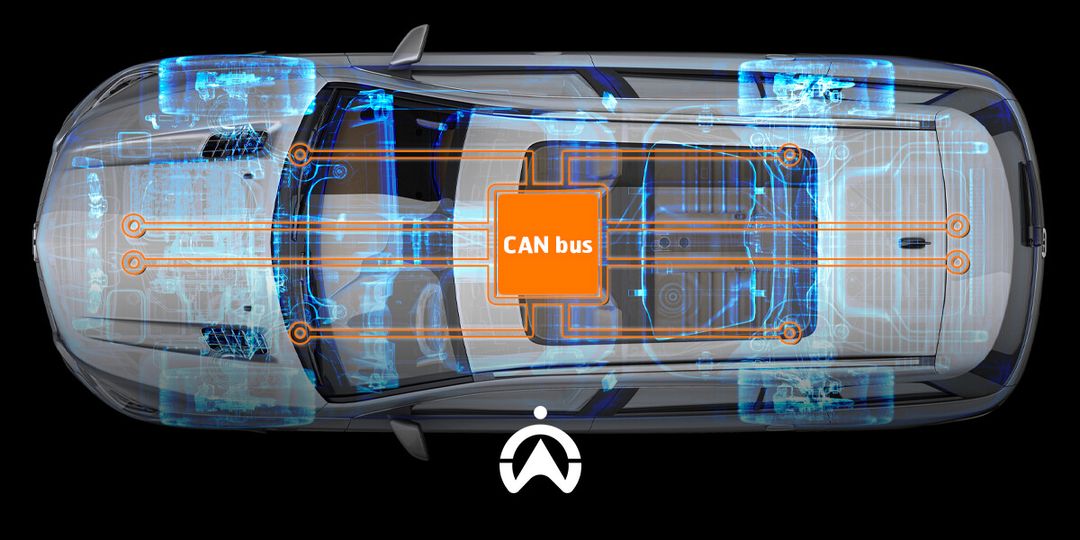
CAN bus, short for Controller Area Network Bus, is like the car’s own signal or network that allows all the components in your vehicle, from the engine to the brakes, to tune in and share information seamlessly.

This ‘communication’ allows your vehicle’s components or Electric Control Units (ECUs), such as the engine, transmission, and sensors, to share information in real time.

How does CAN bus work?

Instead of having one main component that gives orders, CAN bus allows for each ECU to talk to the others directly. This is useful in cars and factories as it ensures everything runs smoothly.

Within a CAN bus network, different features of a vehicle rely on continuous information exchange to ensure smooth operation. This collaborative communication is facilitated by special wiring, where each component is equipped with a microcontroller, a small computer, that handles processing incoming messages and sending outgoing ones.

The communication process involves these main steps:

  1. Unified communication protocolCAN bus acts like a language translator, ensuring that all parts can understand and communicate effectively with one another, allowing for a cohesive dialogue.
    ‍
  2. Message framingThe information is within types of “frames” or data packets. Each frame contains details, like the sender’s identity, the nature of the message, and the actual data payload. Think of it as a letter, the frame is the letter, the sender’s identity is the return address, the nature of the message is the subject line, and the actual data payload is the content.
    ‍
  3. Priority systemSome messages are more urgent than others, for this, CAN bus ensures that critical messages get sent through first.
    ‍
  4. Multi-access networkUnlike a one-on-one conversation, CAN bus allows multiple parts to talk at the same time. This ensures that everyone stays in the loop and that the ECUs don’t just wait their turn to “speak” and waste time.
    ‍
  5. Collision managementWith all the parts “talking” at the same time, sometimes messages might clash with one another. If this happens, CAN encourage the components to take turns and try transmitting again.

To make this a bit simpler to understand, see the four process steps mentioned above as CAN Frames:

  • Data frame – the only frame for actual data transmission
    ‍
  • Error frame – contains nodes to detect errors
    ‍
  • Overload frame – activates when there is a delay between data and remote frame
    ‍
  • Remote frame – a frame that requests information from a specific identifier
How_does_CAN_bus_work

Understanding the CAN protocol message structure

Now that we’ve covered the journey from one ECU to another, let’s delve into the details of what exactly they communicate and the specific structure of their communication.

In a CAN bus system, how messages are structured plays a key role in making communication between devices efficient. The protocol relies on a data frame format that includes various fields, such as an identifier, control field, data field, and error detection mechanism.

Identifier: This shows how important each message is on the network. There are up to 2048 different levels of importance and each message gets its unique importance badge.

Data field: This is where the actual information is carried, moving between nodes in bite-sized pieces.

Cyclic redundancy check (CRC): Acting as a built-in error detector, CRC ensures reliable communication by spotting transmission errors and asking for a resend if needed.

Acknowledgement slot: A single bit that receiving nodes use to confirm they got a message successfully or to point out errors that need a resend.

Error frame: An optional part of CAN messaging that lets nodes signal if they spot a problem with their own messages or messages they get from other devices on the network.

Understanding three main types of CAN within the protocol message structure

The following three types influence the CAN protocol message structure in terms of data transmission speed and capabilities. Here’s how each type differs from one another and how they each work.

  1. Low-speed CAN:Often dubbed as fault-tolerant or ISO 11898-3, Low-speed CAN operates at speeds up to 125 kbps. It finds its niche in less critical systems like body control modules, specifically door locks, interior lighting, and window controls.What makes it stand out? This CAN can still function, even if one wire in the bus decides to call it quits.
    ‍
  2. High-speed CAN:Aka ISO 11898-2, is a High-speed CAN that takes things up a notch, reaching speeds of up to 1 Mbps. Tailored for time-sensitive applications like:- Aka ISO 11898-2, is a High-speed CAN that takes things up a notch, reaching speeds of up to 1 Mbps. Tailored for time-sensitive applications like:
    – Electronic braking systems: Ensuring rapid and precise response to braking commands
    – Transmission control: Managing gear shifting in automatic transmissionsIt boasts faster data transfer rates than its low-speed counterparts. However, it comes without the safety net of fault tolerance found in low-speed networks.So, for example, in a car equipped with an anti-lock braking system (ABS), High-speed CAN facilitates rapid communication between the ABS sensors and the braking system.
    ‍
  3. CAN FD (flexible data rate):Introduced by Bosch in 2012, CAN FD is an extension of high-speed networks with increased data rates, reaching up to 5 Mbps. It maintains backward compatibility with existing high-speed devices and systems.

Advanced driver assistance systems (ADAS): Processing and transmitting data for features like lane-keeping assistance and collision avoidance.

Infotainment systems: Handling high-bandwidth data for multimedia and connectivity features.

CAN FD can also be used to transmit and process data from sensors for adaptive cruise control or automated parking.

The primary advantage of this technology is its efficient transmission of larger payloads compared to traditional CAN, making it well-suited for modern vehicles with increasingly complex electronic systems or advanced safety features.

The choice of which CAN type to use aligns with the specific needs of applications, ensuring optimal performance and reliability within both automotive and industrial contexts.

What are the advantages of a CAN bus network?

There are many reasons why CAN bus has become the preferred network architecture for modern vehicles and other complex systems.

Here are some of the key reasons why you might choose to use CAN bus:

Easy access: The CAN bus provides ‘one point-of-entry’ to communicate with all electric control units ECUs – enabling central diagnostics, data logging and configuration.

Simplified wiring: Goodbye, spaghetti wires. CAN bus replaces the old maze of point-to-point wires with a single pair of twisted cables. This saves space and weight, and simplifies maintenance, making cars lighter and easier to assemble.

Enhanced reliability: CAN bus is built for robustness. The protocol includes error detection and correction mechanisms, ensuring messages reach their destination intact. This translates to fewer electrical glitches and more dependable performance.

Scalability and flexibility: Adding new features becomes a breeze with CAN bus. Nodes can be easily connected or removed without major re-wiring, making it ideal for integrating new technologies and adapting to future advancements.

Cost-effectiveness: Fewer wires, simpler design, and easier assembly translate to lower production costs. Additionally, the system promotes less downtime and repair expenses, further benefiting both manufacturers and owners.

Improved data sharing: CAN bus facilitates efficient communication between various car systems. Engine parameters, sensor readings, and control commands flow freely, enabling features like real-time engine adjustments, adaptive cruise control, and even predictive maintenance.

Safety: The fast and reliable communication of CAN bus plays a crucial role in safety systems. Airbags can deploy faster based on real-time braking data, and stability control systems can react instantaneously to prevent skidding.

Reduced power consumption: The streamlined communication and efficient data sharing of CAN buses contribute to lower power consumption, leading to improved fuel efficiency and reduced environmental impact.

Beyond these, the advantages of CAN bus extend far beyond cars. It finds applications in diverse fields like aviation, medical equipment, industrial automation, and even building management systems, making it a truly versatile and powerful communication technology.

What is MQTT and its link to CAN bus?

Understanding how our devices perform using CAN bus data is crucial, but it comes with challenges like high data rates and limited bandwidth. That’s where MQTT steps in.

MQTT, or Message Queuing Telemetry Transport, is a lightweight messaging protocol designed for devices with limited resources and networks with low bandwidth, high latency, or unreliability. Common in IoT applications, MQTT helps sensors, actuators, and devices communicate efficiently.

In the world of CAN, MQTT ensures data goes smoothly from cars to the cloud, even when the network isn’t perfect

To set up this system for collecting car data, you can use tools like EMQX or eKuiper. EMQX is a language expert, and eKuiper is like a data collector that gathers data from various sources like HTTP, FileSystem, MQTT, and CAN bus, making sure everything gets translated correctly.

What types of vehicles use CAN bus?

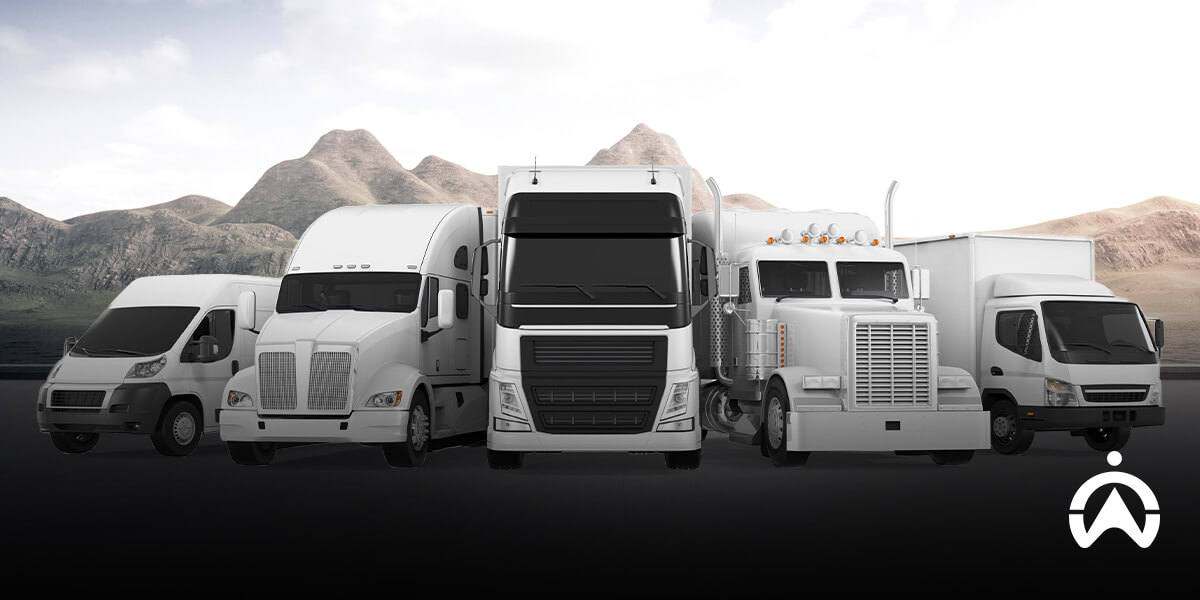
CAN bus isn’t exclusive to cars — it’s the standard communication system in trucks, buses, ships, EV batteries, machinery, and more.

As advanced as this technology is, it has become the dominant network in most modern vehicles across the world, produced after the late 1990s.

How can you see if your vehicle has CAN bus:

1. Check your car’s owner’s manual or manufacturer’s website for specific information about the network architecture used. It often contains information about the technology and features integrated into your specific model.

2. Check the OBDII Connector. This is a port in your vehicle used for diagnostics. If your car has it, it likely supports the CAN (J1979) protocol. Most vehicles manufactured after 2008 have this port, it’s usually located beneath the dashboard near the driver’s seat. If your vehicle has this port, it’s likely equipped with CAN bus technology.
What_types_of_vehicles_use_CAN_bus

Why should you use CAN bus for fleets?

For one, CAN bus stands out as a strong multitasking system that also has a fault-tolerant protocol. These help ensure the software can accurately keep up with the demands of automotive applications.

Its simplicity, cost-effectiveness, reliability, and adaptability to harsh environments collectively enhance fleet efficiency, safety, and overall management.

Here are key reasons favouring the adoption of the CAN bus in fleet applications:

  1. Real-time monitoring:Efficient data transmission:CAN bus enables real-time communication between various vehicle components, providing instant access to critical data such as engine performance, fuel consumption, and diagnostics.Enhanced fleet visibility:Fleet managers can monitor vehicle status, driver behaviour, and operational parameters in real time, allowing for proactive decision-making and immediate response to issues.
    ‍
  2. Comprehensive diagnostics:Early issue detection:The CAN bus facilitates continuous diagnostics, enabling early detection of potential mechanical or electrical issues within fleet vehicles.Proactive maintenance:Fleet managers can schedule preventive maintenance based on actual vehicle conditions, reducing the risk of unexpected breakdowns and minimising downtime.
    ‍
  3. Fuel efficiency and emissions monitoring:Optimised fuel management:CAN bus data provides insights into fuel consumption patterns, enabling fleet managers to identify opportunities for fuel efficiency improvements.Emissions compliance:Monitoring emissions-related data helps ensure that fleet vehicles comply with environmental regulations, contributing to sustainability goals.
    ‍
  4. Driver behaviour analysis:Safety monitoring:CAN bus data includes information on acceleration, braking, and speed, allowing fleet managers to assess and address risky driving behaviours.Training opportunities:By analysing driver behaviour, fleet managers can implement targeted training programs to enhance safety and reduce the likelihood of accidents.
    ‍
  5. Cost savings:Predictive maintenance:Proactively addressing maintenance needs based on CAN bus data reduces the likelihood of major repairs, saving on repair costs.Fuel efficiency improvements:Optimising routes and addressing inefficient driving behaviours can lead to significant fuel cost savings.
    ‍
  6. Fleet optimisation:Routing and logistics:CAN bus data aids in optimising route planning and logistics, improving overall fleet efficiency.Asset tracking:Fleet managers can track the location and status of vehicles, enhancing asset visibility and security.
    ‍
  7. Data security and accuracy:Secure communication:CAN bus protocols are designed with a focus on secure communication, ensuring the integrity and confidentiality of data.Accurate reporting:Reliable data from the CAN bus supports accurate reporting for regulatory compliance, audits, and performance assessments.

Cartrack’s flawless integration with CANbus

Cartrack Namibia, a leading vehicle telematics and fleet management provider, leverages the advanced capabilities of CANBus to empower businesses across different fields.

Here are some headaches a CANBus can help you avoid:

Data accessibility: One of the biggest pain points of not having a CANBus system in a vehicle is its limitation on the vehicle’s ability to transmit data between various systems and devices accurately. Cartrack Namibia can swiftly integrate with CANBus technology, bringing you real-time vehicle data and allowing fleet managers and companies to swiftly log CAN data to the cloud for easy access.

Safety concerns: CANBus allows businesses to monitor driver behaviour, including speeding, harsh braking, and erratic driving with accurate dashboard data showing vehicle speed, odometer, RPM etc,  to be downloaded in real-time for analysis. Businesses can mitigate the risk of accidents and ensure the safety of their employees and assets.

Connection: Our technology even works in areas where GPS signals are unavailable like driving through a tunnel and underground parking, making this a huge asset for businesses in the mining industry.

Whether it is monitoring temperature-sensitive cargo, or ensuring regulatory compliance, Cartrack Namibia and CANBus offer versatile solutions.

Integrate Cartrack’s CANBus software in your business for enhanced insights and efficiency

Cartrack Namibia unleashes the potential of your fleet’s CAN bus systems, converting real-time data like fuel consumption, driver behaviour, engine health, cargo security and more into actionable insights easily. Allowing your fleet to improve performance, speed up productivity and maximise efficiency.

Understand what your vehicles are telling you and start with Cartrack Namibia today.
Last Mile Delivery: What is it, and How to Make Your Fleet Deliveries Profitable

Is your fleet equipped to handle last-mile deliveries? No, this isn’t referring to a literal mile; it’s the last phase of fleet deliveries focused on getting goods to customers.

What exactly does this “final lap” entail, and how can your fleet ensure it stays efficient in it?

Let’s find out.
‍

In this article, you will:

  • Learn what last-mile delivery is
  • Delve into the different stages of delivery in the supply chain
  • Explore how the e-commerce industry grew with the COVID-19 pandemic restrictions
  • Find out what challenges are faced with last-mile delivery
  • Discover how Cartrack’s solutions are the key to having profitable deliveries

What is last-mile delivery?

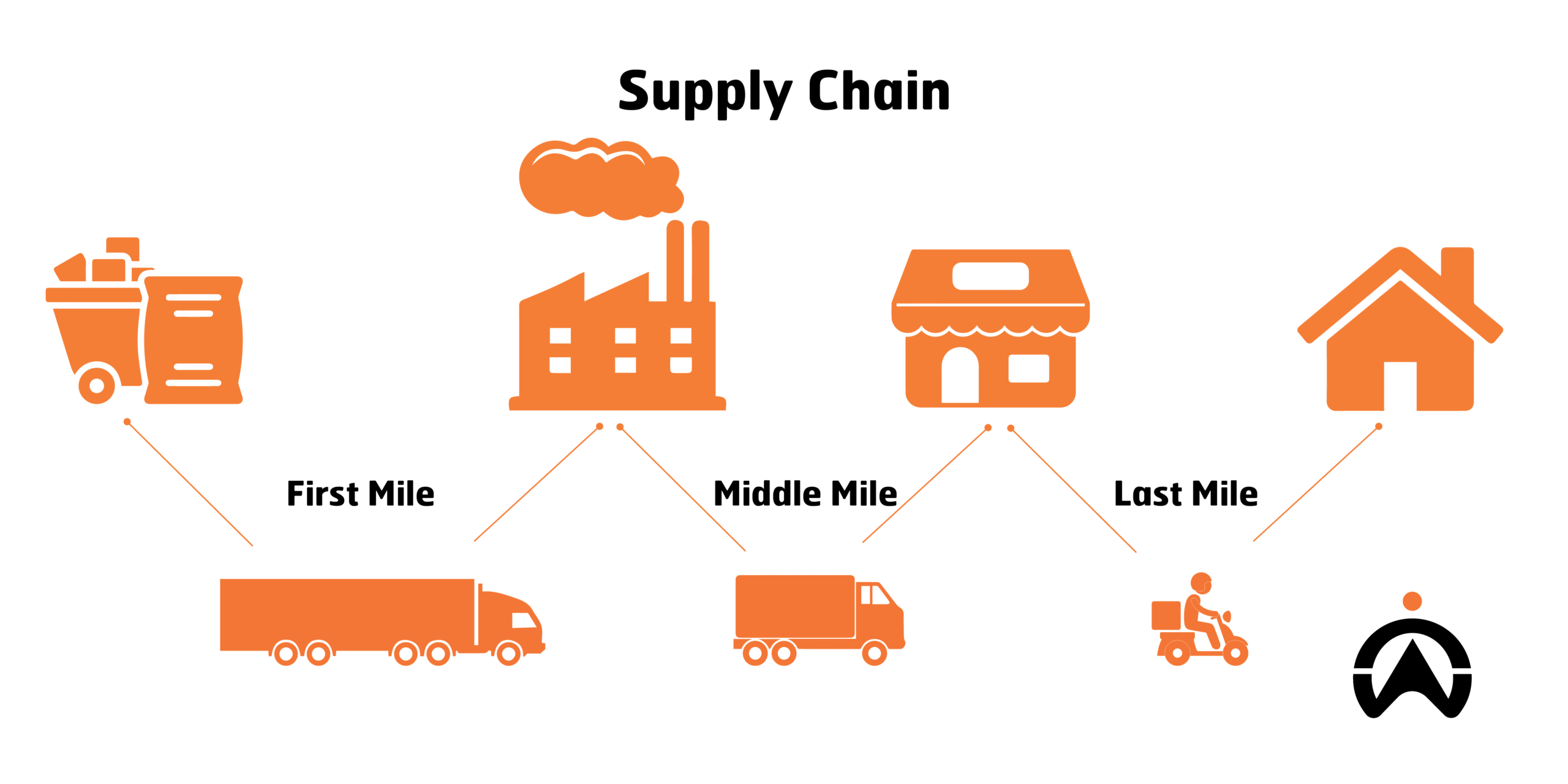
Last-mile delivery, also known as the “final mile,” is the concluding part of the supply chain, where products move from a distribution centre to their ultimate destination, the end consumer’s home or business. This phase, which is often seen as the most critical yet challenging aspect of logistics, involves the actual delivery of goods to their final destinations, requiring a focus on efficiency, speed, and cost-effectiveness to promptly fulfil customer orders while minimising operational expenses.

Despite the relatively short distance covered compared to other stages of the supply chain, last-mile delivery presents complexities. Its challenges stem from the transition of goods from transportation hubs or distribution centres to customers’ homes, lacking the same level of control, consistency, and scale as earlier stages in the logistics process. While the broader logistics process involves a complex network of rail, sea, road, and air transport, the last mile poses unique difficulties that make it a crucial and intricate part of the entire supply chain.

To gain a comprehensive understanding of last-mile delivery, we must examine the entirety of the supply chain and its various stages.

The supply chain explained

A supply chain is the network of individuals, activities, and technology involved in the creation and sale of a product. From the delivery of sourced materials from suppliers to the delivery of a finished product to clients, the supply chain is a vital part of any business. The supply chain process involves two other major stages that come before last-mile delivery:

  1. First Mile:First-mile delivery marks the beginning of the delivery process, encompassing the initial phase of transporting goods within the supply chain. This stage involves transportation and the potential assembly of materials. It is a critical step where products are acquired, manufactured, and moved from their origin to a warehouse or distribution centre. This logistical process holds immense significance, particularly in the era of e-commerce, where customer expectations for fast and reliable delivery services have increased.An example of first-mile delivery in the retail industry is the shipping of bulk orders of newly ordered garments from a factory to a regional distribution centre, marking the beginning of the supply chain.
    ‍
  2. Middle Mile:Middle-mile delivery plays a crucial role as a vital connection between the first and last stages of delivery, involving the transportation of goods from regional distribution centres to sorting facilities. This critical phase typically sees the movement of goods from ports or manufacturing facilities to warehouses or regional distribution centres.In contrast to first-mile delivery, which deals with individual producers or manufacturers, and last-mile delivery, which concentrates on product delivery to end customers, middle-mile delivery encompasses the transportation of goods between warehouses and established shipping points. This transportation involves the movement of goods across longer distances, potentially traversing various regions or international borders.To effectively do this, businesses may need to employ multiple modes of transportation, such as trucks or air, making it a complex and challenging aspect of the overall logistics journey.An example of middle-mile delivery in the retail industry is the shipping of bulk orders of garments from its regional distribution centre to a central sorting facility, where the items are organised and then sent to various retail stores in different locations.

Final-mile delivery trends in the e-commerce surge following the COVID-19 pandemic

The COVID-19 pandemic accelerated the rise of e-commerce, making it an essential service for purchasing a wide variety of goods. With physical stores temporarily closing or operating with restrictions, businesses were forced to either adapt to the changing landscape or run at a loss.

The lockdowns, social distancing measures, and concerns about in-person interactions due to the pandemic led people to shift towards online shopping as a safer, more convenient alternative.

The_supply_chain_explained

The rise of new customers and business expectations

This rise in e-commerce has significantly impacted last-mile delivery, resulting in the rise of new expectations from customers for the logistics industry. These expectations include:

The core of e-commerce is the ultimate convenience for consumers, and its rise has not only impacted the way these customers engage with businesses but also what they expect from them.

Let’s take a look at three of the most common expectations that have risen:
‍

  1. Increased purchase demand:
    ‍
    Online shopping has made life incredibly convenient, allowing you to order anything you need at the touch of a phone or click on a computer. This convenience has led to a significant increase in the demand for various products. As more people make purchases, we see a growing number of packages that need to be delivered to homes. While this increase in demand is incredible as it directly equates to higher profits, it also means the business needs to implement more strategies to ensure that they aren’t overwhelmed and under-equipped.
    ‍
  2. Increased demand for fast and reliable deliveries:
    ‍
    The convenience of online shopping has raised customer expectations for fast, reliable, and cost-effective deliveries, so much so that many businesses even offer same-day or next-day deliveries. This puts pressure on the logistics industry to meet these demands. While the average customer’s willingness to wait for a delivery can vary, it is widely known that customers want to receive their goods as soon as possible. An example of this is seen in the retail industry, where 41% of global customers expect delivery within 24 hours and 6 out of 10 customers expect delivery within three days.
    ‍
  3. Real-time tracking and visibility:One of the major selling points of online shopping is that customers can know exactly where their deliveries are. This insight is powered by the use of advanced technology, which has made it possible for businesses to gain full visibility of their entire operations. This also applies to those in the logistics industry. Customers want to know exactly where their delivery is and how long it will take to arrive at their door.

What are the challenges if customer and business delivery expectations aren’t met?

The success of a business and its ability to conduct efficient deliveries is dependent on its ability to meet the above expectations because if they aren’t made a priority, they can turn into challenges.

Let’s look at a few of the challenges faced in the last-mile stage of deliveries:

  1. Lack of visibility:
    ‍
    Lack of visibility in the last-mile stage of deliveries refers to the limited or insufficient information on the status and location of your delivery while it is in transit. This makes it difficult to identify and address potential issues that may arise while a product is being delivered. This is directly linked to the next challenge, which is inadequate route planning.
    ‍
  2. Inadequate route planning:
    ‍
    Unpredictable conditions on the road when deliveries are being made, such as road closures and traffic conditions caused by car accidents or harsh weather conditions affect last-mile delivery. Poor route planning can contribute to high operational costs because inefficient routes are directly linked to increased fuel and labour expenses. Delivery environments are very complex, including congested urban areas and limited infrastructure, which can make planning and executing routes extremely difficult. Not being able to plan your route ahead of time is directly linked to the next challenge, which is late deliveries.
    ‍
  3. Late deliveries:
    ‍
    What makes this a dangerous difficulty is that it directly impacts a customer’s experience. Late delivery refers to the failure to deliver goods to customers within the expected time frame. This can take place due to multiple reasons, which include poor route planning, no delivery route planning, traffic congestion, and car accidents. When there is no fleet visibility, managers aren’t able to see exactly where their vehicles are or how long it will take for deliveries to be completed. This means dates and times aren’t based on accurate numbers and customer commitments turn into a bit of a guessing game. With the lack of accurate information, businesses cannot give customers a heads-up on possible delays which increases their frustration and service dissatisfaction. Worse, an increase in late deliveries presents the next challenge, high delivery costs. Now you are forced to use more fuel for the delivery you failed to make and/or negotiate discounted rates to maintain customer relationships.
    ‍
  4. High delivery costs:
    ‍
    Factors that contribute to high delivery costs in last-mile delivery include increased demand and customer expectations, poor route planning, failed deliveries, traffic congestion, and increased labour costs. Completing deliveries can be costly due to the fuel consumed when drivers need to travel to and from multiple delivery addresses. If these costs are consistently high, they can significantly lower fleet profits. Consistent high delivery costs can lead to profits declining by 26% over three years, especially if last-mile delivery isn’t optimised.

Breakdown of delivery stage costs

Having an inefficient delivery system can negatively impact your business finances, especially because last-mile delivery is the most costly stage.

Let’s take a look at the breakdown of costs in the 3 different delivery stages:

First-mile delivery:

Cost: 12%-20% of total delivery cost

In this initial stage, delivery costs come from the transportation of raw materials to production or storage. The composition of these costs includes:

  • Transportation costs
  • Warehouse receiving process
  • Quality checks and packaging
  • Paperwork and documentation

Middle-mile delivery:

Cost: 25%-35% of total delivery cost

In this second stage, delivery costs come from transportation from production or storage to distribution centres. The composition of these costs includes:

  • Transportation and distribution costs
  • Storage costs
  • Route optimisation

Last-mile delivery:

Cost: 41%-53% of total delivery cost

In this third and final stage, delivery costs come from transportation, which takes the final products to their customers. This includes driver wages, vehicle maintenance, and route planning

The importance of customer experience and satisfaction

A customer’s experience is one of the most important aspects of final-mile delivery because it has a significant impact on customer satisfaction. Keeping customers happy goes beyond providing them with a great product or service; it’s about how you make them feel. This is a feeling that stays with them and has a long-term impact on the business and its reputation.

A positive customer experience helps you not only retain customers but also encourage brand advocacy. Increasing customer retention rates by just 5% can increase your profits by up to 95%, with 93% of customers likely to use a business again if they experience good customer service.

This is especially important in today’s digital age, where people can easily find a review of your company, which has a massive impact on whether they decide to do business with you or not. Studies show that 94% of consumers have avoided a company due to it having negative reviews, making these comments and reviews have a heavy impact on a business’s reputation.

The_importance_of_customer_experience_and_satisfaction

Make fleet deliveries efficient with Cartrack Namibia

Ensuring that your fleet stays on top of its last-mile delivery game can be quite the challenge, but with Cartrack Namibia, that challenge becomes a breeze. The key? It’s our Delivery software

Cartrack Delivery is a feature-rich solution that is specially designed to streamline and optimise delivery operations for fleet managers and drivers. This user-friendly app caters for customers where constant change is a common occurrence, which we see in delivery services. What makes Cartrack’s Delivery software so unique is the fact that you don’t need a Cartrack Namibia tracking device installed in your vehicle to make use of it; all you need is a smartphone for each driver.

Let’s look at the 6 ways this solution can help you improve your fleet’s deliveries.

  1. Eliminate excess paperwork:
    ‍
    Streamline your administration and delivery processes at the tap of a button. You can leave notes on each job assigned to a driver with special instructions. Whether it be a car checklist, declarations and indemnity forms that customers need to sign, or setting up customer service reports, they can all be included in the job notes so your driver doesn’t miss a single step. All you need to do is add a relevant URL to your driver’s notes when creating a job that will redirect your client or driver to the document you need signed. Our app makes Proof of Delivery (POD) easier, allowing drivers to take photos of products being delivered as proof and allowing customers to e-sign for their packages. All this can be documented on the driver’s handheld device and managers can receive an instant notification that their delivery has been completed.
    ‍
  2. Gain full visibility of all drivers and trips:

    Gain access to a real-time view of all deliveries that need to be made, along with those that are currently in progress. Quickly see which of your drivers are available by looking at their status, which indicates if they are online, or taking a break. This allows you to not only track drivers but also accurately estimate when they will complete a delivery, helping you effectively schedule future deliveries.
    ‍
  3. Keep operations functional with offline mode:
    ‍
    Sometimes, deliveries are made in areas with little to no coverage. This may sound like a challenge, but with Delivery, you can stay on track even when coverage isn’t on your side. Your drivers can operate in offline mode, and the moment they’re back online, all their delivery data will automatically update or upload, ensuring no job progress is ever lost.
    ‍
  4. Unlock real-time update alerts for your drivers:Don’t keep your drivers waiting before they receive updated information. Delivery ensures that all changes you make on the fleet platform will immediately reflect on your driver’s handheld devices. This fast response time helps ensure that your drivers are immediately made aware of any changes, keeping them on track with all their jobs and avoiding any job frustration.
    ‍
  5. Optimise your delivery routes:Reduce travel delays and unnecessary fuel consumption with our route optimisation feature. By analysing distance and travel times, this feature helps you and your drivers identify shorter and deviation-free routes to promote on-time deliveries. This is done by taking real-time road conditions into account, helping drivers quickly make the best rerouting decisions whenever an unforeseen delay occurs. This means you can make more timely deliveries, which positively impacts customer satisfaction.
    ‍
  6. Keep your customers informed:Don’t leave your customers in the dark; instead, give them full insight into the delivery of their goods. With Delivery, you can notify your customers once their driver has started the delivery of their good/s via email. If you decide that you want to give your customers full visibility, a link that enables them to track their driver and the route that they are taking can be sent to them, helping them know exactly where their package is which keeps them in control and boosts customer satisfaction.

Make your fleet deliveries faster and more profitable with Cartrack’s Delivery solution

Whether you’re looking to improve delivery routes, eliminate excess paperwork, or gain full insight into your deliveries, Cartrack Namibia is the solution you’ve been looking for.

Ready to automate your fleet processes today and gain full visibility of task progress so you can complete jobs way more efficiently?

‍Contact us, and let’s boost your fleet delivery business.

Driver Efficiency: 5 Reasons Your Vehicles Need this Vehicle Management System Now

How effective are your fleet drivers?

A simple question that not many businesses can accurately answer. It is crucial to know this, as driver efficiency can hinder your fleet from optimal performance and maximum profit.

This is why every fleet needs an efficient vehicle management solution. Your search for the ultimate, all-in-one solution officially ends here.

In this article, you will:

  • Learn what fleet management is
  • Delve into driver efficiency
  • Explore the key parts of an effective vehicle management system
  • Find out why your vehicles need an effective vehicle management system
  • Discover how Cartrack’s solutions can help you level up driver efficiency

What is fleet management?

Simply put, fleet management refers to all the activities that are crucial for running a fleet operation efficiently, while keeping costs low, and profits high. It involves overseeing everything related to a fleet, including managing vehicles, drivers, fuel consumption, vehicle tracking, and diagnostics.

Whatever the vehicle type, be it cars, trucks, or buses, one or one thousand, if it is used for business operations, fleet management is the solution that helps organise and optimise the running of them and the tasks they need to carry out.

What is a fleet vehicle management system?

A fleet management system is a set of processes and tools used by fleet managers to oversee and optimise the performance of a fleet of vehicles or assets. It is a sophisticated software platform that is designed to streamline and enhance the comprehensive management of a fleet of vehicles.

This system encompasses a wide range of functions that are designed to streamline and optimise the management of a fleet of vehicles. Fleet management software operates through a multifaceted system that makes use of various technologies to efficiently manage and optimise the performance of a fleet of vehicles.

A fleet’s success is heavily dependent on how effectively its operations are managed, especially with the impact these operations have on driver efficiency.

Let’s take a look at what driver efficiency is, and the role a fleet management system can play in it.

What_is_a_fleet_management_system

What is driver efficiency?

Driver efficiency in fleets refers to the ability of drivers to operate vehicles in a way that maximises fuel efficiency, reduces maintenance costs, increases safety, enhances driver performance, and improves customer service.

To sum it up, driver efficiency is all about how well fleet drivers can complete their assigned tasks promptly and effectively, while still adhering to safety regulations and company policies.

It is a critical component of fleet management, playing a big role in fleet productivity, the reduction of fleet costs, and the improvement of customer satisfaction. When drivers operate efficiently, they can get jobs done on time, which saves the company money, makes services more reliable and boosts customer satisfaction.

The key parts of an effective fleet management system

Fleet management systems are quite complex, catering to the various needs of your fleet in one simple solution. However, there are a few key parts that are needed for a fleet management system to be effective for your fleet operation, they are:

  • Vehicle maintenance:Vehicle maintenance is a crucial aspect of fleet management, encompassing various elements to ensure operational efficiency, safety, and longevity of the fleet. It involves the process of keeping vehicles in good working condition to ensure that they remain safe and road-worthy. By implementing a regular maintenance and inspection routine, fleets can prevent breakdowns, minimise downtime, and reduce the fleet’s overall operating costs.
    ‍
  • Vehicle tracking:Vehicle tracking is key to an effective fleet management system, providing fleet managers with real-time visibility into the location and activities of their fleet vehicles. This visibility promotes quick decision-making. Real-time visibility allows fleet managers to optimise routes and reduce travel times and unnecessary trips, which leads to cost savings. Real-time vehicle tracking is powered by GPS tracking, which plays a crucial role in the prevention of vehicle theft, and enabling the quick recovery of vehicles if they are stolen.
    ‍
  • Driver management:Driver management plays an important role in an effective fleet management system by focusing on driver performance. This helps you ensure compliance, safety, and productivity through their behaviour. A good driver management system gives you access to real-time alerts for your drivers, and notifications for you, helping you quickly identify areas for improvement and reward drivers for their performance. This is essential in keeping your fleet safe, compliant, and fuel-efficient.
    ‍
  • Fuel monitoring:Fuel monitoring is an important part of an effective fleet management system. By closely monitoring fuel consumption and providing real-time updates, this technology helps fleet managers optimise their fleet’s fuel usage, reduce fuel expenses, and quickly detect fuel theft. This information can then be used to not only reduce fuel waste but also prevent fuel theft.
    ‍
  • Fleet cost monitoring:Fleet cost monitoring is a key part of an effective fleet management system as it allows fleet managers to keep track of all fleet expenses in real time. It enables fleet managers to keep an organised record of their expenses, helping them make informed decisions that can affect every aspect of their fleet management.

5 reasons your fleet vehicles need a vehicle management system today

A vehicle management system is what can help take your fleet from good to exceptional. Yielding a wide range of benefits across the board.

Let’s explore the 5 reasons why your fleet vehicles need an efficient vehicle management system:

  1. It promotes fleet cost reduction:Knowledge is power, and vehicle management systems help fleet managers gain this knowledge. By identifying areas of inefficiency and implementing cost-saving measures, these systems provide real-time data on expenses, fuel usage, and other important metrics, enabling fleet managers to make informed decisions and optimise fleet operations, leading to significant cost savings. By cutting maintenance costs, reducing fuel consumption, and streamlining administrative processes, vehicle management systems contribute significantly to lower fleet costs.
    ‍
  2. It helps increase fleet productivity:By providing real-time data on vehicle location, fuel usage, and driver behaviour, vehicle management systems can help fleet managers make informed decisions to optimise their fleet operations, which directly improves fleet efficiency and productivity. Managers can quickly identify areas of inefficiency, and implement measures that boost their fleet’s productivity.
    ‍
  3. It increases fleet safety:Vehicle management systems are equipped with features that monitor and analyse driver behaviour, such as harsh braking and aggressive driving. This information allows fleet managers to address unsafe driving habits through training and coaching, ultimately reducing accidents. Leveraging real-time data on vehicle location and vehicle management systems gives managers higher levels of visibility of their vehicles. This helps safeguard them from vehicle theft and assists with quick recovery if the vehicle is stolen.
    ‍
  4. It simplifies fleet vehicle maintenance:Vehicle management systems are equipped with features that streamline vehicle maintenance by electronically monitoring fleet maintenance. This is essential for automating maintenance scheduling, tracking vehicle health in real time, and providing alerts when vehicles are due for maintenance and schedules. This takes the guesswork out of vehicle maintenance, helping you ensure that unplanned downtime is reduced.
    ‍
  5. It improves fuel efficiency:Fuel costs can account for almost half of a fleet’s total operating budget. Vehicle management systems play a crucial role in improving the fuel efficiency of each of your fleet vehicles, helping managers lower the total amount of money they need to spend on fuel. By providing real-time data on fuel consumption, fleet managers can monitor fuel consumption in real-time, which can help them pinpoint and stop fuel-wasting behaviour.
reasons_your_fleet_vehicles_need_a_vehicle_management_system

Say goodbye to driver inefficiency: Make your fleet safe, cost-effective and productive with Cartrack’s solutions

Are you ready to boost fleet efficiency, lower fuel consumption, gain unparalleled insights on driver behaviour, and lower fuel costs? Then look no further than Cartrack’s solutions, designed to help you boost your driver efficiency, through a powerful vehicle monitoring system.

These solutions include

  1. Stolen vehicle recovery:Cartrack’s stolen vehicle recovery is a comprehensive solution that leverages advanced technology and a network of highly trained recovery response teams. By using live GPS location tracking, Cartrack Namibia can pinpoint your vehicle’s location, aiding swift recovery. With an externally audited recovery rate of over 90%, Cartrack’s extensively trained recovery teams operating nationwide can track and recover your hijacked or stolen vehicle 24/7, 365 days a year.
    ‍
  2. MiFleet:Take control of vehicle maintenance, scheduling, and vehicle issues with MiFleet, a powerful fleet cost management system. This web-based software application consolidates fleet management data on operational costs, (including fuel costs, maintenance costs, and tolls), into a single user-friendly database, giving you insight into your fleet’s running costs and cost-saving measures for your fleet. It provides a dashboard for management to effectively communicate data with drivers, access data analysis, and send on-the-go updates.
    ‍
  3. Cartrack Delivery:Streamline your business’s delivery process with the Cartrack Delivery app designed to empower fleet managers and drivers. This tool provides an intuitive and easy-to-use platform for managing deliveries, from scheduling to tracking and payment. Delivery gives you access to route optimisation, a feature that helps you avoid travel delays and save fuel, reducing fuel costs and increasing efficiency. This feature helps you optimise your driver’s routes by analysing various factors such as real-time traffic and road conditions and route history.
    ‍
  4. AI cameras for driver monitoring:Get 24-hour, on-demand visual access to your fleet vehicles with Cartrack’s Live Vision AI cameras. This AI-powered, live-streaming technology helps you monitor driver behaviour in real time, giving you access to real-time audible alerts when various forms of distracted or dangerous driving are detected (such as speeding, smoking, fatigue, and cell phone use). Pair this cloud-connected video management solution with Cartrack’s Advanced Driver Assistance System (ADAS), a technology designed to enhance fleet safety by alerting your drivers to potential road hazards, and detecting and responding to obstacles.
    ‍
  5. Fuel management:Optimise fleet fuel consumption with Cartrack’s fuel monitoring system. This software gives fleet managers access to real-time data on fuel consumption per kilometre and per job with daily, weekly, or monthly. By utilising advanced sensors installed inside fuel tanks, enabling live monitoring of diesel consumption, you can quickly spot sudden spikes in fuel consumption and pinpoint the reasons, whether it be theft or fuel-wasting driver behaviour. The fuel trend monitoring provides detailed fuel metrics on fuel per km travelled and per job completed for every driver and vehicle, giving you an accurate overview of how much diesel your fleet consumes.
    ‍
  6. Preventative Maintenance:Keep your vehicles functioning at their optimum level with Cartrack’s preventative maintenance. Avoid unexpected downtime and reduce maintenance costs. This system sends real-time diagnostic alerts for mechanical faults, including engine faults and worn brake pads, which help you immediately identify vehicles that need servicing, preventing costly repairs and collisions. The fleet management system looks at each vehicle’s utilisation hours and the time of its last service to automate maintenance schedules, helping you streamline the maintenance process and prevent unplanned vehicle downtime, helping you increase fleet longevity.

Ditch driver inefficiency: Boost productivity and profits with Cartrack Namibia

If you’re tired of having an inefficient fleet with high fuel consumption, costly unplanned breakdowns, and distracted drivers, look no further than Cartrack Namibia, helping you level up your driver efficiency, and ensure that your fleet is functioning at its optimum level.

Contact us today, and take your fleet to new heights.

Power Take-off: The Complete Guide You Need to Know About for Your Vehicles and Trucks

Knowing how vehicles and equipment in your fleet work is crucial for developing an effective and well-oiled fleet management system.

As a must-have component for fleet vehicles with unique or specific purposes, power take-off is important to understand if you want to get the most from your fleet’s day-to-day activities.

Read on to learn everything about power take-off, how it works, and how to use power take-off monitoring to transform your fleet operations.
‍

In this article, you will:

  • Get to know the basics of power take-off and how it works
  • Identify vehicle and equipment types that use PTO
  • Familiarise yourself with the different PTO types
  • Get the lowdown on PTO monitoring and sensors
  • Discover how PTO monitoring can transform fleet management
  • Find out more about Cartrack’s advanced PTO monitoring solutions

‍
The basics of power take-off (PTO)

The power take-off or PTO is a fundamental part of many fleet vehicles’ operations, especially those that have additional functions like raising truck beds, cranes, or any other function required without directly using energy from the vehicle’s engine.

What is the principle of power take-off?

Think of PTO as a portable power generator that transfers energy from your vehicle engine to an auxiliary component like a crane or hydraulic pump. Ultimately, it helps transfer energy to other essential parts of a vehicle without using the main power source. This has many benefits like ensuring an even and consistent power distribution that meets a vehicle’s specific requirements.

What vehicles and equipment have power take-off?

With the potential to power a wide range of equipment, PTO is commonly used in fleet, construction, and other industrial vehicles with the following equipment types:

  • Auxiliary Equipment
    ‍
    These devices use engine power to perform specific functions like pulling heavy loads or operating hydraulic systems on commercial trucks or other industrial vehicles.
    ‍
  • Commercial Vehicle AttachmentsAccessories like tow arms and compressors use the PTO powered by the vehicle engine to function optimally.
    ‍
  • Construction EquipmentAny ancillary attachments like cement mixers, cranes, or concrete pumps work efficiently using vehicle engine power thanks to the power take-off.

Power take-off types and how they are applied

Looking at how many different types of equipment PTOs can power, it’s also important to establish whether there is more than one type of power take-off and identify their advantages and disadvantages.
‍

  1. When taking a closer look at how PTO is applied, there may be a slight difference in application. For example, a mechanical type known as a live-power take-off is linked to the engine with a belt or shaft. However, while its constant power supply makes it a great tool, it can be subject to costly repairs as it’s prone to wear and tear over time.
    ‍
  2. Another type of mechanical power take-off is called auxiliary or independent PTO. Here, the PTO’s speed is completely independent of the vehicle’s ground speed and can be activated or disengaged while the vehicle is moving.
    ‍
  3. The hydraulic PTO is the third type. It uses hydraulic fluid to do a power transmission from the engine to the external component with the power requirement. Hydraulic PTO is a great option because of its increased efficiency, but it’s also more expensive than live power and independent PTO.
    ‍

Overall, hydraulic PTOs are more popular due to their increased efficiency.

How does PTO monitoring work? Unloading everything you need to know

Not only is power take-off a valuable device that provides additional power for a variety of fleet, construction, and agricultural vehicles, but keeping an eye on your fleet’s PTO also has some fantastic benefits for improving its performance.

The power take-off is monitored using a specialised sensor. By being able to keep tabs on the PTO’s activity, you can track your fleet vehicle’s productivity. Let’s take a closer look at how this sensor works and how it measures PTO activity.

How the power take-off sensor works its magic

The PTO sensor is a small device designed to pick up and monitor any auxiliary or supportive activities powered by the vehicle engine, making this sensor a game-changer for checking vehicle usage for working hours and productivity.  

The main mechanism in the PTO sensor picks up when a vehicle’s on/off indicator is triggered, which creates an event that can be recorded on a linked telematics system. PTO sensors can pick up a variety of support activities, making them very versatile in a fleet environment across several work settings.

A PTO draws its power from the vehicle engine, and it needs to be engaged before it can start transferring power. As there is more than one type of PTO, there is more than one engagement method; so, for example, it can be via air pressure or hydraulic pressure. After the PTO has been engaged, its output shaft will transfer power to the auxiliary element, activating the function or component linked to the vehicle. A good example here would be moving the mechanical arm of a construction vehicle.
‍
‍

How_the_power_take-off_sensor_works_its_magic

Common types of PTO monitoring data

PTO sensors pick up specific activity depending on the vehicle type and function. For example, a crane’s PTO sensor will pick up the movement of the crane’s arm, while a dump truck’s PTO sensor will pick up the lifting of the truck bed.

Take a look at some of the most common types of data picked up by a PTO sensor.

  1. Trip fuel used
    ‍
  2. Oil temperature
    ‍
  3. PTO is engaged, meaning the vehicle is working as it should
    ‍
  4. PTO idling (productive vs. unproductive idling)

These are all examples of crucial information fleet managers need to determine their fleet’s productivity levels and whether they’re over or underperforming.

The link between power take-off monitoring and effective fleet management

Power take-off enables ordinary vehicles to do extraordinary things across industries, simplifying construction, agriculture, waste disposal, and more. PTO monitoring also has great benefits for fleet managers and can transform your fleet’s daily performance by supporting increased productivity during set working hours. Here are some top reasons you should consider PTO sensors for your fleet.

Why you need PTO sensors for your business

There are various ways to track your fleet activities with telematics, but external PTO monitoring adds relevant information with lots of potential value for fleet management. Consider the following pros linked to having PTO sensors in all of your fleet vehicles and how this extra tool can build on your fleet’s overall performance.

  • Improved cost management and fuel usage: An active PTO means a vehicle is busy performing additional activity, resulting in increased fuel usage. Tracking PTO engagement patterns can help develop crucial fuel and cost-saving strategies.
    ‍
  • Boosted safety and compliance: Some industries require reporting or tracking to ensure regulatory standards are being adhered to, and PTO monitoring can add value here by offering valuable data. From unauthorised to misuse of fleet vehicles and equipment, PTO sensors help promote safety and compliance in the workplace.
    ‍
  • Accurate diagnostics and troubleshooting: Hit the nail on the head when you’re troubleshooting with useful data like irregularities. Knowing about inconsistencies helps you trace and address the cause or main issue instead of only the symptoms.
    ‍
  • Optimised maintenance planning: Fleet vehicles have extended active hours, leading to unavoidable wear and tear and an increased need for service and maintenance. PTO data can help provide context on runtime and engagement frequency, helping to estimate smart preventative service and maintenance times.
    ‍
  • Operational proficiency: PTO monitoring can provide crucial insights into not only when but also how fleet vehicles’ PTOs are used. Fleet managers can use this information to improve overall operational proficiency and prevent unauthorised use of company vehicles, which can have a positive effect on the company’s budgets and annual ROI.
    ‍
Why_you_need_PTO_sensors_for_your_business

How Cartrack’s specialised sensors helped Concord Cranes level up their fleet monitoring

Concord Cranes provides crane hire solutions in South Africa. With over 180 cranes, their services range from transport to specialised lifting projects and the hiring of mobile cranes; however, they struggled to accurately record their equipment working hours, impacting timely deliveries and overall customer satisfaction.
‍

  • Cartrack’s specialised PTO sensors and IoT device enabled Concord Cranes to track their crane’s on-site working hours and miles travelled, giving them complete visibility of their vehicle activity.
    ‍
  • With accurately tracked working hours as well as access to advanced predictive maintenance insights, the company was able to ensure timely deliveries while implementing preventative maintenance measures, increasing its fleet’s longevity and reducing costly repairs.
    ‍
  • Concord Cranes also used Cartrack’s fleet management platform to boost their brand reliability. With software that allows streamlined driver scheduling and proactive service planning tools that ensure their cranes are always in tip-top shape, enabling them to maintain a high level of customer satisfaction.
    ‍
    “Using Cartrack’s advanced fleet management, we have been able to increase our operational efficiency to deliver a better service to our customers, as well as effortlessly establish a maintenance cycle that reduces our costs and increases our fleet longevity.”– Gareth Langley, Concord Cranes operations manager‍

This is just one of many examples of how Cartrack’s advanced SaaS products can help you gain full control of your fleet.

Cartrack’s advanced sensors can help optimise your fleet’s productivity

Apart from PTO being a crucial component in running many construction, agricultural, and other commercial vehicles, its monitoring potential can transform the way you manage your fleet. Understanding the power of monitoring your PTO is key to having full control and keeping your fleet’s performance on track.

Contract Cartrack today and get the tools to help increase workplace productivity and advance your fleet operations.

What Is The Best Fleet Management Software for Small Businesses?

So, you’re a small business owner. Maybe you have an army of drivers on your payroll or just one very respectable company car. Either way, you have a fleet that is a business investment, and you want to ensure it succeeds.

While profit-draining issues like fuel costs and driver safety may top your worry list, fleet management software is sure to make business breezier. But, how do you know which system is best for your small business?

Let’s find out.

In this article, you will:

  • Learn what small businesses are
  • Find out what the current climate of small businesses looks like
  • Delve into the challenges small businesses face
  • Explore how fleet management can be the solution to these challenges
  • Gain insights into why Cartrack is the perfect software for all your small business fleet needs

What is the best fleet management solution for small businesses?

Are you a small business looking for the best way to manage your fleet? Maybe you have everything under control and don’t feel the need for a solution to your fleet management problem yet. But, here’s the thing about small businesses – they think big.

So how can your small business think big? By trusting the industry leaders in fleet management for small businesses. That leader is Cartrack.

But before we unpack all that our fleet management system has to offer you and your small business, let’s first cover the business side of things.
‍

What is a small business?

A small business is typically a privately owned corporation, partnership, or sole proprietorship with a small number of employees and less revenue than a regular-sized business. Small businesses can come in different forms and operate in various industries, whether it be a restaurant, a bakery, a plumbing service, construction, online retail, or boutiques.

What is fleet management?

Fleet management is a general term for all the activities and processes that are essential for the efficient running of a fleet.

A fleet can be made up of buses, trucks, or commercial vehicles that are used for business functions. The main purpose of fleet management is to not only streamline driver’s jobs but also simplify a fleet manager’s responsibilities.

What are the responsibilities of a fleet manager in a small business?

Fleet managers have several fleet responsibilities on their shoulders, including:

  • Driver management: Fleet managers are responsible for overseeing driver behaviour and operations, along with providing the necessary coaching to them.
    ‍
  • Documentation and record keeping: Fleet managers are responsible for maintaining accurate fleet records and documentation, including servicing and inspection documents.
    ‍
  • Fuel management: Fleet managers are responsible for ensuring their fleet remains fuel efficient by monitoring fuel consumption and spotting fuel wastage.
    ‍
  • Maintenance and repairs: Fleet managers are responsible for keeping vehicles well maintained by scheduling regular vehicle management and maintenance checkups.
    ‍
  • Cost management: Fleet managers are responsible for monitoring and optimising all fleet-related expenses, ranging from fuel consumption to vehicle usage, to increase their return on investment.
    ‍

As a fleet manager, this can be a lot of work for you to do, especially when you have to deal with fleet challenges faced by small businesses too. Let’s take a look at these challenges.
‍

What are the fleet challenges typically faced by small businesses?

Due to their size, small businesses deal with a unique set of challenges that can significantly impact their growth and success. The most common ones include:
‍

  • Limited resources: Since small businesses don’t have a large fleet of vehicles, effectively completing all their tasks, especially when there is high demand, can be quite challenging. This increases the chances of consistent wear and tear on equipment due to overutilization, leading to increased maintenance costs.
    ‍
  • Unforeseen repair and maintenance costs: Due to limited financial resources, small businesses aren’t able to attend to unforeseen repairs and maintenance costs, which strains their financial resources. These unexpected costs that aren’t budgeted for can also lead to vehicle downtime.
    ‍
  • Unplanned vehicle downtime: Unplanned vehicle downtime is a problem for every business, but it’s more damaging for small businesses. Small businesses usually don’t have a large fleet of vehicles, so unplanned vehicle downtime can seriously affect the business’s productivity, revenue, and customer reputation.
    ‍
  • Effectively tracking and managing vehicles and drivers: Small businesses may not have access to the time and the same level of expertise and resources as large businesses, making it difficult for fleet managers to continuously know where their drivers and vehicles are and how they are being operated.
    ‍
  • Driver safety concerns: Ensuring drivers are operating safely is a major concern for all businesses, but since small businesses typically lack the resources to invest in a robust driver monitoring system, this can pose an even greater challenge for them and the overall safety of their fleet and drivers. This also increases their risk of negatively impacting their fleet’s fuel efficiency.
    ‍
  • Fuel costs: Fuel costs can be a significant expense for small businesses, especially when they are not closely monitored. Consistently high levels of fuel consumption can negatively impact a small business’s bottom line and profitability.
    ‍
  • High driver turnover rate: Since small businesses don’t have large budgets, they may find it difficult to compete with the competitive packages that large-scale businesses offer. This means that managers need to find ways to keep their drivers happy and loyal to the company, which can be quite a challenging task.
    ‍

These challenges may seem daunting, but there may just be a simple, easily accessible, and affordable solution that can help you tackle all of them. That software is a fleet management system.

What are the benefits of using fleet management software?

At its core, fleet management plays a very important role in the successful, convenient running of a fleet. Fleet management software works to streamline all the tasks encompassed by fleet management by bringing you the following benefits:

  • Improving route planning: Route planning is crucial to the successful operation of a fleet because it has a substantial impact on operational efficiency, cost savings, and customer satisfaction. Fleet management software can help fleet managers create routes that are efficient and economical by taking into account factors such as the shortest possible route, traffic conditions, and vehicle capabilities. Efficient route planning reduces fuel consumption and vehicle wear and tear, leading to decreased operational expenses. A poorly defined route equates to travelling unnecessary kilometres to perform the most simple tasks, which increases fuel consumption and vehicle wear. By optimising routes, reducing mileage, and cutting costs, businesses can save time and money.
    ‍
  • Aiding fleet cost reduction: One of the main benefits of fleet management software is the unparalleled fleet visibility it helps unlock. With greater visibility of drivers, vehicle conditions, fuel consumption, and cargo safety, fleet managers can gain better control of their fleet’s costs. By providing features such as fuel monitoring, route optimisation, and preventative maintenance, fleet management software is important in helping fleets reduce their operational costs.
    ‍
  • Improving customer satisfaction: Customer satisfaction is crucial to success, especially for small businesses. Studies show that 67% of customers have stopped doing business with a company due to poor customer service. On top of that, 39% of customers who experienced poor customer service said that they would never use the company again. By providing real-time tracking and visibility of their entire fleet, fleet managers can keep their customers informed about the progress of their deliveries with accurate estimated time of arrival (ETA) predictions. Drivers are a crucial aspect of fleets, so by improving safety and compliance through driver behaviour monitoring, managers can not only ensure that their drivers aren’t doing anything that could potentially compromise fleet success but also ensure that goods are delivered without any damage. With maintenance schedules, they can ensure that their goods or services are delivered with little to no delays.
    ‍
  • Improve and extend vehicle health: Vehicle health and longevity are crucial to success, especially for small businesses that have a limited number of vehicles and cannot afford to replace them frequently. Fleet management software gives you access to preventative maintenance, which helps you quickly detect vehicle damage before it becomes worse and affects the fleet’s efficiency and driver safety. This helps fleets prevent unplanned vehicle downtime, which can lead to costly delays and lower customer satisfaction. Asset utilisation helps fleet managers know which of their vehicles or equipment is being overutilised, helping them evenly distribute workloads and avoid placing unnecessary strain on specific vehicles/equipment.
    ‍
  • Encouraging data-driven decision-making: Managers need to ensure that all fleet decisions are backed up by data. Fleet management software gives you access to actionable insights through data and analytics, which help you make decisions that are specific to your fleet and can help take its effectiveness to the next level. By providing real-time visibility into the location, status, and performance analytics of each vehicle, fleet management software makes it easier for small businesses to quickly and thoroughly compile data, helping them generate reports and statistics that help streamline operations and make informed decisions.
    ‍
  • Simplifying fleet scalability: Fleet scalability for small businesses refers to the ability of a fleet management system to accommodate and support the growth and increased demands of a fleet operation. It involves the system’s capacity to accommodate the increasing demands of a growing fleet. A fleet management system simplifies the upscaling of your fleet by streamlining these operations. So whether you’re adding more vehicles or employing more drivers, fleet management software is the key to ensuring your business remains efficient with little to no growing pains.
    ‍
  • Simplifying remote management: Small businesses need to make the most of the limited resources they have. By gaining an efficient overview of vehicles and drivers from anywhere and anytime, remote management helps fleet managers stay connected with their drivers and provide support through driver and job analysis 24/7, 365, which enhances overall operational efficiency and safety.
    ‍

How can fleet management software help tackle challenges faced by small businesses?

The purpose of fleet management software is to streamline the various tasks that are crucial to effective fleet management. Here are 4 ways this software can make this possible:
‍

  1. GPS Tracking: Real-time vehicle tracking in fleet management involves using GPS and telematics technology to monitor the location, movement, and behaviour of vehicles in real time. This allows fleet managers to improve operational efficiency, ensure driver safety, optimise vehicle performance, and reduce operational costs. By implementing real-time fleet tracking, fleet managers can make data-driven decisions. This technology offers the following benefits:- Real-time, on-demand visibility of your vehicles: By providing continuous live updates, GPS tracking makes it easier for fleet managers to know exactly where each of their fleet vehicles is at any moment.
    ‍
    – Prevent unauthorised vehicle use: By giving you insights into how your vehicle is being operated, fleet managers can quickly spot if their drivers are using fleet vehicles for personal use instead of the assigned job.
    ‍
  2. Maintenance scheduling and alerts: Maintenance scheduling and alerts in fleets involve the use of technology to track and manage all maintenance-related activities for vehicles and equipment. By making use of real-time alerts and reminders, fleet managers adopt a proactive approach to maintenance scheduling, allowing them to stay on top of their fleet vehicle’s maintenance, which offers the following benefits:- Lower repair costs: By sending alerts the moment an issue is detected, this technology helps you quickly attend to maintenance issues before they worsen and become more costly to repair.
    ‍
    – Extend your fleet vehicles’ life span: By automating the scheduling of routine check-ups and vehicle servicing, this technology helps extend a fleet’s life span by keeping vehicles operating at their best and preventing expensive repairs and replacements.
    ‍
    – Keep fleets compliant: By keeping track of maintenance records and ensuring all issues are quickly addressed, this technology helps you ensure that fleet vehicles always meet legal and regulatory standards and that the fleet operates within compliance parameters.
    ‍
  3. Fuel management: Fuel management in a fleet context refers to the process of monitoring and controlling fleet fuel consumption. A fuel management system makes use of telematics to measure a vehicle’s fleet usage, and by offering automated software for the monitoring, controlling, and optimising of fuel usage, this system automates what was once time-consuming, manual fuel tracking. A fuel management system is important as it helps fleets:- Prevent fuel theft: By equipping fleet managers with real-time fuel capacity monitoring, a fuel management system helps managers quickly spot possible fuel theft, ranging from syphoning and fuel card fraud to fuel card cloning.
    ‍
    – Reduce human error: By automating fuel monitoring, errors caused by human input are eliminated, which guarantees you accurate vehicle and driver data. As a fleet manager, you can now say goodbye to manually recording data, which would typically lead to inaccuracies that harm overall fleet efficiency.
    ‍
    – Improve driver behaviour: By identifying and eliminating fuel-consuming driver behaviour, fleet managers can ensure their fleet remains fuel efficient.
    ‍
  4. Driver monitoring: Driver behaviour monitoring works to continuously assess and analyse driver behaviour and actions while they’re behind the wheel. This is done by making use of a combination of cameras, sensors, and GPS vehicle tracking. The system makes use of a set baseline of normal driver behaviour and can issue real-time warnings when deviations from this behaviour are detected. Whether it be drowsiness, signs of fatigue, or distracted driving, this technology helps drivers correct this behaviour in real-time, which has the following benefits:
    ‍
    – Reduced distracted driving: By detecting signs of distracted driving, such as constantly looking away from the road, this software warns drivers to focus, which ultimately lowers the chances of a road accident caused by distracted driving.
    ‍
    – Reduced fatigue: By detecting signs of fatigued driving, such as constantly yawning, this software alerts your drivers that it might be time for them to take a break, which ultimately lowers the chances of a road accident caused by fatigued driving.
    ‍

So how do you find the perfect fleet management system for your business?

All these benefits tell us just how beneficial fleet management software can be for your small business, but how do you pick the right one for your fleet? Finding a fleet management system isn’t a one-size-fits-all approach because businesses face different challenges depending on the industry they operate in and the product or service they provide. However, there are four key questions you should be asking to find the perfect fit for your business:
‍

  1. Is it compatible with your fleet?

    As a small business, you need fleet management software that can be tailored to the specific needs and challenges you face. The challenges that large businesses face aren’t the same as those that small businesses face, so you need to ensure that the fleet management software you choose supports the size of your fleet and caters to its specific industry and requirements.
    ‍
  2. Does it simplify fleet scalability?
    ‍
    Your business may be small right now, but this may not be the case forever. Let’s say you want to purchase another vehicle or hire more drivers, but you’re not sure if your current system is efficient enough to keep your fleet functioning effectively. Fleet management software should work to simplify this and make any transitions as seamless as possible.
    ‍
  3. Does it help you keep track of your drivers?
    ‍
    Whether you have one driver or a large team, you need software that makes keeping up with their behaviour simple. It’s not enough to give you a monthly report; you need real-time visibility into their behaviour, as this can help you quickly address any behaviour that could compromise your fleet’s success and efficient functioning.
    ‍
  4. Is it affordable?Affordability is a very important part of finding the perfect fleet management software, especially for small businesses. Your business may face financial restrictions that large businesses don’t, so you need fleet management software that understands this and can provide solutions that are tailored to your means and needs.
    ‍

This may seem like a lot to figure out, but you don’t have to worry, because we have the answer to all these questions and are bringing you a fleet management system that is perfectly suited to your fleet. That software is Cartrack.


Elevate efficiency in your small or big business with Cartrack’s advanced fleet management software

Cartrack’s fleet management system gives you access to a wide range of software that caters to your fleet’s every need and helps you navigate the speed bumps you may face along the way. Here are 8 ways we’ll help you boost your small business:

  1. Live Vision AI cameras:Unlock real-time alerts on dangerous or distracted driving behaviour with Cartrack’s Live Vision AI cameras. Our cloud-connected video management software makes use of in-cabin cameras and AI analysis to give you access to real-time driver behaviour alerts. When dangerous driving behaviours such as speeding, yawning, cell phone use, and smoking are detected, in-cabin audible alerts immediately notify your drivers so they can correct their behaviour in real-time. You can also receive real-time alerts and access the footage via a livestream feed, ensuring that preventative maintenance is immediately implemented.
    ‍
  2. GPS Tracking:Accurately track your fleet vehicles’ location in real-time with Cartrack’s live GPS tracking. As a small business, you can use the data gathered from your GPS tracking data to monitor and improve overall fleet performance by pinpointing any inefficiencies. Real-time GPS tracking also gives you access to enhanced security and safety. Stolen vehicle recovery goes hand in hand with real-time GPS tracking, as the data that is recorded and monitored in real-time helps our highly skilled 23-hour recovery team track and recover your vehicle as quickly as possible.
    ‍
  3. Geofencing:Keep an eye on where your vehicles or equipment are being operated with Cartrack’s geofencing feature. This software allows you to set virtual boundaries around specific areas to monitor the movement of your drivers, vehicles, and equipment. Once a geofence has been set up, you can receive alerts the moment the vehicle enters or exits that specific area, which gives you real-time visibility into the activities of your fleet.
  4. Cargo Monitoring:Keep your fleet’s cargo safe with Cartrack’s cargo monitoring solutions. Working as a part of our AI-powered SmartCabin system, our cargo cameras help you gain unparalleled visibility of the cargo your vehicles are carrying. This software helps you easily monitor your cargo by live streaming up to four cameras and making it possible to download the recorded footage if potential cargo tampering is detected. Use this in conjunction with our specialised cargo door sensors, which send you real-time alerts the moment your cargo door is opened. If you are handling heavy cargo, you can make use of our tailgate sensors, which work to monitor the safety of heavy cargo by sending live alerts the moment your trailer’s tailgates are activated.
  5. Vehicle maintenance:Keep your fleet vehicles functioning at their optimum with Cartrack’s preventative vehicle maintenance. Powered by artificial intelligence and advanced analytics, our preventative maintenance software analyses vehicle performance and spots potential maintenance issues before they become dangerous and costly. Receive alerts about issues such as damaged brake pads, low water and oil levels, service interval reminders, and more so you can anticipate and avoid costly breakdowns, road accidents, and further damage to your vehicles and create effective maintenance plans.
  6. Fuel monitoring:Keep an eye on every litre of fuel with Cartrack’s fuel monitoring system, and make every cent count. Our fuel cost monitoring software works to review your fuel transactions, matches fuel receipts with a vehicle’s advanced telemetry, and provides you with real-time visibility into fuel usage. By making use of a fuel sensor that is installed in your vehicle’s tank, you can closely monitor how much fuel your vehicle is consuming. This makes the system essential to reducing fuel wastage, identifying fuel theft, and improving your fleet’s fuel efficiency.
    ‍
  7. Route optimisation:Determine the quickest and safest routes for your fleet’s drivers with Cartrack’s route optimisation. Accessible via our Delivery app, this feature gives you access to real-time alerts of route deviations and delays, which helps you ensure fast delivery turnaround times and boost customer service. You can also conveniently view driver statuses, which allows you to quickly assign tasks to your nearest available driver.
    ‍
  8. MiFleet:Know the exact running cost of your fleet with Cartrack’s MiFleet software. Whether you have one or one hundred vehicles, you need to effectively manage your fleet-related finances, and our software works as your assistant. MiFleet is a vehicle cost management software that helps fleet managers keep track of their fleet expenses, ranging from taxes and vehicle permits to finance and fuel costs. By giving you in-depth insight into your fleet’s expenses, you can unlock greater fuel and cost savings and reduce admin time and fees.
    ‍

Make big moves in your small business with Cartrack’s solutions

Truth is, small businesses need to think big if they want to remain relevant and succeed. No matter the size of your business, let’s get the best out of your fleet and take your company to the next level.

Chat with us here today.

Fleet Management Best Practices – Unlock The Roadmap To Revenue

Fleet managers have a finger in every pie. That isn’t a bad thing. It’s how they ensure business success. 

They are often responsible for empowering their fleet and figuring out how to implement the best practices for overall fleet efficiency.

From customer and client services to ensuring timeous fleet activity, cutting costs, and improving efficiency, to seeing that drivers and fleet vehicles are in tip-top shape.

Let’s unpack the key to fleet management best practices.

In this article, you will:

  • Understand the different fleet management practices
  • Learn how to increase your revenue with better fleet management practices
  • Discover how to build a fleet management plan to combat your business challenges
  • Know how Cartrack’s fleet management software helps businesses accelerate revenue

What is fleet management?

Fleet management is all about overseeing the operation of various types of vehicles e.g. buses, cars, trucks and even other assets used for business purposes. It’s not just about keeping them fueled and maintained; it’s about building a system that ensures efficiency, safety, and cost-effectiveness.

What are the priorities of fleet management?

Fleet management priorities can vary depending on the specific industry, company size, and individual fleet goals. However, some key priorities are generally applicable across most contexts:

  • Safety and compliance
  • Efficiency and cost management
  • Driver management and engagement
  • Sustainability and environmental awareness
  • Technology integration
    ‍

These are the general properties that fleet managers concern themselves with daily. By developing a comprehensive and effective fleet management strategy, fleet managers can improve vehicle and driver safety, maximise efficiency and increase cost savings.

Let’s take a look at the common fleet management practices involved in a fleet system.

Common fleet management practices

  1. Vehicle acquisition
    Vehicle acquisition is the crucial process of adding new vehicles to the fleet. It’s more than just buying cars; it’s about strategically selecting the right vehicles, at the right time, in a cost-effective way, that will reap the most rewards for your business.
    ‍
  2. Vehicle tracking
    This is the backbone of modern fleet management, providing real-time information on the location, movement, and performance of company vehicles. It’s like having a continuous digital eye on your entire fleet as you get data-driven insights.
    ‍
  3. Route management and dispatch
    Fleet managers are responsible for the planning and coordination of their fleet, which involves assigning tasks, and planning the best routes for drivers based on real-time data, customer needs and driver availability.
    ‍
  4. Fuel management
    Fuel management in fleet management is all about squeezing the most miles from every drop, optimising fuel consumption, and saving costs. It’s not just about filling tanks; it’s a strategic approach to monitoring, analysing, and controlling fuel use across the fleet.
    ‍
  5. Monitoring driver behaviour and safety
    Keeping drivers safe and their behaviour responsible is paramount in fleet management. This involves actively monitoring and improving their actions on the road. Fleet managers prioritise driver safety to reduce accident rates and lower maintenance costs.
    ‍
  6. Scheduling fleet maintenance
    Keeping your fleet in tip-top shape is crucial for reliable operations, driver safety, and cost control. Fleet managers work to schedule maintenance and will accurately and efficiently ensure vehicles are serviced at the right time, preventing breakdowns and maximising their lifespan.
    ‍
  7. Vehicle rotation
    Rotating vehicles involves strategically swapping or reassigning vehicles within a fleet to optimise their use and lifespan. It’s not just about switching keys; it’s about maximising efficiency, minimising wear and tear, and ensuring the right vehicles are in the right hands.
    ‍
  8. Fleet economics
    Fleet economics delves into the financial aspects of managing a fleet of vehicles. It’s about understanding the costs involved, optimising resource allocation, and making informed decisions to maximise profitability and minimise expenses.
    ‍
  9. Safety and compliance management
    Safety and compliance are pillars of successful fleet management. It’s about more than just avoiding accidents and fines; it’s about creating a safety culture and ensuring every element of operations adheres to regulations.
    ‍
Common_fleet_management_practices

The purpose of fleet management

Fleet management is the smartest way that businesses with moving assets can improve their operations, from productivity, security, compliance, safety and reduced costs. Strategic fleet management has plenty of benefits that guarantee a well-oiled fleet operation.

Here are the top benefits of fleet management:

  • Improves driver and road safety
  • Optimises fleet operations (on-time deliveries, optimal routes, fast dispatch, etc.)
  • Helps reduce fleet costs while boosting profits
  • Enhances overall visibility into fleet activities
  • Generates important compliance data
  • Increases vehicle longevity
  • Improves fleet security by discouraging theft, fraud, and vandalism
  • Helps lower fleet emissions and fuel consumption
  • Enhances work experience for the fleet crew
  • Ultimately improves customer satisfaction
    ‍

Guide: how to increase revenue with these five fleet management best practices

With fleet management, it’s not only about acquiring more vehicles or getting more drivers. Every link in the chain is supposed to result in increased revenue for the company. This can only be achieved by implementing best practices for fleet management.

These five best practices for fleet management can help you increase your revenue:

1. Use fleet data management software

Fleet data management refers to the processes of using the powers of GPS, AI and other tech, to gather, organise, consolidate, analyse and report on the fleet operations in a business.

This is a strategic way of creating a system for fleet diagnosis which helps businesses to identify areas for improvement, optimise performance, and prevent problems.

There are a few strategies businesses can use to ensure they are on the right track:

  • Using data on vehicles to make better decisions
  • Leveraging driver logs
  • Upgrading your dispatching system
  • Prioritising maintenance
    ‍

2. Use fuel management solutions

Introducing fuel monitoring strategies and fuel cost management solutions is one of the smartest decisions fleet managers can make. Businesses are challenged by the rising fuel costs, as well as other pain points like fuel theft and fuel waste caused by poor route planning.

These best practices for fuel management will help businesses increase their revenue:

  • Monitoring fleet fuel trends
  • Improving driver behaviour
  • Stop fuel-card fraud and fuel theft using automated systems
  • Detect the impact of fuel increases on fleet fuel management

 3. Improve driver administration

Driver administration in fleet management involves managing your workforce who drive your wheels. It’s about ensuring your drivers are qualified, understand safe driving practices, can be productive and ultimately that they successfully drive your fleet.

These best practices for hiring and managing drivers will help businesses increase their revenue. Here are some best practices:

  • Select qualified and licensed drivers
  • Introduce training on safety and good driving practices
  • Implement performance management
  • Train drivers on fuel-saving driving practices

4. Develop a fleet maintenance strategy

‍The best way to stay on top of your fleet’s performance is to get ahead of your fleet maintenance strategy. Fleet managers can ensure their vehicle stays on the road longer and reduce the cost of upkeep, by using fleet maintenance. Whether the maintenance strategy is preventative or predictive, you get to decide the smartest strategy for your fleet

Here are the best approaches for fleet maintenance for businesses:

  • Avoid reactive fleet maintenance.
  • Opt for either a preventative maintenance strategy or a predictive maintenance plan
  • Use digital systems to streamline your process and keep accurate records of vehicle health
    ‍

5. Become customer-centric

Client satisfaction is the number one priority for your business to ensure and improve the revenue of your business. Focusing on customers leads to increased sales, and higher customer loyalty and will help you gain new customers. By running efficient operations, fleet managers and business owners, gain in every way possible.

Here are some best practices to boost customer satisfaction:

  • Route planning for deliveries to ensure that goods, equipment and services are timeously delivered to customers.
  • Improve communication with customers, if there are delays or changes in delivery dates, it is better to communicate this with customers.
  • Reduce the frequency of breakdowns, through maintenance plans and proper fuel management.
    ‍

Every business is unique and has its fleet challenges. A small business, for example, may have 5-10 vehicles, while a more established fleet company can have over 50, and even 100 fleet vehicles to manage. Businesses in different industries also have unique challenges, relating to their fleet operation.

Let’s have a look at this guide for different businesses.
‍

how_to_increase_revenue_with_these_five_fleet_management_best_practices

Guide:  how to build a fleet management plan to combat your business challenges

A fleet management plan is valuable for companies in different industries, including companies in construction, oil and gas, cold chain supply, engineering, logistics and even finance or security services.

Here’s a quick guide on how to build a fleet management plan in three types of industries to combat various business challenges.

Construction

Construction businesses face unique challenges when it comes to managing their fleets. Beyond the usual concerns of cost, efficiency, and safety, specific factors in the construction environment add an extra layer of complexity. Here are some key challenges that a fleet management plan can help businesses in construction.

Common Fleet Challenges

  • Heavy wear and tear on specialised equipment
  • Project-based operations
  • Locating construction equipment
  • Driver management and safety
    ‍

Transportation

From trucking companies to ride-sharing platforms, all transportation businesses, face a unique set of challenges in managing their fleet. Challenges that are more prevalent in this industry. Here are some of the challenges that a fleet management plan can help a transportation business with.

Common Fleet Challenges

  • Rising fuel and maintenance costs
  • Minimising vehicle downtime
  • Keeping up with new legislation
  • Vehicle utilisation
    ‍

Food industry

Transporting temperature or time-sensitive goods is a challenging task for fleet management, but in the food industry, it’s not something that can be compromised. The biggest challenge for these businesses is that it is highly customer/business partner-centric, and share similar pain points.

Common Fleet Challenges

  • Poor customer service
  • Driver shortage
  • Late/failed deliveries
  • Reducing theft or product damage
    ‍

With each of these challenges affecting different industries, introducing a general fleet management plan will not automatically improve some business operations. Your fleet management plan should be strategic and incorporate best practices for efficiency and to ensure revenue.

4 ways Cartrack paves the way to fleet management best practices

When you are ready to transform your fleet management practices, from common to best practices, then Cartrack’s advanced software offers the smartest solutions.

Here are four ways Cartrack’s Fleet Management Software can help your business establish best practices for increased revenue.

 1. Data accuracy and reliability

As a fleet manager, you may often encounter challenges in maintaining accurate and up-to-date information about the location of fleet vehicles, assets, or cargo.

With telematics installation in your fleet vehicles, trailers and assets,  fleet managers can ensure the reliability of the data and monitor their vehicle and equipment activities. Fleet managers gain a comprehensive view of their fleet performance and operation with Cartrack’s Fleet Pages. Fleet managers can optimise fleet routes, monitor their fleet vehicle usage, and access vehicle and driver reports.  With the addition of sensors, fleet managers can also ensure the safe transportation of their cargo.

Our advanced Internet of Things (IoT) tech goes beyond vehicle tracking and provides accurate data about your fleet that can be used to improve the overall efficiency and performance of your business operations.

2. Fuel monitoring and management

Fuel is one of the largest expenses in a fleet business, and with fuel costs being so volatile, managers need to conserve and monitor every drop in their fleet. The lack of fuel efficiency can impact the productivity and profits of a business.

With Cartrack’s fuel sensors, you can accurately measure the amount of fuel in your vehicle tank. These sensors are installed in a vehicle, such as a truck, bus or private car, as well as ships and also stationary equipment like generators. With these sensors, fleet managers can know about any increases or decreases in fuel levels, and accurately monitor any refills or fuel waste and loss events. With additional software integration like MiFleet, fleet managers can also have the system automatically review all their fuel transactions, match fuel receipts with vehicle telemetry data and receive alerts on any abnormal fuel costs. This helps them detect any fuel theft or fraud. Our fuel monitoring and management software is one of the most advanced ways to monitor your fleet’s overall fuel consumption and compile reports on fuel expenditure, levies and taxes.

3. Fleet maintenance solutions

Often vehicle and equipment breakdowns directly affect business revenues. If your fleet is not operating or your equipment is non-operational, your business loses money on downtime.

One of the most effective ways to avoid vehicle downtime is through fleet maintenance. Businesses can avoid reactive maintenance on their fleet by introducing a predictive or preventative fleet maintenance solution. This helps businesses stay ahead of any vehicle breakdown.

Cartrack’s fleet management system is a quick and accessible way to schedule maintenance for your fleet. On this all-in-one platform fleet managers can receive notifications about their vehicles’ condition. For example, they can receive information about engine faults and various reminders about when to get an oil change or change tyres based on the vehicle mileage. This makes it easy for fleet managers to schedule vehicle maintenance and set up any other reminders/alerts for vehicle services and repairs.

4. Driver performance monitoring

Whether it’s recklessness, negligence or apathy, your drivers’ behaviour on the road could cost your business more than just a few speeding fines.

Cartrack’s driver safety and SmartCabin camera technology help managers monitor driver performance using various in-built software.  SmartCabin uses live streaming, AI cameras and real-time audible alerts to record and discourage dangerous activity while drivers are en route. These cameras can detect events such as distracted/fatigued driving and phone use while driving. It also gives front collision warnings to help drivers quickly change their actions and prevent accidents.

By monitoring driver performance behind the wheel, fleet managers can cut inefficient practices that hurt your business’s revenue. With Cartrack’s IoT, managers can also access driver reports to discourage bad driving habits. Installing telematics solutions and smart AI-powered cameras can help fleet managers identify poor driving practices, high-risk driving behaviour and various safety violations. Fleet managers can use this information to get proactive about driver, cargo and fleet safety, creating a safer driving culture.

Unlock the roadmap to revenue today

Secure your business’s bottom line, quarter after quarter by implementing these essential guides for fleet management best practices.

With Cartrack’s fleet management solutions, you can turn this roadmap into a sure way to unlock sustained financial growth as a fleet manager.

Contact us today and let us help you go from common practices to the best.

Truck Accidents: How To Shield Your Drivers And Protect Your Fleet

With the 10th largest global road network as well as booming transport and logistics industries, South Africa is, unfortunately, a potential hotbed for road accidents. Truck drivers transport cargo on SA roads daily, making truck accidents a real risk fleet managers must mitigate.

But don’t hyperventilate yet; there are smart solutions and software that can help you optimise your fleet operations and increase your fleet safety.

Ready to start dramatically decreasing truck accidents in your business?

Let’s dive straight in.

In this article, you will:

  • Learn more about the causes of truck accidents
  • Determine if and how fleet accidents can be prevented
  • Wise-up on top tips to avoid and minimise truck accidents
  • Understand the importance of driver wellness
  • Get insights on driver safety that help reduce the risk of trucking accidents
  • Discover how Cartrack can help you dramatically reduce truck accidents

Why it’s essential to protect your fleet from truck accidents

Automotive road accidents have disastrous consequences with potential injuries and even fatalities.

However, there are other influential factors from a fleet management perspective. The fewer truck accidents, the more improved and consistent your fleet’s performance and confidence will be. You’ll also see a notable reduction in maintenance costs as fewer vehicles need to be repaired or replaced and a visible increase in ROI.

Why_it’s_essential_to_protect_your_fleet_from_truck_accidents

The top trending causes of commercial vehicle accidents

  • Speed: According to the United States Department of Transportation’s National Highway Traffic Safety Administration, speed contributes to a concerning one out of three fatal truck accidents in the US. While this may be related to the systematically rising speed limits in several states, speeding in South Africa is a big concern even without speed limit increases.
    ‍
  • Distracted driving: Another trending cause of commercial vehicle accidents is distracted driving, and the statistics in South Africa are concerning. According to the International Transport Forum’s Road Safety Annual Report, South Africa has one of the highest road accident rates in the world, and around 25% of those crashes are caused by using mobile phones while driving — a classic example of distracted driving.
    ‍
  • Driver fatigue: Traveling hundreds of kilometres doing a monotonous task like long-distance driving takes its toll on the body and mind and can cause serious deterioration in the required alertness and concentration. According to Arrive Alive, 41% of road accidents are fatigue-related, while 39% of problems truck drivers experience are fatigue-related.

Discover the most pressing FAQs about truck accidents

1. How do truckers protect themselves?

Prevention is most definitely better than cure, and in long-distance truck driving, it’s the best way to avoid potentially devastating accidents that may cost truckers and other motorists their lives.

There’s also the issue in South Africa of trucks being prime targets for commercial vehicle hijackings precisely because of the commodities they’re transporting. In these cases, the following precautions can help keep truckers, vehicles and cargo safe on the road:

  • Sticking to pre-planned routes,
  • Staying in regular contact with your dispatcher,
  • Keeping the vehicle locked at all times,
  • Only parking in well-lit areas,
  • Avoiding picking up hitchhikers, and
  • Only stopping at official truck stops

2. How can truck accidents be prevented?

Like all fleet vehicle accidents, truck accidents cannot be a hundred per cent prevented. To ensure a fleet is prepared for any situation on the road, fleet managers can implement various strategies and technological solutions to minimise the risk of accidents and increase efficiency.

Cartrack’s fleet management solutions provide a range of options to help increase driver safety and simplify the tracking of driver behaviour and risky driving with automated fleet admin.

3. How do I protect myself from other drivers?

If there’s one thing professional truck and other fleet drivers are well aware of, it’s that you can never presume the behaviour of another driver while on the road. So, it’s crucial to practise defensive driving techniques like:

  • Anticipating and predicting the behaviour of other motorists, whether they’re pedestrians, drivers, or cyclists.
  • Obeying traffic rules with no exceptions
  • Practising caution
  • Maintaining a safe following distance. Training your drivers to have a defensive driving mindset is crucial to setting a gold standard for safety and reducing the risk of accidents and injury on the road

Lower the risk of accident with these 4 top tips

Monitor and reward safe driving

Using a reward system or positive reinforcement strategy is a viable way to improve road behaviour and compliance linked to driver safety and reduced accident risk. Driver reward system efficiency is well-researched, and by getting to know your drivers’ behaviour more intimately with a driver monitoring system, you can create a solid base for relevant assessments that offer rewards your fleet drivers will value, fostering motivation and team workplace compliance.

The link between motivation andcompliance is essential to ensure safety and reduce truck accidents. Keeping tabs on driver behaviour with telematics technology helps keep your fleet safe and motivated.

Use advanced tech to your advantage

The good old dashcam can help you identify key causes of trucking accidents, road conditions, traffic issues, and driver behaviour. However, even more advanced cameras and SaaS-based technology are available to optimise fleet driver protection and reduce truck accident risks.

  1. A fleet management performance tracking system uses telemetry data to track different components of a fleet’s performance, including trip reports, risky driver behaviour like excessive braking and speeding, and whether drivers stick to their allocated route to help fleet managers effectively pinpoint areas of concern for effective training and improved driver safety.
    ‍
  2. With smart cameras, live stream technology, and face recognition, you’ll always know who’s in your driver’s seat. So, if there are incidents on the road with our drivers, you’ll have the video footage to help you settle any disputes and insurance claims.
    ‍
  3. If you don’t want your fleet vehicle to move, technology allows you to disable it remotely, significantly contributing to roadside safety for your fleet and other motorists. Controlling fleet vehicle movement can prevent accidents caused by driving under the influence, unauthorised vehicle usage, fatigued driving, and increased road safety.
    ‍
  4. Fleet management technology that allows streamlined reporting on driver behaviour is also a key contributor to tailor-made driver training by allowing fleet managers to pinpoint exactly where drivers are going wrong and focus on their improvement.

Encourage regular rest and breaks

Driving, especially long-distance driving, requires quick-wittedness and a healthy mindset. Studies have found that poor sleep quality negatively impactstruck drivers’ job performance, with a high percentage of drivers reporting sleepiness during the day. Software created to accurately monitor drivers’ working hours plays a vital role in making sure drivers are not overworked and minimising potential truck accidents caused by fatigue.

Getting a good night’s sleep and stopping regularly to freshen up on long routes makes the world’s difference in your truck drivers’ mental capabilities and drastically reduces the risk of having a truck accident.

Prioritise fleet vehicle preventative maintenance

Preventative maintenance has so many advantages that it’s difficult to imagine effective fleet management operations without it. From increasing fuel efficiency to saving on costly vehicle breakdowns, preventative maintenance also has a notable effect on reducing truck accidents.

By ensuring fleet vehicles are in peak working condition, you’re taking an essential precaution to protect your fleet and other drivers on the road against preventable accidents. A fleet should operate like a well-oiled machine, and it all starts with the health of your vehicles’ gearboxes, brakes, tyres, and lights.

Conduct regular driver training

With the right fleet management technology, you can monitor drivers closely and create a custom-made training programme vital to address your fleet’s flagged behaviours. Overall, it’s important to instil a defensive driving mindset, which creates a solid platform for responsible driving habits. Consider the following defensive driving tips:

  • Always be prepared for an emergency
  • Watch out for those blind spots
  • Keep enough following space
  • Communicate with other drivers
  • Make slowing down the default
Encourage_regular_rest_and_breaks

How Cartrack’s advanced software can help keep your drivers safe

With Cartrack, we design our products with your fleet’s safety in mind. By implementing advanced telematics-based fleet management and camera-based technology, you can help prevent truck accidents and optimise your business’s safety with the following state-of-the-art tech:

  1. LiveVision cameras for increased driver safetyHave 24/7, real-time access to driver activity in fleet vehicles with a flexible, user-friendly vehicle video system. This live-streaming system allows the improvement of driver safety, reduces driver liability by pinpointing and addressing unproductive behaviour, assists with insurance claims, and ultimately keeps drivers safe and compliant.
    ‍
  2. AI camera technology to address distracted driver behaviourEnsure increased driver awareness and concentration with advanced in-cabin AI technology that detects distracted driving behaviour. By sending audible, real-time alerts to drivers for behaviours like yawning, smoking, phone use and more, so your drivers can rectify mistakes in real time to prevent accidents and boost overall fleet safety.
    ‍
  3. Driver behaviour reports for effective, personalised driver trainingIdentify risky driver behaviour like speeding, harsh braking, cornering and more, and use these detailed driver behaviour reports to train drivers on where improvements need to be made, allowing you to instil a safer driving culture and boost fleet safety in your business.
    ‍
  4. Driver ID tags so you’re sure the right person is behind the wheelBeing able to choose who can and cannot start your fleet vehicles helps put you in control of your fleet’s safety. You can stop unauthorised vehicle usage by giving each driver a unique driver tag, which they need to tap against a sensor to start their fleet vehicle, helping you increase driver safety and reduce the risk of accidents.

Discover how Cartrack empowers Diraro Group to minimise truck accidents

At Cartrack, we aim to take the guesswork out of long-distance commercial trip safety and help you reduce fleet incident rates.

Here’s how we helped Diraro Group reduce fleet accident risks and increase driver security:


Get Cartrack and boost truck driver safety in your business

Contact us today to discover how Cartrack puts you in control of your fleet’s safety.

Sustainability in business – 5 new guaranteed ways to green your fleet

Implementing sustainable practices in your fleet is one of the best ways to increase cost savings and ensure that you reduce the environmental impact of your business.

When it comes to sustainability in business, finding the simplest most efficient ways to introduce green fleet practices is a priority over purchasing new vehicles.

We unpack all the ways you can make your fleet greener, right here.

In this article, you will:

  • Learn how to transition into a cleaner, greener business with fleet management systems
  • Receive helpful tips on how to reduce your fleet’s carbon footprint
  • Find out how Cartrack’s fleet management solution helps create a cleaner fleet and reduces costs

What is fleet sustainability in business?

Before we reveal all the ways you can turn your business green, let’s just get a good understanding of what fleet sustainability in a business is.

Fleet sustainability refers to the process of reducing the environmental impact of a fleet operation by introducing eco-friendly/green practices and advanced technology.

In 2024 more businesses are interested in improving their fleet sustainability for the sake of helping the environment but are challenged by concerns over how to make their fleet more green and the associated cost of introducing greener solutions.

However, thanks to technology, businesses can adopt several management strategies to boost their sustainability efforts. Before we get to these strategies.
With all that said, what are the current actions that make a business’s fleet operations unsustainable?

Fleet sustainability challenges in businesses

Businesses have a responsibility to ensure that their fleet operations have a more positive impact on the environment. At present, fleet sustainability is one of the major challenges for businesses as more policies and regulations demand that they make an effort to develop a green fleet. It is simply no longer an ethical question, but an ethical demand from businesses.

A fleet sustainability strategy is valuable for businesses challenged with:

  1. High rates of carbon emissions
  2. Inefficient fuel consumption practices
  3. Reckless driver behaviour and poor productivity
  4. Compliance with regulations
  5. Eliminating their paper process

With these challenges, it would be a mistake to think that new electric vehicles are the only solution for your fleet.  While fleet electrification is an excellent opportunity for businesses to go green, there are more immediate ways that businesses can improve their sustainability practices.

Fleet managers are the starting point for your business’s sustainable fleet operations, here’s why.

A manager’s role in sustainable fleet management

Fleet managers oversee all movements and activities of fleet vehicles and drivers, to ensure deliveries are made and jobs are completed timeously. Additionally, they ensure drivers are kept safe by practising good driving behaviour and are compliant with regulations.

Overseeing all fleet operations is sometimes a stressful and overwhelming task. To efficiently get on top of everything, fleet managers use fleet management systems to increase visibility and allow for better management of their assets.

With fleet management systems, fleet managers can achieve:

  • Reduced overall fleet costs
  • Improve fuel efficiency and cut fuel costs
  • Monitor vehicle movements
  • Streamline deliveries
  • Enhance fleet safety
  • Increase driver retention
  • Schedule maintenance on vehicles
  • Comply with regulations for drivers and vehicles

Imagine juggling delivery deadlines, driver safety, and regulatory compliance activity for a fleet operation of 10, or 20. With so much already going on, fleet managers are intimidated to add sustainable strategies to their already full plate.

There are a few guaranteed ways that businesses can go greener, here are five:

sustainable_fleet_management

Five guaranteed ways to make your fleet greener

The best way to green your fleet is to create a sustainable fleet management strategy, which involves a few things.

Firstly,reducing your carbon emissions. Secondly, improving your fleet fuel usage. Thirdly, keeping up with vehicle maintenance. Fourthly, improving your driver’s behaviour on the road also helps boost sustainability in business.

And lastly, upgrade your fleet with electric vehicles and advanced telematics solutions.

Here’s all the ways you make your feet greener:

1. Reducing Carbon Emission

According to Our World in Data, transport accounts for around 20% of global carbon dioxide (CO2) emissions. 15% of this comes from road travel, through cars and buses carrying passengers, as well as trucks carrying freight. Stats like this show why the transport industry needs to adapt to greener ways.

Companies across all industries and sectors must understand what their operations’ carbon emissions are, and how to calculate their carbon footprint. And consequently, understand how these emissions contribute to global warming.

High carbon emissions mean that a business has unsustainable practices, and these negatively contribute to the environment and contribute to worsening climate change globally.

Here are some simple ways to lower your fleet carbon emissions quickly:

  • Introduction of low-or-zero emission vehicles
  • Ensuring your fleet size matches your fleet needs
  • Tracking fuel usage
  • More efficient route planning

Lowering your fleet’s carbon emissions is not as technical as it seems, but it is one of the best places to start if you want to make your fleet greener.

2. Enhance Fuel Management

Reducing carbon emissions goes hand in hand with your fleet’s fuel efficiency. Without efficient fuel management strategies, businesses will experience high fuel consumption, high fuel costs, fuel theft, fuel card fraud and other costly losses regarding fuel.

In addition to this, some driver behaviours and maintenance issues also contribute to your fleet’s high fuel consumption such as:

  • Unnecessary idling
  • Excessive speeding
  • Poor tyre conditions
  • Neglected maintenance
  • Shorter travel distances
  • Faulty engines
  • Poor driving habits (gears, clutch usage)
  • Overloading of freight

By enhancing fleet management with fuel management, your businesses will benefit from reduced fuel costs and consumption. More importantly, it will adopt green sustainable practices by reducing fuel consumption and cutting unnecessary fuel emissions.

3. Keep Up with Vehicle Maintenance

Environmental fleet sustainability can be improved with good vehicle maintenance. Through routine maintenance, businesses can increase the lifespan of their vehicles and as a result, ensure that the carbon footprint in their fleet does not increase.

Since vehicles will inevitably wear out over time, vehicle maintenance can help businesses handle the wear and tear of their fleet.

Did you know that vehicle issues such as faulty engines, breaks, gears and worn clutches also contribute to your fleet’s harm to the environment? One of the benefits of vehicle maintenance ishow it improves environmental fleet sustainability.

Well-maintained vehicles:

  • Increase the life cycle of your fleet
  • Help your fleet burn less fuel
  • Reduce the overall fleet costs

Not only would your business benefit from increased savings, and a seamless fleet operation but your fleet would also be greener.

4. Telematics Solutions

Telematics is a technology that makes use of telecommunications and informatics to collect GPS fleet tracking data and a range of other vehicle-specific information. The informatics you get from your fleet management system or telematic solutions can be used to help your business implement green solutions.

Your telematics system already gathers and compiles all the data you need to understand your fleet. You get in-depth data on vehicle speed, braking, and the areas the vehicle travelled to and from. This offers viable information on how to increase the sustainability of your fleet.

To create a green fleet system, you must keep track of everything that happens in your fleet. Use fleet technology to track emissions, idling, and other metrics as part of your green fleet operations.

5. Improve Driver Behaviour

Did you know that speeding, idling, poor driving technique and behaviour can waste fuel for your fleet? Moreover, these poor driving habits create pollution. According to the Department of Energy, idling for more than 10 seconds uses more fuel and produces more emissions than stopping and restarting your engine does.

Idling and speeding can use more fuel than you realise, increasing your business’s fuel consumption and negatively affecting the environment. As simple as it sounds, improving driver behaviour helps make your fleet greener.

Fleet managers can improve driver behaviour by training drivers with fuel-efficient driving techniques, including techniques on how to reduce idling. Instilling good driving techniques can lower your business’s carbon footprint, so nip these bad habits in the bud early on so they become a part of your driving culture.

There are other ways for companies to make their fleet greener. One of those is fleet electrification. Although fleet electrification is not easy to implement, it is worth the consideration, here’s why.

Are electric vehicles a guaranteed way to lower your fleet’s CO2 emissions?

The future of transportation is electric. Electric vehicles (EVs) are revolutionising the way businesses move, offering sustainability, cost savings, and a competitive edge. But what exactly are EVs, and are they a guaranteed way to lower your fleet’s CO2 emissions?

Electric vehicles, commonly known as EVs, are vehicles designed to operate entirely or partially using electricity as their primary source of power. Contrary to conventional vehicles, which rely on gasoline or fossil fuels, electric vehicles make use of an electric motor that draws energy from rechargeable batteries or fuel cells.

There are two types of electric vehicles:

Battery Electric Vehicles (BEVs): These are powered entirely by electricity that is stored in batteries.

Plug-in Hybrid Electric Vehicles (PHEVs): These feature both an electric motor and a regular petrol or diesel engine.

Adopting low or zero-emission vehicles has numerous benefits for businesses:

  • Positive impacts on the environment
  • Sustainable energy source
  • Decrease fleet fuel costs
  • Reduce maintenance costs

But this is often the most difficult solution to implement for sustainability in business. Here are some factors that hinder this implementation:

  • The high initial price of electric vehicles
  • Availability of charging stations for your vehicles
  • Battery degradation and replacement costs for vehicles

While purchasing electric vehicles may seem like the only impactful solution to improve sustainability in business.

There is another solution companies often overlook that they can easily adopt — a fleet management system.

Four ways Cartrack’s fleet management software helps businesses go green

An effective fleet management software can help your business improve its efforts in going green and successfully implement a sustainable strategy for its fleet.

Here are a few ways Cartack’s fleet management system can help you achieve this:

1. Preventative maintenance

Cartrack Namibia fleet management system helps you keep up with all your fleet maintenance needs. Fleet managers can set up maintenance plans track service intervals, and receive reminders on service and repair dates. In addition to this, fleet managers can receive real-time alerts on the condition of their vehicles like engine faults, brake pads, oil and water fluctuations as well as other vehicle diagnostics. Preventative maintenance is an excellent way to ensure your fleet is in the best condition for operations, doing this helps ensure that your fleet has a lower carbon footprint and reduces its greenhouse gas emissions. A well-maintained fleet also reduces the negative impact of your vehicle on the environment.

2. Route planning

Companies that use Cartrack’s Delivery’s route optimisation feature, report driving less mileage and saving more on fuel. This is because, Cartrack Delivery calculates the best routes for your drivers to take, so they can avoid traffic or driving unnecessary distances to reach their destination. Route planning helps businesses ensure that their fleet lowers their carbon footprint, and reduces their fuel consumption and costs. These two features can help businesses instil sustainable driving practices to lower their toll on the environment.

3. Driver behaviour insights

Reduce your carbon footprint with driver behaviour insights. These driver behaviour reports are sent straight to fleet managers, allowing them to when drivers speed, brake harshly, idle for long periods or drive recklessly. These insights can help fleet managers identify what training their drivers need, but also keep them accountable to ensure more safe and eco-driving practices are applied in your business.

4. Fuel management

Cartrack Namibia fuel monitoring system helps businesses easily keep track of their fuel consumption, fuel costs and fuel waste. Fuel monitoring accurately monitors your fuel consumption with per-kilometre reporting. This allows fleet managers to easily identify and tackle fuel waste issues and uneconomical driving, helping them in their efforts towards running a greener more sustainable fleet.

Driver_behaviour_insights

What are the benefits of implementing sustainable practices?

Implementing sustainable practices is not only an ethical obligation for businesses, or a box they can tick to say they have done their part. Sustainable practices benefit not only the environment but also businesses.

Here are some of the benefits of going for a green fleet:

Increased fuel savings

Since fuel is one of the most significant costs to your fleet, adopting sustainable practices, such as fuel management, route optimising and eco-driving practices, will reduce your fuel costs and thereby increase your fleet fuel savings.

Less fleet maintenance

Through preventative maintenance and by keeping up with the needs of your fleet vehicles businesses can ensure that their fleet runs smoothly. In the long run, your fleet will benefit from less maintenance and the loss from unexpected costs.

Improve your reputation

Making your fleet green communicates that your business is concerned about the environmental impact of its operation. This improves your reputation with your partners, customers and other companies.

Sold? Here are some quick tips on where you can start with making your fleet greener.

Quick guide to kick-start your green fleet practices

Making your fleet greener does not have to cost your business too much money. So here are some quick tips on where to get started for your business:

Tip #1 Understand your fleet 

Begin by understanding your fleet, from the number of vehicles your business has to the different activities your vehicle is used for and the current carbon footprint your business has.

Tip #2 Understand your drivers

Gather insights on your driver’s skills and behaviours. Doing this will help you identify areas of improvement for each of your drivers.

Tip #3 Set sustainable goals for your business

Depending on your fleet size, your fleet’s current cost of operations as well as your current carbon footprint, fleet managers can set up sustainable goals for their business to achieve.

Tip #4 Implement sustainable strategies for your fleet

Goals should be accompanied by strategies for achieving them, and fleet management systems can help fleet managers come up with strategies to green their fleets.

Tip #5 Track your performance

Using a fleet management system and measuring their goals and strategies, fleet managers can track the performance of their fleet, and calculate the benefit of these sustainable practices.

Drive Green with Cartrack Namibia 

A greener fleet means your fleet operations are more environmentally friendly and what businesses don’t want to improve their sustainability practices, especially if it helps you attract new business opportunities, saves you money and is great for the environment?

Ready for Cartrack Namibia to help you drive greener? Chat with us here.

Smart Mobility And Connected Vehicles – Know The Powerful Benefits Of A Thriving Fleet

You may know the power of a smartphone, but what about the power of a smart fleet?

Say goodbye to tedious manual labour, and welcome automated fleet operations. How? With smart mobility and connected vehicles. No, these aren’t vehicles that are physically connected; they’re just smart vehicles.

But what exactly makes them smart, and how can your fleet unlock this? Let’s find out.

In this article, you will:

  • Find out what smart mobility is
  • Discover what role it plays in effective fleet management
  • Learn how connected vehicles are the key to fleet success
  • Explore how Cartrack’s solutions help achieve smart mobility through connected vehicles

What is smart mobility?

Smart mobility focuses on creating efficient, eco-friendly, and convenient urban transit systems by integrating various advanced technologies and modes of transportation. This revolutionary approach to transportation goes beyond moving people and goods from point A to point B; it’s about optimising the transportation ecosystem for greater accessibility, safety, and environmental responsibility. It works to secure a future of transportation that’s smarter, cleaner, and more equitable for everyone.

What is smart mobility for fleets?

In a fleet context, smart mobility leverages advanced technologies to optimise fleet transportation systems and services. It involves the use of connected devices to gather real-time data on vehicle location, condition, and driver behaviour. This data empowers fleet managers with actionable insights, helping them make informed decisions to optimise fleet operations.

What are the key aspects of smart mobility for fleets?

Smart mobility in fleet management is made up of a whole ecosystem of technologies and approaches that are aimed at revolutionising the way we get around.

Here are some key aspects of smart mobility:

  • Telematics:Telematics refers to the integration of telecommunications and informatics technologies that are designed to collect, transmit, and analyse data. It is an essential part of smart mobility in a fleet context, as it provides a comprehensive solution for in-depth fleet monitoring. Fleet management systems use telematics to track and monitor multiple vehicles, which provides valuable data on key fleet metrics such as driver behaviour and vehicle performance.
    ‍
  • Internet of Things (IoT):IoT refers to the interconnected network of devices and vehicles equipped with sensors, software, and connectivity. This use of interconnected devices and sensors works to seamlessly collect and transmit data from vehicles, drivers, and other fleet assets. IoT technology in fleet management is important for real-time data monitoring. This data can then be analysed and used to optimise fleet operations, improve fleet safety, reduce running costs, and enhance customer satisfaction.
    ‍
  • Artificial Intelligence (AI):AI refers to the use of machine learning algorithms and predictive analytics to analyse large volumes of data generated by telematics devices and sensors installed in vehicles. By collecting data from connected vehicles, AI technology helps fleet managers identify problem areas before they become an issue, create real-time coaching, optimise maintenance operations, and boost driver safety and accountability.
    ‍
  • Data analytics:Data analytics refers to the collection, processing, and analysis of large, complex sets of data to generate insights, patterns, and predictions. This data can help improve various aspects of fleet management in several ways, including route optimisation, preventative maintenance, fuel efficiency, and driver behaviour monitoring.

The core purpose of smart mobility is to optimise fleet operations by integrating advanced technologies and innovative solutions. A major key to doing this is the integration of connected cars.

What are connected vehicles?

Connected vehicles, which are also known as “smart cars,” are vehicles that are integrated with advanced data and communication technologies. This enables them to collect and transmit real-time data on various aspects of their operations. By leveraging this data, along with advanced algorithms and artificial intelligence, fleet managers can optimise and improve the safety and efficiency of their operations. By making use of sensors and communication systems, connected vehicles can communicate with other devices and systems outside of the vehicle, sharing data with other vehicles.

What_are_connected_vehicles

Why do fleets need connected vehicles?

The purpose of connected vehicles is to not only collect and transmit their data to the cloud but also record data from their environment. By making use of embedded sensors and communication technologies that enable continuous interaction between vehicles, infrastructure, and fleet management systems, these vehicles can help fleets achieve:

  • Promote optimisation and efficiency:By leveraging real-time data, fleet managers can optimise operations in real-time, avoid traffic congestion, and identify the most efficient routes for deliveries or services. This real-time data also helps make predictive maintenance a possibility through the continuous monitoring of vehicle health, enabling proactive upkeep or repairs before breakdowns occur.
    ‍
  • Boost their safety and compliance:Connected vehicles facilitate improved driver management by monitoring behaviours such as harsh braking, speeding, or idling, which allows for coaching and training interventions to improve overall fleet safety.
    ‍
  • Improve their customer service:Connected vehicles make it possible for customers to gain visibility into the precise location and estimated time of arrival of their goods or services, fostering transparency and reliability.
    ‍
  • Enhance their fleet visibility and control:Fleet managers gain an up-to-date, comprehensive view of their entire fleet’s activities. This enhanced visibility enables precise tracking of their vehicles, real-time monitoring of adherence to schedules, and optimised routes for increased efficiency.

Is there a link between connected vehicles and electric vehicles?

The fleet industry is seeing the rise of electric vehicles, and yes, there is a link between connected and electric vehicles. These two technologies are interconnected and reinforce each other. Connected vehicles, which are always connected to the internet, enable features such as cloud updates, remote operation of vehicle functions, and real-time data sharing.

This connectivity is not only beneficial for traditional vehicles but also plays a crucial role in the advancement of electric vehicles, which are beginning to dominate the fleet industry. For example, connected vehicles can provide EV drivers with essential information such as charging status, which helps them conveniently check the level of their vehicle battery from their phones and create a charging schedule suited to their delivery schedules.

Moreover, the rise of autonomous vehicles and driver assistance technologies, which are also closely linked to connected vehicle capabilities, could further enhance the safety and performance of electric vehicles. This convergence of electric vehicles and connectivity gives birth to smart mobility solutions, which work to reshape the traditional concept of transportation.

Is_there_a_link_between_connected_vehicles_and_electric_vehicles

What role does smart mobility play in connected vehicles?

Smart mobility plays a crucial role in connected vehicles by leveraging connectivity and advanced technologies to optimise transportation systems, reduce congestion, enhance safety, and create a more sustainable future. Some of the key roles of smart mobility in connected vehicles include:

  • Enhancing cooperative driving: V2V (vehicle-to-vehicle) and V2I (vehicle-to-infrastructure) communication is a technology we see in connected vehicles. It enables them to communicate with each other by making use of short-frequency radio waves, which helps them exchange information about their speed, position, and route planning. This plays a crucial role in preventing costly collisions. The result is a reduction in collision risks and the prevention of potential accidents by enabling a more aware and responsive driving environment.
    ‍
  • Enhanced fleet safety: With connected vehicles, smart mobility fosters an environment of enhanced safety. Real-time communication capabilities among these vehicles significantly reduce accident risks. Using technologies to prevent accidents through real-time communication and the potential for driver assistance technologies to reduce human errors, is a leading cause of road accidents.
    ‍
  • Aiding in precise route planning: Smart mobility solutions analyse data from multiple sources, such as GPS, traffic cameras, and weather forecasts. This data-driven approach enables connected vehicles to optimise routes, minimise travel time, decrease fuel consumption, and alleviate traffic congestion, which directly impacts the efficiency of connected vehicle operations.
    ‍
  • Seamless Electric Vehicle (EV) Integration: The emergence of electric vehicles necessitates specialised integration strategies within connected vehicle fleets. Smart mobility platforms can help by conveniently guiding EVs to charging stations and streamlining charging processes by scheduling them into day-to-day fleet operations.

How does smart mobility optimise fleet operations?

Smart mobility has established itself as a transformative force that can be very helpful in revolutionising how operations are optimised and managed. Here is how it can help optimise fleet operations:

  • Optimising travel routes based on real-time road conditions:By leveraging advanced technologies to plan efficient routes, taking into account factors such as traffic, road conditions, and vehicle characteristics, smart mobility enables fast route planning and optimisation, which significantly reduces travel time and fuel consumption.
    ‍
  • Monitoring driver behaviour:Smart mobility aids driver monitoring and training through the integration of telematics systems. These systems track and analyse driver behaviour, looking at aspects such as speed, braking patterns, and driver behaviour. Insights from these behaviours help drivers improve their habits, promote safer practices, and reduce the likelihood of accidents.
    ‍
  • Providing access to real-time GPS tracking:
    ‍
    By making use of real-time GPS tracking capabilities, smart mobility gives fleet managers precise visibility into the location and movement of their fleet vehicles at any given moment. This enables continuous monitoring, which enhances fleet operational efficiency by optimising routes, improving scheduling, promoting safety, and ensuring on-time deliveries.
    ‍
  • Encouraging data-driven decision-making:Smart mobility leverages data analytics to empower fleet managers with actionable insights. By analysing large volumes of data gathered from connected vehicles, traffic patterns, and performance metrics, informed decisions regarding maintenance schedules, vehicle utilisation, and resource allocation can be made, leading to optimised fleet operations
    ‍
  • Improving overall fleet safety:Smart mobility prioritises fleet safety by incorporating advanced safety features and real-time monitoring. Through the integration of driver alerts, collision avoidance systems, and automated emergency braking, smart mobility plays a proactive role in reducing accidents and ensuring the safety of both drivers and vehicles.
    ‍
  • Keeping fleet vehicles healthy and functional:Smart mobility facilitates preventative maintenance by monitoring vehicle health in real time. Through predictive analytics and real-time monitoring, these systems can pick up on vehicle issues before they become serious. This minimises vehicle downtime, reduces repair costs, and extends the lifespan of fleet assets.

5 ways Cartrack’s solutions help you achieve smart mobility through connected vehicles

Make your fleet smarter with Cartrack’s solutions. Here’s how:

  1. Preventative maintenance:Keep your fleet healthy with preventative maintenance. As an integral part of its fleet management platform, Cartrack’s preventative maintenance leverages telematics and real-time vehicle diagnostics to enable proactive maintenance. The technology provides real-time alerts for engine faults, worn brake pads, and oil and water fluctuations, allowing fleet managers to preemptively schedule vehicle maintenance. By automating maintenance schedules and providing instant alerts, the platform helps you keep your vehicles healthy and minimises unplanned downtime. This proactive approach to maintenance aligns with the principles of smart mobility as it leverages real-time data and advanced telematics to optimise vehicle health, enhance safety, and prevent disruptions, leading to a more efficient, sustainable fleet.
    ‍
  2. AI-powered cameras:Ensure your drivers are operating at their optimum level with Cartrack’s Live Vision AI cameras. This is a cloud-connected video management solution that enhances driver safety and provides real-time monitoring and alerts to drivers and fleet managers. Powered by IoT (Internet of Things), this AI-powered and live-streaming technology gives you 24-hour interior and exterior visual access to your vehicles. Equipped with preventative in-cabin voice alerts, these cameras immediately notify your drivers about distracted or dangerous driving behaviours (such as speeding, cell phone use, smoking, and frequent yawning, which can indicate fatigue). These real-time alerts help your drivers immediately correct their behaviour, preventing accidents and injuries from occurring. You can remotely access event-based footage on demand, helping you assess individual driver behaviour and spot specific areas for improvement.
    ‍
  3. Advanced Driver Assistance System:Ensure your drivers are always aware of their surroundings with Cartrack’s Advanced Driver Assistance System. By making use of sensors and cameras strategically placed around a vehicle, ADAS can record data about a vehicle’s surroundings, including obstacles and other vehicles. The data collected is processed in real-time and used to identify potential risks or hazards on the road by making use of real-time safety features. These include forward collision warning, which alerts drivers when they are approaching an obstacle or another vehicle too quickly, helping them avoid rear-end collisions. Other safety features include adaptive cruise control, which automatically adjusts the vehicle’s speed to maintain a safe following distance from the vehicle ahead; blind spot detection, which warns drivers of vehicles in blind spots, helping reduce the risk of lane-change accidents.
    ‍
  4. Real-time live GPS tracking:Gain full visibility and control of your fleet with Cartrack’s real-time GPS tracking. This technology is integral to your fleet’s smart mobility as it helps you track your fleet in real-time, unlocking ultimate safety for your vehicles and assets. Our solutions make use of GPS (Global Positioning System) technology, which helps you know exactly where your vehicles and drivers are in real time. This unparalleled insight gives you insight into key metrics such as distance travelled, break durations, and idle times, which can be used to encourage data-driven decision-making.
    ‍
  5. Route optimisation:Prevent travel delays with Cartrack’s route optimisation feature. Available through our Delivery app, route optimisation helps reduce travel delays, lower fuel consumption, and maximise fleet productivity. By analysing distance, travel time, and real-time traffic and road conditions, this feature helps you find shorter, deviation-free routes for your drivers so they can complete tasks/deliveries more timely.

Turn all your vehicles into connected vehicles with Cartrack’s fleet management solutions

Harnessing the power of smart mobility may sound a bit complicated and technical, but with Cartrack Namibia, it has never been easier.

‍Contact us today, and let’s turn your fleet into a connected one together.

Keyless Car Theft – Which Keyless Cars Are the Most Stolen Now?

Keyless cars provide an easy, breezy lifestyle. Gone are the days of having to insert keys or press key remotes to access and drive vehicles. While this sounds appealing, unfortunately, the keyless system can and is being easily hacked by car thieves.

But don’t worry, there’s technology out there designed to outsmart criminals and protect your vehicle.

Let’s get straight into it.

In this article, you will:

  • Explore keyless entry systems and the vulnerabilities that lead to theft
  • Identify common hacking tactics used by criminals for keyless car theft
  • Understand the most targeted keyless cars and factors influencing risk
  • Discover prevention measures to protect your keyless entry car
  • Explore the tools and technologies offered by Cartrack Namibia to combat keyless car theft

Keyless entry cars? Let me explain

Imagine strolling up to your car with no jingling keys in hand, touching the door handle and voila — your door magically unlocks.

Welcome to the world of keyless cars, where simply having your car key in your pocket or using an app is all you need to gain seamless access to your vehicle.

Most of us still remember the days of having to insert and turn an actual metal car key into a vehicle’s door to unlock it. Sounds pretty old-school when you put it like that, but those days are gone. Today, you can open and start most cars with a key fob, card, or even an app.

Modern vehicles have moved from the conventional, bulky key to a compact, advanced fob. This fob emits a unique signal that the car identifies when nearby and unlocks or locks the doors, giving you hassle-free access to the vehicle and allowing you to start the engine with a simple push of a button and be on your way.

It’s convenient, futuristic, and can sometimes feel like magic.

What is keyless car theft?

Sometimes magic comes at a cost. While car theft might conjure images of smashed windows and hotwiring, a modern method has emerged: keyless car theft. This sophisticated technique exploits vulnerabilities in keyless entry systems, allowing thieves to steal vehicles without breaking a sweat.

Common hacking tactics used for keyless cars

While keyless cars offer convenience, their advanced technology can also make them vulnerable to sophisticated criminals.

Understanding common hacking tactics is crucial to protecting your vehicle and outsmarting criminals who seek to exploit its vulnerabilities.

1. Relay/replay theft:

Criminals use relay devices to amplify and capture the key fob signal, even inside the owner’s home.

Steps:

  • One thief holds a device near the car, mimicking its signal.
    ‍
  • The other thief holds a device near the key fob (often near your home), relaying the signal to the car.
    ‍
  • The car is tricked into thinking the key fob is nearby, allowing the thieves to unlock and start it.

2. Signal jamming:

Imagine a radio tuned to static, not music. That’s what jamming does. Thieves use signal jammers to block communication between the key fob and the car, preventing it from locking and leaving the car vulnerable to theft.

The big question: Which are the most targeted keyless cars?

While any car with a keyless entry system can be of interest, some are more targeted than others. Factors like the security protocols of the specific system, the complexity of the signal encryption, and the availability of aftermarket equipment for specific manufacturers can influence the risk.

In recent years, carjackings in South Africa have surged, showing an increase of almost 2,000 incidences from the previous year, hitting a peak of nearly 23,000 in 2023, according to Statista. This translates to approximately 63 carjackings per day.

While the reported hijackings prove motorists should be fearful of their keyless vehicles being stolen, the numbers don’t specifically show how many of the cars were keyless entry vehicles.

Which_are_the_ most_targeted_keyless_cars

Are keyless cars stolen more?

There has been a surge in keyless car theft since 2022, and slowly but surely, more modern keyless cars are on the road than there are conventional key cars. But besides the vehicle being a keyless car, there are other factors criminals consider before hijacking vehicles.

Other vehicle types that are most at risk are:

High-value vehicle targets:

  • Luxury SUVs: These plush rides often come equipped with the latest technology, including high-end keyless entry systems. Their value and popularity make them tempting targets for professional thieves.
    ‍
  • Premium hatchbacks: Combining sporty performance with modern tech, popular hot hatches are attractive to a wider range of criminals, from joyriders to professional thieves.
    ‍
  • Full-size sedans: Spacious and luxurious, these often family-friendly vehicles can be attractive targets for organised crime rings, especially models with advanced keyless features.

Additional vulnerability factors:

  • Push-to-start ignition: Vehicles with push-button start systems are generally more vulnerable than ones requiring a key, as simply unlocking the car grants access to the ignition.
    ‍
  • Car model/era: Generally, newer models with more advanced keyless systems are less vulnerable and certain older models still on the road may have known security flaws exploited by thieves. However, the more advanced vehicles are the ones that are sought after, despite having higher security protocols like alarms and car trackers.
    ‍
  • Popularity: Cars that are in high demand from thieves due to their resale value or ease of dismantling parts are more likely to be targeted.

Hijacking can be a dangerous and traumatic experience for the victims. If your vehicle falls under the factors listed above, there are a few things you can do to make yourself less of a target, according to the SA Police Service (SAPS):

  • Install an alarm system and tracking device
    ‍
  • Avoid driving in high-crime areas
    ‍
  • Be aware of your surroundings and take precautions to avoid being targeted

Why get keyless vehicles?

Like any vehicle, keyless cars can’t guarantee 100% security from car thieves, but they are still gaining popularity among motorists. Why? Well, there are several reasons:

Convenience

No more standing by your vehicle while digging through your pockets and bags for your keys. Keyless cars offer a seamless and secure experience with effortless entry, push-button starts, and remote trunk access. This not only makes life smoother but also ensures added safety, sparing you from vulnerability, especially for those juggling groceries and kids.

Security

With automatic locking and potential alerts if your car moves without the fob, keyless cars provide an added layer of security. All keyless cars have advanced technology that makes them resistant to traditional theft methods like manually jamming the window down with a wire to lift the door locking knob or breaking the door to get inside and sparking the wires to start the car.

Modernity

Owning a keyless car feels like stepping into the future, with features like remote trunk access and walk-away locking adding a touch of modern ease to everyday driving.

Besides criminals copying the fob and running off with your ride, other aspects can leave your car vulnerable, like a lost or dead fob. This can leave you stranded, unable to lock your vehicle after parking and leave it unprotected if it’s unable to lock. Always have a backup plan or spare fob handy.

Prevention measures to protect your keyless entry car

Before we dive into the list of security measures you can take to protect your car, let’s quickly look at a vital one you can practise before you even leave your car.

When stepping away, don’t just rely on your vehicle automatically locking behind you, always manually check if your vehicle has locked. If not, lock it manually, then scan the immediate area for anyone hanging around.

Here are other protection methods you can use to protect your vehicles against car theft:

Steering wheel locks: Physical deterrents can prevent theft even if the keyless system is compromised.

Car alarms and tracking devices: Install aftermarket security systems for added protection.

Distance your keys from your car: When at home, keep your car key (and the spare) away from the car, doors, and windows. Another option is to turn off the signal on your key fob. If you don’t know whether your key’s signal can switch off or not, search through your vehicle’s manual for the answer.

Faraday pouches/signal blockers: Invest in signal-blocking pouches or Faraday cages to prevent your key fob from transmitting a signal when not in use.

Physical barriers: Keep your car keys in a metal tin or aluminium foil to create a barrier that blocks electronic signals.

Consider additional security measures: Install aftermarket alarms, immobilisers, or GPS tracking devices for extra protection.

Prevention_measures_to_protect_your_keyless_entry_car

How Cartrack Namibia helps businesses and everyday motorists combat keyless car theft

While traditional methods like alarms and steering wheel locks still have their place in vehicle theft prevention, when it comes to fleets, fleet management solutions and trusted vehicle tracking companies like Cartrack Namibia offer a more powerful counterpunch against modern vehicle theft techniques.

Cartrack’s anti-theft solutions for fleets

  1. Real-time tracking: Imagine your car disappears. Panic sets in, replaced by immediate action as you access Cartrack’s fleet management platform. A map illuminates, pinpointing your stolen vehicle in real-time, its every twist and turn is clear to see. This is the power of real-time tracking, guiding our 24-hour recovery team directly to your stolen vehicle.
    ‍
  2. Geofencing: Build a virtual fort surrounding any area, such as high-risk zones, to help counter vehicle theft. Every time your vehicles enter or exit these geofenced areas, it triggers an alarm, alerting you to quickly inform authorities of potential theft before the thieves vanish with your vehicle.
    ‍
  3. Driver ID Tag: Equip each authorised driver with a unique tag that requires them to tap on a sensor to start the vehicle. This swiftly informs the manager of which driver is behind the wheel of their vehicles, ensuring vehicle safety, accountability and transparency.
    ‍
  4. Start Prevent: Be able to disable and enable a vehicle through the fleet management interface. The vehicle immobilisation will activate only when the ignition is off, ensuring safety for both the vehicle and the driver, as there’s no abrupt halt. This feature provides a safe security measure whenever vehicle theft or unauthorised driving occurs.
    ‍
  5. Smart camera software with live streaming: Experience complete visibility by gaining full access to both interior and exterior views in real time. This provides enhanced tracking capabilities for fleet managers and authorities in cases of vehicle theft.

Cartrack Namibia features that protect everyday drivers’ cars from hijackings

At Cartrack, we offer more than vehicle safety solutions for business, we also provide trusted technology that can assist everyday drivers in hijacking events.

When you call us for assistance, here’s what to expect:


In the face of rising keyless car theft incidents, Cartrack Namibia offers robust solutions to safeguard your vehicle:

  • Ultimate vehicle protectionUse our stolen vehicle recovery services (SVR) in the unfortunate event of theft or hijacking. Once a vehicle has been reported, our 24/7 control room and recovery teams leverage GPS tracking technology to locate and recover your vehicle swiftly. With a remarkable recovery rate exceeding 90%, giving you total peace of mind.
    ‍
  • CarWatchThis is like your personal digital car guard, an early warning system that customers can activate at the touch of a button through our mobile app. It notifies Cartrack Namibia in advance if your parked vehicle is moved without your knowledge.
    ‍
  • ProtectorCartrack Protector offers 24/7 professional roadside assistance at the push of a button on the Cartrack mobile app. It provides assistance in battery jumpstarts, tyre changes, car towing, and even emergency and accident services whenever needed, like in the unfortunate event of being hijacked and being harmed as the outcome.
    ‍
  • Limited recovery warrantyIf your vehicle has been stolen and, for some reason, Cartrack Namibia cannot recover it, you can use a recovery warranty to claim up to R150 000 in cash-back payment to help you replace your stolen vehicle. This service comes with Ts&Cs.

Count on Cartrack Namibia as your trusted ally, especially in the face of rising keyless car theft concerns. Face keyless car theft worries with these Cartrack solutions.

Outsmart car thieves with Cartrack’s advanced vehicle tracking solutions

Whether you own a sleek new ride with keyless entry capabilities or a reliable classic vehicle, Cartrack Namibia has your back! Our vehicle monitoring and tracking solutions are tailored to protect your investment, providing a safety net for every journey. Safeguard your vehicle today, contact Cartrack Namibia.