
G-force – The Remarkable Science Of Monitoring Harsh Driver Behaviour

Harsh driving behaviour is one of the biggest challenges faced by fleets, but do you know how it is measured?

The short answer? G-force. No, we’re not talking about the movie with cute guinea pigs that work as secret agents; we’re talking about gravitational force. But how does it work exactly, and why does your fleet need to be conscious of it? Let’s find out.

In this article, you will:

  • Learn exactly what g-force is
  • Discover the crucial role g-force plays in measuring harsh driving behaviour
  • Find out what damage harsh driving can cause your fleet
  • Understand the importance of a driver monitoring system
  • Unlock unparalleled safety for your entire fleet with our driver monitoring system

What is g-force?

A g-force, often referred to as a gravitational force, is defined as a measure of acceleration. In simpler terms, it is how much you are pushed or pulled when you accelerate, brake, or turn. When we stand on the ground, the weight and force that prevent us from floating away are equivalent to one “g.” This measurement serves as a metric to quantify any form of acceleration, making it important in various fields, including aviation, the military, and the fleet industry.

What is harsh driving?

Harsh driving can be defined as any sudden change in the direction or speedof a vehicle or truck going at a steady rate. It is often noted as sudden changes in g-forces that can be monitored by an accelerometer, a device that measures changes in the speed or direction of a moving body (in this instance, a vehicle).

When an accelerometer is at rest, it measures one g-force, which is the force of gravity acting on it. When the accelerometer is in motion, it measures the difference between the force of gravity and the force of acceleration acting on it. The accelerometer measures acceleration in meters per second squared (m/s²), and this can be converted to g-force by dividing the acceleration by the acceleration due to gravity (approximately 9.81 m/s²).

Accelerometers are widely used in transportation, including in airbags, where they detect sudden changes in a car’s speed, signalling an imminent collision, and trigger an electric circuit that makes the airbags inflate.

How does g-force relate to harsh driving?

Harsh driver behaviour is typically expressed in terms of g-force due to its role in monitoring the behaviour. This is done by measuring the magnitude of acceleration and deceleration a vehicle experiences. Due to harsh driving that subjects a vehicle to abrupt changes in speed, direction, or both, a sudden increase in g-force experienced by the driver, passengers, and the vehicle itself is a key indicator of harsh driving.

Harsh driving is expressed in terms off g-force, due to it playing a crucial role in measuring the magnitude of acceleration or deceleration that a vehicle experiences.

What are the different forms of harsh driving?

Harsh driving is a broad term used to describe a range of driving behaviours. Here are the four most common forms of harsh driving:

  1. Harsh braking: Harsh braking is when a driver uses more force than necessary to stop a vehicle. While there are some understandable instances where hard braking cannot be avoided (such as stopping to prevent an accident), unnecessary hard braking may suggest distracted driving, as it is a common effect of drivers failing to maintain a safe following distance. This increases the chances of a rear-end collision, as there isn’t enough following distance to allow for sudden yet safe deceleration.
    ‍
  2. Harsh acceleration: Harsh acceleration is when drivers use more power than necessary to move their vehicle after coming to a stop. Frequently seen when drivers are waiting at a traffic light and slam the accelerator to get moving as quickly as possible, when drivers quickly accelerate in an attempt to beat a red traffic light, or when drivers aren’t paying attention to traffic flow and have to speed off from a stop line, harsh acceleration can be indicative of distracted driving. It often suggests a lack of focus, impatience, or an attempt to compensate for lost time while not paying attention to traffic signals or the surrounding environment.
    ‍
  3. Harsh cornering: Also referred to as sharp cornering, harsh cornering is defined by a driver accelerating through a turn, which causes them to turn the corner too fast. This is quite dangerous, as it puts more force on the vehicle’s tires. This means a driver can lose control of the vehicle entirely, leading to accidents with other vehicles. On top of that, it puts top-heavy vehicles at risk of flipping. It also leads to limited visibility of the road beyond the bend, which puts drivers at risk of encountering obstacles.
    ‍
  4. Lane drifting: Lane drifting is defined by a driver unintentionally drifting out of their lane and crossing into another lane or onto the shoulder of the road. When a driver diverts their attention away from the road, even momentarily, their likelihood of lane drifting is greatly increased. This is dangerous, as it increases the likelihood of collisions with adjacent vehicles and poses a risk to oncoming traffic. It can indicate distracted driving, as taking your eyes off the road can cause you to drift. It can also indicate a lack of proper following distance, increasing the risk of rear-end collisions.
What_are_the_different_forms_of_harsh_driving

How does harsh driving impact fleets?

Harsh driving can have significant negative impacts on fleet vehicles that not only affect safety but overall fleet efficiency. Here’s how:

  1. It reduces fleet vehicle lifespan: Harsh driving significantly impacts the longevity of fleet vehicles in the following ways:- It increases tire wear:Harsh acceleration forces the tires to grip the road intensely, leading to an increase in friction and heat generation. This excessive stress leads to premature tire wear, which reduces tread life and compromises the tire’s structural integrity. Harsh braking can also cause uneven wear patterns on their tires, diminishing their lifespan and necessitating more frequent replacements.- It increases brake system strain:Frequent harsh braking leads to increased wear on brake pads, and this intense friction results in decreased brake pad lifespan, which compromises vehicle safety.- It increases suspension system strain: Harsh driving puts a strain on the vehicle’s suspension parts, such as shocks, struts, and bushings, which reduces their effectiveness. These components are important for maintaining vehicle stability and proper functioning of the steering system, which makes your vehicles more susceptible to mechanical failures.
    ‍
  2. It increases your fleet’s fuel consumption: Harsh driving has been shown to increase the amount of fuel your vehicle burns in the following ways:- It increases fuel consumption due to downshifting: Harsh braking has been shown to drastically raise your vehicle’s fuel consumption, thereby diminishing fuel mileage. When a driver brakes harshly, a vehicle’s transmission downshifts to the lowest gear. While this downshifting is necessary to compensate for the sudden decrease in speed, lower gears require more engine revs to maintain movement, which means more fuel is burned. Tests have indicated that aggressive driving can increase fuel consumption by approximately 40%.- It diminishes fuel mileage: The increased fuel consumption resulting from harsh driving negatively affects your fleet’s fuel mileage. A study by the Oak Ridge National Laboratory indicated aggressive driving can reduce fuel economy by 15%-30%.
    ‍
  3. It reduces tire performance: Harsh driving can have the following negative impact on your vehicle’s tire performance:- Causing uneven wear: Harsh driving contributes to uneven resistance on the tires. Harsh acceleration causes tires to struggle against intense friction, unevenly wearing the tread down. Harsh braking also forces the tires to work against the road surface, resulting in uneven wear patterns that diminish tire life.- Causing flat-spotting: Harsh braking can lead to flat-spotting, which occurs when tires skid or lock up, causing them to slide across the pavement. This wears down specific parts of the tire tread more rapidly than others, creating uneven wear patterns and reducing the tire’s effectiveness and life span.– Increasing heat build-up: Harsh driving generates excessive friction, which leads to increased heat build-up in tires. Tire overheating accelerates the deterioration of tire rubber compounds and makes them more susceptible to blowouts and structural damage.
    ‍
  4. It increases the risk of collisions: Harsh driving increases the risk of vehicle collisions in the following ways:- Increasing risk of rear-end collision: Harsh driving reduces the safe following distance between vehicles, decreasing the driver’s ability to respond to sudden changes in traffic flow, and increasing the risk of collisions- Reducing response times to potential hazards: Harsh driving compromises a driver’s ability to respond promptly to unforeseen situations, such as a vehicle suddenly changing lanes, pedestrians unexpectedly crossing the road, or obstacles on the road. This reduction in response times increases the likelihood of accidents as the driver doesn’t have enough time to avoid potential road dangers.– Compromising vehicle stability and control: Harsh driving destabilises a vehicle, which affects its handling capabilities. This makes it more difficult to manoeuvre safely, especially in emergencies where drivers need to quickly adjust their driving and take sudden actions. This compromised control significantly increases the risk of accidents.
    ‍
  5. It increases fleet maintenance costs: Harsh driving increases your fleet’s maintenance costs by:- Increasing wear and tear on vehicle components: Harsh driving behaviour places strain on critical vehicle parts such as brakes, tires, suspension systems, transmission, and engine components. This leads to premature strain being placed on these components, causing them to wear out sooner than planned. This means fleet managers need to allocate more time and resources for frequent servicing, part replacements, and repairs, which leads to unplanned vehicle downtime and increased maintenance costs.
    ‍
  6. It harms driver performance: Harsh driving affects your driver’s performance in the following ways:- It reduces their response time: Harsh driving behaviour diminishes a driver’s ability to quickly react to unexpected situations, leading to delayed reactions that increase the likelihood of accidents.- It increases their stress levels: Harsh driving has been shown to induce physiological stress responses, which heighten driver anxiety and tension. This increase in stress not only affects driver’s mental well-being but also impairs their cognitive function, which affects decision-making abilities and reaction times.– It increases fatigue: The physical strain caused by harsh driving, such as harsh acceleration, braking, and steering, can increase driver fatigue. Over time, this constant strain contributes to increased exhaustion and reduced focus, especially during long-distance journeys. This decreases your driver’s situational awareness and impairs their judgement, heightening the potential for accidents.

To pick up on harsh driving, you need to keep a close eye on your fleet driver’s behaviour. While this may seem like a challenge, a driver monitoring system is your key to simplifying the entire process.

What is a driver monitoring system?

A driver monitoring system is an advanced vehicle safety technology that combines hardware and software to consistently track and assess driver behaviour, attentiveness, and overall condition while they’re behind the wheel. This cutting-edge technology combines sensors, cameras, and advanced data processing mechanisms that work to conveniently give you unparalleled access to fleet driver behaviour. The primary objectives of this safety-focused system are to enhance safety, prevent accidents caused by driver distraction or fatigue, improve overall driver performance, and boost overall fleet efficiency.

How does driver monitoring work?

Driver monitoring systems are very intricate, utilising a wide range of components that work together to effectively monitor driver behaviour. These components include:

  1. Cameras: Cameras are the foundation of driver monitoring systems. By making use of driver-facing cameras that are equipped with infrared light-emitting diodes, the systems can track the driver’s head position, eye movements, and facial expressions. These cameras are also equipped with advanced AI algorithms that work to continuously analyse driver behaviour, and pick up on signs of distraction, drowsiness, or impairment.
    ‍
  2. GPS tracking: GPS tracking is another crucial component of driver monitoring systems. By leveraging GPS tracking, fleet managers gain access to data on driver routes, stop locations, and the real-time location of their vehicles. This comprehensive video of a vehicle’s movements provides valuable insight into driver behaviour, such as speeding, idling, or unauthorised detours.
    ‍
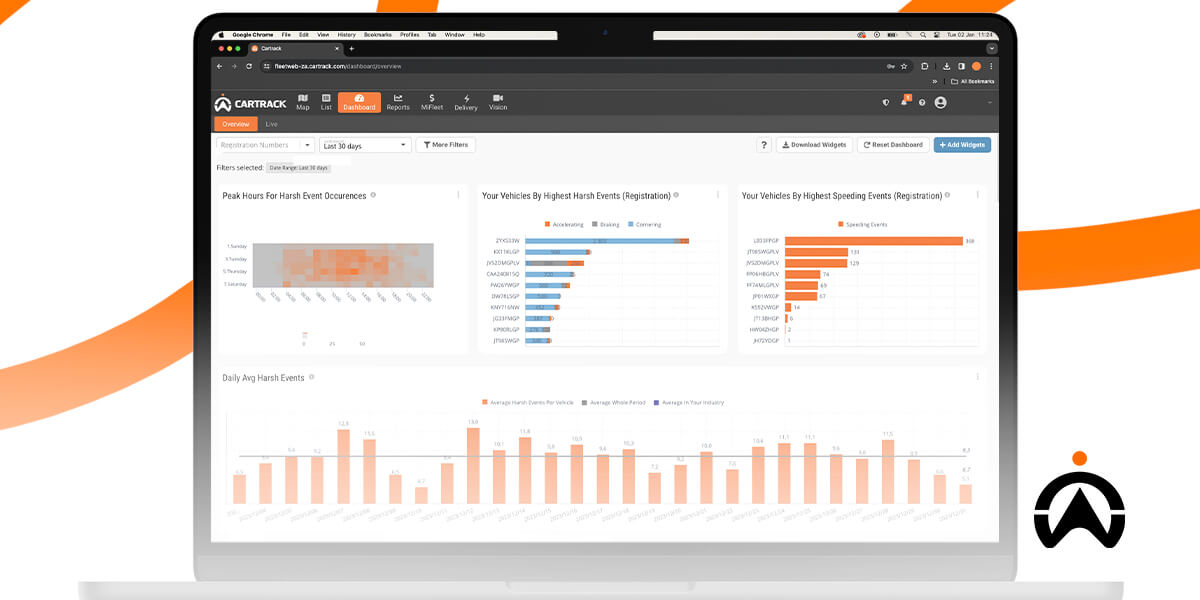
  3. Driver Scorecards: Driver scorecards are comprehensive performance evaluation tools that can assess driver behaviour within a fleet. These give fleet managers detailed insights into individual driver behaviour, encompassing factors such as speed compliance, harsh braking, and adherence to designated routes.
    ‍
  4. Data processing and analysis: Data processing and analysis are integral to effective driver behaviour monitoring. By collecting and presenting a wide range of data related to driving patterns, vehicle movements and location, this system helps fleet managers detect patterns, easily identify instances of harsh driving,

What are the benefits of a driver monitoring system?

While the main reason for implementing a driver monitoring system could be to eliminate harsh driving, this system yields a wide range of benefits that positively impact your entire fleet operation. These benefits include:

  1. Improving fleet driver safety: Driver monitoring systems provide a combination of hardware and software that monitors driver behaviour around the clock. This advanced software works to detect signs of distraction, drowsiness, and fatigue, which makes it crucial to prevent accidents from occurring, as these behaviours can significantly increase the risk of accidents.
    ‍
  2. Reducing the risk of accidents: A driver monitoring system helps prevent potential accidents by identifying and alerting drivers about their distracted or fatigued behaviour while they’re behind the wheel. These behaviours significantly increase the risk of collisions and loss of vehicle control. When these signs are detected, the system can issue alerts to the driver, prompting them to refocus their attention.
    ‍
  3. Lowering fleet maintenance costs: By promoting smoother and safer driver habits, driver monitoring systems help reduce wear and tear on vehicle components. Extending the lifespan of brake components, suspension systems, and tires, directly translates to a decrease in maintenance and repair costs.
    ‍
  4. Improving fleet fuel efficiency: Driver monitoring systems work to detect and alert drivers to various fuel-wasting driving behaviours, such as excessive idling, harsh acceleration, and speeding. This helps drivers promptly fix their behaviour, playing a significant role in improving your fleet’s fuel efficiency. This contributes to cost savings by reducing fuel consumption across your entire fleet.
    ‍
  5. Improving overall fleet efficiency: Driver monitoring systems significantly reduce accidents, which means decreased downtime. Decreased downtime due to accidents or breakdowns allows for uninterrupted fleet operations, which ensures the timely completion of tasks, deliveries, or services. This leads to increased customer satisfaction and loyalty, improving overall fleet efficiency.
What_are_the_benefits_of_a_driver_monitoring_system

Gain unparalleled insights into driver behaviour with Cartrack’s driver monitoring system

Cartrack Namibia is here to bring a world-class driver behaviour monitoring system right to your fleet. Equipped with a wide range of technologies that help you take your driver behaviour to the next level, our system is just what you need to improve your fleet driver’s behaviour and reap the benefits of safe fleet functioning. These include:

  1. ADAS: Keep your drivers aware of their surroundings with Cartrack’s Advanced Driver Assistance System (ADAS). This is a technology that is designed to enhance fleet safety and efficiency. By alerting your drivers to potential road hazards, detecting and responding to obstacles, and helping them maintain a safe distance from other vehicles, ADAS works to heighten your drivers’ awareness of their surroundings.These functionalities are made possible through the integration of camera-based sensors, artificial intelligence, and intelligent algorithms, which all work together to provide driver assistance features that enhance driver safety. These include:- Data processing
    – Driver assistance features, including:
    Automatic emergency braking: This feature quickly identifies potential collisions and automatically engages the vehicle’s brakes. This helps to either minimise the impact or prevent the collision entirely.
    Forward collision warning: This feature quickly alerts your drivers when their vehicle is approaching an obstacle or vehicle too quickly, which can help them prevent rear-end collisions.
    Blind-spot detection: This feature quickly alerts your drivers to vehicles that are in blind spots, helping them reduce the risk of lane-changing accidents.
    ‍
  2. Live Vision AI cameras: Gain 24-hour visual access to your fleets with Cartrack’s Live Vision AI cameras, an AI-powered, live streaming technology. This cloud-connected video management solution makes use of AI analysis to give you access to driver behaviour monitoring and real-time alerts. This technology can also detect various forms of distracted or dangerous driving, including:- Speeding
    – Smoking
    – Fatigue
    – Cell phone useWhen any of the above behaviours are detected, audible in-cabin audio alerts are triggered, immediately notifying your drivers. This helps them correct their actions in real time, preventing potential accidents from taking place. What’s more, fleet managers can also receive these real-time alerts and access the footage via a livestream feed, which helps them ensure that preventative action is immediately implemented.
    ‍
  3. Driver scorecards: Get an overview of each of your drivers and their behaviour with Cartrack’s driver scorecards, helping you determine how safely they drive. This is done by keeping track of any high-risk behaviours, such as- Harsh acceleration
    – Harsh braking
    – Excessive idling
    – Excessive speedingThese scorecards help you identify the specific areas drivers need coaching in. They help you provide them with specific training to help them improve their behaviour behind the wheel. This is a very crucial part of an effective driver monitoring system, as it helps you pinpoint specific indicators of harsh driving, along with the drivers who perform these behaviours.
    ‍
  4. Fuel monitoring: Keep track of your vehicle’s fuel levels and quickly spot harsh driving with Cartrack’s fuel monitoring system. Our real-time fuel level monitoring makes use of advanced sensors installed inside fuel tanks, which enable the live monitoring of fuel consumption through our fleet management platform. By helping you conveniently monitor fuel levels as changes occur, you can quickly identify sudden spikes in fuel consumption, which could be indicative of harsh driving, with behaviours such as excessive idling, speeding, and harsh braking contributing to increased fuel consumption.
    ‍
  5. Crash detection: Ensure your drivers receive immediate assistance in the event of a car crash or accident with Cartrack’s crash detection. As much as your drivers can implement safe driving strategies, this doesn’t guarantee that other drivers will exercise the same vigilance and safe driving habits on the road. By making use of our smart device that detects a crash or accident by making use of special g-force sensors and AI algorithms, we can detect and pinpoint the exact location of accidents in real time. This enables us to quickly contact you and dispatch emergency services to your driver’s live location if they are involved in a car crash or accident.

Let Cartrack Namibia help you streamline your driver behaviour monitoring today

Are you ready to establish a safety-first driving culture in your fleet? Embark on the journey to improved driver safety with Cartrack Namibia and gain access to world-class technologies.

‍Contact us today, and embrace improved driver safety for your fleet
Fleet Visibility: How Much Do You Really Know?

In the world of fleet management, seeing is believing, but when fleet visibility is compromised, businesses can find themselves fighting challenges that impact efficiency, customer satisfaction, and overall fleet costs.

Let’s explore fleet visibility and see its transformative potential for your business.

In this article, you will:

  • Uncover the significance of fleet visibility
  • Explore the core components crucial for achieving optimum fleet visibility
  • Spot clear signs that you need a fleet management system for improved visibility
  • Understand how fleet management can significantly improve your team’s visibility
  • Learn how Cartrack has and can improve fleet visibility for any business

What is fleet visibility?

It’s not just about knowing where your trucks are, although that’s a great start.

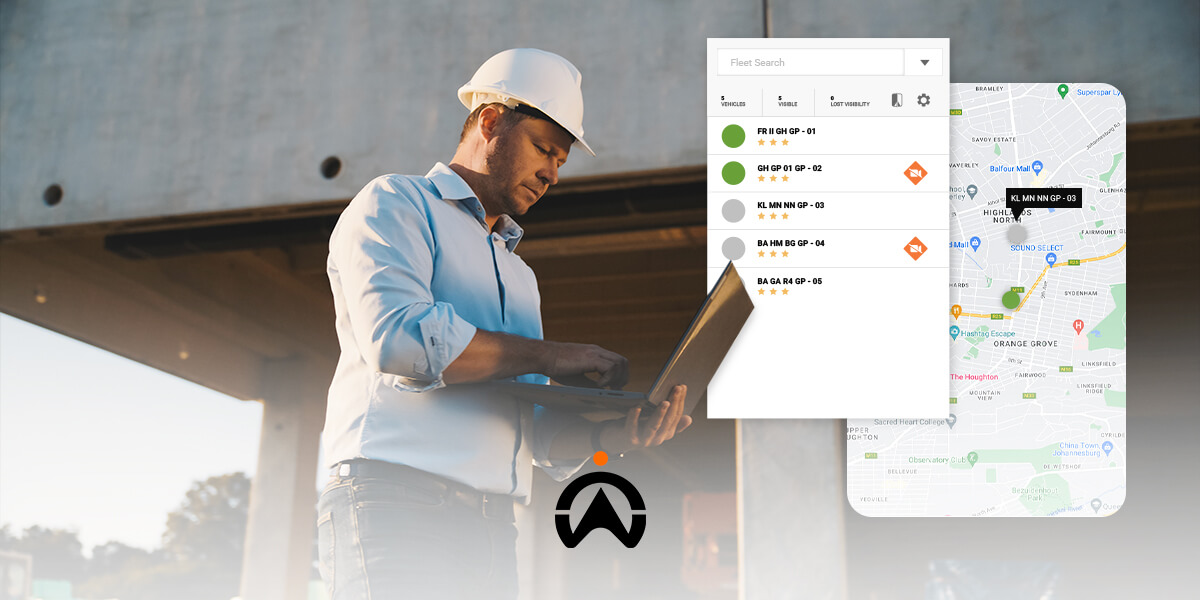
Fleet visibility is all about staying in the know about your fleet in real time. It lets you track and understand every move your fleet makes – from where they are to the routes they take, how much fuel they’re using, and even keeping tabs on maintenance needs. It’s not just about pinpointing your drivers and vehicles; it also tracks task progression during deliveries or on-site services.

This crucial element of fleet management serves up valuable insights for decision-makers, fleet managers, and dispatchers, helping them fine-tune operations, ensure vehicles are used efficiently, and smartly allocate time for tasks.

Fleet visibility is the ace in the hole every fleet manager needs to keep their fleet operations running smoothly and optimally.

Core components of fleet visibility

Fleet visibility can highly influence operational efficiency, fleet costs, and customer satisfaction, and even ensure the overall health and productivity of a fleet of vehicles. It is a cornerstone in modern fleet management practices, allowing businesses to optimise their transportation and logistics processes, but how does this method work?

Here are the essential technologies needed to achieve optimum fleet visibility.

Vehicle tracking: GPS devices or onboard computers transmit location data, mapping your vehicles’ movements on a real-time map.

Telematics: Sensors track engine health, fuel usage, driver behaviour, and other vital metrics, providing insights into vehicle performance and driver habits.

Fleet management software: This central platform collates all the data, displays it on visual dashboards, generates reports, and enables communication with drivers.

Mobile apps: Drivers can access essential information like routes, schedules, and job updates through dedicated mobile apps, improving communication and efficiency.

Each of these plays its part in providing real-time location data, tracking vital metrics, centralising data, and enhancing communication and efficiency.

Core_components_of_fleet_visibility

How do you boost fleet visibility and measure fleet performance?

As a fleet manager eager to enhance the game plan for your fleet but not quite knowing how to start, fear not! Boosting fleet visibility and measuring performance might sound like navigating uncharted territory, but it’s not as daunting as it seems.
Split your focus between your drivers and vehicles and their tasks and responsibilities:

  1. Fleet assetsTo amp up fleet visibility, organisations can dive into proactive monitoring and real-time tracking solutions. Picture it as having a bird’s-eye view of your fleet’s day-to-day activities. By embracing these high-tech tools, organisations can swiftly boost their fleet visibility, making the whole operation smoother than ever.
    ‍
  2. Task visibility

    Watching over your fleet isn’t just about knowing where they are; it’s about understanding what they’re up to. To accurately measure fleet performance, you can turn to Key Performance Indicators (KPIs) that will inform you on how effective your fleet management strategy is.The following are some of the most important KPIs for measuring fleet performance:

    Boosting efficiency: 
    This KPI zooms in on the overall efficiency, covering fuel use, maintenance costs, and vehicle utilisation rates.Enhancing productivity: Measures how productive your fleet is with completed jobs, delivery times, and task completion levels.Controlling costs: Keeps an eye on the bottom line by tracking fuel costs, maintenance expenses, and total expenses per asset.

    Driver behaviour and performance: Monitors driver performance, from sticking to schedules to fuel-savvy habits and safety prowess.

    To properly monitor these metrics, fleet managers use fleet management software to collect and analyse the data. Thereafter, fleet managers can spot areas for improvement, set goals, and make savvy decisions to supercharge their fleet operations.

Signs that your fleet needs a fleet management system for increased visibility

Imagine managing your team as usual with the same methods you’ve used since opening your business. Everything seems fine until one day a series of unexpected events unfolds.

You get a call from a driver stuck in traffic, another report of vehicle troubles, and, to top it all off, a missed delivery deadline that leaves a valuable client less than impressed. As you juggle these challenges, it hits you: your fleet needs modern fleet managementso you can be aware of the ins and outs of your fleet.

Recognising the signs that your fleet is in dire need of a fleet management system for a visibility boost is crucial.

Here’s a breakdown of what to look out for:

Poor resource utilisation

  • Challenge: When you lack visibility, your fleet can become inefficient. Resources are either underused or overloaded, leading to lower productivity and higher operational costs.
    ‍
  • Solution: Fleet visibility tools show you how vehicles are used, driver availability, and workload distribution. This insight helps manage resources effectively and improves overall efficiency.

Increased operational costs

  • Challenge: Insufficient visibility results in increased operational costs. Fuel expenses rise, and vehicle wear and tear escalates, impacting profitability.
    ‍
  • Solution: Fleet visibility solutions with advanced analytics pinpoint areas for improvement, leading to cost savings in fuel consumption and maintenance. It helps control operational expenses and enhances profitability.

Communication breakdowns

  • Challenge: Without real-time visibility, communication between dispatchers and drivers suffers, causing misunderstandings, errors, and delays in task execution.
    ‍
  • Solution: Fleet visibility tools often come with communication features, facilitating seamless and instant communication between dispatchers and drivers.

Inaccurate tracking

  • Challenge: The absence of accurate real-time tracking hampers monitoring and responsiveness, hindering quick adaptation to changes or unexpected events.
    ‍
  • Solution: GPS-enabled tracking systems provide precise, real-time location data for all vehicles, enabling accurate monitoring and timely decision-making.

How can fleet management improve your team’s visibility?

While basic tracking and monitoring are crucial, advanced fleet visibility solutions take it to the next level by providing a comprehensive and real-time understanding of a fleet’s operations.

These solutions offered in the previous section would take longer to put into practice and benefit from if conducted with early fleet management methods, such as paper logs and spreadsheets.

Now fleet managers can see an immediate change with the latest advanced fleet management software, offering a rich layer of information that improves overall operational efficiency and drives savings.

Some must-have features for a fleet management solution to increase visibility are:

Predictive maintenance: Use data analysis to foresee potential vehicle issues, prevent breakdowns, and ensure seamless operations. Through proactive monitoring and real-time tracking, organisations can efficiently enhance fleet visibility and overall operational efficiency.

Geofencing and alerts: Create virtual boundaries around specific areas your drivers should or shouldn’t operate in. Unauthorised entry or exit of these areas triggers alerts, promotes security and monitors movement.

Route optimisation: Real-time traffic updates and historical data analysis constantly adjust routes for optimal efficiency, saving you time and fuel.

Integrations: Seamlessly connect a fleet management system to your business platforms, such as accounting or warehouse management systems. This integration provides a comprehensive view of your operations, ensuring a holistic approach to management.

How_can_fleet_management_improve_your_team’s_visibility

Turn to Cartrack for complete real-time fleet visibility

As a global leader in data-driven offerings tailored to various business sectors, Cartrack excels at seamlessly integrating with any fleet system, providing instant access to fleet data without unnecessary complexities.

Cartrack’s Fleet Management Software stands out in delivering complete visibility for vehicles, drivers, and cargo. Here are some industry-leading features that will help you track your fleet’s every move:

  1. Driver ID tags for increased asset usage controlEnsure secure and controlled driver-vehicle usage with Cartrack’s ID tags. Equipping each driver with a unique tag, this system requires a tap on a sensor within the vehicle to operate it. This ensures that only authorised drivers use designated vehicles, amplifying visibility and fleet safety.
    ‍
  2. Geofence for fleet location monitoring

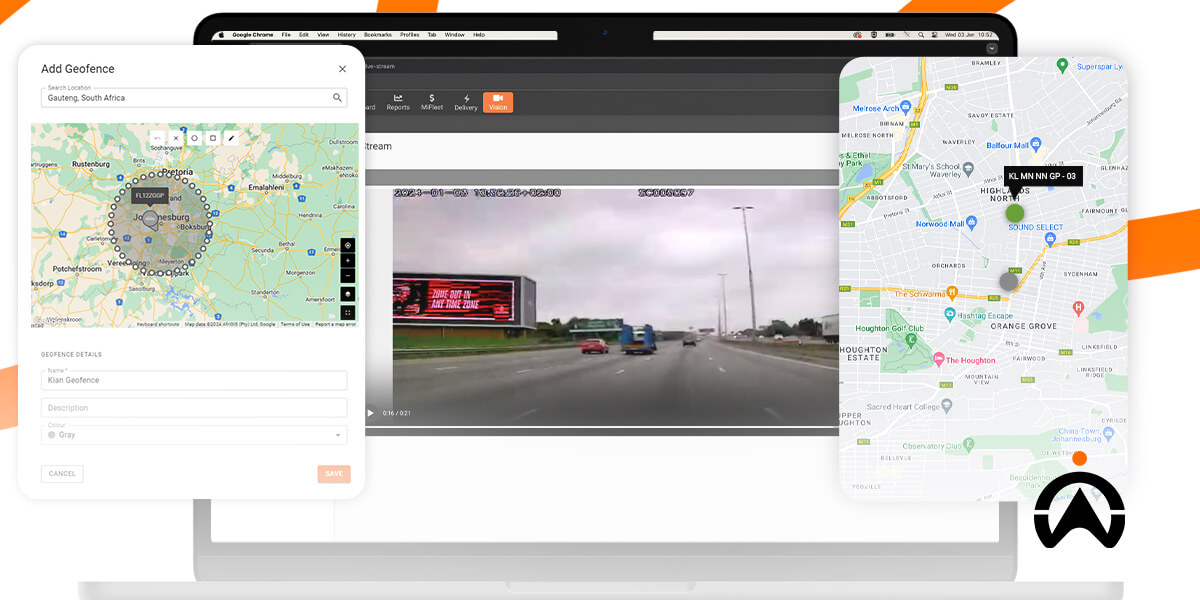
    Cartrack’s geofencing feature allows fleet managers to establish virtual boundaries around any specific area, like project sites, company buildings and more. Managers receive notifications via SMS or email when a vehicle enters or exits these boundaries, contributing to heightened location monitoring and fleet visibility.
    ‍
  3. Cartrack’s Delivery tool for live task updatesIt streamlines processes, offering full visibility into task progress beyond just tracking vehicle locations. This feature allows efficient job allocation to drivers and can optimise routes based on distance for faster turnaround times.Let’s put all this theory into practice and delve into a success story that exemplifies how Cartrack’s comprehensive solutions made a significant impact for a well-known South African courier company.

The Courier Guy Success Story

The Courier Guy is South Africa’s leading courier service provider, with over 2,200 vehicles in their arsenal. With a growing number of drivers, customers, and vehicles to manage, the company needed a system in place that gave fleet managers full visibility of the entire fleet operation, simplified business operations, improved task management, and increased customer satisfaction.

Cartrack offered their Delivery software as a solution to track vehicles’ live location and set requirements for drivers to digitally send a photo or e-signature as electronic proof of delivery, improving driver accountability and keeping customers updated through the entire delivery process by sending them automated emails and SMSs.

The Courier Guy also used Cartrack’s AI-powered camera live-streaming technology to improve safety, security, and accountability within their fleet. The digital eyes live-track driver behaviour and audibly alert drivers in real-time when dangerous driving gestures occur, allowing drivers to quickly rectify their behaviour, resulting in fewer damaged goods, speeding fines and stronger brand reputability.

“Cartrack’s technology allows us to focus on our drivers, customers, cargo, and fleet all from one platform. It puts us in control from dispatch to delivery.” — Jeffrey Wheeler, Assistant Fleet Manager – Courier Guy.

Gain complete visibility in every part of your business with Cartrack

Don’t navigate the challenges of fleet management in the dark, use Cartrack’s advanced fleet management software to understand your fleet’s every move and see every opportunity for improvement.

Chat with us and see what we can do for you and your business today.

Diesel Management System – 24-7 Real-time Management For All Fleet Vehicles

Do you know just how much diesel your fleet vehicles are consuming?

Drive into excellence today. Learn how an effective diesel management system can give you real-time insight into your fleet’s diesel fuel consumption.

Step into unparalleled diesel management with a world-class fleet management system solution!

In this article, you will:

  • Find out what diesel fleet management is
  • Discover how a vehicle management system powers diesel fleet management
  • Learn why vehicle management is important for fleets
  • Understand the power of a fuel management system
  • Explore how Cartrack’s solutions can help simplify your diesel fleet

What is diesel management?

Diesel management refers to the process of overseeing and controlling the consumption of diesel in a fleet. This is particularly important, as most businesses and organisations rely heavily on diesel-powered equipment and vehicles. Diesel fuel, which is heavier than gasoline, takes longer to evaporate. It also has a greater energy density than gasoline, which means it produces 20% more energy for the same amount of fuel. So in the long run, it’s more affordable for fleets than gasoline, which is why the majority of fleets opt for diesel fuel in their business.

What tasks are typically involved in diesel management?

Diesel management involves covering the following tasks based on diesel consumption:

  • Monitoring fuel levels: Tracking the amount of diesel in storage tanks and vehicles, which helps fleet managers easily spot and address potential fuel leaks or spills
    ‍
  • Optimising fuel efficiency: Diesel management focuses on improving fuel efficiency by eliminating fuel-wasting activities. This is done through proper vehicle maintenance, route optimisation, and regular training
    ‍
  • Data analysis and reporting: Diesel management systems collect data on fuel usage. By analysing this data, fleet managers can make informed decisions to help improve fuel efficiency.

Why is diesel management important?

Diesel management is made up of various strategies and practices aimed at maximising the performance and economy of diesel vehicles while minimising diesel consumption and associated costs. Here are 5 reasons why it is crucial for fleets:

  • It helps reduce fuel costs: By optimising diesel usage and preventing waste, diesel management can help businesses save money on their fuel bills and get the most out of their diesel refills.
    ‍
  • It helps improve fleet efficiency: By identifying and addressing inefficiencies in diesel use, diesel management can improve business fuel efficiency.
    ‍
  • It helps improve vehicle maintenance: Diesel management keeps track of vehicle maintenance schedules, which helps fleet managers ensure that their diesel-powered vehicles are well-maintained, leading to reduced wear and tear, fewer breakdowns, and longer vehicle lifespan.
    ‍
  • It enables real-time knowledge: By making use of advanced technologies such as GPS tracking and telematics, diesel management allows for real-time monitoring of fuel consumption and vehicle performance.
    ‍
  • It helps improve driver behaviour: Diesel management helps you know which driving habits are causing your vehicles to burn more diesel fuel than usual. With this information, you can provide specific training to drivers and help eliminate these habits.

Before we get into the nitty gritty of a diesel management system, let’s break down the vehicle management software that powers it.

What is vehicle management software?

Vehicle management software, also known as fleet management software, is automated software designed for any organisation that makes use of fleet vehicles. Playing a crucial role in diesel management, it is designed to streamline and optimise the various aspects of managing a fleet of diesel vehicles, offering a comprehensive suite of tools that help with fleet-related tasks that can affect overall efficiency. This system enables the recording, storage, processing, reporting, and exporting of data related to fleet vehicles. This is done by making use of advanced technology and software.

Why is vehicle management so important for diesel-powered fleets?

Vehicle management plays a vital role in a fleet’s overall efficiency. Here are 5 reasons why:

  • It enhances fleet efficiency: Vehicle management systems play an important role in optimising diesel-powered fleet operations. This system works to provide comprehensive, real-time insights into important fleet aspects such as vehicle location, performance metrics, and maintenance. On top of providing this data to fleet managers, the system’s automation capabilities help streamline routine fleet tasks, such as planning maintenance schedules.
    ‍
  • It helps improve fleet safety: Vehicle management systems help fleet managers proactively implement measures and practices aimed at minimising safety risks. By tracking vehicle maintenance schedules, you can ensure that your diesel fleet remains well-maintained and in its best running condition. This helps significantly mitigate the risk of breakdowns and potential accidents that are caused by mechanical issues. This proactive approach to the upkeep of your diesel fleet not only enhances overall fleet safety but also creates confidence for your drivers in the vehicle’s reliability.
    ‍
  • It helps minimise fleet running costs: A vehicle management system optimises routes, maintenance, and scheduling systems. Optimising maintenance schedules for your diesel fleet translates to reduced repair costs; monitoring fuel usage translates to reduced diesel expenses; and monitoring driver behaviour translates to safer driving habits that reduce the risk of costly accidents. Altogether, this multifaceted approach to cost management not only guarantees financial savings but also fosters an effective and sustainable fleet operation.
    ‍
  • It aids in the monitoring of driver behaviour and performance: With human error being one of the greatest causes of road accidents, driver behaviour needs to be monitored at all times. Vehicle management software can monitor risky driving behaviour, including harsh braking, cornering, harsh acceleration, and excessive speeding. By identifying these behaviours, fleet managers gain valuable insights into areas for improvement and can provide targeted coaching to improve driver behaviour and boost the overall performance of their diesel fleet.
    ‍
  • It aids the monitoring of fuel consumption: Vehicle management plays an important role in effectively monitoring and controlling fleet diesel consumption. The software provides comprehensive insights into diesel fuel usage by accurately recording crucial data points such as fuel levels, fuel consumption rates, and refuelling events. This gives fleet managers detailed information to help them analyse diesel consumption patterns and trends across their fleet. This information helps them implement strategies to regulate and optimise diesel fuel usage, contributing to cost savings and fuel efficiency.

What are the different components of a fleet management system?

An effective fleet management system is made up of the following components:

  • Vehicle tracking: Vehicle tracking is a fundamental component of a vehicle management system. It makes use of GPS (Global Positioning System) technology and telematics to help businesses monitor the location, movement, and status of their diesel vehicles in real-time. This unparalleled visibility enables fleet managers to gain valuable insights to optimise fleet operation, improve efficiency, and enhance overall safety.
    ‍
  • Driver management: Driver management is another crucial component of a comprehensive vehicle management system, helping fleet managers oversee and optimise the performance, safety, and compliance of their diesel fleet drivers. A fleet management system helps keep track of each driver’s habits, performance, and efficiency. By doing this in real-time, fleet managers and drivers alike are alerted the moment dangerous behaviour is detected, which helps mitigate risks and enhance overall fleet safety.
    ‍
  • Vehicle maintenance management: Vehicle maintenance within a vehicle management system involves all the processes, tools, and practices that aim to ensure the upkeep, servicing, and optimal performance of diesel vehicles. A vehicle management system helps fleet managers reduce mechanical issues that lead to unplanned downtimes, track individual vehicle movements and locations throughout maintenance and deliveries, and identify harsh driving events and potential engine issues. By prioritising maintenance, businesses can minimise unscheduled repairs, increase the lifespan of their diesel vehicles, and effectively manage maintenance costs, contributing to efficient asset management.
    ‍
  • Fuel management: Fuel is a significant expense for any fleet operation, making fuel management one of the most important components of a vehicle management system. Let’s explore this in detail and find out how it can help businesses achieve 24/7 real-time management of their fuel consumption.

What is a fuel management system?

A fuel management system is a comprehensive set of technologies, processes, and tools designed to manage and improve your fleet’s fuel usage and costs. This system provides businesses with valuable insights into their petrol or diesel usage, helping them identify areas for improvement and reduce fuel costs. The system facilitates effective fuel budgeting, cost control, preventive maintenance planning, and the implementation of strategies to eliminate fuel wastage.

The key components of a fuel management system

Fuel management systems involve the implementation of two key components to track fuel consumption and analyse all forms of data related to fuel usage patterns. These are:

The hardware:

These components are responsible for monitoring and controlling fuel consumption.

  • Fuel sensors: These are installed in fuel tanks and measure the level of fuel remaining in vehicle tanks, along with how it was used.
    ‍
  • GPS trackers: These track the location of vehicles and equipment, helping fleet managers effectively monitor fuel usage by location
    ‍
  • CANBus integration: This wireless integration allows for the real-time downloading of accurate vehicle diagnostics such as odometer readings, water temperature, oil temperature, etc., helping fleet managers prepare for their vehicle maintenance and servicing.

The software:

These components are responsible for monitoring and controlling fuel consumption.

key_components_of_a_fuel_management_system

How does a fuel management system work?

The main purpose of a fuel management system is to determine a fleet’s petrol or diesel efficiency and help fleet managers determine how to improve it. The system does this through the following 3 steps:

  • Data collection: The hardware sensors, which are integrated into the vehicles, collect data in real-time on diesel or petrol levels, engine performance, and flow rates. This data is transmitted to the central data management platform through wireless connections.
    ‍
  • Data analysis: The software analyses the collected data to identify trends and patterns in diesel usage. This data can be used to calculate a fleet’s fuel efficiency, identify areas for improvement, and generate reports that fleet managers can use to identify solutions.
    ‍
  • Actionable insights: The system provides actionable insights to fleet managers. These insights can be used to implement steps that work to improve fleet efficiency with diesel or petrol consumption-based solutions, such as optimising routes, reducing idle time, and implementing preventative maintenance programs.

What are the benefits of using a fuel management system for your diesel fleet?

A fuel management system yields multiple benefits for your fleet, including:

  • Reducing fuel costs: A fuel management system provides insights into fuel consumption patterns. By providing accurate monitoring of fuel usage and consumption patterns, fleet managers can spot the source of their fuel wastage and mitigate it, reducing fuel costs. An example of this is making use of route optimisation. It is reported that optimised routes can increase a fleet’s fuel savings by 20%-40%.
    ‍
  • Improving accuracy in fuel usage reports: Manually recording vehicle and driver data leads to data inaccuracies that negatively affect your fleet’s efficiency. With a fuel management system, your fleet’s fuel consumption data is automatically recorded with telematics, which ensures accuracy in fuel usage reports. This automation of data collection ensures that human input errors are eliminated and that all recorded data is accurate.
    ‍
  • Reducing fuel theft: Fuel theft is a massive challenge for fleets, whether it be through syphoning, false transactions, or fuel card fraud. If you’re not aware of your fleet’s fuel consumption, then you won’t be able to tell when fuel theft is taking place. A fuel management system works to combat this by giving you full insight into your fleet’s fuel consumption and recording all fuel-related expenses to determine accuracy.
    ‍
  • Improving data-driven decision-making: Fuel management software provides fleet managers with detailed reports on fuel usage, costs, efficiency, and fuel trends. By tracking these reports over time, you can determine fuel patterns in your fleet and use this information to make informed decisions on optimising fuel management.

Elevate your fleet’s diesel management with 4 Cartrack solutions

Take your fleet’s diesel management to the next level with our world-class solutions. Here’s how:

  • Fuel management: The fuel cost monitoring system meticulously cross-references fuel receipts with vehicle telemetry data, effectively detecting potential fuel theft and preventing fuel fraud. With real-time monitoring and customisable reports, irregularities are quickly identified. The real-time fuel level monitoring utilises advanced sensors installed inside fuel tanks, enabling live monitoring of diesel consumption. This helps you pinpoint the reasons for sudden spikes in fuel consumption, whether it be syphoning or fuel-wasting driver behaviour. The fuel trend monitoring provides detailed fuel metrics on fuel per km travelled and per job completed for every driver and vehicle, giving you an accurate overview of how much diesel your fleet consumes.
    ‍
  • Driver behaviour monitoring: Eliminate fuel-wasting driver behaviour with Cartrack’s driver monitoring system. By making use of driver scorecard data reports, you can quickly pick up on aggressive driving and idling. An idling diesel truck burns about 4 litres of fuel an hour, and speeding has the same negative impact on fuel efficiency. In fact, it has been shown that a truck travelling at about 120km/h consumes 27% more fuel than a truck travelling at 104km/h. Our solution gives you detailed reports on each driver’s behaviour and shows you exactly what caused the sudden increase in fuel consumption, helping you mitigate these issues and lower fuel consumption. Use this to provide driver training or coaching to improve behaviour and stop fuel-wasting behaviours.
    ‍
  • Preventative maintenance: Preempt vehicle maintenance with Cartrack’s preventative maintenance. This system works by providing real-time alerts and diagnostics for various aspects of a vehicle’s maintenance, such as engine damage, worn brake pads, and worn-out tires, which are all vehicle issues that lead to increased fuel consumption. By receiving real-time diagnostics for vehicle mechanical issues, you can detect and quickly address these issues before they become costly, helping you minimise fuel consumption and maximise fleet productivity.
    ‍
  • Route optimisation: Make your routes short and deviation-free with Cartrack’s route optimisation. This innovative tool helps you optimise your driver’s routes by analysing various factors such as real-time traffic and road conditions and route history. Traffic conditions not only cause delivery delays but also lead to increased idling, making efficient route planning crucial. An idling diesel truck burns about four litres of fuel an hour, which can be a very costly addition to your fleet’s fuel expenses.

Maximise savings and minimise waste with Cartrack’s real-time diesel management

Keeping an eye on your fleet’s diesel consumption can be quite stressful, but with Cartrack’s fleet management solution, it doesn’t have to be.

‍Contact Cartrack Namibia today, and let’s simplify your fuel monitoring together

Fleet Logistics Management – Boost Your Supply Chain And Fleet Costs

The logistics industry is constantly evolving. Is your operation equipped to stay ahead?

Fleet logistics is just what the fleet doctor ordered to help you reduce costs, elevate efficiency, and enhance safety in your operation.

Read on to discover the world-class solutions available at the tap of a button.

In this article, you will:

  • Learn what fleet logistics are
  • Understand what the current state of logistics is
  • Find out what role fleet management plays in logistics operations
  • Discover how Cartrack’s fleet management solutions can boost your supply chain

What are logistics?

The logistics industry encompasses the comprehensive process of efficiently managing the transportation, storage, and distribution of goods from production to consumption, playing a critical role in supply chain management. This makes it much broader than the transportation industry, as it doesn’t just focus on the transportation and delivery of goods.

Logistics management is the component that holds the supply chain together, as it works to ensure a smooth forward and reverse flow of goods, services, and related information to meet customer needs efficiently. It involves the coordination of delivery vehicles for optimal efficiency and cost reduction. For these reasons, the logistics sector remains an integral part of every material industry, and as global trade activities continue to expand, they will persist.

What are the key components of logistics management?

While logistics management may seem very complex, it is fundamental for companies to manage their supply chain. The key components of logistics management are:

  • Transportation: This component is considered to be the most important component, as it plans and supports the distribution of goods to their final destination. It revolves around selecting the most efficient, cost-effective transportation modes for different types of goods and distances.
    ‍
  • Demand Planning: Proper planning is a major component of the supply chain that can eliminate the insufficient or improper supply of goods. It helps you determine all aspects of logistics, helping you maintain a balance between demand and supply.
    ‍
  • Warehousing and storage: This component revolves around providing a secure and centralised location for the storage of goods until they are ready to be distributed. In a world where demand in markets can suddenly rise, there needs to be a surplus of goods to fulfil sudden customer requirements.
    ‍
  • Inventory Management: This involves checking inventory levels regularly to monitor the flow of goods in and out of a warehouse. This helps businesses ensure that they maintain optimal stock levels to meet customer demands.
    ‍
  • Fleet Management: Fleet management involves the management and monitoring of vehicles involved in logistics. It is important for ensuring timely deliveries, cost savings, and optimised resource utilisation, covering all activities related to acquisition, maintenance, scheduling, and route optimisation.

What are fleet logistics?

Fleet logistics refers to strategically planning, organising, and coordinating a company’s fleet of vehicles to efficiently transport goods. Elements of fleet logistics include:

  • Vehicle management: 

    This element of fleet logistics encompasses the supervision and coordination of a fleet of vehicles to efficiently transport goods. It also extends to the monitoring and recording of couriers and delivery personnel, aiding in the efficient management of drivers, fuel, and vehicle speed.
    ‍

  • Fuel management: 

    This element of fleet logistics encompasses the management and monitoring of fuel consumption for fleet vehicles. By collecting fuel-related data, including fuel consumption, companies can track and manage their fuel usage and purchases, boosting cost savings and increasing fleet fuel efficiency.
    ‍

  • Route planning: 

    This crucial element of fleet logistics optimises the transportation of goods by strategically planning delivery routes. By considering factors such as vehicle type, road conditions, and driver availability, this helps fleet managers improve efficiency and productivity, lower fuel costs, and adhere to delivery time windows.
    ‍

  • Driver management: 

    This element of fleet logistics involves overseeing the activities of drivers, who are crucial to the delivery of goods. This helps fleet managers spot driver behaviour that is negatively impacting the business’s efficiency and provide specific training to end this behaviour.

What is the current state of the logistics sector?

The logistics sector is seeing fast-paced growth, fueled by technological advancements. The industry has seen a surge in e-commerce, with new markets, such as the clothing, food, and medication industries, experiencing a rapid expansion in online retail and delivery.

Businesses in this sector have made use of various technologies to stay ahead of rapid advancements. Ranging from real-time monitoring to data analytics, these solutions can be summed up in two simple words, fleet management.

What is fleet management?

Fleet management is the process of overseeing and coordinating the operations and movements of a fleet of vehicles. It involves strategic planning, logistical coordination, and operational control aimed at maximising fleet efficiency, productivity, and cost-effectiveness. To do this, fleet management systems include a range of features, such as proactive vehicle maintenance, enhanced driver safety measures, and unparalleled fleet visibility.

What_is_fleet_management?

Why does your logistics company need fleet management?

Fleet management is crucial to the success of your logistics company, giving you the following benefits:

  • It reduces fleet costs:

    By making use of fleet analytics to manage vehicle costs, reduce accident rates, and streamline operations with fleet software, fleet management helps ensure logistics processes run smoothly. A fleet management system can reduce maintenance costs by up to 14%, accidents and their associated costs by 20%, and fuel consumption by 25%, all of which translate to reduced fleet costs.
    ‍
  • It simplifies real-time tracking: 

    Fleet management systems are equipped with GPS vehicle tracking devices, which give fleet managers access to real-time fleet management and tracking. With GPS tracking, fleet managers can easily locate drivers wherever they are in seconds, instead of having to manually contact each driver or play the guessing game when it comes to establishing their estimated time of arrival during deliveries.
    ‍

  • It aids in effective route planning: 

    Fleet management software allows fleet managers to plan routes or time and optimise how to cover the most ground possible in the shortest amount of time. Plus, it enables them to track fuel usage and measure it against their fleet performance, which is necessary to achieve the highest fuel cost savings.
    ‍

  • It provides you with advanced analytics: 

    Fleet analytics give fleet managers better insights into driver behaviour, helping them address safety issues and prevent accidents. By using fleet analytics, fleet managers can identify drivers prone to reckless driving behaviours such as speeding, harsh braking, and excessive idling.
    ‍

  • It gives you access to fleet maintenance monitoring: 

    Fleet management systems make it possible for fleet managers to track vehicle health and servicing dates. This monitoring helps fleet managers lessen the chances of unexpected breakdowns and enables them to forecast vehicle replacements while reducing the need for costly emergency repairs.

All these benefits are tied to the implementation of fleet logistics. But what exactly are they? And how are they different from fleet management?

Is there a difference between fleet logistics and fleet management?

Fleet logistics is the management and coordination of delivery vehicles within the logistics industry to achieve optimum efficiency and reduce costs. While fleet logistics may sound similar to fleet management, it is a broader term that encompasses the entire process of planning, coordinating, and executing the delivery of goods by making use of a fleet of vehicles.

What are the benefits of implementing fleet logistics and fleet management?

We’ve covered what these two are, so let’s uncover what their benefits are for your logistics company:

  • They improve fleet efficiency: 

    Combining logistics and fleet management can help streamline operations, optimise routes, and reduce fuel consumption, which leads to an increase in fleet efficiency and reduces costs.
    ‍

  • They empower real-time monitoring: 

    Fleet management systems can provide real-time monitoring of vehicle locations and usage, allowing managers to optimise routes, monitor fuel consumption, and promptly address issues.
    ‍

  • They enhance driver safety: 

    Fleet management systems can help identify risky driving behaviours and implement training programs to improve driver safety, ultimately reducing the likelihood of accidents and associated costs.
    ‍

  • They improve customer satisfaction: 

    Combining logistics and fleet management can lead to improved customer satisfaction by enabling fleet managers to provide customers with accurate and timely delivery of goods.
    ‍

  • They reduce unplanned downtime: 

    Preventative vehicle maintenance, made possible through fleet management systems, can help prevent unexpected downtime and extend the lifespan of vehicles, leading to reduced costs.

Boost your supply chain efficiency with fleet logistics solutions by Cartrack Namibia

The benefits are endless with Cartrack’s solutions. Here are 6 ways its industry-leading solutions will help your logistics business:

  1. Cartrack Delivery Tool: 

    Streamline your logistic business’s delivery process with Cartrack’s Delivery tool. Designed for fleet managers and drivers, this tool provides an intuitive and easy-to-use platform for managing deliveries, from scheduling to tracking and payment. Delivery gives you access to route optimisation, a feature that helps you avoid travel delays and save fuel, reducing fuel costs and increasing efficiency. By analysing distance and travel time, this feature helps your fleet achieve quicker turnaround times and increases efficiency. This ensures that your logistics company sticks to the stipulated times of arrival and accomplishes more with less fuel.
    ‍

  2. Live GPS tracking: 

    Unlock ultimate safety for your vehicles, assets, and goods with Cartrack’s live tracking. Make use of GPS (Global Positioning System) technology to know where all your vehicles and drivers are in real time. This level of insight allows for the optimisation of fleet performance by providing key metrics such as distance travelled, speed usage, break durations, fuel levels, and idle time. This information not only enables you to efficiently monitor your assets but also gives you total control over logistics operations, boosting overall safety for both your vehicles and transported goods.
    ‍

  3. Preventative maintenance: 

    Avoid unexpected downtime and reduce maintenance costs with Cartrack’s preventative maintenance. The system sends real-time diagnostic alerts for mechanical faults, including engine faults and worn brake pads, which help you immediately identify vehicles that need servicing, preventing costly repairs and collisions. The platform also looks at each vehicle’s utilisation hours and the time of last service to automate maintenance schedules, helping you streamline the maintenance process and prevent unplanned vehicle downtime, which could negatively affect deliveries.
    ‍

  4. Fuel monitoring: 

    Cartrack’s fuel monitoring system is designed to help optimise fuel consumption. Gain access to real-time data on fuel consumption per kilometre and per job with daily, weekly, or monthly reports. These reports give you full insight into your fleet’s fuel consumption, helping you spot sudden spikes in fuel consumption. Easily spot potential fuel fraud with this system that automatically matches fuel receipts with vehicle locations and fuel status. Identify drivers with excessive idling time, allowing fleet managers to provide training and coaching to improve driver behaviour and reduce fuel consumption.
    ‍

  5. Specialised sensors 

    Unlock the ultimate safety for the goods you are delivering with Cartrack’s specialised sensors. Make use of cargo door sensors to receive real-time alerts whenever your cargo door is opened, which helps you carefully monitor cargo and keep it secure. Make use of temperature sensors to keep your refrigerated cargo fresh and receive live alerts the moment temperature fluctuations are detected. Make use of tailgate sensors to monitor the safety of heavy cargo, and receive live alerts the moment your trailer tailgates are activated, indicating that cargo is being accessed.
    ‍

  6. Live-streaming camera solutions

    Gain full visibility of your cargo with up to four live-streaming cameras with Cartrack’s Live Vision camera technology. This cloud-connected video management solution makes use of real-time alerts and smart detection to ensure your goods are kept safe, which boosts customer satisfaction. Our cameras are also equipped to detect different forms of distracted and dangerous driving, including speeding, smoking, and cell phone use. The AI-powered technology is equipped with in-cabin real-time audible alerts, which alert your driver the moment any of these behaviours are detected, enabling them to immediately correct their actions and prevent accidents and collisions.

Cartrack’s solutions in action

RichLand, a prominent logistics solutions provider in Southeast Asia, manages over 40,000 deliveries monthly across various sectors such as technology, petrochemicals, consumer goods, manufacturing, oil and gas, and freight forwarding.

They needed a system that could provide fleet and driver updates to help them ensure on-time deliveries, which translates to good service levels. Additionally, they wanted insights that could provide solutions for reducing operational costs and boosting their productivity.

Implementing Cartrack’s fleet management system empowered RichLand to pinpoint and address driver behaviour that could compromise delivery time. By using insightful reports to help drivers rectify their errors, RichLand could foster an environment of accountability, enhancing productivity and customer relationships. The system also automated their fleet updates on fuel consumption, enabling them to closely monitor fuel consumption, which helped them reduce their operational and fuel costs.

“Cartrack’s fleet management system provides us with automatic updates on fleet information that helps us make intelligent business decisions to decrease operational costs and maintain our service levels.” 

Frankie Koh, Head QHSSE, Fleet Management and Procurement, RichLand Logistics

Let Cartrack Namibia help your business like they helped Richland Logistics.

Cartrack’s_solutions_in_action

Integrate fleet management with logistics and optimise your entire operation today

The logistics sector is constantly evolving and needs adaptability, fueled by technological advancements. Make sure your operation is not left behind with an effective fleet management system.

‍Contact Cartrack Namibia today and let’s keep your logistics operation on top of its game in an ever-changing climate.

Fleet Asset Management – Know the Importance To Make Your Fleet Operations Soar

Late deliveries, time-wasting equipment manhunts, underutilised assets, maintenance downtime delays and endless paperwork – the cost-draining world with no fleet asset management system.

Unravel the importance of fleet asset management software and how it will transform your fleet operations like never before.

In this article, you will:

  • Understand the critical role of fleet asset management in your operations
  • Explore the definition and significance of fleet asset management
  • Learn the benefits of using fleet asset management software
  • Gain insights into creating a comprehensive asset management plan
  • Revolutionise your fleet asset operations with Cartrack Namibia solutions

What is fleet asset management?

Where ‘asset management’ usually speaks towards wealth and acquired things owned by a person or organisation. Fleet asset management is a method fleet managers use to properly oversee all their business’s assets, ensuring they are all accounted for, in good working condition and are all equally used so they continue to provide a positive return and don’t cost a business more than they should.

This involves monitoring, maintaining, and strategically utilising each vehicle in the fleet. All this is required to enhance operational efficiency, reduce costs, and extend the lifespan of assets.

What is classified as a business asset?

The assets referred to here can be split between tangible assets like physical tools, vehicles, etc and intangible assets, like the software used.

Tangible assets consist of various objects, here are a few types:

Vehicles

  • Cars, trucks, vans, buses, motorcycles, etc.
    ‍
  • Trailers, semi-trailers, and other towed equipment
    ‍
  • Construction equipment, such as bulldozers, excavators, and cranes
    ‍
  • Material handling equipment, such as forklifts and pallet jacks

Equipment

  • Tools used for maintenance, repairs, and various tasks
    ‍
  • Mobile tech gadgets, like tablets and scanners
    ‍
  • Communication tools, including radios and GPS trackers
    ‍
  • Office equipment, such as computers and printers

Infrastructure

  • Garages, workshops, and other facilities like work sites
    ‍
  • Owned storage and fueling stations
    ‍
  • Parking lots and loading docks
    ‍
  • Offices and administrative buildings

Intangible assets are those that don’t have a physical form but still hold significant value for the business:

  • Software and technology like the fleet management software used
    ‍
  • Data and analytics acquired from vehicle telematics, fuel card transactions etc.
    ‍
  • Intellectual property (IP) like business trademarks and patents

What is the importance of fleet asset management?

It all begins with your vehicles, equipment, and machinery, the essential assets that keep your business moving forward. Fleet asset management ensures that each vehicle in your fleet operates seamlessly, that your equipment is in top-notch condition, and that your machinery continuously runs smoothly.

Proper management of these assets is not just a task, it’s an important part of driving your fleet to success. Without it, the rhythm of your operations could turn chaotic with breakdowns, delays, increased costs and many other profit-impacting factors.

The benefits of using fleet asset management software

  • Supervision of all assets
    ‍
  • Management of assets from any location
    ‍
  • Offers insights for strategic planning for fleet risks
    ‍
  • Improvement of time management
    ‍
  • Monitoring fleet performance
    ‍
  • Tracking fleet asset life cycle and costs acquired
benefits_of_using_fleet_asset_management_software

How does fleet asset management differ from general fleet management?

Let’s think of fleet asset management as the guardian overseeing all your valuable resources, and fleet management as the skilled expert handling the specific challenges of your vehicles and machinery.

Asset management looks at the bigger picture, caring for everything from vehicles to machinery and even office tools. It ensures everything is in the right place, performing optimally, and contributing to your overall success.

On the flip side, fleet management focuses on the unique challenges of your vehicles and machinery. It ensures your fleet operates smoothly, tackling issues like maintenance, fuel efficiency, and driver behaviour.

Together, they create a powerful duo for your fleet where one guides the other.
How to set up an asset management plan?

To better manage your assets, you first have to create an asset management plan. Crafting a carefully devised plan for managing your fleet assets can boost productivity and extend the lifespan of your resources. This strategy empowers you to create a more sustainable and effective business model and unlocks the full potential of your assets.

Here’s a simple six-step guide to optimal asset performance:

  1. First, clearly define your goals for your fleet and make sure they’re specific, measurable, achievable and time-bound. This sets the foundation for your plan.
    ‍
  2. Next, take a good look at your current fleet, considering things like types of vehicles, their age, condition, and how they’re used. This assessment helps you find areas for improvement and chances to save money.
    ‍
  3. It’s crucial to track your vehicles, equipment, machinery etc. and make a detailed inventory of all of them. For this, use technology like GPS, telematics and the Internet of Things (IoT) to monitor them in real-time.
    ‍
  4. Plan regular fleet maintenance to keep your vehicles in good shape and avoid unexpected breakdowns with preventative maintenance. Train your drivers on safety and fuel-efficient driving, and make sure they follow traffic rules.
    ‍
  5. Control your operational costs by monitoring fuel usage, maintenance, and fleet costs like speeding tickets and insurance expenses.
    ‍
  6. Be prepared for emergencies with contingency plans. Review and update your fleet asset management plan regularly to adapt to changes and improve it over time to fit the current state of your fleet.

Define the types of fleet asset management

To better put it into perspective, there are several types of fleet asset management, including physical asset management, financial asset management, human asset management, and contractual asset management.

Let’s break these down in a bit more detail:

  1. Physical asset management:Focuses on overseeing tangible assets like vehicles and equipment to ensure longevity and efficiency.
    ‍
  2. Financial asset management:Involves managing financial instruments such as stocks, bonds, and cash to optimise investment portfolios.
    ‍
  3. Human asset management:Encompasses the administration of human resources, including employees or contractors, and skills within an organisation to enhance workforce performance and development.

What factors contribute to effective fleet asset management?

Effective asset management is the cornerstone of a successful business, encompassing the strategic oversight of your vehicles, equipment, and machinery. This comprehensive approach ensures that these assets are not just operational tools but vital components contributing to the overall success and sustainability of your enterprise.

  1. Operational efficiency: Skilfully organising and overseeing your vehicles and machinery ensures seamless day-to-day activities. Whether it’s delivery trucks or heavy equipment, a well-structured system minimises downtime and maximises productivity.
    ‍
  2. Cost savings: By implementing preventive maintenance schedules, monitoring fuel consumption, and addressing potential issues like risky driver behaviour proactively, you can significantly cut operational expenses.
    ‍
  3. Asset longevity: Regular maintenance and timely repairs contribute to the extended lifespan of your assets. This not only safeguards your initial investment but also diminishes the need for frequent replacements, resulting in long-term savings.
    ‍
  4. Safety compliance: Asset managementinvolves ensuring compliance with safety regulations. From regular inspections to implementing safety features, adherence to standards protects your assets, employees, and your business’s reputation.
    ‍
  5. Data-driven decision-making: Employing technology for asset management yields valuable data insights. Real-time tracking, performance analytics, and predictive maintenance empower you to make informed decisions, enriching your overall business strategy.
    ‍
  6. Resource optimisation: Effectively allocate resources by understanding the usage patterns of your assets. Whether deploying vehicles for optimal routes or scheduling maintenance during non-peak hours, resource optimisation enhances operational efficiency.
What_factors_contribute_to_effective_fleet_asset_management

What is ultimate fleet asset management for your fleet operations?

Cartrack’s industry-leading fleet management software is the perfect fit for any type of business looking to seamlessly manage its assets.

Our comprehensive solution is tailored to meet all your needs and elevate your fleet management to new heights.

Here are five ways Cartrack Namibia will help you gain full visibility and control of all your assets:

  1. Proactive maintenance: Say goodbye to unexpected breakdowns and unnecessary downtime. Cartrack’s predictive maintenance anticipates potential issues before they become critical. Through advanced analytics, all equipment data is analysed to predict when servicing is needed and swiftly inform you. For example, predictive maintenance can identify a worn-out part in a forklift and promptly inform you to take precautions with replacements. This prevents costly, unexpected breakdowns, minimises downtime and maximises asset lifespan.
    ‍
  2. Fleet management platform: See usage patterns of assets with Cartrack’s fleet management platform and ensure assets are evenly used by remotely scheduling your assets across your project site. With this, you can see which crane or any asset, is being underutilised, and promptly reallocate it to a more active project.
    ‍
  3. ID tags: Our driver ID tags help you restrict machinery usage to authorised operators only. This gadget uniquely identifies drivers to fleet managers, allowing them to know which one of their drivers is operating their vehicles/machinery, to ensure only trained and authorised personnel operate equipment and enhance asset security and safety.
    ‍
  4. Asset Tracking: Cartrack employs GPS and IoT sensors to get real-time location data and information on equipment conditions. This improves inventory management, enhances security against theft, and aids in preventive maintenance.
    ‍
  5. Geofences: Create virtual parameters around your working sites, no-go zones or any other area of interest with our geofencing technology. Alerts are sent to you whenever assets enter or exit digitally set boundaries. This prevents potential theft and helps you monitor vehicle activity.

Turn your assets into profit-boosting machines with Cartrack Namibia

Gain complete control and visibility over every vehicle, equipment, and machinery in your fleet. Choose Cartrack Namibia for fleet asset management and experience a new era of efficiency, cost savings, and peace of mind.

‍Start today with Cartrack Namibia.

Fleet Fuel Card Integration – Empower Your Fleet With Efficiency and Security

When it comes to managing fuel efficiently and reducing costs for your fleet business, fuel credit cards stand out as one of the top solutions.

Explore the intricacies of these cards and discover how they can ease all your fuel expense-tracking headaches.

Is it time to invest in some fuel cards? All your answers are right here.

In this article, you will:

  • Discover the key insights into fleet fuel card integration
  • Understand the steps to integrate fuel cards into your fleet
  • Learn how to combat fuel cost management challenges with fuel cards
  • Explore the perks of using fuel cards in your business
  • Find out how Cartrack’s MiFleet system enhances fuel card monitoring

Fleet fuel cards — your answer to efficient fuel cost management

These nifty cards are used by drivers to quickly refuel company vehicles, alleviating headaches and confusion for fleet managers. Fuel cards help managers effortlessly keep track of all their fuel expenses. You will instantly know which driver fueled up, what vehicle they used, how much they spent and where they fuelled up.

Say goodbye to endless fuel-related paperwork. Now drivers can enjoy the convenience and safety of fuel cards and not worry about handling cash and receipts.

How to get started: Fleet fuel card integration

Empower your fleet with fuel cards, the game-changer for managing your fuel expenses. Equipping your business with this feature comes with a list of benefits but before we dive into those, let’s unpack a quick step-by-step guide on how to get a fuel card:

  1. Explore fuel card providers: 

    Investigate reputable fuel card providers in your area such as oil brands like Shell and BP, or companies that specialise in fuel cards. Take into account factors such as coverage, acceptance across various fuel stations, fees, and additional features.
    ‍

  2. Compare offerings: 

    Evaluate the offerings of different fuel card providers. Examine features such as spending controls, reporting capabilities, and any extra services they may offer.
    ‍

  3. Select a provider: 

    Choose the fuel card provider that aligns best with your business requirements and provides the most suitable features for effective fleet management.
    ‍

  4. Complete the application: 

    Most fuel card providers facilitate online applications. Complete the required information, typically including details about your business and fleet.
    ‍

  5. Receive approval: 

    Once your application is approved, and you’ve received the cards, it’s time to activate them following the provider’s instructions.
    ‍

  6. Assign cards: 

    There are two methods for allocating fleet cards, assigning them to individual drivers or each vehicle.- Vehicle – If your drivers use different vehicles regularly, assign one card to each vehicle, instructing drivers to leave the card in the vehicle for the next driver to use when needed.
    – Driver – If they primarily stick to one vehicle, provide each driver with a unique PIN that works with every card. This way, you can track which driver fueled which vehicle.
    ‍

  7. Implement restrictions: 

    Fuel cards provide drivers with easy refuelling but it is not without limits, managers can control fuel card usage by setting up some of these limits:- Litre or cash limit per transactionLitre or cash limit per transactionLitre or cash limit per transaction
    – Number of transactions made per day for each card
    – Time of day limit
    – Type of fuel

This prevents overspending, empowering managers to decide each driver or vehicle’s fuel expenditure.

Now that you have your provider and your cards, it’s time to integrate them into your fleet, this is done by linking the cards to your fleet management system.

Here are three approaches to make this happen:

  1. API integration: 

    Several fleet management systems come with Application Programming Interfaces (APIs) that allow for seamless communication and data exchange with various systems, in this case, the systems would be between your fleet management system and the fuel card provider.With API integration, you can automatically bring fuel card data into your fleet management system so that every time a fuel transaction occurs, data seamlessly flows from the fuel card provider’s system to your FMS, giving you real-time updates on all fuel purchases.
    ‍

  2. Data integration platform: 

    If your fleet management system or fuel card provider doesn’t provide direct API integration, you can opt for a data integration platform. These platforms act as the middleman, translating data between two systems. It will regularly check for new fuel transactions from the fuel card provider, translate the data into a format compatible with your FMS, and import it to your fleet system, ensuring smooth communication.They offer similar benefits to APIs like automated data import and detailed reports but might involve a subscription fee and a complex setup.
    ‍

  3. Manual data import: 

    Though not ideal, some businesses may resort to manual import of fuel card data through spreadsheets or CSV files.While this method is time-consuming and prone to errors, it can serve as a temporary fix for those not ready for advanced integration solutions like those listed above.

Fleet_fuel_card_integration

Why use fuel cards?

Fuel cards offer a range of perks for businesses. Imagine your drivers enjoying hassle-free refuelling at almost every gas station across the country. Not only that, but many fuel cards also bring extra savings at the pump through fuel discounts and VAT savings, putting more money back in your pocket.

Think about the convenience of having an organised system that tracks fuel expenses. Your fuel cost records will always be up to date, making it a breeze to control and minimise financial loss. On the security front, fuel cards act as a shield against unauthorised purchases, safeguarding your budget and your drivers as without cash on hand, the risk of them getting mugged decreases.

Why should you integrate fuel cards into your fleet business?

Similar to credit or debit cards, fuel cards are crafted exclusively for transactions related to fuel. Here’s a breakdown of their advantages:

  1. Fuel purchases: Drivers use these cards to buy fuel at specific stations, linking the expense directly to the business.
    ‍
  2. Expense tracking: Every time the card is used, it keeps a record, showing a detailed view of fuel costs for each vehicle.
    ‍
  3. Cost control: Fleet managers can set spending limits with these cards, ensuring fuel purchases stay within the budget.
    ‍
  4. Data integration: These cards can talk to fleet management software, giving a clear picture of fuel use, efficiency, and costs.
    ‍
  5. Security: Fuel cards have security features, like PIN codes, making sure only authorised drivers can use them, and since drivers don’t carry cash anymore, they are no longer at risk of being robbed while on the job.
    ‍
  6. Convenient reporting: Fleet managers can easily generate reports showing all the fuel-related expenses, making money management smoother and more accurate.
    ‍
  7. Network of acceptance: These cards work with specific fuel networks or stations, so it’s essential to choose the right one for your fleet’s convenience.

Reduced Admin Work: No more hassle with manual record-keeping for fuel receipts and reimbursements. These cards save time for both drivers and fleet managers.

Common fuel theft methods conducted through fuel cards

Fuel theft can have a significant impact on businesses affecting various aspects of operations. There are countless ways criminals can steal fuel from fleet vehicles. One of the most popular fuel theft trends is syphoning (sucking fuel out from a vehicle into a container for personal use), but when it comes to your fuel card, the following methods are more commonly used:

  • False transactions: This type of fuel theft occurs when gas station employees collude with thieves. The employee swipes the fuel card multiple times for a single transaction, resulting in multiple charges on the cardholder’s account. This method is difficult to detect as transactions are coming from a valid fuel card and fuel sensors won’t detect any unusual activity because the tank was empty and needed a refill, justifying the purchase.
    ‍
  • Fuel card fraud: Fuel card fraud occurs when unauthorised individuals obtain and use a company’s fuel card to purchase fuel for their vehicles. This can be done by stealing a physical card, skimming card data at fuel stations, or using stolen card information to create fraudulent transactions online. These cloned cards can then be used to purchase fuel at any filling station.

Easily manage your fuel cards and overall fuel costs with Cartrack

Unlock a wealth of benefits and gain complete control over your fleet’s fuel expenses with Cartrack. We provide reliable and trustworthy fleet management solutions that can help you manage your fuel costs and improve operational efficiency.

Here are a few ways Cartrack’s fleet management software and MiFleet can help you in your pursuit of taking charge of your fleet fuel costs:

Effortlessly monitor and manage your fuel card with Cartrack’s MiFleet system

MiFleet is a cost management system that monitors all your fleet’s administration and running costs, including toll fees, maintenance costs, and all fuel expenditures.

In terms of fuel card monitoring, MiFleet can analyse fuel card transactions and automatically cross-reference them with your vehicle’s telemetry data to quickly identify which driver swiped for fuel refilling, for which vehicle and at what time/location.

By just importing your fuel card transactions into the MiFleet system, our MiFleet AI system automatically tracks all fuel card usage and presents the information in an easy-to-understand format on the MiFleet digital platform, making managing your fuel data a breeze.

Easily_manage_your_fuel_cards

With MiFleet you can:

Monitor fuel consumption:

Get information on fuel consumption rates per km, current fuel levels and fuel-wasting events like abnormal idling, speeding and more during a trip, allowing you to pinpoint areas for enhanced fuel efficiency.

Detect fuel theft:

In events of possible fuel card fraud, MiFleet automatically identifies potential fuel-related risks by matching fuel receipts with the vehicle’s location and fuel status, if flagged, it notifies fleet managers so they can start investigating and stop fuel cost wastages.

Generate informative reports:

Paired with our fleet management system, you gain access to detailed reports like fuel usage and risk analysis. These reports allow you to validate, verify, and analyse fuel cost data, identify trends, and make informed decisions to optimise fleet fuel card management.

Why you’ll love MiFleet:

  • MiFleet automatically detects fuel theft, saving you thousands monthly
    ‍
  • Decreased time spent on manual admin
    ‍
  • Easily spots fuel cost leakage and stops human error
    ‍
  • Increased trust and accountability for drivers

Swipe your fleet to fuel cost management efficiency

If you are looking for a way to improve yourfleet’s fuel efficiency and save money on fuel costs, Cartrack fuel management solutions are a great option.

Join over 110,000 businesses and trust Cartrack Namibia with your fleet and your fuel. Start today with Cartrack Namibia .

Truck Fleet Management – Here Is The Ultimate Guide For Your Fleet

Managing a fleet of trucks, whether it’s a couple of vehicles or a couple of hundred, comes with a distinct share of challenges.

These challenges can stand in the way of your entire fleet’s efficiency, increasing operational costs, and lowering vehicle lifespan, amongst many others.

That’s why a good fleet management system is the key you need to elevate your truck fleet management.

In this article, you will:

  • Recap what fleet management is
  • Find out what makes a good fleet management system
  • Learn about the challenges truck fleet management presents
  • Discover Cartrack’s solution that will help you elevate your truck fleet management

What is fleet management for trucks?

Due to differences in regulatory compliance, vehicle complexity, and fuel efficiency, managing a fleet of trucks can be more complex than that of ordinary vehicles like cars and vans. This makes specialised systems extremely important for effectively managing them. This specialised approach involves considerations such as load capacity, route optimisation for long-haul journeys, and regulatory measures, helping cater to the unique demands of the trucking industry. Fleet management for trucks is made up of a comprehensive set of practices that are based on the acquisition, maintenance, safety, and monitoring of a group of trucks.

Why is fleet management so important?

As a fleet manager, you’re already under immense pressure, and a fleet management system can alleviate some of that for you. Here are some of the benefits a fleet management system can help you unlock:

  • Remote fleet management: Gone are the days when you had to be bound to an office chair with piles of paperwork and one immovable screen to watch over your fleet. Fleet management systems allow you to remotely keep up with all your fleet operations, enabling you to manage your fleet from anywhere at any time. This helps ensure you have time for other fleet activities, removing all the extra admin.
    ‍
  • Automated reports: As a fleet manager, having to keep up with your entire fleet operation is already a time-consuming task. Fleet management takes a bit of that stress off your shoulders, generating automated reports that provide insights into your entire fleet operations, ranging from fuel consumption to maintenance reports.
    ‍
  • Real-time visibility: As a fleet manager, having real-time updates on vehicle location, delivery statuses, and vehicle conditions helps you unlock a new level of proactivity. You can monitor and address issues the moment they are detected, ensuring that they are fixed before they become serious and cost-draining.

With all these, it’s clear to see that fleet management is not only a crucial part of business success, but it also plays an important role in simplifying your job as a fleet manager. But what makes a good fleet management system?

What makes up a good fleet management system?

Fleet management systems make use of two components that are crucial for effective functioning, namely hardware and software. Let’s explain these in detail.

1. The hardware:

Fleet management hardware refers to the physical devices and equipment that are used to collect data from drivers and vehicles. It is essential for recording the data that will be reported to fleet managers and then transmitting this data to a cloud-based platform. The hardware components of a good fleet management system are:

  • GPS tracking technology: Global Positioning System (GPS) is a satellite-based navigation system that provides location and time information from anywhere. GPS is important for fleet management because it provides real-time visibility into the location of fleet vehicles, allowing for route optimisation and improved safety.
    ‍
  • Sensors: Sensors are devices that work to collect data on various aspects of a vehicle’s performance, location, and driver behaviour. These sensors can be used to monitor tire pressure, fuel consumption, odometer readings, cargo status, and more. Sensors are important for fleet management because they play a crucial role in efficiency and cost-effectiveness.
    ‍
  • Cameras: Often referred to as fleet dash cams, these arevideo recording devices that are installed in fleet vehicles to capture real-time footage of drivers, the road, and cargo. These are important tools for fleet management as they provide valuable insights into driver behaviour, road accidents, and vehicle performance. This helps reduce the risk of costly accidents, encourage driver-specific training, and improve overall safety.

2. The software:

Fleet management software works to analyse and present fleet data that was collected by fleet management hardware. This is essential for increasing efficiency and enhancing fleet visibility. The software components of a good fleet management system are:

  • Fleet maintenance software: Designed to streamline maintenance workflows, automate preventative maintenance schedules, and provide real-time updates on vehicle maintenance needs, this software helps you track and manage the maintenance of your vehicle from the earliest stage possible.
    ‍
  • Driver management software: Designed to monitor and track driver behaviour in real time, this software collects data on various aspects of driver behaviour, such as harsh braking, speeding, and idling. This helps you identify and address unsafe driving habits, helping you improve fleet efficiency, safety, and productivity.
    ‍
  • Automated reports: These are customised and detailed reports that provide fleet managers with important insights relating to various aspects of their fleet. Covering a wide range of metrics, including maintenance, asset utilisation, and fuel consumption, these reports give you real-time visibility into your fleet operations, helping you identify trends and areas for improvement.
What_makes_up_a_good_fleet_management_system

What are the key components of effectively managing a fleet of trucks?

While fleet management for trucks makes use of the same components that commercial fleet vehicles use, there are a few key differences. Trucks are designed for specific purposes and industries, while commercial fleet vehicles can vary in size, type, and usage. This difference means the usual fleet management solutions won’t cut it for trucks, as they have specific needs in terms of how they are maintained, operated, and managed. These are the areas that typically require specific solutions to cater to trucks in fleet management:

  • Fuel management: It’s no secret that trucks consume more fuel than commercial fleet vehicles. This makes having an effective fuel management system important, as it helps you ensure that your trucks can complete tasks as efficiently as possible without wasting any fuel. Know exactly how much fuel your vehicles are consuming with fuel consumption monitoring, which helps you spot sudden fuel spikes and detect potential fuel theft.
    ‍
  • Vehicle maintenance: Due to the extent to which trucks are used, they require more maintenance than commercial fleet vehicles. Trucks have to carry heavy loads, travel long distances, and operate in harsh conditions, which puts extra strain on them. Unexpected breakdowns can be quite common considering the long distances they travel, and this can lead to costly downtime, affecting delivery schedules and deliveries.
    ‍
  • Asset management: Monitoring and maintaining a large number of trucks can be challenging. This is where asset management comes in, helping you keep an eye on each of your assets. An example of this is the tracking of vehicle and equipment performance, which informs you which vehicles are over or underutilised. This helps you ensure that your assets are efficiently utilised and remain in their optimal condition.
    ‍
  • Route planning: Trucks have to adhere to specific road rules, such as speed limits, which can cause a delay in delivery times, and unlike typical commercial vehicles, they cannot travel on every road. This is where route planning comes in, helping fleet managers optimise routes to avoid traffic congestion, road closures, and other delays, ensuring that you achieve quicker turnaround times.
    ‍
  • Driver behaviour monitoring: Dangerous driving behaviour doesn’t just lead to financial loss. It also leads to injury and fatal car accidents. A study by the Road Traffic Management Corporation (RTMC) showed that heavy-load vehicles with a gross vehicle mass above 3,500 kilograms account for 9.4% of all fatal crashes on South African roads. Seeing how trucks significantly contribute to annual accident rates, makes it vital for fleet managers to prioritise driver safety and behaviour.

What are some of the difficulties of managing a fleet of trucks?

Navigating the complexities of managing a fleet of trucks presents a range of multifaceted challenges. These include:

  • High operating costs: Trucks, by their nature, burn larger amounts of fuel, especially during long-haul journeys, which translates to higher operating costs. These long-haul journeys also translate to trucks requiring more frequent maintenance to ensure upkeep.
    ‍
  • Driver retention: Due to the rigorous schedules and demanding nature of fleets using trucks, skilled drivers are very important. Finding qualified drivers and retaining them is a continuous challenge in the trucking industry due to high demand and turnover rates.
    ‍
  • Data management and analysis: Managing a fleet of trucks comes with the need to record and present large amounts of complex data. Handling and making sense of vast amounts of data collected from trucks, including maintenance records, driver behaviour, and operational metrics, can pose a challenge, especially without effective data management and analysis tools.
    ‍
  • Driver communication: Fleet managers need to maintain effective communication with their truck drivers to ensure compliance with regulations, safety standards, and company policies, which can be difficult if there are no streamlined methods in place.
    ‍
  • Driver safety: In the truck industry, driver fatigue and distractions are very common occurrences among truck drivers. Fleet managers need to make sure their truck drivers are employing safe driving habits, as risky driving can lead to unfortunate consequences for drivers and the entire truck fleet operation.

How can you solve these difficulties with a fleet management system?

Navigating the complexities of fleet management involves addressing operational challenges that impact costs, efficiency, and overall productivity. This shows just how important a comprehensive fleet management system is. This integrated solution offers a range of tools and strategies designed to tackle the key challenges faced by fleet managers who are responsible for trucks. These include:

  • A fuel management systemFuel management systems are an essential component of fleet management. They help fleet managers control and monitor fuel consumption and costs. With fuel costs being one of the most significant fleet expenses, a fuel management system can minimise these costs by helping you identify inefficiencies in fuel usage. A fleet management system gives you access to real-time data on fuel consumption. This helps you detect when your vehicles experience a sudden drop in fuel levels and identify potential fuel theft, which can significantly impact a fleet’s bottom line and efficiency.
    ‍
  • Preventative maintenancePreventative maintenance is a proactive method of ensuring that fleet vehicles operate safely and efficiently. By making use of vehicle data on mileage, time spent, engine hours, and fuel consumption, it can let you know exactly when your vehicles need maintenance and which parts need replacement. This is crucial to helping you reduce vehicle breakdowns and prevent unplanned vehicle downtime. Unplanned vehicle downtime can be damaging to fleet success, leading to delayed deliveries, customer dissatisfaction, and lost revenue opportunities.
    ‍
  • Driver behaviour monitoringA crucial tool for improving the safety and efficiency of a fleet and its drivers alike. By monitoring driver behaviour, fleet managers can make use of real-time alerts to help drivers correct their behaviour. Driver behaviour monitoring can also provide valuable insights into driver performance, allowing fleet managers to identify areas for improvement and implement training programs to address any issues. By promoting safe and efficient driving habits, driver behaviour monitoring can help reduce fuel consumption, vehicle wear and tear, and maintenance costs.
    ‍
  • Automated data entry and reportsAutomated reports in fleet management help solve difficulties by providing fleet managers with real-time, customised, and detailed insights into their fleet’s performance. These reports can cover various fleet metrics, including fuel consumption, maintenance, and asset utilisation. By automating the reporting process, fleet managers can save time and ensure that they have access to this information from anywhere, at any time. These reports help encourage data-driven decision-making. The manual reporting of data can lead to increased human error in recording, increased time consumption, and limited visibility and insights.
    ‍
  • Route optimisation softwareRoute optimisation is a critical fleet management tool for improving the efficiency and cost-effectiveness of a fleet. By analysing data and considering factors such as traffic conditions and delivery schedules, fleet managers can develop effective and safe route plans for their drivers. It works to provide real-time updates and adjustments, allowing fleet managers to quickly respond to changes in traffic, weather, or delivery schedules. Unoptimised routes mean increased fuel consumption (due to longer travel distances and excessive idling), reduced driver productivity and efficiency (due to inefficient scheduling and driver fatigue), and increased vehicle wear and tear (due to harsh driving conditions).
What_are_some_of_the_difficulties_of_managing_a_fleet_of_trucks

What are the benefits of fleet management for trucks?

Below are 5 of the many benefits that fleet management brings to the management of truck fleets:

  1. Increased vehicle lifespan: Fleet management systems can extend the life of trucks by implementing preventative maintenance schedules. This helps reduce downtime and ensures that trucks are routinely serviced and maintained.
    ‍
  2. Improved vehicle safety: Fleet management systems help you know exactly where your trucks are at all times, helping you unlock ultimate visibility and security.
    ‍
  3. Reduced operational costs: Fleet management systems can help reduce truck fuel consumption, maintenance costs, and overall operating costs by optimising routes, reducing idle time, and improving the overall performance of your trucks.
    ‍
  4. Improved customer satisfaction: Fleet management systems can help truck fleets improve on-time delivery, route planning, and overall customer service, which leads to increased customer satisfaction.
    ‍
  5. Improved driver performance: Fleet management systems can provide truck fleets with real-time feedback on driver behaviour, helping drivers improve their performance and reduce the risk of truck-related accidents.

How Cartrack’s solutions help you elevate your truck fleet

As an industry leader in fleet management solutions, Cartrack is your ultimate guide to elevating your truck fleet management. Unlock the benefits listed above by making use of the following Cartrack-powered solutions:

1. Vehicle tracking and monitoring

Cartrack makes use of GPS technology to pinpoint the precise location of your vehicles in real-time. This gives you access to two solutions that can elevate your truck fleet management, namely:

  • Real-time GPS tracking: Gain unparalleled visibility of your fleet with Cartrack’s real-time GPS tracking system, providing accurate, real-time GPS location through a user-friendly interface. The live tracking of your fleet enables immediate response in case of theft or unauthorised vehicle use, which aids the swift recovery of your truck and minimises potential losses. It doesn’t stop there, though, because the full visibility helps you know where your trucks are at all times. This helps you track drivers and job progress, ensuring that you keep customers updated.
    ‍
  • Make use of geofencing: Monitor vehicle activity with Cartrack’s geofencing tool. This software acts as an added layer of security, designed to alert you in real-time when your trucks enter or exit authorised zones. This feature helps enhance fleet security and efficiency by increasing the visibility of your vehicle’s activity, helping you ensure that drivers only operate your equipment in assigned areas.

2. Fuel Management

Cartrack brings you a comprehensive fuel management system that is designed to help fleets manage and monitor their fuel consumption. Make use of the following features to elevate your truck fleet management:

  • Fuel level monitoring: Monitor your truck’s fuel levels in real time by making use of Cartrack’s fuel sensors. Gain accurate data on fuel consumption per vehicle, driver, and route, which enables precise analysis and specific fuel-saving strategies. Receive immediate alerts for unusual fuel level drops, helping you quickly prevent fuel theft.
    ‍
  • Fuel efficiency reports: Fuel theft is a big problem, especially for trucks, and since trucks have more than one tank, large amounts of fuel can be stolen in one go. Automatically record and track refuelling transactions, and eliminate manual data entry. The system can review all your fuel transactions and match them with truck telemetry data, ensuring accurate fuel consumption calculations and helping you identify potential fuel theft.
    ‍
  • Fuel card integration: Simplifyfuel expense tracking and enhance your truck’s fuel management capabilities with Cartrack’s fuel card integration. Cartrack’s system automatically collects fuel card transactions, increasing data accuracy and reliability while also reducing the administrative burden and concern about losing fuel receipts.

3. Driver Management

Cartrack offers a comprehensive driver management solution that is designed to not only improve driver behaviour but also enhance safety and optimise fleet performance. Make use of the following driver management features to elevate your truck fleet management:

  • Driver behaviour monitoring: Keep an eye on your drivers’ behaviour with our driver behaviour monitoring. Truck drivers typically travel long distances, and the monotonous road environment makes them more prone to driver fatigue. Our technology conveniently addresses unsafe driving behaviours by identifying dangerous driving habits, such as excessive speeding and harsh braking, and distracted driving, such as excessive yawning. With real-time alerts, drivers can immediately correct their behaviour, preventing potential accidents from occurring.
    ‍
  • Driver training and coaching: Identify and rectify fuel-draining and dangerous driving behaviour in your truck drivers, and establish more fuel-efficient driving habits. Our technology provides insights into driver behaviour that increases fuel consumption, such as excessive idling and harsh driving. This helps you identify which areas your drivers need specific training in.
    ‍
  • Driver ID-Tags: Improve your fleet’s security by ensuring that only authorised drivers operate your trucks, reducing the risk of theft and unauthorised use. Cartrack’s driver ID-Tags help optimise workforce management by ensuring precise work hours are recorded for every driver, simplifying the management and monitoring of driver behaviour. Also, not every driver in your fleet may have a truck license; this helps ensure that only certain, qualified drivers operate your vehicles.

4. Preventative Maintenance

Ensure that your fleet vehicles are functioning at their optimum levels at all times, helping you proactively maintain your vehicles, minimise downtime, reduce maintenance costs, and extend vehicle lifespan. Make use of the following preventative maintenance features to elevate your truck fleet management:

  • Scheduled maintenance reminders: Trucks are expensive, and this makes servicing more vital for them. Receive automated reminders and alerts to ensure timely fleet vehicle maintenance. These alerts are based on mileage, engine hours, and usage to guarantee timely maintenance. This helps ensure road safety and compliance, increasing your truck’s longevity.
    ‍
  • Maintenance tracking and history: Keep a comprehensive record of fleet maintenance activities, with data ranging from service history and repairs to the replacement of parts and maintenance requirements for each fleet vehicle.
    ‍
  • Obtain real-time diagnostics: Receive real-time alerts for vehicle diagnostics, including engine faults, worn brake pads, and oil and water fluctuations. This helps you pre-empt which fleet vehicles require servicing before fleet efficiency is affected.

5. Prioritise fleet compliance and reporting

Gain access to all the features listed above on a simple, easy-to-use platform. This fleet administration platform provides a comprehensive set of tools to simplify fleet management, helping unlock efficiency for all your trucks at the tap of a finger. We provide you with a fleet compliance solution that automates regulatory compliance and keeps clear digital records of fleet logs. Our automated reminders help you keep insurance documents, permits, and other regulatory contracts up to date and help you store them on an easily accessible online platform.

Turn fleet concerns into returns with Cartrack

Managing a fleet of trucks can be quite challenging, but with an effective fleet management system, you can turn all your big fleet management concerns into big fleet management returns.

‍Contact us today, and let’s take your trucking fleet management to new heights together.

9 Ways To Elevate Your Fleet Management Workflow Without Compromise

Fleet management is crucial to your fleet’s overall success. Is your fleet equipped with a fleet management system to help it succeed?

From increasing fleet efficiency and lifespan to reducing fleet costs — fleet management is what you need to seamlessly and effectively manage your fleet’s workflow.

Read on to find out how you can tap into this complex software with one simple solution.

In this article, you will:

  • Learn what fleet management workflow is
  • Explore the benefits of fleet management for your fleet’s workflow
  • Find out what the elements of an effective fleet management system are
  • Discover nine ways you can tackle fleet management challenges
  • Understand how to conveniently unlock elevated fleet management workflow

Before we get into the nitty gritty of fleet management workflow, let’s quickly unpack the basics of fleet management.

What is fleet management?

In essence, fleet management is the comprehensive oversight and administration of fleet vehicles to improve efficiency and reduce costs. This encompasses all the actions needed to not only run a fleet operation but to run it efficiently at the lowest costs and highest profits possible. Whether you’re operating a large or small fleet, you must keep track of all their moving parts. Fleet management makes this possible with a wide range of solutions.

What is a fleet management workflow?

A fleet management workflow is a repeatable and measurable series of steps or tasks organised in the proper sequence to accomplish set goals. This intricate workflow involves several interconnected stages involving technology, strategic planning, and operation execution to build a seamless and effective fleet management system.

Why is fleet management so important for fleet success?

Fleet management is a crucial part of fleet success due to its multifaceted impact on operational, financial, and safety aspects. Its importance lies in optimising resources and reducing operational costs through meticulous control over vehicle usage, maintenance, and fuel consumption.

What_is_fleet_management

What are the benefits of fleet management?

Fleet management is beneficial for various aspects of your fleet operations, playing a role in:

  • Increasing fleet efficiency: Fleet management improves fuel efficiency and reduces operational costs, leading to increased overall efficiency.
    ‍
  • Extending vehicle lifespan: Fleet management contributes to extending the lifespan of vehicles by identifying and addressing potential problems early on.
    ‍
  • Improving service delivery: Fleet management contributes to customer satisfaction through on-time deliveries, enhancing service delivery and customer loyalty.
    ‍
  • Improving safety and maintenance: Fleet management contributes to improved safety, proactive maintenance, and reduced downtime, leading to cost savings and enhanced operational safety.
    ‍
  • Enabling remote management: Fleet management systems provide a comprehensive view of operations, enabling remote, real-time management.
    ‍
  • Enhancing data-driven decision-making: Fleet management provides fleets with valuable data and insights on various aspects of their fleet, enabling data-driven decision-making.
    ‍
  • Reducing costs: Fleet management software can help fleets save money on fuel and maintenance, significantly reducing overall fleet expenses. by tracking fuel usage, identifying fuel-wasting behaviours, and scheduling maintenance.

What are the key elements of an effective fleet management system that contribute to fleet success?

The success of a fleet management system hinges on several key elements that are meticulously designed to streamline operations, enhance efficiency, and ensure optimal performance of a company’s vehicle fleet. These elements are:

  1. Vehicle tracking and monitoring: Vehicle tracking and monitoring in fleet management involves the use of advanced technology, such as GPS (Global Positioning Systems) and telematics. This makes it possible for fleet managers to monitor, track, and gather critical data about their vehicle’s whereabouts, performance, and operational metrics.
    ‍
  2. Maintenance and repairs: Maintenance and repairs in fleet management are the systemic approach of managing the upkeep, servicing, and necessary repairs to a group of fleet vehicles. This is a critical aspect of fleet management aimed at ensuring that vehicles remain in optimal operating condition. This helps maximise fleet reliability, safety, and longevity while minimising unexpected breakdowns and the associated costs.
    ‍
  3. Fuel management: Fuel management in fleet management involves the monitoring and control of fuel-related activities, working to optimise fuel usage, reduce costs, and improve efficiency across a fleet. It encompasses various processes and practices that are aimed at effectively managing fuel consumption, monitoring fuel expenses, and ensuring that vehicles operate at maximum efficiency.
    ‍
  4. Driver behaviour monitoring: Driver behaviour monitoring involves the systematic observation, analysis, and management of how drivers operate vehicles while performing their duties. It utilises groundbreaking technology such as telematics and onboard sensors, which work to collect and assess various aspects of driver behaviour and performance.
    ‍
  5. Data analytics: Data analytics measuring involves the systematic collection, analysis, and interpretation of data generated by various telematics and tracking systems installed in vehicles. It aims to extract meaningful insights to optimise fleet operations, enhance efficiency, improve safety, and reduce costs.
    ‍
  6. Safety and security measures: These measures are important to ensuring the well-being of drivers, protecting assets, minimising risks, and safeguarding against potential threats.

What are the key challenges faced in fleet management that fleet management can solve?

Navigating the landscape of fleet management involves addressing numerous challenges that can significantly impact operational efficiency if left unmanaged. These challenges can include:

  • Rising operational costs: This defines the increase in overall expenses associated with maintaining, operating, and managing a fleet of vehicles. These costs encompass various elements such as fuel prices, vehicle maintenance and repairs, and technological upgrades.
    ‍
  • Rising maintenance costs: Refers to the increase in expenses incurred in the upkeep, repairing, and ensuring the proper functioning of vehicles within a fleet.
    ‍
  • Fuel theft: Fuel drainage represents a significant challenge within fleet management. It involves the unauthorised extraction of fuel from fleet vehicles (e.g., by syphoning), or fuel-wasting driver behaviours.
    ‍
  • Vehicle downtime: Downtime in fleet management refers to the period when fleet vehicles or assets within a fleet aren’t able to be utilised for various reasons such as maintenance, repairs, accidents, breakdowns, or any unexpected issues that render the vehicles inoperable.
    ‍
  • Data overload: Data overload refers to the excessive volume or complexity of fleet information generated by various monitoring systems, sensors, telematics devices, and software used to collect data. It occurs when fleet managers are inundated with a vast amount of data that exceeds their capacity to effectively process, analyse, and derive actionable insights from their fleet, vehicles, and drivers.
    ‍
  • Spoiled or damaged goods: Most goods that are delivered are temperature sensitive, such as foods and medication. This makes on-time deliveries very important to ensure they maintain their freshness and quality.

9 solutions for elevating your fleet management workflow

The issues listed above can be a major source of stress for fleet managers and affect the entire fleet’s efficiency. Here are 9 fleet management workflow solutions that can help you tackle them:

  1. Make use of fleet management software: Fleet management software is a computer program that helps businesses and organisations manage their fleet of vehicles. It can be used to conduct a wide range of fleet-related activities, helping businesses save money, improve efficiency, and reduce their environmental impact.
    ‍
  2. Implement real-time vehicle and asset tracking: This technology makes use of GPS and other sensors that work to track the location and status of vehicles and fleet assets in real-time. This is crucial for numerous reasons, including:

    – Enhanced visibility: Real-time location updates enable fleet managers to have a comprehensive view of vehicle and asset movements, which reduces uncertainty about their whereabouts.
    ‍
    – More effective route planning: Real-time vehicle visibility helps you spot road conditions that could cause costly delays, such as traffic. This helps you plan and improve routes in real time.
    ‍

  3. Adopt a fuel management system: Fuel management is an integral part of fleet management, playing an important role in addressing various fleet challenges by optimising fuel usage, reducing costs, and improving operational efficiency. Involving the monitoring, analysing and controlling of fuel consumption, this is important for:

    – Cost reduction: Effective fuel management strategies help monitor fuel consumption patterns, identify inefficiencies, and reduce overall fuel costs through better utilisation.
    ‍
    – Fuel theft prevention: Monitoring fuel levels and usage can help you detect and prevent fuel theft within the fleet.
    ‍

  4. Preventative maintenance: Preventative maintenance is a proactive approach to fleet maintenance that involves scheduling regular inspections, servicing, and repairs to prevent potential problems and maximise vehicle functionality and availability. Due to playing a crucial role in mitigating various fleet challenges, preventative maintenance is important for:

    – Reducing fleet vehicle downtime: Ensuring your vehicles are maintained helps minimise the occurrence of unexpected breakdowns and costly repairs.
    ‍
    – Extending vehicle lifespan: Timely maintenance, such as oil changes and filter replacements, can prolong the life of your vehicles, reducing the frequency of replacements and associated costs.
    ‍

  5. Route optimisation: Route optimisation is a crucial aspect of fleet management that involves planning and selecting the most efficient routes for vehicles to travel. It is instrumental in addressing various fleet challenges by improving efficiency, reducing costs, and improving overall performance. This makes it important for:

    – Enhancing customer service: Optimised routes aid timely deliveries and service delivery, which leads to improved customer satisfaction.
    ‍
    – Real-time adaptability: Route optimisation software offers real-time updates, allowing for dynamic adjustments in response to traffic congestion, accidents, or unexpected delays
    ‍

  6. Driver behaviour monitoring: Driver behaviour monitoring solutions can identify and address risky driving behaviours that can be costly. They can also provide drivers with feedback to help them improve their driving habits

    – Reduce accidents: By addressing unsafe driving behaviours, fleets can significantly reduce the frequency of accidents and associated costs, including vehicle repairs, medical expenses, and downtime
    ‍
    – Enhanced safety: Monitoring driver behaviour helps identify dangerous and distracted driving habits such as speeding, harsh breaking, etc, allowing for corrective action and reducing the risk of accidents
    ‍

  7. Enhance cargo security: Cargo security in fleet management involves the strategies, practices, and technologies that fleets make use of to protect goods and merchandise during transportation and storage. It is a critical aspect of fleet management because it plays a role in:

    – Protection of valuable goods: Safeguard your cargo by keeping an eye on it at all times. Cargo loss, whether due to theft, loss or damage, leads to financial loss, and negatively affects the business’s reputation.
    ‍
    – Risk mitigation: Cargo security reduces the risk of cargo damage, theft, or loss during transportation, which minimises potential financial losses for the fleet.
    ‍

  8. Automated data entry: Automated data entry refers to the use of technology that works to automatically collect, process, and enter data into fleet management systems. This can help streamline operations, reduce manual data entry errors, and improve overall efficiency.

    – Improved accuracy: Automated data entry minimises human errors that are associated with manual input. This not only ensures accuracy in data collection and entry, it also means reduced time spent on manual tasks, allowing fleet managers to focus on more strategic and value-added activities.
    ‍
    – Streamlined operations: Automatic data entry helps fleet managers accurately know exactly what is going on with their fleet at all times.
    ‍
    – Encourage data-driven decision-making: By digitising and automating data entry, fleet managers can make accurate data-driven decisions related to routes, fuel efficiency, and the condition of their vehicles.
    ‍

  9. Data-driven decision-making: Data-driven decision-making involves collecting fleet data from various sources, including telematics, GPS, maintenance records, and vehicle diagnostics, to make informed and strategic decisions. This makes it important for:

    – Accurate resource allocation: Analysing utilisation data assists in optimising the allocation of vehicles and drivers, ensuring optimal use of available resources, and reducing idle time.
    ‍
    – Improving fleet efficiency: By analysing historical and real-time data, fleet managers can identify inefficiencies in routes, operations, and vehicle utilisation, helping them optimise fleet processes and improve fleet efficiency.

Improve fleet workflow today, with Cartrack

We’ve mentioned the ways you can elevate your fleet management workflow. Now, let’s find out how Cartrack can make managing your fleet workflow a walk in the park with one industry-leading fleet management solution that does it all.

  1. Fuel management system:
    Cartrack’s fuel management system is a comprehensive solution that revolutionises how businesses handle fuel consumption, a key player in fleet workflow. It integrates cutting-edge technology and sensors to provide real-time monitoring, analysis, and control over fuel usage within fleets. This software boosts fleet management workflow through:

    – Real-time fuel consumption data: Cartrack’s fuel management system provides real-time consumption data alerts, allowing fleet managers to monitor fuel usage and identify areas for improvement.
    ‍
    – Preventing fuel theft and card fraud: Cartrack’s AI algorithm automatically cross-references your fuel receipts with your vehicle’s location and fuel status. By automatically flagging suspicious fuel cost activity that could be caused by fuel theft (e.g., syphoning), you can identify fuel cost drainages early on, helping you resolve, and reduce fuel cost wastages.
    ‍
    – Reducing fuel wastage: Monitor your vehicle tank’s daily fuel level, and know how much fuel your vehicles are consuming and the mileage driven (litres used per kilometre). By making use of a fuel sensor (fuel filter) that is installed in a vehicle’s tank you can closely monitor fuel levels, helping you reduce fuel wastage, and pinpoint the reasons your vehicles are seeing a sudden spike in fuel consumption. (It could be poor driver behaviour, fuel theft, or vehicles needing maintenance.)
    ‍

  2. Preventative maintenance
    Automate your fleet vehicle’s maintenance plans based on vehicle usage and diagnostics. This software helps you avoid unnecessary breakdowns or unplanned downtime, boosting fleet workflow through:

    – Vehicle health monitoring: Continuously monitor your vehicle’s health and performance by using telematics data, including engine diagnostics, fuel consumption, and sensor readings. This helps you spot any issues the moment they arise, ensuring that you can attend to them before they become serious and lead to downtime or accidents.
    ‍
    – Maintenance scheduling: Automate the maintenance schedules for each vehicle based on its utilisation. This helps ensure that preventative maintenance tasks such as repairs, part replacements, and lubrication are performed at the right time.
    ‍

  3. Driver monitoring software
    Driver monitoring systems work to continuously assess and analyse driver behaviour while behind the wheel. Equipped with cameras, sensors, and sophisticated algorithms, these systems play a crucial role in preventing driver distractions and potential road accidents, also improving fleet workflow through:

    – Live Vision AI Cameras: Detect various forms of distracted or dangerous driving, including speeding, smoking, cell phone use, and fatigue, with AI-powered, live-streaming technology. Equipped with in-cabin real-time audible alerts, this technology immediately alerts your drivers of these detected behaviours, enabling them to correct their actions.
    ‍
    – Advanced Driver Assistance Systems (ADAS): ADAS aims to enhance driver safety by heightening your drivers’ awareness of their surroundings, alerting them of potential road hazards, detecting and responding to obstacles, and helping your drivers maintain a safe distance from other vehicles. It is equipped with driver assistance features, including forward collision warning, blind-spot detection, and automatic emergency braking.
    ‍
    – Driver ID tags: Ensure that only authorised drivers can drive specific vehicles or operate specific equipment with these tags. Assign your drivers specific tags that only work for certain vehicles and equipment, helping you prevent unauthorised usage, and know exactly who is behind the wheel at any given moment.
    ‍

  4. Specialised sensors
    – Cargo door sensors: In the delivery business, products are your valuable assets and with Cartrack’s cargo door sensors, you can receive real-time alerts every time your cargo door is opened or closed, helping ensure your cargo is carefully monitored and secure.
    ‍
    – Temperature sensors: Ensure your refrigerated cargo always remains fresh with real-time reefer temperature monitoring. Keep your perishable goods as fresh as they were when you packaged them by closely monitoring your refrigerated trucks or trailers’ temperature conditions. This software sends you live alerts the moment any fluctuations are detected, making it easier for you to send a replacement truck to ensure the freshness of your goods.
    ‍
    – Tailgate sensors: While these sensors work similarly to cargo door sensors, they are more specific to tailgates. Receive a notification the moment the tailgate of your trailer is activated. This helps you monitor the activity of your heavier cargo and ensure it’s delivered to the correct zones.
    ‍
  5. Real-time vehicle tracking
    Boost your fleet workflow by gaining full visibility of your entire fleet with our live-tracking GPS technology, helping you:

    – Optimise routes in real-time: 

    Real-time vehicle tracking helps you optimise routes and jobs to ensure timely deliveries. This also means you can keep customers updated throughout the delivery process.
    ‍
    – Geofencing: 
    Cartrack’s geofencing feature helps you create virtual boundaries around specific areas. This allows fleet managers to monitor their vehicle activity, helping ensure their drivers only operate within approved areas, minimising unnecessary stops that could lead to delays.
    ‍
    – Streamlining dispatching:
     With access to all your driver’s locations in real-time, you can strategically dispatch your closest driver for jobs based on distance.

Improve_fleet_workflow_today_with_Cartrack

Heighten your fleet management workflow with Cartrack’s solutions

The world of fleet management is a dynamic landscape where having the right tools can truly set you apart. Fleet management is the key you need to conveniently revolutionise your fleet management workflow.

‍Contact Cartrack Namibia today and let’s solve your business challenges with fleet innovation and efficiency together.

Fuel Saver Device Myths Busted – Why They Don’t Really Work

When it comes to saving fuel, there are various tips, tricks and gadgets claiming to make your fuel last longer. Among the many myths, there’s one that seems to be grabbing fleet managers’ attention — fuel-saving devices.

But, do they really live up to their promise or are they just a myth and waste of your money?

We unpack all the truths right here and reveal an actual solution you can trust.

In this article, you will:

  • Gain insight into fuel-saving devices
  • Debunk common myths associated with fuel-saving devices
  • Discover proven methods to saving fuel for your fleet
  • Understand the importance of effective fuel and fleet management
  • Learn how Cartrack Namibia provides a reliable fuel-saving solution

The obsession over fuel-saver devices

The attraction of fuel-saving devices lies in their promise of effortless fuel savings, and their quick-fix approach to all your fuel challenges. Many consumers who are either sceptical or don’t have the time for traditional fuel efficiency tips, find these ‘miracle’ fuel devices extremely appealing. However, some things aren’t always what they seem.

Most of these devices are based on unfounded scientific claims or use ineffective methods to supposedly improve fuel efficiency. Many are ineffective or even harmful to vehicles. Before purchasing a fuel-saver device, it is important to conduct thorough research and consult with experts to verify its safety and efficacy.

Truth is, there’s no magic pill for improving fuel economy, just hard work partnered with effective fuel and fleet management solutions, so be wary of claims that sound too good to be true.

The_obsession_over_fuel_saver_devices

Do fuel-saving devices actually work?

The simple answer to this is no. Fuel-saver devices generally do not work as advertised and do not provide any significant or measurable improvement in fuel economy. Here are some common myths about fuel-saving devices that have been ineffective:

Myth 1 – Magnetic fuel savers

Starting with the most popular myth, these devices claim to improve fuel economy by aligning fuel molecules using powerful magnets. This claim is based on the idea that aligning the molecules will make them burn more efficiently. However, there is no scientific evidence to support this claim. Studies have shown that magnetic fuel savers have no impact on fuel economy.

Myth 2 – Fuel injector cleaners

This claims to remove deposits, prevent new deposits from forming, and enhance vehicle performance from fuel injectors, which they say will improve fuel atomisation and combustion efficiency. However, modern fuel injector systems are designed to keep themselves clean, and fuel injector cleaners only make a difference if used regularly and it all depends on the quality of the cleaner.

Myth 3 – Air intake vortex generators

These devices are designed to create a swirling vortex of air in the engine intake, which they claim will improve combustion efficiency. However, studies have shown that these devices have no measurable impact on fuel economy.

Myth 4 – Engine performance chips

Also known as performance tuners, they are electronic devices that are installed in vehicles onboarding computer systems to alter the engine’s computer programming and improve fuel economy and power. However, the effectiveness of these chips has been debated as there is no evidence that these chips work.

Myth 5 – Hydrogen fuel additives

These additives claim to improve fuel efficiency by increasing the amount of hydrogen in the fuel. However, there is no evidence that these additives are effective, and they can even be dangerous if not handled properly.

So, what’s the takeaway? While the idea of fast-acting fuel-saving gadgets is tempting, it’s often best to stick to the basics — regular maintenance, good driving habits, occasional vehicle servicing and the use of a proven fuel and fleet management system.

What is a fuel-saving device?

Let’s first understand exactly what these devices even are. It is said to help improve fuel efficiency, reduce emissions, and optimise engine performance in vehicles. They are often marketed as a way to save money on fuel costs without requiring any additional maintenance or modifications to a vehicle.

The effectiveness of these devices is often debated and despite no proof, some devices may still claim to provide minor improvements in fuel efficiency. It is essential to approach the use of fuel-saver devices with caution and always consider the potential risks and limitations before investing in one for your vehicle.

Fuel-saving solutions that genuinely work

Now that we know what doesn’t work, let’s talk about what does. There are several proven methods that you can use that will make a difference in your tank and your fuel costs, such as:

  1. Encourage a fuel-conscious driving style 

    Adopting smooth and consistent driving practices is key to fuel efficiency. Discourage habits like rapid acceleration and abrupt braking. Instead, promote gradual acceleration, maintaining a steady speed, and minimising unnecessary idling. This not only conserves fuel but also creates a more relaxed driving experience, fostering a safety-conscious culture among your drivers.
    ‍

  2. Implement proper vehicle maintenance 

    Make sure you maintain your vehicle by keeping your engine properly tuned, ensuring your tyres are inflated to the recommended tyre pressure, and changing air filters whenever needed. For your cars, depending on the level of care they need, they can undergo interim servicing, full servicing or major servicing. Keeping them in tip-top shape will help you drastically save on fuel consumption.
    ‍

  3. Route planning

    Efficient route planning is another effective strategy. Plan routes in advance to avoid congested areas and heavy traffic, saving both time and fuel. Leverage navigation apps or devices offering real-time traffic updates for optimal route suggestions. Grouping errands logically minimises travel distance, optimising fuel usage.
    ‍
  4. Embrace fuel-saving technologies 

    Advanced fleet management software that uses GPS and telematics systems can automatically capture real-time data on vehicle usage, refuelling patterns, and overall diagnostics, providing insights into water, oil, and engine health. Investing in such technologies is a forward-looking strategy to enhance fuel efficiency. For instance, telematics can reveal patterns in driver behaviour, aiding in targeted training programs to further boost fuel savings.

Benefits of saving every litre of petrol and diesel in your fleet

Every drop of wasted fuel is a loss for your business that adds up over time. Fuel saving is crucial as it offers a range of benefits that can directly impact the bottom line, environmental impact, and overall sustainability of your fleet.

By recognising the various benefits of preventing fuel wastage, fleet managers can optimise fuel consumption, lessen fuel costs, and elevate fleet performance.

Here’s the full list of what your business can gain from saving its fuel resources:

  • Cost savings: Businesses, particularly those with extensive vehicle fleets, can make substantial savings by adopting fuel-efficient strategies. This directly impacts operational costs, freeing up resources that can be redirected to enhance overall profitability.
    ‍
  • Improved fleet productivity: Fuel-saving practices not only cut costs but also enhance overall fleet efficiency. Optimising fuel usage extends vehicle range, reduces downtime, and facilitates better route planning. This results in increased productivity, lower maintenance expenses, and more efficient usage of fleet resources.
    ‍
  • Employee safety: Embracing fuel-efficient driving practices promotes safer habits, lowering the risk of accidents and associated costs like insurance premiums and vehicle repairs. This not only ensures a safer work environment but also contributes to a healthier and more productive workforce.
    ‍
  • Environmental impact: Fuel-efficient practices directly reduce greenhouse gas emissions, aligning with the growing demand for eco-friendly initiatives from consumers and investors. The impact of fuel efficiency extends beyond a company’s operations to influence the entire supply chain. Collaborating with suppliers and prioritising fuel efficiency further reduces environmental impact.
    ‍
  • Fleet maintenance: Regular vehicle maintenance is crucial to optimal performance and prevents unexpected breakdowns. By prioritising efficient fuel use, businesses can contribute to extended vehicle life and reduced maintenance costs.

To improve your business’s relationship with fuel and gain the benefits listed above, there is only one fuel-saving solution that is proven and trusted — Cartrack’s. Its fleet management solutions can improve your fuel management and save you fuel wastage costs.

Benefits_of_saving_every_litre_of_petrol

Proven fuel-saving habits that Cartrack Namibia can provide

Ever thought about getting a fleet management system that actually saves you money?

With Cartrack Namibia , you get more than just vehicle tracking – it’s like having a personal fuel efficiency coach for your fleet. Cartrack’s fleet management solutions play a crucial role in monitoring and enhancing fuel efficiency through several key features:

Route optimisation

Cartrack’s Delivery tool has a route optimisation feature that incorporates factors such as traffic conditions, route history, road conditions, and fuel consumption data to provide drivers with the most optimal routes. This helps reduce fuel consumption per trip and contributes to a decrease in harmful emissions, resulting in significant fuel cost savings.

Real-time fuel consumption monitoring

Cartrack’s fleet management system offers real-time monitoring of fuel consumption through data analytics. Fleet managers gain insights into individual vehicle performance, driver behaviour, and fuel efficiency trends. The MiFleet fuel validation feature further assists in monitoring and analysing fuel consumption data, enabling precise tracking and identification of inefficiencies.

MiFleet for efficient fuel cost savings

MiFleet is a fleet cost management system that assists in monitoring all fleet costs. It analyses fuel consumption data and overall fuel costs. With access to fuel card transactions, Mifleet can automatically cross-reference your fuel transactions with your vehicle’s telemetry data, and flag possible fuel theft risks.

Vehicle maintenance alerts

Cartrack provides preventative maintenance alerts, notifying fleet managers of scheduled maintenance and inspections. Timely addressing of these issues helps prevent fuel-consuming problems, such as engine misfires, ensuring vehicles maintain peak efficiency and avoid unnecessary downtime.

Driver training and fleet incentive program

Recognising the pivotal role of drivers in fuel efficiency, fleet managers can implement comprehensive training programs. These programs cover driving techniques contributing to fuel savings, such as smooth acceleration and reduced idle time. Cartrack’s performance monitoring, including driver scorecards, aids in assessing each driver’s performance, enabling targeted training and incentive programs to promote fuel-conscious driving habits.

Case study: How Cartrack helped Calgan Recliners save fuel and money

Calgan Recliners is a South African furniture company that specialises in the manufacturing of recliner chairs and lounge suites. They deliver their products to their customers through their factory or various retailers around South Africa.

They were facing a challenge many companies face — high fuel consumption rates. For a company that depends on their deliveries, this is a big issue, so they searched for a solution. Cartrack Namibia not only offered smart solutions to solve their problem but also experimented to prove fuel savings were possible with their Delivery tool.

Wayne Sholtz, a Cartrack delivery solutions specialist, tackled one of Calgan’s delivery driver’s routes for a day. Shotlz drove from the factory to 15 drop-off points using Cartrack Delivery and its powerful route optimisation tool.

With this, Sholtz completed 167 km, whereas the driver who wasn’t using Delivery and route optimisation drove 195 km, showing a massive 28 km difference, which equated to 7 litres of diesel saved in just one day. If used for the whole month, this could save Calgan Recliners a total of around R3000 in diesel costs per vehicle, monthly.

If that’s what we can do for Calgan Recliners in just one day, imagine what we can do for your business’s fuel cost challenges.

Get a fuel-saving system that definitely works

There’s no need to use unproven fuel-saving tips with Cartrack Namibia by your side. Our smart tools and proven features will help your business successfully optimise its fuel usage habits and save money.

Contact Cartrack Namibia today.

The Best Way To Immediately Prevent Fuel Card Fraud in Your Fleet

Fuel card fraud is a big headache for fleet managers. It leads to massive financial losses and costly operational disruptions.

If you’re starting to notice fuel transactions that don’t align with your employees’ fuel card usage, now might be a good time to look into it before things get out of control.

Ready to tackle fuel card fraud and discover your ultimate fuel card management solution?

In this article, you will:

  • Understand the impact of automated fuel monitoring security
  • Explore the risks associated with fuel theft
  • Identify common types of fuel theft methods
  • Discover how a fleet management system like Cartrack Namibia can enhance security

Keeping tabs on your fleet’s fuel

Many businesses either don’t know that they are experiencing fuel theft or aren’t using fuel monitoring software to properly track and identify instances of fuel card theft in their fleet. If fuel theft is not stopped in time, businesses are at risk of losing thousands in fuel costs monthly. Fuel monitoring and fleet management software are the answers to fuel theft and fuel card theft.

But before we discuss the solutions, let’s explore the basics of fuel theft.

What is fuel theft?

Fuel theft is when someone takes fuel from vehicles without permission. In businesses, this can happen in different ways like syphoning or using unauthorised fuel cards. Businesses with a large fleet of vehicles can experience bigger more frequent fuel theft issues, causing them to lose a lot of money.

Common types of fuel theft

Fuel theft poses a challenge for businesses, and understanding common methods used is crucial for fuel theft prevention. There are several ways criminals steal fuel, here are a few popular trends:

  1. Syphoning 

    This method is one of the most traditional. Thieves use a hose, syphon pump or in some cases, even their mouth to suck fuel directly from the vehicle’s tank into a container. This type of fuel theft is more likely to occur at night or in secluded areas to avoid being noticed.
    ‍

  2. False transactions 

    This type of fuel theft occurs when gas station employees collude with thieves. The employee swipes the fuel card multiple times for a single transaction, resulting in multiple charges on the cardholder’s account. This method is difficult to detect as transactions are coming from a valid fuel card and fuel sensors won’t detect any unusual activity because the tank was empty and needed a refill, justifying the purchase.
    ‍

  3. Fuel card fraud 

    Fuel card fraud occurs when unauthorised individuals obtain and use a company’s fuel card to purchase fuel for their vehicles. This can be done by stealing a physical card, skimming card data at fuel stations, or using stolen card information to create fraudulent transactions online. These cloned cards can then be used to purchase fuel at any filling station.

Common_types_of_fuel_theft

Risks of fuel theft for businesses

Fuel theft can have a significant impact on businesses, affecting various aspects of operations. To put it more into perspective, here are 3 ways fuel theft can hurt a business:

  • Financial losses: Fuel theft can result in significant financial losses for businesses and organisations. The cost of replacing stolen fuel can be substantial, and the administrative time spent investigating and processing fraudulent transactions can be massively time-consuming and costly.
    ‍
  • Damage to vehicles: Syphoning fuel can damage vehicle fuel tanks and lines, leading to costly repairs and downtime. Improper handling of fuel can also contaminate fuel systems, resulting in engine malfunctions and performance issues.
    ‍
  • Safety concerns: Fuel theft often involves tampering with vehicle fuel systems, which can pose significant safety hazards. Leaks or spills can occur, and in extreme cases, the tampering can compromise the integrity of the fuel system, increasing the risk of fire or explosion.

How to prevent fuel card fraud with a fleet management system

Every fleet manager’s priority is to enhance the efficiency of their fleet and keep it running smoothly, but one of their greatest concerns is keeping fuel theft at bay. Every unauthorised swipe of a fuel card can significantly impact your business’s bottom line, making fuel card fraud prevention an essential aspect of fleet management.

Afleet management system can help fight against fuel card theft by implementing various security features and monitoring mechanisms, here’s how:

  1. Real-time alerts and monitoring: Fleet management systems can provide real-time alerts and monitoring of fuel transactions, allowing fleet managers to detect suspicious activities early on and respond quickly.
    ‍
  2. Transaction limits and controls: These systems enable fleet managers to set spending limits, swipe limits, and regional restrictions for fuel cards at affiliated filling stations, preventing unauthorised transactions and limiting fraud exposure.
    ‍
  3. GPS technology and proximity validation: Fleet management systems may use GPS technology and proximity validation to ensure that the location of the fuel purchase matches the location of the vehicle, helping to prevent unauthorised fuel transactions.
    ‍
  4. Tank capacity alignment: This involves synchronising the approved fuel purchase limit with the actual tank capacity of each fleet vehicle. Fleet managers set predefined limits based on the vehicle’s tank capacity. If a transaction exceeds the limit or the tank capacity, it’s flagged for investigation.

As drivers attempt to refuel, the system instantly checks the transaction against these safety features and flags the transaction if it goes against set limits. Implementing these security measures enables fleet management systems to significantly reduce the risk of fuel card fraud and help protect your business from financial losses.

prevent_fuel_card_fraud_with_a_fleet_management_system

Trust in Cartrack Namibia for all your business’s fuel theft challenges

Here are a few ways Cartrack’s fleet management software can help you in your challenge against fuel theft:

Use LiveVision cameras to investigate fuel card theft events

Oursmart cameras can be a valuable tool for fleet managers in investigating fuel card theft events. By providing real-time video footage and advanced analytics, these cameras can help identify potential suspects in fuel card theft or fuel syphoning events, gather evidence, and deter future thefts if criminals see visible cameras on fleet vehicles.

Automatically detect fuel theft with MiFleet

MiFleet is a cost management system that monitors all your fleet’s administration and running costs, including speeding tickets, toll fees, licence renewal dates, maintenance, and of course fuel expenditure. In terms of fuel card theft, MiFleet analyses fuel card transactions and automatically cross-references them with your vehicle’s telemetry data to quickly identify possible fuel theft risks.

What makes businesses love Cartrack’s fuel monitoring system:

  • Its straightforward setup and swift transaction importation eradicate the need for manual administrative tasks. What used to take weeks to process can now be accomplished in approximately five minutes.
    ‍
  • Its automated approach to risk reviews for fuel transactions helps swiftly detect potential cost leakages, effectively eliminating the possibility of human error.
    ‍
  • Its actionable insights directly contribute to reducing the risks associated with fuel theft, resulting in significant operational cost savings.
    ‍
  • Its ability to pinpoint fuel theft, creates awareness among drivers about being monitored, leading to a decrease in future fraudulent behaviour and its associated consequences.

Case study: How Cartrack assisted RichLand Logistics

RichLand Logistics delivers technology, petrochemical, consumer goods, manufacturing, oil and gas, and freight-forwarding services to South East Asia, with over 40,000 monthly deliveries.

Facing the challenge of efficiently tracking their fleet’s fuel usage to reduce operational costs and improve productivity, they turned to Cartrack Namibia.

Our fuel sensors provided valuable insights, allowing managers to identify efficient drivers and vehicles during deliveries. By evaluating l/km per vehicle and addressing unproductive idling and speeding, RichLand Logistics made strategic decisions to significantly cut down operational travel and overall fuel costs.

RichLand Logistics benefited from Cartrack’s expertise and industry-leading solutions, let us do the same for your business. Choose Cartrack Namibia for unparalleled fleet management that ensures success.

Solve your business’s fuel card theft problem with Cartrack Namibia

Increase visibility on your fuel transaction and fuel consumption all with one comprehensive fleet management solution — Cartrack Namibia.

Implementing our security measures will not only significantly reduce fuel fleet costs but will also reduce the risk of fuel card theft.

Take the first step in saving your fuel, contact Cartrack Namibia today.