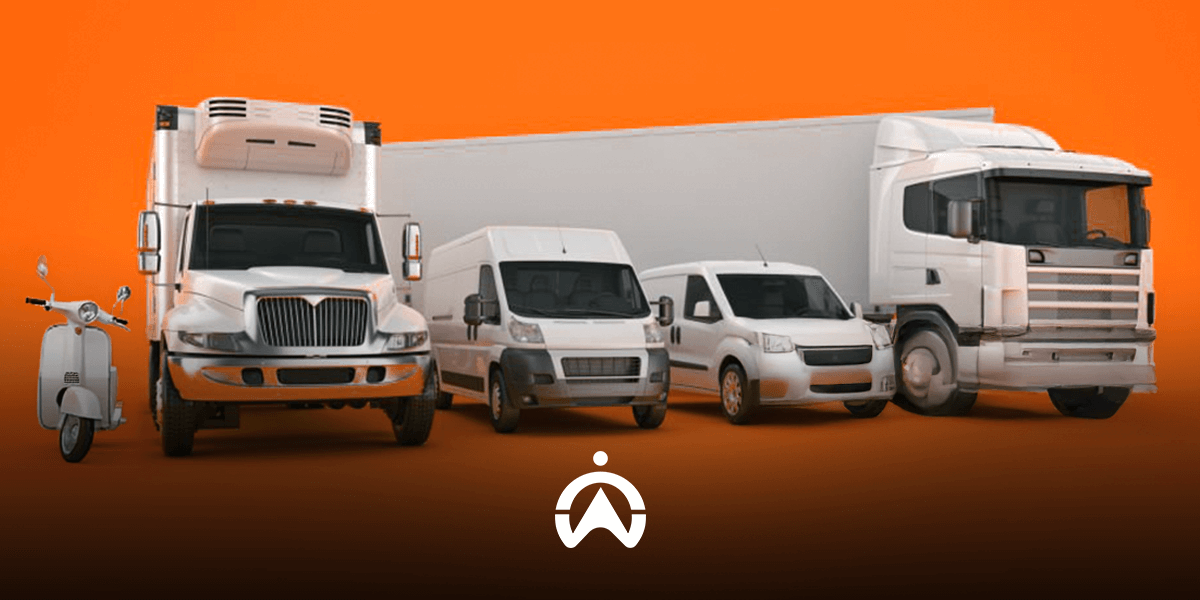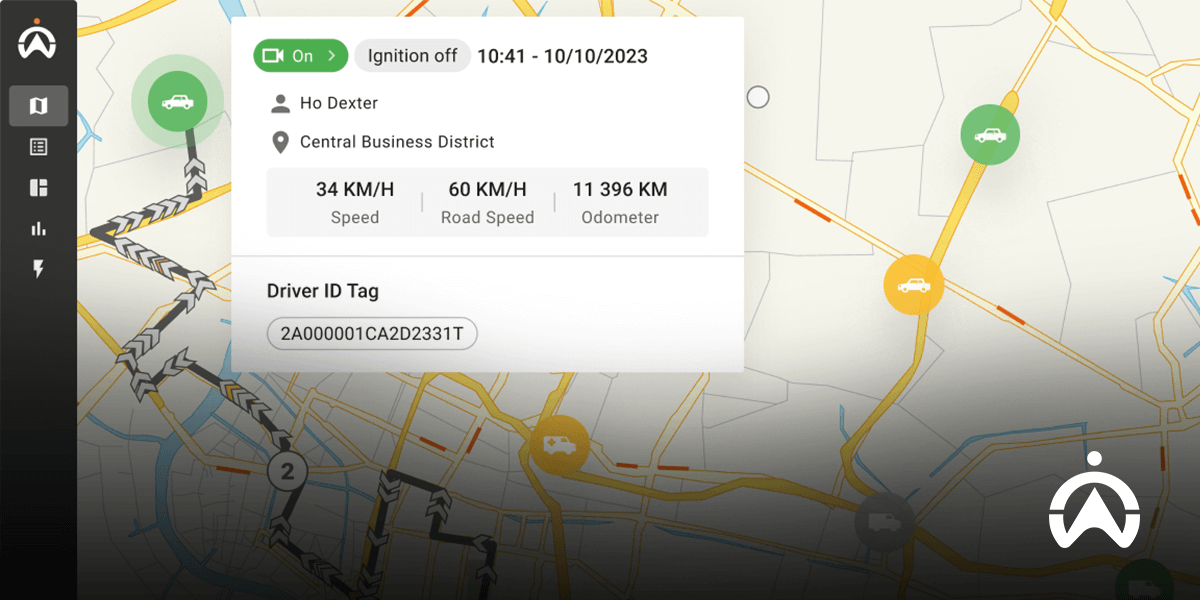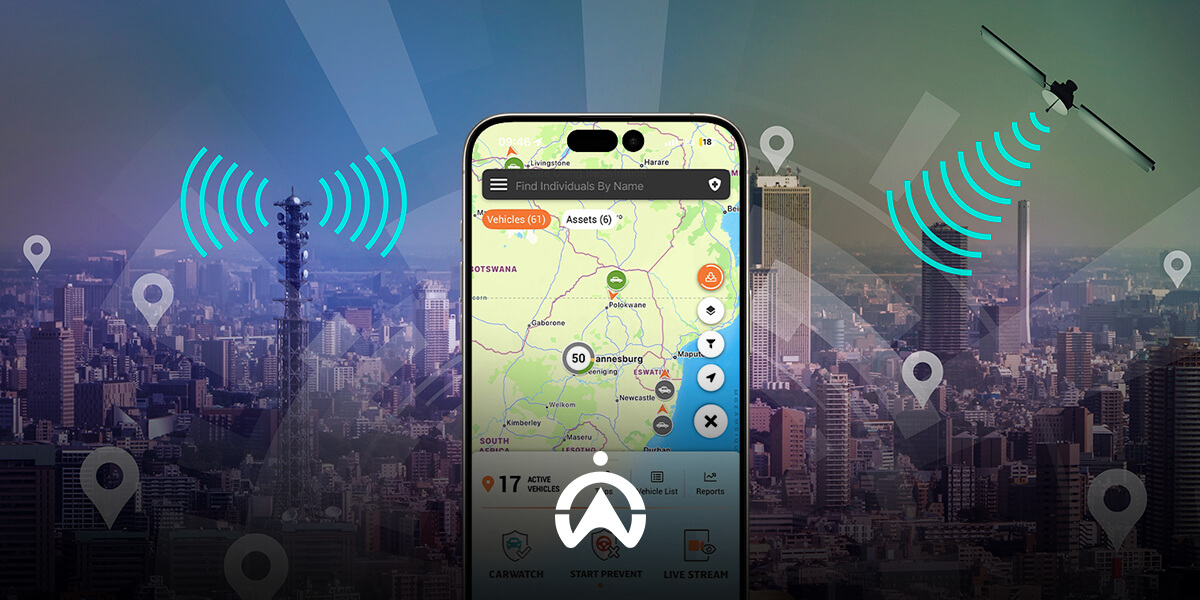

Fleet Management for Cash-in-Transit Operations

One of the most important components in Namibia’s financial infrastructure is a resilient cash cycle.

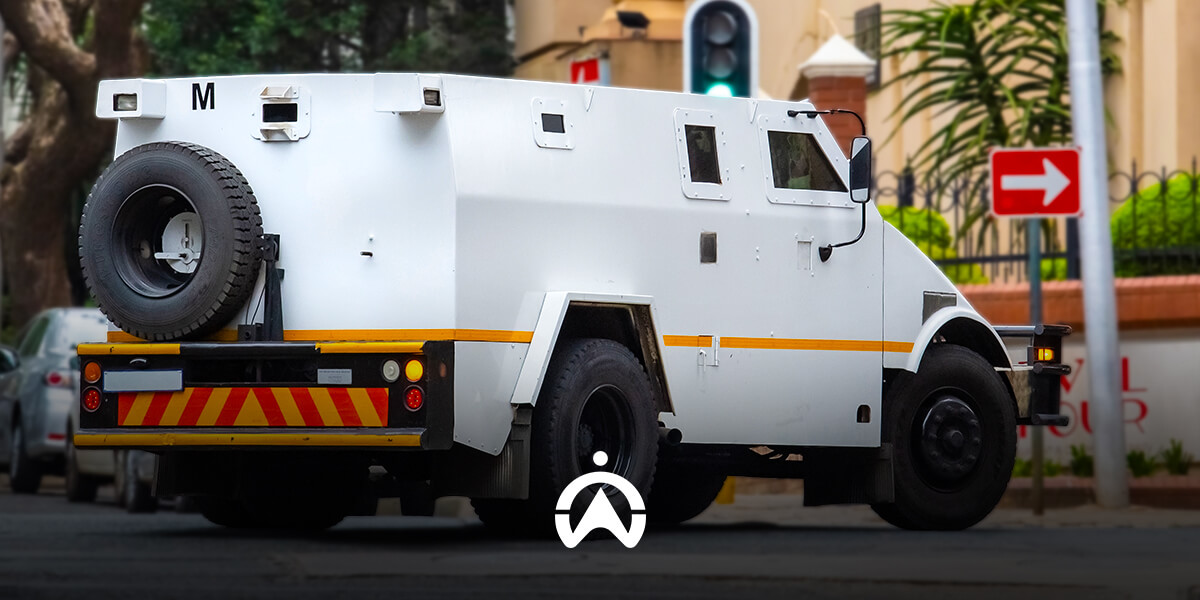
‍Cash-in-transit services play a crucial role in this, as they ensure the secure handling, movement, and protection of cash and other high-value assets throughout the country. However, this essential service comes with the risk of theft, which may result in casualties, as we have seen in recent news.

So, how do you protect millions without compromising on safety? The straight-up answer is a good fleet management software. Let’s look into the difference an advanced fleet management system can make for cash-in-transit operations.

In this article, you will:

  • Find out the unique demands of cash-in-transit fleets
  • Learn the main ways a fleet management system transforms CIT operations
  • Discover the Cartrack solutions that are specially tailored for CIT services

What are the real demands of cash-in-transit fleets?

Running a fleet that is responsible for moving large sums of money presents several challenges that go far beyond those of typical logistics operations, such as the following:

Extreme security risks

Safety is the primary concern for CIT services. Cash-in-transit heists are often very calculated, with some of the robberies involving explosives, posing the threat of physical harm to CIT officers and civilians. In Namibia, cash-in-transit robberies remain a serious concern — for example, armed suspects stole over N$300,000 in a Grove Mall heist and more than N$500,000 in other cases. These well-planned attacks show how lucrative CIT crime is, putting both security companies and the public at risk.

Time restrictions

Due to the security risk and the need for cash, CIT officers have very strict time restrictions. They need to perform their duties as quickly as possible and make sure they meet deadlines to avoid cash-flow disruptions. However, while doing so, vehicle operators need to practise safe driving habits while on the road, which means they cannot compromise by speeding. Cautious driving practices are also crucial for the safety of the high-value cargo.

Regulatory compliance & auditing

In Namibia, the private security industry (including CIT services) is supposed to be regulated under the Security Enterprises and Security Officers Act (1998). Security firms are loosely overseen by the Security Association of Namibia (SAN), which requires companies to register with the Namibian Police (NamPol) and comply with standards like business fitness and good standing. These compliance authorities cover things such as security protocols, how many CIT officers should be in one vehicle, and how to reduce the risk of theft and violence.

Insurance specifications

Insurers require CIT companies to meet specific standards to qualify for coverage. Some of the insurance specifications include GPS tracking systems and alarm systems. Any cash flow disruptions and an increased risk of theft might result in higher insurance premiums. It also causes operational inefficiencies due to improper resource allocation and rescheduled stops.

Vehicle specialisation and maintenance

A non-negotiable standard when it comes to CIT vehicles is their need to be able to withstand explosive attacks. These vehicles, which are designed for security and protection in various environments, require regular inspections and servicing to maintain structural integrity and functionality for optimal performance. However, the complex builds of CIT vehicles require specialised care and attention, but due to the busy schedules and tight deadlines, fleet managers might end up missing service dates, which then leads to unexpected breakdowns.

Route and schedule variation

To ensure that everything moves quickly and runs smoothly, dispatch coordinators must plan schedules and choose routes. The selected routes must be secure and change daily to prevent criminals from predicting movements. This presents a great challenge, as there might be limited options, and the task can be time-consuming. In addition, there needs to be constant monitoring to ensure that drivers are following the stipulated routes. 
How to build an efficient CIT fleet with smart technology?

So, what does it take to build an efficient and secure CIT fleet beyond the bulletproof glass and locks?

An advanced fleet management system has many short-term and long-term benefits for CIT operations. This technology allows you to manage your fleet all on one platform, so you can make more informed decisions. It also enhances the safety of drivers and high-value cargo. Here are the main ways in which a fleet management system improves cash-in-transit operations:

Live monitoring and control

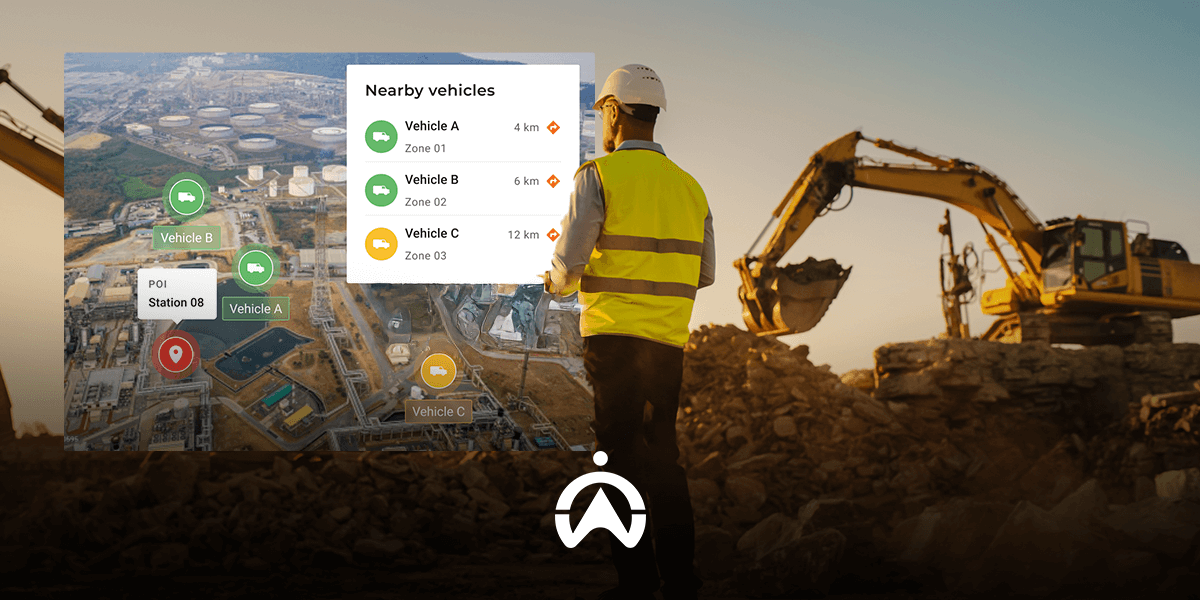
You must always know where vehicles are at all times. A GPS tracking system gives you real-time visibility so you can check where drivers are and see how much time they take at pick-up and drop-off spots.

Fleet routing software

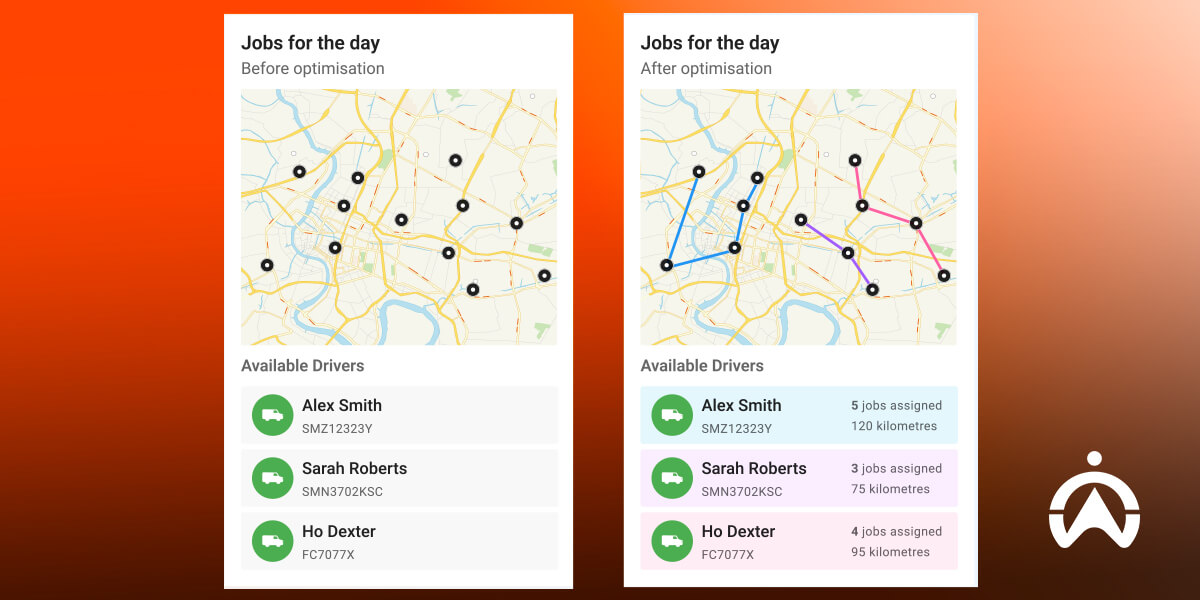
Route optimisation software helps you plan routes and minimise time and risk exposure while maintaining punctuality. This technology uses predictive analytics and historical route data to help determine the most efficient route for cash deliveries.

Telematics

A GPS tracking device with telematics capabilities allows you to see how drivers use vehicles. Through this technology, you can see when vehicle operators are speeding, taking sharp turns, rapidly braking, or accelerating excessively, which could indicate that they were trying to get away from criminals or practising unsafe driving habits.

Immobilisation

Through fleet management software, you also have the option of remotely disabling parked vehicles, ensuring there is no unauthorised vehicle movement.

Vehicle cameras

Over the years, numerous videos capturing CIT ambushes have surfaced online and gained widespread attention.

Cameras allow operation centres to respond quickly to threats. They also give managers a closer look at what CIT officers are doing so they can identify safety hazards or inefficiencies. Video footage can also be used for incident investigations.

Vehicle cameras that are integrated with telematics software are highly recommended, as they typically come with advanced features such as AI technology that can trigger alerts when certain rules are broken. This allows fleet managers to pinpoint areas where drivers need to improve so they can be trained on proper procedures and how to respond in various situations.

How can a fleet management system improve your CIT operation’s bottom line?

Like any business, CIT companies must manage costs and boost profits. A fleet management system supports this in the following ways:

Enhancing security through Cartrack’s fleet management software

Cartrack is one of the leading security and fleet management service providers in Namibia. Partnering with us ensures your fleet remains protected and that all operations are streamlined. Here’s what we have to offer for your cash-in-transit services:

  • AI-powered cameras
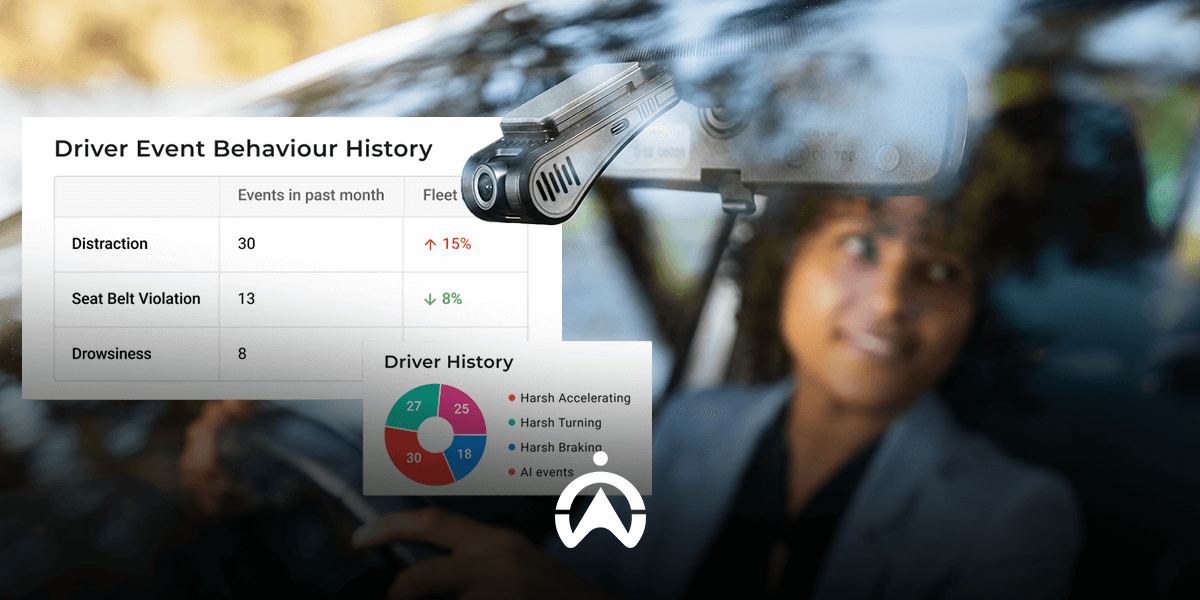
    Our AI Multivision camera solution gives you internal and external visibility of your fleet so you can check up on drivers at any time and quickly respond to high-risk scenarios.The in-cabin AI-powered technology also ensures that drivers remain vigilant on the road, as it can detect distracted behaviours such as driver drowsiness, fatigue, seatbelt usage, smoking, and cellphone use. Once identified, drivers will receive an audible alert, allowing them to quickly correct their actions.
    ‍
  • Live tracking
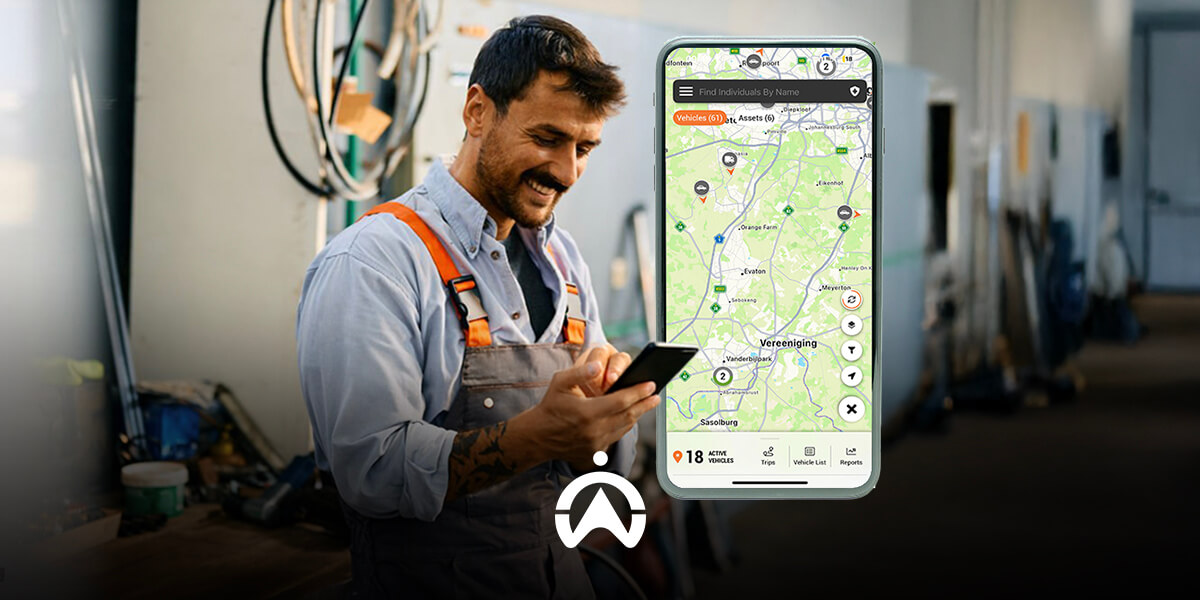
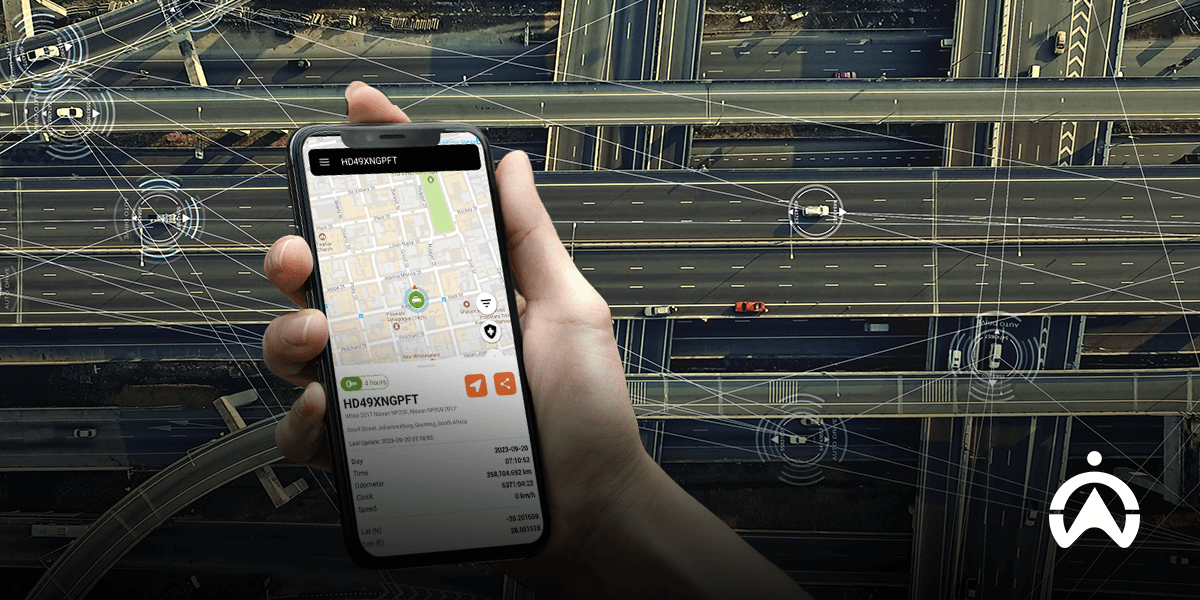
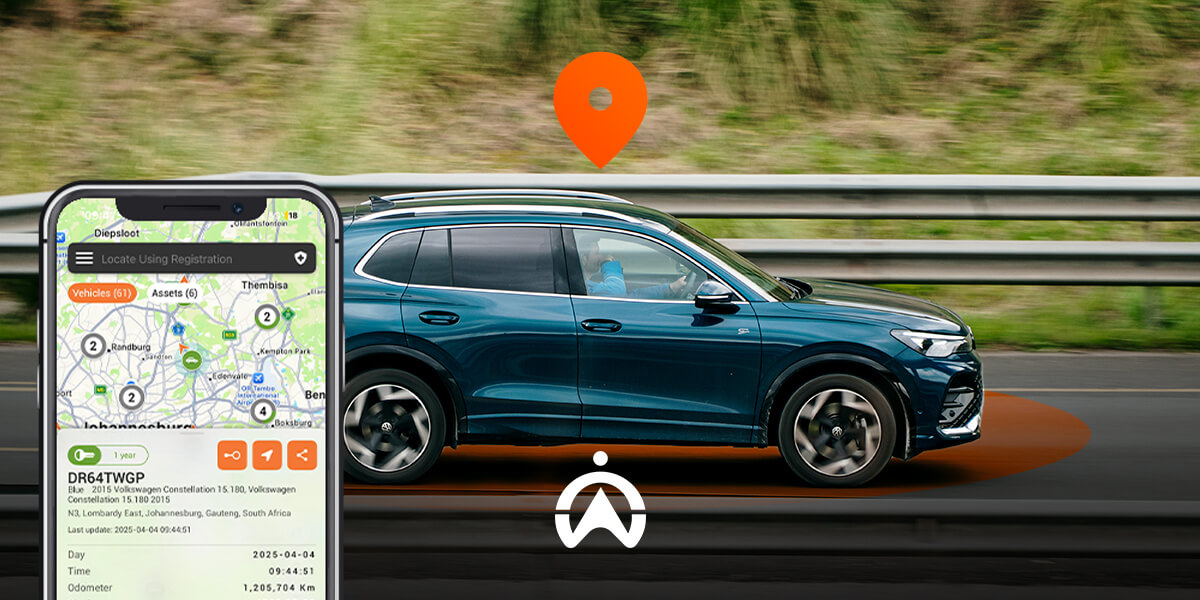
    Equip your fleet with our live GPS tracking features. With this, you can access the locations of your fleet vehicles at any time from anywhere through our website or mobile app.
    ‍‍
  • Route optimisation
    Ensure your CIT officers are using the most cost-effective and secure routes to get to their delivery and pickup locations. Our advanced route optimisation software makes use of historical route trends to determine the best way for drivers to get to their destinations, reducing fuel wastage and mileage and improving delivery times.
    ‍
  • Driver behaviour alerts
    Use our telematics system to monitor driver behaviour. Through this, you will get alerts of risky driving habits such as speeding, excessive acceleration, and harsh braking. This ensures that your drivers are always cautious on the road, avoiding fatal accidents.
    ‍
  • Geofence
    Ensure your CIT vehicles are never where they shouldn’t be. The Cartrack geofence feature allows you to create block-out zones around areas of your choice. If a vehicle enters or leaves that area, you will get an immediate alert.
  • Cargo door sensors
    These sensors enhance high-value cargo safety by informing you when doors open and close, helping you see if drivers are following protocol.
  • Panic button
    In an emergency, a driver can press our panic button; it will instantly send a silent alert to our control room service, and an operator will respond to assist.
  • Start Prevent
    Immobilise and re-mobilise fleet vehicles via our fleet management platform. This system enhances vehicle safety by disabling the engine so it does not start without any authorisation.
  • Preventive maintenance
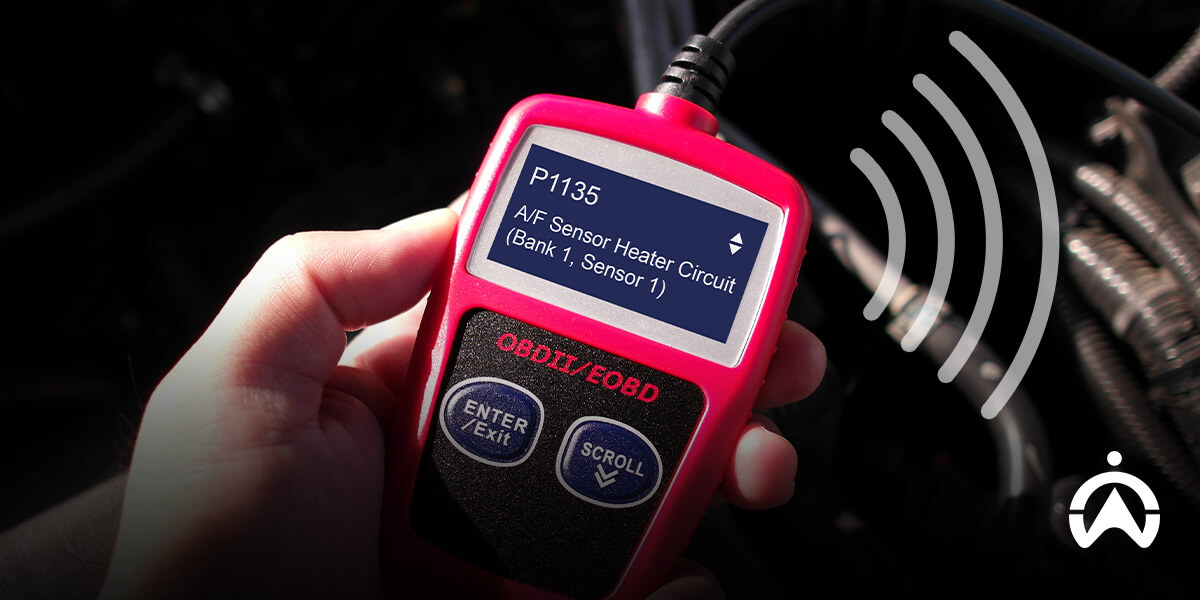
    The Cartrack preventive maintenance system gives you alerts on vehicle health issues such as engine conditions, water and oil fluctuations, and worn-out brake pads. Helping you automate maintenance schedules to avoid unexpected breakdowns and delays.

Why Cartrack is the smart choice for CIT fleet management

Modern fleet management is no longer just an operational tool; it’s a key line of defence in CIT operations. Our high-tech solutions are tailored to enable safer, smarter, and more compliant cash-in-transit operations. Contact us today and invest in technology that will transform your business.

Frequently asked questions about cash-in-transit services and fleet management

What is fleet management in transportation?

Fleet management in transportation involves the use of different technologies to oversee a company’s vehicles. The main objective for using these smart tools is to improve operational efficiency, reduce costs, and enhance safety. To achieve this, fleet managers must use the technology to monitor various aspects of the fleet, such as vehicle maintenance, fuel consumption, driver behaviour, and route planning.

What is a cash-in-transit policy?

A cash-in-transit policy is a type of insurance that provides coverage for the loss of money or valuable items while they are being transported. The policy protects CIT companies and other businesses that handle high-value items, such as banks and retailers.
Car Tracking Services and Solutions

The need for car tracking services has increased over the years. This is due to various factors, such as rising concerns about vehicle theft, the growing demand for advanced technologies that enhance driver safety, the growth of the fleet management industry, and the convenience of it all.

There are many car tracking services and solutions available in Namibia, but finding the right one can be quite the challenge. Today, we look at the various car tracking services and solutions that we have to offer and also give you insight into how they work. Let’s dive into it!

In this article, you will:

  • Get a detailed explanation of what car tracking services do
  • Find out the benefits of car tracking services
  • Discover what to expect from a tracking service provider
  • Learn about our car tracking solutions

Car tracking services explained

Car tracking services refer to companies that offer GPS and cellular technology for users to monitor their vehicles in real-time. The GPS is primarily responsible for determining the vehicle’s exact location, while the cellular network systems are used for precision, quick data transmission, and other information such as speed and direction.

GPS tracking technology continues to thrive due to its advancements, new features, and functionalities. Cartrack is listed as one of the leading companies in the African vehicle tracking system market. Let’s explore the different types of car tracking services and why you need one.

Exploring the different approaches to car tracking

Not all vehicle tracking systems work in the same way. Some offer live updates, others store information for later use, and some use radio signals instead of GPS. Here’s a short breakdown:

  • Passive tracking (data loggers): Passive tracking systems act like logbooks. They record GPS locations, speed, and the direction in which the vehicle is moving and then store the information. The data can later be retrieved by connecting the device to a computer.
  • Active tracking: Active tracking, on the other hand, gives vehicle data updates such as location, direction, and speed in real time. This is made possible through cellular technology, satellites, and a cloud platform.

Although GPS trackers are the primary devices used in vehicle tracking, there are various other types of tracking technology that can be used depending on the purpose. A good example of this is Radio Frequency Identification (RFID). This is a wireless tracking method that uses radio waves to identify and track objects automatically. In the fleet management industry, RFID technology is used for driver identification.

The real benefits of using car tracking services

There are many benefits to having a vehicle tracking service, including:

  • Enhanced vehicle security and theft recovery
    It’s no secret that vehicle theft is a growing concern in Namibia, with criminals constantly devising new methods to steal vehicles and cargo, making vehicle security the top benefit of having a car tracking service. Through this service, you get theft recovery benefits as well as other tools that will help prevent theft from happening.
  • Safer driving habits
    GPS tracking devices usually have IoT technology. This powerful technology is what allows the device to go beyond providing location information. IoT-enabled devices can detect driver behaviours such as speeding or sudden braking. Through this, businesses and individuals can see which driving habits they need to improve on, therefore encouraging safer driving.
  • Fuel efficiency
    Fuel accounts for one of the most costly expenses of fleet operations. Every drop of fuel saved makes a huge difference, especially during this time when fuel prices are constantly fluctuating. Using a GPS tracker with telematics capabilities, you can monitor driving habits that increase fuel consumption, such as idling and speeding. A tracking device with telematics capabilities can also detect mechanical issues that increase fuel consumption, such as engine inefficiencies.
  • Proactive maintenance
    Speaking of vehicle wear and tear, telematics devices can also detect issues with the engine and give fleet managers alerts that assist in vehicle health checks, such as service reminders, battery warnings, and engine diagnostics. This prevents unexpected breakdowns, as fleet managers will address potential issues before they escalate.
  • Insight into driver routes and behaviour
    Vehicle tracking services help fleet managers monitor driver routes in real-time. Through this, fleet managers can see when drivers are deviating from the planned routes or when they are making too many unplanned stops.
  • Potential insurance discounts
    Insurance premiums are determined by how much of a risk you pose to the broker. Without a tracking unit, your car stands a greater risk of being stolen and not recovered. For this reason, insurance companies might charge you more for your monthly premiums or refuse to cover your vehicle. Additionally, frequent insurance claims result in premiums going up. With safer driving encouraged by tracking data, you are likely to make fewer claims, therefore reducing the chances of prices going up. 
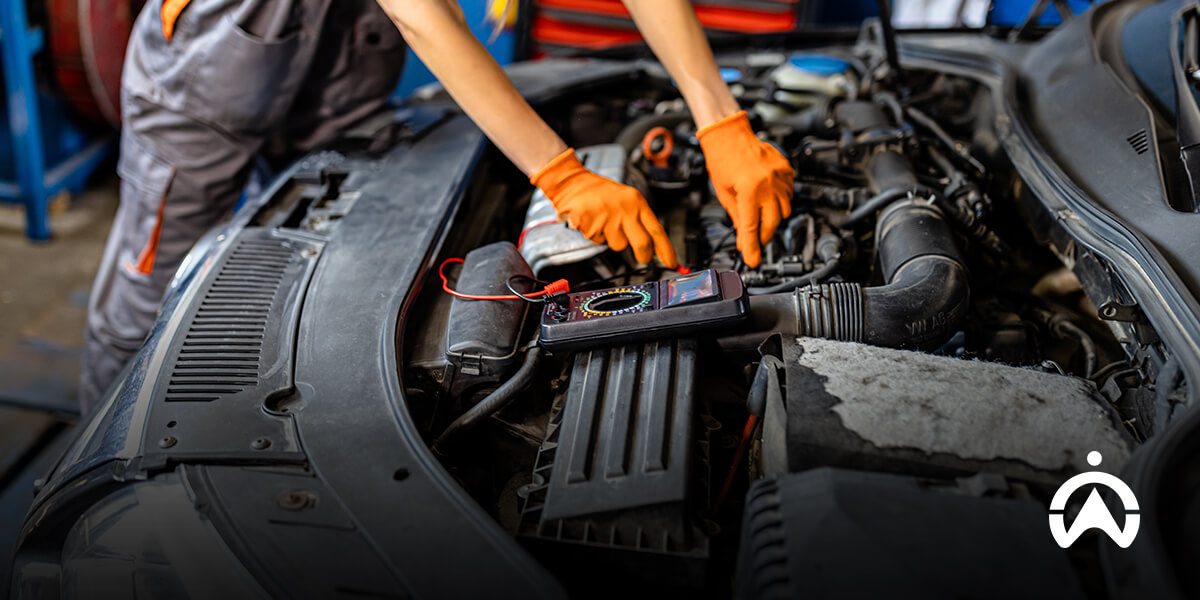
A mechanic in orange gloves uses a multimeter to diagnose a car's engine, focusing on underlying components.

Who can benefit from car tracking solutions?

A vast range of users can gain from these services. From private car owners to small businesses, e-hailing drivers, construction companies, and, of course, those in the business of logistics. Have a look at these two examples that showcase the perks of having a vehicle tracking service:

  1. Parents monitoring young drivers: If you are a parent to a teenager, a car tracking service will help you check their location at any time. You will know when they’ve reached their destinations, as well as see if they are driving responsibly.
  2. Delivery business: Delivery companies can significantly benefit from GPS tracking services. The technology eliminates time-consuming procedures such as the constant phone calls to check where drivers are and reduces the amount of paperwork. Fleet managers can use the software to optimise routes in order to find the best way to get to a delivery destination and get accurate delivery ETAs. This reduces fuel costs and promotes a better customer experience.

Costs, installation, and what to expect from a tracking provider

  • Cash vs rental
    You must know the payment options that a company has to offer. At Cartrack, we have cash and rental options. With a cash contract, you pay for the device up front, get full ownership, and lower monthly service fees. A rental contract, on the other hand, is a more budget-friendly option that offers flexible payments with lower upfront costs. Your budget and purpose of use will determine which payment option is best for you.
  • Stolen vehicle recovery (SVR)
    Not all tracking services include stolen vehicle recovery, so it’s vital to confirm whether your provider offers this essential service. This means you only get access to viewing the location of your vehicle, but should it be stolen, no recovery team will help you retrieve the car. It is important that you know the exact details of what your package entails to avoid signing up for a service that does not cover the basics of vehicle tracking.
  • Installation
    A smooth and professional installation is what you should look for. Some providers offer self-installation kits; however, an installation from a skilled technician ensures that it is done correctly, reduces the chances of vehicle parts being damaged during the process, and ensures that the device works optimally.
  • What tools do you get access to?
    When signing up for a GPS tracking service, you should expect to have access to a mobile app and a website to simplify the monitoring of vehicle movements in real time. The features should include real-time location sharing, trip replay, vehicle health reports, and ratings based on driving habits. The software should also give you historical data that allows you to review past trips, so you can identify areas of improvement. Furthermore, you should be able to set up alerts that inform you of safety concerns, such as when vehicles have gone over restricted areas.
    ‍
  • Warranty and support
    Ensure your service provider can be trusted and is reliable. There should be customer support readily available for all your queries. Moreover, there should be a device warranty to ensure your unit is fully functional and will be repaired or replaced should there be any faults.

How to choose the right tracking solution for you

  1. Purpose
    Having a clear outline of your vehicle tracking needs will make it easier for you to find the best solution for you. Ask yourself what the most important activities you’ll be using it for are. Do you just want the service for vehicle security, or will you need additional features to manage a fleet? Once you understand your specific requirements, you can identify the solutions that would best suit you or your business.
  2. Cost
    Evaluate the upfront costs and subscription fees. Go through the terms and conditions to get a better understanding of any costs you might encounter along the way. Whether budget-friendly or high-end, the price you pay must be worth the service you will get. There should be a good return on investment.
A person in a safety vest fixes a car tire while another individual holds an umbrella, surrounded by autumn foliage.

Why choose Cartrack for your vehicle tracking needs

Cartrack is a trusted vehicle tracking company that has been around for over 20 years. We offer budget-friendly options that give individuals and business owners peace of mind. Our key features include:

  • Real-time tracking
    Track your vehicle’s location in real-time on the Cartrack mobile app or website. Get satellite views and smart-map overlays to get a view that best suits you. Access a full trip history and replay the journeys, and know the distance and duration of every trip.
  • Stolen Vehicle Recovery
    The Cartrack control room service is available 24/7. We have nationwide coverage and a highly trained recovery team that is always on standby, ready to get your car(s) back to you.
  • Lifetime maintenance warranty
    All Cartrack units have a one-year maintenance warranty to ensure that your device functions optimally. You also have the option to extend for lifetime coverage under specific terms.
  • Crash detection
    We have technology that automatically detects collisions. When this happens, we will call you or a loved one to find out what’s happening and immediately send help. This speeds up the process of emergency services getting to you, as we will have your exact location. The service comes as a value-added service.
  • Breakdown assistance
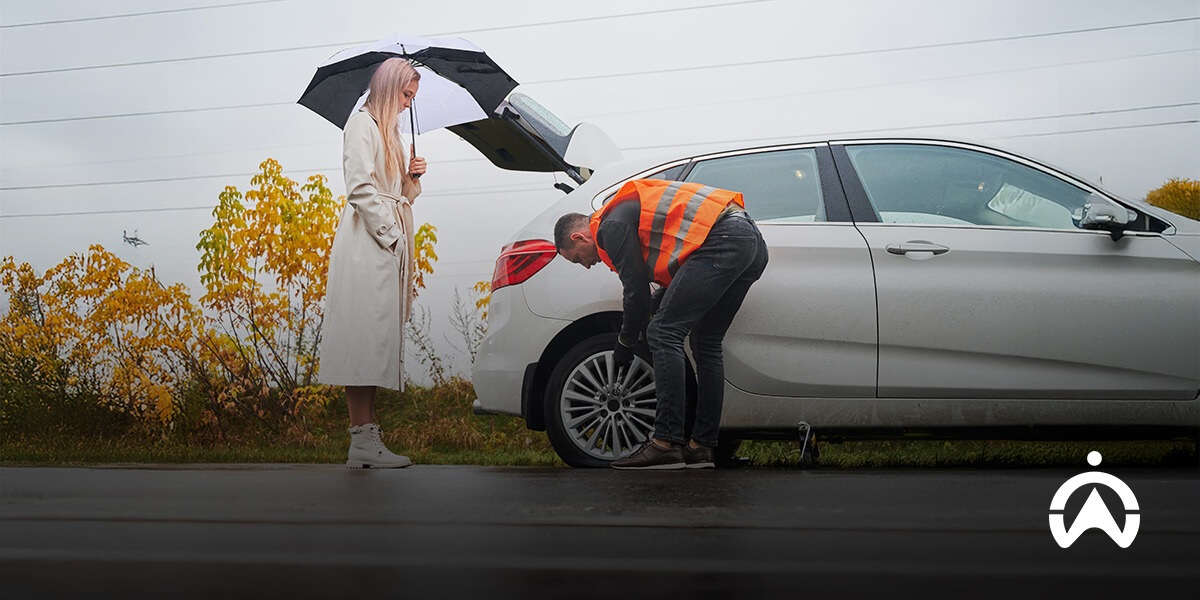
    To ensure that your car is never left stranded on the road, Cartrack has a value-added service called Protector that provides roadside assistance in the event of a vehicle breakdown. Once again, help will get to you sooner since we will already have access to your live location.
  • A virtual car guard
    As an extra layer of protection against vehicle theft, Cartrack has a CarWatch value-added service. All you have to do is click on the option after parking your car, and you will get an alert if it moves without your permission.
  • Driver behaviour insights
    Our IoT-powered devices allow individuals and fleet managers to monitor aggressive driving habits such as excessive acceleration, harsh braking, harsh cornering, and speeding. This encourages driver accountability and safer driving habits.

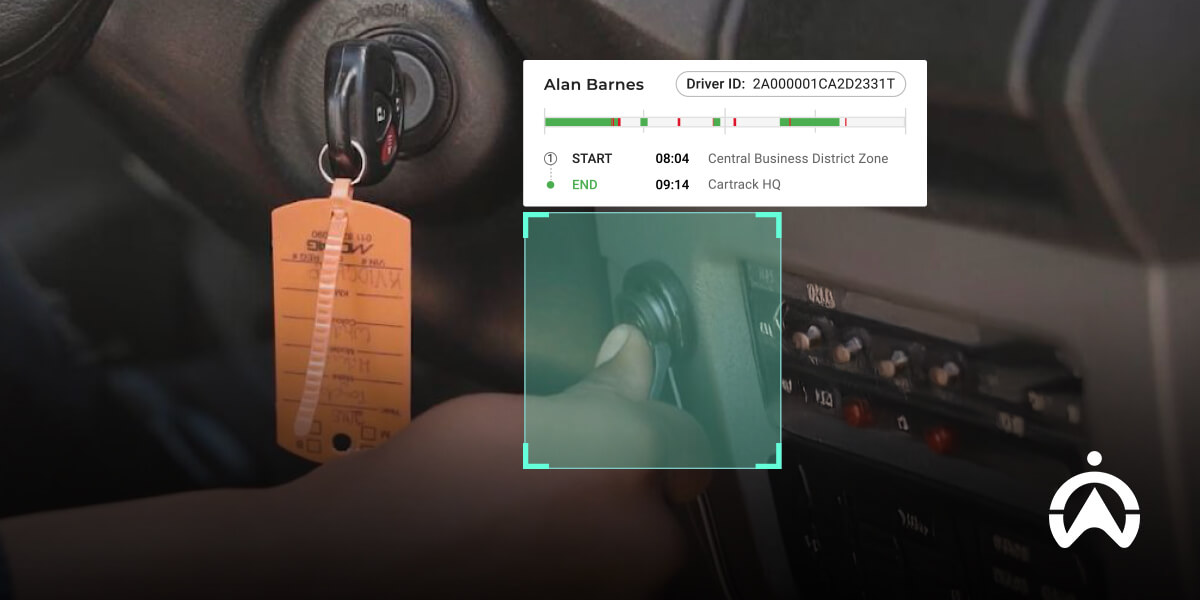
    Furthermore, through the use of RFID tracking technology, we have driver identification tags that fleet managers can use to immediately identify who is driving which vehicle. This ensures that the business remains compliant by assigning certain types of vehicles to qualified drivers and makes monitoring driving habits easier, as you will know which driver needs training.

  • Route optimisation
    Using historical traffic patterns, travel trends, and real-time data, our route optimisation tool suggests the most efficient routes your vehicles can take. This reduces the long routes that increase fuel costs and improves delivery times.

Let us cater for your car tracking needs

Car tracking services are essential for every motorist, and as one of the leading vehicle-tracking service providers in Namibia, we pride ourselves on giving you solutions that cater to all your vehicle needs. Reach out to us and see why we provide one of the best vehicle tracking services and solutions.

How Does Telematics Affect Fleet Insurance?

The price of vehicle insurance in Namibia is on the rise. This is due to the increase in the cost of vehicle replacement parts and repairs, mainly driven by inflation. Insurers need to account for the increased claims payouts, and as a result, these costs are compensated for through higher premiums.

Insurance costs can amount to a significant portion of running a fleet, so keeping them as minimal as possible is important.

Telematics helps insurers assess and price the risk; they are also the key to making premium savings. Today, we explore how telematics affects fleet insurance and why investing in a fleet management system might reduce the number of claims and, therefore, lower your premiums.

In this article, you will:

  • Learn about the connection between telematics and insurance
  • Find out how insurers use telematics to asses your fleet
  • Discover the Cartrack solutions that will help lower the risk your fleet poses to insurers

The link between telematics and insurance

As the world continues to experience innovations and technological advancements, the insurance sector is also embracing this shift by leveraging telematics technology. Insurers now use this powerful technology for risk assessment, pricing, and claims management.

To better understand, you first need to know how telematics works. Telematics involves the tracking and monitoring of vehicles through navigation systems, sensors, and sometimes cameras. This tool typically comes in the form of a GPS-enabled device installed in a vehicle to collect data. These devices provide vast amounts of data about driver behaviour, vehicle usage, vehicle health, and location. This information is essential for insurers to assess risk more accurately.

How insurers use telematics data

Insurers use telematics to collect data about driving habits such as speed and harsh braking, to determine risk levels, create a profile for the fleet, and set premiums. The open sharing of telematics data builds trust between fleet owners and insurers, ensuring more accurate and fair pricing based on actual driving behaviour.

What fleet insurers assess to determine premiums

Commercial vehicle insurance requires that the insurer understand the operational demands of the vehicles. Insurers conduct thorough assessments of the entire fleet, taking into account its unique needs and associated risks. Vehicle insurance is regularly updated and reviewed to ensure that the level and nature of cover evolves along with the fleet’s growth and development. ‍

Here are some of the factors that fleet insurers consider to determine your premium:

  • Number of vehicles: The larger a fleet, the higher the possibility of claims. However, insurers usually give larger fleets more discounts due to reduced administration costs, as they often calculate premiums using a single risk profile instead of having to assess each vehicle’s risk separately for each individual insurance policy.
  • Usage and mileage: The more time vehicles spend on the road, the more exposed they are to accidents, and the greater the chances of wear and tear. For this reason, insurers want to know how far vehicles travel daily.
  • Travel zones: Vehicles that travel across borders are charged higher premiums due to the risks associated with being out of the country. Vehicles that operate in high-risk areas attract higher premiums.
  • Type and value of vehicles: Assess the age, condition, model, and make of vehicles, as well as how much each vehicle currently costs. Some vehicles are of higher risk than others.
  • Driver record: Having drivers with more experience reduces the chances of accidents. For that reason, insurance companies also check the type of drivers you have in your fleet.
  • Claims history: A business with a history of frequent claims is more likely to pay higher premiums.
  • Type of goods being transported: Insurers usually include the cargo being transported. If it is of high value, then there are more risks associated with the fleet. Taxi and shuttle businesses should have liability coverage given the risk of personal injury and death when transporting people.
  • The presence of security measures: A fleet equipped with tracking devices and telematics capabilities reduces the risk of accidents, resulting in fewer claims. This, therefore, results in lower premiums.
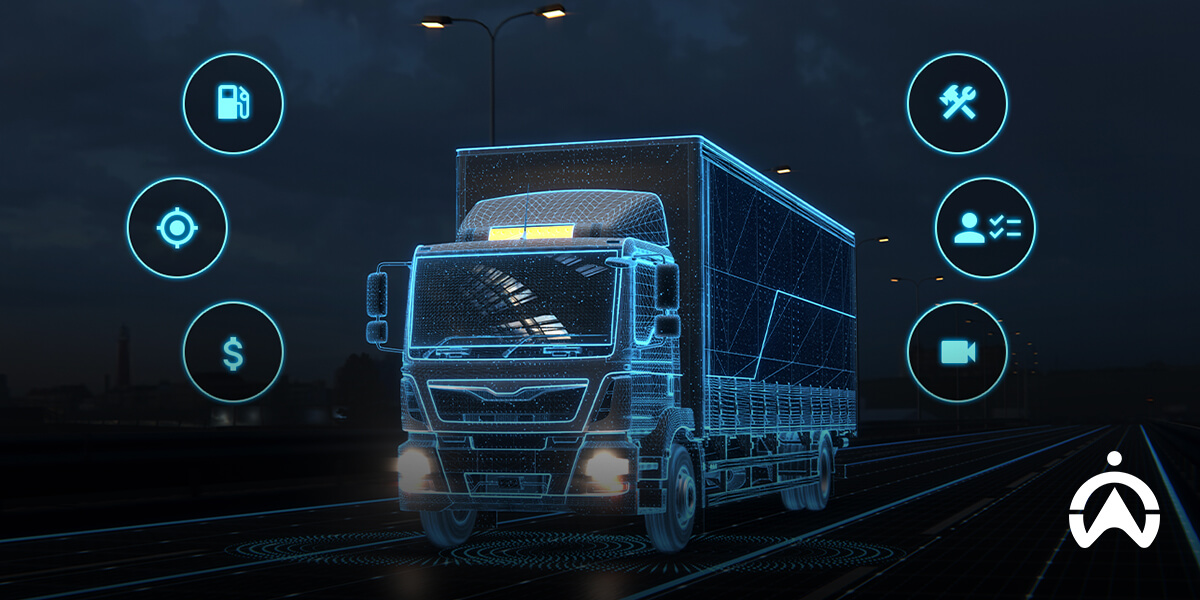
A digital hologram of a truck surrounded by icons for fuel, tools, user management, budget, and video, reflecting vehicle telematic data.

Key ways telematics impacts fleet insurance

There are several ways in which telematics affects fleet insurance. Here are four of the most impactful:

  1.  Usage-based insurance (UBI) options
    The pay-as-you-drive or pay-how-you-drive models are growing in Namibia. Usage-based insurance is when insurers use telematics data to customise premiums, leading to potential savings, i.e the better the driver behaviour, the higher the chances of lower premiums.
  2.  Improved risk assessment
    Telematics data gives insurers insightful information on where vehicles travel, the road conditions, and how safe it is. This enables more customised and fair premium pricing.
  3. Accident mitigation
    Monitoring driver behaviour and vehicle conditions translates to fleet managers being able to quickly identify unhealthy driving patterns and mechanical issues. This allows them to take action before drivers and vehicles cause accidents.
  4. Faster claims resolution
    Since telematics devices can pick up driving habits and impact, businesses get to prove their innocence in cases of fraudulent accident claims through accurate data. This speeds up the claims process and reduces the delays caused by disputes.

Using fleet technology as a risk management tool

As already mentioned, investing in fleet management software is the best way to mitigate risks and therefore reduce insurance costs.

  • Preventive maintenance: A fleet management system alerts managers of maintenance issues before they become serious problems so they can schedule maintenance, avoid unplanned downtime, and avoid costly repairs. This information reduces fleet expenses while minimising fleet safety risks.
  • Driver behaviour alerts: The real-time alerts and reports on driver behaviour allow managers and supervisors to address concerns and send fleet operators for coaching based on the specific help they need.
  • Route monitoring: The GPS tracking technology enables fleet coordinators to spot deviations and when drivers are in high-risk zones or accident-prone areas in real time. This allows them to contact the driver and check if there are any issues.

Case Study: Preventive maintenance measures for Concord Cranes

The key to better insurance premiums is fleet maintenance and driver monitoring. Here is a real-life story of how we assisted Concord Cranes through our preventative maintenance measures:

Concord Cranes is a company that specialises in crane hire solutions. They provide mobile cranes for hire, professional rigging, transport, and specialised lifting projects across 15 branches.

They often found it difficult to accurately record the hours each crane worked, making it challenging to maintain and deliver them to their clients on time.

How Cartrack makes a difference:

  1. Cartrack’s telematics device and specialised power take-off sensors make it possible for Concord Cranes to accurately monitor their cranes’ on-site working hours, mileage travelled, and see exactly what equipment a crane used. This data allows them to track the condition and usage of their cranes so they can establish preventative maintenance measures for their clients and increase their fleet longevity.
  2. Cartrack’s fleet management system with preventative maintenance insights has helped Concord Cranes reduce maintenance costs by minimising the number of cranes sent for expensive, fault-related repairs. This also reduces unplanned downtime for general services.
  3. Concord Cranes also uses Cartrack’s fleet management and maintenance system to improve overall brand reliability with their customers, ensuring their cranes are always in safe and working order. Additionally, detailed maintenance schedules have reduced the number of unexpected breakdowns and allowed proactive planning for the timely availability and deliverability of cranes to customers.

“Using Cartrack’s advanced fleet management, we have been able to increase our operational efficiency to deliver a better service to our customers, as well as effortlessly establish a maintenance cycle that reduces our costs and increases our fleet longevity.” | Gareth Langley, Concord Cranes operations manager

A worker in a high-visibility vest holds a clipboard, conducting vehicle maintenance checks on a shiny blue vehicle in a well-lit industrial area.

Enhance your fleet insurance with Cartrack’s advanced solutions

Businesses can reduce their insurance premiums by implementing robust risk management practices and maintaining a good safety record. At Cartrack, we offer services that help with safe driving, vehicle maintenance, planning routes, and vehicle recovery. Here’s how they work:

  • Maintenance scheduling
    Our fleet system allows you to set reminders of vehicle service dates, ensuring vehicles are always in top shape and that you plan ahead for the downtime. Additionally, you can also receive real-time alerts of engine faults, worn-out brake pads, oil and water fluctuations, and other diagnostics.
    ‍
  • Risk management (Stolen Vehicle Recovery)
    At Cartrack, we boast the impressive number of over 100,000 vehicles in the last decade. We have a large team of skilled recovery agents spread across the country, and a control room service that is available 24/7. Should the unfortunate happen, our teams are always on standby ready to get back what belongs to you. A stolen vehicle recovery service is also one of the things that are highly recommended by insurers, especially for a fleet that transports high-value goods, with some insurance companies even refusing coverage without one.
    ‍
  • Driver monitoring
    Ensuring the safety of drivers and monitoring how they operate fleet vehicles is one of the best ways to avoid frequent insurance claims. Our telematics devices provide reports and alerts on driving behaviours such as excessive idling, speeding, harsh braking, harsh cornering, and harsh acceleration. This allows you to spot risky driving patterns, address them with drivers and send them for training.
    ‍
    As an extra precautionary measure, you can invest in our AI-powered cameras to monitor drivers. These cameras are able to detect when drivers are distracted, using their cellphones, feeling drowsy or smoking. The system then gives drivers audible alerts so they can quickly correct their actions. Through this, drivers avoid collisions, which could be fatal or lead to heavy insurance claims and repair costs.
    ‍
  • Live tracking
    The Cartrack fleet system gives you the ability to track the locations of your fleet vehicles at any time to ensure that drivers are using the correct routes and that they are safe.
    ‍
  • Geofence
    The Cartrack geofence feature ensures that drivers always stay in the stipulated zone. Through this software, you can create virtual boundaries around areas of your choice and get alerts whenever vehicles enter or leave those areas. This ensures that you are always aware when vehicles are in high-risk zones which could indicate theft or deviations.
    ‍
  • Route optimisation
    Our route optimisation feature is a smart tool that helps plan your routes so you can choose the most efficient ways for drivers to get to their destinations. This is done through the analysis of road conditions and traffic patterns, helping avoid delays, reducing mileage, and minimising exposure to extreme road conditions that increase vehicle wear and tear.

Improve your fleet’s insurability with Cartrack’s data-driven management tools

Insurance is a must, and so is a fleet management system. Our solutions give you better insight into your fleet so you can make more informed decisions that help you avoid higher insurance premiums. Contact us today and unlock fleet savings!

Frequently Asked Questions about telematics and insurance

What is telematics in fleet management?
In one of our blogs, we explain how “telematics is a system used to collect GPS fleet tracking data along with a range of vehicle-specific information and store it in a database. It integrates both wireless telecommunications and information technology (informatics) to process, deliver actionable data and efficiently convey information over vast networks.”

How does a black box affect insurance?
A black box is a telematics device that tracks driver behaviours such as speeding, harsh cornering, and braking patterns. Insurers use it to accurately assess the driver’s risk and determine the insurance premium.

Which type of insurance uses telematics to help make decisions around premiums? 

Usage-based insurance (UBI) is a type of insurance where insurers use telematics technology to determine premiums. They track mileage, speed, time of day, braking patterns, and acceleration. This information is then used to tailor monthly premiums for your vehicle. For example, people who work from home might argue that they hardly use their vehicles and should therefore pay less. UBI makes that possible through telematics technology.

GPS Jamming: What You Need to Know

GPS tracking technology plays a huge role in modern-day vehicle safety and fleet management. But with every safety invention comes the development of systems to bypass the technology. In this case, we are referring to signal interference through the use of GPS jamming devices.

GPS jamming devices have been around for many years, mainly utilised by the government. The technology has since become accessible to civilians, which poses a threat to vehicle owners, individuals, and society at large.

Today, we give you insight into the overall effects of GPS jamming and how we, as Cartrack, have tools in place to help mitigate this issue.

In this article, you will:

  • Get a detailed explanation of what GPS jamming is
  • Find out how GPS jammers are used by different people
  • Learn how businesses and individuals can protect themselves from GPS interference
  • Discover the Cartrack solutions that help combat the issue of signal jammers

What is GPS jamming?

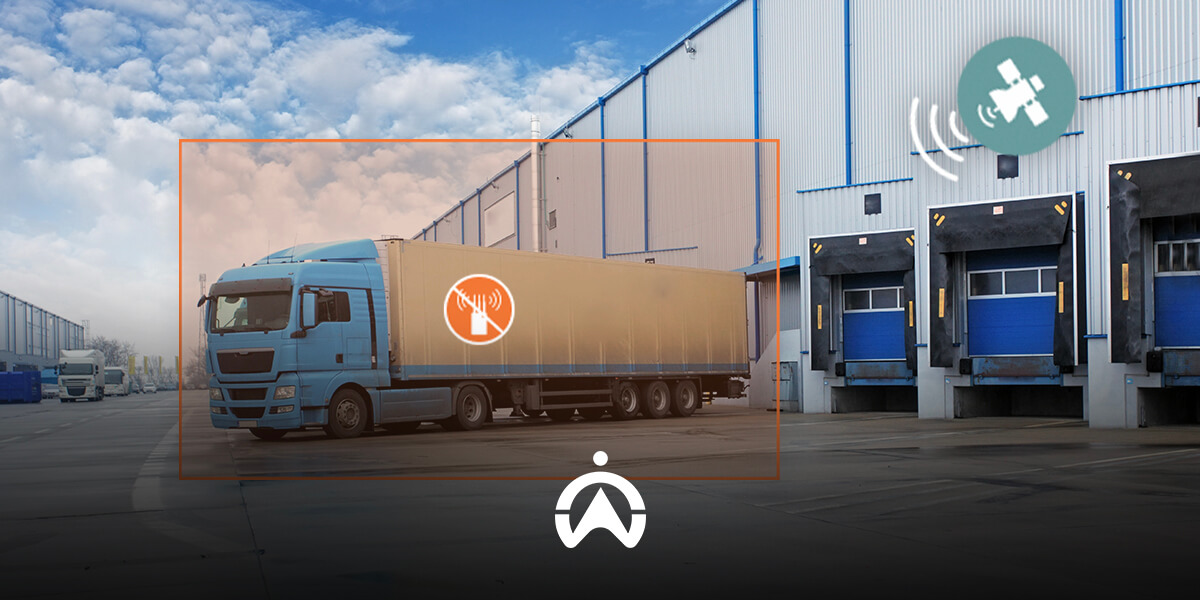
GPS jamming describes the process of using a radio frequency (RF) transmitting device to deliberately block or interfere with GPS signals that are used for navigation, timing, and positioning. These RF-transmitting devices are called GPS jammers.

GPS jammers emit stronger signals with the same frequency as GPS satellite signals. Once emitted, they create noise to confuse the GPS receiver, resulting in the GPS being “blind,” unable to see the satellites and give accurate location data. Think of it as someone shouting over a quiet conversation. The device can’t “listen” to the GPS satellites because the jammer is “shouting” over the same frequency.

Governments initially created the devices for military use and spy agencies to confuse the enemy. They later became available to the general public, with some individuals using them to protect their privacy by preventing other people from being able to track them or hack their data. However, when placed in the wrong or untrained hands, signal jammers can severely disrupt communications, affecting businesses, vehicle tracking data, the recovery of vehicles, or even airport radio towers.

The different types of GPS jammers

Signal-jamming devices come in various shapes and sizes and are easy to operate. They vary according to the intended use and range. Here’s a quick breakdown of the three common types of jammers:

  1. Portable jammers
    As the name suggests, portable jammers are small and can fit into your pocket. They might resemble everyday gadgets such as cellphones and USB chargers. They typically feature one or two small antennas and are commonly used to block cellphone signals.
  2. Vehicle jammers
    These are larger than portable jammers and are designed to conceal the location of vehicles. They have internal or external antennas and can connect to the vehicle’s electrical system.
  3. Stationary jammers
    Stationary jammers were initially created for fixed locations and are the largest compared to the other two. They look like routers, and they are weather-resistant for outdoor use. They have multiple antennas that are very noticeable and often come with additional hardware for mounting the device.
A tall, red and white communications tower stands against a clear blue sky, featuring antennas and radar equipment.

Who uses GPS jammers and why?

GPS jammers are used by people with different motives. Let’s have a look at the various reasons why people get them:

  • Car thieves
    It is no secret that vehicle theft is one of the major public safety concerns in Namibia. Criminals are always finding new ways to bypass safety-focused technology. They use GPS jamming devices to conceal the location of stolen vehicles, making it difficult for most vehicle tracking companies to perform recoveries.
  • Employees and drivers
    In logistics, some operators may use jammers to manipulate route times or hide detours. This leaves the fleet manager unaware of unauthorised activities. These detours may be personal trips or side jobs to make extra money while on the road.
    ‍
  • Personal privacy concerns
    Some individuals use GPS jamming devices to protect their privacy. An example of this is how GPS jammers can be used to prevent drone surveillance or data capture.
    ‍
  • Smuggling operations
    Criminals also use GPS jamming devices to hide the movement of illicit goods, such as illegal weapons. This prevents authorities from being able to trace them and buys time so they can go as far as possible while undetected.
    ‍
  • Cybersecurity attack
    The world has become increasingly reliant on technology, making individuals and organisations vulnerable to cyberattacks. In April 2024, an article by Wired reported that planes and ships operating around southern Sweden and Poland have lost connectivity as their radio connectivity was interfered with. This sort of disruption poses major threats to the shipping and aviation industries, as it could result in fatal accidents on a larger scale.  

How GPS jamming affects fleet management and vehicle tracking

Now that we know what people use GPS jammers for, let’s focus primarily on their impact on fleet management and vehicle tracking:

  • Operational disruptions
    The loss of real-time tracking capabilities causes operational disruptions. Without correct location data, fleet managers are unable to see where vehicles are, if drivers are using planned routes, and also can’t effectively dispatch jobs. This results in low productivity levels, inaccurate delivery scheduling, and client dissatisfaction.
  • Security risks
    The use of signal-jamming devices poses the risk of vehicle and cargo theft. This results in significant business losses and compromises driver safety. Criminals target trucks carrying high-value goods and use these GPS jammers to get away with the crime.

Strategies to mitigate GPS jamming

To keep your vehicles secure and your business running smoothly, there are some measures you can take to minimise the risk. Here are a few:

  1. Technological solutions
    The best way for vehicle owners and fleet managers to mitigate GPS jamming is by implementing advanced tracking solutions that feature anti-jamming technology. This ensures that vehicle location is always visible despite jamming attempts, improving the overall safety of vehicles and cargo.
  2. Employee education
    It is important that fleet managers train staff on the dangers of using GPS jamming devices and make them understand the legal implications of using them. Businesses should establish clear policies against the use of GPS jammers and their consequences.
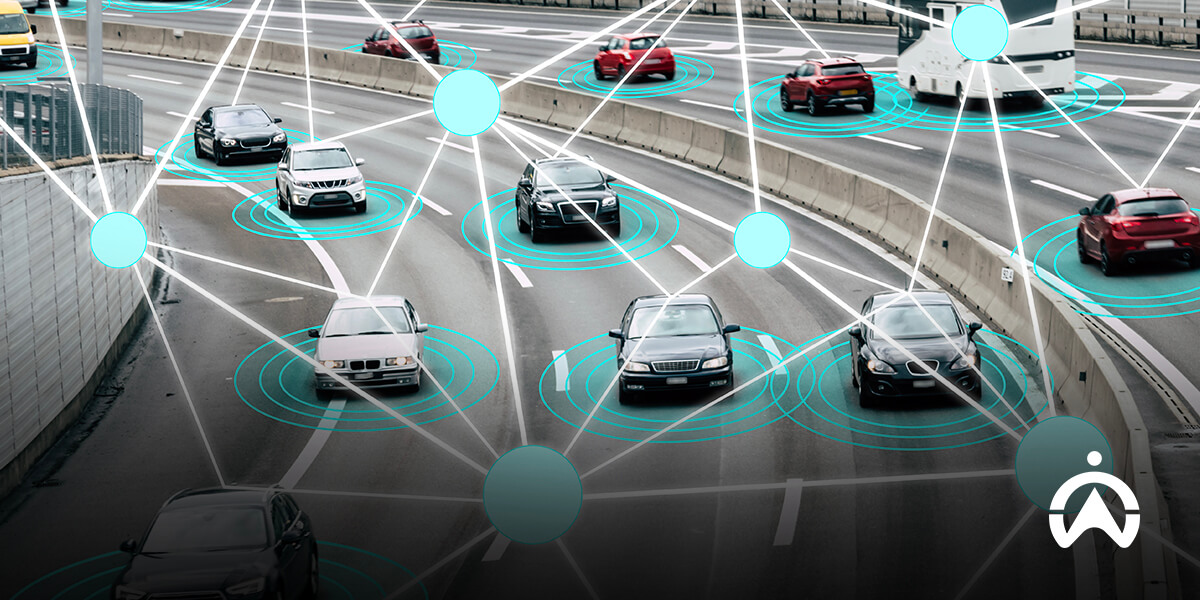
A busy highway with various cars connected by network lines, symbolizing vehicle communication and Cartrack anti-jamming technology..

Protection against GPS jamming with Cartrack

Signing up with Cartrack means your vehicle is protected by default against GPS signal jammers, as our system is equipped with anti-jamming technology. When a vehicle is stolen, our control room agents and recovery teams are able to detect signal jamming attempts. They then use our advanced technology to find your car and get it back to you. We also have additional security measures that you can add to your package, such as the following:

  • ‍Cartrack tag
    The Cartrack tag is one of the newest products that we offer. This is a wireless backup tracking unit that uses a different frequency, not GPS, making it resistant to traditional jammers. It communicates with our control room agents and also gives our recovery team more time to find your vehicle in cases where criminals have identified and disabled the primary tracking device. The Cartrack tag can also be used to secure assets in areas with little to no network coverage.
    ‍
  • ‍CarWatch 
    Even in the absence of a GPS signal, Cartrack offers additional security features to safeguard your vehicle. CarWatch is a system that gives you an alert whenever your parked car moves without your permission. It works via our mobile app, and all you have to do is activate it after parking your vehicle. This ensures a swift recovery, as we will pick up suspicious activity as soon as it happens.

Choose a trusted vehicle tracking service provider

Cartrack boasts an average recovery rate of 90%. We are dedicated to strengthening vehicle security for individuals and businesses by continually developing innovative solutions. Reach out to us and invest in one of our units today!

Want to know more? Here are some Frequently Asked Questions about GPS jamming

Can you stop GPS jamming?

GPS jammers can be stopped in the following ways:

  1. You can invest in an advanced GPS tracking device with built-in anti-jamming capabilities. These gadgets filter out unwanted signals to maintain a connection even when there is jamming interference.
  2. Use GPS jamming detectors to identify the presence of signal interference. These detectors can locate the source of the interference and give you details on the strength of the signal jamming tool.
  3. Finally, if you suspect interference, try moving away from the area, as most GPS jammers operate within a limited range, so moving away from the affected zone may help restore your connection.

Are GPS blockers illegal?
GPS blockers are illegal to manufacture, sell, or possess without authorisation in Namibia and many other countries, as they pose a great threat to society. The Telecommunications Act of 1992 imposes fines up to 20,000 NAD (approximately 1,250 USD) or imprisonment for up to 12 months, or both, with exceptions only for state security agencies, as clarified by the Communications Regulatory Authority of Namibia.

What is the difference between GPS jamming and spoofing?
GPS jamming and GPS spoofing are two different methods of disrupting navigation systems. Here’s the difference:

  • GPS jamming involves generating a radio frequency to overpower the signal from the satellite constellation. When this is done, the receiver cannot see the location or direction of the vehicle or asset.
  • GPS spoofing, on the other hand, is more complicated. It involves an entity sending false positions. The signals need to be of the same magnitude as the authentic ones to confuse, so the receiver can be confused and unable to tell the difference.

Where to Buy a GPS Tracking Device

In today’s modern world, technology is at the forefront of everything. It enhances our safety and helps improve business productivity. GPS tracking devices are one technological tool that has shaped how we drive and are, therefore, necessary for every vehicle owner or fleet business. The question is, where do you buy one?

A GPS tracking device isn’t just about the product but the service behind it. Let’s explore the options you have when it comes to finding the best GPS tracker for you.

In this article, you will:

  • Discover the common places to buy a GPS tracking device
  • Find out why the best option is choosing one from a specialised retailer
  • Learn more about the benefits of choosing Cartrack

Common places to buy GPS tracking devices

When it comes to buying a tracking device, there are many options available. You can find them at online marketplaces, specialised retailers, car accessory shops, and electronic stores. Here’s a detailed look at the difference and what to expect:

  • Electronics stores
    Both online and physical electronic stores offer various vehicle tracking devices. With this option, you get the device and some basic accessories, such as a charger if required. It is usually a once-off payment that can come at a hefty price depending on the brand and quality.

    You would have to get your own SIM card and data in order to get a connection. In terms of service and features, there is usually a short-term warranty, limited customer support, and you have to track the vehicle yourself if it gets stolen. Keep in mind that electronic stores sell other non-vehicle-related gadgets as well, and this means that in most cases, their knowledge on GPS tracking devices is limited compared to a company that solely specialises in vehicle tracking.

  • Online marketplaces
    The rise in e-commerce over the past few years has made online marketplaces a quick and convenient way to search and buy nearly any product. Tracking devices can also be found here at competitive prices due to increased competition among sellers. Their offerings are similar to those of electronic stores, where you get the device and some accessories, with limited customer service and DIY installation.

    However, GPS trackers from online marketplaces have several other disadvantages, such as limited data protection, making them easy to hack and putting your personal information at risk. Additionally, the reliability of the product depends on the seller, and the warranty terms are often unclear.

  • Car accessory shops
    Another place where you may find a GPS tracking device is your local car accessories shop. Here, you get one-on-one interaction with the staff, professional advice as to which device would best suit your needs, and some can also perform installations. Car accessory shops are more reliable compared to online marketplaces and electronic stores; however, they also don’t come with after-sales support.
  • GPS tracking service providers
    Also known as specialised GPS tracking device retailers, these are companies that are solely focused on providing advanced vehicle tracking solutions and related services. They offer GPS tracking units with professional installation and budget-friendly payment plans. This is a more reliable option compared to others, as they have more knowledge about GPS tracking and offer ongoing customer support. We explain in detail further down this blog.
A large GPS satellite dish under a starry night sky, surrounded by open fields and trees, showcasing a technological landscape.

Why choose a GPS tracking service provider instead?

Given the information presented, it’s evident that your optimal choice is to acquire a GPS tracking device from a specialised retailer. Here’s what makes this the better option:

  • Certified technicians: An installation by skilled technicians ensures optimal device performance. The tracking unit is discreetly placed to increase vehicle security.
  • Theft recovery assistance: Should the vehicle be stolen, you will not be placed with the burden of finding it yourself, as most packages from vehicle tracking service providers come with a stolen vehicle recovery service.
  • After-sales support: Vehicle tracking service providers offer ongoing customer support. Should there be any faults in the device or mobile app, you can contact them at any time to troubleshoot and resolve the issue.
  • Data protection: In most cases, GPS tracking service providers have stronger security measures when it comes to protecting your data. They perform regular software updates and can pick up any suspicious activities, ensuring that your information is never at risk.
  • Affordable payment plans: You have the option of making an upfront payment or choosing a month-to-month payment. This ensures that you get the best quality product and service at an affordable rate.
  • Advanced features: GPS tracking devices do more than just provide location data. They also have telematics capabilities, which means they can detect driving habits such as speeding, idling, and harsh braking. Specialised service providers usually give detailed reports on this, helping drivers improve.

How Cartrack offers a complete GPS tracking solution

Cartrack is considered one of the industry leaders of vehicle tracking in Namibia. Our services are tailored for both businesses and individuals. Here’s an overview of our comprehensive vehicle tracking solutions:

  • ‍Real-time tracking
    See where your vehicle is at all times. Cartrack offers an easy-to-use mobile app that is available on all app stores. Through this, you can access satellite or map views of your vehicle at any time, ensuring that it is still where you left it.
    ‍
  • ‍Stolen Vehicle Recovery
    In the unfortunate event that your vehicle is stolen, we have nationwide skilled recovery teams that are always on standby, ready to get it back to you. We boast an average recovery rate of 90%.
    ‍
  • ‍Lifetime maintenance warranty
    All our devices come with a 12-month warranty that ensures the repair of your unit at no extra cost. Once it has lapsed, you have the option of choosing our Lifetime Maintenance Warranty, which is a value-added service that gives you unlimited repairs and no call-out fees, to give you extra peace of mind throughout your unit’s lifespan.
    ‍
  • ‍Battery tamper alerts
    A disconnected vehicle battery is a sign of potential theft. Should your vehicle battery be disconnected or tampered with, we will alert you as soon as it happens. These are what we call Power Event Alerts and are one of the services that you would not typically find when buying your tracking device from online marketers, car accessory stores, or electronic shops.
    ‍
  • ‍Geofencing
    Our vehicle tracking service includes geofencing capabilities. This is an additional safety measure where you can create virtual borders around areas of your choice, and if your vehicle enters or leaves that area, you will get an instant alert.
    ‍
  • ‍Trip history
    Access all historical trips, replay journeys, and spot the driving habits you need to improve on. Our tracking devices give you detailed reports on behaviours such as speeding, harsh braking, rapid acceleration, and harsh cornering. An improvement in driver behaviour reduces the chances of accidents.
    ‍
  • ‍Accident detection
    GPS telematics also helps with the detection of accidents. At Cartrack, we have a Crash Detection value-added service where we can detect an impact on your vehicle, which indicates a potential collision. We then call to find out what’s happening and quickly send help to your location.
    ‍
  • ‍Virtual car guard
    Cartrack’s CarWatch is a value-added service that ensures your vehicle remains where you left it. All you have to do is activate it via the mobile app after you, and you will get an alert whenever there is any unauthorised movement.
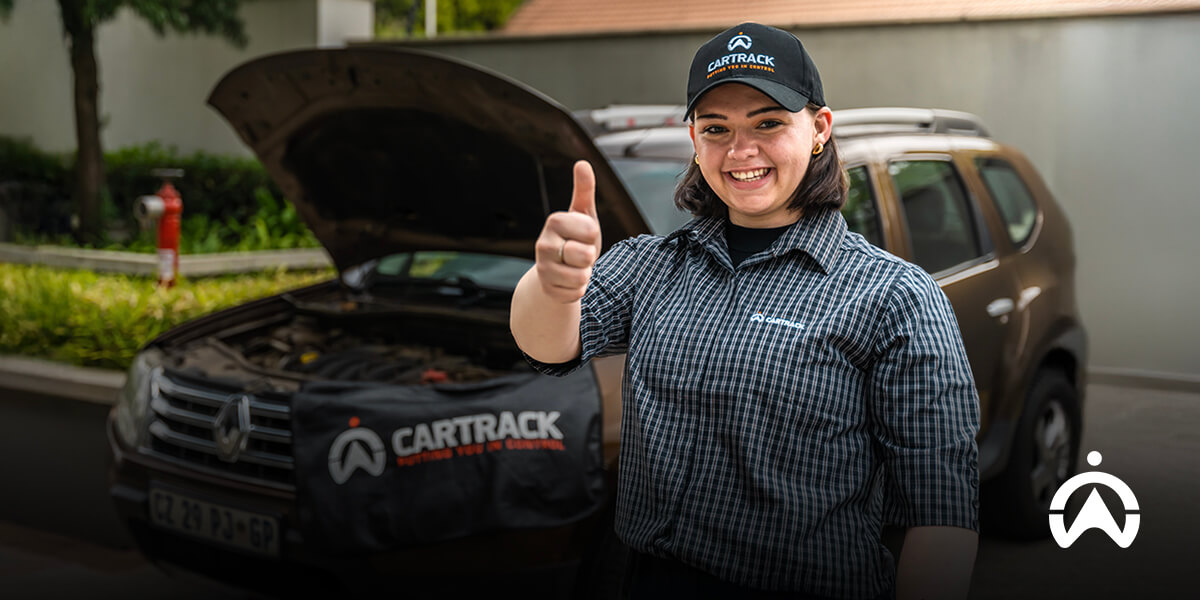
A Cartrack technician in a checkered shirt and cap gives a thumbs-up in front of a car with the hood open, showcasing GPS tracking device installation.

Cartrack goes beyond tracking

With Cartrack, you get more than just a device. We provide continuous support, giving you more peace of mind. We have over 2 million subscribers worldwide and have the highest trust index on HelloPeter in our industry, making us one of the most reliable vehicle tracking service providers in the country. Contact us today and experience premium service.

Vehicle Tracking Devices for Parents and Their Loved Ones

Over the years, vehicle tracking devices have become a staple for car owners. They serve many functions, which come in handy in various situations. One of the ways vehicle tracking devices are advantageous is parental supervision.

Nothing is more important than keeping your family safe; knowing their whereabouts is a key part. Vehicle tracking devices provide an easy and effective way to spot the locations of your loved ones and ensure that they are safe.

Let us explore the benefits of being a parent who invests in a vehicle tracking device.

In this article, you will:

  • Learn why parents need vehicle tracking devices
  • Discover the benefits of a vehicle tracking service for the entire family
  • Explore key vehicle tracking features every family needs
  • Find out how Cartrack solutions cater for families

Why parents are turning to vehicle tracking devices

There are many reasons why parents use vehicle tracking technology to monitor family members. Whether it’s teenagers, the elderly, or spouses, a vehicle tracking device is a smart way to address safety concerns. Let us have a look at some of the common challenges:

Teenage drivers

The teenage years are a period of first-time driving for many. New drivers are known to be a high risk due to limited experience behind the wheel. Many teenagers do not have the necessary skills to handle unexpected situations, making them more prone to accidents. Additionally, peer pressure can strongly influence teenagers’ driving behaviour. They are more likely to take risks when driving around with friends.

Although not all teenagers are mischievous, parental supervision is still necessary to ensure they are safe at all times. Vehicle tracking devices are the first step to ensuring your kids are safe while on the road. This technology allows you to track their location, monitor driving patterns, and encourage responsible behaviour. Teenagers are much better drivers when they know they are being watched.

Senior drivers

The benefits of a GPS tracking device are not limited to monitoring teenagers but also support the safety of elderly family members and spouses. An article by Arrive Alive highlights how adults aged 65 and older are more likely to be at risk of accidents. 

Seeing parents, grandparents, aunts, and uncles grow older is one of the precious moments of life. However, with each passing year, some senior members begin to have difficulty accomplishing certain tasks due to health issues. One of which is operating a vehicle. A tracking device is a great approach to monitoring the elderly to ensure they are safe on the road without making them feel like they are taking away their freedom and independence.

A family of three walks hand-in-hand through a lush green landscape, with a car parked nearby, enjoying a scenic outdoor adventure.

Key features of vehicle tracking devices for families

Ensuring the safety of your loved ones starts with the right technology. Here are the key features of vehicle tracking technology for you and your family:

  • Real-time location tracking
    Know where your loved ones are at all times. Calling to check a family member’s whereabouts is not safe, as they could still be driving. With a GPS tracking system like Cartrack’s, you can view the vehicle’s live location directly via the mobile app. This also helps you verify if the teens and young adults are indeed where they said they are, without always having to ask. Furthermore, say the car has been stationary on the freeway; you can then call in to check what’s wrong, as well as send help if needed.
  • Geofencing alerts
    Receive notifications if the vehicle leaves a predefined area. The Cartrack geofence solution helps parents ensure their children remain within safe, predefined zones. Through this technology, you can create virtual fences around areas of your choice (e.g., around the city, high-risk zones), and you will get an alert if the car enters or exits that particular area. This ensures that your loved ones are never where they shouldn’t be, or at least not without your knowledge.
  • Accident detection
    Immediate response in case of an accident. An IoT-enabled GPS tracking device can detect sudden impact, such as in cases of accidents. As such, one of the Cartrack value-added services is a crash detection feature. Through this, our control room service agents will be able to pick up when there has been a collision. They will then call you to check what’s going on and then quickly send help. The fact that we will already know the vehicle’s exact location cuts out the process of having to direct the emergency service personnel, ensuring a quick service.
  • Driver behaviour reports
    See the driving patterns. A GPS tracking system also gives you insight into how someone is driving. Through this, you can spot risky driving habits such as speeding, harsh braking, rapid acceleration, and harsh cornering. You can replay historical trips to ensure your loved ones are exercising cautious driving. Additionally, Cartrack’s app includes driver ratings, which families can use to encourage safer driving through friendly competition to see who is the best driver.
  • Location sharing
    Easy sharing of real-time location for added security. Through the Cartrack mobile app, you and your loved ones can easily share the vehicle’s live location. This feature ensures you can reach them quickly in case of an emergency or if they lose their way.

Benefits of using vehicle tracking devices for your loved ones

Staying connected with your family’s everyday journeys brings peace of mind. Here’s why vehicle tracking is a smart choice:

  • Avoid unnecessary worry: If someone is running late, there is no need to panic. All you have to do is check the mobile app, see how far the person is, and take it from there. You might find they made a stop at a local pizza place and are just getting something to eat for the family.
  • Balance safety with independence: Vehicle tracking helps parents bridge the gap between oversight and independence. This allows teenagers and other family members to go about their day without feeling like their privacy and boundaries are being overstepped.
  • Protection against theft: In the unfortunate case of vehicle theft while someone else is driving your car, be the first to know. Cartrack has skilled air and ground recovery teams that are available nationwide. This ensures a swift recovery process and gives you some peace of mind.
    ‍
  • Promote responsible driving: Through the monitoring of driver habits, a vehicle tracking device helps improve the overall behaviour of all family members. This helps minimise accidents, reduce insurance claims, and avoid expensive vehicle repairs.
  • Stress-free lending: Knowing where your vehicle is at all times will make you feel more at ease when lending it to a family member.

Choosing the right vehicle tracking device

Selecting the best vehicle tracking company for you can be a difficult task when you don’t know what to expect. Here are some key factors to consider when choosing a device:

  • Professional installation: There are many vehicle tracking options available; some can even be purchased in an online marketplace where you will have to install the tracking unit yourself. While this may seem convenient, self-installation often leads to subpar performance or incorrect setup. To get the best outcome and value for money, it is important that you get a vehicle tracking device from a company that offers a professional installation.
  • Real-time tracking capabilities: There are different types of GPS trackers available; some do not have real-time tracking capabilities, which means the information is stored and only available for view once the trip has ended. This is called passive GPS tracking. When it comes to monitoring the safety of your loved one, you need an active GPS tracker that will give you the ability to see the vehicle’s live location so you can be prompt and get assistance in cases of emergency.
  • Reliable app interface: The mobile app should be user-friendly and easy to navigate so every member of the family can understand how it works. There should also be a support team that is available at any time to address any technical difficulties.
  • Data privacy and security measures: Ask about how the company uses and protects personal data. Know what steps are taken to verify the identity of clients and grant access before making personal changes. Additionally, understand the information that subusers will have access to.
  • Device maintenance: Like any other gadget, your tracking device needs to be maintained to ensure optimal performance. Choose a vehicle tracking company that offers a maintenance warranty that covers replacements without call-out fees or additional repair costs.
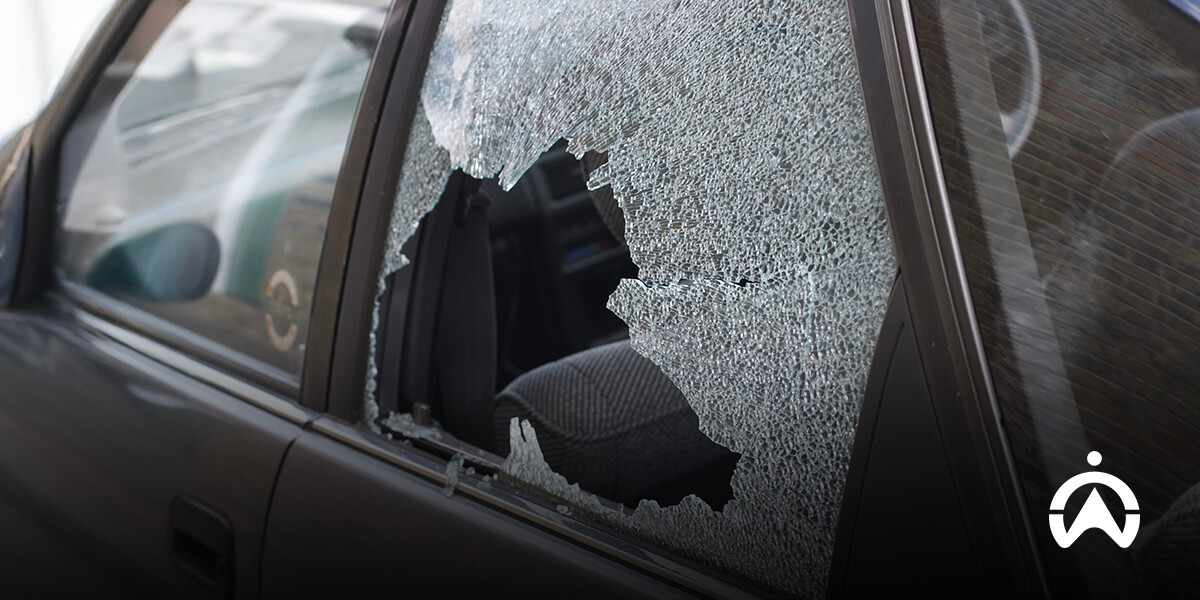
Close-up of a car window with a large hole in the shattered glass, revealing the interior seats and a blurred background.

More Cartrack safety features for you and your family

Cartrack is one of the leading companies in the vehicle tracking industry. We are dedicated to bringing cutting-edge technologies that will enhance family safety and give you peace of mind on the road. Here are additional solutions to consider:

Dashcam

An extra set of eyes on the road can help you in many different ways. Cartrack has a Road Vision Camera solution that captures everything that happens in front of the road. This ensures that you and your loved ones can prove your innocence in accidents and do not fall victim to false insurance claims. You can live stream or download the footage at any time of the day.

Roadside assistance

To ensure your loved ones are never left stranded on the road, Cartrack’s Protector feature offers 24/7 roadside assistance at the push of a button on the mobile app. It includes refuelling, towing services, a locksmith, tyre changes, and minor repairs.

CarWatch

The Cartrack CarWatch feature is a value-added service that offers an added layer of security when your car is parked. All you need to do is activate it on the mobile app after parking the vehicle. If the car moves without any authorisation, you will be alerted, and Cartrack’s response team will be immediately dispatched. This is a vital tool for parking in malls or other public areas that are prone to vehicle theft.

Peace of mind for you and your family with Cartrack

Ensure every road trip, grocery run, ride to school, and drive to work is protected by Cartrack. We have a recovery rate of approximately 90%, hold the highest Trust Index on HelloPeter, were voted The Star’s Best Vehicle Tracking Company for 2023 in the Readers’ Choice Awards, and we have an impressive membership of over 2 million subscribers. Your vehicle is in safe hands; invest in our units today!

Tracking Device: Bikes, Cars and More

Vehicle crimes in Namibia continue to be a problem for many car and bike owners. This is a reality that most of us have had to come to grips with and find ways to mitigate the likelihood of becoming a victim.

The growing on-demand work trend has led to everyday vehicle owners using their cars and bikes dually for personal and business use, increasing their exposure to vehicle-related crimes. This has made it even more necessary for them to have adequate protection to ensure their safety.

Investing in a tracking device is one of the most effective measures that a vehicle owner can take. A GPS tracking device isn’t only for cars anymore, it’s for everything on wheels that might be at risk.

Discover the compelling reasons to invest in a tracking device and see why Cartrack stands out as a leading provider in this essential market.

This blog will discuss:

  • Why you need a GPS tracking device
  • What to consider before getting one
  • What can be tracked with this device
  • The value-added services that you can get
  • Why Cartrack is the best tracking device for you

Why a GPS tracking device is a must-have

A car or bike is not just a mode of transport for some people, it is a symbol of accomplishment, an investment, a potential business resource, and so much more. The attachment people have to their vehicles can sometimes be deeper than that of most other assets they own, which is why it’s essential to ensure they’re properly protected.

There are many other significant reasons to get a tracking device. Let’s explore some of them.

High theft rates for bikes and vehicles

According to the statistics provided by Namibia Police Force, 298 motor-vehicles were stolen across the country between 2024 and January 2025. This number demonstrates the need for GPS tracking solutions. Without a tracking device, most stolen cars would not be recovered, and the culture of hijacking would persist and potentially get worse.

Insurance premium discounts

One of the proactive steps you can take to secure better insurance rates and maximise savings is by getting a tracking device.

Suppose there are two car owners with vehicles of the same model and driver profile. One has a tracking device installed, and the other doesn’t. The driver with a tracking device will be considered a lower-risk client and is likely to benefit from reduced insurance premiums.

Integrating a tracking device is a smart way to lower your premium.

Mixed-use vehicles

The state of the economy now has a lot more people running small businesses in their spare time, with vehicles that do not serve an exclusively personal function. They use their cars, vans, motorbikes, and scooters for ride-hailing and delivery services to earn an extra income.

These vehicles often need extra protection and coverage as they will spend more time on the road going to a variety of places. Additionally, they are not likely to always be driven by the owner but instead by hired drivers and riders.

Knowing where these vehicles are and that they are covered should there ever be a hijacking gives peace of mind to a person who is already busy and focused on their 9-to-5 job.

Peace of mind for personal or family use

Sometimes the person driving the car or riding the bike is not the owner of the vehicle. It is very common for people to add their spouses or children as official secondary drivers, especially if there is only one vehicle in the house.

It can be nerve-wracking for some parents when their children borrow a car for a night out with friends, or a spouse when their partner is driving long distances through a potentially high-risk area. In these cases, safety and visibility are important, some reassurance that these loved ones can be located in the case of an emergency or vehicle-related crime.

This peace of mind is invaluable and can turn what is a highly stressful situation into one of comfort. A tracking device in your vehicle can make all this possible; it is a must-have for those looking to reduce their worries about their loved ones.

Business use

For commercial vehicles, tracking devices are an essential part of the business. A device from a reputable provider makes it easier to manage logistics, asset management, and live tracking of trips.

Full visibility of all the cars and bikes in your business is necessary if you want to streamline operations and ensure that everything goes according to the established plans. Not only will your vehicles be safe, but your drivers as well, offering comprehensive coverage for vehicle operations and safety incidents.

Cartrack Tracking device for trucks and cars

What to consider before getting a tracking device

When looking to get a tracking device for your car or bike, there are some considerations to make. You will need to consider the type of vehicle, how you intend to use it, the costs you will be allocating to it, and the installation and maintenance needs.

Let us see what factors need to be addressed:

Usage purpose

Understanding why you are getting the tracking device to start off with is the first thing to do. Your intended use will determine the type of features you need, the level of service required, and even the hardware that’s best suited to your vehicle.

If you’re installing a tracking device for personal security, your primary concern will likely be theft recovery. In this case, you’ll want a device that includes real-time tracking, anti-tamper alerts, and 24/7 recovery assistance. Additional features like driver behaviour monitoring and trip logs may also help you keep an eye on how your vehicle is being used, especially useful if multiple people drive it.

On the other hand, if you’re managing a small business or a large commercial enterprise, your needs become more complex. You may need a system that offers route optimisation, camera systems, and anti-theft measures to protect the cargo.

Real-time tracking will still be essential, but integration with your business operations becomes a priority, helping you improve efficiency, reduce overheads, and ensure compliance with industry regulations.

Budget and coverage

Another factor to consider is how much you are willing to pay and the amount of coverage you will need. Most people will choose entry-level options because what they want most is just vehicle tracking and stolen vehicle recovery. Others will want more coverage and additional features, which may involve higher subscription tiers or additional service charges.

These budget considerations also affect business owners whose tracking options can go up to enterprise-grade solutions. The solutions chosen will be informed by the frequency with which the cars or bikes are on the road and how often they go through high-risk areas.

Installation needs

Tracking device installation is a technical process best performed by professionals. Most tracking providers will send out their own people to get this process done; the only situation where a customer will need to install it themself is if they purchased the tracking device from an online marketplace.

What more can be tracked with Cartrack Namibia

GPS tracking technology has come a long way, offering real-time visibility, advanced reporting, and greater peace of mind for vehicle owners. At its core, GPS tracking uses satellite signals to pinpoint the exact location of a vehicle, transmitting this data to a secure platform that you can access via an app or web portal. With Cartrack, this technology is taken a step further through powerful telematics that provide insights beyond vehicle location.

Businesses from various industries use our tracking devices to monitor the usage and movements of assets such as valuable tools and machinery. For example, in the agricultural sector, GPS tracking technology can be used to map fields and track the location of equipment. Non-powered farming assets such as seeders can be equipped with tracking software to optimise crop production. Managers receive full data activity reports or daily alerts so they can see exactly where the equipment is and how it is being used.

Explore more benefits of our car tracking service

At Cartrack, we offer a range of value-added services on top of our standard tracking option. These additional features are designed to enhance your standard contract and give you even greater control and peace of mind.

Here are some value-added services that you can get for your bike or car:

Geofence

You can keep your drivers on the right track with Cartrack’s geofence features. This allows you to create virtual boundaries around areas that you want to avoid; whenever this boundary is breached, you will be notified. By doing this, you get full visibility and real-time alerts of where your cars or bikes are.

Carwatch/Bikewatch

Are you always parking in public areas and want more security for your car? CarWatch can be that extra security for you. When activated, it acts like your own personal car guard. If your car moves without permission, you will receive an alert on your phone immediately followed by a prompt call from our 24/7 control centre to confirm your safety.

Data analytics

Cartrack’s tracking device with advanced telematics capabilities collects data from your vehicle and stores it on our database.

The data that is collected helps you track how you use your car. This information includes:

  • The position of your vehicle
  • Vehicle insights
  • Fuel usage
  • Trip events, such as speeding, harsh braking, and harsh cornering

Crash detection

Having Cartrack on your side will feel like there’s always someone looking out for you. Crash detection is our emergency assistance offering that sends out an alert when you get into a collision with another vehicle. When our control room receives the alert, we will immediately check on you to see what type of assistance you need.

Roadside assistance

Cartrack tracking solutions include Protector, our roadside assistance offering, which gives you support when you experience vehicle-related issues. Whether you’re dealing with a breakdown or a flat tyre, simply contact us and we’ll dispatch immediate roadside assistance to your exact location, nationwide.

Cartrack Driver monitoring system

Why Cartrack leads the way

Cartrack stands tall as one of the industry’s leaders in vehicle tracking. Whether you’re a solo driver, a small business owner, or managing a nationwide fleet, the right tracking partner can make all the difference, not just in protecting your vehicles but in saving time, cutting costs, and streamlining operations.

If you want peace of mind knowing that your car or bike is safe, then we are the clear choice for you. With a strong presence in Namibia and a growing footprint, we’re trusted by millions to deliver reliable, round-the-clock protection and industry-leading service.

Here is a better look at the value we can bring to you:

Trusted in over 23 countries

Cartrack comes with a proven track record in Namibia and has a global footprint in over 23 countries. This is a testament to how reliable and effective our product offering has been. What this also means is that our services are available for cross-border tracking and recovery for people seeking international coverage and protection.

24/7 recovery teams

We have a skilled and highly trained network of response agents scattered all across the country. These recovery agents will be promptly deployed when a hijacking or car theft has occurred. Using the location data from your tracking device, these teams will use ground and air forces to track down your stolen car, depending on the circumstances and severity of the crime.

Easy-to-use app

We offer a mobile app with an intuitive and user-friendly interface, which is available on iOS and Android app stores.
‍

Our app is capable of:

  • Live tracking
  • Historical trip playback
  • Instant alerts
  • Remote engine shutdown

Scalable solutions for your needs

Tracking devices are versatile and can be used on a variety of vehicles, which makes them adaptable enough for singular vehicles and fleets. This means that should you already have a tracking contract with us and choose to purchase a new vehicle, our services can align with that goal. This could be a new car for the family or an additional bike for your fleet of business vehicles.

Secure your bikes, cars, and more with us

When it comes to the safety and security of your vehicles, Cartrack comes fully prepared and equipped. Our advanced technology forms the foundation of our comprehensive tracking and recovery solutions. We boast an average recovery rate of 90%, so with us on your side, you can have peace of mind knowing that should anything happen, we will have you covered.

Contact us today to protect your vehicles and see how our tracking solutions can work for you.

Frequently Asked Questions about Cartrack

How does a GPS tracking device work on different types of vehicles?

It functions the same on all vehicles and offers the same capabilities. The power source, accuracy range and mobile app features are identical. The only difference is in the location of where the device is installed, which will change based on vehicle type and the discretion of the technician.

How accurate is Cartrack’s real-time GPS tracking?

It is very accurate and meets the standard accuracy radius of two metres. Our system refreshes every three seconds as the vehicle moves. The system keeps location data stored in areas without any signal and reinstates the lost route data when it reaches a connectivity zone.

What happens if the tracking device is tampered with or disconnected?

Your tracking unit has tamper alerts on it, which is triggered when someone fiddles with or disconnects it. Our control room will be notified, and you will be informed of this occurrence. A recovery team will then be sent out to locate the car.

How long does it take to install a Cartrack device?

The installation of a tracking device is a quick and simple process. It usually takes between 2-4 hours to get the entire process done. Some delays and technical issues may prolong the time, but those situations are unlikely.

Can I move my tracking to another vehicle if I sell my car or bike?

Yes, we do offer this service to our customers. We can deregister your current device and reinstall it in the new vehicle. Your contract will remain unaffected throughout this process.

Is there a warranty on Cartrack devices?

Yes, you can get a one-year warranty on your device or upgrade to a lifetime warranty. This will come as a value-added service with a small fee added to your premiums.

Types of Vehicle Tracking System

Whether you drive a private vehicle or manage an entire fleet, investing in a reliable tracking system is crucial for safety, efficiency, and overall peace of mind.

There are many ways to track vehicles, and not all tracking systems are equal. Some are better suited for urban fleets, while others excel in remote logistics.

It is important to pick the system that best suits your needs. Today, we look at the different types of vehicle tracking systems and why our solutions should be your top pick.

In this article, you will:

  • Understand the true meaning of a vehicle tracking system
  • Learn about the various types of vehicle tracking systems available
  • Find out how to choose the best one for you
  • Discover the various vehicle tracking solutions that Cartrack has to offer

What is a vehicle tracking system?

A vehicle tracking system (VTS) is an electronic solution designed to enhance vehicle safety and help fleet businesses improve productivity levels by monitoring vehicle locations and other data. The system connects fleet management software with vehicle tracking devices, which allows it to gather information about the vehicle and its driver.

Vehicle tracking systems have become popular over the years as the technology continues to reach new levels. This must-have solution comes in various forms, configurations, and sizes. Let’s explore and understand each of them.

Common types of vehicle tracking systems

Choosing a tracking device that best suits your needs can be difficult if you don’t know the options available and how they work. Let’s explore the different types of vehicle tracking systems:

1. Active tracking systems

These vehicle tracking systems are usually installed inside the vehicle, connecting to a power source that enables the collection and transmission of data in real time. The data is then stored and can be easily accessed in real-time via software.

Here are a few examples of active vehicle tracking systems and how they work:

  • Cellular network tracking systems
    This is a method where mobile networks are used to transmit the tracked data in real time; the data from the device is sent to a cellular tower, which then conveys it to a service provider over an internet connection. Cellular network tracking systems work best in areas with good mobile network coverage. The range for this form of vehicle tracking system can extend across cities and countries, depending on the coverage by the network provider. Cellular network tracking systems are ideal for people living and travelling in urban areas with good signal coverage.
    ‍
  • ‍Satellite tracking systems
    In order to understand satellite-based tracking, you first need a brief understanding of the Global Navigation Satellite System.

    The Global Navigation Satellite System (GNSS) is a satellite-based tracking system that uses satellite networks such as the Global Positioning System (GPS) to collect and transmit data from a tracking device. This fascinating technology uses time signals broadcast along a line of sight to let electronic receivers calculate their location with great precision. This method of vehicle tracking is therefore more reliable, making it an ideal solution for fleets and individuals operating in remote areas with limited mobile network access, as the coverage is more reliable and offers exceptional accuracy.
    ‍

  • ‍GPS-based tracking systems
    GPS-based vehicle tracking systems and satellite-based systems are interrelated but are not exactly the same thing.

    The key difference is that a GPS tracking system is satellite-based, but not all satellite-based tracking relies solely on GPS. An article by Online Science explains how there are other satellite navigation technologies, each managed by a different country, such as GLONASS (operated by the Russian Federation), BeiDou (operated in China), and Galileo (operated by the European Union). GPS was developed and is operated by the United States of America, and is the most commonly used.
    GPS trackers are ideal for individuals for personal safety and for fleet businesses for vehicle monitoring.
    ‍

  • ‍OBD-based tracking systems
    Another form of active tracking is OBD-based technology. This approach involves plugging a device into the vehicle’s On-Board Diagnostics (OBD-II) port. The device is easy to install and allows fleet managers to have access to crucial information such as vehicle health, mileage, and fuel levels, helping enhance fleet efficiency. OBD trackers allow both fleet managers and private car owners to monitor risky driving behaviours such as speeding and harsh braking, making them the perfect solution for both personal and business purposes.
‍OBD-based tracking systems

2. Passive tracking systems

Passive vehicle tracking systems also make use of GPS to track vehicle location. The only difference is that you can’t get real-time updates in a passive system. They record the data and store it in a memory card or hard drive for later access. Once connected to a computer, the data will be available for users to view. This type of tracking is ideal for users who need access to historical trip data rather than real-time updates.

3. RFID-Based Tracking Systems

An RFID tracking system is one that is based on radio frequency identification technology. It can track and identify vehicle locations in real-time as well as record entry and exit information. The system is composed of three components: a tag, a reader, and vehicle tracking software. The tag is attached to the vehicle, and the reader emits a radio signal that activates the RFID tag; the software is then responsible for data storage and analysis. This type of technology has a short range and is an ideal solution for driver identification or tracking in indoor environments such as warehouses.

4. Internet-based (IoT-enabled) tracking systems

IoT, or the Internet of Things, integrates sensors and connectivity technologies such as Wi-Fi, cellular networks, and satellite communications to enable advanced vehicle tracking and remote diagnostics. The sensors and GPS devices collect information from the vehicles, and the data is then transmitted via the internet to a central platform. From there, the data is processed and turned into easily understandable information for fleet managers. This technology helps with predictive maintenance, finding optimal routes for deliveries, real-time monitoring and alerts, driver behaviour analysis, and much more.

A table comparison of the different tracking systems

An easy way to understand the key differences between the various types of vehicle tracking systems is through a table. Here’s a quick breakdown:

Type Technology Used Range Real-time? Use in Case
Cellular Mobile networks Wide Yes Real-time tracking in urban areas
Satellite GNSS (mostly GPS) Global Yes/No (can do both) Theft recovery, fleet management
RFID Radio Frequency Short (meters) Yes Warehouses, driver tags
OBD-II OBD port, GPS, Cellular Wide Yes Vehicle diagnostics, driver behaviour, fleet management
IoT-based Sensors, GPS, Cellular, IoT Global Yes Advanced fleet analytics, automation

How to choose the right vehicle tracking system

The best vehicle tracking system for you depends on your specific needs. Here are some factors to consider:

  • Budget and ROI: Most individuals require basic tracking services, such as Stolen Vehicle Recovery and the ability to view vehicle locations at any time. Additional features, such as driver behaviour monitoring or advanced analytics, are considered an extra layer of protection and will depend on how much you are willing to spend. On the other hand, businesses look for vehicle tracking services from an investment point of view. The price is not a huge concern, but the savings and profit as a result of improved productivity are what matter the most. Fleet managers should look into the type of data they require the most to boost profits.
    ‍
  • Intended use: The solutions you choose will also depend on the intention. For example, delivery fleets require advanced solutions such as route optimisation capabilities, driver alerts, driver identification, and preventative maintenance. Personal vehicles are typically tracked for theft prevention and to ensure the safety of family members.
    ‍
  • Area of operation: If your vehicle is constantly in remote areas, then you need a solution that can give you accurate location updates and data regardless of the low network coverage.

Cartrack case study: Mr Build

Mr Build is a well-known hardware store that specialises in woodworking, timber, plumbing, cement, and a wide range of home decor. They have a workforce of 200 across seven branches and a fleet of about 40 vehicles that deliver their products to customers.

Their main challenge was keeping track of where drivers and vehicles were during deliveries. They could not pick up any signs of drivers experiencing delays, which meant customers could not be updated on deliveries.

How Cartrack vehicle tracking solutions transformed operations:

  1. Our vehicle tracking system allows Mr Build to see exactly where their vehicles are at any given time. They also get detailed history reports of all completed trips. This also means they no longer waste time and resources trying to call and locate drivers.
  2. The live-location tracking feature allows Mr Build to manage delivery updates and inform customers. There are now a limited number of unnecessary route deviations, boosting productivity and promoting driver accountability.
  3. As an extra layer of security, Mr Build has added our CarWatch feature to their package. When activated, this feature acts as a virtual car guard and alerts Mr Build and our 24-hour control room service the moment any unauthorised vehicle movements occur on parked vehicles.

“Cartrack helps us monitor the fleet much better, I always know where all the vehicles are. There’s no part of the day when I have to look for a vehicle or driver. If I can’t get a hold of the driver, I know where the truck is.” | Mohammed Haider Yacoob, Manager – Mr Build, Tzaneen

Satellite based vehicle tracking system

Explore our vehicle tracking solutions to find the right fit

Cartrack makes use of most of the above-mentioned tracking technologies to give you solutions that you can access all on one platform. Here’s what we offer:

  • ‍GPS live-tracking
    Always know where your vehicles are at all times. Cartrack devices use both satellite and cellular technology to ensure that you get accurate location updates, monitor driver routes, view location history, and ensure safety and efficiency.
    ‍
  • ‍Stolen Vehicle Recovery
    In the unfortunate case of vehicle theft, Cartrack offers a stolen vehicle recovery service available 24/7 to ensure a swift response. We have skilled air and ground recovery teams available nationwide that are always on standby, plus we boast an average recovery rate of 90%.
    ‍
  • ‍Driver monitoring
    Our IoT-powered tracking devices give fleet managers the ability to keep an eye on driving behaviours such as speeding, harsh braking, excessive idling, rapid acceleration, and harsh cornering. Fleet managers will get alerts on these behaviours as well as detailed reports. Through this, managers can identify drivers who need training, which in turn promotes safer driving, reduces the chances of accidents, and helps the business avoid lawsuits and bad driving reviews.

    In addition, we have Driver Identification tags (DID), which help fleet managers instantly identify who is driving which vehicle. Preventing unauthorised drivers from using the wrong vehicles and also promoting driver accountability.
    ‍

  • ‍Crash detection
    Having instant access to your vehicle location also helps in situations where you need emergency services, such as an ambulance. As an extra layer of protection and through the power of our IoT-powered device, we have a crash detection service that allows us to detect collisions as they happen. From there, we will contact you or your loved ones and then send help.
    ‍
  • ‍Preventative maintenance
    Our advanced solutions help fleet managers keep a careful eye on vehicle maintenance; through this, they can get alerts on things such as worn-out brake pads, oil and water fluctuations, and engine health. This allows for a swift response before the issues get worse, reducing the chances of unexpected breakdowns, unplanned downtime, and costly repairs. It also helps the fleet remain compliant.

Invest in Cartrack vehicle tracking solutions today!

Cartrack is one of the leading companies in the vehicle tracking industry. We offer advanced features that cater to vehicle owners of all kinds. Whether business or personal, you will most certainly find what you need in our solutions. Reach out to us, and we’ll help you choose the best vehicle tracking system for you.

What Industries Benefit from GPS Tracking

GPS tracking is a non-negotiable for many business owners with a fleet of vehicles. Keeping track of these assets is a critical task that often has a team dedicated to it. This shows how complicated the process can sometimes be and how integral it is to efficiency and productivity.

So today, we will share which industries benefit most from GPS tracking and why Cartrack is the ideal provider of this service.

This blog will discuss:

  • Which industries benefit from GPS tracking
  • How to choose the right GPS tracking system
  • The business value it brings
  • Why you should choose Cartrack Namibia

Industries That Benefit Most from GPS Tracking

GPS tracking is a versatile service that can work for many business types across industries, seamlessly integrating into daily operations.

Some may believe that GPS tracking is solely for long-distance fleet vehicles; however, this is not the case at all. Several other business vehicles and assets can also use this technology, from off-road factory vehicles and heavy equipment to other immovable company assets.

Let’s explore some of the industries’ GPS tracking benefits and how it is used in each sector:

Logistics

With GPS tracking, fleet managers can optimise delivery routes in real-time, avoid traffic congestion, and ensure timely arrivals. This not only reduces fuel costs and vehicle wear but also boosts delivery efficiency.

Another key advantage is accurate ETA updates. Customers can receive real-time delivery updates, which greatly improves satisfaction and trust. Additionally, companies can reduce costly downtime by monitoring idle time and vehicle performance.

Construction and Mining

When looking at the construction and mining sectors, GPS tracking can help with tracking yellow metal equipment. The vehicles that are normally used in this industry tend to be off-road and are specialised for a unique function, such as excavators and cranes.

Sales

GPS tracking plays a vital role in a sales environment, particularly for outside, field, and travelling sales teams. It helps employers confirm that salespeople are where they’re scheduled to be, provides accurate mileage tracking for travel reimbursements or tax purposes, and adds an extra layer of safety for employees on the road.

Field Services

This industry includes professionals such as plumbers, electricians, and HVAC (Heating, Ventilation, and Air Conditioning) technicians. Business owners in this industry can assign jobs faster, track staff movements, and improve on-site arrival times.

Another benefit is that the system will make it easier to reduce travel claims with route verification.

Agriculture and Farming

For this sector, GPS tracking helps monitor tractors and harvesters in real-time. It also makes it possible to manage fuel usage during long working hours across vast land areas while preventing the theft of expensive farm vehicles and equipment.

GPS Tracking benefit for Agriculture Industry

Waste management

GPS tracking plays a pivotal role in the waste management industry, where it’s used to monitor the location of company-owned dump trucks and streamline day-to-day operations. From trash collection and recycling to the safe disposal of hazardous chemicals, these services rely on efficient route planning and real-time visibility to meet environmental standards and customer expectations.

Security and Armed Response

For companies in the security sector, every second counts. GPS tracking ensures that armed response teams are always visible and can be dispatched to emergencies without delay.

Real-time vehicle tracking enables control centres to identify the closest patrol car and direct it to the scene, reducing response times and potentially saving lives.

Post-incident GPS history is invaluable for incident analysis, staff accountability, and reporting.

Car Rental and Vehicle Leasing

The car rental and leasing industry can be a tricky one, with the entirety of the business’s vehicles being open to use by the paying public. This means that there is a risk taken with each vehicle that is leased by an individual. GPS tracking ensures the proper use of rental vehicles, where it monitors vehicle usage, protects the fleet from theft, and provides a safer customer experience.

In the case of a hijacking, the tracking provider can recover stolen or abandoned vehicles faster.

Public Sector and Municipal Fleets

From refuse trucks to public transport fleets and other government vehicles, GPS tracking is useful. Municipalities can use the data from their vehicles’ prior journeys to plan efficient routes, monitor progress, and improve overall service delivery.

Additionally, the system can be used to reduce the misuse of government-owned vehicles, as the driver and location data will expose inappropriate use.

What to look for in a GPS Tracking System for your Industry

A reliable GPS tracking system provider should provide more than just location tracking. Modern GPS tracking devices come with a host of other benefits that can be used to enhance the operations of a fleet and improve overall safety.

Having the right tools and services in your GPS tracker is important, and it is vital to know which features to look out for so you can make the best decision.

Here are some key elements that a GPS tracking system should have:

Fuel and Maintenance Savings

Fuel is a major expense for many businesses that have a fleet of vehicles. With GPS tracking, a business owner can detect the causes of fuel waste, such as bad driver behaviour and inefficient routes. Additionally, other factors such as vehicle health should be monitored to enable predictive maintenance.

All these factors, when attended to on time, can lead to significant cost savings.

Driver Behaviour Monitoring

How drivers operate business vehicles is a major contribution to how the fleet performs overall. Driver behaviour monitoring is an essential feature of a GPS tracking solution and is an essential component of a successful system. With this tool in place, the fleet manager can improve road safety, reduce accident risk, and enforce company driving policies.

Vehicle and Asset Protection

Protection of your business assets is very important, which is why the fast recovery of stolen vehicles or machinery is critical, especially in Namibia’s high-theft zones. Having a GPS tracking system that provides security measures for your assets can significantly enhance operational continuity and business growth. These measures can include security features such as geofences, panic buttons, and many others.

The Business Value of GPS Tracking

As a business owner, efficiency and productivity are crucial for success. This means that finding the best tools to assist in this goal is a top priority. This is especially relevant in managing a business’s fleet operations.

This is where the true value of a GPS tracking system comes through. The benefits it brings to a business make it easier to spot inefficiencies and reduce the causes of high and unnecessary costs.

Here is how you can expect to benefit from a GPS tracking system:

Cost savings

This is the biggest benefit that comes from implementing a GPS tracking system into a business fleet. A business owner can have oversight over all fleet operations and identify inefficiencies that drive up costs. These could be due to fuel consumption, long routes, idling time, and improper vehicle maintenance.

Better visibility

With the right GPS tracking system, a business can have full visibility of all its assets. This provides a greater sense of certainty in what is going on with the fleet while it is on its trips. This removes any and all assumptions from being made and provides hard facts from which future plans can be made.

Improved safety and accountability

When you know where your vehicles are and how your drivers are performing, it becomes easier to manage safety protocols and keep drivers accountable. This can be related to reckless driver behaviour, bad routes, and vehicle conditions. Having end-to-end trip visibility provides invaluable insights that can enhance the fleet’s approach to operations.

Theft prevention and recovery

The safety of your fleet and drivers does not need to stop with internal processes. A great benefit of having GPS tracking is that it often comes with theft prevention measures and stolen vehicle recovery services. Knowing that your vehicles are being monitored and that there is a dedicated team of experts ready to come to the rescue proves that GPS tracking is vital, especially in Namibia, where vehicle crime is a reality. These features can help lower insurance premiums and give your drivers peace of mind, two value propositions that do not normally go hand-in-hand.

A person holding a smartphone displaying a Cartrack GPS Tracking App

Why Cartrack Is the Go-To GPS Tracking Partner

When choosing a GPS tracking system for your business, make sure to choose one of the best, in this case, Cartrack. With us as your provider, you can expect world-class service and cutting-edge technology. Our footprint spans all across the globe with offices in 24 countries and counting, where we continue to work with businesses of all sizes.

Cartrack has a great reputation as a vehicle security provider and is consistently rated as Namibia’s leading company with four-star customer reviews on Hello Peter.  Here are some other reasons to choose us as your GPS tracking provider:

Industry-specific solutions

Our solutions are extremely adaptable and can work for any business type in any industry, from cold chain logistics to construction. We can tailor our solutions and services to the needs of your business, taking into consideration the type of assets and operational goals.

We offer everything from driver ID tags, fuel management, trip reports, vehicle diagnostics and predictive maintenance alerts. All these features can help a business accomplish specific goals related to its industry.

Local support

Cartrack has a long history and a deep understanding of Namibia’s road and business challenges. We understand the challenges that Namibian businesses and motorists vehicles face on the road and have put together plans of action to assist in times of peril.

We have support teams and response teams available from anywhere in the country who are ready and equipped for any emergency. A call to our control room gets you an immediate response, whether it is a hijacking or the need for roadside assistance.

Real-time data

The primary benefit of having us as your business’s GPS tracking provider is having 24/7 access to your fleet’s location. This is made easier with our mobile app and online platform, which are both easy to use and very accurate in their reporting.  This data can be viewed by the fleet manager from anywhere, whether they are on-site or working with a remote or hybrid workforce.

Scalable

We care about how your business grows and are invested in seeing your fleet perform at its best. We can easily scale with your fleet and its growing demands with our diverse products and services. Whether you are an SME or a large enterprise our solutions can work for your fleets.

Cartrack is an industry leader and is trusted by over 115,000 businesses in a variety of industries and niches. Our high stolen vehicle recovery rate speaks for itself and is proof of how experienced and active we are in fleet management and security. Regardless of your industry or business size, we are up and ready to take you on.

Contact us today and take your GPS tracking solutions to another level.

Frequently Asked Questions

What blocks a GPS tracker?

There are technologies that are capable of jamming GPS signals. This is not a widespread issue but is significant enough to be a concern for customers. Cartrack’s devices come with anti-jamming technology that allows the vehicle to still be trackable even when the GPS signal has been compromised.

What is the difference between a phone tracker and a GPS tracker?

GPS trackers are standalone devices that provide accurate, real-time tracking data with long battery life and superior tracking accuracy. On the other hand, phone trackers rely on a smartphone’s GPS capabilities and may offer a more limited tracking range, battery life, and tracking features.

How big is the GPS tracker market?

The global GPS tracking device market size in terms of revenue was estimated to be worth USD 3.1 billion in 2023 and is poised to reach USD 5.7 billion by 2028, according to Markets and Markets, a competitive intelligence and market research platform.

How to Avoid Driving Mistakes

Speeding through traffic, skipping red lights, and not following road rules, are just a few bad driving behaviours that can be seen on Namibian roads. These happen everywhere, from city centres to rural areas, affecting both motorists and pedestrians.

Witnessing driving mistakes has now become a regular part of our daily commutes, with minor to major infringements occurring daily.

If we want safer roads for all, then we need to learn how to avoid making these driving errors. Luckily, we have put together common mistakes drivers make and how you can avoid them with the help of Cartrack’s solutions.

In this article, you will:

  • Common driving mistakes and how to avoid them
  • How much these mistakes will cost you
  • How Cartrack can help you avoid making these mistakes

Common Driving Mistakes and How to Avoid Them

Driving in Namibia can sometimes feel like an Olympic sport or Grand Theft Auto video game experience, with all the unexpected road violations from drivers and pedestrians.

Driving mistakes remain the common thread connecting all crashes. Some of these mistakes are more frequent than others, with varying degrees of consequences for each. Let us have a look at the driving mistakes our fellow drivers make on the roads.

Driving Under the Influence

Namibia has a high incidence of drunk driving, especially during weekends and public holidays. We all know somebody who has been pulled over for driving under the influence and have seen many reports of drunk drivers on the road in the news and on social media. In some cases, we have had to spend a night in jail for this offence, due to our own alcohol consumption.

We all know that alcohol consumption impairs judgment and reaction times and sometimes leads to accidents and fatalities. This is mostly because some of us misjudge our tolerance and believe one or two more drinks won’t affect us. 

The best thing to do to avoid this mistake is to always have a designated sober driver or to make use of e-hailing services when going out for drinks.

Running Red Lights and Stop Signs

If you have ever found yourself in a big city rush hour, then you have come across someone running a red light or stop sign. From drivers of sports cars to SUVs, you can expect to see a range of people committing this traffic violation. This is such a prevalent issue that you are bound to encounter this in the city, the suburbs, rural areas, at night, midday and at any busy intersection.

Rushing through intersections is a major cause of accidents and pedestrian injury. The best way to deal with this problem is by always approaching intersections with caution, anticipating light changes and staying focused on the road.

Speeding

Having a car that’s capable of reaching 200km/h may be enticing to some drivers, but it is illegal, with the highest legal speed limit being 120km. We all know this, but many still choose to speed.

Speeding leads to accidents and fatalities. This is especially true on highways or in rural areas, where drivers feel there will be no recourse for their actions. Another reason is that the road infrastructure can be unpredictable in some areas, making speeding even more dangerous.

414 drivers were arrested for driving at high speed this past festive season, with 5 going well above 200km/h according to the Department of Transport’s report. The best way to avoid this is by staying aware of speed limits on main roads, residential areas and other roads with specific speed regulations.

Misjudging Safe Overtaking

Overtaking other cars on the road is a common occurrence; it is one of the few legal things we are allowed to do. The unfortunate part is that, like all good things, we take it too far and ruin it for everyone else.

How many times have we been on the road and seen someone get impatient with the driver ahead of them, overtaking in a huff without regard for other motorists on the road? Misjudging safe overtaking is very risky and can lead to head-on collisions.

To avoid this mistake, you will need to check all your mirrors and blindspots before overtaking, while cognisant of speed limits and other vehicles.

Failing to Yield

With load-shedding always a possibility and random outages happening across the nation, we have come to expect traffic lights that don’t work. This has made every intersection a de facto four-way stop, where we have to follow a first come, first go honour system.

This system requires drivers to yield and give the right of way to the appropriate car. Sadly, this does not happen often, with some people driving across roads before their turn.

Misjudging right of way at intersections or roundabouts causes confusion and accidents; to avoid this, drivers need to be patient and follow road rules. They will need to be attentive to what is going on around them and when they are next in line.

Not Checking Blind Spots

This is a common mistake, especially for new drivers. Not having the full line of sight in all areas that mirrors provide is very dangerous as it puts the driver at risk of hitting other cars. Another disadvantage of making this mistake is that it puts the driver at risk of hijackings or smash and grabs since they will not be able to see and react in time.

The solution here is practice, practice, practice. That is the best way to get comfortable with using and checking car mirrors and blind spots regularly.

Not Using Indicators

Changing lanes can sometimes be a treacherous experience, having to coordinate the lane change with the best opportunity, coupled with the generosity of the driver in that respective lane. This situation is made more fraught when the vehicle changing lanes does not indicate its intention to do so.

This is a common mistake, and it often leads to confusion on the road and some mild road rage and colourful language use. To avoid making this mistake, drivers need to be analytical of the situation on the road and make lane switches when it is clearest, instead of at the most opportune moment. This will give you time to consider your actions and use the indicator.

Tailgating

Due to the often-heavy traffic and impatience on Namibian roads, drivers frequently tailgate. This is when a car drives too closely to another without leaving a sufficient following distance. This increases the likelihood of a collision if the car in front were to stop suddenly. We see this often during rush hour, especially in the afternoons when commuters are making their way home.

Some cars have sensors that detect when another vehicle is too close to them. This helps avoid this mistake, but for people whose cars do not have this feature, the only way is to observe the mandated following distance. The best way to know if you are within a safe distance is if you can see the bottom of the tyres of the car ahead of you.

Driving While Fatigued

Long-distance travel is common in Namibia, with many people taking cross-country trips for holidays and family visits. With long trips, many drivers often underestimate the dangers of driving while tired, particularly on long highways like the B1 or B2. They become too focused on completing the journey and don’t notice how fatigued they’re getting.

The best way to avoid this is by taking breaks every 3 hours to recuperate or by exchanging driving duties when on the road with someone else.

A weary man in a car yawns, illuminated by colorful city lights, conveying tiredness and late-night driving.

Overcorrecting or Jerky Steering

There are many reasons to stay vigilant on the roads in Namibia, from wayward pedestrians to unexpected potholes. Some drivers often overreact to these scenarios, making sudden decisions on the road. Sudden steering or overcorrecting affects other drivers on the road who are then forced to make immediate decisions due to the unexpected nature of this driving error.

Let’s be real, potholes are not going anywhere any time soon and we all know that. The best we can do is drive carefully and make sure we are observant of the roads we are on, especially at night. By doing this, we can reduce the number of times that we are forced into sudden situations where we have to make rash decisions.

How Driving Mistakes Will Cost You

Driving badly on the roads has many consequences that will affect you, both in the short term and the long run. Some of the mistakes made above may seem minor and inconsequential but there are real-world effects and ramifications, let’s see what some of them are.

Legal Consequences

All drivers know that violating road rules leads to fines when caught in the act. What some may not know is how high some of these fines can be. Here is a list of some fines for typical traffic violations:

Fines and Penalties

VIOLATION PENALTY
Driving under the influence
Reckless driving N$4,000
Obstructing other road users N$1,000
Driving under the influence N$2,500
Road traffic signs
Failure to obey traffic signs and signals N$2,000
Failure to stop at red traffic light N$2,500
Speeding over limit and other traffic violations
71–75 km/h in 60 km/h zone N$375
96–100 km/h in 60 km/h zone N$500
126–130 km/h in 120 km/h zone N$1,000
141–145 km/h in 120 km/h zone N$2,000
Talking on cell phone while driving N$2,000
Driving without a license N$1,000
Not wearing seatbelt N$1,000
Other violations
Driving a vehicle that is not roadworthy N$2,000
Parking in a disabled parking space N$1,000
Vehicle defects (e.g., hooter, tyre, worn-out brakes) N$1,500

Financial Implications

Another way in which driving mistakes can cost you as a driver is financially. Repairs, buying a new vehicle, and increased insurance premiums are unexpected expenses that you will have to deal with. These financial costs are magnified especially when the car has been written off. Some insurance providers will not pay off the full amount without an excess being paid, which can sometimes be very high. In other cases, the amount received does not match the value of the vehicle and is not enough to purchase a new one.

Risk to Personal Safety

The loss of human life is the one outcome all drivers fear when getting into an accident, whether it be their own life, those they care about or strangers. If convicted, a driver can face up to life in prison for the wrongful death of another motorist or pedestrian. This is compounded by the grief and emotional trauma it will cause to the families of the deceased.

A police officer in a bright yellow jacket signals a stop to a vehicle from the roadside, surrounded by wooded scenery.

How Cartrack Can Help You Avoid Making Driving Mistakes

Driving mistakes are a big problem, but fortunately, they can be addressed. Cartrack provides some solutions to the problems that drivers face on the road. These solutions can help drivers make better decisions and have the tools necessary in the case of an accident.

Here are some solutions that can assist drivers:

Crash Detection

Cartrack has crash detection technology that comes as a value-added service. With this technology, a car is fitted with sensors that detect impact or collisions. This allows them to send alerts to the control room, which will contact the driver to ascertain the severity of the situation.

Emergency Assistance

Cartrack Protector is a feature that clients can take on, it allows them to receive emergency assistance in the case of an accident or other misfortune on the road. This can range from ambulances, roadside assistance, tyre replacements and towing. Terms and conditions apply.

Driving Analytics

With the Cartrack mobile app, drivers can see analytics of how well they drive. The app tracks and reports on driving events such as harsh braking, harsh turning, and speeding to name a few. This allows drivers to see where they are making mistakes and understand where they need to improve.

Dashcams

When accidents occur, it can be hard to prove who was in the wrong. Luckily, we have dashcams that you can install as part of your vehicle tracking package. These will record all the journeys you take and provide proof should any roadside altercation occur. This is useful for insurance and legal purposes.

We all make mistakes every once in a while when on the road, it is human nature, after all, but what’s important is what we do about it. Putting precautions in place to mitigate these odds is the best way forward, and with Cartrack at your side, this is easier to accomplish.

Get the best in vehicle tracking and stolen vehicle recovery from a provider with an average of over 90% recovery rate, contact us to learn more about how we can make driving safer for you.