What Is EV Fleet Management Software?

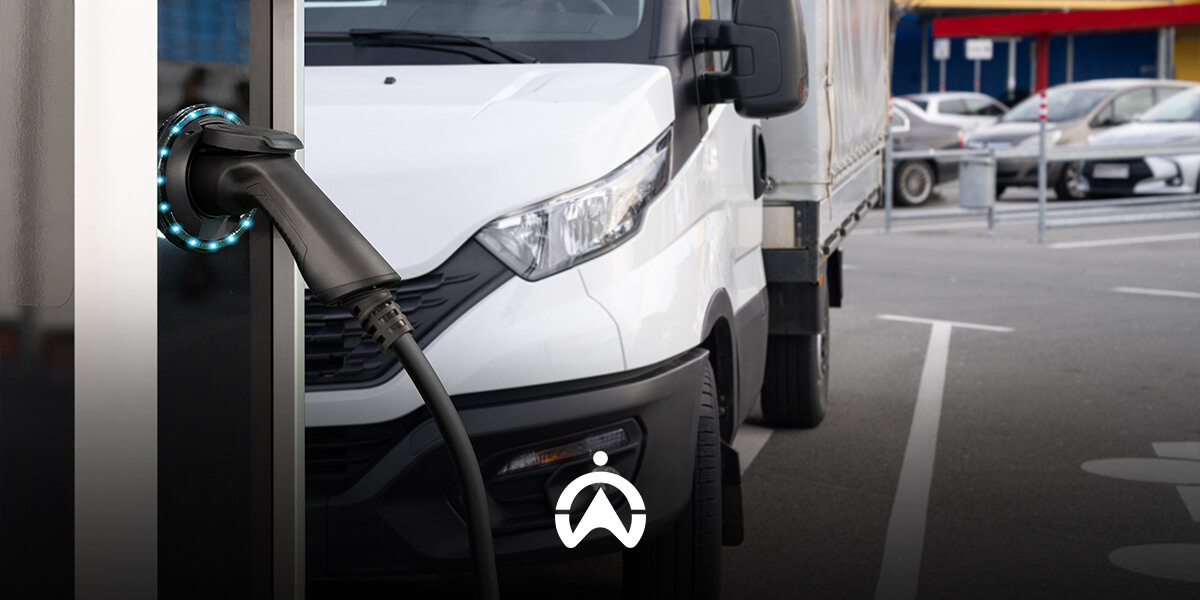
Electric vehicles (EVs) are more popular than ever.  We see an increase in the number of EVs being integrated into business fleets. Because of this, fleet managers are seeing new complexities emerge – ensuring battery health, monitoring energy usage, and planning charging stops are just a few to name.

Some providers indeed offer separate EV software, but with Cartrack, fleet management is built to handle these complexities, meaning that you can manage your EV or internal combustion engine (ICE) vehicles with complete ease.

Through guidance from the Cartrack team, you’ll learn about EV fleet management software, why it matters, and which key Cartrack features show exactly why you may not need a separate system at all to run a strong electric, traditional, or mixed fleet.

In this article, you will:

  • Understand what EV fleet management software is and how it works
  • Learn which features help you manage EVs efficiently and cost-effectively
  • Discover whether you really need separate EV software
  • Explore why Cartrack’s platform is already fitted with the right support and technology
  • Get practical insights on how to future-proof your fleet

What is EV fleet management software?

EV fleet management software is, much like standard fleet management software, a system or platform that allows you to successfully track and monitor your EV (or integrated) fleet in real time, tracking important data like energy usage and charging time slots.

This kind of software provides crucial information that could ultimately transform your EV fleet into a safer, more cost-efficient, and smarter operation. Beyond tracking and monitoring, other major features include operational optimisation, maintenance alerts, and energy consumption reports – all to ensure you stay on top of the things that matter.

A good fleet management provider can scale with your business and accommodate whatever changes; although there are companies that offer standalone EV fleet solutions, modern consolidated systems like Cartrack’s Fleetweb are ahead of the curve, built to work for ICE, EV, or integrated fleets with one unified and streamlined platform.

Key functions of EV fleet management software

There are certain aspects to EVs that need to be considered, and your fleet management software should tackle these considerations head-on. Think about these key functions when looking at EV fleet management software:

Do you need dedicated EV software or a platform that supports EVs?

No, you don’t need dedicated EV software; the truth is, it’s not a necessity, although it’s totally understood why most would think so. Using a completely integrated platform that supports both EV and ICE vehicles is the key to achieving greater flexibility – more so if you’re running a mixed fleet. With an integrated platform like Cartrack’s, you draw advantages from:

  • One dashboard for EVs and ICEs: You can manage your fleet through one streamlined platform – even if your fleet is a combination of electric and traditional.
    ‍
  • No need for juggling multiple systems: There’s no need to manage your different vehicle types under different systems. Your workflow remains simplified.
  • Easier data consolidation and reporting: Because there’s no cross-platform confusion taking place, all of your data and insights are collected and shared in one place. Get unified and comprehensive reports for your whole fleet.
  • Greater ROI and simplicity: It’s just about using the tools that are already available to you, especially from traditional fleet management solutions. You’re still saving time and money while holding onto a scalable solution for your fleet.
Why managing EV fleets requires the right technology

EVs, while the perfect solution for tackling fuel and emission matters, invite a new collection of complexities to fleet management – the kinds that don’t often apply to traditional vehicles. Without the right technologies in place, you won’t get the full fleet visibility that you and your business deserve. 

EVs need a platform that actively solves these unique complexities. Some of them include:

  • Battery range monitoring: EVs use batteries, which is certainly a major difference from the traditional vehicle that depends on fuel. These batteries function differently depending on factors like terrain or driving style, highlighting the importance of range and route monitoring. You’d naturally want to avoid a breakdown and always ensure your vehicle battery health is consistently monitored.
    ‍
  • Charging station access and downtime: Because EVs are running on batteries, they need to be charged promptly. Fleet managers have to account for charging schedules, charging points and infrastructure, and waiting periods.
  • Route optimisation based on charge: Every route and trip taken needs to take into account charging points and where they’re placed, along with battery levels.
    ‍
  • EV-specific maintenance: EVs typically don’t need to be serviced as often as traditional vehicles, and they also have fewer moving parts, but they do need to be checked every few months to ensure optimal performance. Maintenance based on usage, battery, and brakes is absolutely essential.
    ‍
  • Accurate energy usage tracking: Knowing how much energy is used per trip is the key to understanding trends and inconsistencies, which can help in reducing costs and improving performance.

How do you know you’re ready for EV fleet management software?

Choosing to go the EV route can be quite a significant decision to make; this is especially true if you’re not prepared with the right fleet management tools. But if you’re considering any of the below points, EV fleet management might be right for you. These are the signs:

  • You want to lower fuel and maintenance costs: So you’re thinking about making the switch to EVs; this would only be the first phase of your money-saving initiatives. The real savings would come from implementing the correct fleet management tools and technologies to help you achieve optimal fleet performance and see real ROI.
  • You need help planning smart routes and charging challenges: It’s clear that route optimisation is a major factor here; route planning is all about successfully considering average usage patterns, charging station locations, and range limits.
    ‍
  • You’re struggling with immediate insights: Managing EVs without fleet management solutions is a sure way of playing a guessing game. If you want real and comprehensive data, a streamlined platform is the best way to go.
    ‍
  • You’re scaling and need visibility: The greater the size and mix of your fleet, the greater the complexities. The best solution is to have a single platform that’s able to give you full visibility and control – no cross-platform confusion and just one dashboard with an overview of all the information you need.

How to choose the right fleet management partner for your EVs

While you carefully consider your provider options, it’s important to keep in mind that choosing the right software provider for your fleet will ensure you get the best support and long-term ROI. These are the key questions to explore and how Cartrack answers them:

  • Does the system support both ICE and EVs? – Trying to manage a mixed fleet with separate systems would only prove futile (and very inconvenient). Cartrack’s platform brings together all the features and vehicle types under one dashboard.
    ‍
  • Will the platform scale as I grow my EV fleet? – If your fleet grows and changes, your fleet solutions provider should be on the same page. Cartrack’s secure and cloud-based systems expand with your business, being able to easily add or change features, permissions, and assets.
  • Is there driver behaviour tracking for EVs? – To get the most out of your fleet’s driving range, the best course of action is to make route-optimising decisions based on efficient driving habits. Cartrack offers live driver insights that allow you to make the necessary decisions and encourage driver accountability.
    ‍
  • Is there reliable data accuracy, insights, and uptime? –  To make informed and educated decisions that could better your fleet strategy,the data presented needs to be comprehensive and as accurate as possible. Cartrack’s platform is always on, delivering reliable and actionable insights.
    ‍
  • Is the platform future-proof for expanding EV infrastructure? – Technology, especially EV-related engineering, is constantly evolving at an unimaginable pace – which is why your provider needs to be prepared for any and all changes. Cartrack boasts continued innovation and preparation for change.
    ‍
  • What support is offered during onboarding and scaling? – If you’re taking the leap and introducing EVs to your fleet, this decision shouldn’t feel like a shot in the dark. Cartrack has a dedicated support team that’s ready to help you understand your options, explore the Fleetweb platform, and provide onboarding and training so that you and your drivers work smarter.
Benefits of using Cartrack for EV fleet management

There’s no need to feel as though you’re managing separate fleets, and Cartrack can ensure that you’re sorted on that front. Fleetweb is built to give you simplicity and precision when managing your fleet – no matter the vehicle type. See how we’re ready to help you handle your EVs with confidence:

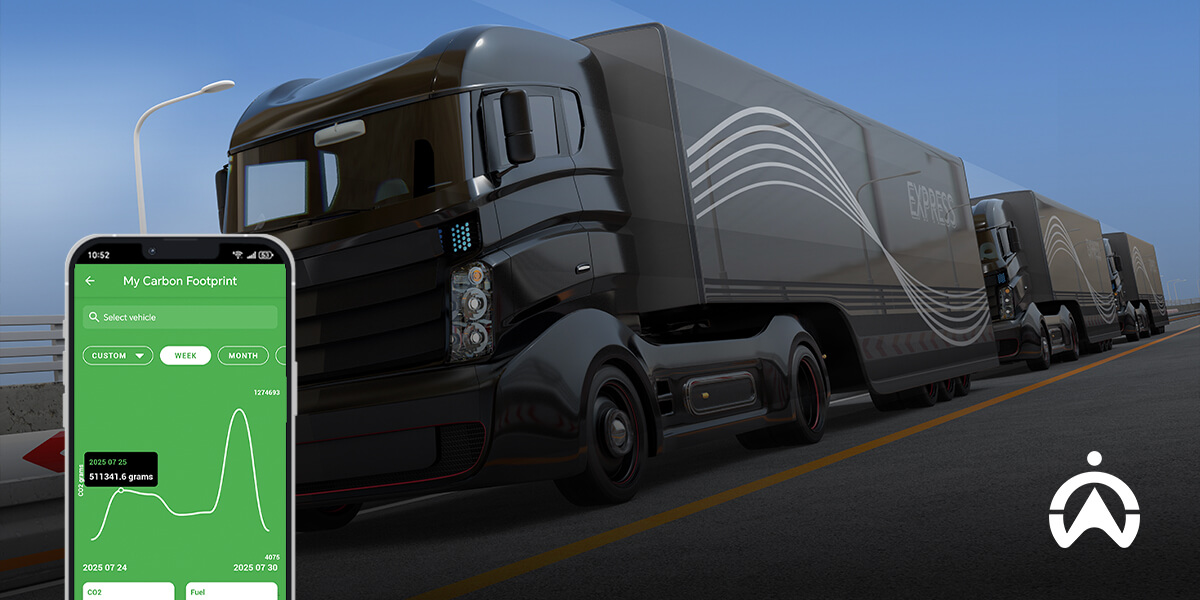
  • Reduce operational costs: Get clear breakdowns of energy usage and smarter route planning solutions so you can avoid needless charging stops and optimise your trips.
    ‍
  • Increase EV uptime: With the help of predictive alerts, you can avoid unexpected downtime through notifications based on usage patterns, vehicle health, and maintenance. Preemptive alerts are the key to beating unexpected expenses.
    ‍
  • Boost driver performance and EV longevity: EV-specific driving behaviours and patterns can be tracked to promote better driving practices. This kind of approach is the key to extending vehicle battery life and overall longevity.
    ‍
  • Easily plan charging stops: Factors such as location tracking and trip lengths can be used to figure out the best times for you to charge your EV and where the closest charging stations are in certain areas.
    ‍
  • Track and report on ESG goals: If you have compliance or regulatory targets that you’re looking to stay on top of, Cartrack can give you true and reportable feedback and insights to support these goals. 
    ‍
  • Fully manage mixed fleets (EV + ICE): Cartrack is technologically prepared to give you full visibility and control – whether you have a traditional, electric, or mixed vehicle fleet. Don’t worry about having to work across multiple platforms.

The future of EV fleet management

The presence of EVs in the automotive landscape is already proving to be large and in charge; BloombergNEF anticipates that EVs will account for approximately 56% of new car sales by 2035, potentially climbing to around 70% by 2040 alone. With this transition being in full effect, software that matches this ever-evolving landscape and infrastructure is more valuable than ever. Look at some of these emerging trends and the future of EVs:

  • V2G (vehicle-to-grid energy sharing): This innovation could be a game-changer for EVs and their battery usage. The hope is that, soon, EVs won’t just use energy when they’re out on the road, but they’ll be able to store any unused energy during low-demand times and use it when it’s necessary. This unused energy will be sent back to the grid, meaning that businesses could see a drastic decrease in energy costs.
  • Smarter electric charging infrastructure: Charging stations are on their way to being more AI-driven and smarter; this means that fleet managers will be able to see, in real-time, feedback on charging costs, speeds, availability, and queues. All of this information being readily available will mean even higher levels of productivity.

The Bottom Line

If you’re making the move to electric vehicles, there’s absolutely no need to fret over an entirely new fleet management system – all you need is one that’s already secure and built for the next phase of your fleet growth.

Whether you have a full EV fleet, traditional fleet, or a mix of the two, Cartrack has all the necessary tools and support to give you confidence and control.

Get EV-ready with Cartrack. Book your fleet demo today, or map out the best solution for your fleet with the help of our fleet experts. 

FAQs

Q: What’s the difference between regular and EV fleet management software?

A: EV fleet management software typically features tools that aren’t necessarily found in standard vehicle fleet software, such as battery monitoring and charging insights. On the other hand, Cartrack is equipped with all the EV-ready technologies while still being able to support ICE fleets.

Q: Can I manage EVs and ICE vehicles in one system?

A: Yes, you can; fleet management systems like Cartrack’s Fleetweb can ensure you manage any vehicle type through one dashboard.

Q: How does EV fleet management software help reduce energy costs?

A: As is the case for traditional fleet management software, EV fleet software can give detailed breakdowns, feedback, and reports on your fleets, sending out alerts when necessary and helping you with actionable insights.

Q: Is Cartrack’s fleet software compatible with different vehicle brands?

A: Yes, Cartrack’s software and hardware are compatible with all makes and models, making it the perfect partner for any fleet.

Q: What happens if my EVs operate in rural or low-signal areas?

A: You won’t have to worry about a lack of visibility – Cartrack operates on an offline system when there’s little to no signal, meaning that all information continues to be interpreted and stored until reconnection happens again and that data is synced.

Truck Dashcam for Fleet Safety and Monitoring

Dashcams have become a staple for most company fleet vehicles because they offer several great benefits. For a fleet of trucks, dashcams are essential for performance monitoring and safety.

Video-based monitoring is becoming more crucial in fleet management due to its ability to increase security and reduce overall operational costs. According to Verified Market Research, the African fleet dashcam market is expected to experience gradual and consistent growth over time. This is because of a growing emphasis on road safety.

Today, you’ll read about how truck dashcams go beyond simple video capturing, and we’ll show you what you should expect by investing in them.

In this article, you will:

  • The core function of a dashcam
  • The reasons behind the need for fleet dashcams
  • Must-have dashcam features
  • How dashcams fit into your broader fleet management strategy
  • Cartrack’s dashcam solutions to best suit your fleet

What’s the purpose of a fleet dashcam?

The purpose of a fleet dashcam is to avoid and mitigate accidents, encourage road safety, and emphasise driver accountability. Fleet dashcams are designed to provide fleet managers with a comprehensive view of what vehicle operators do daily. Modern-day truck dashcams come with GPS technology integration, which enables fleet managers to also verify location with the footage provided.

Driving a truck is not for the faint-hearted; no matter the years of experience, mistakes such as missing a blind spot are inevitable. The amount of weight your drivers add to the severity of an accident is high. Here are some of the ways dashcams mitigate potential driving errors:

Incident evidence and liability protection

Truck dashcams are now commonly referred to as silent witnesses. In instances where there’s no one to back up the driver on their version of events, dashcams become that backup.

Nowadays, many fleet dashcam videos showcasing hijackings, reckless driving, accidents, and cargo theft go viral on social media platforms.

Insurance savings

Dashcams encourage driver accountability because they know they’re being watched. This reduces the chance of reckless driving habits, which in turn decreases the number of claims, making your fleet less of a risk to insurers and therefore resulting in lower premiums. Most insurance companies now require your fleet to invest in dashcams for better pricing as well as claims backup.

Real-time visibility

As already mentioned, modern-day truck fleet dashcams come with GPS telematics capabilities. Telematics enables fleet managers to monitor and verify vehicle locations and keep an eye on driver behaviour.

The system collects vehicle data on various things, including driving habits such as sudden braking, long idling, harsh cornering, speeding, and rapid acceleration. With this, fleet managers are not only able to see what drivers are up to but also get data to prove the extent further.

Operational accountability

Through the evidence provided by video footage and telematics data, fleet managers can notice trends in the entire fleet and notice each driver’s patterns. They can then address specific issues with drivers and send them for coaching.

Fleet-wide performance benchmarking

Fleet managers can use the information from video footage and telematics reports to identify and reward top performers, as well as to set Key Performance Indicators to drive improvement in the overall business operations.

Return on investment (ROI)

The cost for your truck dashcam system should ultimately pay for itself in the long run. So how exactly does the right fleet management software give you a return on your investment? The best truck dashcam will always ensure:

  • Fewer accidents: lowers the cost of unexpected repairs.
  • Accurate camera footage: helps you to resolve accident liability much faster, meaning less downtime.
  • Improved driver behaviour: reduces wear and tear, increases fuel efficiency, and results in fewer penalties and legal disputes due to violations.

This proves investing in dashcams brings significant financial benefits to the business compared to the cost of dashcam solutions.

A smartphone displays Cartrack truck dashcam feed showing vehicles on a road.

Features that matter in a commercial fleet dashcam

There are many truck fleet dashcam options out there. As a fleet manager, you need to know which type would best suit your fleet’s needs. Here are the top features to look out for when shopping for commercial fleet dashcams:

Dual-facing vs. outward-only cameras

For a vehicle as big as a truck, you need a dashcam that faces both the road and the interior. The interior camera should also show a bit of the rear end to give you a complete video of the vehicle and its surroundings. Single-channel dashcams (road-facing only) are only recommended for smaller, personal vehicles, not trucks.

High-definition video quality

The whole point of a dashcam is to capture as much detail as possible. The higher the resolution, the clearer the imagery. This makes it easier to see finer details such as license plates, road traffic signs, and billboards from a distance. Ensure that you get fleet dashcams with good video resolution so you can get crystal clear views.

AI or Advanced Driver Assistance Systems (ADAS)

Accident agents reported that 60% – 80% of motor vehicle accidents are caused by distracted driving.  One of the greatest innovations of modern-day fleet dashcams is artificial intelligence. This powerful technology enhances fleet safety by providing real-time alerts when it detects distracted or unsafe driving habits such as cellphone use, fatigue, or smoking. This ensures that drivers constantly keep their eyes on the road. A dashcam with AI features is a must-have in the trucking industry because drivers are on the road for long hours and might get tired or distracted along the way.

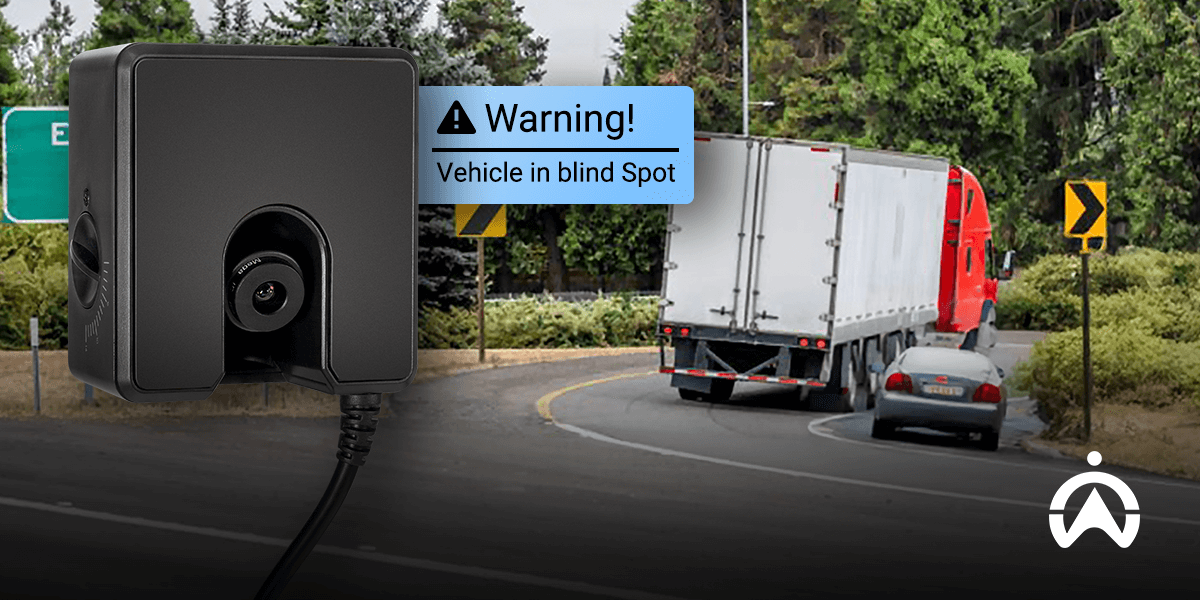
AI camera technology takes driver safety a step further by detecting high-risk situations outside the vehicle (such as blind spots) and giving warnings so drivers can avoid accidents.

Integration with GPS and telematics platforms

As already mentioned, dashcams with GPS and telematics are a must-have! These dashcams combine video recording with GPS tracking, wireless connectivity, and sensors to provide your fleet managers with a comprehensive view of the vehicle as well as driver behaviour. Dashcams for trucks should be able to integrate with your fleet management software platform for reporting, analysis, and coaching.

Night vision

How is your camera view at night or in low light conditions, like when your truck goes through a tunnel? Ensure that the dashcams you get for your fleet of trucks can capture clear and detailed footage in low-light conditions. To achieve this, the camera needs to have sensors and lenses that can detect low-light environments.

Cloud storage

The type of storage a dashcam possesses is directly related to the features you receive. For example, a dashcam with cloud storage allows for real-time access to the footage through LTE or Wi-Fi connectivity. This means you can live-stream from anywhere at any time. Many basic entry-level dashcams lack these advanced connectivity options and therefore don’t support remote access.

Common concerns about dashcams and how to address them

With every large purchase or investment for your business, there are inevitably some reservations. Let’s break down your concerns about truck fleet dashcams and see if we can help you address them:

Driver privacy

In one of our articles, we discuss the importance of ensuring your drivers are comfortable with the use of cameras and striking the right balance between monitoring and privacy. The best practices for this include:

  • asking for consent,
  • informing passengers,
  • creating a privacy policy,
  • limiting access to only authorised personnel,
  • customising camera settings,
  • encouraging driver feedback,
  • and sharing success stories.

Data management

Effective data management and access control are crucial for fleet dashcams. This ensures company privacy, security, and that you meet compliance standards. To achieve this, fleet managers must develop and implement policies that restrict unauthorised access to footage and outline the procedure for securely storing the data.

Cost

The cost of a fleet dashcam service might seem like adding more expenses to your business’s operational costs. However, in the long run, installing dashcams will save your organisation a significant amount of money in the negotiation of accident repair costs, insurance costs, fuel costs, and legal fees. With your costs down, you’ll gain the flexibility to safely add more trucks to your fleet and grow your organisation.

Cartrack AI truck dashcam displaying a warning for a vehicle in blind spot.

How dashcams fit into a broader fleet management strategy

Dashcams are mainly designed to enhance driver safety, provide evidence, and boost vehicle security. They can also strengthen and support other fleet management strategies, such as the following:

  • Fuel management: The GPS and telematics capabilities from fleet dashcams highlight driving behaviours such as long idling, rapid accelerations, and detours. These all increase fuel consumption, so by investing in a dashcam, you reduce the frequency of these fuel-draining habits.
  • Maintenance tracking: Aggressive driver behaviour also increases the chances of vehicle wear and tear. By investing in fleet dashcams that are powered by telematics, you’ll get reports of these tendencies and address them, resulting in proactive maintenance planning. 
  • Coaching: Driver training is a very important aspect of running a successful fleet. As a fleet manager, you can use the video footage to highlight your concerns with each driver and send them for training on how to improve.
  • Reward programs: You can use the information from the camera reports to highlight, recognise, and reward drivers who are showing improvement. This boosts employee morale and helps reduce driver turnover.

Common dashcam questions and how to address them

From data privacy to ease of use, business owners often worry when a new gadget is introduced. Here’s how to move past those common concerns:

  1. Do dashcams work when the engine is off? 
    Yes, some fleet dashcams can be set up to record when the engine is off. This feature is called “parking mode”. It requires a certain type of hardwiring to the vehicle battery or an external power source to be activated. All you need to do is ask your service provider if you have the option to do so.
  1. Is my data secure?
    Ensure that you choose a dashcam service provider that prioritises business privacy to protect your business. Find out about their data-handling processes, security measures, and transparency. Make sure you go for a reputable company that has years of experience in all things related to fleet management.
    ‍
  1. Can I manage video footage across all vehicles easily?
    Yes, with the right dashcam solution, managing video footage across your entire fleet should be possible. This is because of the software’s integration with fleet management platforms, allowing you to access footage remotely, download clips, search and filter footage by date and time, and receive alerts.

Enhancing fleet oversight with Cartrack dashcam solutions

We have camera solutions for fleet vehicles of all sizes. Our dashcams come with standard GPS and telematics solutions, cloud storage, and high video quality. They also work well with other fleet management-related packages. Here are the top solutions we have to offer for your truck operations, as well as other key features you can expect to enjoy with Cartrack’s truck dashcam solutions:

AI Dual Vision

The Cartrack AI Dual Vision camera is both road- and interior-facing. It’s also AI-powered, meaning it can detect distracted driving behaviours such as drowsiness and cellphone use. Once detected, the cameras will give your driver audible real-time alerts so they can immediately correct their actions and focus on the road ahead. Our AI cameras can also detect blind spots and provide your drivers with early forward collision warnings, helping them to avoid accidents.

Coaching

We have a feature on our platform that focuses explicitly on driver coaching. It helps with improving the skills and behaviour of each driver. The Cartrack Coaching solution collects all information from recorded camera and telematics incidents. Then it turns it into understandable data where you can spot the trends among different departments, easily identifying the patterns of each driver.

From there, you can address your concerns with each driver and book them for additional training. The software will show repeated offences as well as the notes left from the previous coaching session to enforce accountability.

Driver Scorecards

As already mentioned, fleet managers need to reward good driving habits. Cartrack has a driver scorecard program that tracks incidents such as speeding and harsh cornering, giving each driver a rating based on the frequency of these incidents. You can use this system to reward drivers with the best ratings, which can help motivate them.

Invest in the Cartrack dashcam solutions for fleet safety and cost reductions!

Dashcams offer more than just extra safety. They also provide valuable insight that can improve overall business operations. With Cartrack, you get a fleet management integrated camera solution all in one platform, making things easier for you. Contact us today and see the difference our camera solutions will bring to your fleet.

What Is Fleet Maintenance Management?

Fleet maintenance management involves overseeing all aspects of maintaining commercial fleet vehicles to ensure they are in optimal condition and fit for use. Overlooking this aspect of running a fleet puts your business at risk of compliance penalties, expensive repairs, and unforeseen interruptions that may affect the company’s bottom line.

Consistent vehicle upkeep requires establishing proactive and preventive measures to reduce downtime, potential accidents, and emergency repair costs. To achieve this, you need advanced technological tools that will simplify the process.

Today, we will guide you through everything you need to know about fleet maintenance management and provide you with the tools you need to overcome common vehicle performance challenges.

In this article, you will:

  • Learn the main purpose of fleet maintenance management
  • Find out what a fleet maintenance manager does to boost operations
  • Discover the Cartrack preventative maintenance tools that you need for your fleet

The core functions of fleet maintenance management

The purpose of fleet maintenance management is to ensure a well-structured maintenance program that extends the fleet’s lifespan, enhances reliability, and boosts operational efficiency. This is done in the following ways:

  • Preventive maintenance and scheduled servicing
    Preventive maintenance refers to a strategy that involves following service schedules and performing inspections to detect potential issues before they cause breakdowns. This approach ensures that vehicles remain in good condition and reduces the chances of unexpected breakdowns and sudden major repair costs.
  • Managing breakdowns and emergency repairs
    Managing emergency breakdowns requires quick thinking, clear communication, and efficient processes. Fleet managers must develop and communicate clear procedures for drivers to follow in the event of a breakdown, such as who to call, relevant documentation, and safety actions. All incidents are documented and analysed to identify trends and preventable failures.
  • Monitoring vehicle performance and diagnostics
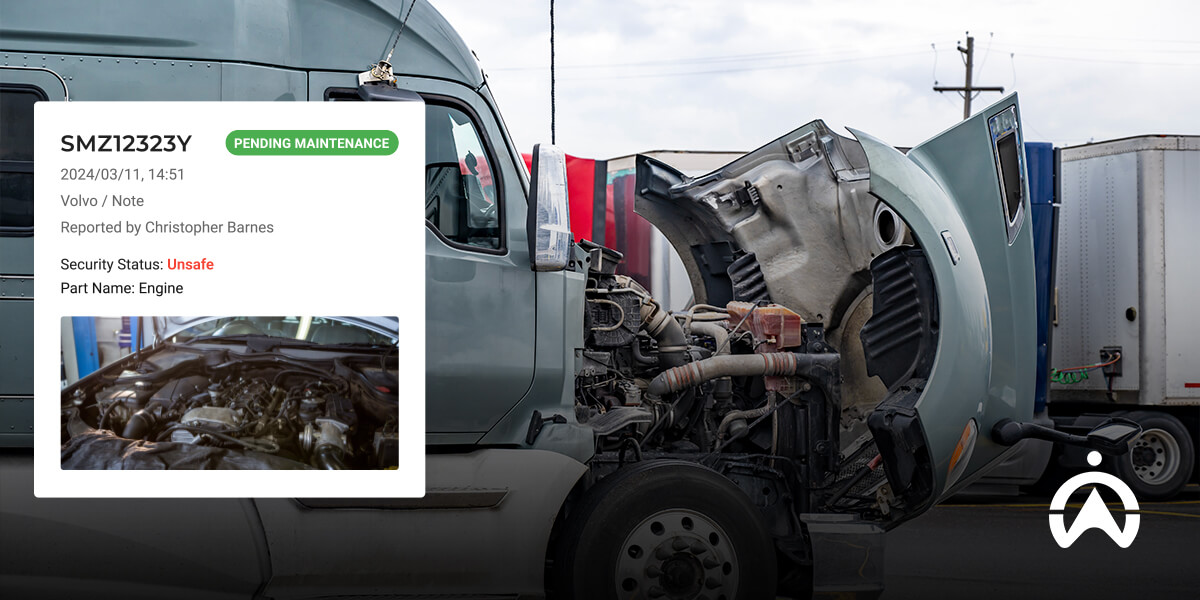
    Digital solutions highly drive modern-day fleet maintenance. Telematics technology allows you to get real-time diagnostics on vital things such as engine health, brake conditions, and fluid levels. This powerful tool reports vehicle failures before they worsen, allowing fleet managers to take action quickly.
  • Data-driven decision-making using telematics
    Fleet maintenance systems also track vehicle mileage, fuel usage, and service history, giving you greater insight into vehicle usage and performance, so you can optimise fleet utilisation and ensure proper resource allocation.

What does a fleet maintenance manager do to boost maintenance operations?

The role of a fleet maintenance manager is to oversee the maintenance and repair operations of a company’s vehicle fleet. He/she needs to ensure that all vehicles are operating safely, efficiently, and in compliance with all relevant regulations.

Is a fleet maintenance manager’s work stressful?

The role involves managing a team of mechanics and technicians, scheduling regular maintenance, coordinating repairs, maintaining accurate records, and implementing cost-effective strategies to boost fleet uptime and reduce expenses.

They also have to manage budgets for parts, labour, and external services; source and negotiate with vendors for parts and services. Furthermore, they also need to train staff on maintenance procedures and safety protocols.

Without the assistance of advanced technologies such as telematics, achieving these tasks under strict deadlines can be very challenging and stressful, which is why all fleet businesses need to invest in software that helps track these activities. 


The difference between fleet management and fleet maintenance

Fleet management and fleet maintenance are related, but distinctly different concepts within vehicle operations. Fleet management encompasses all aspects of managing a fleet. Fleet maintenance management, on the other hand, only covers one aspect of fleet maintenance, which is vehicle health and performance.

Here’s a quick breakdown of the key differences between fleet management and fleet maintenance:

  • High-level vs. day-to-day vehicle care:
    Fleet managers operate on a high level, overseeing everything that involves the fleet. They analyse a wide range of data to boost overall efficiency and reduce costs. Fleet maintenance is focused on the day-to-day upkeep of the vehicles. This includes vehicle inspections, record keeping, and inventory management.
  • Broader scope of fleet management: It includes tasks such as assigning vehicles to operators, tracking vehicle usage and maintenance, monitoring vehicle locations, and planning routes.
  • Where the two intersect: The two functions meet when it comes to cost control and efficiency; both use telematics systems to gain insight into the fleet, and they collaborate in reducing operational costs and overall safety and compliance.

Invest in smart maintenance tools from Cartrack

Unforeseen vehicle breakdowns can cause severe disruptions to the workflow, which may result in delays, missed deadlines, client dissatisfaction, and increased expenses. From the above case study, you can already see the significant impact a good fleet management system makes on the business. Cartrack specialises in everything related to fleet management and gives you insight into your fleet, all from one platform.
‍‍

Have a look at our top features for maximising your fleet’s health:

  • Real-time engine diagnostics
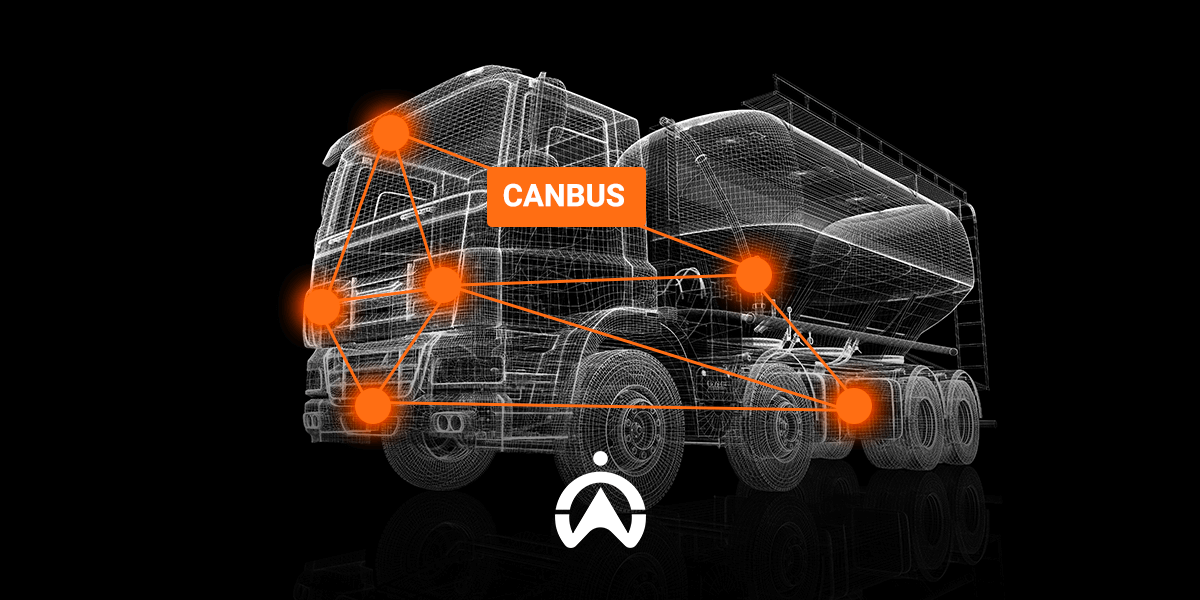
    The Cartrack Canbus system enables real-time communication between various vehicle components. Through this, you can receive alerts for engine faults, water fluctuations, worn-out brakes, and other diagnostics.

    This ensures that you know of any issues regarding vehicle components and address them before they become severe. By investing in this tool, you minimise the chances of costly unexpected breakdowns, which may lead to delays and downtime.

  • Preventative maintenance scheduling
    Receive maintenance alerts based on real-time odometer readings or last service dates. This keeps you up to date with when the next vehicles need to go in for servicing, so you can properly plan trips based on those that will be available for use. Through this feature, you address concerns such as tyre replacements before they catch you off guard.
  • Digital maintenance records
    Our fleet system helps you store, record, and update maintenance-related activities digitally so you can have easy reference and convenient reporting.
  • Driver monitoring reports
    Fleet maintenance is also about ensuring that carefully operated. Through the Cartrack telematics system, you will receive alerts on driving habits that increase the chances of vehicle wear and tear, such as sudden braking, excessive acceleration, speeding, and harsh cornering. This allows you to address the behaviours with drivers and educate them on their impact.

Ensure your fleet is always in tip-top shape! Contact us today, and speak to one of our fleet consultants.

Frequently Asked Questions about fleet management and  maintenance

What is the role of fleet service? 

Fleet services are resources offered by some leasing and management companies to help them streamline, maintain, and manage their business. The role involves vehicle selection, fleet acquisition, obtaining the right insurance, maintenance, managing fuel costs, keeping up with license requirements, equipment leasing, compliance, and data analysis.

What is the role of maintenance in fleet planning?

Planning for your fleet’s maintenance ensures that your business remains reliable and there will be fewer chances of unforeseen downtime. It also controls the cost of repairs and replacements, as you will already know beforehand, instead of using money that was never budgeted for.

What is the primary aim of fleet management?

The primary aim of fleet management is to improve the fleet’s efficiency and productivity, enhance driver safety, and reduce the overall operational costs in order to boost profits. The best way to do this is by capitalising on fleet management software to gain insight and make better decisions. 

What is asset management in maintenance?

While it is commonly known for fleet maintenance to be associated with vehicles, the term fleet may also refer to a group of equipment, machinery, and assets that require maintenance. Examples of this include excavators, bulldozers, and cranes. Asset management in maintenance is a proactive approach to optimising a company’s assets.

What is the role of a fleet workshop manager?

A fleet workshop manager is responsible for monitoring and controlling expenses related to labour, parts, and equipment. Identify opportunities for cost savings and efficiency improvements. He/she must drive efficiency and productivity within the workshop.

Fleet Management Software: For Complete Fleet Control

The daily grind of fleet management can feel relentless, but in a time where modern fleets demand complete control, fleet management software is the key to always staying a step ahead. Fleet management systems can reduce vehicle downtime by up to 25%, clearly marking fleet control as not only a smart business move but a necessity. And with technology driving measurable gains, businesses without it are falling behind.

Imagine an integrated platform that collects all your fleet data, presents all the insights you need to boost your fleet performance and safety, and simplifies the mundane tasks; this is exactly what fleet management software has to offer.

Are you ready to see the power that fleet software can deliver for your business? Discover how the safety solutions and technologies can transform your asset operations into a profitable machine.

In this article, you will:

  • Understand what fleet management software is and why it’s the best solution for your fleet
  • Examine typical performance challenges and how fleet software can solve them
  • Learn what to look for in a provider and what features to prioritise
  • See how Cartrack supports more efficient fleets and what sets Cartrack apart

What is fleet management software, and why is it essential?

Fleet management software is a standardised and streamlined tool that helps businesses monitor, strengthen, and keep track of their fleets. This is often applied to assets like delivery vans or field service vehicles, but can extend to ships and planes. The software itself is essential, as it gives you full visibility and control over your fleet through clear and comprehensive data.

Fleet software is all about ensuring that you have the right tools at your disposal to easily and efficiently run a business, replacing paper and human error with a single integrated solution and automated system. Reporting, maintenance, and compliance can all be managed and monitored in one place.

For any business with a fleet, visibility means control, and control means being able to see the whole picture – measurable improvements through safety, costs, and service delivery.

What fleet management software solves (And why it matters)

Because fleet managers are faced with so much responsibility regularly, not having the right solutions can add to the already-existing overwhelm. But with the appropriate software in place, you can ensure that you’re no longer falling victim to blind spots or guesses; instead, you’re gaining comprehensive and actionable insights.‍

Reducing fuel waste

  • Challenges: Fuel is typically one of the biggest costs for fleets, but factors like poorly planned routing and fuel theft are also quick to bring up those costs.
  • Solutions: Fuel monitoring, driver reports, and route optimisation are the keys to getting a full overview of where your fuel is going and the best ways to save on fuel spending.
  • Cartrack’s benefits: Advanced fuel reporting tools, driver scores and reports, and real-time alerts are available on our platform, helping you to reduce waste and optimise fuel consumption. 

Driver safety and accountability

  • Challenges: Negligent driving, speeding, and other unsafe driving behaviours ultimately increase the risk of accidents and insurance costs.
  • Solutions: Driver behaviour monitoring, in-cabin alerts (via dashcam footage), and coaching tools are the solutions to encouraging safer habits and driver accountability.
  • Cartrack’s benefits: Vision dashcams with AI capabilities, real-time alerts, and driver reports can both protect the drivers and ensure that they remain accountable.

Admin overload

  • Challenges: Fleet managers who use manual systems, juggle spreadsheets, or opt for disconnected systems ultimately waste a significant amount of valuable time and are at risk of human error.
  • Solutions: A single and centralised platform that replaces manual operations through automation and streamlines admin and monitoring processes.
  • Cartrack benefits: Fleetweb brings admin, tracking, and analytics into one easy-to-use and intuitive platform that cuts out manual tasks and improves accuracy/reduces human error.
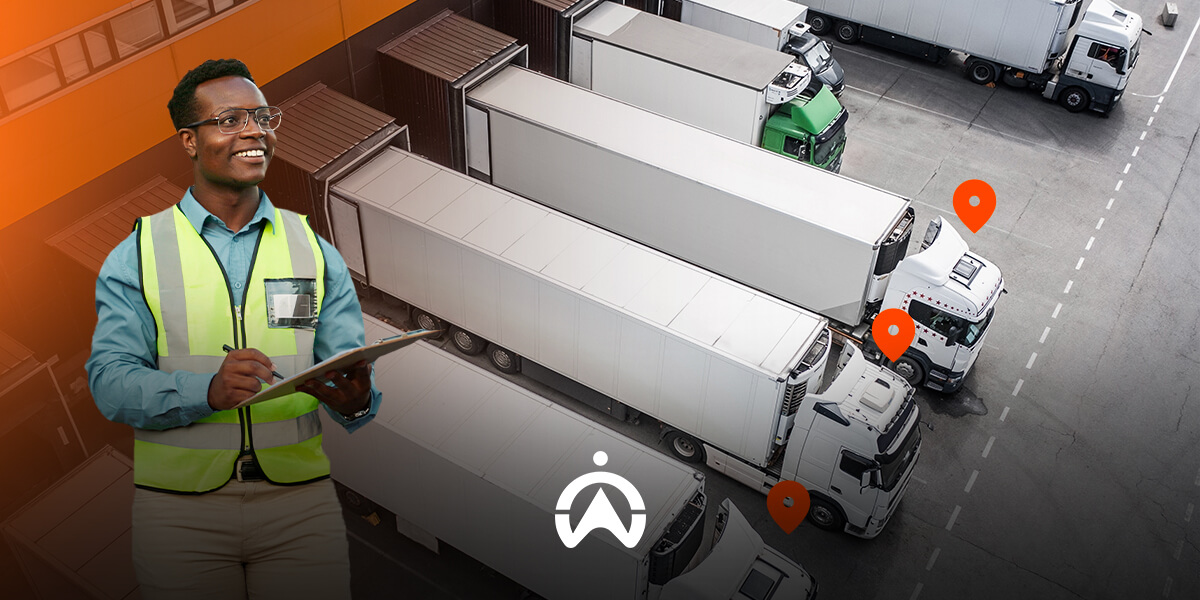
A person in a blue vest stands in front of several parked white trucks near a green-roofed building.

Connectivity in complex environments

  • Challenges: Some fleet vehicles operate in areas that have low-to-no signal coverage, which potentially puts drivers and assets at risk. This also means that there’s low visibility.
  • Solutions: Offline data logging and secure telematics that allow for data to be stored until sync is possible when reconnection takes place.
  • Cartrack benefits: Our devices preserve GPS logs and auto-sync when back online so that no data is lost and any trip or incident goes without being recorded (even in low-coverage zones).

Preventing downtime

  • Challenges: Emergency maintenance and missed service appointments can mean unexpected and costly downtime.
    ‍
  • Solutions: Scheduled, automated alerts and predictive maintenance notices so you can stay on top of when assets need to be serviced or checked.
    ‍
  • Cartrack’s benefits: Automated reminders and recorded service logs allow you to plan and keep your assets on the road for longer.

Operational oversights

  • Challenges: Late or delayed deliveries, idling time, and unoptimised routes can lead to customer dissatisfaction.
  • Solutions: Live tracking, smart AI scheduling, and detailed route planning and insights to help you optimise your routes, increase productivity, and improve accountability with direct monitoring.
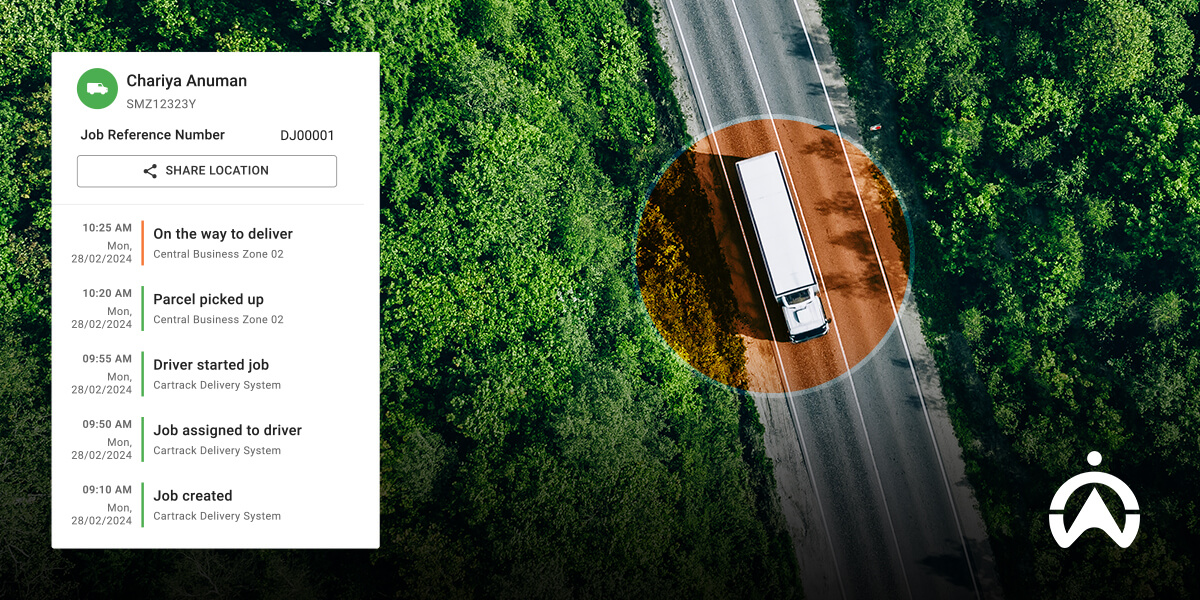
  • Cartrack’s benefits: Fleetweb and its Delivery feature, which includes real-time dashboards and job status updates, lead to maximum efficiency.

Security risks

  • Challenges: Fleets that are out and on the roads are vulnerable and exposed to theft and asset loss, hijackings, or tampered devices; this is especially true when in high-risk areas.
  • Solutions: Features that include tamper alerts, geofencing, and SVR recovery services greatly improve the safety of your assets and their operators.
  • Cartrack’s benefits: Industry-leading stolen vehicle recovery and anti-jamming technology, with theft prevention tools that are further supported by a round-the-clock recovery team.

How to choose the right fleet software provider?

The key to great fleet management software is a great provider, so to find the right provider, there are a couple of practical and important questions you should consider asking. Use this table as a checklist for when you’re assessing potential providers:

Key Question What Great Providers Should Offer
Are features integrated? A single and streamlined platform without too much reliance on third-party add-ons
Is the software user-friendly? A detailed but navigable dashboard that’s easy to use across both desktop and mobile
What kind of support is offered? Onboarding, 24/7 assistance, and training for you and your team so that you have a full understanding of the platform and its features
Are there hidden fees or lock-ins? Transparent pricing with contract flexibility and no surprise fees
Can it scale with your fleet? Ability to add users, vehicles, and features seamlessly to support your company’s growth
Does it integrate with business systems? Reliable application programming interface (API) access or built-in support that integrates seamlessly with your existing systems
Is the provider trusted in the industry? Case studies, credible client testimonials, and some industry recognition or awards
A delivery truck on a road surrounded by greenery, with a job progress update and location-sharing options displayed.

Why Cartrack is trusted for comprehensive fleet control

Cartrack goes beyond just ticking boxes according to what you need; it’s a revered business that’s dedicated to helping you drive your business forward. Cartrack has over 2 decades of experience and over 125,000 businesses on its side, earning its reputation as a trusted and dependable partner for fleet owners across 23 countries.
‍

So what makes us different?

  • We have versatile and adjustable solutions that fit any business of any size; these solutions continue to grow with your business should it expand. Additionally, our systems aren’t fragmented, so all the necessary data is available to you on one platform.
  • Premium security is at our core, with a high recovery rate of 100,000 recovered vehicles in the last decade, anti-jamming technology, and 24/7 vehicle recovery services.
  • Most importantly, we’re trusted by the industry and by the people.

The bottom line

Strong fleet software is a vital component for modern fleet management, especially if you’re set on remaining competitive and effectively managing the costs and operational performance of your assets. Remember: the right fleet management software empowers you and allows you to regain full control, turning your fleet from ordinary to extraordinary.

Cartrack can help you navigate these complexities with ease, offering more than just technology and giving you a trusted partnership.

Explore what smarter fleet control could look like. Speak with a fleet management expert today or book a free demo. 

FAQs

Q: How much does fleet management software cost?

A: Prices vary based on numerous factors, which include your fleet size and the features you’re looking for. Luckily, Cartrack has flexible packages and options that allow you to customise your needs according to what’s required.

Q: Can I integrate Cartrack’s platform with my existing systems?

A: Yes, our systems support the most notable logistics platforms, and our software supports integrations.

Q: Is my fleet data safe and secure with Cartrack?

A: Absolutely; Cartrack uses end-to-end encryption, industry-standard protection, and secure cloud storage to keep your data safe and completely private. These safeguarding layers ensure that you are protected from data loss and improper or illegal access.

Q: Does Cartrack offer local customer support and training?

A: Yes. We have dedicated teams nationwide that offer support and training so that you and your team are completely up to speed with the platform, along with continuous emergency assistance. Ongoing and refresher training sessions are also available.

What Is CANbus and How Does It Work?

Have you ever wondered how it is that your vehicle knows when something is wrong, or how you’re getting all that crucial information about your asset in real time? Fleet data holds all the answers to that feedback, and behind that data is CANbus.

CANbus is the foundation for modern vehicle diagnostics and management, and it works as somewhat of a nervous system for your vehicle. It’s a concealed framework that orchestrates the exchange of critical information between all the various components of your vehicle, making its unseen power the driving force behind advanced and smart fleet management.

In this helpful guide, we’ll give you a clear breakdown of what CANbus is, how it works, and why it’s the golden key to getting the best out of your fleet management strategy. What’s more? We’ll let you in on how Cartrack turns this fundamental data into practical insights that’ll help you stay in control.

In this article, you will:

  • Learn what CANbus is and how it works
  • Understand its role in modern vehicle communication and management
  • Discover the CANbus benefits for fleet performance, maintenance, and safety
  • See how Cartrack uses CANbus to deliver smarter insights and greater control

What is CANbus?

The Controller Area Network bus, or CANbus in its shortened form, is a communication system that enables various vehicle components to communicate with one another without requiring a central computer system. It allows these components to continuously exchange data, much like an internal nervous system, and links essential parts like the engine, brakes, gearbox, and dashboard.

CANbus was created by Bosch in the 1980s and swiftly became the industry standard for in-vehicle networking. Today, almost every modern vehicle uses CANbus for safety features, monitoring, and diagnostics.

To put it plainly, think of CANbus like a group chat where all your vehicle’s components are members. When one component, such as the engine, needs to share critical information, such as a fault code, it sends a message that the other components can interpret and respond to immediately.

What does this mean for Cartrack clients?

CANbus works as a hardware add-on that pairs with your telematics device, giving you access to specific vehicle data, including diagnostics, fuel usage, and driver behaviour stats. The accuracy of CANbus data can vary slightly, with an expected margin of up to 10%.

How does CANbus work?

At the core of CANbus, there’s a framework of Electronic Control Units (ECUs) that communicate with each other in real time; each of these manages a certain function, like braking or fuel. Here’s a closer look at how it works:

  • 2-wire architecture: CANbus only relies on 2 wires – CAN High and CAN Low wires – twisted together to reduce electrical disruption. This type of wiring means that all ECUs are interconnected, meaning continual communication throughout.
  • Broadcast communication: As previously mentioned, messages are broadcast across the entire network, which means that each ECU listens for messages that are relevant to it and ignores the ones that don’t apply to it, making networking systems swift and effective.
  • No central controller: CANbus doesn’t have a central computer telling components what to do; instead, all ECUs are equal “members of the group chat”, which means they can send and receive information independently when needed.

What data can be extracted from CANbus?

One of the biggest upsides of CANbus is that it delivers incredible depth and variety when it comes to the data it provides. Paired with a sophisticated telematics system, this can prove substantial regarding data insights. Let’s explore some of the key data points you can expect:

  • RPM (Revolutions Per Minute): Is an indication of how fast a vehicle’s engine’s crankshaft rotates, i.e., telling you how fast the engine is running. Considering this helps you understand how hard a vehicle is being pushed, it can help you monitor and boost performance.
  • Vehicle speed: Offers relatively accurate and live speed readings, which can give you insight into driver behaviour, fuel use, and adherence to safety.
  • Fuel consumption: Tracks how much fuel is being used, meaning you can spot trends (and inconsistencies) or see where there’s room for improvement regarding fuel and operational costs.
  • Brake status: Monitors when and how the brakes are being applied so that patterns of harsh braking or deteriorating vehicle components can be identified.
  • Harsh driving habits: Detects aggressive driving habits (like harsh braking and accelerating) that increase wear and tear and accident threat, so you can monitor driver behaviour and deliver coaching accordingly.
  • Fault Codes (DTCs): Records Diagnostic Trouble Codes (DTCs) transmitted by the vehicle when a system is faulty. Getting these diagnostic reports means ultimately reducing downtime.
  • Battery status: Tracks the health and charge level of your vehicle battery and, much like the above point, prevents potential downtime.
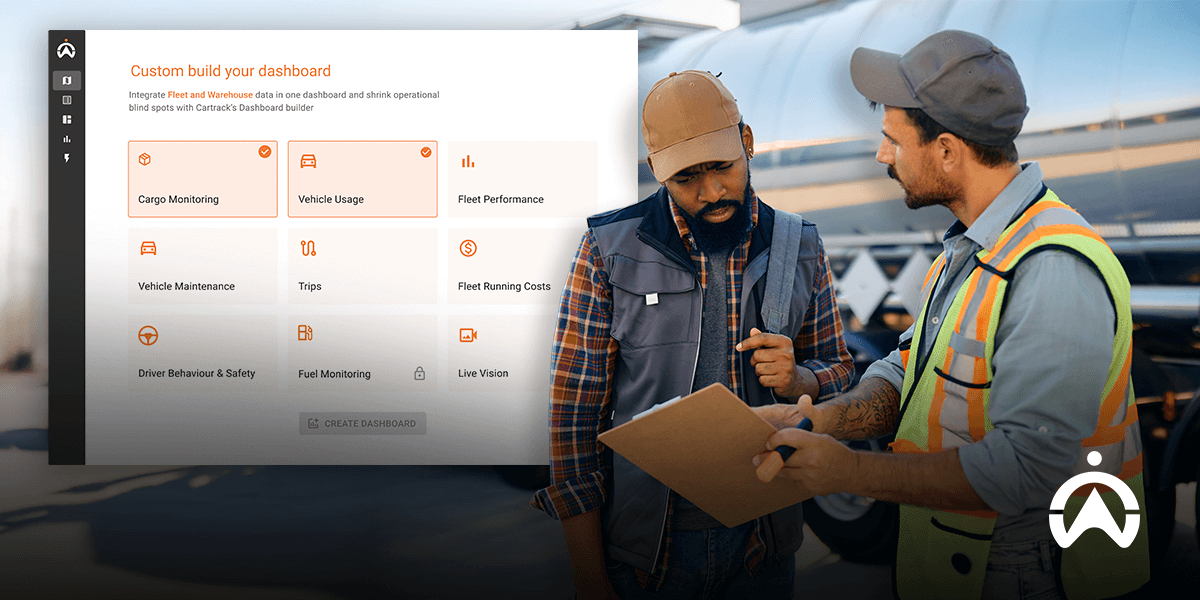
Cartrack CANbus dashboard displaying various fleet monitoring options like Vehicle Usage and Fuel Monitoring.

CANbus vs. traditional vehicle wiring

Before CANbus, vehicles used what was known as “point-to-point” wiring, which meant that every part needed a separate wire to communicate. The more wires a car had, the heavier and more complicated a car’s wiring system became.

CANbus revolutionised that system, and here’s how it compares:

  • Fewer wires: Instead of needing separate wires for each signal, CANbus uses just 2 wires to connect all electronic control units (ECUs). As a result, wiring complexity is significantly reduced.
  • Easier adaptability: CANbus makes it much easier to add or modify components without needing to rewire the entire system, which is ideal for modern vehicles stacked with advanced features.
  • More reliable data transmission: The network-style communication means that data flows more smoothly, with less risk of interference or signal loss.
  • Improved fuel performance: Fewer wires mean less weight overall, boosting vehicle efficiency and lowering fuel consumption.

Where is CANbus used in a vehicle?

CANbus connects all parts of the vehicle, allowing these core elements to communicate with each other and produce live data. Examples of systems that use CANbus include:

  • Engine control
  • Transmission
  • ABS and brakes
  • Infotainment systems
  • Airbags and safety features
  • Telematics systems

Why is CANbus important for modern fleets?

CANbus ensures that you and your business won’t be running blind; this is something you simply can’t afford when owning or managing a fleet. CANbus cuts out the reactive damage control and instead encourages proactive, preemptive action.

Here’s more on why CANbus is essential to your fleet:

  • Accurate data collection: CANbus connects into multiple vehicle systems, providing a continuous, centralised feed of accurate data. This eliminates guesswork and allows fleet managers to truly understand what’s happening under the hood.
  • Early fault detection: By accessing Diagnostic Trouble Codes (DTCs), CANbus allows for early fault detection, enabling preventative maintenance before small issues become costly problems. It also captures harsh braking, rapid acceleration, and other driving behaviours in real time — helping you improve safety and reduce risk.
  • Improved operations: With rich, live data at their fingertips, fleet managers can make faster, smarter decisions. That translates into reduced downtime, safer roads, and a leaner, more cost-effective operation.

How to know if your vehicle has CANbus (and how to access it)

You’ll be happy to know that almost every vehicle (from passenger cars to large-scale trucks) that’s been manufactured after 2008 is likely to be fitted with CANbus as a standard. Cartrack will also carry out a complete assessment to make sure that your vehicle or vehicles support CANbus, so you don’t have to worry.

If you still want to manually check, though, here’s what you’d need to do:

  • Look for the OBD-II port: The On-Board Diagnostics (OBD-II) port essentially acts as a plug-in point for any technology and tools used to scan, monitor, and get access to real-time data from the vehicle. This port is typically found in the dashboard and near the driver’s seat.
    ‍
  • Look for the CAN wiring: As previously mentioned, the CAN High and CAN Low are the 2 wires that CANbus systems use. These wires can be colour-coded; the colouring depends on the manufacturer, but they’re often green (CAN High) and yellow (CAN Low). Because the colours vary, you can check by tracing the wires back to the diagnostics port. Experienced technicians depend on diagnostic tools (and not just the wire colours) to accurately verify the CAN wires.

Benefits of using CANbus in fleet management

CANbus has proved itself to be an extremely powerful tool and the key to accessing internal vehicle systems. Without it, there’s very little room for your fleet to unlock its potential to operate safer, smarter, and more cost-efficiently than ever.

These are the numerous benefits:

Common CANbus myths or misconceptions

Despite being found in practically all modern car models, CANbus technology is still the subject of some misunderstandings, such as the idea that it is complex or even primitive. Let’s clear the air:

  • “It’s only for diagnostics.” – CANbus is indeed used for diagnostics, but that’s not where its benefits end. It also allows for key fleet management feedback that supports smarter operations, such as driver behaviour reports and predictive maintenance insights.
  • “It’s complicated to use.” – While the technology itself is quite sophisticated, the outcome of the technology is straightforward. The information from CANbus is converted into insights that are digestible and require no extra effort from managers.
  • “You can’t trust third-party systems to read it.” – If fitted with the right Original Equipment Manufacturer (OEM) hardware, CANbus is a safe and perfect partner for third-party systems. It’s able to read CAN signals across various makes and models without hindering overall performance.
  • “CANbus is outdated tech.” – CANbus is actually the global standard for vehicle communication systems, remaining a foundational tool for features including telematics and Advanced Driver Assistance Systems (ADAS).
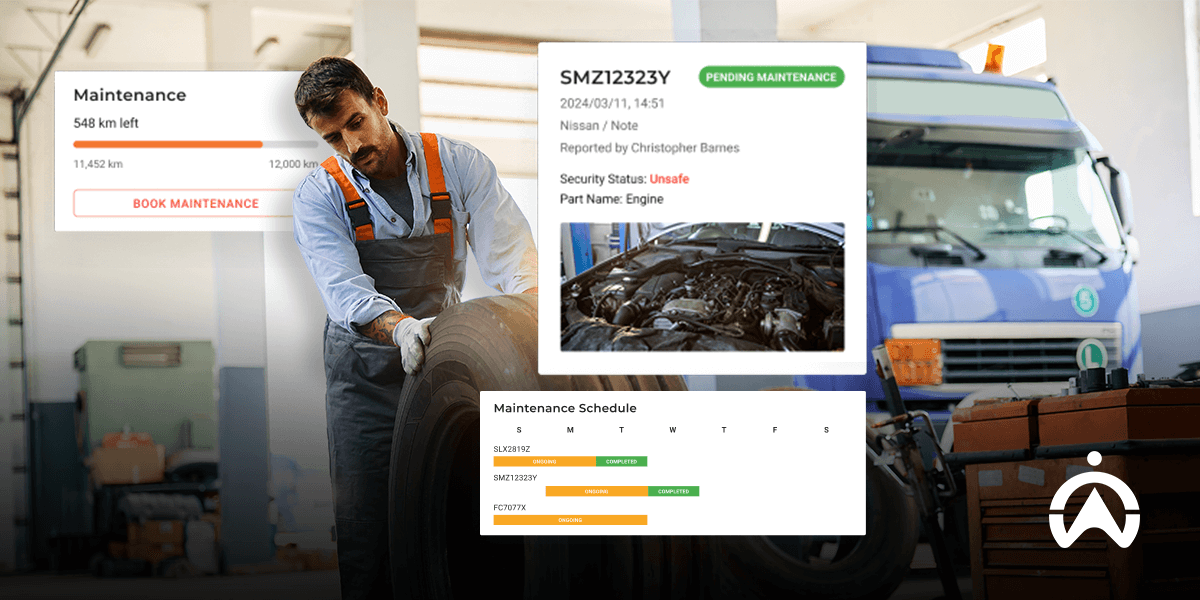
Cartrack CANbus system displaying live vehicle diagnostics and maintenance alerts to improve fleet safety and performance tracking.

How Cartrack utilises CANbus for better fleet control

Cartrack uses the power of CANbus to give fleet managers total and complete control, encouraging businesses to use the information already provided to them to their advantage. Here’s how Cartrack uses CANbus insight to give you better fleet control:

  • Vehicle health monitoring: This refers to predictive maintenance, ensuring that systems like battery health and oil pressure are constantly being tracked to avoid breakdowns.
    ‍
  • Immediate fault code alerts: If a warning light comes up or there happens to be a more serious issue, Cartrack will take that information and immediately direct it to your dashboard so you’re always notified.
    ‍
  • Seamless integration: Cartrack incorporates CANbus insights with insights from other analytics, including dashcams and driver reports, to create a detailed overview of vehicle and driver outcomes.
    ‍
  • Fleetweb: CANbus data is reflected effectively via Fleetweb, giving fleet managers the opportunity to see all the necessary information in one place.

But what about the challenges of CANbus?

Nothing is 100% perfect; the same can be said for CANbus. Despite these obstacles, Cartrack can overcome them:

  • Interference or warranty problems: CANbus wiring is highly sensitive, so it’s fair to be concerned about improper fittings that could mean voided warranties or non-functioning signals. Cartrack has trained, professional, and expert technicians carrying out installations using tamper-proof hardware that’s also safe for the integrity of your vehicles.
    ‍
  • Older vehicles: Pre-2008 vehicles typically don’t support CANbus or may use other types of systems. Because Cartrack’s technicians carry out full compatibility assessments before any installation, other telematics solutions can be suggested to you so you don’t lose out on the ability to collect insightful data.
    ‍
  • Misunderstanding data: The preliminary data that comes from CANbus can be overwhelming, especially considering that it’s extremely technical and uncategorised. Cartrack’s Fleetweb platform takes all of this raw data and automatically processes it, so you’re able to see exactly what you’ve chosen to see in a digestible format.

CANbus is the key to smarter fleets

At the end of it all, CANbus is the hidden gem behind high-efficiency fleet execution. By connecting your vehicle’s internal systems, it unlocks real-time insights that help you take decisive action.

When Cartrack steps in, we make that data work to its full potential, taking your standard operations and transforming them into improved, dynamic, and motivated fleet management.

See what’s really happening under the hood. Chat to an expert at Cartrack so you can discover what we do to help you make the most of your CANbus insights.

FAQs

Q: Which cars are equipped with CANbus?

A: Almost all cars manufactured after 2008 are equipped with CANbus; this is  true, with CANbus remaining practically a standard in modern vehicles.

Q: Is CANbus a secure and safe system?

A: Yes, CANbus is secure and operates as a closed-loop system, meaning that it uses a regulated feedback system as a way to minimise failures and improve stability. With the help of Cartrack, you can ensure the tightened security of your data through our tamper-resistant and reliable protection.

Q: Can my CANbus data be accessed by Cartrack without compromising my warranties?

A: Yes; Cartrack’s technicians are dedicated professionals who understand the importance of non-invasive installations. Because of this, your vehicle’s warranty won’t lapse.

Q: Can CANbus identify problems with a vehicle early on?

A: Yes, CANbus is constantly monitoring systems to ensure that any issues are being detected early, with the hopes of preventing emergency breakdowns or downtime.

Heavy Vehicle Tracking System Solutions for Your Business

Managing a fleet of heavy commercial vehicles presents several challenges. Fleet coordinators must always be aware of key factors, such as what drivers get up to daily, vehicle performance, fuel usage, and whether deliveries arrive on time. In a fast-paced and competitive environment like the transport and logistics industry, efficient fleet management is crucial.

To combat these challenges, fleet businesses must invest in comprehensive vehicle tracking solutions that specifically cater to heavy vehicles, as the level of care required for such vehicles is unlike that of others.

Let’s explore what it takes to manage a fleet of heavy vehicles and identify the essential tracking solutions for such operations.

In this article, you will:

  • Find out what technologies most fleet companies use to track vehicles
  • Discover the true advances of heavy vehicle tracking
  • Unlock the Cartrack solutions for your heavy vehicle operations

How do companies track their trucks?

Most trucking companies use a fleet management system to monitor their trucks. With the system comes a form of tracking that goes beyond knowing where the vehicles are. A fleet management system provides advanced tools that offer insight into vehicle health, efficient route planning, driver safety, and overall operational expenses. We delve deeper into how it works later in this article, so read on.

What system is most widely used for heavy vehicle tracking?

At the heart of most vehicle tracking systems are powerful technologies, including the Global Positioning System (GPS), the Global System for Mobile Communications (GSM), and telematics. When integrated, these smart tools become the three core components of vehicle tracking.

In simple terms, here’s how they work:

  • The GPS tells you where the vehicle is.
  • Using mobile networks, the GSM transmits information about what’s happening and sends it out.
  • The telematics system brings together GPS, GSM, and several other technologies to process and integrate all this data for fleet managers to utilise effectively.

The information gathered from this system is what makes vehicle tracking essential for many, if not all, companies in the logistics and transport industry.

Key features to look for in a heavy vehicle tracking system

Here are some of the main features you should look for when looking for vehicle tracking solutions for your fleet:

  • Real-time vehicle location: With GPS technology comes the option of passive and active tracking. Passive trackers monitor location data; they only give you access to it once the trip is done. Active trackers, on the other hand, give you live updates so you can keep up with vehicle movements while they are in transit.

    The tracking service you choose should provide real-time location updates and alerts, showing where vehicles are and how long they’ve been there so that you can identify unnecessary delays, deviations, and potential security threats.

  • Driver behaviour monitoring: Driver safety is a non-negotiable factor in fleet management. The business has to ensure that it hires good drivers who will not endanger the lives of others on the road. Driving a truck is not as simple as driving a lightweight vehicle, which makes it more of a risk.

    For this reason, all vehicles must have a telematics device that can identify harsh driving habits such as speeding, sudden braking, rapid acceleration, and harsh cornering. The system must then provide reports on each vehicle and driver so you, as a fleet manager, can quickly address the matter.

  • Fuel usage and cost reporting: Heavy vehicles are known to require more fuel due to the weight they carry. Fuel accounts for one of the most expensive fleet running costs, and as its prices continue rising, a vehicle tracking system with fuel and cost reporting abilities is crucial. Through this, you will be able to identify fuel wastage.

    The system should be able to determine fuel drainage through key metrics such as kilometres travelled, location, and the amount of fuel that is in the tank. There should also be the option of integrating fuel level sensors with the system to get more accurate fuel updates.

  • Route replay: You should be able to access trip histories and replay the journeys. This helps you spot detours and deviations, which further encourages accountability and boosts efficiency.
  • Geofencing: A software tool should be available to help you create digital fences around specific zones, allowing you to track when vehicles enter and exit those zones. A geofence works perfectly for the warehouse, where you will receive alerts when trucks enter and leave, providing accurate information on how long it takes to load and offload goods and making it easier to spot time-wasting activities.
  • Maintenance and service reminders: Another crucial aspect of fleet operations is maintenance. All vehicles must be properly maintained to prevent unroadworthiness, compliance issues, and unexpected breakdowns.
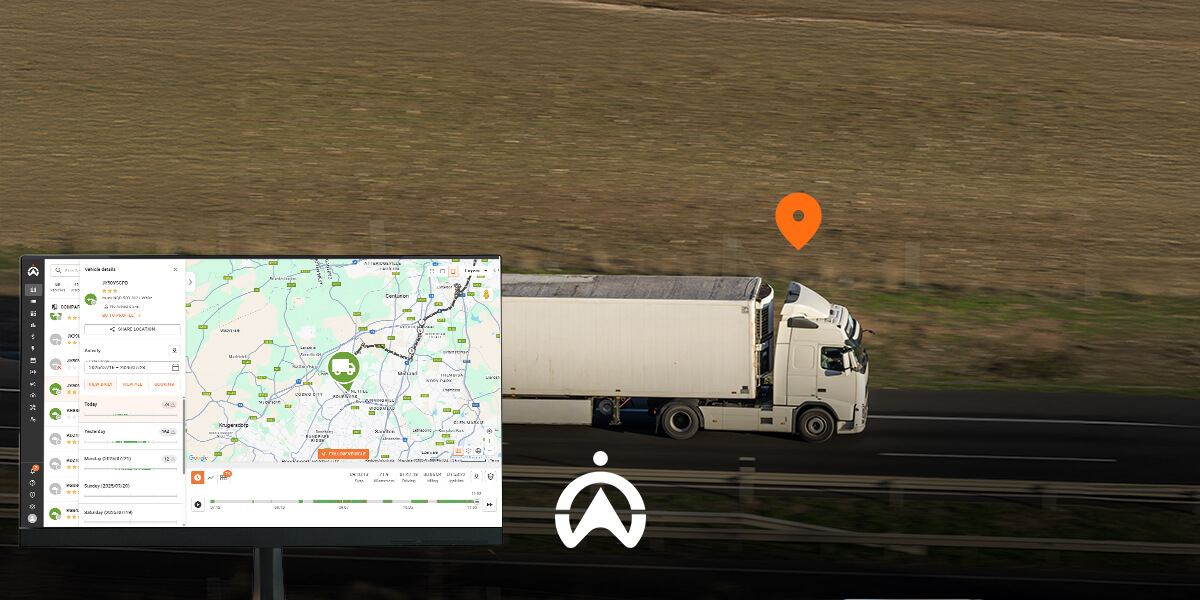
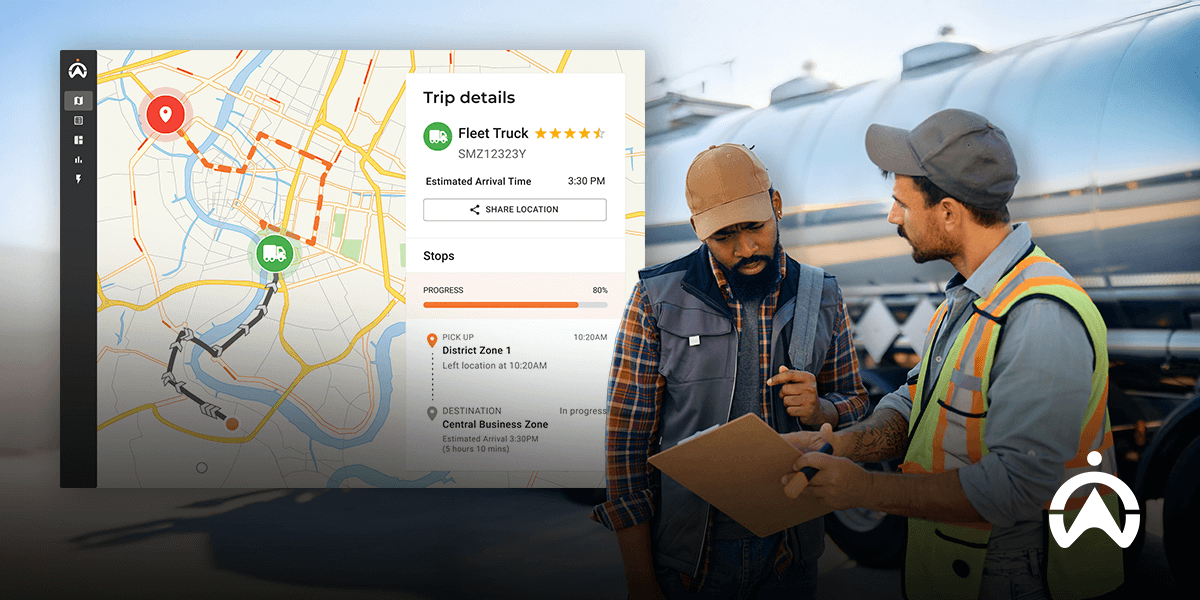
Fleet managers using Cartrack's heavy vehicle tracking system to monitor route progress and estimated arrival times on a live map.

The real advantages of tracking for heavy vehicle operations

Research from Gitnux reveals that the rapid expansion of the global fleet management market is driven by new advancements in telematics, AI, and sustainability. Some of the key highlights include the following:

  • Nearly 80% of fleets report increased efficiency after adopting real-time vehicle tracking.
  • Maintenance costs can be reduced by approximately 15-20% with predictive maintenance technology.
  • About 78% of fleet managers said driver safety monitoring has improved compliance.
  • Fleet operators reported that improving driver behaviour can decrease accident rates by up to 50%.
  • Routing optimisation can reduce total distance driven by 10-15%.
  • Mobile apps for fleet management have increased productivity by 25% for drivers and managers.
  • Nearly 50% of fleet management companies reported an increase in data-driven decision-making.

The statistics presented in this report further demonstrate the significant impact a vehicle tracking system can have on fleet businesses of all kinds and why you need to choose an industry leader, such as Cartrack, to keep your business steps ahead.

Case Study: Supermarket Farms

Supermarket Farms is a supplier of fresh, high-quality produce. They’ve been supplying products to restaurants, hotels and catering companies around Gauteng for over 30 years.

Their main challenge was that they needed technology that could help them see exactly where their drivers were at all times to help them ensure there were no unnecessary detours or delays, so they could keep produce fresh and enhance productivity and customer experience.
‍

How we helped them:

  • Cartrack’s vehicle GPS tracking solution allows Supermarket Farm to pinpoint precisely where its drivers are at any given time. This helps them identify and understand the causes of delays, such as excessive idling or drivers going off route, so they can attempt to resolve any issues, update customers, and improve their driver turnaround times.
    ‍
  • This ensures efficient operations and the timely dispatch of fresh produce.
    ‍
  • Supermarket Farm uses Cartrack’s fleet management system to get driver and vehicle insights that can help them better run their day-to-day operations.
    ‍
  • If drivers have received speeding tickets, managers can pull up reports to verify where the event occurred to help settle disputes, minimise future events from occurring and avoid unnecessary costs.

“Cartrack’s system has benefited our business’s productivity, helping with logistics and improving driver turnaround times. It has helped us make sure there are no delays and route detours, saving us petrol because the drivers are staying on the exact routes.” – Nelson Duarte, Co-owner, Supermarket Farms.

Top Cartrack vehicle tracking solutions for your heavy vehicle fleet

To make the choice easier for you, here is an overview of the top solutions we offer for heavy vehicles:

DID tags

Heavy vehicles come in various sizes that are under different licence categories. It is essential that drivers only operate vehicles for which they are qualified. To mitigate this issue, we have driver identification (DID) tags that make it easier for you to know who’s using which vehicle and to prevent unauthorised driving. You have the option to configure the tag to prevent ignition from being switched on if the wrong driver attempts to do so.

Geofence

Create digital fences around designated areas to ensure that drivers stay within their assigned zones and adhere to their schedules. This enhances safety, as you will receive alerts whenever drivers are outside the stipulated areas, which may indicate possible detours or security risks.

Stolen Vehicle Recovery

It is no secret that vehicle theft is a huge concern in our country, and with commercial vehicles, the loss has a ripple effect. It’s more than just the vehicle; it’s the goods in transit that cost a fortune, the clients who are expecting deliveries, and the overall company reputation. With us, you can rest assured that your vehicles are in safe hands.

Our large team of skilled recovery agents is available nationwide and always ready to assist. We have also successfully recovered more than 100,000 stolen vehicles in the past decade. A proven legacy of trust, innovation, and relentless success.

We also know that many companies in the transportation and logistics business have trucks that operate beyond our borders. For this reason, our GPS tracking devices feature international roaming, which allows us to receive a signal from your device locally and across borders. This is a vital value-added service for vehicles travelling out of the country.

Driver behaviour reports

Our telematics systems give you alerts and reports on behaviours such as idling, harsh cornering, and speeding. This ensures that you identify drivers who require additional training. It further reduces the likelihood of accidents that may result in injuries, fatalities, extensive repairs, costly lawsuits, or reputational damage.

AI Cameras

Vehicle tracking also means visibility into driver behaviour through camera technology. A lot can happen on the road, and sometimes you don’t need to hear about it; you actually need to see it yourself.

With Cartrack’s AI Multi Vision camera solutions, you can get up to 8 cameras installed in and around the vehicles. This provides a comprehensive view of what’s happening in and around the vehicles, allowing you to live stream from anywhere. If you spot suspicious activities, you can quickly check up on drivers and ask what’s happening.

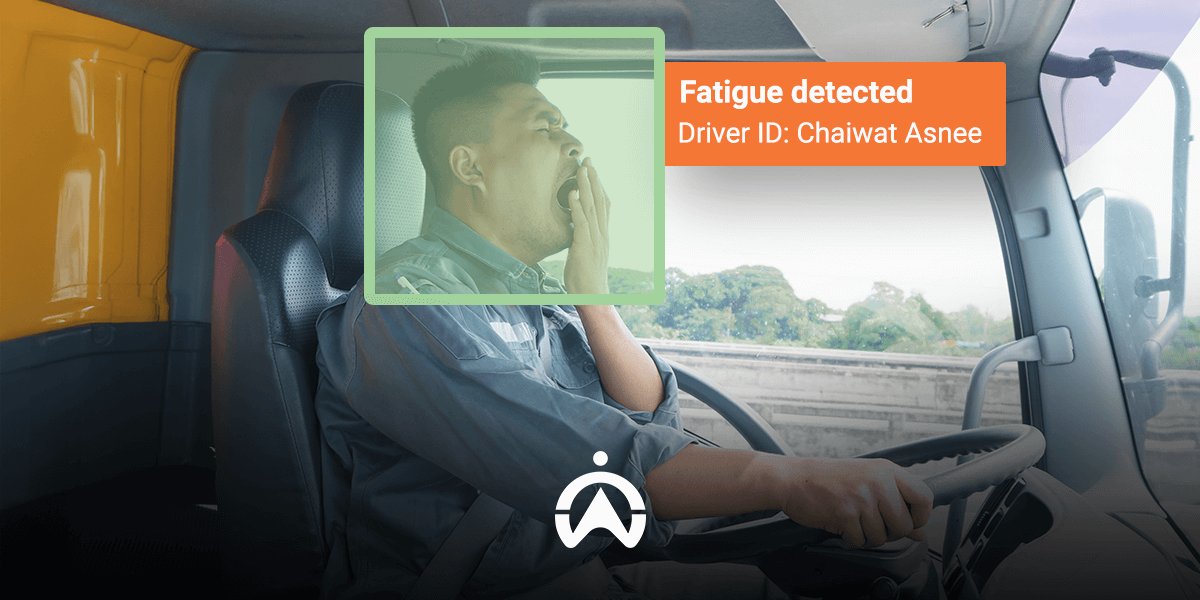
The AI-powered cameras from this solution can easily detect when drivers are distracted by various things, such as cellphone use, smoking, or drowsiness. Once detected, the system then sends out audible alerts, allowing drivers to quickly correct their actions.

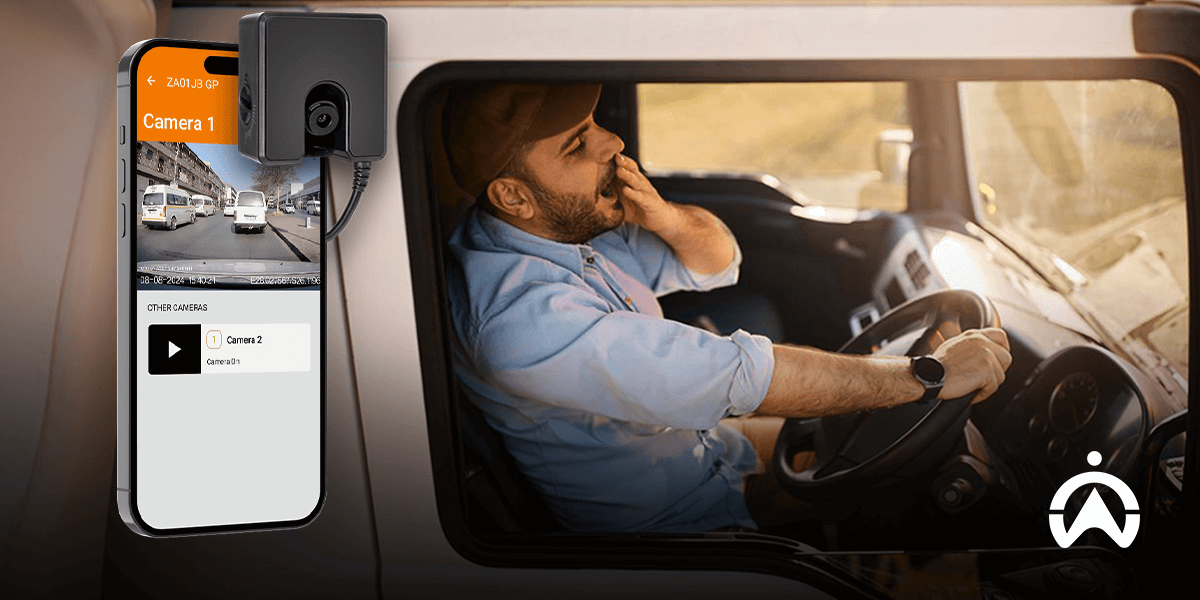
Cartrack heavy vehicle tracking system showing in-cabin AI camera footage detecting driver fatigue to enhance road safety.

Route Optimisation

Optimise task prioritisation to boost productivity, cut operational costs, and avoid longer travel times and unnecessary fuel consumption. The Cartrack Route Optimisation feature is an advanced software that helps you plan trips to ensure efficient operations and timely deliveries. It factors in things such as historical traffic patterns and road conditions to provide the best route for drivers to reach their destinations. ‍

Preventative Maintenance

Our preventative maintenance solution will help you keep up with the health of your fleet to avoid unplanned downtime and ensure compliance. It provides real-time alerts of any engine faults, oil and water fluctuations, worn-out brake pads, and other diagnostics. Our systems also provide you with reminders of scheduled service dates, so you don’t miss any.

Streamline your heavy vehicle operations with Cartrack

A vehicle tracking system is a must-have for every fleet business, but choosing one that specifically caters to your business’s needs is pivotal. By partnering with us, you choose a reliable service that has cable tracking solutions for a heavy vehicle fleet. We will ensure that your vehicles are protected, and we provide accurate, real-time data to improve business operations and help you make informed decisions. Contact us today to speak with a fleet consultant.

Frequently Asked Questions about heavy vehicle tracking

How do companies track packages?

Delivery companies first assign a unique barcode or QR code to a package. This code must include all relevant details, such as the delivery address, sender’s information, recipient’s information, and tracking number.

Every time the package reaches a new location, the barcode must be scanned to inform the company and customers of its status. They also use real-time location systems (RTLS), such as GPS, to track delivery in real-time, optimise routes, and analyse distance and travel times.

What is the top tracker system?

Cartrack is regarded as one of the leading vehicle tracking companies. In just over 20 years in the industry, Cartrack has achieved numerous milestones and offers a diverse range of solutions for personal vehicles and fleet businesses.

Diesel Fuel Management System: Choose the Best

Diesel-powered vehicles are often more fuel-efficient than other vehicle types, making them a popular choice for businesses with fleets. Diesel engines are also known for having a longer lifespan, which adds to the reasons why they are preferred by fleet businesses in particular. As a fleet manager, you need to have the right fuel management system to take full advantage of the diesel benefits and save more.

So what kind of diesel management system should you look for?  Well, let’s dive into this article and find out.

In this article, you will:

What is a diesel fuel management system?

A diesel fuel management system refers to a technological solution that integrates software and hardware tools to monitor and gain greater control over the amount of diesel fuel used in fleet vehicles or company equipment. This system typically consists of fuel sensors, data collection units such as telematics devices, and software that stores and processes the data to provide analyses and generate reports in a way that is easy to understand.

What is the purpose of a diesel fuel management system, and how do you plan for it? 

The purpose of a diesel fuel management system is for the business to monitor, control, and optimise fuel usage by applying various measures. This system not only works for fleet vehicles driving across cities but is also ideal in multiple other industries, such as mining and agriculture, where fuel is stored on-site for vehicles and heavy machinery.

The main objectives include:

  • Accurate fuel tracking: You get a clear understanding of where all the fuel goes. You can spot fuel usage patterns, helping you identify common areas of wastage and detect possible theft. This ensures that every drop of fuel is accounted for.
  • Cost reduction: Fuel typically accounts for a huge portion of a fleet’s budget. By maintaining precise records of fuel consumption and eliminating inefficiencies, fleet businesses can significantly reduce operational costs. This furthermore allows for better financial planning.
  • Safety: A fuel management system also includes implementing measures that ensure drivers use efficient routes, reducing the time spent on the road. This reduces wear and tear, which could lead to accidents and breakdowns, thereby increasing safety.
    ‍
  • Environmental sustainability: As global efforts to mitigate climate change intensify, many countries worldwide, including Namibia, are taking steps to reduce carbon emissions.

Now for the planning

  1. Properly assess your fleet’s operational needs to gain a clear understanding of what the objectives are.
  2. Identify the necessary hardware and software tools that the business needs to achieve those objectives.
  3. Map out your preferred refuelling stations and ensure they align with the routes that drivers usually take. If you have stationary fuel tanks, you must know the type of container the fuel should be in and the best location for the tanks to be placed.
  4. Educate drivers on how the systems work and the effects of certain driving habits on fuel efficiency. Train them on new procedures.
  5. Test-run the new system to gather feedback and identify any potential issues or problems.
Fuel price display showing diesel at €2.12 and super at €2.19, with a sleek, modern design.

Why do you need diesel fuel management software?

Diesel fuel management systems offer various benefits, such as:

  • Fuel theft detection: Through fuel level sensors and cutting-edge software, you can obtain accurate, real-time readings of the fuel in the tanks, allowing you to quickly identify sudden drops. A fuel management system also helps manage transactions, which makes it easier to identify discrepancies.
  • Lowering operational costs: The primary goal is to reduce costs continually. A diesel fuel management system gives a detailed analysis of fuel usage, making it easier to spot areas where you can cut costs.
  • Better planning and forecasting: Accurate estimates of fuel expenses simplify the budgeting process. It minimises the chances of your fuel budget being blindsided by unexpected costs, which will affect the bottom line.
  • Improved compliance: The system keeps a record of every fuel transaction, including the date, time, vehicle, fuel volume, and cost. The records are easily traceable, which helps businesses meet regulatory and internal standards.

Case study: Monitoring fuel with Cartrack Mifleet

This is a real-life story of how we at Cartrack came up with the concept of Mifleet:

With a large fleet of vehicles across all of Namibia, we needed software that would have empowered us to optimise our Cartrack mobile workforce fleet and digitalise our administrative processes. So we built MiFleet.

The challenge was that we suffered from high vehicle running costs but lacked the visibility and analytics to pinpoint our inefficiencies sustainably. We tried addressing this with spreadsheets, but they didn’t provide the insight we needed, drained our administrative resources, and with everyone using their own spreadsheets, gaps and inconsistencies started to form.
‍

Our fuel solution came to the rescue in 3 simple ways:

  1. Fuel card fraud: This is instantly picked up by the system, and we experienced 100% accuracy of potential fraud alerts.
  2. Inefficient routes: Drivers with relatively high costs per job were identified as deviating from the route and taking excessive breaks.
  3. Fuel drainage: Fuel syphoning was suspected in vehicles with high costs per km and was detected using our external cameras and regular inspections.

Automated fuel fraud reports are sent each morning and checked immediately to ensure that all fuel fraud is acknowledged and addressed. We no longer need to enter fuel cost data manually; the data is directly integrated from our banking reports. We review our cost per km and cost per trip reports weekly and can quickly compare drivers and vehicles to identify areas where we have leakages.
‍

“Our team completed significantly more jobs whilst reducing their total distance travelled, leading to undeniable operational efficiencies and noteworthy cost reductions. We benefited from increased holistic control over our fleet, and now truly understand our costs and how to optimise our fleet.”

Close-up of fuel pumps at a gas station, featuring green, black, and yellow nozzles, with blurred background of pump station.

Tracking diesel costs with Cartrack’s fuel management system

Take control of your fuel budget with Cartrack’s fuel management system. Our solutions are designed to provide you with an all-around analysis of where your fuel goes and help you combat any type of drainage. With us, you can:

  • Detect theft and fraud with MiFleet
    MiFleet is a feature on our fleet management platform that serves as a cost management tool, helping businesses track fuel usage. It takes into account fuel consumption metrics, such as location, distance, and litres, as well as information from fuel receipts. The system then analyses the data, matching fuel transactions against the amount of fuel that is in the tank and the distance travelled. This enables the detection of possible fuel card fraud or theft.
  • Spot fuel syphoning using our fuel probes
    A fuel probe is a device placed inside tanks to measure fuel levels in real-time, offering more precise readings. Through this, you will receive real-time alerts of any sudden drops in the tanks, which indicate possible syphoning, allowing you to quickly take action.
  • Optimise routes
    The Cartrack Route Optimisation feature helps you find the most efficient way for drivers to get to their destinations. This powerful tool will help you strategically plan delivery routes to minimise fuel costs and complete jobs quickly. It takes into account traffic patterns, road conditions, weather conditions, and driver availability to determine the optimal travel path.
  • Minimise vehicle wear and tear
    As already mentioned, a vehicle that is not in good health requires more power, which in turn requires more fuel. Our preventative maintenance feature provides vehicle diagnostics and helps you keep track of fleet maintenance schedules, so you receive reminders in advance when it’s time for vehicles to undergo services such as tyre replacements.
  • Get reports on driver behaviour
    Through our telematics system, you will get reports on fuel-inefficient driving behaviours such as long idling, speeding, and harsh acceleration. This encourages driver accountability and enables you to identify which drivers need training on better habits.
  • Monitor fuel caps
    Cartrack’s Multi Vision camera solution provides up to eight cameras that cover both the interior and exterior. With this, you can choose to have one of the external cameras installed in a way that gives you a closer look at what’s happening around your fuel caps, offering a full view of any suspicious activity.

Choose Cartrack’s diesel fuel management system

Manage your fleet’s fuel expenses and make informed decisions with Cartrack’s diesel fuel management system. We offer solutions that cater to all fuel tracking-related needs, backed by extensive knowledge gained from our years of industry experience. Reach out to one of our fleet consultants so we can discuss your primary concerns and customise a diesel fuel management solution that best suits your business needs.

Frequently Asked Questions about Diesel Fuel Management

How does fuel tracking integrate with telematics?
A telematics device equipped with GPS tracking collects data on vehicle location, driving habits, and engine performance. This provides fleet managers with detailed insights into which routes drivers are using, how vehicles are being operated, and the overall performance of the vehicles. Through this information, fleet managers can evaluate fuel consumption patterns to train drivers and implement necessary changes.

What kind of reports can I get from a fuel management system?
The reports you get from a fuel management system include kilometres travelled per litre, refuel reports, real-time odometer reports, and driver behaviour reports.

How to extend the lifespan of your diesel engine

  • Perform regular maintenance.
  • Avoid using products that enhance engine performance.
  • Always warm up the engine before the vehicle moves.
  • Do not wait for the tank to get empty before refuelling, as debris and impurities can build up over time and affect the fuel supply system.
  • Replace fuel filters.
  • Keep the engine clean.

Fleet Maintenance Software for Trucking

All vehicles experience wear and tear over time, which is why it is essential to follow a service plan to reduce damage and maintain their value. This responsibility becomes more complex when there is more than one vehicle that needs maintenance; better yet, an entire fleet of trucks. For this reason, a fleet maintenance plan is essential for all fleet businesses.

That said, a fleet maintenance plan without the correct technology leaves room for numerous mishaps and inconsistencies. It is therefore crucial that commercial trucking companies invest in fleet maintenance software.

Today, we discuss the key benefits of fleet maintenance software for the trucking industry and why it is essential.

In this article, you will:

  • Learn what fleet maintenance software is
  • Find out why it is essential for trucking businesses
  • Discover how to effectively manage fleet maintenance
  • Get all the information on Cartrack’s fleet maintenance system

Understanding fleet maintenance software

Fleet maintenance software refers to a digital tool that helps fleet businesses in various industries manage the servicing and repairs of company vehicles and equipment, thereby reducing costs, minimizing downtime, and ensuring compliance. This technology integrates with telematics systems and other data sources to provide a comprehensive view of fleet health and performance.

The amount of work that goes into running a fleet can cause one to overlook other essential tasks, such as ensuring that all vehicles are roadworthy and won’t disrupt the workflow. As a fleet manager, you need technology that assists with this, ensuring your fleet remains compliant and your workflow remains uninterrupted.

The different types of fleet maintenance solutions

There are various approaches to maintaining fleet health, with some proving more effective than others. Let us have a look at three of the most common approaches for fleet maintenance:

  • Preventative maintenance: A proactive approach to vehicle maintenance that entails performing regular inspections and scheduling regular maintenance tasks such as tire rotations, oil changes, and filter replacements to prevent equipment failure. This approach enables the timely replacement of damaged or worn-out parts, avoiding issues before they arise.
  • Predictive maintenance: According to a Fleet Management Statistics 2025 report by Gitnux, maintenance costs can be reduced by approximately 15-20% with predictive maintenance technology. Predictive maintenance refers to the use of advanced data analytics to predict when maintenance will be necessary.
  • Corrective maintenance: This is an approach that involves fixing things only when they are broken. No tools or technology are utilised, which makes many fleet managers believe they are saving costs. However, corrective maintenance brings about many unforeseen expenses that, in reality, end up costing more in the long run. It also fails to address the root cause of the issue, which will likely lead to repeat failures.

Why trucking companies need maintenance software

Commercial trucks are often on the road for long hours, encountering diverse road conditions and covering extensive mileage. This makes them prone to vehicle wear and tear, as well as breakdowns, which can cause delays.

Keeping up with the health and performance of every single truck is often overlooked due to tight schedules, heavy workloads, and the need to meet client expectations. For this reason, fleet maintenance software is crucial for trucking companies to stay up-to-date and remain productive.

What are the true benefits of maintenance software

  • Reduced downtime: Utilising advanced technology helps you stay on top of fleet maintenance, ensuring you are always aware of any faults or when vehicles require servicing. Through this, you will know which vehicles are unavailable on which day, helping you plan.
  • Lower repair and operating costs: The early detection of issues allows them to be resolved more quickly, before they worsen and become more expensive. This improves overall fleet operational costs, as there will be fewer unexpected repairs.
  • Improved safety and compliance: The most important aspect of fleet maintenance is safety. Faulty vehicle parts can lead to accidents, which could be fatal, result in costly lawsuits, and damage the company’s reputation. By implementing fleet maintenance technology, you ensure that drivers are safe and that your fleet remains compliant.
  • Extended vehicle lifespan: As previously mentioned, addressing minor issues before they escalate can significantly extend vehicle lifespan. This ultimately improves vehicle health and leads to a longer-lasting fleet.
  • Easier audits and regulatory reporting: The digitalisation of everything makes it easier to get detailed information for conducting audits and creating reports.
  • Improved fuel efficiency: Vehicle maintenance issues, such as worn-out spark plugs or incorrect tyre pressure, cause the vehicle to work harder than necessary, which results in more fuel being used to maintain performance. Since fleet maintenance software helps reduce wear and tear, it in turn also reduces fuel consumption.
    ‍
A mechanic stands beside a large truck, holding tools with a maintenance checklist for brakes, oil, and fuel filter replacement.

How to manage fleet maintenance

An effective fleet maintenance plan involves implementing various strategies. Here are some best practices for managing fleet maintenance:

  • Conduct a fleet audit: Regular fleet audits help uncover hidden issues. Conduct monthly audits to check vehicle performance and schedule pre- and post-trip inspections, ensuring vehicles are safe and roadworthy.
  • Involve mechanics and drivers early: Do not wait until the last minute to inform the mechanic about repairs or replacements. They also have other clients that they need to attend to. Not informing them on time puts your fleet vehicles at risk of being attended to last, which may extend beyond your expected time period.
  • Set up realistic timelines: The amount of time you expect a repair or replacement to be done should be realistic, so you avoid disappointments.
  • Train staff thoroughly: You must monitor driver behaviour, as driving habits such as speeding can lead to accidents, which may result in costly repairs or increase vehicle wear and tear. Training your drivers on such behaviours helps improve their overall driving skills and therefore improves vehicle lifespan.

Cartrack’s fleet maintenance software in action

Here’s a real-life story of how we have helped improve overall fleet operations for Concord Cranes through our preventative maintenance fleet software:

Concord Cranes specialises in crane hire solutions. They have over 180 cranes and provide mobile cranes for hire, professional rigging, transport, and specialised lifting projects across their 15 branches. They often found it difficult to accurately record the hours each crane worked, making it difficult to maintain and deliver them to their clients on time.

How we helped them:

  • Our IoT device and specialised power take-off sensors make it possible for Concord Cranes to monitor their cranes’ on-site working hours accurately and mileage travelled, and see exactly what equipment a crane used. This data enables them to track the condition and usage of their cranes, allowing them to establish preventive maintenance measures for their clients and increase the longevity of their fleet.
  • With Cartrack’s actionable preventative maintenance insights from the fleet management system, Concord can lower maintenance costs by reducing the number of cranes sent for expensive, fault-related repairs and minimizing premature downtime for general services.
    ‍
  • Concord Cranes also utilises our fleet management and maintenance system to enhance overall brand reliability for their customers, ensuring their cranes are always in safe and working order. The detailed maintenance schedules have reduced the number of unexpected breakdowns, allowing for proactive planning and the timely availability and delivery of cranes to customers.

“Using Cartrack’s advanced fleet management, we have been able to increase our operational efficiency to deliver a better service to our customers, as well as effortlessly establish a maintenance cycle that reduces our costs and increases our fleet longevity.” – Gareth Langley, Concord Cranes operations manager

Close-up view of a Nissan Note engine with highlighted pending maintenance, marked as unsafe, and details displayed on the side.

Stay ahead of costly repairs with Cartrack’s fleet software

At Cartrack, we continually strive to deliver innovative solutions that are current with the latest industry needs. Our maintenance solutions provide you with predictive analytics as well as preventative maintenance measures. With us, you can rest assured that your trucks will always be in good working order.  Here’s what we offer:

  • Real-time fault alerts 
    Our automated preventive maintenance system provides real-time alerts when it detects issues such as engine faults, fluctuations in water and oil levels, worn-out brake pads, and other diagnostics. This ensures that you are aware of such problems before they worsen and can attend to them promptly to avoid unexpected breakdowns.
    ‍
  • Scheduled service reminders
    Our platform allows you to set reminders for service dates, ensuring you know which vehicles are available on specific dates and creating a schedule around them to meet delivery deadlines.
    ‍
  • Driver monitoring
    As already mentioned, aggressive driving habits such as speeding, harsh braking, and rapid acceleration can cause early damage to various vehicle parts, which then increases the number of repairs and replacements that need to be made. Through telematics technology, our platform provides alerts for such events, allowing you to address them and train drivers on more effective habits.

Smarter fleet maintenance starts here

In our many years of experience in the fleet management industry, we have seen how big a difference maintenance software makes. By investing in our solution, your business will improve efficiency, safety, and overall operational costs. Contact us today to speak to a fleet consultant and let us handle all your fleet maintenance needs.

Frequently Asked Questions about fleet maintenance software

Q: What is a fleet maintenance planner? ‍

A: A fleet maintenance planner is someone who develops, organizes, and implements schedules for maintenance-related activities, such as repairs and inspections. Being a fleet planner involves creating detailed schedules for maintenance tasks. allocating resources and anticipating potential issues.

Q: What is a full maintenance plan

A: A full maintenance plan typically involves the use of telematics systems to track vehicle usage and get insight into vehicle health, as well as receive alerts for upcoming services.

Dashcam for Cars That Is Worth Buying

Driving on Namibian roads has become an extreme sport for many. If you’re not dodging potholes or avoiding accidents, you might be dealing with road rage or even facing the possibility of vehicle theft or vandalism. Given these challenges, the importance of recording incidents becomes increasingly vital. That’s precisely where dashcams prove invaluable.

Dashcams are essential in modern driving for their role in capturing everything. Today, we discuss why these vehicle-mounted cameras are worth the purchase.

In this article, you will:

  • Find out if dashcams are worth the investment
  • Learn what makes a dashcam a good buy
  • Compare dashcam types
  • See why you need one of the Cartrack dashcam solutions

Is a dashcam really worth the investment?

From safety to accountability, there’s a lot to gain from installing a dashcam. Let’s have a look at the primary benefits of dashcams for Namibian drivers:

  • Protection against insurance fraud and false accident claims
    Insurance fraud in Namibia is on the rise. There seem to be more and more cases of staged accidents and fake repairs. In Namibia, the insurance industry also takes a hit from fraud — for instance, Momentum Namibia was allegedly defrauded of N$103 million.  They also state that this type of crime occurs in every line of insurance, including motor insurance.A dashcam can be your saving grace when it comes to these types of incidents. Helping prove that you were not in the wrong and that the accident was staged.
  • Evidence in the case of a hit-and-run or road incident
    It is well known that Namibia experiences significant road accident rates. No matter how careful you are on the road, falling victim is inevitable. It gets worse when the other person claims you were at fault or doesn’t stop to attend to the scene, leaving you with no trace and no chance to lay a charge.A dashcam will be your most reliable and unbiased eyewitness on the road. With this gadget, you can identify vital details to trace perpetrators of hit-and-run accidents (such as the number plate), and you can prove that you were not at fault.
  • Reassurance for everyday drivers, families, and business owners
    Besides identifying criminals and proving innocence, dashcams reassure many parents, guardians, and business owners that everything is well on the road. You can check up on anyone using your car at any time by simply viewing the footage, giving you extra peace of mind.

The real cost savings vs. what it would cost without one

Having a dashcam will only cost you an upfront price or subscription fee, but driving around without one exposes you to greater financial risks. Without video evidence, some repair costs may have to come from your own pocket, as insurance claims can be delayed or denied. You also face increased premiums if found at fault.

Furthermore, if the case cannot be settled through insurance or informal negotiations, it may escalate to legal proceedings, which you will have to pay for. Why go through all that when you can just get an affordable and reliable dashcam?

Cartrack dashcam mounted on a car's windshield, capturing the view through trees and sunlight.

What makes a dashcam a valuable purchase?

Not every dashcam is worth the purchase. You need to take a few things into consideration before buying one. Here are the 3 essential factors to consider when purchasing your dashcam:

  • Build quality and durability: A high-quality build on a dashcam supports stable video recording, which is essential in critical situations such as the impact from accidents or capturing road signs and number plates in fast-moving conditions. A robust build also ensures that the camera is not affected by extreme weather conditions, such as when temperatures are too high or too low.
  • Reliable customer support and warranty: The dashcam you get should be from a company with customer support that is always available. One with good user reviews,  proven performance, and a warranty you can count on.
  • Integration with broader vehicle tracking systems: When a dashcam is integrated with vehicle tracking technology, you not only get clear footage but also detailed context, such as the time, location, speed, and braking. These contributing factors help accurately determine who’s at fault and improve safety.

How do dashcam features impact cost and functionality?

Like any other gadget, advanced features of a dashcam typically come with a higher price tag but also offer added value. Let’s have a look at some of these features:

  • Video quality – Dashcams with higher resolutions usually come at a slightly higher price point, but they offer advanced video quality that makes it easier to identify finer details, such as people’s faces from a distance or a license plate.
  • Low-light performance – Not all vehicle-mounted cameras perform well when there is little or no light, such as during nighttime or when a vehicle enters a tunnel.
  • Field of view (FOV) – This refers to how much of the road and surroundings the camera can see. It is measured in degrees and traditionally divided into three categories: narrow, standard, and wide. Wide-angle lenses usually offer better road coverage.
  • Storage options – Most dashcams use microSD cards; some offer cloud storage, while others can do both. Just like the smartphones we carry, cloud storage requirements usually come with a subscription fee, and the price of a memory card depends on the capacity and endurance.

Comparing dashcam types and power options

Dashcams come in various shapes and setups, with each type offering a different experience. Here is a brief overview of the key differences:

  • Single Channel vs Dual Channel
    A single-channel dashcam only gives you a view of what is happening in front of the camera. A dual-channel dashcam, on the other hand, has two cameras in one unit, covering the road, inside the vehicle, and a bit of the rear end.
  • Wired vs wireless
    This refers to the power source and installation preferences. Wired cameras require a direct power source, such as the fuse box or cigarette lighter, while the wireless ones are battery-powered and require USB charging. A wireless dashcam usually has lower video quality and a limited battery life, making a wired one the safer and more reliable option.
  • Basic vs smart dashcams
    The core function of a dashcam is to record the road ahead and certain parts of the interior or rear end. However, nowadays, dashcams are integrated with smart technology that allows more than that. Basic dashcam models often do not include features such as GPS, integration with mobile apps, Wi-Fi connectivity, driver alerts, and audio.
A man in a hat uses his phone to view Cartrack dashcam footage as he drives.

Get more than just footage with Cartrack dashcams

Cartrack offers advanced dashcam solutions at an affordable price for vehicles of all kinds. All our dashcams have a robust build and come with advanced features such as GPS and cloud storage options. Whether you want one for basic recording needs or to enhance family safety, Cartrack has the perfect solution for you.

  • Road vision
    The Cartrack Road Vision camera solution specially caters to those who mainly want the focus to be on the road. It is a single-channel dashcam that captures everything happening in front of you while you drive, ensuring you have enough evidence to protect yourself if need be.
  • Dual vision
    As the name suggests, Cartrack’s Dual Vision camera is one that gives you a full view of what’s happening in front of the vehicle and inside the vehicle, and certain parts of the rear end. Offering a more complete view and giving you stronger evidence for accidents and insurance claims.

Why Cartrack dashcams are a smart investment?

Dashcams are an essential safety tool in modern driving, and obtaining one from Cartrack ensures that you receive reliable service, a high-quality product, and value for money. We always strive to give you the best technology out there for your vehicle at an affordable price point. Make sure you contact us today and get yourself an extra set of eyes on the road.

FAQs about dashcams in Namibia

Q: Do dashcams drain your car battery?

A: Dashcams typically don’t drain the battery unless left on while the car is off. If you have a dashcam with a parking mode option, it might be the source of battery drainage.

Q: Should I remove my dashcam at night?

A: No. Removing your dashcam at night interferes with how it was initially installed and may affect performance as the angle might not exactly be the same.

Q: Do I need to inform my insurer that I have one?

A: Yes. If you have a hardwired dashcam, it is best that you inform your insurer to avoid warranty voids. Insurers usually require notifications of vehicle modifications, which include the installation of a dashcam.

Q: Is a dashcam a legal requirement?

A: A dashcam is not a legal requirement in Namibia; however, it is a valuable tool for enhancing safety and saving costs by proving your innocence with the evidence gathered from it.

Dashcam for Cars That Is Worth Buying

Not sure if a dashcam is worth the investment? Have a look at this blog and see why every motorist needs one.

Speak to an Expert: 0101410168

How to Prevent Construction Equipment Theft With GPS Tracking

Equipment, such as excavators, forklifts, concrete mixers, and bulldozers, is the backbone of the construction industry; without it, development would grind to a halt. This is why it is important to address equipment theft as soon as it arises in a business.

GPS tracking provides a solution to this problem, as it keeps all assets accounted for even across work sites. Additionally, some providers offer services and features to enhance this product and overall security.

Let us discuss how GPS tracking can prevent construction equipment theft and how Cartrack is the ideal partner to help a business accomplish this task.

Get insights on:

  • Why is equipment theft a big problem
  • How theft costs the construction industry
  • How GPS tracking is used in theft prevention
  • The additional benefits of GPS tracking
  • How Cartrack’s solutions help prevent construction equipment theft

Why Equipment Theft Is a Major Concern

Namibia has a massive construction industry that is projected to grow significantly in the coming years. The market is currently valued at R2,2 trillion according to Big 5 Construct SA, the leading agency for regional and international construction companies.

This insight shows how much value the industry brings to the country and economy. Equipment theft causes severe operational disruptions, threatening industry growth and financial stability.

There is significant difficulty in recovering stolen equipment, as it is usually not tracked. This is because these assets lack permanent registration like passenger vehicles. This makes it hard to identify when it has been stolen or resold to another business.

This all leads to downtime and project delays, which ultimately have a negative effect on a business financially.

The Cost of Construction Equipment Theft

Construction equipment is very expensive and is usually hard to replace. This is because some types of equipment need to be custom-made, such as cranes or heavy-duty excavators. This leads to a significant waiting period between ordering and delivery.

The theft of equipment also disrupts project timelines.

Here are some of the costs that are incurred:

The Financial Losses From Stolen Machinery

The financial losses due to theft can be very large, especially if the equipment stolen is a specialised machine.

Many construction companies do not budget for equipment replacement costs, making theft a significant financial setback. Theft impacts the business’s balance sheets as there is often little room for additional costs. This is because the industry operates on a project-based model, often with periods of inactivity.

As with all thefts, insurance costs are affected. Some insurers might increase premiums and, depending on the circumstances, may refuse to pay out altogether.

The Impact on Productivity

Delays are a major cause of reduced productivity, particularly in construction, as most projects are deadline-based. When critical equipment is stolen, construction is hindered and, in some cases, halted. This means that labourers will sit idle with no work to d,o and time-sensitive processes will be disrupted.

A construction business with productivity problems and issues with meeting deadlines is at risk of reputational damage. If these issues persist, it will impact the business’s public image and dissuade potential clients from considering them for projects or bids for contracts.

Cartrack_cement_mixer_sensors_displaying_construction_site_zone

How GPS Tracking Can Prevent Equipment Theft

GPS tracking extends beyond vehicles and can be installed on equipment and machinery. Here are the ways in which GPS tracking can work for the construction industry and prevent equipment theft.

Real-Time Location Tracking

Monitor equipment locations at all times, reducing the risk of theft. This feature ensures that construction managers and security teams can keep a constant eye on valuable assets, enabling quick responses if an asset is moved without approval.

Geofencing Alerts

Set up virtual boundaries and receive notifications if equipment moves outside designated zones. Geofencing is particularly useful for ensuring that equipment remains within designated work areas, preventing unauthorised use and potential theft.

Tamper Alerts

Receive instant alerts if tracking devices are removed or tampered with. Cartrack’s GPS tracking systems are equipped with tamper detection technology, which immediately alerts fleet managers if someone attempts to disable or remove a tracking unit.

Remote Immobilisation

Shut down stolen equipment remotely to prevent further movement. This feature is invaluable in theft situations, as it allows owners to render stolen equipment inoperable, increasing the likelihood of recovery.

Historical Tracking Reports

Review past movement logs to track unusual patterns or unauthorised usage. These reports provide insights into usage trends, helping businesses identify security vulnerabilities and potential internal theft.

Battery and Power Loss Alerts

Get instant notifications if a tracking device experiences power loss or is disconnected. This helps in detecting potential tampering attempts or power failures that could compromise tracking.

Multiple Device Integration

Monitor multiple pieces of equipment from a single platform, ensuring seamless tracking across different sites. Whether managing a large fleet or a small number of assets, businesses can have complete oversight from a unified dashboard.

Automated Maintenance Scheduling

Keep track of equipment maintenance schedules to reduce downtime and improve security. Well-maintained equipment is less likely to be left vulnerable to theft due to breakdowns in unsecured locations.

Additional Benefits of GPS Tracking

GPS tracking comes with some additional benefits that are secondary to our direct offering. The most evident one is that the business gets to improve operational efficiency by monitoring equipment usage. Efficiency is capital in the construction industry, as it has a direct correlation with the amount of income the business gets.

Another benefit is that the business can reduce fuel costs; it can do this by tracking unnecessary idling. This could be the idling of any equipment or machinery that uses fuel to function, from vehicles to generators. You can ensure proper maintenance with automated service reminders that will inform you whenever equipment is due.

Additionally, with this system in place, you increase the worksite security due to the enhanced visibility of all the assets. When employees know that equipment is being tracked, it will deter them from attempting any theft.

Cartrack_ID_Tag_verifies_an_approved_operator_for_construction_equipment

How Cartrack’s Solutions Help Prevent Theft

With Cartrack as your partner, you can rest assured that your business equipment will be protected from theft. Our theft prevention technologies cater to all types of equipment and can be used by both large and small businesses.

Here is what you get from our solutions:

Advanced GPS tracking technology with real-time monitoring.

We offer GPS tracking of assets, where a ping is sent daily indicating the real-time location of the specific equipment or machinery in your business. This can also be applied to any construction vehicles that need to be tracked.

  • ‍Full asset visibility
    The GPS tracking can be done on equipment and machinery spread across work sites. This will give the business owner an overview of where their resources are located and how many are currently in use versus those in storage at the business premises.
    ‍
  • ‍Asset utilisation rate
    Know how often your construction assets are being utilised by working hours or mileage to help you gauge where to strategically up or downsize your fleet to increase productivity and reduce unnecessary running costs.
    ‍
  • ‍Mobile app and web interface
    This information can all be seen on our online platform or mobile app. This makes it easier for managers to coordinate assets from any location, without needing to be at the specific construction sites.

Comprehensive fleet management solutions

In addition to GPS tracking, we offer comprehensive fleet management solutions. These can be useful for equipment management, as they come with telematics, which track the utilisation rate and wear and tear through the use of predictive maintenance.

  • ‍Sensors
    Cartrack has a cement mixer sensor, specifically designed for the construction industry. This is done when the raw materials are loaded into the mixer; the sensor can record the moisture variation between the wet parts and the dry cement materials. With this, you can monitor the speed and direction of your cement truck’s drum rotation to ensure you always deliver a high standard of cement.
    ‍
  • ‍Preventative maintenance
    Set preventative maintenance schedules and get automated reminders using real-time data to ensure all construction equipment is regularly maintained based on hours of service, mileage, and date of last service to avoid costly breakdowns and downtime.
    ‍
  • ‍Employee work-hour reports
    Automated reports tell you exactly when your construction teams arrive or leave their assigned project sites to give you actual working hours, so you can bill your clients and pay your team’s wages accurately and hassle-free.
    ‍
  • ‍Surveillance cameras
    Equip your construction vehicles with exterior cameras and in-cab monitors that livestream footage, providing operators with 360-degree views of their surroundings to help them prevent incidents, especially when reversing or carrying oversized loads.
    ‍
  • ‍Security measures
    Geofencing, tamper alerts, and start prevention are all included in this offering, along with driver ID tags and work logs. All these features will make reporting and billing easier to document.

24/7 customer support and theft recovery assistance

At Cartrack, we have a dedicated customer support team that is available 24/7 in case of any emergency or for general queries. This comes as a standard service for all our clients, with someone available to speak with you in one of our official languages, should you wish.

In the event of theft, our specialised recovery team works swiftly to locate and retrieve stolen equipment. This team is made up of trained and skilled individuals with experience in asset recovery.

Proven track record in vehicle and asset recovery

With over two decades in the industry, Cartrack has developed a great reputation when it comes to stolen vehicle recovery.

Over 115000 businesses trust us across 23 countries, proving how well-regarded and reliable our business offering is.

Prevent Theft, Reduce Risk, and Protect Your Assets with Cartrack

A business in construction needs to have its assets protected and accounted for if it wants to maintain optimal performance. Cartrack’s solutions ensure continuous equipment tracking, reducing operational inefficiencies caused by theft.

Contact us to find out how else we can support your construction business.

FAQ

Can criminals detect GPS tracking devices?

Yes, some criminals have developed methods to detect GPS trackers. However, Cartrack’s tamper-proof installation on equipment and tools makes removal and detection significantly more difficult.

Do GPS tracking units need an internet connection?

No, they do not; they use satellite signals to communicate their location. This is not affected by connectivity in any way.

Does a GPS tracker need a battery to be charged?

Some may be connected to an internal power source, while others can run on an independent battery. Some of Cartrack’s independent GPS trackers can run for 3 days to two weeks without needing to be recharged; this will depend on the product chosen.