One of the most important components in Namibia’s financial infrastructure is a resilient cash cycle.
Cash-in-transit services play a crucial role in this, as they ensure the secure handling, movement, and protection of cash and other high-value assets throughout the country. However, this essential service comes with the risk of theft, which may result in casualties, as we have seen in recent news.
Find out the unique demands of cash-in-transit fleets
Learn the main ways a fleet management system transforms CIT operations
Discover the Cartrack solutions that are specially tailored for CIT services
What are the real demands of cash-in-transit fleets?
Running a fleet that is responsible for moving large sums of money presents several challenges that go far beyond those of typical logistics operations, such as the following:
Extreme security risks
Safety is the primary concern for CIT services. Cash-in-transit heists are often very calculated, with some of the robberies involving explosives, posing the threat of physical harm to CIT officers and civilians. In Namibia, cash-in-transit robberies remain a serious concern — for example, armed suspects stole over N$300,000 in a Grove Mall heist and more than N$500,000 in other cases. These well-planned attacks show how lucrative CIT crime is, putting both security companies and the public at risk.
Time restrictions
Due to the security risk and the need for cash, CIT officers have very strict time restrictions. They need to perform their duties as quickly as possible and make sure they meet deadlines to avoid cash-flow disruptions. However, while doing so, vehicle operators need to practise safe driving habits while on the road, which means they cannot compromise by speeding. Cautious driving practices are also crucial for the safety of the high-value cargo.
Regulatory compliance & auditing
In Namibia, the private security industry (including CIT services) is supposed to be regulated under the Security Enterprises and Security Officers Act (1998). Security firms are loosely overseen by the Security Association of Namibia (SAN), which requires companies to register with the Namibian Police (NamPol) and comply with standards like business fitness and good standing. These compliance authorities cover things such as security protocols, how many CIT officers should be in one vehicle, and how to reduce the risk of theft and violence.
Insurance specifications
Insurers require CIT companies to meet specific standards to qualify for coverage. Some of the insurance specifications include GPS tracking systems and alarm systems. Any cash flow disruptions and an increased risk of theft might result in higher insurance premiums. It also causes operational inefficiencies due to improper resource allocation and rescheduled stops.
Vehicle specialisation and maintenance
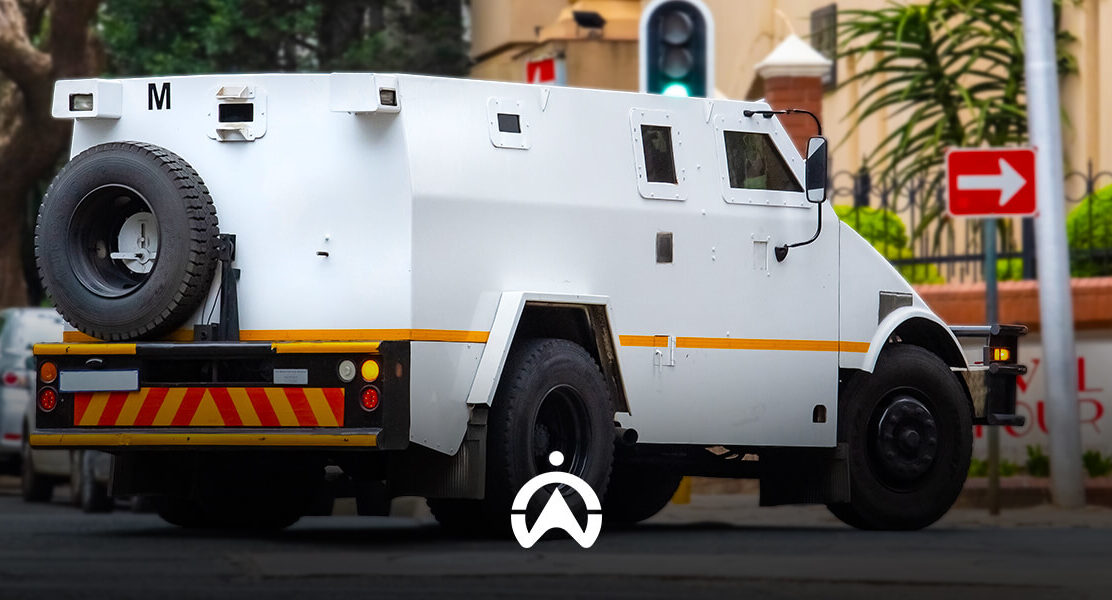
A non-negotiable standard when it comes to CIT vehicles is their need to be able to withstand explosive attacks. These vehicles, which are designed for security and protection in various environments, require regular inspections and servicing to maintain structural integrity and functionality for optimal performance. However, the complex builds of CIT vehicles require specialised care and attention, but due to the busy schedules and tight deadlines, fleet managers might end up missing service dates, which then leads to unexpected breakdowns.
Route and schedule variation
To ensure that everything moves quickly and runs smoothly, dispatch coordinators must plan schedules and choose routes. The selected routes must be secure and change daily to prevent criminals from predicting movements. This presents a great challenge, as there might be limited options, and the task can be time-consuming. In addition, there needs to be constant monitoring to ensure that drivers are following the stipulated routes.
How to build an efficient CIT fleet with smart technology?
So, what does it take to build an efficient and secure CIT fleet beyond the bulletproof glass and locks?
An advanced fleet management system has many short-term and long-term benefits for CIT operations. This technology allows you to manage your fleet all on one platform, so you can make more informed decisions. It also enhances the safety of drivers and high-value cargo. Here are the main ways in which a fleet management system improves cash-in-transit operations:
Live monitoring and control
You must always know where vehicles are at all times. A GPS tracking system gives you real-time visibility so you can check where drivers are and see how much time they take at pick-up and drop-off spots.
Fleet routing software
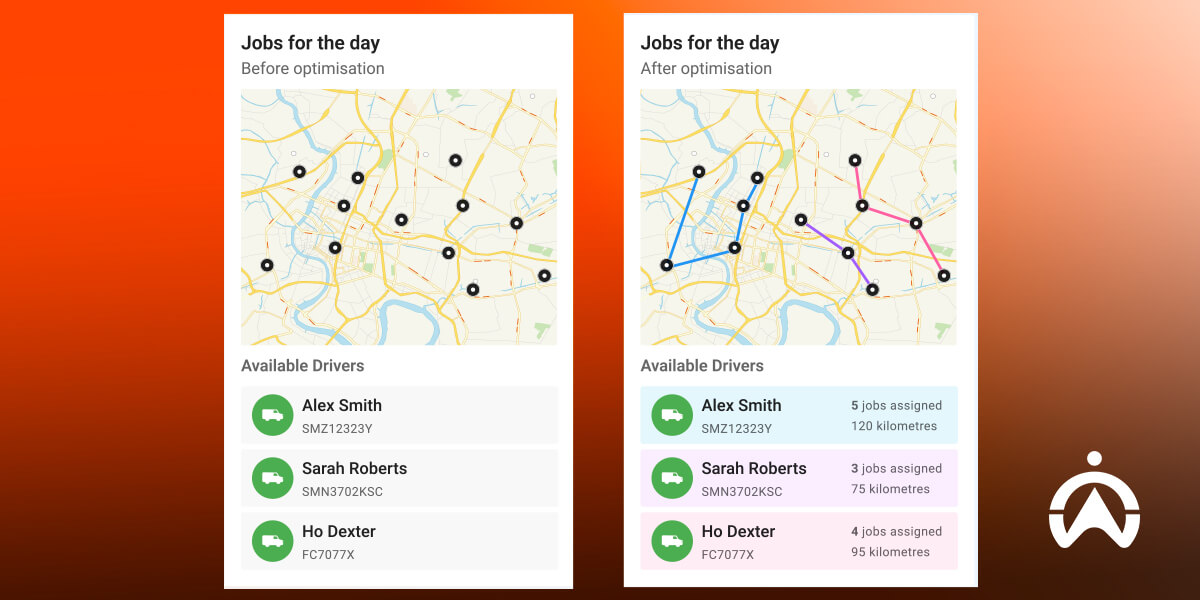
Route optimisation software helps you plan routes and minimise time and risk exposure while maintaining punctuality. This technology uses predictive analytics and historical route data to help determine the most efficient route for cash deliveries.
Telematics
A GPS tracking device with telematics capabilities allows you to see how drivers use vehicles. Through this technology, you can seewhen vehicle operators are speeding, taking sharp turns, rapidly braking, or accelerating excessively, which could indicate that they were trying to get away from criminals or practising unsafe driving habits.
Immobilisation
Through fleet management software, you also have the option of remotely disabling parked vehicles, ensuring there is no unauthorised vehicle movement.
Vehicle cameras
Over the years, numerous videos capturing CIT ambushes have surfaced online and gained widespread attention.
Cameras allow operation centres to respond quickly to threats. They also give managers a closer look at what CIT officers are doing so they can identify safety hazards or inefficiencies. Video footage can also be used for incident investigations.
Vehicle cameras that are integrated with telematics software are highly recommended, as they typically come with advanced features such as AI technology that can trigger alerts when certain rules are broken. This allows fleet managers to pinpoint areas where drivers need to improve so they can be trained on proper procedures and how to respond in various situations.
How can a fleet management system improve your CIT operation’s bottom line?
Like any business, CIT companies must manage costs and boost profits. A fleet management system supports this in the following ways:
Better fleet routing: Fleet routing software results in drivers spending less time in traffic and making fewer detours, which reduces the chances of vehicle wear and tear and fuel consumption.
Improved vehicle maintenance and uptime: Telematics systems collect a vast amount of data, which includes key factors like the health status of your vehicles. This allows you to identify mechanical issues early, before they become serious problems, reducing the risk of unexpected breakdowns.
Enhanced driver accountability and performance: Drivers must practise safe driving habits while performing their duties. Driver reports that come from telematics systems and cameras encourage drivers to be accountable for their actions and, therefore, result in better performance. It also allows fleet managers to spot areas where drivers need some improvement.
Risk management and compliance: A fleet management system automatically keeps records of fleet data. This creates a digital audit trail that reviewers can easily access. A digital trail also helps document incidents for liability claims and meet legal and insurance requirements.
Enhancing security through Cartrack’s fleet management software
Cartrack is one of the leading security and fleet management service providers in Namibia. Partnering with us ensures your fleet remains protected and that all operations are streamlined. Here’s what we have to offer for your cash-in-transit services:
AI-powered cameras
Our AI Multivision camera solution gives you internal and external visibility of your fleet so you can check up on drivers at any time and quickly respond to high-risk scenarios.The in-cabin AI-powered technology also ensures that drivers remain vigilant on the road, as it can detect distracted behaviours such as driver drowsiness, fatigue, seatbelt usage, smoking, and cellphone use. Once identified, drivers will receive an audible alert, allowing them to quickly correct their actions.
Live tracking
Equip your fleet with our live GPS tracking features. With this, you can access the locations of your fleet vehicles at any time from anywhere through our website or mobile app.
Route optimisation
Ensure your CIT officers are using the most cost-effective and secure routes to get to their delivery and pickup locations. Our advanced route optimisation software makes use of historical route trends to determine the best way for drivers to get to their destinations, reducing fuel wastage and mileage and improving delivery times.
Driver behaviour alerts Use our telematics system to monitor driver behaviour. Through this, you will get alerts of risky driving habits such as speeding, excessive acceleration, and harsh braking. This ensures that your drivers are always cautious on the road, avoiding fatal accidents.
Geofence
Ensure your CIT vehicles are never where they shouldn’t be. The Cartrack geofence feature allows you to create block-out zones around areas of your choice. If a vehicle enters or leaves that area, you will get an immediate alert.
Panic button In an emergency, a driver can press our panic button; it will instantly send a silent alert to our control room service, and an operator will respond to assist.
Start Prevent
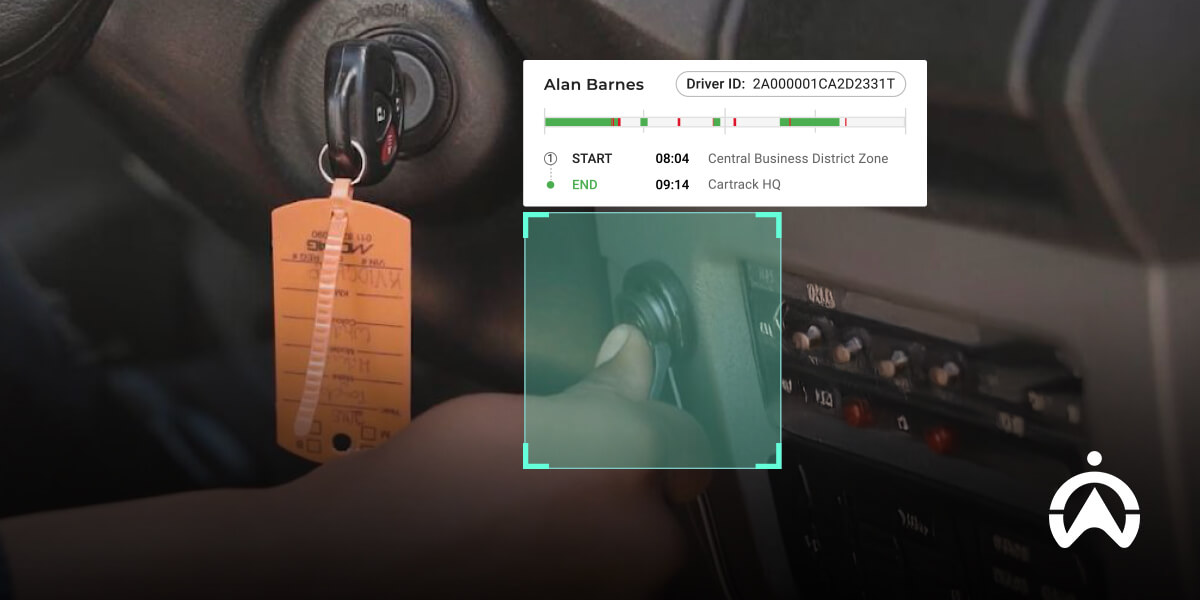
Immobilise and re-mobilise fleet vehicles via our fleet management platform. This system enhances vehicle safety by disabling the engine so it does not start without any authorisation.
Preventive maintenance The Cartrack preventive maintenance system gives you alerts on vehicle health issues such as engine conditions, water and oil fluctuations, and worn-out brake pads. Helping you automate maintenance schedules to avoid unexpected breakdowns and delays.
Why Cartrack is the smart choice for CIT fleet management
Modern fleet management is no longer just an operational tool; it’s a key line of defence in CIT operations. Our high-tech solutions are tailored to enable safer, smarter, and more compliant cash-in-transit operations. Contact us today and invest in technology that will transform your business.
Frequently asked questions about cash-in-transit services and fleet management
What is fleet management in transportation?
Fleet management in transportation involves the use of different technologies to oversee a company’s vehicles. The main objective for using these smart tools is to improve operational efficiency, reduce costs, and enhance safety. To achieve this, fleet managers must use the technology to monitor various aspects of the fleet, such as vehicle maintenance, fuel consumption, driver behaviour, and route planning.
What is a cash-in-transit policy?
A cash-in-transit policy is a type of insurance that provides coverage for the loss of money or valuable items while they are being transported. The policy protects CIT companies and other businesses that handle high-value items, such as banks and retailers.
Other articles for you
Truck Leasing for Start-Up Businesses – What You Need to Know
Blog
7 minute read •
Leasing trucks to start-up businesses is proving to be a very lucrative opportunity. Many new businesses are desperate for trucks, but are often being barred from getting them because of strict bank specifications. We’re seeing a preference for leasing trucks instead of owning them, because the benefits seem to outweigh the drawbacks. Namibian businesses, especially smaller […]
Get AI Cameras for Seatbelt and Phone Detection for Drivers
Blog
7 minute read •
Getting AI cameras for seatbelt and phone detection for drivers is the perfect way to transform safety protocols in your fleet. AI detection can monitor poor driving habits, alert drivers so they can quickly correct their actions, and keep records of offences so you can coach your drivers if they repeatedly commit them. Namibia recorded 2,793 road crashes, […]
Your trucks work hard to travel long distances, carry heavy loads, and traverse roads that are often treacherous & damaged. Looking after your trucks is a wise investment that’ll pay you back in productivity and lower overheads, but only if you know what condition they’re in at all times. The trucking and logistics sector plays a vital role in […]
 South Africa
 Botswana
 Kenya
 Malawi
 Mozambique
 Nigeria
 Swaziland
 Tanzania
 Zimbabwe
 Hong Kong
 Indonesia
 Singapore
 Malaysia
 Philippines
 Thailand
 New Zealand
 Vietnam
 Poland
 Portugal
 Spain
 United Arab Emirates