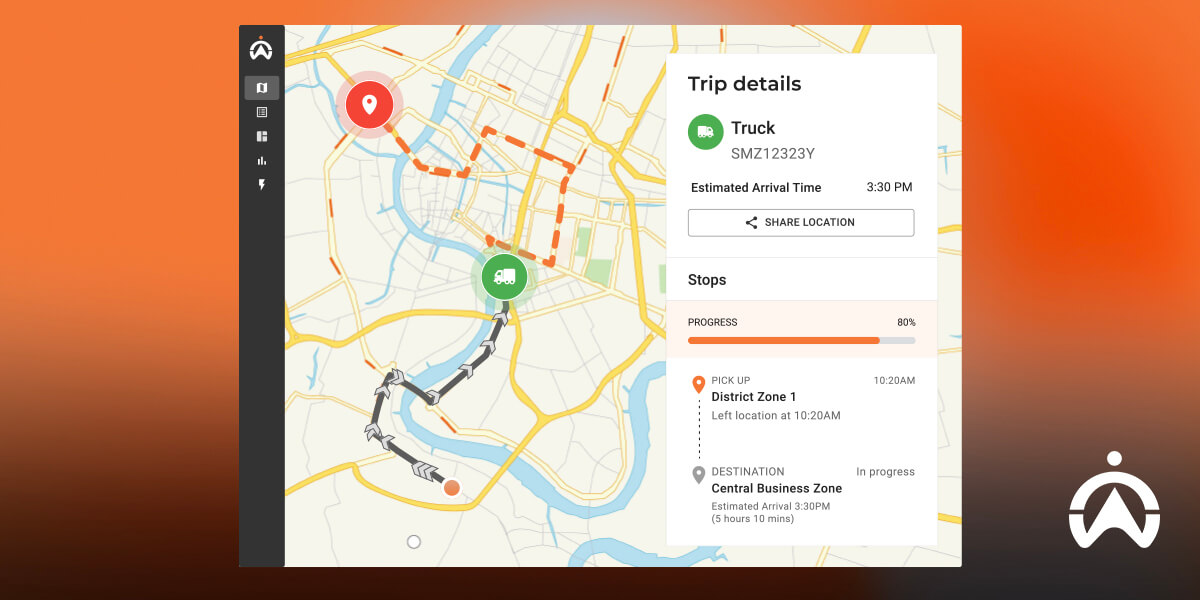

The 7 Advantages of GPS Technology in Your Business

The 7 advantages of GPS technology in your business include full visibility, a safer driving culture, higher productivity, and cost reductions. These are just a handful of the benefits guaranteed, particularly when you consider how crucial GPS technology is for essential fleet assets and vehicles.

Choosing to incorporate GPS technologies means that you get to see exactly where your resources are going, how they’re being used, and how well they perform. Research shows that 65% of fleet managers noted that GPS technologies are ‘very’ or ‘extremely’ beneficial for reducing fleet costs. This also underscores its role in helping businesses cut operational expenses and improve profitability.

Through this article, you’ll get a full understanding of the 7 advantages that’ll strengthen your business, and how each of them improves productivity and minimises expenses. Moreover, we’ll dive into why Cartrack is your trusted partner in GPS technologies and telematics, no matter the size of your business.

What are the 7 ways GPS technology benefits your business operations

The 7 ways GPS technology strengthens business operations include:

  • Fleet visibility
  • Time and fuel savings
  • Improved security against fraud and theft
  • Safer driving
  • Cost reductions
  • Higher productivity, and
  • Data-driven insights

All things considered, employing GPS technology supports companies in improving security, managing fleets more effectively, and gaining a practical understanding that promotes more profitable operations.

Look at the 7 ways in which GPS technologies boost your company’s processes:

#1. Full fleet visibility through real-time tracking

Full fleet visibility comes from consistent and accurate GPS tracking, keeping you in the know about where your vehicles are at all times. Because of this, you’re in total control while also being able to respond swiftly in the case of an emergency.

How it blocks unauthorised use, improves dispatching, and cuts downtime:

  • Accurate location data means better dispatching decisions. You can send the nearest driver, minimise delays, and optimise job allocation.
  • You can reduce downtime, eliminate wasted hours, and turn hidden costs into measurable, attainable performance when you’re aware of where your vehicles are and how they’re being used.

All of this means more productivity: fewer wasted hours, faster response to customer needs, and better resource usage.

How Cartrack delivers complete visibility

📍Live tracking on both web and mobile apps for immediate fleet oversight

🧭 Accurate location updates to monitor vehicles in real time

📃Comprehensive trip history to review past routes, stops, and driver performance

🚨Custom alerts and reports for proactive fleet management and accountability

Cartrack’s GPS tracking system gives you full visibility and control anytime, anywhere.
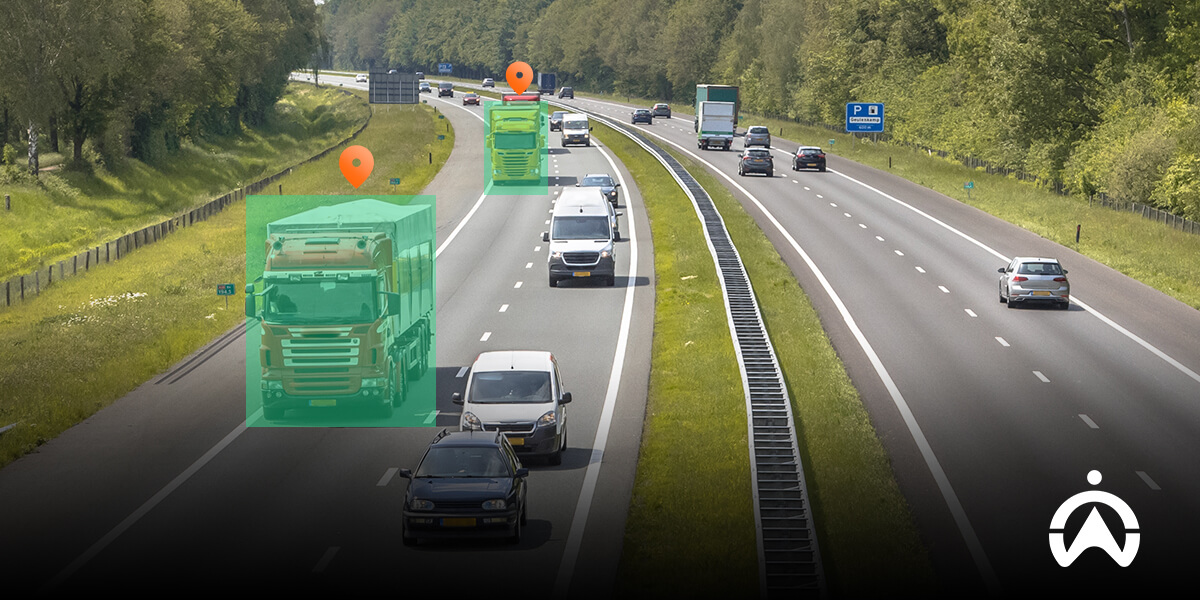
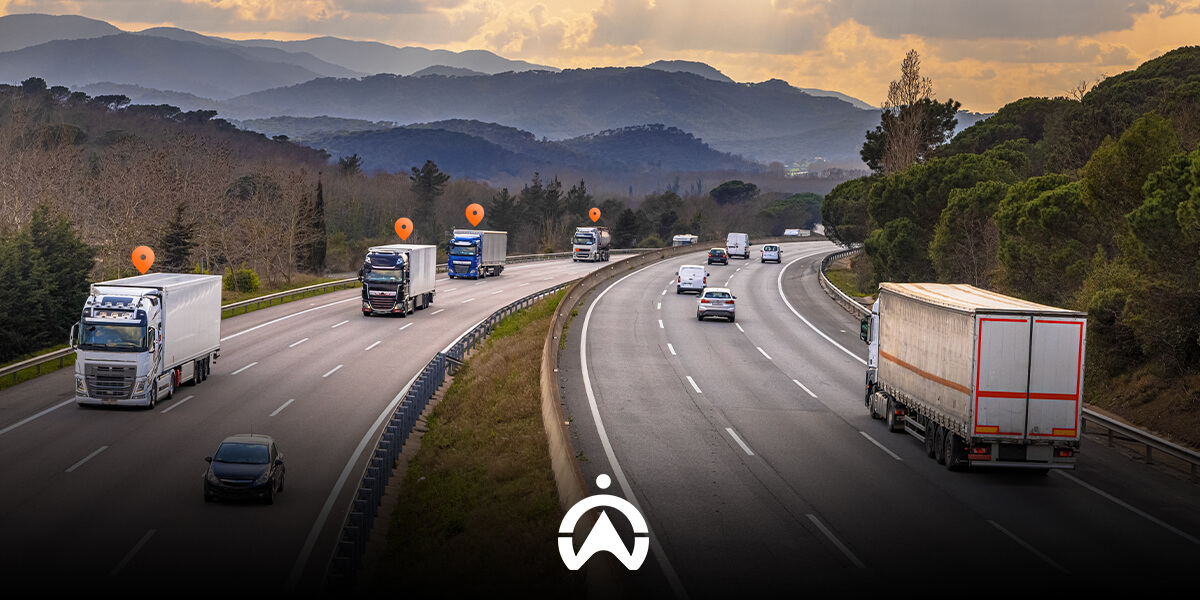
Highway traffic with vehicles highlighted demonstrating advantages of GPS technology.

#2. Time and fuel are saved with effective route planning

When you optimise your routes with the help of GPS telematics, you save on time and fuel. Effective route planning means your drivers take the most efficient trips, reducing fuel and mileage waste. Additionally, live GPS data can alert you to potential delays and traffic, actively allowing you to redirect drivers in real time.

#3. Improved security against theft and fraud

If the worst happens and a business vehicle has been stolen or misused, GPS tracking technologies can save the day. Advanced GPS tracking means you have an eye on your asset, allowing you to quickly locate the vehicle in those challenging circumstances. With geofencing, you can also be immediately alerted when a vehicle enters and exits permitted areas.

#4. Safer driving and lower accident risk

With GPS telematics, you have the necessary technology to monitor your drivers and their on-road behaviours. Through this, dangerous practices like reckless driving, speeding, and abrupt braking are all recorded and logged. Research shows that by using these insights, you can give data-driven feedback to drivers and encourage them to be safer on the road.

#5. Cost reductions via improved operational management

As mentioned, optimising routes and improving driver behaviour through GPS technologies has a direct impact on operational management and, by extension, profitability. Beyond this, the insights produced can help you make information-based decisions for your business. These choices include scheduling and dispatching improvements, admin reduction, and assessing vehicle lifespan.

#6. Higher productivity and customer satisfaction

When your routes are optimised and your scheduling is assigned accordingly, deliveries are likely to be smoother. GPS technologies ensure accurate ETAs (estimated time of arrivals) and faster responses if a surprise delay or emergency arises. All these lead to happier customers, cementing stronger business-client relations.

#7. Data-driven insights for smarter business strategy

What GPS technologies have to offer goes beyond just tracking—they also provide comprehensive insights. Compliance and reporting are made easier through automated reports. Trends and patterns in these reports allow you to spot areas for improvement, whether in scheduling or driver performance. Using data in smart ways means you’re always finding the best ways for your business to improve.

How to choose the right GPS technology for your business

To choose the right GPS technology for your business, it’s important to look at key components that include reliability, support, and platform integrations. Picking the right solution is what will help you improve your business and avoid costly regret. Always ensure that the features you look for align with your business’ needs.

Before settling, it’s also highly important to consider subscriptions versus potential hidden costs. Although some options may seem cheaper upfront, they may have longer contracts and hidden fees. Subscription-based models may seem harder on the pocket, but these actually offer better value for money. With hardware included, automatic updates, and fewer unexpected repair costs, your monthly expenses are predictable.

Here’s what to look out for:

  • Reliability: Reliable GPS technology is one that supports strong national coverage, which ultimately means greater uptime and sturdy hardware. Unreliable technology equates to potential blind spots and unforeseen costs.
    ‍
  • Accuracy: Swift stolen vehicle recovery and strong decision-making are anchored in accurate GPS tracking. It’s important to choose a tracker that transmits data very frequently. A tracker that updates every few seconds, compared to every few minutes, is the better option for urgent responses.
    ‍
  • Support: If something fails or you need assistance in an emergency, reliable support is exactly what you need. Seek out a GPS technology provider that is responsive and cares for your business’ well-being.
    ‍
  • Compliance: Always ensure the GPS solution you choose meets compliance standards regarding data protection and staff monitoring. Opt for a choice that makes standard law and compliance matters easier through automated reporting features.
    ‍
  • Platform integrations: The GPS telematics technology should seamlessly connect with your existing business systems, such as fuel cards and maintenance systems.

At Cartrack, we deliver on ALL of the above. Our network is a secure and global one, proving reliable and scalable no matter the size of your business.
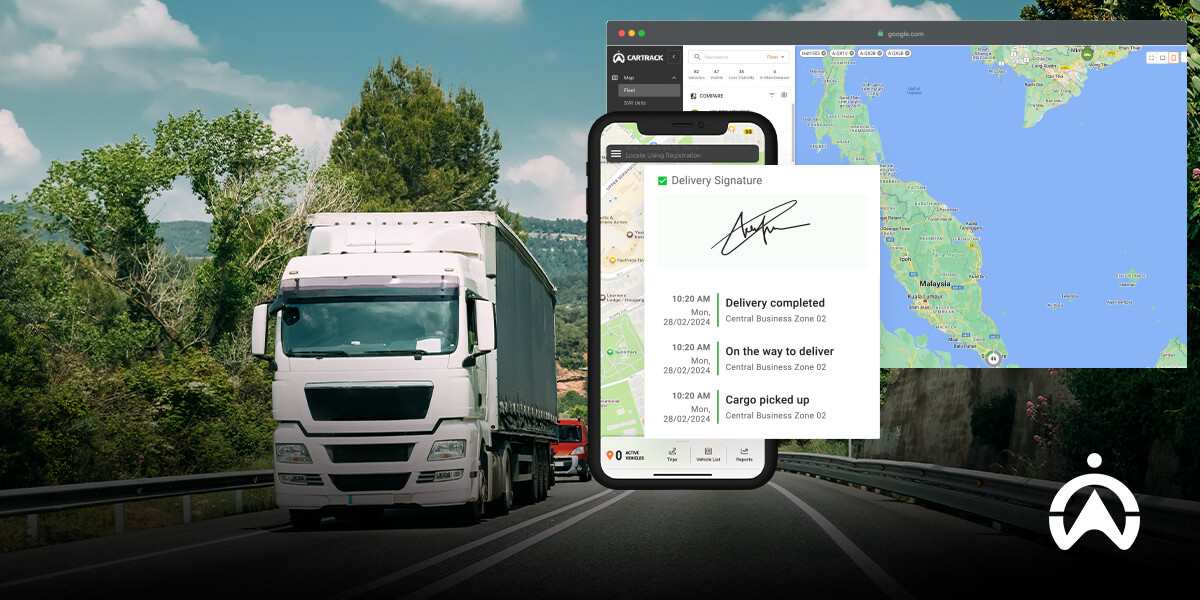
Cartrack app showing truck deliveries on highway, highlighting advantages of GPS technology.

Cartrack: Powering business growth with GPS technology

Cartrack powers business growth with GPS technology by turning insight into action, so you can get all the benefits we’ve covered in this article. Cartrack offers the resources you need to operate with assurance and control, from improved visibility and route optimisation to safer driving.

You can rely on Cartrack to maintain your business operations with its cutting-edge dependability, high-availability networks, and continuous uptime. Our proactive support teams mean minimal downtime and fast resolution, so your business never loses momentum.

Cartrack’s platform is designed to tackle real-world challenges, like:

  • Scalable fleet visibility for growing businesses.
  • Advanced driver behaviour monitoring for safer, more efficient trips.
  • Integrated reporting and compliance tools for simpler and smoother admin.
  • Smart alerts and geofencing for instant emergency responses.
  • Customisable dashboards to focus on the KPIs that matter most.

Whether you have a small or large fleet that operates in any industry, Cartrack has a connected system that helps your business save costs, protect assets and continuously improve performance—all through the power of reliable GPS.

Final takeaway

Having complete oversight is often the difference between operating a business and expanding it, and GPS technology provides just that! It’s not just about tracking cars anymore; it’s about changing the way your company runs from one day to the next. With GPS technology that best suits your business, you can achieve total control over your assets while giving your customers much better service overall.

No matter where your operations take you, our revolutionary telematics platform gives you the clarity, assurance, and control you need to run your company more effectively, safely, and intelligently.

Not sure where to start with GPS tracking for your business? Let Cartrack guide the way. Get a demo and experience complete business visibility with Cartrack.

FAQs

Do employees need training to use GPS technologies?

Yes, employees usually do need training, although it’s minimal. It’s always best to ensure your employees are trained not only in the tools themselves, but also in the consent, policy, and compliance laws surrounding the technologies. Transparency is the best policy. Companies, like Cartrack, are also usually prepared to offer onboarding and continuous training.

How quickly can a business see results from GPS technologies?

A business can see results from GPS technologies almost immediately when it comes to live visibility. On the other hand, results from an ROI perspective can be seen within the first few weeks. Cost savings and improved business performance become evident as soon as data is collected and accessible over time.

What happens if a GPS device is tampered with or removed?

If a GPS device is tampered with or removed, you’ll typically be updated via an alert or notification. In most cases, the vehicle will no longer be tracked if a GPS device is removed. With Cartrack, the portable Tag will be activated, which will allow continuous tracking and much better chances for vehicle recovery.

Can GPS technologies support sustainability goals?

Yes, GPS technologies can support sustainability goals through route optimisation and efficient resource management. Through route optimisation, fuel waste and incessant idling are significantly decreased. Through driver monitoring, you can also encourage smarter and more responsible driving habits, cutting redundant costs and operating sustainably.


How to Protect Your Car Today: Reliable Personal Car Tracking

Protect your car today by going beyond the simple safety methods of car alarms and steering wheel locks, and invest in reliable personal car tracking. Considering that criminals are getting smarter in their tactics, it’s only right that your safety measures for your car match. Combining traditional safety methods with GPS tracking maximises your car’s safety.

According to the Namibian Police Force (NamPol), 298 motor vehicles were stolen in Namibia between 2024 and January 2025, with many more cases going unreported and some vehicles driven out of the country. This represents a slight decrease from the 379 reported stolen between 2023 and 2024.

Personal car tracking devices are the key to 24/7 visibility and immediate alerts that make vehicle recovery a whole lot easier.

In this guide, we’ll take you through the steps to keeping your car protected, how GPS technology silently works hard in the background, and why Cartrack is your top partner in dependable vehicle protection.

How can tracking keep your personal car safe?

Tracking can keep your personal car safe by monitoring your car’s location and giving you immediate alerts if something goes wrong. This gives you time to react quickly in an emergency. Personal car tracking takes things a step further, going beyond common safety measures and adding an extra layer of safety with a 24/7 connection to your car.

A snapshot of these benefits includes:

  • Tracking and monitoring: Keep sight of your car at all times.
  • Theft alerts: Get notified when your car moves without your knowledge or permission.
  • Availability: Have total access and notifications via a mobile app or platform.
  • Quick recovery: With eyes on your car, locate your car quickly with the help of GPS tracking.

Scenario: Quick Recovery in Action

Picture this: You’re at work when, out of the blue, your phone starts buzzing with a Cartrack alert – “unauthorised movement detected”. You quickly jump up to check the Cartrack mobile app, only to see your car meandering all over town in real time. One tap on the screen and you’re in contact with Cartrack’s control room and recovery team, who then spring into action, hot on your car’s heels.

Before you know it, the authorities are in the loop, and they’re already closing in on your car, all while keeping you fully informed.

This shows the best of what real-time personal car tracking can do: getting you alerts in a flash, getting things sorted with lightning speed, and keeping you feeling at ease the whole time.

Why car protection starts with tracking

Car protection should start with tracking because traditional safety methods aren’t enough. Modern vehicle tracking extends beyond alarms and physical locks, doing more to deter determined thieves. You get to keep your eyes on your car and its position at all times.

Tracking also provides you with instant alerts if your car is unfortunately stolen, which also increases your chances of fast vehicle recovery. In many cases across the country, cars fitted with trackers are recovered within hours, helping owners save both time and money.

How personal car tracking works

Personal car tracking works when GPS technology, typically from a device installed in your car, detects your location and sends that data to the app/platform you’re using.

Personal car tracking devices usually offer:

  • Situational notifications: If a collision occurs or someone interferes with your tracking device, you’ll get notified.
  • Geofencing: You can set up virtual geographic zones where your car is safe to enter/exit. Unauthorised movement or movements outside those zones will have you notified.
  • Immediate notifications: Get notifications for any movement or speeding offences.

Tips to maximise car safety alongside tracking

To maximise car safety alongside tracking, consider integrating conventional safety aspects with GPS tracking. Considering all safety angles is the best way to optimise your car’s safety.

Here’s what you can do:

  • Parking in safe, visible areas: Stay in well-lit areas where there’s as much traffic as possible to reduce danger and theft threats.
  • Locking doors and removing valuables: Try to reduce thieves’ attention to potential temptations.
  • Routine vehicle maintenance for functional safety: Make sure your car is kept in tip-top shape in terms of its default security.
  • Combining tech with practical safety measures: Take standard safety precautions and combine them with innovative tech to achieve ultimate peace of mind.
Man standing by silver convertible showcasing personal car tracking device benefits.

Types of personal car tracking devices

The types of personal car tracking devices include portable trackers, hardwired trackers, and OBD-II plug-in trackers. Each of them serves a purpose, and the tracker you choose depends on numerous factors. These include the level of flexibility you need, the type of car you have, and the way you use your car.

Take a look at each of these trackers in more detail:

OBD-II plug-in trackers

OBD-II plug-in trackers can be plugged into your vehicle’s OBD-II (on-board diagnostics) port under the dashboard.

Here’s a bit more about this tracker type:

  • It’s quick and easy to set up; plug in, sync with the mobile app, and you’re good to go.
  • It’s for everyday drivers who want basic vehicle tracking and diagnostic info, like engine performance or fault codes.

Hardwired trackers

Hardwired trackers are installed directly into your car’s electrical system.

Here’s a bit more about this tracker type:

  • Hidden and tamper-proof.
  • Because they’re obscured from view, installation makes it more difficult for thieves to find or disable them.
  • These are best for long-term protection, vehicles parked in high-risk areas, or for individuals who want a permanent solution.

Portable battery-powered trackers

Portable battery-powered trackers are compact and can be moved between vehicles.

Here’s a bit more about this tracker type:

  • They run on rechargeable batteries, not relying on the car’s power supply.
  • They’re usually for temporary or flexible use, like tracking rental vehicles, borrowed cars or motorcycles.
  • It’s important to remember to recharge portable batteries regularly to keep tracking going.

Quick comparison guide

Take a look at this quick comparison table to get a broad overview of each tracker type.

Device Type Pros Cons Ideal User
OBD-II Plug-in Easy install, car diagnostics Must use the vehicle port Everyday drivers
Hardwired Tracker Stealthy, long-term solution Professional installation High-risk areas or fleet owners
Portable Tracker Can move between cars Requires charging Rental cars, occasional users

Real-world advantages of reliable personal car tracking

The real-world advantages of reliable personal car tracking include everyday convenience through notifications, quick vehicle recovery if stolen, and consistent tracking. One of the most important things about personal car tracking devices is remaining in control of your car’s safety at all times. You can be confident that quick action can be taken if something unexpected happens.

Let’s take a closer look at these benefits:

  • Real-time location monitoring: This cements the extra layer of safety and security. You can see the location of your car right from the phone in your hand, knowing where it is if it’s in use. The location of your car is precise and visible around-the-clock.
    ‍
  • Quick recovery if stolen: This is the golden key to preventing money loss and strain. When your car is gone and every second counts, precise locations increase the chances of recovery.
    ‍
  • Extra value with insurance: Many insurance companies reward safe driving practices. This means you’re likely to receive smoother operations if you ever need to claim, or negotiate lower insurance rates.
    ‍
  • Convenience through notifications: Notifications can be received via mobile apps, web portals, and instant alerts. Get notified about when your car’s on the move, leaves a certain area, or makes unauthorised moves. You’ll stay informed at all times!

Choosing the right tracker for your needs

To choose the right tracker for your needs, be mindful of some of the important points like coverage area, app accessibility, and tracking frequency. Not every tracker is the same, and not every driver has the same needs. Before you make a purchase, take the time to match your lifestyle and the features you’re looking for.

These are the important elements to consider:

  • Coverage area: Think about whether the tracker will actually work where you need it to, especially in places with spotty coverage like rural parts of Namibia.
    ‍
  • Tracking frequency: You’ll likely want a tracker that gives you accurate data as it happens; one that updates regularly and transmits information as often as it can.
    ‍
  • Battery life or power source: Think about whether you’re alright with a hardwired device that uses your car for power, or if you’d rather not have to worry about keeping a portable one charged all the time.
    ‍
  • Ease of use: Look for a tracker company that’s got a mobile app and platform that’s a breeze to use. You don’t want to be wasting time trying to figure things out or sifting through a bunch of data.
    ‍
  • Support and recovery: It’s well and good to have a tracker, but does the provider give you full support and vehicle recovery if you ever get into trouble? Check the tracker company’s customer care and recovery support systems.

Matching your lifestyle with the right tracker:

  • For urban commuters: An OBD-II plug-in or hardwired tracker is a good choice because you get accurate, up-to-date location and insights into the vehicle’s health. An OBD-II plug-in, in particular, is also easy to install.
    ‍
  • For rural and high-risk areas: A hardwired tracker is your best bet. This tracker works well in low-to-no signal areas and is the most reliable when it comes to durability and its tamper-proof build.
    ‍
  • For families: Any tracker that allows for shared access is suitable, although the most common options are the hardwired or OBD-II plug-in trackers. These are great for families because they allow multiple people to monitor a vehicle and its location.
    ‍
  • For occasional or temporary use: A portable device is the ideal choice here, because occasional or temporary use usually applies to renters or homes with more than one car. This means it’s easy to switch the device between cars, or simply provide mobility for a short-term situation.
Hand holding car keys outside a vehicle displaying personal car tracking device.

Myths about car tracking: debunked

The myths about car tracking include three very common misunderstandings. First, that trackers are easy to hack; second, that trackers are only for high-end cars; and third, that tracking is a privacy violation. Despite the pros outweighing the cons, many people still have their doubts.

Let’s set the record straight.

  • Myth: “Trackers are easy to hack.”
    The truth is, most modern trackers are very secure and should be fully encrypted. With Cartrack, you can rest assured knowing that your tracking information is end-to-end encrypted, which is on par with online banking safety measures. This makes any sort of hacking quite difficult for criminals to carry out.
    ‍
  • Myth: “Trackers are only for high-end vehicles.”
    This is false; car tracking devices are for every kind of vehicle. As seen throughout this article, there are many types of trackers that have different uses and work for different vehicle types. Everyone with a car can own a tracker, and Cartrack has a solution for everyone.
    ‍
  • Myth: “Tracking violates privacy.”
    Tracking can only operate based on your consent, while also working within Namibian laws. Additionally, only chosen or authorised individuals can have access to tracking information. Cartrack’s protocols are designed to keep you protected and informed at all times.

How Cartrack simplifies car protection

Cartrack simplifies car protection by covering the most important features needed for every personal car. From accurate tracking and notifications to customer support, we always have your safety and best interests in mind. Cartrack provides innovative technology combined with a hands-on approach, ensuring you stay completely protected.

Here are some of our promises to you:

  • 24/7 tracking and alerts: You can have a connection to your car’s location whenever and wherever. Get immediate access and view from your phone or your laptop. You’ll also be notified if your car makes any unauthorised movements.
    ‍
  • Mobile app: The Cartrack mobile app is so easy to use, giving you a smart and fast way to get full visibility. Our app is designed for the everyday person, combining sophistication with ease of use.
    ‍
  • Car theft recovery support: Cartrack has some of the highest recovery rates. We provide vehicle theft recovery you can rely on, giving you comfort and confidence if the worst should ever happen.
    ‍
  • Customer support and installation services: Our 24/7 customer support, how-to guides, and installation services ensure that you receive the necessary personalised help. We’re always just a call or in-app tap away.

Wrapping up on personal car tracking

Peace of mind and safety benefits are anchored in reliable personal car tracking. Your car is an important and valuable asset. It doesn’t just help you move from A to B, but it’s likely ingrained in your daily life and sense of security.

Cartrack makes tracking your personal car a breeze. You stay constantly connected to your car, have swift stolen vehicle recovery, and enjoy an easy and user-friendly app. Everything is designed with YOU in mind, offering you total confidence and convenience.

Protect your car with Cartrack. Don’t wait until it’s too late; get complete peace of mind with a reliable personal car tracking device. Explore our solutions now.

FAQs

Can someone track your car without you knowing?

From a legal perspective, no, but from a general perspective, someone can illegally track your car using a commercially bought GPS tracker. Cartrack’s whole system is built around getting your consent. If you ever notice something suspicious going on, you can get a Cartrack expert to help you figure out where unwanted devices are and how to get them out.

Does installing a car tracker affect my personal vehicle warranty?

Installing a tracker through a proper service won’t affect your warranty because it shouldn’t disturb any of the core systems in your car. All the installations are done by professionals to the manufacturer’s standards to make sure your vehicle stays completely compliant with warranty rules.

Can I track my personal car internationally while travelling?

Yes, you can track your personal car internationally while travelling, as long as the SIM connectivity is set up to handle international coverage. Cartrack also has special international tracking options for certain places, ensuring your car stays safe even when you’re out of the country.

What are the Key Areas of a Fuel Efficiency Management Strategy Framework?

The key areas of a fuel efficiency management strategy framework include driver monitoring, route optimisation, and fuel buying and storage. All areas directly affect not only fuel consumption, but also the expenses and overall performance of a fleet. This framework is essential to better manage fuel consumption and view each key area on one dashboard.

A recent 2025 study found that effective fleet management, i.e., telematics and data systems, can reduce fuel consumption by 5–10%. This shows that having a clear fuel efficiency management strategy isn’t just smart; it’s undoubtedly essential.

In this guide, we’ll help you understand which core areas you need to focus on to improve your business and its operational processes. We’ll also look into how Cartrack can help you achieve your improved fuel economy goals and make cost-saving decisions with more confidence.

The core areas of a fuel efficiency management framework

The core areas of a fuel efficiency management framework encompass six main points of interest that build a comprehensive picture of fuel consumption. Some of these areas include fuel tracking, vehicle health monitoring, and route optimisation (amongst others). Managing sustainable business strategies and fuel waste calls for this simple but holistic overview.

Take a look at the framework’s key pillars using an easily scannable table, setting up a deeper dive through the headings below.

Key Framework Area Core Objective Key Measures
Data Collection and Monitoring Capture accurate, real-time fuel data Fuel consumption, idling time
Driver Behaviour Management Reduce inefficient driving practices Speeding and other dangerous driving events
Vehicle Maintenance Ensure vehicles operate at peak efficiency Maintenance schedule adherence
Route and Dispatch Optimisation Cut unnecessary distance and idle time Route efficiency and smart dispatching
Fuel Procurement and Usage Streamline sourcing, tracking, and allocation Cost per litre, wastage rates
Reporting and Continuous Review Turn insights into ongoing efficiency improvements Fuel efficiency trends over time

#1. Data collection and continuous fuel monitoring

Live, accurate data regarding fuel consumption is likely the most important pillar of all six. Without the features that come together to present these insights, you’re left to play a guessing game rather than make sound business choices based on legitimate data. Beyond this, you’d no longer have to worry about manually retrieving data thanks to automated reporting.

Most modern fleet management systems, like Cartrack’s MiFleet, incorporate functions like real-time GPS tracking, fuel card integration/fleet cards, and onboard fuel-level sensors to give you a clear and comprehensive overview of fuel consumption. This gives you space to quickly make changes if you notice fuel wastage or areas that need improvement.

#2. Driver behaviour supervision and training

Driver behaviour has a profoundly strong connection to fuel consumption. A driver’s habits on the roads can directly reflect an increase in fuel consumption, especially through habits that include aggressive driving and excessive idling. With supervision and coaching, you can quickly address these behaviours.

To make it more effective, get drivers involved in setting targets and reward progress. Interactive tools like driver leader boards and peer recognition will get good habits into daily operations rather than one-off initiatives.

Driver behaviour monitoring tools, much like Cartrack’s smart insights and driver scorecards, allow you to encourage a safer, more efficient driving culture. You can give informative and evidence-based feedback to drivers while advocating for fuel-conscious driving habits.

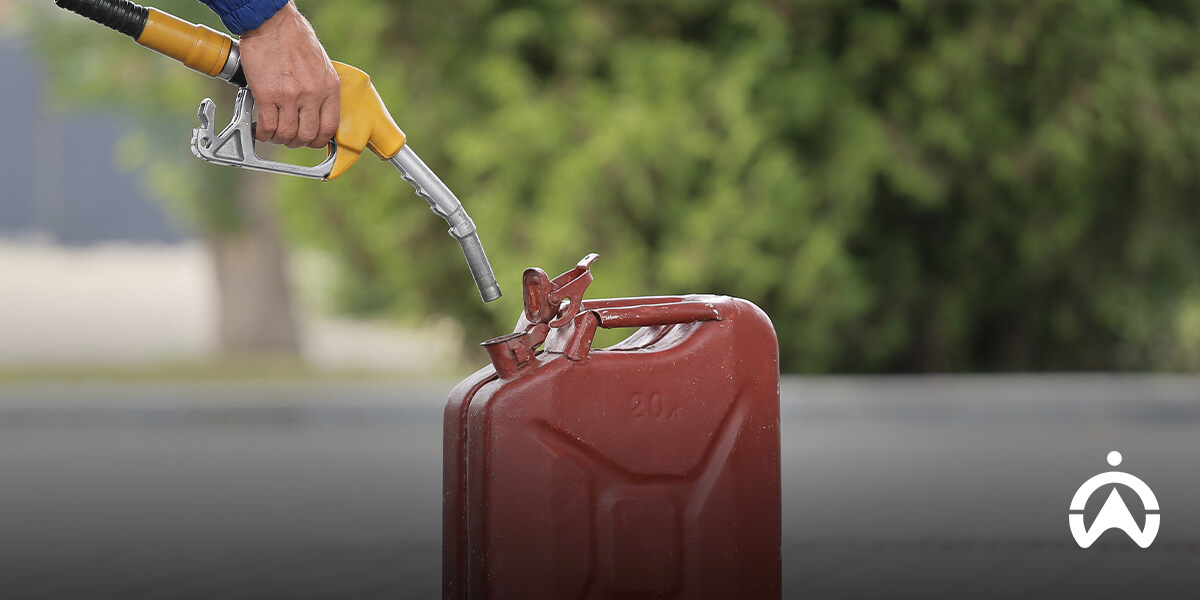
Hand holding a yellow fuel pump nozzle above a red canister demonstrating fuel efficiency management.

#3. Vehicle maintenance and health monitoring

Vehicle maintenance and health monitoring ensure that your vehicles are kept in tip-top shape. A well-maintained vehicle isn’t using extra or unnecessary fuel and is performing properly, which means fuel consumption is being kept under control. Simple routines, like regular tyre checks and pre-emptive service scheduling, can make all the difference long term.

Predictive maintenance tools, like Cartrack’s Maintenance and instant alerts, significantly reduce downtime by anticipating issues before they occur and potentially impact your fleet’s fuel efficiency. Linking maintenance KPIs (key performance indicators) with fuel performance can also help you keep an eye on ongoing errors.

#4. Route optimisation and proactive dispatching

Route optimisation and proactive dispatching are other important pillars of fuel optimisation and management, providing a tangible and evident effect on fuel use. In straightforward terms, any extra kilometre wasted is fuel wasted. Through the use of AI-assisted route planning and task delegation, your drivers can take better routes while also improving delivery times.

Smart route optimisation and trip reports, as offered by Cartrack’s FleetWeb dashboard and Reports, give you a complete overview of driver journeys. From these insights, you can evaluate route efficiency, then create targeted adjustments that improve trip performance and overall fuel efficiency.

#5. Fuel buying, storage, and consumption control

Fuel buying, storage, and consumption are other foundational pillars that are rarely discussed. Through these elements, you’re very clear on how much fuel you’re paying for and using by putting in place supplier agreements, volume tracking systems, and transparent purchase reporting.

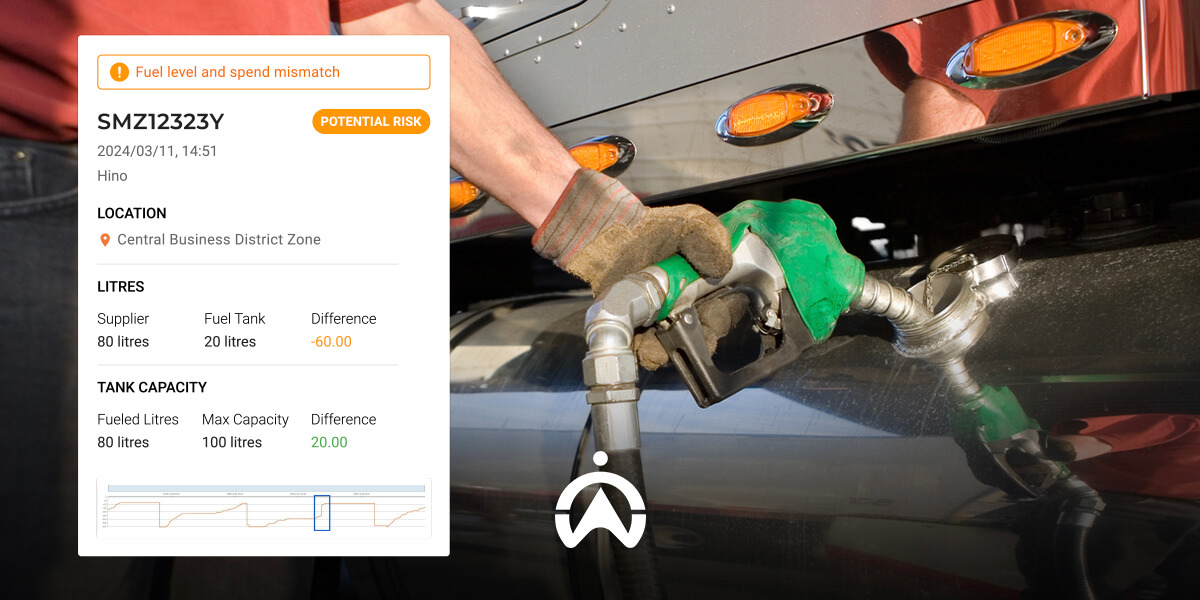
You can spot anomalies like theft or unauthorised use by keeping a careful eye on fuel/fleet card transactions, tank levels, and refuelling events. Tank-level alerts and transaction validation tools, as offered by Cartrack’s MiFleet, assist in recognising those inconsistencies through carefully managing fuel costs, which lowers expenses and waste.

#6. Reporting and continuous improvement

Fuel efficiency management and making better business decisions are ongoing efforts. You have to constantly set new benchmarks to see where you are progress-wise, as well as spot new opportunities for the improvement of your business. A clear and comprehensive dashboard will, as mentioned, factor in things like route optimisation to help you with your goals.

Regular benchmarking against previous performance and industry standards will show you where you are. It’ll highlight where you are falling behind competitors or operational targets. Over time, data-driven evaluation will help you fine-tune your strategy so you get continuous progress, not one-off improvements.

Having custom fuel reports and a streamlined dashboard, like Cartrack’s Fleetweb dashboard and Reports, provides you with all the raw data you need, converted into easily digestible insights. These will help you see trends and areas where you can save money.

Building a culture of fuel efficiency

You can implement all the tools and resources necessary to improve fuel efficiency, but at the end of the day, a culture built around it is the best approach. Staff and teams stay engaged and motivated when open communication, responsibility, and honesty are advocated for. Better fuel efficiency management can become a business culture through implementing driver leader boards, incentives, and shared performance goals.

Leadership buy-in is also key. When management visibly supports efficiency targets, drivers will likely be more motivated. Regular meetings to review performance data, celebrate milestones and discuss ideas will create a sense of shared accountability that will keep the efficiency culture strong over time.

Businesses can cultivate a culture that celebrates growth, empowers drivers, and continuously lowers fuel costs by considering Cartrack’s tools for tracking and measuring results.

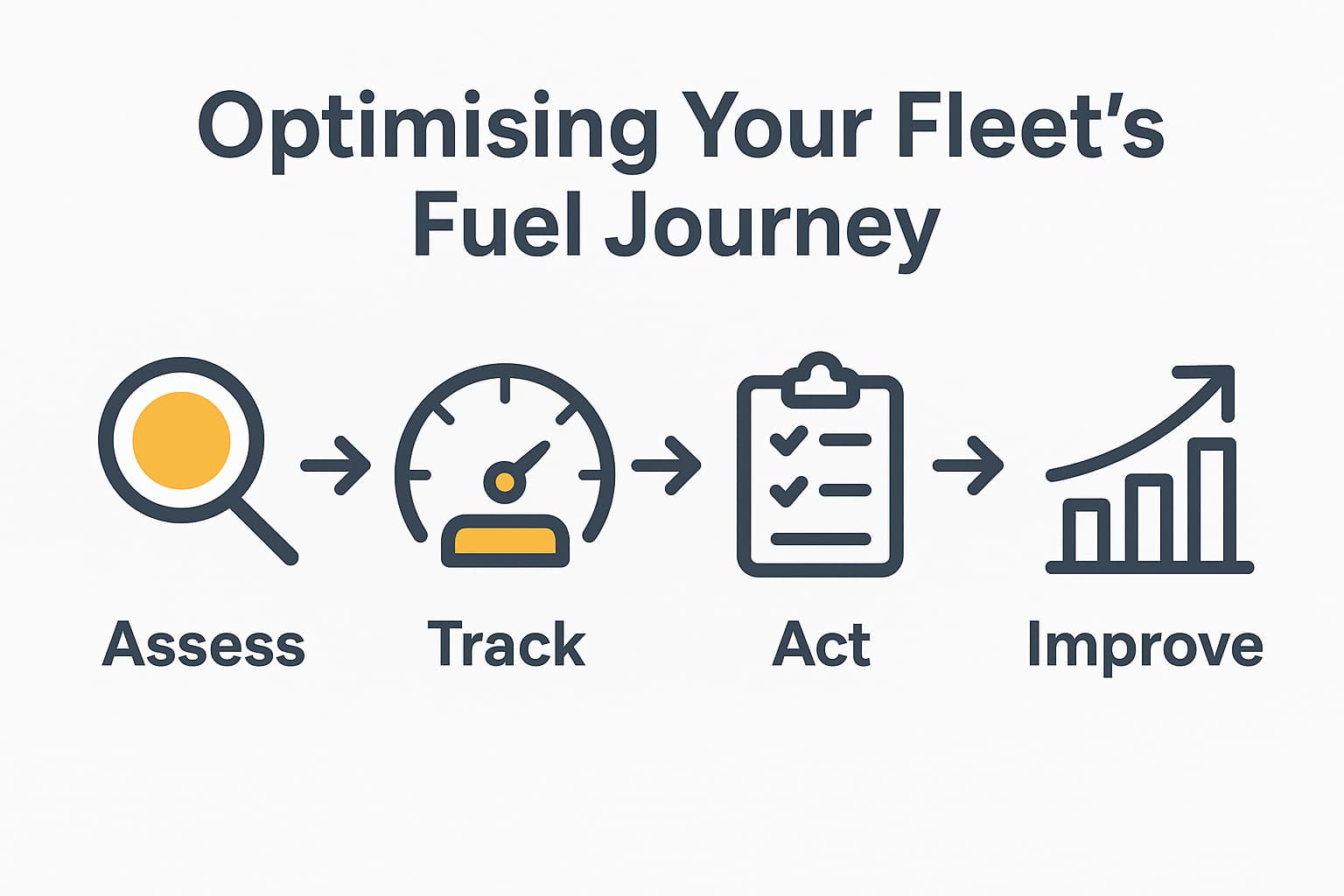
A graphic illustrating the process of optimizing a fleet's fuel journey: Assess, Track, Act, Improve, with corresponding icons.

Future of fuel efficiency management

The future of fuel efficiency management is predictive analytics and artificial intelligence. It forecasts fuel, detects waste before it happens and suggests fixes. As fleets get more connected and electric vehicles come in, data will be key to unified efficiency management.

Companies that get in early will not only save costs but also future-proof their business against changing environmental and economic regulations.

Understanding the purpose of a fuel efficiency strategy

The purpose of a fuel efficiency strategy is to ensure that your fuel use is as effectively optimised as it can be. This goes beyond just fuel expense costs, extending to the calculated management of every litre and rand that goes towards improved fleet management. Even the smallest bottlenecks can add up over time, negatively impacting profitability.

These are just some of the vulnerabilities you’ll face without a strong fuel efficiency strategy:

  • Bad routes and too much idling: These might not seem like big deals on a day-to-day basis, but they add up to fuel wastage across the fleet.
  • Unauthorised or unmonitored fuel purchases: These expenses can get lost in the cracks and add up to significant money lost over time.
  • Missing or delayed vehicle maintenance: Not doing scheduled maintenance affects engine health and vehicle efficiency, so vehicles end up burning more fuel to do the same job.
  • Dangerous or aggressive driving: Driving behaviours like hard braking, quick acceleration, or unnecessary revving increase fuel consumption. It also increases maintenance costs through wear and tear.

This is why telematics-based technology is the solution to the ultimate fuel efficiency management strategy framework. A strategy that’s backed by tangible evidence is a reliable and effective one. If you’re looking for a proactive way for your business and its fleet to benefit from cost savings and operational improvement, support from Cartrack is certainly your best bet.

Cartrack map interface showing truck route and trip details for fuel efficiency management.

Final Takeaways

The key areas of a fuel efficiency management strategy framework encompass six major players when it comes to improved fuel control:

  1. Real-time data collection and monitoring
  2. Driver behaviour management and training
  3. Preventative vehicle maintenance and health checks
  4. Smart route and distribution optimisation
  5. Controlled fuel purchasing and usage
  6. Regular reporting and continuous improvement

When all these parts are working together, you get the total visibility and control you need to get rid of the waste. This data will make or break your strategy, and with the right tools, you’ll see exactly where you’re going wrong and fix it before it harms your bottom line.

Supercharge your fleet’s fuel efficiency today. For control and measurable savings, speak to our fleet experts and empower your fleet with Cartrack’s fuel monitoring framework.

FAQs

Can small fleets benefit from a fuel efficiency framework, or is it only for large operations?

Yes, small fleets can benefit from a fuel efficiency framework, and it’s not only for large operations. In fact, modest fleets are typically more impacted by fuel inefficiencies, as working on a smaller scale means every cent is truly felt. The smallest steps taken to measure a key area, such as route optimisation, can make all the difference.

What is the fuel efficiency formula?

The fuel efficiency formula is distance travelled ÷ fuel used. This is usually displayed as km/L (kilometres per litre) or MPG (miles per gallon). The higher the number, the better, because this means a vehicle is travelling further on the petrol. Some fleets also track L/100km and fuel cost per km.

How often should a fuel efficiency strategy be reviewed or updated?

A fuel efficiency strategy should be reviewed or updated relatively regularly, whether that’s every 3 months or annually. It depends on your KPIs and how often you think it’s necessary. Reviews are also dependent on volatile variables, including fluctuating fuel prices, driver turnovers, and potential changes in operational demands. Keep factors like these in mind when deciding on review periods.

Are there cost-effective alternatives to telematics for monitoring fuel use?

Yes, there are cost-effective alternatives to telematics for monitoring fuel, although they aren’t as effective. Alternatives include manual tracking of fuel receipts, fuel card reports of transactions and discounts, and GPS tracking (minus fuel sensors) to monitor trip distances and potential route deviations. Although these methods can work to a small degree, key details provided by telematics will be missed.

Does weather or terrain affect fleet fuel efficiency?

Yes, weather or terrain can affect fleet fuel efficiency through their pressure and stresses on the vehicle. The added strain and possible longer travel times—from harsh environments and road surfaces or travelling at safer speeds due to weather—are created from resistance. This resistance comes from aerodynamic drag or the engine being forced to work harder, leading to high fuel use.