What are the Key Areas of a Fuel Efficiency Management Strategy Framework?
Published
Reading time
10 minutes
Blog
Key takeaways:
A fuel efficiency strategy helps fleets use less fuel and save money across all operations
The key areas include fuel data tracking, driver behaviour, servicing, routes, buying fuel, and reports
Small problems like bad driving or long routes can make fuel costs rise fast
Cartrack gives real-time insights that help cut waste and improve fleet performance
The key areas of a fuel efficiency management strategy framework include driver monitoring, route optimisation, and fuel buying and storage. All areas directly affect not only fuel consumption, but also the expenses and overall performance of a fleet. This framework is essential to better manage fuel consumption and view each key area on one dashboard.
The core areas of a fuel efficiency management framework
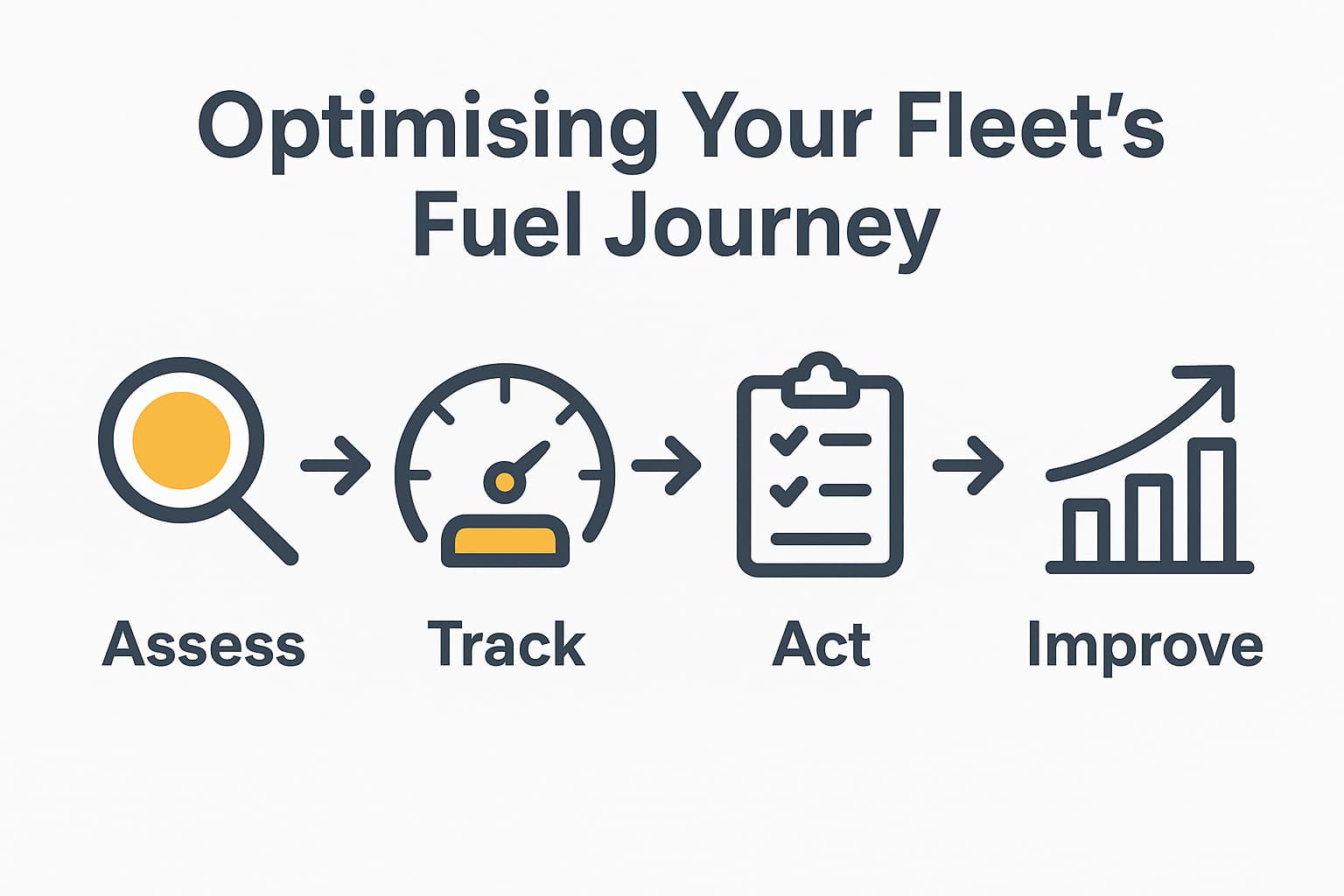
The core areas of a fuel efficiency management framework encompass six main points of interest that build a comprehensive picture of fuel consumption. Some of these areas include fuel tracking, vehicle health monitoring, and route optimisation (amongst others). Managing sustainable business strategies and fuel waste calls for this simple but holistic overview.
Take a look at the framework’s key pillars using an easily scannable table, setting up a deeper dive through the headings below.
Key Framework Area
Core Objective
Key Measures
Data Collection and Monitoring
Capture accurate, real-time fuel data
Fuel consumption, idling time
Driver Behaviour Management
Reduce inefficient driving practices
Speeding and other dangerous driving events
Vehicle Maintenance
Ensure vehicles operate at peak efficiency
Maintenance schedule adherence
Route and Dispatch Optimisation
Cut unnecessary distance and idle time
Route efficiency and smart dispatching
Fuel Procurement and Usage
Streamline sourcing, tracking, and allocation
Cost per litre, wastage rates
Reporting and Continuous Review
Turn insights into ongoing efficiency improvements
Fuel efficiency trends over time
#1. Data collection and continuous fuel monitoring
Live, accurate data regarding fuel consumption is likely the most important pillar of all six. Without the features that come together to present these insights, you’re left to play a guessing game rather than make sound business choices based on legitimate data. Beyond this, you’d no longer have to worry about manually retrieving data thanks to automated reporting.
Most modern fleet management systems, like Cartrack’s MiFleet, incorporate functions like real-time GPS tracking,fuel card integration/fleet cards, and onboard fuel-level sensors to give you a clear and comprehensive overview of fuel consumption. This gives you space to quickly make changes if you notice fuel wastage or areas that need improvement.
#2. Driver behaviour supervision and training
Driver behaviour has a profoundly strong connection to fuel consumption. A driver’s habits on the roads can directly reflect an increase in fuel consumption, especially through habits that include aggressive driving and excessive idling. With supervision and coaching, you can quickly address these behaviours.
To make it more effective, get drivers involved in setting targets and reward progress. Interactive tools like driver leader boards and peer recognition will get good habits into daily operations rather than one-off initiatives.
Driver behaviour monitoring tools, much likeCartrack’s smart insights and driver scorecards, allow you to encourage a safer, more efficient driving culture. You can give informative and evidence-based feedback to drivers while advocating for fuel-conscious driving habits.
#3. Vehicle maintenance and health monitoring
Vehicle maintenance and health monitoring ensure that your vehicles are kept in tip-top shape. A well-maintained vehicle isn’t using extra or unnecessary fuel and is performing properly, which means fuel consumption is being kept under control. Simple routines, like regular tyre checks and pre-emptive service scheduling, can make all the difference long term.
Predictive maintenance tools, like Cartrack’s Maintenance and instant alerts, significantly reduce downtime by anticipating issues before they occur and potentially impact your fleet’s fuel efficiency. Linking maintenance KPIs (key performance indicators) with fuel performance can also help you keep an eye on ongoing errors.
#4. Route optimisation and proactive dispatching
Route optimisation and proactive dispatching are other important pillars of fuel optimisation and management, providing a tangible and evident effect on fuel use. In straightforward terms, any extra kilometre wasted is fuel wasted. Through the use of AI-assisted route planning and task delegation, your drivers can take better routes while also improving delivery times.
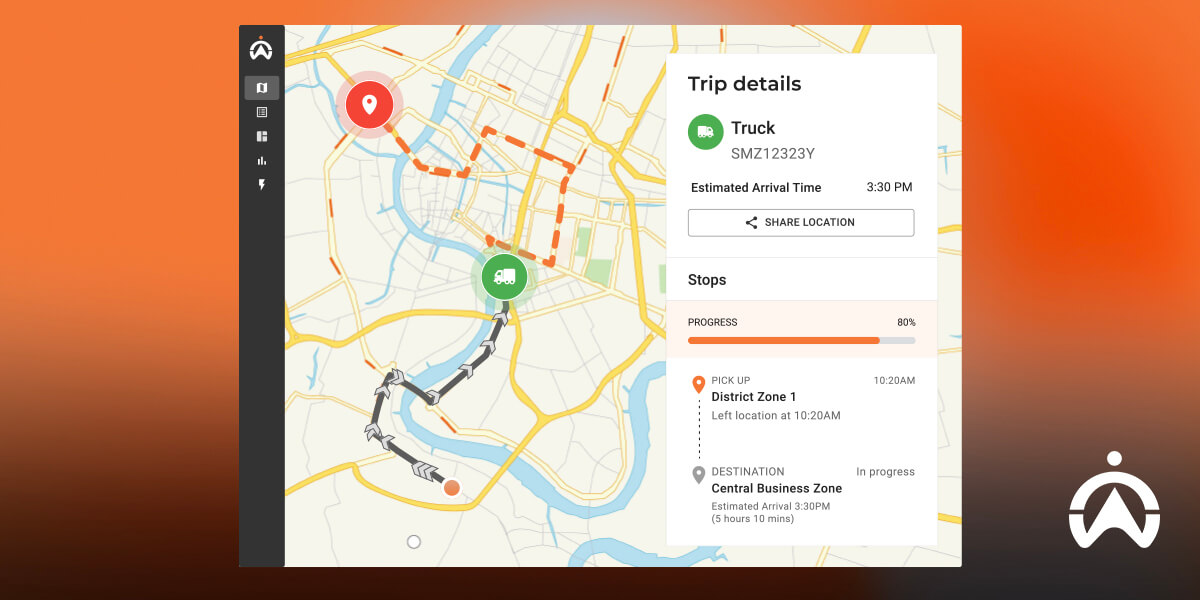
Smart route optimisation and trip reports, as offered by Cartrack’s FleetWeb dashboard and Reports, give you a complete overview of driver journeys. From these insights, you can evaluate route efficiency, then create targeted adjustments that improve trip performance and overall fuel efficiency.
#5. Fuel buying, storage, and consumption control
Fuel buying, storage, and consumption are other foundational pillars that are rarely discussed. Through these elements, you’re very clear on how much fuel you’re paying for and using by putting in place supplier agreements, volume tracking systems, and transparent purchase reporting.
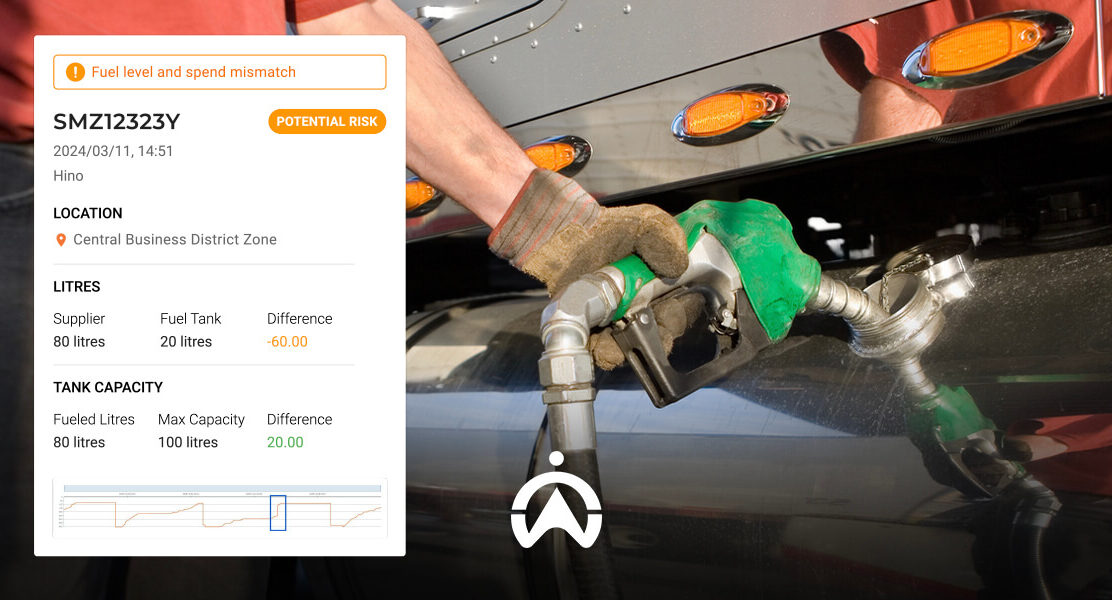
You can spot anomalies like theft or unauthorised use by keeping a careful eye on fuel/fleet card transactions, tank levels, and refuelling events. Tank-level alerts and transaction validation tools, as offered by Cartrack’s MiFleet, assist in recognising those inconsistencies through carefully managing fuel costs, which lowers expenses and waste.
#6. Reporting and continuous improvement
Fuel efficiency management and making better business decisions are ongoing efforts. You have to constantly set new benchmarks to see where you are progress-wise, as well as spot new opportunities for the improvement of your business. A clear and comprehensive dashboard will, as mentioned, factor in things like route optimisation to help you with your goals.
Regular benchmarking against previous performance and industry standards will show you where you are. It’ll highlight where you are falling behind competitors or operational targets. Over time, data-driven evaluation will help you fine-tune your strategy so you get continuous progress, not one-off improvements.
Having custom fuel reports and a streamlined dashboard, like Cartrack’s Fleetweb dashboard and Reports, provides you with all the raw data you need, converted into easily digestible insights. These will help you see trends and areas where you can save money.
Building a culture of fuel efficiency
You can implement all the tools and resources necessary to improve fuel efficiency, but at the end of the day, a culture built around it is the best approach. Staff and teams stay engaged and motivated when open communication, responsibility, and honesty are advocated for. Better fuel efficiency management can become a business culture through implementing driver leader boards, incentives, and shared performance goals.
Leadership buy-in is also key. When management visibly supports efficiency targets, drivers will likely be more motivated. Regular meetings to review performance data, celebrate milestones and discuss ideas will create a sense of shared accountability that will keep the efficiency culture strong over time.
Businesses can cultivate a culture that celebrates growth, empowers drivers, and continuously lowers fuel costs by considering Cartrack’s tools for tracking and measuring results.
Future of fuel efficiency management
The future of fuel efficiency management is predictive analytics and artificial intelligence. It forecasts fuel, detects waste before it happens and suggests fixes. As fleets get more connected and electric vehicles come in, data will be key to unified efficiency management.
Companies that get in early will not only save costs but also future-proof their business against changing environmental and economic regulations.
Understanding the purpose of a fuel efficiency strategy
The purpose of a fuel efficiency strategy is to ensure that your fuel use is as effectively optimised as it can be. This goes beyond just fuel expense costs, extending to the calculated management of every litre and rand that goes towards improved fleet management. Even the smallest bottlenecks can add up over time, negatively impacting profitability.
These are just some of the vulnerabilities you’ll face without a strong fuel efficiency strategy:
Bad routes and too much idling: These might not seem like big deals on a day-to-day basis, but they add up to fuel wastage across the fleet.
Unauthorised or unmonitored fuel purchases: These expenses can get lost in the cracks and add up to significant money lost over time.
Missing or delayed vehicle maintenance: Not doing scheduled maintenance affects engine health and vehicle efficiency, so vehicles end up burning more fuel to do the same job.
Dangerous or aggressive driving: Driving behaviours like hard braking, quick acceleration, or unnecessary revving increase fuel consumption. It also increases maintenance costs through wear and tear.
This is why telematics-based technology is the solution to the ultimate fuel efficiency management strategy framework. A strategy that’s backed by tangible evidence is a reliable and effective one. If you’re looking for a proactive way for your business and its fleet to benefit from cost savings and operational improvement, support from Cartrack is certainly your best bet.
Final Takeaways
The key areas of a fuel efficiency management strategy framework encompass six major players when it comes to improved fuel control:
Real-time data collection and monitoring
Driver behaviour management and training
Preventative vehicle maintenance and health checks
Smart route and distribution optimisation
Controlled fuel purchasing and usage
Regular reporting and continuous improvement
When all these parts are working together, you get the total visibility and control you need to get rid of the waste. This data will make or break your strategy, and with the right tools, you’ll see exactly where you’re going wrong and fix it before it harms your bottom line.
Supercharge your fleet’s fuel efficiency today. For control and measurable savings,speak to our fleet expertsand empower your fleet with Cartrack’s fuel monitoring framework.
FAQs
Can small fleets benefit from a fuel efficiency framework, or is it only for large operations?
Yes, small fleets can benefit from a fuel efficiency framework, and it’s not only for large operations. In fact, modest fleets are typically more impacted by fuel inefficiencies, as working on a smaller scale means every cent is truly felt. The smallest steps taken to measure a key area, such as route optimisation, can make all the difference.
What is the fuel efficiency formula?
The fuel efficiency formula is distance travelled ÷ fuel used. This is usually displayed as km/L (kilometres per litre) or MPG (miles per gallon). The higher the number, the better, because this means a vehicle is travelling further on the petrol. Some fleets also track L/100km and fuel cost per km.
How often should a fuel efficiency strategy be reviewed or updated?
A fuel efficiency strategy should be reviewed or updated relatively regularly, whether that’s every 3 months or annually. It depends on your KPIs and how often you think it’s necessary. Reviews are also dependent on volatile variables, including fluctuating fuel prices, driver turnovers, and potential changes in operational demands. Keep factors like these in mind when deciding on review periods.
Are there cost-effective alternatives to telematics for monitoring fuel use?
Yes, there are cost-effective alternatives to telematics for monitoring fuel, although they aren’t as effective. Alternatives include manual tracking of fuel receipts, fuel card reports of transactions and discounts, and GPS tracking (minus fuel sensors) to monitor trip distances and potential route deviations. Although these methods can work to a small degree, key details provided by telematics will be missed.
Does weather or terrain affect fleet fuel efficiency?
Yes, weather or terrain can affect fleet fuel efficiency through their pressure and stresses on the vehicle. The added strain and possible longer travel times—from harsh environments and road surfaces or travelling at safer speeds due to weather—are created from resistance. This resistance comes from aerodynamic drag or the engine being forced to work harder, leading to high fuel use.
Other articles for you
Truck Leasing for Start-Up Businesses – What You Need to Know
Blog
7 minute read •
Leasing trucks to start-up businesses is proving to be a very lucrative opportunity. Many new businesses are desperate for trucks, but are often being barred from getting them because of strict bank specifications. We’re seeing a preference for leasing trucks instead of owning them, because the benefits seem to outweigh the drawbacks. Namibian businesses, especially smaller […]
Get AI Cameras for Seatbelt and Phone Detection for Drivers
Blog
7 minute read •
Getting AI cameras for seatbelt and phone detection for drivers is the perfect way to transform safety protocols in your fleet. AI detection can monitor poor driving habits, alert drivers so they can quickly correct their actions, and keep records of offences so you can coach your drivers if they repeatedly commit them. Namibia recorded 2,793 road crashes, […]
Your trucks work hard to travel long distances, carry heavy loads, and traverse roads that are often treacherous & damaged. Looking after your trucks is a wise investment that’ll pay you back in productivity and lower overheads, but only if you know what condition they’re in at all times. The trucking and logistics sector plays a vital role in […]
 South Africa
 Botswana
 Kenya
 Malawi
 Mozambique
 Nigeria
 Swaziland
 Tanzania
 Zimbabwe
 Hong Kong
 Indonesia
 Singapore
 Malaysia
 Philippines
 Thailand
 New Zealand
 Vietnam
 Poland
 Portugal
 Spain
 United Arab Emirates