Do Dashcams Drain Your Car Battery?

No, dashcams don’t drain your car battery if they’re high quality and have been installed properly. While a dashcam will use battery power while it’s in park mode (meaning the vehicle is off), it shouldn’t drain the battery to the extent that the car won’t start after a while.

If your dashcam is draining your car battery, you may need to get a dashcam that’s better quality. Fake insurance claims make up about 30% of fleet insurance costs and nearly one-third of all claims, but dashcam video can help cut these claims by up to half.

Considering these shocking statistics, isn’t it time you invested in a dashcam for your car? If you’re still not convinced, here are some interesting facts from Cartrack about dashcams, their effect on your car battery, and why you should get one anyway.

Does a dashcam keep using battery power when the car is off?

A high quality dashcam that’s set to park mode will continue to use battery power even when the car is off. However, the amount of power it uses is negligible, especially if the car is being used regularly (because it recharges the battery every time you start the car up).

Still, it’s not recommended that you leave your dashcam on park mode for long periods of time too often. Save park mode for times when:

  • Your car is parked in a place you don’t know well
  • Your car is parked in a public area that’s usually very busy
  • You’re leaving your car unattended for an extended period of time (overnight or for longer than a full day)
  • Your car is parked in an area that’s high risk and known for smash & grab crime

How to preserve your battery when you have a dashcam

To preserve your car battery when you have a dashcam:

  • Use park mode only when necessary
  • Choose a dashcam supplier with a good reputation
  • Have your dashcam installed by a professional
  • Drive your car fairly regularly (to recharge your battery)
  • Check your battery and get a new one every 2 to 3 years

Did older dashcams used to drain car batteries?

Yes, older dashcams used to drain car batteries because they were typically plugged into the cigarette lighter point of the car. They weren’t designed to manage their power supply as well as they do today, and some of these dashcams are still being sold in shops today. Avoid those no-name brand dashcams and rather opt for a good one!

What can cause a dashcam to drain your battery?

A dashcam might drain your battery if it’s old, cheap, or improperly installed. When cars are left parked for long, small power drains do add up because your battery was designed to get a recharge (from driving the car) on a regular basis. If you have a dashcam, it adds to this drain if your car is always off.
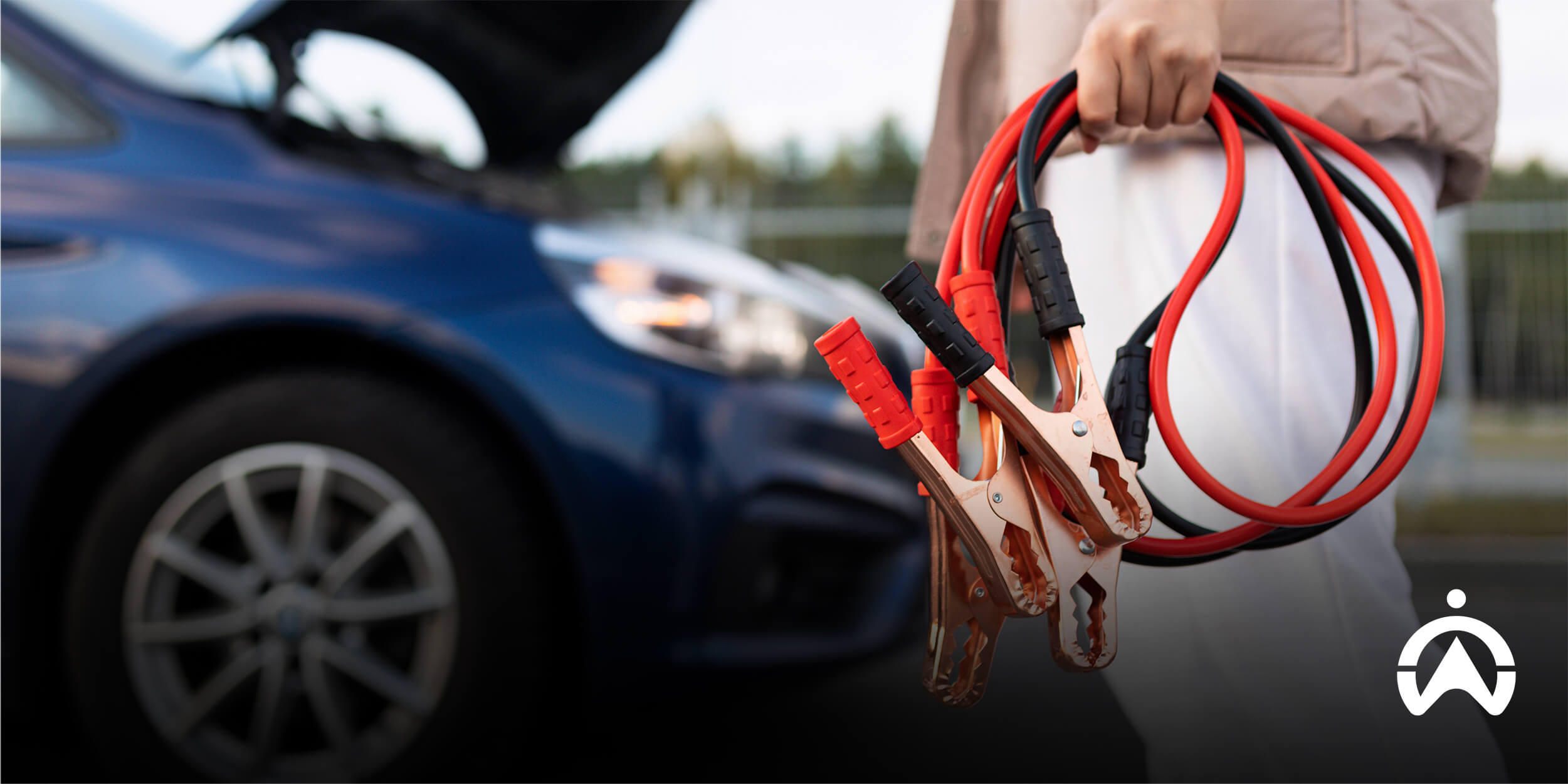
How a dashcam affects a car battery.

Facts vs Myths about dashcams and your car battery

MYTH: A dashcam drains the car battery at night

FACT: Dashcams don’t use any power when the car is switched off unless they’re in parking mode. So essentially, when the car is switched off, the dashcam is automatically switched off as well.
‍

MYTH: Parking mode instantly kills your battery

FACT: This is only true for low quality dashcams that have a low initial purchase price and require you to install it or plug it in yourself. High quality dashcams use very little battery power while in park mode.
‍

MYTH: Using a 12V socket is better than hardwiring your dashcam

FACT: A hardwire installation is much better because it includes a voltage cut-off feature that’s actually designed to NOT drain your battery. That’s why a professional installation is so important when it comes to dashcams.
‍

MYTH: Older cars shouldn’t install dashcams because of battery issues

FACT: Having an older car makes no difference to the amount of battery power used by your dashcam (as long as it’s installed properly either way).
‍

MYTH: Hot weather causes your dashcam to drain the battery faster

FACT: Hot weather may have a negative effect on your battery, but this doesn’t become worse just because you have a dashcam installed to your vehicle.
‍

MYTH: You have to disconnect your dashcam after every drive to preserve the car battery

FACT: Modern dashcams don’t require you to remove the dashcam after every drive, as they’ve been designed to switch off automatically every time the car isn’t running.

How long should a dashcam last?

If properly taken care of, a good quality dashcam can last around 3 to 5 years—and sometimes even longer. But some people are put off from buying dashcams because they once had a bad experience with a low quality device that packed up after a short period. Always choose a dashcam that comes with a warranty.

Cartrack’s dashcam comes with a 1-year warranty which can be extended for a small additional monthly fee. Call us to find out more!

What things DO drain your car battery?

Dashcams don’t make it high on the list of things that drain your car battery, so what things DO actually drain your battery? Compared to dashcams, these are far more likely to drain your car’s battery:

  • Those small lights on the inside of your car that light up your boot and the seat areas drain a lot more power than a dashcam does.
  • In-cabin TVs and music devices can’t be used for as long as a dashcam while the car is off, because they drain your battery relatively fast.
  • Playing your radio while the car isn’t running can quickly drain your battery. Even if it doesn’t, it contributes much more heavily to the wear & tear of your car battery compared to a dashcam.
  • Hot weather (and often very cold weather too) will wear your battery down and drain it over time. Having a dashcam does NOT exacerbate this common issue.
  • Did you know that most cars nowadays have a computer called an ECU? This computer system is continually in stand-by mode, which drains your battery unless you start your car and let it run every once in a while.

How will you know if your car battery is being drained by your dashcam?

If you’ve bought a dashcam that’s either cheap or installed incorrectly, you can tell if it’s draining your car battery by looking out for these signs:

  • There’s a slight delay in your car starting
  • The starter motor won’t engage after being parked
  • Parking mode won’t switch off
  • Your dashcam displays a warning light

You may also find that your car’s electronic features function better when the dashcam has been unplugged. If this is the case, there’s something wrong with the dashcam you have, or it hasn’t been connected properly. You should also listen out for clicking or buzzing sounds coming from your dashcam, which could indicate a perpetual drawing of power from your car battery.

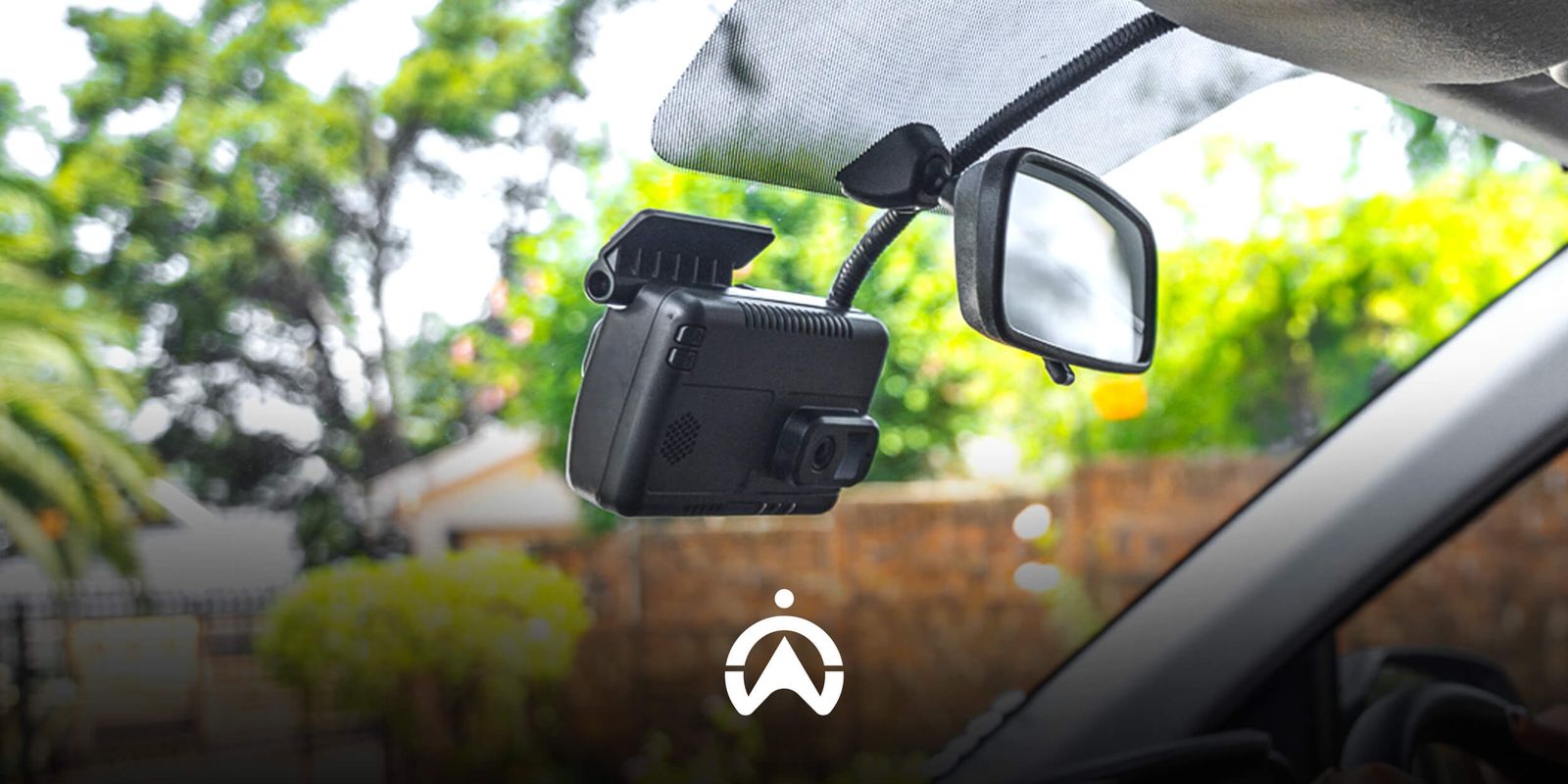
Car dashcam connected to vehicle power system

Where can you get a dashcam that best preserves your car battery?

To get a dashcam that DOESN’T drain your car battery, make sure you purchase from a reliable supplier. You should also get that supplier to handle the installation for you. If they don’t include this as a service, it’s best to go to a supplier that does, since this will form part of your warranty.

Why choose Cartrack as your next dashcam supplier?

Cartrack stands out as a phenomenal dashcam supplier because they tick all the right boxes we’ve already discussed in this article:

  • Our cameras are high quality
  • Our dashcams don’t drain your car battery
  • They’re designed for a Namibian vehicle market
  • They come with a 1-year warranty
  • That warranty can be extended if you choose to do so
  • We handle the installation and stand by the professionalism of that installation
  • We offer a monthly subscription that manages your dashcam footage
  • We also offer other safety services like vehicle tracking and anti-theft strategies

Give our consultants a call if you want to know more about the dashcams from Cartrack and how they preserve your car battery even when you use park mode frequently.

Frequently Asked Questions

How long does a dashcam battery last?

The battery of a dashcam doesn’t last very long (usually only a few minutes). The purpose of a dashcam battery is to save the last video footage before the car turns off. Dashcams are designed to run off the power of the car, and should be designed to get the majority of their power from your car’s battery.

Where is dashcam footage stored?

Dashcam footage is large, and should be stored via cloud storage solutions. Some dashcams do come with internal or add-on memory, but these are doomed to fill up so quickly that they’ll hardly be worthwhile. The best solution for storing dashcam footage is cloud based, which is why Cartrack dashcams come with a monthly subscription.

Can having a dashcam lower my insurance premiums?

Yes, having a dashcam can encourage insurance companies to lower your insurance premiums. Having evidence in the form of video footage of an incident makes resolving claims a lot quicker and less expensive. It can also save them on costly legal fees, which will usually prompt them to acquiesce to your request for a lower premium.

Do dashcams record the front and the back of my car?

Yes, there are dashcams that record the front and back of your car, but not all standard dashcams have this ability. If you want a front-and-rear-facing dashcam, speak to a professional dashcam supplier like Cartrack about getting one that preserves your car battery and gives you clear, high-definition footage of both the front and the back of your car.

Can I upload my dashcam footage on YouTube in Namibia?

Yes, it’s perfectly fine to upload footage of an incident on YouTube, but there are some precautions you should take to protect yourself from a legal perspective. First, make sure you blur the faces of people as well as their number plates. You should also blur out any distinguishing identifiable things like driver’s licenses and names on forms.

Should I divulge my dashcam if I’m in an accident?

Yes, if you find yourself in an accident and someone starts arguing with you about who is to blame, you can choose to divulge that your car has a dashcam. This isn’t necessary though, but it is better than allowing the other person to make an untrue claim about what happened only to disprove it in court.

What if my dashcam is damaged in an accident?

If your dashcam is damaged in an accident, the footage recorded on the memory card will likely remain intact. But dashcams that use cloud storage are a much safer bet, since the footage is automatically stored and managed, and can be easily accessed by request.
Get the Best Bus Fleet Management Software

The best bus fleet management software should always include top-of-the-range technology that specifically impacts bus companies and their drivers. This would include vehicle camera security, route optimisation abilities, and intuitive scheduling. Ultimately, the best bus fleet management software in Namibia is depicted by how passengers view your brand.

Namibia has a relatively small but important bus industry, with buses playing a key role in public passenger transport, particularly for long-distance travel. Alongside minibuses, the sector contributes to mobility and supports economic activity across the country.

Cartrack has its Fleet Management Software (FMS) active in many public transportation entities, because we’ve designed it to solve a number of common problems faced by these companies. In this article, we’ll look at those problems and show you how FMS successfully mitigates them.

What should bus fleet software be able to do?

Modern-day fleet software for buses should be able to streamline your scheduling, keep your passengers safe, and prevent late arrivals at bus stops. It should also help to prevent vandalism of buses, regulate fuel use, and gradually increase the growth & profitability of the bus service in question (whether private or government-run).

At the heart of bus FMS should be the desire to mitigate problems that everyday bus drivers, bus company stakeholders, and even bus passengers face.

What are these problems? Glad you asked… keep reading.

What are some of the problems bus companies face?

The problems faced by bus companies today include unhappy customers (passengers), which is usually caused by late pickups, scheduling confusion, and even physical danger. Overall, these problems lead to financial issues too, because profitability is affected due to the gradual development of a bad reputation.

Cartrack deals with bus companies on a daily basis, and we’ve summarised the problems they face within 10 main points. Which of these 10 have you experienced while managing YOUR bus or shuttle service?

Late pickups

Consistently late pickups form one of the top problems faced by bus companies. Drivers simply can’t get their timing perfect every time due to traffic, bad road conditions, or bad planning. If this happens often enough, the brand becomes synonymous with UNRELIABILITY, leading to passengers opting or preferring other bus brands.

Late drop-offs

Passengers often rely on bus transport for work arrivals, school drop-offs, and important appointments. If the drop-off is later than scheduled, it greatly disrupts the plans of each passenger. Word spreads quickly among bus passengers, and new potential customers will be told to avoid a certain bus brand if possible—and this can SINK a bus company fast!

Scheduling conflicts

When multiple buses are assigned to an identical or similar route, it can lead to confusion when stops conflict with one another. This also happens because of other bus companies whose stops may conflict with those of your drivers. Without a smooth flow of stops and drop-offs, time is wasted, passengers are frustrated, and money is lost.

Unruly bus drivers

Bus service fleet managers often struggle to manage the backlash that comes with risky driving within their team. No matter how carefully they vet drivers before employing them, risky driving still takes place within the bus industry. If it happens often enough, eventually passengers get hurt, vehicles get damaged, and insurance costs skyrocket.

High fuel costs

Not a stranger to any industry that uses road transport, high fuel costs are among the biggest issues bus companies face today in Namibia. The stopping and starting of vehicles in urban settings can be murder on petrol & diesel tanks, so conserving fuel is a MUST if bus companies want to see viable profits.

Passenger safety

The safety of bus passengers on every trip is an essential part of any bus or shuttle service. Drivers have a responsibility to keep their patrons safe, but this isn’t always easy. Incidents tend to happen in small confined spaces, and passengers experiencing theft is another problem bus drivers deal with daily.

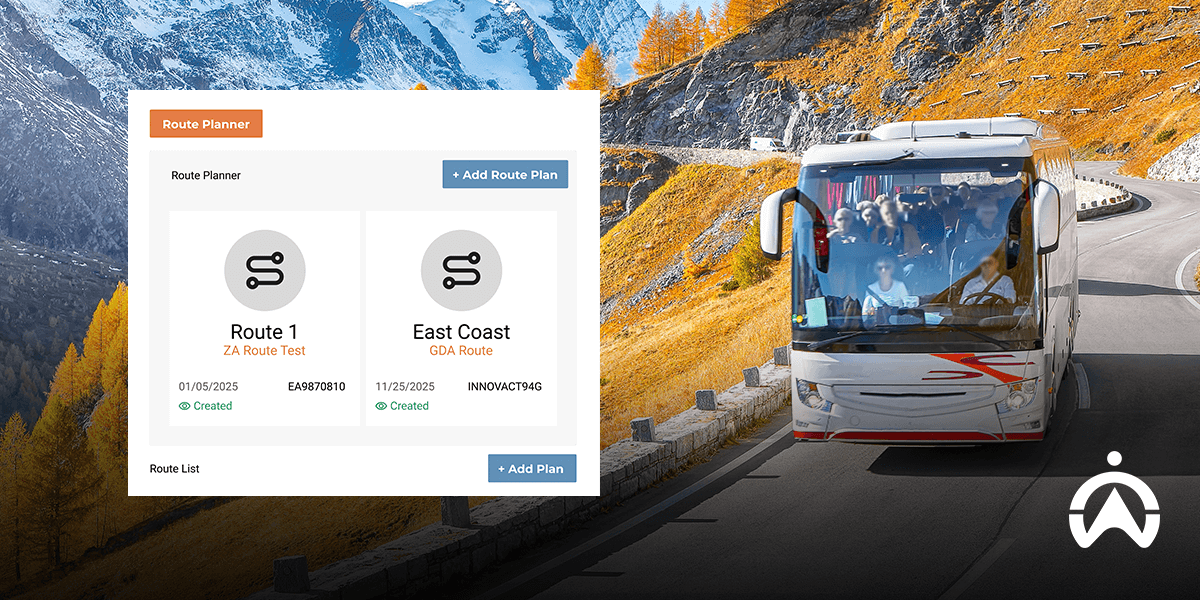
Bus fleet management system overview displaying routes, schedules, and vehicle data.

Vandalism

Because of how large they are, parking a bus is always a risk. Leaving it unattended isn’t always an option, because vandalism is a real problem—especially in particular areas. Insurance prices can go up if buses operate in unsafe areas, and bus companies need ways to lower their insurance costs while upping their vehicle safety.

Strict road compliance standards

Buses are held to a higher standard compared to many other types of road vehicles. They’re large & bulky, and have the potential to cause devastation on our roads. Keeping buses well maintained and road worthy is often a full time job! If a bus gets stopped by road authorities due to non-compliance, this just exacerbates the problem more because of downtime.

Lack of profitability

You might think running a bus service or shuttle company is a profitable endeavour, but considering the challenges we’ve already listed above, it’s not always as cut-and-dry as it seems. Many new bus companies start only to fail years (or even months) down the line. In today’s Namibia, how can bus companies turn enough of a profit to be able to grow and expand their fleet of buses?

Passenger dissatisfaction

Considering theft, safety, bad driving, and unreliability in bus travel, passengers are sure to have their say. With online reviews now a popular way to determine good service, some bus brands are gaining a reputation that leads to them being avoided. There’s always a competing bus company willing to replace a bad one, so keeping passengers happy is a MUST!

When we hear about all these challenges, it might seem impossible to run a bus service effectively. But the truth is, technology has come a long way to massively improve the bus industry. Fleet management software for bus fleets is designed to solve these problems. Feel free to contact a consultant at Cartrack to see exactly how, or keep reading. 

How will bus companies benefit from fleet management software?

Bus companies will benefit from fleet management software in the following ways:

  • Smarter scheduling
  • Happier passengers
  • Better fuel management
  • Higher level of security for passengers
  • Higher level of security for vehicles
  • Higher profitability
  • Safer driving
  • Consistent vehicle maintenance
  • Better road compliance
  • Consistency in on-time pick-ups and drop-offs

What does Cartrack bring to bus companies?

Cartrack has developed fleet management software with bus companies in mind. There are a number of helpful features designed to make the day-to-day fleet management of a bus company easier and more profitable.

As you read further, notice how each of the following directly tackles the list of challenges mentioned above. Ask yourself, “What’s the biggest challenge I have within my bus service right now?” Now, let’s see if the solution can be found!

Smarter scheduling for buses

To solve the issue of schedule mix-ups, late pickups, and late (or missed) drop-offs, Cartrack has developed software that gives you a big-picture view of all your vehicles, who’s driving them, and where each one is scheduled to be.

This allows you to foresee late arrivals, reroute buses, or re-assign drivers at a whim. The software works with AI, and automates most of the thinking for you, allowing you to make better scheduling decisions as and when they matter most.

Better route optimising

Avoiding lateness with buses is better than managing it when it happens. Route optimisation analyses traffic, roadblocks, and bad road conditions to give your bus drivers the best possible routes from the get-go. This helps them to bypass all of those pesky delays and get more passengers to where they need to be.

External & internal bus security

Cartrack has developed industry-leading AI dashcams and vehicle cameras that work to monitor all angles of your bus. This includes the inside of the bus, showing you the driver as well as the passengers. If an incident occurs—whether an accident or something among the passengers—these cameras will pick it up and archive it in case you need it for insurance or the authorities.

Insurance companies will also appreciate this extra level of security. Often they’ll lower your insurance premiums if they know you have this feature, because it makes their claims process so much easier and cheaper.

Fuel monitoring and fuel preservation strategies

The chance to save on fuel costs should grab the attention of any bus fleet manager. It’s at the top of your expense list and should be reviewed often if you want to turn a decent profit. Some fleets have reported a fuel cost reduction of 24% after using Cartrack’s fuel monitoring devices and software. From fuel sensors to fuel management software, bus companies like yours can greatly benefit!

Predictive bus maintenance

Keeping your buses on the road is just as important as running them affordably. If a bus is in the shop for maintenance, it can be days worth of income losses. Not to mention the people who rely on that bus to get to where they need to be, which also affects your reputation.

Cartrack uses AI to predict when a bus will need maintenance ahead of time. It does this by analysing the vehicle’s current condition, its last service, and how often it’s on the road. By predicting maintenance instead of scheduling it, your buses will have less downtime and run better throughout the year. Predictive maintenance also allows you to mitigate downtime by scheduling another bus to replace the one that’s being maintained.

It’s also worth mentioning that this intuitive way of scheduling maintenance will keep your buses compliant with road laws. That means fewer fines for you, and less chance of buses being impounded.

Driver monitoring & coaching

As we’ve already mentioned, bus driver behaviour matters. The safety of your bus passengers and those who encounter your drivers on the road are put in danger every time your drivers do something reckless. Unsafe driving is mitigated by targeted monitoring that highlights driver coaching.

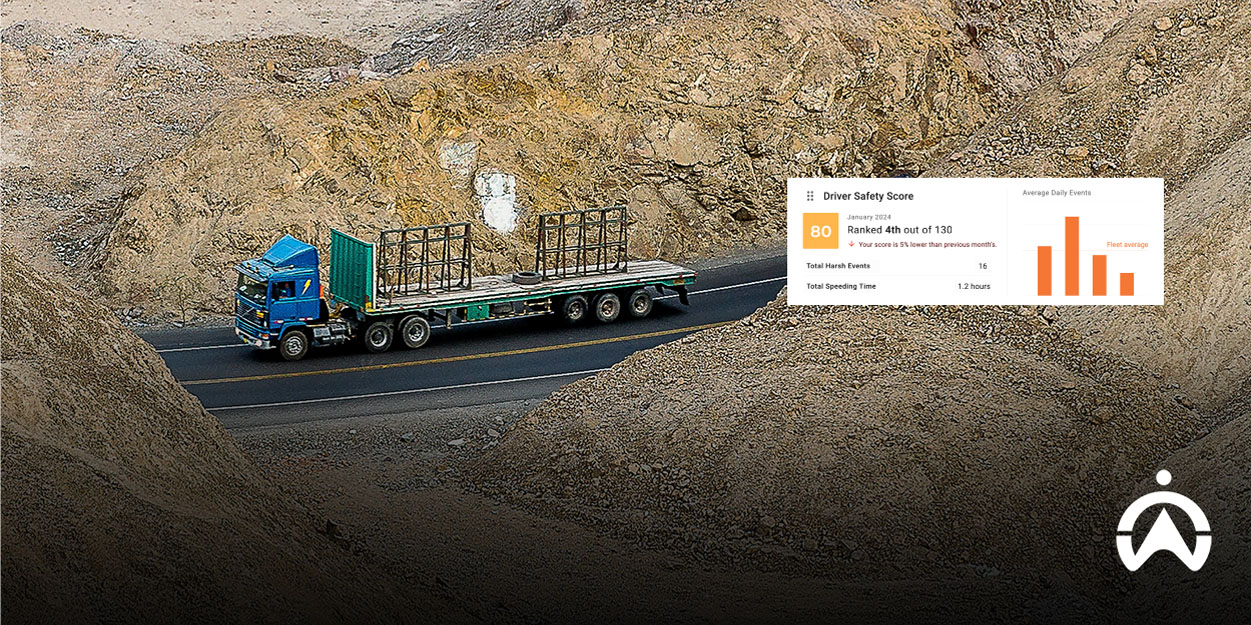
How does it work? Drivers are rated according to how fast they drive, how harshly they take corners, and even what they do while they drive. Distractions, smoking, eating & drinking, and unsafe driving are immediately flagged in real-time, allowing you to target your driver coaching to keep them compliant.

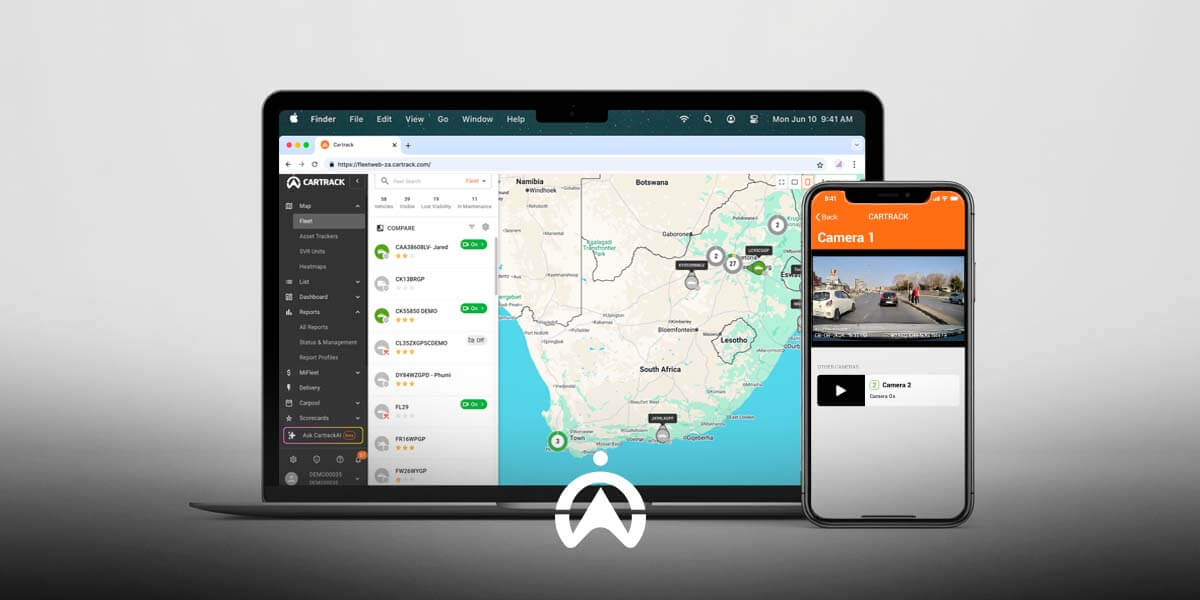
Real-time bus Cartrack fleet tracking dashboard showing bus locations and performance metrics.

How does bus FMS specifically improve the customer experience?

From a customer experience perspective, fleet management software has a number of benefits that directly impact how passengers perceive your bus brand. If brand reputation is important to you, then take a look at how much you’ll benefit from having Cartrack as your bus fleet management partner.

  • Passengers experience a sense of safety when using your buses.
  • They learn to trust your brand as a reliable one and recommend it to others.
  • They receive faster resolution in cases of theft and other incidents.
  • When reviewing your bus company or shuttle service, reviews will be positive.

How can bus-specific FMS be distinguished from regular FMS?

Bus-specific fleet management software can be distinguished from regular FMS in the features you choose. Cartrack allows you to tailor your FMS features so that you only pay for what you use. This means you can pick FMS features based on what works for your bus or shuttle service and optimise the benefits most important to you.

Will bus FMS eventually pay for itself?

It’s almost certain that FMS eventually pays for itself. Not only can it save your bus or shuttle service thousands of rands every year, but it also allows your company to grow and develop through fleet expansion and higher profits.

Here’s a quick overview of how FMS pays for itself within your bus or shuttle service:

Area What the software does How it saves money
Fuel use Tracks routes and driving Less fuel wasted
Driver time Plans better schedules Fewer paid idle hours
Vehicle care Reminds teams of servicing Fewer breakdown costs
Repairs Finds issues early Smaller repair bills
Safety Monitors driving behaviour Fewer accidents
Insurance Provides driving data Lower insurance costs
Admin work Automates reports and logs Less staff time needed

Which bus fleet management software should you choose?

You should choose fleet management software for your bus service that caters to the challenges you and your drivers face each day. Use a company like Cartrack that stays at the forefront of bus service management software  when it comes to AI-integration, camera quality, telematics device technology, and customer service.

Frequently Asked Questions

How do buses schedule their routes without FMS?

Without fleet software management, bus and shuttle companies use manual rosters, paper logs, and a telephone to manage their schedules and routes. Companies who still use these methods often deliver a very haphazard service. Fortunately FMS has come a long way to automate many of these tasks and digitise documentation so that it’s archived and accessible.

What features should I choose for my fleet management software if I run a bus service?

The specific FMS features you should consider for your bus or shuttle service include:

  • A vehicle camera system that monitors the inside and outside of the bus
  • GPS tracking that delivers accurate live locations of your vehicles
  • Scheduling software
  • Fuel monitoring software that highlights waste
  • Maintenance software that predicts when your buses need maintenance

Is bus theft a problem in Namibia?

Bus theft and bus hijacking is something that happens in Namibia, but it’s not as prevalent a crime as car and bakkie hijacking. Issues like bus passenger theft, bus vandalism, and bus accidents are more common than the theft of actual buses.

Does FMS help to protect passengers on buses?

Yes, FMS does help to protect your bus passengers by integrating AI camera technology with incident detection. But mostly, fleet management software helps keep passengers safe through driver monitoring which encourages safer driving habits. FMS also keeps buses running in good condition, which is great for passenger safety.

Advanced Vehicle Tracking System With Cartrack: What Makes Us Different

An advanced vehicle tracking system goes beyond simply showing you where your car is on a map. It’s those added features of an advanced platform that set Cartrack apart from the competition. Cartrack provides unmatched safety and security with features designed for everyday protection, like quick stolen vehicle recovery (SVR) and instant notifications.

In Namibia, vehicle safety remains an important concern for drivers. Data from the Namibian Police Force indicates that around 298 motor vehicles were reported stolen across the country between 2024 and early 2025. Despite the numbers dropping since the previous year, it’s still a sobering figure that reminds us of the need for reliable tracking.

In this blog, you’ll understand why modern tracking systems matter, what makes them ‘advanced’, and why Cartrack’s tracking technologies give you the best in everyday protection.

What is an advanced vehicle tracking system?

An advanced vehicle tracking system combines innovative technology with GPS tracking to keep your car fully protected. Standard tracking will show a delayed report of your car’s position, while advanced systems—like Cartrack’s—give you continuous and live visibility at all times. You’ll receive alerts if anything goes wrong, plus there are added security measures to keep you safe at all times.

The ‘advanced’ aspect of vehicle tracking is what every modern driver truly needs. Assurance is the goal: having the right technology that immediately notifies you of something urgent or supports quick vehicle recovery is the key to feeling confident and safe.

With accurate GPS tracking, tamper detection, trip history, and emergency support, everything can be accessed right from your smartphone. You can stay informed and protected no matter where you are.

How much does vehicle tracking cost?

Vehicle tracking costs typically depend on factors like subscription rates, installation, and additional services. Otherwise, standard monthly fees vary depending on your selected package. Tracking software usually costs more because of all the bonus features and safety measures included, especially when you factor in the need for a reliable, stable connection.

At Cartrack, we keep our fees and pricing structures clear enough for you. You won’t need to worry about extra add-ons and hidden fees. Expect live tracking, smooth app access, and SVR even at our most basic tracking package. Cartrack offers affordable monthly plans designed to keep your vehicle security costs low.


Does GPS tracking improve safety and peace of mind?

Yes, GPS tracking does improve safety and peace of mind, considering you have eyes on your car all the time. Knowing where your car is, especially during an emergency, significantly improves your chances of recovery or managing an unexpected incident better and faster.

The stress that comes with the emotional and financial impact of an emergency is also reduced, because you’ll be notified of unauthorised movements and have the right support.

Why do drivers need an advanced tracking system today?

Drivers need an advanced tracking system today because of modern theft risks and the importance of consistent visibility. Criminals have come up with clever tactics for vehicle crimes, so the key is to make sure the safety measures you pick keep up with these new tricks.

Consider these modern problems that need tackling:

  • Modern theft risks and increasing vehicle crime: As mentioned, modern thefts need modern safety solutions. GPS tracking, tamper alerts, and quick vehicle recovery will prove to be more of a necessity than a nice-to-have.
    ‍
  • Rising insurance expectations: Some insurers expect drivers to have a tracking system to help manage threats. It’s also possible that your premiums could be lower thanks to a sophisticated platform and its offerings, like consistent location data.
    ‍
  • Need for constant visibility and remote control: Stay on top of your car’s movement with ease. An advanced system lets you keep an eye on your vehicle, whether it’s parked or on the move, all from the comfort of your phone.
    ‍
  • Peace of mind: This is so important for families, new drivers, elderly parents, and everyday commuters. Whether it’s parents keeping an eye on their teen’s car or just making sure a family member has arrived home safely, an advanced system is the perfect solution to today’s worries and uncertainties.

How to choose the right advanced tracking system for your needs

To choose the right advanced tracking system for your needs, you should consider coverage and GPS accuracy, security & support features, and the pricing structures. Remember that you’ll want a provider that goes beyond just providing you with a platform; the right company will go above and beyond with their support and service.

Take a look at this simple and complete evaluation checklist:

  • Coverage and recovery support: Strong, consistent coverage and recovery are rooted in reliable connections and in-house emergency responders. Look for a company that supports both of these core features.
    ‍
  • Tracking accuracy: Ensure you get a GPS tracker that has no location delays, updating and transmitting the correct information at all times.
    ‍
  • App and platform usability: Go for a tracking system that’s user-friendly and easy to navigate. The right platform should let you access all the features quickly.
    ‍
  • Pricing transparency: Don’t get caught in the web of hidden fees; choose a provider that’s transparent about their pricing structure and monthly costs.
    ‍
  • Customer support and success track record: A proven track record can be incredibly reassuring. Look for a company that shows trustworthiness through positive reviews, strong support, and successful recovery stories.
  • Security features: At the core of tracking tools are the extra security layers they provide. Look for features like movement detection, backup devices, and SVR for total security.
    ‍
  • Customisable alerts: Explore providers that allow you to personalise your notifications, like choosing movement detection or geofencing activity. These options better suit whatever safety needs you’re looking for.

What makes Cartrack’s smart tracking solution different?

Cartrack’s smart tracking solution is different from the rest, thanks to its blend of precise telematics and powerful security features that guarantee your vehicle’s safety. It’s a particularly top-notch structure that provides the everyday driver, like you, with total control and complete protection.

Look at the features that set us apart:

  • ‍24/7 real-time visibility: Our location data is never delayed, because one of our biggest strengths is our precision and wide network coverage. This means that no matter what’s happening—whether you’re just at the mall or in a potentially dangerous situation—you’ll always know exactly where your car is.
    ‍
  • ‍Independent, in-house recovery teams: Not having our recovery and support teams being outsourced means that we can react appropriately and even faster than most. This is a massive advantage for you in emergencies, because there are fewer limitations.
    ‍
  • ‍Device tamper monitoring and portable, anti-jamming device backups: Along with tamper detection, the Cartrack Tag can get you even more security and an extra layer of safety. The Tag is an anti-jamming device that kicks in when your standard tracker has been jammed or removed.
    ‍
  • ‍Stolen vehicle recovery with extremely high success rates: The numbers speak for themselves: we’ve recovered over 100,000 vehicles in the last decade. We’ve built a solid legacy of trust and consistent success. We also have a 24/7 emergency and support team ready to help you when you need it.
    ‍
  • ‍Highly accurate positional data powered by telematics: One of our best features is the very accurate GPS tracking that’s backed by telematics. This is the key to live visibility and quick responses in emergencies.
    ‍
  • ‍Transparent pricing and long-term value: Our prices are completely clear with no hidden fees. We’re transparent about our pricing, with overall costs being dependent on your package or add-ons.

Comparison: How does Cartrack stack up against typical tracking systems?

This table shows how an advanced system provides better security, improved accuracy, and greater control compared to a basic entry-level tracker. It will highlight how Cartrack’s smart tracking stands out from a standard GPS tracker:

Feature Standard GPS tracker Cartrack smart tracking
Real-time visibility Often delayed Live, continuous
Recovery support Outsourced/limited In-house recovery teams
Tamper alerts Basic Advanced, multi-layer alerts
Platform access Minimal Full app and web dashboard
Behaviour insights No Yes
Remote functions Rare Available (depending on model)

Key features of Cartrack’s tracking platform

The key features of Cartrack’s tracking platform include trip reports, SVR, and a user-friendly interface that makes vehicle safety easy and stress-free for everyone. Instead of bombarding drivers with technical jargon, the app gathers everything in one handy spot, giving you complete visibility and control whenever you need it.

Here’s a breakdown of our platform-led features:

  • Live tracking: Get a quick glance of your car’s location at any time.
    ‍
  • Trip history reports: Check where your car has been through easy-to-read insights.
    ‍
  • Geofencing and instant alerts: Get alerts for movement, tampering, or geofencing (when your car moves in and out of virtual zones).
    ‍
  • Location sharing for family safety: Keep your family/loved ones up to date with your movements, especially in the evening.
    ‍
  • Stolen vehicle recovery: Get the necessary recovery support and contact our team from the app if you’re in an emergency.
  • Emergency support and assistance features: Explore the built-in safety features that are offered through our app.
    ‍
  • App and dashboard designed for ease of use: Our user interface is straightforward. You don’t need to be a tech wizard to get comfortable with our tools.

Final takeaway

A smart tracking solution should actively protect your vehicle, let you know when something’s off, and provide quick & reliable help when you need it. That’s what makes sophisticated tracking different from basic GPS, and that’s exactly what Cartrack offers.

Cartrack gives Namibian drivers a complete protection solution tailored to actual daily challenges. We feature continuous live visibility, layered security alerts, in-house recovery teams, and an easy-to-use app. Thousands of drivers trust Cartrack for reassurance in safety and control on the road because it’s accurate and dependable.

Don’t settle for basic tracking. Upgrade to Cartrack’s advanced tracking system and protect your vehicle with technology that’s built for Namibian roads.

FAQs

How can I check if my car is being tracked?

You can check if your car is being tracked by looking at your app or dashboard. If you’re unsure whether a tracker is installed or active, get in touch with the support team, who’ll check the device’s connectivity for you. If you’re asking more generally, a reliable Cartrack technician can look at your vehicle for any unknown installed hardware.

How accurate is Cartrack’s live tracking?

Cartrack’s live tracking is extremely accurate, using intelligent telematics technologies and multi-signal positioning to deliver precise, real-time updates without any lag. The system refreshes constantly, so you get a current view of your vehicle’s location and movements. This level of accuracy also speeds up recovery in dangerous situations, making it more efficient.

Can a car tracker stop a car from starting?

Yes, a car tracker can stop a car from starting, but this only really applies if your tracker has remote immobilisation features. Remote immobilisation lets you stop your vehicle from a distance, but it’s a safety measure often used in high-risk situations, not for everyday use. With Cartrack, this feature is only available on specific, fleet-related models.

How to Manage Your Light Commercial Vehicles (LCV) Effectively With Fleet Software

To manage your light commercial vehicles effectively with fleet software, you should invest in a platform that’ll directly tackle the biggest challenges LCVs face. LCV fleets deal with some unique vulnerabilities due to their frequent journeys. Wear and tear, fuel wastage, unexpected downtime, and more are just some of the main concerns.

LCVs are some of the most widely utilised vehicles within Namibia, typically being used for deliveries, trade work, and other services. Research on Namibia’s logistics sector shows that more than 70% of freight in the country is transported by road, making it the dominant mode of cargo transport. This underscores the need for effective fleet management to ensure better vehicle control and enhanced safety.

In this blog, we’ll discuss how using fleet software can completely change the way you manage your LCV fleet. Get more clarity, efficiency, and cost control for your business—all with the help of Cartrack.

Why do LCV fleets need a different management approach?

LCV fleets need a different management approach because they usually deal with different conditions compared to bigger fleets, indicating a need for a fresh and unique take. Fleet management software allows LCV operators to keep an eye on and tackle these specific challenges, ensuring smooth operations.

These are some of the key points to discuss and consider:

  • Higher daily mileage: Because of their urban nature, LCVs tend to cover more distance in a day with all those deliveries and quick trips, which can lead to extra wear & tear.
  • High stop-start driving: The multi-stop trips are frequent, which means there’s a lot of stopping and starting. This puts more pressure on the engine and fuel amount.
  • More driver variation: Most of the time, there are drivers on rotation when it comes to LCVs, which can be confusing when driver behaviour monitoring is a consideration.
  • Increased wear & tear: As mentioned, daily trips with stop-and-starts mean more wear & tear, affecting the lifespan of the vehicle.
  • Greater exposure to urban congestion: The busyness and traffic jams of the city can put a lot of pressure on vehicles and their drivers.
  • Customer deadline pressure: High customer expectations and tight delivery windows add extra pressure to meet those expectations and deliver good service.

What is a light commercial vehicle (LCV)?

A light commercial vehicle is a vehicle that typically includes vans, bakkies, small trucks, and other vehicles weighing under 3,500 kg. They’re used for jobs like deliveries, repairs, and similar services.

These are the industries LCVs are usually involved in:

  • Deliveries (courier services, retail, and e-commerce)
  • Repairs and field services
  • Transportation (of people/passengers)

What does fleet management software help you manage in an LCV fleet?

Fleet management software helps you manage things like compliance, safety, and overall operational efficiency.

These are the main benefits of fleet management software:

  • Tracking: See where your vehicles are at all times and how well they’re getting around.
  • Maintenance: Plan regular servicing to prevent expensive downtime.
  • Fuel management: Look into fuel use and cut down on waste.
  • Driver management: Encourage better driver behaviour, responsibility, and safety.
  • Safety & compliance: Make sure vehicles stick to compliance standards and regulations.
  • Productivity & cost control: Plan the best routes, minimise delays, and improve business performance.

How much does fleet management software for LCVs cost?

The cost of fleet management software depends on a few factors, like who your service provider is, what features you choose, your business needs, hardware, etc. Prices typically feature flexible monthly rates depending on your needs, but can vary based on your specific requirements. Ultimately, the ROI usually surpasses any of the upfront costs, regardless of how high they may be.

Cartrack can offer you a package that best suits your specific business needs, without surprise fees or pricing that isn’t transparent.

Core challenges for LCV fleet managers (and how software solves them)

The core challenges for LCV fleet managers include wear & tear and high fuel costs. Software solves these by providing the tools needed to address the challenges. Features like GPS tracking, driver monitoring, and fuel consumption reports are just a few of the tools that can transform your LCV fleet management.

Take a look at this breakdown:

LCV challenge: Growing fuel costs

How fleet software helps: LCVs usually have many stop-and-start routes, idle often, and generally make their way only around urban areas—all of which contribute to more fuel use. Fleet software helps by tracking fuel use, analysing consumption, and getting idling alerts. This way, you can spot where fuel’s going to waste, avoid inefficient routes, and so much more.

LCV challenge: Higher-than-usual wear & tear

How fleet software helps: On top of the multi-stops, trips that happen frequently contribute to vehicle degradation. Fleet software helps by offering predictive maintenance notifications, which can help in preventing expensive and unexpected downtime.

LCV challenge: Route delays

How fleet software helps: Working in urban areas means there’s bound to be congestion during trips, and these unfortunately affect delivery times. Fleet software helps by not only optimising routes for the quickest and most efficient trips, but also sharing real-time route updates to keep drivers on the quickest routes.

LCV challenge: Dangerous driving

How fleet software helps: On top of the multi-stops and potential route delays, the pressure to deliver on time means there are likely some reckless on-road behaviours from drivers. Fleet software helps by monitoring driver habits, scoring behaviours and providing feedback for coaching. This can help you improve safety among your drivers.

LCV challenge: Unauthorised use or theft

How fleet software helps: With LCV vehicles, there are usually many people using or sharing one vehicle. But more than this, after-hours use and theft can really hit your business through increased liability. Fleet software helps by bringing together live GPS tracking, movement alerts, and remote vehicle immobilisation to stop misuse and help recover stolen vehicles quickly.

LCV challenge: Lack of visibility

How fleet software helps: LCVs are constantly on the move between locations, customers, and depots, so it can be a bit tricky to keep tabs on them without solid managerial control. Fleet software helps by displaying vehicle locations, fuel data, driving habits, and other features on one dashboard, giving managers the full overview required.

How to manage your LCV fleet more efficiently with Cartrack’s fleet software

You can manage your LCV fleet more efficiently with Cartrack’s fleet software, which has the tools that directly tackle your business challenges. Some of these tools include smart fuel usage insights, proactive maintenance alerts, and in-depth driver analytics that help cut running costs.

These are some practical, actionable steps:

Monitor fuel usage and reduce unnecessary costs

Fuel tends to be the biggest daily expense for most fleets, more especially LCV fleets with intense city trips. Our live fuel tracking gives you a clear view of how much fuel each trip and vehicle uses, plus alerts you when a vehicle is idling for too long.

Fuel card integration can also help you detect any odd spending, allowing you to take targeted action to reduce fuel waste.

Improve driver behaviour and safety

Driver habits on the road, unfortunately, significantly impact fuel consumption and accident risk. Our AI-powered camera systems and driver scorecards assess driver behaviour and highlight harsh driving.

Analytics and insights can also highlight recurring patterns, so you can give drivers coaching to help them drive better. This all contributes to a safer, more cost-effective fleet.

Keep every LCV roadworthy with predictive maintenance

LCVs put in so much work daily, and our predictive maintenance features track mileage, engine diagnostics, and service history to predict when they might need attention. Our software will send automated service reminders to catch issues early, preventing breakdowns and saving you further stress.

Increase delivery and service efficiency with route optimisation

For delivery companies, technicians, and other businesses that rely on LCVs, quick and efficient trips are vital. Our system uses live traffic data and trip patterns to suggest the best routes and accurate ETAs. This helps drivers reach their destinations faster, spend less time in traffic, and improve customer service.

Protect your vehicles with real-time GPS tracking

Between theft and unauthorised use, our real-time GPS tracking keeps you in the loop about your LCVs. You’ll get alerts for geofenced vehicles or vehicles parked suspiciously. For high-risk cases, you can even immobilise the vehicle remotely, keeping your assets safe.

Consolidate all LCV data into one dashboard

Our system combines all your data into one dashboard, so you can quickly see driver behaviour, vehicle locations, fuel usage, and other features. This clarity helps you compare performance, quickly make informed decisions, and streamline your operations across the board.

What KPIs should LCV fleet managers track?

The KPIs that managers need to track are in five key categories: financial, maintenance, operational efficiency, compliance, and customer satisfaction. Some of these factors within these categories include fuel consumption, cost per kilometre, and delivery times. Measuring KPIs is the best way for you to bring down costs and easily identify gaps in performance.

These are measurable indicators relevant to light commercial operations:

  • Fuel consumption per trip or vehicle
  • Idling time
  • Driver behaviour score
  • Delivery and service completion times
  • Vehicle utilisation
  • Maintenance and services
  • Downtime and breakdown frequency
  • Cost per kilometre

Final takeaway

Light commercial vehicles work hard, and they don’t come cheap! Staying on top of things is a priority. With a bit of smart software, moving your LCV fleet into high gear is a breeze, making the roads a safer place and keeping maintenance costs under control. This keeps your bottom line nice and healthy.

Cartrack brings all this functionality together into one neat package, so you can spend your time running a fleet that’s operating at its best for your business and your customers, instead of wasting time on trying to sort out the latest issue.

Manage your vans and light commercial vehicles with confidence. Speak to a Cartrack specialist and start optimising your fleet today.

FAQs

Do LCV drivers need special training to use fleet systems?

No, LCV drivers don’t need special training to use fleet systems, but some quick, basic onboarding training from your provider can really help speed up the process. Fleet systems should be user-friendly enough to operate comfortably, but a bit of training helps everyone get the hang of the features that boost safety and performance.

Does fleet software help with improving customer delivery or service times?

Yes, fleet software does help with improving customer delivery or service times, as it provides all the necessary features that support live GPS tracking and direct communication. Having these tools means that you can manage any unexpected and urgent changes swiftly, which maintains that solid and reliable relationship with your customers.

How quickly can an LCV fleet be onboarded to Cartrack’s platform?

An LCV fleet can be onboarded to Cartrack’s platform very quickly, but it depends on how big your fleet is and how soon you request our technicians to come out and complete installations. Once everything is complete, though, the system begins to run immediately, and insights start to come in.

Looking for Oil, Gas, and Mining Fleet Management Software Solutions?

Managing fleets of vehicles, heavy machinery, and mobile workforces in the oil, gas, and mining sectors isn’t a walk in the park. These industries operate in tough conditions, depend on numerous fleets, and constantly face pressure to reduce risks while keeping costs in check. That’s where the right fleet management software can transform your operations.

According to Forbes, fleets using such systems report up to 20% improvements in fuel efficiency and maintenance cost savings through data analytics. This highlights just how crucial fleet management software solutions are when you’re working with remote sites and high-value assets—insights like these are not just nice to have; they’re vital.

Before settling on a solution, take a moment to grasp the daily challenges your fleet encounters and explore how modern fleet management tools (like the one from Cartrack) can streamline, secure, and enhance every aspect of your operations.

Your oil, gas & mining fleet software buying checklist

When looking for oil, gas, and mining fleet management solutions, you need a buying checklist. Make your list of buying criteria start with the basics: visibility, reliability, accuracy, and remote site capabilities. You will also want to evaluate ease of integration, automation capabilities, reporting needs, and scale capabilities.

These are very basic and will help you to make comparisons with confidence. You will be aware of things that might be below your standards. However before buying your fleet management software, you need to know and understand the unique challenges that oil, gas, and mining fleets face.

The challenges unique to oil, gas and mining fleets

Everything from super remote locations to high fuel consumption and frequent maintenance are some of the unique challenges that oil, gas and mining fleets face.  However, once you understand how much these challenges cost you, you’ll see why relying on outdated methods just isn’t enough anymore.

Remote sites and large geographic spread

Oil fields, drilling sites, and mines are usually located quite far from major towns, which makes managing a scattered fleet incredibly challenging. With long distances, limited visibility, and communication channels, it’s difficult for teams to track vehicles, equipment, and drivers in real time.

High fuel consumption and wastage risks

Fuel is one of the largest operating expenses, and the chances of wastage, idling, or fuel theft rise significantly in remote areas. Without detailed reporting, spotting suspicious fuel drops, tank syphoning, or drivers wasting fuel due to inefficient route planning becomes nearly impossible for fleet managers in the oil, gas, and mining industries to spot.

Wear and tear, harsh conditions, and frequent maintenance

Mining, gas and oil vehicles aren’t just heavily utilised; they operate in dust, heat, mud, and rough terrain daily. These harsh conditions fast-track wear and tear, making unplanned breakdowns a major risk. When a vehicle or machine stops working, it’s not just downtime—it’s a loss of production.

Safety, compliance, and operator risk

Oil, mining and gas industries have extremely strict safety standards. If not monitored properly, drivers might speed, choose unsafe routes, skip safety checks, or enter restricted zones. This exposes operators to massive liabilities, compliance failures, and preventable accidents.

Cost control and profitability pressures

Fluctuating oil prices, increasing operational costs, and strict investor expectations mean that every wasted litre of fuel or hour of downtime directly affects your profitability. This is when fleet data becomes a crucial tool for making smarter, quicker financial decisions.

The cost of inefficiency in harsh industrial environments

Inefficiencies in the oil, gas, and mining sectors lead to significant financial losses that escalate quickly. Lack of visibility increases fuel wastage, delays maintenance, complicates safety enforcement, and lowers output, all of which undermine operational resilience in industries reliant on consistent productivity.

Unplanned downtime creates operational bottlenecks

You’ve probably seen it before—unplanned downtime creates operational delays. When haul trucks break down or drilling-support vehicles fail, entire sites slow down or even come to a halt. These delays disrupt production timelines, contractor schedules, and on-site safety. Advanced predictive maintenance tools (like the ones from Cartrack) enable operators to address issues early, preventing downtime from impacting operations.

Lost fuel = lost margin

One of the most disregarded impacts on profitability is fuel loss. Whether it’s theft, idling, unauthorised trips, or route inefficiencies, operators often spot fuel discrepancies only at the end of the month—when it’s way too late to recover losses. Real-time reports solve this problem immediately.

Inefficient asset allocation raises costs

Inefficient asset allocation also drives up costs. Without accurate usage data, some vehicles become overworked while others sit idle. This poor allocation results in uneven wear, additional maintenance, and higher replacement costs. Proper fleet management tools—like the ones provided by Cartrack—optimise utilisation, ensuring every asset is used effectively.

Industrial fleet monitoring for mining and energy sectors

What fleet management software can do

Fleet management software can do so much more than just simple GPS tracking. It can provide you and your oil, gas or mining business with complete operational visibility, cost control, safety enhancements and predictive planning tools that maximise the value of every vehicle and asset.

Real-time GPS tracking and visibility

Real-time tracking shows you where every truck, bakkie, loader, rig, or support vehicle is at any moment. This becomes super important when you’re managing dozens of vehicles across several remote sites. Live tracking ensures faster task assignment, safer routes, and fewer delays on site.

Fuel monitoring and fuel-use analytics

Fuel monitoring tools track consumption in real time, allowing you to spot unusual drops, potential theft, fuel card fraud, and inefficient driving behaviours. With comprehensive reports, you can eliminate idling, optimise routes, and save thousands of rand each month by reducing unnecessary fuel usage across your fleet.

Predictive maintenance and equipment health monitoring

Predictive maintenance uses real-time engine data, usage hours, temperature readings, and fault codes to warn you before a breakdown happens. This proactive approach helps you avoid unplanned downtime, costly repairs, and safety incidents caused by equipment failure. In heavy industries, these insights can avert significant operational losses.

Safety, compliance, and driver-behaviour tracking

Monitoring driver behaviour notifies you of speeding, harsh braking, sudden acceleration, fatigue indicators, and risky driving patterns. These insights help prevent accidents and safeguard your operators. Geofencing also keeps vehicles out of unsafe, restricted, or high-risk areas, ensuring strong compliance.

Centralised fleet analytics and cost control

A unified dashboard provides you with a clear view of fuel consumption, maintenance requirements, utilisation rates, safety alerts, tyre wear, and cost trends—all in one place. This central perspective empowers your operations, safety, and finance teams to collaborate effectively, plan smarter, and reduce unnecessary expenses.

Cartrack’s fleet management software can help your team with all of this and more!

Common mistakes businesses make when managing industrial fleets

There are some common mistakes that businesses make when managing industrial fleets, such as outdated processes, manual tracking, or fragmented systems. These mistakes can cause many fleets to limit efficiency unintentionally. Being aware of those oversights will save you from costly operational setbacks.

Manual reporting

Manual logs are slow, inconsistent, and error-prone. Issues are often spotted by operators only AFTER they’ve caused costly problems. But automated data ensures decisions are based on current, accurate information.

Not having real-time fuel tracking

Checking fuel figures only at the end of the month will leave the fleet manager unaware of theft or wastage. Real-time tracking catches discrepancies INSTANTLY, enabling them to conduct an immediate investigation.

Delaying maintenance based on assumptions

Servicing based on guesswork or a fixed schedule ignores the actual conditions of the engine. Predictive tools, on the other hand, use live data to recommend precise service timing, hence preventing breakdowns and prolonging the life of assets. This feature is invaluable to the oil, gas and mining industries, where unexpected breakdowns can cause a loss of profit.

Benefits for oil, gas and mining operators

The benefits that fleet management software solutions provide for oil, mining and gas operators are plentiful. The right software helps you run a safer, leaner, and more efficient operation. From cost control to compliance, the impact is immediate and measurable.

Reduced operational costs and improved fuel efficiency

Fuel often represents a significant percentage of your operational expenses, particularly for fleets that cover long distances or have a lot of on-site idling (like oil, gas and mining). Fleet management software helps in minimising fuel waste, optimising routes, and identifying theft so you can significantly cut fuel costs. This ultimately boosts your profitability without the need to alter your fleet size.

Minimise downtime and lower maintenance expenses

With predictive maintenance and real-time diagnostics, you can quickly identify issues before they escalate into costly breakdowns. Early warnings will allow your team to schedule repairs during planned downtimes rather than scrambling during emergencies. This shift enhances uptime and keeps critical machinery productive.

Better safety and lower risk exposure

By monitoring operator performance, you can address risky driving behaviours before accidents happen. Tracking incidents and maintaining compliance records creates reliable audit trails. This proactive approach minimises the chances of injuries, equipment damage, and expensive claims or penalties.

More visibility across remote and dispersed sites

When you’re managing assets across multiple mines or oil fields, having real-time tracking enables quicker responses, prevents delays, and ensures accountability within your team. Additionally, centralised visibility is vital, especially in areas with poor network coverage, all while enhancing your overall asset utilisation.

Data-driven decision-making and long-term planning

By analysing historical fleet data, you uncover trends that might otherwise go unnoticed. This allows you to forecast fuel budgets, plan maintenance cycles, estimate asset lifespans, and prepare for regulatory audits. These insights empower you to make smarter, faster decisions, reducing risk and safeguarding your operational margins.

If you are ready to reap the benefits of fleet management software, contact us today!

How telematics improves environmental compliance

Telematics can help companies improve and comply with sustainability standards and reduce their environmental impact through measurable improvements. In 2025, we can see that environmental regulations are growing stricter and stricter across all industrial sectors, by both the government and the public.

Lower emissions through reduced idling

Idling is seen as one of the major contributors to unnecessary CO₂ output. Telematics helps you to identify excessive idling, which in turn helps in reducing fuel waste and consequent emissions.

Optimised routes reduce fuel burn

Accurate route planning means less fuel is being burnt by the engines. This ultimately helps your mining, oil or gas fleet meet their sustainability goals without compromising on productivity.

Better maintenance improves efficiency

A well-maintained engine uses less fuel and also emits fewer emissions. So having predictive maintenance will help you keep your fleet vehicles in peak condition.

Tracking heavy-duty vehicles across remote industrial sites

Why choose Cartrack for your oil, gas & mining fleet

You should choose Cartrack for your oil, gas and mining fleet because Cartrack is tailor-made for use in these industries. Industries with heavy vehicles, remote sites, and strict standards for the safety of personnel will all benefit from our fleet management software. Our telematics, tracking, and analytics are specifically designed to thrive in challenging operational environments.

Industry-specific tools for extreme conditions

Cartrack fully understands the unique challenges of mining, gas and oil operations. This is why tracking units and sensors are built to resist heat, dust, vibration, and general rough handling to make sure that you always get accurate data, even in the most extreme environments.

More than just GPS tracking

Cartrack provides a complete ecosystem for fleet management, which includes fuel reporting, maintenance scheduling, cost and usage analytics, tracking of driver behaviour, alerts, operational insights, and full telematics visibility. It gives you everything you need in a single easy-to-use platform.

Did you know that Cartrack has driver identification tags (DID) so that you can control who is able to use specialised vehicles based off the licences of the drivers they have? 

Stronger safety and compliance support

From in-vehicle fatigue alerts to geofencing and risk-based driver monitoring, Cartrack provides a comprehensive selection of safety tools that aid in reducing accidents and maintaining compliance. Our features are further supported for audit logs, insurance claims, and investigation processes in the event of incidents.

Did you know that many mining, oil and gas companies that have Cartrack’s fleet management software solutions have won CCMA cases thanks to the evidence the software provided! 

Flexible and scalable for mixed fleets

Mining and oil operators often manage a variety of asset types—from heavy rigs to supervisors’ bakkies. Cartrack enables you to monitor all these assets in one place, allowing for seamless scaling as your operations expand without the need to switch platforms.

Local support and infrastructure

Cartrack’s operations span across Namibia and across the globe, ensuring that you enjoy rapid responses, excellent network coverage, speedier installation times, and regional know-how. Having such a local footprint makes it ideal for remote operations where uptime is critical and troubleshooting needs to be provided quickly.

Did you know that Cartrack has a less than two-minute response time after a reported incident?

How to get started with fleet management in your operation

To get started with fleet management in your oil, gas or mining operation, you need to assess your fleet, define your goals and KPIs, test the system with a couple of your vehicles first, then scale the system across your entire fleet, and finally integrate the system with your entire team.

Implementing a reliable fleet management system is easier than many companies expect. With the right approach, you can begin optimising your fleet within days.

Assess your fleet and operational needs

Start by identifying your most significant challenges: fuel losses, downtime, safety issues, route inefficiencies, or lack of visibility? These specific pain points will be your guide to setting distinct goals and selecting the right features to prioritise during setup.

Define your goals and KPIs

Set measurable goals, such as reducing fuel consumption by a certain percent, cutting downtime hours, improving safety scores, or enhancing utilisation. This set of KPIs will then help guide your implementation and keep your teams focused on meaningful outcomes.

Run a pilot with a sample group of vehicles

A pilot test offers great insight into how the system performs in your real-world oil, gas or mining conditions. Choose a representative mix of haul trucks, service vehicles, or maintenance bakkies, and monitor the improvements in fuel efficiency, maintenance, and safety throughout the trial period.

Scale the system across your entire fleet

Once the pilot proves its value, you can roll out the system across all vehicles and equipment. Use the insights gained from the pilot to refine alerts, reporting tools, configurations, and maintenance schedules for each asset type.

Integrate the system with operations, safety, and finance teams

To get the most out of your fleet data, make sure it reaches the right people: operations can boost productivity, safety teams can minimise risks, and finance can manage costs more effectively. This collaborative approach brings multiple benefits and drives long-term success.

Conclusion

Oil, gas, and mining operate in high-pressure, high-risk, and high-cost environments. You need clear visibility into your operations, real-time data, and predictive tools—all seamlessly integrated into a solid system for managing assets across various worksites. Fleet management software puts everything in one platform.

Cartrack’s GPS tracking and telematics system can help your mining, oil, and gas fleet cut costs and downtime while boosting safety, compliance, and daily productivity.

So if you’re serious about getting more value from your fleet, now’s the perfect time to upgrade; contact one of our helpful consultants to give you a quote today!

Frequently Asked Questions

Can tracking software still work in remote sites with poor network coverage?

Yes, modern fleet tracking systems are built to handle operations remotely and can store data when the connection drops. When that vehicle or asset reconnects, all buffered data will upload automatically. Some platforms even use satellite communication, ensuring visibility and smooth operations, even in tough, off-grid conditions.

How do I manage both heavy machinery and light utility vehicles on one platform?

An advanced fleet platform will allow you to monitor both heavy machinery and light vehicles from a single dashboard. You’ll get specialised metrics, such as engine hours, payloads, and idling for machinery, and trip and driver behaviour data for utility vehicles. This gives you a unified view that simplifies reporting, maintenance planning, and overall operational control.

What formats are available to export reports for auditing, compliance, and stakeholder presentations?

Advanced systems support the export of reports in a host of formats, including PDF, Excel, and CSV, making the creation of audit-ready fuel logs, safety records, maintenance histories, and compliance summaries simple and seamless to share. You can quickly tailor reports for internal reviews, external regulators, and stakeholders who need operational insight and clarity.

Custom Fleet Management Software Made Just for Your Business

Having custom fleet management software that’s made just for your business means you’ll have a system that’s shaped around your daily operations, your workflows, and your fleet structure. A fleet management software that isn’t customisable will limit you, resulting in some of your business needs not being met.

According to the Global Fleet Management Market Report 2024–2032, fleet operations usually make up about 20–35% of a company’s total operating costs. As delivery deadlines tighten, businesses need smarter, data-driven systems to boost fleet productivity and cut unnecessary costs. Fleet management software that’s made just for your business ensures that you get the exact tools you need to achieve your business goals.

In today’s article, we explore the features and benefits of custom fleet management solutions and help you choose one that’s best for you.

Why custom fleet software matters today

In today’s fast-paced business environment, custom fleet software matters because it offers solutions that are tailored for businesses with special operational requirements. One-size-fits-all solutions often fall short when it comes to giving each business what it truly needs to meet industry demands.

Let’s have a look at the characteristics of custom fleet management software:

Types of customisation

Custom fleet monitoring software allows you to design a dashboard with features that are tailored around your operations. You can set up alerts based on what you need to be highly aware of and the type of information each staff member with dashboard access is allowed to see. This way, all managers and supervisors only get reports on what they should solely focus on.

With custom fleet management software, you also get advanced system integration capabilities. You can connect your existing business tools with the system. This is called Application Programming Interface (API). With API capabilities, you can connect various systems, for example, integrating fuel cards to track fuel transactions on your fleet platform.

Growth-ready (scalability)

A ready-made fleet management solution might require you to get a new system later as the business expands. But with custom fleet management software, you can adjust as the business grows. A scalable setup lets you easily add more vehicles, users, and assets while still keeping everything running smoothly. It also helps you easily adjust to any new regulations, ensuring your fleet remains compliant.

Real cost efficiency

A customisable fleet monitoring system can save you costs in many ways. You choose what you need and therefore don’t pay for what you don’t use. For example, there’s no need for you to have a temperature monitoring system if your drivers aren’t transporting any fresh produce. It also helps you cut down on paying for multiple subscriptions to keep your fleet running.

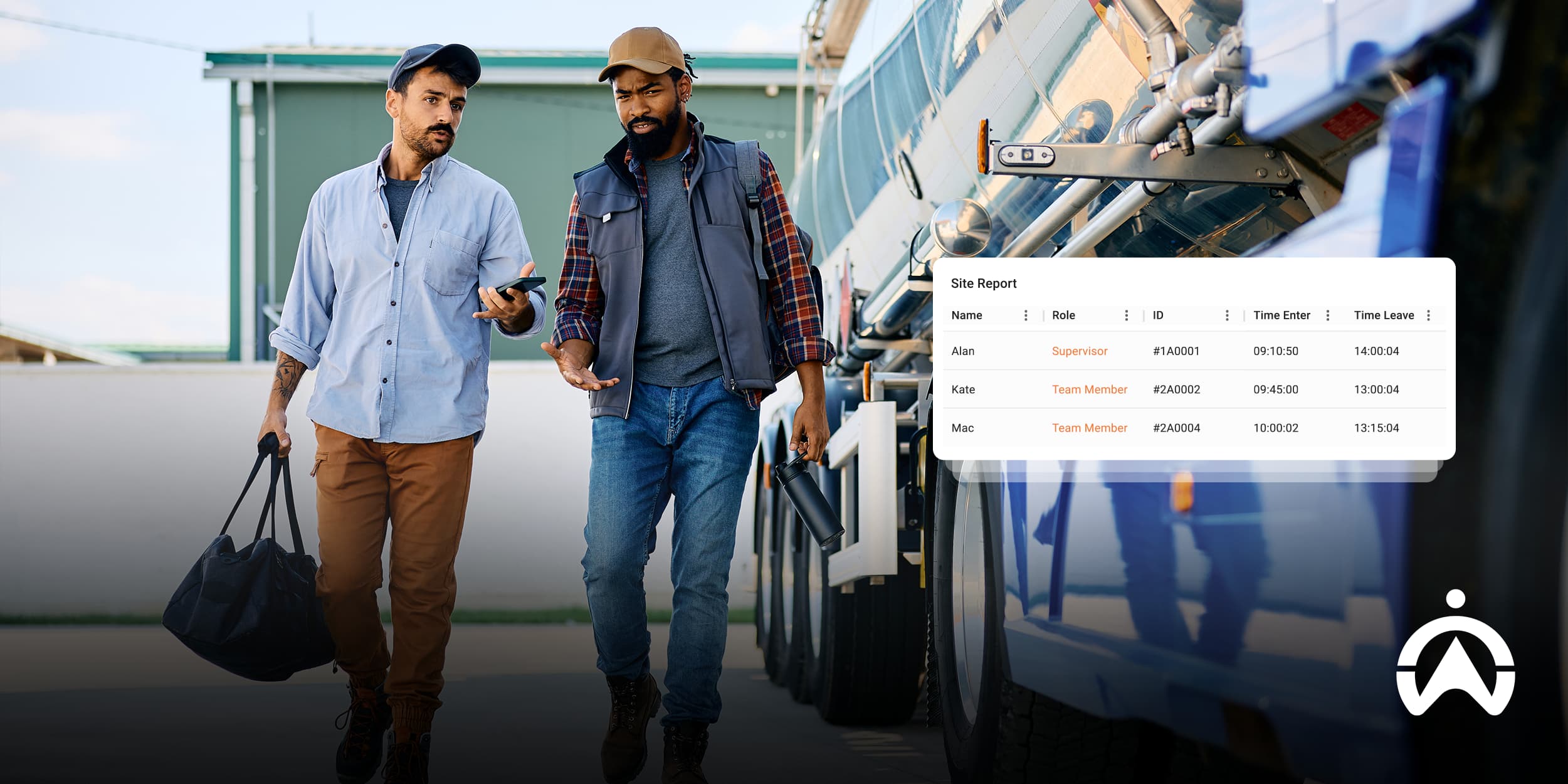
Team approaching truck while reviewing site report using custom fleet management software.

Which businesses benefit most from custom fleet software?

Businesses that benefit the most from custom fleet software are:

  • Logistics and last-mile delivery
  • Mining and construction
  • Cold chain logistics
  • Companies with mixed fleets
  • Corporate fleets

These industries gain the most value because custom software fits their specific workflows, addresses their operational challenges, and helps them perfectly meet their compliance needs.

Here are examples of how each industry benefits from fleet software that’s tailored for them:

Logistics and last-mile delivery

The online shopping boom has made this industry more complex and in need of solutions that help speed up the delivery process. With a customisable fleet management solution you can choose features that are delivery-focused. For example, you can add route optimisation software to your fleet management platform so it can help you plan faster and more efficient routes.

Mining, construction, and yellow machinery

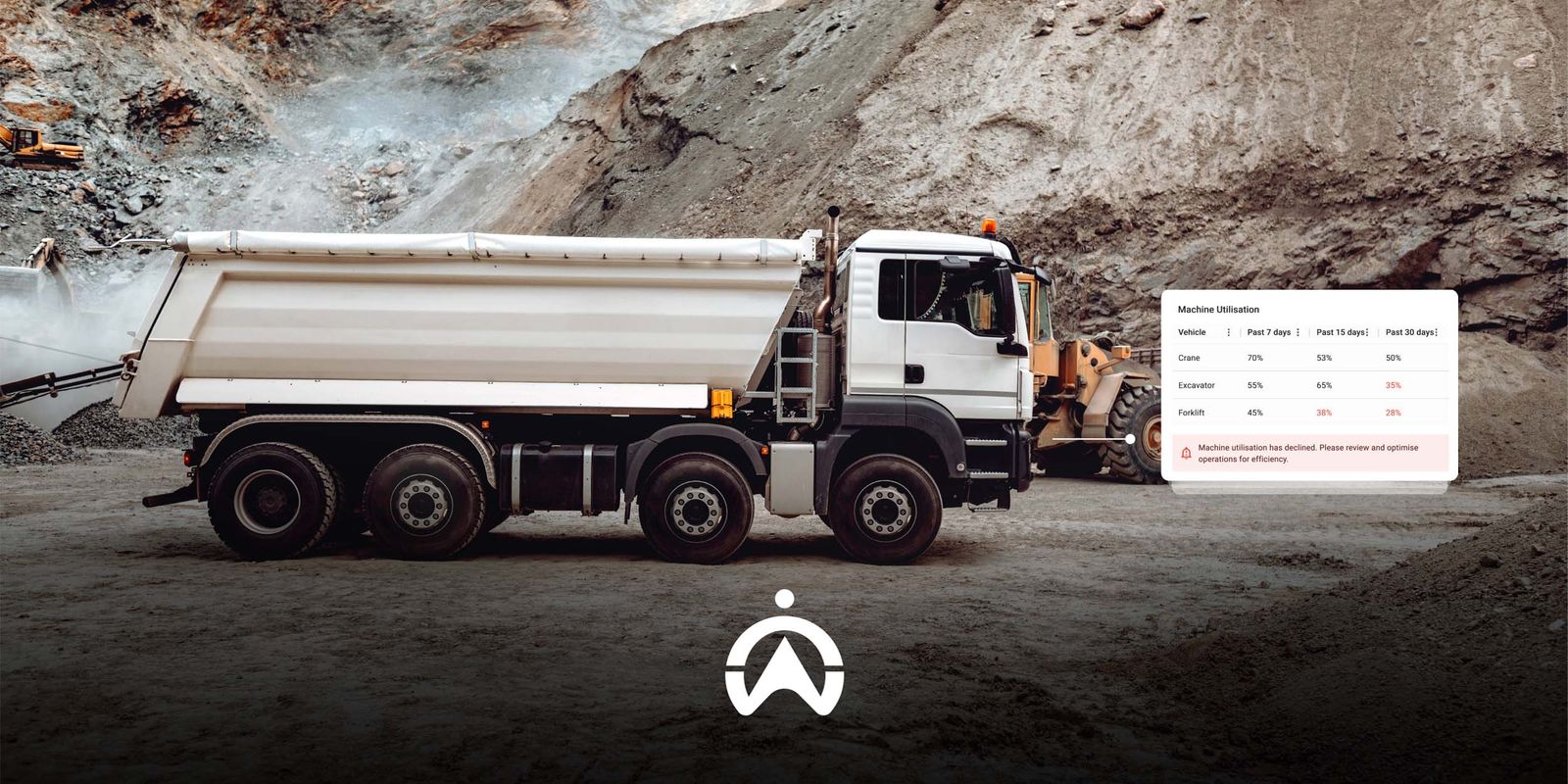
The mining and construction industries come with many safety hazards, and for that reason, the fleet management solutions they go for are usually safety-focused. They need fleet maintenance software to check if all vehicles and machinery are in good condition and safe to use. The maintenance software also helps with tracking equipment utilisation, which helps them avoid overworking certain assets, resulting in breakdowns.

Fleet managers in these industries also need to know how operators behave to ensure they don’t put themselves and fellow workers in danger. Advanced technologies like AI-powered cameras are needed, as they can spot potential danger and alert drivers in time. This also helps with training staff on safer habits.

Refrigerated transport and cold-chain

The cold chain logistics industry mainly focuses on tracking vehicle locations and ensuring that the goods they carry are delivered in perfect condition and on time to avoid penalties. They need solutions like temperature monitoring sensors, cargo door sensors, and route optimisation software. They can set up the system to get detailed records of every step in the delivery process to ensure compliance.

Mixed fleets

A customisable fleet management software service allows businesses with mixed vehicle categories and assets to have settings for each category. For example, the maximum speed you’ll allow for a van is not the same for a truck, meaning you need to set up different speed alerts for each vehicle type. Custom fleet management software makes running a mixed fleet less complicated.

Corporate fleets

Many companies that aren’t in the fleet industry have vehicles they use to get to clients and perform their duties. Most staff members share vehicles, which can get complicated when it comes to knowing who’s taking which vehicle, on which day, and what other vehicles are available. A typical vehicle tracking system helps company fleet managers locate each vehicle and ensure that they aren’t misused.

With a customisable fleet solution, they can add a carpooling solution, which helps them simplify vehicle bookings. Each person who uses the vehicles can see which vehicles are in use and for how long, as well as which dates have no bookings.

Features you can customise in the Cartrack fleet management system

On the Cartrack fleet system, you can:

  • Make live tracking configurations
  • Set custom driver behaviour rules
  • Create fleet maintenance settings
  • Choose what users have access to
  • Tailor reports
  • Add safety and security automations

Our solutions are designed to give you full control over how you run your fleet, with a system that works the way you prefer.

Here’s a breakdown of how you can customise each of these solutions:

Live tracking configurations

To have better control of where your vehicles go, you can set up geofences. These are virtual boundaries that help safeguard your fleet and make it easier to keep up with vehicle whereabouts. You’ll get alerts whenever your vehicle enters or exits those boundaries. The boundaries could be for safety reasons, like ensuring drivers don’t go to high-risk areas, or you can use them to keep up with operations, like when drivers enter or leave warehouses.

Another tracking feature that you can add to your fleet platform is our route optimisation software tool. All you have to do is enter the locations each driver has to go to and all relevant information, and the system will suggest the best way to get there. This software factors in things like historical traffic patterns and road conditions to help you find the most efficient routes.

Custom driver behaviour rules

With our customisable driver management tools, you can set up alerts for risky or fuel-inefficient driving habits. For example, you can set up speed limitations for each vehicle type and get alerts when drivers have gone over the limit. You can also customise the camera alerts you’ll receive based on what’s most important to you.

Maintenance settings

Our fleet system allows you to import your fleet’s service history and recommended schedules. This way, you’ll have all your fleet maintenance information on one platform, and you can set up reminders so you don’t miss schedules. Our customisable platform also gives you the option to create digital vehicle inspection checklists based on the compliance requirements for each vehicle type.

You can also set the system to alert you when a vehicle reaches a certain mileage or engine hours, which might mean it’s time for an oil change, tyre rotation, or other maintenance services.

Permissions and user access

With the Cartrack fleet management platform, you can decide who gets to see what data. We know that some information should stay private from other team members. You can customise main user and sub-user settings to limit access to specific dashboards and tailor the data for each department.

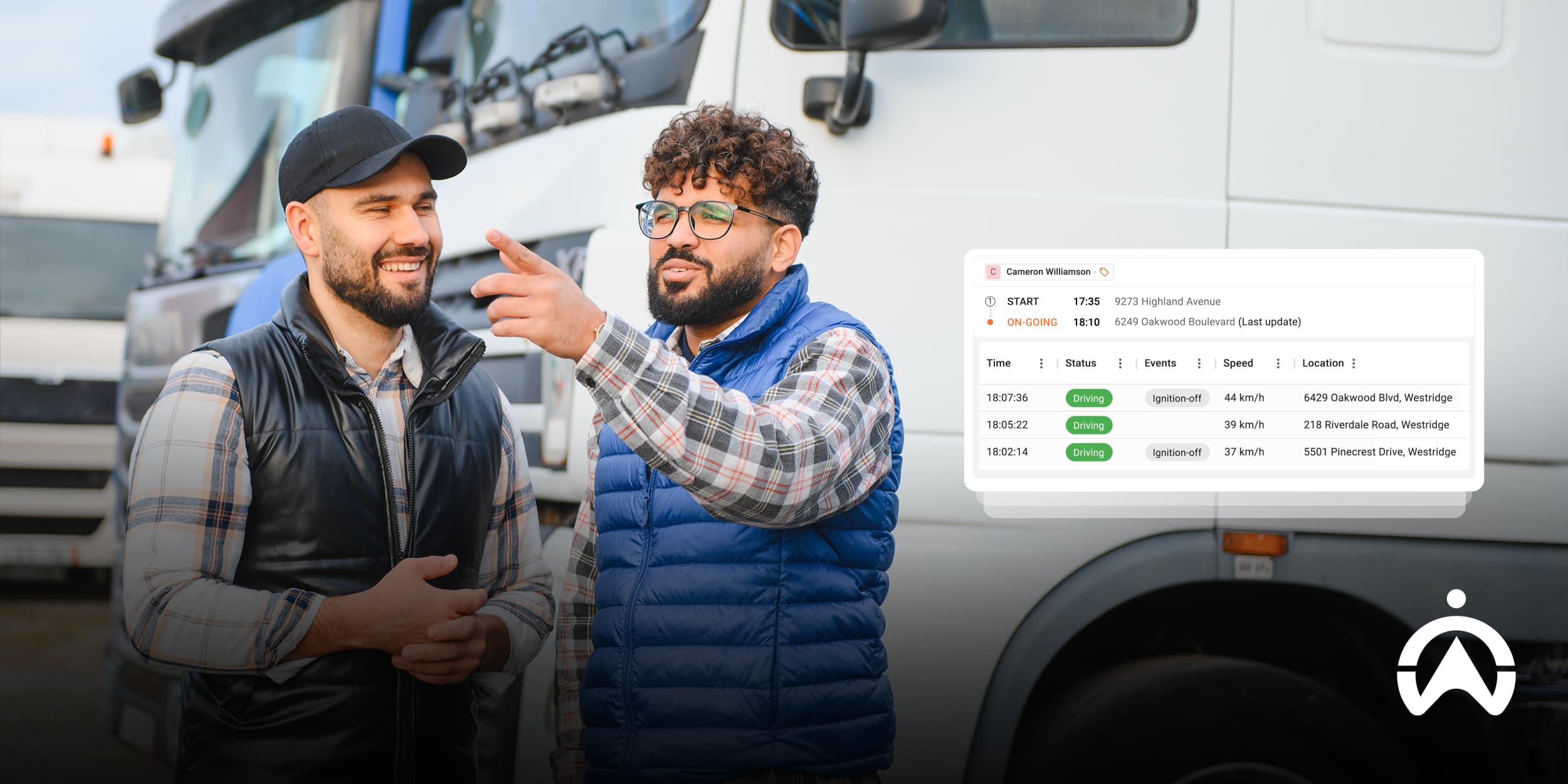
Team discussing truck data and locations using custom fleet management software.

Proven results for fleets of all sizes | Cartrack case studies

Over the years, we’ve partnered with businesses from various industries and have seen how our custom fleet management software has helped transform operations and boost profits. This proves that no matter the fleet size or industry, our tailored solutions can drive efficiency, improve safety, and provide clear results.

Here are two case studies of companies from different industries who use our service:

Case study: AVIS

Avis is one of the world’s largest vehicle rental companies in the world. They first opened in 1946, and today they have a fleet of rentals in over 5,000 locations in 165 countries worldwide. Their business success is dependent on providing customers with a reliable, efficient and safe vehicle rental service.

Avis needs a simple system to keep an eye on their big fleet of rental cars. They wanted insights and data to track and enhance vehicle usage, health, and longevity. They were on the lookout for a reliable vehicle tracking service to ensure the safety of their vehicles and clients from theft and hijackings. Here’s how we helped them:

GPS tracking

Our GPS and tracking software allows Avis to monitor vehicle activity and provide accurate mileage data. This helps them ensure their rental vehicles are maintained at the right mileage milestones so they remain in good working order for their clients. These preventative maintenance measures minimise fleet breakdowns and downtime.

Data-driven fleet decisions

Avis can access historical data on vehicle usage from the Cartrack dashboard, giving them a clear view of trends and performance. This insight helps them spot which vehicles are cost-effective and in demand for rentals. With this information, Avis can make smart choices about buying or selling vehicles for their fleet.

Vehicle protection

Through our professional installation techniques, vehicle safety tools and 24-hour recovery team, Avis is able to reduce the risk of vehicle theft and increase their chances of vehicle recovery within their fleet. In turn, this reduces Avis’ costs associated with vehicle loss and allows the company to offer competitive rental rates.

Geofencing

With our geofencing feature, Avis’s fleet managers are able to set virtual boundaries to mark no-go or high-risk zones. They get alerts if customers are about to enter these areas with their rentals, adding an extra layer of risk management.
‍

“We chose Cartrack largely due to their strong brand, track record of delivery, and commitment to customer service. We are thrilled with the benefits this partnership has delivered for our business.” Armour Gittings | General Manager, Investigations Department, Avis.

Case study: BCI Security

BCI offers a full range of private security protection services, including armed response, guarding, canine solutions, and technical teams, covering the whole security spectrum.

They had no way of ensuring their response units remained within their assigned areas. They also needed a way to instantly locate their vehicles and monitor driver behaviour. Not having a fleet management system prevented their driver response times and control room from being as quick and efficient as possible in emergencies. Here’s how we helped them:

Geofence alerts

Our geofencing feature allows BCI to set virtual parameters around assigned areas. They get alerts whenever drivers enter or leave those zones, helping them ensure their response units are always active and present in their assigned areas. This ensures that they respond to client emergencies as quickly as possible. The geofence reports are also useful in giving BCI’s clients an accurate indication of patrol activity in their areas and making drivers more accountable.

Live location tracking

BCI Security can pinpoint exactly where reaction officers are with Cartrack’s live GPS tracking and can quickly locate their nearest response unit to the location in need of a response, allowing them to improve response times. This also boosts accountability and service delivery as BCI can verify that response units were at the scene.

Driver behaviour alerts

Their fleet managers can easily keep an eye on driver behaviour and get custom alerts for risky driving habits like harsh braking and cornering. They can also set guidelines for when speeding is acceptable during emergencies.

This information helps educate drivers, reducing avoidable incidents that could harm them, their vehicles, communities, and BCI’s reputation. It’s a smart way to reduce unnecessary wear and tear on vehicles, helping the fleet last longer.
‍

“Cartrack suited and understood our business from the start. We feel much safer with the Cartrack system, and their service is great; you are not just a number with them. Without them, we just wouldn’t be as efficient.” Johnny Loots | CEO, BCI Security

Upgrade to a fleet solution designed around your operations

Cartrack fleet solutions are designed to specifically cater to your fleet operational requirements. With us, you get a system that helps you cut costs, improve vehicle performance, enhance safety, and scale operations. Reach out to us to get a fleet consultant who can help you choose solutions that’ll work best for your business.

FAQs

What is the best fleet management software to choose?

The best fleet management software to choose depends on your needs, but Cartrack is a strong contender, as it offers customisable solutions that you can tailor for your specific needs. We offer a range of features, including live tracking, preventative maintenance, route planning software, and fuel monitoring tools.

What are fleet tools?

Fleet tools are software and hardware solutions that help you manage your fleet operations. They include GPS tracking systems, fuel monitoring systems, vehicle maintenance software, and driver solutions. Fleet tools are essential for fleet management as they help improve operations, enhance safety, and reduce costs.

Is fleet software hard to implement?

No, implementing fleet software is not hard, but it also depends on the service provider you choose. The Cartrack fleet management software is designed to be user-friendly, making it easy to understand. We also have fleet consultants who are always there to assist you if there’s anything you don’t understand.

The Only Solution to Managing Your Mobile Healthcare with Field Service Software

Field service management software (FSM) is the only way you can manage your mobile healthcare effectively. It combines scheduling, dispatch, routing, and real-time tracking all in one platform, giving healthcare teams full visibility and control. This ensures on-schedule visits, optimal use of staff and vehicles, accurate service records, and a consistently reliable patient experience at all levels.

Mobile healthcare has completely changed how healthcare services are delivered. Now, nursing care happens at your home, diagnostics are accessible via mobile, and medical devices and health programmes are serviced within your community. Healthcare has truly stepped out of hospitals and clinics, thanks to the mobility of health professionals.

And while this shift benefits patients, it unfortunately presents tough operational challenges for healthcare organisations. Managing healthcare professionals, transport, schedules, and patient visits is no walk in the park—especially with cancellations, delays, and emergencies thrown into the mix. Ensuring operational efficiency is crucial; otherwise, inefficiencies pile up.

Technology plays a key role in operating these mobile healthcare services effectively. According to Persistence Market Research, 70 to 80% of companies adopting mobile-driven solutions report improved productivity. Proving that field service software will allow mobile healthcare providers to complete more jobs each day, directly enhancing patient satisfaction

This is where field service management software comes in—by integrating employee collaboration, scheduling, routing, tracking, and reporting. Cartrack’s FSM software delivers the visibility and control your mobile health services need to operate smoothly without compromising the quality of care.

Why field service software is the only viable way to manage mobile healthcare

Field service software is the only viable way to manage mobile healthcare because without it, your mobile healthcare will end up with missed appointments, poor routing, limited visibility, and a heavy admin load. Manual systems struggle to keep up with cancellations, emergencies, or traffic issues, which negatively impacts patient experience, staff productivity, and compliance.

Mobile healthcare isn’t just healthcare on the move; it’s a sophisticated, distributed operation that requires seamless coordination of people, vehicles, time, and patient needs. Traditional methods like spreadsheets, manual planning, or basic GPS tracking simply can’t cope with this level of complexity.

FSM software transforms how mobile healthcare operations run by serving as a central operational platform. Instead of juggling schedules in one system and routes in another, along with piles of paperwork, everything integrates into a centralised real-time operation.

FSM software offers significant advantages for mobile medical service providers in several essential ways:

  • It brings together clinical staff, transport resources, and patient visits into one cohesive system.
  • It adjusts seamlessly to urgent situations, cancellations, or last-minute schedule tweaks.
  • It provides real-time visibility for distributed healthcare teams.
  • It captures accurate service data right at the point of care.
  • It helps manage expanding operations while ensuring consistency and accountability.

You simply can’t achieve that level of responsiveness with standalone tools. For a rapidly growing mobile healthcare business, adopting a field service management tool becomes the backbone of an operational system that ensures reliable and efficient care.

The challenges of managing mobile healthcare without FSM software

The challenges of managing mobile healthcare without field service management software are factors such as missed appointments, inefficient routing and inaccurate records. FSM  software helps you streamline and centralise mobile operations by handling job scheduling, dispatching, real-time tracking, mobile reporting, and performance analytics.

For mobile healthcare teams, it’s essential that clinicians know precisely where to go, when to arrive, and how to capture service data accurately on the spot. Without the right field service solution, mobile healthcare teams encounter various challenges, such as:

  • Missed or rescheduled appointments due to manual scheduling.
  • Difficulty tracking team activities and locations.
  • Inefficient routing that increases travel time and fatigue.
  • Slow paper-based reporting systems.
  • Compliance risks from inaccurate or incomplete records.

These issues disrupt the facility’s efficiency and compromise confidence among patients and staff, leading to poor service delivery. If these inefficiencies persist, they’ll continue to escalate the costs of running the facility.


What field service management software actually does

Field service management software simplifies how you manage mobile operations. Essentially, this tool links the entire service cycle, from planning and dispatching to completing and closing jobs. FSM software plays a vital role in mobile healthcare, where timely care delivery is essential, patients are the main focus, and regulations are strict.

In contrast to generic scheduling tools, FSM software—such as the one offered by Cartrack—adapts in real time to accommodate urgent visits. It aligns practitioners’ skills with patient needs while maintaining precise service records for accountability and compliance.

Here’s what it offers:

  • Job scheduling and prioritisation.
  • Smart dispatch based on availability and location.
  • Real-time tracking of vehicles and staff.
  • Mobile access for field personnel.
  • Centralised reporting and performance analysis.

For mobile healthcare service providers, this means less manual effort and improved coordination and oversight.

Why mobile healthcare needs FSM — not just any software

Mobile healthcare needs FSM software because healthcare services are time-sensitive, and rescheduling visits can lead to delays in treatment, discomfort, or even risks to your patient’s health. While traditional businesses might prioritise this, mobile healthcare must strike a balance between efficiency and care, speed and sensitivity.

Field service management software makes this balance possible by offering:

  • Shorter wait times for urgent care.
  • Smart scheduling that matches practitioner skills with patient needs.
  • Real-time adjustments for changing conditions.
  • Better communication between office staff, field teams, and patients.

Generic scheduling or fleet management tools fall short when it comes to providing this level of integration. In mobile healthcare, it’s crucial to manage people, vehicles, and services effectively.

Managing patient experience at scale with field service software

You can manage your patients’ experience with field service management software by ensuring guaranteed arrival times, proactive communication, and consistent service delivery. It effectively eliminates delays and no-show appointments, fostering trust and ensuring quality care in mobile healthcare services, even as your patient numbers increase.

The patient experience kicks off well before your clinician arrives. It relies on reliability, communication, and trust—key ingredients for smooth operations in mobile healthcare.

This field service management tool improves your patients’ experience in multiple ways:

  • It offers precise arrival time estimates.
  • It minimises missed or late appointments.
  • It encourages proactive communication during scheduling.
  • It guarantees proper service documentation.

As mobile healthcare delivery grows, keeping a consistent patient experience becomes more challenging without automated systems. FSM software is designed to ensure that your patients’ care remains exceptional, even as operations expand.

Key features that make or break a field service solution for healthcare

The key features that make or break a field service solution tailored for the healthcare sector include mobile workforce apps, smart scheduling, route optimisation, real-time tracking, digital proof of service, and comprehensive reporting. This setup allows healthcare professionals to focus more on patient care while giving managers full visibility, control, and accountability over mobile services.

Not all field service solutions are the same. When it comes to mobile healthcare solutions, you’ve got to keep a few key factors in mind:

  • Mobile apps that allow access to physicians’ schedules and enable work status updates.
  • Efficient scheduling based on skills, location, and priority.
  • Route optimisation to minimise travel time and delays.
  • Real-time job status updates for enhanced visibility.
  • E-proofs, digital proof of service, including signatures and timestamps.
  • Reporting solutions that are ready for compliance, ensuring audits and accountability.

These features build a strong system that genuinely backs operations.

How Cartrack field service management software simplifies mobile healthcare

Cartrack’s field service management software makes mobile healthcare easier by uniting workforce coordination, vehicle tracking, scheduling, and reporting all in one place. You gain real-time insights, smarter routing, faster response times, and accurate service records, enabling healthcare providers to offer seamless patient care without sacrificing quality.

With Cartrack, you’ve got everything you need on a single user-friendly platform. It empowers healthcare organisations to oversee jobs, teams, vehicles, and data from a central dashboard.

With Cartrack, mobile healthcare providers can:

  • Assign and adjust jobs in real time.
  • Track vehicles and field teams live.
  • Optimise routes to cut down travel time.
  • Digitally capture service data.
  • Access performance insights with reporting.

Cartrack combines fleet intelligence with workforce management, allowing healthcare teams to stay responsive and efficient while maintaining accountability, even as operations become more complex.

Using field service data to make smarter healthcare decisions

Using field service data helps you make smarter healthcare decisions by providing insights into visit durations, travel times, workforce utilisation, and service demand. Mobile healthcare administrators tap into this data to allocate resources wisely, minimise inefficiencies, anticipate demand, and make strategic choices that foster sustainable growth and outstanding results.

Every mobile healthcare interaction provides valuable business intelligence. Without FSM software, a lot of this intelligence might just slip through the cracks.

The field service software offers information on:

  • Visit durations and service efficiency.
  • Travel time versus care time.
  • Workforce utilisation and capacity.
  • Missed or rescheduled appointments.
  • Regional demand trends.

These insights help managers make smart choices about staffing and service delivery. Over time, leveraging data to inform decisions cultivates more sustainable practices and enhances patient care outcomes.


How does field service management software improve your mobile healthcare?

FSM software brings a variety of benefits to your mobile healthcare business, including a direct return on investment, boosted productivity, reduced travel and fuel costs, and fewer service errors. For mobile health providers, this means better service delivery, smarter cost management, and standardised services.

Investing in field service management software pays off in several ways:

  • Boosted productivity with improved scheduling.
  • Lower fuel usage and transport costs.
  • Reduced admin workload.
  • Fewer errors in documentation.
  • Greater consistency in services.

For mobile healthcare providers, these perks mean they can handle more, keep costs in check, and deliver outstanding service.

Remember that lower costs, happier teams, and more satisfied patients.

Real-world workflow — before and after using FSM

Without field service management software, mobile healthcare processes can feel manual, reactive, and scattered. Once you implement the software, everything in your business becomes automated and integrated, offering real-time updates and improved routes that allow your team to respond swiftly.
‍

Before FSM software, operations often reacted to issues:

  • Manual dispatching
  • Limited visibility
  • Paper-based documentation
  • Delayed reporting

After implementation, workflows shift to being proactive and connected:

  • Automated job assignments
  • Real-time updates
  • Mobile reporting
  • Actionable insights

Remember, the change isn’t just about efficiency—it’s about taking control.

Implementation tips for healthcare providers

To successfully implement field management service solutions for mobile healthcare, start with clear goals, give your teams solid training, roll it out in phases, and keep an eye on those early key performance indicators. By embedding the solution into the daily routine of your mobile healthcare fleet, you’ll guarantee a smooth adoption and lasting improvements.

Here are the best practices:

  • Set clear operational goals
  • Train your teams well
  • Integrate with what you already have
  • Roll out in phases
  • Keep an eye on KPIs from the start

A structured approach guarantees adoption and long-term success.

Common myths about field service software

There are many people who mistakenly believe the common myth that field service management software is only for logistics or large organisations. However, in reality, smaller healthcare professionals with mobile units can find tailored field service management solutions that suit their needs perfectly.

Let’s clear up some common myths about FSM software:

  • It’s just for logistics.
  • It’s too complicated to set up.
  • Only big providers need it.

The truth is, FSM software can enhance visibility, efficiency, and accountability for organisations of all sizes.

Wrap-up—a strategic investment in mobile healthcare

Investing in field service management software is a strategic investment for mobile healthcare because this software boosts scalability and efficiency and puts patients at the centre of service delivery. It combines real-time visibility, resource management, and intelligence to ensure you’re delivering top-notch care, all while keeping control of your costs.

As mobile healthcare takes off, the need for better coordination, visibility, and control is at an all-time high. You really can’t manage mobile healthcare operations effectively without FSM software. It’s essential!

Cartrack’s field service management software empowers healthcare facilities to deliver reliable and efficient care to patients, no matter where they are. By integrating workforce management solutions, real-time tracking, and valuable insights, it transforms how care is provided.

Contact us to get your mobile healthcare fleet optimised today!

FAQs

Can field service management software integrate with existing healthcare systems?

Yes, field service management software integrates effortlessly with existing healthcare systems. This includes electronic health records, billing systems, and patient management systems. This integration eliminates duplicate data entry and ensures smooth information exchange between office-based and mobile health service systems.

How long does it take to implement field service management software in a mobile healthcare environment?

Implementing field service management software in a mobile healthcare environment typically takes several weeks to several months, depending on the scale. You can opt for a staged rollout, enabling workers to benefit quickly while more complex features are refined.

Is field service management software suitable for both clinical and non-clinical mobile healthcare teams?

Yes, a field service management solution is suitable for both clinical and non-clinical mobile healthcare teams. It efficiently manages various staff roles, including nurses, technicians, drivers, and support staff, by streamlining job allocation, activity monitoring, and organisation on a single platform.

How to Start a Logistics Company Without Money and Manage It Successfully?

Starting a logistics company in Namibia might seem daunting and just a game for the big players with deep pockets. Trucks are expensive, fuel prices fluctuate, and regulations can feel overwhelming. Yet logistics remains one of the country’s most active sectors.

In Namibia, the transport and logistics sector plays an important role in the economy, with cargo volumes through the country’s major corridors — such as the Walvis Bay corridors — surpassing 2.5 million tonnes of freight handled in 2025, underscoring the significance of freight movement and logistics activities in supporting trade and regional transit in the country.

What you may not realise is that many successful logistics businesses didn’t start with trucks, warehouses, or huge budgets. They started with something much simpler: the right niche, strong operational control, and the right technology.

If you want to launch a business without breaking the bank, you’re going to have to swap capital for smart strategy, careful planning, and operational savvy.

Think of this blog as a manual that provides a step-by-step procedure on exactly how to achieve that in the Namibian market.

Is it possible to start a logistics company with no money?

Yes, it’s possible to start a logistics company with no money, but let’s clarify what “no money” really means. Starting your logistics business without funds doesn’t mean you’re running without expenses. It just means you’re avoiding large upfront costs like buying vehicles, hiring full-time employees, or renting warehouse space.

In Namibia, many logistics start-ups focus on managing transport rather than owning it. They handle everything from delivery planning and routing to client communication and delivery reliability, with subcontractors handling the actual transportation. Using this method allows you to enter the market faster while reducing risk.

Remember that when you run your operations well, clients respect dependability more than whether or not you own the car.

Understanding the Namibian logistics market

Before you start your logistics company, it’s important for you to understand the Namibian logistics market. The logistics sectors in Namibia, like retail, eCommerce, healthcare, and construction, encounter challenges like rising fuel prices, vehicle-related crime, and lower profits. Companies that can effectively manage their routes, control fuel consumption, and monitor driver behaviour are more likely to stay successful.

At the same time, regional operators face their own unique challenges. Fuel costs rank as one of the biggest operational risks. Carjacking and vehicle theft are real threats, while irresponsible driving can lead to an increase in maintenance expenses thanks to aggressive driving and poor vehicle handling.

Choose the right logistics niche to minimise costs

Choosing a logistics niche can significantly help in ensuring fewer risks and expenses when starting your logistics operation. The logistic niches—which new companies can use to earn money without necessarily investing in vehicles—include courier services, freight broking, contract logistics, and transport services.

Courier and last-mile delivery

Last-mile delivery often serves as a great starting point into the logistics world. You can team up with independent drivers who use their own vehicles, allowing you to concentrate on managing routes and delivery schedules.

Freight brokerage (no trucks required)

Freight brokers make their money by linking shippers with transport providers. You’ll handle the loads, schedules, and paperwork without actually owning any trucks. This approach is perfect if you have strong organisational skills.

Contract logistics for SMEs

Small businesses often rely on regular transportation, but may not have the budget for their own fleet. Contract logistics offers a solution, providing predictable income while keeping asset exposure low.

Specialised logistics (medical, retail, construction)

Logistics in the medical, retail, and construction sectors focus more on reliability and compliance rather than quantities. By specialising, you’ll be able to charge more per delivery while handling fewer jobs.

Legal and compliance requirements in Namibia

To operate legally in Namibia, a logistics business must register with the Business and Intellectual Property Authority (BIPA) and handle its tax obligations with the Namibia Revenue Agency (NAMRA). Operations must comply with transport regulations, including obtaining operating licences and ensuring vehicle roadworthiness. Starting with compliance not only protects your business from potential fines but also enhances credibility with clients.

Business registration and structure

Start off by registering your company with the (BIPA) and choose a structure that offers the least amount of liability.

Tax, VAT, and SARS compliance

Make sure to register with the Namibia Revenue Agency (NAMRA) and monitor your business income closely. Once your turnover exceeds the specified threshold, you must register for Value Added Tax (VAT). Planning ahead is essential in these situations.

Transport-specific requirements

Depending on the services you offer, you’ll need to get an operating licence and ensure your fleet of vehicles meets compliance standards. You need to remember that a lack of regulation can lead to fines and missed contract opportunities.

Logistics company operations and transport workflow

How to start a logistics company without owning vehicles

You can start a logistics business without having to own any vehicles by teaming up with owner-driver transport providers. Many start-ups in Namibia thrive using an owner-driver or subcontractor method, where drivers supply the vehicles and you take care of all related expenses. While this approach carries a higher financial risk, it keeps operational risks relatively low.

So, while you won’t need your own cars to run a logistics business, having control is essential. A way to ensure you have some sort of control is through a portable tracking device. With it, you’ll be able to track all activities in real time, ensuring your transport runs smoothly and your customers remain happy.

Building a logistics business plan on a zero budget

Building a logistics business plan on a zero-to-little budget will need to emphasise key services with reasonable pricing and mindful spending. It’ll have to prioritise financial growth and operational efficiency, focusing on cash flow, fuel expenses, and overall effectiveness. This strategy will help new logistics companies stay profitable and grow.

Remember that a budget-friendly logistics plan centres around realistic expectations.

Be specific about the services you offer. When quoting jobs, make sure to consider the costs of fuel, administration, and any unexpected expenses. Be cautious of subcontracting jobs at really low prices, because this is a common scam that will end up costing you more money to fix.

Your plan should focus on maintaining steady cash flow rather than rushing into immediate expansion.

Finding your first logistics clients with no marketing budget

You can find your first logistics customers without spending a cent on advertising. Logistics start-ups can land clients without a marketing budget by tapping into personal networks, teaming up with established transporters, and joining online freight platforms. In Namibia, what truly counts in securing those initial logistics contracts is not branding but reliability, communication, and consistency.

Leveraging existing networks

Retailers, suppliers, and contractors often urgently need transport and place a high value on referrals.

Partnering with established transporters

You can offer overflow support or cater to specialised routes.

Online platforms and marketplaces

Namibian freight marketplaces connect loads with available vehicles, enabling start-ups to generate revenue quickly.

At this stage of the journey, reliability and communication are far more important than branding.

Managing operations efficiently from day one

To manage your operations effectively from day one, there are a few things you should focus on, such as solid scheduling, clear visibility, and quick delivery updates. Inefficient processes often lead to communication issues and delivery delays. Smaller logistics companies should implement tracking systems to improve coordination, reduce mistakes, and build trust with their customers.

Operational efficiency plays a key role in the success of start-up companies in logistics. Relying on manual processes, spreadsheets, and WhatsApp for communication can lead to misunderstandings, leaving your clients feeling frustrated by missed calls and delays in updates.

Even small businesses can really benefit from knowing where their vehicles are at all times.

Using technology to run a lean logistics operation

Technology allows small logistics companies to operate just like their larger competitors. It helps smaller logistics firms run smoothly without needing lots of staff or vehicles. With real-time data on vehicle locations, routes, and driver behaviour, businesses can reduce fuel consumption, enhance accountability, and make informed choices. This gives start-ups an advantage over established businesses in the logistics sector.

Real-time tracking indicates where vehicles are and how deliveries are progressing. The trip history feature highlights any inefficient routes, and the driver behaviour report shows where drivers might be wasting fuel.

Managing a small logistics company efficiently

Managing fuel, maintenance, and driver behaviour without big budgets

Logistics companies can manage fuel and maintenance costs by keeping an eye on their drivers’ driving habits. Regular maintenance of vehicles lowers the chances of sudden breakdowns, which helps Namibian entrepreneurs maintain their cash flow in a transportation market that is expensive.

Fuel expenses remain the biggest drain on the Namibian logistics industry. Behaviours such as speeding, quick braking, and long periods of idling lead to higher fuel costs and increased repair expenses. So, tracking these driving habits really pays off!

Preventive maintenance shouldn’t be overlooked once you have your own vehicles. It helps keep your business operational by preventing unexpected breakdowns, not only saving you money but time as well.

Scaling your logistics business sustainably

For sustainable growth in logistics, you should rely on data rather than assumptions. It’s essential to analyse performance data to identify the most profitable routes and drivers before expanding. Keeping a close eye on your growth helps you avoid cash flow issues.

Utilise performance reports to find lucrative routes, reliable drivers, and loyal customers. We should be aiming for growth wherever possible.

Common mistakes new logistics businesses make in Namibia

There are common mistakes new logistics businesses make in Namibia, like underpricing their services, overlooking compliance, and running their businesses without clear visibility of vehicles and drivers. This typically leads to increasing costs and failures in service. Logistics companies that are successful understand that it’s important from the start to focus on efficiency in operations, accountability, and having control.

It’s common for new businesses to set their service prices too low, overlook compliance requirements, or delay putting money into systems that are needed. These mistakes can result in smaller profit margins and a chaotic environment for operations.

How Cartrack helps you manage and grow a logistics business from day one

Cartrack helps you manage and grow a logistics business by providing you with real-time insights into vehicle locations, delivery processes, and driver behaviour from day one. With better routes, lower fuel costs, and increased accountability, Cartrack supports smaller logistics start-ups in managing increased demands while growing sustainably.

In Namibia, Cartrack gives logistics businesses immediate visibility from the first vehicle. With GPS tracking, you can easily monitor locations, trip histories, and delivery progress without having to make calls or chase updates from your team or subcontractors.

Using GPS fleet tracking also helps logistics companies improve visibility and gain better operational control from the very beginning.

Often, fuel and maintenance costs are crucial for survival. Cartrack helps you spot inefficient routes, excessive idling, and risky driving habits that drain your finances. Addressing these issues early on protects your cash flow.

Monitoring driver behaviour, generating trip reports, and setting up geofence alerts boost accountability and service reliability. This level of transparency builds trust with clients, giving you a strong edge in competitive markets.

At Cartrack, we grow alongside your business. Data analysis will guide you on when to scale, optimise routes, or adjust pricing based on actual operating costs.

Conclusion: Turning a zero-capital logistics start-up into a profitable business

To sum it up, it’s definitely possible to start a logistics business that can make a profit without having any cash by simplifying processes, choosing the right niche, ensuring compliance with regulations, managing subcontractors in an effective way, and utilising technology to reduce expenses.

In a competitive environment, success depends less on having assets and more on factors that are key, such as visibility, efficiency, and accountability. With proper systems set up, even the smallest logistics start-up can compete and grow and thrive.

Frequently Asked Questions

Do I need insurance to start a logistics company in Namibia?

Yes, you definitely do need insurance to start a logistics company in Namibia. It’s crucial to cover your vehicles and goods, as well as any third-party risks. Even if you’re subcontracting, having insurance helps you manage risks and keeps your clients happy.

How do logistics companies protect vehicles and cargo from theft and hijacking?

Logistics companies can use GPS tracking, geofence alerts, driver monitoring, and recovery services from companies like Cartrack to protect their vehicles and cargo from theft and hijacking. This tech allows for quick detection of unauthorised movements and fast responses, especially in high-risk areas.

When is the right time to invest in fleet management technology for a new logistics business?

The best time to invest in fleet management technology is right from the first active vehicle. Getting real-time tracking, fuel data, and insights into driver behaviour from the beginning helps you manage costs, boost accountability, and set up efficient fleet operations, which can save you from expensive mistakes down the line.

Active Tracking for Emergency Services Fleets Keeps Your Responders Safe

Active tracking for emergency fleets makes sure that your responders stay safe with real-time visibility and location data, enhancing routing and response times. Emergency vehicles operate under a lot of pressure daily. Whether it’s ambulances racing to medical emergencies, fire trucks weaving through traffic, or police cars responding to crises, these vehicles need to move quickly and safely.

That’s why, in these complex environments, knowing the location of all vehicles at all times is essential. According to the World Health Organization, road traffic accidents have become the major cause of death among people in the 5-29 years age group, proving the risk involved in travelling by road, especially in fleets moving at a fast pace that are under pressure.

In Namibia, emergency responders encounter multiple dangers on the road every day, and with thousands of road accidents reported each year, it’s clear that real-time vehicle tracking is crucial. Cartrack supports emergency responders with top-of-the-line active tracking, camera connectivity, and smart vehicle analytics, ensuring a safe response from start to finish.

What is active tracking in emergency fleet management?

Active tracking keeps an eye on vehicles in real-time using live telematics data, like GPS location, vehicle movement, and driver behaviour (all of which are necessary in emergency fleet management). So unlike passive systems that simply store data, active tracking consistently streams information onto a central platform. Letting fleet managers and control rooms react instantly to situations as they happen.

So what role does active tracking play in emergency fleet management? Active tracking uses GPS trackers to send vehicle data to a cloud-based platform that’s easily accessed by fleet managers and control teams. This way, dispatchers can track every vehicle’s position, speed, and direction all in real time, while also getting instant alerts for critical events like speeding, sudden braking, and route changes.

Active tracking is crucial for emergency fleets because it:

  • Provides live updates that enable dispatchers to coordinate quicker responses.
  • Ensures safety monitoring during high-speed driving.
  • It improves your awareness and helps you make better decisions.

At Cartrack we use AI-powered GPS tracking solutions that provide your emergency service fleets with accurate and real-time visibility.

Why emergency services need active tracking now more than ever

Emergency services need active tracking now more than ever because of  factors like the constant presence of congestion in cities like Cape Town and Joburg. Unpredictable traffic jams and critical calls mean emergency response teams don’t have time to spare. A second or even a millisecond can be costly when lives are at stake.

Faster, smarter dispatching

Active tracking lets dispatchers see the nearest unit in real time, so they can assign it to an incident right away. This tech speeds up response times and improves coverage in busy areas.

Improved responder safety during high-risk driving

Emergency response vehicles operate under intense pressure, navigating congested roads at high speeds to handle life-threatening situations. Cartrack’s active tracking system boosts safety by monitoring speeding, braking, and turning during these emergencies. This allows control rooms to respond effectively to any detected unsafe driving.

With the aid of data-driven insights, emergency services can promote safe driving practices and prevent crashes, ultimately keeping emergency service providers and citizens safe without delaying emergency response times.

Protecting crew inside the vehicle

Active tracking goes beyond just pinpointing your location. By using AI cameras as well, you’re able to improve safety both inside and outside the vehicle. These systems can provide live footage to your platform, which allows managers to make quick assessments in real time. This is particularly useful during emergencies when circumstances can change quickly.

Cartrack panic button inside emergency services vehicle

The role of connected cameras in emergency fleet safety

Connected cameras improve emergency fleet safety because they allow access to exactly what’s happening in and around a vehicle in real time. Although GPS tracking systems can share information regarding a vehicle’s location, cameras allow control centres to see exactly what’s happening.

Real-time visibility

The cameras transmit live footage straight to your control room. This allows operations managers to spot any distracted driving and track the distance to the vehicle in front of the emergency vehicle, preventing possible accidents.

Protecting responders from public threats

Ambulance paramedics, emergency medical service providers, and police officers can often be at risk in situations that go beyond road safety. Situations such as aggression, obstruction, or civil unrest can arise during emergencies. Video evidence then not only serves as a preventive measure, but is also vital in post-emergency investigations.

Automatic incident detection

The latest systems (like the ones used at Cartrack) use sensors and AI technology to capture event-driven data, like collision events and sudden movements. These systems boost response times for support and offer solid evidence in case anything goes wrong.

With these features, active tracking turns into a comprehensive safety monitoring service, ensuring the protection of responders both on and off the road.

Smarter routing

Intelligent routing cuts down emergency response times by using real-time data on vehicle locations and traffic conditions to prioritise the fastest route. Control room staff can quickly redirect vehicles during emergencies like congestion, accidents, or road closures, ensuring they reach incidents as swiftly as possible.

In short, real-time tracking not only shows where vehicles are but also helps fleets arrive faster.

Real-time traffic data

Active tracking systems combine real-time traffic data with GPS, enabling your emergency service vehicles to be rerouted instantly around congestion, road closures, or other delays. This optimisation is critical in cities like Joburg and Cape Town, where every second counts in life-or-death situations.

Geo-fencing for faster operations

Geo-fencing creates virtual boundaries around specific areas, sending alerts when vehicles enter or exit these zones. This tech helps to boost resource allocation in the required areas, making your operations more efficient.

How active tracking improves accountability and reporting

Active tracking improves accountability by recording trip details, driver behaviour, and incident timings. This information is vital because it helps emergency services create accurate reports, which can assist in investigations. By maintaining a thorough database, it’ll help drive regular improvements in safety policies and training programmes.

These logs can:

  • Automate trip records with dates.
  • Provide an efficient way to report incidents.
  • Assist with insurance claims and legal documentation.

Active tracking helps control rooms respond to emergencies in real time

Active tracking helps control room operators respond to emergencies with real-time alerts, vehicle data, and driver behaviour insights. This means that they can swiftly respond to crises, reroute vehicles as needed, collaborate with emergency responders, and maintain a comprehensive record of all vehicle activities.

Live alerts to control centre staff

The control room can send out alerts for speeding, sudden manoeuvres, or sensor triggering. These alerts enable quick action or task reassignment, keeping the fleet safe and organised.

Two-way communication

Enhanced systems enable real-time communication between control rooms and responders. Dispatchers and fleet managers can not only issue commands but also adjust routes or provide directions based on the latest road updates.

GPS tracking technology used to monitor first responder vehicles during emergency response

How Cartrack supports emergency services fleets

Cartrack provides emergency services vehicles with intelligent active tracking, camera connectivity, and fleet intelligence capabilities. All these tools can assist in enhancing safety for emergency response teams and ensure that control rooms have enough information to manage safety-critical tasks effectively.

24/7/365 monitoring and support

At Cartrack we provide continuous monitoring and support for you and your team. Our control room agents are available to assist you 24/7, 365 days of the year.

Industry-leading tracking accuracy

Cartrack’s GPS tracking systems will give you instant updates and provide reliable & accurate real-time visibility, even at high speeds.

Seamless integration with existing emergency systems

Cartrack’s technology seamlessly integrates with dispatch tools, communication apps, and command centre solutions, enhancing emergency response services without disrupting your current operations.

Active tracking plays a vital role in emergency service fleets because it boosts safety for rescue teams, improves coordination, and ensures a swift response to emergencies.
‍

So contact Cartrack today to set up active tracking for your emergency service fleets, and keep your responders safe!

Frequently Asked Questions

How does active tracking improve emergency response times?

Active tracking improves emergency response times by providing real-time locations of vehicles, traffic conditions, and their availability. This helps the control rooms to always know where the nearest unit is, diverts the vehicle instantly around congestion, and eliminates wasted time during life-critical emergencies.

What types of emergency fleets benefit most from active tracking?

The types of emergency fleets that benefit most from active tracking are ambulances, fire services, police units, rescue teams, disaster response vehicles, and private medical fleets. These fleets have to operate under time pressure and high risk, which makes real-time visibility a crucial part of their safety and efficiency.

What is the difference between active tracking and GPS navigation?

The difference between active tracking and GPS navigation is that active tracking provides you with real-time location updates, insights into driving behaviour, and event alerts, while GPS navigation simply offers turn-by-turn directions. Control rooms can view, manage, and respond to fleet events in real time, something GPS navigation doesn’t allow.

The Accelerometer in Your Fleet Management: What It Is and Why You Need It

Most fleet owners understand that GPS tracking is crucial, but very few realise the power of the accelerometer, the small sensor inside modern tracking units. That sensor tracks movement in three directions: up/down, left/right, and forward/backward. This is important because how your vehicles move reveals how your drivers behave—something GPS alone can’t provide.

According to the Motor Vehicle Accident Fund, crash statistics show that most fatal road accidents in Namibia are caused by human behaviour, including factors such as speeding, fatigue, reckless driving, and alcohol use, which remain the leading contributors to road fatalities in the country. This is why obtaining accurate, real-time driving insights is essential.

Now this is where a quality accelerometer—like the one in Cartrack’s tracking unit—truly shines. It offers fleet managers and owners clarity, safety data, and practical insights that help protect your drivers, lower operating costs, and shield your fleet from unnecessary risks.

What exactly is an accelerometer?

An accelerometer is a compact electronic sensor that tracks a vehicle’s movement in three directions. It detects every bump, brake, turn, and jolt. For fleet owners, this movement data serves as a powerful safety tool, because it reveals exactly how a driver managed the vehicle before and during any incident.

How an accelerometer works—in plain English

  • It tracks movement in three directions: up/down, left/right, and forward/backward.
  • It notices sudden shifts like hard braking, rapid acceleration, or sharp turns.
  • It then converts physical movement into straightforward data for your analysis.
  • These logs can then help you piece together what occurred just seconds before and during the event.

Why the accelerometer matters in fleet management

The accelerometer matters in fleet management because simply knowing where your vehicles are isn’t enough; you need to understand how they’re being driven. The accelerometer bridges this gap by providing accurate, real-time insights into driver behaviour, enabling early intervention and enhancing overall safety for the fleet.

Helps you understand driver behaviour

  • Spot high-risk actions like abrupt braking or sudden acceleration.
  • Identify drivers who could benefit from coaching.
  • Foster a strong safety culture throughout your fleet.

Plays a critical role in accident reconstruction

  • Detect sudden force increases during a collision.
  • Record the vehicle’s exact movements before impact.
  • Help fleet managers and insurers get to the bottom of what really happened.

Reduces costs from wear and tear

  • Reveal which driving habits put unnecessary strain on vehicles.
  • Coach drivers to sidestep costly repairs.
  • Maintain vehicle health over the long haul and lower operational costs.

Supports your safety and compliance strategy

Aerial view of busy highway overpasses with moving vehicles, showcasing vibrant traffic patterns and road structures.

How the accelerometer keeps your drivers safe on the road

The accelerometer keeps your drivers safe on the road by detecting sudden changes in a vehicle’s motion and position. It empowers you as a fleet manager to take proactive measures against sudden movements and potential dangers, ensuring your drivers stay safe while showing you care about their well-being.

Driver protection benefits

  • Spots early signs of fatigue and distraction through movement patterns.
  • Alerts fleet managers instantly when hazardous driving occurs.
  • Helps address habits that could lead to accidents.
  • Provides solid evidence to support drivers in case of false claims.
  • Promotes a safer and more confident driving environment for your entire fleet.

The accelerometer’s role inside Cartrack’s fleet ecosystem

Cartrack doesn’t just gather data; it transforms accelerometer insights into clear, actionable information. Forget the days of guessing what happened on the road—this tool reveals exactly how drivers behave, empowering you to respond in real time and manage your fleet confidently.

Real-time driver safety alerts

Get instant notifications for harsh braking, rapid acceleration, sharp cornering, and impact events. Be the first to know when something serious occurs. Take proactive steps to prevent future accidents.

Rich, accurate insights for analytics and reports

Enjoy rich, accurate insights that fuel your analytics and reports. Easily view driver behaviour trends on user-friendly dashboards. Access historical data for thorough investigations. Track performance improvements and training outcomes over time.

Works seamlessly with ai camera solutions (if installed)

It integrates flawlessly with AI camera solutions if you have them installed. Add context to events with an accelerometer and dashcam. Discover what triggered sudden braking or swerving, and gather undeniable proof for insurers and incident analysis.

Why your Namibian fleet needs an accelerometer today

Your Namibian fleet needs an accelerometer today because Namibian roads can be a bit of a nightmare. With potholes, sudden stops, and reckless drivers, fleet managers need a clearer view of what their teams face every day. That’s where accelerometer data comes in, giving you the insights to reduce accidents, keep drivers safe, and trim operational costs.

Namibian Road conditions demand better monitoring

  • Bumpy roads, potholes, and unpredictable taxis make driving a challenge.
  • Movement data reveals the real risks on the road.
  • Get real-time insights to keep your drivers safe.

Helps lower accident rates

  • Early warnings highlight dangerous behaviours.
  • Coaching drivers becomes simpler and more effective.
  • Safer driving means less downtime and more savings.

Helps you handle insurance claims easily

Protects your business from liability

  • Solid evidence helps resolve disputes.
  • Prove your duty of care compliance.
  • Minimise your legal and financial risks.
Cartrack AI camera displaying a notification for driver fatigue

What accelerometer data looks like in action

In action, accelerometer data tells the story of what happened on the road. It is often the only reliable means to understand why the vehicle reacted the way it did. Here’s what these events look like in real-world Namibian driving situations.

Examples:

  • Harsh braking: A driver brakes hard to avoid a taxi stopping abruptly.
  • Harsh acceleration: Pulling off too quickly from a busy junction.
  • Sharp cornering: Taking a rural bend at speed.
  • Impact detection: Accident forces are instantly and precisely recorded.
  • Vehicle tilt: Informs about the risk of rollover or tipping on uneven surfaces.

What to expect when using Cartrack’s accelerometer features

Using accelerometer data from Cartrack is a breeze; it operates seamlessly in the background. There’s no extra setup or technical hassle. Once it’s installed, data flows directly into your platform, providing immediate insights into driver behaviour and event history.

What to expect:

  • No extra hardware needed—it’s built right into your tracking unit.
  • Instant syncing with the Cartrack platform.
  • Real-time event notifications.
  • Easy-to-download reports for insurers or management.
  • Enhanced insights when paired with dashcams.

Final thoughts — it’s a small device with a big impact

Though compact, the accelerometer significantly boosts fleet safety. It equips Namibian fleet owners with the tools to minimise risk, enhance driving behaviour, and protect their business. Combined with Cartrack’s powerful platform, it becomes an indispensable tool for safer, smarter fleet management.

FAQs

Can an accelerometer detect if a driver is using their phone while driving?

No, an accelerometer cannot directly detect the use of phones because it only measures movement. However, it might show some pattern—it might be drifting or delayed braking—that could suggest distraction. Confirmed phone-use detection would be required with an AI dashcam paired with the data from your accelerometer.

Will the accelerometer drain my vehicle battery?

No, an accelerometer will not drain your car battery. It’s a low-power sensor built into a tracking device and is designed to operate efficiently without having a great impact on the electrical system of a vehicle, even when its engine is turned off.

Can accelerometer data help with driver training programmes?

Yes, indeed, the accelerometer data proves to be very effective in driver training. It pinpoints all the risky habits a driver has, such as harsh braking, aggressive acceleration, and sharp cornering, which show you exactly where drivers need coaching. That makes training more targeted and easier to measure over time.