Why geofencing is a crucial part of fleet management

Modern fleet management offers many features that give you much better control of your fleet. One of these modern technological wonders is geofencing, which allows you to create a virtual perimeter for a real-world geographical area in which your vehicles are allowed to travel, ensuring that you always know exactly what is happening with your drivers.

Let’s unpack some of the key features of geofencing:

How does geofencing work?

A geofence can either be created as a pre-defined set of boundaries or dynamically generated as a radius around a point location. Geofencing works as a location-based service, with an app or other software using either GPS, wi-fi, Radio-Frequency Identification (RFID) or cellular data to trigger a pre-programmed action whenever a mobile device or RFID tag enters or exits the virtual boundary.  A geofence can trigger text messages or prompt mobile push notifications to alert fleet owners and managers of any transgressions.

 How do you use geofencing for fleet management?

To successfully use geofencing, a fleet administrator or developer must first establish a virtual boundary around a specified location in GPS or RFID-enabled software. This action can be as simple as drawing a circle 100 feet around a location on Google Maps. Once this has been done, the virtual geofence will trigger a response whenever an authorised device enters or exits that area, as specified by the developer or administrator.  The fleet manager will then receive an automatic notification should their vehicles leave the geofenced area.

How geofencing can benefit you:

  • Prevent vehicle theft: should your vehicle be stolen and leave the geofence area that you created, you will be alerted and can take appropriate action to try to retrieve the stolen vehicle.
  • More intelligence for your business: by pairing up the data created by geofences with other information relating to driver performance, your fleet managers and drivers can ensure that they’re paying attention to the right key performance indicators, improving the way that you utilise resources in your business.
  • Keep your business on track: geofencing can inform you when someone arrives at a site and leaves. This ensures that there is driver accountability, and allows you to make sure your drivers are on schedule.

Using different formats, Cartrack enables you to implement world-class geofencing for your fleet.  Contact us today to find out how our expert fleet management solutions can boost your business.

The benefits of Refrigeration Monitoring

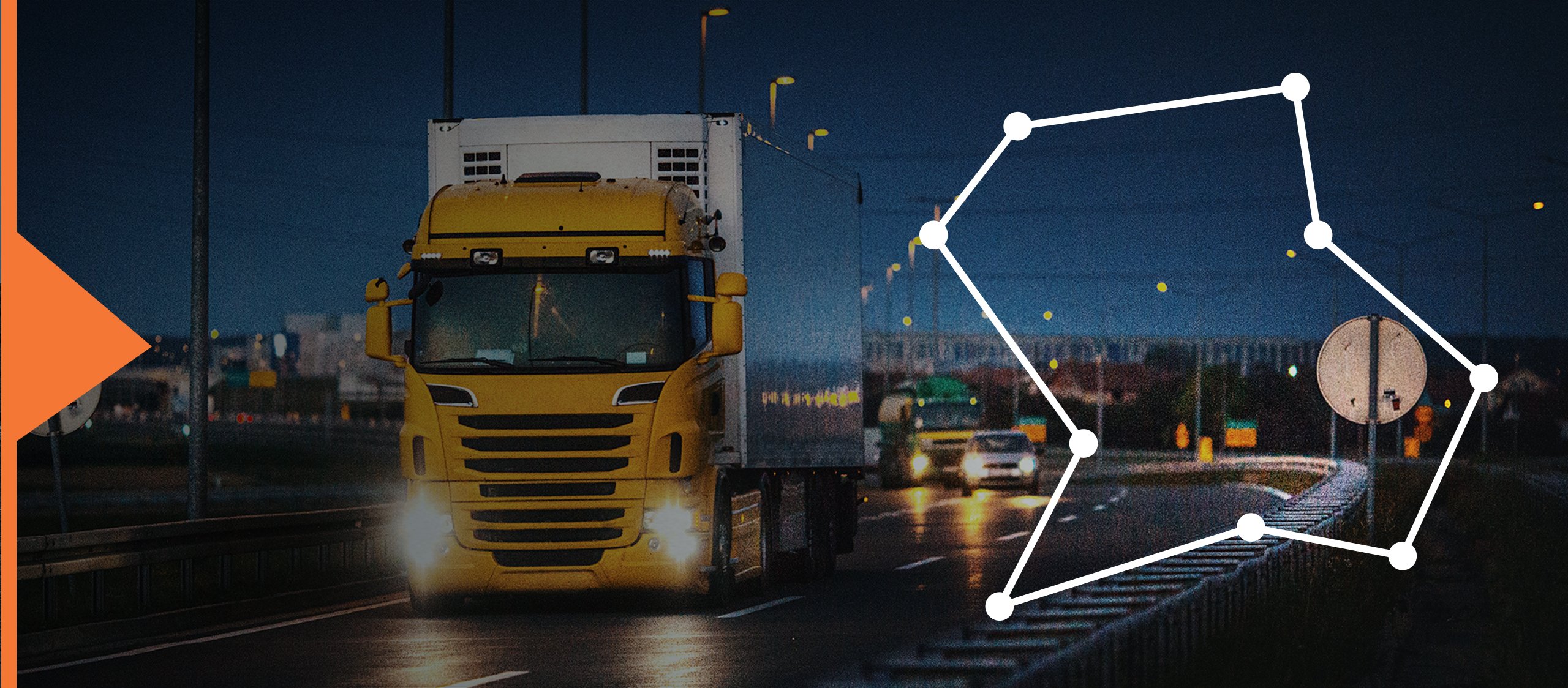
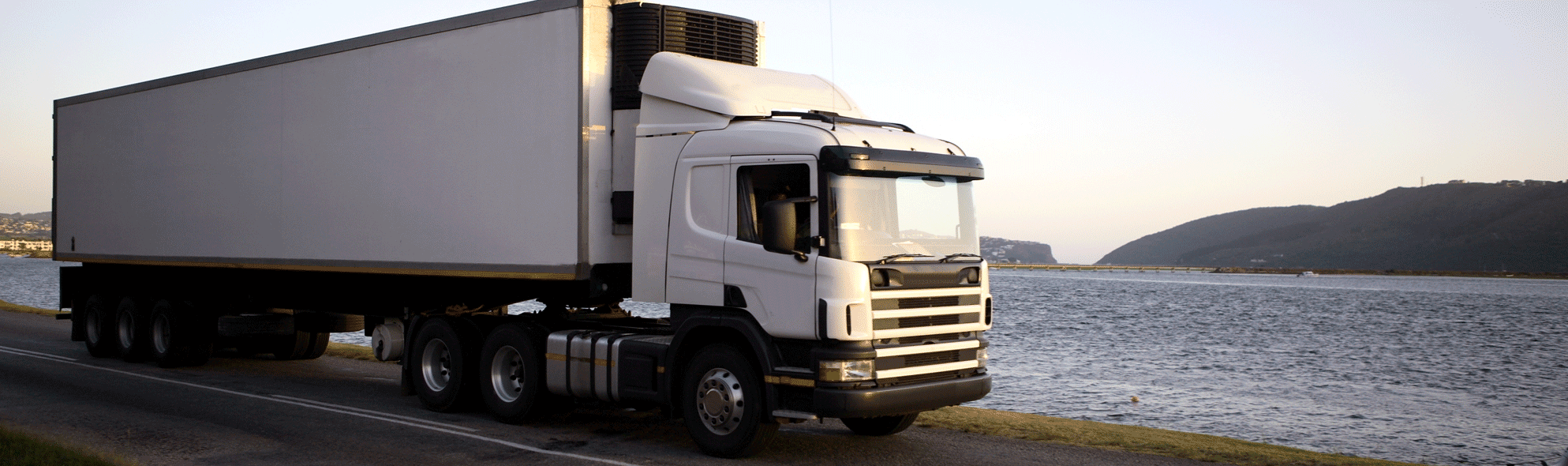
If your business transports perishable and temperature-sensitive products such as fruit, vegetables, and dairy product, it can be seriously debilitating to your business’s progress if these goods are spoilt while in transit. Cartrack’s refrigeration monitoring resolves these issues by providing you with the means to ensure that your perishable goods are always kept at an optimal temperature while in transit.

How do we achieve this? It’s all thanks to our advanced telematics systems:

 What solution does Cartrack provide?

 We provide a key solution to the refrigeration and transport sector by not only monitoring the vehicle but also the refrigeration and temperature systems of the load in transit. Our offering extends beyond the frozen and fresh produce market to medical supplies and animals in transit.

How does it work?

 Our technologically advanced system accurately manages the temperature inside the vehicle to ensure that the load being transported by your driver is delivered within the temperature range that is specified for the product. Monitoring and feedback are provided timeously to the fleet manager thanks to thresholds that can be set up.

Which areas of the truck are monitored?

Temperature monitoring is provided for the various zones in the truck, including refrigerator reefer integration, management of diagnostic and error codes. Linked, real-time reporting is also offered relating to access control to the vehicle, doors and other third-party factors that could influence the control of the temperature.

What extra costs will you incur if you don’t have a refrigeration system in place?

Open doors during loading can result in a spoilt load or can add to the transport costs as the cold or refrigerated air escapes, thereby contributing to diesel costs.

Why should you use Cartrack’s system?

 Cartrack’s internationally certified solution is tried and tested in markets across the world and can monitor temperatures during transit in any climate. Our system allows you to better manage the temperature and delivery times, which resultantly limits idling and refrigeration costs and creates a far more efficient and profitable business operation. Additional monitoring systems connected to the doors of a refrigerated truck allows you to monitor and ensure that the doors are kept open for a minimum amount of time.

Contact us today to find out more about how Cartrack’s Refrigeration Monitoring system can help ensure your business is the coolest around!

Top 10 Car Movies

You’d be hard-pressed to find anybody that doesn’t enjoy a good movie. The pure escapism, fantasy and joy you experience while watching a film is amplified even more by the presence of your favourite vehicles in either an action-packed setting or when they’re used as a particular plot device.

Here are 10 of the best driving films, in no particular order:

Drive (2011)

With Ryan Gosling in the lead, and acting luminaries such as Carey Mulligan, Oscar Isaac, Bryan Cranston, Christina Hendricks, Ron Perlman, and Albert Brooks also on-board, this film positively oozes star power. Gosling stars as an unnamed Hollywood stunt driver who also moonlights as a getaway driver. He ends up taking part in a botched million-dollar heist with his debt-ridden neighbour Standard (Isaac), who has been recently released from prison. Directed by Nicolas Winding, Drive is not your classic “petrolhead” movie, as it contains a fascinating blend of pop influences, including the gearhead classics of the ’70s, New Age stylings from the ’80s, as well as the hip irony of the millennial era. The combination of a standard drive-heist narrative and modern, eclectic influences makes this movie a winner.

Baby Driver (2017)

Much like Drive, Baby Driver takes a unique approach to the driving film genre by cleverly utilising music in the scenes in a movie that can best be described as a combination of crime, comedy, action and romance. It stars Ansel Elgort as a young, brilliant iPod-obsessed getaway driver (named “baby”) who is trying to escape the hold of a mob boss (Kevin Spacey) for whom he has been working. Director Edgar Wright cleverly inserts a cool rock soundtrack as a contrast to surreal car chases that are perfectly choreographed. While the connection between cars and music has been used before, Wright takes this device a step further by framing the protagonist’s primal connection to cars and music as a poignant symbol for his emotional isolation. Lily James, Jon Hamm, Eiza González, Jamie Foxx and Jon Bernthal co-star in the film.

Duel (1971)

Considered to be legendary director Steven Spielberg’s first real feature (even though it was created for TV), this film features a minimal amount of dialogue as much of the intrigue is built around the visuals on-screen that stir the anticipation and fears of the viewer. Dennis Weaver stars as a mild-mannered driver that is terrorised for no discernible reason by a mysterious, tractor-trailer, with the driver of the vehicle unseen throughout the movie. A cat-and-mouse game then ensues between these two figures on the road, with Weaver perfectly fitting the role of the mild-mannered pushover desperately trying to survive the pursuit of his aggressive pursuer. It represents suspense and drama at its best.

Talladega Nights: The Ballad of Ricky Bobby (2006)

Talladega Nights is the only comedy on this list, and probably doesn’t fit the same mould as the other driving movies in this casual send up from Director Adam McKay of the greed and selfishness of the God-fearing drivers who inhabit the NASCAR world. It features Will Ferrell and John C. Reilly at their funniest, with over-the-top machismo, intense rivalry and larger-than-life gags the order of the day. Throw into the mix Sacha Baron Cohen as an outrageously campy French villain and Amy Adams in an underrated performance, and you have a stellar car comedy to enjoy.

Bullitt (1968)

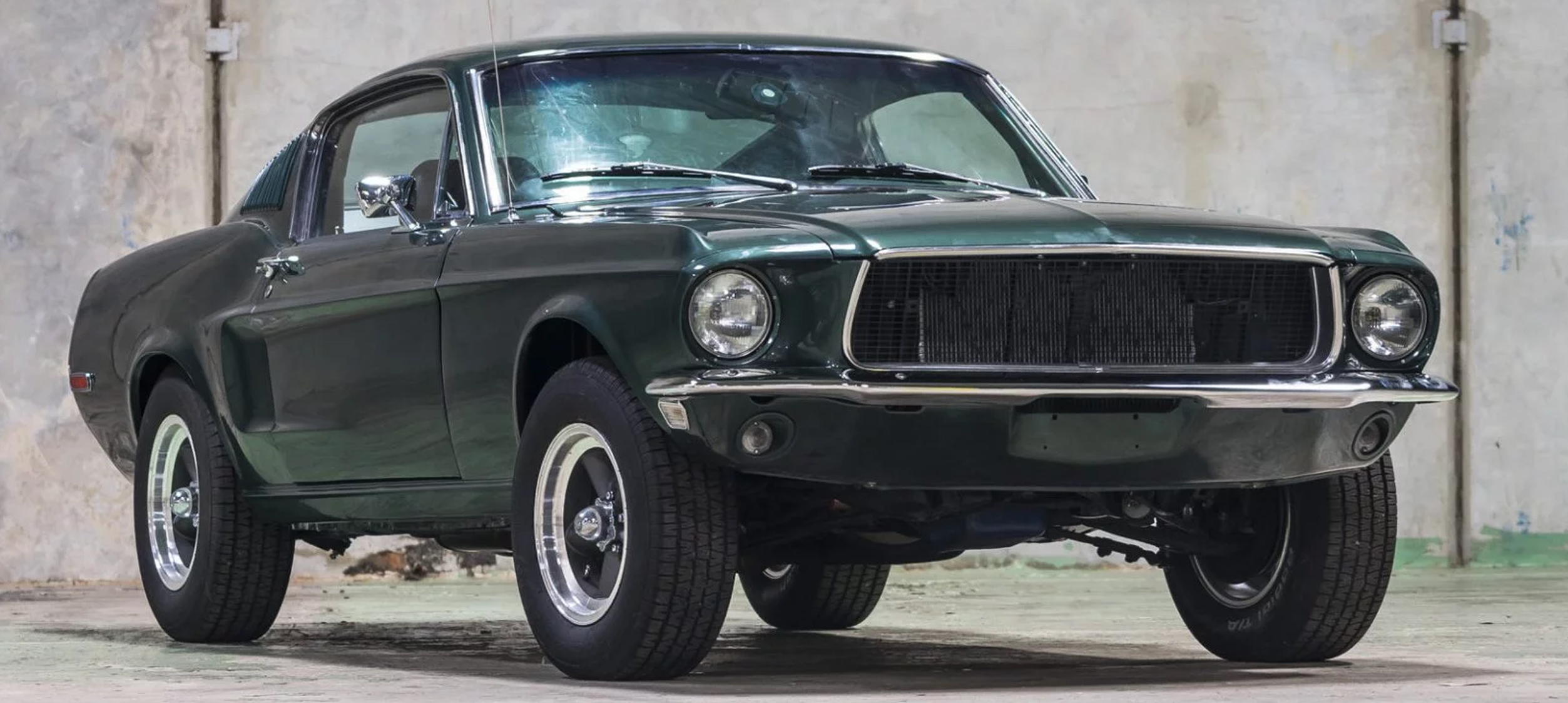
When you have screen legend Steve McQueen in the lead role as Lt. Frank Bullitt, your movie already has a solid base. Throw in the fact that this movie utilises realistic driving sequences, and you have one of the best driving movies of all time, with the Library of Congress selecting it in 2007 for preservation to the National Film Registry for being “culturally, historically, or aesthetically significant”. Uniquely, cinematographer William Fraker bravely strapped himself during shooting with a camera to the hood of the Ford Mustang as the car drifted along the San Francisco streets at 160 kph.

Mad Max 2: The Road Warrior (1981)

Considered to be one of the greatest action movies ever shot, this film hits you in the gut right from the start: barely five minutes into the film we’re presented with the sight of Mel Gibson’s Max enjoying a can of dog food with a dirty spoon. The main sentiment that shines through the film is that petroleum will both save us and drive us apart; a notion that comes across despite the thick Aussie accents that are almost inaudible at times. Max’s Ford Falcon Police Interceptor, which comes complete with a blower the size of a dwarf’s casket, is undoubtedly the balsiest and meanest car ever shown in a movie.

Rush (2013)

This biographical sports film centres on the real-life rivalry during the 1976 Formula 1 (F1) motor-racing season between two F1 drivers: the British James Hunt and the Austrian Niki Lauda. Directed by Ron Howard, the film accurately grasps the details and nuances of F1 racing and brings to life a place and time that many of us want to secretly inhabit. Sexiness, mayhem and death are the order of the day for much of the film. Adding accuracy is the fact that many of the real race cars from that time are used, which allowed cinematographer Anthony Dod Mantle to create a refreshingly realistic portrayal of the F1 world of that period.

Collateral (2004)

While some may quibble whether this qualifies as a car film, this thriller from director Michael Mann absolutely qualifies as such. It features a Los Angeles cab driver (Jamie Foxx) forced to drive a hit-man passenger (Tom Cruise, playing against typecasting) around the city as he aims to kill five intended targets. While suspense, action and heightened drama are present throughout, the underlying theme of the film is how Foxx’s character is forced to break out of his shell in a rite of passage. Adding further to the film’s quality is the Los Angeles cityscapes, which have never been more vivid or beautiful.

Locke (2013)

Locke takes the idea of a “car” movie to new levels as nearly the entire film takes place in a BMW X5, with the protagonist Ivan Locke (Tom Hardy) the only character that is seen on screen. The story unfolds through the conversations that Locke juggles on his cell phone while driving to the birth of his child – the product of a one-night stand. These conversations include speaking to the woman that is about to give birth to his child, engaging with his boss and his backup work colleague as he remotely oversees a massive concrete pour, and explaining to his family why he won’t be home to watch a big soccer match with his son. Rather than the driving itself, the film’s tension is couched in all these conversations, as the increasing urgency of these situations begins to bear down on him.

Death Proof (2007)

In line with his tendency to pay homage to other movies, director Quentin Tarantino wrote and shot this film as a tribute to Z-grade exploitation flicks and cult car films. This horror film, which was initially presented as one half of the omnibus film Grindhouse, stars Kurt Russell as a stuntman who uses his “death-proof” stunt car as a way to murder young women in staged car accidents. The first half of the film focuses on him stalking and consuming his prey while the second half focuses on his victims fighting back. Much like Tarantino’s other films, Death Proof is thrilling, alluring, touching, playful and mysterious in equal measure, and has the experimental quality of a narrative puzzle.

No matter what type of car movie you prefer, you need a world-class recovery service that will give you peace of mind that your vehicle is protected in case of theft or hijacking. With an audited recovery rate of 92% and a highly trained and skilled recovery team, Cartrack ensures that you can rest at ease knowing that we have your back covered.

How to use the Cartrack app

So, you’ve signed up with your Cartrack, and now you’re eager to get going and enjoy the peace of mind that Cartrack is famous for providing to our clients.  The best way to enjoy our world-class services and gain full value is to download our app. Once you’ve received an email from Cartrack confirming that you’ve joined the Cartrack family, you’ll be able to gain full value from the Cartrack app, as long as you have a smartphone.  However, you might be unfamiliar how to do this, so let’s help you get more familiar with the features.

Here’s what you need to know about downloading and using the Cartrack app:

How to download the app

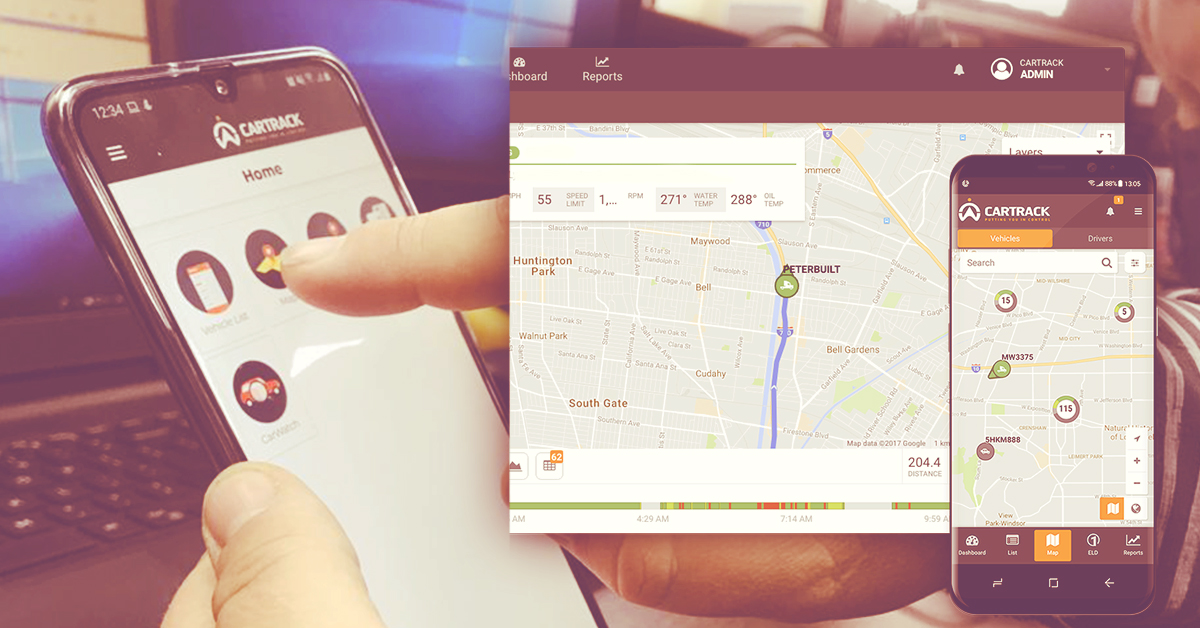
From your mobile device, go to either the Play Store or App Store and search for “Cartrack”. It will then appear as Cartrack or Cartrack Development team – click install. Once the app is downloaded, click on “log in” and enter your account details and password in the fields provided – you will be emailed these details upon signing up with Cartrack.  You will then be given the option of staying permanently logged in by ticking the “stay logged in” box. However, we don’t recommend that you do this, as it compromises the security of your vehicle, with anyone able to view your car’s status should they get a hold of your mobile device.

View your vehicles

Once you are logged in, you can have a clear view of the exact location of your car or cars. By simply clicking on the Vehicle List icon, you can see where your car is located at that point in  time, and therefore have peace of mind that it is safe. Alternatively, if your vehicle has been moved, you can act quickly and decisively and call our Control Room, who will immediately initiate a recovery procedure. You can also gain a general view of the area by clicking on the “Maps” icon.

Find out how you drove on your trips

The app also allows you to review your previous trips. Simply click on the “Trips” icon and it will reveal information relating to your previous trips, including kilometres travelled and duration. It will also contain information relating to driving performance, including harsh turning, braking, and acceleration.  Should you want a more comprehensive overview of driver behaviour, you can click the “Reports” icon and receive reports on either a daily, weekly or monthly basis.

Get even more features

Should you want even more value out of your app, you can add  features such as CarWatch and Mobile Happy Button. CarWatch will ensure that you’re instantly alerted to unauthorised movement of your vehicle,, while Mobile Happy Button will provide you with 24-hour access to emergency services.

If you haven’t done so already. make sure you sign up to a Cartrack package today, and benefit from our world-class recovery and fleet management services.

Ensure your motorbike fleet and riders deliver their best

For many small firms, using a motorbike to deliver goods is just perfect – they are small, compact, easy to use, park and fix – but they also have their downside in that they can be dangerous, require special clothing, and drivers can get wet, cold and sick.

However, when used responsibly, motorbikes in the logistics industry can prove largely beneficial. Let’s take a closer look at what you’ll need to ensure your motorbike fleet and riders deliver their best, all the time.

Protective clothing and gear

Ensure your riders have jackets that provide various layers of protection. The outside layer is a summer layer, but also has retroreflective strips sewn onto it. Inside, the jackets can contain either a “duvet layer” for warmth and/or a waterproof layer for when it rains. The inner layers are often removable to make riding more comfortable and for easier cleaning.

Some jackets even come with additional coverall pants that can be zipped up to the jacket for additional protection and warmth, as well as riding boots for comfort and protection of shoes and feet.

Gloves are another important piece of equipment for a biker as they not only protect them from the elements, but also from stones, bees, etc. Ensure your riders have a sturdy pair of well-fitting all- weather gloves for the ultimate protection.

Helmets – probably the most important piece of equipment, but also the one that is most often misused. A helmet must fit snugly around the head, and mustn’t move once its strapped/clipped in place. If a helmet is dropped, or collides with a solid object, it is no longer viable and will not be able to provide the expected level of protection during an accident. In this case, a new helmet should be bought as soon as possible. Ensure your rider keeps the visor clean, and checks the helmet weekly for damage.

Proper training

Riding a motorbike is very different to driving a car, and the rider needs to be almost hyper-aware of his or her surroundings. They also need to understand that being much smaller, their chances of being seen are lessened and they need to make up for this by wearing bright clothes and always riding with the head and taillights on.

It’s a good idea to send your riders on a motorbike course in order for them to learn how to handle their bikes, their equipment and defensive riding techniques that could mean the difference between life and death.

Motorbike vs Scooter

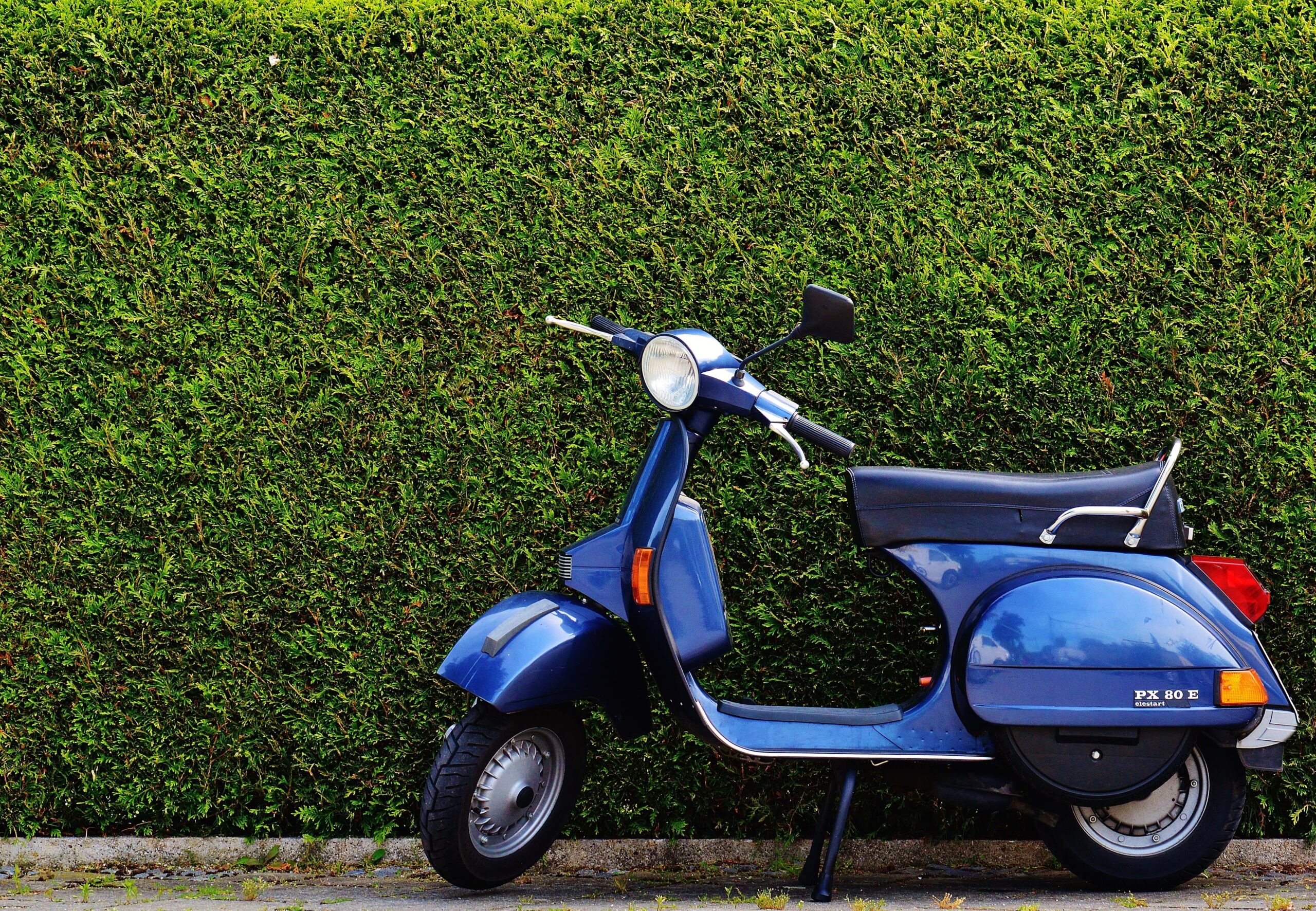
The main difference between a bike and scooter is the faring, or body work, where the scooter’s internal workings are generally hidden behind the fibreglass body. Scooters are often slower than big bikes and tend to have smaller engine capacities using less fuel, but they may need to be refuelled more often.

Bigger motorbikes do have a better chance of being seen and heard, but it’s only a small margin. Bigger bikes are better for longer distances and highway driving, where the engine capacity makes the bike go faster and keep up with the surrounding traffic.

Whichever two-wheeled transporter you choose, don’t forget to fit it with Bike Track, an innovative motorbike tracking unit available from Cartrack. The unit will help you keep a virtual eye on the bikes in your fleet and assist in the recovery of the bike should somebody ride off on it without your permission.

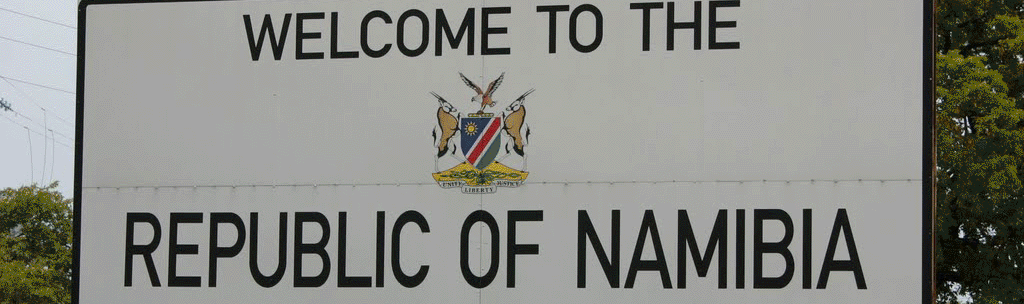
Fleet Management: the answer for cross-border transport

Cross-border transport is a burgeoning issue in Africa, with increased trade and inter-continental business opportunities necessitating the need for reliable and cost-effective transport that will aid business growth across the continent.

One of the most effective means to promote more efficient cross-border transport is to employ a comprehensive fleet management solution.  Cartrack’s global fleet management solution is ideal for all cross-border transport, ensuring that business and fleet owners have control over a process that is often unpredictable. Here are some of the benefits:

  • A fleet management solution will allow businesses to implement real-time monitoring of their vehicles in other countries. As a result, they can more closely monitor driver behaviour and implement appropriate remedial action
  • Through receiving critical information about the general status of their vehicles, fleet managers will have the means to reduce operational costs by promoting better fuel efficiency, improving routing and streamlining reports
  • The prospect of theft is minimised as managers have precise information relating to activities across the border, and can implement appropriate measures to curb illegal actions and threats
  • Customer service is vastly improved as there is far better control of the transport route, resulting in more reliable delivery times and less unnecessary delays
  • General productivity is optimised through the use of efficient time management software, resulting in reduced roaming costs

Contact us today to find out how we can further your cross-border transport needs through effective and reliable fleet management.

Is your Fleet costing you unnecessary money?

Do you know how much money is currently being wasted on fuel theft, high fuel use, excessive idling, unnecessary overtime or bad driver behaviour?

Times are tough for businesses; costs are up and competition is fierce. As such, reducing fleet costs and saving money should be your number one goal. With our extensive range of telematics solutions, you can be confident of managing your fleet in the most efficient way possible. Whether you operate a fleet of 20 vehicles or 200 vehicles, Cartrack has a solution for you.

Our solutions for your challenges:

  • Improved security: The Cartrack control room operates 24/7, 365 days a year. We also offer automated alerts for when your vehicle enters a high-risk zone
  • Fleet maintenance: Keeping track of all your fleet vehicles service schedules doesn’t need to be a nightmare. Simply set up automated alerts for service reminders so that you never miss a service again
  • Reduce fuel consumption: Monitor each vehicle’s fuel consumption to keep track of abnormal fuel use, vehicle malfunction or bad driving behaviour
  • Improve customer service: By monitoring your delivery vehicles route, you can manage customer expectations of delivery times. Further, through using real-time data, you can optimise your business
  • Improve productivity: By knowing the location and status of any vehicle, at any time, you can improve your businesses time management and productivity
  • Increase driver and road safety: Monitor and coach drivers to curb reckless driving behaviour, thereby reducing the risk of accidents. Accident reconstruction capabilities will help determine culpability and liability in the event of an accident
  • Reduce carbon footprint: Optimise your fleet’s fuel consumption and kilometres travelled by optimising routes travelled and driver behaviour
  • Reduce labour costs: Easily improve time management of your drivers, monitor overtime and improve the utilisation of your fleet

There’s no need to continue with an unfeasible set-up that results in operational losses and downtime in productivity – fleet management is the key to optimising your fleet concerns.

Why every Fleet Manager should consider Cartrack

With rising costs in fuel and the cost of living, it’s more important than ever to have proactive measures in place that assist you in optimising your business. For a fleet owner, this point could not be truer. Cartrack has identified the issues that fleet managers face and offers a range of solutions, no matter how big or small your business.

Our sophisticated telematics allows you to track your fleet at any time and to know exactly where they are located and how they are driving thanks to automatic updates. It allows you to be in complete control and manage your fleet from the comfort of your computer or mobile device.

Our fleet solutions are powered by both GSM and GPS technology across our international network which allows for a 24-hour real-time tracking, locating and viewing of your vehicles’ movements.

Catrack’s fleet solutions ultimately increase the productivity and efficiency levels of your workforce.

SOME OF THE FEATURES INCLUDED IN OUR FLEET OFFERING INCLUDE:

  • Web-based Software – this enables you to go online and view the current and historic location of your vehicles’ movements.
  • Reports – these are designed to accurately and efficiently assist you in managing your fleet of vehicles.
  • Geofences – these are specific areas selected by you that allow you to define no-go zones or points of interest.
  • Route Replay – this allows you to see the routes that your drivers have used for a particular trip, thereby leading to increased efficiencies owing to the avoiding of route deviations. It also enables increased cost savings as fewer kilometres are driven and there is generally improved driver behaviour.
  • Logbook – this helps you to keep your travelling records that can be used later for tax purposes.
  • Accident Reconstruction – details what the circumstances surrounding the accident were. You are able to view the conditions of the road, the time of the accident, traffic conditions, and location.
  • Service and licence alerts – to remind you when a license is up for renewal or when you require your next maintenance service.
  • Automated Testing – you’ll be notified of any disruptions in service before it is too late. Cartrack will check your units every six days, for your peace of mind.
  • Automated Alerts – Cartrack will alert you to any pre-set vehicle discrepancies, such as driving over the road’s speed limit, driving over the vehicle’s set speed limit, harsh braking, cornering, acceleration and entering and exiting geofences or no-go zones.
  • eToll Reports – these can be generated on demand to monitor your e-toll costs for any specific vehicle/s.
  • Standard Unit Installation Warranty – Cartrack offers a one-year warranty on both the unit and the installation.
  • Data Storage – access historical data via Cartrack’s web-based platform, for the previous six months as well as historical data of up to three years.
  • Training – this is available to all operators of our Fleet Management systems. Training may be held at our offices or at a location of your choice.
  • De-installation and Re-installation Service – in the event of a change of vehicle ownership, or if you wish to transfer your tracking unit from one vehicle to another, Cartrack will de-install/re-install the unit for a minimal fee.

Fleet Managers, prepared with this information, can now focus their attention on improving productivity, reducing costs and managing every aspect of their fleet.