
What is Fleet Management?

The global fleet management industry is growing rapidly, in a fast-paced and emerging technology landscape. 

The more fleet managers know, the better. That’s why 75% of fleet managers rely on fleet management tools, to manage their vehicles, cargo, operations, and drivers. 

Successful fleet management will help you optimise and improve your operation’s efficiency, and gain a competitive edge in the market. 

After reading this blog, you will know more about fleet management, and walk away with more knowledge to keep your fleet productive, efficient, and profitable. 

With this in hand, you’ll be equipped with all the tools to manage your fleet confidently and successfully.

Ready to jump straight in?

What is fleet management? Here is Everything You Need to Know

A “fleet” is a group or collection of vehicles, ships, and aircraft which are used for purposes such as transportation, logistics, or commercial operations. 

Fleet management refers to all the actions needed to run a fleet operation efficiently, at the lowest costs and highest profits possible. 

It involves an array of tasks such as driver monitoring and management, administration, cost control, fleet compliance, and much more. 

If you rely on your vehicles, drivers and machinery to provide a product or service successfully, then you need fleet management. 

Why is fleet management important for fleets?

Let’s say you’re in the construction industry. Your operation needs to be as efficient and cost-effective as possible for it to remain successful, profitable and competitive. 

One way of doing this is having a fleet management system in place to track, manage and improve how your construction vehicles and equipment are being used, to maximise the utilisation of your assets. If certain equipment, such as cement mixers are underutilised, it may be more cost-effective to rent or sell them rather than letting them waste away in your fleet.

In addition, cement plays a vital role in the completion of construction projects, and should be delivered on time with proper route planning. The timely delivery of cement ensures that the concrete mixture maintains its quality, which is necessary to complete projects.  

A fleet system in place also helps you ensure that your equipment is well-maintained and serviced at regular intervals, which will prevent breakdowns and unexpected downtime. This is vital to help complete projects on time and meet customer expectations. 

It also allows you to optimise your operations, manage your employees, plan routes effectively, prevent fuel and vehicle theft and enhance safety and compliance, so you keep your business booming.

There are just a few examples of why fleet management is needed in the construction industry or any industry for that matter:

  • Excessive fuel consumption and fuel theft
    ‍
  • Low driver retention, or risky driving behaviour
    ‍
  • An increase in asset theft or lack of effective asset utilisation
    ‍
  • Poor vehicle maintenance, increased unexpected breakdowns and downtime
    ‍
  • Poor customer service and delayed delivery times due to inefficiencies such as failed route planning

Every one of these seems pretty important, right? But, there is one aspect of fleet management that should be at the top of your list.

What is the most important aspect of fleet management for companies?

The first thing on your priority list should be keeping your fleet as safe as possible. This includes maintaining your vehicles, promoting safe driving practices, and enforcing compliance with safety regulations. 

This helps keep your drivers, cargo, and other road users safe by preventing accidents, injuries and fatalities and also reduces unnecessary expenses and disruptions. 

Without insights and data, managing a fleet is almost impossible. With data, you know exactly where improvements need to be made in your fleet, and how to take action and can accurately analyse your progress.  

Now that you have a better idea of what the most important aspect of fleet management is, what does a fleet manager actually do? 

Let’s quickly unpack a few of the day-to-day tasks they face.
What does a fleet manager do?

  • Managing, overseeing, and supervising fleet operations
    ‍
  • Hiring quality drivers and monitoring driver behaviour and performance
    ‍
  • Educating drivers, monitoring and boosting team morale
    ‍
  • Creating and managing driver job tasks and schedules to maximise productivity
    ‍
  • Ensuring the fleet remains compliant and avoids unnecessary setbacks
    ‍
  • Implementing fleet management strategies to reduce fleet costs and increase productivity
    ‍
  • Creating and using detailed reports
    ‍
  • Organising paperwork and administration
    ‍
  • Ensuring regular vehicle maintenance for operational efficiency and minimising downtime
    ‍
  • Meeting client expectations and ensuring a high level of client satisfaction
    ‍
  • Excellent leadership and decision-making skills

Fleet management is a complex process that involves multiple players working together, allowing you to manage your fleet effectively. 

So, who are these key role players?

Which key role players make fleet management possible for businesses?

  1. Fleet management software providers: Telematic solution companies like Cartrack provide solutions for businesses to track and manage their vehicles and drivers in real time.
    ‍
  2. Drivers: The people in a business who are responsible for operating a vehicle to transport products, passengers or services from one point to another.
    ‍
  3. Vehicle manufacturers: Companies who are in the fleet management space by offering their own telematics and fleet management solutions.
    ‍
  4. Fleet leasing and rental companies: Give businesses access to fleets of vehicles on a lease or rental basis, and often offer additional services such as maintenance and insurance.
    ‍
  5. Fleet consulting firms: Specialise in fleet management, and provide companies with advice and guidance on how to optimise their fleet operations, reduce costs, and improve efficiency.
    ‍
  6. Insurance companies: Offer asset protection coverage for fleet vehicles, and some offer risk management solutions to reduce collisions and  accident claims.
    ‍
  7. Compliance and safety providers: Specialise in providing solutions to help businesses comply with regulations and improve safety because running a fleet can be risky.

Fleet managers are the main players in a fleet. To manage and build your fleet, you need to understand and excel in each fleet component. 

What are those components that will help you boost your business? Here are 10 of them:

9 important building blocks of fleet management

  1. Vehicle acquisition or procurement

    Before you maintain and manage the lifecycle of your vehicles, you need to make an informed purchase. You’ll need to go through a process of selecting, purchasing, and financing vehicles for your fleet, and consider some data factors. The first thing is the initial cost of the vehicles. Many dealerships have a special division for fleet sales, and then it’s up to you to negotiate the best deal possible. Then you need to decide if you want to lease or buy them. Leasing has lower up-front costs but offers less flexibility for customisation. Buying, on the other hand, requires a larger up-front capital investment but offers greater flexibility. You can explore the options and pitch this to upper management.
    ‍

  2. Maintenance and repairs

    Once you have purchased your vehicles, it is important to make sure they remain in good condition with a preventative maintenance plan in place. This includes having easy access to all your vehicle’s onboard diagnostics, such as oil leaks, water fluctuations, engine faults, worn brake pads, and more. So if parts fail, you will know and then can quickly replace them. You should also know when to service your vehicles at regular intervals, to prevent unexpected breakdowns.
    ‍
    Another part is keeping a history report of your vehicles’ maintenance, to know which vehicles perform better than others, so you have the right vehicles in your fleet. This historical data also helps you predict when a particular part may fail in advance, so you can be more prepared for downtime. Ultimately, having a healthy fleet will increase the longevity of your vehicles, increase uptime and will improve maintenance and fuel costs too.
    ‍

  3. Asset management

    Apart from maintenance plans, a question you need to ask is how effective are your assets being used? Whether it be your equipment or vehicles, are you getting the most out of them? A vehicle sitting for days with no load is a waste of money. Equipment not being used properly can cost you more money on maintenance and fuel. This is why effective asset utilisation is needed. It includes monitoring asset usage patterns and utilisation rates, so you can assess productivity levels. For example, if a piece of equipment is underutilised, you will need to find out the reasons behind it. It could be that it requires repairs or maintenance, or it may not be the most suitable equipment for the specific task at hand. The operator could not be using it efficiently, causing excessive idling. You will need to find out why it’s not as productive.

    Another important part is overseeing the entire lifecycle of all your assets, and typically which assets are the most valuable. You will need to decide when to sell old vehicles and buy new ones, and at the best time. You can do this by analysing data related to routine maintenance, repairs, and delays due to breakdowns. Next, you can calculate the cost of buying new vehicles, and find the best point in a vehicle’s life cycle to trade it in for a new one. This will also be good for your brand image, no business wants their brand name on a tattered-looking vehicle.
    ‍

  4. Driver management

    This includes taking all the possible measures to ensure that your drivers operate your vehicles safely and reduce accidents and harsh driving. To achieve this, you will need to set safety standards for your organisation in line with compliance and regulations and then take steps to monitor your driver’s behaviour. One way to do this is to offer driver training on safe driving and uncover areas where they are not following the safety standards, and then empower them to rectify their mistakes and take accountability. Drivers should also have licenses and certifications to use certain vehicles, as ill compliance with these rules can lead to fines, legal issues, and reputational damage.
    ‍

  5. Fuel cost control

    According to experts, up to 30% of a fleet’s expenses or costs can go toward fuel spend. With petrol prices at a record high, it’s no wonder why fuel control is an important part of fleet management. All steps should be taken to minimise fuel consumption, costs and address factors that waste fuel. Some possible reasons for fuel spikes could be speeding and driving methods, idling in traffic, low tyre pressure, poor vehicle maintenance and route optimisation as well as fuel theft. You should control fuel consumption in your fleet with data insights into driver efficiency, vehicle optimisation, route planning and fuel trends.
    ‍

  6. Fleet admin

    What about all the paperwork tied to your vehicles and drivers? If this goes unnoticed, your business could face hefty fines and compliance breaches. No fleet manager has the time for avoidable and costly headaches, which is why you would need a plan that helps you manage the admin part of this. Everything from license renewals to insurance, maintaining commercial licenses for drivers, and hazmat placards (display of what kind of goods are being transported) — should be on your admin to-do list.
    ‍

  7. Policy development

    Your business should have ethical policies in place, so you have a guideline and benchmark for making important decisions, which prevents you from making costly mistakes.

    Here are examples of some of the points these policies cover:

    – Are drivers allowed to idle the vehicle when they stop to rest?
    – Where can drivers refuel?
    – How many speeding tickets can drivers get before facing disciplinary action?
    ‍

  8. Risk analysis

    Another part of the job is predicting and mitigating risks. You should create a risk audit, to assess what areas of the business pose risks and if your business’ policies address these risks — then see if your employees are complying. For example, if one of your drivers is not following the correct driving methods, there could be risks of collisions or accidents, causing damage to your assets and cargo. In this case, you could retrieve driver behaviour reports and conduct a risk assessment on the overall driving methods of all your drivers, and then calculate the probability of such risks.
    ‍

  9. Environmental and sustainability management

    The transportation sector ranks as one of the most polluting industries for emissions. This is why you need to try to make your fleet greener and more eco-friendly. It involves being socially conscious of the impact your fleet has on the environment and where possible, trying to reduce your fleet’s carbon footprint. This could include improving fuel consumption through eco-driving methods, fleet maintenance, and route planning, to cut the emissions released from your fleet.

    Another part of fleet sustainability is ensuring that your business is paperless, where you can use digitised and automated processes. It also helps make fleet management successful and reduces the admin load in your business.

    Do any of these appeal to your business? Don’t worry about where to start, Cartrack’s powerful fleet management system does it all for you.

    Here’s a glimpse of everything it can do and how it can help you.

What does a fleet management system do?

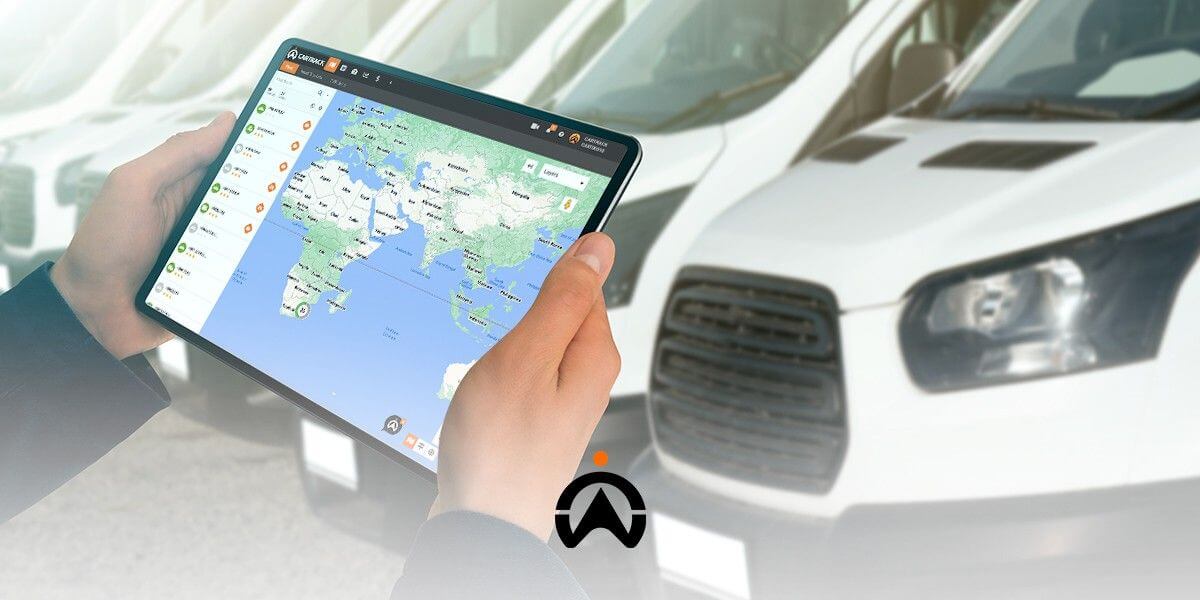
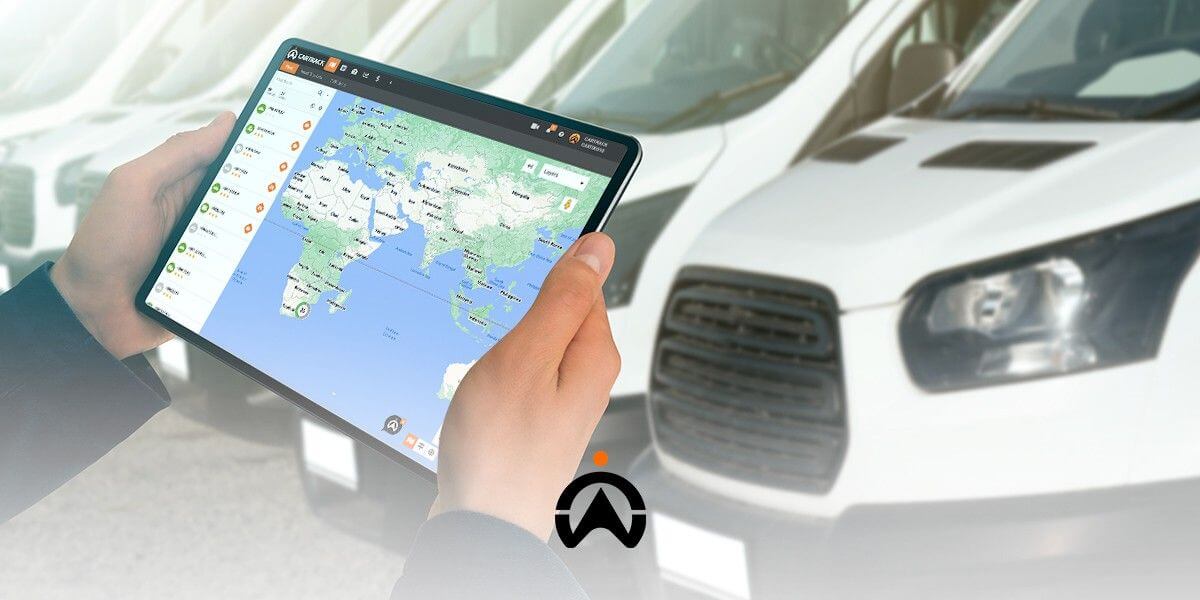
A fleet management system is a software and telematics solution that gives you increased visibility of all aspects of your fleet 24/7, so you can streamline and manage your operations efficiently. 

It uses powerful GPS technology to collect and analyse data from your vehicles, drivers, and assets in real time, so you can monitor their movements, prevent delays, make quick decisions, and eliminate unnecessary guesswork in your business.
Benefits of Cartrack’s fleet solution for fleet managers

Instead of juggling various fleet tasks at once,Cartrack can help you with everything fleet-related, giving you tools to handle the building blocks of fleet management.

Get the following features and more:

  • Know the performance of your vehicles and assets. Get asset utilisation rates and insights so you can maximise the usage of your assets, and sell underutilised assets.
    ‍
  • Receive real-time vehicle diagnostics and maintenance alerts. This will allow you to service your vehicles regularly and keep your fleet healthy, to prevent downtime so you can keep your business productive.
    ‍
  • Get driver behaviour insights and reports. Use these reports to monitor driver performance, educate drivers on good driving methods and cultivate a safe driving culture in your fleet.
    ‍
  • Keep control of your fuel costs under control. Get data insights into the fuel consumption levels in your fleet, to prevent excessive fuel wastage and save on fuel costs. Easily detect fuel siphoning, fuel card fraud, and fuel theft which could be causing high fuel usage.
    ‍
  • Digitise your operations and reduce admin in your business. Receive relevant reports, automated alerts, insights, and analytics tailored to your business needs, to avoid spending excessive time on paperwork and spreadsheets.
    ‍
  • Keep your fleet sustainable. Get insights into reducing your fleet’s fuel consumption, which will result in fewer emissions and pollution.
    ‍
  • Create ethical business standards and policies. With a fleet system, you can effectively monitor and improve the various activities within your fleet, allowing your business to operate with higher ethical standards and compliance. Get valuable insights and tools to optimise vehicle fleet performance, enhance driver accountability, and make informed decisions that align with ethical business practices.
    ‍
  • Prevent risks in your fleet with live alerts.  Use data alerts and vehicle tracking insights from the system to stop potential problems and risks in real-time, before they cause damage to your business.

And, this is just the tip of the iceberg, you’ve got to see for yourself…

Get powerful data you need to manage your fleet and business costs with Cartrack 

No matter your industry and what you want to achieve in your fleet management company, Cartrack gives you cutting-edge tools and an all-in-one fleet solution. Gain more control over your vehicles, drivers, admin, and cargo today.
What Is Hypermiling and Can It Save Your Fleet Money?

Up to 60% of a company’s fleet operating budget is spent on fuel. In light of the continuous increase in fuel prices, fleet fuel costs are only expected to increase. Fortunately, fleets can reduce fuel costs through the use of safe hypermiling and Cartarck’s solutions and software.

What exactly is hypermiling?

As petrol prices increased in the early 2000s, drivers in the United States needed relief from the financial burden of fuel expenses. To find a solution, drivers invested in fuel-efficient cars (the likes of the Toyota Prius) to save on fuel use and fuel costs. To achieve additional fuel efficiency, drivers began adopting techniques aimed at further decreasing fuel usage — known as hypermiling.

Hypermiling (or eco-driving) can be explained as an intentional driving technique that maximises fuel efficiency to minimise fuel costs. For hypermilers, hypermiling is a lifestyle – from MPG (miles per gallon) events, to incorporating regular driving habits that help maximise fuel economy and in turn reduce gas emissions, whether you are driving a personal Toyota Prius or business TATA Ace.

With high petrol and diesel prices showing no sign of dropping anytime soon, fuel costs will continue to strain fleets. Learning about hypermiling, its techniques, tips and benefits is essential to save your fleet bank… so here we go.

Top 10 common hypermiling techniques for your fleet

The main activity of a fleet is driving from one point to another. Some fleet businesses may have vehicles used for short, local trips, while others may have long-haul trucks that cover thousands of kilometres (or miles) per month. Hypermiling techniques are a set of driving practices implemented by drivers to increase vehicle fuel efficiency to reduce fuel consumption and fuel costs.

Here are 10 common hypermiling techniques that you can easily implement in your fleet:

  1. Drive at a constant speed:

    Slow and steady driving speed maintains vehicle engine efficiency and significantly reduces fuel consumption. This technique can be especially useful on highways and long trips where driving conditions are usually stable.
    ‍

  2. Avoid idling:

    When a vehicle is idle, the engine is running while the vehicle is not moving. This consumes unnecessary fuel. Each time idling occurs, you lose 3.5 litres of fuel per hour for a bus, 3 litres per hour for a medium-heavy truck, and 1.5 litres per hour for a large sedan. Turning off the engine when the vehicle is idle at traffic lights, while in traffic, or when parked will save you loads of fuel.
    ‍

  3. Coast through:
    ‍
    Coasting refers to driving with the vehicle in neutral or the clutch disengaged. This allows the vehicle to ‘coast’ without the use of fuel. This technique is useful when driving downhill or approaching a stop sign or red traffic light.
    ‍
  4. Use engine-off-coasting:
    ‍
    A step further from coasting is engine-off-coasting. This technique involves turning off the vehicle’s engine while coasting in neutral or with the clutch disengaged when driving downhill or approaching a stop sign or red traffic light. While engine-off coasting can save even more fuel than normal coasting, it is important to note that it requires advanced driving skills and should be used with caution, as it can be dangerous if not done correctly (and some vehicles may not allow the engine to be turned off during motion).
    ‍
  5. Avoid hard acceleration and sudden stops:

    Fuel consumption can be increased by up to 40% due to harsh acceleration or braking.This technique involves avoiding rapid acceleration and harsh braking by anticipating stops, as well as frequent speed changes and sudden lane changes. By accelerating and braking smoothly, and maintaining a steady speed, the fleet can save fuel, reduce emissions, and prolong the life of vehicles.
    ‍
  6. Maintain proper tyre pressure:

    If vehicle tyre pressure is not maintained within the recommended range, the vehicle must work harder to move forward. This results in increased rolling resistance and fuel costs. Therefore, this technique is crucial to improve fuel efficiency, which in turn saves money on fuel costs.
    ‍

  7. Reduce vehicle weight:

    This technique is simple — get the junk out of the trunk. The heavier the car, the more fuel it uses to move around. If you are not in the supply chain industry you could avoid travelling with heavy loads. Removing unnecessary items or equipment from your fleet vehicles can reduce vehicle weight, improving fuel efficiency.
    ‍

  8. Avoid air conditioning and other electrical loads:
    ‍
    Using air conditioning, headlights, and other electrical loads can increase fuel consumption. However, they may be necessary in certain situations, such as hot weather conditions or when driving at night. Even in these necessary times, fuel can still be used efficiently by driving at lower speeds to reduce fuel consumption, as air conditioning and other electrical loads tend to consume more fuel at high speeds.
    ‍
  9. Plan routes ahead:
    ‍
    This is one of the basic hypermiling techniques that involves planning the most efficient route from point A to point B to minimise unnecessary stops, traffic, and fuel consumption.
    ‍
  10. Avoid traffic congestions

    Avoid congested areas or busy intersections during rush hour, as this can lead to fuel wastage from frequent stops and starts. Instead, optimise routes by taking alternative routes or driving during off-peak hours when possible.

Hypermiling can’t be bad, can it?

So you may already be wondering: It’s good for my wallet but is it good for my car?

If hypermiling is about being mindful of your driving habits, using your vehicle well, and reducing the strain placed on components like the brakes, suspension, and engine, then it should be good for your car and safe, right?

Well, hypermiling has both positive and negative effects depending on how cautiously it is implemented. On the positive side, hypermiling can significantly improve your fuel economy — meaning you can travel long kilometres (or miles) on a small amount of fuel. This not only means you save money on fuel costs but also increases vehicle longevity and reduces accident risks by promoting safer driving habits like avoiding aggressive driving.

On the negative side, some hypermiling techniques can be dangerous, violate traffic laws or put other drivers at risk. For example, in South Africa it is illegal to coast with the engine switched off, as this is considered dangerous and can cause the driver to lose control of the vehicle. On the other hand, coasting in neutral with the engine still running is not illegal as long as it is done safely and does not pose a risk to yourself and other road users. Additionally, some hypermiling techniques such as drafting and overinflated tyres may cause excessive wear and tear on the vehicle, leading to costly repairs or reduced safety.With this said, hypermiling can be a beneficial practice to save fuel and promote safer driving habits within your fleet. But it is important to implement these techniques safely and within the boundaries of the law to avoid putting the fleet and other road users at risk.

Hypermiling safety tips for your fleet

While hypermiling techniques can help you save money on fuel and reduce your carbon footprint, it’s still necessary to remember that safety should always be your top priority on the road. Here are some hypermiling safety tips:

  • Keep a safe distance between other cars: While practising hypermiling (such as coasting and slow speed) it is crucial to keep a safe following distance from other vehicles (in front and behind if possible). This will give you the time and space you need to avoid sudden changes in traffic and reduce your risk of a collision.
    ‍
  • Avoid sudden braking or acceleration: When hypermiling, it is important to anticipate stops or slow-moving traffic ahead of time to gradually avoid sudden braking or accelerating or putting extra strain on your engine.
    ‍
  • Stay alert and focused: Stay alert and focused by eliminating distractions such as cell phone use, eating, or adjusting the radio while driving, and always be aware of your surroundings on the road.
    ‍
  • Obey traffic laws: Whether avoiding fuel waste to save money or driving normally, it is important to comply with traffic laws, such as not exceeding speed limits and running red traffic lights, or making unsafe lane changes.

By following these tips, you can practise hypermiling safely and enjoy the benefits of increased fuel efficiency without putting yourself or other drivers at risk.

What’s in it for the fleet? Benefits of hypermiling

By implementing safe hypermiling techniques and tips, fleets can save significant fuel costs, increasing profitability. But that’s not all, here are some of the other benefits your fleet can reap from implementing hypermiling techniques and tips:

  • Reduced fuel consumption and costs: Hypermiling safely and implementing fuel-efficiency tips will reduce fuel consumption and fuel wastage which results in lower fuel costs.
    ‍
  • Extended vehicle lifespan: With vehicle maintenance tips and safe driving habits, fleet vehicles will experience less wear and tear, reducing the need for frequent repairs and maintenance, resulting in a longer vehicle life cycle.
    ‍
  • Enhanced safety: Safe hypermiling practices such as maintaining a safe distance from other vehicles, adhering to speed limits and anticipating traffic can enhance your fleet’s safety and reduce accident risks.
    ‍
  • Improved driver behaviour: Hypermiling requires disciplined and focused driving behaviour, which can translate to improved driver behaviour overall and lead to a safer and more efficient fleet.
    ‍
  • Positive environmental impact: By implementing hypermiling techniques and tips you will reduce your fleet’s fuel consumption which produces less carbon emissions, contributing to a more positive environmental impact for the business’s community.

Can hypermiling save your fleet money?

In a nutshell, yes — especially with Cartrack’s fleet management software. With the help of our fleet management software and solutions, you will not only save your fleet money but also time and other fleet-related expenses by:

  • Managing fuel costs and fuel consumption

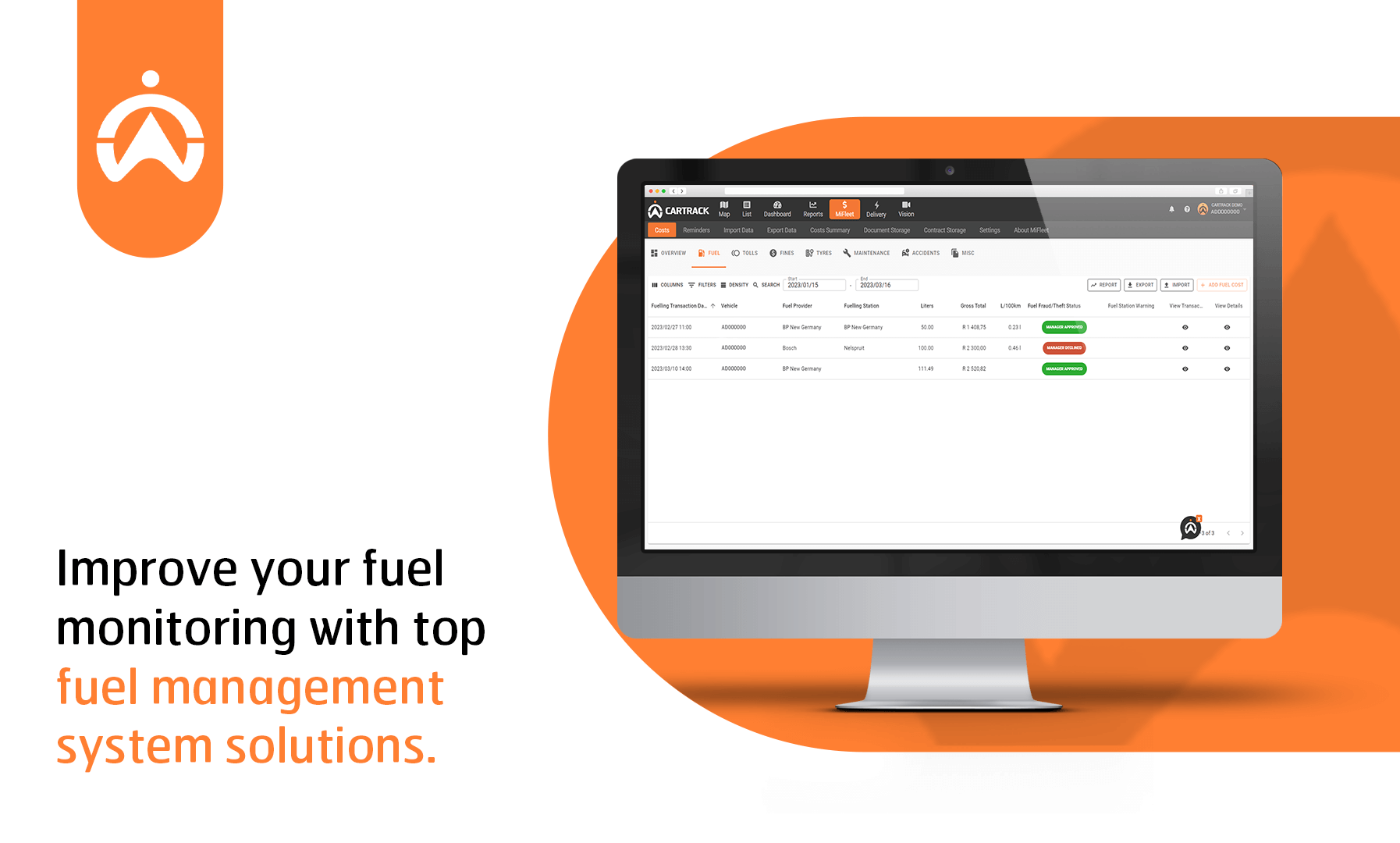
    To reduce fuel usage and costs in your fleet, it is essential to optimise fuel consumption. But how so? Our AI fuel monitoring software helps you manage fuel costs by matching fuel receipts with your vehicle’s location and fuel status to immediately alert you of any potential fraudulent activities, such as fuel card fraud. Additionally, monitor fuel usage with the help of our trip reports that incorporate fuel sensor data to identify abnormal increases in fuel consumption and easily validate any fuel misuse suspicions so you can use less fuel and therefore spend less money on fuel.
    ‍

  • Maintaining vehicles on time

    A well-maintained fleet will save you money on downtime and prolong vehicle life. Using Cartrack’s real-time vehicle diagnostics and automated preventative maintenance schedules, you can make sure your vehicles are properly maintained so that they operate more efficiently, costing you less in fuel and maintenance by avoiding unexpected repairs and breakdowns, and reducing downtime.
    ‍

  • Ensuring correct tyre pressure

    Driving with underinflated tyres can be costly, as it can waste fuel and increase fuel consumption by up to 8%. Regularly checking your tyre pressure and ensuring it is at the correct level can help you save money on fuel costs. You can easily check your tyre pressure by getting air from the fuel station or using your own inflator. If your tyres are already damaged, you can still save money with Cartrack’s unbeatable deals on premium tyres from top brands and fitment centres, available on the Cartrack app.
    ‍

  • Optimising your routes

    Optimising routes saves time and fuel, increases productivity and provides a competitive edge through quick turnaround times to customers. By using Cartrack’s routing software application, you can automatically allocate jobs to your employees and optimise them based on the quickest route or by job priority for faster turn-around times. Our route optimisation also provides real-time alerts for route deviations, ensuring vehicles stay on the planned route. By doing so, fuel costs can be reduced, while fuel efficiency and productivity increase.
    ‍

  • Improving driver behaviour
    ‍
    The way people drive significantly impacts fuel efficiency. Poor driver behaviour such as harsh acceleration and braking, speeding, and idling can waste a considerable amount of fuel. While on the other hand, sticking to speed limits, accelerating and braking gradually, and turning off the engine when not in use, can improve your fleet’s fuel economy by up to 15%–30% on highways and 10%–40% in stop-and-go traffic. Cartrack provides an easy way to establish a safety-first culture within your team through driver scorecards that track high-risk behaviour (such as speeding, harsh acceleration, cornering or braking) which impacts fuel consumption. Addressing these behaviours will reduce your fleet’s fuel usage and costs while also quickly pinpointing and addressing any fuel drainages in your fleet.

Eliminate high fleet fuel costs with Cartrack

If you are looking for a simple and effective way to take your fleet’s fuel efficiency to the next level, look no further. Cartrack has the software and solutions to help you significantly cut down on your fleet’s fuel costs. Contact us today!

How To Effectively Lower Your Fleet’s Carbon Emissions

Transport has the highest reliance on fossil fuels, with increasing pollution rates, of any other sector. 

The figure sits at 37% of the total CO2 emissions released into the atmosphere. 

This is why fleet sustainability matters so much. Fleet owners need to play their part to bring global emissions and CO2 levels down in their fleets.  

Sounds like loads of responsibility but don’t worry, you’re not alone – a lot can be done to make your fleet more environmentally friendly. 

The grass is greener on the other side with a fleet management platform.

What is a carbon footprint?

A carbon footprint is the total amount of greenhouse gases (including carbon dioxide and methane) that are caused by our daily activities, and we’re all guilty. 

It could be a result of the food we eat, the clothes we wear, our mode of transportation, or our energy consumption levels. 

Globally, the average annual carbon footprint per person is close to four tons. However, if we want to avoid a two-degree rise in global temperatures, this number needs to drop to under two tons by 2050. 

The transportation sector is an entirely other beast, ranking as one of the most polluting industries for emissions. The average vehicle emits approximately six to nine tons of CO2 per year. 

To put it into perspective, imagine a cube almost as tall, wide, and long as a telephone pole. That is how much space one ton of CO2 holds. 

If you have a fleet, it is in your best interest to try and reduce your carbon emissions and be more sustainable. Let’s find out how you can do this.

Fleet sustainability defined 

Fleet sustainability is a continual process of evaluating the environmental and social impact a  fleet has — through a process of identifying improvements, creating change, and measuring success. 

In a nutshell, you should be ticking some of these boxes to minimise your fleet’s carbon footprint, and improve your emission compliance and regulations:

  • Fuel-efficient driving
  • Reduction of idling
  • Carbon emissions
  • Adoption of low-or zero-emission vehicles
  • Right-sizing to meet fleet needs
  • Reducing total trips
  • Keeping your fleet healthy
  • Considering alternative modes of transportation

Spreading carbon neutrality in your fleet

Carbon neutrality refers to the state of net zero carbon dioxide emissions, or balancing emissions of CO2 from the environment.

This includes all of the carbon you produce throughout your operation — your vehicle fleet, the maintenance areas, distribution centres, your offices, etc.

You can go from carbon-heavy to carbon-neutral with these quick steps.

  1. Find out where you are today

    Calculate how many vehicles you currently have and the amount of waste you generate.
    ‍

  2. Create a plan

    Establish emission reduction goals and milestones, and how you are going to get there. Communicate this to all your stakeholders.
    ‍

  3. Start with the fleet operation
    ‍
    Analyse fuel efficiency measures, maintenance, and effective route planning for your vehicles.
    ‍
  4. Reduce waste footprint

    Have a look at the waste you produce in your business overall. This includes implementing recycling initiatives and what you do with used tyres, pallets, construction and renovation waste, hazardous waste, electronic waste, and all waste fluids.
    ‍

  5. Carbon credits

    You could purchase credits that aid financial support for carbon reduction projects.
    ‍

  6. Track and report

    Constantly measure, track, and report on your carbon reduction levels each year and compare them to your go-green goals. Also, track your employee’s commitment to reducing carbon emissions, and report on your annual achievements to stakeholders.

Are you familiar with the formula to quickly calculate your carbon footprint?

Well, let’s quickly unpack that…

How do you calculate your fleet carbon footprint?

The size of your carbon footprint solely depends on how much fuel gets burnt in your fleet, resulting in CO2 emissions.

There are two ways to efficiently calculate this number and your impact.

  1. The mathematical estimation

    Find out how many litres of fuel your business buys every month. Alternatively, you can divide the number of kilometres your fleet completes in a month by your average KPL (Kilometre per litre), to calculate the number of litres of fuel your fleet burned in that month.You can convert the number of litres of fuel into kilograms of CO2 emissions, created that month. One litre of diesel is 2.68kg, while petrol is 2.32kg. You can multiply the litres your fleet burned by 2.68 or 2.32 to get your kilograms of CO2.
    ‍

  2. The accurate measurement

    Using telematics along with fleet management systems can give you a more precise and accurate method of measuring your fleet’s Carbon footprint. It allows you to monitor and track all your vehicles in real time, gathering information from their location and speed to their idling and fuel usage. Other than estimating, you can see the real KPL of each vehicle at any point in time with live fuel consumption rates and reports that highlight options to improve your fleet’s health and fuel efficiency, and easily get your fleet’s monthly emissions.

That’s why it’s important to take the necessary steps to manage your fleet effectively and with the help of a fleet platform.

Let’s get straight to it.https://www.youtube.com/embed/dh1XSiywMuY

5 ways to reduce your carbon footprint with fleet management

A Return on Investment (ROI) is part of any business rule book. If you invest in a fleet management platform, you need to know if you are getting something out of it. Whether it’s getting more customers, saving on fuel and maintenance, doing less admin, or just fewer fleet headaches overall.

Cartrack can give you more bang for your buck and ease down your carbon footprint while it’s at it with these smart tools and insights:

  • Improved fuel usage and consumption

    A fuel-efficient fleet will save you tons and give you big returns on managing your fleet. But also, less fuel used, means less emissions released into the environment. Cartrack helps you easily keep tabs on this. Say you experience fuel theft, fuel card fraud, and high fuel consumption — you can intervene before costly fuel is wasted, as you’ll get an alert the minute this is detected. As a result, less excess pollution will come from your fleet, making it more sustainable in the long run. For example, you can identify if your drivers are taking longer routes than usual, or uncover other possible reasons such as inefficient vehicle performance, faulty tyres, or poor driving. This gives you the tools to do what’s necessary to ensure you get accurate litres used per kilometre and keep your fuel, and emission levels as low as possible.
    ‍

  • Driver insights and eco-driving

    The way your vehicles are driven contributes to your carbon footprint. For every 10km/h your drivers go over 100, fuel efficiency drops by 10%. Driving 120 km/h on the highway instead of 100 is like paying 20% extra for fuel, and results in much higher emissions. And the same goes for aggressive driving — more fuel will be released. Another important factor is excessive idling which creates the same kind of pollution as when the car is moving. An idling diesel truck burns approximately four litres of fuel an hour, and idling for ten seconds wastes more fuel than restarting the engine.

    Nip this all right in the bud with a good fleet management platform. For example, Cartrack’s in-cabin AI cameras can alert drivers in real time when they are driving harshly, braking suddenly, or taking corners quickly. This allows them to rectify their behaviour, minimising excess emissions and fuel wasted from your fleet. You can also pull up driver scorecards with reports on insights such as idling durations, and use these to educate your drivers on where they need to improve.
    ‍

  • Preventative fleet maintenance

    Routine maintenance increases the lifespan of your vehicles which in turn, increases the resale value. An inefficient vehicle or one with faulty parts will use more fuel and create more emissions. There are multiple areas in a vehicle that could be malfunctioning, whether it’s a faulty spark plug, an oxygen sensor in a petrol engine, a dirty fuel injector in a diesel engine, causing more fuel consumption, or clogged air elements resulting in more fuel usage.

    With Cartrack, you can pull out all these stops to get more value out of your vehicles, instantly respond to maintenance needs and improve your carbon footprint:

  • Careful route planning

    Businesses using Cartrack Delivery’s route optimisation feature, report driving less mileage and saving more on fuel. The platform calculates the best routes for your drivers to take, so they can avoid traffic or excess miles. Fleet managers can also dispatch vehicles along the most efficient routes at the most efficient times of the day. By using Delivery, one customer reported that one of their drivers drove 27km less in one day. An eight-ton truck consumes 4km/l of diesel, and in this case, they consumed 7l less diesel in one day. If you apply this to the rest of the fleet, it works out to a 13% annual fuel saving. If the fuel spend is R2.5 million a year, that’s close to a R300 000 saving on fuel. Of course, this will drop the number of emissions released too.

    Did you know that for every litre of diesel, 2.68 kgs of CO2 is released? So one vehicle can emit 18.76 kgs less CO2 in just one day, as a result of Cartrack’s route optimisation.
    ‍

  • Paperless processes

    Using less paper is always good for the environment, and with Cartrack, you can go entirely paperless. Cartrack’s platform is completely digitised and offers automation and alerts for a variety of tasks in real-time, and all types of reports when you want them — all sent straight to your inbox. Easily download the reports, where all your fleet insights will be stored online and in the cloud – no need to print them out. Not to forget, it’ll cut your admin time in half too.

Great, right? But fleet management aside, there is even more that you can do to make a sustainable difference:

Other steps to lower your fleet’s CO2 emissions

  1. Switch to fuel-efficient vehicles

    When purchasing trucks for your fleet, you should look out for fuel-savvy vehicles with low greenhouse gas emissions. These could include electric, plug-in hybrid electric, hydrogen fuel cell, and cleaner-burning gasoline vehicle types. You can conduct an assessment of the vehicle types in your fleet with the help of a fleet platform to identify which ones are using fuel efficiently. Maybe you’ll go through the process of selling and buying until you find the perfect “green” vehicle for you.
    ‍

  2. Go electric

    In the long run, it’s cheaper to charge your electric car than spend money on petrol. Paying R1.84 per KW is the equivalent of driving on gasoline that costs less than R18.40 per gallon. On average, drivers save about R12 880 in fuel costs per year while driving electric cars. And of course, they are environmentally friendly as they do not emit pollutants. Studies find that emissions from EVs have emissions up to 43% lower than diesel vehicles. There are a variety of plug-in vehicles that you can choose from.
    ‍

  3. Check your tyre pressure

    The air pressure in your tyres supports the whole weight of your car. This impacts vehicle performance, impacting fuel costs, and tyre wear and tear. Under-inflated tyres increase your vehicle’s drag, which increases fuel consumption. But by how much exactly? Every 1% decrease in tyre pressure correlates to a 0.3% reduction in fuel economy. When your tyres are underinflated by 10%, this will increase your fuel consumption by 2%. This means that you will be paying an extra 45 cents per litre on fuel.
    ‍

  4. Rightsize LCVs and accurate loading

    Choose the size of vehicles in line with your load requirements, and avoid unnecessarily large vehicles, especially if a smaller van can carry the load sufficiently, and as long as they are operationally fit for purpose. Rightsizing light commercial vehicles will help you avoid excess volume and payload can add to CO2 savings. Overloading your vehicle can badly affect your car’s suspension, tyres, transmission, and at last, the engine, and fuel output.
    ‍

  5. Choose the right fuel for the job

    Do you know what’s the best fuel for your vehicles? Different fuel types offer a range of options for reducing CO2 emissions. You can compare these options in line with how they meet your business needs and help with fleet sustainability.

    Here’s a quick rundown:

Last but not least, a lot is happening out there with the latest vehicle trends, and it’s looking positive.

Check this out:

Know the latest clean-fleet future trends

The 2022 State of Sustainable Fleets Annual Report, gives key insights into today’s clean vehicle technologies. 

The good news is that the past year has set a benchmark for fleets trying to improve their carbon footprint, and for the rest of the world.

6 key findings include:

  1. Zero-emission regulations are transforming the U.S commercial transportation industry
  2. There is enormous demand for battery electric vehicles (BEV) from fleets
  3. Orders for hydrogen fuel cell vehicles have quadrupled, led by the transit sector where 20% of transit companies are moving to fuel cell vehicles in California. There has been an increase in hydrogen stations, also planned for other states
  4. 24% increase in renewable natural gas production from 2020 to 2021 in California, with a — 33% of carbon intensity
  5. Massive growth in renewable diesel too, where several refineries no longer process crude oil, but rather renewable fuel production.
  6. 700% increase in the amount of funding and incentives, with 20 billion dollars a year allocation, to accelerate the market

Go green with telematics

Fleets are under increasing pressure to be more environmentally friendly, but there is much that can be done, and it all starts with an efficiently managed fleet. Are you ready to reduce your carbon footprint? With Cartrack’s advanced fleet management platform, you can make your fleet cleaner and greener. Find out more. 

Powerful Benefits of Using the Right Vehicle Tracking Systems for Your Business

There’s more to managing a fleet than just tracking vehicles from A to B – look at the bigger picture. Reliable vehicle tracking software can help you easily oversee a large group of vehicles, optimise management operations and drastically reduce fleet costs.

It’s time to make the overwhelming weight every fleet manager carries a whole lot lighter.

Vehicle tracking systems explained

Vehicle tracking is the technology that keeps you informed of your vehicle’s whereabouts at all times, increasing its safety. Thanks to satellites, signals, and a tracking unit, you get a global GPS tracking system that can pinpoint the exact geolocation of your mobile assets at any time. Simply being able to view the live status and location of your vehicles in real time is a huge win.

Manually managing a large fleet of vehicles is often a daunting task. Luckily, with location-based technology, fleet managers can receive interactive and analytical reports in real-time and gain an advantage from using smart tracking solutions.

So, what is location-based technology? It’s GPS – aka a global positioning system. It’s used to track trucks, cars, and other mobile assets you own, like generators, trailers, and cement mixers, all via a tiny GPS tracking unit installed in a discrete location on the company asset.

A tracking unit offers a variety of advantages for fleet managers and their businesses, such as:

  • Seeing the exact location of vehicles in their fleet
  • Reducing the threat of vehicles being stolen
  • Increasing the chances of stolen vehicle recovery
  • Knowing exactly who is driving your vehicles and how they are driving them
  • Assuring your fleet remains within authorised locations
  • Increasing productivity through task management

More than locating your assets, GPS units ensure vehicles are used properly and are left in safe locations when not in use. In the event of vehicle theft, this GPS equipment often ensures its safe return.

So, how are vehicles tracked?

The GPS technology we just discussed above is a satellite-based radio navigation system that relies on ground stations, satellites and receivers to provide real-time data such as a vehicle’s:

  • Live location
  • Distance travelled
  • Travelling speed
  • Time and direction

The data is instantly transmitted using a cellular or wireless network.

This sort of technology is mainly used to increase the security of vehicles and is effective for the smooth functioning of fleet operations. It helps businesses save money and reduce dangerous driver behaviour like speeding or harsh braking.

Knowing the types of drivers in your business also helps, as employing safe drivers can lead to lower vehicle repair costs, which can in turn increase commercial profits and make your business run more efficiently, while reckless ones need further training or management and contribute to increased fleet running costs for your business.

Types of tracking methods

Looking to invest in tracking resources? It is important to first identify what type of GPS fleet tracking system is right for your business.

Here are the two ways you can track your assets:

  1. Active tracking, or two-way GPS: This is an on-the-go tracking system that automatically sends information into a central tracking system as it happens to allow for continuous monitoring and immediate action. This technology can be used to track employee behaviour by providing real-time updates and information on their whereabouts. Another example of active tracking is the GPS tracking used in ride-hailing apps like Uber and Lyft, where the location of the driver and passenger is continuously transmitted to the app’s central system to show pick-up and drop-off.
    ‍
  2. Passive tracking: This stores information within the device itself by gathering the data either internally or on a memory card, showing the exact location history of the device. This type of GPS fleet tracking is used in passive RFID tags on shipping containers or cargo and can provide businesses with the same valuable insights into their operations as above, such as identifying routes, but with the added safety measure of manually downloading the data or collecting the memory card rather than having a 3rd party platform analysing the data.

When deciding on what kind of tracking device will best aid your business needs, there are a few questions you can ask yourself. Do you prefer internally stored data that you can download whenever you want, or do you want to receive reports and live vehicle tracking directly on your device?

Regardless of the tracking systems you choose for your business or personal needs, GPS information is always accurate, no matter the situation.

‍Sought-after GPS fleet tracking benefits

Fleet operators can greatly benefit from sophisticated GPS vehicle tracking systems. Installing a GPS tracking device encourages the fleet to increase its productivity and delivery efficiency while staying ahead of its competition.

When evaluating tracking systems, keep the following must-have features in mind:

  • Real-time tracking – First and foremost, GPS tracking systems should provide real-time tracking to monitor the vehicle’s position and activities. This feature is useful for helping customers locate their valuable cargo quickly, for reassurance. The data can also be used to recover stolen assets or vehicles.
  • ‍Driver behaviour monitoring – This feature tracks negative driving habits such as harsh braking, overspeeding and distracted driving behaviour. This data is then translated into driver scorecards, which fleet managers can use to educate employees on the correct way to drive and reward them for driving well.
    ‍‍
  • Alerts – Customers can monitor vehicle-related insights such as long idle times, fuel wastage, and vehicle maintenance. The alerts are used to notify managers of errors so they can resolve issues faster. This can effectively improve the fleet’s management and visibility, leading to better driver safety.

Why do businesses need a vehicle tracking system?

If you want to successfully manage your fleet operations, you need a vehicle tracking system. Tracking systems can improve factors such as route optimisation, operating cost management, fleet visibility, employee management and lower fuel expenses, among others.

Optimise resources – Monitor the daily utilisation of each resource and use them more efficiently in real-time with powerful reporting and analytics that track technology and telematics offerings.

Optimise routing – Access daily routes to see how much time employees spend on the road and use insights on live traffic and road conditions to offer alternative route options that ensure faster delivery and safer transit.

Improve customer service – Provide better customer service by offering real-time information on your business vehicles and cargo, soothing customers’ fears, and ultimately providing timely managed services.

Increase road safety – Use GPS tracking systems to replay routes, show speeding locations, empower employees to practise safe driving, and create a positive safety culture within the fleet.

Reduce operating costs – You can reduce operating costs, which may cut down on expenses such as unnecessary overtime, fuel overconsumption, road distractions, unauthorised business vehicle usage, and invoicing problems.

Improve performance evaluations for employees -Use data on driving behaviour to evaluate time spent on deviated routes and unauthorised stops and breaks to improve staff work ethic through further training or productivity bonuses.

What about the safety of fleet vehicles?

Yes, GPS vehicle tracking can assist in pinpointing the location of your drivers and fleet at any time, but what about attempted hijackings and criminal technologies like signal jammers that prohibit the GPS device from broadcasting its whereabouts?

That’s when stolen vehicle recovery services are used – quality tracking systems exponentially increase the chance of stolen vehicles being recovered and even lower the risk of theft in the first place. Vehicle tracking has certain triggers that send alerts if a vehicle is being tampered with or may have been stolen.

Here are some examples of a few ways alerts can be triggered to increase vehicle safety:

  • If the vehicle is on the move but there is no record of the engine being started (this is done by monitoring all engine activity)
  • Pressure sensors on seats can trigger alerts if there are more people in the vehicle than there should be. This would need to be linked through CAN Bus with the tracking device
  • Depending on predetermined routes, entering specific risk areas can trigger an alert, for example, if a vehicle is crossing into an area that is not part of the planned route or is a known hijacking hotspot

Additionally, geofences can be created to keep the fleet in or out of specified areas. This is a feature used to create virtual fences around any area and notifications can be sent to you when vehicles enter or exit these areas.

Fleet management platform

Where do you find and manage all the information that GPS vehicle tracking technology gives you?

On a fleet platform of your choice.

A fleet management system is an all-in-one management solution to all your fleet problems. It’s a combination of connected software and hardware that fleet managers or transporters use to manage their vehicles and oversee tasks faster, allowing them to achieve their business’s objectives quickly.

The complete collection of data, from your vehicles to drivers, will all be available to you at the click of a button on a fleet management platform — the ultimate fleet management tool that gives you instant access to all the vital information you need regarding your fleet.

Think of it as a large cloud where you can store important business-related information, such as:

  • Documentation on bought or leased vehicles
  • Vehicle specs and their current conditions
  • Maintenance schedules
  • History of parts and services
  • Insurance, licences, and tax documents
  • Fuel transactions
  • Vehicle and operation expenses
  • In-cabin AI camera footage

How does a fleet management platform work for your business?

Apart from GPS tracking technology, two other vital elements make this platform tick:

  1. Fleet management system

    This is a large database that stores all your fleet’s records, such as your vehicle tracking history, fuel consumption monitoring per trip, and vehicle diagnostics tracking, to ensure your vehicles are operating in tip-top shape.

    Fleet managers use this interface to access all the vehicle data gathered and gain insights into how to best optimise their fleet’s performance. This allows them to recognise potential fleet problems earlier on and implement solutions quickly.
    ‍

  2. Cameras

    Fleet vehicles may be fitted with several camera systems: one, front-facing cameras that monitor how the vehicle is being driven as well as the movements of surrounding vehicles; and two, driver-facing cameras that monitor drivers’ behaviour and record their actions while driving.
    ‍
    Some fleets may also require the added safety measure of cameras that have a full view of the cargo being transported and the doors surrounding it. These can be standard cameras or an AI camera system that gives insight into any road-related incidents while ensuring your cargo arrives safe and sound.

Powerful tracking companies

Depending on what corner of the globe you live in, there are a slew of vehicle-tracking businesses to choose from. Since each country has its own safety and logistical challenges, compare vehicle tracking companies and choose the best one that suits your needs and offers the kind of services and benefits you are looking for.

If you’re in the southern hemisphere, specifically South Africa, searching websites and looking for a highly trusted company, then Cartrack is the answer.

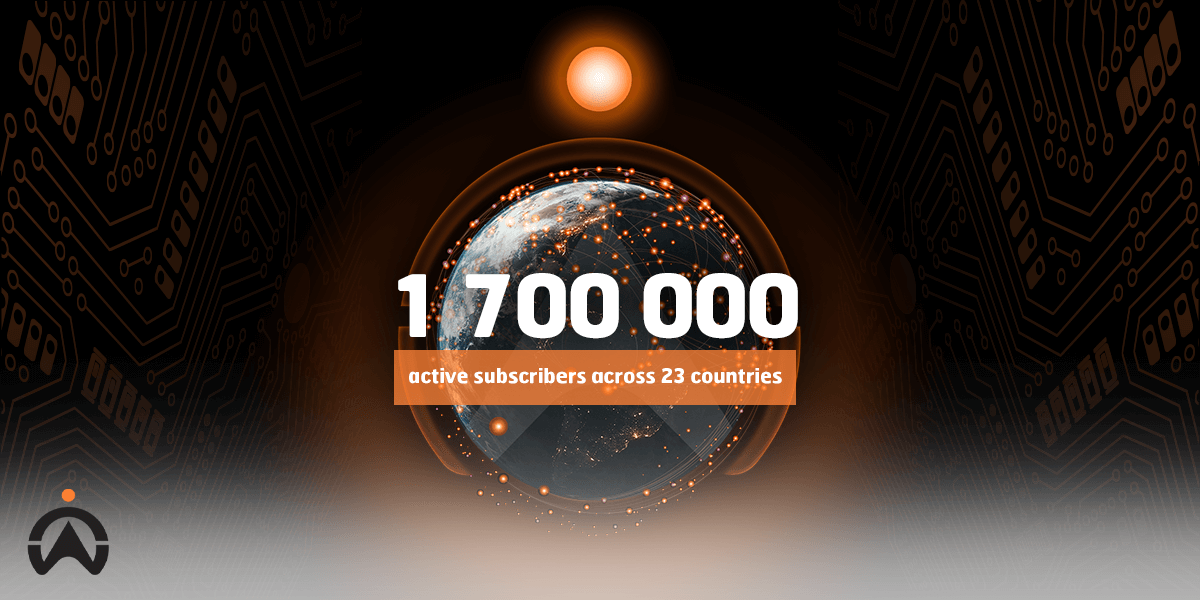
Cartrack is a global leader in connected vehicle technology and world-class fleet management solutions that put you in control. Situated in 23 countries across the world and loved by over 1.7 million subscribers who trust in its impressive recovery rate of over 90% – Cartrack is a company that dedicates its time to putting you in control so you can keep your vehicles:

Tracked✔
Monitored✔
Productive✔
Safe✔

Cartrack is constantly searching for innovative ways to help people and businesses excel. Their advanced software can equip big and small businesses with the tools to adapt to ever-changing market trends, like insurance advice, so they can remain competitive, earn money, and continue growing.

Partner your company with the experts

Keeping a close eye on your fleet is easier than ever thanks to our expert fleet management and individual customer solutions.

Match companies with their perfect fleet management system and take their fleet management skills to the next level.

Partner with us and learn more today.
9 Steps To Be a Successful Fleet Manager

It takes more than a certificate, a smart suit, and a clipboard to manage a fleet. After reading this article, you will be equipped with all the tools and knowledge you need to become a great fleet manager. 

There is a lot that goes on behind the scenes when it comes to moving a product from your warehouse to the vehicle transporting it, and finally to its end destination. To ensure that this entire process runs smoothly, a successful fleet manager needs to keep a close eye on every detail all day, every week, with fleet management technology.

What is a fleet manager’s job description?

A fleet or transportation manager is a person in charge of a company’s fleets. They are responsible for overseeing fleet asset management operations inside the organisation and oversee every step, from hiring to maintaining fleet productivity and everything in between with fleet technology. 

Fleet managers are the right-hand men of the business, they assist with navigating various tasks and difficulties that their fleet might face while on the road or on-site. They also develop regulations based on organisational requirements to handle car utilisation, driver behaviour, and driver schedules.

All this and more, to ensure that a business operates effectively, safely, and legally. 

Ways to become a good fleet manager

Time is one thing a fleet manager doesn’t have much of, so let’s jump right in. Here is all the information you need to become a good fleet manager:

  • Gain knowledge

    Becoming a transpiration manager usually requires a degree in a relevant field like business administration or logistics, but even with a degree in place, you can still get more information with further education courses. In South Africa, Transport management is offered at UNISA and UCT has Supply Chain Management available. In the U.S., NAFA offers Certified Automotive Fleet Manager (CAFM) and Certified Automotive Fleet Specialist (CAFS) programs. These can be found in most higher education facilities around the world. 
    ‍

  • Get experience

    If you’re not the academic type but still want to become a fleet manager, then an apprenticeship is the way to go. This practical way of doing things gives you the chance to learn fast on the job while also earning a salary for your hard work. Seeking a mentor will also guide and help you gain free experience and the essential expertise needed to use a fleet management system. Joining an organisation for a few months gives you valuable insight into the industry you want to work in. 
    ‍

  • Be connected

    Another excellent way to improve your knowledge and abilities is by attending conferences or workshops and networking. Learning and building your skills to suit this job is a good start, but networking with people will bring you a few more opportunities you might not have had access to before. Attend national fleet management meetings, participate in fleet industry associations, and network with peers and suppliers to maximise networking opportunities.

 
9 easy tips you need to become a successful fleet manager

1. Good leadership

Just because you have the title to manage drivers doesn’t mean they will follow your orders or even listen. A good leader inspires confidence in their drivers to follow their managers lead and trust that the decisions made will improve their work ethic.
‍

2. Communicate like a pro

There are many different communication types, and you must choose the right one for your fleet. Ensure that your message is clear and that your team understands you. Finding this sweet spot in communication with your whole fleet is a skill that not many managers get a hang of, and many others are still trying to perfect.
‍‍

3. Digital know-how ‍

A little digital assistance is always needed, especially if you’re managing a large fleet and have to keep up with assets daily and gathered information. Tracking systems and telematics can help account for all your vehicles and provide complete vehicle diagnostics for each one. While fleet management platforms assist with financing, vehicle utilisation, vehicle reports, employee management and more. This improves processing time and frees up time for other tasks.
‍

4. Multitasking

Being able to think on your feet means having the ability to multitask and keep track of all your responsibilities, like scheduling vehicle downtime, checking driver availability, sorting speeding tickets, managing fleet logistics, etc. Being in this fast-paced, demanding role means being able to quickly adapt, control and keep up with the business and its growth.
‍

5. Budget management

Fleet managers are required to create budgets every now and then, this means you have to be able to run an efficient fleet and provide top-rate service with minimum financing. You have to have a deep understanding of the business, the industry and current economic conditions to make financial decisions that will benefit the business. Factor in the working rates of your workers and the hours they’ve worked on a weekly/monthly basis, as no matter how thin finances are stretched, paying drivers wages on time should be a priority.
‍

6. Adaptability

As a fleet manager, you’re in the know about fleet management decision-making, from your drivers to your vehicles. This change of pace requires a sharp mind and fast thinking. You need to adapt to managing multiple drivers and vehicles while keeping up with legislation and vehicle management software. If something goes wrong with a delivery, like an accident, managers have to act fast, communicate with the client, ensure their driver is safe and send another vehicle to complete the delivery if possible.
‍

7. Business management

Good communication and building trusting relationships don’t just extend to your fleet. Knowing company and driver policies, keeping up-to-date with regulatory requirements, and maintaining collaborative relationships with both internal and external stakeholders will help your business avoid fines and ensure maximum safety. Depending on the industry you operate in, knowing specific laws and legislation regarding transporting certain products, such as meat, or pharmaceuticals, is important to avoid damage or spoiling of goods.
‍

8. Make safety a priority

Growing a safety culture within the fleet can reduce company liability and enhance safety measures on worksites. Managers can increase security with features such as driver scorecards that show how safely employees drive by monitoring high-risk behaviours like harsh acceleration, cornering and braking. Additionally, live AI-powered cams equipped with in-cabin real-time alerts can ensure drivers are focused, not fatigued or distracted to help prevent accidents and increase accountability.
‍

9. Up performance standards and become metric-driven

Reaching business goals means keeping track of fleet metrics and the progress of your fleet. Managers are always looking at the numbers through GPS fleet tracking technology to keep an eye on vehicle performance, review fleet diagnostic reports, or monitor asset usage to make cost-effective decisions and see if key elements in the fleet can be improved.
‍


Fleet manager’s tasks and responsibilities

The overall job of fleet operations is to keep costs low, minimise fuel consumption and maximise productivity, all while successfully overseeing a fleet.

In addition, fleet managers ensure all legal aspects are taken care of, they must be informed about every legal issue regarding their fleet the moment they occur. This includes speeding tickets, expired licence discs, or accidents. If these legal problems fall through the cracks or are not communicated, operations and deliveries could come to a screeching halt, or at the very least, slow down because of costly vehicle downtime.

Here are five simple ways fleet managers can reduce costs and keep everything within budget:

  1. Track driver behaviour

    The way drivers operate vehicles and trucks has a huge influence on fuel economy and vehicle longevity. Fleet management software makes tracking driver behaviour easy by recording various risky events such as harsh braking, cornering, and speeding, as well as monitoring driver behaviour behind the wheel through installed cameras. This helps with driver awareness, decreasing idling and other fuel-burning behaviours.
    ‍

  2. Fleet renewal

    In a fleet, as vehicles get older, the cost of maintenance increases. To combat frequent garage visits and constant replacing of parts, fleet managers have to keep up with each vehicle’s service and maintenance plans or choose to replace their vehicles every few years as new vehicles are more affordable in the long run and will help ensure production runs without problems occuring. 
    ‍

  3. Right-sizing
    ‍
    This is letting go of unused or unfit vehicles in your fleet. With the reduced number of vehicles, managers can focus on optimising vehicle usage, conserving fuel, reducing emissions, and ultimately saving money on fuel and vehicle maintenance. 
    ‍
  4. Route optimisation software

    This software is a feature that takes information like travel time and distance into account and provides multiple route options that are shorter to take and burn less fuel. This feature is mostly used when delivering to multiple locations in the same area. It makes the delivery process more efficient by avoiding deviations and helping drivers cut time on the road and deliver packages according to the scheduled time or even sooner.
    ‍

  5. Utilise electronic vehicles in your fleet
    ‍
    Operating a fleet in countries that often have power outages, such as South Africa, might make using electric vehicles a disadvantage, but in truth, the cost of electric vehicles is much cheaper to afford than vehicles that rely on fuel, especially regarding maintenance costs and services. Recharging these vehicles is more affordable in the long run than paying for fuel, especially with ever-increasing fuel prices.

Behind every well-run fleet is an effective fleet manager and a decent fleet management system. Cartrack helps successful managers effectively oversee a fleet of any size with fleet management solutions through trusted Cartrack features and in their tracking system.

For Fleet Managers – One Fleet Management Solution To Do It All

You’re a few clicks away from being equipped with cost-effective, industry-leading fleet management services. Get a free quote and visit Cartrack for more information and tips.

Cartrack – The Best Solution for Fleet Management in Namibia

For any Namibian fleet company. Small or large, fleet management is imperative. It helps the fleet operate successfully from vehicle maintenance and driver behaviour, fleet efficiency and productivity, and organised admin, right down to fleet compliance and identity management. However, with all the fleet management options to choose from which is best for your company? 

Let’s dig in.

Fleet management and fleet management software explained:

Fleet management refers to the governance of fleet businesses through a series of tasks involved in overseeing an entire fleet operation from dispatch to delivery. For any business that relies on a fleet of vehicles (whether 1 or 100+) to operate efficiently, fleet management includes, but is not limited to:

Manually, the possibility of successfully conducting these tasks are very close to nil. However, there is computer software that provides fleet managers with a way to carry out fleet management tasks all-in-one platform, equipping them to successfully oversee an entire fleet – this technology is known as fleet management software.

The fleet management climate in South Africa

Before fleet management software was introduced in South Africa in the mid-90s, fleet management was manual and largely paper-based. 

Today, South Africa is offering relatively mature fleet telematics, comparable to international standards.According to the 5th Edition of ‘Fleet Management in South Africa’, the active use of fleet management systems is set to grow by 12.6% from 2.0 million units at the end of 2021 to 3.6 million by 2026. While company penetration of the total population of fleet vehicles is estimated to increase from 41.5% to 68%.

Nonetheless, South Africa still has a large number of low-end vehicle tracking systems(lightweight solutions which include stolen vehicle recovery (SVR) systems extended with basic fleet management features such as vehicle tracking and real-time visibility and remote monitoring) represented in fleet telematics systems.

With this said, the South African fleet management market is dominated by five players that together represent 70% of the total number of fleet management systems in use in the country. However, Cartrack is the best full-scale fleet management solutions provider both in South Africa and globally, with over 1 700 000 active users (to date) around 23 global branches.

How Cartrack’s Fleet Management Technology Can Change The Way You Do Business

What are the five main fleet management challenges in South African countries? 

Despite the new normal (banning, unbanning and re-banning of commercial goods and services, restraints of car movements and driver retrenchments) that resulted from COVID-19, the country continues to face socio-economic issues that have a negative impact on fleet management:

  1. High hijacking rates: Not only are hijackings frightening and endangering, but are also a huge loss for fleet businesses, with the average hijacking costing a company over R240,000. As hijackings are on the rise, vehicle tracking should be a top priority for a fleet operating in South Africa by keeping up with the latest hijacking trends and investing in reliable vehicle tracking devices and security services. This will help minimise the risk of car theft and maximise the potential of stolen vehicle recovery. 
  1. Increasing fuel prices: In South Africa, fuel prices have been unsteady with the consistent increase (and some decreases), causing inconsistencies in fuel costs for fleet businesses. According to the Standard Bank fleet card transactions data, the average South African paid approximately R14 per litre of diesel in January 2022‒ amounting to R3 360 to fill a 60-litre tank four times a month. However, it would cost almost 50% more to fill the same amount of fuel today since the diesel fuel price is sitting at over R21/litre. It is therefore clear that improving fleet management in South Africa means improving fleet fuel consumption. That can be achieved with fleet management software that helps with better fuel management.
    ‍
    ‍
  2. Load-shedding: South Africa is currently facing its worst period of load-shedding to date. By the first week of February 2023, the country has already experienced more load-shedding than the whole of 2019. Load-shedding hinders businesses’ ability to produce products and render services, thereby hindering their ability to deliver outcomes or provide delivery services. Additionally, load-shedding contributes to weak card machine signals, which causes fuel tellers to swipe fuel cards more than once in the mistaken belief that the initial transaction failed. This results in multiple transactions and extra fuel charges. 
  1. Complex fleet compliance: The South African fleet transportation landscape differs from that of the rest of the world as in the majority of other nations, fleet owners are also “owner-drivers” of one or more of their fleets which in most cases do not exceed 10 vehicles, making it easier for the owner to stay in the know about the condition, utilisation and legal status of the fleet. South Africa, on the other hand, has a lot of smaller fleet bussinesses but also larger ones, making fleet management and compliance more challenging. In order to improve fleet management, fleet managers need to find the best fleet telematics system to help them easily control the condition, utilisation, and legal status of the fleet  all in one place.
    ‍
  2. High car accident and road fatality rates: According to the Automobile Association of South Africa (AA), South Africa has an average of 14,000 road deaths per year – making road safety a national crisis. The top three causes of road accidents in the country are distracted driving (such as cell phone use or fatigued driving), drunk driving and unsafe driving (such as speeding, overtaking and passing red traffic lights). Other causes of car accidents include j-walking, car faults as well as weather and poor road conditions. Not only does this cost businesses thousands on vehicle loss, repairs or insurance but it may also cost an employee’s life. 

Namibia’s best vehicle tracking solution to improve your fleet management company 

As a fleet operating in South Africa (or any of our other 23 countries) with Cartrack Solutions, you will not have to worry about these challenges. You can still improve your fleet management and elevate it with our fleet management software and features: 

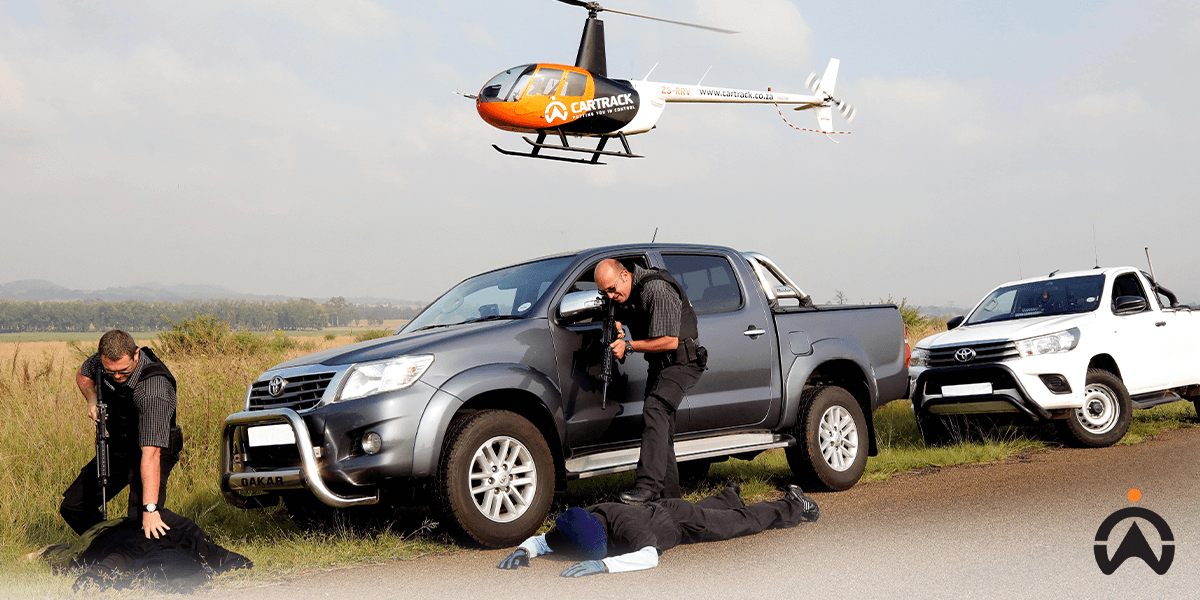
  1. Stolen Vehicle Recovery: With Cartrack’s dedicated and highly-trained air and ground recovery team along with our advanced IoT tracking devices combining GPS, GSM, RF, and remote jamming detection technology, we guarantee your vehicle’s tracking unit will continue to provide accurate location information. Additionally, our sophisticated installation process makes it more difficult for thieves to locate and disable your device. All these combined give us over 90% surety that your car will be recovered, saving you hundreds of thousands of Rands that could be incurred as a result of hijackings.
  2. MiFleet: Cartrack’sMiFleet featureintegrates, digitalises, and automates fleet admin, maintenance, and cost analysis. This way, fuel risks by employees (such as syphoning, fuel card fraud, fuel card cloning, and multiple transactions) costing your company thousands are easily detected and automatically alerted when there are inconsistencies in the vehicle’s location, fuel data, and fuel card data. Additionally, fleet maintenance plans are automated based on car usage and diagnostics to avoid unnecessary breakdowns, downtime or fuel wastage, and ERP (Enterprise Resource Planning) or bulk import costs are integrated so you can receive detailed insights that help you understand your entire fleet’s costs and bottom line.
  3. Cartrack Delivery: With our Cartrack Delivery technology efficiently dispatches drivers and assigns driver schedules in advance so you can combat the load-shedding delays caused in the production process and thus the delays in delivery. With Cartrack delivery, you can quickly catch up with delivery delays using route optimisation (saving you on time and fuel) or dispatch the nearest optimal drivers on demand based on their availability to meet even the highest delivery demands. This way, you can keep drivers and customers updated on any ad-hoc changes (caused by load-shedding) – building an efficient communication culture.
  4. Fleet reports and logbook: Prevent vehicle misuse, ensure every vehicle is roadworthy and keep regulatory contracts up-to-date with headache-free compliance. With Cartrack Solutions youcan choose from a range of over 40 standard reports including mileage, driver scorecard, speeding and productivity reports, and track vehicle utilisation with our GPS tracking devices that monitor driver behaviour and track vehicles. All this data is obtained by the fleet management system and can be accessed by the fleet controller via the internet, at any time. Use Cartrack’s logbook to automatically log all car trips and categorise them as personal or corporate trips ensuring that you have a tax-compliant logbook by distinguishing between corporate and private journeys for SARS submissions.
  5. AI camera solutions: Ensure driver security and prevent accidents with up to eight AI-powered and live-streaming internal and external cameras that detect distracted driving such as smoking, cell phone use and yawning. Additionally, our event-based footage instantly gives you the cctv surveillance you need and has the correct footage to defend your drivers from false claims. These solutions save you potential accident costs, increases driver detection and reduces unnecessary legal costs, and most importantly, improves driver safety and risk management.

Ready to elevate your vehicle management with Cartrack tracking devices?  

Shoot your fleet’s productivity off the roof today with Cartrack’s fleet management software and tracking devices that empower you to control your fleet no matter the fleet climate.

How to Improve Your Fuel Monitoring with a Top Fuel Management System

Many fleet businesses do not know where and when fuel is being stolen, unaware that fuel syphoning could be a contributor to fuel spikes. Fuel monitoring solutions will help you accurately monitor fuel consumption levels, spot possible fuel theft and drastically reduce your fuel costs.

Let’s dive into why fuel monitoring and management is a must-have for a business.

What is the purpose of a fuel monitoring system? 

According to experts, if we consider all variable costs in the transport and logistics industry, fuel is by far the most important one. Fuel management can be the difference between going bankrupt and being successful. Statistics prove that good fuel management can save up to 10% of fuel costs, which is why you can’t afford to not optimise your fleet’s fuel efficiency.

Without a fuel monitoring system, there could be an increase in expenses and cost wastages that could be put to better use. For example, save on fuel and use the extra money to focus on a top product offering that will help grow your business.

What does monitoring fuel consumption really mean? It means taking all possible measures to have a tight grip on your fuel usage across your fleet. Basically, knowing where every single drop of fuel is going.

There are many ways fleet managers can get in control of fuel monitoring. For example, they could invest in a real-time fuel monitoring system or a fleet management platform.

But first, let’s look at some fuel wastage risks:

‍Common fuel theft methods and risks

  • Syphoning

This is typically done using a hose and manually sucking the gasoline or diesel fuel out of the tank and into a container. Thieves will steal and place this fuel into another vehicle.

  • Fuel card fraud 

Fuel card fraud occurs when someone uses a company fuel card to purchase fuel for their personal vehicle.

  • Fuel card cloning

This when data is stolen to create copied fuel cards which are often used to fill up other vehicles with fuel at the original cardholder’s expense

  • False transactions

This is when filling stations swipe a fuel card multiple times for one refuel session, leaving the cardholder liable for each transaction and fuel they did not receive.

No matter the type of fuel trends you want to monitor, we’ve got a fuel management solution for you.

How can I better monitor my fuel consumption?

Control every cent with Cartrack’s fuel cost monitoring system. It reviews your fuel transactions and matches fuel receipts with your vehicle’s advanced telemetry data to identify any possible fuel theft,  saving you time, money and fuel.

‍1 – Reduce fuel wastage

Be able to monitor your vehicle tank’s daily fuel levels. Also, know how much fuel your vehicles are consuming and the mileage driven, litres used per kilometre. This data helps you reduce fuel wastage and can be used to perform industry comparisons on driver and vehicle behaviour. If there is a sudden spike in fuel consumption, you’ll pinpoint the reasons such as it could be because of poor driver behaviour, fuel theft or your vehicles might need maintenance to be more fuel efficient.

2 – Spot fuel theft 

In many instances, criminals can manage to syphon up 125 litres of fuel at a time. Sometimes it can be hard to know if fuel syphoning is taking place, especially if your drivers will need to rest on long-haul journeys, which could create an opportunity for criminals to syphon fuel while the vehicle has stopped.

If this happens, you’ll instantly know where, when and how much fuel is taken with live alerts so you can attend to the situation immediately before you incur excessive fuel costs.

3 – Identify fuel card fraud

Our system automatically matches fuel receipts with the amount of fuel going into the tank. Fleet managers can check if the fuel they are paying for arrives in the truck’s tank, and not into another car. This will allow you to see your fuel purchase history and see which vehicles filled up at which station, and then you can match receipts accordingly. This will answer unexplained questions for fleet managers like “why was the fuel card used when the vehicles were not in use?” or “why were there excess fuel card transactions exceeding fuel budgets?”

There’s telematic software solutions with smart algorithms that can be used to compare your fuel receipts and fuel card transactions to your vehicle’s data. This will help you spot any inconsistencies.‍

4 – Data reports 

The best way to assess fuel consumption is through data analytics and using the reports to make decisions instantly. Monitor your rate of fuel usage, through fuel level and consumption reports, where you’ll be able to see the total fuel consumed, fuel levels at the start and end of trips, average fuel consumption, refuelling, fuel draining events and more. Track usage trends and have the data on hand for reporting – receive the reports in your inbox immediately. ‍

5 – Insights into driver efficiency 

When you receive driver behaviour reports, you can determine which drivers in your fleet need to improve their driving patterns – which is another big contributor to increased fuel costs. For example, unnecessary and excessive idling contributes to an increase in fuel. An idling car uses between 0.76 to 2.65 litres of fuel an hour. An idling truck burns approximately four litres of fuel an hour. Driver training or coaching can then be provided to empower drivers to improve their behaviours, and prevent fuel usage from getting out of hand.

How does fuel monitoring work?

A fleet provider can install fuel level sensors directly into your fleet vehicle’s fuel tank, which will monitor the volume of fuel in a tank.

Here’s how Cartrack’s fuel sensor system works: 

  • The fuel sensor (fuel filter) is installed into a vehicle’s tank by a technician to monitor fuel levels
  • The fuel sensor measuring system has one tube which is connected to the sensor
  • When fuel is added, it fills the tube and spaces around
  • After three refills have taken place, the sensor will be calibrated and ready for use
  • Any decreases or increases in fuel levels will be accurately measured by the sensor
  • The sensor will send information about the level of fuel in the tank to our telematics system
  • The following data can be retrieved from our system; litres, vehicle location and tank capacity
  • All this data is transmitted to the Cartrack platform and can be compiled into reports
  • Alerts can be set up to monitor any fuel loss or gain and sent to you via email or sms

‍Why a fuel monitoring system for trucks is good for business 

  • Save on bottom-line costs

Fuel is one of the largest expenses in a fleet business, and with fuel costs so volatile, managers need to conserve every drop, going into their trucks, so they can keep business costs under control. Lack of fuel efficiency in trucks can impact productivity in a business, and negatively affect profits. For example, if you spend excessively on fuel, then you have less money to allocate to other areas of the business such as hiring more salesmen to promote your business. Or you might not have enough cash flow in your business, to cover unexpected expenses.

  •  GPS tracking 

This is part of a fleet management solution, where you can see where your trucks are 24 hours a day, and if they are operating efficiently. You can assess how your fleet consumes fuel and driving behaviours that could be affecting fuel in real-time, giving you the opportunity to take action for any fuel inefficiencies. For example, you have two drivers on their way to the same destination, driving similar vehicles and one is using far more fuel – you can do something with this GPS data to avoid unnecessary current and future fuel wastages.

  • Identify unsafe practices 

Telematics software can give visibility into unsafe driving practices. By monitoring the team’s on-road behaviour and highlighting poor driving habits, you can help correct dangerous behaviour and set targets for safety that will improve fuel efficiency in your fleet.

  • Reduce engine idle time

One of the main reasons for unnecessary fuel waste is leaving the engine running when the vehicle is stopped for long periods. A fleet management system helps to identify how long a truck has been idling, quantify the amount of fuel used, and notify the driver so they can reduce their fuel waste and unnecessary idling.

  • Make fuel tax reporting simpler

If there is a significant spend on fuel, then admin tasks will increase especially compiling reports on fuel levies and taxes. Filing returns requires extensive information about when and how far trucks in a fleet have travelled that year, which the system will be able to provide. It may be difficult to keep track of all this information, but through the fuel management process, fleet managers can streamline the reporting of fuel usage for tax purposes.

Save on fuel with Cartrack

If you find yourself spending excessively on fuel and your vehicles are consuming more than they should, a fuel monitoring system will help tackle that. Take control of your fleet and solve fuel inconsistencies with Cartrack’s fleet management platform.

How Fleet Managers can Implement Effective Task and Team Management Tools to Boost Profits

Every fleet business needs task management in place, to make sure on-the-ground operations and tasks are up to speed. 

But often, fleet managers don’t know where to start.

Systems and processes make work easier, and with a fleet management platform, it’s even simpler – you have everything you need to manage tasks all in one place, and you can do it from anywhere. 

Imagine that. 

If you are looking for ways to manage tasks in your team or personal workload with one simple fleet solution, then you’re in the right place. 

What is task management and why is it important?

Task management involves monitoring all stages of a project and making continuous decisions until each stage is finished. 

Tasks will go through a life cycle of planning, testing, tracking, and reporting until completion. 

Effective task management is used by individuals, teams, organisations, and project managers who prefer to have a system in place to manage projects. It is a useful tool to ensure you meet deadlines, improve the quality of work, manage workloads, drive collaboration, and increase production.

The type of task management tools you choose will serve as a visual representation for the entire team and set the standard for organising tasks well. 

It will help you answer questions such as what tasks are being worked on? How many tasks have been completed? Are you on schedule with tasks or do you need some backup? And  when exactly you can close a project and start a new one with your team. 

Fleet software platforms offer task management features that can help you answer these questions, and manage tasks better in your fleet. 

What is an example of task management and where is it used?

The fleet management industry is an example of where task management tools and processes are needed, to run a fleet successfully. 

Often, managers have multiple drivers on the road at once performing various tasks like making deliveries. In this case, managers will need to make sure their drivers make deliveries on time, and keep customers updated throughout the process. They also need to meet deadlines for daily tasks and offer adequate reporting on each delivery task, its progress and achievements. 

Instead of manually calling drivers, sending messages, and monitoring deliveries using a spreadsheet, they can streamline their workflow and plan tasks on a platform like the Cartrack Delivery app. 

They can manage and assign jobs, plan routes for the day, track progress throughout deliveries, and drivers can also send updates on their progress, and accept or decline jobs. 

They can keep a record to indicate if they are reaching certain goals in their fleet, through daily customised reports. Perhaps, their goal is to do a certain amount of trips in a day to meet delivery targets and increase customer satisfaction, then they can access vehicle trip history reports.

On the fleet software platform, you can cut your admin in half because all the information about your fleet tasks is in one place, so for instance, you don’t need numerous spreadsheets relating to vehicle trip history for the month. 

Below are more insights about a fleet platform and some tips on task management that will help you move those tasks onto the done list.

5 ways to boost your business with task management, team management and work optimisation features 

  1. Track tasks more accurately‍
    ‍
    Use data to know if you are on track with your task goals and to make business decisions. A platform will give you all kinds of data reports you need. For example, perhaps one of your goals is to save on fuel, and you need to get your team together to solve this problem. You can pull up fuel reports and assess the data to see if fuel is dropping. You can use this tool to put a plan of action together to help save on fuel and find ways to cut costs.
  2. Manage your fleet remotely ‍
    ‍
    The more flexibility you have, the more tasks you can get done because you can monitor tasks no matter where you are. And with a cloud platform, you can access some sections of the platform from your phone and receive alerts for various triggers you’ve set up, to manage your fleet. For example, you can receive an alert to inform you when your vehicles are due for service.  
  3. Communication with your drivers‍
    ‍
    Assign drivers, vehicles, and jobs to complete and share relevant information or let them chat with you directly in real time, using the communication features on the fleet management app. This will help you optimise your operations, as you won’t have to try get hold of your drivers telephonically to assign jobs or communicate with them. For instance, a business selling fresh produce will get the orders in from customers, then can open the app, and calculate the best routes for drivers to take, and assign deliveries to the drivers strategically, ensuring on-time deliveries. Drivers can update their managers on where they are with orders from the app. Managers can then assign new tasks to available drivers and keep their customers updated.  
  4. Automated reports ‍
    ‍
    To make your fleet tasks increasingly efficient, a fleet platform can help you eliminate the amount of time you spend on admin. Cartrack’s fleet platform ensures your admin, operations, and finance teams have everything they need when they need it. There are various types of reports and insights a manager can download, automatically receive or have sent straight to his team to help make admin and communication easier. For example, if the finance team needs to calculate the fuel expenditure for the month, managers  can retrieve a fuel report on their fleet’s monthly fuel consumption levels and share these insights with the finance team.  
  5. Optimise your workforce ‍
    ‍
    Streamline processes in all areas of your fleet business, and remove unnecessary parts which will help improve your existing staff’s productivity and finetune certain fleet tasks. For example, with a fleet platform, you could make improvements to your maintenance procedures. You can retrieve timely maintenance reports and alerts to help you manage your maintenance schedules and keep your vehicles well-maintained. As a result, your staff won’t need to take the vehicles to the mechanics to be manually checked, and you will only need to service them when you get alerts from the platform, and with the knowledge from the maintenance reports – making this part of your business more optimised. 

What is the best way to manage tasks? 

Together with a fleet software platform, here are some other helpful tips a fleet manager can use to manage tasks even more effectively.  

  1. Focus on one task at a time ‍
    ‍
    Prioritising tasks is important to ensure the team isn’t doing more than they can handle, which could result in errors on projects. Bookmark important tasks for yourself so you know your priorities, and break big tasks into smaller subtasks, so the tasks can  get completed one at a time, and you can feel like progress is being made. This will also allow you to know who to follow up with, and you can tag individuals on tasks so they remain informed on updates as they happen. 
  2. Collaborate frequently ‍
    ‍
    Working in a team means more work will get done, but at the same time, everyone needs to be on the same page and in sync. You need to continuously communicate with your team about project successes and failures, and get feedback from them. You should create an open space for them to discuss their thoughts. Communication tools such as virtual workspaces or video conferencing programmes will assist with this so there is a constant flow of communication. 
  3. Realistic time frames ‍
    ‍
    Each task should have a realistic timeframe, and deadlines according to the relevant importance of the associated task or activity. Every timeframe you set should be achievable to help avoid unnecessary stress within your team. Keep your task list organised and ensure that your team is given enough time to complete tasks. 
  4. Define roles and allocate resources‍
    ‍
    Assign the appropriate people with the right amount of experience and resources to get the job done. Every one of your team members should know exactly what they are supposed to do, this will also help build accountability within your team and keep everyone focused on the task at hand, which will improve productivity levels. 
  5. Goal tracking ‍
    ‍
    Defining milestones helps motivate teams to execute tasks successfully. You can keep track of tasks using a reporting tool. Modern-day reporting tools come with features like project reports, resource reports, and time reports. This will give you a clear idea of everyone’s efforts, how things are moving forward, and how team members are utilising their time. 

Let’s unpack why task management software platforms are so important for you and your business. 

Five key benefits of using task management software 

  1. All tasks are in one place ‍
    ‍
    If you find yourself scrambling to find tasks and you have multiple spreadsheets, a software platform will help you organise and keep all your tasks in one place. For example, a fleet software platform has a customisable dashboard with multiple tabs which ensures that all your fleet information and task progress is in one place. This helps you save time from having to search for information and keeps your team on schedule because you can quickly delegate and track tasks, from anywhere. 
  2. More control for managers ‍
    ‍
    An organised platform eliminates some stress and pressure for fleet managers, project managers, and business owners because they have an overview of all tasks and can attend to other tasks – essentially multitasking. This is particularly useful when they have meetings, report backs, and are solving daily problems, they won’t need to worry about finding the data they need or waste time on unnecessary admin. 

    For example, say there is fuel syphoning happening in real-time, and fuel consumption levels are abnormally high, a manager can immediately intervene. They will be able to see from the fleet platform, which vehicles are consuming more fuel than others, flag areas of concern and investigate these.  

  3. Room for business growth‍
    ‍
    A fleet platform can help you make the customer interaction with your business more seamless and efficient, as you are able to communicate with your customers about their deliveries. The efficiency factor also allows you more time for your customers, this could include answering queries more, regular check-ins, email updates, and going the extra mile for them.   

    You can also focus more on sales and marketing opportunities to grow the company or offer lower prices, more products and services because efficiency opens up more cash flow.

  4. Important for remote work trends ‍
    ‍
    Businesses that fail to keep up with technologies and software systems, can fall behind their competitors, and disconnect from their customers.

    An example of this innovation is an increase in remote work globally. Companies are needing to adjust accordingly with better communication systems or run the risk of poor work ethics which can lead to frustrated employees and customers.

    A remote work statistic of 2022 is that 56% of companies around the world offer remote work opportunities. However, 88% of remote workers face inconsistent leadership and miscommunications with other team members, says Saaslist. Task management software can help bridge this gap. 

  5. Increased team productivity ‍
    ‍
    According to Saaslist, project management and online task management software saves the average employee 498 hours per year. There is more streamlined communication to prevent less back and forth between managers and staff. Companies could also save on business costs, as they might need fewer employees, as a result of an improved and streamlined workflow.

7 additional task management tips every manager can use

If we look at managing tasks holistically across the board, the principles of organising are the same. 

Here are some methods you can look into to help you make your fleet successful. 

  • Do the challenging tasks first‍
    ‍
    This involves starting with the harder tasks at the start of the day when you are more energised, before moving to the easier tasks. This will give you more time to make changes, research, and ask questions for challenging tasks, and you’ll feel more relaxed for other tasks.
  • Task boards‍
    ‍
    Create your board or use a task management software platform to organise project management tasks into three categories: to-do, doing, and done. You can then sort your tasks into their respective categories so you can track your progress. After you finish a task, you can move it over to the “done” column to identify the tasks you’ve accomplished. When you see tasks completed successfully, it will motivate you to complete more. You can further categorise and organise tasks by using colour coding.
  • Simple lists ‍
    ‍
    This is a more straightforward way of organising tasks, by simply writing tasks on a list, putting their due dates next to them, and then ticking them off the list once you complete the task. Just make sure you write your list on something that won’t easily be misplaced or thrown away. 
  • Rows and columns ‍
    ‍
    Organise projects using a spreadsheet and place specific projects in their respective columns, then list the action items required to complete each task. This helps you better visualise how much work and time you need to put into finishing certain projects. Listing the individual tasks underneath each project can also make it feel more doable and approachable.
  • Task timer‍
    ‍
    To assess if you are spending the right amount of time on tasks, you can split your tasks into sections of around 25 minutes of uninterrupted time. Stop once the timer alerts you, take a break, and then return to the next task. Some tasks might take up the full allocated time or less, and you can adjust accordingly. This technique allows you to do many tasks and keep productive while giving your brain a chance to relax. It will also allow you to assess what tasks take longer than others, so when you are planning tasks, you can create an appropriate working schedule for ultimate productivity. 
  • Be open to feedback‍
    ‍
    This is one of the most important project management tools and strategies as there is always room for improvement. You need to keep informed about what’s working and what isn’t. Feedback is a two-way street. As a manager, you need to give feedback but also get it back. This will ensure project objectives are met timeously. It will also create a space for a good flow of communication, giving team members clarity on what needs to be done at all times.

Manage your tasks easily and efficiently with one platform 

Overwhelmed with tasks, deadlines, workflows, admin, paperwork, and have a team to manage? Whether your business is big or small, our system will help make your daily operations a whole lot easier.

Easily manage tasks, track progress, collaborate seamlessly, and have everything you need to successfully manage your fleet, all from the Cartrack platform. 

Fleet Management Solutions That Will Make Your Funeral Business the Most Efficient in Town

There are over 100 000 burial societies in South Africa and funeral expos such as Funerex for funeral providers – an indication of how large the industry is. Now imagine a fleet manager trying to manage all the vehicles and drivers in a business, especially in such a time-sensitive industry where delays could have dire consequences. 

A decent fleet management solution can help you better manage your drivers, vehicles and customers, giving you all the information you need to ensure your drivers remain productive, punctual and efficient. 

Time is your most precious resource, let’s not waste a second of it and get straight into how a fleet management platform can be the solution for your business. 

Fleet management unpacked

Firstly, what does fleet management software do?

A fleet management solution helps fleet managers track deliveries, optimise routes, schedule drivers for the day, monitor driver behaviour, and reduce risk factors that could harm their fleet. It aims to help managers bring down operational costs, fuel consumption, streamline processes, and much more. 

Who uses fleet management software? Fleet managers or owners who have a fleet of vehicles, either small or big and need to get tasks done and gain more visibility of their fleet. Drivers can also use the software to communicate with managers about their job progress, and also improve their driving behaviour in real time. 

Now that we’ve unpacked the basics, let’s take a quick crash course on the software behind this smart system. 

fleet_management

What is the best software management solution and what makes a good fleet management system? ‍

Simple answer. It depends on the needs of your business. 

Seeing as this article is funeral-industry focused, let’s use it as an example. Funeral providers with a fleet of vehicles mainly need to ensure the timely transportation of deceased individuals between the funeral home and burial site, until the deceased individual is laid to rest and out of their care. Fleet managers in this industry will need insights that give them more continuous visibility of their fleet so they are equipped with the tools to keep their operations as safe, productive and efficient as possible.  

A fleet management system helps managers streamline their day-to-day tasks and prevent challenges such as service delays, task miscommunication, and wasted resources trying to locate where drivers and vehicles are daily. 

A decently good fleet management system will be packed with many benefits for all types of industries. 

Here are a few:

‍Benefits of fleet management software

  • Increased customer satisfaction and business growth.
    ‍
    With more visibility of your fleet and vehicles, you can get more tasks done, schedule more dispatches and ensure smooth deliveries or services, which will help retain your customers, boost your profit margins, and keep your business stable. 
  • Improved fuel efficiency.
    ‍
    ‍
    Track fuel patterns, fuel consumption, idle times, driver behaviour, fuel costs, and any forms of fuel theft, all from a fleet platform, to optimise fuel costs and reduce fuel expenses. 
  • Optimise your workforce.
    ‍
    ‍
    Keep track of your workforce, by getting full visibility of driver attendance and fleet activity, helping you pay wages more accurately and to prevent any unauthorised usage of vehicles or equipment. 
  • Added vehicle safety.
    ‍
    GPS vehicle tracking from a telematics platform will help keep your fleet safe, as you can always pinpoint its whereabouts and location. If one of your vehicles is stolen, you will receive an alert, and your provider’s advanced recovery team will take immediate measures to locate and recover your vehicle.
  • Advanced vehicle maintenance.
    ‍
    ‍
    Prolong the lifespan of your vehicles, where a platform will send you alerts when you need to service your vehicles. You’ll also receive vehicle diagnostics such as oil leaks or worn-out brake pads, so you take preventive maintenance measures and reduce any downtime on the roads. 

Do you feel more informed to choose the best fleet management system for your business? 

Here’s a detailed list of some core features every fleet management system should not go without: 

fuel_effieciency

3 main features vital in any fleet management system

  • Vehicle management ‍
    ‍
    The number one foundation of any fleet platform should be that it offers advanced GPS vehicle tracking, enabling fleet managers to access the real-time locations of their vehicles at any given point, and to see if they are moving, idling, or parked. If a vehicle is stolen, the telematics company’s recovery team will have the data insights they need to locate and recover the stolen vehicle, as soon as possible. As a result, the fleet manager will not incur any unnecessary asset costs and will help them manage their vehicles better. 
  • Driver management ‍
    ‍
    A large part of managing a fleet is monitoring your driver’s behaviours on the roads so you can protect your vehicles and cargo, reduce accidents, improve driver productivity, and ensure more fuel efficiency. A fleet solution should have capabilities to keep track of behaviours such as harsh acceleration, harsh braking, speeding, excessive idling, and more. Cartrack’s fleet management system does all that and more. Its AI-powered and live-streaming camera technology can even live-track driver behaviour and audibly alert drivers in real time when it detects forms of dangerous driving gestures. The AI technology notifies drivers when they show signs of cell phone use, fatigue, drive too close to other vehicles, and more. The real-time audible alerts allow drivers to quickly rectify their behaviour and prevent an accident before it’s too late. The software not only helps keep drivers safe but makes them more accountable for their actions.
  • Operations management‍
    ‍
    A fleet platform should have vast capabilities to help you manage various aspects of your operations, including vehicles, drivers, and routes to ensure tasks are completed for a better customer experience. For example, this could include route optimisation, which calculates the best routes for drivers to take when making deliveries. This will help with faster arrival times, better customer experiences, and improved fuel consumption. Or receive maintenance insights and updates for your vehicles, so you can service your vehicles in advance, reduce excessive maintenance costs and prevent unnecessary breakdowns.

Effective operations and fleet management are crucial for funeral service providers, so let’s dive more into the nitty-gritty of this industry. 

Fleet management in the funeral industry

Funeral service providers offer funeral-related services, one of which includes fleet services that assist clients with the preparation and transportation of deceased persons for burial or cremation, to ensure their requirements are managed with utmost care and consideration. 

In this industry, the timely delivery of deceased persons is a priority. Obstacles like hot weather, traffic jams, and breakdowns can have serious repercussions given the sensitive nature of the contents they transport daily. 

A fleet management solution is vitally important for fleet managers in this industry, as it equips managers with the tools and technology to pinpoint the exact whereabouts of their fleet at any given time. This visibility can help managers identify issues like delays and downtime early on, so they can try to resolve and avoid disruptions, and meet the timely needs of their customers.

If you are a funeral provider and are looking for a fleet solution that can help you deliver quality funeral services, here are some ways Cartrack can help. 

coffin_in_trunk

5 ways Cartrack’s fleet management solutions assist funeral companies 

  1. Manage task progress and communicate with your drivers effectively‍
    ‍
    With a fleet platform and mobile app features, you can easily manage daily tasks, gain full visibility of your vehicles, and communicate with your drivers in real time. This allows you to know exactly where your vehicles are at any given time so you can pinpoint the whereabouts of the deceased person in transit and keep your clients updated. This means you are also able to see when your drivers arrive at a  burial site on time. Drivers can also use the mobile app to update you on every stage of their job progress so you can keep your customers updated 
  2. Automate and digitise your operations‍
    ‍
    With Cartrack’s smart analytics dashboard and data reports, you will get all types of actionable insights to improve your processes, and make business decisions. For example, you can download vehicle trip history reports to identify any route inefficiencies for jobs so you know how to tackle them for future trips. Reports can also be automated, and sent straight to your inbox, creating less paperwork and reducing the administrative burden in your business – giving you more time to care for your clients and handle other pressing tasks. In addition, You can receive live alerts for other fleet metrics automatically, which means you don’t have to waste time searching for information,  automating your business even further.  
  3. Ensure effective vehicle maintenance ‍
    ‍
    The fleet platform will alert you when your vehicles require servicing and will give you vehicle diagnostics. This means, you will instantly know if there are worn-out brake pads, oil leaks, and more, allowing you to increase your assets’ lifespan, service your vehicles on time, and schedule fleet maintenance plans. As time is a priority for funeral fleet management activities, it will help you reduce unnecessary downtime and breakdowns, so you can accommodate your clients sufficiently and also keep your funeral business operating around the clock.
  4. Protect your vehicles from theft ‍
    ‍
    GPS vehicle tracking and a stolen vehicle recovery service from a telematics company are necessary for funeral service providers. It helps you keep track of your vehicles and ensures they are always right where they should be. In the unfortunate circumstance of vehicle theft, tracking devices increase the chances of vehicle recovery. Not only is this important for your business’s  bottom line costs, but it also boosts your fleet’s safety which is crucial, especially given the nature of the sensitive contents being transported.

    Cartrack has a  stolen vehicle recovery rate of over 90% and has a highly trained air and on-the-ground recovery team and emergency control room support. This helps ensure any stolen vehicles are successfully recovered as quickly as possible. In addition, a funeral provider can also choose Cartrack’s safety add-on feature, CarWatch – a virtual car guard. You can activate it from the Cartrack app, and receive an alert when your parked vehicle moves without your permission. 

  5. Improve driver safety ‍
    ‍
    Given the nature of the sensitive contents being transported daily, drivers should be extra cautious on the roads. The platform allows you to accurately monitor your driver’s behaviour and gives you access to driver behaviour reports. You can use these reports to make your drivers aware of areas where they need to apply more caution so they can drive safer and be more accountable. There’s also Cartrack’s AI-powered camera solution. It gives your drivers the chance to quickly rectify any dangerous or distracted driving behaviour by sending drivers audible alerts in real time when they use a cell phone, drive too close to another vehicle, show signs of fatigue, and more so they can prevent an accident before it is too late.
Funeral_bussiness

Let Cartrack make your funeral business the most efficient in town

No more unnecessary downtime, avoidable delays and unhappy customers. Make your funeral fleet as productive, efficient and safe as possible. Cartrack’s fleet management system will help you get full visibility of your drivers, vehicles and tasks so you can optimise your operations and meet customer demands. Chat with us today.
What is cold chain logistics and why is it important to maintain your refrigerated trailers?

Do you run a delivery business in the cold chain industry? Are you a fleet manager for a company that delivers temperature-sensitive products? Or are you here to simply learn more about cold chain logistics and refrigerated trailers? Either way, whether you have a fleet of one or 100 reefer trailers, this blog is for you. 

What is cold chain logistics and how has it evolved? 

Back in the 1700s villages in Great Britain used community cooling houses to keep meat, fruit, and vegetables stored. Later in the 1800s, fishermen and farmers used ice to preserve their produce while transporting it from rural to urban areas for commercial purposes.

Today, the methods of managing the temperature of products to sustain their quality are referred to as cold chain, and the transportation of these products while maintaining suitable temperatures for preservation is known as cold chain logistics (also called chill chain logistics). 

Any product categorised as “perishable” or “temperature-sensitive” needs effective cold chain managementwhich ensures that temperatures are controlled in transit, process, storage, and display to the end customer.These perishable, temperature-sensitive products include foods, beverages, and even pharmaceutical products such as: 

  • Vaccines (including COVID-19 vaccines) and medical products 
  • Wine
  • Artwork and flowers 
  • Frozen desserts 
  • Perishable meat, seafood, and poultry
  • Fresh and frozen fruits and vegetables 
  • Milk and other dairy products 

Companies that manufacture, transport, or sell the above types of goods and products, place a high priority on cold chain logistics. This is because temperature-sensitive products are at high risk of spoiling, losing flavour and quality, as well as being dangerous to public health if the right temperatures and environments are not maintained throughout the cold chain.

Let’s take a peek at the five elements that make it possible for temperature-sensitive products to be transported from everywhere to anywhere.
‍

Containers at shipyard Cold Chain Logistics
What is cold chain logistics and how has it evolved? 

Five elements of cold chain logistics 

The cold chain logistics process does not begin with transportation. Instead, it is aprocess that involves a series of tasks that must be performed to prepare, store, transport, and monitor temperature-sensitive products. The success of cold chain logistics relies on the ability to control temperatures along every step of the cold chain logistics process, ensuring that products are in good condition upon delivery to the end customer. 

Here are the five elements involved in cold chain logistics:

  1. Cooling systems: These are systems used to bring products to their required and specified temperature, ensuring that products are at the appropriatetemperature during all aspects of the cold chain, including processing, storing, and transporting.
  2. Cold storage: Temperature-sensitive products need to be stored in the right place during the waiting period – before being transported for processing or distribution to markets. Cold storage facilities and equipment such as vaccine and medical refrigerators and freezers, refrigerants, insulated containers, and cold rooms or chillers are some cold storage essentials used to protect and preserve temperature-sensitive products.
  3. Cold chain packaging: Cold chain packaging systems also known as cooling technologies are designed to maintain temperature-sensitive products at the correct temperature whether cool, cold, or even frozen. These include gel packs, dry ice, liquid nitrogen, eutectic plates, and quilts.
  4. Cold transport: Whether the cold chain is local or global, cold transport keeps cold products at a stable temperature by controlling humidity levels. There are several means by which cold chain products can be transported, including:

    – Refrigerated trucks or reefer trailers 
    – Refrigerated cargo ships
    – Air cargo
    ‍

Cold transporting also involves using IoT devices for temperature tracking and monitoring to provide real-time data needed to ensure temperatures remain consistent, product quality and integrity are not compromised, and safety and regulations are complied with. 

Cold processing and distribution: This involves maintaining the appropriate temperature from when products are received from suppliers to the unloading from trucks, trains, or air-planes onto pallets or crates to move them to storage for end customers. Cold processing and distribution facilities enable multiple suppliers and distributors to deliver cold products to various destinations to meet B2B or B2C customer demands.

Five elements of cold chain logistics 

What is a refrigerated trailer and how does it work? 

ice cream arrived at its destination as cool as when it was loaded – just the way you like it! Also known as reefer trailers, refrigerated trailers are insulated trailers (attached to a semi-truck) with built-in refrigeration units designed for the safe delivery and storage of perishableproductsat consistent temperatures.

So how do reefer trailers work?Interestingly, they are not responsible for actually cooling products. Instead, reefer trailers are designed to restrict heat from entering the trailer for products to maintain a consistent temperature during transportation and storage. 

Reefer trailers do this using three main components: the evaporator coil, the compressor, and the small diesel engine; these work together to make sure the air inside the trailer remains cool and consistent by removing any heat or humidity through the evaporator coil. 

The importance of maintaining reefer trailers and six ways to maintain them

For some companies in the business of cold chain logistics, refrigerated trailers are the main assets needed for day-to-day business operations. Without reefer trailers, there is consequently no business. Therefore, maintaining refrigerated trailers should be made a high priority for business owners to keep the business moving.

Here are six ways to maintain your reefer trailer(s) and reasons why this is so important:: 

  1. Practise routine vehicle maintenance: As a company that relies on refrigerated trailers for daily business operations, vehicle maintenance issues such as unexpected breakdowns, wear and tear, condenser or evaporator problems, temperature sensor malfunctions, and blocked airflows will disrupt the ability to optimise the use of refrigerated trailers.It is therefore important to have a routine maintenance plan that is followed to prevent unexpected downtime from maintenance issues and breakdowns –-  that in turn lead to late or even missed deliveries. As a result of practising routine maintenance,  refrigerated trailers can be used more efficiently, deliveries can be made on time, and businesses can retain a good reputation and customer relationships.
  1. Clean the interior: With all the kinds of temperature-sensitive products being transported, reefer trailers can get messy. Once emptied, reefer trailers need to be cleaned using a pressure washer with water mixed with industrial refrigeration detergent. This is important because the leftovers, dirt, and other messy things can hinder proper airflow within the trailer, risk the temperature consistency in the trailer, and put products at risk of spoilage and damage.
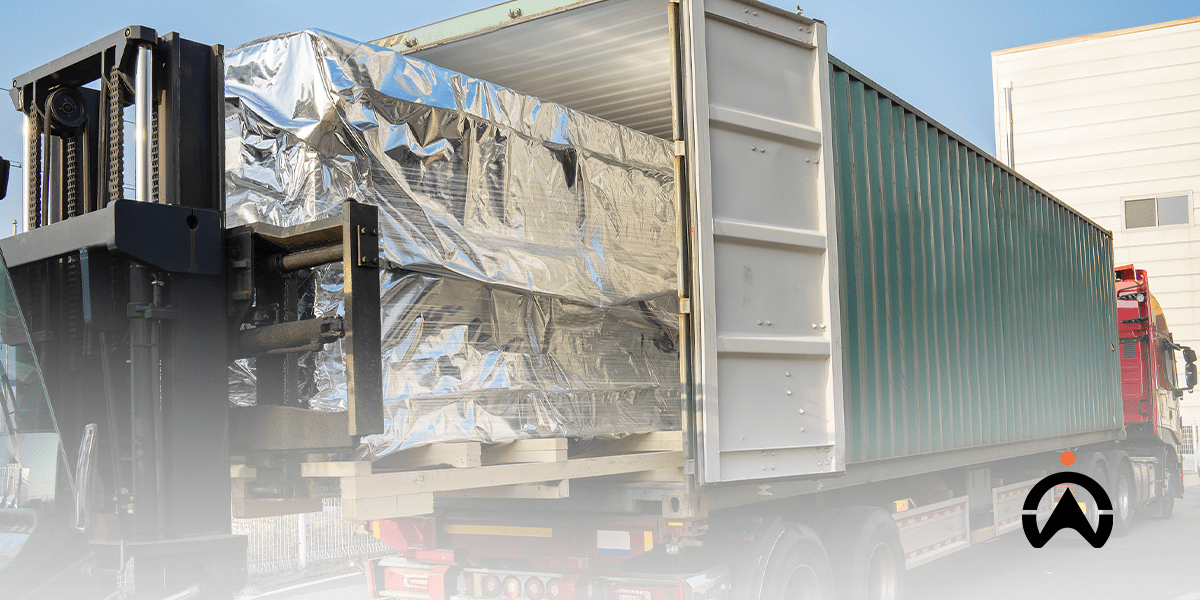
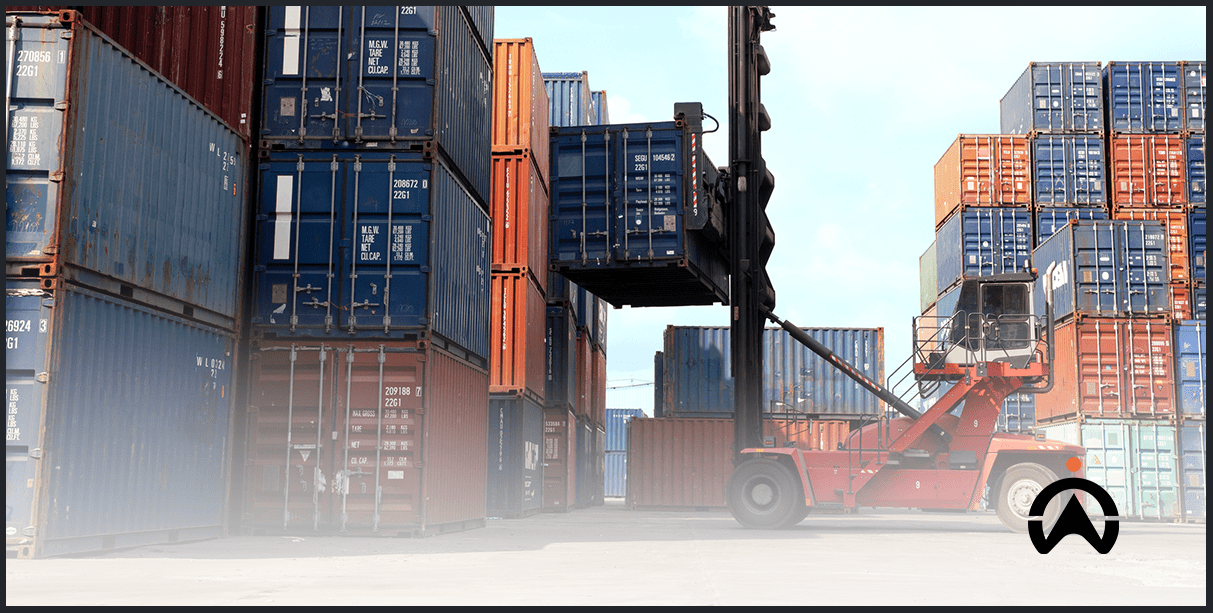
  2. Perform pre-trip inspections: Interior inspections include checking if drains have clogs, walls have cracks or cuts, and air chutes have holes. Exterior inspections include checking for oil leaks, faults in hoses and belts, unusual engine noises, trailer body damages, light malfunctions, and low tire pressure. It is critically important for drivers to perform these interior and exterior checks to ensure reefers are operating correctly because these inspections will prevent complications such as breakdowns that cause delivery delays and inconsistent temperatures within trailers that result in spoiled goods.
  3. Stay fully fueled up: Before transporting products be sure there is a full fuel tank to prevent the reefer trailer from running out of fuel. If the reefer runs out of fuel, it also runs out of cold, placing the perishable products at risk of spoilage and can cause major mechanical issues as the cooling unit will pull accumulated moisture out of the lines if fuel is low.
  4. Monitor temperatures: Drivers should monitor the temperature in the refrigerated trailer to ensure the right temperature is consistent during the transportation of temperature-sensitive products. Efficient temperature monitoring is important because it will prevent unsafe temperatures within the trailer and thus prevent the spoilage or damage of the products.
  5. Comply with loading guidelines: To ensure that products are well preserved, fresh, and receiving the right amount of airflow, it is important to adhere to loading guidelines:

    – Freight must be at least 1-2 inches (2-5 cm) from the reefer trailer’s side walls
    – Freight must be 9 inches (23 cm) from the ceiling of the reefer trailer
    – Freight must be 4 inches (10 cm) from the rear doors
    – The evaporator must not be blocked

Risks of poorly-maintained refrigerated trailers

Firstly, it is impossible to run a compliant cold chain logistics business without well-maintained refrigerated trailers. Companies that use reefer trailers to transport temperature-sensitive products need to comply with regulations and standards around the world to ensure the health and safety of the transported products and protect customers’ interests. By not maintaining refrigerated trailers, companies cannot correctly monitor temperatures and provide good transporting conditions, thus running the risk of not abiding by the regulations and standards which include:

  • A permit by a food governing body or an import licence authorising the transportation of temperature-sensitive products
  • Maintaining adequate temperature controls to ensure food safety
  • Retaining records of transportation conditions for 12 months for inspection or audit purposes
  • Providing the receiver with the operating temperature, demonstrating temperature conditions have been maintained during transportation 

Secondly, poorly maintained reefer trailers risk the safety and usability of temperature-sensitive products. This will lead to a broken cold chain that may result in a range of short and long-term consequent impacts such as:  

  • Damage, spoilage, flavour loss, and bacterial growth: the lack of access to fresh and healthy foods (e.g fruits, vegetables, protein, etc) may further result in food insecurity on a local or global scale. Additionally, damaged vaccines and medications may have profound effects on public health.
  • Business downfall: damaged and spoiled products will in turn lead to waste and loss of products, sales, and overall business profits. In addition to declining finances, low-quality products and service delivery as a result of unmaintained refrigerated trailers can further destroy the company’s brand and reputation.  
Risks of poorly-maintained refrigerated trailers

Keep refrigerated trailers maintained, products fresh, and customers happy with Cartrack’s technology 

From monitoring temperatures to ensuring regular maintenance and regulation compliance, running or managing a business that relies on refrigerated trailers for day-to-day operations can get challenging. However, Cartrack makes it easy. With our reefer temperature monitoring software you can: 

  • Rapidly reduce unexpected downtime with preventative maintenance
    ‍

    Cartrack’s real-time maintenance alerts, seamless maintenance plan, and engine diagnostics help you pre-determine which vehicles need servicing, mitigating downtime and surprise maintenance issues for drivers and customers. Simply having calendar-based engine inspections in your fleet can help reduce breakdowns which can hinder productivity and delay deliveries. Preventative maintenance plans allow you to visually plan schedules, dispatch vehicles and allocate jobs accordingly – boosting overall fleet productivity and longevity.
     
  • Keep refrigerated products fresh with real-time temperature monitoring
    ‍

    Businesses can use Cartrack’s reefer temperature monitoring software, and GPS and IoT tracking technology to monitor the location and temperature conditions of their refrigerated trailers. Fleet managers can receive alerts the moment any temperature fluctuations occur, allowing them to immediately check in with drivers to resolve issues or send a replacement trailer if necessary to prevent massive profit losses. This ensures products are always kept fresh, eliminating rejected deliveries and building better customer relationships.
  • Optimise routes for faster and fresher deliveries
    ‍
    Our user-friendly fleet management platform helps fleet managers easily manage and track drivers and their tasks. Managers can view driver statuses to quickly assign new tasks to their nearest available drivers, and optimise the quickest and safest routes for faster and fresher deliveries. Being able to track tasks and communicate via the app, improves communication and productivity between managers and drivers as they no longer have to waste time trying to locate and contact each other for job updates.
  • Remain fully compliant
    ‍

    Easily make your cold chain logistics operation fully compliant by using Cartrack’s software system. Digitise and automate the temperature tracking, recording, and monitoring of your reefer trailers. This will ensure you have all the necessary documents at your fingertips and receive real-time updates on the exact temperature range of your refrigerated trailers. Remaining compliant, also helps you avoid unexpected downtime and makes you more attractable for new business ventures as you can cater to any temperature-specific standards and industry requirements for customers.

Monitor your refrigerated trailer(s) with Cartrack

Visit www.cartrack.com.na  today for a free demo of how our reefer temperature monitoring software will help you maintain the quality, freshness, and compliance of your temperature-sensitive products.