
Are You on Top of Your Fleet Management Standard Operating Procedures? – What You Need to Know

Fleet Standard Operating Procedures (SOPs) are your secret recipe for running a safe, compliant and efficient fleet.

Fleet SOPs usually include guidelines for vehicle maintenance, driver safety, fuel management and more. Although these guidelines are essential for all stakeholders, unfortunately, many businesses keep this powerful tool locked away in a cupboard, rendering it almost useless.

SOPs are only effective if your stakeholders engage with them daily, so join us and discover how to get on top of your fleet SOPs using fleet management software.

In this article, you will:

  • Learn about fleet management standard operating procedures (SOPs).
  • Discover the top benefits of fleet SOPs.
  • Assess whether your fleet is reaping the benefits of your SOPs.
  • Learn how to create and implement standard operating procedures for your fleet.
  • Uncover 7 Cartrack Namibia software features that help businesses develop effective fleet SOPs.

What are fleet management standard operating procedures (SOPs)

The topmost challenging aspects for fleet managers include driver engagement and safety, leadership support, and regulatory compliance. Fleet management standard operating procedures (SOPs) are the perfect guide to help fleet managers handle challenges like this and more.

Fleet SOPs are important for risk management and ensuring everyone in your fleet remains responsible and accountable. They help ensure that anyone who uses your fleet knows the correct way to request and operate your vehicles/equipment.

Most SOPs for fleet management will include the following guidelines:

  • Vehicle asset verification
  • Acquiring, replacing and disposing of vehicles
  • Applications for vehicle use
  • Vehicle and equipment safety
  • Vehicle repairs and maintenance
  • Driver safety and regulatory compliance
  • Fuel management
  • Cost management
  • Accident/incident reporting

Fleet management procedures are not only necessary for driver and fleet safety; they are a strategic way of safeguarding your business. Effective SOPs show your commitment to fleet safety and compliance, which is assuring for all stakeholders.

The 5 top benefits of Fleet Management SOPs

Fleet management SOPs cover managing your fleet well and getting the best Return on Investment. Do you currently achieve the following benefits from your fleet SOPs?

#1 Improved fleet safety

SOPs help businesses, fleet managers, and drivers prioritise safety in their fleet. With measures that encourage driver safety training, vehicle maintenance, and pre-trip inspection, fleet managers can effectively improve their overall fleet safety using SOPs.

#2 Increasing fleet efficiency

By setting SOPs for vehicle usage, fuel management, and cost monitoring, fleet managers contribute to increased fleet efficiency. These measures help extend your vehicle’s lifespan, reduce costs and improve fuel efficiency. Your SOPs should contribute to you reaping the return on your investment and assets.

#3 Enhancing fleet compliance

Outdated SOPs can lead to compliance issues and unexpected fines. SOPs ensure a compliant fleet by outlining the processes for maintaining records, updating information, and paying regulatory fines. Fleet SOPs should be current and up to date to help you maintain a compliant fleet—are yours?

#4 Improved communication between managers, drivers, and stakeholders

SOPs provide clear guidelines for all stakeholders, enabling managers and drivers to understand their roles and responsibilities. With fleet SOPs, setting measures to increase communication and remote management helps businesses improve their overall operations.

#5 Reduced fleet costs

Having SOPs for your fleet ultimately helps reduce costs and increase profitability. With measures on how to claim back for fuel, timesheets, and how to calculate vehicle operating hours, businesses avoid financial losses and identify costly profit drainages.

If your fleet’s SOPs don’t help you attain one or more of these benefits, then it’s time to upgrade them.

Here’s a quick guide to get started on upgrading your SOPs.
The_5_top_benefits_of_Fleet_Management_SOPs

How to create and implement fleet management SOPs

This step-by-step guide describes three important parts in the process of building SOPs and finally putting them into practice for your fleet. If you already have SOPs for your fleet, these steps will help you improve them and ensure they are still relevant for your fleet and business.

First things first: Identify fleet challenges

Begin by identifying key fleet management challenges where Standard Operating Procedures (SOPs) can be beneficial. For example, is your fleet experiencing a profitability downturn? Perhaps your drivers are frequently missing deliveries or your fleet vehicles keep ending up in the repair shop. Identifying these challenges can help you move on to a viable solution.

Incorporating standard operating procedures into your workforce and task management would lead to better asset utilisation and increased profitability.

Here are 15 fleet-related challenges that SOPs could help with:

  • High fleet downtime
  • Poor communication between managers and drivers
  • Redundant vehicles
  • Driver identification for vehicles
  • Operator identification for equipment
  • Violations and fines against your fleet
  • Overbilling for repairs, maintenance, or service
  • Penalties for non-compliance
  • Poor driver behaviour and performance
  • Lack of vehicle/equipment maintenance
  • Increased vehicle wear and tear
  • Poor administration
  • Out-of-hand fuel costs
  • Suspected fuel theft
  • Safety issues

Unfortunately, a one-size-fits-all approach to SOPs is not ideal. The list of fleet management challenges is endless, so identifying your fleet-specific challenges is the only way to develop effective SOPs. Don’t worry, though, once you start implementing these, you’ll start reaping the rewards.

Next: Involve relevant stakeholders

When developing your fleet SOPs, include fleet managers, drivers, mechanics, field service workers and even someone from your legal department (if applicable) in the process.

By making this process a group effort, you can ensure that everyone is aware of the SOPs and understands:

  • What the SOPs aim to achieve
  • Who the SOPs apply to and under which circumstances they must be used
  • Who is responsible for specific tasks
  • Who is accountable for whether the SOPs are implemented correctly
  • The specific procedures to be followed

Take fleet safety for instance; here’s how involving stakeholders in developing SOPs can help.

In a recent survey about today’s fleet managers’ priorities, only 50% of fleet managers surveyed said they believe their company continuously strives to improve their employee safety. In the same survey, however, 22% said their company mainly focuses on solutions that improve the bottom line/profitability.

This survey shows the importance of prioritising leadership, businesses, and stakeholders. Businesses need to show that they are focused on solutions to improve profitability, without compromising driver safety.

Involving all relevant stakeholders also shows that your business equally values both profitability and safety.

In the process of developing SOPs, aim to at least involve:

  • Fleet managers
  • Drivers
  • Health and safety experts
  • Trainers

These stakeholders are priceless to your business and process because of their industry expertise and understanding of your unique fleet challenges.

Time to develop and share: Share SOPs with all stakeholders

While this part of SOPs development may require a bit of effort, there are plenty of experts who advise on how to write procedures for your fleet, helping you simplify the process.

Our advice is simple when it comes to your fleet: You should at least have or regularly update SOPs for these six fleet management areas:

  • Fuel management
  • Vehicle maintenance and repairs
  • Fleet cost management
  • Fleet compliance
  • Vehicle usage and management
  • Driver training and safety
  • Reporting accidents and liability
  • Health and safety
  • Driver management

Ensure your procedures are easy to understand and explained to all stakeholders. You may want to consider offering training on your SOPs to all the relevant people. According to the J.J. Keller Center for Market Insights, over 52% of fleet managers surveyed believe it’s important that their drivers apply what they learn in training and that the training is specific to their unique needs. By training drivers on your fleet SOPs, you can be assured that your drivers engage your SOPs.

After developing your fleet SOPs, remember to make them easily and readily accessible to everyone. You should also update them frequently, so consider getting a user-friendly platform to access your SOPs and update them from anywhere.

Now that we’ve given you a guide to building SOPs, you’ll need to know how fleet management software like Cartrack’s can help you develop your fleet’s standard operating procedures.
How_to_create_and_implement_fleet_management_SOPs

7 Cartrack fleet software features to develop your fleet (SOPs)

Cartrack’s fleet management software helps businesses develop and establish fleet manager and driver engagement with fleet SOPs.

These seven features assist with complete fleet management:

Feature 1: GPS for fleet tracking

Our GPS tracking system lets fleet managers track and pin their fleet’s live location anytime and anywhere, unlocking the ultimate fleet visibility and management. This information helps fleet managers know exactly where their drivers and fleet are located to monitor driver performance and productivity, communicate instructions with drivers, or immediately respond in an emergency.

Feature 2: Digital fleet reports and records

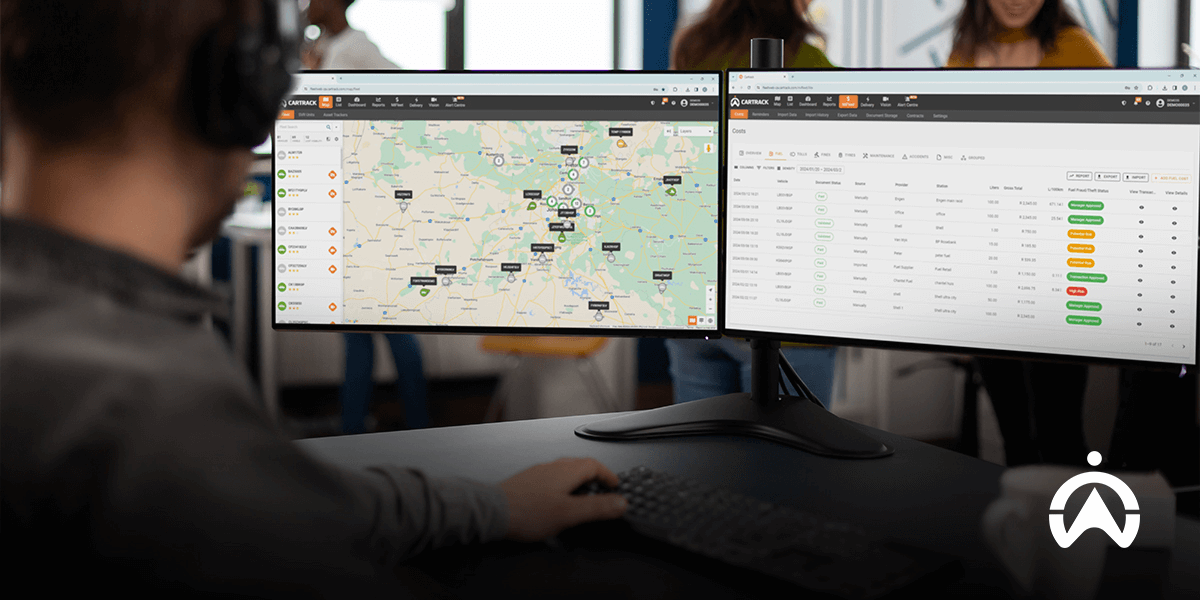
Using our GPS tracking and other smart tools, fleet managers can create customised automated reports to get data on vehicle performance, fuel consumption, and fleet-related costs. MiFleet is our advanced cost management software that simplifies fleet cost administration, helping you get an overview of your fleet, identify financial leakages, and perform a bulletproof cost analysis.

Our web-based software allows approved stakeholders to easily access vehicle, driver, and cost-related reports from anywhere. The fleet reports are designed to assist fleet managers in making data-driven decisions about their fleet.

Feature 3: Preventative maintenance

Cartrack’s telematics-based solution also gives valuable insights into vehicle conditions. Fleet managers receive notifications on vehicle problems such as engine faults and battery failures as proactive reminders to service their vehicles or schedule maintenance. With the added benefit of uploading invoices for accurate record-keeping, fleet managers have everything they need in one place to ensure optimal fleet performance and reduced downtime.

Feature 4: Driver monitoring

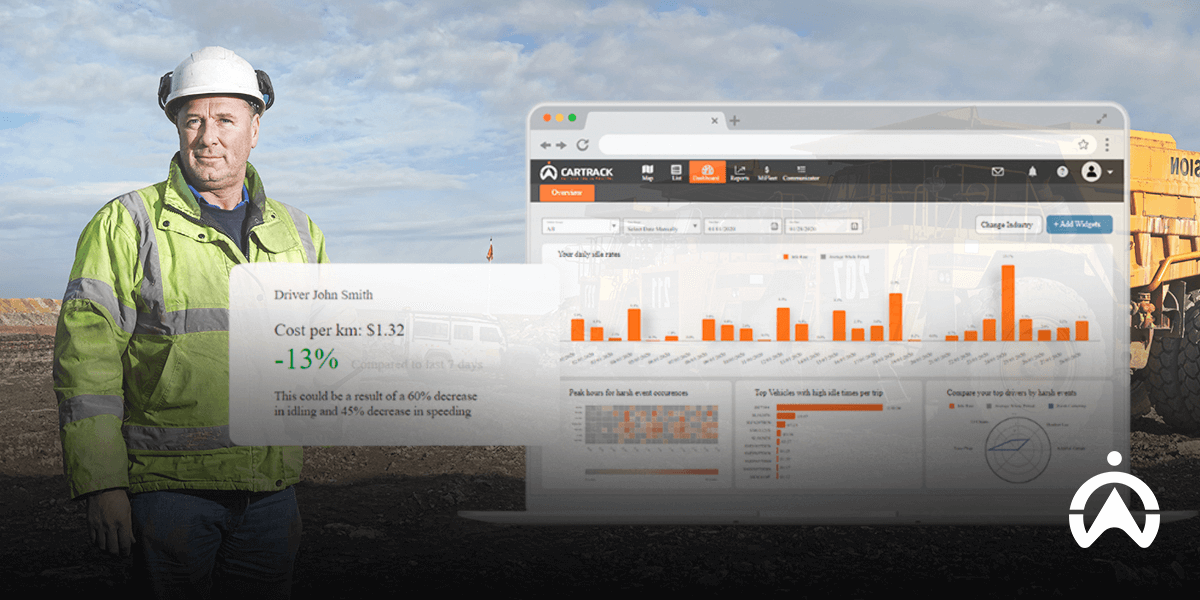
Our fleet and worker management solutions include GPS tracking, driver identification tools, driver behaviour reports, and AI camera systems to monitor driver productivity and performance. Fleet managers can monitor and track different driver behaviours in real time, staying on top of irresponsible driving behaviour like speeding, idling, and harsh braking. If you’re struggling with fleet safety issues, Cartrack’s driver monitoring solutions help you identify and address unproductive driving habits.

By integrating Cartrack’s SmartCabin camera solutions, fleet managers can also get live audio and visual recordings to help train drivers on dangerous driving. Cameras are also useful for liability problems in the event of an accident. Our driver monitoring solutions help fleet businesses improve fleet productivity and safety.

Feature 5: Fuel management system

Our comprehensive fuel management system is equipped with fuel monitoring sensors, vehicle tracking, and fuel cost management, helping businesses to accurately track and cut fuel inefficiencies. Managers receive notifications for suspected fuel theft and can customise fuel reports to understand not only risks like theft or fraud but also their fleet’s overall consumption. SOPs ultimately help fleet managers establish solid fuel claim validation procedures to help clamp down on fraudulent activities and increase their fuel budget flexibility.

Features 6: Fleet compliance (insurance, taxes, fines, and toll payments)

Cartrack’s MiFleet also helps fleet managers ensure their fleet complies with industry-specific and standard regulations. Fleet managers can upload information and set expiration dates and reminders for vehicle insurance, road tax certificates, and toll card payments, helping avoid late payment penalties and fines.

Feature 7: Cartrack Namibia website and app for instant communication

With online access and a user-friendly app, our fleet management system supports uninterrupted, clear communication between fleet managers and drivers. Fleet managers can use both the app and website to assign tasks, check task progress, and communicate with their drivers for optimised productivity in industries like delivery, logistics, supply chain, and mining.

Perfect your SOPs and supercharge your fleet profits with Cartrack Namibia

Your fleet’s standard operating procedures are important and invaluable to your business. They safeguard your fleet managers, drivers, fleet, and overall business.

Our fleet management software helps you ensure everyone involved engages with the SOPs to improve productivity, safety, and compliance.

Contact us today.

Road Rage: How to Instantly Protect Yourself, Your Fleet, and Your Drivers

Everyone gets annoyed on the road. It’s one thing to get annoyed by someone overtaking you, but it’s another to rudely or even violently retaliate. This is road rage, labelled “one of Namibia’s biggest killers”. As common as it is, it shouldn’t be your reality.

There are steps you can take to prevent, avoid and deal with road rage. For fleet managers, the solution to protecting your fleet and drivers is a fleet management system from Cartrack.

In this article, you will:

  • Fleet operations depend on keeping drivers safe – especially since road rage sparks countless violent incidents annually across Namibia
  • Staying calm can defuse a tense moment with an angry driver
  • If something happens on the road, AI cameras inside vehicles quietly record what really happened
  • Stay calm and change your mindset; your life isn’t worth being right

What is road rage?

‘Road rage‘ is a term used to describe aggressive and sometimes violent road behaviour that’s often caused by reckless driving. Things that can trigger road rage include:

  • Speeding
  • Tailgating
  • Running a red light
  • Changing lanes without indicating
  • Harsh weather conditions
  • Traffic congestion

This less-than-friendly behaviour is more than just a feeling of frustration or a mean look, as it is displayed in different forms, including:

  • Yelling at other drivers
  • Making vulgar gestures
  • Physical violence

These behaviours endanger the lives of those involved and other road users. But just how common is it on Namibian roads? Let’s see what the stats say.

What exactly causes road rage?

Driving recklessly, slowly or inconsiderately is usually met with an aggressive response from other drivers, aka, road rage. Factors like traffic, tailgating, driving while using the phone, weather conditions, aggressive driving and driving slowly are all quite common causes of road rage.

  1. Traffic jams:
    When you’re stuck in bumper-to-bumper traffic and you’re already running late, it can cause you to drive recklessly in an attempt to get to your destination on time. However, all this does is make you and other drivers frustrated and annoyed, triggering road rage.

    Look at Thando, for instance; she’s about to miss a very important meeting because of traffic. So now she’s becoming impatient and starting to hoot, flash her lights and shout at other drivers to move out of her way and to move faster.
    ‍

  2. Weather conditions:
    Driving is already quite a stressful task. Add harsh weather conditions, and now it’s basically an extreme sport. When you’re feeling extremely stressed and nervous on the road, other drivers driving recklessly can cause you to be more agitated than usual.

    Now look at Brent, who’s caught in a severe rainstorm. Even though he’s making sure to drive cautiously and follow all the rules of the road, the person behind him is driving recklessly, overtakes him and causes him to brake harshly. Now Brent is upset and starts aggressively hooting and shouting at the other driver.
    ‍

  3. Aggressive driving:
    Aggressive driving is one of the most common causes of road rage. When someone is tailgating or brake-checking you, it can easily make you feel frustrated or angry, causing you to retaliate.

    Winston is speeding and tailgaiting anyone in front of him. Now this is causing other drivers to become angry at him and potentially react in a negative way.

This shows us that road rage is usually triggered by feeling unsafe and being inconvenienced while driving. Here’s what you can do to ensure that these actions don’t lead to road rage. What we can see from this is that road rage is usually provoked by feeling unsafe and being inconvenienced while driving. Here’s what you can do to ensure that these actions don’t lead to road rage.

What_are_some_common_causes_of_road_rage

7 Pro tips for avoiding road rage

Feeling frustrated on the road is normal, especially when you have somewhere to be or have had a long & draining day. Preventing road rage is impossible because you can’t control the next person, but you can take certain steps to avoid it yourself. Let’s check out 7 tips to help you avoid road rage.

  1. Drive safely:
    Cutting off drivers, driving in and out of lanes, and forcing yourself in front of another vehicle with the nose of your vehicle are irresponsible driving behaviours that trigger road rage.
    ‍
  2. Avoid unnecessary speeding:
    Did you know that tailgating increases the risk of being in a car crash by 13% to 14% compared to safe driving habits? This is because it makes you look impatient, a common trigger for road rage.
    ‍
  3. Avoid speeding:
    You should try to avoid speeding when possible. We all want to get to our destination but when you speed, especially when the weather is less than ideal, you’re putting your life and the lives of others at risk. And that’s exactly why it can lead to road rage, because your actions are risking everyone else on the road.
    ‍
  4. Plan your journeys:
    Delays and running late all cause you to behave more irrationally on the road. It’s recommended to plan your trips in advance so you’ll have extra time for possible delays, and you’re more likely to stay calm while you’re driving.
    ‍
  5. Don’t interact with angry drivers:
    STOP! Don’t pull that finger out to respond to that irate driver in his brand-new bakkie. Rather ignore him and get away from the situation as quickly and safely as possible.
    ‍
  6. Don’t drink and drive:
    Alcohol makes you irritable and short-tempered. This means it will make you more likely to behave aggressively behind the wheel, increasing the risk of road rage.
    ‍
  7. Watch out for the “L”:
    You have to be patient with learner drivers. They’re most likely not going to drive fast, as they’re already anxious on the road, and if you’re impatient, it can cause unnecessary road rage.

And even though these may not entirely protect you from experiencing road rage, they can significantly lower the chances of it affecting you.

But what if you’re the one having road rage?

What if you are the one exhibiting road rage?

When you’re on the receiving end of road rage, it simply requires you to disengage. But what do you do if you’re the one that’s exhibiting road rage? Let’s check out a few tips that can be helpful to you:

  • Take a deep breath:
    Road rage increases tension in your body, which simple breathing exercises can help relieve. This is because the more oxygen your blood has, the easier it is to calm down, so when you feel yourself about to have road rage, take a few deep breaths.
    ‍
  • Stay in your lane:
    Rather, stay focused on your journey instead of reacting to other drivers being reckless. When you let what other drivers do affect you, it’s easy to get upset and escalate the situation and make it take a potentially dangerous turn.
    ‍
  • Think before you speak:
    We’ve all seen or heard about the recent road rage incident that ended up with one person dead, one on trial and another in hospital. Think before reacting. Is your life worth fighting with someone who cut you off?

But what if you have a fleet? How do you stop your drivers from being involved in road rage incidents, and can you prevent road rage? Let’s find out.

What is a fleet management system?

A fleet management system helps you keep track of driver activities, ranging from where they are in real-time to whether they’re practising safe driving. Think of an FMS as your eyes and ears, from anywhere, anytime, at the tap of a screen.

But what role does it play in reducing road rage?

How does a fleet management system prevent road rage?

A fleet management system can help you prevent road rage in its ability to promote safer driving practices. Curious as to how? Let’s show you exactly how next-level technology does this:

  1. Driver behaviour monitoring:
    The root of road rage is dangerous driver behaviour. If you’re managing or are responsible for multiple vehicles, you can’t be in the passenger seat of each of them at all times to monitor driver behaviour. This is where a fleet management system comes in, providing you with solutions that help you detect and prevent harsh driver behaviour.
    ‍
  2. Recorded video footage:
    Road rage can lead to costly accidents, and in the unfortunate event that this does happen and your drivers aren’t at fault, you can use recorded footage to help prove their innocence. Having access to the exact footage you need helps you defend your drivers from any false claims to support exoneration.
    ‍
  3. Real-time analytics:
    Road rage can quickly spiral into a potentially dangerous accident. Should this happen and your drivers not be responsible for it, a fleet management system can help you see exactly where your drivers were and how they drove. This protects your drivers from false claims and legal costs you may incur due to road accidents.
    ‍
  4. Route optimisation:
    As we looked at earlier, traffic congestion is one of the major causes of road rage. When your drivers are short on time and a delivery is about to be late, tension begins to rise, which can lead them to drive dangerously.

    Our route optimisation feature looks at all the tasks your drivers need to complete and finds the best order to complete them in the most efficient, time-saving way. With a tool like this, your drivers are less likely to end up in situations that may lead to road rage and dangerous driving.
    ‍

  5. Advanced Driver Assistance Systems:
    We’ve established that tailgating is another major cause of road rage, and fleet management tools can help eliminate this too. This system makes use of smart technology to inform drivers of any obstacles or vehicles they’re tailgating.

Sounds incredible, right? We have the key to activating these benefits for your fleet; it’s Cartrack’s world-class fleet management system.

What_if_you_are_the_one_exhibiting_road_rage

Keep your fleet road-rage-free with Cartrack

If you’re tired of road rage running rampant in your fleet, you need a fleet management system, and who better to give this to you than Cartrack? Let’s see what features make us the ideal choice for your fleet:

AI Live Vision cameras

Bid farewell to distracted and dangerous driving with Cartrack’s AI Live Vision cameras. Powered by artificial intelligence (AI), this cloud-connected management solution uses in-cabin cameras to continuously monitor driver behaviour. This enables it to detect different forms of distracted driving, including:

  • Cellphone use
  • Smoking
  • Yawning and other telltale signs of fatigue

But this solution does more than just monitor the behaviour; it also triggers in-cabin audible alerts, immediately notifying your drivers and allowing them to correct their behaviour in real-time. Distracted driving plays a massive role in road rage, and our high-tech solution helps eliminate it.

ADAS

Keep your drivers completely aware of their surroundings with our Advanced Driver Assistance System. Powered by camera-based sensors, intelligent algorithms, and AI, ADAS takes a preventative approach to driver safety. One way it does this is by monitoring the distance between vehicles to help your drivers maintain a safe following distance.

By providing your drivers with real-time alerts when they drive dangerously close to another vehicle, this system can help prevent tailgating, a major contributing factor to road rage.

Driver scorecards

Monitor individual driver behaviour with our driver scorecards. These offer comprehensive ways to evaluate driver performance in great detail and rate each driver on how safely they drive. By monitoring high-risk behaviours that can lead to road rage in your drivers, you can provide specific training to improve driver behaviour behind the wheel, subsequently decreasing the risk of road rage.

These behaviours include:

  • Frequent and unnecessary speeding
  • Harsh braking and cornering
  • Aggressive acceleration

Route optimisation with Cartrack Delivery

Looking to simplify and automate your delivery solutions? Then get the most efficient routes with Cartrack’s Delivery solution. If your business has a fleet dedicated to delivering goods, you understand the implications of late deliveries on your brand’s reputation and its effect on productivity.

When your drivers are running late, it can cause them to behave irresponsibly on the road so that they can still make their delivery deadlines. This means they’re going to be speeding, turning harshly, or ignoring road signs. These actions can trigger road rage in other motorists.

Now with our Delivery app, you can put a stop to this. It will identify the most efficient order and routes so your team are able to complete all of their delivery tasks. Helping you keep your delivery operations running on time with little to no delays.

Real-time GPS tracking

Even if you’re not managing a fleet, you can still rely on Cartrack’s technology to help you avoid road rage by gaining total visibility of your vehicle with Cartrack’s live GPS tracking.

Our GPS tracking software does more than simply track your vehicle. It gives you access to your trip history with a route replay function, helping you to easily spot patterns of risky driving. With this information, you can then pinpoint actions that trigger road rage. This way you can stay safe and responsible on the road.

These solutions give your drivers ultimate road rage protection by helping foster a culture of safety and responsible driving. Let’s see what the experts have to say about this and what other tips they can give you for your operation.

Some tips from the fleet experts themselves

Although you have a fleet management system, it doesn’t take away from your general responsibilities as a motorist to be as safe as possible on the road. We’ve got your back, though, because we’re bringing you some road rage tips from one of our experienced Cartrack branch managers:

  • Always leave for your destination early. By allowing for enough travel time that takes traffic and other delays into account, you can keep calm knowing there’s no need to rush.
    ‍
  • Plan your routes. By knowing exactly which route you’ll be taking, you can avoid any delays that can trigger road rage.
    ‍
  • Play your favourite music, as this can help you remain calm.
    ‍
  • Always remain calm and courteous, and don’t get provoked when you encounter drivers with road rage. Allow them to pass and avoid eye contact.
    ‍
  • When you encounter a road rage incident, do not sound your horn, flash your lights, or start gesturing.
    ‍
  • If you are a victim of road rage and want to report the matter to the SAPS, record the aggressor registration and the location of the incident.

Safeguard your fleet and its drivers from road rage with Cartrack’s solutions

With a wide range of solutions to tackle nearly every cause of road rage, Cartrack is just what the road rage doctor ordered for your fleet safety needs. ‍Contact us today and make road rage a thing of the past.

FAQs

 Which is the most common form of road rage?

There are 5 common forms of road rage; these are:

  1. Tailgating: deliberately driving close to someone to intimidate them
  2. Verbal abuse: screaming, swearing or shouting
  3. Obscene gestures: making rude hand gestures
  4. Hooting: excessive, angry and continuous hooting
  5. Blocking: intentionally blocking another driver from changing lanes

Does a history of “harsh driving” alerts affect insurance premiums even if no accident occurs?

Yes, some insurance providers provide usage-based insurance. This means they don’t wait for an accident to happen to adjust your rates; they look at the probability of one occurring. This is why it’s important to have telematics in your fleet so you can provide fleet management data to prove that your drivers are well behaved on the roads.

What is the “Post-Incident Protocol” for a driver who has been a victim of violence?

When a driver has been a victim of violence, the “Post-Incident Protocol” requires you to shift from monitoring to support & evidence gathering. It should include:

  • Safety instructions for your driver
  • Immediate reporting to NAMPOL
  • Pulling camera footage for evidence and details
  • Providing support and counselling for your driver
  • Ensuring that a formal case is opened

Abnormal Load Trucks: How to Eliminate Your Truck Operation Challenges With a Fleet System

Handling a fleet of trucks can be a hassle, and handling an abnormal load fleet can be more difficult. But does it have to be?

Let’s find out how Cartrack Namibia can simplify managing an abnormal load fleet, turning it into a breeze.

In this article, you will:

  • Understand what abnormal load fleet trucks are
  • Unpack the state of abnormal load trucking in South Africa
  • Delve into the challenges faced in abnormal load fleets
  • Uncover what makes fleet management the ideal solution for these challenges
  • Discover how Cartrack’s fleet management solutions are your secret weapon to fleet success

Unpacking what abnormal load fleet trucks are

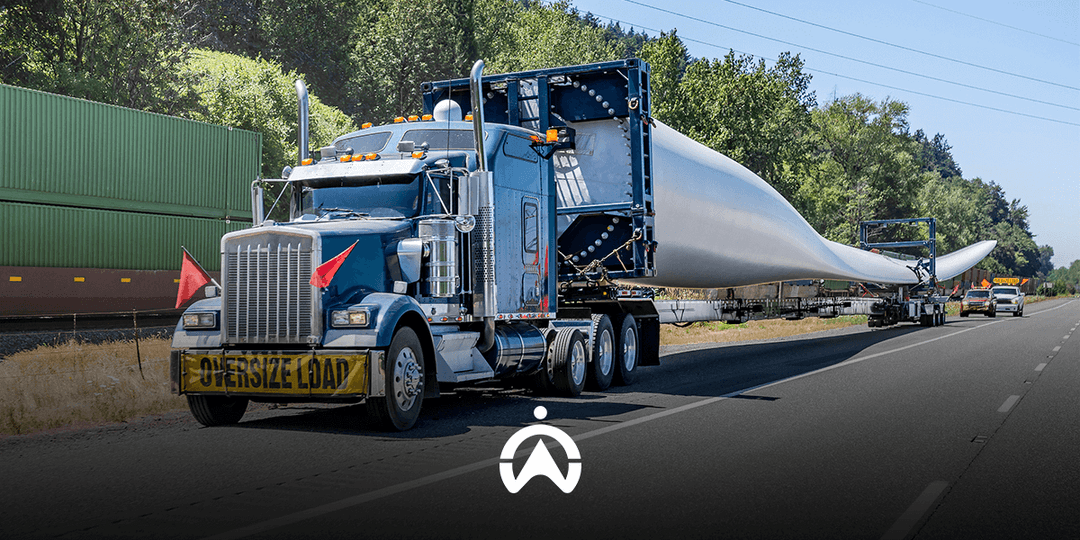
Abnormal load fleet trucks are specialised vehicles designed to transport machinery, industrial equipment, and oversized or overweight loads that exceed the standard legal limit, whether width, length, height, or weight. These trucks are important in the transportation industry, as they ensure the safe delivery of heavy cargo—think massive transformers, wind turbine blades, and even oil rig platform sections.

See, these aren’t your typical eighteen-wheelers; they are specifically designed to handle heavy, specialised cargo usually used for major construction and infrastructure projects and use various trailers, depending on the cargo they carry. These include low-bed trailers that sit low to the ground to carry extra-tall machinery, extendable trailers that are ideal for very long objects, step-deck trailers that simplify forklift loading, and flatbed trailers that are ideal for quick and easy equipment loading and unloading.

Spot the difference: Abnormal load trucks vs. normal trucks

Let’s do a quick comparison of the difference between abnormal load trucks and normal trucks:

Abnormal load trucks Normal trucks
Load size and weight Transport oversized and heavy loads that are above the standard legal size and weight limits Transport large and standard-size loads that are within the usual legal size and weight limits
Cargo type Usually transports specialised cargo such as mining, construction, and industrial equipment Usually transports general goods and materials, such as packaged goods and building materials
License requirements Drivers require special licenses to drive these trucks, as they come with more safety challenges and concerns Drivers require a standard truck driver’s license
Legal requirements These trucks must be permitted to operate legally because they exceed standard legal limits. These don’t require special permits, as they operate within the standard legal limits.

Abnormal load trucks sound like a mouthful, right? Well, that’s what makes these trucks so important—their ability to get the job done, no matter the size. But how important are they in South Africa’s unique economy? Let’s find out.

Decoding abnormal load transportation in South Africa

The South African economy is shaped by the construction and development industry. In fact, in the fourth quarter of 2023, the construction industry contributed about R106 million to the country’s gross domestic product (GDP). The industry is also expected to grow steadily over the next four quarters, recording a compound annual growth rate of 5.8% between 2023-2027. This means that the construction output is set to reach over R276 million by 2027.  

The transportation of heavy, large machinery is a crucial part of a successful construction industry. In South Africa, abnormal load transportation is important for moving components such as mobile cranes, earth-moving equipment, and heavy machinery from one destination to another.

However, abnormal load transportation isn’t just limited to the construction industry; it also plays a role in the following industries:

  • Mining industry:
    ‍
    Simplifying the delivery of equipment such as drill rigs, underground loaders, and belt systems.
    ‍
  • Power plants:
    ‍
    Aiding the delivery of turbines, generators, and transformers.
    ‍
  • Manufacturing industry:
    ‍
    Streamlining the delivery of storage racks and industrial boilers.

With the growth of these industries, abnormal load transportation has also grown, bringing a new set of challenges for them.

Exploring the hidden hurdles of abnormal load transportation in South Africa

South Africa has a unique climate for running any business, and this applies to the abnormal load fleet industry. South Africa’s economic and geographical climate creates a unique set of challenges for fleet managers. These challenges include:

  • Rising operational costs:
    ‍
    South Africa is the home of fuel cost fluctuations, with the most recent fuel price increase of R1,21 for a litre of petrol and R1,19 for a litre of 50 ppm diesel. With the amount of fuel abnormal load trucks burn due to their size and weight, even the smallest increase can significantly increase operational costs. Abnormal load trucks need powerful engines to maintain momentum, and the specialised trailers create significant wind resistance. These two factors result in higher fuel consumption compared to regular trucks. So, if fuel consumption isn’t closely monitored, increased consumption will leave you with the nasty surprise of possibly being unable to pay for your fuel.
    ‍
  • Fleet compliance:
    ‍
    Compliance is a big challenge faced by abnormal load fleet managers. Abnormal load trucks carry loads that are so large and heavy that they can exceed legal weight limits. For this reason, transporting abnormal loads requires special permits that specify approved routes and safety conditions, depending on the size and nature of the load. This permit isn’t just extra admin; it’s also an extra expense, which can add to the already expensive nature of abnormal load fleet vehicles.
    ‍
  • Driver management:
    ‍
    Handling a vehicle with a heavy load can be very challenging, so drivers need the appropriate training to ensure they drive safely and efficiently. Whether you have one, five, or twenty abnormal load trucks, this can be quite challenging, as you need to keep an eye on your drivers at all times to determine how they are behaving behind the wheel.
    ‍
  •  Route planning:
    ‍
    Abnormal load truck routes need to be pre-planned, as they cannot take the same routes as normal vehicles or trucks. Many South African roads are not designed to handle large, heavy loads, especially in urban areas where streets are too narrow and roads have sharp corners or low bridges. Route planning ensures that large loads are delivered on time with little to no delays while avoiding high-risk theft or hijacking areas.
    ‍
  • Vehicle maintenance:
    ‍
    Vehicle maintenance is a major challenge for abnormal load fleet managers in South Africa. The increased weight and size of the cargo abnormal load trucks carry puts additional strain on many vehicle components, such as engines, brakes, suspension, and tyres, accelerating vehicle wear and tear. With South Africa’s poor road conditions, vehicle parts can face premature damage, meaning more frequent maintenance.

Abnormal load trucks face a wide range of challenges; if these aren’t handled, your fleet can become a heavy burden. If you’re looking for a solution that streamlines and solves these challenges, you need a fleet management system.

Exploring_the_hidden_hurdles_of_abnormal_load_transportation_in_South_Africa

Go from headache to efficiency with a fleet management system

Imagine having eyes and ears on every abnormal load truck in your fleet at all times. This is the beauty of fleet management systems, it’s a combination of tools and technologies that make fleet management tasks easy. These systems increase fleet productivity, improve efficiency and safety, and simplify real-time monitoring of various fleet aspects. It’s your all-in-one tool to know what’s happening in every aspect of your fleet, whether it be fuel consumption, driver behaviour, or maintenance issues.

A fleet management system isn’t a luxury; it is essential to the efficient running of your fleet, and without it, the repercussions are detrimental. Let’s take a look at the consequences of not prioritising fleet management in the context of abnormal load fleet vehicles.

How does poor fleet management impact abnormal load fleets?

Effective fleet management is crucial whether you’re transporting normal or abnormal loads. Let’s take a look at the risks of not prioritising it on your fleet:

  • Financial losses:
    ‍
    Fleet management is rooted in the constant monitoring of various fleet aspects, and without it, a fleet can experience significant financial loss. Fuel wastage due to inefficient routing, poor vehicle maintenance, and dangerous driving behaviour can lead to an increase in operational costs, reducing fleet profitability.
    ‍
  • Reputation damage:
    ‍
    Fleet management is essential to streamlining fleet processes, and with it, fleets can avoid delays that can damage their reputation and customer service. One of the most incredible things about fleet management is the in-depth insight it gives you into your entire fleet operation, whether it be driver behaviour, real-time vehicle location, or routing.‍
    Let’s look at John again. He doesn’t employ fleet management strategies, which means he can’t spot potential delays in delivery routes due to traffic conditions. He also needs to call each of his drivers to find out exactly where they are and how long it should take them to complete their delivery. These factors lead to late deliveries, damaging the fleet’s reputation.
    ‍
  • Unplanned downtime and unforeseen damage:
    ‍
    Fleet management gives you in-depth insight into factors that can lead to unplanned downtime and unforeseen damage. It’s all about real-time monitoring, taking the guessing out of running your fleet.John can’t help his drivers stay safe and drive responsibly because he doesn’t know how they’re driving. It is important to remember that, according to the Department of Transport, abnormal load truck drivers require an appropriate license and training to drive these vehicles safely. John cannot provide specific training because he doesn’t know what areas his drivers need training in, increasing the risk of car accidents.
    ‍

These consequences sound hefty, right? This is why you need a fleet management system. Now that we’ve covered the impact of poor fleet management, let’s explore how a fleet management system can help you take your abnormal load fleet to the next level.

How can a fleet management system help streamline abnormal load fleets?

A fleet management system is the secret weapon you need in your fleet’s arsenal for various reasons. Let’s explore these below:

  1. Streamlined route planning:
    ‍
    As we established above, abnormal load trucks cannot use all roads due to their size. Using real-time GPS tracking and AI software, a fleet management system can spot congested roads, low-clearance obstacles, bridge weight capacity, and other critical factors that help you identify the safest, most convenient route. Fleet managers can ensure their deliveries are made on time by following routes that won’t require deviations due to congestion or rules and regulations.
    ‍
  2. Enhanced driver safety:
    ‍
    Driver safety is essential, especially when handling a vehicle as large as an abnormal load truck. A fleet management system lets fleet managers view their drivers in real time, helping them know exactly what goes on behind the wheel. By doing so, they can spot behaviour that puts their drivers and cargo at risk. This allows them to implement driver-specific training to ensure the fleet remains as safe, effective, and as productive as possible.
    ‍
  3. Optimise vehicle safety:
    ‍
    We live in a country where your car is always at risk of being stolen, which is a costly risk for abnormal load trucks and the cargo they carry. A fleet management system helps fleet managers unlock a new level of vehicle safety, thanks to real-time GPS tracking. This helps them to always know where their vehicles are. So, if a driver notifies the manager that the vehicle has been stolen, they can quickly pinpoint its location at the tap of a button.
    ‍
  4. Preventative maintenance:
    ‍
    Preventative vehicle maintenance is more than just fixing a faulty part; it’s about spotting the issue before it snowballs into a more serious, costly matter. A fleet management system can monitor the health of various vehicle components, ranging from engines to brake pads. By helping fleet managers quickly spot faulty parts that can affect the truck’s roadworthiness, they can swiftly schedule a repair to avoid unplanned downtime.
    ‍
  5. Effective fleet cost management:
    ‍
    Running a fleet comes with a ton of costs, which increases with an abnormal load fleet. These expenses can be a lot to manage and keep an eye on, but with a fleet management system, you can know exactly how much money it costs to effectively run your fleet. Knowledge is power, which also applies to your fleet’s running costs. This knowledge can help you spot cost drainages in your fleet, implement cost-saving strategies, and ensure you never miss a payment deadline.

Intrigued? Well, you can unlock these benefits for your abnormal load fleet today. How? The answer is Cartrack’s fleet management solutions.

How_can_a_fleet_management_system_help_streamline_abnormal_load_fleets

Tame these fleet giants with Cartrack’s fleet management solutions

Cartrack Namibia offers a wide range of fleet management solutions that can simplify the running of your abnormal load fleet. Let’s go over a few of these solutions:

  1. Driver behaviour monitoring:
    ‍
    Keep track of your abnormal load driver’s behaviour with Cartrack’s AI Live Vision cameras. This AI-powered live streaming technology helps you unlock 24-hour visual access to your fleet, making monitoring each of your drivers a breeze. By making use of AI analysis, our cameras can detect different forms of dangerous or distracted driving, including:- Fatigue
    – Speeding
    – Smoking
    – Cell phone use

    Audible in-cabin alerts are triggered the moment these behaviours are detected, allowing your drivers to correct their behaviour in real time. This proactive approach to safe driving works to help your drivers avoid costly and potentially fatal accidents. And, as a fleet manager, you can also receive these real-time alerts on top of keeping an eye on your drivers via a live stream feed to make sure you stay updated even if looking away for a moment.
    ‍

  2. Driver scorecards:
    ‍
    Know exactly which areas your drivers need to improve on with Cartrack’s driver scorecards. It’s one thing to know that some of your drivers are driving harshly, but it’s another to be able to pinpoint exactly which driver is behaving this way. Our scorecards keep track of high-risk behaviours, including:- Harsh braking
    – Excessive speeding
    – Sudden acceleration
    – Harsh cornering

    These detailed reports help you pinpoint the exact time, location, and driver linked to these harsh driving events, helping you know which drivers require targeted training to improve your abnormal load fleet’s overall safety.
    ‍

  3. ADAS:
    ‍
    Ensure your drivers are completely aware of their surroundings with Cartrack’s Advanced Driver Assistance System (ADAS). This proactive technology uses features such as front collision warnings to alert drivers of a potential threat in real time, helping promote vehicle safety and prevent potentially disastrous road accidents.
    ‍
  4. Driver ID tags:
    ‍
    Make sure that only authorised drivers can use your abnormal load trucks with Cartrack’s Driver ID tags. As established, abnormal load truck drivers need special licenses to operate these large vehicles, so you don’t want to give unqualified or inexperienced drivers access behind the wheel. By giving your drivers a unique tag that needs to be tapped on a sensor inside a vehicle to start, you achieve controlled driver-vehicle assignment and usage, unlocking another level of safety.
    ‍
  5. MiFleet:
    ‍
    Account for every cent your abnormal load fleet consumes with Cartrack’s MiFleet software. Our cost management system gives you full insight into every fleet expense, ranging from vehicle permits for your abnormal load trucks to their fuel costs. By being hands-on with your fleet expenses, you can say goodbye to human error caused by manual calculations. This reduces your admin time and helps your fleet remain cost-effective, compliant, and profitable.
    ‍
  6. Cartrack Delivery:
    ‍
    Level up your abnormal load fleet’s delivery game with Cartrack Delivery. Making deliveries is already taxing and can be a hassle for abnormal load fleets. However, thanks to our Delivery solution, it doesn’t have to be. This solution aims to streamline and optimise all your delivery options by giving you full insight into your driver’s location and trips. This helps simplify job assigning, as it is based on job completion times and driver availability. But that’s not all, as this solution also helps you find the best delivery routes for your drivers. By using real-time traffic conditions, our route optimisation tool ensures that your drivers take the most effective, deviation-free routes, which reduces delays and improves overall efficiency and customer service.
    ‍
  7. Fuel monitoring:
    ‍
    Make every litre of petrol count with Cartrack’s fuel monitoring system. At Cartrack Namibia, we understand that fuel is a major expense for fleets, especially those transporting abnormal loads. This is why we’re bringing you a solution that helps you be in complete control of your fleet’s fuel consumption. By helping you monitor fuel consumption in real time, you can quickly spot the source of fuel drainages and even prevent fuel theft.Thanks to our software’s ability to match your fuel receipts with your vehicle’s location and fuel status, you can spot fuel fraud, helping you reduce cost draining and boost your fleet’s overall efficiency.
    ‍
  8. Preventative maintenance:
    ‍
    Ditch unplanned downtime and costly breakdowns with Cartrack’s preventative maintenance solution, equipped to help you spot potential maintenance issues before they become costly and affect fleet longevity. Equipped with advanced analytics, this solution monitors the health of various vehicle components like brake pads, taking the guessing game out of knowing which part of your truck needs maintenance. But that’s not all because this system also creates maintenance plans tailored to your fleet, helping you avoid scheduling maintenance at compromising times, preventing road accidents, and increasing your fleet’s longevity.
    ‍
  9. Real-time GPS tracking:
    ‍
    Know where all your abnormal load trucks are at all times, thanks to our real-time GPS tracking technology. Our next-level IoT devices are equipped with GPS and GSM, which gives you full insight into where your vehicle is, the direction it is travelling in, and the speed it is being driven. All you have to do to gain access to this information is open our fleet management platform or our mobile app. Talk about safety at the tap of a button, right? But that’s not all because, with our GPS tracking, you get access to our stolen vehicle recovery service, with an above 90% success rate.So, in the unfortunate event that your truck is stolen, Cartrack’s highly trained recovery team works hard to recover it based on its live location updates.
    ‍

Power your fleet with smart fleet management

Your success as an abnormal load fleet depends on your ability to be forward-thinking in your fleet management approach. Cartrack Namibia is an industry leader that thrives on innovation, making us the perfect choice to take the abnormal weight off of your shoulders.

Watch the video below to find out exactly how:


Master abnormal load fleet management and unlock efficiency, safety, and profitability with Cartrack Namibia

Size plays a big role in fleet management, and to take your big fleet to the next level, you need a big-thinker as your partner. That partner is Cartrack Nambia.

We’re trusted by over 1.9 million subscribers. Trust us in solving your abnormal load fleet challenges.
‍

Contact us today and give your abnormal load fleet the ultimate success.

Don’t let your abnormal load trucks get you down—get your answers from these FAQs

You probably have a few unanswered questions about fleet management. Well, there’s no need to leave this page because we’re here to answer those questions for you!

How can I improve my fleet management?

  • Implementing a fleet management system is the first step to improving your fleet management. This is because a fleet management system helps you manage fuel costs, optimise routes, track your vehicles in real time, and monitor driver behaviour, which is all crucial for improving fleet management.

How do you maintain a fleet of trucks?

  • There are various ways to maintain a fleet of trucks, but the most important include keeping vehicle parts in good working condition through regular maintenance and preventing dangerous driving behaviour that can lead to premature wear and tear.

How do you introduce safe fleet management?

  • Safe fleet management is centered around real-time insight. Focus on driver-specific training, which begins by monitoring your drivers’ behaviour while they’re behind the wheel. Also, prioritise real-time vehicle location monitoring, as this helps you unlock heightened visibility and safety.

How do you deal with fleet management?

  • Take on a preventative approach as opposed to a reactive one.
  • Keep a close eye on driver behaviour.
  • Know where every cent is going in your fleet operation.
  • Measure each litre of petrol consumed.
  • Ensure you know where each fleet vehicle is at all times.

Click here to enter a world of unparalleled safety, efficiency, and productivity for your abnormal load fleet with Cartrack Namibia.

Manual vs. Automatic: Which Is Better for Your Fleet?

Businesses have important criteria to ensure their vehicles are a perfect match for their specific requirements. It’s all about being the perfect couple, from zippy motorcycles delivering speedy treats to rugged trucks for furniture or construction crews. After all, birds of a feather fleet together.

But what about automatic vs manual vehicles? Which suits your business best?

Let’s dive in to get the answer and see which transmission type is favoured most by South African businesses.

In this article, you will:

  • Uncover the shifting trends in fleet vehicle preferences
  • Compare manual and automatic transmissions
  • Discover how automatic transmissions address fleet challenges
  • Get tips for choosing the right transmission type for you
  • Find out why Cartrack is the best fleet management solution for both manual and automatic fleets

Fleet landscape in 2024

If your business is in the automotive industry, I bet you’ve noticed some changing trends impacting your vehicle sales. Since the introduction of automatic and electric vehicles (EVs), more and more businesses from various industries are starting to buy and use them.

If consumer sales are anything to go by, South African motorists have tipped the scale in favour of automatic vehicles. For the first time in well… ever, automatic vehicles have outsold manual vehicles based on November 2023 vehicle sales, reported Cars.com with the help of Lightstone Auto. Even though this proves that more automatic vehicles have recently been sold in South Africa, the information used was only based on vehicles like passenger cars, including SUVs, and light commercial vehicles. So, it’s also interesting to note that a medium to extra-heavy commercial vehicle like a truck is not part of this new trend.

Manual_vs_automatic_transmission

Manual vs automatic transmission: What’s the difference?

When it comes to choosing between the two, most fleets don’t. They opt for having both types of vehicles in their fleet so they can reap the benefits of both transmission types.

Let’s break down the differences between the two.

Reliable manual vehicles:

These are the classic cars we all know and mostly love.

These vehicles have a stick shift and a clutch pedal for the driver to manually speed up, slow down, and control the vehicles they drive. This type of vehicle gives full control to the driver to operate as they please.

Here are the benefits of manual vehicles:

Improved vehicle control: With manual transmission, drivers have more control over gear shifts, allowing them to adjust to road conditions and terrain as they please.

Lower initial cost: Manual vehicles are typically cheaper for businesses to buy upfront compared to autos, making them a more cost-effective option for buyers with tight budgets or businesses with smaller fleets.

Better fuel consumption: Manual transmissions can potentially improve fuel economy as they allow drivers to shift gears while driving for maximum fuel efficiency, but this benefit solely depends on driving behaviour.

Affordable mechanism: Manual transmission gearboxes have fewer complex mechanical components than automatic ones, potentially lowering the chances of expensive repairs causing extended downtime.

Modern automatic vehicles:

Automatic vehicles have a transmission type that uses computers and sensors to identify the vehicle’s speed and change gears automatically, cutting out the need for manual gear shifting by the driver.

Despite the technological innovation of automated gear changes, this type of transmission isn’t necessarily the better option for every business, but it does have advantages that many organisations can’t ignore.

  1. User-friendly: Unlike manual transmissions, automatic vehicles don’t take you that long to get used to driving or operating, making them more user-friendly.
    ‍
  2. Enhanced safety: With automatic transmissions, drivers can keep both hands on the wheel at all times, promoting safe driving and increased driver behaviour awareness on the road.
    ‍
  3. Easier hill driving: Drivers never have to worry about their vehicle rolling backwards on a hill. An automatic transmission gearbox prevents vehicles from rolling back on steep inclines, providing a smooth driving experience without needing pedal balancing.
    ‍
  4. Reliable performance: These vehicles rarely stall like their manual counterparts, ensuring a smooth driving experience without sudden engine shutdowns.
    ‍
  5. Stress-free traffic driving: Automatic transmission types simplify driving in congested traffic conditions, requiring little pedal inputs for stop-and-go situations. Some automatic vehicles even turn off automatically if the vehicle stops for a long duration of time to avoid idling and save petrol.

The best of both options:

There’s a third player in this manual vs automatic comparison game: The automated manual transmission.

The automated manual transmission, or AMT, has the same mechanisms as a manual vehicle, just with sensors and actuators that process the automatic changing of gears. Then what’s the difference between this and the other popular transmissions?

Well, for one, a car with an AMT does not have a clutch pedal; there’s only the accelerator and brake pedal. This type of transmission allows for manual gear changing when needed by simply moving the gear lever up or down.

Will an automatic fleet improve my fleet for the better?

In short, yes, it can potentially improve your fleet operations.

Since the introduction of automatic vehicles, many everyday drivers and fleet owners have become increasingly interested in the easy-to-use, fuel-conscious vehicle type. Now in 2024, the interest is still going strong.

For fleet managers, the allure of automatic transmissions goes beyond smoother rides for drivers; it’s about how they tackle some of the biggest pain points that affect their bottom line:

Automatic transmissions, especially modern ones, can not only automatically select the optimal gear for driving conditions, leading to smoother acceleration, but can also provide less engine strain by doing so. This processing could mean fewer fuel stops and lower overall fuel costs for fleet vehicles.

As manual transmissions require more driver input, particularly during congested traffic or driving in hilly areas, this can lead to driver fatigue and stress. Automatic cars eliminate the need for this manual repetition, reducing driver fatigue and the potential for costly accidents.

That’s right, with fewer actions needed for driving, automatic cars allow drivers to focus more on the road and surrounding vehicles. This can positively result in a decrease in accidents, which not only protects your drivers but also saves businesses money on repairs, insurance claims, and even potential lawsuits. By strongly impacting maintenance, safety, and fuel, it’s easy to see how automatic motors are becoming the go-to choice for fleet owners. With the rising fuel and maintenance costs, opting for automatic transmission makes a lot of practical sense for fleet owners.

Will_an_automatic_fleet_improve_my_fleet_for_the_better

How do I choose the right transmission for my truck or car?

Like most major decisions that impact your fleet or business, like choosing the right fleet management software or implementing a fuel card system, you first have to look within and ask yourself what exactly your fleet needs for improved operations, what you can afford, the industry your business works in, and how big your fleet is.

Choosing between manual and automatic fleet vehicles involves a balancing act between these key factors:

  • Purchase price: Automatic vehicles typically have a higher upfront purchase price compared to manuals.
    ‍
  • Fuel efficiency: Modern automatic transmissions can be more fuel-efficient, especially for city driving, with traffic lights prompting frequent stops and starts. This can lead to long-term fuel cost savings. However, the answer can change depending on whether your business does the majority of inner-city travel or long-distance travelling.
    ‍
  • Maintenance: While automatics may require less frequent maintenance in some cases, their repairs can be more expensive when needed, so practising preventative maintenance here and there can be very beneficial.

What’s the first step to optimising my fleet? Cartrack Namibia fleet management solutions

If you’re looking for fleet management software to optimise your fleet of green automatic trucks that offer mobile pet grooming services or blue manual vehicles that deliver home gadgets, look no further than Cartrack Namibia.

Cartrack’s versatility shines through its ability to seamlessly integrate with automatic and manual fleet cars. Regardless of your vehicle’s transmission type, Cartrack Namibia empowers you to optimise fleet performance and operations with our trusted features:

Fuel monitoring: Gain real-time insights into fuel consumption across your fleet. Identify areas for improvement, like unnecessary idling or fuel-wasting driving habits, and coach drivers for better fuel economy in automatic and manual vehicles.

‍Route planning: Easily set and manage predefined routes for your fleet vehicles to shorten travel duration and lower fuel consumption. If your drivers don’t follow these predefined routes, you’ll promptly receive real-time alerts, allowing you to inform them to reroute or offer assistance if something has gone wrong.

‍Data-driven reports: Whether you’re monitoring fuel consumption, driver behaviour, or vehicle health and performance, Cartrack’s telematics-powered fleet management technology offers over 40 reports with valuable insights that keep you informed and empower smart decision-making.

Spots or stripes? Get a fleet management solution perfect for manual and auto fleets

Cartrack Namibia caters to fleets of all sizes, industries, and transmissions. If a fleet management solution is what you need to elevate your fleet into a new stratosphere of success, Cartrack Namibia has the smart features, insights, and trusted technology to make it happen.

Contact Cartrack Namibia today.

Hotshot Trucking: How To Accelerate Your Entire Business With One Powerful Fleet System

Is your trucking business hotshot-ready?

No, it doesn’t have anything to do with being an actual hotshot; it’s all about the ability to deliver goods as quickly and efficiently as possible.

Ready to take your hotshot trucking game to the next level? Read on to discover how Cartrack’s fleet management system is the solution your business needs for effective hotshot trucking.

In this article, you will:

  • Learn what hotshot trucking is
  • Find out what the role of hotshot trucking is in South African industries
  • Delve into the benefits and challenges of hotshot trucking
  • Explore how a fleet management system is important for solving these challenges
  • Discover how Cartrack’s solutions can take your business to the next level

What is hotshot trucking?

South Africa is home to a big logistics industry, which has made hotshot trucking crucial to its success. But what exactly is this?

The term “hotshot” describes a delivery solution for businesses that need to deliver time-sensitive goods as quickly as possible. Businesses that use this solution use hotshot trucks instead of traditional trucks to facilitate quick deliveries.

What is the role of hotshot trucking in South African industries?

Hotshot trucking is so beneficial that it impacts countless South African industries. Let’s explore nine of these:

  1. Mining and Resources:
    ‍
    Hotshot trucking promotes the quick transportation of equipment, spare parts, and supplies to remote mining sites, ensuring uninterrupted operations and timely maintenance. ⁤
    ‍
  2. Agriculture:
    ‍
    In the agricultural industry, hotshot trucking promotes the fast delivery of perishable goods such as fruits, vegetables, and flowers to local markets or export facilities. ⁤This helps farmers maintain product freshness.
    ‍
  3. Construction:
    ‍
    In the construction industry, hotshot trucking simplifies the delivery of construction materials, heavy machinery, and building components to construction sites, which in turn simplifies project management and construction timelines.
    ‍
  4. Manufacturing:
    ‍
    The manufacturing industry benefits from hotshot trucking thanks to the faster and simpler delivery of raw materials, components, and finished goods to and from factories.
    ‍
  5. Oil and gas:
    ‍
    The oil and gas industry uses hotshot trucking to speed up equipment, tools, and supply delivery to drilling sites and refineries, ensuring operational efficiency and timely project execution.
    ‍
  6. Telecommunications:
    ‍
    The telecommunications sector uses hotshot trucking to quickly transport critical infrastructure components such as cables, antennas, and networking equipment to installation sites.
    ‍
  7. Retail and distribution:
    ‍
    The retail and distribution space uses hotshot trucking to speed up the transporting of infrastructure components such as cables, antennas, and networking equipment to installation sites.
    ‍
  8. Emergency services:
    ‍
    Emergency services use hotshot trucking to ensure the quick delivery of essential supplies, medical equipment, and relief aid during emergencies such as natural disasters.
    ‍
  9. Specialised industries:
    ‍
    Thanks to hotshot trucking, specialised industries, such as pharmaceuticals, can deliver sensitive equipment and products. This ensures that quality standards and deadlines are met.

With the role of hotshot trucking in different industries, what truly makes it a standout hero are its benefits. Let’s explore these below.

What_is_the_role_of_hotshot_trucking_in_South_African_industries

What makes hotshot trucking a delivery superhero?

Hotshot trucking brings a wide range of benefits to a fleet, helping bring in a new level of efficiency and success. These include:

  • Improving efficiency:Hotshot trucks can easily navigate traffic, helping them reach their destinations faster than traditional trucks. This ensures smooth operations and that urgent delivery needs are met.
    ‍
  • Boosting flexibility:Hotshot trucks can drive in congested areas and travel to rural areas, which makes them the ideal choice for multiple industries and different types of deliveries.⁤
    ‍
  • Improving customer satisfaction:In our fast-paced and tech-driven world, timely deliveries are important for customer satisfaction. Hotshot trucking allows businesses to quickly complete orders and respond to urgent customer requests. This creates a positive customer experience, positively impacting the business’s reputation and success.
    ‍
  • Reducing your fleet’s carbon footprint:Compared to large trucks, hotshot vehicles are smaller and consume less fuel, which helps them contribute to a lower carbon footprint.
    ‍
  • Providing opportunities for specialised cargo:Hotshot trucking is the perfect choice for delivering specialised cargo that requires special handling, whether temperature-sensitive or delicate. This helps businesses offer solutions to various industries, including pharmaceuticals.

Do these benefits have you thinking about starting a hotshot trucking business? Starting a hotshot trucking business requires careful planning for success in the competitive industry. So before you strap in and hit the accelerator, there are some challenges you should be aware of, as this knowledge will help you successfully navigate a hotshot trucking business.

⁤

Exploring the possible roadblocks of hotshot trucking

As beneficial as hotshot trucking is, it has its share of challenges. These challenges include:

  • Fuel price fluctuations and consumption:
    ‍
    Fuel is a major operating expense for hotshot truckers, especially with South Africa’s fluctuating fuel prices. While hotshot trucks are fuel-efficient, they require careful, constant monitoring and route planning to optimise fuel consumption, which can be time-consuming and riddled with human error if done manually.
    ‍
  • Higher operating costs:
    ‍
    Hotshot trucking fleets are prone to higher operating costs per kilometre due to fuel efficiency, maintenance, insurance, and road tolls. Effectively managing these expenses is key to maintaining profitability in this competitive industry.
    ‍
  • Limited capacity:
    ‍
    Hotshot trucks have a smaller load capacity compared to traditional trucks. This lowers the volume of goods that can be transported in a single trip, leading to higher transportation costs for larger deliveries.
    ‍
  • Risk of overbooking:
    ‍
    The fast-paced nature of hotshot trucking increases the risk of overbooking or scheduling conflicts, especially during peak periods. This can lead to difficulties in meeting delivery commitments and maintaining customer satisfaction.
    ‍
  • A limited supply of hotshot drivers:
    ‍
    The shortage of skilled hotshot truck drivers in South Africa is a challenge, as the industry requires experienced professionals who can safely complete time-sensitive deliveries. This shortage can lead to delays in delivery, impacting a business’s reliability.

If these challenges aren’t handled, they can snowball into a business crash. However, it is avoidable, and the solution is a fleet management system.

Goodbye headaches, hello efficiency: A fleet management plan for trucking woes

Imagine a virtual control centre for your fleet that is accessible from your smartphone or laptop.

You don’t need to imagine anymore because that’s what a fleet management system is; comprehensive software designed to streamline and optimise fleet operations.

⁤With technologies like telematics and GPS tracking, a fleet management system provides real-time insights into fleet operations. ⁤⁤In hotshot trucking, where every minute and litre of petrol counts, these insights can help optimise routes, improve driver safety, and identify potential problems before they become costly delays. ⁤

⁤Whether you own one or multiple trucks, this solution is the key to solving the challenges of hotshot trucking.

Unveiling the advantages of a fleet management system for hotshot trucking company

Hotshot trucking thrives on agility and efficiency, which a fleet management system can help with. Let’s take a look at how this system can elevate your hotshot trucking business:

  • Real-time tracking:
    ‍
    Hotshot trucking is built on tight schedules, which makes monitoring vehicle locations in real time important for on-time deliveries. Manually monitoring many vehicles can be time-consuming and filled with human error, but with a fleet management system, it doesn’t have to be. This system provides real-time capabilities, which helps hotshot trucking businesses know exactly where all their vehicles are, reducing delay risks.
    ‍
    Let’s take a look at John, who runs a hotshot trucking business. His drivers are constantly on the road, which makes it challenging to keep track of them at all times. Without a fleet management system, John would have to constantly call his drivers to find out where they are, but now, he sees all this information from the comfort of his phone.
    ‍
  • Optimised routing:South Africa is home to unpredictable traffic conditions and occasional road closures, creating delays and increased travel times for hotshot trucking. This is where a fleet management system comes in, using GPS technology to provide route suggestions based on real-time traffic patterns.Let’s look at John again. His drivers would typically be left in the dark about traffic conditions and road closures. This used to be dangerous to his fleet’s functioning and success, but now, with a fleet management system, he can help drivers find alternative routes, helping prevent costly delays that will result in late deliveries.
    ‍
  • Vehicle maintenance:With frequent short-distance trips, hotshot trucks are prone to accelerated wear and tear, which increases maintenance requirements. For example, short trips prevent an engine from reaching its ideal operating temperature. This causes incomplete combustion, oil debris build-up, and poor lubrication of engine components, causing engine damage. These damages can be difficult to detect without a fleet management system, which provides proactive maintenance scheduling according to vehicle mileage and diagnostics. This encourages preventative maintenance, which prevents unforeseen breakdowns and costly repairs.Let’s look at John again, who used to play the guessing game with the running condition of his trucks. This meant vehicle breakdowns that would lead to unplanned downtime, damaging the business’s efficiency and reputation. But now, equipped with a fleet management system, he can spot maintenance issues before they become bigger issues, keeping his vehicles running for longer.
    ‍
  • Fuel management:Hotshot trucks are constantly on the road, making fuel a major expense that can be worsened by driver behaviour. Manually monitoring each of your vehicle’s fuel usage shouldn’t be a hassle, it can be automated with a fleet management system. By monitoring fuel usage and fuel-burning driver behaviours like idling, harsh acceleration, and speeding in real time, you can quickly identify inefficiencies and implement corrective measures to reduce fuel consumption.John used to have to check all his vehicles at the end of each day, which was time-consuming and led to inaccurate calculations due to human error. With a fleet management system, he can keep a close eye on how much fuel each vehicle consumes, saving him time and money.
    ‍
  • Safety enhancement:Hotshot trucking is a fast-paced industry where drivers need to complete deliveries as quickly as possible, which can cause risky, unsafe driving. It can be difficult to know exactly how your drivers are operating behind the wheel, but with a fleet management system, you gain in-depth insight into their behaviour, which can enhance their overall safety.John didn’t know how his drivers behaved while behind the wheel. This meant there was no way of identifying which drivers needed training and in which specific areas. With a fleet management system, John can now observe his drivers’ behaviour in real time, unlocking a new level of visibility and safety.

    – Scalability: Scalability is a business’s ability to expand based on changing demands. By using smaller trucks to quickly respond to customer needs, hotshot trucking offers the flexibility to quickly adjust operations according to varying demands and real-time needs.

These benefits sound fantastic, right? Well, they’re not unattainable. You can give your hotshot trucking business this cost-effectiveness, safety, and productivity boost with Cartrack Namibia.

Unveiling_the_advantages_of_a_fleet_management_system_for_hotshot_trucking

Turn the heat up on your hotshot operation with Cartrack’s solutions

Make your hotshot trucking business the talk of the town with Cartrack’s wide range of fleet management solutions, including:

  1. Cartrack Delivery:Unlock ultimate delivery operations for your hotshot trucking business with Cartrack’s Delivery platform. Our AI-powered route optimisation algorithm uses real-time traffic conditions to ensure you take the most fuel and time-efficient routes, helping you reduce overall costs and boost efficiency. Not only that, but this feature-rich solution helps you gain in-depth insights into all your drivers and their trips. This ensures that you accurately assign jobs based on driver availability and job completion times, which is important in this fast-paced industry where multiple deliveries need to be completed in short periods.
    ‍
  2. Specialised sensors:Keep refrigerated cargo fresh with Cartrack’s real-time reefer temperature monitoring. Hotshot trucking is all about time-sensitive load delivery, and this can include temperature-sensitive goods. With our reefer temperature monitoring that helps you closely monitor refrigerated truck conditions, you can keep your perishable goods as fresh as the day they were prepared. Receive a live alert the moment any temperature fluctuations are detected, helping you send a replacement truck to ensure fresh deliveries.
    ‍
  3. GPS tracking:Gain in-depth insight into where all your vehicles are at all times, thanks to our real-time GPS tracking technology. By using GPS and GSM technology, our IoT device helps you unlock unparalleled vehicle tracking and full insight into its location, the direction it travels, and its speed. This is all available through our easy-to-use, convenient fleet management platform or mobile app, unlocking complete visibility for your hotshot trucking business.
    ‍
  4. Fuel monitoring:Know exactly how much fuel each of your vehicles is consuming in real-time with Cartrack’s fuel monitoring system. Constant short trips can increase fuel consumption due to incomplete engine warmup and increased idling. With this in-depth information, you can quickly spot fuel drainages, prevent fuel theft, and spot fuel fraud by matching fuel receipts with your vehicle’s fuel status and location. which can significantly improve your fleet’s operational efficiency.
    ‍
  5. Driver behaviour monitoring:Ensure that your drivers are driving as safely as possible with Cartrack’s Live Vision AI cameras. This cloud-connected video management software gives your drivers real-time, audible alerts when distracted and dangerous driving like smoking, phone use, and yawning are detected. This allows them to correct their behaviour in real time and prevent accidents. Give your drivers another level of safety with Cartrack’s advanced driver assistance system (ADAS), which can give drivers real-time alerts if their vehicle approaches an obstacle or vehicle too quickly, helping them avoid obstacles and prevent accidents.
    ‍
  6. Cost management:Keep track of every cent your fleet needs to run with Cartrack’s MiFleet software. Operating in a fast-paced industry like hotspot trucking requires you to always be hands-on with your expenses, and MiFleet is here to simplify that. This system helps you reduce admin time, eliminate human error caused by manual calculations, and accurately track all your fleet expenses, from fuel costs and taxes to maintenance and vehicle permits. You can make your fleet cost-effective and compliant by unlocking in-depth insight into all fleet expenses.
    ‍
  7. Preventative maintenance:Make unforeseen breakdowns a thing of the past with Cartrack’s preventative maintenance solution. With easy access to advanced analytics, our software helps you spot potential maintenance issues like damaged brake pads and low oil levels before they affect fleet longevity and functionality. The system can also create a tailor-made maintenance plan based on smart analytics and historical data, helping you avoid unplanned downtime that can affect your fleet’s productivity. This is crucial in an industry where even a few minutes of downtime can lead to significant losses.
    ‍

Double the efficiency and half the hassle with Cartrack’s solutions today

Hotshot trucking is all about speed and efficiency, and your fleet needs to embrace these to be successful in this industry.

‍Contact us today and make your hotshot trucking business the most streamlined, effective, and profitable with Cartrack’s fleet management.

Fuel Management System Built for Mining to Maximise Productivity and Security

If your mining company still relies on manual fuel monitoring, then you need to know about fuel management systems for mining.

Not closely and accurately monitoring fuel usage in one of the most energy-intensive industries results in higher fuel expenditure and consumption at each plant, and slim profit margins due to fuel inefficiencies.

Cartrack’s fuel management system solutions help big and small mining companies avoid downtime, prevent fuel theft, and maximise productivity and security.

Let’s show you how this works.

In this article, you will:

  • Understand what fuel management systems are and how they work
  • Learn about the South African mining industry’s need for fuel management
  • Discover the benefits of fuel monitoring systems in mining
  • Explore how fuel monitoring systems can help businesses with greener mining practices
  • Unlock the power of Cartrack’s fuel management solutions

What is a fuel management system?

A fuel management system is a comprehensive solution for fuel monitoring that electronically tracks fuel levels, fuel consumption and fuel expenditure. In the transportation and logistics industry, fuel management systems have helped businesses save on fuel costs and prevent fuel theft.

In the mining industry, fuel management systems use hardware and software to help businesses:

  • Manage their fuel resources effectively by monitoring fuel tanks at remote sites
    ‍
  • Track the fuel consumption of heavy mining machinery and vehicles on-site
    ‍
  • Eliminate manual processes like using logbooks to track fuel consumption
    ‍
  • Get reliable and accurate reports to make data-driven decisions for productivity
    ‍
  • Improve the environmental impact of their mining operations

How does a fuel management system work?

This is a hardware and software technology system that typically uses a series of fuel sensors, tags and other telemetric devices to secure your fuel, prevent loss from theft and waste, and automatically capture consumption data. A fuel management system is used to monitor, control, and optimise fuel consumption in industries like transportation, construction, and energy industries.

In vehicles, fuel management systems can help to ensure that fuel is being used efficiently by monitoring the consumption, engine performance, and fuel costs. There are three key components of a fuel management system:

  • Fuel sensors: These are installed in the vehicle and monitor the fuel levels to provide accurate insights into consumption.
    ‍
  • Fuel cards: To capture fuel card transactions and verify these with other information for expense management.
    ‍
  • Telemetric devices: Wirelessly gather and transmit fuel data, eliminating the need for manual checks and data entry.

These components work together to provide a basic fuel management system. However, because of the various processes involved in mining, a basic system like this is ineffective for maximising productivity and security.

Cartrack’s innovative fuel management solutions go beyond just monitoring fuel levels in your vehicles. Our fuel monitoring system safeguards your resources at mining sites such as remote petrol stations, fleet vehicles and heavy mining machinery.

How_does_a_fuel_management_system_work

Mining in South Africa and its need for proper fuel management

The mining industry contributes significantly to our nation’s economy,  with the sector contributing over 10 billion US dollars to our country’s GDP in 2023.  However, despite this industry being at the forefront of our economic development, several challenges impact profitability and efficiency. Two critical issues that significantly hinder mining operations are fuel theft and downtime on vehicles and machinery.

Since 2020, there has been an increased reliance on fuel in the mining sector because of the ‘energy crisis’ in South Africa. Most mines now have dedicated power facilities that rely on fuel. Therefore, in addition to the vehicles and machinery used in and around the mine, more companies use fuel to power all the operations at their plant. Further down the value chain, mining companies also have to rely on trucks and other freight to transport material and minerals because of railway system failures.

Managing fuel security on mining sites is more important now than ever because ignoring this is something businesses cannot afford.

The benefits of fuel management systems for mining

Now that you know how fuel management systems work in mining, here are the benefits of integrating this system:

1. Reduce downtime and maximise productivity

  • Track fuel usage & prevent theft: Monitoring your machinery and vehicle operation with telematics and fuel systems helps you identify potential problems, such as fuel-inefficient operations before they cause any delays.
    ‍
  • Out-of-hours detection: Identify and stop unauthorised use of vehicles and machinery outside of designated working hours to prevent misuse and ensure your assets are not overworked. This reduces the frequency of repairs, servicing and breakdowns on your fleet.
    ‍
  • Ensure fuel availability: Monitoring fuel levels helps you anticipate refuelling needs and avoid downtime due to empty tanks.

2. Reduce fuel expenditure

  • Consumption analysis: Monitoring fuel consumption allows for an accurate analysis of fuel usage against operational hours, allowing you to pinpoint inefficiencies and address excessive fuel expenditure.
    ‍
  • Data-driven decisions: Leverage the insights from the system to make informed decisions about fuel allocation and purchasing strategies.

3. Detect fuel theft

  • Identify abnormalities: Our software compares fuel consumption data with vehicle and machinery usage data, highlighting discrepancies that could indicate potential theft.
    ‍
  • Accurate Monitoring: Monitor fuel levels remotely and receive alerts for unusual dips or sudden drops, enabling you to take swift action against potential theft attempts.
    ‍
  • Enhanced Security: The combined power of sensors, telematics, and software creates a robust security system for your fuel reserves.

Are you still contemplating what a fuel management system can do for your mining operation? Well, consider how it can help you have a better impact on the environment.

Green mining: Using fuel management systems for the future of mining

The key to tackling climate change lies in understanding how energy-intensive industries, like mining, can transition to cleaner energy sources. Many mining companies have now set “Environmental, Social and Governance (ESG)” goals for the next few years, and are aiming to minimise the environmental impact of the industry.

Fuel consumption is a significant contributor to the mining industry’s carbon footprint. The traditional methods of monitoring fuel consumption using logbooks lacked the data insights to track fuel usage properly. This has resulted in inefficient practices and wasted resources in the past. Today, advanced fuel monitoring systems like Cartrack ‘s gather data on vehicles and equipment, including location, performance, and fuel consumption. These new insights can help improve mining operations and adopt greener mining practices.

For example, Cartrack’s fuel monitoring system helps managers monitor their fuel efficiency. A fuel efficiency report accessed via Fleet Pages can help businesses make data-driven decisions about their fuel consumption. In addition, managers can monitor their fleet’s carbon footprint to improve sustainability with reports such as the TOE/CO2 report.

Combating fuel waste and high consumption is a crucial step towards a green mining future. By optimising fuel usage, promoting eco-conscious practices, and preventing fuel theft, fuel systems empower mining companies to significantly reduce their carbon footprint.

Using_fuel_management_systems_for_the_future_of_mining

Cartrack’s fuel monitoring solutions for the mining industry

Here’s how Cartrack Namibia safeguards your resources, ensuring your mining operation can maximise production while minimising expenses:

Cartrack’s CANBus integration: This advanced technology goes beyond fuel level monitoring by tapping into a vehicle’s CANBus wires to extract a wealth of data like engine performance and fuel information. By connecting with Cartrack’s telematics device, vehicle and fuel information is automatically stored on Cartrack’s Fleet Pages platform and only a few clicks away.

Cartrack’s Fleet Pages platform: This is our user-friendly platform that allows you to view gathered and analysed vehicle and fuel information and helps you transform this into actionable insights. Managers can access various reports and graphs on their fleet’s fuel consumption at remote sites without needing access to fleet vehicles or attached tracking devices.

Cartrack’s MiFleet: Our administrative and vehicle cost validation tool is known for helping managers monitor their fleet’s operational costs and validate fuel claims. Managers can set alerts for fuel monitoring that detect any discrepancies between fuel consumption and fuel cost claims.

Overall, Cartrack’s fuel monitoring tools provide a comprehensive solution for all stages of your mining operation. Let’s unpack how Cartrack’s fuel monitoring solutions are applied to help you increase the efficiency of your mining operations:

Vehicle and machinery usage

Our fuel management systems monitor the fuel consumption of your vehicles and heavy mining machinery while operating on-site. With this system, managers can understand the refuelling process that takes place at any given time on their plant.

Our easy-to-use fleet management software uses fuel monitoring tools, MiFleet and Fleet pages to help managers remotely validate the refuelling that takes place at their mines. This helps managers:

  • Detecting fuel theft: Easily detect whether there is theft at your mining facility.
    ‍
  • Remotely validate fuel claims: Verify the refuelling activity at your mine remotely through Cartrack’s Fleet Pages
    ‍
  • Improve productivity: Avoid the downtime from fuel efficiency at your mining facility.

Ultimately, managers get an overview of their entire operation’s fuel consumption and can know the exact fuel usage per vehicle.

Transportation

Beyond fuel management, Cartrack’s fleet tracking software provides visibility into your fleet once the mining project is completed. Transporting materials around the plant or minerals after they have been processed requires security and live monitoring. Cartrack’s Fleet tracking systems help you monitor your haul trucks, excavators, and support vehicles in real time.

Managers can see their fleet’s location, status, and route progress through GPS, telematics and our software.  This helps ensure materials and processed minerals move securely from the mine. Depending on the type of transportation you require, Cartrack’s specialised sensors and AI-powered cameras can also be installed to bolster security. This helps managers:

  • Monitor trucks transporting valuables: Secure valuable cargo with advanced tracking and monitoring.
    ‍
  • Optimise logistics: Minimise fuel waste by improving efficiency and optimising routes for on-time delivery
    ‍
  • Enhance security: Specialised sensors and AI-powered cameras will deter theft attempts and monitor your fleet while on the road.

Cartrack fleet management systems integrated with fuel monitoring can track your valuable cargo and deter theft attempts, or video evidence can be used if incidents occur at your mining operation.

Cartrack’s fuel management system helps you achieve excellence, productivity and security in mining

By implementing Cartrack’s fuel management system, mining companies can gain a powerful tool to streamline operations, maximise productivity, significantly reduce fuel consumption and expenditure and ultimately improve their profitability and sustainability.

‍Contact us for a fuel management system demo today.

Fuel Probes: The Latest Tool You Need to Monitor Fuel and More for Multi-Industries

Did you know that fuel probes can serve more than one purpose?

While their primary function is monitoring fuel levels, these nifty sensors are multi-purpose for multi-industries.

Read on to find out how and discover how a fuel monitoring system is what your business needs, no matter what industry it’s in.

In this article, you will:

  • Learn what fuel probes are and how they work
  • Delve into the benefits of using fuel probes for various industries
  • Explore how a fuel monitoring system helps you unlock these benefits
  • Discover how Cartrack’s fuel monitoring system helps unlock convenience and accuracy for your business

What are fuel probes?

Let’s dive into fuel probes, how they work, and their primary purpose:

  • Fuel probes are fuel-measuring devices that use a float system similar to a toilet’s tank float.
    ‍
  • As the fuel levels rise and fall, the float moves up and down along a vertical rod inside the tank.
    ‍
  • The float’s movement is linked to a variable resistor. For example, when fuel levels decrease, the float descends, causing the resistor’s value to increase.
    ‍
  • The fuel probe keeps monitoring the resistance of the variable resistor, and this resistance variation translates to a change in the electric signal sent from the probe.
    ‍
  • The changing signal acts as a fuel level indicator, and the data is wirelessly transmitted to a fleet management system for remote monitoring of fuel levels in real-time.
What_are_fuel_probes

What else can fuel probes be used for?

While the primary function of fuel probes is to monitor fuel levels, their versatility extends beyond traditional gasoline tanks. Their ability to accurately measure liquid levels makes them valuable tools across various industries. Let’s look at them based on these different industries:

1. Construction and Engineering Industry

The construction and engineering industry includes the planning, designing, and building of physical infrastructure, from roads and bridges to buildings and dams. Let’s look at the fuel probe’s role here:

  • Hydraulic fluid management: Heavy machinery like excavators and cranes rely on hydraulic systems for operation. Fuel probes adapted for these systems can continuously monitor hydraulic fluid levels, helping prevent equipment downtime due to low fluid levels and potential damage from overheating.
    ‍
  • Coolant monitoring: Overheating engines can cripple construction projects. Fuel probes can be adapted to monitor coolant levels in construction vehicles and generators.
    ‍
  • Water management: From dust suppression techniques to concrete curing, water plays a vital role on construction sites. Fuel probes can be used to monitor water levels in storage tanks, ensuring a steady supply for various applications. This prevents delays caused by running out of water and optimises water usage, reducing waste.

2. Agriculture and farming:

The agriculture and farming industry cultivates the land to produce food, fibre, and other agricultural products. Let’s look at how fuel probes can be used here:

  • Fertiliser and pesticide monitoring: Farms use a variety of liquid fertilisers and pesticides. Fuel probes, modified for compatibility with these specific liquids, can track inventory levels in storage tanks, ensuring farmers have sufficient supplies to avoid disruptions during crucial application periods.
    ‍
  • Water tank monitoring: Farmers relying on boreholes face water access challenges during load shedding, as the water pumps stop working. Fuel probes can be installed into their borehole, allowing them to see their available water. This helps them decide whether they need to pump water before load-shedding windows start.

3. Mining

The mining industry extracts valuable geological resources from the Earth, such as metals, minerals, and fossil fuels, to provide raw materials for various industries and everyday products. Let’s explore fuel probes in this industry:

  • Monitoring in-house fuel tanks: Mines typically have fueling stations within their operation for larger machines that are too difficult to fuel up at public fueling stations or because they consume so much fuel that it is cheaper and easier to manage this way. Fuel probes can be installed in their fuel pumps to monitor fuel use.
    ‍
  • Lubrication monitoring: Regular lubrication is crucial for reducing friction and wear in mining equipment. Fuel probes can be adapted to monitor lubricant levels in gearboxes, differentials, and other critical components. Early warnings of low lubricant levels prompt corrective actions, preventing costly equipment breakdowns and potential safety hazards.
    ‍
  • Tailings management: The mining process creates tailings, a mixture of water, rock, and leftover materials. Fuel probes can be used to monitor the level of tailings in storage ponds, which helps ensure proper containment and prevent potential breaches that could lead to environmental contamination.

4. Oil companies

The oil industry is a global network of companies involved in the exploration, extraction, refining, transportation, and marketing of petroleum products. Let’s find out how fuel probes are used in this industry:

  • Downhole fluid monitoring: During well drilling, fuel probes can be adapted for high-pressure environments to monitor downhole fluids. These probes measure the level of formation fluids like water, oil, or gas encountered during drilling. This real-time data allows for optimising drilling operations by identifying potential production zones or avoiding unstable formations.
    ‍
  • Leak detection in storage tanks: Fuel probes can be adapted for use in aboveground storage tanks (ASTs) that hold crude oil or refined products. By continuously monitoring liquid levels, these probes can help detect potential leaks early on, allowing for prompt intervention and minimising environmental damage and potential economic losses.

What are the disadvantages of fuel probes?

Fuel probes aren’t without their disadvantages. Let’s look at the four main ones that can impact various industries:

  1. Accuracy limitations: Fuel probes need to function in a dynamic and harsh environment – the inside of a fuel tank – which can impact accuracy. Fuel tanks come in various shapes and sizes, and some contain internal baffles to prevent fuel from excessively sloshing around during vehicle movement. While helpful, these can impact the fuel probe’s placement and efficiency, leading to inaccurate readings.
    ‍
  2. Installation and maintenance: The complexity of installing a fuel probe often leads to high costs and downtime, and to ensure that they provide the most accurate readings, they require regular maintenance and recalibration. This might involve cleaning the float and variable resistor to remove any build-up hindering smooth operation.
    ‍
  3. Limited application in certain liquids: Fuel probes that rely on mechanical floats are designed for liquids with a viscosity similar to traditional fuel, which means thicker or thinner liquids can cause inaccurate readings.

Even though fuel probes have some disadvantages, they are outweighed by the advantages and benefits a range of industries get from fuel probe technology. The best way to get the most out of this technology is by implementing a fuel monitoring system.

What is a fuel monitoring system?

A fuel monitoring system is a technological solution designed to track, analyse, and optimise fuel consumption in a fleet of vehicles. It goes beyond simply dipping a stick in a tank; it’s a comprehensive system that provides valuable insights for businesses that rely on vehicles for their operations. Here’s a quick look at the elements needed for a fuel monitoring system to work:

  • Fuel level sensors: Installed within each vehicle’s fuel tank, these sensors work to measure the fuel levels inside it continuously.
    ‍
  • Data transmission: The fuel level data that is collected from the sensors is transmitted wirelessly to a central server or cloud platform.
    ‍
  • Software Platform: This is the heart of the system, as it receives, stores, and analyses the fuel level. The platform provides a user-friendly interface to access various features, such as:- Real-time fuel level monitoring: Fleet managers can view the current fuel level of any vehicle in the fleet from a central location.
    ‍
    – Fuel usage reports: The software generates reports on fuel consumption over specific periods, identifying trends and potential areas for improvement.
    ‍
    – Fuel theft detection: Sudden drops in fuel levels that deviate from normal usage patterns can indicate potential fuel theft. The system can trigger alerts for further investigation.

Why do you need a fuel monitoring system?

We could write a whole book on why you need a fuel monitoring system, but for now, we’re giving you a rundown of the 4 top reasons why you need this next-level system:

  1. To quickly spot fuel theft: Unlike traditional methods that rely on physical inspections—a time-consuming and potentially inaccurate approach—a fuel monitoring system provides real-time data on fuel levels, allowing you to spot theft. Syphoning is one of the most common and damaging fuel theft tactics. With a fuel monitoring system, you can know exactly when, where, and how much fuel was taken from the tank.
    ‍
  2. Reduce your business’s fuel wastage: Fuel monitoring systems give you unparalleled insight into exactly how much fuel your vehicles are consuming. By monitoring data on fuel consumption, mileage driven, and litres used per kilometre, you can spot spikes in consumption and pinpoint the reason behind them, whether it be harsh driving, fuel theft, or maintenance issues, making every litre of fuel count.
    ‍
  3. Unlock real-time monitoring: Fuel monitoring systems provide detailed reports on fuel levels, consumption, and even alerts for refuelling or draining, enhancing accountability and efficiency. All this information is available at the click of a button, which makes keeping an eye on fuel consumption quick and easy.
    ‍
  4. Fuel cost savings: Fuel monitoring systems can help managers spot the source of excessive fuel consumption, making it easier for them to fix the exact problem that has increased fuel expenditure. By identifying these inefficiencies and ensuring vehicles function properly, businesses can save money by lowering fuel costs.
Why_do_you_need_a_fuel_monitoring_system

Unlock the power of advanced fuel monitoring with Cartrack’s fuel monitoring solutions

To reap the benefits of fuel management, look no further than Cartrack’s fuel monitoring solution. Let’s unpack this system, how it works, and how it can benefit your business.

How does our fuel sensor system work?

Installed inside your vehicle’s tank by a technician, the fuel sensor acts like a watchful guardian, monitoring fuel levels through a single connected tube. As you refill your tank, fuel fills the tube and surrounding spaces. After three refills, the sensor completes its calibration and becomes operational, measuring all changes in fuel capacity. This information, along with the fuel level in litres, vehicle location, and the tank’s total capacity is then relayed to our telematics system. The gathered data is securely transmitted to the Cartrack platform, where it can be compiled into detailed reports for your convenience.

What does this mean for your business?

  1. Detailed insights: Take the guesswork out of your fuel consumption measurements with our fuel monitoring system. Our solutions help you know exactly how much fuel you are consuming, unlocking a new level of accuracy and eliminating costly human error.Let’s look at John, who no longer has to manually check all his vehicles’ petrol and odometer readings at the end of each day to determine how much fuel was consumed. John can now get this information through convenient, easy-to-read reports sent straight to his email.
    ‍
  2. Improved efficiency: When you have all these detailed insights at your fingertips, you can plan your operations more efficiently. Take John again, who now knows exactly how much fuel he needs for his fleet to function efficiently. This information helps him ensure his vehicles have enough fuel to operate throughout the day, which eliminates downtime, ensures that unnecessary petrol station stops are avoided, and improves productivity.

Cartrack Namibia: The multi-industry tool your business needs

Are you ready to take the guesswork out of manually tracking fuel consumption? Unlock accuracy and convenience with Cartrack’s solutions, no matter what industry you’re in.

‍Contact us today and give your business the gift of next-level monitoring.

8 Strong Reasons Why You Need to Track Your Odometer Accurately in Your Fleet

Unexpected issues always occur when running a fleet: fuel cost fluctuations, vehicle breakdowns, and sometimes, deliveries take longer than expected.

Sound familiar? The culprit might be hiding right on your dashboard–an inaccurate odometer reading. Your odometer reading can tell you way more than you think about your fleet.

Let’s dive in and find out how accurate odometer readings can benefit your fleet.

In this article, you will:

  • Understand the importance of odometer tracking for fleet management
  • Explore 8 compelling reasons to accurately track your fleet’s odometer readings
  • Learn about the risks and challenges of odometer tampering
  • Discover top tips for maintaining accurate odometer readings & preventing fraud
  • Find out how Cartrack Namibia can streamline odometer tracking for your business

Understanding odometer tracking

Let’s start with the basics. What exactly is an odometer, and why does it matter? Breaking it down in simple terms, an odometer is a device found in a vehicle that measures and displays the total distance travelled by that vehicle. It’s like the car’s personal mileage tracker, keeping count of every mile or kilometre it travels throughout its lifetime.

Odometers are typically located on the dashboard of a vehicle. It’s an essential instrument for tracking the vehicle’s usage and maintenance needs. These helpful instruments can be mechanical, where they physically track the rotations of the vehicle’s wheels, or digital, where they measure distance.

Accurate odometer readings are crucial for various purposes, including:

  • Maintenance scheduling
    ‍
  • Fuel efficiency analysis
    ‍
  • Accurate vehicle usage billing
    ‍
  • Driver behaviour monitoring

Here are eight reasons why accurate tracking of your fleet’s odometer readings can make a huge difference in your fleet operations.

Understanding_odometer_tracking

8 reasons to accurately track your fleet’s odometer readings

Effective fleet management hinges on accurate, data-driven insights. Odometers might not be as flashy as a GPS tracker or an IoT device, but those little numbers ticking up on the dashboard hold a wealth of information crucial for saving you time, money, and a whole lot of headaches.

Here are eight reasons why you should use accurate odometer data:

1. Reliable mileage monitoring

Keeping a close eye on odometer readings provides precise information about the distance covered by each vehicle in the fleet. This data is crucial in various aspects, like efficiently scheduling maintenance, analysing fuel efficiency, and billing clients based on accurate distance measurements.

2. Efficient maintenance planning

Analysing mileage trends and historical maintenance records allows fleet managers to anticipate when maintenance tasks are likely required. Regular upkeep based on mileage helps prevent breakdowns, extend the vehicle’s lifespan, and cut down on overall operational costs.

3. Fuel efficiency insights

Odometer data enables fleet managers to analyse fuel efficiency trends across the entire fleet. This analysis can pinpoint inefficiencies, optimise routes, and implement strategies to reduce fuel consumption and associated costs.

4. Cost control

Accurate odometer readings help with precise cost calculations related to vehicle usage, including expenses like fuel consumption, maintenance, depreciation, and insurance. This helps fleet managers to manage costs effectively and allocate resources efficiently.

5. Regulatory compliance assurance

Odometer monitoring also aids in ensuring compliance with regulatory requirements concerning vehicle usage and reporting. Many jurisdictions have regulations governing odometer readings for purposes such as tax reporting and vehicle inspections.

6. Holistic asset tracking:

Odometer readings play a pivotal role in comprehensive asset tracking and management. By monitoring mileage, fleet managers can keep tabs on vehicle usage, identify underused assets, and make informed decisions about fleet size and composition.

7. Effective warranty management

Accurate tracking of odometer readings is essential for managing vehicle warranties. Fleet managers can ensure that vehicles receive warranty-covered repairs and services within the specified mileage limits, maximising warranty benefits and minimising out-of-pocket expenses.

8. Insurance premium consideration

Accurate odometer data plays a crucial role in ensuring smooth warranty claims. Some insurance providers factor in odometer readings when determining insurance premiums. Reliable mileage data can assist fleet managers in negotiating favourable insurance rates based on actual vehicle usage patterns.

After exploring all the important factors of accurate odometer tracking, it’s crucial that we address the potential odometer risks you might experience, such as odometer tampering. This, and other deceptive practices, can undermine the reliability of your fleet’s mileage data and lead to various complications.

Odometer tampering and other odometer issues fleet managers should be informed of

Odometer tampering, also known as odometer fraud, involves illegally altering a vehicle’s odometer reading to show a lower mileage than the actual distance driven.

There are various methods used for odometer tampering, ranging from physically altering the odometer mechanism by manually rolling back the odometer to using electronic devices that manipulate the odometer readings, this method is for newer vehicle models with digital or electronic odometers.

This is typically done to deceive potential buyers or lessees by making vehicles appear to have lower mileage than they do and seem more valuable.

In the context of fleet management, odometer tampering can have significant implications for both the fleet owner and subsequent users of these vehicles, as this can lead to inflated purchase prices for unsuspecting buyers, who may later discover the true mileage discrepancy and face unexpected repair costs, depreciation issues, or clients that rent out the vehicles from a business might tamper with the reading, lowering the vehicle’s usage fee.

To prevent this, consider a physical odometer inspection during routine maintenance. Look for signs of tampering like misaligned digits, scratches, or loose components around the instrument cluster.Here are other concerns that every fleet manager should watch out for when it comes to odometer monitoring:

  1. Digital odometers: Many modern vehicles are equipped with digital odometers, which may be susceptible to tampering techniques different from those used on traditional mechanical odometers. Fleet managers should stay informed about the latest methods used for digital odometer fraud and take precautions to prevent it.
    ‍
  2. Non-driver events: Odometer readings can sometimes be influenced by factors other than actual vehicle usage, such as towing, vehicle transport, or certain types of maintenance procedures. Fleet managers should be aware of these non-driver events that can affect odometer readings and take them into account when analysing vehicle data.
    ‍
  3. Odometer rollback detection: Detecting odometer rollback can be challenging, but the right technologies and services can help fleet managers identify suspicious odometer readings. Implementing systems or partnering with providers that offer odometer rollback detection can help protect fleet assets from fraud and ensure accurate mileage records.
    ‍
  4. Legal implications: Tampering with odometers or knowingly misrepresenting vehicle mileage can have serious legal consequences, including possible fines or criminal charges. To avoid these issues, fleet managers should be familiar with relevant laws and regulations regarding odometer readings in their area of operation.
    ‍
  5. Data security: Odometer readings, like other vehicle data, should be treated carefully to ensure data security and privacy. Fleet managers should implement appropriate measures to protect odometer data from unauthorised access or manipulation, especially when using telematics systems or cloud-based fleet management platforms.

By staying informed about these lesser-known aspects of odometer readings, fleet managers can better protect their fleet assets, maintain accurate records, and ensure compliance with regulations.

Top tips to keep accurate odometer readings

To reduce the chances of odometer tampering and other issues that might give you false readings, fleet owners and managers can take these tips to keep track of true odometer readings:

Partner/lease wisely: Work with trusted vendors and dealerships and lease vehicles to trusted clients to ensure vehicle records are reliable and accurate.

Pre-trip inspections: Add a quick odometer check into your pre-trip inspection routine. This allows drivers to identify any discrepancies or malfunctions and report them for timely repairs or adjustments.

Keep detailed maintenance records: Keeping meticulous maintenance records alongside odometer readings goes a long way in ensuring data accuracy. This allows you to cross-reference mileage data with servicing history and identify any potential inconsistencies.

Schedule regular calibration: Just like any measuring tool, odometers can develop slight inaccuracies over time. To ensure they remain trustworthy, schedule regular calibrations with a qualified technician.

Use GPS tracking technology: Opt for a fleet management system that integrates seamlessly with your vehicles’ odometers. While not a direct replacement for odometer tracking, GPS tracking systems can be beneficial and offer valuable insights in cases of odometer differences. By comparing historical location data with reported mileage, you can identify potential inconsistencies.

Invest in a trusted fleet management system: Look for a fleet management solution with features like real-time odometer readings, data checks, and automatic alerts for suspicious activity. A product like Cartrack’s helps you identify any errors quickly and take action to correct them.

By following our tips, your fleet’s odometer readings will always be honest, resulting in better decision-making, a smoother-running fleet, and ultimately, more money in your pocket!

Top_tips_to_keep_accurate_odometer_readings

Stop losing money: Solve inaccurate odometer tracking with Cartrack Namibia

Maintaining accurate odometer readings can be challenging, no matter what size your fleet. Cartrack Namibia, a leading provider of fleet management, has the solutions to automate the odometer reading process for your fleet and provide you with valuable insights to improve your operations and save money.

Let’s explore Cartrack’s trusted solutions:

  • Real-time data and reportingYou gain access to real-time and historical odometer data through the user-friendly Cartrack platform. This allows you to monitor mileage trends, identify potential issues, and make informed decisions quickly.Additionally, Cartrack’s fleet management platform generates comprehensive reports summarising mileage data for individual vehicles, allowing for easy analysis and identifying areas for improvement.
    ‍
  • Automated alerts and remindersCartrack’s fleet management software can be configured to send automated alerts and reminders based on predetermined mileage thresholds. This ensures timely preventative maintenance based on manufacturer recommendations or industry best practices, preventing breakdowns and extending the lifespan of your vehicles.
    ‍
  • Driver behaviour monitoringBy integrating odometer data with driver scoreboards, Cartrack can help you monitor driver behaviour. This can identify instances of inefficient driving habits like excessive idling or harsh acceleration, which can contribute to higher fuel consumption and increased wear-and-tear on vehicles.With Cartrack, you can confidently say goodbye to inaccurate odometer readings and hello to efficiency and cost savings.

Keep your odometer readings honest and your profits high with Cartrack Namibia

Maintaining accurate odometer readings can be challenging, especially for large fleets, but with Cartrack Namibia seamlessly integrating with your vehicle’s odometer readings, automatically collecting data and monitoring all other events that impact your mileage, this challenge meets its solution.

‍Contact Cartrack Namibia today for a free quote.

The Real Causes of Traffic Congestion and How to Help Your Fleet Avoid Them

In 2016, South Africa was ranked as the 5th most traffic-congested country in the world, with Saffas spending over 40 minutes extra per commute in traffic.

As a fleet manager, helping your drivers avoid congested areas is crucial to keep your fleet operations productive, your services efficient, and your fuel and maintenance costs low.

Luckily, you don’t have to go far to find the answers — we’ve got them all below.

In this article, you will:

  • Learn more about the causes of traffic congestion
  • Understand why your fleet should avoid traffic jams
  • Discover how Cartrack helped businesses conquer efficiency problems
  • Identify Cartrack’s tailored fleet management solutions for optimised routes
  • Get the answers to the most frequently asked questions about traffic congestion

The causes of traffic congestion

There are quite a few reasons why we experience traffic congestion, and while some causes like weather conditions are common globally, South Africa also has a few unique ones that contribute to especially stuffy, slow-moving traffic.

Weather conditions

Depending on the geographical location, different weather conditions will affect traffic conditions.

Excessive rainfall, flooding, and infrastructure damage or road accidents caused by weather conditions contribute to traffic congestion. So, the weather is not always directly responsible for the traffic jams but rather the after-effects of weather events that obstruct roads, leading to congestion.

Construction

Apart from being just an irritation for roadgoers, these projects can significantly impact traffic flow. Lane closures, detours, and merging zones can create bottlenecks, causing delays and frustration. Additionally, construction material deliveries during peak traffic hours can make congestion even worse. The workers themselves, travelling to and from sites, can contribute by adding to the overall traffic volume.

Poor driving habits

Tailgating, aggressive driving, speeding, and sudden lane changes can all cause accidents and slow traffic flow. Similarly, distracted driving, like texting while driving, can also lead to accidents, causing congestion and backups on otherwise congestion-free roads.

Inadequate public transport

Ever feel like you’re stuck in a sea of brake lights, wishing there were more ways to get around? Inadequate public transport plays a big role in this frustrating reality. When public transport lacks sufficient capacity and coverage, people just don’t have the option of using it, pushing them towards private vehicles that clog the roads, worsening traffic congestion.

Potholes

These road craters aren’t just a nuisance; they’re legit traffic flow disruptors. Studies show potholes can slow down traffic, impacting overall flow and efficiency. In the UK alone, 90% of drivers have encountered them, contributing to their commute frustrations.

Potholes can damage vehicles, forcing drivers to slow down or pull over. On top of that, they are common culprits to congesting roadways, causing other cars to have to navigate around them. Potholes can also lead to accidents and road closures, slowing traffic and causing frustration.

Load shedding

Load shedding is an only-in-Mzansi nightmare, heavily affecting traffic congestion and other local issues like poor road conditions. What makes it worse is that load shedding is prone to short-notice level changes, making it difficult to plan effective fleet routes as nobody’s ever sure which traffic lights will be working. Intricate road networks are designed to function optimally with working traffic lights, and without them, traffic is an absolute disaster.

Infrastructure issues

No matter where your fleet operates, there are bound to be infrastructure issues, as it’s a common problem in many cities and towns across the country. Infrastructure problems include a lack of new roads, bridges, highways, and even roadworks caused by the construction of new infrastructure.

Overall, there’s a dire need for re-engineering, fixing broken traffic lights, and road maintenance in most cities to alleviate congestion and divert heavy traffic. Fleet managers, however, can make smart route-planning decisions with advanced fleet management software to avoid this mess altogether.

The_causes_of_traffic_congestion

Why your fleet should avoid traffic jams

While it seems obvious why nobody would want to be stuck in a traffic jam, fleet managers have specific reasons why they’d want their drivers to avoid these at all costs.

  • Time wasting
    If you’re in control of a fleet business, you know that time is money. The more time your drivers waste stuck in traffic, the more productivity issues you’ll experience that can lead to cost drainages and make you feel out of control. Even more so, if your fleet delivers goods that are either perishable or the deliveries are time-sensitive, traffic congestion puts major pressure on your drivers and your business to maintain customer satisfaction and avoid cargo spoilage and profit drainage.
    ‍
  • Non-compliance
    While one or two drivers may get away with shaving a minute or two off their trip by driving on the yellow line and cutting off the cars in front, this behaviour worsens traffic congestion for all road-goers and contributes to fleet non-compliance.
    ‍
  • Fuel wastage
    Traffic congestion is a major cause of excessive idling. While it may be more fuel-savvy to turn off your ignition if the vehicle is stationary for more than ten seconds, congested traffic sometimes moves almost constantly at minuscule distances, with other drivers ready to sound their horns if you don’t keep on inching your car forward with the rest of the frustrated motorists every time there’s movement.

Let Cartrack Namibia help you outsmart traffic congestion in your fleet for profit boosts and peak efficiency

  • Route planning and optimisation
    Make sure your drivers don’t end up in traffic jams and save on fuel by sticking to designated, carefully planned routes with our route planning tool. Use Cartrack’s route optimisation tool to create smart routes based on important factors like traffic, boosting productivity and increasing vehicle longevity.
    ‍
  • Vehicle tracking
    Get full visibility of your fleet and track your drivers in real time with our advanced GPS vehicle tracking system. Knowing where your drivers are puts you in control of your fleet and making proactive changes that could save you time and money.
    ‍
  • Delivery app

    Stay connected with your drivers no matter where they are with instant job assignments, updates, and prioritisations, helping your fleet work smarter and faster around traffic-congested areas and helping you make the most of every shift, every day.
    ‍
  • Camera solutions
    Cartrack’s LiveVision camera solution offers in-cabin and road-facing wide-angle cameras with footage that can be live-streamed on the Fleet Pages platform, helping you keep tabs on your drivers and traffic conditions, maintain vehicle health, and avoid unnecessary complications like cargo overheating while your drivers are stuck in a traffic.

How Cartrack’s route optimisation tool helped Calgan Recliners improve efficiency

At Cartrack, we’re focused on helping you increase productivity to boost profits. Here’s how Calgan Recliners, a major South African furniture manufacturer, benefited from our route optimisation software:

  • Calgan Recliners, based in Johannesburg, has been in the furniture industry for over 25 years.
    ‍
  • In 2023, Cartrack Delivery specialist Wayne Sholtz experimented with Cartrack Delivery to help Calgan Recliners potentially increase productivity and lower fuel costs.
    ‍
  • Analysing one of their main delivery trucks’ routes, which had 15 deliveries covering 195 km, Cartrack Delivery’s route optimisation feature reduced the distance to 165 km, saving approximately seven litres of fuel.
    ‍
  • Using Cartrack Delivery could save Calgan Recliners about 13% on fuel costs for just one truck, with potentially greater savings across their entire fleet.

Cartrack Delivery’s route optimisation feature helps businesses reduce delivery distances, leading to faster deliveries and increased cost-efficiency, ultimately improving productivity and customer satisfaction.

Let Cartrack Namibia help your fleet ease through congested traffic

We know how important optimal productivity is for increased profits and fleet management success. Contact us today to start navigating your fleet out of traffic jams and into next-level efficiency.

Let Cartrack_help_your_fleet_ease_through_congested_traffic

Answers to traffic congestion every fleet manager should know

  1. What are the causes of traffic congestion?
    Various factors, including insufficient road capacity, incidents like crashes or breakdowns, roadworks, accidents, and traffic overload on specific routes, can cause traffic congestion. Other factors include road works, weather conditions, and infrastructure issues.
    ‍
  2. How do you stop traffic congestion?
    Whether you’re an individual, driver, or fleet manager, there is no way to stop traffic congestion. There are smart ways to ensure you don’t get stuck in it or become part of the problem:- Travel during off-peak traffic when you can
    – Use GPS route planning technology
    – If you’re commuting, try carpooling
    – If there’s safe public transport available, consider using it
    ‍
  3. How can we avoid traffic jams?
    The best way to avoid traffic jams is to use the latest fleet management and GPS route planning and route optimisation technology. Whether you’re a fleet driver or an individual using your car for private trips, this advanced tech helps you avoid congested areas for a faster, more efficient journey.

Don’t wait until your fleet is stuck in traffic again. Contact Cartrack today and boost your fleet and business’s productivity and profits.

Which Different Smart Technologies Are Currently Used in Transport?

Is your transportation business as tech-savvy as it could be?

In a world of technological advancements for fleets, adapting is what sets you and your business apart.

Ready to stand out from the crowd? Read on to find out how smart technology is the solution and how Cartrack brings it straight to your fleet.

In this article, you will:

  • Understand smart technology with helpful examples
  • Find out what the benefits of smart technology are
  • Delve into the role of smart technology in the transport industry
  • Explore how fleet management is the key to unlocking smart technology
  • Discover how Cartrack’s solutions are just what you need for smart tech success

What is smart technology?

In simple terms, smart technology, often known as “smart tech,” is a collection of innovative gadgets powered by computers. Think of it as giving everyday objects a brain and internet access. These gadgets, which have revolutionised multiple parts of our lives, are equipped with sensors, software, and internet connectivity, making them smarter. These sensors can measure things like vehicle speeds, fuel levels, and geographical locations.

Examples of smart technology

Smart technology is an umbrella term for the different technologies that can be used to elevate your transport business’s functioning. Here’s how:

  1. Artificial intelligence
    Artificial intelligence (AI) refers to the ability of computers to mimic intelligent human behaviours such as learning, problem-solving, and decision-making. This transformative technology plays a crucial role in achieving smart transportation functions by leveraging advanced technologies that increase passenger safety, reduce traffic congestion, and minimise accidents.Here’s how AI is revolutionising transportation:

    – Powering autonomous vehicles: AI enables autonomous vehicles to function, using sensor data to navigate, identify obstacles, and make important decisions in real-time, such as which routes to take and how to navigate traffic. This ensures that they function safely and smoothly.
    ‍
    – Simplifying traffic management: With its ability to analyse data from cameras and sensors, AI can optimise traffic management by providing alternative, deviation-free routes according to real-time conditions.
    ‍
    – Logistics optimisation: Similar to how AI provides alternative routes to help avoid traffic, it does the same for delivery services, ensuring deliveries are timely, efficient, and cost-saving.
    ‍

  2. Machine Learning
    Machine learning (ML) is a subfield of AI that allows computer systems to learn and improve without any explicit instructions by using algorithms trained on data sets. This allows the creation of self-learning models that can predict outcomes, classify information, and keep on learning without human intervention.Here’s how machine learning is revolutionising transportation:

    – Predictive maintenance: ML algorithms can use sensor data from vehicles (such as engine performance, oil pressure, etc.) to predict potential issues before they become costly and lead to costly, unplanned downtime.
    ‍
    – Aiding route optimisation: ML can analyse traffic data, predict congestion hotspots, and suggest alternative routes. This data is then fed into navigation apps, allowing drivers to avoid congested road conditions and complete timely deliveries.
    ‍

  3. IoT
    The Internet of Things (IoT) is an extensive network of interconnected physical objects that are embedded with sensors, software, processors, and network connectivity. These sensors gather a wide range of data about their environment and the object’s status, including its movements and live location. A centralised system then analyses this data, and through this analysis, the raw data can be turned into actionable insights that enable informed decision-making.Here’s how IoT is revolutionising transportation:

    – Fleet tracking: IoT sensors work to monitor vehicle location, fuel consumption, and speed in real-time, giving fleet managers unmatched visibility to optimise routes, reduce fuel costs, and ensure driver safety.
    ‍
    – Preventative maintenance: IoT sensors constantly monitor the health of vehicles and their various components, which helps fleet managers identify potential wear and tear on vehicle components before they fail. This prevents breakdowns, and unplanned downtime and extends vehicle longevity.
    ‍
    – Supply chain optimisation: IoT devices can track cargo location and temperature, which helps ensure integrity and lower the chances of spoilage, having a significant impact on supply chain efficiency and customer service.
    ‍

  4. AR vs VR
    AR and VR refer to two distinct but related technologies. Augmented reality (AR) blends reality and digital, letting you see the real world with digital information and images layered on top. In contrast, virtual reality (VR) is a computer-generated simulation of a 3D environment that users can interact with virtually. By combining sensor technology and advanced software, these solutions can create interactive experiences.AR software analyses the data recorded by sensors. VR, on the other hand, creates a completely immersive, simulated digital environment that replaces the user’s real-world surroundings. Both AR and VR are prime examples of smart technology because they combine sensor technology, advanced software, and sophisticated displays to create intelligent and interactive experiences.

    Here is how AR and VR are revolutionising transportation:

    – Driver training: AR can provide a safe, controlled environment to help train drivers and ensure that they’re able to make informed decisions behind the wheel.
    ‍
    – Remote collaboration (AR and VR): AR and VR can enable remote experts to view and interact with the work environment of on-site technicians in real time. This facilitates effective troubleshooting, support, and knowledge transfer.
    ‍
    – Enhanced navigation: AR-powered systems can project directions and information directly onto the driver’s field of view (e.g., windshield or AR glasses). This allows for safer, more intuitive navigation without requiring the driver to look away from the road.
    ‍

  5. ADAS
    Advanced Driver-Assistance Systems (ADAS) are a suite of technologies that utilise sensors, cameras, machine learning, and artificial intelligence to enhance safety and improve the driving experience. ADAS represents a significant leap forward in the transportation industry.Here’s how ADAS is revolutionising transportation:

    – Increased safety: A core function of ADAS is to mitigate human error, the leading cause of traffic accidents. By providing real-time situational awareness, ADAS significantly reduces collision risks.
    ‍
    – Enhanced driver experience: ADAS takes the stress out of driving by automating routine tasks like lane centring and blind-spot monitoring, allowing drivers to focus on the road while feeling more confident and in control.
    ‍

  6. Smart infrastructure
    Smart infrastructure is a network of intelligent technologies embedded in roads, bridges, and traffic systems that make use of sensors and data analytics to revolutionise the way we travel. While South Africa is still in the early stages of implementing smart infrastructure, the potential benefits for transportation are undeniable.Here’s how smart infrastructure is revolutionising transportation:

    – Traffic flow optimisation: By smoothing traffic flow, smart infrastructure reduces stop-and-go traffic, which leads to lower fuel emissions and decreased fuel consumption.
    ‍
    – Data-driven decision: By painting a clear picture of traffic patterns and infrastructure usage, managers can make informed routing decisions.
    ‍

  7. Big data and analytics
    Big data refers to the large and complex datasets generated by various sources within the transportation network. When analysed effectively, big data provides valuable insights that are revolutionising the way we travel:Here’s how big data and analytics are revolutionising transportation:

    – Optimised operations: Big data helps managers analyse historical and real-time information such as traffic patterns, weather conditions, and delivery locations to optimise delivery routes, which helps ensure on-time deliveries, saving time and money.
    ‍
    – Predictive maintenance: Big data helps managers monitor and predict potential maintenance issues before they occur, helping prevent breakdowns, reduce unplanned downtime, and extend vehicle lifespan.

Examples_of_smart_technology

What are the benefits of smart technology?

From safer roads and efficient operations to a more sustainable future, smart technology is revolutionising transportation through a wide range of benefits. These include:

  1. Enhanced fleet and cargo safety:
    Smart technology directly contributes to safer roads and improved transportation overall. From using advanced sensors that prevent potential accidents to smart traffic management systems that ease congestion, these technologies work together to create a safer environment for everyone involved in transportation.
    ‍
  2. Increased efficiency:
    Smart technology makes the entire transportation sector significantly more efficient. It helps vehicles find the quickest, most fuel-efficient routes, predicts maintenance needs to prevent downtime, and allows shipping ports and logistics centres to operate smoothly through connected systems.
    ‍
  3. Improved sustainability:
    Smart transportation solutions often go hand-in-hand with increased sustainability. Optimised routes and traffic flow lead to reduced fuel consumption and emissions. Predictive maintenance helps to extend the lifespan of vehicles and equipment, reducing waste and excessive emissions.
    ‍
  4. Enhanced user experience:
    Smart technology offers a better, more personalised experience for everyone using the transportation system. Real-time traffic updates and route suggestions help computers avoid delays, while smart ticketing and payment systems make the journey smoother.
    ‍
  5. Economic benefit:
    Smart technology doesn’t just improve efficiency, safety, and sustainability – it boosts the bottom line for transportation businesses. Optimised routes, reduced fuel use, minimised wear and tear, and streamlined maintenance make operations more cost-effective.

Smart technology sounds like the epitome of technological advancement, but what does it mean for your transport business? Let’s find out.

What role does smart technology play in the transport industry?

Let’s explore these examples based on the transport sectors: public, private, logistics, and freight:

  1. Public transport smart technology:
    Public transport offers shared mobility services for the general public, which operate on fixed routes and schedules. Common types of this include buses, taxis, and trains.Here’s how smart technology is playing a role in this transport sector:

    – Real-time tracking and scheduling: Buses and trains are now equipped with GPS tracking, and when paired with mobile apps, passengers can view accurate arrival times, delays, and the current location of the vehicle. This takes the guesswork out of waiting, which reduces stress for commuters.
    ‍
    – Integrated Public Transport Networks (IPTNs): IPTNs use real-time data and GPS tracking to synchronise the various modes of public transport, allowing for improved route planning and on-time arrivals for commuters.
    ‍

  2. Private transport smart technology:
    Private transport works with vehicles owned and operated by individuals for personal use. Offering the most flexibility and control, here’s how smart technology plays a role in this sector:– Vehicle telematics: Telematics equips vehicles with real-time tracking and route optimisation, improving the transportation process for both the commuter and service provider. This can also come in handy for getting personalised insurance premium offers, which are usually based on driver behaviour.
    ‍
    – Electric and hybrid vehicles: South Africa is seeing a rise in electric and hybrid cars, and with the growing number of charging stations in major cities, the private transport industry is sure to become greener and more sustainable.
    ‍
    – E-hailing platforms: E-hailing apps such as Uber and Bolt make use of intelligent algorithms to match drivers with passengers, calculate optimal routes, and provide cost estimates.
    ‍
  3. Logistics and freight solutions:
    This sector focuses on the movement of goods and commercial cargo, involving a complex network of vehicles, ships, and warehouses.Here’s how smart technology plays a role in the backbone of supply chains:

    – Automated warehouse systems: The logistics industry uses automated systems to ensure accurate inventory management, automate parcel sorting, and enhance efficiency.
    ‍
    – Fleet management systems: 
    These systems are equipped with a wide range of technology that helps companies gain unparalleled access and insight into their fleet, ranging from fuel consumption for efficiency to route planning for timely deliveries.

Integrating smart technologies in the transport sector indicates that the country is moving towards more efficient, sustainable, and user-friendly systems. Even though we’re making significant strides in many areas, there are still areas for improvement, and one way these changes can be fostered is by implementing a fleet management solution.

What is fleet management?

Fleet management is the optimisation of a fleet’s functioning, ranging from tracking vehicles and monitoring driver behaviour to planning efficient routes and scheduling vehicle maintenance. Its purpose is to ensure that a fleet functions smoothly at a lower cost and keeps customers happy.

What are the benefits of fleet management for the transport industry?

Fleet management is crucial to the success of the transport industry. Let’s explore a few of its benefits:

  1. Cost reduction:
    Fleet management systems help you optimise fuel consumption by monitoring inefficient driving habits, enabling route planning for maximum efficiency, and preventing costly breakdowns with preventative maintenance. Companies can potentially secure lower insurance premiums by providing detailed insights into driving practices and responsible fleet operations.
    ‍
  2. Increased efficiency:
    By providing real-time visibility of vehicle locations and enabling route optimisation, fleet management systems make it possible to cut down on time wasting and maximise the use of resources. Knowing where vehicles are and the routes they are taking allows for quick adjustments. Further, fleet management tools ensure that all vehicles are utilised effectively, preventing some from sitting idle while others are overloaded. Streamlined communication between drivers and dispatchers eliminates unnecessary delays and miscommunication, enhancing overall efficiency.
    ‍
  3. Enhanced safety:
    Proactively monitoring vehicle health and driver behaviour allows for the early detection and remedy of potential problems like premature wear and tear, preventing breakdowns or malfunctions that could lead to accidents. Fleet management tools with real-time tracking capabilities, vehicle diagnostics technology, and actionable insights help you rapidly respond to emergencies, accidents, and other vehicle issues.
    ‍
  4. Improved customer service:
    Fleet management systems directly enhance the customer experience. Accurate ETAs (estimated arrival times) made possible by real-time tracking, allow customers to plan accordingly. Fleet managers can also keep clients informed proactively about any potential delays. Electronic proof of delivery offers a transparent and accountable record of the delivery process, further enhancing customer trust.

These benefits sound incredible, right? If you’re wondering how you can start taking advantage of them, we’ve got the answer. It’s Cartrack Namibia.

What_are_the_benefits_of_fleet_management_for_the_transport_industry

Give your fleet the boost it needs with Cartrack’s solutions:

Cartrack Namibia is here to help make your fleet more cutting-edge, sustainable, and ready for the future with a wide range of solutions, including:

  1. GPS tracking: Keep track of all your vehicles with Cartrack’s GPS tracking technology. Our IoT tracking device is equipped with GPS and GSM technology, giving you real-time tracking and monitoring of all your vehicles. This real time tracking can help you give your customers accurate ETAs on the arrival of a vehicle, which has a positive impact on customer satisfaction and your business’s reputation.
    ‍
  2. Preventative maintenance: Avoid unplanned downtime and costly, unforeseen repairs with Cartrack’s preventative maintenance. Our software immediately detects issues like low oil or water levels and notifies you when they are detected, ensuring you can attend to them before they become costly. This is crucial in an industry where brief, unplanned downtime translates to massive financial losses. Unlock personalised maintenance and increase fleet longevity based on your fleet’s needs and avoid prolonged downtime.
    ‍
  3. Fuel monitoring: Keep track of every litre of fuel being used with our fuel monitoring system. The transport industry needs you to constantly be on the road, making fuel costs and consumption a crucial aspect of success. Our system equips you with fuel sensors installed inside your fuel tanks, helping you track fuel levels in real time. These insights help you spot and explain sudden spikes in fuel consumption, helping you optimise your fleet’s fuel efficiency.
    ‍
  4. ADAS: Unlock a new level of safety for your drivers with Cartrack’s Advanced Driver Assistance System (ADAS). Heighten your driver’s awareness of their surroundings by alerting them to potential road hazards in real-time, helping them avoid these hazards and prevent accidents in an industry where driver, passenger and public safety is crucial.
    ‍
  5. AI LiveVision: Ensure your drivers are not distracted while behind the wheel with Cartrack’s AI LiveVision camera solutions. Give your drivers access to real-time, audible alerts the moment distracted or dangerous driving behaviour is detected, including cell phone use, smoking, and excessive yawning, helping them quickly correct their behaviour to prevent an accident. In a country where distracted driving is a leading cause of crashes, you want to ensure your drivers aren’t putting passenger safety at risk with their behaviour.

Transform your transport business: Unlock smarter efficiency with our advanced fleet management technology

Smart technology is taking the South African transportation industry by storm; don’t let your fleet get left behind with these advancements.

‍Contact us today and unlock a new level of success and efficiency for your transportation business.