
Car Ownership vs E-Hailing: A Shift in the Way We Move

For many Namibians, owning a car has long been associated with independence and convenience. However, the rise of e-hailing services is reshaping personal transport preferences. This is mostly due to the rising cost of vehicles, technological growth, and evolving lifestyle choices.

E-hailing platforms have slowly narrowed the gap between traditional public transport services and car ownership. This mobility shift now has people questioning whether buying a car is actually worth it in today’s world.

Let us take a well-rounded look at both car ownership and e-hailing so you can see which option would best suit you.

In this article, you will:

  • Get a brief overview of how transportation has changed over the years
  • See what to consider when choosing between owning a car and e-hailing
  • Find out how Cartrack Namibia caters for both e-hailing and personal cars

The changing dynamics of how we move around

Not everyone can afford to own a vehicle, which is why there will always be a need for public transportation services such as traditional taxis, meter taxis, buses, and trains. However, these modes of transportation have limitations, such as restricted operating hours, inconsistent availability in some areas, and safety concerns. As a result, daily commuters often felt the need to at least get an entry-level vehicle for greater practicality—until e-hailing came into play.

E-hailing platforms have transformed the way some people feel about the need for a car by offering a reliable alternative to traditional taxis, at an affordable price. This mode of transport was first introduced in Namibia in 2018 and has since gained popularity over the years. The ride-hailing market in Namibia is now valued at approximately US$3.17m and is expected to reach a total market size of approximately US$3.98m by 2029.

One of the primary factors driving the rise of e-hailing services is urbanisation. The demand for efficient transportation has increased as more people move to cities like Lagos, Abuja, and Port Harcourt. With that said, car ownership still remains a long-term goal for many.

What to consider when choosing between owning a car versus e-hailing

So the question is, is there a need to get a car when you can just hail a ride? Ultimately, your budget and lifestyle needs should determine which option fits best. Here are some factors to take into consideration before making your decision:
‍

The cost of getting around when owning a car vs e-hailing

Owning a car

1. The initial cost of purchase

  • Vehicle price: It is no secret that a car is a big purchase that requires a lot of financial planning. If you are making a cash purchase, you need to save for some time unless you already have a large amount of cash ready.
  • Down payment: If you are buying a car through financing, you first need a deposit to secure it. The deposit is calculated based on a percentage of the vehicle’s total, and the amount varies depending on the dealer. It usually starts at 10% and could go all the way up to 25%. Some dealers offer a “balloon payment” or a “reverse deposit” option. This means you do not need to pay the deposit upfront but will make a large payment at the end of your term.
  • Interests: A car that is financed comes with monthly instalments and an added interest rate. By the end of your term, you would have paid more than the cash price.

2. Ongoing operational costs

  • Fuel: The cost depends on whether it is petrol or diesel, how much fuel your car needs, and how often you drive.
  • Repairs and maintenance: This includes serving your vehicle every now and according to the set schedule, the regular oil changes, tyre and battery replacement, as well as unexpected breakdowns.
  • Insurance: Car insurance is essential and can come at a hefty price. The cost depends on your risk profile, which considers factors such as the type of car you drive, your age, and your driving history.
  • Road usage costs: This includes the costs of toll fees when driving out of town and parking fees, such as when going to the mall.

3. Depreciation

  • Loss in value: Remember that the value of a car depreciates, more especially in its first few years. This means you will receive less money when you sell or trade in.

E-hailing

1. Distance and time

  • Trip distance: With e-hailing, you only pay when you use the service. The price of this service mainly depends on the distance. The longer the trip, the more you pay. This becomes a lot of money when you are frequently on the road, such as when travelling to work every day.
  • Demand: E-hailing prices go up during peak hours when there is high demand and less driver availability, such as in the morning when people are rushing to work. This also happens on rainy days.

2. Type of service

  • Budget options: E-hailing platforms offer different service tiers depending on your budget. The cheaper rides come in smaller cars that may not always be comfortable, and the premium services come with larger or luxury vehicles and therefore cost more.
  • E-hailing platform: The rates of the different e-hailing companies vary. Some are known to generally be cheaper than others.

3. Location

  • City vs. small town: Urban areas usually have more people, constant traffic, and therefore, a higher demand. This means the prices will be higher compared to the same distance in a small town.

4. Connectivity

  • ‍Internet: E-hailing services require an internet connection; you always need to have data wherever you are. This minor cost can feel tedious in the long run once you consider how much you have spent, especially if you use the service every day.

A person in a denim jacket waves their arm while holding a phone, with a sunset and cityscape in the background.

The convenience and accessibility of car ownership vs. e-hailing: which is more practical?

  • Car ownership
    There is more independence and flexibility when you own a car. You can be spontaneous and drive to anywhere you want at any time. Long-distance trips are not much of an issue either when properly planned. You also can carry more items with you. For example, you can keep extra clothes in your car for the days when you need to be at an event after work or that random day when you end up sleeping over at a friend’s house.
  • E-hailing
    There is usually a 5-15 minute waiting time when you request a ride; finding an available driver might even take longer during peak hours. Depending on how urgent your appointment is, this waiting time might be a big inconvenience. The location you live in also determines how convenient an e-hailing service will be to you. E-hailing services are mostly popular in cities across the country. Those living in small towns may have limited or no access to these services. Due to its dependence on internet connectivity, e-hailing services are not available in remote areas.

How car ownership and e-hailing affect your lifestyle needs

  • Car ownership
    If you are a frequent traveller or have a family, then owning a car is a better option. Family-orientated people need the convenience of car ownership in order to travel with the kids, drop them off at school, and get to them quicker when there are emergencies.
    ‍
  • E-hailing
    If you stay alone, close to your workplace, work from home, and live in an urban area, then e-hailing is a more feasible option for you. Road trips can always be planned for ahead of time. You can even rent out a car for that, depending on your budget.

Whether e-hailing or personal driving, Cartrack has you covered!

Another option that you can consider is buying a car and then using it for e-hailing services during your free time. E-hailing is a flexible way to earn extra income. The money can be used to cover some of the expenses of owning a car. At Cartrack, we have solutions that enhance safety for vehicle owners and e-hailing services.

Cartrack vehicle security solutions

Our main goal is to keep your car safe at all times using advanced tools such as the following:
‍

Stolen Vehicle Recovery (SVR)

Secure your car with a trusted vehicle security service. The reality is that vehicle theft is a huge problem in Namibia, so a tracking device is a must-have for vehicle owners. Our stolen recovery services are available 24/7, with real-time tracking, and nationwide access to skilled air and ground teams that are always ready to get your car back to you. Cartrack has an impressive average recovery rate of over 90%.

Location tracking

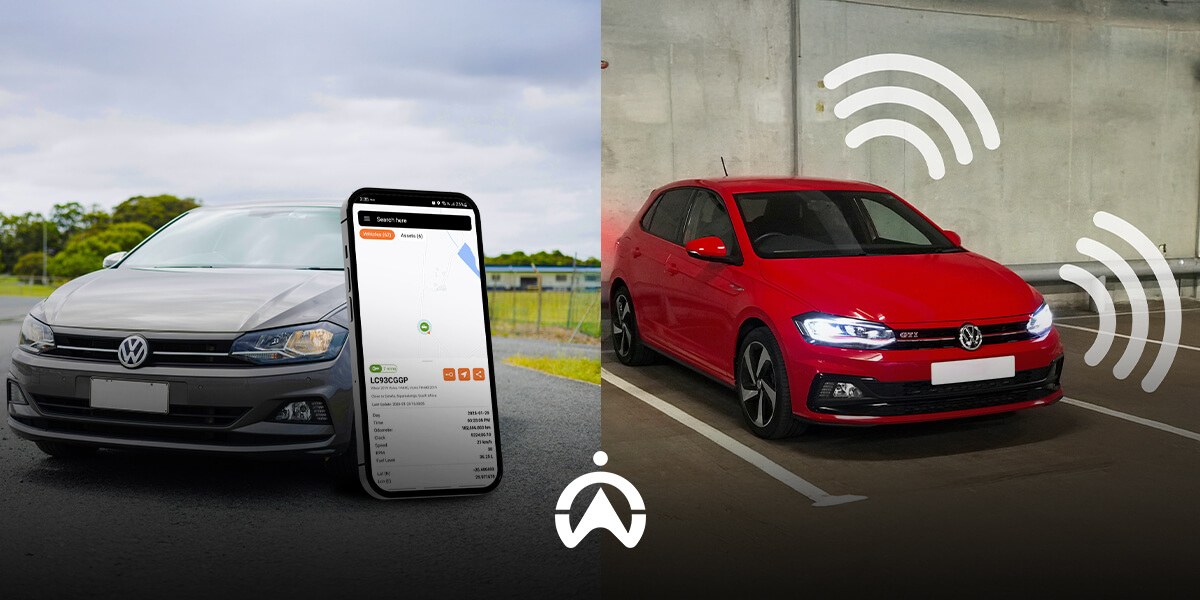
Use the Cartrack mobile app or website to get full visibility of your vehicle. You can easily share the live location with your loved ones, view your trip history, and get detailed information on driving habits such as speeding and harsh braking. This helps you see how well you drive and where you need to improve.

Dashcams

Get yourself a silent eyewitness on the road with our Road Vision and Dual Vision dashcam solutions. You can go with the forward-facing Road Vision camera or the Dual Vision solution that includes both front and in-cabin views—ideal for e-hailing safety. Both dashcams are cloud-based which means you can access footage at any time, even if the hardware has incurred some damage.

Recording your trips helps prove your innocence against accident disputes and fraudulent insurance claims. Dashcams are also highly recommended for e-hailing services as they make passengers feel safer and protect the driver from issues such as aggressive passenger behaviour.

A man in a plaid shirt stands thoughtfully next to a white car in a car dealership filled with various vehicles.

Cartrack value-added services

As an extra layer of protection and convenience, you can include these value-added services in your package:
‍

Protector

The Cartrack Protector feature is a value-added service that ensures that you are never left stranded on the road. Whether you need roadside assistance, medical support, or emergency response, we will be there. All you have to do is push the button on the mobile app, and we will send the help you need to your location.

Carwatch

Our Carwatch feature can be seen as a virtual car guard. This is another value-added service that you can use to secure your parked car. All you need to do is activate it on the Cartrack mobile app after you park. If your parked car moves without your permission, you will get an alert, and help will be on the way.

Fleet management for e-hailing drivers

Our fleet management solutions allow e-hailing drivers to monitor vehicle performance, fuel efficiency, and maintenance needs. This is particularly beneficial for individuals who operate multiple vehicles for e-hailing or lease out their cars to drivers.

Choose a reliable service provider for your car ownership and e-hailing needs

Cartrack is a leading vehicle tracking service provider with over 2 million subscribers worldwide. With us, you get advanced vehicle security services at an affordable price. Whether you use your car for personal trips or e-hailing, we will ensure that you and your car are protected. Join us today and get the peace of mind you deserve.
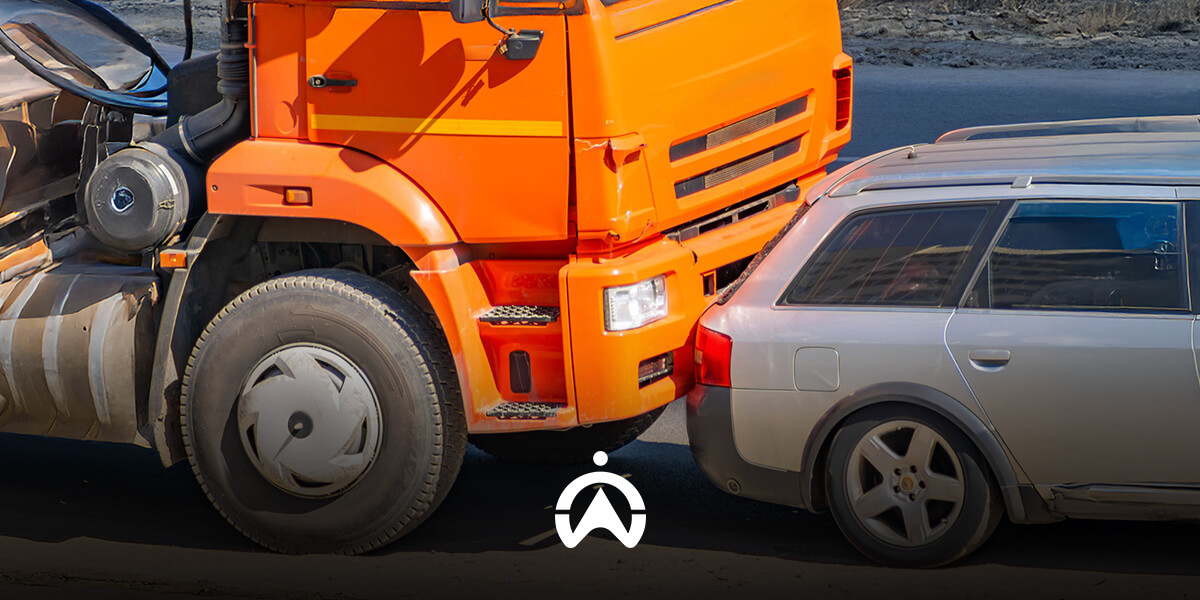
What are the True Costs of Fleet Accidents

Many assume that accident-related costs are limited to vehicle repairs and insurance claims. However, these incidents involve hidden expenses that can negatively affect a business’s bottom line.

When a company vehicle is involved in an accident and the driver or the vehicle’s mechanics are found to be at fault, the business may be held liable for covering medical expenses and other related costs. In some cases, the company may also be responsible for property damage and legal fees. Over time, these costs can accumulate, leading to a substantial financial burden for the business.

Beyond these direct costs, the company is most likely to experience reputational damage, leading to a significant decline in customer trust and loyalty. A company with a reputation for unsafe driving practices may struggle to maintain long-term customer relationships.

Let’s explore the true costs of fleet accidents and how Cartrack’s fleet management solutions can help businesses mitigate them.

In this article, you will:

  • Know the implications of fleet accidents
  • Learn how to protect operations from fleet accident losses
  • Understand how technology can help prevent fleet accidents
  • Discover how Cartrack fleet management solutions can help mitigate the costs of fleet accidents

What Are the Financial Implications of Fleet Accidents

Fleet accidents have implications that go far beyond immediate repair costs. Understanding these consequences is crucial, especially when looking to mitigate financial losses and protect the business’s reputation.

What are the real expenses associated with fleet accidents

  • Vehicle repair and replacement costs: When a vehicle is involved in an accident, the starting point will be to get the vehicle fixed. This means buying new parts to replace the damaged ones and paying the mechanic handling the repairs.
    ‍
  • Medical and liability expenses: Companies may cover medical expenses for those injured and, depending on the situation, offer compensation for additional damages or losses.
    ‍
  • Increased insurance premiums: If fleet vehicles are frequently involved in accidents, insurance companies may classify the business as high-risk, leading to higher premiums, which can affect profitability over time.

Beyond the immediate costs, fleet accidents also generate substantial legal and reputational issues, adding further pressure to the business.

Legal implications of fleet accidents

  • Legal consequences and liability: Fleet accidents can expose the company to lawsuits, whether for personal injury, death, or property damage, leading to substantial legal costs.
    ‍
  • Regulatory penalties: An accident involving a company vehicle is often investigated. If authorities find fault in the driver’s behaviour or the vehicle’s condition, the company may be liable to pay fines and penalties for violating traffic laws.
    ‍
  • Insurance disputes and legal fees: Insurance claims investigations can take months to resolve, especially for complex cases. This often requires legal assistance, adding further expenses that impact the company’s cash flow.

Reputational implications of fleet accidents

  • Public perception and brand damage: Frequent accidents, particularly those with severe consequences, could negatively affect a business’s reputation. In the digital age, a viral social media post of a company vehicle involved in an accident can damage the brand’s reputation and deter customers from supporting the business.
    ‍
  • Customer loyalty and retention: Accidents can negatively affect a business’s operations, resulting in lower customer satisfaction rates. Customers may question associating with a company that frequently experiences accidents and may look for services elsewhere.
    ‍
  • Employee morale and turnover: Witnessing or experiencing a crash can affect the well-being of drivers, leaving them traumatised and less motivated. Drivers may need some time off at work or even counselling, which will further affect operations. If accidents happen more frequently, employees may start to question the company’s commitment to safety and leave for better opportunities elsewhere. 
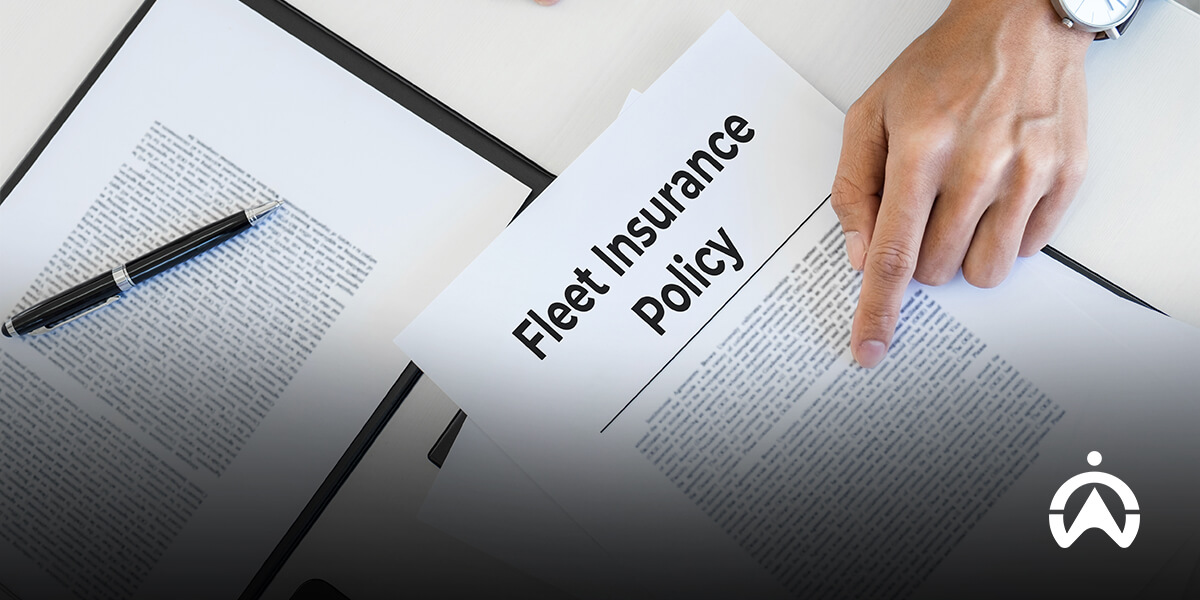
A hand points to a "Fleet Insurance Policy" document on a table, accompanied by a pen and additional papers.

How to protect operations from fleet accident losses

To protect a business from the financial, legal, and reputational losses caused by fleet accidents, managers must have a proactive approach. This means implementing strategies that can reduce the likelihood of accidents and ensure that operations run smoothly should accidents occur. Here are key ways to safeguard the fleet and business from the aftermath of accidents:

Implement Fleet Accident Management for Incident Response and Prevention

Fleet Accident Management (FAM) plays a critical role in minimising the impact of accidents on a business. It enables fleet managers to respond swiftly, manage claims efficiently, and mitigate common accident causes such as risky driver behaviour, distractions, and poor road conditions. By implementing FAM, these issues can be addressed head-on, ensuring better safety practices and reducing downtime, as well as the financial and operational consequences of accidents.

Conduct regular maintenance and servicing

Conducting regular maintenance on the fleet will significantly enhance safety, reduce breakdowns, and minimise downtime, helping save costs in the long run.

A structured maintenance schedule will cover critical things such as wear and tear, tyres, engine health, lights, and other important vehicle components. This will not only ensure vehicle longevity but will also minimise the accidents that are caused by mechanical failures, faulty parts, or poor vehicle handling. Regular inspections and timely repairs help identify potential hazards before they become serious issues, ultimately improving driver safety and maintaining operational efficiency.

In addition to regular maintenance, it is important to get the vehicles serviced on time so that issues can be detected and dealt with in time before repairs become too expensive. Regular servicing ensures that a vehicle’s components are working at optimum levels, which means better performance from all aspects of the vehicle.

Implement driver safety programs

To help reduce accidents, fleet managers can implement driver training programs that will enhance their safety on the road. Driver training programs will empower drivers to follow the rules of the road and avoid participating in unsafe behaviours such as distracted driving, speeding, harsh braking, and tailgating. Practising safe driving helps save on fuel costs and reduces wear and tear on vehicles, making them last longer.

Fleet managers can also host driver incentive programs—reward-based methods to motivate their drivers to continue practising safe driving.

Drivers can be rewarded in the following ways:

  • Monetary bonuses: Fleet managers could reward drivers with cash for outstanding performance.
    ‍
  • Recognition: Drivers could be rewarded with a certificate or trophy monthly, making them “employee of the month”.
    ‍
  • Career development: Managers could also consider promoting drivers who are consistent in their performance.

Rewarding drivers through any chosen method is a great way to keep them motivated and create a healthy working environment.

Review insurance policies and coverage regularly

Regularly reviewing fleet insurance policies ensures that coverage aligns with current operational needs and provides protection against potential risks.

As the fleet or business grows, reassessing insurance needs is important to maintain adequate coverage. This entails examining accident coverage, liability coverage, vehicle damage coverage, and theft coverage so that all areas are fully protected.

Furthermore, staying informed about industry regulations and adjusting coverage accordingly can prevent gaps that might leave the fleet unprotected in the event of an unforeseen incident. This practice helps avoid unexpected financial surprises and supports the continued safety of fleet operations.

Use fleet management solutions and telematics

Incorporating technology such as telematics and fleet management systems can significantly reduce accidents. These technologies allow operators to monitor driving habits and vehicle performance in real-time.

By tracking driving behaviours such as speeding, braking, and sharp acceleration, operators will be able to identify which drivers need training to avoid getting involved in constant accidents.

The systems will alert operators when maintenance is due, which will help prevent breakdowns and accidents caused by malfunctioning equipment. Telematics also help optimise routes through live traffic updates, weather updates, and road conditions, ensuring that drivers stay away from potentially dangerous areas.

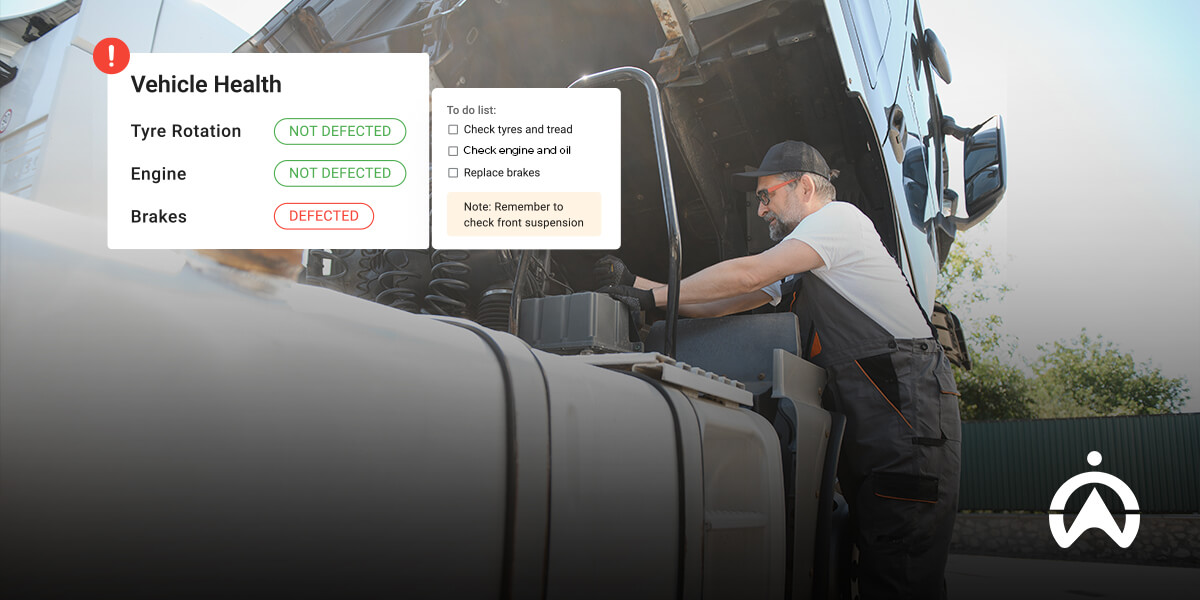
A mechanic inspects a truck's engine while reviewing the vehicle health report highlighting defective brakes and maintenance tasks.

How Cartrack helps mitigate the costs of fleet accidents

Cartrack offers comprehensive fleet management solutions that help businesses prevent and manage accidents, ultimately reducing costs.

We achieve this in the following ways:

  • Real-time tracking and alerts: Our GPS tracking devices allow managers to track their fleet in real-time, providing full visibility. In the event of an accident, instant alerts are sent to managers, enabling a prompt response during emergencies.
    ‍
  • Driver behaviour monitoring: Our system helps operators monitor driver behaviour by sending alerts every time there are harsh events like speeding, harsh braking, and cornering. With this data, fleet managers can identify drivers that need coaching to improve their performance. This will significantly reduce accident risks and promote safer driving habits.
    ‍
  •  Cartrack’s AI-powered cameras: Our AI-powered cameras provide real-time monitoring with in-cabin audible alerts that notify drivers of distractions such as cell phone use, fatigue, smoking, speeding, and other risky behaviours. These alerts help drivers correct their actions immediately, which can help reduce accidents. If an accident does occur, footage can be retrieved and used to prove the driver’s innocence and can be submitted to insurance companies to help expedite the claims process. Managers can use the footage to analyse what happened and provide targeted training to drivers where necessary.
    ‍
  • Preventative maintenance: Cartrack’s system sends alerts to inform managers about any engine faults and when vehicles are due for servicing. By monitoring engine hours and usage, managers can easily stay on top of maintenance needs. This proactive approach helps ensure that the fleet remains in good condition and operates efficiently.
    ‍
  • Crash detection: Our smart IoT device uses g-force technology to detect an accident in real-time, allowing us to immediately send emergency services to the driver’s exact location so help can arrive as soon as possible. Crash detection boosts drivers’ confidence on the road, knowing that protection is available at all times should accidents occur. Companies stand a chance to be assisted sooner during the insurance claims process since all necessary information is readily available through this technology.
    ‍
  •  Advanced Driver Assistance System (ADAS): ADAS uses camera-based sensors, intelligent algorithms, and AI technology to enhance driver awareness, increasing driver and vehicle safety. This system alerts drivers of blind spots and gives forward collision warnings.

In closing, investing in a robust fleet management system can reduce fleet accidents, helping save on hidden costs such as financial, legal, and reputational costs. Implementing driver training programs and conducting regular maintenance ensures that drivers and fleets are safe on the road.

Ready to safeguard your fleet and save on costs? Contact us today to achieve your business’s bottom line, leaving you with satisfied clients and enhanced profitability.

Frequently Asked Questions about accidents and fleet management systems

Q: What are the main causes of fleet accidents?

A: Factors such as human driver behaviour, poor road conditions, adverse weather conditions, and vehicle faults all contribute to fleet accidents.

Q: How does the frequency of accidents affect a company’s ability to grow?

A: Frequent accidents can deter a company from growing to its full potential due to all the costs the company will have to pay as a result of these accidents. This means the company will be working at a loss, and its bottom line will be negatively affected.   

Q: How do fleet accidents affect customer satisfaction?

‍A: Fleet accidents can cause delivery delays and service interruptions, and, in some cases, products may be lost and damaged during these crashes. This will negatively affect customers, leaving them dissatisfied and unimpressed with the service.

How to Protect High-Value Goods in Transit

High-value goods range from luxury items and electronics to sensitive medications, premium cigars, alcohol, livestock, and fine art. These goods have high value, making them prime targets for criminals and more susceptible to theft and hijacking than regular goods.

Given their importance, high-value goods require exceptional care and attention during transit. A single security lapse can lead to substantial financial losses, harm a company’s reputation, and disrupt multiple industries.

Let’s discuss the risks involved in transporting these valuable items and explore how advanced technologies like Cartrack’s fleet management solutions can help protect them while on the road.

In this article, you will:

  • Learn more about the risks associated with the transportation of high-value goods
  • Understand how technology can help mitigate these risks
  • Explore the key best practices for protecting your goods while in transit
  • Know how Cartrack solutions can help you protect your cargo

What Are the Risks of Transporting High-Value Goods?

High-value items are at an increased risk of theft due to their desirability. These goods can also be easily damaged and often come with strict regulations that must be considered during transit. Let’s take a closer look at these risks:
‍

Theft or hijacking

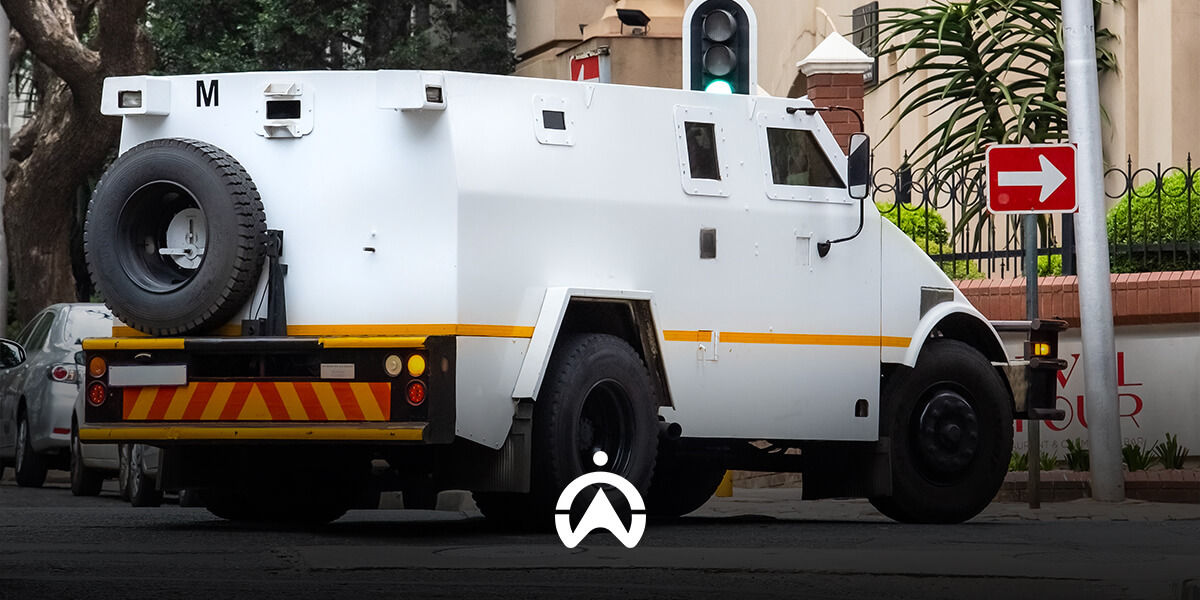
The Transported Asset Protection Association (TAPA) reported that four suspects allegedly carried out a cash-in-transit robbery in Windhoek, Namibia, resulting in losses estimated at over €70,000. This highlights that high-value goods are prime targets for criminals, who may either steal the items or hijack the entire vehicle.

High-value goods are highly vulnerable to theft and hijacking during transit because they go through multiple handovers, such as drivers, logistics companies, and warehouse teams. These goods are often left unprotected at unsecured rest stops or while being transferred between locations. With each handover, the risk of theft increases, as security can be inconsistent. Unlike at warehouses, which have strict security, the lack of continuous protection during transit makes it easier for criminals to target the shipment.

Accidental Damage

Due to the delicate nature of most high-value goods, they are most likely to be damaged during transit. This may result from improper handling, incorrect storage, inadequate packaging, accidents, adverse weather, and poor road conditions. For temperature-sensitive products, it could be that the temperature was incorrect throughout the trip, resulting in spoilage of items, and compromising their quality.

Accidental damage causes significant harm to the cargo, resulting in financial loss and customer dissatisfaction.

Regulatory and Compliance Risks

Noncompliance with regulations is a significant risk when transporting high-value cargo, particularly for items like pharmaceuticals or international shipments. Noncompliance with legal and safety standards can lead to hefty fines, legal action, and reputational damage. It’s important to ensure all regulations are met to avoid these risks during transit.

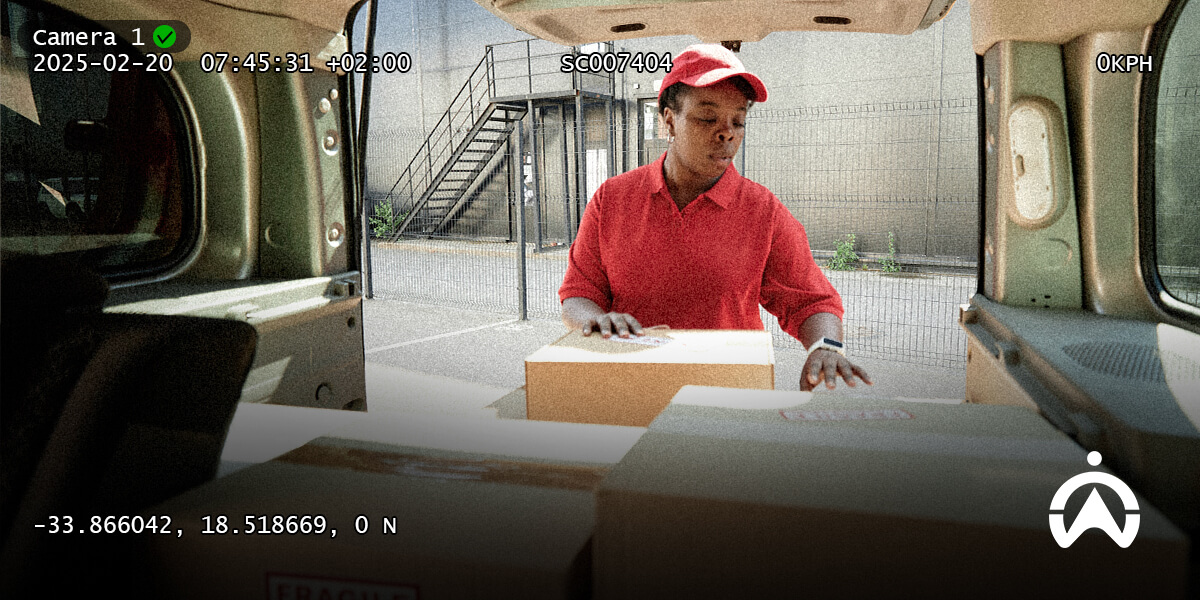
A delivery person wearing a red uniform and cap stands outside a van, preparing to handle cardboard boxes in a parking area.

How Can Technology Mitigate the Risks of Transporting High-Value Goods?

Technology plays an important role in mitigating risks associated with transporting high-value goods. Through GPS tracking and telematics, you can be in charge of your fleet at all times and will be able to act swiftly before anything happens to your cargo.

Here are some ways technology can enhance safety and security:

  • Real-time GPS tracking: You will know the location of your cargo through continuous tracking.
    ‍
  • Vehicle surveillance: Cameras and an alarm system add an extra layer of security to your fleet by deterring theft. Cameras equipped with AI technology allow you to monitor driver behaviour and provide training where necessary.
    ‍
  • Temperature monitoring for sensitive goods: Having temperature sensors will ensure that your sensitive cargo remains in good condition throughout transit, avoiding spoilage and waste.
    ‍
  • Automated alerts: Instant notifications and alerts allow fleet operators to take action if there are any changes to the fleet. This includes vehicle deviations or changes in temperatures.
    ‍
  • Remote immobilisation: Many tracking systems feature immobilisation options, enabling fleet managers to disable the vehicle remotely if stolen. This improves the chances of recovery and ensures better protection for the vehicle.

What Are the Best Practices for Protecting High-Value Goods in Transit?

When protecting high-value freight during shipment, you need to have a strategy that covers all bases. This means enhancing your security, conducting regular inspections and maintenance, and minimising stops on the way.

Here are some key best practices to help you get it right:
‍

Strengthening Security Protocols for Drivers

Fleet operators should train drivers in secure cargo handling and emergency response protocols. These training programs will equip drivers to know how to identify when something is wrong, and they will be able to act swiftly in an emergency.

Drivers must ensure they know which protocols to follow while on the move; this includes checking for tampering, knowing how to use panic buttons, and reporting incidents immediately.

Drivers are basically in charge of your cargo and vehicles, so they must be protected at all times to ensure that the goods get delivered safely and securely.

Conducting Regular Vehicle Inspections and Maintenance

It goes without saying that the vehicles used to transport these high-value goods need to be properly maintained to avoid unnecessary breakdowns on the road.

Managers must schedule regular inspections and ensure that vehicles go for servicing as and when required to prevent breakdowns. These inspections include checking security systems such as alarms and GPS tracking devices to see if they are still functioning as they should.

Regular checks can help identify and solve issues before they become major problems, posing potential threats to the cargo.

Minimising Stops and Delays During Transit

In order to make timely deliveries, fleet operators must make sure that the routes have minimum stops. Fewer stops reduce the risk of unauthorised access or tampering while improving fuel efficiency and delivery timelines.

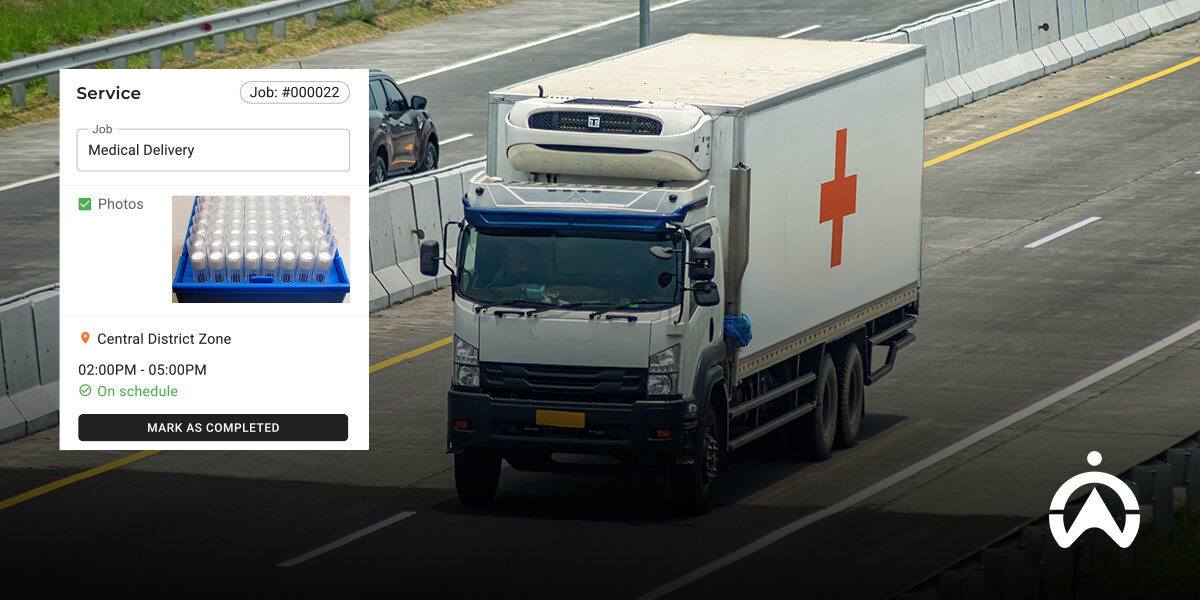
A medical delivery truck drives along a highway, accompanied by a job summary for scheduled deliveries.

How Can Cartrack Solutions Help Protect High-Value Goods?

Cartrack’s fleet management solutions ensure that your high-value freight is protected throughout its journey, ensuring that products are delivered in the right condition. Here’s how:

  • GPS tracking: Fleet managers have full fleet visibility through real-time GPS tracking, which allows them to monitor vehicle locations, track routes, and respond quickly to any issues or delays.
    ‍
  • Route optimisation: Cartrack’s fleet management software allows operators to optimise routes, ensuring timely deliveries. This feature enables drivers to use the fastest routes with less traffic congestion to avoid delays. You will get alerts if the vehicle deviates from these planned routes.
    ‍
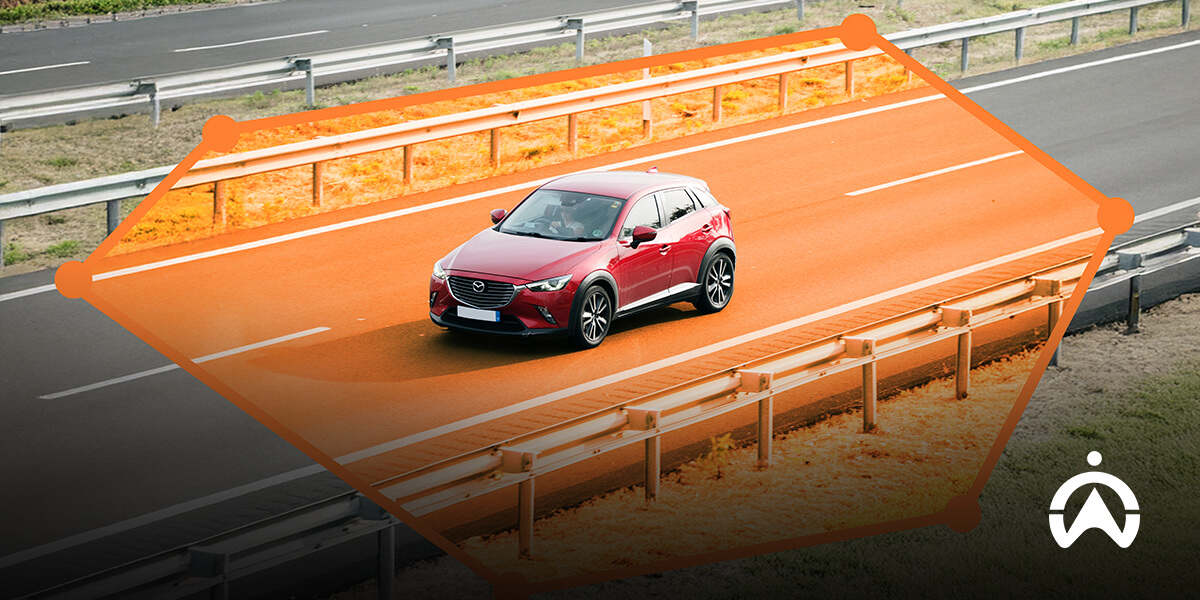
  • Geofencing: Operators can identify unsafe areas such as hijacking hotspots and set geofences around these zones. They will be notified via SMS or email should the vehicle enter these zones.
    ‍
  • Temperature sensor: Cartrack’s temperature monitoring solution supports up to four sensors per vehicle, ensuring real-time oversight of perishable goods.
    ‍
  • AI-powered cameras: Cartrack’s AI-powered cameras act as an extra set of eyes on the road, helping operators monitor driver behaviour. The cameras detect unsafe behaviours such as harsh braking, speeding, smoking, or mobile phone usage. Our AI dual-vision cameras will audibly send alerts to the driver in real-time so they can correct their behaviour.
    ‍
  • Panic button: If drivers are in a compromising situation like an emergency or a hijacking, they can simply press the panic button, which will instantly send a silent alert to our control room. An operator will instantly alert the fleet manager and coordinate emergency response if required.
    ‍
  • Cargo door sensor: Cartrack’s cargo door sensors instantly detect unauthorised access and trigger alerts for swift action.
    ‍
  • Start prevent: Fleet managers can immobilise a vehicle on the fleet management web interface. The vehicle will be immobilised once the ignition is turned off, ensuring the safety of both the vehicle and the driver.
    ‍
  • Driver scorecards: Our driver scorecards track high-risk behaviours like speeding or harsh cornering. Each driver receives a rating, allowing fleet operators to pinpoint areas for improvement and offering the opportunity to coach drivers and improve their driving habits.

Cartrack Namibia offers you solutions to protect your cargo better, leaving you with satisfied clients. Contact us today for a tailored security solution.

Frequently Asked Questions about high-value goods

Q: What type of insurance is necessary for transporting high-value goods?

A: To cover your high-value goods, get an all-risk insurance, which offers the most comprehensive coverage. It protects your goods against a wide range of risks, including damage, theft, loss, and accidents.

Q: Does Cartrack offer any solutions for improving the safety of high-value goods during nighttime transport? 

A: Yes, we do. It is important to note that our GPS tracking units continuously track your vehicles 24/7, and our operators are also available to assist you with anything you need. Our cameras are designed to perform effectively in low-light conditions, which means they will be able to capture clear and reliable footage even at night.

Q: Can a fleet management system help recover stolen high-value goods? 

A: Yes, Cartrack’s fleet management system can help recover stolen high-value goods. With real-time GPS tracking, geofencing, and instant alerts, fleet managers can quickly locate stolen vehicles and coordinate with law enforcement and Cartrack’s recovery team to recover the vehicle transporting the goods.

Best Practices for Implementing AI Camera Systems

The past few years have seen the introduction of Artificial Intelligence (AI) to the masses, becoming one of the most talked about innovative technological products. Many industries have adopted this new technology as a step toward digitising all their processes.

Camera systems are no different; they too have been integrated with AI features and capabilities. This means cameras can now do more than just record and store footage.

Let us learn what the best practices are when implementing AI camera systems and how Cartrack is one of the leaders in this transformation, with their advanced AI-driven video telematics solutions.

In this article, you will:

  • Learn about AI cameras in fleet management
  • Find out the needs to consider before implementing them
  • Discover how to choose the right AI camera
  • Find out the best practices for implementing AI cameras
  • Discover the future trends in AI cameras
  • Learn why Cartrack offers one of the best AI camera systems

Best Practices for Successful Implementation of AI Camera Systems

Successfully integrating AI cameras into your fleet requires a strategic and structured approach. Start by defining your safety and operational goals first and use that framework to find a compatible system. Installation, training for all of your drivers, and ongoing technical support are crucial for maximising the technology’s impact. By following best practices, businesses can enhance safety, efficiency, and compliance while minimising resistance and disruption.

Assessing Fleet Needs Before Implementing AI Camera Systems

Before incorporating AI cameras into a fleet, a business must first figure out what challenges it wishes to address and what the ultimate objective will be. In the Namibian transport sector, obstacles include a high incidence of accidents, instances of fuel theft, and inconsistency in road infrastructure.

Four questions to consider before implementing an AI camera system:

  1. What risks facing your fleet will AI cameras help with?
    ‍
  2. How will AI cameras help reduce accidents and liabilities?
    ‍
  3. How can real-time driver coaching and monitoring help with safety?
    ‍
  4. Will the camera systems help the business with compliance and reporting?

By addressing these questions, fleet managers can tailor their AI camera strategy to align with their operational goals.

AI Camera System Installation Best Practices

Adding AI camera systems to your fleet requires some considerations to be made. These considerations should align with the best practices in the industry and should also serve to achieve the business’ strategic goals. This is why implementing a camera system that can integrate with a fleet management program is vital. Integration with fleet management software ensures data flows seamlessly into operational dashboards, making it easier to navigate the system and see what is happening.

Let’s look at some of the other best practices when implementing an AI camera system.

Data Privacy and Compliance Considerations

Data privacy is one of the most critical considerations in the implementation of AI camera systems in fleet management. In Namibia, fleet managers should ensure that their operations comply with the Draft Data Protection Bill, to protect driver privacy and avoid penalties. Proper handling of the video data creates trust between the employee and the business as well as the coverage of the organisation from data breaches and regulatory considerations.

Compliance measures that you can consider include:
‍

Access control

Managing who has access to the footage is important if you want to maintain privacy. Fleet managers and compliance personnel should be the only people authorised to retrieve and review the videos. Basing access on role, as well as using secure login credentials will keep sensitive information from leaking or being seen by unauthorised people.

Clear policies

Data Protection Bill compliance requires clear policies to be in place, this should cover video footage, personnel access, and the conditions under which the video should be retrieved and reviewed. Trust will be built with drivers when these policies are shared and explained to them.

Data encryption

Video footage should be encrypted to prevent breaches or unauthorised viewing. Having this technology ensures that sensitive information remains secure and is not used maliciously. Unfortunately, not all AI camera systems provide this capability and will depend on the specific company’s product offering.

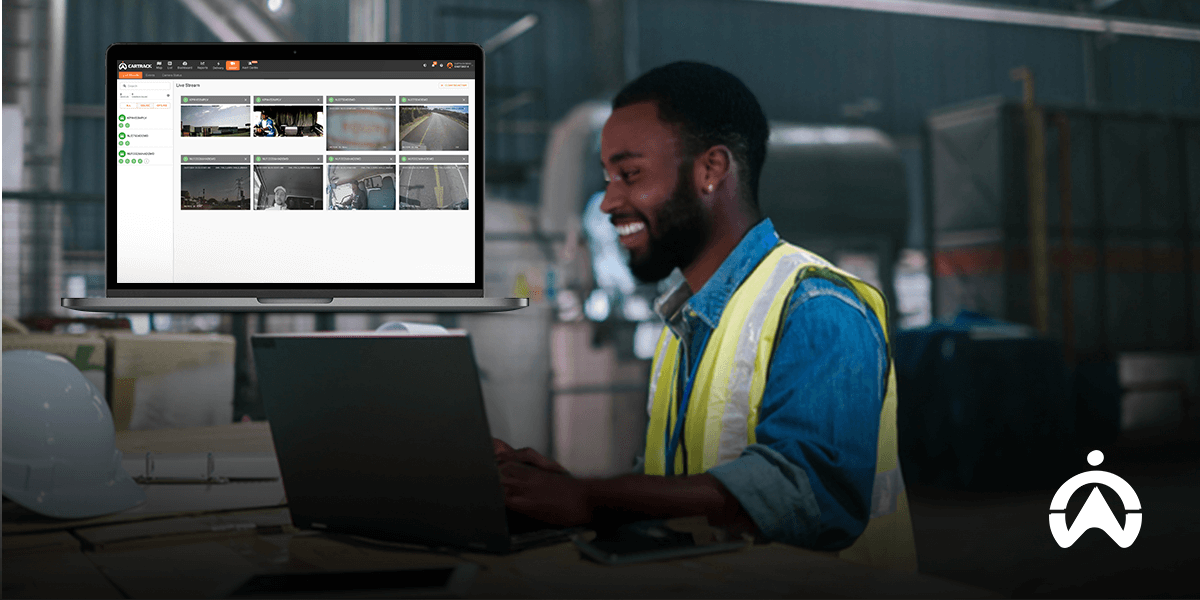
A worker in a safety vest reviews live camera feeds on a laptop in a warehouse setting, with equipment and supplies in the background.

Training Drivers and Fleet Managers

Understanding how these cameras work may require some members of the staff to get training, which is why proper training is essential for the successful adoption of AI camera systems. Providing adequate training for system operators and users will become necessary, especially for those who will be using it regularly. Raising awareness about ethical AI usage should also be considered as there will be some legal guidelines to follow.

Conduct Pilot Testing

Before the AI camera system is installed across the board, a test will need to be done to see how the system functions. This will mean testing systems in controlled environments to identify potential issues and functionality problems. This testing can be done by both managers and, in the case of fleet management, drivers as well. You will need to gather feedback from the pilot testing phase and then refine deployment strategies accordingly.

Leveraging AI for Driver Safety

AI cameras are revolutionising road safety by proactively identifying and alerting drivers about risky behaviours. By using advanced algorithms and real-time monitoring, these systems detect potential hazards before they escalate into accidents. This not only protects drivers but also reduces operational costs associated with collisions and liability claims. Here’s how AI cameras significantly enhance driver safety:

  • Fatigue
    Driver fatigue is a leading cause of road accidents, often resulting from long hours behind the wheel or inadequate rest. AI cameras can detect tiredness through indicators such as excessive blinking, yawning, or head nodding. Once these behaviours have been identified, the system generates an instantaneous alert for the driver, informing him that he needs to stop. This ensures that accidents due to fatigue are prevented, while also allowing fleet managers to enforce safe driving schedules.
    ‍
  • Distraction
    Distraction is another metric that AI cameras measure, this is usually smoking or cell phone use while driving. It is these distractions that often lead to bad judgement on the road, resulting in accidents or bad decision-making. AI Cameras assist by flagging these behaviours as they happen and notifying the driver so that can self-correct.
    ‍

Using AI Cameras for Incident Investigation

AI-powered cameras greatly assist with incident investigations by providing evidence in the event of any accidents, thefts, or insurance disputes. AI camera systems tag notable incidents automatically, allowing for safe storage and easy retrieval of vital footage. In doing so, the risk of important details going missing is reduced and the investigation process speeds up.

Here are some more applications for AI cameras beneficial for fleet operators:

  • Accident analysis: High-resolution footage accurately reconstructs events for determining the fault.
    ‍
  • Insurance claims: Claims can be backed with video evidence, speeding up processing while preventing disputes.
    ‍
  • Fraud prevention: Good-quality incident footage can deter false claims and fraudulent conduct.

Integrating AI Cameras with Fleet Management Software

Fleet managers can now integrate telematics from an AI camera into their fleet management software, which will reflect an integrated real-time perspective into fleet operations. This will allow companies to access a single platform for the analysis of driver behaviour and vehicle performance. This integration includes:

  • Live-streaming capabilities: Fleet managers can view live footage, enhancing situational awareness and enabling rapid response to emergencies.
    ‍
  • Comprehensive reporting: Detailed dashboards provide insights into driving patterns, vehicle utilisation, and safety trends, supporting data-driven decision-making.
    ‍
  • Automated alerts: Real-time notifications for risky behaviours, such as speeding or harsh braking, allow proactive intervention to prevent accidents.

This integration not only improves safety and general operations but also enhances compliance and reporting.

Continuous Monitoring and Improvement

Regularly evaluating system performance and making necessary adjustments is necessary and will need to become a standard practice. This will aid in keeping the system in check and functioning in top condition. Staying updated with technological advancements and regulatory changes also assists in making sure that your camera system is still aligned with all the legal requirements as and when they are changed or updated.

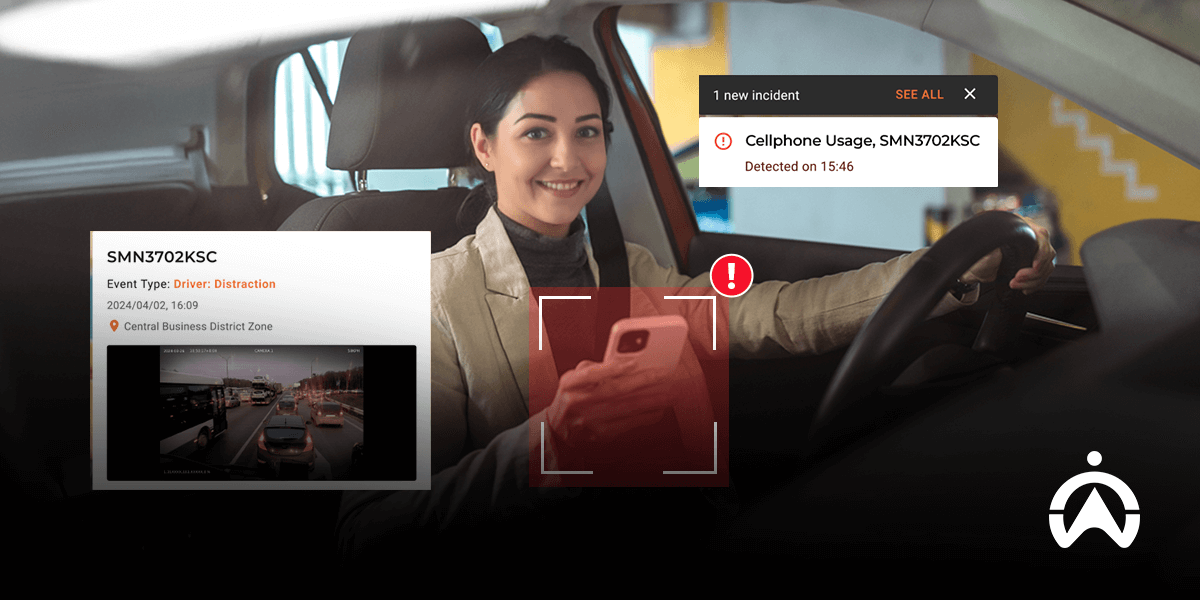
A driver holds a cellphone, displaying a notification about distracted driving events, while seated in a car.

Choosing the Right AI Camera System

Not all AI cameras are equal. Fleet management teams looking to adopt them need a solution to ensure safety and compliance while maximising operational efficiency. The most ideal AI camera will deliver quality video data, intelligent analytics, and seamless integration into cloud applications while also being flexible enough to scale as the size of your fleet increases. Here are the factors that need to be considered when choosing the best AI camera system:
‍

Video Quality

Clarity is everything in incident review and driver oversight. High-resolution AI cameras deliver crystal clear images that allow fleet managers to assess road conditions, and external hazards with an unerring eye for detail. Clear video also strengthens liability protection, helping businesses dispute false claims and reduce insurance costs.

AI Analytics

AI camera systems do more than just record footage. They analyse driver conduct in real-time. These smart-systems detect dangerous behaviours, including smoking, harsh braking, fatigue, and the use of mobile phones. These events trigger alerts that notify the fleet manager in real-time. Fleet managers use these insights to identify risks early and take proactive measures to prevent accidents and improve driver performance.

Cloud Integration

Traditional in-vehicle cameras rely on manual data retrieval, which is inefficient and time-consuming. AI cameras integrated with cloud storage capabilities allow fleet operators to retrieve video files remotely. This allows for incident resolution, insurance claims, and compliance audits to all be handled quickly.

Scalability

As your business grows, so should your AI camera system. It should easily connect to new vehicles, additional drivers, and changing fleet demands in the future. It could be a few vehicles or an entire fleet across the country, your AI camera system should be able to grow with you.

Key Features of AI Camera Systems

AI-powered fleet cameras offer a range of advanced features, including:

Feature Benefit
Real-time monitoring Provides instant visibility into driver behaviour
AI-driven alerts Notifies fleet managers of risky driving practices
Cloud storage Ensures secure storage and quick retrieval of footage
GPS integration Syncs with location tracking for better oversight

By adopting these AI-driven capabilities, fleet operators gain access to actionable insights that improve decision-making and reduce operational risks.

Benefits of AI Camera Systems

Implementing artificial intelligence cameras comes with many benefits, both for the business and the drivers. These benefits are applicable to businesses and fleets of all sizes. Let’s have a look at what some of them are:

  • ‍Enhanced Safety
    Security is an important part of running a business where you have employees on the road. This security can relate to the vehicle, the driver, and the cargo that is on delivery. AI camera systems promote safer driving by detecting risky behaviour and instantly alerting fleet managers to potential safety violations. This leads to a safer journey overall.
    ‍
  • ‍Improved Incident Investigation
    In the event of a collision between vehicles, there is often a back-and-forth on who is to blame for the accident. Most of this uncertainty is based on the opposing testimonies of the drivers in question. AI cameras provide indisputable video evidence, reducing disputes and expediting insurance claims.
    ‍
  • ‍Operational Efficiency
    AI camera systems that come with driver behaviour monitoring can track and measure how often the driver engages in bad driving habits. These habits, such as idling and harsh acceleration, can lead to high fuel costs which could increase the business’s operational expenses. Identifying these issues helps reduce the financial toll they incur on the business in the long run.
    ‍
  • ‍Data-Driven Decision Making
    The information and analytics gathered from these AI camera systems can be compiled and put together as a report to reflect the fleet and driver’s performance. These reports can then be used to inform future business decisions regarding deliveries, driver safety, and cargo control measures.
    ‍
  • ‍Cost Reduction
    Artificial intelligence cameras have an indirect impact on business costs, reducing them when used correctly and wisely. The management of fuel costs, the reduction of insurance premiums, and the mitigated legal disputes all add up to significant savings on the business front. These expenses would have otherwise been slowly racking up over time, compounding as the business grows and fleet size increases. Having this additional cash redirected to more meaningful expenses can be a reality when these camera solutions are used well.

Addressing Challenges and Resistance to AI Cameras

While AI cameras may provide safety and efficiency in fleets, some companies and even drivers may be reluctant to adopt them. Privacy concerns, cost factors, and inherent resistance to change stand as common queries. These concerns are valid but do come with solutions, let us see them below:

Concern Solution
Privacy Issues Transparent policies and driver education
High Costs Long-term cost savings outweigh the initial investment
Driver Resistance Highlighting safety benefits and offering incentives

Addressing these concerns proactively ensures smooth adoption and long-term success.

Measuring ROI and Performance Improvements

If ever a new piece of technology is being implemented the cost should be greatly considered, especially seeing how it will bring its return on investment. The initial investment in this technology should match the long-term benefits, in this case, AI cameras are very much worth it. The initial cost is marginal compared to how much potential income it will recoup from mitigating expenses associated with bad driving.

An added benefit is that these camera systems last for very long times and only occasionally need maintenance and repairs. Meaning that the rewards can be reaped for many years to come for only an initial installation fee and affordable monthly subscription.

Future Trends in AI Camera Technology

AI-driven fleet monitoring is developing fast with new technologies emerging yearly. One of these is edge AI, an artificial intelligence and edge computing that enables an autonomous device to process data locally, rather than on a cloud server. If businesses want to thrive in the future, then they need to find ways of bringing this advancement into their fleet management, especially when using AI camera systems.

Another development in this space has been the integration of 5G with AI. AI algorithms can use 5G information to suggest the best networks to connect to; this means that bandwidth can be allocated accordingly to address bottlenecks in internet usage. Having this innovation will greatly assist a business that has implemented this technology.

Why Cartrack is the Ideal Partner for AI-Powered Fleet Monitoring

Cartrack offers AI-powered cameras and live stream camera technology. You get to monitor your fleet with road and cabin-facing AI dashcams, getting up to 8 internal and external cameras to help keep your drivers, fleet, and cargo safe. Additionally, you can detect high-risk driving behaviour in real-time using artificial intelligence, as well as G-force and GPS data.

Cartracks Vision dashcams come in a variety of solutions, from single-cam, dual-cam to multi-cam options. These camera’s are AI-powered and use telematics to track events such as distraction, smoking and yawning to name a few. When the ignition is off, the camera will continue recording for 5 minutes before going into Standby Mode. Once in deep sleep, the camera will no longer record and any footage and retrieval be unavailable.

With Cartrack’s camera solutions, you can also keep your drivers safe with preventative in-cabin voice alerts that let them know about potential safety violations so they can correct them immediately. You can also use recorded footage of your drivers to coach and train them on how they can improve their driving behaviour and increase their safety on the road.

All these features will make it easier to keep the drivers compliant with the company driver policies and national road rules and regulations. Implementing these cameras will need to be in accordance with the POPI Act and other privacy regulations.

Take Control of Your Fleet Today

The world is changing and so is the technology in it. It is no longer enough to just work with the bare minimum and expect stellar results. If you want to take your business to the next level and have peace of mind about your fleet and drivers then getting AI powered cameras is the way to go.

If you are looking to improve the safety and operations of your fleet, then you should consider Cartrack. Contact us today to get a quote or to hear more about our full AI camera offering.

FAQs

Do AI cameras work in all weather and lighting conditions?

Yes, most advanced AI camera systems, including Cartrack’s, are designed to function in various weather conditions and low-light environments. You can expect clear resolution in all circumstances.

What industries can benefit from AI camera systems?

AI cameras can work for industries such as logistics, construction, public transport, and last-mile delivery. Any business that has a fleet of vehicles can benefit from using this technology.

How much storage is typically needed for an AI camera system?

The AI cameras at Cartrack have up to 1 terabyte of storage which amounts to 164hrs capacity.

What should I do if my AI camera system shows faults?

If ever you detect any faults in the footage or recording system itself, you will need to contact the service provider. They will either get it repaired or replaced subject to the terms and conditions of the device warranty terms and conditions. Doing this will ensure that the AI camera system is accurate.

Fleet Management for E-Commerce

We live in an age when almost everything can be bought online from almost anywhere. This is mostly due to the growth of the internet.

This situation has necessitated solid fleet and delivery management software to manage the ensuing logistics of delivery.

Let us discuss e-commerce fleet management and how Cartrack is the best partner for this job.

In this article, you will:

  • Learn why there is a growing need for e-commerce logistics management
  • Discover what the challenges are for e-commerce businesses and fleet management
  • Find out why fleet management is ideal for the e-commerce sector
  • Understand why Cartrack is best suited to the e-commerce business model

The Growing Demand for Efficient Fleet Management in E-Commerce

The impact of online shopping on delivery operations has been profound. This convenience is made possible by efficient and timely deliveries, a vital component for any e-commerce business.

Fleet management helps this sector by providing solutions for companies looking to simplify the process between ordering and last-mile delivery of products. This means aligning, drivers, route planning, time management and proof of receipt, by doing this e-commerce business can have hassle-free movement of goods.
‍

Here are some key points to know about the growing demand for e-commerce logistics:  

What are The Challenges in E-Commerce Fleet Management

According to Statista’s Digital Market Outlook, the number of e-commerce users in Namibia is forecasted to amount to 381.9k users by 2029, Many logistical challenges beset e-commerce businesses, most of them concerning last-mile delivery.

Effective order and delivery management will require a solid fleet management system, which will therefore help mitigate some of the hurdles that may arise in handling delivery. With more consumers shopping online, e-commerce businesses face growing challenges, including delivery instructions, duty fees, and shipment disputes.

Let us take a closer look at some challenges an e-commerce business can face.
‍

Delivery Delays

Deliveries are the backbone of an e-commerce business. They make up an important part of the business model that allows this type of venture to thrive. Therefore, delays threaten this kind of business the most. These delays are often caused by poor route planning and traffic congestion. Such inefficiencies break down the flow of work and result in a snowball of delays.

The impact of poor fleet visibility on delivery times is huge. Here’s how:

  1. There are vendors who are unaware of what happens to their products once they have been sent off to the client.
    ‍
  2. There is no means for them to track where it is on the journey or if it has been delivered at all.
    ‍
  3. This inevitably creates issues with customers when there are delays and the vendor is unable to provide any information on the status of the delivery.
A woman sits on a couch, checking her phone for delivery updates with a map showing the delivery route and estimated arrival time.

Rising Fuel Costs and Driver Salaries

Some e-commerce businesses have vehicles that do deliveries exclusively for the business. These can range from motorbikes, cars, vans and even large cargo trucks. Managing fuel costs for a delivery fleet, regardless of size, needs tight financial management and precise reporting.

  • ‍Fuel Costs
    Fuel costs are usually affected by the typical reasons, namely, fuel price change, inefficient routing, and idling. These factors contribute significantly to rising fuel costs in e-commerce logistics. What often makes this a challenge is that many businesses do not have efficient systems in place to manage this system. Most still use paper systems and rely on petrol cards to monitor fuel usage and the costs that come with it.
    ‍
  • ‍Driver Salaries
    Another cost that often affects operational expenses is driver salaries. This becomes an issue when drivers are not allocated jobs efficiently. This can lead to drivers being paid when there are not enough deliveries to justify their wages. The inverse is also true, where there are too few drivers for the jobs needed, necessitating the need to get additional drivers last minute to cover the workload. This ultimately affects operational costs in the long run.

Security Risks and Theft

Security of both the vehicle and the items in delivery can be a major headache for many businesses involved in deliveries. Here are some insights to be aware of:

  • Theft usually occurs depending on the type of products being delivered, with higher-value items such as jewellery and high-tech gadgets becoming the prime objects of attack.
    ‍
  • Theft risks affect both long-distance and local deliveries, making security a concern for the entire e-commerce sector.
    ‍
  • These thefts have a significant impact on businesses, they affect customer satisfaction and lead to high insurance premiums for vehicles and packages.
    ‍
  • This means that businesses incur losses on products that are stolen and need to be re-delivered to customers.
    ‍
  • The need for proactive security solutions is the best solution in the long run.
    ‍
  • Most businesses rely on the driver’s ability to discern and avoid this crime, often with little to no support.
    ‍
  • For businesses that outsource the delivery process, they trust that the service provider will handle all security risks and put in the appropriate measures. This unfortunately isn’t always the case as some delivery companies are not large enough or established enough to have robust security systems and protocols.

Why You Should Implement Fleet Management in E-Commerce Businesses

Most of the challenges that e-commerce businesses face can be resolved by implementing a comprehensive e-commerce fleet management system. This will assist in managing and even addressing some of the pain points that come from having to deal with deliveries from an online customer base along with general fleet maintenance.

The benefits that come from having such a system are many, let’s explore what you should get when installing one.

Enhanced Delivery Efficiency with GPS Tracking

Getting deliveries done on time and in the most efficient manner is crucial for a business that functions entirely online. One of the best ways to enhance this is by getting delivery fleet management software that comes with route optimisation and GPS tracking.

These functions will ensure that both the vendor and the customer are always updated on the progress of the delivery and that it is being done in the most efficient way possible. Real-time tracking ultimately optimises fleet performance and leads to faster and more organised workflow.

Improved Fleet Security and Driver Safety

Knowing where deliveries are as they are happening allows for more security measures to be put in place. These security measures protect both the cargo and the drivers, as both can be located and retrieved early when a theft occurs.

Some e-commerce fleet management systems include camera systems that monitor driver behaviour with telematics technology and dashcams to record footage of the journey. The telematics component of the fleet management system allows for the additional monitoring of driver behaviour.

Vehicle recovery solutions reduce financial losses and give both drivers and business owners peace of mind.

Reduced Maintenance Costs

Automation and telematics technology cut the costs of many e-commerce businesses in varying ways. With telematics, a business owner can receive alerts on when a vehicle in the fleet needs to be serviced through the use of predictive maintenance technology in the fleet management system. This will save costs in the long run as it reduces wear and tear and costs associated with repairs.

Why Choose Cartrack for E-Commerce Fleet Management

Cartrack is an industry leader in fleet solutions and has some of the most comprehensive product offerings out on the market that can manage commercial vehicles effortlessly. These solutions cater to a variety of industries, of which e-commerce is one.

For an e-commerce business owner looking to take their business to the next level, few other service providers compare to Cartrack. The fleet management system offered, called MiFleet, has technology that enhances delivery operations and keeps the fleet safe and functioning optimally.

Here is what you get when you choose Cartrack as a partner:
‍

Real-Time GPS Tracking

Cartrack’s delivery fleet management software offers live tracking of vehicles allowing for full visibility and route efficiency. This GPS fleet management solution is available for all vehicle types and can function in all terrains, locales and environments without significant disruption.

The movement of your drivers and packages can be seen on the Cartrack Mobile App along with a view of the journey courtesy of our Vision camera solutions. Not only do you follow where they are geographically, but you also get a detailed look at what is happening on the journey.

These cameras can be installed in up to eight different locations on the vehicle to monitor all the happenings while delivery is underway. This offering from Cartrack caters well to e-commerce businesses that do long-distance deliveries, even across borders.

A delivery driver checks a job status on a mobile app while interacting with a customer, surrounded by a delivery van.

Route Optimisation

MiFleet offers AI-driven smart routing to reduce transportation times and fuel costs, this technology optimises all deliveries and keeps delays at a minimum. The ability to optimise delivery routes based on distance, time sensitivity, volume and driver availability is all possible with Cartrack’s system. All these features make the management of deliveries an easy process, one that can be done from the comfort of your own home thanks to the Cartrack Mobile App.

Driver Behaviour Monitoring

For an e-commerce business with an in-house set of vehicles for deliveries, driver behaviour is important. It is this factor that often plays a role in how deliveries are and the condition the packages arrive in. Monitoring speeding, harsh braking, and idling are just a few of the many metrics that can be monitored and reported with a telematics unit from Cartrack.

Monitoring these driving habits not only keeps the deliveries arriving safely but the drivers as well. Fatigue, smoking, an obstructed view and yawning are all recorded and flagged as bad habits. These are sent as alerts to the fleet manager, allowing them the chance to directly contact the driver to intervene. This intervention can be a direct call as the journey is underway or coaching provided later on once the footage has been downloaded.

Fuel Management Solutions

Cartrack’s fleet management system has tools to track and control fuel consumption, these tools can measure mileage, fuel consumption and fuel flow. Fuel is one of the largest expenses for a business that delivers directly to consumers. Curbing the fuel wastage on all fronts saves on this expense and will give the business some financial leeway.

Stolen Vehicle Recovery

With an average of over 90% stolen vehicle recovery rate, Cartrack stands in a lane of its own with no other competitor providing such certainty. This high recovery rate comes courtesy of our audited financials and is proof of the success of our recovery teams.

When delivering goods rapid response solutions to recover stolen vehicles and cargo are paramount. This is why getting a fleet management system that comes with this service is essential.

E-commerce is an industry that is growing globally as more and more territories adopt internet use and fintech solutions. This only means that the delivery systems and logistics in place need to be robust and carefully considered.

Camera Solutions

Camera solutions are a necessary component of fleet management in e-commerce, especially if the business is in charge of its own deliveries. Fortunately, Cartrack has AI-powered camera solutions that can be placed in up to eight different locations on a vehicle. These cameras keep your drivers safe with preventative in-cabin voice alerts that let them know about potential safety violations so they can correct them immediately.

Cartrack Delivery

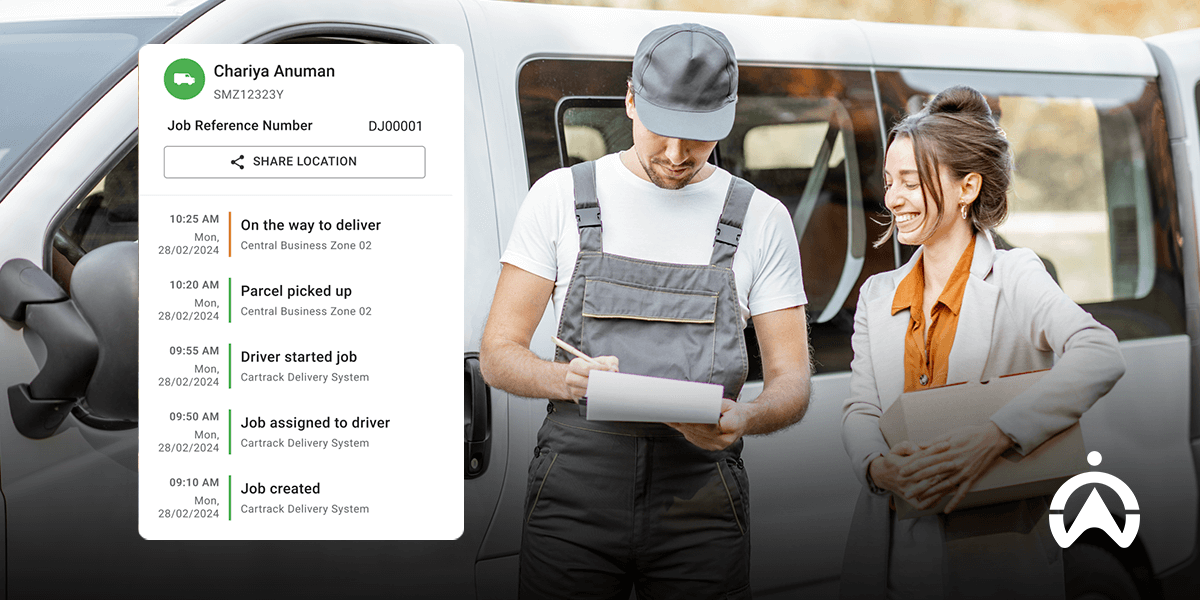
Cartrack’s fleet management system has a unique value-added service that caters specifically to deliveries. It allows for the allocation of drivers, vehicles, jobs and work shifts all on one platform.

These features make it manageable to delegate work, keep track of multiple deliveries and verify when deliveries have been made. There is even a feature that allows for photographic evidence of delivery along with the signature of receipt. This is ideal for any online business that needs to manage stock and customer expectations.

As it currently stands Cartrack’s solutions are some of the best suited for this transition. If you are interested in hearing more about our offering call us to BOOK A DEMO AND GET A QUOTE TODAY.

Car Tracking Devices vs. Traditional Car Alarms: Which Is Better?

Did you know that approximately 16 cars were reported stolen over 90-day period between September and November 2021? This alarming statistic proves that vehicle safety is now more critical than ever. At this rate, investing in a vehicle security system such as a tracking device or a car alarm is non-negotiable. While most vehicles already come equipped with alarms, the big question is, are they enough to protect your vehicle?

We will discuss these two key automotive security solutions, compare their effectiveness, and help you determine which system is better suited for your needs. You will also discover how Cartrack solutions can help safeguard you and your loved ones on the road.

In this article, you will:

  • Know the key differences between car tracking devices and traditional alarms
  • Understand the benefits of car tracking devices
  • Learn why Cartrack stands out as the best vehicle tracking partner

Car Tracking Devices vs Traditional Alarms: A Comparison

Car tracking devices and alarms aim to protect your vehicle, but they achieve this goal differently. The table below outlines each system’s key features, benefits, and drawbacks, providing a clear overview to help you make an informed decision when choosing the right security solution for your needs.

Aspect Car Tracking Device Traditional Car Alarm
Primary Function Vehicle Location & Recovery Deterrent, Alerts of Intrusion
Effectiveness Highly effective for locating and recovering a stolen vehicle Primarily effective at deterring theft or alerting to attempted theft
Technology GPS, Cellular, Wi-Fi Sensors, Sirens, Motion Detectors
Features Real-time tracking, Geofencing, Speed alerts, Driver behaviour monitoring, Remote engine immobilisation Loud siren, Motion detection, Tilt sensors, Glass break sensors
Installation Often hidden and professionally installed Typically visible, usually professionally installed
False Alarm Less prone to false alarms More prone to false alarms (e.g., loud noises, animals)
Additional Benefits Valuable for fleet management, parental controls, emergency services and potential insurance discounts Limited beyond basic theft deterrence

Key Differences Between Car Trackers and Alarm Systems

When it comes to car security, owners often consider both tracking devices and alarms. Even though they both offer car protection, they have different approaches to this. Let’s explore how different they really are by looking at their primary function, installation, technology, and limitations.

Key differences between traditional car alarms and tracking devices:

Primary function

Traditional car alarms

The main function of a traditional car alarm is to deter theft. If someone tries to steal your vehicle or break in to get your belongings, car alarm sensors will detect this, and sound will be emitted. In some cases, the vehicle’s headlights will also flash. These alerts are meant to notify people who are nearby and distract the criminal from continuing with this act.

This makes car alarms effective in theft situations.

Car tracking devices

The primary function of a car tracking device is to assist in recovering a stolen vehicle, by tracking its location through GPS technology.

Tracking devices do not prevent theft, making them ineffective in theft situations but highly effective post-theft.

Technology

Traditional car alarms

Traditional car alarms rely on sensors to detect unauthorised access or disturbances, triggering the alarm when activated. Below is a list of common sensors that an alarm system typically has:

  • ‍Tilt sensors: These are used to detect any change in the vehicle’s inclination to the ground. The alarm will be triggered if there is a sudden inclination of the car. This feature protects against unauthorised towing or jacking up of the car.
    ‍
  • ‍Motion detection: If there is any movement happening near the car, this will trigger the alarm to go off. This can include even a slight touch of the vehicle.
    ‍
  • ‍Glass break sensors: If someone is trying to break your window, for instance, and glass shatters, this will be detected, and the alarm will go off.

Car tracking devices

Trackers are equipped with advanced GPS technology. These devices use GPS receivers to communicate with satellites, pinpointing your car’s location in real-time. The location data is then transmitted through cellular networks (like 4G/LTE) to secure servers, allowing users to track their vehicles remotely. This could be done via apps or online platforms.

Installation

Traditional car alarms 

The Original Equipment Manufacturer (OEM) alarm systems are installed by the vehicle manufacturer during the manufacturing process. Aftermarket alarm systems are purchased separately and are usually installed by a qualified technician.

Car tracking devices

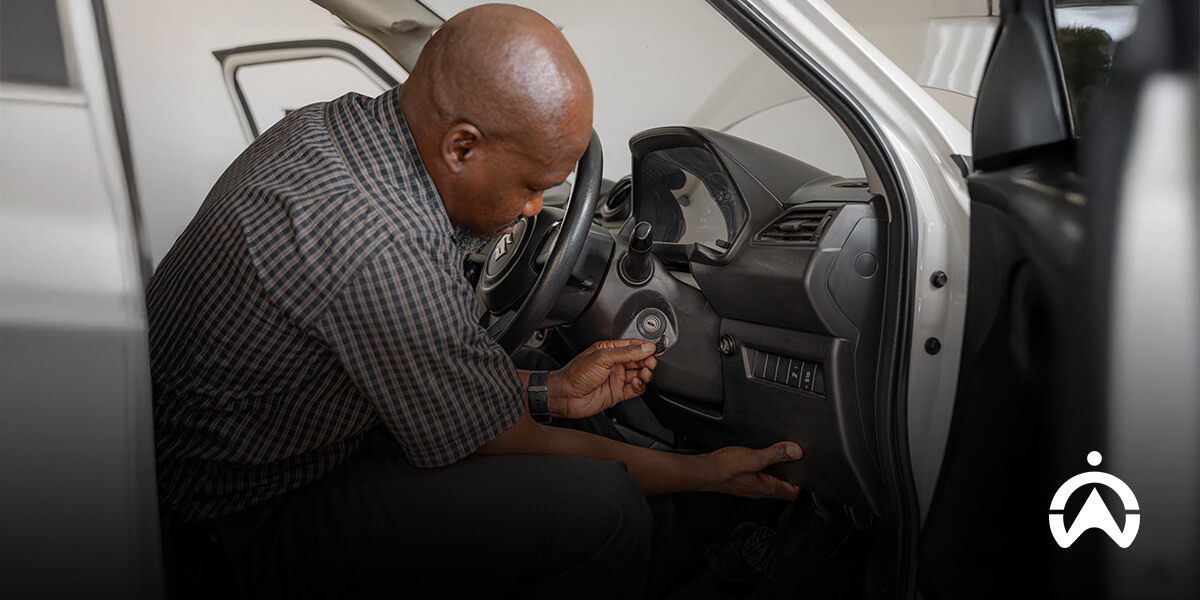
GPS trackers must be installed by a qualified technician to ensure they are installed correctly and discreetly.

It is not advisable to buy tracking devices at online marketplaces or off the shelf and attempt to DIY the installation. You are not only damaging your vehicle’s wiring and other important components, but you are also putting yourself in danger by purchasing from these non-reputable companies. These systems could easily be hacked, posing a risk to users.

A Cartrack technician inspects the dashboard and ignition of a car while seated in the driver's seat, focused on installing Cartrack tracking device.

Limitations

Traditional Car Alarms

These days criminals use sophisticated devices that can, unfortunately, easily disable car alarms. These systems are also more prone to giving false alerts, which negatively influences their reliability.

False alarms can be caused by the following:

  • ‍Overly sensitive sensors: If a vehicle’s sensors are overly sensitive, they can be triggered easily. This means that your vehicle’s alarm can go off even when a small animal like a bird rest on top of your car’s roof.
    ‍
  • ‍Faulty key fob: A malfunctioning key fob or remote can send erratic signals to your car’s alarm system. Most key fobs have panic buttons, so if faulty, the panic button will most likely be activated randomly, causing the alarm to go off.
    ‍
  • ‍Wiring problems: If you have an aftermarket alarm system and decided to install it yourself, there is a possibility that you messed up the wiring system. This is why it is not advisable to DIY. You need to get a qualified technician to do the installation, always.
    ‍
  • ‍Low battery levels: A weak or dying battery could cause the car alarm to go off. If your vehicle’s battery is too old, ensure that you get it replaced to avoid this.

Car tracking devices: 

Tracking devices are much harder for criminals to disable since they’re installed in discreet locations, making them difficult to find. This forces them to waste time looking for the device, giving authorities a crucial window to track the vehicle and recover it before it’s gone for good.  These devices will not send false alerts due to their advanced GPS technology.

The True Benefits of GPS Car Trackers

Since traditional car systems were made for the primary function of theft deterrence, there aren’t many added benefits compared to GPS trackers. Car tracking systems have more added benefits, such as emergency assistance, fleet management capabilities, and parental control.

Let’s explore these added benefits below:

Emergency Assistance

This feature ensures that you and your loved ones get the necessary support when in an unfortunate situation on the road. Most tracking companies provide you with emergency assistance such as roadside or medical assistance. You will have peace of mind knowing that you are always protected.

Fleet management

Car tracking devices can assist fleet managers in running their day-to-day operations smoothly. This is how:

  • Efficiency: Real-time tracking allows fleet managers to optimise routes, minimise idle time, and improve overall efficiency.
    ‍
  • Safety: They can help monitor driver behaviour and identify potential safety risks, such as speeding or harsh braking.
    ‍
  • Maintenance: Tracking data can be used to schedule vehicle maintenance and ensure timely servicing.
    ‍
  • Asset tracking: GPS trackers can be used to monitor the location and movement of valuable assets in your business.

Parental control

If you are a parent to a teenager who is new behind the wheel, you can ensure they are always protected on the road using GPS tracking systems. Geofencing allows parents to set up virtual boundaries and receive alerts if their child enters or exits specific areas. They will also be able to monitor their children’s behaviour on the road by analysing their harsh events and can offer necessary coaching.

Potential Insurance Discounts

Insurance companies tend to offer low insurance premiums to customers who have security systems in place, such as GPS trackers. This is because they know that, in case of theft, the high likelihood of vehicle recovery reduces the need for claim payouts.

A red SUV drives on Cartrack geofence area mark, surrounded by green grass and a metal guardrail, showcasing a vibrant outdoor scene.

Why Cartrack Stands Out as Your Vehicle Tracking Partner

From the above, it is clear that having a car tracking device is essential for your safety. However, it isn’t just about finding and installing the GPS tracker and calling it a day; you need to ensure that you get this device from a reputable company. Cartrack is such a company.

Cartrack is the leading tracking company in Africa, with stolen recovery rate exceeding 90%. 

Cartrack offers the following features and solutions to help ensure that your vehicle is safe and more likely to be recovered if stolen:

  • ‍Advanced Fitment Technique
    Our highly trained technicians are responsible for the installation of our tracking devices, ensuring that they are installed correctly and do not interfere with other important components in your vehicle.
    ‍
  • ‍Air and on-the-ground recovery teams 
    If a vehicle theft occurrence is underway, our highly trained recovery team is immediately dispatched. This is usually carried out by both air and ground teams to ensure the fastest, safest, and most proficient tactical response.
    ‍
  • ‍Cartrack Mobile App
    Our tracking devices are integrated with the mobile app, allowing you full control of your vehicle and fleet. You will also be able to access our wide range of features at just a touch of a button.

    Our app allows you to:

    • View your vehicle’s live location and past trips
    • Activate Carwatch which alerts you if your vehicle moves once parked
    • Activate Protector which provides Medical, Roadside, Legal, accommodation, and Car Hire Services
    • Share your live location with your loved ones
    • View the last position report, which indicates the last known position of the vehicle
    • View driving reports to monitor driving behaviour and reduce fuel and maintenance costs
      ‍
  • ‍Carwatch
    ‍Carwatch is a value-added service that we offer to our customers. Think of it as a virtual car guard; it watches over your car once you activate it. You will receive instant alerts if your vehicle moves without your knowledge, allowing you to take necessary action.
    ‍
  • ‍Jamming detection
    Cartrack offers signal-jamming detection as a value-added product feature. This is to ensure that if criminals use signal jammers to jam the tracking system’s cellular connection, we can still track your vehicle. We will switch to RF frequency, which allows us to continue communicating with the vehicle.
    ‍
  • ‍Protector
    The Cartrack Protector is a value-added service, available for an additional fee. At just a push of a button from the app or Cartrack website, you will have access to a range of services to make your travelling experience as comfortable as possible. A call centre agent will contact you immediately to assist with the following:

    • Medical assistance
    • Roadside assistance
    • Legal assistance
    • Accommodation and car hire services
      ‍
  • ‍Geofence
    You will be able to set up virtual boundaries in high-risk areas. This means that you will be notified instantly should your drivers or loved ones who are using your vehicle enter these zones. You can then call them to make a U-turn immediately.
    ‍
  • ‍Panic Button
    In case of an emergency, you can simply press a panic button, which will instantly send a silent alert to our 24/7 Cartrack control room. An operator will provide the necessary assistance.
    ‍
  • ‍Strip Warning
    In the event that your tracking unit is tampered with, which generally indicates that theft is in progress, our control room will receive an alert and contact you immediately to investigate.
    ‍
  • ‍Power Event Notification
    You will receive an alert should your vehicle battery be disconnected. This could indicate some form of tampering with your vehicle.

In conclusion, it is important to protect your vehicle, especially with the increasing theft and hijacking numbers in Namibia. Ensure that your car is equipped with car alarms and GPS tracking devices for optimal security. Contact us today to find out about all our offerings and have peace of mind.

Frequently Asked Questions about alarms and tracking devices

Q: Is it possible to combine both a traditional alarm and a car tracking device?

A: Yes, many vehicle owners use both systems together for enhanced car security—alarms for theft deterrence and trackers for recovery.

Q: Can I transfer a car tracking device to a new vehicle?

A: Yes, you can transfer a tracking device from one vehicle to another. We will send a Cartrack technician to deinstall and reinstall the unit for a nominal fee. This is done at a time and place that is convenient for you. Simply contact us to make arrangements.

Q: Do car alarms or tracking devices drain the vehicle battery?

A: Both systems use minimal power and are unlikely to drain your battery under normal conditions.

Q: Can GPS tracking devices locate my car if it is stolen and taken to another country? 

A: Our tracking units have international roaming, allowing tracking both locally and abroad. In areas with no GPRS/GSM coverage, the unit can store up to 5000 positions and events, such as ignition changes, every 3 km of travel, or deviations of 10 degrees or more. These data points are transmitted once GPRS/GSM communication is re-established.

How to Prevent Farm Equipment Theft

Farms form an integral part of the economy, both locally and globally. It is therefore very important that they remain a safe and productive space, where there is continuous and uninterrupted productivity.

The theft of farm equipment is a problem that hinders the daily operations of a farm. This is an issue as most of these tools are expensive and hard to source.

If you want to find out how to prevent farm equipment theft and how Cartrack can help resolve this issue with its GPS tracking solution, then carry on reading.

In this article, you will:

  • Learn about the threat of farm equipment theft
  • Find out how GPS tracking helps prevent farm equipment theft
  • Discover why Cartrack is the best choice for GPS tracking of farm equipment

How to Deal with The Threat of Farm Equipment Theft

A farm’s remote locations and the high value of agricultural machinery make them prone to theft, the likelihood of agricultural machinery theft is an industry issue with huge annual losses. Farms are easy targets for many criminals, mostly due to high-value equipment and how large and remote the properties normally are. Quad bikes, tractors, and 4x4s are among the most commonly stolen items, often targeted in planned thefts.

Addressing the challenges that come with stolen equipment leads to businesses incurring unexpected expenses and dealing with insurance providers.
‍

Here are some tips to help protect farm equipment from theft:

  1. Get a GPS asset-tracking management
    Manually keeping tabs on all farm equipment can get daunting, especially when the amount of farm equipment is high. Getting a GPS tracking system is an easy and straight-forward solution to this problem. These units will track where equipment is and how often it is being used, alerting you when it is taken out of established boundaries.
  1. Lock equipment up in secure storage spaces
    Whether inside or in outbuildings, lock up equipment with locking bars or high-security padlocks. All the large machinery and fuel tanks should be locked up inside. Install power tools in lockable containers that are also attached to the ground or wall. Have a serial number record or log all equipment so that you can know details of equipment in case of farm thefts.
    ‍
  1. Install an alarm system and security cameras
    A CCTV or video surveillance system is one of the best options to keep your property safe from equipment theft. This footage will be useful in identifying intruders and other types of criminals when law enforcement is called. Cameras that are installed at strategic places aid you in watching those areas where the most vulnerabilities are located. With home security applications, you will be able to view your property even from a remote location.
    ‍
  1. Collaborate with the community
    Form a rural watch group with nearby friends and neighbours to guard each other’s properties. Note down descriptions of strangers and vehicles with license numbers, location, date, and time. This may help police track crimes in the locality.
  1. Mark equipment with unique identifiers for easy identification
    Leave a security marking on the equipment, and register them, if possible. Put your farm address on the top of your trailers so that they can be easily seen from above. Apply bright colour paint or a warning decal or symbol to the equipment to help them be easily spottable.

How GPS Tracking Helps Prevent Farm Equipment Theft

Criminals show little concern for the disruption and financial burden imposed on farmers by their crimes. This is unfortunate, especially when more traditional security measures no longer have the efficacy they used to. Criminals keep coming up with new tactics to bypass these systems, exploiting the limitations they have.

The one solution that remains, is one most are unaware of- GPS tracking. Let’s explore how it can help prevent farm equipment theft:

Real-time location tracking

With GPS tracking you get to know exactly where your machinery is at all times. This is done in real-time with great accuracy, meaning that all your machinery will always be accounted for whenever you need to check on their whereabouts. Farm equipment theft is often opportunistic, and once machinery is taken, recovering it can be nearly impossible without a proper GPS tracker.

Whether a tractor is left in a distant field or a harvester is stored overnight, a GPS tracker can provide precise location updates. This means less time spent worrying and more time focused on productivity.

Geofencing alerts

Keeping track of farm machinery spread over large areas can be challenging, but geofencing makes it easier. A good GPS tracking system will come with Geofence technology which notifies you when equipment moves outside designated areas.

This feature allows the farmer to create virtual boundaries around specific locations, such as fields, storage areas, or designated work zones. If a piece of equipment moves beyond these set boundaries, you receive an instant alert.

This proactive approach helps prevent theft before it happens. Whether an unauthorised person tries to remove a vehicle, or a machine is mistakenly taken beyond its assigned location, geofencing provides an additional layer of control, helping you intervene before a potential loss occurs.

Aerial view of fields marked in red for unauthorized vehicle activity and green for the approved area, with an alert notification.

Tamper alerts

GPS tracking technology will not only tell you where your equipment is; it also tells you when someone is messing with it. If a GPS tracker is removed, blocked, or tampered with, you will receive an alert immediately, giving you time to respond before anything goes missing.

This feature helps ensure theft does not occur and prevents a farmer’s equipment from being used unauthorised. Whether they’re opportunistic criminals or employees using the machinery off the books, tamper alerts will help keep your farm assets safe. This means less worry for maintenance costs should an attempt be made on your assets.

Theft recovery assistance

Regardless of the precautionary measures, thefts do happen. But with GPS tracking, the chances of recovery become significantly higher. Live location data means tracking your heavy equipment has never been easier, making it easier for the authorities to recover stolen assets.

Many have found this technology effective in assisting farmers in recovering tractors, trailers, and other valuable equipment mitigating great loss. Apart from reducing financial losses, farmers get a sense of assurance on the safety of their assets. Investing in GPS trackers is not just a preventive tactic but also an option for quick response in case theft does occur.

Why You Should Choose Cartrack’s GPS Tracking to Stop Farm Equipment Theft

Cartrack has a state-of-the-art GPS tracking system, that is adaptable to vehicles and equipment of all types. Our offering can work for a variety of equipment types, from tractors to generators and even mills. This means that you can have the entire farm equipment inventory covered and tracked by our GPS solutions.

The GPS tracking solutions tailored for farm security include:

24/7 real-time monitoring

Farming runs round-the-clock, and so does your heavy equipment. With Cartrack’s GPS tracking, you will receive location updates every hour of the day, giving you the pinpoint location of your assets. You will know where your machinery is, whether on active use or parked for the night.

By eliminating the guesswork from farm management, this solution lets farmers work knowing that every piece of equipment-a tractor, trailer, or irrigation pump-is being tracked live. If anything goes moves, you’ll be notified so you can take action immediately.

Movement alerts and geofencing

Your farm equipment should stay where you left it. With Cartrack’s geofencing technology, you can create zones for your machinery, ensuring that if anything moves outside those boundaries, you are instantly alerted.

Whether that is a combine harvester leaving the field after hours or a generator being illegally removed, you’ll always be in the know. These alerts allow you to intervene in good time, preventing theft and protecting your assets from unauthorised use. With live tracking, geofencing gives you the extra security you need to ensure that your valuable equipment compliantly stands where it should be. Combined with live tracking, geofencing ensures that your valuable equipment stays exactly where it’s supposed to be.

Remote immobilisation

Imagine being able to stop criminals in their tracks! Cartrack’s remote immobilisation does just that: you can shut down a piece of equipment if it is ever stolen. With this revolutionary technology, you have the upper hand in keeping stolen machinery within recovery range. In the case of theft, you can disable the vehicle’s engine, making it impossible for a criminal to restart it once it has stopped running. Doing so considerably boosts the chances of recovery while also acting as a strong deterrent against future thefts.

A close-up of a hand turning a key in ignition, with a warning alert about unauthorized usage displayed on the screen.

Detailed reports

Beyond security, Cartrack’s trackers also provide valuable insights into your farm’s operations. With detailed reports on usage, location history, and movement patterns, you can optimise equipment efficiency while ensuring that everything is being used as it should be.

These reports help you track productivity, identify unusual activity, and even assist with maintenance scheduling. If a machine is being used outside of designated hours or taken off-site without permission, the data will be right at your fingertips. Whether for theft prevention or operational management, Cartrack’s reporting tools give you full control over your farm assets.

As farms move to modernising their processes, security should also be considered in the same light. This is why GPS tracking for farm equipment is the future and is the best solution for the theft of powered and non-powered assets.

Cartrack’s innovative solutions are best suited to farmers looking to get easy, simple and effective security measures for their equipment. If you would like to learn more about our offering, then make sure to CONTACT US TO GET A QUOTE.

FAQs

What makes theft of farm equipment a big problem?

Farm equipment is low-priced in most cases, usually left in a secure area unattended, and very easy to resell, so it becomes a good target for criminals.

Who will I need to notify first between the police and Cartrack when farm equipment gets stolen?

You should contact Cartrack first so we send out our recovery team, you can then immediately contact the police. The two parties will work together to locate and recover your stolen asset.

Can GPS tracking work across borders? 

Yes, Cartrack’s GPS tracking technology can locate assets beyond the borders of Namibia if choose the cross-border tracking option.

How to Check if a Vehicle Is Stolen

There are many stolen vehicles circulating in the market. If you are looking to buy a new vehicle, it is important to know how to avoid falling victim to this trap. Buying and selling a stolen vehicle can lead to legal troubles and, in some cases, financial loss.

The good news is that there are various ways to check if your vehicle has been stolen.

In this blog, we will explore some of them as well as how Cartrack Namibia can help against vehicle theft.

In this article, you will:

  • Discover the different ways to check if a vehicle is stolen
  • Learn how Cartrack Namibia helps protect your vehicle from being stolen

How to check if a vehicle is stolen in Namibia

There are several reasons why someone might want to check if a vehicle is stolen. You may be interested in purchasing a car from a dealership or a private seller who wants to be protected from fraud and avoid any legal issues. Luckily, there are various ways to verify if a vehicle is stolen in Namibia. Here are a few:

Use online stolen vehicle databases

The internet offers many websites where you can check if a vehicle identification number (VIN) matches the vehicle’s registration papers. These databases are a quick and convenient way to verify whether the details engraved on the car match the registration papers.

Here are the two most popular websites you can.

  1. ‍Digitpol: This is an international database of stolen vehicles such as cars, trucks, motorcycles, and boats.
  2. ‍VIN Lookup SA: Although not specific to Namibia, but it might be worth checking if the vehicle was stolen from South Africa and brought to Namibia. This website can be used to check the vehicle classification status (a label that explains a vehicle’s history) and who it belongs to.

Verify with the National Traffic Information System (NaTIS)

NaTIS (National Traffic Information System) is a platform implemented by the Roads Authority. The system manages the country’s vehicle registrations and handles licensing and accident data. Using NaTIS to verify a vehicle is a simple way to determine whether a vehicle’s documents are fraudulent.

To get access to vehicle information on the website, you need to register an account. Once registered, you will have access to the following data:

  • Registering authority
  • Vehicle registration number
  • Vehicle identification number (VIN)
  • Engine number
  • Make and model of the car
  • Vehicle classification status
  • Title holder
  • Control number (NaTIS model number)
  • Date of Liability for first licensing

Contact the Namibia Police

Once you have all the vehicle details, such as the registration number, VIN, and engine number, go to the police station to check if a vehicle has been stolen. The Namibia Police will be able to tell you if the vehicle has been reported stolen or hijacked and that the VIN and engine number match the vehicle’s registration documents.‍

Confirm with the seller

When you are interested in buying a vehicle, it is a good idea to start the process by viewing the vehicle, speaking to the seller about the car’s history, and asking if it has ever been in an accident. Especially if you’re considering buying a second-hand vehicle from a private seller. But be careful; the seller may not be truthful.

A car dealer in a blue suit hands over car keys to a customer, signifying a successful purchase in a dealership setting.

Inspect vehicle documentation

Criminals are very sly and may use different ways to create fake vehicle documents. They may purchase a similar scrapped vehicle from a scrap yard or auction and then use that vehicle records to falsify the registration papers for the stolen vehicle. That is why it is important to request documents such as a roadworthiness certificate, the service book, as well as proof of ownership.

It is also vital to check that the VIN and engine number on the vehicle match the vehicle documents.

Look for signs of tampering

Vehicle cloning is a method used to commit vehicle fraud. Criminals use cloning to make stolen vehicles appear legitimate. This is done through etching, a process in which criminals remove the original VIN and engine number and replace them with other legitimate vehicle details. To avoid being a victim of this, you should check the following:

  • The vehicle license plates match the registration documents, and that there are no signs of damage or tampering around the plate area, such as tool marks.
    ‍
  • The VIN and engine number have not been tampered with and that they match the information on the vehicle’s documents.

Investigate vehicle history reports

Some established car dealerships or garages in Namibia might have access to vehicle history databases or have partnerships with providers who can offer this service. It’s worth contacting them to inquire.‍

A uniformed officer holding an identification card leans through a car window, engaged in an official procedure.

How Cartrack helps protect against vehicle theft

Ensuring you have all the correct documents and checks done is crucial before purchasing a vehicle. However, protecting it against theft is just as important. Cartrack has a range of offerings to stay ahead of criminals and to keep your vehicle safe. Here is how:

  • Cartrack Recovery Services – Recovery response to theft
    Are you worried about not having recovery support for your car? Cartrack understands how important this is. This is why we provide recovery services that are available 24/7 to assist you in the unfortunate event your vehicle is stolen or hijacked. Once reported stolen, one of our agents will start locating and tracking your car and dispatching a response team to recover your vehicle.
    ‍
  • Cartrack mobile app – instant vehicle monitoring
    With Cartrack’s mobile app, you can ensure your vehicle is parked where you left it. For example, if you’re at a party, you no longer need to excuse yourself to check on your vehicle. The app gives you the peace of mind that you can always keep an eye on your car.Additionally, the mobile app empowers individuals to:

    • View your vehicle’s location in real-time and its past trips.
    • Share your location with your loved ones.
    • View your driving behaviour reports to learn how to improve your driving.
    • Activate Protector for medical or roadside assistance.
    • Crash detection-Immediate accident alerts.

You can rest assured knowing that Cartrack is always available to help you. Our systems immediately send a crash alert when there is an impact experienced on your vehicle, which is promptly followed by an automated call to check if you’re okay and if assistance is needed. To top that, Cartrack has a value-added service that protects your vehicle, called CarWatch. This feature acts as your car guard and notifies you of any unauthorised movement of your vehicle, allowing you to take swift action when needed.

Protect yourself by staying one step ahead. By using reliable methods such as NaTIS and carefully inspecting vehicle documents, you can ensure that you do not buy a stolen vehicle. This could protect you from future stress and potential financial loss.

Want to safeguard your vehicle? Contact Cartrack Namibia and ensure your vehicle is protected and has vehicle recovery support you can count on.

FAQs

Q: What does VIN mean, and why is it important to verify it?

A: The vehicle identification number (VIN) is a 17-digit code assigned to every car manufactured and is used to identify the vehicle’s make and model. It is an important resource for verifying that a vehicle is safe to purchase. You do this by matching the registration documents to the VIN on the vehicle.‍

Q: Can I purchase a vehicle without inspecting its documents?

A: You can purchase a vehicle without checking its documents and history, but it is not a good idea. It is a must to check the vehicle’s history. By checking this, you can ensure that the vehicle does not have accident damage and that it’s owned by the seller.

Q: Can stolen cars be sold with legitimate documents?

A: No, it can’t; criminals are able to forge registration documents for a stolen vehicle to make it seem legitimate. That is why you should verify the VIN and engine number with an official regulatory body.

Q: I bought a stolen car. What should I do?

A: If you bought a stolen vehicle, you should go to the Namibia police and report it to them immediately to get assistance on what to do.‍

Q: How long will it take to verify if a vehicle is stolen?

A: Checks done at the Namibia police may be done in a few minutes. Detailed reports requested online may take a day or two.

Fleet Management for the Pharmaceutical Industry

Behind every pharmaceutical delivery lies a patient waiting for life-saving medication. With lives literally on the line, the pharmaceutical industry operates under intense pressure to maintain the integrity of its supply chain.

Unfortunately, due to sensitive pharmaceutical products, the industry faces a lot of challenges; the products need to be transported in temperature-controlled containers so that the quality is not compromised. Security is also a huge factor to consider since these products are popular in the black market.

This is where fleet management solutions come in; these systems can ensure that every delivery reaches its destination safely and on time.

We will now unpack ways fleet management can be used to transport pharmaceutical products and discover how Cartrack solutions support the cold chain industry.

In this article, you will:

  • Know the importance of fleet management in the pharmaceutical industry
  • Learn key components of pharmaceutical fleet management
  • Explore how Cartrack solutions support the pharmaceutical industry

The Importance of Fleet Management in the Pharmaceutical Industry

The pharmaceutical market in Namibia has significantly grown over the years and continues to do so. It is expected to generate revenue of US$94.81m this year, proving that it contributes not only to the health sector but also to the whole economy.

This is why efficient and reliable fleet management is important. It’s more than just getting from point A to point B; it’s about making sure that life-saving medications and vaccines arrive safely, securely, and on time.

Fleet management systems help pharmaceutical companies oversee every aspect of their vehicle operations. This includes making sure that vehicles are properly maintained to avoid breakdowns, that drivers are well trained and monitored, and that routes are optimised for speed and safety. By paying attention to these details, companies will not only reduce risks like theft and temperature control issues but will also ensure that they’re meeting strict industry regulations.

Ultimately, effective fleet management allows pharmaceutical companies to focus on their core mission, which is to provide quality healthcare products while knowing their deliveries are in good hands.

A pharmacist in a white lab coat handles a cardboard box in a dimly lit storage area filled with stacks of boxes.

Key Components of Pharmaceutical Fleet Management

The industry is quite niche; it requires proper handling and transportation; otherwise, if not handled with care, the efficacy of the products will be compromised. To avoid this, the industry will need to adopt fleet management solutions. Let’s explore the key components of pharmaceutical fleet systems:

Maintaining Compliance with Regulatory Standards

Shipping regulations are among the most important things to consider when distributing pharmaceuticals. These regulations are set in place to protect the integrity and quality assurance of the medicine and vaccinations.

In Namibia, all pharmaceutical distribution companies must hold a certificate from the Namibia Medicines Regulatory Council (NMRC), which ensures that all medicine entering or leaving the country retains the required quality, safety, and efficacy.

The Namibia Medicines Regulatory Council has set out rules relating to good pharmacy practice. These include:

  • Temperature must be controlled at all times to ensure the integrity of the products.
    ‍
  • The vehicles must be clean to avoid cross-contamination.
    ‍
  • Drivers transporting these products must be appropriately trained in terms of an approved unit standard for cold chain management and must provide suitable documentation as proof. They must ensure that the correct procedures are followed to maintain the cold chain within the manufacturer’s specification.
    ‍
  • The trailers or containers must be properly maintained to avoid unnecessary breakdowns on the road.
    ‍
  • The vehicles must be approved for transporting thermolabile pharmaceutical products. Examples include refrigerator trucks, cars, ships, and containers. The products must be transported in any mode of transportation that is permanently enclosed or sealed. Open vehicles are not permitted to transport these products.
    ‍
  • Routes must be planned and assessed to ensure that delays and/or exposure to extreme temperatures are correctly assessed.

A fleet management system can help track all transportation activities, generating detailed delivery times, routes, temperatures, and driver performance. This data provides documentation that can be used for audits and demonstrates compliance with industry regulations.

Ensuring Safe and Temperature-Controlled Transport

To preserve their effectiveness, many medications must be transported within specific temperature ranges, often requiring cool or cold conditions.

Fleet management software has temperature sensors to ensure that vehicles maintain the desired temperature throughout the journey, ensuring product integrity and compliance with regulatory requirements.

Securing High-Value Pharmaceutical Shipments

Medication is expensive, so it is no surprise that pharmaceutical shipments are susceptible to crime.

Since there is high-level security at warehouses where the pharmaceuticals are stored, criminals are most likely to attack during transit.

A fleet management solution will ensure that fleet managers are aware of the container’s location through continuous real-time GPS tracking. Drivers will only use planned and optimised routes to ensure the safest and quickest routes, with no unnecessary delays on the way. Tools and features such as cameras and geofencing add an extra layer of security.

Three COVID-19 vaccine vials with a temperature alert, indicating 4°C, 2°C above the standard temperature.

How Cartrack Solutions Support Pharmaceutical Fleet Management

Cartrack’s fleet management solutions help businesses in various industries to meet their bottom line. The pharmaceutical industry is no different. Let’s explore ways our solutions can ensure safe transportation of medication and vaccines, helping patients get the treatment they need:

  • ‍Temperature sensors: We can install up to four temperature sensors on your containers or trucks. This lets you monitor and maintain the temperature of your cargo throughout the whole journey. You can set up alerts for any temperature changes, helping ensure that the medication arrives in the right condition to patients.
    ‍
  • ‍GPS tracking: Through real-time GPS tracking, fleet managers will have full visibility of the shipment. They will be able to see the location of the vehicle at all times.
    ‍
  • ‍Geofencing: Fleet managers can set geofences around areas that are unsafe, such as areas that are hotspots for hijacking, and will receive instant alerts either through SMS or email if the vehicles enter these areas.
    ‍
  • ‍Driver ID tags: Identification tags help managers know which driver is driving which vehicle and at what time. This is very important in the pharmaceutical industry since only highly trained drivers who know how to deal with high-value cargo can transport medications. These tags allow managers to monitor driver behaviour such as speeding, harsh braking, and idling to hold drivers accountable for their behaviour and provide coaching if necessary.
    ‍
  • ‍Preventative maintenance: Cartrack’s preventative maintenance feature gives you real-time alerts of engine faults and automated vehicle maintenance schedules for each vehicle. This lets you know which vehicle is due for servicing, helping avoid unnecessary breakdowns and ensuring regulatory compliance.
    ‍
  • ‍Route optimisation: Our fleet software allows fleet operators to optimise routes, ensuring timely deliveries. This feature allows drivers to use the fastest routes with less traffic congestion. You will receive alerts for any deviations from these routes.
    ‍
  • ‍AI-powered cameras: Cartrack’s AI-powered cameras act as an extra pair of eyes on the road, helping operators monitor driver behaviour. These cameras can detect risky behaviours such as smoking, speeding, or mobile phone usage. Our AI dual vision cameras have a built-in speaker that will audibly alert drivers in real-time so that they can correct their behaviour and prevent an accident.
    ‍
  • ‍Cargo door sensors: You will get instant alerts if cargo door sensors detect any unauthorised movement, which suggests potential tampering. You can then contact your driver to verify if all is in order.
    ‍
  • ‍Panic button: If drivers encounter an emergency or find themselves in a compromising situation such as a hijacking, they can simply press a panic button, which will instantly send a silent alert to our control room. An operator will be in touch with the manager to investigate and provide necessary assistance.

In closing, the pharmaceutical industry experiences many challenges when transporting life-saving medication and vaccines, especially regarding temperature control, security, safety, and compliance with regulations. Pharmaceutical companies are not just regular businesses where a mistake can easily be overlooked; one mistake in the distribution of these pharma products can unfortunately claim a life. Telematics systems ensure that operations run smoothly, and that medication and vaccines are delivered safely with their quality and integrity still intact.

Contact us today to enquire about how we can help your business reach its full potential.

Frequently Asked Questions about Fleet Management

Q: Is it possible to have different temperature zones within the same cargo area, and can Cartrack monitor those zones independently? 

A: Yes, it’s possible. Depending on your needs, we can set up different temperature zones inside your vehicles. We can install up to four sensors in a vehicle that report separately so that you can keep each type of medication at the right temperature, even in the same shipment.

Q: Is it possible to track multiple pharmaceutical shipments simultaneously?

A: Yes, on our web interface or mobile app, you are able to manage and track multiple deliveries all at once.

Q: Are fleet management systems scalable for pharmaceutical companies of all sizes? 

A: Companies of all sizes can benefit from fleet solutions. Whether a company has a few vehicles or a large fleet, the system can be customised to match the operational scale and complexity, offering flexibility and cost-effectiveness.

Top 10 Fleet Management Mistakes and How to Avoid Them

Mistakes in the workplace are bound to happen, but when it comes to fleet management, one small error can cost the entire business a fortune. Many of these mistakes are caused by fleet managers prioritising certain tasks over others to meet client expectations and boost revenue. With the right technology, these mistakes can easily be avoided. In an effort to simplify things for you, we have identified ten common mistakes most fleet managers make and how to avoid them using our fleet management solutions.

In this article, you will:

  • Get a breakdown of common fleet management mistakes
  • Find out how Cartrack solutions reduce the chances of possibly making errors

Breaking down common fleet management mistakes

With all the responsibilities fleet managers have to take on, some aspects of the job may not be immediately apparent and fall into the cracks. Here are ten fleet management mistakes you could make and how to refrain from them:
‍

Mistake 1: Overlooking driver behaviour

Many fleet managers overlook the importance of carefully monitoring drivers and their habits. Unsafe driving practices are a huge concern in fleet management and for all motorists in general. They increase the risk of accidents that could turn fatal. Bad driving habits such as harsh braking and speeding also increase fuel consumption and increase the chances of vehicle wear and tear.
How to avoid it: Use our telematics devices and AI cameras to monitor driving behaviour. Through this technology, you will get alerts and detailed reports on the behaviour of each driver. We also have a coaching platform that helps you notice recurring incidents of each driver and address them accordingly through training sessions.

Mistake 2: Neglecting preventive maintenance

The pressure to meet customer expectations and make a profit has many fleet managers postponing routine maintenance or even forgetting about it. This causes vehicle wear and tear, which leads to an increase in unexpected breakdowns, downtime, and costly repairs.
‍

How to avoid it: Incorporate telematics tools that provide diagnostics on vehicle and asset performance. Our preventative maintenance solution provides you with data analytics that gives insight into potential issues, such as engine faults. You can also set up automated maintenance reminders so you don’t miss routine maintenance appointments. This ensures critical maintenance activities are not overlooked and that the fleet performs optimally.

Mistake 3: Overlooking compliance and regulations

Regulatory requirements cover a range of areas, from roadworthiness and hours of service to environmental standards and safety measures. Overlooking compliance requirements poses the risk of heavy fines, legal issues, and vehicle impoundment. This happens quite often in a fleet business due to managers and operators pushing to meet delivery deadlines.
‍

How to avoid it: Make use of fleet management software features such as GPS logbooks and Driver Identification (DID) tags. These help you monitor how much time each driver has spent on the road to ensure driving limits are not exceeded and that there are enough resting periods in between. The logbook also helps you remain tax-compliant by classifying business and private trips accurately. Additionally, we also help you determine how much carbon dioxide your fleet emits by giving CO₂ reports so you can be aware of your carbon footprint.

Mistake 4: Poor fuel management strategies

Fleet managers do not always have time to focus only on fuel expenses. This leaves room for possible fuel theft, vehicle misuse, and administrative errors.
‍

How to avoid it: Use a cost management tool such as our MiFleet software, to manage your fuel cards and overall fuel costs. This smart tool ensures that all fuel card transactions match telemetry data such as time, location, and distance travelled. Train drivers on fuel-efficient driving habits, and ensure they use DID tags once again so the fuel used on personal trips can be accounted for. Lastly, install fuel sensors such as fuel probes to get real-time accurate readings of the in-tank fuel levels.

A person in a gray glove fuels a silver car at a gas station, holding the nozzle near the fuel cap.

Mistake 5: Lack of real-time vehicle tracking

Knowing where drivers are with an estimate of how long they should take is not enough. As a fleet manager, you need to see the live locations of all vehicles to spot any issues drivers encounter along the way and act promptly. Reduced fleet visibility results in higher operational costs due to low efficiency and also imposes a security risk.
‍

How to avoid it: To improve your fleet’s visibility, invest in GPS tracking and telematics for real-time monitoring. With this, you can see if a driver spends too much time in one place or if they are following the route as planned.

Mistake 6: Not utilising fleet data for decision-making

GPS trackers, IoT devices, and sensors collect large volumes of data that give valuable insight. When the data comes from various sources, it becomes overwhelming and difficult to process. This leads to fleet managers missing the finer details of this information, which may result in misinterpretation of data and poor decision-making.
‍

How to avoid it: It is easier to understand data that comes from one platform. Choose a fully integrated fleet management solution, make use of data visualisation tools such as the given graphs, and train staff on how to correctly interpret them. Ensure they thoroughly check reports to spot trends and patterns. Use this insight to develop strategies that will increase productivity and reduce overall operational costs.

Mistake 7: Inadequate communication between fleet managers and drivers

It is no secret that clear communication is a necessity for smooth business operations. Yet fleet managers and dispatchers overlook this factor due to how busy they can be with other tasks. This causes misunderstandings and leads to delays, lowering productivity levels.
‍

How to avoid it: Speak to your staff more often and hold regular meetings so you can hear their pain points. Give feedback and ask if there are any new developments. Lastly, use fleet management software tools such as the two-way audio from our AI Dual Vision camera to get updates from drivers in real time and vice versa.

Mistake 8: Underestimating the importance of safety protocols

It is your responsibility as the fleet manager to ensure that drivers, vehicles, and cargo are safe on the road. For this reason, there need to be safety programs such as pre-and post-trip checklists to assess vehicle conditions. Failure to follow safety protocols will lead to accidents, legal penalties, unplanned maintenance costs, and the need for new vehicles.
‍

How to avoid it: Foster a culture of safety in your team by creating a strict policy that applies to all workers who get behind the wheel. This policy should combine general knowledge of traffic regulations and best practices. Highlight the importance of following policies and procedures and train staff on any updated regulations. Furthermore, use our driver scorecards to rate each driver and reward those who are showing improvement.

A technician inspects a truck's engine while a booking interface shows maintenance details and scheduling options.

Mistake 9: Ineffective route planning

Poor route planning increases travel time, which leads to unnecessary overtime, an increase in fuel costs, and late deliveries. The disappointment that stems from these delays creates a bigger issue which is customer dissatisfaction, leaving a dent in the brand’s reputation.
‍‍

How to avoid it: Use our route optimisation software to plan your deliveries. Place pick-up and drop-off points onto the software to find the most effective routes. This technology factors in things like distance, traffic patterns, and delivery priorities to help you find the way for drivers to get to their destinations.

Mistake 10: Failing to adapt to industry changes

The adoption of fleet management software is ever-growing with the industry undergoing rapid changes. These changes are driven by technological advancements and expanded consumer preferences. Using outdated technology will cause your business to fall behind.
‍

How to avoid it: Stay informed about industry trends and choose a fleet management software provider that is innovative and always introduces new technologies to enhance your fleet operations and boost profit. At Cartrack, we strive to give you the latest technology by developing and constantly updating our services to align with emerging fleet management solutions. With us, your business will always be in sync with new industry standards.

Avoid fleet management mistakes with Cartrack solutions

Our advanced fleet management solutions make it easier for you to navigate the business landscape. We have measures put in place to tackle each aspect of running a fleet, so you don’t miss anything essential. If you need more information, reach out to us and speak to one of our fleet consultants.