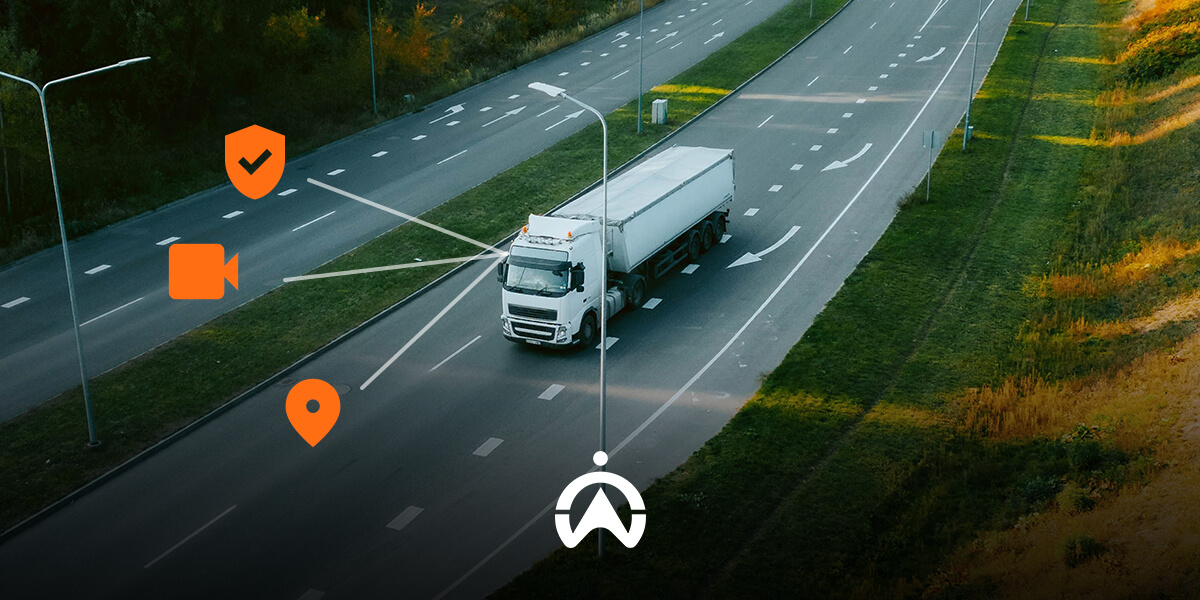
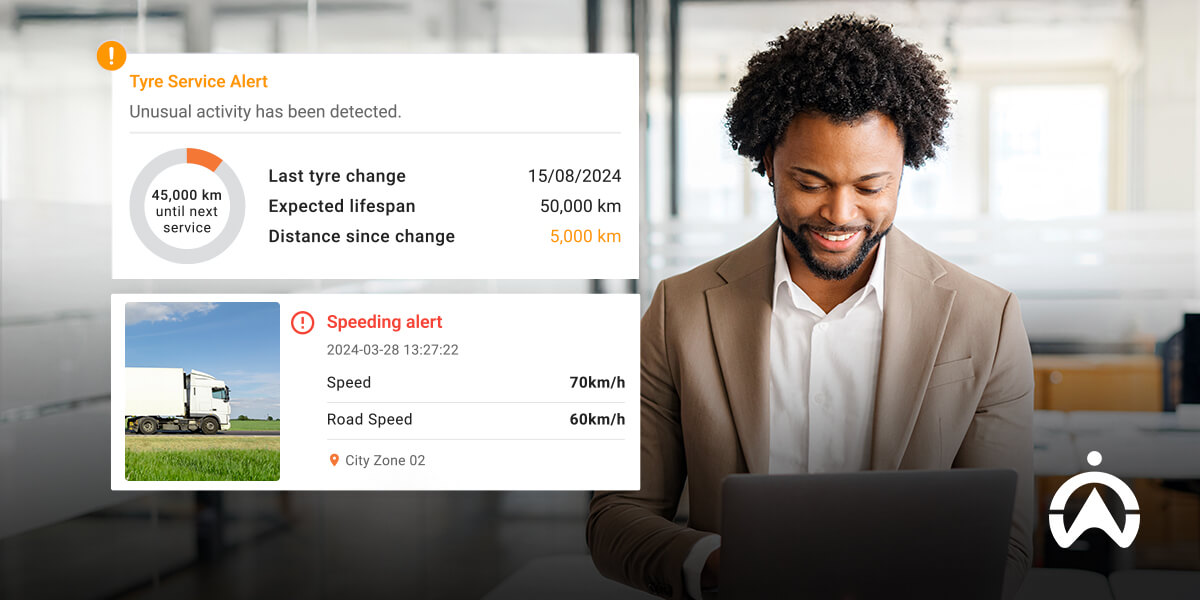
What is the Best GPS Fleet Tracking Solution for Your Business?

The best GPS fleet tracking solution for your business is one that perfectly complements your business, its industry, and objectives. For most modern fleets, basic GPS tracking is no longer enough, and improved or fully-fledged systems with advanced fleet management features are a requirement for better business value.

A reliable GPS tracking solution supports your business goals and helps you save money and time. Driven by intense global demand, fleet tracking implementation is accelerating at a massive rate. According to Research and Markets, the global fleet management solutions market is expected to expand from US $22.7 billion in 2024 to US $57 billion by 2030. This underscores why choosing the right GPS fleet tracking solution could protect and future-proof your business.

Cartrack is recognised as one of the best in GPS fleet tracking, offering a streamlined platform that’s designed to fit every business regardless of industry or size. This detailed guide will take you through your solution options, the top features to consider, and how Cartrack can align with every one of your business needs—regardless of your industry or the size of your organisation.

Why do GPS fleet tracking solutions matter?

GPS fleet tracking solutions matter because they directly address the vulnerabilities of a business. As a fleet manager, you grapple with an overwhelming number of daily responsibilities and challenges. The rising costs of fuel, tightening compliance matters, and risky driving patterns are just a few to name. If you don’t adopt the right GPS fleet tracking solution, you risk inefficiency, unhappy customers, and unprotected staff.

By implementing a top-notch tracking solution, you can turn your business into a truly well-oiled machine. Through insights like optimised routes, fuel monitoring, and driver behaviour assessments, you’ll have the information you need to elevate your business operations. Fleet tracking solutions give you full visibility and improve overall service quality.

Unlocking the full power of these tools means investing in something that’ll guarantee returns. You’ll quickly see better cost management, smoother operations, and much happier clients.

What is the best GPS fleet tracking solution for your business?

The best GPS fleet tracking solution for your business ultimately depends on your business size, industry, goals, and budget—there’s no single solution. To make the best decision for your business, it’s best to assess these aspects and match them with the best features offered.

Types of GPS fleet tracking solutions

The types of GPS fleet tracking solutions typically include wireless, telematics, and full-service systems. Each of these solutions serves different purposes. Take a look at the table below to get a better overview of each solution type:

Solution type Typically Best for Pros Cons
Wireless/portable trackers Smaller fleets •Quick to set up without special tools
•Short-term use
•Low cost
•Flexible and easy to move between assets
•Limited features
•Deep data not provided
•May need manual checks to get insights
Telematics platforms Medium fleets •Live tracking
•Driver behaviour, trip, and safety reports
•Clear dashboards and data for business planning
•Requires hardware fitted directly into vehicles
•Needs a software plan (monthly/yearly subscription)
Full-service vehicle monitoring systems (VMS) Medium to large fleets •Full insights on vehicles (routes, fuel use, etc.)
•Predictive maintenance and vehicle health support
•Works well for business growth with deep insights
•Higher upfront/setup cost
•More complex to install and set up
•May include tools not always needed by smaller/medium fleets

Choosing the right solution for your fleet

Choosing the right solution for your fleet is all about matching your business requirements with the right features. Take a look at these points to narrow down your options:

  • Look at your fleet size and asset types: Consider what your fleet might need based on its scale and vehicle types. You may settle for a portable GPS solution if you have a small fleet with passenger cars, or decide on a full VMS for a larger, more complex fleet.
    ‍
  • Consider which features will help: Think about what your fleet would need feature-wise. From there, select the features that match your fleet needs or business goals.
    ‍
  • Assess integration: No matter your solution choice, your business can’t work optimally without an integrated fleet management platform. Make sure the platform works with other systems that you use, and doesn’t rely on numerous platforms to work effectively.
    ‍
  • Weigh your budget and potential ROI: A solution like the full-service VMS might look too expensive upfront, but may produce the best ROI for your business. The cheapest option may not support your goals. Always consider the savings you’d get from factors like fuel optimisation, safety improvements, and minimal downtime.
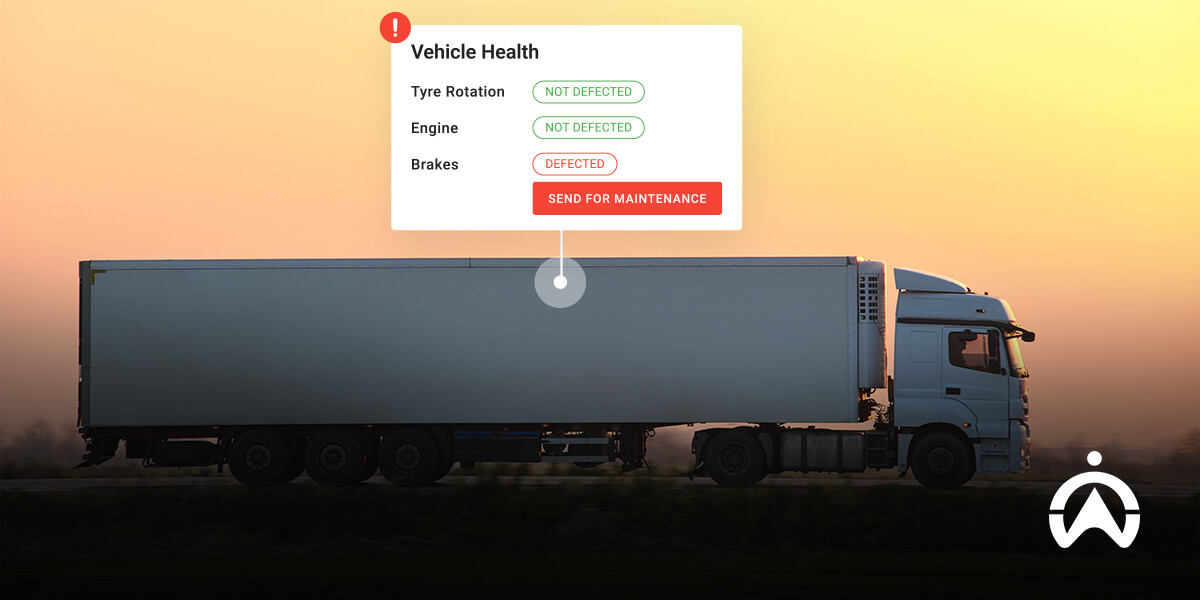
Cartrack GPS fleet tracking solutions showing truck health report with maintenance alert at sunset.

How Cartrack meets your needs

Cartrack offers every type of these solutions, meeting your needs wherever you are in your business. We’re prepared to grow with you. Here’s how we cater to your specifications:

  • Smaller fleets/short-term needs: Cartrack provides an easy-to-use, portable tracking tag to give you full visibility. It’s an affordable option that doesn’t require an intense setup.
  • Growing and medium fleets: Cartrack’s fleet tracking options with fewer add-ons can give you full visibility while still offering basic fleet management features. These include route tracking, asset insights, and driver behaviour management.
  • Large/complex fleets: Cartrack’s full Fleet solutions come with all the bells and whistles, combining hardware, software, and vehicle data. Not only do you get full visibility, but you’re also able to unlock all the advanced features you’re looking for to meet your insight, cost, and safety needs.

In addition, you can expect Cartrack to support your solutions with:

  • Flexible packages that let you choose and pay for the features that you need.
    ‍
  • Strong security features that ensure the best protection in case of hijacking or vehicle theft.
    ‍
  • AI-supported components that contribute to the predictive and proactive nature of risk management.
    ‍
  • Advanced technology that’s scalable and adapts with your business as it grows or changes.
    ‍
  • Easy integration with other systems, without having to rely on more than one platform.

Essential fleet tracking solutions features to maximise efficiency

The essential GPS fleet tracking solutions that maximise your business’s efficiency are those that improve fleet performance, contribute to cost management, and enhance safety. Look at how these features play their roles:

Live GPS tracking

Live GPS tracking is how you’re able to keep eyes on your fleet at all times. With live monitoring, you can assist the drivers when rerouting is necessary, and alert customers if there’s a delay in delivery.

Example: One of your drivers is stuck with a broken-down vehicle and is unable to make a delivery. Because you’ve got live tabs on your drivers, you’re able to react quickly, reassign the job to the nearest driver, and prevent a late delivery.

Driver safety tools

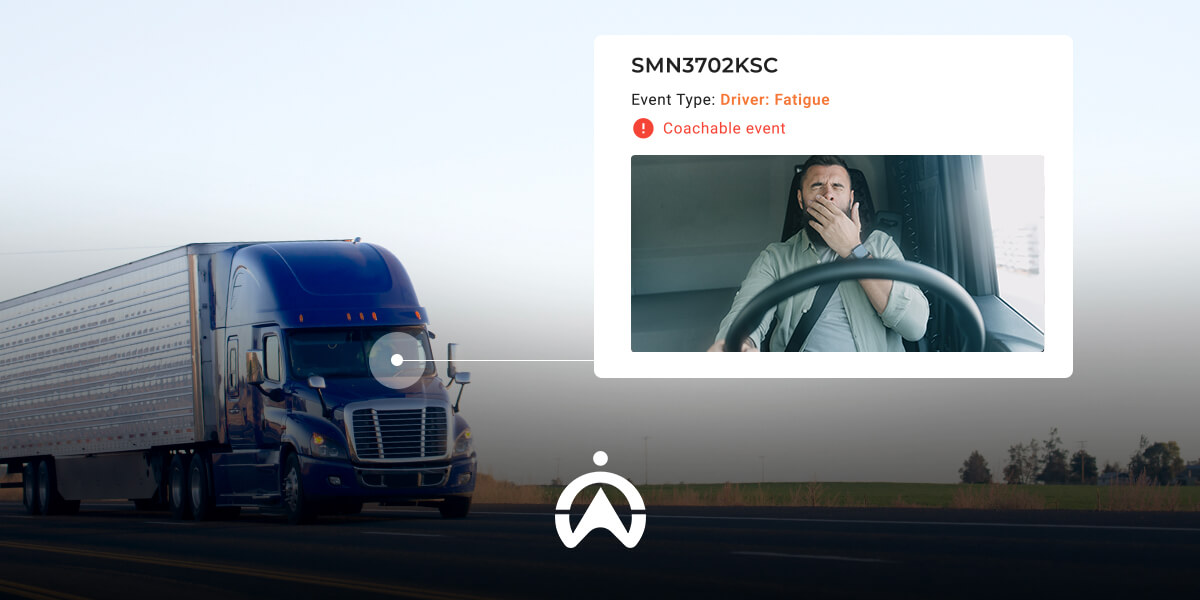
Driver safety tools allow you to keep track of a driver’s behaviours while they’re on the roads. With this kind of monitoring, you can get immediate alerts on distracted or unsafe driving. Safety alerts can ultimately reduce accidents and lower insurance claims.

Example: You have a logistics fleet that was experiencing relatively high accident rates. With driver coaching, you’re able to decrease the accident rate by 25% because of alert data and insights. (Yes, we’ve seen this happen!)

Vehicle performance insights and maintenance

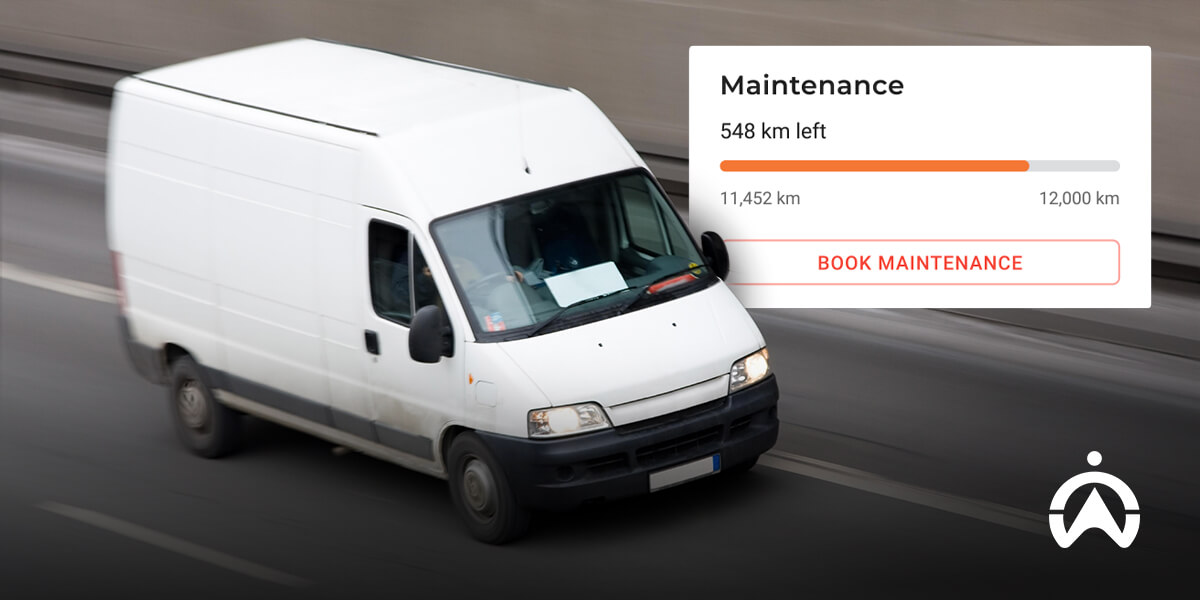
Vehicle performance insights and maintenance are all about producing predictive alerts. To prevent downtime for your business, these alerts will signal overall vehicle health and fuel usage.

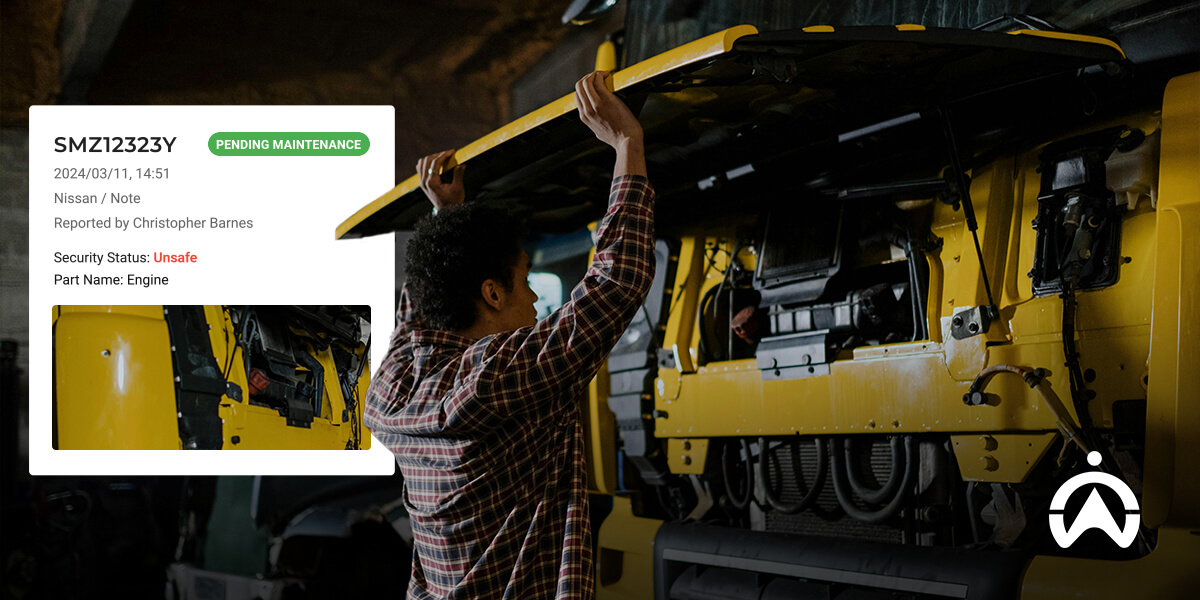
Example: You have a fleet of vehicles that are extremely busy during the peak season. Because of this, these vehicles are susceptible to engine failure. With predictive maintenance, early detection notifications have helped you avoid breakdowns that could’ve been costly and caused devastating downtimes.

Compliance support

You no longer have to worry about the stress of compliance and regulatory requirements. Automated reports and digitised records make tedious admin and legal tasks a breeze. You can stay up-to-date and ensure you’re prepared should you be audited.

Example: You own a trucking company, and you’re nearing a scheduled inspection. You manage to avoid fines because you’ve been regularly logging internal inspection and worker hours. You’ve ensured full compliance with the inspector’s requirements.

Operational productivity

Operational output is maximised when you adopt the right GPS fleet tracking tools and features. Features like route optimisation, smart job scheduling, and ePOD (electronic proof of delivery) are just a few strong examples.

Example: You’re an owner of a courier company and have been looking for a way to improve on the daily deliveries. You’ve managed to increase your daily deliveries by 10% because you decided to implement the right routing tools, which helped find the best routes for your drivers.

Security measures

The right security measures ensure that your drivers and assets are fiercely protected. With tools like remote immobilisation and services like Stolen Vehicle Recovery (SVR), you’ll be confident that safety is a top priority.

Example: One of your trucks is stolen while out on a delivery. Thanks to live GPS tracking and SVR, you’re able to immediately alert the control room so that the recovery team can act swiftly. The delivery truck is recovered within just a few hours.
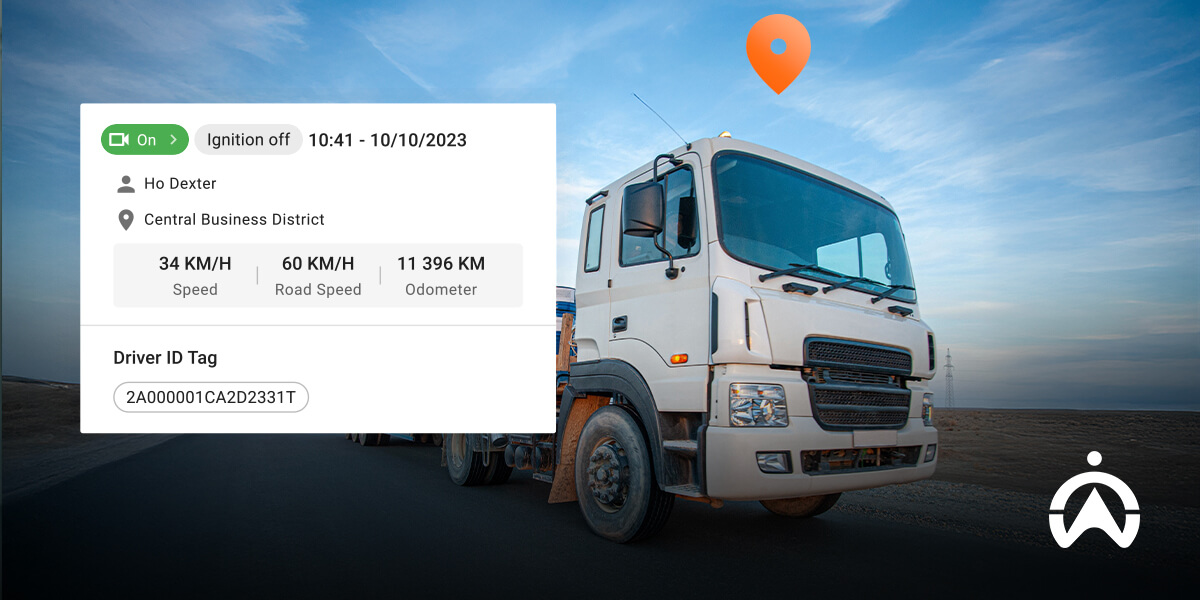
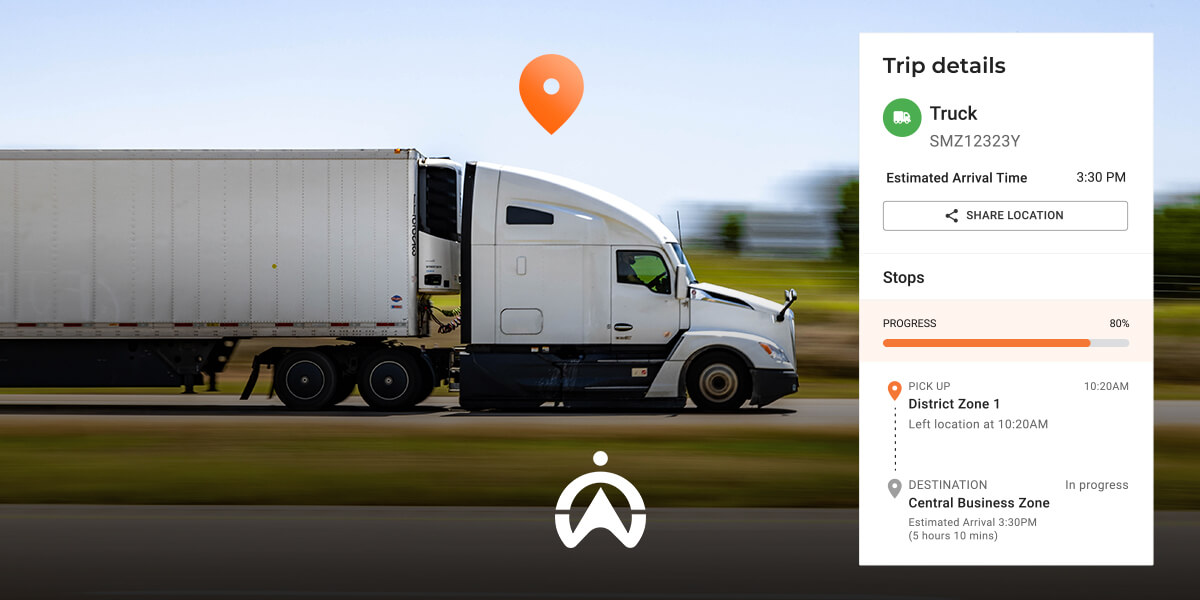
Cartrack GPS fleet tracking solutions with white truck showing speed, location, and odometer data.

Why Cartrack is your best choice for a GPS fleet tracking partner

Cartrack is your best choice for a GPS fleet tracking partner because we’re dedicated to helping you achieve every one of your business dreams. We’re not just a partner in fleet management; we’re a lifelong collaborator in support and business growth. Here’s why:

  • Flexible packages: Cartrack is ready to transform your fleet management strategy, no matter the fleet size. We’re also able to accommodate traditional or mixed fleets, meaning you don’t have to invest in multiple platforms for different vehicle types.
  • Live tracking: Cartrack’s live GPS tracking and immediate updates give you full visibility and control over your fleet. This means far better customer service and quicker responses in emergencies.
  • AI insights and predictive analysis: Cartrack’s smart solutions mean guaranteed ROI. Through monitoring driver behaviour, regulating fuel use, implementing proactive measures, and so much more, you can make smarter and cost-efficient business decisions.
  • SVR (Stolen Vehicle Recovery): Cartrack’s recovered over 100,000 vehicles within the last decade—a level of success and trust that speaks for itself. We have a professional and dedicated team that’s ready to jump into action if the time comes.
  • Fleetweb integration: Cartrack’s Fleetweb platform is streamlined. You don’t have to juggle too many platforms, even when you need to connect to third-party systems. You have access to all the information and insights you need at your fingertips.
    ‍
  • Full support and training: Cartrack understands that implementing change without the necessary support can be counterproductive. We’ll provide all the business guidance that you and your staff need, from onboarding to consistent customer support.

The road ahead for your business

If you’re looking to transform your fleet management strategy, invest in the best GPS fleet tracking solution for your business. From the start, you’ll notice lower fuel costs, safer drivers, and more efficient route planning.

At Cartrack, we’ve got innovative and adaptable solutions to keep your business moving forward. We’re ready to take on the challenge—you can remain confident that your trust in us will result in tangible outcomes.

See the difference the right GPS fleet tracking solution can make. Choose Cartrack to get the most out of your smart solutions and drive stronger business results.

FAQs

Q: What is the best GPS fleet tracking solution for small businesses?

A: The best GPS fleet tracking system solution for a small business is typically a flexible, wireless/portable solution. However, it ultimately depends on your asset types and the kind of insights you’re looking for. Cartrack allows you to shape your packages the way you’d like, including the add-ons and hardware that best match your fleet’s unique requirements.

Q: How much do GPS fleet tracking systems typically cost?

A: The cost of GPS fleet tracking systems usually depends on the size of your fleet and the kind of features and hardware you’re looking to adopt. It’s important to remember that while the cheapest option can initially seem attractive, it might not match your business objectives. Look beyond the upfront investment.

Q: Are Cartrack GPS fleet tracking solutions compatible with all types of vehicles?

A: Yes, Cartrack GPS fleet tracking solutions work with all types of vehicles and assets, from passenger vehicles to yellow metal construction vehicles. We also offer various fleet tracking features that match the specific demands of your business. Even if your fleet’s mixed, you’ll still comfortably manage your visibility from a single platform.

Q: Can GPS fleet tracking help reduce environmental impact?

A: Yes, GPS fleet tracking reduces environmental impact through route optimisation, fuel management, and better driver behaviour. Managing these aspects means not only cutting costs, but also meeting social and environmental goals. Companies globally are using smarter fleet management strategies as a way to remain environmentally responsible.

Q: Can drivers access their own fleet tracking data, or is it strictly for fleet managers?

A: Yes, drivers can access their own fleet tracking data—though this information is typically limited. Fleet managers often have much broader visibility; with Cartrack, fleet managers are usually the only people with access to Fleetweb. Drivers have access to the mobile app, which isn’t as comprehensive.

Q: Who are the top 3 vehicle tracking companies in Namibia?

A: The top 3 vehicle tracking companies in Namibia are Cartrack Namibia, Cellstop Vehicle Tracking Namibia, and NamTrack (Namibia Tracking). Coming in very close is also Netstar. All of these tracking companies have been recognised for their technologies and nationwide coverage. Cartrack stands out through its advanced smart systems, fully unified platform, and award-winning SVR.
What is Geofencing and Why Do You Need It Today?

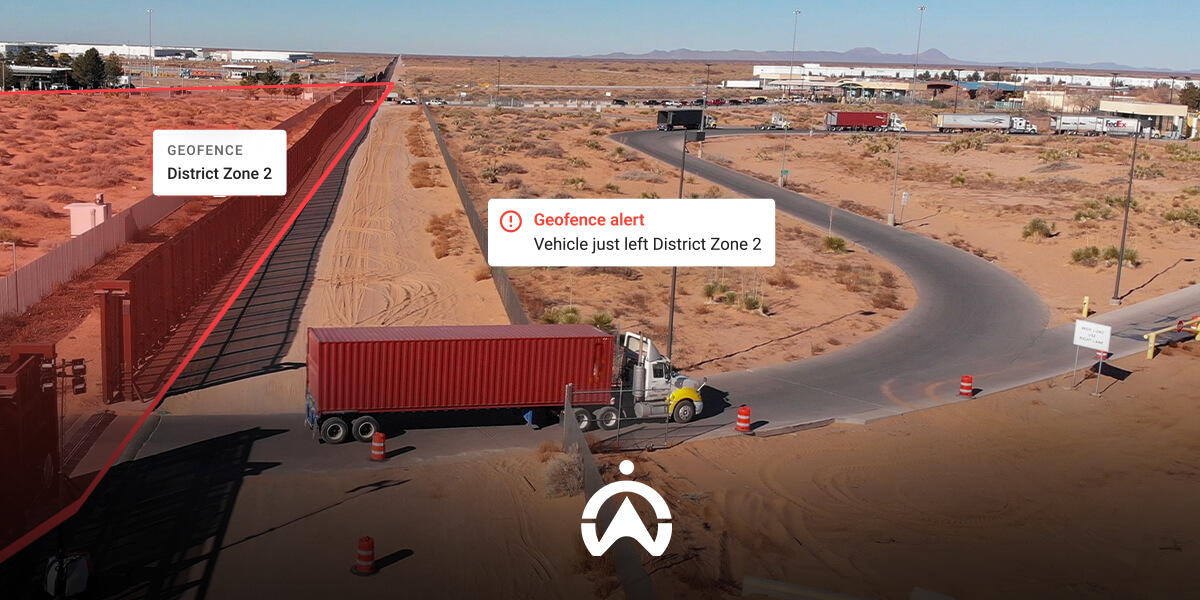
Geofencing is a location-based technology that generates instant alerts whenever a person or vehicle crosses a specific geographical area. Geofencing requires GPS, RFID, Wi-Fi, or cellular data to create boundaries around real-world geographical regions. This technology has become popular in many industries, including fleet management.

According to Fortune Business Insights, the global geofencing market size was valued at USD 2.2 billion in 2023 and is expected to reach USD 12.23 billion by 2032. This growth is driven by various factors, such as the increasing demand for location-based services and real-time analytics. This powerful GPS feature can bring great benefits to your fleet operations, and today we’re here to show you why your fleet business needs it.

What is a geofencing?

Geofencing refers to creating virtual geographic boundaries that trigger specific actions, such as sending a notification, when a connected device crosses into or out of the set zone. Several technologies are integrated into software to enable this application. These technological tools include a global positioning system (GPS), cellular data, radio frequency identification (RFID), or Wi-Fi.

Geofencing technology is very popular in marketing, advertising, and fleet management industries. For example, in retail, geofencing is used to send personalised alerts to the cell phones of customers who are in the vicinity of the store.

In fleet management, geofencing is used to monitor vehicle, driver, and asset movements. It also allows companies to see when drivers deviate from the recommended routes. Furthermore, geofencing helps shipping companies see when packages leave warehouses. In doing so, geofence technology allows recipients to get notifications of the movements of their orders.

How does a geofencing work?

Geofencing works using a cloud-based fleet management software platform. It’s created by drawing a perimeter on a map. The drawing can be any shape, and this boundary could represent places like warehouses, a restricted area, high-risk zones, or a drop-off location.

With geofencing, GPS is the primary tool used to pinpoint the live location of a device or vehicle. The RFID (Radio Frequency Identification) uses tags and readers within a smaller area for location detection in close proximity. The WiFi helps devices connect to specific networks inside buildings or urban areas.

The cellular data helps estimate the device’s location using nearby cell phone towers, and the Bluetooth technology is for beacons which allow precise tracking in closed-in spaces like warehouses.

Types of geofences:

Type of Geofence Shape/Design Best Used For Example Use Case
Circular A circle around a single point. Quick setup, simple boundaries, general location tracking. Setting a 2 km radius around a warehouse to monitor when vehicles arrive or leave.
Polygonal Custom-shaped boundary with multiple points forming a polygon. More accurate coverage of irregular areas. Defining the exact perimeter of a construction site or mining area.
Route A boundary created along a specific path. Monitoring movement along roads, highways, or delivery routes. Ensuring trucks follow a designated delivery route without deviation.
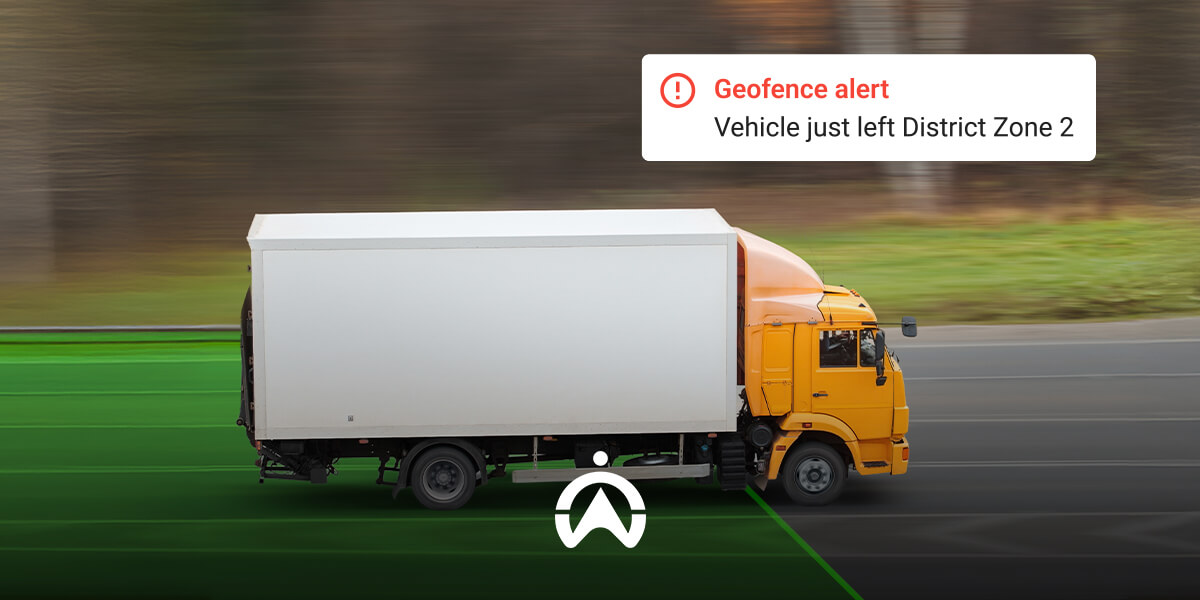
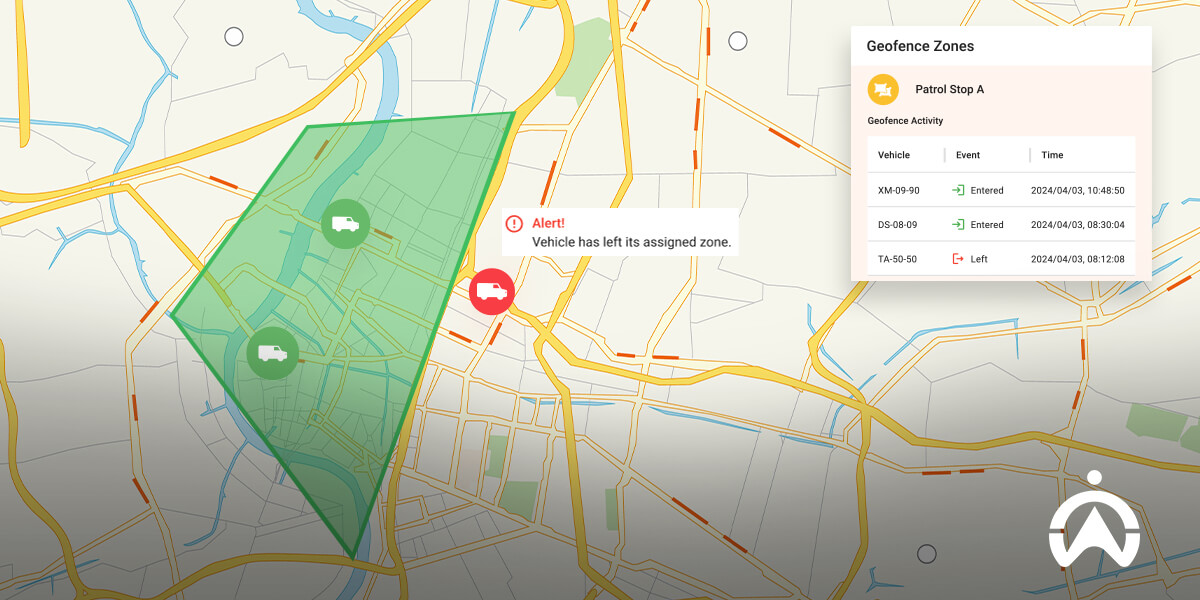
Cartrack geofencing alert showing vehicle leaving assigned zone with truck icons on map.

Why you need to invest in geofencing technology

As a fleet manager, it’s important to know where your vehicles and assets are at all times. Geofencing simplifies that by giving you the ability to create virtual fences around certain areas. These can be places that apply to the daily operations of your business. It helps you protect your fleet, reduce risks, and improve the way your fleet operates.

Here’s how:

Enhanced security, theft prevention and asset protection

Protection against theft is one of the top priorities for every business. Geofencing helps you safeguard your vehicles and assets by monitoring entry and exit points. Whenever a vehicle crosses your set boundary, you’ll immediately know about it. For instance, if a truck leaves the parking area after hours, you’ll receive an instant alert and can quickly take action. You can also set geofences around well-known high-risk areas, reducing the chances of vehicle theft.

Better fleet and asset management

Geofencing helps you monitor movements along delivery routes or within specific job sites. In doing so, you’ll notice when drivers are deviating from routes, taking unplanned trips, or idling for too long. You can address these issues and educate your drivers on how such acts have an impact on fuel expenses and vehicle maintenance.

Improved employee and driver accountability

Your drivers play a big role in how well your fleet runs. Geofencing helps you easily monitor vehicle movements, which encourages drivers to stick to their schedules as they know they’re being watched. This improves delivery pick up and drop times, driver accountability, and the overall performance of your fleet.

How to get started with geofencing

Geofencing doesn’t have to be complicated. By choosing the right tools, understanding how they work, and setting up clear zones, you can take control of your fleet’s safety and efficiency. With some planning and staff training, geofencing can quickly become an essential part of how your fleet operates. Here’s how to get started:

  • Choose the right software or service provider: It all starts with your service provider. Choose a company with geofencing tools that best fits your business needs. Some software works best for large fleets, while others are simpler for smaller operations. Look for a provider that caters to businesses of any size. They should also offer easy setup and reliable customer support.
  • Define your zones based on your business needs: Choose areas that matter most to your operations. These could be warehouses, job sites, delivery routes, or even customer locations. Create geofences around these zones so you can see when vehicles or assets enter or leave these areas. Clear zones help you focus on the areas that matter most and avoid unnecessary alerts.
  • Set up alerts and reporting: Once your zones are defined, set up alerts for any unusual activity. You can get notified when a vehicle leaves a zone at the wrong time or enters a restricted area. Regularly check geofencing reports to notice patterns in movement, driver behaviour, and fleet usage. This information helps you spot issues and make better decisions. In doing so, you save on fuel and maintenance costs, improve efficiency, and ensure fleet safety.
  • Train staff or users on how to use the tool: Make sure everyone who uses the system knows how it works. Train your staff on how to respond to alerts and what protocols to follow when a boundary is crossed. The better your team understands the geofencing tool, the more effective they’ll be.
Cartrack geofencing support with woman using headset and computer showing map and data.

Case study: Geofencing for BCI Security

BCI Security is a company that offers a full range of private security protection services. They had no way of ensuring their response units remained within their assigned areas. This delayed their drivers’ response times. It also prevented their control room from being as quick and efficient as possible in emergencies. BCI Security needed a system to help them instantly locate their vehicles and monitor driver behaviour.

How we helped them:

  1. Cartrack’s geofencing feature allows BCI to set virtual parameters around assigned areas and alerts them when drivers enter or leave those zones. This helps them ensure their response units are always active and present in their assigned areas. They can respond to client emergencies as quickly as possible. The geofence reports are also useful in giving BCI’s clients an accurate indication of patrol activity in their areas and making drivers more accountable.
  2. BCI Security can pinpoint exactly where reaction officers are with Cartrack’s live GPS tracking feature. They’re able to locate their nearest response unit to a client, which improves response times. It also boosts accountability and service delivery, as BCI can verify that response units were at the scene.
  3. Their fleet managers can now monitor driver behaviour and receive alerts when drivers are speeding, braking harshly and cornering quickly. It helps you spot any dangerous driving habits that occur when there are no emergencies. This minimises incidents that could be harmful to drivers, vehicles, communities, and BCI’s business reputation. It’s also an effective way to decrease vehicle wear and tear and prolong fleet longevity.

“Cartrack suited and understood our business from the start. We feel much safer with the Cartrack system, and their service is great, you are not just a number with them. Without them, we just wouldn’t be as efficient.” Johnny Loots | CEO, BCI Security

Get started with Cartrack’s geofencing feature!

At Cartrack, all you have to do to access our geofencing feature is get a GPS tracking device. We have an easy-to-use fleet management platform that you can access in the office or on the move. With this technology, you’ll know your drivers’ every move and ensure your vehicles are never where they shouldn’t be.

Here are other features that come with the Cartrack vehicle tracking system:

  • Live tracking: Our cloud-based system ensures that you get access to vehicle locations at any time. You’ll get smart satellite or map views of your vehicles, so you can monitor routes and how long drivers take with pick-ups and drop-offs. This makes it easier to spot time-wasting activities and quickly address them.
  • Asset Protection: We have a highly trained team of recovery experts that’s always on standby, waiting for your call. We’ve recovered more than 100,000 vehicles over the past decade, proving that you can trust us with the safe return of your vehicles.

By investing in our geofencing technology, you give your business the tools to run a safer, smarter, and more accountable fleet. Reach out to us, and secure your fleet!

Frequently Asked Questions about geofencing

How much does geofencing cost?

The cost of geofencing depends on the fleet management software or service you choose and how many vehicles or assets you want to track. Some service providers charge a monthly fee per vehicle, while others offer packages for fleets. You can speak to one of our fleet consultants to pick one that best fits your budget and business needs.

Is geofencing illegal?

Geofencing is not illegal when used for business purposes in Namibia, such as tracking vehicles, deliveries, or assets. Its use is primarily regulated by Namibia’s Data Protection Act (Act No. 10 of 2023). This Act requires businesses to ensure they obtain valid consent from individuals before processing their personal information, including location data collected via geofencing, to avoid privacy violations. Respecting driver privacy and diligently following the regulations outlined in the Data Protection Act keeps geofencing legal and safe for your business operations in Namibia.

How long has geofencing been around?

Geofencing has been around since the early 1990s. It became popular as GPS and mobile technology improved, making it easier for businesses to track vehicles, equipment, and people. Today, it’s widely used across many industries to improve security, efficiency, and accountability.

How Car Technology is Changing the Way We Drive

Your driving is always improving and changing by technology and how it evolves. Everything, from the fuel you use to the way you control and interact with your car has been improved in some way by technology. From using your radio to safely parking your car, technology is revolutionising the vehicle industry.

Apple reports that over 800 vehicle models now feature Apple CarPlay, their smartphone integration solution for drivers. Changes like these are why Cartrack has compiled a list of the ways technology has changed the way we drive.

What drivers should know about the shift in car technology

When you drive your reactions to dangers on the road and the behaviour of your car has shifted with technology. In many ways it has become safer for everyone to be on the road. Properly understanding how you’ve changed your driving habits is important. We’re going to look at the big changes technology has had, and the small ones you may not have noticed.

Things like driver assists give early warnings to hazards, and tracking systems help users feel safe and comfortable.

Driver Assistance Description Propulsion Systems Description
Automatic Emergency Braking Uses sensors to brake and avoid crashes Petrol and Diesel Common and affordable, but they cause pollution
Lane Departure Warning Alerts if you drift out of your lane Electric Clean and cheaper to run, the range is limited
Adaptive Cruise Control Keeps a safe distance from cars ahead Hydrogen Eco-friendly but still very costly and rare
Rear Cross Traffic Alert Warns of people or cars when reversing
Automated Parking Parks the car with little or no help

Advanced Driver-Assistance Systems (ADAS)

The big shift in technology that’s taken for granted has been connected driver assistance. Often hidden to be unobtrusive in our vehicles, they react before we can, preventing accidents that may happen.

The most important things to look out for with advanced driver-assistance systems are:

  • Automatic Emergency Braking (AEB): AEB uses sensors to spot danger and brakes for you to stop or reduce the chances of a crash. Reacting quicker than most drivers, it helps you avoid things you may not see.
    ‍
  • Lane departure warning (LDW): LDW uses cameras to see road lines and other cars, warning you if you drift out of your lane or if another car enters your blind spot.
    ‍
  • Adaptive cruise control (ACC): Using sensors to keep a safe gap from the car in front, ACC is very useful on long Namibian highways, helping to reduce the need to brake constantly or speed up when traffic decreases.
    ‍
  • Rear cross traffic alert (RCTA): Helping you reverse, RCTA warns you if cars, people, or cyclists are coming from a side you can’t see, preventing possible accidents.
    ‍
  • Automated parking systems: These systems use cameras and sensors to park your car for you. They take over the steering, brakes, and accelerator, which makes parking in the tight Namibian parking spot much easier.
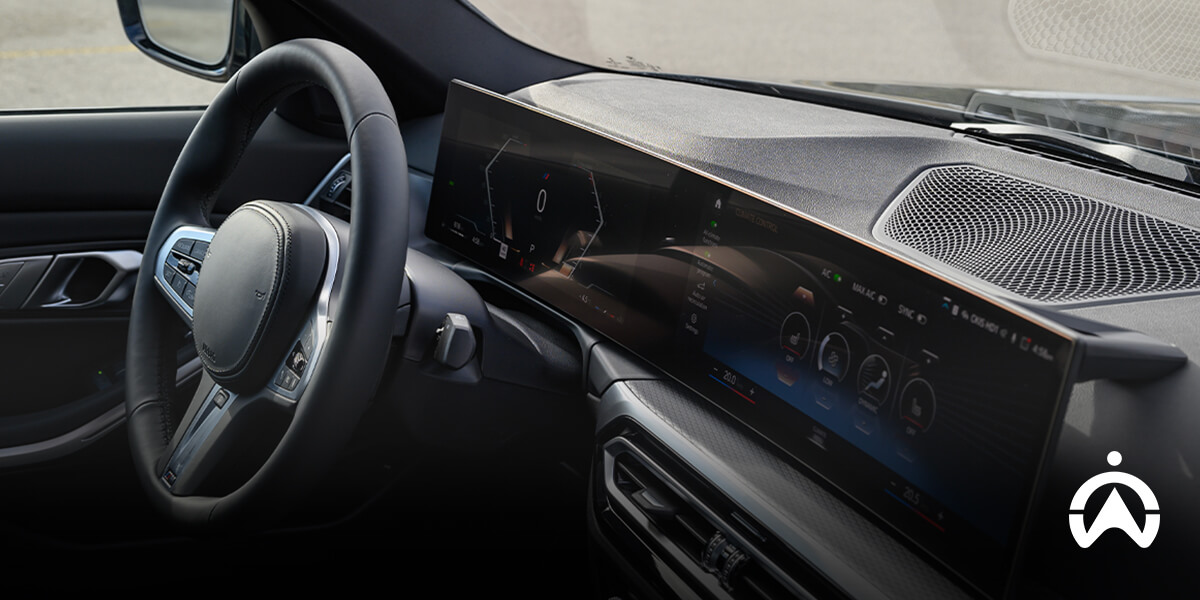
A sleek car interior showcasing a modern dashboard with a large display and steering wheel, featuring digital controls and gauges.

Internal combustion to electric

No car tech has changed as much as how we power our cars. We started with engines that burn petrol and diesel. Then, hybrids were introduced to reduce pollution. Now we have fully electric vehicles and hydrogen on the horizon. You’ll have to choose between them one day, and while it can feel tricky, each type has its pros and cons.

The move from petrol to electric is easier than most people think, but still faces some challenges.

  • Petrol & diesel vehicles: Running off fuel that releases smoke which harms air quality, these are still the most common and cheapest cars to buy.
    ‍
  • Electric vehicle: EVs have the benefit of not emitting smoke and generally cost less to service. However, charging stations are still few in Namibia, and the battery may need to be replaced in future, which can be overly expensive.
    ‍
  • Hydrogen vehicles: Still an emerging technology, hydrogen vehicles only produce water vapour as a byproduct. Because they are still new, they are expensive, and Namibia doesn’t have the infrastructure to refuel them, yet.

Connectivity on the road

One of the most visual ways technology is changing how we drive is through our entertainment and connectivity systems. These are usually the ways you’ll interact with your car, either through the stereo system or your phone.

Three things are changing this right now:

  1. Android Auto: Your phone apps made available on your car’s screen. Allowing you to use maps, music, read messages, and make calls by touch or voice.
    ‍
  1. Apple CarPlay: Working much the same, linking your iPhone to your car so you can use maps, music, and messages through the screen or steering wheel.
    ‍
  1. WiFi & connected services: There are many new cars that come with WiFi, giving internet to you and your passengers. You can also have extra functions like tracking your car or emergency buttons for getting help when needed.

The dangers of over-reliance on technology

Complacency is one of the biggest risks with new car tech. Leaning too much on cruise control, lane assist, or blind spot alerts means your reaction rate might be too slow. Technology isn’t perfect and sensors can get blocked, tricked, or just fail.

Many drivers also lose skills when they let the car do too much. You can see this happen when people start struggling to park on their own, or by the surge in people unable to drive manual cars.

Cartrack car technology advancements showing smart car with digital overlays in urban parking.

The crucial role of connectivity in cars

One of the most interesting ways technology is changing is with connectivity, which is more than just the way our phones interact with the infotainment system. Vehicles are becoming connected to networks, other cars, and cloud services. This gives you real-time insights that help prevent accidents, optimise routes, and support emergencies.

  • Real-time data exchange: Hazards, traffic, and road conditions can be shared, giving you and other drivers the chance to react faster. This also lets you track your car if it goes missing.
    ‍
  • Emergency and post-collision response: Connected cars can alert emergency services automatically after a crash, sending your location and crash details, and getting help to you quicker.
    ‍
  • Fleet management applications: Checking driver behaviour, planning maintenance, and keeping everyone safer on the road can be done by companies that have tracked vehicles and connected systems.

Cartrack’s contribution to the evolution of car technology

Having played a significant role in shaping how technology supports safer and smarter driving, Cartrack has continued to shape advanced tracking and monitoring. Using AI-driven analytics and AI-Vision solutions, it’s improved safety, efficiency, and accountability for many drivers.

The company’s connected solutions continue to reduce risks on the road and make vehicle ownership more transparent and cost-effective.

  • Telematics: Integrated technology that shows you how your car is used. Helping you create a maintenance schedule and reducing your fuel costs.
    ‍
  • AI-Powered Cameras: Cartrack’s AI-powered cameras help you spot risky driver behaviour. Reducing potential risks and makes driving safer for you and others.
    ‍
  • Real-Time GPS Tracking: Giving you access to where your car is at all time, its tracking solutions means you can see where it is, and where it has been.

In conclusion

The continued advancement of technology will always change the way we drive, making it both safer and much more convenient. It’ll also be the responsibility of each driver not to get complacent behind the steering wheel. Ultimately, drivers need to stay informed of technology changes to ensure safer, smarter, and more efficient driving practices on the road. At Cartrack, we continually evolve our tracking solutions to match the latest car technology and boost vehicle safety. Contact us today to keep your car protected with the most advanced solutions.

FAQ

Are connected cars safe from hackers?

No, connected cars aren’t completely safe from hackers. You can lower risks by keeping your car’s software updated by using strong passwords and only trusted apps. Carmakers work hard to protect your car, but you still need to stay careful when using connected features.

Will electric vehicle infrastructure improve?

Yes, EV infrastructure is slowly improving in Namibia. More charging stations are being built in cities and along highways, so you and other drivers can charge your car easily. This will make owning an EV much more practical over time.

What skills should drivers keep sharp despite technological advancements?

You should always keep your core driving skills sharp, even with new tech like lane assist or parking aids. Skills such as manually controlling your car, safe reversing, and basic hazard awareness are always vital on Namibian roads. Remember, technology can fail or become outdated, but your own skills on the road will always need to compensate.

Get the Best Insights on Business GPS Tracking Use Cases

Whether you’re in agriculture, e-hailing, mining, or tourism, GPS tracking devices are a must-have for your business. This technology will bring numerous positive changes to your business that’ll improve your bottom line. In today’s world, GPS tracking technology isn’t optional; it’s essential.

According to The Africa Vehicle Tracking Market System, the vehicle GPS tracking market in Africa is growing rapidly. It’s expected to reach a compound annual growth rate (CAGR) of about 14.9% from 2020 to 2027. The research also lists Cartrack as one of the major companies in the African vehicle tracking system market. As one of the leading companies in the industry, we’re here today to give you the key use cases of our GPS technology.

Why should businesses turn to GPS tracking?

Businesses should invest in GPS tracking technology to gain better control of all activities involving their fleet of vehicles. It’s also no secret that vehicle theft is a great concern in Namibia, making it one of the top reasons to get GPS trackers.

Beyond vehicle theft recovery, GPS tracking technology ensures that you always know the exact locations of your vehicles. It makes it easier to see when drivers aren’t being productive, have been in one place for too long, or when they’re in places they shouldn’t be. GPS tracking technology, therefore, encourages workforce accountability across your entire fleet, and boosts productions (and profits)!

What are the top GPS tracking use cases for businesses?

The top uses for GPS tracking are fleet management, asset tracking, workforce management, safety and compliance. Businesses today are always looking for ways to work smarter & faster while saving money. GPS tracking technology does exactly that and brings in added advantages.

Here’s a detailed breakdown of the GPS use cases for most businesses:

Fleet management

  • Real-time vehicle tracking: As mentioned, GPS tracking devices help you see exactly where vehicles are at any given time. This makes your vehicles easier to manage, especially when running a large fleet. It also helps you ensure that drivers are on schedule. If a vehicle breaks down or gets delayed, you’ll be able to quickly respond and send help to the right location.
  • Route optimisation and reduced fuel spend: You can use GPS tracking technology to plan better routes. This is what we call route optimisation software. By using this software, you can plan the fastest and most efficient routes for your drivers. This reduces driver deviations, saves fuel, and minimises costs. It also helps your drivers avoid delays caused by traffic or road closures.
  • Enhancing customer experience with accurate ETAs: When your customers know exactly when their delivery will arrive, they enjoy a more satisfying experience. GPS tracking helps you provide customers with accurate estimated arrival times (ETAs). Through this, you ensure that your business meets client expectations.
  • Proof of delivery and accountability: GPS tracking helps your business prove that deliveries have been completed on time. It also keeps drivers accountable for the deliveries they make, reducing mistakes and complaints.

Asset tracking

  • Securing high-value equipment or cargo: It’s not just about the vehicles but also about what they carry. Businesses often need to protect expensive tools, machinery, or other types of cargo. GPS tracking helps keep tabs on your high-value assets so nothing goes missing.
  • Theft recovery: If an asset is stolen, GPS trackers make it easier to locate and recover. This reduces financial losses and gives your business more peace of mind. Insurance companies will also offer you favourable premiums if they know your vehicles can be recovered if stolen.
  • Monitoring vehicle utilisation: GPS tracking technology works with sensors to show you how often your equipment is used. Through this, you can ensure that your tools aren’t overworked or sitting idle for too long. This helps you save money and improves efficiency.
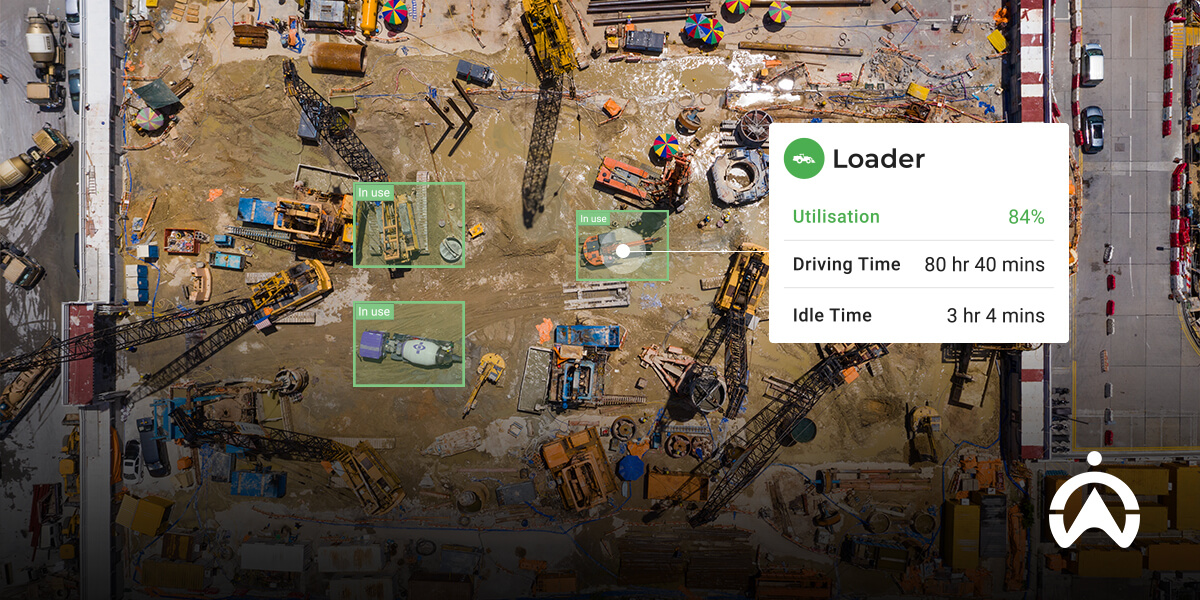
Cartrack business GPS tracking use cases at construction site with machinery and loader usage stats.

Workforce management

  • Better scheduling and dispatching: GPS data helps you assign jobs to the right employees and plan schedules efficiently. This reduces downtime and ensures the right person is at the right place at the right time.
  • Improved accountability (clock-in/out verification): GPS tracking systems have timestamps. This means better record-keeping of when employees arrive and leave work sites. It improves accountability and prevents false reporting. For example, if your driver claims they did overtime, GPS records will be able to prove that.

Safety and compliance

  • Monitoring driver behaviour (speed, harsh braking, idling): How your drivers treat vehicles can greatly impact the number of accidents that occur. It also affects fuel and maintenance costs. GPS tracking technology works with telematics to provide you with insight on unsafe driving habits. You’ll get instant alerts or detailed reports so you can train drivers on on safer driving habits to improve fleet safety and reduce costs.
  • Meeting legal and industry requirements: Some industries have strict rules for hours, safety, or cargo handling. GPS tracking will help your business stay compliant and avoid heavy fines.

Industry-specific use cases for GPS tracking

GPS tracking solutions play an important role in various industries such as cold chain logistics, agriculture, mining, construction, e-commerce, and service trades like plumbing. If you’re running a fleet in any of these sectors without GPS technology, you risk falling behind.

Here’s a table that briefly outlines how GPS tracking technology is used in different industries to make operations more efficient:

Industry GPS Tracking Use Cases Purpose/Benefits
Cold Chain & Specialised Transport Monitor temperatures, prevent delays and spoilage, and ensure compliance. Protects refrigerated goods, saves costs, and maintains standards.
Field Services Track technicians, assign jobs efficiently, and provide proof of service. Improves productivity, saves time/fuel, and ensures accountability.
Agriculture Locate farm equipment across fields, prevent theft, monitor productivity, and monitor working hours. Efficient equipment use, security, maintenance planning, and worker compliance.
Construction Monitor cranes, bulldozers, and other machinery. Prevent theft, track fuel/machine hours, and coordinate teams. Reduces costs and safety hazards, improves planning, and ensures equipment security.
Mining Track vehicles and heavy machinery, and monitor driver safety, predictive maintenance, and compliance. Smooth operations, accident prevention, reduced downtime, and regulatory compliance.
Delivery & E-commerce Track vehicles/packages, optimise routes, provide ETAs, proof of delivery, and manage high-volume orders. Improves efficiency, saves fuel/time, enhances customer satisfaction, and ensures accountability.

Cartrack case studies: How different companies use our GPS tracking solutions

Cartrack GPS tracking solutions are there to serve businesses across multiple industries. We’ve dedicated our time to understanding our customers across different industries. We keep close contact with our clients to learn how our solutions perform. From this, we’ve developed case studies that demonstrate the difference a GPS tracking system can make.

Here are some case studies displaying how our technology works in the construction and e-commerce sectors. We also give you a short story of one of our many successful recoveries.

Concord Cranes: A construction company

Concord Cranes is a company that specialises in crane hire solutions. They provide mobile cranes for hire, professional rigging, transport, and specialised lifting projects across their 15 branches.

Main challenge:

Concord Cranes found it difficult to accurately record the hours each crane worked, making it challenging to maintain and deliver them to their clients on time.
‍

How we helped them:

  1. Cartrack’s IoT device and specialised power take-off sensors help Concord Cranes see their cranes’ working hours, mileage, and what equipment each crane uses. This makes it easier to check the condition of every crane and plan maintenance before problems occur.
  2. With Cartrack’s system, Concord saves money by avoiding costly repairs and reducing downtime. These insights allow them to fix small issues early on, instead of waiting until they become big, expensive problems.
  3. Concord also uses Catrack’s system to build trust with its customers. The cranes are always safe, reliable, and ready to work. Clear maintenance schedules mean fewer surprise breakdowns and better planning for crane deliveries.

“Using Cartrack’s advanced fleet management, we have been able to increase our operational efficiency to deliver a better service to our customers, as well as effortlessly establish a maintenance cycle that reduces our costs and increases our fleet longevity.” – Gareth Langley, Concord Cranes operations manager.

The Courier Guy: A last-mile delivery service

The Courier Guy is Namibia’s leading courier service provider. It started with one motorbike in the early 2000s. Today, the large fleet they have makes it vital for the company to maintain control of its vehicles. They also need to keep up with the ever-growing consumer demands to deliver goods faster and safer.

With a growing number of drivers, customers, and vehicles to manage, GPS telematics is even more crucial for The Courier Guy. The company needed a system in place that gave fleet managers full visibility of the entire fleet operation. One that can simplify business operations and task management, while increasing customer satisfaction.

How we helped them:

  1. The Cartrack system provides them with driver management solutions that eliminate time-wasting and unreliable manual tracking. It also gives them accurate, real-time monitoring of drivers’ locations. This ensures that packages always arrive timely, safely and correctly.
  2. Cartrack’s fleet management software automatically populates the customer details of recurring orders. This has helped eliminate incorrect submissions, reducing paperwork.  Through this, they improve manager and driver communication, resulting in faster delivery turnaround times.
  3. Thanks to Cartrack’s Delivery software, The Courier Guy can keep customers updated during every step of the delivery. Automated emails and SMSes are sent so customers always know where their packages are. Fleet managers can also see the live location of vehicles and ask drivers to upload a photo or get an e-signature as proof of delivery. This improves driver accountability and gives customers better service.
  4. The Courier Guy has improved the safety and security within their fleet thanks to Cartrack’s AI-powered camera live-streaming technology. The cameras monitor driver behaviour and give instant alerts when risky driving habits are detected. They ensure that drivers can correct themselves right away. Cartrack’s AI-cameras have led to fewer damaged goods, fewer speeding fines, and a stronger, more trusted brand image.

“Cartrack’s technology allows us to focus on our drivers, customers, cargo, and fleet all from one platform. It puts us in control from dispatch to delivery.” — Jeffrey Wheeler, Assistant Fleet Manager, Courier Guy, South Africa.

Vehicle retrieval: A successful truck and cargo recovery

In May 2025, Cartrack’s Recovery Team was dispatched for a FAW truck after receiving signal-jamming alerts. The team tracked the vehicle and spotted it leaving a recycling centre. The suspect attempted to flee but was swiftly apprehended, and the vehicle was safely recovered along with its cargo, which had been offloaded on the premises.

The suspect was handed over to the NAMPOL Flying Squad.

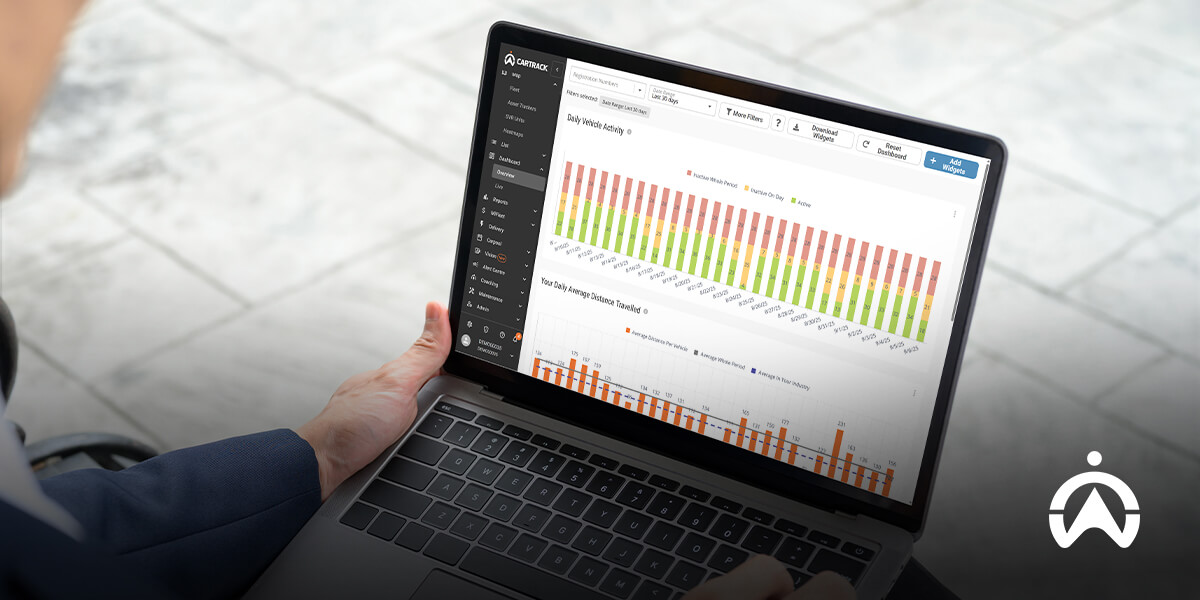
Cartrack business GPS tracking use cases shown on laptop with vehicle activity and distance graphs.

Other unusual and innovative uses for GPS tracking

GPS tracking applications have evolved over the years, and nowadays, this technology is used for things that most people wouldn’t have imagined. For example, some companies use GPS tracking technology for marketing and town planning. These are two very smart ways of monitoring crowd flow.

Here’s how they work:

  • Marketing and customer engagement: Some businesses use geofencing technology to target the cellphones of customers nearby. This is called geofence marketing. Through this technique, customers receive targeted adverts or push notifications. Marketing companies can send special offers, discounts, or promotions based on a person’s location. GPS tracking software also helps these companies understand where customers go so they can plan better marketing campaigns and improve services around those locations.
  • Urban planning insights: Cities and businesses can use GPS data from delivery or service fleets to understand traffic patterns and busy areas. This helps them plan roads, optimise routes, and reduce congestion. Businesses can also use it to find faster delivery routes, saving time and fuel.

Explore tailored GPS tracking solutions for your business

Whether it’s vehicles, machinery, or other assets, with us, you’ll always have full visibility. You’ll get live tracking features with smart map and satellite views. This ensures that your assets are safe and never out of sight. We always strive to give you the next-level technology, so you’re always steps ahead of the competition.

Here’s a detailed breakdown of our GPS tracking features:

  • Geofence: Our geofencing feature can be seen as an extra precautionary measure. With this, you can create virtual fences around areas of your choice and get alerts whenever vehicles or assets go in or out of those locations.
  • AI dashcams: Our AI Dual Vision dashcam solution comes with GPS tracking capabilities. This means with these cameras you not only get to see what drivers are up to, but also get alerts and reports on driving habits such as speeding. These cameras also monitor distracted driving habits and send alerts to ensure that drivers focus on the road ahead.
  • Stolen Vehicle Recovery: Our track record speaks for itself. In the past decade, we’ve retrieved more than 100 000 stolen vehicles. This makes us one of South Africa’s leading companies in stolen vehicle recovery. We have a nationwide team of experts who are always ready to give back what rightfully belongs to you.
  • Driver Identification tags: With the Cartrack Driver Identification (DID) tags, you not only know where vehicles are, but also instantly know who’s driving. Each driver will have their own tag, which ensures that they only use vehicles they’re assigned to. DID tags also help you differentiate between personal and business trips, making it easier to track fuel expenses.

We specialise in GPS tracking solutions that are useful in many industries. By partnering with us, you choose industry experts who’ve been around for decades. Contact us today to boost your business operations with our smart GPS tracking tools.

Frequently Asked Questions about GPS tracking

How reliable is GPS tracking?

GPS tracking is very reliable most of the time. It uses satellites to find locations anywhere on the globe. However, tall buildings, tunnels, or heavy trees can sometimes block signals and make it less accurate. Overall, it gives you and your business a good idea of where vehicles, devices, or people are.

How do you ensure GPS information is used ethically?

To ensure the ethical use of the information gathered from your GPS tracking devices, you must ensure that there’s transparency between you and your drivers. You must explain to drivers how the data helps with safety and productivity. Furthermore, you must also introduce strict policies that limit data collection and its use to only what’s necessary.

What Is Fleet Tracking And How Can It Benefit Your Business?

Fleet tracking is the process of using a technology-based system to monitor the locations of vehicles, as well as their direction and speed. Fleet tracking is the combination of the global positioning system (GPS), telematics, and various other technologies. Together, these tools help you make smarter, data-driven decisions.

More companies in Namibia are embracing smart fleet tracking tools to improve efficiency and safety. While South Africa leads the regional market, Namibia’s transport and logistics sector is also seeing steady adoption of these technologies, often influenced by trends in neighboring countries. With providers like Cartrack — one of the largest fleet management solution providers in Southern Africa — businesses in Namibia can access the same advanced tracking and management systems that are driving growth across the region.

Fleet tracking brings many benefits to businesses that want to improve their management of costs, drivers, and routes. In today’s article, we dive deeper into what fleet tracking comprises and why Cartrack should be your main source for fleet tracking services.

What is fleet tracking?

Fleet tracking refers to the practice of monitoring commercial vehicles using advanced software and hardware. These tools provide data on everything related to the vehicles. Fleet tracking systems share more than just a vehicle’s location. They can also monitor driver behaviour, fuel usage, and vehicle component health.

How it works:

Several components must be present for a fleet tracking system to function optimally. Mainly GPS, telematics, and some real-time data reporting capabilities. Here’s a brief breakdown of each component:

  • GPS: The Global Positioning System (GPS) provides you with location data. This is done through the process of triangulation, which uses signals from at least three satellites to figure out exactly where your vehicles are. GPS is the foundation of fleet tracking, as it enables real-time visibility of each vehicle.
  • Telematics systems: A telematics system is a structure that connects your devices with communication networks and software. The system collects and transmits GPS data from your vehicles using onboard diagnostics and cellular connectivity. Telematics technology gathers data such as speed, engine performance, and idling. Through this, you can monitor vehicle activity and driver performance effectively.
  • Real-time data and reporting: For a fleet tracking system to deliver great results, it needs to be an active form of tracking. Active tracking refers to a system that has real-time monitoring capabilities. It provides ongoing location data and immediate updates to a central portal (such as a dashboard) for you to view.

Key features of fleet tracking systems

Let’s have a look at the features you should be looking for in a fleet tracking system, and why they matter:

Feature What is does Why it matters
Real-time vehicle location tracking Tracks and shows vehicle positions live on a map Improves visibility and safety, and ensures driver accountability
Route optimisation software Suggests the quickest or most efficient routes Saves time, reduces fuel costs, boosts productivity, and improves client satisfaction
Driver behaviour monitoring Detects behaviours such as speeding, harsh braking, harsh cornering, harsh acceleration and idling Improves driver safety and reduces the risk of accidents
Maintenance scheduling and alerts Tracks vehicle health and sends service reminders Minimises unexpected downtime and prevents costly breakdowns
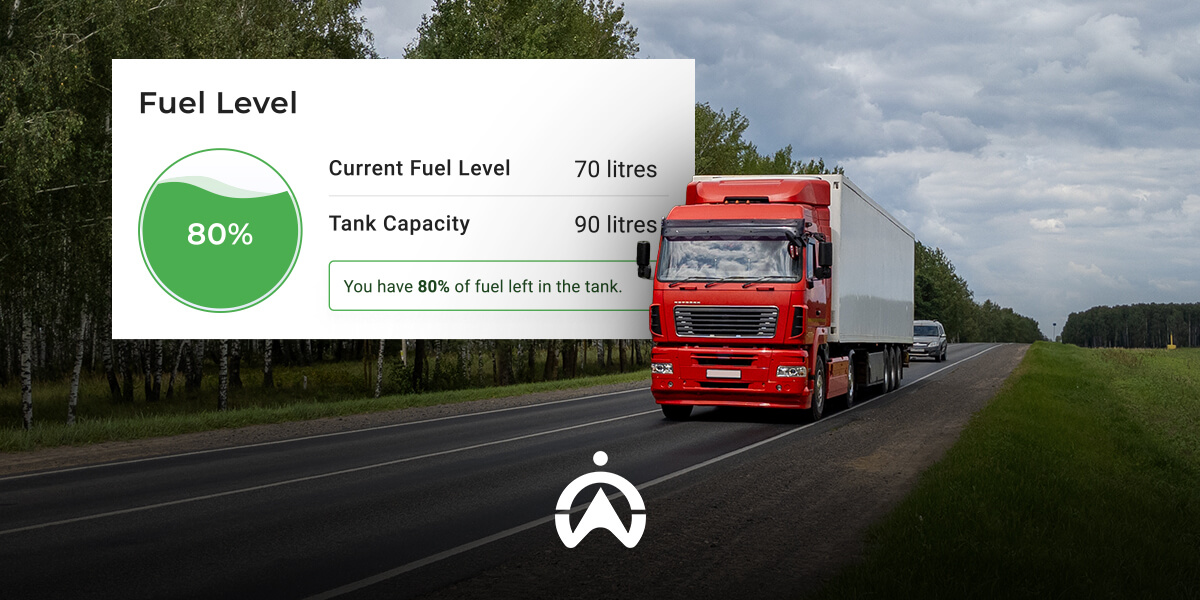
Fuel usage monitoring Monitors fuel consumption, wastage, and potential theft Lowers operational costs and reduces carbon emissions
Reporting and analytics Provides detailed data insights, presented in simple terms Helps managers make better-informed, data-driven decisions
Cartrack fleet tracking with worker in helmet managing parked trucks using clipboard.

The real impact of fleet tracking on your business

Fleet tracking serves many benefits to businesses. It gives you greater control over operations and resources, making your management more effective. Here’s how:

Improves safety

Monitoring how your drivers operate their vehicles encourages driver accountability, as they know they are being watched, which improves their behaviour. A change in risky driving habits helps reduce the chances of accidents. It also reduces the chances of possible lawsuits due to accident disputes.

Enhances productivity

Properly planned and optimised routes save time. Your drivers take fewer detours, spend less time stuck in traffic, avoid temporary road closures, and make it to delivery destinations on time. You’ll also have better scheduling and dispatching. This enhances the overall productivity of your drivers and improves the company’s reputation.

Reduces operational costs

Unhealthy driving habits, such as speeding and long idling, lead to higher fuel usage. They also put more strain on your vehicles, which causes them to degrade faster. As mentioned, they also increase the chances of road accidents, which means frequent insurance claims and repairs.

With a fleet tracking service, you get to save costs on all these aspects. The real-time monitoring of vehicles reduces fuel costs, vehicle wear & tear, as well as those frequent insurance claims, which may result in higher premiums. This reduces the overall costs of running your fleet.

Strengthens customer service

Route optimisation software also helps provide customers with accurate delivery time estimates. It improves response time to customer requests, because you’ll know exactly where drivers are. This strengthens your overall relationship with customers and improves ratings, which brings in more clients.

Aids compliance and accountability

As a fleet manager, you’re responsible for the lives of your drivers and the people they encounter on the road. You must ensure that all vehicles are roadworthy to ensure safety for your drivers and the public. You also need to ensure that drivers who work long hours have enough breaks in between stops. This ensures that your drivers don’t exceed the daily limit of allowed driving hours.

A fleet tracking system helps you maintain digital trip logs to monitor driver Hours of Service (HOS). It also gives you reminders of vehicle service days and alerts you on vehicle performance issues. These updates ensure that your fleet meets compliance and regulatory laws.

Which businesses can benefit from fleet tracking?

Fleet tracking technology benefits businesses in a wide range of industries. Here are some examples:

  • Delivery and logistics companies: Businesses in this industry must have a fleet tracking system for efficient delivery operations. Vehicles that are on the road for long hours need close monitoring to ensure timely deliveries, good vehicle health and less fuel consumption.
  • Service-based businesses: Plumbers, electricians, and technicians are always on the move. Using a GPS fleet tracking system to monitor such field services ensures that you know where your plumbers or electricians are during their workday. It also enables efficient dispatch of the nearest technician for urgent calls, improving response times.
  • Construction companies: In construction, the fleet not only consists of vehicles, but also equipment and machinery such as bulldozers and excavators. A fleet tracking system ensures the safety of those assets through location updates. It also ensures that they’re in good health.
  • Mining companies: Just like the construction industry, mining companies also have a mix of heavy equipment and machinery. As such, a fleet tracking system ensures that all equipment remains within work zones and in good condition.
  • Taxi, ride-hailing, and shuttle services: Businesses that are responsible for transporting people benefit immensely from fleet tracking systems. It reduces customer wait times and improves routing and scheduling.
  • Any business with a vehicle fleet: A fleet tracking system can benefit any business that has company vehicles. For example, if you’re responsible for overseeing vehicle activities in a law firm, a fleet tracking system will make your job easier. You’ll know who took the company vehicle, where that person went, and if it was a business-related trip.

Fleet tracking made easy with Cartrack

Start transforming your fleet with smarter tracking tools. Our solutions give you real-time visibility of your vehicles, helping you monitor routes, improve efficiency, and ensure the safety of your assets and drivers. Here’s what we have to offer:

  • Remote location tracking
    See where all your vehicles are from anywhere with our GPS tracking services. With this, you get smart-map or satellite views of vehicles so you always know their movements. You can also replay trips and view driver behaviour reports, to see how well vehicles are being operated.
  • Stolen Vehicle Recovery
    In the unfortunate event that one of your vehicles is stolen, Cartrack offers a stolen vehicle recovery service. Our team of experts is available nationwide and always on standby, waiting for your call. With over 100,000 vehicle recoveries in the last decade on all vehicles connected to our platform, Cartrack will give you peace of mind so you can rest assured your vehicles are safe and secure.
  • Geofences
    Ensure that vehicles and equipment remain in their stipulated zones. With our geofence feature, you can create virtual boundaries around areas of your choice. You’ll get alerts whenever vehicles enter or leave those boundaries, which might indicate route deviations or potential theft.
  • Driver Identification tag (DID)
    Cartrack DID tags ensure that you instantly know who’s driving which vehicle or using which machine. If you have a mixed fleet, with trucks, vans, and equipment of different sizes, this feature is crucial. Some employees might want to operate vehicles or machinery they aren’t licensed for, which is a safety hazard. DID tags help prevent this from happening, as each person will have a tag that matches the vehicle they can operate.
    ‍
  • Digital logbook
    The Cartrack logbook ensures that you closely monitor driver working hours as the logs are done automatically. It also ensures that the business remains tax compliant.
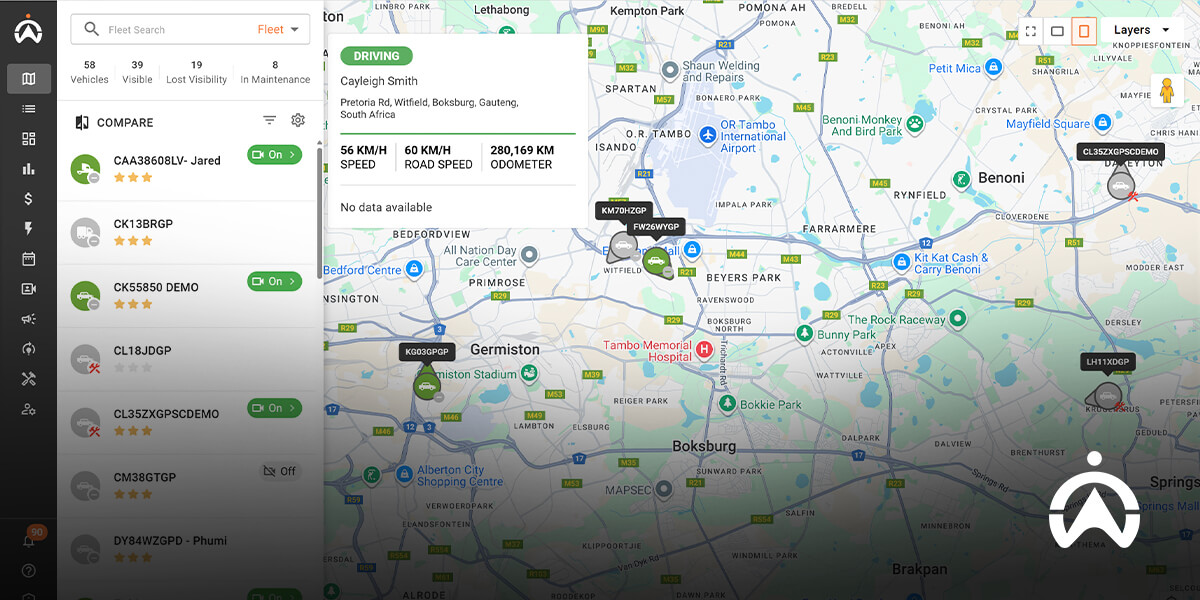
Cartrack fleet tracking interface showing vehicle locations, speeds, and driver details in Gauteng.

Cartrack – Your go-to fleet tracking service

Invest in our fleet tracking solutions to maximise your fleet and boost profits. At Cartrack, we always strive to give advanced tech solutions to simplify the management of fleet operations. Contact us for next-level fleet tracking services.

Frequently Asked Questions about fleet tracking

How do you run a successful fleet?

To run a successful fleet, you need to keep track of all your vehicles, plan routes well, and make sure drivers follow rules. Regular maintenance, checking fuel use, and using tools like GPS help keep vehicles safe and efficient. Good communication with drivers also helps the fleet work smoothly.

What is meant by ‘fleet’ in logistics?

In logistics, a fleet is a group of vehicles a company uses to move goods or transport people. This can include trucks, vans, or cars. A fleet helps businesses deliver products on time, manage large shipments, and operate efficiently. The size of a fleet depends on the company’s needs.

What is the difference between logistics and fleet management?

Logistics is about planning and moving goods from one place to another. Fleet management is about taking care of the vehicles that do the moving. Logistics focuses on delivery, storage, and timing, while fleet management focuses on vehicle maintenance, fuel, tracking, and driver safety. Both work together to run a smooth operation.

What is a Vehicle Monitoring System?

A Vehicle Monitoring System (VMS) is so much more than just tracking your asset. It’s a unique mix of software, hardware, and connectivity that gives fleet managers maximum visibility. By bringing together these elements, a VMS can help your business become a profitable, safer, and smoother-running operation.

According to Business Wire, the global market for AI-powered fleet management software was estimated at USD 4.3 billion in 2023, with a projected reach of USD 14.4 billion by 2030, growing at a CAGR of 18.7% from 2023 to 2030. With the global market expected to more than triple by 2030, businesses that don’t adopt smart monitoring solutions risk falling behind.

Without the right tools at hand, your business could face serious vulnerabilities. Through this guide, we’ll explore the practical outcomes of adopting a VMS and how Cartrack provides comprehensive vehicle monitoring solutions suited to any fleet.

In this article, you will:

  • A VMS gives fleet managers total visibility and helps make operations safer and more efficient
  • Features like driver behaviour analysis, real-time tracking, and vehicle diagnostics improve safety and performance
  • A good VMS reduces accidents, saves fuel, prevents theft, and supports better business decisions
  • Cartrack provides reliable, secure, and AI-powered VMS solutions with real-time tracking and Stolen Vehicle Recovery

How do vehicle monitoring systems work?

Vehicle monitoring systems work by combining smart, connected tools to bring simplicity and ease to fleet managers. Hardware, software, and connectivity operate collectively to enhance fleet management strategies.

VMS is also often referred to as ‘black box’ technology because it works like a black box in an aeroplane. It’s constantly collecting all the data in your vehicle, and this data is used and interpreted at a later stage.

The data can often be used to understand what happened in an accident, what safety checks are required, or to simply improve fleet operations.

When these tools work well together, you can get the key information you need quickly, helping you to make smarter decisions for your business. Factors like driver and trip reports, vehicle health checks, and overall performance insights can be really useful.

These are the key components of VMS:

  • Hardware: This refers to what’s installed in your vehicles. It’s at the core of your VMS. Hardware typically includes GPS devices and sensors that gather insights on factors like fuel consumption, driver behaviour, and location.
  • Software: These are the insights that are gathered and fed to your fleet management platform. Software is what allows fleet managers to keep tabs on vehicle performance, generate reports, and assess trends.
  • Connectivity: This is what keeps your VMS running smoothly. It uses cellular networks, satellite links, and IoT connections so you can get real-time location tracking and immediate alerts when you need them.

What are the core vehicle monitoring system features that drive fleet performance?

At the core of vehicle monitoring systems, features that drive fleet performance include vehicle diagnostics, fleet management integration, and driver behaviour analysis. Each of these capabilities gives fleet managers greater control and visibility over fleets.

These are the core features:

Driver behaviour analysis

Modern VMS examines drivers and their driving patterns in real time—particularly unsafe ones. These include aggressive driving, quick turns, and other dangerous actions. Generating reports on drivers allows fleet managers to give feedback and provide coaching or driver training.

This reduces the likelihood of costly accident risks and promotes safe driving habits.

Real-time location tracking

VMS solutions use satellite and cellular connections to ensure that your assets are being tracked at all times. Always knowing where your assets are is the key to prompt deliveries and swift responses in emergencies. 

Additionally, location tracking is the foundation of route optimisation, allowing fleet managers to explore the best routes, minimise fuel consumption, and manage unexpected delivery changes.

Vehicle diagnostics

Staying on top of vehicle health is how you minimise downtime. VMS assists with factors like preventative maintenance and fuel optimisation, ultimately reducing fuel waste and expensive, unexpected breakdowns.

Geofencing and other alerts

VMS allows for geofencing. This is when virtual zones are set up in certain areas, and fleet managers are alerted when a vehicle enters and exits those zones. Geofencing is important for a number of reasons, namely enhanced security and increased productivity.

Together with notifications for idling or improper vehicle usage, these notifications add an extra layer of security and total operational control.

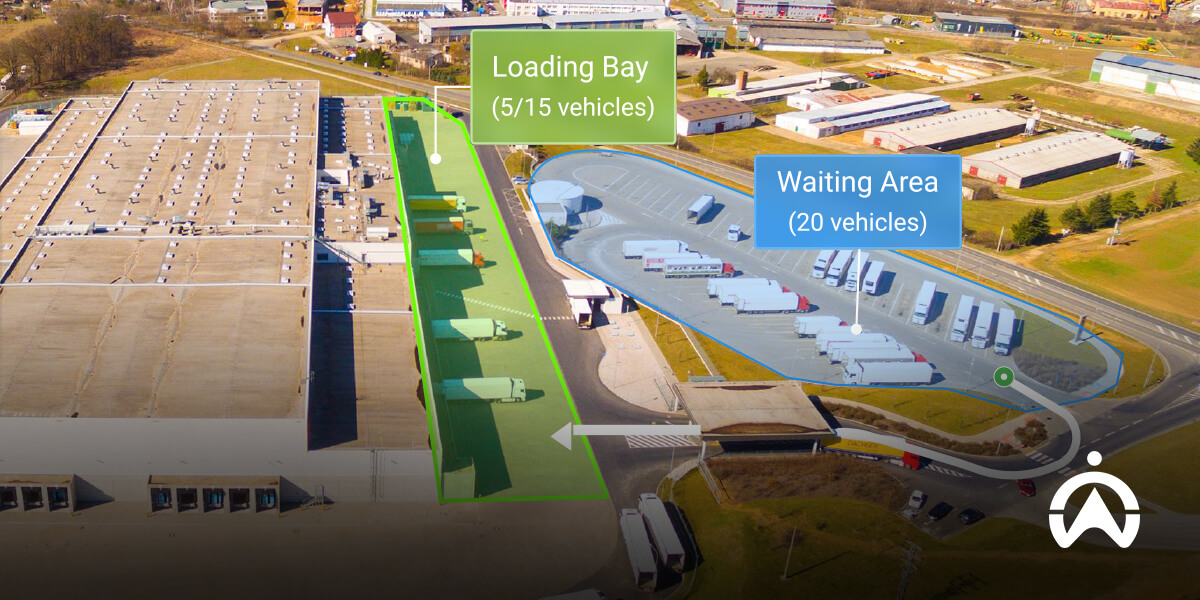
Cartrack vehicle monitoring systems overseeing logistics center with loading bay and trucks.

Integration with fleet management tools

A VMS only works best when it’s smoothly integrated with a fleet management platform. This means that all information and systems are not only streamlined, but also AI-powered, reducing the potential for human error.

Scheduling, reports, and other operational workflows are made far easier to manage.

Mobile access and storage

A VMS should allow fleet managers to quickly and easily access insights when necessary, especially from connected mobile apps. More so, cloud-based storage is the way to go, as it keeps your data secure and easy to access from any device.

The practical outcomes of using a vehicle monitoring system

Using a vehicle monitoring system delivers tangible business results and return on investment. A VMS is the most vital component to optimising the performance of your fleet while also ensuring safety, asset utilisation, and driver accountability. Here are some of the best outcomes:

Reduce accidents and improve driver safety

Using VMS as a foundation for a positive driving culture means fewer accidents and greater driver accountability. Fleet managers have the opportunity to not only build better policies, but also generate reward systems for drivers who implement safe driving practices.

Optimise routes and fuel usage

Fuel is one of the biggest fleet costs. By using a VMS to optimise routes, you can cut fuel expenses and reduce travel time. At the same time, you’re supporting sustainable fleet management by lowering your fleet’s carbon emissions.

Prevent theft and improve recovery chances

With core features like live GPS tracking and instant alerts, a VMS helps fleet managers stay on top of emergencies. Combined with a Cartrack service like Stolen Vehicle Recovery (SVR), it greatly improves your chances of getting a stolen vehicle back quickly.

Provide data for compliance, driver training, and operational decisions

Like the black box in a plane, the VMS collects all kinds of data from the vehicle. This data can be used to ensure compliance, enforce driver training if necessary, and back up operational decisions. With this information at hand, any operational feedback or changes are better informed.

Tailored solutions based on fleet size, type, and industry

You can use the features of a VMS to fit your business and fleet size. Customise the hardware add-ons or choose the software services you want to populate your fleet management platform with, depending on your business needs. A good VMS system can accommodate various business scales while offering the same positive outcomes.

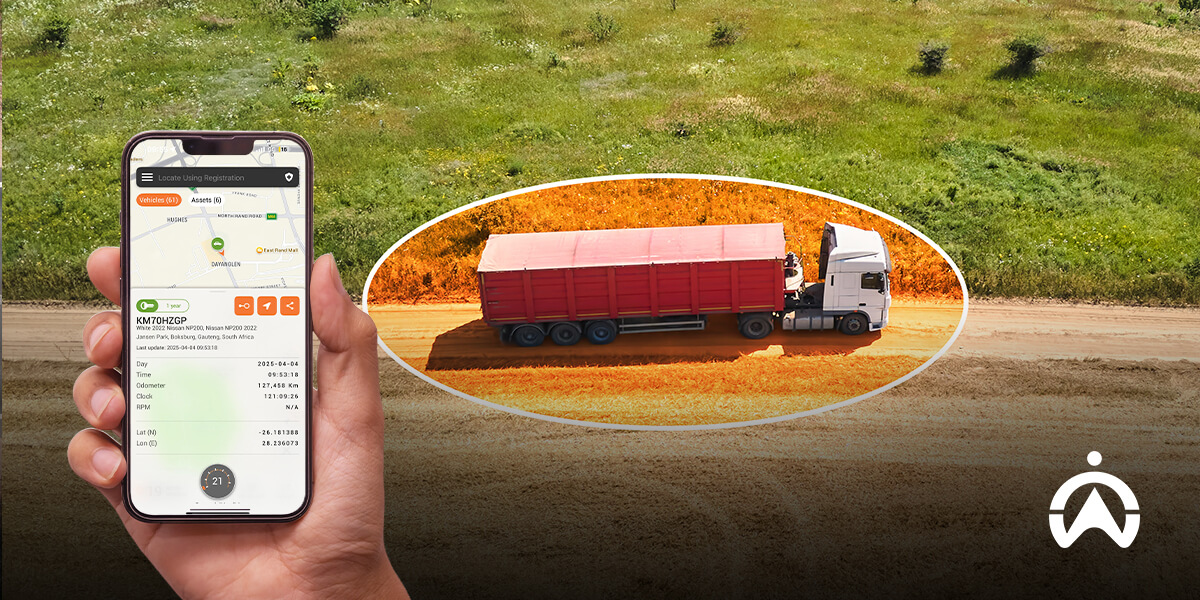
Cartrack vehicle monitoring systems on smartphone tracking red truck on dirt road.

How to choose the right vehicle monitoring system

Choosing the right vehicle monitoring system means looking for a solution that includes key factors such as scalability and reliability. You want to be sure that the VMS you choose can fully support you and your business goals while still allowing for growth, should your business expand.

These are the important factors to consider:

  • Reliability: The VMS you choose should be sturdy and reliable while working seamlessly. A system that helps you avoid downtime is key. Go for a system that provides you with all the detailed insights you need to transform the way your business runs.
    ‍
  • Integration: Choose a VMS system that pairs smoothly with a single fleet management platform, because this makes fleet management much easier. Avoid a VMS system that requires you to integrate with more than one platform. Cross-platform confusion can slow your workflow and make simple tasks take far longer.
    ‍
  • Data security: Your business insights are yours to monitor, not anyone else’s. Ensure that your VMS solution is one that’s based in complete safety and security, so that you have the power to control who sees what. A safe VMS is an encrypted one, with additional advanced security measures in place.
    ‍
  • Support: A VMS should always be provided by a company that has your best business interests at heart. Look for a provider that’s willing to offer onboarding and ongoing support throughout, along with quick emergency responses.
    ‍
  • Scalability: Ensure that your VMS is able to adapt to any fleet size. A reliable VMS can suit your business needs—whether small or large-scale—without requiring a whole new system.

These are some common mistakes to avoid during the selection process:

  • Choosing based on price alone: An initial low price might look appealing, but it might not meet your functionality needs. Look beyond the cheapest option and instead consider what will generate the best ROI.
    ‍
  • Ignoring integration or mobile access: Again, cross-platform integration and lack of mobile access can slow you down. A VMS shouldn’t be a standalone tool; it should work comfortably with other platforms for the best results.
    ‍
  • Selecting limited-function systems: Much like choosing based on price alone, choosing a VMS with limited functions may only solve immediate problems. Consider a VMS that keeps the future of your business in mind.

How Cartrack delivers the best in vehicle monitoring systems

Now that we’ve covered how to choose the right VMS, one can safely say that Cartrack delivers the best in vehicle monitoring systems by meeting every key requirement.

Cartrack is a leading company in the VMS field, providing supportive, secure, and innovative solutions for every kind of business.

Here’s how Cartrack truly stands out:

  • Real-time tracking and analytics: Through Fleetweb, Cartrack provides users with immediate analytics and detailed data. You can get immediate access to the information you need and guarantee a fast response from the control room team in case of an emergency.
    ‍
  • AI-powered driver behaviour analysis: Cartrack can help you create a safe driving culture and ensure that your drivers remain protected. With our video AI capabilities, you can monitor unsafe driving behaviours, generate trip reports, and use the feedback to coach drivers.
    ‍
  • Secure storage: Cartrack has implemented advanced security measures to ensure your information remains safe and secure. You can rest assured knowing that your data is stored behind levels of encryption that meet universal industry standards.
    ‍
  • SVR support: Cartrack gives you an extra level of security by offering Stolen Vehicle Recovery (SVR) on our platform. Should you be faced with theft, you can rest assured that Cartrack will act as quickly as possible to recover your asset.
    ‍
  • Reliability and flexibility: Cartrack is invested in your long-term outcomes; trust us to provide the best in a customer-first approach and committed support.

At Cartrack, we go far beyond simply delivering VMS solutions—we look to empower businesses every step of the way.

Final thoughts

A VMS isn’t just useful, it’s essential! With the ability to deliver comprehensive insights and produce tangible payoffs, it’s undoubtedly the key to the most optimised version of your fleet.

You can make sure that your fleet’s needs are satisfied with Cartrack’s VMS solutions. Cartrack’s options are equipped with AI-powered insights, reliable support, real-time tracking, and robust hardware, cementing us as a top choice for businesses across 23 countries.

Take control of your fleet operations. Book a demo today and see how Cartrack’s vehicle monitoring solutions can transform the way your fleet operates.

FAQs

Q: How is VMS different from GPS tracking?

A: GPS tracking is solely about tracking, whereas a VMS takes GPS tracking and combines it with numerous other elements to provide comprehensive feedback. The system takes factors like alerts, vehicle health monitoring, and video telematics to give you a well-rounded overview of your asset and its driving patterns.

Q: Is VMS data secure?

A: Whether your data is completely secure or not ultimately depends on the provider. It’s impossible to guarantee the security of every VMS solution, but with Cartrack, you can ensure the safe and secure storage of your data. Cartrack employs encryption, monitoring, and access management, so you’re in control of your private data.

Q: Can Cartrack integrate VMS with other systems?

A: Yes, Cartrack can integrate VMS with other systems. In fact, Cartrack’s platform has been made with integrations and smooth application interactions in mind. Cartrack’s Fleetweb is a good example of this, but third-party systems connect just as seamlessly. Smooth integration ensures that your workflow is operating at peak level.

Q: How quickly can the installation and activation of a vehicle monitoring system be completed with Cartrack?

A: Installation and activation can take one to a few hours depending on the size of your fleet and the complexity of your chosen hardware add-ons,. This means that you could start seeing insights and data feedback on the same day as installation.

What is a Vehicle Monitoring System?

Streamline your operations and protect your fleet with Cartrack’s Vehicle Monitoring Systems (VMS). Take advantage of AI tracking and actionable insights every time.

Speak to an Expert:  +26 (4) 83 720 7500

The Best Telematics Solution For Car Rental Companies

Telematics is an indispensable component to any rental company! Why? Because accurate data from telematics software helps you keep track of hundreds (and even thousands) of vehicles. It also enables you to manage potential fuel theft, car accidents, stolen vehicles, and driver routes.

Car rental companies across Namibia have recognised the cost-saving benefits of telematics software. Cartrack, leader in vehicle telematics, has compiled an 8-minute guide to help you understand how telematics has influenced the car rental industry in Namibia.

Why do car rental companies in Namibia need a telematics solution?

Car rental companies in Namibia need a telematics solution because it allows them to track vehicles and prevent theft. It also reduces costs and improves their overall customer service. Telematics solutions help you to monitor driver behaviour, prevent fuel theft, and manage each vehicle’s fuel usage efficiently.

This gives your car rental business more control through the insights you receive regarding every car in your rental fleet. But before we take a more detailed look at the inner workings of these solutions, let’s make sure we understand what telematics is and how it works.

What is telematics?

Vehicle telematics is a combination of solutions that work together to give you a data-rich system for managing small, medium, or large fleets. These solutions often include GPS vehicle tracking, fuel sensors, and vehicle cameras. Together, these components provide an invaluable network of relevant data that helps you manage your fleet of rental cars, trucks, or delivery vehicles.

With all of this information at your fingertips, you as a fleet manager can make educated decisions about your staff, the growth of your fleet, and insurance negotiations. Your stakeholders will always be in the know, and your customers will love your brand!

How does telematics work?

Telematics works by using hardware devices in vehicles (cameras, GPS trackers, fuel sensors, etc) to collect and send data to a central hub of information. You’re the one with access to this hub as the fleet manager. You’ll be able to track locations, speed readings, and engine performance indicators from a remote location.

In short, you can monitor your fleet from anywhere, and act on alerts that notify you about unusual activity. This all happens in real-time, which is why it helps you manage a company that has hundreds of cars on Namibia’s busy roads.

What data is collected in telematics?

Vehicle telematics collects important data like:

  • Location
  • Speed
  • Fuel levels
  • The health of each engine
  • A vehicle’s mileage
  • Driving habits
  • Trip history
  • Idling time

These are often provided in real-time, keeping fleet managers in the know when customers are driving their cars—all from one central spot.

Here’s an overview of the data you’ll be able to receive when you choose the best telematics solution for car rental companies in Namibia:

Data Type What It Shows How It Helps You
Location Where the vehicle is Track your cars and plan routes
Speed How fast the vehicle is going Prevent speeding and improve safety
Fuel Level How much fuel is left Know when to refuel and save costs
Engine Health Status of the engine Spot problems early and reduce breakdowns
Mileage How far the vehicle has travelled Schedule services and track use
Driving Behaviour Braking, accelerating, cornering Coach drivers and improve safety
Trip History Past journeys taken Review trips and manage routes
Idling Time Time spent with engine on but not moving Reduce fuel waste and save money

How does telematics reduce car rental operational costs?

The data from telematics, when acted upon by your fleet managers, will enhance vehicle recovery in cases of theft, and save you on fuel costs. Overall, telematics improves fleet safety, helps manage vehicle maintenance, and greatly increases your brand’s reputation through the increased reliability of your car rental services.

Prevents vehicle theft

Car rental companies keep their theft rates confidential. However, we know that worldwide statistics indicate a high rate of car theft among rented and privately owned cars—and even utility vehicles. This is no exception.

High poverty rates and new crime strategies do have an influence on car theft, leaving rental companies vulnerable. More often than not, these cars are stripped within a matter of hours for their parts.

Saves on fuel costs

Some of the data received through vehicle telematics is specifically designed to give you fuel data. This data helps you curb fuel costs by reducing waste through long idling times, speeding, reckless driving habits, and of course fuel fraud or outright theft.

Improves fleet safety and saves on insurance

When the safety of your vehicles and drivers is prioritised, your insurance costs invariably decrease. You now have the power to negotiate your monthly premiums and save a large percentage of your profits.

Insurance providers like car rental companies that have high-tech tracking devices installed to them. However, they also appreciate telematics data that clearly indicates who’s in the wrong when an accident happens. This assures them that you’ve done everything to ensure the safety of your vehicles, and that your cars can likely be retrieved if stolen.

The result? Lower insurance premiums for you! Insurance providers trust digital information, because it never lies. Read more about how digitalisation is streamlining the car rental industry.

Saves money on vehicle maintenance

Telematics saves money on vehicle maintenance because it tracks the engine health of every vehicle individually. It also analyses usage patterns, giving you a good idea of when each vehicle should be serviced. You can schedule timely servicing, avoid costly breakdowns (while your customers are driving your cars), and extend the lifespan of every vehicle.

Your car rental fleet will be running smoothly while cutting unexpected repair costs and keeping your customers happy. Which leads us to our next point.

Improves your service and brand reputation

What you ultimately want is to make more profits. This is now a possibility with telematics, because with good telematics comes better service. By keeping your cars on time, in a good condition, and safer than ever, your customers will be happier and more loyal. Also, they’ll be more likely to recommend you and post excellent reviews online.

Your brand and reputation will grow from good to GREAT, and you’ll gain a massive competitive advantage over other car rental companies. So, talk to us now about getting the best telematics solution for car rental companies.


Is network coverage an issue for telematics in car rental companies?

No, network coverage isn’t an issue for receiving reliable telematics for car rental companies. That’s because Cartrack’s telematics packages often have various offline modes. However, it’s worth noting that many of these systems work off cell towers, and they automatically save your information when networks are down.

What are the costs associated with implementing telematics in Namibia?

Implementing telematics in Namibia involves upfront costs like a device installation and monthly service fees per vehicle. Devices like these cost around R1,000 to R3,000 for each vehicle, and your monthly fees can cost anywhere between R200 to R500. Additional costs may include data storage, integration, and training, but these are optional.

It’s important to consider the ROI benefits of these initial costs. Cartrack is one of the top vehicle tracking companies in Africa, you’ll quickly see how easy our software is to use, and how you can increase profits by implementing it into your car rental company.

Your best bet is to call Cartrack now, arrange a free demo of our telematics software for car rental companies, and take some time to decide if it’s a solution that will benefit your organisation.

Frequently asked questions about telematics for car rental companies

How fast is telematics adoption growing?

When it comes to the top vehicle tracking companies, telematics adoption is growing quickly! More businesses see its value, especially fleet operators and car rental companies. They’re increasingly using GPS tracking and vehicle monitoring to reduce costs and improve safety.

Are car rental companies in Namibia adopting telematics solutions?

Yes, car rental companies in Namibia are adopting telematics to streamline their insurance claims, save costs, and even score the customers who rent their vehicles. However, the main reason car rental companies feel compelled to implement telematics into their fleets is to curb vehicle theft and save on insurance costs.

How do I install a telematics device in a rental vehicle?

Installing a telematics device in a rental vehicle involves connecting it to the car’s OBD-II port. Some systems, like the ones offered by Cartrack, need professional installation, because they require wiring or extra sensors. Once the device is installed, it begins collecting data on the vehicle’s location, customer driving habits, and engine performance.

What is enterprise telematics?

Enterprise telematics is a system used by businesses to monitor and manage large fleets of vehicles. It combines GPS tracking, engine diagnostics, and driver behaviour data to improve efficiency, reduce costs, and enhance safety. In Namibia, it helps your company stay competitive while keeping your customers happy and your vehicles running smoothly.

Who is the top telematic leader in Namibia?

Cartrack is widely regarded as a top telematics leader in Namibia and even Africa as a continent. We offer GPS tracking, fleet management tools, and fuel monitoring solutions that help your business improve efficiency, reduce theft, and get insights into vehicle performance across your fleet.

What is advanced telematics?

Advanced telematics goes above and beyond basic tracking. It does this by analysing detailed vehicle and driver data and even includes predictive maintenance alerts. You’ll also get real-time fuel monitoring and driver behaviour insights, making it perfect for car rental companies in Namibia.

Are telemetry and telematics the same?

No, telemetry and telematics are not the same. Telemetry is the process of remotely collecting and transmitting data from devices, while telematics applies telemetry specifically to vehicles, combining it with GPS and diagnostics to monitor your fleet performance in various aspects like driver behaviour and fuel usage.

Is Fleet Management Hard?

Fleet management can be seen as a difficult occupation, mainly because the tasks can get quite complex. The job in itself is more than just “overseeing vehicles”. However, with the right solutions in place, this demanding role becomes easier to handle.

Over the years, advancements in technology have made it increasingly easier to navigate the ins and outs of operating larger fleets. According to Data Insights Market, the global fleet management technology market is expected to reach a Compound Annual Growth Rate (CAGR) of 12% from 2025 to 2033. This means it should be worth $80 billion by 2033.

The growth in this market goes to show how much of a difference fleet management software makes in simplifying operations, and that all fleet managers need to invest in it.

Is fleet management a stressful job?

Yes, fleet management is generally considered a stressful job by many, mainly because of the numerous responsibilities. Fleet managers have to monitor people, vehicles, and processes, all while ensuring that the company stays within its budget. This is a very detail-oriented role that’s ever-evolving. Fleet managers rarely do the same thing every day.

What makes fleet management feel hard?

  • Many things to oversee: Fleet managers oversee all things involving vehicles, drivers, clients, and costs. They often find themselves performing tasks that are commonly associated with finance, training, procurement, and sales personnel. That’s because they manage costs, face clients, plan routes, monitor drivers, and train staff.
  • Rising operational costs: Several factors contribute to a fleet’s operational expenses. Fleet managers face constant pressure from growing expe.nses like fuel, maintenance, and insurance. Even small increases can add up quickly when managing multiple vehicles. Without proper planning and the right technology, these costs can reduce profits and make it difficult for the business to continue running.
  • Manual processes and data overload: Fleet managers rely heavily on spreadsheets and lots of paperwork. From driver logs to fuel receipts, this information can pile up and get overwhelming. These manual processes slow down decision-making, increase human error and waste time.
  • Lack of real-time visibility: Without real-time information, managers don’t always know where vehicles are, how they’re being used, or if drivers and goods are safe. This allows drivers to take detours, which creates risks such as delayed deliveries and theft.

What are the key challenges in fleet management?

Understanding the main difficulties helps businesses plan better and make smarter decisions. Here are the three main challenges of fleet management:

Vehicle maintenance and uptime

Ensuring that vehicles are well-maintained can be quite a challenge. Fleet managers often overlook maintenance in an effort to keep things going. This results in unexpected breakdowns, which lead to downtime and reduce productivity and efficiency.

Driver management and safety

Fleet managers are responsible for lives, and driver behaviour affects the entire business. Driver misconduct may lead to accidents, delivery delays, and even lawsuits. It can also ruin your company’s reputation. When fleet managers don’t know what drivers are up to, many things can go wrong, and there’s little accountability.

Fuel costs and efficiency

Fuel costs can amount to the majority of a fleet’s budget. Fleet managers usually find it hard to track fuel spending. Fuel theft and fraud are also hard to prove without the correct measures in place. This further contributes to higher overall costs and ultimately results in less profit.

Cartrack showing mechanic servicing vehicle with digital display, addressing is fleet management hard through smart maintenance.

How does technology make fleet management easier?

Technological solutions such as GPS tracking devices, fleet management software, and fleet cameras will give managers full visibility of all vehicle-related operations. They also digitise your paperwork, which reduces mistakes and speeds up your processes.

Vehicle tracking devices with IoT capabilities can detect poor driving habits, such as when drivers are speeding or idling for too long. From there, fleet managers will get alerts of each poor driving incident. These incidents can then be addressed with drivers so they can improve.

Furthermore, advanced fleet cameras help ensure that drivers are always safe on the road by monitoring how distracted they are and giving immediate alerts. This reduces the chances of accidents, which could lead to expensive repairs and downtime you didn’t budget for.

Tips to simplify fleet management

If you’re an aspiring fleet manager new to the role, or someone who’s looking to better manage this role, we have a few tips on how to go about it:

1. Up your tech game

Fleet management software is changing the industry landscape. The first thing you need to do is adopt a system with software and hardware that’ll give you more insight. This will help you stay ahead of the competition. It will also automate most of your processes, reducing paperwork and human error.

2. Train and support drivers

Provide drivers with regular training sessions for guidance. Ensure that they know safety protocols, company rules, and efficient driving habits. In doing so, you reduce the chances of accidents and build a better-performing, more productive workforce.

3. Develop your people skills

From drivers to stakeholders and vendors, this is a job that involves a lot of interactions with people. Fleet managers need to regularly communicate with their peers in the industry to know what’s current and keep track of best practices. They also need to build relationships with suppliers and business partners, as well as negotiate deals.

Furthermore, they need to have good relationships with your company drivers. They must understand them and do their best to facilitate effective driver training. For this reason, you need to improve your social skills as much as you can if you’re a fleet manager.

4. Standardise policies and processes

Create and set clear rules and consistent procedures for maintenance, safety, and daily operations. When everyone knows what’s expected, you reduce mistakes, save time, and make your fleet run more smoothly.

5. Track and measure key metrics

Keep an eye on important fleet data metrics such as fuel usage, vehicle downtime, driver performance, and route efficiency.  In doing so, you can easily identify areas for improvement. Tracking key metrics helps cut costs, improve safety, and ensure that the business remains compliant.

6. Work with trusted fleet partners

Make sure that you choose reliable companies to work with. Whether for vehicle tracking services, repairs, or supplies. Working with partners you can trust reduces risks and ensures you have all the support you need to keep fleet operations running efficiently.

Cartrack showing service alert on delivery van, answering is fleet management hard with smart tracking.

Case Study: BCI Security

BCI is a company that offers a full range of private security protection services. Their services include armed response, guarding, canine solutions, and technical teams. They cover the whole security spectrum.

BCI Security’s main challenge was the fact that they had no way of ensuring their response units remained within their assigned areas, and had no system to help them instantly locate their vehicles. They also couldn’t monitor how drivers behaved on the road. This prevented their drivers’ response times and control room from being as quick and efficient as possible in emergencies.

How we helped them:

  1. Cartrack’s geofencing feature allows BCI to set virtual fences around assigned areas and to alert them when drivers enter or leave those zones. This helps them ensure that their response units are always stationed in their assigned areas. In doing so, they can respond to client emergencies as quickly as possible. The geofence reports are also useful in giving BCI’s clients an accurate indication of patrol activity in their areas, while making their drivers more accountable.
    ‍
  1. Using Cartrack’s live GPS tracking feature, BCI Security can pinpoint exactly where reaction officers are. This helps them quickly locate their nearest response unit to the clients in need of their services, allowing them to improve response times. This also boosts service delivery, as BCI can verify that response units were at the scene.
  1. BCI Fleet managers can now monitor driver behaviour and receive alerts when drivers are speeding, braking harshly, or cornering quickly. They can also regulate when drivers should speed in emergencies. These insights are used to inform and educate drivers. They minimise incidents that could be harmful to their drivers, their vehicles, the communities they serve, and BCI’s reputation. It’s also an effective way to decrease unnecessary vehicle wear and tear and prolong fleet longevity.

“Cartrack suited and understood our business from the start. We feel much safer with the Cartrack system, and their service is great, you are not just a number with them. Without them, we just wouldn’t be as efficient.” Johnny Loots | CEO, BCI Security

Ensure stress-free fleet operations with Cartrack!

  • Live tracking
    Our live track feature gives you full visibility of vehicle locations, making it easier to see when drivers are in one place for too long, or when they take detours. Through this, you’ll know how effective certain routes are and implement necessary changes.
  • Stolen Vehicle Recovery
    We’ve conducted over 100,000 vehicle recoveries in the last decade. In the unfortunate event that any of your fleet vehicles get stolen, you can rest assured that your vehicles are safe and secure. Our skilled recovery teams are always on standby, with nationwide coverage, and we have a 24-hour control room service that’s always ready for your call.
  • AI dashcam
    The Cartrack AI Dual Vision ensure that your drivers avoid distractions. They can detect behaviours such as yawning, smoking, and cellphone use. They then release audible alerts, so drivers can quickly correct their actions. Through these solutions, you reduce the chances of accidents that could lead to prolonged downtime and costly repairs.
  • DID tags
    Cartrack Driver Identification tags (DID) make it easier to see who was driving which vehicle. They validate the start and end of every shift. They also help prevent unauthorised drivers from using vehicles. This solution increases driver accountability and boosts shift productivity.
  • MiFleet
    MiFleet is a cost management tool that you can find on our platform. It helps you monitor your fleet’s fuel consumption, verify fuel card transactions, and identify sudden drops in fuel levels. This helps you save on worrisome fuel costs. They also feature alerts to notify you of possible fuel theft or fraud, allowing you to take action quickly.
  • Logbook
    With our logbook feature, you can effortlessly track driver working hours as well as log separate personal trips and business trips. This digital logbook makes it easy to manage tax compliance so your business stays in the good books.

Simplify your fleet today with Cartrack

Fleet management is complex, but modern solutions simplify it. It’s only as hard as the tools and strategies you use. By partnering with us, you ensure smooth sailing for your fleet, giving you a better ROI. Contact us today, and speak to a fleet consultant!

Frequently Asked questions about fleet management

What is fleet risk?

Fleet risk is the chance of something going wrong when a business runs many vehicles. It can mean accidents, theft, breakdowns, or unsafe driving. Managing fleet risk helps keep drivers safe, vehicles in good shape, and the business from losing money.

What are the 4 pillars of fleet success?

The 4 pillars of fleet success are the main things a business needs to run its fleet well. They consist of:

  1. Safety
  2. Efficiency
  3. Sustainability
  4. Compliance

Together, these functions ensure driver safety, fuel efficiency, cost reduction, less pollution, and that laws and regulations are followed.

Can small businesses benefit from fleet management systems?

Yes, small businesses can greatly benefit from fleet management systems. These systems help monitor vehicles, reduce fuel costs, prevent theft, and keep drivers safe. Even with just a few vehicles, small businesses can save costs and work more efficiently. This also helps you to give better service to your customers, which in turn helps grow your business.

What’s the biggest challenge in fleet management?

The biggest challenge in fleet management is managing costs. Things like fuel, repairs, accidents, and driver behaviour can all add extra expenses. Fleet managers need to carefully monitor these contributing factors to keep the business running smoothly and reduce costs.

Is fleet management worth the investment?

Yes, fleet management is worth the investment. It helps businesses save money on fuel, repairs, insurance, and much more. It also helps keep drivers and vehicles safe. By tracking and planning better, fleet companies can work more efficiently and grow faster in the long run.

Reduce the worries and take control of your vehicles, drivers, and costs with ease. Contact us today!

Get Fleet and Fuel Management Services With Cartrack

As your fleet grows larger, it becomes more and more difficult to manage your drivers, their vehicles, and the fuel they use. Cartrack is at the forefront of developing ways to make this process a lot easier, and our solutions combine various functions that make fleet management flow well.

Fuel theft is a real thing. Drivers and syndicates syphon fuel from trucks and make thousands selling it. Cartrack has been developing better ways to identify fuel theft, while at the same time helping you navigate other fleet management needs. Here’s how fleet and fuel management have improved thanks to the solutions we offer fleet companies like yours.

How do large companies manage their fleets and monitor their fuel usage?

Large companies manage fleets and fuel usage with solutions such as:

  • GPS Tracking
  • Fuel Monitoring
  • Driver Behaviour
  • AI Dashcams
  • Maintenance Planning
  • Delivery tools

These give you real time data on the location of your vehicles, your fuel spend, driver habits and route efficiency. You’ll cut costs, prevent theft, boost safety and make smarter decisions with clear reports.

Fuel monitoring is a big part of fleet management, but there’s a lot more to it. If curbing fuel theft is the only solution you’re after, you should consider ways to improve your fuel monitoring through Cartrack. However, there are other benefits you can enjoy if you take more comprehensive packages that already include fuel monitoring. Let’s look at which Cartrack packages include this money-saving feature.

Cartrack’s Bureau Service for large fleets

Having Cartrack’s software is a massive benefit to your fleet company. However, you may not have the resources to run a fleet management department from the get-go. You’d have to hire staff, set up an operations center, and constantly train your managers on fleet-related software. Or do you?

As an additional service, Cartrack also offers you Bureau services. Think of it as an instant, fully trained team of fleet managers that handle your fleet for you! Our teams monitor the fuel of your vehicles, keep an eye on your drivers, and even assign optimal routes for deliveries.

Our Bureau Service also includes tracking of your vehicles, and will initiate vehicle recovery if any of those vehicles is stolen or hijacked. This team has already been trained at Cartrack, by Cartrack, and for Cartrack’s software. They can simply do the work for you, and keep you updated on the important stuff by submitting big-picture reports on a regular basis.

Cartrack’s Bureau Service is full of perks if you don’t want to hire and manage your own team of fleet managers. Here are just some of them:

  • 24/7 fleet monitoring and support
  • Regular vehicle health checks
  • Alerts for risky driving or fuel misuse
  • Easy-to-read reports and insights
  • Flexible services that grow with your fleet
  • Less admin, and more focus on your business

Which Cartrack packages include fuel monitoring features?

Cartrack offers fuel monitoring in different ways. Our various packages are tailored to meet the needs of your fleet based on its size and industry type. A Cartrack consultant will analyse your fleet and give you the best option, but for now let’s look at the different ways our solutions save you fuel.

Fuel Monitoring

Basic Fuel Monitoring gives you real-time tracking of your vehicles’ fuel levels. You’ll also be able to track fuel consumption rates and look for concerning patterns or discrepancies. Fuel card transactions also help you detect anomalies and prevent fraud.

Driver Behaviour Analysis

Another way to save on fuel is to promote better driving habits from your drivers. Driving habits like long idling, harsh braking from fast driving, and overdoing it on the acceleration costs your company money everyday! You can identify areas for improvement and reduce fuel wastage by getting data that alerts you to these bad habits.

Maintenance Alerts

Did you know that there’s a hidden cost in not maintaining your vehicles? That hidden cost is fuel! Trucks and cars that don’t get regular maintenance WILL use more fuel because the mechanical components become more stressed.

What if you could easily manage the maintenance schedules of your vehicles without having to remember each one yourself? Cartrack provides you with notifications for scheduled maintenance to ensure your vehicles operate efficiently and consume fuel optimally.

Reporting Tools

Generate historical reports that give you detailed information on fuel usage with Cartrack’s reporting tools. By simply looking at these customisable reports, you can get an overview of fuel usage, expenses, and the performance of each driver. This helps you to make decisions based on data, and spot fuel loss if and when it happens.

Next step? For detailed information on specific packages and pricing, it’s recommended to contact Cartrack directly or request a demo through our official website. The Cartrack contact number for speaking to a consultant is: +26 (4) 83 720 7500

Still not sure? Let’s take a detailed look at MiFleet, and answer some of your questions about the best ways to manage your fleet.


Fleet management: What can you expect from Cartrack?

As mentioned, fuel optimisation is an important part of managing any fleet. However, there’s more than one way to save fuel. MiFleet is Cartrack’s smart cost-management and fleet accounting system. It gives you full control over fuel, administration, maintenance, and operating costs.

Your fuel card data will be matched up with vehicle telemetry. This helps you to spot fraud, and also tracks fuel usage per km. From all this, you’ll get clear cost-breakdown reports that give you big-picture and finer-detailed information about your fleet.

With the software of MiFleet comes some hardware too. Tracking devices, fuel sensors, cameras, etc. Sounds great, but you probably have a few questions about how this all works together. Here are some of the most frequent, costing, software and hardware questions we get.

Are there flexible payment options for Cartrack subscriptions?

Yes, Cartrack offers flexible payment options for subscriptions, just talk to us and we’ll create one for you! You can choose a monthly or an annual plan depending on your fleet size, the Cartrack packages you choose, and the needs you have.

This makes it easier to manage fleet costs, and it helps you scale up as your fleet grows. Don’t feel like you’re being locked into a long contract; talk with us about a payment option that fits in with your budget.

Do I need to pay extra for additional tracking units per vehicle?

Yes, you usually need to pay extra for additional tracking units per vehicle. Each unit comes with its own installation and activation costs, so adding more vehicles will increase your subscription fee. However, Cartrack also makes it easy to expand your fleet tracking by adding new devices to each vehicle. This means you’ll need to budget for each extra tracker.

Is Cartrack’s fleet data secure and encrypted?

Yes, Cartrack’s fleet data is secure and encrypted on secure servers. Whether it’s vehicle data, driver trends, or fuel information, it’s all protected using modern encryption. You can access your data safely, knowing that it’s shielded from unauthorised access. This is to keep your fleet operations private at all times.

How does Cartrack match fuel receipts to actual tank activity?

Cartrack cleverly checks your fuel receipts against what’s actually in the tank using the MiFleet software and telematics data from fuel sensors and other hardware. It matches your fuel card transactions with real-time fuel levels, GPS-based location and engine use. This way you can easily spot fraud and make sure purchases are correct.

Do Cartrack Fleet Plus benefits include fuel monitoring?

Yes, one of the main features Cartrack offers with Fleet Plus is fuel monitoring. This would include:

  • Fuel Monitoring: It measures the fuel that goes in and out of your vehicles.
    ‍
  • Fuel Probe: This is a sensor that provides real-time readings of fuel levels.

Cartrack Fleet Plus solves a series of problems faced by many fleet managers. Let’s take a look at an overview of each one, and then explore them in more detail.

Problem Faced by Fleet Managers How Cartrack Fleet Plus Helps Feature Name
Hard to track fuel usage Shows fuel going in and out of vehicles Fuel Monitoring
Drivers stealing fuel Detects unusual drops in fuel levels Fuel Probe
High fuel costs Helps spot waste and fraud Fuel Monitoring
No real time info Gives instant fuel readings Fuel Probe
Hard to match fuel receipts Compares receipts to actual fuel used Fuel Monitoring
Fleet is not efficient Gives clear fuel usage data Fuel Monitoring
Fuel theft is hard to prove Shows exact fuel levels over time Fuel Probe
Hard to plan trips Helps see fuel levels and plan stops Fuel Probe

Hard to track fuel usage

It’s tough to know how much fuel your vehicles are using every day. However, with Cartrack Fleet Plus you can see exactly how much goes in and how much goes out. This helps you control your fuel costs a lot better, which adds up month after month.

Is Cartrack really the best option to choose? We think so… and here’s why: 

What to Look for When Choosing a Fleet Management System

Drivers stealing fuel

Sometimes drivers or fuel thieves might syphon fuel, and there’s no way for you to know when this happened. A lack of evidence will make it difficult to pinpoint who the culprit is too! Cartrack Fleet Plus helps you spot this quickly so you can stop it and not pay for fuel your drivers aren’t using for business purposes.

High fuel costs

Fuel can get expensive fast if you’re not careful. Because of rising fuel costs, you should try to save wherever you can. Using Fleet Plus lets you see where fuel is being wasted so you can save money. This could be anything from bad driving habits, speeding, irregular idling, etc.

No real time info

Waiting for reports of the info you need shouldn’t be a long process that only gets to you at the end of the day, week, or month. Fleet Plus gives you fuel readings as they happen so you can act fast and make changes.


Hard to match fuel receipts

It’s tricky to check if receipts match what your vehicles are actually using. Cartrack’s Fleet Plus solution compares receipts with fuel usage automatically, and this takes the guess work out of your job as a fleet manager.

Fleet is not efficient

If your fleet isn’t running well, it’s inevitable that your organisation will begin to lose money. Fleet Plus shows clear fuel data so you can make better choices and keep your vehicles moving when it counts the most. More vehicles on the road for longer, means more profitability for you.

Fuel theft is hard to prove

Even if you suspect theft it’s hard to take action without getting into labour law hot water. With Fleet Plus, you get a detailed fuel level history that proves exactly what happened, when it happened, and who the most likely person was that did it.

Hard to plan trips

Planning trips isn’t easy if you’re always having to guess the best route and you’re not aware of your fuel levels. Fleet Plus helps you see fuel in real time so you can plan stops and routes a lot more efficiently.

How much can your business save on fuel costs using Cartrack?

The amount of fuel costs your business can save using Cartrack packages depends on the size of your fleet and the types of vehicles you use. However, it’s safe to say that you can save as much as 24% of your fuel costs, which is what we’ve seen other companies achieve on small and large scales.

How is this possible? Well, every little saving helps, and those savings build up over time. If you solve the problems listed above, you’ll quickly see a huge difference in the amount of fuel you actually need to run your fleet!

Start saving today. Not just on fuel, but on other expenses too. As we’ve seen, it’s a game changer having a solution that saves you on insurance costs, wear & tear from bad driving, and the reputational damage your drivers can cause your brand. Get in touch with an expert fleet management consultant and let’s work out a solution that ultimately brings in more profits for your business.

Get fleet and fuel management services with Cartrack Namibia and start saving!

Frequently asked questions about fleet and fuel management from Cartrack

What technology is used in fleet management?

Fleet management uses:

  • GPS tracking
  • Telematics
  • Fuel monitoring
  • Route optimisation
  • Maintenance software

These tools help you keep track of your vehicles, improve efficiency, reduce costs, and ensure the safety of your drivers on the road. Many fleets also use mobile apps to access real time data wherever they are.

What’s the difference between logistics and fleet management?

The difference between them is that fleet management focuses on managing vehicles, drivers, and fuel, while logistics covers the whole supply chain. Logistics management includes storage, delivery, and inventory. You can think of fleet management as part of logistics for keeping your vehicles moving efficiently across the country.

What are fleet tools?

Fleet tools are software and hardware devices that help you to manage your vehicles, their drivers, their respective fuel usage, and the maintenance of each vehicle. GPS trackers, telematics systems, fuel sensors, and reporting platforms give you clear insights that help to save costs and improve your fleet’s efficiency.

How do I create a fleet management plan?

To create a fleet management plan, start by assessing your vehicles, drivers, routes, and fuel costs. Set clear goals for using less fuel (overall percentage), scheduling less vehicle maintenance, and improving safety. Then choose tools like the ones offered by Cartrack and move towards more savings, more profitability, and the eventual growth of your fleet.

How do fleet managers use spreadsheets?

Fleet managers use spreadsheets to track fuel consumption, maintenance schedules, mileage, and overall expenses. You can create simple tables and charts that help you to see trends with a bird’s eye view, or in close detail. Spreadsheets are a flexible, low cost way to keep your fleet organised and running smoothly.

Advanced Fleet Management Features That You Should Have For Your Business

Fleet management software helps your business monitor, coordinate, and streamline vehicle operations. It’s not just about using GPS tracking to pinpoint the whereabouts of your assets; it’s about getting comprehensive and tangible insights through advanced fleet management features. These data tools are there to help you make better decisions for your business.

There’s a mistaken idea that GPS tracking is enough. While tracking your vehicles is important, being a business that leverages advanced fleet management tools will put you above the rest and help you save. According to industry reports, companies using advanced fleet technology can see up to a 20% reduction in fuel costs and a 10-20% improvement in fleet utilisation.

Modern fleets need modern solutions. Intelligent systems with features that combine hardware, software, and insights are your key to real results. In this guide, we’ll explore the importance of advanced fleet management features for your business and why Cartrack’s solutions are your secret to easy implementation.

Why do advanced fleet management features matter?

Advanced fleet management features matter because they give managers a full and comprehensive view of their operations. Fleet management is more than just tracking—it’s about being able to take on the challenges and vulnerabilities that come with it.

Every day, businesses are faced with rising costs and emergencies that trigger downtime. With advanced fleet management features, you can operate a safer, cost-effective, and top-performing business. A smoothly run business means happy customers and staff.

How advanced features deliver real-world ROI

Advanced features deliver real-world ROI by directly promoting better productivity and cost management. Some of these benefits include:

  • Lower fuel costs: through route optimisation and fuel monitoring.
    ‍
  • Fewer accidents: through driver behaviour monitoring and coaching/feedback.
    ‍
  • Compliance: through holding important documents, reporting, and record-keeping.
    ‍
  • Faster deliveries: through scheduling and real-time vehicle monitoring.

Future trends in advanced fleet management

The fleet industry is rapidly evolving, and unfortunately, you need to ensure your business stays prepared. Always keep an eye on your business and emerging trends. Consider these:

  • Artificial Intelligence (AI): AI is a perfect tool for automating processes and predicting unsafe or risky behaviours. A good example of this is an AI-powered video that captures and makes a note of unsafe driver behaviours, like fatigue or distraction.
    ‍
  • Internet of Things (IoT): IoT refers to a network system of smart objects that connects devices in vehicles. These devices are typically sensors that collect data and using the internet to transmit information. IoT makes it possible for fleet managers to tackle potential issues before they become costly disruptions.
  • Connected Vehicles: These are vehicles that can communicate with each other and with infrastructure in real time (traffic lights or road sensors). This means that vehicles are ‘talking’ to each other, other fleet systems, and even the surrounding environment.While IoT connects individual sensors and devices within a vehicle, connected vehicles take it a step further. They enable entire vehicles to communicate with each other and external infrastructure.

    An example of this is when Cartrack’s Tag uses the ‘crowd searching’ method. Crowd searching is implemented when a vehicle is jammed and then stolen. The jammed device (in the stolen vehicle) moves through a ‘crowd’ of vehicles with their own anti-jamming devices, and is then reported back by those other vehicles. This allows Cartrack to triangulate and quickly locate the stolen vehicle.

What are the core categories of advanced fleet management features?

Five essential groups comprise the core categories of advanced fleet management features. These include:

  • Driver safety and behaviour
  • Vehicle health and cost management
  • Data and compliance
  • Productivity and customer service
  • Security and theft prevention

Let’s take a look at each of these in more detail.

Advanced features for driver safety and behaviour

Keeping your drivers safe encourages a safer driving culture and reassures drivers that their wellbeing is a priority. Driver safety and behaviour is more than just meeting legal obligations—it creates a positive business reputation as well. These are some advanced features:

Driver behaviour monitoring

You can monitor the behaviours of a driver while they’re on the road, and even get notified of signs of fatigue, distraction, smoking, and more. This allows you to keep track of potentially unsafe driving patterns. Combating these unsafe behaviours at an early stage can greatly reduce the risk of accidents and incidents.

Immediate alerts for risky driving

Immediate alerts are sent your way if the AI-powered driver monitoring picks up on unsafe behaviours. This includes speeding, phone use, or signs of distraction shown by the driver. Immediate alerts mean that as a fleet manager, you can take note of these behaviours or adjust tasks and duties if necessary.

In-cabin cameras

You’re able to keep an eye on what’s happening inside the vehicle too. You can identify risky driving traits yourself, or even see whether a driver is making an unauthorised stop or pickup. In some cases, you have the ability to speak to the driver through the in-cabin camera as well.

Training feedback tools

The best way for drivers to improve is to learn from their stumbles and understand the importance of road safety. Having saved footage of their trips allows you to deliver personalised coaching and feedback. This will hopefully help the driver feel looked after rather than policed.

Cartrack advanced fleet management features with person using laptop to oversee parked trucks.

Advanced features for vehicle health and cost management

The last thing you’d want for your fleet is to see some unexpected downtime. Being able to keep track of vehicle health and maintenance means that you can better manage costs and prevent costly breakdowns. Here’s how:

Predictive maintenance and diagnostics

Smart features allow you to closely monitor factors like mileage, engine health, and wear & tear in certain car parts. Because of this, predictive maintenance is the key to staying proactive and keeping your vehicle healthy.

You’ll be alerted to issues like overheating, and can ensure vehicle maintenance is scheduled before the issue becomes a costly expenditure.

Fuel monitoring and route optimisation

Monitoring fuel and optimising driver routes is the solution to solving one of the biggest operational costs when managing a fleet. Keeping track of fuel usage means you can better understand driving patterns or even note potential fuel theft.

Combined with route optimisation, you can almost guarantee an increase in productivity while cutting back on wasted fuel use. You can also meet your ethical goals by cutting back on carbon emissions.

Tyre pressure and load monitoring sensors

Ensuring that your fleet’s tyres are in good condition is another way to encourage a safer driving culture. Doing so means that there’s less chance of accidents caused by tyre blowouts or sudden loss of control.

The monitoring sensors also track tyre pressure and note any possible overloading or over- or under-inflation.

Automated service scheduling

Automated service scheduling is your answer to extended vehicle lifespan, compliance, and uptime. With this service, you can always guarantee that important checks aren’t missed, including oil, brakes, or general servicing. This means you don’t have to worry about unexpected downtime.

Advanced features for data and compliance

With fleet management, there’s a lot of data being processed, as well as regulations that are always being updated. When you combine data and compliance, you can see how these insights can help you make better business decisions while also reducing risk and legal issues. Consider these factors:

Customisable dashboards and KPIs

When using a fleet management tool, you can choose which metrics you want to keep track of via your dashboard. This means you have a total overview of what matters most, whether it’s driver performance or fuel usage. You can also see and interpret that data in real time (while it’s happening).

Compliance monitoring

If you’re looking to stay on top of legislation and not worry about fines and legal issues, compliance monitoring is the solution. It automates the process of tracking key issues like emissions and load limits.

By removing the potential for human error, you have time to focus on other important tasks, all while avoiding potential fines.

Integration with various tools

Third-party integration is a massively important consideration if you want to avoid cross-platform confusion. When your fleet management platform works with systems like payroll, you get a much smoother, streamlined order of operations.

This means, for example, that a driver’s hours are automatically linked to payroll, and human error is eliminated.

Cloud-based storage

Cloud-based storage means that you have access to your insights and data whenever and wherever you are. No matter the device, you can look over your data without worrying about information being lost or viewed by unauthorised users.

Advanced Features for Productivity and Customer Service

Meeting customer needs is a top priority. With advanced features for productivity and customer service, you can expect smooth operations and happy customers with every service. Achieve these through:

Route optimisation and live ETAs

As mentioned, route optimisation means your drivers are travelling using the best and most efficient routes. This means quicker deliveries, shorter travel times, and reduced fuel use. Pair this with live ETAs (estimated time of arrival), and customers know exactly when to expect their deliveries.

This combination builds customer loyalty and satisfaction!

Geofencing and automated notifications

Setting up virtual zones with geofencing allows you to monitor when your drivers enter and exit specific areas. These typically include warehouses and regular delivery areas. When drivers enter or leave geofenced areas, you can be notified regarding their movements.

This not only gives insights into time spent in an area, but it also ensures drivers are held accountable regarding their movements.

Digital job dispatch and proof of delivery

You don’t have to concern yourself with manually sorting out schedules and duties for your many drivers (and wasting paper in the process). You can digitally assign jobs to your drivers through your fleet management platform, along with any necessary additional information.

Regarding proof of delivery, you can now digitally capture confirmation every time a package reaches its destination. Customers can sign electronically, or you can take a photo as verification.

Links for tracking customers

Customers can have access to live information through tracking links. Once the delivery is in process, they can click on a secure link to keep track of their package and follow their order. This is the kind of feature that builds transparency and brand loyalty.

Advanced features for security and theft prevention

Your fleet is not only made up of precious assets, but is likely carrying very precious cargo too. Theft prevention and security measures are absolutely necessary to keep your assets, supplies, and drivers safe. Here are some protective measures:

Stolen vehicle recovery (SVR)

The technology used for Stolen Vehicle Recovery (SVR) assists partner companies (like Cartrack) with swift vehicle recovery. The vehicle’s location can be pinpointed, and the fleet management company’s control room will be immediately notified. These kinds of innovative tools can instil trust and confidence.

You can rest assured knowing that vehicle loss is minimised and your insurance worries are potentially quelled.

Remote vehicle immobilisation

If a vehicle has been stolen or is being used without the correct authorisation, you have the power to disable the vehicle remotely with the remote vehicle immobilisation tool. This is one of the most powerful safety features that deters theft and keeps your vehicle out of the wrong hands.

Remote vehicle mobilisation can minimise damage to the vehicle while also giving you enough time to arrange reinforcement for vehicle recovery.

24/7 tracking & panic buttons

Being able to have eyes on your fleet at all times is the key to peace of mind. In many cases, panic buttons are attached to dashcams or are in easy-to-reach places in case your driver has an emergency. This sends out an immediate call for help, improving the safety of your driver and asset.

Cartrack advanced fleet management features showing tyre service and speeding alerts on laptop.

How to identify the features your business really needs

The best thing you can do for your fleet is to understand what solutions are best. These are typically identified by assessing fleet size, your industry, and operational objectives.

Here’s an easy checklist to help you:

  • Identify your pain points: Narrow down the challenges you face within your business. Are you struggling with fuel costs? Are drivers constantly getting into accidents? Are customers not satisfied with your services? Once you’ve assessed these vulnerabilities, you can begin to understand exactly what you need.
    ‍
  • Link your needs with the right features: Consider the tools that directly match with your pain points. For example, if your drivers are getting into many accidents, look at implementing AI-powered camera solutions with a multiple-camera option.
    ‍
  • Assess your fleet and its size: Different fleets have different needs. Smaller fleets typically aren’t as complex and may only need a few advanced fleet management tools. Larger fleets tend to be more complex, needing a lot more features and integration benefits.
    ‍
  • Think about your industry needs: What’s necessary for construction vehicles won’t be the same for delivery vehicles. Look at your priorities; as a delivery company, you’ll likely consider features like live tracking and digital proof of delivery. A construction company would focus more on load monitoring and remote vehicle immobilisation.
    ‍
  • Set your goals: This links back closely to the first point. Decide what you want to address and what you’re looking to achieve with your business. Do you want to decrease and better manage operational costs? Do you want to improve driver safety? Let these be the factors that guide you in choosing advanced fleet management features.
    ‍
  • ‍A word of caution: It’s natural to want the best for your business and its fleet, but that doesn’t mean you need every feature on offer. Doing this will lead to unnecessary and extra spending. Rather, target your business’s challenges directly so that you get genuine value in return.

How do you make sure you’re choosing the right advanced features for your business?

To make sure you’re choosing the right advanced features, look over your business goals and the vision you see for its future. Investing in fleet technology, particularly advanced features, is a significant step forward. You want to make sure you’re maximising your returns. Focus on these areas:

  • Carefully examine your business goals: As mentioned, be clear about what you want to achieve for your business. You’ll want to avoid spending money on unnecessary extras, especially when that money could be going into the business instead.
    ‍
  • Consider future growth: This is a significant point to consider, especially if you plan to expand your business. Invest in a platform that boasts flexibility and adaptability. If your business needs and goals change, you’ll want advanced fleet management features that grow and change WITH you.
    ‍
  • Look at integration: Advanced fleet management features will only work optimally if platform and workflow integrations are smooth. Always go for features and systems that work in tandem with your fleet management platform.
    ‍
  • Support your staff during change: Many of us find comfort in familiarity, which is normal. This is why it’s important to support your staff when implementing change  regarding these new, advanced features and tools. Invest in training and ongoing support for all the staff, so that they can feel more confident about the tools they’re using.

By considering these points, you can take this opportunity to critically assess the features you’ve identified and ensure that you’re making the right choices.

Why Cartrack is your top choice for advanced fleet management

Having the latest fleet management technology is well and good, but you’ll need a reliable provider to match. Cartrack is able to provide the necessary advanced fleet management technology you need while offering training and constant support for you and your team. We’re an all-in-one provider.

Here’s a reminder of what sets us apart from the rest:

  • AI-powered driver monitoring: Get all the feedback on your drivers and their driving patterns. Detect any distractive driving habits and use the insights/video footage as a coaching method for driver safety. Additionally, improve safety and accident-related issues with this feedback.
    ‍
  • Secure storage: Cartrack’s Vision footage is stored on the sturdy and durable devices, remaining secure no matter the environment. Otherwise, you can safely access live footage and general insights via Fleetweb or the mobile app. Your data is encrypted according to global standards, so you can be confident that your information remains safe.
    ‍
  • SVR and remote immobilisation: Remain at ease knowing that your assets are extra secured with these features. SVR and remote immobilisation reduce theft and recovery time. Our built-in SVR means that the Cartrack control room will react swiftly to your stolen vehicle. Remote immobilisation will give you the power to keep the wrong person from getting away with your vehicle.
    ‍
  • Fleetweb: Our streamlined platform gives you total visibility and control. It also allows you to connect to third-party systems without interruption.
    ‍
  • Flexible packages for businesses of any size: The size of your business doesn’t matter to us – we’re here to help. Whether you’re a business with a small fleet or a complex, larger one, Cartrack can cater to your needs. We have flexible solutions that’ll work with your needs and bring maximised value. So, don’t hesitate to give us a call. 

The road ahead for your business

Investing in advanced fleet management features is about creating the best and most profitable version of your business. With the help of these tools, you’re pushing a safer driving culture, higher ROI, and better long-term success.

With Cartrack, you’re getting much more than just a service provider. We offer you a strong partnership and reliable relationship to ensure you stay ahead of the curve.

Drive your business forward today with Cartrack. Book a demo to see how advanced fleet management features can unlock safety, savings, and smarter operations. 

FAQs

Q: What’s the most important advanced fleet management feature?

A: There isn’t necessarily a most important’ advanced fleet management feature, because different businesses have different priorities. However, driver and asset safety are typically considered the most important factors. As a result, it could be said that safety-improvement tools are considered most essential.

Q: Are advanced fleet management features only for large fleets?

A: No, advanced fleet management features are for fleets of all sizes. Reliable fleet management providers should be able to cater to all businesses or at least be scalable. With smaller fleets, these tools can improve productivity and cost management. With larger fleets, complex and detailed insights can be provided to bring positive change to the business.

Q: Which advanced fleet management features help reduce operational costs most effectively?

A: Route optimisation and fuel monitoring help reduce operational costs the most. This is because fuel tends to be the most expensive expense when it comes to fleet management. Advanced features that measure and manage these costs are able to reduce waste and provide the best routes for drivers.

Q: Can Cartrack’s advanced fleet management features integrate with existing business software and workflows?

A: Yes, Cartrack’s fleet management features are made to seamlessly integrate with various existing software, like payroll. This means you can avoid human error and rely on smart systems to keep your systems running. You also don’t have to worry about adopting new systems and cross-platform confusion.

Q: Which advanced fleet management features deliver the fastest ROI?

A: There isn’t just one feature, although driver behaviour monitoring, GPS tracking, and route optimisation are typically the features that deliver the fastest ROI. These advanced fleet management features almost immediately result in faster delivery times, lower fuel costs, and improved risk management.