 South Africa
 Botswana
 Kenya
 Malawi
 Mozambique
 Nigeria
 Swaziland
 Tanzania
 Zimbabwe
 Hong Kong
 Indonesia
 Singapore
 Malaysia
 Philippines
 Thailand
 New Zealand
 Vietnam
 Poland
 Portugal
 Spain
 United Arab Emirates

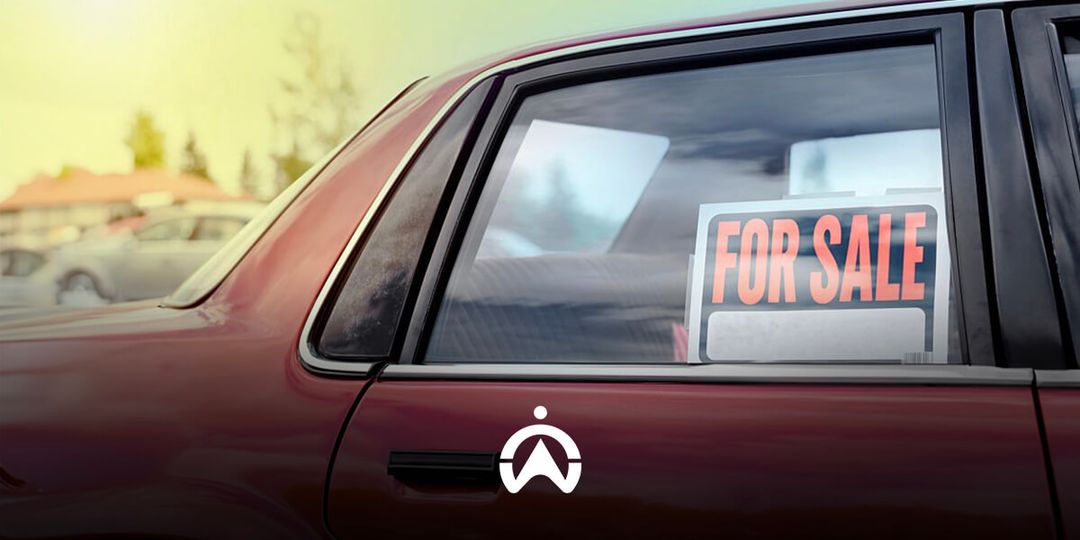
Buying a car can be quite stressful, especially when it’s your first. You don’t know what to expect, and all the advice you’re given might be overwhelming. For example, both age and mileage affect the depreciation rate, but which of the two matters the most?
No one wants a car that is always in need of repairs, so let’s have a look at what you need to know about used cars and how Cartrack can help make your experience better.
In this article, you will:
- Understand the difference between mileage and age
- Find out the best mileage for a used vehicle
- Learn the pros and cons of a used car
- Discover all other things you should consider when buying a used car
- See how Cartrack makes the aftermath of vehicle purchasing less worrisome
Car mileage vs age: Which is better?
An older car with lower mileage or a newer one that has travelled more kilometres? Let’s start with the meaning of both so we can better understand.
What is mileage?
There are two meanings to the word mileage:
- It refers to the number of kilometres a vehicle is going to run per litre of fuel.
- The number of kilometres the vehicle has covered in its lifetime. (Which is what we will be focusing on today).
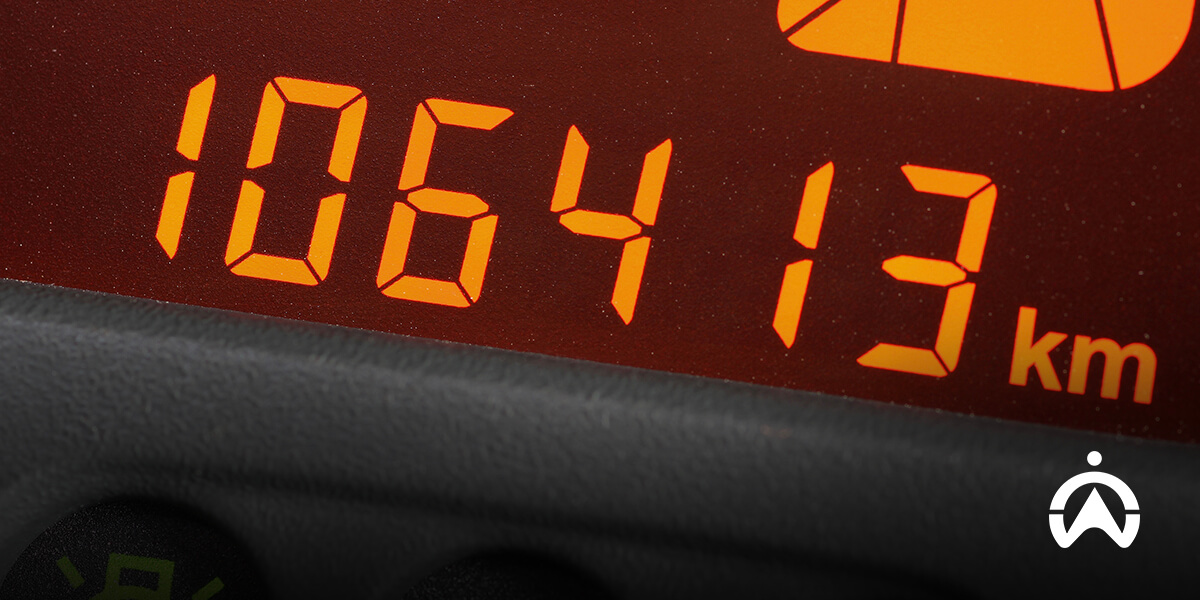
Mileage is visible on the dashboard and is an essential indicator of the vehicle’s condition, like the amount of wear and tear it has sustained over time. The more kilometres on a car, the more likely it has worn parts if they have not been replaced. However, lower mileage isn’t always better because, hey, aren’t cars made to be driven? This means that certain vehicle parts are designed to self-lubricate and stay functional while the car is on the move, so a car sitting in your garage for months won’t help either, as it will deteriorate faster.
Does age matter? The importance of vehicle age
Well, yes…and no! The older the car, the more likely it is to have been driven. In most cases, when it comes to age, the newer, the better. What matters more is the mechanical condition of the vehicle; an older car that has been well taken care of will give you fewer problems than a new one that wasn’t cared for. However, modern-day safety, fuel efficiency and connectivity features may not be available.
An older car’s warranty coverage may also be expired or limited, leaving you, as a buyer, responsible for repair costs. When it comes to financing, some banks do not finance a vehicle older than five years, which can leave you in a purchasing pickle.
The best age vs the best mileage for used cars
So, what is the estimate for a good age or a good mileage?
- A reasonably good mileage on a used car should be about 15,000 km—20,000 km per year. For example, a three-year-old car should have used around 45,000 km to 65,000 km, and a five-year-old should have used around 75,000 km to 100,000 km. Anything beyond that is considered high mileage.
- A good age for a used car is between 2 and 5 years because, by that time, the steep part of the depreciation curve has passed while the vehicle can still be considered fairly new.
Does a good mileage depend on the vehicle’s make?
Motorway suggests that good mileage depends on the vehicle’s make, model and maintenance history and that the general rule of thumb is to look for mileage under 12,000 miles a year (19312,128 km) for a petrol car and approximately 10,000 miles (16093,44 km) for diesel vehicles.
Beyond mileage: Additional factors to consider
Mileage and age aren’t the only things you should consider when buying a used car; here are some other factors that are just as important and will help round up your final choice:
- Service Records
Think of these as medical records for a car. Service records give you a history of the car’s health. They should give you information on the previous owner if the car were taken in for routine maintenance and repair records, which show you what repairs were performed on the vehicle; the records should also have dates. If this information is missing, then it could indicate vehicle tampering or fraud.
- Pre-purchase Inspection
Get a trusted mechanic to tag along with you to inspect the vehicle you’re interested in. There are a lot of things that you might not notice that a mechanic will do, such as repairs done but not mentioned to you. This will also confirm that you’re not being ripped off and that the car history given to you is correct.
- Value for money
The vehicle you buy should make you happy and fulfil its purpose, so you must do your research. TransUnion’s monthly Auto Guide lists vehicles in alphabetical order in terms of their original retail price compared to how the value has depreciated. This helps you ensure that you’re not being ripped off by buying a vehicle that is way above book value.
- Finance
Interest rates for used vehicles are usually higher than those of brand-new ones. Some banks have an age and mileage limit for vehicles they are willing to finance. Prepare your deposit, have your documents ready, make sure your credit score is still in good condition and most importantly, make sure you can truly afford the overall monthly costs of the vehicle, as purchasing a vehicle is not only about the instalment.
- Warranty coverage
Do you know the difference between a warranty, an extended motor warranty, a service plan or a maintenance plan? According to Subaru Africa, a warranty covers defects in materials or workmanship, and a maintenance plan covers the cost of routine maintenance tasks. A service plan, however, covers regular maintenance tasks, while a maintenance plan can cover both routine maintenance and more significant repairs and replacements. An extended motor warranty can be purchased once the manufacturer’s warranty has reached the end of its life plan.
A warranty typically covers mechanical breakdowns such as the transmission system, engine, fuel and ignition system, steering, cooling system, and suspension. A service plan covers the costs of scheduled services at approved dealerships. Then, a maintenance plan covers almost everything, including wear-and-tear items such as tyres, clutchplate and brake pads. A maintenance plan is highly recommended for a young vehicle with high mileage. - Previous driving conditions
A vehicle that was mostly driven in the city may have a higher mileage but be in better condition than one mostly driven on the highway. The city is always busy, and most of the time, commuters are in heavy, slow-moving traffic. The stop-start driving, speed bumps, and potholes result in wear and tear, while the constant braking and acceleration will negatively impact fuel efficiency. The vehicle’s service records should include all of this information.
- Reputation of the dealership
Some dealerships are shady and just outright scam people. Make sure you check online reviews of the dealership and see what other people are saying about it on social media. The Retail Motor Industry of South Africa can give you information on local car dealerships that are members of the National Automobile Dealers Association (NADA).
- Verify that it is not a stolen vehicle
Whether you are buying the vehicle privately, which sometimes is cheaper, or at a dealership, it’s important that you know where the vehicle comes from and ensure that it is not stolen. You can see the status of a car through its Vehicle Identification Number (VIN), which can be found on a copy of the National Traffic Information System(NaTIS), otherwise known as a vehicle registration certificate. The VIN is also visible on various locations inside the car like the lower left side of the dashboard or the front of a car frame, near the windshield wash container.
- Accident history
You need to know how many times the vehicle was involved in an accident and where the repairs were done. With this information, you can then inspect the quality of the repair and make an informed decision based on that. In an article written by TimesLive, TransUnion Africa auto information solutions division sales manager Hennie Strydom told the news outlet that customers need to give consent to dealerships purchasing their vehicles for their information to be accessed. A vehicle with no information on accident history should be marked as a red flag, as the previous owner might be hiding something.

Pros and cons of buying a used car
Here are several advantages and disadvantages of buying a used car:
| Pros | Cons |
|---|---|
| Lower price | Higher interest rate |
| Depreciates slower than a new car | If on a finance plan, the value depreciates while you’re still paying |
| More choices available/vehicle make variations | Potential issues/wear and tear and a lot of unknowns |
| Lower upfront price and negotiable | The vehicle might not be worth the price |
3 things that will enhance your purchase experience
Here are a few more essentials you should put into mind so you can be more at ease after making your big purchase:
- Insurance: The insurance premium of a used car isn’t always cheaper than that of a new one. This is because the vehicle might no longer be manufactured, making it difficult to outsource vehicle parts and therefore increasing the cost of repairs and replacements. Another thing you need to know is that insurance premiums are mostly based on risk factors such as the driver’s age, experience, location and how often you’re on the road.
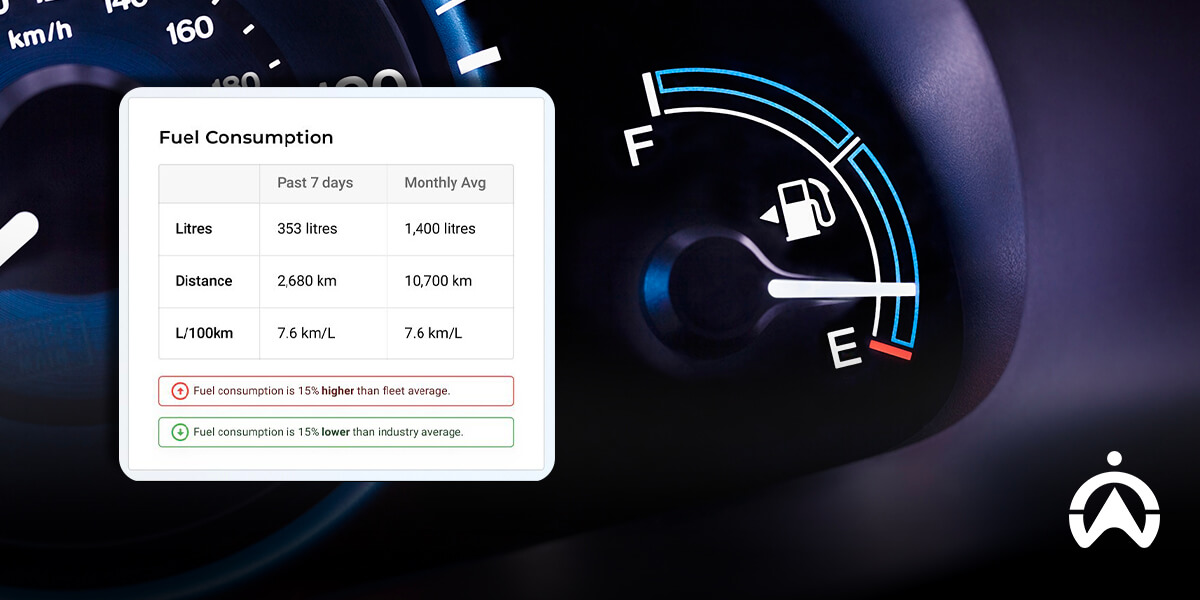
- Fuel efficiency: Fuel prices are always on the rise, and if this vehicle is for everyday use, you will definitely spend a lot on it. Getting an estimate of how much fuel the vehicle will need monthly will prevent you from exceeding your budget. Fuel-efficient driving habits will also come in handy, as they not only save you money but the planet, too.
- Vehicle tracking unit: After purchasing your vehicle, you need to make sure that it is protected. You didn’t spend all that money just for the car to “disappear”. A GPS tracking unit is a must for all vehicles. This also may lower your insurance premiums, which is another bonus.
Ultimately, it all depends on your budget, intended use and preference. Once that is out of the way, Cartrack is here to give your vehicle the security it needs.
Boost the safety of your pre-loved vehicle with Cartrack Namibia
Your new car needs to be watched over so you can get the most out of it. Here are some of Cartrack’s features that will get rid of all your worries:
Stolen Vehicle Recovery:
Cartrack has a 90% recovery rate, so with us, you can rest assured that should your precious pre-loved vehicle go missing, we will find it. In the unfortunate event that your vehicle is not found, you can claim up to a R150 000 cashback limited recovery warranty (Ts & Cs apply).
Carwatch:
Our Carwatch feature gives you an alert every time your car moves without your permission so you can have one less thing to worry about while running your errands.
Cartrack Insurance:
So you finally chose which vehicle you want and are not sure which insurance to go for? We’re here to help. Cartrack Insurance gives you the best quotes based on your needs and budget.
Protector:
You might never know the full history of your second-hand vehicle. Breakdowns can happen at any time, but with Cartrack’s Protector, you’ll get 24-hour access to emergency roadside assistance, so you won’t have to wait too long.
Purchasing a vehicle for business use needs measures put in place to save fuel and maintenance costs. Here’s how we can help:
- Mifleet
Get an easy-to-use cost management tool to help you monitor company expenses such as tolls, fuel, fines, tyres and maintenance. With this, you also can detect suspicious activity such as possible fuel theft and fraud.
- Preventative maintenance
A newly purchased used vehicle needs to be well maintained to avoid unexpected breakdowns and accidents. Cartrack’s preventative maintenance feature alerts you of engine faults, such as worn brake pads or oil and water fluctuations, so you know which vehicle needs servicing.
- Driver monitoring
As mentioned before, the way a vehicle is driven will affect its longevity. Driving habits such as excessive idling and harsh braking contribute towards greater vehicle wear and tear, bringing about more maintenance costs and vehicle downtime. Cartrack has a driver monitoring system with vast solutions that will help you keep track of driver behaviour. Here are two examples:
- Advanced Driver Assistance Systems (ADAS)
Comprising camera-based sensors, intelligent algorithms, artificial intelligence, and machine learning. ADAS helps heighten driver awareness by giving real-time audible alerts whenever blind spots are detected. It also gives forward collision warning. This promotes safety on the road and helps prevent sudden braking.
- Driver scorecards
Ensure your vehicles are taken care of on the road with Cartrack’s driver scorecards. Drivers will get rated based on events such as speeding and harsh cornering, this will allow you to see who needs coaching plus you get access to reports which give you better insight on the issue.
- Route planning
Another way to save fuel, cut costs, increase productivity and get the most out of your fleet vehicles is to plan routes precisely. Cartrack’s route planning platform assists you in choosing the best order to complete tasks, helping you avoid unnecessary delays and ensuring your deliveries are made on time.
We protect all vehicles, old or new
Cartrack Namibia will help you take good care of your vehicle so you have one less this to worry about. Contact us today.
Here are some frequently asked questions regarding vehicle age and mileage
- What matters more, age or mileage?
This depends on your budget, preference, and intended use, but if a car has high mileage, the wear-and-tear could cause bigger problems than a well-maintained, low-mileage car. Not all cases are the same, but mileage is a bigger factor to consider than age.
- What is the best age and mileage to buy a used car?
The best mileage for a used car is 15,000 km per year.
- What mileage is good for a second-hand car?
A good mileage for a second-hand is about 15 000km – 20 000km per year.
- Is it advisable to buy a car with high mileage?
In most cases no, because most high-mileage vehicles come with wear-and-tear issues, but the service records should give you all the information you need to be sure.
High mileage or not, Cartrack Namibia is here to protect the choice you make. Contact us today.