Advanced Driving Lessons: Why Your Fleet Drivers Need More Than Just Lessons

Fleet management is all about maintaining safety. Without rules put in place, it could affect everything from the safe delivery of goods to the health of your vehicles and the well-being of your drivers.

To combat the rising risks associated with risky driving behaviour, fleet managers are looking towards advanced driving lessons for their fleet.

Let’s unpack how these lessons can impact driver safety.

In this article, you will:

  • See the importance of advanced driving lessons for fleet drivers
  • Understand the risks associated with risky driving behaviours
  • Learn about the benefits of advanced driving training
  • Discover how Cartrack solutions enhance driver safety
  • Get insights into frequently asked questions about advanced driving

Introduction to driver safety and risky driving behaviour

Sometimes, the pressure to meet deadlines and manage workloads can lead to a focus on efficiency over safety. This mindset might compel drivers to take risks and compromise their safety on the road, resulting in incidents.

It’s well known that unsafe driving habits cause most road accidents or incidents that might lead to fatalities or injuries to drivers and bystanders. According to The South African Road Traffic Management Corporation (RTMC), the country has more than 4,600 fatal crashes involving freight vehicles.

The risk of accidents is greater when the vehicles are big trucks that can do twice the damage as smaller commercial ones, and many businesses can’t bear the outcome of accidents or incidents caused by risky driving behaviour such as:

  • Increased operational costs due to accidents and vehicle downtime
    ‍
  • Additional expenses for renting vehicles to maintain operations
    ‍
  • Costs associated with vehicle maintenance, repairs, or vehicle replacements
    ‍
  • Medical expenses for injured drivers
    ‍
  • Higher insurance rates due to increased risk
    ‍
  • Potential property damage costs

Drivers’ behaviour on the road greatly impacts a business’s finances, reputation, and customer relationships. So, when signs of risky driving behaviour, such as speeding past road limits or vehicle set limits, harsh cornering, abrupt braking, frequent idling, or generally not using turn signals when changing lanes, start to show, fleet managers have to give their drivers the proper tools to ensure they stay safe on the road, complete trips without issues or incidents, deliver packages without damage, and ensure the vehicle they operate is treated with care.

Advanced driving lessons explained

Now that we’ve discussed why driver safety is needed, let’s get into the solution: driver training lessons that go beyond regular driver training.

These do a good job of reteaching drivers to not only drive from one place to another but to do it safely, following the rules of the road, driving within the set road and vehicle speed limit, using turn signals to switch lanes, not getting distracted and more.

Advanced driving lessons can take licensed drivers’ skills to the next level, teaching them safe, fuel-efficient practices such as:

1. Vehicle control: 

This means properly handling a vehicle while driving it. This skill is important when operating heavy goods vehicles that must be safely driven to ensure that other vehicles are not affected. This includes smooth acceleration, braking, and controlled steering.

2. Observation:

Avoid distractions and be aware of your surroundings while driving. This includes anticipating risks, being aware of other vehicles on the road, monitoring traffic conditions, and identifying escape routes in case of emergencies like attempted hijackings.

3. Managing speeding: 

Drivers learn to adjust speed accordingly based on the vehicle type. road conditions and traffic, so there’s no strain on the vehicle or sudden speeding. Most fleet trucks or vans come with a set vehicle speeding limit that drivers have to obey. Advanced driving lessons assist in getting used to constantly driving at 60 km/h or 80 km/h.

4. Space awareness:

Do you know your vehicle size and how much space it takes on the road? Drivers need to leave enough distance between their vehicles and those around them so they have enough reaction time to slow down or hit the brakes if an incident occurs. This helps with changing lanes, overtaking, turning at traffic stops and parking the vehicle.

‍
5. Fuel-efficient driving:
Practising safe driving habits like smooth acceleration, coasting, and minimal idling to reduce fuel consumption. This not only assists in making fuel last and improving fuel consumption rates, but it also keeps the vehicle healthy and less prone to vehicle breakdowns.

After these skills have been practised and theoretically tested, successful drivers receive a badge of honour in the form of a certificate as proof of their advanced driving knowledge and commitment to safety. Drivers can present their certificate to their insurance company and potentially reduce their premiums.
‍

What makes advanced driving courses different?‍

The difference is in the details. Advanced driving courses provide a better understanding of your vehicle, how to handle it in various situations, and how to prioritise safety on the road.

It teaches drivers skills that aren’t normally taught. Besides considering efficient driving and safety, there’s also information on how to properly operate vehicles in different weather conditions, like driving in heavy rain with slippery roads or on foggy mornings with less visibility, and in emergency situations like reacting to the vehicle ahead suddenly braking at a high speed.

It’s a more practical approach to driver safety than one based on encouragement and incentives.

Going beyond your advanced driving lessons to promote safety and save lives with Cartrack 

After your drivers have taken advanced driver lessons, you need a fleet management platform to ensure driver safety and further manage their progress. Look no further than Cartrack, an industry-leading fleet management and vehicle safety company that thrives on improving driver safety and optimising operations.
‍

Here’s how our features can help you:
‍
1. Advanced driver assistance systems (ADAS) + Smart Cameras with In-Cabin Audio
Our advanced cameras show a clear view of the driver’s behaviour, recording events such as distracted driving, yawning, driving while using a mobile device, and more, while offering two-way communication directly to the cabin to advise on correcting driving behaviour for real-time management to improve driver safety.
‍

2. Driver Scorecards + Risk Report
Our scorecards provide a clear and concise overview of each driver’s driving performance
. This, coupled with our risk reports that indicate risky driving behaviour such as harsh speeding, cornering and braking, shows areas of improvement that managers can improve in advanced driver training.

Cartrack is there when the unexpected happens

Cartrack Solutions doesn’t only manage vehicles and safeguard them against threats; we protect them as well as the drivers inside.
‍

Take a moment and watch Zothile Ngcobo’s heartfelt story about how Cartrack saved her life after her vehicle was involved in a terrible accident due to a collision with a truck.


Take your fleet’s driving skills to the next level

Cartrack technology can enhance and simplify driver safety and the learning experience by providing real-time feedback to both managers and drivers. Our solutions help managers efficiently monitor and analyse driving behaviour, providing real-time insights to improve performance and save lives.
‍

For safer, more confident driving on any road, contact Cartrack Namibia and receive a free quote from our team.

Advanced driving lessons FAQs

We’ve provided a lot of information for managers and fleet owners, but what about the drivers? As a driver, you may have some questions about advanced driving lessons and how they can affect you. Read on for answers to your burning questions.

Q1. What is the difference between advanced driving and defensive driving?‍

Advanced driving refers to driving focused on safety and proficiency. It emphasises proactive techniques to anticipate and properly respond to potential road incidents.

Defensive driving focuses more on driving, particularly on minimising the risk of accidents. Drivers anticipate the movements of the vehicles around them. They practise maintaining safe distances and being prepared to react to any potential hazards that might occur.

So what’s the difference?

Q2. What are the benefits of advanced driving?

Driving with safety in mind improves overall driving skills, enhances vehicle control, reduces risks, saves costs and increases road condition awareness.

Advanced driving also emphasises eco-friendly driving practices that save on fuel, reduce wear and tear, decrease vehicle maintenance needs and costs and might potentially lower insurance premiums as well.

Q3. Do you get a certificate for advanced driving?

This depends on where your drivers received the advanced driving lessons, but reputable groups, such as BMW Driving Experience and Toyota Advanced Driving Academy, do provide a certificate upon completion of the program

Q4. How many lessons does the average driver need?

This depends on the driver’s skill level and experience, but around 5-10 lessons might get the job done. However, bear in mind that you need to complete the whole course to be eligible for the advanced driving certificate they award upon completion.
‍

Reach peak safety with the help of Cartrack fleet management solutions. Use our safety features as your tools to elevate your driver’s skills, sharpen their reflexes, and master advanced driving in training.

Visit www.www.cartrack.com.na today.
Vehicle Tracking at Its Best 24/7 – The Complete Solution

Whether your vehicles are used in your business to transport materials, perform in-field services, or are mostly used for personal trips and daily commutes, you want to ensure they are always protected no matter what they are used for.

Just like all roads lead to Rome, all advanced safety and fleet management methods will lead you back to vehicle tracking. So, let’s take a deep dive to see exactly how this essential technology works.

In this article, you will:

  • Discover the importance of advanced vehicle tracking for businesses and individuals
  • Understand the technology behind vehicle tracking
  • Learn why vehicle tracking services are essential for businesses
  • Find out how Cartrack stands out in the vehicle tracking industry
  • Read a case study of how Cartrack’s technology benefited a business

Advanced vehicle tracking: A must-have for businesses and individuals alike

Various industries use vehicle tracking tools to track their vehicles’ locations while on the road. From hospitals monitoring their ambulances to security companies tracking their patrol vehicles, This tiny device plays a big part in ensuring schedules are followed, vehicles are safeguarded, tasks are completed, drivers’ work hours are tracked and more.

Private vehicle owners will also be happy to know that GPS technology is not reserved just for businesses and their fleets but has some solid pros for them as well.

While businesses use this technology more extensively to better their fleet and streamline operations, everyday drivers use vehicle tracking more to always know their vehicle’s whereabouts, to keep their loved ones safe and to have peace of mind regarding their vehicle safety.

‍The technology behind vehicle tracking

Like many connectivity IoT gadgets we use, including smartphones and connected cars, vehicle tracking technology is powered by telematics technology, a global positioning system (GPS), a cellular network or radio frequency signals, and ground stations to work and track assets, vehicles and people in real time.

Use GPS’s network of satellites orbiting the earth to determine the positioning of receivers like tracking units and pinpoint the exact geolocation of your assets.

In conjunction with telematics technology, you can receive in-depth information such as:

  • Distance travelled
    ‍
  • Trip history
    ‍
  • Travelling speed
    ‍
  • Mileage
    ‍
  • Vehicle status
    ‍
  • Date and time
    ‍

This data is transmitted using a cellular or wireless network to a cloud-based platform, where the end-user (fleet manager, business owner or everyday driver) can access it on any communication device (mobile phone, tablet or laptop) by visiting a website or installing an app.


Why your business needs vehicle tracking services in Namibia

Let’s face it: Losing one of your vehicles or machinery due to theft or asset downtime is a big blow to your operations and costs. As vehicle theft is a big concern in Namibia, business owners have to consider the safety of their mobile assets and invest in solutions that safeguard them before it’s too late.

A tracking service gives fleet managers the peace of mind they need to boost operations, streamline fleet management, enhance fleet management and more.
‍

Here are some reasons why your business needs vehicle tracking that you can’t ignore.
‍

1. Security and theft prevention

As vehicle theft is one of the top challenges for businesses in South Africa, vehicle tracking technology and stolen vehicle recovery services are features that might be very enticing for businesses. Vehicle tracking services provide an added security measure by allowing for quick recovery in case of theft.
‍

Unfortunately, if you find your vehicles are not where you last parked them, the ability to track them might not be enough. Fleet owners need proactive steps like tracking and recovery services for their assets.
‍

In the long run, a stolen vehicle might cost the business more than buying a new vehicle, with:

  • Increased insurance premiums
    ‍
  • Lost profits due to unavailable vehicles
    ‍
  • Cost of purchasing a new vehicle
    ‍
  • Cost of renting another vehicle to take over activities of stolen vehicle

2. Fleet management

Vehicle tracking makes managing a fleet that much easier. By knowing the location of their mobile assets, managers can monitor vehicle usage, monitor driver behaviour, efficiently optimise routes and reduce travel time for better fuel efficiency.

This is a huge benefit for fleets that operate in logistics. With vehicle tracking, they can reroute deliveries based on traffic conditions or other obstructions and keep to the schedule, ensuring no lost time due to delays and upholding timely deliveries.

3. Improved driver safety

Driver safety and well-being are also top concerns. Vehicle tracking systems can monitor driving patterns and behaviours, informing managers of issues that require monitoring, such as speeding, abrupt acceleration after a complete stop, sudden hard braking and harsh cornering.

Managers can focus their driver training on these areas of concern and reduce the risk of accidents, ensuring the safety of their drivers and other motorists on the road. This can be most useful for fleets that spend most of their time on the road, such as transportation companies, promoting a culture of safety within the fleet.

4. Reduced insurance premiums

Besides the added safety these devices come with, insurance companies use them to offer motorists and businesses enticing incentives.
‍

Insurance companies offer lower premiums to individual drivers and businesses who have vehicle tracking devices installed on their vehicles as it shows a proactive approach to risk management and a commitment to keeping their vehicle safe as they offer a higher chance of recovery if it is ever stolen, which is good news for them as they won’t have to pay out.

5. Increased productivity

Without checking on the whereabouts of your fleet, you have more time to focus on other aspects of fleet management, enhancing overall productivity. Real-time updates on fleet location allow for more precise scheduling and quicker response times to customers.

For a courier company to be able to give you ETAs on your scheduled deliveries, they need vehicle tracking technology showing vehicle location, travel speed and distance. This allows them to update delivery status to the T and efficiently manage customer expectations, ensuring satisfied service.

6. Increased visibility

No more overusing some vehicles while others are left being underused. Vehicle tracking enhances fleet visibility and provides better control and management over your fleet’s activities. This allows for informed decision-making, balanced vehicle usage across your fleet, and updated maintenance needs.
‍
A company such as a rental business can use this feature to stay on track with their vehicle usage to prevent misuse and ensure timely returns and healthy vehicles to get leased out.

7. Compliance

Being informed of vehicle usage, vehicle health, and driver working hours helps the business comply with Namibia transportation regulations and avoid penalties or fines.
‍

One missed maintenance appointment can leave a vehicle vulnerable to potential breakdowns or accidents or even render it unroadworthy. Without keeping track of working hours, you could overwork your drivers for a few hours. Both of these would render you non-compliant with set rules and regulations. Vehicle tracking can save you from these scenarios and costly fines that can accumulate.

There is more to vehicle tracking than meets the eye. Incorporating vehicle tracking services into your operations can greatly streamline your fleet, enhance efficiency and provide cost savings, making them a jack-of-all-trades (and master of all) technology that is invaluable for any business with a fleet.

Discover the power of Cartrack’s versatile technology by learning more about our smart fleet management solutions


Beyond vehicle tracking: What other features make this technology the complete solution for fleet management?

Simply being able to view the live status and location of your vehicles in real time is a huge win, but that’s not where it ends. The technology has evolved over the years to now offer business and fleet owners much more bang for their buck.
‍

Now, fleet managers have the technology to see not only their vehicles’ whereabouts but also their fuel consumption rates, maintenance needs, safety and overall vehicle health and performance.

  1. Fuel management

While vehicle tracking can inform you of how much fuel is being consumed per trip, Cartrack and its fleet management solutions can take it a bit further by providing real-time fuel readings with their fuel sensors and mileage with CANBus integration.
‍

Combined with our MiFleet cost management tool, you can track your fleet’s fuel consumption rate, ensure early fuel fraud detection, and better manage how much your fleet spends on fuel by matching fuel slips with fill-up locations, timestamps, and fuel card transactions.
‍

All this helps you get a clearer picture of your fleet’s fuel economy and budget.

  1. Route planning and optimisation

If your fleet is always swamped with orders or scheduled deliveries to multiple places around the city and they waste time and fuel struggling to get to every location on time, then Cartrack Delivery can assist.
‍

This task management tool makes it easier to manage your field service or delivery operations accordingly. Plan your fleet’s routes and efficiently order jobs to streamline each driver’s shift.  Ensure your drivers follow protocol with a digital quality control checklist that includes a customer signature as proof of job completion. These tools combined help reduce travel time and fuel consumption while increasing customer satisfaction.

  1. Driver behaviour monitoring

Monitor your driver’s actions and driving habits on the road and encourage safe, fuel-efficient driving habits. With vehicle tracking and Cartrack, fleet managers can use trip reports to see how often their drivers practise risky driving behaviour such as harsh cornering, braking, speeding or excessive RPMs and use the driver-specific data for more effective coaching.

  1. Fleet maintenance scheduling

Running a fleet, you can easily lose track of which of your vehicles need service, which needs small repairs and which parts need to be replaced. Vehicle tracking can provide automated reminders for regular maintenance for all your vehicles.
‍

For a more hands-on approach, you can use Cartrack’s preventive maintenance and start regularly performing maintenance checks to detect and stop issues early before they grow, become costly and cause breakdowns that lead to vehicle downtime.
‍

Every essential feature a manager needs to run their fleet, all in one Cartrack platform efficiently.


Cartrack: The complete vehicle tracking solution in Namibia

There seem to be as many vehicle tracking companies as there are vehicles. Motorists are spoiled for choice when it comes to companies that can provide this service. How does Cartrack stand out?

Cartrack is a leading provider of vehicle tracking technology and fleet management solutions. We boast an impressive over 90% stolen vehicle recovery rate, one of the highest in South Africa, and we are voted the most trusted vehicle tracing company on HelloPeter.

Cartrack provides more than just your vehicle’s location. We have various fleet management solutions that use vehicle tracking data to assist in improving and optimising any fleet.

Individual motorists are also catered to with premium vehicle safety features and service to ensure their four-wheeled prized possession is always safe whether parked in the garage or the side of the road:

  • 24/7 control room assistance
    ‍
  • Skilled on-the-ground and air recovery agents
    ‍
  • CarWatch
    ‍
  • GeoFence

The Salt Block & Deli case use of Cartrack’s vehicle tracking technology

The Salt Block & Deli and Baron’s Meat Co. specialise in transporting fresh meat and produce to their clients, for that to be possible, they need trusted vehicle tracking for their fleet.
‍
With Cartrack’s vehicle tracking and route optimisation solutions through Delivery, The Salt Block & Deli achieved on-time delivery and enhanced overall productivity


“[With Cartrack] we can plan our routes, and when we go back and look at the history, we can see exactly how long it took from one area to the next,”

Leriche Beneke, CEO of The Salt Block & Deli and the Baron’s Meat Co.

Take control with 24/7 vehicle tracking solutions

Experience premium vehicle tracking at an affordable price and enjoy peace of mind over the safety of your vehicle(s). We offer free vehicle tracking device installation, no matter the number of vehicles, and we come to you for your convenience.

‍Contact Cartrack Namibia and start today.

How Can I Improve Communication Between Drivers and Dispatchers With Fleet Technology?

A lack of communication in trucking can cause safety issues within fleets, decreased visibility in task management, and slower response or knowledge to accidents, breakdowns or incidents in the workplace.

Lucky for managers and dispatchers everywhere, the solution to a lack of communication is simply to start communicating, sounds simple, right? With an open line of communication, fleet technology, and Cartrack solutions, having these hard conversations will be a bit easier for everyone.

Let’s start talking about communication

In this article, you will:

  • Understand why communication in trucking is important
  • Explore the relationship between dispatchers and drivers
  • Get tips for improving communication in your fleet
  • Discover how Cartrack solutions can assist with communications
  • Learn about the 5 signs that indicate that your team is struggling with communication

Communication in trucking

Communication is one of the key methods to portray one’s needs, actions, and thoughts to the next and understand the same from someone else. When it comes to fleet management, communication is vital, it plays a vital role in ensuring everyone is on the same page and building trust the more it’s practiced.

In trucking communication is a two-way street, dispatchers communicate effectively with drivers to ensure they are working according to schedule and understand their challenges, and drivers communicate back with their task progression updates or setbacks, creating a better workflow for the team.

Everything depends on clear communication between the two as with communication, managers can react timely to any situation their fleet faces, and without it, communication channels can break within the business and deter managers from following through with their responsibilities.

What is the relationship between dispatchers and drivers?

One of the most important relationships in trucking is between dispatchers and drivers, but due to driver shortage, high driver turnover, and other issues, this relationship is often strained because of a lack of cultivation.

Dispatchers are no longer previous drivers that worked up the ranks, now most are fresh recruits to the company, without previous dispatching work history or knowledge of the challenges and hurdles faced by drivers.

Before, dispatchers would be in the field or out on the road with their drivers, nowadays, most dispatchers are in a cubicle overseeing their team only through calls or management tools.

This has fostered an even worse connection between the two groups, but fortunately, there’s a solution; for a fleet to overcome this challenge, they need to invest in a little communication and fleet management software.

The role and responsibilities of a dispatcher 

Without a dispatcher, fleets often run wild without a plan or direction. A dispatcher brings organisation and direction to drivers and technicians in the field by overseeing deliveries, pickups, in-field services teams, managing asset usage and generally making sure everything is running smoothly and on time.

All their responsibilities can fall into two categories: logistics management and people management.

Let me explain.

Logistics management

This is where dispatchers manage the supply chain, workflow, and the progression of tasks. Coordinating people, vehicles and even equipment, dispatchers lead all these moving parts toward completing their goals, may that be completing tasks, deliveries, or service requests.

A dispatcher’s responsibilities in logistics management:

  • Scheduling deliveries, pickups and other appointments such as scheduling vehicle tracking unit installations for technicians and clients.
    ‍
  • Ensuring the fleet is being compliance and following regulations in terms of driving hours, driving behaviour, the number of breaks taken, etc
    ‍
  • Incident management
  • Oversee work orders, fuel management and fleet maintenance needs
    ‍
  • Route planning for workflow efficiency

People management

This is the side of their responsibilities where clear and concise communication is needed and their communication skills are mostly used. Dispatchers oversee and assist workers such as drivers and technicians to reach their goals.

A dispatcher’s responsibilities in people management:

  • Onboarding new drivers and technicians
    ‍
  • Assist workers with challenges affecting their work
    ‍
  • Communicate with managers when workers aren’t following guidelines, need additional training, or are facing struggles.
    ‍
  • Offer customer support, including managing customer’s expectations when it comes to delivery

Depending on the business and the industry it operates in, these responsibilities may change. With all the people dispatchers have to guide within the business, can you see why communication is so critical to their role?


Tips for improving communication

To effectively communicate and collaborate, both parties will need to listen to one another as well as speak.

Actively listening is as important as speaking when it comes to communication because it allows the change in dialogue to be more than just providing answers but also understanding different points of view and perspectives.

Food for thought:

As a dispatcher, how can you assist your team if you don’t listen to their grievances?

Effective communication between dispatchers and drivers starts with these tips:

‍1. Clear and concise communication

Encourage drivers to communicate any issues they may face during their trips or tasks and dispatch should follow suit by also practising regular communication with the team regarding any updates to tasks that affect their work. This avoids misunderstanding, delays, or leaving one side in the dark weather which may be the drivers or the dispatchers.

2. Regular check-ins

Communicate feedback, new developments, strategies or challenges through face-to-face check-ins or regular meetings. Frequent catch-up sessions can foster trust, improve collaboration, and strengthen teamwork within the fleet.

3. Real-time updates

Communicate important information such as job assignments, route changes, route changes, and more as soon as they occur. This helps drivers make informed decisions and effectively plan their time accordingly.

4. Training and support

Offer training for both dispatchers and drivers to improve their communication skills and strengthen the relationship between the two.

5. Leverage technology

Trying to effectively communicate with every single driver in your fleet can be a hard task sometimes, especially if you have a large fleet. This is where fleet technology and Cartrack solutions can swiftly facilitate communication. Modern fleet management solutions encourage healthy and constant manager-driver relationships

How can fleet management software and Cartrack positively impact the role of dispatching?

Cartrack’s fleet management solutions are trusted methods used to improve fleet efficiency by tackling managing different fleet aspects like compliance, safety, fuel, fleet cost and of course, communication.

Here are a few ways Cartrack can reduce confusion between these two parties and strengthen communication with their features.

‍Receive live location updates with GPS vehicle tracking

A lack of communication can decrease fleet visibility and can cause delays, through real-time Vehicle Tracking, dispatchers get live location updates of where all their vehicles are, get vehicle diagnostics and immediately know if they are on schedule or assess risks and perform incident management if drivers need any assistance due to accident or breakdown.

Reduce confusion with route optimisation

Manual route planning can be very time-consuming and prone to human errors. Cartrack uses Route Planning to plan the most efficient routes to take that reduce fuel consumption and travel time. There are also off-route alerts sent to managers to be aware of drivers taking routes that are alternative to the predefined ones.

Improve driver safety with alerts, reports, and automated updates

Dispatchers and managers can prioritise their driver’s safety and ensure compliance through Driver Scorecards and risk reports. Receive instant alerts and automated updates for driver behaviour such as harsh braking, cornering or speeding and use Driver Scorecards to communicate the need for training or improving skills.

Enhance two-way communication

Most fleet management software offers real-time communication through instant messaging features. Cartrack offers a smart camera solution with in-cabin two-way audio communication and Delivery, our smart task management feature that allows dispatchers to update their drivers in real time and vice-versa.

With these two, dispatchers can use Delivery to update routes and deliver instructions, and use Smart Cameras to alert drivers of risky behaviour so they can swiftly correct them, while drivers can verbally communicate back through in-cabin Smart Cameras if asked about any driver behaviour events.

Here’s a case study of how Diag used Delivery to achieve efficient communication within their team.

Diag is a Vietnamese medical laboratory that needed assistance with tracking their vehicles and providing fast delivery of human blood testing packages, samples and health kits to customers.

Because of the time-sensitive materials being transported, Diag used Cartrack Delivery for smart dispatching and simplifying task allocation to ensure speedy delivery of materials while they were still in pristine condition.

“Delivery enabled Diag to scale their business by over 1,200%, whilst decreasing their logistics admin costs in half,” said Diag.

By using these best practices and Cartrack features, dispatchers can maintain effective and efficient communication with drivers, ensuring smooth and safe fleet operations.


Five signs that your business needs to improve communication with dispatch‍

When two parties fail to exchange information effectively when they need to, it often leads to decreased productivity, missed project deadlines, and unexecuted sales. It’s sometimes hard to pinpoint the source of rising challenges solely on poor communication as it affects different departments within the business.

Here’s a list of outcomes that can occur because of poor communication:

1. Frequent miscommunication

If you start seeing signs of communication holes between dispatchers and drivers such as delivery information not being specified or drivers failing to update their managers of changed plans or events that occurred that affect their ability to complete their tasks then you might have a communication problem on your hands. All vital information has to be communicated beforehand to ensure operations run smoothly without a hitch for both groups.

2. Lack of real-time updated

If dispatchers struggle to account for the tasks or activities of their drivers daily, then this can be a sure sign of a lack of communication. Real-time updates on assessments, delivery status or other information should be communicated to track performance, and vehicle usage or to manage customer expectations on delivery schedules.

Without the information, dispatchers might not be able to account for schedule delays or communicate to customers about the whereabouts of cargo which can impact customer satisfaction.

3. Declining driver safety 

Preserving safety is a top priority that is enforced, monitored, and regularly reported with the help of incident management methods. Without communication, or following measures put in place for certain incidents in fleets, safety standards can decrease and safety measures can become less followed, putting drivers and other motorists at risk while on the road as well as workers in the workplace.

4. Decreased productivity

Lack of communication leads to inefficiencies in completing tasks. When activities during working hours aren’t noted and followed up on, it leaves room for waste of time, human error in paperwork, or reduced customer satisfaction.

5. Poor relationship between dispatcher and driver

Often enough, a lack of communication between dispatchers and drivers is due to a lack of trust or collaboration between the two. Drivers are less inclined to voice their challenges or struggles to managers they are not familiar with. This can lead to strained relationships and not following orders.

If your team struggles with the listed signs of lack of communication then it’s time to contact Cartrack. Cartrack has the solutions you need to improve and prioritise communication throughout your fleet and actively enhance fleet efficiency.

Visit our website www.www.cartrack.com.na today.
Driver ID Tags: Be in Complete Control of Your Drivers and Your Fleet

Keeping up with who’s driving which vehicle can be quite the challenge, especially for a large fleet. Drivers sometimes forget to manually sign in for the vehicle they’ve used on that day, and if anything happens, you might not know who did it, which is why driver identification plays a crucial role in fleet management.

A driver ID tag simplifies the process and puts you in control of every vehicle. Cartrack specialises in automatic vehicle and driver identification, so let’s get into the nitty-gritty of driver ID tags.

In this article, you will:

  • Find out how DID tags work
  • Learn about three different types of Cartrack DID tags
  • Discover the 7 benefits of driver identification
  • See how DID tags form part of a driver monitoring system

Get to know driver identification tags – the what, why, and how 

A driver identification (DID) tag is a key-ring-sized tag that is used in conjunction with the ignition key. It serves as an extra layer of protection and makes it easier for you to know who is on duty, who is driving which car and for how long. Look at it as an access card for drivers. If the vehicle is used without a tag, it can be flagged as potential theft.  DID tags are essential for fleet management businesses in cold chain and logistics, the construction industry, and the transportation industry.

How do the tags work?

Driver ID tags use Radio-frequency identification (RFID) technology. This is a wireless communication that comprises three components: a reader, an antenna and a tag. The reader is connected to the antenna and transmits radio signals to the tag with added information. The tag also works in conjunction with GPS tracking technology to help monitor your drivers while on the road.

Cartrack’s advanced DID tag solutions

Introducing the three Cartrack driver identification features, specially tailored for your needs:
‍

1. Driver ID
This helps you automatically identify drivers and vehicles using the driver’s identification number. If something ever goes wrong, this tag will be very useful. Drivers can also be assigned two tags, one for work and another for personal use. You can pull out a tag report to keep track of who was driving which car and when.

2. Driver ID start prevent 

Eliminate unauthorised vehicle usage with Cartrack’s DID Start Prevent. With this, the tag assigned to the driver will be linked to the start inhibit, meaning the ignition will not go on unless there is a tag. This is ideal in industries such as mining and construction because there is equipment that needs to be protected and accounted for.

3. DID with configuration

This DID tag is configured for a specific vehicle to prevent others from using it. How is this any different from the rest? Well, let’s say you have some abnormal load trucks in your fleet. Not all drivers are qualified to drive trucks of that nature, so you need to control who gets access to them. It’s not easy to remember which driver has the correct license, but with a configured DID tag, you can ensure the tags only work on specific vehicle models. They are assigned to the drivers with licenses that qualify.


7 awesome benefits of a DID tag

These tags are made for your convenience and come with many benefits, such as:

  • Driver assignment control: Only authorised drivers will be allowed to use the vehicle. If the driver is not recognised, you will receive an alert.
  • Reduced admin and fraud: No time will be wasted manually recording who came to work and who didn’t, and handwritten timesheets become a thing of the past, eliminating fraudulent entries.
  • Driver accountability: Any careless driving will be quickly identifiable and tied to the correct driver; this will make it easier to conduct an investigation or correct the behaviour.
  • Route planning: This helps you ensure that drivers are using the most fuel-efficient routes through the information given in the reports.
  • Compliance: Driver ID tags help you monitor working hours through automated log reports so you can ensure drivers comply with working time limitations and get enough rest.
  • Less vehicle misuse: The driver can log the trip as business or private use, and because it works hand in hand with GPS technology, you will be able to see if that indeed was a scheduled trip. Furthermore, if drivers know they are being watched it limits the careless driving that leads to fuel wastage and road accidents.
  • Improves driver behaviour: Through driver reports, you will see where drivers need to improve, and that will gradually bring about a change in driving habits.

Enhance your driver identification game with Cartrack Namibia

Cartrack provides driver monitoring solutions that all work together for the safety of your fleet. Here are two other features that work hand-in-hand with our driver ID tags:

  • Driver Scorecards 
    Telematics makes everything possible. Our driver scorecards monitor any high-risk behaviour, such as speeding or harsh cornering. Each driver will get a rating, which will help you identify areas for improvement and provide the opportunity to coach the drivers to improve their driving habits.
    ‍
  • Driver Reports
    Get driver ID tag assignment reports that show drivers and the tags assigned to them. You can also access business, private or weekend trip reports which show you the start and end details of each trip, helping you keep track of driver working hours as well.
    ‍
  • Driver Coaching
    Enhance safety and reduce risks by training drivers based on reports. This also increases productivity and boosts savings due to fewer accidents, fuel-efficient driving techniques and reduced maintenance costs.
    ‍
  • Advanced Driver Assistance System (ADAS)
    ADAS uses camera-based sensors, intelligent algorithms, and AI technology to enhance driver awareness and, therefore, increase driver and vehicle safety. This system alerts drivers of blindspots and gives forward collision warnings.

Get to know your drivers better through Cartrack’s fleet management solutions

We make running a fleet less strenuous and help you build a reputable business while saving costs using innovative driver monitoring solutions such as the driver ID tag. Contact us today.

Any other questions? Well, let’s get you sorted.

Take a look at these frequently asked questions about DID tags.

  • Do driver ID tags monitor driver behaviour like speeding or harsh braking?
    Yes, driver ID tags assist managers in monitoring events such as harsh braking and speeding, making it easier for them to identify who was driving and allowing drivers to take accountability.
  • How can driver ID tags be used to incentivise safe driving habits? 
    Drivers can get ratings based on the frequency of harsh events, and those showing improvement by getting high ratings can get rewarded. This also helps increase driver buy-in.
    ‍
  • How easy are driver ID tags to install and use?
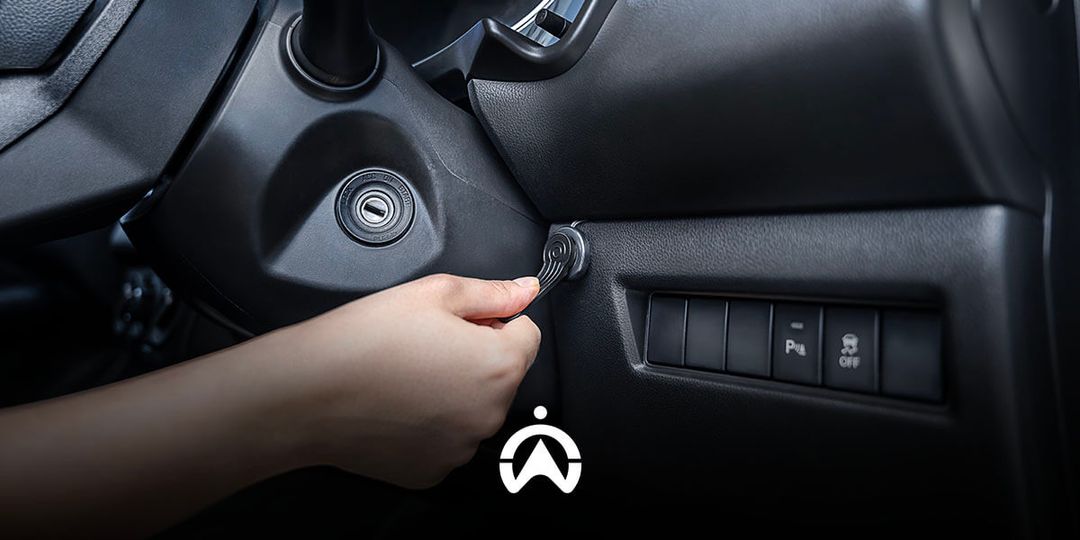
    The driver RFID reader is installed in the dashboard and connects to the GPS unit. When the driver enters the vehicle, he/she will touch their ID tag to the face of the reader. The installation process is simple, and drivers are quick to understand how to use it as it is straightforward.
    ‍
  • Can driver ID tags help improve fuel efficiency?
    Yes. Fleet managers will get reports on route deviations and fuel-draining habits such as harsh braking and cornering, allowing them to coach each individual on how to improve and, therefore, save fuel.

Get the visibility your business deserves with Cartrack’s DID tags

Don’t miss out on smart driver monitoring solutions. Contact Cartrack Namibia today!