Top 7 Ways to Boost Construction Fleet Efficiency
The seven top ways to boost your construction fleet’s efficiency include:
- Using telematics and GPS tracking to keep things in check.
- Keeping your vehicle maintenance up to date.
- Getting a fuel monitoring solution to manage your fuel better.
- Offering continuous training for your drivers.
- Planning better routes between sites.
- Right-sizing your fleet to match your needs.
- Regularly checking your key performance indicators.
Fleet efficiency is important to construction fleets, as it directly impacts project timelines, safety, and costs. Without a good strategy and the right technology, your business faces challenges like high fuel costs, downtime, and bad driving habits, which affect vehicle and equipment health.
According to Future Market Insights, companies are increasingly investing in AI-powered predictive analytics, IoT sensors, and mobile platforms to enhance fleet monitoring efficiency. To stay ahead of your competitors, you need an effective approach, and that’s why we’re here to give you the seven ways to improve your construction fleet operations.
7 Key strategies to improve construction fleet efficiency
The 7 key strategies to improving your construction fleet’s efficiency are:
- Investing in telematics and GPS tracking
- Regular maintenance
- Getting a fuel management system
- Driver training
- Route planning
- Fleet size optimisation
- Analysing KPIs
Together, these strategies help reduce costs, minimise downtime, and ensure your construction fleet is running at its best level.
Here’s a breakdown of each point:
1. Implement telematics and GPS tracking
Telematics resources have become essential in construction fleet management, as most companies now turn to making decisions based on data to increase operational efficiency. To stay on the same level or even ahead of your competitors, you also need to invest in telematics technology.
With telematics, you can monitor the location of your vehicles, equipment, machinery, and other tools. This helps prevent theft and makes it easier to locate your resources. You’ll also be able to see how productive your employees are, like whether the equipment is actually working or just idling most of the time.
2. Schedule regular maintenance
Your fleet is only as good as how well it’s maintained, and with telematics technology, you’ll be able to digitise maintenance-related tasks. To reduce unexpected downtime and enhance efficiency, make sure you utilise your fleet system’s maintenance features. Set reminders on your fleet platform of the manufacturer’s recommended service intervals. This way, you’ll know you’ll be able to schedule them for servicing well in advance and plan ahead for those days.
Through telematics, you’ll also receive early warnings of maintenance needs and identify potential mechanical failures before they occur. You must make use of this and sort out the issues before they cause breakdowns. This further reduces downtime, is safer, and increases vehicle lifespan.
3. Get a fuel management system
Make sure you add a fuel management system to your fleet software package so you can monitor usage per vehicle and equipment. A fuel management system consists of hardware and software tools that help you use fuel more efficiently and cut down costs. A fuel management system makes it easier for you to monitor fuel cards and can flag fraud. With tools like fuel level sensors, you can also quickly spot sudden drops in fuel tanks, which is a sign of theft or a leak.
4. Train drivers for efficiency
Drivers perform better when regularly trained. You must conduct regular training sessions to educate drivers on actions that affect things like fuel costs and vehicle health. Fleet operators must be trained on defensive driving, vehicle safety checks, equipment handling, road rules, and how to use fleet software. Better driver behaviour will help you improve on safety and compliance, reduce fleet running costs, and have fewer accidents.
5. Improve job and route planning between sites
Poor planning between depots, suppliers, and construction sites can lead to wasted time and fuel. You must get route optimisation software to help you plan stops better, so your vehicles can get there on time and get the job done as quickly as possible without compromising on service quality. By planning better routes, you also cut down on last-minute changes, which can throw off other jobs, lead to extra fuel use and add stress for drivers.
6. Optimise fleet size and equipment allocation
Right-sizing your fleet means ensuring that the number of vehicles and equipment you have matches your operational needs. It’s important that you evaluate the size of your fleet. You might find that your vehicles/equipment are overused and worn out because there aren’t enough. Or you might have more than what you need and just need to downsize and reallocate assets in order to save costs.
7. Monitor and analyse key performance metrics
Measuring your fleet’s performance requires you to regularly check important metrics like:
- Total Cost of Ownership (TCO)
- Fuel cost per route
- Vehicle utilisation rate
- Maintenance costs
- Downtime rate
- Driver behaviour
Regular analysis helps you identify inefficiencies, and it’s easy when you have fleet management software because it gives you a detailed analysis of various aspects of running a fleet.
Explore our fleet management solutions to take your construction fleet to the next level
Our fleet management solutions take your construction fleet to the next level by giving you detailed insight into your operations and protecting your assets. We give you solutions like GPS trackers, preventative maintenance alerts, and a fuel monitoring system. These solutions help you reduce expenses, improve productivity, and therefore be more efficient.
Live vehicle GPS tracking
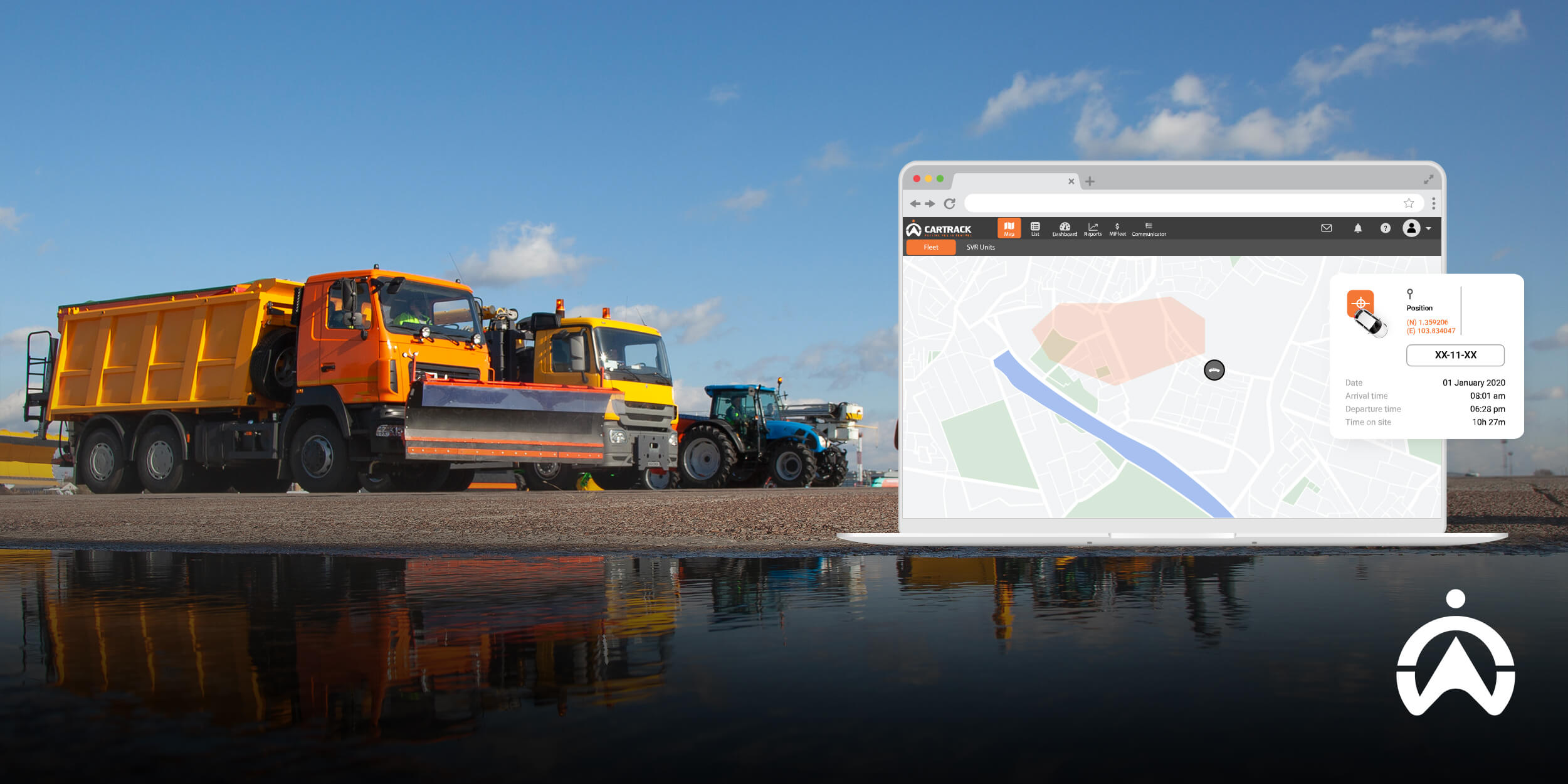
Always see where your vehicles and machinery are through our vehicle GPS trackers. This makes it difficult for your assets to go missing, and it ensures that you can see what drivers get up to and if they arrive on time.
Our GPS trackers have telematics capabilities, meaning you can also see when drivers are idling for too long or practising unsafe habits. You’ll get reports of these behaviours so you can quickly address your concerns.
Non-powered asset tracking
Some of your assets don’t have a power source and are therefore not compatible with the regular vehicle GPS tracking devices. For that, we’ve got non-powered asset trackers. These can be used to keep tabs on things like trailers, storage containers, and mobile toilets. Non-powered asset trackers help you safeguard your assets from possible theft. They also help you reduce the amount of time your staff will spend trying to locate on-site equipment.
We have three main kinds of non-powered asset trackers:
- Asset Tracker
- Track & Go
- TAG
Here’s how they work:
The Asset Tracker can be installed in non-powered assets like trailers solely for the purpose of locating them. They last up to four years and don’t need to be recharged. You’ll get up to two updates per day, perfect for assets that you don’t need constant checking.
The Track & Go is literally as the name suggests! It’s a portable magnetic tracking device that you can easily shift from one asset to another. It not only gives you location data, but also detailed telematics data to show you how the operators are handling it. It gives real-time updates and also requires some recharging every now and then. Perfect for tracking assets that you’ve rented, so you can remove them after finishing a project and take the assets back.
The TAG is another permanently installed device that gives you radius-based location data. This means you can draw a circle (called a radius) around any spot on a map and see where your asset is located within that area, perfect for tracking industrial equipment on a large site. It’s portable, doesn’t need any recharging, and it gives you frequent location updates, mostly in urban areas.
Geofencing
Our geofencing feature allows you to create virtual boundaries and get alerts when drivers enter or leave those areas. You can use this to ensure your vehicles or equipment don’t leave the construction site unless given permission. This feature can also be used to check whether the vehicles arrive on time at the various construction sites, and how long they take to get there.
Power Take-Off sensors
The Cartrack Power Take-Off sensors are IoT devices that monitor engine activity to help you see when your machinery is being used efficiently. Through this, you’ll be able to differentiate between productive and unproductive idling, helping you save fuel costs and improve operations.
Preventative maintenance
Our preventative maintenance solution gives you features that help you better maintain your vehicles and machinery. You can add the recommended service dates to our platform and get reminders when the time is near. This way, you won’t skip maintenance, which improves vehicle lifespan, and you can plan operations better with less unexpected disruptions.
Through our maintenance platform, you can also create digital vehicle inspection checklists for drivers to use before and after trips. The feedback from these checklists will help you see which vehicles have parts that are worn out and need to be repaired or replaced. This reduces the chances of disruptions due to unexpected breakdowns, ensuring smoother operations.
Another great benefit of our preventative maintenance software is that it can also give you early warnings of things like engine faults, worn-out brakes, and much-needed oil changes. The system analyses certain components, allowing it to detect mechanical faults.
Fuel management
Fuel is a major contributor to high running costs, and with our fuel management system, you’ll make big savings. We have various solutions that ensure that you closely monitor fuel consumption, like MiFleet and Fuel Probes.
MiFleet is a cost management platform that helps you manage the expenses of various aspects of your fleet, including fuel. This feature monitors things like distance travelled, fuel receipts, litres, and location, then flags suspicious activities which could mean theft or fraud.
Fuel probes are sensors that are installed inside vehicle fuel tanks or the tanks on sites to measure fuel levels in real time. You’ll get alerts of sudden drops, which could mean fuel syphoning or a leak. These tools help you closely monitor how fuel is used and spot theft quickly.
Driver management
How your drivers treat your vehicles and equipment directly impacts your fleet’s health and efficiency. For that, we have driver management solutions like DID tags and fleet cameras.
Our Driver Identification (DID) tags help you maintain compliance and see who’s driving. You can assign each tag to a specific vehicle or machine that a driver is qualified to use. If someone tries to operate a vehicle or machine for which they don’t qualify, it won’t go on.
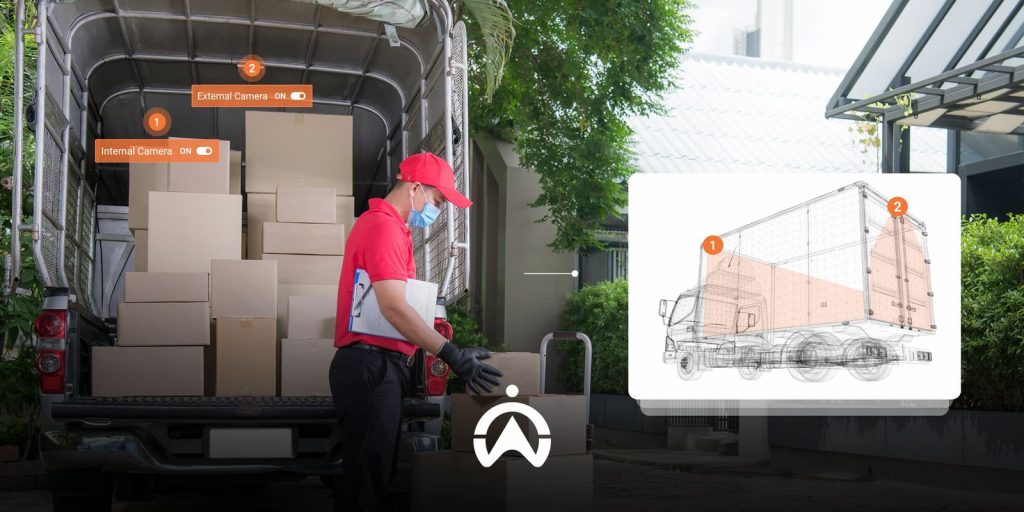
Our AI Multi Vision camera solution ensures that you see everything happening with your fleet in real-time. You can install up to eight cameras in and around your vehicles to monitor operations. You can live-stream the footage from anywhere at any time. Our in-vehicle (dashcam) cameras also identify distracted driving like drowsiness, cell phone use, and smoking. They then give audible alerts to warn drivers so they can quickly make corrections and focus.
Your trusted solution for construction fleet efficiency | Cartrack
At Cartrack, we offer our services to fleets of different kinds, including those in the construction industry. Over the years, we’ve helped many companies transform their fleet businesses for the better through our industry-specific features. With us, you’re assured smooth operations and optimal efficiency. Reach out to us and start seeing the difference!