Remote Jamming: How to Immediately Stop and Prevent It
To immediately stop and prevent remote jamming, you must always remember to double-check that your car is locked before you walk away. Tug on your car door handles to check, listen and look for the locking sound & lights, make sure your valuables are hidden, and if all else fails, rather get back in the car and drive away.
According to police reports, property-related crimes remain a major concern in Namibia. Theft from motor vehicles is a common offence and forms a notable part of overall property-related crimes. This highlights not only the growing issue of stealth theft but also the difficulties it creates for vulnerable Namibians, because insurers need proof of forced entry.
Stay informed, keep your vehicle and belongings secure, and have the right gadgets to back you up. Let the Cartrack team guide you on what to do while also providing the best technological methods to keep you and your car safe.
How can you stop and fight against remote jamming?
You can fight against remote jamming by taking a multi-layered safety approach. Always manually carry out safety precautions, but remember to use technology to your advantage as well. Maintain a level of situational awareness, keep your valuables out of sight, and report suspicious activity, but also use anti-jamming devices and other defensive measures.
What is remote jamming?
Remote jamming is when a jamming device is used to essentially create an extreme, congested signal, which confuses and drowns out the signal between your key fob and your car as you try to lock. Communication signals include radio, GPS, and Wi-Fi or cellular signals. While it’s typically done to cars, it can extend to your home’s gate or garage doors too.
Criminals often choose this tactic because it’s a covert, non-invasive way to get access to what they want. Remote jamming is especially common in parking lots, petrol stations, and shopping malls. Usually, you’re in a rush and trying to get somewhere quickly, and the criminals know that. Because of this, criminals also know you’re likely to just lock and walk away instead of physically checking that your car is secure.
How do you detect if your car’s remote locking signal is being blocked?
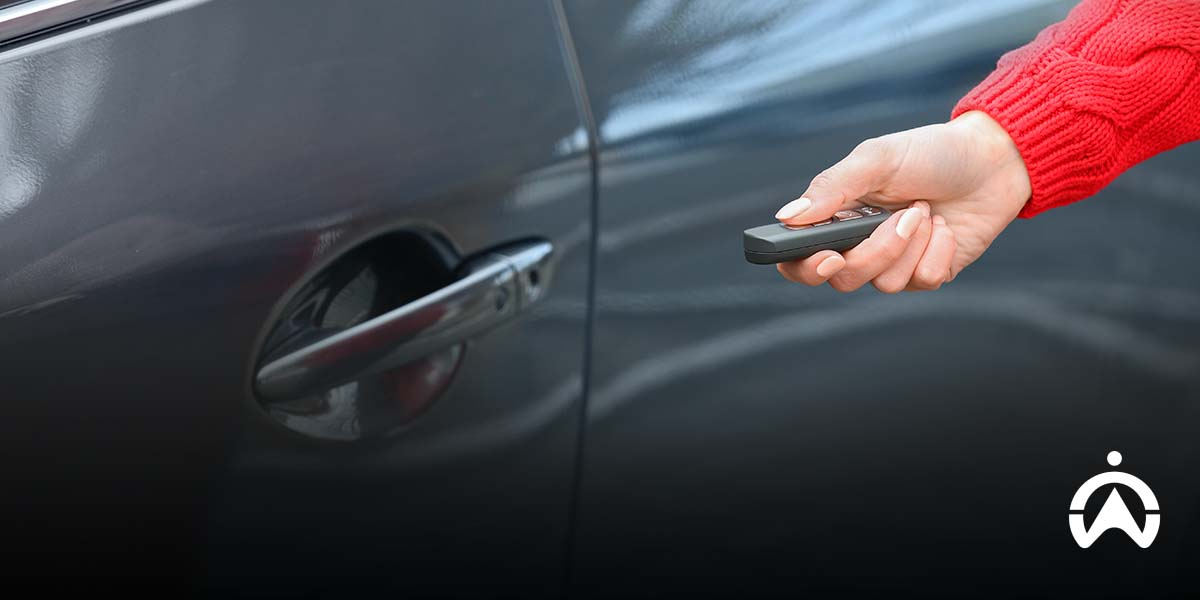
You detect if your car’s remote locking signal is being blocked mainly by being vigilant. You must check for your car’s response, primarily for the locking sound and flickering lights. If you don’t see or hear these responses when locking your car, physically pull on a door handle or try to lock the car manually.
How to prevent car remote jamming
You can prevent car remote jamming by:
- ensuring valuables are out of sight,
- always trying to park in a safe, well-lit area
- standing right by your car while you lock it and double-checking by tugging at your door handles to ensure locking was successful, then manually locking if the remote lock still wasn’t successful,
- implementing anti-jamming technologies, like our Cartrack Tag, and
- always trusting your gut and being aware of your immediate area, especially in parking lots and petrol stations.
Does Cartrack have an anti-jamming device?
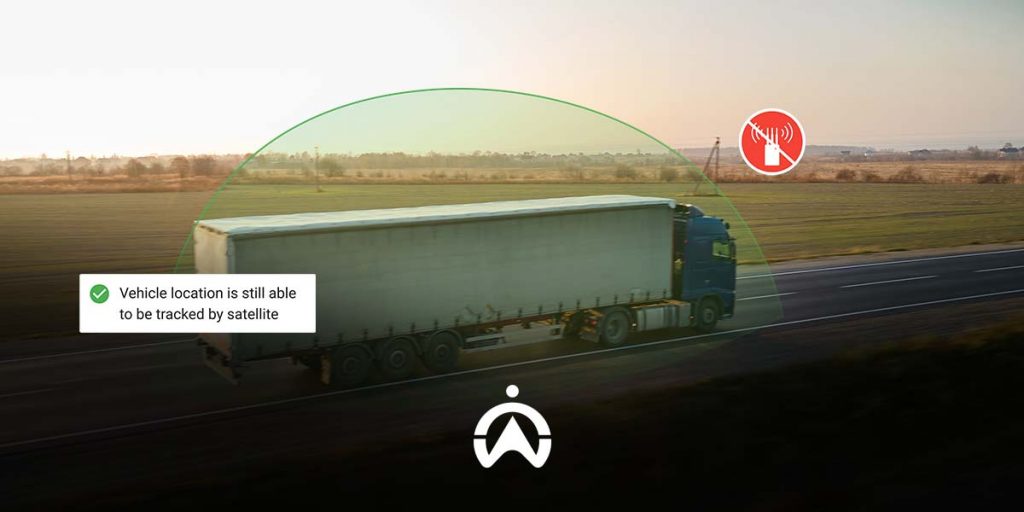
Yes, Cartrack does have an anti-jamming device. Our hardwired tracking devices have jamming detection abilities, and we also offer the Cartrack Tag as an extra layer of anti-jamming security. The Tag is a portable, wireless tracking device used as a backup anti-jamming device for your car. Once jamming is detected by the hardwired device, it’ll automatically switch to the Tag.
The Tag is sleek and very discreet, connecting easily and allowing for a far better hidden fitment. It also doesn’t use a cellular connection, so it’s unaffected by remote jamming. Instead, it uses what we call the Cartrack Proprietary Radio Frequency (CPRF) Network. It also has a powerful battery life, lasting up to about 5 years.
How do these devices work?
All our hardwired tracking devices come with jamming detection. Once the device detects jamming and can no longer transmit its usual GPS signals, it’ll switch to a special frequency that communicates with the CPRF Network. This network acts like a beacon of sorts, sending out consistent pings. The Tag then uses a method that we call ‘crowd searching’, which is an action the CPRF Network performs.
Crowd searching uses a web of connected devices that share information and signals to make it easy to triangulate and recover stolen vehicles. So, if your car has been jammed & stolen and moves through the network, every other car with a hardwired device that it passes reports your stolen car. This information helps the control room pinpoint the location of the jammed device and, ultimately, your car.
In simple terms, think of this process as a neighbourhood watch squad. The other cars are seen as “vigilant neighbours” who “spot” a stolen car and quickly alert headquarters. The Tag does just that, communicating with the closest tracking devices. Because hardwired devices are present in so many vehicles across the country, the coverage is so extensive and powerful.
So what does this mean for my stolen car?
The Tag sends a ping every 40 seconds to the closest hardwired devices, sending location data back to our control room. This means our team is aware of the situation and closely monitoring the movement of your car. As your stolen car is moving, a live trail is being created for our recovery team to follow.
This helps us react with serious speed, massively increasing our chances of recovering your stolen car. Our recovery rate remains strong, the number of recovery teams is growing nationally, and our month-to-month recovery statistics remain impressive.
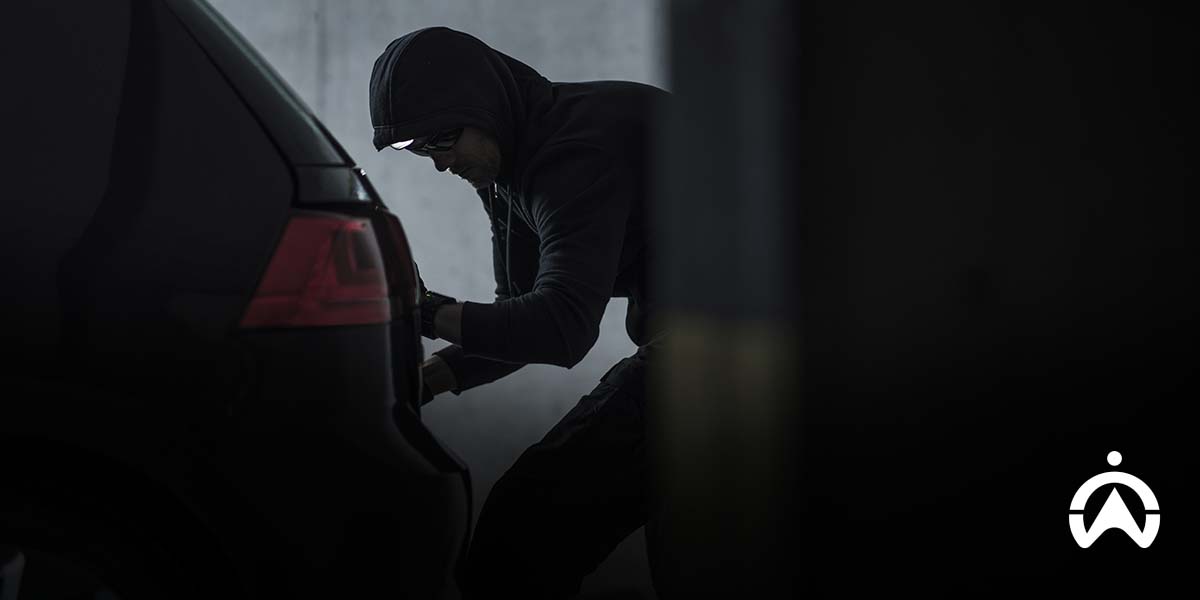
Final takeaway: Remain a step ahead of car thieves
Crime is a notable concern in Namibia, with property-related offences such as theft and break-ins being among the more commonly reported issues, with carjackings ranking just behind home robberies as the most common robbery-related crime. For car owners like yourself, there’s probably an understanding that basic protection methods aren’t enough. You need an extra layer of smart protection to keep your vehicle safe and connected.
Remote jamming can be an absolute nightmare, but it doesn’t have to be. At Cartrack we can help you strengthen your car’s security against car jamming, and you can rest assured knowing that we have a team that’s ready to fight for you.
Don’t wait until the worst happens. With over 100,000 vehicles recovered in the last decade and advanced technology on our side, you know you can put your trust in us. Call Cartrack today!
Frequently asked questions about stopping and preventing remote jamming
No, *3370 doesn’t really work. The theory is that, by dialling *3370, you would boost your phone’s battery life or signal, depending on the version you received. This belief all started because of a chain email that was sent around 2018, claiming that dialling certain secret codes would unlock hidden functions. It was also aimed at older Nokia models.