Protect Your High-Risk Staff With a Security Guard Vehicle Tracking System
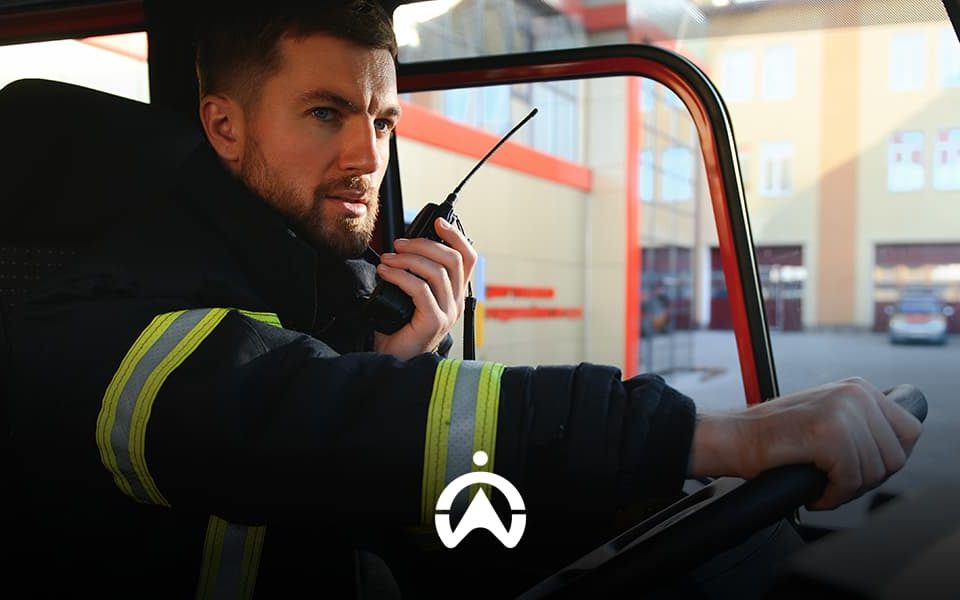
Security guards are high-risk workers that rely on road safety measures and clear communication to do their jobs optimally and stay safe. We need these people, and we need to find better ways to keep them safe (since that’s what they do for us). This is especially true during times when they’re responding to security alerts.
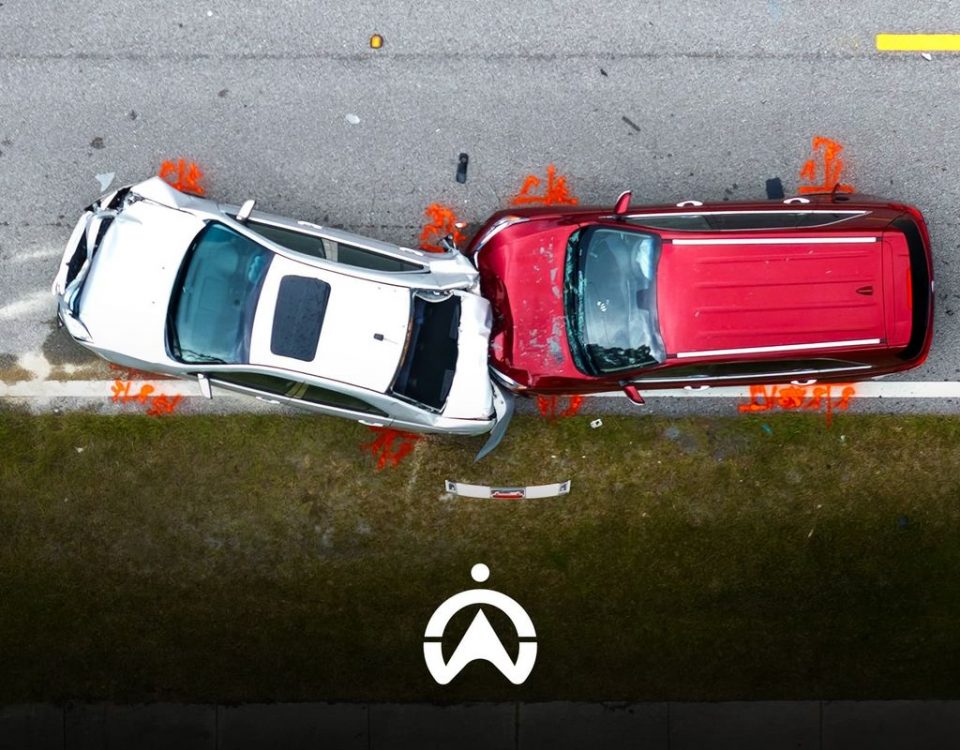
Road traffic collisions remain a significant concern in Namibia, and emergency responders face challenging conditions when attending to serious accidents, suggesting that the risk of stress and trauma is present even if local research has not quantified it. This is higher than the number of fatalities suffered by the general population. The reason? Fast-moving traffic and secondary incidents that happen DURING the response.
At Cartrack, we’ve thought about these realities while developing our fleet management software. We’ve also talked to fleet managers who deal with real-life problems in this high-risk industry every day. If you manage a fleet of security guards or operate in this line of work yourself, this article will guide you on how to keep security guards safer and more efficient on the road.
How can high-risk staff be kept safe on the roads?
The best way to keep high-risk staff safe on the roads is through a system that:
- Prevents accidents
- Shows evidence of what happened during an incident
- Provides full visibility into cabins & roads
- Provides full real-time remote guidance and training while responders are on the road
Defining high-risk industries in Namibia
High risk industries in Namibia are typically those that employ security staff to be first responders to incidents like trespassing, criminal activity, or break-ins. They include the hard-working security guards that patrol our neighbourhoods—that we pass by every day, often without a second glance.
It’s helpful to take a closer look at how the security guard industry faces challenges and how those challenges can be met through technology like fleet management software. When we’re talking about “protecting” high-risk staff on the roads of Namibia, we must find ways to keep them safe by understanding the dangers they face on a day-to-day basis.
What are some of the dangers high-risk staff face on the roads?
Some of the dangers faced by high-risk staff on our roads include having to rush to a scene on less-than-optimal roads, and having to deal with other road users while doing so. Other challenges can be loadshedding, bad weather, and heavy traffic on busy roads. These situations can make it dangerous for high-risk staff to do their jobs.
Cartrack has tried to look at the security patrol industry from an angle of safety. Subsequently, we’ve come up with various solutions that keep high-risk staff safe. But first, we must understand the INDIVIDUAL challenges this industry faces.
Security guard response times
Security guards that drive around your neighbourhood are under a lot of pressure to respond quickly when signalled to do so. But this isn’t always easy. Damaged roads, heavy traffic, and bad weather can take minutes off a response time, resulting in a late arrival.
What security patrols need is better route planning to get to their destinations faster (whether they’re familiar with the roads or not). They also need ways to bypass other road users without putting THEM in danger.
Example: A security guard patrols the roads of a small town in Windhoek, Namibia. He knows the roads well, and knows exactly which road to take when he receives a call that a possible robbery is taking place. He rushes to the scene, but hits a massive pothole on his way there. His tyre is flat and he’s stranded, not able to assist in the incident he was closest to.
Visual evidence of incidents
What about when the security patrol reaches its destination? Knowing what transpired during that incident is of utmost value if certain claims are made after the fact. Security guards are dealing with dubious characters that might lie to get out of trouble, and place false blame on the guard to take attention off themselves.
Hard-working security personnel will have more evidence of what transpired at an incident scene with vehicle cameras that provide a POV (point of view) of their arrival, and possibly their subsequent actions.
Example: A security guard is called to investigate vagrants on private property. When he gets there, he finds them selling an illegal substance to passer-by. When confronted, the vagrants claim that the illegal substance was planted on them by the security guard in order to frame them. But vehicle camera evidence proves their claim to be a false one.
Optimal vehicle health
When patrols are called to investigate a security breach, speed is of the essence. To achieve a good response time, they need to have their vehicles in optimal condition. This is another form of protection for your high-risk staff, because they drive around a lot, and often need to dash from one place to the next in a hurry.
What your security fleet needs is a rotation of healthy vehicles that can always be counted on to get your guards to their destination safely. A good FMS will always schedule vehicle maintenance according to individual vehicle conditions—as opposed to a flat schedule.
How? Vehicle diagnostic hardware, coupled with predictive AI maintenance scheduling, gives you a big picture view of your fleet’s health. Now your vehicles are not only on the road more regularly, but they can also be relied upon by your guards for timely responses.
Sounds like a lot of challenges. Can one solution solve them all? Contact Cartrack today and find out how far technology has come to keep your high-risk staff safer and more efficient on the roads.
How does FMS solve high-risk road challenges for security guards?
Fleet management software solves the challenges of high-risk staff by providing them and their dispatchers with more comprehensive visibility, route optimisation, and communication. Using camera technology, AI-powered software and GPS, high-risk industries can optimise their operations and become safer and more efficient at work.
The goal at Cartrack is simple:
- We want to prevent accidents
- We want to give you a full view of what your security guards face each day and night
- We want you to stay legally compliant on the roads
- We want your drivers and first-responders to be more efficient in their services
With that in mind, let’s look at how FMS allows you to do these things.
Full visibility
FMS uses camera technology to record pertinent footage of road events, as well as in-cabin events (if that option is chosen). This gives you as the high-risk staff fleet manager a majority of the information you need to:
- Accurately deal with insurance claims
- Hold your drivers accountable for their driving habits
- Record on-site incidents for a fuller picture
Security fleet managers know how often insurance claims are made in this industry. They also know how important it is to maintain a reasonable “duty of care” so that premiums don’t shoot through the roof.
GPS tracking and route optimisation
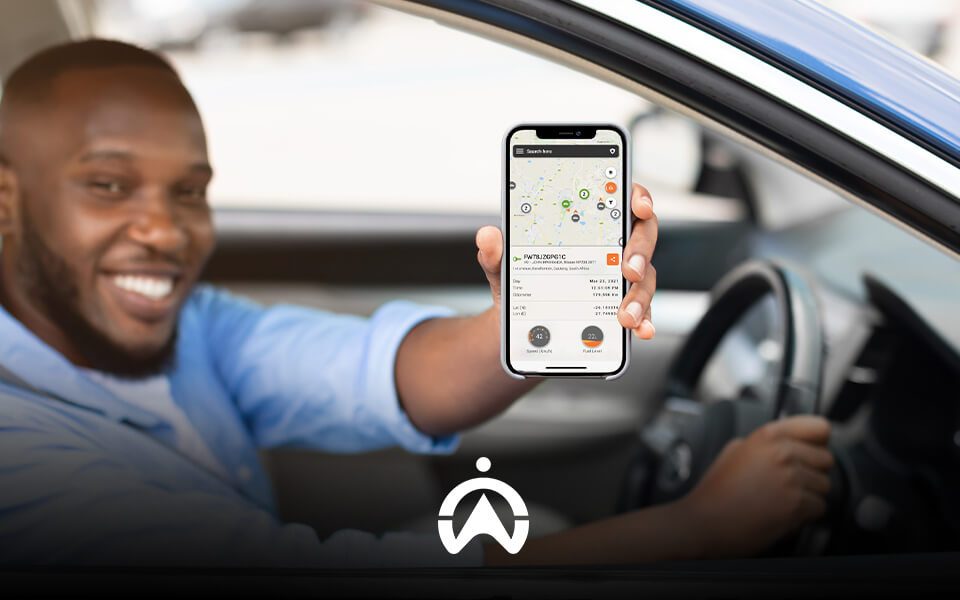
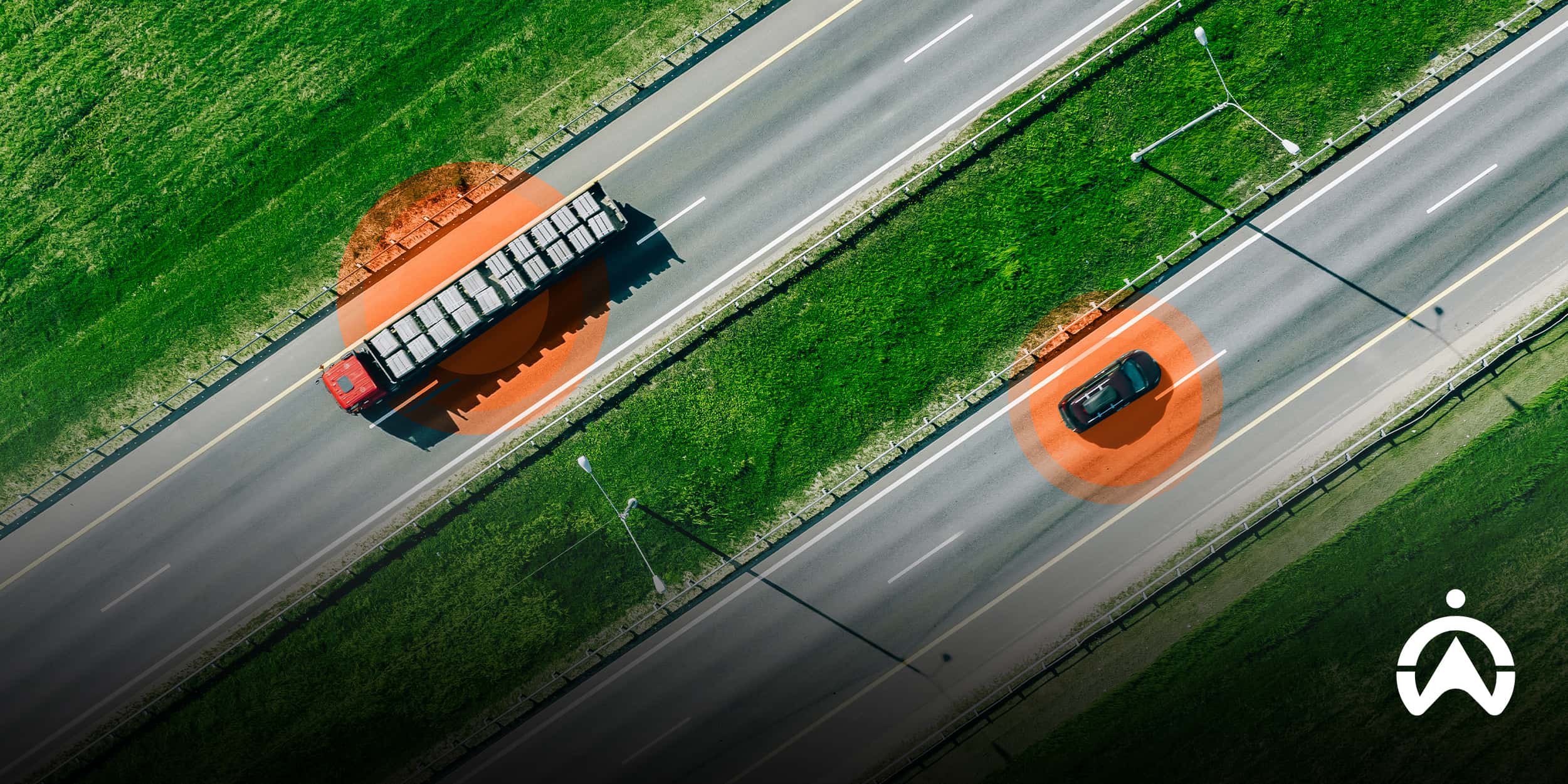
Combined with vehicle cameras is GPS tracking. These two work well together to help guide & direct your high-risk staff while they’re on the roads. GPS tracking, coupled with AI, also helps you plan out the best possible route at any given time, taking into account the current traffic, road conditions, road blocks, etc.
As we’ve already seen, timing is of utmost importance when it comes to first-responders. If your team is spread out across a city or suburb, GPS helps you assign the closest available person to the scene, allowing them to get there faster.
Driver coaching
Further to the first point (driver visibility), driver coaching is also possible with new AI camera technology. This isn’t just about recording a bad driving event and dealing with it later. Today you can allow your cameras to do this in real-time, alerting you and your drivers to risky or potentially dangerous actions that need to be corrected IMMEDIATELY.
Driver coaching also allows you as a fleet manager to REWARD those drivers who consistently show good driving. Let’s be frank: when it comes to security patrols, some emergencies might call for riskier driving to get to the scene quicker. But an FMS system can help distinguish between when driving should be calm versus when it calls for speed and risky manoeuvring.
Incident alerts
First responder emergency staff are at a higher risk of being involved in an incident themselves while responding to another. When this happens, it needs to be attended to fast.
Collision alerts form part of modern-day fleet management software. This helps you keep your high-risk staff safer by knowing exactly when a collision has taken place, where they are, and who’s the closest person to offer assistance.
This is what makes a security guard vehicle tracking system worth getting if you want to:
- Build your reputation as a security guard company
- Promote a better safety culture within your organisation
- Keep your security personnel effective in their duties
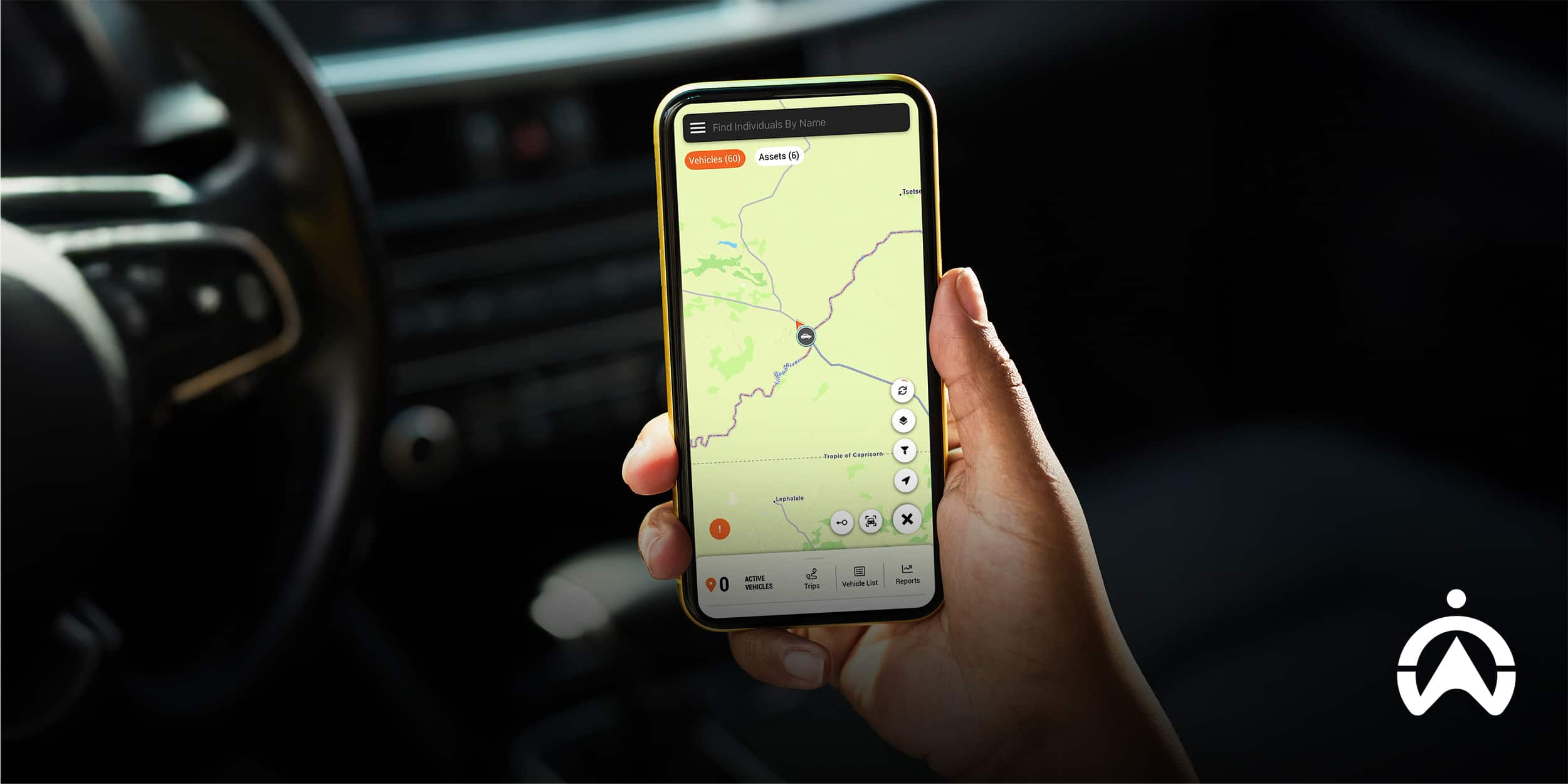
Where does Cartrack fill the gaps for high-risk industries?
Cartrack fills the gaps for high-risk industries by offering real solutions to everyday challenges faced by security guards. By expanding visibility for fleet managers, monitoring driving & location, and having a record of what happened at every incident, high-risk staff are kept safer on SA’s roads.
What FMS solution should I choose?
Good question! The great thing about Cartrack is that we don’t believe in a one-size-fits-all approach to FMS. Instead, we listen to what you face each day and tailor our product offering according to what solutions would benefit you the most.
Why is this good for you?
- You never pay for tools or features you don’t need
- Your tools are perfect for the job at hand
- You can integrate existing tools with ours
What if our FMS needs change in the future?
If your fleet management needs change in the future, Cartrack’s solutions are designed to adapt. Whether your operations become larger or smaller, we’ll be there to scale your FMS according to your needs.
What if I already have FMS tools and just want them upgraded?
Perfect! Cartrack’s FMS is designed to integrate into your existing platform. Why get a whole package when you only need a few extra features? We can help you with that—just give us a call!
Protect your high-risk staff today. They deserve your protection. And us as Namibians need these modern-day heroes to protect us. So give them the best fleet management Namibia has to offer. Give them Cartrack.