How a Fuel Dispensing Tracking System Helps Prevent Fuel Theft and Improve Fleet Safety
A fuel dispensing tracking system helps improve fleet safety and prevent fuel theft using tools that make it easier for you to monitor fuel usage and track consumption patterns. This advanced system involves installing fuel-level sensors inside the tanks or dispensers, which then collect data on fuel usage, giving you real-time fuel consumption feedback.
With fuel being one of the most expensive fleet running costs, many companies are turning to advanced fleet management technology to reduce these expenses. According to Fleet Management Weekly, businesses can reduce fuel consumption by approximately 13-16% when properly using fuel management tools.
A fuel dispensing tracking system gives you more control over your fleet’s fuel usage, and today, we’re here to discuss its importance and how it works.
Understanding a fuel dispensing tracking system
A fuel dispensing tracking system comprises hardware and software components that facilitate the real-time monitoring of fuel usage from storage tanks to vehicles and other equipment. It consists of sensors and IoT devices.
The sensors are placed inside fuel tanks to measure the amount of fuel dispensed. The information from the sensors is then transmitted to a centralised database (i.e., fleet management platform), so you can get easy access. Through this, you’ll be able to see exactly how much fuel is in each tank in real time and get records and alerts of suspicious activities.
Why fuel monitoring matters
Fuel monitoring matters because fuel accounts for a very large portion of fleet operational costs; so cutting down on fuel costs means big savings. Monitoring fuel consumption patterns also helps you quickly spot unusual suspicious activity, which could mean theft. Through close monitoring, you’ll also be able to identify safety risks like spilling, which is a fire hazard.
Let’s have a closer look at the reasons why a fuel monitoring system is a necessity for your business:
Fuel theft is a major business risk
Every employer hopes to work with staff members they can trust, but unfortunately there’ve been many cases of fuel theft by workers. Common fuel theft methods include:
- Syphoning: When employees use hoses or other tube-like tools to drain fuel from a tank to personal containers or vehicles.
- Tampering: Disabling tank locks to steal large quantities of fuel at one go.
- Misreported fuel usage: When employees deliberately misreport fuel usage to hide theft or misuse, inflating records to cover up smaller thefts.

Safety concerns during refueling
Closely monitoring fuel levels and pressure also helps with detecting leaks or potential spills at an early stage. This helps prevent environmental contamination and reduces the risk of fire or explosions occurring, which are major safety concerns. It also gives you the opportunity to address common causes of spills (like improper handling) and train employees on better conduct.
How bad can fuel theft get? A timeline of key cases in Namibia
Fuel theft in Namibia can get really bad. It has grown beyond isolated incidents into a serious, organised crime. Criminals steal thousands of litres of petrol or diesel through pipelines. A theft of this nature is a dangerous activity that impacts essential services, supply chains, and the overall economy.
To make you better understand the extent to which fuel theft can go, we’ve created a timeline of key cases that highlight the scale of the crime, involving methods like syphoning and tampering.
Take control of your fleet’s fuel with Cartrack’s fuel dispensing tracking system
Our fuel dispensing tracking system helps you gain full control of your fleet’s fuel. We have tools like fuel probes and MiFleet to help you keep a close eye on refuelling activities. This way you’ll accurately measure fuel levels and quickly spot any irregularities.
Here’s how our fuel tracking solutions work:
MiFleet
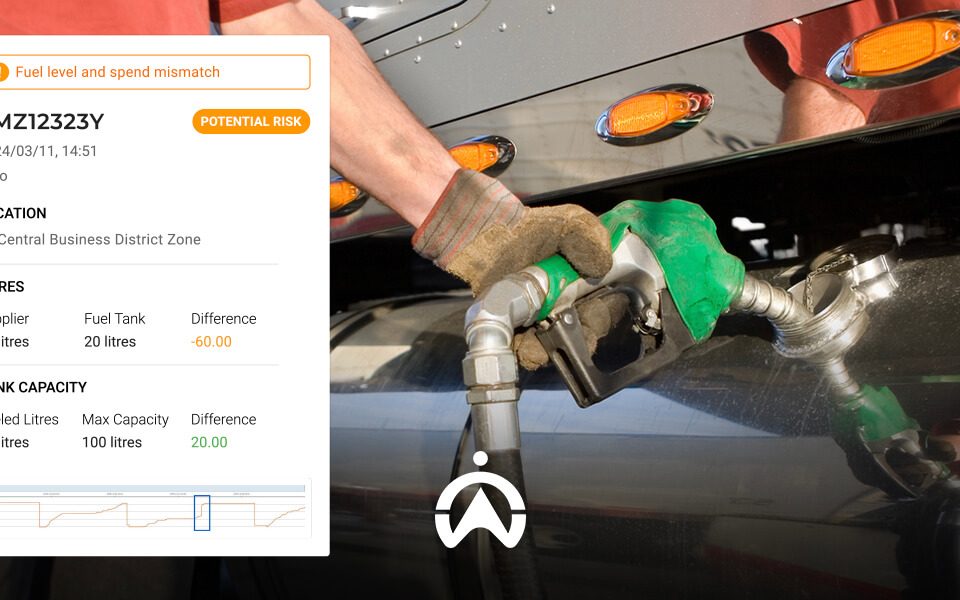
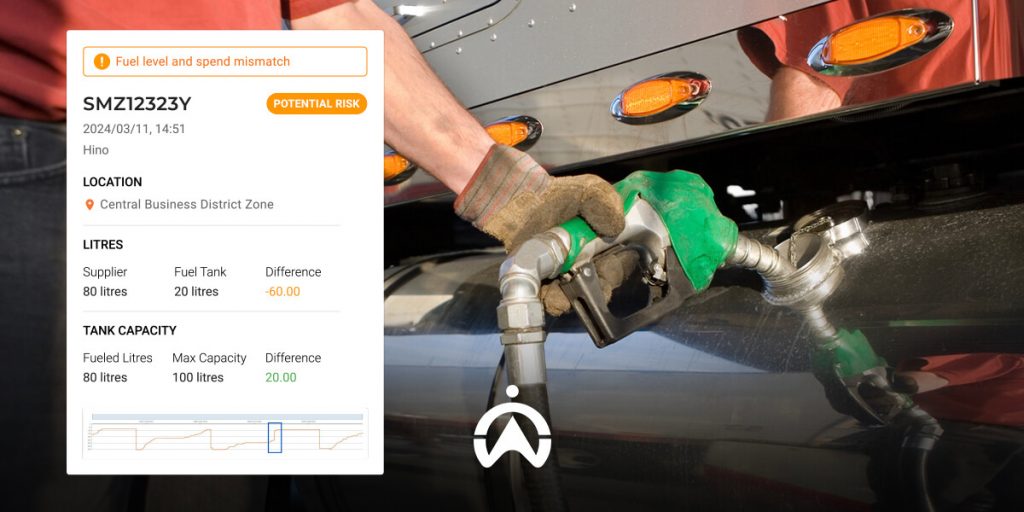
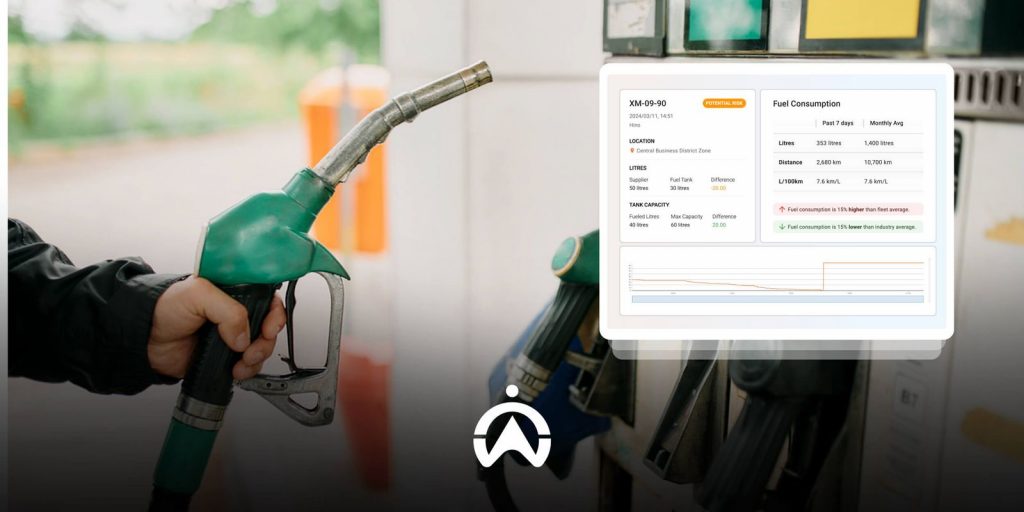
Cartrack’s MiFleet solution is a cost management tool on our platform that helps you track the cost of many things, including fuel. You’ll get validation of vehicle tank capacity and how many litres are in each vehicle’s tank. This makes it easier to spot theft. For example, if the truck’s tank capacity is 200 litres but records show 250 litres of fuel were poured into that vehicle, then you’ll get an alert.
Fuel probes
Fuel probes are fuel-measuring devices that use a float system to measure the quantity of fuel flowing in your tank. The float goes up and down as a vertical rod inside the tank as the fuel levels change. The fuel probes constantly check the resistance of the variable resistor, and any changes in resistance send a different electrical signal from the probes. Signal shifts show the fuel levels, and the information is sent to our fleet platform, giving you real-time updates.
Fuel probes are an effective way to spot syphoning and tampering, because you’ll get instant alerts of sudden massive drops in fuel levels. This helps you act quicker and possibly catch the thieves while in the act. The sudden drops could also mean spillage, helping you attend to the hazard quicker.
Fuel reports
With our system you’ll get detailed fuel consumption reports, like the rate of fuel flow to like:
- A summary of actual working hours each machine/equipment with fuel consumption.
- Fuel graph reports.
- Fuel summary reports showing mileage, fuel used and fuel consumption.
- Refuel reports which show the date, time, and amount of fuel that was refuelled.
- Vehicle fuel cost, which shows the total cost of fuel per vehicle.
Choose Cartrack’s fuel monitoring system for your business
Investing in a fuel dispensing tracking system is no longer optional; it’s essential for cost saving, crime prevention, and protecting the environment. Our fuel dispensing management tools give you greater safety and improved control over fuel usage. Make sure that you reach out to one of our fleet consultants for a service you can trust!