Fleet Card vs a Fuel Card: Which One is Better for Fuel Management?
Choosing between a fleet and a fuel card for fuel management ultimately depends on your business needs. A fuel card is only valid for fuel purchases, while a fleet card covers fuel and other expenses such as tolls and vehicle repairs. The more complex your fleet, the more likely you are to lean towards a fleet card.
So, why does this matter in a Namibia context? It’s no secret that fuel is one of the largest expenses when it comes to fleet management. It’s uniquely important to be careful of factors like fuel fraud, rising fuel prices, and the strain of overall cost management. These cards are your key to managing and cutting your costs, so don’t overlook them.
This piece will help you unpack the differences between the two cards and assist you with deciding which one is the best for your business. You’ll also see how Cartrack’s fleet management platform adds value to either choice, giving you better visibility, extra fraud protection, and tighter cost control.
Which card is right for your business’ fuel control?
The card that’s right for your business’ fuel control inevitably depends on your business needs and goals. Although fuel cards are a useful start—especially for smaller businesses with less complex fleets—fleet cards generally offer more value. Fleet cards offer a more holistic overview of your cost management and go beyond just fuel tracking.
Consider the following factors when comparing the two:
- Fleet size: Smaller fleets might find that the fuel card is enough; however, bigger fleets typically need the numerous features offered by fleet cards.
- Operating region: Trucks that are more focused on urban delivery (i.e., immediate and local areas) may simply require a fuel card. Long-haul trucks that travel long distances and to different provinces typically require a wider network of approval. This includes access to more petrol stations, toll gates, and more.
- Type of expenses: If you’re only concerned with the fleet’s fuel spend, a fuel card may be enough for you. But if you have a more complex fleet and are concerned about expenses beyond fuel, like maintenance or tolls, then a fleet card is the smarter choice.
- Integration needs: Fleet cards are typically the option that pairs better with fleet management systems and telematics technologies. For complex fleets, they’re better at communicating fuel and trip insights.
- Budget and admin capacity: Fuel cards are far less expensive and don’t require as much admin or setup costs, but they’re also limited in their functionality. On the other hand, fleet cards typically have higher upfront costs, but reflect better insights and business gains in the long run.
Fictional example: How fleet cards deliver more value
A medium-sized fleet operator with 50 vehicles, used to rely solely on fuel cards. While they did help save on fuel, the company still struggled to track maintenance costs, tolls, and unauthorised fuel use. This led to higher overall operating costs and ongoing administrative headaches.
After moving to a fleet card integrated with a fleet management system, the results were clear:
- Consolidated spending: Track fuel, maintenance, tolls, and repairs all in one place.
- Reduced unauthorised spending: Transaction limits and driver-level controls cut misuse by 20%.
- Simplified reporting: Finance teams save hours each week with easier compliance tracking.
- Real-time insights: Managers can optimise routes and maintenance schedules, further reducing operational costs.
The outcome? By using the broader features of a fleet card, the organisation achieved stronger financial control, improved compliance, and greater operational efficiency. This shows that fleet cards deliver evident benefits over fuel cards alone.
.jpeg)
What’s the difference between a fleet card and a fuel card?
The difference between a fleet card and a fuel card is that a fleet card can cover various expenses beyond fuel, while a fuel card only tracks fuel usage and spending. Despite the common confusion between these two card types, they’re not the same thing. Understanding the differences is the key to getting the best option suited for your business.
What is a fuel card?
A fuel card is a financial tool that tracks fuel purchases. It’s similar to a credit card in that it allows you to buy fuel as necessary, but it does have a limit on how much can be spent over time. These fuel cards are typically used by businesses with smaller fleets, or where fuel is the biggest expense (and other expenses are handled separately).
These are the main functions:
- Fuel discounts or loyalty rewards and benefits
- Tracking fuel spend (only at partner stations)
- Basic reporting for fuel use and spending
What is a fleet card?
A fleet card is a financial tool that’s far more advanced than the fuel card, covering fuel and other fleet-related expenses like servicing, toll gates, tyres, and more. It’s essentially an expense management tool that gives you a holistic overview of your fleet’s costs. Fleet cards are usually implemented by larger, complex fleets that regularly travel across provinces or geographic zones.
These are the main functions:
- Integrating smoothly with fleet management
- Controlling and streamlining numerous expenses
- Offering more stringent controls on spending, including PINs for drivers and spending limits
Key differences between fleet cards and fuel cards
The real key differences between fuel cards and fleet cards aren’t only about what they cover, but also about the effect they have on the way a business operates.
Let’s take a clear-cut look at these differences:
- Coverage: Fuel cards cover how much a driver spends on petrol or diesel. Fleet cards cover fuel, but also other expenses like tolls and servicing, giving managers a much clearer picture of expenses.
- Operational supervision: Fuel cards will track the litres of fuel and the rands spent on it. Fleet cards allow you to go beyond this, keeping track of servicing and maintenance to ensure optimal uptime.
- Data reporting: Fuel cards provide minimal data, considering it’s only fuel being tracked. Fleet cards provide far more detailed data and insights—the type of data that simplifies compliance and back-office processes.
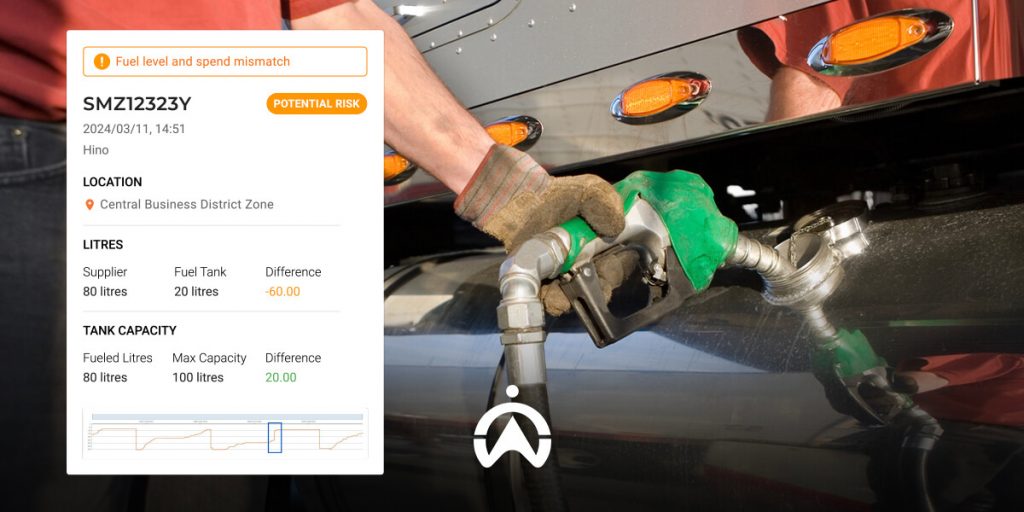
- Spend controls & fraud prevention: Fuel cards will flag suspicious payments, but aren’t able to recognise fuel card fraud. Because fleet cards have greater capabilities, they’re able to directly link the number of litres purchased with the number of litres used. This means fuel fraud is much easier to track with a fleet card.
- Adaptability: Fuel cards can be a solid solution for smaller fleets, but if there’s any room for growth in the business, they could be difficult to manage as the fleet grows. Fleet cards are much easier to manage when it comes to scalability or established complex fleets.
What to consider before choosing a fleet or fuel card
When considering a fleet or fuel card, it’s important to assess the pros and cons of each card type and examine the features they offer. Implementing these steps before settling on an option allows you to make the right choice from a financial and operational standpoint.
Pros and cons of fuel vs fleet cards
Use these lists as a clear and skimmable way to see the pros and cons of each card type.
Take a closer look:
Fuel Card
Pros:
- Save on fuel with discounts or reimbursements
- Expect it to be easy to use and implement
- Receive basic data
- Anticipate lower fees
- Ideal for smaller operators or businesses with high fuel use (and fuel being the largest single expense for the business)
Cons:
- Only covers fuel
- Lacks advanced reporting and integration
- Vulnerable to fraud, as fuel fraud detection is usually not available
Fleet Card
Pros:
- Oversee all vehicle expenses on one platform
- Get stronger fraud restrictions with transaction limits and driver PINs
- Cover a wider range of business expenses, including repairs and tolls
- Simplify reporting for compliance matters
- Ideal for established, larger fleets, or for expanding fleets
Cons:
- Fees and setup costs are much higher compared with fuel cards
- More administrative effort is required
- Purchases outside of fuel may not be universally accepted
.jpeg)
Feature considerations for fuel and fleet cards
This comparison table lets you weigh key features side by side, making it easier to choose the card that best fits your business needs.
How Cartrack helps you maximise card value
Cartrack helps you maximise card value by improving the value of whatever card type you choose for your business. We don’t issue physical cards. Instead, we’re all about smooth integration and streamlining with our fleet management platform, FleetWeb. We make sure your business gets the most from features and insights, no matter what card you use.
Here’s what Cartrack can do for you:
- Monitor fuel card spending alongside telematics: Card transactions can be linked with vehicle GPS data, so you can match the transaction to a location and time. In fact, it’s possible for both fuel and fleet cards. Insights like these give you a transparent overview of fuel consumption.
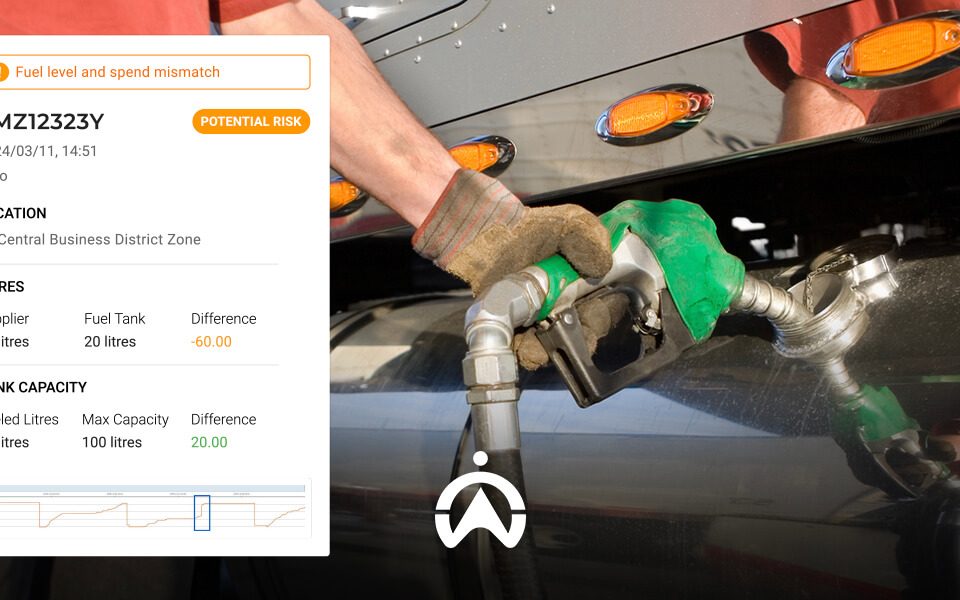
- Flag fuel fraud: Although flagging fuel fraud is much harder to do with fuel cards, GPS tracking is still a massive help to identify suspicious transactions. This applies to both card types. For example, if fuel was purchased but the vehicle wasn’t on the road, this is a strong signifier that fuel fraud may’ve taken place.
- Manage operational costs beyond fuel: This point largely applies to fleet cards. Because various expenses are tracked, you don’t have to worry about the headache of monitoring these expenses separately. Cartrack’s MiFleet streamlines and displays these expenses on one dashboard, allowing you to make smarter business decisions.
On the other hand, standard GPS tracking can still identify inefficient routes, meaning that businesses with fuel cards can still benefit from fuel optimisation.
Making the right choice for your fleet
Both the fleet and fuel card can offer some real value, but it ultimately depends on what you want for your business and fleet. No matter your card choice, Cartrack is your top partner in improved cost management. Through linking cards and telematics, you get total visibility, insights, and fraud protection that improve your business operations.
Protect your fleet against fuel fraud and unauthorised spending. Let Cartrack show you how to make the smartest card choice and secure every kilometre of your operation.
FAQs
Q: Are fuel and fleet cards accepted nationwide in Namibia?
A: Yes, fuel and fleet cards are usually accepted nationwide in Namibia, though it’ll always depend on whoever issues the card, because fuel cards are typically limited to a particular network. Fleet cards are usually more widely accepted, especially because they’re designed to be versatile and work at toll gates, maintenance stations, and more.
Q: Can fleet or fuel cards help with budgeting and forecasting?
A: Yes, fleet or fuel cards can help with budgeting and forecasting through the insights and data they provide. This is especially true when combined with Cartrack telematics. Fuel cards can help you keep track of fuel spending. Fleet cards can help you get truly insightful reports based on the additional expenses tracked, supporting budgets and highlighting inefficiencies.
Q: Are there limits on how many cards a business can issue per fleet?
A: The number of cards issued per fleet isn’t limited, but it’s usually placed at one card per driver. As a fleet manager, you’ll assign the cards to the drivers themselves or to the vehicle. It depends on whether you’re more focused on driver accountability or if you’re more focused on keeping an eye on costs and other operational matters.
Q: How does card usage integrate with tax and compliance reporting in Namibia?
A: Card transactions integrate with tax and compliance reporting by creating a clear digital trail of spending, making tax submissions and NamRa compliance far simpler. Fuel cards support VAT recovery on fuel, while fleet cards go further by capturing even more expenses. When integrated with Cartrack, reporting is consolidated, cutting down paperwork and ensuring audit-ready compliance records.
Q: Can fleet cards cover electric or alternative-fuel vehicles?
A: Yes, many fleet card providers are expanding their networks to include electric charging stations and alternative fuels. This makes fleets transitioning to greener energy comfortable while using the same card system. Cartrack takes this further by tracking energy use alongside traditional fuel, giving managers a complete expense overview.