The Impact of Fuel Price Volatility and How to Manage It in Your Business
Managing the impact of fuel price volatility in your business is about adopting a fleet management system and smart strategies to help you stay operational. The impact is typically seen in reduced profits and increased operational costs. When you manage fuel volatility, you optimise processes, save on fuel costs, and keep yourself and your drivers in tune with fuel-saving techniques.
As of April 1st, 2026, Namibia experienced a fuel price increase, with petrol rising by about N$2.50 per litre and diesel by N$4.00 per litre. This increase adds pressure to transport costs, making it important for individuals and businesses to manage fuel expenses carefully.
Don’t let your business suffer. Read through our blog to manage volatile fuel prices, empower your staff to implement fuel-saving tips & tricks, and let Cartrack help you save more effectively.
How do you handle fuel price fluctuations when they affect your business?
When they affect your business, you handle fuel price fluctuations by maximising the technologies available and implementing smart, practical strategies like optimising processes or implementing fuel hedging. Taking a proactive and cautious approach is the only way to ensure you protect your business, especially in a time when world tensions are causing much uncertainty.
When you’re not prepared, you put your operational costs and profits in serious danger. Fuel, typically being the highest expense in a fleet, will have prices that quickly and unexpectedly shoot up. This then creates a domino effect, driving up overall monthly expenses and ultimately leading you to increase the prices of your goods or services.
What are the best fuel price risk management tools for Namibian companies?
The best fuel price risk management tools for Namibian companies include:
- An advanced fuel management platform that’s equipped with telematics, offering numerous fuel management tools that will help you optimise operational processes and maximise savings. This includes route optimisation, driver monitoring, comprehensive reporting, and more.
- Fundamental hardware, like fuel sensors and durable GPS tracking devices.
- Fuel cards to better manage your fuel use and keep track of consumption and transactions.
What impact does fuel price volatility have on your business?
The impact that fuel price volatility has on your business includes:
- Lowered profits
- Greater operational costs
- Disrupted operational processes and pressure on the business
- The inability to properly plan and budget for the business

What are some strategies for small businesses to budget for unpredictable fuel prices?
Some strategies for small businesses to budget for unpredictable fuel prices include:
- Implementing a fleet management solution: This is the first and most important step. There’s a general misconception that fleet systems are only for larger enterprises, but this simply isn’t true. A fleet platform assists with a whole host of things, particularly monitoring, reporting, and detailed insights—all of which are just as important for small businesses. A platform, like Cartrack’s FleetWeb, can help you optimise routes, monitor your drivers’ extreme driving habits, and help you schedule maintenance and keep your vehicle in top condition. Carefully managing all these aspects results in actual, visible fuel cost savings.
- Looking into hedging: Fuel hedging is when a company looks to buy fuel from a supplier and locks into a contract with them instead of buying at the pump every day. This means the price of the fuel is a set price for as long as the contract is in effect. Although this can be frustrating if fuel prices decrease, this is an incredible way to protect your business overall and navigate fuel increases when they occur.
- Taking advantage of tax incentives: Ensure that all expenses that can be claimed are properly recorded for submission to the Namibia Revenue Agency. This way, you can get tax deductions, and the total you owe overall can be greatly reduced.
- Using fuel cards with a fixed rate: Much like fuel hedging, fuel cards let you buy fuel at a fixed price, no matter what increases or fluctuations occur. Fuel cards, when integrated correctly, also offer detailed reports on transactions, so you can easily identify any unusual or mismatched transactions.
- Considering buying fuel in bulk: Buy fuel in bulk so that fuel volatility has less of a negative impact on your business. But, only do this if storage space allows for it.
Are there suppliers that offer fixed-price contracts to reduce volatility risks?
Yes, there are suppliers that offer fixed-price contracts to reduce volatility risks. Fixed contracts are quite common and popular among businesses, especially for clients in sectors like energy, logistics fleets, and farms. These contracts can be designed carefully with your business in mind, offering personalised solutions that work with your specific company needs.
These types of contracts are extremely popular thanks to their nature of effective risk management. They ease out the pressures of price uncertainty and protect your business’ bottom line. This also means you’re more in control of your finances; beyond saving money, your budgeting is far more predictable, giving you total financial foresight.
How do I apply for a commercial fuel card for my business?
To apply for a commercial fuel card for your business, you typically:
- Select the bank that you’d like to go with, because they’ll be your provider for a card. Most bank-connected fuel cards have their own loyalty programmes and reward structures, so check out each bank’s deals to see which of them work well enough with your savings goals.
- Collect all the documents you’ll need for a successful application. These documents will include business registration forms, proof of business turnover, tax statements and compliance records issued by the Namibia Revenue Agency, national identification documents, proof of shareholder holdings, and any other applicable KYC (Know Your Customer) or regulatory documents required depending on your business type and structure in Namibia.
- Get your application form online, complete it, and submit it via email or go directly to the bank branch. The bank will then carry out a background check.

How does Cartrack help you save on fuel costs?
Cartrack helps you save on fuel costs by providing one of the most comprehensive fleet management platforms with features and resources that’ll keep your fuel savings in place. With FleetWeb, you get access to advanced, automated, and AI-assisted insights & tools. You also have access to numerous hardware and specialised sensors to take your fuel savings even further.
Route optimisation is one of the simplest but most effective fuel-saving benefits of FleetWeb. Our software uses algorithms to determine the best and most efficient route for your drivers, factoring in disturbances like traffic, weather conditions, and delivery priorities. The best routes equal more savings, because you spend less on fuel and ultimately less on maintenance and running costs.
MiFleet is a cost management tool on FleetWeb that takes out the human handling of fuel monitoring and data output. It reviews all transactions and matches them with uploaded receipts, it sends alerts about unusual drops in fuel levels or potential fraud, and it cuts out the need for manual admin.
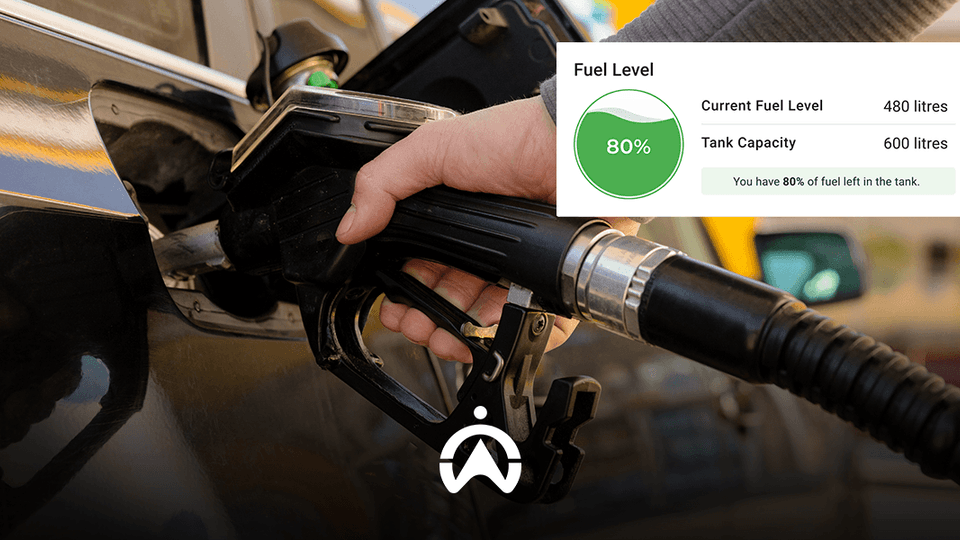
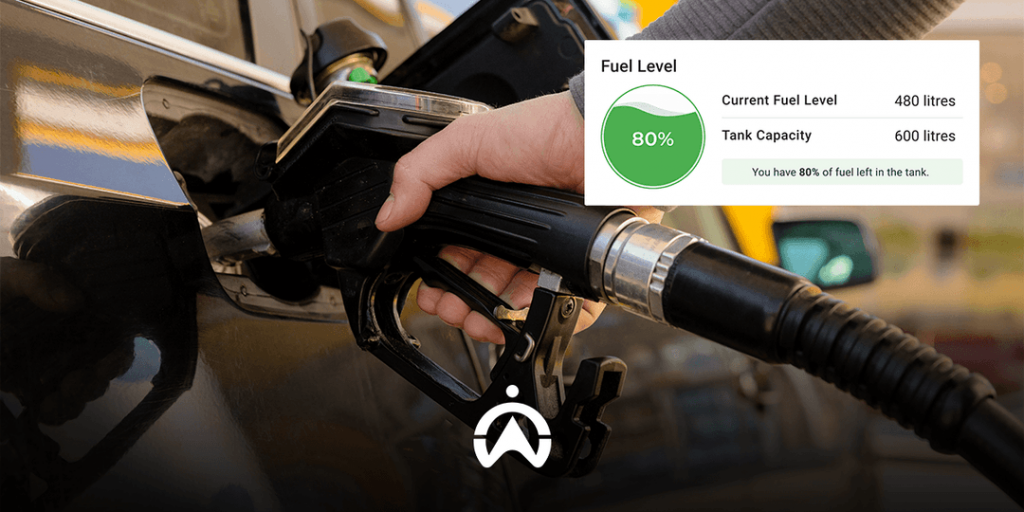
Linking back to fuel levels, our specialised fuel probes can be placed inside your fleet vehicle fuel tanks to carefully monitor levels in real time. Our readings are accurate, with the results transmitted to our platform so you can keep an eye on them and generate detailed fuel usage reports to analyse costs.
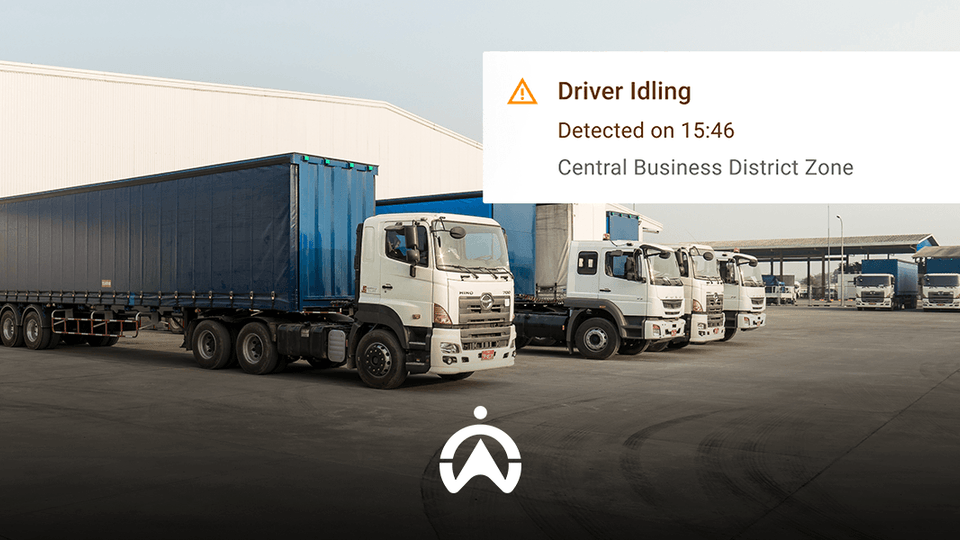
We have smart camera solutions and detailed driver monitoring features, like driver scorecards, so you can ensure drivers are implementing those fuel-saving techniques. Our AI-enabled cameras keep track of your drivers’ habits and record events like distracted or aggressive driving, so they can be quickly corrected through coaching. Aggressive driving and idling are fuel-wasting driving habits.
Final takeaway: Fight the fuel-increase blues
There’s very little we can do about the world’s tensions and disturbances, but there’s a lot we can do to fight against the fuel volatility that comes with it. Careful planning, combined with partnering with the right fleet company platform, can make a world of difference in your savings goals.
It’ll likely be impossible for experts to accurately predict what’s going to happen in the future, but in the meantime, Cartrack can help you prepare for anything that comes your way.
Stay ahead of the turbulent fuel market; don’t just react to it. In this time of uncertainty, let Cartrack help you stay one step ahead. Call us today!
Frequently asked questions on fuel volatility and your business
Whether or not oil is going to crash in 2026 is a difficult question to answer because it’s based on geopolitical tensions and whether they continue or resolve. If disruptions continue, it might crash, especially because supply routes (like the Strait of Hormuz) have been blocked for certain countries. This is what leads to volatility and uncertainty.