7 Proven Strategies for Fuel Reduction to Cut Fleet Costs
Some strategies for fuel reduction include route optimisation, fuel probes, preventative maintenance, telematics systems for driver monitoring and stopping unnecessary idling. If you’ve got a fleet, the chance that you’re looking for strategies to reduce fuel is probably pretty high.
And if you’re not, Namibia’s fuel trend should get your attention. Data shows that between 2020 and 2026, fuel prices in Namibia have increased significantly — with petrol rising by 72.5% and diesel by 65.9%, largely due to global oil cost pressures and import dynamics.
These stats prove just how important it is for fleet owners to find ways to reduce fuel usage as much as possible so that your profits can still remain high. At Cartrack we know how important this is to you. In this blog we’ll break down the top strategies for fuel reduction and how we can help you keep your costs low and your profits high!
What are the top 7 strategies to reduce fuel in your fleet?
There are plenty of strategies you can use to reduce fuel usage in your fleet, but the top 7 ways you can reduce it are:
- Installing fuel probes
- Optimising your routes
- Preventative maintenance
- Stop idling
- Installing a telematics system
- Driver gamification
- Using the right-size vehicle
Let’s break down each of these strategies!
1 – Installing fuel probes
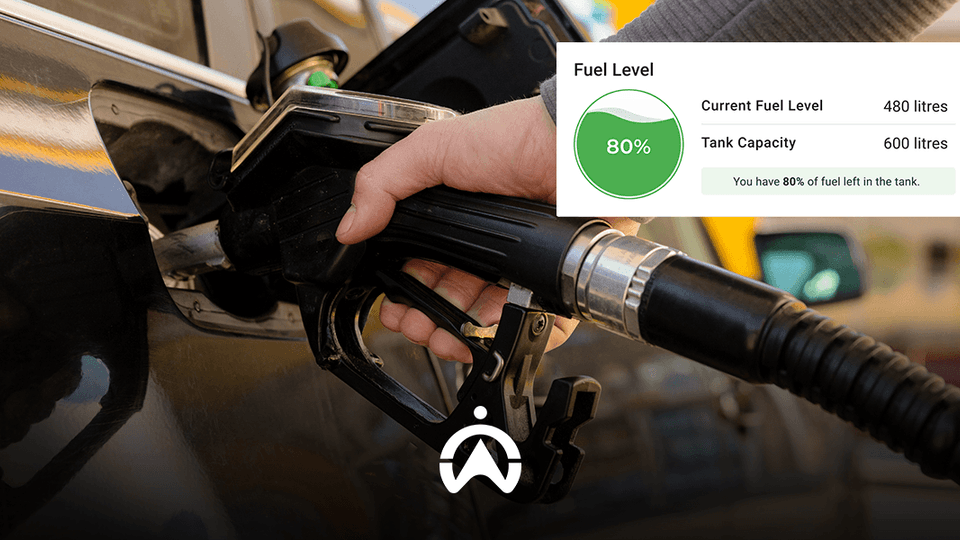
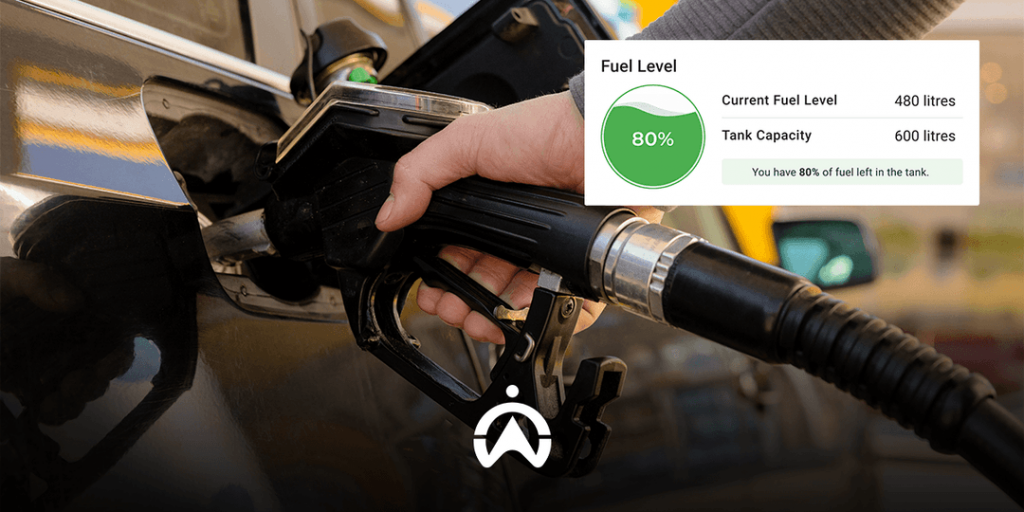
One of the main strategies to reduce fuel wastage is by installing fuel probes in your vehicles. This is how they work:
- The probe floats in your fuel tank and measures your fuel levels
- It send a message to your fleet pages letting you know when your tank is almost empty and when it’s being topped up
- If fuel suddenly drops when the vehicle isn’t in use, you’ll get an alert
Fuel probes make sure that as the fleet manager, you’ll always know what’s happening to the fuel in your vehicles.
2 – Optimising your routes
Something you may not be aware of that’s wasting your fuel is the routes your drivers are using. By installing an advanced GPS system, you’ll be able to optimise the routes your drivers take.
You can save fuel with GPS-assisted routes by:
- Avoiding high-traffic routes that keep your drivers sitting idle
- Showing your drivers the most efficient route
Optimised routes are an easy way to reduce wasted fuel in your fleet.
3 – Predictive maintenance
Maintenance is often overlooked as a reason for fuel loss. Factors such as:
- Underinflated tyres
- Clogged air-filters
- Old oil
- Worn-out spark plugs
- Dirty fuel injectors
All of these cause your vehicles to not run optimally and end up wasting fuel. When you implement a telematics system that assists you with predictive maintenance, your fleet will be on top of their game!
Preventative maintenance warns you of all the issues mentioned above before they actually start to affect your fleet. Not only saving you fuel but time as well!
4 – Stop idling
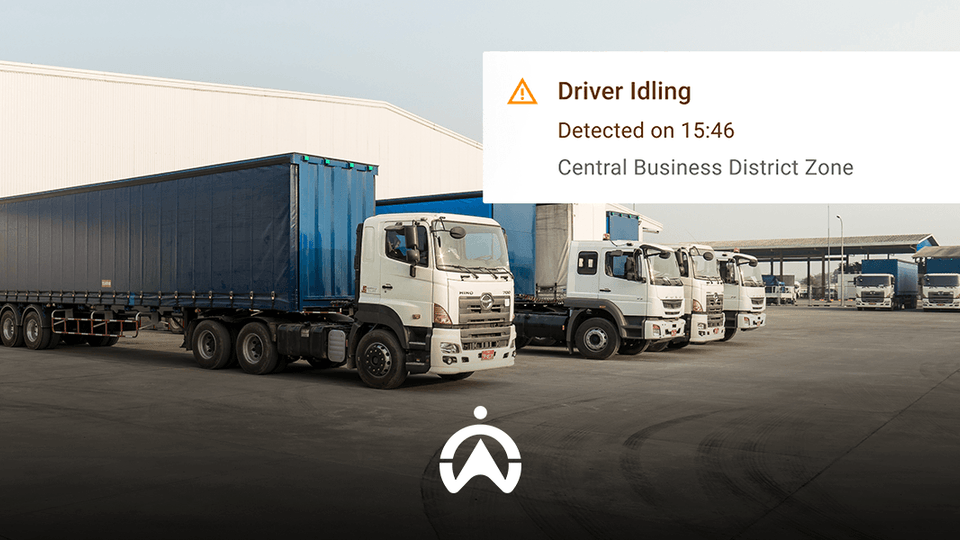
Idling burns your profits and fuel. Don’t believe us? Check this out:
According to WearCheck, an 8000 cc diesel truck idling at 650 rpm burns about 0.8 litres per hour. If you have a fleet of 50 of these trucks and each idles for around 1 hour per day, they could waste up to 40 litres of diesel daily. Over a full year of operations, this adds up to approximately 10 000 litres of fuel, which at typical Namibian diesel pump prices of around N$19.58 –20.23 per litre in early 2026 could cost your fleet roughly N$201 300–202 300 annually in wasted fuel — a significant avoidable expense that proper idle management and driver training can reduce.
5 – Driver gamification
Your drivers play a major role in ensuring fuel isn’t being wasted. By motivating them through gamification, you can achieve this.
Your drivers need to improve driving habits that waste fuel, such as:
- Speeding
- Harsh braking
- Unnecessary idling
- Rapid acceleration
- Excessive use of the air-con
You can motivate and create healthy competition in your team through:
- Cash incentives
- Days off
- Free meals
- Recognition (Driver of the month)
6 – Using the right-size vehicle
A common oversight that wastes fuel is not using the right-sized vehicle for deliveries. This means not using your heavy-duty truck to deliver one fridge and not overloading your bakkie with all the stock in your warehouse.
Both overloading a small vehicle and underloading a heavy vehicle cause you to waste fuel and damage the lifespan of the vehicle.
7 – Installing a fuel management system
A fuel management system is the best way to monitor fuel usage in your entire fleet. By having the data all in one place, it makes your job as a fleet manager so much easier as well! And the best thing? This system can assist with almost all of the above strategies!
By installing a Cartrack fuel management system (MiFleet), you can:
- Monitor your fleets’ daily fuel usage
- Easily spot fuel theft
- Identify fuel card fraud
- Get data reports on the fuel usage in your fleet
- Insights into your driver’s behaviour

How to turn data into diesel with Cartrack’s MiFleet
With Cartrack’s value-added MiFleet software, you’ll be able to turn your data into diesel. How? Well, according to studies, fleet management tools like MiFleet can reduce your fuel costs by up to 15%! MiFleet matches fuel spend with telematics data to pick up fuel usage patterns, so you’ll be able to easily detect excessive idling and fuel fraud.
MiFleet reduces admin mistakes
Unfortunately small errors can cost your business thousands. Lost slips or manual typing errors when calculating the entire fleet’s fuel spend are common mistakes that businesses face.
MiFleet stores all of your fleet costs and important documents in one place. Your drivers can snap a pic of their fuel slip, fuel gauge and the fuel pump readings on the driver app. You can then instantly approve or flag the transaction.
This makes your life less complicated, because all fuel slips will be automatically uploaded onto your dashboard, meaning no more lost slips and no more manual data entry errors!
MiFleet helps with fuel efficiency
Remember that a poorly maintained engine is a thirsty one. MiFleet keeps track of all of your service intervals and maintenance records. How does this help? You’ll never have to guess or try to remember when last your trucks had a service and which truck needs what done.
MiFleet will keep track of the data and let you know in advance which truck is due for what. This means your trucks will always be running at peak efficiency, ultimately lowering fuel usage across your entire fleet!
If you’re ready to stop guessing where your gas is going, contact us today so we can take every byte of data in your fleet and turn it into extra kilometres on the road!