Do Dashcams Drain Your Car Battery?
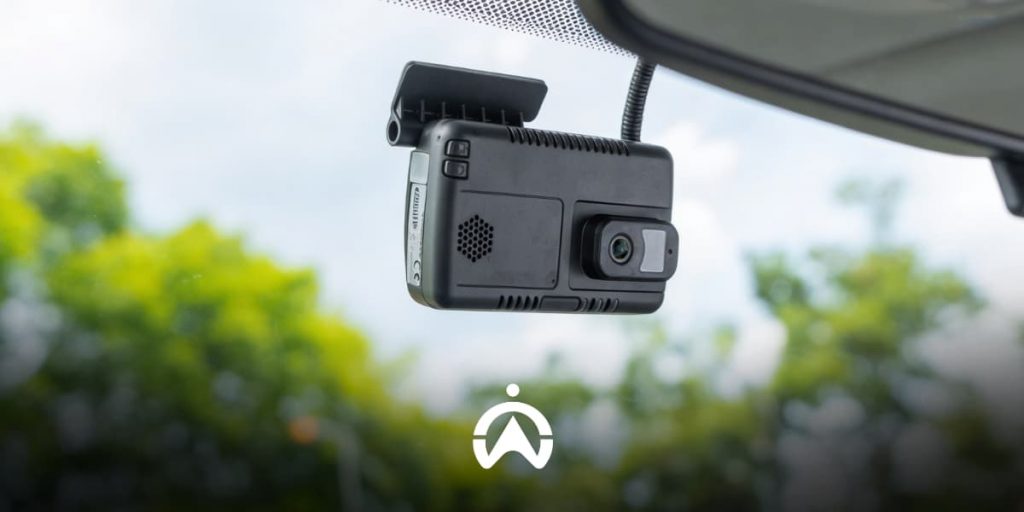
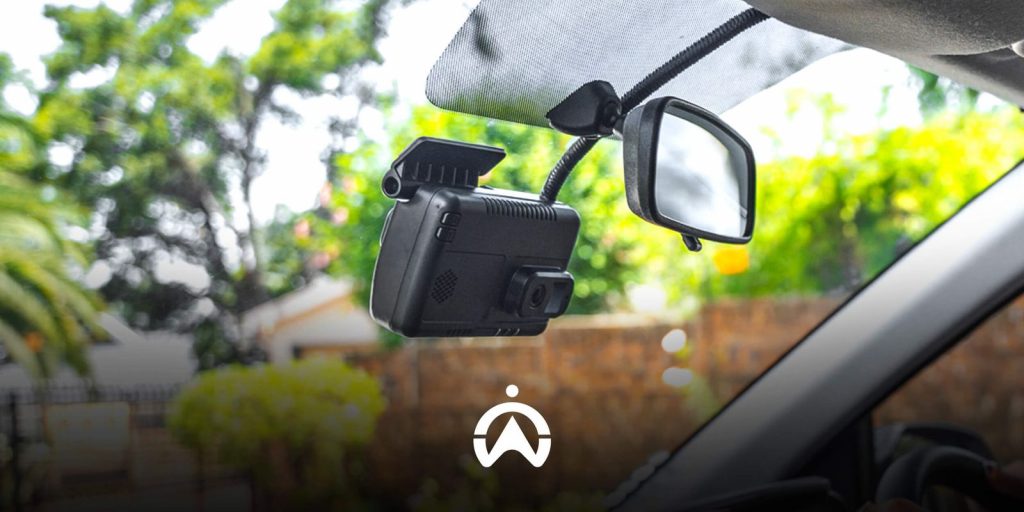
No, dashcams don’t drain your car battery if they’re high quality and have been installed properly. While a dashcam will use battery power while it’s in park mode (meaning the vehicle is off), it shouldn’t drain the battery to the extent that the car won’t start after a while.
If your dashcam is draining your car battery, you may need to get a dashcam that’s better quality. Fake insurance claims make up about 30% of fleet insurance costs and nearly one-third of all claims, but dashcam video can help cut these claims by up to half.
Considering these shocking statistics, isn’t it time you invested in a dashcam for your car? If you’re still not convinced, here are some interesting facts from Cartrack about dashcams, their effect on your car battery, and why you should get one anyway.
Does a dashcam keep using battery power when the car is off?
A high quality dashcam that’s set to park mode will continue to use battery power even when the car is off. However, the amount of power it uses is negligible, especially if the car is being used regularly (because it recharges the battery every time you start the car up).
Still, it’s not recommended that you leave your dashcam on park mode for long periods of time too often. Save park mode for times when:
- Your car is parked in a place you don’t know well
- Your car is parked in a public area that’s usually very busy
- You’re leaving your car unattended for an extended period of time (overnight or for longer than a full day)
- Your car is parked in an area that’s high risk and known for smash & grab crime
How to preserve your battery when you have a dashcam
To preserve your car battery when you have a dashcam:
- Use park mode only when necessary
- Choose a dashcam supplier with a good reputation
- Have your dashcam installed by a professional
- Drive your car fairly regularly (to recharge your battery)
- Check your battery and get a new one every 2 to 3 years
Did older dashcams used to drain car batteries?
Yes, older dashcams used to drain car batteries because they were typically plugged into the cigarette lighter point of the car. They weren’t designed to manage their power supply as well as they do today, and some of these dashcams are still being sold in shops today. Avoid those no-name brand dashcams and rather opt for a good one!
What can cause a dashcam to drain your battery?
A dashcam might drain your battery if it’s old, cheap, or improperly installed. When cars are left parked for long, small power drains do add up because your battery was designed to get a recharge (from driving the car) on a regular basis. If you have a dashcam, it adds to this drain if your car is always off.
Facts vs Myths about dashcams and your car battery
MYTH: A dashcam drains the car battery at night
FACT: Dashcams don’t use any power when the car is switched off unless they’re in parking mode. So essentially, when the car is switched off, the dashcam is automatically switched off as well.
MYTH: Parking mode instantly kills your battery
FACT: This is only true for low quality dashcams that have a low initial purchase price and require you to install it or plug it in yourself. High quality dashcams use very little battery power while in park mode.
MYTH: Using a 12V socket is better than hardwiring your dashcam
FACT: A hardwire installation is much better because it includes a voltage cut-off feature that’s actually designed to NOT drain your battery. That’s why a professional installation is so important when it comes to dashcams.
MYTH: Older cars shouldn’t install dashcams because of battery issues
FACT: Having an older car makes no difference to the amount of battery power used by your dashcam (as long as it’s installed properly either way).
MYTH: Hot weather causes your dashcam to drain the battery faster
FACT: Hot weather may have a negative effect on your battery, but this doesn’t become worse just because you have a dashcam installed to your vehicle.
MYTH: You have to disconnect your dashcam after every drive to preserve the car battery
FACT: Modern dashcams don’t require you to remove the dashcam after every drive, as they’ve been designed to switch off automatically every time the car isn’t running.
How long should a dashcam last?
If properly taken care of, a good quality dashcam can last around 3 to 5 years—and sometimes even longer. But some people are put off from buying dashcams because they once had a bad experience with a low quality device that packed up after a short period. Always choose a dashcam that comes with a warranty.
Cartrack’s dashcam comes with a 1-year warranty which can be extended for a small additional monthly fee. Call us to find out more!
What things DO drain your car battery?
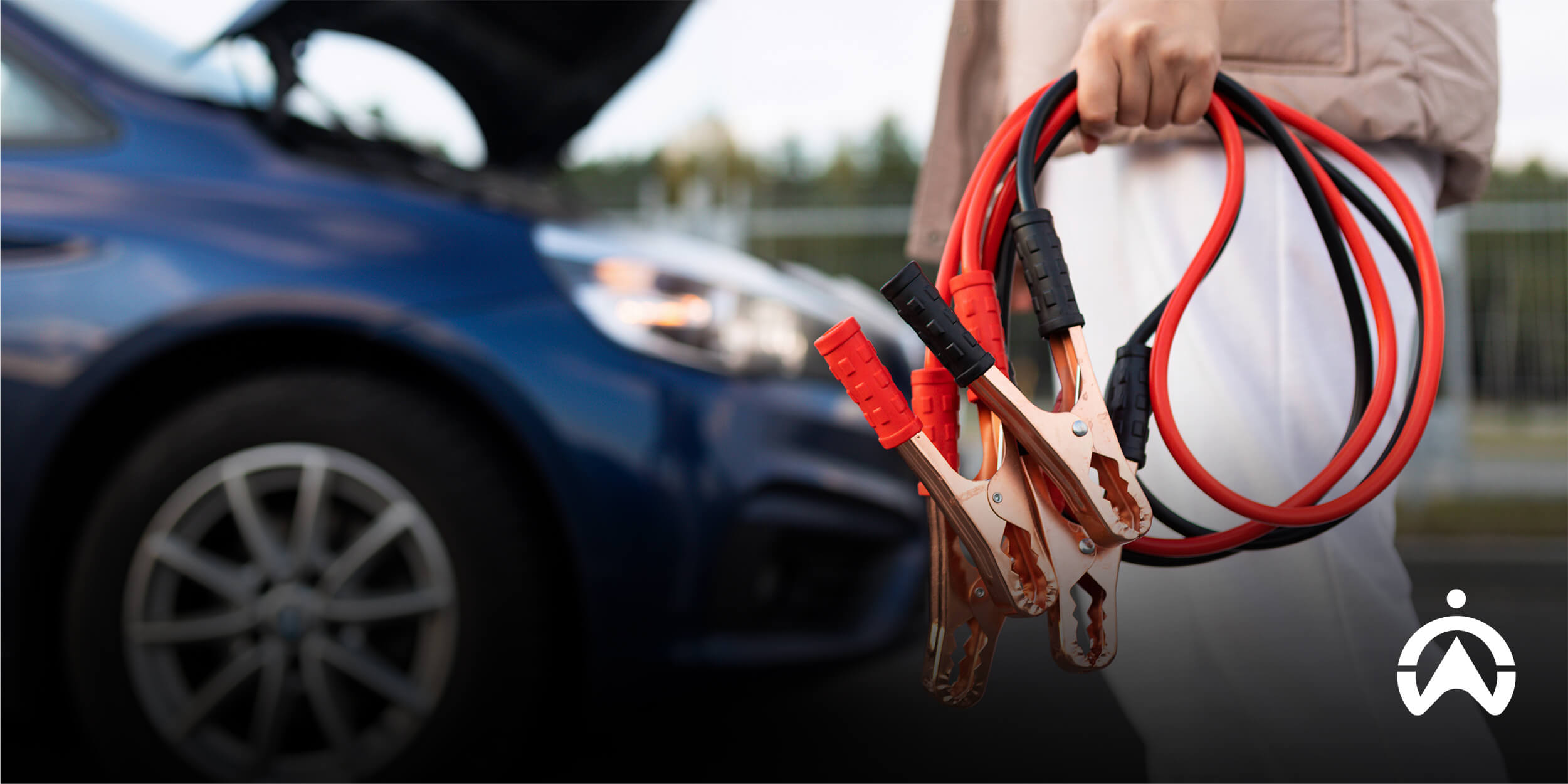
Dashcams don’t make it high on the list of things that drain your car battery, so what things DO actually drain your battery? Compared to dashcams, these are far more likely to drain your car’s battery:
- Those small lights on the inside of your car that light up your boot and the seat areas drain a lot more power than a dashcam does.
- In-cabin TVs and music devices can’t be used for as long as a dashcam while the car is off, because they drain your battery relatively fast.
- Playing your radio while the car isn’t running can quickly drain your battery. Even if it doesn’t, it contributes much more heavily to the wear & tear of your car battery compared to a dashcam.
- Hot weather (and often very cold weather too) will wear your battery down and drain it over time. Having a dashcam does NOT exacerbate this common issue.
- Did you know that most cars nowadays have a computer called an ECU? This computer system is continually in stand-by mode, which drains your battery unless you start your car and let it run every once in a while.
How will you know if your car battery is being drained by your dashcam?
If you’ve bought a dashcam that’s either cheap or installed incorrectly, you can tell if it’s draining your car battery by looking out for these signs:
- There’s a slight delay in your car starting
- The starter motor won’t engage after being parked
- Parking mode won’t switch off
- Your dashcam displays a warning light
You may also find that your car’s electronic features function better when the dashcam has been unplugged. If this is the case, there’s something wrong with the dashcam you have, or it hasn’t been connected properly. You should also listen out for clicking or buzzing sounds coming from your dashcam, which could indicate a perpetual drawing of power from your car battery.
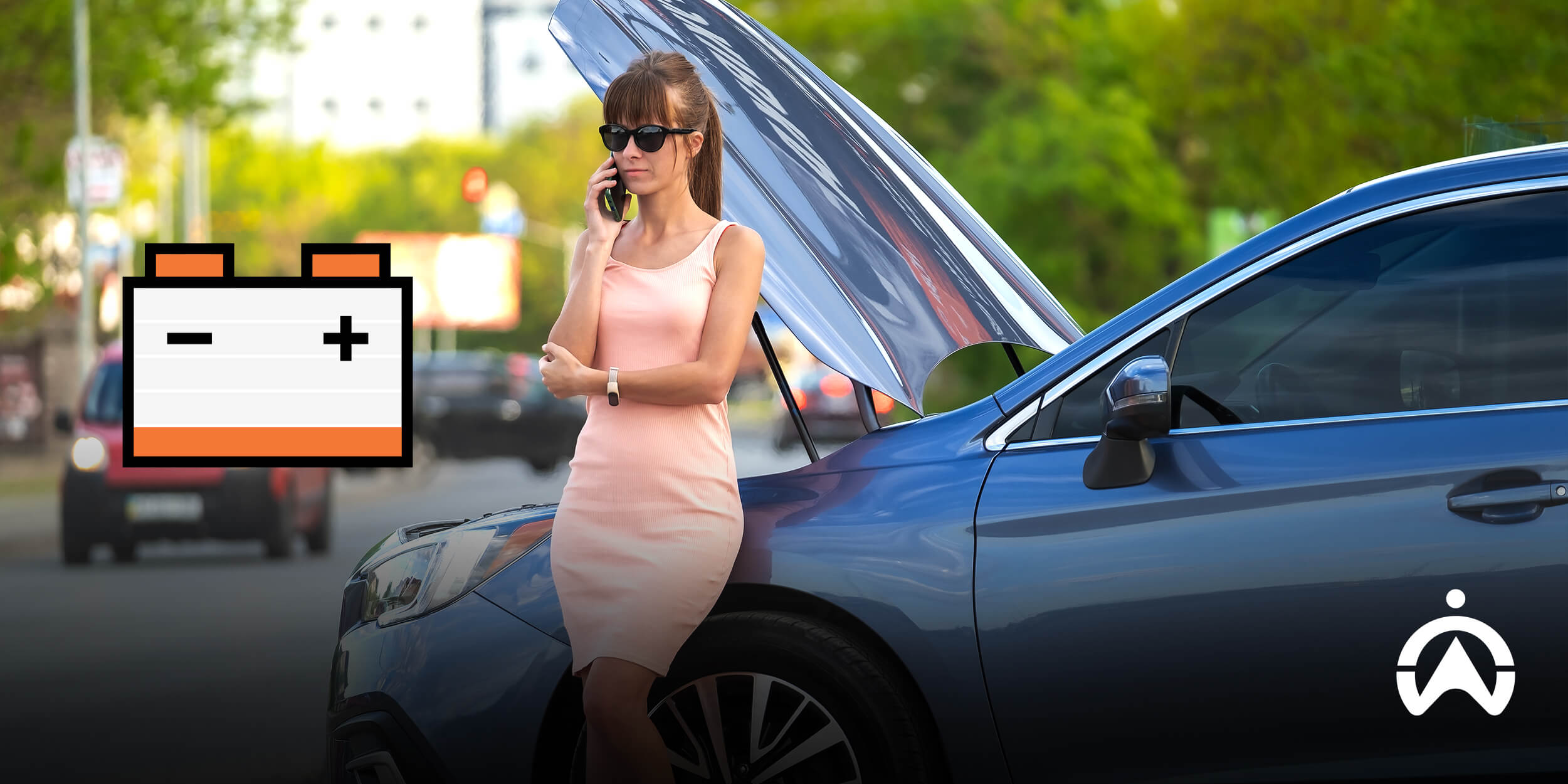
Where can you get a dashcam that best preserves your car battery?
To get a dashcam that DOESN’T drain your car battery, make sure you purchase from a reliable supplier. You should also get that supplier to handle the installation for you. If they don’t include this as a service, it’s best to go to a supplier that does, since this will form part of your warranty.
Why choose Cartrack as your next dashcam supplier?
Cartrack stands out as a phenomenal dashcam supplier because they tick all the right boxes we’ve already discussed in this article:
- Our cameras are high quality
- Our dashcams don’t drain your car battery
- They’re designed for a Namibian vehicle market
- They come with a 1-year warranty
- That warranty can be extended if you choose to do so
- We handle the installation and stand by the professionalism of that installation
- We offer a monthly subscription that manages your dashcam footage
- We also offer other safety services like vehicle tracking and anti-theft strategies
Give our consultants a call if you want to know more about the dashcams from Cartrack and how they preserve your car battery even when you use park mode frequently.