What Are the Fleet Data Metrics You Should Be Tracking
Published
Reading time
11 minutes
Blog
Data plays a critical role in modern-day fleet management. It gives you all the insights you need for smooth fleet sailing, forecasting, and improving the bottom line. As a fleet manager, you must know which metrics to track to get the most out of your fleet.
To simplify this, we have gathered our top essential fleet management metrics that should align with your business objectives and help you improve operational efficiency.
In this article, you will:
Discover the importance of fleet metrics data
Find out the top fleet data metrics to track
Learn how fleet software simplifies data metrics
Uncover the Cartrack solutions that will provide you with all the data you need
Why do fleet metrics matter to your business?
Fleet data metrics show you how well your fleet is performing. This information helps you manage your vehicles more easily and increase your profits. By focusing on the most important metrics, you can set goals to keep your operations running smoothly. This data also helps you make smarter decisions, like saving money, improving safety, and following all the rules and regulations.
Top fleet data metrics you should be tracking
Here are the key metrics to focus on for better, more efficient fleet operations:
Operational metrics that impact efficiency
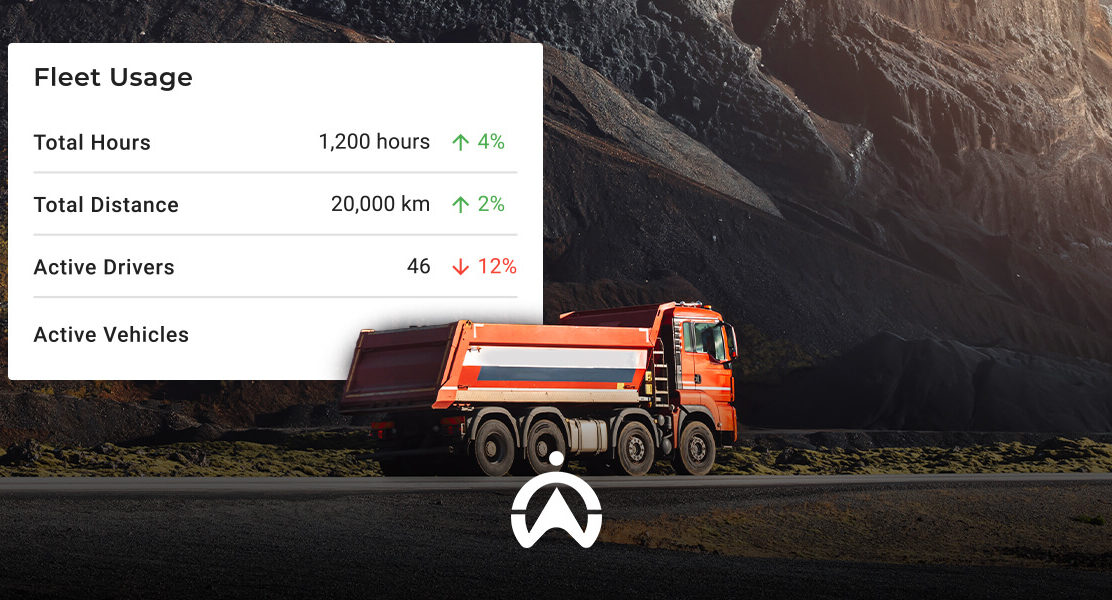
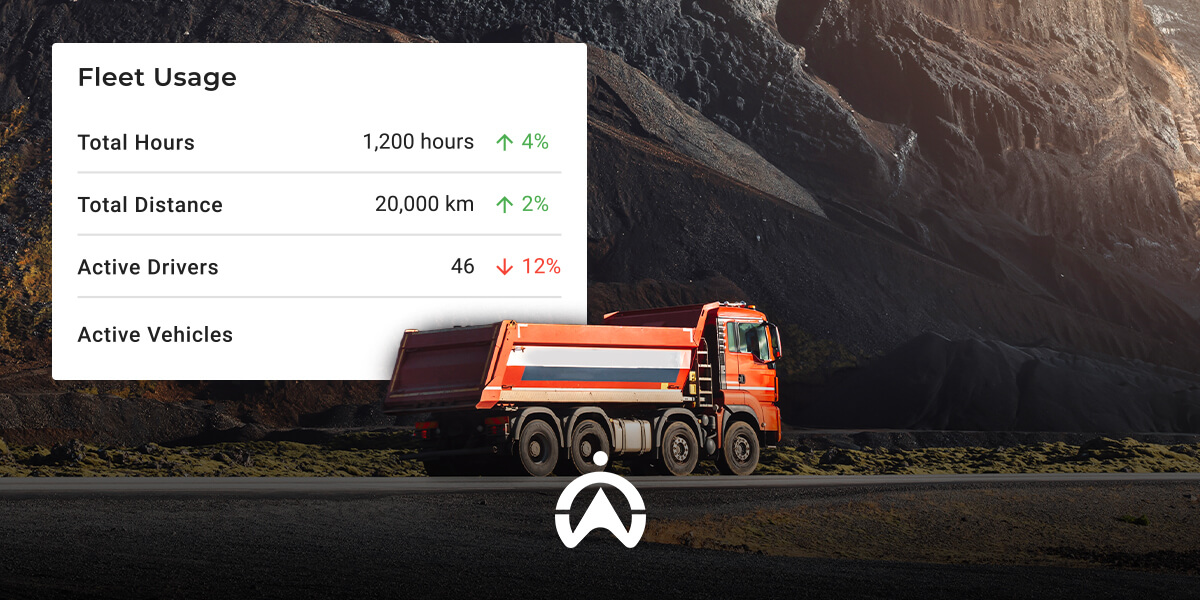
Vehicle utilisation rate
You must track the average hours of use for each vehicle per day, the kilometres given, and the idle time. Know how frequently and effectively each vehicle is being put to work to identify those that are underused or overused. Through this, you will pick up if you need more vehicles or need to size down. Monitoring the utilisation rate of vehicles also helps avoid the issues of certain vehicles being more prone to wear and tear, which reduces their lifespan.
Driver behaviour
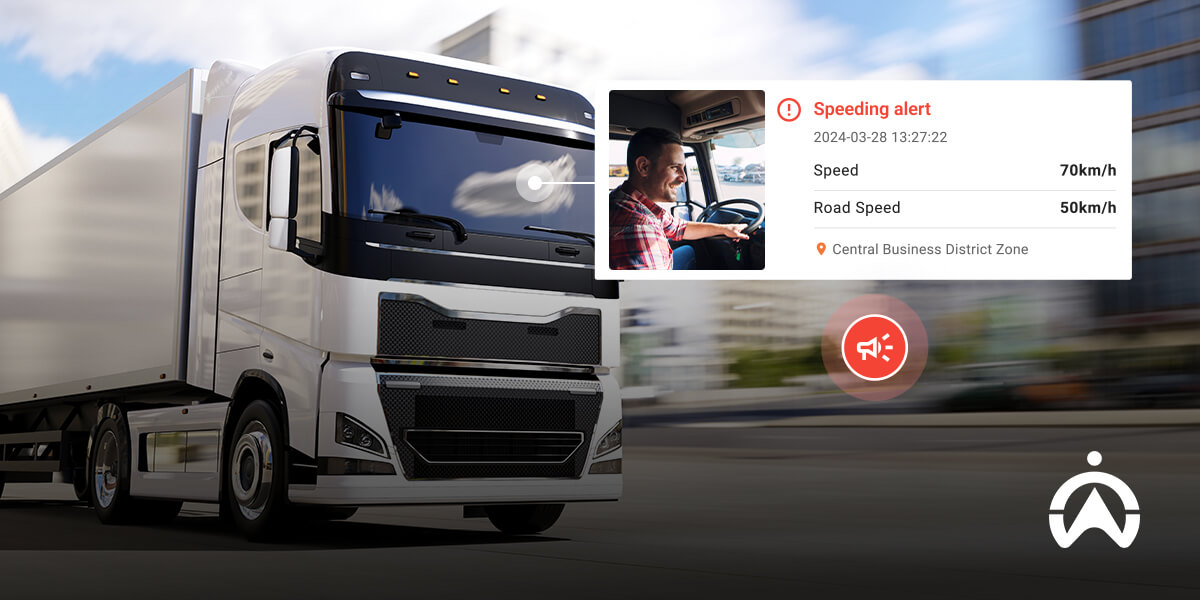
Monitoring driver behaviour contributes to a safer fleet, better fuel usage, compliance with regulations, and reducing wear and tear. This can be done through telematics, where you can use the technology to see when drivers are practising risky driving habits, such as harsh braking and speeding or wasting time and fuel by idling for too long. The key is to get reports that show how often these incidents occur so you can notice patterns, train drivers, and reduce the incidents.
Route and delivery efficiency
Route efficiency directly impacts the overall fleet operations. Without proper planning, there is a higher risk of increased fuel consumption and delivery delays. Find out how many drivers use the recommended routes versus deviations. In doing so, you will see how effective the planned routes are and how much fuel is going down the drain through detours.
Evaluate how reliable and prompt deliveries are by checking the on-time delivery rate or service completion rates, as this is vital for customer satisfaction. Review the number of missed or redirected deliveries and analyse the data to notice patterns which could indicate greater concerns relating to delivery efficiency.
Maintenance and reliability metrics
Preventive maintenance compliance
Preventive maintenance refers to performing regular inspections and following regular maintenance schedules to ensure that vehicles remain in top condition and to reduce the chances of unexpected breakdowns. Planned maintenance is key, as unplanned repairs can increase expenses through towing costs, waiting for vehicle parts, overtime for technicians, and operational disruption.
Unplanned downtime and repair turnover
Measuring downtime shows the productivity and operational efficiency of your drivers. Through this, you can identify the root causes of vehicle unavailability. Various reasons, such as repair issues, maintenance delays, and limited availability of vehicle parts, cause downtime. By monitoring this, you, as the fleet manager, can identify patterns that prolong downtime.
Fuel efficiency is a critical Key Performance Indicator for fleet management as it highly impacts the operational costs of any fleet. With fuel prices constantly fluctuating due to global factors, closely monitoring consumption using the right technology is the best way to ensure that the overall spend is not too far off from the initial budget.
You should know the average litres of fuel each vehicle uses per kilometre as well as the cost per route, per vehicle. A fuel management system makes this possible through telematics technology that automatically calculates these key points for you, giving you a detailed analysis of where your fuel goes. Moreover, you can integrate the fleet management software with fuel cards to verify transactions and quickly spot theft and fraud.
Total Cost of Ownership (TCO)
The total cost of ownership provides a complete view of all expenses associated with owning and operating fleet vehicles over their entire life cycle. It includes factors such as the initial purchase price, registration fees, maintenance costs, insurance, depreciation, resale value, fuel costs, toll gates, licenses, taxes, and all other expenses of the vehicles between buying and selling them.
To calculate TCO, you must add all vehicle operational costs to the acquisition cost plus the finance interest rate and then subtract the resale value.
Utilisation vs cost balance
One van being used every day for deliveries might seem more cost-effective, but if that van is constantly breaking down, then it’s costing you more in repairs and lost time. Then again, underused vehicles will still cost you a lot of money in terms of insurance, storage, depreciation, and lost sales opportunities.
Monitoring how often each vehicle is on the road and for how long will help you strike the right balance between costs and efficiency, which in turn increases your return on investment and fleet lifespan. Ensure that you track the average kilometres each vehicle travels per day; this makes it easier to keep up with maintenance schedules and helps sustain the fleet size.
Compliance, safety & risk metrics
Licensing and regulatory compliance
Compliance costs, such as those related to safety regulations and emissions standards, also contribute to the overall expenses. It is essential to factor in the costs associated with vehicle inspections, safety training, environmental regulations, licences and permits, as well as taxes. Always know which licences are soon expiring and the number of permits that must be renewed to avoid penalties.
Safety incident tracking
One of the most important aspects of fleet management is safety. Monitor the frequency of accidents, near-misses, the number of injuries, as well as the amount of road violations such as driving over the speed limit. As a fleet manager, you should also measure the average cost per incident to further evaluate the loss in revenue.
Insurance claims and risk exposure
How frequently is your fleet business making insurance claims? The more you claim, the higher the premiums, as insurers see you as a higher risk. Know the root cause of insurance claims and pinpoint trends such as problematic locations or driving habits, and assess the effectiveness of safety programmes.
Environmental and sustainability metrics
Emissions data
You must analyse the amount of carbon dioxide (CO₂) emissions per vehicle, per trip, or per fleet. This impacts the goal towards sustainability, which could result in higher carbon taxes. It is every fleet business’s responsibility to ensure it emits as few greenhouse gases as possible. Ensure that you choose a fleet management system that can help you calculate carbon emissions.
Fuel type and energy efficiency
The most sustainable fuel option is an EV (electric vehicle) fleet, as these vehicles generate zero tailpipe emissions, reducing greenhouse gases. Petrol and diesel engines have higher carbon footprints compared to hybrids. Whichever category your fleet falls under, ensure that you track its progress towards sustainability goals.
Turning fleet data into action
The only way to keep up with all aspects of your fleet is by investing in an advanced fleet management system. Through this, you will get all the information you need about your fleet so you can reduce costs and streamline operations.
A fleet management platform gives you a detailed analysis of your fleet in the form of reports, graphs, and other data visualisations, making the information easier to interpret and take action on.
What makes a good KPI in fleet management?
A good Key Performance Indicator for fleet management should be SMART (specific, measurable, attainable, realistic, and time-bound). This will allow you to see where you are performing well and where you need improvement. The KPIs should be based on overall objectives of the fleet, such as cost reduction, safety improvement, and operational efficiency.
How Cartrack helps you track and optimise fleet metrics with ease
Here’s how you can track fleet data metrics with ease using our powerful fleet management system:
Live tracking
Always know where vehicles and drivers are using our powerful GPS tracking system. This ensures that you see what drivers get up to daily and empowers you with the ability to spot fuel-wasting inefficiencies or when drivers are in one place for too long, which could mean possible delays.
MiFleet
MiFleet is a cost management tool on our fleet management platform that provides data analysis for different fleet categories. It promotes decision-making, reduces manual administration, and helps improve the overall running costs. With MiFleet, you can:
Get detailed odometer reports
An odometer summary based on trip data and a report with CO2 emissions based on distance travelled. It also outlines the cost per kilometre for a specific period.
Track other fleet operational costs This powerful tool further assists in keeping track of other costs such as contracts, fines, licences, toll gate costs, insurance, and maintenance. You will get automated reminders of any upcoming expirations or payment dates so you avoid late payments and out-of-date paperwork.
Telematics reports Our telematics devices collect information on driving behaviours such as speeding, long idling, harsh braking, and rapid acceleration. Through this, you will receive alerts and know which driver needs more training on practising safer, more fuel-efficient driving habits. The reports on driver events can be grouped into different categories and seen in various ways, such as the following:
Graphical risk report
Provides a graphical risk overview based on acceleration, braking, idling, turning and speeding events.
Idle report summary
Provides a summary of excessive idling incidents.
Speeding detail
Provides a detailed report of location, duration, and distance travelled over the set maximum speed limit.
Driver identification tags Cartrack’s driver identification tags encourage driver accountability, as you will instantly know who is operating which vehicle. If you have a mixed fleet, you can use the tags to ensure that each driver is assigned a vehicle that they are authorised to use, ensuring the business remains compliant. Furthermore, the tags can also be used to effortlessly differentiate between business and private trips to reduce fuel misuse.
AI cameras
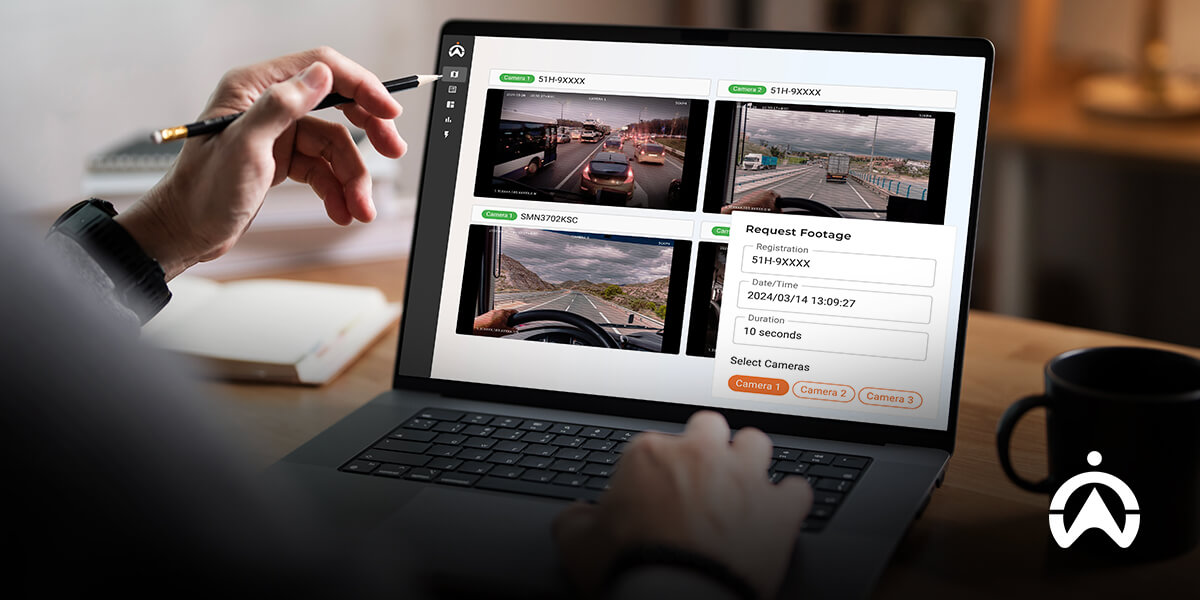
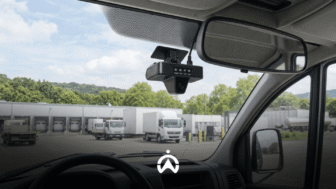
With our AI camera solutions, you can remotely monitor driver behaviour. The AI technology enhances driver safety by detecting behaviours such as not wearing a seatbelt, drowsiness, cellphone use, and smoking. The camera then sends an audible alert to the driver, allowing them to quickly correct their actions and prevent possible accidents.
Logbook
Our digital logbook allows you to easily track your drivers’ hours of service, helping keep your fleet compliant and your drivers well-rested. Monitoring the Hours of Service (HOS) restricts the number of hours a driver can operate without taking breaks. This ensures that all drivers get enough rest, reducing the risk of accidents and fatalities.
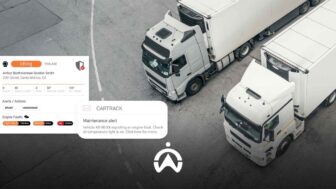
Preventative maintenance Get reminders of maintenance schedules and receive alerts of engine faults, worn brake pads, or water fluctuations to avoid unexpected breakdowns and downtime. This ensures that business operations remain unaffected by maintenance issues and further reduces costs.
Route optimisation The Cartrack route optimisation feature is software that helps you plan more efficient routes. It factors in things such as road conditions and historical traffic trends to help you find the best way for drivers to get to their destinations. Through this, you get faster deliveries and less fuel wastage.
Track all the important fleet data from one platform with Cartrack
Cartrack specialises in all things fleet management; you can trust our reputable system to give you all the information you need to improve your fleet operations. Reach out to us, and speak to a fleet representative.
Boost productivity and efficiency with these top fleet data metrics. Find out all you need to know!
Truck Leasing for Start-Up Businesses – What You Need to Know
Blog
7 minute read •
Leasing trucks to start-up businesses is proving to be a very lucrative opportunity. Many new businesses are desperate for trucks, but are often being barred from getting them because of strict bank specifications. We’re seeing a preference for leasing trucks instead of owning them, because the benefits seem to outweigh the drawbacks. Namibian businesses, especially smaller […]
Get AI Cameras for Seatbelt and Phone Detection for Drivers
Blog
7 minute read •
Getting AI cameras for seatbelt and phone detection for drivers is the perfect way to transform safety protocols in your fleet. AI detection can monitor poor driving habits, alert drivers so they can quickly correct their actions, and keep records of offences so you can coach your drivers if they repeatedly commit them. Namibia recorded 2,793 road crashes, […]
Your trucks work hard to travel long distances, carry heavy loads, and traverse roads that are often treacherous & damaged. Looking after your trucks is a wise investment that’ll pay you back in productivity and lower overheads, but only if you know what condition they’re in at all times. The trucking and logistics sector plays a vital role in […]
 South Africa
 Botswana
 Kenya
 Malawi
 Mozambique
 Nigeria
 Swaziland
 Tanzania
 Zimbabwe
 Hong Kong
 Indonesia
 Singapore
 Malaysia
 Philippines
 Thailand
 New Zealand
 Vietnam
 Poland
 Portugal
 Spain
 United Arab Emirates