Fleet Camera Systems: Get Advanced Safety and Driver Management
Published
Reading time
8 minutes
Blog
Key takeaways:
Fleet camera systems make roads safer by helping detect fatigue, distractions, speeding, and poor visibility in real time
They help managers track and coach drivers using AI alerts, GPS, and driving behaviour data
Cartrack’s systems offer advanced features like live streaming, night vision, tamper alerts, and automatic video storage
These cameras can integrate with telematics systems to give full control and compliance with Namibian data laws
Fleet camera systems have come a long way since entering the market just over a decade ago. It’s unbelievable to watch how quickly this technology has developed and adapted to the needs of fleet professionals. Two things stand out here: better safety is the first; driver management is the second.
Why are they important? Well, they directly impact your profits as a business. Cartrack will take you through some of the most important & definitive ways fleet camera systems transform the way fleet companies do business. You’ll quickly see why the best & biggest fleets only get bigger and more successful because of this transformative tech.
Ready to learn more and implement this into your own fleet? Good decision. Let’s begin!
What’s the point of getting fleet camera systems for fleet vehicles?
Getting fleet camera systems for fleet vehicles is your best way to enhance safety & compliance. It’s also one of the most effective methods for evaluating your drivers and identifying their individual coaching needs. At the end of the day, fleet cameras have PROVEN their worth as an invaluable way to grow your fleet and make more profit.
There are some interesting stats about this (both local and global). Here’s one that may interest you:
Sounds good for our economy, but there’s a downside too.
You see, the roads of Namibia will experience more truck-related accidents than passenger-related ones. This is a consistent statistic, and it’s one that Cartrack has always tried to lower. With the help of technology (and nowadays AI tech), we’ve looked at the root of these accidents and what can be done to prevent them.
The root of truck driver accidents
Truck drivers have a big responsibility. They operate large vehicles that can cause devastation on the road that’s unique from a regular car accident on your way to work. If they lose control of their trucks, it’s almost inevitable that other road users will be affected—NEGATIVELY!
We’ve done our research. We’ve looked at the stats. These are the most common causes of truck driver accidents. Once you see them, you’ll quickly realise why fleet camera systems are the most obvious solution:
Fatigue
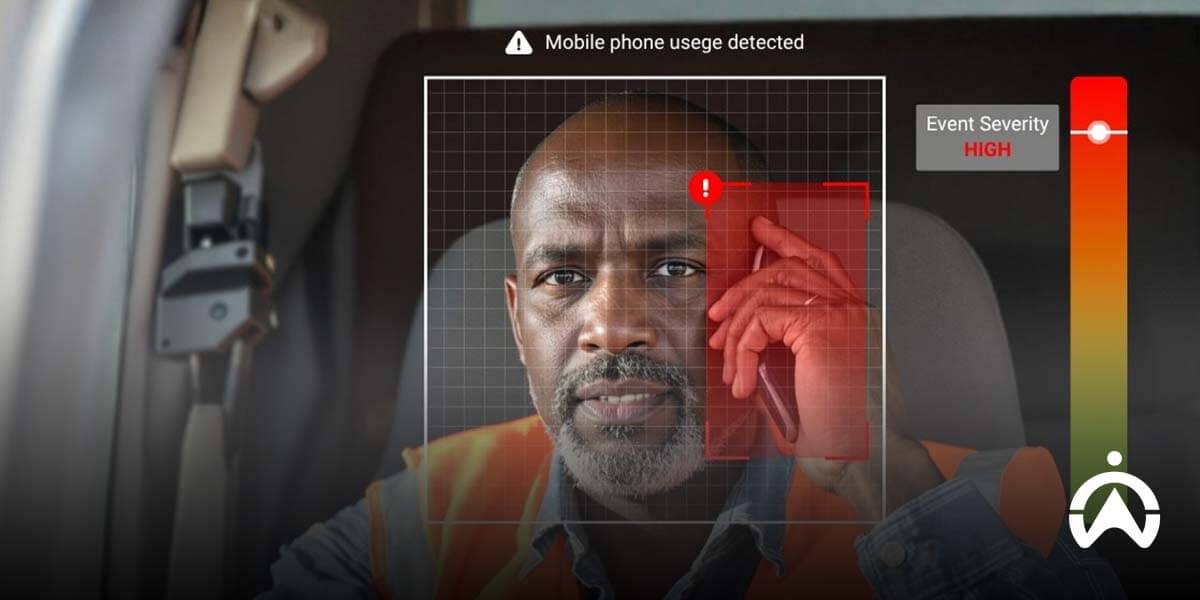
Distracted driving
Speeding
Lack of visibility
How is safety improved through fleet cameras?
Once we knew what the problems were, we felt more able to come up with the solutions. Ironically, one solution actually goes a long way to solving ALL of these problems. You guessed it: vehicle cameras!
Check it out…
Problem: Many drivers don’t get enough sleep during their off times, making them dangerously tired while driving.
Solution:AI fleet cameras can detect signs of fatigue like droopy eyes, yawning, and long periods of eyes being closed.
Problem: Drivers are often distracted by passengers, food, smoking, and things they drive past.
Solution: Dashcams can now monitor driver behaviour and alert you (and them) to potentially dangerous in-cab actions.
Problem: Going over the speed limit is a common occurrence with truck drivers. Most of us have seen the maximum speed board at the back of their trucks, but many drivers don’t always adhere to this important rule.
Solution: AI-powered dashcams for fleet trucks actually detect speeding, and even record evidence of the speeding so you can address it later.
Problem: Because of the size of their vehicles, truck drivers can sometimes struggle with all-round visibility. Their blind spots are often more extensive than yours or mine.
Solution: Fleet cameras give your drivers a full-vehicle view of what’s behind, in front, and next to their vehicles. This prevents them from swerving at the wrong time, cutting off other drivers, or hitting the brakes too quickly.
How do fleet cameras help to manage your drivers?
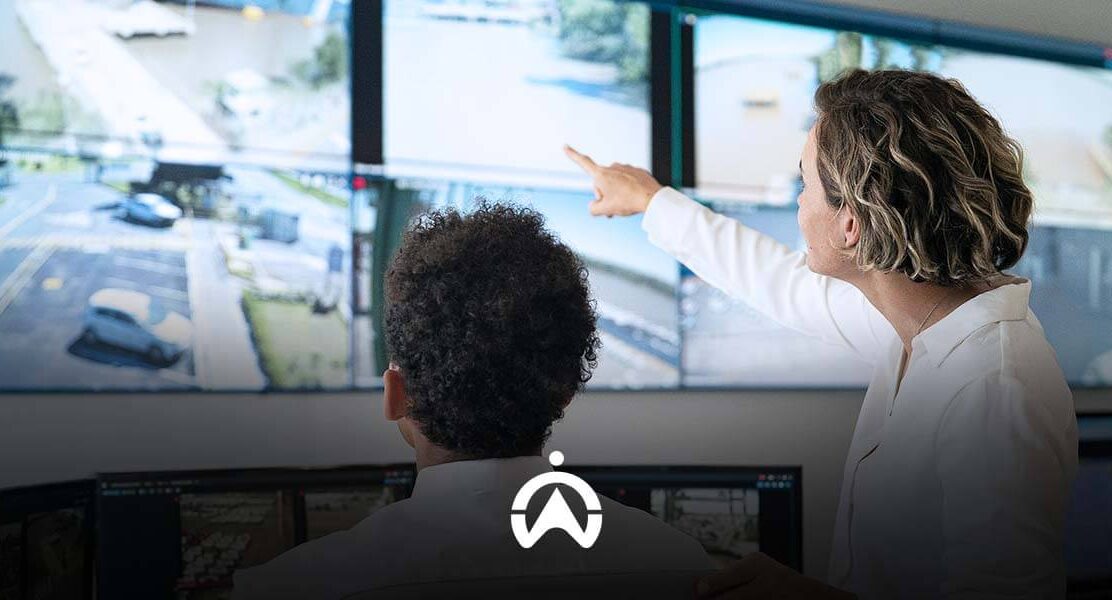
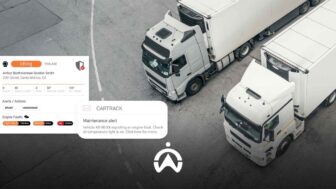
Fleet cameras help you to manage your drivers because of their additional features that track, observe, and alert. AI has revolutionised cameras to be so much more! This gives fleet managers like you the ability to comprehensively check on your drivers, track the vehicle they’re driving, and alert you to anything pertinent (like unauthorised passengers, collisions, or dangerous behaviour).
What all can a fleet camera system offer you today?
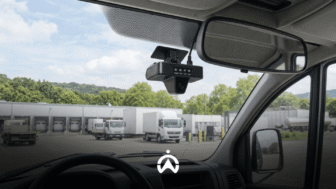
As of 2025, fleet camera systems can offer you a full package of awesome features that show you the road ahead, as well as the driver inside the vehicle cab. Sounds like a regular dashcam, right? Well, our dashcams also offer:
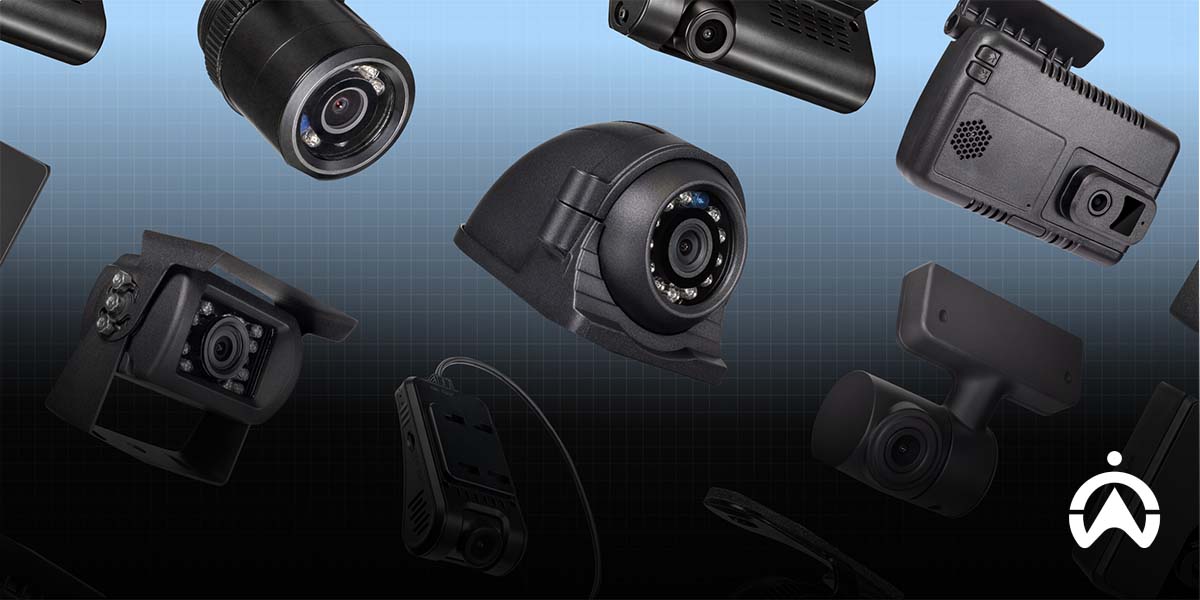
What types of cameras are included in a fleet camera system?
Even the most basic fleet camera system from Cartrack possesses ‘SmartCabin capabilities, giving you a live stream of the road ahead. Basically, you see what the driver sees (yes, even at night with our infrared night vision). But tracking is also integrated into this entry level camera system, helping you identify where your driver was when any incident happened.
Then there’s the dual vision that also has AI features. Dual vision simply means you get a feed of the road ahead as well as the in-cab. So why integrate AI into a camera that already monitors your drivers and their viewpoint? Because you simply can’t sit and watch your drivers all day long—especially if you have multiple teams on the road. Our cameras do that for you, and only alert you when something’s wrong.
If you really need a full package, Cartrack also offers a multi-camera system with AI surveillance. This gives you up to 8 to 16 cameras that give you an all-round view of the vehicle, its contents, the road, and the driver. This is super helpful for large trucks, because something might happen on the side or the back of the vehicle that regular dashcams wouldn’t capture. This system does of course include all of the other awesome features mentioned above.
Important to remember: Cartrack can tailor your camera package to suit any vehicle. We can add cameras, configure them to capture blind spots, and even help you survey your vehicle contents.
How is video stored and for how long?
Video footage from fleet camera systems is a constant stream that feeds to your head office or mobile device. Footage is only stored at your request, or when an incident is detected. This footage will be stored for as long as you need it, and can be requested for:
Insurance claims
Disciplinary action
Training purposes
Driver coaching
How do fleet cameras integrate with your existing telematics or GPS system?
If you already have an existing telematics or GPS system, you might want to integrate fleet cameras to make that system better. This is done by linking video data with your vehicle’s telematics data (things like speed, location, and driver behaviour).
Now all you need is a dashboard where everything can be viewed and controlled from. Cartrack gives you immediate access to a centralised platform, giving you full control of your drivers, your camera live feeds, and tracking info.
Frequently asked questions about fleet camera systems
Can drivers disable or cover inward-facing cameras for privacy?
No, your drivers disable or cover inward-facing cameras for privacy. Cartrack has thought of this too! Our AI-powered cameras detect when the lens is being blocked or tampered with. This will instantly alert you. Only you can authorise tampering, and only you have access to the footage.
Are fleet cameras compliant with Namibia’s Data Protection Act and local privacy laws?
Yes, Cartrack’s camera systems comply with Namibia’s Data Protection Actand other data protection standards. How? Well, our video data is encrypted, making hacking near impossible. It’s also securely stored and can be requested at a whim. However, it is essential to inform your driving team about why you’re monitoring them and how their footage is utilized. Transparency is important.
What happens to footage after a vehicle is decommissioned or sold?
When a vehicle is sold or no longer used, all its cameras and devices are disconnected from the system. Old videos are safely deleted (or stored for a short time). This will depend on your own company’s rules and privacy laws of course. Once the old data is cleared, the cameras can be reused and moved to a new vehicle
Can footage be used as evidence for insurance claims or legal disputes?
Yes, the footage from fleet camera systems is mostly used to settle insurance disputes and claims. In fact, many insurance companies will hesitate to insure your vehicles UNLESS you have a proper fleet dashcam system, as this solves a lot of disputes much faster.
Other articles for you
Truck Leasing for Start-Up Businesses – What You Need to Know
Blog
7 minute read •
Leasing trucks to start-up businesses is proving to be a very lucrative opportunity. Many new businesses are desperate for trucks, but are often being barred from getting them because of strict bank specifications. We’re seeing a preference for leasing trucks instead of owning them, because the benefits seem to outweigh the drawbacks. Namibian businesses, especially smaller […]
Get AI Cameras for Seatbelt and Phone Detection for Drivers
Blog
7 minute read •
Getting AI cameras for seatbelt and phone detection for drivers is the perfect way to transform safety protocols in your fleet. AI detection can monitor poor driving habits, alert drivers so they can quickly correct their actions, and keep records of offences so you can coach your drivers if they repeatedly commit them. Namibia recorded 2,793 road crashes, […]
Your trucks work hard to travel long distances, carry heavy loads, and traverse roads that are often treacherous & damaged. Looking after your trucks is a wise investment that’ll pay you back in productivity and lower overheads, but only if you know what condition they’re in at all times. The trucking and logistics sector plays a vital role in […]
 South Africa
 Botswana
 Kenya
 Malawi
 Mozambique
 Nigeria
 Swaziland
 Tanzania
 Zimbabwe
 Hong Kong
 Indonesia
 Singapore
 Malaysia
 Philippines
 Thailand
 New Zealand
 Vietnam
 Poland
 Portugal
 Spain
 United Arab Emirates